Archive
Uruguay Wines – Coming Of Age
Do you know the problem many wine lovers share? We are creatures of habit.
Once we develop our inner “favorite wine” profile, we don’t let any changes happen to it. We like what we like. Never heard of this region? Thank you, I’ll pass. God forbid we fall in love with the particular producer – this is even worse than the region – nothing is ever good enough outside of the circle of our favorites.
And this is generally okay. Except we are putting ourselves in danger of losing on new, enlightening, delicious experiences.
When I was invited to the Uruguay wine webinar, my first reaction was “nah”. I mean, Uruguay, really? Between Chile and Argentina, my South American world-class wine circle is already full – do I need to bother with the wines from a totally unknown region?
On second thought – this is a webinar. Wine is coming to me, not like I need to travel somewhere to taste the wines I can potentially be disappointed by. Why not?
I’m glad I accepted the invitation. Both the information and the wines were lots of fun. We learned that while Uruguay has a population of 3.5M people, 2nd smallest size-wise country in Latin America, the country has a 98.7% level of literacy, the highest in Latin America. People in Uruguay are mainly descendants of Italians and Spaniards so they literally have wine embedded in their DNA.
Winemaking in Uruguay started in the 13th century. Today, there are 164 active wineries, producing 70M bottles of wine annually. Uruguay is currently in the process of implementing its own sustainability program. And by the way, the oldest winery in Uruguay dates back to 1854 and is called Los Cerros de San Juan (still open today!).
Uruguay has primarily a maritime climate with strong Atlantic influence, with the majority of low-lying coastal vineyards. Uruguay’s climate is closer to Bordeaux than the rest of South America, and it is significantly wetter if compared with Chile, where it rains only during the winter. Soils are clay based with lots of river deposits. Uruguay has six main winemaking areas, boasting 5 different terroirs. Warm and cold ocean currents collide right around Uruguay, creating significant influence. Interestingly enough, Uruguay is the only winemaking country in South America whose terroir is affected by the Atlantic Ocean.
When it comes to grapes, there are 14,804 acres under vine (a little smaller than Alexander Valley in California). Tannat is unquestionably a star, accounting for 27% of vineyard plantings., but it is not the only grape, obviously – Merlot, Cabernet Sauvignon, Cabernet Franc, Sauvignon Blanc are all quite popular as well.
And before we talk about wines, few more interesting tidbits: cows outnumber humans in Uruguay 4 to 1 and Uruguayans consume more meat per capita than any other country in the world!
Okay, now you know all that I learned in the webinar, and we can talk about the wines.
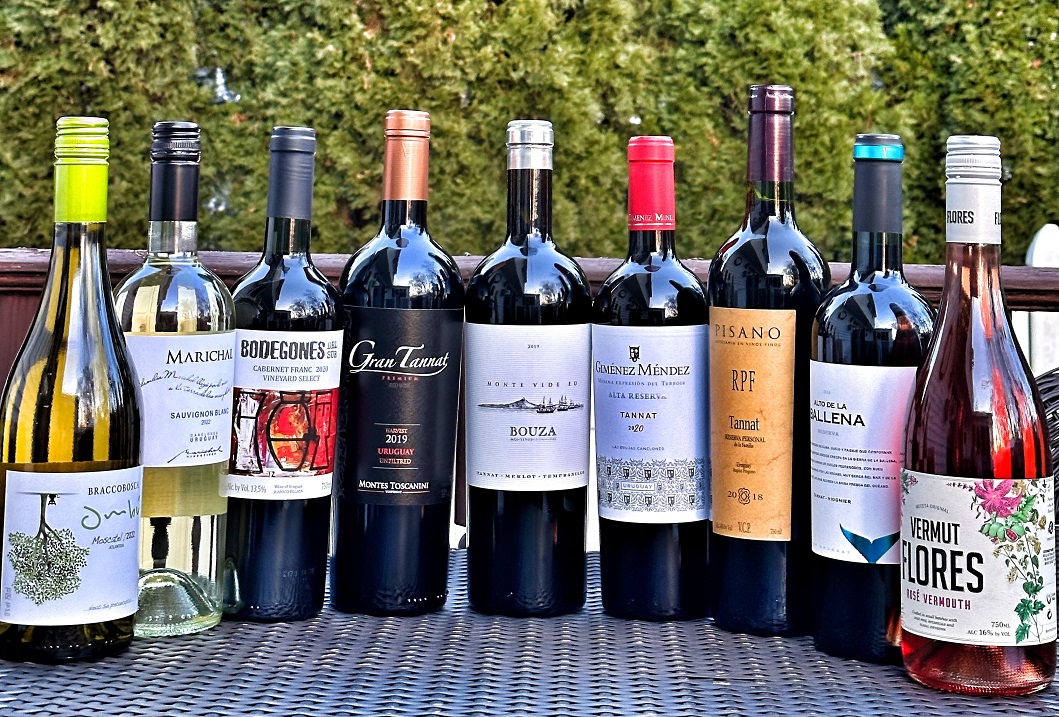
We had 2 whites, 6 reds, and one Vermouth wine in the tasting. Spoiler alert: I literally liked them all. In the blind tasting, these wines would be surely regarded as world-class, placing them in California, France, maybe Chile – Uruguayan origin of these wines would be a total surprise for many – for sure for me. And yet, here they are – world-class wines from Uruguay.
2022 Marichal Sauvignon Blanc Canelones Uruguay (12.5% ABV, $14)
C: light golden
N: plump, round, Whitestone fruit, a hint of gunflint
P: crisp acidity, fresh, bright. More resembling Muscadelle than anything else. Good balance.
V: 8, very refreshing.
2022 Bracco Bosca Ombú Moscatel Atlantida East Costal Region of Uruguay (13% ABV, $16)
C: light golden
N: very interesting. Muscat’s spicy, nutmeg profile comes as a distant hint. A touch of perfume
P: restrained tropical fruit with an acidic finish.
V: 7, not balanced enough for me; On the second and third days the wine showed much better, more coherent and more elegant – Drinkability: 8-.
2020 Familia Deicas Bodegones del Sur Vineyards Select Cabernet Franc Juanico Region Uruguay (13.5% ABV, $20, 30% aged in American and French oak)
C: Beautiful bright ruby
N: round vanilla, new world style
P: interestingly restrained on the palate, with noticeable tannins. The palate shows the absolutely old world (Saumur, Chinon). Interesting cranberry notes after an hour and a half in the open bottle.
V: 7+/8-, a bit unexpected, but not bad
Improved on the second day, became more round. Final: 8-
2020 Giménez Méndez Alta Reserva Tannat Las Brujas Canelonés Uruguay (14% ABV, $18, aged for 9 months)
C: Dark Garnet
N: Open, inviting, dark fruit, blackberries
P: Dark fruit, firm structure, smokey undertones, herbs, very good balance.
V: 8, well drinkable now
2019 Montes Toscanini Gran Tannat Premium Uruguay (14% ABV, $59, 18 months aged in oak, BAB with a huge punt)
C: dark garnet, practically black
N: wow. Cassis, sweet oak, eucalyptus, open, inviting, invigorating. In a blind tasting, I would bet my life on Napa Cabernet Sauvignon.
P: the palate is leaner than the nose suggests. Red and black fruit weave around a firm structure, tannins showed up a while after opening.
V: 8-/8, very impressive
2018 Pisano RPF Reserva de la Familia Tannat Region Progreso Uruguay (% ABV, $24, 10–12 months in French oak)
C: dark garnet
N: dark fruit, coffee, smoke
P: a hint of smoke, sapidity, dark, concentrated but not overpowering. Good balance, medium-long finish
V: 8-/8, very nice. Will be great with the steak.
2018 Alto de la Ballena Tannat – Viognier Uruguay (14% ABV, $24, 85% Tannat, 15% Viognier)
C: Dark garnet, almost black
N: herbs-forward nose, sage, a hint of cherries
P: fresh fruit, salivating acidity, sage, firm structure, and perfectly lingering cherries and cherries pit finish.
V: 8, great by itself, and will be great with beef roast
2019 Bouza Monte Vide Eu Montevideo Uruguay (13.5% ABV, $67, 20% Tempranillo, 30% Merlot, 50% Tannat, vinified separately, 16 months in French and American oak barrels)
C: dark garnet with a beautiful ruby hue
N: very complex, cherries, rosemary
P: roasted notes, dark fruit, elegant package, firm structure with a perfectly balanced mouthfeel.
V: 8, excellent, a world-class wine.
Basta Spirit Vermut Flores Rosé Uruguay (16% ABV, $16, Tannat, 27 botanicals)
C: beautiful salmon pink
N: Herbaceous, but a bit strange, stewed strawberries
P: a bit too sweet for my palate.
V: I’m very particular about the vermouth, so this is probably not the one for me.
Here you are, my friends. Next time you see an Uruguayan wine on the shelf, obey your thirst and grab it – and you don’t even have to thank me later.
Stories of Passion and Pinot: Bill Sanchez of Potter’s Vineyard

Bill and Sandy Sanchez. Source: Potter’s Vineyard
Wine is art.
More often than not, the connection goes beyond that simple statement. Have you visited wineries that are housed in beautifully designed buildings, or offer various pieces of art – paintings, sculptures – for everyone’s viewing enjoyment? Wine is a form of art, made by artists, and it thrives surrounded by art in a multitude of shapes and forms.
Bill Sanchez extended his 30+ years of PhD experience in nutritional science and 15 years as a professional Potter to the art of winemaking when he and his wife Sandy bought 3.5 acres estate winery in Laurelwood District AVA in Oregon from Laura Volkman in September of 2012. He had to learn 1,000 steps of making great Oregon Pinot Noir from Laura, who planted the vineyard in 2001. Guided by this knowledge, love of art, and utmost respect for one of the most famous artists of all time, Michelangelo, Bill and Sandy operate their winery with a full commitment to “staying small”.
Organic, LIVE and Salmon Safe certified winery, Potter’s Vineyard produces about 1,000 cases annually, supplementing estate Pinot Noir with Chardonnay, Cabernet, Merlot, Sangiovese, and Syrah coming from single vineyard estates in Washington. Connecting visitors to art, the winery also offers a full exhibit of handcrafted Clay Art.
I had an opportunity to sit down (yes, virtually) with Bill Sanchez and ask him a few questions about his passion for Pinot and art. Here is what transpired in our conversation:
[TaV]: What is Vino Vasai Wines and how it is different from Potter’s Vineyard wines?
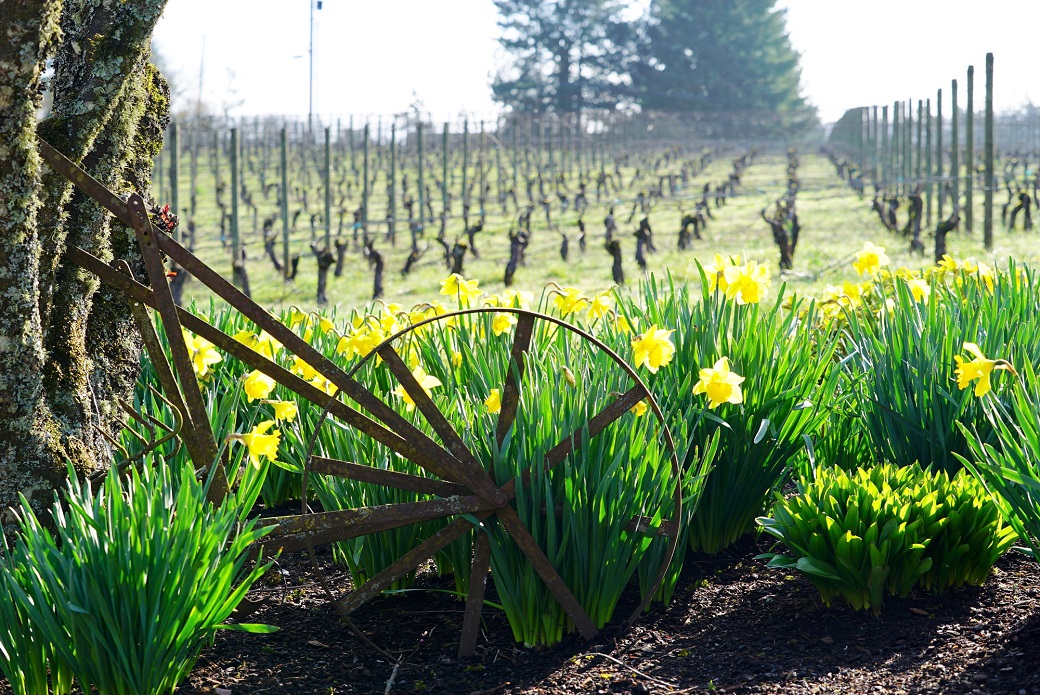
[BillS]: There’s a back story on Vino Vasai, which means Wine of The Potter. We used it when a large company said ‘they would oppose’ our trademark for Potter’s Vineyard. Vino Vasai is the wine brand, and Potter’s Vineyard is the name of our company and Estate Vineyard.
Source: Potter’s Vineyard
[TaV]: You worked for 35 years in nutritional science field. How does this experience affect your work in the vineyard and the winery?
[BillS]: That experience has focused my work on the vineyard where I am taking a ‘nutritional health’ approach to our farming. We practice organic farming and use natural ‘nutritional compounds’ to improve the health of the vineyard. We are gathering clinical data that shows this helps to prevent major pests like powdery mildew.
[TaV]: I read in your story that you learned 1,000 steps of making great Oregon Pinot. Can you please tell me what step 367 is all about? 🙂 just kidding 🙂 but seriously, what are these 1,000 steps all about?
[BillS]: When you break everything down there is probably many, many starting with 30 passes in the vineyard (that starts in January by the way), and many more steps involved in growing quality fruit (pruning, tying down, flailing, rubbing buds, trellising, mowing, spraying, hedging, etc. Then, when you add all the steps after harvest you get many, many more – I know I exaggerated it at 1,000 but someday I will add them all up and I know I will be closer to 1,000 than 100!
[TaV]: Especially because of your extensive scientific background, I have to ask you the same question I like to ask many winemakers – Biodynamics. What do you think of biodynamics? Would you ever implement it at your winery?
[BillS]: I’m very intrigued, but I don’t understand it yet, especially the ‘cosmos’ connection. I understand Organic much better and am excited to see the increasing amount of quality science that demonstrates not only that Organic farming works, but that it is healthier for the entire farm.
[TaV]: Pottery seems to be your other passion besides wine. Today, amphorae are popular vessels among winemakers to work with their wines (fermentation, aging, etc.). Do you use amphorae at your winery? As a potter, would you attempt to simply make one for this purpose?
[BillS]: Again, I’m very intrigued by amphorae but I haven’t yet found them to deliver higher quality wines compared to oak barrels. This is especially true for reds and chardonnay, which are my primary focus. I have tried some delicious crisp whites from amphorae, but I am not working with those varietals (yet)! I would rather buy Amphorae from my neighbor, fellow potter and winemaker, Andrew Beckham than attempt to make one myself (especially at the size needed to make enough wine for a club pickup).
[TaV]: I understand that you and your wife are big fans of Michelangelo and his work. How does Michelangelo’s work inspire you in your daily dealings at the vineyard and the winery?
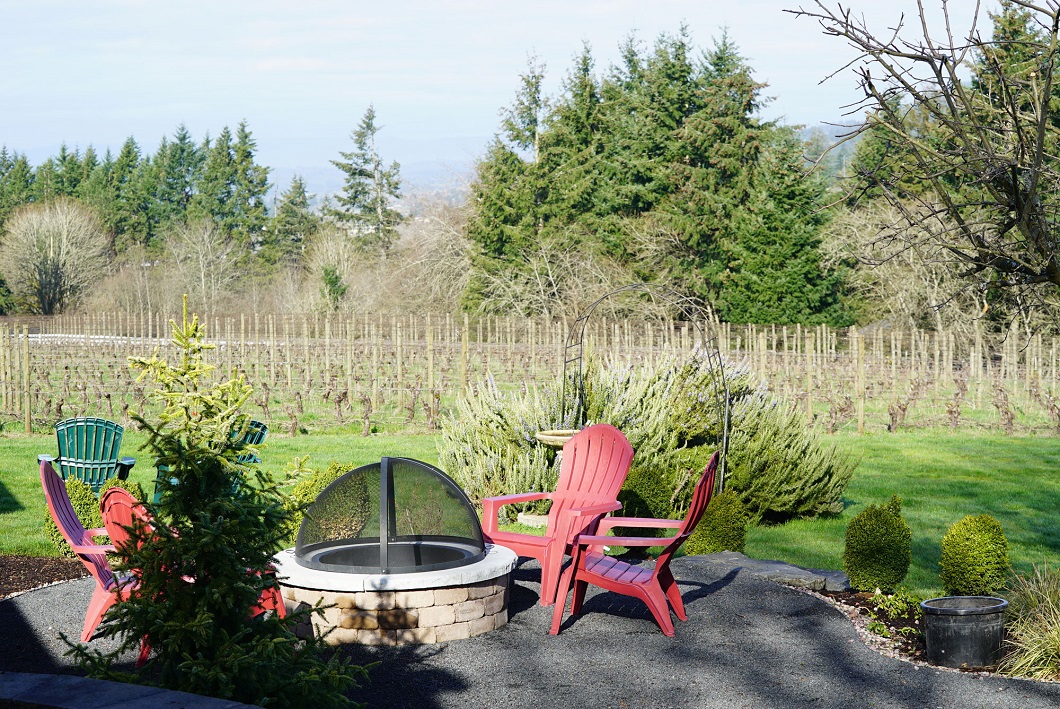
[BillS]: I like the fact that Michelangelo was so diverse in his work (sculpture, painter, and architect) and I think we all aspire to be like him, not only one of greatest in his time but one of the greatest of all time!
Source: Potter’s Vineyard
[TaV]: You stated that Potter’s Vineyards is dedicated to staying small. How difficult it is keep that resolution and to stay small?
[BllS]: It’s most difficult financially, but because my wife and I did not plan on needing the income into our retirement years, we are happy to break even and live and work with less stress.
[TaV]: How does this decision affect your daily work?
[BillS]: It is very rewarding to have something we enjoy very much that keeps us busy every day and provides a product that enriches people’s lives, especially in creating a pleasurable memory they can share with family and friends.
[TaV]: Potter’s Vineyards is a certified sustainable winery. Can you talk about your approach to sustainability and why sustainability is important to you?
[BillS]: Our approach is to focus on the health of the entire farm. I like to think about the health of the soil (insects, microbes, organic matter), the vegetation diversity between the rows, the flowering plants surrounding the vineyard, the birds, the bees, the insects and of course the people who visit. I believe this approach will allow the farm to thrive for many years (if not forever).
[TaV]: You have two wine clubs, B club and M club. I understand that M stands for Michelangelo. What B stands for?
[BillS]: Botticelli (another great Italian artist)
[TaV]: In terms of distribution, what percentage of your wine is sold through the club and local visits?
[BillS]:Over 90%.
[TaV]: Are your wines available in retail or maybe the restaurants?
[BillS]: We don’t actively pursue distribution, but if local retailers request our wines, we make them available and support these local establishments. Our wines are currently available at Our Table Farm Store in Sherwood, OR., 503 Uncorked Wine Bar in Sherwood, OR., Old Town Bar & Grill in Newberg, OR., and Crushed & Crafted Wine Bar in Newport.
[TaV]: I see that you produce a Sangiovese wine. Sangiovese is largely atypical for an Oregon winery. Is that a nod to your Italian connection?
[BillS]: Yes, my wife Sandy actually.
[TaV]: How popular is this wine with your customers?
[BillS]: They love it and love the story where we discovered Sangiovese during our trip to Italy in 2011 and then bought our vineyard in 2012. Releasing a Sangiovese in our 10th year of business was truly a dream come true!
[TaV]: You already make a full line of Pinot Noir wines (sparkling, Rosé, white Pinot and of course the large range of Pinot wines themselves). You also make Cabernet Sauvignon, Merlot, Sangiovese. Do you plan to plant any new grape varieties or make new wines?
[BillS]: Someday we may offer a Sauvignon Blanc, but Sandy says that’s it after that!
[Tav]: Where do you see Potter Vineyard in 10 years? What would you like to accomplish during the next 10 years?
[BillS]: If my children take a serious interest, I would love for the business to grow enough to support their families into the next generation and beyond but if not, we will find someone to nurture it along just as Laura Volkman found us!
There you are, my friends – another story of Passion and Pinot, another story of wine and art.
I didn’t get a chance to try Bill’s wines yet, so please stay tuned for the update…
P.S. For more stories of Passion and Pinot please visit the series’ main page.
OTBN Conundrum
OTBN, short for Open That Bottle Night, is my favorite wine holiday. Nowadays, there are lots and lots of wine holidays, usually associated with a particular grape – International Chardonnay Day, International Cabernet Day, Beaujolais Nouveau celebration, and so on. The majority of such wine holidays encourage you to open a bottle of wine made from a particular grape, whether there is a story behind the bottle or not. You can take these grape holidays with all seriousness and meticulously prepare and select the right bottle, or you can just grab any random bottle you will see in the store – or skip the grape holiday altogether if you don’t feel like drinking Cabernet Sauvignon or Chardonnay on that particular day.
OTBN is different. OTBN was invented for people who take their wine seriously. Or maybe rather those who take their wine too seriously. Over the years, we accumulate wine bottles that are deemed special; brought home from the winery you visited in France; got this bottle after an amazing tasting event; a bottle from an amazing family vacation many years ago; a bottle given to you by a dear friend. We can continue on and on, but you got the point.
Many of those special bottles in your collection would have some similar traits: they exist in the quantity of 1 and they are too special to be opened at random. Those special single bottles stay put in your cellar, waiting for the special company, special circumstances, special moment, special friend’s visit to be opened and enjoyed. More often than not, they keep waiting, and waiting, and waiting, because that special moment keeps not happening. And then, when it finally arrives, you might open that special bottle you preserved with the best care in the world, only to find that the content can solicit the memory but can’t bring you joy anymore because the wine in the bottle simply turned past prime. And it also kind of ruins the moment. This is why OTBN was invented, and this is what makes it such a great holiday for all the winos out there.
My personal conundrum draws exactly along the lines I just described. I have a lot of single bottles (actually, an absolute majority of my wines in single bottles – I practically never buy any wine by the case), and as such making a decision about a “special” bottle of wine for an event or a holiday, never mind the hallmark of them all, OTBN, a long and tedious process. “Is this bottle good enough? Okay, but I only have one. What if I will open it now and would never know how great it could’ve been? What do I do? What do I do?”
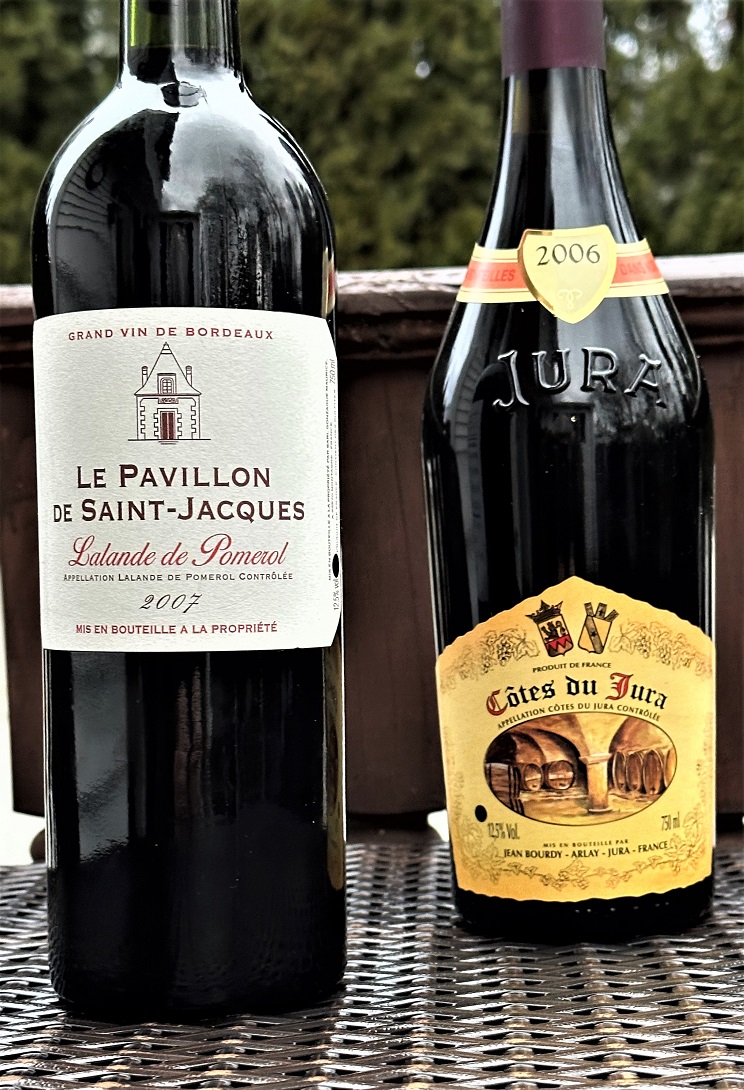
Same as the last year, I had to celebrate OTBN early this year due to the business trip spanning over the intended OTBN last Saturday of the month, February 25th. My wife doesn’t drink much wine nowadays, so I had to count primarily on myself. I had no good ideas coming to my head, there were no special bottles of wine I was ready to sacrifice. Looking at one of the wine fridges, I noticed the bottle of Jean Bourdy from Jura.
I don’t take Jura wines lightly, they are very hard to procure in the US. And then Jean Bourdy is a legend in itself – I better have a damn good reason to open such a special bottle. Then I thought that I already had some Jean Boardy in the past – maybe I would find some notes in the blog? I entered Jean Bourdy in the search box, and sure enough, this post came up. I tasted this wine in 2011 when I attended a Natural Wines seminar at PJ Wine store in New York – my first, a truly memorable encounter with natural (low intervention) wines as a category. I tasted this exact wine, 2006 Jean Bourdy Cotes Du Jura Rouge (fun fact: 2006 was the first vintage of Biodynamic wine production at Caves Jean Bourdy). I really liked the wine then, and my note said “It appears that wines of Jean Bourdy are known to age very well (note to self)”. As soon I saw this “note to self”, I instantly put that single bottle of Jean Bourdy back, as 17 years is most likely not an age for it.
In the same post, I noticed another wine that happened to be next to Jean Bourdy bottle on the same shelf – 2007 Le Pavillon de Saint Jacques Lalande de Pomerol. I pulled this bottle many times from the fridge before, always remembering that this was a natural wine, but again, no moment felt special enough. Then I read my note from 2011, which was clearly less than favorable. Here it is in its entirety:
“Very interesting. Smells like dirt, pure dirt after the rain. Very vegetative, no fruit on the palate, just pure dirt again. Almost no acidity. This wine was fermented in concrete tanks, aged for 18 months. It is “certified organic” and made with 90% Merlot and 10% Cabernet Franc – classic Pomerol wine. I would love to taste it in 10-15 years – I think it will greatly evolve, but it is not easy to say ” I like it” now”.
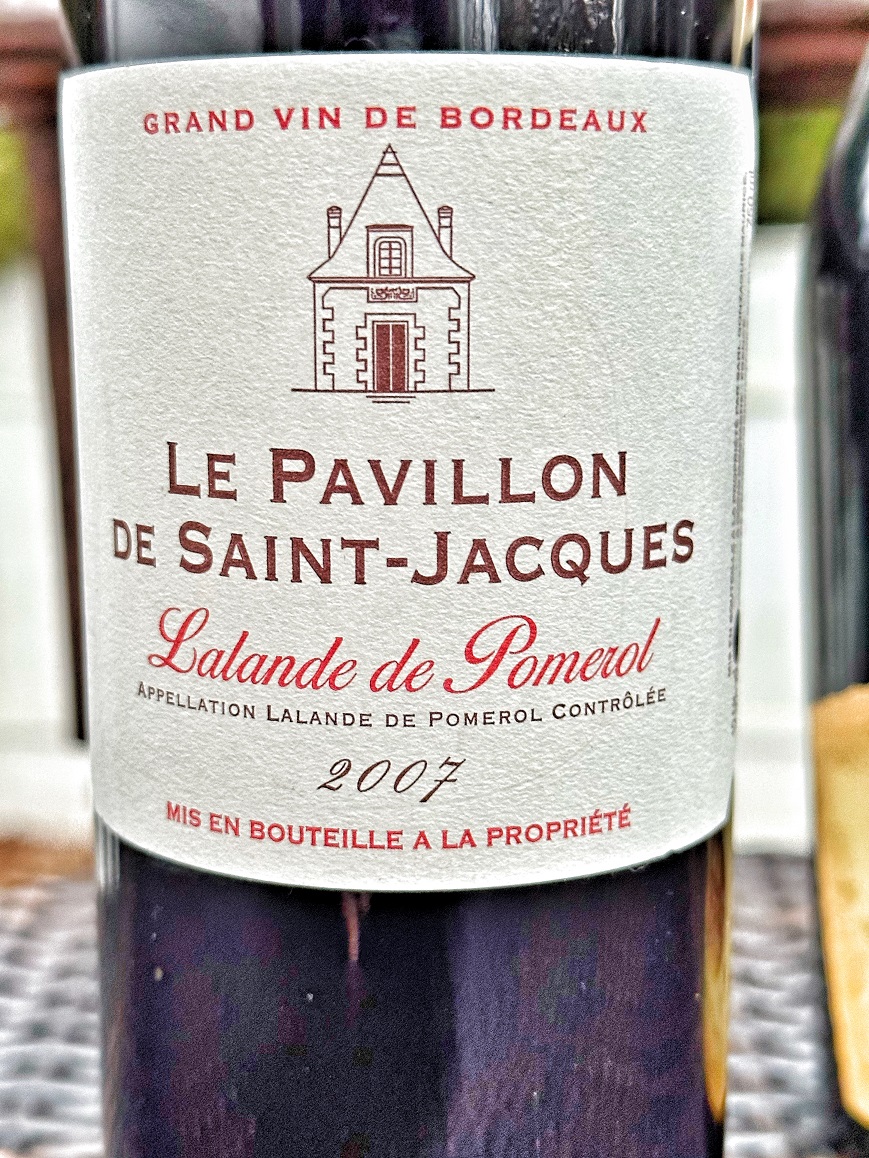
This “note to self” clearly stated that the wine was not good in 2011, but I should give it another try in 10-15 years. I was pretty much in the middle of that suggested term – 12 years after the original tasting, so opening that bottle all of a sudden became a perfect thing to do.
Cork came out easily, showing a good amount of crystals on the bottom, but otherwise perfectly fresh. The first sip instantly put my inner wine geek into a nirvana state. Barnyard. Pure, beautiful barnyard. If you belong to the group which screams “brett” at the first whiff of the barnyard smell on the wine, I’m sorry but we can’t be friends. Yes, there are limits to everything, but the reasonable amount (don’t ask me to quantify, everyone has to define their own “reasonable amount”) enhances the wine pleasure for me. I typically find barnyard associated with Syrah wines – possibly, this was my first Bordeaux with the barnyard aroma – but the barnyard aromas were followed by the classic, concentrated cassis. Layered, concentrated, softly rolling harmonious wine with perfect, firm structure and clean acidity. Beautiful, classic Bordeaux. This was truly an OTBN-worthy pure pleasure experience (by the way, my wife also loved the wine very much).
Here you go – my typical wine selection conundrum, happily resolved to make another memorable night. And as a bonus, the expectation of improvement of the wine with age fully came through (patting myself on the back).
The official OTBN night is almost here. You still have time to select the bottle or 5, maybe get some friends together and make some wonderful wine memories. If you want to celebrate only one wine holiday a year, make it OTBN – don’t risk the wine not being there for you, or you not being there for the wine.
And please share your OTBN stories – I would love to hear them.
Daily Glass: Trial and Error, and Variety of Opinions
Drinking wine is complicated.
I guess I lost you right here and now.
Let’s try again.
Drinking wine is not complicated. Things preceding the wine getting into your glass are complicated. Deciding on the wine to buy, deciding on the wine to drink, deciding how long to keep the bottle before opening is complicated. Dealing with influences, both positive and negative is complicated. If you don’t see it that way – you are lucky. And if you do share my opinion, let me have your ear.
Today, let’s talk about influences. First, let’s take a look at the positive influences. A trusted friend said that the wine was amazing and you must try it. You visited your favorite, trusted wine store, and the salesperson recommended the wine. You saw a raving review for the wine on the website you already bought 10 excellent wines before. You obviously trust the recommendation and happily buy the wine. All is good, right?
Of course, all is good. Maybe not all, but almost all. What might not be good in such a beautiful picture? The expectations. Getting a recommendation from a trusted source sets your expectations. It sets them way, way too high. If your high expectations are not met upon the first sip that obviously creates disappointment. What was supposed to bring you instant joy is now making you upset. Your expectations now failed, and because it was a trusted source, it makes things even worse.
Before you get too upset, let’s think. Maybe the problem is not with the recommendation, but with the way you took it? This is wine, remember? Aeration, temperature, mood, food, environment – all affect the perceived taste of wine. Serve heavy red too cold, and the wine will become bitter. Serve it too hot, and you will be running away from the alcohol hit. Serve a 3 years old bottle of Howell Mountain Cabernet Sauvignon without decanting, and I literally guarantee you pain and disappointment. In wine, these little things matter.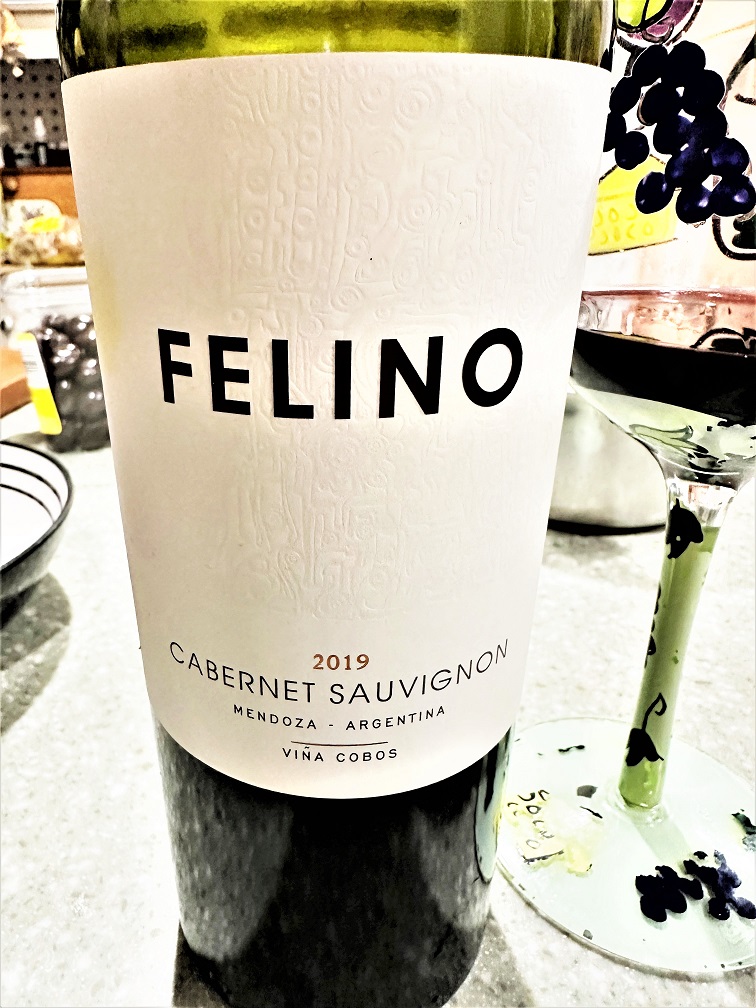
Case in point – 2019 Viña Cobos Felino Cabernet Sauvignon Mendoza (14% ABV, $6.98 ($22 original price), 100% Cabernet Sauvignon, aged for 8 months in oak barrels 10% new). A few months back, I got an email from Wine Exchange, with an offer no wine lover can resist – outstanding Cabernet Sauvignon which was originally priced at $22 and is now $6.98 as a black Friday promotion. I bought 6 bottles. A week or so later opened one and had a feeling of being duped – the wine didn’t show much of anything. I made a mental knot to remember that this was not the wine I can enjoy. Can you imagine my level of disappointment? Of course, at this price, nobody can really complain, but the disconnect between the trusted expert’s recommendation and the actual experience was too dramatic and definitely contributed to the feeling of disappointment.
Two weeks ago, I was looking for a bottle to open for a house guest and just came across this wine again – yeah, sometimes I suck as a host, I know. After my guest had a few glasses (I was not drinking that evening), I pumped the air out and put the bottle aside. The next evening, I was not looking forward to it, but I said I would just have a sip and then put the bottle aside to cook with. Wow. What a transformation. The wine was beautiful, it opened up, it had cassis, it had cherries, it was clean and succulent, exactly as the description promised. Do you see now what I’m talking about? The positive expectations were not met – I’m glad I didn’t stop at that moment of disappointment, but the overall experience could’ve turned out for the worst.
Now, let’s talk about the negative influence. When a trusted expert tells you that the bottle of wine is not good or that you will not like it – you listen. If this is the conversation in the wine shop before you buy the bottle, the outcome is clear – you would just not buy the bottle. And if you already own the bottle? Well, it is what it is then…
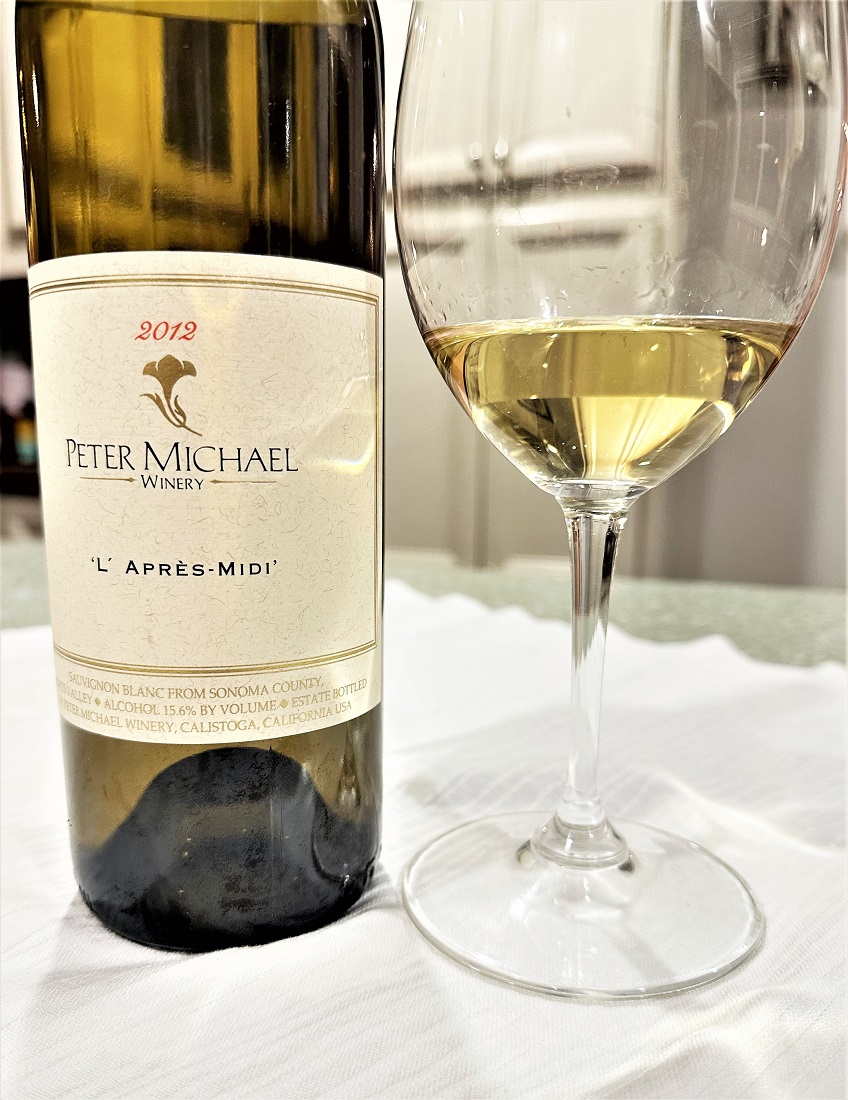
A few weeks ago, I spoke with my friend Zak (the wine store owner) who mentioned his recent experience with Peter Michael wine – he open a bottle of an older Peter Michael Sauvignon Blanc, and it was practically on the way out, actively developing tertiary aromas. A few days after this conversation, after a long day, I suddenly had an urge for a glass of white wine late in the evening. This doesn’t happen that often, but hey, obey your craving… After mindlessly pulling a few shelves in the wine cabinet, I came across the one with Peter Michael bottles. “Aha, this 2012 Peter Michael L’Après-Midi Estate Napa Valley (15.6% ABV, 95% Sauvignon Blanc, 5% Semillon, 8 months in French oak) is probably gone already anyway, why don’t I open that”.
“Whoa” was my instant reaction upon the first sip. 10 years old white wine from California, with 15.6% ABV… You would definitely expect the wine to turn, and yet it was fresh, complex, exuberant, brimming with juicy whitestone fruit, plump vanilla, and fresh acidity. Could my low expectations contribute to the elevated enjoyment? This is always a possibility, but I’m not sure. The wine was not comparatively good, it was simply good on its own. What made my experience different from Zak’s? I have no idea – it is a mystery. And this mystery is what makes wine so much fun.
There you are – an account of indecisive winelover dealing with influences and preconceived notions.
But for some reason, I don’t think my situation is unique. I’m sure you got your own stories – do tell…
A Few Days In Florida
Time flies.
Just a month ago It’s already been a month since we visited our close friends in Naples, Florida. We spent a week at our friends’ house, sometimes enjoying the sun and sometimes not (on the morning we were flying back to New York, the temperature was balmy 40°F). However, this is not a post about the weather – this is primarily a post about the wine, and some flowers – in pictures, that is. Possibly, quite a few pictures.
My friends enjoy an occasional glass of wine, but it doesn’t have to be absolutely anything in particular – the price should be right (low), that’s the main criteria. Therefore I enjoyed exploring the random collection – but of course, I couldn’t also resist an opportunity to visit some of the local wine stores.
First, there was an early morning flight – always an opportunity to enjoy the sunrise.



Talking about the wines, we started our first day in Florida with a few tasty whites. 2018 Grgich Hills Estate Sauvignon Blanc Fumé Blanc Napa Valley was outstanding – bright, succulent, bristling with acidity, and supporting core of the whitestone fruit. I love Sauvignon Blanc in all of its renditions, and this was the quintessential Napa Valley version. I also had the 2019 Whipstitch Barrel-Fermented Chenin Blanc Clarksburg which was restrained and interestingly elegant, with good acidity and a plump, fuller body mouth feel.
Our dinner plan for the evening was very simple – steak, a nice porterhouse from Pat LaFrieda. Ever since I made Bistecca alla Fiorentina a few years back, I got hooked on this specific way of cooking the steak every time I come across a good porterhouse. And then, of course, my preferred wine for such a dish is Montalcino, either Rosso or Brunello. There was no Montalcino on hand, so I went to the nearby Total Wine to pick up the bottle. After a long deliberation with myself in front of the Montalcino section (not very large), I settled for the familiar – 2020 Il Poggione Rosso di Montalcino. This was kind of a safe choice remembering a great experience I had with the 2016 Il Poggione Rosso and the steak.


The steak portion of our dinner was excellent – after all, Pat LaFreida provides top-quality meat, so my job was only not to overcook it. The wine, however, didn’t deliver. The 2016 Rosso was superb in its perfect balance of cherries and earthy flavors. The 2020 Rosso, which I also had a few months back, was simply too tight and rather void of any pleasure. The same two years of age (I had 2016 in 2018, and 2020 at the beginning of 2023), but the difference was profound. Oh well, at least we enjoyed the steak.
The next day we visited the supermarket store called Seed to Table, one of the local hallmarks in Naples. If you are familiar with Stew Leonard’s stores in Connecticut and New York, that will give you an idea of what Seed to Table is – only 10 times better. Seed to Table would deserve a special post of its own, which I might do after our next visit to Naples. But for now, I have to mention the wine section at the store – it was mind-boggling. The American wines were extremely well represented – California, Oregon, Washington, Virginia, and other states – very solid choices, not inexpensive, but still all the reasonable stuff, in the $30 – $80 range for the majority of the wines. I regret not taking the pictures to share with you – I will correct it the next time.


I picked up two bottles of wine there. The first one was the 2020 Textbook Cabernet Sauvignon Napa Valley, the wine which is rumored to be made from the same fruit as Harlan. I had Textbook Cab many times before and enjoyed it. This wine was not bad, but it was definitely opened too early. It was bold, tight, and “in-your-face” concentrated, nicely hiding a beautiful cassis core that was trying to present itself but was unable to. Give this wine 8-10 years, and you will be able to start enjoying it.
My second pick was 2020 We The People Cabernet Sauvignon California. This wine was a lot more approachable than the Textbook and was showing the telltale signature of Cabernet from Lodi – a hint of warm cinnamon notes, just enough to be noticed but not enough to get in the way of enjoying the wine. This wine was perfectly drinkable and enjoyable from the get-go.
A few days later my sister-in-law and her husband were planning to visit, so I decided to go to the Seed to Table again. This time, I came across the Spanish wine section and decided to pick up a few of the perennial favorites.


2016 Coto de Imaz Reserva Rioja DOC was spot on. Coto de Imaz is lesser known than Lopez de Heredia, La Rioja Alta, or CVNE. Nevertheless, Coto de Imaz Rioja is well worth seeking, as I had never been disappointed by their wines. This wine offered beautiful round dark fruit, a cigar box, and a touch of eucalyptus, all velvety and polished.
2019 Emilio Moro Ribera del Duero DO didn’t fare as well as the previous wine. It was too tight, and the fruit was not showing even a few hours after the bottle was opened. It is possible that this wine needs good 10-15 years in the cellar to mellow out, but at this point, this is probably not something you want to open.
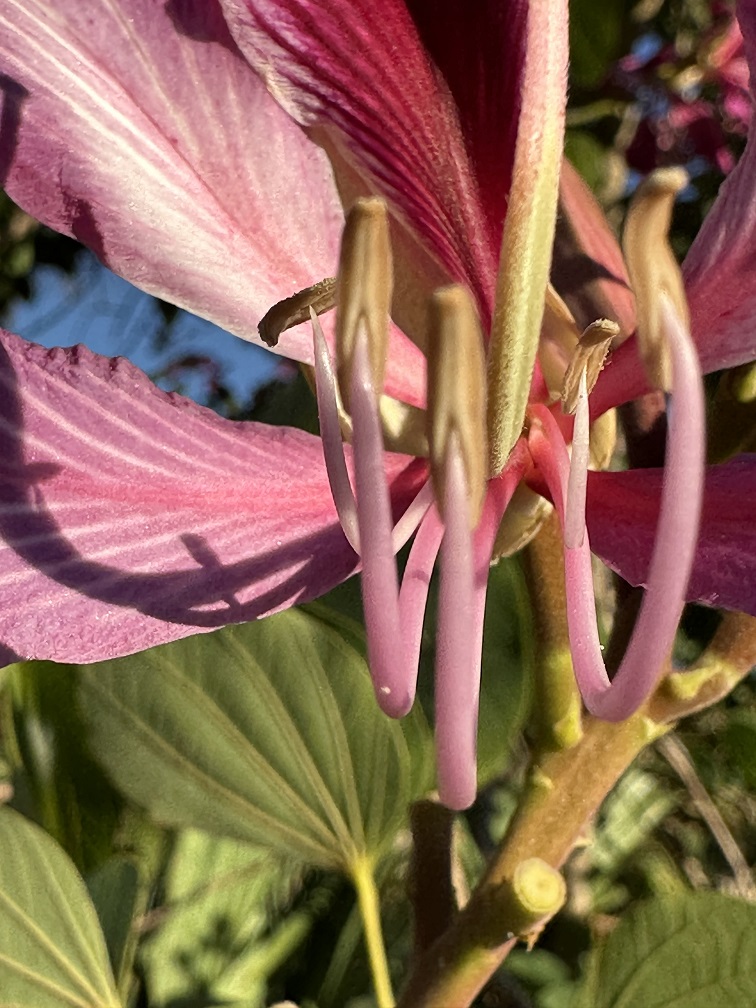
Time for flowers! We visited Naples Botanical Garden, and so here are some flowers I picked there, especially for you:




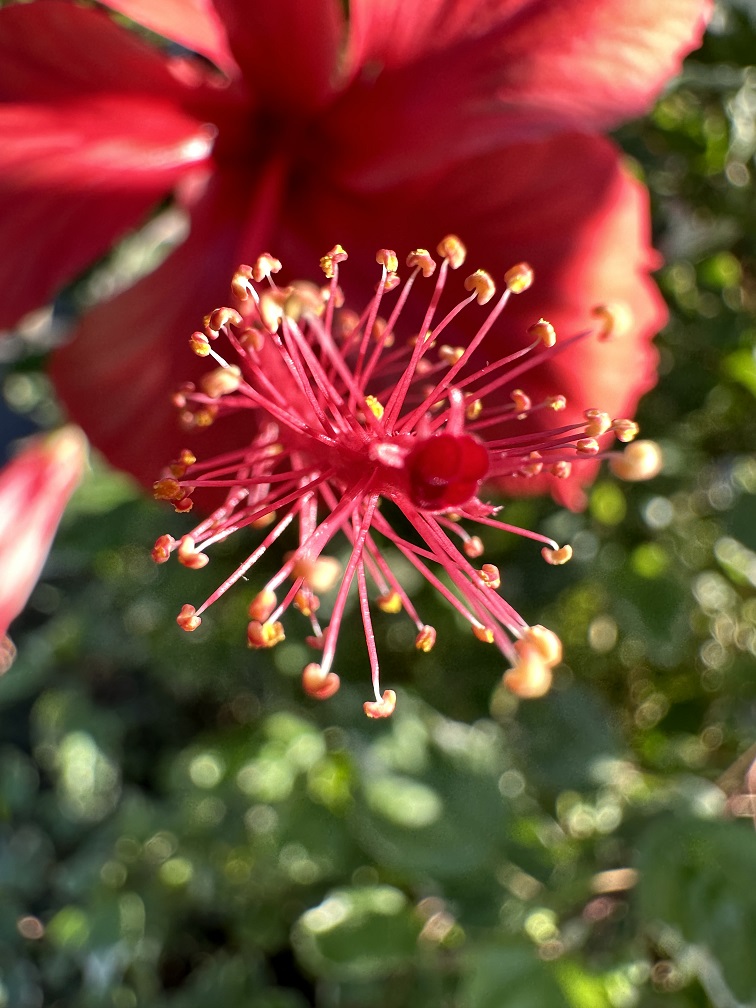



I would like to mention a few more wines in passing here. 2020 Chateau Roudier Montagne-Saint-Emilion AOC is a budget Bordeaux from Trader Joe’s. While not mind-boggling, it comes from an outstanding 2020 vintage and is easy to drink, mellow, and round. 2016 Ferrari Carano Cabernet Sauvignon Alexander Valley was a solid California Cabernet Sauvignon rendition, with a good amount of power, good structure, and underpinning of cassis. I picked up the 2017 Torbeck Cuvée Juveniles Barossa Valley Australia for a friend who swears by Chateauneuf-du-Pape – I wanted him to compare the CdP with a similarly made GSM (61% Grenache, 28% Mataro, 11% Syrah). The wine had cherries and plums with a hint of some spicy notes – quite delicious all in all.
When visiting Florida, taking pictures of the palm trees is unavoidable:



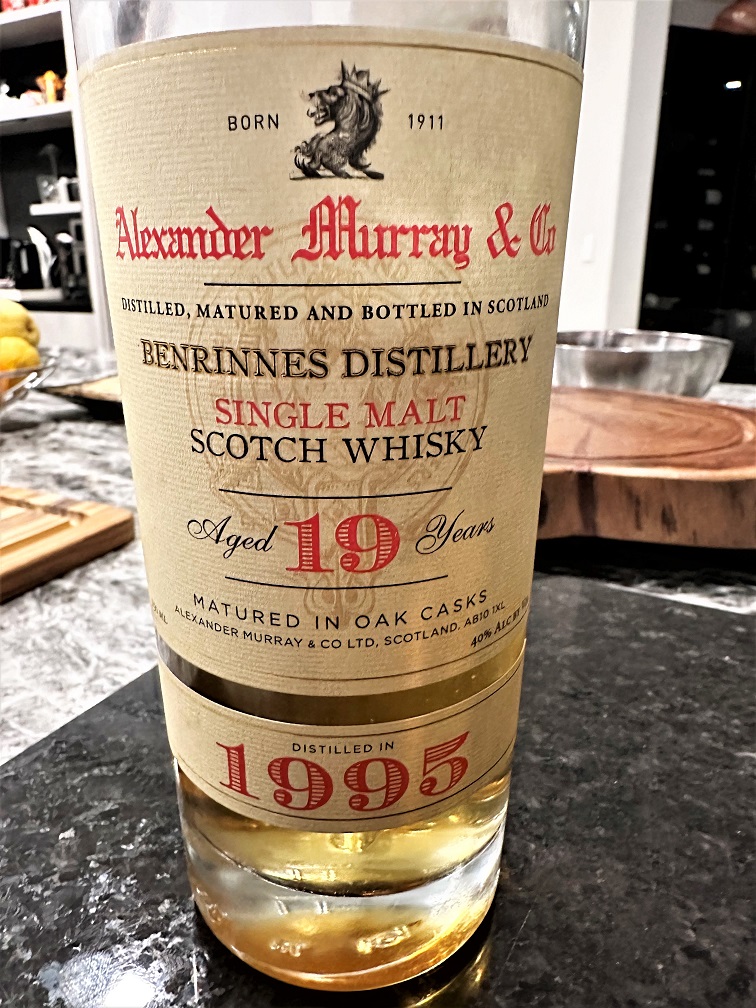
Before we part, last but not least – delicious scotch. Alexander Murray Benrinnes Distillery 19 years old (distilled in 1995). It had beautiful complexity, not heavy, without any noticeable peat, very elegant, and perfect with a cigar. Alexander Murray is an independent bottler I was not aware of before – but definitely will be now.
That’s all, my friends – that concludes my Florida story in wines and flowers. Cheers!
Low Calories, Low Alcohol Wines – First Encounter
Low calories, low alcohol.
In my book, these are trigger words.
Don’t get me wrong – watching your caloric intake is definitely a first-world problem, and I generally pay attention to it when it comes to daily food. However, wine is an indulgence. I drink wine for pleasure. Wine is not a necessity. Yes, it is possible to live perfectly happily without drinking wine – however, this is a choice. And you already know what choice I made.
As I drink wine for pleasure, the number of calories is not a criterion I would ever use when selecting a wine to drink. The company, food, mood, ambiance, grape, region, winery, winemaker – there are lots of factors influencing the decision, but the number of calories in a glass of wine is definitely not one of them. If one selects wine by the number of calories, what is the point of drinking the wine? May I suggest water as a better choice?
Now, let’s scrap all of this. Let’s pretend I didn’t say yet anything in this post.
Apparently, knowing the calorie count in the glass of wine is important, especially if you are a part of Gen Z (not my opinion – this is what I read). Apparently, there is a demand for wines to have the same labels as any food product, listing all the ingredients and providing the breakdown of nutrients, calories, etc. ( I hope this will never materialize as a law – but oops, I’m not supposed to be expressing my opinion). And apparently, there is enough demand for low-calorie, low-alcohol, and alcohol-free wines that my friend Zak even allocated specific shelf space for such wines at his wine store in Stamford, as there are enough people asking for them.
As I visited the store and chatted with Zak about wine trends, he showed me these shelves with low-alcohol wines, and I surprised both him and myself by grabbing a bottle to taste.

There are a few reasons to be surprised. The first one, of course, is the fact that I decided to try a type of wine that I consider simply a gimmick. A bigger surprise was that I grabbed the bottle of Meiomi Pinot Noir – the wine I normally can’t stand. I don’t like pretty much any wine the Wagner family produces, including the flagship Caymus – and my dislike for Meiomi Pinot is very strong as I can’t get through the sweet and burning mouthfeel this wine delivers. And yet here I am – getting a low-calorie version of the wine I normally don’t drink. Talk about surprises.
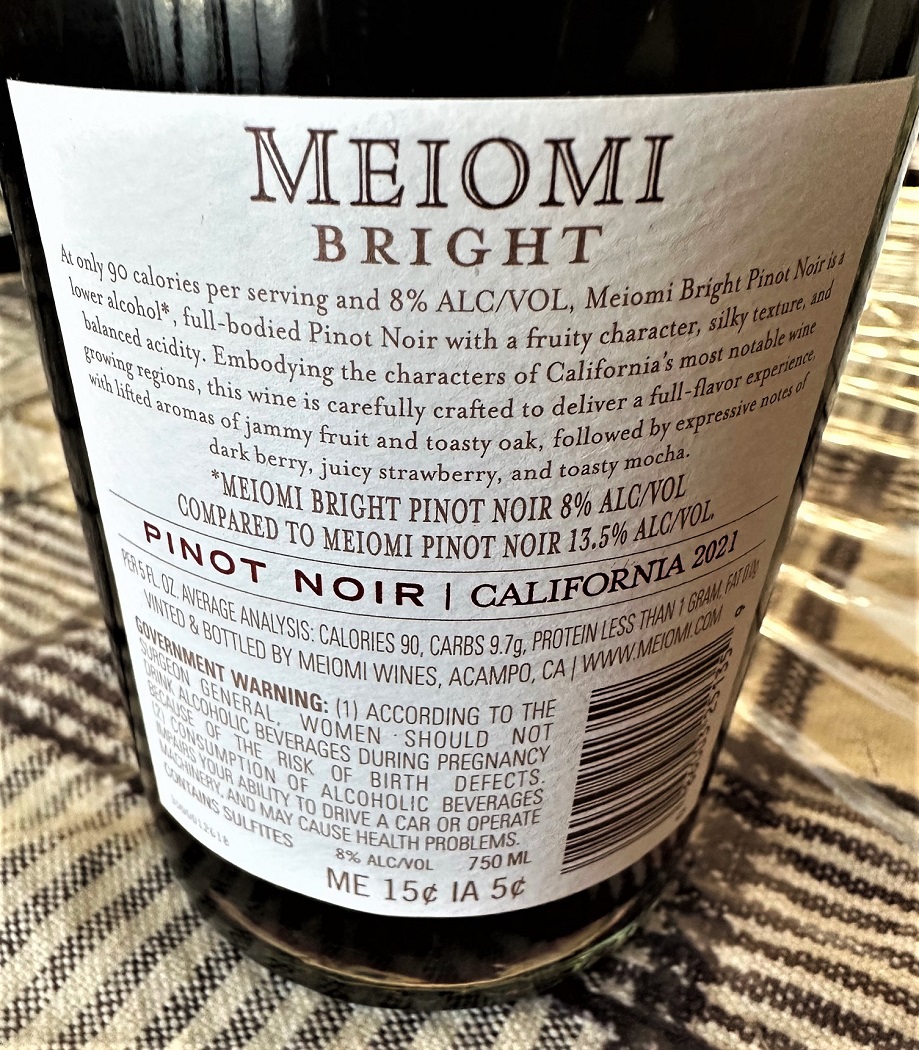
Let’s continue on the subject of surprises. To my yet another surprise, I didn’t dislike this 2021 Meiomi Bright Pinot Noir California (8% ABV, $19.99, 90 calories, 9.7g of carbs per 5 oz glass). I guess the reduced alcohol was good for this wine as it was showing a nice dark berry medley with blueberries and blackberries taking the leading role, supported by sweet oak and a nice silky mouthfeel. If it would not be for the cloyingly sweet finish, this would be a good wine experience overall – but again, the wine was quite palatable, even during re-tasting over the next 4 days.
This encounter with the low-alcohol, low-calorie wine made me do something which I had never done before – trying to understand the calories in wine.
I don’t pretend to be a scientist here, so below is my layman’s understanding of what we are dealing with when counting the number of calories in a glass of wine. I’m fully open to criticism, and if someone thinks this is all baloney and the calculations are all wrong, I will be delighted to correct this text to set things straight.
First, some basics. Calories in a glass of wine come from 2 sources – alcohol and sugar. There are 7 calories in one gram of alcohol (there are multiple sources of info on this, I used this one), which by the way makes alcohol the second highest source of calories after fat, which delivers 9 calories per gram. There are 4 calories in a gram of sugar (you can verify via google search). One more important point – a standard wine pour is considered 5 ounces glass, and there are 5 standard pours in a bottle of wine, which contains approximately 25 oz of wine. As we measure calories per gram, we need to convert between ounces and grams. One ounce is equal to 28.3495 grams – however, as I don’t want to deal with a calculator all the time, we will assume that 1 oz is equal to 30 grams, for the simplicity of this exercise.
Alcohol is always presented on the label in the form of ABV – Alcohol By Volume. Thus the percentage shown with the ABV letters simply identifies what percentage of the bottle content is pure alcohol, the one which clocks 7 calories per gram. To provide a simple example, a 1 liter of 10% ABV wine will contain 100 grams of alcohol. By the same token, a standard pour of such 10% ABV wine which amounts to 5 oz, will contain 0.5 oz of pure alcohol. If you want to do it in grams, with our previous assumptions, 5 oz is equal to 150 grams, which will translate into 15 g of pure alcohol – which in turn will deliver 15*7 = 105 calories per glass just for the alcohol portion of the content.
Now, let’s analyze our Meiomi wine based on what we just learned (yes, I know it says on the bottle “90 calories” front and center, but let’s see if we can come up with the same number). This Meiomi Pinot Noir has 8% ABV, which means that the standard pour/serving of 5 oz (150g) contains 12g of pure alcohol. 12*7 = 84, which brings us to the perfect proximity of the 90 calories. However, according to the information on the back label, the same 5 oz of wine contains 9.7g of carbs, and the only source of carbs in wine is residual sugar – this is the sugar left in the wine after fermentation was finished. We can safely round our 9.7g to 10g, and when multiplied by 4 (calories per gram of sugar) we will get 40 calories. Adding 84 and 40 brings us to 124 calories in that glass of Meiomi Pinot.
I wanted to compare this caloric count with any regular wine. As an example, I took information from the technical note of the 2020 Barra Cabernet Sauvignon from Mendocino. This wine has 14.5% ABV and 3.2 g/l of residual sugar. At 14.5% ABV, our 150g of Barra Cab (5 oz, standard pour) will contain 21.75g of pure alcohol, which will give us 152 calories from alcohol. 3.2 grams of sugar per liter will translate into approximately 0.5g of sugar per same standard pour which in turn will only add 2 calories, for the grand total of 154 calories. That also means that there is only 30 calories difference between low-calorie, low-alcohol, manipulated wine and normal wine. You can make your own conclusion, but I’m sure you can figure out mine.
There is one more thought I would like to share. I’m afraid that a low-alcohol wine can give people a false impression that they can simply drink more of it because each glass supposedly contains less. So it is not impossible to presume that someone can drink 3 glasses instead of two, based on the premise of “light wine”. Using our calculations above, there will be 372 calories in these 3 glasses – 2 glasses of Barra Cabernet Sauvignon will set you back 308. Again, you can (and should) make your own conclusions.
I clearly understand that my personal viewpoint and perception are not important at the scale of the market – when there is a demand, the product will appear. Low-calories, low-alcohol wines are here to stay, no matter what I think of them. But I’m glad this Meiomi Bright Pinot prompted me to do some research and acquire some understanding of the calories in wine.
I guess when they say “liquid diet”, they are not really kidding. Cheers!
Stories of Passion and Pinot: Erik Kramer of WillaKenzie

Source: WillaKenzie Estate
The first LIVE Certified Sustainable winery in the Pacific Northwest, LIVE member 0001. Wines worthy of serving at the White House gala, state dinners, and even to the French President and British First lady. One of the first Direct to Consumer wine programs in Willamette valley. The list of accolades of the WillaKenzie Estate can go on and on.
Founded a little more than 30 years ago, WillaKenzie Estate takes its name from the eponymous sedimentary soils of Willamette Valley in Oregon where the winery is located. The name is also a tribute to the Willamette Valley’s two major rivers, the Willamette and McKenzie which are also displayed on the winery’s crest.
WilleKenzie Estate was founded in 1991 by Bernard and Ronni Lacroute who purchased 420 acres of farmland near the town of Yamhill, Oregon. Bernard and Ronni brought their Burgundian heritage to the newly planted vineyards, and with the help of another Frenchman, Laurent Montalieu, the first winemaker at WillaKanzie, produced its first vintage in 1995. The rest is history, as they say (if you are interested in more historical details, here is the link). In 2016, Lacroutes entrusted their legacy to the Jackson Family Wines.
In 2017, Erik Kramer became WillaKenzie’s third winemaker. I had an opportunity to sit down with Erik (yes, virtually), and ask him a few questions. Here is what transpired in our conversation:
[TaV]: Before making wines in Willamette Valley, you were working in New Zealand. New Zealand is also world-famous for its Pinot Noirs. How would you compare New Zealand and Oregon Pinot Noirs?
[EK]: That’s a broad question. With the Willamette Valley, we’re generally talking about one region with a few sub-appellations (e.g. Yamhill Carlton, Dundee Hills, etc.). When speaking about Pinot from the Willamette, it’s tough for me to do so without speaking about the climate, which moves between Mediterranean and Maritime. The result is a balanced expression of Pinot anchored in freshness and clarity of fruit. With New Zealand, there are quite a few different regions within the country where Pinot is being grown and each is a bit different. The region in New Zealand that often seems to garner the most attention is Central Otago, which has a climate that is much more continental than the Willamette Valley and it’s reflected in the wines that are grown there (dark, savory, and energetic). For me, the region in New Zealand that most resembles the Willamette Valley in terms of Pinot expression is Martinborough (complex Pinots with great energy and complexity). I believe Martinborough leans toward Mediterranean in terms of climate with similar levels of heat accumulation to the Willamette. It may just be a little drier on a year-round basis.
[TaV]: This conversation series is about “Passion for Pinot Noir”. What drives your passion for this grape commonly identified as a “finicky grape”?
[EK]: One of the things I love about Pinot is the level of complexity and cellaring potential it can offer in such a graceful and balanced package. It really can be the proverbial ‘iron fist in the velvet glove.’ One of my favorite Pinot memories dates to a conversation I had one evening at the home of a famous consulting oenologist named Andrea Paoletti. He’d consulted with many of the world’s best producers on viticulture, what to plant and where, clones, etc. We were sitting on his patio, overlooking his olive tree grove on a hillside just outside Chianti (it was a great evening!). I remember him saying to me over a glass of wine, “when Pinot Noir is good, I think it’s the best one.” He was speaking about the grape compared to all the others he’d worked with. That stuck with me, and I tend to agree.


[TaV]: It seems that you grow all the components of the sparkling wines (Chardonnay, Pinot Noir, even Pinot Meunier), and yet I don’t see a sparkling wine as part of WillaKenzie’s offerings. Will this change in the future, or do you have a particular reason not to produce Sparkling wines?
[EK]: Funny you ask this question! We tirage bottled our first WillaKenzie Estate Brut from the 2019 vintage in the summer of 2020 and have been bottling sparkling wines ever since then (made from the grapes you asked about). We just haven’t released anything yet. Our club members will be the first to get a glimpse of our first-ever Brut later this year.
[TaV]: Outside of the sparkling wines, any plans to plant new grapes? How about new types of wines, maybe Pinot Noir Blanco?
[EK]: On the new planting front, Chardonnay has become a much more important role player in our portfolio. We added about 4 acres of Chardonnay a few years ago and have an additional 3 acres planned for this spring (and more a few years down the road). We produce several terroir specific Pinot Noirs from several parts of the Estate and are moving in the same direction with Chardonnay (blanc and rouges from the same location). As far as new wines go, we bottled our first vintage of Tourdion (named after a 14th century Burgundian dance meant to signify a play on grape varieties). It’s a barrel fermented white blend that is made from Pinot Noir, Pinot Blanc, Pinot Gris and Pinot Meunier.
[TaV]: Today you make single vineyard wines. Any plans to produce “single block” wines?
[EK]: WillaKenzie Estate is a large, contiguous farm from which we produce several terroir specific wines that tell a story about the place. In essence, they are all single block wines from one Estate.
[TaV]: WillaKenzie was the first winery in Oregon to receive LIVE certification back in 2008. How do you see sustainability evolving at WillaKenzie today? Are there things you would like to change to further advance sustainability?
[EK]: Sustainability has always been an important part of the WillaKenzie identity. The farm has been managed sustainably since it was established in 1992. Maintaining a healthy, biologically diverse landscape is part of our holistic approach to land management. More recently, we established a bee colony on the Estate as well as experimented with different wildflower species. We also have several initiatives in place aimed at lowering our carbon footprint. We already have a solar array that provides between 40% and 50% of our power and we are looking at increasing the size of our array to provide up to 100% of our power. With that, we’re transitioning heavily to an all-electric model to move away from greenhouse gases and become more carbon neutral. We have a brand-new Ford F150 Lightning pickup truck that just rolled up last week. We already have one electric forklift and next year, we’ll replace the remaining gas-powered forklift with another electric unit. So yeah, we have a lot going on here.
[TaV]: Other than WKE, if you would have an opportunity to make wine at any winery in the world, what winery would you choose and why?
[EK]: This is a tough one. So many choices! I’ve already been very fortunate to work at some great places in and outside of the US. I guess if push comes to shove, I’d go with Ata Rangi in Martinborough, New Zealand right now. Those Pinots are so delicious, and I’ve not worked in Martinborough, but love the area. The bonus would be that I’d be able to visit my son on weekends (he’ll be studying at the University of Auckland for the next few years, which is only a few hours drive from there). Ask me again in 4 years and I’ll have a different answer. Probably something more obscure like living and working at Boutari in Santorini making delicious Asyrtiko and enjoying the view after work and on the weekend.
[TaV]: Where do you see yourself, and also WillaKenzie in 10 years?
[EK]: Me? I honestly don’t know and am not looking that far ahead right now, which is unusual since I’m a goal-oriented planner. Perhaps I’m still involved with WillaKenzie in some capacity? Perhaps I’m working on some exciting new wine project outside of the U.S.? Perhaps I’m teaching wine production or viticulture classes at some community college? As Eddie Vetter sings in the song ‘Release’ off Pearl Jam’s first album (Ten) – I’ll ride the wave where it takes me!
WillaKenzie in ten years? That’s easier. It’s regarded as one of the great estates of the Willamette Valley. The winery’s Estate Cuvee Pinot Noir and Chardonnay are on important wine lists around the country. Our club members have been enjoying WillaKenzie’s Brut and Blanc de Blanc in their club shipments. We are not just growing terroir specific Pinot Noirs from places on the Estate like Aliette and Emery, but also Chardonnays. Tourdion (that exciting white blend) is available nationally. The winery’s solar array now provides 100% of the Estate’s power supply. Our HVAC systems have been modified from LPG to electric. We have not just one bee colony, but several and our club members are taking WillaKenzie Estate honey home as gifts at club events. The list goes on and the future is very bright.

Okay, it is time to taste some wines:
2018 WillaKenzie Estate Chardonnay Yamhill-Carlton (13.8% ABV)
Straw pale
Apples, vanilla, a touch of honey, hint of fresh herbs
Granny Smith apple, tart lemon and lemon zest, good structure, crisp, good body, well integrated tannins on the finish
8, excellent by itself, but will work well with a range of dishes.
2019 WillaKenzie Estate Cuvée Pinot Noir Yamhill-Carlton (13.9% ABV)
Dark garnet
Cherries, sage, violets
Cherries, a hint of dark chocolate, cut-through, lip-smacking acidity supported by well-integrated tannins on the back end. Good structure, good balance. Succulent dark cherries on the medium+ finish.
8-/8, very nice.
Here you, my friends. Another story of passion for the finicky grape. When it’s good, it is really good. Until the next time – cheers!
P.S. For more stories of Passion and Pinot please visit the series’ main page.
Wednesday Meritage #162
 Meritage Time!
Here is your [extremely irregular] update on the interesting wine (and food) happenings that recently grabbed my attention. Let’s start with some local updates first.
New stories of Passion and Pinot
Last week I published a new interview in the Stories of Passion and Pinot series – this time with David Adelsheim, one of the early pioneers of the Oregon Pinot revolution. This is one of the very best interviews in the series and will be well worth a few minutes of your time – if you will crave a glass of Pinot after reading it, I’m not responsible for it. There are 15 interviews plus multiple updates in the series, and more interviews and updates are up and coming in the series – my conversations with Erik Kramer of WillaKenzie and Bill Sanchez of Potter’s Vineyard will be published soon.
Yelp 100 Top Restaurants
Yes, I’m mostly writing about wine in this blog, but I love food and I’m actually a “yelper”, both as a user of and as a contributor to the popular Yelp website. I rely on Yelp’s recommendations when I travel, and I go out of my way to write a review after visiting a restaurant (I rarely review other businesses or attractions). Yelp recently released a list of the 100 most popular restaurants around the US – it is a fun reading to see what the others like, so you might want to spend a few minutes browsing through. Who knows, maybe you will see your favorite eatery among the top 5…
This Day In Wine History
I love data. It doesn’t have to be anything useful. Just data, information, facts – especially if it concerns subjects that are near and dear to my heart – like wine. As a data collector, do you want to know what happened in the history of wine on a specific day of the month – let’s say, February 1st? Now you can, with the help of the website called This Day in Wine History. For example, I just learned what happened on February 1st. According to the website, “February 1, 1141: On this day, the foundation of Barone Ricasoli, Italy, was laid. The Tuscan winery is the oldest one still in business in Italy”. Or here is another February 1st event: “February 1, 1801: On this day, John June Lewis, Sr was born. He is known as the first African-American winemaker in the United States”. The information on the website is not limited to the singular date events – you can find in-depth articles about the history of the wine decanters or all you wanted to know about widow Clicquot, one of the key figures in the history of Champagne. Check it out, I have a suspicion that you might find it useful and entertaining.
OTBN – Open That Bottle Night
It is never too early to talk about one of my favorite wine holidays – Open That Bottle Night, or OTBN for short. This year, OTBN, which is celebrated on the last Saturday in February, will fall on February 25th. I wrote about OTBN numerous times so if you are not familiar with the concept please click on the link. For the rest of us, the game is on, and it is not too early to start thinking about those special bottle(s) that are waiting and begging to be opened. Yep, start looking in that cellar… If you are anything like me, that special bottle decision will not come with ease…
That’s all I have for you for today. The glass is empty, but the refill is on the way. Cheers!
Last Bottle Sign Up ($10 credit)




 Talk-A-Vino