Archive
An evening with friends, August 2025 Edition
I love to be the wine guy.
When someone says “I’ll cook, you bring wine”, I’m absolutely delighted to oblige. First, it is one of the greatest pleasures for the oenophile to choose wines for dinner. The only pleasure bigger than selecting wine is when your friend takes a sip and says “ah, this is delicious”. And of course, there is a side benefit of taking wine out of the house, where the wine is literally stored everywhere, but let’s leave that aside for a moment.
I generally don’t care too much about what exact dishes will be served. My goal is to have a wine “program”, to bring a range of experiences. If a particular wine doesn’t work with a particular dish, it is not a problem – we can enjoy food on its own, and wine on its own.
On Friday, we got together with friends for dinner, and I was happy to be the wine guy.
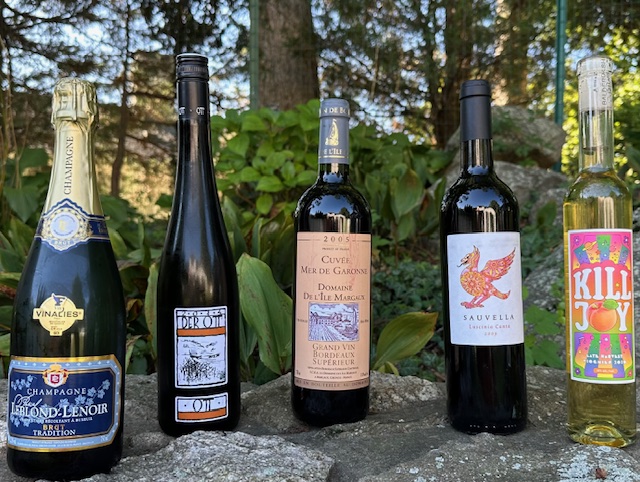
To play it simple, I decided to go with a “classic” line-up – bubbles, white, red, dessert. Here is what transpired.
My choice of bubbles was NV Champagne Pascal Leblond-Lenoir Brut Tradition (12.5% ABV). This is a very generous Champagne, it perfectly combines crispiness with generous body, apples and vanilla eloped with a fine mousse, delivering lots of pleasure with every sip. Everyone loved it, particularly being happy about this Champagne not being too acidic.
Next was the white wine – 2014 Ott Der Ott Grüner Veltliner Austria (12.5% ABV). White wine with age is a real joy, and this 11 years old wine unquestionably delivered. Whitestone fruit with a touch of petrol on the nose (yes, petrol, one of my favorite aromas). Round and elegant body, with more of the whitestone fruit, good earthy undertones, perfectly balanced and perfectly delicious.
Side note: Bernard Ott is one of the very best wine producers in Austria, practicing Biodynamic viticulture after visiting Domaine la Romanée Conti in 2006. And lastly, 2014 vintage was so difficult that no single vineyard wines were produced – I have to say this was a glorious wine from a difficult vintage.
Next, we opened 2009 Sauvella Luscinia Canta Costers del Segre DO (14.1% ABV, Syrah, Cabernet Sauvignon, Grenache). I was blown away by this wine last year (number 7 on the Top 24 of 2024 list) – and the wine continued over deliver. Delicious, generous and round, with wallops of fresh dark fruit, perfect structure and perfect acidity. The wine showed a touch more sweetness and plumpness compared to our second red wine – 2005 Domaine De l’Île Margaux Cuvée Mer de Garonne Grand Vin Bordeaux Supérieur (13.5% ABV, 33% Merlot, 33% Cabernet Sauvignon, 34% Petite Verdot).
This is the second time this year I have enjoyed this wine, which comes from a unique place, a small island in the middle of the Gironde River, overlooking the great estates of Margaux. Perfectly Bordeaux, perfectly on point – a bit leaner than the previous wine, with a precise Bordeaux profile – cassis, eucalyptus, cedar box, a hint of bell pepper, and firm structure with a delicious finish. A pure delight in the glass, and an excellent accompaniment for the lamb stew, which was served as a main course.
Dessert time! Liquid dessert it is.
I always love an opportunity to open a bottle of dessert wine, especially with a group that would appreciate it.
I went through a few options, and somehow decided on 2020 Balderdash Cellars Kill Joy Late Harvest Viognier Eden Valley, California (10% ABV). The wine had a beautiful nose of tropical fruit, and a tropical fruit medley on the palate, not too sweet and with perfectly cleansing acidity. “Ohh, it is so good” was the group’s sentiment.
Here you are, my friends. Happy dinner. Happy diners. Happy memories. And as I’m finishing writing this, I’m ready for a repeat.
Valentine’s Day 2025 – Reflecting on Wines
In my previous post, I complained about frustration with choosing the right wine for the right moment. That post ended with a picture of the wines I selected for Valentine’s Day 2025 – and now I want to talk about those wines.
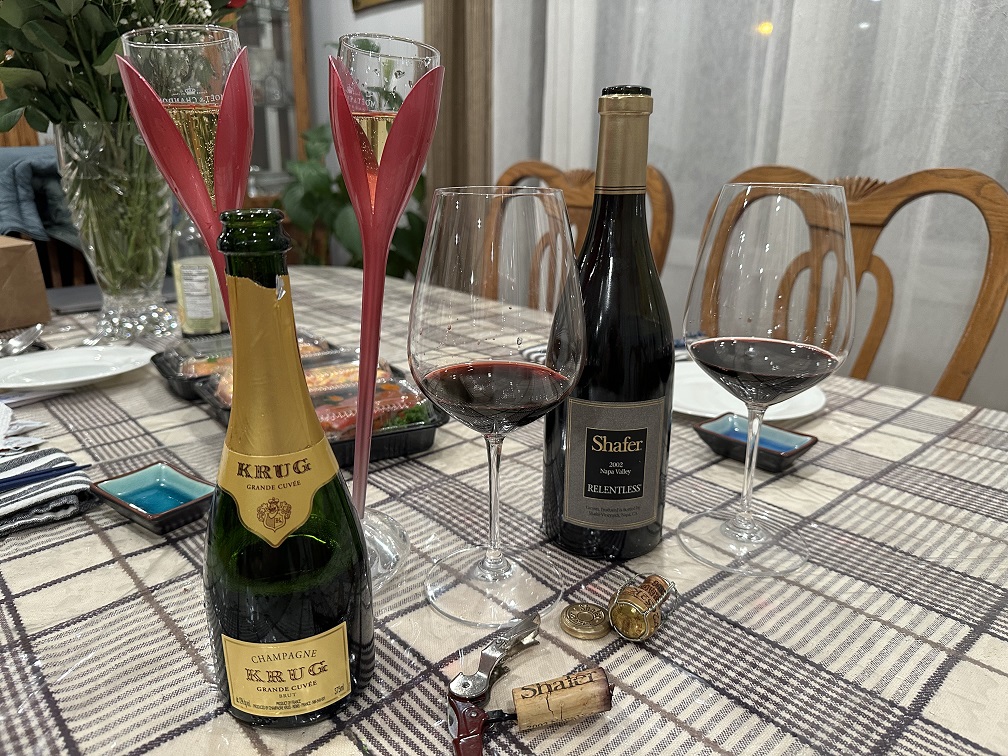
Following my own advice, our first wine was sparkling. Not just any sparkling – it was Champagne. And not just any Champagne – it was Krug.
I don’t want to sound elitist, but the only way to put is this: those who know, know Krug.
For the wine lovers en masse, the epitome of champagne is Dom Perignon. Maybe also Crystal on a good day. Krug definitely is lesser known, but for those who know, Krug is a cult, a religion, the only Champagne one can drink.
I joined that cult after experiencing Krug vintage and non-vintage wines during the PJ Wine Grand tasting in New York in 2010. Krug was an absolute revelation, I have never tasted anything like that ever before.
Then a few years later, in 2012, I came across an article by Alice Feiring, talking about changes in winemaking at Krug in 2003 which she said resulted in more or less the “end of Krug”. I referred to her article in my post, but unfortunately, the original article can’t be found so I can’t share any more details. I only remember tasting Krug at the trade tasting in the same year or maybe the year after, and thinking “well, it is not as good as I remembered it“.
Trade tasting is not always the best place to fully understand the wine, so Krug remained high on my “wines I want” list. Then a few years back, I got this half-bottle of Krug as a present for the new year, and this year I decided that Valentine’s Day is a perfect reason to open that bottle.
After struggling a bit with the cork, I managed to get the wine into our flutes (I know, I know – but it is a holiday, okay?). Smelling and tasting it left both me and my wife underwhelmed. Crisp and acidic for sure, but that’s what literally every other Champagne has, and Krug should really give you more. A few more sips and I closed the bottle, and back into the fridge it went.
Not so long ago, I read an article from a champagne pro, and he suggested that Champagne, similar to any other still wine, can and usually improves after opening. It can be placed into the fridge and enjoyed slowly over the next few days, and many of the Champagnes simply taste better the next day.
Why is this important? When I poured what was left of Krug into the glass the next day (okay, it was a regular glass), that was a totally different wine. Rich, layered, with toasted bread and apples. This was the real deal and it was delicious. I can’t tell you if it tasted like the one I was blown away by in 2010, but it was definitely an excellent Champagne. I guess there is an interesting lesson here for future encounters with Champagne, and not only with Krug.


After Krug’s image was somewhat restored in my eyes, I decided to learn more about the wine. Nowadays every bottle of Krug comes with its own unique code. When you go to the Krug website and type in the code, you get the most detailed information about the wine you can wish for – here are a few excerpts related to my bottle:
“Krug Grande Cuvée 170ème Édition
Composed around the harvest of 2014, Krug Grande Cuvée 170ème Édition is a blend of 195 wines from 12 different years. The youngest is from the year 2014 and the oldest dates back to 1998.
In all, reserve wines from the House’s extensive library made up 45% of the final blend, bringing the breadth and roundness so essential to each Édition of Krug Grande Cuvée.
The final composition of this champagne is 51% Pinot Noir, 38% Chardonnay and 11% Meunier.
Time in the cellar:
This half-bottle spent around 7 years in Krug’s cellars developing its generosity and elegance, receiving its cork in Autumn 2020.”
According to Julie Cavil, Krug Cellar Master:
“In this blend, the dynamic Pinot Noirs of 2014 came from a wide range of plots throughout the Champagne region, while fruity and full-bodied Chardonnays were selected from plots in the Montagne de Reims, Sézannais and Côte des Blancs. The Meuniers from the Vallée de la Marne Rive Gauche were particularly bright, with magnificent fruit expression from plots in Leuvrigny. To complement the wines of the year, we selected reserve Pinot Noirs from plots in the Montagne de Reims Sud renowned for their structure, including an Ambonnay from 2005. Reserve Chardonnays from plot’s wines from Avize and Mesnil-sur-Oger over a wide spectrum of years have a nice share of voice in this blend, while reserve plot’s wines of Meuniers add freshness, intensity and chiselled structure.”
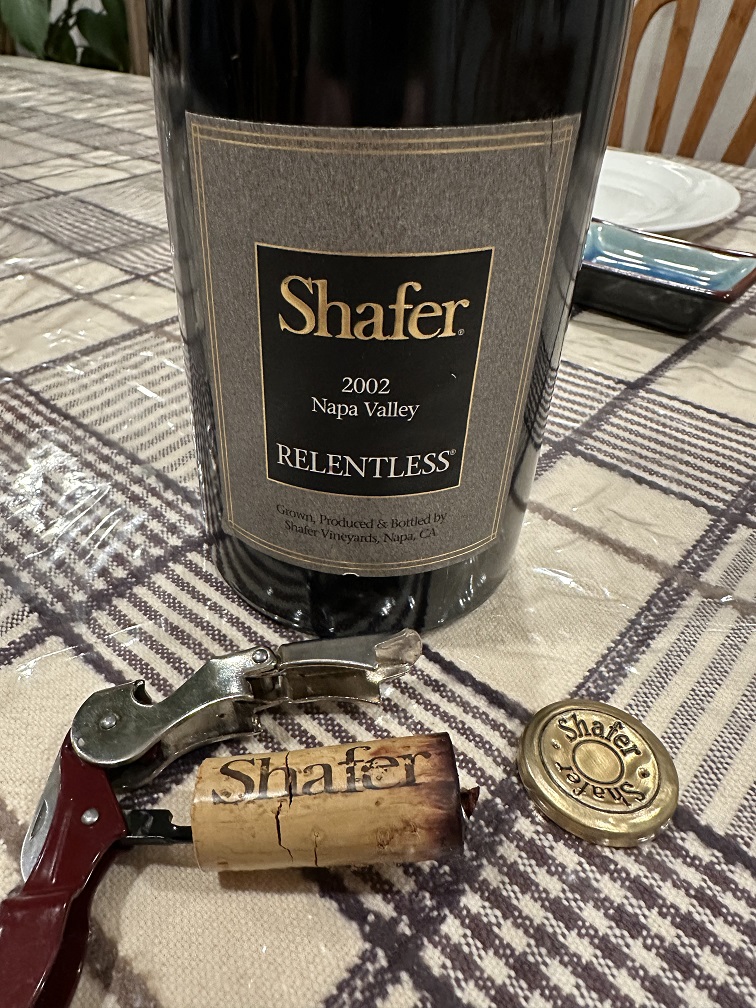
And then there was 2002 Shafer Relentless Napa Valley (14.5% ABV, 80% Syrah, 20% Petite Sirah). I tasted this wine a few times before at the trade tastings, but never had an opportunity to really spend some time with it.
Shafer needs no introductions to California wine lovers, with its fame closely associated with the flagship wine, Shafer Hillside Select Cabernet Sauvignon. Shafer Relentless is not as well known, but this Syrah blend has been around for more than two decades, named in honor of Shafer’s [relentless] winemaker, Elias Fernandez.
We didn’t decant the wine – it would probably help a bit, but I just didn’t want to deal with it. At first, the wine was tight, with well-noticeable tannins and an interplay of tar and cherries, with the addition of pepper. After some time in the glass and opened bottle, the tar subsided, leaving delicious peppery cherries to be admired around a layered but firm core. This 23 years old wine showed beautifully and it was a real treat.
Now the last piece – food. We stopped going out to the restaurants on Valentine’s Day a long time ago – the experience just not worth it. We were craving sushi for some reason, so that is what completed our Valentine’s Day dinner – here you can see some creative rolls from an Asian restaurant not too far from our house.


There you are my friends – our V-day reflections. How was your celebration? Any special wine experiences? Do tell! And until the next time – cheers!
Celebrating New Year 2025 In Style
New Year is my favorite celebration. It is simply a celebration of life as it happens. Forget all this “new year, new you” nonsense, forget all the resolutions – new year resolutions don’t work, you can’t do something once in 365 days and expect that the effect will last for the next 364. So the New Year celebration for me is just an opportunity to spend time with your friends and family, and maybe enjoy some special treats – yes, I’m talking about wine and food, of course (in that specific order).
New Year celebration is an opportunity to open a special bottle (or 2, or 3, or more). I always want to decide on my celebratory wines in advance, and then the decisions are still happening at the last minute. Here is what I decided on to celebrate the new year 2025:
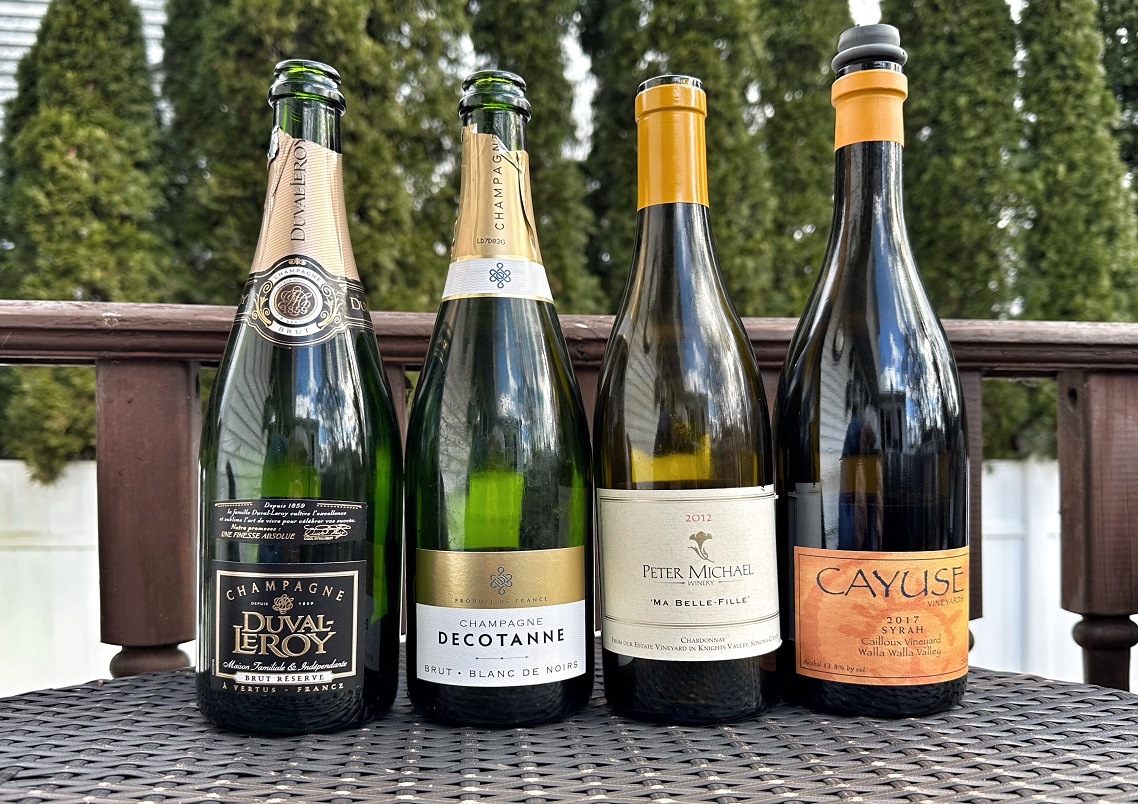
We started with NV Champagne Duval Leroy Brut Reserve (12% ABV), which showed beautifully with a yeasty, toasty nose, and then freshly baked bread and apples on the palate, spread over the fine mousse. Supple acidity completed the presentation, and the bottle was emptied in a matter of a few minutes.
One bottle of bubbles is never enough, so we continued our New Year celebration with NV Champagne Decotanne Brut Blanc de Noirs (12% ABV). Not so much of the toasted notes but nice fresh apples instead, followed by creamy, apple-forward fine mousse, rounder and just a tiny bit sweeter than the previous Champagne, possibly with simply a perceived sweetness just because of the fuller body. Overall elegant and delicious to the last drop.
Next I decided to open the 2012 Peter Michael Ma Belle-Fille Chardonnay Knights Valley Sonoma County (15.6% ABV). I have a complicated relationship with Peter Michael wines. When I tasted Peter Michael Chardonnay for the first time (probably 2008 vintage), I instantly fell in love and signed up for the mailing list (got on relatively quickly). Then a few of the subsequent vintages were not as good, while the price continued to go higher, so I dropped off the mailing list, and now just slowly finishing the bottles I have with various degrees of success (read: enjoyable, pleasure-inducing wines). This 2012 Chardonnay should be remembered as a success, showing a serious punch of vanilla and overripe apples on the nose, and continuing with the exact same profile on the palate. The acidity was in check, making the wine “pleasant to drink” but not much beyond that. A bit more acidity would have perfectly freshened up the wine, but oh well. Still, a very decent California Chardonnay specimen at 12 years of age.
Last but not least – 2017 Cayuse Syrah Cailloux Vineyard Walla Walla Valley (13.8% ABV). I know, 7 years is not really an age for the Cayuse wines, but hey, that’s what the New Year celebration is for – to motivate you to open a special bottle of wine. I decanted the wine for a few hours, and it opened up beautifully with smokey, earthy cherries, granite, and iodine – both on the nose and on the palate. A very elegant and delicious wine in its own right.
Not sure if food is as exciting as wine, but the New Year celebration also requires a celebratory set of dishes, something along these lines:
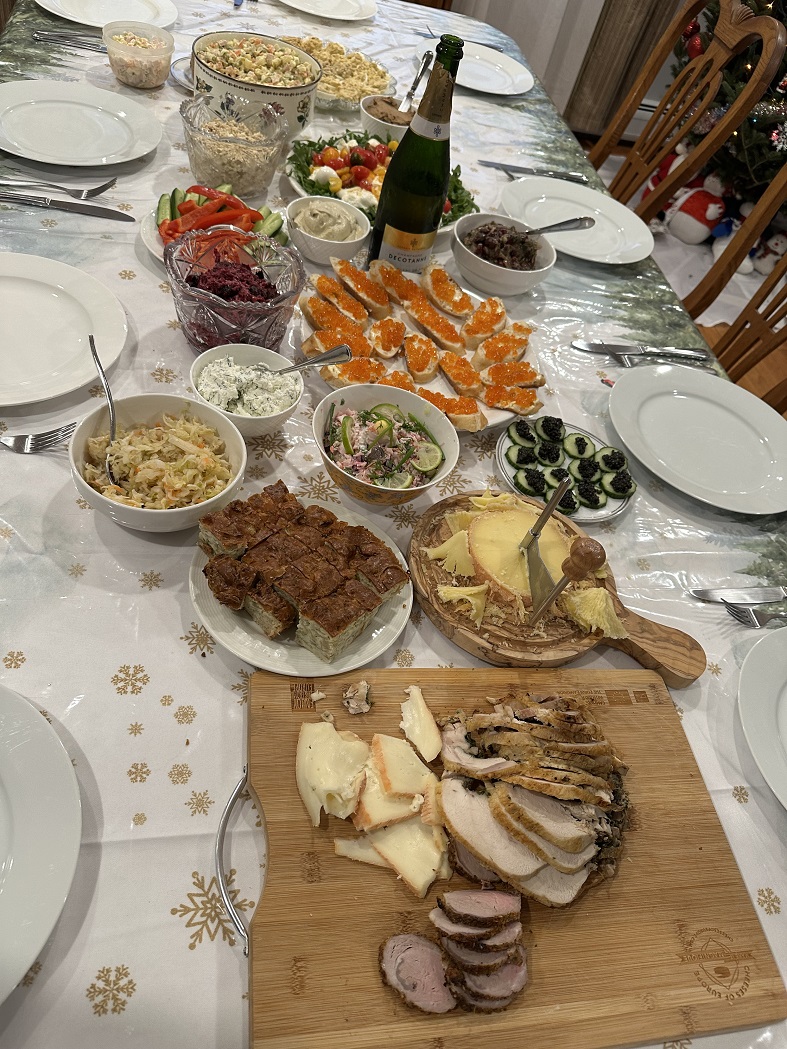


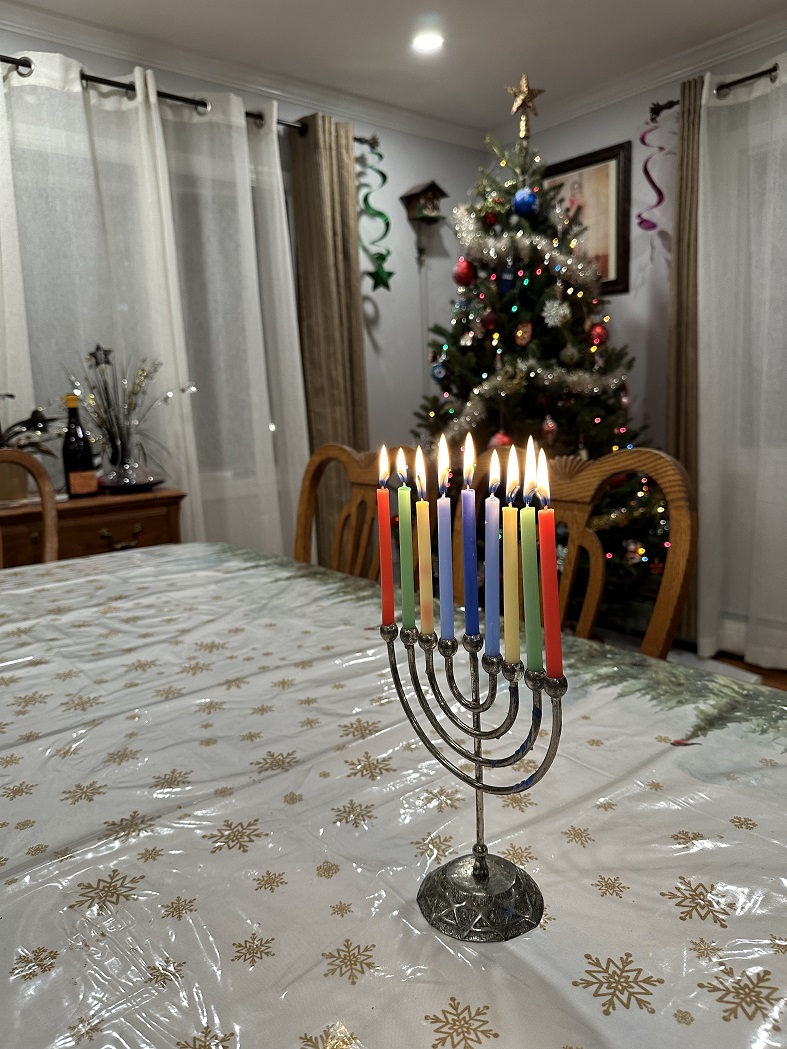
This year was also very special as Hanukkah and Christmas overlapped, which only happened 5 times over the past 125 years – in 1910, 1921, 1959, 2005, and now 2024. As the last day of Hanukkah overlapped with New Year Day, I took this picture to preserve such memory:
So, how was your New Year celebration? Amy special wines, special food? I’m eager to know, do tell.
And until the next time – cheers!
An Evening of Pure Pleasure
Do you know what makes an oenophile’s heart melt and pound, what fills it with joy? Hearing their friends say after you pour the wine into their glasses
“Oh my god, this is so good!”
This brings a double pleasure – it is not only you now getting the pleasure from the aroma and the bouquet – but your friends also enjoying it as much as you do. Wine is meant for sharing, and this makes sharing so much more enjoyable…
Wine can never be taken for granted. Let’s remember that the wine continues changing even after bottling – each time we open the bottle, we find the content of the bottle in its unique state. Yes, we can hope that if you open all 12 bottles from the case at the same time, all wines will taste the same – but it is still a game of probabilities, with opportunities for the “bottle variation” to be increasingly more noticeable as the wine ages. And I’m not even talking about potential wine faults…
Next, there are expectations. Expectations are a big deal for the oenophile. Just one look at the bottle and an oenophile forms expectations – bottle appearance, place, producer, type of wine, vintage – everything is taken into account, and we know what to expect. It is the most joyous moment when the liquid in the glass meets expectations – and the most daunting when it does not (let’s not get to the corner case of Two Bucks Chuck, please). But there is more to the expectations in wine. One of the biggest challenges with wine expectations lies in the fact that it doesn’t matter how much you like the wine and how well your great expectations are met – everyone’s palate is different. It is hard learning to be okay with the fact that while you enjoy the wine immensely, your friend doesn’t care for it. It doesn’t make the wine bad. It doesn’t mean that you are wrong or did anything wrong. It simply means that taste is personal, you just need to learn to accept this simple fact of life – and not get upset.
You might wonder why I am talking about all this wine geek mumbo jumbo, why is that important? Simple. No matter how familiar you are with the wine you are pouring, or how many times you have had the wine from the same vintage and producer, when the wine reaches the glass, it is always the moment of revelation. Double that (triple? quadruple?) when you are poring wine for your friends. And even if you think that wine is perfectly perfect, you can never assume your friends will think the same. Wine can never be taken for granted.
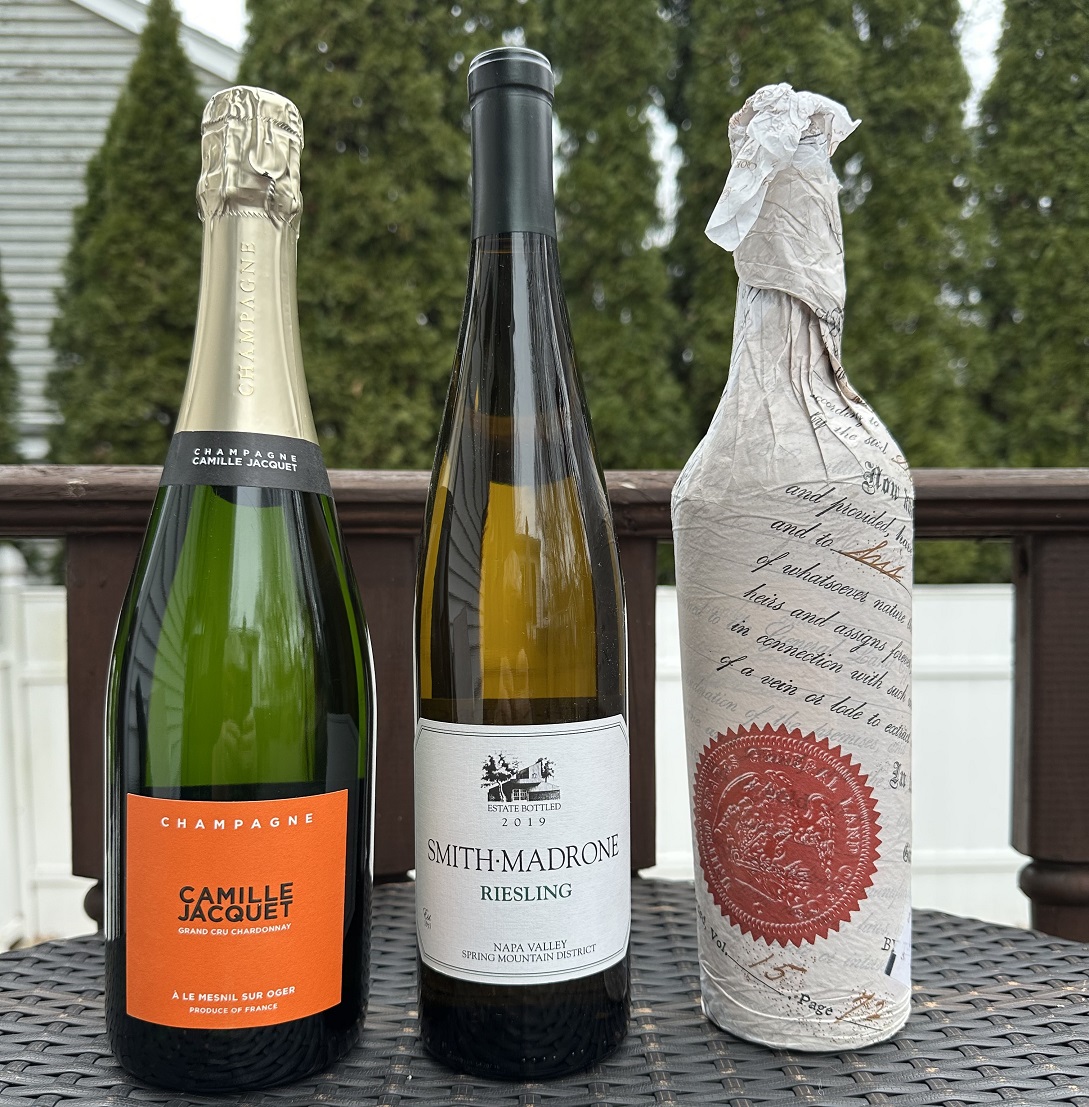 I guess I got lucky. At last weekend’s evening with our dear friends, I managed to hit a double “trifecta” :). Three delicious wines out of three, and my friends loved all three to the “oh my god, this is so good!” moment.
First wine – NV Champagne Camille Jacquet Brut Grand Cru Chardonnay A Le Mesnil-sur-Oger (12% ABV). I do not know the producer, but I had high expectations for this wine possibly for a silly reason. A small village Le Mesnil-sur-Oger is well known for the quality of its Chardonnay vineyards and a home to some of the best (if not the best ) Blanc de Blancs Champagnes in the world – Salon le Mesnil and Krug Clos du Mesnil. Knowing that Camille Jacquet Champagne comes from basically the same vineyard gave me high hopes (silly, as I said) for this Champagne. And my high expectations were perfectly met. Beautiful nose of toasted bread with a touch of apple, impeccably crisp, fresh and precise on the palate. The acidity was fully in check with the complexity of the toasted, baked goods on the palate, leading to an impeccable (yes, I know I already used that word) balance. “Oh my god, this is so good!” said my friends, and the wine disappeared in a jiffy.
Next, two beautiful wines from one of my favorite producers ever. Over the years, I wrote about Smith-Madrone wines extensively. Cooks’s Flat had been one of the Talk-a-Vino Top 10 Wines of the Year 2019 top wines (that year, I had 3 #1 wines, tell me about my inability to make decisions), and Smith-Madrone Cabernet Sauvignon was #3 on the Talk-a-Vino Top 23 of 2023. So I was very happy that I got the samples of Riesling and Cook’s Flat and was able to share both wines with my friends (I will also taste a nice vertical of Smith-Madrone Riesling, it will take a central stage on these pages soon).
Smith-Madrone Riesling is one of my favorite Rieslings in the world – it is one of the 3 if you are interested – Grosset Polish Hill Claire Valley Australia, Smith-Madrone from Napa Valley, and Brooks Ara from Oregon. This 2019 Smith-Madrone Riesling Spring Mountain District Napa Valley (13.3# ABV) was spectacular. First, it offered a tremendous pop of petrol on the nose – and nothing makes my Riesling lover’s heart happier than these petrol aromatics, coupled with a whiff of honeysuckle. On the palate, it was fresh, energetic, with a wide range of citrus flavors readily present, from Meyer lemon to oranges and mandarines, supported by clean acidity and a perfectly cleansing acidic finish. Delicious, and the second “oh my god, this is so good!” wine.


Finally, the 2018 Smith-Madrone Cook’s Flat Reserve Spring Mountain District Napa Valley (14.2% ABV, 87% Cabernet Sauvignon, 13% Cabernet Franc, 20 months in new French Oak). This wine is designated as “Reserve” and this is not random – it represents the best of the best Smith-Madrone makes, using the best plots, best grapes, and produced only in the best years. This wine also has a historical connection to the parcel of land where Smith-Madrone vineyards where replanted in 1972 – the tissue wrapping the Cook’s Flat bottle is a copy of a land grant document, signed by the President of the United States. Here is the description from the Smith-Madrone website:
“Cook’s Flat Reserve is a proprietary name for a wine that is the culmination of our 50 years of growing grapes and making wine in the mountains of the Spring Mountain District. The name refers to George Cook, the first owner of the property. ‘Cook’s Flat’ was the local oldtimers’ name for the eight-acre plateau-like vineyard block which was replanted in 1972.
The packaging expresses the property’s history and an uncompromising attention to detail. Each bottle is numbered and only around one thousand bottles are produced in each vintage. Each bottle is wrapped in tissue which has been printed with a multi-colored copy of the U.S. Land Office Patent which granted ownership to George Cook and was signed by President Chester Arthur on December 5, 1885. We proudly display the original at the winery.”
What I love about Smith-Madrone wines is textbook precision. So far literally everything I tasted from the winery had this textbook precision of flavor – Riesling is unmistakably Riesling, Chardonnay is unmistakably Chardonnay, Cabernet Sauvignon is unmistakably Cabernet Sauvignon.
This 2018 Cook’s Flat, a blend of Cabernet Sauvignon and Cabernet Franc, was also unmistakably a Cabernet. A core of black currant, a.k.a. cassis, and eucalyptus, supported by sweet tobacco and sweet oak, with a whiff of the bell pepper (love it). On the palate, the textbook flavors continued with succulent cassis, eucalyptus, a touch of mint and bell peppers, firm structure, perfectly integrated and perfectly present tannins, impeccable balance. Just a pure joy. “Oh my god, this is so good!” wine again disappeared in no time, with the last drops almost squeezed out of the bottle.
Here you are, my friends. An evening of pure pleasure – and a happy oenophile who managed to make his friends “oh my god, this is so good!” happy.
I have more happy stories to tell – stay tuned…
Celebrate Champagne Day With Champagne Lanson
 Ooh, another wine holiday I almost missed – Champagne Day, celebrated on the 4th Friday in October. Not that I need a reason to open a bottle of wine, but a wine holiday offers an opportunity to reflect on a specific wine subject, which is always a fun exercise.
My personal Champagne journey was long and rocky (still going). Growing up on a sweet concoction called “sovertskoe shampanskoe” (still have no idea if it is made out of grapes), the profound acidity with no sweetness is not something that one can quickly and gleefully embrace. And the price… And then the French obnoxiously insisting that Champagne can only come from Champagne, phew… Lots of things to get over…
I had a few key learning experiences along the way. First, about 20 years ago, there was a blind tasting of the Champagnes during Windows on the World wine classes, where I learned that liking Dom Perignon, or any other vintage Champagne when you are not influenced by the label is not obvious. Then about 12 years ago, there was PJ Wine Grand tasting in New York, where the first taste of vintage (and even non-vintage) Krug became a proverbial nail on the head and a pivotal moment of discovering the true pleasure of Champagne. And I have to mention an encounter with 2002 Pol Roger Sir Winston Churchill Champagne about 6 years ago (the wine ended up being my 2016 wine of the year) – I spent about 10 minutes simply enjoying the aroma of the wine before even daring to take a sip. Yes, I can safely say that I love Champagne.
Okay, let me be careful here. I love Napa Valley Cabernet Sauvignon. I love Rioja. Yes, I love Champagne. However, this is not a blanket statement. I love the category but within the category, the “love” concept is very particular. There are 10-12 specific Rioja producers and brands that I love, and the rest of the Riojas don’t excite me even for a second. It is the same story with Champagne – there are a few producers that I love and respect, and then there are quite a few I don’t care for. But I’m always willing to learn, taste, and discover something new.
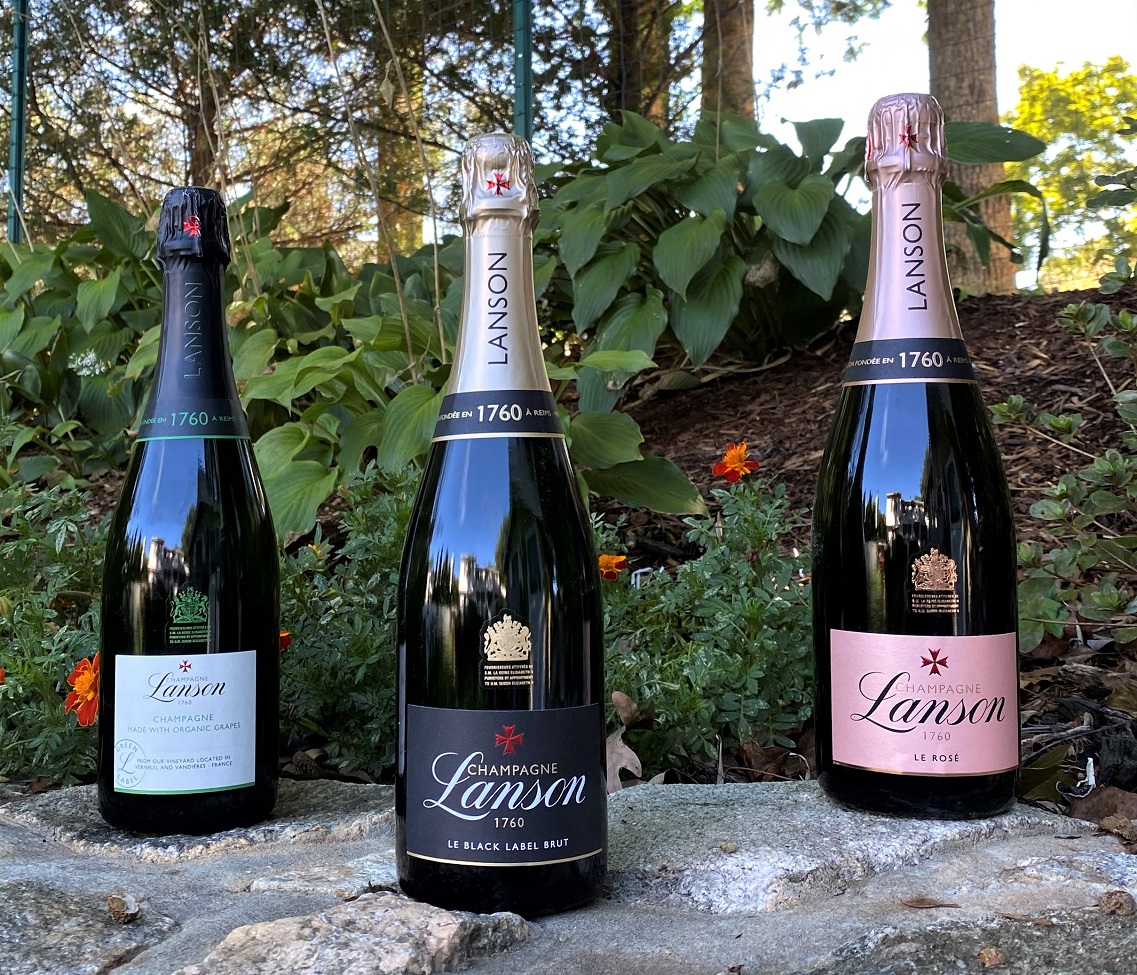
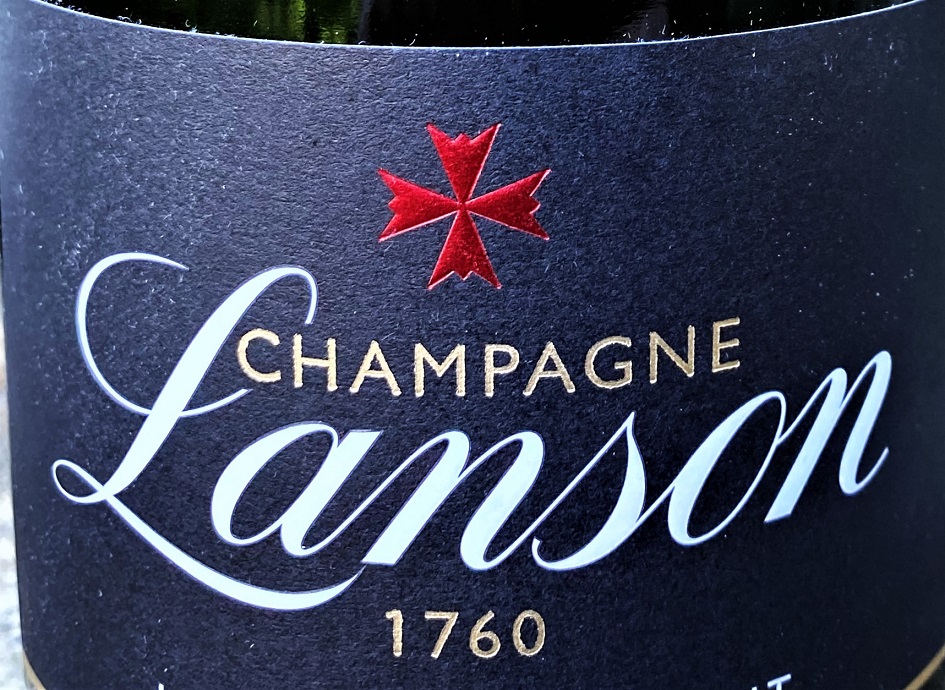
Talking about discovery, I need to share with you my latest Champagne discovery – Champagne Lanson.
Founded in 1760, Champagne Lanson is one of the oldest Champagne Houses. From the moment it was created, Lanson’s focus was always on foreign markets. By the late 19th century, Lanson was supplying champagne by royal appointment to the courts of the United Kingdom, Sweden, and Japan. It still remains the main Champagne supplier to the British royal family. It is also official champagne of Wimbledon tennis tournaments since 2001. Today, Lanson Champagne is exported to 80 countries.
Lanson has close relationships with the growers, having access to more than 100 vineyards throughout Champagne, 50% of which are Grand Crus and Premier Crus. Lanson also cultivates more than 140 acres of its own vineyards, out of which 40 acres are farmed organically and biodynamically.
What I’m looking for in Champagne is precision. My ideal champagne has perfectly persistent energetic bubbles, toasted bread aromas on the nose maybe with a touch of yeast and even gunflint, the same toasted bread notes on the palate, maybe a hint of an apple, and a perfect balance of fruit, acidity, and structure on the palate. Balance is a king for any wine, Champagne not excluded.


I had an opportunity to try 3 of the Lanson Champagnes, and they all didn’t disappoint.
NV Lanson Le Black Label Brut Champagne (12.5% ABV, $50, 50% Pinot Noir, 35% Chardonnay and 15% Pinot Meunier) had perfectly persistent fine mousse, toasted bread aromas on the nose, and crisp, precise and refreshing palate. Some of the best bubbles have this captivating effect – once you take a sip, you can’t wait to take another – this was this Champagne Lanson.
NV Lanson Le Rosé Champagne (12.5% ABV, $70, 50% Pinot Noir, 35% Chardonnay and 15% Pinot Meunier) showed very similarly on the nose, with toasted notes and a hint of floral undertones. On the palate, it was a bit more feminine than the previous wine, still crispy, but softer and more round, with the addition of a touch of strawberry. Absolutely delightful.
And yet NV Lanson Le Green Label Organic Champagne (12.5% ABV, $75, 50% Pinot Noir, 30% Pinot Meunier and 20% Chardonnay) was my favorite of the 3. Precision and energy. Vibrant and raw, this Champagne simply over-delivered – ultra-precise bubbles, energy, finesse and balance. Superb.
Talking about precision – Champagne Lanson eliminates the need for you to guess. Take a look at these back labels:
Harvest year, disgorgement date, all the technical details if you care to know them – everything is presented, simply and clearly. You don’t need to guess for how long that bottle of Champagne had been waiting for you on the shelf? With Lanson, just take a look at the back label, and you already know.
Here is my offering to you – beautiful Lanson champagne which now will join my “favorites” ranks. The Champagne that will make any celebration seem brighter.
Have you had Champagne Lanson before? What are your favorite Champagnes? Happy Champagne Day! Cheers!
Mother’s Day Escapades – 2022 Edition
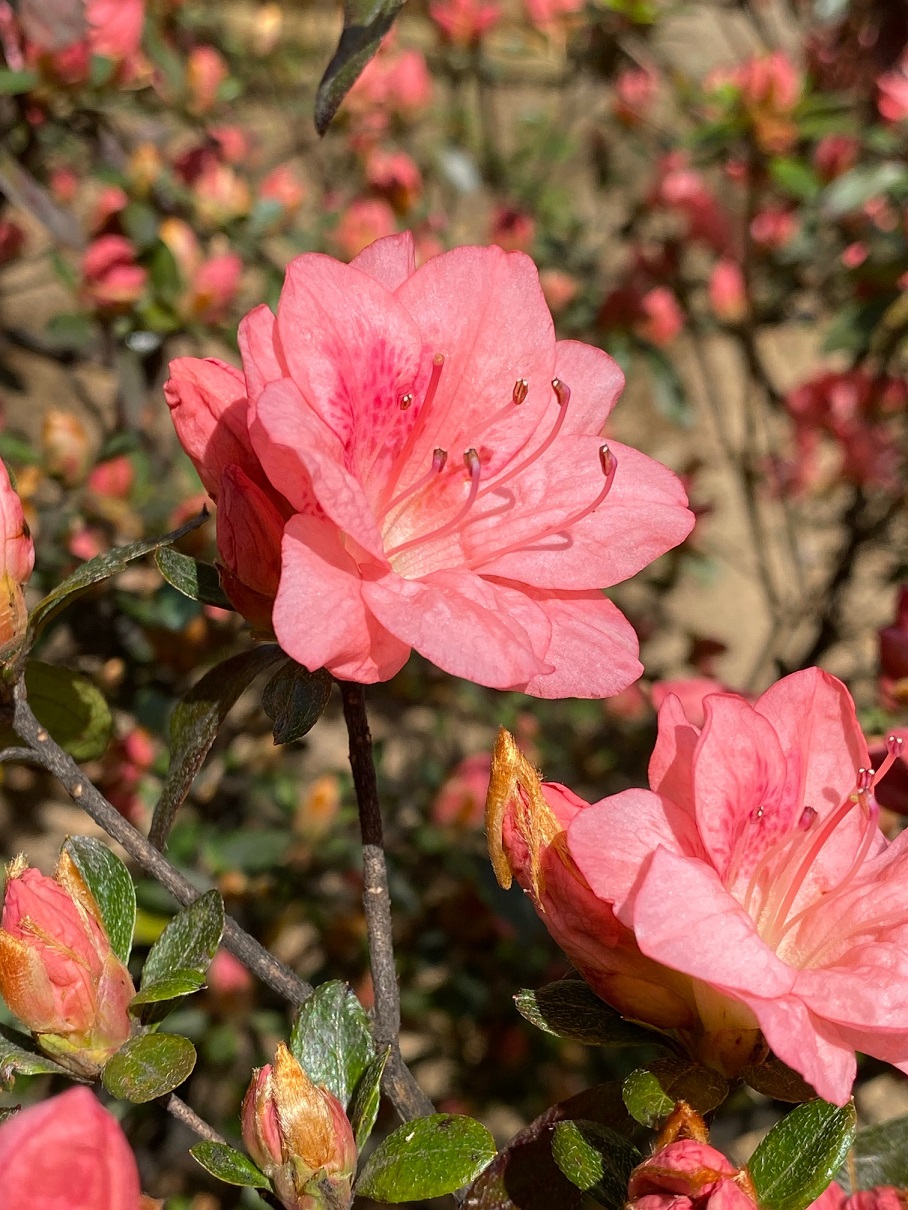 Sometimes, the best plan is to have no plans.
When it comes to holidays, I usually start sweating it long in advance. What wine is worthy of a celebration? What should I open to match up the holiday? What will everyone enjoy? This chain of thought usually is followed by a long process of opening wine cabinet doors and pulling shelves back and forth. Yes, I might have a loose idea of what should be available, but I still don’t remember where which wine is, so I have to really search for it. It’s a process, and more often than not I even manage to annoy myself with the “wine selection paralysis” of my own making.
Mother’s Day last Sunday was nothing like the usual. There were only 5 of us. My wife drinks very little wine as of late (or any alcohol for that matter), my mother-in-law prefers tequila, and my kids don’t like wine, so I didn’t have much to worry about in terms of the wine program. Also as spring is settling in here in Connecticut, there were lots to do outside – cleaning, building new raised beds, preparing for the soil and mulch delivery which were taking place the next day.
Coming back into the house after a few hours of work outside I realized that I’m craving a glass of white wine. The first bottle which grabbed my attention was unpretentious 2020 Domaine René Malleron La Vauvelle Sancerre. Sancerre is a rare guest in the house, as it is usually a more expensive version of Sauvignon Blanc than the others, and for my personal preferences, I find that I like a generic Loire Sauvignon more than a typical Sancerre. I’m not even sure how I got this bottle, I’m assuming it was something I found through a WTSO offer.


Never mind this “not liking of Sancerre” – this bottle was superb. Fresh, floral, and a touch grassy on the nose, it delivered exactly the same profile on the palate – bright, elegant, round, crisp, clean, thirst-quenching, and delicious.
I was thinking about opening the bottle of Syrah for dinner. While looking for a particular bottle to open, I came across this 2004 Vaucher Père et Fils Gevrey-Chambertin. Of course, this is Burgundy and not a Syrah, but there is nothing wrong with celebrating with Burgundian Pinot Noir instead of Californian or Washington Syrah, especially considering that I was looking at this bottle for a while.


This happened to be another successful choice for a few reasons – it was at its peak, probably about to start the journey down. While it tasted good at the moment, it was also a timely decision as I’m not sure it would be still enjoyable a few years down the road. The wine had smoked plums and cherries on the nose, and more of the same darker fruit profile on the palate, introducing the notes of dried fruit, but still having enough freshness to be enjoyed. The wine also well complemented the burgers, which were our main dish. Those were good burgers – Peter Luger burgers from our local Darien Butcher Shop (DBS for short), and good burgers are well worthy of a good glass of wine.
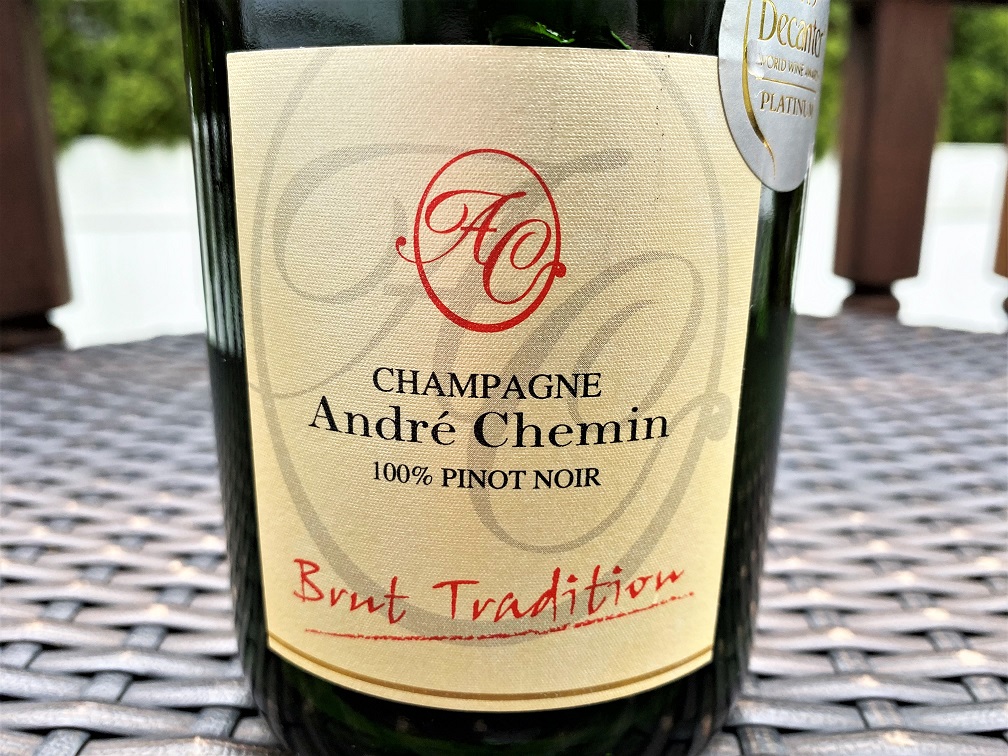
As a surprise, my daughter requested a Mimosa while dinner was in the making. I don’t have a lot of bubbles in the house, so at the moment I didn’t have any Prosecco or a Cava which would be my preferred choice for this purpose. I opened a bottle of one of my favorite everyday Champagne – NV André Chemin Brut Tradition Champagne, which is made with 100% Pinot Noir. While the girls enjoyed their Mimosas, I was happy to have a few glasses of this delicious wine – a perfect combination of freshly toasted bread and yeasty notes, crisp, refreshing, and satisfying.
Here it is, a full account of a celebration in the wine terms. It was definitely unusual for this household to drink only French wines, and also classic French wines – Burgundy, Champagne, and Sancerre – in one sitting. Interestingly enough I believe all three wines were procured through WTSO, which is simply a fun fact I would like to mention.
Father’s Day is coming in about a month – it might be the time to start worrying about my wine choices…
Sparkle Every Day
Ohh, festive times… Bubbles, laughter, smiles, more bubbles, and more laughter and smiles.
We still think of bubbles as a holiday or otherwise celebratory wine, but it doesn’t have to be like this – every day is worth celebrating, and good bubbles bring something special – they have a magic power to make things better.
But now the bubbles are on everyone’s mind – the last two weeks before the New Year celebration, bubbles need to be consumed and gifted. Very appropriately, I’m inviting you on a trip around the world, to taste some sparkling wines, and maybe even find new favorites or discuss the old and familiar.
You can’t beat the classics, so let’s start in the place which started it all (I know it is contested, like everything else nowadays, but let’s just skip that discussion) – the Champagne, of course.


I’m starting today with Champagne which is unique and different, and in reality should warrant a full post, as this is Champagne with the story. In 1975, Bruno Paillard, tracing his family grower and negociant heritage back to 1704, started working as a Champagne negociant. In 1981, at 27 years of age, Bruno sold his old collectible Jaguar and started his own Champagne company with the vision of producing a different style of Champagne. In 1984, he designed a unique above-ground cellar to be able to fully control temperature during the production of Champagne. By 1988, he already was collecting raving reviews from the critics such as Hugh Johnson, and others.
Bruno Paillard calls his approach to Champagne production Multi-Vintage, as even non-vintage-designated wines still have known proportions of reserve (vintage) still wines used during production. Also, every bottle of Bruno Paillard Champagne carries a disgorgement date on its back label. I had an opportunity to taste Bruno Paillard Premiere Cuvee Champagne, which comprises 35 out of 320 Champagne crus, with up to 50% of the wine coming from 25 reserve vintage wines since 1985:
MV Bruno Paillard Premiere Cuvée Champagne (12% ABV, $60, 45% Pinot Noir, 33% Chardonnay, 22% Pinot Meunier, 36 months on the lees, 5 months in the bottle, disgorged in June 2020)
Fine mousse, crisp
Classic nose – toasted bread, very clean, delicate
Classic palate – toasted bread, minerality, a hint of apples, fresh, round, great energy, cut-through acidity, delicious overall
8+, superb. If you can drink it every day, more power to you – but it is well worth at least an occasional celebration.
As we are in Europe, let make another stop along the way – all the way down to the South of Italy – in Sicily.
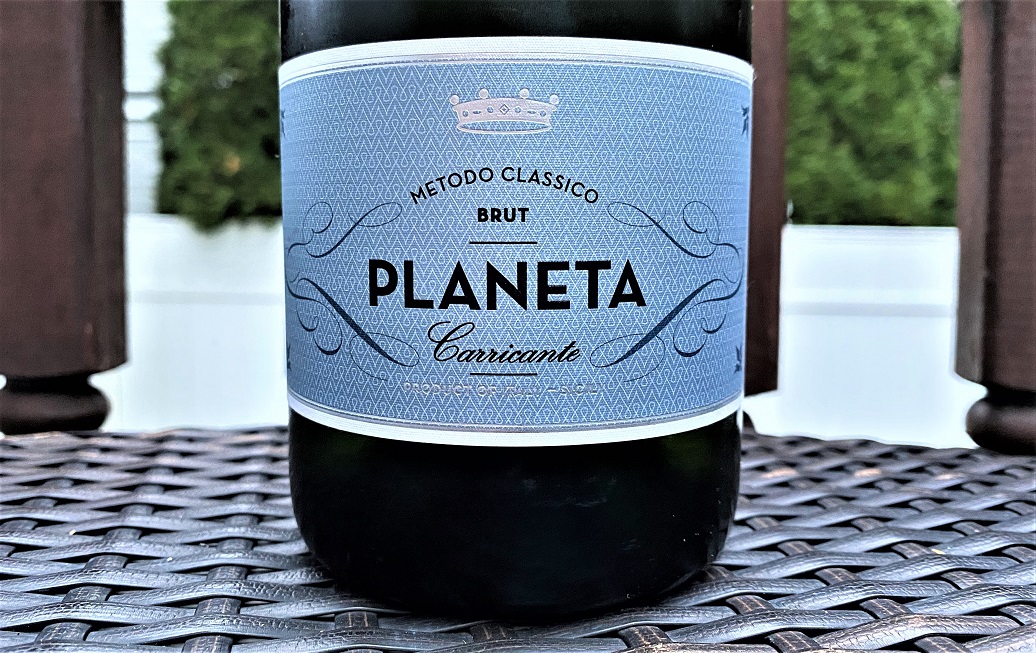
Italy is no stranger to spectacular classical style (method Champenoise) bubbles – powerful Ferrari and others up north in the Trentodoc, majestic Franciacorta in Lombardy, and more classic sparkling wines everywhere in between. However, this was my first encounter with the classic-style bubbles from Sicily.
Not to be overdone, this wine comes from Planeta, which is one of the most famous and best producers in Sicily – still, I never heard of their sparkling wines. This wine was made out of the local white grape called Carricante, but if you would try it blind, it would be very hard to distinguish this wine from an actual classic Champagne.
NV Planeta Carricante Brut Methodo Classico Sicilia DOC (12% ABV, $42, 100% Carricante)
Light Golden color
Beautiful intense nose, minerality, a touch of gunflint, toasted notes
A touch of green apple, minerality, toasted bread, good acidity, medium to full body.
8+, outstanding. Mostly available in restaurants, but you still can find it in a few liquor stores.


Now, let’s cross the Atlantic all the way and then some, going to the west side of North America – we are stopping by in California, to be precise. Here I have two wines to offer to your attention.
If you like California sparkling wines, then you don’t need an introduction to Scharffenberger. Found in 1981 by John Scharffenberger, the winery was built from the get-go for sparkling wine production, showcasing the terroir of Mendocino country.
In 2004, the winery became a part of the Roeder Collection. Overall, it continues the same traditions as 40 years ago, and today the 120 acres estate is sustainably farmed and Fish Friendly Farming certified.
Scharffenberger produces a range of Non-Vintage sparkling wines, all made using the classic method, all made from various proportions of Chardonnay and Pinot Noir. The wine I want to offer for your holiday festivities and casual daily life celebrations is Brut Rosé:
NV Scharffenberger Brut Rosé Excellence (12.5% ABV, $26, 55% Chardonnay, 45% Pinot Noir)
Salmon pink
Toasted bread, brioche, a touch of strawberries
Tart strawberries, hazelnut, freshly baked bread, crisp, generous, invigorating
8+, excellent bubbles for any day
Now, we are still staying in California, but moving about 2 hours south and east from Mendocino to the Russian River Valley. Here, in 1984, Judy Jordan started her J Vineyards and Winery (at the age of 25). Throughout the years, Judy acquired 9 vineyards, managing 300 acres of vines around the area. Her brother John Jordan manages the eponymous Jordan winery in Sonoma, producing “Chardonnay, Cabernet, and Hospitality” (I really love this quote of his as I had an opportunity to experience all three at the wine bloggers conference 2017).
During my first wine bloggers conference in 2014 in Santa Barbara, I attended joint Jordan reception, hosted by J Vineyards and Jordan Winery, creating the most magnificent experience between delicious J Vineyards bubbles and Jordan Cabernet verticals.
Why am I telling you all of this and how is it relevant to the J sparkling wine I tasted? Actually, there is no real connection, except the sad feeling of the loss of true authenticity, after J Vineyards was sold to E and J Gallo in 2015. If you visit the J Vineyards website today, it is all about selling the wine. There is no “about” section. There is no history of the estate. Just buy, buy, buy. Buy this or buy that. Okay, okay – I get it – wine is a business. But it can be a business with soul – sadly, I don’t think E and J Gallo know how to operate one.
This J Vineyards Cuvée 20 was originally produced to celebrate the 20th anniversary of the winery but then became a standard feature in the sparkling wine lineup.
NV J Vineyards Cuvée 20 Russian River Valley (12.5% ABV, $38)
Straw pale, fine mousse
Gunflint is a primary element
Toasted bread, gunflint, a touch of lemon, crisp, energetic, perfect cleansing acidity
8/8+, needs food – oysters, cheese, steak – any food.
Let’s now take a long flight down south, to the Argentinian desert, to visit Domaine Bousquet in Tupungato.


Actually, I already wrote a long post about Domaine Bousquet sparkling wines, at the beginning of this year. These are essentially the same wines I tasted before, only with the new labels. If you are interested in learning more about Domaine Bousquet, please refer to the post above, and I will just share my latest tasting notes here:
NV Domaine Bousquet Brut Tupungato Argentina (12% ABV, $13, 75% Chardonnay, 25% Pinot Noir, Charmat method, organic grapes, vegan)
A yellowish tint in the glass
A hint of apple, fresh, clean
Perfectly round, good acidity, a touch of toasted notes, apples, easy to drink
8-, very good
NV Domaine Bousquet Brut Tupungato Argentina (12% ABV, $13, 75% Pinot Noir, 25% Chardonnay, Charmat method, organic grapes, vegan)
beautiful salmon pink
fresh, a touch of strawberries
more strawberries on the palate, fresh, clean, good acidity, nice body
8-, perfect for every day
And we are done. I’m leaving you here with a few of the options for your festive and daily bubbles – different prices, different wines, but all worthy of a life celebration as it happens. Cheers!
Celebrate Life! Celebrate Champagne!
Is it only me or did the time accelerate for everyone? How come the store shelves are full of baking supplies and turkey condiments? It is still really warm here in Connecticut – did the summer end already? Does it mean that the holidays are coming?
Oh yes, the holidays!
I’m ashamed to admit but I believe I missed all or most of the wine holidays this year. Surprised with a large number of references to Champagne on social media, I decided to check the calendar, and yes – I almost missed yet another wine holiday – Champagne Day!
In victory you deserve it, in defeat you need it
It doesn’t matter who really said that (Napoleon, Churchill, or anyone else), but whoever said it, was right – in life, there is always a place for a glass of Champagne.
There are lots and lots of praise-worthy bubbles produced around the world – the rest of France outside of Champagne, Italy, Spain, Australia, California, Oregon, Georgia, and every place in between – but today it is all about Champagne.
Champagne had a tough time with the pandemic and other events, such as absolutely moronic labeling laws introduced in Russia, but nevertheless, people around the world are ready to celebrate, and Champagne sales are getting back to the pre-pandemic levels.
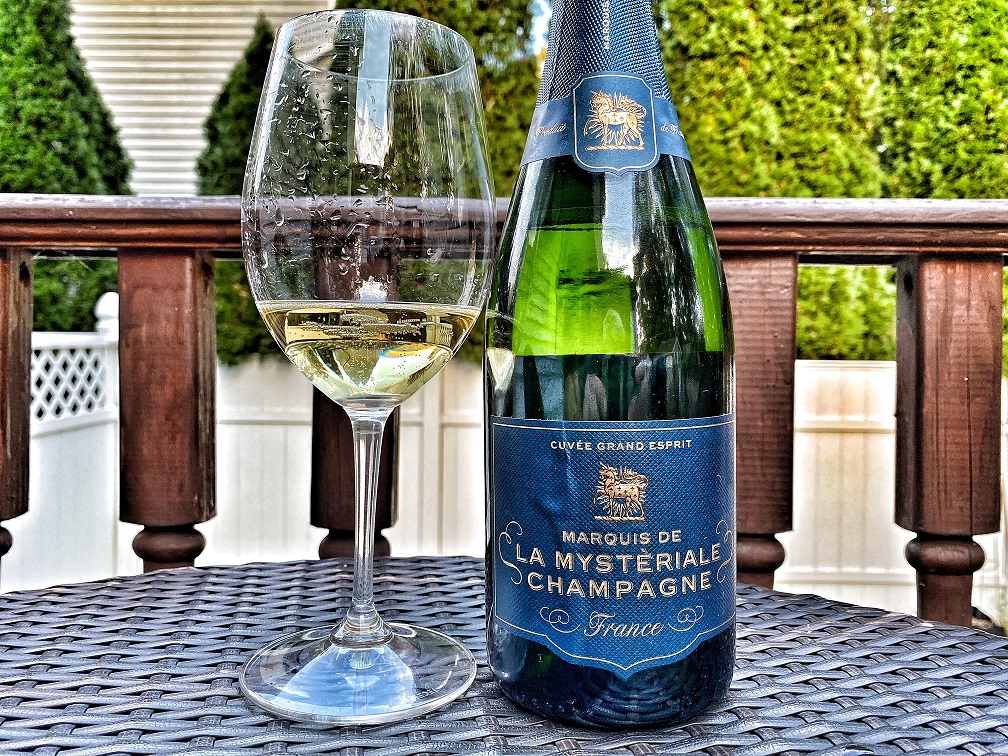
My celebratory Champagne of choice today is NV Marquis de la Mysteriale Brut Cuvée Grand Espirit (12.5% ABV) – perfectly suitable for every day, showing toasted bread notes on the nose, and crisp and refreshing on the palate. There is nothing spectacular about this wine, but for $20 (WTSO price), it is perfectly “good enough” to simply celebrate life, one day at a time. This was also the first time (I think) I had Champagne designated as MA – “Marque d’ Acheteur – A brand name owned by the purchaser, such as a restaurant, supermarket or wine merchant.”
A big part of Champagne fun is the process of opening the bottle using typically a special sword – so-called sabrage. Last year, I shared with you a little compilation of the sabrage gone wrong – very wrong. This year, I have a video collection of the amazing success of sabrage done with absolutely random objects, including tablespoon, iPhone, teaspoon, and even the high-heel shoe (and many others – see for yourself):
Here you are, my friends. Open a bottle of Champagne and celebrate life! Cheers!
Wine Quiz #132 – How Well Do You Know Your Wines?
The Wine Quiz series is not meant to intimidate. The whole idea here is to have fun and learn something new. When answering the questions, it is fully encouraged to use all available sources of information, including Google or any other search engine. There are no embarrassing answers – the most embarrassing thing is not giving it a try…
Welcome your new wine quiz!
Let’s start with the answers to the last quiz #131. In that quiz, you were given a series of questions related to our favorite festive beverage – Champagne.
Here are the questions, now with the answers:
Question 1: A typical pressure inside of the Champagne, and for that matter, most of the Méthode Traditionnelle sparkling wine bottles, is 6 atmospheres (this is why you need to take special care while opening the bottle of Champagne). However, some of the wines produced under the same Méthode Traditionnelle are deliberately made to have a lower pressure of 5 atmospheres – can you find this wine in the list below?
- Trentodoc
- Cava
- Cremant de Jura
- Franciacorta Satèn
- Méthode Cap Classique
Answer 1: Franciacorta Satèn (Satèn means “silk” in Italian, and it is a trademarked term), while made using Méthode Traditionnelle, were created to offer silkier (pun intended) mouthfeel compared to traditional Champagne/sparkling wine, so they are bottled at 5 atmospheres to achieve that gentler experience.
Question 2: You know that to remove the cork from a Champagne bottle, you need to untwist the wire (which is called Muselet). While untwisting, how many turns do you have to make:
- 3
- 4
- 5
- 6
- 7
Answer 2: You always have to make 6 twists, no matter where this Méthode Traditionnelle sparkling wine is coming from. For more info, click here.
Question 3: Riddling (remuage) is a process where the bottles of Champagne are turned little by little, also with the change of an angle, while inserted upside down into the vertical “table” called Pupitre, to gradually force the sediment to concentrate in the neck of the bottle for easy removal. Do you know who is credited with the invention of the Pupitre?
- Dom Perignon
- Dom Ruinart
- Madame Clicquot
- Claude Moët
Answer 3: Madame Clicquot. For more information, please click here.
Question 4: The foil covering the top of the Champagne bottles was originally intended to:
- Hold cork in its place
- Just for looks and marketing
- To protect the cork from a variety of insects and rodents while wine is in storage
- To cover wire cage imperfections
Answer 4: To protect the cork from a variety of insects and rodents while wine is in storage. Here is a Wine Spectator article offering some insight.
Once again, we didn’t have a lot of players, but Lynn answered all 4 questions correctly, so she gets the prize of unlimited bragging rights! Well done!
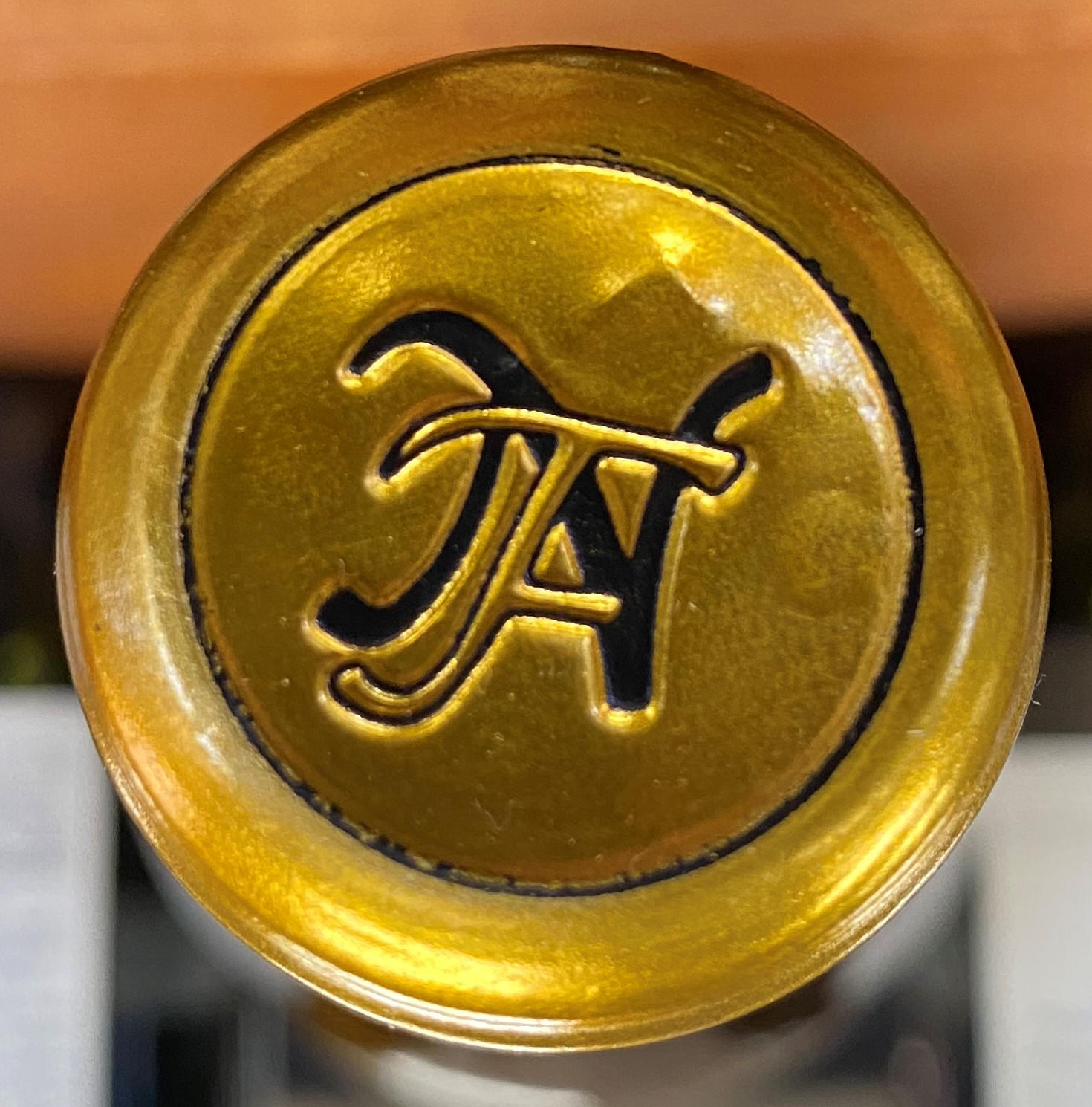
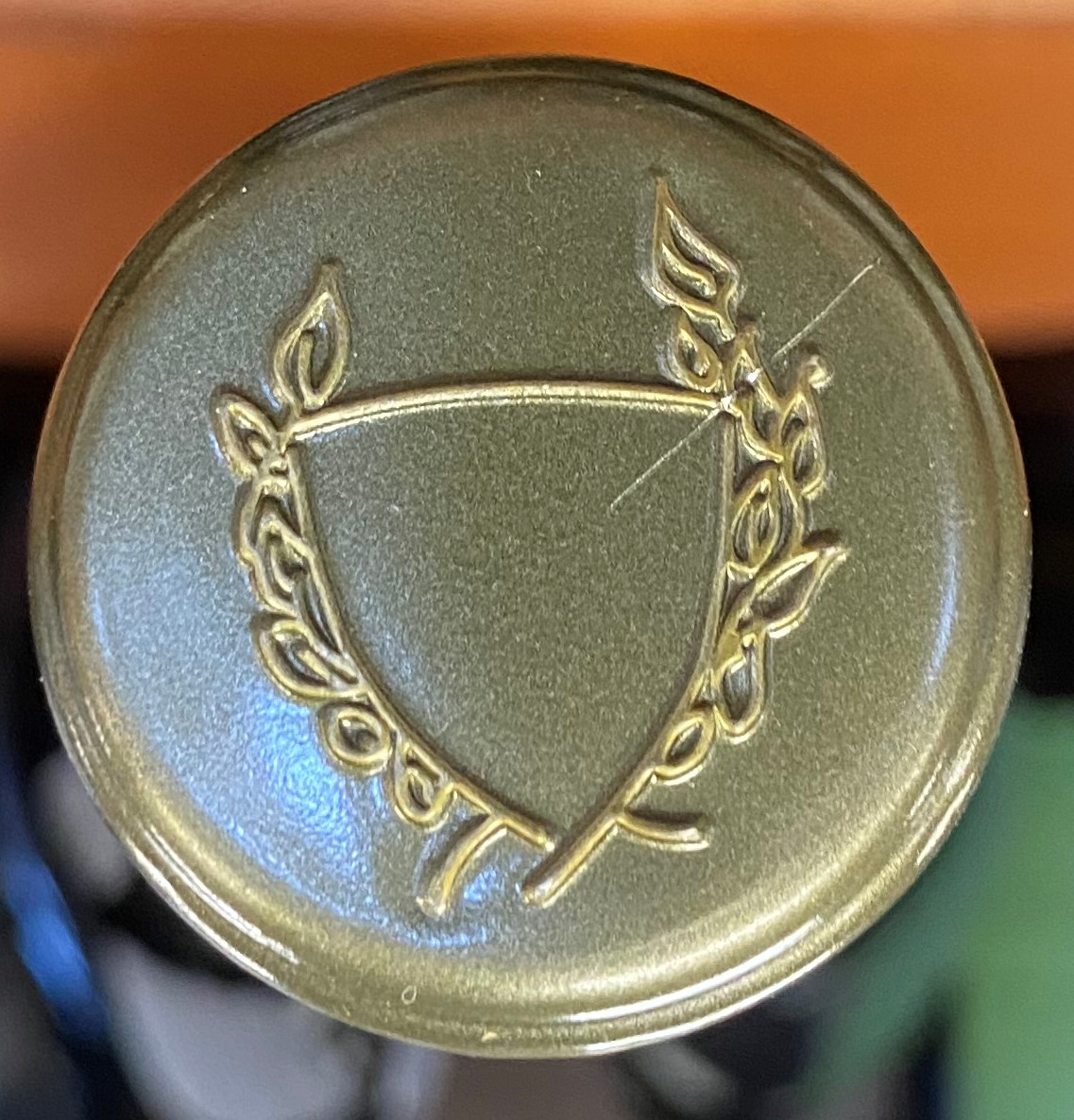
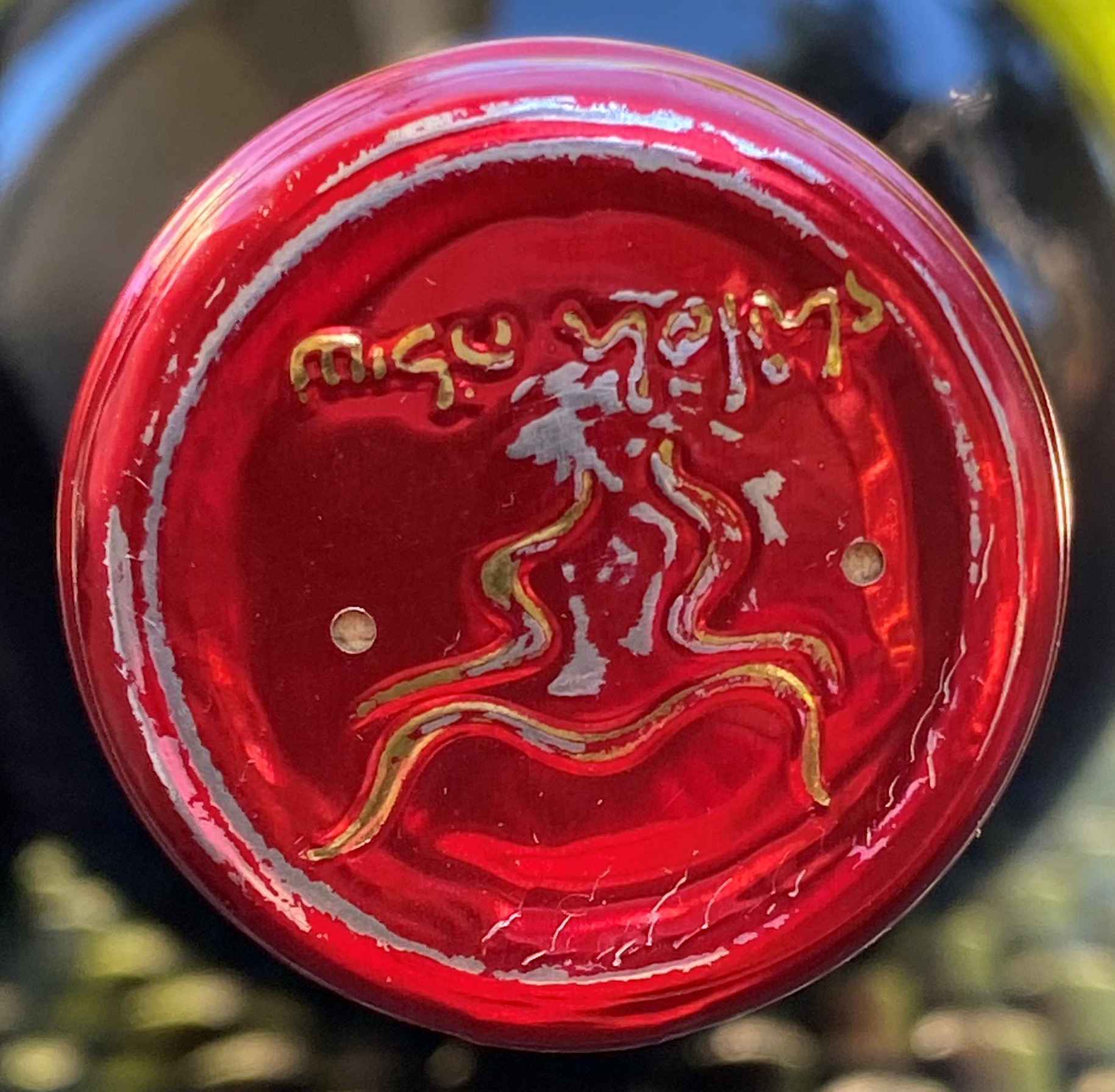
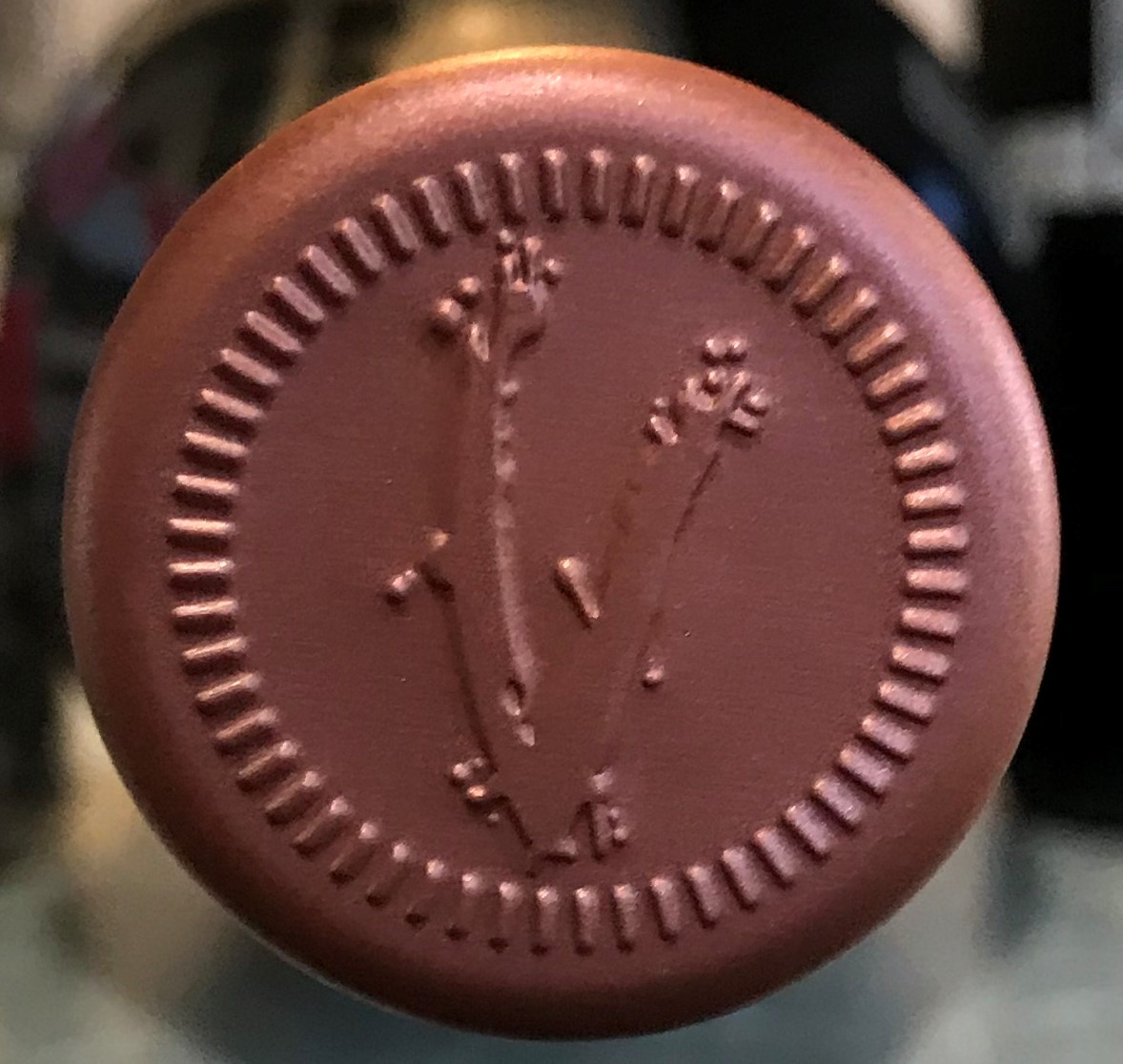
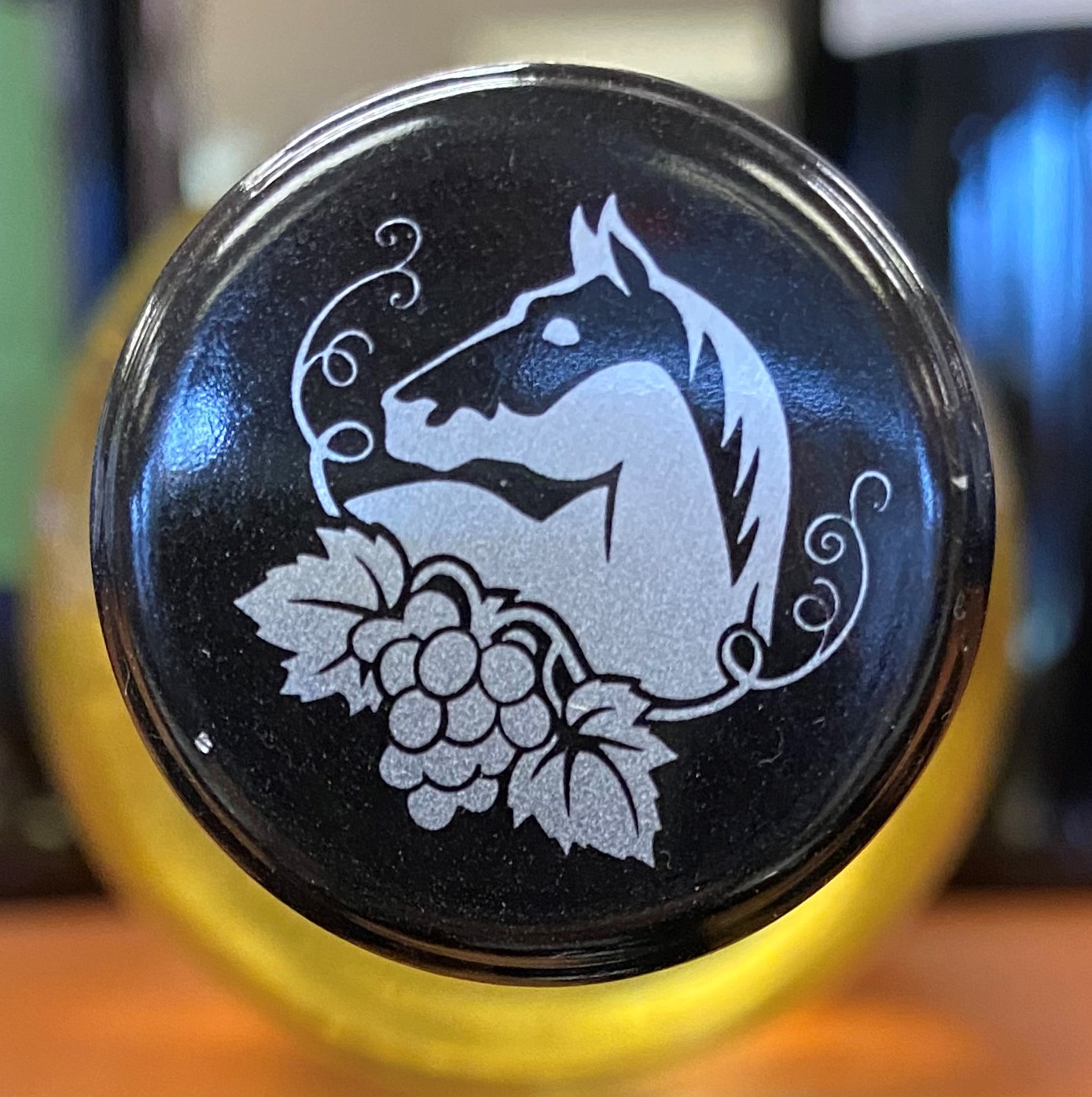
Our today’s quiz is one of the “classic” ones here. Below you will find the pictures of the tops of the bottles (foil capsules for most of the cases). You need to identify the producer based on those images.
Let’s go:
1.
2.
3.
4.
5.
6.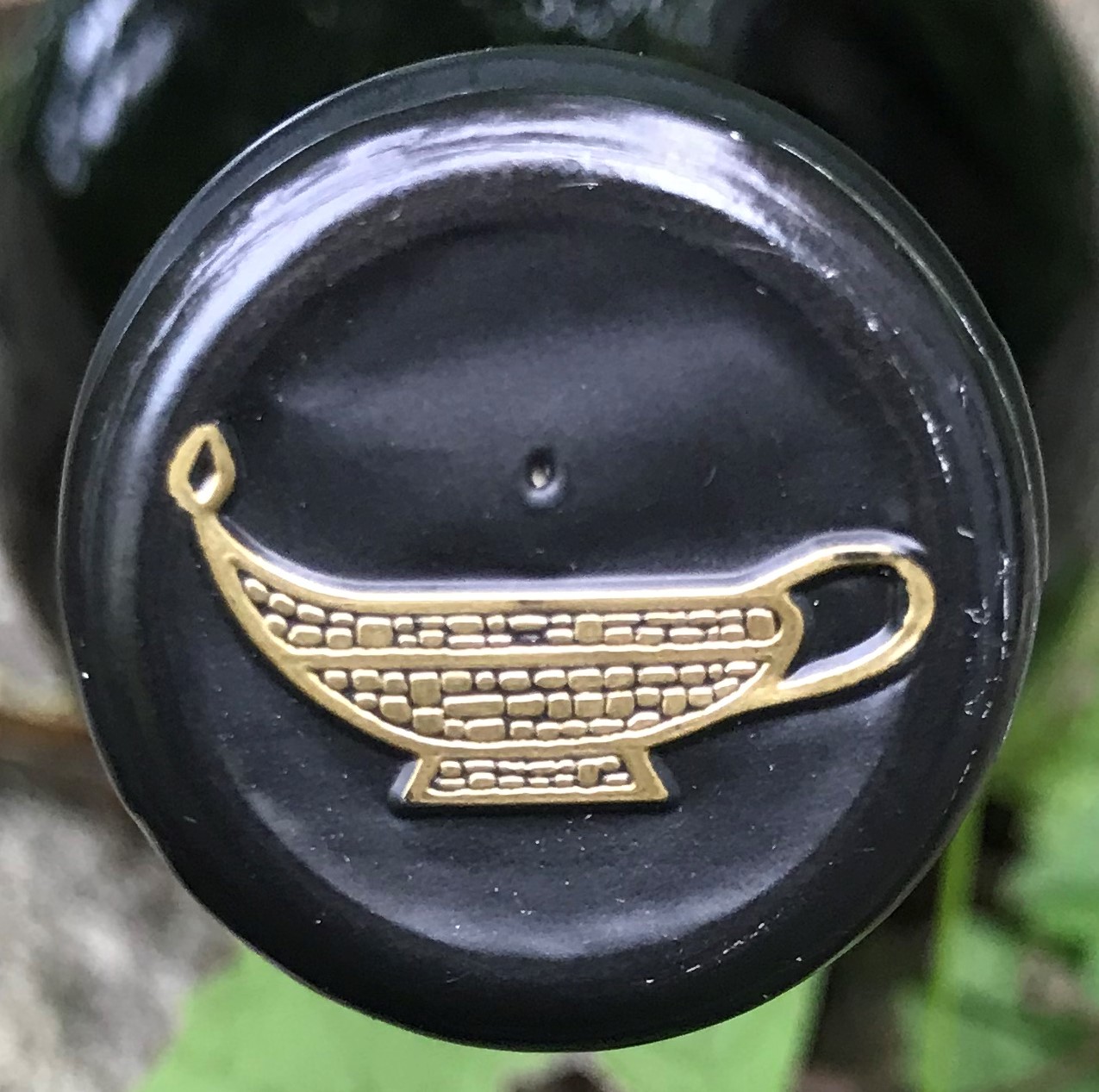
These are reasonably well-known producers from around the world, with maybe some exceptions – not sure I can give you more of the hint.
Good luck, enjoy the quiz and enjoy your weekend! Cheers!
Wine Quiz #131 – Champagne!
 The Wine Quiz series is not meant to intimidate. The whole idea here is to have fun and learn something new. When answering the questions, it is fully encouraged to use all available sources of information, including Google or any other search engine. There are no embarrassing answers – the most embarrassing thing is not giving it a try…
Welcome to the New Year 2021 and your new wine quiz!
Let’s start with the answers to the last quiz #130. In that quiz, you were given a series of questions where you were supposed to figure out what connects the items on the list and which one of the items doesn’t belong.
Here are the questions, now with the answers:
Question 1: Below is a list of wines. One of those wines shouldn’t be listed, but to find out which one doesn’t belong, you will need to understand first what connects all those wines:
A. 2014 Duckhorn Vineyards Three Palms Vineyard Merlot
B. 2016 Chateau Leoville Barton
C. 2012 Mollydooker Carnival of Love Shiraz
D. 2012 Peter Michael ‘Au Paradis’ Cabernet Sauvignon
E. 2015 Tenuta San Guido Sassicaia
F. 2013 Lewis Cellars Cabernet Sauvignon
Answer 1: This was definitely a difficult question. The correct answer is C, 2012 Mollydooker Carnival of Love Shiraz. All wines on this list are Wine Spectator top wines of the year throughout the different years, with the exception of 2012 Mollydooker Carnival of Love Shiraz, which was wine #2 in 2014.
Question 2: Below is the list of names – one of them doesn’t belong to the list. Can you find out which one:
A. Cayuse
B. No Girls
C. Andremily
D. Horsepower
E. Hors Categorie
Answer 2: C, Andremily. All of these wines are produced by or closely affiliated with Christophe Baron, the famous Washington Walla Walla winemaker – with the exception of Andremily, which is also a highly allocated wine produced by former Sine Qua Non assistant winemaker Jim Binns.
Question 3: Below is the list of vintages. One of them shouldn’t be on the list. Do you know which one?
A. 2011
B. 2010
C. 2005
D. 2004
E. 2001
F. 2000
Answer 3: The correct answer is F, 2000. All other years achieved a perfect rating for Rioja wines by Rioja Consejo Regulador, Excellent, but year 2000 was rated only Good, which is the 3rd rating from the top.
Sadly, we had no takers for this quiz, so I will have to keep all the lucrative prizes to myself.
Now, to the new quiz. It is the beginning of the year, and I definitely still in Champagne mood, so this is the subject for our new quiz.
Here we go:
Question 1: A typical pressure inside of the Champagne, and for that matter, most of the Méthode Traditionnelle sparkling wine bottles, is 6 atmospheres (this is why you need to take special care while opening the bottle of Champagne). However, some of the wines produced under the same Méthode Traditionnelle are deliberately made to have a lower pressure of 5 atmospheres – can you find this wine in the list below?
- Trentodoc
- Cava
- Cremant de Jura
- Franciacorta Satèn
- Méthode Cap Classique
Question 2: You know that to remove the cork from a Champagne bottle, you need to untwist the wire (which is called Muselet). While untwisting, how many turns do you have to make:
- 3
- 4
- 5
- 6
- 7
Question 3: Riddling (remuage) is a process where the bottles of Champagne are turned little by little, also with the change of an angle, while inserted upside down into the vertical “table” called Pupitre, to gradually force the sediment to concentrate in the neck of the bottle for easy removal. Do you know who is credited with the invention of the Pupitre?
- Dom Perignon
- Dom Ruinart
- Madame Clicquot
- Claude Moët
Question 4: The foil covering the top of the Champagne bottles was originally intended to:
- Hold cork in its place
- Just for looks and marketing
- To protect the cork from a variety of insects and rodents while wine is in storage
- To cover wire cage imperfections
Good luck, enjoy the quiz and enjoy your weekend! Cheers!
Last Bottle Sign Up ($10 credit)




 Talk-A-Vino