Archive
Wine Bloggers Conference 2014: Live Wine Blogging
I’m continuing my stories from the Wine Bloggers Conference 2014 (here are the links to the Day 1 and Day 2 posts). The subject of this post is tasting of the wines in the time-constrained scenario, or the Live Wine Blogging sessions (also some attendees called it “speedtasting”).
When it comes to the wine tastings of the large scale, I pride myself with being a professional. I’m attending trade wine tasting events for many years, and I don’t have any issues being faced with 300-400 wines in only 3 -4 hours of time. No problems. You use spitton, and you are very decisive about what you want and don’t want to try. I also take pictures and very minimal notes (typically the “+” signs with few descriptors) to designate the wines I like.
The Live Wine Blogging Session was yet a very new and different experience. All attendees sit at the round tables. Each table has a number in the middle. Winemakers are ready with their wines and information in hand. As soon as the host says “go”, winemakers approach the tables they are next to, start pouring their wines and talk about them. 4 minutes 30 seconds into this, the host shouts a “30 seconds warning”, and on the 5 minutes mark the next instruction is “winemakers, go to the next table” (next table with the higher number it is). The session lasts for 50 minutes – 10 wines, 5 minutes per wine.
This is the “Live Blogging Session” – so the bloggers are expected to share their impressions live in real time as they taste the wines. What do you think about the 5 minutes time allotment for this task? I found it quite challenging. Yes, 5 minutes is more then plenty to figure out if you like the wine or not. But to come up with some reasonable impressions and taste descriptors (don’t think “nice wine” is a good qualifier) and to share them with the world with the 140 characters limit is not a simple task in my opinion. I don’t know how the winemakers felt, but for sure I was exhausted by the end of each 50 minute session.
Another feature of this live wine blogging exercise is complete unpredictability – the only known factor is the color of the wine which will be served in the session (White and Rose or Red). The wines come from all over the world, and there are lots of participating wineries, so at every table attendees only get to taste a fraction of the total selection available for the session. The wines also represented a broad range of price points – from $10 simple Washington Riesling to the $125 rare California Cabernet Sauvignon.
I did my best to adhere to the principal of the “live blogging” and posted all notes on twitter as we tasted the wines, in real time (if interested, look for twits with #wbc14 hashtag). For what is worth, below are the notes as they appeared on Twitter, with the small processing I did to make them more concise. To give you a “live” example, here is how the twits looked like in the real time:
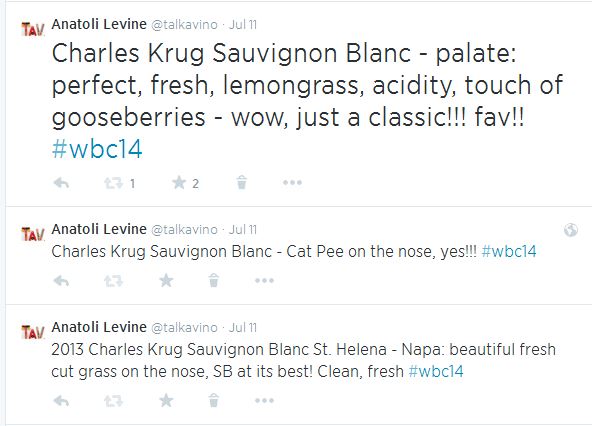 Here are my notes for the white wines (each line represents a separate twit, so mostly I had 2 twits per wine, with some exceptions):
2013 Main & Geary Chardonnay Sonoma – beautiful nose, tropical fruit, apple, touch of vanilla and green apple on the palate
2012 Cornerstone Cellars Sauvignon Blanc Napa Valley – a lot of white fruit on the nose, palate: touch of grass, steely acidity
Cornerstone Cellars Sauvignon Blanc is made to age. long finish, very acidic. Food wine
2013 Aridus Viognier Arizona (!) – beautiful nose, classic floral Viognier – wow palate! Very elegant (despite a touch of heat)
also nice saltiness on the palate, great complexity. Most favorite so far
2012 Alta Maria Vineyards Chardonnay Santa Maria Valley – great nose, nuttiness, vanilla, touch of butter
closed on the palate, Chablis like acidity. needs time!
2012 Fess Parker Viognier Santa Barbara County – nice nose, minerality and gunflint. Sweet fruit on the palate, very balanced, short-med finish
finish is longer than I thought, nice acidity. Very good overall
2011 Scratchpad Chardonnay Central Coast – label and the bottle – creativity through the roof!!!
Chablis-like nose, minerality, touch of vanilla, but the palate is somewhat single dimensional. Malo noticbl
2012 Pacific Rim Riesling Columbia Valley, WA – Sweet nose, nice acidity, good fruit – but overall doesn’t resemble Riesling
it is a nice wine for $10, but it wouldn’t pass for Riesling if I crave one. Okay summer wine
2013 Urban Legend Grenache Blanc Capay Valley – beautiful nose, white ripe fruit, fresh, clean
fresh palate, good acidity, white stone fruit, minerality – very pleasant. Medium finish
2012 Uproot Grenache Blanc Santa Ynez Valley – restrained nose, nice minerality, melon, earthiness
palate: acidity, spices, nutmeg, minerality, clean, refreshing. very Good overall
2013 Charles Krug Sauvignon Blanc St. Helena – Napa: beautiful fresh cut grass on the nose, SB at its best! Clean, fresh
Cat Pee on the nose, yes!!!
palate: perfect, fresh, lemongrass, acidity, touch of gooseberries – wow, just a classic!!! fav!!
Charles Krug Sauvignon Blanc was definitely my most favorite wine of that session. Aridus Viognier from Arizona was most unique (I don’t get to taste too many wines from Arizona). The “prize” for most creative design goes to the Scratchpad Chardonnay, taking into account both the cool label and a little pencil which hangs of the bottle top – unfortunately, the taste didn’t fully support the creativity of the bottle.
And here are the reds:
2012 Garnet Vineyards Estate Farmed Pinot Noir Sonoma Coast – beautiful ruby color, touch of smoke, earthy, herbaceous
beautiful sweet fruit on the palate, young gripping tannins, pomegranate, slight heat in the back
long sweet finish. Needs a bit of time (2012)
Vineyard 511 2010 Cabernet Sauvignon Diamond Mountain – dark garnet color, sweet plums and cassis on the nose, touch of eucalyptus
beautiful! Great density, soft, approachable, with firm tannins, perfect acidity. will evolve greatly
Rodney Strong Vineyards 2011 Symmetry Meritage – open herbaceous nose, touch of red fruit, raspberries
nice Bordeaux blend, cherries, firm structure, firm tannins
2011 Rios de Chile Reserve Carmenere – barnyard, smoke, complexity on the nose, bacon and roasted meat
beautiful, round,concentrated, dark fruit, herbs, spices
2006 Jordan Winery Cabernet Sauvignon – beautiful nose, open fruit, touch of earthiness, cassis, the same on the palate. Perfect Cab!
2010 Jordan Winery Cabernet Sauvignon – wow, open, explicit nose, eucalyptus, soft fruit, wow again. young tannins
2010 Adelaida Cellars Touriga Nacional – mind blowing nose, beautiful fresh fruit, wild berries – strawberries and blueberries
spectacular palate of fresh berries, firm, concentrated, excellent balance. Great wine
2011 Danza Del Sol Cabernet Franc Temecula Valley – varietally correct nose, touch of cassis and eucalyptus, green bell pepper
great palate, fresh fruit, balancing tannins and acidity. An excellent effort
2012 Ferrari Carano Siena fresh berries nose with hint of smoke and tobacco
sweet fruit on the palate, some cherries, round and delicious. Excellent balance
2011 Carr Winery Cabernet Franc Santa Ynez Valley interesting nose – mineral, with some cherries, eucalyptus, cassis
soft, delicious palate, with more eucalyptus, cassis and greens bell pepper. Perfectly balanced and soft
2010 Grassini Wines Estate Cabernet Sauvignon on the nose, young fruit with some smokiness, minerality
lots of sweet fruit on the palate (too much for me), mocha, good structure
2011 Taken Red Wine Napa Valley – blueberries and blackberries on the nose, nicely restrained
palate – delicious, perfect acidity, firm tannins, good structure, right amount of fruit and excellent balance
The red wines line up was very impressive, it is hard to pick the favorite. The Adealida Touriga Nacional from Paso Robles was probably the most unusual (my first 100% Touriga Nacional wine from US), and very tasty. Jordan is always a stand out for me, and both 2006 and 2010 were delicious. My wine of the day was still the Vineyard 511 – a rare treat from the Diamond Mountain district (tiny area of 500 acres in size) in Napa Valley, perfectly structured and impeccably balanced wine; the conversation with Ed and Irene Ojdana who makes the Vineyard 511 Cabernet Sauvignon was a pleasure in itself. I also have to mention Taken Red wine from Napa Valley, which was simply put on our table after the session concluded – this was an excellent wine, created by Carlo Trinchero and Josh Phelps, both coming from the very well respected winemakinig families in California.
Here we are – two speedtasting, live wine blogging sessions. I know that this exercise is very polarizing for many attendees – some hate it, and some love it. I’m in the latter category, and I definitely enjoyed the sessions and already looking forward to the repeat at the next year’s conference. What do you think – would you love it or hate it? Cheers!
Weekly Wine Quiz #53 – Grapes Trivia: Cabernet Sauvignon
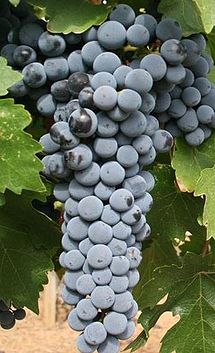
Image from Wikipedia
And the has come for our weekly wine quiz!
I like to organize things, when possible. So far my quizzes where a little bit (just kidding – really a lot) all over the place – from auctions to riddles to history; left, right and beyond. At the same time, I really would like to run a series of quizzes somehow related to each other. So I thought of this grape series, and that is the best I can come up with at the moment, so let me run with this.
This will be a series of posts dedicated to different grapes. Don’t wait for any substantial gotchas – at this point, there no plans for quizzes solely dedicated to Fiana or Romorantin (hmm, on the other side…). Instead, the quizzes will be dedicated to the mainstream grapes majority can attest to, such as Cabernet Sauvignon, Chardonnay, Pinot Noir and so on.
Today we are starting with the Cabernet Sauvignon grape. Cabernet Sauvignon needs no introduction – it is a mainstream grape in production of many of the best (and not) red wines in the world. In a few words Cabernet Sauvignon can be described as late ripening variety with thick skin and somewhat of a small berry. Flavor profile of Cabernet Sauvignon wines often includes eucalyptus, green bell peppers, mint and black currant (cassis). Cabernet Sauvignon has great affinity to oak and the wines are usually age very well. Cabernet Sauvignon is grown all over the world with most famous wines coming from Bordeaux, California, Australia, Argentina, Chile, Italy and Washington.
Here come the quiz questions:
Q1: Which two grapes are the parents of Cabernet Sauvignon?
Q2: The world’s oldest Cabernet Sauvignon vines are located in (name winery and/or vineyard for extra credit):
A. Bordeaux
B. Chile
C. California
D. Australia
E. Georgia
Q3: True or False: Since 2000, plantings of Cabernet Sauvignon increased in Bordeaux?
Q4: The second largest in the world plantings (by area) of Cabernet Sauvignon grapes are located in:
A. Australia
B. California
C. Chile
D. Hungary
E. Moldova
F. South Africa
Q5: Absolute majority of Bordeaux wines are blends. Name four grapes which are traditional blending companions of Cabernet Sauvignon in Bordeaux
Have fun and good luck! Enjoy your weekend and cheers!
Special Tasting Report: Trione Winery
A few month ago I got an email from Trione winery offering me a gift. Not just any gift – wine. Free wine. Words “free” and “wine” put together sound almost magical for the anyone who drinks wine daily (I refuse to take the calculator out – don’t ask). But the word “free” in the email usually means danger. After careful consideration, and actually looking at the winery web site, I decided that it was not a scam or phishing attempt, so I answered that I would be happy to get a free wine. The only caveat in the follow up response was that they can only ship wine to the limited number of states. Connecticut not included (of course). But New York was. And so my friend Emil became a recipient for the wine.
When Emil called me that he got the wine, he mentioned that the box looks very small. Well, okay – it is what it is – free wine, whatever the package is. And then some time later, the package made it to my house. A small black box, probably half of the shoebox in size. But there was actually wine inside. And this is how it looked like:
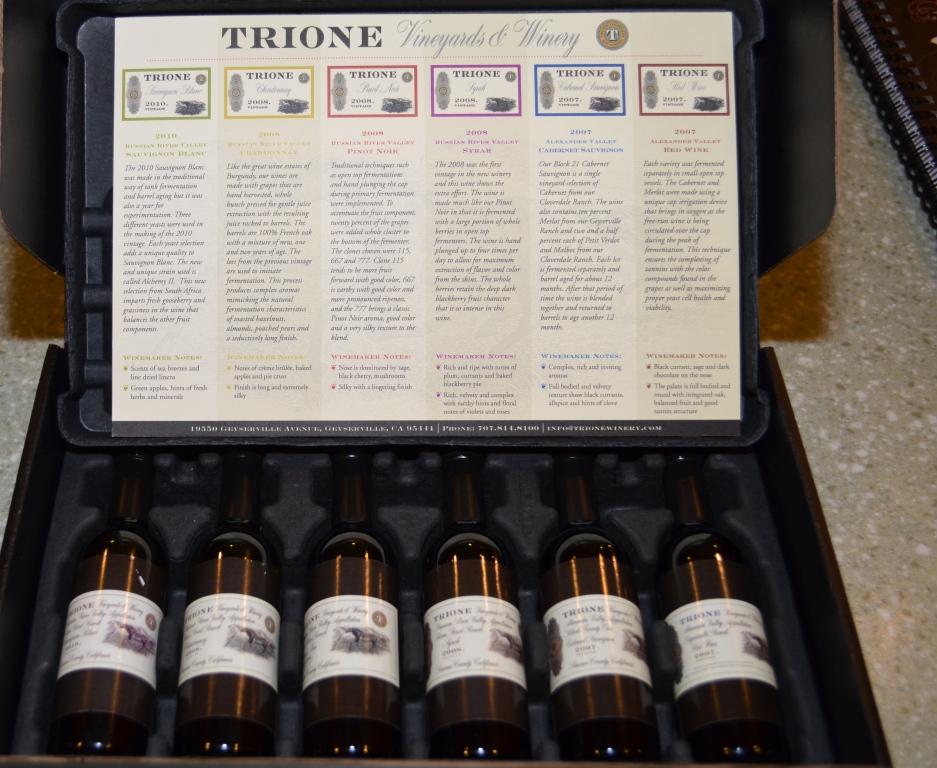
Trione Winery, which I never heard of before, is a new venture of Trione family who was growing grapes in Sonoma for 35 years. Here is what you can read on the front page of their web site:
“For over three decades, the Trione family has raised premium grapes that have been the foundation of many award-winning wines. Now we bring our grapes to you in wines bottled under our own label, Trione Vineyards & Winery. It is the culmination of our family’s long commitment to Sonoma County.”
Here are few more views for you (just trying to build up the anticipation here):


Another interesting detail – it appears that this tasting set consisting of the tiny bottles is actually a concept called Tasting Room. While web site provide literally no information, the card enclosed with the package explained the concept:
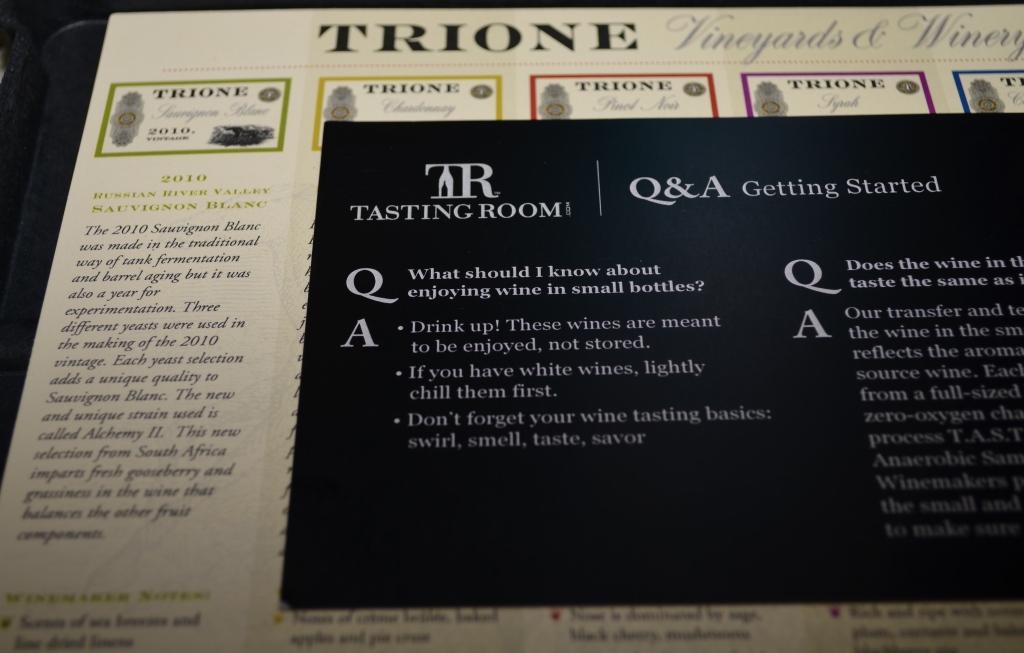
The wines are bottled in the small bottles using special technology which preserves all specifics of the wine, so it is exact same wine which will go into the regular bottles. The only exception – the wine in small bottles is not intended for aging (as you can imagine), so as the card says – drink up!
And with this, let me share my tasting notes. Well, not only mine – in majority of the cases we drink wine together with my wife, especially when we are looking at the interesting and unusual experience – so I’m including her tasting notes too.
2010 Trione Russian River Valley Sauvignon Blanc (14% ABV) – “Pear Grove” my wife said. Some fresh grass on the nose with a bit of grapefruit, but mostly earthy and herbaceous, Earthy and herbaceous on the palate as well, lots of residual acidity, but not “in-your-face”. Food friendly. Interesting. Drinkability: 7+
2010 Trione Russian River Valley Chardonnay(14.3% ABV) – nice butter on the nose, vanilla. Nose is very promising, but palate is not good, very acidic, no fruit, kind of flat. I’m sure it needs time or at least different serving temperature, therefore it is not rated.
2008 Trione Russian River Valley Pinot Noir (14.2% ABV) – Nice nose of dark fruit, tobacco, touch of roasted meat flavor. Nice palate of dark fruit, raspberries, plums, tobacco, pencil and sage undertones. Good palate, good balance. Very good overall. Drinkability: 8-
2008 Trione Russian River Valley Syrah (14.8% ABV) – Wow color – very dark, intense, almost black. My wife’s notes were “oh, this is good” , “great potential”, “very promising” (disclaimer – my wife loves Syrah, probably her favorite wines). Dark roasted fruit, silky smooth, perfect balance, perfect acidity, cherries, earthy notes. Definitely very promising. Very good overall. Drinkability: 8-
2007 Trione Alexander Valley Cabernet Sauvignon (14.5% ABV) – absolutely beautiful nose – perfectly classic, with mint and blackcurrant – textbook flavors. Coffee showed up later on the nose. Wife’s notes: “overpowering , but very yummy”. Big, powerful, silky smooth, noticeable tannins – but excellent balance. Touch over-extracted on the palate, but only in terms of power, not sweetness. Needs time. Drinkability: 8
2007 Trione Alexander Valley Red Wine (14.5% ABV) – Dark chocolate, coffee, blackberries on the palate, nice complexity. Beautiful, round and open fruit. Needs time. Drinkability: 8-
As you can see, it was a very enjoyable experience (it’s too bad that the bottles were that small) – next time you see Trione wine in the store, don’t just stand there, grab a bottle…
That concludes my special tasting report, folks. Until the next time (hopefully someone will send me good and free wine soon) – cheers!
Disclaimer: the wine was provided by Trione Vineyards and Winery free of charge. All opinions are my own.
Weekly Wine Quiz #32 – A Guessing Game: Ultimate Challenge, Part 2
And yet another Saturday is here, and, of course, a new quiz. It will be the last one (at least for now) in the Guessing Game series (previous three can be found here: #29, #30, #31). As promised, this one is about red grapes, but we will kick it up a notch – you have 7 grapes to match with 6 reviews – one grape is there just for fun, but in my opinion, it easily could’ve been for real. So here are your grapes:
A. Cabernet Sauvignon
B. Malbec
C. Merlot
D. Nebbiolo
E. Pinot Noir
F. Syrah
G. Zinfandel
And here are the reviews:
1. “complex, yet subtle, with blackberries, minerals and berries. Full-bodied and very velvety, with lovely rich fruit, with chocolate and berry character. Very long and refined. A joy to taste.”
2. “aromas of tar and smoke, with very pure, concentrated blackberry and spice notes underneath mark this exotic, seductive red. Silky and complex, it caresses the palate. It needs a little time to absorb the oak, but this is long and has great potential.”
3. “a seductive red, drawing you in with its pure cherry and floral aromas and flavors, then capturing you with the silky texture and harmonious profile. Stays fresh and elegant, with a long, ethereal finish.”
4. “still tight, with a wall of mocha and raspberry ganache covering the massive core of fig fruit, hoisin sauce and plum cake notes. This is extremely dense but remarkably polished, with a long, tongue-penetrating finish that drips of fruit and spice laid over massive grip.”
5. “delicious stuff; not huge, but impeccably balanced, nuanced and tremendously long and pure. It’s a cascade of currant, blueberry and plum fruit shaded on one side by subtle, toasty oak, on the other by hints of minerality and exotic spice. But it’s the elegance and the length that make this a winner.”
6. “torrent of blackberry, boysenberry and bittersweet ganache notes. But there’s exceptional drive and focus here as well, with a great graphite spine driving through the spice- and floral-infused finish. A stunner for its combination of power and precision.”
For an extra credit, try to figure out the country of origin for the wine in the reviews.
Good Luck! Have a great weekend and drink well! Cheers!
Ten Cabernet Sauvignon Facts For The Cabernet Day

Cabernet Sauvignon Grapes, Wikipedia
Today (or it might be yesterday, depending on when I will finish this post), on August 30th, we are celebrating Cabernet wines, which include some of the most coveted and sought-after wines in the world.
For this event, I want to talk a bit about Cabernet wines in general. While Cabernet wines often include both Cabernet Sauvignon and Cabernet Franc grapes, I want to focus today on the wines which have Cabernet Sauvignon as the only or at least a primary ingredient – I should save something (Cabernet Franc, to be precise) for an easy post next year, shouldn’t I?
For what it worth, here are ten facts about Cabernet Sauvignon – some might be actual facts, and some might be… myths? I will let you be the judge…
- Cabernet Sauvignon grape is relatively young, first appearing in 17th century as the result of the cross between Cabernet Franc and Sauvignon Blanc grapes (hence the name).
- Cabernet Sauvignon grapes are very small with the thick skin, which means that the ratio of seeds and skin versus pulp is quite high, leading to lots of tannins being extracted during maceration process. More tannins = bigger wine, which usually also can age for a long time, but on a flip side needs an additional breathing time to open up.
- Cabernet Sauvignon wines are successfully made all over the world, but the best known regions are Bordeaux, California, Tuscany and Australia. These main regions are closely followed by Argentina, Chile, Israel, Spain and South Africa.
- Typical flavor profile of Cabernet Sauvignon wines include black currant (Cassis), green bell peppers and eucalyptus (not necessarily all at the same time).
- Not all the Bordeaux wine are predominantly Cabernet Sauvignon based. The wines made in Médoc and all the sub-appellations (situated on the left bank of Garonne river) are actually based on Cabernet Sauvignon (70% is quite typical). The wines made on the right bank of Dordogne river are predominantly Merlot wines (typically containing about 70% of Merlot grapes). Some of the most successful Bordeaux wines, such as Chateau Petrus and Le Pin, are actually made out of Merlot.
- The oldest continuously producing Cabernet Sauvignon vines in the world are located in Australia – it is Block 42 of the Kalimna Vineyard in the Barossa Valley, which belongs to Penfolds. It is assumed that the vines were planted between 1886 and 1888, which will give us an approximate age of 125 years.
- Typical California Cabernet Sauvignon wine needs about 13 years to reach its peak (see, I told you – patience is one of the important traits of oenophile).
- Malbec was the most popular grape in Bordeaux until early 18th century, when it was replaced by Cabernet Sauvignon.
- Cabernet Sauvignon holds the title of most expensive wine ever sold in the world. An Imperial (6L = 8 bottles) of 1992 Screaming Eagle Cabernet Sauvignon was sold at the auction (proceeds went to charity) for $500,000 in year 2000.
- When it comes to pairing with food, there are two combinations which are typically stand out. Cabernet Sauvignon and steak are usually go very well together, and same is true for Cabernet Sauvignon and dark chocolate (be advised – your mileage might vary).
That’s all I have for you for today, folks. I have to admit that I didn’t get a chance to drink Cabernet today (I promise to compensate tomorrow) – but I really want to know what was in your glass for the Cabernet day? Please comment below. Cheers!
Celebrate Two Noble Grapes in One Day – What Are You Drinking Tonight? #CabernetDay and #TempranilloDay
I’m honestly puzzled, but somehow September 1st had being declared an international #CabernetDay and #TempranilloDay – it feels like there are not enough days in the calendar to properly celebrate all the grapes? Anyway, it is what it is, right? And the celebration is on, which means … oh boy… you have a reason to have a glass (or two or …) of wine tonight!
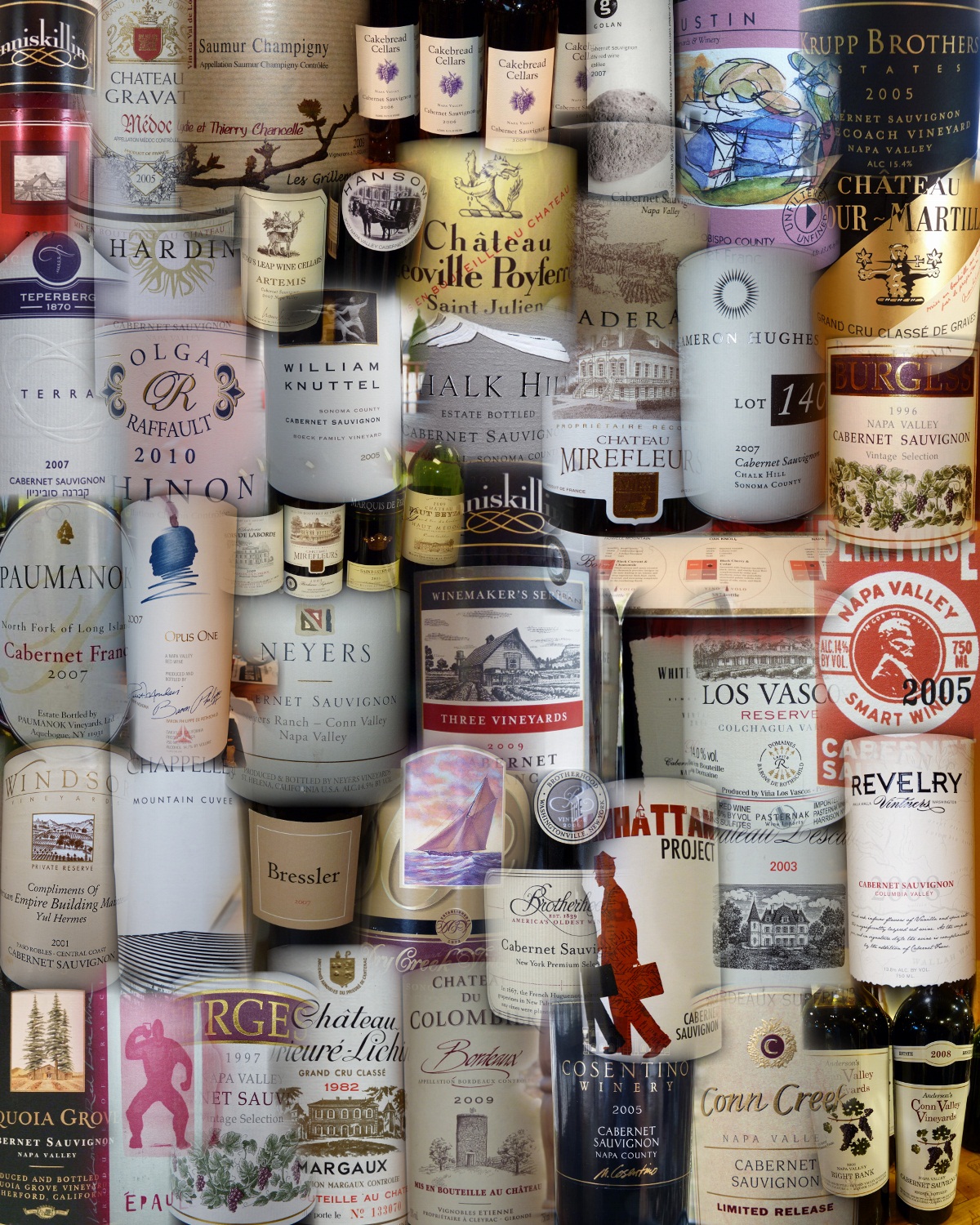
To celebrate Cabernet Day, all you need to do is to open a bottle of your favorite (or better yet, the one you never had) Cabernet Sauvignon or Cabernet Franc wine (and of course Cabernet blend will do quite well too), and then tell the world how great it was (if you will only tell your neighbor, that will also count). With abundance of choices from Bordeaux, California, New York, Washington, Australia, Canada, Italy, Argentina, Chile, Spain, Israel and pretty much everywhere else, you will have no problems finding a good bottle of Cabernet to enjoy. And instead of giving you any particular recommendations, I would like to simply reflect on some of the past experiences:
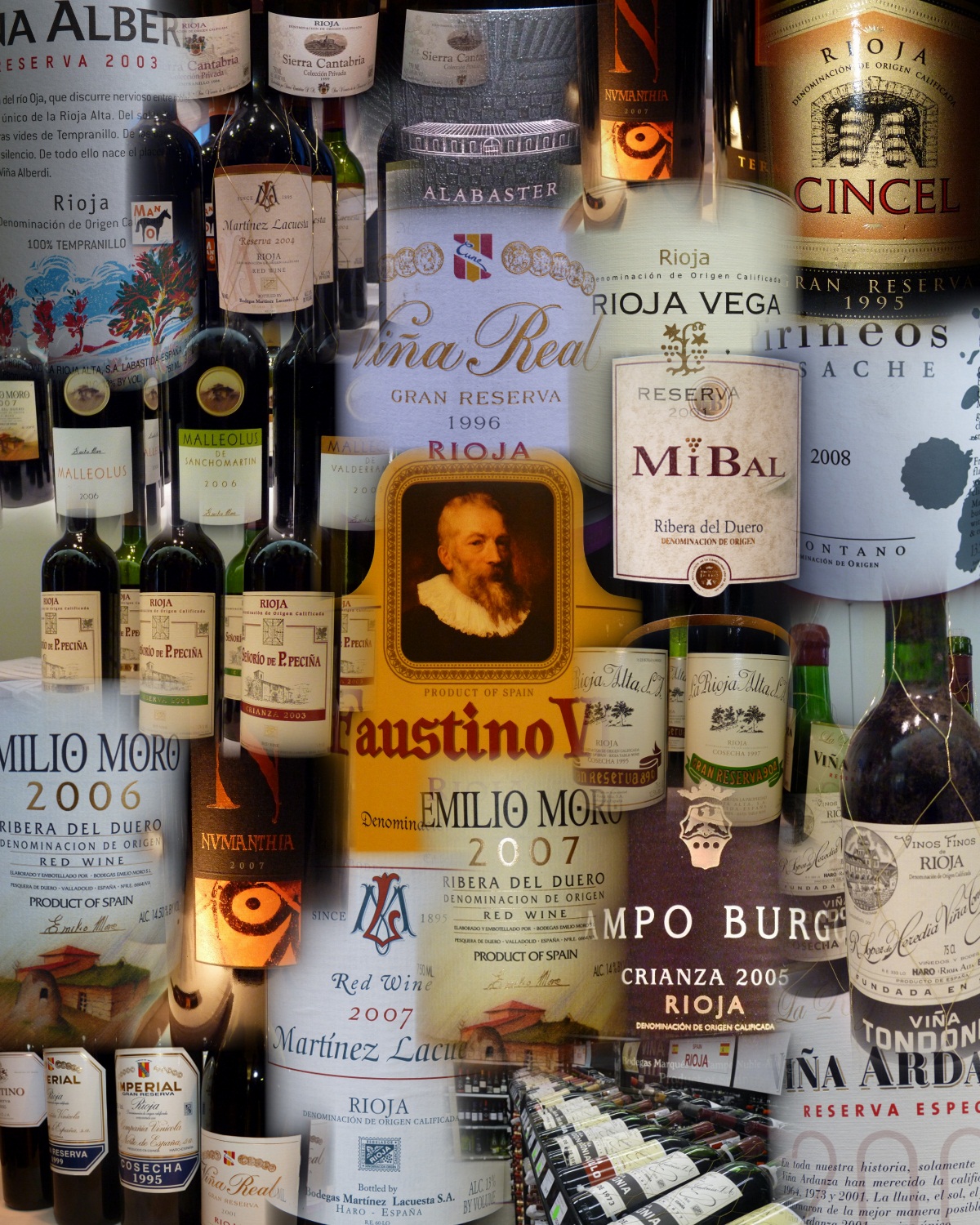
Next, we definitely should acknowledge Tempranillo, a noble grape of Spain. While this grape is slowly trickling into other winemaking regions, it is a true star in Spain, where it shines in Rioja and Ribero del Duero regions, making some of the most beautiful (and age-worthy) wines in the world. You can also find it producing good results in Portugal, however, under the names of Aragonez and Tinta Roriz. Again, no particular recommendations as to what wine to open, just some reflections here for you:
Whatever bottle you will end up opening, the routine is not new – all you need to do is to enjoy it. And if you will be kind enough to leave a comment here, I will be glad to enjoy it together with you. Cheers!
Three Strikes and … In!
 Very interesting wine ordering experience during the last dinner at The Capital Grille in Paramus, New Jersey. The Capital Grille restaurant itself needs no introduction, of course – whether you like steak or not, every visit there is a dining experience (you can find my previous excited post here). I have to also acknowledge that part of our great experience during this visit was our waiter, Andre – his service was absolutely impeccable.
Ok, so let’s talk about ordering wine. Wine List at the Capital Grille is quite extensive, plus I’m very particular when it comes to wine ( who would’ve thought?) – and one of the things I’m always looking for for is QPR – I want to find the bottle which will taste good, and will have reasonable cost (have a real problem with paying triple-retail in a restaurant). So after 10 minutes of intense reading I finally decided on Ladera Napa Valley Cabernet Sauvignon 2006 – I like the wine very much (you can find one of the previous posts here), besides, at $58 it is less than double retail – makes me very happy. So I ask for the bottle of Ladera 2006, Andre comes back in a few minutes to inform us that they out of Ladera 2006. He start offering 2007 Cabernets – and of course, 2007 Napa valley Cabernets are lauded all over wine press, however, my experience with 2007s is less than stellar – a lot of them simply not ready yet (do I dare to say that they might be just not?). So I refuse his advice, and ask for Central Otago Pinot Noir, Amisfield 2006 – it is outside of QPR comfort zone at $69, but at least I know it is a good wine. Andrea comes back to inform us that they are out of that wine as well. No problems, I was almost ready for that (a bit surprising – two out), so my next choice was Ernesto Catena Locura 2006 blend from Argentina – I didn’t have that before, but at about $55 it was an interesting wine to try. Well, time to ask questions. Do you think we got that wine?
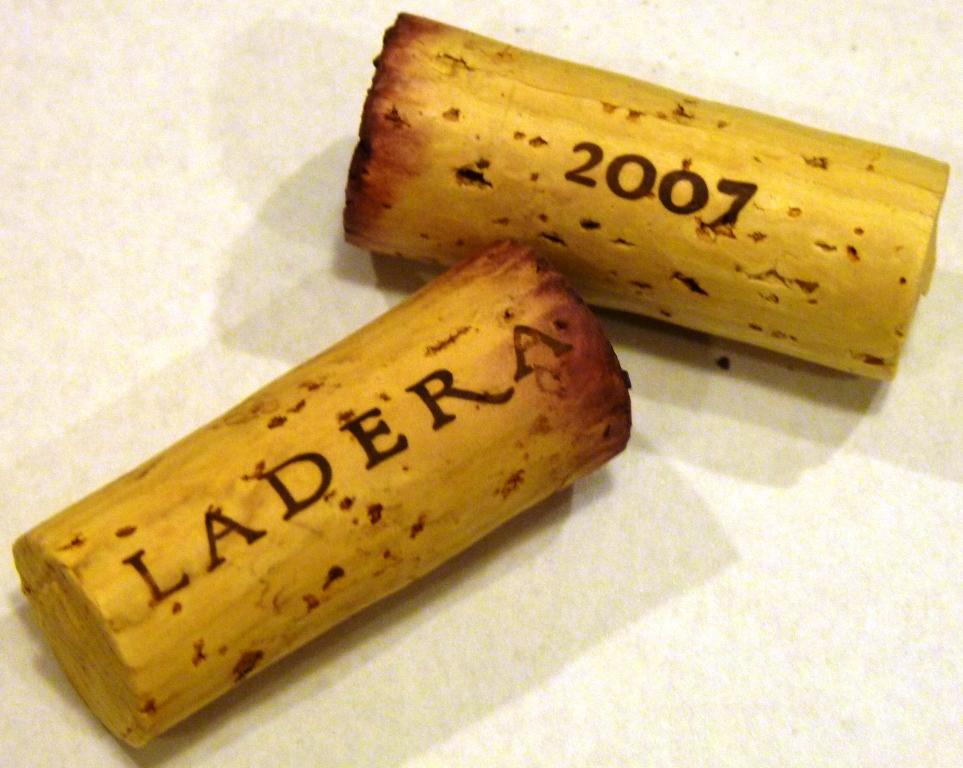 This time Andrea didn’t even show up. Instead, we were approached by the Sommelier (unfortunately we didn’t catch her name) with the bottle of Ladera 2007 in her hand. So we manage to ask for 3 wines from the wine list, which were not available! Of course it happens that the restaurant doesn’t have the wine you ask for, but 3 of them? Wow, we were impressed with our wine picking ability.
Anyway, after Sommelier assured us that she tried that Ladera 2007 and liked it very much, and moreover, if we don’t like the wine we can send it back – we decided to give a try. Oh boy, that happened to be a very good decision, as the wine was beautiful. Soft layered black and red fruit, just right amount of silky tannins, all perfectly balanced with acidity – that was a perfect wine for our dinner, and I would highly recommend this wine to anyone – it is ready to drink now, but as they say, the California Cabernet need about 13 years to shine – it will be interesting to put a few bottles in the cellar and enjoy them later.
So I’m glad to say that this story has a happy end (sometimes restaurant experience can be quite different). Also, if I can give you an advice, for the actual happy ending of the dinner (meaning: desert), try the Cheesecake – it is literally the heaven on earth, and I have to commend Andre for his recommendation – it is the best desert in the house. Until the next time – wishing you all great restaurant experience. Cheers!
Vino Volo: Great Wines On The Go
Did you have any good wine at the airport lately? I hope you have, because I did. No, I didn’t need to sneak anything past security or convince myself that no name Merlot for $15/glass is great wine and great value. Your gateway to the good wine experience at the airport is called Vino Volo, and I recommend that you will look them up next time you are in the airport and in the mood for a good glass of wine.
Great thing about Vino Volo (actually, there are multiple) is that they have good wine selection and good prices, and you can also buy a bottle if you like something. On top of that is my favorite feature – wine tasting flights, opportunity to experience and learn. At any given moment they offer 4-5 different wine tasting flights, with selection slanted towards local wines – as much as possible, of course. So if you are in California, you should expect to find more Californian wines, and if you are in Portland, Oregon – you will find more wines from Oregon and Washington.
I stopped by Vino Volo in Oakland airport in California, and selected tasting flight of 3 California Cabernets (there were 6 different tasting flights available). I think spending $19 to try 3 different California Cabernets ranging from $48 to $87 per bottle represents a very good value.
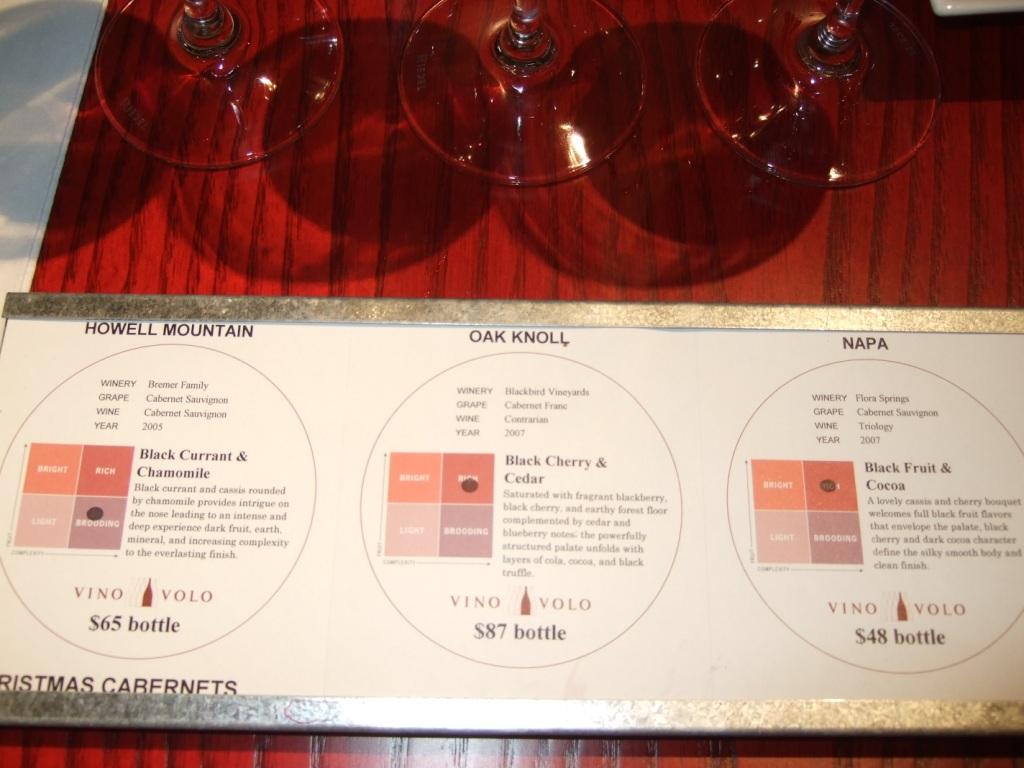 All three wines were good and solid – no, they were not amazing, but they were good. Bremer Family Howell Mountain Cabernet Sauvignon 2005 was the best of tasting – it had all the classic cedar and blackberry aromas, and had good balanced tannins and acidity. Blackbird Vineyards Contrarian 2007, which is a Bordeaux blend of Cabernet Franc and Merlot, was not ready to drink. It was way to aggressive on the palate and will probably open up in another 5 years. And Flora Springs Trilogy 2007 had all the great aromatics, but unfortunately was disappearing in the mouth leaving you with the impression that something is missing (needed more structure). I might be totally wrong on this wine, however, as it might be simply too young – well, the time will tell. And last note I want to make here – out of curiosity, I wanted to check how bad Vino Volo’s prices are. I checked prices on the wine-searcher, and happy to report that all the prices were within $5 range from the best price which can be found on the wine-searcher (and it doesn’t include shipping), plus Bremer Family is available only from the winery so it is also a great find.
I can only thank folks at Vino Volo for their great service to all the wine lovers – and next time you are in the airport, remember – you CAN find good wine there…
Cakebread Cellars Tasting at Stew Leonard’s Wines
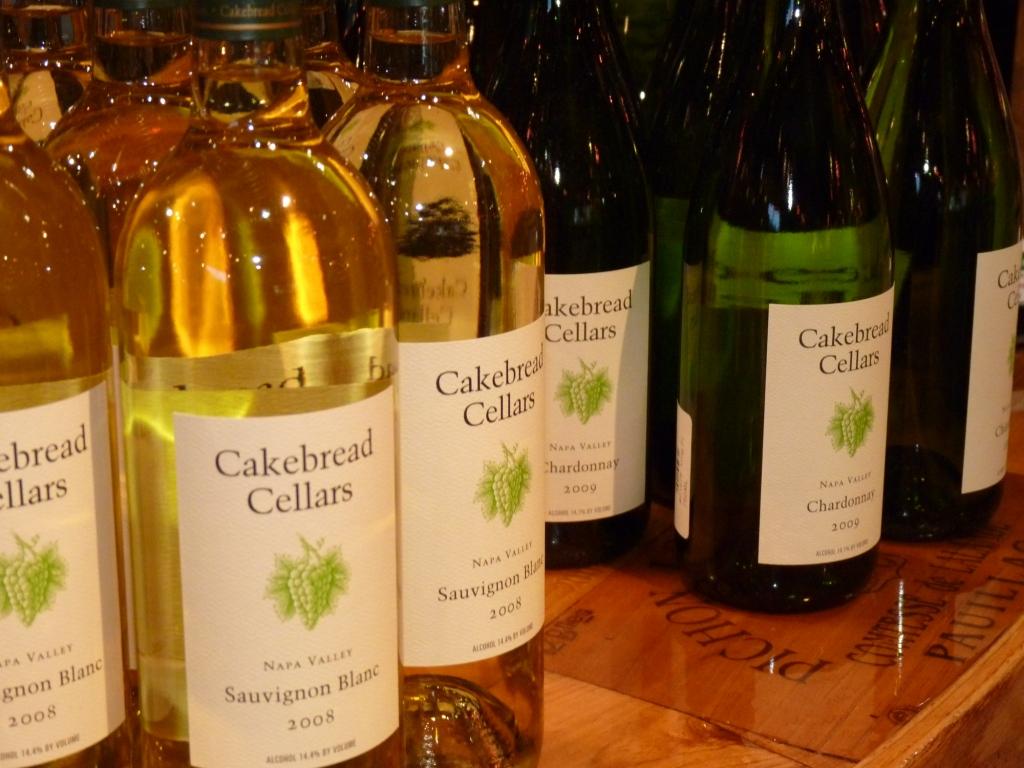 And again I have to thank Stew Leonard’s Wines folks for a free education session. This Friday and Saturday (October 1st and 2nd) you can try three different wines from the Cakebread Cellars. Cakebread cellars is a well regarded producer from Napa Valley in California, so I definitely was interested in experiencing their wines.
Two whites and one red were presented, all classical wines from Napa Valley – Sauvignon Blanc 2008, Chardonnay 2009 and Cabernet Sauvignon 2006, and I tasted them in this exact order. Just to share an overall expression – there are good wines, but I didn’t like them, especially taking into account QPR (Quality Price Ratio), a very popular metric used nowadays among wine aficionados. Sauvignon Blanc has a very nice nose, but on the palate it lacks the acidity, and while it finishes with the fresh cut grass (classic Sauvignon Blanc characteristic), the sensation is too warm and a bit burning. Considering this wine retails for $29.99, I would gladly take any time New Zealanad Sauvignon Blanc instead at $10 to $15 a bottle.
Chardonnay simply didn’t do anything for me. It is very young, somewhat of a Chablis style, but it was missing steely acidity of Chablis. I understand it is 2009, and it might need more time to evolve, but at $39.99 there are so many more better choices, I wouldn’t even go there.
And then the Cabernet Sauvignon, the king of Napa Valley wines – beautiful nose of classic cab, but no mid-palate weight and in general, not enough substance on the palate. At $74, it is really not a player – if not under $20, in the $30 – $40 category there are soooo many better choices…
To conclude, these Cakebread wines are definitely worth trying – and learning. I also have to tell you ( but it is a secret), that tomorrow I plan to try some very interesting wines – and I promise to report on that later on!
Is There Too Much Of A Good Thing?
 Assuming you like wine ( otherwise, I don’t think you would be reading this blog), what would you say of a prospect of trying many hundreds of wines in a day ( about 5 hours, to be precise)? I would think at first you would get excited, right. Now, let’s do some simple math – let’s say you will be tasting 500 wines, 1 oz each… will make it equal to 20 (!) bottles of wine. Don’t think that sounds appealing anymore? This is where the bucket with romantic name “spittoon” comes to the rescue (I’m sure many of you are appalled now – what, spit wines?! No way!) – but this is what the professionals have to do. So why is all this talk about professionals and wasted wine? Simply because that this past weekend, thanks to my friend Zak, an owner of Cost Less Wine and Liquors store in Stamford, I was able to join him in the “trade-only” wine tasting events run by two of the Connecticut wine wholesalers, Wine Bow and World Wide Wines.
Believe it or not, tasting wines in such quantities is a hard work. Of course nobody tastes 50o wines in the row – spitting or not, but your palate gets really tired from tasting and tasting and tasting, and while I’m looking only for the fun component of such an event, people in the trade have to actually make business decisions – getting right wines for the store or a restaurant is a border line between success and failure. Luckily, this hard work is associated with pleasure, so enough of the sad picture – no need to take pity. Yes, it is a great opportunity to try an amazing variety of wines, a lot of them being simply great wines, and for me personally it was also an opportunity to make progress in the treble journey ( which I did), but I will report on this in the next post.
 It is impossible ( and probably pointless) to write about all the great wines – but I would like to mention a few highlights. First, among the Cabernet Sauvignon, Neyers Ranch Conn Valley Cabernet Sauvignon 2003 and 2006 were simply outstanding, with pure Cabernet expression of black currant, chocolate and hint of eucalyptus, all beautifully balanced. Ladera Vineyards Cabernet Sauvignon, Napa Valley, Lone Canyon and Howell Mountain were all between excellent and outstanding – again, with beautiful and clean California Cabernet expression at its best. It is also worth mentioning that all of these wines are quite accessible with retail prices at $30 – $60 per bottle. Few more personal highlights among the reds were Morgan Monterey Syrah 2007 (less than $20 retail), amazing 100% Syrah demonstrating all the “textbook” Syrah spicy qualities, and then couple of Zinfandels, Bradford Mountain Dry Creek and Bradford Mountain “Grist” by C. Donatiello Winery, both from 2005.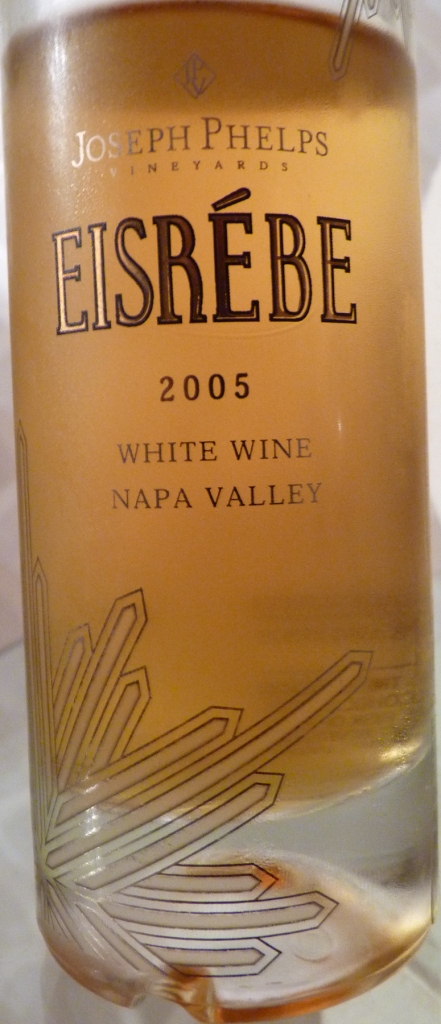
There were a lot of great white wines, but I would like to mention only one, again as personal favorite – the wine called Eisrebe by Joseph Phelps. This is desert wine made from the grape called Scheurebe ( that was a nice surprise for my “treble journey”), and it is done in the style of the Ice wines, except that as there is no chance for the grapes in California to naturally freeze at -8C, special cryogenic methods used to achieve “ice” wine result. The wine had an amazing balance of the white fruits, honey and ripe comice pears with refreshing acidity, so it was not overpowering the palate. Amazingly enough to me, this wine was also perfectly complementing wide variety of desserts, which is not very common from my experience.
All in all – it was a great fun, and I have to conclude that when it comes to the wine tasting, there can be no too much of a good thing (well, a “good thing” is an important hint here), and therefore I will gladly repeat it at any time.
Cheers!
Last Bottle Sign Up ($10 credit)




 Talk-A-Vino