Celebrate Merlot!
Let me ask you something – what is your relationship with Merlot? Are you still under the influence of Miles?
Believe it or not, but movie Sideways had an impact on consumer’s attention to Merlot – up until two years ago, I couldn’t see Merlot wines on the shelves of my neighborhood wine store – simply for the luck of demand.
But situation is changing, and people are happily asking for and drinking Merlot again. Over the past 2 month, I had at least 4 Merlot or predominantly Merlot wines, which were outstanding, from Bordeaux, Napa Valley, Long Island New York and Macedonia:


Merlot deserves an utmost respect as it makes wonderful wines on its own (Petrus or Masseto, anyone?), and it also plays perfectly well in the blends.
November 7th is an International Merlot day, and all you have to do is to find a bottle of your favorite Merlot, open it, [invite your friends over – however, this is entirely optional], and have fun. Better yet, find a bottle of Merlot you never had before, and be surprised. By the way, how are your Merlot skills? Do you think you know everything about black-skinned grape? You can test your knowledge with the Grape Trivia quiz which I used to run every Saturday – here is the one about Merlot.
Merlot is well worth your attention, so please don’t be Miles. And if you got a second, leave a note for me below about your favorite Merlot wine. Cheers!
One on One with the Winemaker: Luke McCollom of Left Coast Cellars, Oregon
 Let me tell you something – I really liked the concept of my first “one on one” post. Which means that I will try to make it into a feature and a series in this blog. And today I invite you to travel with me to the Oregon, third largest grape-producing state in the US. Our destination is Left Coast Cellars estate, home to one of the largest contiguous vineyards in Oregon, focused on sustainable viticulture and precisely focused wines. I had an opportunity to “sit down” (yes – virtually) with Luke McCollom, Founding Winemaker, Viticulturist and General Manager of the Left Coast Cellars, and ask him whole bunch of questions. I really asked lots of questions – and I got lots of great answers. I actually will have to split our conversation into two parts, just not to overwhelm you, my reader.
Without further ado, please pour yourself a glass of (Oregon, of course!) wine – here is our conversation with Luke McCollom:
Why “Left Coast Cellars”?
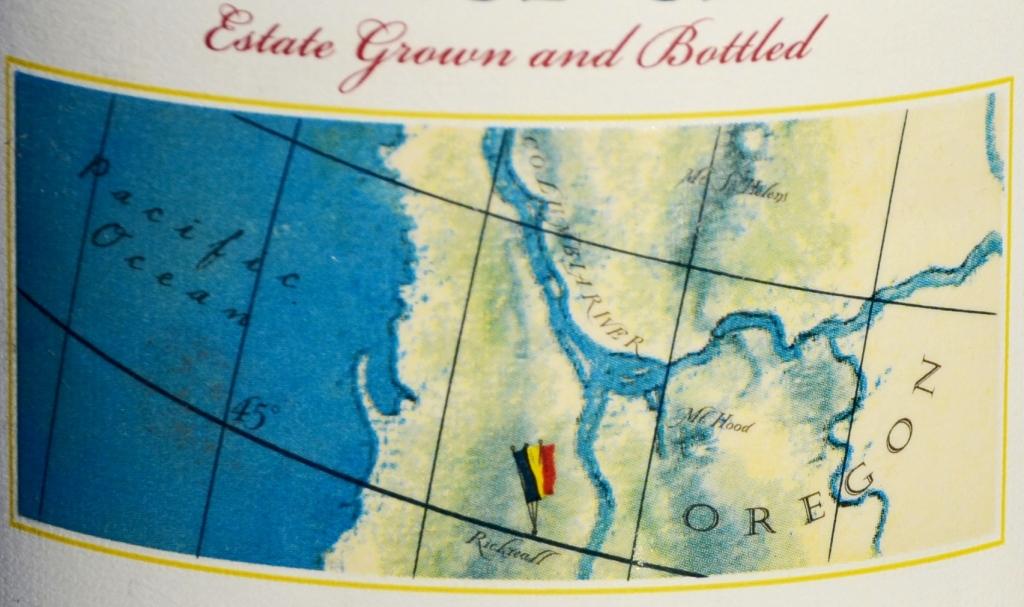
Well, we want to represent and paint a picture of our sense of place. The “Left Coast” can be seen on our Lewis and Clark Map rendered Labels. When you’re looking at a Map of the United States… we are on the Left Side! Also, of course… Left Coast is Family owned and 3 of the Family members running the Estate are Left Handed. When visiting Left Coast, coming from the closest Major city….The State Capitol Salem, you need to make Left Hand turns to get to the Winery. The Winery and Tasting room are both on the Left Side of the Drive. The term Left Coast not only describes our location, but our wholesome, casual style, and creative ability to artistically craft… unique, exquisite, Estate Grown handmade wines. Not to mention, the heavy “Coast” Influence brought in daily by the Van Duzer Corridor.
[TaV comment: I asked this question rather matter-of-factly, expecting the explanation about Left Coast, but it appears that there is so much more to this name]
Your logo looks very interesting. Is there a story behind it?
The “Sun” Logo is from a large Copper Sculpture which can be seen as you enter the property. The Sculpture was a gift given to Suzanne by husband Robert for an Anniversary. It is a beautiful, unique piece created by a Hawaiian artist named Abe Santoro. Santoro’s work can be seen at places like the Smithsonian. I believe Santoro is nearly 90 years old and is referred to as a Treasure of Hawaii.
For us it represents the Founders love for each other and the commitment of life partnership which led to a beautiful family, with passion for food, and wine. The logo is a symbol of the vision created together to Build an amazing Estate in The Willamette Valley. This “Circle of Life” logo also represents their commitment to Sustainability, the Earth, the Sun and the cycle of every vintage of wine.
When you started the winery in 2003 and purchased the land, were there any vines planted already or did you have to start from scratch?
When the Family purchased the property there were 25 acres of Pinot Noir. The first vintage crafted from these young Latitude 45 Vines received an 88pts. in Wine Spectator. This was very exciting because the vines where only 3 years old! Other than that, there was a large spring fed lake and most of the property was overgrown with poison oak and black berry bushes. All of the extensive gardens, landscaping, buildings, infrastructure, and design were created by the Family from scratch. Since then we have also planted another 115 acres of vineyards including 11 different types of Pinot Noir as well as some of the most extensive white wine grape plantings in Oregon.
According to the information on your web site, there are 8 distinct microclimates across your vineyards. Do your wines today already showcase the different microclimates or do you plan to expand on that in the future?
Yes, we constantly strive to showcase our different micro climates and to bottle distinct unique wines. Probably the best example of this is in the Vineyard Designate Pinot Noirs…(Right Bank Pommard, Truffle Hill Wadenswil, and Latitude 45 Dijon Bottlings). These Pinot Noirs are planted in locations best suited for their type of micro climate. Each Vineyard Designate Pinot is hand made in small, open top, French Oak Wine Vats. Each wine is made using different yeast and different dedicated barrel coopers selected to exemplify the Clone and Micro climate of each wine. For example, the Truffle Hill is a Swiss type of Pinot Noir, grown on one of our cooler sites (sort of like Switzerland) We use only Swiss Yeast in making the wine to showcase the tradition of the clonal selection and create distinct style and flavor. The Truffle Hill is aged using specific barrel cooperage which does not dominate the complex nuances of the Wadenswil Selection Pinot Noir. In the future, we would like to expand our showcasing of different soil types from the property comparing Sedimentary Soils to Our Volcanic Soils.
You grow Pinot Meunier, Syrah and Viognier – how do you use those grapes?
Pinot Meunier is used as a base in our Sparkling wines and is also made into a Field of Dreams Pinot Meunier still red wine. This year the Meunier was crafted into a sparkling Brut Rose and a couple hundred cases of still red wine. Meunier of course means “miller” in French like flour miller…because the vines are covered with white fuzz that makes them look like they were dusted with flour. Meunier is a mutation of Pinot Noir and loks like a “wild” Pinot Noir vine. The Meunier still wine sort of tastes like a wild pinot noir with it’s firm structure tannins and distinct brambly and pomegranate flavors.
Syrah and Viognier are also made into Field of Dreams Varietal wines for Wine Club and Tasting Room. The warm 2014 and 2015 vintages are good vintages for perfectly ripe Rhone Varietals in our climate. These vintages also make good quantity of these varietals for potential availability in the National Market. For 2015 Look for Left Coasts’ own Left Cote du Rotie…this is a Syrah co-fermented with up to 25% of Viognier. The Viognier has an enzyme in the skins which creates more extraction of color and flavor in the Syrah fermentation. Very Cool! Northern Rhone style wines which pair beautiful with food. We are a Pinot House, but the 45th parallel where we sit aligns exactly with Northern Rhone…this is why we grow small amounts of these varieties on the Estate. Another small celebration of Terroir, Microclimate, and Unique sense of place.
[TaV comment: this was a really a “duh” moment for me – and a clear showcase of deficiency of the virtual conversation – I forgot that many wines can be made in such a small quantities that they will be available at the winery only and never show on the web site, duh…]
to continue previous question – do you have any plans for single varietal Syrah wine?
Our first varietal vintage of Syrah was 2008…we recently opened a bottle to taste and the wine is incredible… still very youthful!
[TaV comment: “duh” moment didn’t stop with the previous question, right?]
It seems that Chardonnay is a rising star in Oregon – I see that you now offer Chardonnay wines for the past few vintages. What do you think of Oregon Chardonnays? What makes them unique? What is your chardonnay style?
Yes, we have committed some of our best land to growing Chardonnay. We have some of the largest modern plantings of Chardonnay in Oregon. The reason being, most people were ripping out Chardonnay when we were developing the vineyards, while we were planting it. We see Chardonnay as going hand in hand with Pinot Noir. Our 2005 Chardonnay was selected by the Oregon Wine Industry in 2010 as a “World Class Ageable White Wine” by our peers at the Oregon Wine Symposium.
We think this shows the potential of Chardonnay in Oregon and the potential of the Left Coast Estate. We strive to create a balanced Chardonnay with equal parts acidity, minerality, fruit, and oak. We believe we hand craft a Chardonnay which is very Oregonian in style meaning a wine which is clean, not oak dominated, will please non-chardonnay drinkers, and of course pairs well with Northwest Cuisine. For lack of description we try to craft Oregon Chardonnay as somewhere halfway between California and Burgundy. We love Oregon Chardonnay!!! and often ferment ours half in Stainless Steel Vats and Half in French Oak barrels. We believe the stainless portion of the fermentation preserves the fruit and acidty and the French Oak fermented portion provides subtle oak flavors with round mouth feel and volume. These wines are blended, married, and bottled together as one. We also have an extremely distinct Musque Clone Chardonnay that is concrete fermented and bottled for Wine Club.
I don’t know about you, but I definitely need a glass at this point, so here are two of the Left Coast Cellars wines I had an opportunity to try (as samples, courtesy of Donna White PR):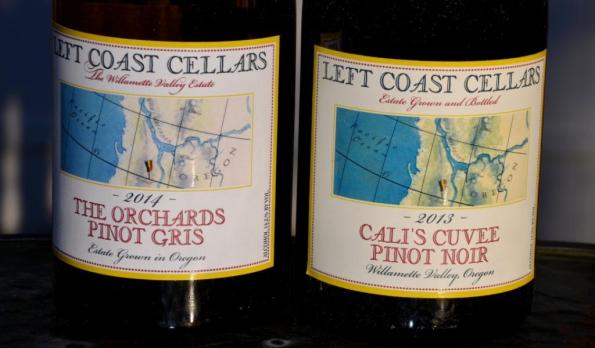
2014 Left Coast Cellars The Orchards Pinot Gris Willamette Valley, Oregon (14.2% ABV, $18)
C: straw golden
N: fresh flowers, fresh white fruit, candy, bright, exciting
P: nicely restrained of the palate, quite a contrast with the nose. Lemon zest, touch of grass, medium body with nice mid-palate weight, wine is nicely present, tart finish
V: 8-, should develop interestingly with time
2013 Left Coast Cellars Cali’s Cuvée Pinot Noir Willamette Valley, Oregon (13.5% ABV, $24)
C: garnet
N: typical Pinot Noir, sweet plum, violet, touch of licorice and vanilla
P: delicious. Sweet cherries, touch of eucalyptus, medium body, firm, touch of smoke, good acidity, good balance, very (very) long mouthwatering finish
V: 8, dangerous wine – once you start, it is very difficult to stop
That’s all I have for you for today. To be continued…
Month in Wines – September and October 2015
If there is one neglected topic in this blog, it is the “month in wines” series, which I managed to produce quite regularly during 2014 and before. I will do my best to fix this, so if you see “June Wines” blog post in December, you would know why. This also means that these “caught up” posts will be even longer than usual – but again, now you know why.
There were lots of interesting wines during September and October, so here is a glimpse into what was pouring – well, it is a long “glimpse”, as I’m trying to cover 2 month at once, so please bear with me.
2014 Notte Italiana Prosecco DOC (11% ABV, kosher) – simple and easy, good acidity. 7
2013 Via Semi Sweet Sparkling Wine, Israel (10.7% ABV, kosher, 50% Gewurztraminer, 50% Viognier) – the inner snob said “it will not be good”, and was ashamed. The wine had nice balance of sweetness and acidity, very pleasant and simple. 7+
2013 Fero Vineyards Dry Riesling, Pennsylvania (11.5% ABV) – still need to write a post about visiting Fero Vineyards. In any case, this was nice and classic, good acidity, nice touch of honey and honeysuckle, but just a touch. 7+
2012 Carlisle The Derivative Sonoma County (14.2% ABV, 54% Semillon, 30% Muscadelle, 16% Palomino) – delicious. Bright white fruit on the nose, more of the same on the palate with clean acidity. 8-
2013 Carlisle Compagni Portis Sonoma Valley (13.9% ABV, blend of Gewurztraminer, Trosseau Gris and Riesling) – another delicious Carlisle white. Fresh and bright on the nose, medium to full body on the palate, with an impeccable balance of fruit and acidity. Ahh, and the new grape – Trosseau Gris. 8
2015 The Crossings Sauvignon Blanc Awatere Valley Marlboro (13% ABV) – literally summer in the bottle. Fresh, exuberant, a pure delight. And the first wine I had of 2015 vintage. 8
2014 Left Coast Cellars White Pinot Noir Willamette Valley (14.2% ABV) – one would never think to find white wine made out of the red grape outside of Champagne, right? This was a beautiful surprise – fresh, vibrant, crisp, good white fruit, medium body, excellent balance and complexity. 8-


It appears that this is all I had for the whites – note to self – need to drink more white wines… Anyway, the rest are the red wines.
2013 Valcantara Old Vine Garnacha, Cariñena DO, Spain (13.5% ABV) – closeout deal at my local wine store ($7.99) – however the wine is outstanding. Classic Garnacha with plums and dark chocolate. Good acidity and easy to drink. 8-
2013 Alighieri Rubino del Marchese Toscana IGP (12% ABV) – another closeout deal, same price as previous wine. There was an interesting bottle variation as the first bottle was just all about acidity and not much about fruit, but the second bottle was much more balanced. Quite enjoyable, especially at the price. 7
1997 Le Ragose Valpolicella Ripasso Classico Superiore (12.5% ABV) – it showed age, but was still well drinkable. Lots of tertiary aromas, touch of dried fruit, but still with a good core of acidity. 8-
2011 ARFI Gabriel Cabernet Sauvignon Judean Hills, Israel (13.1% ABV, kosher) – not a bad rendition of Cab, but was a bit too sweet for my palate – I would like it to be a bit more balanced. 7
2014 The Crossings Pinot Noir Awatare Valley Marlboro, New Zealand (14% ABV) – very good example of Pinot Noir from Marlboro. Good balance of fruit and acidity, all the Pinot traits. 7+
2005 Viña Real Rioja Crianza (13.5% ABV) – classic Rioja, no sign of age. ‘Nuf said. 8
2005 Block 213 Merlot Oakville Napa Valley (13.5% ABV) – was opened for the “Merlot Month”, and I’m glad I did – it was right at the pick, if not starting to decline a bit. Still quite enjoyable, good body, good amount of fruit, cassis. 8-
2012 Nissley Naughty Marietta Semi-dry Red Wine Lancaster Valley, Pennsylvania (12% ABV) – and again inner snob was ashamed. While the wine shows some level of sweetness, it is perfectly balanced with acidity and tannins, very pleasant wine after all. 7+
2013 Field Recordings Hinterland Vineyard Cabernet Franc Paso Robles (14.1% ABV, $18, 88% Cabernet Franc, 8% Cabernet Sauvignon, 4% Merlot) – nicely polished and very classic. 8-
2013 Field Recordings Tommy Town Vineyard Cabernet Franc, Happy Canyon of Santa Barbara (14.3% ABV, $18, 100% Cabernet Franc) – a bit rough initially, but came down to its senses after time in the glass. 7+
only a few more, I promise…
2005 Château Gravat Médoc AOC (13% ABV) – still have one last bottle from the case. Only now, 10 years later, this wine is losing the grip of green chewy branches and starts showing ripe fruit and overall power. Patience is a virtue of the wine lover. 7+/8-
2005 Bodegas Ignacio Marin Barón de Lajoyosa Gran Reserva Cariñena DO, Spain (13% ABV, 50% Garnacha, 30% Tempranillo, 10% Cariñena, 10% Cabernet Sauvignon) – perfectly structured, firm, fresh, dark fruit, delicious. 8-
2009 Wente Vineyards Small Lot Petite Sirah Livermore Valley, California (13.7% ABV, $35) – one of my absolute favorite wines – dark, polished, lots of power and structure, delicious till the last drop. You can get this beauty only at the winery, so if your plans will take you to the Livermore valley, do yourself a favor… 8
2011 Turley Duarte Zinfandel Contra Costa County (15.6% ABV) – delicious, classic, dark and brooding. 8
2007 Verve Syrah Columbia Valley (14.5% ABV) – spot on – touch of spices, pepper, violet, dark fruit, delicious. This one comes with regret – I should’ve get lots, lots more during Last Wine Bottles marathon… 8
2007 Waterstone Cabernet Sauvignon Napa Valley (14.5% ABV, $22) – I don’t care whether this wine contains any of the Harlan fruit or not – this is simply delicious, outstanding California Cab which you can’t beat in value. Classic, clean, loads of black currant, perfect balance. 8+
2009 Domaine Fond Croze Cuvée Shyrus Côtes du Rhône (14% ABV, $29.99/1.5L, 100% Syrah) – delicious rendition of the old world Syrah – pepper, lavender, dark fruit, all intermingled and balanced. 8-


2010 Turley Zinfandel Tofanelli Vineyard Napa Valley (15.8% ABV) – I couldn’t stop smelling this wine for good 10 minutes. I didn’t want to drink it – I wanted for smell to last for as long as possible. Can’t describe it – it had everything the wine lover would want from the glass of wine. There, I said it. Incredible. On the palate, the wine had lots of dark fruit and spices, structure and power. Then is closed up and opened only on the second day. This would definitely evolve – I wish I had another bottle… 8+/9-
2012 Turley Cabernet Sauvignon Napa Valley (14.1% ABV) – an opposite to the previous wine. At first, it was practically closed. After a while, it showed all the traits of the great California Cab – black currant, a bit of dust, firm and delicious. 8
2010 Zaca Mesa Syrah Santa Ynez Valley (13.5% ABV) – if I would have to name 10 best Syrah producers in US, Zaca Mesa would be definitely in the top half of that list. Perfectly layered, with dark fruit, pepper, spices, smooth, balanced and absolutely delicious. 8+
Believe it or not, but we are finally done. What were your wine highlights as of recent? Cheers!
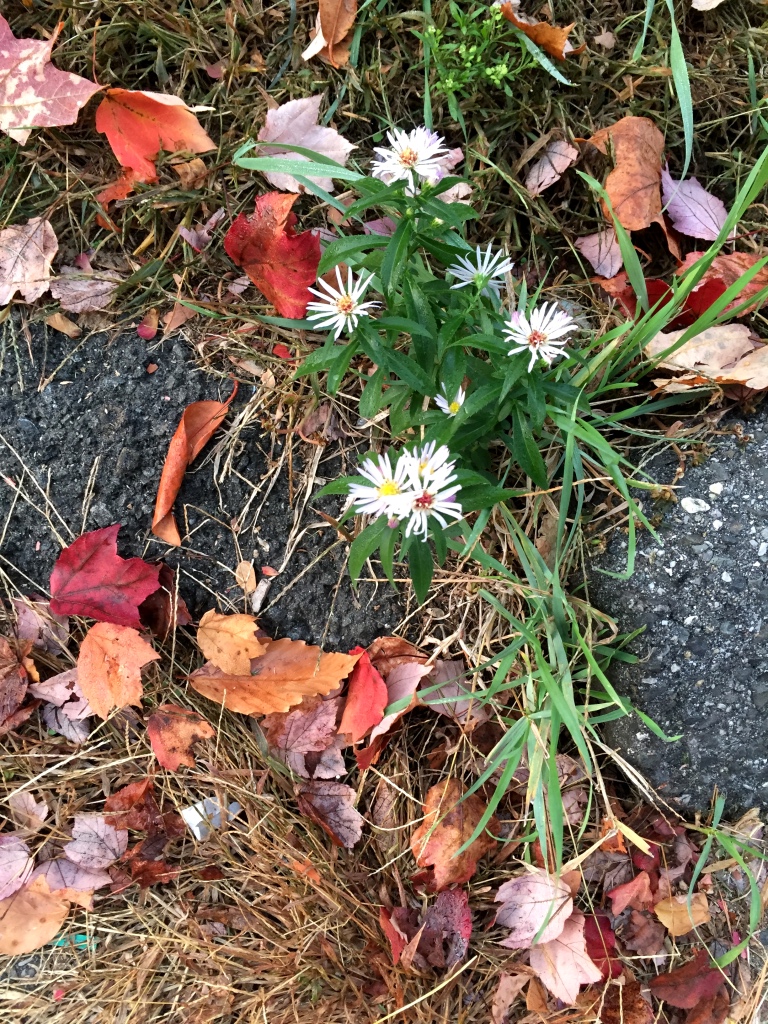
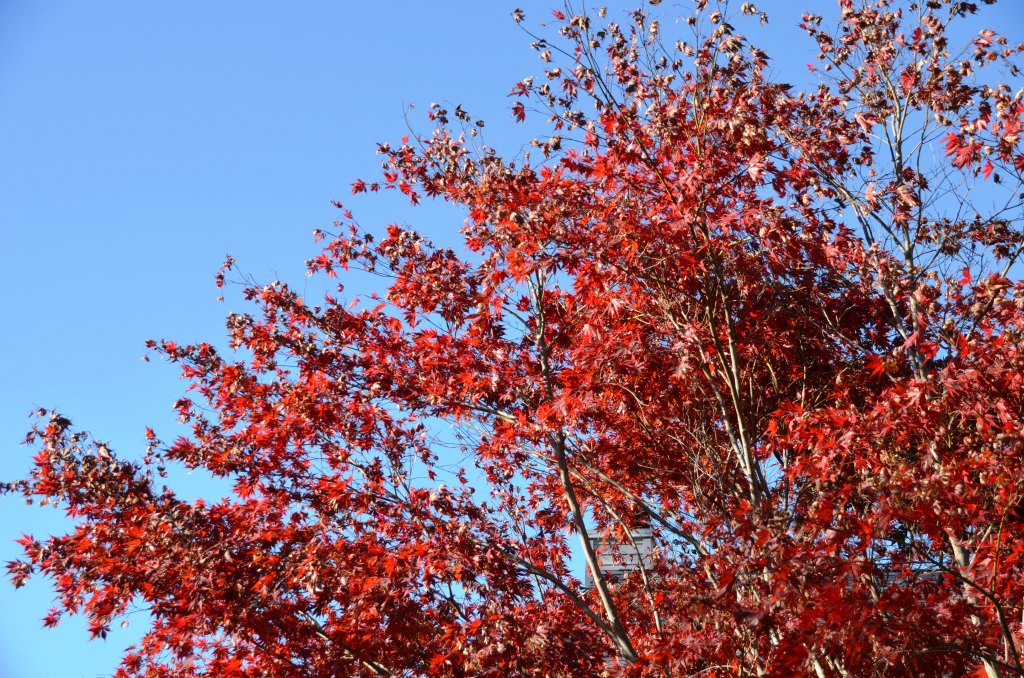
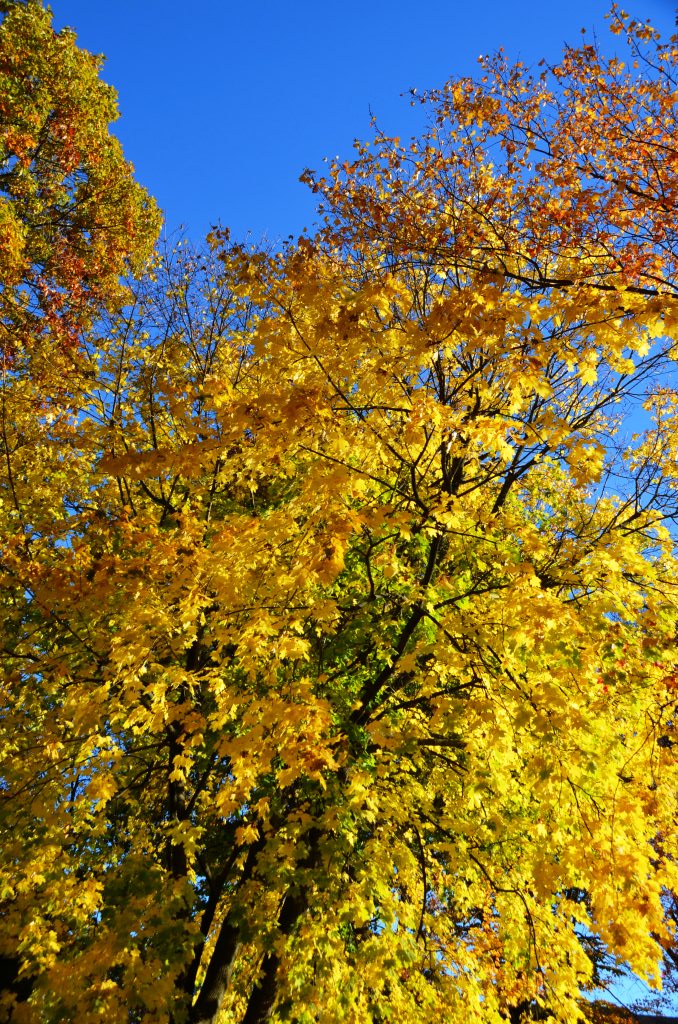
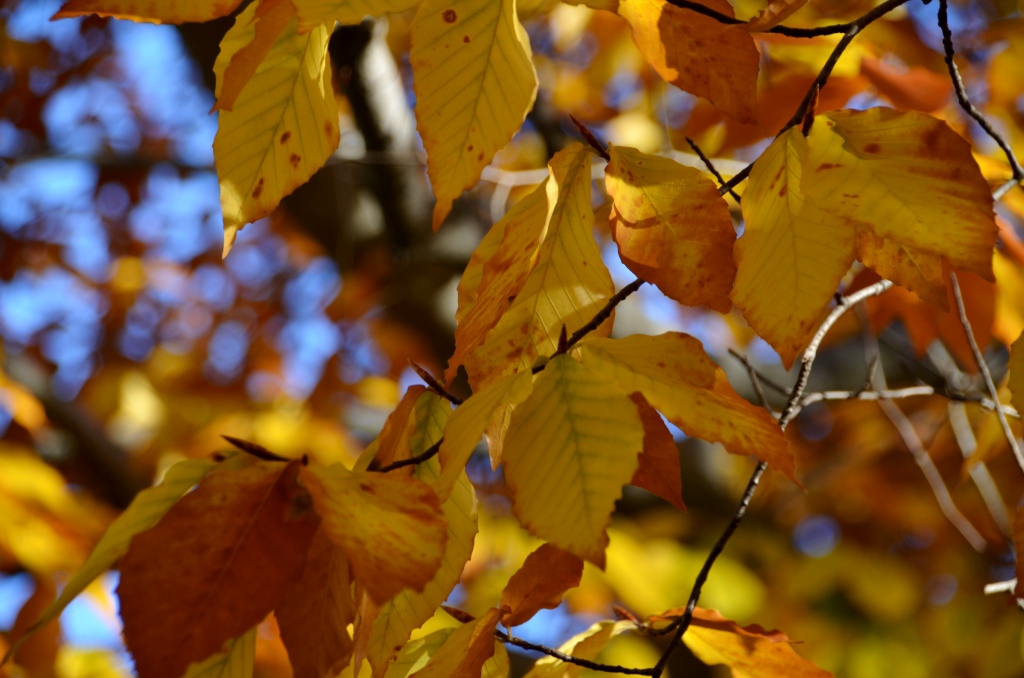
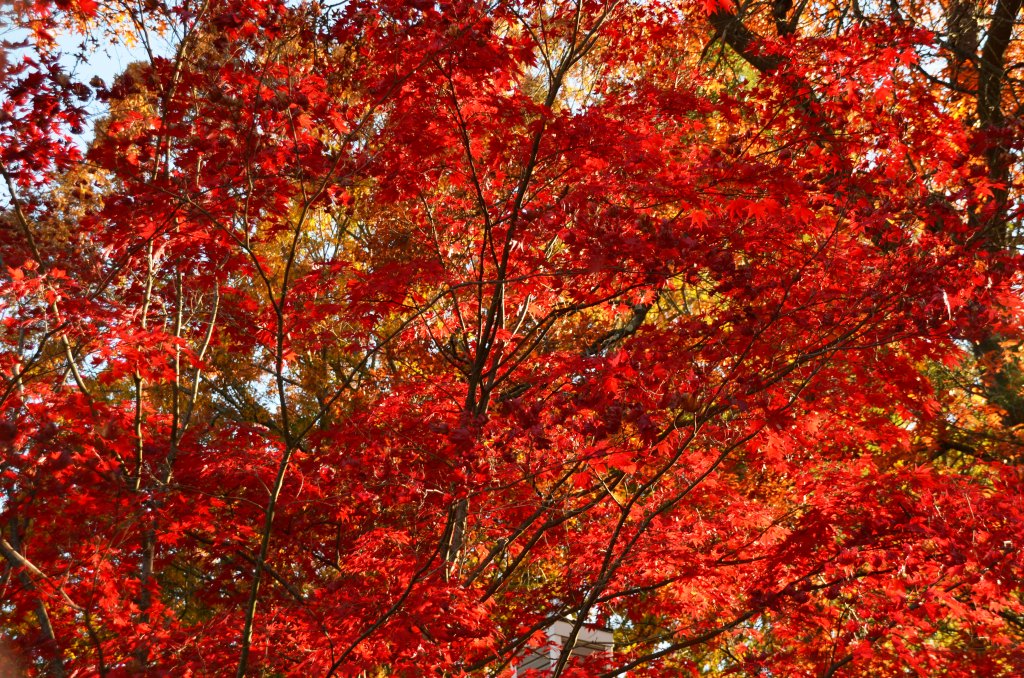
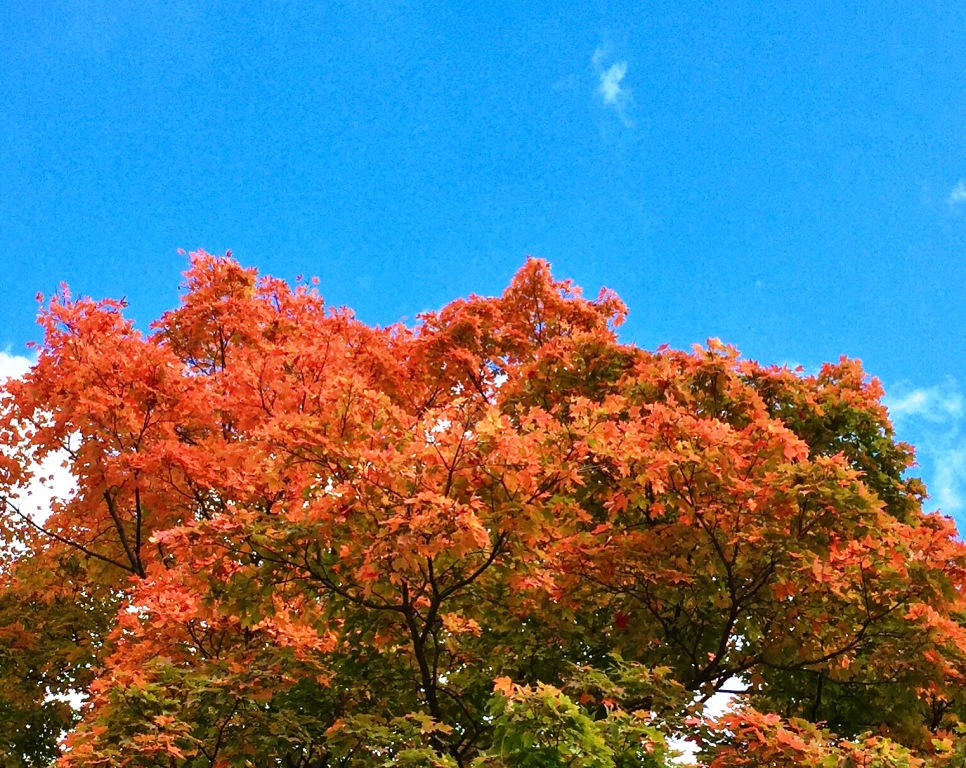
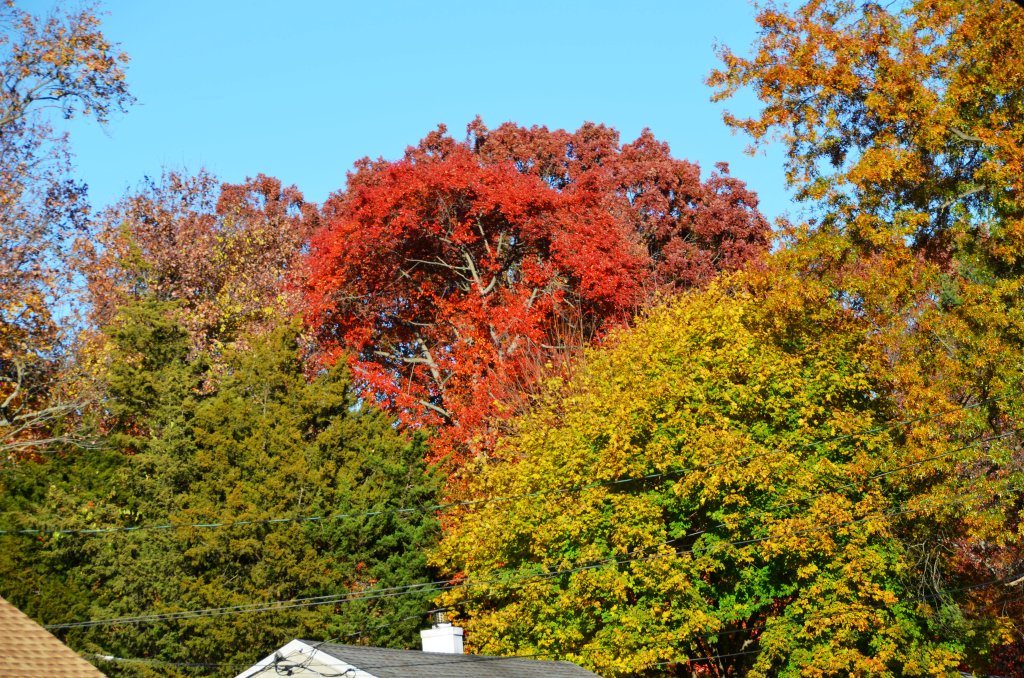
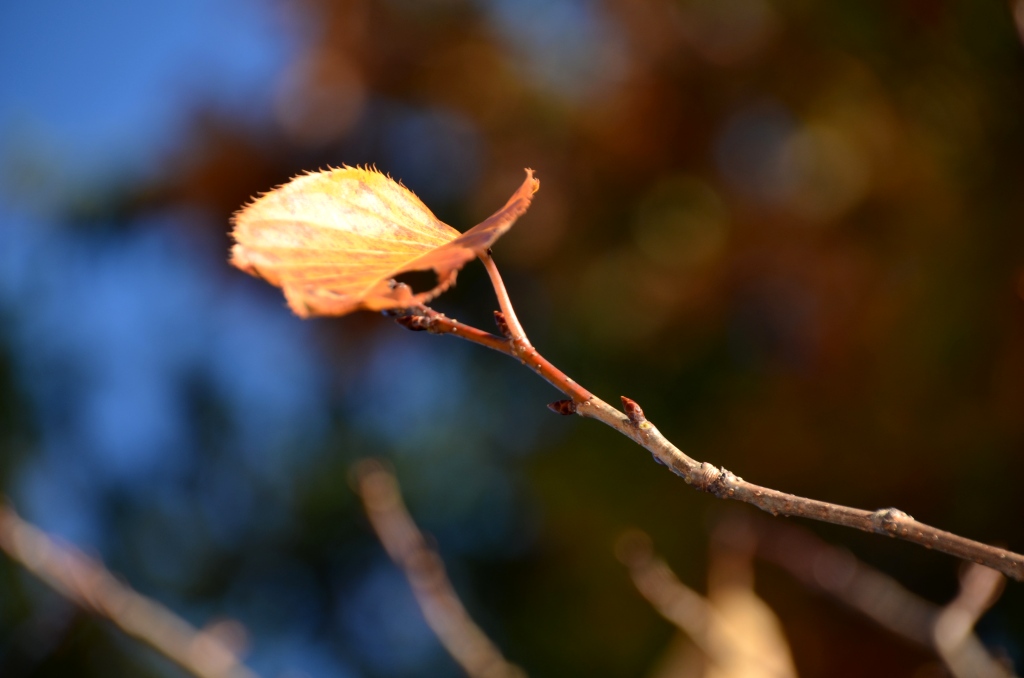
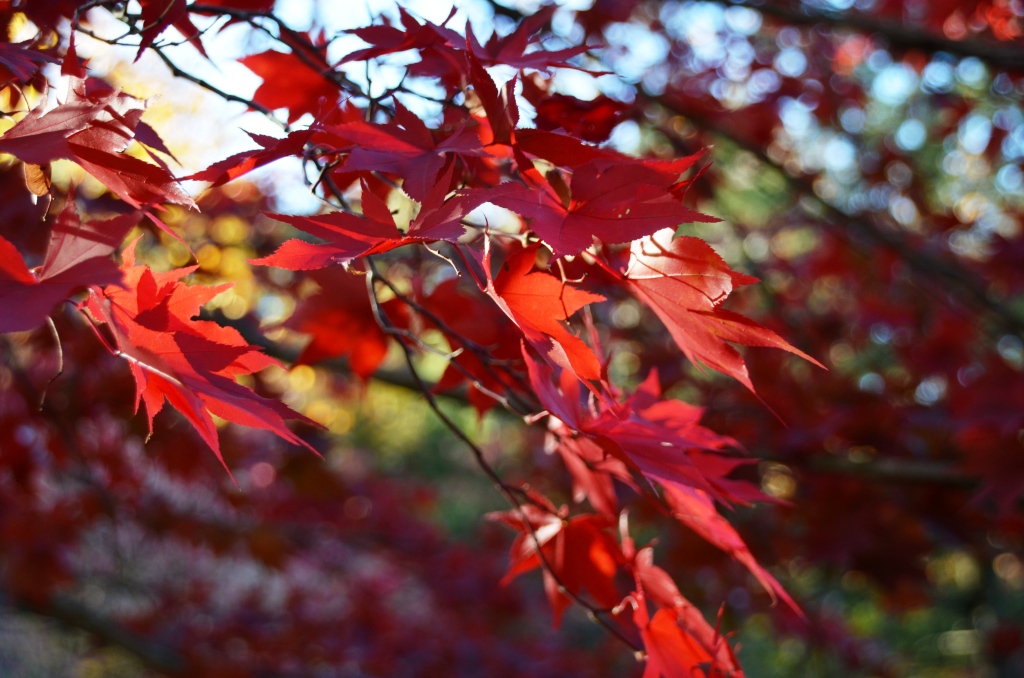
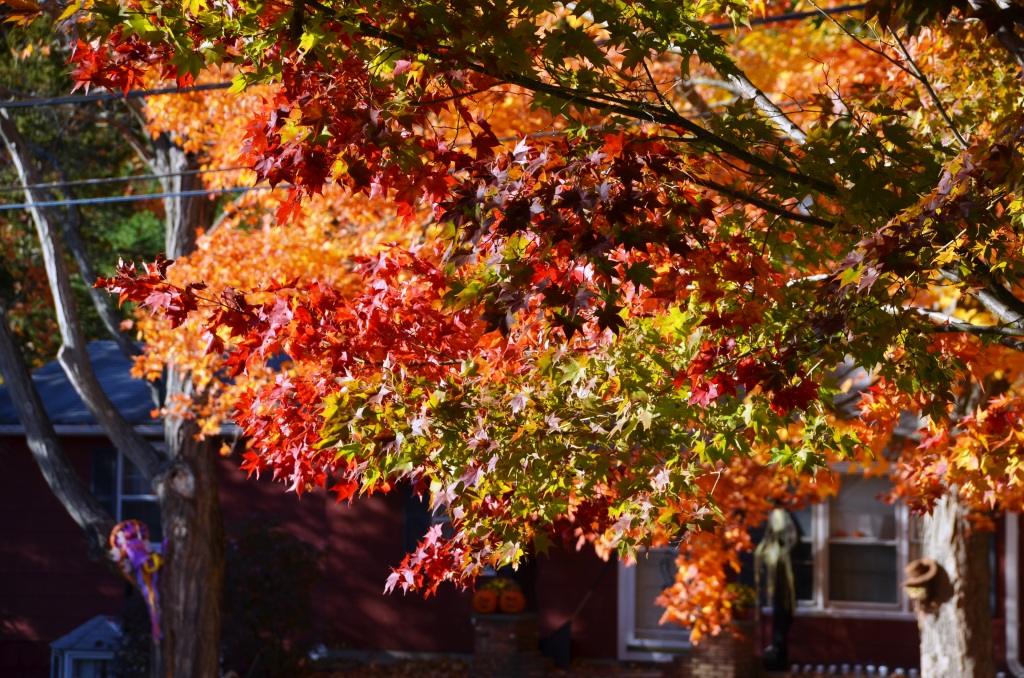
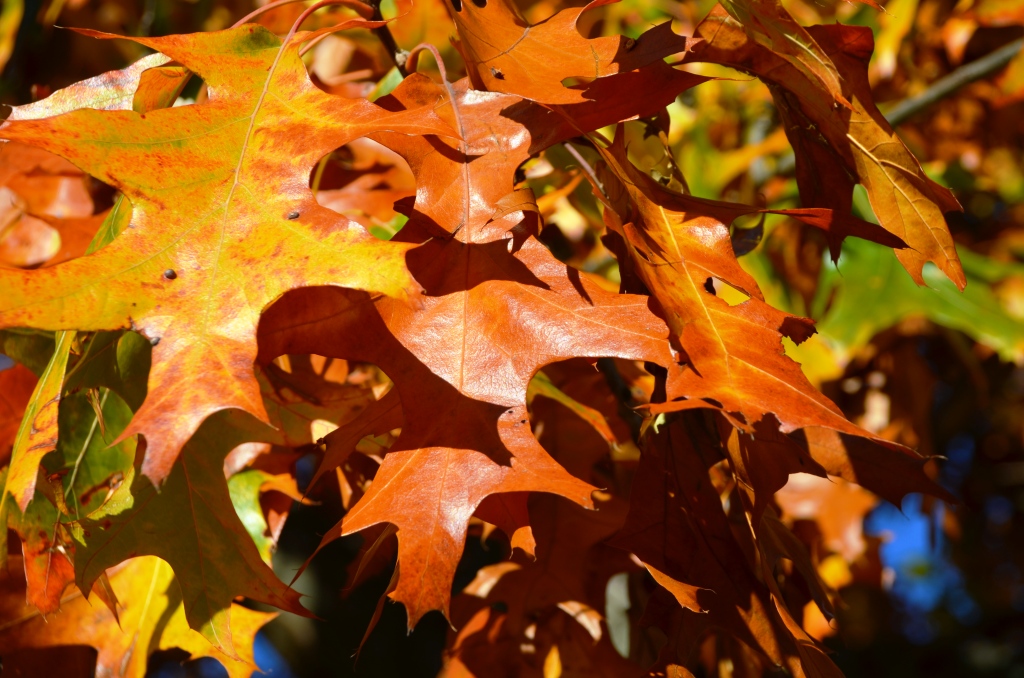
Reflecting on the Beautiful Fall Colors
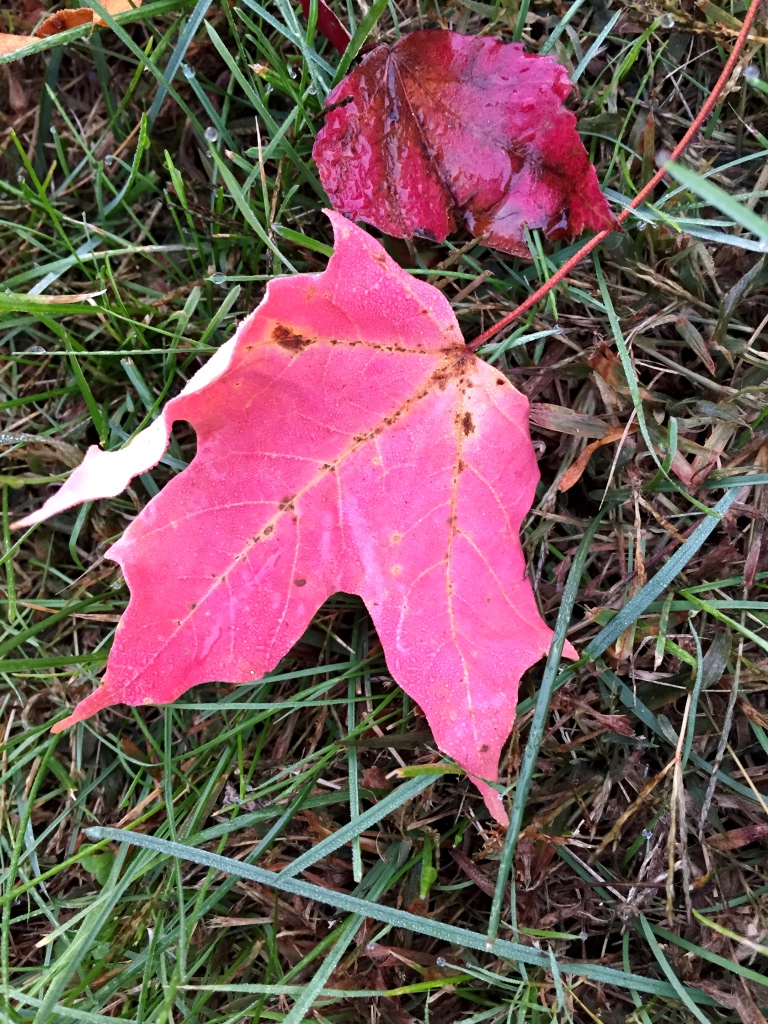
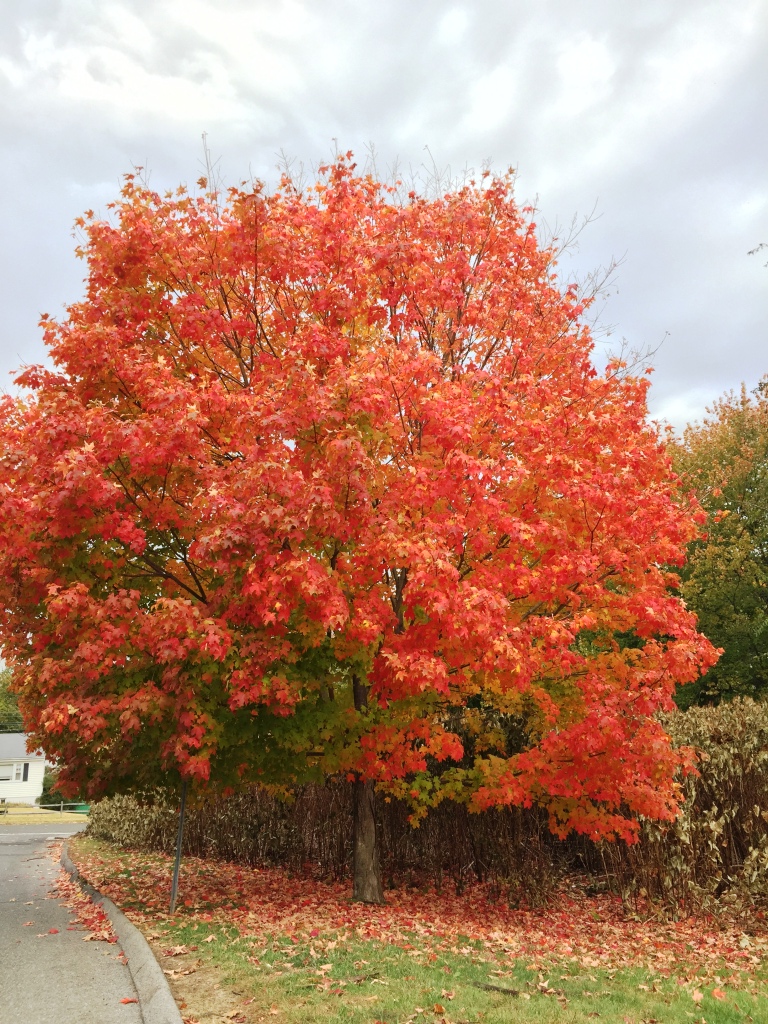
Fall is most beautiful time in New England – people often plan special trips from around the country to embrace that Fall beauty, when leaves take on unimaginable colors. This year, though, I was worrying that we will not get to experience that beauty fully. September was way warmer than usual, and by the end of the month most of the trees were as green as in June, so my fear was that the leaves will go from green to brown, depriving us of the breathtaking exuberance of colors.
This had been challenging year so far. While the work had been exciting and interesting, it required a lot bigger investment of time, as we are trying to get into the new areas – and time is not something which is easily scaling or expanding. The end result is a great reduction in time left to spend on this very blog. The year also happened to be extremely emotionally challenging, but of course this is simply part of life.
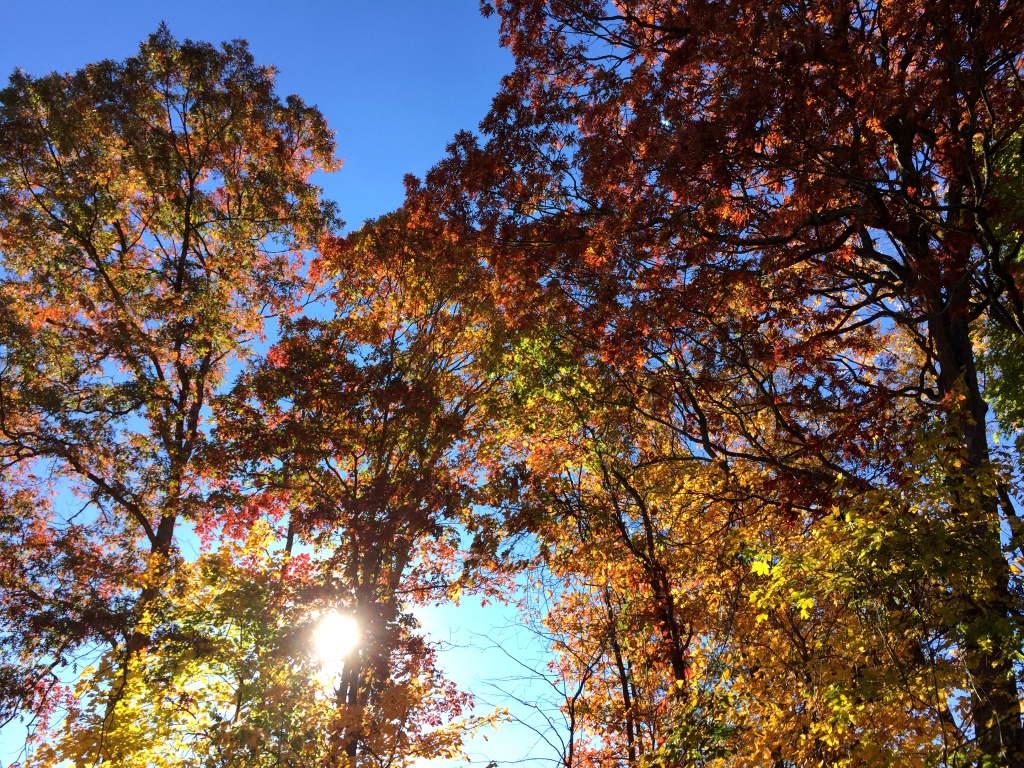
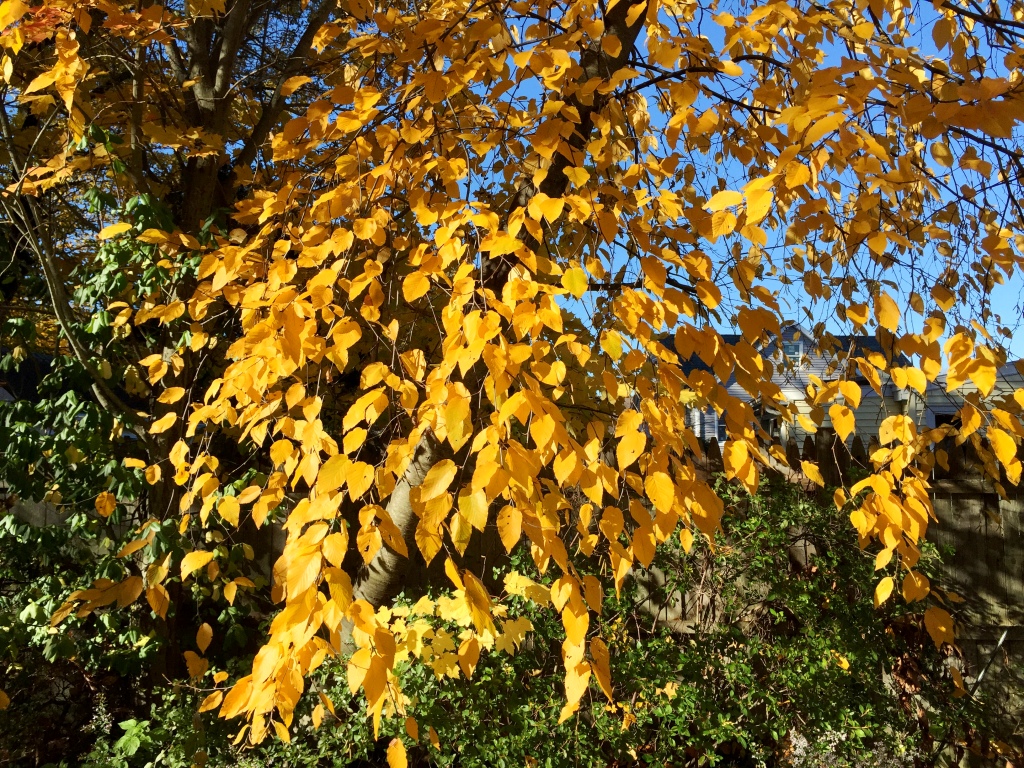
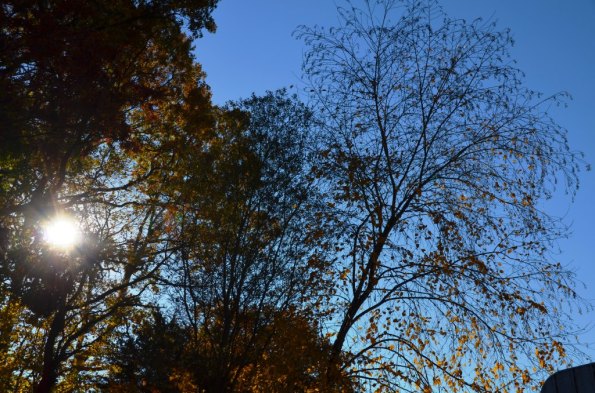
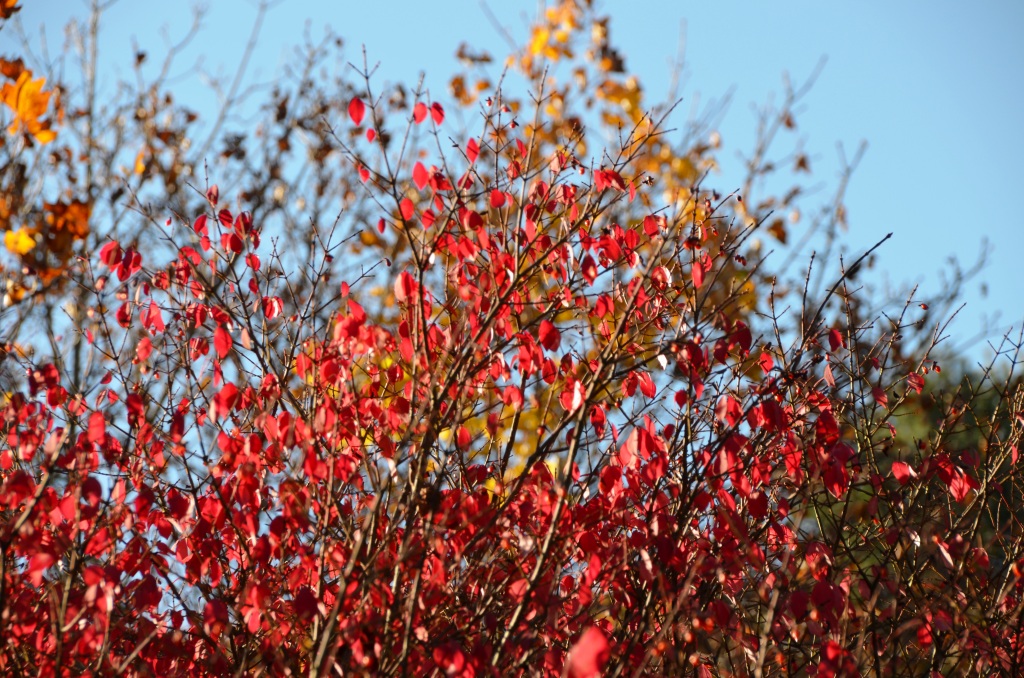
Beautiful, sparkling, unstoppable abundance of colors arrived in October, delivering endless “eye candies” with every look outside. I found time for a slow walk around the neighborhood with my daughter and my camera, trying to capture myriad little moments mother nature always ready to share with us. Now I want to share that beauty with you, just in case you need a little sparkle in your life. Cheers!






Good and Bad in the Booming Wine Country
 It was definitively bright and sunny. And somewhat windy. And not warm at all. But it didn’t stop us from adhering to a delightful tradition couple of weeks ago – day trip with friends to the Long Island wine country. We’ve done it for the past 7 years if not longer, with very little interruptions (had to miss last year, unfortunately) – visit a few wineries, taste wines, spend few hours in leisurely lunch in a great company.
It was very interesting to observe how the things were changing over those years – some for better, some for worse. As the love of wine is on the upswing in the US over the same 7, may be 10 years, this clearly was visible in sheer number of people you would see at Long Island wineries – more people every year. Of course it is a good thing – outside of the fact that you have to stand longer in line to the tasting counter. I don’t count this as good or bad – this is just a fact. What definitely improving for the better is a quality of the wine. Every year, the number of “wow” wines in seemingly the same tasting lineup was increasing. And not only the “wow” wines, but also “very solid wines”. So this is definitely good and I love the trend.
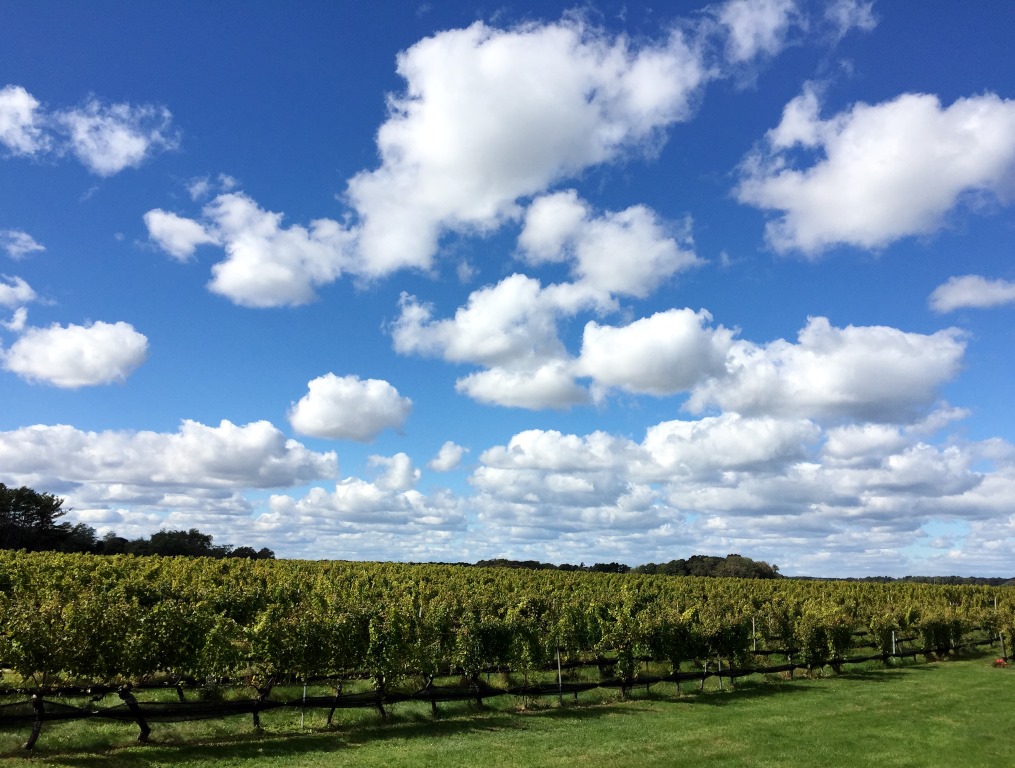 What is not good? Well, let me start from the most questionable gripe around the wine – prices. Yes, I understand that winery is a business, and they charge what they can, and have a cost justification. But $48 for a bottle of Long Island Riesling? It is a good Riesling, but it is not the wine which worth $48. Or $110 for a Long Island Merlot? I understand that the grapes were harvested by hand, and that it is only made in the special years, but again, strictly judging from the taste, this is not a wine which worth $110, for sure if you don’t have an expense account.
I also have to mention the usual sad state of knowledge of their own wines by the people minding the tasting room. One month ago I was told that new and very talented winemaker started at the Jamesport Vineyards. When I asked gentleman at the tasting counter at Jamesport about their new winemaker and if he made any of the wines we are currently tasting, I got back a shy smile and an answer “of course, he made all of them” – that would include even wines from 2007… Oh well…

True, pricing and affordability are extremely subjective – I’m sure there are plenty of people in this world who will gladly pay the $110 for that bottle of wine and also get a case – I’m just not one of them (but this is nobody else’ problem but mine). What I have much bigger issue with is food. As I told you, one of our most favorite activities during the wine country visit is 2 (or longer) hours lunch. For years, our preferred lunch destination was Paumanok winery – they have very nice patio with lots of tables outside, beautiful views and very good wines. We would bring our food – everything you need to make tasty sandwiches, as well as cheese, nuts, fruits – anything you would use to support a slow conversation over a glass(es) of wine. We would find the table, buy a few bottles of wine right at the winery and enjoy ourselves. About 4 years back situation changed, and we had to pay to reserve the table and to use the glasses, but I think we were getting back some of the money towards tasting fees and/or wines. No problems, still works for me. This year, the rules are new again – no outside food allowed. Okay, so it is probably replaced by some sort of deli counter or may be a food truck outside, you would think? Nope. You get the whole menu, but mostly with the items such as pâté or some cheeses, and a little bit of cold cuts. The cold cuts tray for $20 has 6 slices of salami, 6–8 tiny pieces of cheese and about the same quantity of olives and cornichons. All the pâté look like they came directly from Trader Joe’s, and they were served right in the plastic wrap with the short baguette on a side. This is simply wrong, in my opinion. If you are not allowing people to bring their own food anymore, then you should provide an appropriate alternative – or don’t do it at all. Don’t get me wrong – we still had a great time, but the food, unfortunately, was detrimental part of the experience.
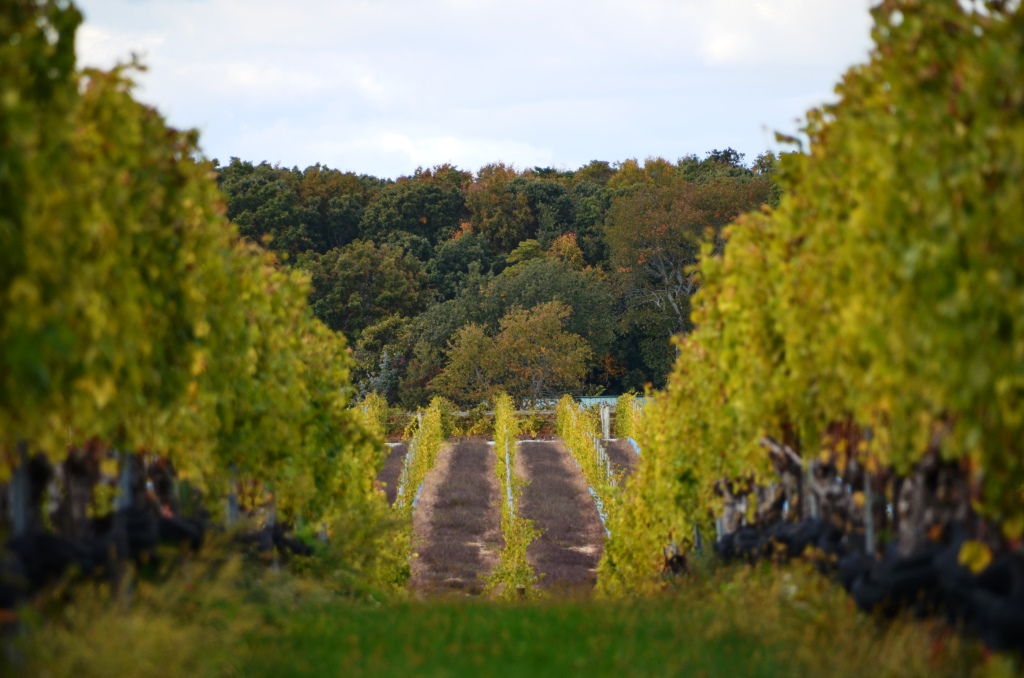

Done with the “bad” – now let’s go back to the good (best) part – the wines themselves. We started our tasting at Jamesport Vineyards winery, which always was one of my favorite wineries on Long Island.
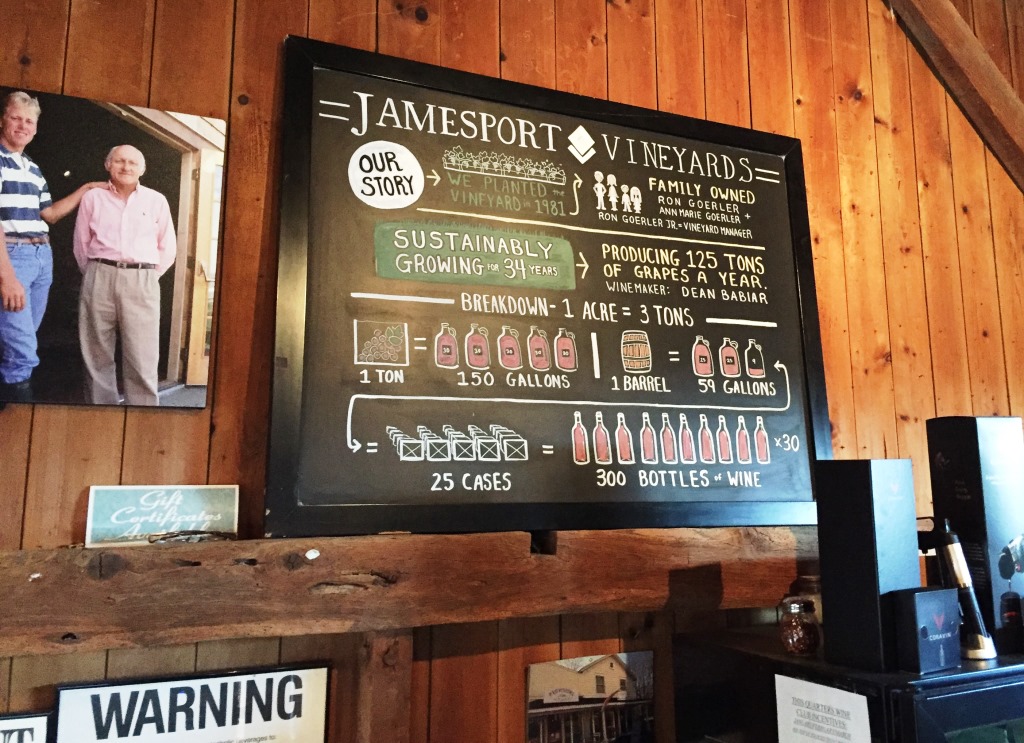
Here are the favorite wines of the tasting:
2014 Jamesport Vineyards East End CINQ Blanc ($16.95, blend of Chardonnay, Sauvignon Blanc, Riesling, Gewurztraminer, Pinot Blanc) – playful, open nose with white fruit, simple, clean, delicious overall
2013 Jamesport Vineyards Riesling ($25.95) – perfect, classic nose with a touch of Petrol and restrained fruit, nice and clean on the palate – excellent overall.
2013 Jamesport Vineyards East End CINQ Red ($16.95, blend of Cabernet Sauvignon, Cabernet Franc, Merlot, Pinot Noir and Syrah) – outstanding. Warm profile, nicely perfumed, good fresh red fruit, delicious


2013 Jamesport Vineyards East End Cabernet Franc ($17.95) – Classic, touch of green notes on the nose, crisp palate, touch of salinity, excellent
2010 Jamesport Vineyards MTK Merlot ($34.95) – Tobacco and field flowers on the nose, great palate, clean, concentrated, delicious
2010 Jamesport Vineyards Mélange de Trois ($34.95, Cabernet Sauvignon, Cabernet Franc, Merlot) – Great power, concentrated, excellent
2007 Jamesport Vineyards Jubilant Reserve ($34.95, predominantly Cabernet Franc, with Merlot, Cabernet Sauvignon, and tiny amounts of Syrah and Petite Verdot) – Nice concentration, good depth
2010 Jamesport Vineyards MTK Syrah ($24.95) – nice peppery notes, classic, open, clean – an excellent cold climate Syrah overall.


Then, of course, Paumanok. Quite honestly, I don’t even remember such a variety of wines offered at Paumanok – Reserve, Single vineyards, wow – lots of excellent wines. I have to admit that at the time of the tasting at Paumanok I was hungry and lazy at the same time, so I simply tasted the wine without taking any notes – here is the limited set of impressions from the Paumanok wines I tried.
Believe it or not, but my favorite wine from Paumanok tasting was 2010 Paumanok Blanc de Blancs ($45) – yep, classic sparkling wine, with perfect nose of yeast and freshly toasted bread, and apple and fresh bread on the palate. Delicious! 2014 Paumanok Chenin Blanc ($28) was fresh and vibrant, and 2013 Paumanok Cabernet Franc ($30) was clean and varietally correct. From the Grand Vintage collection, 2014 Grand Vintage Chardonnay ($45) was excellent, dry and crisp, 2013 Assemblage ($50) and 2013 Grand Vintage Cabernet Franc ($35) were excellent as well, but my favorite was 2013 Grand Vintage Merlot ($40), with deliciously powerful and balanced palate. Lastly, from the Single Vineyard collection, I really liked both 2010 Merlot Tuthills Lane Vineyard ($75) and 2010 Petite Verdot Apollo Drive Vineyard ($75) – they were different, but equally outstanding.


Lastly, for the first time over all these years I made it to the South Fork of Long Island (Hamptons), where we visited Duck Walk and Wölffer Estate wineries. There was nothing at Duck Walk to write home about. At Wölffer Estate, we didn’t do a real tasting as we visited place called The Wine Stand, where you can buy wine by the glass or bottle – main winery was closed for the wedding. Here is what we tried:
2014 Wölffer Estate Summer in a Bottle ($24, 41% Chardonnay, 29% Gewürztraminer, 20% Riesling, 10% Pinot Gris) was fresh and very nicely balanced, which is always appreciated in the white blends. 2012 Wölffer Estate Christian’s Cuvee Merlot ($110, 96.5% Merlot, 3% Cabernet Sauvignon, 0.5% Petit Verdot) was the wine I mentioned before. It was simply not ready – tight, with limited fruit expression. May be 5+ years in the cellar would do wonders…


There you have it – a trip to Long Island wine country with all the good and bad. Unquestionably, we had a great time with friends, and this is what matters. Yes, it would be even better without the gripes, but we can’t have it all, can we? Well, I wish that all your problems would be only small annoyances in this life. And yes, head over to the Long Island wine country, as the wines are delicious. And may be try to sneak in a sandwich? Cheers!
Wagyu and Wine
 Wagyu burger, anyone? How about glass of Cab with it? Or may be a Pinot? Luckily, it is easy to solve that dilemma – as long as you have Capital Grille restaurant close by. Until November 22, Capital Grille has a special offering on the menu – 2 styles of Wagyu burgers, which you can pair with either 2012 Justin Isosceles Cabernet Sauvignon, Paso Robles or 2013 Landmark Overlook Pinot Noir, California, all for a fixed price of $25, which I think is a great deal for a lunch with a glass of nice wine.
It is so happened that my wife had a day off in a middle of the week – despite the fact that we both work in the same small town, our schedules never align for two of us to have lunch together during the week. As soon as I found out that she will be off on Wednesday, the plan was ready – lunch at Capital Grille it is!
Before we talk about pairings, let me talk about the wines. 2013 Landmark Overlook Pinot Noir, California was a perfect example of California Pinot Noir – touch of smoke, ripe fruit with good acidity, ripe plums, perfect balance – definitely an excellent wine. 2012 Justin Isosceles Cabernet Sauvignon, Paso Robles (15.5% ABV, 77% Cabernet Sauvignon, 12% Merlot, 11% Cabernet Franc) was over the top delicious, ripe, exuberant, showing a touch to sweet to my liking, but still delicious and very palatable wine.


And the burgers arrived. The Cheeseburger was served with Fried egg and crisp onions, and the other burger was served with Gorgonzola and black truffle ( this was my choice, and while I ordered it medium-rare-plus, somehow it had a very limited flavor – don’t know why…). So which wine do you think worked better with which burger?


The result of the pairing was very interesting. Landmark Pinot Noir ended up perfectly complementing either one of the burger, and unfortunately, Justin Cab was somewhat fighting with both. No, there was no competition – but Landmark Pinot Noir still won as a pairing choice.
Or at least it did so for me, so you should use your chance to find out. Head over to the Capital Grille, and let me know which pairing will work for you. Not in the mood for a burger? Go find those wines, as they were delicious. Cheers!
Feel at Home in the Old Dominion: Luxury B&B’s in Virginia Wine Country
Today I would like to offer to your attention yet another guest post written by Stef Schwalb, Director of PR and Marketing at BnBFinder.com. October is Virginia Wine Month, so just in case you are contemplating a last minute getaway to the “Napa of the South”, you might find information below quite helpful. Note – it is not only about places to stay – the innkeepers also share their favorite wine recommendations. Here we go…
The Old Dominion State is celebrating the 27th year of Virginia Wine Month this October, and the region is definitely on its way up as a desired destination for all wine lovers. With more than 250 wineries participating in the event in one way or another, and the media buzz surrounding the area due to its exquisite scenery and record-breaking sales of 2015, now is the ideal time to check out the Virginia wine. Of course in addition to sipping, you’ll need a place to stay – here is a handful of B&B’s that are great finds in Virginia wine country.
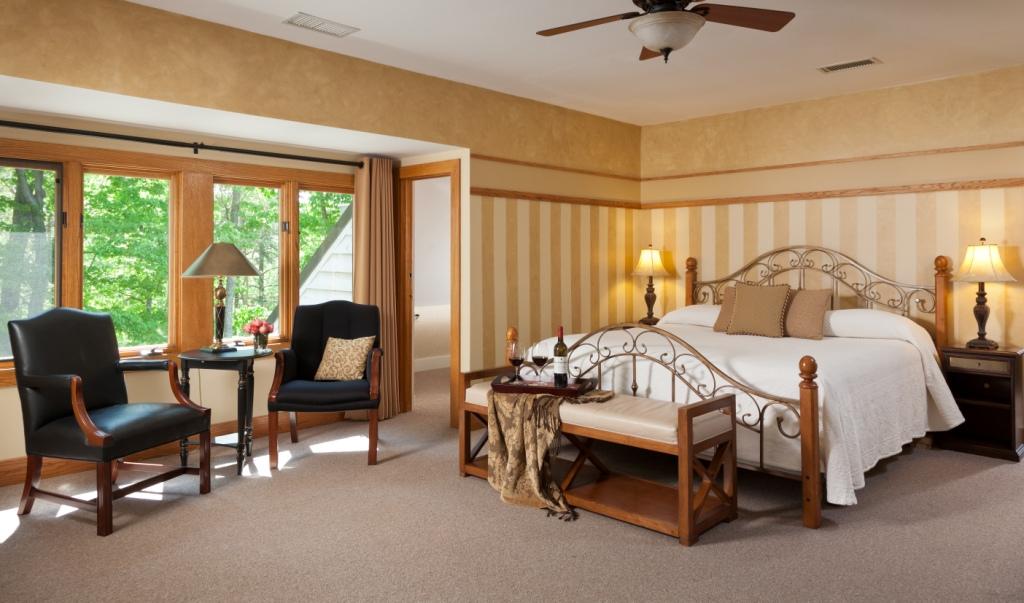
Iris Inn Bed and Breakfast
Iris Inn Bed & Breakfast in Waynesboro, VA is located on 12 wooded acres in the Blue Ridge Mountains. Overlooking the Shenandoah Valley, the inn was designed with comfort in mind. With beautiful mountain views and a woodsy feel, the modern facility features spacious accommodations with expansive outdoor decks; king beds; Wi-Fi; flat-screen HDTVs; DVD players; refrigerators; writing desks; private baths with hairdryers; and cozy sitting areas. A full gourmet breakfast is served in the great room each morning and includes an enticing entrée along with homemade breads, coffee, juice, and fruit. There is also a “bottomless” cookie jar situated on the sideboard and beverages are available at check-in time. Convenient to numerous local attractions, including the Shenandoah Valley, Blue Ridge Parkway, Skyline Drive, Charlottesville, The University of Virginia, Monticello, and several local wineries, Iris Inn is an excellent home base for exploring the region. The inn also offers several wine packages, including Sip & Spa, Sip & Simmer (a cabin dinner), Sip & Slip on Your Boots (hiking), Sip & Saddle (horseback riding), and Sip & Scribble (for aspiring writers). Some wineries located near the inn include King Family Vineyards, Flying Fox Vineyard, and Afton Mountain Vineyard.
Innkeeper Heidi Lanford recommends King Family Vineyard’s blended medium-bodied red, Meritage 2007. “And any vineyard’s Viognier in central VA is excellent,” says Heidi, “as this perfumed white is gaining world acclaim as Virginia signature grape.” One must try a Cabernet Franc, since the grape grows so well in this area, she continues, “we like the Cabernet Franc Reserve from Afton Mountain Vineyard.”

The Inn at Meander Plantation
Situated near Orange, VA in Locust Dale, The Inn at Meander Plantation is a historic B&B located one hour from Washington DC, Fredericksburg, and Charlottesville. The elegantly furnished, pet-friendly accommodations offer triple-sheeted king or queen beds with luxury linens, down comforters, and pillows; large private bathrooms; lavish microfiber bath robes; bottled water; hairdryers; clock radios with CD players and an assorted selection of CDs; Keurig coffeemakers; gas or wood-burning fireplaces; and air conditioning. Each morning, the complimentary breakfast includes a daily entree choice between sweet and savory options, a fresh fruit plate, and muffin or sweet bread. The inn also has a popular restaurant onsite that features a delicious 4-course dinner made from local produce and served strictly with the best of Virginia wines. Since the innkeepers/owners Suzie Blanchard and Suzanne Thomas work so closely with local wineries, the expansive wine list is quite unique. Guests can also indulge in the Virginia Wine Country Special package as well as tasting coupons for select local wineries. This charming Madison County country inn is just a short drive to Monticello and Montpelier, the celebrated residences of presidents Thomas Jefferson and James Madison (respectively).
Suzanne recommends Gray Ghost Vineyards and Winery in Amissville – “I love their Chardonnay Reserve, Ranger Reserve, and of course, their amazing, award-winning Adieu dessert wine”; Reynard Florence Vineyard in Barboursville – “I’m very fond of their Petit Manseng, an excellent example of this white varietal, which is my personal favorite white wine”; and Ducard Vineyards (in Etlan, located in the northern part of Madison County ) – “I like the Popham Run Red Blend and the C’est Trop, a unique red dessert wine.”
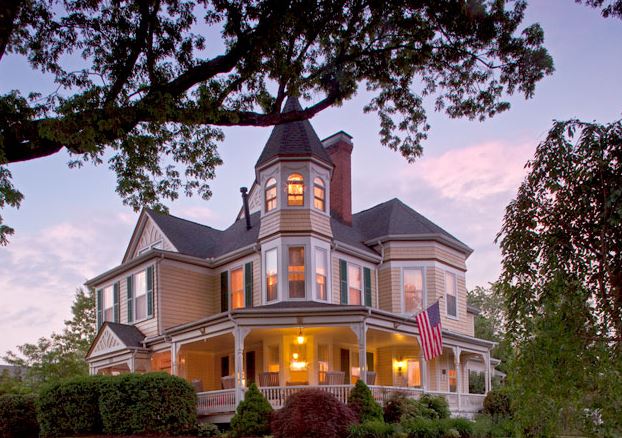
Oaks Victorian Inn Bed and Breakfast
Built in 1889 and listed on the National Register of Historic Places, The Oaks Victorian Inn Bed and Breakfast is at home in the quaint historic town of Christiansburg, VA. This classic Queen Anne Victorian bed and breakfast inn seamlessly combines Victorian elegance with modern day amenities within the backdrop of its stunning surroundings. It features six spacious guestrooms, each comfortably appointed with antique furnishings, private baths, and personal refrigerators with complimentary beverages. Select accommodations feature claw-foot tubs, fireplaces, body showers, and jetted Jacuzzi tubs. There is also a separate facility, The Garden Cottage with gazebo, that has a bathroom complete with sauna and shower, a 400-gallon private hot tub, a microwave, and a refrigerator with complimentary beverages. Guests enjoy downtime in the parlor and library onsite, and they can also relax and take in the scenic landscape on the large wrap-around porch lined with rockers, comfy chairs, and small tables for wine, cheese, and other goodies. The property is highlighted by meticulous landscaping, a fish pond, gorgeous perennial gardens, and oak trees that are more than 300 years old. Just two miles off I-81 in the center of New River Valley near Roanoke, the inn is a quick ride to Blacksburg, Floyd, Roanoke, the Blue Ridge Parkway, and more. The gracious hospitality and unforgettable breakfasts are hallmarks of The Oaks Victorian. With the Virginia is for Wine Lovers Times 2 Package, wine lovers can stay two consecutive nights at the B&B and receive two pairs of tasting passes to the innkeepers’ favorite local wineries – Whitebarrel Winery in Christiansburg and Beliveau Estate Winery in Blacksburg.
At Whitebarrel, the Chambourcin, which used to be called 325 AD, is a favorite of innkeeper Linda Wurtzburger. “And for a white, my favorite is Yesterday’s Song, which is a Chardonnay.”
For The Love of Chowder
-
a rich soup typically containing fish, clams, or corn with potatoes and onions
Cup of chowder, anyone? As I happen to live in the area of the United States called New England, the soup, most often known as New England Clam Chowder, can be seen on the menu of many restaurants. In most of the cases, it is called Clam Chowder, as it contains clams; two most popular versions are called New England Clam Chowder (milk/heavy cream based) and Manhattan Clam Chowder (red tomato based).
As Chowder is a type of soup, the question might be “what makes Chowder different from the Soup”. This is why I started this blog post with the definition of Chowder, which is a very good one. I would, however, make one small improvement, based on this interesting article – the chowder should have small chunks of [clams, vegetables, etc], which would perfectly distinguish it from the “cream of” soups , such as Cream of Asparagus, for instance. So the better definition of Chowder can be “a rich soup typically containing small chunks of fish, clams, or corn with potatoes and onions”.

Anyway, why all of a sudden studious exercise in the “science” of soups? On Sunday, I attended 7th annual Chowder Festival, which took place at Sherwood Island State Park in Westport, Connecticut. It was really a Chowder deep immersion – 39 competitors from 12 different states brought their best Chowder offerings to be sampled during 4 hours. There were lots of other things to try – juices, Dunkin Donuts munchkins, Cabot cheese, The Farmer’s Cow ice cream – in the other words, lots of fun for all ages.
The competition was conducted in 4 different categories – Classic New England Clam Chowder, Traditional Chowder, Creative Chowder and Soup/Bisque. Focusing just on clam chowders, it appears that there are 4 of them (surprised?). The Classic New England is the chowder which is white in color because of the use of heavy cream or milk. Traditional Chowder includes two different types – Manhattan, which is tomato based, and Rhode Island, which is “clear”. Rhode Island clam chowder is something I discovered earlier this year for the first time – it simply looks like a thick, rich soup with clams etc, but without milk or tomatoes. At the Chowder Fest I learned that there is a newly popular style – Long Island Clam Chowder, which also can be called “half and half” – it is a mix of Traditional New England with Manhattan. There was one chowder of that type at the festival, served by Parallel Post from Trumbull, Connecticut – it was very tasty.


As I mentioned, 39 chowders and soups were presented at the competition. I didn’t try all 39 (wonder if someone did), but I did try at least 30. Just to explain how competition works: as you enter through the gates, you are given a ballot and a pencil. The ballot contains the list of all the chowders present at the festival – as you taste, if you happen to like the chowder, you give it a rating from 7 up to 10. The ballots are tabulated later on, and voila – the champion and two runner ups are declared in each category.
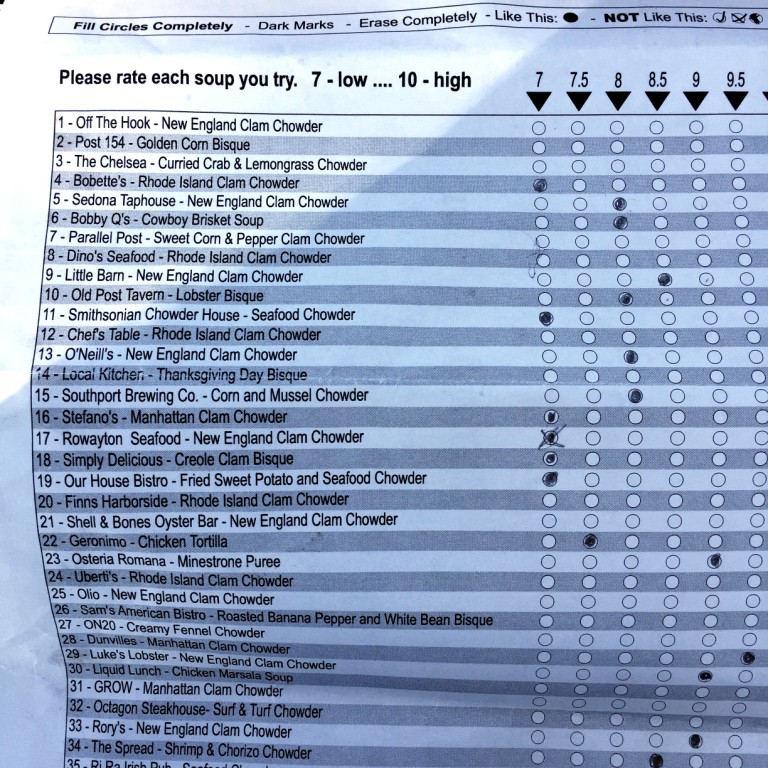
[bad] picture of my ballot


I tasted Pike Place chowder and it was one of my top favorites, with “just enough” of everything – I’m glad to see that this was crowd’s opinion too. If you are interested, here you can find the list of all winners, current and the past.
I’m glad that I was able to attend the event – learned something new and tasted lots of delicious chowders. I plan to make it my annual tradition from now on – and may be you should join too? I have to finish with the question though – do you like clam chowder? If you do, what is your favorite style? Don’t be shy here… Cheers!
Restaurant Files: Tabard Inn in Washington DC
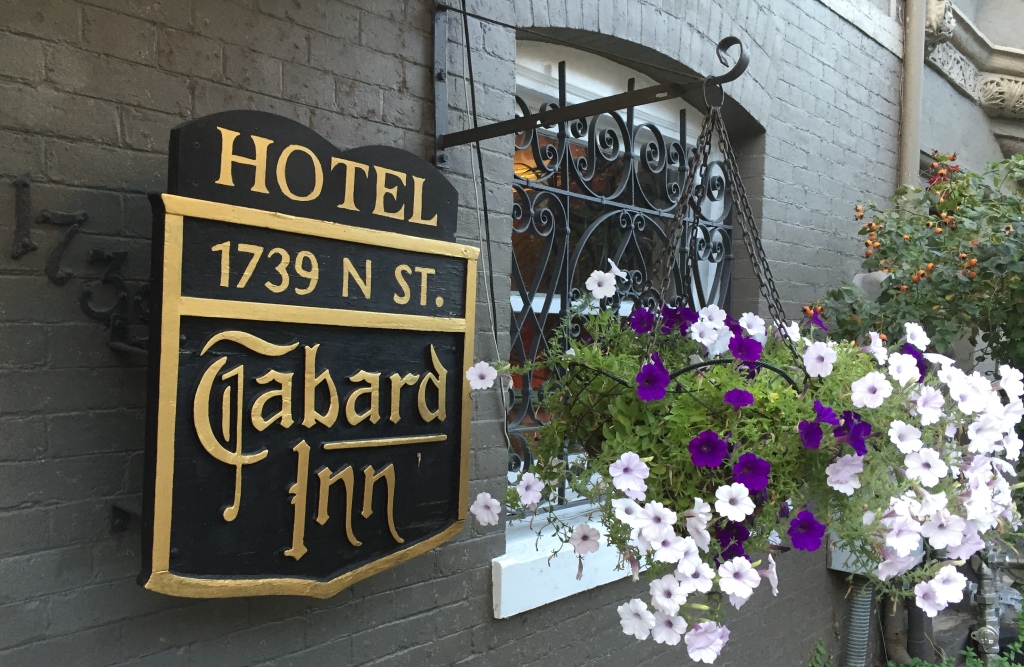 Do you like restaurants with charm? In a lot of cases, people go to the restaurant for the good food and good service. Don’t get me wrong – these are my priorities too. But for me, experiencing a pleasure of just “being inside” is a great bonus too. You walk in, just glance around and say “ahh, I like it here” – this is what I mean by “charm”. You are at the restaurant, waiting for your dining companions to arrive, then you are walking to your table, get seated and situated, and all that time you are thoroughly pleased with surroundings and the atmosphere – I hope you get what I’m talking about here.
If you happened to be in the Washington DC, and would like to visit a restaurant with the charm, I got a recommendation for you – Tabard Inn Restaurant in the area known as Dupont Circle. The restaurant is located inside of the actual hotel (I would designate it more as a B&B) under the same name – Tabard Inn, with the rooms available throughout the three adjacent townhouses – but as I didn’t have a pleasure staying there, we are, of course, will be talking only about the restaurant.
I’m assuming you got my point about the atmosphere and ambiance (relaxing, pleasant, “old glove” comfortable), so let’s talk about food and wine – starting with the wine of course. I really liked the wine list at Tabard Inn – lots of good selections with reasonable prices. The wine list was well rounded internationally, so we managed to make two very interesting ( and highly successful!) choices. For the white, we had 2013 Sigalas Santorini Assyrtiko Santorini, Greece (14% ABV, 100% Assyriko, $55 at the restaurant). The group I was dining with typically prefers red wines. However, after trying this wine, the waiter had a hard time to keep the open bottle on the table – the wine was disappearing very quickly. Delicious nose of the white fruit, same white fruit on the palate, crisp, refreshing, medium-bodied, perfectly round – this was one excellent wine (Drinkability: 8).


I managed to surprise myself with the choice of red. It is seldom that I would consciously choose Bordeaux at the restaurant, don’t ask me why. Somehow this wine caught my eye – 2006 Bordeaux for $52. 2006 was a good year in Bordeaux, so why not? When the wine arrived, there was a nice surprise – it was from even a better vintage, one of the best from the 2000 decade – 2005. 2005 Chateau La Croix St André, Lalande-de-Pomerol (13% ABV, 80% Merlot, 20% Cabernet Sauvignon and Cabernet Franc), was at the peak of maturity. Stunning depth of dark fruit with spices, black currant, eucalyptus, classic, concentrated and delicious (Drinkability: 8+).
While Tabard Inn restaurant is not necessarily advertised as “farm-to-table”, the menu is focused on the seasonal ingredients and changes all the time. As the group, we usually like to share some appetizers, but somehow this time around, everybody were really focused on conversation (and the wine 🙂 ), so pretty much no food sharing took place. That simply means that I can only tell you about the dishes I selected for my dinner.


For the appetizer I had Tuna Tartar – very tasty, served with the sesame crisps. My main dish was Gumbo (Andouille sausage, shrimp, chicken confit, swordfish, fried oysters) – overall it was tasty, but when I hear “Gumbo”, my first thought is “Louisiana Gumbo” – the dish I had was lacking spicy heat for my personal preference (try to guess if I left anything on the plate because of that).


I had dessert in both standard and liquid forms. I’m a sucker for a bread pudding in any form, so when I heard that dish mentioned by our waiter, I had no choice – and it was very tasty. For the liquid dessert we shared a bottle of 2014 Elio Perrone Sourgal Moscato d’Asti Piedmont DOCG, which was perfectly balanced, not overly sweet, with fine bubbles and nicely refreshing, just a right finish for an excellent dinner.
Looking for the restaurant with the ambiance, charm, great wine list and delicious, seasonally-appropriate food in Washington, DC? I think I just told where to find it. Cheers!
Tabard Inn
1739 N St NW
Washington, DC 20036
Phone:(202) 785-1277
http://tabardinn.com/restaurant/
The Dinner Party Collective – Full Spring Menu and Smoked Salmon Recipe
 As Fall settling in the most of the Northern Hemisphere (slowly, I have to admit – it is still very warm and green here in Connecticut), the Spring is coming to the people of Southern Hemisphere, who are I’m sure very happy to forget the cold and embrace the sun. With Spring comes The Dinner Party Collective Spring Menu (if you need more information about The Dinner Party Collective, please see one of my previous posts about TDPC, as we call it for short).
Our Spring Menu had been fully published, and I was very happy to pair all the delicious dishes the wines, as you will see below in the wine pairing suggestions post:
Appetizer – Smoked Salmon Salad
Main course – Lemon Thyme Lamb Racks with Goat Cheese Aioli
Dessert – Lemon & Coconut Cheesecake with Strawberry Purée
I think all the dishes are absolutely spectacular, and I hope you are all already inviting your friends over for a delicious dinner (and let me know how the wine pairings would work).
This time around, I want to take a liberty to add a little trick, if you will, to one of the dishes on this menu – a Smoked Salmon Salad created by Margot from Gather and Graze. You see, my family loves smoked salmon in any shape and form – on the bagel, in the salad, in the appetizer, anywhere. When you buy smoked salmon from the store, there are couple of issues. First one is the taste and overall quality – sometimes it can be oversalted, dry or even rubbery. Second, the better quality smoked salmon is often quite expensive – Fairway store in Stamford charges $24 – $30 per pound of that smoked salmon. So instead of dealing with uncertain quality and high prices, you can make smoked salmon on your own – it is very easy – and you fully control the flavor profile. That’s right – when making smoked salmon on your own ( and you don’t have to make it taste “smoked” if you don’t like it), you can add any spices – dill, pepper, herbs – anything – and it is really easy to make.
Here is what you will need:
- 3 lb fresh salmon fillet, preferably with the skin (make sure all the pin bones are removed)
- 1 cup kosher salt (Kosher salt without iodine is a must for curing and brining)
- 1/2 cup brown sugar (I use “sugar in the raw”)
- pepper – by your taste
- liquid smoke (if you want to make “smoked salmon”)
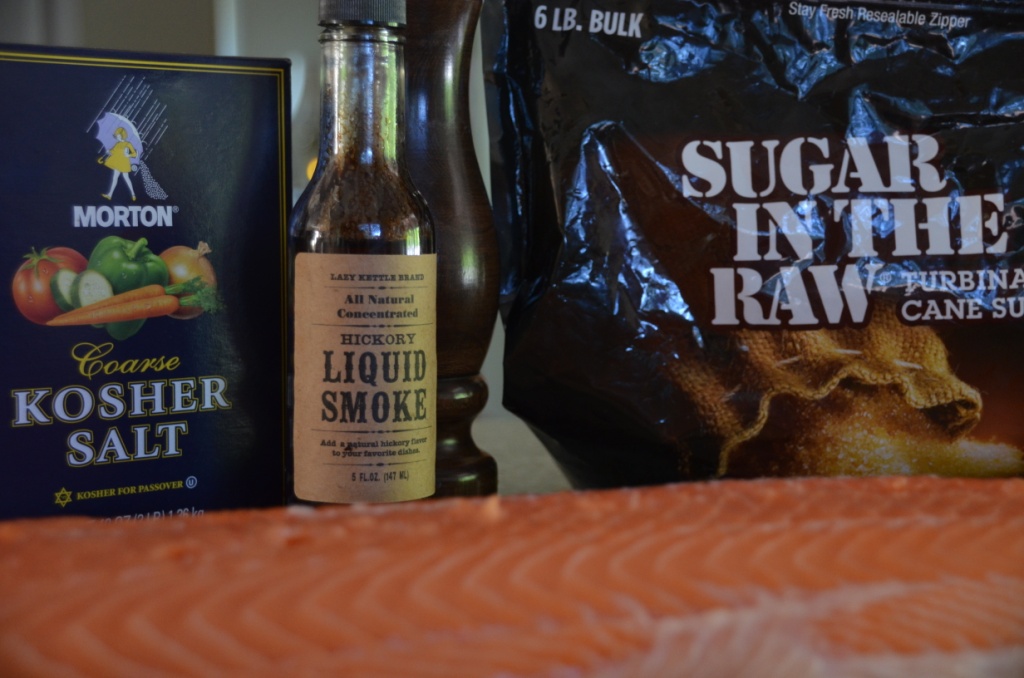 Above you see everything you need – please note the bottle of Liquid Smoke there – available at most of the supermarkets or you can order it online. Few drops will impart smoke flavor on any dish you are making.
Prepare the mix of kosher salt, brown sugar and pepper – feel free to add any other spices here you would want to use, and mix it all up – I do it right in the measuring glass:
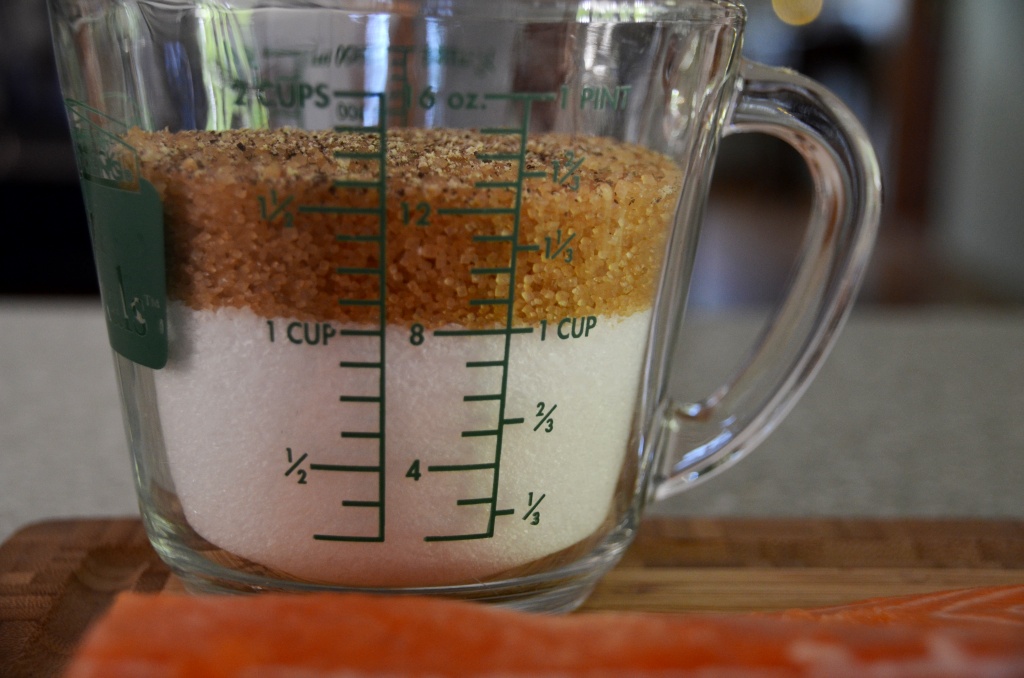 Put a very thin layer of the mix at the bottom of the large glass cooking dish (I’m sure you can use the foil tray as well, but I prefer using the glass tray), and put salmon filet on top:
 Now, completely cover the salmon with the mix, top and sides:
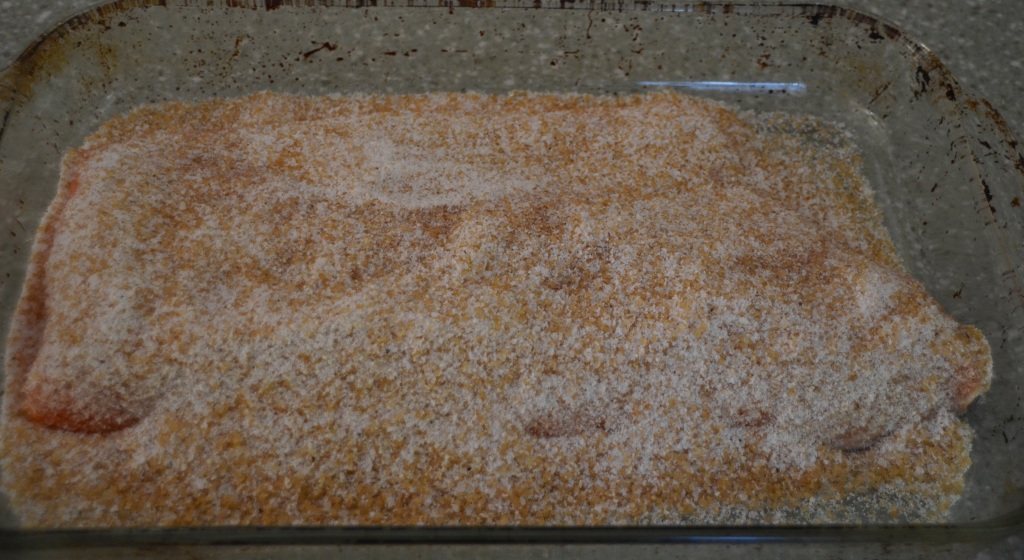 Cover with the plastic wrap and put it in the fridge for 24 hours. The next day, take it out of the fridge, and you will see something like that:
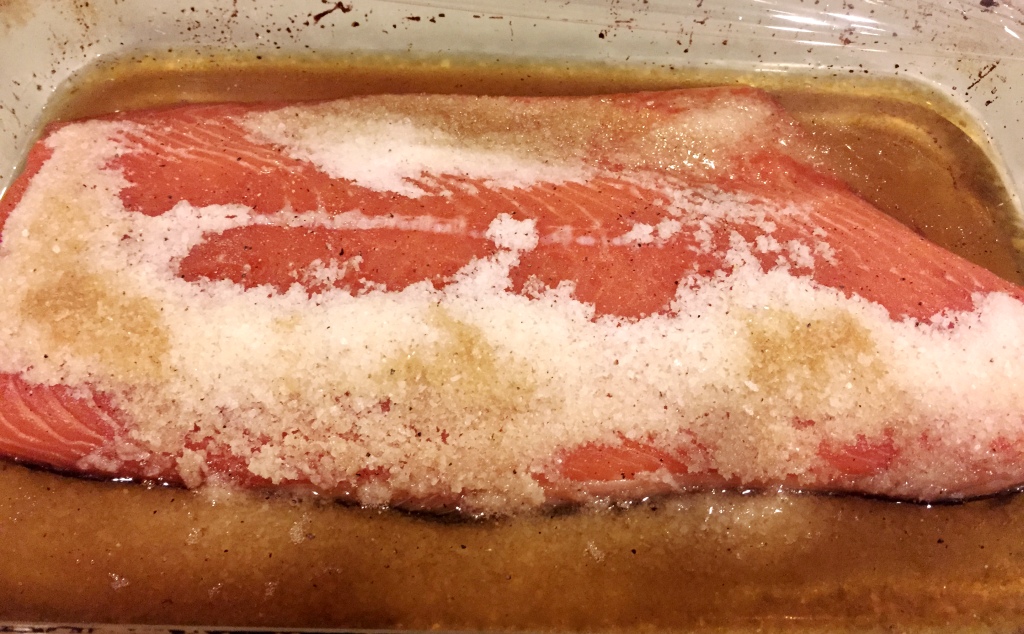 Drain the liquid (as much as you easily can, don’t strain it completely). Technically, salmon is now ready to eat – it is completely cured. From now on, I like to make it “smoked” so I add a few drops of Liquid Smoke all over salmon and around, cover with plastic wrap and put it in the fridge for another 12 hours. Important note – the longer you will keep salmon with the salt, the drier and denser it will become, as it will lose more juice.
After 12 hours, your smoked salmon is fully ready – get it out of the fridge, wash it thoroughly to rid of any salt, and lay it to rest on the board – you can keep it there for an hour or even longer. This is how it will look like:
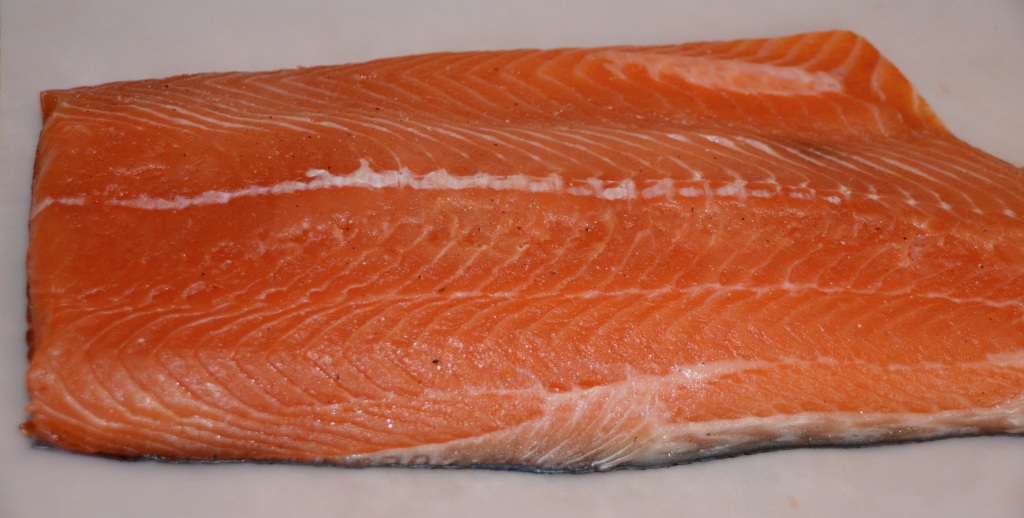 I like to give it even longer rest time if I’m not too hungry, so I would typically wrap it completely into the plastic wrap and put it back in the fridge for a few hours. Salt dries the surface completely, so by letting the salmon rest, it will redistribute the juices so it will become all moist and delicious. Last step – slice and enjoy!
 I would typically slice it off the skin as needed, and keep the rest wrapped in the plastic wrap in the fridge. As it is cured, it will last for a pretty long time – between a week and two for sure. It is also very easy to freeze as it is, right in the plastic wrap – and it can be thawed quickly as needed.
There you have it my friends – a simple smoked salmon recipe. Yes, do that at home!
If you will decide to make it – let me know how it will come out. Cheers!
Last Bottle Sign Up ($10 credit)




 Talk-A-Vino