Wine Quiz #135 – How Well Do You Know Your Wines?
The Wine Quiz series is not meant to intimidate. The whole idea here is to have fun and learn something new. When answering the questions, it is fully encouraged to use all available sources of information, including Google or any other search engine. There are no embarrassing answers – the most embarrassing thing is not giving it a try…
Welcome to your new wine quiz!
Let’s start with the answers to the last quiz #134. That was the second quiz in the new series, where instead of identifying the wines by the top foil or the top of the cork, I’m now asking you to identify the producers by the fragment of the wine label. I’m making an effort to make sure that the fragment of the label will be telling enough to allow for the producer to be identified. Here are the same pictures, now with the producers identified (point to the picture to see):


As I suggested in the last quiz, all of these producers and wines can be called iconic, and they all come from the same region – Washington. Also worth noting that 4 wines here are produced by Christophe Baron (Cayuse, Hors Categorie, Horsepower, No Girls).
Only one player attempted to answer the quiz, and he did it quite successfully – Zak correctly identified 5 wines out of the 6, so he gets almost unlimited bragging rights.
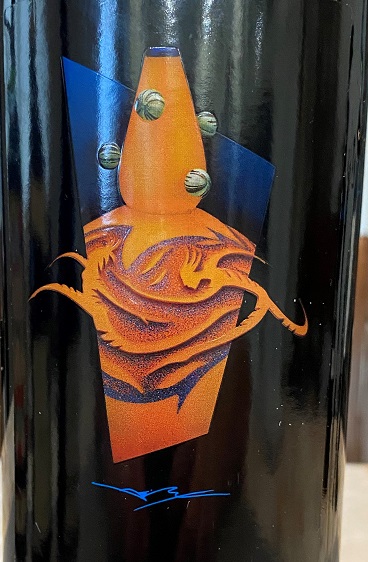
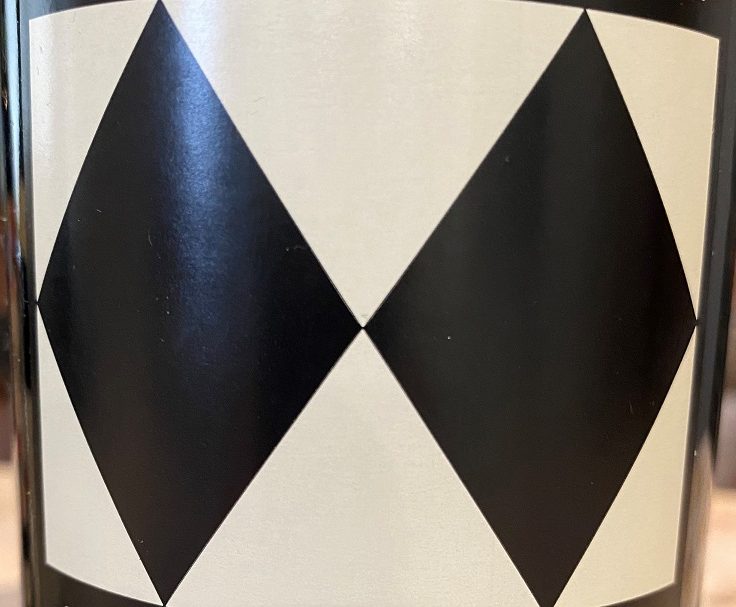
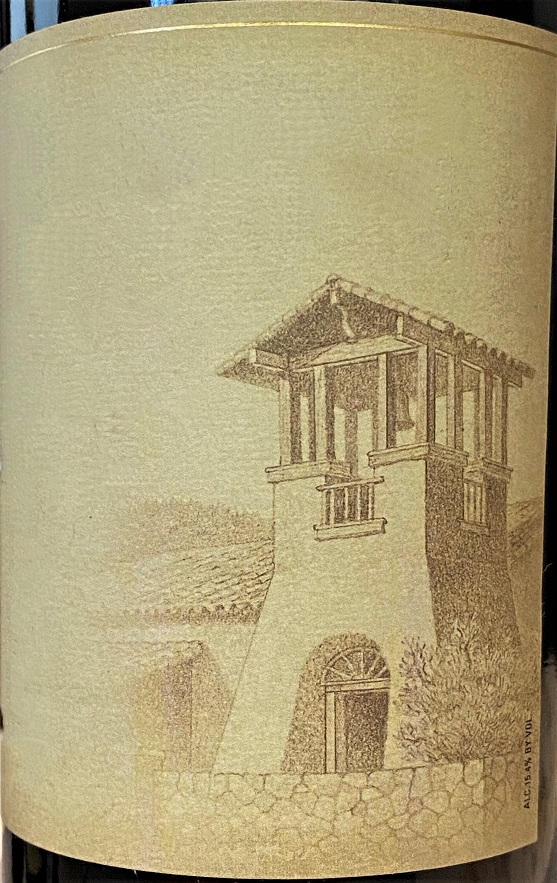
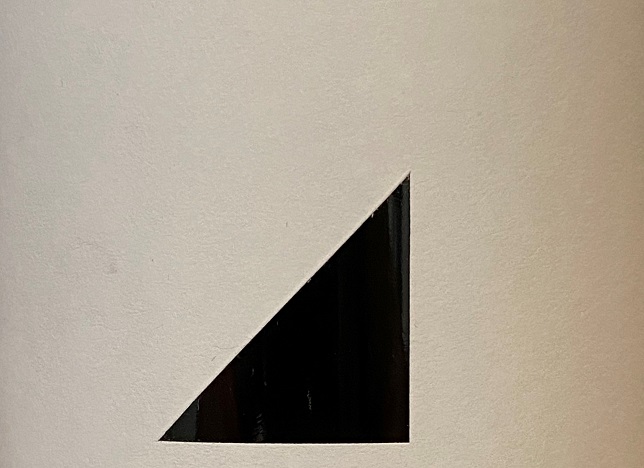
This week, I’m offering you another set of 6 fragments of the wine labels, with a similar hint as before – all wines are reasonably famous/iconic (again, some might be hard to find, though).
Here we go:
1.
2. 
3.
4.
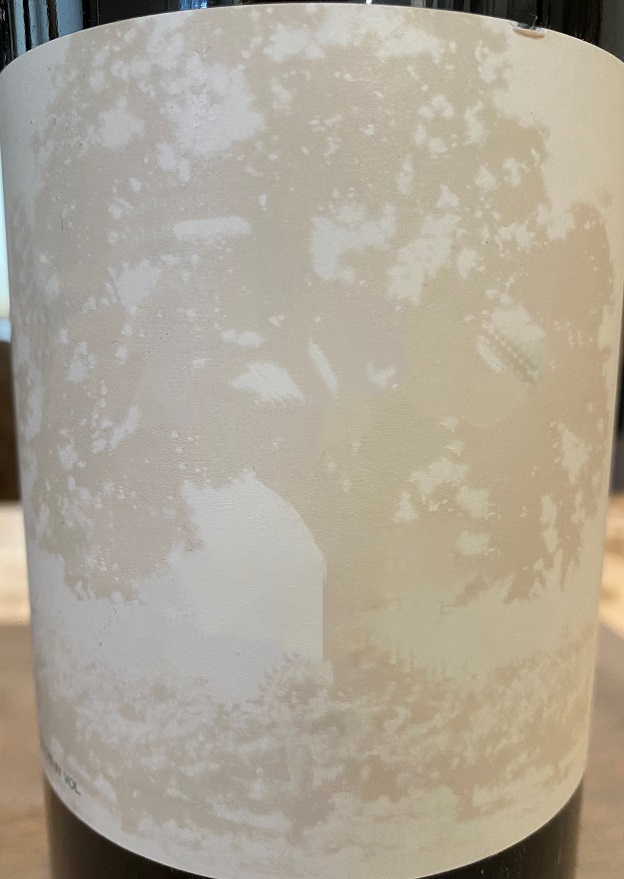
5.
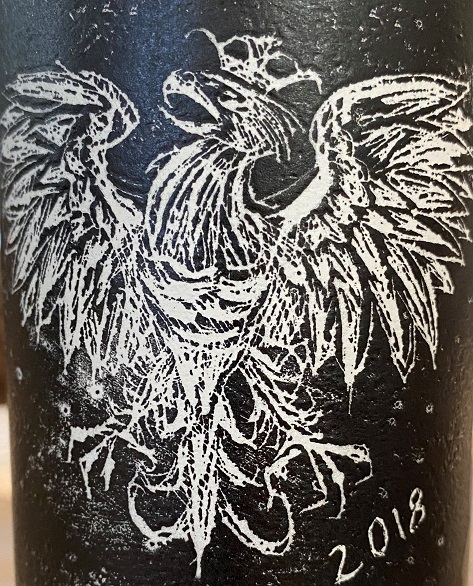
6.
Good luck, enjoy the new quiz! Cheers!
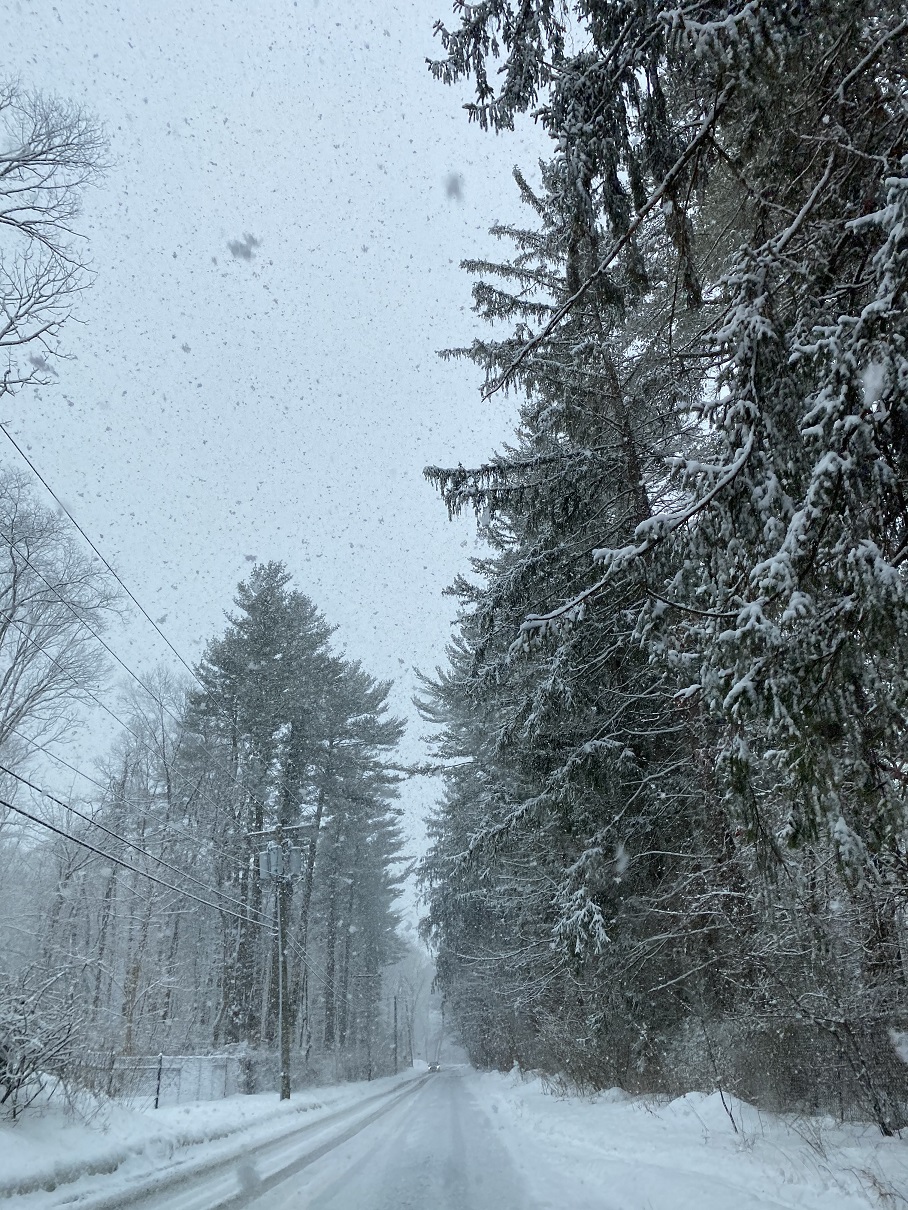
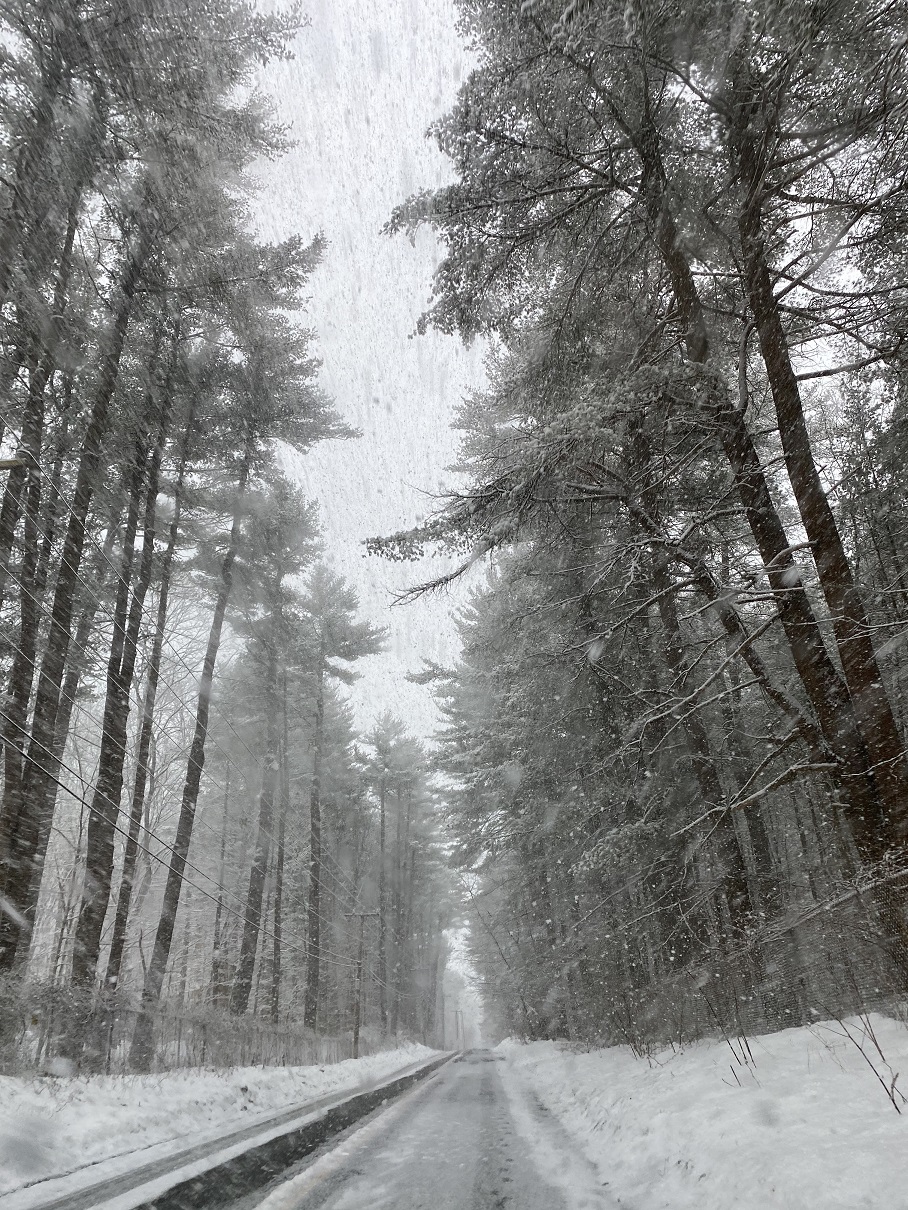
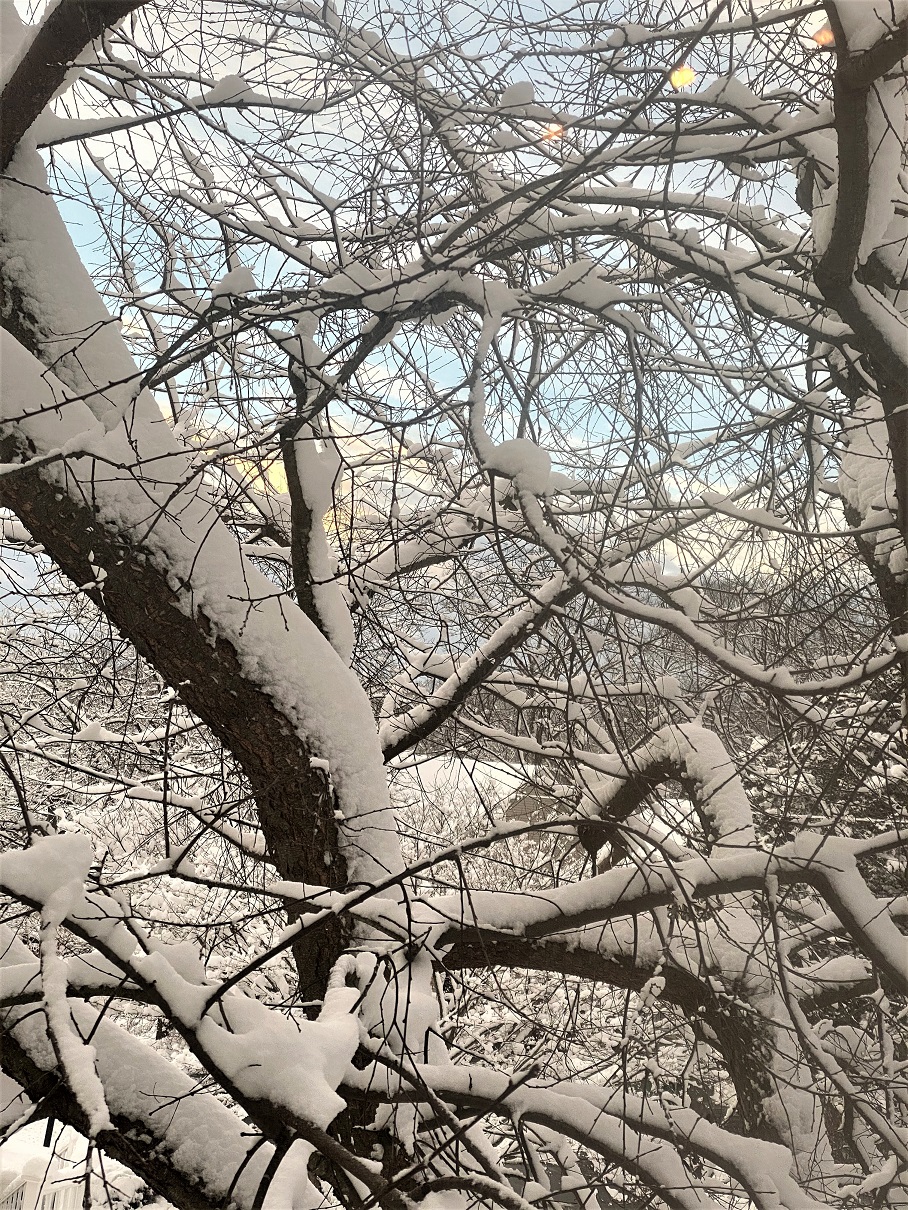
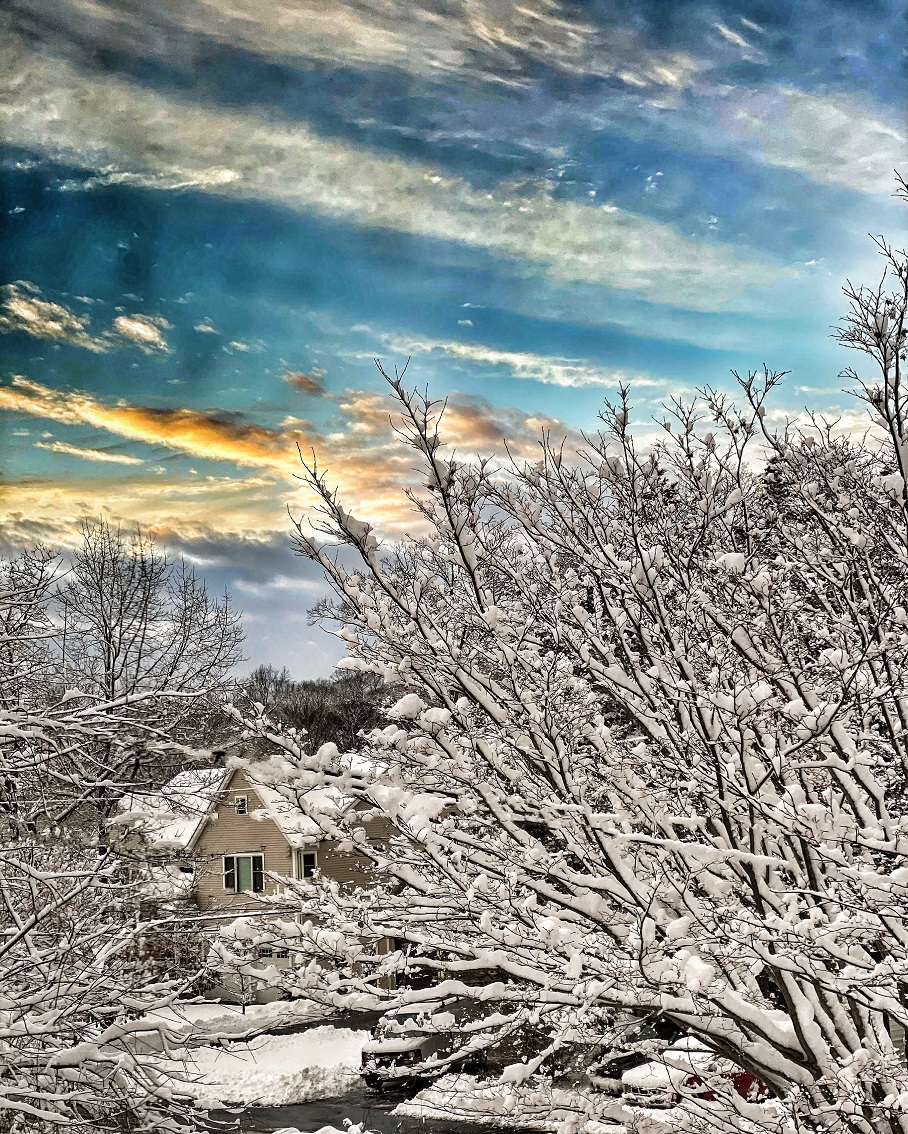
Snow In New England – 2021 Edition
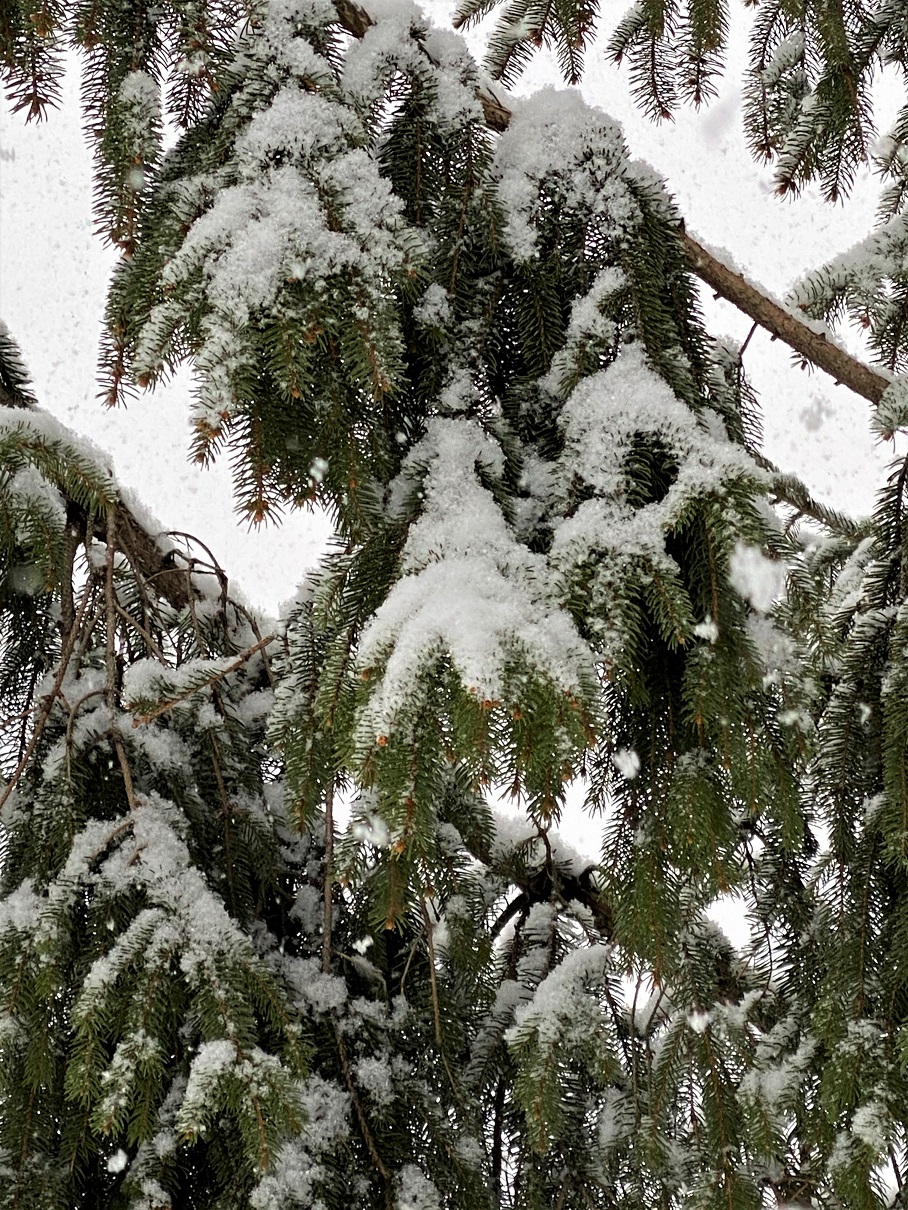
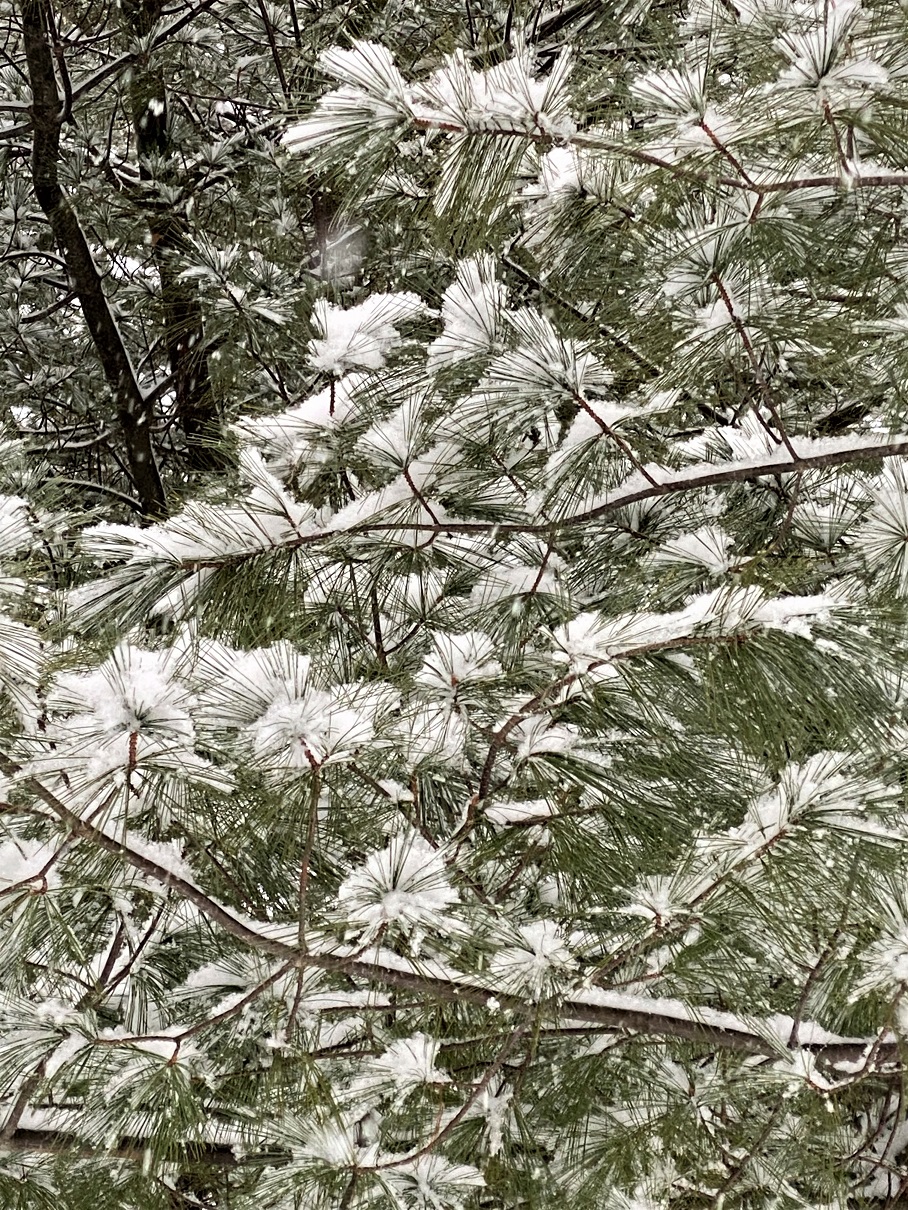
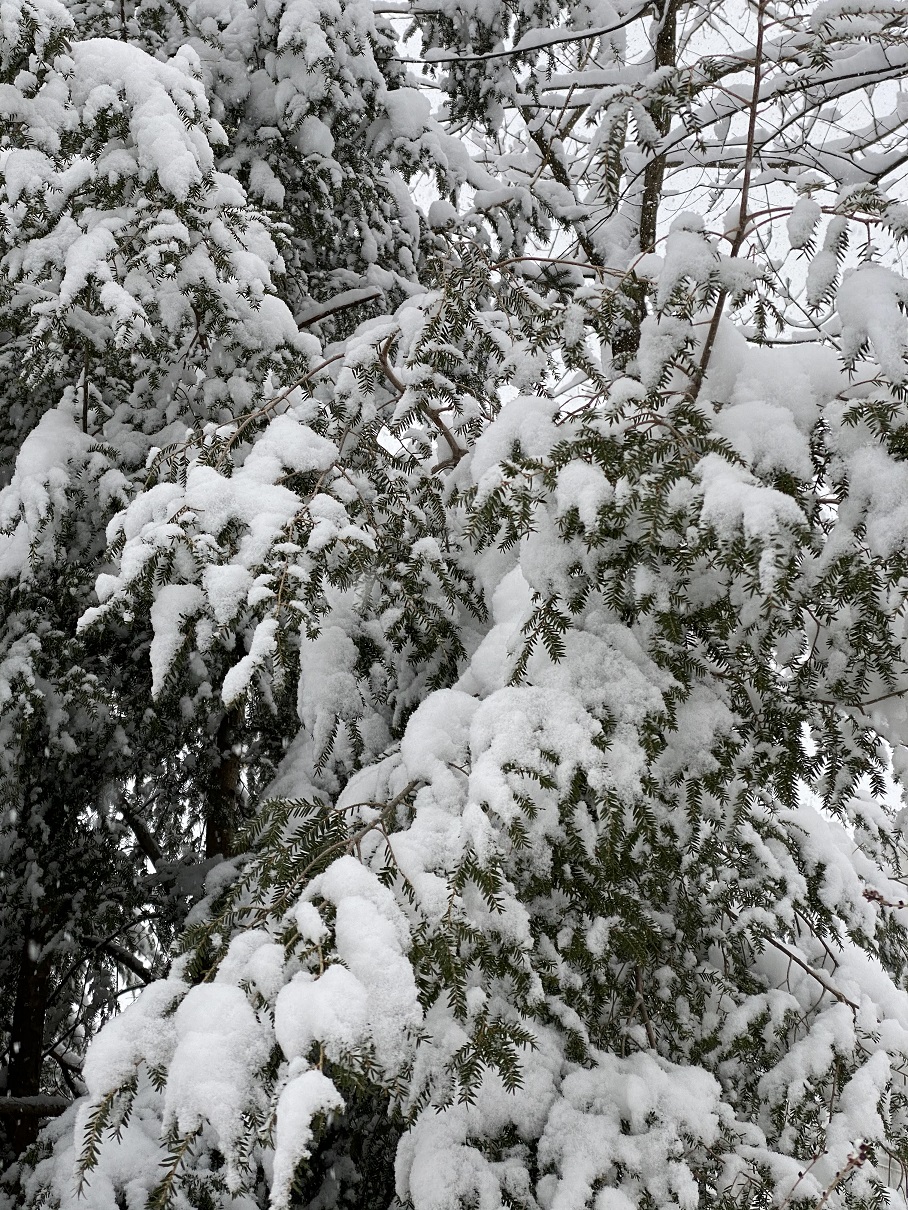
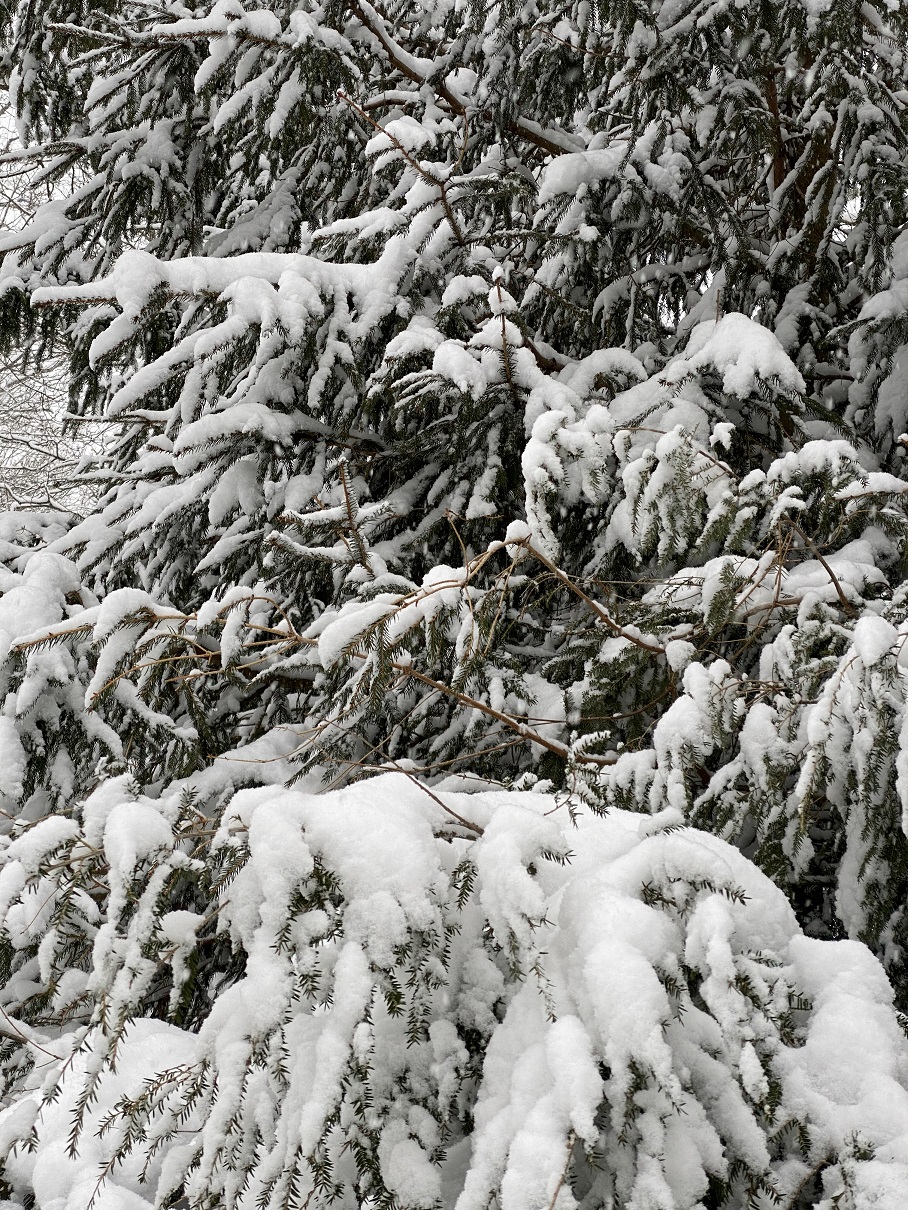
One of the pleasures of living in New England is having 4 seasons. Every year those seasons are different – we might have only 2 weeks of the spring, or the winter without any snow (I think we had only 1 snowfall last winter), but this is all in Mother Nature’s hands, not something we control.
Snow can be devastating, especially coupled with the strong wind and a bit of the freezing rain, as we experienced it here in New England on multiple occasions – but when it is not, when it is just a beautiful dance of the snowflakes slowly descending from the sky, it is really a thing of pleasure (of course, not for everyone – if you despise the snow, you can safely skip this post). Sunny sky, crisp air, and fresh snow is yet another pleasure in itself which New England offers all of us here – without going overboard – I’m not sure I would equally love snow if I would be living in Minnesota or Alberta, Canada.
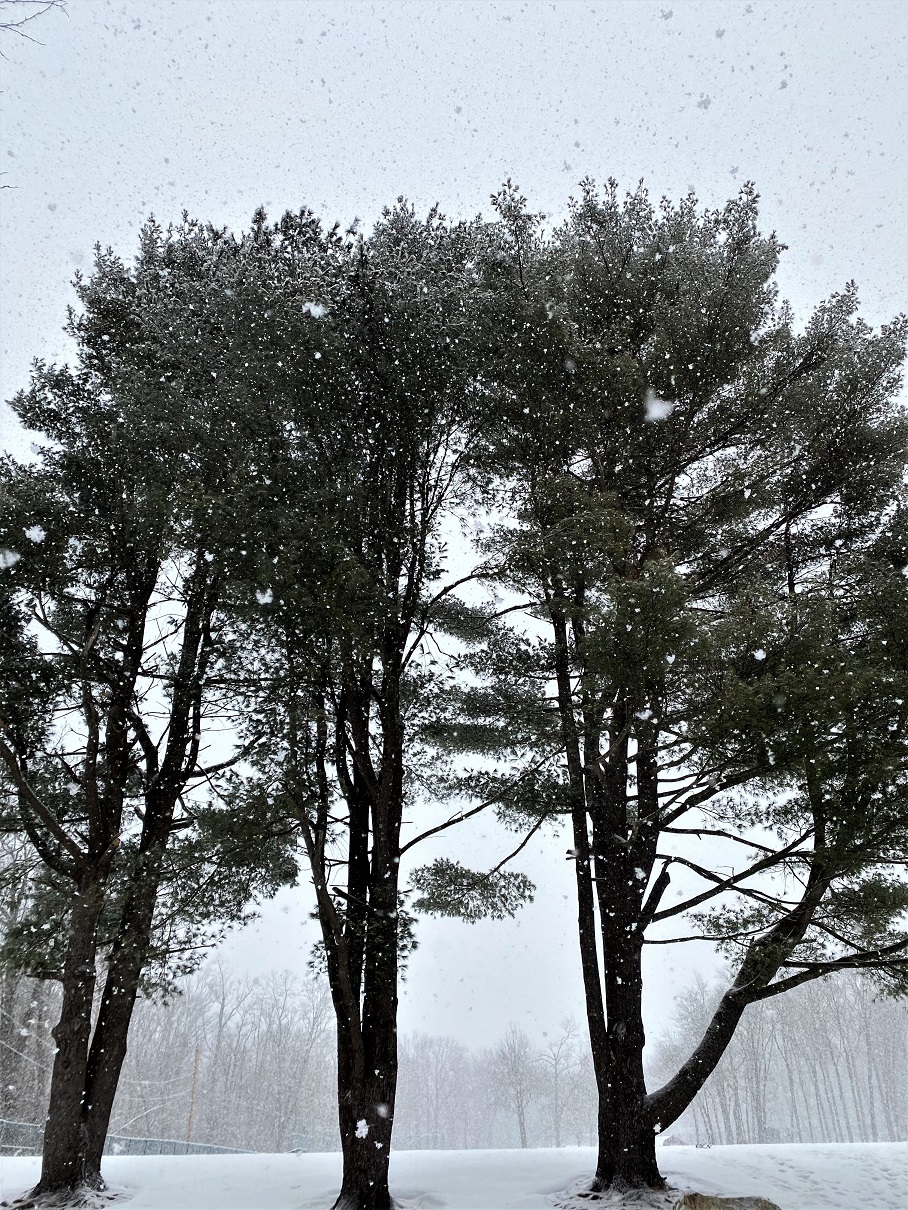
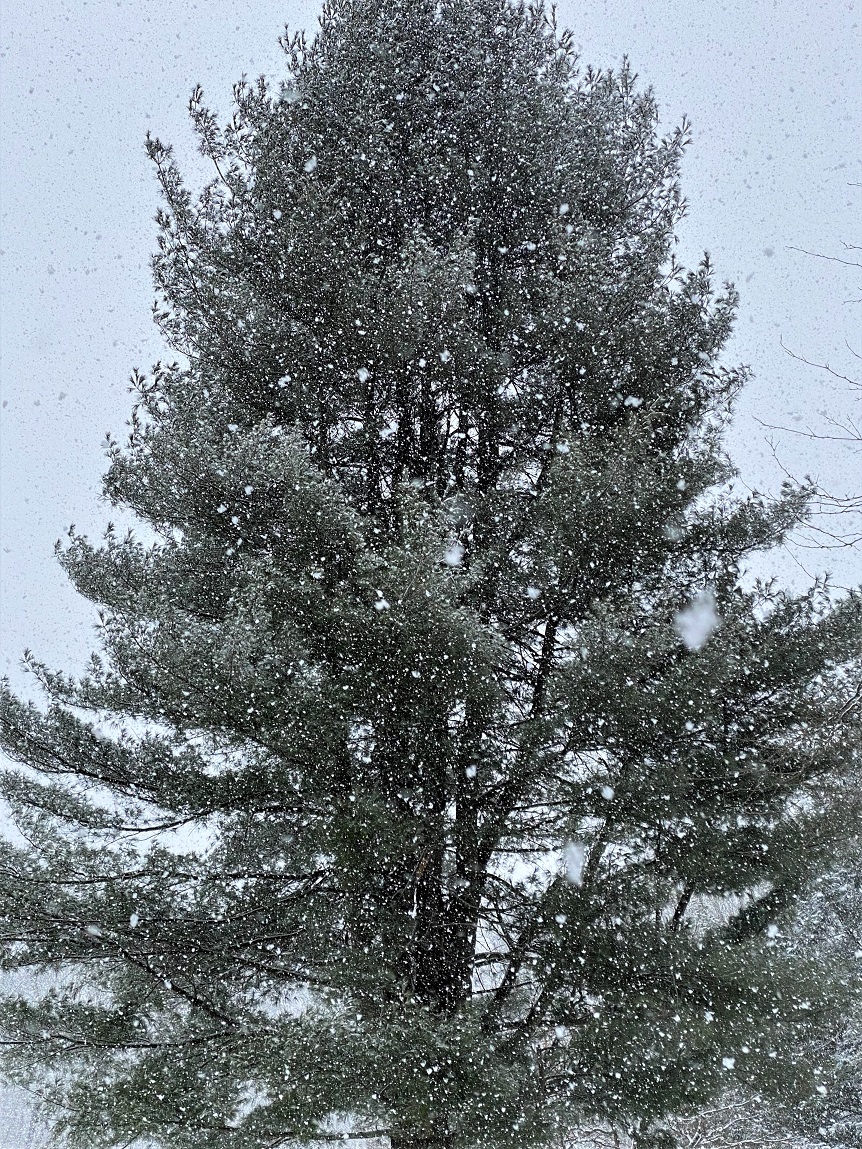
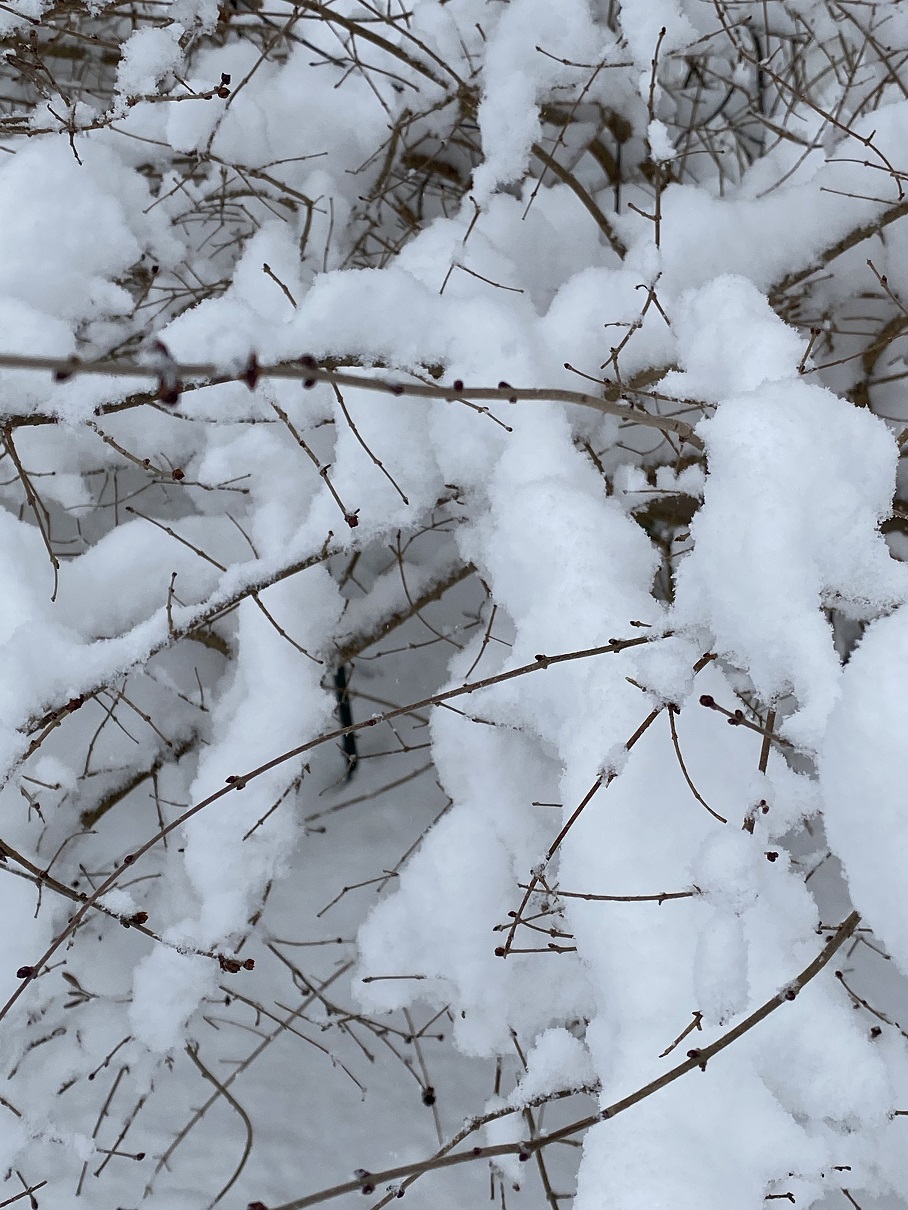
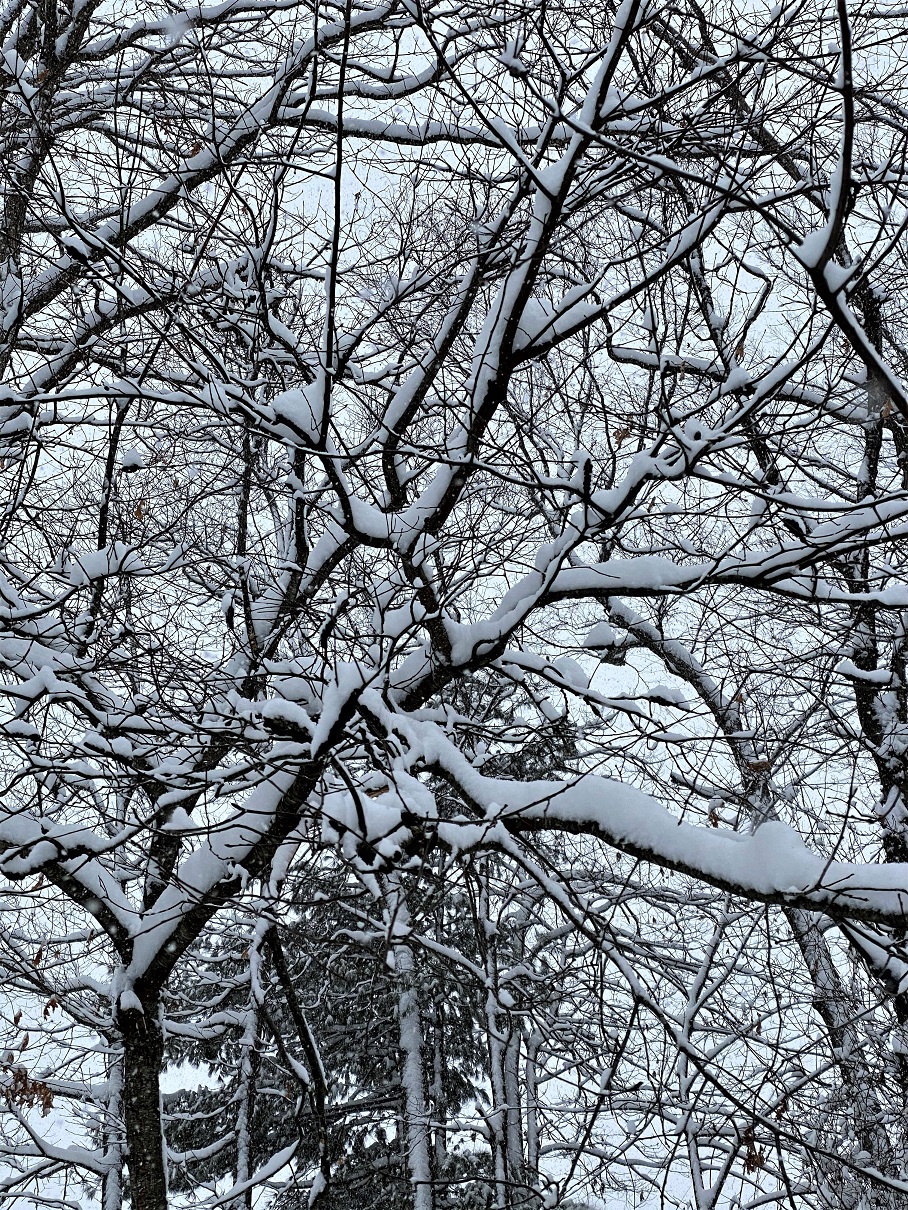
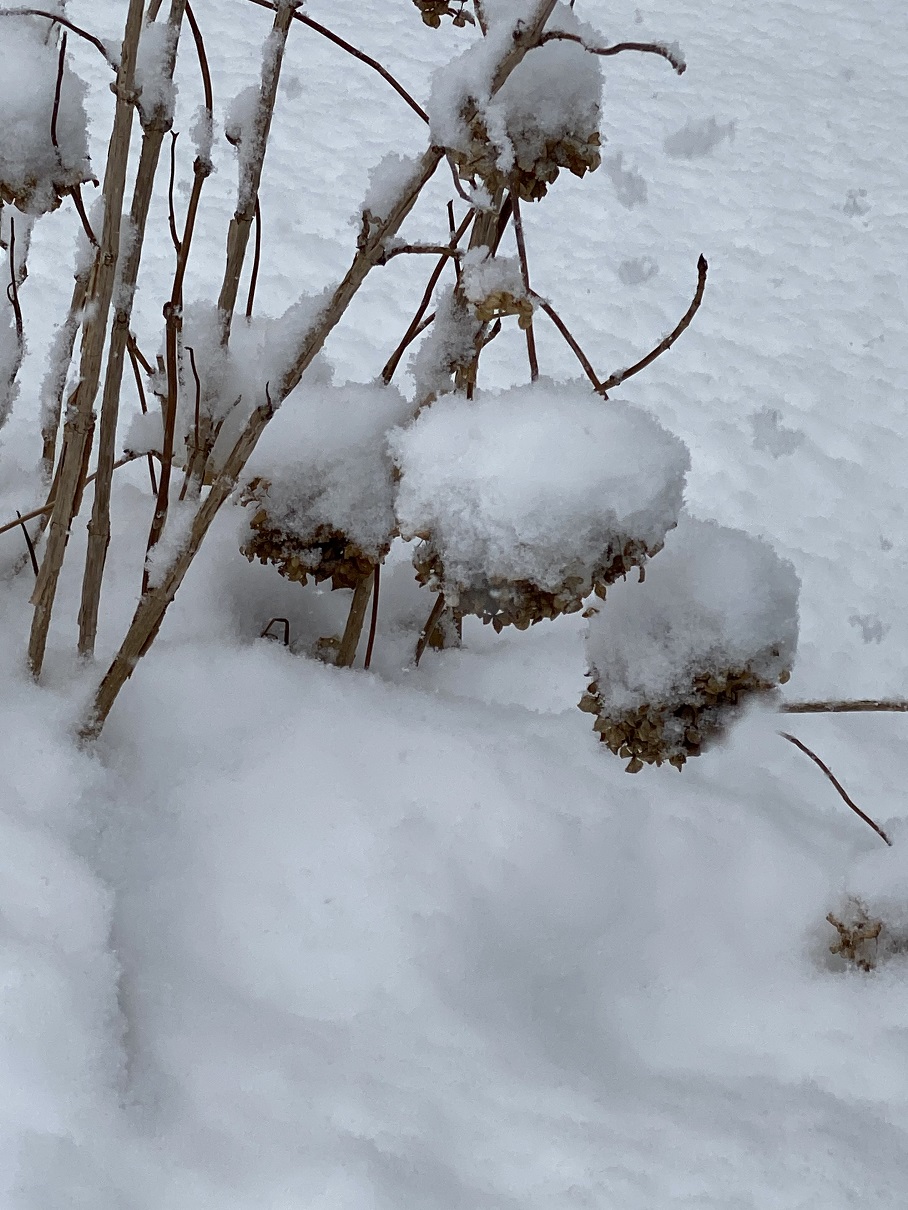
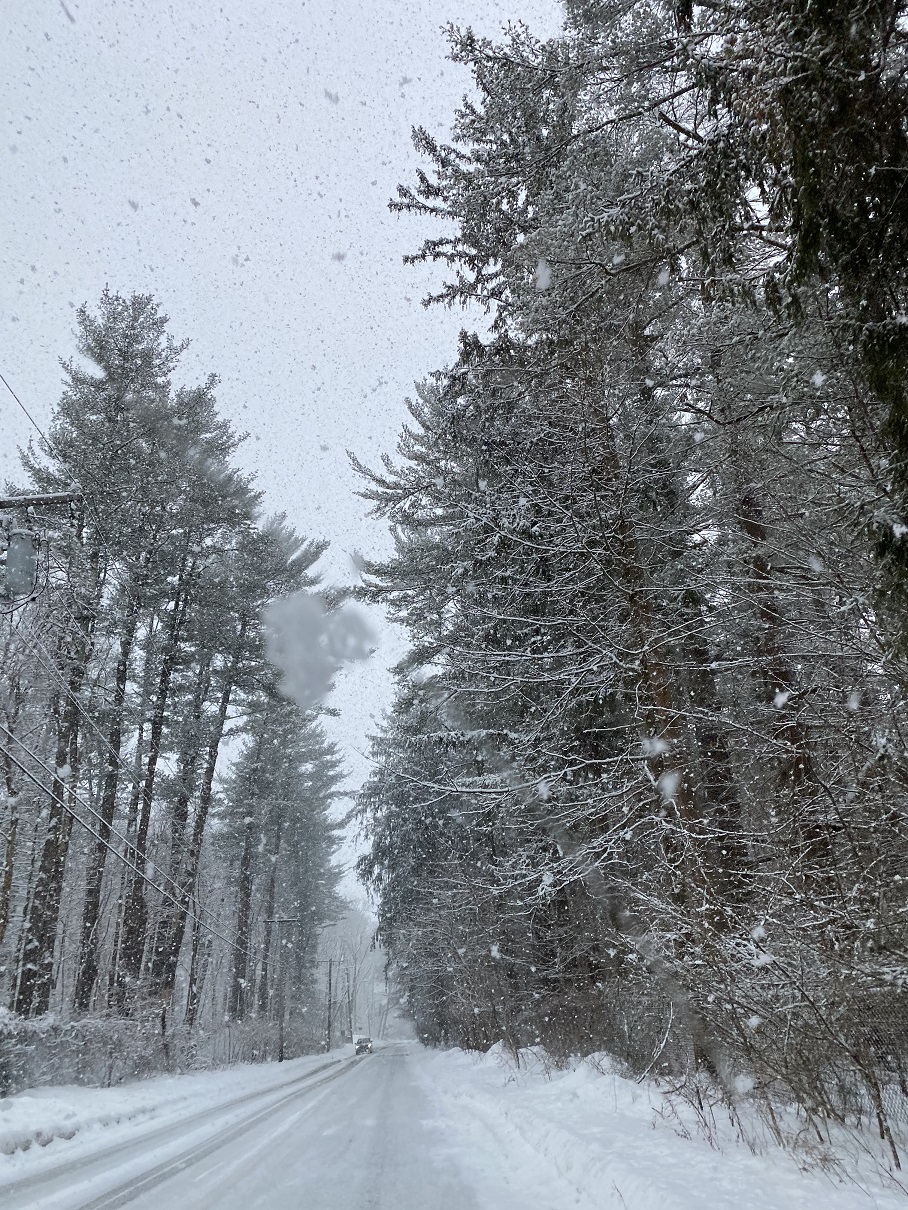
About 2 weeks ago, we had a pleasure of a beautiful snowfall – there was worrying wind afterward, but luckily, the power stayed. I want to share with you the beauty of the snow – we took a little drive around and really enjoyed the show. And then the sun showed up and made everything even better. Enjoy!





Wednesday’s Meritage #156
Meritage time!
Once again I’m starting with Open That Bottle Night. February 27th, rain, snow, or shine, will be the time to open that special bottle. If you are not familiar with Open That Bottle Night, please check the previous issue of Meritage or this post. I plan to have a virtual OTBN with friends – anyone who is interested in joining, please send me a message (email, Twitter, Insta – all work), and I will let you know how to connect. Now, I need to make up my own mind and decide what I’m going to open – easier said than done, believe me.
Next, in a bit of a “local news”, I would like to promote the series of posts which I had been running for a long time on this blog – the wine quizzes. These wine quizzes used to be a weekly endeavor until they became just a few a year and then stopped completely. I restarted the series about half a year ago, with the hope of posting a new quiz once every two weeks. I had a number of the wine quiz themes over the years, with one of my favorites asking the readers to identify the wine producer by the image of the top of the bottle – foil, cork, or wax – here is an example of such a quiz. But now I have a new twist on that theme, asking the readers to identify the producers by the fragment of the image of the label, which should be easier than doing it using the bottle tops. Here is an example of such a new quiz. So all I want to do is to encourage all of you who are reading this right now to give it a try – you have nothing to lose!
And now, for the real, global wine news, how about some global wines, or maybe rather “Wines of the World”? It appears that Penfolds, one of the most iconic Australian wine producers (Grange, anyone?), just unveiled the line of California wines. The wines are made from the grapes coming from the vineyards in Napa, Sonoma, and Paso Robles. Continuing Penfolds naming tradition, the wines are identified by the bin numbers, starting from Bin 600 Cabernet-Shiraz, priced at $50, and going to the flagship Quantum Bin 98 Cabernet Sauvignon at $700 per bottle. The top two wines, Quantum Bin 98 and Bin 149 have some of the Australian wine as part of the blend, hence the “Wine of the World” moniker. For more details, you can read the whole story in the Wine Spectator here.
That’s all I have for you today. The glass is empty, but the refill is on the way. Cheers!
A Perfect Perfection
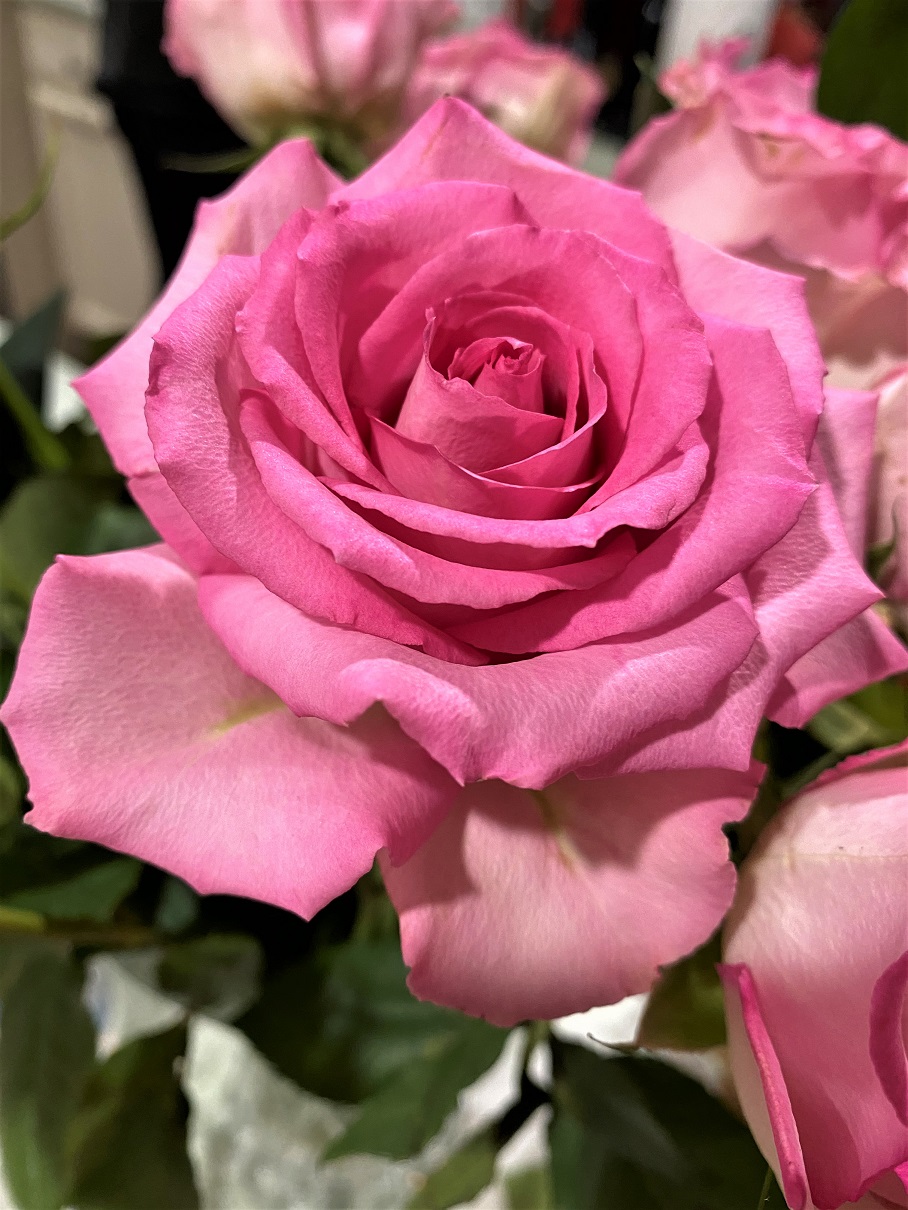 Yes, I know. “Perfect Perfection”. The English language offers more than 170,000 words, and this “writer” can’t even come up with a decent title for the post. Shame on me.
And nevertheless, I insist on my choice of words. Let me tell my tale to see if this will make sense to you too.
Valentine’s Day is a very personable holiday, loved by some, and hated by others. Many years ago, we decided that it will be simply a family holiday for us (no restaurant Prix Fix menus and back to back sitting), which translates into an opportunity to cook and – it is a special holiday, after all – open a special bottle of wine.
A special bottle of wine means a special selection process. “Special selection process” usually means trouble – going from a wine fridge to a wine fridge, opening the door, pulling the shelf, looking at the bottles, pulling another shelf out, still not finding anything appropriate, and repeating until full exhaustion. For this dinner, however, a choice of the main dish greatly simplified the process.
In this house, special dinners are often associated with the steak. Such was this Valentine’s Day – New York strip was acquired and ready to be cooked. Many wines can play well with the steak, but in simple terms, steak needs Cabernet Sauvignon or a Cabernet Sauvignon blend. With that in mind, choosing the wine was almost easy and straightforward – California Bordeaux-style blend with a nice age almost popped into my hand on its own.
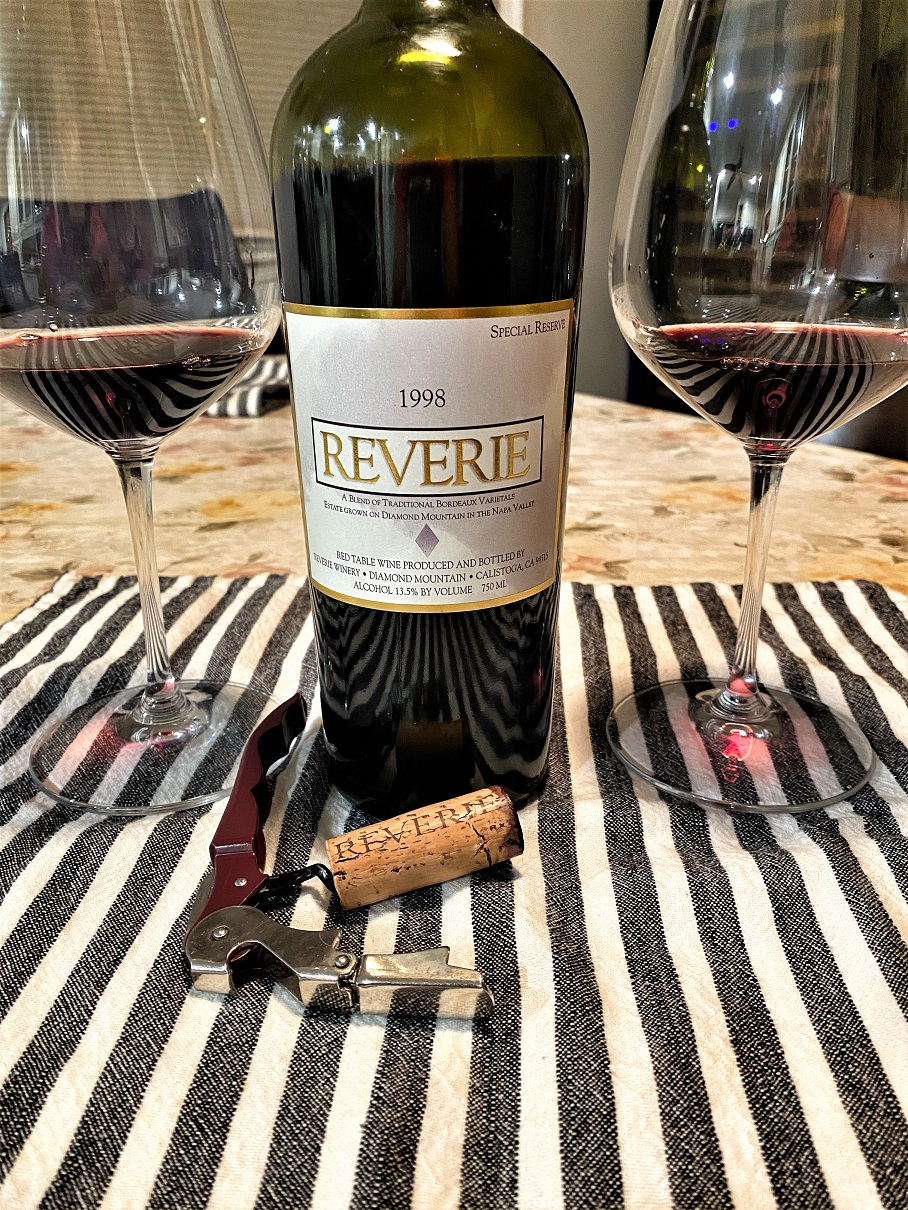 I never had this wine before. While looking for the 1998 wines to buy (birth year of my son) at the Benchmark Wine, I came across this 1998 Reverie Special Reserve Meritage as it was described. At $30, 22 years old unknown wine from California sounds like a risk I was willing to take (so far, I didn’t miss – “knock on wood” – even a single time buying aged wines from Benchmark Wine, everything was tasty and perfectly drinkable). In the wine fridge, this wine was laying on one of the first shelves I pulled out, and the inner voice quickly said “this is it” – I decided not to argue.
I had the wine warm up a bit before opening it. About an hour and a half before our decided dinner time, I carefully pulled out the cork – I had quite a few corks crumbled almost to the dust on me lately, so was extra careful pulling this one out. To my delight, the cork came out in a perfect shape, practically intact.
The first whiff of this 1998 Reverie Special Reserve Diamond Mountain (13.5% ABV, blend of Cabernet Sauvignon, Cabernet Franc, and Petite Verdot, aged in 100% new small French oak barrels) simply suggested taking a sip immediately. The wine had aromas of cassis and mint, a pure, classic, beautiful Cabernet Sauvignon profile. The palate followed almost in the impossibly perfect way. Cassis, mint, and eucalyptus, all in pristine, perfect, form. There was nothing extra in that sip – it was perfectly round, perfectly smooth, with just enough acidity, with just enough of the tannins, with just enough of the fruit. A perfect, perfect, perfect balance, an absolute harmony which is not easy to find – the one which puts a stupid smile on your face. Yep, that’s how good the wine was.
Our impressions seemed to match perfectly with what the back label said: “we only designate the blend made from the best lots of the traditional Bordeaux varietals as Special Reserve when we believe the wine is extraordinary. We believe this wine is worthy of that designation. We are incredibly proud of this very limited release wine and know you will also enjoy it immensely. A wine this fine should be saved for a special occasion and enjoyed with the finest cuisine and good friends”. It is rare to find a back label to be spot on describing the wine – but in the case of this special Reserve, this was a complete success.


I don’t think my pan-seared steak belonged to the finest cuisine category – but at least it was not burnt and raw at the same time – and it paired very well with the wine. We also made special potatoes in the air fryer and oven-roasted asparagus came out super-tasty (from now on, this might be the only way I will cook asparagus).
This is my story of the perfect wine experience – truly at the level which will be hard to replicate. What are your “perfect wine” stories?
Wine Quiz #134 – How Well Do You Know Your Wines?
The Wine Quiz series is not meant to intimidate. The whole idea here is to have fun and learn something new. When answering the questions, it is fully encouraged to use all available sources of information, including Google or any other search engine. There are no embarrassing answers – the most embarrassing thing is not giving it a try…
Welcome to the weekend and your new wine quiz!
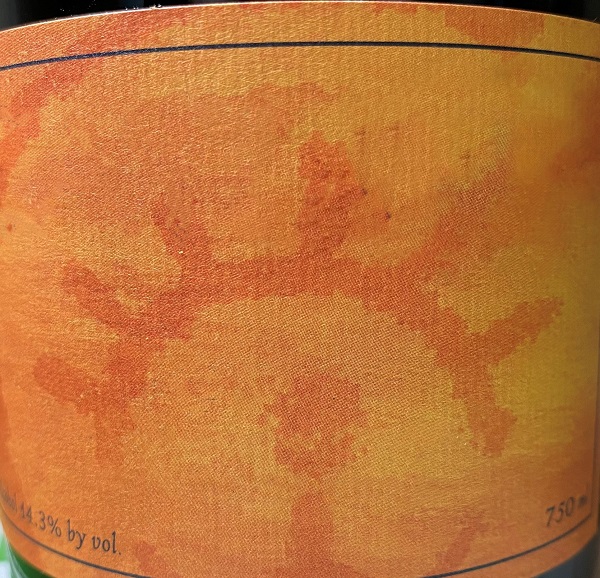
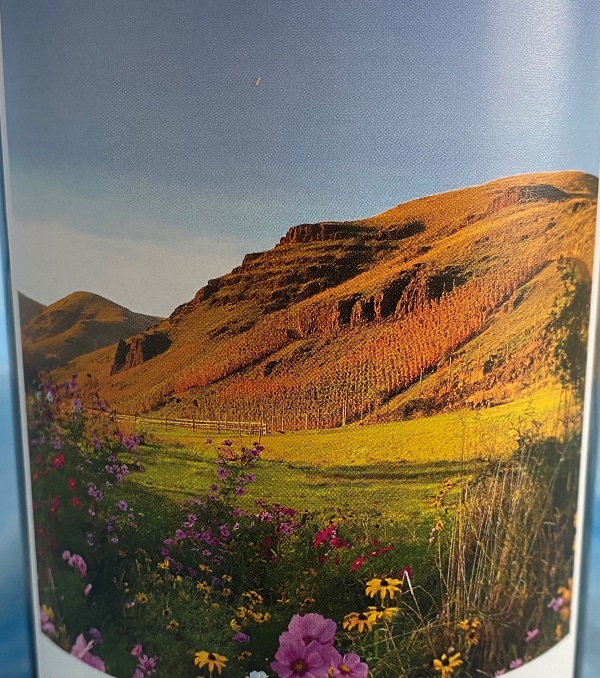
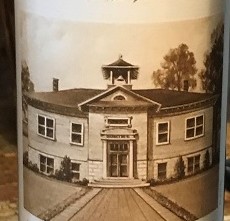
Let’s start with the answers to the last quiz #133. That was the first quiz in the new series, where instead of identifying the wines by the top foil or the top of the cork, I’m now asking you to identify the producers by the fragment of the wine label. I’m making an effort to make sure that the label fragment will be telling enough to allow for the producer to be identified. Here are the same pictures, now with the producers identified (point to the picture to see):


As I suggested in the last quiz, all of these producers and wines can be called iconic, and they all come from the same region – California.
Now, I”m happy to say that there were more players this time, and even more importantly, we have a winner – Zak correctly identified all 6 producers, so he gets the unlimited bragging rights. Mika correctly identified 3 producers, so he definitely gets an honorable mention.
This week, I’m offering you another set of 6 fragments of the wine labels, with the same set of hints – all wines come from the same region, and all are quite famous/iconic (some might be hard to find, though).
Here we go:
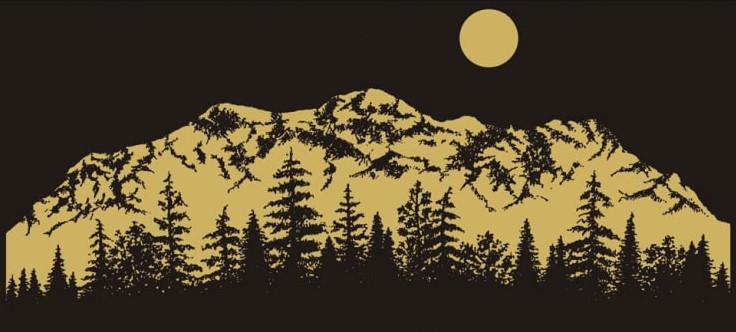
1.
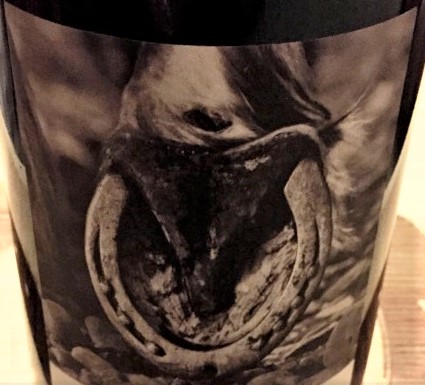
2. 
3.
4.
5.
6.
Good luck, enjoy the quiz and enjoy your weekend! Cheers!
Wednesday’s Meritage #155
Meritage time!
I know it is somewhat early, but let’s start with one of my most favorite wine events of the year – OTBN. We are in February already, and that means that OTBN – Open That Bottle Night – is around the corner. OTBN is an event which is more than 20 years old, invented by Dorothy Gaiter and John Brecher, wine writers behind the “Tastings” column in Wall Street Journal, to help wine lovers to part with those special, cherished, treasured bottles which all of us try to hold on to for as long as possible – and thus often missing an opportunity to drink the wine at its prime. OTBN is celebrated on the last Saturday in February – February 27 this year.
For many years now OTBN had been an important event in my book, as I’m unquestionably one of those hoarders who can never decide on the right time to open the special bottle. Celebrating OTBN paved the way to experience some truly special bottles such as the 1982 Olga Raffault Chinon or 1999 Soldera Brunello. This year, however, will be very different, as it is hard to get together in person. So I would like to suggest that whoever wants to join the virtual OTBN celebration on February 27, please send me a note (you can use the Contact Me form, email, or DM on Twitter) so I will be able to get you a meeting invite closer to the date. And you can already start thinking about that special bottle you will pull from your cellar to celebrate OTBN 2021.
OTBN only happens once a year, but then if you need help deciding what to open, you can turn your attention to the “grape holidays”, as I like to call them – a celebration of individual grapes that are taking place throughout the year. To help you keep track and make sure none of the grapes will be upset with you, here you can find a full list of the dates and grapes to celebrate. Actually, I already missed the Furmint day on February 1st, so yeah, time to focus…
A few more interesting tidbits. James Suckling published the list of all 100 and 99 points wines from 2020. There are 133 wines on the list, 52 of them are 100 points, and 81 are rated at 99. In order to see all the tasting notes you need to be a subscriber, but the list itself is available for free.
On an unrelated note, Wine Spectator produced a video introducing the Spanish wine region of Cariñena, the second oldest winemaking region in Spain and “the region to watch”. The video is short but contains a good amount of information about the history of the region, grapes, winemaking, and more.
That’s all I have for you today. The glass is empty, but the refill is on the way. Cheers!
Daily Glass: Vinous Vino
This post could’ve been filed under lots of different titles – “confusion of the oenophile”, “beautiful labels”, “how mistakes are made”, “one has to pay attention”, and I’m sure many others.
The story here is rather simple. I saw the wine on the Last Bottle offered at $26. If you ever saw the Last Bottle offer descriptions, it is full of exclamation marks, explanations that they never had the wine like that before and their collective socks were blown away the second they smelled the wine, and the wine will be gone before anyone can even say the name of the wine which is offered. I really can’t pay attention to the text like that, so with a quick glance, I established that this was a Tempranillo wine from Spain, and it was produced by Elias Mora. When reading every other word or less, mistakes are bound to happen. Somehow, my brain transformed Elias Mora into Emilio Moro, one of the very best producers in the Ribera Del Duero region, and at $26 with 4 bottles to buy to get free shipping and $30 of available credit, that sounded like a great deal, so I quickly completed the purchase.
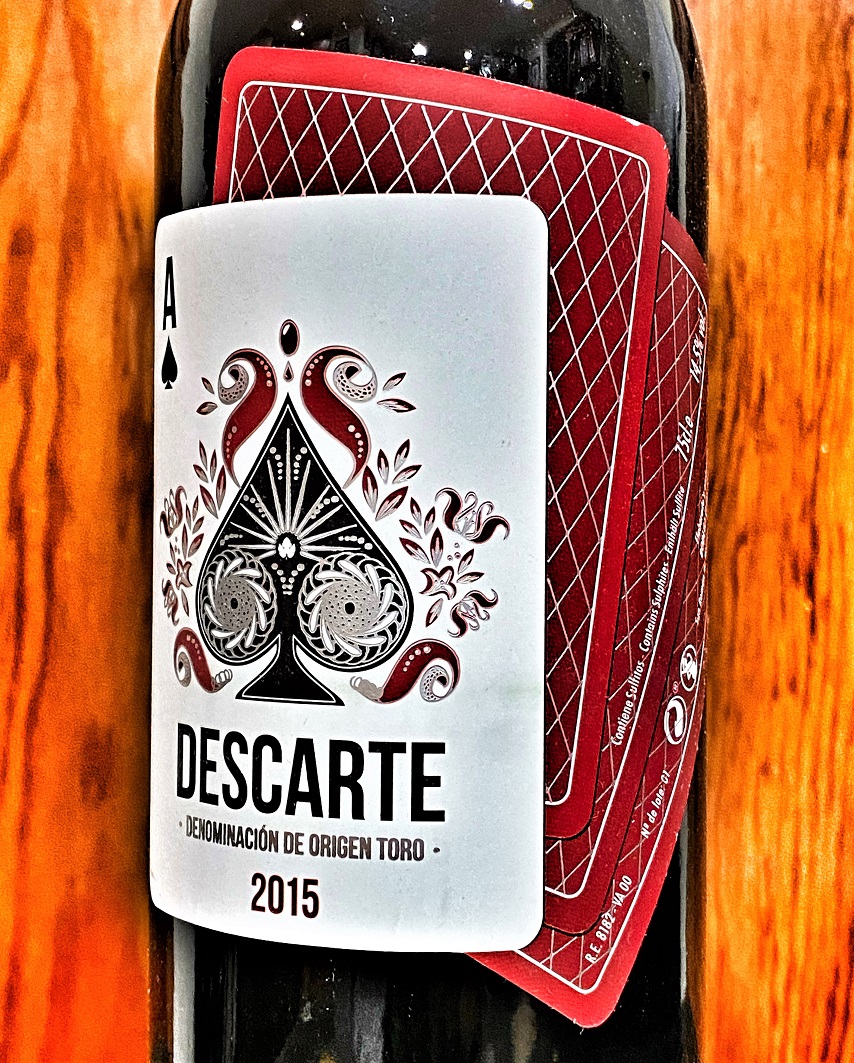
When the wine arrived, first I admired a beautiful label. I don’t know what you think, but to me, this is one of the most beautiful and creative labels I ever saw. Then I noticed the word Toro on the label, which made me instantly question what I have done, as Emilio Moro doesn’t produce wines in Toro. I quickly realized that while the label is beautiful, I have no way to relate to the content of the bottle, except knowing that it is a Tempranillo from the Toro region.
Tempranillo is one of the most popular red grapes in Spain, and while Tempranillo wines are produced absolutely everywhere, it is Rioja and Ribera Del Duero which make Spanish Tempranillo famous. In addition to Rioja and Ribera Del Duero, Toro is the third Tempranillo-focused region. Tempranillo is often called Ink of Toro in the Toro region, and it might be slightly a different clonal variation of Tempranillo, similar to Sangiovese in Chianti and Sangiovese Grosso in Brunello. Compared to a typical Rioja or Ribera del Duero renditions, Toro always packs a lot more power into that same Tempranillo-based wine and typically needs time to mellow out.
I tried to find out if Elias Mora and Emilio Moro might be related in any way, but the Elias Mora website offers little to no information about the history of the estate, primarily focusing on just selling the wine. I also tried to no avail learn the idea behind the unique and creative label – the wine description provides technical details but no explanation whatsoever why the bottle is decorated with an elaborate image of playing cards – of course, it matches the name “Descarte”, but I’m sure there should be something deeper there (if you know the story, I would greatly appreciate a comment).
Now, most importantly – how was the 2015 Elias Mora Descarte Toro DO (14.5% ABV, 12 months in French oak, comes from the plot of 50 years old vines)? It was a typical Toro wine. On the first day after opening, I had nothing but regrets about buying this wine. Freshly opened Toro is just too much for my palate. It is literally an espresso, made from the darkest roast and in the tiniest amount – if you enjoy that powerful punch, you should try a young Toro wine. If you don’t, and you are opening a bottle of Toro, decanter might be of help. On the third day, however, my first sip instantly generated the “vinous vino” words in my mind, so I needed not to worry about the title of this post. The wine transformed into the medley of the dark fruit, perfect aromatics of the wine cellar, cedar, eucalyptus, now just a touch of espresso instead of the whole ristretto shot, clean acidity, and delicious, perfectly balanced, finish. (Drinkability: 8)
There you are, my friends. If you will see this wine, you can definitely buy a few bottles, preferably to forget them in your cellar for the next 5-10 years. And take your time to read wine descriptions – or not, as life might be more fun if you don’t. Cheers!
Wine Quiz #133 – How Well Do You Know Your Wines?
The Wine Quiz series is not meant to intimidate. The whole idea here is to have fun and learn something new. When answering the questions, it is fully encouraged to use all available sources of information, including Google or any other search engine. There are no embarrassing answers – the most embarrassing thing is not giving it a try…
Welcome to the weekend and your new wine quiz!
Let’s start with the answers to the last quiz #132. In that quiz, you were given a set of pictures of the top of the bottles and you were supposed to identify the producers. Here are the same pictures, now with the producers identified (point to the picture to see):


We didn’t have a lot of players, but Zak did extremely well correctly identifying 5 out of 6 producers, so he gets the honorable mention and unlimited bragging rights which come with it.
At the moment, I don’t have a new set of pictures of wine bottle tops to play another round, so I decided to start a variation of this game and turn your attention to something which might be easier to identify – the labels themselves.
For all of us, wine geeks, lovers, and aficionados, labels are special. It is often enough to have a glimpse of color, lettering, or an image, to be able to instantly identify the producer, the winery, or maybe even the wine. So below you will find images of fragments of the labels, which hopefully will be enough for you to identify the producers.
Let’s go:
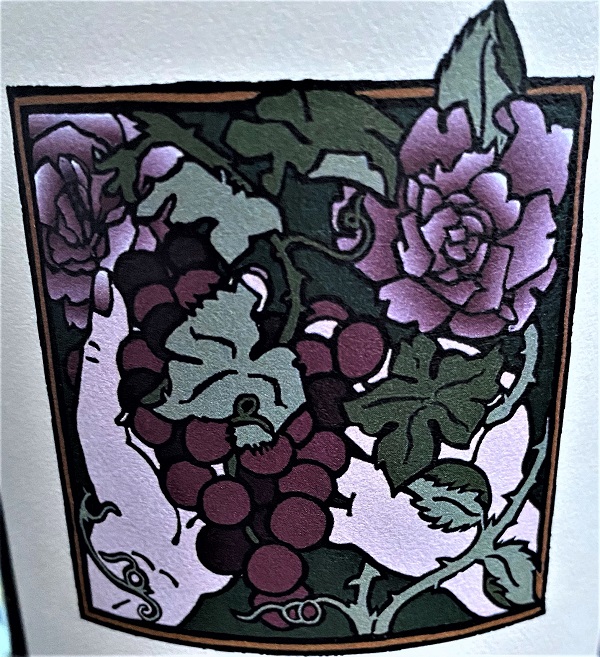
1.
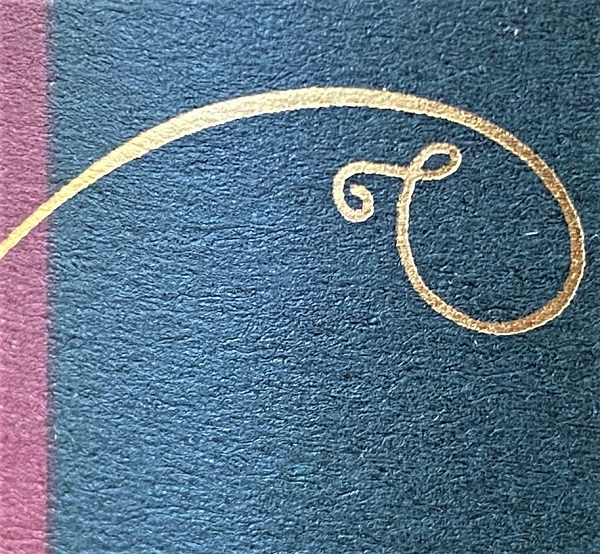
2.
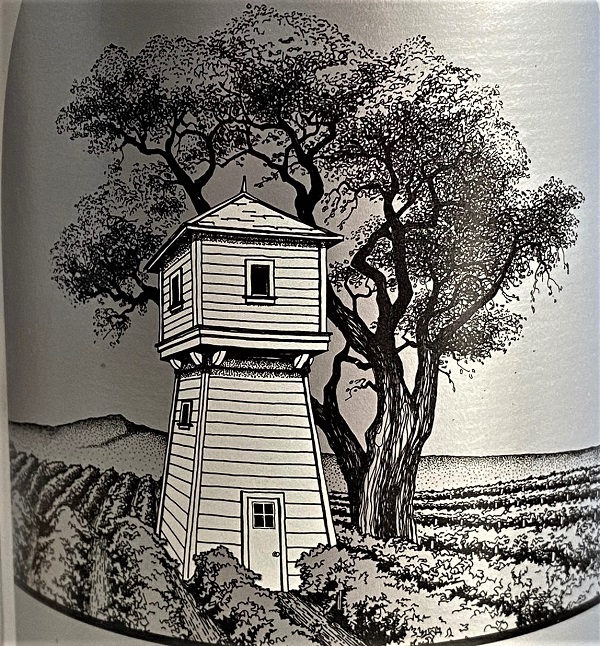
3.
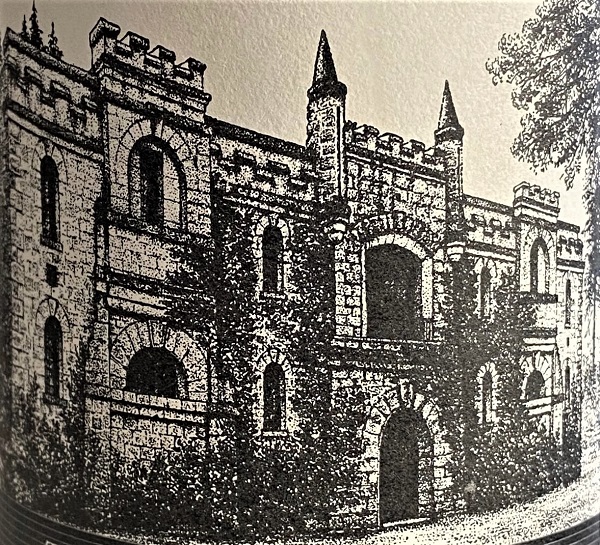
4.
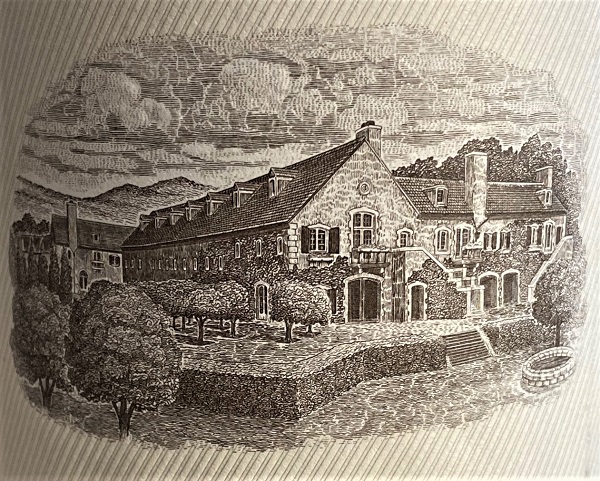
5.
6.
All of these wines can be called iconic, and they come from the same region – these are all the hints I can offer. But I expect many of you to do very well with this quiz.
Good luck, enjoy the quiz and enjoy your weekend! Cheers!
Local, and World Class
Today I want to talk about world-class, local wines. Let’s first agree on definitions – feel free to disagree, but at least I will explain my logic.
Local is an easy one. Yes, we are talking about wineries. Living in southern Connecticut, I look at the wineries in Connecticut, New York, and New Jersey as local. Any winery I can drive to in one sitting I would consider being a local winery. This might be pushing it a bit – both New York and New Jersey are big states, but then while I live in Connecticut, it would take me only 15 minutes without a highway to reach New York state, so yeah, New York is local.
World-class might be a bit harder to define in an agreeable fashion. What constitutes a world-class wine? Tasty, delicious, high-quality – all very important, but I would dare to offer slightly a different characteristic to be the most important for the world-class wine – the wine should be identifiable. What I mean is that if the label says “Riesling”, I want the content of the bottle to show at least some resemblance of Riesling – honeysuckle, honeycomb, honey, petrol – something should help you say “yes, this is Riesling”. If the label says “Chardonnay”, I really need to find that vanilla, apple, butter, gunflint to say that this is the world-class wine. I don’t need all of the “characteristic traits” to be present – not all Chardonnays exhibit those buttery undertones – but still, some of the expected aromatics and flavors should be there. Of course, if I don’t have a frame of reference for a particular grape – let’s say, Trepat, Bobal, Schiava – my declaration of “would-class” would be based solely on the taste profile – but this is a whole other subject we can ponder at some other time.
So why are we talking about local and world-class? I have a winery I want to offer to you as a perfect example of both – it is local, and it makes world-class wines.
Ravines Wine Cellars was established in 2001 in the Finger Lakes area of New York state, close to Keuka lake. The name of the winery comes from the fact that the first 16 acres vineyard was located between two ravines, which are widespread around all the lakes in the Finger Lakes area. Today, Ravines Wine Cellars sustainably farms 130 acres of the vineyards in prime proximity to Seneca and Keuka lakes (prime proximity is important – close proximity to the lake protects the vineyard from the harsh weather) and has close relationships with a number of growers in the region. Morten Hallgren, who owns the winery together with his wife (and Chef) Lisa is a French classically trained winemaker, and this is something you can clearly see reflected in his wines. I had an opportunity to try 3 samples of the Ravines Wine Cellars wines, and all three greatly exceeded my expectations.

Here are the notes:
2017 Ravines Dry Riesling Finger Lakes, NY (12.5% ABV, $17.95) – I had my share of bad East Coast Rieslings, so I always have a bit of trepidation trying our “local” Riesling. In the case of Ravines Riesling, my worries dissipated with the very first sniff and sip – a classic, German-style, lean, crisp, perfectly acidic with a touch of a fresh honey note. It was perfectly German-like in its presentation, and textbook delicious. (8/8+)
2017 Ravines Chardonnay Finger Lakes, NY (12.5% ABV, $19.95) – yet another surprise. I had some decent New York Chardonnays (Tousey comes to mind), but New York is not known for its Chardonnay, so everything is possible. Again, I needed not to worry about this wine. Beautiful nose of apples and vanilla, minerally driven and restrained – more of apple and vanilla on the palate, a distant hint of butter, crisp and delicious overall. (8)
2017 Ravines Maximilien Finger Lakes, NY (13% ABV, $24.95, 46% Cabernet Sauvignon, 54% Merlot) – yes, you got it – a surprise number 3. In the blind tasting, I would place the wine in Bordeaux and would be very proud of how well I did. A touch of cassis, a warm dark fruit profile, the same on the palate – round, smooth, cassis, eucalyptus, warm spices, good acidity, perfect balance, medium-long finish – another textbook wine. (8)
Here you are – three excellent, textbook quality, world-class wines from the local (5 hours drive) winery, with excellent QPR – you do get a lot of wine for your money, even at retail prices. How are your local wines? Do you agree with my definition of world-class?
Twelve out of Twelve
I don’t know about you, but I love trying new wines, the wines I never had before. When I’m in the wine store, I like to take a slow walk and look for the wines which look interesting enough to try – the region I trust, cool label, and maybe most importantly, reasonably priced.
Value is an interesting concept, for sure when it comes to wine. Wine values can be absolute and relative. Wine under $10 represents an absolute value, especially if it is a tasty wine. This applies to both known and unknown wines – Bogle Petite Sirah, which would be well known in my book, is an example of such an absolute value, always priced close to the $10, and always tasty. But even if I don’t know the wine, $10 for a bottle which hopefully will be tasty is still a good value.
When it comes to the wines you know, and most importantly, desire, the concept of value becomes relative – a $100 bottle of wine is still not cheap at $50 on sale or closeout, but it is a tremendous value.
So, let’s get back to that store where we are looking for the new wines to try, preferably in the absolute value category. Let’s say we will get a case of 12 different wines to try. What are the chances of you liking and enjoying all twelve wines? It is a possibility, but from my personal experience, the chances are not very high. Based on my experience I usually would really enjoy 3-4 bottles and I will be okay with another 3 or 4, and I would wish that I never bought the rest.
Now, let’s take this exercise to the next level. What if you will give a stranger $150, and ask him or her to surprise you with a case of 12 different bottles – how would you estimate your chances then? How many bottles would you possibly like out of the box of 12?
I recently conducted such an experiment. Okay, we can say that it was a stranger, but this stranger was a wine pro – but still, the wine pro who knows nothing about your preferences. How do I mean it? My stranger was the Last Bottle Wines, a so-called wine flash sale site. Last Bottle folks always run special events, usually called Marathons, especially around the holidays. Last Halloween, Last Bottle Wines offered a number of mystery cases – you have no idea what will be inside, you can only know that you will pay X for something which otherwise would be 2.5X or 3X. I was lucky enough to see the $144 mystery case offer and to pull the plug without much thought. How lucky? See the title of this post – that’s how.

Twelve out of twelve. Believe it or not, but I enjoyed every one of those bottles. Each one was delicious, and I would happily buy each one again, especially if offered at $12 – this was the actual price per bottle in my mystery case.
This mystery case was just perfect for someone who always wants to try something new. 12 different bottles, 7 from the USA (California, Washington, Oregon), 5 from around the world (3 from France, 1 from Spain, and 1 from Chile). I enjoyed two bottles with Thanksgiving dinner, and I just opened the last bottle a few days ago, so now I can share the experience. I still had a bit of trepidation opening the new bottle – what if the luck will break – but it didn’t. Twelve out of twelve. Each one delicious, and worth drinking again. Take a look at my notes:
2016 Brassfield Estate Eruption Volcano Ridge Vineyard High Valley Appellation (14.8% ABV, blend of Malbec, Syrah, Zinfandel, Petite Sirah, and Mourvèdre)
Outstanding – inviting nose, red and black fruit, eucalyptus, full body, drinkable from the get-go, excellent overall (8+)
2017 Domaine l’Abbé Dîne Côtes du Rhône (14.5% ABV, 80% Grenache (vines planted in the 1960s), 18% Syrah, 2% Mourvèdre) delicious from the get-go. Bigger body than a typical Cotes du Rhone, red fruit, soft, voluptuous and sexy, roll-of-the-tongue smooth, perfect balance. Another delicious and easy to drink wine (8+).
2016 Bodegas Patrocinio Zinio 200 Rioja Alta DOC (14% ABV, 90% Tempranillo, 10% Graciano) – restrained and earthy. A bit too restrained for my Rioja preferences, but still very characteristic of Rioja with cedar box, red fruit, and eucalyptus. Needs time (8-)
2018 Azur Rosé California (12.5% ABV, blend of Grenache, Syrah, a blend of Napa and other appellations) – beautiful pale pink color with copper undertones, strawberries on the nose, hint of strawberries with lemon undertone on the palate, the second day showing mostly crisp and vibrant acidity. Elegant, Provence-like as advertised. (8)
2017 Casino Mine Ranch Vermentino Shenandoah Valley, California (14.1% ABV) – never had wines from Shenandoah Valley. Delicious. Nose resembling classic Gewurztraminer, with honeysuckle and white stone fruit. The palate is fresh, vibrant, a good amount of fruitiness, well supported by acidity, perfectly balanced. Perfectly passes my white wine excellence test – delicious from the fridge, but also delicious at room temperature. (8+)
2017 Chateau Perbal Cabernet Sauvignon Family Selection Central Valley, Chile (14% ABV) – a big surprise. I typically consider that I can easily identify Chilean Cabernet Sauvignon by a substantial green component (pyrazines, bell pepper) – this wine had none. Round, smooth, touch of cassis, eucalyptus, mint – easy to drink and delicious. (8)

2016 Belle Fiore Winery Cabernet Sauvignon Rogue valley Oregon (14.5% ABV) – never had before Cabernet Sauvignon from Oregon. Elegant, classic, cassis, eucalyptus, anise, round, soft tannins, good acidity, perfect balance – excellent overall. (8/8+)
2019 Domaine La Milliere Ceielles Vignes Côtes du Rhône AOC (15% ABV) – clearly a young wine at first, bursts with the freshly crushed berries, but settles down into round, open, easy to drink wine – raspberries and blueberries, a touch of herbs, easy to drink. (8-)
2017 Theorize Zinfandel California (14.6% ABV) – a strange wine to a degree, almost a single note, but that single note delivers perfection – delicious sweet tobacco. Fresh, clean, good acidity, good balance, but that sweet tobacco is the theme, from the first drop to the last. This might not be the wine for everyone, but it is definitely the wine for me. (8)
2017 J. Wilkes Cabernet Sauvignon Paso Robles (14% ABV) – tart nose of dusty berries and herbs, clean, uplifting, fresh palate, the right amount of raspberries and blackberries, a touch of anise, easy to drink, inviting, delicious. (8)
2013 Beresan Winery The Buzz Yello Jacket Vineyard Walla Walla Valley (14.4% ABV, 30% Syrah, 30% Merlot, 25% Cabernet Franc, 10% Cabernet Sauvignon, 5% Malbec) – upon opening, the wine was a bit aggressive and disjointed. At the same time, it was a typical unapologetic Washington wine, but I was able to enjoy it only on the third day when it mellowed out and became more balanced and round. This can probably be solved with decanting (7+/8-)
2018 Chateau Beauregard Ducasse Graves AOC (13% ABV, 40% Sauvignon Blanc, 60% Semillon) – this wine was opened before its time. Closed on the first day just with some acidic notes, it beautifully blossomed on the second day, showing ripe apple, honeysuckle, nice creaminess, round and perfectly balanced. (8/8+)
Here you go, my friends – twelve out of twelve. How well do you score having someone picking the wines for you?
Last Bottle Sign Up ($10 credit)




 Talk-A-Vino