Can Wine Tasting Be Double Blind?
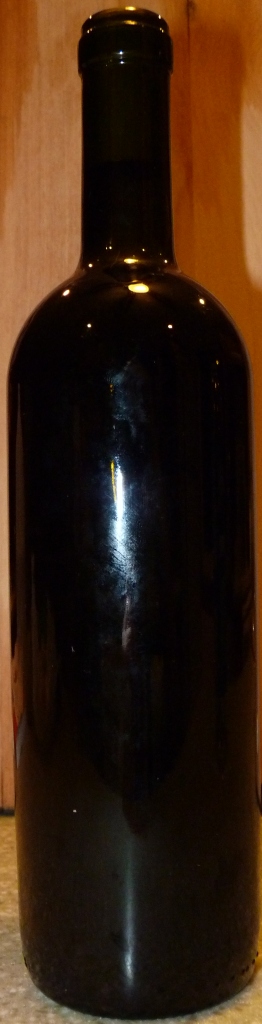 Can wine tasting be double-blind? You think this is a misnomer, right? Let me explain myself. The basic premise of the “blind” wine tasting is that the taster has no idea what is he or she is dealing with, and by using swirling, sniffing, gargling and any other techniques should identify grape (or grapes), the place where the wine was made, and ideally the producer and the year. For the example of amazing blind tasting I have to refer you to the movie Bottle Shock (if you are into wines, definitely worth watching).
In general, tasting wines 100% blind is rare. What I mean is that even in the case of the blind tasting, there are some limiting factors which help you to identify the wine. For instance, when the wines are tasted blind for Wine Spectator ratings, usually the territory and a year and well known (and the goal of the tasting is simply to rate the wines as good and bad, not to identify grapes and producer). Even when I was tasting the wines for the Certified Sommelier exam (for more info – see About section), it was known that there will be no Pinot Grigio in the glass and grape choices would be really limited.
So what would I call a double-blind wine tasting? I was asked to taste home made wine and provide my opinion. I was asked a number of times and couldn’t refuse. I do call this double-blind – all I know is that the wine is made at home of someone leaving in Connecticut, and I don’t even know if it is made out of grapes or may be berries? Of course the whole purpose of this exercise was only to say whether I like the wine or not (no need to identify producer and the year 🙂 ), but who doesn’t want to play detective in such a case? Yes, I want to guess the grapes, and I want to guess it right!
While sharing my detailed tasting notes is really useless, as absolute majority of my readers will never taste this wine, I would like to still share a short summary. First and foremost, I did like it! I honestly don’t classify myself as a wine snob – I would gladly drink two buck chuck, as long as it tastes good. But I had a lot of home-made wines before – they are all sweet concoctions, mostly made out of fruit with addition of powerful alcohols – so they really have nothing to do with actual grape wines. This wine actually looked, smelled and tasted good, so here my notes, for what it worth:
Color: dark garnet.
Nose: wine opened with freshly squeezed berries, like raspberries and blueberries, complemented by lime zest.
Palate: very nice fruit (again raspberries, blueberries, ripe plums, some tropical fruit – very unusual for red wine), complemented with vibrant acidity and good tannins.
As you can see, it is a description of a very nice wine – and it was very nice indeed. So was it perfect? Well, it took me some time to realize what this wine was lacking. It was lacking place. There was no notion of terroir, no earth and no minerals. This wine can be from anywhere (and being made in Connecticut, it definitely is). Again, the wine was very drinkable, and a lot of commercially made wine have no notion of place whatsoever – but I think this is something to note when tasting the wine, so here it is.
What would you put as a grape(s) under such description? My top guess is Zinfandel, and if not, my next guess is Syrah. I don’t know the right answer, and I promise to share it – once I will find out.
And as I mentioned before – blind tasting is fun! Get your friends together and play the wine detectives game – I guarantee you a great time!
The Story of an Apple Cake
Don’t worry, this will not be a story about apple wine. At the minimum, it will be about food and wine. So the weather was beautiful, and the apple-picking trip (almost an annual tradition in the fall) was inevitable, especially considering the free weekend day. Our favorite place to pick apples is Lyman Orchards in Middlefield, Connecticut. This place never disappoints – apples are good and abundant, and getting them off the trees is a lot of fun.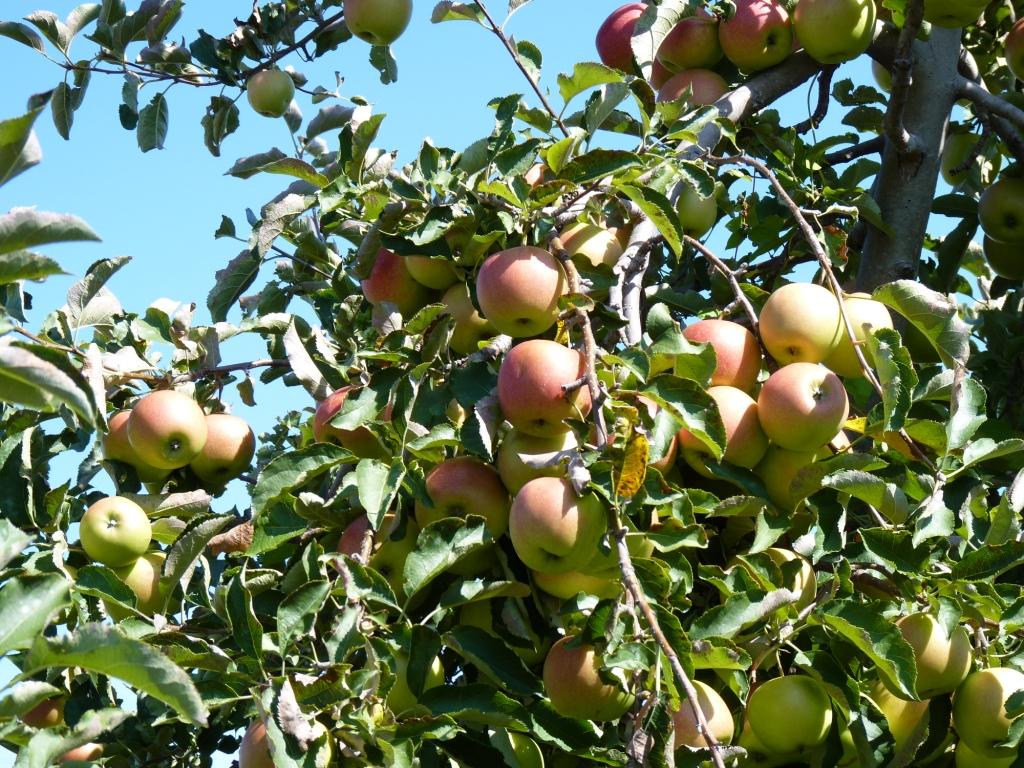 Once you have a lot of apples, what do you do? No, not wine. And for me – not an apple pie either. I don’t really like liquid pies, so my personal preference is an apple cake. How do you make an apple cake? Actually, quite easy. Here is the recipe:
4 apples (Granny Smith is the best as they are usually sour enough to stand against sweet dough)
3 eggs
1 cup of sugar
1 cup of flour
Cinnamon ( by the taste).
Butter to grease the pan
Bread crumbs
Core and peel the apples, and slice them thin. Make the dough: blend eggs first, then add sugar, and then flour. Make sure you end up with liquid and consistent dough. Meanwhile, preheat the oven to 425F.
Grease pan with butter and cover with bread crumbs. Bread crumbs should cover the bottom and walls of the pan. Remove excess bread crumbs. Your pan should look like this:
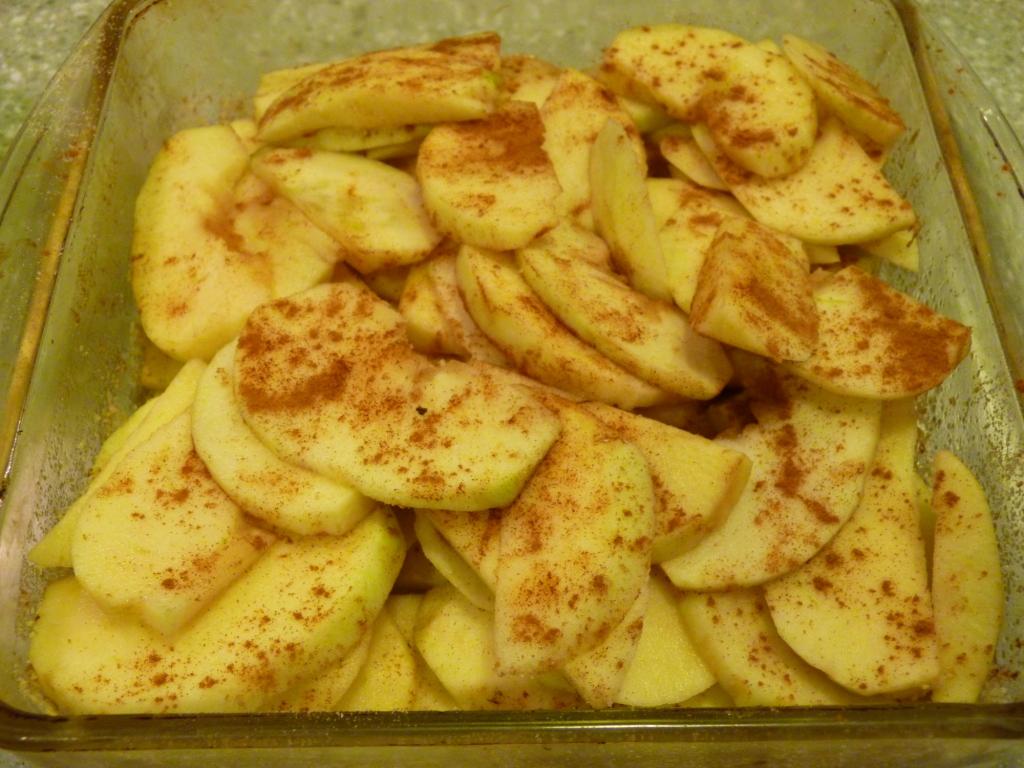
 Then, put sliced apples into the pan and sprinkle them with cinnamon (the amount of cinnamon goes by the taste):
The dough goes on top:
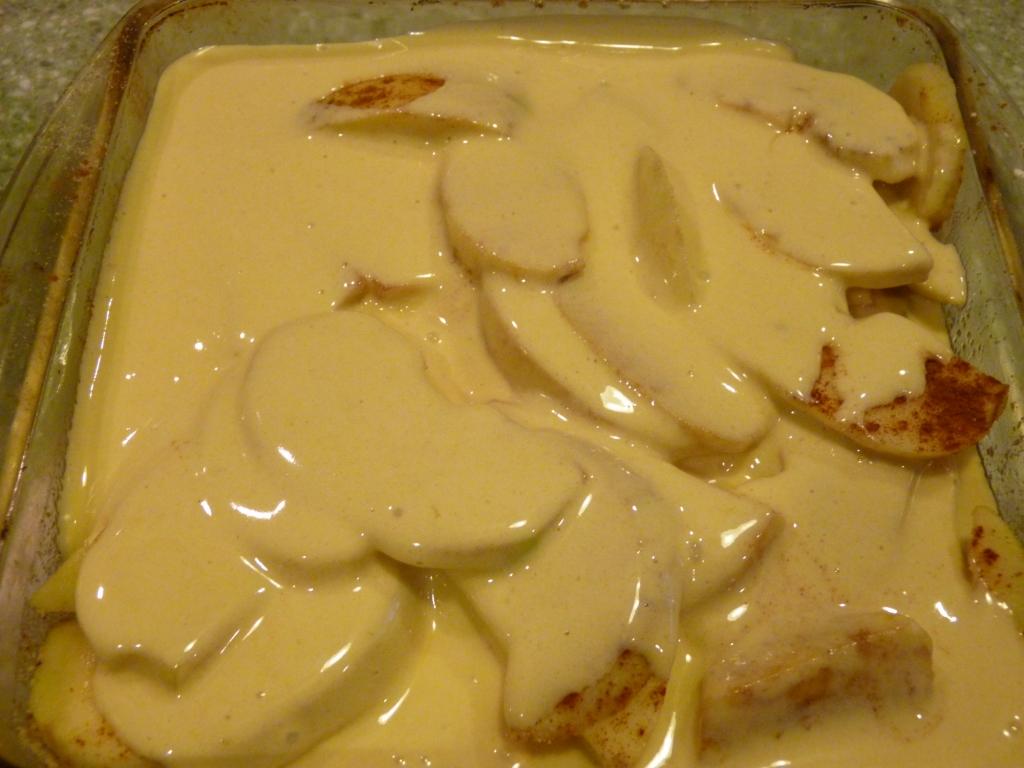
And then the pan goes in the oven:
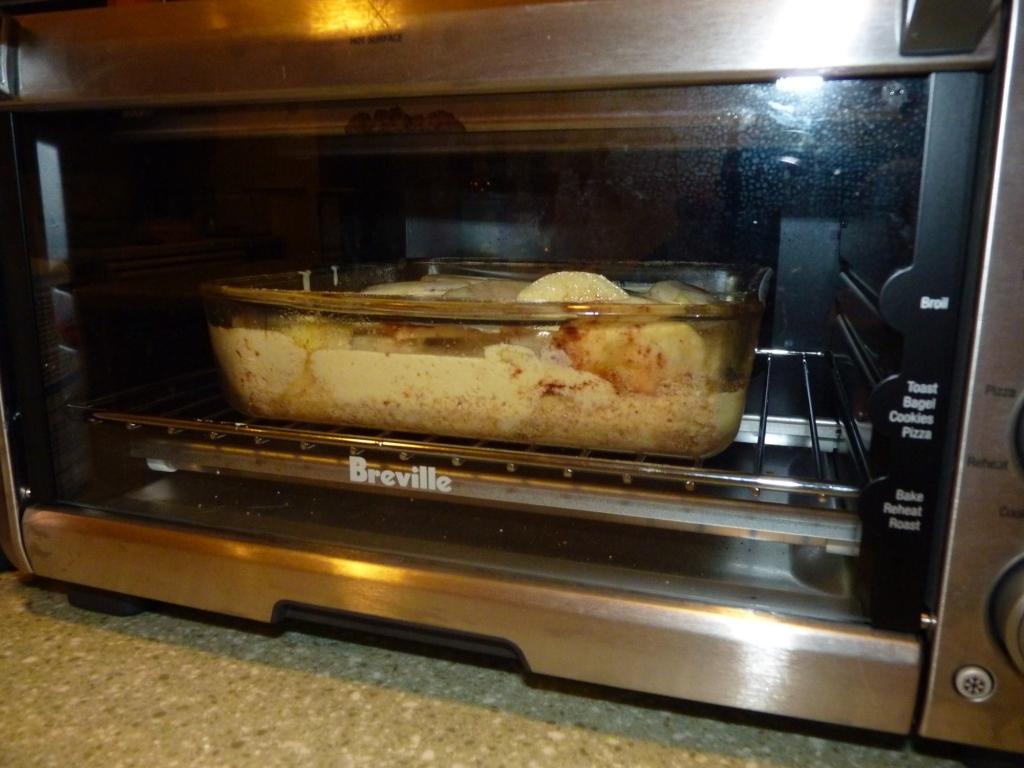
Bake it first for 15 minutes at 425F, then reduce the heat to 375F and continue for another 45 minutes or until the top is brown enough (you can check readiness with a wooden toothpick). DO NOT OPEN the oven until the end – you have to let the cake rise. At the end of the process, you end up with this:
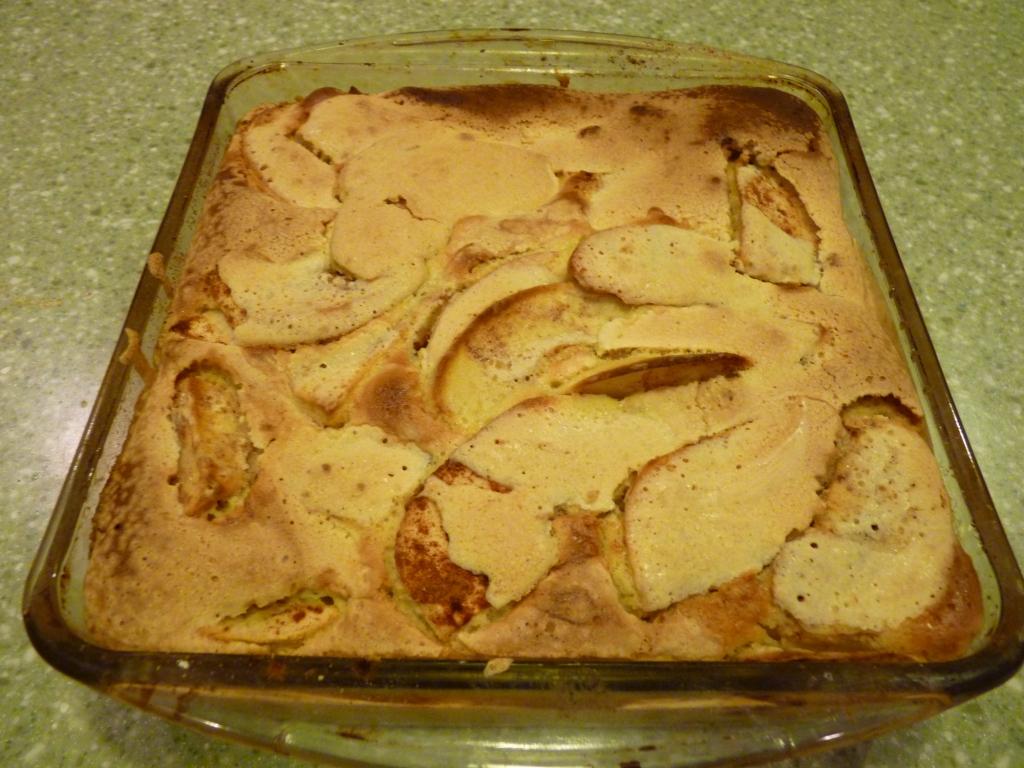
And this is the look inside:

Yep – Yummy!
Do you think this post is about food only? No, of course not. Yes, you can have this cake with ice cream, coffee, and/or tea. But this blog is about wine, so how about it? 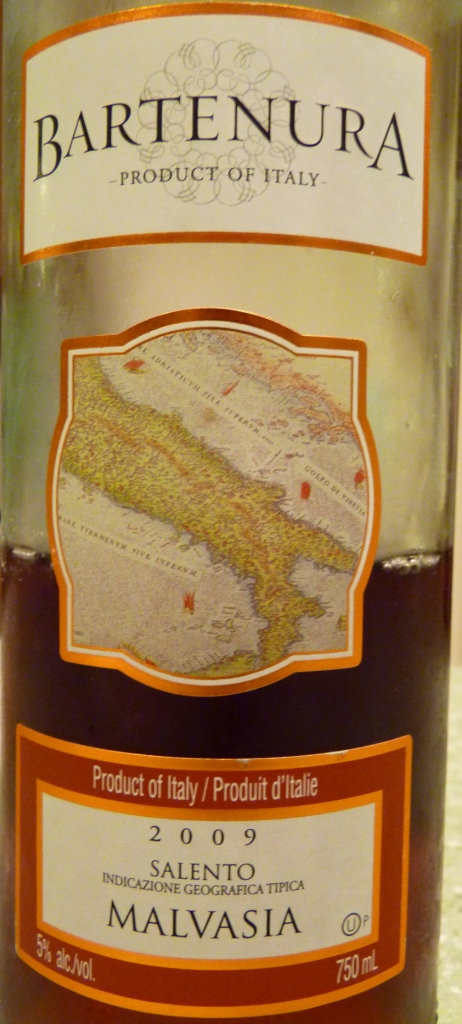 I’m glad to report that Bartenura Malvasia Salento IGT 2009 from Italy, a sweet, lightly fizzed wine worked quite well with that apple cake, complementing each other.
Here we are – tasty and very simple cake ( takes about an hour from start to finish) and simple easy wine – all together equal to a great and enjoyable evening.
Cheers!
P.S. By the way, what would you pair the apple cake with?
Experiences and Expectations
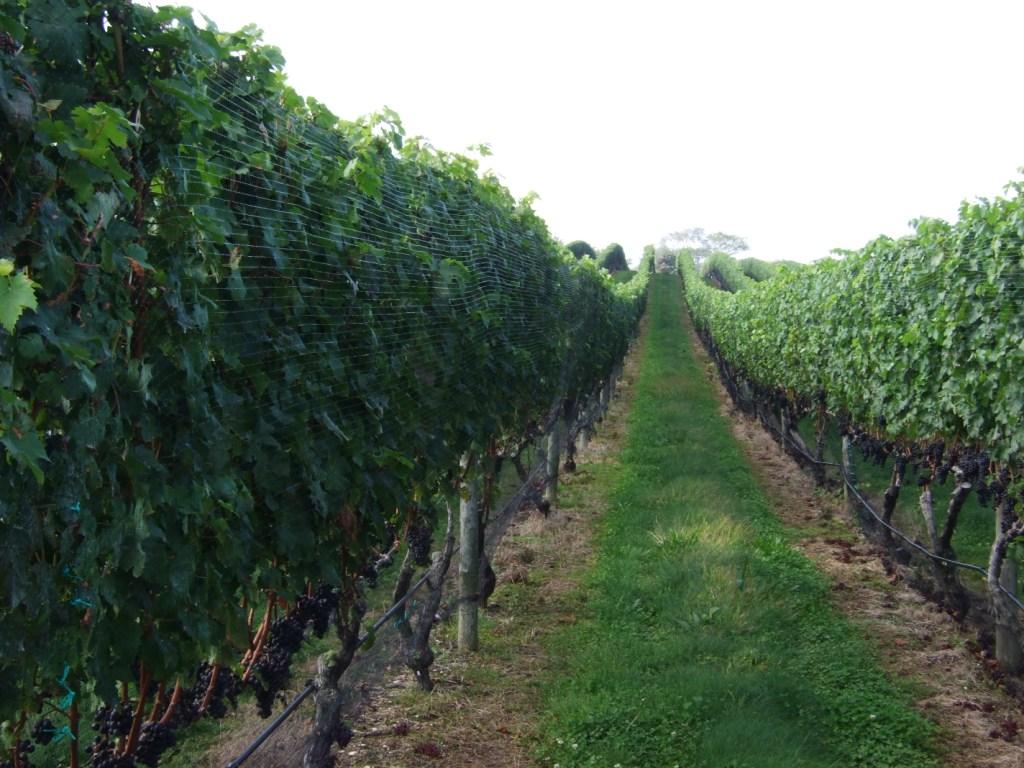 So far I had being talking about wine and food in this blog. As this blog’s short description puts it, it is about “Wine, food and life”. Of course food and wine are definitely part of our daily lives, so the blog’s promise on “life” is fulfilled, more or less by itself. However, after I read a very interesting article sent to me by Kfir Pravda, it really stroke the chord, so here comes the blog post. A life prospective through the glass, if you will.
The article is called “If Money Doesn’t Make You Happy Then You Probably Aren’t Spending It Right” (I really encourage everyone reading this blog to read the article – it definitely worth it). Money? Don’t worry – this blog is not changing into a financial publication. I don’t plan to give any financial advice, and I don’t know where the money tree is growing (if you know – can you please, please share with the rest of us?). The article itself is not talking about money or finances, it rather talks about happiness, and then looks at money as one of the popular means of achieving it (or not). Still don’t see a connection, with wine or with life? Just continue reading, please.
One of the first points of the article is “Buy experiences instead of things”. There is a great explanation on why it makes a lot of sense from point of view of achieving “happy” state and keeping it for longer. That concerns pretty much anything in life (two weeks trip through French country side will probably keep you happy much longer than having one tiny original French painting on your wall). Now, I hope you expect me to connect this to the wine. Quick question – can you experience Chateaux Margaux 2000 ($1000/bottle, try to find it), Vega Sicilia Unico 1968 ( about $1200/bottle, again good luck finding it), Krug Vintage 1996 ($300+, same good luck wish applies) and about hundred other wines, all without emptying your 401K ( like it’s not empty already)? If you said “yes”, you are correct. PJ Wine Grand Tasting in New York in the Fall of 2009 had all of those ( and many more) wines available for all the wine lovers. Ticket price – $144 per person. Paraphrasing MasterCard commercials, having long-lasting memory of tasting freshly made bread in the Krug or tremendous luscious layers of complexity in Chateaux Margaux – priceless. Yes, it is great to have that special bottle of wine in your own cellar. Considering realities of life and cost of college education ( sorry, personal pain point), it is not easy to have all the wines you want in the cellar – however, you can always find a solution. Going after experience can bring a lot more long-lasting happiness, especially comparing with owning THAT bottle of wine and having regrets about money spent as the main feeling every time you think about it. Or at least that what I think – and I would love to hear your opinion.
Another key point of the article, “Buy many small pleasures instead of few big ones” also can be perfectly illustrated in the wine world. What would you rather have in your cellar? One bottle of Joseph Phelps Insignia 2006 at about $160 to $200, or 4-5 bottles of Ladera Cabernet Sauvignon Napa Valley 2006 at about $40? I chose the pair for the simple reason – tasted both a week ago, and with all due respect to Insignia, having more bottles of Ladera Cabernet will provide for quite a bit more happy occasions. But when it comes to wine, this is definitely a very important point – there is a lot of choices, and you can use your money wisely and “stretch the happiness” quite a bit simply by finding the right value wines which will bring you a lot of pleasure and happy memories.
Last point from the article I want to touch on is stated as “Pay now and consume later”. The point is simple. When you own things which you can enjoy later, you get a lot of happy feelings all the way until you actually get to use whatever it is. Who can attest to this better than wine lover, whether you own a cellar or keep your wines in the closet? I’m not talking about collectible wines here, this is a category in its own. I’m talking about putting your wines aside and waiting for them to improve, or waiting for just the right moment to drink them. Just a thought about having particular wine in the future gives you a lot of pleasure, isn’t it? This is all which we are trying to achieve – to be in the happy state for longer, and I would say that wine lovers are the ultimate group which has almost an unfair advantage here – we can wait and be happy about it at the same time. I’m not sure that buying the new car and waiting for 3-4 years to drive it will put someone in the happy state of mind – but buying the few bottles of wine and giving it time to evolve is definitely great and pleasant experience.
As a conclusion, again, I would definitely encourage everyone to read the article – it really provides great analysis of our “state of happiness” and suggests a few tricks for achieving it. And while you will be reading this article, have a glass of wine – and experience happiness at the fullest. Cheers!
Treble Journey: Two Rosé Closer to the Goal, Grapes #264 – #266
 While I’m trying to avoid repeating the same category, I guess the desire to reach the coveted 300 grape varieties (honestly – sometimes I really wonder why…) is forcing my daily glass choices… So here is a quick report on two new varieties (well, actually 3, but more details are down below) – Freisa and Rufete.
Freisa – Monferrato Chiaretto Berro Rosato Pico Maccario 2009. Nice clean Rose, with aromas of the fresh fruit, strawberries and slightly under-ripe plums and refreshing acidity. Very nice wine, I would rate it at 7+.
Rufete – Gazela Rose N/V, Portugal. Interesting wine (you can see my true meaning of “interesting” here). This wine doesn’t have much going, except slight effervescence and nice pink color. But at least it is +1 grape.
From time to time we make some unexpected ( and pleasant ) discoveries. While looking through the list of the wine grapes on Wikipedia in a search of “what else can I reasonably find in order to get to 300 grapes”, I noticed the grape with then name I never heard of (of course it was not the only one, but nevertheless) – the grape called Alexandrouli. It appears that this grape is used to produce a Georgian semi-sweet wine called Khvanchkara, which I had before a number of times. End result – one additional grape to the list
Alexandruli – Khvanchkara, Georgia
Whatever it is to this Treble Journey, but now I’m getting questions and advises – how about this grape, and what about that grape – and I really appreciate all the help! If anyone got any suggestions about finding wines with unique grapes – that would be simply great! 34 more to go – come on, people!
Treble Journey: Definitely Not Enough Of A Good Thing, Grapes #248 – #263
 For those who is just joining us and for those who forgot: if you wonder what this mysterious journey is, please take a look at this post. As I was wondering in my last post if there can be too many wines in the tasting, I’m continuing here with the update on the progress of the “treble journey”, inching on the ultimate destination point – 300 different grapes. Well, if tasting of the new grape can be defined as “inching”, or in other words, moving forward by an inch, then as a result of the last wine tasting I made more than a foot of the progress – 16 different grapes in one day. Considering that we are talking about that many grapes, I will simply list grapes and wines without providing much of the detailed notes or ratings (besides, with some of the wines, I will be very happy to never try them again…). Here is the list:
Ansonica – Donnafugata Anthilia White 2008, Sicily
Bovale Sardo – Serralori Rosato IGT 2009, Italy
Drupeggio – Palazzone Orvieto 2009, Italy
Frapatto, Nerello Capuccio – Dievole Fourplay Rosso 2007, Italy
Mantonico – Efeso Bianco IGT 2005, Italy
Moristel = Marbore 2003, Spain
Moscato Reale – Apianae 2007, Italy
Muscardin, Terret, Vaccarese – Domaine de Beaurenard Chateauneuf duPape Boisrenard Red 2007, France
Muscat de Frontignan – Klein Constantia Vin de Constance 2005, South Africa
Nuragus – Selegas DOC 2009, Italy
Rabo de Ovelha – Loios White 2009, Portugal
Roscetto – Ferentano Bianco Lazio IGT 2007
Scheurebe – Joseph Phelps Eisrebe 2005, California
So while it is great to add a big number of new grapes, each additional grape makes the “journey” more and more difficult, as now you need to search far and wide in order to find the new grape. But – this search and anticipation are big part of the process, so lets enjoy it.
To sum up – there are still 38 more grapes to go… Unique grape suggestions, anyone?
Is There Too Much Of A Good Thing?
 Assuming you like wine ( otherwise, I don’t think you would be reading this blog), what would you say of a prospect of trying many hundreds of wines in a day ( about 5 hours, to be precise)? I would think at first you would get excited, right. Now, let’s do some simple math – let’s say you will be tasting 500 wines, 1 oz each… will make it equal to 20 (!) bottles of wine. Don’t think that sounds appealing anymore? This is where the bucket with romantic name “spittoon” comes to the rescue (I’m sure many of you are appalled now – what, spit wines?! No way!) – but this is what the professionals have to do. So why is all this talk about professionals and wasted wine? Simply because that this past weekend, thanks to my friend Zak, an owner of Cost Less Wine and Liquors store in Stamford, I was able to join him in the “trade-only” wine tasting events run by two of the Connecticut wine wholesalers, Wine Bow and World Wide Wines.
Believe it or not, tasting wines in such quantities is a hard work. Of course nobody tastes 50o wines in the row – spitting or not, but your palate gets really tired from tasting and tasting and tasting, and while I’m looking only for the fun component of such an event, people in the trade have to actually make business decisions – getting right wines for the store or a restaurant is a border line between success and failure. Luckily, this hard work is associated with pleasure, so enough of the sad picture – no need to take pity. Yes, it is a great opportunity to try an amazing variety of wines, a lot of them being simply great wines, and for me personally it was also an opportunity to make progress in the treble journey ( which I did), but I will report on this in the next post.
 It is impossible ( and probably pointless) to write about all the great wines – but I would like to mention a few highlights. First, among the Cabernet Sauvignon, Neyers Ranch Conn Valley Cabernet Sauvignon 2003 and 2006 were simply outstanding, with pure Cabernet expression of black currant, chocolate and hint of eucalyptus, all beautifully balanced. Ladera Vineyards Cabernet Sauvignon, Napa Valley, Lone Canyon and Howell Mountain were all between excellent and outstanding – again, with beautiful and clean California Cabernet expression at its best. It is also worth mentioning that all of these wines are quite accessible with retail prices at $30 – $60 per bottle. Few more personal highlights among the reds were Morgan Monterey Syrah 2007 (less than $20 retail), amazing 100% Syrah demonstrating all the “textbook” Syrah spicy qualities, and then couple of Zinfandels, Bradford Mountain Dry Creek and Bradford Mountain “Grist” by C. Donatiello Winery, both from 2005.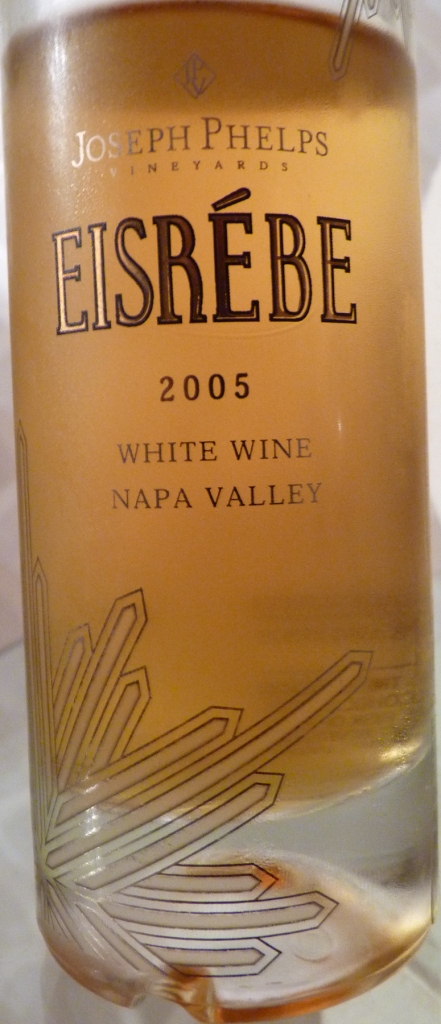
There were a lot of great white wines, but I would like to mention only one, again as personal favorite – the wine called Eisrebe by Joseph Phelps. This is desert wine made from the grape called Scheurebe ( that was a nice surprise for my “treble journey”), and it is done in the style of the Ice wines, except that as there is no chance for the grapes in California to naturally freeze at -8C, special cryogenic methods used to achieve “ice” wine result. The wine had an amazing balance of the white fruits, honey and ripe comice pears with refreshing acidity, so it was not overpowering the palate. Amazingly enough to me, this wine was also perfectly complementing wide variety of desserts, which is not very common from my experience.
All in all – it was a great fun, and I have to conclude that when it comes to the wine tasting, there can be no too much of a good thing (well, a “good thing” is an important hint here), and therefore I will gladly repeat it at any time.
Cheers!
Daily Glass: Kosher Wines and Other Updates
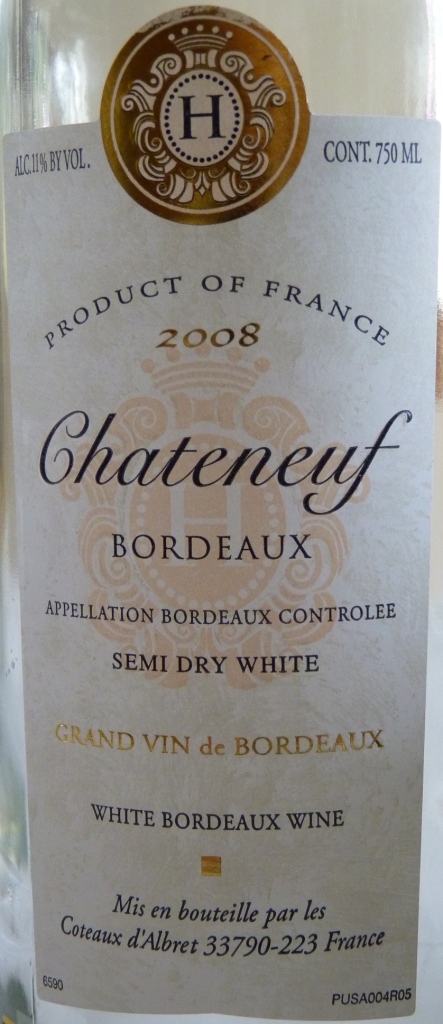 As promised, here is an update on the Kosher wines we had during the Rosh Hashanah celebration. Starting with white, the first one was wine with a tricky name Chateneuf, coming from Bordeaux in France. This wine made out of the Semillon and Muscadelle grapes and stated to be semi-dry. When chilled to the ice-cold condition, the wine does show as semi-dry, but as it had some off-flavor, borderline corked, so I would simply avoid rating this wine now.
 The next wine came from an Israeli producer called Teperberg. In one of the previous posts, I already talked about Teperberg Malbec. This time we had a bottle of Teperberg Cabernet Sauvignon 2007 – it was a nice wine, showing some good Cabernet Sauvignon flavors, like black currant and blueberries, but appearing a little weak on the palate. Still, the wine did drink well, so here is the verdict:
Drinkability: 7
Last, but definitely not least is Vitkin Carignan 2004. Vitkin is one of the best Israeli wine producers – but its wines are literally unavailable outside of Israel. A quick search on wine-searcher produced no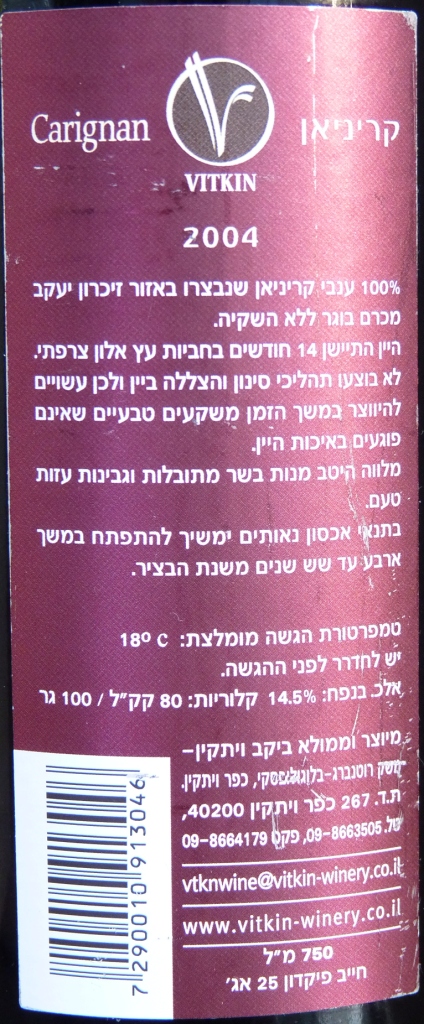 results for the USA, and even worldwide search showed Vitkin wines available only in one store in Germany, at least as it comes to buying the wine online. Therefore, you need to rely on your good friends in order to enjoy Vitkin and many other small production Israeli wines outside of Israel. This Vitkin Carignan 2004 showed a deep purple color, a very nice nose of spicy fruits, and then showed pepper and earthy notes on the palate with layered complexity. Judging by the tannins and midpalate density, I opened this bottle about 4-5 years too soon, but oh well, I will have to rely on my dear friends in the hope to experience this wine again (hmmm, did that just sound needy?).
Drinkability: 8-
Talking about “other updates”: I undertook a small project of compiling a list of highly-rated wines I kept the records of in my books (for more information regarding my record keeping you can refer to the About page), and this list is now available in the Wine Ratings page. This list comprises 8- and above rated wines, accumulated starting from 2003 (this is when I started keeping the labels and the notes) all the way until now. Take a look, I’m sure you will see some familiar names. I’m sure some wines in that list will raise an eyebrow or two – but I decided to simply comb through the books, find everything rated 8- and above, and not to second-guess myself. The subject of wine ratings will make it into a separate post I’m planning to write for a while, so until then – cheers!
Shana Tova and a Question: What Wine Will Be On Your Table Tomorrow?
 Tomorrow many of us will celebrate Rosh Hashanah, the Jewish New Year. Wine is (could you guess?) one of the important traditional elements of the Rosh Hashanah table.
I remember that about 10 years ago, if anyone would be talking “Kosher wines”, 9 out 10, if not more often, the only Kosher wine available in US would be Manishewitz, barely drinkable fruit juice. Today situation is soooo different. Israel produces tremendous number of great wines (absolute majority are Kosher) from various mainstream grapes, such as Chardonnay, Gewürztraminer, Cabernet Sauvignon, Merlot, Syrah, Malbec and more. Today Israel has its own boutique wineries, which have status similar to the California cult wineries, such as Screaming Eagle, Colgin and others – if not yet in price, definitely in availability. Try to find wines from the wineries such as Flam, Domaine du Castel, Yatir or Vitkin – and if you will succeed, make sure you will taste them as you will be very thankful you did. But even the mainstream Israeli wines, coming from the wineries such a Dalton, Galil Mountain, Benyamina, Tishbi, Yarden and many others (Israel has more than 200 wineries at this point), which are readily available in your neighbourhood wine store, will make a great addition to any table.
So what wine will be on your table tomorrow? If you didn’t decide yet, make an effort, find one of the Israeli wines and let me know how did you like it. If you plan to have any other wine, I’m still eager to know what will it be. And even if Rosh Hashanah is not your holiday, get your friends together, share the bottle ( wine meant to be shared!) and raise the glass to life.
L’chaim!
Treble Journey: Aligote and Brachetto, Grapes #246 and #247
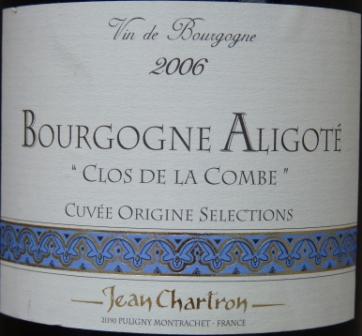 This is a quick update on progress of the Treble Journey. Two more grapes added to the list, both somewhat basic but quite rare in terms of ease of finding them. The first one was Aligote, the grape from Burgundy in France, where it is usually used as a blending grape. It is also quite popular in Eastern European countries where it used more by itself. The wine I had, Clos de la Combe Bourgogne Aligote by Domain Jean Chartron, was very nice with the nose and palate of fresh fig and pear, very round and balanced, with good acidity. I would honestly say that this was somewhat of an unexpected surprise – but nice surprises are always good, don’t they? I would rate this wine as 7+ and would definitely try it again.
 The second wine, Rosa Regale Brachetto di Acqui DOCG made by venerable Italian producer, Castello Banfi. This is a sweet ( dolce) sparkling wine, which to me was a bit heavy while lacking the acidity. Did not really appreciate this wine by itself, but have to admit it was very good with dessert. I will give it a rating of 6+ in my corner of the world.
Believe it or not, this is it for this post – as I said, this is just a quick report, nothing more, nothing less – it is two up, 53 more to go…
Daily Glass: Great Red, Interesting White and Amusing Pairings
Let me start with a little disclaimer. When I use the word “interesting” in conjunction with food, typically it’s a bad sign. I use that word really to say “well, yes, it is probably not that bad… but I don’t like it!”. The reason I need the disclaimer is that this is how I would describe white wine called Conundrum – interesting. 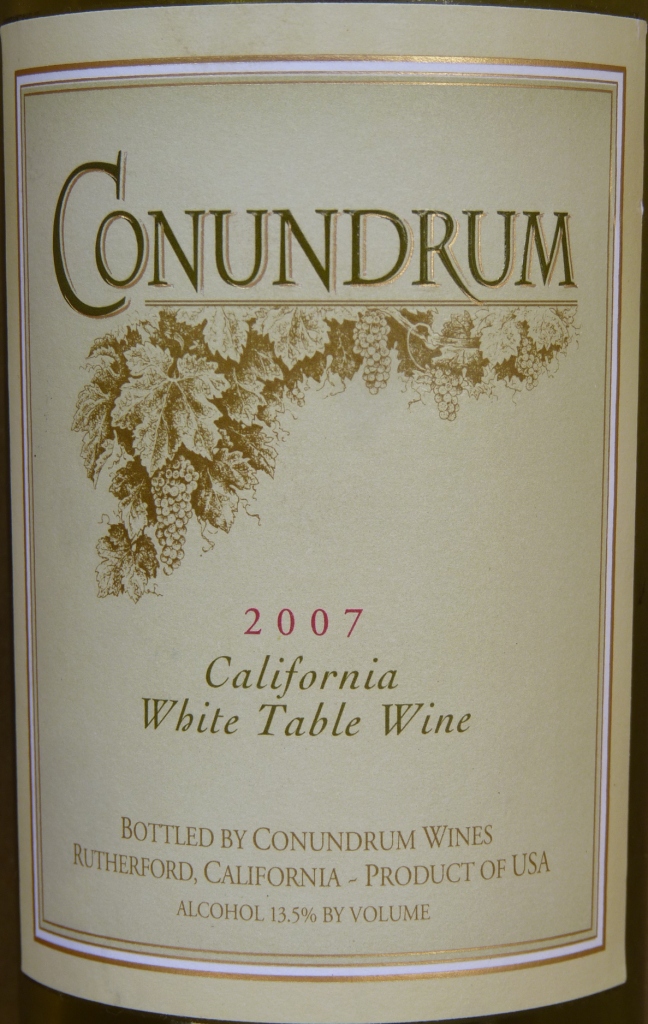 The wine is made our of 5 different grapes, all grown in California, with the different proportions every year. The grapes are Sauvignon Blanc, Semillon, Chardonnay, Muscat Canelli and Viognier, all blended together of course. So the bottle we had over the weekend was from 2007, had being rated 88 by Wine Spectator in the May 2009 issue. The wine is extremely aromatic, with fresh flowers, honey, white peaches and pear on the nose. But my challenge was that all those great aromatics on the nose where not integrated with the rest of the flavors on the palate, so the wine was not balanced – and hence the “interesting” disclaimer comes to play. This is the second time I fail to fall in love with this wine ( feel kind of bad, as wine gets a lot of great reviews) – but the great thing about wine is real unpredictability – every year is a different year! As I do have a bottle of 2008, I will definitely make another attempt, but for now, the verdict for 2007 is…
Drinkability: 7-
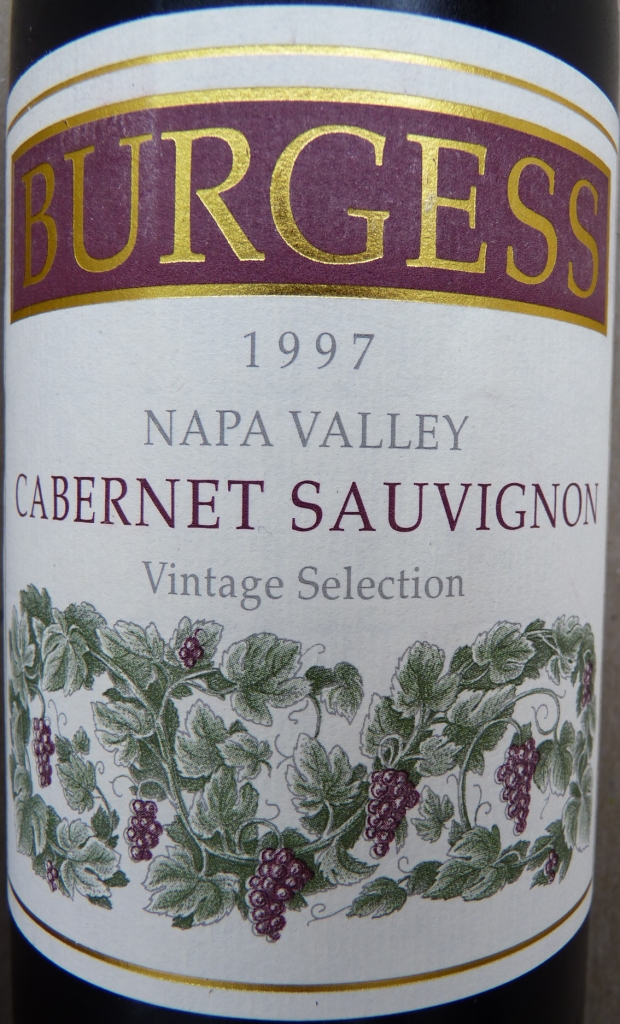 Now, let’s talk about different experience. Burgess Cellars had being making wines in California since 1972. One thing which I find very interesting (ok, just to be very careful – here “interesting” is a good thing ), is a Library program, started ion 1980, where the wines would age at the winery before being released to the market. So this weekend we had a chance to try Burgess Cellars Cabernet Sauvignon Vintage Selection 1997, which was recently released (and I have to thank Wine Till Sold Out for an opportunity to get it at a great price, $24.99). As I’m referring to Wine Spectator ratings in this post, this wine had a rating of 90. Also, if anyone is curious, this wine consists of 80% Cabernet Sauvignon, 11% Cab Franc and 9%Merlot. Now, in the terms of my “pleasure”-centered ratings, this was a great wine – it had a layered complexity with dark fruit, such as black currant and blackberries, hint of earthiness, eucalyptus and cedar, all supplemented by fresh acidity and round tannins. The wine is ready to drink now, but will continue to evolve for another 5-7 years, and I’m looking forward to that experience.
Drinkability: 8
Now, talking about amusing pairings – of course chocolate and red wine is a classic combination, what’s so amusing, right? Take a piece of a good dark chocolate, glass of Cab or Syrah, and you practically 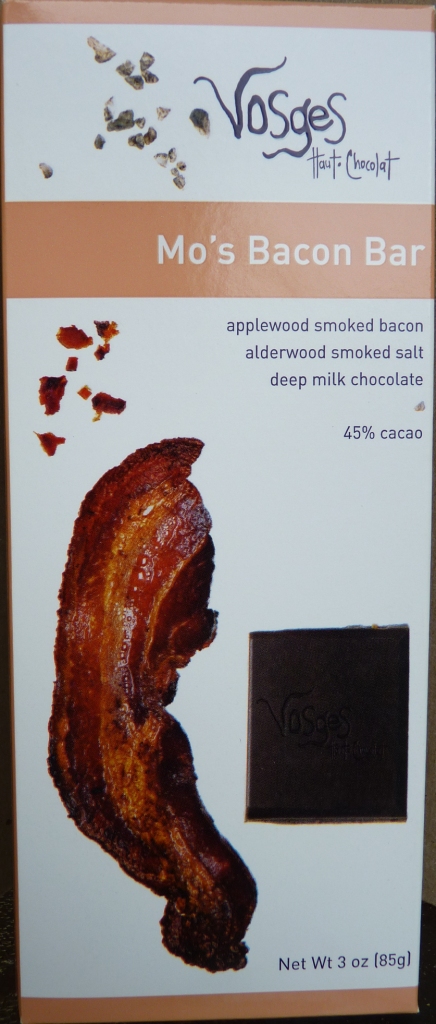 guaranteed a good time (I have to note that I usually fail to identify with Port and chocolate, which is also considered classic, but doesn’t work for me). Now, if your chocolate is called Mo’s Bacon Bar made by Vosges Chocolate, the story get’s more interesting – can you dream of such combination on your own? May be not? Mo’s Bacon Bar is a milk chocolate (45% cocoa) with addition of tiny pieces of applewood smoked bacon and applewood smoked salt – and it effectively tastes like that, each and every element is noticeable and surprisingly well integrated together. So this chocolate is fine by itself, now what about wine pairing? It actually did work quite well with the Burgess Cab! I would think that the reason for the tasty pairing is in the ability of Cab to work well with the steak, so it was cutting through the fatty component of the bacon and bringing in fresh acidity to the total combination. In the interest of full report, we also tried the same chocolate with nice LBV Port ( Quinta do Infantado LBV 2000), and the pairing didn’t work all that well – but there is always next time…
So here is your call for action for today: be amused, try something new – and make sure to share your experience!
Last Bottle Sign Up ($10 credit)