Visiting Flavor Paradise
The weather is still so so in Cape Cod ( read – raining on and off, overall gray outside and by all means not beach-worhy), so we were spending time wandering around little towns and busy Main street(s) which to me are quintessential New England, and more over, quintessential Cape Cod. The wandering lead us to Chattam, and to the Main street, to be more precise. Almost at the end of that main street we walked into the store called Gustare Oils and Vinegars and … OMG.

Gustare store window
I’m sure that for anyone who is into the cooking or simply for anyone who likes food, it would be difficult to get surprised with the flavor infused olive oil or balsamic vinegar – lots of flavors are available at many gourmet stores around the country. But how about being completely blown away by the richness, cleanliness and precision of flavor? This is exactly what is happening at Gustare Oils and Vinegar store. Every flavor is so pronounced – when it says “Strawberry Balsamic”, you will find beautiful, perfectly ripe summer strawberries in the dark savory liquid. Sage and Wild Mushrooms in that olive oil – yep, you bet – with the perfect precision. The flavor comes through exactly as you would want it – clear and exact, nothing missing and nothing extra present. It is hard to do the justice to this wonderful oils and balsamics with the words, you really have to taste it to believe it. If your plans include Cape Cod, I would highly recommend not to miss this experience. Otherwise – here is the web site for Gustare Oils and Vinegars.
And before we part, here are few pictures for you (just use your imagination to get the flavor)…
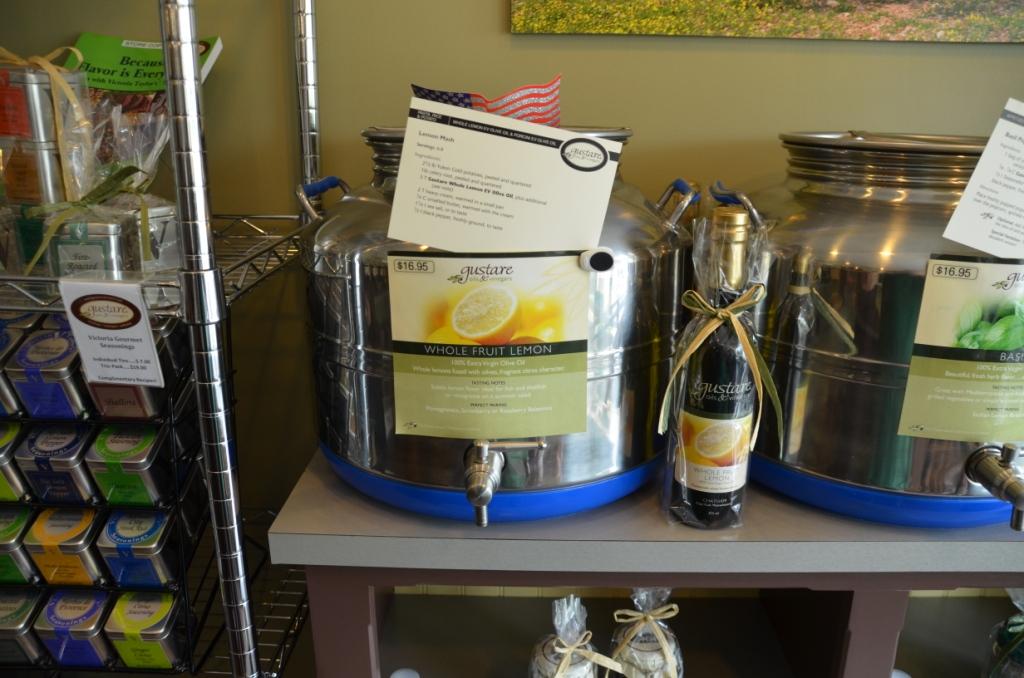
whole fruit lemon it is … pure beauty
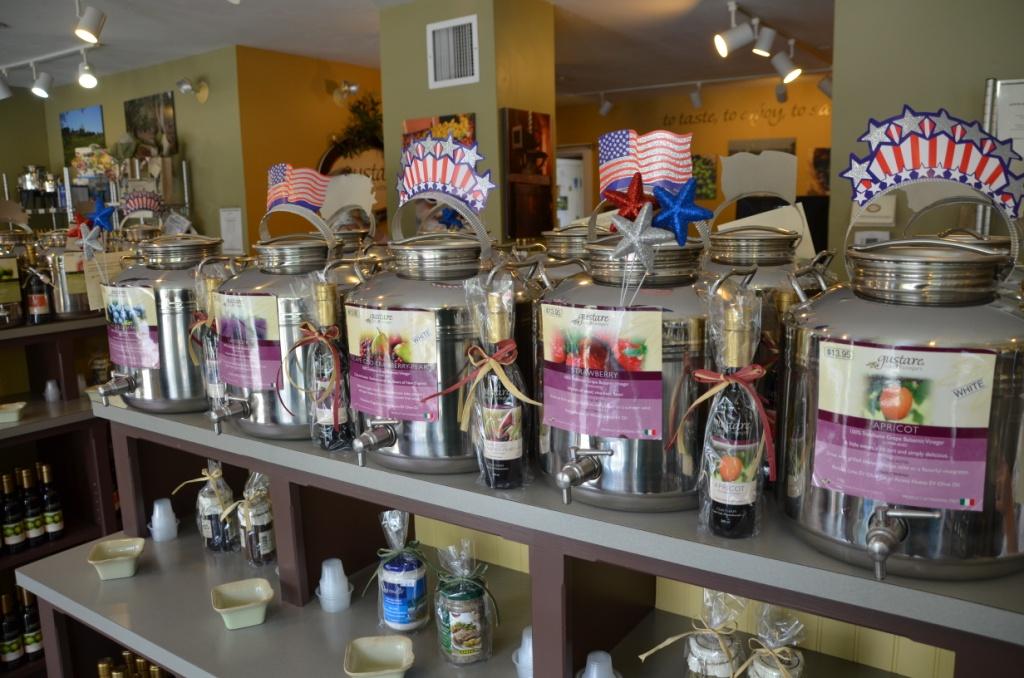
some of the balsamic vinegars – one better than the other
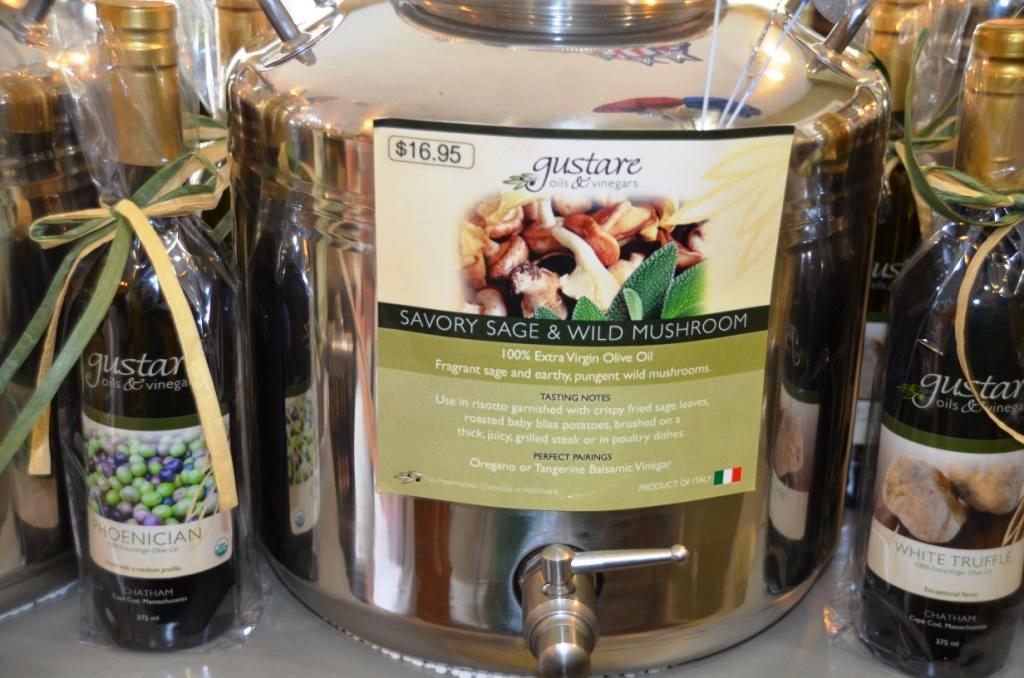
exactly as the label says – amazing flavor profile if you like mushrooms
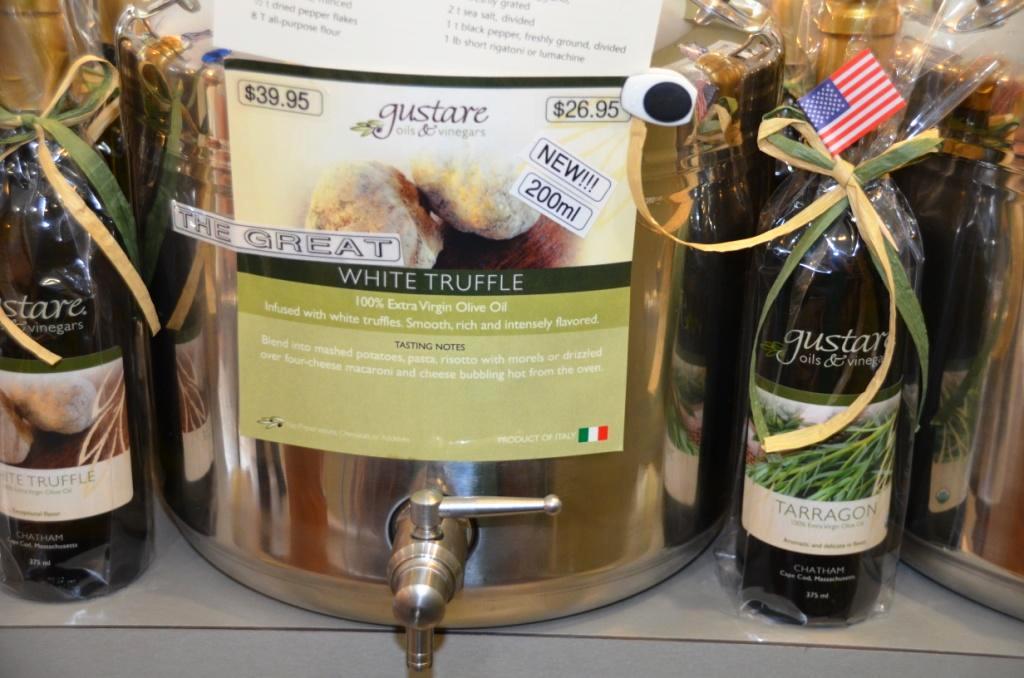
no comments. Truffle lovers, rejoice
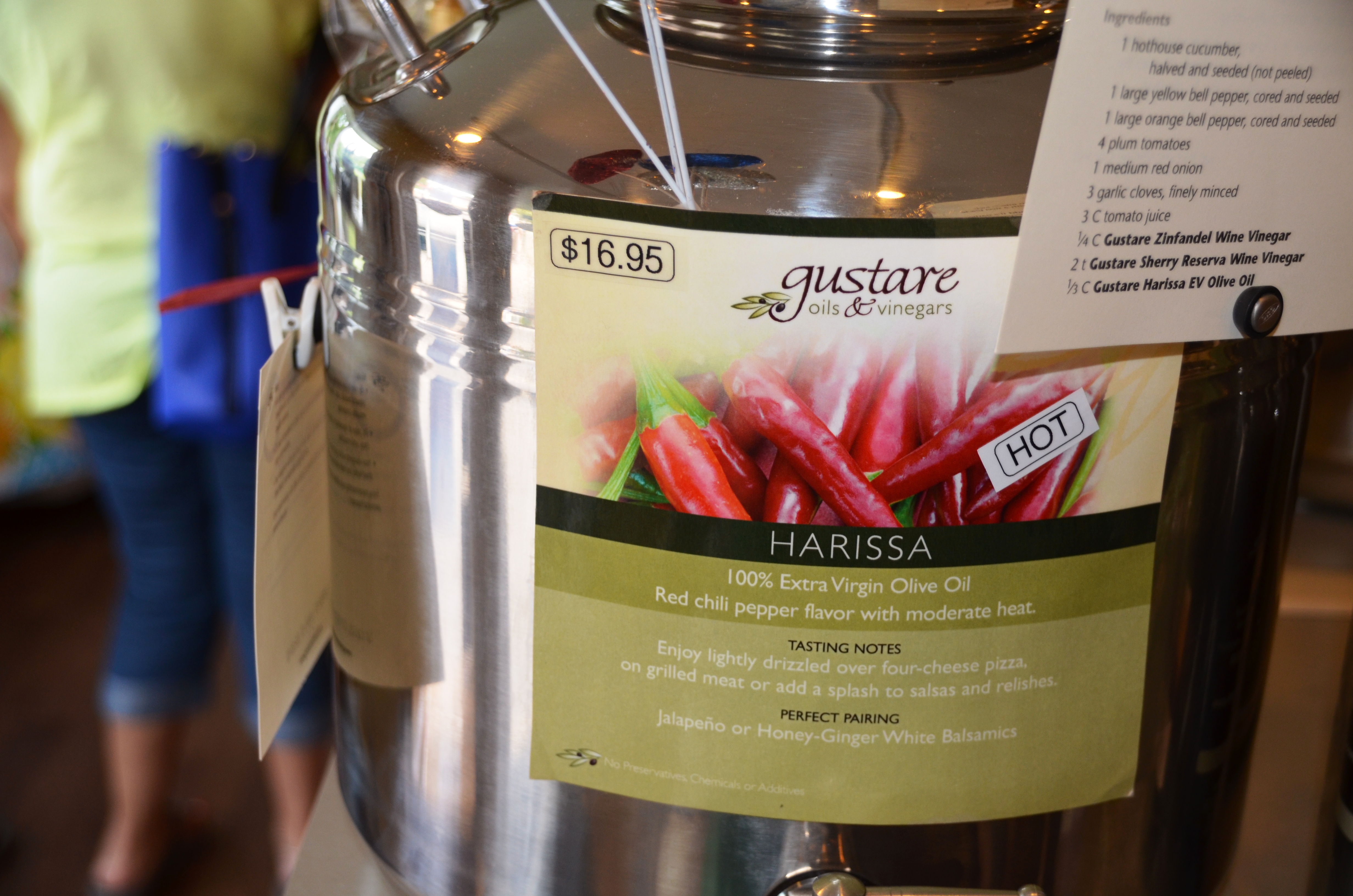
not as spicy as you might think – rather very earthy and pleasant (but don’t trust me with the spicy/not spicy stuff)

pure strawberry and pure peach… amazing…
That all I have for you, folks for my short Cape Cod update for today. Cheers!
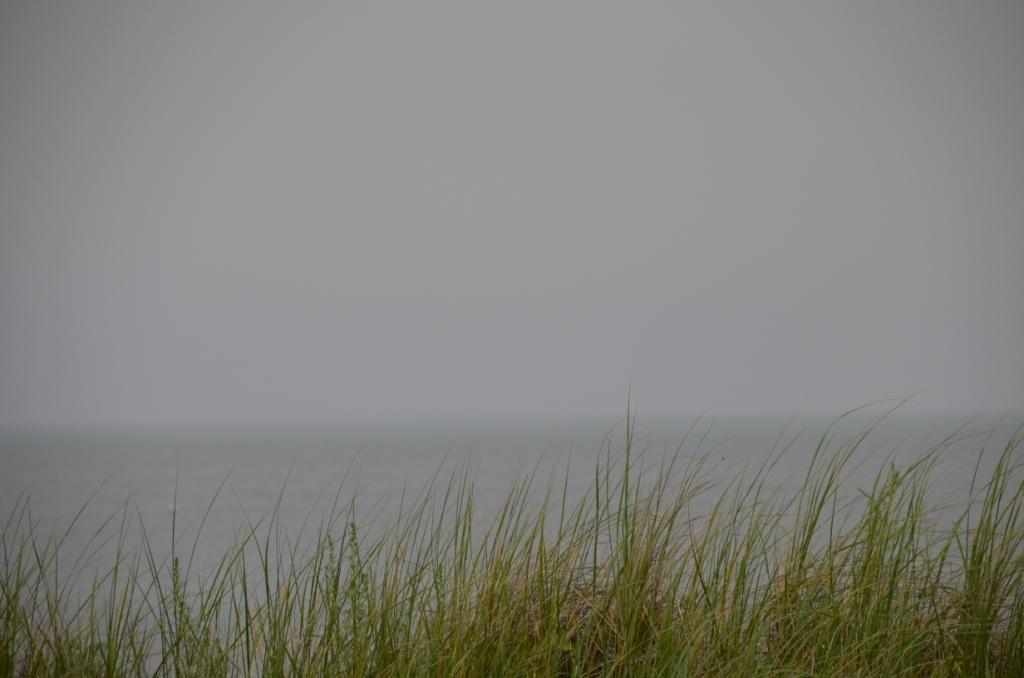
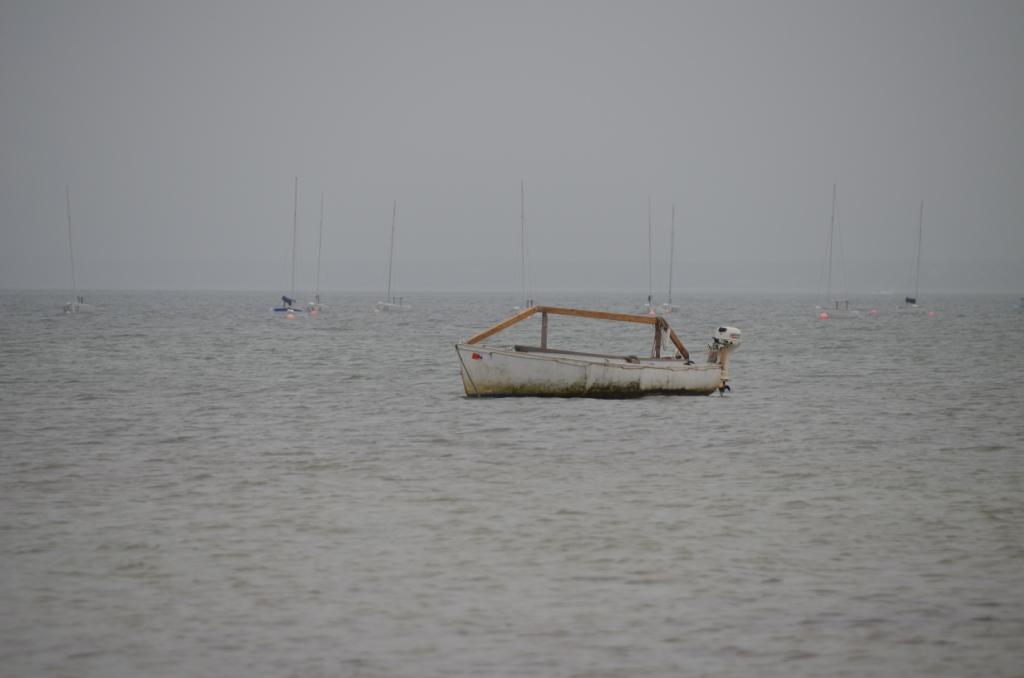
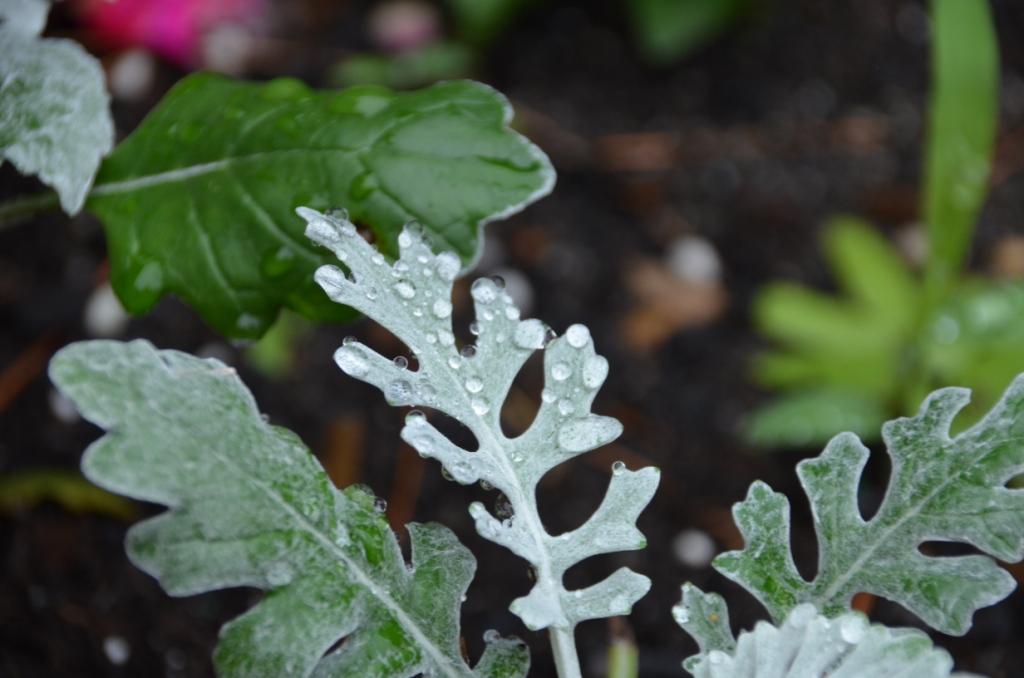
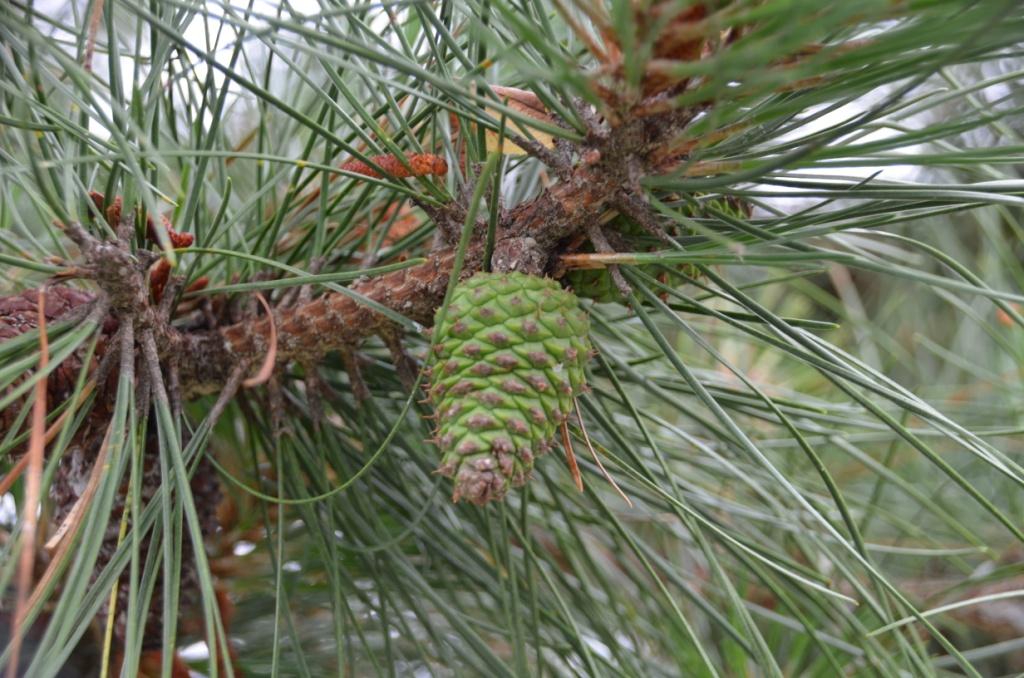
Hello From Cape Cod
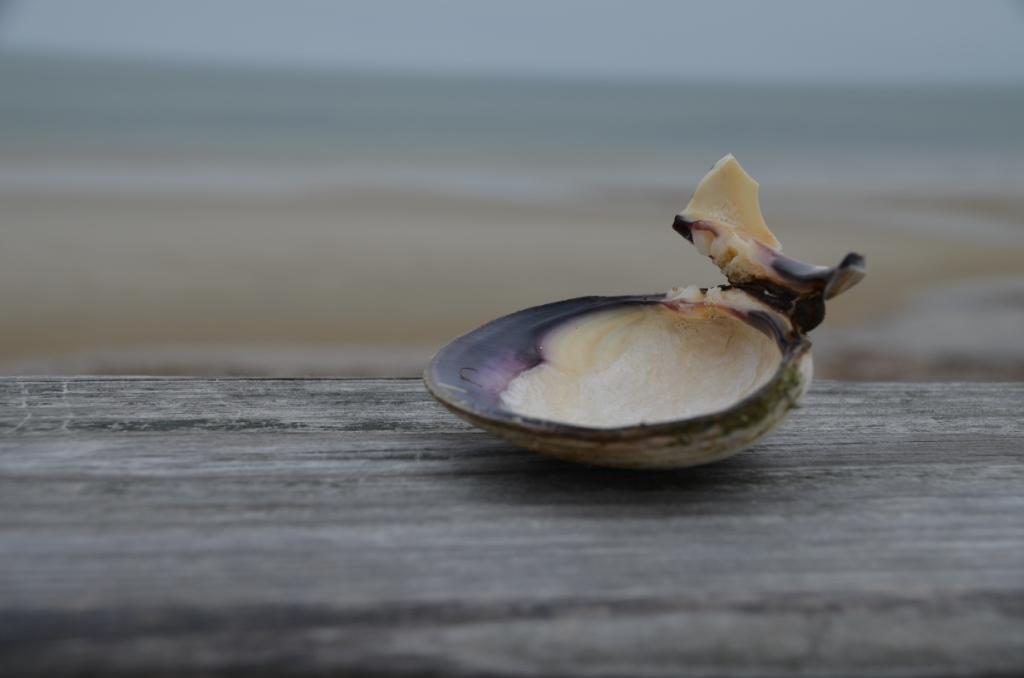
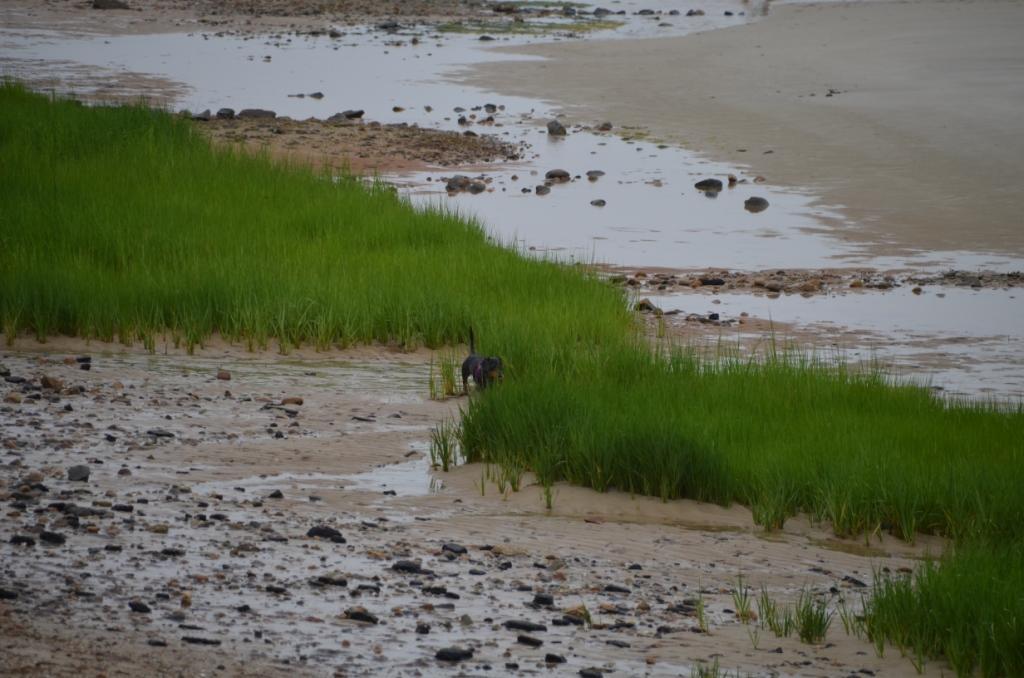
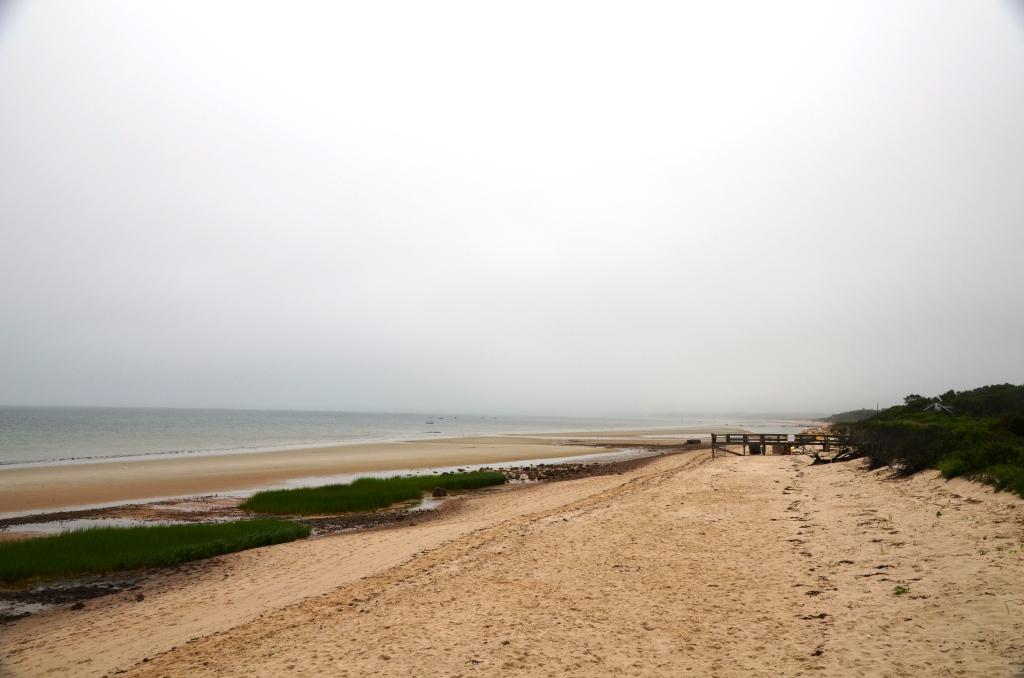
Yep, I’m actually on vacation. Cape Cod is one of my favorite destinations, as first of all it is reasonable driving distance from Stamford, Connecticut where I live (under 5 hours typically). And when you enter this small stretch of land, extending into the Atlantic ocean, something magical happens. There is something in the air, there is something there which switches whatever the mood you had into the “it is vacation, and it is good” kind of feeling.
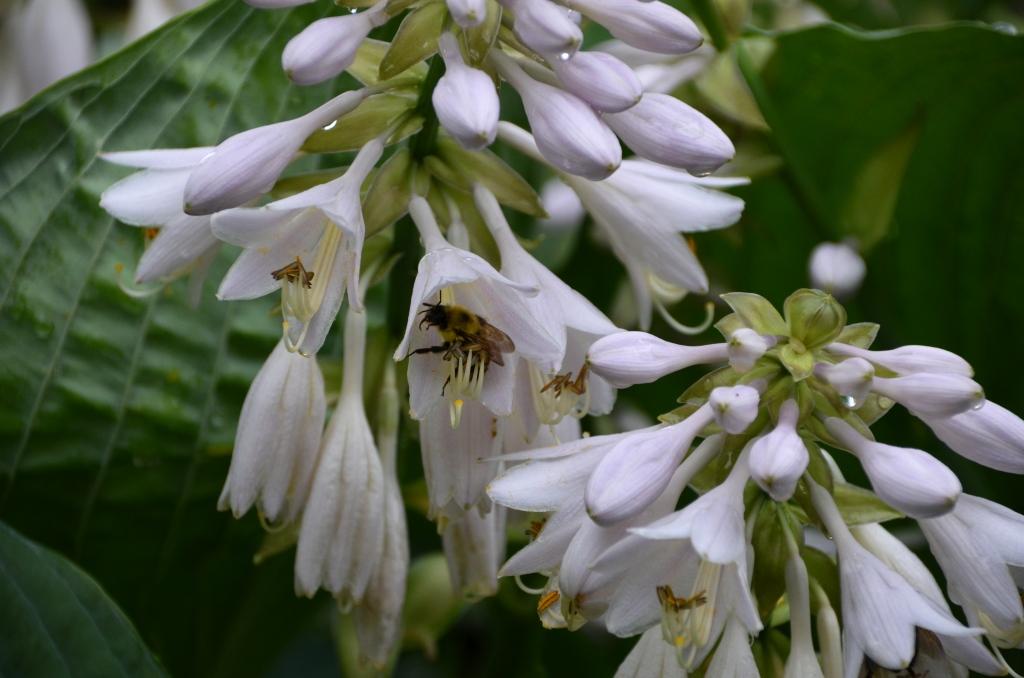
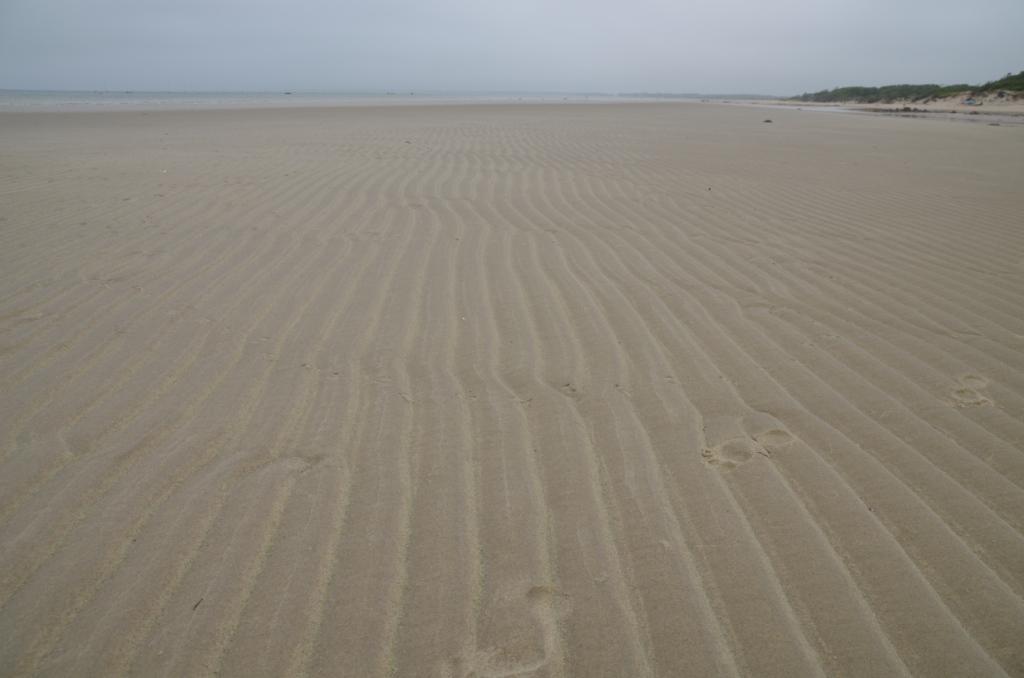
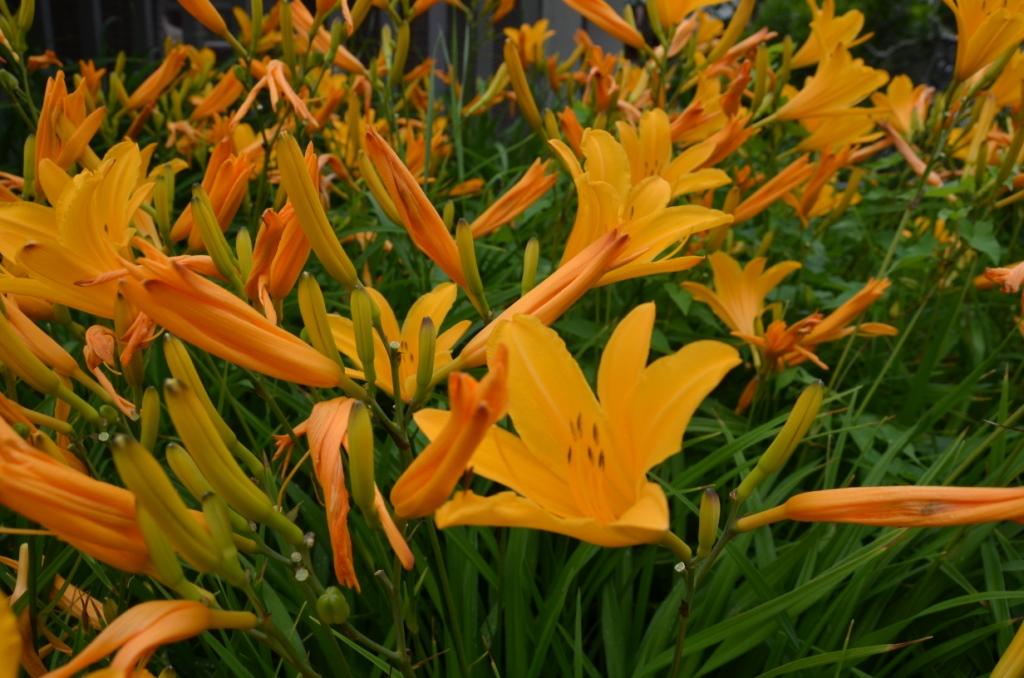
No, I don’t plan to take a break from blogging. I will still post over the next two weeks – as you can imagine, the wine will continue to be a part of the routine. As you might expect, I will be also sharing my impressions – and as I had done it a number of times in the past, I will start with simple pictures. It is somewhat cloudy and grayish out here – but it is a vacation nevertheless. Hope you enjoy the pictures. Cheers!



Weekly Wine Quiz #63: Grape Trivia – Malbec
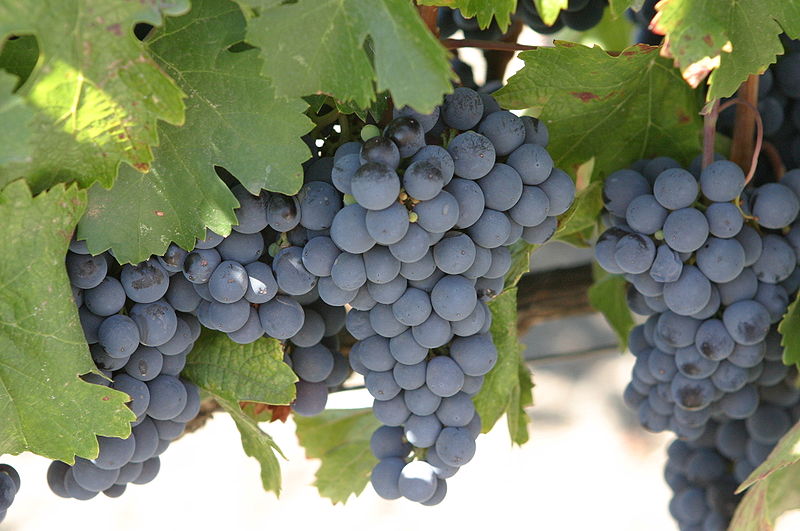
Malbec grapes, picture from Wikipedia
Welcome to the weekend and your new wine quiz!
Believe it or not, but we are still continuing the Grape Trivia series, and our subject for today is Malbec.
Malbec has one of the most dramatic fates out of many other red grapes, going from being one of the most popular among royal families and even the Pope, to becoming literally non existent. Today it is mostly grown in Argentina (50,000 acres) and France, but winemakers experiment with Malbec more and more all over the world. Use of Malbec ranges from being one of the five noble grapes in Bordeaux (but rarely being a star of the blend) to the single grape wonderful wines of Argentina.
Malbec grapes are black in color and have thin skin, however capable of accumulating a very substantial amount of tannins. Malbec is unfortunately prone to various grape diseases and viticultural hazards, such as frost, mildew and others. But the grape worth the effort as it can produce some of the most versatile red wines, ranging from very soft and approachable to the tannin monsters requiring long ageing. Now, to the quiz!
Here are the questions:
Q1: Explain the meaning of the name Malbec.
Q2: In France, Malbec is known under a number of different names, used in the different regions. Can you name at least two of those “other names”?
Q3: About 200 years ago, Malbec was widely planted in France, and it was considered to be one of the major grapes. Two events lead to severe decline in plantings and almost disappearance of Malbec as a grape of any importance. Do you know what events were those?
Q4: Some of the best Malbecs in the world come from Argentina. The quality of Malbec grapes in Argentina is also often associated with high altitude at which grapes are growing. Do you know what is the highest altitude of Malbec vineyards at the moment?
A: 1,500 feet
B: 5,000 feet
C: 7,000 feet
D: 3,000 feet
Q5: In its best times, Malbec was the grape made into so called Black Wine, very popular among Royal families. One Royal family went as far as even associating health benefits with consumption of Black wine. Now, do you know what Royal family was that and where the Black Wine was made?
Have fun, have a great weekend and cheers!
Wine Gadgets: Wine Chillers
I don’t know what happened yesterday when I published this post, but somehow it didn’t appear in the wordpress reader stream, so there is a good chance that most of you missed it – hence the re-post…
Wine Gadgets: Wine Chillers
This post is a part of the Wine Gadgets Series, where we are discussing different tools enhancing wine appreciation. These posts are usually published on Thursdays, however, it doesn’t mean “every Thursday”. In case you missed some of the prior posts, here are the links: Series Intro, Wine Pourers, Wine Preservers, Wine Travel Tools.
It is hot outside! I want to drink that bottle of Riesling which I just brought from the store – but it should be coooooold (yes, that cold, please). Okay, no problems, let’s put in the fridge, and while I put few veggies and the cheese on the table, it will be ready to drink, let’s say, in about 20 minutes, right?
Nope. Wrong. You see, air is a terrible conductor of cold (and heat too for that matter). Assuming your wine was at 68°F (20°C), and you want to drink it at 50°F (10°C), it will only take you about…3 hours! Yep, so much for the great plans (dropping the wine in the freezer is no help either – the bottle is not going to chill any faster). So, you think I’m destined to drink warm white wine on the hot day? Not really – please keep reading, will talk now about few solutions we actually have.
When it comes to chilling the wines, you generally have two issues to solve.
- Make the wine cold
- Keep the wine cold for as long as you need it.
There are a number of tools which can help you with solving those two issues. In no particular order, here is the list of some of them – note, however, that I will go as far as including cellar as your tool for chilling the wine – but I really don’t plan to discuss it at any depth…
Here we go:
- Cellar – I’m happy for you if you got one – we will not be discussing this here, but I will talk about wine storage solutions at some point.
- Wine Fridge – nice to have, we will talk about them as part of wine storage discussion
- Rapid Ice Chiller – simple, easy to use, easy to store, inexpensive and cool looking
- Chiller/Holder – available as stainless steel, marble, ceramic, double-glass wall and may other types. This is a “keep cold” tool
- Electronic wine chiller – conversational piece and… waste of money?
- Ice Bucket – best of the breed, the most efficient and the least expensive tool out of all!
As usual, here are some pictures:


Now, let’s talk about these gadgets. As I said, we will discuss cellars and wine fridges at a later time, so let’s focus on the rest.
Rapid Ice Chiller: The idea is simple. You store it in the freezer. When you want to drink the bottle of wine which needs to be chilled, you pull this chiller out of the freezer, put it on the bottle, and it does the job in under 10 minutes (personally tested many many times – this is not a marketing claim). The advantages – it is inexpensive, doesn’t take much space, easy to use, very efficient. Drawback – not all rapid wine chillers will fit bottles of sparkling wine, so you might need to have multiples. Also – you really should have one in the freezer, it doesn’t help to store it elsewhere. Overall – this is a useful device, and can be also a conversational piece. Ahh – and the added benefit – these can double as an ice pack, especially if you need to put it on child’s arm or even leg. Not that I’m suggesting this as a reason to get it, but kind of good to know. Here is the link for Amazon in case you would want to get one: Rapid Wine Chillers
Chiller/Holder: They come in various shapes and forms and can be made out ceramics, metal, plastic, marble, etc. These gadgets typically will not chill the bottle of wine (never mind the claims) – but they might be able to keep it cold for a while. Some of them require to be pre-chilled to be efficient. I think these are more conversational pieces than useful devices -but it is almost inevitable for a known wine lover to get one as a gift. I have multiples and use them truly once in the blue moon… In case you need one, again, here is Amazon selection for you: Wine Bucket Coolers
Electronic wine chillers: Yes, there are tons of them, but – I honestly don’t believe they have any use. They look fancy, sure, and promise a lot – but I have seen some in operation – lots of noise and very little efficiency (if you disagree – please, use comment section, pin me to the wall…). The one you see in the picture above I got as a gift – the box still stands unopened, collecting the dust (if you want it – make me an offer : ) ).
Ice bucket: simply the best! When it comes to rapid chilling the wine bottle, nothing works better! Two little tricks will make it work best for you. First, you need to add water so the bottle is resting in the mixture of ice and water. Second – add salt to the water, this will slow down melting of the ice. What makes it the best? Remember the beginning of the post? To chill the bottle of wine in 20 minutes? The ice bucket will actually do it – in the mixture of water and ice, the temperature of the wine will be dropping at one degree per minute(!), so it will take less than 20 minutes to chill the bottle from 68°F to 50°F. Most likely you already own an ice bucket of some sort, so this is free, simple, and very efficient. Well – you have to have the ice though. Oh yes – and the ice bucket will keep your wine cold like nothing else, so this is actually the most universal out of all the chillers we discussed here. And if you need a fancy wine bucket – here is what you can find on Amazon: Wine ice buckets
Of course we need to run our traditional poll:
[polldaddy poll=7211185]
And we are done! Stay cool, and drink nice cold and refreshing wine. Until the next time – cheers!
Wednesday’s Meritage – Wine Quiz Answer, Wine and Pregnancy, Impossible Food and Wine Pairings?, Don’t Diss The Chardonnay
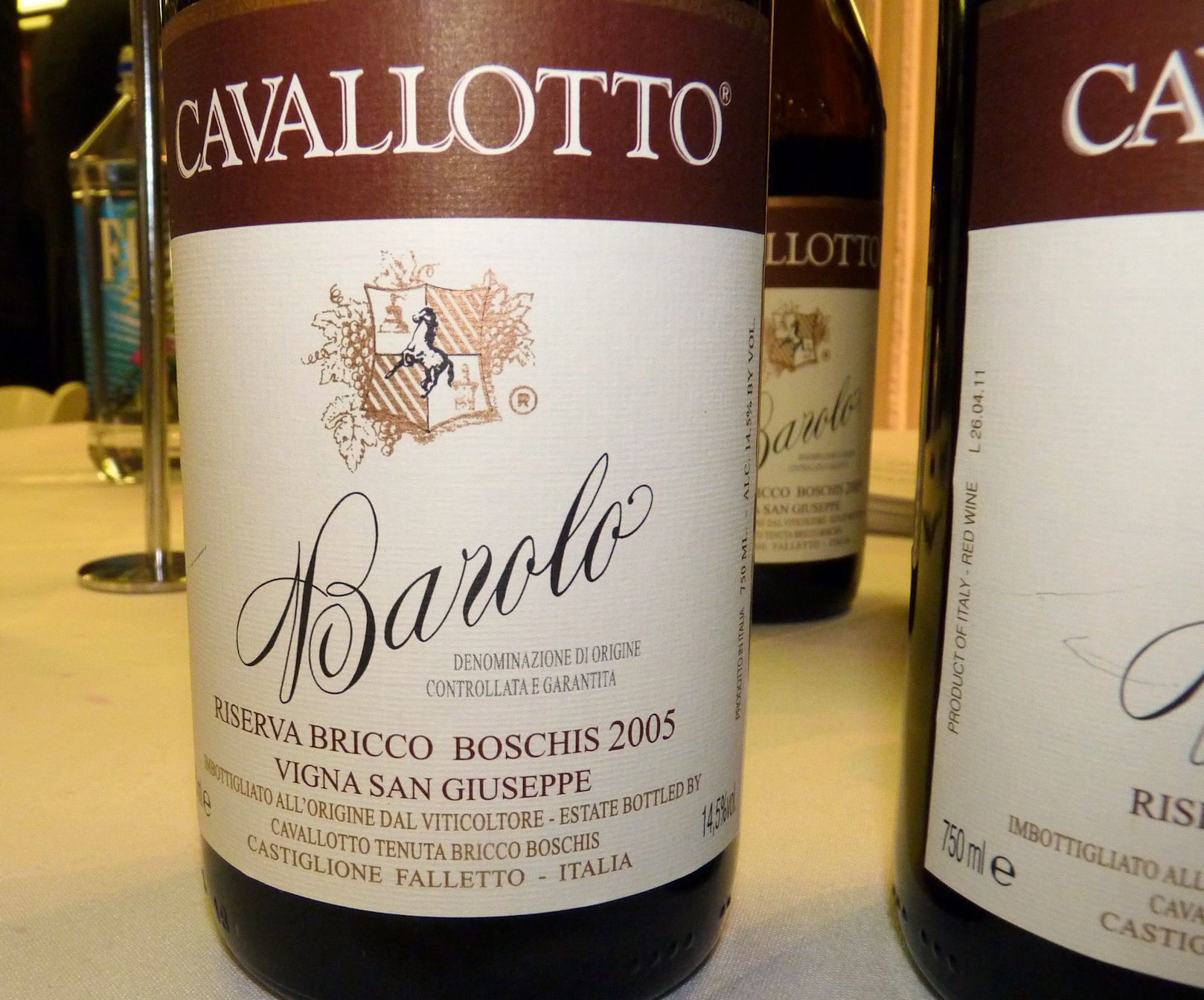 Meritage time!
Let’s start from the answer to the Wine Quiz #62, Grape trivia – Nebbiolo. In the quiz, you were supposed to answer 5 questions about Italian grape called Nebbiolo. Here are the questions, now with the answers:
Q1: Explain the meaning of the name “Nebbiolo”
A1: The name “Nebbiolo” comes from the Italian word nebbia, which means “fog”, by association with foggy hills of Piedmont.
Q2: In one of the regions outside Piedmont, the wines are produced from Nebbiolo grapes in the style of Amarone – with grapes drying on the straw mats before they are pressed. Can you name that region?
A2: Valtellina in Lombardy. I was lucky to attend a special seminar on Sfursat di Valtellina Nino Negri wines where I learned for the first time about this type of production (here is the link to my post). There was also a mention of Nebbiolo-based Recioto wines from Veneto – as this was really an experimental effort by one of the winemakers, I can’t count that as a right answer.
Q3: True or False: Blending is not allowed for any of the wines produced from Nebbiolo grape in Piedmont region.
A3: False. While blending is prohibited for Barolo and Barbaresco wines, it is allowed in Ghemme and Gattinara (however, many winemakers prefer to make wines with 100% Nebbiolo grapes).
Q4: White grape used to be such a traditional blending partner for Nebbiolo that it was sometimes called White Barolo. Do you know the name of this grape?
A4: Arneis. Arneis was a popular blending partner for the Barolo wines in the past, and that gave it a name of White Barolo.
Q5: In the blind tasting setting, the wines made out of Nebbiolo can be very distinguishable even before you take a first sip. Do you know what is this distinct feature of Nebbiolo wines?
A5: Orange hue. It is very indicative feature of Nebbiolo wines, especially as they gain any amount of age. You can also distinguish young Barolo by tremendous amount of tannins ( typically), but that is only a feature of particular style of wine and not the grape, and it is whole another story.
There were lots of responses this time! We have two winners (drum roll, please): VinoInLove and Mika ( no web site) get unlimited bragging rights. Also Stefano, Jeff TheDrunkenCyclist and Oliver TheWineGetter all get honorable mention with 4 correct answers out of 5. Thank you to all participants! We have one more red grape to cover for now, and then we are switching to whites. Oh yes, you can start guessing now, what will be this last red grape – you will find out if you are right or not on Saturday.
And now, to the interesting stuff around vine and web!
First, I want to bring to your attention an interesting article about wine and pregnancy from Vinography blog. I don’t know if there are right and wrong here, my personal theory that everything is good in moderation – and any good thing taken out of proportion can and will become your enemy. Still, it is an interesting read, and don’t miss the comments section.
Now, two of the bloggers I follow posted “impossible food and wine pairing” questions. Dr. Vino asked about pairing of wine with anchovies, and the TheArmchairSommelier had a very interesting question about pairing of the summer salad (which contains among other ingredients watermelon, blueberries, honey and feta), which sounds delicious by itself, but presents a substantial challenge of finding the right wine. Visit both blogs and offer your advice, if you will – of course if you want to comment here, I will be very happy to have the discussion in this blog.
Last but not least – a murder story and the warning to those who diss the Chardonnay, as presented by W. Blake Gray – read it here, it is short…
This is all I have for you – the glass is empty. But refill is coming, as usual – and don’t forget that today is Wine and Whiskey Wednesday (like you need a reason to drink, ha). Cheers!
Sometimes One “Wow” Is Not Enough
If you are a regular reader of this blog, you perfectly know by now that I have a tendency to get overly excited in my reviews (and if you are not a regular reader and just came across accidentally, you know it now). It is entirely possible that you also noticed that I have a soft spot towards Field Recordings wines. Based on this preamble, you probably figured out that I plan to talk about a wine from Field Recordings.
The wine which had me completely blown away a few days ago was 2011 Field Recordings Jurassic Park Vineyard Chenin Blanc Santa Ynez Valley (13.1% ABV). Opened the bottle, poured in the glass, sucked the air – and was blown away. Complex, multi-layered aromatics, which each smell showing slightly differently, and my emotional response (or rather, vocal), rotating between “wow” and “omg” with each and every breath. White stone fruit, apricots, fresh flowers, endless meadows – all coming separately, but together. Andrew Jones, the winemaker at Fields Recordings, is clearly the master of aromatics with his wines. Pretty much any of his wines I tried, have mind-boggling, intense aromatics – here is my post about red wine call Fiction by Field Recordings, read it for yourself.


The palate didn’t disappoint as well. Bright, open, succulent white fruit, more continuing that an apricot theme, with the touch of vanilla and apple, no sweetness whatsoever. Definitely a Chardonnay-like experience, except it is not chardonnay at all! Firm structure, refreshing acidity – each sip of the wine is begging not to stop – just one more sip, pleeease? Drinkability: 8+
The words don’t do this wine enough justice. Your best bet is to find this wine and to taste it. And yes, it is okay to repetitively “wow” all the way through. Cheers!
Weekly Wine Quiz #62: Wine Trivia – Nebbiolo
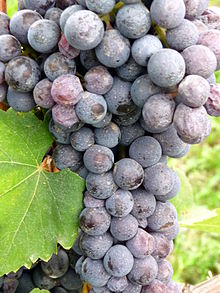
Nebbiolo grapes, picture from Wikipedia
Welcome to the weekend! Your new wine quiz has arrived.
Today our subject is the Italian grape called Nebbiolo – a power grape of Piedmont, solely responsible for some of the world’s best wines, Barolo and Barbareso.
As I’m working on this series of quizzes, I’m of course learning a lot myself. It was very interesting for me to realize, that unlike any other major red grape we talked about so far, Nebbiolo is pretty much confined to the 6 or so areas in Italy, where it makes wonderful wines – its world-wide spread is non existent, not even in the form of clones, like Zinfandel. And this is all despite the fact that Nebbiolo is quite an old grape, with first mentions going all the way back to the 13th century.
Nebbiolo is a very tricky grape to work with. It has the longest ripening cycle out of many grapes – buds early, ripens very late, prone both to mutation (there are about 40 known clones) and grape diseases. But – the resulting wines, like Barolo and Barbaresco, clearly worth the trouble, with wonderful aromatics, power and concentration. Also the ageing potential of the Nebbiolo wines is almost unlimited.
Now, to the quiz!
Q1: Explain the meaning of the name “Nebbiolo”
Q2: In one of the regions outside Piedmont, the wines are produced from Nebbiolo grapes in the style of Amarone – with grapes drying on the straw mats before they are pressed. Can you name that region?
Q3: True or False: Blending is not allowed for any of the wines produced from Nebbiolo grape in Piedmont region.
Q4: White grape used to be such a traditional blending partner for Nebbiolo that it was sometimes called White Barolo. Do you know the name of this grape?
Q5: In the blind tasting setting, the wines made out of Nebbiolo can be very distinguishable even before you take a first sip. Do you know what is this distinct feature of Nebbiolo wines?
Good luck, enjoy your weekend and cheers!
Wine Gadgets: Traveling With Wine
Few weeks ago, a fellow wine blogger Jeff, better known as The Drunken Cyclist in the wine blogging world, decided to challenge the wine bloggers to create blog posts relevant to the specific theme (this is a very popular trend among photography bloggers). The theme of the first challenge is Transportation. The post I’m about to present to you was supposed to the written in any case as part of the Wine Gadgets series, but it also very conveniently fits the theme of the challenge, so here we go.
A little intro: this is the fourth post in the Wine Gadgets series, where we are discussing different tools enhancing wine appreciation. In case you missed any of the prior posts, here are the links: Series Intro, Wine Pourers, Wine Preservers.
Can we use the words “wine” and “travel” interchangeably? Of course not, what kind of silly question is that! But think about your travel for a second. How often your travel plans include visiting the winery, no matter where you go? If you are reading this blog, I can safely say that for the most of you, if you are within the day travel from the winery, you are willing to make a detour. Do you visit the wine stores when you are visiting a different state or a different country? Of course you do! Thus it is safe to assume that your travel includes some happy encounters with wine.
But (oh, you knew the “but” is coming) – how many of you dreaded the trip back home, with all that wine you fell in love with, especially if that trip home include the scary, shiny beast called…a-e-r-o-p-l-a-n-e? The thought of the bottle of red wine in your luggage and then red liquid thinly covering your favorite shirt and dripping blood-like from the suitcase all over the luggage carousel can be paralyzing, no questions. But – there is no reason to be afraid of that scary, shiny beast. All you need to do is to use … of course, the wine gadgets.
So let’s talk about wine travel tools which you have at your disposal. And of course, not all the trips which include carrying of the wine include air travel – most of them will not, absolutely – thus we will talk about different tools, suitable for long distance wine travel and not.
Here is the list of some of the useful wine travel tools:
- Wine Picnic Carrier (can be called a Picnic Tote) – usually a short haul solution
- Wine Skin – pretty universal, but more applicable for the long haul
- Wine Luggage/Wine Transporter – mostly for the long haul
- Wine Tote – there are multiple versions, all for the short haul
- Wine Bag – definitely short haul, but most useful when visiting the wine store
Now, here are some pictures:


Wine bag
Now, let’s talk about these tools one by one.
Picnic wine carrier is a simple tool, suitable for short distance travel, or at least a travel where your luggage is not a subject of rough handling – having that wine tote in the trunk of your car is really not considered a “rough handling”. Added bonus is thermal insulation – if you will put a cold bottle of wine inside, the temperature will be preserved for a while. Many different kinds of the picnic tote are available, with capacity varying from 1 to 6 bottles.
Wine luggage is a serious tool. I bought mine about 5 years ago. For the most of those 5 years, I kept contemplating whether it is suitable for the trip or not. Problem is that this suitcase is really suitable just for wine, so traveling with two suitcases in the times when you only want to have carry on, doesn’t really sounds exciting. Besides, every time I would look at that suitcase, a fearful thought would visit – will it be actually able to protect the wine? Finally, for my last trip to Portugal, where I knew I will be around the wine I decided that it was now or never moment, and just went ahead. That was actually an excellent decision – wine suitcase performed perfectly, and I brought home 12 bottles of wine, all safe and sound. As you can see in the picture above, all the bottles are secured by the two straps, with the dividers between them. The suitcase also has sturdy sides and top and bottom, which protects your precious content quite well. From now on, when my plans will include carrying around substantial amount of wine, the wine suitcase is “it”.
Wine Tote is a simple tool to conveniently carry around a bottle or two of wine, also keeping it at colder temperature if it was previously chilled. I typically use it when I need to bring a bottle of white wine to the party. Then again, if you primarily travel by car, this tool has very limited value. If your travel includes public transportation and/or long distance walking, this can be quite convenient.
Next tool is called Wine Skin. Bubble wrap padded thick and sturdy plastic poach cut in the shape of a bottle – this tool is pure genius in my opinion (here is a link which explains how wine skin works). The poach has a bottom flap with adhesive, so you can completely enclose the bottle inside, air-tight. Even if your bottle will somehow break, the liquid will stay inside. Theoretically, this is single-use device, but I have my set of wine skins which I’m using and reusing for the past 4-5 years, and yet didn’t discard a single one – the adhesive still holds quite well. The great thing about wine skin that it has no weight, and it takes literally no space in your suitcase. Thus you have it with you in your trip, and in case you come across the wine you want to bring home, you can do it safely and without worrying – and if you don’t, that’s okay too.
Last tool for today is Wine Bag – at some point many wine stores carried them, and they were typically sold for $2.99. The wine bags are great for their intended purpose – to bring wine back from the wine store. Same way as it is popular now to go to the store with your own bag, the same idea works here. Wine bags are definitely a lot more convenient than a cardboard box which is hard to carry and then they should be disposed of, or the paper bags. But – I guess the problem is that a lot of wine store visits are very spontaneous, and people forget to bring the bag! Anyway, I have a few of those, and when I remember (!), I always bring them over.
If you are interested in any of these wine travel tools, here are few links from Amazon: Picnic Wine Carriers, Wine Skin
And as we have done before, here is our gadget poll:
So, what do you say? Do you have your preferred wine travel tools? What do you think about tools we discussed here?
In the next Gadgets post, we will talk about chillers. Until then – cheers!
Wednesday’s Meritage – Wine Quiz Answer, WTSO Cheapskate Wednesday in Progress, How To Taste Wine and more
Meritage Time!
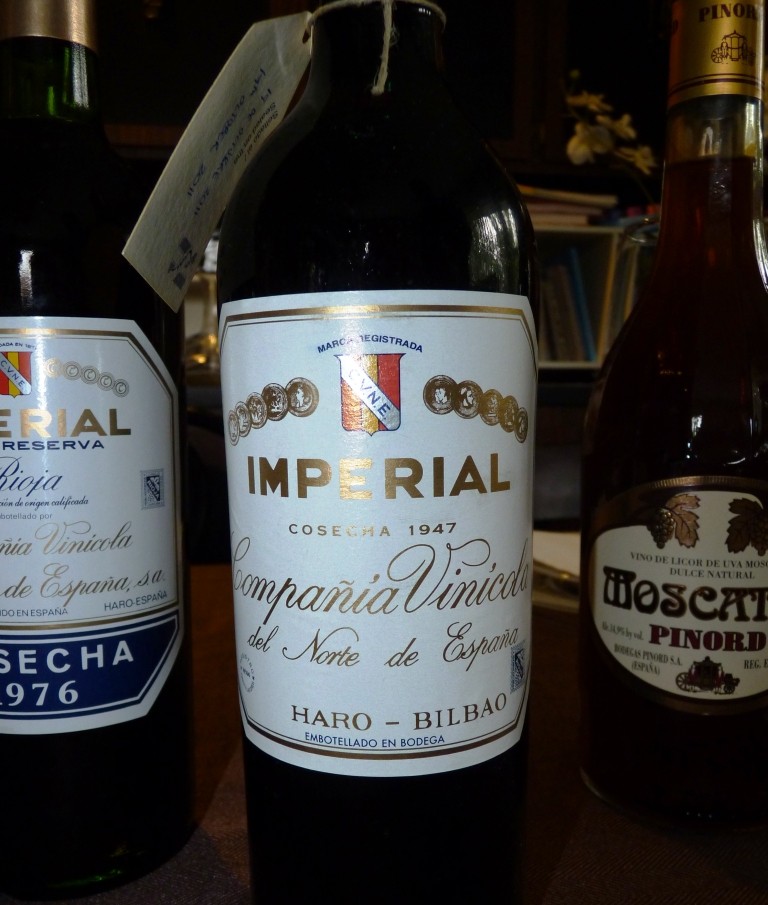 Let’s start with the answer to the wine quiz #61, grape trivia – Tempranillo. In the quiz, you were supposed to answer 5 questions about Tempranillo, the noble Spanish grape. Here are the questions with the answers:
Q1: What is the meaning of the name Tempranillo?
A1: Name Tempranillo comes from Spanish word temprano, which means “early”. Tempranillo typically ripens two weeks earlier compare to many other grapes.
Q2: Name 3 grapes, traditional blending partners of Tempranillo
A2: Traditionally, in Rioja wines, Tempranillo is blended with Mazuello, Grenache and Graciano.
Q3: What is common between Bodegas Muga, La Rioja Alta, Lopez de Heredia and Vina Real outside of the fact that all four are very famous Rioja producers and of course make wines out of Tempranillo?
A3: This was definitely a difficult question. What this four wonderful Rioja producers have in common is … location. All for wineries are located within walking distance from each other around old train station in Haro.
Q4: Tempranillo is used in production of the wine outside of Spain, which is at least equally famous to Rioja. Do you know what wine is that?
A4: Port. Tempranillo is known in Portugal under the name of Tinta Roriz, and it is one of the essential grapes in Port production.
Q5: Name two producers of Tempranillo wines – one is the most famous and another one is probably the most expensive.
A5: Another pretty difficult question. Vega Sicilia is definitely the most famous producer of Tempranillo wines with their flagship wine called Unico. And while it is quite expensive at $500+ per bottle, Dominio de Pingus makes probably the most expensive Tempranillo wines. Both wineries are located in Ribera del Duero region.
Based on the low participation in this quiz I can only say – people, you have to drink more Spanish wines (see, I’m only using bold font instead of capitalizing = screaming)! Especially from Rioja and Ribera del Duero. Anyway, as I said, at least two questions were quite difficult. We don’t have clear winner today, with Emil ( he doesn’t have a blog) coming the closest with about 3.5 points, so he definitely gets an honorable mention.
And now to the interesting stuff around vine and web!
First – don’t miss the WTSO Cheapskate Wednesday which is taking place today, June 19th. Yes, it is not super convenient to keep WTSO open in the browser and hit refresh all the time, but you have very few alternatives to that. You can also follow WTSO on Twitter – the only medium where new wine information is updated in real time. Make sure you have all your correct information on file with WTSO – shipping address and the credit card – otherwise you are risking to miss on the wine you want while you will be filling up the details (being there, done that). I posted many times before about WTSO events – if you are interesting in taking the look at the past sales, use this link.
Next, I want to bring to your attention an interesting article by Master Sommelier Tim Gaiser, called “How to taste wine”. I’m sure that many of you tried at various occasion to figure out what exactly is in your glass – it is a fun challenge to take random glass of wine, look, sniff, swirl, sip – and confidently say “Shiraz, Barossa, Penfolds, 1998 or 1999” and then find out that you’ve been right, or may be it was actually an Argentinian Malbec. Using techniques offered as part of any serious wine education (Master Sommeliers, WSET, Master of Wine, etc.) can actually increase your chances of being right. This article explains in good detail the approach to the blind tasting taken by Master Sommeliers.
If you are a Pinot Noir aficionado, this article might be for you. Written by Jay McInerney for Wall Street Journal, it is dedicated to David Hirsch of Hirsch Vineyards, one of the pioneers of Sonoma cool climate Pinot Noir.
Last but not least, here is an interesting blog post by W. Blake Gray, where he is talking about the study regarding cork taint. According to that study, 10% of the people actually prefer corked wines! For the first 10 minutes after I read it, I had mostly expletives roaming through my head – then I was able to compose myself and leave a [decent] comment. Yeah, well, no further comments – read it for yourself…
That’s all I have for you for today – the glass is empty! Refill is coming, and until the next time – cheers!
Last Bottle Sign Up ($10 credit)




 Talk-A-Vino