Archive
Passion For Jura – The Wines
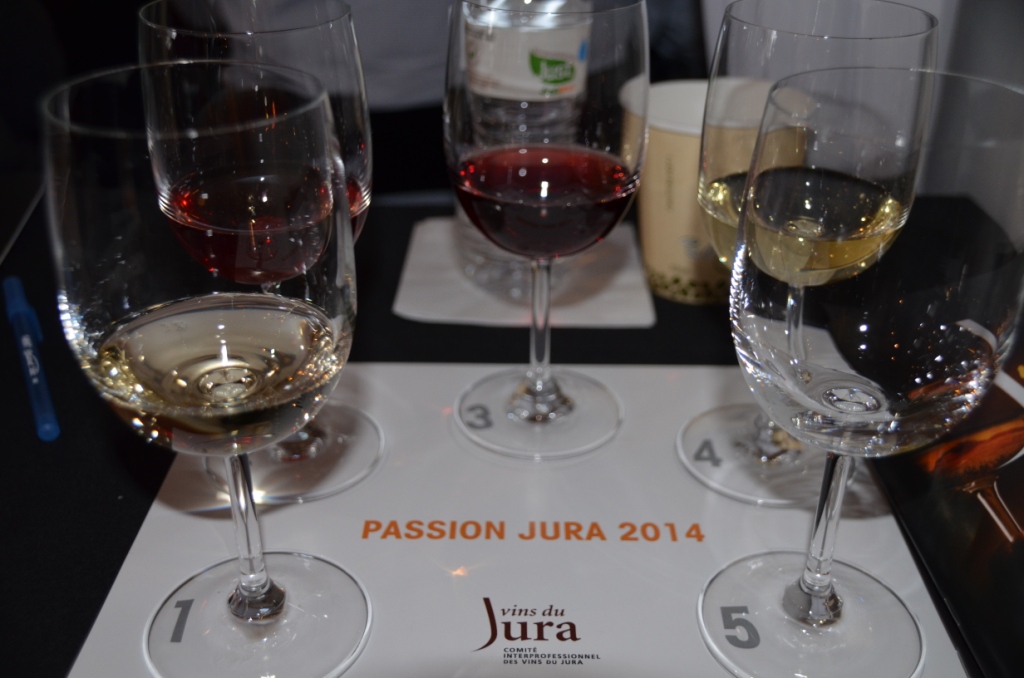 In the previous “Passion for Jura” post, we talked about the region – history, terroir, grapes and types of wines – but we didn’t talk about the wines themselves. “Passion for Jura” was the name of the seminar and tasting which I recently attended in New York city, where I had an opportunity for the first time to really immerse into the fascinating world of one of the oldest wine producing regions, which is really unknown in US.
During the seminar, 6 wines were presented by the winemakers themselves. The idea was to let us experience the full range of the Jura wines (for some strange reason, Vin Jaune was not presented during the seminar). Here are the wines we tasted:
NV Domaine Jacques Tissot Cremant du Jura Blanc Brut (12% ABV) – 100% Chardonnay, refreshing grassy nose, very acidic, bubbles are present but somewhat muted in the glass. Creamy mouthfeel with toasted bread and apple on the nose. Overall, not bad, but lacking a bit an overall energy of the sparkling wine.
2011 Domaine de la Pinte Jura Arbois Polsard de L’Ami Karl (11.5% ABV) – light, refreshing, cranberries with the touch of barnyard, herbs (sage), light but with the nice tannins. Very interesting and very enjoyable.
2011 Benoit Badoz Vermiel (13.5% ABV, 70% Trosseau, 30% Pinot Noir) – fresh grapey nose – not a pronounced as Beaujolais Nouveau, but still quite explicit. Cherries and blackberries show up next. Beautiful, smokey notes on the palate, a bit sharp, but fresh. Clean acidity, long pleasant finish. Somewhat similar to Oregon Pinot Noir, but more round. Also has a noticeable green component.
Compare the colors of the two red wines in the tasting:


2011 Domaine Champ Divin Cotes du Jura (13% ABV, Chardonnay/Savagnin blend) – vanilla, minerality on the nose. Delicious. Acidity and minerality on the palate, fresh apples, very refreshing
2009 Fruitiére D’Arbois Savagnin Arbois AOC (14% ABV, 100% Savagnin) – oxidation is very much pronounced, pretty much like with Sherry, both on the nose and the palate. This wine is typically made as Vin Jaune, but it requires lesser aging time. After the wine breathes, it becomes much less aggressive and comes through as clean, despite the oxidation.
2009 Domaine Pierre Richard Vin de Paille (15% ABV) – delicious nose. Palate is beautiful, with refreshing acidity, touch of bitterness, and full of fresh juicy apricots. Wow!
And here is the list of some of the wines I tasted during the walk around tasting. The place was small, and got very crowded after a while, so I didn’t taste the wines from all 20 producers. As usual for the trade tasting, I’m using the “+” sign system. The wines mentioned below were my favorites, for the most cases with “+++” ratings with some exceptions (of course), such as “++-|” and “++++”.
2010 Domaine Jacques Tissot Arbois Chardonnay (12.5% ABV) – +++, beautiful!
2012 Domaine Jacques Tissot Arbois Chardonnay La Mailloche (12.5% ABV) – +++-|, butter and balance! perfect.
2009 Domaine Jacques Tissot Arbois Savagnin (13% ABV) – +++, very elegant
2006 Domaine Jacques Tissot Arbois Vin Jaune (14.5% ABV) – +++, mushrooms and forest floor! should be amazing with savory dishes. Vin Jaune can last for 6 month after being opened.
2010 Domaine Jacques Tissot Arbois Trousseau (12.5% ABV) – ++-|, clean, elegant, light – red which more feels like white
NV Domaine Jacques Tissot Macvin du Jura (17% ABV) – very unusual palate, with raspberries, almost taste like Framboise, very nice. Can last for 6 month in the fridge.
2010 Domaine Jacques Tissot Cotes du Jura Pinot Noir (12% ABV) – ++-|, very interesting and unusual for a Pinot Noir
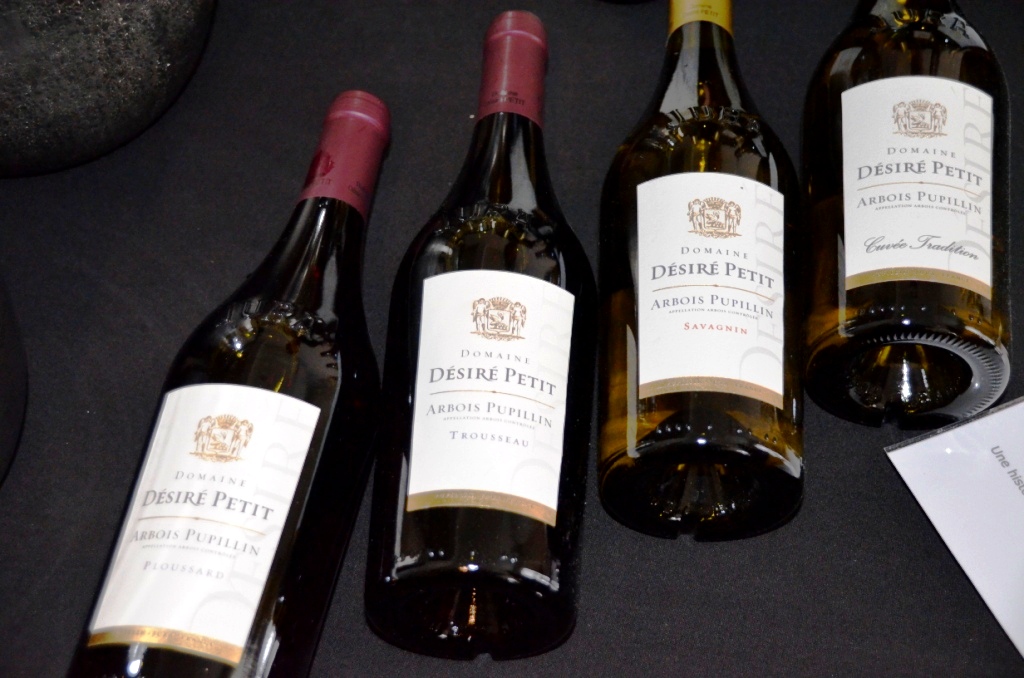
2012 Domaine Désire Petit Ploussard (12.5% ABV) – +++, smokey nose!
2012 Domaine Désire Petit Trousseau (12.5% ABV) – ++-|, dry, clean, nice
2012 Domaine Désire Petit Chardonnay (12.5% ABV) – ++-|, clean, classic, minerality!
2012 Domaine Désire Petit Savagnin Ouillé (13% ABV) – +++, 6 month in oak, very complex wine
2011 Domaine Désire Petit Tradition (12.5% ABV, 25% Savagnin) – +++, perfect acidity
2008 Domaine Désire Petit Savagnin(13% ABV) – ++-|, delicate, elegant
2007 Domaine Désire Petit Vin de Paille (14.5% ABV) – +++, prunes on the nose! perfect balance
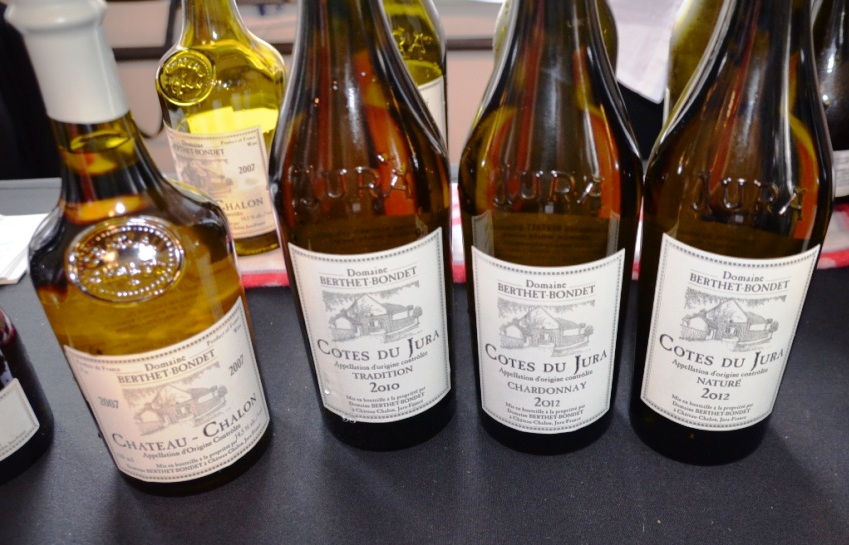
2012 Domaine Berthet-Bondet Cotes du Jura Chardonnay (12.5% ABV) – ++-|, light, round
2012 Domaine Berthet-Bondet Cotes du Jura Naturé (13% ABV) -+++, good fruit
2012 Domaine Berthet-Bondet Cotes du Jura Tradition (13% ABV) -+++, delicious
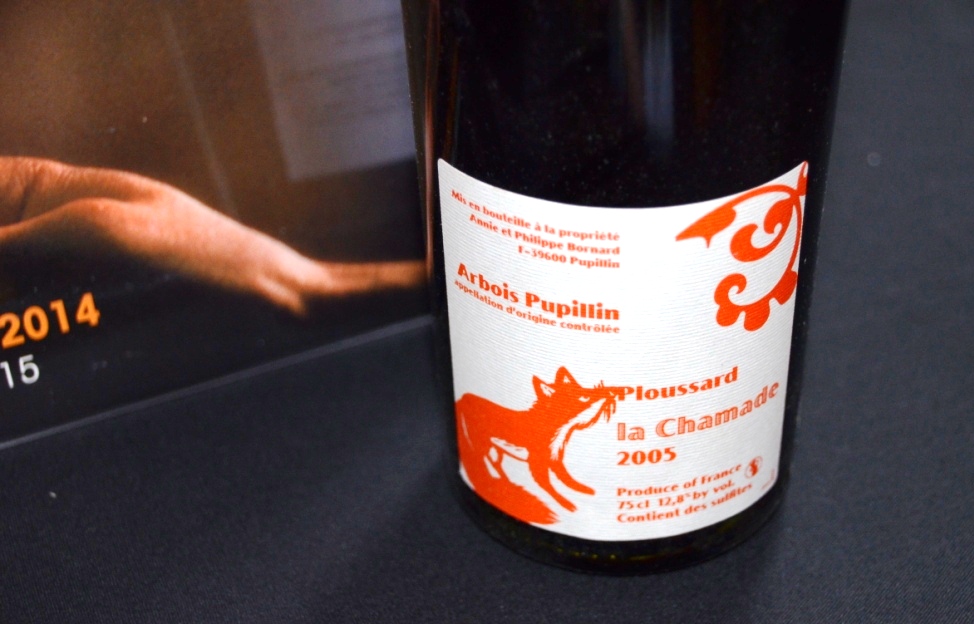
2005 Domaine Philippe Bornard Ploussard La Chamade – Best of tasting!
2005 Domaine Philippe Bornard Arbois Pupillin La Chamade Ploussard (12.8% ABV) – ++++, wow!
2011 Domaine Philippe Bornard Arbois Pupillin La Chamade Ploussard (13.5% ABV) – +++, wow! delicious, sweet undertones
2011 Domaine Philippe Bornard Arbois Pupillin Trousseau Le Ginglet (12% ABV) – +++, delicious complexity in the back
2011 Domaine Philippe Bornard Arbois Pupillin Savagnin Ouille Les Chassagnes (13.5% ABV) – ++-|, complex
2011 Domaine Philippe Bornard Chardonnay Les Gaudrettes (12.5% ABV) – +++, complex, delicate!
2011 Domaine Philippe Bornard Arbois Pupillin L’Ivresse de Noé (14% ABV) – +++, late harvest Savagnin, a touch of sweetness, delicious complexity
I also tasted 4 different Vin Jaune wines from Domaine André & Mireille Tissot, all from 2007 vintage, all single vineyard, and all delicious, with the one from Chateau-Chalon being the best – unfortunately, as all those wines were not listed in the tasting brochure, I can’t give you their exact names – but look for Domaine André & Mireille Tissot Vin Jaune – they are well worth your attention.
That concludes my report on the Passion for Jura tasting. Based on my experience, I can simply tell you – Jura makes delicious wines, and you need to experience them. Go to your wine merchant and ask for the Jura wines by name – and let me know how you will like them. Cheers!
Passion for Jura – The Land
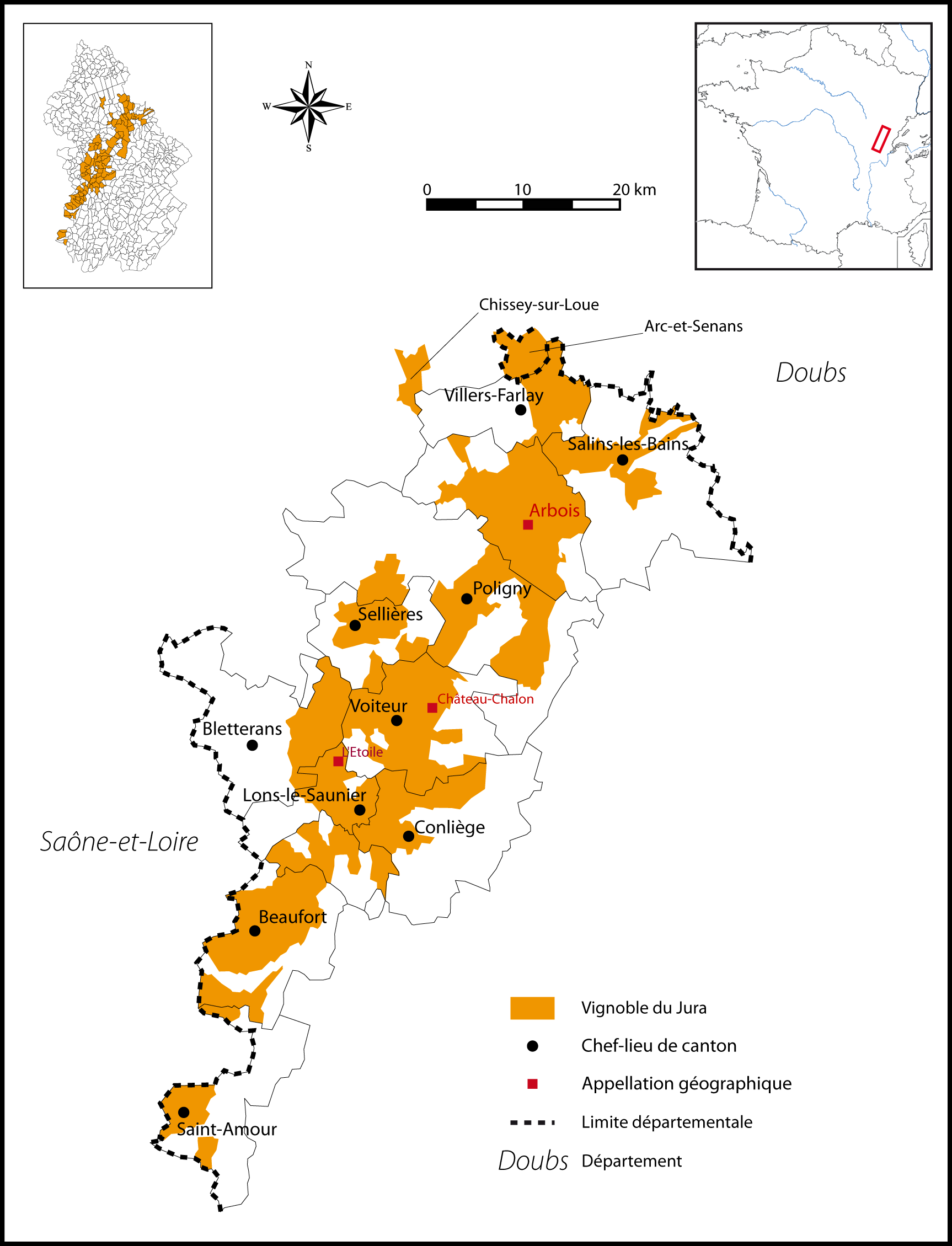 Let’s say you are talking to an oenophile. Ask her to name the major wine regions in France. I’m sure that Bordeaux, Burgundy and Champagne will be first. With the small pause, Loire and Rhone will follow, and then may be (may be!) Languedoc. I wonder how many of the oenophiles will mention Jura? Next question might be even more “tricky” – how many oenophiles tasted Jura wines? And the trickiest question of all – how many of you, my readers, tasted Jura wines? No, you don’t need to answer – Jura wines are almost impossible to find in US, and very difficult to find outside of France in general, so it is not surprising that they are not winning popularity contests, and thus it is really not your fault that you are not familiar with Jura wines.
We live in the times of the dramatic globalization of wine. Not only wine is exceedingly produced in the new and unusual places, but wine availability is becoming more and more global. No, Jura is not a newcomer to the world of wine, if anything, it is quite the opposite – Jura wines had been produced for more than two thousand years. The global availability is what changed – as consumers demand more and different wines, Jura wines, which are definitely unique and different, are becoming better known and more demanded.
Few days ago I was lucky to attend the wine tasting in New York City, called Passion for Jura, which was a great learning experience. The event consisted of seminar and walk around tasting, with more than 20 producers represented. Before we talk about wines themselves, lets take a look at the Jura region and many of its unique qualities first.
Jura region is a narrow stretch of land, about 50 miles long and less than 2 miles wide, in the north-west part of France, sandwiched between Burgundy and Switzerland. First mentions of the Jura region go all the way back to 80 A.D. When it comes to the different aspects of terroir, climate in Jura is somewhat similar to Burgundy, with the potential for more severe cold temperatures, especially during winter time. Soils are probably the most unique aspect of Jura terroir, with some of the shale formations aging between 200 and 230 million years – so yes, you can probably find dinosaur imprints in that soil, if you look deep enough. Overall, the difference in the age of soil can be quite dramatic, tens of millions of years between the neighboring vineyards.
Jura wines were well regarded in France, with Arbois (one of the main towns in the region) wines being known for what they are since the 10th century, and Château-Chalon wines (this is where the famous Vin Jaune is made) being well known since the 16th century. Similarly to all other winemaking regions in France, Phylloxera wrecked havoc in Jura’s wine industry. Before the Phylloxera, Jura region had about 50,000 acres under the vine, with 42 grape varieties, out of which 14 were identified in 1774 as “good grapes”. Today, Jura region has only about 5,000 acres planted, and only 5 varietals are used in the winemaking. Of course everything has two sides – only the best areas were replanted after the Phylloxera epidemic, and only with the grapes which produced the best results, so yes, there is silver lining in most everything in this life.
It is impossible to talk about Jura and not to mention a few of the famous people who dramatically impacted the wine world, while living in Jura at the same time. First, of course is Louis Pasteur, whose seminal work “Studies its diseases, their causes and new preservation and aging process“, published in 1886, was really a key element of the modern oenology. While Pasteur’s name is probably familiar to many, I wonder how many people will recognize the name of Alexis Millardet, also of Jura – meanwhile, he came up with the technique of grafting French vines on the American rootstock, which allowed to restart the French wine industry after the Phylloxera devastation. And the last person I would like to mention here is Joseph Girard, a resident of Arbois, who founded INAO (National Institute of Denominations of Origin) and was instrumental in establishing the AOC system of quality, which was subsequently copied all over the world. It is probably not very surprising that the very first AOC in France, established in 1936, was … the Arbois AOC!
Let’s talk about the grapes. Now, this is somewhat of the simple task, as there are only 5 grapes growing in Jura – 3 reds and 2 whites. Here they are:
Poulsard – indigenous red grape of Jura, sometimes also called Ploussard. Most planted red grape in Jura (about 40% of all red grape plantings), and about 14% of total grape plantings. Produces bright looking wines, almost Rosé in color, which are very refreshing and age quite well.
Trousseau – another red grape of Jura, part of the Savagnin family, most likely originated in Jura. The same grape is known as Bastardo in Portugal. Has about 8% of the total planted area, and about 22% of the red grape plantings. Often blended with Pinot Noir.
Pinot Noir – was introduced in Jura in 14th century. Has about 13% of the total plantings, and a bit less that 40% of the red grape plantings. Early ripening variety, thus has high degree of risk of frost damage in spring.
Chardonnay – same as Pinot Noir, was introduced in Jura in 14th century. Also known as Melon d’Arbois in the north, and Gamay Blanc in the south. Few vignerons are still growing Melon á Queue Rouge, a rare red clone of Chardonnay. Chardonnay is the most popular grape in Jura, at about 43% of total area plantings and 2/3 of the white grapes plantings.
Savagnin – most famous grape of Jura, and the only one allowed to be used in Vin Jaune. Late ripening variety with low yield. makes up about 22% of the total grape plantings and about 1/3 of the white grape plantings.
Before we get to the styles of wines and regions, let me give you a few interesting numbers. With 5,000 acres planted, there are about 300 grape growers in Jura, each taking care of about 17 acres of vineyards. There are also about 200 producers and about 100 villages in the Jura region.
With only 5 grapes, Jura produces a great variety of stylistically very different wines. Historically, Jura wine were very unique, as oxidation always played a very important role in the white wines of Jura. While oxidation is great, as the oxidized wine can be preserved almost forever, it doesn’t necessarily appeal to the tastes of the mass of the wine drinkers in the world. Starting in 1990, the style of Jura wines started to change, to move from oxidized to fresh, generally more acceptable style. As the result, there is a number of styles which you need to be aware of in order to make sure the wine will actually taste as you would expect instead of “OMG, what is it???”. Additional problem is that these styles are not necessarily clearly indicated on the from label, so sometimes you really need to look through all the information on the labels and outside in order to understand what type of wine it is. The oxidation is only relevant to the white wines, so the styles of the white wines are:
- Ouillé – non-oxidized
- non-Ouillé – oxidized
- Naturé – Savagnin wine in the oxidized style
- Tradition – a blend of oxidized Savagnin and Chardonnay
For what I understand, all it means is that if you don’t see the word Ouillé somewhere on the label or description of the wine, there is a good chance that the wine will be oxidized – if anyone who reads this post has better knowledge of the subject, I would greatly appreciate the comment!
Tired yet? We are almost done! Last part – let’s talk about wine styles and appellations. Before we get to the Jura details, one general note. Have you noticed the words AOP showing up more and more on the wine labels, especially on the latest releases of wine? This is because the French government, following overall EU requirements, is changing the AOC (Appellation d’Origine Contrôlée) nomenclature to the AOP (Appellation d’Origine Protégée), so you should expect to see the words AOP more and more on the bottles of French wines.
Jura uses total of 6 appellation designations – 2 of them are product designations, and 4 are geographical designations. Additionally, there are two wines which can be made in different appellations but they still have very specific product requirements. Here we are:
 Crémant du Jura AOP – this is the product AOP for Sparkling wines in Jura. Made by the traditional (méthode champenoise) method, with 9 month minimum aging on lees. The wine can be produced anywhere in Jura, using all 5 varietals. Grapes should be harvested by hand and whole-cluster pressed.
Macvin du Jura AOP – this is the product AOP for fortified dessert wines. Can be made anywhere in Jura AOPs using any of the 5 grapes. The wine is made by blending of 2/3 of unfermented grape juice with 1/3 of the local brandy, called Marc du Jura, which should be made at the same property from the grape skin pomace. The wine should be aged for at least 12 month in the oak barrels before release.
Arbois AOP – geographic AOP, the biggest in terms of production. All 5 grapes are grown and permitted in production of the wines, with all types of wine allowed for production.
Château-Chalon AOP – a dedicated geographic AOP for production of Vin Jaune. Savagnin is the only allowed grape, harvested late. If any other wines are made, they are designated as Côtes du Jura. For more details, please see below.
Côtes du Jura AOP – a geographic AOP. All 5 grapes are allowed to be used, and all styles of wines can be produced.
L’Étoile AOP – a geographic AOP, the smallest in Jura, consisting of only 4 villages. Only Chardonnay, Savagnin and Poulsard are allowed. All styles of the wines can be produced.
Vin Jaune – Most famous wine of Jura, so called “yellow” or “golden” wine. Can be made only out of the 100% Savagnin, in any of the 4 geographic AOPs. The grape is harvested late, and vinified as any other white wine would. After that, the wine is aged in the oak barrels which are not completely filled up. The barrels are never topped off and never racked. Similar to the Jerez, the thin film is formed on the wine’s surface, which is called The Veil – it allows the wine to age gently. The minimum age of the wine before it can be bottled is 6 years and 3 month. The wine requires pre-tasting prior to the bottling, and it is produced only in the good years. Vin Jaune is bottled in the special bottles called Clavelin, which contain 620 ml – Jura winemakers had to endure a long fight with the authorities in order to keep the historical, but not EU standard size (750ml) of the bottle.
Vin de Paille – the dessert! Generally produced from Chardonnay, Savagnin, Poulsard and sometimes Trousseau in Arbois, L’Étoile or Côtes du Jura AOPs. The grapes are harvested early and then dried up either in the boxes or hanged up in the air for 3 -5 month. After pressing, the wine have to age for at least 3 years with minimum of 18 month in the oak.
Whew, and we are pretty much done. Believe it or not, but I think this is probably the longest ever post with the least number of pictures – if not The longest, then definitely one of the longest. Jura is unique and special region, as you will see when we will be talking about the wines in the next post, and I really wanted to give you all the information together, without breaking it into the pieces. If you are still reading it – I definitely want to thank you for your patience. I hope you learned something new here. Also, if you have an experience with Jura wines, your comments and opinion will be greatly appreciated. Hell, your comments will be greatly appreciated even if you never heard of Jura wines till today. With that, until the next time – cheers!
When The Vines Work Hard – #WineChat with Lenné Estate
 “You’ve got to work hard, you’ve got to work hard if you want anything at all” – one of my favorite lines from the song by Depeche Mode, a popular electronic music band from the 80s. Yes, the notion of ‘working hard” is half banal, half extreme, and half misunderstood (I’m sure you are admiring my math skills here with three halves, aren’t you). People often (mostly?) achieve the best results when faced with adversity, when they need to overcome something, work against difficult circumstances, work hard. Give people everything they want – and they stop growing. Vines are like people. When water and sun are plentiful, the vines can produce a lot of grapes – but those individual grapes can be pretty dull. When the vines need to fight for survival, those much fewer grapes the vines will bear, will have the flavor and finesse almost unachievable in the “nice and easy” setting.
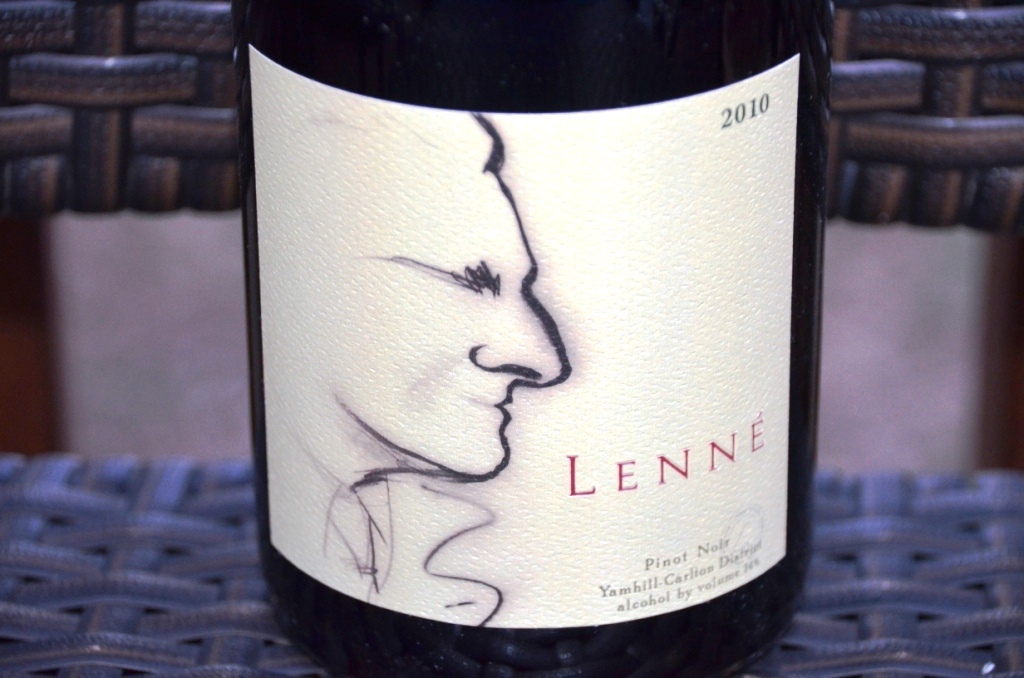
When Steve Lutz, the proprietor and winemaker at Lenné Estate in Yamhill-Carlton district in Willamette Valley in Oregon, planted the Pinot Noir vines for the first time back in 2001, 35% of those vines died. Ever heard of Peavine soils? In today’s age of the internet, you can easily learn anything you want – so if you want the exact definition of Peavine, you can find it here. But, in simple terms, Peavine is a mixture of clay and rocks – yeah, not your ideal agricultural setting. So the vines had to work hard to survive, go deep into the soil to find water and nutrients. The payback for all the hard work? A great fruit, the grapes which render themselves to the complex and intriguing wines.
Last Wednesday, April 9th, I participated in my second #winechat – a guided virtual tasting that takes place most of the Wednesdays at 6 PM Pacific/9 PM Eastern, in the Twittersphere next to you. The theme of the wine chat was, as I’m sure you guessed already, the wines of Leniné Estate. Steve Lutz was participating in the #winechat, explaining about Peavine soils, talking about his Pinot Noir wine and answering numerous questions (#winechat conversations get generally quite active, with #winechat being among top trending topics on Twitter).
In addition to being able to talk to passionate people with vast knowledge of the subject, what I personally like about the #winechat is that I get to spend dedicated time in my grape geek setting, my grape laboratory. I get to play with the wine and take detailed notes. Coming to the Lenné Pinot Noir tasting, I read in the technical notes that the wine is expected to age well for the next 8-12 years. To me, the immediate thought was – let’s decant!
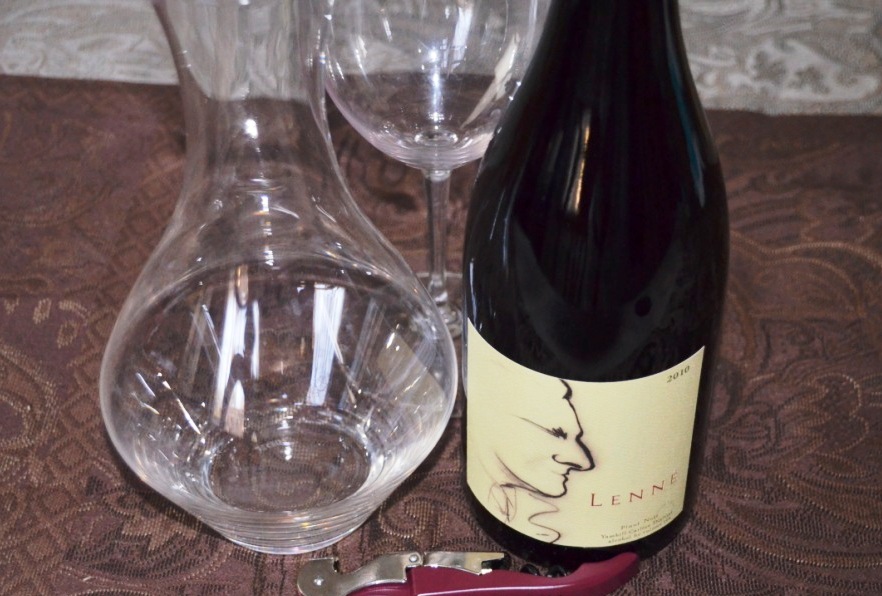 I decanted a small amount of wine about 2 hours before the tasting and put cork stopper into the bottle.
2 hours later, we started the #winechat – 2010 Lenné Estate Pinot Noir Yamhill-Carlton AVA, Oregon (14% ABV, $45). I started with the wine in the bottle, which was at 21°C/70°F.
Color: Dark Ruby
Nose: Smoke, raspberries, a touch of mint, nice, open
Palate: Beautiful sweet fruit in the back, a touch of dark chocolate.
Next, I made a big mistake. I decided that I need to chill my Pinot Noir slightly, so I put the wine chiller on. Of course, I got carried away with the chat twitter stream, so when I said “oh, crap” and removed the chiller, after about 5 minutes on the bottle, it was already too late. At 12°C/53.6°F, the nose became completely muted, and wine became mostly sweet with some acidity, but the complexity was gone. For the rest of the chat, I kept waiting for the wine to come back to me – chilling is easy, but you can’t play any tricks with warming the wine up, you just have to let the air do its [slow] magic. At 16.2°C/61.1°F, the classic nose came back, together with the palate of cherries and ripe strawberries. Meanwhile, the decanted wine also played in somewhat of a strange way – the wine was showing smooth and elegant – but every sip was leaving me wanting more acidity.
The #winechat was over, so I pumped the air out with VacuVin (my standard routine), and put the bottle aside, to be continued the next day. And the next day – without decanting or any temperature games – the wine was shining! Beautiful nose of cranberries and cherries, with a touch of smoke and barnyard – call it funkiness or earthiness, I call it barnyard – just a touch. Beautiful palate with acidity, strawberries, and cranberries in the front, then soft, but very present tannins started to gently grip the front of the mouth, and mocha and sweet cherries showed in the back, with pleasant minerality. The finish was lasting almost a minute. Overall this was the perfect example of balance and finesse which may be only Pinot Noir is capable of.
Verdict: This was a beautiful wine, which can be enjoyed now (just don’t do anything stupid with the temperature), but will deliver even more pleasure with time. Drinkability: 8+
That’s all I have for you for today. Now you know – Wine Wednesday is always better with #winechat – join the conversation! Cheers!
Few Updates From Michael Skurnik Portfolio Tasting in Connecticut
Michael Skurnik Wines generally needs no introductions – one of the best wine importers and distributors in the country, with the great portfolio of wines and spirits from all over the world. A few days ago I attended a small trade tasting event here in Connecticut, and I want to share a few highlights with you. These are the wines which are either already available or about to be available in the wine stores near you, so if our palates are aligned, you might want to look for them : )
As usual for the trade tastings, my notes are short, and the ratings are done in “+” signs, from “+” to “+++”, but of course, the exceptions make our life more interesting, so “++-|” and “++++” are also possible. Also, I will list prices for all wines as SRP (suggested retail) in CT, so your local price might be different.
Here we go:
2012 Charles Smith Wines ‘Eve’ Chardonnay Columbia Valley (SRP: $12.99) – ++, nice minerality, very much Chablis-like. Not the best in the world, but excellent value.
2012 Charles Smith Wines ‘Boom Boom’ Syrah Columbia Valley (SRP: $16.99) – ++, surprisingly balanced, simple, round and spicy. Again, great QPR.
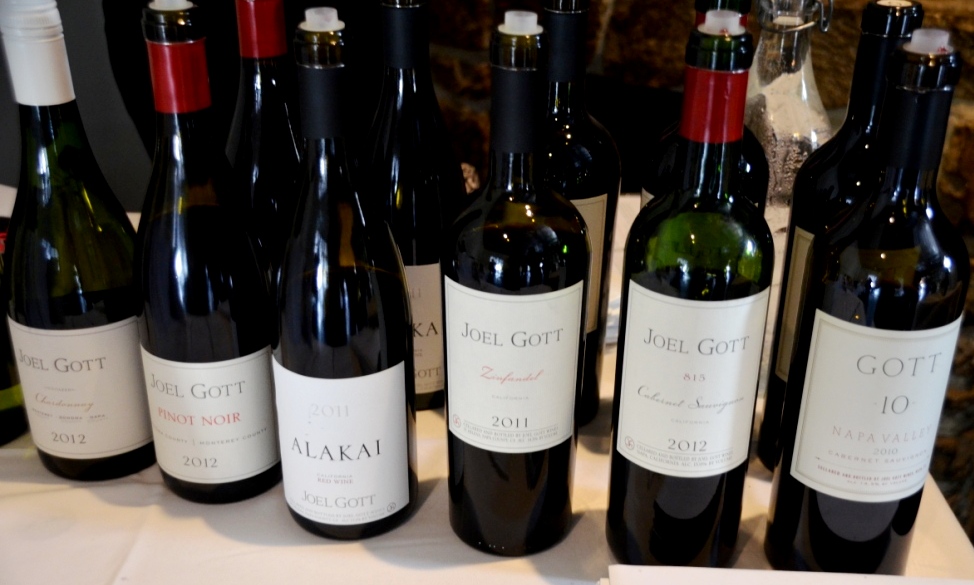
2012 Joel Gott Riesling, Washington (SRP: $13.99) – ++-|, fruit forward, nice, balanced, good acidity
2011 Joel Gott Alakai California (SRP: $18.99) – ++-|, nice Rhone-style blend with very explicit Grenache notes – nice plumpness, very round
2011 Joel Gott Zinfandel California (SRP: $16.99) – ++-|, nice, smokey
2012 Joel Gott Cabernet Sauvignon California (SRP: $16.99) – ++-|, very scaled back, good balance
2010 Joel Gott Cabernet Sauvignon Napa Valley (SRP: $47.99) – +++, classic Bordeaux style, perfectly round and clean.
2012 Charles Fournier Gold Seal Vineyard Riesling, Finger Lakes, NY (SRP: $14.99) – +++, creamy, delicious
2012 Charles Fournier Gold Seal Vineyard Chardonnay, Finger Lakes, NY (SRP: $13.99) – +++. It seems that winemakers on East Coast start getting their vibe with Chardonnay. Dry, mineral, with clean acidity – Chablis-style and very well done. And QPR? Unbeatable value!
2012 Charles Fournier Gold Seal Vineyard Cabernet Franc, Finger Lakes, NY (SRP: $17.99) – +++. I’m a sucker for a good East Coast Cabernet Franc, and this was a perfect example – bell pepper, cassis, soft and round. Try it!
2011 Januik Winery Cabernet Sauvignon Columbia Valley (SRP: $28.99)- +++. Classic Cabernet Sauvignon, perfectly expressive and round.
2012 Ramsay Pinot Noir California (SRP: $13.99) – ++-|, nice fruit, smokey and round.
2011 Robin K Cabernet Sauvignon Sonoma Valley (SRP: $15.99) – ++-|, nice and light
2012 Owens and Vaughn Cabernet Sauvignon California (SRP: $14.99) – ++-|, good fruit, cassis, acidity. Might be the best California Cabernet the money can buy under $15.
2010 Chateau Saint Julian Bordeaux Superieur (SRP: $12.99) – ++-|, nice, round, and great QPR
2012 Petit Chapeau Macon-Villages (SRP: $13.99) – ++-|, perfect Chardonnay, round and supple, and outstanding QPR
2012 Petit Chapeau Bordeaux Blanc (SRP: $12.99) – ++-|, refreshing, clean, great acidity – perfect for a hot summer day.
2010 Chateau de Clotte Cotes de Castillon (SRP: $16.99) – ++-|, classic Bordeaux at a great price
2011 David Duband Bourgogne Rouge (SRP: $22.99) – +++, excellent, classic Burgundy at a great price
2011 Domaine de L’Enchantoir Saumur Blanc (SRP: $12.99) – +++. Very unusual and interesting wine, great minerality mid-palate. Definitely worth experiencing, especially at such QPR
 And of course I saved the best for last.
2007 La Rioja Alta Vina Alberdi Rioja Riserva (SRP: $19.99) – ++++. In a word, spectacular. In another word, wow! Such a perfect balance of fruit, structure, power and earthiness which only Rioja possess. Amazing wine, and there is nothing, absolutely nothing which can beat it in the under $20 range. Go try it (I mean buy a case) and send me a thank you note…
2001 La Rioja Alta 904 Rioja Gran Riserva (SRP: $47.99) – ++++. Stunning. Same as the wine above, but mature, with different level of fruit expression. At a price? Great value in my opinion. And don’t forget that 2001 was one of the best years ever. This wine will give you lots of pleasure for many years ahead.
2010 Bodegas Cepa 21 Hito Ribera Del Duero (SRP: $14.99) – +++-|. Outstanding. Fruit and power combined – delicious rendition of Tempranillo. At $14.99? No further comments.
And we are done here. Whether you tried any wines listed here or not, I would love to know your opinion. Cheers!
A Trip to Spain – at Barcelona Restaurant in Greenwich, CT
 About a month ago I got a note, which I shared with all my readers – Barcelona Restaurant in Greenwich is offering a special wine education program, called Passport Through Spain – 4 evenings of exploring the wines of the different regions in Spain, of course accompanied by the food. I didn’t have a chance to attend the classes until the very last one – but boy, am I happy I was able to attend at least one class!
The last class was focused on the region called Valencia. Valencia is more known for its paella and oranges than for its wines – but this is probably what made it more fun for me. The previous three classes were focused on Rioja, Galicia and Priorat, and I’m somewhat familiar with the wines of those three regions – but Valencia is quite unknown to me, and thus intriguing.
Region of Valencia is located on the east coast of Spain, along the Mediterranean sea line. There is a number of winemaking areas in Valencia, with Jumilla probably being the most known. There is a mix of climate zones in the region, some been more Mediterranean, and some more continental, but the very hot temperatures are quite common throughout the summer. However, in the areas with the continental climate the temperatures can drop very low in the evening, so the grapes can achieve great flavor concentration and depth. Similar to all other regions in Spain, the quality of wines in Valencia is steadily increasing, with the regions such as Valencia, Utiel-Requena and Alicante taking their place on the wine map. There is a mix of indigenous and international varieties growing in the region, with probably Malvasia and Moscatel being stars among the whites, and Monstrell, Bobal, Garnacha Tintorera and Garnacha Tinto among the reds.


The Valencia wine class was conducted by Jose Valverde, the Sommelier at Barcelona Greenwich, who is the wealth of knowledge and just a pleasure to listen to. We started with the wine called 2010 Bodegas Rafael Cambra Soplo Valencia DO (14% ABV, 100% Alicante Bouschet/Garnacha Tintorera, 3 month aging in oak) – it was this wine, made out of the Alicante Bouschet, known in Spain as Garnacha Tintorera, which prompted my last wine quiz – so here you can read some interesting facts about that grape.
Here are my notes about the wine:
Color: Dark ruby, concentrated
Nose: Earthy, warm, inviting, with touch of espresso, cherries and pencil shavings, very intense
Palate: Perfect acidity, cassis, almost a Cabernet Sauvignon/Cabernet Franc profile, espresso, touch of bell peppers, very restrained.
Verdict: Beautiful wine, you just can’t put your glass down. Drinkability: 8+
Barcelona is actually a restaurant group, and they have a number of restaurants in Connecticut and even outside, all focused, of course, on Spanish food and wine. It was very interesting for me to learn that Barcelona takes the idea of cultural heritage very seriously – yes, I’m talking here firstly about food, cooking and overall Spanish cuisine traditions. Every year the group of chefs and other people who make your restaurant experience special, travel to Spain to immerse into, to embrace the cuisine, the food, the wines, to learn the ways Spanish restaurants operate. Best of the best is brought back home and then shared with us, lucky customers, in the form of special food and special experiences. The very first dish which was served to us, lucky customers, was the Toast with Bacalao Spread. Executive Chef Michael Lucente tasted that dish at one of the restaurants in Spain while being on educational trip. He loved the dish, and he asked for the recipe. Guess what – he didn’t get it, as the chef outright refused to share it. Chef Michael spent a year (!) perfecting that recipe, but as a foodie I think it was totally worth it. Incredible balance of flavors, and texturally interesting – this was one delicious tapas.
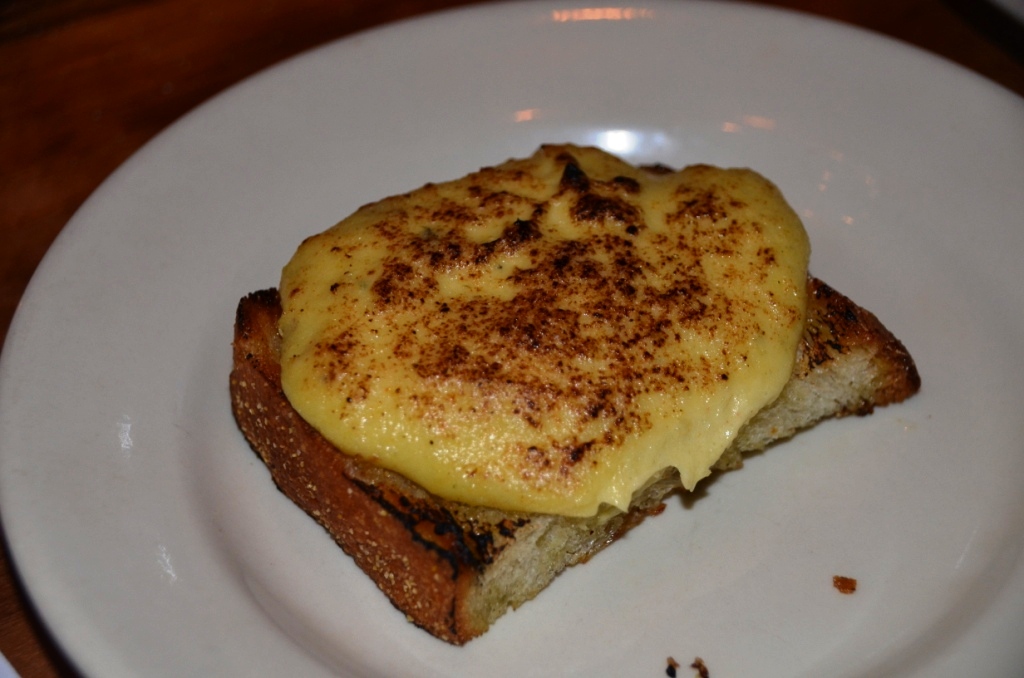
We continued our journey through Valencia with 2010 Bodegas Sierra Norte Pasión de Bobal Utiel-Requena DO (13.5% ABV, 100% Bobal). Bobal is a unique Spanish grape, which doesn’t grow anywhere else – however. there is plenty of it growing in Spain, with more than 80,000 acres, which makes it one of the most planted red grapes in the world. The climate in Utiel-Requena is one of the harshest in Spain, with very hot summers and cold winters with frost and hail, but still, the grapes persevere!
Here are the notes for this wine:
Color: Ruby
Nose: Freshly crushed grapes, but restrained. Brighter nose than the previous wine, with some black cherries, herbs and tobacco.
Palate: Noticeable tannins, but overall light, open and clean, should be very food friendly. I crave the complexity of the first wine!
Verdict: Nice, simple and very food friendly – will complement wide range of foods! Drinkability: 7+
The dish which was served with dish was Roasted Hen with pimento, fried chick peas and cilantro. The dish itself was very tasty, with all the flavors perfectly melding together – and it also worked perfectly with the wine! All those mild flavors of the wine very complementing bold flavors of Mediterranean cuisine, so this was definitely an excellent match.


Our last wine of the evening was 2009 Pedro Luis Martínez Arriba Término de Hilanda Monastrell, Jumilla DO (14.5%ABV, 100% Monastrell, 14 month aging in new American and French oak) – Monastrell, which is a lot more international grape than the previous one (it is known as Mourvedre in France and Mataro in Australia), is definitely the best known grape in this tasting group. One problem I often have with Monastrell wines is that they are made overly jammy, with lots of in-your-face overcooked fruit. Luckily, not this wine!
Here are the notes:
Color: Dark ruby, concentrated, almost black
Nose: Closed
Palate: Powerful, coffee, dark chocolate, espresso, black plums, firm structure with spicy undertones, tar. Thought provoking, with excellent balance.
Verdict: Excellent wine, one of the best Monastrell wines I ever tasted. Drinkability: 8-
Care to guess what our last dish was? Yes, Paella! You can’t have a class on Valencia wine and not experience the classic of the cuisine. It was not even one paella, but two – both seafood and meat (rabbit and sausages) paella were served, and they both were absolutely delicious! No, I’m not going to describe them to you – just get to the restaurant and taste it for yourself.


That was definitely an evening of fun learning, great food, great wine and great conversations. There are only a few things are left for me to do here. First of all, I want to thank Barcelona Greenwich Sommelier Jose Valverde, Executive Chef Michael Lucente and PR Director Ria Rueda for the excellent program and great experience of Spanish wines and Spanish cuisine. Also, I want to bring to your attention the fact that Barcelona Restaurant group does a lot of work to educate the customers on both food and wines of Spain, so you will do yourself a lot of good if you will check their calendar and sign up for updates – there are great events happening literally every week! You can find Barcelona Restaurant and Wine Bar calendar right here – it covers all of the Barcelona locations and even more general events where Barcelona restaurants participate, so don’t think you should live in a close proximity of Greenwich to take an advantage of these special events.

Sommelier Jose Valverde and Executive Chef Michael Lucente
And we are done here. If you are looking for the great Spanish food and wine experience – there might be a Barcelona restaurant near you! Cheers!
Barcelona Greenwich
18 West Putnam Ave.
Greenwich, CT 06830
Tel: 203.983.6400 203.983.6400

VIA Masterclass: Amarone
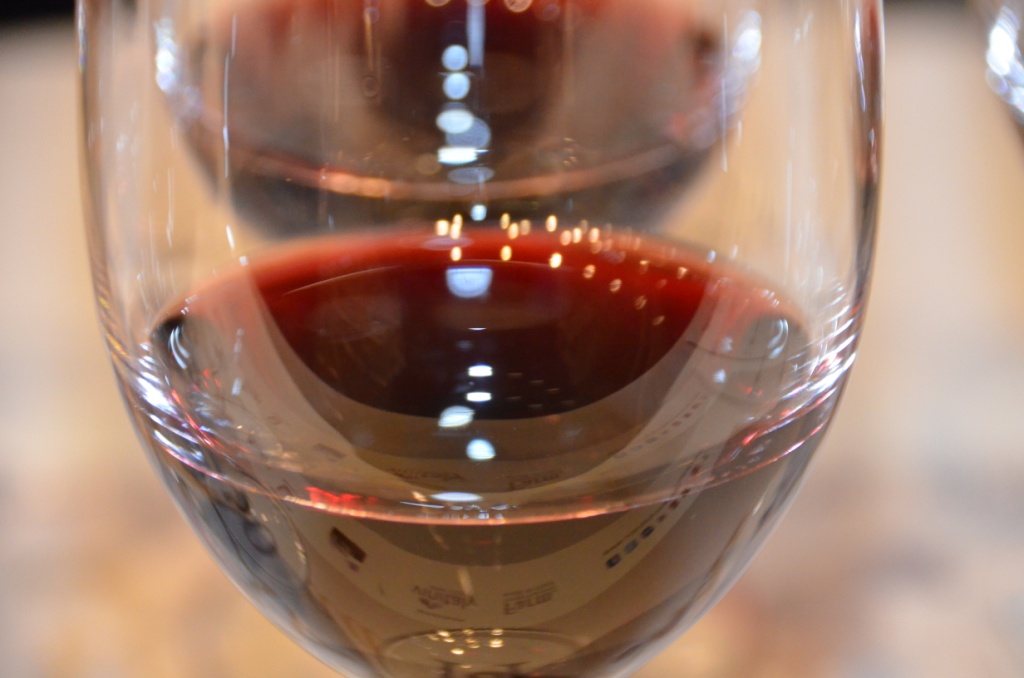 Continuing the subject of VIA Masterclass (here is the link to the previous post about Barolo masterclass), I want to talk about Amarone, one of the most uniquely Italian wines. The class was called “Amarone – The Velvet Underground”, and I think the name is very fitting. Let me explain.
Have you ever experienced a great Amarone? To me, the great Amarone starts with the nose which you can’t forget. As the wine is made from the grapes which had been dried under the sun for at least 90 days and thus more resembling the raisins than actual grapes before they will be pressed, it shows all those beautiful flavors of the dry, sun-aged fruit. After the aromas, which you can’t stop inhaling, comes the body – perfectly dry, perfectly full, perfectly powerful. This is what good Amarone is supposed to be. If you will think about the process, you will understand why Amarone has its price (think about the fact that most of the grapes lose about 40% of their mass – how many more grapes do you need to make the same bottle of wine?) – but if good Amarone is your wine, you will be willing to pay the price.
If you will search my blog for Amarone, you will find many posts, a lot of them complaining, hinting at my disappointment (I very rarely talk negatively about wines – I prefer not to write about bad experiences instead of bashing them). As of late, it became increasingly difficult to find Amarone as I described above, soft and velvety, but powerful and beautiful at the same time. A lot of the wines have very muted nose, and super-alcoholic, over-extracted, unbalanced body (and I just boasted about my non-confrontational style, huh).
This is where information from our Masterclass became very helpful. Yes, first we listened to the history of Amarone (discovered by accident, when the cask of Recioto, a famous sweet wine made from the dried grapes (passito) , was allowed to ferment through and became a dry elegant wine with – alas – bitter taste! Hence the name – Amarone, from the word Amaro – bitter). Then we talked about the geography and various sub-zones of Valpolicella region in Veneto – this is where Amarone is produced, with the best Amarone coming from the (not surprisingly!) hillside vineyards. Over the last decade, there was a huge increase in demand for Amarone worldwide. Think about the following facts. Consortium of Amarone producers was established in 1973 to regulate production of Amarone – so the production statistics are available from approximately that time. Amarone area plantings increased from 11431 acres in 1972 to 15723 in 2009. At the same time, all the way until early 2000s, there were about 1 million bottles of Amarone produced per year. In 2007, this number jumped to 8 (!) million, and then to the 16 (!!) million in 2008. Yes, it is great to have such a demand, but – where do you get the grapes to increase your production so dramatically over such a short period of time? You have to allow your vineyards to overproduce, and you have to lower your standards of quality and harvest the grapes from the vineyards which in the past you will never take the grapes from for your flagship wines. You see, Amarone is a top wine of Valpolicella. Amarone wines are typically made from Corvina, Corvinone, Molinara and Rondinella grapes, taken in the different ratios as each grape brings its own qualities tot he wine. Wines of Valpolicella are made from the same grapes – but it would be those which were not good enough to be made into Amarone.
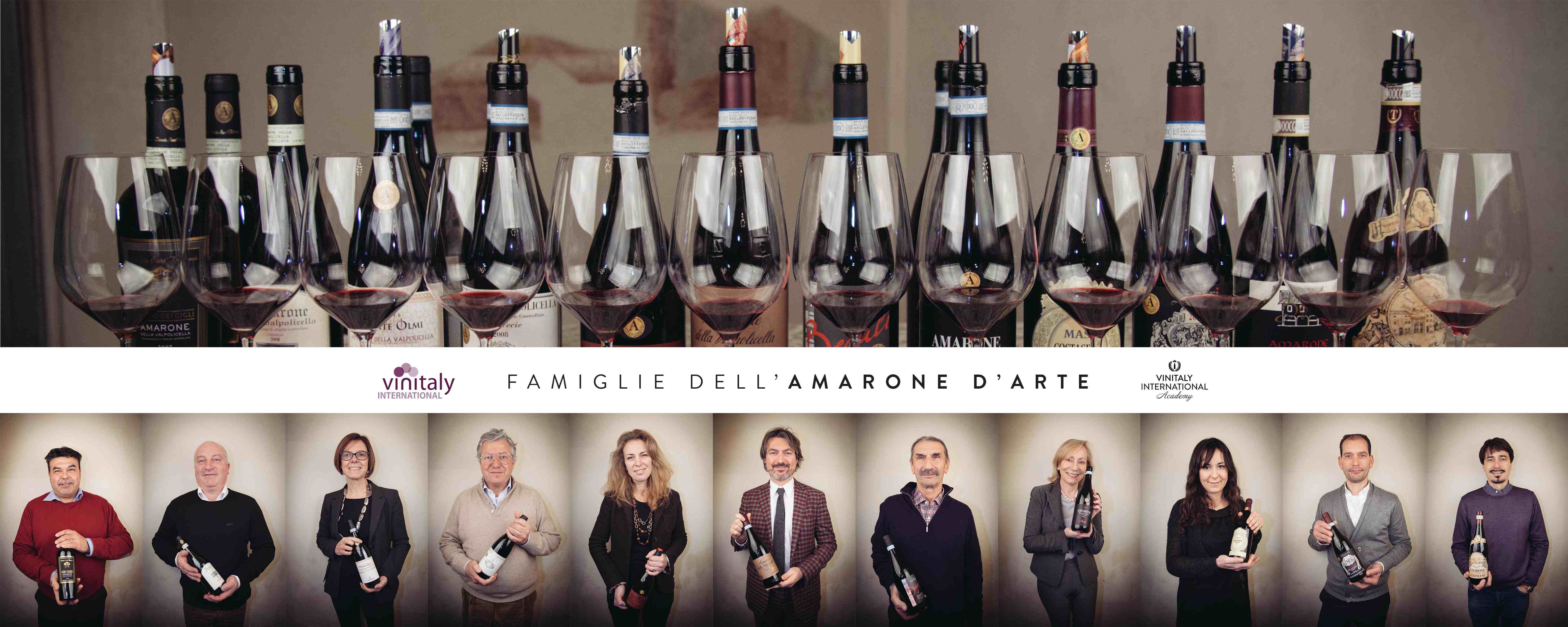
To satisfy this huge demand in Amarone, there is also a push to extend the production area of Amarone, which would lead to the further deterioration of quality. In 2013, Amarone Consortium approved the increase of Amarone production zone by 30%, which will mainly come from the flatlands. To fight against it, 12 Amarone producers (Allegrini, Begali, Brigaldara, Masi, Musella, Nicolis, Speri, Tedeschi, Tenuta Sant’Antonio, Tommasi, Venturini, Zenato) created Amarone Family association (Famiglia dell’Amarone d’Arte) back in 2009, with the goal of pushing back and defending traditions of quality in production of Amarone. Marilisa Allegrini, currently the Head of Amarone Family association was present at the masterclass and she had an opportunity to talk briefly to all the attendees.
 And then there was the tasting, of course. We went through 11 different Amarone wines, and here are the notes (this are my actual notes in its progression, like declaring the wine “best so far”).
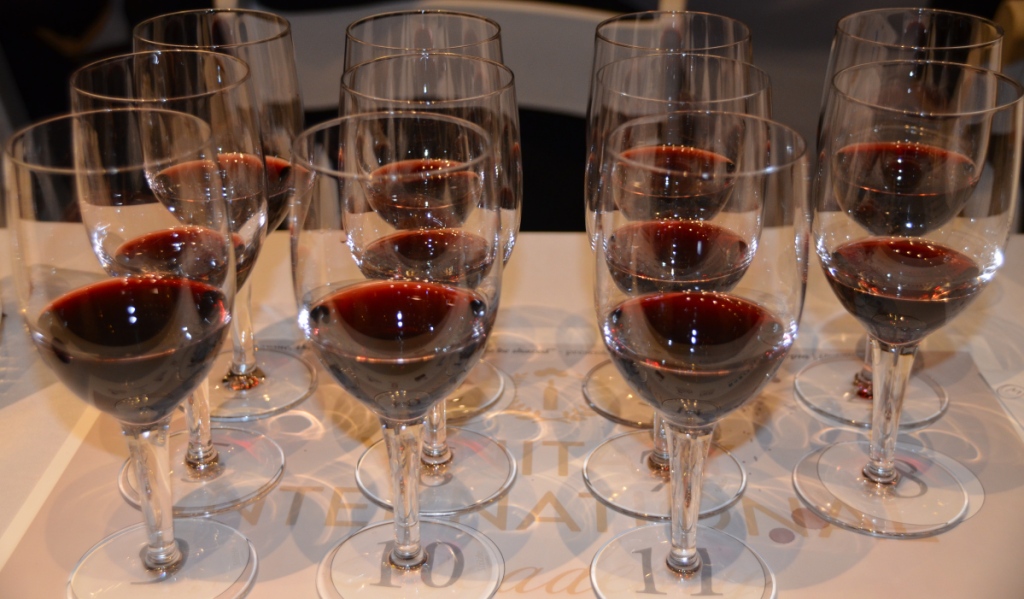
1. 2010 Tommasi Viticoltori Amarone della Valpolicella Classico DOC
Nose: ok, traditional nose of a red wine, but not Amarone
Palate: over extracted and super-bitter
2. 2008 Begali Amarone Classico
Nose: campfire, then dark fruit with medicinal undertones
Palate: bitter, biting
3. 2009 Speri Amarone Classico Vegneto Monte Sant’Urbano
Nose: green and vegetative
Palate: bitter, over extracted.
4. 2009 Masi Agricola SPA Amarone Costasera
Nose: nice, open, hint of sweet fruit
Palate: not bad. Not too bitter, good power, clean balance. ++-|
5. 2009 Allegrini Amarone
Nose: best so far – beautiful, nice, open, fresh berries
Palate: closed, bitter
6. 2009 Zenato Amarone della Valpolicella Classico DOC
Nose: exceptional – true Amarone nose – fresh jammy fruit, but very balanced – raisins, figs – wow! +++
Palate: nice, soft, round – very good.
7. 2008 Musella Amarone della Valpolicella Riserva
Nose: nice! Fresh, open, good fruit
Palate: excellent. Best so far – nice, clean wine, powerful tannins without bitterness. +++
8. 2008 Brigaldara Amarone Case Vecie
Nose: nice, good dried fruit
Palate: good, clean, round – outstanding! Even better than the previous wine +++
9. 2008 Tedeschi Capitel Monte Olmi della Valpolicella Classico DOC
Nose: nice, concentrated fruit, good
Palate: needs time, but still perfectly round +++
10. 2008 Venturini Amarone
Nose: interesting nose, but pretty closed.
Palate: too austere. Not bad as a wine, but not good as Amarone
11. 2007 Tenuta Sant’Antonio Amarone Campo dei Gigli
Nose: dark, concentrated fruit, blueberries, raspberries
Palate: very good, but a bit bitter. It’s a bummer as I had a great experience with this wine at the tasting in September.
That’s all I have for you for today. What do you think of Amarone? Share your experience! Cheers!
VIA Masterclass: Barolo Cannubi
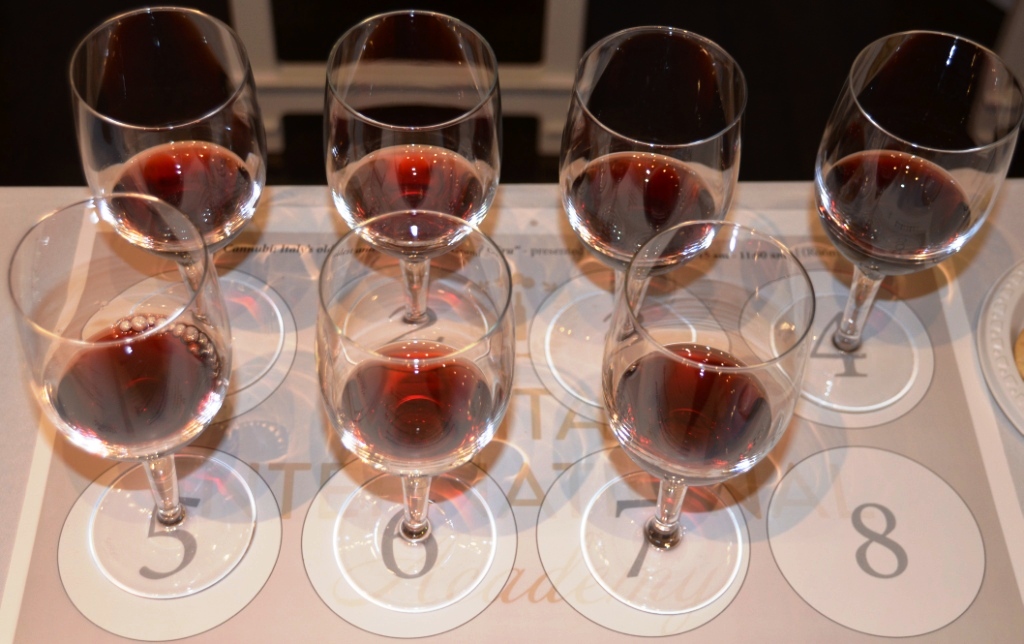 As promised, I’m continuing the VinItaly 2014 series (here is the first post). Barolo Cannubi was the first Masterclass I attended. The exact name of the class was “Barolo Cannubi: Italy’s oldest and most famous Grand Cru”, and it was taught by Dr. Ian D’Agata, the Scientific Director of Vinitaly International Academy (VIA).
You probably know that Barolo is considered one of the most famous wines produced in Italy – “The king of wines, the wine for the kings”. Barolo is a part of Piedmont, the region in the northern part of Italy. Nebbiolo is one of the main grapes of Piedmont, with the winemaking history going back more than 700 years (first mentions of Nebbiolo are dated at 1268) , while Barolo wines only became well known some starting from 1962.
It is interesting to note that Barolo region is often compared with the Burgundy. In Burgundy, the soil is the king, and different vines, located seemingly next to each other, can produce vastly different wines. Burgundy’s classification is based on Cru system, where all the Crus are assigned based on the established quality of the wines. While Barolo doesn’t have an official “Cru” system, the parallels are often made to designate some of the Barolo production zones as “Grand Crus” of Barolo. Today, Barolo has 11 of such “Grand Cru” zones – even though you will never see the words “Grand Cru” on the label of Barolo. The “Grand Cru” supposedly should have higher quality, which then translates into the ability to charge premium for your wines.
Cannubi, the subject of our master class, is the oldest “Grand Cru” zone in Barolo, officially recognized since 1752. Cannubi is about 37 acres in size, and has 4 different sub-zones – San Lorenzo, Muscatel, Boschis and Valletta, each having its own soil type. Recently, Cannubi was a subject of controversy, where the number of winemakers tried to limit the use of the name “Barolo Cannubi” to apply only to the wines produced from the 15 acres sub-zone, and force the producers to use exact designation of the sub-zone, such as Cannubi Boschis or Cannubi Muscatel on the bottles of the Barolo if the grapes are harvested in one of those specific areas. This caused a revolt, and the attempt fail, leaving the situation as it always was. The producers have the right to designate their wines as Barolo Cannubi or Barolo Cannubi [sub-zone] or Barolo [sub-zone] as long as the grapes are harvested within 37 acres of Cannubi zone – this might not be best for the wine aficionados, but this is how things were historically.
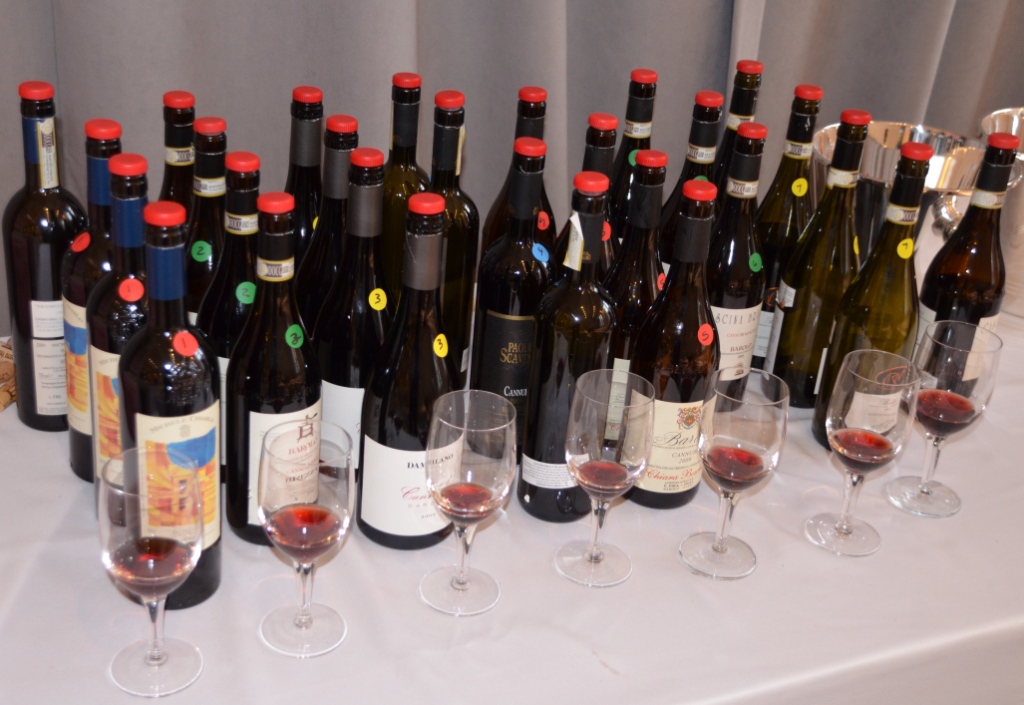 In the tasting, we had an opportunity to try 7 different Barolo Cannubi wines, all from the 2009 vintage (there was supposed to be 8 wines, but the wine #8, Ceretto Barolo didn’t make it through customs on time). As you can imagine, the color of the wines were quite similar, somewhat of the brickish red with the hint of an orange hue, a characteristic color of Nebbiolo – therefore I will not be pinpointing individual colors in the notes below.
2009 Michele Chiarlo Barolo Cannubi
Nose: Pretty closed, a bit of sweet cherries/plums in the back
Palate: very delicate, but not very impressive
2009 Brezza Giacomo & Figli Barolo Cannubi
Nose: Touch of sweetness, violet, rose petals
Palate: Strong tannins, mostly locked in.
2009 Damilano Barolo Cannubi
Nose: Sweet, with rose petals
Palate: Cherries, good round tannins ++-|
2009 Scavino Paolo Barolo Cannubi
Nose: Quite closed
Palate: Cherries, Tannins
2009 Chiara Bsochis Barolo Cannubi
Nose: Beautiful – open, bright, lots of black fruit
Palate: cherries and tannins, but open, balanced, inviting. One of my favorites +++
2009 Cascina Bruciata Barolo Cannubi Muscatel
Nose: nice sweetness
Palate: Cherries, herbs, interesting palate – most unusual from the group
2009 Virna Barolo Cannubi Boschis
Nose: Beautiful – touch of sweetness, plums, violets
Palate: Lots going on on the palate – cherries, raspberries, firm tannin structure, good acidity, one of my very favorite wines in the tasting +++
This was definitely a very interesting masterclass. We learned lots of interesting facts about Barolo – while I heard about Burgundy comparison before, only now I started getting an understanding of it, so this was definitely a personal discovery. This is the great thing about the wine world – opportunities for learning and discovery are endless!
Next up – an Amarone Masterclass report. Stay tuned… Cheers!
VinItaly and Slow Wine 2014 – Fun, Education, and Lots of Wines
 The story started 48 years ago, with the event called “Italian Wine Days”, which hosted a number of Italian wineries willing to present their wines to the world. Since then, VinItaly grew into one of the biggest wine shows in the world – its main 4 days event typically is taking place in April in Verona and attracts more than 140,000 visitors from 116 countries. Starting in 2013, VinItaly started the new initiative, called VinItaly International, with the goal of taking the Italian wines on the road and bringing them to the United States, Russia, China and other countries.
Outraged by the planned construction of McDonalds restaurant on Spanish Steps in Rome, the Slow Food movement was created in Italy in 1986, quickly becoming an international phenomenon, aiming at educating people about slow, real and delicious food, just the way it should be. Since then, Slow Food movement was embraced by millions of people in more than 160 countries around the world. Starting in 2010, Slow Food started publishing its wine guide, called (you guessed it) Slow Wine, dedicated to the wines which are best at demonstrating the Slow Food values, the wines with the sense of place.
For the second year in the row, I had a pleasure of attending combined VinItaly and Slow Wine event in New York city (here is the link to the post about last year’s event). This year, the pleasure was also greatly enhanced by the fact that I was joined by Oliver (the winegetter), his wife Nina and Stefano (Clicks & Corks) – as you can imagine, everything is better in a great company.
In addition to all of the wines being available for the walk around tasting, VinItaly also brought a great educational program to this year’s event. This educational program, consisting of the multiple seminars presented during the day, was part of the new VinItaly’s initiative, called Vinitaly International Academy (VIA). I talked to Stevie Kim, Managing Director of the VinItaly International, who explained that this new VIA program will offer both educational seminars (called Masterclass) on various Italian regions and wines, as well as unique tasting opportunities, such as for instance, a tasting of the vertical of Sassicaia – I really hope my invitation to such a Masterclass will not get lost in the mail. Dr. Ian D’Agata, a researcher, journalist and an author of a number of books about Italian wines, was appointed as the Scientific Director of VIA, and he was teaching a number of masterclasses presented at New York’s event. I was lucky enough to attend most of the Masterclasses offered during the VinItaly event – I will have separate posts for those, as subjects of Barolo Cannubi, Amarone and Franciacorta are well worth it.
Here is a small filmstip prepared by VinItaly with Stevie Kim and Ian D’Agata, explaining what the VIA is all about:
 Before I will talk about some of the wine highlights from the event, I want to share some of the interesting stats offered during the press conference. The data below present various numbers regarding wine imports into the US – if you are in love with numbers as much as I am, these are the interesting stats, all shared as part of the information package by VinItaly tour. These are the various import statistics as presented by the US Department of Commerce:
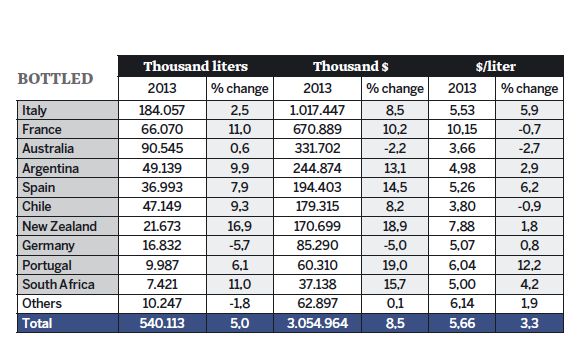
Imports to US Jan – Sep 2013

Compare the data above with this one – Imports to Canada Jan – Sep 2013

Imports to US 2007- 2012 year over year data
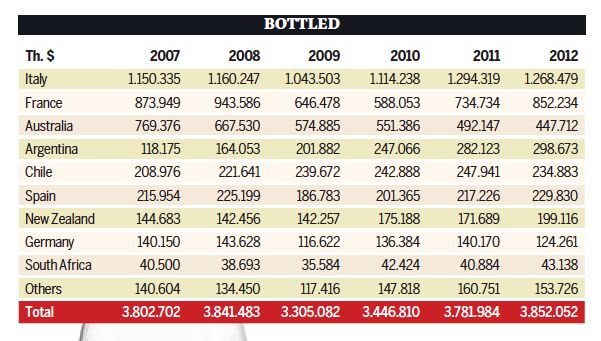
Imports to US 2007- 2012 Still Wines

Imports to US 2007- 2012 Sparkling Wines
I would assume you are sufficiently inundated by numbers, so let’s talk a bit about the wines before we round up this post.
With all the Masterclasses presented at VinItaly, this is where my focus really was – learning about and tasting lots of great wines, per-arranged by Ian D’Agata. I had about 2 hours of time on the tasting floor itself, primarily focused on giving a “rare varieties” whirlwind run tour to Nina. As usual, I took an extremely short notes and primarily used my trade show rating system of +. ++ and +++ (yes, with exceptions for ++-| and ++++). Below are some of the most memorable wines from that tasting:
2011 Aquila del Torre Riesling Friuli Venezia Giulia – +++ excellent
2010 Aquila del Torre Refosco Friuli Venezia Giulia – +++ clean, open
NV Brut Rosé Prima Nera Friuli Venezia Giulia – +++, very unusual sparkler made from the rare red grape called Schiopettino
2012 Cantine San Marco Romae Bianco, Lazio – +++ clean, beautiful (this wine is made out of Malvasia del Lazio)
2012 Sant’Isidoro Colli Maceratesi Ribona Pausula, Marche – ++-|, nice, good acidity (made out of rare grape Maceratino, which is a new grape for me!)
2010 G.D. Vajra Langhe Freisa Kyé, Piedmont – ++-|
Three great wines from Planeta (Planeta is a great producer from Sicily, and it rarely disappoints)
2011 Planeta Cerasuolo di Vittoria Classico Dorilli , Sicily – +++. beautiful complexity
2008 Planeta Noto Nero d’Avola Santa Cecilia, Sicily – +++ power!
2012 Planeta Sicilia Fiano Cometa, Sicily – +++
2012 La Parrina Vermentino, Tuscany – +++
Montenidoli Il Templare, Tuscany – +++, good
And then one and only – Caberlot!
2010 Podere Il Carnasciale Caberlot, Tuscany – ++++ nose, complexity!
2009 Podere Il Carnasciale Caberlot, Tuscany – ++++ spices, amazing
2011 Podere Il Carnasciale Il Carnasciale, Tuscany – +++ (this is second label of Caberlot wines)
2010 Boscarelli Vino Nobile di Montepulciano, Tuscany – +++
2011 Leonido Pieropan Soave Classico La Rocca, Veneto – +++ beautiful
2011 Leonido Pieropan Valpolicella Superiore Ruberpan, Veneto – +++
2010 Antonelli San Marco Montefalco Rosso, Umbria – +++
2009 Tabarrini Montefalco Sagrantino Colle Grimaldesco, Umbria – +++
2010 Tabarrini Montefalco Rosso, Umbria – +++
And that concludes my first report from the VinItaly 2014 event in New York city – more posts to come, so stay tuned… Cheers!
Meet the Winemaker: One on One With Morgon and Pouilly-Fuissé Vintners
Talking to the people who make magic is always an experience (yes, I’m comparing winemaking to the magic). I met the winemakers a number of times, but for the most of the cases, they were “in between” of some other important tasks (like harvest, for instance), so the idea of inundating them with questions never crossed my mind.
This time around it was a different experience – the winemakers where actually there to talk to me (feel special and scared at the same time), so I could (and rather was supposed to) to ask a lot of questions.
I met with two winemaking couples – Robert and Jeanine Béranger from Pouilly-Fuissé and Nicole and Pierre Descombes-Savoye from Morgon, both closely working with Georges Duboeuf, the famous French negociant, whose portfolio consists of about 400 different wines, mostly from Beaujolais (I met Georges and Frank Duboeuf a few years back, here is my post talking about it).
So I had an opportunity to ask the questions and then to taste the wines (each family produces only one wine!). Here are my questions with the answers (side note: really despise myself for thinking for the past 10-12 years “must learn French, must learn French” – and really not doing anything about it… The interview was done with the help of Heloise Pepin, brand ambassador for Georges Duboeuf wines).
Of course we started with the white wine, so my questions were directed first at Robert and Jeanine Béranger, whose family produces Domaine Béranger Pouilly-Fuissé wine for more than 200 years. The Domaine Béranger includes about 12 acres of Chardonnay, the only grape used in production of Pouilly-Fuissé wines. The vines at the domaine on average are 55 years old. All the harvesting is done by hand (you typically want to preserve clusters when harvesting the Chardonnay, this is why hand is the best instrument to use). Those 12 acres are split into 32 (!) different parcels, which are vinified separately and blended for the final release. Total production at the Domaine is about 26,000 bottles a year.
For what it worth, here are the questions I asked, together with the answers.
Q: What was most favorite vintage of your wines?
A: 1983 and 2003. 2003 was particularly interesting, as it was a very difficult vintage, and making of the wine was very challenging. 1976 was the exceptional year for the white wines.
Q: What was the oldest wine from your vineyards which you ever tasted?
A: 1969.
Q: For how long your wines can age?
A: In the exceptional vintage, the wines can easily age for 30 years, but generally they age well for about 15 years.
Q: When you are not drinking Pouilly-Fuissé wine, what are the other wines you like to drink?
A: Meursault, Chablis, New Zealand Sauvignon Blanc.

Next we tasted the wine, and here are my tasting notes.
2011 Emile Beranger Pouilly-Fuissé AOC (13% ABV, retail at about $26, 10% of the wine aged in 5 different types of oak barrels, then 14 month in the bottle before release) – pale yellow color in the glass. Hint of apples on the nose. On the palate there is a touch of butter, plump and creamy feeling. The wine is very round, roll-of-your-tongue, perfect acidity and perfect balance. A beautiful wine. Drinkability: 8+
Time to talk about the red wine, Domaine Jean Ernest Descombes from Morgon, so I directed my questions at Nicole and Pierre Descombes-Savoye. Domaine’s property includes 30 acres of the vineyards, all planted with Gamay grape, with three quarters of the vines been more than 50 years old. On average, the yearly production is 100,000 bottles. The grapes are harvested by hand to preserve the full clusters.
Here are some of my questions, along the same lines as the questions above.
Q. What was your favorite vintage of your wine?
A. 1973, as this was the year when our son was born.
Q. And how was that 1973 wine?
A. The wines were opened recently at the big party, and they were put against the 1973 Vosne-Romanée in the format of the blind tasting. Most of the guests at the party preferred the 1973 Morgon over the 1973 Vosne-Romanée. It is also interesting to note that as Gamay wine is aging, the freshness of Gamay grape is evolving into the complexity of Pinot Noir, so the results of the tasting are not surprising.
Q. For how long Morgon wines can last?
A. In the good vintage, the wines can easily last for 40 years or even longer.
Q. What do you drink when you are not drinking your own wine?
A. Burgundy and Bordeaux, especially the Saint-Émilion had been the favorite as of late. But we also like California wine.
Q: How would you compare the 2011 vintage with 2009?
A: Well, the vintage such as 2009, simply can’t happen again ( I’m sure mother nature has its own view on that), it was simply exceptional – and it is literally impossible to beat the 2009 vintage. But 2011 was a good year, and the wines from 2011 will easily last for 10-12 years or longer.
 And then it was the time to taste the wine.
2011 Domaine Jean Ernest Descombes Morgon AOC (12.9% ABV, aged for 6-8 month in cement tanks, $16.99 suggested retail) had bright ruby color in the glass. On the nose, the aroma of raspberries and cherries. Perfectly fresh on the palate, with more raspberry notes, clean, simple, with invigorating acidity and good balance. Drinkability: 8-
And that concludes my first sit down interview with the winemakers. It was fun, and I hope to be able to do more in the future. Cheers!
Benvenuto Brunello, or Notes from Brunello Deep Immersion
This is not a quiz post, however – let me start with the question: what do you think of Brunello di Montalcino, the noble wine made out of the Sangiovese? Well, technically it is Sangiovese, but in practicality Brunello di Montalcino is made out of the grape called Sangiovese Grosso, sometimes simply called Brunello. When people need to provide an example of the best Italian wines, the triple-B, Barolo, Barbaresco and Brunello, are the very first names which cross oenophile’s mind, so this is the Brunello we are talking about here. So, what is your experience with Brunello?
To carry the denomination of Brunello di Montalcino DOC or DOCG, the wines must be made from 100% Sangiovese Grosso grapes, and age at least 2 years in oak casks, and then at least 4 month in the bottle (at least 6 month for Riserva designation), but many producers age it for a lot longer. First time Brunello wines can appear on the store shelves is 5 years after the vintage date.
There are tons of books and web sites with countless pieces of information about the region, the history of the wines, the food, the people – I’m not going to simply repeat all of that. However, I can’t resist to share this magnificent picture of the Montalcino, as it was shared by the Brunello Consortium – I generally only use my own pictures in the blog, but this is soooo beautiful!

Montalcino Panoramic. Source: Brunello Consortium
To celebrate the release of 2009 vintage, The Consortium of the Brunello di Montalcino Wine (Cosorzio del Vino Brunello di Montalcino), an association of all Brunello producers, arranged the series of seminars and tastings in New York and Los Angeles, and I was fortunate enough to attend the event in New York – hence this post where I’m sharing my impressions. Before I will get down to the details and inundate you with tasting notes and pictures, let me share some general notes and observations (yes, you can call it an executive summary):
- According to the representative of the consortium, 2009 was a “4 star year” as opposed to the 5-star, such as 2007 or 2001 (or upcoming 2010). In 2009, growing season had rainy spring, but good hot and sunny September, which helped with overall quality. 2009 Brunello supposed to be more approachable at the younger age (my note: some were, and some were very far from being approachable).
- Some interesting facts:
- There are 90 clones of Sangiovese used in the production of Brunello di Montalcino.
- Montalcino is a large region, so different areas of Montalcino region produce different wines, due to vastly different soils and climate conditions (what is Italian for Terroir?) Unfortunately, those different areas are not indicated in any way on the label – you actually have to know the location of the vineyards for each respective producer to know what to expect. The special guide produced for the show had very helpful tiny maps showing the approximate location of each and every winery represented in the guide.
- The use of oak (type, duration, etc) is changed from vintage to vintage.
- I actually think that while deemed approachable, 2009 still needs time. Few of the 2004, 2005 and 2006 Brunellos which snuck into the tasting, showed up just magnificently.
- The 2012 vintage of Rosso di Montalcino, a simpler, typically less oaked wine, also made out of Sangiovese Grosso, is showing up in the stores. This wines should be ready to drink now (but many will age well too, depends on the winemaking style).
- Based on the tasting, I much preferred 2011 Rosso di Montalcino over the 2012 – don’t want to think too hard about the reason, but if you are looking for delicious bottle of a good Italian wine to drink now, 2011 Rosso di Montalcino might be “it”.
- Don’t know if this is a trend (and definitely don’t want to be spotting any trends), but in this tasting, there were surprisingly large number of corked bottles. I had to call out at least two bottles, and with another three I ate my words, only mumbling “aha, this is good”. I do attend trade tastings regularly, and this is not normal. I rarely drink Brunello, so if anyone who is reading this actually drinks a lot of Montalcino wines, I’m curious to know your opinion. Bottom line here – trust your palate. If you think the wine is corked, most likely it actually is!
Now, let’s talk about the seminar. Both the seminar and the tasting were, of course, about Montalcino wines. The difference is that during the seminar you are sitting down and listening to the presenter(s) as opposed to walking around with the glass and the book in your hand – but most importantly, you have enough time to completely analyze the wine – color, nose, palate – everything at your own pace, one by one. Here are my notes regarding the 8 wines presented during the seminar, in the order of tasting:

2009 Capanne Ricci Brunello di Montalcino DOCG (14.5% ABV, $54.99, aged 3 years in large oak barrels plus bottle age). Drinkability: 7
Color: Garnet color
Nose: Very pronounced and intense, with cherries and leather
Palate: Austere, just powerful tannins, some good background acidity. Way too tannic to be appreciated at the moment.
2009 Col D’Orcia Brunello di Montalcino DOCG (14.5% ABV, $55, aged 3 years in Slavonic and French oak casks plus 12 months in the bottle). Drinkability: 7+
Color: Bright ruby
Nose: Touch of plums
Palate: Nice cherries, much softer than the previous wine, can be drunk right now
2009 Loacker Corte Pavone Brunello di Montalcino DOCG (15% ABV, $75, aged 3 years in oak). Drinkability: 8-
Color: Dark garnet color
Nose: Spectacular, intense, with a lot of bright fruit.
Palate: Cherries and lots of bright fruit, has a lot going on. Still needs time, but very enjoyable already.
2009 Palazzo Brunello di Montalcino DOCG (14.5% ABV, $70, aged 36-40 months in oak, 8-12 months in the bottle). Drinkability: 7-
Color: Dark ruby
Nose: Overall quite restrained, with a hint of cherries
Palate: Cherries and then tannins and only tannins on the palate. The tannins feel over-extracted – this wine might never open.
2009 Pinino Brunello di Montalcino DOCG (14% ABV, $50, aged 30 months in Slavonic oak). Drinkability: 7
Color: Garnet with brick-ish hue
Nose: The fruitiest nose of all. Cherries and blueberries.
Palate: Cherries and tannins. Tannins overly intense in front of the mouth, and somewhat uni-dimensional.
2009 Tenute Silvio Nardi Brunello di Montalcino DOCG (14.5% ABV, $69.99, aged 12 months in new and old french barriques, 18 months in large Slavonic oak barrels, at least 12 months in the bottle). Drinkability: 7+
Color: Garnet.
Nose: Nice and balanced, with the hint of cinnamon and coffee.
Palate: Nice, open, with bright cherries and more manageable, but still aggressive tannins. Can be enjoyed now, but still needs more time.
2009 Il Grappolo Fortius Brunello di Montalcino DOCG (14.5% ABV, $N/A, aging in oak barrels plus bottle age). Drinkability: 8
Color: Garnet with brickish hue
Nose: Very promising, elegant, with cherries and raspberries.
Palate: Beautiful, lots of fruit, ripe cherries, present but not overpowering tannins. Best of tasting.
2009 Tenuta San Giorgio Brunello di Montalcino DOCG (14.5% ABV, $55-$60, aged 12 months in French oak barrels, then 24 months in large Slavonic oak casks, 12 months in the bottle). Drinkability: 7
Color: Garnet with brickish hue
Nose: soft and expressive, but shows off alcohol
Palate: nice fruit, sour (very sour) cherries, pepper in the back is a bit out of place. Aggressive tannins.


For the walk around tasting, I did my best to taste as many wines as possible, before my palate gave up (it is very hard to taste only red, intensely tannic wines – remember, there were no whites) and the place got really really crowded. I used the same system of plus signs (+, ++, +++) as I do in the trade tastings – of course with few of the ++++ exceptions. Below is the list of most exceptional wines I experienced in the tasting:
2009 Banfi Poggio Alle Mura Brunello di Montalcino DOCG – beautiful! +++
2007 Banfi Poggio Alle Mura Riserva Brunello di Montalcino DOCG – wow! ++++
2009 Belpoggio Brunello di Montalcino DOCG – very nice, approacheable
2012 Belpoggio Rosso di Montalcino DOC – beautiful fruit, open, herbs
2011 Brunelli Rosso di Montalcino DOC – integrated, beautiful! +++
2006 Camigliano Gualto Riserva Brunello di Montalcino DOCG – beautiful! nice depth, density. +++
2011 Capanna Rosso di Montalcino DOC – beautiful, open +++
2011 Caparzo Rosso di Montalcino DOC – one of the most unusual. Intense strawberries on the palate.
2009 Il Palazzone Brunello di Montalcino DOCG – nice, good fruit +++
2007 Il Poggione Vigna Paganelli Riserva Brunello di Montalcino DOCG – excellent, powerful and balanced
2011 Il Poggione Rosso di Montalcino DOC – excellent, great fruit +++
2008 La Togata Brunello di Montalcino DOCG – probably the most delicate, beautiful fruit, tobacco in the back ++++
2008 Podere Le Ripi Lupi Sirene Riserva Brunello di Montalcino DOCG – wow! beautiful! open! ++++
2006 Podere Le Ripi Lupi Sirene Riserva Brunello di Montalcino DOCG – wow! ++++
2009 Podere Le Ripi Amore & Magia Rosso di Montalcino DOC – beautiful! complex, Crème brûlée (no sugar!) on the palate ++++
2008 Podere Le Ripi Bonsai Rosso di Montalcino DOC – wow!
2007 Ridolfi Riserva Brunello di Montalcino DOCG – very good! needs more time +++
2009 Sasso di Sole Brunello di Montalcino DOCG – excellent fruit! +++
2004 Sasso di Sole Riserva Brunello di Montalcino DOCG – plums, cherries, wow! Perfect complexity, both nose and palate ++++
2011 Sasso di Sole Rosso di Montalcino DOC – spectacular nose, good fruit, tobacco, earthiness +++1/2
2012 Talenti Rosso di Montalcino DOC – tobacco, complexity, balance! +++
2009 Uccelliera Brunello di Montalcino DOCG – sweat and beautiful! +++
2008 Uccelliera Riserva Brunello di Montalcino DOCG – wow! stunning! ++++
2012 Uccelliera Rosso di Montalcino DOC – great! tobacco, fruit, exellent! +++
2011 Verbena Rosso di Montalcino DOC – wow! ++++
2011 Villa Poggio Salvi Rosso di Montalcino DOC – excellent! +++
2012 Voliero Rosso di Montalcino DOC – beautiful! +++
And we are done! But before we part, I have to leave you with the drool picture, the one which makes the oenophile’s heart race:
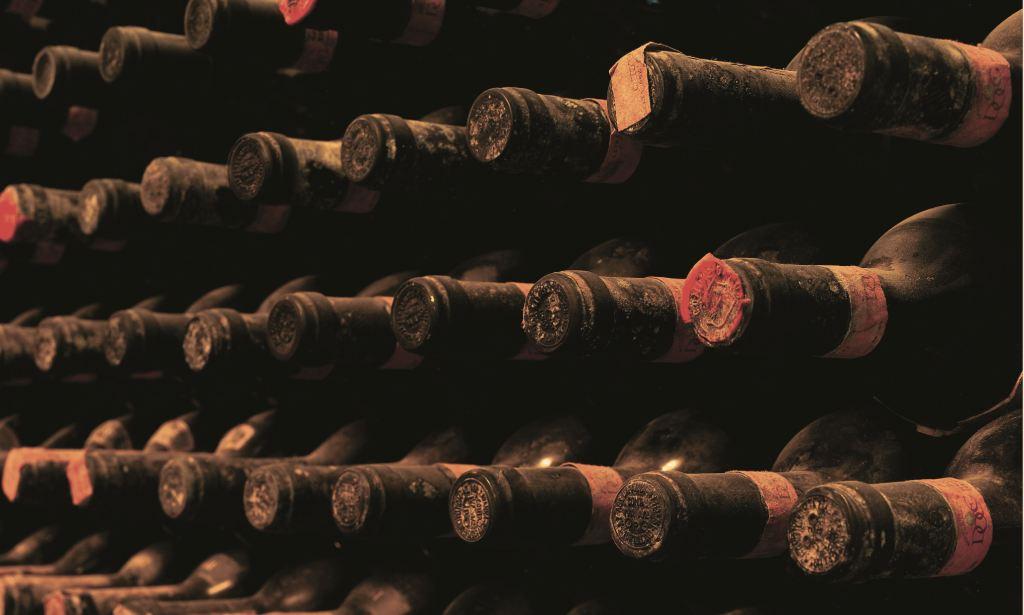
Old Brunello wines. Source: Brunello Consortium
This was a great experience, and I’m already looking forward to welcoming Brunello 2010. I have a sneaky suspicion it will be pretty tasty… Cheers!
Last Bottle Sign Up ($10 credit)




 Talk-A-Vino