Archive
When The Vines Work Hard – #WineChat with Lenné Estate
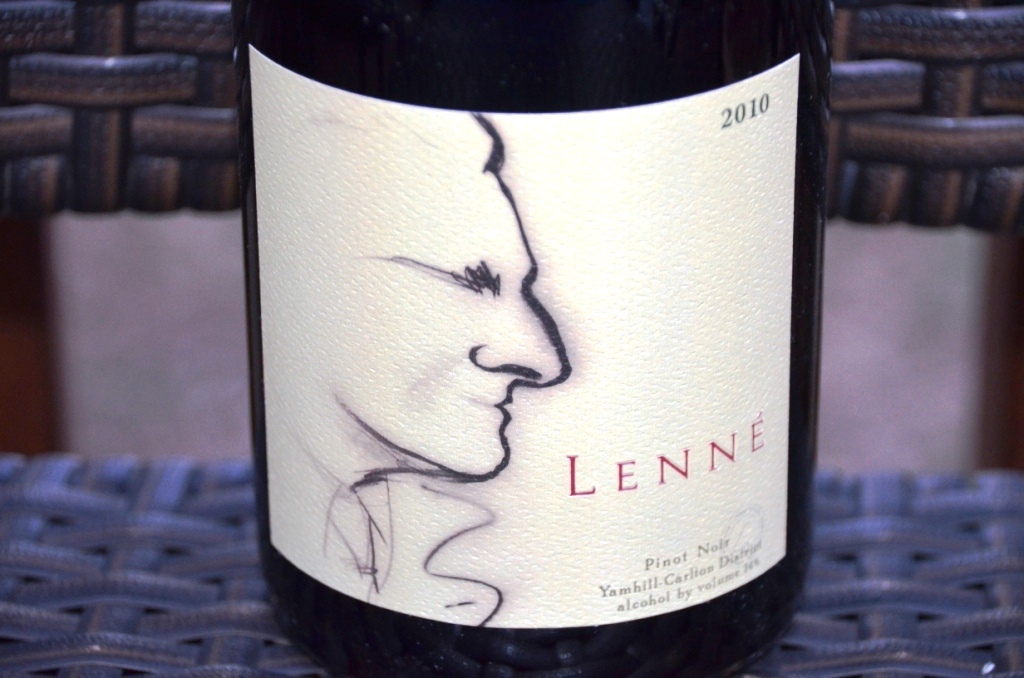 “You’ve got to work hard, you’ve got to work hard if you want anything at all” – one of my favorite lines from the song by Depeche Mode, a popular electronic music band from the 80s. Yes, the notion of ‘working hard” is half banal, half extreme, and half misunderstood (I’m sure you are admiring my math skills here with three halves, aren’t you). People often (mostly?) achieve the best results when faced with adversity, when they need to overcome something, work against difficult circumstances, work hard. Give people everything they want – and they stop growing. Vines are like people. When water and sun are plentiful, the vines can produce a lot of grapes – but those individual grapes can be pretty dull. When the vines need to fight for survival, those much fewer grapes the vines will bear, will have the flavor and finesse almost unachievable in the “nice and easy” setting.
When Steve Lutz, the proprietor and winemaker at Lenné Estate in Yamhill-Carlton district in Willamette Valley in Oregon, planted the Pinot Noir vines for the first time back in 2001, 35% of those vines died. Ever heard of Peavine soils? In today’s age of the internet, you can easily learn anything you want – so if you want the exact definition of Peavine, you can find it here. But, in simple terms, Peavine is a mixture of clay and rocks – yeah, not your ideal agricultural setting. So the vines had to work hard to survive, go deep into the soil to find water and nutrients. The payback for all the hard work? A great fruit, the grapes which render themselves to the complex and intriguing wines.
Last Wednesday, April 9th, I participated in my second #winechat – a guided virtual tasting that takes place most of the Wednesdays at 6 PM Pacific/9 PM Eastern, in the Twittersphere next to you. The theme of the wine chat was, as I’m sure you guessed already, the wines of Leniné Estate. Steve Lutz was participating in the #winechat, explaining about Peavine soils, talking about his Pinot Noir wine and answering numerous questions (#winechat conversations get generally quite active, with #winechat being among top trending topics on Twitter).
In addition to being able to talk to passionate people with vast knowledge of the subject, what I personally like about the #winechat is that I get to spend dedicated time in my grape geek setting, my grape laboratory. I get to play with the wine and take detailed notes. Coming to the Lenné Pinot Noir tasting, I read in the technical notes that the wine is expected to age well for the next 8-12 years. To me, the immediate thought was – let’s decant!
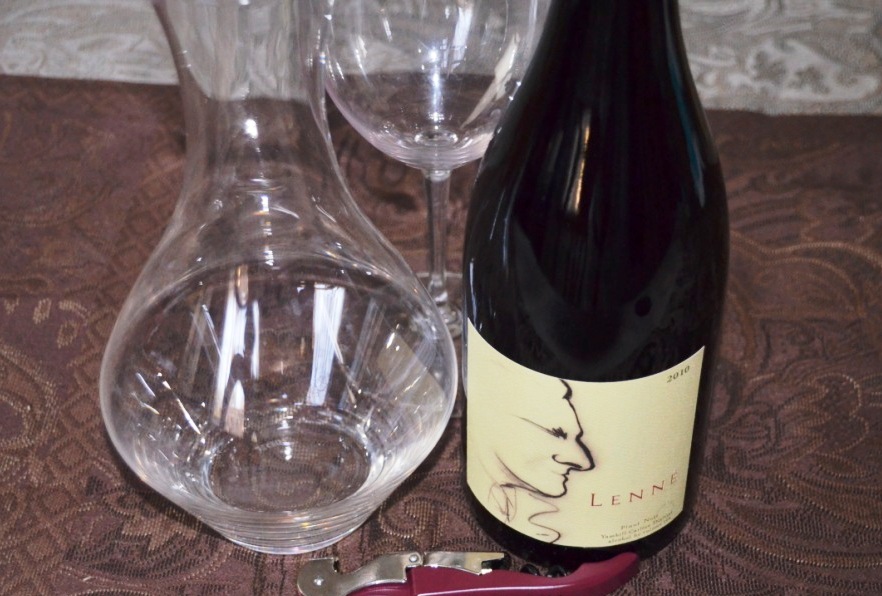 I decanted a small amount of wine about 2 hours before the tasting and put cork stopper into the bottle.
2 hours later, we started the #winechat – 2010 Lenné Estate Pinot Noir Yamhill-Carlton AVA, Oregon (14% ABV, $45). I started with the wine in the bottle, which was at 21°C/70°F.
Color: Dark Ruby
Nose: Smoke, raspberries, a touch of mint, nice, open
Palate: Beautiful sweet fruit in the back, a touch of dark chocolate.
Next, I made a big mistake. I decided that I need to chill my Pinot Noir slightly, so I put the wine chiller on. Of course, I got carried away with the chat twitter stream, so when I said “oh, crap” and removed the chiller, after about 5 minutes on the bottle, it was already too late. At 12°C/53.6°F, the nose became completely muted, and wine became mostly sweet with some acidity, but the complexity was gone. For the rest of the chat, I kept waiting for the wine to come back to me – chilling is easy, but you can’t play any tricks with warming the wine up, you just have to let the air do its [slow] magic. At 16.2°C/61.1°F, the classic nose came back, together with the palate of cherries and ripe strawberries. Meanwhile, the decanted wine also played in somewhat of a strange way – the wine was showing smooth and elegant – but every sip was leaving me wanting more acidity.
The #winechat was over, so I pumped the air out with VacuVin (my standard routine), and put the bottle aside, to be continued the next day. And the next day – without decanting or any temperature games – the wine was shining! Beautiful nose of cranberries and cherries, with a touch of smoke and barnyard – call it funkiness or earthiness, I call it barnyard – just a touch. Beautiful palate with acidity, strawberries, and cranberries in the front, then soft, but very present tannins started to gently grip the front of the mouth, and mocha and sweet cherries showed in the back, with pleasant minerality. The finish was lasting almost a minute. Overall this was the perfect example of balance and finesse which may be only Pinot Noir is capable of.
Verdict: This was a beautiful wine, which can be enjoyed now (just don’t do anything stupid with the temperature), but will deliver even more pleasure with time. Drinkability: 8+
That’s all I have for you for today. Now you know – Wine Wednesday is always better with #winechat – join the conversation! Cheers!
Instant Gratification, and Arrival of the Spring
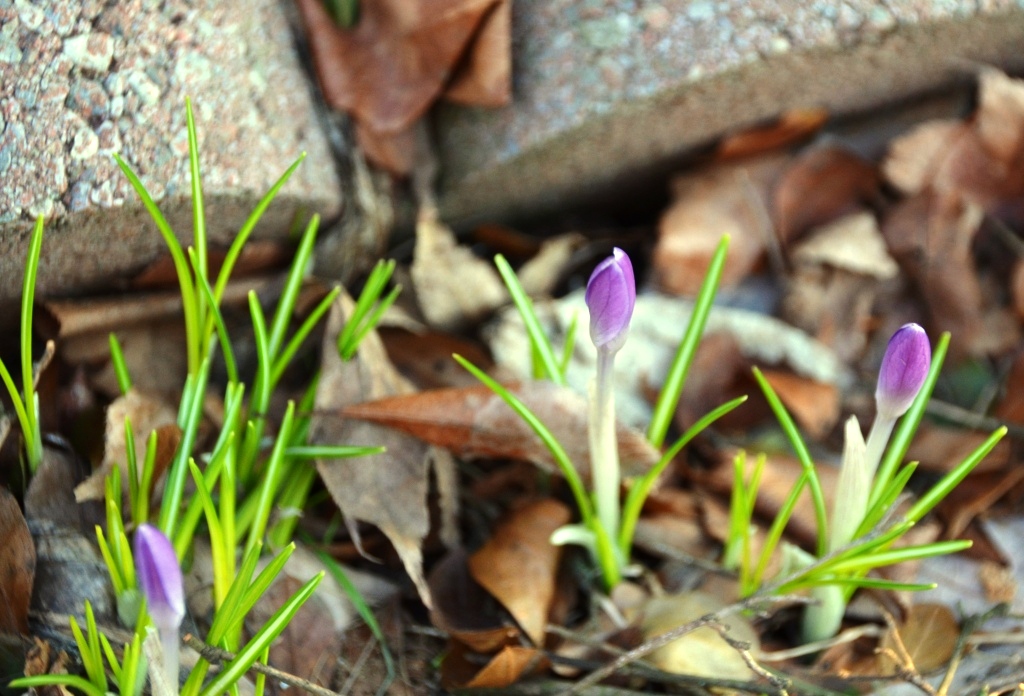 You know, when the winter is like the one we had in New England, you get to the point when you sort of stop believing that the spring will come. You wake up in the morning, your thermometer shows 20F, and your mind doesn’t even comprehends the concept of spring, flowers, grass – no, those leftovers of the snow are going to stay forever. Only a few days ago I was explaining to my daughter about the flowers called snowdrop in English, which are usually showing up as soon as snow melts, and I was lamenting that this year we probably will see no snowdrops as the winter was so brutal here.
Then today was the first official day of spring, and while it was still cold outside, it was definitely more palatable (read: warmer), and the snow was almost gone. And walking around the house all of a sudden I saw… flowers! It was simply magic, the magic of life happening right here, right now. No matter how brutal the winter is, the spring will come no matter what – and I was looking at the proof. Don’t know if this is exactly a snowdrop or simply a similar flower, but I was definitely happy to see it.
Okay, so spring is here. And for the instant gratification part? Easy. Here I’m talking about wine (wow – total surprise, huh?). You know, I can define the instant gratification as a sequence of a few very simple steps – twist, pour, sniff, say “ahh”, sip, roll your eyes towards the ceiling – have a moment of bliss. The wine which gave me this moment of blissful instant gratification – 2006 Mt. Difficulty Pinot Noir Central Otago, New Zealand. I wanted to have a good glass of wine, and as I only have a vague idea of what wines are in the cellar, I was simply looking through the wines on one of the shelves – and when I saw this bottle Mt. Difficulty, I thought – yes, that will do it – and it delivered. Beautiful classic Pinot Noir on the nose – a little smoky, a little earthy – and perfectly fresh, full of juicy cherries and herbs, harmonious palate. You know, the one which gives you an instant gratification. I loved that wine so much that I simply had to connect the first flowers with this wine – as you can see it in the picture below:

The spring is here! Let’s drink to Life! Cheers!
Devotion – The Blog Post I Can Not Write
 As soon as I saw the new theme for the Monthly Wine Writing Competition #7, Devotion, my very first thought was “hmmmm, this will be hard, or more precisely, extremely hard”. The problem is that when I hear the word “devotion”, the immediate mental picture is of a giant cross at the very best, or no picture at all – but I can assure you it ain’t the picture of a bottle of Cabernet Sauvignon.
Ever since the theme was announced I was struggling to find the connection of “devotion” to the wine world. I’m sure the examples of the true devotion are abundant in the wine world. May be even more than in many other trades, the success requires a lot of sweat, blood and sacrifice. Not been a wine historian, but rather only a very appreciative and dedicated consumer, I don’t have those stories of sweat and blood handy, and searching the Internet and rewriting someone else’s stories is not something I usually do, thus search for the connection between wine and devotion became literally a daily routine. To no avail.
I thought that I will start my post with the analysis of the word “devotion” – yes, the linguistic analysis. Oliver did it it perfectly in his post for the #MWWC7, as he was struggling with the theme in pretty much the same way as I did. Oliver took the Latin route for the meaning of “devotion”, so I can still refer to the English meaning of the word. Here is a nice representation of the Google search for the definition of “devotion”:
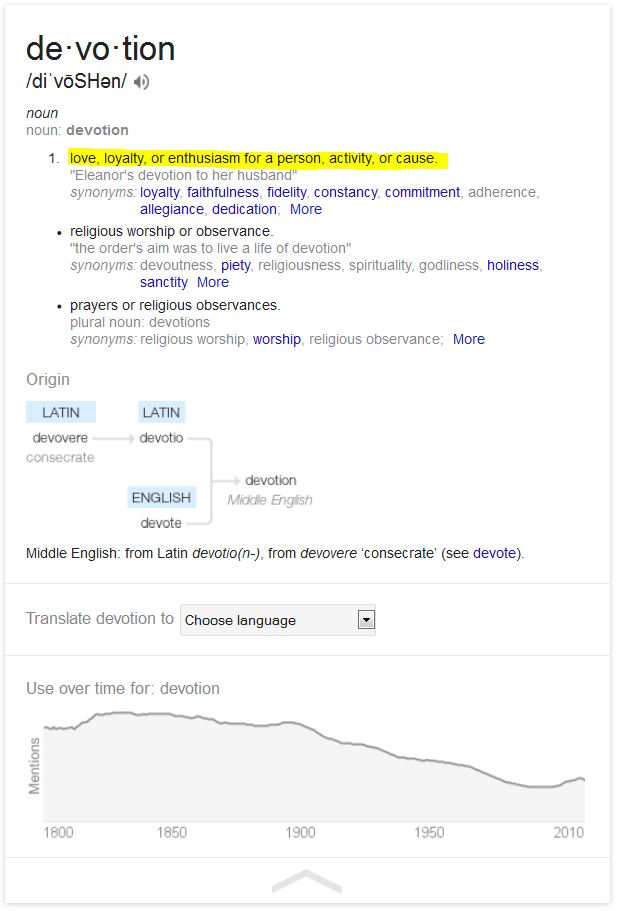
Yes, love and loyalty (or dedication for that matter) sound like the right way to go here – but if that is the direction, I would simply use the word love, and not devotion. Nope. It doesn’t connect.
So as today is a pretty much the last day to submit the entry, I still don’t have it.
But let me give you somewhat of an interesting twist here. Let’s put the word “devotion” aside for a minute, and let’s go back to the wine. Think about two sides of the wine world (not exclusively two – but let’s simplify here). On one side, winemaker should be willing to make an honest wine, the wine he or she will be willing (and proud) to offer (sell) to any consumer. On another side of the spectrum is the consumer who should be willing to buy the wine. Let’s make this statement even more precise – the consumer who should be willing (and eager) to drink the wine. Do you think we can find devotion on both sides here? Does it take devotion to make the best possible wine? Yes this is an easy case, I would say (and it was perfectly presented by Jeff at FoodWineClick in his photo essay about devotion of the winegrower). And how do we get to the devotion of the wine consumer? While this might not sound all too fitting for the term, but one should be devoted enough to the wine world to be willing to open the bottle – any bottle, a cult (DRC, Petrus, Screaming Eagle), or the most obscure, of unknown grape and producer; the wine which costs thousands, and the wine which costs $1.99. Open and give that wine a chance, step over the preconceived notions (“ahh, I don’t drink California Chardonnay”) and make an effort to understand the wine for what it is. Is that a behavior of the wine-devoted consumer, an oenophile? We are not talking here about people who buy the wine as an investment, with the sole purpose of selling the wine once its price will increase – those people are devoted to money, not to the wine. But for the oenophile, the wine is approached with an open mind – that doesn’t mean that the one should equally love all the different styles and tastes – but that one has equal respect to them all.
And let me tell about devotion of the winemaker through the eyes, nose and palate of the devoted oenophile (yep, myself in this case).
I brought the bottle of 1966 Louis M. Martini California Mountain Pinot Noir from Chicago about a month ago. I was in the store, shopping for the older vintage wines, and I couldn’t resist to buy such an old wine for $25 – yes,this is how much this wine was.
I didn’t want to hold it for too long, so Valentine’s Day seemed like a perfect opportunity to open a special bottle of wine (yes, I should’ve wait for the Open That Bottle Night, but we are always traveling over the actual OTBN day, as it generally falls on the kids’ school vacation).
When I told my friend Zak (who owns the wine store) that I will be opening the 1966 California Pinot Noir for the Valentine’s Day, his reaction was “why? You understand that the wine will not be any good, just keep the bottle as is for the decoration”. My thought was “I can always keep the empty bottle as a decoration. I have to give this wine a try”.
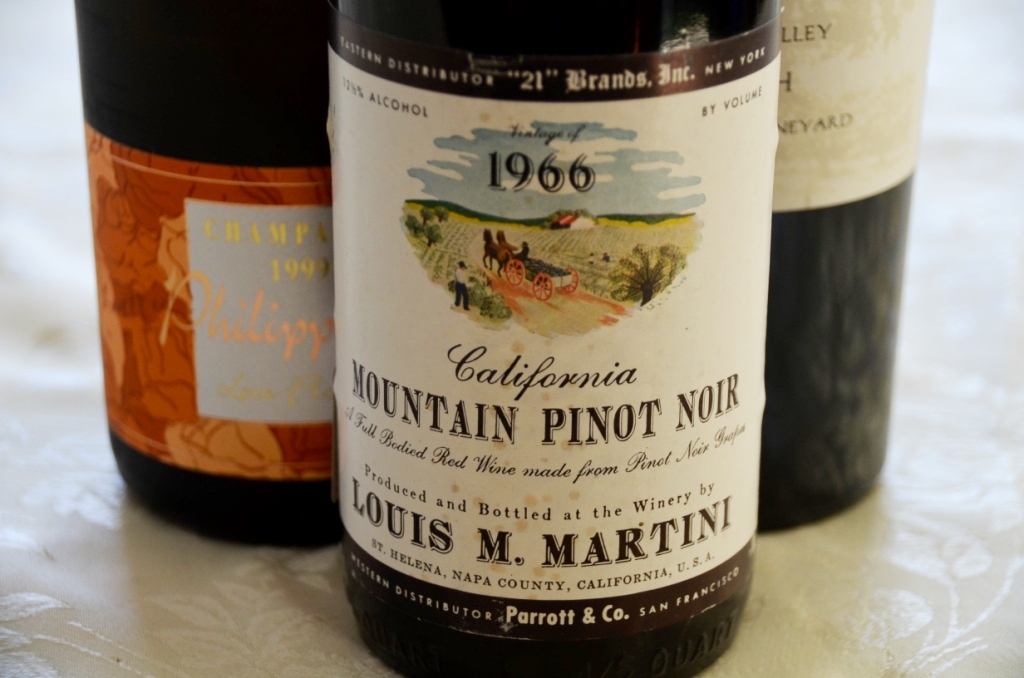
I honestly didn’t know what to expect. 1966 Pinot Noir from California? Not made by the star winemaker at the state of the art modern winery? The only thing I knew about the wine that it was made at Louis M. Martini winery. And Louis M. Martini doesn’t even make Pinot Noir wines today! Okay, let me come clean here – I had an additional reinforcement of my hope. I remember my wine class on Californian wines at the Windows on the World wine school, where after we tasted the line of California Cabernets, Kevin Zraly said “this wine is made by the Louis M. Martini. They make make excellent wines, and they could charge a lot more for them, but they chose not to”.
Louis M. Martini was an Italian immigrant who came to the United States in 1899. After working in the wine trade for a while, he opened Louis M. Martini winery in Napa Valley in 1933, as Prohibition was ending. Last year, the winery celebrated its 80th anniversary. You can read the history on the Louis M. Martini winery web site, but I want to mention that Louis P. Martini, the son of Louis M. Martini, went on to become one of the pioneers of California Pinot Noir and Merlot, and he was inducted to California Vintners Hall of Fame in 2008.
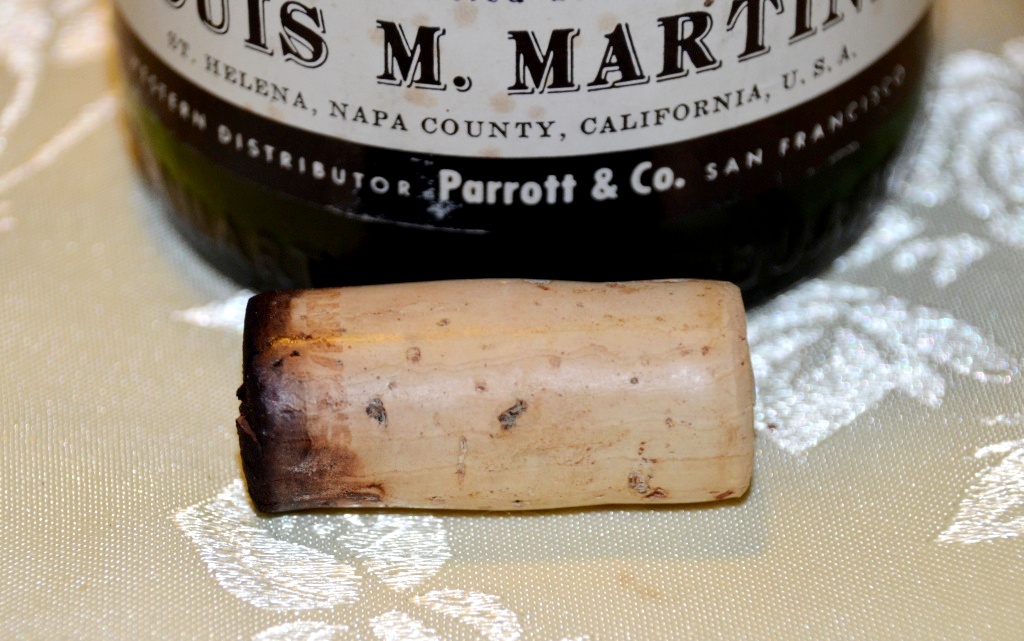
Let’s get back to the wine. It was the time to open that 1966 bottle, so I armed myself with the waiter’s corkscrew and the two-prong cork pull. I even had a thought of using Port Tongues, but that sounded a bit too fancy. Foil was cut, and I was presented with pristine looking cork top. Considering that appearance, I used the the regular waiter’s corkscrew, only moving it very slowly. The cork struggled only a tiny bit, and came out as a whole – and just look at this cork! I had 5 years old wines, where cork was in the terrible condition, never mind 48 years old wine!
 So I poured the wine into the glass – beautiful red brick color, with an orange hue, reminiscent of signature Barolo color. I was really concerned about the first smell – hoping not to find a sauerkraut or vinegar there – and the nose was perfect! Yes, the herbal flavors were prevailing over the fruit, but nevertheless, it was a very pleasant nose without anything disturbing. The first sip – wow. This wine is beautiful! Yes, lots of herbs – sage, eucalyptus, may be even lavender, but also with the nice plum component, and most importantly, balancing acidity. An extremely complex and thought provoking wine – but in the perfect elegance of all the components. The wine opened up a bit more, showing a bit more sweet fruit notes – and then it was gone – we finished it all. Truly spectacular and almost unbelievable – but it was real. I would love to compare this wine to the old Burgundy – I guess this is what it will taste like, if I’m lucky.
And you are looking for connection to the today’s theme, devotion? To me, it is simple. To make the wine which will last for so long and stay in such a perfect condition (go back and look at that cork again) requires a dedication, it requires the full devotion of the winemaker, it requires the unconditional love to what you do. And this wine had it all.
Raise your glasses, my friends, for the true devotion of the winemakers and oenophiles. Cheers!
Wines, Wines, Wines – Part 2
As promised, here is the second part of the Wines, Wines, Wines post. In the first part, we talked about great Riesling and Gewurzrtraminer wines, with some extra value wines and Prosecco. Let’s continue our “memorable wine extravaganza” with a couple of Chardonnays.
Chardonnay
It is so interesting how things work in life. You might walk past say, a picture, every day, and never notice it. And then all of a sudden you say “what is it? Was it always here, or is it something new??”, and people around you look at you like you have two heads or something. Where am I going with this? Give me a minute, I will make my point.
Couple of month ago I got a bottle of Chardonnay, accompanied by the words “try it, it is pretty good”. I’m a sucker for good Chardonnay (yeah, true, you can substitute “Chardonnay” with any other varietal – I’m just a sucker for any good wine, but this can be a subject for a different post). But this Chardonnay was from New Zealand. And New Zealand in by book is the land of Sauvignon Blanc and Pinot Noir – but not really a Chardonnay. So I finally got the bottle opened and … wow.

Seresin Chardonnay
2008 Seresin Chardonnay Reserve Marlboro New Zealand (13.5% ABV, 11 month in oak). The symbol of the hand on the label has a deep meaning. Quoting few words from Seresin Estate web site, “The hand is a symbol of strength, gateway to the heart, tiller of the soil, the mark of the artisan, and embodies the philosophy of Seresin Estate”. Here are my tasting notes for this wine: Outstanding, classic. Perfect nose of vanilla and white apples, just right. Very balanced fruit on the palate – hint of butter, vanilla, oak, good acidity – one of the most balanced Chardonnays ever. Drinkability: 8+
Oh yes, you are still waiting for me to connect to the opening sentence about passing by and not seeing things around for the long time, right? As of very recently, as I walked in the New Zealand isle in the store, I noticed all of a sudden that almost every producer now features Chardonnay in addition to Sauvignon Blanc and Pinot Noir. When did it happen, how long this was the case with New Zealand Chardonnays – I don’t have any idea, but based on this experience, I definitely want to try more.
Frédéric Gueguen Chablis
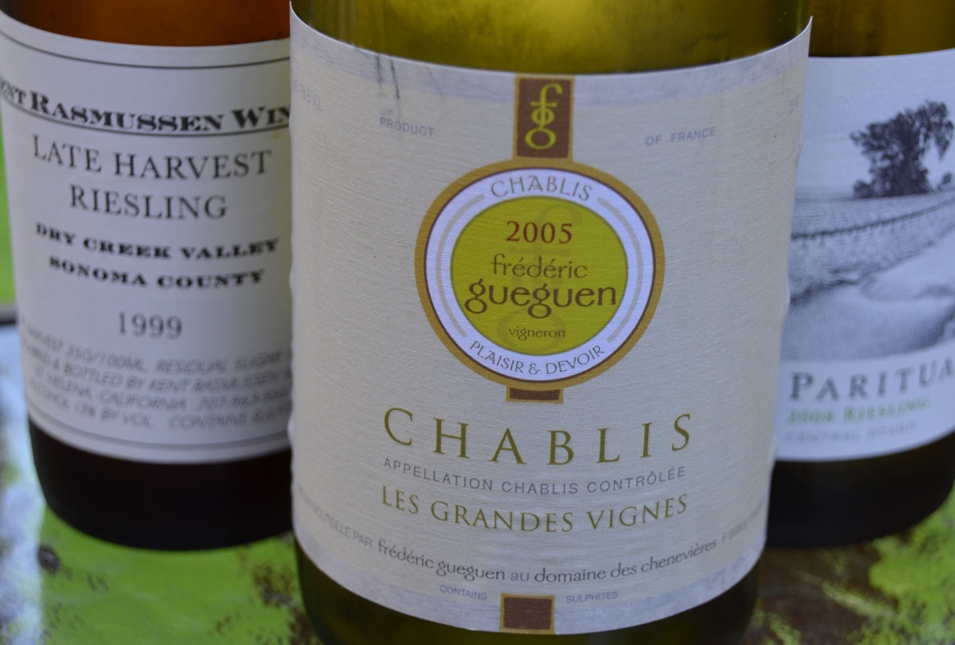
2005 Frédéric Gueguen Chablis Les Grandes Vignes (13% ABV) – I don’t have a lot of experience with Chablis overall. I had a few bottles of Chablis here and there, but never was really impressed with it (I never had Chablis of a Grand Cru or even Premier Cru level). I don’t know what possessed me to get this wine from the Benchmark Wine Company, I guess it was in the right price range ( under $20), and somehow caught my attention. Then I read somewhere, that Chablis requires on average about 10 years of age in the bottle to really start transforming and going past the initial “steely acidity” flavor profile to get to the next level. And then I tried this Frédéric Gueguen wine – wow. Here are my tasting notes: some darker yellow color, but not quite golden yet. Amazing nose, reminiscent of Côte-Rôtie – almost a touch of sulfur (think freshly burnt matches), or even more of a smell of a hot piece of granite on a summer day, a “roasted rock”. Side note: pardon my naive definition here – I recently learned that professionals call it a “gunflint” – but I will not use this term as it doesn’t lead to any associations for me. Perfect complexity on the palate – white fruit, vanilla. Lots and lots of minerality. Full bodied and very balanced, excellent wine overall. Drinkability: 8+
Pinot Noir
And we are moving along to the Pinot Noir wines – both of the wines below were excellent:

Siduri Pinot Noir
2011 Siduri Pinot Noir Sonoma County (13.1% ABV) – perfectly clean California Pinot – good smokey nose, with a touch of red fruit aromas. Light cherries on the palate, hint of earthiness, medium body, perfect acidity, very clean and balanced. Drinkability: 8-
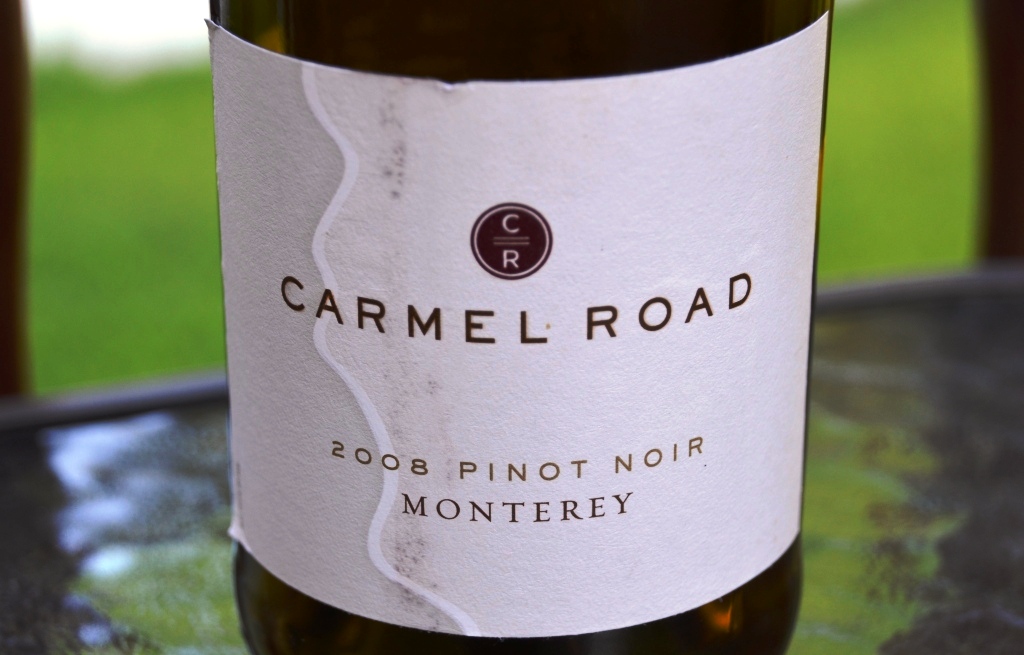
Carmel Road Pinot Noir
2008 Carmel Road Pinot Noir Monterey (14.0% ABV) – outstanding. Bright ruby color in the glass, raspberries and hint of smokiness on the nose. Raspberries, cranberries and cherries on the palate. Medium to full body. Excellent acidity, overall perfectly balanced. Drinkability: 8+
Cabernet Franc
I have only one wine for you here, but it was mind blowing.
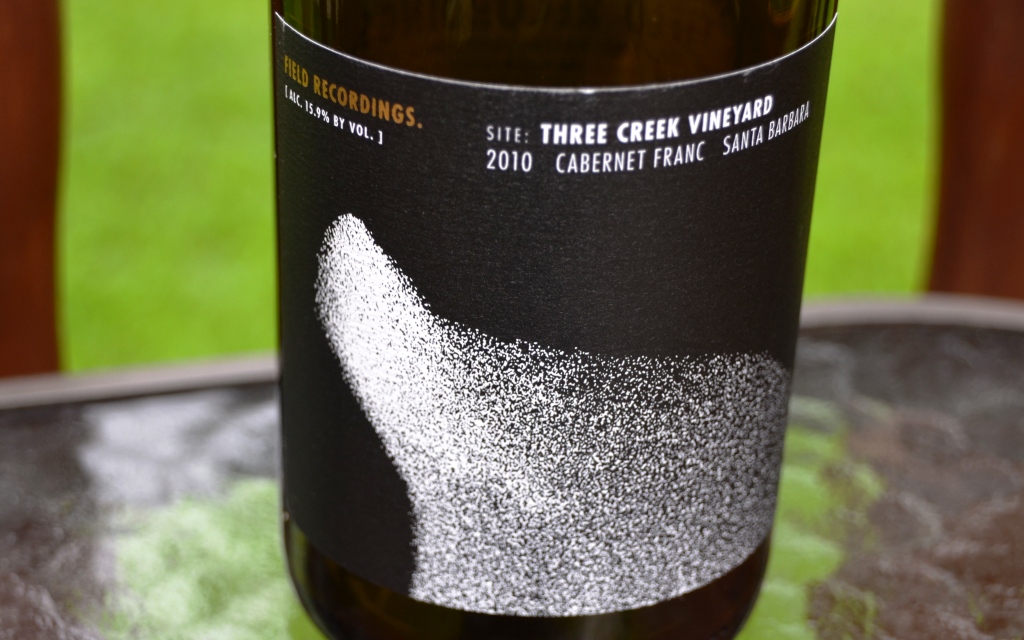
Field Recordings Cabernet Franc
2010 Field Recordings Three Creek Vineyard Cabernet Franc Santa Barbara (15.9% ABV, 90% Cabernet Franc, 10% Malbec, 18 month in French oak) – spectacular. If you read this blog on the regular basis, you know that I’m very impartial to the wines of Field Recordings – but this is not my fault, it is Andrew Jones’ fault ( Andrew Jones is the winemaker behind Field Recordings). This wine had beautiful garnet color in the glass. The nose was clean and open, withhint of black currant and other red fruit. The palate is stunning with black currant, cherries, touch of black pepper, dark chocolate, perfect acidity, soft and supple tannins, all in the format of full-bodied wine. Perfect balance of fruit, acidity, tannins and alcohol – which is pretty amazing at 15.9% ABV. Drinkability: 9
Last, but not least – Syrah
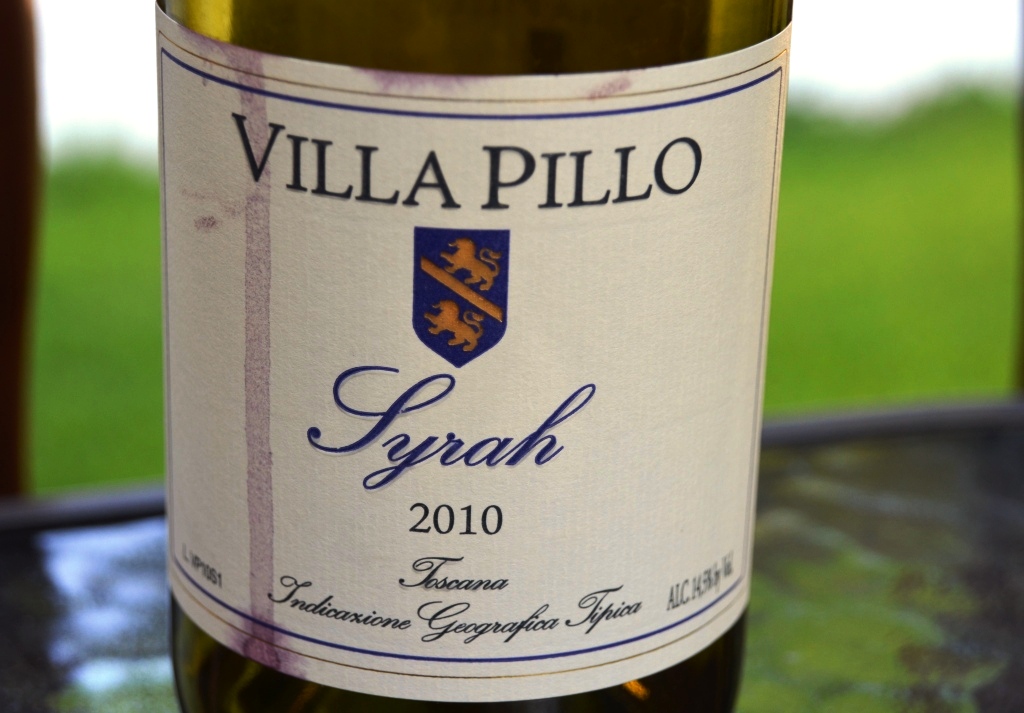
Villa Pillo Syrah
Appearance of the large amount of Italian Syrah wines is also somewhat of a revelation, similar to the one I mentioned at the beginning of this post. All of a sudden I start noticing that there are more Italian Syrah wines showing in the wine stores, and people are just talking more about them, in the blogs and otherwise.
2010 Villa Pillo Syrah Toscana IGT (14.5% ABV) – we got this wine when we visited Millbrook Winery in New York (this will be a subject of a separate post), as they are importing this and a number of other wines from Italy. Tasting notes: Dark garnet color in the glass. Nose of dark fruit and dark chocolate. Outstanding on the palate – hint of pepper, cherries, plums and raspberries, more dark chocolate. Full bodied, with the velvety texture weaved over firm structure. Drinkability: 8
Whew, we are done here! Enjoy the rest of your weekend and cheers!
Wines, Wines, Wines
A couple of weeks ago, an interesting (concerning, rather?) thought came in – this is the wine blog. I’m doing my best to keep you entertained and informed, with all the weekly quizzes and potpourri wine news (a.k.a. Wednesday’s Meritage), but I don’t do enough of the core wine blogging stuff – namely, the wine reviews. No, I don’t have a plan to address this radically – say, but introducing a new weekly topic or so. But during the past month, I had quite a few wines worth talking about, so this is exactly what I’m going to do – write a post to review those wines. Well, yeah, I guess you are already reading this very post… The usual warning – there will be pictures,… many pictures…
It is still summer, so let’s start with super-quaffable Prosecco. It is not even Prosecco, it is pretty much a complete cocktail in the bottle. The wine is made by Mionetto, a well known Prosecco producer in Valdobbiadene region in Italy.
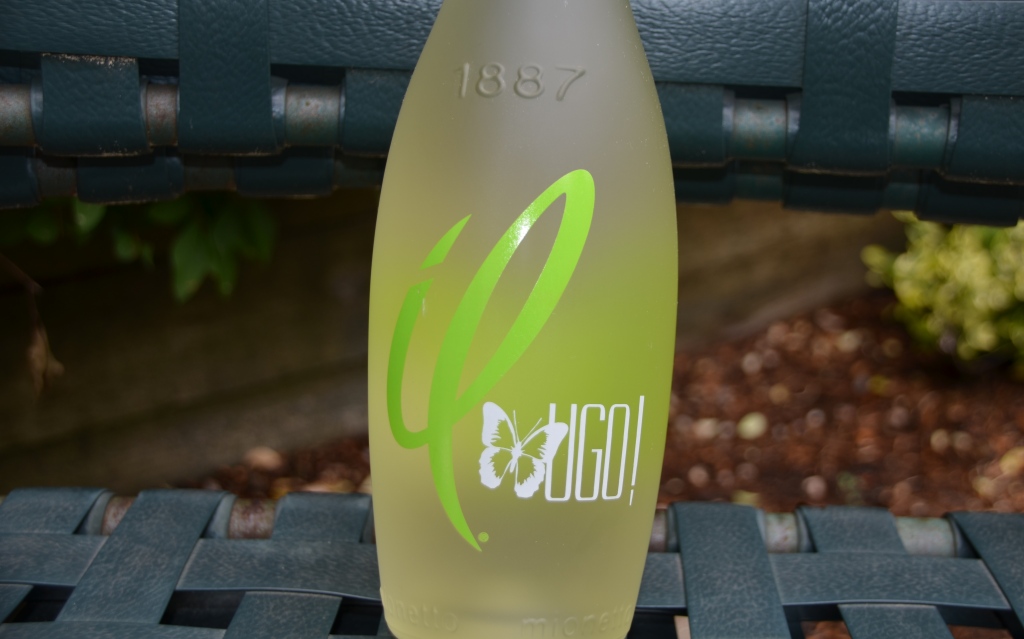
Mionetto Il Ugo
Mionetto Il Ugo, a blend of Prosecco with elderflower blossoms and wildflowers – bright and uplifting on the nose, touch of sweetness with a charismatic bitterness and enough acidity – it is so refreshing, you don’t want to put the glass down. Yes, I know, the purists will disagree – but this is an outstanding wine in my book. Drinkability: 8
Now, a couple of value wines for your consideration. These wines come from Chile under the brand name of the Beach Kite. While you can’t find this information on the wine label, Beach Kite is presumable affiliated with 90+ Cellars. 90+ Cellars has a similar model of operation to Hughes Wines and Oriel (at least the two that I’m familiar with), which is: find good wines which well-known wineries have a hard time selling, bottle under your own private label, and sell for the reasonable price at around $20. Beach Kite seems to be more of a “second label” to the 90+ Cellars wines, considering the price of $7.99 per bottle. But – don’t judge the wine by its price.


2012 Beach Kite Sauvignon Blanc Central Valley Chile (13% ABV) had herbaceous nose, and zesty grapefruit on the palate, a bit more restrained compare to the typical New Zealand Sauvignon Blanc, but still fruit forward next to Sancerre. Refreshing, with good acidity. Drinkability: 7
2012 Beach Kite Pinot Noir Central Valley Chile (13% ABV) – simple, round, good red fruit on the nose and the palate, touch of plums, good acidity – perfect sipping wine for a hot summer day. Drinkability: 7
Next I want to talk about few wines, sorted by the grape.
Riesling
While this is not how I rate the wines, but I would say that I had two Rieslings which were outstanding, and one which was … just spectacular.
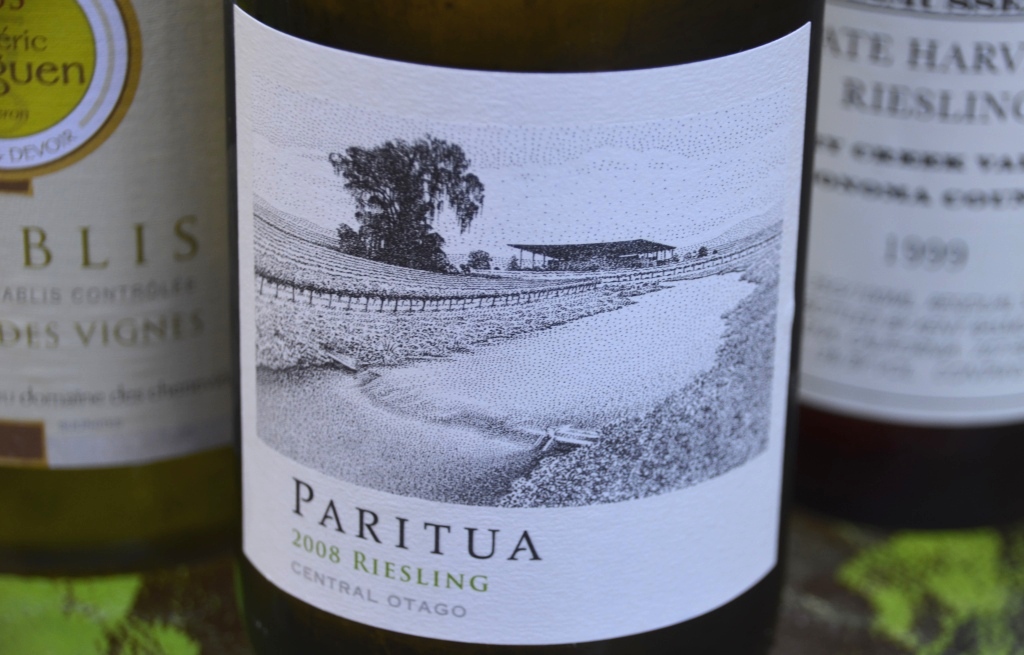
Paritua Riesling Central Otago
2008 Paritua Riesling Central Otago New Zealand (11.5% ABV). I got this wine for $6/bottle at Last Bottle Wines. I was questioning myself a bit when placing an order for this wine, as I never heard of Riesling from Central Otago – a region in New Zealand known for their world-class Pinot Noir, but not Riesling. I’m glad I took my chances and got this wine, as it was outstanding. Perfect ripe peach flavors on the nose with the hint of petrol (yes, I know some people are not very happy about this flavor, but I personally love it). Very delicate on the palate, with some honey and apricot notes, perfect acidity and very restrained sweetness. This New Zealand Riesling would rival many of the German Rieslings at Kabinett level. One night we had it with Thai food, and [as expected] it paired perfectly. Drinkability: 8


2005 Eitelsbacher Karthauserhofberg Riesling Spatlese Mosel-Saar–Ruwer (9% ABV) – what I value the most in Riesling (any Riesling) is balance. My sweet tooth is not any smaller than the one any sweets lover would have out there. But I can’t take bottomless sweetness in the wine – I need acidity to come and play it supportive and refreshing role right next to the sweetness. This Riesling is perfectly balanced, with excellent acidity – and showing no signs of age. Just had an interesting revelation – may be I should replace my “drinkability” ratings with “quaffability”, as this wine was not just drinkable, it was perfectly quaffable. Anyway, I digress. This is not the first Riesling I had from Eitelsbacher Karthauserhofberg – and it seems to be a very interesting winery – but I need to refer you to the Riesling expert Oliver TheWinegetter if you want to learn more. Here is a link to the comment Oliver left on one of my previous posts where he is talking about this winery. Drinkability: 8+

Kurt Rasmussen Late Harvest Riesling
1999 Kurt Rasmussen Late Harvest Riesling Dry Creek Valley (13%ABV) – I’m not sure I can do justice to this wine trying to describe it. In a word – spectacular. Liquid viscous dark gold in the glass, honey, honeydew, caramelized pecan, apricot notes all over, both on the nose and the palate – and perfectly balanced (I’m know I’m abusing this one), with still bright supporting acidity. Drinkability: 9
Next up – Gewurztraminer
To be honest, I don’t drink Gewurztraminer all that often. I find a lot of Gewurztraminer wines to be all over the place in terms of taste – many of them have wonderful nose, but then on the palate the wine often doesn’t appear to be “together”, it shows up quite disjointed. But – not this wine.
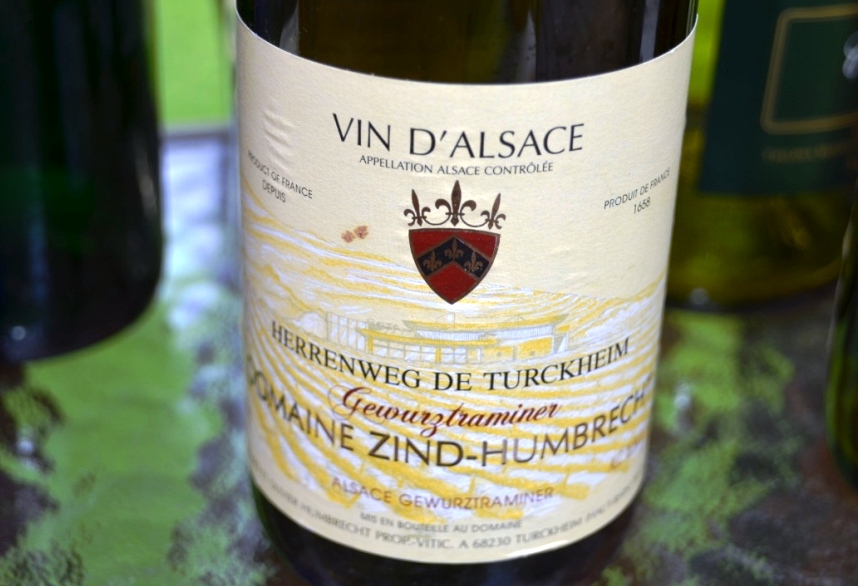
Zind-Humbrecht Gewurztraminer
Domain Zind-Humbrecht is one of the best producers in Alsace, probably best known for its Pinot Gris wines. Just to put things in perspective, 36 wines of Domain Zind-Humbrecht have classic ratings from Wine Spectator (95-100), including perfect score 100 point 2001 Pinot Gris. Well, this is not the wine I’m talking about here.
2002 Domaine Zind-Humbrecht Herrenweg de Turckheim Gewurztraminer Alsace (15.5% ABV) – I got two bottles of this wine at Bottle King in New Jersey on a big sale for about $20 each – this wine typically retails for $60 or so. I had a bottle few years back, and was not impressed. So when I pulled this bottle out, I was not expecting much ( it was more like “yeah, let’s free some space in the wine fridge”). My, was I wrong! In one word, I have to use again my abused wine definition of the day – spectacular. Dark golden color, beautiful nose of candied apricot, perfect honey tones on the palate, fresh acidity, more candied apricot, perfectly balanced. Drinkability: 9
Food break
Tired of wine? Let’s make a short break for some food pictures. First, I promised to Food and Wine Hedonist that when I will make Elotes according to his recipe, I will share my impressions. Elotes is Mexican street food which is essentially a grilled corn with spicy mayo and Cotija cheese – this is precisely what I did and it was tasty! For the recipe, use the link above, and here are the pictures:


Yes, I continue admiring my “mangal”, a special charcoal grill – here are few pictures for your drooling pleasure:


You know what – I think this is enough for one post. Let’s stop here. In the next post – Chardonnay, Cabernet Franc, Pinot Noir and may be something else.
To be continued…
Daily Glass: Of Wonderwall and Unwooded Pinot
How can you tell when blogging is becoming an addiction? When you drink great wine, you think about it in the terms of the blog post. And when you are not producing that blog post for whatever reason, you become upset and feel incomplete…
I don’t want to feel incomplete – who does? And to avoid that feeling, let me tell you about few great wines I experienced recently.
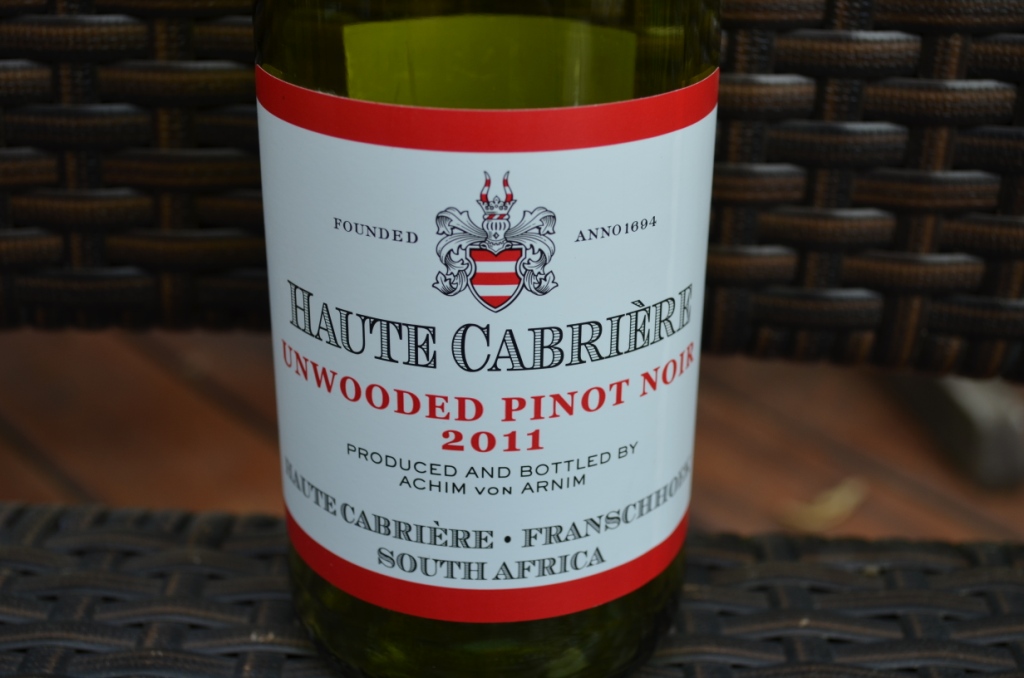 Last week, when it was hot and not crazy rainy as today (did someone up there forgot to turn off the faucet?), I walked into the wine store and told Zak that I’m in the mood for a nice bottle of Rosé. “Here”, he said handing me a bottle, “you have to try this”. Okay, I’m ready to try whatever Zak hands me with such a conviction. 2011 Haute Cabrière Unwooded Pinot Noir Franschhoek South Africa (12% ABV, $15.99) didn’t look like a Rosé, but hey, the proof is in the glass.
And what a proof it was! Light ruby color, the nose of strawberries, cranberries and onion peel (classic Rosé, huh?) – same on the palate – perfect substance, perfectly refreshing body – nothing wimpy, nothing sweet, only refreshing, light and exciting wine. This wine is produced by Achim von Arnim, whose blog is called Sun Soil Vine Man – which is also a motto of his winery. Tasting this unwooded Pinot Noir, I can say that his simple model works quite well. Drinkability: 8-
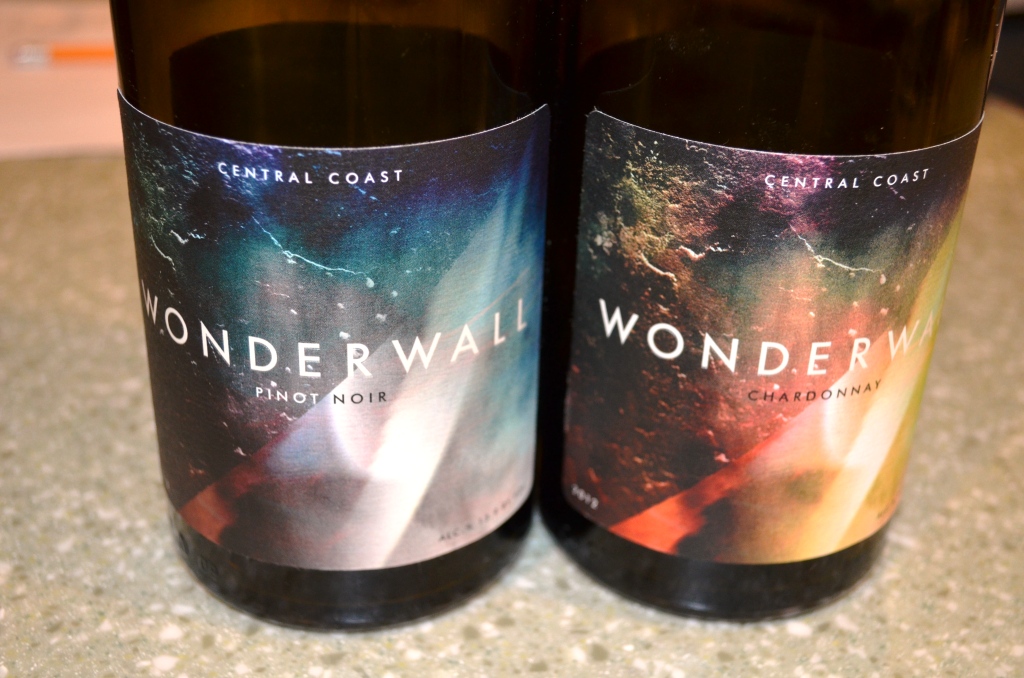
And then there was Wonderwall. First I tried 2012 Wonderwall Chardonnay Central Coast (14.9% ABV, $22/$17.60 for catalog members). These Wonderwall wines are produced by Andrew Jones, the winemaker behind Field Recordings wines, which I discussed many times in the blog – and of which I’m a big fun.
What is amazing about many Field Recordings wines is aromatics. Once you pour the wine into the glass, you simply can’t put it down – but not drinking, only smelling, and smelling and smelling. Some wines transform with their taste, and some just with their aromatics. Bright and beautiful fruit on the nose – together with fresh flowers. I experienced similar aromatics with some of the best Albarino wines – but not with California Chardonnay. Good amount of fruit on the palate, but tame, more controlled, balanced and perfectly weaved around acidity. When the bottle was finished (much faster than I would want to, unfortunately – this was my only bottle) – I smelled the bottle and it showed vanilla and touch of butter – but it was too late. I wish I had another bottle to try it at least in 3-4 years – oh well, may be someone will. Drinkability: 8
Then I had 2012 Wonderwall Pinot Noir Central Coast (13.9% ABV, $22/$17.60 for catalog members). To describe it in a few words, I would put it like this: from nose to palate – classic California Pinot Noir. Violet, cherries and hint of smokiness on the nose, cherries, cranberries and tart blackberries on the palate, all moving and evolving. On the palate, this wine is somewhat elusive, and it gives you a different perception with every sip. On the second day it showed bright, clean and assertive fruit, with mouthwatering acidity – you really want to give this wine some time (I will not, as again this was my only bottle). Drinkability: 7+
Before we part, I have to cite for you the words written on the back label of the Wonderwall wines:
“I’m unsure if it has been me, the grapes or the vineyards. There
has always been a barrier between me and the wine I wanted.
Finally, I have broken through the wall.”
That’s all I have for you, folks. And I feel better already. Cheers!
Wednesday Meritage – Wine Quiz Answer, Bordeaux 2012, Bottle Variations, Dishcrawl and more
Meritage time!
Let’s start with the answer for Wine Quiz #55, Grape Trivia: Pinot Noir. In the quiz you were supposed to answer five questions about Pinot Noir grape – here are the questions with the answers:
Q1: Can you explain the source and meaning of the grape’s name “Pinot Noir”?
A: Pinot Noir literally translates as “black pine”, due to the grape cluster’s resemblance of the pine cone.
Q2: True or False: Burgundy has the biggest plantings of Pinot Noir in France?
A: False – Champagne has much bigger area planted with Pinot Noir
Q3: Match the wine/producer with its country/region:
| A. Mt. Difficulty | 1. Burgundy |
| B. Evening Land | 2. New Zealand |
| C. Fleury | 3. Champagne |
| D. Hamilton Russell | 4. Oregon |
| E. Clos de Tart | 5. South Africa |
A: A2, B4, C3, D5, E1
Q4: Which major wine-producing country is literally unknown as a Pinot Noir producer?
A: Spain. There are literally no Pinot Noir wines coming out of Spain
Q5: From 1990 to 2010, annual Pinot Noir harvest in California increased approximately:
a. 2 times, b. 3 times, c. 5 times, d. 7 times, e. 9 times
A: According to the information you can find here, production of Pinot Noir went from 32,000 tons in 1990 to 147,732 in 2010 – thus correct answer is C, about 5 times.
Looking at the answers, it seems that everybody had no issues answering first 3 questions, but the last two proved to be more difficult. Nevertheless, we have 2 winners – armchairsommelier and vinoinlove both answered all questions correctly, so they get unlimited bragging rights. Jeff at thedrunkencyclist gets honorable mention with 4 correct Google free answers, as well as RedWineDiva also with 4 correct answers. Well done!
By the way, what do you think the theme of the next quiz will be? I’m going along the lines of major grapes, so what do you think is next?
Now, to the interesting stuff around the grapevine. Let’s start from Bordeaux 2012, or En Primeur 2012 event which recently took place in Bordeaux. This event takes place in the Spring of each year in Bordeaux, and this is the time when Bordeaux wines of previous year are offered for the future sales, and prices for those future sales are set. En Primeur 2012 was different from most of the prior years’ events – first, because Chateau Latour, one of the five famous First Growth producers, stopped participating in this events (from now on, they will only sell their wines when they are actually ready to drink, not the futures). Second interesting element – China’s appetite for Bordeaux is getting smaller, and now prices need to be corrected. Anyway, here is a summary by Jancis Robinson, offering her insight after attending the En Primeur 2012.
Now, I want to bring to your attention an interesting article about… bottle variations. No, I’m not talking about imperfections of the glass – I’m talking about the actual content, the wine, being different from bottle to the bottle. Here is the link – I think it is a very interesting reading.
Do you like beer? Yes, of course it is okay to like beer even if you are a wine lover. So if you like beer, here is an interesting site for you – BrewGene. It is both a web site and an app, which will allow you to find information on the beer, see what the others think about it, get recommendations for similar beers and more – I think this is pretty cool, so check it out.
Last but not least, a couple of food events – sorry, they are really only local events, but I want to mention them in any case. Dishcrawl, which I mentioned in my previous Meritage post, just announced a new event on June 11th, which will be taking place in Old Greenwich, Connecticut. As of the time of this writing, there were still 17 tickets available – if you are local in the area, or plan to visit around June 11th date – don’t miss out. Here is the link to the web site for you.
Another food related event is Taste of Westport, which will take place on May 2nd from 6 pm to 9 pm. Here is the link with lots of information about the event, all coming from OmNomCT blog which is a priceless source of information about all things food and drink in CT – if you live in Connecticut or in a close proximity, and you are not following this blog, you have to correct this mistake immediately.
And that’s about all I have for you, folks. The glass is empty. Until the next time – cheers!
Weekly Wine Quiz #55 – Grape Trivia: Pinot Noir
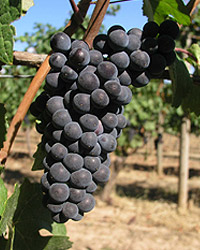
Image source: Wikipedia
And the time has come for the new wine quiz. Continuing with our Grape Trivia theme, the new quiz is about Pinot Noir.
Pinot Noir. The grape behind some of the most expensive and thought after wines in the world. Almost never blended with other grapes. A major weapon in the hands of ABC oenophiles (Anything But Cabernet). At the same time, one of the most finicky, difficult to deal with grapes. To produce great wines, Pinot Noir requires ideal growing conditions. It is genetically unstable, and can easily mutate in the vineyard, producing grapes which look nothing like their parents. It can also “throw a fit” during fermentation and take the process out of control. But – all of it worth the “goodness in the bottle”, so today there is no shortage of great Pinot Noir wines coming in from all over the world.
Pinot Noir is one of the oldest known Vitis Vinifera grapes, specifically grown to be used in winemaking, with historical references going all the way back to the 4th century in Burgundy, France. Today Pinot Noir is growing literally in every winemaking country in the world, with the wines taking on wide range of expressions depending on the location’s climate and soil. Taste profile of Pinot Noir often includes lighter red fruits and berries – cranberries, strawberries, tart cherries, with hint of smokiness and mushrooms (earthiness).
Now, to the quiz!
Q1: Can you explain the source and meaning of the grape’s name “Pinot Noir”?
Q2: True or False: Burgundy has the biggest plantings of Pinot Noir in France?
Q3: Match the wine/producer with its country/region:
| A. Mt. Difficulty | 1. Burgundy |
| B. Evening Land | 2. New Zealand |
| C. Fleury | 3. Champagne |
| D. Hamilton Russell | 4. Oregon |
| E. Clos de Tart | 5. South Africa |
Q4: Which major wine-producing country is literally unknown as a Pinot Noir producer?
Q5: From 1990 to 2010, annual Pinot Noir harvest in California increased approximately:
a. 2 times
b. 3 times
c. 5 times
d. 7 times
e. 9 times
Have fun, good luck and enjoy your weekend. Cheers!
Special Tasting Report: Trione Winery
A few month ago I got an email from Trione winery offering me a gift. Not just any gift – wine. Free wine. Words “free” and “wine” put together sound almost magical for the anyone who drinks wine daily (I refuse to take the calculator out – don’t ask). But the word “free” in the email usually means danger. After careful consideration, and actually looking at the winery web site, I decided that it was not a scam or phishing attempt, so I answered that I would be happy to get a free wine. The only caveat in the follow up response was that they can only ship wine to the limited number of states. Connecticut not included (of course). But New York was. And so my friend Emil became a recipient for the wine.
When Emil called me that he got the wine, he mentioned that the box looks very small. Well, okay – it is what it is – free wine, whatever the package is. And then some time later, the package made it to my house. A small black box, probably half of the shoebox in size. But there was actually wine inside. And this is how it looked like:
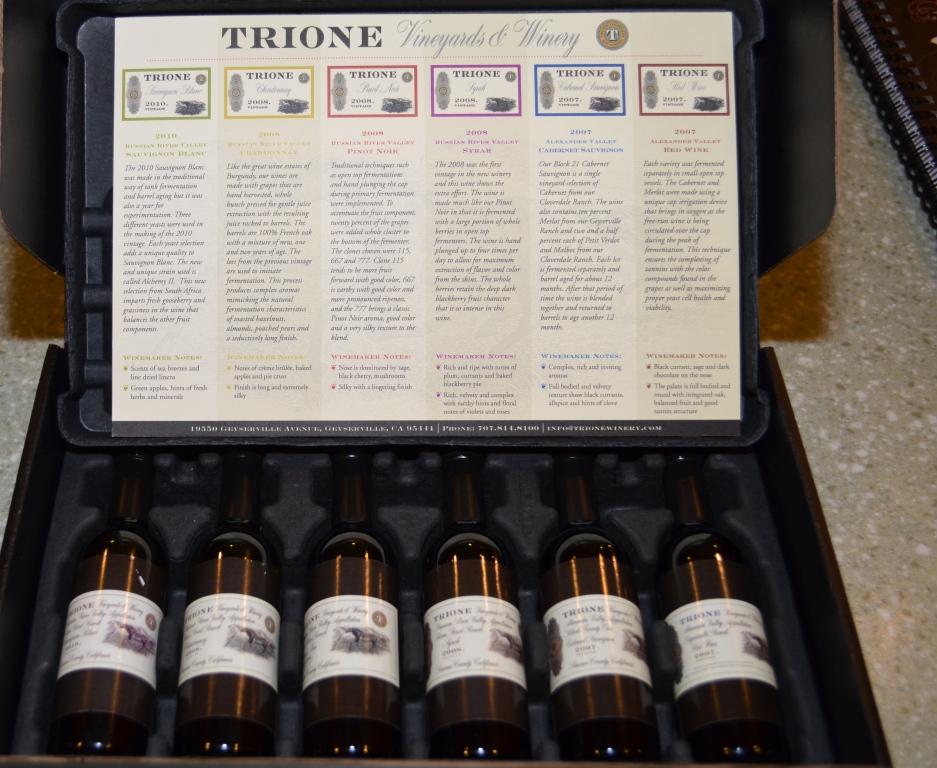
Trione Winery, which I never heard of before, is a new venture of Trione family who was growing grapes in Sonoma for 35 years. Here is what you can read on the front page of their web site:
“For over three decades, the Trione family has raised premium grapes that have been the foundation of many award-winning wines. Now we bring our grapes to you in wines bottled under our own label, Trione Vineyards & Winery. It is the culmination of our family’s long commitment to Sonoma County.”
Here are few more views for you (just trying to build up the anticipation here):


Another interesting detail – it appears that this tasting set consisting of the tiny bottles is actually a concept called Tasting Room. While web site provide literally no information, the card enclosed with the package explained the concept:
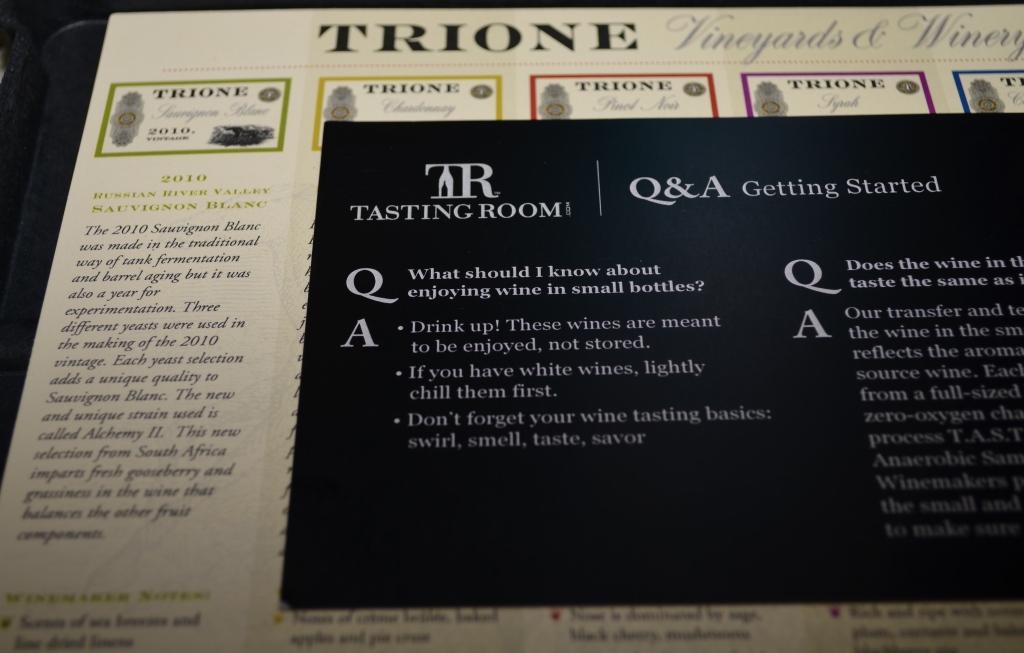
The wines are bottled in the small bottles using special technology which preserves all specifics of the wine, so it is exact same wine which will go into the regular bottles. The only exception – the wine in small bottles is not intended for aging (as you can imagine), so as the card says – drink up!
And with this, let me share my tasting notes. Well, not only mine – in majority of the cases we drink wine together with my wife, especially when we are looking at the interesting and unusual experience – so I’m including her tasting notes too.
2010 Trione Russian River Valley Sauvignon Blanc (14% ABV) – “Pear Grove” my wife said. Some fresh grass on the nose with a bit of grapefruit, but mostly earthy and herbaceous, Earthy and herbaceous on the palate as well, lots of residual acidity, but not “in-your-face”. Food friendly. Interesting. Drinkability: 7+
2010 Trione Russian River Valley Chardonnay(14.3% ABV) – nice butter on the nose, vanilla. Nose is very promising, but palate is not good, very acidic, no fruit, kind of flat. I’m sure it needs time or at least different serving temperature, therefore it is not rated.
2008 Trione Russian River Valley Pinot Noir (14.2% ABV) – Nice nose of dark fruit, tobacco, touch of roasted meat flavor. Nice palate of dark fruit, raspberries, plums, tobacco, pencil and sage undertones. Good palate, good balance. Very good overall. Drinkability: 8-
2008 Trione Russian River Valley Syrah (14.8% ABV) – Wow color – very dark, intense, almost black. My wife’s notes were “oh, this is good” , “great potential”, “very promising” (disclaimer – my wife loves Syrah, probably her favorite wines). Dark roasted fruit, silky smooth, perfect balance, perfect acidity, cherries, earthy notes. Definitely very promising. Very good overall. Drinkability: 8-
2007 Trione Alexander Valley Cabernet Sauvignon (14.5% ABV) – absolutely beautiful nose – perfectly classic, with mint and blackcurrant – textbook flavors. Coffee showed up later on the nose. Wife’s notes: “overpowering , but very yummy”. Big, powerful, silky smooth, noticeable tannins – but excellent balance. Touch over-extracted on the palate, but only in terms of power, not sweetness. Needs time. Drinkability: 8
2007 Trione Alexander Valley Red Wine (14.5% ABV) – Dark chocolate, coffee, blackberries on the palate, nice complexity. Beautiful, round and open fruit. Needs time. Drinkability: 8-
As you can see, it was a very enjoyable experience (it’s too bad that the bottles were that small) – next time you see Trione wine in the store, don’t just stand there, grab a bottle…
That concludes my special tasting report, folks. Until the next time (hopefully someone will send me good and free wine soon) – cheers!
Disclaimer: the wine was provided by Trione Vineyards and Winery free of charge. All opinions are my own.
Re-post: Best Hidden Secrets of The Wine World: Wines of South Africa
During 2011 I wrote a number of posts for the project called The Art Of Life Magazine – of course talking about my favorite subject, wine. The project closed, but I still like the posts I wrote, so I decided to re-post them in this blog. Also, in that project, posts were grouped into mini-series, such as “Best Hidden Secrets” you see here – I will continue re-posting them from time to time.
Also note that the series was written for a slightly different audience – I hope none of my readers will take offense in the fact that sometimes I’m stating the obvious…
 Continuing the subject of “secrets” of the wine world (you might remember our past conversations about Rioja, Second Labels, Georgian Wines and more), let’s talk about wines of South Africa. If you are asking why South African wines should be considered a “hidden secrets”, please read below.
As one would rightfully expect, history of South African wines is tightly intertwined with history of South Africa as a country. Winemaking in South Africa started in 17th century, and for the long time, South Africa was making dessert wines, some of them still famous, like Constantia. Most of the wines were exported into United Kingdom. Similar to the most of the winemaking world, South Africa experienced Phylloxera epidemic in the 19th century, and lots of vines had to be replanted. The 20th century was marked by the political issues – as apartheid was a bad problem for the South Africa, the institute of wine regulations by KWV also became a limitation for the wine industry. Combination of the KWV restrictions with boycott of the South African goods, including wines, as a means to fight apartheid regime, lead to South African wines staying largely non-existent for the wine lovers around the world. With collapse of apartheid the situation changed, and then KWV monopoly was also broken, which lead to the great advances in the South African wine making. If you want to read more about the history of
A number of different grapes are used in winemaking in South Africa. First we need to mention Chenin Blanc, which is still one the major white grapes used in wine production (it is also known locally under the name of Steen). Similar to the Loire valley, where Chenin Blanc is shining, it makes whole range of wines in South Africa, starting from very dry and acidic, and going all the way up to the dessert wines. Next we need to mentioned Pinotage, which is unique grape, produced and cultivated only in South Africa. Pinotage is a cross between Cinsault and Pinot Noir grapes, and has a number of strange characteristics, such as being reminiscent of liquefied rusty nails in the glass. Then whole bunch of international varietals are also planted (amount of those plantings is increasing), and it includes Chardonnay, Cabernet Sauvignon, Shiraz and many others.
 So why are we placing South African wines into the “secrets” category? Once you will try [good] wines from South Africa, chances are you will be blown away. It is important to note that South African wines are new world wines masquerading as an old world – which makes blind tasting with South African wines very challenging.
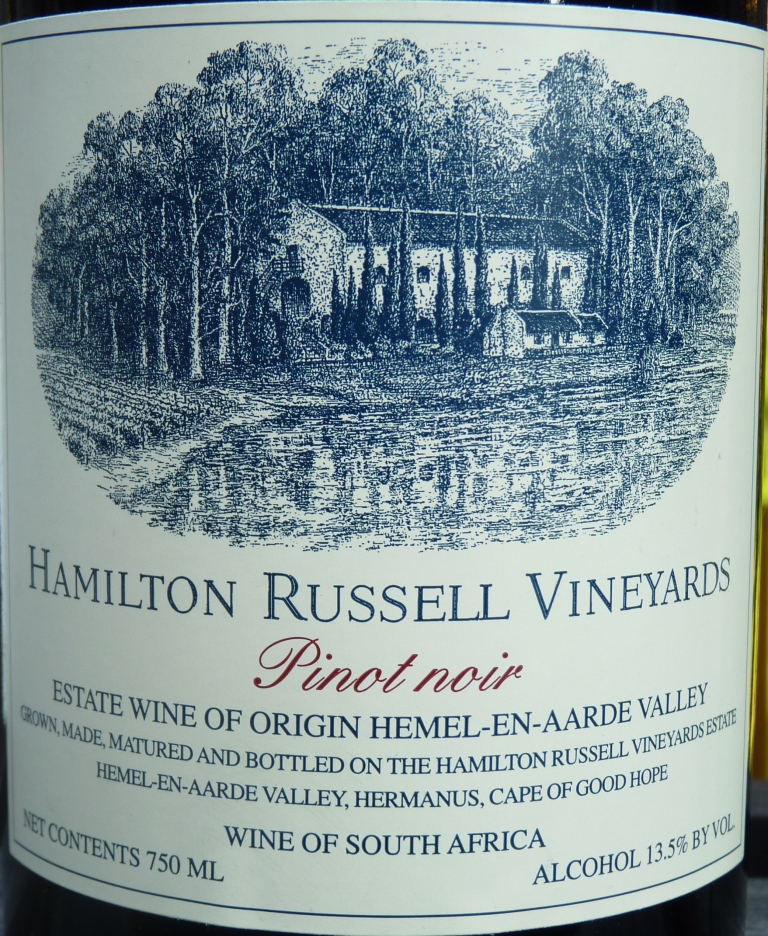
As our tradition goes, let’s open a bottle or two, and let’s talk about the wines. First, 2008 Hamilton Russell Pinot Noir. This wine is simply amazing – very restrained and polished, with beautiful restrained fruit, lots of smokiness and earthiness on the palate. This wine shows off as a classic Burgundy, and only when you look at the label you experience almost a shock – this wine is from South Africa, last place one would expect to produce classy Burgundy (you can read about our blind tasting experience here).
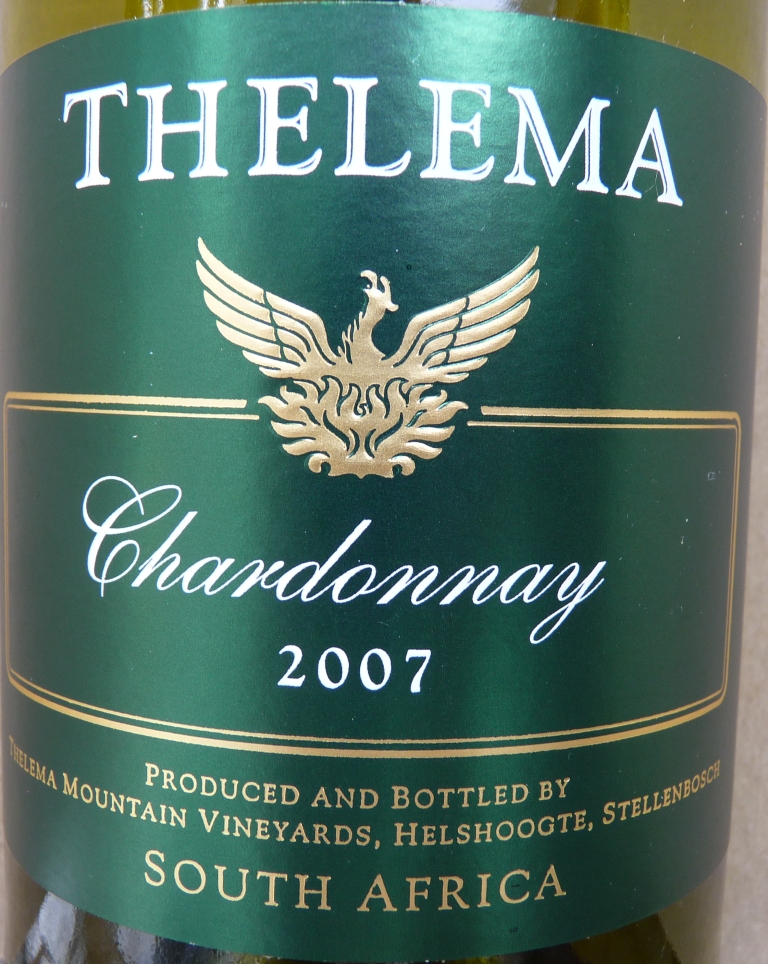
Then comes 2007 Thelema Chardonnay, again, very reminiscent of beloved White Burgundy – restrained, with balanced fruit, hint of butter and vanilla on the palate and good tannins – very elegant.
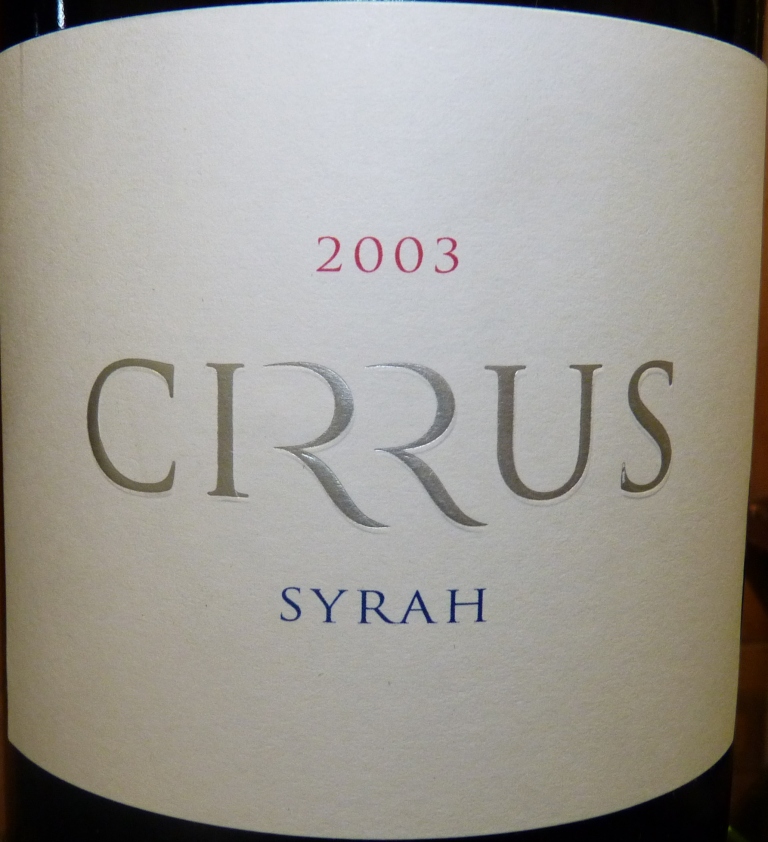 Last I would like to mention 2003 Cirrus wine – a predominantly Shiraz ( 96%) with addition of small amount of Viognier (4%). On the palate, this wine mostly represents liquid smoke, but it really comes alive in a glass, with excellent tannins, toned down fruit and perfect acidity, well balanced.
I don’t know if I manage to convince you in the “secrets” status of South African wines. But if you will think about it, either way you have to find a bottle of South African wine – to either agree or disagree with me. Look for the one we talked about here – and judge it for yourself. Cheers!
Last Bottle Sign Up ($10 credit)




 Talk-A-Vino