Archive
Second Dozen (And Some) of 2012
 Anywhere you look, people are summing up their experiences for the year which will become history in the mere 5 days. “The best thing I did last year”, “the best thing I ate”, “the best trip I took”, “the best picture” and so on and so forth.
This very blog is not an exception to that “the best thing I had” phenomenon. I have my top dozen wines summarized for 2010 and 2011, and now it is time for 2012. But I have to tell you that this year I have an issue. Last two years I managed to identify precisely 12 wines I wanted to include in my “Top” list. This year, it appears that I tasted so many great wines, that I feel that the limit of 12 is too constraining – hence this post, where I will share with you the second dozen (or more) of wines which caused an “aha” moment, and stirred my memory and emotions. In the other words, these are the wines which I would gladly (very gladly) drink at any time. As usual, all the wines will be linked to the original posts in case such post exists, and I will provide pricing information where I can. Here we go.
26. 2011 Walnut Block Wines ‘Collectables’ Sauvignon Blanc, Marlboro, New Zealand ($11.99). In general, I like New Zealand Sauvignon Blanc – may be I had a few that I didn’t really care for, but for the most of the cases I really enjoy that fresh in-your-face acidity with bright fruit underpinning and fresh cut grass. This wine happened to be single best New Zealand Sauvignon Blanc I had last year, perfectly matching the description I just provided.
25. 2012 Flat Creek Estate Winery Viognier, Texas ($NA) – that experience of drinking literally just blended wine was first and unique, and the wine was excellent. I will be very happy to get a bottle of the released 2012 Flat Creek Estate Viognier and compare the notes.
 24. Domaine Ste. Michelle Cuvee Brut NV ($10.99) – one of the best sparkling wines I tasted throughout the year. It is perfectly brut, perfectly acidic and perfectly balanced. I really want to see this wine in the blind tasting, against any of the $30-$40 Champagne – so many people will lose their bets, swearing that they just tasted a perfect glass of Champagne, and finding out that it was a domestic sparkler. Next time you see it on the shelf – do me a favor, pick up a bottle and let me know what you think (you can thank me later).
23. 2010 Anakena Indo Sauvignon Blanc, D.O. San Antonio Valley, Chile ($15) – A perfect Sauvignon Blanc for my palate. Beautiful fruit and acidity combination, a touch fruitier than NZ Walnut Block, but absolutely refreshing.
22. 2005 Giribaldi Cento Uve Langhe DOC ($75) – Very much Barolo-like (no wonder – 50% of the grapes are Nebbiolo), but they didn’t use for nothing 152 grapes to produce this wine – this is a very perfumy Barolo, with a lot of floral notes. No, I didn’t taste all those grapes by themselves, but sheer number of grapes (152) used in production of this wine is enough to put you at awe.
21. 2009 Craggy Range Te Kahu Hawkes Bay, New Zealand ($25) – Craggy Range is an area in New Zealand which became a source of the great wines, and it also know for the cost of land being dirt cheap about 30 years ago, and becoming absolutely unaffordable nowadays. This wine is an excellent Bordeaux blend, except that you don’t need to wait for 15-20 years before you can enjoy a glass – you can just open and pour. Perfect fruit and perfect balance – if you didn’t try this wine before, and you like Bordeaux style, you just owe it to yourself to find the bottle and enjoy it.
20. 2008 Torres Atrium Merlot, Penedes, Spain ($26 in the restaurant) – this was total surprise – the wine was suggested to us in a restaurant in Florida, as previous two choices were unavailable. We didn’t have much expectations – until the first sip. Dark fruit, soft, supple and round, perfect acidity, long finish. The second surprise came when we saw the bill – I never had a wine of this quality in the restaurant for $26. My only issue – this wine is only available for restaurants, and even my friend Zak who owns wine store, can’t get this wine. If you can – send me a note…
19. Abrau-Durso Semi-Dry NV, Russia ($12.99) – Never heard of this wine until this year, and it appears that this is a very old Russian “Champagne” house which was supplying sparkling wines for Tzar. Didn’t have much expectations before trying this wine – and it was delicious. Touch of sweetness, perfectly refreshing and supple – this actually will be the sparkler I plan to pour to ring the New Year in.
18. 2009 Wente Small Lot Petite Sirah, Livermore Valley, California ($35) – Wente Small Lots Grenache was #6 on my Top 2011 list. This year I opened Petite Sirah – an absolute beauty, silky smooth, dark fruit, perfect acidity and tannins, very balanced. It is unfortunately only available from the winery or through the club, but if you are in the area, don’t miss it.
17. 2009 Sant’Elena Pinot Grigio, Friuli, Italy ($18.99) – Yes, I’m a wine snob – as the result, Pinot Grigio is typically not the wine which would be served in my house. And Pinot Grigio is usually not the wine I would include into any of the “high regad lists”. Except when it is truly outstanding. And this wine is exceptional. Yes, it is called Pinot Grigio – but this is only due to the grape used in production of this wine. Otherwise, this is an “orange wine” – dense, concentrated, with dark white fruit, very complex and thought provoking.
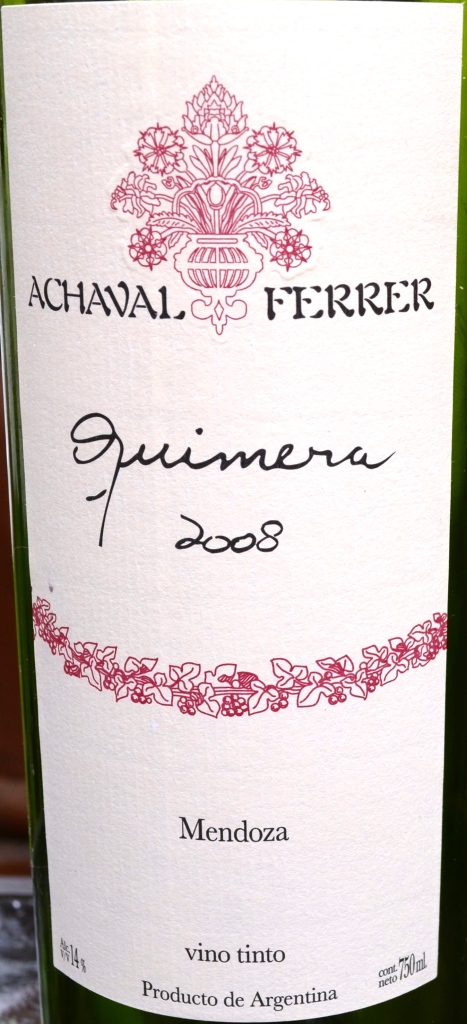 16. 2008 Achaval-Ferrer Quimera Mendoza, Argentina ($24.99) – I wanted to try wines of Achaval-Ferrer for a very long time, but they are not exactly affordable on a given day. Thanks to WTSO ( who else?), I was able to get few bottles of this Bordeaux blend called Quimera, and boy, was that a great wine. Dense and powerful, with lots of dark fruit, very delicious. And – it will definitely improve with time, so I’m glad I still a few bottles left.
15. 2009 Beaulieu Vineyard Reserve Tapestry Red Blend Napa Valley ($60) – it seems that I discovered so many worthy great Bordeax blends this year, from all the different regions. Yet this BV Tapestry squarely hold place on its own – dark, robust, classic, with all the cassis and eucalyptus flavors you want, it rolls on your tongue and delivers pleasure, as you expect your wine to do.
 14. 2006 Laetitia La Colline Pinot Noir, Arroyo Grande Valley, California ($24.99) – I can’t believe I didn’t put this wine into the top dozen. When you take a sip of wine, it usually generates a reaction. It can be “hmm, this is nice”, “hmm, I should let it breathe”, “hmm, I need some food”, “hmm, now I need steak”. And then there are wines where you reaction has no hmms in it, it is “I need a refill now, before this deliciousness is all gone”. This Laetitia La Colline Pinot Noir is exactly that type of wine – round and delicious from the get go, you just want you rglass to last for long, very long time.
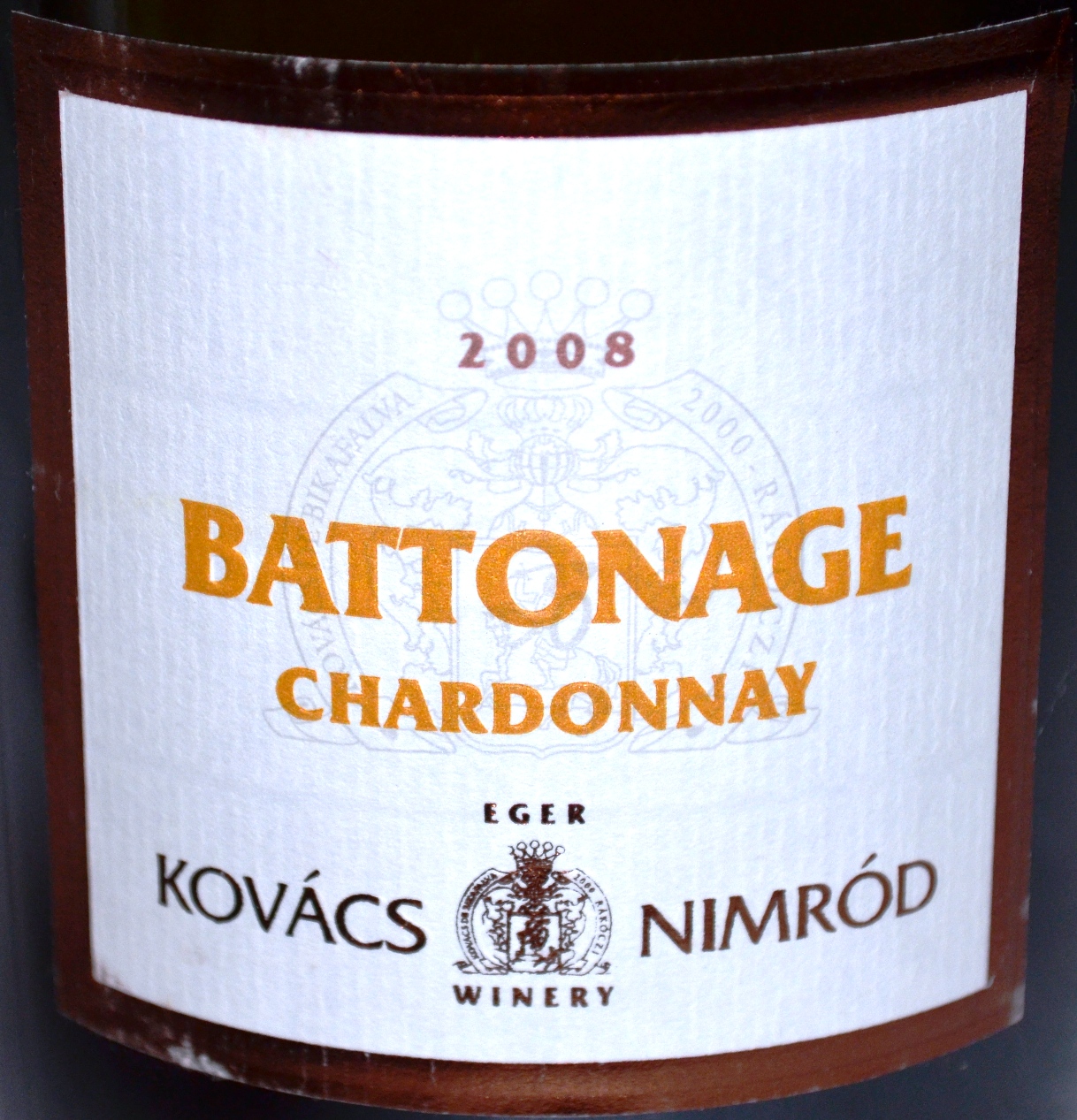
13. 2008 Kovacs Nimrod Battonage Chardonnay, Eger Winery, Hungary ($20.99) – I love Chardonnay – and I so rarely get to enjoy it, unfortunately. I don’t have any deep cellars of Burgundy, and a lot of wineries in California and outside are trying to make Chardonnay to taste like Pinot Grigio – beats me. Luckily, not this Chardonnay from Hungary. This wine greets you the nose with vanilla and butter, and perfectly supports that round package on the palate – more vanilla, more butter, toasted oak, golden delicious apples – just the Chardonnay I want to drink.
That’s all for today, folks – will be happy to hear your thoughts. Have you tried any of the wines above? Did you like them? And yes, my Top Twelve of Twelve is coming out very soon. I’m not going to spoil a surprise for you, but I’m sure you will find my Wine of the Year choice a bit unusual (if you want to guess, write your ideas down in the comments section). Cheers!
Turley The Label Cabernet Sauvignon: Don’t Judge a Wine by its Bottle
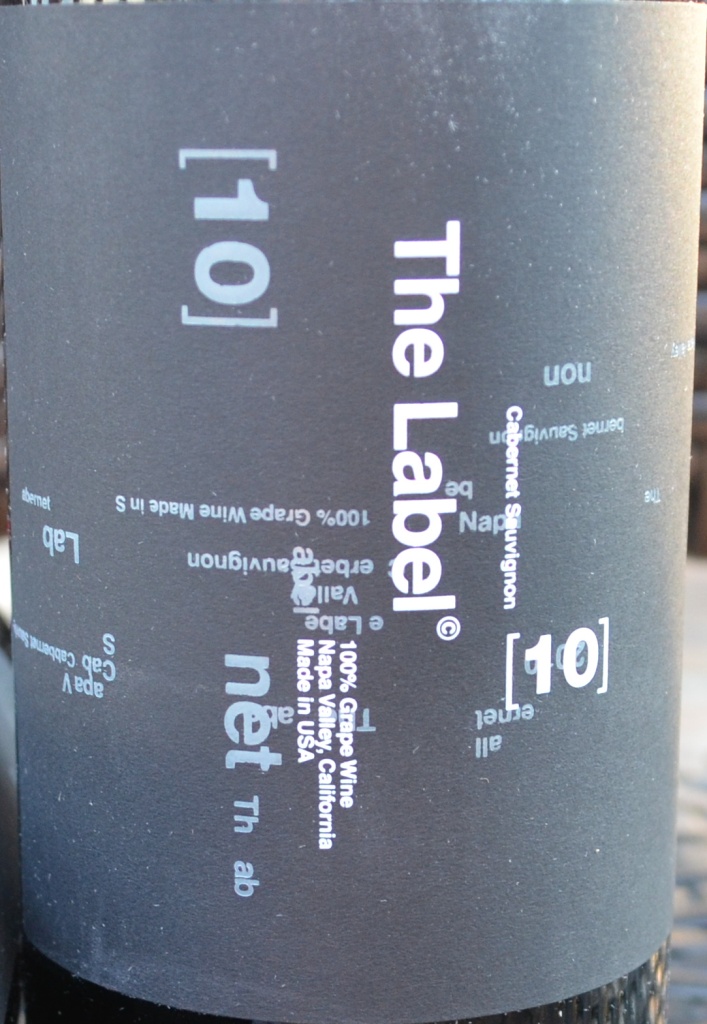 As promised, the bottle of 2010 Turley The Label Cabernet Sauvignon Napa Valley ($40, 14.5% ABV) was open today, and here are my notes – almost live, as I still have some wine left in the glass. For those who just run into this post, it is pretty much a sequel to my rant about the bottle, which is extremely indiscreet, and the post answering that rant and explaining that the bottle looks that way by design.
Now let’s go past the bottle itself, and let’s talk about the content – i. e., the wine. Considering that I started from the rant, I wanted to give this bottle a proper evaluation, so here we go, step by step. We even reached out for the Reidel Cabernet glasses, which are only used for the special occasions.
Color: Dark garnet color. You can’t read through the glass, so the wine definitely needs more time.
Rim variation: absent, it is a young wine. But – rim is pretty wide, which suggests high alcohol content.
Smell: Blueberries, hint of tobacco, earthiness, a touch of barnyard (which I personally like) – on the nose, this wine resembled Dunn Cabernet.
Taste: earthy, with touch of green notes which disappeared after ten minutes in the glass, alcohol initially noticeable, but as wine continued to breathe, it became well integrated. Tobacco and dark chocolate notes, touch of eucalyptus, fresh plums, black currant and more blueberries – but restrained, no blueberry jam of any kind.
Legs: Very visible, also carrying some color – suggesting that this is full-bodied wine.
Finish: Long. Tannins only started showing up after about 30 seconds, and then they lingered for probably another minute.
Conclusion: This is one beautiful wine. This wine was described by the winemakers as an attempt to recreate Napa Cabernet as it was in 60th and 70th, more of restrained and down to earth type – I think this attempt was very successful. The wine was very balanced, with fruit, acidity and tannins being in a complete harmony. Drinkability: 9-
I’m not going to recite my learned lessons again (I already recouped them in the previous post), but yes – don’t judge a wine by its bottle, at least I will try not to. Cheers!
Tempranillo and My [Successful!] DIY Experience
 I guess you are wondering what is the relation between Tempranillo and Do-It-Yourself, and if I started making my own wine. Rest assured – there are no plans for “Chateau Talk-a-Vino” in foreseeable future, no need to be scared. But – my “successful DIY experience” has a direct relationship with wine, so let me tell you about it first, despite the fact that today is International Tempranillo Day and we actually have to be talking about Tempranillo wines.
About a week ago I noticed a strange clicking sound in the kitchen. Something clicks, not too loud. A few minutes later, another click, and then again – I think you got the picture. I don’t know about you, but I don’t like any unexplained sounds in the house. If you hear something which you are not supposed to hear, that often means trouble. And somehow this clicking sound is associated in my mind with electricity, which I like even less.
Next day – the same story. I’m puzzled, but still, I have to let it go, as I have no idea what this can be.
Then, while sitting at the table, my eyesight stops at the wine fridge, and I see the temperature. A big red sign reads “75”.
75! Do you know the proper storage temperature for the wine? Yes, it is 55, not 75 at all! Do you want to guess the first word which comes to my mind? Yes, you are absolutely correct, that one and you are right about the second one too.
I unplug the fridge, wait a few minutes, plug it back – no effect, and then I hear the clicking sound. Okay, so as it always goes in life, I just got good news and bad news at the same time. Good news – the source of the clicking noise is discovered. Bad news – my wine fridge is busted. It is not new, okay, but it holds about 60 bottles of wine… And the new fridge is definitely not budgeted 😦
Okay, google to the rescue. The fridge is unloaded, and I start trying different suggestions from the internet. I even found an official troubleshooting guide for my Vinotemp VT-60 and went step by step as recommended. No, it is not the control card, and it seems that the next suggestion from the troubleshooting guide simply recommends replacing the compressor, which not only requires a new compressor, but also some good welding skills and equipment, which is definitely out of my league. Not good. Need better advice, please!
I decided to start looking for just troubleshooting around different parts. LG compressor. Found full spec and the manual – no help. Okay, what is this little cover on the side? I guess it is the relay some people referred to in the posts I saw. I see the part number (P6R8MC), put it in google, and… this blog post comes up, where someone named Chad Munkers is talking exactly about my fridge! Okay, step by step, similar to what I did, yes, the relay and overload protector, and if I will disassemble this small part, take a little disk out, flip, and put it back it will magically work? Seriously? Another 15 minutes, put the plug back in – ahh, I love that sound! This is what a working wine fridge sounds like! Here are some pictures for you – these are just random, and all the actually useful pictures can be found in the blog post shown above:

Wine fridge – view from the back
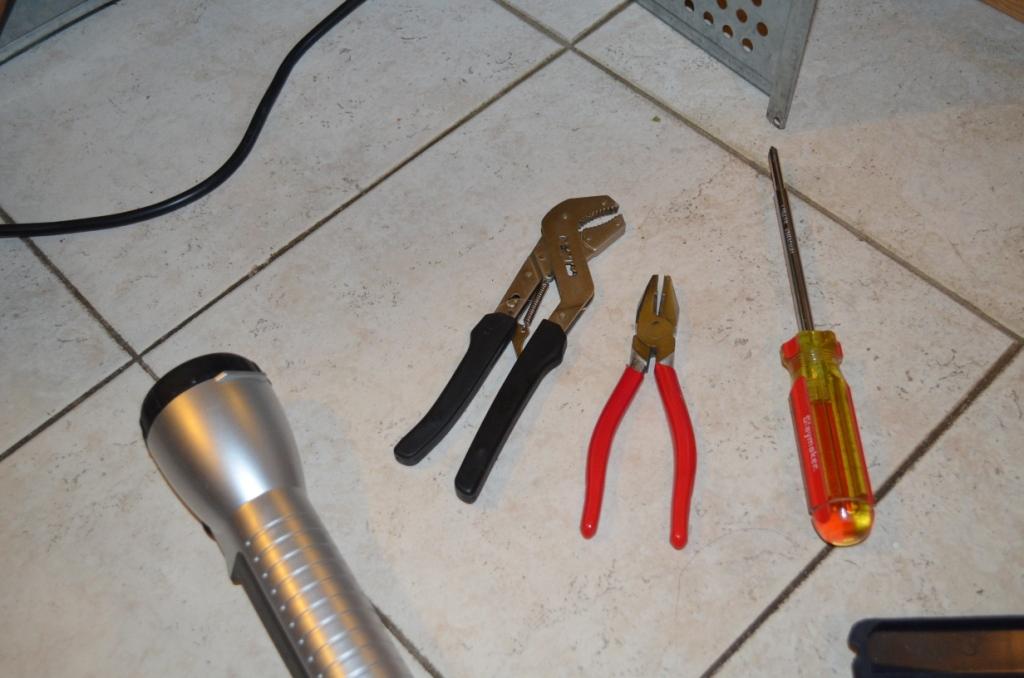
some tools

and some parts…
Sorry for sharing in such detail – a lot of my DIY, or maybe rather FIY (Fix-It-Yourself) projects are not so successful – for instance, I fully disassembled our Nintendo Wii (twice), cleaned it up, and then even replaced the laser head – only to throw it out later, still not working. So you can see how successfully revitalizing the wine fridge made me happy.
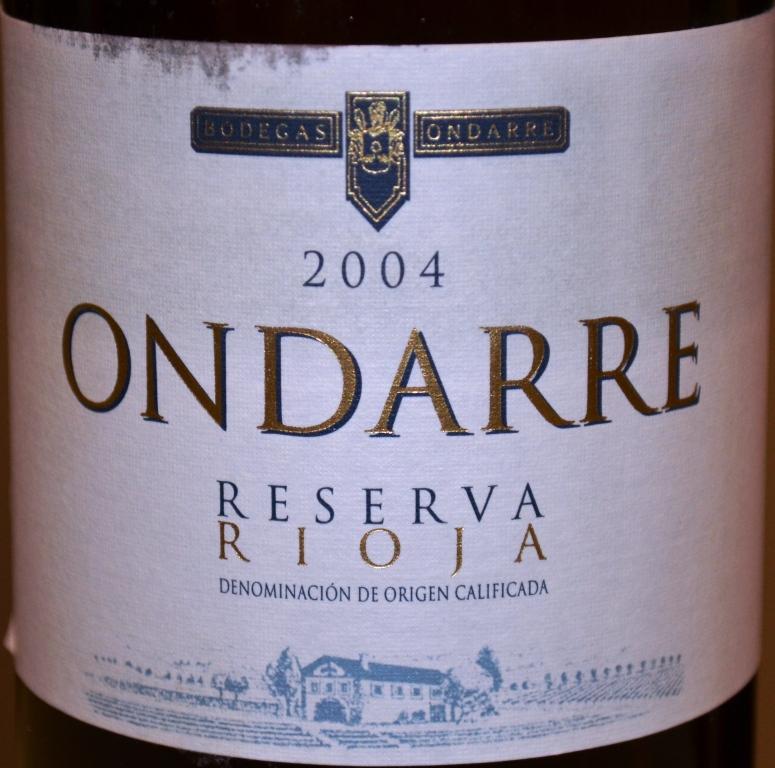
And now – to the wine! My Tempranillo wine for today’s International Tempranillo Day was 2004 Bodegas Ondarre Rioja Reserva DOC ($16.98, 13.5% ABV). 2004 was an outstanding year for Rioja, one of the best vintages ever. This wine was perfectly drinkable from the get-go – nice dark fruit on the nose, the same on the palate with some cherries, raspberries, a touch of plums and cedar box notes, perfect acidity, and soft tannins. Very balanced and enjoyable. The wine was practically unchanged on the second day, so I’m sure it will last quite well in the cellar. Drinkability: 8-.
That’s all for today, folks. Hope your Tempranillo Day experience was great, and I would love to hear about it. Cheers!
September 2022 update: 10 years later, as you can tell, the fridge stopped working again. I decided that the only reason for it to stop working can be that same relay. As the disk was used now on both sides, my only option was to get a new relay, which luckily was readily available on Amazon for only $6. I didn’t disassemble much, just removed the cover, pulled off the old relay, installed the new one, and voila – the fridge is working again! I really hope it will last for many more years, especially considering the prices of the new wine fridges…
Weekly Wine Quiz #35: What is Missing?
It is Saturday, people, and therefore it is time for the wine quiz!
Next Thursday, November 8th, will be an International Tempranillo day. As Tempranillo makes some of my all time favorite wines, I think it would be only appropriate to dedicate this quiz to the Spain’s “noble” grape.
When I was thinking about this post, I went over a lot of interesting facts about Tempranillo, and I couldn’t come up with the right question or a set of questions to ask. As I didn’t come up with the straightforward question, I will have to ask you for the straightforward answer (my logic is perfect, isn’t it).
Below is a group of numbers which have a direct relationship to the Tempranillo. You will need to figure out what those numbers mean and tell me what two numbers are missing and why do you think they should be there:
1934, 1948, 1952, 1955, 1958, ?, 1982, 1994, 1995, ? 2004, 2005, 2010, 2011
If you like Tempranillo wines this quiz will not be too difficult.
Have a great weekend and good luck! Cheers!
Yes! (a short and happy post)
If anyone of you read my profile on twitter, you probably saw a mention of the martial arts. I’m practicing Taekwondo, and today I had my so called “tip test”. Yes, I passed the test, and got a green tip:
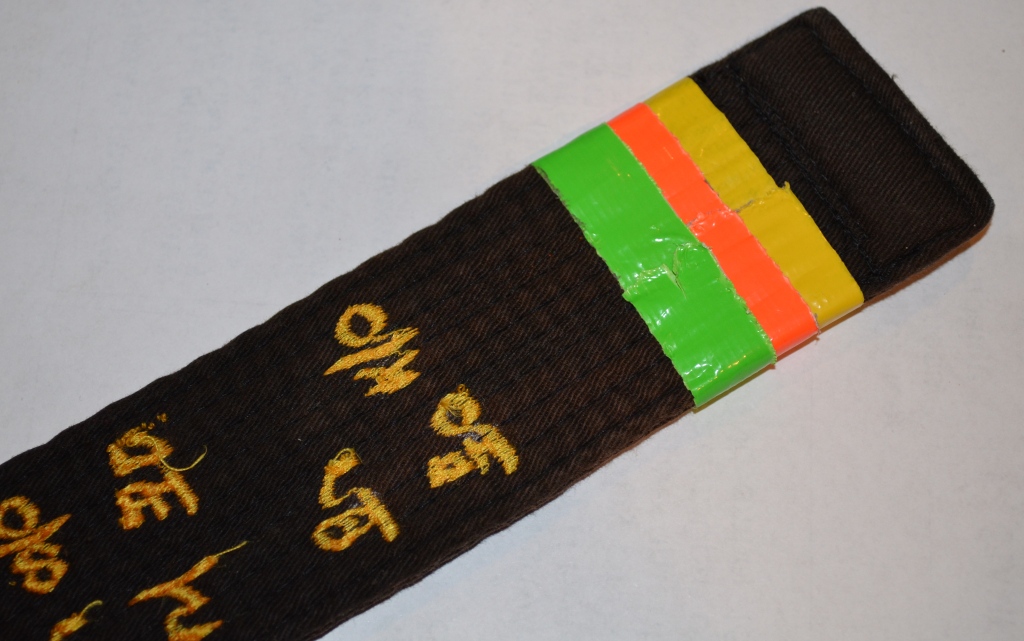
Now I “only” need to get five more tips (purple, blue, brown, red and black), and then I will be able to attempt the next big test. I guess if I would be 20 or 25, that probably would be “okay, great, whatever” kind of feeling (or not), but as I’m a bit older, and this stuff doesn’t come easy (I have a problem, people – my knees seriously hate me), so it feels great. Anyway, that’s done, and I’m happy.
While it is technically very early Saturday on the East coats, it is still Friday in may places in US – and this Friday, October 26th was 3rd annual Champagne Day (#ChampagneDay in Twitter terms). The way to celebrate #ChampagneDay is to open a bottle of Champagne and talk about it. Problem is, I generally don’t stock up on Champagne, so I didn’t have a bottle to open (and was publicly ostracized by thedrunkedcyclist, who really is in love with Champagne). As I wanted to honor the noble wine at least in some way, I decided to go for deconstructed Champagne:
 Yes, this is the bottle of Burgundy and not Champagne, but this means that the wine is made from the grape which is a part of many Champagne wines – Pinot Noir, hence it is qualified for the “deconstructed Champagne” play.
This 2004 Domaine Dennis Carre Savigny-les-Beaune was exactly the type of Pinot Noir I love – light, smokey and earthy, with the light cherries profile, perfectly balanced with fruit , tannins and acidity, the wine with finesse and elegance. Drinkability: 8+
That’s all I wanted to share with you. Happy Friday (or may be already Saturday) to you. Cheers!
Daily Glass: Norton, a True American Grape
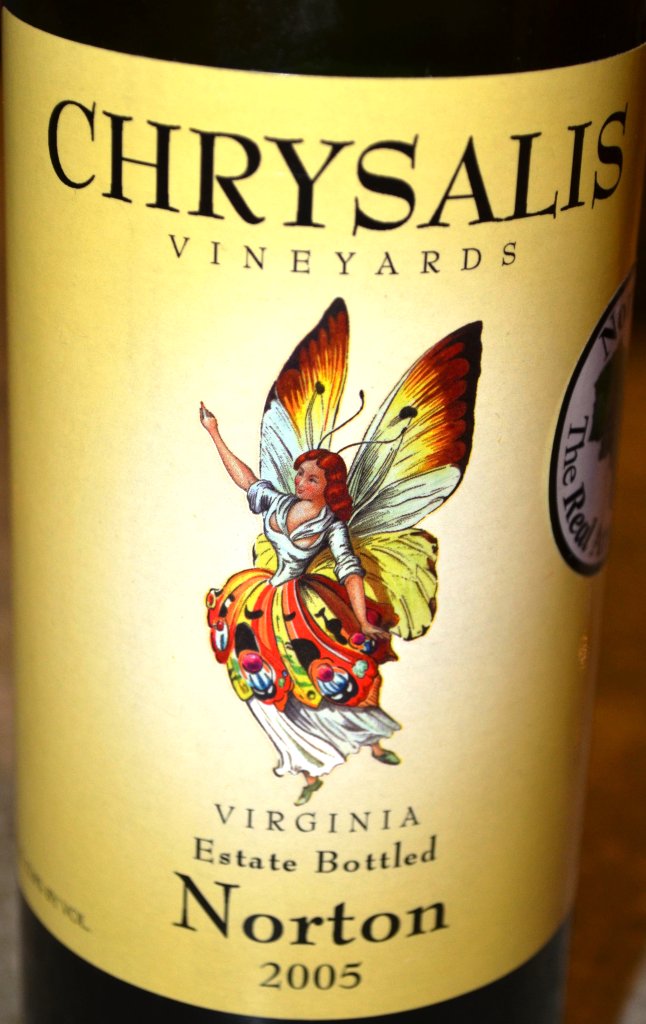 Today was my wife’s 19th anniversary of coming to US, so I was looking for the appropriate wine to celebrate. I didn’t have anything from 1993. There were ’86, ’88 and ’90, but somehow opening those wines didn’t make too much sense. And then I saw a bottle of Norton. No, it was much younger than 19, but Norton is often called a True American Grape, so it should be perfect for the occasion.
So I pulled this bottle of 2005 Chrysalis Vineyards Norton Estate Bottled from Virginia (12.8% ABV), which I got during our visit to Chrysalis Vineyards about two years ago (here is the post about it). Somehow, from the moment the cork was pulled, the wine worked perfectly. It had that hint of barnyard aroma, just a hint, as much as you get from the well made Loire Cabernet Franc – a bit of explicit earthiness on the nose. On the palate, it was very restrained and balanced, quite dry – somewhat similar to Barolo, only without a bear claw grip of tannins, with some leather and again earthy notes. As the wine warmed up, it showed more fruit, some raspberries and plums, with good acidity, and it stayed very balanced until, well, the bottle was empty. In terms of rating, I will put Drinkability at 8.
I’m sure this wine will continue evolving – but this was my only bottle, so it is what it is. Oh well, at least it was a good bottle of wine, so no regrets here. Cheers!
P.S. I’m purposefully avoiding mentioning the debates, which were also an all American event today – let me only tell you that the wine was far more superior than the 5 minutes of debates I watched…
Daily Glass: Before Its Time…
 It’s been awhile since I posted in the Daily Glass category, and by design of this blog the plan was actually to have the posts exactly as it said – daily. Well, we all have plans, and then we have the reality – whether we like it or not.
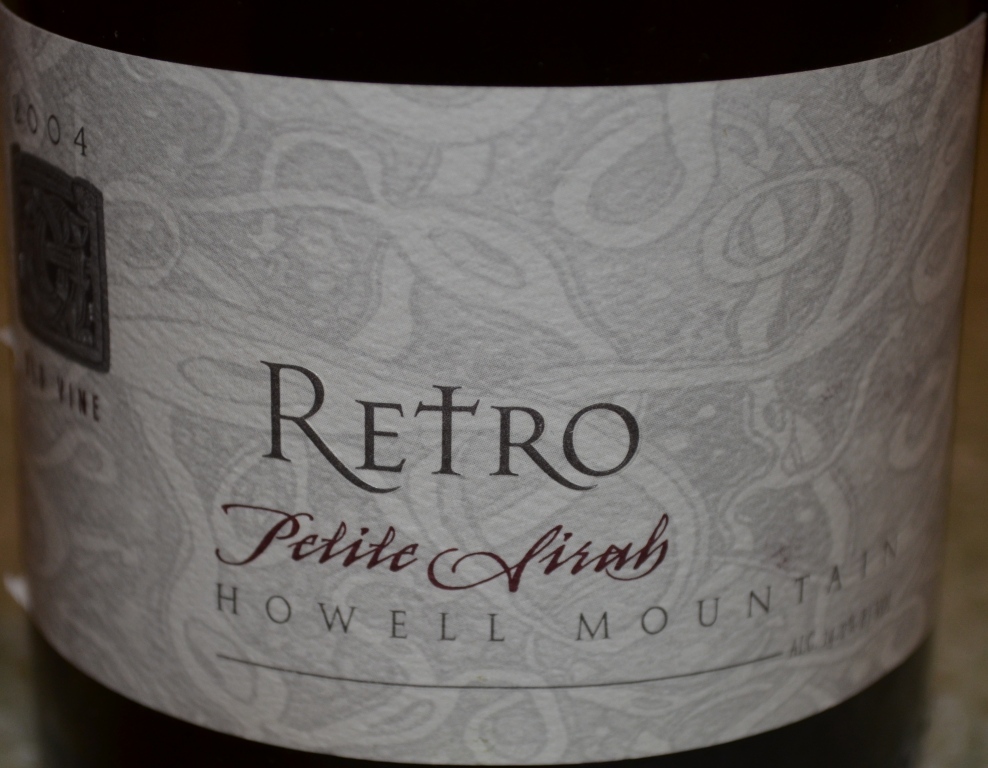
A couple of months back, I got an email from Benchmark Wine Company with an offer to buy the wine. It was about Petite Sirah, and the way it was written, it was hard to resist (besides, Petite Sirah is one of my favorite wines in general) – so I got a few bottles of Retro Cellars Howell Mountain Petite Sirah. To be more precise, I got one bottle of 2004 and 2 bottles of 2007.
I was visiting a good friend and decided that today would be a good day to open the 2004 Retro Cellars Howell Mountain Petite Sirah (14.2% ABV, $35). From the moment the wine went into the glass, it was very clear – the wine was opened way before its time. In one of the wine classes I learned a simple way to find out if wine is ready to drink – you pour the wine in the glass, and hold the glass tilted above some text written on the white paper – if you can read through that glass, the wine is ready to drink. This Petite Sirah was practically black – very concentrated very dark garnet color, without any possibility of reading through. On the palate, the wine had lots of sour cherries, ink and a touch of very dark chocolate – almost a baking chocolate level, the one which practically has no sweetness. Firm tannins. structure and perfect acidity were completing a very balanced package. This definitely was a great wine – drinkable now, but in reality, needing probably another 20 years to shine fully. Drinkability: 9-
That sentiment (needs time!) was also confirmed when I turned the bottle over – it was made by Mike Dunn, the son of Randy Dunn, one of the best winemakers in the Napa Valley. known for making Cabernet Sauvignon wines which require a very long aging period (some stories about Randy Dunn were mentioned in the last issue of Wednesday’s Meritage).
I definitely enjoyed the wine – but when it comes to the 2007 which I still have, patience ( and a lot of it) will be my best friend. Cheers!
Battle of Viogniers: Texas Wins!
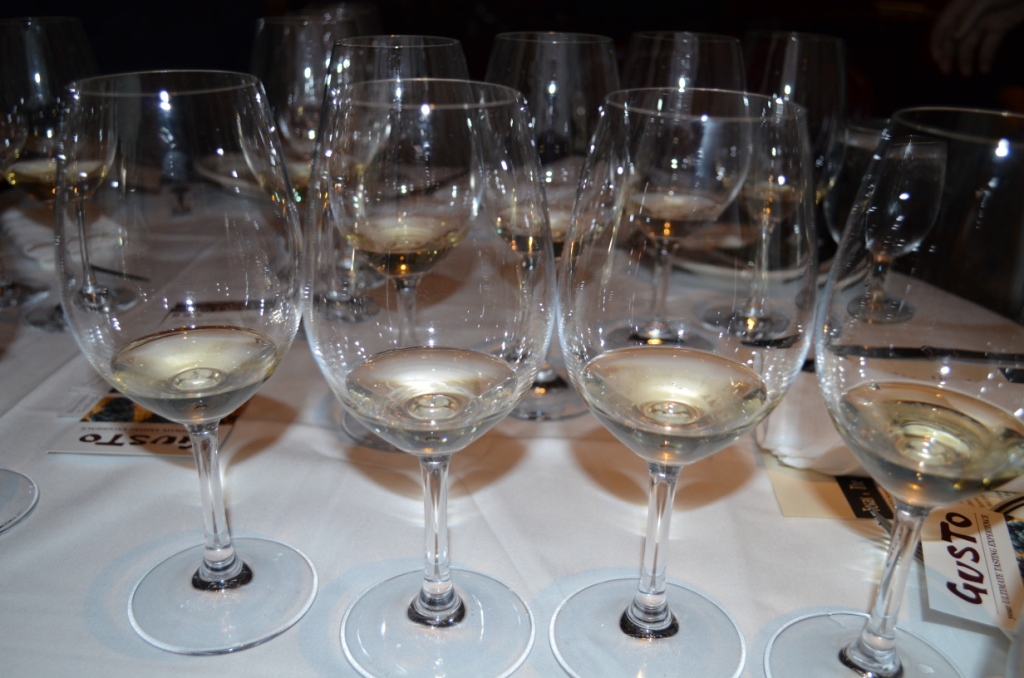 One of the fascinating things about blogging is that you get to meet a lot of great people online. Moreover, you meet people who is passionate about the same subject as you are. And then, at some point, you can even meet those people in real life. This was my story Wednesday last week, when I met @SAHMmelier, who happened to live in Austin (you can find her blog here). As soon as we met, the feeling was that we knew each other for ages – it was so easy to start conversation (it was much more difficult to stop it later : )). Thanks to @SAHMmelier, I got a full embrace of the Texas wines, at the “Texas versus The World” meetup hosted by GUSTO Tastings, which we attended together.
GUSTO Tastings does a great job of hosting multiple wine events every month, each one with a slightly different purpose. Each first Wednesday of the month, the members of the meetup get together for “Texas versus the world” event where the group gets to taste and compare wines made in Texas with similar wines made in the other countries and regions – this was the exact event we attended, and it was dedicated to Viognier (the November event will be all about Tempranillo or Sangiovese, which should be very interesting, as I think both of those grapes produce very good results in Texas – oh well, I will have to live vicariously through that one…). GUSTO Tastings also runs blind tasting events once a month, which are some of the most exhilarating experiences for wine aficionados. Anyway, if you live in a close proximity to Austin (or few other cities in Texas), you should definitely check GUSTO Testings out and use the opportunity to learn about the wines.
Let me tell you now about the event. First of all, we had the best table in the town. We were lucky enough to meet and share the table with Flat Creek Estate winemaker Tim Drake, a witty and charismatic guy and his lovely wife Spring. In addition to all the fun conversations at the table, it was even more fun listening to Tim delivering his thoughts in bright and engaging fashion, with the ability to use very convincing expressions to emphasize his point (I will have to refrain from repeating his vivid answer and explanation for the question about Reserve wines).
This particular event was all about Viognier, once nearly extinct Rhone white grape varietal. A few month ago there was a Wine Blogging Wednesday dedicated to Viognier, so for more details about the grape, including the link to the short video teaching you how to say that “Viognier” word correctly, here is the link to my blog post.
During the course of the evening, we tasted through 17 different Viognier wines – 8 from around the world, and 9 from Texas. All the wines where split into the flights of four, and the last flight had 5 wines in it.
The first four wines represented the old world – my notes are below:
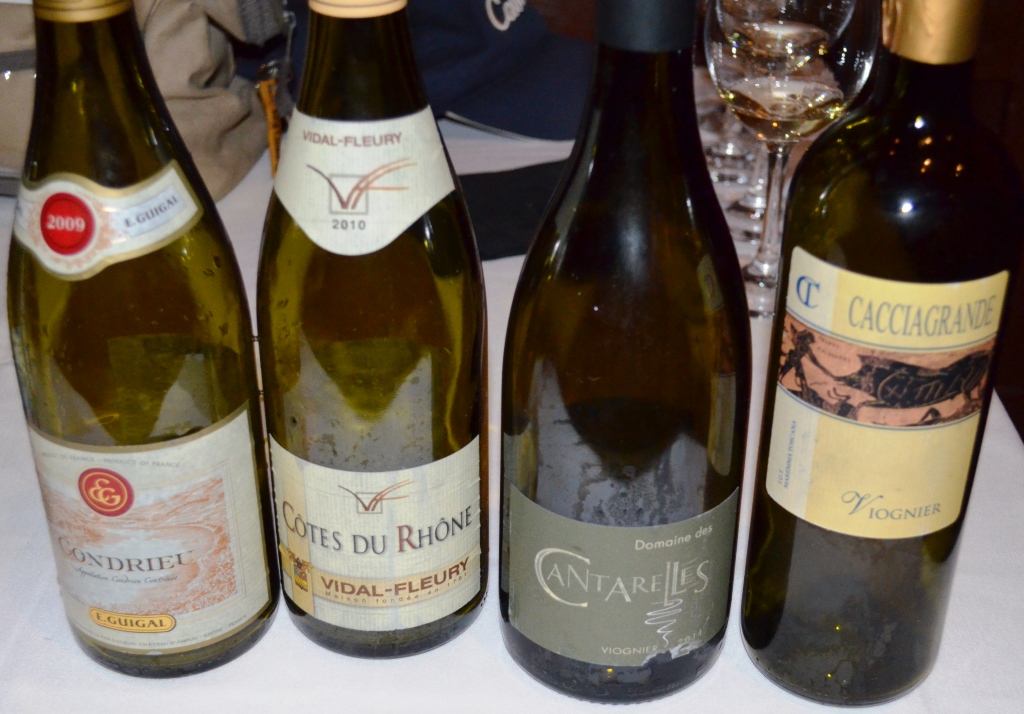
- 2009 Cacciagrande Viognier, Maremma, Toscana – very unusual, I had no idea Viognier is used in Tuscany. The wine had a beautiful nose of classic Riesling, sweet with a hint of petrol – but palate didn’t support that nose at all. Acidic, briny, not pleasant. Drinkability: 6-
- 2011 Domaine des Cantarelles Viognier, Vin de Pays du Gard – Typical nose – perfume, full body expectation -but the body is too watery, almost Pinot Grigio style… Acidic aftertaste. Drinkability: 6
- 2009 Vidal-Fleury Cote du Rhone – Strange nose, a bit vegetative, and then very oily (I never had a wine before with such a mouthfeel; scotch – yes, but wine? Never), some muted fruit – not good. Drinkability: 5
- 2009 E. Guigal Condrieu – this wine was redeeming the first flight – beautiful concentrated nose, with touch of sugar candy. Nice and delicate on the palate, but not enough power. Drinkability: 7
Flight number 2 consisted of the New World wines:

- 2010 Cono Sur Viognier, Colchagua Valley, Chile – Beautiful nose, touch perfumy, perfectly round palate, good acidity, some green apples. Drinkability: 7+ (best so far)
- 2010 La Capra Viognier, Western Cape, South Africa – somewhat green on the nose, with some matchstick. Let me stop here for a second, and I have a question for you, my readers. Have you ever experienced anything like that? Is that a showing of the extra sulfates used during the production? Anyway, let’s continue – there was also some minerality on the nose (or at least Tim suggested that it was) Pleasant on the palate, more of a Sauvignon Blanc qualities – lime, touch of grapefruit. As I was all puzzled by the nose, I’m not even sure how I want to rate this wine.
- 2010 Yalumba Viognier Eden Valley, Australia. If the previous wine had one matchstick on the nose, this one had a whole box. While that smell was going away little by little, the initial encounter with that wine almost game me a headache. Strange nose at first (heavy matchstick? Sulfites?). The wine opened up eventually on the palate into the medium to full bodied wine, retaining some sharpness. Considering that smell (which rendered the wine literally undrinkable to me) I can’t rate it. I can only hope that it was a particular faulty bottle…
- 2010 Miner Viognier Oakville ’Simpson Vineyard’, Napa. Perfect nose – great bright fruit, nice perfume. Best nose so far. Palate doesn’t live up – kind of flat and unimpressive. Judging nose by itself this wine should get Drinakability of 8, but as a whole, I can only give it a 6.
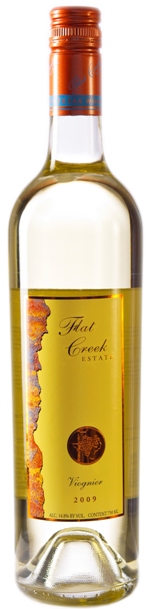 The next flight included a vertical of 4 wines from Flat Creek Estate Winery. As all of those wines were made out of grapes which didn’t grow in Texas (but the wine, of course, was made in Texas), they don’t carry Texas designation on the label. I have to admit that somehow I missed to take a picture of this flight, so just to give you an idea, I had to borrow the picture from the Flat Creek Estate’s web site.
- 2008 Flat Creek Estate Winery Viognier. Nose was practically non-existent (I couldn’t pickup any aroma), sweet on the palate. It is drinkable, but not great. Drinkability: 7
- 2009 Flat Creek Estate Winery Viognier. Nice nose, more of a typical viognier. Palate is touch out of balance (a bit sharp), but very drinkable. Drinkability: 7
- 2010 Flat Creek Estate Winery Viognier. Beautiful bright nose, touch of the pear preserve, fresh brewed tea on the nose. Needs a bit more acid on the palate. Drinkability: 7-
- 2011 Flat Creek Estate Winery Viognier. Perfect nose. Bright, clean, nice white fruit. Outstanding, perfect acidity, ripe fruit, perfect balance. Lodi fruit. To this point, this was my favorite! Drinkability: 8.
As we went to the all-Texas flight, Tim gave a great explanation to the room about different types of yeast and their ability to bring different qualities to the wine (more glycerin versus more esters etc.). And this is all in the hands of the winemaker. Yep, winemaking is Art…
And now, to the all Texas flight (look at my notes – they all show a progression of tasting as the wines were opening in the glass):

- 2011 Lone Oak Winery Viognier, Texas. Smell is similar to detergent. Not balanced. Not good. then it opened up on the nose, but with a note of brine. Pretty balanced now. Drinkability: 7+
- 2010 Brennan Vineyards Viognier, Texas. Some sweetness on the nose. Same sweetness on the palate – but not balanced. Needs more acidity. Leaves burning feeling. Improved after a breathing time!!! Much better! Drinkability: 7
- 2011 Becker Vineyards, Viognier, Texas. Nice nose, some gooseberry, little complexity. Finish is short. Drinkable, but not exciting. Drinkability: 6+
- 2010 McPherson Cellars Viognier, Texas. Interesting complexity on the nose. Sweet with some green notes. Beautiful palate, good round wine. Drinkability: 7+
And now (drum roll, please) let me present to you my best of tasting wine:
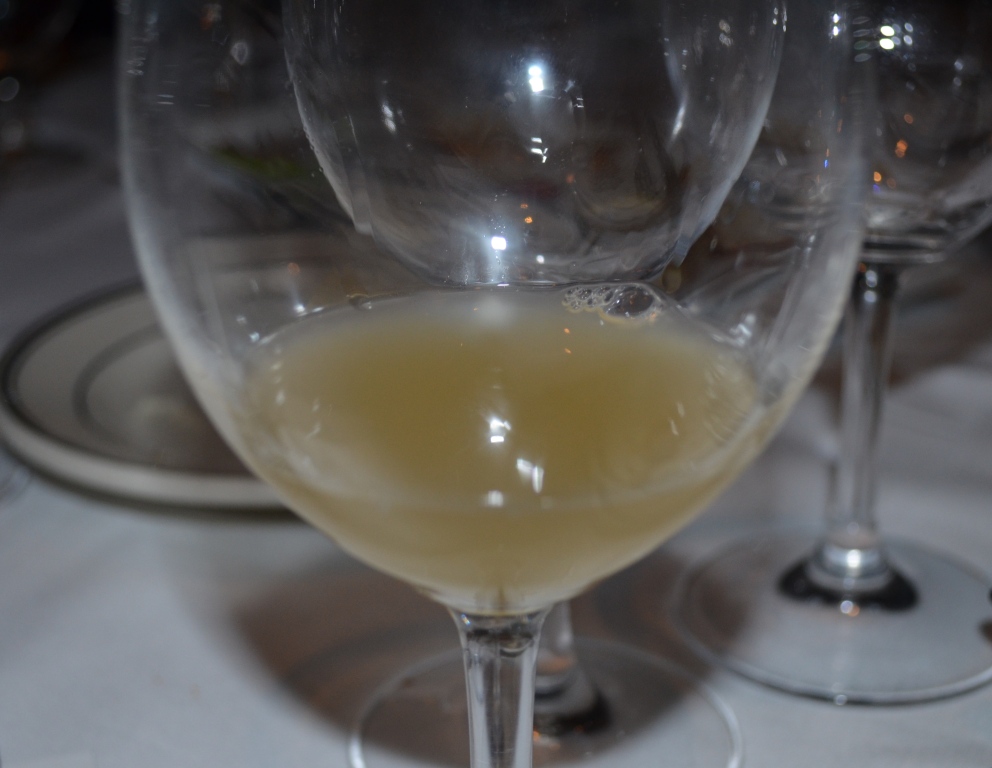
2012 Flat Creek Estate Winery Viognier, Texas. Barrel sample. Beautiful nose, light fruit, white fruit. 100% Texas fruit (brownfield). Very nice, good overall, some zest – really pleasant! Drinkability: 8+
The fact that grapes were picked 6 weeks ago, and that Tim had blended wine in the morning of the day of the tasting, is just makes it an incredible experience all together.
There you have it, folks – Texas makes great wines, so if you can get them – you should! And if your travel will take you down to Texas – make sure the wineries are part of your trip. You can tell them I sent you. Cheers!
Weekly Wine Quiz #31 – A Guessing Game: Ultimate Challenge, Part 1
To finish off the wine reviews quiz series, today we are following the steps of the previous two wine quizzes (#29 and #30), only now going to the next level: you will need to match 5 reviews and 5 wines. Actually, that “finishing off” will separate into two separate quizzes – one for white wines and one for reds.
Here are your grape choices:
A. Chardonnay
B. Chenin Blanc
C. Sauvignon Blanc
D. Savagnin
E. Viognier
Here are the reviews. Just to make it a bit easier, note that all the reviews are for single-grape wines.
1. “Gently kissed with toast, giving the core of white peach, lemon and chamomile a broader frame of lightly toasted brioche and paraffin. A suave echo of flint chimes through the finish in this lovely rendering of the toasty style.”
2. “An enticing, lemony white that is both aromatic and rich on the palate. Apple and mineral notes combine with the lemon flavors that glide to a lingering finish”
3. “This has weight and depth but remains stylish, with ginger and glazed pear notes in reserve while persimmon, green almond and piecrust notes lead the way. Lovely cut on the finish keeps the ginger edge echoing. Should develop nicely in the cellar”
4. “Extremely rich and generous, with ripe, opulent peach, nectarine, apricot and tangerine flavors that are woven together on a full, lush body with smoke, spice, cedar and mineral details and a juicy acidity.”
5. “Intensely minerally and smoky, with a blanket of acidity behind the apple, sea salt and anise flavors. The long finish is bracing and powerful.”
Please provide the answers in the form of A1, B2 etc. Bonus question – provide country of origin for each grape/review combination. Double bonus – in addition to country, provide more precise appellation, like Finger Lakes, Oregon, etc (doesn’t have be exact, but it should be more narrow that the whole country).
Have fun, good luck and have a great weekend! Cheers!
Re-post: Affordable Luxuries of the Wine World: Garnacha versus Grenache
During 2011 I wrote a number of posts for the project called The Art Of Life Magazine – of course talking about my favorite subject, wine. The project closed, but I still like the posts I wrote, so I decided to re-post them in this blog. Also, in that project, posts were grouped into mini-series, such as “Affordable Luxuries” you see here – I will continue re-posting them from time to time.
If you are interested as to “why now”, it is simple – Friday, September 21st is International #GrenacheDay – and I don’t have time to write the whole new post. I think this re-post will fit the bill quite well. Here it is.
 So far we talked about and compared Hermitage and Crozes-Hermitage wines, as well as sweet wines in our quest for “affordable luxuries” of the wine world. If you remember, Hermitage and Crozes-Hermitage are made out of the grape called Syrah. Today we are going to talk about Syrah’s brethren (totally unrelated, though), the grape which is often blended together with Syrah – we are going to talk about Grenache.
Grenache is one of the main winemaking red grapes in the world. It used to be the most planted red grape in the world, with biggest planting area being in Spain (Spain actually has the biggest area planted with grapes in the entire world). Grenache, which is known under the name of Garnacha in Spain, lost its “biggest plantings” status in Spain as a lot of vineyards were replanted with other grapes, such as Tempranillo, Cabernet Sauvignon and Merlot, and France took “the most planted” helm now.
Grenache is used in winemaking both by itself and as part of the blend. In Spain, Grenache, or rather Garnacha, is main ingredient of the blend in wines of Priorat, many of which have cult status, such as Clos Mogador. In another region, Campo de Borja, it produces amazing single grape wines, for instance, at Bodegas Alto Moncayo. In France, it is a key ingredient in wines of Southern Rhone, with Chateauneuf-du-Pape being most famous – there it is typically blended with Syrah. It is also used in production of Rose wines in Provence. In Australia, it is used in so called GSM wines, where GSM is simply an abbreviation for Grenache Syrah Mourvedre, three grapes used in production of the GSM wines. In California, it is very successfully used in production of the Rhone-style wines mostly in the Central Coast area, with many of the wines also achieving a cult status (which simply means that production is limited and wines are very hard to get – of course because they are good). As usual, you can take a look at the Grenache article in Wikipedia, which provides great depth of information.
When it comes to “affordable luxuries”, there are plenty of wines which can be compared. As this is Grenache versus Garnacha battle, let’s focus on pure Grenache wines. Of course blends would be fun to look at as well, but finding some of the better ones is a challenge in itself, so let’s stay our course.
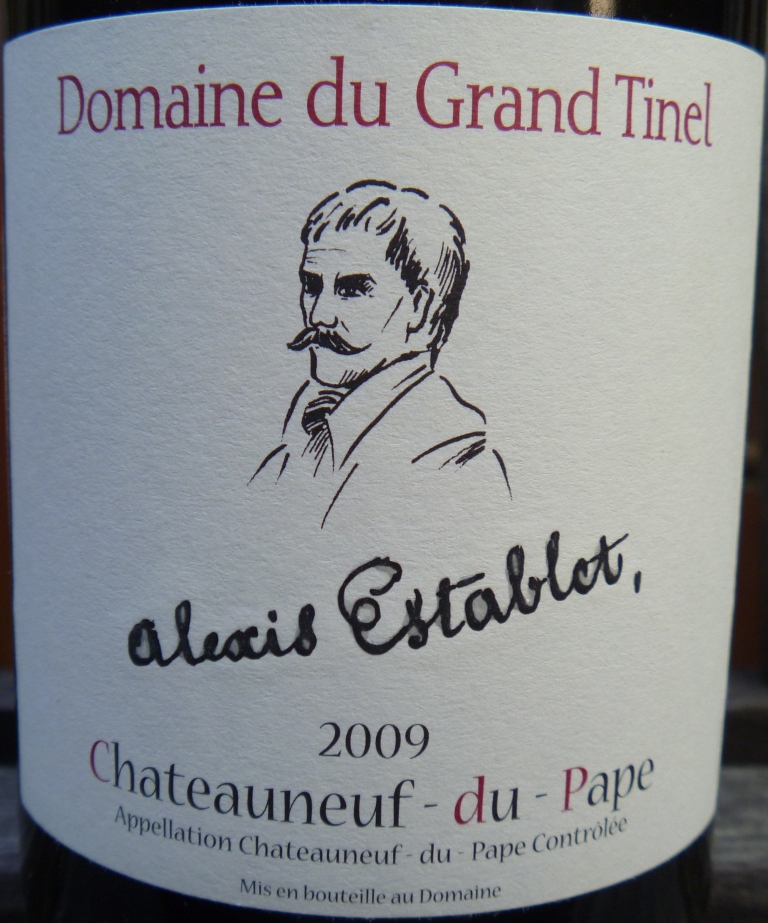
So today’s contenders are: 2009 Bodegas Borsao Tres Picos Garnacha Campo de Borja from Spain and 2009 Domaine du Grand Tinel Cuvee Alexis Establet Chateauneuf-du-Pape from France. It can’t get any better than that – we have here if not two of the best, then at least two of the most classic areas to produce Grenache wines. Both wines are 100% Grenache – which is very unusual for Chateauneauf-du-Pape, where blend can contain up to 13 different grapes.
 Let’s start with 2009 Domaine du Grand Tinel Cuvee Alexis Establet Chateauneuf-du-Pape. The wine is unfortunately way too young (give it 8-10 years, if you have enough patience, of course), but it was very drinkable from the get go – at least you get a punch of tannins at about 10 seconds after the first sip. It is very classic Grenache, with purple color, violets on the nose, and perfect balance of fruit and acidity. Don’t want to repeat myself, but it will be gorgeous – given enough time to mature.
2009 Bodegas Borsao Tres Picos Garnacha Campo de Borja is a full bodied wine, with hint of earthiness on the palate, with lots of dark fruit and hint of pepper. You can also detect violets, hint of cedar, spice box and tar. With supple tannins and medium finish, this wine is more approachable now than the previous one, but will also improve with time.
Is one of those wines better than the other? It is very hard to tell. And for the affordable luxuries, Tres Picos Garnacha costs about $12, and Domaine du Grand Tinel is about $70, so make your choice. And while you will be deciding, I’m going to raise my glass to the pleasures of wine discoveries – cheers!
Last Bottle Sign Up ($10 credit)




 Talk-A-Vino