Archive
Wednesday’s Meritage – Wine Quiz Answer, Chinese Terroirs, #MWWC3 Last Chance, [again] Wine Reviews and more
 Meritage time!
First, let’s start with the answer for the wine quiz #73, grape trivia – Sémillon.
In the quiz, you were supposed to answer 5 questions about white grape called Sémillon. Here are the questions, now with the answers:
Q1: Name a grape, primary blending partner of Sémillon
A1: Sauvignon Blanc. While Muscadelle is also allowed as part of the blend in Bordeaux, the most popular combination worldwide is Sémillon and Sauvignon Blanc.
Q2: Below is the list of years. There is something common between all of them (and of course it has a relationship with Sémillon) – do you know what is common among those years?
1930, 1952, 1964, 1974, 2012
A2: This is a partial list of years when Château d’Yquem Sauternes, the most famous Sauternes wine, was not produced. Since 1825, there were only 10 years when d’Yquem Sauternes was not produced: 1910, 1915, 1930, 1951, 1952, 1964, 1972, 1974, 1992 and 2012.
Q3: Ture or False: Sauternes produces only sweet wines
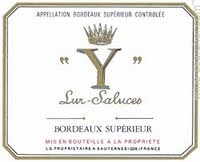
A3: False. Dry wines are also produced in Sauternes, under a designation of Bordeaux Supérieur. Example – “Y” by Château d’Yquem, 50% Sémillon and 50% Sauvignon Blanc.
Q4: Name a key factor for the great tasting dry Sémillon wines
A4: Bottle age. While acidity is important, dry Sémillon wines, such as those produced in the Hunter Valley in Australia, are known to fully develop and really blossom after about 10 years of age in the bottle.
Q5: What is Semageddon?
A5: Semageddon is a new annual event in Napa Valley, created to celebrate Sémillon grape. You can read more about the event here.
This was somewhat of a difficult quiz. We don’t have a winner, but we have three people who get an honorable mention – the drunken cyclist, EatwithNamie and Vinoinlove.
Now, to the interesting stuff around the vine and the web!
What do you know about wine in China? Do you think China will be able to produce the wines we will all crave? Well, can’t tell you about the craving yet, but the hard work already started. Here is an interesting blog post from The Wine Economist blog, talking about the Chinese Terroir quest which is already under way.
Another interesting post is coming from the Joe Roberts of a 1WineDude fame. Joe is bringing up a well beaten subject of the wine reviews, relevance of the wine critics, collective wisdom of the crowd-sourced wine reviews (yep, of course the CellarTracker) and more. You can read the post here, and of course please make sure to read through all the comments. I personally don’t understand why is it so popular and necessary to return to this subject over and over again. I might respond with the rant of my own – if I do, you will be the first to know.
Next important subject: Monthly Wine Writing Challenge #3 is almost over! You need to make a final effort to convert your obsession into possession, and finally publish that blog post. Submission deadline is September 23rd, and for more details please check this formal announcement with all the rules and dates.
As I mentioned last week, Spanish Wine Festival is coming to New York City. If you love Spanish wines and want to taste something amazing, don’t miss this event! For more details and tickets please click here.
And one more event I want to bring to your attention. If you love (or at least like) whiskey, this is the right event for you. WhiskeyFest is coming to New York on October 11-12. For more details and tickets, please use this link.
That’s all I have for you for today, folks. The glass is empty – but refill is on its way. Until the next time – cheers!
Weekly Wine Quiz #73: Grape Trivia – Sémillon

Sémillon grapes affected by noble rot, as shown in Wikipedia
Welcome to the weekend and your new wine quiz!
We are continuing our grape trivia series, still focusing on the white grapes, and today’s subject is Sémillon.
Sémillon is a white grape, once considered the most planted grape in the world. One interesting fact is that the origin of Sémillon is not easy to pinpoint – while working on this quiz, I went through quite a few articles on Internet and even books, and it is hard to find any historical data outside of the fact that Sémillon was very popular in the early 19th century throughout the world. In the early 19th century, over the 90% of all grape plantings in South Africa was Sémillon – considering its popularity, it was simply called Wyndruif, the “wine grape”. Today, Sémillon occupies roughly 1% of the grape plantings in South Africa. It is still the most planted white grape in Bordeaux, where it is used in the production of most of the white wines, from dry wines of Pessac-Léognan, Graves and Entre-deux-mers, to the spectacular dessert jewels of Sauternes and Barsac. Sémillon plantings exist in many other winemaking countries – Australia, Chile, Italy, New Zealand, California and Washington in US – but you rarely hear about Sémillon, as it is mostly used as a blending grape. Well, this might be changing – but we will not be talking about it in the quiz.
The issue with Sémillon is that under normal growing conditions, it tends to produce plump and dull wines, the wines which are not showing much of the aromatics and have very low acidity. When the grape is forced to work hard, it can produce amazing wines. In Sauternes, Sémillon is typically affected by Botrytis cinerea, the noble rot, which leads to the shriveling of the grapes which concentrates the sugar – dessert wines produced from such shriveled grapes are some of the best in the world (Châteaud’Yquem, anyone?) – they also make some of the longest living wines in the world, being capable of ageing for 100 years and beyond. In Australia’s Hunter Valley region, the grapes are exposed to the harsh climate with the high level of humidity, which leads to the grapes accumulating high level of acidity. Hunter Valley Sémillon is known to age very well, and the wines also improve with age quite significantly.
And now, to the quiz!
Q1: Name a grape, primary blending partner of Sémillon
Q2: Below is the list of years. There is something common between all of them (and of course it has a relationship with Sémillon) – do you know what is common among those years?
1930, 1952, 1964, 1974, 2012
Q3: Ture or False: Sauternes produces only sweet wines
Q4: Name a key factor for the great tasting dry Sémillon wines
Q5: What is Semageddon?
There is nothing wrong with answering even only one question from the quiz – your participation is always appreciated! Also, without any regard to the questions, please share your personal experiences with Sémillon wines.
Good luck, enjoy the quiz and your weekend! Cheers!
Wednesday’s Meritage – Wine Quiz Answer, Oh No, Don’t Lose The Bottle, Wine Prices, Reminders and more

Donna Paula Torrontés
Meritage time!
First, let’s start with the answer for the wine quiz #72, grape trivia – Torrontés.
In the quiz, you were supposed to answer 5 questions about white grape called Torrontés. Here are the questions, now with the answers:
Q1: Name three varietals of Torrontés growing in Argentina
A1: Torrontés Riojano, Torrontés Sanjuanino, and Torrontés Mendocino
Q2: Wine Spectator calls wines rated in 90-94 range Outstanding. True or False: there are no Torrontés wines with Outstanding rating?
A2: True. The highest rated Torrontés from Bodega Colomé has a rating of 88 points.
Q3: As established by DNA analysis, Torrontés is a cross of two grapes. One of them is Muscat of Alexandria. The second grape played an important role in the early days of winemaking in the United States. Do you know what grape it is?
A3: Mission. Torrontés is a cross of Muscat of Alexandria and Mission grape, which used to be widely planted in California in the 1800s.
Q4: Most of the Torrontés is growing in pretty unique conditions, for most of the plantings being at a high altitude. Name one problem which needs to be controlled for the production of the high quality wines.
A4: Overproduction. Torrontés enjoys almost ideal growing conditions, with dry mountain air, no diseases and plenty of water – but that doesn’t allow grapes to concentrate the flavor and produce high quality wines.
Q5: True or False: Torrontés produces both dry and dessert wines
A5: True. Santa Julia, Susana Balbo and number of others produce Late Harvest Torrontés wines.
Talking about the results, I was glad that there we people who said that they had Torrontés before and they like it. And of course there were those who said that they never had it before – I hope this quiz will make at least one person curious enough to go and find a bottle of Torrontés to try – this shouldn’t be difficult at all. We have only one person who attempted to answer the questions – while Linda from Foxress didn’t answer all the questions correctly, she definitely gets an honorable mention for attempting to solve the quiz.
Now, to the interesting stuff around the vine and the web!
Boy, there are lots of things to talk about. First, I came across an interesting article by Chris Kassel, who writes an outstanding blog called “Intoxicology Report” – if you enjoy the high level of language sophistication almost to the point of reading challenge (for me it is), read Chris’s blog, I promise you will not regret. In this article, Chris shared his view on the latest series of commercials themed “Lose the Bottle” and produced by Black Box Wines. I don’t want to take away from your pleasure of reading Chris’s hilarious comments, so I recommend you will read the article first, and then watch the commercials.
Next, Steve Heimoff ponders at the high prices of the brand new wines in their first release (here is the link to the blog post). Steve is talking about new Central Coast wine made by Raj Parr (famous sommelier at RN74 in San Francisco) and released at measly $90/bottle; he is trying to figure out the logic and reason behind such a high introductory price. My personal view on the price of wine is that any price is possible, but in the free market, you have to have enough people willing to pay the money, and if you do – good for you, and if you don’t – you are out. The post is definitely an interesting read, and make sure to read through the comments, some of them being quite interesting.
Another post from Steve Heimoff is an excellent set of instructions for the perfect day in Napa Valley. I like his take on the tasting at the most of Napa vineyards nowadays (“slurp 3 of something for $25”), so if you are planning a Napa getaway, make sure to read this post which will help to improve the experience.
Now, a friendly reminder: you need to possess your possessions – the Monthly Wine Writing Challenge #3 with the theme “Possession” is still on, with the deadline for submissions on September 23rd. Get possessed and write. All the rules and other important information can be found here.
Do you like Spanish wines? Do you live in New York City or in a close proximity of? Don’t miss Spanish Wine Festival 2013, taking place on October 4th at The Metropolitan Pavilion. This will be your great opportunity to experience Vega Sicilia, Emilio Moro, Clos Mogador, Clos Martinet, multiple Rioja verticals and many other outstanding wines. Click here for all the details.
And the last update for today. I changed my Top Wine Ratings page ( I mentioned it in the post yesterday), and I also added the menu links for my top dozen wines for 2010, 2011 and 2012 – for all of you who likes the lists, these are a few more to play with.
That’s all I have for you for today, folks. The glass is empty – but refill is on its way. Until the next time – cheers!
Simplicity, Brisket and Wine
I recently came across the post by The Food and Wine Hedonist, where he was talking about the fundraiser party he cooked for. One of the dishes he made was beef brisket sandwiches (I think the name “pulled beef brisket” should be the most suitable). In the comment to that post, I mentioned that beef brisket is one of my favorite dishes to make, and promised to share the recipe in the near future.
Beef brisket is one of the traditional dishes on the menu for Rosh Hashanah, Jewish New Year which we celebrated a few days ago, hence I took the opportunity to take a few pictures and share the recipe.
One of my favorite things about cooking beef brisket is simplicity (this is why “simplicity” is a part of the title). The simplicity is associated with the cooking of beef brisket in many ways – it is both simple to prepare and simple to cook, with virtually no possibility of ruining it.
The recipe I’m talking about here is a dry rub based (there are many ways of cooking the beef brisket, of course). Basically, the cooking consist of a few simple steps – rub the brisket with spices ( anything goes!), wrap in foil, refrigerate overnight, take it out, put it in the oven for 6-7 hours at a low temperature, get it out and enjoy. That’s it. If you want a bit more details, here it is
- Prep time – 10 minutes, cooking time – 3 – 6 hours
- Beef brisket, trimmed of excess fat, any size – size will only be essential for the cooking time
- Dry rub spices – anything your heart desires – garlic powder, chipotle, chili powder, paprika, salt, pepper, etc – again, the amount should be proportional to the size of brisket
- Dry fruit – dried apricots, figs, prunes
- optional – baby carrots,
- 1/2 to the whole bottle of red wine (can be replaced with broth or just water) – amount depends on how much brisket you are cooking.
- cooking time – 45 min per pound, 300F
Cooking instructions: Take brisket, trim excessive fat. Rub with any spices or spice mixes you desire (see picture below – yes, I know, I went a little too far), wrap in the foil, refrigerate overnight. Take the brisket out of the fridge about 2 hours before cooking, just to let it warm up. Preheat oven to 300F. Take a cooking pan, put dried fruits and carrots (if using) on the bottom. Unwrap the brisket and put into the pan, fat side up. Add wine ( or any liquid you are using) – you need it to prevent brisket from drying up during the long cooking time. Cover baking dish with foil and put into the oven. Cook for about 45 minutes per pound. Take out of the oven periodically and braise the brisket with cooking liquid. When done, let it rest for 10 minutes. Cut brisket across the grain with the sharp knife. Serve with boiled potatoes or any other starch of your choice. Additionally, if you made too much brisket, you can use leftovers to make pulled brisket sliders – break it apart using fork or fingers, add BBQ sauce and put it on the buns.
Now, below are the same cooking instructions in the form of pictures:
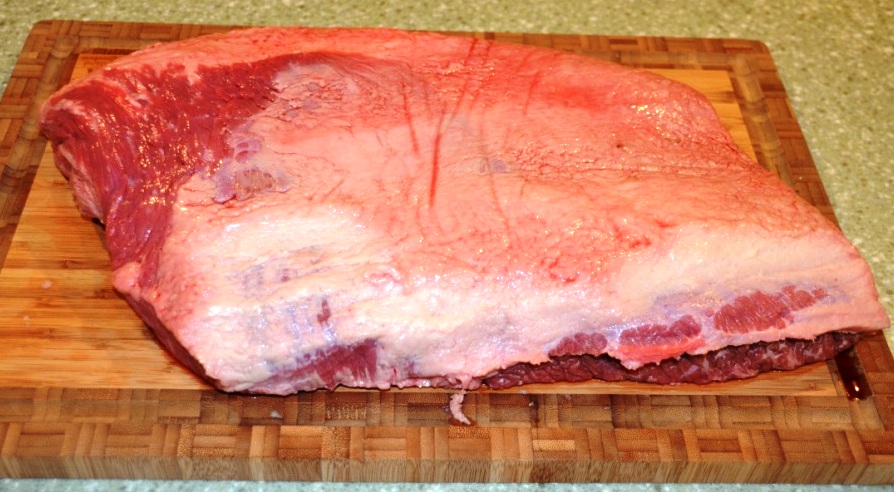
Beef brisket, excessive fat trimmed

Spices for dry rub – anything you have in your pantry
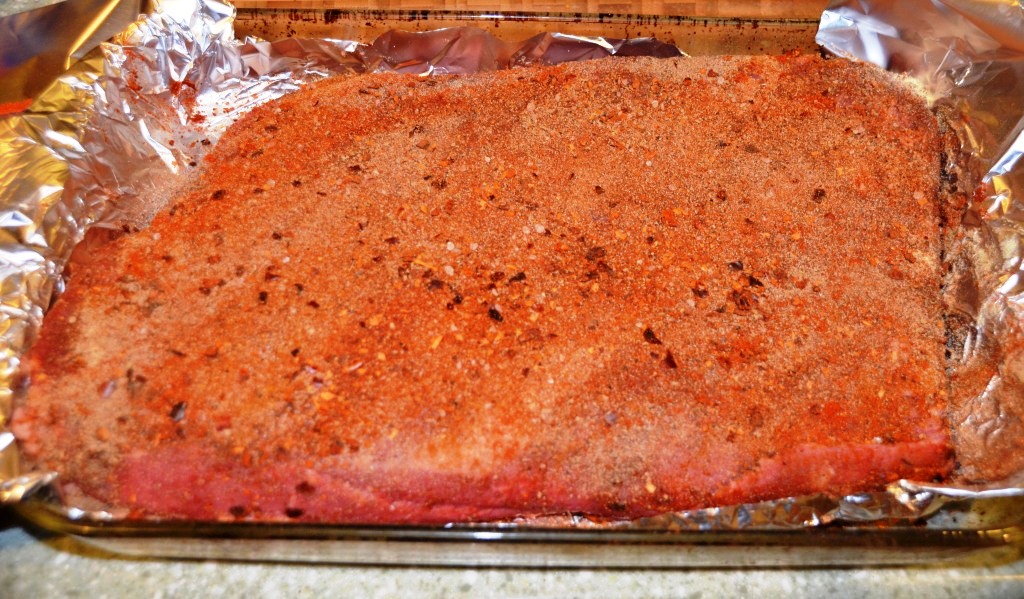
Brisket in the foil, covered with rub

wrap completely in foil and refrigerate overnight
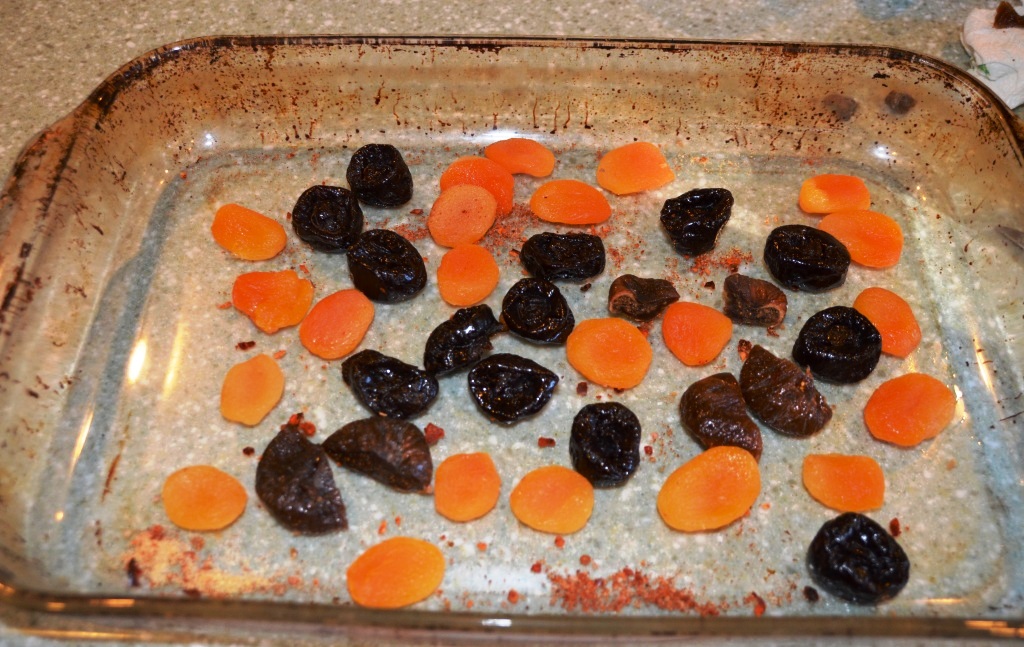
prepare the pan with dried fruit on the bottom
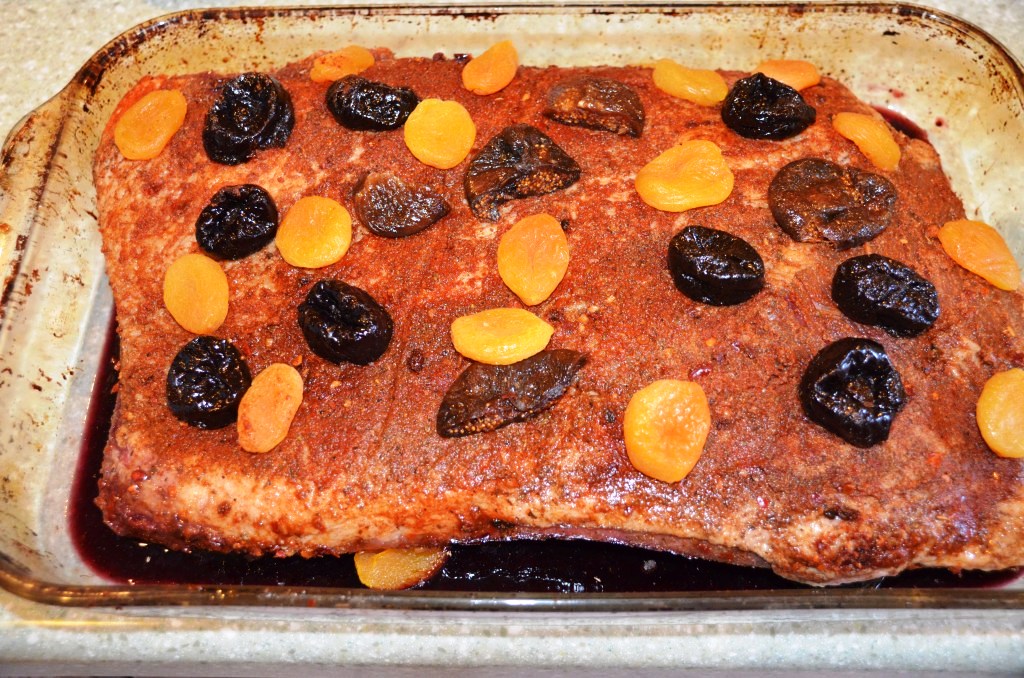
Put in brisket, add dried fruit on top. Add wine
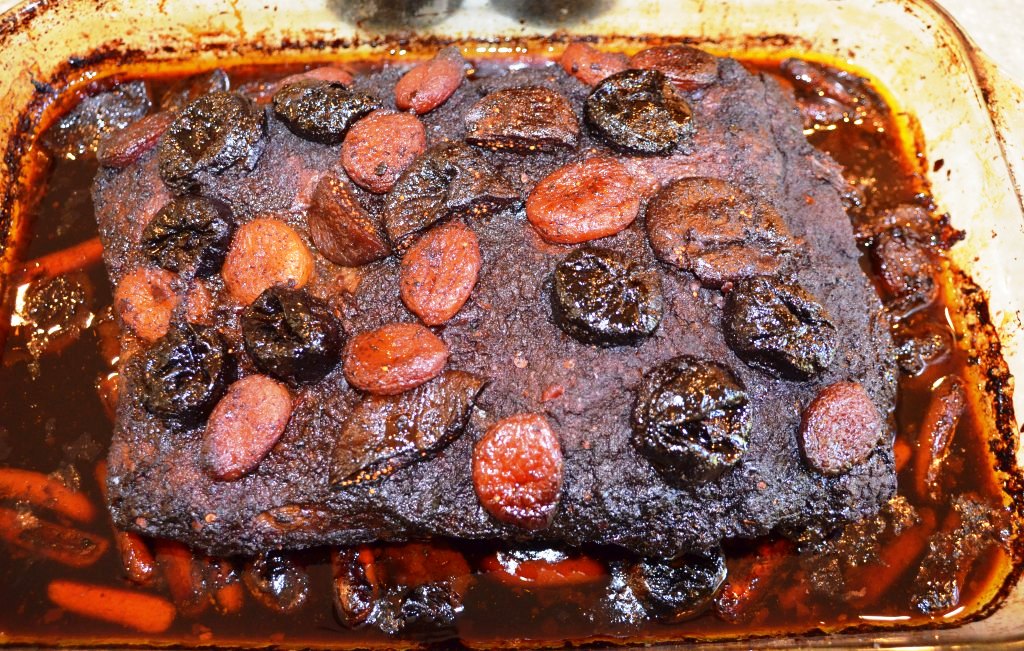
6 hours later …done! Brisket is ready for your enjoyment
I don’t know what you think, but this is a really simple recipe as far as I see it.
And of course there was wine:
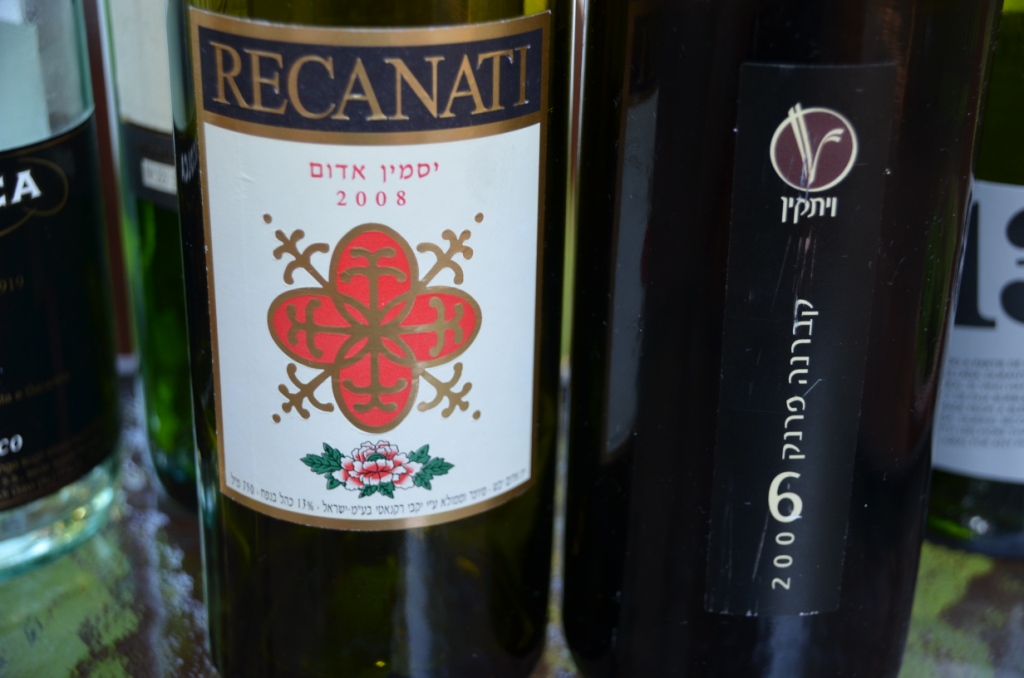
Recanati and Vitkin
Twice a year, my wine selection conundrum ( what to open, what to open) is resolved with ease – for Passover and Rosh Hashanah, the choice is simple – it should be an Israeli wine. This year I opened two bottles, from two well-known producers – Recanati and Vitkin.
2008 Recanati Red Wine – I don’t read Hebrew, and this wine came directly from Israel, so there is not a thing I can tell you about the grape composition of this wine. Red fruit on the nose, a touch of warm spices on the palate, some blackberries and plums, tannins are barely noticeable, medium finish. Okay wine, but really nothing special. Drinkability: 7
2006 Vitkin Cabernet Franc (14% ABV, 86% Cabernet Franc, 14% Petite Verdot, aged 14 months in small oak barrels) – outstanding. You know, some wines you define as “a lot going on”. And some wines demonstrate singular perfection. This Cabernet Franc wine had this singular perfection – Cassis all the way. A perfect bouquet of Cassis on the nose. Same on the palate – luscious, soft and rolling mouthfeel (this wine is unfiltered), pronounced Cassis notes with an addition of dark chocolate, supple tannins, firm structure and cutting acidity in the back, perfectly balanced, with the long finish. Definitely belongs to the “dangerous wines” category. Drinkability: 8+
And we are done here! While the wines might be difficult to find in the US (but Vitkin is definitely worth asking for by name), I hope that at least you can put a brisket recipe to good use. If you will decide to make it, drop me a note – I will be really curious to know what do you think. And until the next time – cheers!
Weekly Wine Quiz #72: Grape Trivia – Torrontés

Torrontés grapes, as shown in Wikipedia
Welcome to the weekend and your new wine quiz!
We are continuing our grape trivia series, still focusing on the white grapes, and today’s subject is Torrontés.
How often do you drink Torrontés? Do you know at least what country it is coming from? Yes, I understand that my choice of the grape for today’s quiz might be questionable – Torrontés is not a mainstream grape by all means. But as we are continuing with the white grapes, and the last white grape we talked about was the spanish grape called Albariño, the choice of Torrontés as a subject for today’s quiz is almost automatic for me.
Torrontés has a relatively short history, first appearing under its name in the second half of the 19th century in Argentina. Originally it was thought that Torrontés came from Spain, where there is a grape with the same name, but it appears that the two have nothing in common. While Torrontés plantings only amount to the 10% of total grape plantings in Argentina, it yields about 20% of the total wine production. Torrontés today is mostly growing in Argentina with some small plantings appearing on the other side of the Andes, in Chile. Torrontés wines typically have very expressive aromatics, more of a floral nature, coupled with crisp acidity on the palate, which makes them a great accompaniment to the wide variety of dishes. Best Torrontés wines come from the regions of Salta and Cafayate, where grapes are growing at the altitude of 5,000 ft (~1700 m) above sea level.
And now, to the quiz!
Q1: Name three varietals of Torrontés growing in Argentina
Q2: Wine Spectator calls wines rated in 90-94 range Outstanding. True or False: there are no Torrontés wines with Outstanding rating?
Q3: As established by DNA analysis, Torrontés is a cross of two grapes. One of them is Muscat of Alexandria. The second grape played an important role in the early days of winemaking in the United States. Do you know what grape it is?
Q4: Most of the Torrontés is growing in pretty unique conditions, for most of the plantings being at a high altitude. Name one problem which needs to be controlled for the production of the high quality wines.
Q5: True or False: Torrontés produces both dry and dessert wines
Even if you don’t feel like answering the questions in the quiz, I’m curious to know if you had Torrontés wines, and if you did, what do you think of them.
Good luck, enjoy the quiz and your weekend! Cheers!
Cabernet Day 2013: 1996 Burgess Cabernet Sauvignon
I’m glad we have all those Grape days – Grenache Day, Chardonnay Day, Cabernet Day, Tempranillo Day (it is also great when those grape days are not overlapping, as Cabernet Day and Tempranillo Day had in 2011). Not that we need an extra reason to have a glass of wine – no, we don’t. But when you have a Grape day to celebrate, that greatly helps with the difficult oenophile issue – what do I open tonight? What do I open, what do I open… Shiraz? No, just had it two days ago… Rioja? Well, may be, but I have only a few bottles… Zinfandel? Not in the mood for… Okay, I’m sure you got the point, and being there, done that uncountable number of times.
When you plan to celebrate a “grape day”, you are done with a good half of the problem – you know what type of wine it should be. As today is a Cabernet Day, my decision was very simple. Need a good bottle of Cabernet Sauvignon, preferably ready to drink. I actually have very few bottles of Cabernet which I consider to be ready to drink (my criteria – 10+ years of age). My choice for today? 1996 Burgess Cellars Cabernet Sauvignon Library Release.

Burgess Cabernet Sauvignon
Burgess Cellars is located on outskirts of Howell Mountain in Napa, and it had being producing wine since 1972. In 1980, the winery started a Library program for its Cabernet Sauvignon wine – each year, a 500 cases or so are put aside in the wine cellar, to let the wine age in the ideal conditions. The wines are released to the consumers after 10 or 15 years of ageing, when they are actually ready to drink. The wine we opened for the Cabernet Day was the part of this exact Library Release.
Before I will share the tasting notes with you, let me lament for a moment about the wine being an amazing memory facilitator. We shared the bottle with my wife, as we usually do, and once we looked at the label, one of the first thoughts was “ahh, 1996 – this is when we first met!”. My own recollection later on was of an exciting discovery of Wine Til Sold Out (WTSO) – this was one of the very first wines I ordered from WTSO in 2010 at an amazing discount (MSRP: $69, WTSO price: $22.50). Wine’s capability to tune you into the “memory lane” is nothing short of spectacular and truly fascinating. Now, let’s get back to the wine.
1996 Burgess Cellars Cabernet Sauvignon Library Release Nape Valley (13% ABV; 80% Cabernet Sauvignon, 12% Merlot, 8% Cabernet Franc) – Wine was poured into the decanter, but rather to prevent sediment from getting in the glass, not so much for breathing. Dark ruby color, bright enough for 17 years old wine. Dark fruit, some dust and plums on the nose, raspberries and cherries on the palate, high acidity, tannins on the finish. Doesn’t show as typical California Cabernet, rather closer to the Claret style, with high pitch acidity and dialed back fruit. As the wine was breathing, it showed a bit more of the fruit with the warm notes. Drinkability: 8-
There you have it, my friends – my Cabernet Day experience. What was yours? Cheers!
Wednesday’s Meritage – Wine Quiz Answer, #MWWC2 Winner, #MWWC3 Theme, Cabernet Day and more
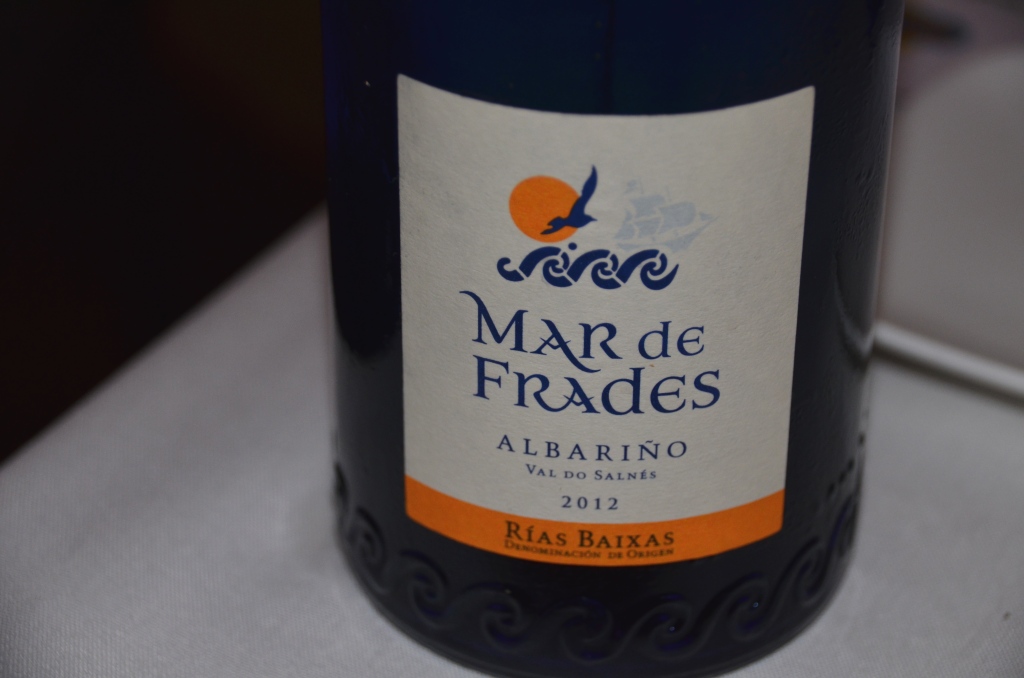
Mar de Frades Albarino
Meritage time!
First, let’s start with the answer for the wine quiz #71, grape trivia – Albariño.
In the quiz, you were supposed to answer 5 questions about white grape called Albariño. Here are the questions, now with the answers:
Q1: Explain the origin of the name Albariño
A1: The theory is that the Albariño was brought to Spain from Germany’s Rhine region and it is a relative of Riesling. Thus Alba-Riño stands for “white from Rhine”
Q2: What kind of food is typically expected to be paired with Albariño?
A2: Seafood! Rias Baixas, the region where Albariño strives, is fully embraced by the Atlantic ocean, so seafood is a local specialty, and Albariño is known to perfectly complement it.
Q3: When Albariño was first planted in California?
a. 2000, b. 1996, c. 1992, d. 1988
A3: b, 1996. In 1996, Kathryn and Michael Havens of Havens Wine Cellars visited Rias Baixas and fell in love with Albariño. They brought it back to the US and started the first plantings. Albariño was officially registered in California in the year 2000.
Q4: For the long time, winemakers in Australia thought that they are making Albariño wine – until it was recently found that due to the mistake, what they thought they planted as Albariño is not Albariño at all, but a totally unrelated grape. Do you know what grape it was?
A4: Savagnin.
Q5: Val do Salnés is one of the sub-regions in Rias Baixas, making wines from Albariño grapes. True or False: to be labeled Albariño Val do Salnés, the wine must contain 100% Albariño grapes
A5: False. Interestingly enough, for the wine to be labeled Rias Baixas DO, it should be 100% Albariño, but for any other sub-regions, it is enough to use only 70% of the Albariño grapes.
I’m glad to report that we have a winner this time! Linda from Foxress is taking home the unlimited bragging rights today. Well done!
Now, to the interesting stuff around the vine and the web!
I’m sure you’ve seen this already, but our Monthly Wine Writing Challenge has a new Queen! Sally from My Custard Pie won the #MWWC2 with this blog post. Congratulations!
Let me ask you a question. How possessive you are? Do you possess your wines, or maybe your wines possess you? Or may be your wines are possessed? If I were you, I wouldn’t go down to that cellar…yeah. Why am I all of a sudden so possessed with the possession? Because Possession is the theme of the #MWWC3! Here is the formal announcement with all the rules and dates. Sharpen your mind and your pencil, blow the dust off your keyboard – and write, write, write! The submission deadline is Monday, September 23rd.
Last minute reminder – tomorrow, August 29th, is 4th annual Cabernet Day! Open the bottle of Cabernet and join the festivities. Hope you will enjoy whatever you will be drinking, and if it will be extra good – let the world know about it – blog, Facebook, Twitter, Pinterest – there are so many ways today to let the world know that you are happy!
I also have two articles to share with you. Interestingly enough, I just realized that these two articles are essentially completely opposite to each other. In the first article, Harvey Steiman, Wine spectator’s Editor at Large, talks about scientific advancements in the world of wine. He talks about DNA testing being used to detect faults in wine, and then he also talks about micro-oxygenation, that makes the wines more soft and round. Fault detection might be good, but do you want your wines to be soft, round and … the same? I personally would prefer the wine with character over the dull and round, but of course you can decide for yourself.
Second article talks about the archaeological project in Italy, where the group of scientists it trying to recreate the way the wine was made thousands of years ago – no chemicals, no reverse osmosis, no micro-oxygenation – just the pure goodness of nature. Somehow, I like this. But again, read the article and decide for yourself.
That’s all I have for you for today, folks. The glass is empty – but refill is on its way. Until the next time – cheers!
Weekly Wine Quiz #71: Grape Trivia – Albariño

Albariño grapes, as shown in Wikipedia
Welcome to the weekend and your new wine quiz!
We are continuing our grape trivia series, still focusing on the white grapes, and today’s subject is Albariño.
According to the legend, Albariño was brought to Galicia region of Spain some time in the 12th century, of course by nobody else but monks. But it was not until almost the end of 20th century that Albariño wines became well known and well recognized in the world. Albariño is the main grape in the Rias Baixas region of Spain. Rias Baixas became a DO (Denominación de Origen is Spanish definition of the quality of agricultural products, similar to AOC in France) for Albariño in 1980. The rules had to change after Spain joined European Union, which doesn’t allow DO definitions for the single grape, so the new rules had being put in place in 1988, allowing for a number of other grapes, such as white grapes Loureira blanca, Treixadura, Caiño blanca, Torrontés and Godello, to be included into Rias Baixas DO wines.
Albariño makes perfect summer white wines. It usually combines very expressive aromatics of bright white fruit, with zesty, lemony and dry palate, making it perfectly drinkable by itself or with the wide array of summer dishes. While Albariño is literally considered to be the most important Spanish white grape, it is also successfully growing now in the other countries, such as Argentina, United States and others. In Portugal, Albariño had being known for the very long time under the name of Alvarinho, where it is often used in making of the Vinho Verde wines.
And now, to the quiz!
Q1: Explain the origin of the name Albariño
Q2: What kind of food is typically expected to be paired with Albariño?
Q3: When Albariño was first planted in California?
a. 2000
b. 1996
c. 1992
d. 1988
Q4: For the long time, winemakers in Australia thought that they are making Albariño wine – until it was recently found that due to the mistake, what they thought they planted as Albariño is not Albariño at all, but a totally unrelated grape. Do you know what grape it was?
Q5: Val do Salnés is one of the sub-regions in Rias Baixas, making wines from Albariño grapes. True or False: to be labeled Albariño Val do Salnés, the wine must contain 100% Albariño grapes
Good luck, enjoy the quiz and your weekend! Cheers!
Daily Glass: Take Your Journey, Any Time: Odisea Wines
One of the most fascinating aspects of wine is its ability to change your emotional state. Best steak in the world will only pick you up during those 15 minutes you will spend enjoying it. Yes, if the meal was “an experience”, it might stay with you forever, but still, it is very hard, for instance, to enjoy your steak during 2 – 3 hours of quiet time in the evening (never mind five evenings in a row).
Wine is different. You can start from admiring it in the glass – color, nose, legs – and then slowly move on to the first sip, and go on from there, simply observing and enjoying the transformation for a while. But this is not all. Wine, unlike many other foods, very often comes with the stories. Stories of the people who made it, or who started making it 500 years ago. You can learn about their dreams, their aspirations, their hard work. Yes, there was a lot of hard work involved in making of that steak – but it is very hard to make a unique and emotional story out of it.
What is the point of this rambling? Let me explain. Over the last three days we undertook a journey, right in the comfort of our living room (okay, actually, we were mostly sitting outside on the deck, but this is besides the point). Not just any journey, an odyssey. Lead by the Odisea Wine Company out of California, we traveled through unusual grape varieties and unique sensual expressions. Odisea Wine Company was created in 2004 by two friends, Adam Webb and Mike Kuenz, and it is focused on making the wines from “Rhone and Iberian grape varietals grown in California”.


Here is my account of this odyssey:
2009 Odisea Veritable Quandary, California (13.5% ABV; 25% Syrah, 17%Grenache, 17% Tempranillo, 14% Petite Sirah, 12% Field Blend, 12% Alvarinhao, 3% Carignane; 850 cases made) – dark garnet color, nose of dark fruit and touch of dark chocolate. Velvety palate of plums, touch of warm spices, profile of a classic Spanish Grenache, only slightly more restrained. Round, soft, perfectly balanced. Drinkability: 8
2009 Odisea Devil’s Share, California (13.9% ABV; 48% Syrah, 30% Grenache, 14% Mourvedre, 6% Petite Sirah, 2% Viognier; 335 cases made) – dark garnet color. Needs time to come to its senses (slightly disjointed on the first sip with acidity going sky high). Cherries and herbs on the nose. Spices, hint of barnyard, sage, dark fruit, raspberries, may be a touch of tobacco notes – very round, balanced and pleasant, with the long finish. A dangerous wine once it is opened… Drinkability: 8
2010 Odisea Unusual Suspects, California (13.9% ABV; 50% Carignane, 25% Tempranillo, 15% Grenache, 10% Cinsault; 600 cases made) – dark ruby color in the glass. Fresh raspberries on the nose, with the hint of tobacco. Some raspberries on the palate, but then green, almost vegetative notes (not the tree brunches, more of a hay, dry grass style), supported by tobacco and a savory profile. Warm feeling on the palate, good acidity in the back, very soft tannins over a medium finish. This wine begs for food, but nothing as sharp or as powerful as steak – it would be good with a veal roast, a slow cooked beef stew or roasted eggplant. Drinkability: 7+
I bought these wines online a while ago at the Wade’s Wines, I guess mostly based on the unusual names – and most of them are still available, at $16.99 or so, in case if you are interested in taking the journey for yourself. In any case, I’m glad I had mine. Cheers!
Wednesday’s Meritage – Wine Quiz Answer, Don’t Forget to Vote!, 2013 Harvest Started in France, and more
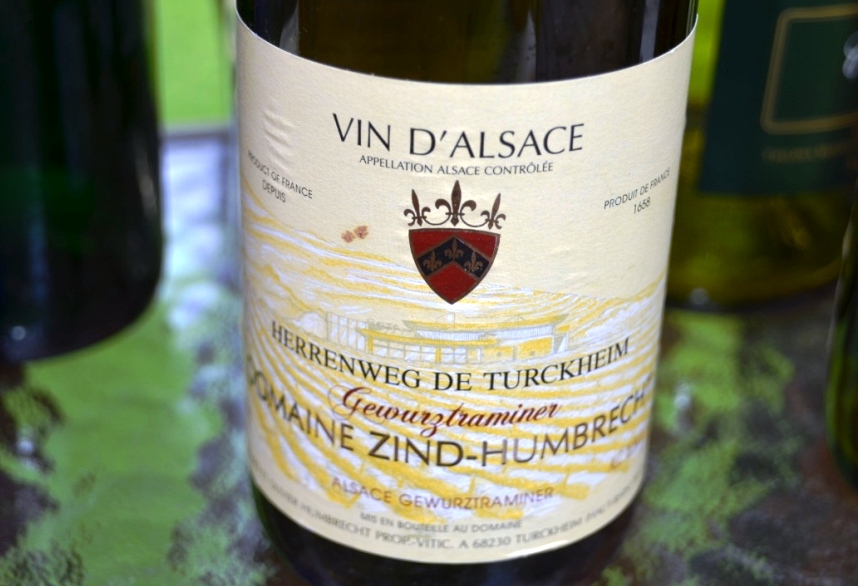
Zind-Humbrecht Gewurztraminer
Meritage time!
First, let’s start with the answer for the wine quiz #70, grape trivia – Gewurztraminer.
In the quiz, you were supposed to answer 5 questions about white grape called Gewurztraminer. Here are the questions, now with the answers:
Q1: Where Gewurztraminer was supposedly originated? Name the grape which was a precursor of Gewurztraminer
A1: Gewurztraminer is a result of genetic mutation of the grape called Traminer. Traminer grape takes its name from the town of Tramin, located in the South Tyrol in Northern Italy (Alto Adige).
Q2: Explain the meaning of the name Gewurztraminer
A2: “Gewurz” means spicy in German. But the “spicy” reference here is for the extreme aromatics of the grape and not to taste of the grape itself, so in the direct translation Gewurztraminer stands for Spicy Traminer.
Q3: Unlike many other grapes, if the French wine is made out of Gewurztraminer, you can easily know that just by looking at the bottle. Why is that?
A3: Alsace, unlike any other AOC in France, requires the name of the grape varietal to be shown on the label. While most of the Alsace wines are typically bottled in the tall narrow bottles called vin du Rhin, one look at the label will tell you exactly the type of the grape the wine is made out of.
Q4: Which area in California produces best Gewurztraminer wines:
a. Monterey County, b. Alexander Valley, c. Russian River Valley, d. Anderson Valley
A4: Anderson Valley (“best” is subjective, but I seem to find a number of sources pointing to Anderson Valley)
Q5: Wine Spectator calls wines rated in 95-100 range Classic (the highest and the most prestigious category). True or False: there are no Gewurztraminer wines with Classic rating
A5: False. There are couple of Gewurztraminer wines with 98 ratings, and in excess of 30 wines overall in the Classic rating range.
Now, when it comes to the answers, we have an interesting situation. All the respondents answered all the questions correctly, except for the Q3 – typical answer was based on the unique shape of the bottle, but the problem is that most of the wines from Alsace share the same bottle shape – however, nobody pointed to the label and the major difference in the labeling laws between Alsace (based on the grape) and the other AOCs (based on geographic location). Thus we don’t have a winner in this weeks’ quiz – but hey, there is always another quiz.
Now, to the interesting stuff around the vine and the web!
First and foremost – please don’t forget to cast your vote for your favorite post in the Monthly Wine Writing Challenge #2! The theme of the challenge was “Trouble”, and despite the initial troubles with the trouble, quite a few bloggers took a stub at the theme. ArmchairSommelier was hosting this month’s challenge, and she will announce the winner on August 24th. To read all of the submissions, and most importantly, to vote, please use this link.
Another interesting opportunity to “vote” for you – W. Blake Gray asked his readers to vote on what country which makes their favorite wine. You don’t have to think to hard about “the one”, as you can vote for up to 3 favorites. So far based on the voting results, the clear leaders are France, USA and Italy – but you should definitely vote and see for yourself – here is the link to the blog post.
While it sounds way too early (it is still an August!), the 2013 harvest already started in in Roussillon in France. An interesting fact is that this year actually has a late start due to the cold spring, and the picking usually starts 10-15 days earlier. Here is a link to the article where you can find all the details.
That’s all I have for you for today, folks. The glass is empty – but refill is on its way. Until the next time – cheers!
Last Bottle Sign Up ($10 credit)




 Talk-A-Vino