Archive
Tasting The Dust
 Dust? Really? What is going on? What happened to wine? Trying to figure out if you are in the right blog? Don’t worry, you are. But – actually, I intend to talk about dust – Rutherford Dust it is.
Have you heard this expression before – Rutherford dust? This is the terminology often used to describe the mouthfeel of the wines made in the Rutherford AVA in Napa Valley. Some say it is the taste, some say it is the texture – it seems that Rutherford dust means different things to different people. But as a common ground, people agree that wines of Rutherford AVA have some qualities which are not found among the wines from other areas of Napa Valley.
Andre Tchelistcheff, the legendary winemaker of Beaulieu Vineyards and one of the founding fathers of the California wine industry, is usually credited with coining the term “Rutherford dust”. Interestingly enough, according to this article, Tschelistceff only referred to the Rutherford dust as a terroir, but – you will need to let your taste buds guide you to argue that point.
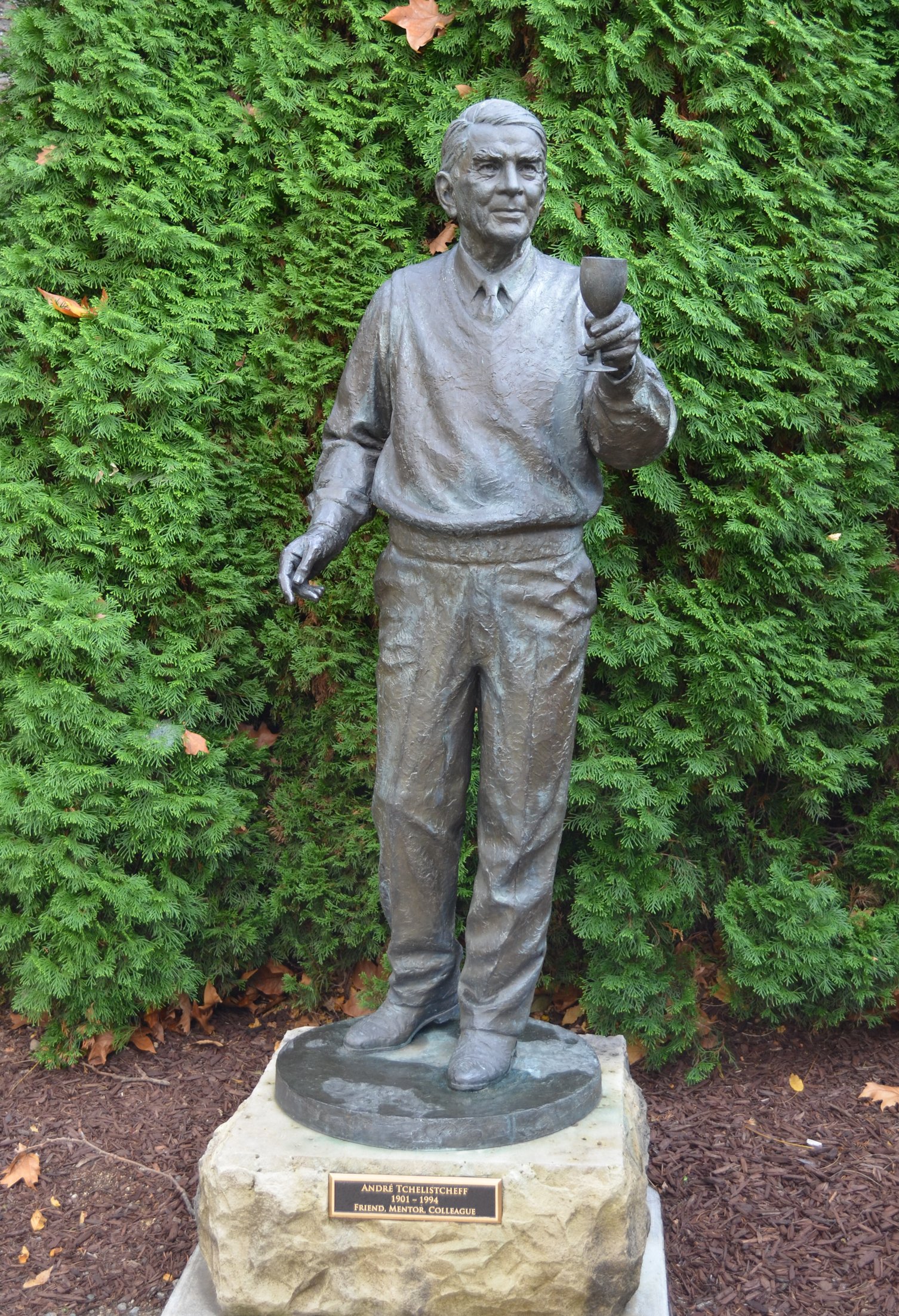
About a month ago, during one of my trips to California, I had an opportunity to visit Beaulieu Vineyards (BV) in Rutherford, where Andre Tchelistcheff worked as a winemaker from 1938 until his retirement in 1973. As you enter the tasting room at BV, Andre Tchelistcheff himself greets you:
BV makes a number of different lines of wines, starting from introductory BV Coastal, going to the “Maestro” series, which is available only at the winery or through the club, and continuing to the Reserve line.
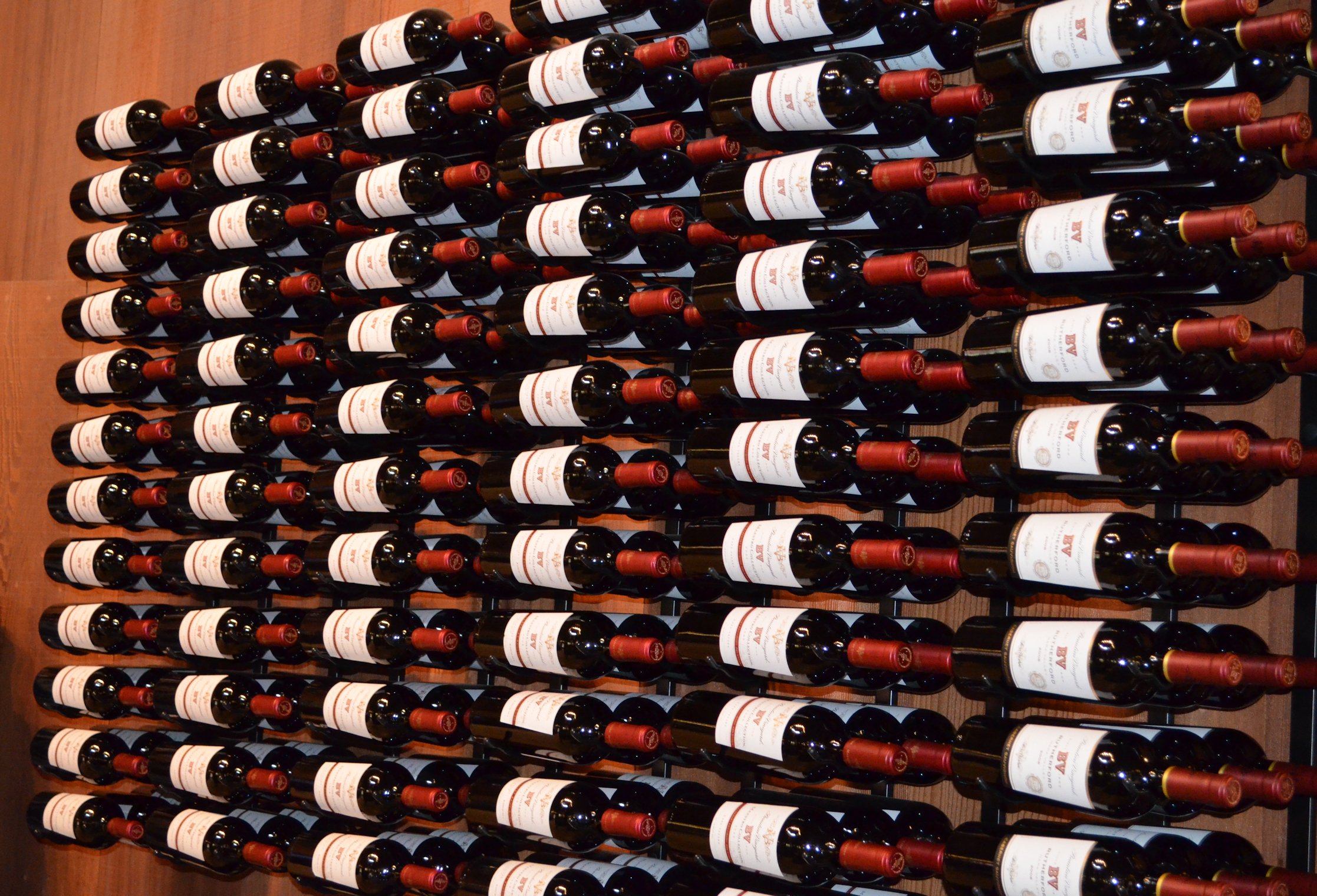 We tasted through the whole Reserve line, and these are the notes I want to share with you.
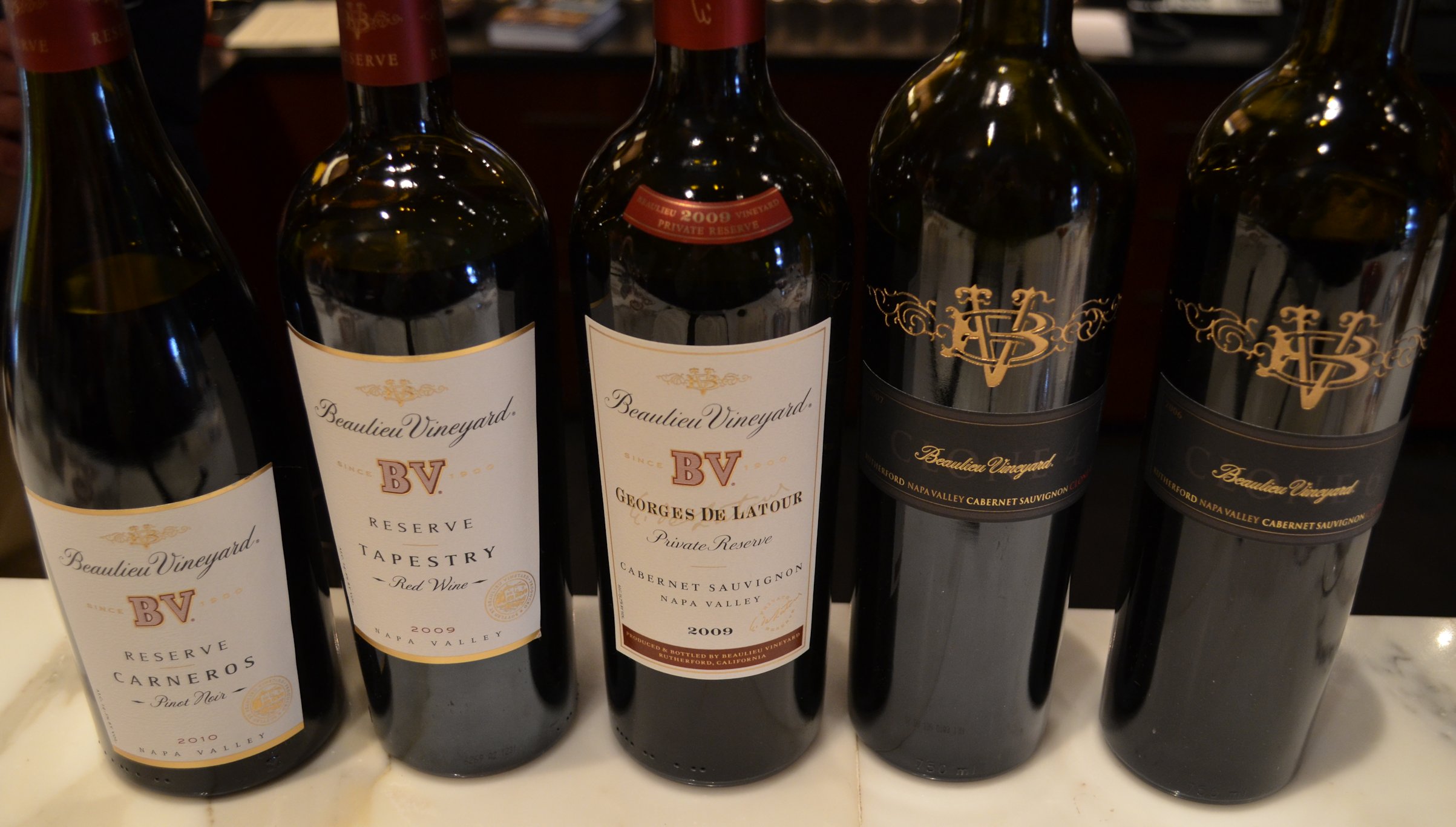
We started with 2009 BV Carneros Reserve Chardonnay, which was beautiful, round, and clean, with just enough vanilla and butter to maintain balance. Next, we tried the 2010 BV Carneros Reserve Pinot Noir. Actually, I had no idea BV even makes Pinot Noir- but now I know, and I will look for it. This wine was beautiful, round and polished, with restrained fruit, silky smooth tannins – very balanced and very drinkable. 2009 BV Tapestry Reserve – a classic Bordeaux blend of Cabernet Sauvignon, Merlot, Cabernet Franc, Petite Verdot, and Malbec – was outstanding, perfectly Bordeaux style, but softer, more approachable.
Then we tasted 2009 Georges de Latour Private Reserve Cabernet Sauvignon – and it was the moment when “Rutherford dust” went on like a light bulb in my head. I only heard the expression before, but never experienced it – and until I tasted this wine, I had no idea what the Rutherford dust is. This was probably the single best Cabernet Sauvignon I tasted throughout this year (well, almost – keep on reading). It had everything the Cabernet should have in my opinion – mint, eucalyptus, black currant, supple tannins, perfect balance – and the texture of the tiny particles on my tongue. This was my “Rutherford dust” moment – I don’t know if Andre Tchelistcheff was talking strictly about the terroir – this wine had something which I never tasted before, so for me, it was that “Rutherford dust”.
And then there were clones:
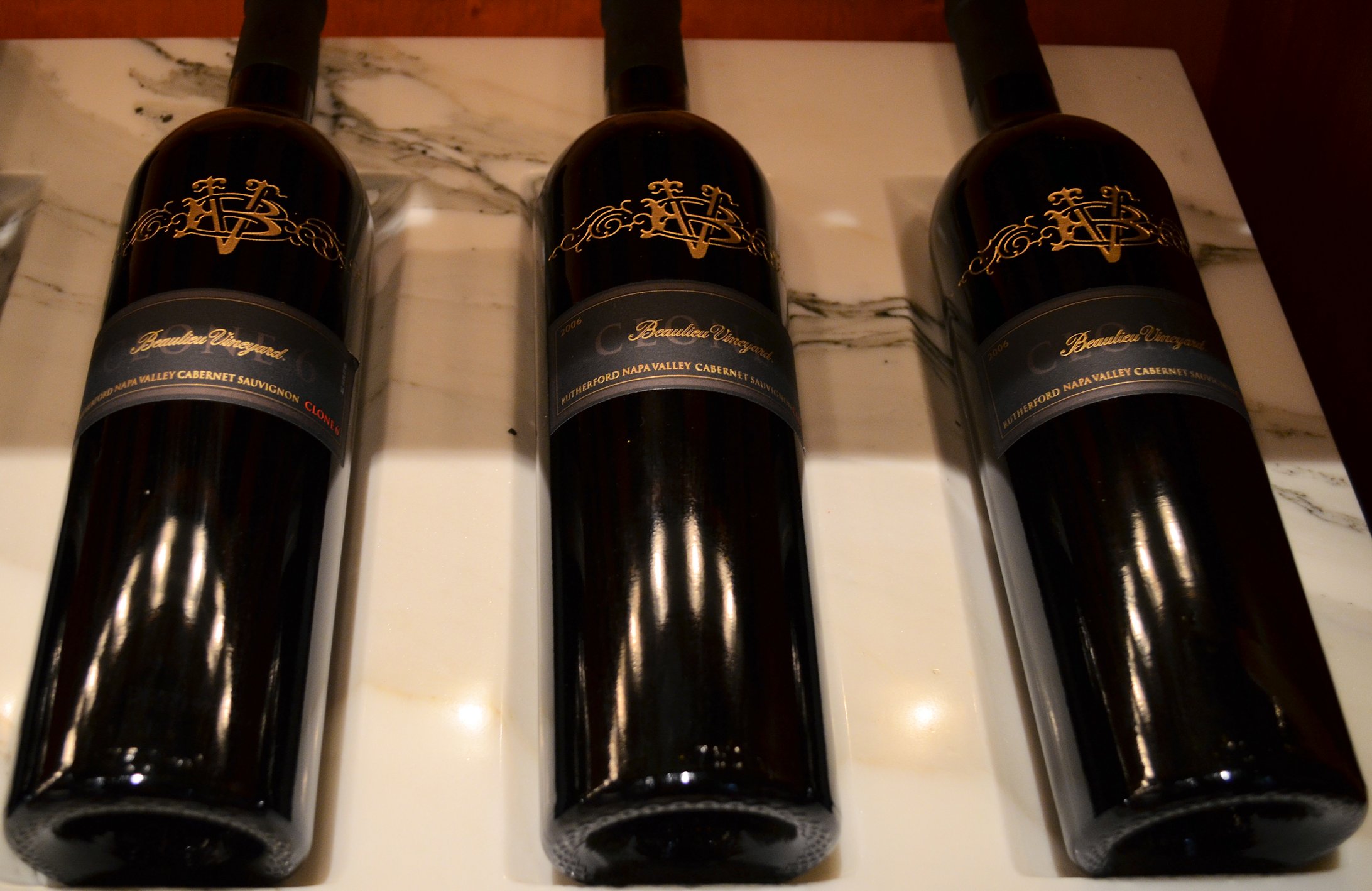
Again, I learned something new here. Yes, I had various encounters with grape clones before – Riesling clones, Sauvignon Blanc clones, such as soliloquy, Wente Chardonnay clone – but I didn’t have an experience with Cabernet Sauvignon clones. It appears that there are a number of clones (here is a good link if you want to learn more about that concept of clones), all originating from different places and thus bringing some unique characteristics to the resulting wine.
We tasted 2007 BV Cabernet Sauvignon Clone 4, where the vines were originally from Bordeaux, then found a home in Mendoza, Argentina, and now are officially known as Mendoza clone. Clone 4 is a primary foundation of the Georges de Latour Private Reserve Cabernet Sauvignon and has similar characteristics to the wine I described above.
Then we tasted 2007 BV Cabernet Sauvignon Clone 6, which was just something else.
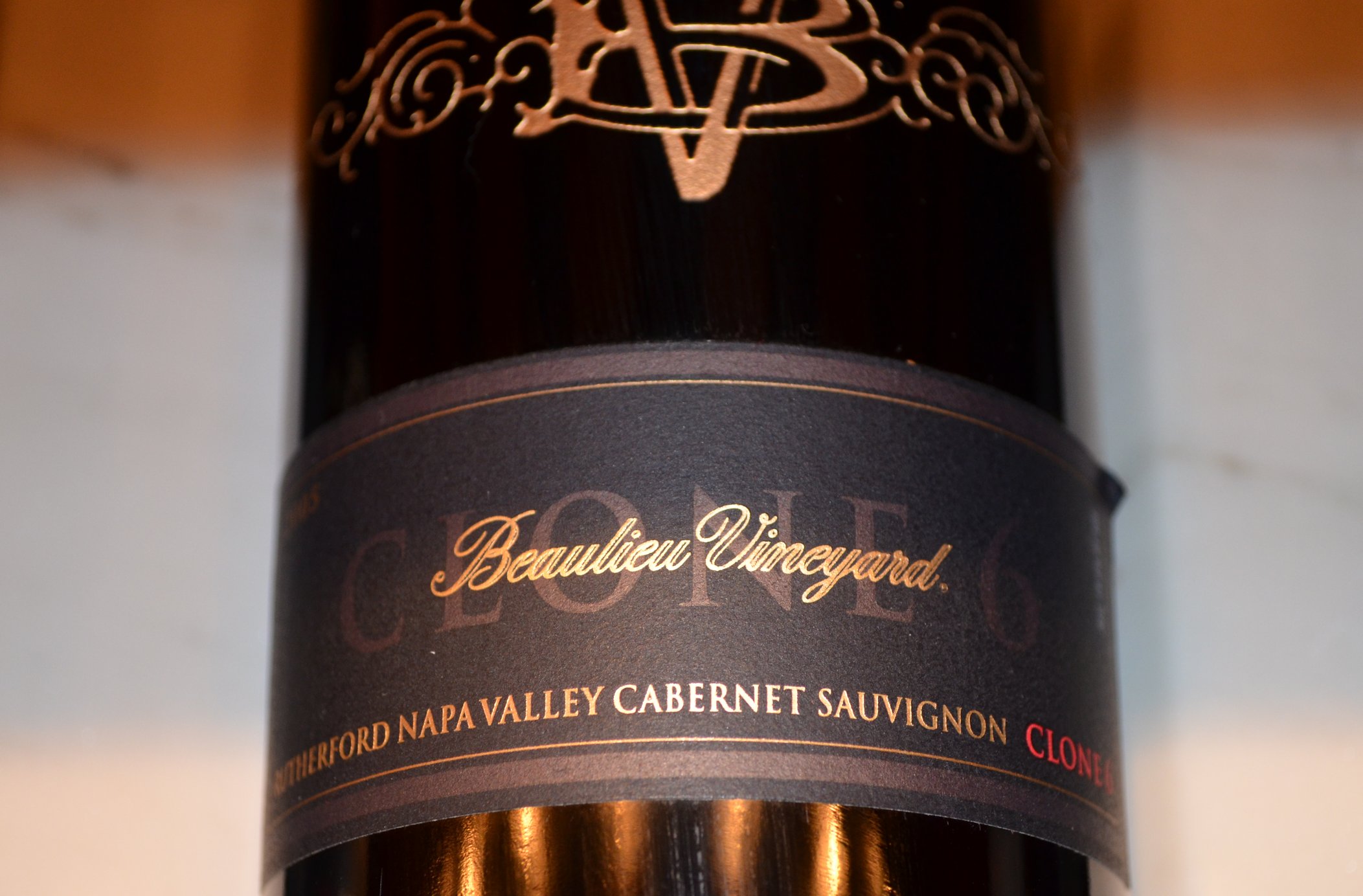 Clone 6 Cabernet Sauvignon comes from abandoned and then rediscovered plantings of Cabernet Sauvignon in Jackson, California. This wine was simply amazing, with the nose of dark roasted coffee, mocha, a touch of bitterness, silky smooth and perfectly balanced, giving you an absolutely luxurious mouthfeel. For me, this wine was definitely rivaling Georges de Latour Private Reserve we tasted before, and I already claimed that the first one was the best Cabernet of the whole year… Tough choice, huh?
And then there were older vintages.
2000 Georges de Latour Private Reserve Cabernet Sauvignon had more pronounced acidity than 2009, and fruit showed a bit tame, but overall the wine still had perfect balance and was very enjoyable.
1997 Georges de Latour Private Reserve Cabernet Sauvignon had beautiful fruit, the same Rutherford dust texture as 2009, and it actually needed time to open up, as the bottle was freshly opened.
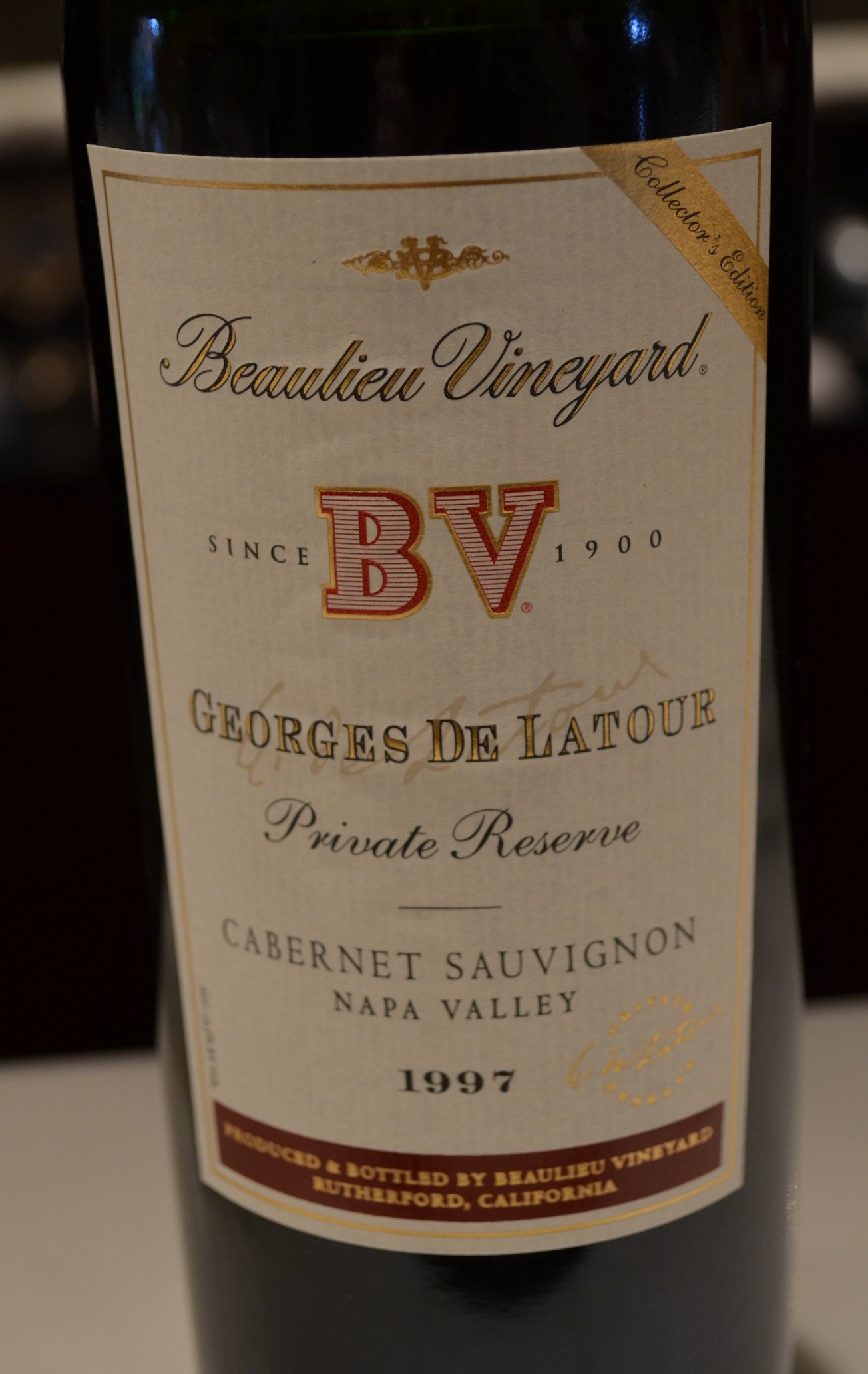
Just to share a few more pictures with you – here is a beautiful Holidays-ready display at the winery:

And if you ever want to make me a present, this box will make me happy – very happy, I have to add:

There you have it, folks – we had an amazing time at Beaulieu Vineyards. This was my second visit to BV – last time I discovered Maestro series wines, which were also great, but tasting through the Private Reserve collection was just an outstanding experience. If I would be able to afford it, I think Georges de Latour Private Reserve Cab would be my everyday wine – at $125 (winery price), this is not happening any time soon. Oh well, but then still there are holidays …
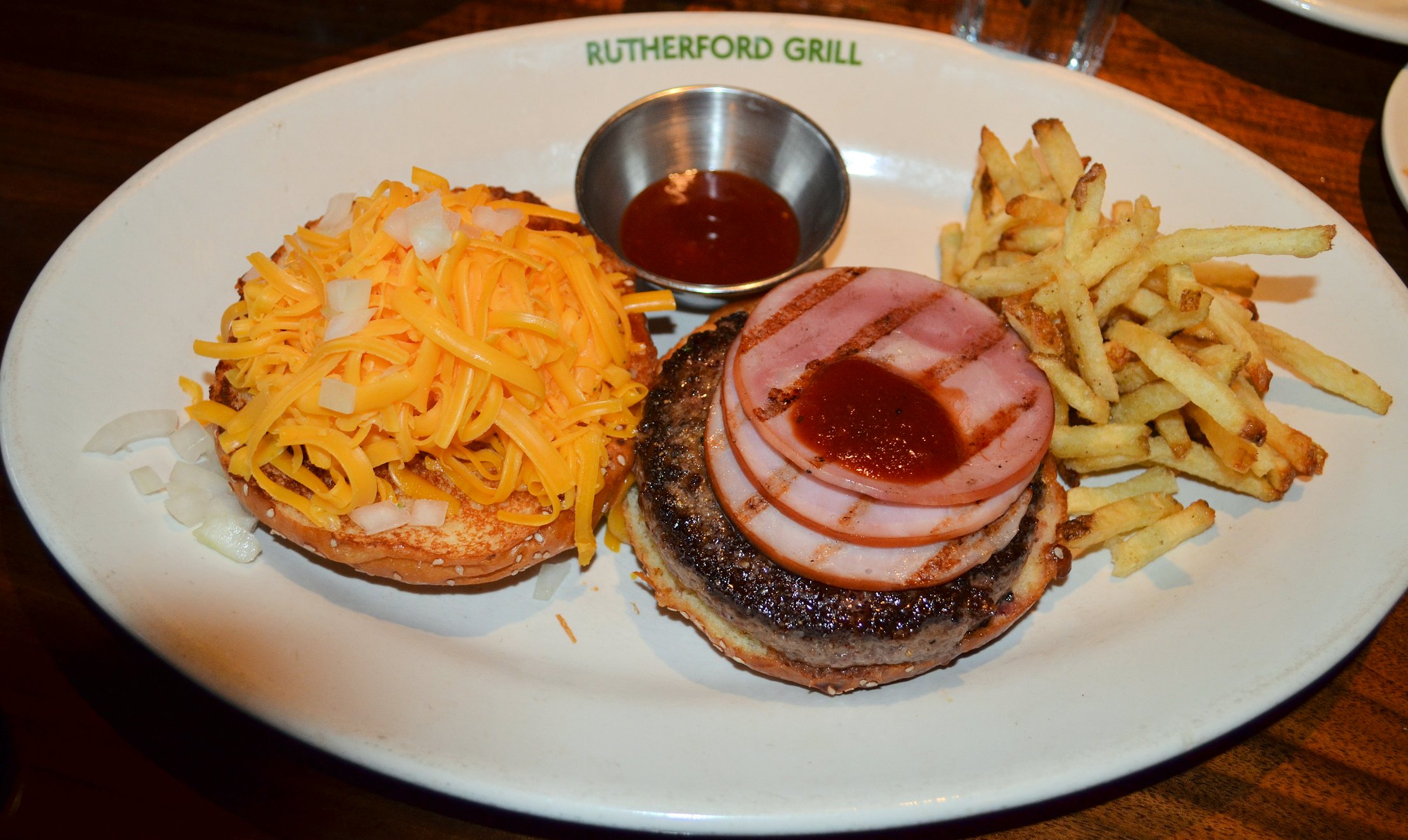
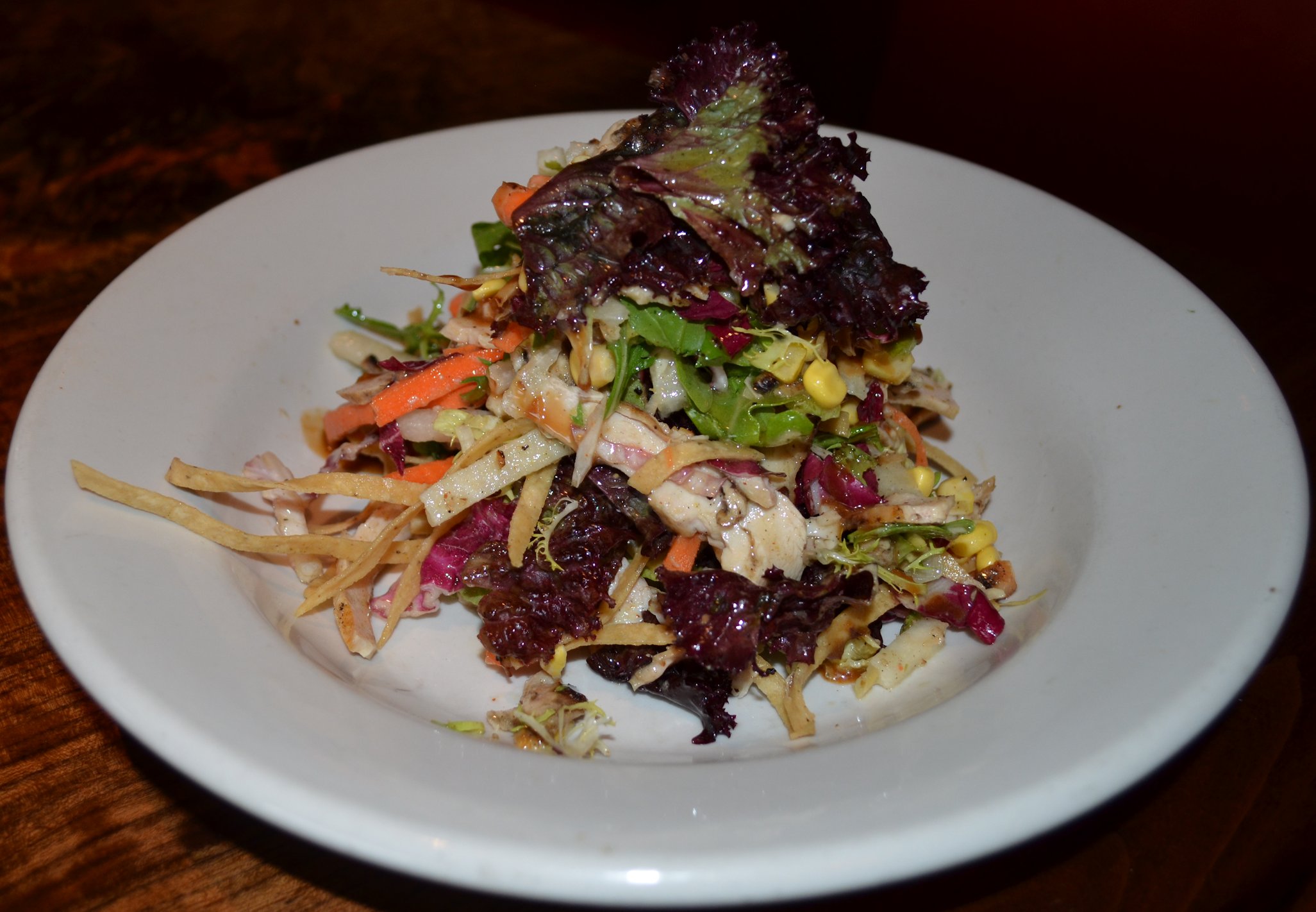
Our next stop was for lunch, and we simply had to walk across the parking lot – to the Rutherford Grill. I heard the name before, but never visited it, so it was very exciting to try one of the Napa Valley well-known restaurants. To give you a quick summary, the food, service, and atmosphere were all great – you should definitely put it on your destinations list if you will be in the area. Here are a few of the food pictures.
Warm Focaccia bread with olives:

Chili (perfectly spicy and delicious):

I had a burger:
 And my wife went for the Grilled chicken salad:
To tell you the truth, I have another “first time” experience to add here – it would be vineyards in the fall. I always admired beautiful pictures of the vines in the fall with all the colorful leaves. These time, I found some to claim my own:
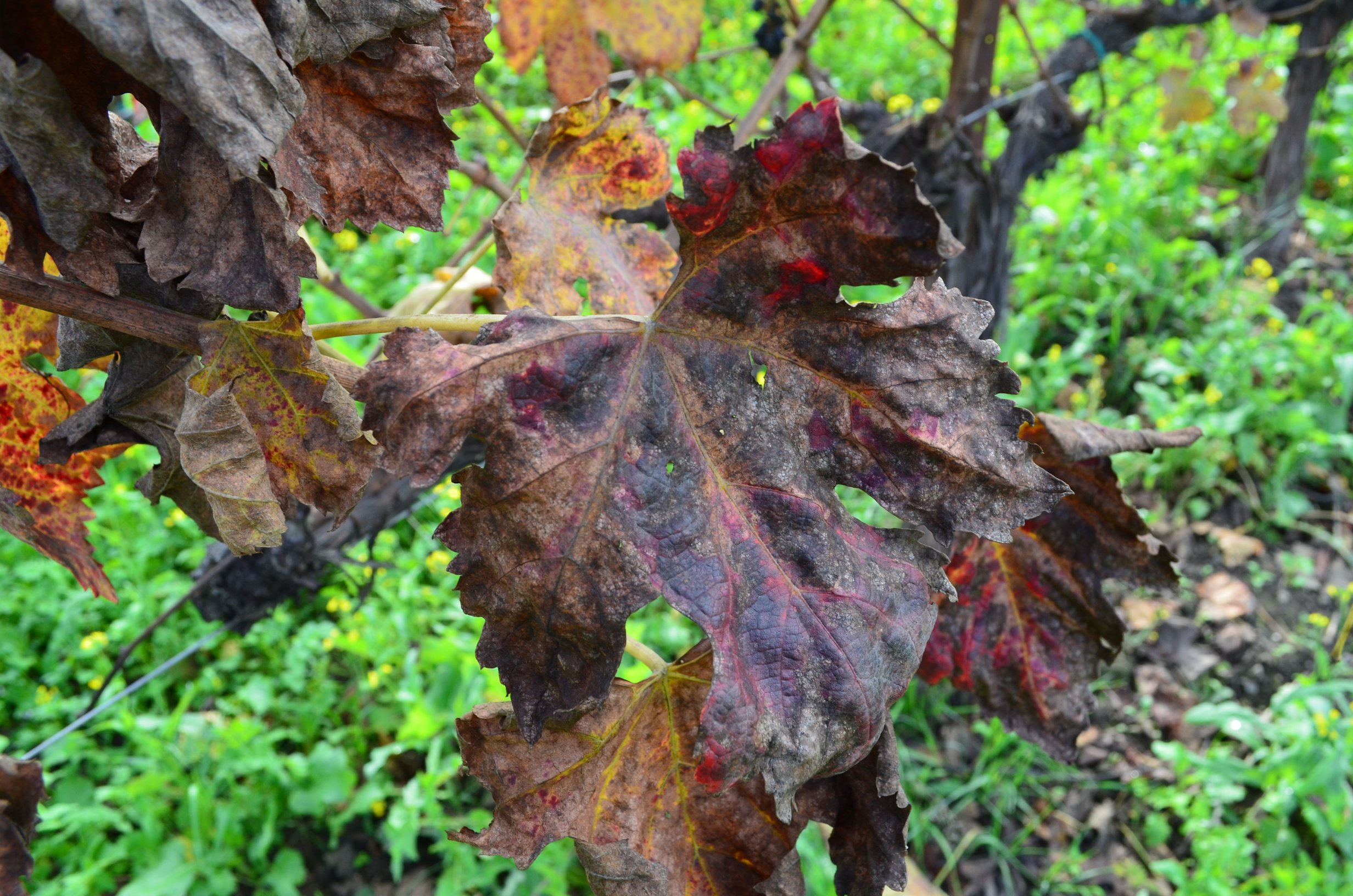
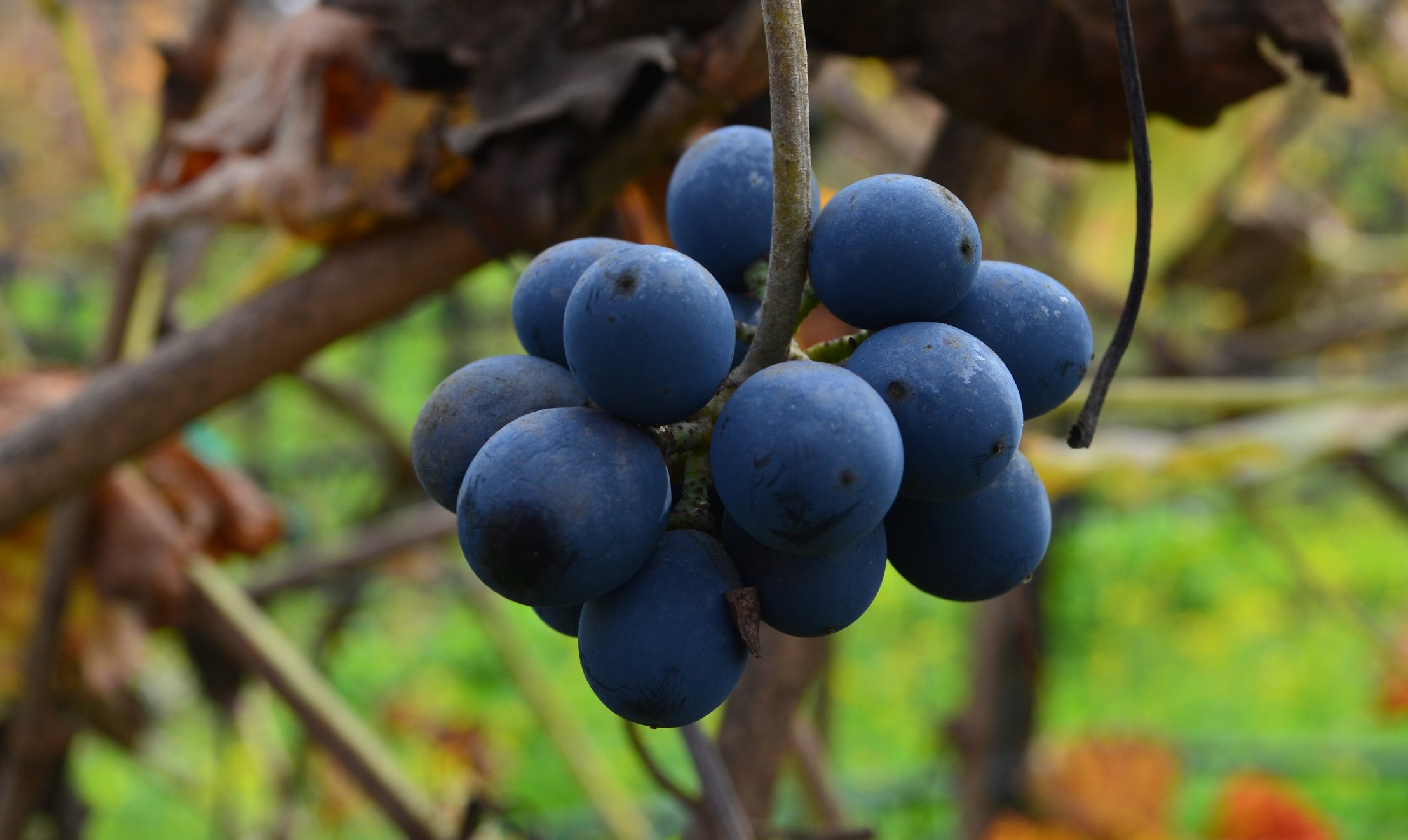
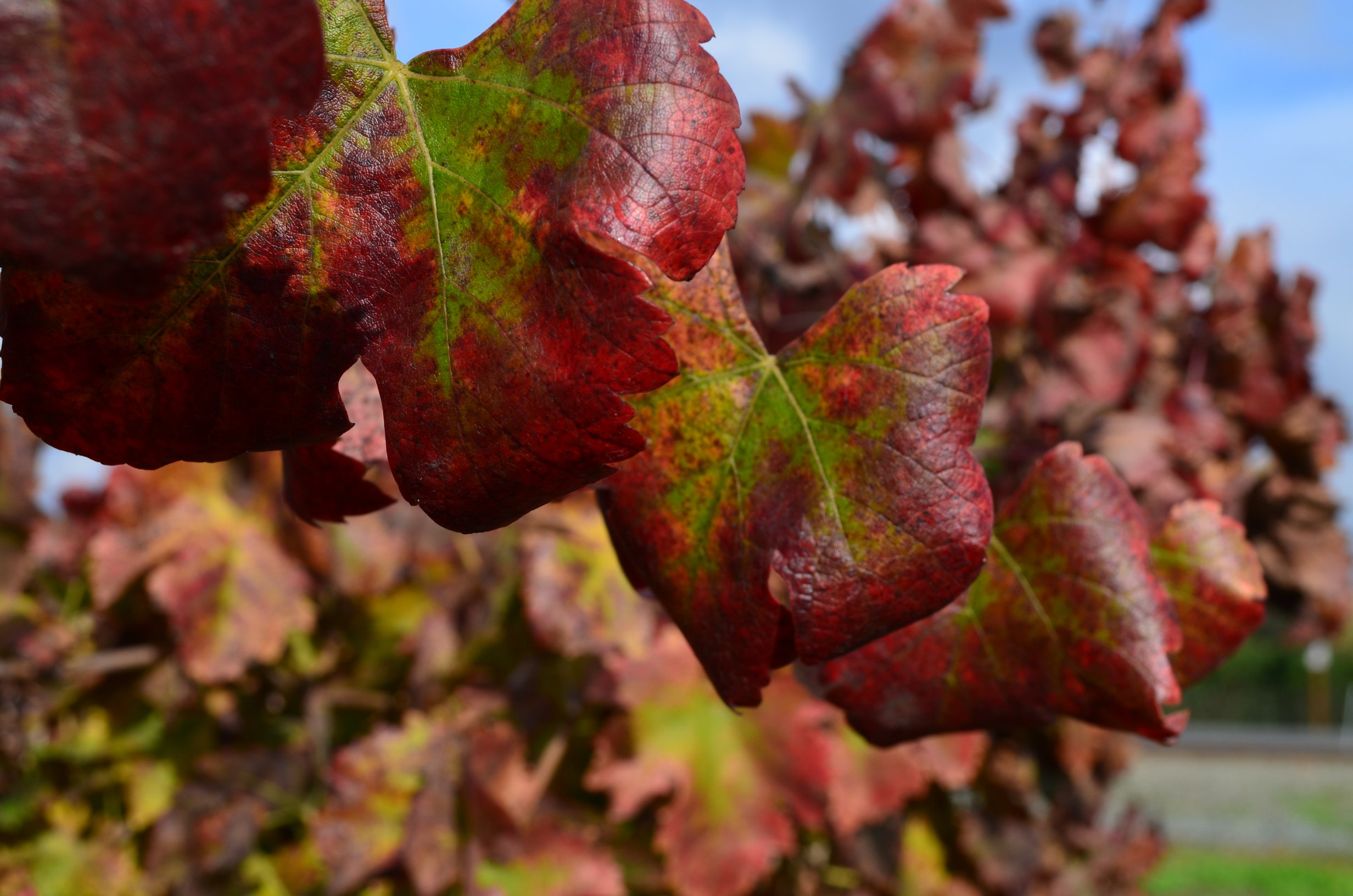 After lunch, we made another stop for tasting – this time at Provenance vineyards. We tasted through the whole portfolio of Provenance and Hewitt wines – and while some of them were good, overall they were not anywhere close to the BV experience, hence I will skip the write-up.
The last experience of the trip was a quick stop on the way back at a small town of Yountville. We didn’t do much there, just walked around for a few minutes, and I snapped a picture of one of my dream destination (I will let you guess what it is, but you will read the answer right on the picture below:

That’s all folks – this was my experience with the Rutherford dust. Have you tried the wines from Rutherford or maybe even the same BV wines – what do you think? Did you taste the dust there? Cheers!
Rutherford Grill
1180 Rutherford Rd
Rutherford, CA 94573
(707) 963-1792

My First Harvest – At Paumanok Winery
This post was supposed to be written at least 2 months ago – but it is only coming out now. Well, the experience was great, so want to share it. And I will also skip a traditional Wine Quiz for the next two weekends, and will start it anew next year.
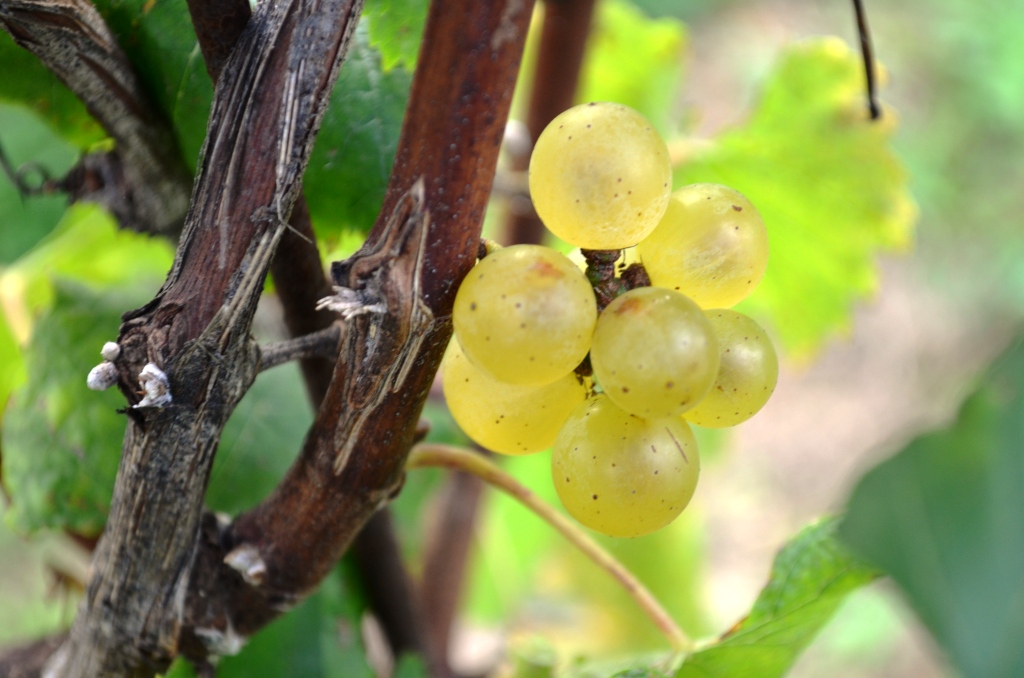 Ahh, all those “firsts” – aren’t they the best, most memorable experiences of your life? First step (well, nobody remembers those, I guess), first kiss (hope now I’m talking about something more memorable), first… well, whatever makes you tick, insert it here. I have somewhat of the extensive experience around wines, but I still have my “firsts”, and plenty of it.
At the beginning of October, while in Austin, I tasted my first “just blended” Viognier (here is the link if you want to read about it). This time, I managed to come across my first harvest. No, I didn’t actually cut, sorted or stomped the grapes. But our visit to Paumanok winery on Long Island in New York coincided with an actual harvest of Merlot which was taking place on exact same day.
For a number of years by now, it is pretty much a tradition – at the beginning of October, we visit Long Island wineries with the group of friends. The weather is usually beautiful – it is so called “Indian summer” in New England, so it is typically warm and sunny, but not hot by all means. We drive all the way down the North Fork of Long Island, stop at a few wineries on the way, taste bunch of wines and then select a few bottles for lunch.
So far we didn’t find a better location for lunch than the outside deck at Paumanok winery – you get to eat outside and enjoy a view of the beautiful sun-filled vineyards:
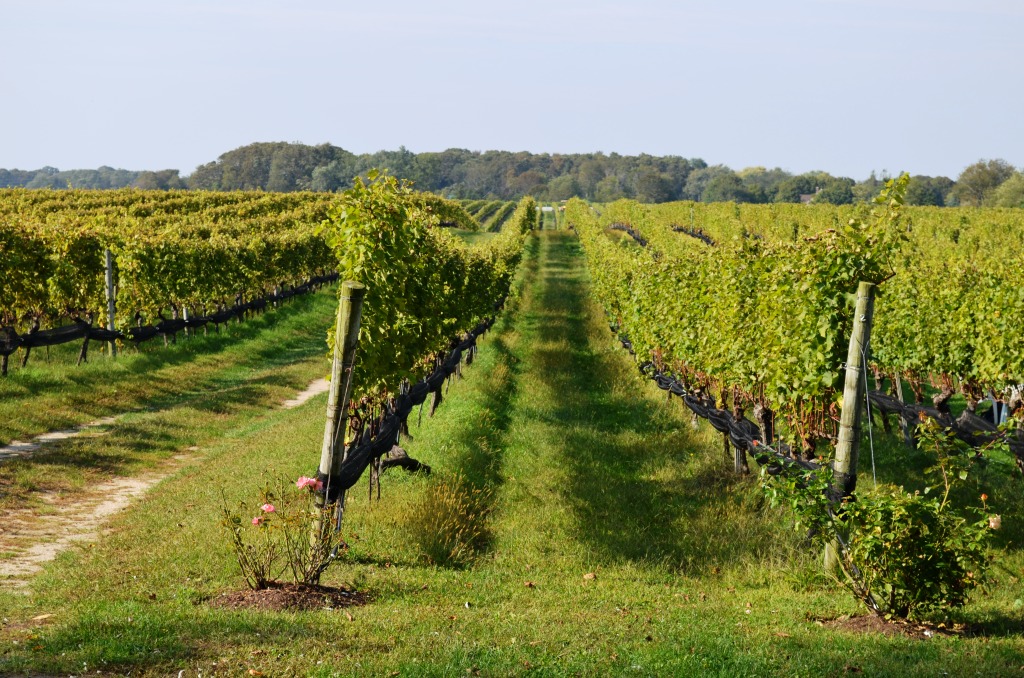
This time our experience had an interesting twist – we managed to hit the harvest day. I called the winery a few days before and talked to winemaker, Kareem, to see if he will be able to spend some time with us – he said “may be, but unlikely. as we probably will be harvesting Merlot”. That is exactly how it was – the harvest was in a full swing by the time we arrived. Before we will talk about our “harvest experience” (mostly in pictures), let’s talk about the wines, as we started from the tasting upon our arrival.
We tasted pretty much through the full line of wines offered at Paumanok. Started with 2011 Paumanok Festival Chardonnay – unoaked and simple, showing clean white fruit and good acidity.
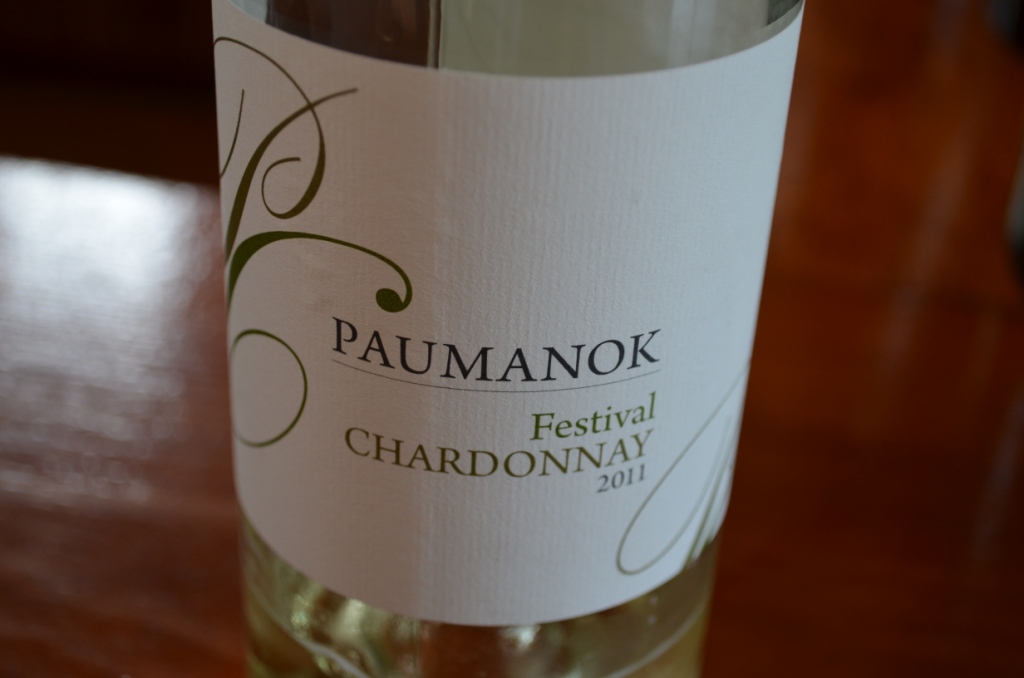 While it was group’s favorite, I generally need more life in my Chardonnay – oak, vanilla, butter – all balanced, of course, but I need more prominent power, so this was not my favorite wine.
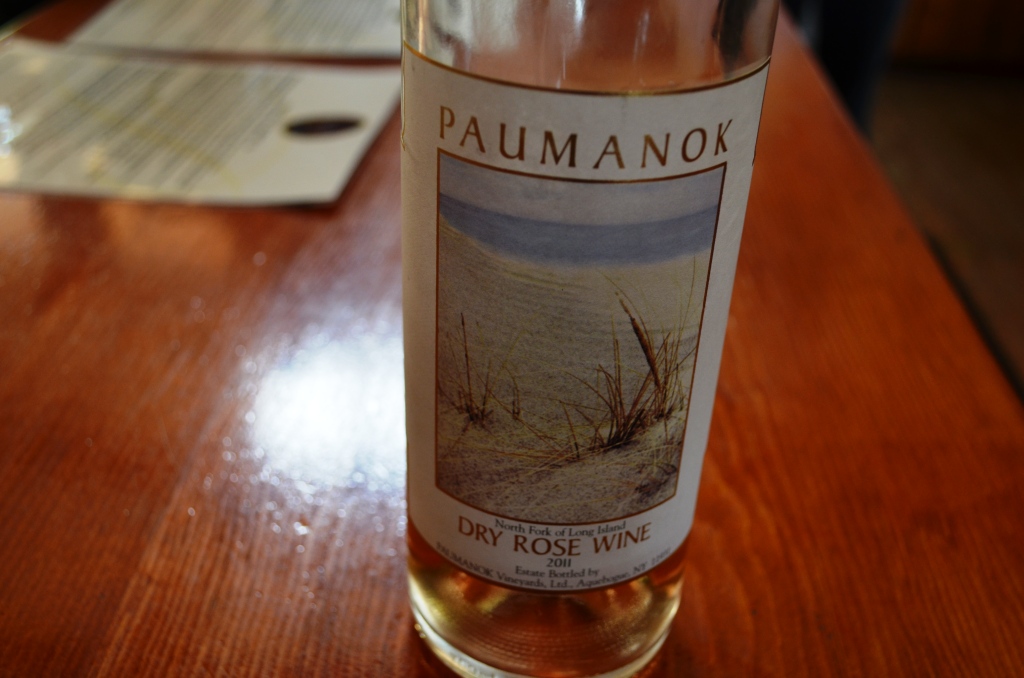
2011 Paumanok Dry Rose was a bit too austere to my taste – I liked 2010 more, but we still took a bottle for lunch.
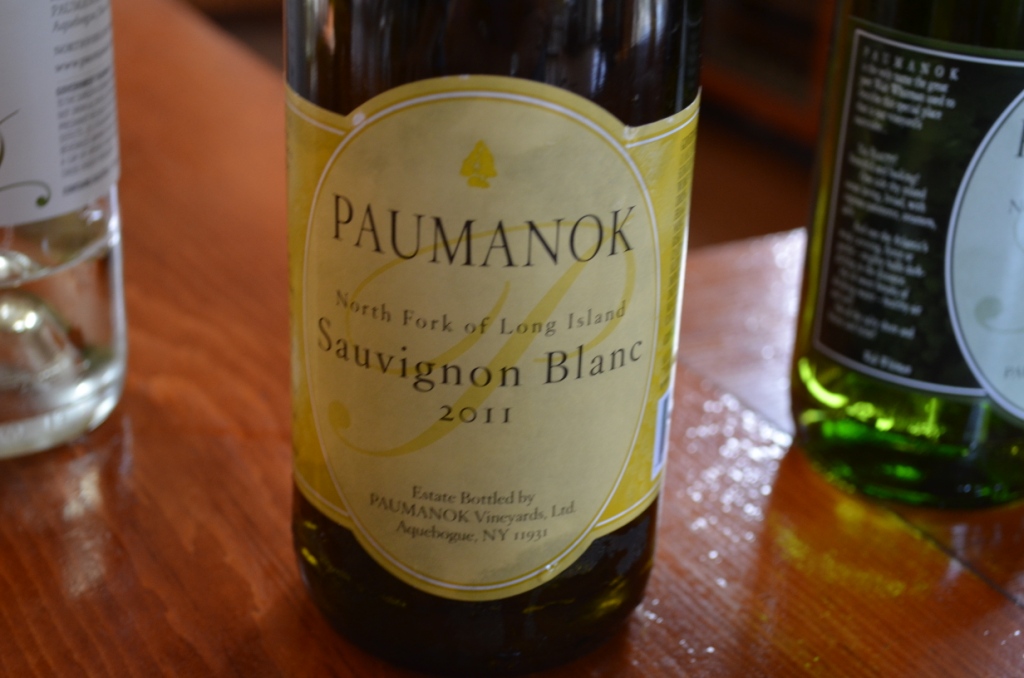
2011 Paumanok Sauvignon Blanc was very good, a New Zealand style wine, with bright fruit, grapefruit notes, fresh grass and perfect acidity.
Continuing the line of whites was 2011 Paumanok Dry Riesling – perfectly done in classic style – good white fruit, touch of honey and perfect acidity (also was one of our lunch wine choices). Finishing up the whites we had 2011 Paumanok Barrel Fermented Chardonnay, which I liked a lot more that the unoaked version.
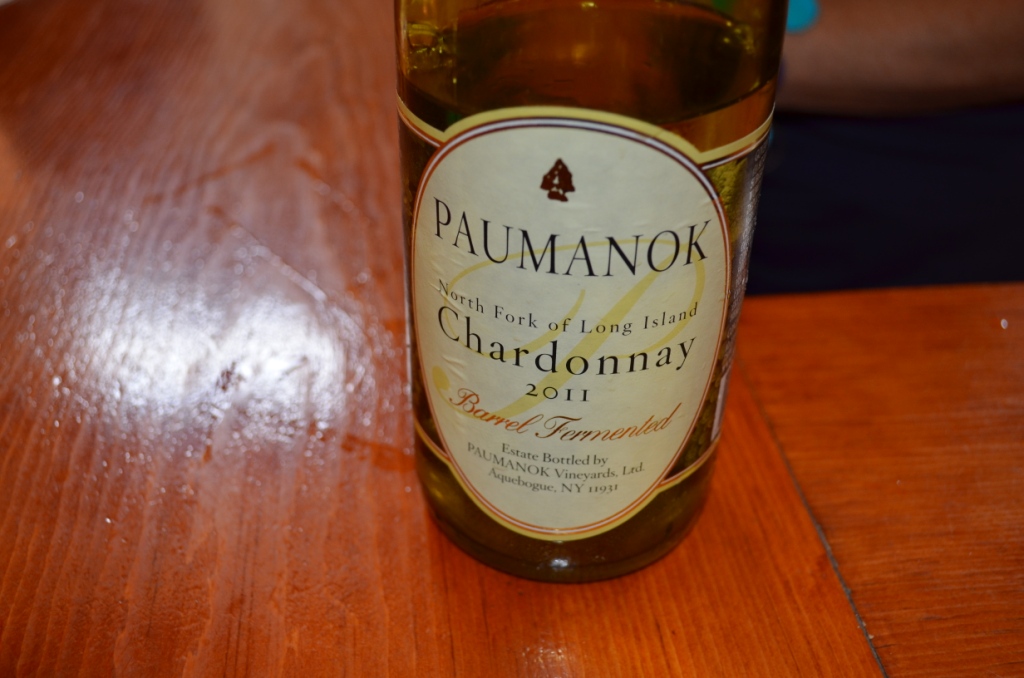 This wine spent 6 months in barrel. Notes of vanilla on the nose, more vanilla, hint of butter and some apples on the palate, very good balance.
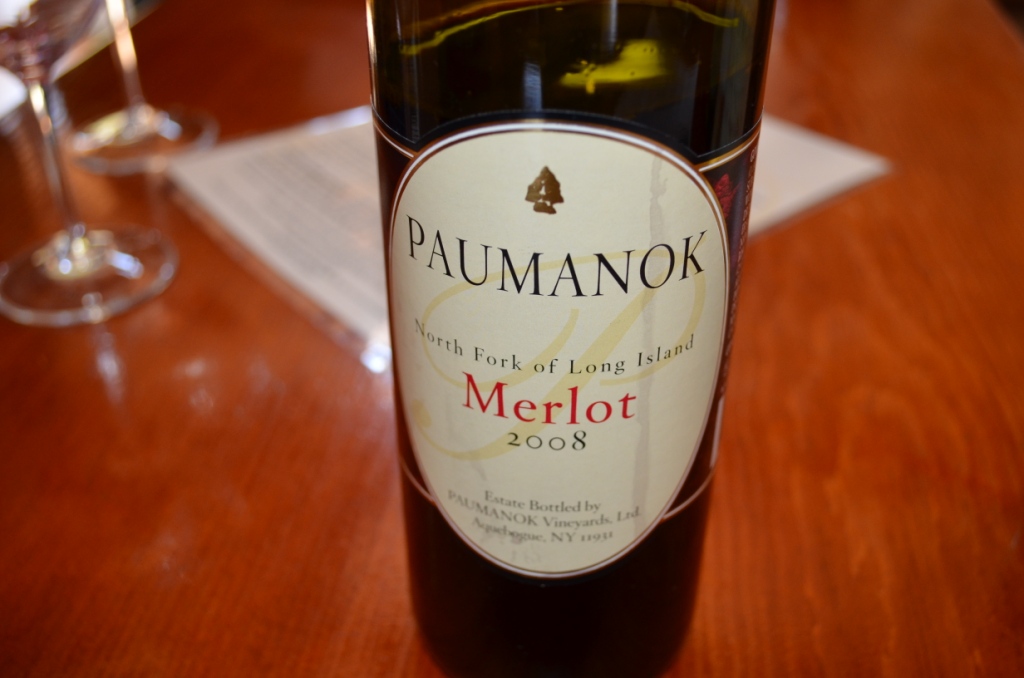
And now, to the reds! We started with 2011 Paumanok Cabernet Franc – nose of fresh berries, somewhat similar to the nose of Beaujolais Nouveau, only with more intensity, medium body, cherry notes on the palate, together with earthy notes and gentle tannins – very good wine. Next wine was 2011 Paumanok Cabernet Sauvignon. It was not bad, but too perfumy for my taste. I honestly think that Long Island makes much better wines with Merlot than with Cabernet Sauvignon. Last wine in this flight was 2008 Paumanok Merlot, which was perfect – medium to full body, good amount of fruit, good acidity and tannins – very balanced.
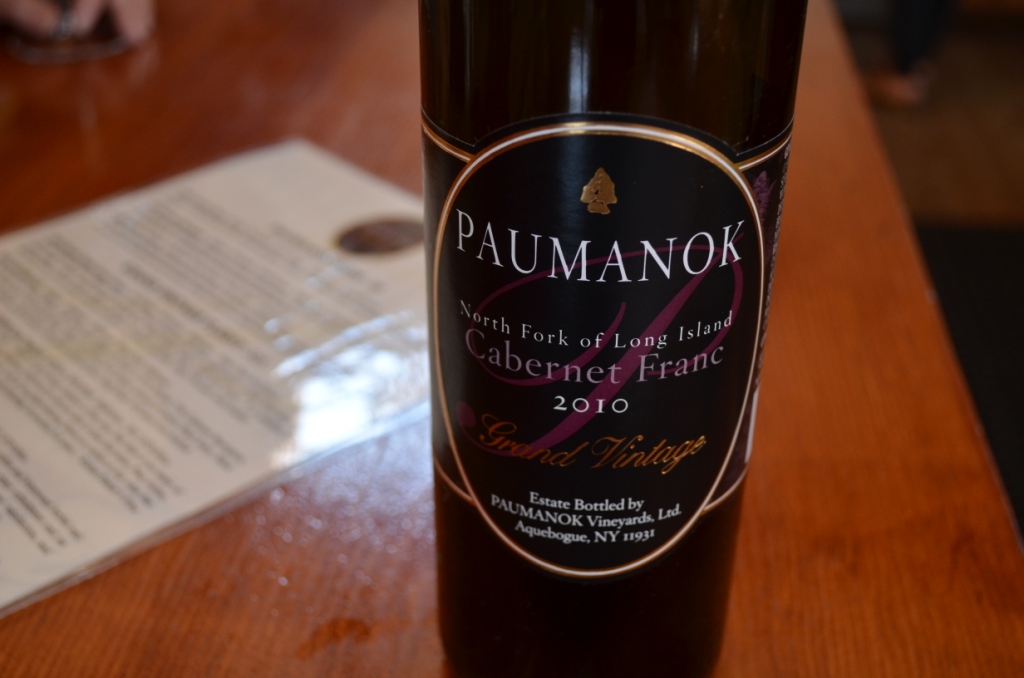
We finished tasting with Grand Vintage Flight. 2010 Paumanok Cabernet Franc Grand Vintage was produced for the first time since 2004 in the quantity of 156 cases. This wine was perfect – full body, ripe cherries, sweet oak, soft tannins – I put “full package” as a summary of my tasting notes.
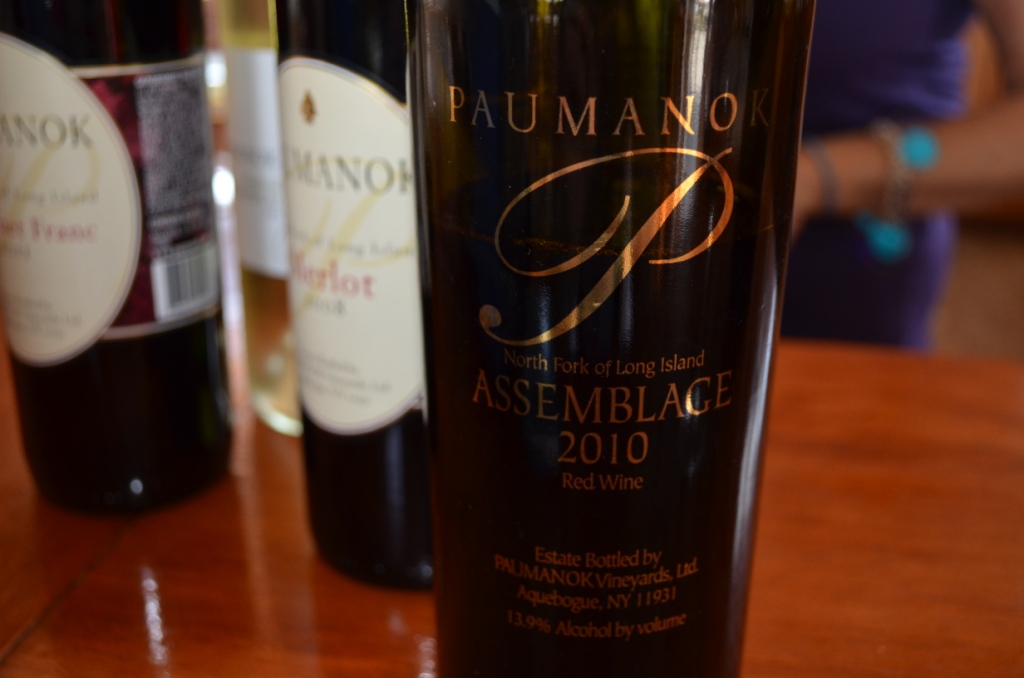
Next wine in the flight was 2010 Paumanok Assemblage – a blend of 35% Merlot, 33% Cabernet Sauvignon, 21% Petit Verdot and 11% Cabernet Franc. Even bigger than the previous wine, this wine showed some additional dark chocolate notes and great overall balance (as you know, balance in wine is one thing which can push my buttons).
We finished our tasting with 2007 Paumanok Merlot Tuthills Lane Vineyard – which was a great wine – dark fruit, dark chocolate, hint of tobacco, supple tannins and fresh acidity – very tasty.

As we were finishing the tasting we met Ursula, who happened to be the winery owner. She works at the winery together with her three sons, who are in charge of all operations – wine growing, wine making, harvesting and everything else which goes into production of Paumanok wines. Seeing our keen interest in wines, Ursula happened to be the most gracious and welcoming host, and we got really an inside tour of winery and what was happening on that day – which was a Merlot harvest.
Ursula showed us fermentation tanks and barrels, as well as state of the art bottling line:
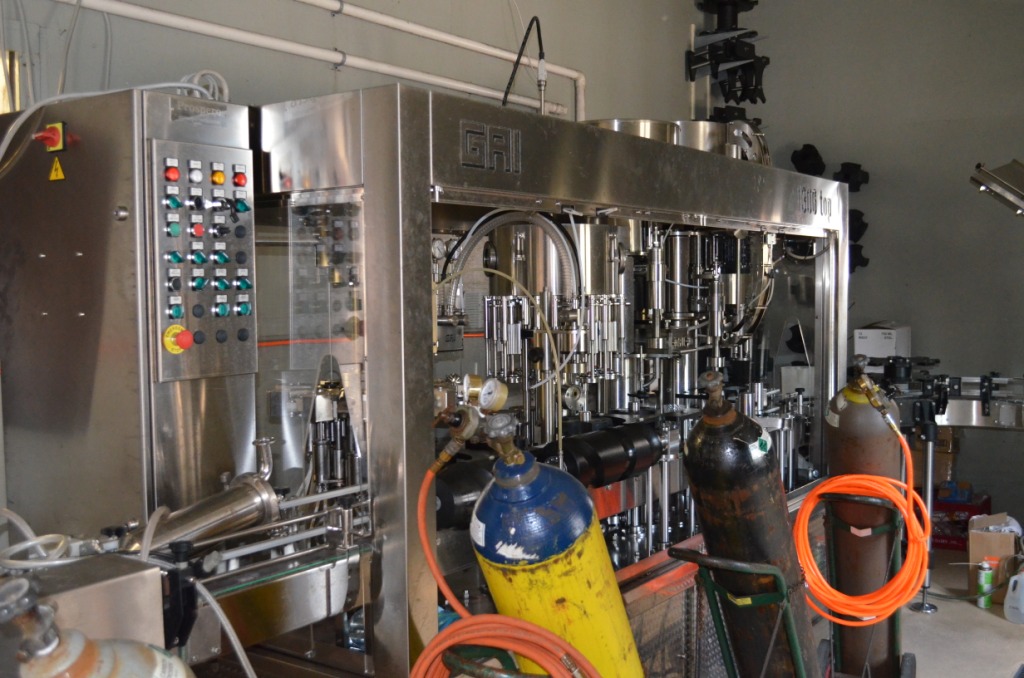
But most importantly, she gave us a taste of just fermented Chenin Blanc, which was incredible! Freshly fermented juice was something I never tasted before, so it was my first encounter with inside magic of winemaking – and it was delicious.

To add up to that experience, she also took us to the backyard, so to speak, where the fresh grapes were arriving.
Merlot grapes at Paumanok are harvested using the machine. Salim, another one of the three brothers was operating the machine and he gave us all the explanations. This machine can’t be used for all the grapes – only for those where whole cluster doesn’t have to be harvested – for instance, it is not used for Chardonnay, as whole clusters are fermented as part of Chardonnay production.

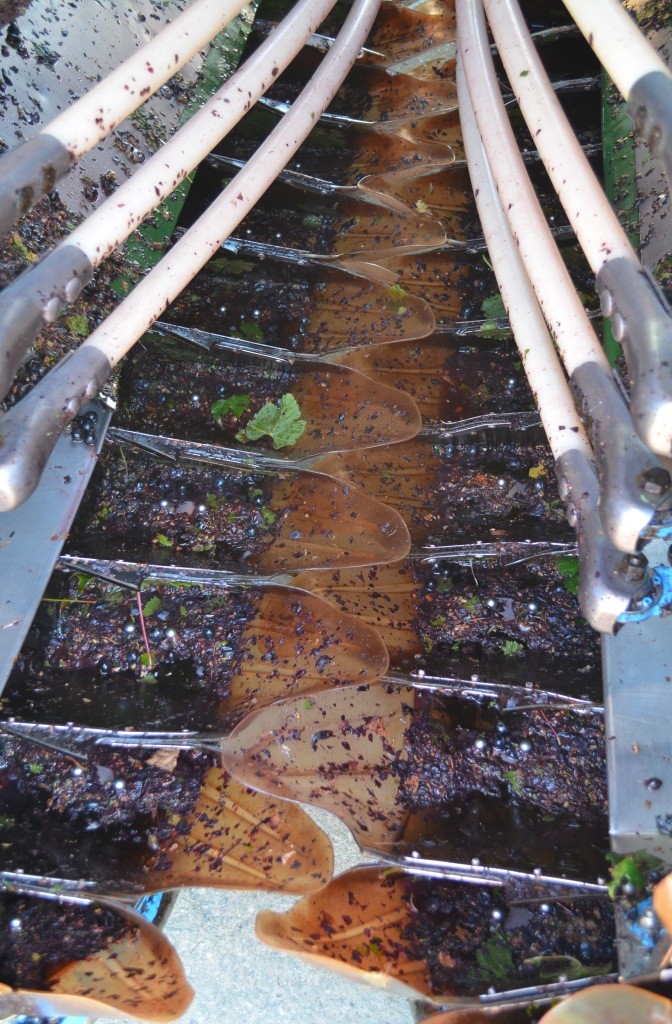
The machine is positioned such a way that the row of the vines happens to be right in a middle of it. As the machine moves forward with the vines all being inside, all the branches are getting a gentle shake from the side rods:
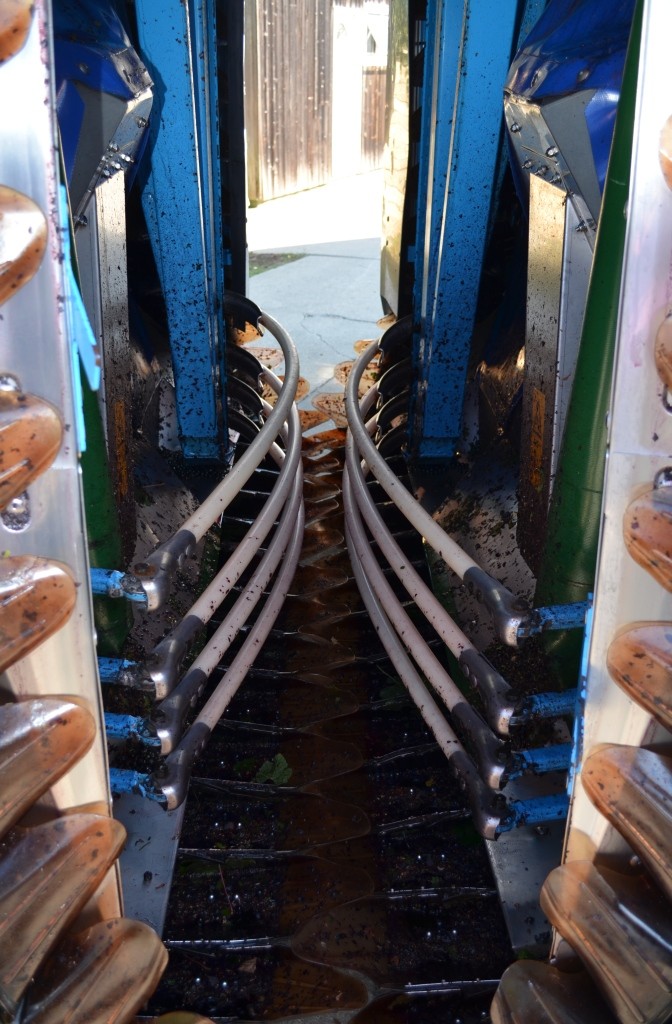
As the result, grapes are falling down into the receptors, which are all moving as a conveyor belt, bringing the grapes up into collection bin.
 Once arriving at the sorting facility (back at the winery in our case), the grapes are transferred into one big container:
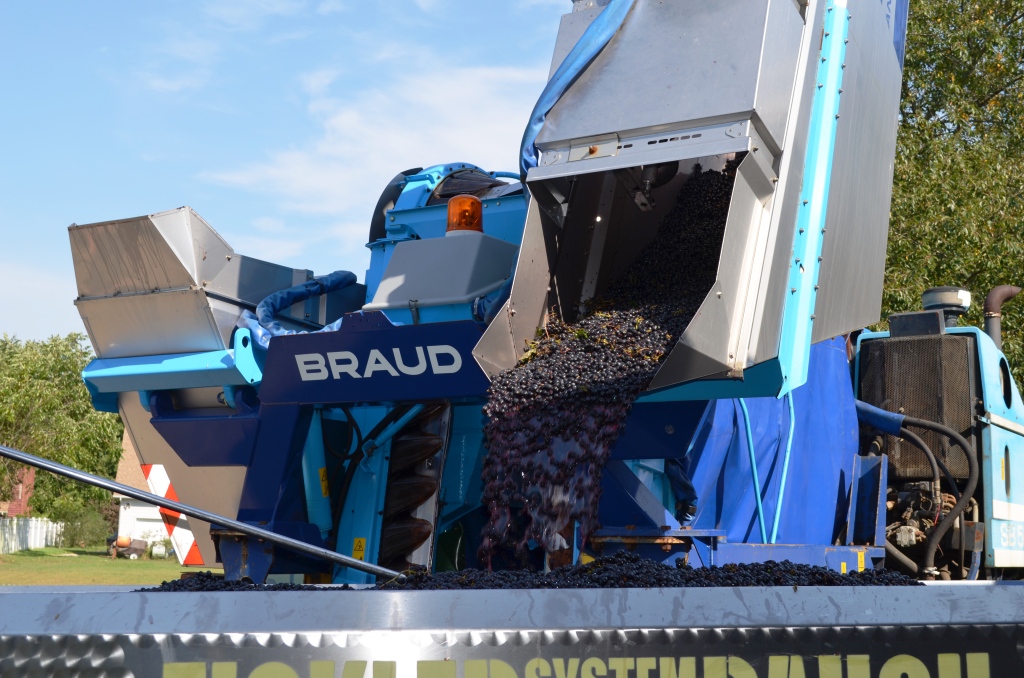
So the result looks like this:

And then the grapes get to the sorting table, where minimal processing is done to remove big branches and spoiled grapes:
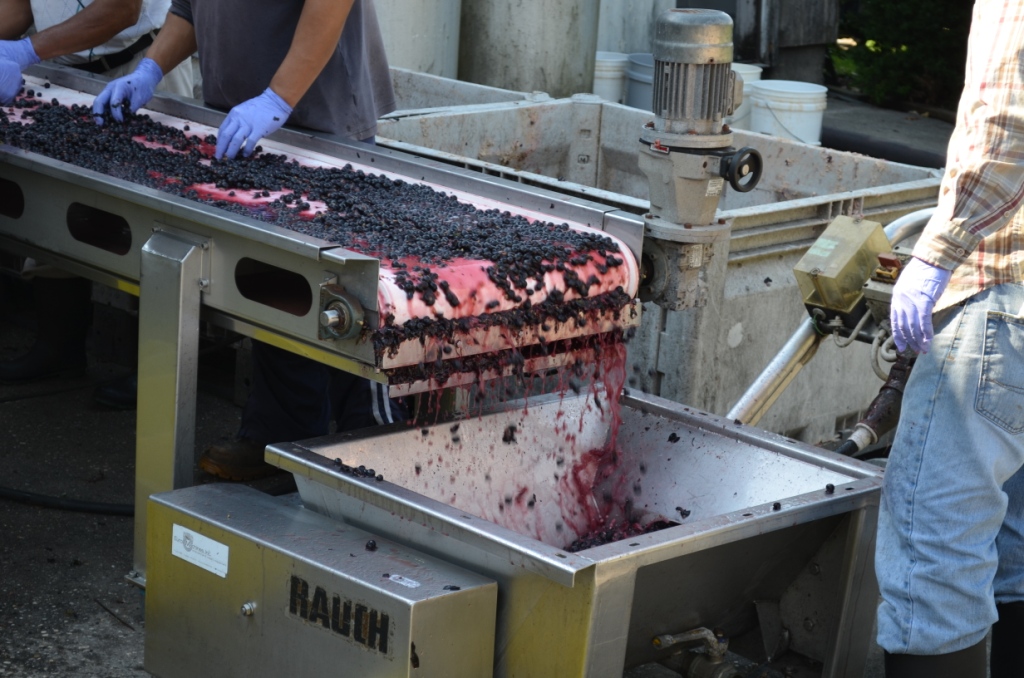
From the sorting table the grapes are transferred directly into the fermentation tank. By the way, do you see that juice coming off the sorting belt? We had a chance to taste that too – it was absolutely delicious – not that I hold any grudge against Welches, but this juice is something I would gladly drink any time (Welches – sorry, can’t do).
We always have a great time at Paumanok (as I mentioned before, this is our “annual outing”) – but never before we were lucky to have such a special experience and see how the magic starts.
After lunch we decided to visit two more wineries – Bedell and Macari. And I have to mention that unfortunately, outside of the cool labels, we didn’t find a single wine from Bedell tasting which we liked – all the reds tasted very green, with lots of branches to chew on.
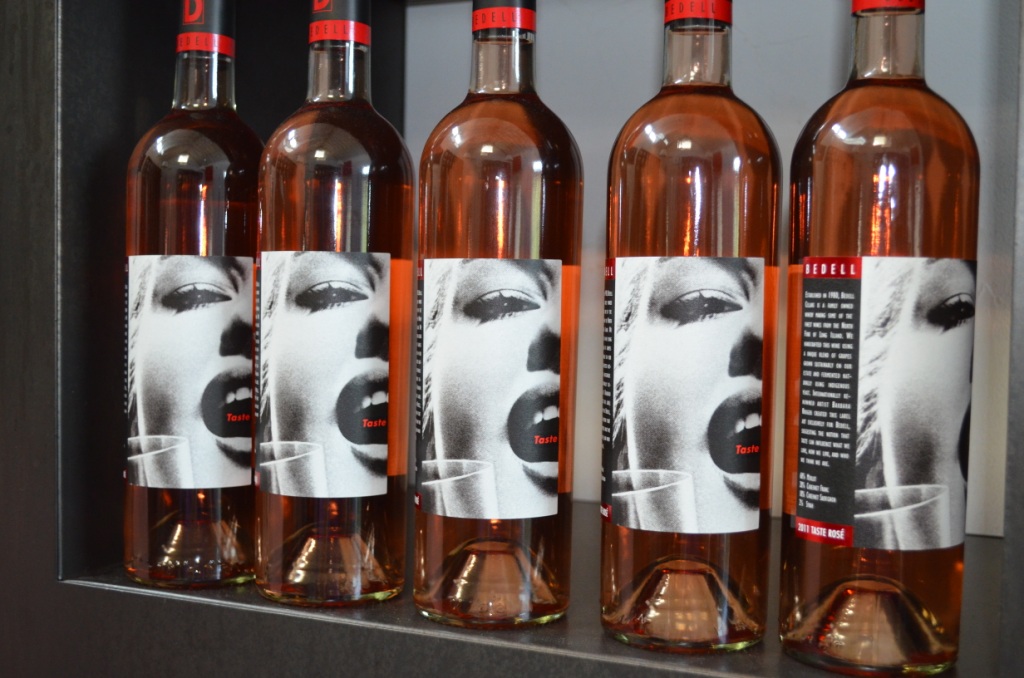
Oh well, at least Paumanok had being very consistent through many years, so we are definitely looking forward continuing our tasty tradition.
I hope I didn’t inundate you with pictures too much, but there you have it – my first harvest experience, and I hope not the last (and if you are into wines, you should seek that experience as well!). Until the next time – cheers!
Thanksgiving Experiences
 What, you said, what Thanksgiving? We are counting days before Santa will get down the chimney, and this guy is talking about Thanksgiving? Well, yes, life gets in the way, and we have to simply deal with it – while we celebrated Thanksgiving about 10 days ago, I had no chance to write this post. As this blog also has a function of my personal journal, a life’s scrap book, if you will, I want to keep this little page in it, so here we go.
We have a long standing tradition of celebrating Thanksgiving with very close friends, pretty much a family, who live in Boston. We also share a passion for cooking, so our Thanksgiving dinners never become a routine – every time we need to come up with something else in terms of both main dish and sides. We’ve been through quite a few things in terms of Thanksgiving dinner – regular turkey, Turducken, smoked turkey – probably the only one we didn’t do yet is deep-fried turkey – we were advised against it as a project, as it involves some work which is actually better be left for professionals.
This year’s ideas was a stuffed turkey of sort, but most likely this is not what you think. The idea was to debone the turkey, leaving only legs and wings. Cut up most of the meat, leaving a layer of about half an inch with the skin. Removed meat then is ground and made into a stuffing with addition of spices, sauteed wild mushrooms with onions, matzo meal and previously fried bacon (large chunks). Then it is all stuffed back into the bird, which is been sewn and then roasted. Here are some of the pictures to illustrate what was happening (pictures are courtesy of my daughter).
Here is turkey ready to be stuffed ( we marinated it for about two hours prior):

The same with the addition of stuffing:

Finishing up the sewing:

Done! Better than new:

In the bag and in the roasting pot:

Now it is actually ready to eat:
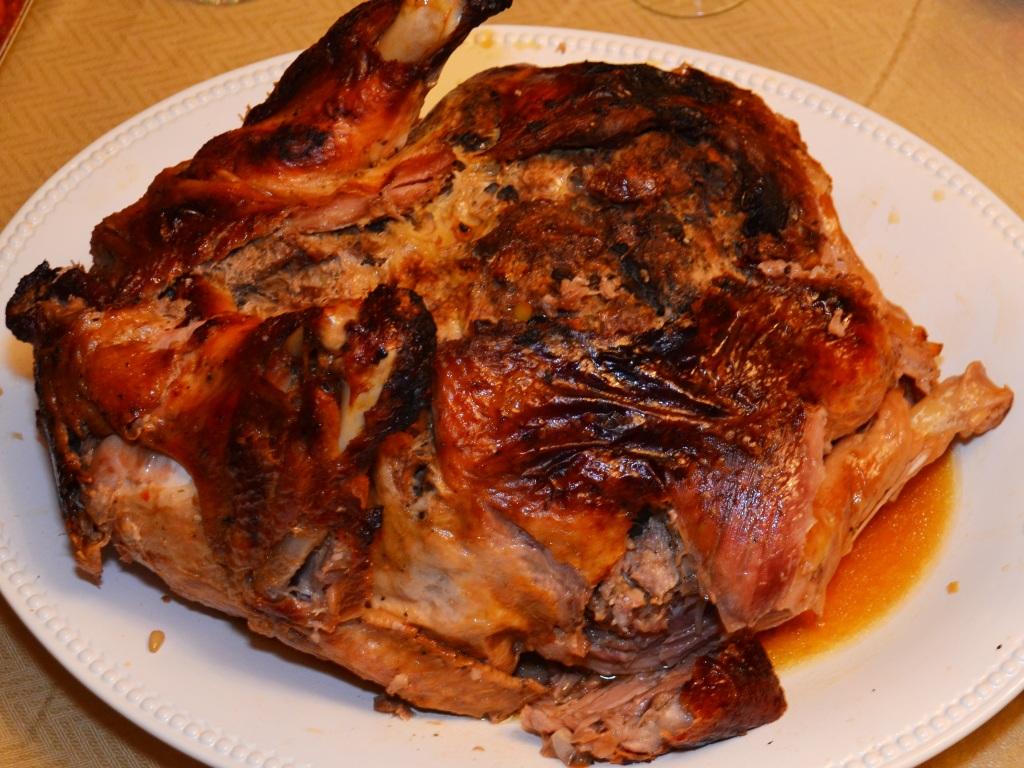
In case you are curious, this is how it looked inside:

We had a few sides – sorry about the pictures, but we were actually ready to eat, so my jumping up and down with the camera in search of composition and the lighting were not welcomed – not for a little bit.
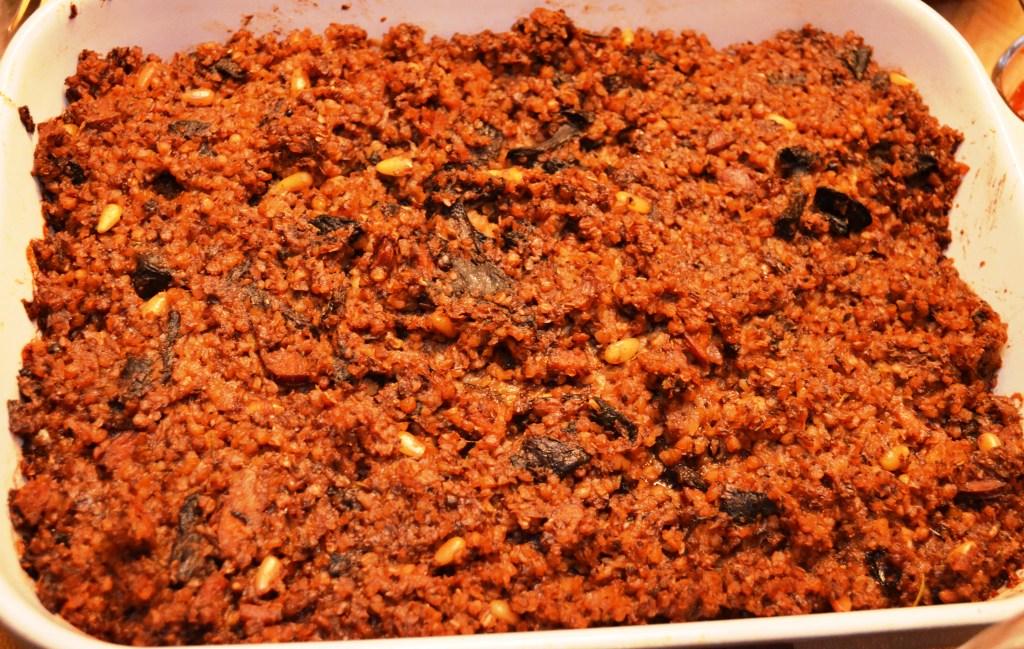
First, buckwheat with pine nuts, wild mushrooms and onions ( the same as went inside the turkey) and spicy Andalusian turkey sausage:
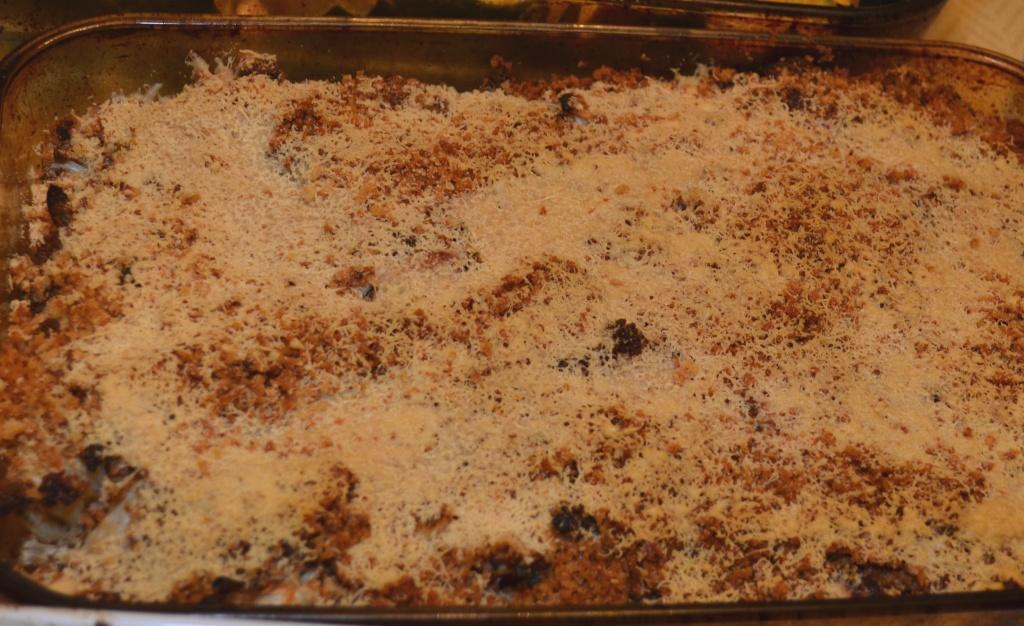
Roasted cauliflower with rosemary and pine nuts, covered with buttered Panko bread crumbs and grated Parmesan cheese (this is pretty much the whole recipe). The picture doesn’t do the justice to this dish, but it was tasty:
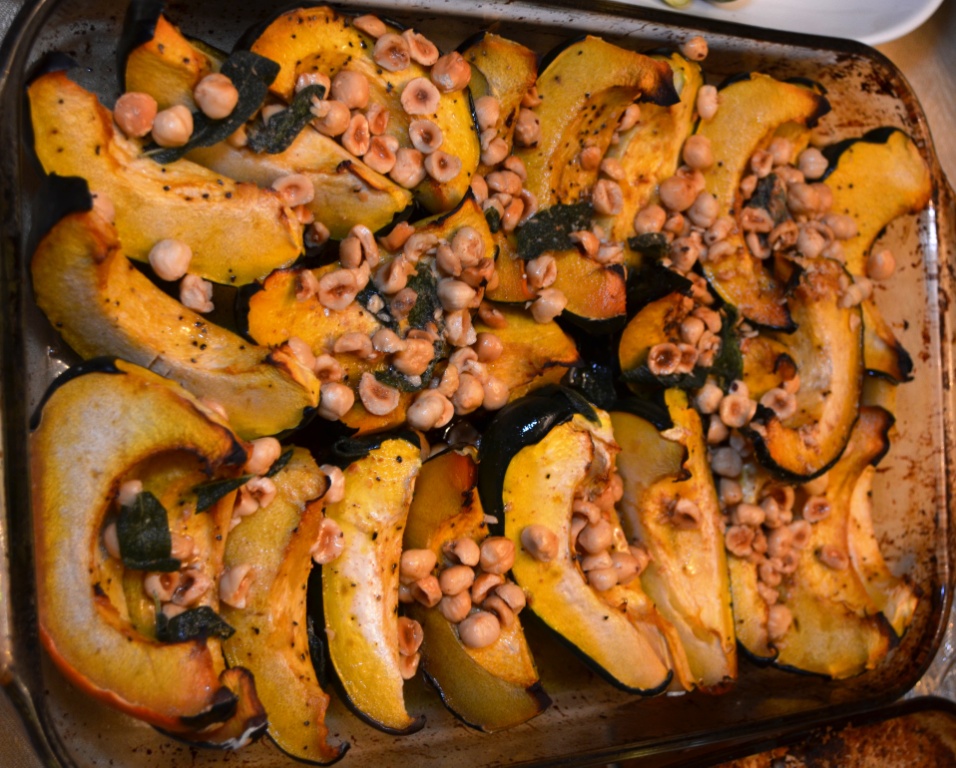
And then hazelnut-sage butter (stick of butter, cup of chopped hazelnuts and about a cup of whole sage leaves):

On top of roasted acorn squash ( again, this is practically the whole recipe):
Food was great, let’s talk about the wines. Been the wine guy as I am, I never try to exact the wine and food pairing for Thanksgiving – too many competing flavors, really hard to nail it. The best thing to do in my opinion is to chose middle of the road wines – nothing with super expressive taste, no fruit bombs, more of supple and round wines.
For the whites, in addition to Riesling which is not shown here, we had this two chardonnays:
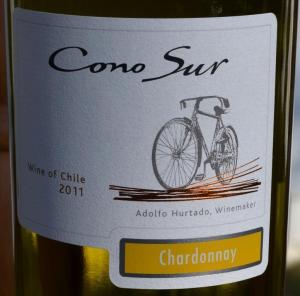

I like Cono Sur wines – they deliver great QPR, and generally are pleasant. This 2011 Cono Sur Chardonnay Chile had a hint of vanilla on the nose, good white fruit on the palate with some hint of butter, good acidity, but overall may be a touch too sweet to my taste (still unquestionably quaffable). The 2010 Banknote Counterfeit Chardonnay Sonoma County was lighter than I expected – some distant hint of toasted oak and butter, but overall light wine, not very expressive. I wanted to check if this wine was unoaked, but the winemaker’s web site doesn’t even list this wine there. Clearly a counterfeit…
And here are the reds, at least some of them:
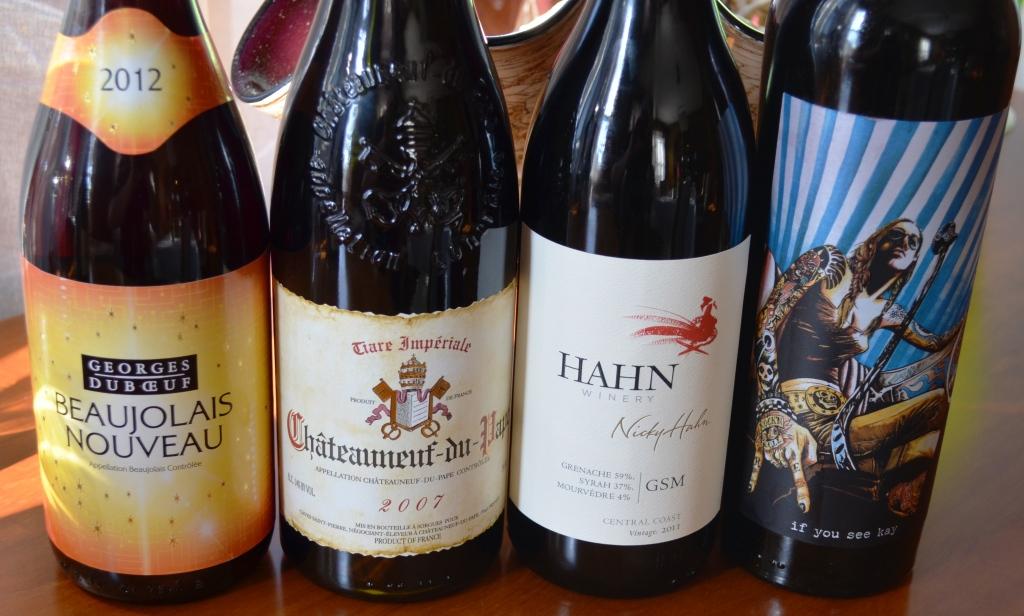
I previously talked about Beaujolais Nouveau, and I also shared my impressions of Tieare Imperiale CdP. 2011 Hahn Vineyards GSM Central Coast is a blend of Grenache, Syrah and Mouvedre. The wine showed a lot of plush fruit, very round and slick, but somehow it lacked the character for me – it was over-engineered, if such terminology can be used to describe the wine. But then I have to tell you – 2010 if you see kay Lazio IGT, the wine with the controversial label, was perfect. This wine, produced by Jayson Woodbridge, the winemaker behind very successful super-rich Hundred Acre Cabernet from California (plus many other successful wine projects), had perfect balance of all components – dark fruit, just the right amount of it, round supple tannins, touch of spices, coffee, and dark chocolate, refreshing acidity and lingering finish. This is definitely the wine to enjoy (in other words – get your bottle).
Before we are done here, I have to tell you about one more wine-related experience – visiting the wine store, to be precise. I found out by way of The Wellesley Wine Press, a blog I’m following, about quite unique wine store in the Boston area, called Bin Ends. As you can imagine from the name, many of the wines in the store come from the actual “bin ends”, last bottles of wines not sold in some other places. As my friends live in a very close proximity to this wine store, I couldn’t miss the opportunity to visit it – I spent about an hour there, just walking around and browsing somewhat small, but very interesting inventory. I picked up some of the interesting wines and looking forward to tasting them at some point:
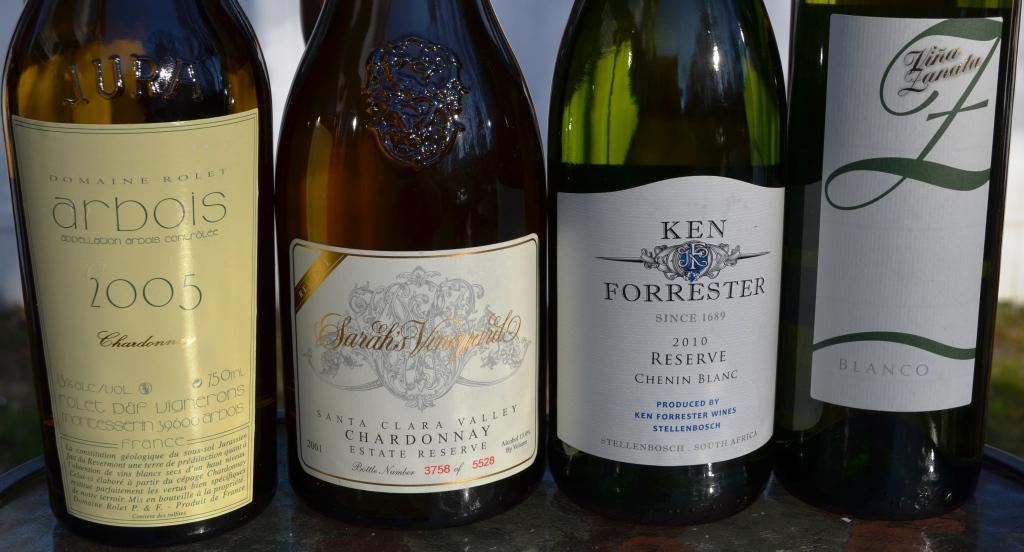
By the way, very unusual for me – all the wines above are white.
There you have it, folks – the Thanksgiving experience. Have a great week and cheers!
3 Days in Vegas – Day 2: Grand Experience
Last month I told you about first day of our 3-days excursion to Las Vegas (here are the links to the Day 1, Part 1 and Day 1, Part 2) – now it is the time to tell you about the Day 2 and really inundate you with pictures. Here we go.
 When I opened my eyes in the morning, the first thing I did was to grab my phone. 5:58 AM. 5:58 AM. 5:58 AM????? Our tour pickup was supposed to be at 6:10 and the concierge highly recommended to be at that lobby at least at 6:05 – which will be in exactly 7 minutes from now – and I just opened my eyes???? Did we slept through the alarm clock, actually two of them? Okay, not important now.
“Hey, we blew it” I practically screamed grabbing my wife on the shoulder. She opened her eyes – and let me tell you something about my wife – she really (REALLY) doesn’t like to be rudely awaken in the morning – not with the loud voice, and especially not by the sudden push on the shoulder. “What are” she started, and then, lucky for me, she saw the clock – and she realized that my actions were, let’s say, somewhat justified.
I don’t know, my readers, what is your best “get out of the house” time – but I can tell you that at 6:02 we were already running through the casino floor. At 6:09 we were standing outside at the Tour and Travel lobby, despite the fact that when we asked for directions to this Tour and Travel lobby, casino worker said “you need to get where ???”. And the most surprising part – we managed not to forget our ticket confirmation and the camera – probably two most important things we needed. I’m still impressed, even now, when I’m writing it.
Anyway, 10 minutes later, the small bus arrived, and it took us to the place where we were taking the big bus. We got our printout receipts exchanged for the tickets, got our breakfast, which was included in the price of the trip – and consisted of some kind of the strange dry oatmeal bar (never saw that before, it looked very different from the normal breakfast bar) and the coffee. Well, hell with the breakfast – Grand Canyon was waiting, so in the next 2o minutes, we all loaded onto the big bus and left.
Going to Grand Canyon was always my dream – and somehow it was always associated with Las Vegas – I guess it was an assumption based on the lack of knowledge. How does the saying go, “ignorance is bliss”? In many cases, it is. Grand Canyon is 250 miles away from Las Vegas. If I would’ve known that, I would probably say it is too far, and we would probably not even attempt going there. I learned of a distance only after we got the tickets (non-refundable, of course), so it was too late to change anything. But to tell you honestly, the trip was planned so well with all the stops, information and the movies, that we didn’t even feel the distance.
As we started moving, our bus driver introduced himself – his name was Frosty, and originally he was from Ohio (if I’m not mistaken), but was living in Vegas with the family for many years already. Actually, Frosty deserves the highest praise – he kept us safe, entertained and informed – what else do you want from the 10 hours drive?
We learned a lot of fun facts about Las Vegas and the life in it. Here are some of the facts as I remember them (and it’s been a while since the trip, people!).
- Las Vegas used to be the fastest growing city in US – it is not right now, but it is still among the top 10.
- Las Vegas gets about 2 inches of rain during the year (in a good year).
- Las Vegas has its own water police, which is easy to imagine based on the previous fact. If you are caught washing your car on the street, you will get some serious fine.
- Las Vegas residents don’t pay income tax – who needs income tax when you can charge $4 for the bottle of water in Casino?
- Las Vegas is the City which Never Sleeps. Well, there is nothing new here, and we know that New Yorkers also refer to their city as “city that never sleeps” (as well as people in Tel-Aviv, who say the same thing about their town). Can you change your car’s tires after midnight in New York? I doubt so. Can you shop in the dance supply store in New York after the midnight? I don’t think so. But you can – in LasVegas.
After we learned about the life in Las Vegas, we moved to the next subject – Hoover Dam, as we were getting close to it. No, we didn’t stop there, as we were driving on the new highway, which was not allowing any stops for sightseeing – but it was also making the trip shorter by about 2 hours, so all in all it was a positive thing. Here are some of my attempts to take a picture of the Dam through the window of the moving bus (yeah, fat luck):

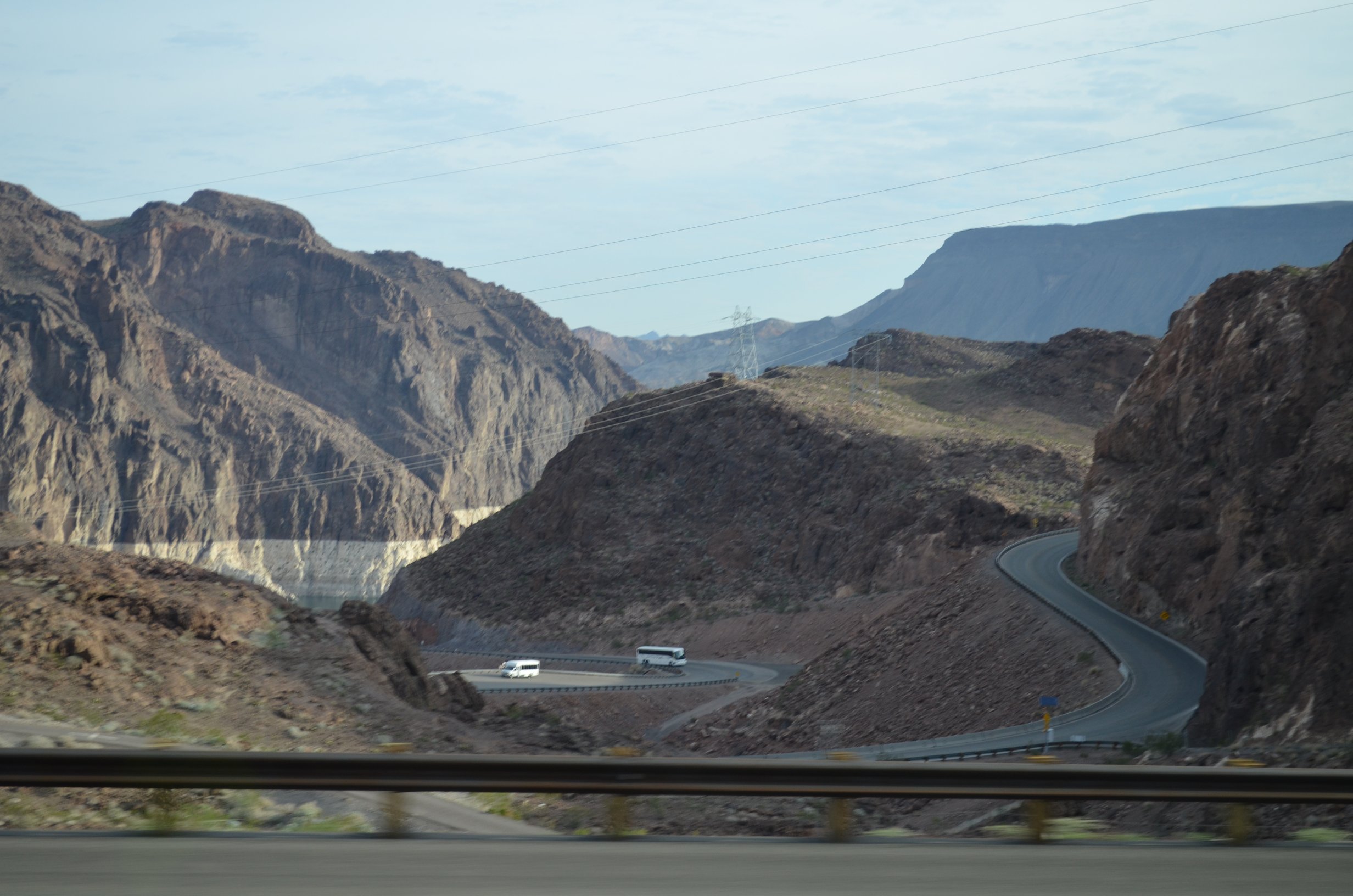
We also watched a very interesting documentary about building of the Hoover Dam, where we learned about one of the most significant engineering projects in the US history, and about hard work and dedication of the people building that Dam during the years of Great Depression. We learned about Boulder City, Nevada, where gambling is still prohibited even today, which only very recently stopped being a dry city – and which is considered one of the best places to retire in the US. We learned that the people who were building the Dam had to sleep for many months right on the ground without any cover, and even if they were sick, they still had to bring themselves to work – if you don’t show up for any reason, there were thousands of people ready to take your job. Seeing the video of mighty Colorado River yielding to that hard work, sacrifice and perseverance of human beings was very moving as well.
We made a quick 15 minutes first stop – here is another picture for you:
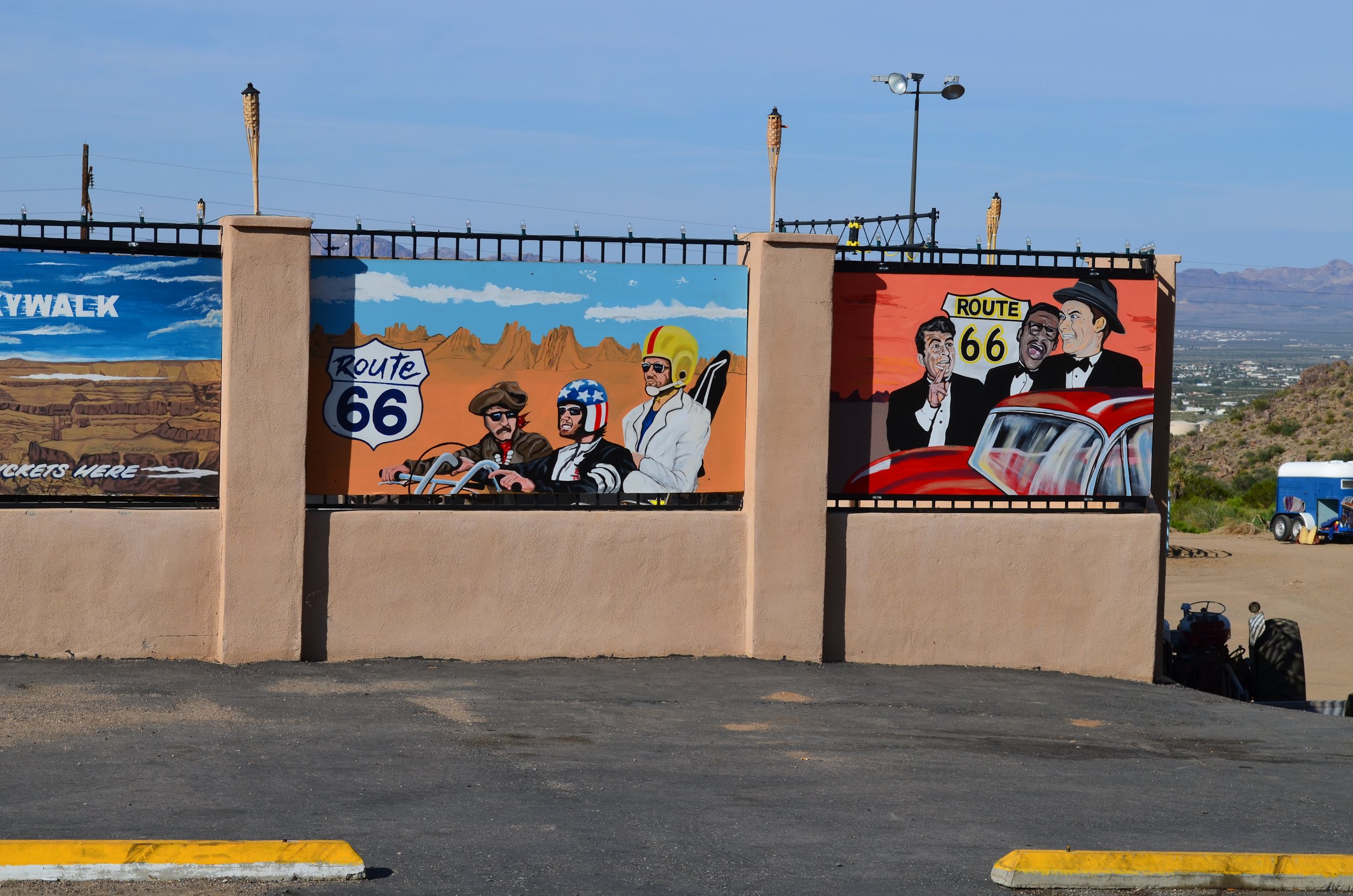
And after the stop we continued driving. We watched a movie, so the time went mostly unnoticeable, then we stopped for lunch – the lunch was done in the buffet style, of course, but it was very tasty! Note to self – take notes during the trip! By now, I don’t remember the name of the town where we stopped (the only thing I know- it was in Arizona), and I don’t remember the name of the restaurant – but the food was perfectly simple, and perfectly delicious in a home-style way.
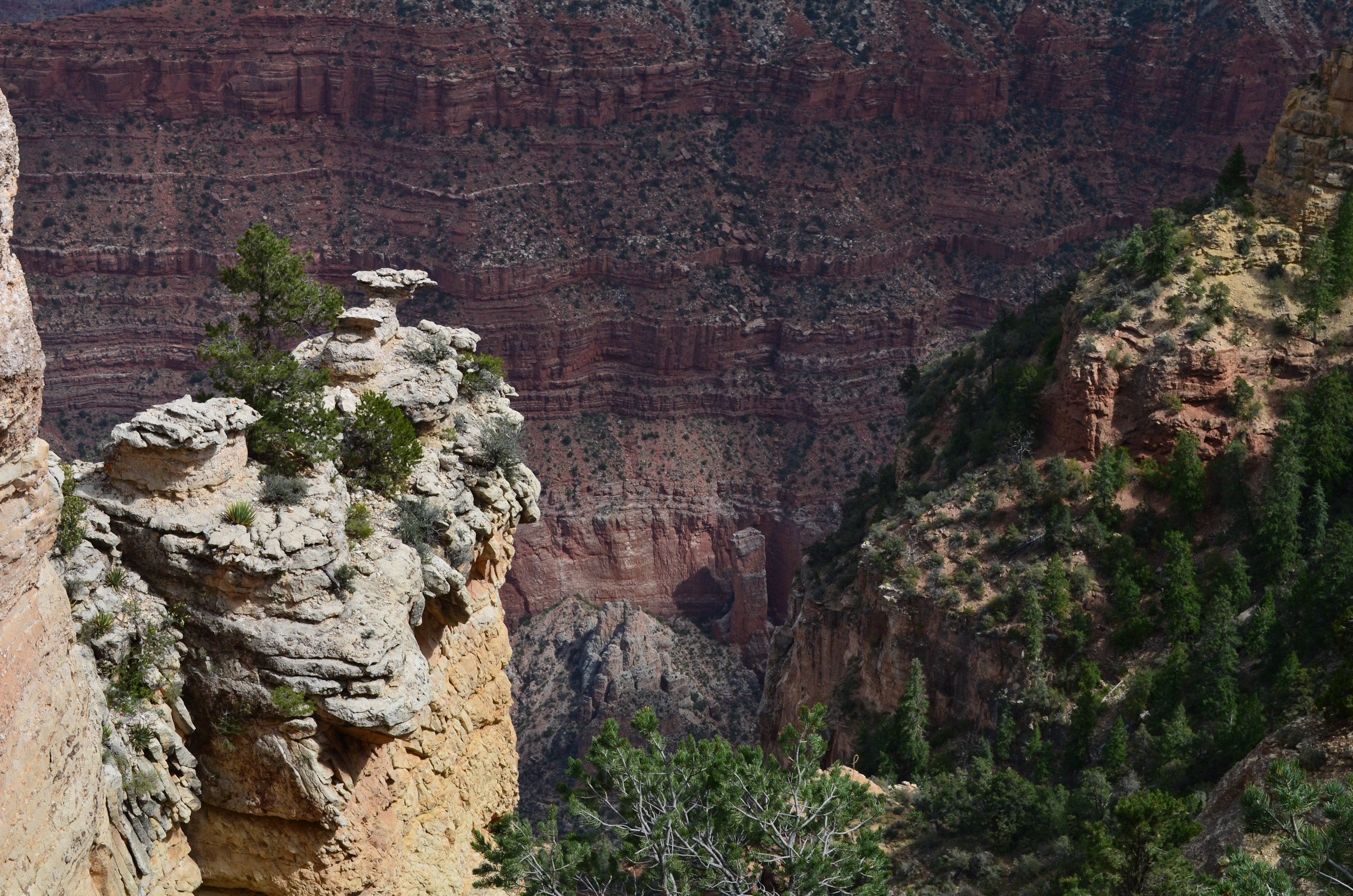
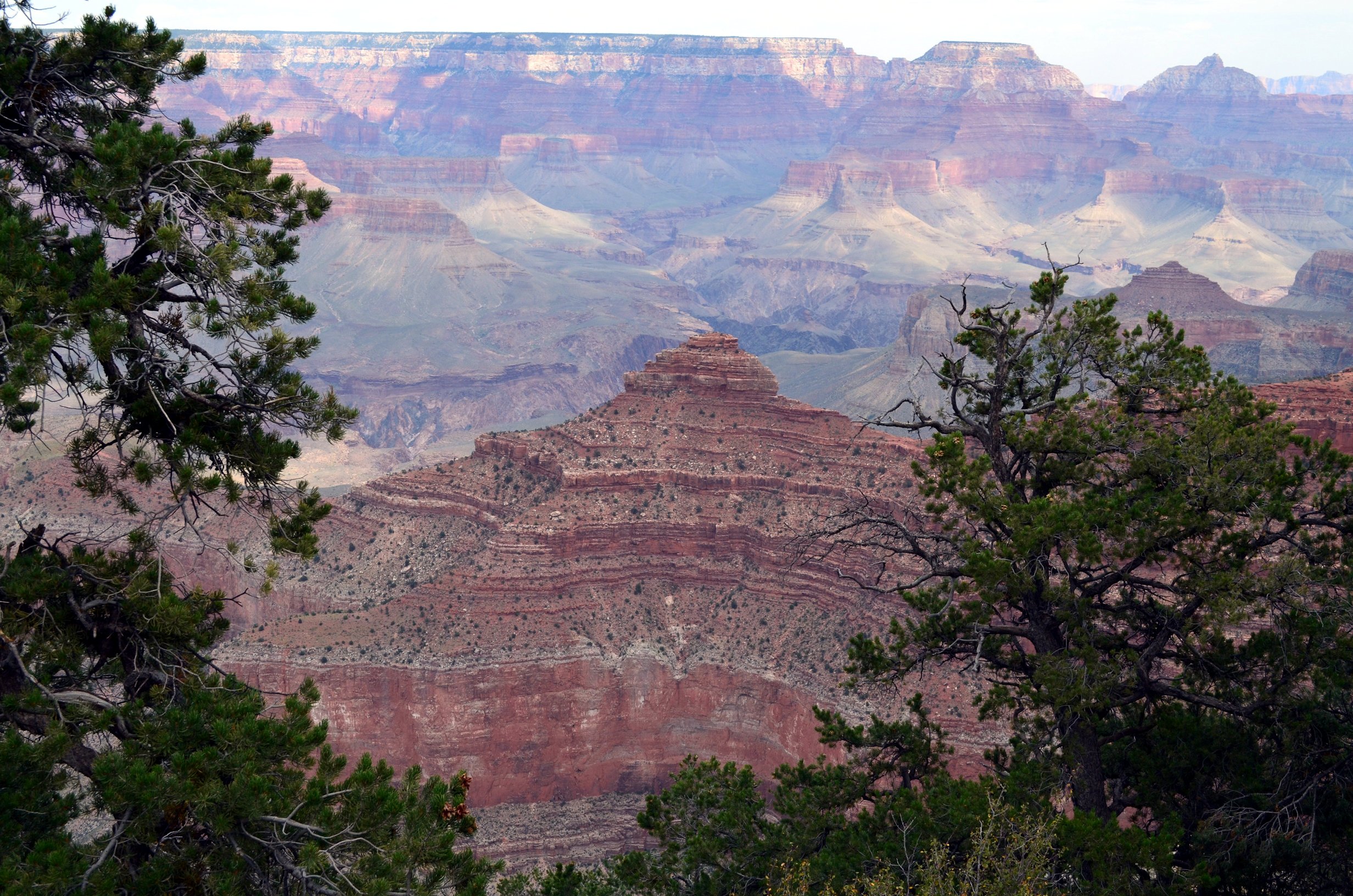
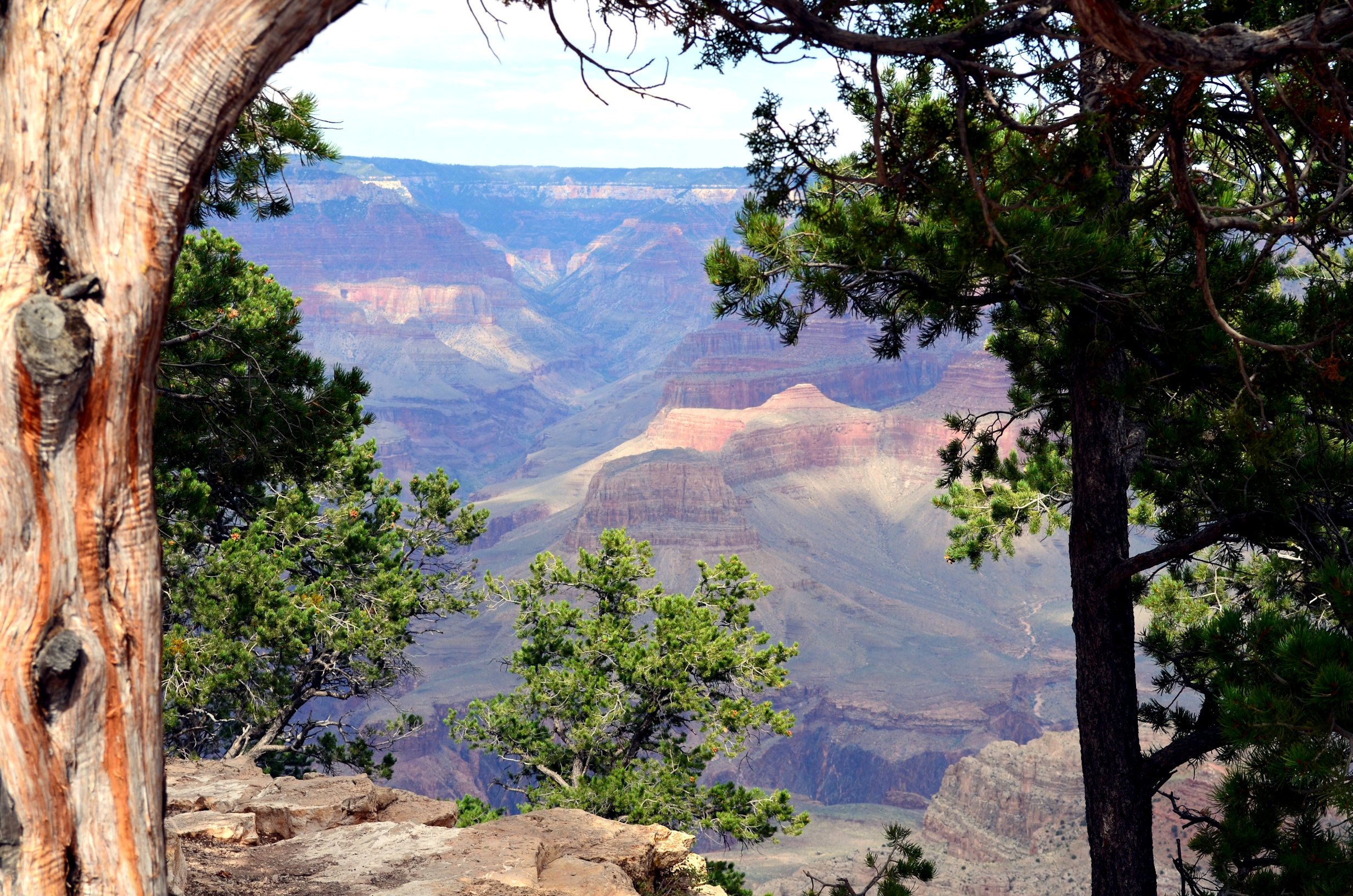
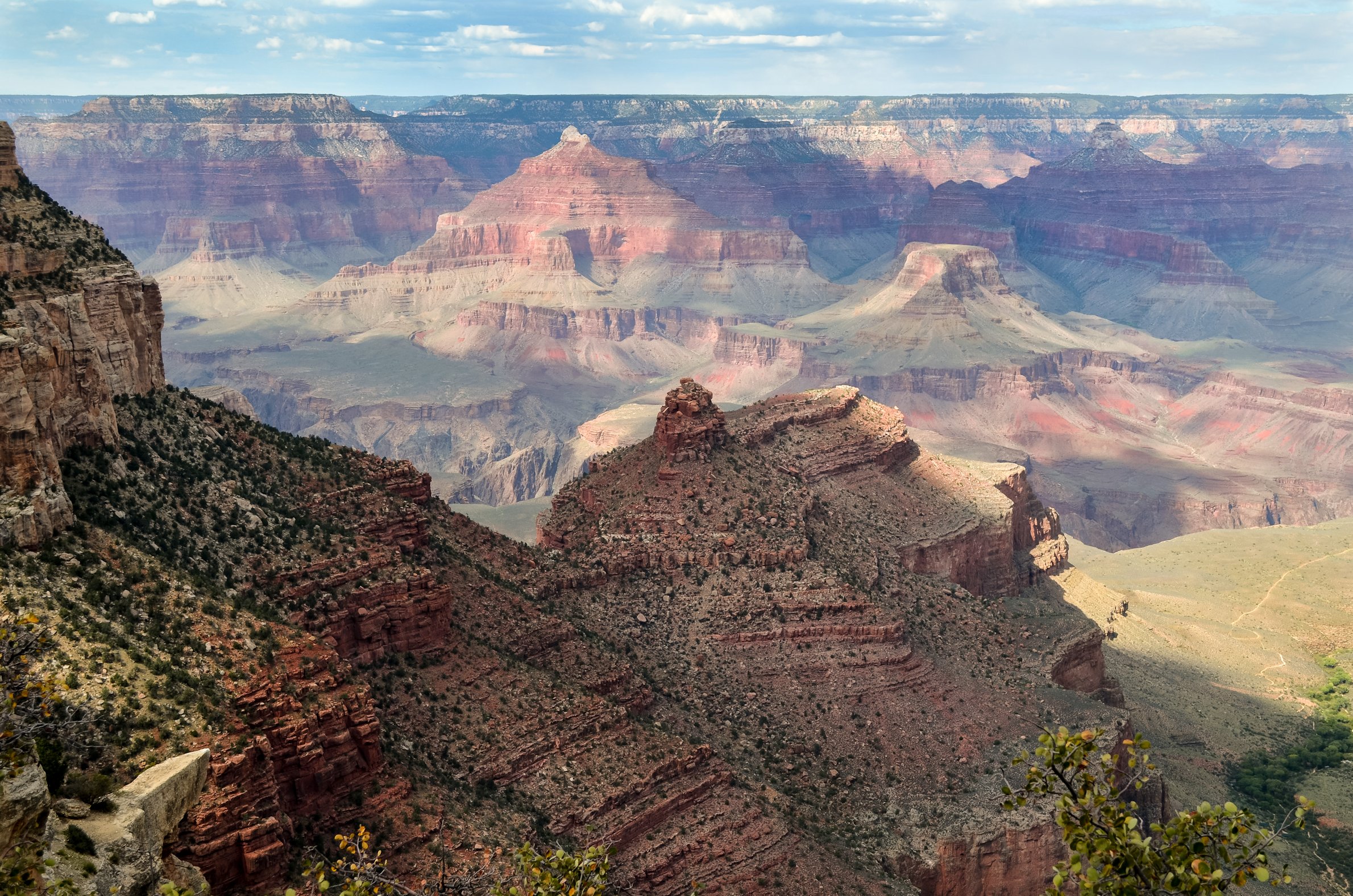
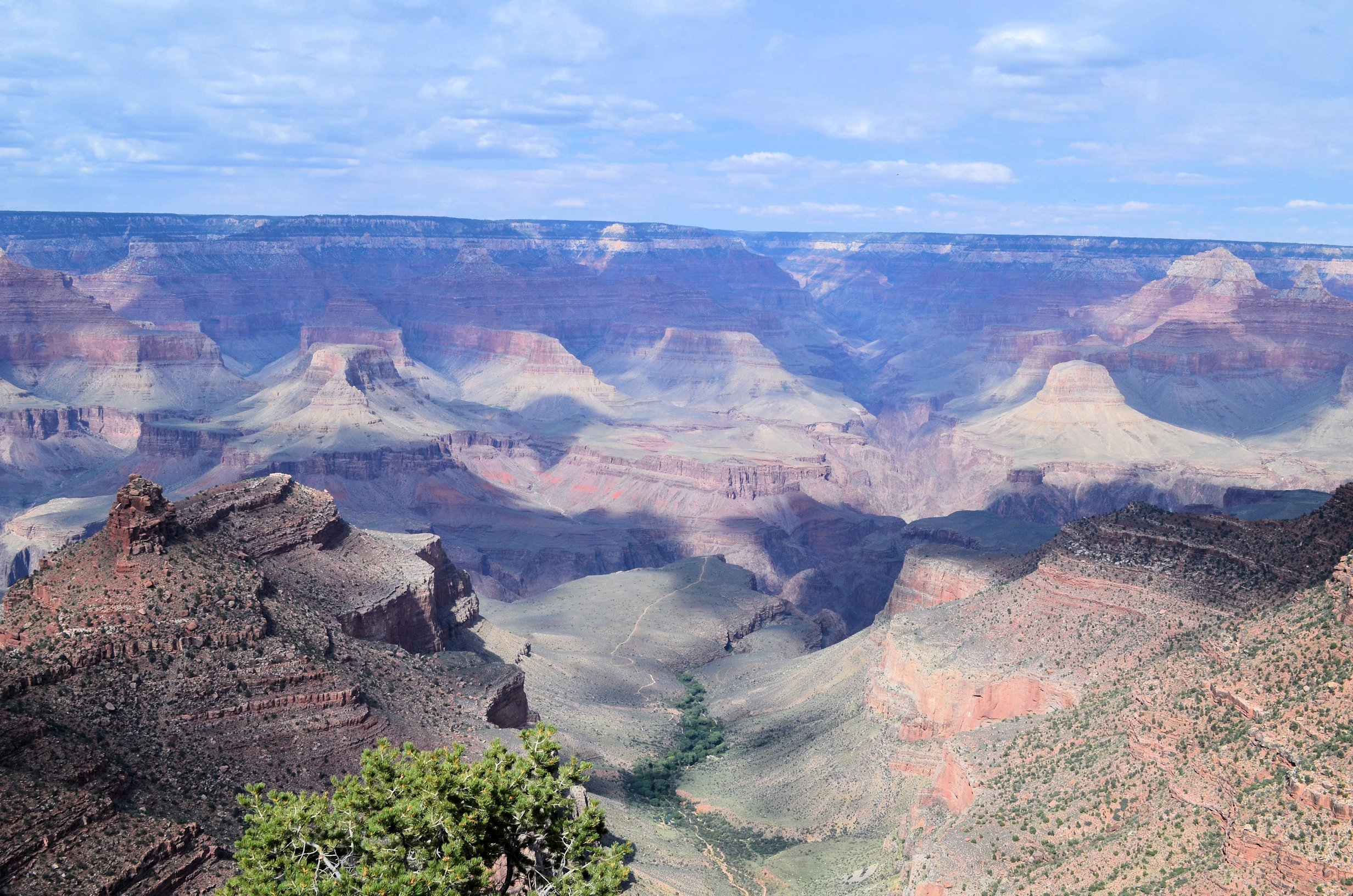
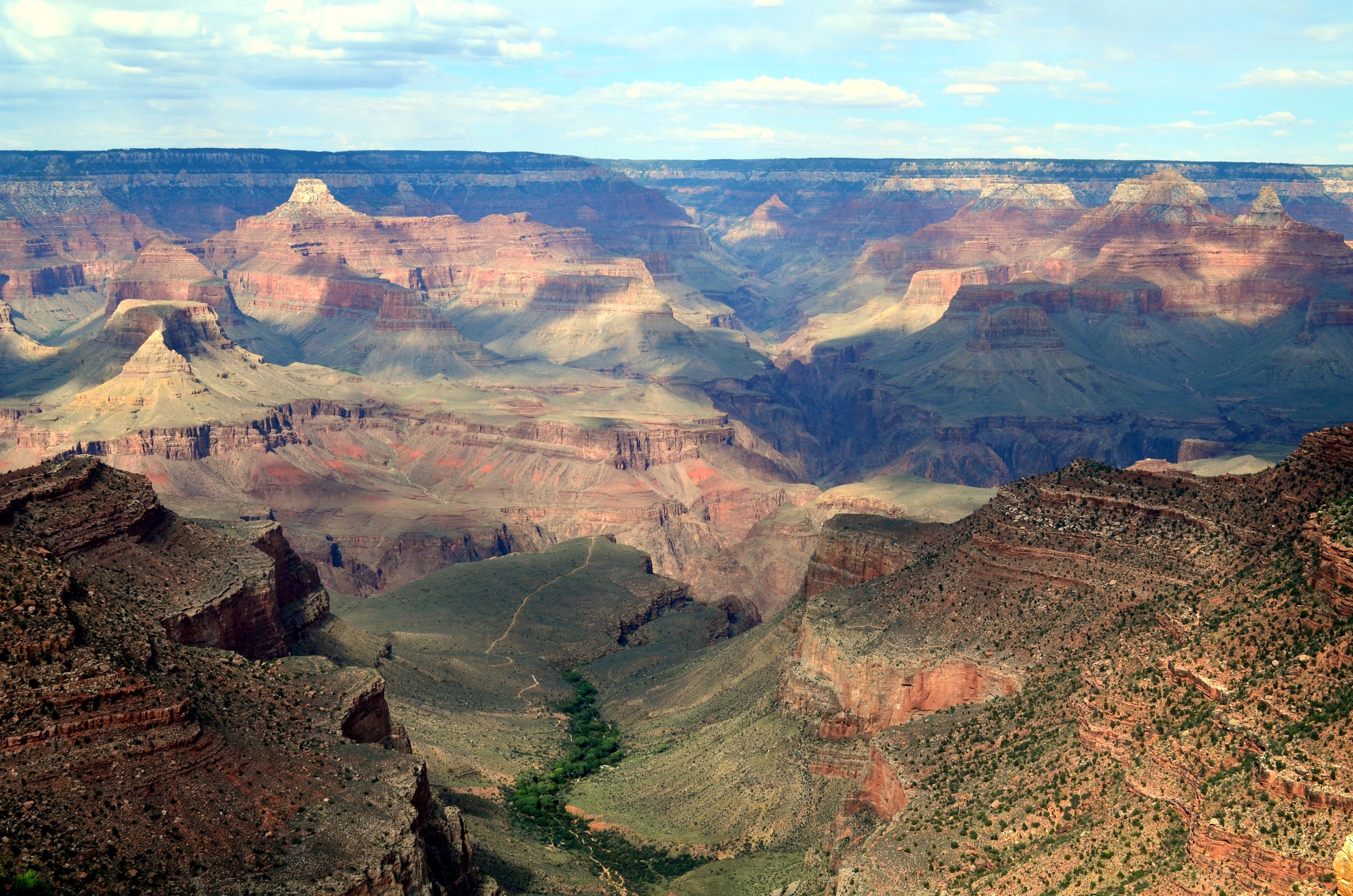
Once we were done with lunch, another 4o minutes ride, and we entered Grand Canyon National Park and arrived at the South Rim of Grand Canyon. And then the awe-inspiring view was all we could focus on for the next hour if not longer (it is hard to believe how short that hour appeared to be). No, my pictures unfortunately don’t convey the grandness of the experience and phenomenal range of emotions which those views impose on you (besides, I should’ve done better job preparing – at least some lens filters would do a lot of good). But for what it’s worth, here are the pictures:

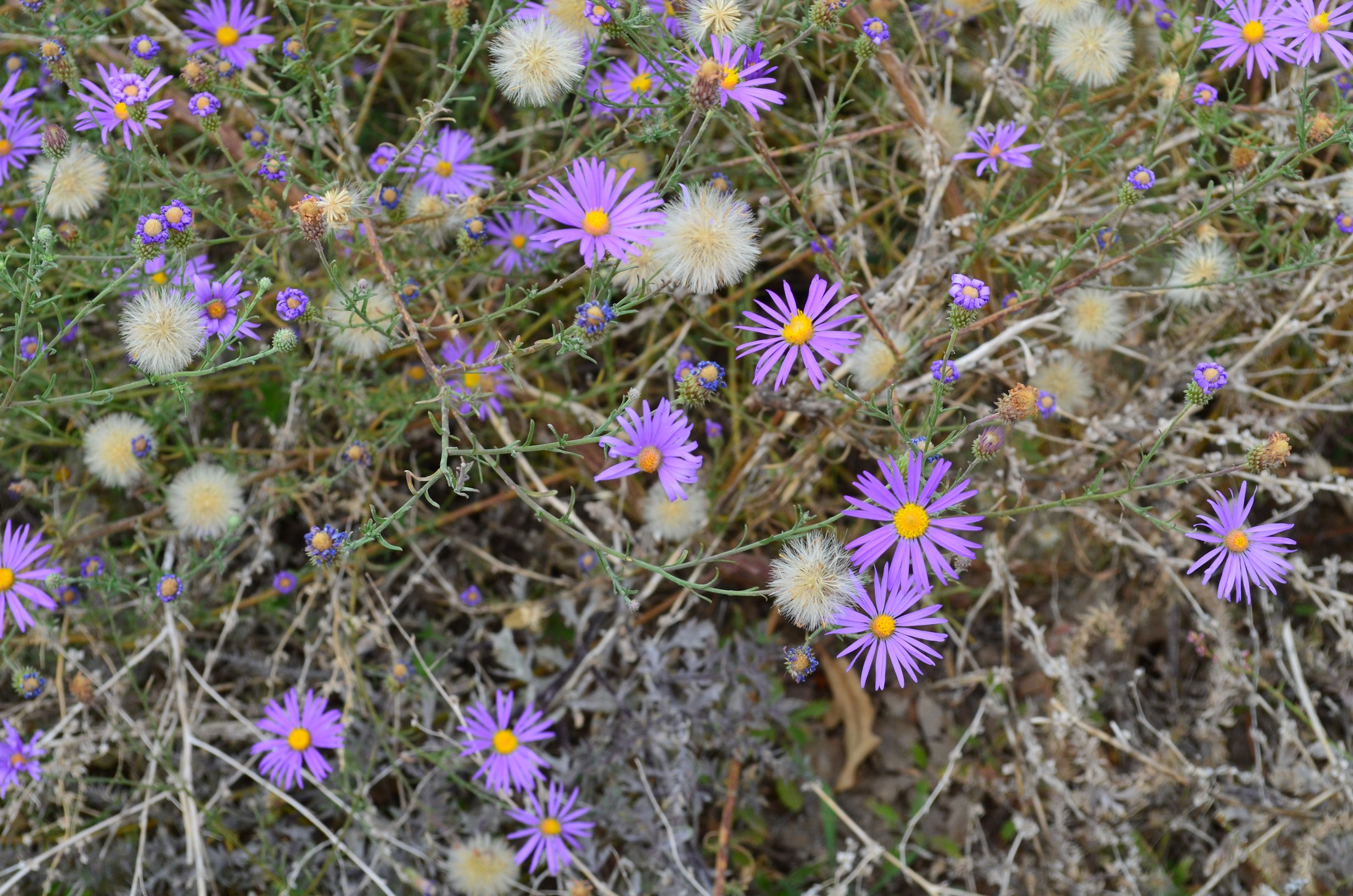
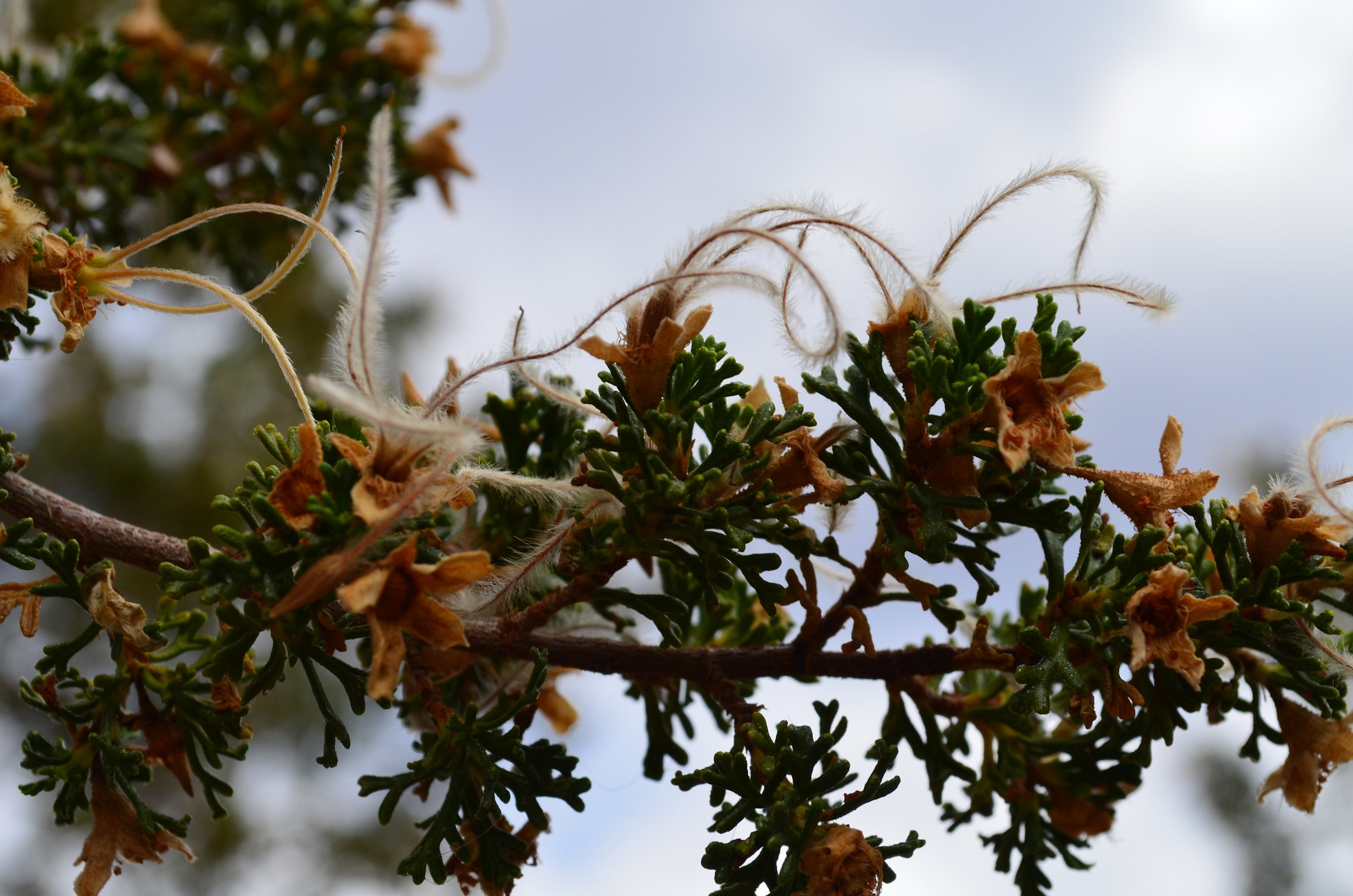
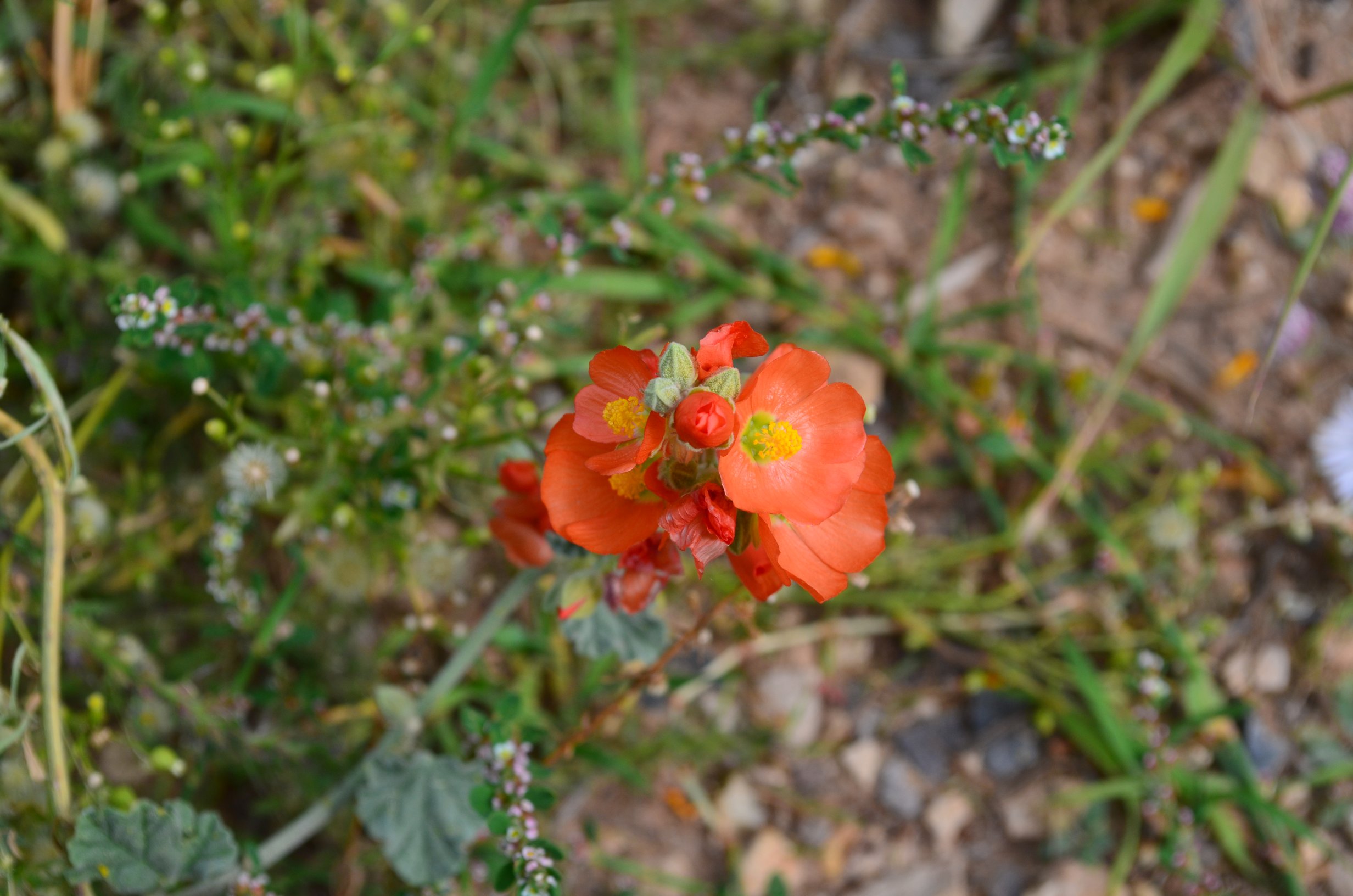
As you know, I love taking pictures of flowers – here are some at the Grand Canyon:
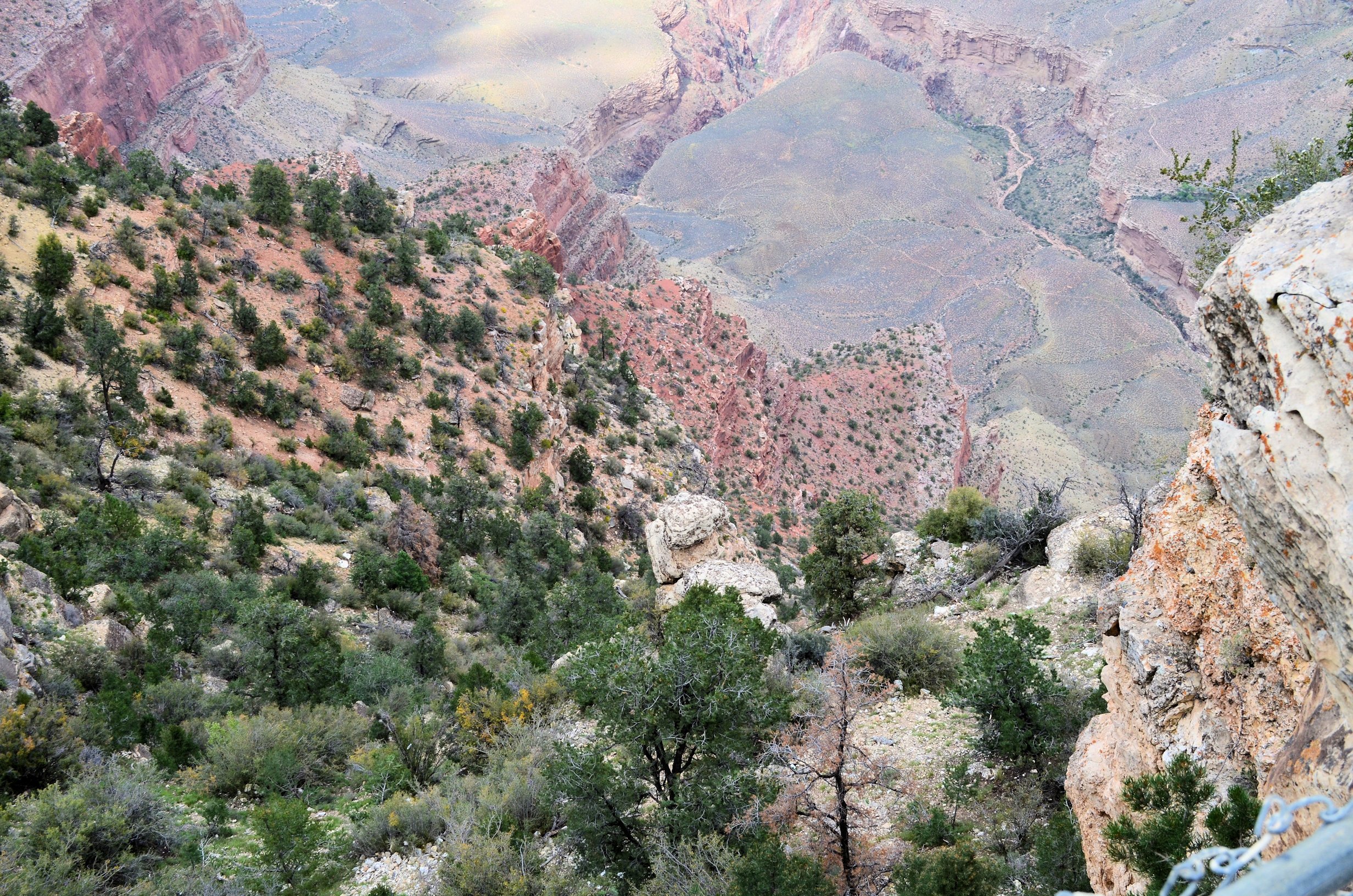
Is this the grand view or what?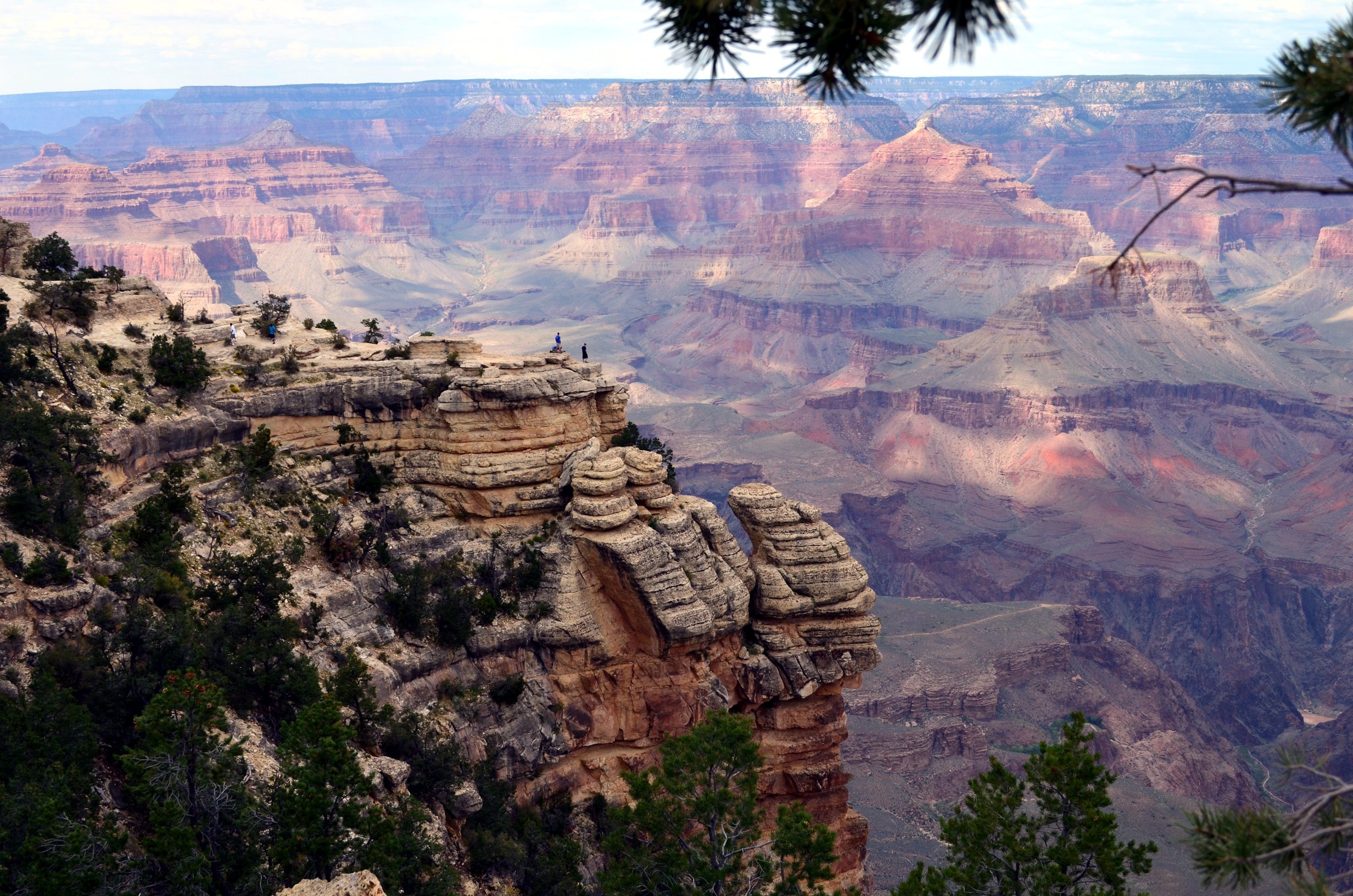
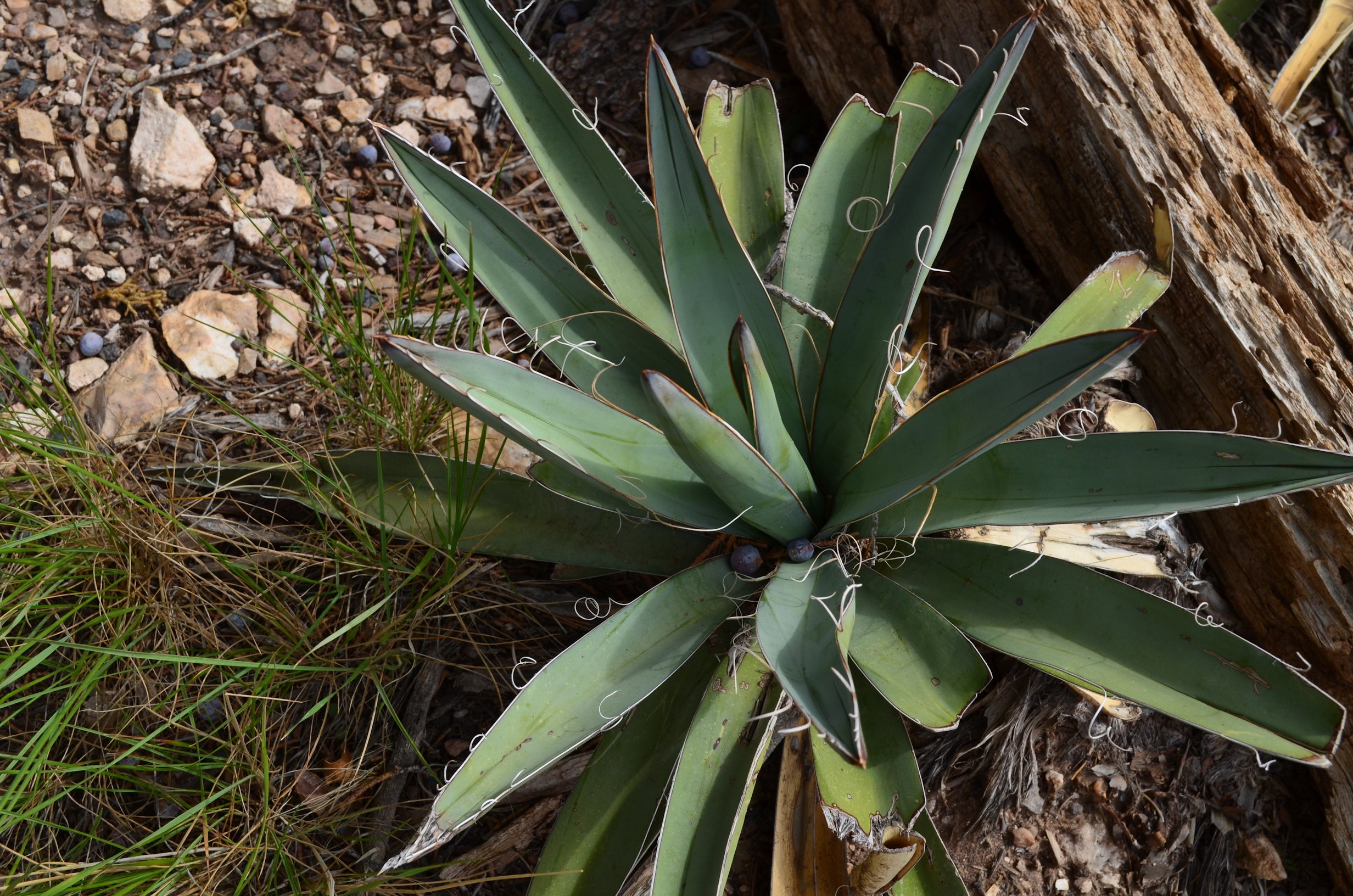
Not a flower, but still fascinating:
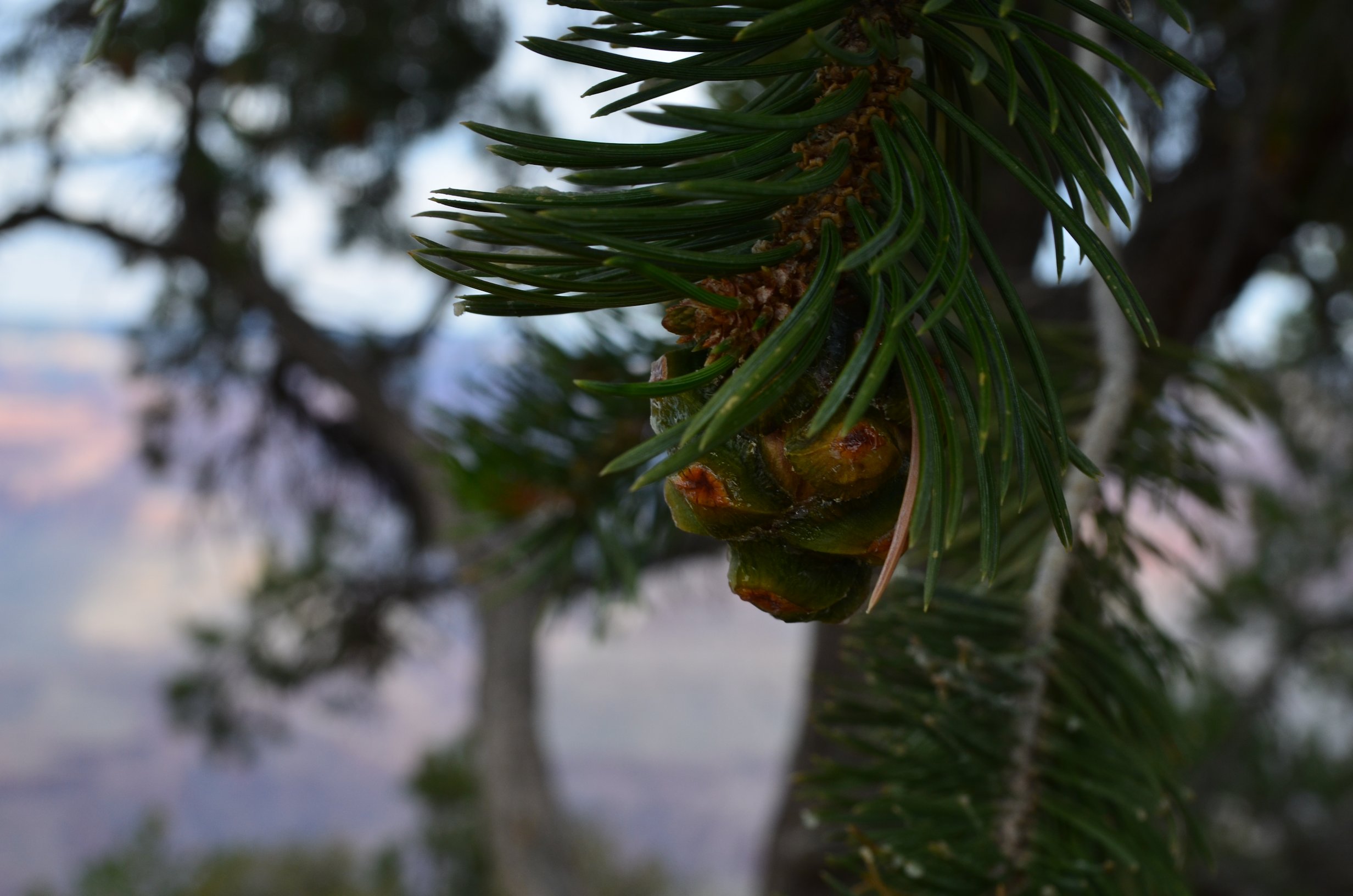


I have not idea what kind of plant is this, but it looks so good, I think it is holiday card-worthy:
Do you think this branch was an alligator in the past life?

Was this an hour already? Ahhh, too fast! We got back to the bus and drove a bit more, then made another stop for about an hour. We stayed still at the South Rim, but at this stop there were few other “entertainment” options – small museum dedicated to the exploration of the Grand Canyon, an Inn, a restaurant, very big gift shop and so on. And here are more pictures:





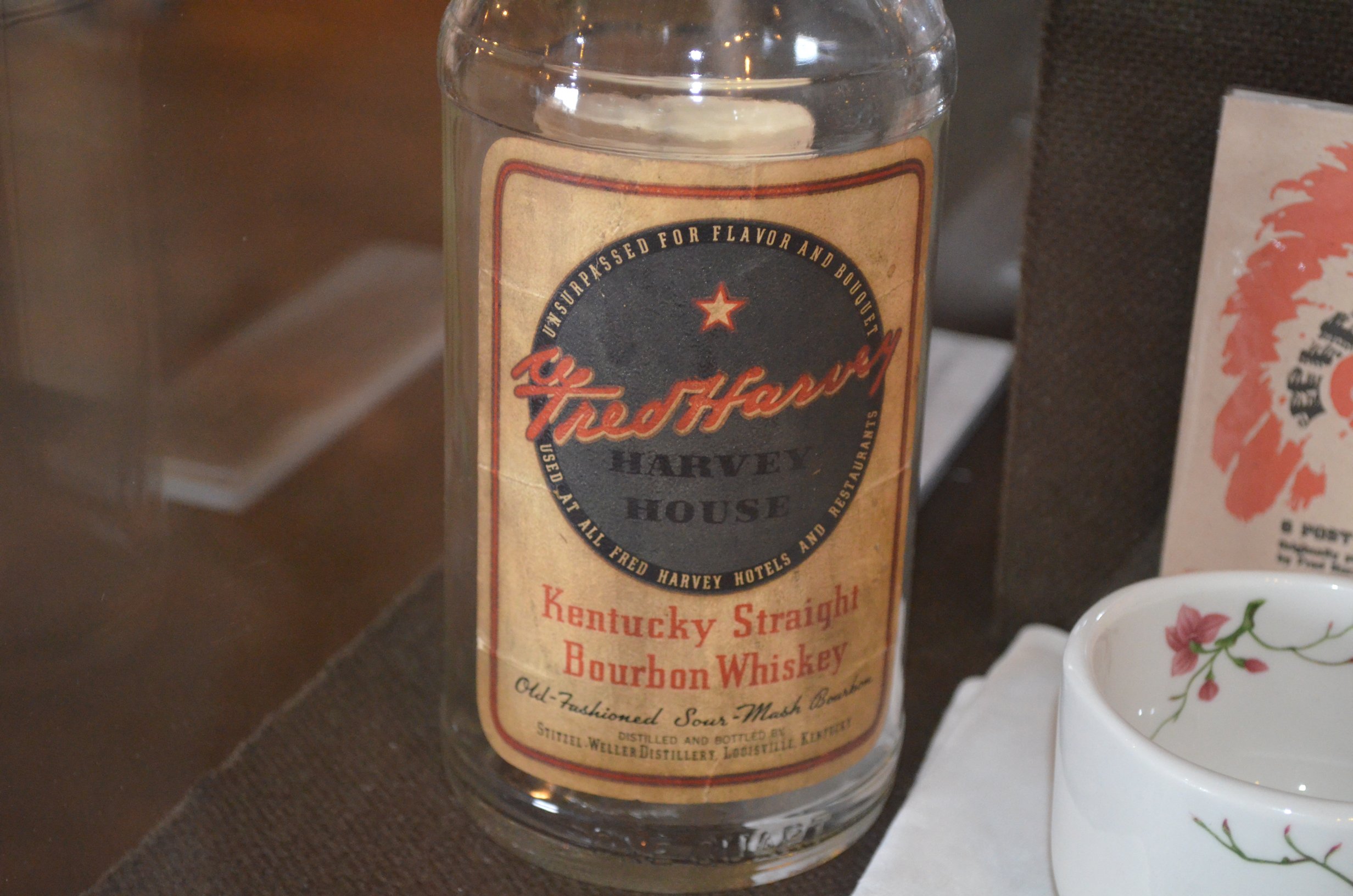
 What do you think attracted my attention in museum? Many things, of course – but particularly, the bottle from Kentucky Bourbon:
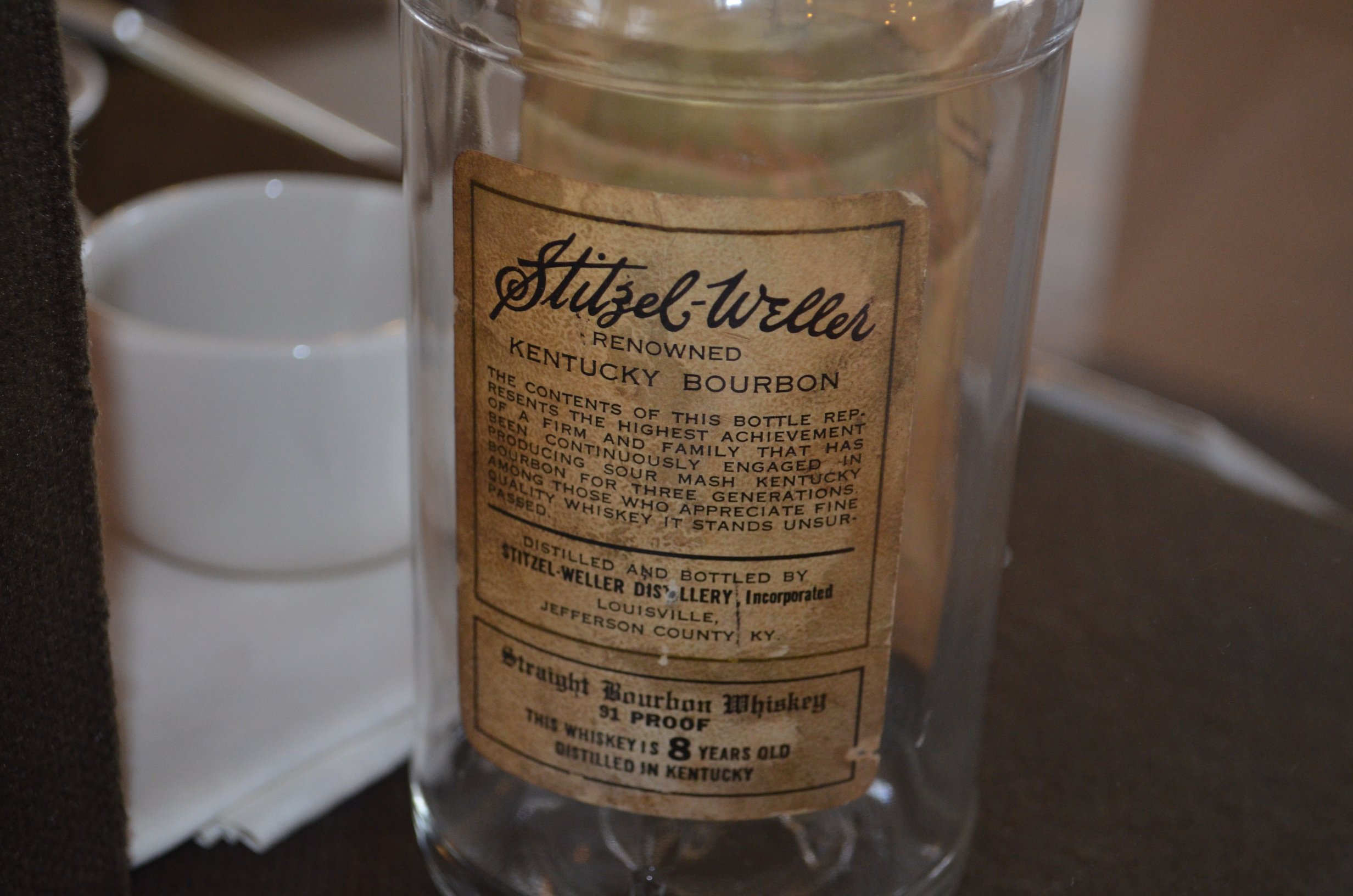
Those two hours, one on one with the Grand Canyon were really memorable – Grand Canyon definitely should be on everyone’s “must see” list.
On the way back, we continued learning interesting things. For instance, an interesting fact about human psychology – at the South Rim there is a man-made barrier along the edge of the Canyon, which should protect people from falling down. Every year, 6 to 8 people die falling off at the South Rim. At the West Rim, which territorially belongs to the Indian tribe, there is no barrier – and so far not a single person died there. And outside of this sad fact, you should definitely consider visiting West Rim of the Grand Canyon, as it has recently built whole glass Skywalk, extending above the Canyon at about 4,000 feet above the floor – I can’t even imagine how you should feel there, suspended in the air and surrounded by the timeless beauty.
We also watched the documentary about the trips down to the floor of the Grand Canyon. Do you know who can help you to get to the bottom of the Grand Canyon? If you thought of mules, you are correct! Those are specially trained mules, and they can carry people and all the load along the path which leads town. Sometimes this path goes along the edge, and the mules are taught to handle it – all humans should do is sit straight and not to get in the way. Among interesting facts I can tell you that during many years of those journeys, they didn’t lose a single person. Excited? Imagining yourself in the mule’s saddle taking a journey of your life? I don’t know how much it costs (I’m sure it is not cheap), but get in line – there is about one year wait for those tours.
The trip was winding down. We made two more stops on the way back, and then as we were getting somewhat close to Las Vegas, I tried to take a picture – of course in the dark and from the window of the moving bus:

As you know, I love quizzes, so here is a mini-quiz for you – what do you think I was trying to take a picture of? You might find an answer closer to the beginning of this post, but if you will not, I will tell you in the next post.
We got back to the hotel at about 10 PM, and after such a full day, the sleep was the only thing we really needed.
And before we will part, I want to thank our driver Frosty again (may be he will come across this post somehow), and I want to mention that we book our trip through the web site called Best of Vegas – this site is definitely recommended if you are planning your own trip. Our actual tour company was called Grand Canyon Tour and Travel, just in case you want to check them out.
There you have it, folks – our Day 2 Grand Experience in Las Vegas.
Next time we will get together on this subject, I will tell you all about Day 3 – and rest assured, there will be more pictures…
Too Early! Snow in New England
I can’t believe that only a few weeks ago I was sharing with you sunshine and beauty of New England in the fall. Since then we had Sandy paying us a visit, and lost power, destroyed homes and closed gas stations really got in the way of tens of million of people.
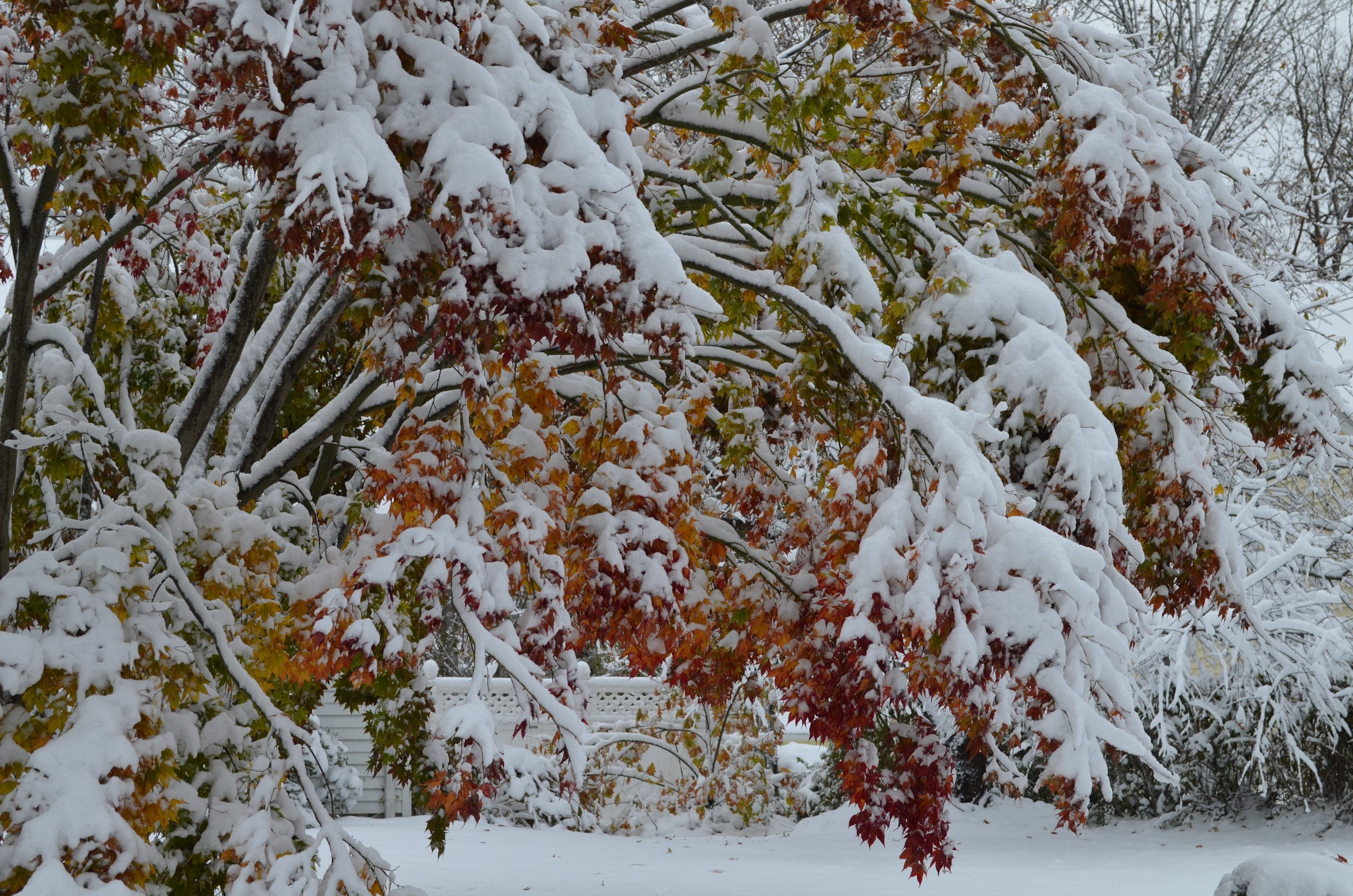
Then few days ago we had…snow. Yes, it is only beginning of November, but Nor’Easter (some genius named it Athena, which is a Greek name of goddess of wisdom – where is the wisdom in the November snow storm?), not just snow, but the full snow storm, blanketed New England with the snow. We got our 5 inches, but – the “strong wind” part of forecast didn’t materialize, at least in Stamford, so we avoided new destruction. And it actually was beautiful, during and after, so I’m (again) sharing some pictures with you.
This one was taken during the snow storm:

And the rest of the pictures were taken on the next day, after the snow stopped coming down:

Isn’t he the cutest? You might remember him from before:

And here is the full team:

Here are some of the beautiful trees:


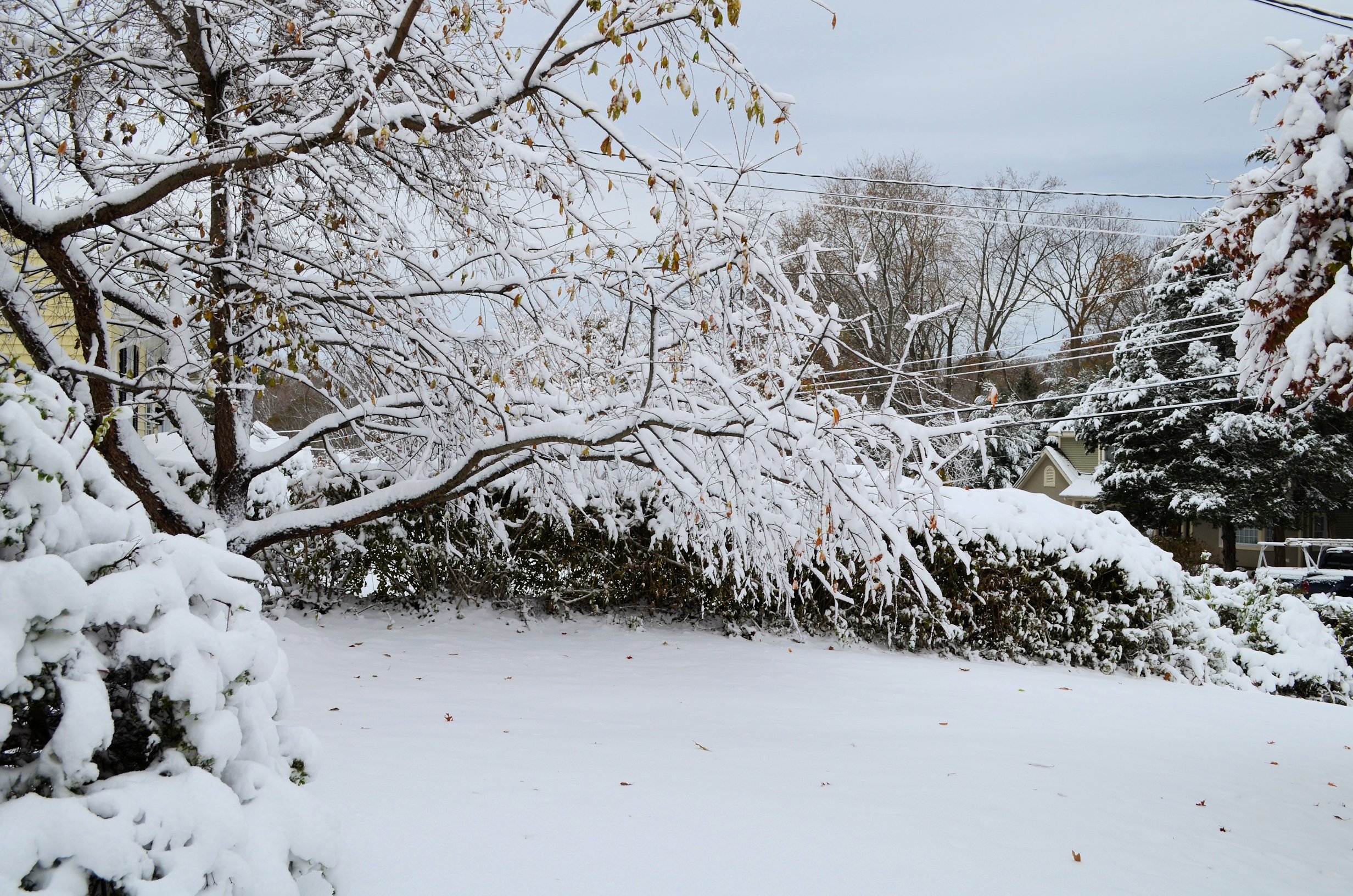
Just look at the colors:
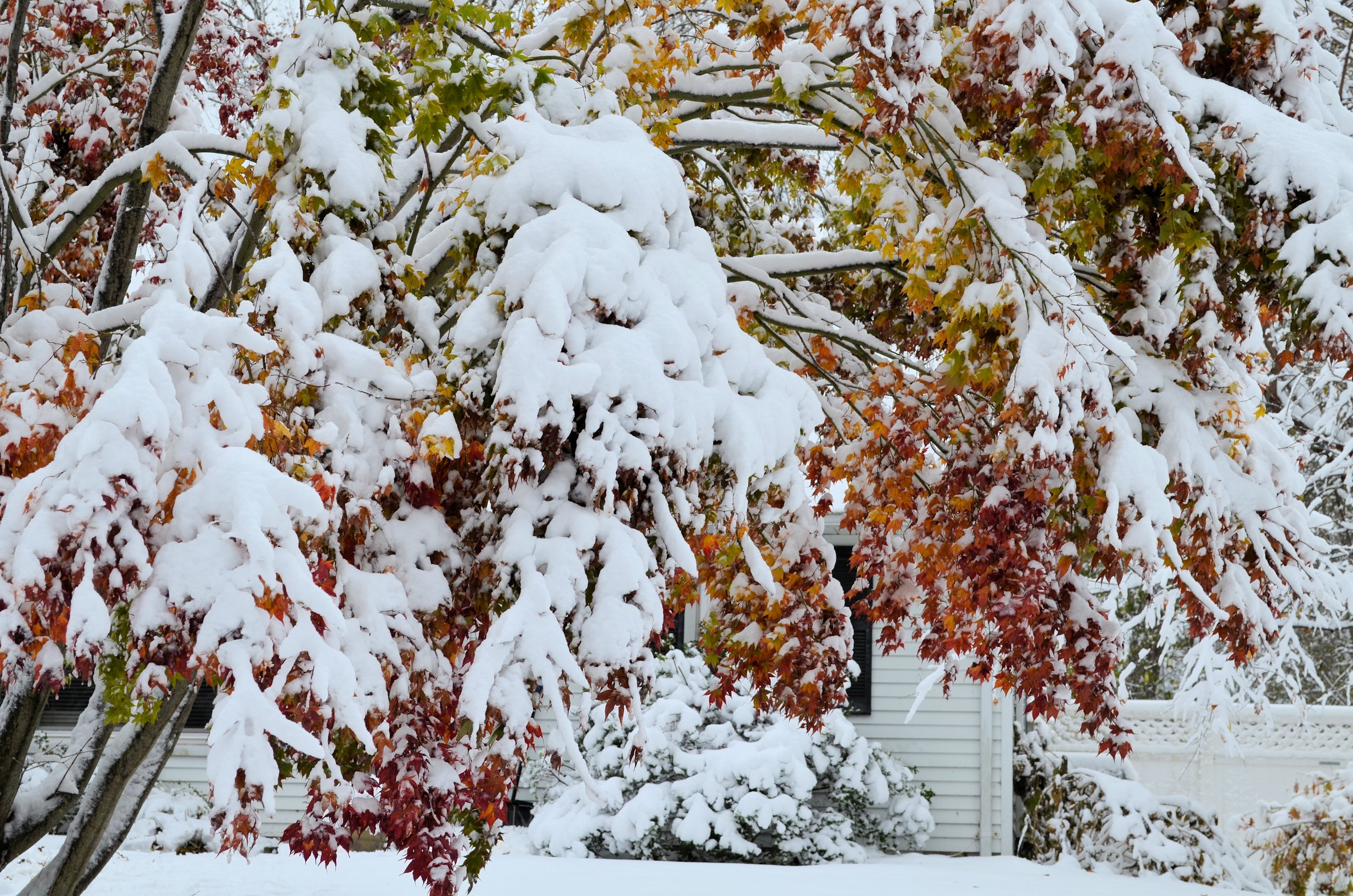
Somehow, I love this picture:
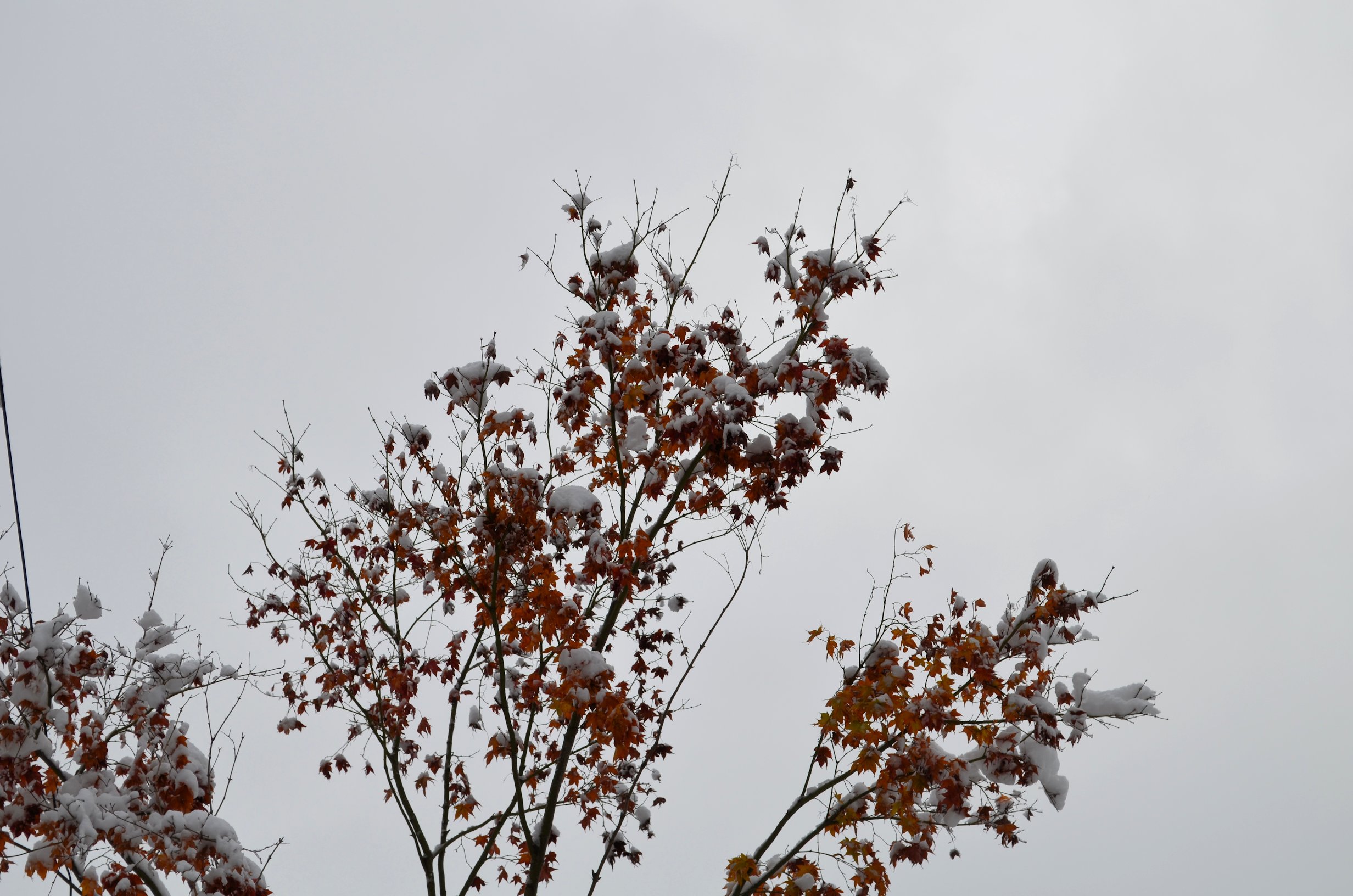
And here is an object of our fear – what will happen with those wires if there is a strong wind…:

That’s all for now, folks. Nothing about the wine in this post, so the next one will fix this issue. Hope you still have [had] something good in your glass. Cheers!
Tempranillo and My [Successful!] DIY Experience
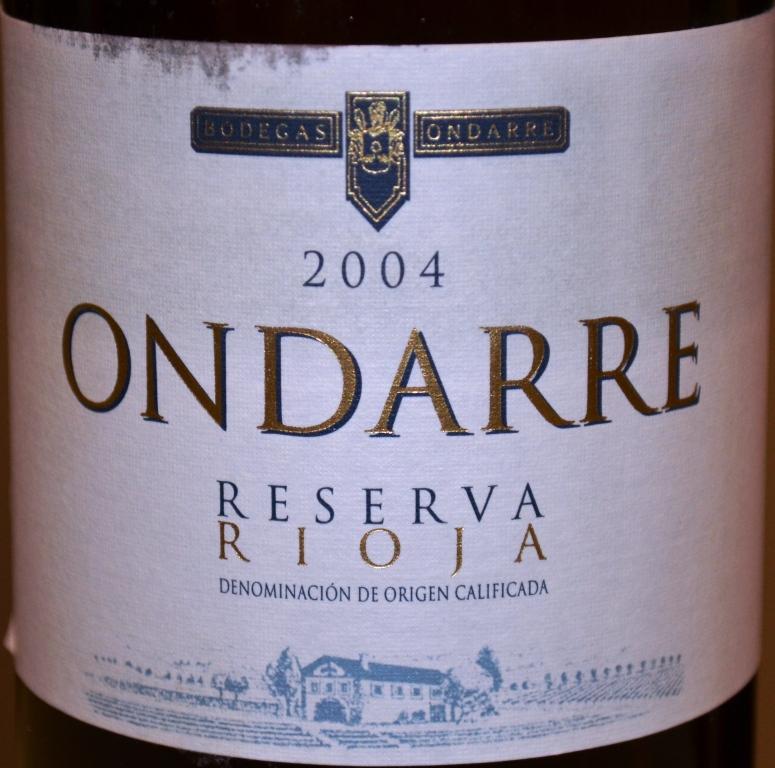 I guess you are wondering what is the relation between Tempranillo and Do-It-Yourself, and if I started making my own wine. Rest assured – there are no plans for “Chateau Talk-a-Vino” in foreseeable future, no need to be scared. But – my “successful DIY experience” has a direct relationship with wine, so let me tell you about it first, despite the fact that today is International Tempranillo Day and we actually have to be talking about Tempranillo wines.
About a week ago I noticed a strange clicking sound in the kitchen. Something clicks, not too loud. A few minutes later, another click, and then again – I think you got the picture. I don’t know about you, but I don’t like any unexplained sounds in the house. If you hear something which you are not supposed to hear, that often means trouble. And somehow this clicking sound is associated in my mind with electricity, which I like even less.
Next day – the same story. I’m puzzled, but still, I have to let it go, as I have no idea what this can be.
Then, while sitting at the table, my eyesight stops at the wine fridge, and I see the temperature. A big red sign reads “75”.
75! Do you know the proper storage temperature for the wine? Yes, it is 55, not 75 at all! Do you want to guess the first word which comes to my mind? Yes, you are absolutely correct, that one and you are right about the second one too.
I unplug the fridge, wait a few minutes, plug it back – no effect, and then I hear the clicking sound. Okay, so as it always goes in life, I just got good news and bad news at the same time. Good news – the source of the clicking noise is discovered. Bad news – my wine fridge is busted. It is not new, okay, but it holds about 60 bottles of wine… And the new fridge is definitely not budgeted 😦
Okay, google to the rescue. The fridge is unloaded, and I start trying different suggestions from the internet. I even found an official troubleshooting guide for my Vinotemp VT-60 and went step by step as recommended. No, it is not the control card, and it seems that the next suggestion from the troubleshooting guide simply recommends replacing the compressor, which not only requires a new compressor, but also some good welding skills and equipment, which is definitely out of my league. Not good. Need better advice, please!
I decided to start looking for just troubleshooting around different parts. LG compressor. Found full spec and the manual – no help. Okay, what is this little cover on the side? I guess it is the relay some people referred to in the posts I saw. I see the part number (P6R8MC), put it in google, and… this blog post comes up, where someone named Chad Munkers is talking exactly about my fridge! Okay, step by step, similar to what I did, yes, the relay and overload protector, and if I will disassemble this small part, take a little disk out, flip, and put it back it will magically work? Seriously? Another 15 minutes, put the plug back in – ahh, I love that sound! This is what a working wine fridge sounds like! Here are some pictures for you – these are just random, and all the actually useful pictures can be found in the blog post shown above:

Wine fridge – view from the back
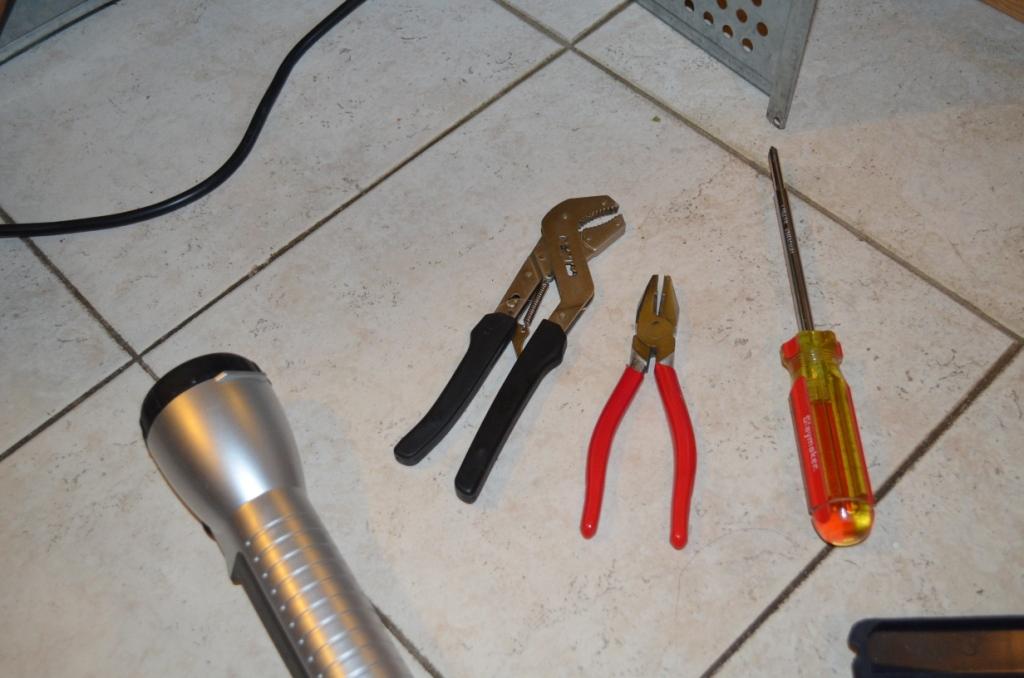
some tools

and some parts…
Sorry for sharing in such detail – a lot of my DIY, or maybe rather FIY (Fix-It-Yourself) projects are not so successful – for instance, I fully disassembled our Nintendo Wii (twice), cleaned it up, and then even replaced the laser head – only to throw it out later, still not working. So you can see how successfully revitalizing the wine fridge made me happy.
And now – to the wine! My Tempranillo wine for today’s International Tempranillo Day was 2004 Bodegas Ondarre Rioja Reserva DOC ($16.98, 13.5% ABV). 2004 was an outstanding year for Rioja, one of the best vintages ever. This wine was perfectly drinkable from the get-go – nice dark fruit on the nose, the same on the palate with some cherries, raspberries, a touch of plums and cedar box notes, perfect acidity, and soft tannins. Very balanced and enjoyable. The wine was practically unchanged on the second day, so I’m sure it will last quite well in the cellar. Drinkability: 8-.
That’s all for today, folks. Hope your Tempranillo Day experience was great, and I would love to hear about it. Cheers!
September 2022 update: 10 years later, as you can tell, the fridge stopped working again. I decided that the only reason for it to stop working can be that same relay. As the disk was used now on both sides, my only option was to get a new relay, which luckily was readily available on Amazon for only $6. I didn’t disassemble much, just removed the cover, pulled off the old relay, installed the new one, and voila – the fridge is working again! I really hope it will last for many more years, especially considering the prices of the new wine fridges…
Paintball, Halloween and Writer’s Block
If you are trying to figure out the connection between paintball, Halloween and writer’s block – don’t, there are none. I’m experiencing a writer’s block as I’m trying to create a competition entry about the Tuscan wines (if you remember, I mentioned that competition in the Wednesday’s Meritage last week). I passionately despise (yeah, see, I’m doing pretty well avoiding the heavy word “hate”) the fact that I can’t write a post about Tuscany, one of the most diverse winemaking regions in the world, so I decided ( as many times before) to share a few pictures with you, while I’m pounding myself on the head trying to get the block out.
First, here are a few pictures from the friendly game of paintball which we played on Sunday (right before the arrival of the dear f…ing Sandy). My team lost all the games, but that is not important – we had lots of fun.
Our guns:

And here is me, first in the front:

and back (after the last “free style” round) – yes, it was painful, in case you are wondering:

Then after dear f…ing Sandy departed, we found ourselves super lucky ( knock on wood as many times as possible, still going), as our street didn’t lose power, so we managed to carve pumpkins and celebrate Halloween:
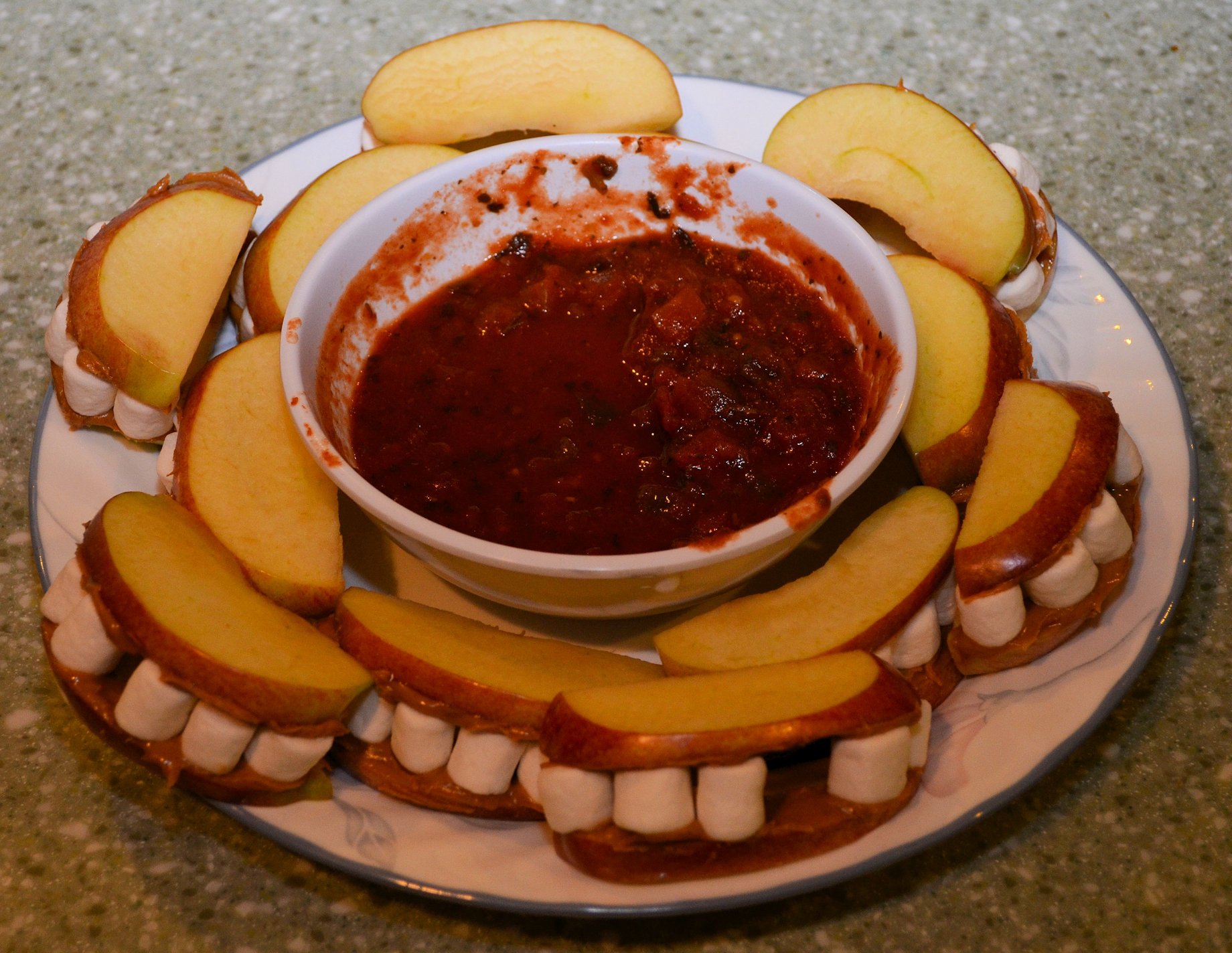
The Halloween dish (clearly influenced by the post from A Detailed House):
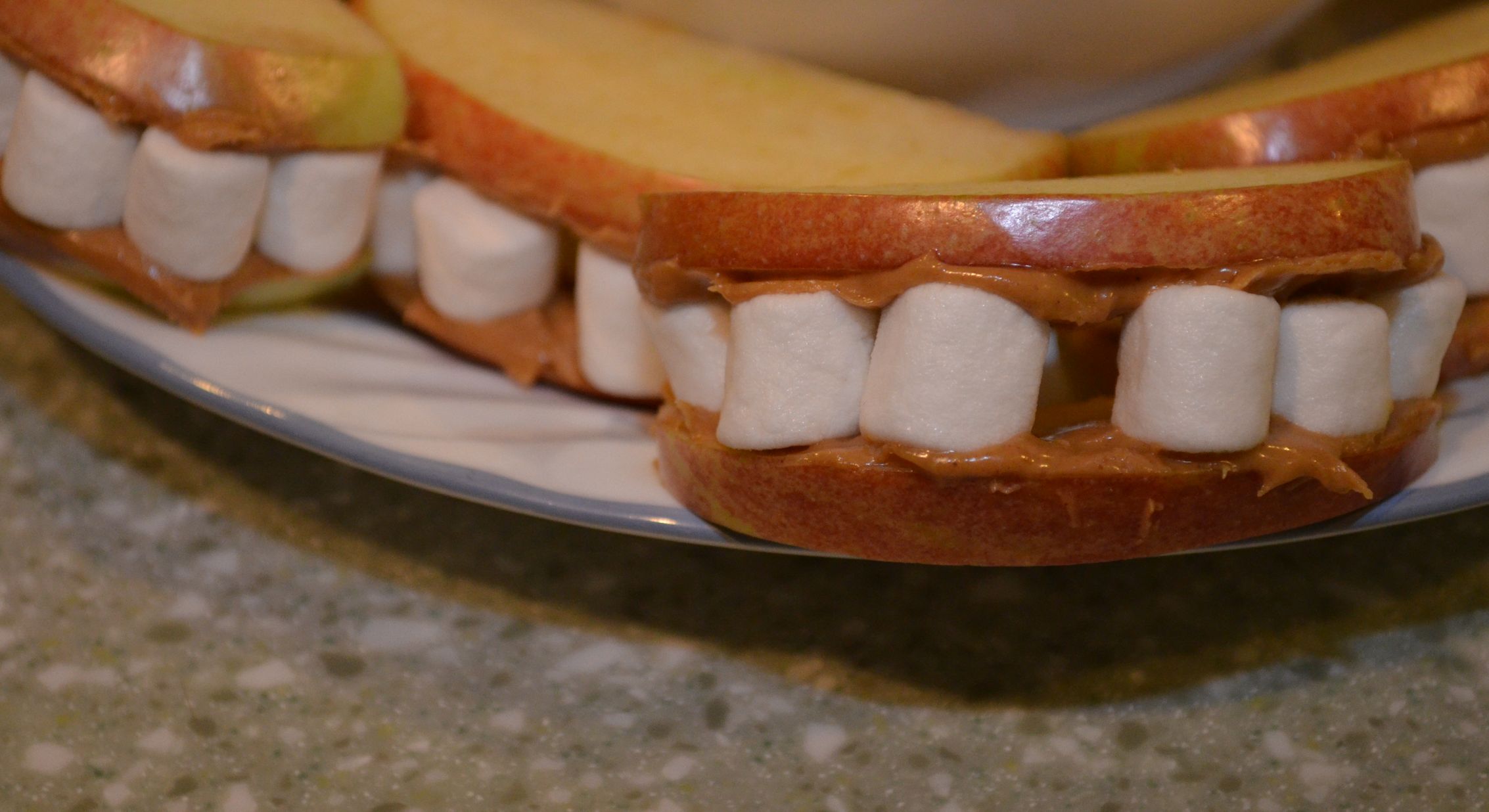
zoom-in:
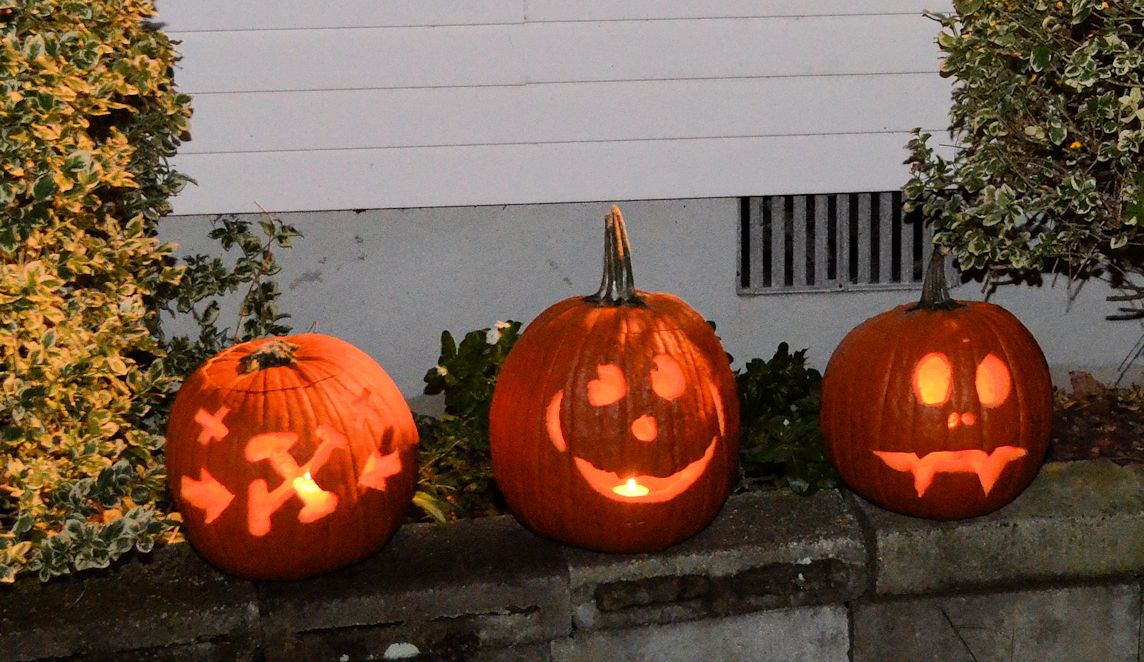
And the pumpkins (kids had lots of fun):
May you never encounter writer’s block – and never experience the wrath of hurricane, even if it’s called by a cutesy name, such as Sandy.
That’s all for now, folks. I’m back pounding on that block. Cheers!
I Love Surprises
Do you like surprises? Yeah, I see you saying “that depends” – ahh, as we grow up, the life is teaching us to be cautiously optimistic when we hear the word “surprise” – from unadulterated “Yay, surprise!!!”, thanks to the gentle pressure of the life lessons it becomes “hmmm, surprise???”.
Anyway, this post is about good surprises, so you can already sigh with relief. Let me get to it. Today I saw an e-mail from a friend which briefly mentioned “blind tasting”. Okay, as the whole e-mail was about something else, I ignored that “blind tasting” part. Then, when I heard the entrance door opening and closing, I figured that my friend had arrived. By the time I got downstairs to the kitchen, I was greeted with this:

Yes, call me slow, but only now I realized that the “blind tasting” part was related to me and that the bottle is actually waiting for me.
Okay, so double blind tasting – I’ve done that before, it was fun, so yes, let’s do it again. The cork is out, wine goes into the glass. Perfect fresh ruby color, bright and inviting. Fresh, very fresh raspberries on the nose, some hint of sweetness – based on the initial assessment, the wine appears to be young and gives an expectation of being somewhat lighter on the palate. Also, the nose has that touch of green (really a touch) and earthiness. My friend is impatiently pacing back and force – “what can you say, what can you say” she rather demands.
Okay, I think it is a young wine, 2 to 3 years of age. Also, based on the nose and appearance, my guess is that it is one of he local wines – Connecticut, Pennsylvania, New York Hudson Valley – my thought is that it is one of the indigenous varieties, like Chambourcin or Marital Foch.
She seems to be satisfied with my assessment, and we are moving on. On the palate, the wine shows some cherries and raspberries, and somewhat unusual (for me) tannins, in a very front of the mouth (I believe the wine spent time in oak, but I’m curious what type of oak it was exactly. Then the wine finishes with the hint of cinnamon and nutmeg. The wine is perfectly drinkable by itself, but should also nicely complement some charcuterie and lighter cheeses. All in all, it is a nice bottle of wine in my opinion, and I would put Drinkability at 7.
So now I’m allowed to remove the foil, and this is what I find:
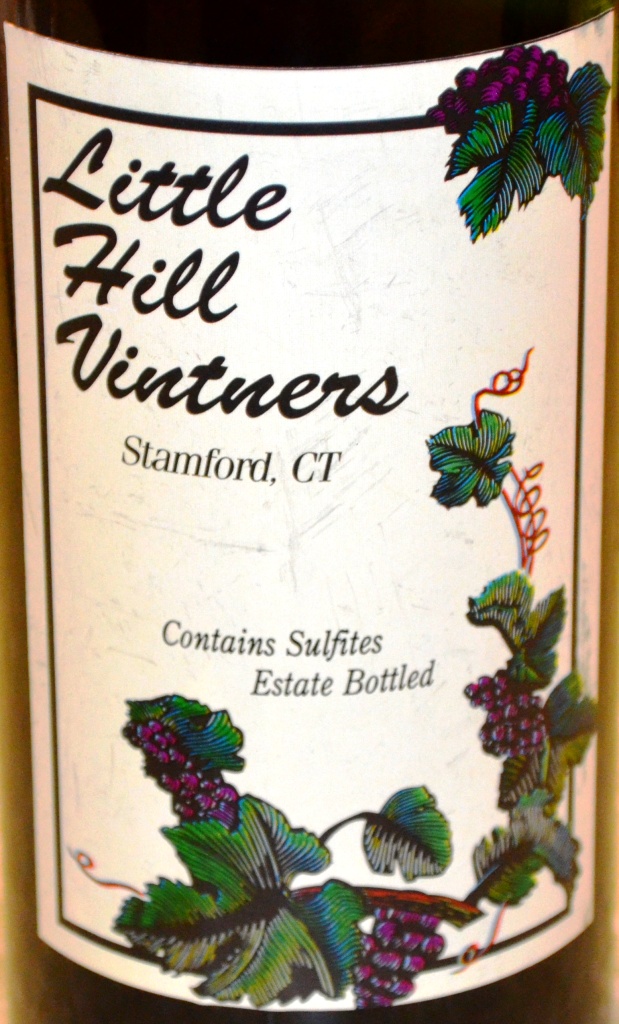
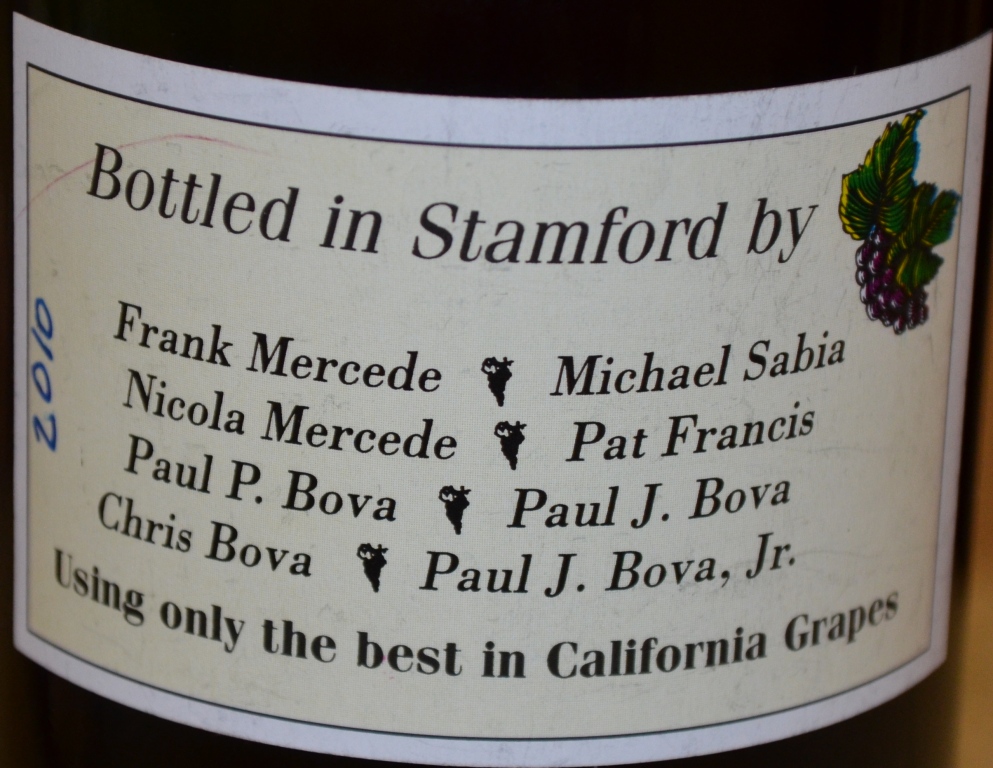
As the back label says “made from the best California grapes”, I’m clearly out of luck with my varietal guess. But at least I got the place (totally by accident, but – WOW – the wine is from my home town, Stamford!!), and the age – it is 2010 vintage, so I’m right there with my 2-3 years old guess.
There you have it – as I mentioned many times in this blog, blind tastings are fun! I’m definitely impressed with the fact that the wine of this level can be produced by the amateur winemakers, but hey – everybody got to start somewhere!
Wishing you all great wine experiences! Cheers!
Sharing Sunshine And Beauty: Fall in New England
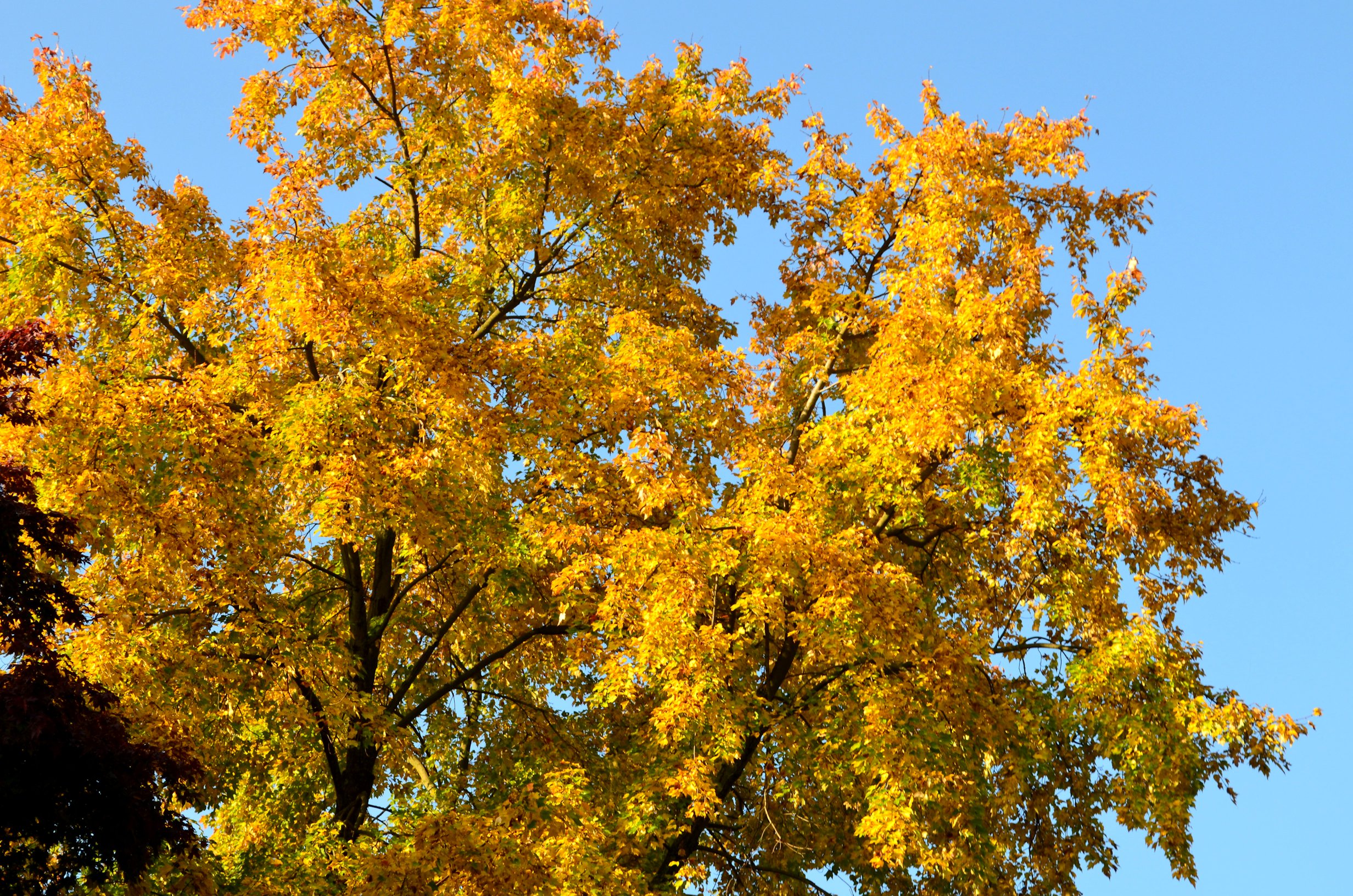
We had been blessed with such a magnificent weather today that I couldn’t help a strong urge to share that feeling with you. Fall (I guess the word Autumn will be more appropriate for my European readers) is a very special time in New England. People plan special sightseeing tours and getaways to immerse into this spectacular fiery of colors.
For those of us fortunate to live here, in one of the north-eastern states which comprise New England (Connecticut, Massachusetts, Maine, New Hampshire, Rhode Island and Vermont), such an immersion comes easy – it is enough to step outside and walk around the street, and all the beauty will surround you.
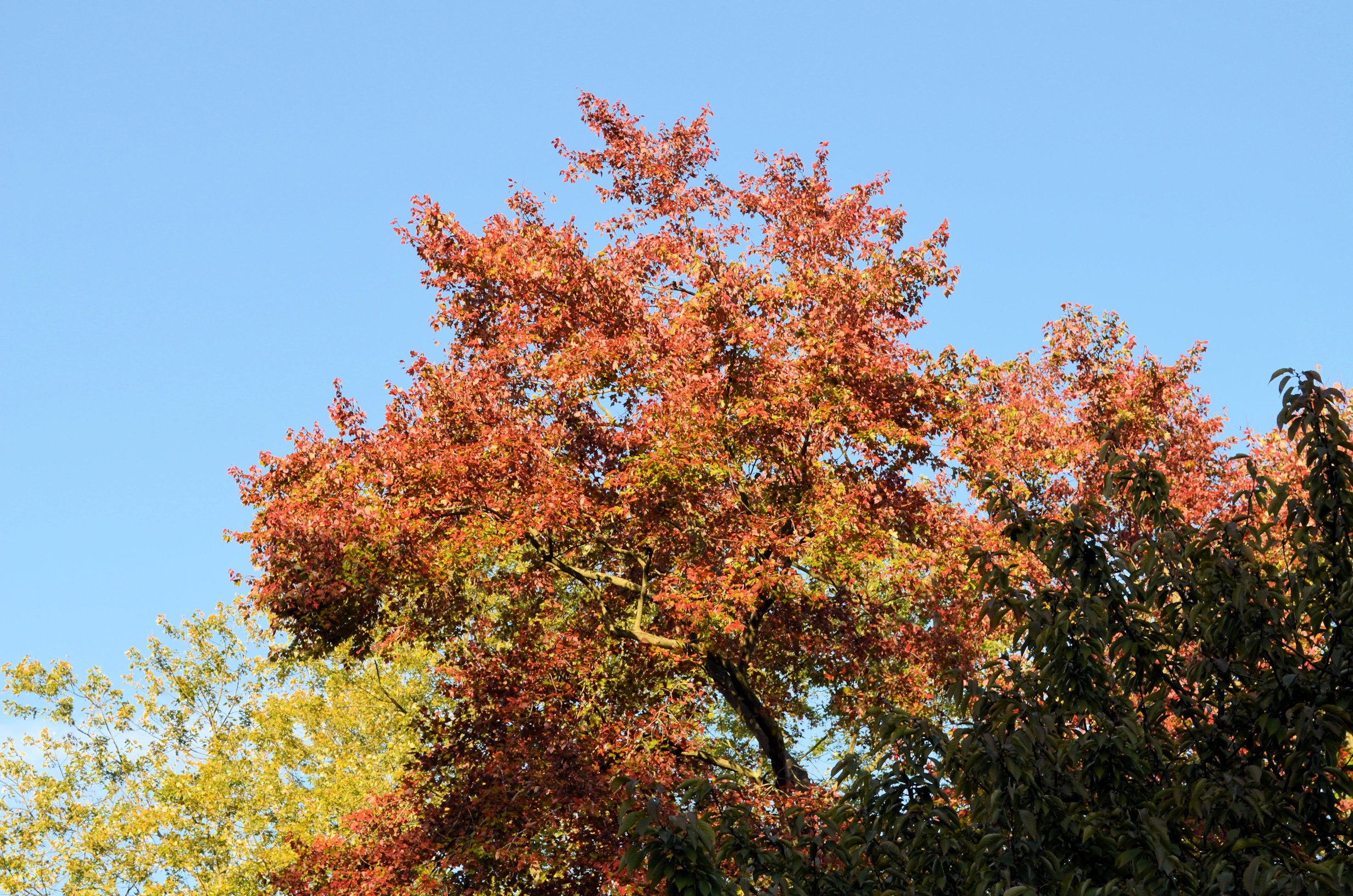
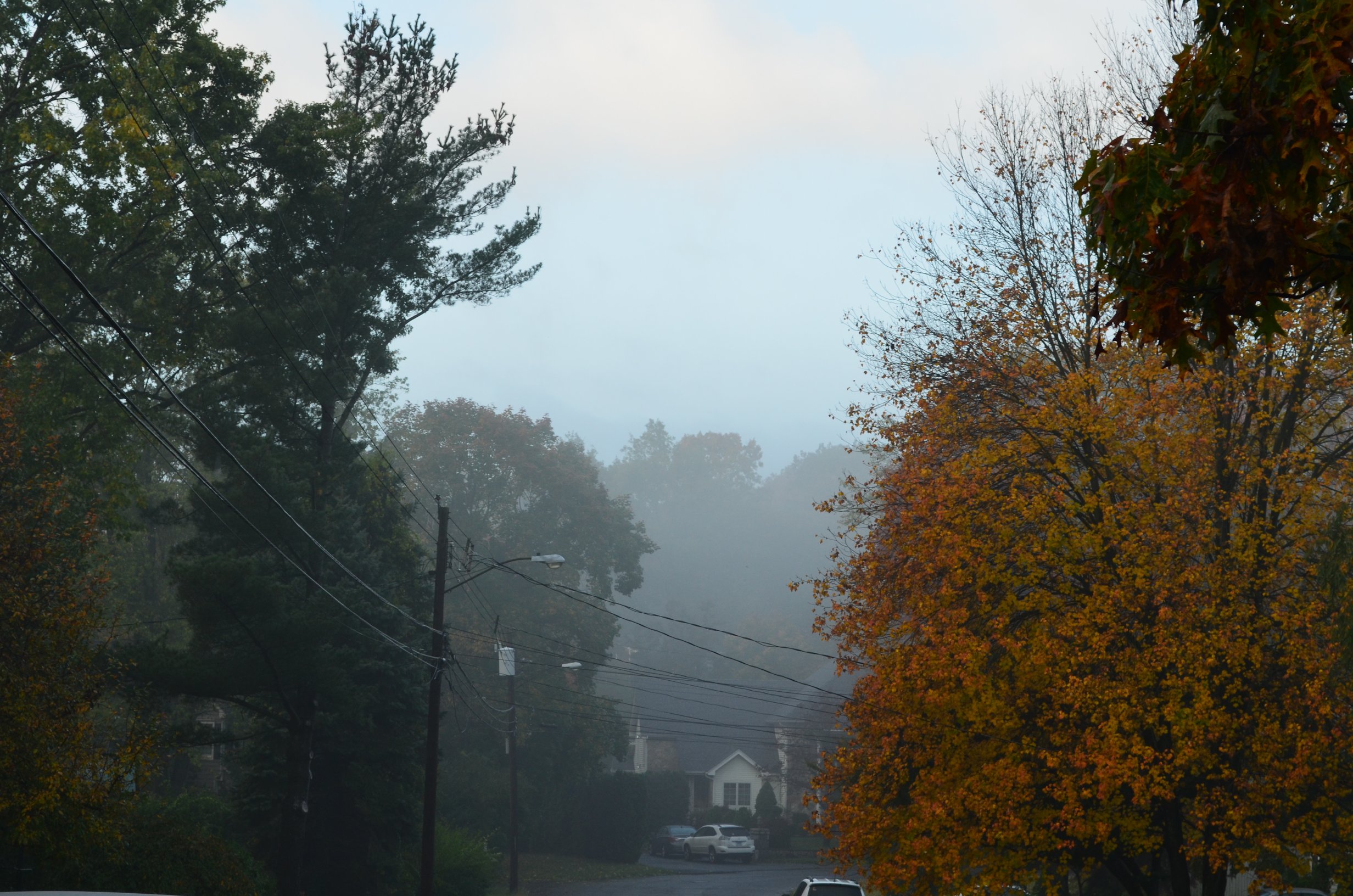
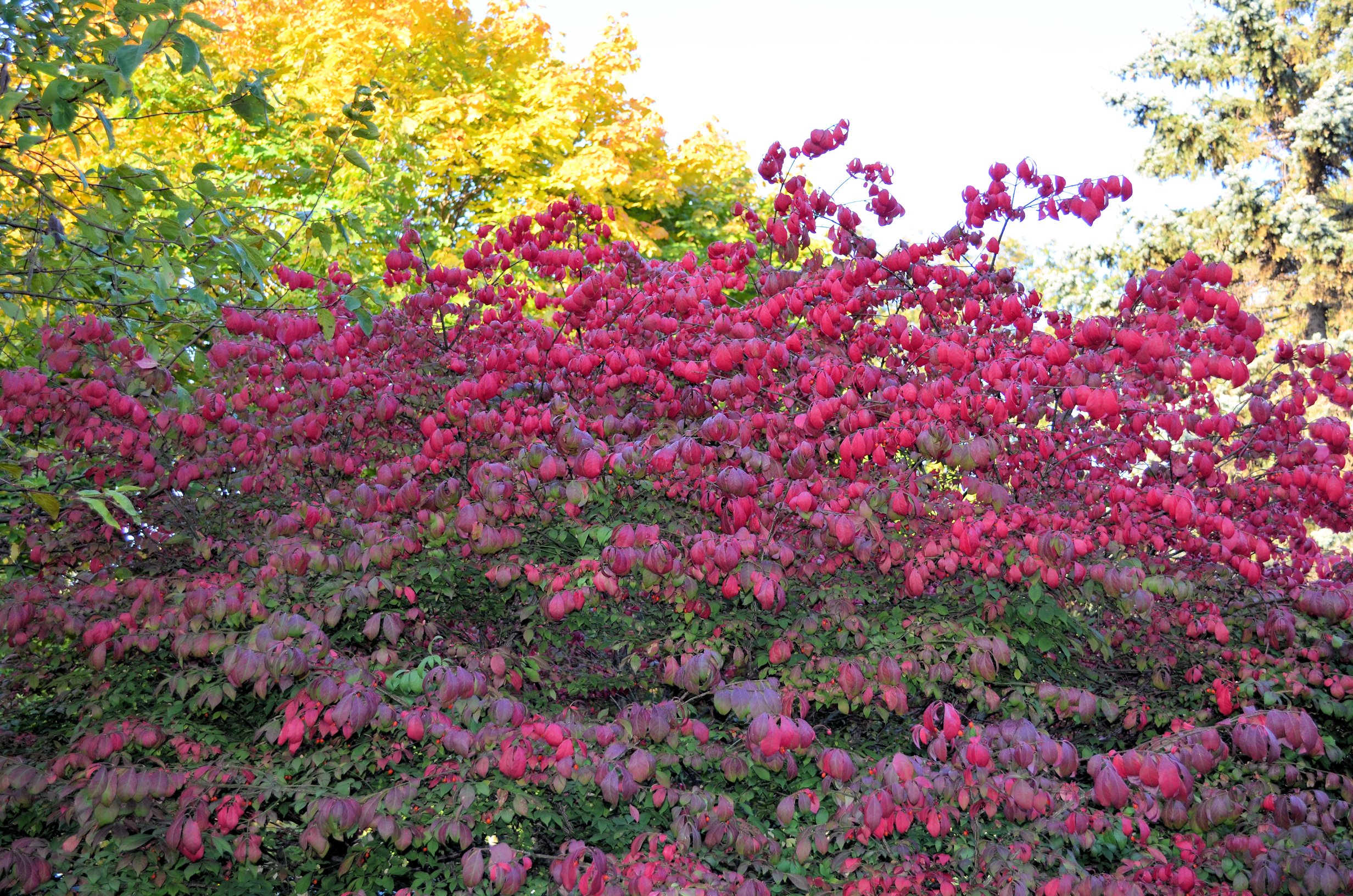
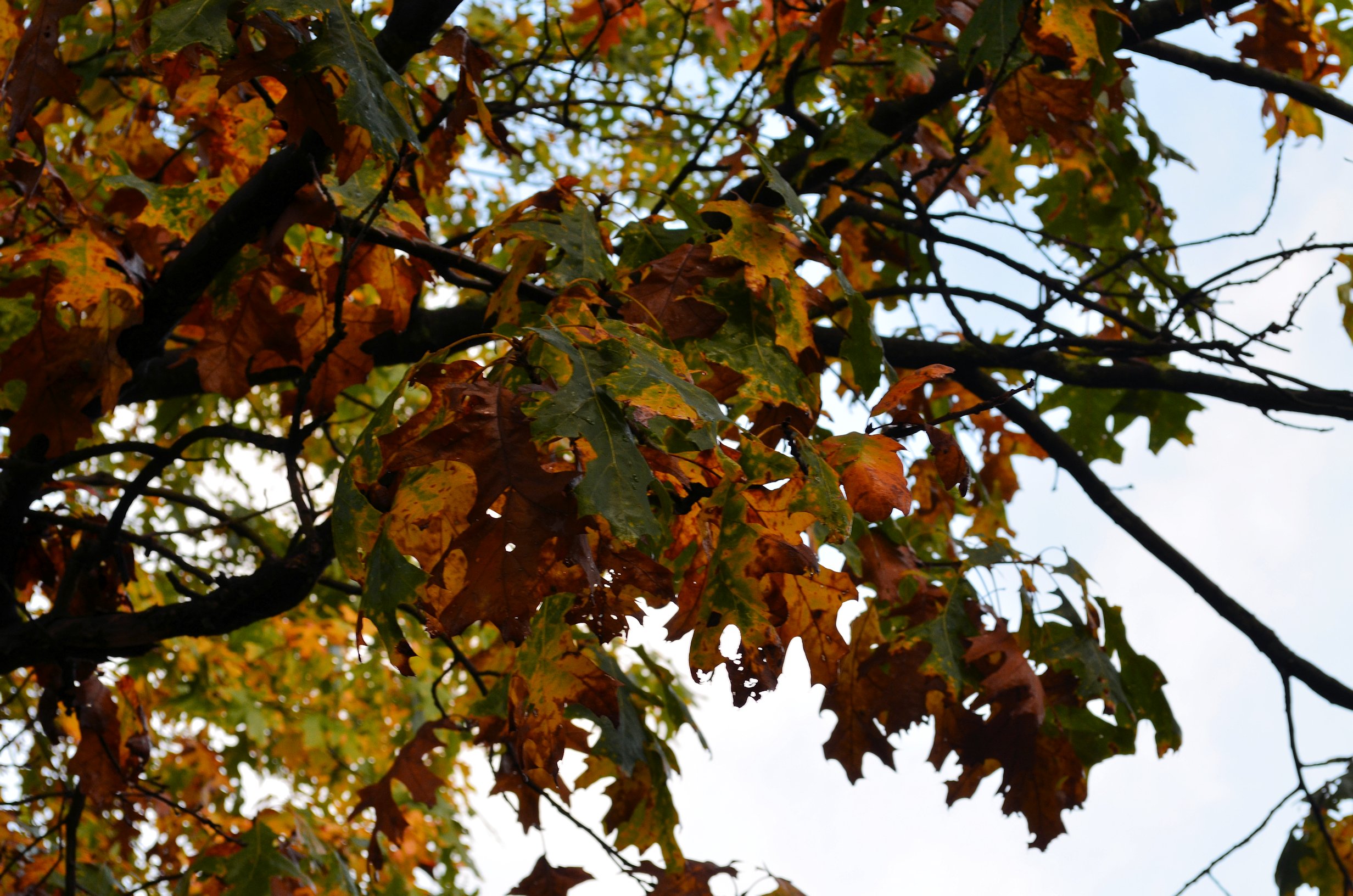
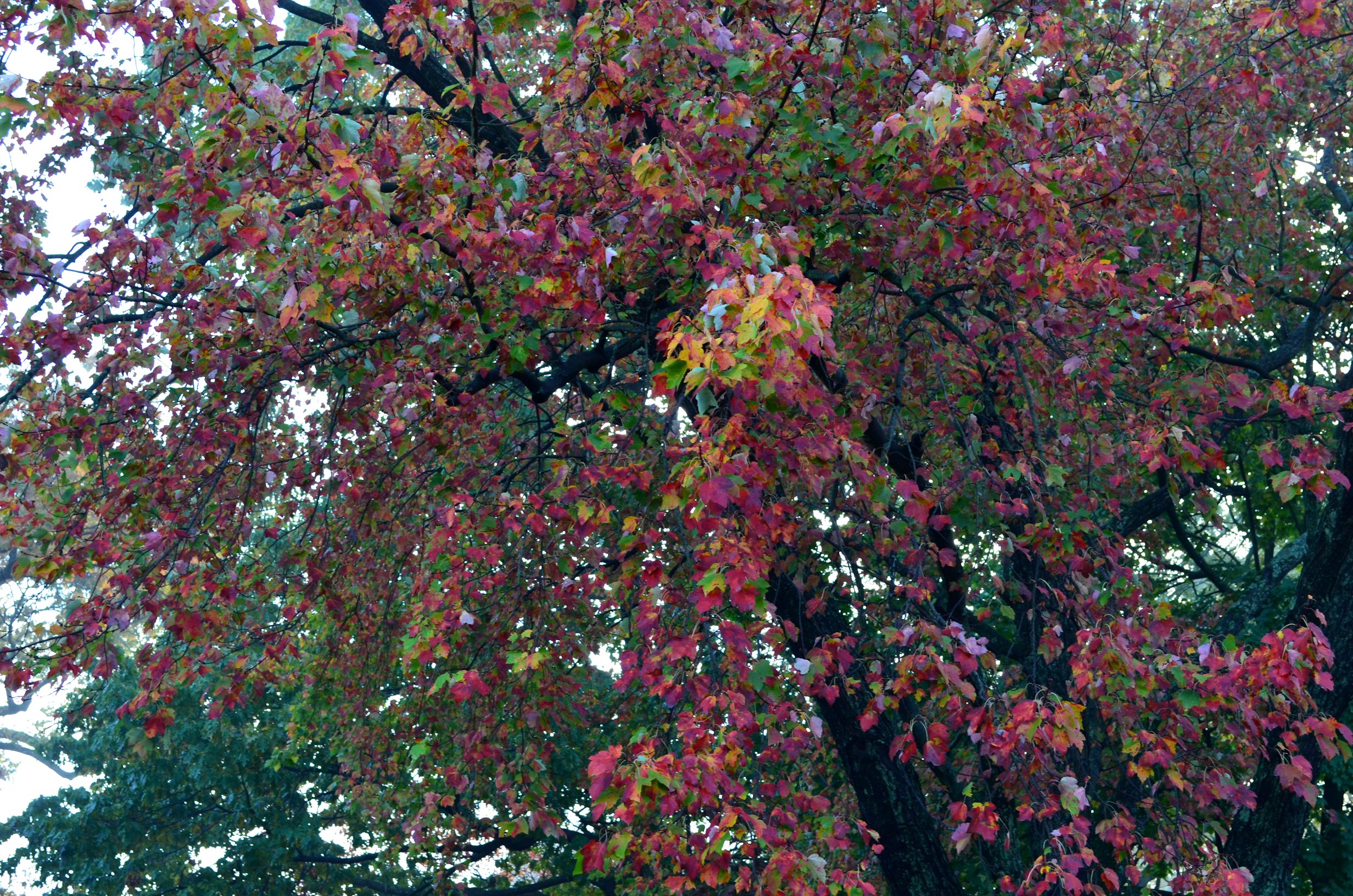
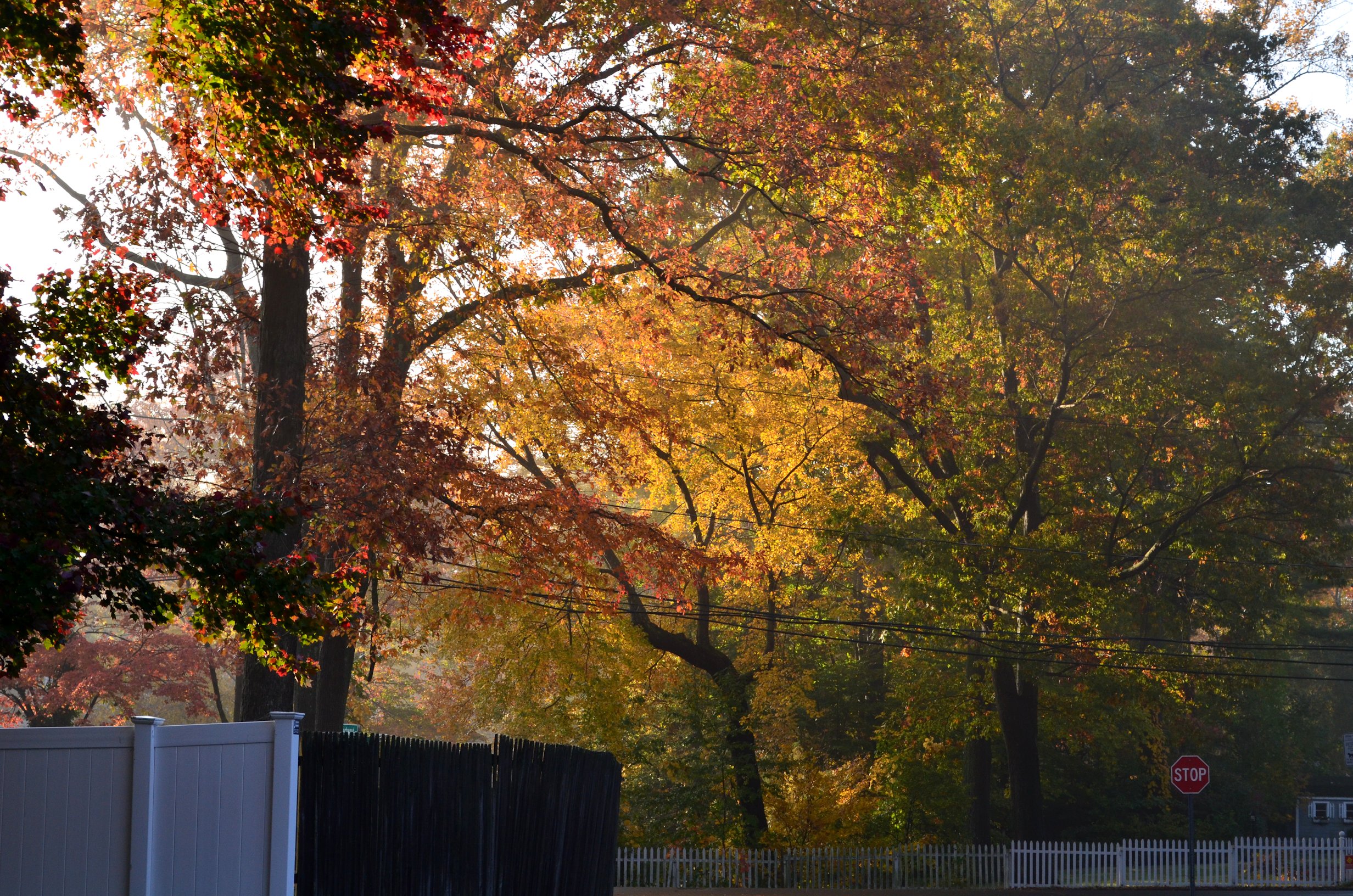
This year the colors had been beautiful (last year, unfortunately, the trees went from green to empty), so let me share with you a walk around my street. And before you will scroll down the pictures (by the way, my daughter helped me to take some of those), let me mention the wine. You know, you can pair wine and weather, right? So the beauty of this weather is that both white and red wines will pair equally well with it. It is the Fall, so you know that red wines are appropriate, but it is so sunny and beautiful that you want to get a little sunshine in your glass too.
Enough words – enjoy New England Fall colors!










Re-Post: Best Hidden Secrets Of The Wine World: Rioja
During 2011 I wrote a number of posts for the project called The Art Of Life Magazine – of course talking about my favorite subject, wine. The project closed, but I still like the posts I wrote, so I decided to re-post them in this blog. Also, in that project, posts were grouped into mini-series, such as “Best Hidden Secrets” you see here – I will continue re-posting them from time to time.
Also note that the series was written for a slightly different audience – I hope none of my readers will take offense in the fact that sometimes I’m stating the obvious…
 “Let me tell you a secret” – how many stories started from this sentence? Adventures, journeys, discoveries, friendships and feuds, love and hate – secrets can be beginning of many things.
Secrets have special place in our lives. Secret is a hope. Hope, anticipation and promise of unique experience. Humans always hope to find secrets – of health, wealth, attraction, eternal life. When you know a secret, you feel good – you possess something which nobody else does. Or at least nobody from the people you know. And this is when it becomes difficult. We are social creatures, and we want to share. When we share a secret, we feel special, we feel high above, as we share something which a moment ago was unique and exclusively ours. Then we regret we shared – ahh, that moment of weakness. And yes, you are right, there are evil secrets, those which bring death and destruction – but nothing like that belongs to this blog.
Okay, fine, I hear you. This is not a philosophical blog – this is the blog about wine and experience. But – the preamble was necessary, as we will continue from here on. Secrets (sometimes referred to as “know-how”) are everywhere, and world of wine is no exception. Are they really such a secrety secrets? Of course they are not, and you don’t need a special clearance to learn them. However, secrets are personable, and if secrets I plan to share will only make you yawn, please make sure to tell me so.
So what can be so secret about something which is available in abundance literally everywhere? Of course it would be nice to discover a secret of buying a bottle of Chateau Petrus for $100 instead of $3,500, but this is something which I don’t know myself (hey, if by any chance you do, can you PLEASE share that special knowledge with the rest of us?).
So my secrets will be about wines which will give you a lot of pleasure without the need to refinance the house. And they will be about the wines you probably never heard of. I promise you will learn some secrets, and I’m certain you are not going to regret.
Bored, tired, lost my chain of thoughts and need a drink? And even if you like it so far, it might still be a time for a drink. Get your bottle opener and reach out for that Spanish wine called Rioja. Why Rioja? Rioja is a well known wine from Spain – what makes it a “secret”? I truly believe that Rioja is under-appreciated by the wine lovers, despite two very essential characteristics: value and ability to age. Let’s start from aging: Rioja will rival best Bordeaux and Burgundies in its ability to age. Just to give you an example, I recently had an opportunity to try 1964 Monte Real Rioja Gran Reserva (the wine was exactly 45 years old when I had it) – and the wine was still youthful, with bright fruit, very round and polished, and was not over the peak at all. Now, talking about value: how much do you think this 1964 Rioja costs today? Before we get to the numbers, you need to take into consideration that 1964 was one of the most exceptional years for Rioja in the past century. Essentially, best Riojas had being produced in 1964, 1973 and 2001. So if you would take a parallel with great Bordeaux of 1982, a bottle of wine from that vintage would easily cost you thousands of dollars. Yet that 1964 Monte Real Gran Reserva can be bought today for $220 (if you are in US, you can find it at PJ Wine store in New York) – this is an outstanding QPR (quality price ratio).
Rioja wines are typically aged in the oak barrels, and then still can be aged in the bottle before they are released. You can see all that information on the label of Rioja wine. If the wine just called Rioja, it means that it was aged in oak less than a year. If the wine is called Rioja Crianza, it means that it had being aged for two years total – 1 year in the oak, and another year in the bottle. Rioja Reserva had being aged for a minimum of 3 years – 1 in the oak, 2 in the bottle. And the Rioja Gran Reserva is aged for a minimum of two years in oak and 3 years in bottle. Also, Reserva and Gran Reserva is produced only in good years, not always. Why all the classification? Let’s take a look at couple of Rioja wines readily available today.
First, 2001 La Rioja Alta Vina Ardanza Reserva Especial. Just to make things more complicated, here is additional designation of Rioja wines – Reserva Especial. “Good” thing is, you are not going to find too many wines like that, because Reserva Especial is assigned only in the best of the best years – again, repeating from above – 1964, 1973 and 2001. La Rioja Alta is a very good producer with wide variety of great Rioja wines, and one can make a few blog posts talking just specifically about them. This 2001 Reserva Especial is outstanding – when you take a sip, it becomes a fiesta of flavor in your mouth – cherries, plums, cigar box, chocolate notes, all bright but not overpowering at all, with silky smooth tannins and long finish. This is the great wine, and will continue to evolve for many years to come. The price of the pleasure – $29.95!
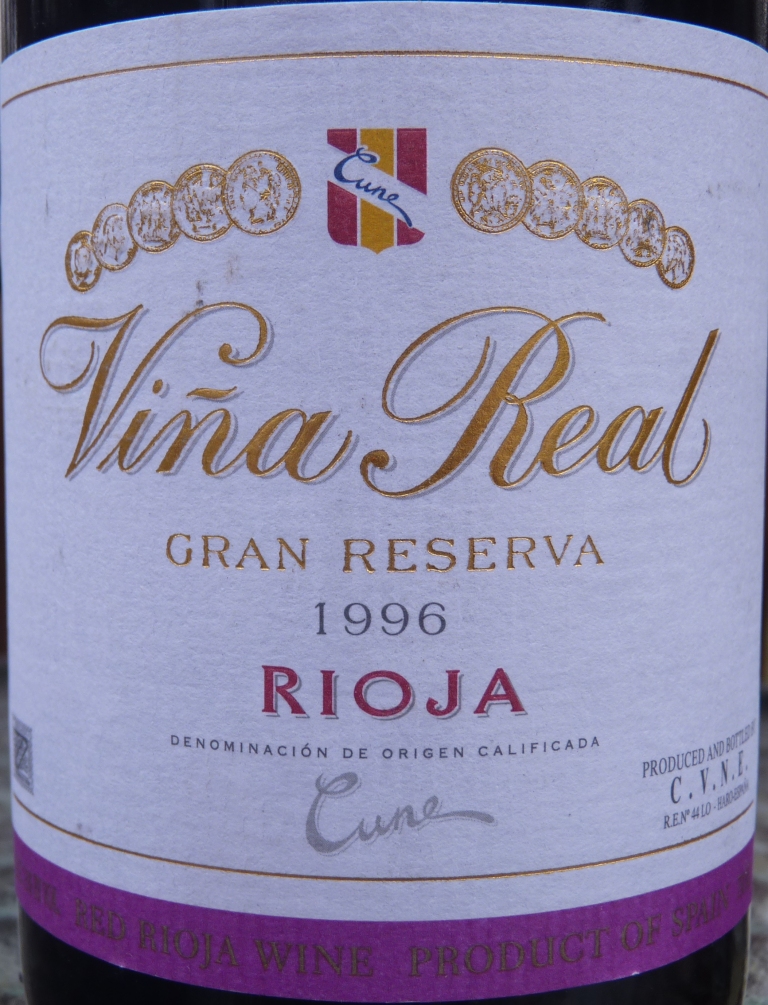 Here is another example – 1996 CVNE “Vina Real” Rioja Gran Reserva. This is Gran Reserva in all meanings – while this wine is 15 years old, it needs time like great Barolo to be enjoyed fully. In the first half an hour of breathing, only tannins opened up to the point of completely puckering the mouth, and the fruit appeared after another half an hour of time. After an hour and a half of breathing, this became a nice and gentle wine with the cherry and eucalyptus notes. Great wine, again at a great price – $31.99! Considering that this is a Gran Reserva, comparable Bordeaux or Burgundy wine would cost probably ten-fold, if not more.
I did my best to share the great secret of Rioja – don’t know if I managed to convince you, but I hope at least you feel encouraged to give Rioja a try. I truly believe you will not be disappointed. In any case, there are many more secrets we are going to share – rare grapes, little known wine regions, and many other wine pleasures to be discovered along the way. Cheers!
Last Bottle Sign Up ($10 credit)




 Talk-A-Vino