Archive
Bar Q – Good Beer, But The Food Can Be Improved
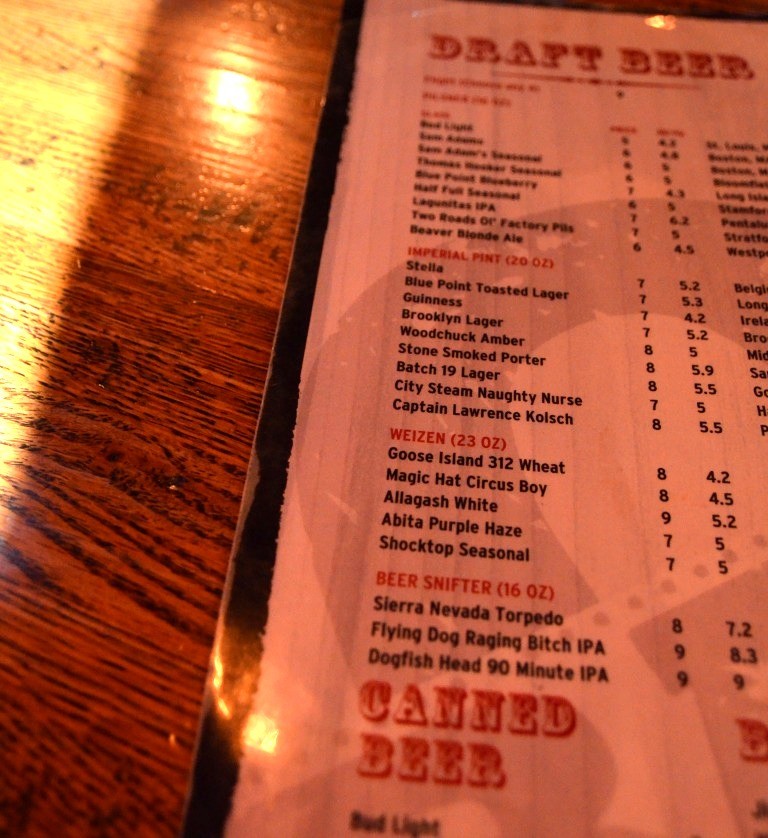
Beer list at Bar Q
It seems that one of the unwritten rules of the blogosphere is that everybody tends to share positive experiences, and for everything else – well, that is what critics are for. Yes, we rant from time to time, but more to discuss a general problem, and not for any particular reason. Thinking about it, having a true picture is important. If someone provides mediocre product or service, we often just “vote with our feet” – instead, providing some criticism could be the best thing to do, as this is the only way for someone to find out that improvements are needed. As you already got my point, this post is about experience which could’ve being better.
We went to the Bar Q BBQ & Grill in Stamford during the restaurant week (a couple of weeks ago). This was our second visit – we were there last year at about the same time (also during the restaurant week), and we had a very tasty experience, so we were very much looking forward to visiting the restaurant again.
As you can guess from the name, Bar Q is focused on serving the American barbecue. Their wine list is very limited, but the draft beer selection is excellent (and the beer is more appropriate for the BBQ anyway). Also, the menu offers to create a beer tasting flight – 3 oz of beer, 4 beers in the flight, all for $9.

Beer flight at Bar Q
Our flight included Allagash White, Belgian style wheat ale – perfectly refreshing, Goose Island 312 Urban Wheat – had a bit more weight compare to Allagash, still quite refreshing, Woodchuck Amber Draft Cider – very dangerous to have in the presence of kids, as in appearance it is not any different than Ginger Ale – light, fizzy taste with some sweet notes – perfectly quaffable. The last beer was Blue Point Toasted Lager, which is in the category of so called Red Lager – it had some bitter notes, medium weight on the palate – quite enjoyable as well.
So the beer flight was great, the service was also very good – friendly and prompt, but the food – not so much, unfortunately.
We always like to try different things, so we ordered 4 different appetizers.
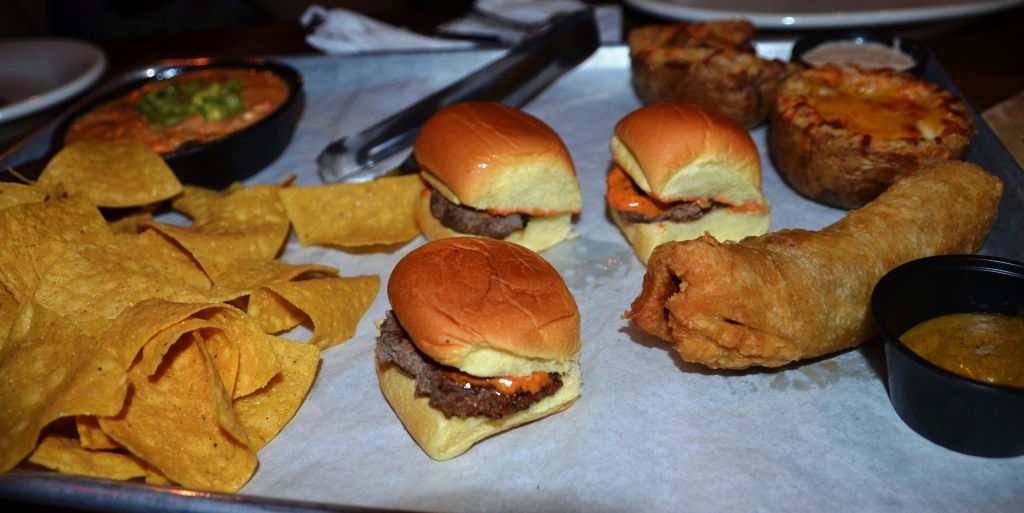
Appetizers round at Bar Q
Out of Truck Stop Queso Dip, Pig in a Blanket, Chipotle Meat Sliders and Potato Pig Skins, only Queso Dip was tasty, and the sliders were okay. The potato skins were mushy and had no taste, and the pig in the blanket was a tasting disaster.
Our “main course”, a variety of BBQ items, was not great either.


We took pretty much everything from the BBQ “small plates” menu which was not a poultry – St. Louis Cut Sticky Ribs, Classic Pulled Pork, Sliced Beef Brisket, Beef Burnt Ends, House Smoked Kielbasa Sausage, Grilled BBQ Shrimp, Smoked Pork Belly and Memphis Dry Rubbed Baby Back Ribs. Most of the dishes were okay, but none of them was at the “wow” level. “Burnt ends” dish was a disappointment by comparison – last year we couldn’t get enough of it – it was so flavorful and delicious. This time, it was only “well, okay”. And the smoked pork belly was a disaster – a blob of dribbling fat, smothered in the BBQ sauce. Yes, it was cooked, but the piece itself was such that in my opinion it should be never served in the restaurant as a dish (may be only used as a cooking fat). The sides dishes were [unfortunately] the best part of the meal.
To conclude, I wouldn’t put this as a “terrible experience” – it was an okay food experience, and drinks and service were excellent. But the problem is, this restaurant is no longer on my “I would love to do it again” list. No, I’m not asking for an absolute perfection – but, there should be at least one “wow” moment, an anchor which will pull us back – and this time around, Bar Q clearly didn’t have one. I hope it might be different in a future, and I will be glad to give Bar Q another try – but someone will have to convince me that it is well worth it.
Bar Q BBQ & Grill
261 Main St. (Behind Black Bear)
Stamford, CT 06901
PHONE: 203.316.0278
http://www.barqstamford.com

Cabernet Day 2013: 1996 Burgess Cabernet Sauvignon
I’m glad we have all those Grape days – Grenache Day, Chardonnay Day, Cabernet Day, Tempranillo Day (it is also great when those grape days are not overlapping, as Cabernet Day and Tempranillo Day had in 2011). Not that we need an extra reason to have a glass of wine – no, we don’t. But when you have a Grape day to celebrate, that greatly helps with the difficult oenophile issue – what do I open tonight? What do I open, what do I open… Shiraz? No, just had it two days ago… Rioja? Well, may be, but I have only a few bottles… Zinfandel? Not in the mood for… Okay, I’m sure you got the point, and being there, done that uncountable number of times.
When you plan to celebrate a “grape day”, you are done with a good half of the problem – you know what type of wine it should be. As today is a Cabernet Day, my decision was very simple. Need a good bottle of Cabernet Sauvignon, preferably ready to drink. I actually have very few bottles of Cabernet which I consider to be ready to drink (my criteria – 10+ years of age). My choice for today? 1996 Burgess Cellars Cabernet Sauvignon Library Release.

Burgess Cabernet Sauvignon
Burgess Cellars is located on outskirts of Howell Mountain in Napa, and it had being producing wine since 1972. In 1980, the winery started a Library program for its Cabernet Sauvignon wine – each year, a 500 cases or so are put aside in the wine cellar, to let the wine age in the ideal conditions. The wines are released to the consumers after 10 or 15 years of ageing, when they are actually ready to drink. The wine we opened for the Cabernet Day was the part of this exact Library Release.
Before I will share the tasting notes with you, let me lament for a moment about the wine being an amazing memory facilitator. We shared the bottle with my wife, as we usually do, and once we looked at the label, one of the first thoughts was “ahh, 1996 – this is when we first met!”. My own recollection later on was of an exciting discovery of Wine Til Sold Out (WTSO) – this was one of the very first wines I ordered from WTSO in 2010 at an amazing discount (MSRP: $69, WTSO price: $22.50). Wine’s capability to tune you into the “memory lane” is nothing short of spectacular and truly fascinating. Now, let’s get back to the wine.
1996 Burgess Cellars Cabernet Sauvignon Library Release Nape Valley (13% ABV; 80% Cabernet Sauvignon, 12% Merlot, 8% Cabernet Franc) – Wine was poured into the decanter, but rather to prevent sediment from getting in the glass, not so much for breathing. Dark ruby color, bright enough for 17 years old wine. Dark fruit, some dust and plums on the nose, raspberries and cherries on the palate, high acidity, tannins on the finish. Doesn’t show as typical California Cabernet, rather closer to the Claret style, with high pitch acidity and dialed back fruit. As the wine was breathing, it showed a bit more of the fruit with the warm notes. Drinkability: 8-
There you have it, my friends – my Cabernet Day experience. What was yours? Cheers!
Gumption, Tenacity and Whiskey
 Ralph Erenzo had a dream. Being an avid rock-climber, he had a vision of building a “resort” for the rock climbers, a place where they will be able to relax and have fun. With that vision in mind, in 2001, he acquired an old 35 acres farm in upstate New York, about 80 miles up north from New York City.
It appears that his new neighbors had their own idea of who the rock climbers are, as the first thing they told him was that they will do everything in their power to prevent him from successfully realizing his dream – they don’t need all these “bad people rock climbers” to come to their quiet neighborhood. And they did. Two years down the road, having sold 15 acres out of the 35 and practically out of money, Ralph had to think about what to do next.
He talked to the local authorities, asking “what can I do here”, and he got somewhat of an obvious answer – well, it is a farm, so nobody can object if you will use it as a farm. So, what can you do at the farm? Creating a vineyard was one option – but the wait time until the vines will be able to bear decent fruit was not acceptable to Ralph. Then something interesting caught his eye – New York state passed the law encouraging creation of the small distilleries, thus reducing the license fees from $60,000 to only $1,000 for three years. That was an “aha” moment, and this is how Tuthilltown distillery was born.
Ralph had no idea about spirits and distillation, but he was eager to learn – thus he built his first distilling apparatus out of the copper tea kettle and proceeded with practical exercises in the comfort of his own kitchen (boy, am I glad the Prohibition was over) – you can now see that original machinery on display in the tasting room at the distillery:

how the things started…
From there on, there was a lot of excitement, learning, selling, upgrading, building of a real business, selling it and much much more. You know what – let me ask for the 18 minutes of your time – you will much better learn everything which happened from the Ralph Erenzo himself. In return, I will tell you that you will learn about gumption and tenacity, and may be some of you will even feel encouraged to do something they’ve being postponing for the long time. Watch this TEDx video, and then come back for more fun facts and pictures.
When we visited distillery few weeks ago, Ralph Erenzo was leading our tour.

Ralph Erenzo leading our tour
It was really a great experience, listening to someone who “made it”, and who is nevertheless very much down to earth. I hope you watched the video, as I don’t plan to repeat what was said there. In the day to day operations of Tuthilltown, there is a constant desire to optimize, improve, waste nothing, be self-sufficient and most importantly, to be a fun place to work at (the distillery currently employs 25 people on staff). Just to give you few examples of the mindset:
Ralph showed us their new steam boiler waiting to be installed – acquired on eBay for the absolute fraction of the price of the new one.
Big solar panels are installed right on property – on a good sunny day, they generate enough electricity to power up the whole production and return electricity back to the grid.
Tuthilltown also grows its own apples (750 trees are planted, and another 750 will be planted soon), some of them on those 15 acres which Ralph had to sell, but later was able to buy back.
The distillery owns a cooperage, so they have control over the wooden casks, which are [the most] important part of making the whiskey.
After the grains are crushed, fermented and converted to liquid with alcohol, the leftover mass needs to be removed. Today, it means hauling it to the town dump and paying for the disposal. The distillery is about to install the machine which will convert the leftovers into the water (which will be used back at the distillery) and a little bit of ash – making the distillery completely green and even more self-sufficient.
The distillery needs grains to make whiskey. The grains are typically stored in silos. Say the word “silo” – what picture comes to mind? A super-boring, huge column, colored in gray or brown, right? Well, not at Tuthilltown. The graffiti artists were invited, to make the silos look like the museum pieces:

Silos at Tuthilltown Distillery

you can see solar panels in the back
Let’s talk quickly about how the whiskey are made (yes, I have a few more pictures to share). To make a whiskey, you need corn, or rye, or barley, or some other grain – something like you see below, only in slightly bigger quantities:

The beginning of whiskey
Then you have to run it through the mill, like this one used at Tuthilltown distillery (circa 1930s):
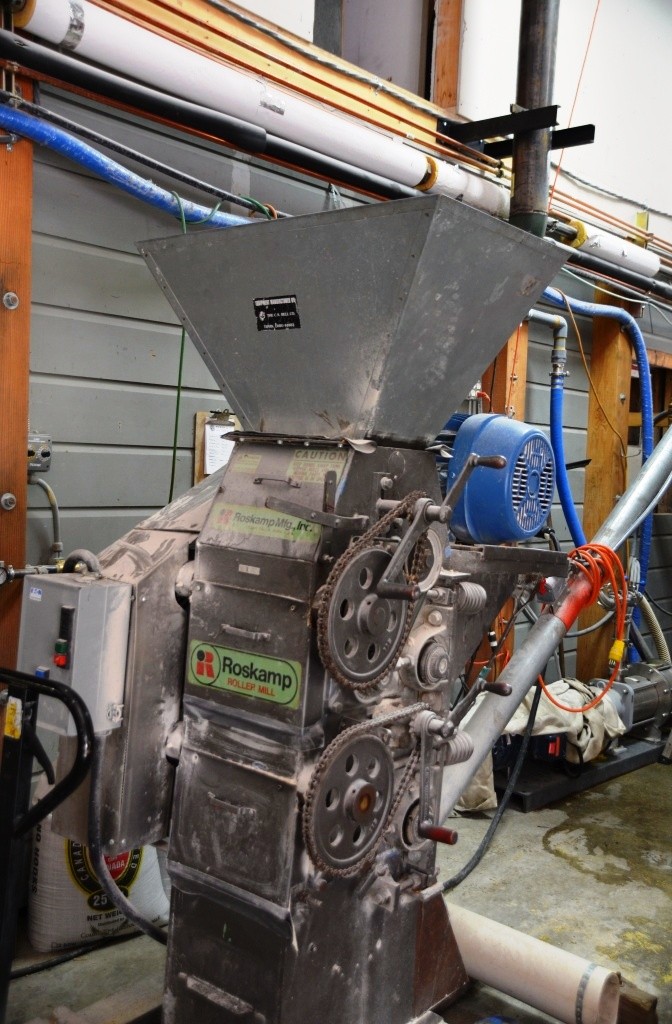
Manually operated (!) grain mill
Add water and yeast to the coarsely ground grains, get some heat going, and fermentation will start. Once you are done fermenting, the leftovers mash will be disposed, and the water with alcohol will go through the distillation process, where they will be separated.

Distillation column at Tuthilltown
Once you have the alcohol, it can be either bottled as is, or it can be aged in the barrels. When it comes to ageing, Tuthilltown uses heavily charred new American Oak casks (made by the cooperage which they own).

Small American oak cask
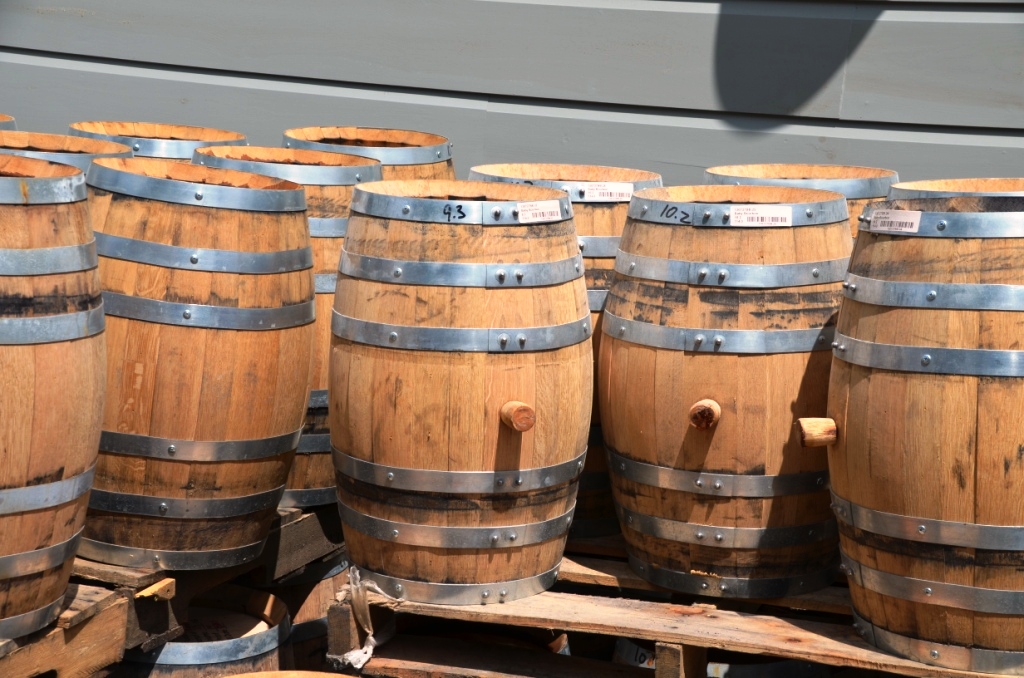
Ageing goodness
American whiskey is typically aged for 30-40 days per gallon, so if you have a 10 gallon cask, it will take a bit longer than a year to reach the proper age – of course whiskey can be aged for any period of time, but at least today Tuthilltown doesn’t produce any whiskey with extended ageing.
Once the ageing is done or close to be done, bottlers will decide when the particular batch is ready to be bottled. The bottling operation is located in the basement of Tuthilltown distillery. The process starts from filling the empty bottles:
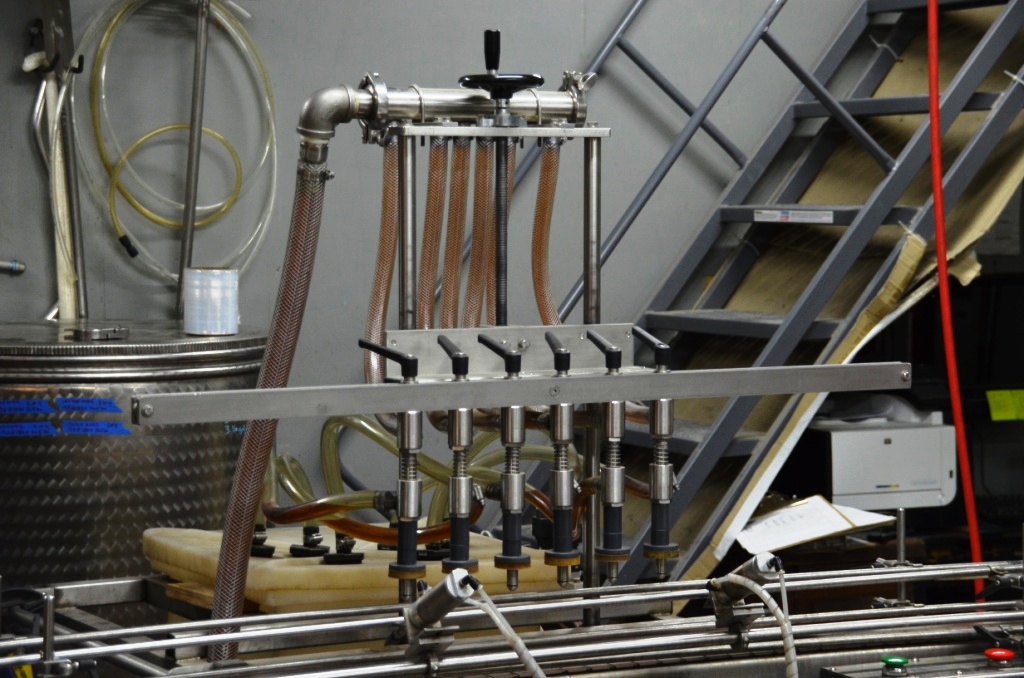
this is where the bottles are filled
Then the bottles are closed with cork, and dipped into the hot wax and lastly, labeled:
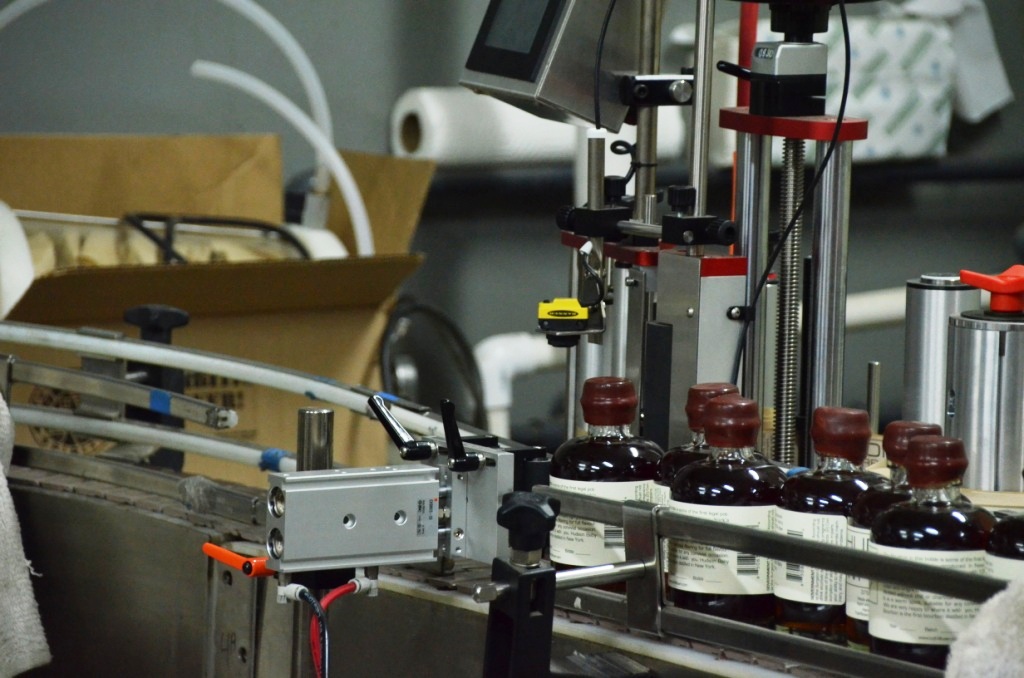
labeling part
Labeling was one of the most mundane tasks which Tuthilltown automated very recently. By automating this task, it allowed people to use the freed up time for something useful and creative – and the new product, called Basement Bitters was born ( beautiful aromatic drops for your cocktail).
And once you are done with the labeling, you get … lots of whiskey, ready to be numbered (by hand!) and shipped for all of us to enjoy:
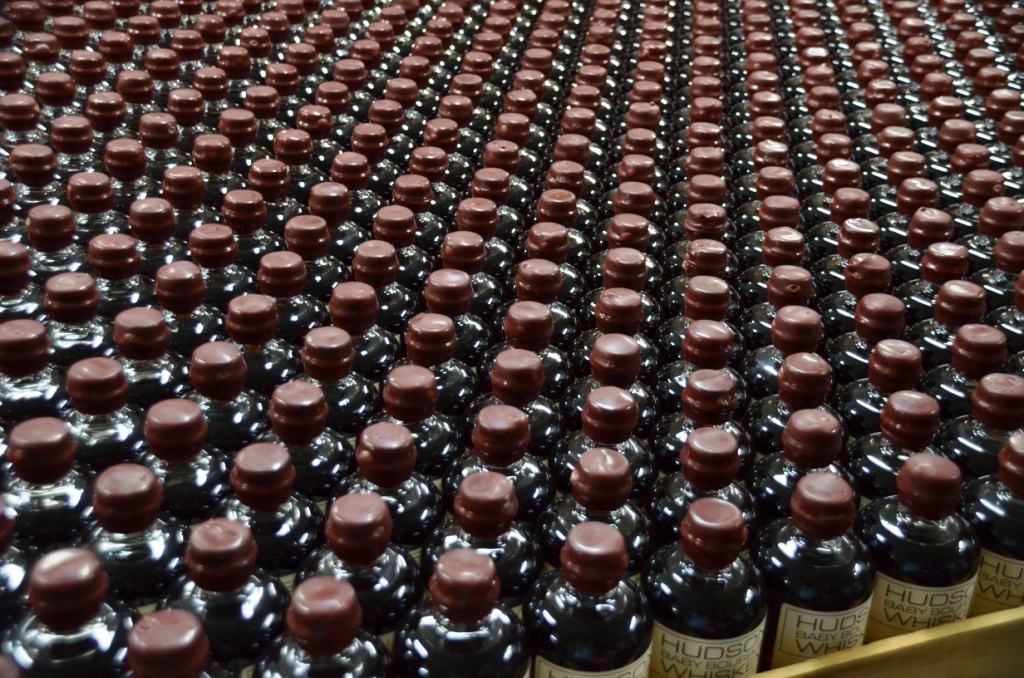
Ready to go

yes, ready
And of course after the tour you can go and taste the whiskey (and vodka, and gin) in the tasting room:

Tasting time!

Don’t forget the bitters
Tuthilltown lineup includes Indigenous Vodka (made out of apples), Half Moon Orchard Gin, Hudson New York Corn Whiskey (unaged), Hudson Baby Bourbon, Hudson Four Grains Bourbon and Hudson Manhattan Rye Whiskey ( last three are all aged whiskeys). Hudson Baby Bourbon is my favorite, but hey, you have to taste it for yourself.
And I think we are done here. I hope you found the time to watch the video. And what I want to leave you with is this:
Dictionary.com defines “gumption” as:
2. courage; spunk; guts
Follow your dreams! Cheers!
Oak Hills Restaurant: Great Food, Great Wine
I recently shared with you my take on the Madonia restaurant in Stamford. Few weeks after visiting Madonia, we went to another restaurant with the similar type of cuisine – Mediterranean with Italian flair. This restaurant is called Oak Hills Restaurant on the Green and it is located in Norwalk, Connecticut, at the Oak Hills Park (it is actually a municipal golf course).
When the restaurant is located on the golf course, what do you think it can come with? Of course, the view! We were sitting outside on the terrace, overlooking beautiful greens. Yes, you can watch the crowd French style, sitting right in a middle of the street with cup of coffee or glass of wine. Or you can just relax and admire the serenity around you – this is where the golf course is simply a good place to be.
First, let me say a few words about the wine. The wine list was short, but had a few good values. My eye stopped at Barbi Rosso di Montalcino – at $40/bottle, this was quite reasonable wine to get, considering that it retails at around $20.
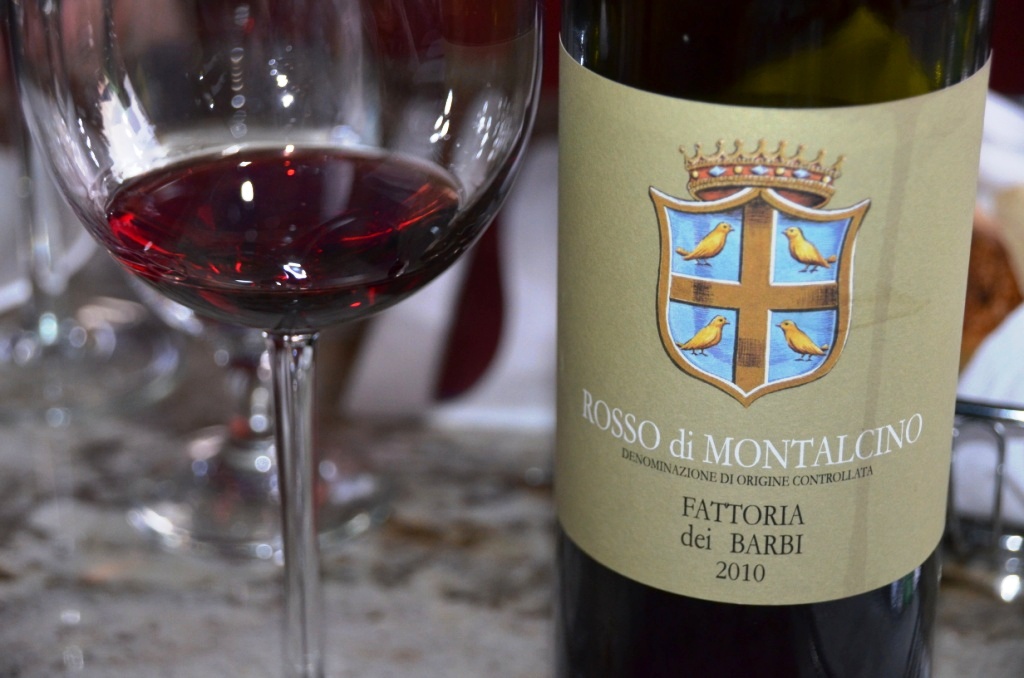
Barbi Rosso di Montalcino
This 2010 Fattoria dei Barbi Rosso di Montalcino DOC was very nice, ready to drink from the get go. Light ruby color in the glass, rustic nose of light cherries with hint of leather, more cherries on the palate, perfect acidity, soft and round – this wine was perfectly fitting our appetizers. For the appetizers, we had a few dishes, here are two of the memorable ones:
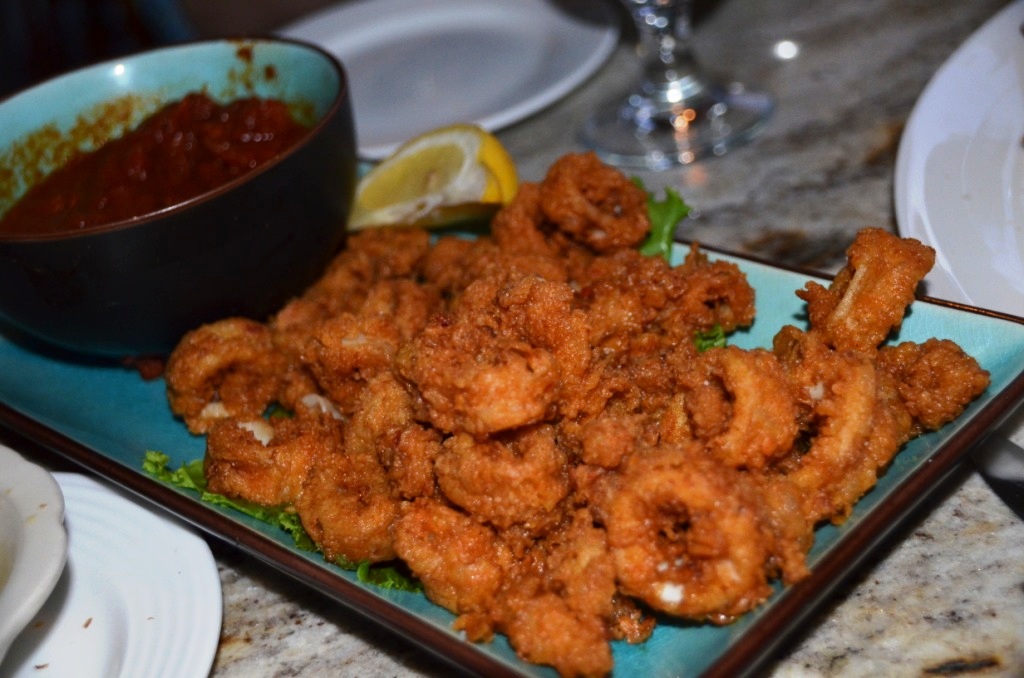
Fried Calamari
Calamari were perfectly done, with just the right amount of breading, crispy with perfect texture, and delicious sauce with just enough bite.
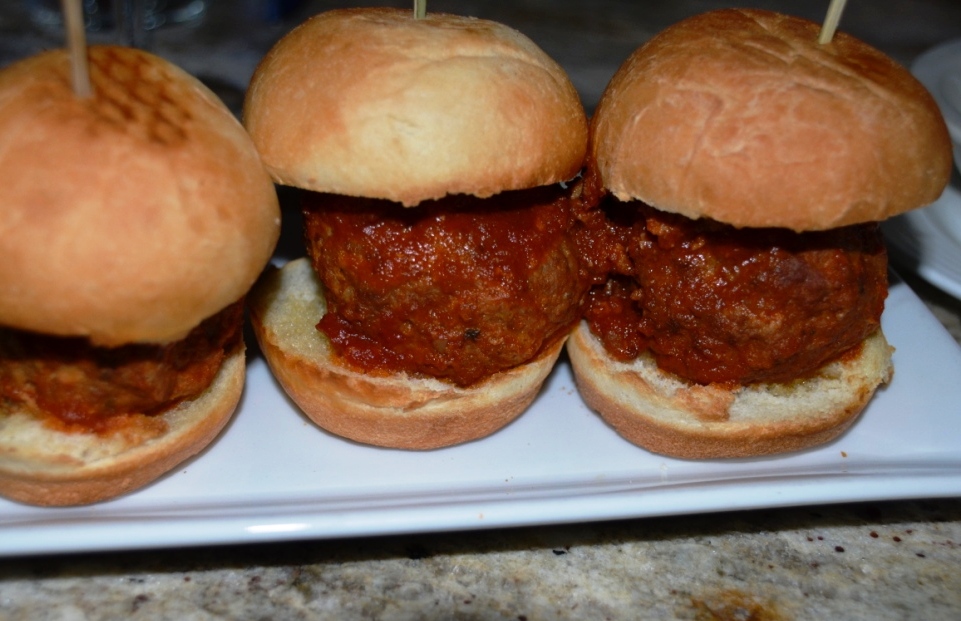
Meatball Sliders
Generous meatballs paired perfectly with our Rosso di Montalcino wine.
Then it was time to get another bottle of wine. We decided to continue with the same wine – but Omar, Maître D and co-owner of the restaurant, insisted that we would get the big brother of the Rosso di Montalcino, the Brunello. It was listed on the wine list for $80 (still a good price), but he offered us the wine at the same price as the first one, so we couldn’t resist. The wine also came with the story – Omar told us that in the very old times (1300s), Barbi family were the assassins in the village of Montalcino, and they were offered the land in exchange of promise to stop killing people (which they did). I tried to find some confirmation of this story on the internet ( including Fattoria Barbi’s web site), but was unsuccessful. If you heard anything about it, I would be very curious to learn more.
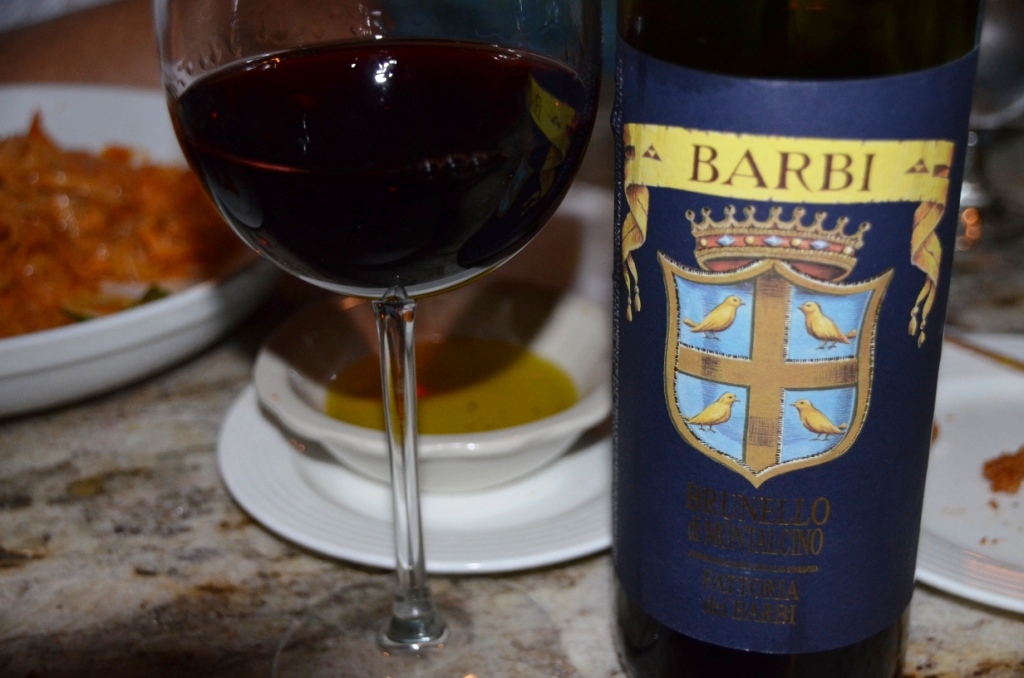
Barbi Brunello di Montalcino
This 2006 Fattoria dei Barbi Brunello di Montalcino DOCG was decanted for a short period of time. Dark garnet color in the glass, invigorating nose of the dark fruit and spices, full bodied, slightly chewy, dense wine on the palate, with lots of dark fruit, cherries and blackberries, touch of tobacco, powerful, but well balanced tannins – this was definitely a great wine.
Here are couple of examples of our entrees:
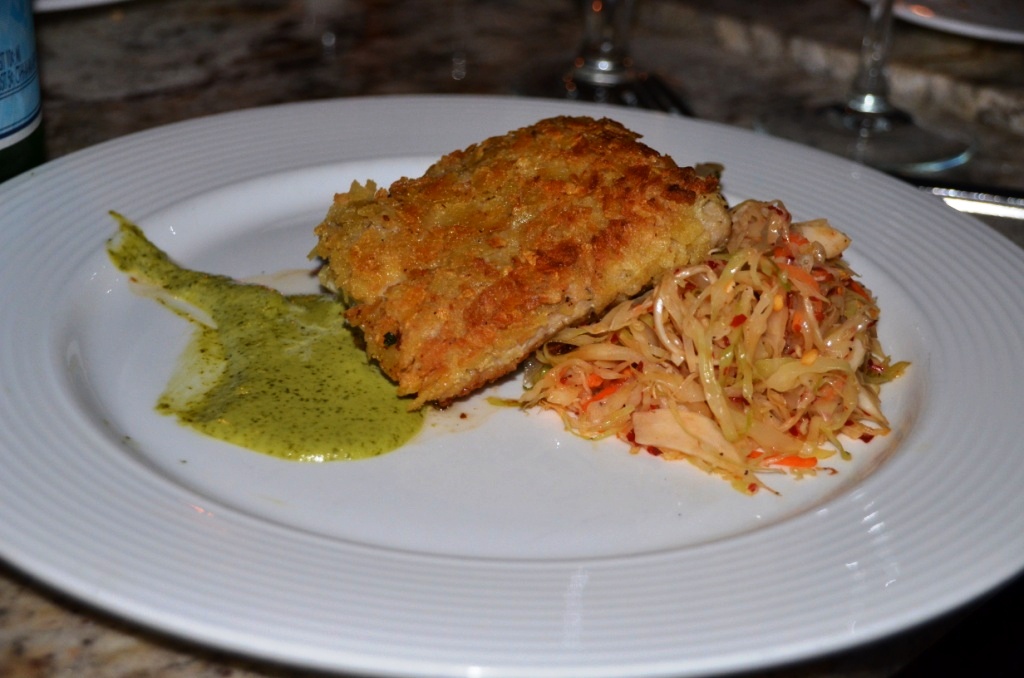
Potato Chip Crusted Mahi Mahi
My wife got this potato-chips encrusted Mahi Mahi. I can tell you – my wife is very picky about her fish – and she said this was probably the best fish she ever had. I have to agree with her – it was absolutely delicious.
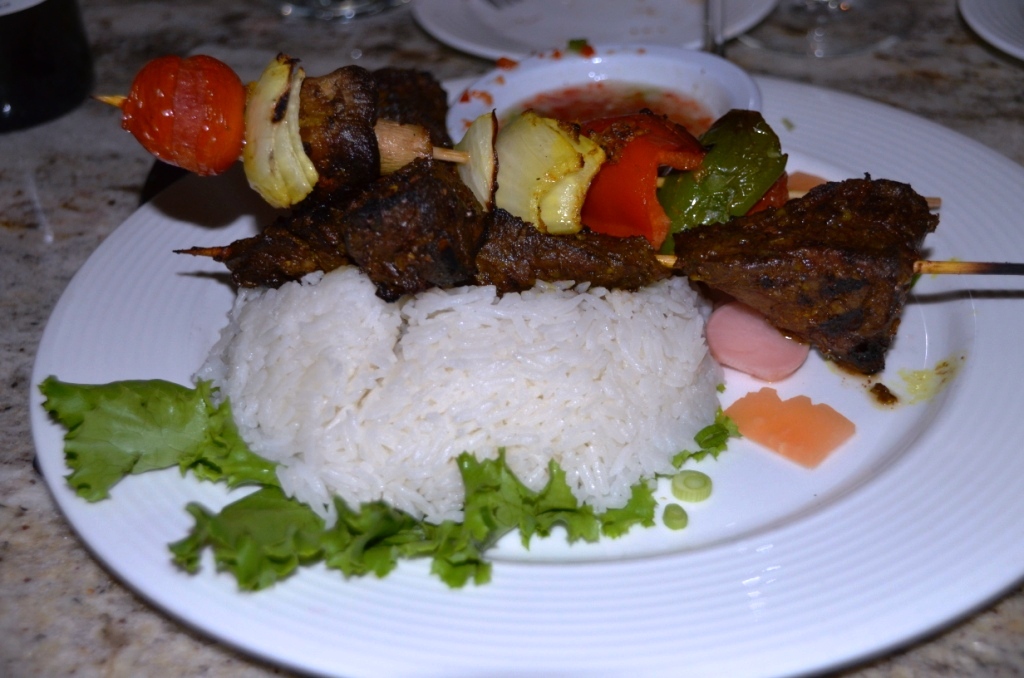
Thai style Kabob
I’m generally skeptical about beef kabob (you need lamb or pork for the best tasting kabob – both chicken and beef have a tendency to come out too dry) – but this execution was just perfect! Meat was perfectly tender, with wonderfully refreshing Thai-style spicy sauce. Definitely an excellent dish.
And then of course was dessert:

French Cannoli
Imagine Italian Cannoli, only with the French crepe instead of the typical Cannoli crust – with banana cream filling, covered with chocolate sauce and scoop of ice cream on top. I rest my case.
All in all, this was a great experience – all is left to do it so thank Chef Vinny La Forte for the delicious meal.
Until the next time – cheers!
Oak Hills Restaurant on the Green
165 Fillow Street,
Norwalk, CT, 06850
(203) 855-1800

Daily Glass: Take Your Journey, Any Time: Odisea Wines
One of the most fascinating aspects of wine is its ability to change your emotional state. Best steak in the world will only pick you up during those 15 minutes you will spend enjoying it. Yes, if the meal was “an experience”, it might stay with you forever, but still, it is very hard, for instance, to enjoy your steak during 2 – 3 hours of quiet time in the evening (never mind five evenings in a row).
Wine is different. You can start from admiring it in the glass – color, nose, legs – and then slowly move on to the first sip, and go on from there, simply observing and enjoying the transformation for a while. But this is not all. Wine, unlike many other foods, very often comes with the stories. Stories of the people who made it, or who started making it 500 years ago. You can learn about their dreams, their aspirations, their hard work. Yes, there was a lot of hard work involved in making of that steak – but it is very hard to make a unique and emotional story out of it.
What is the point of this rambling? Let me explain. Over the last three days we undertook a journey, right in the comfort of our living room (okay, actually, we were mostly sitting outside on the deck, but this is besides the point). Not just any journey, an odyssey. Lead by the Odisea Wine Company out of California, we traveled through unusual grape varieties and unique sensual expressions. Odisea Wine Company was created in 2004 by two friends, Adam Webb and Mike Kuenz, and it is focused on making the wines from “Rhone and Iberian grape varietals grown in California”.


Here is my account of this odyssey:
2009 Odisea Veritable Quandary, California (13.5% ABV; 25% Syrah, 17%Grenache, 17% Tempranillo, 14% Petite Sirah, 12% Field Blend, 12% Alvarinhao, 3% Carignane; 850 cases made) – dark garnet color, nose of dark fruit and touch of dark chocolate. Velvety palate of plums, touch of warm spices, profile of a classic Spanish Grenache, only slightly more restrained. Round, soft, perfectly balanced. Drinkability: 8
2009 Odisea Devil’s Share, California (13.9% ABV; 48% Syrah, 30% Grenache, 14% Mourvedre, 6% Petite Sirah, 2% Viognier; 335 cases made) – dark garnet color. Needs time to come to its senses (slightly disjointed on the first sip with acidity going sky high). Cherries and herbs on the nose. Spices, hint of barnyard, sage, dark fruit, raspberries, may be a touch of tobacco notes – very round, balanced and pleasant, with the long finish. A dangerous wine once it is opened… Drinkability: 8
2010 Odisea Unusual Suspects, California (13.9% ABV; 50% Carignane, 25% Tempranillo, 15% Grenache, 10% Cinsault; 600 cases made) – dark ruby color in the glass. Fresh raspberries on the nose, with the hint of tobacco. Some raspberries on the palate, but then green, almost vegetative notes (not the tree brunches, more of a hay, dry grass style), supported by tobacco and a savory profile. Warm feeling on the palate, good acidity in the back, very soft tannins over a medium finish. This wine begs for food, but nothing as sharp or as powerful as steak – it would be good with a veal roast, a slow cooked beef stew or roasted eggplant. Drinkability: 7+
I bought these wines online a while ago at the Wade’s Wines, I guess mostly based on the unusual names – and most of them are still available, at $16.99 or so, in case if you are interested in taking the journey for yourself. In any case, I’m glad I had mine. Cheers!
Madonia Restaurant: Good Food, Great Wine
 I like to write about restaurant experiences. In general, I do it only when I’m really wowed. And for just plain restaurant reviews I typically use Yelp. However, recently I discovered Urbanspoon – well, I knew about Urbanspoon for a while already, but I didn’t know that, unlike Yelp and TripAdvisor, Urbanspoon actually allows you to link your blog post to the particular restaurant’s page, which to me is somewhat of a game-changer. Taking this into account, you should expect to see more restaurant “reviews” in this blog. Well, let’s make it straight – I’m not going to convert into a restaurant critic. My reviews will [continue to] comprise of a bunch of pictures and a few words about food and wine. But I will make an effort to write more posts about our restaurant experiences.
And here we go…
The restaurant I want to talk about today is called Madonia and it is located in Stamford, CT. The restaurant defines its food as Modern Mediterranean – however, looking at the menu, I would simply classify it as Italian, considering the prevalence of the traditional Italian dishes. The restaurant is also offering a “tasting menu” featuring seasonal ingredients.
Talking about food, nothing was really stunning or even simply standing out – with the exception of the white bean spread served with the bread, which was outstanding and gone in two seconds. We ordered a number of dishes (some pictures are below), and all of them shared the same trait [unfortunately] – they were good but plain. All the food was perfectly cooked – but real seasoning, the “umph”, was missing, while it was greatly desired.
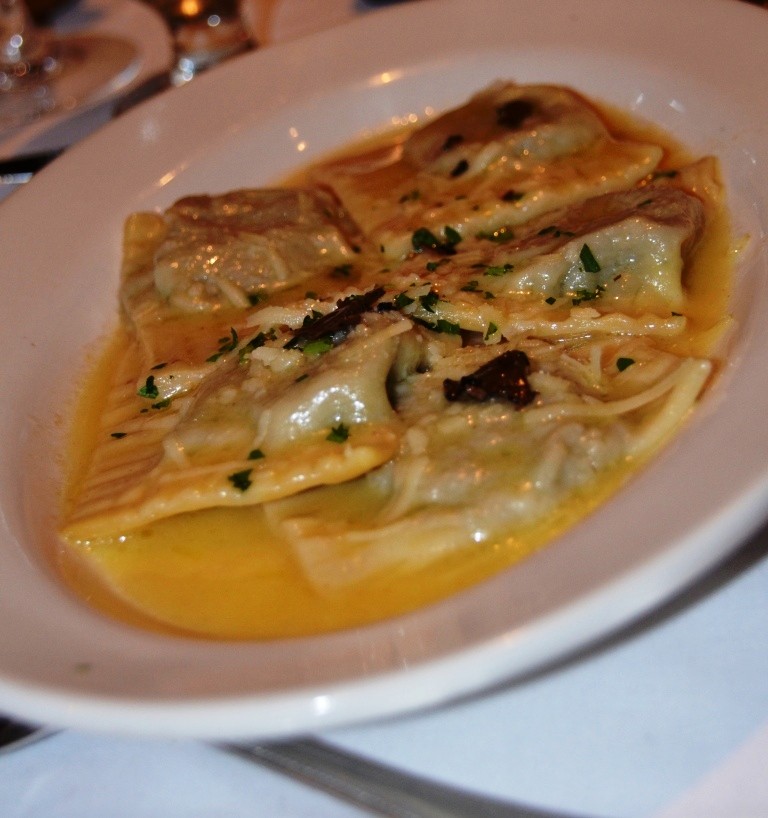
Mushroom Ravioli
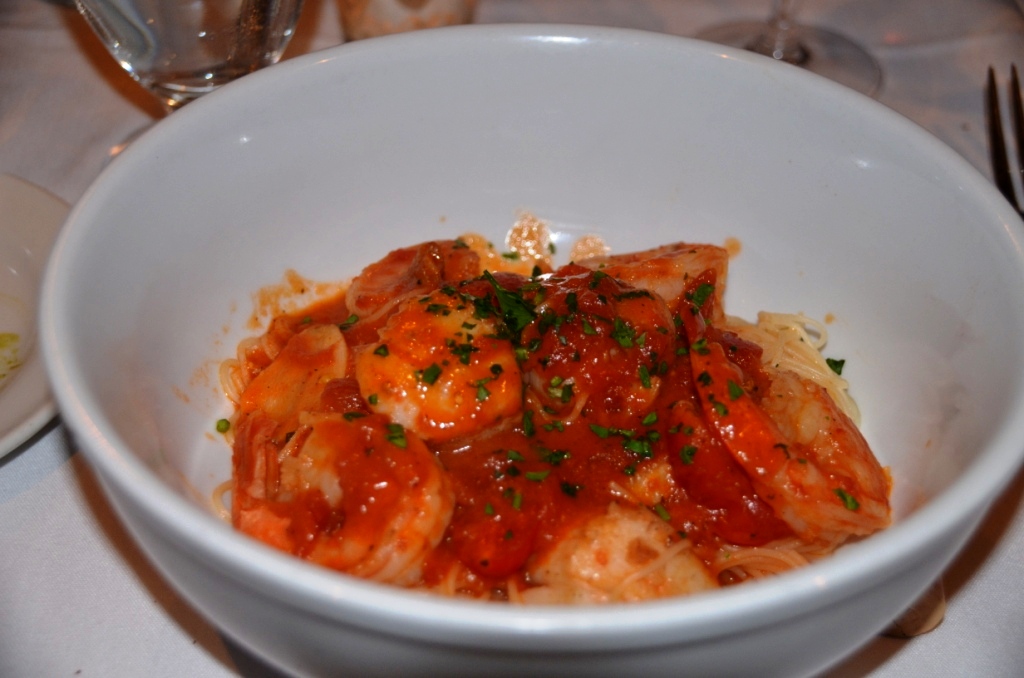
Capellini with Shrimp and Scallops
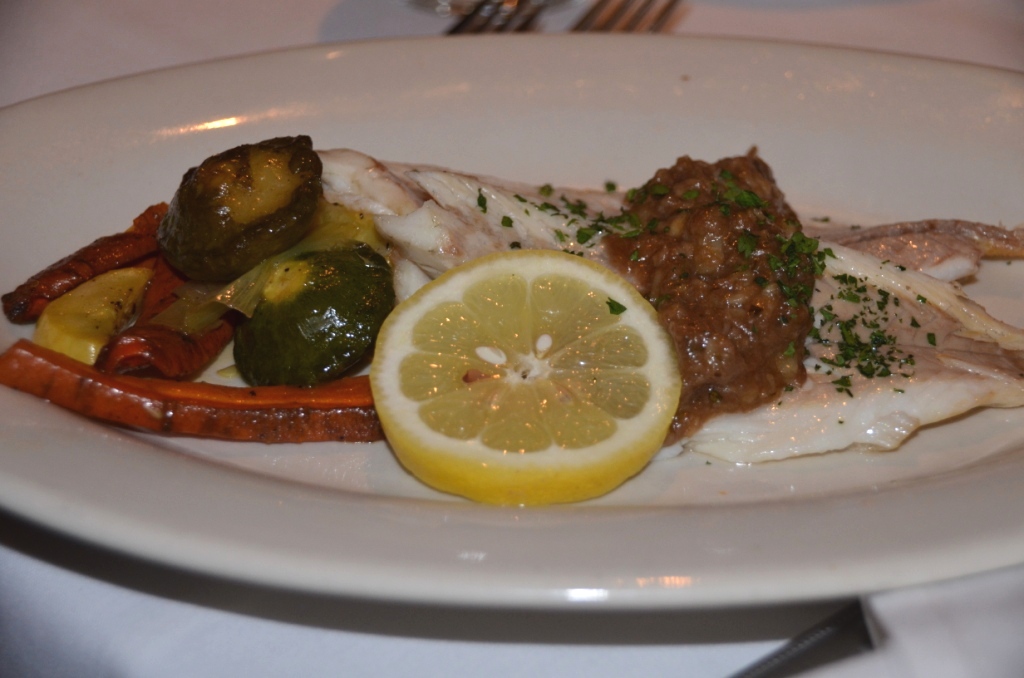
Branzino

Chicken Milanese
The wines, luckily, represented a different story. First of all, the wine list was well priced (there is enough selection of decent wines in the proximity of $30, which is not often in restaurants). Chef (and owner) Enzo is quite passionate about the wines, and he likes to please his guests. We started talking about wine, and Enzo mentioned that he has a number of wines that are not on the list, and which he will be glad to offer to us. One of those wines was called Shatter, a Grenache wine out of France.
I heard of Shatter before, I believe I read a rave review in one of the blogs (sorry, it’s been a while). Shatter is a joint project of Dave Phinney, the winemaker at Orin Swift Cellars, and Joel Gott, the winemaker at the eponymous winery. My initial thought was “no, thank you, I don’t want this wine”. First, I don’t like the style of Orin Swift wines – one of their most famous wines is called Prisoner, a Zinfandel blend, which I find over-extracted. Second, I lost my love of French Grenache – I definitely prefer the Spanish Grenache style, in general, more velvety and round than the French and less biting. But then, considering our other options, the fact that I heard about the wine before and the great price ($45) – oh well, we decided to give this wine a try – and we happened to hit the home run.
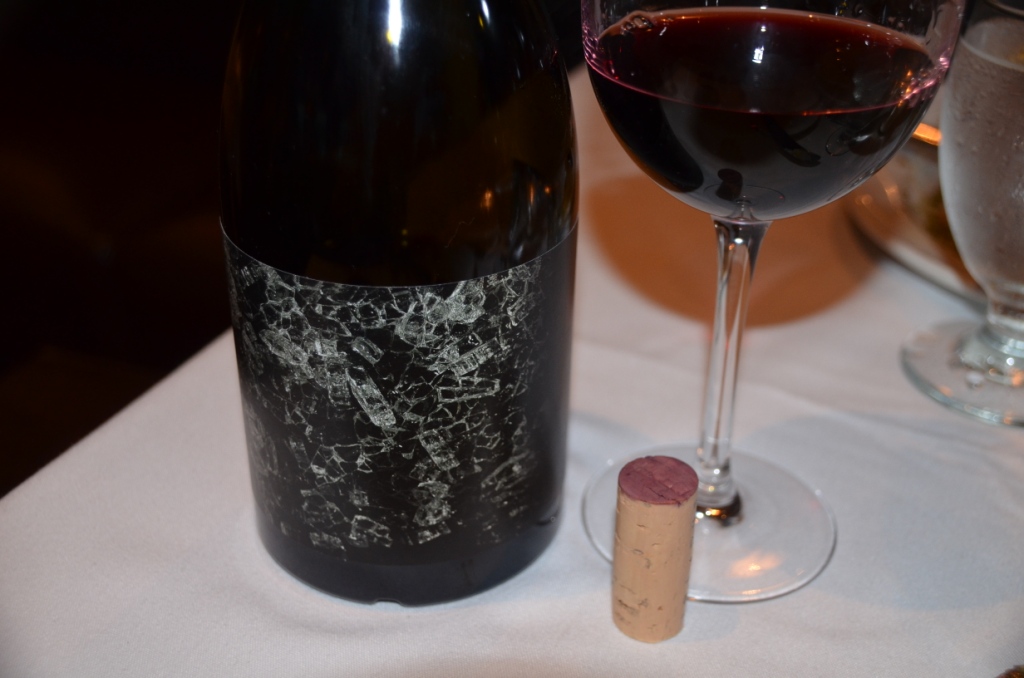
Shatter
2011 Shatter Grenache Vin de Pays des Côtes Catalanes, France (15.9% ABV, 100% Grenache, 10 months in French oak, 30% new) – dark garnet color in the glass, nose of dark fruit with a hint of espresso beans. On the palate, velvety texture with blueberries and cherries prevalent, a touch of spice, few peppery notes, dark chocolate, firm structure, supple tannins, perfect acidity, and overall very balanced. I have to say, surprisingly balanced (again) for 15.9% ABV. Drinkability: 8
Then there was dessert, and so here are more food pictures for you:


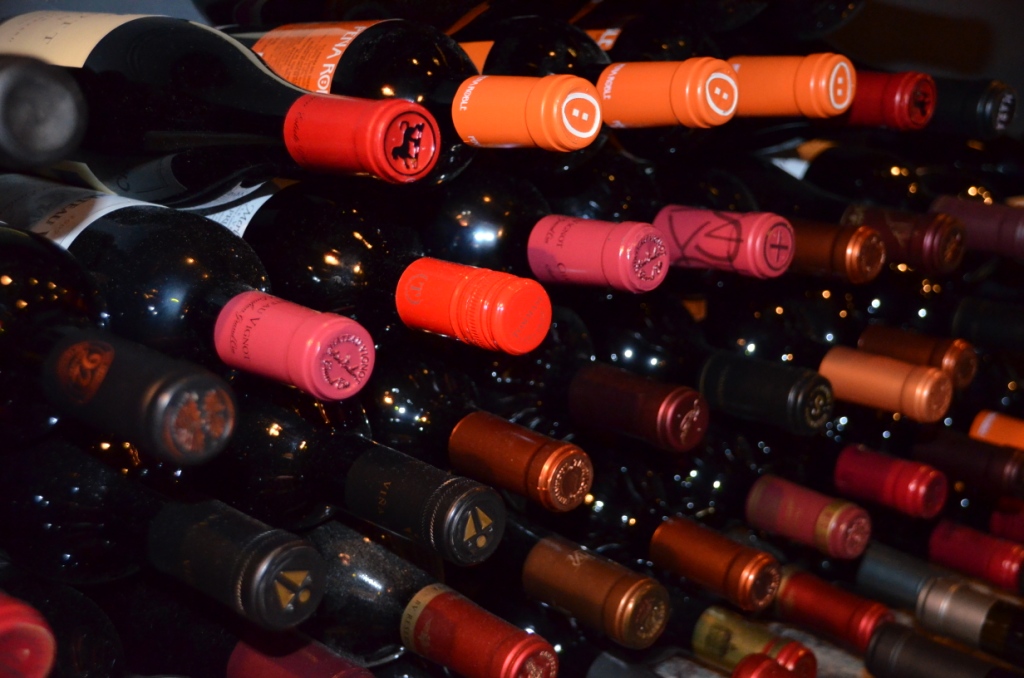
Overall, it was a good meal, definitely anchored on the great wine experience. And we plan to come back, as Enzo showed us his secret wine room – the room is used both as a cellar and the place for the special wine dinners. You can eat surrounded by wine – don’t think I know of any other restaurant in Stamford where you can do the same. Yes, we will be back…

Ready for wine dinner
That’s all I have for you for today, my friends. Cheers!
Madonia
1297 Long Ridge Rd
Stamford, CT 06903
(203) 322-8870
https://www.madoniarestaurant.com/

Wine … It Will Get You In Trouble
In June 2013, Jeff a.k.a.The Drunken Cyclist, started the Monthly Wine Writing Challenge, where the new theme is announced on about the monthly basis by the winner of the previous round. This month’s theme, as announced by The Armchair Sommelier, is “Trouble”.
To be entirely honest with you, I was about to give up on this challenge, as I couldn’t associate “wine” with “trouble”. Before I would “officially” give up, I did what would [probably] most of the married men do – ask the wife’s advice. So the first thing she said, “what do you mean you don’t know what to write about? How about the time when you quietly drunk most of the home-made plum wine when you were a kid”? Yeah, but I really never got into trouble for that, don’t think it was even noticed. “Okay, fine”, she said, “so what about that girl in the wine store…”? Aha – you could probably hear my brain clicking – now we are onto something…
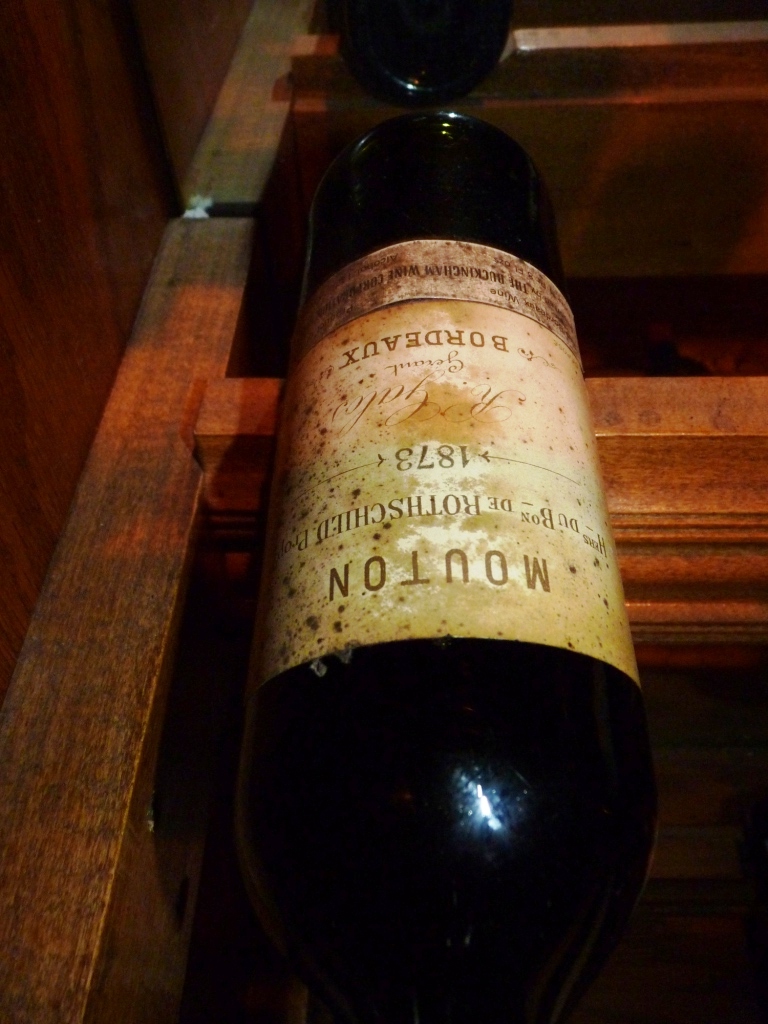
Mouton Rothschild
When you look at the bottle of wine, do you see a trouble lurking around ? No? Well, let me help you.
Think about bottle shapes. Probably 80% of all the wine bottles made worldwide will fall into one of two shape categories – Bordeaux or Burgundy. Yes, there are some shape variations even in those big classes, but they are nominal. Which means that if you will put next to each other a bottle of Bordeaux which retails for $6.99 and the one which will command $699, they will look very, very similar. What differentiates them? Yes, of course the content, but this is not something you know just by looking the bottle. So the only things which will differentiate those two bottles will be labels. See the trouble yet? Let’s continue.
In the wine store, one is guided by the visual cues – namely, the price tags. Take the cues out – and then even labels look identical. Yes, yes, before you call me an unintelligent low life and stop reading, give me a few more minutes and you will see where am I going. Of course, for the small group of crazy devoted wine geeks, every little word on the label is cherished and carefully assessed. 1982 vintage? Bordeaux? That’s nearly a heart attack. Tiny letters RM on the bottle of Champagne. La Turque, Qunitarelli, Alban, 1961, Pingus, Latour, 2000, To Kalon, Colgin, Riserva… I can go on and on and on with all those cherished words. We see any of those words on the label of the wine bottle, and the brain immediately sends out command for awe and appreciation.
Now, step outside of this crazy devoted circle. Outside of the wine store, does the bottle of 2009 Chateau Latour Bordeaux (about $1,600 per bottle, if you can find it) looks all that different from 2009 Chateau Moulin de Beausejour Bordeaux ($6.99, readily available at your Trader Joe‘s)? No, not really. Bottles look very similar in shape, both say “Bordeaux”, both have the same vintage listed – 2009, both have the word “Chateau” on them. Do you see it now? The trouble is not lurking anymore, it is looming, as a huge stormy cloud, full of wind and water.
Let me give two examples. Here are two real life stories of my friend Zak, the owner of the wine store in Stamford. The first one I only heard from Zak, and second one I witnessed myself.

2006 Ornellaia – sorry, Zak was out of Sassicaia
The lady comes into the store and asks for help. “I’m looking for the bottle of the Italian wine. I don’t remember the exact name, but I think it starts with “S”. If you will show me what you have, I will be able to recognize it”. Zak takes her to the Italian wines section. The lady looks around and says excitedly “this one!”, pointing at the bottle of Sassicaia. Then she looks at the price tag ($179 or so), looks at Zak, back at the price tag and says with the hope in her voice: “this is the case price, right?”. “No, madam, this is the bottle price”, answers Zak, and lady’s face becomes all overwhelmed with he emotions and she mutters “ahh, no wonder my husband got so upset when I used this wine for the pasta sauce…”. Turns out the husband was not at home, and the lady was looking for the bottle of red wine to add to the pasta sauce, and the bottle of Sassicaia looked not any different than any other bottle of the Italian wine… Trouble!
I’m standing in the store talking to Zak. The girl comes in with the bag of empty bottles and starts putting them one by one on the counter and then tells Zak: “I need to get this exact wines”. I’m, of course, curious, and I’m picking over Zak’s shoulder as he is looking at them one by one. Some kind of Spanish wine. Something else I don’t recognize. 1995 Chateau Mouton Rothschild. 1999 Riesling. Something … Wait, what? Mouton Rothschild 1995, one of the First Grows Bordeaux? That will be interesting. Zak points at that exact bottle and says: “I don’t have this wine, miss, and it will be hard to get it as this is an old vintage”. The girl asks if he can get the current vintage. Zak looks in the catalog and says “well, I’m not sure if it will be available, as this is highly allocated wine, but if it will be, it will be about $900… Yes, for a bottle”. You should have seen despair and horror on the girl’s face. Turns out her uncle left on a long trip, and left the girl to be house-sitting. Of course having the house party with the full access to the cellar was not what her uncle planned for, and now that he was coming back soon, the girl was on the recovery mission. Is that a trouble? One look at that girl’s face would tell you – yep, big time trouble!
There you have it, my friends. Wine is a dangerous thing, with the “trouble” spelled all over it… Or not. While there can be multiple personal “troubles” around the wine, which will seem serious to the person experiencing them (think about that girl), in a big schema things, we need to remember that at the most, all those troubles will become great (and funny, for the most part) stories to tell later on. Wine is just a beverage, and there always will be another bottle to drink. I can only wish to all of us, that the wine troubles would be the biggest troubles of our lives. You can pour another glass now. Cheers!
There is a Train Station in Haro
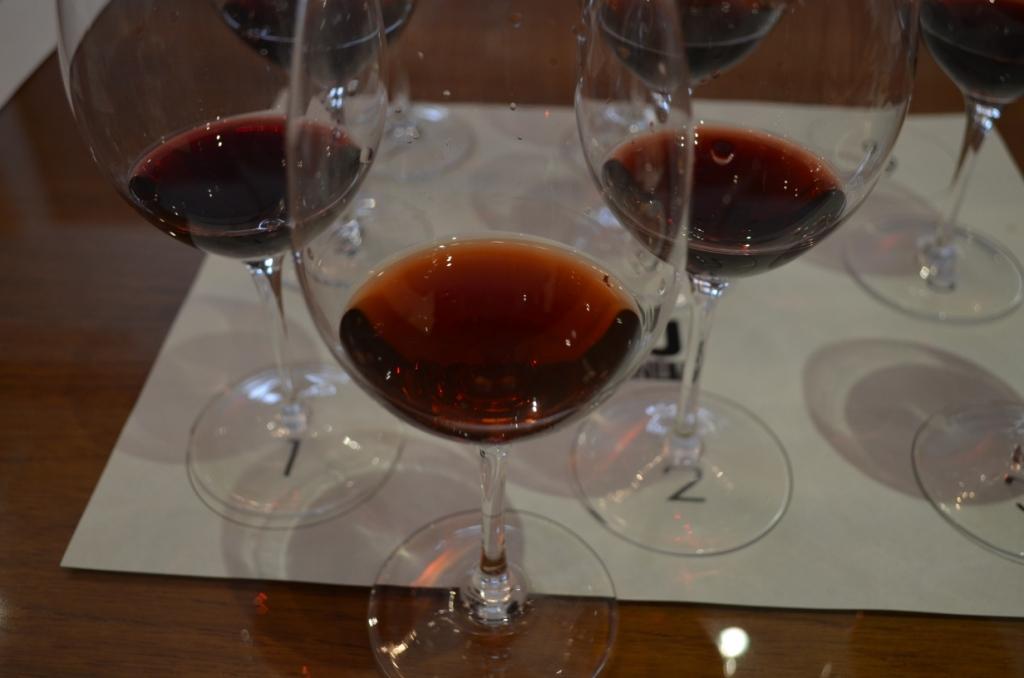 I remember talking to someone about great Rioja seminar I attended, and I remember being asked “why did you go to that Rioja seminar, don’t you already know everything you need about Rioja?”. I only raised my eyebrow. Yes, I make no secret that Rioja is one of my all time favorite wines (I’m sure you noticed if you read this blog for a while) – but there is always so much to learn around wine, you can never pass the educational opportunity. Especially when this is the seminar at PJ Wine store, where wine education always includes a glass (or two, or more) of great wine, just to make sure your newly acquired knowledge would be well anchored. As a side note, this seminar took place a while back (in March of 2013), but the experience was so good, it is still worth sharing.
Andrew Mulligan of Michael Skurnik Wines, who was running the seminar, was a wealth of knowledge on the subject of Rioja. Before we will talk about the wines in the seminar, here are some of the interesting facts about Rioja wines which we learned:
- There are four grape varieties allowed to be used in a production of red Rioja wines – Tempranillo, Garnacha (Grenache), Mazuelo and Graciano. Tempranillo is usually the main grape, which is responsible for main flavor profile and ageability of the Rioja. Garnacha adds body and power, Mazuelo – spicy flavors, Graciano – structure. There are no limitations for the exact wine composition, so all types of blends are possible
- Rioja wines are typically made out of grapes harvested from the different vineyards in the region. There are also single-vineyard Rioja wines, which are called Pago. Rioja Contino is an example of single vineyard Rioja.
- Production of all wines in Rioja is controlled by Consejo Regulador (Control Board), an organization founded in 1926. Consejo Regulador also sets vintage ratings for different years. You can find all vintage ratings (starting from 1926!) here.
- 2010 and 2011 vintages have “excellente” rating – Crianzas should be good already!
- Bodegas Muga, CVNE, Lopez de Heredia and La Rioja Alta wineries (some of the very best Rioja producers) are all located at four corners the train station in Haro – the location was chosen for the purposes of easy shipping of wines to UK.
- La Rioja Alta 890 line commemorates the 1890 when the winery was created. 904 commemorates 1904 when Ardanza winery was acquired and became a part of La Rioja Alta. The winery decided to call their wines this way (using 890 instead of 1890 and 904 instead of 1904) so consumers would not confuse commemoration dates with the dates of production.
- CVNE was founded by 1879 by two brothers, and it produces Rioja in two distinct styles under two different labels – CVNE and Vina Real. All the fruit for Vina Real comes from Rioja Alavesa region, and all the fruit in CVNE wines comes from Rioja Alta.
- CVNE Imperial label was started specifically for the UK market, and it was called like that because it was created during the UK’s “Imperial Century”.

Rioja seminar tasting line-up
Now, let me present to you the wines with my notes. All the wines are included in the order we tasted them.
CVNE Imperial Reserva 2005 – gorgeous nose, dark fruit, perfect acidity, cherries, perfectly balanced, but very masculine. Touch of eucalyptus. Very long finish. Drinkability: 8
La Rioja Alta Vina Arana Gran Reserva 2004 – Beautiful. A lot more delicate than the previous wine, more earthy, sage notes, very beautiful. Perfect acidity. Drinkability: 8
CVNE Cune Reserva 2004 – beautiful, very delicate, (all 4 grapes are used , Tempranilo 85%, 5% the rest), a bit too delicate for me. Drinkability: 7+
Vina Real Gran Reserva 2004 – Beautiful nose, similar to #1, but smooth palate, very nice, round. Drinkability: 8
La Rioja Alta Vina Ardanza Gran Reserva 2001 – Stunning. A lot of fruit, sweet on the finish. Perfect with food. Absolutely bright and young, you can never tell it is 12 years old. Residual sweetness of Grenache is coming through (20% of Grenache). Drinkability: 8+
CVNE Imperial Gran Reserva 2001 – Wow. Perfect fruit, less sweetness on the finish compare to the previous wine. Might be my best of tasting. Perfect power despite the age. Drinkability: 9-


La Rioja Alta Gran Reserva 904 1998 – Very interesting. A lot more herbs, more subtle, beautiful profile. Drinkability: 8+
La Rioja Alta Gran Reserva 890 1995 – Very different. Lots of herbs, subtle, beautiful. Drinkability: 8+
CVNE Vina Real Gran Reserva 1978 – Tobacco, leather, mature wine. Very nice. Still has enough fruit. Drinkability: 8
Yes, I know, my tasting notes are rather short and mostly describe the wines through emotions. However, I think you can see the progression in the flavor profile from the bright fruit to the more earthy, spicy, delicate notes. The common trait among these 9 wines? Elegance. Elegance and balance, to be precise. These are the wines you crave, as you know they will bring you lots of pleasure every time you will open them.
Andrew told us a story from his personal experience with the old Rioja wine. He ordered bottle of 1917 Rioja for the customer, and the customer … refused to take it later on. So the bottle was shared at the table in the restaurant, without much expectations, among the group of young wine professionals. On the very first sip, the table got quiet. And it stayed quiet for the next 5 minutes, as everybody just wanted to reflect on that special moment. I wish you great wine experiences, my friends. Cheers!
Divine Experience, or Happy 15th Anniversary Brasitas!
A few days ago I got an invitation to attend the wine dinner at Brasitas restaurant in Stamford, in honor of Brasitas 15 years anniversary. The invitation came through by ways of the Connecticut Bloggers group, run by Wendy and Greg Limauge (if you live and blog in Connecticut, you definitely want to be a part of this group). Now, take your wild guess – do you think I accepted the invitation? Okay, that was a dumb question, so let’s move on – closer to the great food and wine.
I had been to Brasitas a number of times before, and it is safe to say that this is one of my favorite spots in Stamford. Brasitas identifies its cuisine as “Latin Fusion”, and considering the food which is served there, this is a pretty good designation. Now our dinner this time was a special event. The menu consisted of 5 dishes, paired with the special wine program (courtesy of Brescome Barton, one of Connecticut wine distributors) – so let me share that with you (but please keep in mind that this can make you hungry…).
We started our evening in style, with the Cave based version of Kir Royale:


This Codorniu Brut Cava, Penedes had a tiny drop of raspberry liquor, which didn’t change its very dry, austere character of the Cava. It is interesting to note that Codorniu family makes wines for 5 centuries (starting in 1551), and it was one of the first Cava producers in the region in 1872.
The very first dish of the day was Ensalada Catalana (Baby Spinach, Manchego Cheese, Golden Raisins, Pinenuts, Caramelized Quince, Blue Cheese and Sherry Vinaigrette):
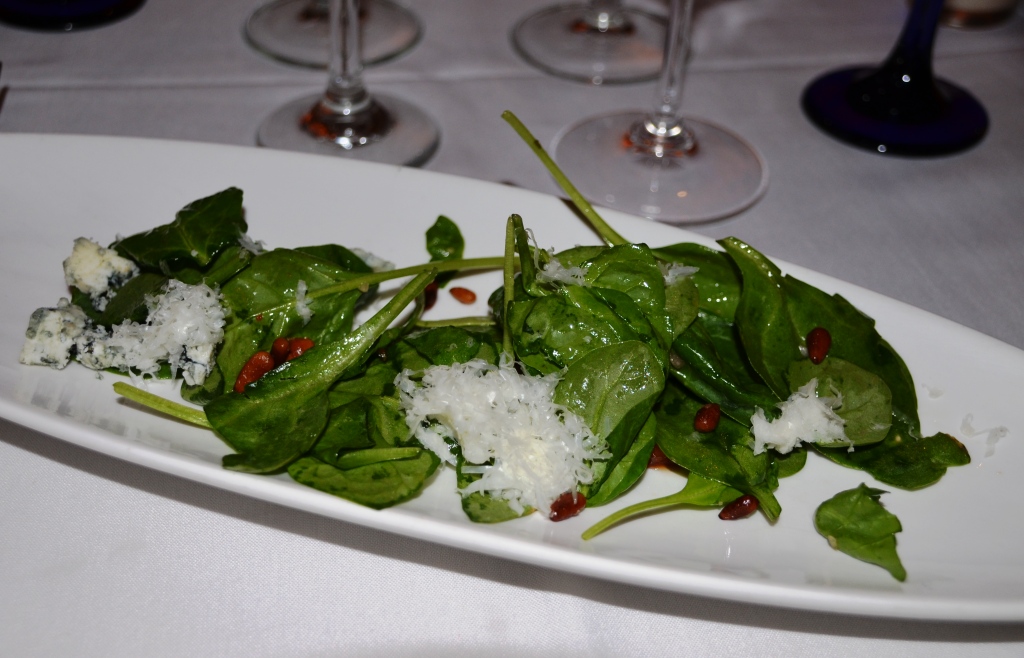
Ensalada Catalana
The caramelized quince provided perfect support for both blue cheese and Manchego, overall creating very nice and refreshing appetizer.
Our next wine was 2012 Mar de Frades Albariño, Val do Salnés, Rias Baixas DO:
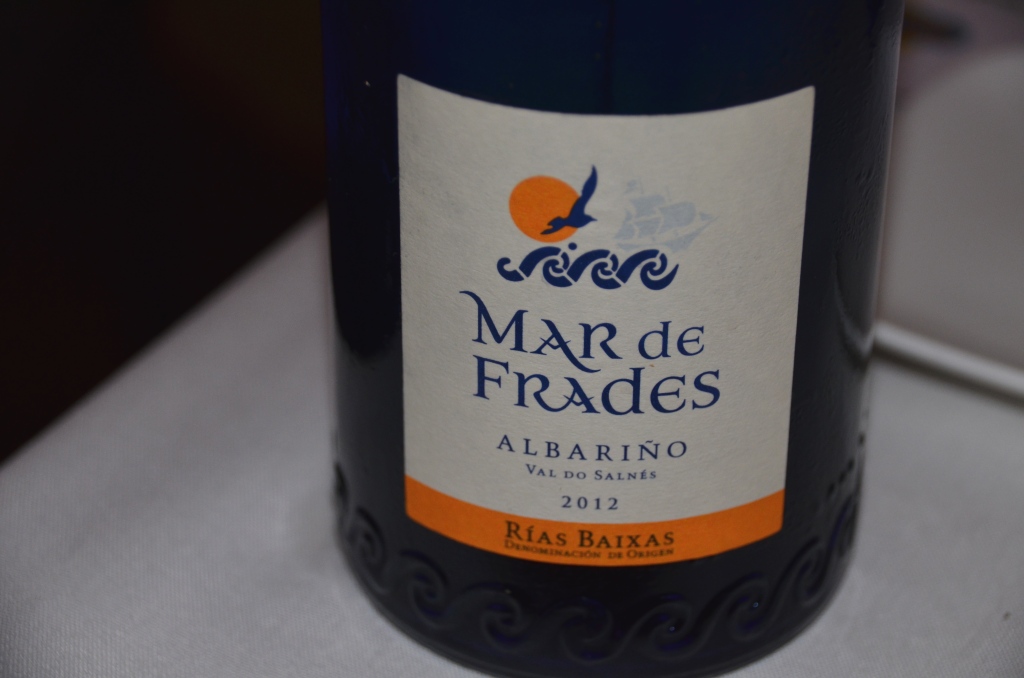
Mar de Frades Albariño
Mar de Frades means “A sea that is also a wine” in Galician. Bodegas Mar de Frades started producing wine in Val do Salnés region of Rias Baixas in 1987. The winery is located in the area where river Umia meets the sea, so you can see this sea relationship perfectly incorporated in the bottle itself. The label on this wine is also pretty unique, showing the blue ship on the label when the wine is at ideal drinking temperature (46F – 50F).
This 2012 Mar de Frades Albariño, Val do Salnés, Rias Baixas DO (100% Albariño, 12.5% ABV) had muted fruit on the nose, with nutty undertones, then it showed some white stone fruit. On the palate the wine was a little flat and acidic. I don’t know if this was really the right drinking temperature for the wine, as it showed more fruit as it warmed up. It was definitely not the Albariño I know, but I would think that it was specifically produced in this less fruity style. Drinkability: 7
Paired with Albariño was the dish called Pulpo a la Portuguesa (Roasted Portuguese Octopus, Bacalhau & Potato Cream, Charred Scallions, Chorizo, Mojo Verde):
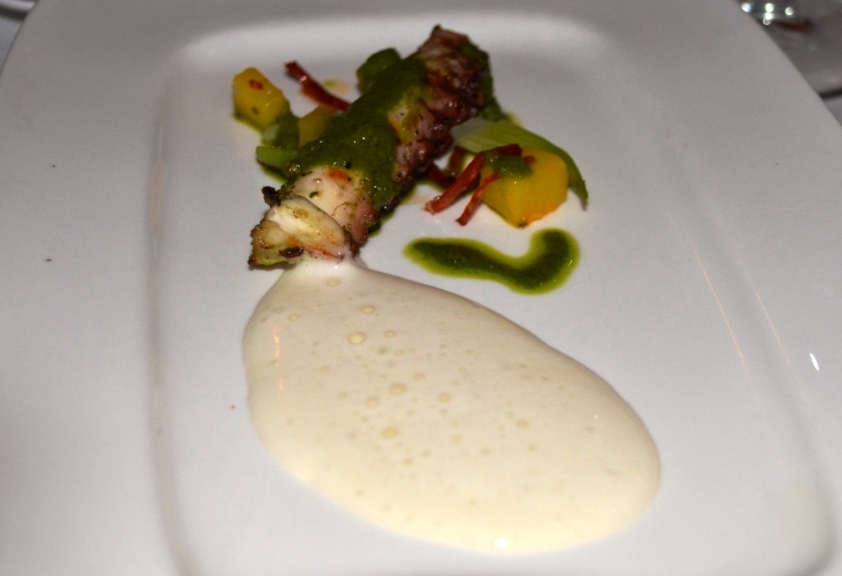
Pulpo a la Portuguesa
The octopus was perfectly cooked it was definitely the star of the dish ( as expected). I have to honestly tell you that Bacalhau was lost for me in that potato cream, and I would probably appreciate a bit more assertive presence from the chorizo, but overall that didn’t take much out of this excellent dish. An interesting side note – this was a first encounter with an octopus for a number of people at our table – but I think they all happened to like it!
Next up was 2010 Ramon Bilbao Crianza Rioja, Spain:


This 2010 Ramon Bilbao Crianza Rioja, Spain (100% Tempranillo, aged for 14 month in oak, 8 month in the bottle, 13.5% ABV) is produced by Bodegas Ramón Bilbao, founded in 1924 in Rioja Alta region. The winery had somewhat of the turbulent past, going through the number of owners but really turning around in 1999. The wine was outstanding (note to all – 2010 was a great vintage in Rioja, make sure to stock up on those wines). Nose was amazing – luscious dark fruit, some hints of eucalyptus. The nose sensation continued on the palate – dark red fruit, soft and luscious, perfect acidity, perfect balance overall, medium long finish. Drinkability: 8
This excellent Rioja was paired with… nothing else, but fish! The dish was called Pajespo con Romesco (Monkfish, Jamón Serrano, Saummer Pea Casserole, Ramesco Sauce, Pisto and Clam Broth):
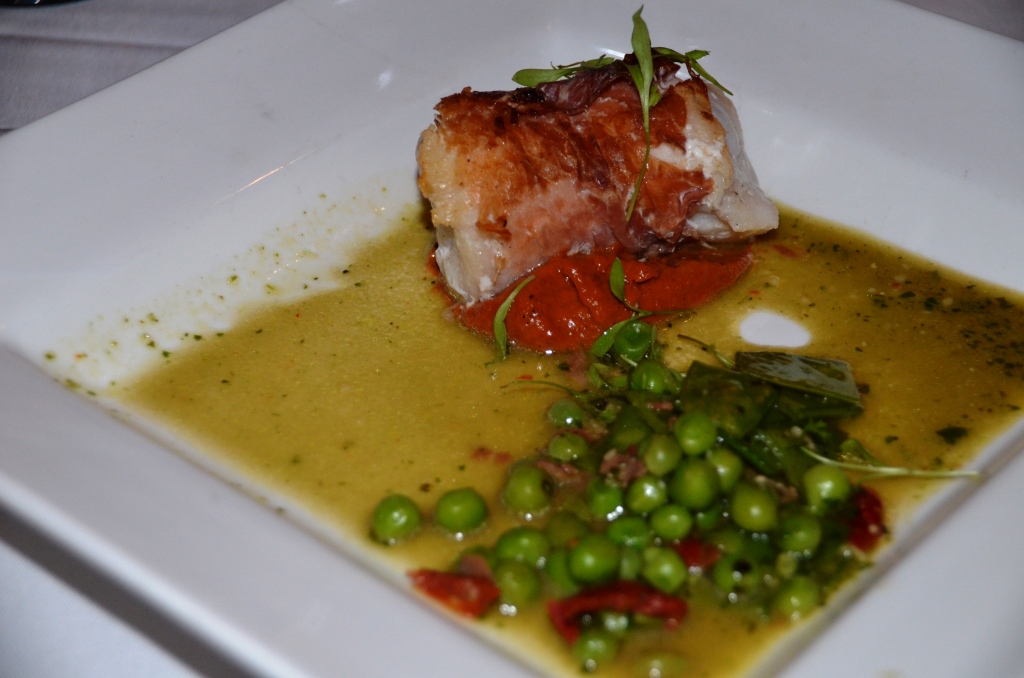
Pajespo con Romesco
How do you think the pairing was? In a word – spectacular! Earthy flavors of the sauce and nice saltiness of the fish wrapped in Jamón Serrano perfectly married the wine! I’m the first to ignore “fish with white…” rule, but in my experience this was the first truly spectacular pairing of such sort which I experienced. Bravo!
This was definitely the hard-to-top-off experience, but the next dish was … well, it was not better, but it was definitely on par.
First, the wine. 2008 Cruz de Alba Crianza Ribera del Duero, Spain:

Crus de Alba Ribera del Duero
This 2008 Cruz de Alba Crianza Ribera del Duero, Spain (100% Tempranillo, 15 month in barrel, 10 month in the bottle, 14.5% ABV) produced by Bodegas Cruz de Alba in Ribero del Duero region. This is relatively young winery, which came into existence only 10 years ago, in 2003. The winery web site is available only in Spanish, so just on my understanding it seems that this is a new venture of Bodegas Ramón Bilbao.
In general, the wines in Ribera del Duero are made from the same Tempranillo grapes as the wines of Rioja – but typically Ribera del Duero wines are more massive and concentrated than those of Rioja. This wine was no exception – dark fruit, structure, power, cherries, espresso and dark chocolate on the palate, perfect cut-through acidity, perfect balance. Definitely an outstanding example of Ribera del Duero wine. Drinkability: 8.
This wine was paired with probably a culmination dish of the evening – Chicharrón (Pork Belly Brined in Smoked Paprika, Cauliflower-Manchego Foam, Crispy Cauliflower, Chanterelle Mushrooms, Solera Vinegar, Pickled Cherries):

Chicharrón
This dish was a symphony of flavor and texture – succulent meat, the sauce with enough sweetness and acidity, crispy skin – all worked together perfectly. Cruz de Alba Crianza, with its sour cherries profile, was creating a delicious combination.
And then there was dessert – Torta de Aceite (Olive Oil and Rosemary Cake, Grapefruit Sorbet, Cosecha Miel Marinated Grapes):
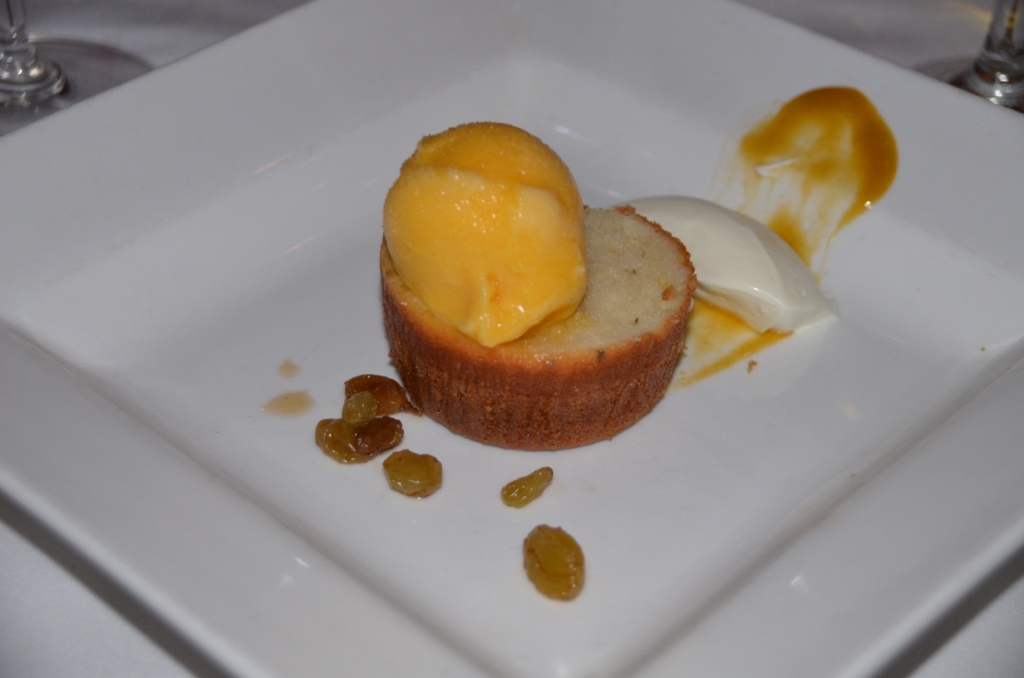
Torta de Aceite
The dessert was paired with Licor 43, a citrus essence with the touch of vanilla, which naturally complemented the dessert perfectly. This was a great finish to the fantastic meal.
Last, but not least – Jaime Guerrero, chef and owner of Brasitas, came to talk to us, which was a great ending for the evening:
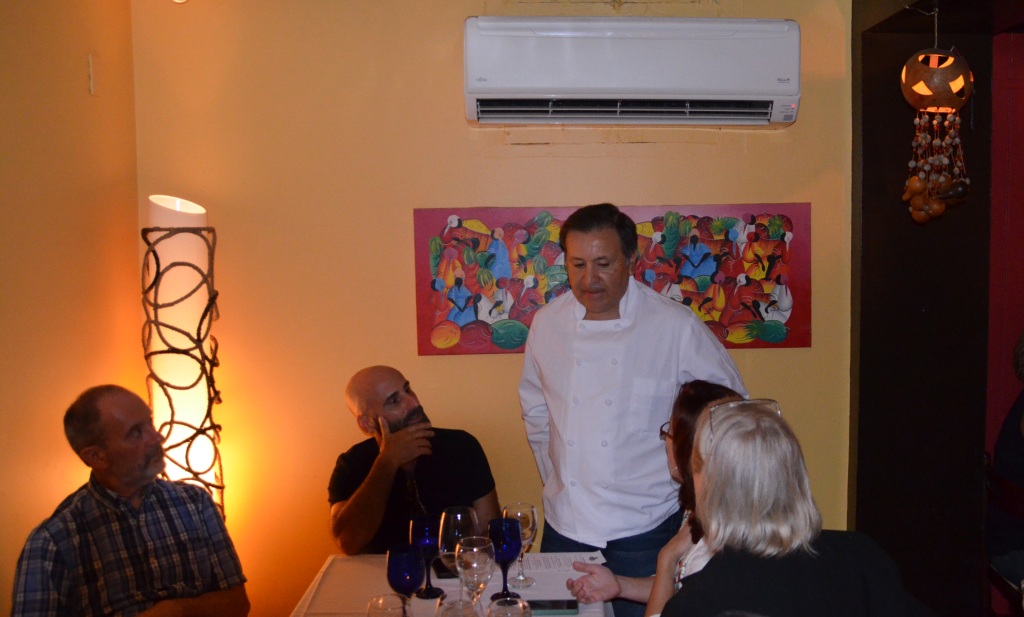
Jaime Guerrero, Chef and Owner of Brasitas, talking to CT Bloggers
There you have it, my friends – great dinner, great food, great wine, great company – life at its best. I really enjoyed meeting all the Connecticut Bloggers who came to this dinner – Denise (and Jay) from DeeCuisine, Alicia from Local Food Rocks, Bonnie from Home Place, Greg and Wendy from Connecticut Bloggers – and I hope to seem them again soon.
And we are done here. Until the next time – cheers!
Brasitas Restaurant
954 E Main St
Stamford, CT 06902
(203) 323-3176
http://www.brasitas.com/
Disclaimer: I was invited to this dinner as a guest of management. All opinions are my own.

Leaving Cape Cod
All the good things come to an end. So was our stay on Cape Cod. I don’t know exactly what makes me feel differently when I’m visiting Cape Cod. I love vacations (who doesn’t!), but I typically want to avoid going to the same places over and over again. However, not when it comes to Cape Cod.
There is a genuine tranquility in that Cape Cod lifestyle. Little shops which are made out of the old houses. Little bakeries, which make cookies to die for. Little motels and inns, none of them more then two stories high. Lighthouses and water towers being the tallest structures around. The low tide on the beach, which allows you to walk and walk for hours. The beach which is never crowded. The waves in the sand which water leaves behind when it descends. The abundant flowers and greens of all kind. The special smell which is constantly in the air. There is something magical in the Cape Cod air, which lures you back…
We are back home now, so here are a few (okay, a lot) of the pictures I want to share with you. There will be more posts coming – we visited local Cape Cod winery, called Truro Vineyards, so I will talk about this experience, but for now, I just want to leave you with these little impressions of Cape Cod. Enjoy and cheers!

Quintessential Cape Cod

Dream on…

Cape Cod freedom
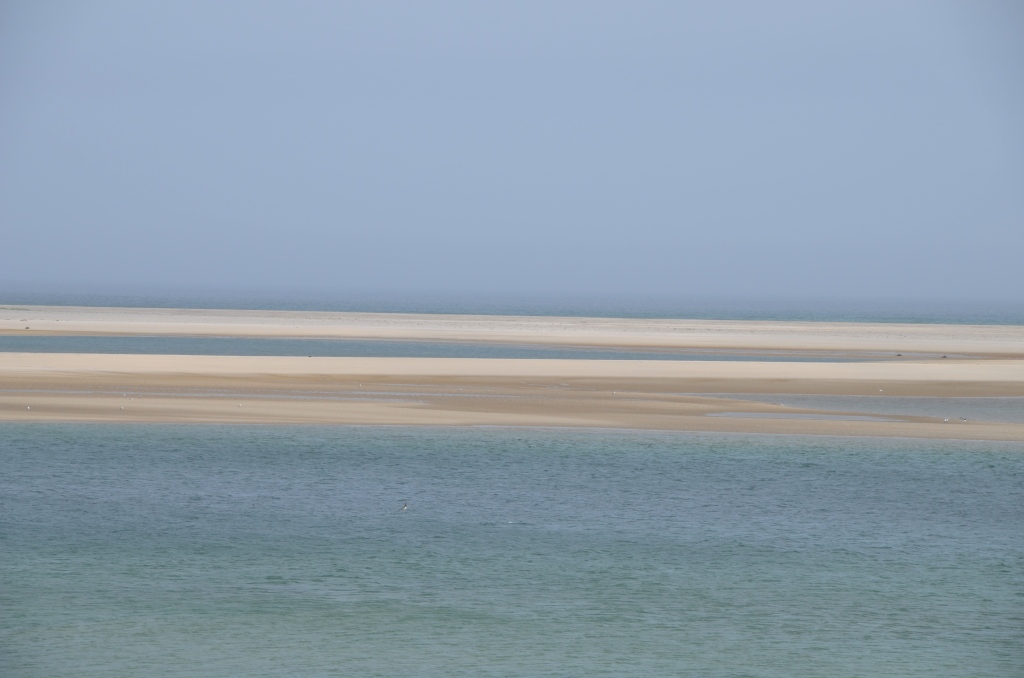
imagine the air…
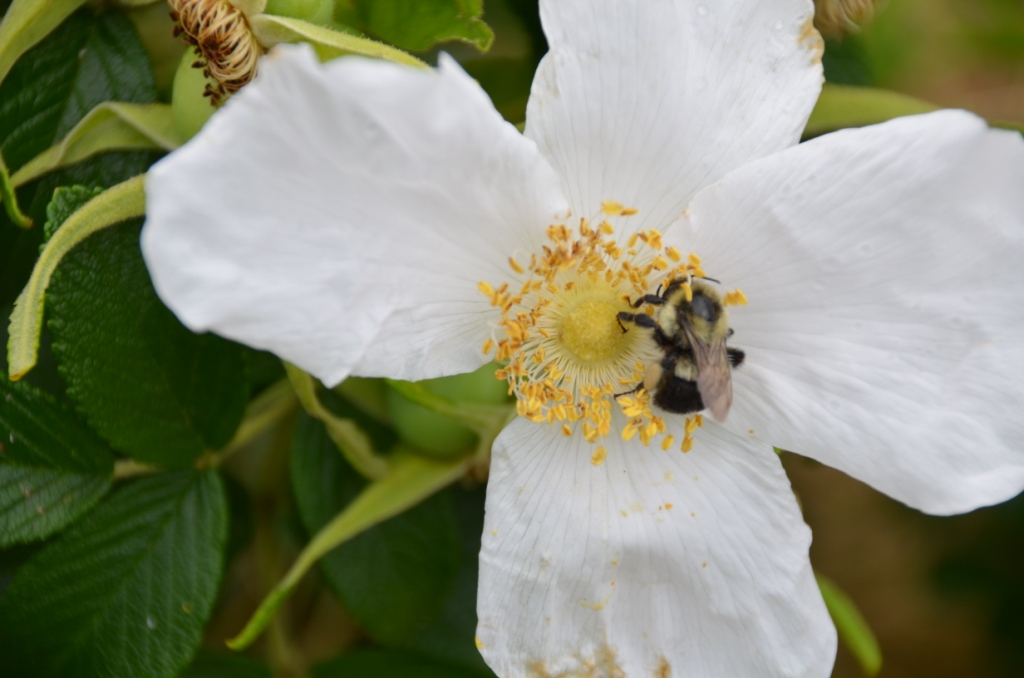
busy bee

more flowers
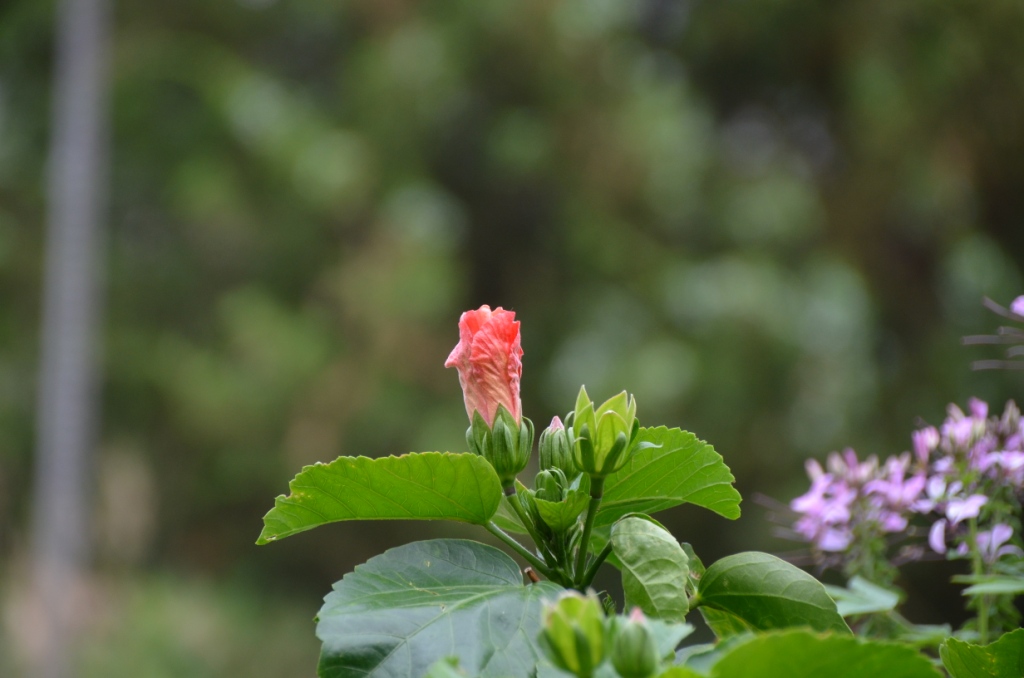
flower!
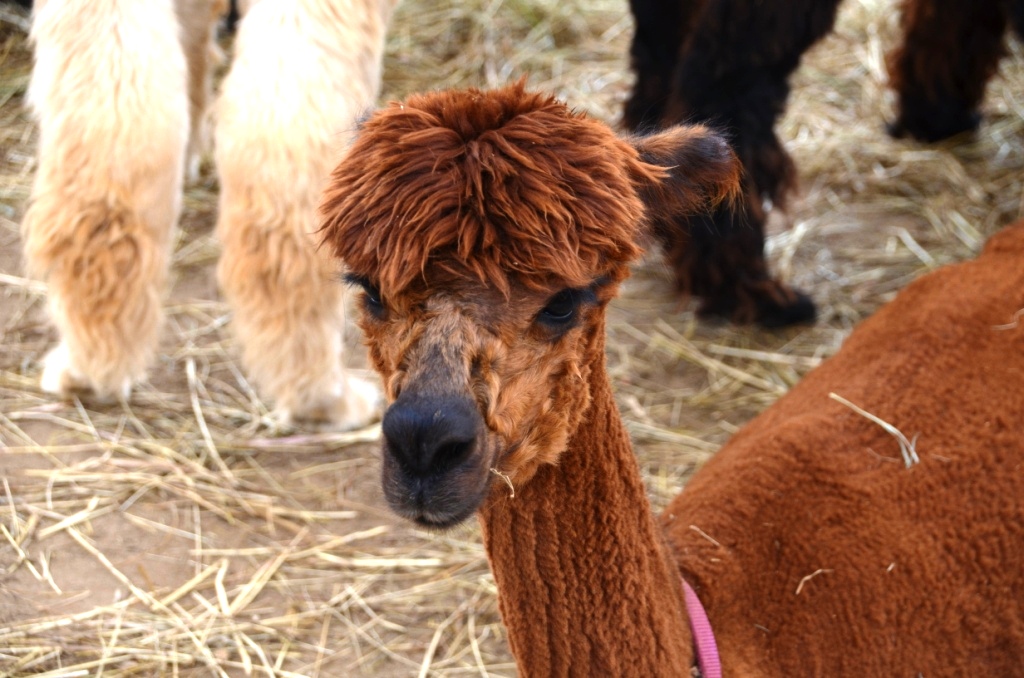
Alpaca from Marta’s Vineyard

Curious Alpaca
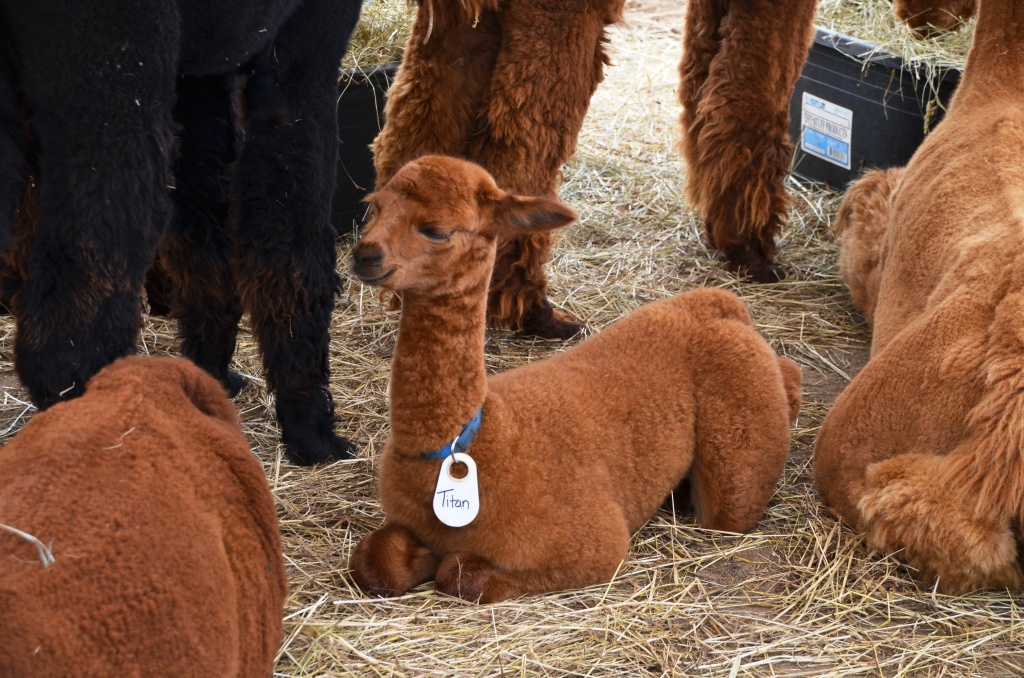
Baby Alpaca
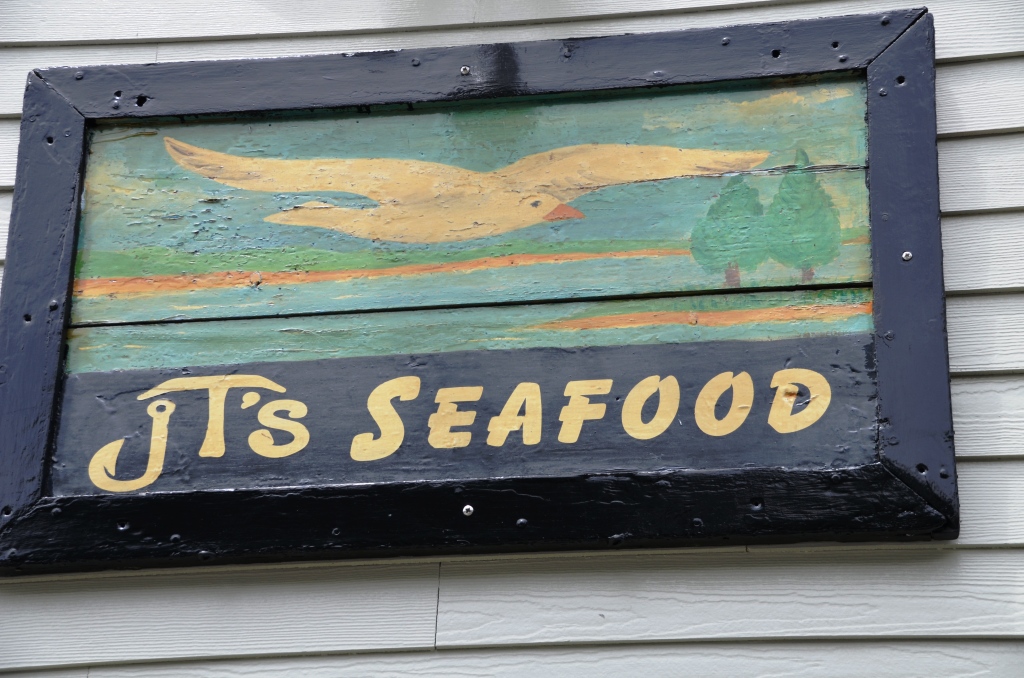
JT’s – Excellent seafood in Brewster, right across from our resort

JT’s entrance
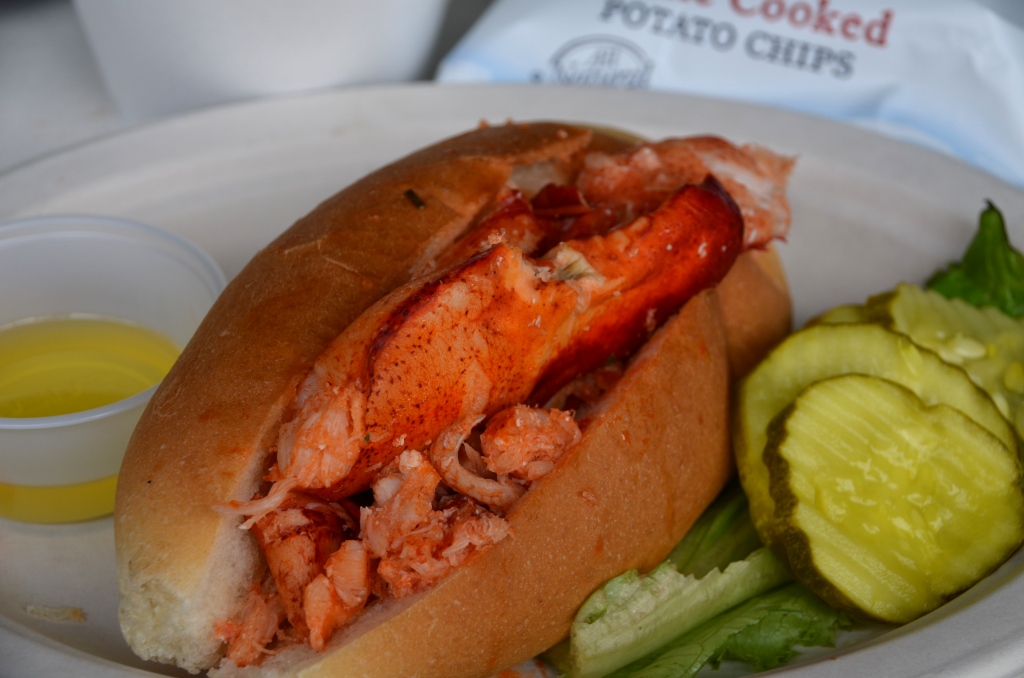
Warm lobster roll at JT’s
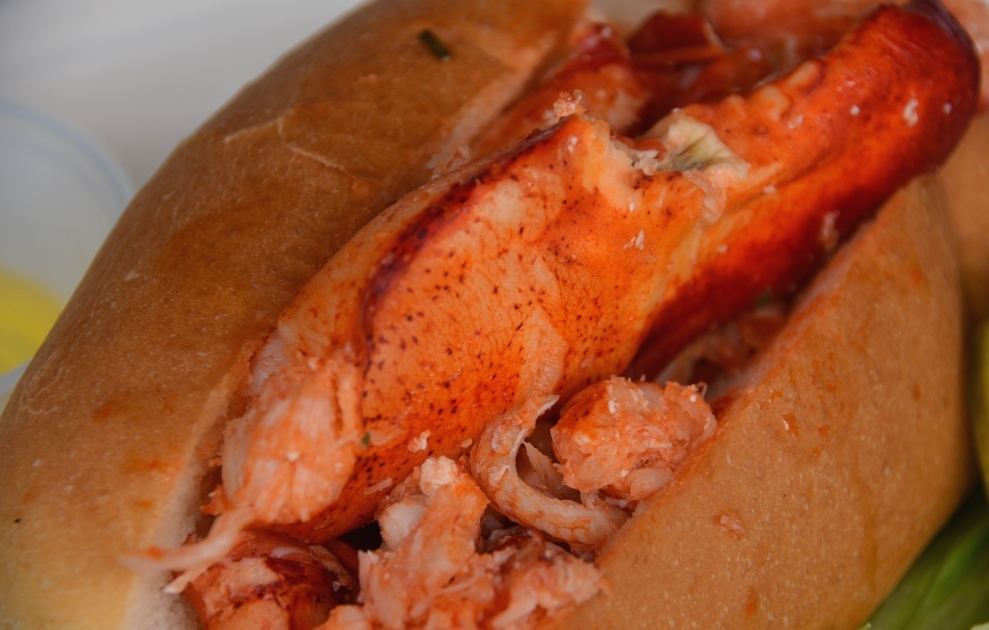
And Lobster Roll zoom in
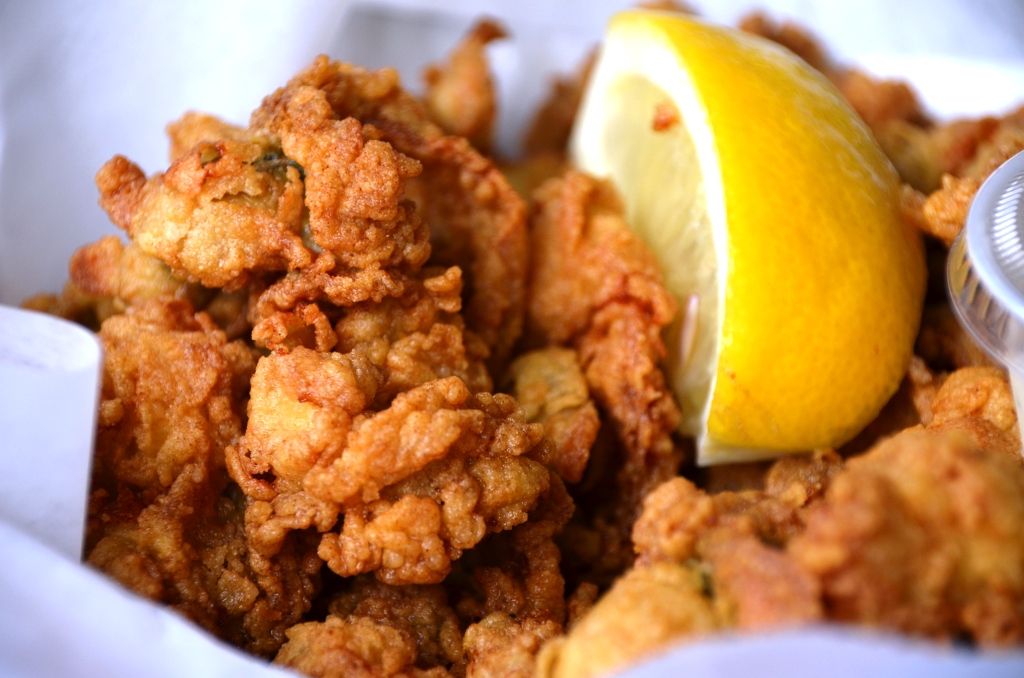
Whole fried clams at JT’s – Yum!
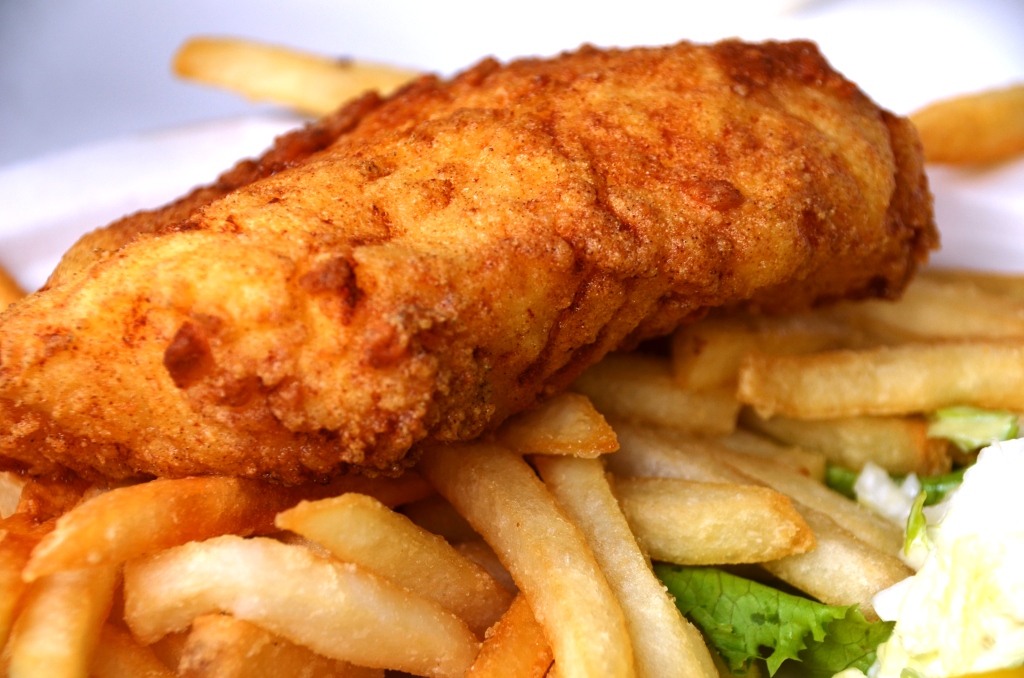
Fish and chips at JT’s – delicious!
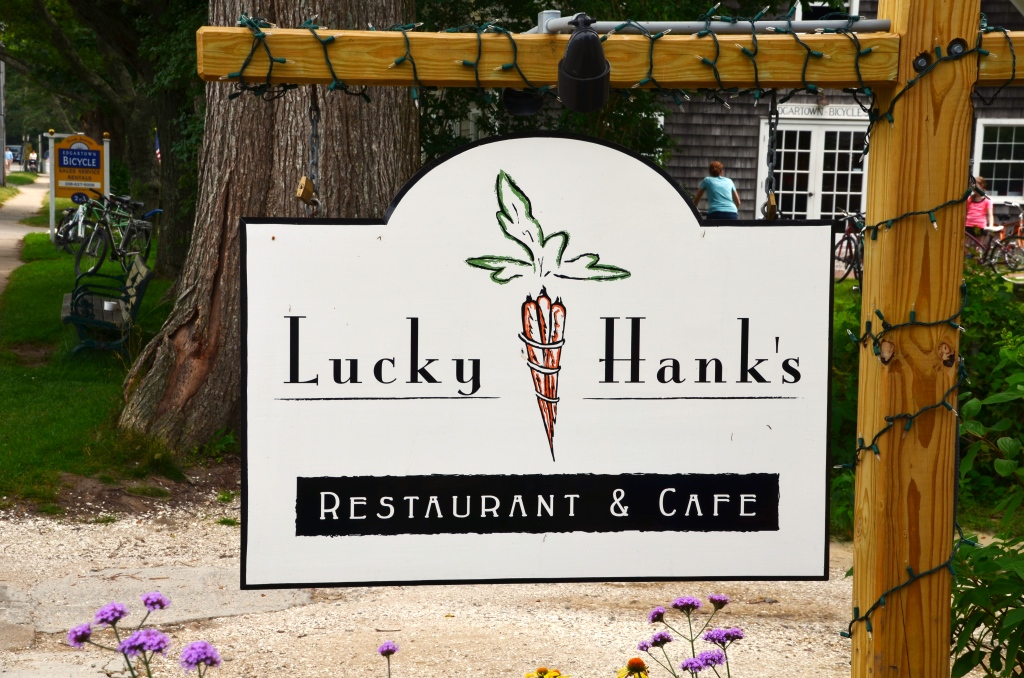
Lucky Hank’s in Edgartown. Don’t know about Hank, but we enjoyed the food

Local Marta’s Vineyards beer – excellent amber ale, light, touch bitter and sweet, very refreshing

Black Dog Tavern in Vineyard Heaven. Unfortunately, only fish and chips were tasty…
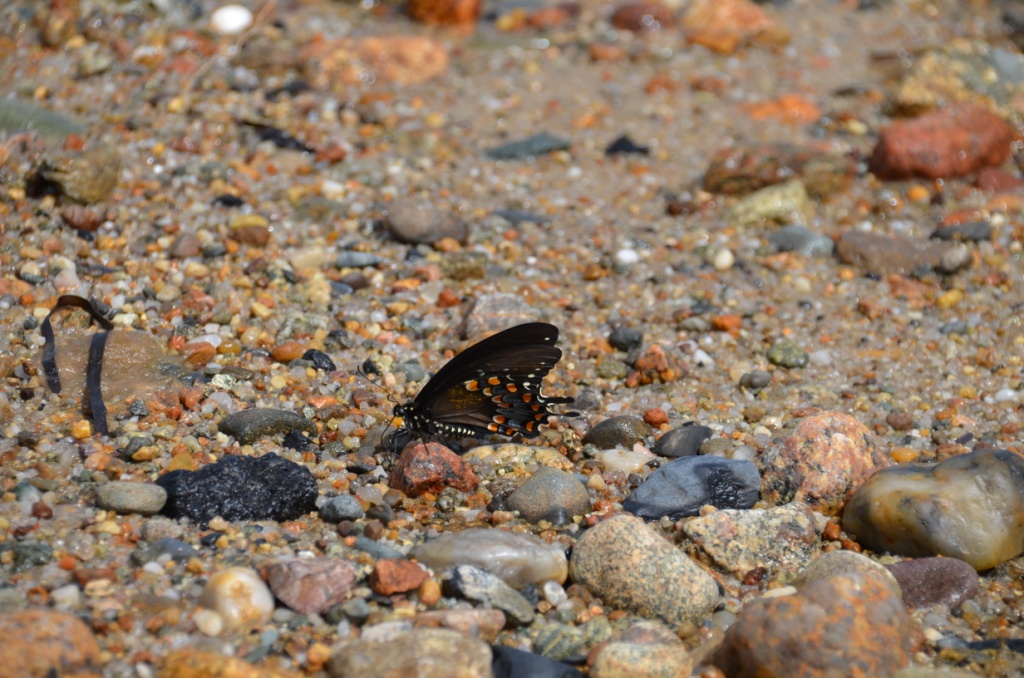
Butterfly on the sand…

One of the few operational Lighthouses on Cape Cod. This one is located in Chatham

lighthouse in Edgartown – picture perfect

I just can’t get enough of this lighthouse…

Roses zoom in

and more zoom in
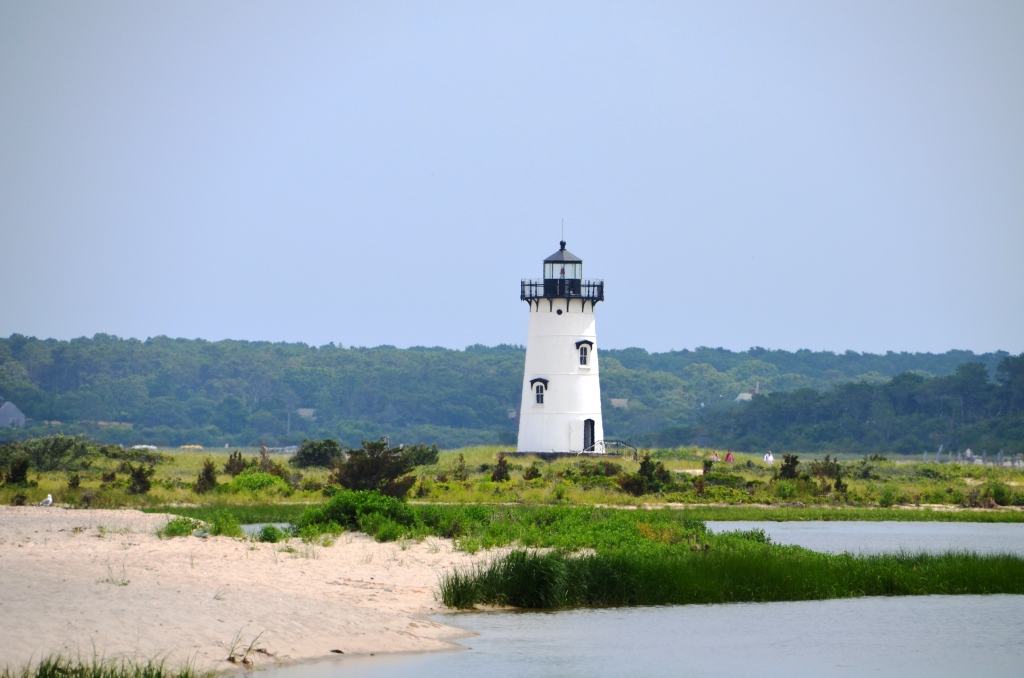
Yes again picture perfect lighthouse on Marta’s Vineyard

I always wanted to take picture of these waves in the sand…
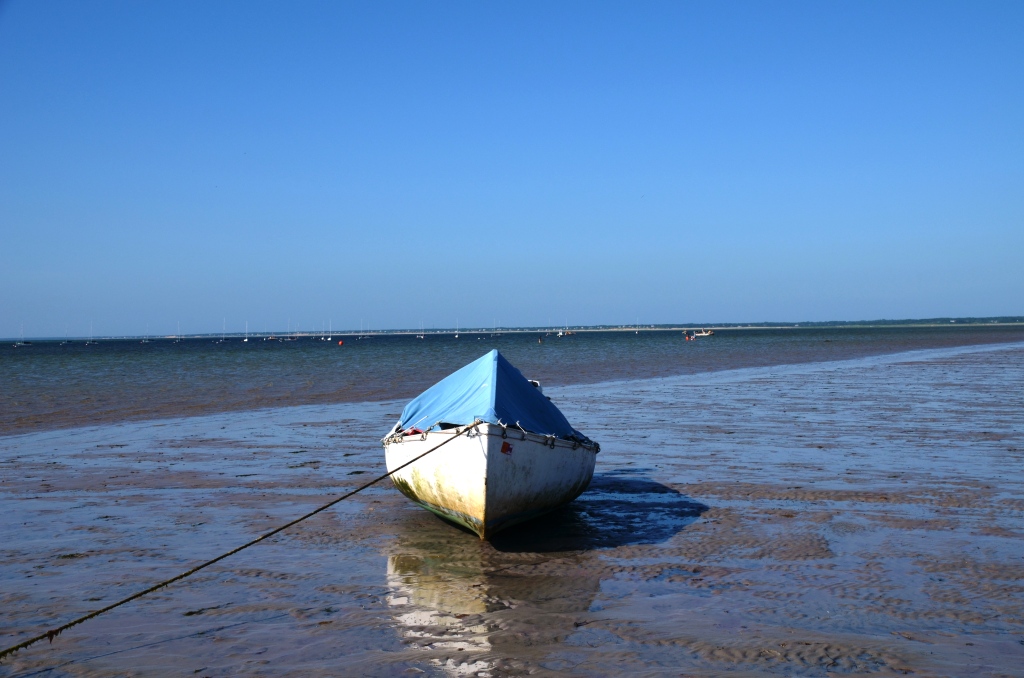
and again quintessential Cape Cod (for me, at least)

What are you waiting for?
Last Bottle Sign Up ($10 credit)





