Archive
Daily Glass: Memorable Wines
 Wine = Memories. Well, okay, we need to correct that statement. Great Wines = Memories, now that is better. Of course we remember the wines we drink, and this is how the opinions are formed and this is how the wine list in the restaurant doesn’t look that intimidating anymore. But this should be characterized more as a general knowledge, not specifically as “memories”. Great wines, on the other hand (I’m not going to define the term “great wine” – this is highly personal, you define it for yourself), become memory anchors. We remember when, why and how, we remember who we shared it with, and we can retrieve those memories on the moment’s notice. That is what “great wine” can do to you.
Case in point – a great evening with friends, which had all three elements at its perfection – the wine, the food and the company. An evening, when the time flies so fast, you don’t understand how late it is already. And the wines – stunning, each one in its own right. We started with Gosset Grand Réserve Brut Champagne – a non-vintage Champagne from one of the old and classic producers. I have to honestly admit that I was never impressed with other Gosset wines in the past, but this Grand Réserve, poured from the magnum, was outstanding – round, creamy, yeasty just enough, with a touch of apple and fresh bread on the palate – an excellent start of the evening.
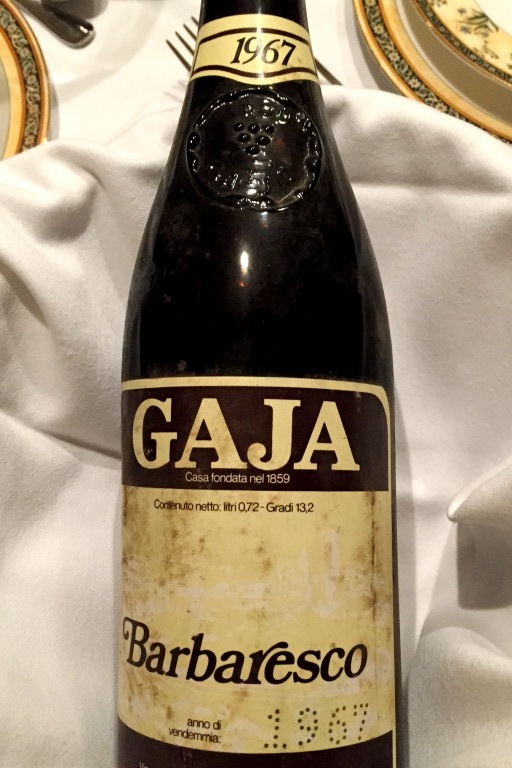
Then the awe inspiring, almost 50 years old 1967 Gaja Barbaresco was gently uncorked. It was not simple, as cork did crumble – but this is nothing which strainer and decanter can’t fix. The first whiff – nothing smells off, which is a great sign of relief. While we put the wine aside to let it breathe a bit, we reached out for another white – 2007 François Cazin Le Petit Chambord Cour-Cheverny AOC.
This is a rare French white wine made from 100% Romorantin grape. I remember a few years back trying this wine at a 10 years of age – and I remember been simply blown away by the exuberant beauty of this seemingly unassuming wine (new vintages retail at around $15 – the QPR is through the roof on this). The nose of that 2007 was amazing, with fresh white fruit, guava, mango, honeysuckle, lemon and lemon zest. On the palate, behind the first wave of Riesling-like appearance with touch of sweetness and tropical fruit notes, there were layers and layers of acidity and minerality. After about 10 minutes of breathing time, the wine was almost bone dry, very crisp and refreshing. I still have 3 bottles of the 2007, and now the trick will be to keep my hands away from them, as they still benefit from time.
Time to get back to that 1967 Barbaresco. We were somewhat waiting for the main course to start drinking it, and I was concerned that as it happens with many older wines, this wine might also succumb to the neverland if not consumed within that short window of time. Silly me. The wine kept going and opening for the next 2 hours. It had all those sweet plums, sapidity of the onion peel, minerality, all weaved around a well defined structure with perfect acidity and perfect balance. The “wows’ kept flowing until there was nothing left in the decanter – this was definitely a treat. And a perfect memory anchor, an experience which stays forever.


Our next wine was also very interesting and delicious in its own right, by fate or the accident made from the exact same grape as the Barbaresco, the Nebbiolo –2004 Ar.Pe.Pe Rocce Rosse Riserva, Valtellina Superiore Sassella DOCG, Italy. Valtellina red wines are typically made in the way similar to Amarone – with the grapes drying out after the harvest for about 120 days, and only then pressed and vinified. The Sassella Rocce Rosse from Ar.Pe.Pe stands apart, with Nebbiola grapes (locally known as Chiavennasca) left on the vine to raisin, and then pressed. Fresh, succulent plums and cherries on the nose and palate, together with effervescent lightness and firm structure (this might not make sense right away, but this is the way I perceive it), which I always find in Ar Pe Pe wines. Again, a delicious red.
Our last wine was 2003 Sella & Mosca Anghelu Ruju Rosso Passito Riserva Alghero DOC, Sardinia, Italy – very unique and interesting fortified wine, made out of partially sun-dried Grenache, locally known as Cannonau. This wine was mostly resembling the Port, with a hint of dried fruit on the nose, supported by perfectly balanced, soft body of plums and sweet oak, with perfect amount of sugar to make it a light dessert wine, but not an overbearing sweet monster.
Here we are – a perfect set of very memorable wines, compliments of dear friend Stefano (Clicks & Corks/Flora’s Table), and an evening with friends which will stay in memory, anchored by that 1967 Barbaresco. Considering that I’m finishing this post right on the Open That Bottle Night, I hope you increased your memory bank with some spectacular experiences, both of wines and the company – and I will be glad to hear about them. To the great life experiences! Cheers!
Daily Glass: First, There Was A Smell
Drinking wine is a sensual experience. Okay, I can’t speak here for all the people who drink wine at one time or the other – but I’m sure that this selectively crazy passionate group, oenophiles, would wholeheartedly agree. Once the wine goes into the glass, of course the color matters first – but color is mostly a technical characteristic. The color can tell you what to expect – for instance, if a Chardonnay has rich golden, yellow color in the glass, you should prepare for the worst (the wine which will be well past prime). Or if a red wine looks almost black in the glass, get ready for the tannins encounter. Still, the most pleasure you can get from the color alone is to get excited – “look at this beautiful color!” type excited.
Your hedonistic pleasure starts with the smell. Technically, it starts and ends with the smell, as our taste buds don’t go beyond 4 (or 5) basic tastes, and even when you take a sip of the wine, it is still the sense of smell which leads you to the strawberries in that sip – but let’s not get technical here, we are talking about the pleasure. Yes, you start with the smell – it is the smell which takes you away and makes you go “wow”. It is the smell which grabs your attention and captivates you, and forces you to smell that wine again, and again and again. It is the smell which builds up the excitement and expectations of the first sip.
The first sip afterwards is a moment of truth – if you are lucky, the taste will match the smell and will take you to the oenophile’s heaven, at least for a moment. It doesn’t always work like that – more often than not, the excitement built by impeccable aromatics instantly dissipates after the first sip. But when you are in luck, this is how the wine memories are created.


What prompted this post was my undoubtedly lucky experience few days ago with two wines in the row, delivering that incredible combination of aromatics and taste. Sorry, I’m getting overly excited here, but the smell of the 2013 Hanna Sauvignon Blanc Russian River Valley ($15) was, in a word, spectacular. In the New World renditions, Sauvignon Blanc is very aromatic more often than not – but it would be typically aromatics of grapefruit and lemon, Here, from the get go, the glass was exuding with the aromas of the fresh cut grass and cat pee. Yes, I know that many people jump when the cat pee descriptor is used, but anyone who had owned a cat would perfectly understand what I’m talking about. And yes, cat pee is a known classic profile of Sancerre, the most classic Sauvignon Blanc of all. So this wine had it all, clean, bright and present on the nose – and the palate was beautiful, medium to full body, with fresh cut grass and touch of lemon peel. Definitely an outstanding example of California Sauvignon Blanc, now squarely engraved in my memory, right next to the Honig and Mara White Grass, which are always California Sauvignon Blanc staples for me. Drinkability: 8+
And then there was 2011 Antica Terra Ceras Pinot Noir Willamette Valley ($75). I’m not going to spend a lot of time talking about the winery – you can should read interesting stories on Antica Terra web site on your own. But this wine… Talking about attractive color, the wine was ruby with the light pinkish hue in the glass. And then the first smell… It was surreal. Here is where I fail as a wine writer, as I can’t give you the right set of words to describe the impressions from this wine. The smell had everything in it – the cranberries, forest floor, herbs and mushrooms – light, delicate and seductive, saying “and now, let’s take a sip…”. The palate was a natural, precisely fitted extension of the smell – all the same component, now packaged together. More cranberries, shallots and truffles, sage and lavender, minerality and whiff of the forest floor, effortlessly rolling off your tongue, delicate and present, with perfectly noticeable, silky texture and needless to say, perfect balance. This was for sure one of the most sensual wines I ever had. And yes, if you want to take this tasting note as an example “look at another moronic wine review” – I will still stand behind it, as this wine delivered lots and lots of pleasure. Drinkability: 9/9+
There you have it, my friends – two wines which will be etched in the memory for the very, very long time. I wish you all to have lots of sensual wine experiences and memorable wines. Cheers!
Daily Glass: A Super-Local Pinot
 While talking to a friend on Facebook, she asked: “would like to try a local Pinot Noir”? Care to guess my response? Yeah, a dumb question, you know what I said – “of course” and “yes, please” (insert an appropriate number of exclamation points on your own). Mentioning that she will be sending the wine in a few days, she reiterated again – it will be a local Pinot Noir, or may be even rather a super-local.
As my friend lives in Silicon Valley in California, my thought was – okay, of course it will be a California Pinot Noir, so “local” means produced locally in California. I was of course curios what exact Pinot Noir it will be, but hey, patience is a virtue of a oenophile, isn’t it?
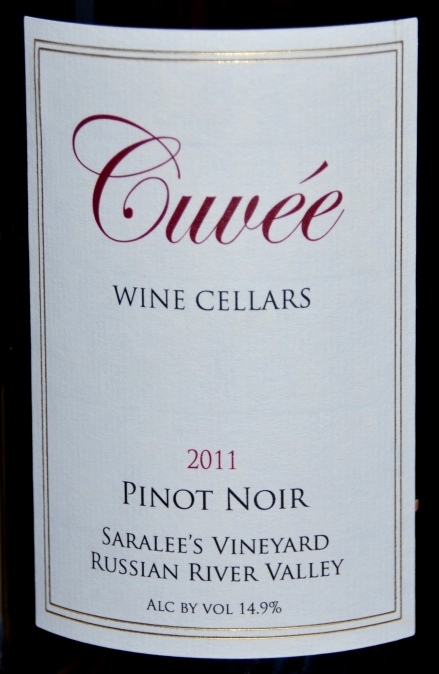
The package arrived, with the bottle of California Pinot Noir in it. 2012 Cuveé Wine Cellars Pinot Noir Saralee’s Vineyard Russian River Valley (14.9% ABV). Okay, so I’m sure that most of you never heard of Cuveé Wine Cellars – but the wine has Russian River Valley designation, so that’s the whole “local California” story, you ask?
Well, the wine actually is super-local. While the grapes were harvested in Russian River Valley, the wine was made locally in Silicon Valley, in the town of San Carlos, a small town near San Jose, where Cuveé Wine Cellars is located. As it often happens, especially with the urban wineries, the driving force behind Cuveé Wine Cellars is passion – and you can check their story on the Cuveé Wine Cellars web site.
How was the wine? In a few words – delicious with a great aging potential. When I opened it on the first day, the aromatics of Pinot Noir were incredible, one of the most pronounced California Pinot I ever had a pleasure to smell – forest floor, smoke, mushrooms, licorice – all very concentrated. The palate was well supporting the aroma, with silky-smooth, rich texture. Very concentrated (using the word again, sorry), with lots of fruit, chocolate, the same mushroom undertones and good acidity. But honestly, it was a bit too much. Don’t get me wrong – there was no jammy fruit or sharp biting alcohol in this wine – but you know how sometimes you are looking for the subtlety of the favors, for a bit more grace and mystery? My wish was granted on the day 3, when wine still had all the aromatics, but the palate became more mellow and intricate. Drinkability: 8+
That’s my story of the super-local Pinot – and an ode to the great friends. Cheers!
Daily Glass: The Wine That Begs The Eternal Question
 Eternal question, you say? Which one of them? Wine is a well known suitor of the Eternal, so yeah, a few questions are lurking for a while…
The one I’m talking about is akin “chicken and egg” case, with a spin. Is the wine made in the vineyard or at the winery? Is it winemaker or the grape? Well, rest assured – I’m not trying to jump on this subject just for the sake of conversation. It just happened that the wine I opened yesterday made me ponder at that exact question.
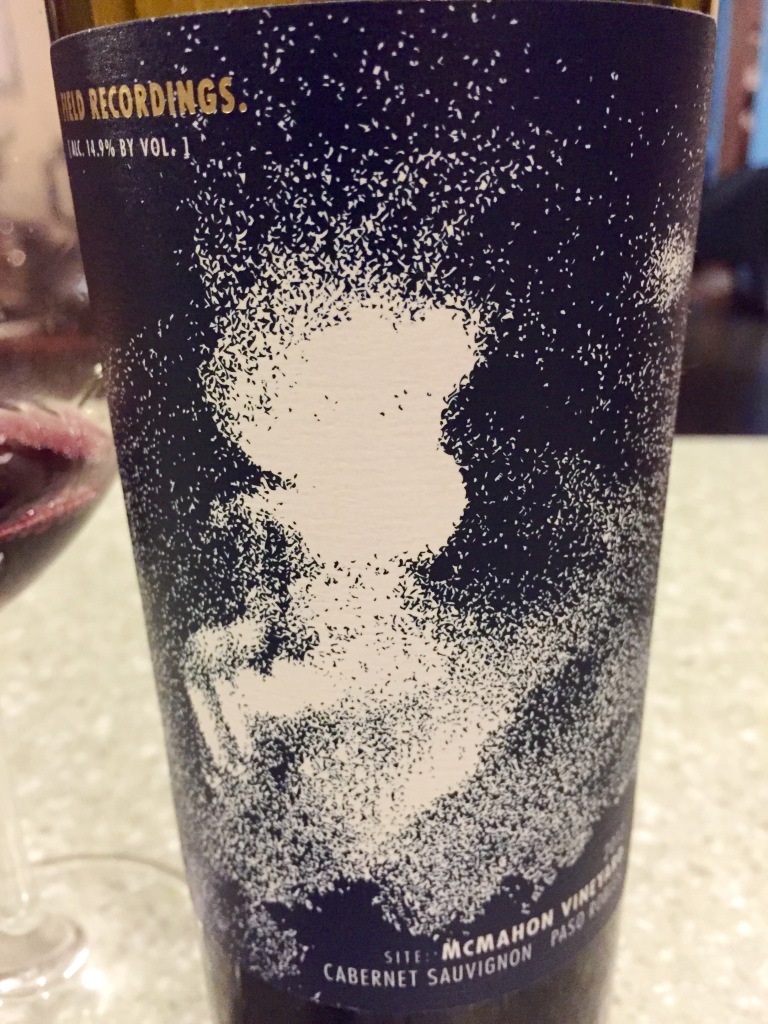
What wine? 2012 Field Recordings Cabernet Sauvignon McMahon Vineyard Paso Robles (14.9% ABV, $29, 83% Cabernet Sauvignon, 17% Tempranillo, 16 month in 89% new French oak, 11% new American oak). What made me to think of the terroir versus winemaker? The aromatics. The wine had not a glimpse of Cabernet Sauvignon characteristic aromas – no cassis, no bell peppers, no eucalyptus. But on the nose there were plenty of spices. There was a hint of a forest floor, mushrooms, a touch of barnyard. There was also a smoke, and plenty of it. There was pepper. And there was tar and pencil shavings. So, what do you say – was that a winemaker talking, or the vineyard?
The palate, unfortunately, didn’t fully support the excitement. There was lots happening (still no cassis or anything else reminiscent of Cabernet Sauvignon), but there was lots of fruit, and vibrant acidity. At times, the wine was borderline jammy, only to be cleansed with the subsequent punch of acidity. I was looking for more balance, and it didn’t happen. Drinkability: 7
So in the end, I got no answers and more questions. Was that a bad wine? I don’t think so, as aromatics brought in lots of pleasure, and it was thought provoking on the palate. Did I open this wine too early? Yep, I’m quite convinced I did. Was that wine made in the vineyard or in the winery? I have no idea, so yes, the floor is yours… Cheers!
Albariño Day’s Pleasures – Albariño Pedralonga, a Glass Of Ocean Air
 Yesterday was yet another wine day holiday – Albariño Day. As mentioned many times in this blog, yes, I do like the specific “wine days”. Reason is simple – it removes the headache of deciding what bottle of wine should be opened. By the way, this might also explain why I’m very indifferent to the “National Drink Wine Day” – thank you very much, I drink wine every day anyway, and this faceless holiday doesn’t really help with the decision.
Albariño is one of the best known Spanish white grapes and a star of the small region of Rias Baixas, located in the norther part of the country in Galicia. Rias Baixas has a lot of maritime influence, both in the types of soil and in the overall climate. Albariño are some of my favorite summer wines, generally very bright, medium to full body, with explicit white stone fruit (peaches, apricots) notes and excellent acidity. But of course one shouldn’t generalize too much, as all the wines are made different. This Albariño would be a great example of the “don’t generalize” rule.
The very first sniff of 2011 Adega Pedralonga Albariño, Rias Baixas, Spain (13% ABV, $22) was saying “ocean” to me. I don’t know how it is possible, and I didn’t read anything about this wine before I tasted it, but that very first smell was just full of the fresh ocean air; breezy, friendly, unmistakably ocean, when you stand by the water, mesmerized by its royal endlessness. This wine didn’t have a lot of bright fruit – but it had a lot of minerality, it was genuinely complex, with the granite coming off both in the smell and on the palate. I had it first at the wine fridge temperature, at around 53°F. I chilled it a bit more, and the wine showed those bright apricot notes, but more as an afterthought, carrying over its minerality. I would compare it to Chablis, but only in the mineral-driven quality, as it had the granite, but not the gunflint of Chablis.
Just to give you reference, here is how this wine is described on the winery site: “Pure distilled granite, bathed by the atlantic rain and the characteristic sun of a south facing vineyard, tuned by it’s malolactic fermentation”. Yep, a pure distilled granite – I completely agree with that. I just have to add the word “delicious”. Delicious pure distilled granite sounds about right. And let’s not forget “thought provoking”. Drinkability: 8+
Do you want a glass of fresh ocean air on your table? Go find this wine. And you don’t have to thank me. Thank the people at Adega Pedralonga who made this wine – they well deserve it. Cheers!
Daily Glass: Wonderwall Pinot Noir
I had to settle for this simple title of the post after a few futile attempts to be clever. “Don’t judge the wine by the first sip”, “Give it some time”, “Patience, the most important virtue of Oenophile” were all contenders, but none of them where hitting the spot, so I went for a simple, not catchy title for this post, just with the name of the wine.
But we have to talk about first sip, time and patience, as we have a great case in point. 2013 Wonderwall Pinot Noir Edna Valley (14.9% ABV) is made by Field Recordings, one of my all time favorite producers from California – I wrote about Field Recordings wines many times in this blog. I don’t think I ever had a Field Recordings wine I didn’t like. Or such was my very first thought after the very first sip of this wine.


On the first sip, the wine was simply … sweet. No, nothing is wrong with the sweet wines – but not when the wine is called Pinot Noir. The wine had tons of nice fresh fruit – but more in the compote flavor profile. Well, this is the young wine, very young – it is 2013 vintage, and probably was bottled just a few month ago – so the first thing to do, before declaring the wine been no good, is to give it time. Which I did. In about 30 minutes, the sweetness subsided, and acidity increased. The longer this wine was opened, the more restrained it became.
The next day the wine converted itself into a powerful, full bodied California Pinot Noir, with the hint of smoke on the nose, and ripe plums and hint of blueberries on the palate, with good structure and very good balance (Drinkability: 8 -). I was really glad that Field Recordings came around for me, and I can still call it a favorite producer without any afterthoughts.
And the general lesson(s)? Don’t judge the wine by the very first sip – in a lot of cases, freshly opened bottle might not taste as you expect it, especially if the wine is young – you should really refrain from judging the young wine until it had an opportunity to breathe and open up. And be patient. I’m sure this wine would show itself quite differently in the 4-5 years, so quite often, waiting for the wine to be ready, to be at its peak, makes a lot of sense.
Have you ever been in situation when you declared the wine “not good” based on the first sip, only to find out (or not) that the wine considerably improved after some breathing time? Comment away! Cheers!
Daily Glass: California Gamay? How about it!
The process of selecting of the bottle to open sometimes can be very daunting – may be this? But I just had it few days ago. Than that? Well, today is not special enough day? Then what about that one? Nope, doesn’t feel right. In the end of the day (not literally), you just bite the bullet and say “this is it”. So the end result of my nerve wrecking selection process today was a bottle of … California Gamay from Field Recordings.
Now, class, who had the opportunity to taste California Gamay – raise your hands. Yep, I thought so. It is not that often that you hear about California Gamay. It is not even too often that you hear about Gamay been grown anywhere in US. Beaujolais? Of course, Gamay is one and only. Loire? Sure, also quite popular. Switzerland? Lesser known outside of Switzerland, but still – yes, it does quite well there. But California?
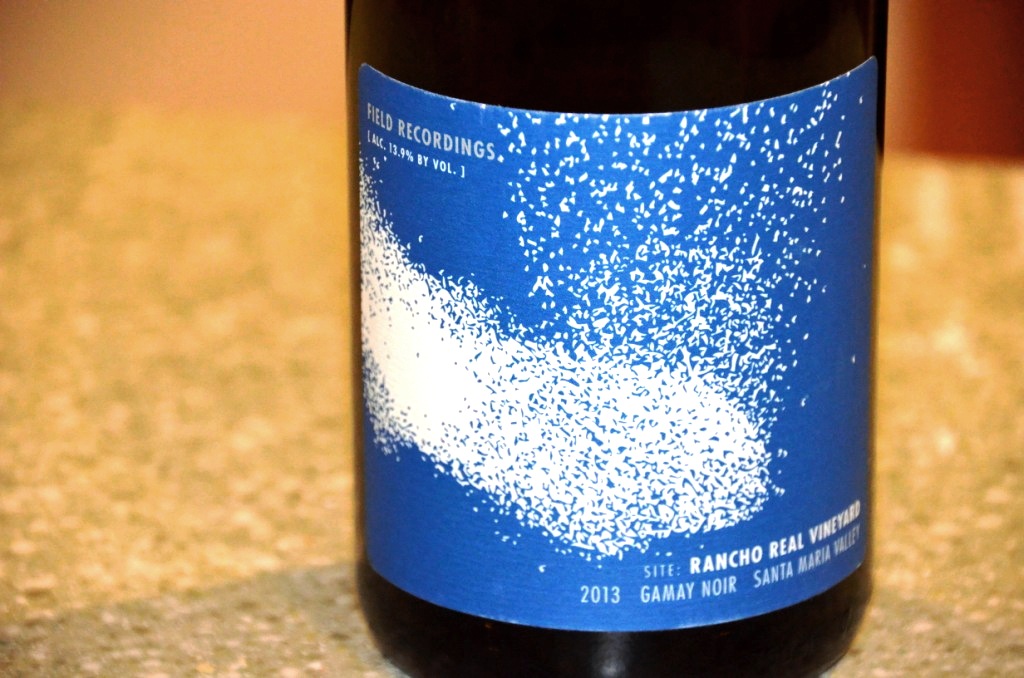
Well, so as they say, there is a first time for everything. Today was my first time to taste the California Gamay. 2013 Field Recordings Gamay Noir Rancho Real Vineyard Santa Maria Valley, California (13.9% ABV, 100% Gamay Noir, 6 month in Neutral Puncheons, 50% carbonic, 50% destemmed, 140 cases, Bottled: 04.19.2014) – very interesting. The nose was reminiscent of the Beaujolais Nouveau, but with the fruit being more mature and restrained, not as grapey. Very delicious and pronounced, similar to all other Field Recordings wines I had so far. And the palate… The palate was puzzling. It had a lot of fresh, ripe raspberries, good acidity and good balance, but there was something else which took me a while to figure out. And then it came down to me – the wine was still coming together. It was very similar to the Chenin Blanc which I had directly from the tank at the winery. Fermentation or not (I’m not a winemaker, so I can’t tell you exactly what it is, I can only describe to the best of my abilities), but this wine still needed time. This is why I highlighted above the date when the wine was bottled – so I was having the wine which was bottled only a bit more than a month ago – and it was noticeable. The wine was not bad by all means – but it would be very interesting to know, how would it taste when it would finally come together as a whole. Note to self – for the young wines, try to read the labels before, not after. Anyway, it was an interesting experience, and I will have to go with Drinkability of 7+, as the wine was still pleasant. Oh yes, of course it was my one and only bottle.
Have you had California Gamay before, or any US Gamay for that matter? What do you think? Also, have you had the wine which wwas not done yet? Comment away and cheers!
Daily Glass: Few Wines, Beautiful and Interesting
Disclaimer: this blog post is not an attempt to create the new rating system. It is rather an account into the emotional escapades of the oenophile tasting wine.
Here I’m again with the super-indescriptive descriptor – beautiful wine. I wonder if the phrase “beautiful wine” gives you a mental image. I’m not talking about the exact image of an object shaped in the form of a bottle, but rather a mental anchor you can relate to “ahh, I understand”. Let me deconstruct this “beautiful wine” term as the following:
1. The wine is perfectly balanced – fruit, acidity, tannins, texture, structure – all together.
2. Drinking this wine is a pleasure
3. The wine is memorable
4. “Beautiful wine” designation is totally spontaneous and emotional. It usually happens after the first sip and the subsequent uncontrollable “wow”.
When it comes to the term of “interesting wine”, that happens when I’m puzzled, like “hmmm, interesting, I’m not sure what to think of it”. Please understand that it is very different from “ouch, it needs time”, “what is it???”, “crap” and “this is disgusting”. “This is interesting” simply means that I can’t put a handle on what I’m tasting, where, for instance, the initial sensation of round and silky is followed by something harsh and unbalanced. “This is interesting” usually ends up being extended into “hmmm, this is interesting, let’s give it some time”. From this point on, the wine can be put aside to be drunk at another day, or it might go into the decanter if I feel that it would be sufficient to change it.
Here are the few wines we had last week, some beautiful and some are … interesting.
2011 Field Recordings “Neverland” Red Wine Grassini Vineyard Happy Canyon of Santa Barbara (15.1% ABV, 75% Cabernet Sauvignon, 15% Petit Verdot, 10% Merlot. Aging: 50% new French barrels, 25% new American barrels, 25% seasoned French for 18 month) – believe it or not, but every time I open a bottle of Field Recordings wine (which is easy – just twist off the screw top), I have a moment of trepidation – will it be as good as everything else I tasted before from Field Recording? You could’ve noticed in this blog that I have a lot of happy reviews of the Field Recordings wines, thus it creates that uneasy moment with each new bottle opened. Luckily, this bottle of “Neverland” didn’t deviate from the trend at all – beautiful nose of cassis and blueberries, open, bright and concentrated, followed by more of cassis, sweet oak and blueberries – but nothing over the top, soft and delicious fruit with perfectly refreshing acidity, soft tannins and overall impeccably balanced. This was a beautiful wine – and equally dangerous (“dangerous wine” = disappears before you notice it). Drinkability: 8+
2012 Cane and Fable 373 Cabernet Sauvignon Paso Robles (14.9% ABV, 85% Cabernet Sauvignon, 10% Tempranillo, 5% Petit Verdot. Aging: 225L oak barriques, 25% new, 12 month) – this wine is the result of collaboration of Field Recordings’ Andrew Jones and Curt Schalchlin of Sans Liege fame. Different presentation of the bottle (yes, I know, that giant cricket on the label can be off-putting), and the bottle is enclosed with the actual cork and not the screw top as all of the Field Recordings wines. The nose was more restrained than the previous wine, but still showing cassis with some earthy overtones. On the palate, this was that exact “interesting wine”. It was showing nice fruit and structure, but was somewhat fluctuating on an off in terms of being round, or not. So this was an interesting wine to put aside, which I did. As you can take a hint from the cork enclosure, this wine is intended to age – and on the second day it came together, showing cassis with the addition of espresso and earthiness – I think that Tempranillo was holding it away from becoming Bordeaux-like, so this was the wine on its own, well balanced, restrained, and craving for food. I have another bottle and I definitely intend to give it a few years to see what it is capable of. By the way – a mini quiz for you – care to guess what 373 stands for in the name of this wine? Drinkability: 8-
2010 CVNE Monopole Rioja DOC (13% ABV, 100% Viura) – the oldest white wine brand of Spain, produced since 1915. Fresh citrus and herbs on the nose, impeccably balanced and restrained on the palate, with the notes of lemon and green apple, clean acidity, very pleasant to drink. I have a few more bottles, and I’m keeping them. Drinkability: 8
2012 Colline de l’Hirondelle Cocolico, France (15% ABV, 60% Chenançon Noir, 25% Grenache, 15% Syrah) – Another case of the interesting wine, this time due to a number of factors. First of all, this wine contains a new grape – Chenançon Noir from France. Second of all, the initial impression from this wine was more reminiscent of the big body, brooding Spanish Grenache – Shatter by Dave Phinney or Alto Moncayo come to mind – and it was not round enough and was asking for decanter – which was provided. After about 40 minutes, it showed plums and ripe sweet cherries, still powerful and big bodied, but more round and balanced then from the get go. Considering the price of $15.99, if you like big and powerful wines, this might be the one for you. Drinkability: 8-
And that concludes my post. Any beautiful or interesting discoveries you care to share? Comment away! Cheers!
Daily Glass: Wine, Beautiful and Different
Have you ever caught yourself using the same expression over and over again, to the point of being annoyed with oneself, but not been able to do anything about it? One of my expressions, pretty much a single word, is “beautiful”. Yes, of course I mean it in the wine context. The best case scenarios include the first “wow” once your nose encounters the aroma exuding from the glass, connecting to the “wow, this is beautiful” after the first sip, when aroma and bouquet altogether transform into a beautiful (oops, sorry), memorable experience. Yes, I know, reading the wine reviews consisting of “wow, this is beautiful” notes is somewhat pointless, and if it draws your ire, feel free to take it out in the comments section below – but I have to say it when it happens.
The wine I’m talking about today was exactly like that. I got this bottle from a friend back in October. The wine is made by his father in Sicily – a small family production, for all I understand. One consequence is the fact that there is no information available on internet – and the bottle doesn’t have a back label, so I can only share my impressions. But – it was a beautiful wine.

The color of this 2012 Contrada Santa Croce Casteltermini Sicilia Cuvée Artisanale Chardonnay Grillot (13.5% ABV) was intense yellow with an orange hue – I don’t think the wine was aged in oak, but it was definitely fermented on the lees, and probably was aged on the lees for a good few month, to have such an intense color. It was also showing a bit cloudy in the glass – I can assume it was unfiltered.
And then there was was the nose. You know, that aroma which you can commonly pick up on many wines from Sicily – the volcanic soils, the touch of sun and minerals, inviting and promising, with hint of lemon zest. And then the palate. Totally unique. Starting from light, dry, almost effervescent midpalate feel. Then showing mature fruit, apricot and apricot pit, finishing with mouthwatering acidity, prickling sides of the tongue with fresh lemon notes. One sip inviting another. Until the wine is gone, and you are left with the memory.
Let’s drink for the beautiful wines and people making them. Cheers!
Beautiful Snow and Beautiful Wine
There was a lot of snow here in CT over the last week. Most of the snow is still here, and considering the forecast, will be lingering around for a while. Yes, the snow is nuisance and inconvenience, it is tough to shovel, and a lot of it became ice at this point. But when sun comes out, it really becomes a thing of beauty. This snow had also a very interesting characteristic – well, may be it is me who didn’t see it before, but this snow is really glowing blue, especially as you dig in and look at it. So for what it worth, here are some pictures, snapped literally just around the house. Plus, I also included a few pictures which my daughter made with her iPhone – it is pretty amazing what that little device can do. And if you will scroll all the way down, I will also talk a bit about the wine. Here we go:


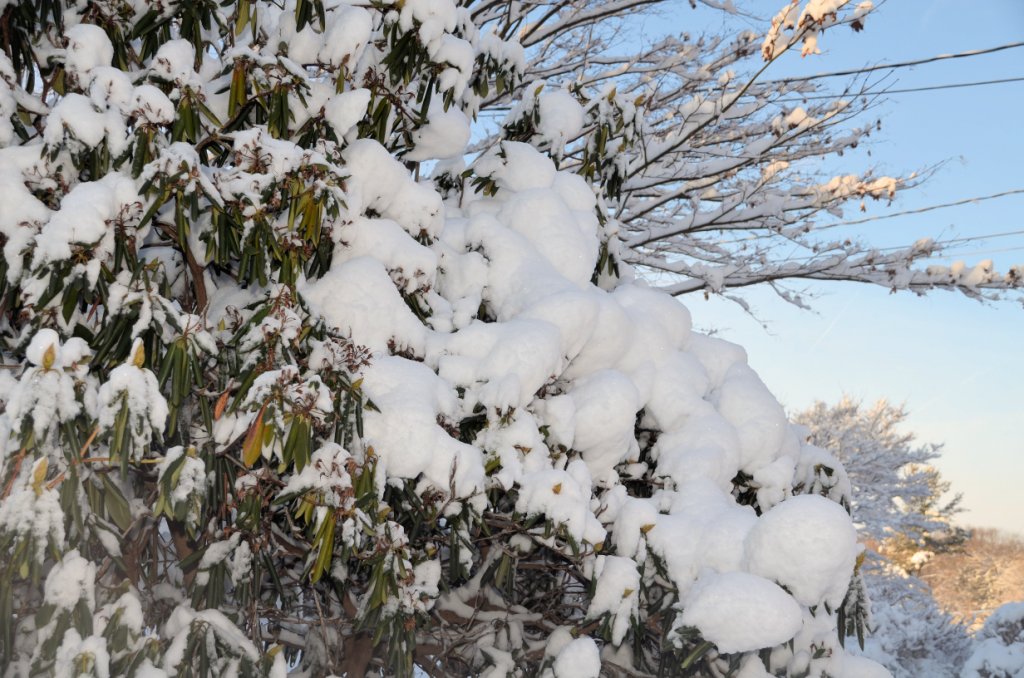

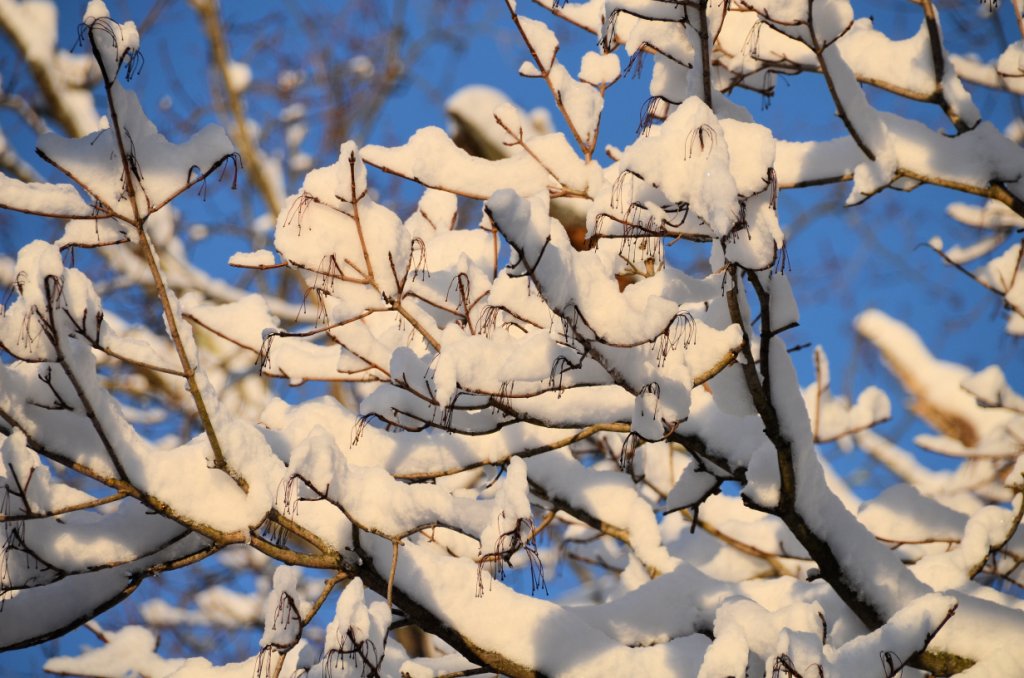


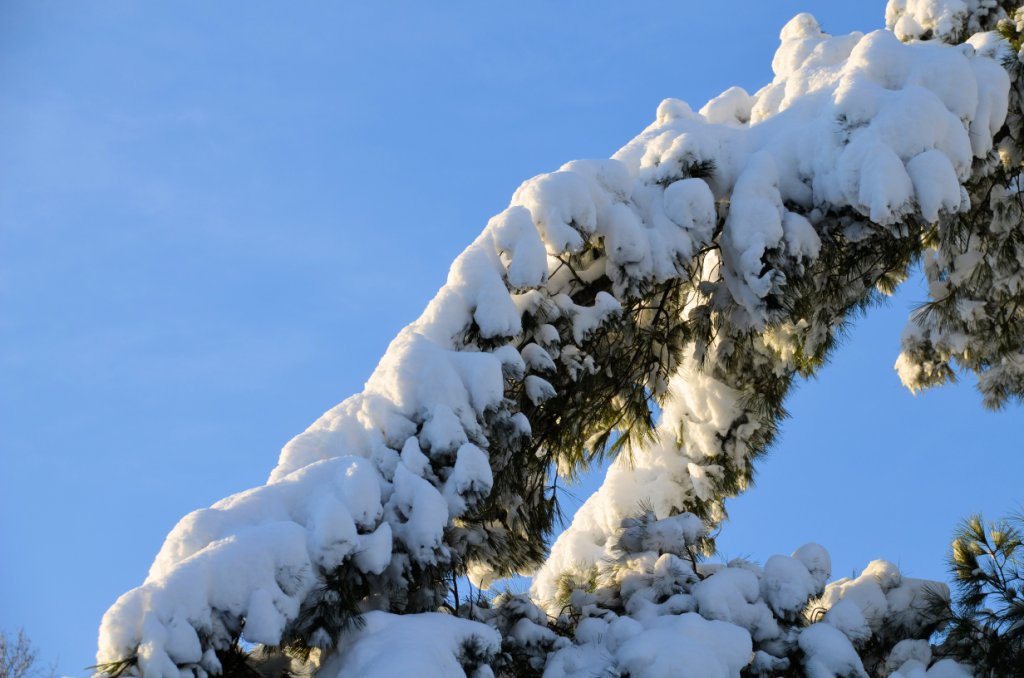
This is one of my favorites
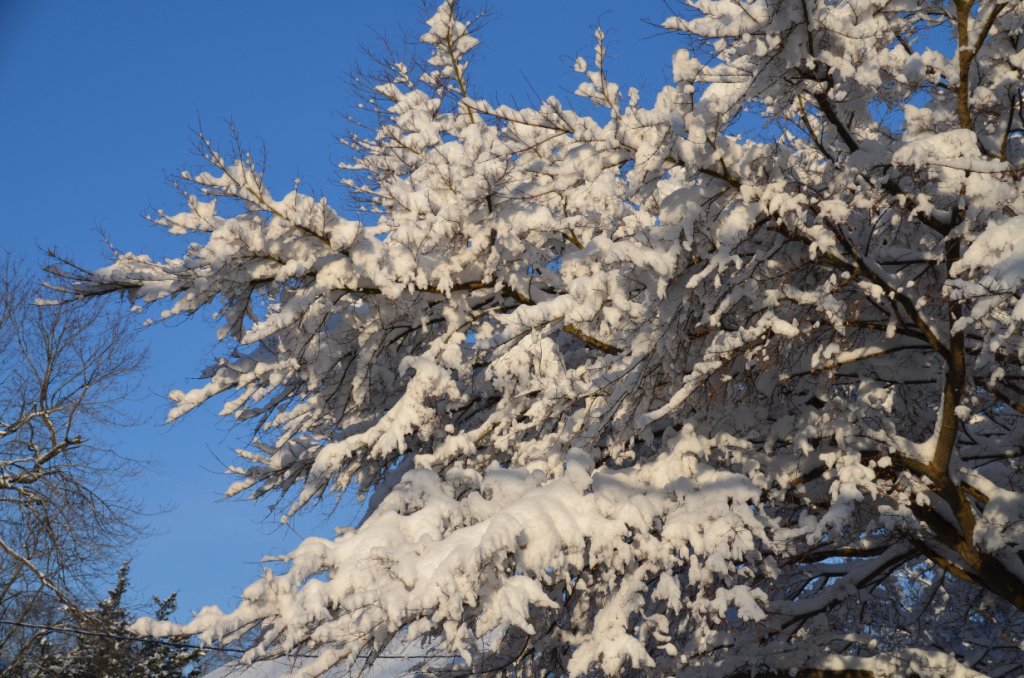

That snow and that sky…
 What makes snow so beautiful?
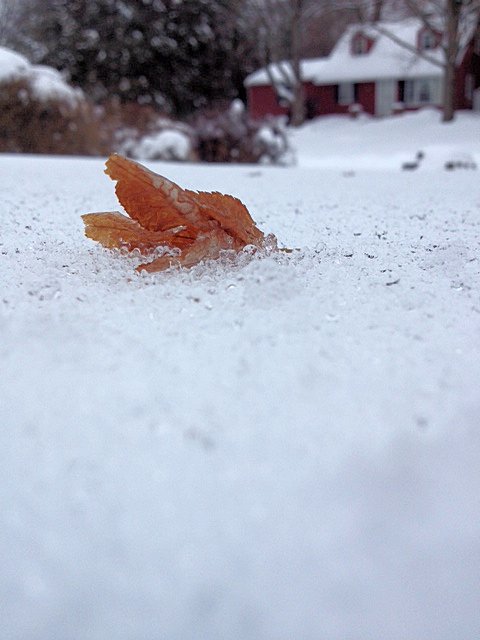 iPhone picture by Rina – the leaf
 The same, only black and white

And a bit of perspective

More perspective
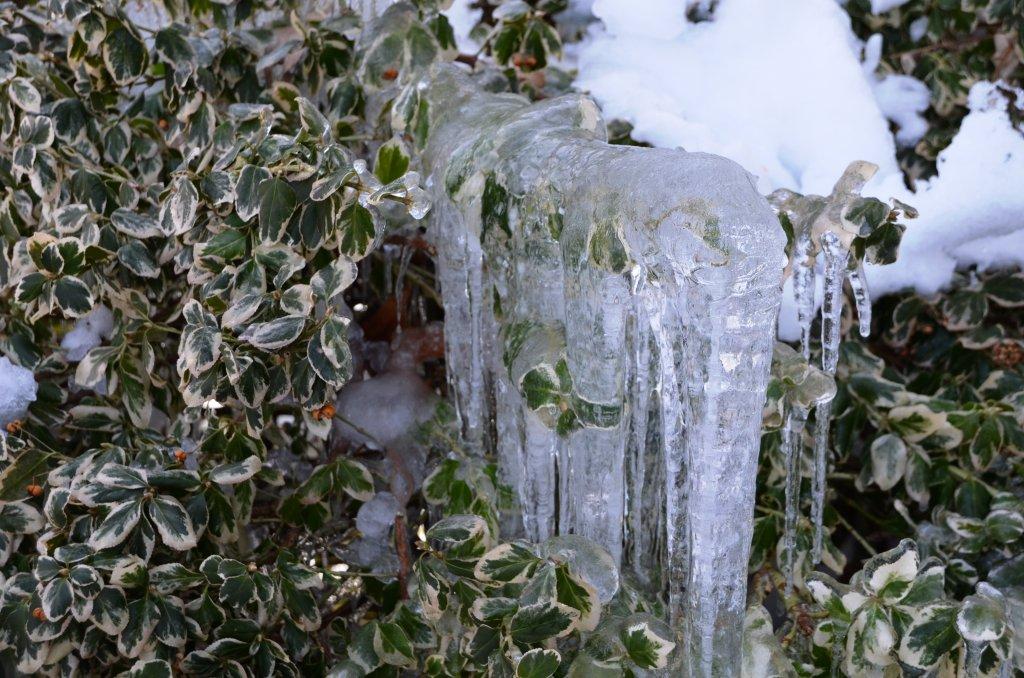
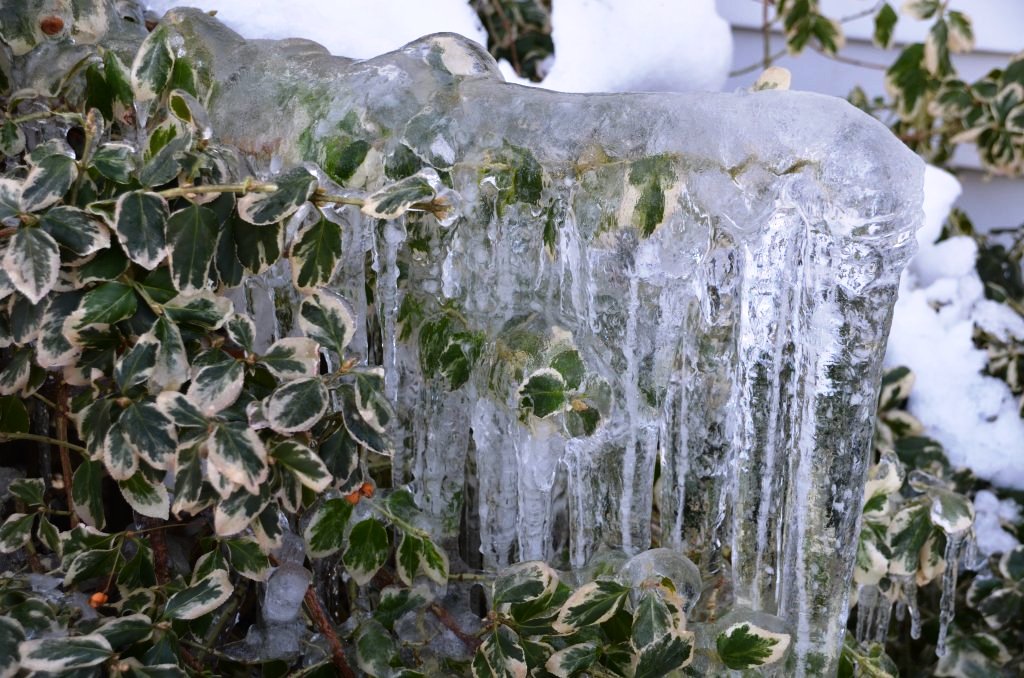
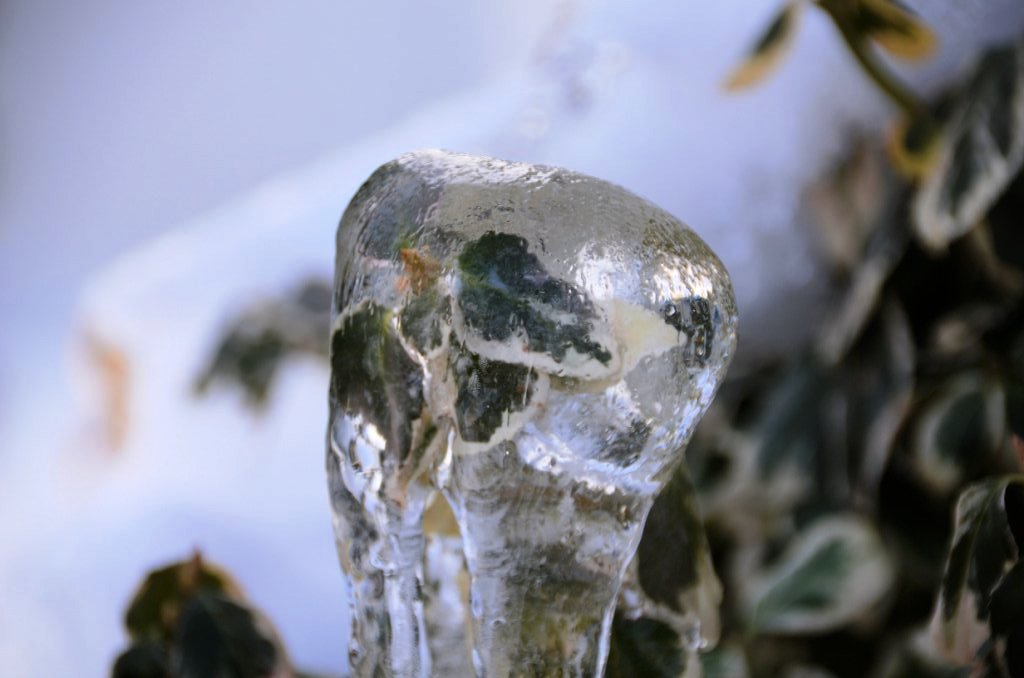
A frozen beauty
Yes, the snow was beautiful, but it got in the way. The snow on Wednesday was bad enough to affect the trains, so I had to miss the Basilicata winemakers dinner in the city, which I was really looking for. So I decided to compensate for that by opening the bottle of new vintage of one of my favorite wines – Fiction by Field Recordings. I’m sure some of you know at this point that I’m very particular to the Field Recordings wines in general, but Fiction is so unique, it is one of my all times most memorable wines ( and it was my Wine of the Year in 2011) – here is the blog post about my first experience with 2010 Fiction.
The 2012 Fiction by Field Recordings Red Wine Paso Robles (14.9% ABV, 40% Zinfandel, 13% Tempranillo, 12% Petite Sirah, 11% Touriga Nacional, 10% Mourvedre, 8% Grenache, 6% Cinsault) didn’t disappoint. The spectacular nose of fresh meadows – this is the wine which you can’t put down – one smell requires another, and another, and another. The aromatics of this wine absolutely spectacular – I don’t know how that works, but I can’t put the glass down. The palate is very playful, with lots of fresh fruit, raspberries, blueberries, cherries – everything is in one beautiful medley, supported by clean acidity and perfectly balanced. The 14.9% ABV are absolutely unnoticeable – this is the wine of the pure harmony. Drinkability: 8+
That is all I have for you for my report on snow and the wine. Stay warm and drink good wine. Cheers!
Last Bottle Sign Up ($10 credit)




 Talk-A-Vino