Archive
Daily Glass: First, There Was A Smell
Drinking wine is a sensual experience. Okay, I can’t speak here for all the people who drink wine at one time or the other – but I’m sure that this selectively crazy passionate group, oenophiles, would wholeheartedly agree. Once the wine goes into the glass, of course the color matters first – but color is mostly a technical characteristic. The color can tell you what to expect – for instance, if a Chardonnay has rich golden, yellow color in the glass, you should prepare for the worst (the wine which will be well past prime). Or if a red wine looks almost black in the glass, get ready for the tannins encounter. Still, the most pleasure you can get from the color alone is to get excited – “look at this beautiful color!” type excited.
Your hedonistic pleasure starts with the smell. Technically, it starts and ends with the smell, as our taste buds don’t go beyond 4 (or 5) basic tastes, and even when you take a sip of the wine, it is still the sense of smell which leads you to the strawberries in that sip – but let’s not get technical here, we are talking about the pleasure. Yes, you start with the smell – it is the smell which takes you away and makes you go “wow”. It is the smell which grabs your attention and captivates you, and forces you to smell that wine again, and again and again. It is the smell which builds up the excitement and expectations of the first sip.
The first sip afterwards is a moment of truth – if you are lucky, the taste will match the smell and will take you to the oenophile’s heaven, at least for a moment. It doesn’t always work like that – more often than not, the excitement built by impeccable aromatics instantly dissipates after the first sip. But when you are in luck, this is how the wine memories are created.


What prompted this post was my undoubtedly lucky experience few days ago with two wines in the row, delivering that incredible combination of aromatics and taste. Sorry, I’m getting overly excited here, but the smell of the 2013 Hanna Sauvignon Blanc Russian River Valley ($15) was, in a word, spectacular. In the New World renditions, Sauvignon Blanc is very aromatic more often than not – but it would be typically aromatics of grapefruit and lemon, Here, from the get go, the glass was exuding with the aromas of the fresh cut grass and cat pee. Yes, I know that many people jump when the cat pee descriptor is used, but anyone who had owned a cat would perfectly understand what I’m talking about. And yes, cat pee is a known classic profile of Sancerre, the most classic Sauvignon Blanc of all. So this wine had it all, clean, bright and present on the nose – and the palate was beautiful, medium to full body, with fresh cut grass and touch of lemon peel. Definitely an outstanding example of California Sauvignon Blanc, now squarely engraved in my memory, right next to the Honig and Mara White Grass, which are always California Sauvignon Blanc staples for me. Drinkability: 8+
And then there was 2011 Antica Terra Ceras Pinot Noir Willamette Valley ($75). I’m not going to spend a lot of time talking about the winery – you can should read interesting stories on Antica Terra web site on your own. But this wine… Talking about attractive color, the wine was ruby with the light pinkish hue in the glass. And then the first smell… It was surreal. Here is where I fail as a wine writer, as I can’t give you the right set of words to describe the impressions from this wine. The smell had everything in it – the cranberries, forest floor, herbs and mushrooms – light, delicate and seductive, saying “and now, let’s take a sip…”. The palate was a natural, precisely fitted extension of the smell – all the same component, now packaged together. More cranberries, shallots and truffles, sage and lavender, minerality and whiff of the forest floor, effortlessly rolling off your tongue, delicate and present, with perfectly noticeable, silky texture and needless to say, perfect balance. This was for sure one of the most sensual wines I ever had. And yes, if you want to take this tasting note as an example “look at another moronic wine review” – I will still stand behind it, as this wine delivered lots and lots of pleasure. Drinkability: 9/9+
There you have it, my friends – two wines which will be etched in the memory for the very, very long time. I wish you all to have lots of sensual wine experiences and memorable wines. Cheers!
[Wednesday’s] Meritage – Wine Quiz Answer, Merlot is Back, Harvest Everywhere, About Yelp and more
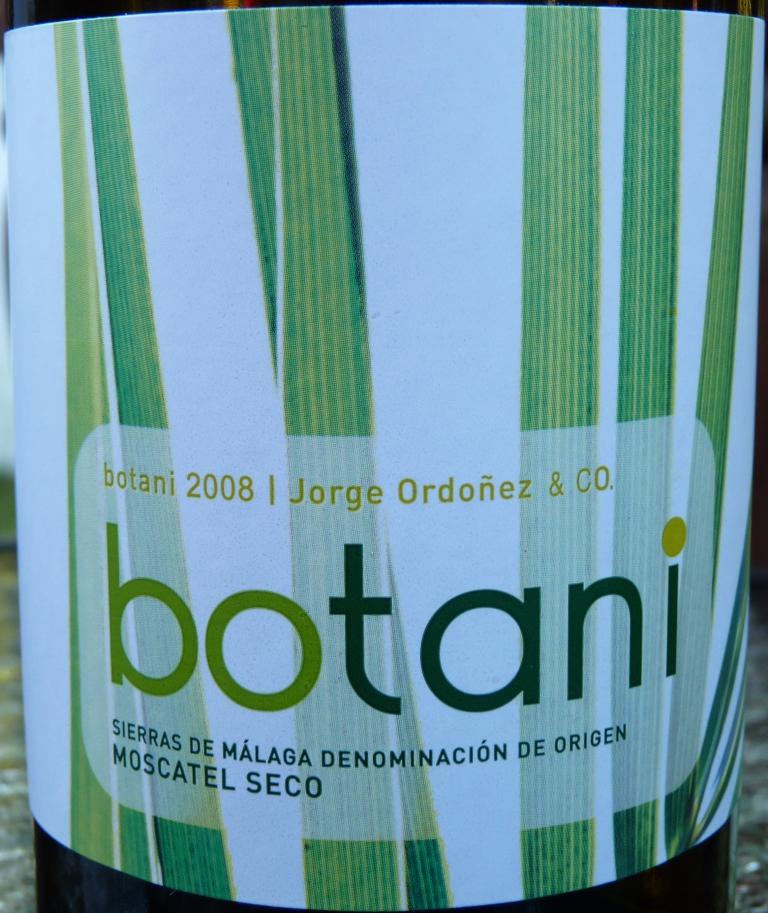
Botani Moscatel Seco Sierras de Malaga DO 2008
Meritage time!
Let’s start with the answer to the wine quiz #115: Grape Trivia – Muscat.
In the quiz, you were supposed to answer 5 questions about one of the oldest cultivated grapes – Muscat.
Here are the questions, now with the answers:
Q1: This Italian wine, made out of the Muscat of Alexandria grapes (which has a different local name), is quite unique in having a given vintage receive top ratings from all main Italian wine publications, including Gambero Rosso, Slow Wine, Bibenda and Veronelli. Can you name this wine?
A1: Donnafugata produces dessert wine called Ben Ryé, made out of Zibibbo grapes, which is the local name for Muscat of Alexandria. Ben Ryé typically gets awarded highest ratings by various Italian publications, year in and year out.
Q2: This Muscat wine was the last solace of exiled Emperor, Napoleon Bonaparte. Can you name the wine and the country where it was made?
A2: This legendary wine is Klein Constantia Vin de Constance from South Africa
Q3: Which one doesn’t belong and why?
a. Banyuls, b. Beaumes de Venise, c. Frontignan, d. Rivesaltes
A3: Banyuls – while Banyuls is known for its dessert wines, same as the three other AOCs, Grenahce Noir is the main grape used in Banyuls, not the Muscat which dominates the others.
Q4: Muscat wines often get very high ratings from the reviewers. Based on Wine Spectator Classic wines (95 – 100 rating), which country do you think has the most Muscat wines rated as Classic:
a. Australia, b. France, c. Italy, d. Portugal,
A4: It might come as a surprise, but this country is the Australia – 9 out of 10 Muscat wines with topmost ratings are from Australia, including a 100 points Campbells Muscat Rutherglen Merchant Prince Rare NV.
Q5: Which should be excluded and why?
a. Muscat of Alexandria, b. Muscadelle, c. Moscato Giallo, d. Muscat of Hamburg, e. Morio Muskat
A5: This was a bit of a tricky question – actually 2 grapes don’t belong – Muscadelle, which has nothing to do with Muscat, and Morio Muskat, which is a blend of Sylvaner and Pinot Blanc.
When it comes to the results, we had no winners, unfortunately, but I’m glad to see Oliver the winegetter back in the game. There is always the next time!
Now, to the interesting stuff around the vine and the web!
Let’s start with … Merlot! Merlot is back, and to make sure everyone will notice, October is designated as the Merlot month! If you think about it, Merlot never left, and Chateau Petrus didn’t switch all of a sudden to the Cabernet Sauvignon as a main grape. Still, Merlot wines are now demanded by name, so it is definitely a reason to celebrate. Drink it, talk about it, write about it – just don’t be indifferent about it. Here is the web site which will help to plan your Merlot festivities.
Harvest is under way in many parts of the Northern Hemisphere, so here are few of the updates. Long stretch of a warm weather in September greatly helped vintners in Burgundy and Bordeaux. The summer was cold and rainy in both regions, and the hailstorms didn’t help either. However, warm and steady September weather greatly improved the overall outlook; while the 2014 vintage is not expected to exceptional, both Bordeaux and Burgundy expecting good results. White Burgundy look especially promising in many appellations, including Chablis. Here are the links with more details – Burgundy and Bordeaux. California weather was quite opposite compare to France – very hot and dry summer forced an early harvest start in the Northern California, with some estates picking up grapes as early as July 29th – one of the earliest starts in a decade. Here is the link with more information about California harvest.
When I’m looking for the good restaurant, especially in the unfamiliar area, my first choice of information source is usually one and the same – Yelp. I generally can’t complain, and for majority of the cases I’m quite happy with Yelp recommendations – I’m sure it saved me from the number of a bad experiences. This is why it is even more upsetting to read about the issues businesses face with Yelp forcing them to take advertizing deals or be punished by artificial manipulation of ratings. Unfortunately, this is what happens when shareholder value becomes the purpose of business existence and trumpets the relationship with the real customers (which eventually drives company out of business). Case in point – the restaurant called Botto Bistro in San Francisco, which refused to badge with Yelp’s demand for advertizement placement, and instead started fighting back with Yelp by undermining the core of the Yelp’s existence – the rating system. The restaurant requested all of their patrons to leave negative one-start reviews, which people did. Take a look at the this article which lists a lot of examples of such a one- star “negative” – or rather super-funny – reviews. Yelp have to get its business integrity together, or it will disappear.
If you are actually a writer, how often do your read your writing, edit it, then read again and edit again? You don’t need to answer this question, but the number of the read/edit cycles is better be substantial if you want to end up with the quality outcome. Here is an interesting article by Jo Diaz, where he talks about the importance of the editor and the editing process. It is clear that most of us are not going to hire an editor for our “labor of love” blog posts – however, the editing still remains an essential part of the “writing well” process, and you really should find the way to implement it.
And we are done here. The glass is empty – but the refill is on its way! Cheers!
Wine Bloggers Conference (#WBC14), Day 3
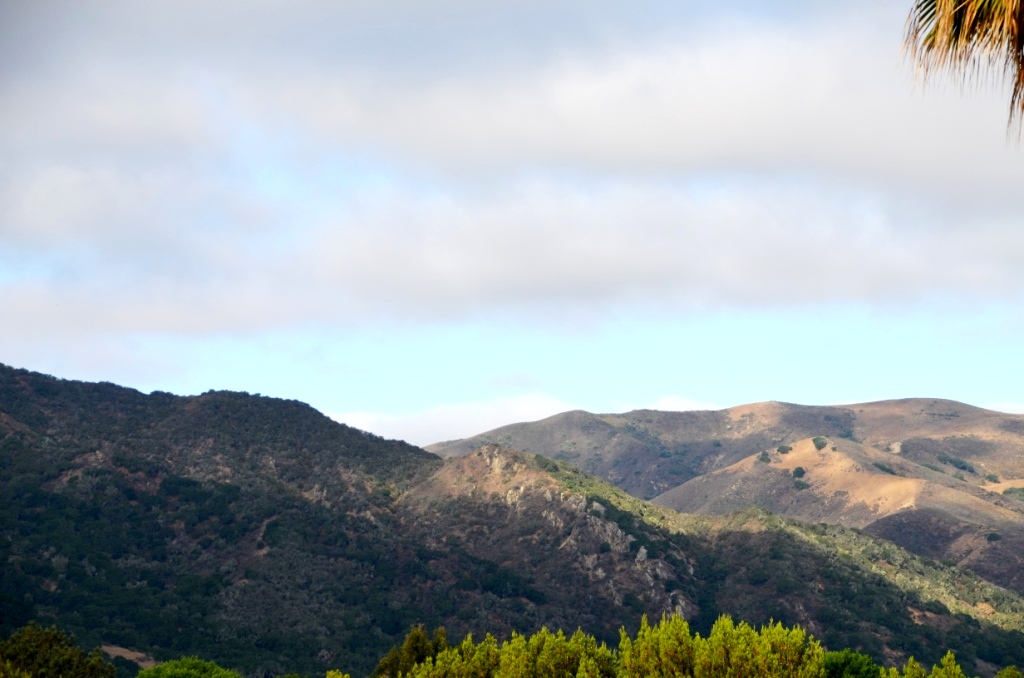 A month after, but we are on the finishing stretch! Don’t know if it makes sense to provide such a detailed account of the day’s events now – but, I feel compelled to complete this self-appointed assignment. Here is what was happening during the Day3, technically the last day of the Wine Bloggers Conference (here are my notes from the Day 1 and Day 2).
We started our morning a bit earlier than the day before, and with the breakout session, not with the brunch (yeah, I was getting very comfortable starting to drink the wine at 10 am, but no…). From the group of offered breakout sessions I chose the one called Business of Blogging. Considering the amount of time, hard work and obsession going into all of the blogs, it is only reasonable to expect that bloggers would be interested in learning about the ways their passion can bear some tangible fruit (yep, I’m talking about money here).
The session was presented by the twin sisters, Alexandra and Kymberly Williams, who run popular fitness blog called Fun and Fit. Their blog is also a successful business, thus they definitely have a lot of good advice to offer. Here are few of the basic takeaways from that session:
- Ethics – your reputation is all you got. Make sure you have the business ethics rules, and follow them.
- Referrals! (Cooperate, don’t compete) – help the others, and they will help you.
- Say no when necessary – don’t take upon every project which might be coming your way – sometimes, “no” is the best answer.
- Ask what you want (people can’t read your mind) – I think this is quite clear
- Clarify and define – work on your offerings!
- Negotiate – find the way to get what you want!
- Work with brand partners, help them to make money, and build relationships – I think you got this one
- Know your readers and service to their lifestyle – know your followers and give them what they want
Second breakout session was about Search Engine Optimization (SEO), and still no wine…. SEO is literally one and only tool bloggers have to be found and to build the listening audience. The session was presented by Timothy Resnik from the company called Moz, which provides set of tools for search optimization and web site analytics. Timothy’s presentation was excellent and very detailed – unfortunately, I can’t take an advantage of most of his suggestions, as it requires a self-hosted blog web site, such as WordPress.org, and I’m using here WordPress.com, where I pretty much have no control over analytics data. Just in case this information might help you, Timothy’s presentation is available on SlideShare – here is the link.
Next – yes, we got to drink wine, as this was the lunch time! It was the lunch with with the Santa Barbara County winemakers, and there were many of them present, pouring and explaining at the same time. I have to admit that the choice of food for the lunch with wine was very strange – technically, the only choice was green salad with grilled chicken, made in three slight variations of flavor – this is not the food to serve if you expect people to drink the wine. Well, anyway, the were many good wines, and here are just a very few highlights:
2013 Baehner Fournier Rosé de Merlot, Santa Ynez Valley – very impressive, clean strawberries profile on the nose and the palate, supple, plump, with substantial body and overall delicious. Drinkability: 8
2011 Consilience Grenache Santa Barbara County – restrained fruit on the nose, round, well balanced, smokey fruit in the back. Drinkability: 8-
2010 Bedford Archive Syrah Santa Barbara County – elegant dark fruit on the nose and palate, dark and dense. Drinkability: 8-
2012 Stolpman Vineyards Estate Syrah Ballard Canyon – dark roasted fruit, touch of spices, good balance. Drinkability: 8-
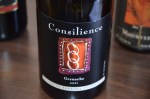
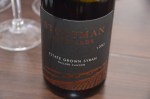
We started afternoon again with the breakout sessions. This time all the sessions were dedicated to wine and of course, included the tasting (Theme: Wine Discovery Breakout Sessions). Out of the 3 available, I picked Ballard Canyon Syrah session (two others were Sanford Winery Sta. Rita Hills and Wines of Greece) – I love Syrah in all forms, and I never heard of Ballard Canyon, so it was an easy choice for me.
Let me say a few words about Ballard Canyon appellation first. Ballard Canyon AVA is not even one year old – it was approved in October of 2013. Syrah is the primary grape in this small appellation located right in the middle of the Santa Barbara County:
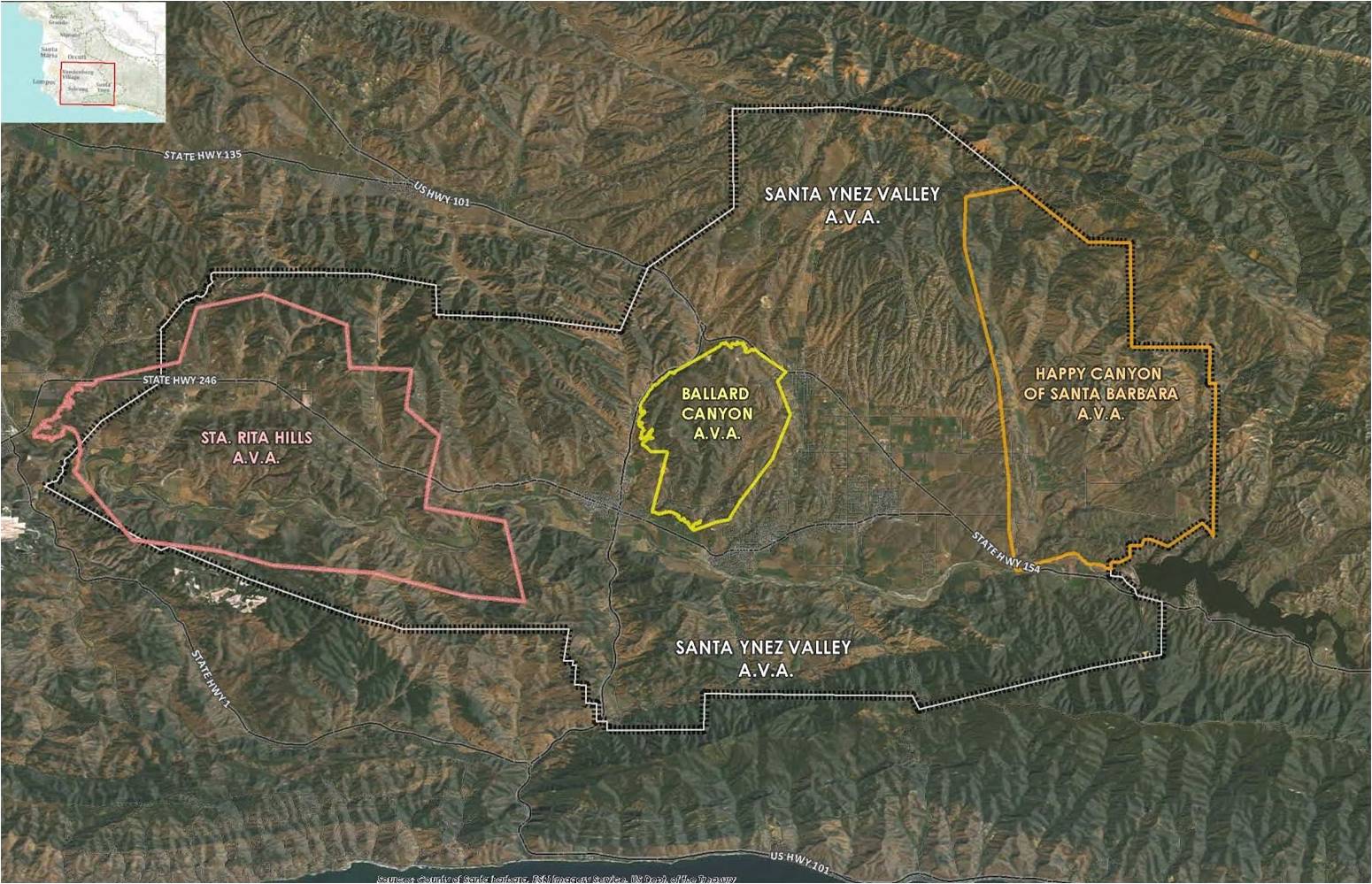 Ballard Canyon AVA was created to capture the essence of soil and climate through the noble grape, Syrah, which is significant enough for this AVA to be known as “Syrah Territory”. Well, yes, Syrah is not the only grape growing in Ballard Canyon AVA, but Syrah plantings exceed plantings of all other grapes, red and white, combined.
The session was presented as a panel discussion, with Patrick Comiskey, Senior Editor for the Wine & Spirits Magazine starting it off with introduction into the state of Syrah in the US. Patrick is one of the leading authorities on the Rhone varieties (and Syrah is squarely one of them), and he is also writing the book on American Rhône movement. I was surprised to hear from Patrick that Syrah is not doing well in US, that it is very difficult to sell and it doesn’t get much recognition. Leaving Shiraz aside for a moment, best known Syrah wines in the world are coming from France. If we will compare Syrah with Cabernet, Merlot and Pinot Noir based on the French wines, and then will look at the US, the proportions of popularity/demand are about the same. And thinking about all the cult and impossible to get wines such as Sin Qua None, Alban, Saxum, Cayuse, No Girls and many others, I think Syrah is doing not that bad… Oh well, I would love to debate it with Patrick over a glass of 1999 La Landonne, but let’s get back to our Ballard Canyon session.


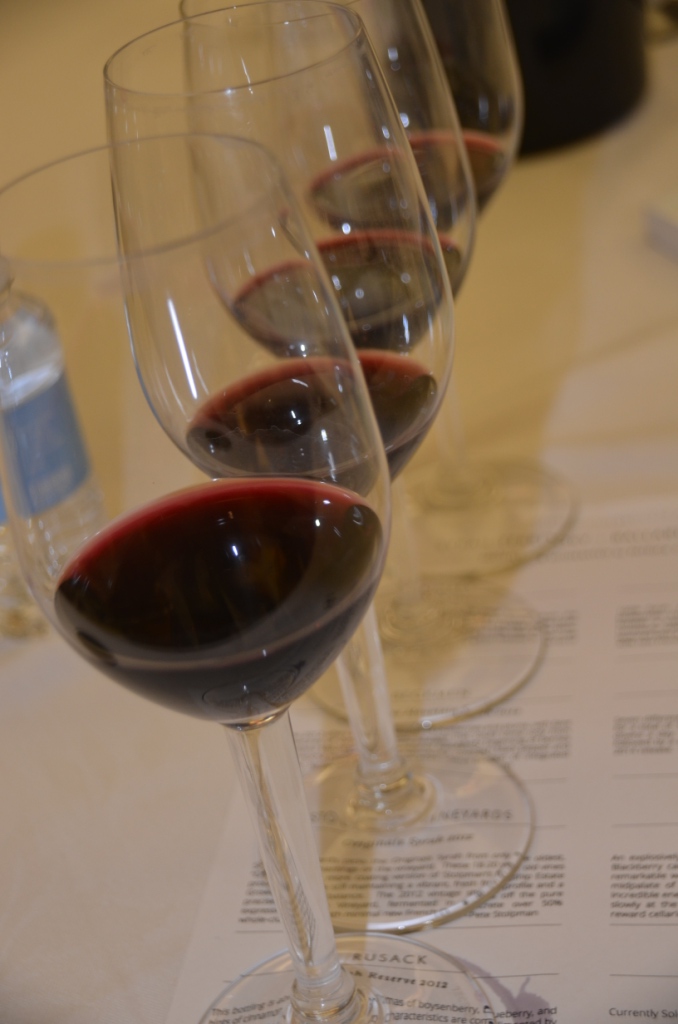 Eight Ballard Canyon winemakers presented at our session (which is a half of total of 16 wineries in the Ballard Canyon AVA), and we had an opportunity to try 7 different wines (the Saarloos + Sons was completely sold out). Here are my notes from the tasting:
2012 Kimsey Syrah
Southwest corner of the appellation. Soft fruit on the nose, dark roasted notes. Spicy, mineral, strong acidity. Young vineyard. Drinkability: 7
2012 Beckmen Purisma Mountain Syrah
BiodynamicLly farmed since 2006, certified since 2009. Tobacco on the nose, nice dark fruit, inviting. Nice, soft fruit, perfect acidity, dark chocolate. Drinkability: 8-/8
2012 Stolpman Original Syrah
Nice, open nose, fresh red fruit,blueberries, a bit sharp on the palate, cherries, espresso. Drinkability: 7+
2012 Rusack Syrah Reserve
Nice, concentrated nose, hint of fresh berries – blueberries, raspberries, touch of roasted flavors. Beautiful fruit on the palate, fresh berries, but supported by fresh tannins. Needs time as tannins are overpowering. Drinkability: 7+
2010 Harrison Clarke Cuvée Charlotte Syrah (15.2% ABV)
Hint of barnyard! dark fruit, baking spices. Cherries on the palate, tannins explicit. Drinkability: 8-
2010 Larner Estate Syrah
Bright Fresh berries, touch medicinal smell on the nose (iodine?), inviting. Beautiful palate, a touch of pepper, enveloping tannins, fresh and open berries, lavender. Drinkability: 8
2010 Jonata Sangre de Jonata Syrah
Bright nose of your fruit, touch of blueberries. More bright fruit on the palate, but then green branches and strong tannins, lacking pleasure. Drinkability: 7
Our day continued with the Panel of Professional Print Wine Writers. Steve Heimoff, James Conaway and Mike Dunne, professional journalists, wine writers and authors of a number of wine books, talked about various aspects of the wine writing. This happened to be one of the most controversial panels of the WBC14, which generated multiple blog posts and whirlwind of opinionated exchanges among the participants. I would have to agree with the Messrs. Heimoff, Conaway and Dunne that in a big schema of things, the quality of writing in the wine blogs can be greatly improved (this very blog you are reading is definitely the subject of such criticism). For the rest of it, just google “Panel of Professional Print Wine Writers wbc14”, and you will get tons of reading material blasting this session, presenters and content – though I have to say that I disagree with a lot of popular criticism. When presented with information, often it is our personal choice whether we will see it as positive or negative, so let’s leave it at that (yes, I do think it was a useful session overall).
Moving on, our next session was the Live Wine Blogging – The Reds, the speed tasting of the red wines, which I already covered in the full detail here. Well, it was actually the last organized session for the day. We still had more wine to drink events in the agenda, but from point of view of the organized sessions we were done.
Our next event was Wines of the World Reception, where we had an opportunity to taste wines from Greece, Italy, Portugal and other countries. At this point in time, I lost an ability to take any kind of reasonable tasting notes, so I had to go simply by “aha, this is good” or “ouch, moving on”. I have to mention that wines of Greece helped me to make a good progress with my Wine Century Club journey towards the coveted Pentavini (500 grapes tasted level) – I added 5 new grapes:
Liatico – 2011 Domaine Douloufakis “Dafnios” Liatiko Crete (red)
Krassato – 2007 Tsantali Rapsani reserve Rapsani AOP Greece (red)
Stavroto – 2007 Tsantali Rapsani reserve Rapsani AOP Greece (red)
Avgoustiatis – 2013 Mercouri Estate Lampadias Rose, Greece (red)
Savatiano – 2013 Papagiannakos Savatiano Greece (white)
Last two events of the day – Wine Blog Awards Presentation and Dinner. To me, Wine Blog Awards feels like a coveted achievement. However, for the last three years, watching the process of nomination, then selection of the finalists and then, for the first time, presentation of the awards, gives me only a thought of diminishing returns. The duration of the time for nomination is literally reducing from a year to a year, and nomination period is open out of blue (I don’t know if this is the attempt to reduce the number of nominations?). This year, we didn’t even know who the judges were. Selection of the wine blogs for the finalists is very strange, as many of the same blogs are nominated for the different categories, and moreover, the blogs are nominated year after year after year. And finally, out of the 9 awards, only two winners were present at the WBC to pick up their awards… It is funny that if you go to the Wine Blog Awards web site now, instead of finding information about the 2014 winners, you can finally find out who the judges were… The whole wine blog awards process needs a revamp and a fresh start, it is way too disorganized as it is.
You know what – this blog post is becoming one of the longest I ever written, so I need to round it up. The food at the dinner was okay, the wines were very good – there was a good selection of the Santa Barbara County wines present at every table, and the selection was different from the table to a table. After dinner, there was more wine – not only parties continued in the number of rooms and suites, but also a number of people brought the wines with them to share, and it was really the last night to drink them. I tried for the first time Horton Norton from Virginia – I had Norton wines before, but this was the first time I tried any of the Horton wines, which is considered one of the best wineries in Virginia (the wine was excellent). Then there were Texas wines, courtesy of SAHMMelier. She brought 2012 Brennan Vineyards Viognier (perfumy and delicious) and 2011 Bending Branch Winery Tannat (powerful and sophisticated). We also tasted 2001 Cottonwood Canyon Pinot Noir Santa Maria Valley (fragrant and beautiful for the 13 years old wine), and 2011 Kalyra MC2 Santa Ynez Valley (restrained and balanced). For some reason, I’m under impression that there was also a wine from Oklahoma (!), but – no picture and no notes, so yeah, it is my loss.


And we are done, done, done here! Sometimes procrastination has its rewards – only yesterday I got the email from organizers of WBC14, Zephyr Adventures, which also included the link to the blog post with all presentations from the WBC14 – here it is if you would like to look at them. And (almost) last but not least – Wine Bloggers Conference 2015 will take place in the beautiful town of Corning in the Finger Lakes region in New York, August 13-16, 2015 – if you are into the wine blogging, you definitely have to be there, you have to experience WBC to yourself. The registration is open now, and (this is what they say) availability is limited, so you might want to think about putting the stake into the ground now…
Last thing (I promise) before we are done – I would like to thank Zephyr Adventures and Santa Barbara Vintners for the great event they put together for all the wine bloggers. I know firsthand how hard it is to organize a great conference, and especially considering the size and diversity of the wine bloggers group, I can only say wholeheartedly “Thank you very much!!” for all the hard work put into bringing together such a great event.
Yes, we are done. If you are still with me, thank you very much for reading. Cheers!
Wine Bloggers Conference 2014 (#WBC14), Day 2
Yet another ambitious project hitting the dust. I was determined to write blog post updates in the morning of the very next day of the Wine Bloggers Conference – and as you can see, it didn’t happened – I’m back home in Connecticut (nope, not even that – I’ actually on vacation in Cape Cod, and Wine Bloggers Conference 2014 is fading in the metaphorical rear view mirror. Nevertheless, I will finish this the way I initially envisioned – as a series of the blog post about WBC14. Let’s get to it…
 Friday was the first full day of Wine Bloggers Conference 2014 (WBC). My impressions in a few words? Overwhelmed. Is there a word for “more than overwhelmed”? The pace of learning, connecting, tasting, analyzing, networking, mingling and tasting more, more and more was incredible. Here is what was happening throughout the day – brunch (yep, a 10 AM brunch) with Portuguese wines and dishes from Brazil, India, Japan and Portugal – 11 wines and 12 different dishes. Then the opening of the conference and a keynote by Corbett Barr. A panel session with Santa Barbara County winemakers (rather founding fathers of the winemaking in Santa Barbara). Speed tasting of the 10 white wines in 50 minutes (very intense). A breakout session called “How The Pros Taste”, which included both the Pros and the wines. An excursion to the mystery destination (yes, with more wines). The Wine Tourism in North America Expo (yep, with more wines to taste), an unofficial before-party in one of the hotel suites before the actual official after-party, and then finally (oh yes, the best for last!), an official after-party, hosted by Jordan and J Wineries. So, how is that for a day for you? Pretty full schedule, huh? I will leave speed tasting and our mystery excursion for the separate posts, but for the rest of the program, here are my quick impressions.
Brunch with Portuguese food and wine was the very first in our day’s program. As I wrote a few times about Portuguese food and wines before, I would definitely agree that both Portuguese wines and cuisine are well worth the attention. At the brunch, we had an opportunity to experience 11 different wines (both white and red), as well as 12 different dishes. If you take a historic perspective on Portugal, hundreds of years ago, Portuguese influence was spread all over the world. To show that world-wide influence, the dishes in the brunch we coming from the different regions which came into a close encounter with Portuguese culture – namely, the dishes from Brasil, India, Japan and Portugal itself (of course!) were part of our brunch. I will not inundate you with all the details of the dishes and wines (despite taking the detailed notes) – I just want to mention two of my favorite wines. For the whites, 2012 Julia Kemper Branco Dão DOP was delicious, with touch of grass and flowers, very interesting nose, light and simple on the palate. As an added bonus, this wine also added one more rare grape to my collection, Encruzado. From the reds, 2010 Quinta do Romeu Colheita Douro Tinto was my favorite, with very nice dark fruit, medium body, open and round, and good balance. And for the rest of it – here are the pictures of the wines and dishes.
Next up – the conference officially opened with the keynote from Corbett Barr. Listening to Corbett Barr, an entrepreneur whose business, Fizzle, was built starting from the blog, was very relevant at the wine bloggers conference – if not as a role model, definitely as a success model his talk was reaching to the heart and soul of all the attendees (and if someone would tell me that it was not, I would question your premise of being at the bloggers conference). 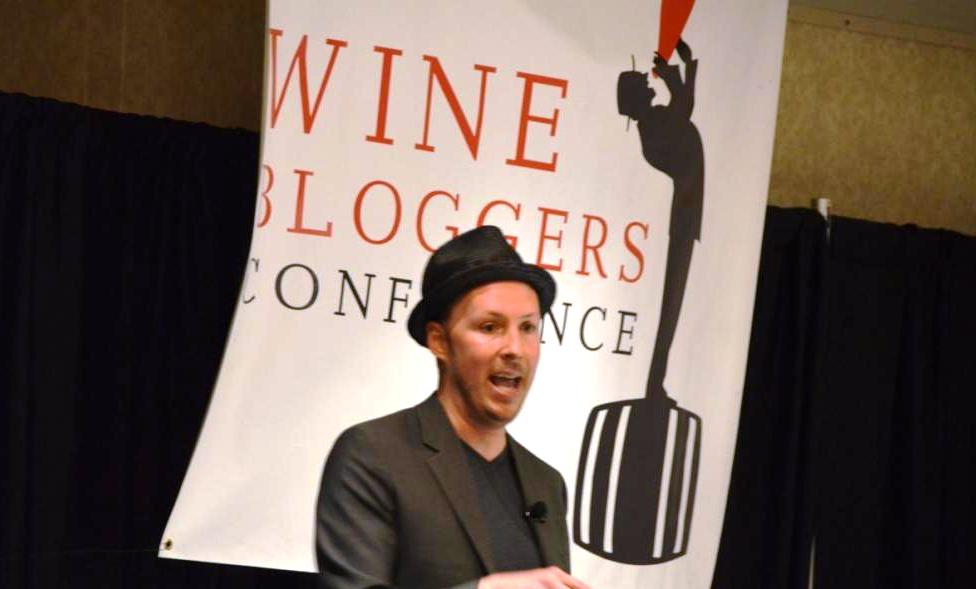 After telling his personal story, Corbett offered a number of do’s and dont’s for building the successful blog and converting it to the business. In short, here are the main ideas:
- Character Trumps Credentials – your passion is more important than many technical accolades and certifications you can achieve. Yes, the certifications are important, but it is passion, will and tenacity which will be a foundation of your success.
- Be different. Stand out. Don’t blend in. Yes, you have to find your own way, don’t be “one of many”.
- Find what works. Don’t repeat exact same thing over and over again, expecting that magically what was not working 100 times, will work on 101st. If something doesn’t work, looks for what will – but keep going.
- Hope is not a marketing strategy. Find where your readers are and figure out how to get in front of them.
- Your blog is not your business. Understand what your business is. The blog is just a tool to help your business, but not the business by itself.
- Keep going, constantly evolving. If you will continue looking for what works and improve all the time, you will [almost magically] leapfrog at some point to your success.
- Mastermind 101 – “You are the average of the five people you spend the most time with” – Jim Rohn. Talk to the people who “get it”. If you will talk to “achievers”, you will [at some point] becoe one yourself.
This is a very lose approximation of what Corbett Barr had to say, but I hope I was able to give you at least the basic idea. And for more information, head over to his web site and read, read, read.
Our day continued with the panel session of Santa Barbara winemakers. Session was moderated by Larry Shafer, the winemaker behind the Tercero label, and it brought together the people who were instrumental in starting and growing Santa Barbara wine industry – Richard Sanford, Ken Brown, Rick Longoria and Bob Lindquist. We learned about the Santa Barbara wine region which started in 1968 with the Santa Barbara Winery, and had grown into the prominent producer of Pinot Noir and Rhone-style wines. 40 different grape varieties are growing today in Santa Barbara area, and a lot of Santa Barbara grapes are shipped to Paso Robles and Napa and used in the coastal blends. Passion, friendship and love to the beautiful Santa Barbara wine region is something which was clearly showing through the words of all the winemakers.
Our next session was the speed tasting of white wines and Rose, which I will be talking about separately – I can only tell you that it was a fun exercise.
You know what else is great about the wine bloggers conference? You get to taste the wines which are not necessarily are even yet available to the general public. Case in point – a unique Viognier, Marsanne, Roussane blend from … Argentina – 2012 Hand of God Fingerprint Series Sobremesa Vineyard VRM White Blend. The wine is in the process of being brought to the United States, and nevertheless we had an opportunity to taste this aromatic, big and well structured white wine, which was simply poured by the winemaker while we were walking from one session to another.


The last session of the day was a so called breakout session, where we had to chose between three different sessions running in parallel in the different rooms. I decided to go and learn “How the Pros Taste”. This session was a panel discussion led by Steve Heimoff, the wine writer who is now the Director of PR for Jackson Family wines, Joe Roberts, a.k.a. 1 Wine Dude, and Patrick Comiskey, senior editor for Wine & Spirits magazine. The idea of the panel was to discuss the ways of the professionals tasting tens of thousands of wines every year, and issues they are facing – and I think the panel did the fine job with issues and challenges. Talking about the “ways” was a bit less successful – I would expect the panelists to explain more of a “how to”, their methods for assessing the wines in the mass quantities – which didn’t take place. And then we tasted 4 wines, 3 of which we selected by the panelists, and one “double blind”, unknown even to the panelists. The selected wines were supposed to represent the unique view point of each panelist, the wines which are “best of the breed” and emotionally engaging. Considering that, I would highly question the rationale of including very obscure wines in this “representative” tasting, but this is mostly what happened. The 2012 Yves Leccia Patrimonio Blanc, a Vermentino wine from Corsica, had nothing but the acidity and didn’t speak to me at all. It didn’t create nor demonstrated any emotional connection. 2013 Poet’s Leap Riesling Washington, while might be typical for Washington, didn’t deliver much pleasure either, and it didn’t connect with the Washington Rieslings as I know them from the Chateau St. Michelle or Snoqualme. Again, I would highly question inclusion of such a wine as “exemplary”. The red wines fared a lot better. 2011 Cambria Clone 4 Pinot Noir Santa Maria Valley was quintessentially Californian, with beautiful nose of smoked cherries, exemplary palate full of forest floor, gentle fruit and perfect balance. Our double-blind wine surprised everybody, including the esteemed panel – clean cherries and acidity were pointing in the direction of Montepulciano from Italy, and the wine happened to be an Yangarra Grenache McLaren Vale from Australia – but it was a very tasty wine. All in all, this was an interesting session, but I would like to see it done differently, more focused on classic methods and classic wines (definitely for the whites).


And then we had a mystery bus excursion. I will keep it a mystery until the next post (trust me, it was good enough for the separate post). When we came back in the evening, we still faced … yes, you guessed it – more wine! The Wine Tourism Throughout North America expo was focused mostly on California wines (or may be I was too tired to notice anything else). I tried a few wines, out of which 2010 Mad Hatter Napa Valley was clearly a stand out – dense and concentrated, with layered fruit, it had a lot of dark power (similar to its color), very drinkable now, but holding also a great promise to evolve. This wine was made by the famed Andy Ericsson (Screaming Eagle, Harlan, Favia and many others). Few other interesting wines were 2007 Terra Valentine Spring Mountain District Cabernet Sauvignon Napa Valley, very clean and classic. 2011 Steven Kent Vinery Cabernet Franc Livermore Valley was perfectly on the mark with beautiful cassis undertones, and 2012 Vasco Urbano “Norm” Grenache Livermore Valley was luscious and delicate, with nice fresh fruit on the nose and the palate.


The “before-Party” for after party was generously hosted by Banfi folks in one of the hotel suites, and the highlights were mostly Italian wines with the few of the wines from Washington state. The 2013 Pacific Rim Chenin Blanc Yakima Valley was perfectly balanced and had an excellent fresh white fruit, a bit of mineral notes and rounding acidity. The Sartori di Verona Ferdi Bianco Veronese IGT was very unique and unusual, an Amarone-style wine (100% Garganega grapes, dried for 40 days on straw mats), with big fruit notes, full body and somewhat sharp acidity.


And last, but not least – an offical after-party, hosted by J Vineyards and Jordan! Both J and Jordan are some of my favorite wines in general, and what a treat it was! Probably unsurprisingly, I was a bit tired after such a day, so I didn’t take too many pictures. But the wines were outstanding. J were pouring both of their sparklers, the White and Rose, as well as the Pinot Noir. And Jordan… How about a full vertical of the Jordan Cabernet Sauvignon Alexander Valley from 2002 until the 2008, including 2005 and 2006 in both 750 and magnum sizes! All the wines, including 2002, tasted fresh and delicious – again, no detailed notes (if you want to blame me for the luck of attention, be my guest). I was especially happy to see that 2002 showing absolutely no signs of age, and 2005 being delicious with still powerful tannins – I have a few bottles of 2005 in the fridge and it seems that I have no reason to touch the for a good while. 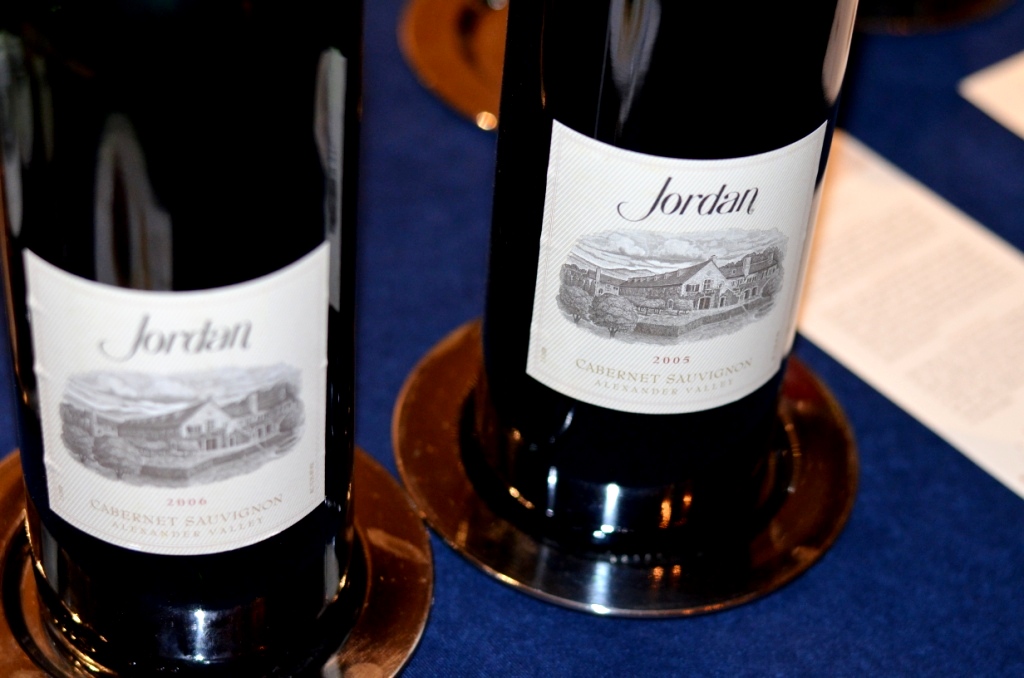 For what it worth, this was an attempt to give you an idea of the happenings in the first day of Wine Bloggers Conference (two more posts will be coming). Hope you are still reading this, and if you are, I want to thank you for your patience. Just one question, if I may – after reading this post, did it make you want to come to the #WBC15, or stay away from it as far as possible? Let me know! Cheers!
P.S. For some reason, this was one of the most difficult posts I ever wrote for this blog… But I’m glad I finished it.
Wine Bloggers Conference 2014 (#WBC14), Day 1
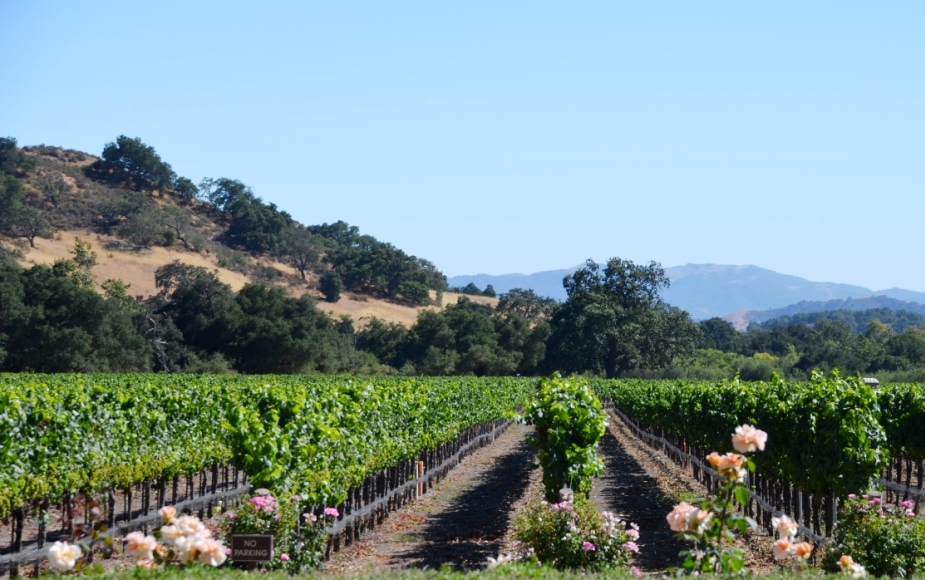 I’m attending the Wine Bloggers Conference 2014 in Santa Barbara, California, and what I will try to do is to give you a brief round up of my daily experiences. This is my only hope to have some level of concise picture of what was happening at the conference – there are way too many wines to taste and way too many experiences to have – unless I do this daily, it will all blur together next week.
In case you are not familiar with the event, Wine Bloggers Conference is exactly what the name says – an event where wine bloggers, wine writers and wine producers get together and discuss all the aspects of the “wine media”. Now in its 7th year, the Wine Bloggers Conference (WBC for short) is taking place in different locations, generally related to the wine production, and this year the location is Santa Barbara county. This is my first WBC event (had been contemplating for a while), so many things are new to me. That’s all I have for the intro, if you are interested in more details, please take a look at the WBC web site.
Here is what I managed to do on my first day. I started the trip early in the morning (at about 3:30 AM) to get from New York to Santa Barbara. The two hours delay, thanks to United (my beloved airline with love/hate relationship), didn’t help, but still didn’t derail may plans, only made me to move a bit faster. Arrived, got a car (with additional unexpected delay now courtesy of Hertz) and then started driving to the Zaca Mesa winery, my first destination. Took the wrong turn, ended up on the beautiful mountain-side drive, so things started to turn to the better.
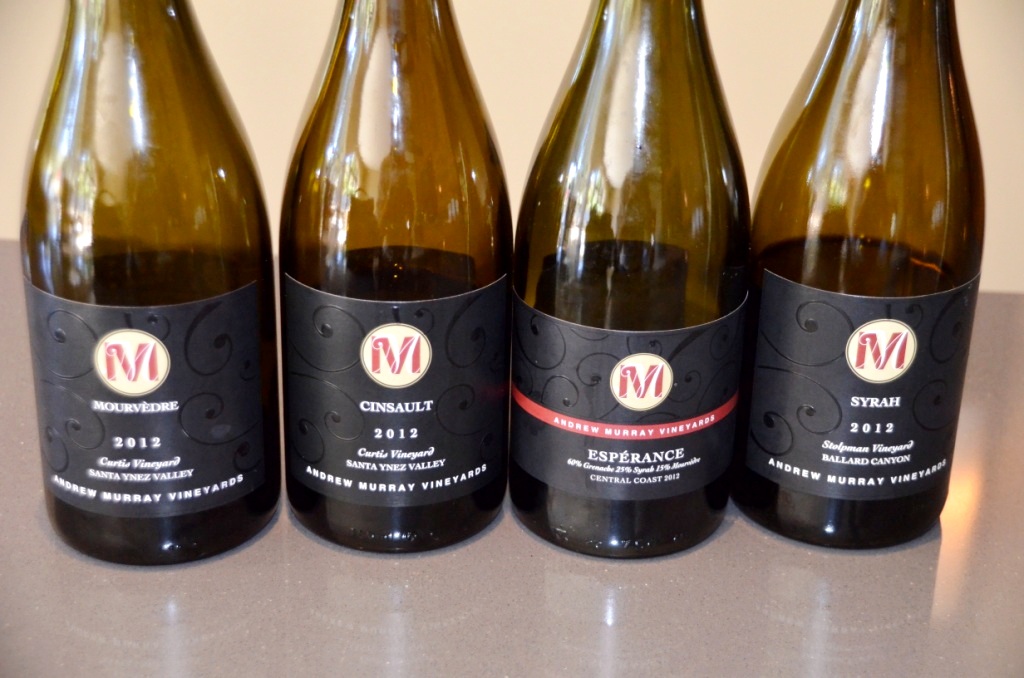
I managed to visit three wineries which we were on my list for Santa Ynez Valley – Zaca Mesa, Fess Parker and Andrew Murray. I will not give you full details of the tastings now (will reserve for the separate post), but I can tell you that all three wineries had some absolutely outstanding wines (outstanding enough to force me to break my resolve not to buy any wines during this trip). Syrah was a star at Zaca Mesa, Pinot Noir was outstanding at Fess Parker, and I was blown away by the rendition of all the Rhone varietals (Cinsault, Mourvedre, Syrah and Viognier) at Andrew Murray Vineyards – here is one picture for you:
After the tour of the wineries, I arrived to the hotel, and later on went for the expo and reception, where we had an opportunity to taste wines (surprise) and look at some innovative products.
As with any conferences and expos, we were offered a number of giveaways. Here is the most thoughtful one – bottle of water with attached travel pack of advil, for the “morning after”:

Water and Advil, how thoughtful!
Before I wil present the highlights of the tasting, let me tell you about couple of interesting product presentations. First, there was a Sonic Decanter – the device which subjects the bottle of wine to the sound energy for about 35 minutes, which completely changes the taste profile of wine. First I wanted to dismiss it as a simple gimmick, but after tasting the wine before and after, I found out that it actually works and changes the taste. If this is a good thing or a bad thing, I will let you decide after the separate post.

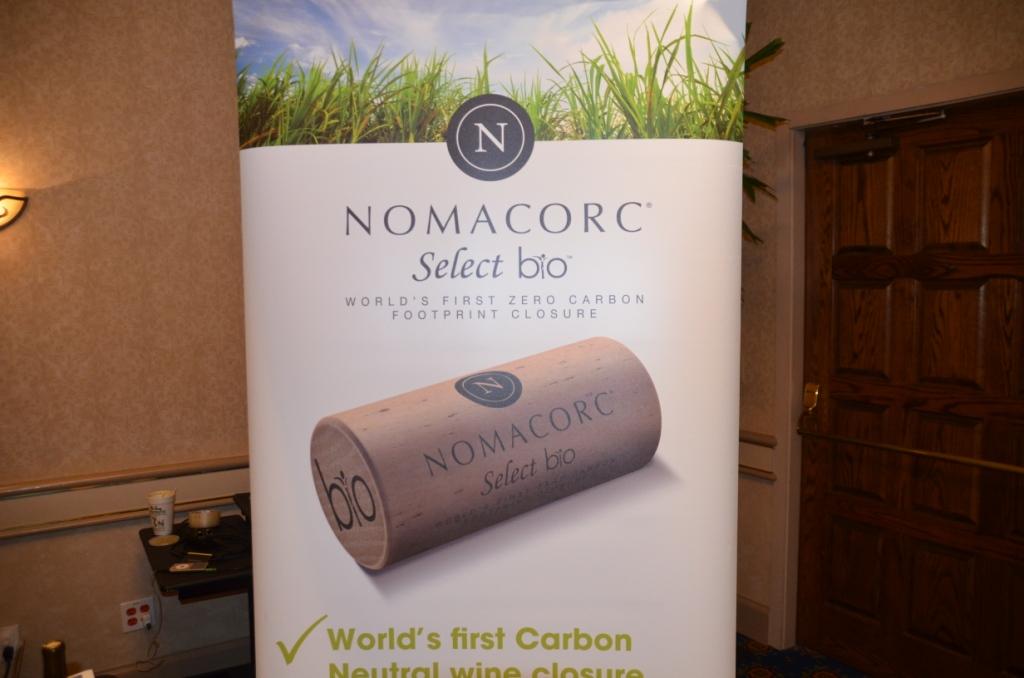 Another interesting presentation was given by Nomacork, a producer of the engineered cork. This cork is made out of the real cork tree, but it is not just a piece of the bark, it is made out of the actual cork tree material, and it can be engineered to allow different levels of oxygen exposure to the wine. To show how it works, the folks at Nomacork had a tasting of the same wine, 2012 Viognier, bottled at the same exact time with two different corks, allowing different levels of the oxygen penetration. The wine which was allowed more oxygen was showing considerably better, so this definitely works. The advantage of Nomacork is consistency, as it eliminates bottle variation, ability to control oxygen intake and the fact that it is still made from the natural material (versus Stelvin screw top, for instance) – and it is the cork which you will have to pull out and not just screw off. The disadvantage to me – I like the natural cork, and I like bottle variation, that mystical element in wine. But – as anyone else, I don’t like tainted wine… So I really can’t make up my mind on this.
And now, few of the wine highlights. Here is what I liked during the tasting – I can only give you “best memory effort” notes, as there were no paper handouts of any sort, so I had to rely only on my camera and the memory. Still, these are the wines which stood out.
2012 Ken Brown Chardonnay Nielson Vineyard Santa Maria Valley – beautiful, classic Chardonnay, with all the flavors being present and in balance – vanilla, butter, toasted bread, perfect acidity.
2013 Tercero The Outlier Gewurztraminer Santa Barbara County – I was very impressed – Gewurztraminer is one of the most difficult grapes to achieve balance, and this wine had it – touch of spice, touch of floral notes, creamy and round – an excellent wine.
2011 Alta Maria Vineyards Pinot Noir Santa Maria Valley – classic California Pinot Noir, good concentration, very well balanced.
2010 Baehner Fournier Vineyards Solus Cabernet Sauvignon, Santa Ynez Valley – classic, concentrated, hint of green bell peppers, delicious overall.
2011 Santa Barbara Winery Primitivo Joughin Vineyard, Santa Ynez Valley – another surprise – excellent, balanced wine, muted raspberries and good concentration, good acidity. Very solid effort.
2010 Ken Brown Pinot Noir Rancho La Vina Vineyard, Sta. Rita Hills – excellent California Pinot Noir – dark power and finesse.
2012 Alma Rosa Pinot Noir La Encantada Vineyard, Sta. Rita Hills – another excellent California Pinot Noir – perfect fruit and perfect balance.
2011 Longoria Tempranillo Santa Ynez Valley – and yet another surprise. Excellent Tempranillo, more on the level of Toro than Rioja or Ribera del Duero – powerful, dense, but well balanced and not over the top. I’m happy do discover more of the old world grapes perfectly executed on the US soil.
That concludes my report about the first day of the conference. Stay tuned, as we are only getting started : ). Cheers!
Daily Glass: California Gamay? How about it!
The process of selecting of the bottle to open sometimes can be very daunting – may be this? But I just had it few days ago. Than that? Well, today is not special enough day? Then what about that one? Nope, doesn’t feel right. In the end of the day (not literally), you just bite the bullet and say “this is it”. So the end result of my nerve wrecking selection process today was a bottle of … California Gamay from Field Recordings.
Now, class, who had the opportunity to taste California Gamay – raise your hands. Yep, I thought so. It is not that often that you hear about California Gamay. It is not even too often that you hear about Gamay been grown anywhere in US. Beaujolais? Of course, Gamay is one and only. Loire? Sure, also quite popular. Switzerland? Lesser known outside of Switzerland, but still – yes, it does quite well there. But California?
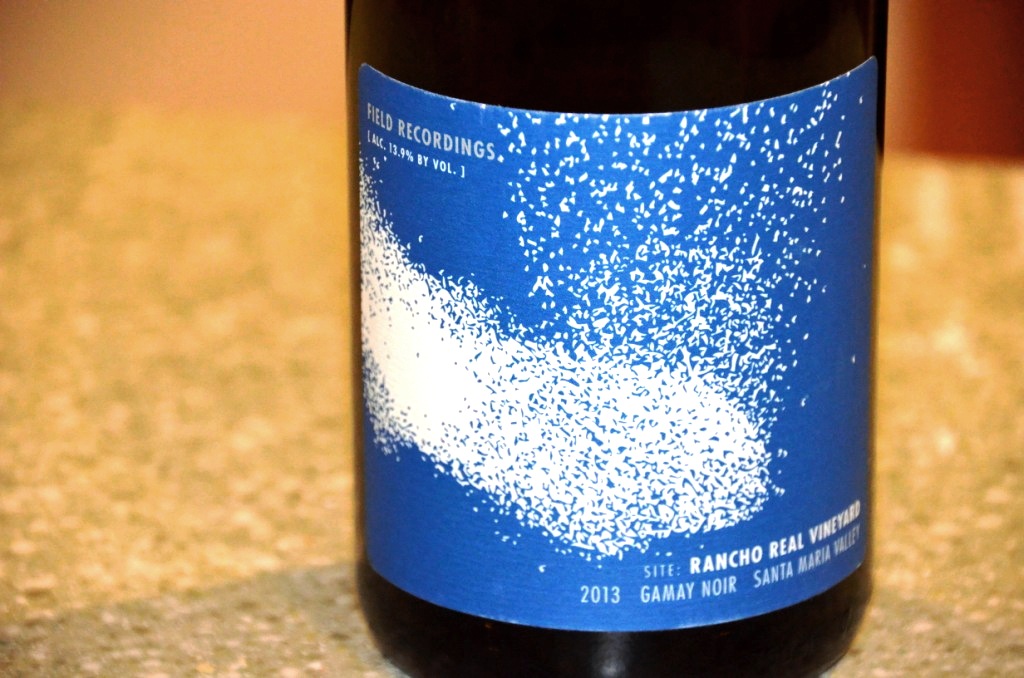
Well, so as they say, there is a first time for everything. Today was my first time to taste the California Gamay. 2013 Field Recordings Gamay Noir Rancho Real Vineyard Santa Maria Valley, California (13.9% ABV, 100% Gamay Noir, 6 month in Neutral Puncheons, 50% carbonic, 50% destemmed, 140 cases, Bottled: 04.19.2014) – very interesting. The nose was reminiscent of the Beaujolais Nouveau, but with the fruit being more mature and restrained, not as grapey. Very delicious and pronounced, similar to all other Field Recordings wines I had so far. And the palate… The palate was puzzling. It had a lot of fresh, ripe raspberries, good acidity and good balance, but there was something else which took me a while to figure out. And then it came down to me – the wine was still coming together. It was very similar to the Chenin Blanc which I had directly from the tank at the winery. Fermentation or not (I’m not a winemaker, so I can’t tell you exactly what it is, I can only describe to the best of my abilities), but this wine still needed time. This is why I highlighted above the date when the wine was bottled – so I was having the wine which was bottled only a bit more than a month ago – and it was noticeable. The wine was not bad by all means – but it would be very interesting to know, how would it taste when it would finally come together as a whole. Note to self – for the young wines, try to read the labels before, not after. Anyway, it was an interesting experience, and I will have to go with Drinkability of 7+, as the wine was still pleasant. Oh yes, of course it was my one and only bottle.
Have you had California Gamay before, or any US Gamay for that matter? What do you think? Also, have you had the wine which wwas not done yet? Comment away and cheers!
Devotion – The Blog Post I Can Not Write
 As soon as I saw the new theme for the Monthly Wine Writing Competition #7, Devotion, my very first thought was “hmmmm, this will be hard, or more precisely, extremely hard”. The problem is that when I hear the word “devotion”, the immediate mental picture is of a giant cross at the very best, or no picture at all – but I can assure you it ain’t the picture of a bottle of Cabernet Sauvignon.
Ever since the theme was announced I was struggling to find the connection of “devotion” to the wine world. I’m sure the examples of the true devotion are abundant in the wine world. May be even more than in many other trades, the success requires a lot of sweat, blood and sacrifice. Not been a wine historian, but rather only a very appreciative and dedicated consumer, I don’t have those stories of sweat and blood handy, and searching the Internet and rewriting someone else’s stories is not something I usually do, thus search for the connection between wine and devotion became literally a daily routine. To no avail.
I thought that I will start my post with the analysis of the word “devotion” – yes, the linguistic analysis. Oliver did it it perfectly in his post for the #MWWC7, as he was struggling with the theme in pretty much the same way as I did. Oliver took the Latin route for the meaning of “devotion”, so I can still refer to the English meaning of the word. Here is a nice representation of the Google search for the definition of “devotion”:
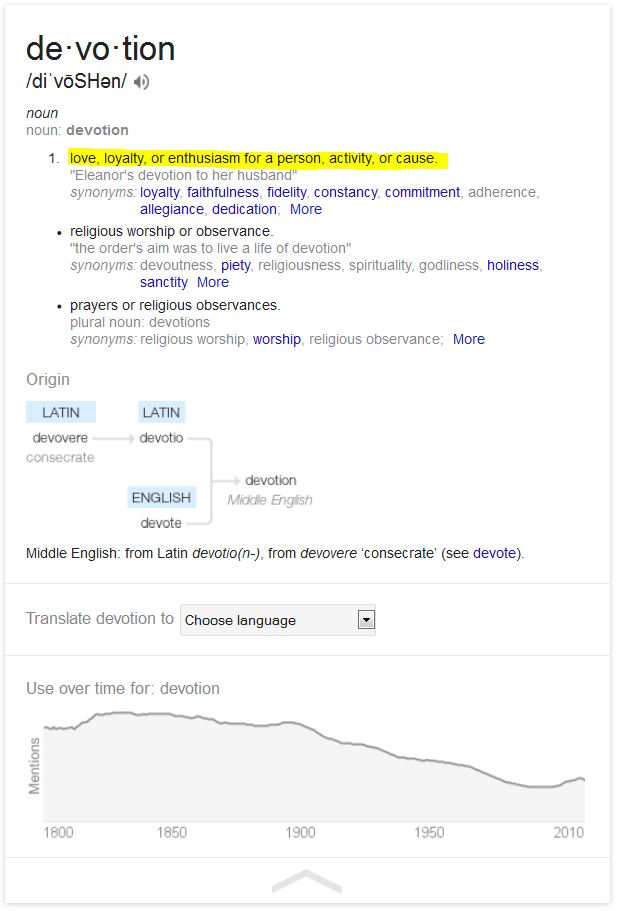
Yes, love and loyalty (or dedication for that matter) sound like the right way to go here – but if that is the direction, I would simply use the word love, and not devotion. Nope. It doesn’t connect.
So as today is a pretty much the last day to submit the entry, I still don’t have it.
But let me give you somewhat of an interesting twist here. Let’s put the word “devotion” aside for a minute, and let’s go back to the wine. Think about two sides of the wine world (not exclusively two – but let’s simplify here). On one side, winemaker should be willing to make an honest wine, the wine he or she will be willing (and proud) to offer (sell) to any consumer. On another side of the spectrum is the consumer who should be willing to buy the wine. Let’s make this statement even more precise – the consumer who should be willing (and eager) to drink the wine. Do you think we can find devotion on both sides here? Does it take devotion to make the best possible wine? Yes this is an easy case, I would say (and it was perfectly presented by Jeff at FoodWineClick in his photo essay about devotion of the winegrower). And how do we get to the devotion of the wine consumer? While this might not sound all too fitting for the term, but one should be devoted enough to the wine world to be willing to open the bottle – any bottle, a cult (DRC, Petrus, Screaming Eagle), or the most obscure, of unknown grape and producer; the wine which costs thousands, and the wine which costs $1.99. Open and give that wine a chance, step over the preconceived notions (“ahh, I don’t drink California Chardonnay”) and make an effort to understand the wine for what it is. Is that a behavior of the wine-devoted consumer, an oenophile? We are not talking here about people who buy the wine as an investment, with the sole purpose of selling the wine once its price will increase – those people are devoted to money, not to the wine. But for the oenophile, the wine is approached with an open mind – that doesn’t mean that the one should equally love all the different styles and tastes – but that one has equal respect to them all.
And let me tell about devotion of the winemaker through the eyes, nose and palate of the devoted oenophile (yep, myself in this case).
I brought the bottle of 1966 Louis M. Martini California Mountain Pinot Noir from Chicago about a month ago. I was in the store, shopping for the older vintage wines, and I couldn’t resist to buy such an old wine for $25 – yes,this is how much this wine was.
I didn’t want to hold it for too long, so Valentine’s Day seemed like a perfect opportunity to open a special bottle of wine (yes, I should’ve wait for the Open That Bottle Night, but we are always traveling over the actual OTBN day, as it generally falls on the kids’ school vacation).
When I told my friend Zak (who owns the wine store) that I will be opening the 1966 California Pinot Noir for the Valentine’s Day, his reaction was “why? You understand that the wine will not be any good, just keep the bottle as is for the decoration”. My thought was “I can always keep the empty bottle as a decoration. I have to give this wine a try”.
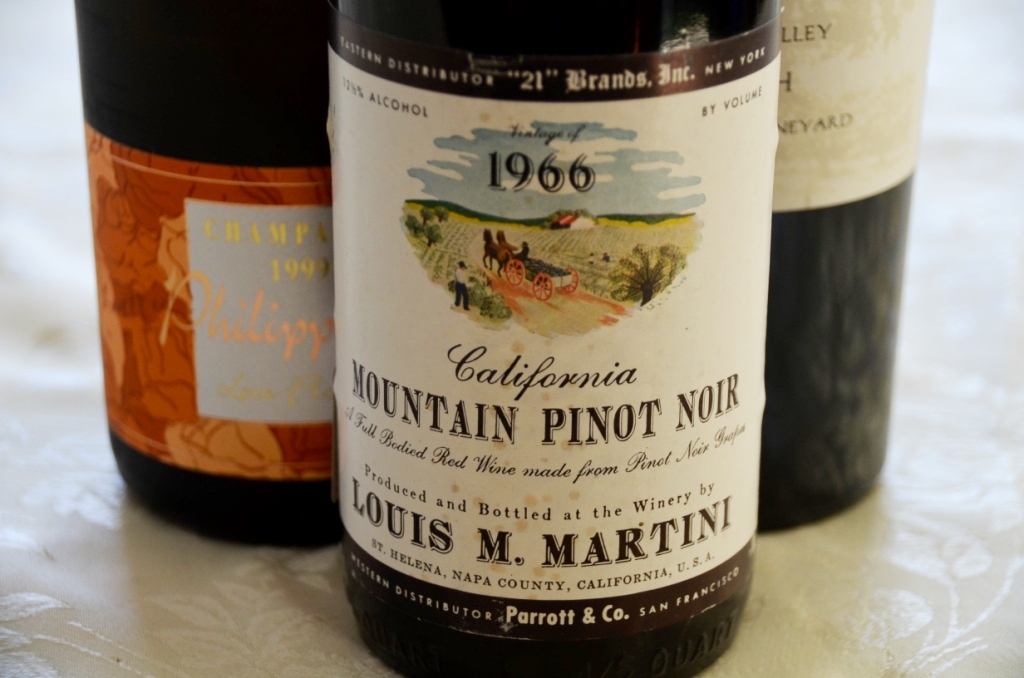
I honestly didn’t know what to expect. 1966 Pinot Noir from California? Not made by the star winemaker at the state of the art modern winery? The only thing I knew about the wine that it was made at Louis M. Martini winery. And Louis M. Martini doesn’t even make Pinot Noir wines today! Okay, let me come clean here – I had an additional reinforcement of my hope. I remember my wine class on Californian wines at the Windows on the World wine school, where after we tasted the line of California Cabernets, Kevin Zraly said “this wine is made by the Louis M. Martini. They make make excellent wines, and they could charge a lot more for them, but they chose not to”.
Louis M. Martini was an Italian immigrant who came to the United States in 1899. After working in the wine trade for a while, he opened Louis M. Martini winery in Napa Valley in 1933, as Prohibition was ending. Last year, the winery celebrated its 80th anniversary. You can read the history on the Louis M. Martini winery web site, but I want to mention that Louis P. Martini, the son of Louis M. Martini, went on to become one of the pioneers of California Pinot Noir and Merlot, and he was inducted to California Vintners Hall of Fame in 2008.
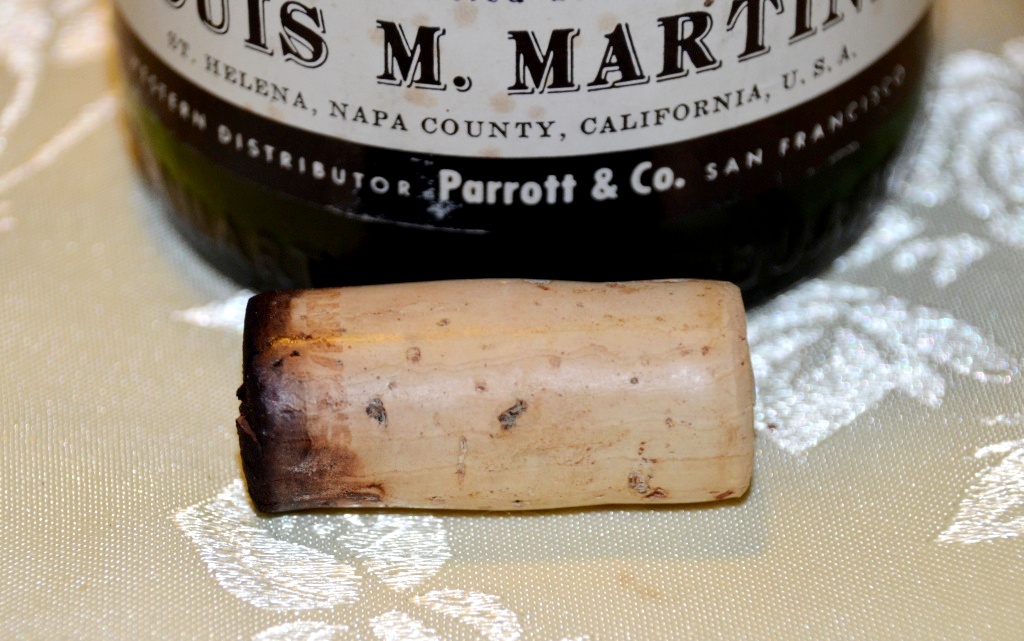
Let’s get back to the wine. It was the time to open that 1966 bottle, so I armed myself with the waiter’s corkscrew and the two-prong cork pull. I even had a thought of using Port Tongues, but that sounded a bit too fancy. Foil was cut, and I was presented with pristine looking cork top. Considering that appearance, I used the the regular waiter’s corkscrew, only moving it very slowly. The cork struggled only a tiny bit, and came out as a whole – and just look at this cork! I had 5 years old wines, where cork was in the terrible condition, never mind 48 years old wine!
 So I poured the wine into the glass – beautiful red brick color, with an orange hue, reminiscent of signature Barolo color. I was really concerned about the first smell – hoping not to find a sauerkraut or vinegar there – and the nose was perfect! Yes, the herbal flavors were prevailing over the fruit, but nevertheless, it was a very pleasant nose without anything disturbing. The first sip – wow. This wine is beautiful! Yes, lots of herbs – sage, eucalyptus, may be even lavender, but also with the nice plum component, and most importantly, balancing acidity. An extremely complex and thought provoking wine – but in the perfect elegance of all the components. The wine opened up a bit more, showing a bit more sweet fruit notes – and then it was gone – we finished it all. Truly spectacular and almost unbelievable – but it was real. I would love to compare this wine to the old Burgundy – I guess this is what it will taste like, if I’m lucky.
And you are looking for connection to the today’s theme, devotion? To me, it is simple. To make the wine which will last for so long and stay in such a perfect condition (go back and look at that cork again) requires a dedication, it requires the full devotion of the winemaker, it requires the unconditional love to what you do. And this wine had it all.
Raise your glasses, my friends, for the true devotion of the winemakers and oenophiles. Cheers!
Cabernet Day 2013: 1996 Burgess Cabernet Sauvignon
I’m glad we have all those Grape days – Grenache Day, Chardonnay Day, Cabernet Day, Tempranillo Day (it is also great when those grape days are not overlapping, as Cabernet Day and Tempranillo Day had in 2011). Not that we need an extra reason to have a glass of wine – no, we don’t. But when you have a Grape day to celebrate, that greatly helps with the difficult oenophile issue – what do I open tonight? What do I open, what do I open… Shiraz? No, just had it two days ago… Rioja? Well, may be, but I have only a few bottles… Zinfandel? Not in the mood for… Okay, I’m sure you got the point, and being there, done that uncountable number of times.
When you plan to celebrate a “grape day”, you are done with a good half of the problem – you know what type of wine it should be. As today is a Cabernet Day, my decision was very simple. Need a good bottle of Cabernet Sauvignon, preferably ready to drink. I actually have very few bottles of Cabernet which I consider to be ready to drink (my criteria – 10+ years of age). My choice for today? 1996 Burgess Cellars Cabernet Sauvignon Library Release.

Burgess Cabernet Sauvignon
Burgess Cellars is located on outskirts of Howell Mountain in Napa, and it had being producing wine since 1972. In 1980, the winery started a Library program for its Cabernet Sauvignon wine – each year, a 500 cases or so are put aside in the wine cellar, to let the wine age in the ideal conditions. The wines are released to the consumers after 10 or 15 years of ageing, when they are actually ready to drink. The wine we opened for the Cabernet Day was the part of this exact Library Release.
Before I will share the tasting notes with you, let me lament for a moment about the wine being an amazing memory facilitator. We shared the bottle with my wife, as we usually do, and once we looked at the label, one of the first thoughts was “ahh, 1996 – this is when we first met!”. My own recollection later on was of an exciting discovery of Wine Til Sold Out (WTSO) – this was one of the very first wines I ordered from WTSO in 2010 at an amazing discount (MSRP: $69, WTSO price: $22.50). Wine’s capability to tune you into the “memory lane” is nothing short of spectacular and truly fascinating. Now, let’s get back to the wine.
1996 Burgess Cellars Cabernet Sauvignon Library Release Nape Valley (13% ABV; 80% Cabernet Sauvignon, 12% Merlot, 8% Cabernet Franc) – Wine was poured into the decanter, but rather to prevent sediment from getting in the glass, not so much for breathing. Dark ruby color, bright enough for 17 years old wine. Dark fruit, some dust and plums on the nose, raspberries and cherries on the palate, high acidity, tannins on the finish. Doesn’t show as typical California Cabernet, rather closer to the Claret style, with high pitch acidity and dialed back fruit. As the wine was breathing, it showed a bit more of the fruit with the warm notes. Drinkability: 8-
There you have it, my friends – my Cabernet Day experience. What was yours? Cheers!
Daily Glass: Take Your Journey, Any Time: Odisea Wines
One of the most fascinating aspects of wine is its ability to change your emotional state. Best steak in the world will only pick you up during those 15 minutes you will spend enjoying it. Yes, if the meal was “an experience”, it might stay with you forever, but still, it is very hard, for instance, to enjoy your steak during 2 – 3 hours of quiet time in the evening (never mind five evenings in a row).
Wine is different. You can start from admiring it in the glass – color, nose, legs – and then slowly move on to the first sip, and go on from there, simply observing and enjoying the transformation for a while. But this is not all. Wine, unlike many other foods, very often comes with the stories. Stories of the people who made it, or who started making it 500 years ago. You can learn about their dreams, their aspirations, their hard work. Yes, there was a lot of hard work involved in making of that steak – but it is very hard to make a unique and emotional story out of it.
What is the point of this rambling? Let me explain. Over the last three days we undertook a journey, right in the comfort of our living room (okay, actually, we were mostly sitting outside on the deck, but this is besides the point). Not just any journey, an odyssey. Lead by the Odisea Wine Company out of California, we traveled through unusual grape varieties and unique sensual expressions. Odisea Wine Company was created in 2004 by two friends, Adam Webb and Mike Kuenz, and it is focused on making the wines from “Rhone and Iberian grape varietals grown in California”.


Here is my account of this odyssey:
2009 Odisea Veritable Quandary, California (13.5% ABV; 25% Syrah, 17%Grenache, 17% Tempranillo, 14% Petite Sirah, 12% Field Blend, 12% Alvarinhao, 3% Carignane; 850 cases made) – dark garnet color, nose of dark fruit and touch of dark chocolate. Velvety palate of plums, touch of warm spices, profile of a classic Spanish Grenache, only slightly more restrained. Round, soft, perfectly balanced. Drinkability: 8
2009 Odisea Devil’s Share, California (13.9% ABV; 48% Syrah, 30% Grenache, 14% Mourvedre, 6% Petite Sirah, 2% Viognier; 335 cases made) – dark garnet color. Needs time to come to its senses (slightly disjointed on the first sip with acidity going sky high). Cherries and herbs on the nose. Spices, hint of barnyard, sage, dark fruit, raspberries, may be a touch of tobacco notes – very round, balanced and pleasant, with the long finish. A dangerous wine once it is opened… Drinkability: 8
2010 Odisea Unusual Suspects, California (13.9% ABV; 50% Carignane, 25% Tempranillo, 15% Grenache, 10% Cinsault; 600 cases made) – dark ruby color in the glass. Fresh raspberries on the nose, with the hint of tobacco. Some raspberries on the palate, but then green, almost vegetative notes (not the tree brunches, more of a hay, dry grass style), supported by tobacco and a savory profile. Warm feeling on the palate, good acidity in the back, very soft tannins over a medium finish. This wine begs for food, but nothing as sharp or as powerful as steak – it would be good with a veal roast, a slow cooked beef stew or roasted eggplant. Drinkability: 7+
I bought these wines online a while ago at the Wade’s Wines, I guess mostly based on the unusual names – and most of them are still available, at $16.99 or so, in case if you are interested in taking the journey for yourself. In any case, I’m glad I had mine. Cheers!
Wines, Wines, Wines – Part 2
As promised, here is the second part of the Wines, Wines, Wines post. In the first part, we talked about great Riesling and Gewurzrtraminer wines, with some extra value wines and Prosecco. Let’s continue our “memorable wine extravaganza” with a couple of Chardonnays.
Chardonnay
It is so interesting how things work in life. You might walk past say, a picture, every day, and never notice it. And then all of a sudden you say “what is it? Was it always here, or is it something new??”, and people around you look at you like you have two heads or something. Where am I going with this? Give me a minute, I will make my point.
Couple of month ago I got a bottle of Chardonnay, accompanied by the words “try it, it is pretty good”. I’m a sucker for good Chardonnay (yeah, true, you can substitute “Chardonnay” with any other varietal – I’m just a sucker for any good wine, but this can be a subject for a different post). But this Chardonnay was from New Zealand. And New Zealand in by book is the land of Sauvignon Blanc and Pinot Noir – but not really a Chardonnay. So I finally got the bottle opened and … wow.

Seresin Chardonnay
2008 Seresin Chardonnay Reserve Marlboro New Zealand (13.5% ABV, 11 month in oak). The symbol of the hand on the label has a deep meaning. Quoting few words from Seresin Estate web site, “The hand is a symbol of strength, gateway to the heart, tiller of the soil, the mark of the artisan, and embodies the philosophy of Seresin Estate”. Here are my tasting notes for this wine: Outstanding, classic. Perfect nose of vanilla and white apples, just right. Very balanced fruit on the palate – hint of butter, vanilla, oak, good acidity – one of the most balanced Chardonnays ever. Drinkability: 8+
Oh yes, you are still waiting for me to connect to the opening sentence about passing by and not seeing things around for the long time, right? As of very recently, as I walked in the New Zealand isle in the store, I noticed all of a sudden that almost every producer now features Chardonnay in addition to Sauvignon Blanc and Pinot Noir. When did it happen, how long this was the case with New Zealand Chardonnays – I don’t have any idea, but based on this experience, I definitely want to try more.
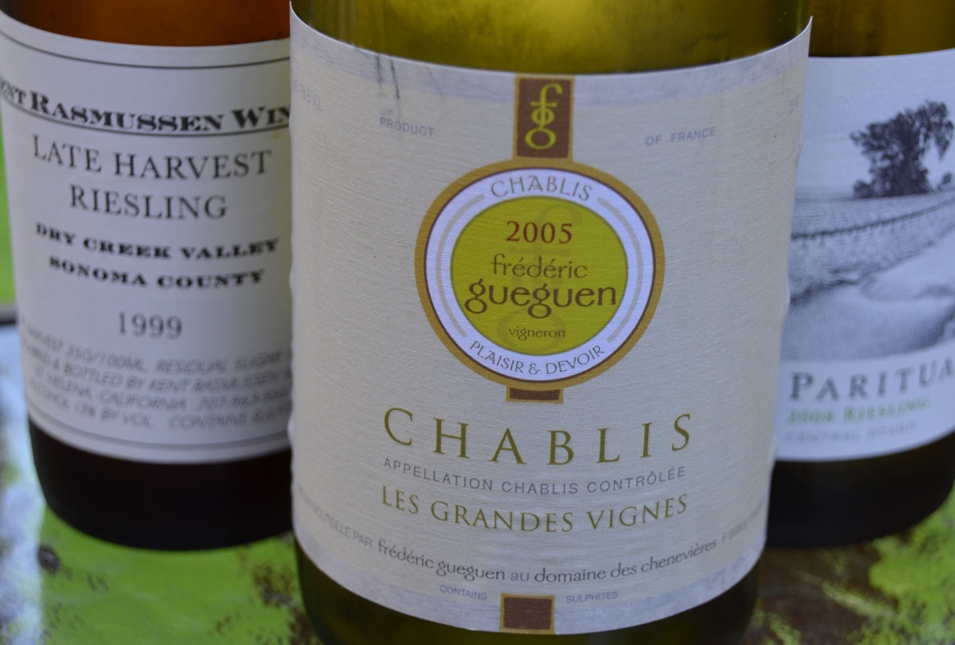
Frédéric Gueguen Chablis
2005 Frédéric Gueguen Chablis Les Grandes Vignes (13% ABV) – I don’t have a lot of experience with Chablis overall. I had a few bottles of Chablis here and there, but never was really impressed with it (I never had Chablis of a Grand Cru or even Premier Cru level). I don’t know what possessed me to get this wine from the Benchmark Wine Company, I guess it was in the right price range ( under $20), and somehow caught my attention. Then I read somewhere, that Chablis requires on average about 10 years of age in the bottle to really start transforming and going past the initial “steely acidity” flavor profile to get to the next level. And then I tried this Frédéric Gueguen wine – wow. Here are my tasting notes: some darker yellow color, but not quite golden yet. Amazing nose, reminiscent of Côte-Rôtie – almost a touch of sulfur (think freshly burnt matches), or even more of a smell of a hot piece of granite on a summer day, a “roasted rock”. Side note: pardon my naive definition here – I recently learned that professionals call it a “gunflint” – but I will not use this term as it doesn’t lead to any associations for me. Perfect complexity on the palate – white fruit, vanilla. Lots and lots of minerality. Full bodied and very balanced, excellent wine overall. Drinkability: 8+
Pinot Noir
And we are moving along to the Pinot Noir wines – both of the wines below were excellent:

Siduri Pinot Noir
2011 Siduri Pinot Noir Sonoma County (13.1% ABV) – perfectly clean California Pinot – good smokey nose, with a touch of red fruit aromas. Light cherries on the palate, hint of earthiness, medium body, perfect acidity, very clean and balanced. Drinkability: 8-
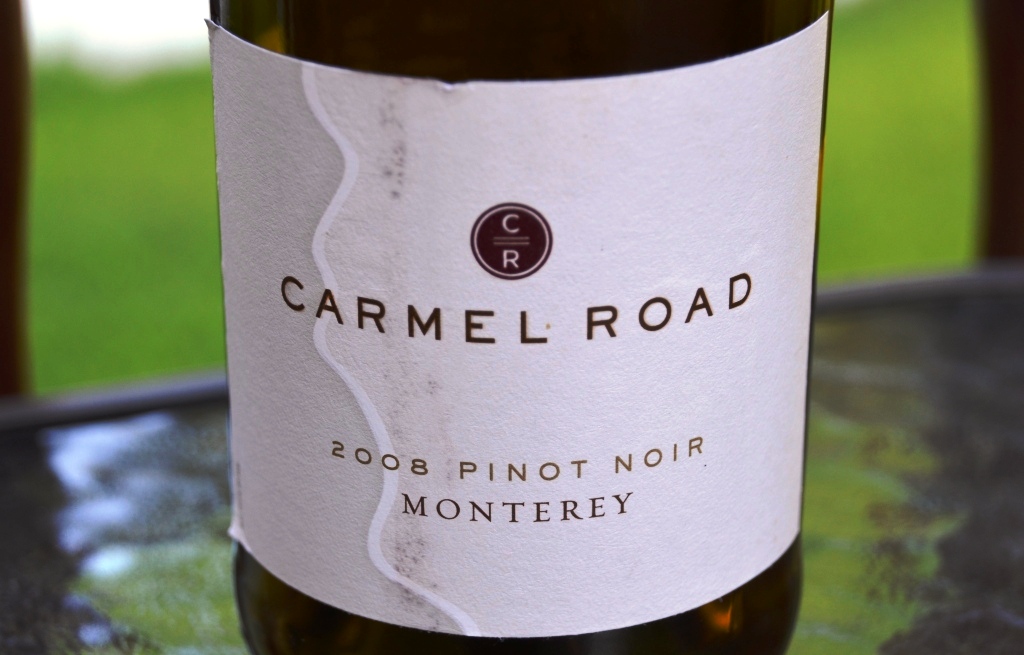
Carmel Road Pinot Noir
2008 Carmel Road Pinot Noir Monterey (14.0% ABV) – outstanding. Bright ruby color in the glass, raspberries and hint of smokiness on the nose. Raspberries, cranberries and cherries on the palate. Medium to full body. Excellent acidity, overall perfectly balanced. Drinkability: 8+
Cabernet Franc
I have only one wine for you here, but it was mind blowing.
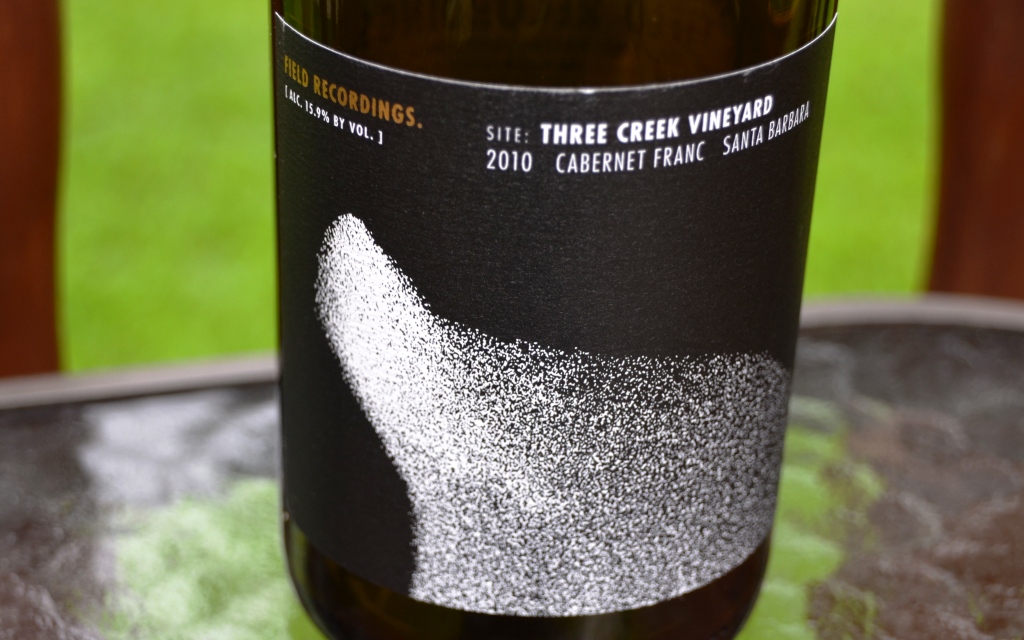
Field Recordings Cabernet Franc
2010 Field Recordings Three Creek Vineyard Cabernet Franc Santa Barbara (15.9% ABV, 90% Cabernet Franc, 10% Malbec, 18 month in French oak) – spectacular. If you read this blog on the regular basis, you know that I’m very impartial to the wines of Field Recordings – but this is not my fault, it is Andrew Jones’ fault ( Andrew Jones is the winemaker behind Field Recordings). This wine had beautiful garnet color in the glass. The nose was clean and open, withhint of black currant and other red fruit. The palate is stunning with black currant, cherries, touch of black pepper, dark chocolate, perfect acidity, soft and supple tannins, all in the format of full-bodied wine. Perfect balance of fruit, acidity, tannins and alcohol – which is pretty amazing at 15.9% ABV. Drinkability: 9
Last, but not least – Syrah
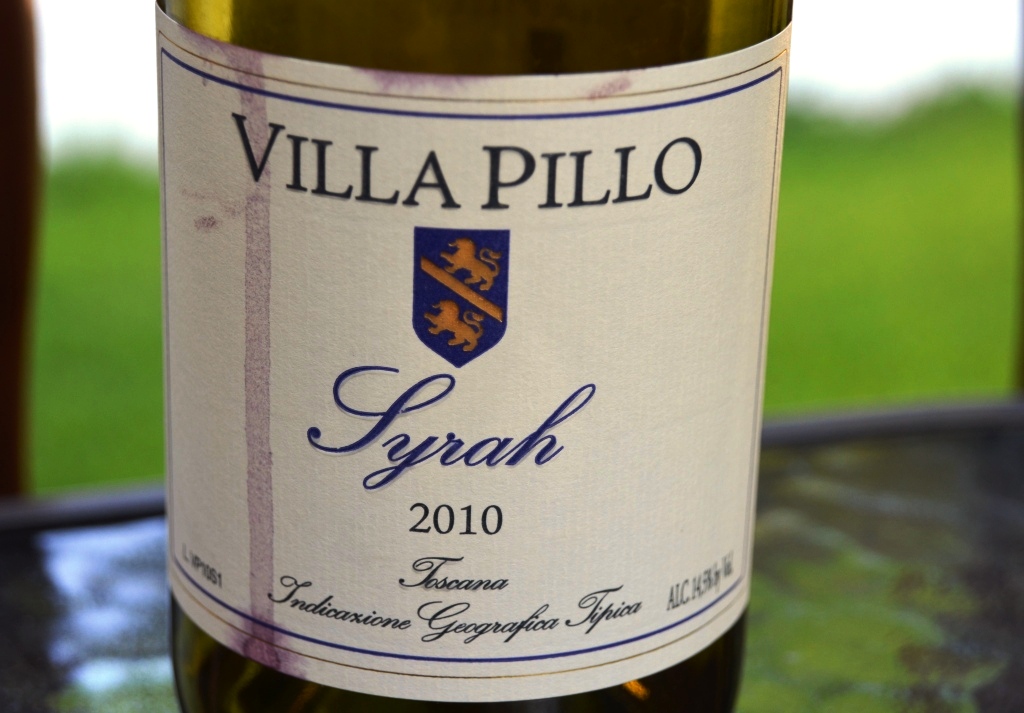
Villa Pillo Syrah
Appearance of the large amount of Italian Syrah wines is also somewhat of a revelation, similar to the one I mentioned at the beginning of this post. All of a sudden I start noticing that there are more Italian Syrah wines showing in the wine stores, and people are just talking more about them, in the blogs and otherwise.
2010 Villa Pillo Syrah Toscana IGT (14.5% ABV) – we got this wine when we visited Millbrook Winery in New York (this will be a subject of a separate post), as they are importing this and a number of other wines from Italy. Tasting notes: Dark garnet color in the glass. Nose of dark fruit and dark chocolate. Outstanding on the palate – hint of pepper, cherries, plums and raspberries, more dark chocolate. Full bodied, with the velvety texture weaved over firm structure. Drinkability: 8
Whew, we are done here! Enjoy the rest of your weekend and cheers!
Last Bottle Sign Up ($10 credit)




 Talk-A-Vino