Archive
Drink Local, North Carolina Edition – Chatham Hill Winery
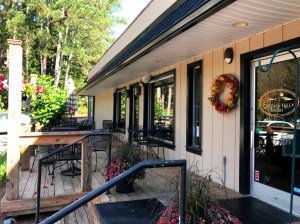 Once again, I was on the road. And as you know, if I have the slightest chance, I will look for the local wine. If I can also throw in a winery visit – that becomes a double pleasure.
In these terms, this time around, it was exactly a double pleasure. While visiting Raleigh in North Carolina I managed to squeeze in a short visit to the North Carolina winery call Chatham Hill, located in the town of Cary (about 20 minutes from Raleigh-Durham airport).
I had an opportunity to try North Carolina wines for the first time a few years ago while connecting through the Charlotte airport. I had favorable impressions after the first experience, thus was definitely looking forward to the opportunity to expand my “wine map” of the 50 United States.
The Chatham Hill Winery was founded in 1998. When Chatham Hill Winery opened, it was the 14th winery in the state of North Carolina – today, there are more than 185 wineries and 525 vineyards there. Chatham Hill was also the first urban winery in the North Carolina – they don’t own any vineyards. The absolute majority of the wines at Chatham Hill are made either from the North Carolina grapes, coming primarily from the Yadkin Valley AVA, or from the grapes shipped from California (Lodi).


Chatham Hill winery produces a good number of different wines, both dry and sweet, with the total production of about 5,000 cases per year. With this production, it is considered a “medium size” winery by the North Carolina standards. I tasted through many wines the winery offers, but took rather scarce notes, so for what it worth, here is a roundup:
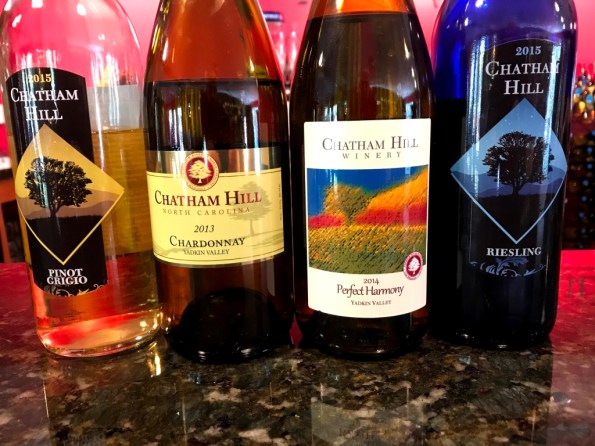
2013 Chatham Hill Winery Chardonnay Yadkin Valley North Carolina ($18) – a bit unusual, big body, good balance, nice overall
2015 Chatham Hill Winery Riesling Lodi California ($16) – not a traditional style, doesn’t speak Riesling to me, but still quite drinkable
2014 Chatham Hill Winery Perfect Harmony Yadkin Valley North Carolina ($25, unoaked, 70% Chardonnay, 30% Viognier) – dry, playful, tropical fruit notes
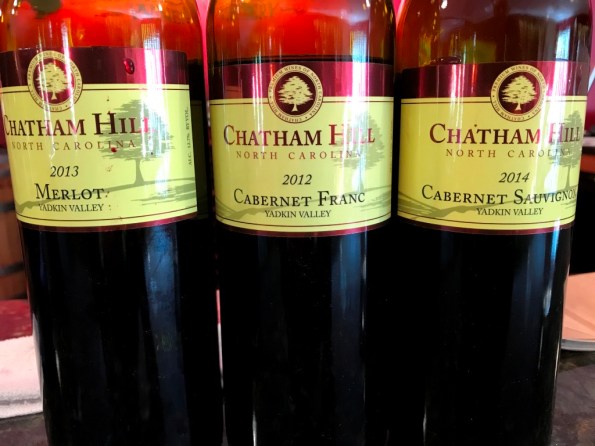
2012 Chatham Hill Winery Cabernet Franc Yadkin Valley North Carolina ($20) – soft, round, very pleasant
2014 Chatham Hill Winery Cabernet Sauvignon Yadkin Valley North Carolina ($20) – beautiful, smooth, blackcurrant on the nose and the palate, layered, great extraction, excellent wine overall and lots of wine for the money. Clearly my favorite wine from the tasting.
2013 Chatham Hill Winery Merlot Yadkin Valley North Carolina ($16) – excellent balance of fruit and acidity, dark fruit on the palate, very good overall


2015 Chatham Hill Winery Malbec ($18) – a bit sweeter than previous few wines, but refreshingly light for the Malbec and very pleasant overall.
2015 Chatham Hill Winery Petite Sirah ($22) – good fruit, good acidity
Chatham Hill Winery Muscadine Yadkin Valley North Carolina (11.5% ABV, $15) – Not sure what the vintage was, the wine was just released and not available yet for the public – raisins and dry fruit medley on the nose, touch of Isabella grapey profile on palate, clean acidity – very nice effort
I find trying local wines to be truly a humbling experience, always bringing out great surprises – that Cabernet Sauvignon was just a pure, varietally correct, stand out – would happily drink it again in a heartbeat.
The wine is simply an expression of passion and art, and there are truly no limits to the creativity and obsession wine lovers share, anywhere you go. Drink local, my friends!
And Winter Gracefully Arrived
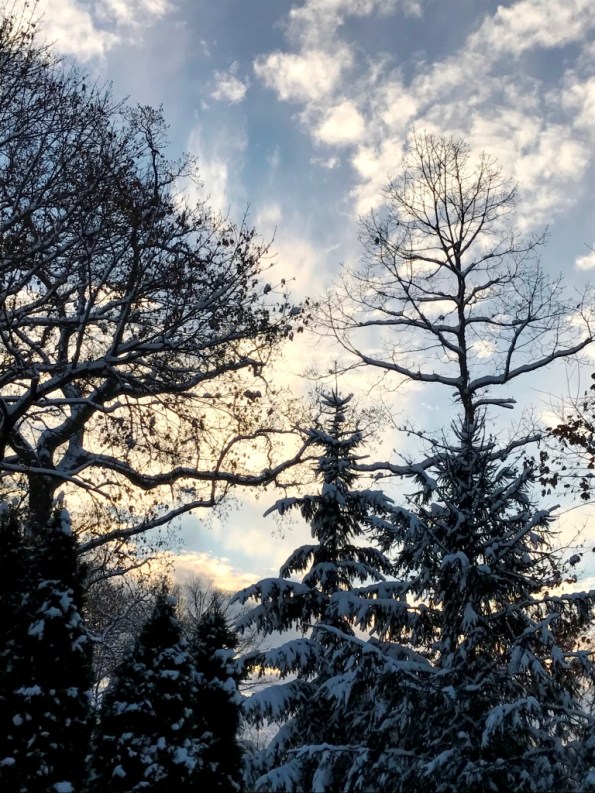
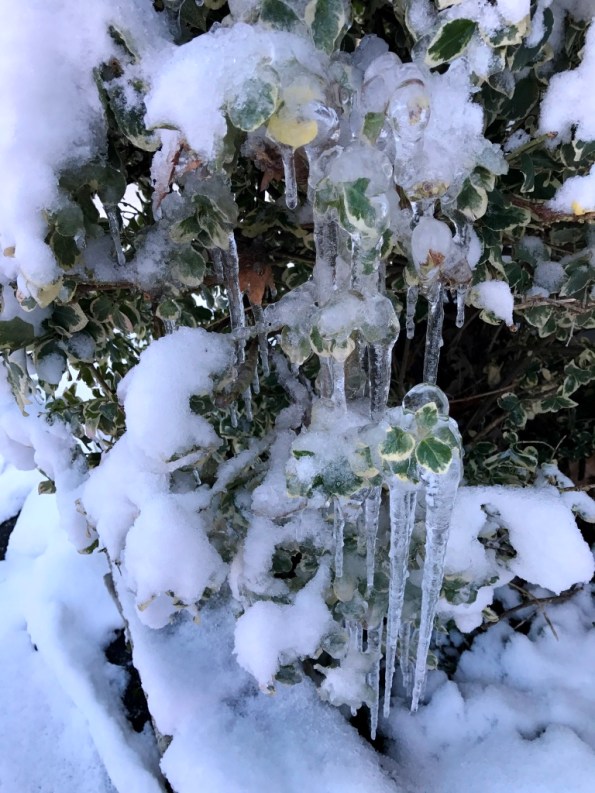
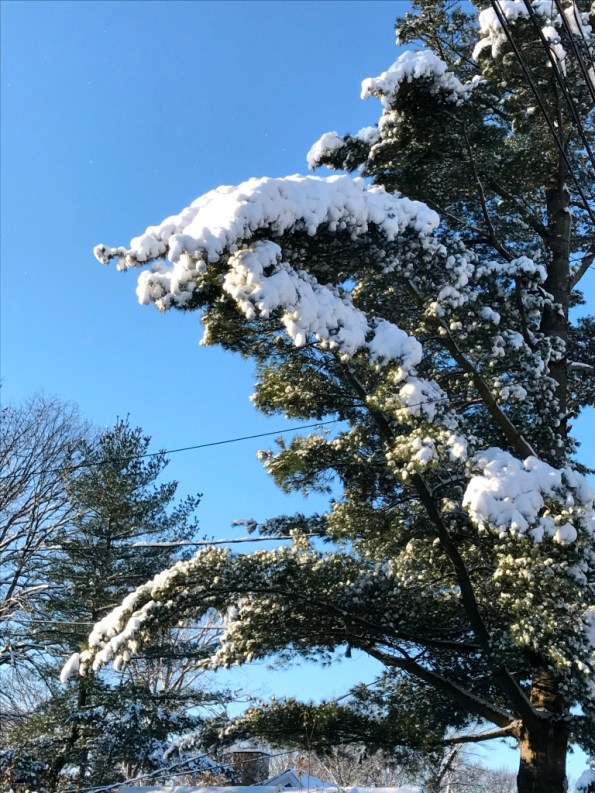
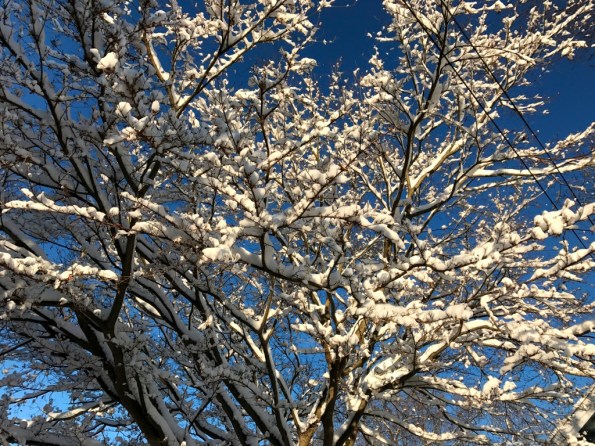
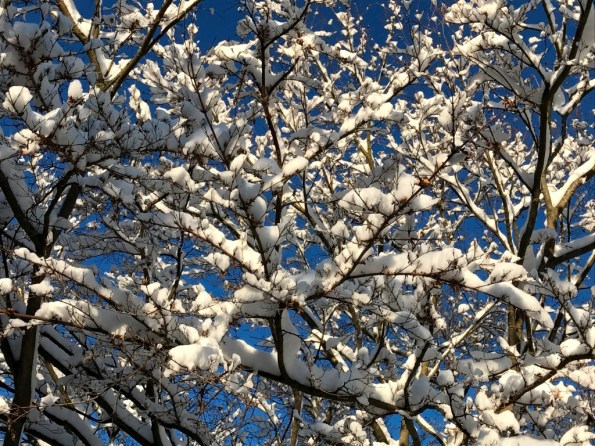
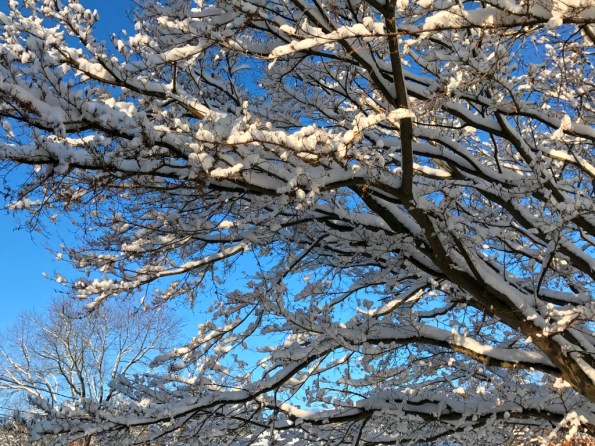
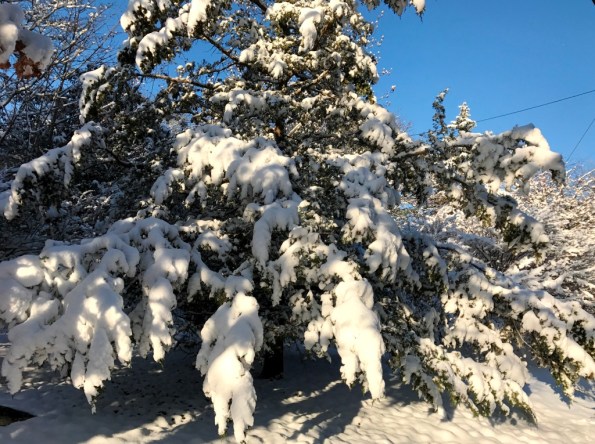
The winter arrived in Connecticut, and arrived in a very graceful way – the snow was coming down on Saturday – not too hard, just right. We probably got about 6 inches, and that snowy Saturday followed by a beautiful, sunny Sunday, with the beauty of the first snow, crisp, fresh, white. No work commute was affected, no schools closed – the very graceful arrival of the winter.
What you see here are a few pictures, from my walk around the neighborhood, all captured with the trusted iPhone. Enjoy!










Environments of Wine
We all love to wax-poetic about the wine – about the magic in the glass, about the liquid which can transport us through time, bring back memories, change our mood, brighten up any happy moments in our life and put smiles on our collective oenophile faces in the myriad of mysterious ways.
With all that magic, it is easy to forget that first and foremost, the wine is an agricultural product. The grapes are grown in exactly same way as tomatoes, cucumbers, cabbage, wheat, apples, and potatoes. Same as with any agricultural product, the success of growing the grapes depends on many conditions which we collectively call “the environment” – condition of the soil, conditions of the plants, climate/weather conditions, availability and quality of the water, avoidance of diseases and pests, ability to protect plants and fruits from animals and birds and many other factors.

Once the grapes are successfully grown and harvested, this is where similarities with most (not all) of the rest of the agricultural products end, and grapes start their transformation to become that magic in your glass. But let’s leave that aside for now, and let’s get back to the grape growing environment.
Every year, the same process starts anew – with the first warm weather, the dormant plants come alive. The branches which looked completely dead just a day ago, are breaking with the tiny green leaves, and then at some point, a tiny clusters of future goodness show up, taking all the nutrients from the soil and the air, getting bigger and changing color from young green to golden and purple, until the time comes to collect them all and start creating the magic.
Every year, to get from the naked branches to the beautiful, sun-filled clusters, the vines have to be taken care of. They need enough water, they need enough sun, they need enough nutrients in the soil, they need to be protected from frost, excessive sun, mildew, and rabbits. The grape grower has to decide how to provide all of this. You can water the plants when you think you need to. You can bring in synthetic fertilizers. You can spray your vines with pesticides which will kill bugs and mildew. For many years, this is how the grapes were often produced, especially when they were produced in the large commercial quantities.
Little by little, grower by grower, winemaker by winemaker, the realization started that this might not be the right way to go. The chemicals and pesticides often bred resistance. Overfertilized and overwatered grapes simply lack the flavor and can never become the magnificent wines. With this realization, wine industry started changing its ways – the wines became “organic”, “biodynamic”, “sustainable” and even “natural”. All of these terms relate to the environment where the grapes are grown, but they are not interchangeable – organic is not always sustainable, and sustainable doesn’t equate organic. Let’s take a deeper look.
Sustainable might be my favorite term. There are many wine regions which define their own so-called “sustainable practices” – Australia, New Zealand, California, Oregon, Canada – all have their own sustainable practices defined, and for all I know, all those practices might be slightly different, but I’m sure they are all pursue the long-term relationship with the Mother Nature. Sustainability means that whatever we do to grow grapes successfully today, should ensure that the future generations will be able to continue to do the same with equal success. While we tend to the vines, we shouldn’t harm that environment, that habitat – use natural deterrents for the pests, use only natural fertilizers, ideally, generate our own power (think solar, for instance), be very cognizant about discarding the waste, or maybe have no waste at all, allowing land to rest and recuperate – the list can go on and on and on. At the same time, sustainable doesn’t mean organic – for instance, if you believe that one time use of the pesticide is warranted as the best way to deal with the problem (before it spreads or worsens), the sustainable rules will generally allow for it – but not the organic. All in all, the goal of sustainability is to leave the environment a little bit better than it was before – and I definitely like this approach.
We all know what “organic” means – only all natural elements are allowed in the whole entire process of getting from the first leaf to the harvested grapes – all organic fertilizers, all organic pesticides and so on. Do organic means better grapes? Yes, but only in the sense of absence of any harmful, bad elements. Organic doesn’t necessarily mean you would maximize grapes’ potential by utilizing dry farming. Organic doesn’t mean you will discard the waste in the ways least harmful to the environment. Organic doesn’t mean your power was generated in the sustainable ways. Don’t get me wrong – I’m all for organic, but… I guess you understand where my preferences are.
Biodynamic? First, taking about biodynamic winemaking can be an endless endeavor – if we are talking about the magic of the glass of wine, biodynamic principles might be the most in tune with the subject of magic. Are the biodynamic methods sustainable? I believe they are to the largest degree as the end goal here is to create harmonious habitat, the best possible environment for the grapes and all other living beings to grow happily and successfully. Is biodynamic the same as sustainable? Probably not, as sustainable methods still cover more elements, such as power which we mentioned. But all the kudos to the biodynamic practitioners and their perseverance with magic.
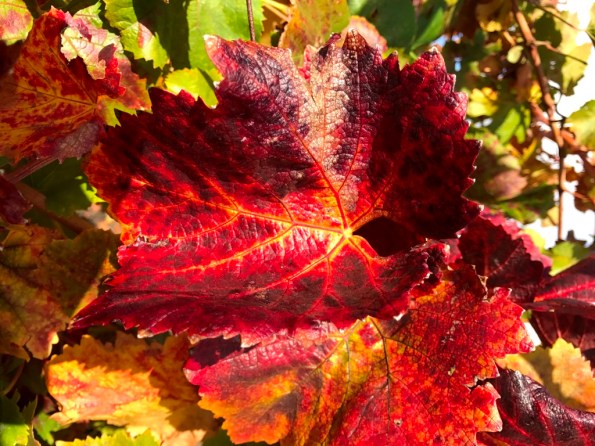
And now, let’s touch on the most controversial “environmental affiliation” of them all – natural wines. It is interesting to see the first reaction of many people when they hear the term for the first time – “natural wines”???? “All wines are made from the grapes, aren’t they all natural”? The idea behind natural wines is low intervention. During the grape growing part of winemaking, the process is somewhat similar to the sustained/biodynamic principals with the exception that some of the rules are made absolute, like no irrigation under any circumstances – but unlike all other methods, where there are external bodies which certify and enforce the rules, the natural wines are the truth in the eye of the beholder – the winemaker, in this case – whatever the winemaker believe “natural” means, that is what she will be practicing.
The wine was first made about 8,000 years ago. Nobody would ever tell if it was sustainable, organic, biodynamic or natural – we can only guess that it was made from grapes. But if we want the wines to be made for the next 8,000 years, we need to take care of the environment. Sustainable, organic, biodynamic – let’s leave this place a little bit better than we found it, for all of those who will come after us.
This post is an entry for the 36th Monthly Wine Writing Challenge (#MWWC36), with the theme of “Environment”. Previous themes in the order of appearance were: Transportation, Trouble, Possession, Oops, Feast, Mystery, Devotion, Luck, Fear, Value, Friend, Local, Serendipity, Tradition, Success, Finish, Epiphany, Crisis, Choice, Variety, Pairing, Second Chance, New, Pleasure, Travel, Solitude, Bubbles, Smile, Winestory, Obscure, Faith, Translation, Once Upon A Time, Memory, Eclipse
And if you really like this post, please vote for it here: #MWWC36
Art and Science of a Perfect Cup of Coffee
 Please close your eyes. Oops, no, not for real – please keep your eyes open to read, but do it at least in your mind. Imagine the aroma of the freshly brewed coffee – the unique smell in the air which nothing else can compare to. Sometimes that is the smell of a new day. Sometimes, it is a quiet moment in the afternoon. Sometimes, it is winding down the evening. Was this hard to imagine, even if you didn’t close your eyes? If you love coffee, I would bet that was a very easy exercise. And I hope you do love it, as coffee is what I want to talk about today.
I love comparing coffee with wine. Similar to the wine, coffee has a dependency on its area of origin. Kona, Jamaican Blue Mountain, Costa Rica, Ethiopia – each region imparts its own unique tasting profile. Similar to the wine, sustainability, and coffee growing process matter. Similar to the wine grapes, the best coffee is harvested by hand. Similar to the wine grapes, the coffee beans are sorted to achieve the best quality and consistency. Most importantly – similar to the perfect glass of wine, a perfect cup of coffee delivers lots and lots of pleasure.
Notice how I went from coffee bean growing to the coffee cup, skipping a few steps in between? Those few steps are what differentiates coffee from wine, making coffee ultimately a more complicated subject. Before you jump off a chair and click away, as the writer here clearly a lunatic, please allow me to explain.
Once the good quality grapes are obtained, they are pressed, fermented, aged, and finally, bottled. The bottle is the final form in which wine will reach you, the consumer. Now, to enjoy the glass of wine, all you need to do is to pop that cork (twist the screw top, if you insist), pour the liquid into the glass and voilà! Yes, there are few extra steps and hurdles which oenophiles happily enact for themselves to enjoy the wine “more better”, but really – unless someone does something really stupid, like leaving a wine bottle for a day in a hot car, the good wine in the bottle will easily translate to the good wine in the glass.
The things are different when it comes to the coffee. The final product of the coffee grower is dried green beans. Before coffee can be enjoyed, it has to be roasted and brewed. Roasting typically takes about 20 minutes, and those 20 minutes can either create a thing of beauty or an awful, terrible concoction which one can drink, but never able to enjoy. Brewing also offers multiple opportunities to convert those beautifully roasted, full of promise and anticipation beans into a dull or simply bad tasting brown liquid.
The process of coffee brewing is where the aromatics and flavors are transferred from the roasted beans to the water, which results in your final object of desire, a perfect cup. Before brewing, coffee beans have to be ground. The way coffee will be ground depends on what type of coffee would you like to drink – espresso requires the very fine grind, so higher flavor concentration can be achieved. For so-called “drip coffee”, the coffee particles are typically very coarse, as water is not pushed through the coffee with the high pressure, as it is done for the espresso. Now, let’s leave espresso aside and talk about the “drip coffee”, the one which we consume most often.
It turns out that there are many factors which are matter here, on the way to arriving at that perfect cup – temperature of the water (to the single degree of Fahrenheit!), the ratio of water to the coffee and the speed of extraction (how long the water will stay in contact with the coffee grinds). Just for you to understand: the ideal coffee brewing temperature is 201°F – and 203°F will result in the burnt taste! You need to maintain the ratio of water to coffee at 15.5 to 1 (15.5 grams of water per 1 gram of coffee). And you need to spend about 4 minutes making that perfect cup. How about it? Will you ever look at your morning coffee cup the same way again, after I shared with you all this information? Well, didn’t mean to scare you, honestly – all you need to do is just to taste the difference.
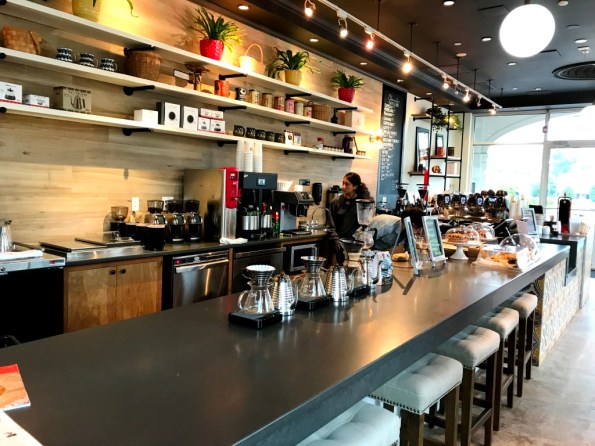
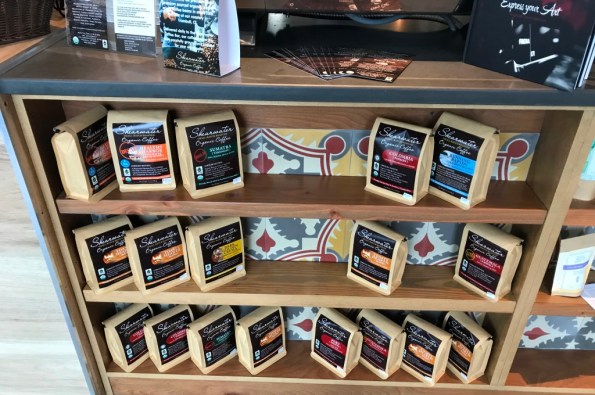
A couple of years ago I talked about a visit to the Shearwater Organic Coffee Roasters, the organic coffee artisans in Trumbull, Connecticut, where we learned about intricacies of the proper treatment of the fresh coffee beans from Ed Freedman, the owner of the company (here you can read about that experience). This year, Ed decided to deliver a full [proper] coffee experience to the people by opening Shearwater Coffee Bar in Fairfield in Connecticut. I had an opportunity to visit it few month ago and get exposed to the science and art of a perfect coffee cup.
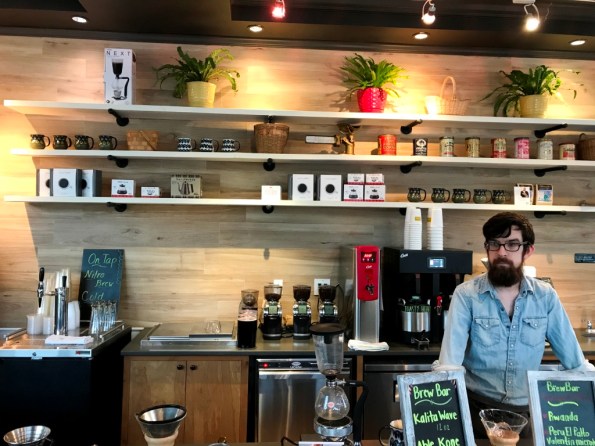
Jason The Barista is ready for action

The choice is yours
If the words “coffee bar” elicit an image of Starbucks in your head, shun that away please, as the Shearwater Coffee Bar is nothing like. Similar to the regular bar we are all used to, you can sit in front of the barista, have a conversation and watch as your beverage of choice is unhurriedly prepared in front of you. Unlike a typical bar, you sit comfortably on the normal height chairs, not on the “bar stools” which are not so much fun to get on and off. But if you ever observed a cocktail master who produced a drink which made you say “wow”, this coffee bar delivers exactly the same experience.

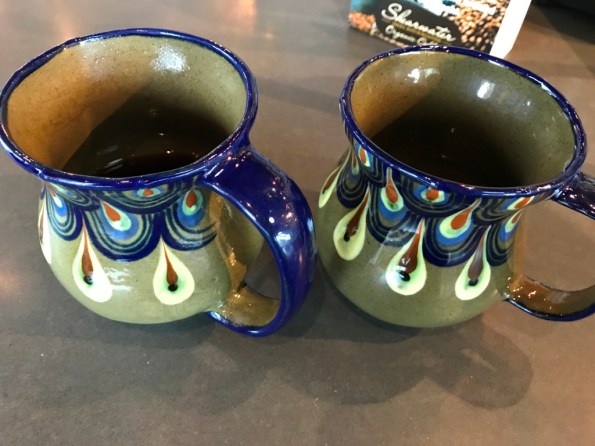
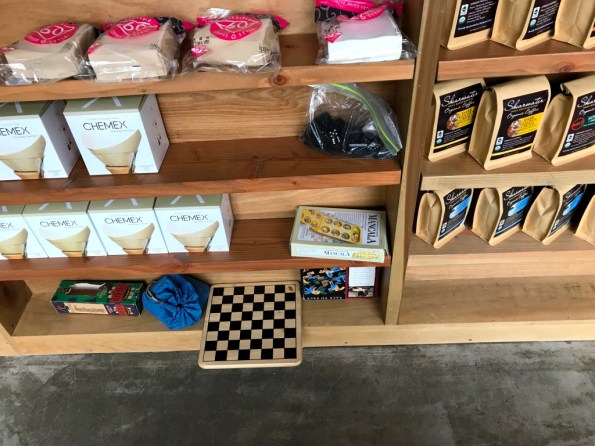

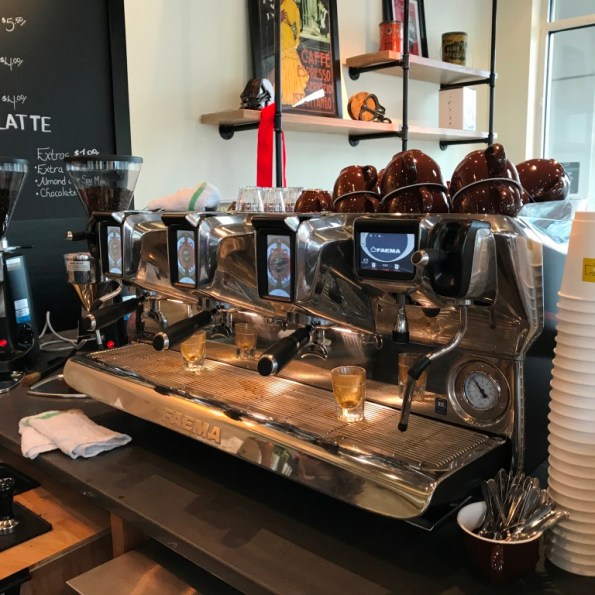
At Shearwater Coffee Bar, you have a choice of coffee to begin with – different origins, different roasts. Then you can choose your method – Pour Over, Chemex, Siphon – of course, espresso and cappuccino are available too if that is something you want.


Once you decide on what you want, the magic begins with the grinding of the coffee beans and then putting the glass vessel on the scale. The coffee goes in, the water is dispensed at the exact temperature (201°F, remember?), and then poured over (if you asked for Chemex or Pour Over), while the barista is carefully watching the scale. A few (4!) minutes later, the magic is complete and coffee goes into your cup – can you smell the aroma?


We tried Pour Over and Chemex coffees – the were some slight variations but I wouldn’t dare to try to give you any differentiating descriptors. Jason, our barista, also attempted to make a siphon coffee (this technology actually comes from Japan, where the fine art of coffee is well recognized). In the siphon method, the water is heated from the bottom, and once it reaches a proper boiling point (which is not truly “boiling” temperature), it should slowly percolate up and travel slowly through the coffee to gently extract the flavor. Something went wrong, the water went through too fast, and Jason refused to pour us that “bad” coffee. Well, this is why we are talking about art here – and if the artist is not happy with creation, it goes down the drain.


The creativity at Shearwater Coffee Bar doesn’t stop here. First, you have the cold brew. The cold brew is when coffee is made without heating up the water. It takes about 18 hours to make coffee using cold brew method – but the resulting coffee is much less acidic compared to the standard coffee cup, thus people who can’t drink regular coffee because it is too acidic for them can perfectly enjoy the cup of the cold brew.


Now, let’s add a little bit of nitrogen (yep, you heard me right) to the mix, and you got … the Nitro! Do you like Guinness beer? If you do, then Nitro is your drink, as it is a coffee which looks like beer with a perfect thick foam on top, tastes like beer (yes, it makes you say “ahh” after a sip) – but has no alcohol in it, so you are really not limited in how many Nitro you can consume before driving back home.


So what is your take on a perfect coffee cup? If you are looking beyond just a punch of caffeine and a bite of a pronouncedly bitter taste, then you should really seek the art and indulgence of a delicious drink, taking as much of the pleasure as it can offer. Don’t take my word for it – visit Shearwater Coffee Bar and see taste for yourself. Cheers!
Shearwater Coffee Bar
1215 Post Road
Fairfield, CT 06824
https://www.facebook.com/ShearwaterCoffeeBar
Ph: (203) 955-1098
Behind The Label
We eat with our eyes first – everybody knows that. We drink in exactly same way. While looking for the wine to buy, we always start from the label. Of course, sometimes we might be looking just for the specific producer’s name – but way more often than not, wine consumer is lured by the appearance of the bottle before anything else. We let the bottle speak to us.
Wine producers always knew the effect of the bottle appearance, and always tried to design attractive and appealing labels – think about Château Mouton Rothschild, for example, which started their “Artist” wine label series back in 1945. 20-25 years ago, the design, and most importantly, production capabilities were limited both in style and the cost. But not today- there are literally no limits to how creative the wine bottle design can get in today’s world. It is hard to tell what exactly makes the wine label instantly attractive, but we all can recognize that special label when we see it. I shared my fascination with the creativity of the wine labels on the multiple occasions in this blog – here is one example for you.
You don’t have to agree with me, but I see creative wine labels as objects of art. Art at large is a form of the human expression. Art takes lots and lots of different forms – beautiful building, successful surgery, a sublime glass of wine, a flower, a painting. I’m sure there are countless studies written on the subject, and I will not even try for the slightest bit to delve into it, but I’m convinced that art as a final expression always has its source, the origin, it is inspired – and this leads to the fundamental question – what inspires the art? I will leave you to ponder at that, and meanwhile, let me turn our conversation towards the … wine, of course.
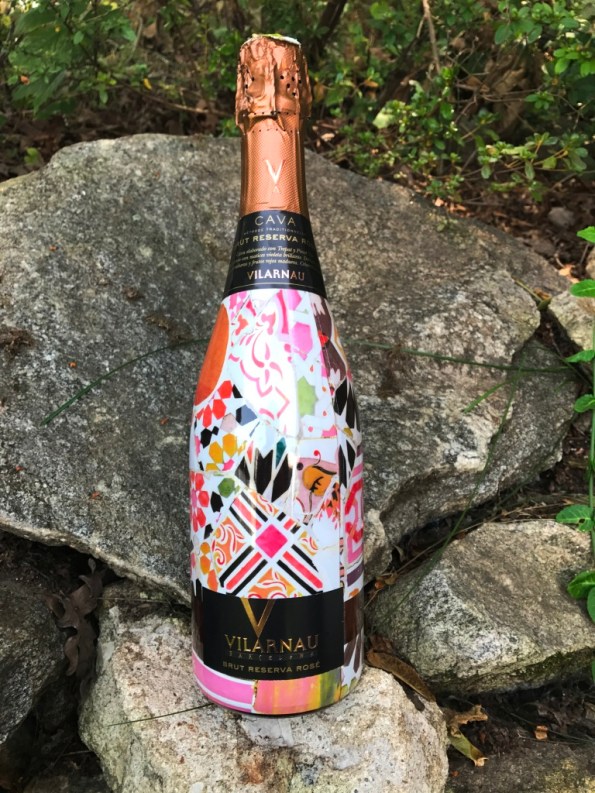 When I saw the label of Vilarnau Brut Reserva Rosé, my first reaction was “wow, this is a beautiful bottle”. The next question was – what does it mean? Yes, I read the description connecting Vilarnau Trencadís Edition cavas to the work of famous architect Antoni Gaudí, but I still wanted to understand the true inspiration behind this label. I reached out to the winery, and asked a few questions – here is our short conversation:
[TaV]: Vilarnau produces Cava since 1949. When Trencadís labels were used on Vilarnau Cava for the first time?
[V]: We launched the Trencadis labels at the end of 2014.
[TaV]: What was the inspiration behind the Trencadís labels?
[V]: This form of mosaic is very famous in Catalunya, Spain. Inspired by the Park Guëll in Barcelona and the famous artist Gaudí. Vilarnau is the “Barcelona Cava” and we felt it was fitting to use such an iconic design to decorate the bottles.
‘Trencadís’ is a type of mosaic used in Catalan modernism, created from broken tile shards. The technique is also called ‘pique assiette’. The mosaic is done using broken pieces of ceramic, like tiles and dinnerware. The Catalan architects Antoni Gaudí and Josep Maria Pujol used trencadís in many projects, among which Barcelona’s Parc Güell is probably the most famous. Vilarnau being so close to Barcelona (not only geographically, but also with heart and soul), it was natural to pick up this typical artistic theme for our winery.
[TaV]: Are the Trencadís Cava target the specific market, or do they sell equally well world-wide?
[V:]: We are currently exporting this label to almost 30 markets (principle markets being the USA, UK, Germany, and Belgium) and the number is growing as consumers love the design and the wine.


[TaV]: Do you have plans to add any new wines to the Trencadís series?
[V]: When we first launched we only had the Brut Reserva NV in the trencadis design but we have added the Rosado Reserva to the range two years and the Brut Nature Vintage and Demi-Sec last year
[TaV]; Do you have plans for any other “creative label” designs under Vilarnau name?
[V]: Barcelona is a constant inspiration to us and we are full of ideas, however, we have so much to do with the Trencadis design that we probably won’t launch anything new for the next 2 years or so.
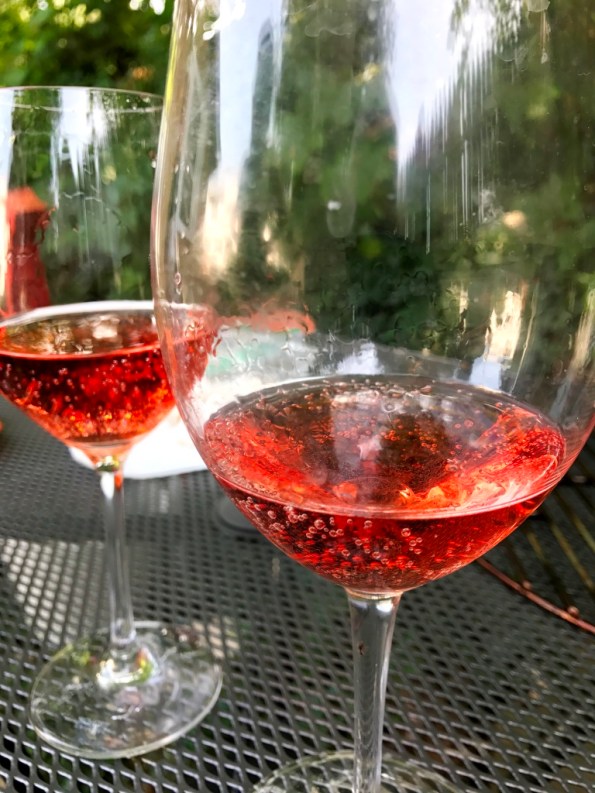
The beautiful label is very important, it sets the expectations and makes you anticipate more from the wine. But – the content of the bottle is better to support the beauty of the label, or the joy of wine drinking will quickly dissipate.
I’m happy to say that the NV Vilarnau Brut Reserva Trencadís Edition Rosé D.O. Cava (12% ABV, SRP: $15, 90% Trepat and 10% Pinot Noir, 15+ month in the bottle) didn’t disappoint. Beautiful intense pink color, classic Sparkling nose, with a touch of yeast and toasted bread on the nose, supported by fresh tart strawberries and lemon notes on the palate, crisp, succulent and invigorating. A perfect sparkling wine by itself, and at a price – almost an unbeatable value. (Drinkability: 8-/8).
What do you think of Art of the [wine] Labels? Do you have some favorites? Cheers!
Wing’s Castle – Love, Genius and Perseverance
“I want you to marry me. And I will build you a castle”. These were the words of 23 years old Peter Wing back in 1970, when he proposed to Toni Ann, standing in a middle of an empty green field in Millbrook, New York. Peter was born and raised a farm boy, and had no idea about construction, never mind building medieval castles, but a promise is a promise.

Of course, today you can task trusted Google with getting you all the instructions for DIY castle building enthusiasts. However, in 1970 Google was not even conceived. That didn’t stop Peter – book by book, rock by rock, piece of scrap after piece of scrap, the dream was coming along. Peter and Toni didn’t have money to simply go and shop at the “all for castle builders” aisle at the local Home Depot. Instead, they got whatever pieces they could from the demolitions sites, from houses to buildings to the roads. If you look at the castle rooftops, they look perfectly authentic, similar to what I saw recently in Copenhagen – you will have to do some serious sleuthing to see that those can be old copper sinks and bathtubs – and same goes for most of the parts which together equate to a beautiful castle.
Peter had to conquer many professions to build the house of his dreams – bricklayer, carpenter, plumber, blacksmith – but the castle was growing. When we met Peter about 8 years ago, he was already famous – Wing’s Castle was featured on the Discovery channel and was well known as a unique attraction (the way the castle was built, with lots of small corridors and tight corners, it was also an ideal Halloween destination). Peter had plans for opening a Bed and Breakfast as part of the castle, which would make his and Toni’s life easier.
Last weekend we visited the Wing’s Castle again for a tour with a group of friends, which was run by Toni – we learned that Peter died in the fatal car crash about 3 years ago. The Bed and Breakfast is mostly operational now, with Charles, Peter and Toni’s son, finishing construction of the last guest suite, which will complete the Wing’s Castle – well, or not. I’m sure there will be always ideas to make the castle just a little bit better, don’t you think?
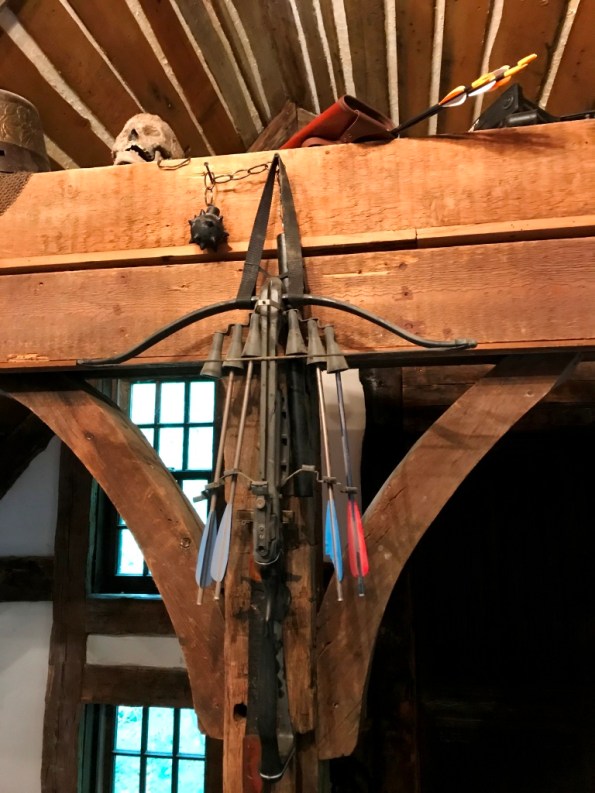
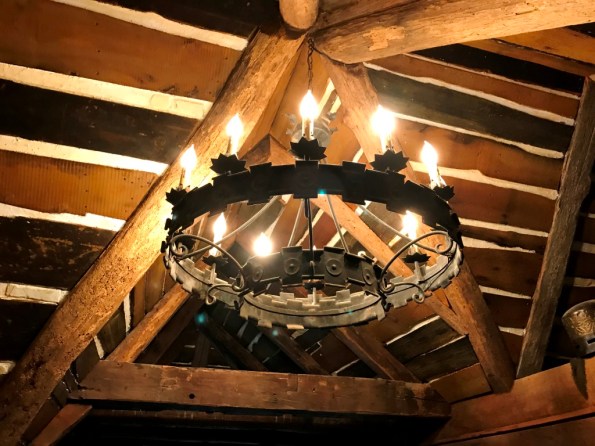
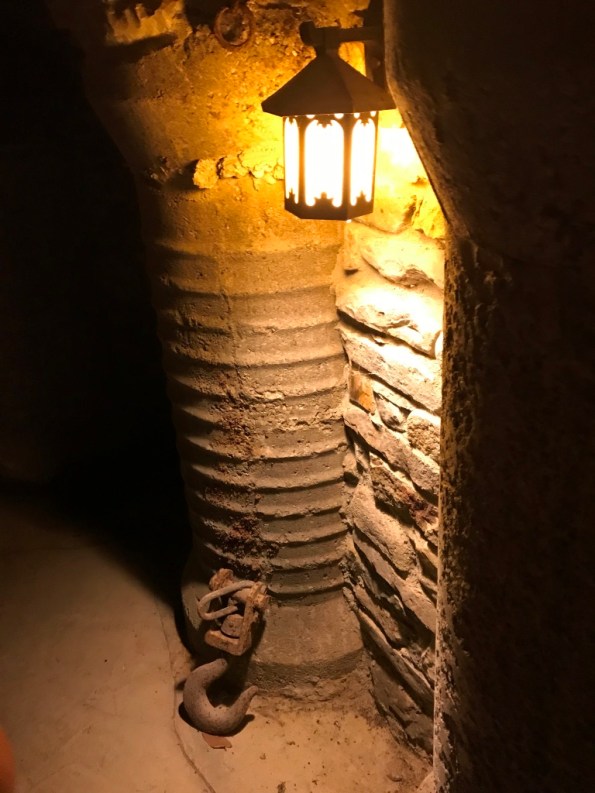
Take a look at the pictures below – look at all the little details and think about all the love and perseverance which went into this lifetime of work. This is the genius of the humankind, the never ending desire to create – forever and ever.

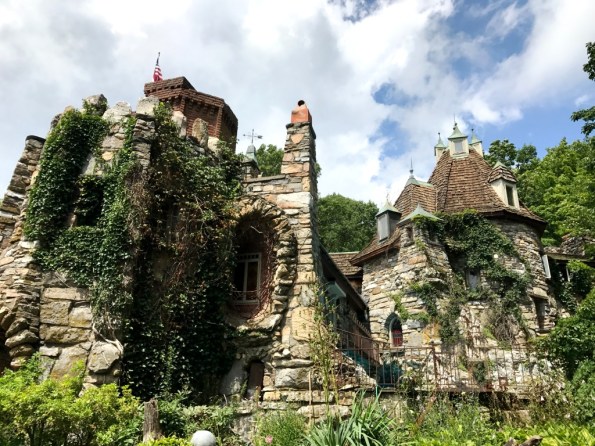
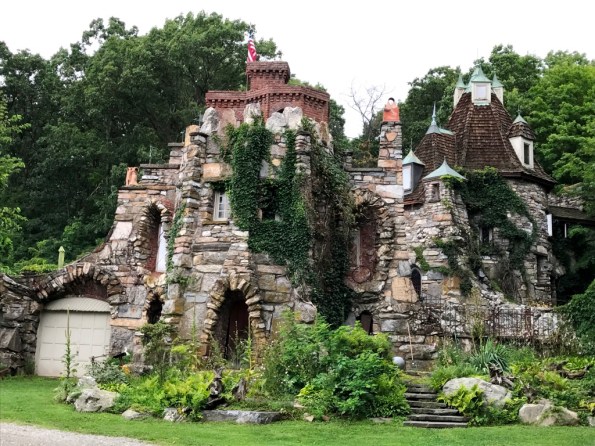


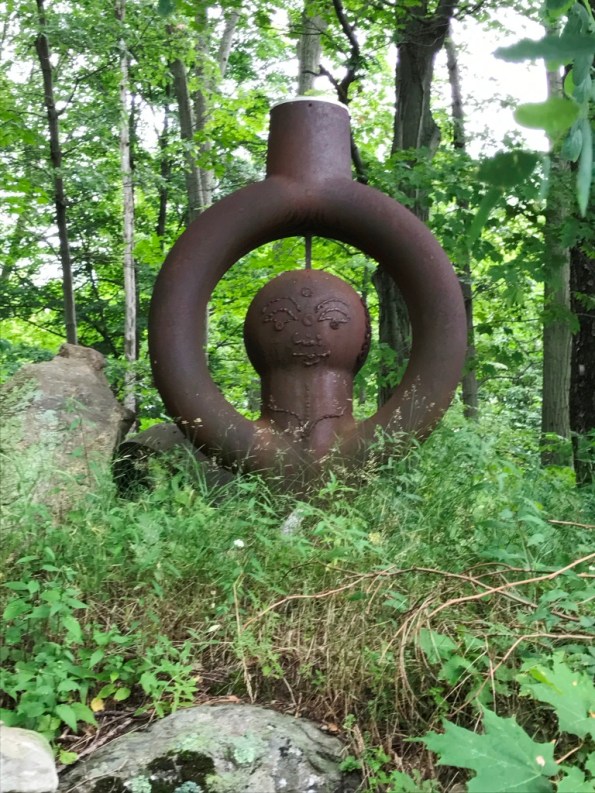
Let’s take a look inside:


And a few moer:


Let’s go shoot some targets?

Peter Wing, self-portrait
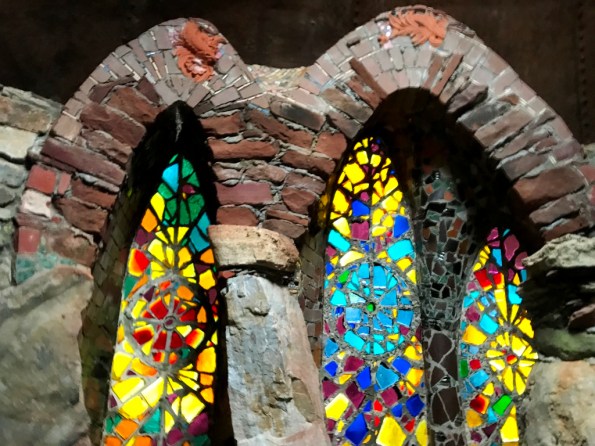
Beautiful mosaic…
The latest addition, B&B Guest Suite:
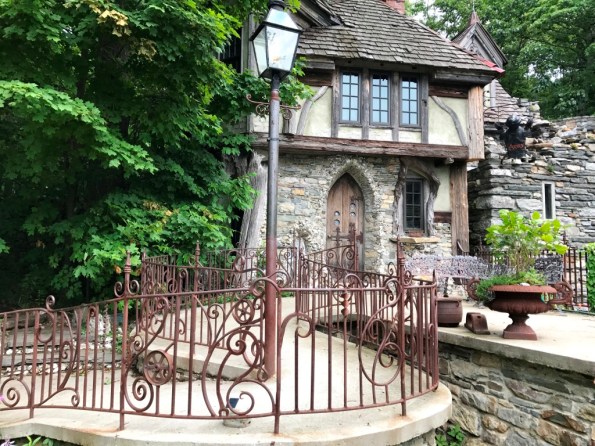

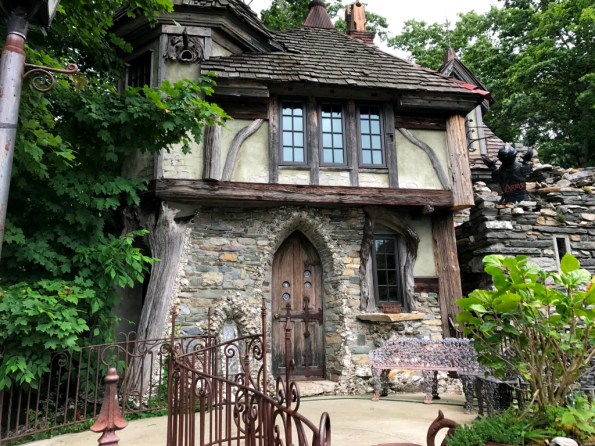
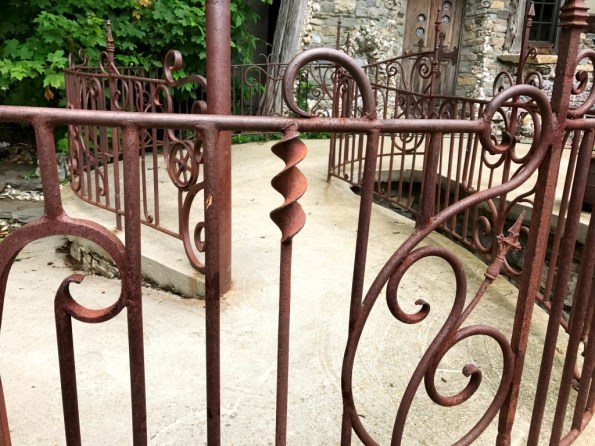
Find the drill bit
And now my favorite – rooftops:
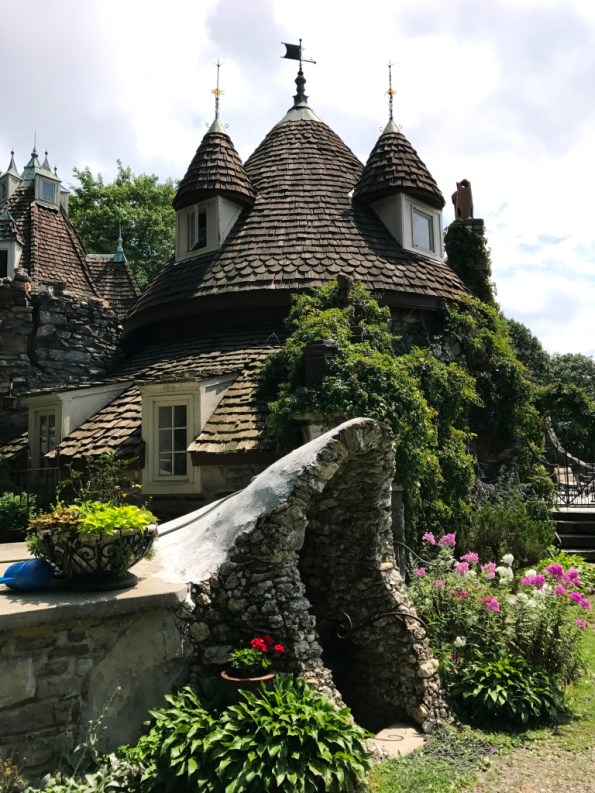
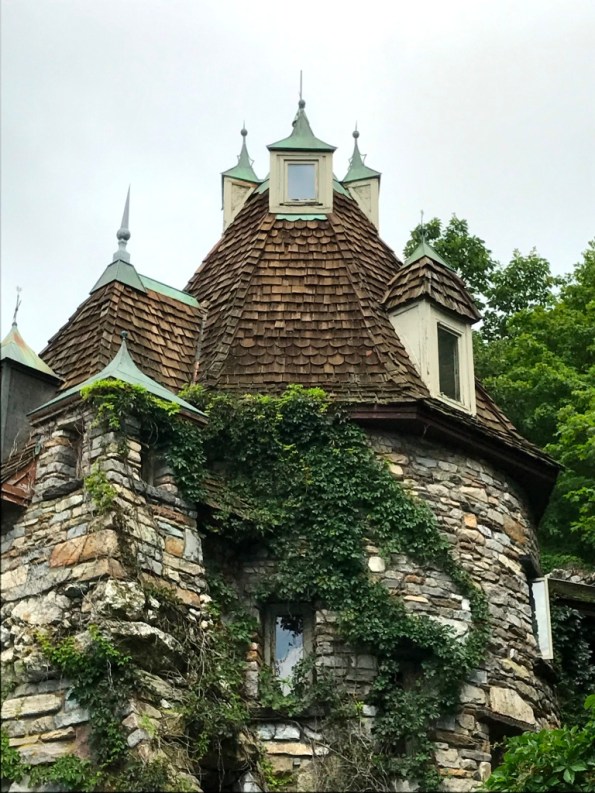
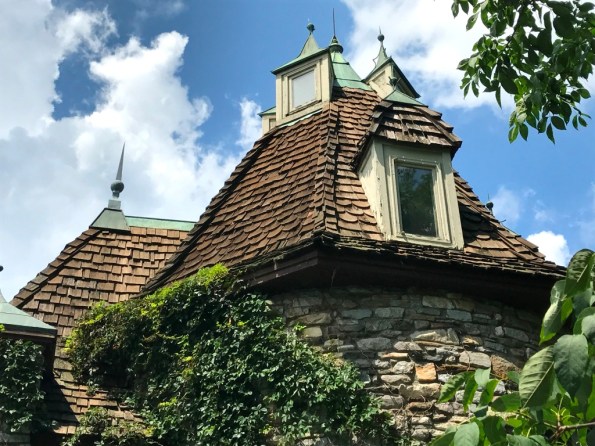
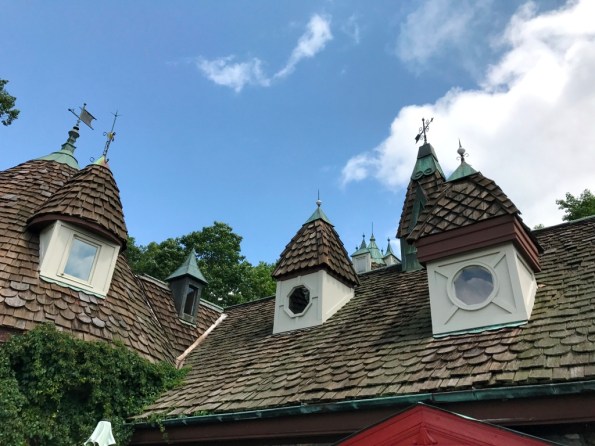 There you have it, my friends. If you are are visiting the area, Wing’s Castle well worth your attention, simply as a proof that people can achieve whatever they will set their mind to. Do you have your favorite love story to share?
Memories of the Oenophile
 If you search the Internet, you will find plenty of references to the medical benefits of the moderate wine consumption – for your heart, blood pressure, cholesterol level, and among other things, memory. It seems that jury is still out on the wine and memory – some say it helps, some say it works the opposite way – I guess it depends on who pays for the research and researcher’s personal view on alcohol – oops, let’s avoid the rant trap, and so let’s leave all the medical stuff aside.
Wine and memory are connected on many different levels. In the most direct terms, mastering the world of wine will greatly tax your memory. Yes, anything humans do connects to memory. But think about thousands and thousands of producers in each and every wine region – the more names you remember, the easier it is for you to make a choice at a restaurant or in the wine store. And this is a simple scenario, as we build this memory step by step when we drink different wines, one producer at a time.
And then there are those (very few) who have to know the names of about 6,000 German villages in order to pass the Master Sommelier exam – and this is something you simply have to memorize as there is no way for you to try the wines from all those villages to create some sort of mental connections.
Think about next level of connection between wine and memory – when you smell and taste the wine. Have you ever smelled the wine, looking for all those blueberries, baking spices and Chinese Cinnamon, so exquisitely described on the back label of the wine? In this case, you need to memorize smells, not the words and there is such a fine line between blueberries and wild blueberries, for instance – it is definitely not an easy task to recall all the aromas (a perception of?) which exist only in our heads, and no wonder most of us struggle so much trying to dissect those escaping flavors – excelling at the blind tasting is so much more difficult compared to memorizing wine regions and producers.
Beyond all the scientific and direct relationships between wine and memory lays something which is far more important than all the technical knowledge and abilities – our experiences. Wine is an ultimate connector and facilitator. It helps us to create memories which stay with us forever. It helps to retain those little moments which comprise life, and bring them back, one by one. Some of those little moments are very personable, often relating to the personal discoveries, especially as we are learning our ways in that vast world of wine. Some of them connect us with our friends and families.
I don’t have that “pivotal bottle experience” which was a starting point of journey for many oenophiles. Instead, I can relate to the singular learning experiences.
Growing up, the wine was never “a thing” in my family. We had some of the home made sweet plum wine, which I developed the taste for at the age of 14 or 15, taking random sips of the sweet liquid from time to time – but this was, of course, for the love of sugar and had nothing to do with learning about wine. In 1989, I was visiting the Czech Republic for work, and I brought back a bottle of white wine, Tokaji – we had it with friends and I thought that it was delicious (I don’t remember any details, but I think it was dry). Next year I visited Bulgaria and brought back the bottle of wine which had the same “Tokaji” written on the label. I still remember my grand disappointment after tasting that wine and finding it to be totally different (in a bad way) from the previous wine under seemingly the same name. The big question in my head was “how is that possible – same name, Tokaji, and such a different taste – what is wrong here???” Of course, I had no idea about regions, producers, vintages – wine was one monolithic “thing” – and that feeling of total surprise became an everlasting memory.
The absolute majority of my wine memories are happy memories – I guess this is how humans are wired, we don’t like to keep bad stuff around for too long. One of the worst memories for the oenophile probably connects to the faulty, spoiled bottles – corked, cooked, oxidized. I had my share of the spoiled wines, however – knock on wood, of course – not anywhere near some statistical averages, to the best of my knowledge. However, the majority of my corked wine experiences would involve a heated exchange with the service staff at the restaurant at the most, but no memories of high-end spoiled bottles (lucky, right?!).
But when it comes to the happy wine memories, the sky is the limit. The discovery of Amarone, tasting of magnificent 1964 Rioja for the first time. First encounter with Krug Vintage, Chateau Margaux, Vega Sicilia Unico and the wines of Lopez de Heredia. The list can go on and on, and on.
And then there are people experiences. Tasting freshly fermented Chenin Blanc at Paumanok winery with Ursula Massoud, right from the fermentation tank. Experiencing 1970 white port in the cellar at Quevedo Port house with Oscar Quevedo, poured directly from the barrel – the wine which most likely will never be bottled. Tasting magnificent Franciacorta sparkling wines right in the cellar, listening to Stefano Camilucci explaining the effect of music on the aging of the sparkling wines, talking to the passionate producers and seeing sparkling wine hitting the ceiling to demonstrate the effect of 6 atm of pressure in the bottle. Such experiences will stay forever with us, conveniently available at any time happy memory is desired.
I really had fun with this trip down the memory lane. How about you? What are you happiest wine moments?
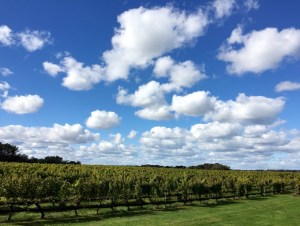
This post is an entry for the 34th Monthly Wine Writing Challenge (#MWWC34), with the theme of “Memory”. Previous themes in the order of appearance were: Transportation, Trouble, Possession, Oops, Feast, Mystery, Devotion, Luck, Fear, Value, Friend, Local, Serendipity, Tradition, Success, Finish, Epiphany, Crisis, Choice, Variety, Pairing, Second Chance, New, Pleasure, Travel, Solitude, Bubbles, Smile, Winestory, Obscure, Faith, Translation, Once Upon A Time
And if you really like this post, please vote for it here: #MWWC34
Travel Diaries: Beautiful Prague
For the first time I visited Prague in 1990 (if memory serves me right, of course). I have some scarce memories of that trip – Charles Bridge, Clock Tower, Gothic architecture and a street the food in form of the waffle with whipped cream and chocolate sauce. I always wanted to come back and experience Prague once again – and finally opportunity presented as one of my business meetings took me there.
You know how it can be dangerous to rely on the past experiences while setting the expectations? Everything changes – we change, everything around us changes as well – “you can’t enter the same river twice”. And the best moment in any experience is when you say – ahh, it is even better than I expected.
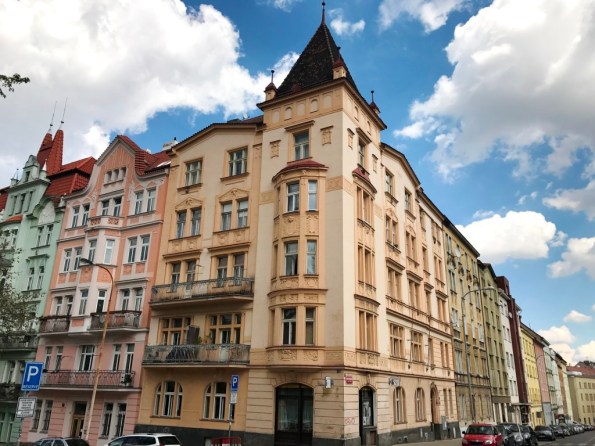
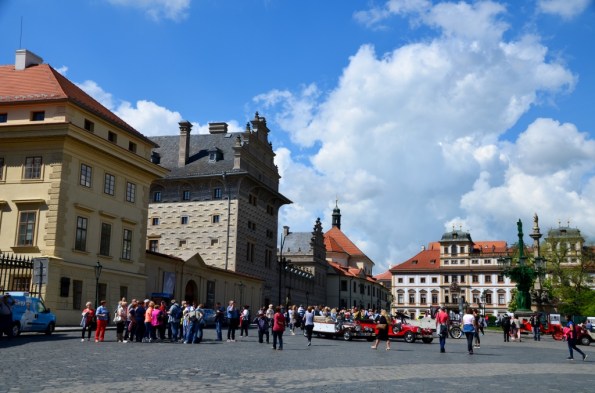
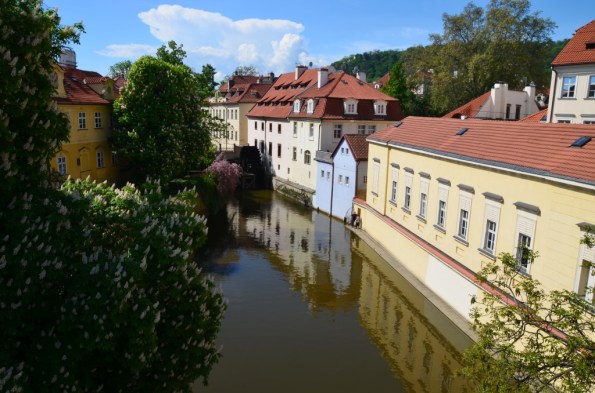
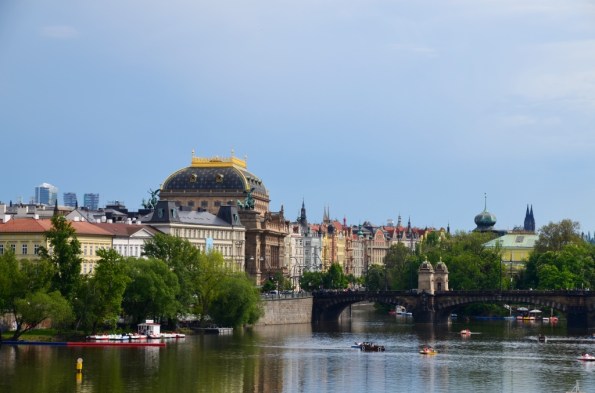
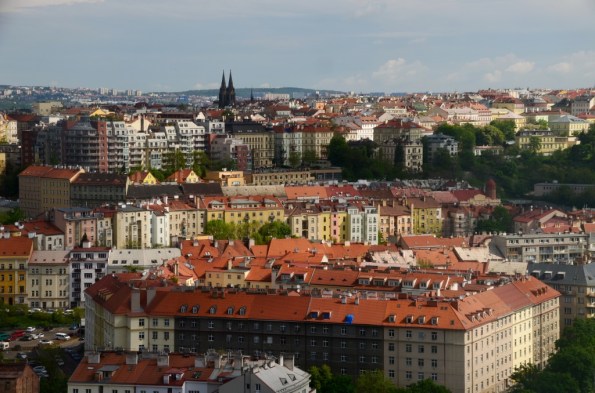
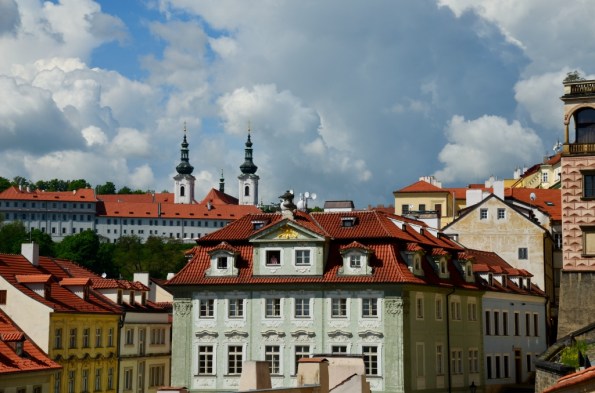
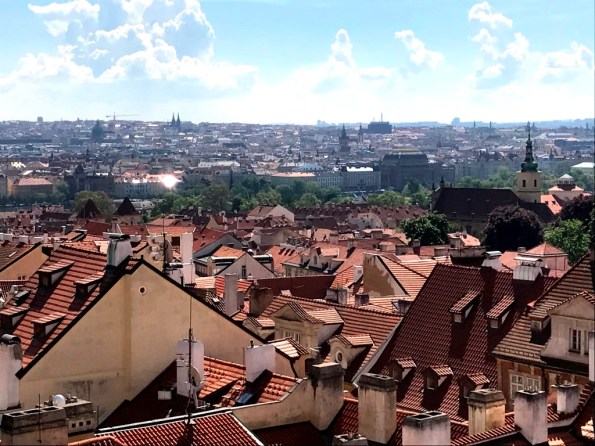
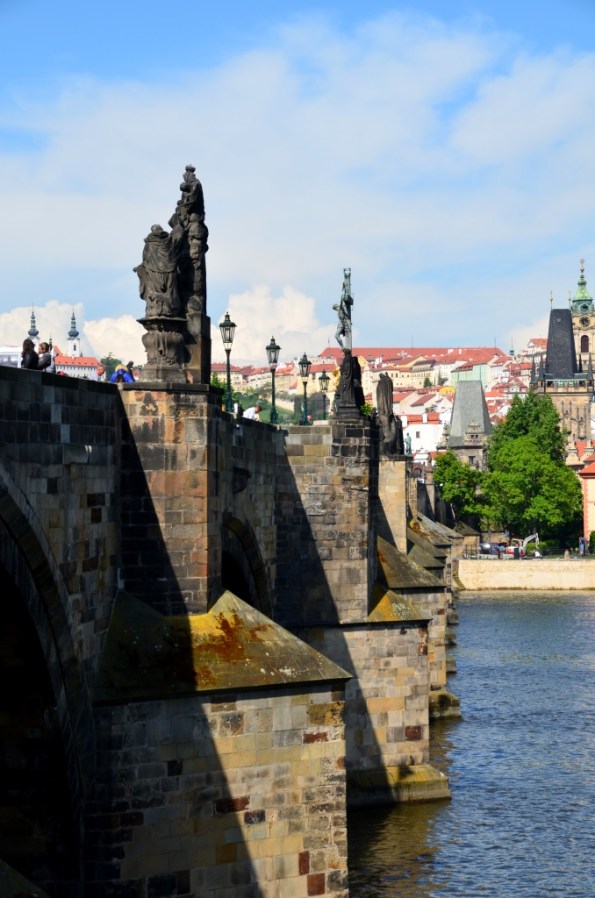
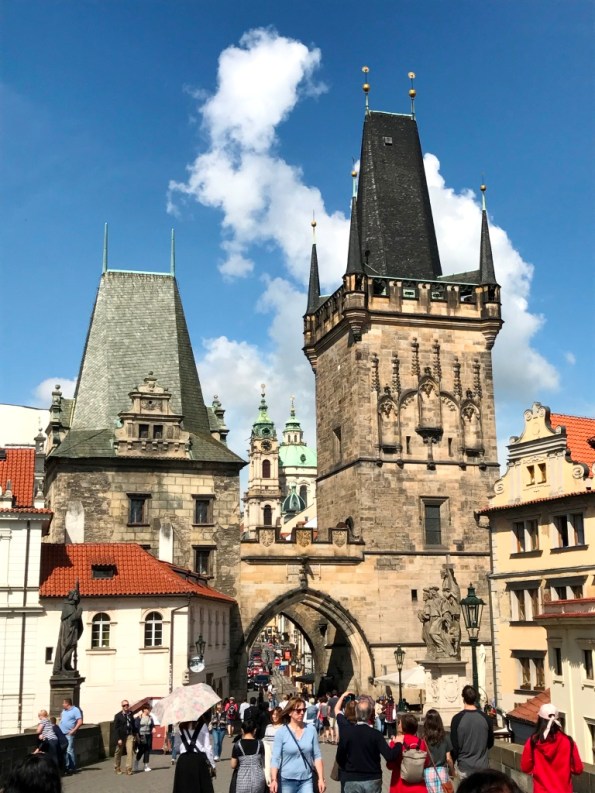
That is my feeling about the Prague. Beautiful city, all covered with the red roofs (somehow, red roofs have a magical effect on me), beautifully colorful buildings, castles and cathedrals everywhere – you derive the pleasure from anywhere you look (well, sadly, once you step a little away from the old town, you see lots of graffiti and simply start dreaming about all the pain which should be inflicted on the people who do that, but this is way outside of the subject of this post).
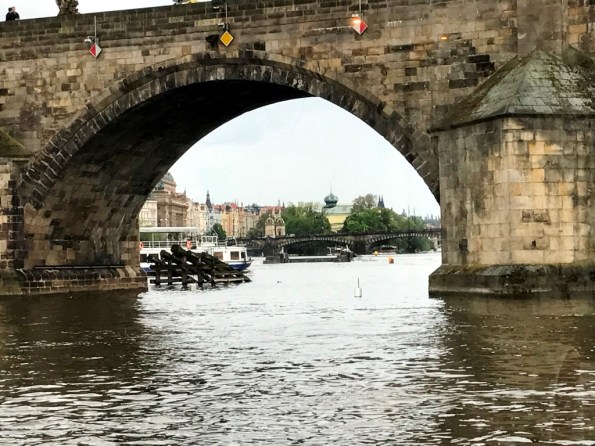
I’m not going to try to describe my impressions in words – instead, let me inundate you with pictures – lots and lots of pictures of the beautiful town of Prague. And when I say lots and lots, I actually mean it…
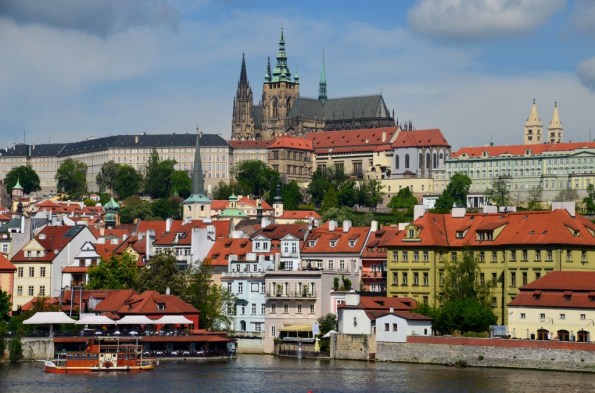



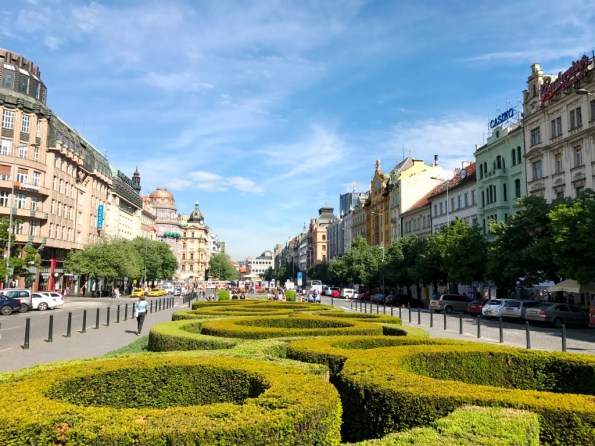
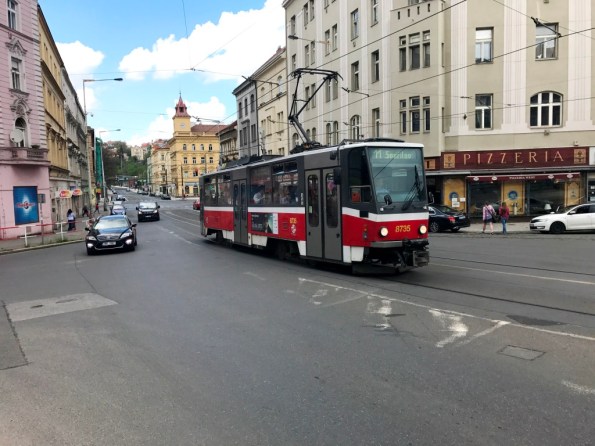



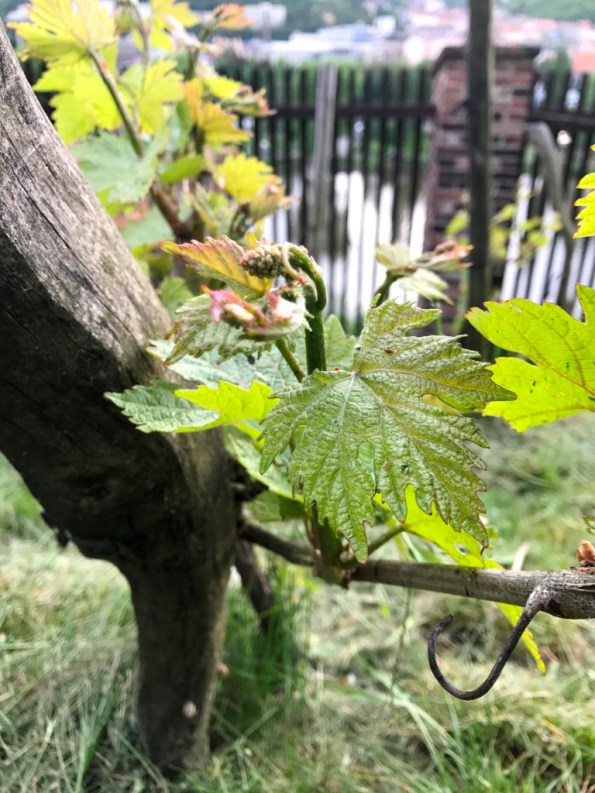
Don’t think you will find vine grapes growing in New York’s Central Park, but you do in Prague!








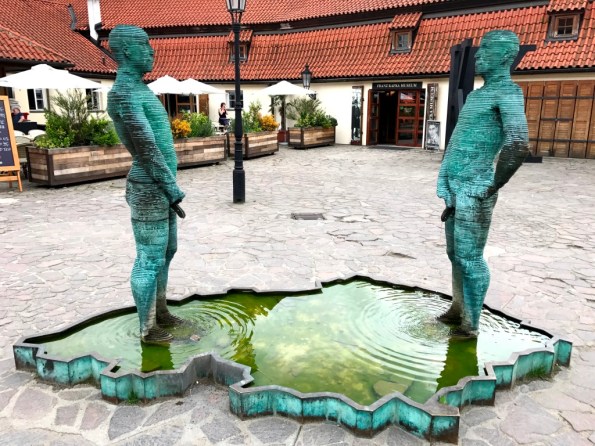
These two peeing man (the parts of their bodies which attract the most attention are not only releasing the water, but also moving – heard quite a range of comments from the spectators:

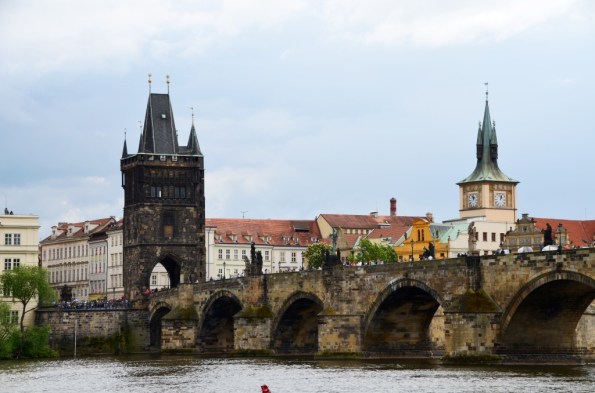

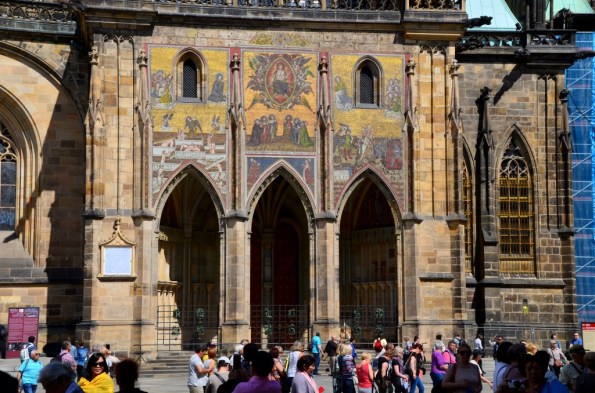

The legend has it that St. John of Nepomuk was executed for refusing to give the details of queen’s confession to the king. The St. John is honored with his own statue on the Charles Bridge. The legend also has it that if you will touch two of the fragments on the bottom of the statue, you wish will b granted. However, it seems that the legend might not get it exactly right – take a look at this blog post to learn what exactly do you need to touch:


Let me leave you with the love locks at the Charles Bridge – Prague is a beautiful city which is easy to fall in love with. Cheers!

Translation – Implicit Virtue and Pain of Oenophile
When you hear the word “translation”, what is the first thought which comes to the mind? Make no mistake – we will be talking about the wine here, but let’s leave that aside for now – we will connect the dots a bit later. So, how about that translation?
I would bet that your immediate thought was of a foreign language. This is where “translation” is typically invoked. Maybe you remember your French class in the high school; may be you have a vivid picture of your last trip to Italy – in either case, we see or hear the word (at least, we assume whatever we hear to be a word), and then we make an effort to understand what that word mean in our own language, and not just by itself, but also taking it in the context of conversation or a text we are reading.
When we speak and read in our mother tongue, the words typically create immediate associations. If you hear the word “door”, you have an instant mental image of the door – whatever the style is, but you know it is a door. If you will see or hear the word “porte”, unless you speak French and expect to see a French word, that word will cause no mental images to show up, despite the fact that “porte” simply means “door” in French.
You don’t have to travel or try to read Swiss newspaper in the morning to have a need to translate something. There are plenty of interesting words we encounter all the time, which need translation in order to achieve that comfortable mental image. Some of those words came from foreign languages, some are specific technical terms, some are just an urban jargon – either way we need to translate those word one way or the other in order to “get” them. Need examples? Let’s look at something as straightforward as steak. I’m sure the word “steak” generates an instant mental image (apologies to the vegetarian readers), of juicy, crusted goodness. But, without the help of Google, how many people do you think will be puzzled if asked if they would like to order steak Diane, chateaubriand or tournedos (okay, you can use Google now)? Steak is complicated, you say? No problems, let’s go even simpler here – how about some pasta? Easy, right? Okay, please describe to me croxetti, rachette or gigli. No? Yeah, sure, go ask Google.
You know what is important here? Rachette or gigli, but we know that it is pasta, and it is comfortable enough for us, so we can skip the translation. Our experience can replace the translation itself – not always, but often. Take a couple of trips to France, and you will not be reaching for the dictionary to understand “merci” or “bonjour”. We don’t even think about what those words mean, but we know where and how to use them, and that works. We do learn, and as we learn, we get comfortable. But we have to still remember that translation is all about little details.
You must be thirsty by now, so let’s talk wine. How often do we have to use translation skills around wine? If you said “all the time”, you are right. I’m not even talking about dealing with professional winemakers’ language (debourbage, remouage, Oechsle, anyone?). I’m not talking about translating from the crazy winespeak of some of the tasting notes (references to various exotic fruits are my “favorite” – how many people know how bilberry, jostaberry or a tayberry taste like? I’m sure we all can identify Satsuma plum and Castlebrite apricots, right?). Leaving all that aside, getting comfortable with wines requires a lot of learning – and translation.
Yes, we can skip translation and just learn by drinking the wines, it is easy – I like this wine, and I don’t like that wine. But this approach doesn’t scale – there are millions of wines in the world, it is not given that the exact wine we like will be available anywhere, any time we want it. So we need to start translating the “winespeak”, which is typically right in front of us on the wine label, into the “mental images” we can bring on at any time. When we start drinking wine, we probably start from the grape. We try one Cabernet Sauvignon, and we like it. Then the next, and the next, and then we know – we like Cabernet Sauvignon. But one day we try Cabernet Sauvignon and it might be nothing like the wine we like. What happened? Time to learn about the regions. We start stating “I like Cabernet Sauvignon from Napa Valley. Until it is time to learn again – the label says “Cabernet Sauvignon”, the label says “Napa Valley”, but the wine is not that great – and this is when we might start learning about producers.
 There is not much translation in what I just described above – depending on where you live and what language you speak. Let’s not forget that Europe is still the most influential “wine region”, and so most of the wine drinkers will have to translate what they see, and pay attention to the “fine print”.


Okay, it is a wine label, not a legal document, but we still need to learn to translate, as the language we assumed to be our native is not universal. Remember we started our love of wine from the Cabernet Sauvignon? Unlike California, French wines typically list only the region and not the grapes the wine is made out of. It is now our job as oenophiles to translate Pomerol and Saint-Émilion into “predominantly Merlot-based wines”, and Pauillac and Margaux into “predominantly Cabernet Sauvignon-based wines”. Many French winemakers understand this Achilles hill and they put the name of the main grape directly on the label. This becomes a great thing for some wine drinkers, while some of us are getting on the offensive – “ahh, this French wine list the grape – it must be a cheap plonk made specifically for the export”. Nothing is perfect, right?
And then that fine print… As we keep translating, we learn that every little word is important, very important – but depending on the context. If you see the word “Reserve” on the bottle of California wine, it doesn’t translate into anything of any significance, as the use of the word “reserve” is not regulated in California. The word “Reserva” on the bottle of Chianti or Rioja, however, can mean the world of difference in the taste of the wine, as the use of this word is tightly regulated and it also translates into the significant difference in taste.
Funny thing that when you think you have achieved your level of proficiency and can “translate” anything with the word “wine” in it, this is when there is a good chance you are going to make a mistake. Here is one of my favorite illustrations to this statement. A few years back, I was in Portugal with a group of colleagues. We stopped by a restaurant, and I ordered the bottle of wine which was absolutely delicious. I actually loved it so much that I bought two extra bottles at the restaurant to take home. A few days later, we visited the same restaurant again, and I ordered exact same wine. When the wine arrived at the table, I couldn’t believe that I liked that wine so much before. The wine was not spoiled, but it definitely lacked the depth and layers of flavor. For a while, I couldn’t understand what have happened – until I found the tiny difference – the second wine was lacking the word “Reserva” on the label…
I hope I didn’t lose you in translation, my friends. When translating, and we always do, we, oenophiles, should always pay attention – and enjoy the ride. Cheers!
This post is an entry for the 32nd Monthly Wine Writing Challenge (#MWWC32), with the theme of “Translation”. Previous themes in the order of appearance were: Transportation, Trouble, Possession, Oops, Feast, Mystery, Devotion, Luck, Fear, Value, Friend, Local, Serendipity, Tradition, Success, Finish, Epiphany, Crisis, Choice, Variety, Pairing, Second Chance, New, Pleasure, Travel, Solitude, Bubbles, Smile, Winestory, Obscure, Faith
Restaurant Files: The Art of Southern Cuisine at Peaches in Norwalk, CT
 Let me make a bold claim – Southern Cuisine might be the only authentic cuisine in the United States. Yes, New England got lobster and clam chowder, Maryland got blue crab and crab cakes, but it hardly constitutes a “cuisine”. Even barbeque is more of a cult or a culture if you will, but more often than not, the word “barbeque” would simply associate with the specific method of cooking rather than a cuisine in general.
Say “Southern cuisine”, and immediately the words and images for “shrimp and grits”, “chicken and waffles”, or ‘fried green tomatoes” pop in one’s head. Same as Thai, Japanese, or Mexican, Southern cuisine is something we can easily identify with.
While the Southern cuisine is, of course, better experienced in the South, over the last few years we were lucky here on the East Coast of the USA with a number of restaurants representing the cuisine very well. Today I want to offer you a perfect example – Peaches Restaurant in Norwalk, Connecticut, officially known as Peaches Southern Pub & Juke Joint. Peaches is the newest endeavor of the serial entrepreneur Greer Frederick, who is deeply involved in Connecticut restaurant scene for many years.
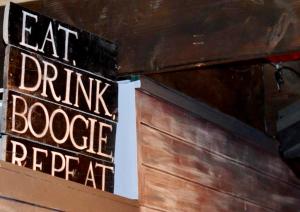
I love the rustic decor at Peaches, very homey and calming, but very modern at the same time:


Of course the restaurant visit started at the bar. Spicy Okratini (Oola Aloo Vodka, dirty okra juice, pickled okra) had a nice bite and literally no sweetness, which I really appreciate. Bee’s Knees (Bar Hill gin, fresh lemon, Mad Hatter honey) was made with an artisan Mad Hatter honey, which we also had an opportunity to taste. Again, despite the honey base, the cocktal was perfectly balanced with right amount of acidity and sweetness. Peaches’ Old Fashion (Rittenhouse Rye, Damerara sugar, Angostura bitters, Fee Brothers Peach bitters), was very tasty, but also a bit too generous with alcohol.


Once we got to our tables, the little bowl with various pickles was the very first plate arriving in front of us – not overly sour, quite tasty. Then our first appetizer showed up – Devilled Eggs (beet brined eggs, braised bacon, pickled okra). Definitely a very creative dish, an unexpected color of the eggs, nice touch with the bacon crumble on top, creamy. Devilled eggs are very popular in Russian cuisine, so I’m more accustomed to a different style, but this was still a tasty dish.


The Chopped Kale (charred corn, pickled beets, green goddess dressing, cotija cheese) was one of the best kale salads I ever had. Additional of charred corn worked very well, and creamy dressing was outstanding, very flavorful. The Fried Green Tomatoes (tomato jam, country ham, buttermilk ranch), a timeless Southern classic was excellent as well – great interplay of textures, and I would eat that tomato jam by the bowlful. Our last appetizer, the Country Fair Bacon (funnel cake batter, braised bacon, black pepper maple) was good, but maybe a bit too simple to my taste.


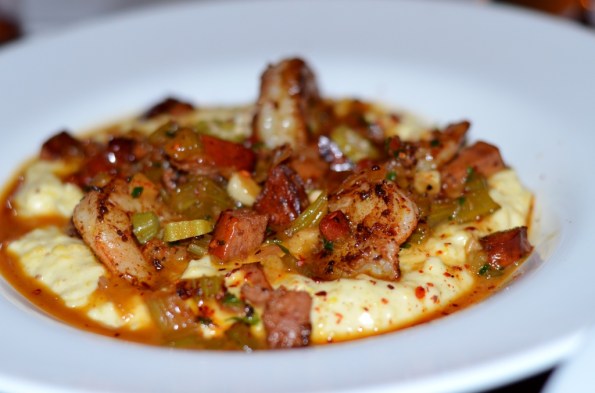
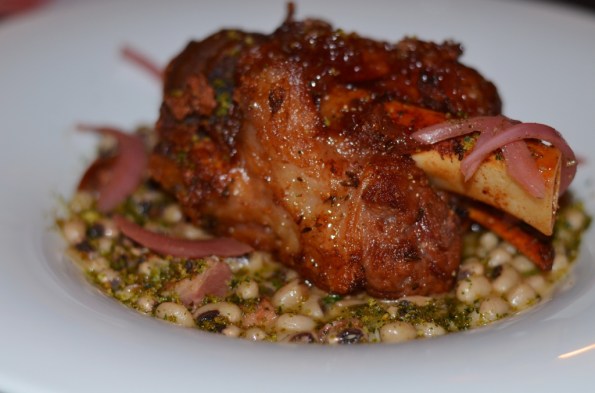
We started our entree round with another Southern classic – Shrimp and Grits (andouille, smoked shrimp broth, pickled okra, heirloom grits) – the grits were creamy and super-flavorful, one of the best ever, and the shrimp had a perfect amount of spice and cooked very well – that was one delicious experience. The Pork Shank (black eyed peas cassoulet, pickled veg, onion jam) was a standout. It was a huge hulk of meat on the bone, marinated for 36 hours and cooked at 275F for 3.5 hours – I can’t even describe how comforting this dish was. The meat was falling apart, and all you needed to do was just to savor ever little bite. Outstanding.
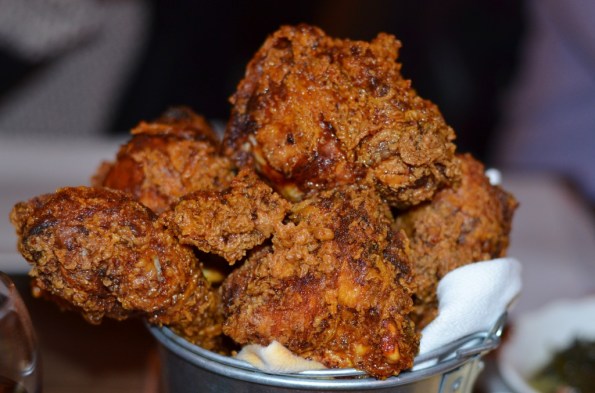
And then there was Bucket O’ Chicken (pickle-brined fried chicken + Nashville style cornbread, coleslaw, collard greens, mac ‘n’ cheese). Do you like properly made Southern style fried chicken? Then get away from the screen and head over to the Peaches right now – that dish was a quintessential Art of Southern Cuisine right on the table. We had both regular and Nashville Hot style – in both cases chicken is brined before cooking, but the Nashville Hot style has the addition of a hot sauce (smoked paprika, brown sugar, cayenne, oil) brushed on after the chicken is fried. It was also served with lots of different side dishes – cole slaw, collard greens, mac ‘n’ cheese and delicious corn bread – every bite of chicken was tender and bristling with flavor. It was also served with apple cider vinegar on a side, which, as Greer explained, is considered a Ketchup of the South. Great experience all in all.


Peaches is not called the “Pub and Juke Joint” for nothing. The restaurant has a second floor with another bar, perfectly suitable for dancing or as an event space, as well as an outdoor patio – definitely the space with a lot of potential.


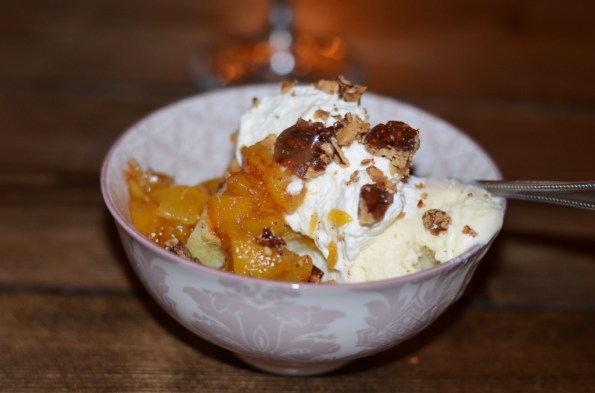
We finished this outstanding meal in style with Old Fashioned Southern Peach Cobbler (brown sugar peaches, vanilla ice cream) – delicious dessert, candied pecans packed a lot of flavor.
 I hope that the pictures and my notes explain my point about the Art of Southern Cuisine – this was truly a soulful cooking, and we experienced the tasty food with unmistakable personality – like the familiar face we are always happy to see in the crowd, the Southern Cuisine is something we can now spot anywhere we go.
Hope I didn’t make you too hungry. And if I did – oh well, I’m not going to apologise. Cheers!
Peaches Southern Pub & Juke Joint
7 Wall St
Norwalk, CT 06850
Phone number (203) 831-0399
http://www.peachesnorwalk.com
Last Bottle Sign Up ($10 credit)




 Talk-A-Vino