Archive
Of Hydrangeas, Ocean, Sunsets, and Wine
I’m sure this cryptic title leaves you wondering what are we going to talk about in this post, right?
Yeah, a lame attempt at self-humor.
And as you can see I want to talk about some of my most favorite things – flowers, waves and sand, sunsets, and, of course, wine. Mostly in pictures – except the wine part.
We just came home after a weekend in Cape Cod, and if you ever visited The Cape as it is typically called, I’m sure you noticed the abundance of hydrangeas. There is rarely a house that doesn’t sport a beautiful hydrangeas display.
Hydrangeas come in many colors, which can be also influenced by what you feed the flowers. They typically bloom the whole summer and deliver non-stop pleasure – at least in my world. Let me share some of my favorites with you:


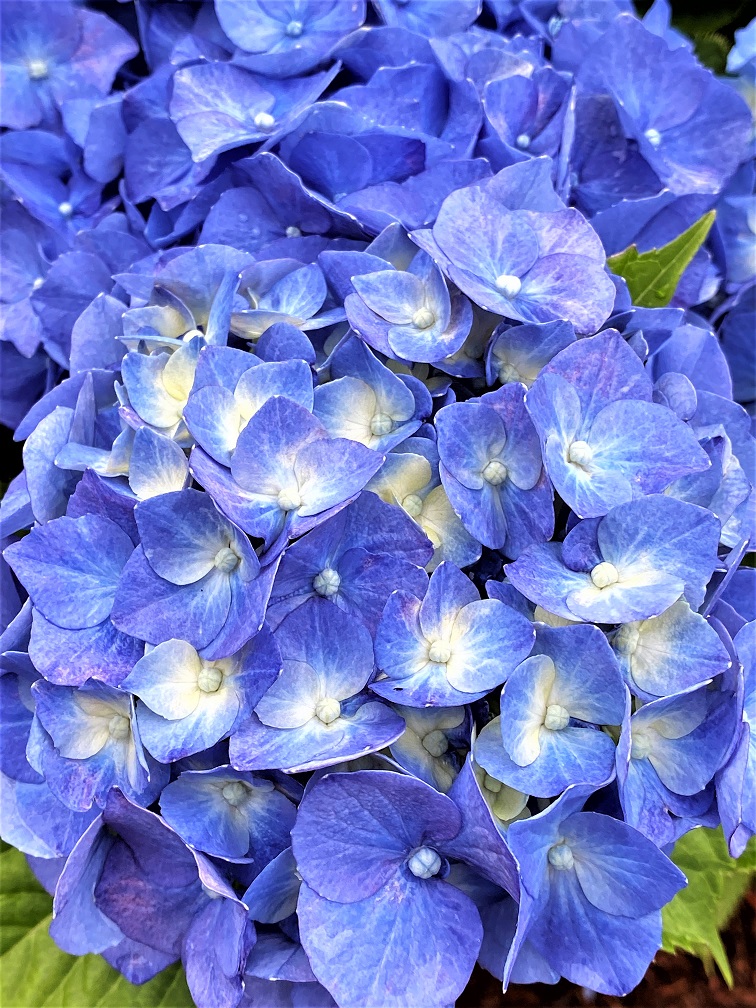
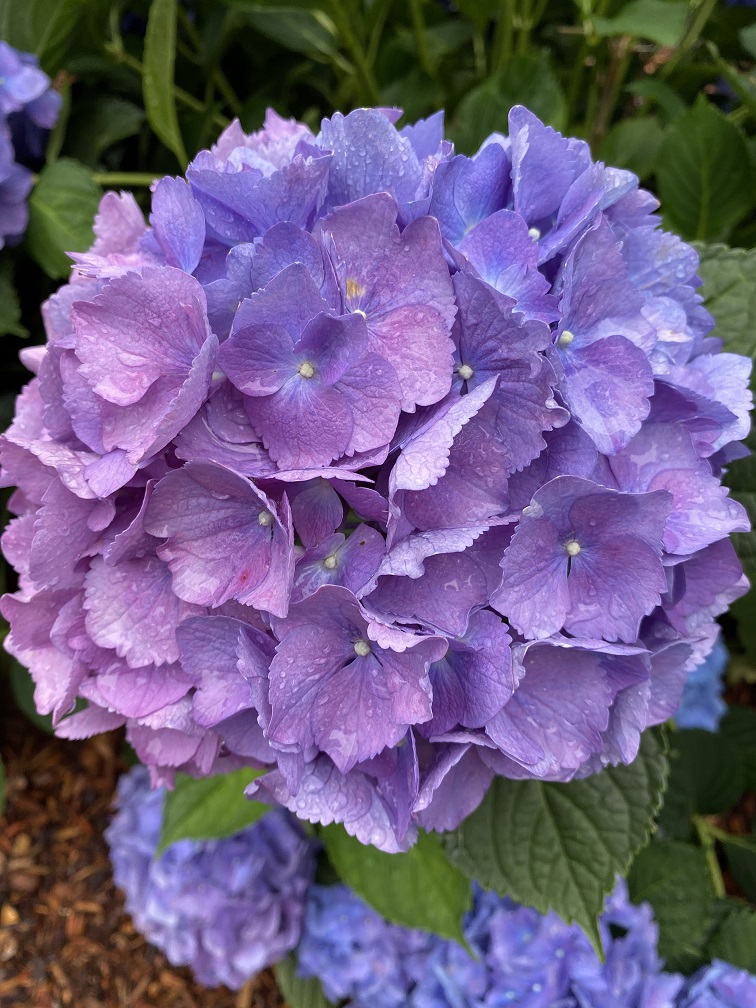
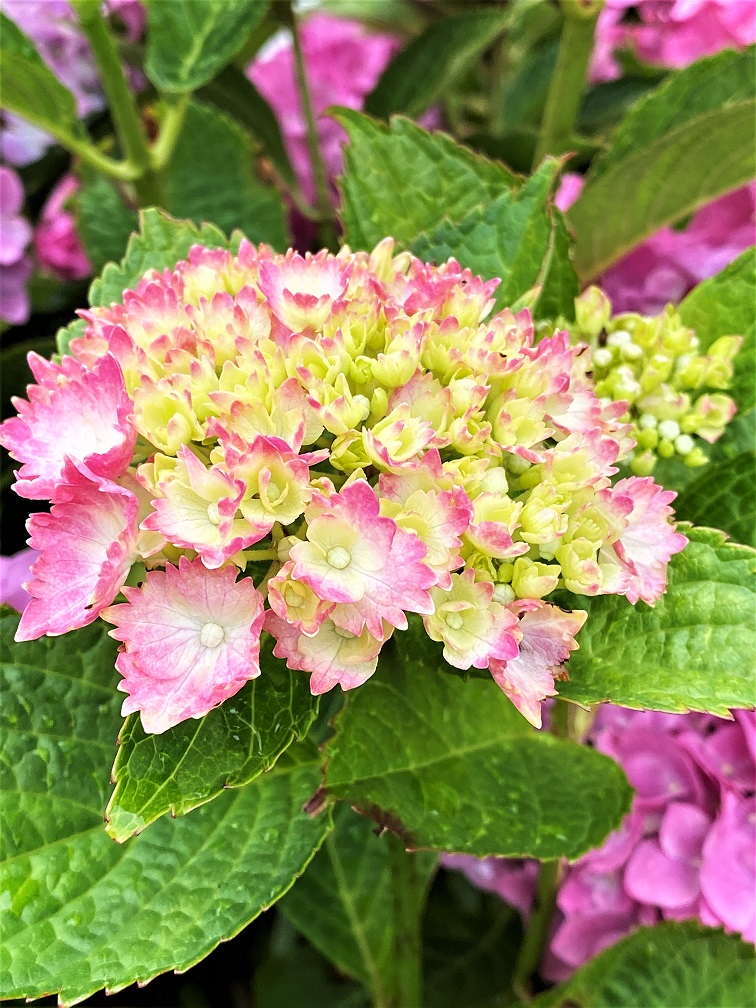

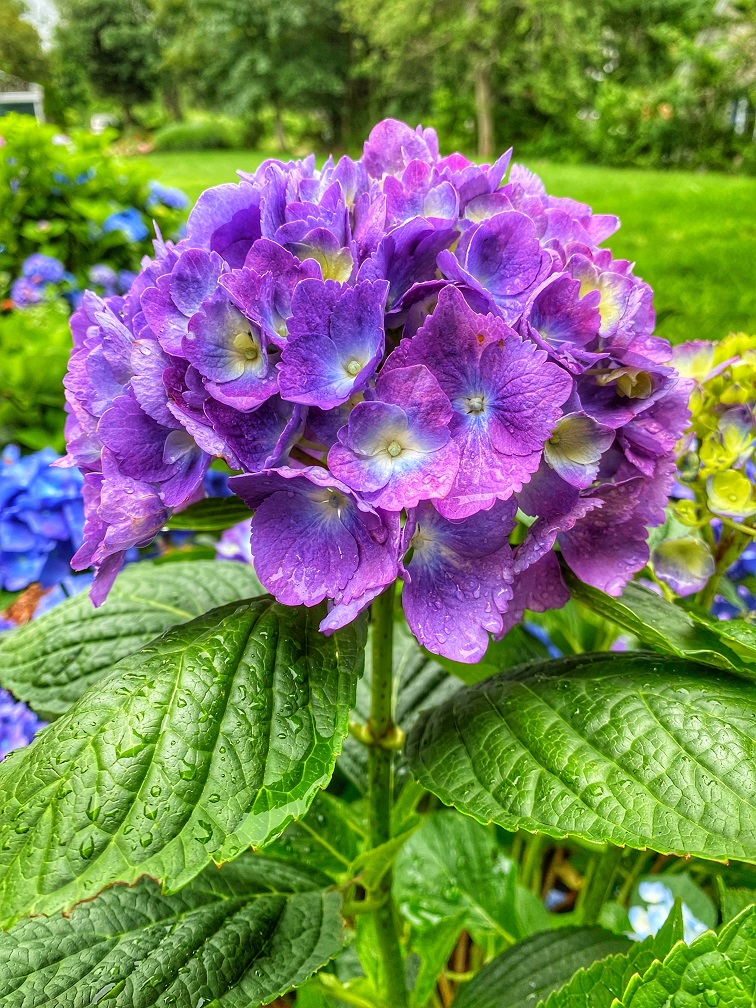
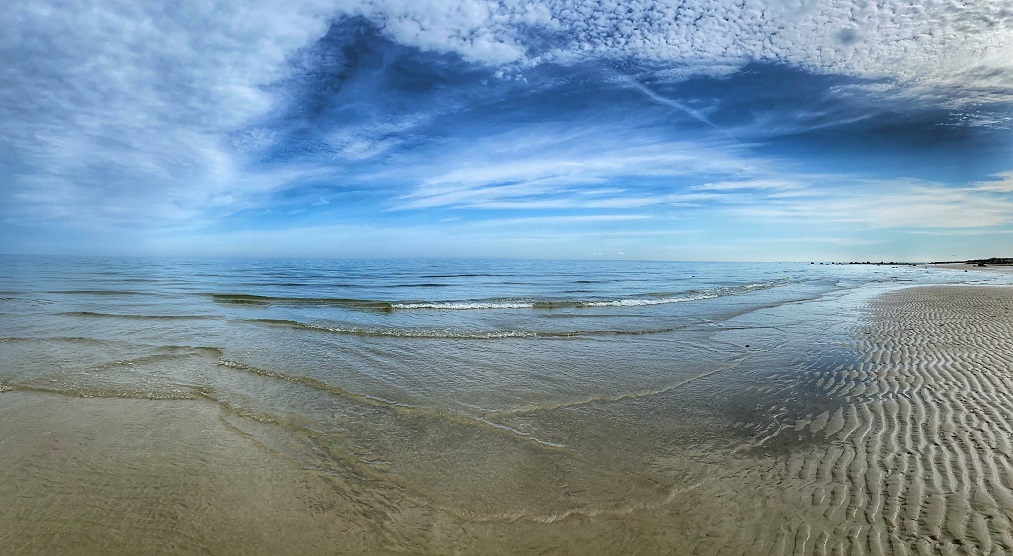
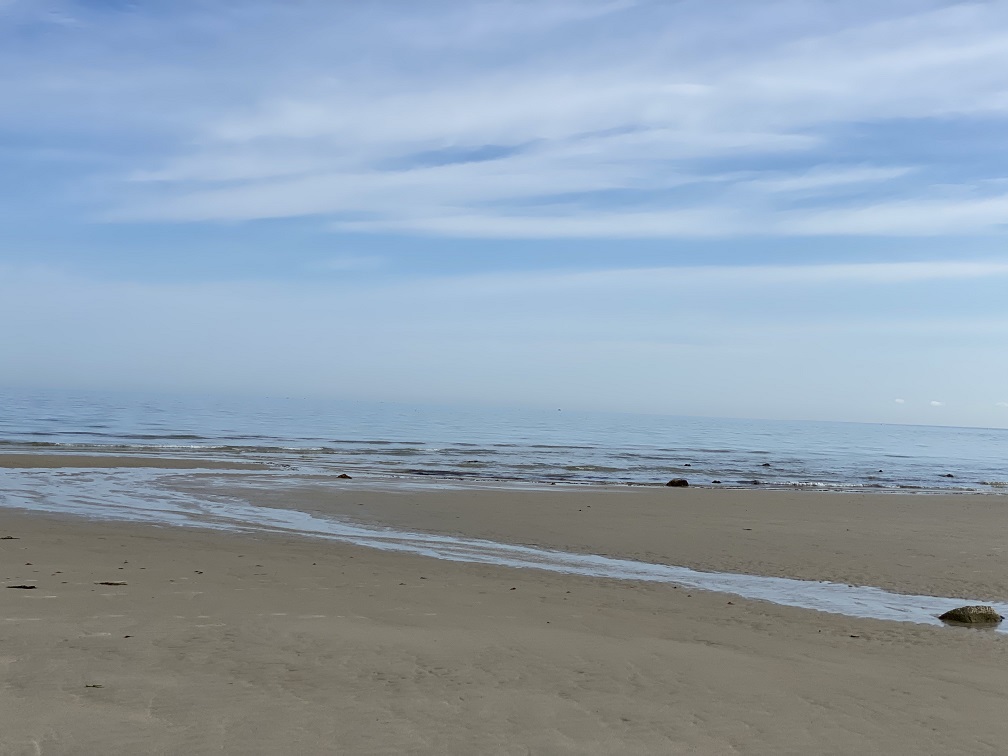
Our next subject is the ocean. Cape Cod is a special place, where you can find huge swathes of water only a few inches deep, or simply a wet send that goes for miles and miles during low tide. The water and the sky magically connect, creating an ultimate rhapsody in blue – see for yourself:
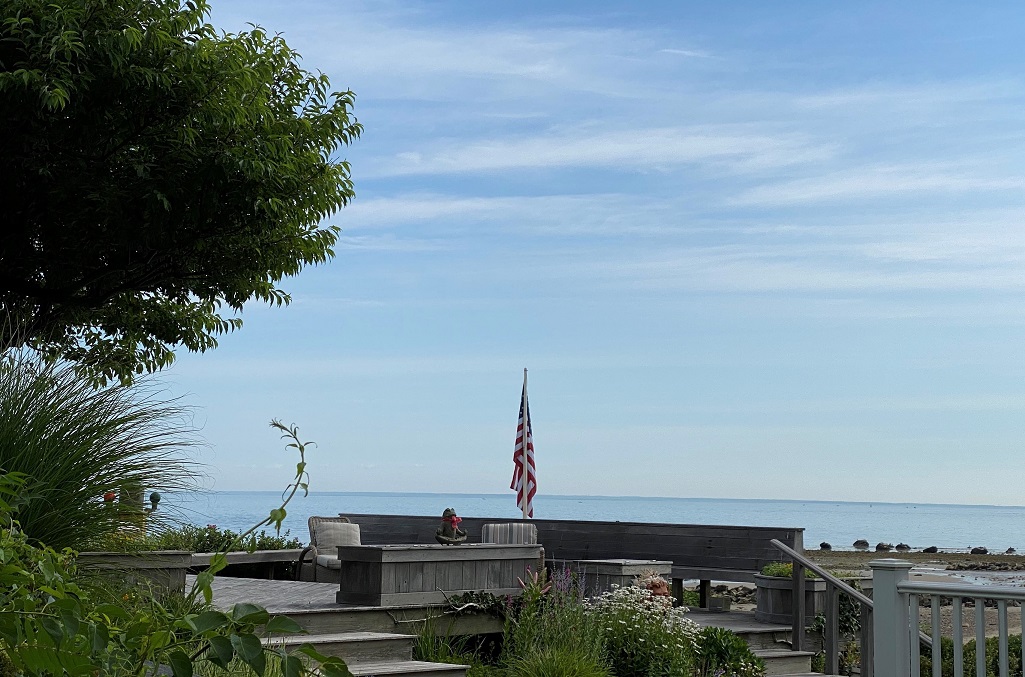


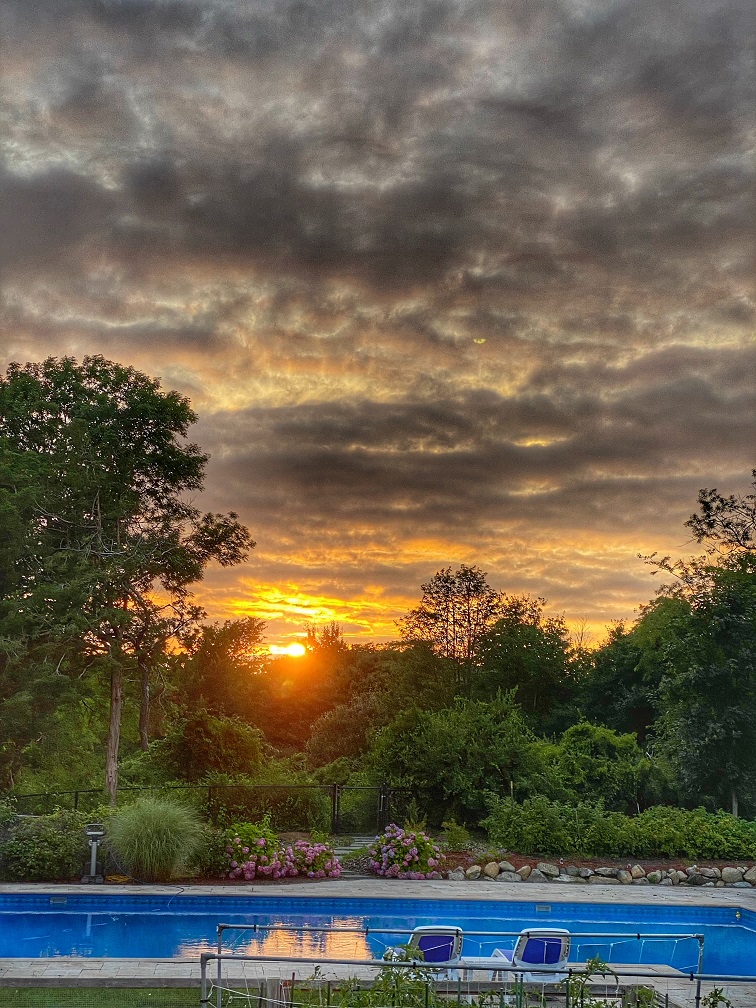
 The sunsets were challenging this time around. Two days out of three that we spent on The Cape, the weather was not good at all – rain, wind, and more of the rain and wind. Nevertheless, the weather was taking a break in the evening to present a beautiful sun setting imagery, which we enjoyed from the comfort of the deck – with a glass of wine in hand:
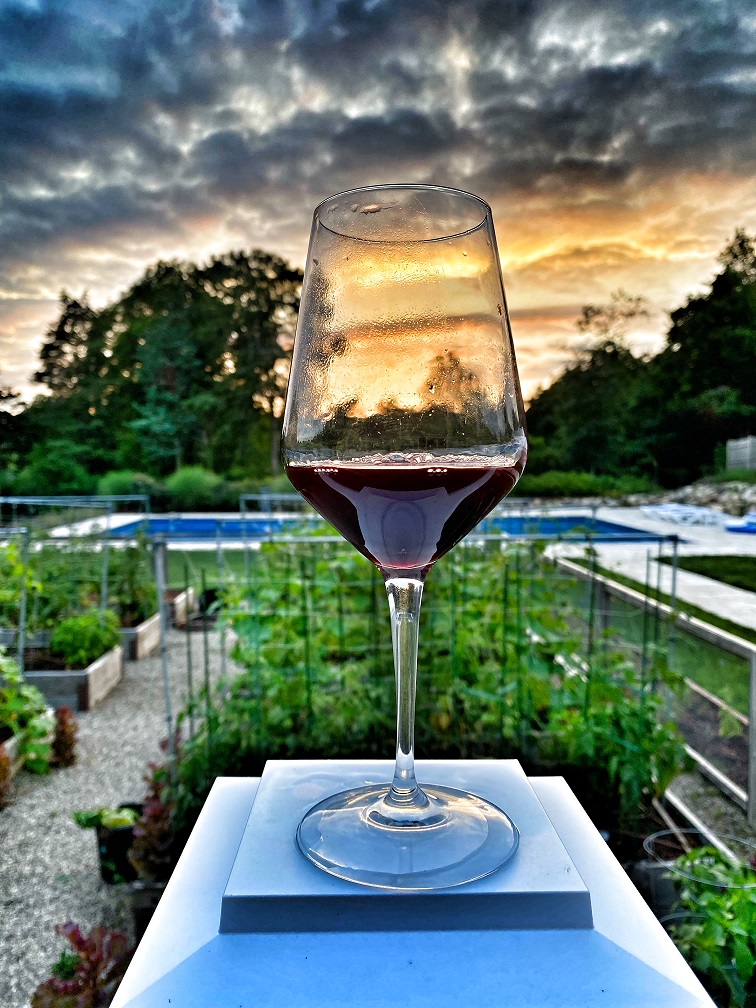
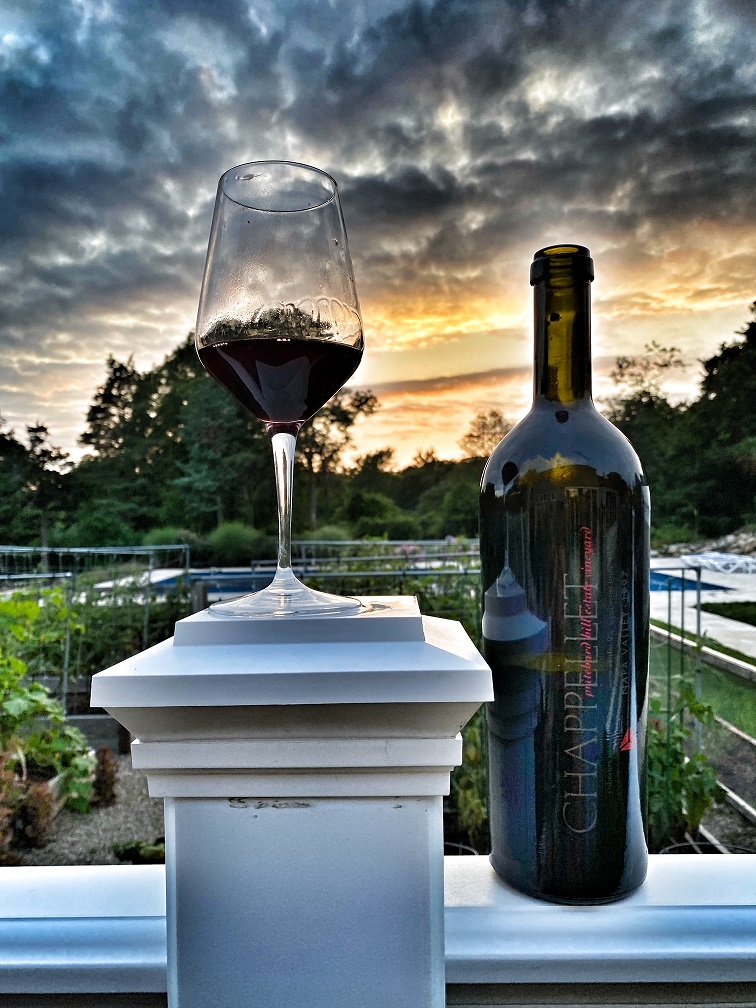 And this brings us to the last subject of today’s post – the wine. This was a vacation, and I was absolutely not interested in taking any sort of formal notes. But somehow, the majority of the wines we had were so good (with the exception of some sort of homemade wine from Moldova, which we had to pour out) that I can’t help it not to share the pleasure. Here are my brief notes.
We started with 2020 Hugues de Beauvignac Picpoul de Pinet AOP (14.1% ABV) – fresh, clean, well balanced. The wine offered a touch of the whitestone fruit and was a perfect welcome drink after 4 hours of driving. It is also very well priced at about $12 at Total Wines in Boston, which is almost a steal at that level of quality.
2019 Golan Heights Winery Yarden Sauvignon Blanc Galilee (13.5% ABV) offered a beautiful Sauvignon Blanc rendition with a hint of freshly cut grass and beautiful creaminess. This wine was more reminiscent of Sancerre than anything else – an excellent effort out of Israel.
2016 Sonoma Mountain Steiner Vineyard Grüner Veltliner (14.1% ABV) – one of the perennial favorites (I’m very disappointed when my Carlisle allocation doesn’t include Gruner Veltliner). Beautiful fresh Meyer lemon, grass, clean acidity – in a word, delicious.


The last white wine we had was 2016 Château de Tracy Pouilly-Fumé AOP (13% ABV). Another Sauvignon Blanc – plump, creamy, delicious. Nicely restrained and round. It is definitely a fun wine as long as the price is not taken into the consideration – otherwise, at about $40, both Yarden (under $20) and Picpoul wines would give it a great run for the money.
Our Rosé was fun 2020 Samuel Robert Winery Pinot Noir Rosé Vineyard Reserve Willamette Valley (13% ABV) – the Oregon Rosé is just not very common. This wine had nice strawberries all around – on the nose and on the palate. I would probably want it to be a tiny bit less sweet, but the wine was still quite enjoyable.
2017 Campochiarenti San Nicola Chianti Colli Senesi (14.5% ABV) is one of my favorite wines to surprise friends and even myself with. It starts as a solid Chianti would – cherries, tobacco, leather, iodine. But in a few minutes of breathing, it magically evolves to add sandalwood, nutmeg, and exotic spices. An incredibly heart-welcoming sip.
And to top of everything else, the 1997 Chappellet Pritchard Hill Estate Cabernet Sauvignon Napa Valey (87% Cabernet Sauvignon, 9% Petite Sirah, 4% Cabernet Franc) was thrown into the mix by my brother-in-law. This wine was a testament to California Cabernet Sauvignon; a simple proof that well made California Cab might be the best wine on Earth. This wine had no – none – signs of aging. Fresh, young, concentrated, cassis and cherries with a touch of mint and coffee, beautifully layered and well structured. This wine was not yet at its peak – I wonder how many more years it would require to reach the top…
And now, an absolute surprise – 2000 EOS Tears of Dew Late Harvest Moscato Paso Robles (10.5% ABV) – a late harvest wine from Paso. Beautiful orange color, and nose and palate loaded with ripe apricots – a hedonistic pleasure on multiple levels.
Now that is the whole story I wanted to share. What is your favorite flower? Have you tasted any amazing wines lately? Cheers!
Finding Peace with Chappellet and 2007 Napa Vintage
 Vintage. An essential word in the wine lovers’ lexicon. “How was the vintage” often is a defining question, something we certainly have to find out and then store in the brain compartment for important wine facts. Depending on the stated greatness, some vintages might keep their recognition almost forever, like 1949 or 1982 Bordeaux, and 1964 or 2001 Rioja. The vintage by itself is no guarantee of quality of the particular wine from a particular producer, but it is generally considered that in the better vintages, there are more good wines available across the board.
2007 was lauded as a truly outstanding vintage in Napa Valley in California. According to the Wine Spectator vintage charts, 2007 [still] is the best vintage since 1999, with the vintage rating of 97. When the first 2007 Napa wines appeared, I was very eager to taste them – only to be disappointed for the most cases. In my experience, the wines were lacking finesse and balance, they were often devoid of fruit and had demonstrably attacking and astringent tannic structure. My main thought tasting 2007 Napa wines was “it needs time, and a lot of it”.
Chappellet is one of the famous producers in Napa, making wines for more than 40 years, now in the second generation of the family; their wines are highly regarded by consumers and critics alike. Some time back in 2010 I scored a few bottles of 2007 Chappellet Mountain Cuvee Napa Valley (14.9% ABV, Cabernet Sauvignon 51%, Merlot 46%, Malbec 1%, Cabernet Franc 1%, Petit Verdot 1%). My first taste was also one of the early posts in this very blog, and nothing short of disappointment (read it here). Continuing tasting throughout the years, I was still missing that “aha moment”, an opportunity to say “ahh, I like it”. It particularly applies to the 2007 vintage of Chappellet, as in 2014 I had an opportunity to taste the 2012 vintage of the same wine (Mountain Cuvee), and the wine was quite pleasant.
A couple of days ago I was looking for the wine to open for dinner and the last bottle of 2007 Chappellet caught my attention. Well, why not? 10 years is a good age for the California wine – let’s see how this wine is now ( even though I have not much of a hope based on the prior experience). Cork is out, wine is in the glass. The color, of course, shows no sign of age, still almost black. But the nose was beautiful – fresh, intense, inviting, with a touch of cassis and mint. The first sip confirmed that the wine completely transformed – open, rich, succulent fruit, cassis and blackberries, supported by the firm structure of the tannins without any overbearing, eucalyptus and touch of sweet oak, clean acidity. Perfectly powerful, but also perfectly balanced with all the components been in check. Now this was the “ahh, this is so good” wine which I would be glad to drink at any time. (Drinkability: 8+/9-).
This delicious experience prompted this post. I’m glad to find it with my own palate, that “needs time” is not a moniker for the “crappy wine”, but a true statement. I’m sure this is not universally true – some wines are simply beyond the help of time – but this definitely worked for this particular wine and for the 2007 Napa vintage. I don’t have any more of this 2007 Chappellet, but I have other 2007 Napa wines, and I just upped my expectations significantly.
Have you had similar experiences? How would you fare 2007 Napa vintage? Cheers!
Will This Wine Age?
 Yes, it is no secret that I prefer to drink wines which have some age on them – we even discussed this in one of the recent posts. What happens when the wine ages? In one simple word, it evolves. Its taste changes – for the better. It gets to the different level of complexity – and delivers more pleasure. Sometimes, it even brings an element of awe with it – when you are drinking wine which is 30, 50 or may be even hundred years old, and it still tastes great (try to keep some food to taste good for a couple of decades – let me know if you will succeed), it is an amazing experience.
Now, if you want to drink aged wines, you got two choices. You can buy wines which are already aged (Benchmark Wine Company is one of the great sources of aged wines). It is not easy to find what you want, and aged wines are usually expensive. Another option is to buy the wine, and keep it in your cellar until it reaches the optimum drinking age. When using second option, the trick is to know when the perfect age is, right? There are few ways to go about it. The classic “collectors” way is to buy a case ( at least), and then open a bottle from time to time and see (err, taste) what is going on. This is a good way to go, but it requires storage space and money.
Then you can rely on the advice of the wine critics – when you look at wine review in Wine Spectator or Wine Advocate, very often you will see a recommended time range when the wine will be at its best. This should work, but might be a bit boring. What else? You can play with your wine. What I mean is that you can conduct a little experiment and learn with a good probability how well your wine will age. In order to do this, you will need only a minimal set of tools (one tool, to be precise), a little air, a bottle of wine and a few days of time.
As far as tool is concerned, I don’t mean any of those fancy $200 silver, magnetic and whatever else concoctions which promise to magically manipulate characteristics of wine and make it age in no time. So the tool which you will need is called a vacuum pump, like the one you can see below (this one is made by the company called VacuVin):
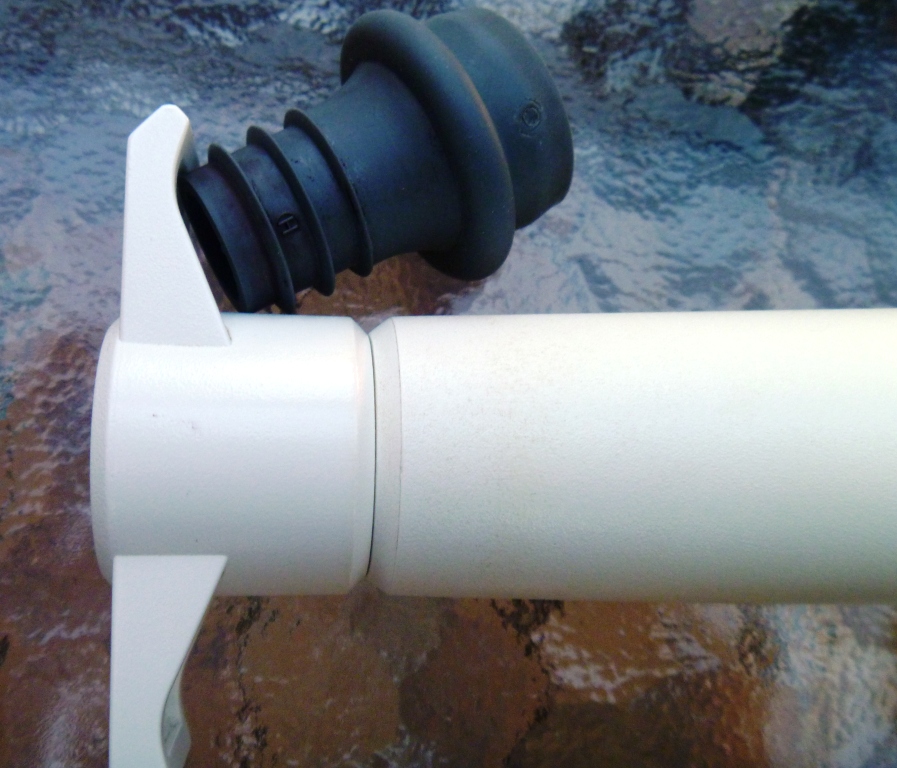
One of the most important components in the wine aging is oxygen. Oxygen, which makes its way in a miniscule quantity through the cork into the wine bottle, makes wine to change, to age. As soon as the bottle of wine is opened, the process of aging is started. This is why when you open a bottle of a young wine, you need to give it a little time to “breathe”, to open up, to absorb the air and subsequently, to evolve. Now, the idea is simple. You open the bottle, pour a glass, then you close a bottle with the rubber stopper and pump the air out, and put the bottle aside (no need for special storage conditions). You repeat this process the next day, then the next day and may be even the next day again! There is no science here (or may be there is one, but at least I don’t know the formula), but I think every additional day the wine drinks well means about 5 -8 years of the normal aging. Therefore, if the wine will be improving for the 4 days in the row, you can expect that it will reach its peak in 20-30 years.
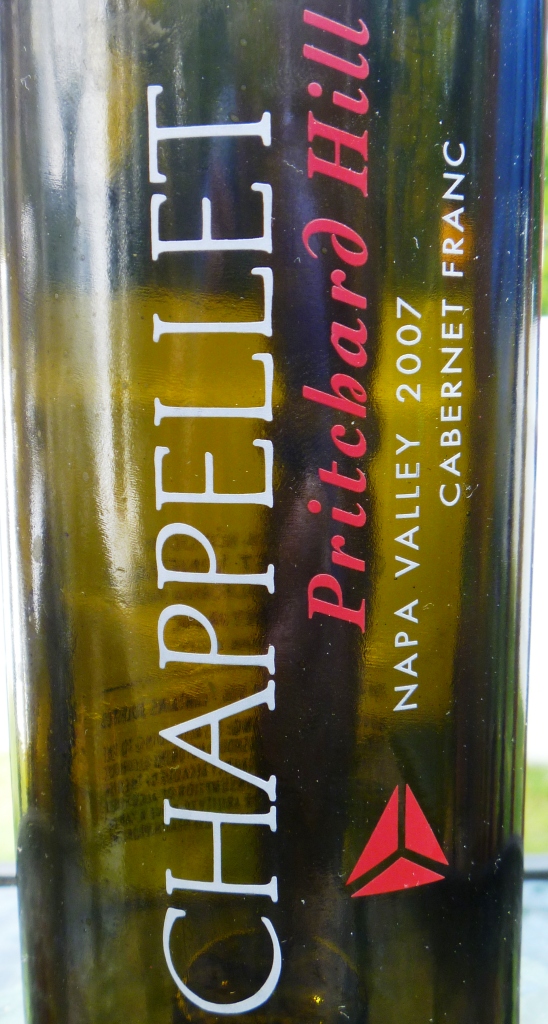
Want an example? The bottle of 2007 Chappellet Pritchard Hill Napa Valley Cabernet Franc made it into my house. On the first day, the wine was not showing much except tremendous density and the color, which was more black than red. The second day didn’t show much change. On the day 3, some of the black fruit started coming out, with some spices and tiniest hint of green peppers (can be my imagination too). And then finally, on the day four, the fruit became easily noticeable, together with good acidity and nice balanced tannins. The wine was almost drinkable… but too late, as the bottle was gone at that point. I think one more day would make it amazing – but I can only hope to find out that at some point in the future.
Don’t be afraid to play with your wine – after all, it is only another kind of food, right? Ooops, this might not sound too well. Anyway, experiment – and uncover new amazing taste. And remember that little age is always good (you just need to define “little” ). Cheers!
Last Bottle Sign Up ($10 credit)




 Talk-A-Vino