Speak Up!
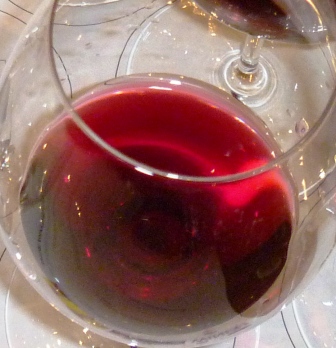 This post is not really a rant, even though it can be classified as one. I would rather see it as a plea – not directed at someone particular, but to anyone who enjoys even an occasional glass of wine.
Wine can be intimidating at times. Heck yes, wine is often intimidating. It has an aureole of mystique. It seems to demand the special knowledge to be enjoyed, the years and years of hard study. And quite often, the “exclusivity” notion is enforced by the very people whose job is to help, to make the wine less intimidating, to make sure that “the customer” will simply enjoy the glass of wine.
True – the wine, as any other discipline, has a great depth of technical knowledge. It is not easy to make a good bottle of wine; it is very difficult to make a great bottle of wine. You need to study for many years almost 24×7, learn the exact names of hundreds of small villages in Germany, to become a Master Sommelier (there are only a few hundreds of them in the world). All of it is true. But not necessarily unique – most of what humans do today in so called “work” requires lots of studying and lots of specialized knowledge.
But wine is yet again different. While it requires knowledge to produce and explain it to others, when it comes to its basic purpose – drinking, it is, whether by itself or with the food – it is very simple. Forget all the nuances of the taste. Forget all the fancy descriptors and ratings. When it comes to the content of your glass, it is really all binary – you either like it or not.
Nobody questions their own ability to decide whether they like the burger or not. Or any other food for that matter – in most of the cases, people have no issues declaring “this is good” or “this is bad”. But when it comes to the wine, majority start second-guessing themselves. People often sheepishly say “but I don’t know much anything about the wine”. This proverbial “luck of knowledge” is used as an excused to keep quiet. People are afraid to state their opinion around wine, as they don’t want to appear disrespectful, or even worse, totally ignorant and not worthy. At the same time, when someone takes a sip, they know immediately whether they like the wine or not.
Now, let me get to the “Speak Up” part. No, I’m not advocating that everyone will start proclaiming “this is crap” or “this is nectar” on the very first sip of the wine in the various situations. For example, if you will open a bottle of young red wine, immediately pour it into a glass and take a sip, your first reaction might be “this is too sweet!”. Give this wine 5 minutes to breathe, and your next sip often will be totally different experience, with earthiness, minerality and acidity. As another example, the first taste of the cold white wine might feel extremely acidic, but the wine will mellow out right after. So, no, “speak up” is not about always declaring your opinion right away.
What is important for me is that if you drink wine even on a semi-regular basis, you know what you like and what you don’t. In case when you don’t like the wine, you also know why is that – too acidic, too sweet, too wimpy, too tannic, doesn’t taste well with food. There can be lots of reasons for not liking the wine. And it is all fine – taste is personal, and two people next to the same bottle don’t have to share the same opinion; there is nothing to speak up about here. With one exception: when the wine is spoiled.
There are many possible issues with wine, which affect its taste – these are called “wine faults”, and the end result is what we call a spoiled wine – the wine which tastes bad. This is not the case “I don’t like it”, this is the case “it is spoiled” – and nobody should drink it. Have you ever tasted spoiled milk, when the sweetness of milk is replaced with the off putting smell and sour taste? What you do with the spoiled milk? Anything but drink it, right? There are many potential faults in wine – brettanomyces (often called “brett” for short), volatile acidity, oxidation, heat damage (so called “cooked wine”), cork taint and many others (in case you want to read more, here is Wikipedia link). Some of the faults are less offensive than the others – for instance, brett is associated with barnyard aromas (so called “funk”) in the wine, which some people love (yours truly would be one of them). But most of the faults really kill the taste of wine; spoiled wine doesn’t deliver any pleasure the wine is supposed to bring.
One of most prominent offenders is the cork taint – typically caused by the cork material which was not cleaned properly – and the result of the cork taint is called a corked wine. What gives it away first of all is an aroma of the old, wet, musty basement – you know that smell, I’m sure you do. But this is not the worst part. On the palate, the corked wine is sharp, bitter, and devoid of fruit – the fruit is nowhere to be found in the corked wine. Sometimes the smell might be very minor, but then the sharp palate will give this fault away. And corked wine is something which you are not supposed to drink. Nor you should let anyone to drink that. This is the case when you have to trust yourself – and speak up.
How many of you ever been in the situation when you tasted the wine (or just smelled it) and said to yourself “this is corked”? And then, even when you are 100% convinced it is corked, you just kept quiet – you didn’t want to offend the host, you thought “ahh, may be something is wrong with me”, “but people already had been drinking the wine from this bottle for a while, how it can be corked”? Been there, done that? It’s okay, this blog is truly a non-judgement zone, please share your experiences. But I’m seriously telling you, if I may – I insist – speak up. Trust yourself and speak up.
I’ve done this many times in many different settings. Sometimes, the corked bottle is one and only, and all you can do is just to dump it or put it aside to return to the wine store (please note – most of the reputable wine stores will take the corked wine back and refund your money – they are not losing anything either, as they also will return the wine to the producer). But the best case is when the other bottle of the same wine can be open instead – and it shows all the beautiful aromas and fruit the wine was supposed to have. This is the best learning experience, of course – but even if you didn’t have that experience, you still have to speak up.
You need to understand that by keeping silent, you are not doing anyone any favors. If you keep silent, you drink the wine which tastes bad. You let others drink the wine which tastes bad. You letting down the winemaker as well. In many (most) cases, the corked wine is not even producer’s fault. And if you and others end up drinking bad tasting wine, you might say to yourself “I will never buy this wine again” – and trust me, this is not what the winemaker had in mind when the wine was produced with love and care.
You have to speak up – and you got nothing to lose. If you are wrong, and the wine is not corked but simply need the time to breathe – so be it. But I’m sure that once you experienced the corked wine, you will be able to identify it again, so if you think the wine is corked, there is a very good chance that it actually is. Trust yourself and speak up. When the next bottle is open, and everybody sigh with relief and pleasure, your host will be the first to thank you. And if you will feel happy, leave me a comment too. Cheers!
Wine in Pictures
I don’t know about you, but I like “infographics” – lots of pictures and lots of facts to ponder at. Below is one such infographics, with quite a few interesting facts about wine. Did you know that the oldest preserved bottle of wine is nearly 1,700 years old? Have you ever heard about Snake Wine or Pumpkin Wine? Did you know that in some places in Australia the wine is cheaper than the bottled water? Well, take a look below…

Infographic brought to you by Ocado – Red Wine Infographic
Restaurant Files: Grand Experience at Bistro V in Greenwich, Connecticut
For the past 2 years, I had an opportunity to experience many great Connecticut restaurants, often in the group of passionate foodies (also known as bloggers), and to share those experiences with the world. Majority of our visits included food and wine, but I would say that food was always a star. Don’t get me wrong – we had a lot of wonderful cocktails and wines at most of the places we visited, but we had to connect food with wine on our own.
What would make dining experience “Grand”? To me, this is simple – proper pairing of food with the wine completely changes your dining experience. When the wine “works” with the food, the result is greater than the simple sum of two – it is totally different, elevated experience, a true celebration for your taste buds. This is exactly what I experienced at our recent visit to Bistro V & Pâtisserie in Greenwich, Connecticut. Every dish on the menu had its own wine pairing – and most importantly, not just a pairing, but very successful pairing.
Bistro V originally opened in 1980 on the busy Greenwich Avenue strip of shops and restaurants in Greenwich. In 2014, Marc and Evelyne Penvenne (originally from Burgundy, the owners of another successful Greenwich eatery, Méli-Mélo Crêperie & Juice Bar) took over the Bistro V and since then reintroduced it to their customers, maintaining dining experience as French classic as it can be.
We started our evening with the cocktail of Byrrh and Sparkling wine. Byrrh is something I never heard of before. According to Wikipedia, it is “an aromatised wine-based apéritif made of red wine, mistelle, and quinine”. Byrrh was created in 1860s, and it was very popular as an apéritif in Europe and US. It disappeared in US after the Prohibition, and was reintroduced back only in 2012. The cocktail of Byrrh and Monmousseau sparkling wine was excellent, light, refreshing and very easy to drink ( dangerously easy).


While we were enjoying our apéritif, two Hors D’oeuvres showed up, perfectly single bite size – tiny toasts with smoked salmon and similarly sized Paté toasts. Both worked extremely well with our sparkling apéritif.


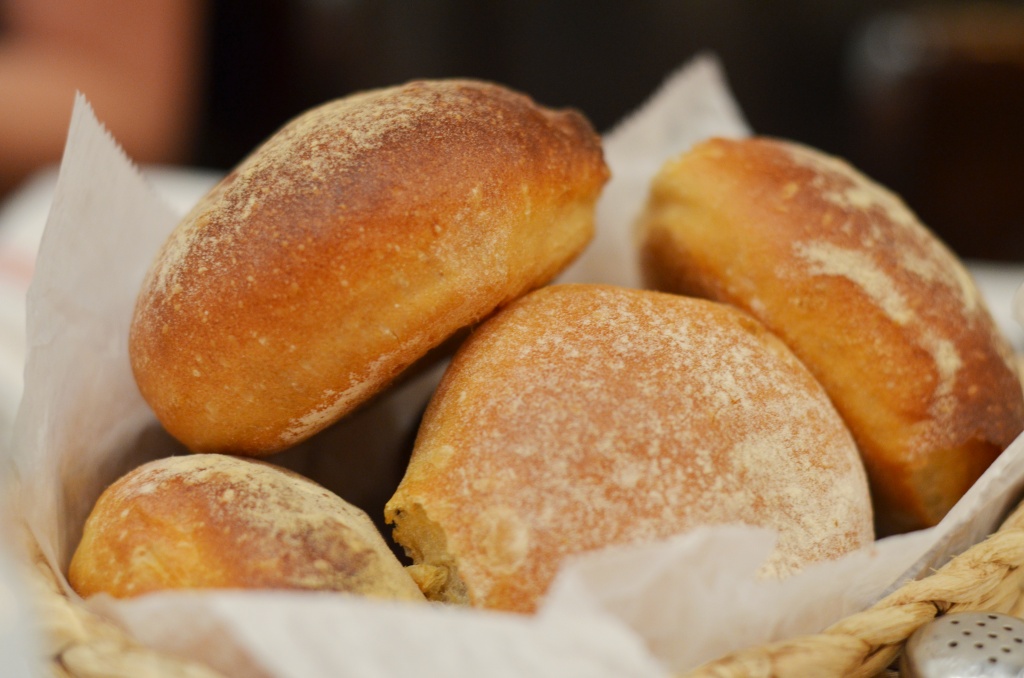
As we situated at our tables, the bread baskets arrived. It is not for nothing there is a word Pâtisserie in the name of the restaurant. Baking is an indelible part of Bistro V, and while these were not the pastries, which Bistro V is famous for (well deserves a separate post), these rolls were incredible – fresh, yeasty, comforting, crusty, warm and fuzzy feeling-inducing. Nope, can’t describe it – but this bread alone is well worth the restaurant visit.
 One fun part of been in a group of bloggers (besides the fact that no dish arriving at the table can be touched until multiple cameras with flash and without would be deployed for the good period of time – and also nobody would scream at you about using the flash) is that you get to see and do things which would be impossible if you just come to eat at the restaurant as a regular customer. For instance, to visit the kitchen. We were given an opportunity to step into the kingdom of the Executive Chef Erik Erlichson and snap a few pictures as the food was ready to be brought out – definitely a fun thing to do.
 Our dinner started with Watermelon Salad (Ricotts salata, Candy-pickled rind, pine nuts, baby arugula, lemon vinaigrette). The contrast of sweet watermelon and sharp cheese was perfect, and addition of peppery arugula and pine nuts provided both spicy undertones and the texture. The intended wine pairing was Barone Fini Pino Grigio from Veneto. I have to tell you that inner snob got in the way here, and I expressed my surprise with the Italian Pinot Grigio at the French restaurant to our server – as the result, my pour was very small and I finished it before salad arrived – I think they would work together well, but I was unable to establish that.
Our next dish was Chilled Maine Lobster (Court-Bouillon-poached, hearts of palm, radish, tomato, cilantro emulsion). With this dish, there was a slight inconsistency, which is probably unavoidable when serving tasting portions – the portions which had mostly the claws were excellent, but the other part of the body were rather chewy. But in any case, the dish paired perfectly with 2014 Domaine La Colombe Rosé, Provence, which was excellent, clean, with touch of strawberries and perfect balance.


Next up – the Iron Skillet Grilled Branzino (Shaved fennel in citrus emulsion, orange “oil”) – an outstanding presentation to begin with. Crispy skin and very tasty dish overall, with an excellent balance of flavor. Here we were first introduced to the range of wines from Lebanon. 2012 Ixsir Altitudes White, Lebanon (blend of Muscat, Viognier, Sauvignon, Sémillon) had a touch of white fruit on the nose, spicy balanced palate of white peaches and a hint of spices, overall an outstanding wine. The pairing was excellent, the wine really boosted the flavor of the dish, moving the whole experience to the next level.


Next dish was Crispy Hudson Valley Duck Breast (Salad of confit, snap peas, carrot ginger dressing) – this was simply a perfection on the plate – every component of the dish was excellent by itself and delicious together. The wine pairing was very surprising – Cabernet Sauvignon blend from France (I would rather expect to see a Pinot Noir with duck), but once again, the wine complemented the dish spot on, delivering the next level of hedonistic pleasure. “F” Cabernet Sauvignon by Dave Phinney, France (15% ABV) had nice red fruit, touch of herbs, dark fruit on the palate, mint, touch of earthiness, nice spice and excellent balance, making the high ABV absolutely unnoticeable.


At this point in the dinner my relationship with the server completely restored after the Pinot Grigio fiasco, and I got to taste the wine which was not a part of the wine program for the evening – 2012 Ixsir Altitudes Rosé, Lebanon, a blend of Syrah and Caladoc (a new grape for me!) which was excellent, crisp, with strawberries on the palate and clean acidity, very refreshing.
Question: have you come across a new phenomenon (for me, at least) – a natural mineral water from Bordeaux? I saw one recently at the wine store, and we got to taste one at the restaurant – we had Ô Muse Grand Cru de l’Eau Natural Mineral Water from Bordeaux, both still and sparkling. I wouldn’t claim that I noticed any difference with any other regular or sparkling water, but I still wanted to mention this as we should expect to see those more often.


Let’s get back to food. While all the dishes were outstanding, I still had a favorite of the evening – Versailles Steak Tartar (Filer Mignon pf grass-fed beef, house sauce, traditional condiments, baguette toasts) – my notes only say “wow! wow!” – do I need to say more? This dish was a fiesta of flavor, simply spectacular. If you like Steak tartar, you owe it to yourself to come and experience it at Bistro V. The wine pairing was absolutely spectacular as well. 2010 Ixsir Altitudes Cabernet Blend, Lebanon (blend of Cabernet Sauvignon, Syrah, Caladoc, Tempranillo) had the nose of herbs, tobacco, smoke and red fruit. The palate was concentrated, with the nice tannins, dark fruit, firm and well structured – an excellent wine overall.


Our dessert was very simple, but uniquely refreshing and delicious – Chilled Fruit Soup (Cedric’s frozen yogurt). It also paired perfectly with Pineau de Charentes, a fortified wine made from the lightly fermented grape must with addition of neutral Cognac brandy.


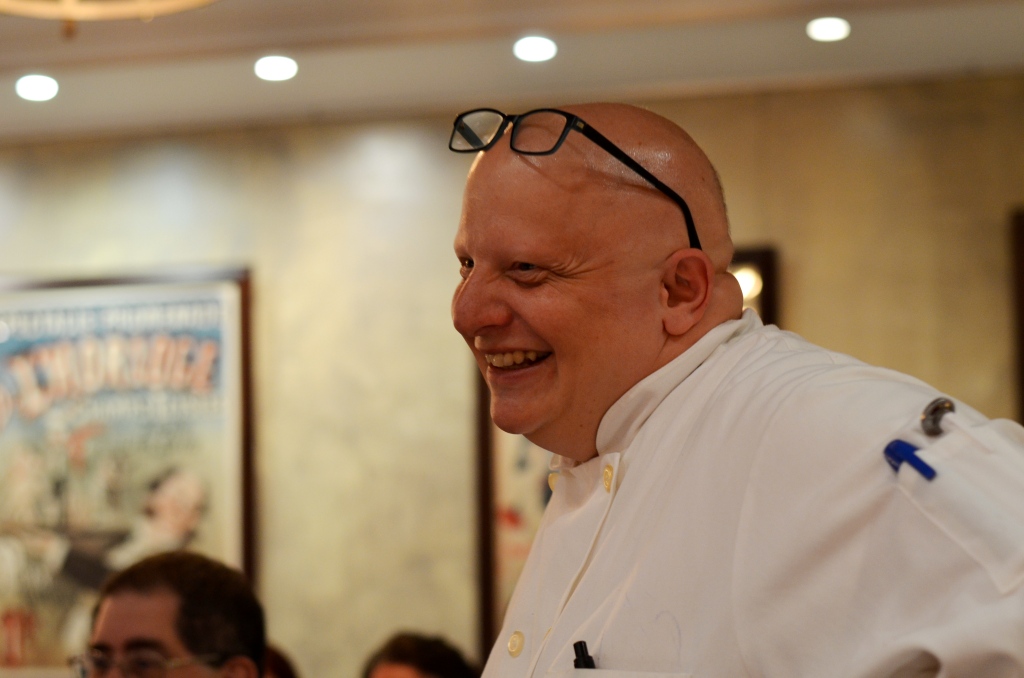
At the end of the evening, we had an opportunity to thank Executive Chef Erik Erlichson for the delicious meal and inundate him with questions.
 There you have it, my friends – Grand Experience at the Bistro V in Greenwich, Connecticut. If you live in the area or plan to visit, I highly recommend you will make Bistro V a part of your dining plans. Cheers!
Bistro V
339 Greenwich Avenue
Greenwich, CT 06
Phone: 203-661-6634
Crisis in Wine
 This post is an entry for the 18th Monthly Wine Writing Challenge (#MWWC18), with the theme of “Crisis”. Previous themes in the order of appearance were: Transportation, Trouble, Possession, Oops, Feast, Mystery, Devotion, Luck, Fear, Value, Friend, Local, Serendipity, Tradition, Success, Finish, Epiphany.
Let me ask you a question – do you associate wine with crisis? Not really? Ahh, you are even puzzled why I asked? Let me elaborate. This question is not about “business of wine” – that part is self-evident. Every business has its crisis moments. Some are relatively small, like broken truck with day’s harvest of grapes, leaked barrel or malfunctioning bottling line. Some are bigger, like hail storm during July or a frost in late May. Some are huge, like earthquake in Napa valley or phylloxera epidemic. But – business problems “come with the territory” – the only way to avoid them is not to be in the business at all.
Now, my question about wine and crisis is not about the business, it is about people who like to drink wine. I mean, really like it. Those who make wine into a passion. They often referred to as oenophiles. Or wine aficionados. Or wine geeks. Depending on the circumstances, also known as “wine guy” or a “wine gal”; it is not foreign for them to be called a “wine snob”. Anyway, if you belong to this category, you already identified yourself. If you don’t (but you’re still reading this blog, so thank you), you know who I’m talking about. So I have to tell you that we, oenophile (yes, I closely identify as one), go hand in hand with crisis. We readily create the crisis around the wine, then we work our hardest to resolve it – and we feel proud and relieved that we actually did. Need examples? Here we go.
A wine oenophile is invited to the party (no, this is not a beginning of the anecdote). The bottle of wine is selected, with love and care, very often from one’s cellar, and oenophile almost arrives at the destination, when the horror thought takes over – “what if this bottle is corked, what am I going to do then??? Why did I forget to bring a second bottle, just in case, why?”. If you been there, done that, raise your hand. Have you ever contemplated a fallback solution “if this bottle is bad, I know where the nearby store is so I can quickly drive there and pick up something else”? Yep, oenophiles are crisis-prone like that.
A dear and wine loving friend is coming over to the oenophile’s house. Peering at hundreds bottle strong cellar, the thought process starts – “I think this bottle of Pinot should be good. But I don’t think she is into Pinot too much. May be the Cab? No, that might not work with the meal… Or may be that 1990 will do??? And then Amarone? No, no, no! I DON’T HAVE THE BOTTLE TO OPEN!!!” Do you feel the drama? Do you see the crisis once again, which requires a quick action – unquestionably it will be averted, and oenophile and the friend will be happy (unless the bottle(s) will be corked, but we don’t want to even go there), but the crisis is clearly there.
The simplest form of oenophile’s crisis might take place during the daily ritual of opening the bottle for the regular evening – after touching and pulling out tens of the bottles (from that hundreds bottle strong cellar), the spine-chilling thought comes in: “I don’t have the bottle I can or want to drink right now, what do I do?!?!”
There are many more crisis moments we can talk about – the horrifying moment at the restaurant, where after the 5th scan of the wine list oenophile realizes that there is nothing there which one want to drink or can afford; the process of selecting wine to pair well with food; looking at the rare bottle in the shop and thinking that you must buy it now or you will never see that vintage again. I’m sure you got my point by now (or even well before now), and I’m sure you even feel pity towards that oenophile who have to deal with crisis all so often. But – that is the best form of crisis, as it is immediately forgotten at the first sound of the popped cork and whiff of aroma accompanied by the words “ahh, this is good”. This is one form of crisis which oenophiles are happy to have in their lives – and I’m sure many people will be too. Cheers!
Wednesday’s Meritage – #MWWC18 Theme, Decanter Top Wines 2015, New Spanish Wine Video and more
Meritage Time!
First and foremost, the theme of the Monthly Wine Writing Challenge #18 (#MWWC18) was announced by the winner of the previous round, Wayward Wine, and it is … “Crisis“. I don’t readily associate wine with crisis – thus I find this theme quite challenging. But so where many other themes before, and this is why it is called a “challenge”, so all we can do is to put on a crisis-handling hat and deal with it. Write, don’t wait – the submission deadline is Monday, July 27th, which is less than 2 weeks away… Crisis!
Decanter magazine is unquestionably one of the most influential publications in the wine consumer world. Every year, Decanter conducts a competition and recognizes the best wines in the multiple categories with both international and regional awards. In 2015, the most prestigious award, called International Trophy, was awarded to the 35 wines out of 15,929 wines submitted for the competition between December 2014 and May 2015 – that sure sounds very impressive. The most interesting part for me was the fact that Australia, France and South Africa heavily dominated that list of 35, with Italy and Portugal been barely present, and US, Germany, Austria and many other winemaking countries absent completely. In any case, this makes it an interesting read, so here is the link where you can find complete information about competition process and awards.
Wines from Spain, an organization promotes the knowledge about Spanish wines worldwide, started a new series of videos, aimed to educate wine consumers about Spanish wines. The first video in the series introduces four of the popular Spanish grapes, and promises to come back with a lot more information. The video is short (less than 3 minutes) and very cute, so I would suggest that it’s worth your time – you can find the video here.
That is all I have for you for today – the glass is empty, but the refill is on the way. Cheers!
Rare and Beautiful
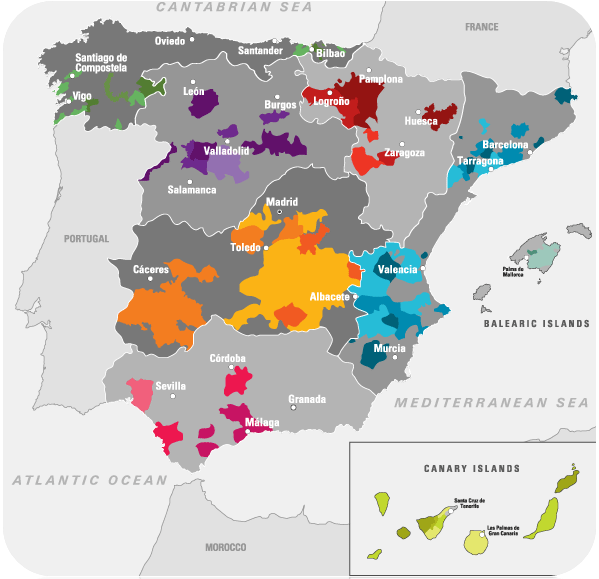 If you read this blog even on a semi-regular basis, you probably noticed that I’m a sucker for the obscure grapes. So let me just proclaim it in the simple and direct way – I love rare grapes. The more obscure, the lesser known the grape, the better it is.
What I like about rare grapes is a complete mystery in the glass. As the grape is unknown, nothing gets in the way of perceiving it exactly for what and how it is. The closest thing to this experience is a blind tasting, but even then you have some knowledge for what you might be tasting, so instead of been focused on just what is in the glass in front of you, your brain is also trying to place it into some potential brackets, fit it into something familiar – but not in case of the unknown and rare grape. Tasting the unknown grape is an open book without any restrictions – you can write there whatever you want.
In addition to the mystery element, I have to say that most of of my “rare grape” encounters so far were quite pleasant. Of course there were some wines I didn’t care for, but still, the majority were interesting and thought provoking. If anything, my only gripe with the rare grapes is that the respective wines are equally rare – the production is usually very small, and even smaller quantities are imported (for sure in U.S.), which makes those wines very hard to find.
Now you understand that when I was asked if I would be interested to participate in the virtual tasting of rare Spanish grapes, I enthusiastically said “yes, of course!”. I’m a big fun of the Spanish wines in general, and now the rare grapes? That doubles the fun on the spot!
The wines arrived, and then the day of the tasting. The tasting was done in the virtual format, with Lucas Payà presenting over the ustream TV, and all the bloggers and media asking questions through the social media channels (Twitter, primarily). Lucas Payà is a well known figure in the wine industry – particularly, he worked for 5 years as head sommelier for acclaimed chef Ferran Adrià’s elBulli, and he was definitely a wealth of knowledge on the subject of Spain’s lesser known wine regions and rare grapes. I will not be trying to recite here an hour long presentation – if you have a bit of time, the recording is available here. Instead, I will give you my thoughts and tasting notes on the 8 excellent wines we had an opportunity to taste.
Here we go:


2014 Baron de Ley Rioja White (12% ABV, SRP $10.99, 90% Viura, 10% Malvasia) – out of 123,000 acres of vineyards in Rioja, less than 10% is planted with white grapes (11,000 acres), so it is given that white Rioja wines are rare. This wine was simple and well quaffable.
C: pale straw
N: touch of the candied fruit, white peach, expressive
P: intense fresh white fruit, good acidity, short finish
V: dangerous wine, too easy to drink 7+
2013 A Coroa Godello Valdeorras DO (13.5% ABV, SRP $23, 100% Godello) – Valdeorras region is located in Galicia, and it is a part of so called Green Spain – a territory with wet and cool climate. Godello grape was nearly extinct with only 400 vines remaining in 1980. Today Godello is starting to compete with Albariño in popularity, and it is capable of a great depth of expression.
C: light yellow
N: white stone fruit, touch of vanilla, spices
P: fresh, light white fruit, lemon, grapefruit, clean
V: good, 7/7+, finish is a bit sweet
2013 Raventós i Blanc Silencis Xarel-lo Penedes DO (12% ABV, SRP $21, 100% Xarel-lo) – Penedes region is best known for its sparkling wines, Cava, and Raventós is the oldest producer of Cava. Xarel-lo, difficult to pronounce grape (listen to it here), is one of the main components of Cava, but increasingly it is bottled as a dry still wine, and I would say it is worth seeking.
C: light straw, almost invisible
N: hazelnut, vanilla, touch of tropical fruit
P: creamy, intense, plump, green apple, good acidity, reach
V: 8-
2013 Guímaro Tinto Ribeira Sacra DO (13% ABV, SRP $18, 100% Mencía) – Ribeira Sacra is another region classified as Green Spain (cool and wet), and this is second region focused on the indigenous Spanish grape called Mencía. The first region is Bierzo, where Mencía makes powerful, concentrated reds. Here in Ribeira Sacra, Mencía shows totally different, with the emphasis on fresh, fruity profile.
C: garnet red
N: bright, fresh fruit, gamay-like
P: beautiful! Pepper, dark fruit, touch of smokiness, earthy, bright, delicious
V: 8-
2013 Suertes del Marques 7 Fuentes Valle de la Orotava DO Tenerife (Canary Islands) (13% ABV, $22, blend of Listán Negro, Tintilla) – Canary Islands, and Tenerife in particular, have a lot of unique climatic zones – and unique grapes. The two grapes used in production of this wine – Listán Negro and Tintilla – are the new grapes for me, adding up to the count. The volcanic soil influence is spectacular, and this wine is a treat for any wine geek.
C: ruby red
N: smoke, mushrooms, forest, dark intensity
P: smoke, forest floor, campfire, spice, beautiful
V: 8
2012 Bodegas Margón Pricum Primeur Tierra de León DO (13.5% ABV, SRP $28, 100% Prieto Picudo) – another indigenous grape, Prieto Picudo, coming from the vineyards which are 60 – 100 years old. Truly special wine, definitely worth seeking.
C: dark garnet red
N: slightly vegetative, touch of plums, earthy, unusual, chocolate
P: texture, velvety, silky, good dark fruit, very round
V: 8, excellent
2012 Navaherreros Garnacha de Bernabeleva Viños de Madrid DO (15% ABV, SRP $25, blend of Garnacha, small quantities of Albillo, Macabeo) – Garnacha is definitely not a rare grape in Spain, but here it has yet a different expression compare to Priorat or Borsao. The grapes for this wine come from the 40 – 80 years old vineyards, and the wine itself is a perfect rendition of Garnacha.
C: bright garnet red
N: dark chocolate, fruit, open, nice, touch of blueberries
P: dark chocolate, good acidity, good fruit, clean and excellent
V: 8, excellent
Lustau Palo Cortado Península Jerez (19% ABV, SRP $22, 100% Palomino Fino) – Sherry (Jerez) is grossly under-appreciated wine as a category, which allows wine aficionados to enjoy unique taste without having to spend a fortune.
C: dark golden yellow
N: mint, herbs, caramel, hazelnuts
P: perfectly balanced, touch of salinity and expressive acidity, begging for some aged cheese
V: 8-
There you have it, my friends – a unique experience of the rare grapes and regions, and beautiful wines which I would be happy to drink every day. Are you familiar with any of these wines, grapes or regions? When presented with an opportunity to try the new and unknown grape, would you gladly go for it, or would you ask for Pinot Noir instead? Comment away! Cheers!
Restaurant Files: Paloma in Stamford, Connecticut
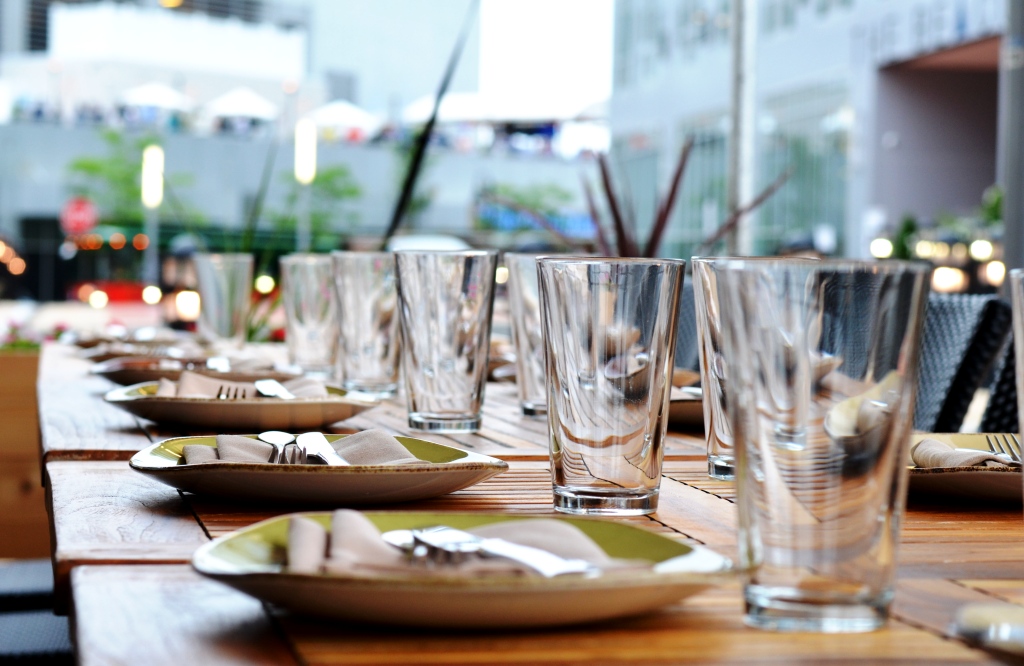 I don’t think I ever confessed my love to the city of Stamford in this blog. Meanwhile, it is the city where I live for the past 20+ years, and it is one of my absolute favorite places in the US (yep, I’m biased like that). Compared to many towns of the same size (about 128,000 people live here), it has very unique and different architecture, beautiful downtown, and lots of areas directly adjacent to the water – the Atlantic Ocean (Long Island Sound, to be more precise). You don’t have to take my word about “unique and different” – come for a visit one day.
Over the past 5-7 years, number of areas in Stamford completely changed their appearance, especially at so called South Side (this is the area mostly by the water). The industrial landscape of the small repair and hardware shops and construction companies was replaced by the beautiful apartment buildings and brand new stores, such as Fairway Market, with obviously lots of people now living in the area. So all those people have to eat somewhere, right? Besides, Connecticut is considered one of the primary “foodie” areas, so it is a given that the newly developed areas attract new and interesting restaurants.
This is exactly what I want to present to you today – recently opened (second half of 2014) Paloma Restaurant at Harbor Point district of the city of Stamford, a brand new development which is still sporting lots of construction cranes as the major decoration. Paloma is a Latin-themed restaurant, part owned by the celebrity chef Aarón Sánchez. We visited restaurant with the group of bloggers, so as usual, I would like to share with you our experience (don’t continue reading if you are hungry, please – I’m not responsible for any excessive drooling and its consequences).
We started with cocktails before the dinner. Allegre Hemigway (Avion anejo tequila, atlantico reserve rum, lime, ruby red grapefruit, maraschino liquor) was nice, may be somewhat simplistic, but refreshing enough. The Bacon Old Fashion (the duke’s baconized bourbon, simple syrup, bitters) was somewhat disappointing. My problem is that if it says “bacon”, I need to taste that bacon – this was not the case here. It was definitely very potent, but I was unable to taste any bacon. If anything, I would probably serve this cocktail with a piece of bacon in it – well, I finished it anyway.


You know that I have to talk about the wine next. The wine list at Paloma is short, but well constructed with a good international selection of wines, both by the glass (generous 6 oz pour), and by the bottle. For the white, we had 2013 Adelsheim Pinot Gris Willamette Valley Oregon – bright flowers and white stone fruit aromatics on the nose, dry, crispy and restrained on the palate. For the red we had 2013 Casas del Bosque Cabernet Sauvignon Gran Reserva Maipo Valley Chile – typical mint and black currant aromatics of Chilean Cabernet, velvety texture, perfect balance, dark fruit with a touch of herbs, full body – one delicious wine with a great QPR ($41 at a restaurant). I can tell you that Casas del Bosque is becoming one of my favorite Chilean producers – I recently had their Rosé, Carmenere and now Cabernet Sauvignon – all excellent wines.


Before we get to the food I have to mention that the wine list at Paloma greatly extends into the Bourbon, Scotch, Tequila, and my perennial favorite, Mezcal. I should’ve probably mentioned that as an “after-dinner” element, but while we are talking about all the drinks I would like to make sure you will be aware of that. I had one of the beautiful Mezcals from Del Maguey, which at $12/pour was an excellent value – and it was delicious. If you like this type of drinks, don’t miss it when you will visit Paloma, as they probably have the best list in Stamford in both selection and the prices.
Now, to the food! We started with Shrimp Tempura Tostadas (creamy aji mirasol, mango salsa) and Crab Tostadas (chile arbol aioli, avocado puree) – nice single bite appetizers, good flavor and very easy to eat.


Our selection of appetizers continued with Lobster Ceviche (passion fruit, habanero sauce) – pleasant, but too sweet to my taste. Next, Tai Tiradito (snapper crudo, aji rocoto sauce, crispy hominy) – the snapper had nice crunch to it; overall, this was very spicy, but refreshing. Albondigas (meatballs, chipotle broth, mint, queso cotija) had very good texture, nicely done. But to be entirely honest, Mexican Street Corn (chipotle crema, queso cotija, herbs) was one of my two most favorite appetizers – an excellent array of flavors, very delicious. Combination of spicy chipotle crema and cotija cheese was just spot on. And the Queso Fundido (huitlacoche, wild mushrooms, corn tortillas) was another favorite – there was not a morsel of a crunchy cheese left in the skillet – everyone at the table loved it.


Next it was the time for the main course. Cuban Style Chicken (Cuban marinated roasted chicken, pickeled salad, tamarind chicken fried rice) was perfectly cooked, with lots of flavor in the meat – it was definitely well marinated. Fried rice was excellent, and the sauce was marrying all the dish’s components perfectly together. Braised Short Ribs (ancho-cacao rub, seasonal vegetables, horseradish gemolata) was one big chunk of beef – fork-tender and very flavorful, one of the definite highlights of the evening.


Camarones Mojo de Ajo (jumbo shrimp, chile de arbol butter, crispy grits cake) were first of all beautifully presented. The shrimp was perfectly cooked, but the real star of the dish was the crispy grits cake, as it had an excellent texture and flavor profile. Garganelli Pasta (chorizo, cauliflower, grilled escarole, tamarind reduction) was a comfort food – homey, satisfying, delicious; something you can poke at for a while, just trying to stretch the pleasure.

Now the last but not least – desserts! First, we had Churros (dolce de leche and agave-vanilla crema) – an absolutely delicious rendition of one of my favorite treats; a different shape, but a very familiar taste. Cheesecake (salted caramel, cherry chunk cookie cumble, ice cream) also had an unusual presentation, and the salted caramel component made it into a perfect after-dinner treat.


On the subject of the liquid desserts I would like to once again mention the excellent drinks selection at Paloma – from the liquors to bourbons and on to the mezcal, this is definitely something not to miss.
Overall, it was definitely a very good meal, and I’m glad we have another interesting dining option in Stamford. Hope you enjoyed the pictures. Cheers!
Paloma
15 Harbor Point Road
Stamford, CT 06902
Phone. 203-998-7500
http://www.palomagrill.com
Time To Travel: Experience Wine-Friendly Inns
Today I would like to offer to your attention a guest post written by Stef Schwalb, Director of PR and Marketing at BnBFinder.com. I don’t know about you, but I love staying at the Bed and Breakfast Inns when I travel for fun. All those B&Bs offer so much charm and personality, it is totally different and much more relaxing experience compare to any of the major hotel chains. And as this is a wine blog, of course, we will be talking about wine-friendly places. Here we go…
At long last, it’s time for summer travel, and thankfully, there are several destinations where oenophiles will feel right at home. In fact, it may surprise you to know that B&B’s across the country are not only located in several industry hot spots, but many also offer amenities with wine lovers in mind.

Image courtesy of Inn on Lake Granbury & Jumping Rocks Photography
Granbury, TX is located in the heart of the Texas Hill Country, a region that’s increasingly becoming ripe for wine tourism, and Granbury’s Historic Town Square provides travelers with plenty to enjoy, including outdoor activities such as golfing and biking, live theater, concerts, fine dining restaurants, specialty shops, festivals and wine tours. Plus, a visit to the D’Vine Wine of Texas store includes onsite winemaking, daily tastings, and more. All of this is found within a short distance of Inn on Lake Granbury. Situated on three acres of landscaped gardens, this cozy lakefront retreat offers guests unique, upscale accommodations, ranging from elegant rooms and luxurious suites to fully-furnished guest house rentals. Each one features hardwood floors, European decor with Hill Country accents, heated bathroom floors, steam showers, stone fireplaces, outdoor porches and balconies. In the morning, guests can indulge in a five-course breakfast, and in the afternoon, there’s an enticing wine and appetizer hour too. Other amenities include a saltwater pool with waterfall, conference facility, and plenty of personalized services. Romantic walks down the winding pathways to the edge of Lake Granbury, coupled with relaxing on the bluff beneath stunning live oak trees overlooking the lake, make this wine country retreat more than memorable.

Image courtesy of The Inn at Gothic Eves & Jumping Rocks Photography
The Finger Lakes region of New York is fast becoming a go-to destination for wine lovers. Initially known just for its renowned Rieslings, the area continues to expand in varietal offerings as well as things to do for travelers headed to there. Whether it’s fishing in spring, swimming and boating in summer, skiing in winter or foliage tours in the autumn, visitors will find a wine to pair with every season and activity, including the many hiking trails and overlooks to breathtaking waterfalls. Centrally located to the Seneca and Cayuga Lakes’ Wine Trails, Watkins Glen International Race Track, and the Taughannock Falls State Park, The Inn at Gothic Eves in Trumansburg, NY is a great place to take it all in. This historic B&B, built in 1855, features eight luxurious suites, six of which are named after wines including Riesling, Syrah, and Bordeaux. All accommodations come with private baths, fireplaces, fine linens, sitting rooms, wet bars, period furnishings and modern amenities including flat-screen TVs. The plush accommodations perfectly complement the comfort guests enjoy at the onsite spa, complete with hot tubs and massage treatments. It’s an ideal spot for relaxation and revitalization. Each morning breakfast is made from fresh local produce and organic ingredients for a farm-to-table meal. Situated close to Cornell University and Ithaca College, The Inn at Gothic Eves is also a popular destination for families of college students.
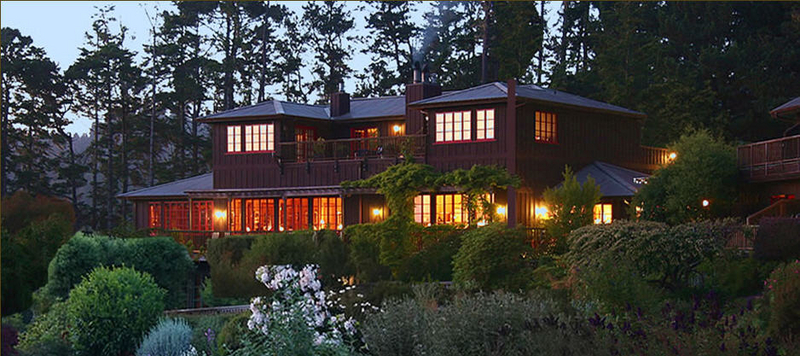
Image courtesy of Stanford Inn by the Sea & Christine Gustafson
Mendocino, CA is a paradise for nature lovers, foodies, and arts and culture enthusiasts alike. Visitors can enjoy outdoor activities in breathtaking scenery, attend a variety of music and arts festivals, and best of all, indulge in culinary adventures including wine and craft beer tastings year-round. There are 100 wineries in the county, so ensuring a good night’s sleep is paramount for the palate. At the pet-friendly Stanford Inn by the Sea, guests stay nestled atop a meadow overlooking the beautiful Mendocino Bay in comfy accommodations that feature wood-burning fireplaces, private baths, and exquisite views. Quality of life is what it’s all about at this eco-resort. Here cyclists and paddlers can find their groove on the Big River and beyond at Canoe & Bicycles too!, while those looking to recharge physically and mentally can head to the Wellness Center for spa services, yoga, gardening and cooking classes, nature tours and more. The inn’s certified organic gardens serve as the primary ingredients for the Ravens’ Restaurant’s exceptional vegetarian cuisine that could easily convert even the most hardcore of carnivores. The menu is also complemented by an award-winning wine list that focuses on the finest selections from Mendocino County. These wines are primarily organic or produced according to traditional methods, without the use of synthetic chemicals, fertilizers, or pesticides. If you find one you like it’s easy to enjoy more since many of the wines are also available for purchase at the inn’s store onsite.
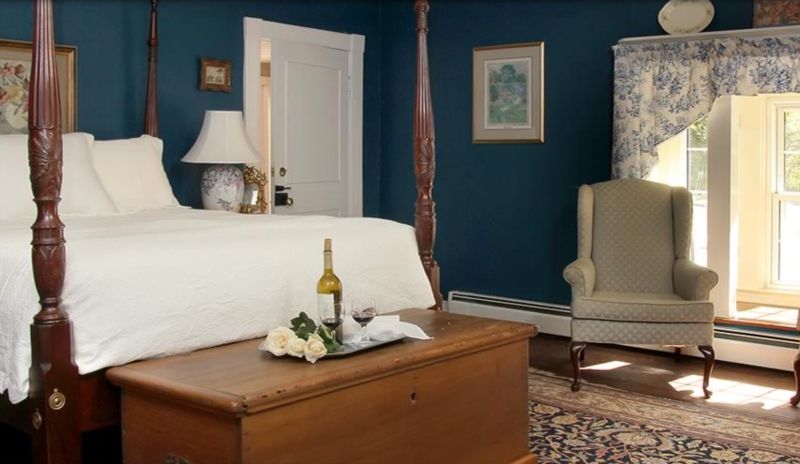
Image courtesy of Prospect Hill Plantation Inn & Wowi Zowi Photography
Charlottesville, VA is for wine lovers, and as the “Napa Valley of the East Coast,” there are numerous vineyards to visit as well as a plethora of activities travelers can enjoy during their stay. History comes alive at historic sites such as Thomas Jefferson’s home at Monticello and the University of Virginia, while the arts and entertainment scene flourishes at downtown marquees that features both local artists and famous names. Outside the city, the scenic countryside provides an idyllic drive over winding hills and low mountains punctuated by exquisite vistas of open space. Hiking and biking trails and kayaking the James or Rivanna attract the active crowd, and nature fans find the appeal of roadside orchards a huge draw during harvest time. Speaking of which, we’d be remiss not to mention the Monticello Wine Trail and area’s award-winning small-batch breweries you’ll find along the Brew Ridge Trail. At the elegant Prospect Hill Plantation Inn, the oldest continually occupied frame manor-house plantation in the state, the Findley Family will provide all the guidance you need to navigate the area – in addition to comfy accommodations that feature private entrances and baths, working fireplaces, air-conditioning, and a full gourmet breakfast in bed. Most rooms also include revitalizing whirlpool tubs. The onsite restaurant features a creative menu, with a distinctly European character that is influenced by the season and the availability of fresh, local, and organic ingredients. Situated on 40 stunning acres, the breathtaking grounds of this authentic 1700’s former wheat plantation are just 15 miles from downtown and within 30 miles of more than 25 boutique wineries.
The Dinner Party Collective – Full Winter Menu
 Last week I presented to you a complete Summer Menu from The Dinner Party Collective project – and now the winter menu is published. Here are all the links for you in one place:
Cremini Mushroom Soup | Winter Menu | Appetizer
Pan Fried Quail with Vincotto Glazed Grapes | Winter Menu | Main Course
Poached Pear Chocolate Puddings | Winter Menu | Dessert
Wine Pairings | Winter Menu | Southern Hemisphere | June 2015
Now we really need to hear from you, our readers – did you cook the full dinners or any of the separate dishes? If you did, how did you like it? Did you try the suggested wine pairings? If you did, what was your exact wine? Did the pairing work for you? Did you like the format of the menus? What would you change?
Bottom line – The Dinner Party Collective is a young project, and we need your feedback to help us grow, so get to it – set the date, call your friends and start cooking.
Meanwhile, I heard the season will change soon – and TDPC team is already back to the drawing board… Cheers!
True Passion: Amore Cucina and Bar, or a Visit with the Dough Scientist
I’m sure that everyone involved in the craft, no matter what it is, has passion for what they do. Sometimes the passion simply shows through their work. But every once in a while we come across the person who simply exudes that passion, readily sharing it with the world through the words and deeds. In this series (as an engineer, I like to organize things), which I call “True Passion”, I plan to share my encounters with such a True Passion.
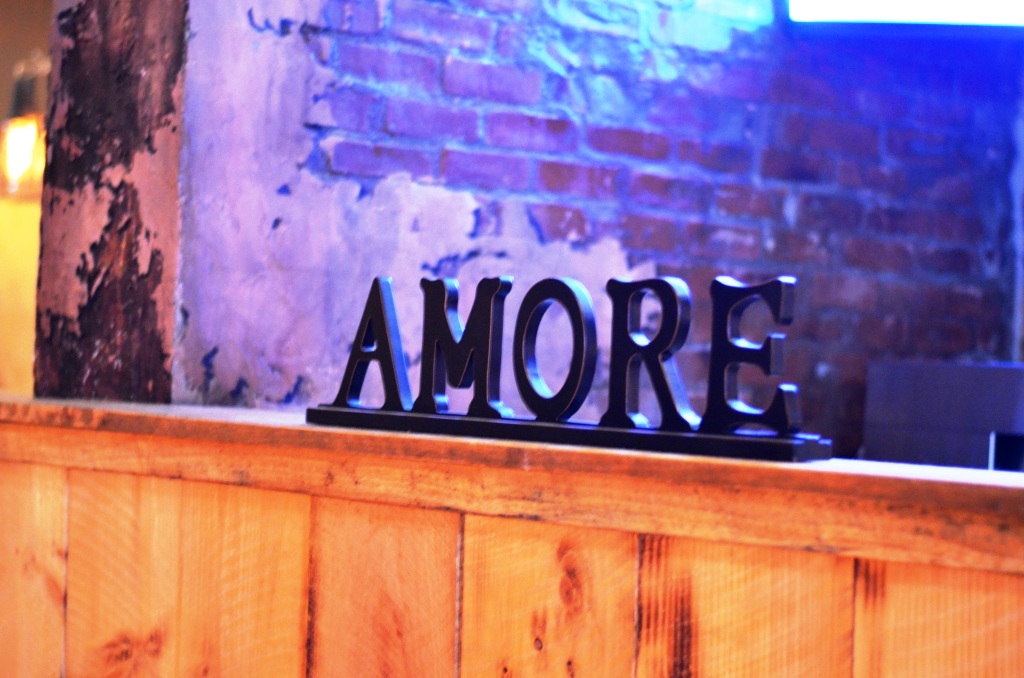 Can a visit to the pizza restaurant blow your mind? I mean the mind first of all, not even the palate? In the nation raised on Pizza Hut and Little Caesars, pizza is such a no-brainer, isn’t it?
We (bloggers) got together for the dinner at Amore Cucina & Bar in Stamford, Connecticut. Amore has an interesting story – in essence, it was the second oldest restaurant in Stamford, originally opened in 1975. In 2014, the original owner of the restaurant sold it, so we were visiting a new reincarnation of the Amore.
As we were finishing our customary chat and the round of cocktails before the dinner, the man walked in with a glass jar in his hand. Bruno DiFabio, Six-time World Pizza Champion and a new owner of Amore restaurant, came to share with us his passion about the … dough. Look, I love bread and all the things made out of dough, but I never even tried to think about dough as something which can solicit emotions (no problems, you can call me whatever you want, I’m still a student of life, one moment at a time). The dough for me was something you can quickly put together, or maybe buy at the local supermarket for a $1 for a big plastic-wrapped ball.


Make no mistake – dough can be an object of passion. Have you heard of the mother dough, essentially a dough which is always alive and used to start a new batch of dough every day? How about foraging your own wild yeast, from the different and totally unexpected places, every morning? How about super-digestible pizzas, which are a rave now in Europe – heard about those? When you meet a person like Bruno, you realize how the true passion looks like. And don’t discount the Pizza passion – having both gas and wood-fired oven in one relatively small restaurant? I think it really means something.


Well, this is the post about Amore restaurant, so as much as I would like to continue talking about our conversation with Bruno, I want to move on to the food, so I can inundate you with pictures. But if you want to know more about Bruno, here is the link – besides, visiting Amore restaurant might be a right thing to do as well.


Okay, let’s talk about our dinner, which was a true demonstration of the Bruno’s Pizza magic, and mastery of the Chef Jarred, who joined Bruno after his previous gig at Washington Prime. As usual we started from the cocktails. I had French Quarter (G’Vine Floraison Gin, St. Germain, Green Grapes, Basil Leaves, Lemon Juice, Fever-Tree Tonic), which was nice and refreshing. The the food started arriving on the tables, in multiple sets, above and beyond our expectations.
We started with the Bruno’s Bread w/ Sunday Sauce – very simple, but delicious. By the way, according to Bruno, it is a myth that you have to cook tomato sauce for hours and hours – you can pretty much develop the flavors within an hour, there is not much else you can achieve with the extra cooking time.


The next section of our menu was called Round Pies. The Round pie pizza at Amore is a thin-crust pizza, cooked in the wood-fired oven. Here is what we had:
New Haven White (little necks, Amore bacon, house mozarella, smoked lemon juice) – this pizza is a tribute to the Connecticut staple, Frank Pepe‘s White Clam Pizza, and it was excellent.
For the Queen (San Marzano, flor di latte mozarella, pecorino romano, basil, local egg) – while we think that adding egg to many dishes is a new discovery in the US, it appears that Italians had put an egg forever on Margherita Pizza – I love that food learning. The pizza was outstanding.
The Holy Cheesus (House Mozzarella, parmigiano reggiano, pecorino romano, fontina, burrata) – that was simply a Wow. No further comments.


Next up – Square Pies. This is a Neapolitan style pizza, also known as deep dish. This pizza is made in the gas-fired oven, where the temperature can reach 900F. It all comes down to the dough – I always thought of the deep dish pizza as heavy, but it is not in Bruno’s hands… Here is what we tried:
Juliet (Houze Mozzarella, gogonzola dolce, fig jam, prosciutto, agrodolce) – excellent, great combination of flavors.
Pitt Master (Pulled pork, red onion, mozzarella, BBQ sauce, agave nectar) – different and excellent again


You must have Greens with dinner, right? So rest assured, we had a salad – pretty unique:
Arugula and Beet Salad (Goat cheese and candied walnuts) – what is unique about beets and arugula? How about beets which were braised in veal and chicken stock, and then pureed? This is not your typical beet salad, isn’t it?


And then there were Plates – with literally no holds barred. Take a look:
Meatballs (Sugo, house ricotta, agrodolce) – these were okay, a bit dense.
Octopus Puttanesca (Tomato, Sicily olives, garlic, n’duja sausage, capers) – this was excellent, the capers were deep fried, very nice heat overall.
Tuna Crudo (Calabrian chiles, toasted pumpkin seeds, red onion, torn parsley) – outstanding.
Shrimp & Polenta (tomato, house bacon, polenta) – that sweet polenta was just something else – another wow dish.
Lasagna Balls (Bolgnese and sugo) – forget arancini – this is what you really want to eat. Perfect crunch, and you can taste real lasagna, inside and outside. Yep, another wow.
Chicken Scarpariello (house sausage, peppadew, garlic, Italian polenta, green shallot) – spectacular flavors, really an excellent dish.
Whole Branzino, roasted and fried – wow!
Pasta Carbonara (linguine, guancalle, parsley and egg) – and wow again – so fresh and so light, you just can’t stop eating it.


After all that food do you think we still had room for Dessert? Well, actually, we did – but luckily, only for one:
Budino & Fat Pizelle (butterscotch, whipped cream, berry reduction) – a delicious concoction.


Yes, this was the end of our evening. I hope you were not too hungry before you read this post – sorry, forgot to give you my usual warning. If you are local, or if your travel will take you to Stamford, Amore Cucina & Bar might be your little neighborhood gem… Until the next time – cheers!
Amore Restaurant
921 Hope Street
Stamford, CT 06907
Phone: 203-357-1066
Last Bottle Sign Up ($10 credit)




 Talk-A-Vino