Wednesday’s Meritage – Wine Quiz Asnwer, Balance in Wine, Malbec Day, Food Happenings and more
Meritage time!
Boy, is the glass full today… I got a lot of stuff to share, hopefully your glass is big enough.
First things first – here is the answer for the wine quiz #54, Grapes trivia – Merlot. In this quiz you were supposed to answer five questions related to the Merlot grape:
Q1: Merlot was named after a: A. town, B. person, C. bird, D. song
A: C, bird. The name “Merlot” comes after French “Merle”, which means “young blackbird” – the play is on the similarity of the color of Merlot grape and the bird.
Q2: Name the movie where Merlot was dissed on uncountable number of occasions
A: Sideways
Q3: One of the grapes from the list below was assumed to be a Merlot – but it was not. Do you know which grape was mistaken for the Merlot? Bonus question – name the country where confusion took place: A. Mourvèdre, B. Carignan, C. Carménère, D. Cinsault
A: C, Carménère – for a while, some of the wines produced in Chile were thought to be made out of Merlot – until 1990s, when genetic studies were conducted and concluded that the grape thought to be Merlot actually was Carménère.
Q4: Some place, some time ago, Merlot successfully crossed (by accident) with Cabernet grape, and formed a new grape which produces pretty unique wines. Can you name that grape?
A: Caberlot – a very unique grape growing in Tuscany, a cross of Cabernet Franc and Merlot. Wine is called Il Caberlot and produced by Il Carnasciale, only in magnum bottlings
Q5: Chateau Petrus in Pomerol, France makes some of the very best (and most expensive) wines in the world, and those wines are 100% Merlot. Then there is another 100% Merlot wine, made in another country, which is considered a successful competition to Petrus and done very well against it in a number of blind tastings. Can you name that wine?
A: This was definitely a controversial question, where more than one answer was expected. The wine I had in mind was legendary Masseto, a super Tuscan produced by Tenuta Dell’Ornellaia, but Tua Rita Redigaffe and Le Macchiole Messorio (also Super Tuscan wines) are equally qualified – all three made out of 100% Merlot and can give Petrus good run for the money.
Thus EatwithNamie becomes our champion, as she correctly answered all five questions, but thedrunkencyclist gets honorable mention with 4 correct answers out of 5. Great job and enjoy your unlimited bragging rights!
Now, to the interesting stuff around the net!
As you know, I’m a little REALLY obsessed with the concept of balance in wine, where all the taste components – acidity, tannins, fruit, alcohol – are in full harmony, and none of them stands out more than another. I remember once reading an article about “harmony points” in taste of the wine, and then for the long time I couldn’t find it again. So finally I spent time and found a lot of interesting reading materials evolving around the concept of “balance”. Here are two articles (first link and second link) regarding the reverse osmosis process which allows you to achieve precise alcohol content in wine, which seems to be completely changing the perception of balance – as an example, exact same wine tastes completely different at 13.5%, 14.1% and 14.5% alcohol. I think these articles are worth reading. On related subject, here is a link to the article from the Wine Spectator, talking about balance in wine – be sure to read through the comments section, there is a lot of interesting polemics among professionals and not.
Today is 3rd annual World Malbec day! Did you have your glass of Malbec yet? If you did not, don’t worry, you can still celebrate in style. Here is the link to the Malbec celebration events around the globe.
Now, a few words about food. First, here is an interesting article about five foods which can rev things up in the bedroom, coming from the Eat and Sip in the City blog. One out those five foods sounds a bit surprising to me – but read the post first, I wonder what you would think.
I also want to bring to your attention a series of events called Dishcrawl – you can buy a ticket for a certain date and time, which allows you to take a “tasting tour” of a group of restaurants located in close proximity to each other. You don’t know what restaurants you are going to until 48 hours prior to the event, so there is an interesting surprise element here. Tickets are reasonably priced – here is an example of the event in Greenwich, CT, which is unfortunately sold out – but you will get the idea.
And one more food-related note. The Capital Grille, one of my favorite restaurant chains, is starting their Spring $18 three course lunch – I took the advantage of these events in the prior years, and it definitely worth your attention.
That is all I have for you for today. The glass is empty. Until the next time – cheers!
Daily Glass: Wine Happenings – Georgian Wines, New French Discoveries, Australia Grand Experience and more
Every week (or almost every week) I think that I should start writing a summary post similar to what Jeff at therunkenccyclist does so well – once a week he produces a summary of the wines he had during the past week (here is an example of his recent post), which I think is a great way to round up your experiences.
My “Daily Glass” designation was supposed to be [almost] a daily summary for me, but as you know, things don’t always work in life as we think they should. Nevertheless, the week which is ending today was very “wine eventful” hence I’m sharing those wine happenings with you.
Let me start from 2005 Domaine Lafage El Maset Cotes du Roussillon. I got it at Last Bottle Wines during their last “madness” sale. At $8, you really have nothing to lose, right? Wine arrived about 3 weeks ago, looking good – inviting label, heavy bottle, good punt at the bottom – overall looks quite solid. Before opened the bottle, I went to look for information online – and I didn’t find much except a number of notes on Cellar Tracker, all looking very peculiar. Looks like people had very sporadic luck with this wine, with only one bottle out of three being drinkable, and another claim of one out of 10 (!).
First thing I didn’t like when opened the bottle was the cork. You see, I love real corks (yes, I had my share of corked wines – but this is not the subject of this post). I’m completely okay with screwtops – I would be surprised to see a screwtop on the bottle of DRC, but in general, I get it – and it makes it easier to open a bottle, especially when you travel. But the type of corks I have a problem with are plastic and synthetic corks. They are hard to pull out, and just look very artificial – they just don’t belong to the wine world, in my opinion. Besides, somehow I think that they have the worst impact on aging ability of the wine .


This wine was closed with red plastic cork ( you can see it in the picture). Okay, moving along. It is 8 years old wine, how about pop and pour? Pour, swirl, sip – ouch! The feeling of biting into a freshly cut tree brunch. Bitterrrr! My wife had her taste, put the glass down, and politely said “I think it should breath a little first”. Okay, got a decanter, pour half of the bottle in. By the way, the interesting fact is that after that first bitter sip, the wine stayed in my mouth with a very long and rather pleasant (!) finish – probably for the next 10+ minutes. Two and the half hours later… I wish I can tell you the wine magically transformed – no, it became only somewhat better. Dark fruit appeared, tannins became mellower, but the wine was not together – there was no harmony there.
We finished the bottle next day, and it still didn’t improve much more – may be it needed more time? I’m not sure, but I have one more bottle, which I plan to give a little time – will see what will happen. But I also have to tell you that I had one of the most surprising pairings with this wine – as you can guess from the picture, this wine paired excellently (I’m serious) with … cherry preserve! They were literally meant for each other – take a spoon of cherry preserve, sip of this wine – perfect! I never thought of wine and preserve together before – may be I should try it more often? This wine will stay unrated for now, as it is very hard to put a handle on this experience.
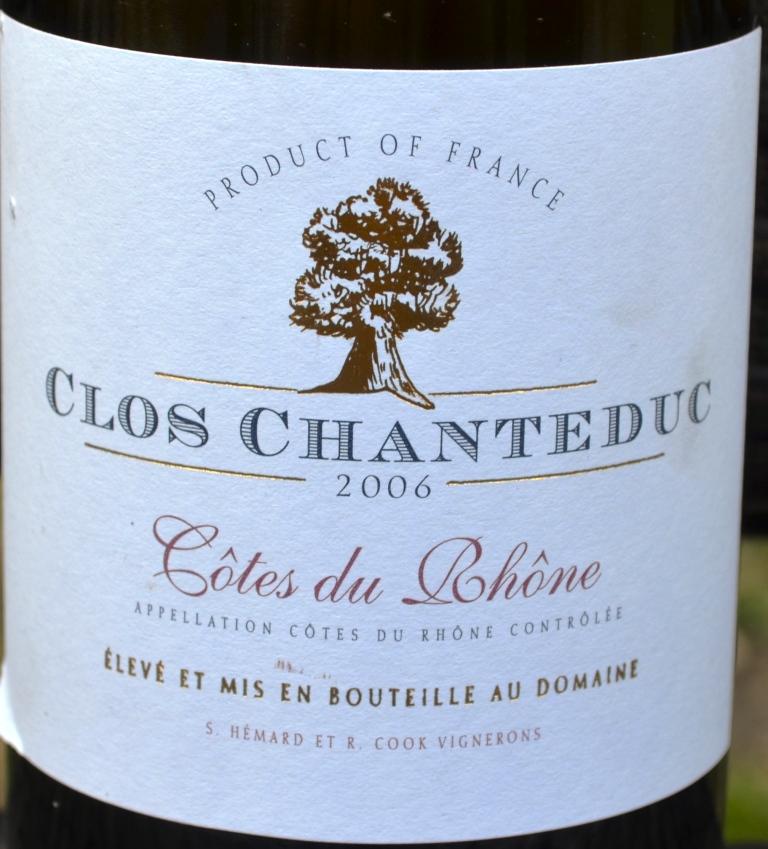 Next wine was also sourced from the Last Bottles – 2006 Clos Chanteduc Cotes Du Rhone. I was unable to find good information on this 2006 vintage, current available vintage of this wine is 2010, but I would assume that the composition stayed about the same, so it should be Grenache/Syrah blend (2/3 Grenache, 1/3 Syrah), a classic Rhone blend. The wine is associated with Patricia Wells, a well known chef living in France. While looking for information about this wine, I found an interesting post about 2009 version in the blog called Wayward Wine – here is a link for you, it is a good reading. Getting back to this 2006 wine, it was rather a typical Cote du Rhone – soft, supple, good mid-palate of plums and cherries – but may be too soft and too supple, it was missing a wow factor. Drinkability: 7.
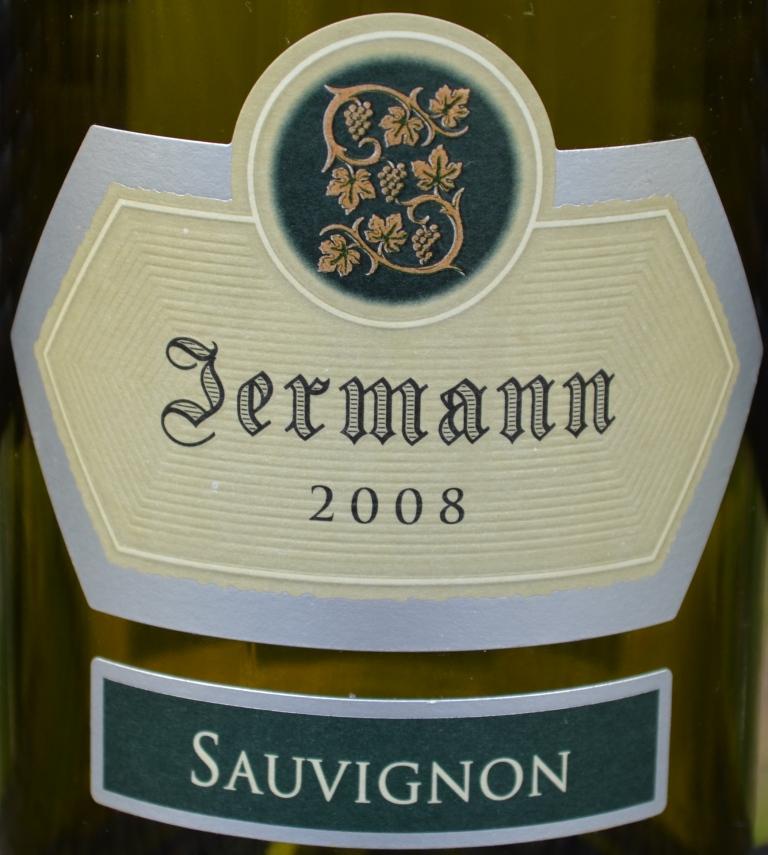 The next wine I want to mention is 2008 Jermann Sauvignon Blanc Venezia Giulia IGT. Jermann is one of my all time favorite Italian producers – I don’t think I tasted any wines I didn’t like from Jermann. This Sauvignon Blanc was closed with screwtop, and the wine is 5 years old – but it came out clean and round on the palate, with perfect amount of white fruit, some herbal notes, perfect minerality and acidity – very enjoyable by itself and with the food. Drinkability: 8-
Now, let’s get to the subject of this post and talk about Georgian and new French wines I discovered. Last Friday I stopped at the tasting at Fairway Market in Stamford, where Michael from importing company called Corus was presenting new Georgina wines. There were four wines included in the tasting, three of them definitely standouts.


2012 Marani Mtsavane is made out of 100% of indigenous Mtsvane grape – very dry, more reminiscent of Muscadet than anything else, with cutting acidity. Will be perfectly refreshing wine for the summer day, also will be very appropriate every time you will decide to serve oysters. Drinkability: 7+
2005 Wine Man Mukuzani – this wine is made out of 100% Saperavi grapes, also grown in one single place – village of Mukuzani. This wine is made by David Maisuradze, who makes amazing wines – here is my post mentioning couple of his wines I tasted before. When I took a first sip, my first thought was about dramatic difference this wine had with the 2005 El Maset I just had a few days ago (both wines are from 2005) – silky smooth, perfect dark fruit, cherries, blackberries, round tannins and balancing acidity – overall, a wine of perfect harmony. Drinkability: 8
2009 Wine Man Kinzmarauli – Kindzmarauli is one of the most famous Georgian wines. Because it was so famous before, you can’t even imagine the amount of fake insipid concoction which arrived to US about 10-15 years ago, knowing that Russian ex-patriots will buy anything under that name. When people realized that they had been doped, the wine lost its appeal and now have to slowly work up its reputation. Kindzmarauli is also made out of 100% Saperavi grapes, but it is semi-sweet. The fake Kindzmarauli wines had nothing but the sugar in them. When you taste this 2009 Kindzmarauli, you actually first get the perfect dry grape underpinning, and then the residual sweetness comes in. Excellent wine to serve with cheese – I think it might even beat Port when served next to Stilton. Drinkability: 8-
Now, for my French discovery – it might not be a discovery for you, but it is a new line of wines which are just being imported to Connecticut. The wines are made by Domaine Laroque in the area called Cité de Carcassonne, a part of Langueoc-Rossillion (Cité de Carcassonne has a status of IGP).


2012 Domaine Laroque Sauvignon Blanc Cite de Carcassonne – in a blind tasting, I would definitely say that this is a restrained version of New Zealand Sauvignon Blanc. Perfectly bright, with hint of grapefruit and lemon zest, refreshing, uplifting – make sure you have enough on hand for your summer entertainment – or you will deal with some upset guests. Drinkability: 8-
2012 Domaine Laroque Rose de Cabernet Cite de Carcassonne – nice, clean Rose, good amount of strawberries, good acidity. Drinkability: 7
2011 Domaine Laroque Cabernet Franc Cite de Carcassonne – this was a “wow” wine. Cabernet Franc is one of my favorite single-grape wines, which are so hard to find. This is two notches up most of the Loire stuff – I guess it is much closer to the best of Bordeaux and Calidornia – prefect dense red fruit, good minerality and herbs, firm structure, supple tannins and overall very balanced. This is what I call a “dangerous wine” – once you start drinking it, it is almost impossible to stop. Drinkability: 8
Are you tired of me yet? Okay, good – I have two more wines to tell you about.
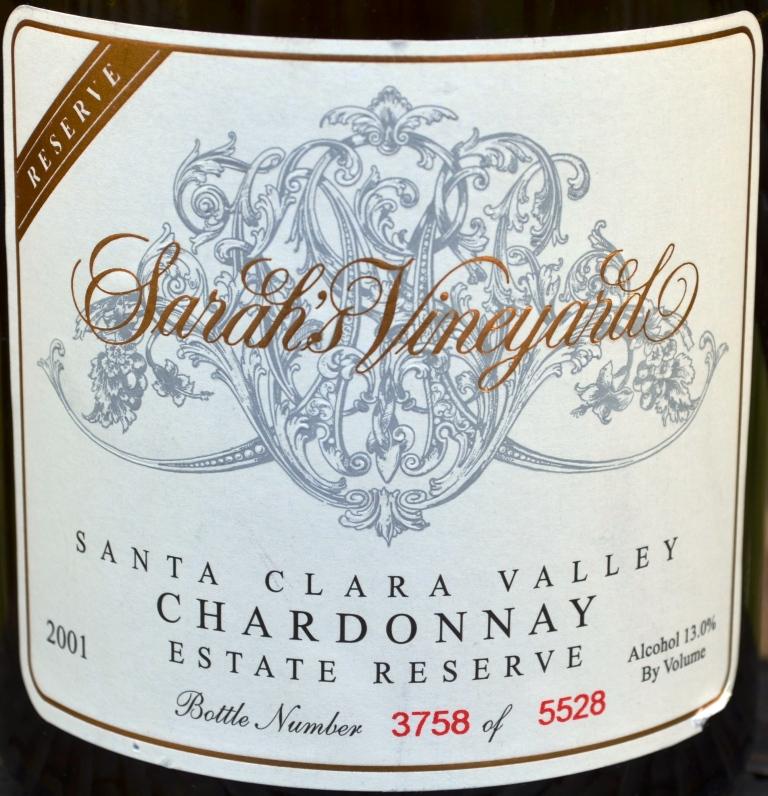 2001 Sarah’s Vineyard Chardonnay Estate Reserve Santa Clara Valley – I got it as Bin Ends in Massachusetts last year. The unfortunate part – this wine was past prime. Well, it was more like a nice sherry – dark yellow color, nicely oxidized. I was able to finish the bottle, but this was not an amazing experience by all means. Mostly you could taste almonds, and that was about all you could find on the palate. I will not rate this wine as it would be simply not fair.
Last, but not least at all – an amazing Aussie experience.
1999 Grant Burge Shadrach Cabernet Sauvignon South Australia – from the very first smell, the expectation was that a “wow” wine is ahead. Perfect dark fruit on the nose, a whiff of chocolate. And the very first sip confirmed that “wow” – blackberries, cherries and cassis, dark chocolate, cocoa, eucalyptus, touch of roasted flavors, perfectly firm and structured. Pronounced acidity, supporting tannins – all perfectly balanced. This was an outstanding glass of wine (it was my one and only bottle, sigh). By the way, you should read an interesting story behind the name of this wine – I don’t want to retype it, hence the picture of the back label below.Drinkability: 8+


That’s all I have for you for today. What was your best wine experience of the week? Have a great week ahead and cheers!
Weekly Wine Quiz #54 – Grapes Trivia: Merlot
 Here comes our next quiz in the Grape Trivia series. Today’s subject – Merlot.
Merlot is one of the most popular grapes in the world, used both for blending and single-varietal wines. Merlot has thin dark blue colored skin, and its taste profile typically includes plums, blackberries, chocolate and tobacco notes. As it is often compared with Cabernet Sauvignon, one of its most popular blending companions, Merlot ripens earlier than Cabernet Sauvignon, has higher sugar content and lesser level of tannins. While France has the biggest plantings of Merlot in the world, Merlot is universally grown in literally every wine producing country – great Merlot wines are produced in Australia, New Zealand, Italy, California, Washington, Long Island, Spain, Chile, Argentina and many other places.
Done with basic facts – let’s proceed with our quiz now, shall we?
Q1: Merlot was named after a:
A. town
B. person
C. bird
D. song
Q2: Name the movie where Merlot was dissed on uncountable number of occasions
Q3: One of the grapes from the list below was assumed to be a Merlot – but it was not. Do you know which grape was mistaken for the Merlot? Bonus question – name the country where confusion took place.
A. Mourvèdre
B. Carignan
C. Carménère
D. Cinsault
Q4: Some place, some time ago, Merlot successfully crossed (by accident) with Cabernet grape, and formed a new grape which produces pretty unique wines. Can you name that grape?
Q5: Chateau Petrus in Pomerol, France makes some of the very best (and most expensive) wines in the world, and those wines are 100% Merlot. Then there is another 100% Merlot wine, made in another country, which is considered a successful competition to Petrus and done very well against it in a number of blind tastings. Can you name that wine?
Have fun, good luck and enjoy your weekend! Cheers!
Wednesday’s Meritage – Wine Quiz Answer, Wine Aging, Wine of 50 States, Food Photography and more
Meritage Time!
Let’s start with the answer for the wine quiz #53, grape trivia: Cabernet Sauvignon. This was the first in the new series of quizzes I hope to continue for a while – for the next few weeks, I plan to run questions around popular grapes. This time the subject was Cabernet Sauvignon, and here are the questions with the answers:
Q1: Which two grapes are the parents of Cabernet Sauvignon? A: For the long time prevailing theory was that Cabernet Sauvignon had some ancient roots – until DNA research showed that Cabernet Sauvignon originated in 17th century in France and it is a cross of Cabernet Franc and Sauvignon Blanc.
Q2: The world’s oldest Cabernet Sauvignon vines are located in (name winery and/or vineyard for extra credit):
A. Bordeaux
B. Chile
C. California
D. Australia – correct answer. Kalimna Vineyard Block 42 at Penfolds has 140 years old Cabernet Sauvignon vines.
E. Georgia
Q3: True or False: Since 2000, plantings of Cabernet Sauvignon increased in Bordeaux? A: False. Since 2000, Cabernet Sauvignon plantings had been decreasing and Merlot plantings increasing as Merlot is ripening about 15 days earlier than Cabernet Sauvignon and thus easier to use in the blends.
Q4: The second largest in the world plantings (by area) of Cabernet Sauvignon grapes are located in:
A. Australia
B. California
C. Chile
D. Hungary
E. Moldova – quite unexpectedly (for me, at least), this is the correct answer.
F. South Africa
Q5: Absolute majority of Bordeaux wines are blends. Name four grapes which are traditional blending companions of Cabernet Sauvignon in Bordeaux
A: Merlot, Cabernet Franc, Petit Verdot and Malbec are four major blending companions of Cabernet Sauvignon in Bordeaux.
There were many good answers this week, and we have three winners – The Drunken Cyclist, Red Wine Diva and Armchairsommelier all correctly answered all five questions, plus the Armchairsommelier also correctly identified the oldest Cabernet Sauvignon Vineyard. They get the traditional prize of unlimited bragging rights. Well done!
And now, to the interesting stuff around the net. Lets start from the subject of wine aging. Few days ago I shared my thoughts on the subject of wine aging – and then I noticed an article by Steve Heimoff talking about wine critic’s approach to recommending wines for aging (or not). Quite frankly, I don’t think I found any revelations in that article, but it sheds some light on the reason behind “drink after 2056” recommendations.
It is no secret that wine is made in all 50 states in US (it’s actually being like that for about ten years by now – I used to ask this question as part of fun trivia during my wine tastings) – but when Jancis Robinson is talking about it, it means that we actually went over the hump – here is her article in Financial Times where she is talking about new reality of wine making and wine consumption in United States.
I don’t know how many of you are familiar with El Bulli – the famous restaurant in Spain by world renowned chef Ferran Adria, a father and mother of molecular gastronomy. Visiting El Bulli was my dream for many many years, which is not going to materialize, as restaurant closed a few years ago. In one of the the Meritage issues last year I mentioned that wine list from El Bulli was available online (140 pages of wine goodness – if you are interested in taking a pick, my post still has a link to it) – now, as Bloomberg reports, El Bulli cellar was auctioned in Hong Kong for the total of $8.8M. The money raised will be used for the purposes of El Bulli foundation.
I was somewhat late writing this post today (ideally, I want Meritage posts to come out in the morning, but – oh well…) – and I’m glad I did, as I came across a wonderful post by Stefano Crosio about Food Photography. A Food Photography Primer is a great and very generous post which gives you step by step details on how to take amazing food pictures. And talking about that subject of food pictures, I need to share with you a healthy dose of the food porn form the blog I always drool over – My French Heaven. Warning – DO NOT click this link if you are hungry – please don’t, as I can’t be responsible for the consequences.
Okay, I’m sure you did click on that link, so my work is done here. The glass is empty. Refill is coming. Until the next time – cheers!
And Then There Was Zin…
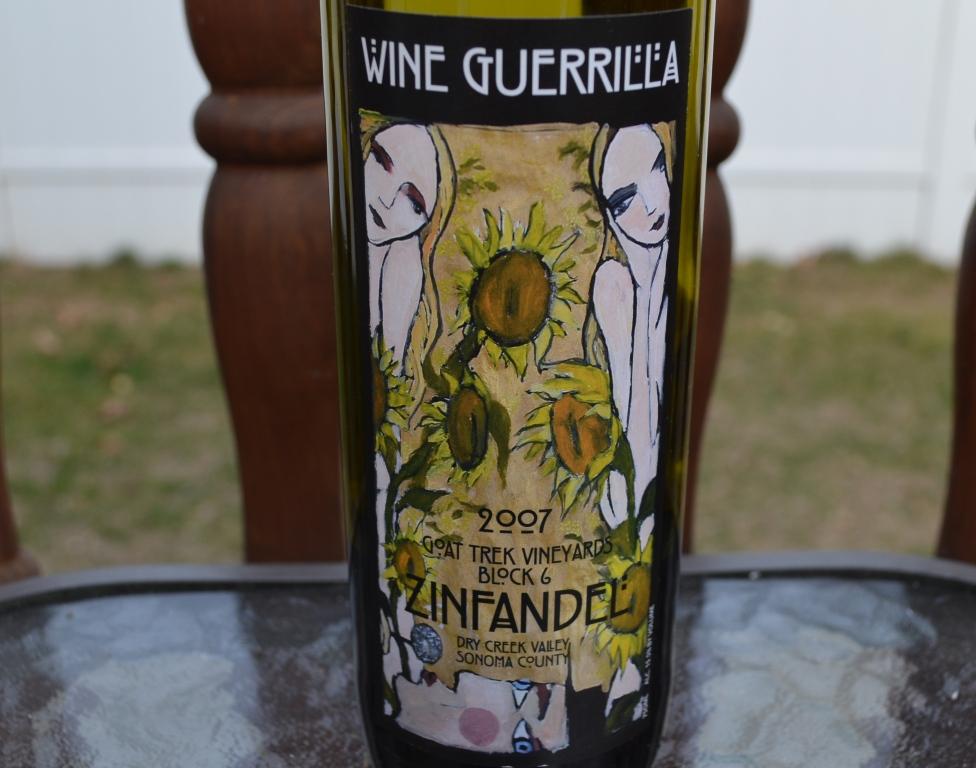 Only yesterday I wrote the post about difficult task of figuring out when the wine is at its peak. And then I opened a bottle of 2007 Zinfandel. Unscrewed the top and poured into the glass. Quick swirl, sniff – and I’m blown away. Pure dried figs. Beautiful. Pure. Clean. Nothing gets in the way. Not overpowering. Just clean and firmly present. May be there were other flavors there – from that moment on, I didn’t look for anything else. It was reincarnation of 1997 Le Ragose Amarone, the magnificent moment I keep re-living on and on.
The first sip brought in the same level of perfection. Dry. Round. Crisp, if you can apply that to the red wine. Dried figs, blueberries, sage, eucalyptus. No fruit jams of any kind. No sweetness at all. Prefect balance and harmony. Yes, this kind of wine makes you emotional and forces you to reflect.
The wine – 2007 Wine Guerrilla Goat Trek Vineyard Block 6 Zinfandel Dry Creek Valley Sonoma County (15.5% ABV). A blend of 87% Zinfandel, 7% Cabernet Franc and 6% Petite Sirah. This wine is made by Wine Guerrilla. And when the have a slogan “Wine Guerrilla – The Art and Soul of Zinfandel”, they are really not kidding. Take a look at their line of Zinfandel wines here.
6 years old wine. Did I manage to hit the peak? I have no idea. Is it possible that the wine would improve further. Quite possible, but this was my last bottle.
Oh yes, and there is a culprit here. The wine I enjoyed so much was a little warmer than the cellar temperature – my wine fridge is set for 55°, so I guess the wine was about 62°-64° when I was drinking it. The next day when I finished the bottle, it was much warmer, probably at about 72° – and while it was good, it was not magical. And the temperature of the wine is literally the last thing I want to deal with instead of just enjoying the wine. Oh well… I’m glad I had this experience in my life. Cheers!
When Is The Wine Really (Really!) Ready To Drink?
 About a week ago, I opened the bottle of 2004 Heritat Mont Rubi Durona Penedes D.O. This is my second experience with the wine. The first one was about a year ago when I opened a bottle to celebrate Wine Century Club’s 7th anniversary (one of the grapes this wine is made of, Sumoll, was a new grape for me). Here is how I described the wine at that time:
“very interesting herbal nose of sage and may be some oregano ( lightly hinted), and some nice red fruit on the palate, medium body, well balanced with pronounced tannins – I think it can still age for a while. Drinkability – 7+“.
Why am I telling you this and even citing my own tasting notes? Let me explain. This time, I opened the wine for a casual evening glass of wine, not for a dinner. I had one glass, and put it aside (using my faithful VacuVin to remove the air). The wine was tight and firm, with some cherries and good acidity on the palate. It was pleasant, but there were no problems with putting the glass down.
The next day, I opened the bottle again. There was not much of a difference with the previous night. May be the fruit became a touch softer, may be some raspberries showed up in addition to cherries, but tannins and acidity were still firm – not biting, no, but firm and present together. I had a glass or two, and closed the bottle again.
On the third day, something happened. The wine transformed from “ok, nice” to “WOW” (by the way, I think we need a new rating system for the wines – “yuck, ok, nice, wow, OMG” should do it – what do you think?). The wine became luscious, velvety, layered, showing the wide range of dark fruit – plums, cherries, touch of blackberries, touch of spices, all very balanced – it was impossible to put the glass down (no need too – there was nothing left in the bottle). In the three days, this wine transformed. It transformed from just an okay to wow, from the wine you can drink if you need to, to the wine you crave.
The subject of wine and time is one of the most fascinating. It is literally impossible to know what time will do to the wine. But I can honestly tell you, for the most of the “drink by” recommendations from the wine critics, I’m almost at the point of laughing. Okay, may be not laughing, but definitely ignoring. No, not all the wines will improve with time. Yes, there are general rules, like “drink Beaujolais Nouveau by the next May”. Yes, there are wines which are not intended to age, especially among the white wines, and especially if the white wine is Pinot Grigio or may be Sauvignon Blanc. Yes, I probably wouldn’t age most of the Rose – but have you ever tried Lopez de Heredia Vino Tondonia Rioja Rosado? The wine was 11 years old when I tried it, and it was stunning.
The way I look at the wine aging is this – most of the wines can age, until it is proven otherwise. I had 1947 Rioja recently, which was youthful, exuberant and outstanding. During recent Rioja seminar, I listened to our presenter to describe his experience with 1917 Rioja. He tried the wine in the group of 8 wine professionals at the dinner – after the first sip, the table got quiet for the next 5 minutes – people simple had to reflect on the wine. If you look through this blog you will find my accounts with well aged California wines, such as 16 years old Flora Springs Chardonnay, 20 years old Justin Cabernet Franc, 15 years old Estansia Meritage and Toasted Head Cab/Syrah blend (probably $12 at the time of purchase!) – the list can go on and on – all the wines I’m mentioning were outstanding, however I’m sure none of them would be declared aging-worthy by conventional wine critics or even winemakers.
The tricky part of wine and time relationship extends even further. We want to drink the wines at their peak. How can we know when the peak will be? I don’t have much experience with red Burgundy wines in general. But I understand that their aging process looks rather interesting – very drinkable form the beginning, they shutdown after a while, and then they come back. How can you know you are drinking the wine when it is ready, and not only that – when it is at its best? I’m not sure… I had my own experience last year with 2002 Dunn Howell Mountain Cabernet Sauvignon. From the moment the bottle was open, it was literally undrinkable – dense, rough, no fruit, just tannins – and it was like that for the 4 days. I didn’t try any aggressive decanting, but I tasted the wine every day. And then on the day number 5, the same magic happened as the one I described at the beginning of this post – the wine opened up into a beautiful WOW nectar – but I could’ve dump it just the day before!
Where am I going with all of this? I don’t have the destination. I want to make you to think about wine and time. I wonder where we, oenophiles, collectively are on this subject. I will hold my position no matter what – “the wine can age until proven otherwise” – but what do you think? What is your experience with “wine and time”? Can we do something to educate all the wine drinkers about it, do we even need to do it, or should we just drop the subject as you don’t believe it’s worth the bits, bytes and emotions? I will keep bringing up this subject from time to time, but hey, don’t be shy – see that comment box below? Cheers!
Weekly Wine Quiz #53 – Grapes Trivia: Cabernet Sauvignon
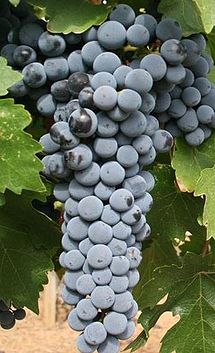
Image from Wikipedia
And the has come for our weekly wine quiz!
I like to organize things, when possible. So far my quizzes where a little bit (just kidding – really a lot) all over the place – from auctions to riddles to history; left, right and beyond. At the same time, I really would like to run a series of quizzes somehow related to each other. So I thought of this grape series, and that is the best I can come up with at the moment, so let me run with this.
This will be a series of posts dedicated to different grapes. Don’t wait for any substantial gotchas – at this point, there no plans for quizzes solely dedicated to Fiana or Romorantin (hmm, on the other side…). Instead, the quizzes will be dedicated to the mainstream grapes majority can attest to, such as Cabernet Sauvignon, Chardonnay, Pinot Noir and so on.
Today we are starting with the Cabernet Sauvignon grape. Cabernet Sauvignon needs no introduction – it is a mainstream grape in production of many of the best (and not) red wines in the world. In a few words Cabernet Sauvignon can be described as late ripening variety with thick skin and somewhat of a small berry. Flavor profile of Cabernet Sauvignon wines often includes eucalyptus, green bell peppers, mint and black currant (cassis). Cabernet Sauvignon has great affinity to oak and the wines are usually age very well. Cabernet Sauvignon is grown all over the world with most famous wines coming from Bordeaux, California, Australia, Argentina, Chile, Italy and Washington.
Here come the quiz questions:
Q1: Which two grapes are the parents of Cabernet Sauvignon?
Q2: The world’s oldest Cabernet Sauvignon vines are located in (name winery and/or vineyard for extra credit):
A. Bordeaux
B. Chile
C. California
D. Australia
E. Georgia
Q3: True or False: Since 2000, plantings of Cabernet Sauvignon increased in Bordeaux?
Q4: The second largest in the world plantings (by area) of Cabernet Sauvignon grapes are located in:
A. Australia
B. California
C. Chile
D. Hungary
E. Moldova
F. South Africa
Q5: Absolute majority of Bordeaux wines are blends. Name four grapes which are traditional blending companions of Cabernet Sauvignon in Bordeaux
Have fun and good luck! Enjoy your weekend and cheers!
Thursday Rant–Tasting Fees
One of my fellow bloggers, TheDrunkenCyclist recently started a series of posts called Thursday Rant. His latest post managed to “hit the chord” as we call it – it is about winery tasting fees getting into totally absurd territories, especially when you are in the places like Napa valley. You should read the post below to see it for yourself – and then take a look at some of my suggestions:
There are a few things which you can do to avoid a paying an exorbitant amount of money for the wine tasting, outside of simply not visiting the wineries – but all of them will require planning ahead.
1. Connect with the wineries on Twitter and ask them to make special arrangements for you and your group for the tasting. It doesn’t mean that your tasting will be complementary, but you might have an opportunity to taste some interesting wines.
2. Talk to the people at your favorite wine store – tell them you plan to visit a particular winery. Your wine store is often connected to the winery either directly or through a distributor – the winery might be very accommodating to your needs.
Cheers!
Wednesday’s Meritage – Wine Quiz Answer, Better Blog Writing, Useful Blogging Links amd more
 Meritage Time!
Let’s start from the answer for the Wine quiz #52, The Oak Trivia. In the quiz, you were supposed to answer 5 questions related to the oak usage in the wine making.
Q1: True or false: American oak typically imparts stronger flavor than the french oak?
Correct answer: True.
Q2: There are 5 major forests in France from which the oak is used in the wine making. Oak from which forest is considered least suitable for use with the wines and more used in production of the Cognac?
A. Allier
B. Never
C. Limousin – correct answer. Limousin oak is often used for production of Cognac
D. Troncais
E. Vosges
Q3: Troncais forest was planted by the order of Napoleon. Do you know what was the intended use of the oak trees from that forest?
Correct answer – shipbuilding. Yes, this is what oak originally was intended for.
Q4: True or False: The use of Oak chips is illegal in France?
Correct answer: False. in 2006, European Union approved usage of the oak chips in winemaking process, and it also became legal in France. Here is the link to one of the articles on the subject.
Q5. True or False: When barrels are made from the trees in the same forest by the same cooperage, all the barrels will be identical and will impart flavor of the wine in the same way?
Correct answer: False. It is possible that every plank used in the barrel will be coming from different side of the forest. When charred, all the planks can be charred unevenly. Thus there can be significant difference in the impact on the wine between the different barrels.
There were quite a few answers provided, and it seems that everybody did a very good job. Question #4 proved to be the culprit – nobody expects that oak chips can be used instead of oak barrels in France, right? But they actually are – since 2006 adding oak chips is legal in France. The armchairsommelier got closest to the winning with 4 correct answers. Both armchairsommelier and foodandwinehedonist also correctly answered bonus question – the logo in the picture belongs to the Williamsburg Winery, which makes very good wines (if you ever in the Williamsburg area in Virginia, make sure to visit it). Eatwithnamie gets an honorable mention as she participated in the quiz for the first time.
And now, to the interesting stuff! Today, it is not so much about the actual news, as much as it is really an interesting information around the net which deserves attention.
First, this past Monday was April Fools day, so [rather as expected] there were a number of interesting posts of all kinds. I liked (sorry!) my own post with various wine news, including new Target and Walmart wines, CocaTour cocktails and DudeChuk joint venture. Then there was an excellent piece from OmNomCT blog about Munchies Brewery ( I think those guys are onto something). And then there was a story from Wining Daily about Billionaire’s Vinaigrette, which I pretty much believed…
Next I want to bring to your attention a couple of very useful resources for all of us bloggers. I follow the blog called Eat and Sip in the City which is written by Michelle Levine and it is all about food and wine happenings in the city of Boston. Michelle also has a regular post called “Worthwhile reads from the web this week”. In her last post, I found two interesting references. One of them is called “33 Unusual Tips To Being A Better Writer“. You might jump at the tip number two, but overall, I think those tips make a lot of sense, and I’m definitely aware of some which I clearly need to enforce for my own good.
Another link in Michelle’s post was for “Food Bloggers: 150+ Links to Everything You Need to Know” – I didn’t have a chance to go over it in detail, but it seems to be a great collection of useful information.
Here is an interesting piece of infographics for you – Corkage fees facts and figures – you can compare corkage fees in New York, Chicago and San Francisco, as well as by the type of cuisine – I think this is very interesting info.
And the last note for today – profile of Amarone producers in Decanter magazine. I understand that this is an article from 2007 – but if you are an Amarone junkie like myself, it is very interesting to see all the different producers being presented in this article.
That’s all I have for you for today, folks. The glass is empty. Until the next time – cheers!
Last Bottle Sign Up ($10 credit)




 Talk-A-Vino