Archive
Wines of Uruguay: Delicious, Interesting, Unique
Uruguay is the second-smallest country in mainland South America (only Suriname is smaller than Uruguay). It also has the highest level of education in South America, and the highest level of beef consumption in the entire world – and cows outnumber people in Uruguay 4 to 1.
Uruguay also makes world-class wines.
There are 14, 804 acres of vineyards in Uruguay, occupying an area a little bit bigger than Saint-Émilion in Bordeaux and a little bit smaller than Alexander Valley in California. Uruguay is the only South American winemaking country whose terroir is affected by the Atlantic Ocean. It is also interesting to note that the vineyards of Maldonado, the largest winemaking region in Uruguay, are planted above some of the oldest rocks on earth, the Río de La Plata craton, which is 2.5 billion years old. Currently, there are 168 wineries in Uruguay, producing 70 million bottles annually.

Bodega Garzón. Source: Uruguay Wine
Uruguay is best known for its Tannat wines, and Tannat occupies about 27% of all the area under vine in Uruguay. Actually, Merlot is the second most planted variety, followed by Cabernet Sauvignon, Cabernet Franc, Marselan, Sauvignon Blanc, Chardonnay, Albariño, and others. There are also six main winemaking regions in Uruguay – Northern Shore, Southern Shore, Metropolitan, Oceanic, Center, and North, each divided into subregions. There are also five distinctive terroirs across these six winemaking regions, influenced by the Atlantic Ocean, rivers, amounts of rain (these can differentiate widely), and winds.
For more grapey details and the latest statistics, I need to refer you to the Uruguay Wine website, where we will talk about delicious, interesting, and unique.
The last time I tasted Uruguayan wines was about a year and a half ago. This year, I had a “double exposure” to the wines from Uruguay – Tannat red wines at the beginning of the year, and then the whites a few weeks ago. So the delicious part is easy, as many of the wines were simply delicious. Interesting and unique require some explanations.
Typically, when it comes to food (and wine), “interesting” is rarely a positive descriptor. However, in our case, it is also not negative, and it really should be processed together with unique. The white wines were interesting, as while they were made from the familiar grapes (Riesling, Sauvignon Blanc, Viognier, Albariño), they didn’t taste much like familiar grapes, maybe with the exception of the Sauvignon Blanc and Viognier to some degree. Another unique trait of this group was in the fact that the wines kept evolving for probably 2 weeks after being first opened, mostly just getting better and rounder as time passed. I have some reflections on this in the notes, so this is what you will see below.
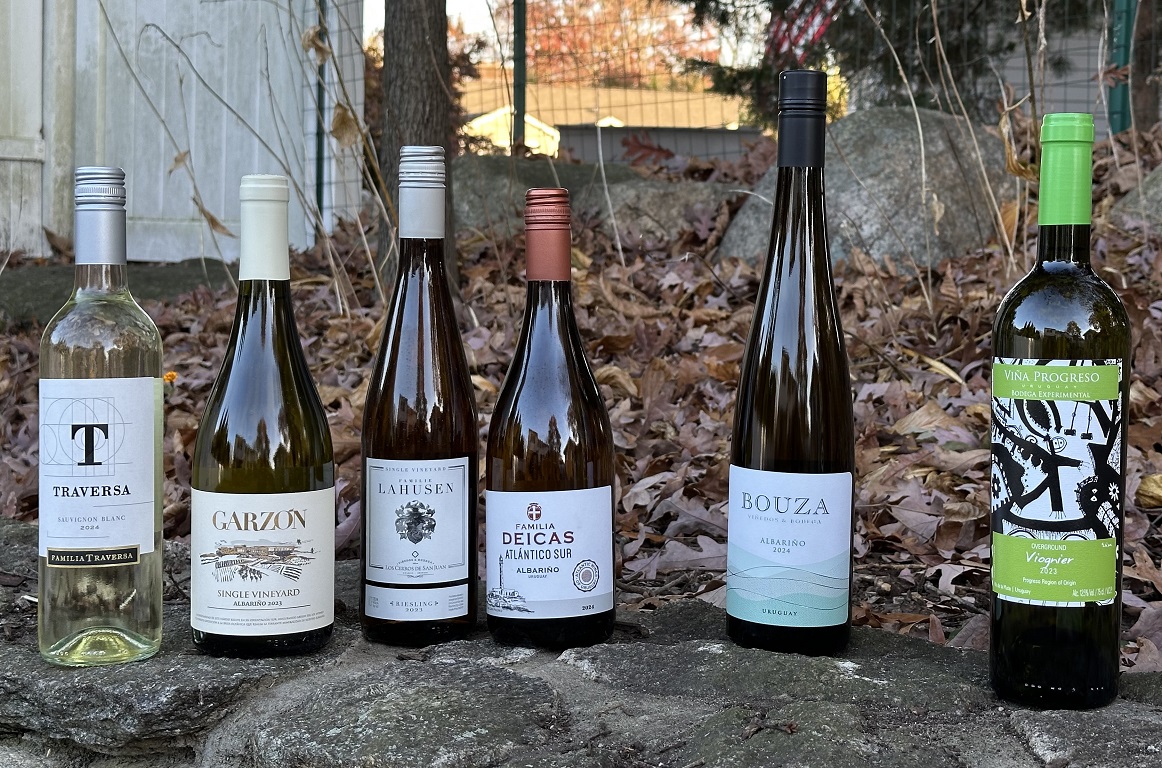
Here are my notes:
2023 Famile Lahusen Riesling Los Cerros de San Juan (12.3% ABV, $25) – the oldest winery in Uruguay, producing wines since 1854.
Straw pale
Herbs, Meyer lemon
Sweet fruit on palate, doesn’t taste like Riesling at all. Better tasting on the 3rd day, a bit more balanced.
Not bad, 7+
It actually became better over the next few days, getting to an 8- rating, but by no means this is your classic Riesling…
2024 Traversa Sauvignon Blanc Montevideo (13.5% ABV, $16)
Light Straw pale
Citrus, freshly cut grass, delicate, inviting
A touch of freshly cut grass, but mostly whitestone fruit on the 3rd day.
8-, enjoyable.
2013 Viña Progreso Bodega Experimental Overground Viognier Progreso Region (12.5% ABV, $26)
Straw pale
Interesting nose with a hint of brown butter notes, hints on plumpiness of the wine (day 3)
A hint of butter on the palate, quickly displaced by cut-through acidity. The wine had a lot more Viognier aromatics on the 1st day, but now feels like a nice Chardonnay (in blind tasting this would be my only guess)
8, very nice. One of my favorite whites of the tasting.
2024 Bouza Albariño Uruguay (12.5 % ABV, $28)
Straw pale
Perfumy, flowery nose with tropical fruit notes
Guava, a tropical fruit on the palate. Missing characteristic acidity and salinity. Not a bad wine, but doesn’t sing “Albariño” for me
7+
2023 Garzón Single Vineyard Albariño Maldonado (14% ABV, $35)
Light golden
Second day nose – hint of gunflint, butter, a distant hint of honey (first day the smell was not great)!
Second day palate – excellent, salinity, acidity, very much resembling a classic Albariño, still with a distant hint of kerosene, but now it can be ignored. The first day was chemically undrinkable.
8, needs time
2024 Familia Deicas Atlántico Sur Albariño Uruguay (12.3% ABV, $20)
Greenish/very light golden color
On the first day, the nose was very sweet. Second day- less sweet, tropical fruit.
Sweet but now with salinity coming through – this is on the second day. The first day the wine was cloyingly sweet.
7+, it is drinkable, but don’t try pairing oysters with it.
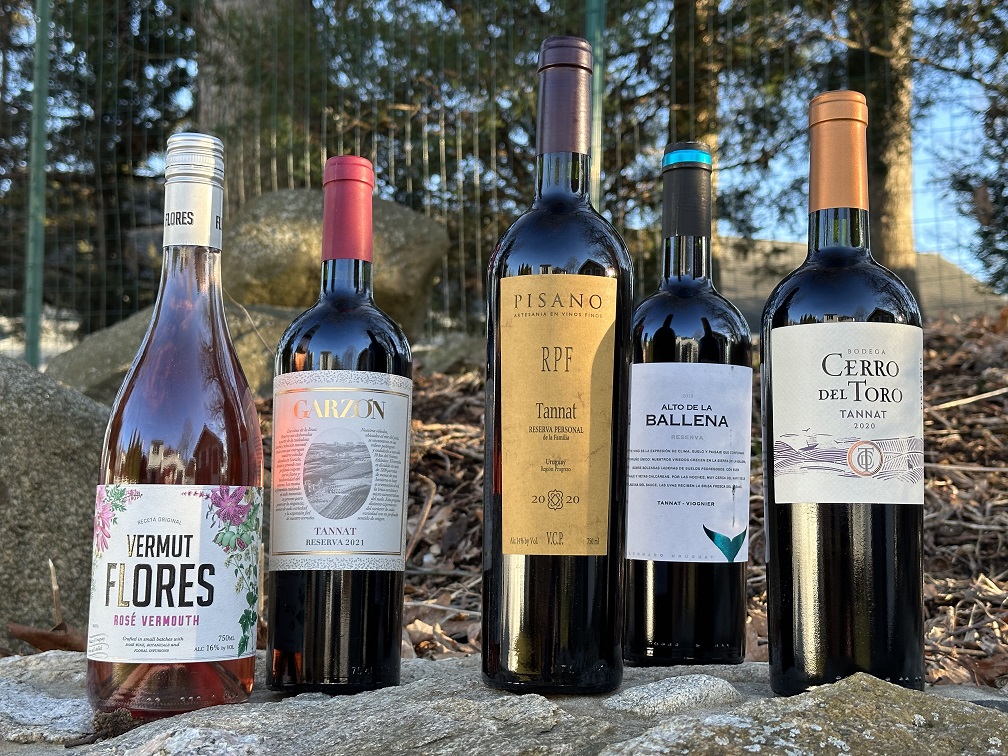
And now, for the reds:
2018 Alto de La Ballena Reserva Tannat Viognier Maldonado Uruguay (14% ABV, 85% Tannat, 15% Viognier)
Dark garnet, almost black
Dark cherries, tobacco, inviting
Tart cherries, minerality, crisp acidity, well integrated tannins, a bit of chalk, perfectly balanced
8+ – happy to see that I continue liking this wine the year after tasting it for the first time (last year’s notes can be found here)
2020 Cerro del Torro Tannat Maldonado Uruguay (15% ABV)
Dark garnet
A hint of a barnyard, herbs, dark fruit
Cherries, earthiness, pronounced minerality, a hint of tobacco, good acidity, tart finish.
7+/8-
2021 Garzón Tannat Reserva Uruguay (14% ABV)
Dark garnet
Ripe dark fruit, stony minerality, herbs, distant hint of barnyard
Dark fruit, espresso, cherries, firm structure, clean acidity, round, well balanced.
8-/8
2020 Pisano RPF Tannat Reserva Personal de la Familia Uruguay (14% ABV)
Dark Ruby
Red fruit, herbs, medium+ intensity
Tart, crisp, tart cherries, medium body, firm structure, cut-through acidity.
8-, food wine more than anything.
If you took a moment to glance at the notes, I’m sure you found them all – delicious, interesting, and unique. The whites definitely need some additional work, but they are unquestionably interesting, and I do mean it in a positive way. There are plenty of simply delicious wines from Uruguay, definitely worth seeking, so I hope that I encouraged you to give them a try when you have an opportunity. Cheers!
Beautiful Hungarian Wines, a Deep Immersion
Hungarian wines need no introduction to the wine lovers.
Or they actually might.
Hungary is one of the oldest wine-producing regions in the world, going back to the Roman times (also the Hungarian language is one of only three European languages outside of Latin that have wine terms in the language). It is not for nothing one of the better-known wine brands in Hungary is called Royal Tokaji. Tokaji, the dessert wine produced from the local white grape called Furmint, can give the run for money to the best BA and TBA Rieslings and best Sauternes. It used to be a treat suitable and available only for the royalty, with its official appellation classification predating Port by a few decades.
Then it all came to an abrupt halt. First, the Phylloxera epidemic which destroyed literally all vineyards in Hungary at the end of the 19th century. Then, as the wine industry started to recover, came two world wars, and the communist regime right after. Thus while we can say that Hungary has very old wine traditions, the Hungarian wine industry is very young, with its modern history not exceeding even 40 years.
I just came back after spending 4 days in Budapest, the capital city of Hungary. And while working 9-5 all 4 days, I still managed to get a good taste of the Hungarian wines, and I have to say that it was one delicious and very impressive experience. And even as most of these wines would be hard to find outside of Hungary (okay, that should be reasonably not difficult for the people in Europe, but very difficult in the US for sure), I still believe the experience is well worth sharing.
I will simply recount my experience in chronological order, as I was tasting the wines. And by the way, I made my inner grape geek very happy, by adding 5 new rare grapes to the collection.
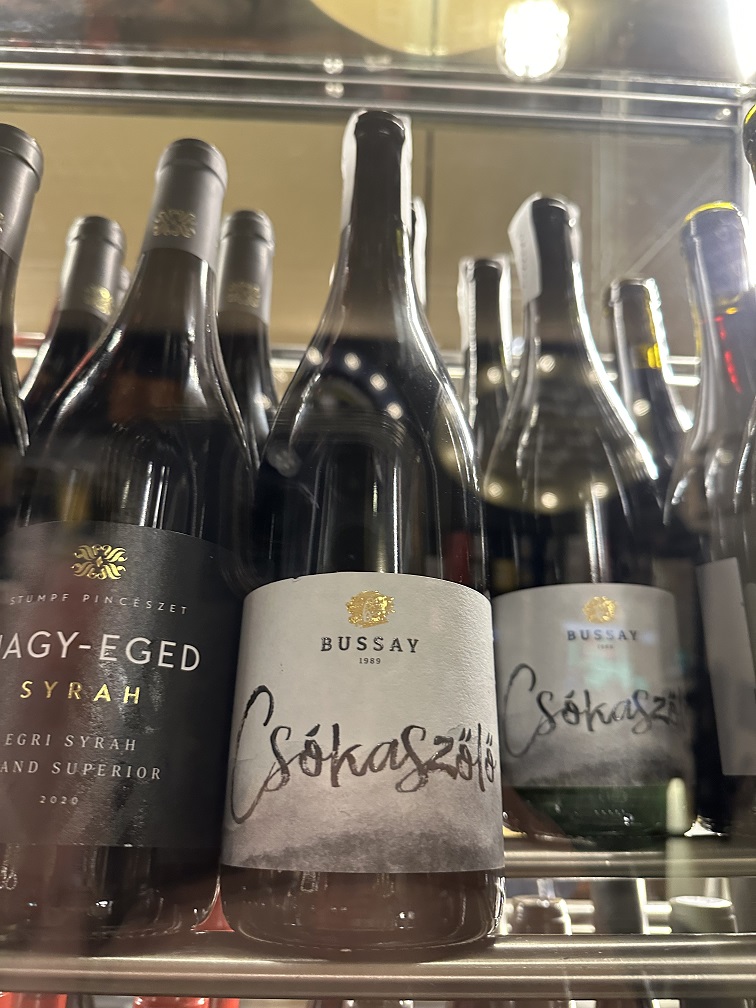
I started my “deep immersion” on Monday night at a dinner. The restaurant had a few interesting (read: made from rare grapes) wines which I was happy to order by the glass.
2022 Bussay Pince Csörnyeföldi Csókaszőlő Zala (11.5% ABV, certified organic, rare grape: Csókaszőlő)
Fresh herbal nose
Fresh acidity, Beaujolais-like mouthfeel, sour cherries, gamey, nice, food friendly
2021/2022 Bóka Birtok Jakab Kadarka Tolna (12.5% ABV, Jakab Kadarka, a.k.a. Jab Kadarka a.k.a. Italian Kadarka, rare grape: Jakab Kadarka)
Red fruit on the nose
Bigger and more round body than a previous one, dark fruit, good balance, good acidity, thoroughly pleasant
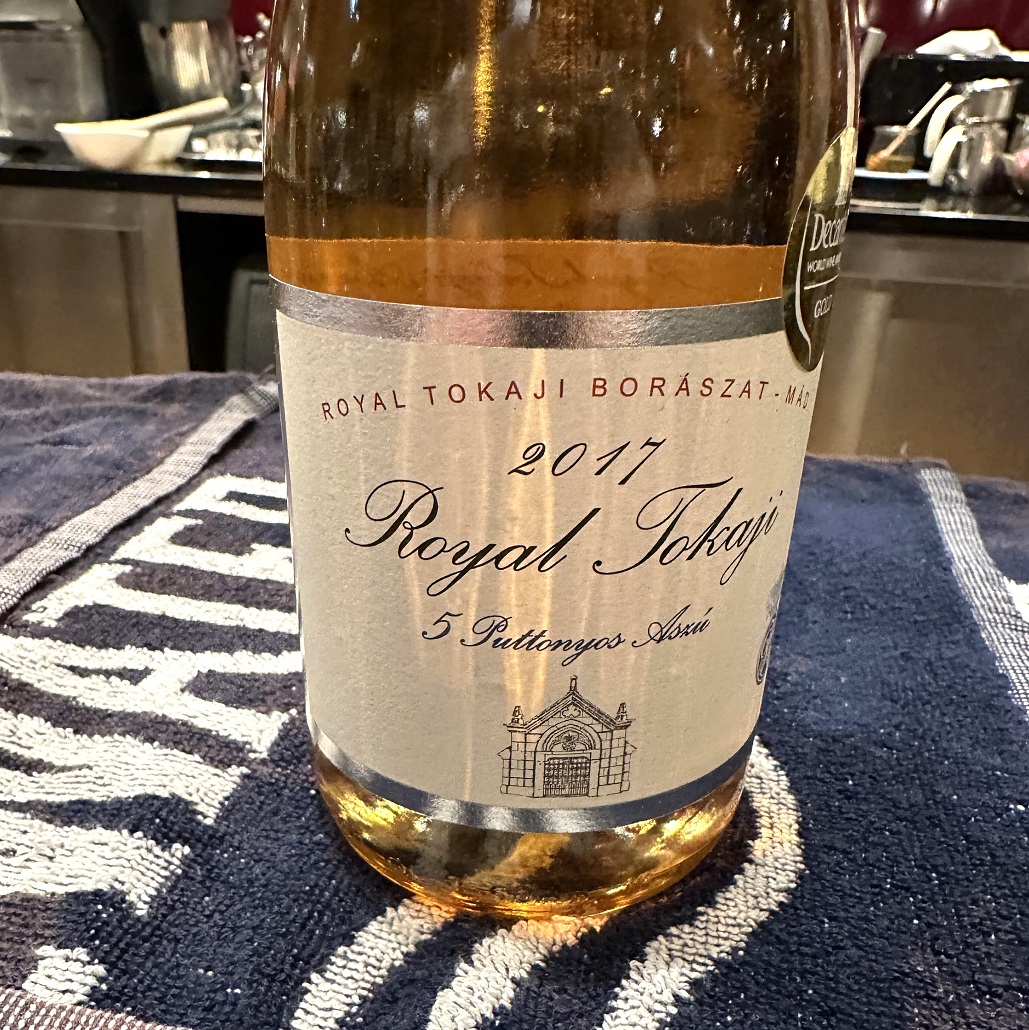
Upon returning to the hotel after dinner, I didn’t feel like going to sleep yet, so I decided to get a glass of wine, and the Tokaji looked very attractive – and at about $11 for a glass, a pure steal.
2017 Royal Tokaji Borászat Mad Royal Tokaji Aszú 5 Puttonyous (11% ABV)
Delicious nose of sweet, ripe fruit – white peach, pear, a touch of honey.
A symphony of flavor on the palate – beautiful ripe fruit, layers of flavor, perfect acidity, perfect balance, pure delight.
Superb.
On Tuesday, we had a short bus tour of Budapest, and our tour guide mentioned that if someone likes wine, he highly recommends visiting a wine bar called Vinlkli. The name was easy to remember – a cross between Vino and Bicycle, and the bar was also conveniently located about 2 minutes walking distance from the hotel where I was staying, so it was a no-brainer decision to visit the place. Boy, what a right decision that was…
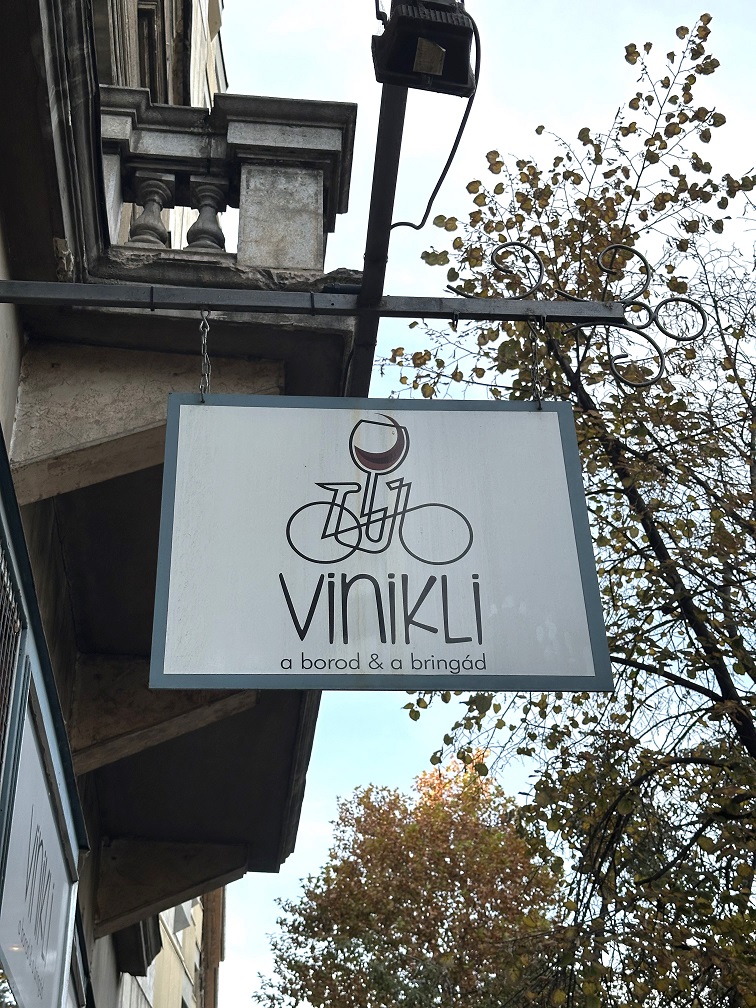
When I came over, there was literally no space to sit at this tiny bar. Not speaking the language, I got rather a cold shoulder from both bartenders, so I was intimidated, but determined. A space in the corner opened up so I was able to take it, and then I just pointed to the wine I wanted to taste strictly based on the label (there was no printed wine list of any sort, and I couldn’t understand anything written on the board hanging on the wall).
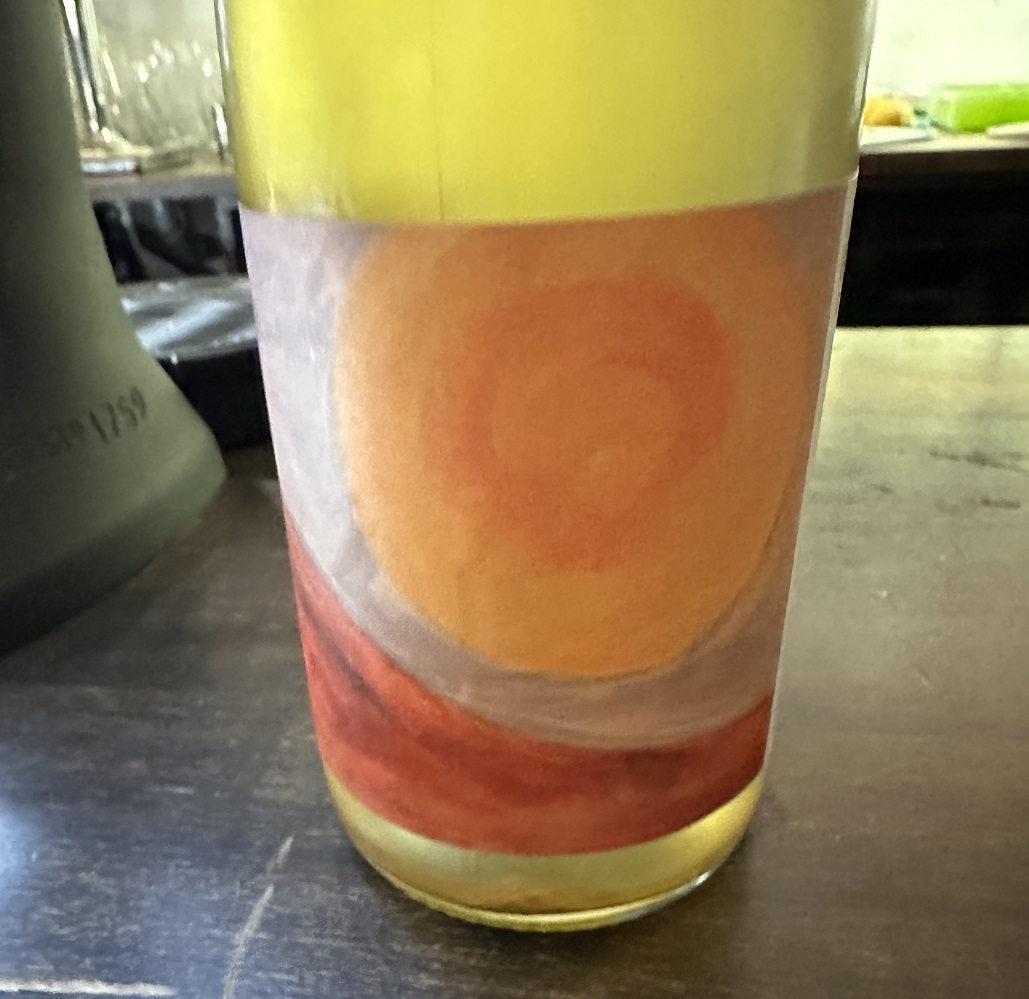
I happened to choose skin contact wine, and it was excellent:
2023 Turay Családi Pincészet Borsementa (11% ABV, 4 days with skin contact, natural wine, rare grape: Borsementa)
You can assume skin contact once you smell the wine – a touch of herbal notes on the nose with a hint of the freshly fermented fruit, following by lemon/apple/peppermint medley on the palate. Fresh, energetic, delicious.
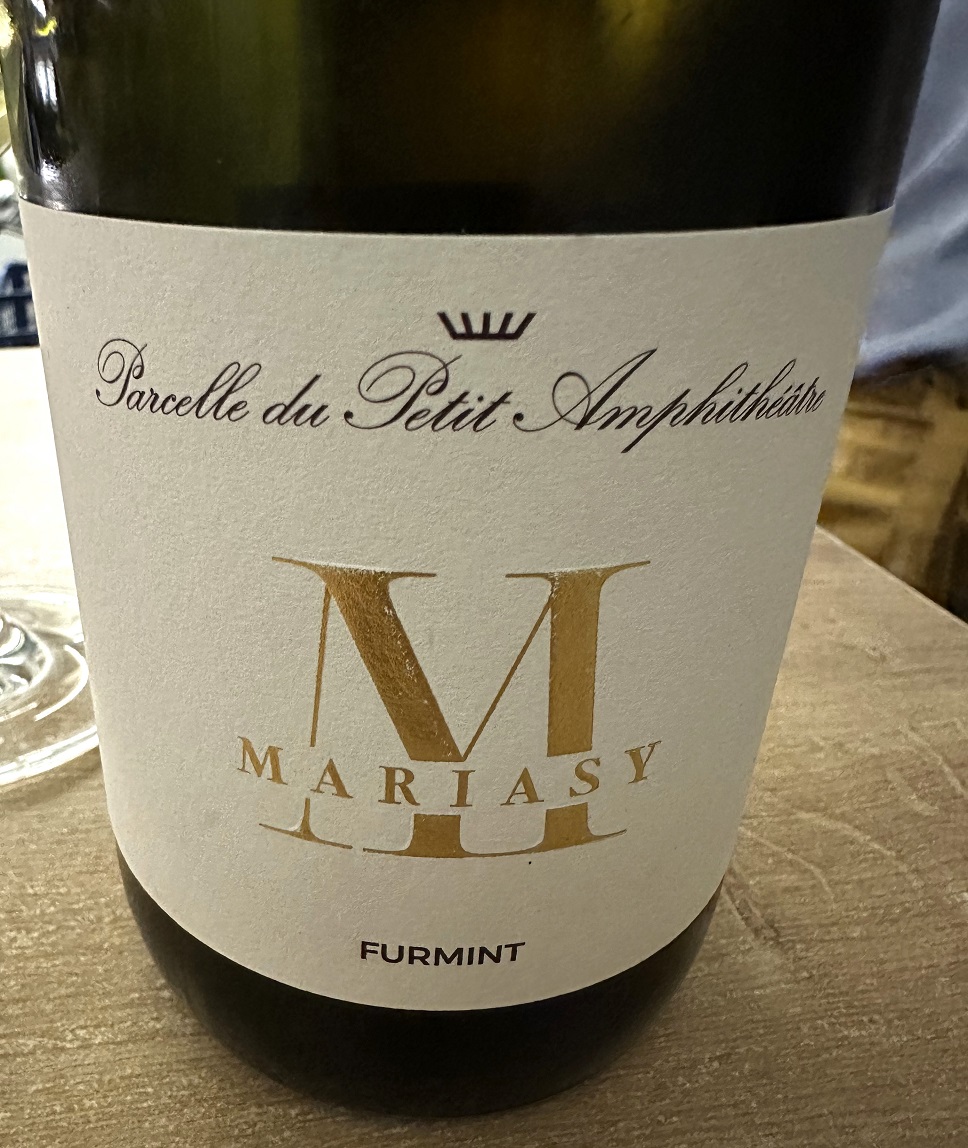
As a few more people left the bar, the bartender finally got a bit more time, and he understood that I was actually at the bar on purpose, so now he started suggesting wines to taste. Next wine white wine was literally out of this world:
2020 Mariasy Tokaji Furmint Hungary (13% ABV)
Wow. Is “blown away” is sufficient wine descriptor?
This wine was truly something else. A hint of honey on the nose, white fruit, fresh and inviting. The palate was mind-blowing – generous, plump, supple, crisp honey and lemon notes, layers and layers of pleasure. This will be easily a “wine of the year” contender. Just superb.
I’m literally salivating as I’m writing this post – I would love to have a glass of this wine right now. Just now.


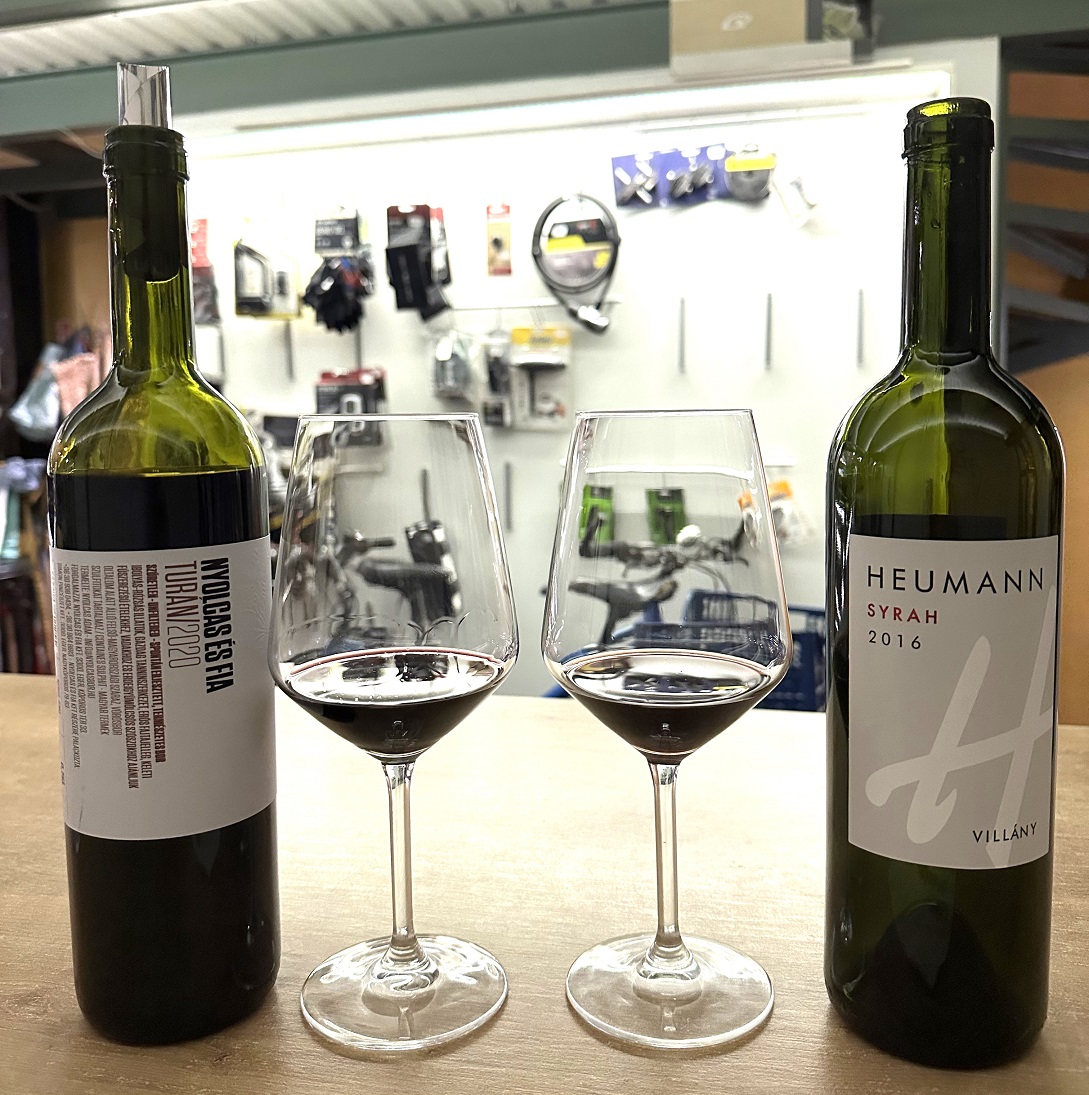
From here on, the new wines were arriving without interruption:
2022 Szentezi Prince Fekete Muskotály (12.5% ABV, rare grape: Fekete Muskotály)
This wine was light and fruity. Somewhat similar to Beaujolais Nouveau but with a bit more substance, loaded with fresh wild berries. Good acidity. Refreshing. Should be great with food.
2022 Sziegl Pince Kadarka Bisztró Hajós-Bahai Hungary (11% ABV)
Yet another light and fruity red, red fruit, simple, clean, light. Well balanced, good acidity.
2020 Nyolcas és Fia Borház Turán (13% ABV, rare grape: Turán)
Dark fruit on the nose, dark fruit on the palate, good mid-palate weight, good structure, excellent wine.
2016 Heumann Syrah Villányi Védett Eredetú Prémium (14% ABV)
Really was not expecting Syrah, but this was an excellent choice. Dark, concentrated, brooding, cherries, a hint of pepper, round, good balance, perfectly well drinkable.
Truth be told, I didn’t have much luck with the food at the restaurants. Yelp is unavailable in Hungary, and I find that TripAdvisor restaurant information is subpar, so the only option left is Google.
Through my search, I found a restaurant called Parisi 6. I almost skipped it at first, as I thought that based on the name it would be a French restaurant. But the menu suggested that this would be a traditional Hungarian restaurant, so I decided to give it a try on the last evening.
The food was excellent (finally had a goulash soup that I enjoyed), and the service was even better than the food if this is possible – ultra-friendly, attentive, and helpful.


Here are the wines we had at a restaurant:
2022 Skrabski Furmint (13% ABV, low histamine (!) wine due to a special strain of yeast used for fermentation)
Whitestone fruit on the nose, Chardonnay-like appearance on the palate, vanilla, fresh apples and hint of apples, fresh acidity. Food friendly.
2022 Szemes Villányi Cabernet Sauvignon Villányi Védett Eredetú Száraz Classicus Vörösbor (14% ABV)
I actually thought asked for a different red wine on the list (Kadarka), but somehow this wine appeared at our table, and the very first sip suggested that mistake or not, this was an excellent choice.
Beautiful core of dark berries, cassis, cassis, and a hint of bell pepper on the palate, round, medium to full body, delicious.
2023 Tokaj Nobilis Szôlôbirtok Kövérszölö Edes Fehérbor
I asked for the dessert wine to have at the end of the dinner. Our waiter suggested that Tokaji would be very expensive, and suggested that this wine would be a more reasonable but still a good choice. Wow. This wine literally delivered an experience. The wine was all into a sweet apple profile – ripe apple on the nose, ripe sweet apples on the palate, perfect sweetness balanced with perfect acidity. And the best part? Our dessert choice was apple strudel, and my oh my, was this a heavenly combination…
That’s my deep dive into Hungarian wines in a good amount of detail. If you have an opportunity, definitely look for the Hungarian wines, I’m sure you will not regret it.
And before we part, two more little tidbits of my experience in Budapest.
I walked a few times to the river, going past this building:
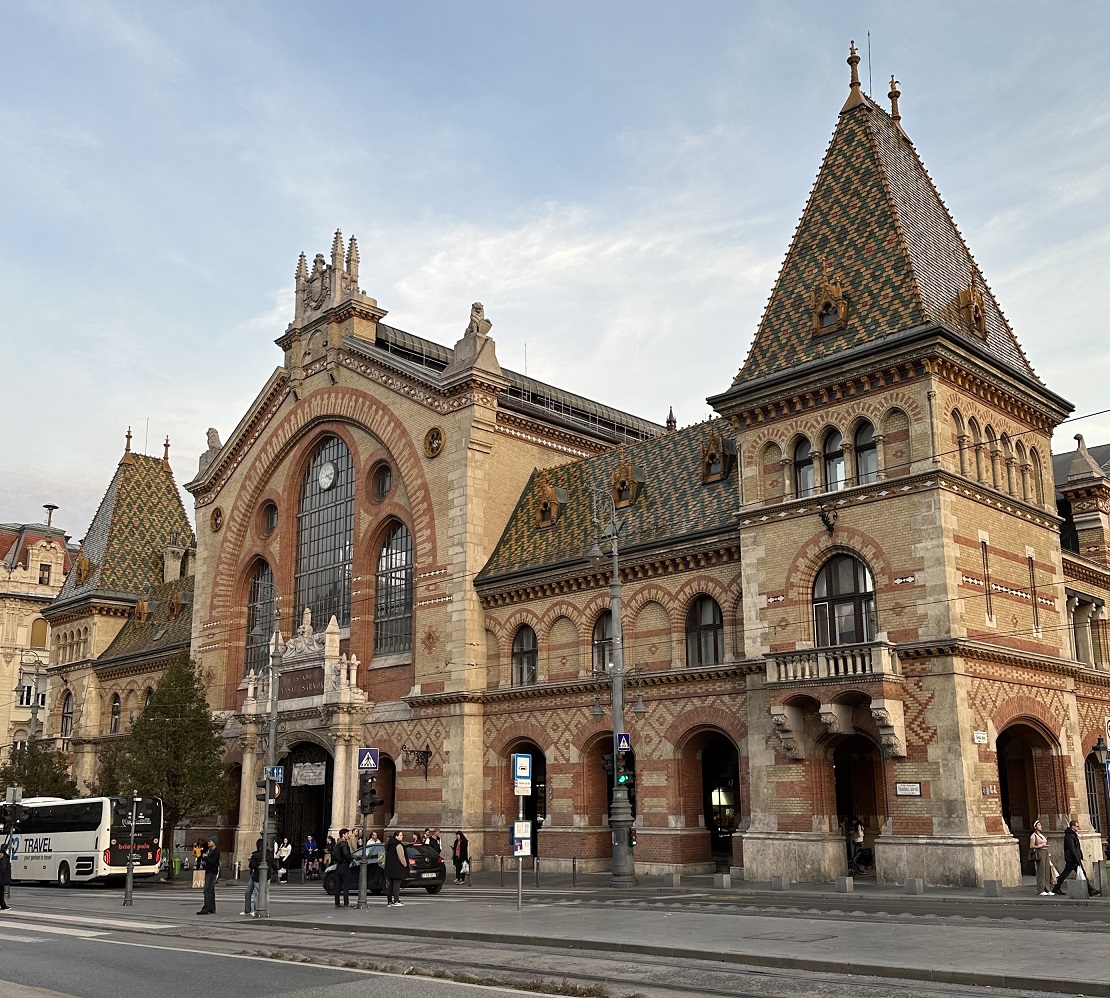
and thinking that this was a museum or some sort of historical building. On my last day, I was looking for a place to get some specialty Hungarian foods, such as Pick salami for example (when fresh, might be the best salami in the world). Somehow, google suggested that there is a supermarket inside that “historic building”. Surprised but obedient, I crossed the road and read the “Central Market” sign above the entrance! The building might be historic, but inside I found lots of small shops offering all types of Hungarian specialty food. The place was somewhat similar to Chelsey Markets in New York – if you ever visited you would get the idea. I was happy to find a pick salami to bring home and much more.
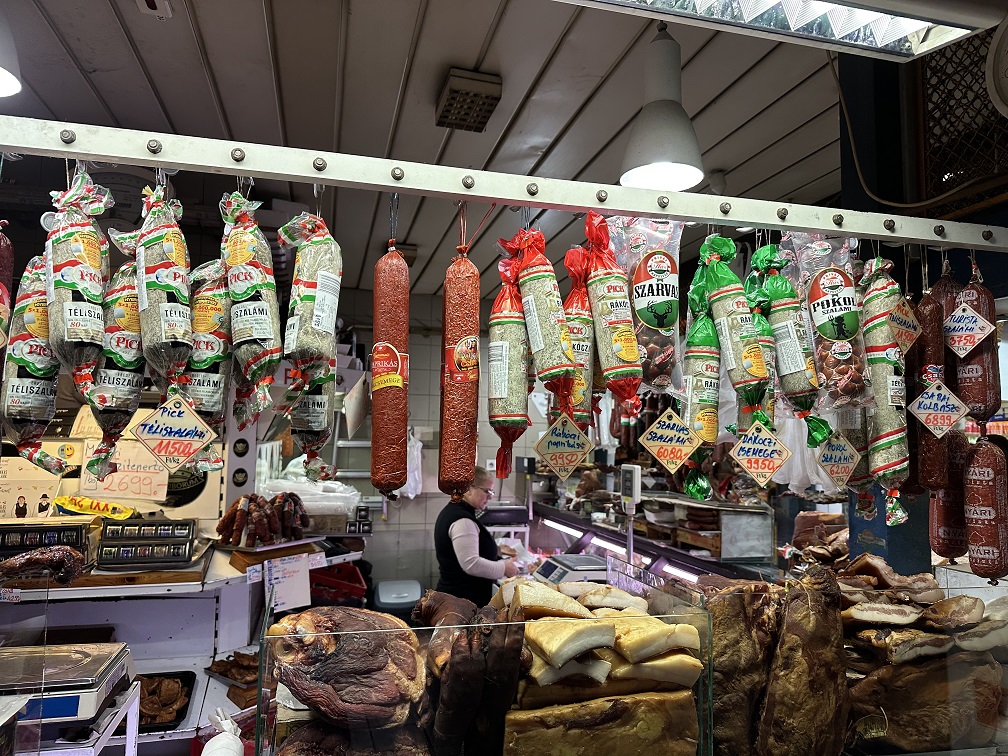
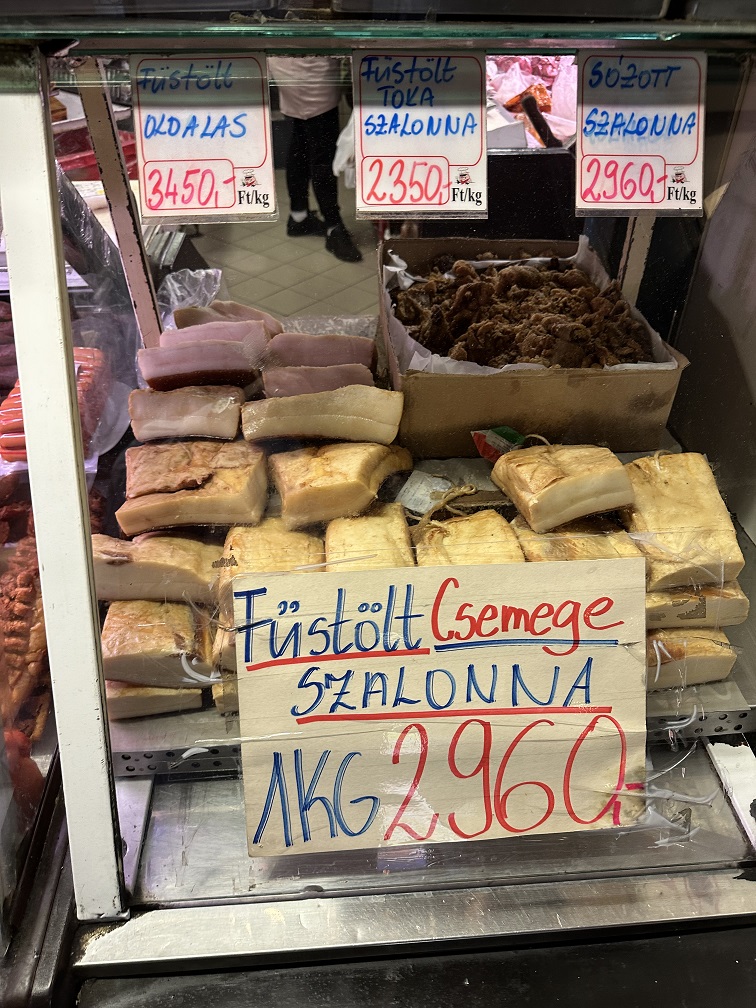
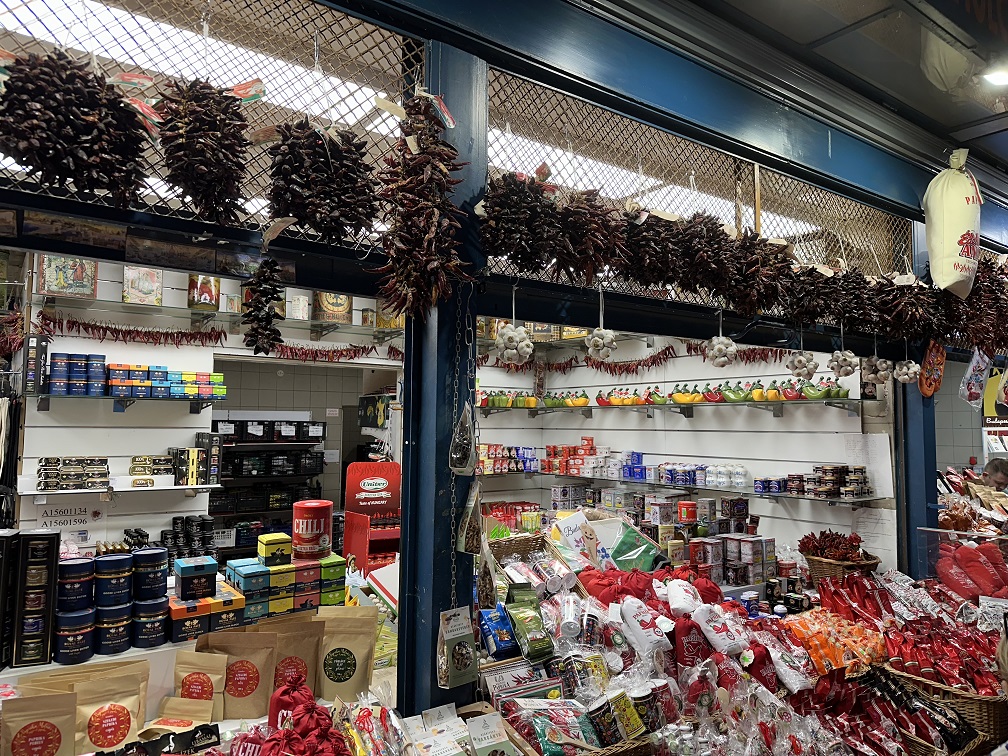
And last but not least, a few pictures of the beautiful Budapest town:
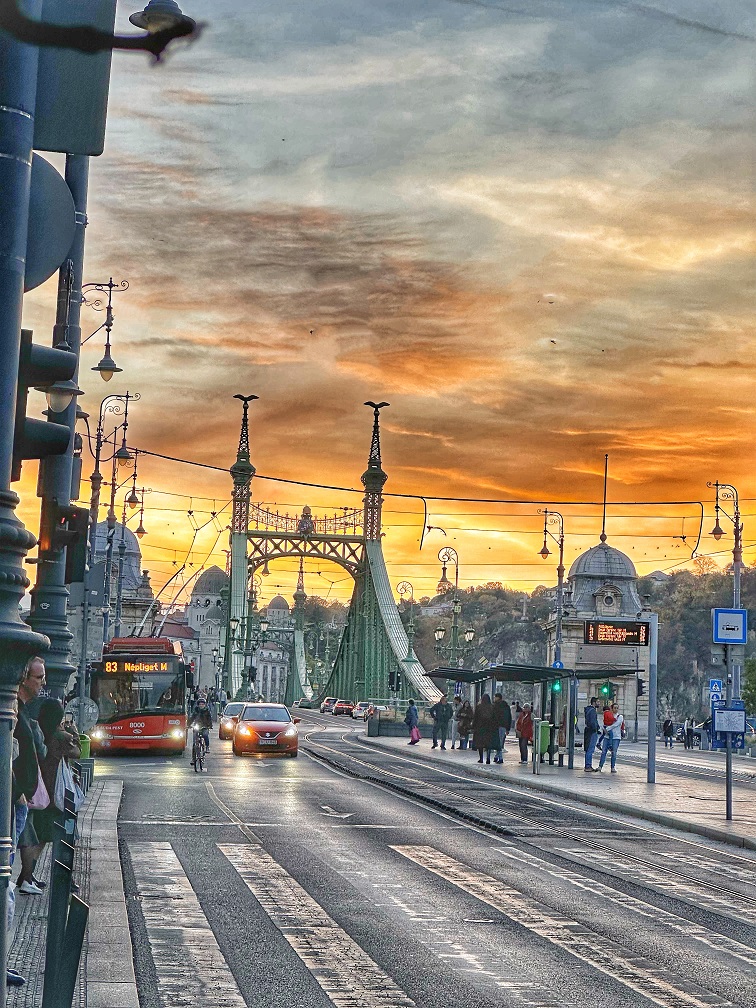
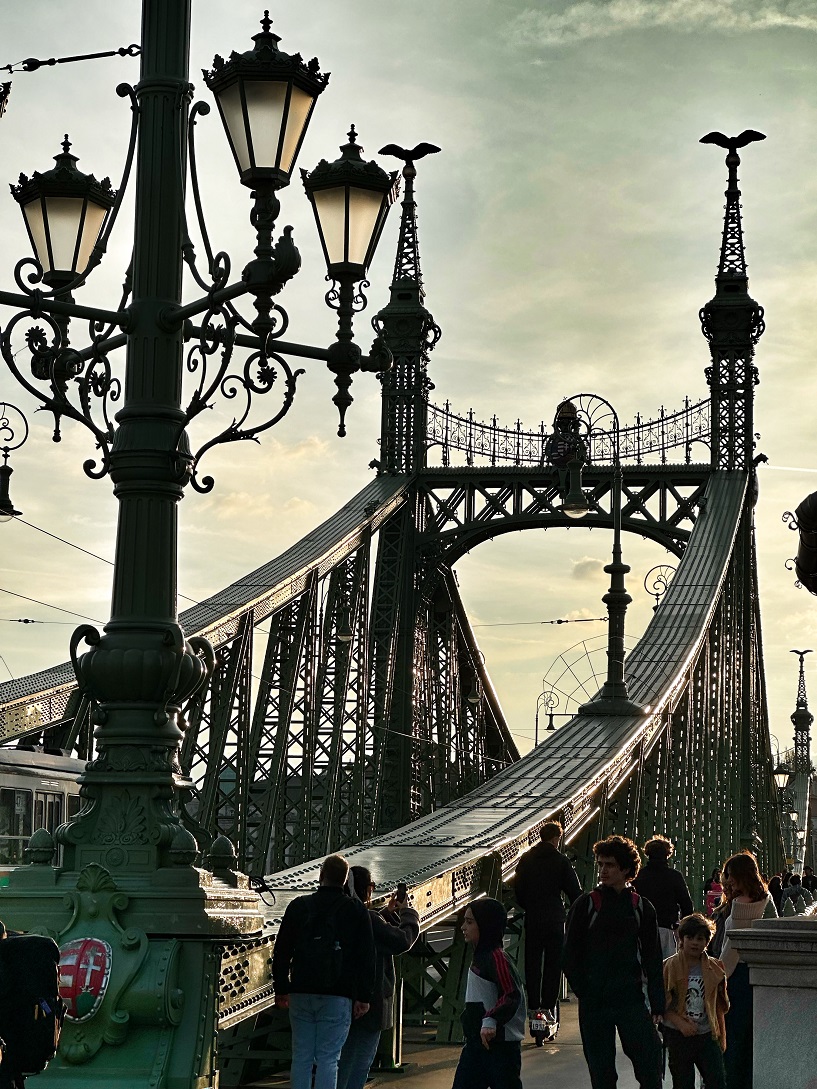


Budapest is a beautiful town, and Hungarian wines are delicious and evolving. Did I just set up your next travel itinerary or what? Cheers!
Fall Colors 2024: Early and Extended
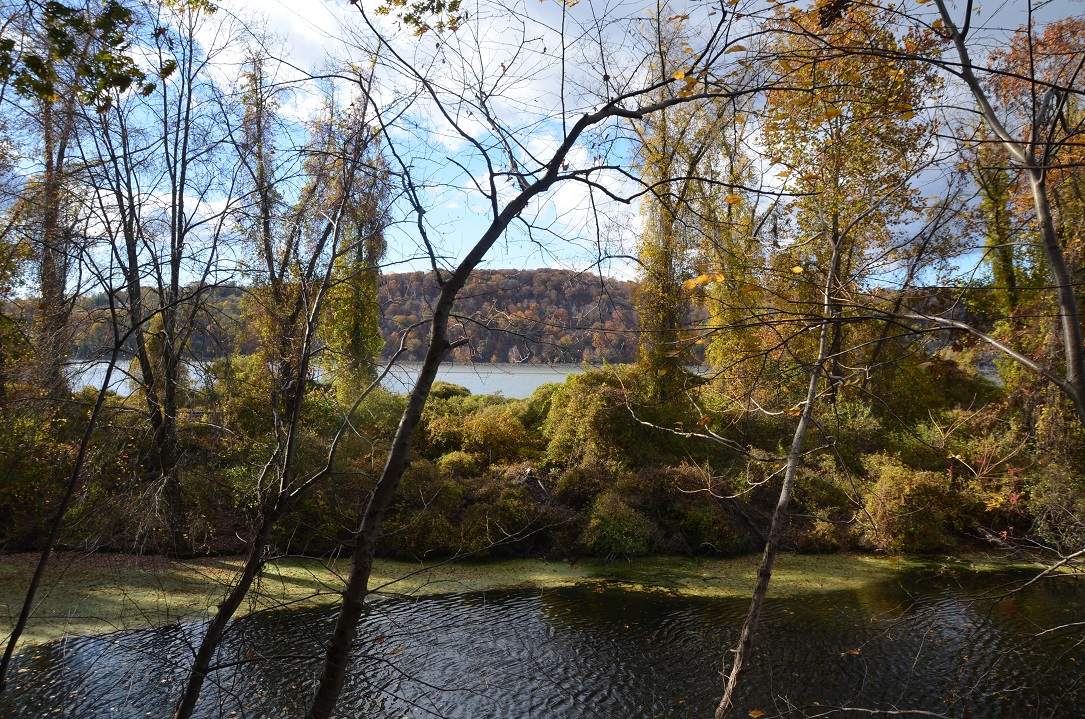
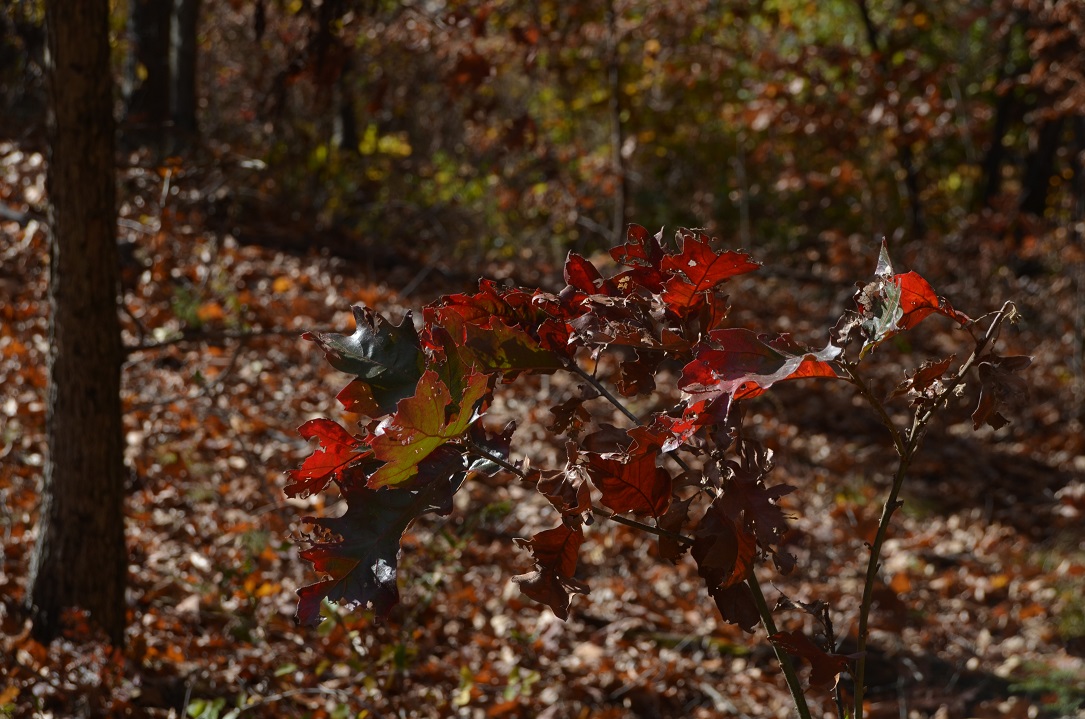
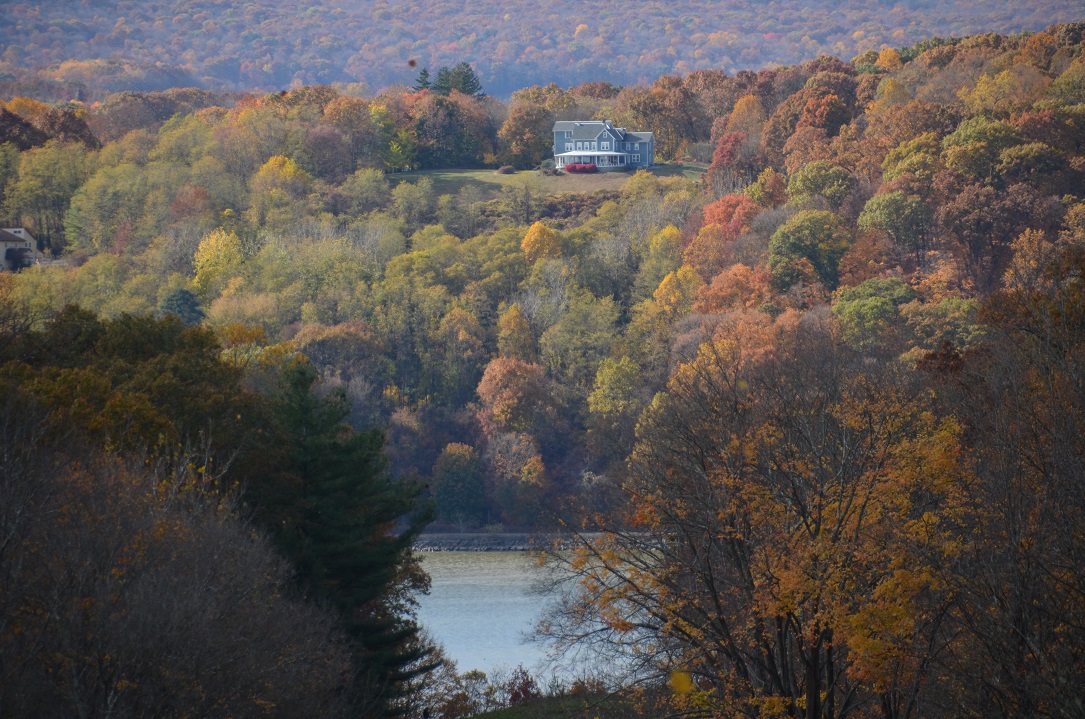
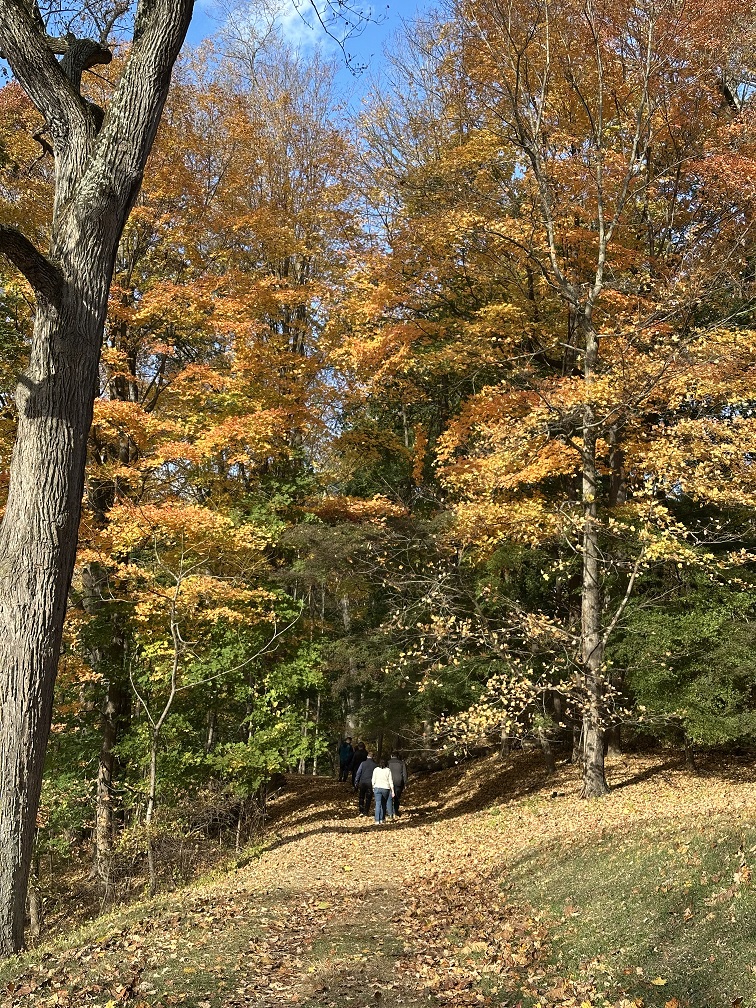
As I love photography, it always gives me great pleasure to share a few pictures on these pages. Fall colors are no strangers here with many posts over the years, so this is what this will be all about.
Continuing the tradition, a few words about Fall 2024. I don’t think I remember the fall so dry – starting from mid-September, we maybe had one day of rain here in New England and surrounding areas. The fall colors started gently arriving at the end of September, but even now (the second half of November) some of the trees are still standing in full beauty.
We had an opportunity to visit a few places in Pennsylvania and New York, so here is a collection of autumn 2024 moments for you:
Beautiful views at Pound Ridge town park in New York:
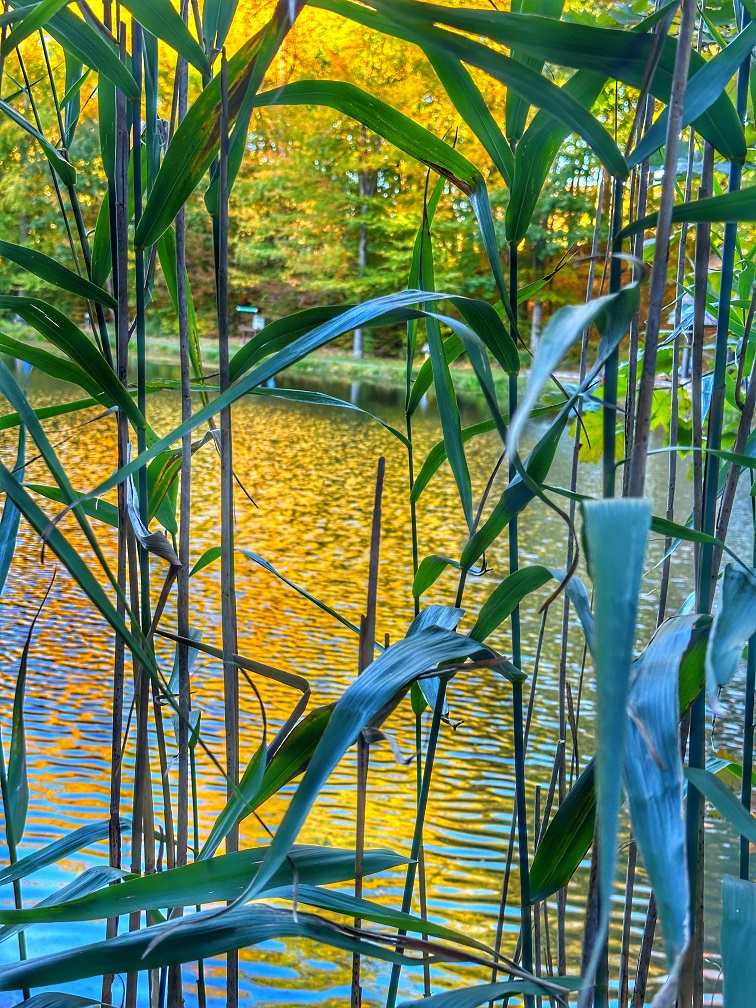
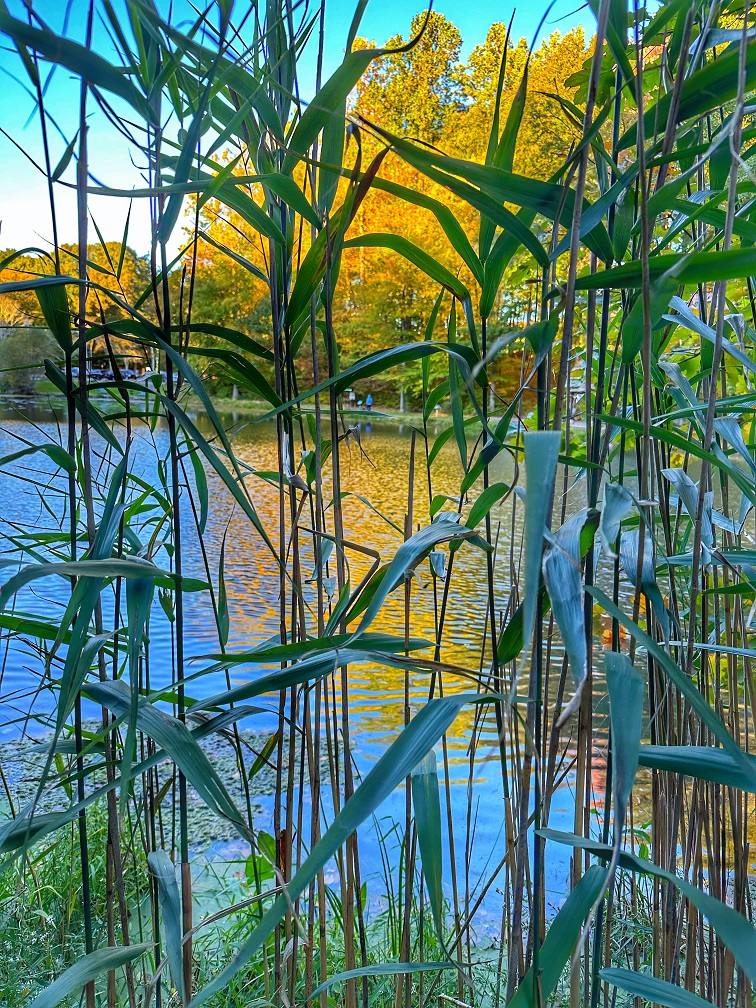
Next, a few pictures from the Grey Towers in Pocono Mountains and our walk along the Delaware River, all in Pennsylvania:
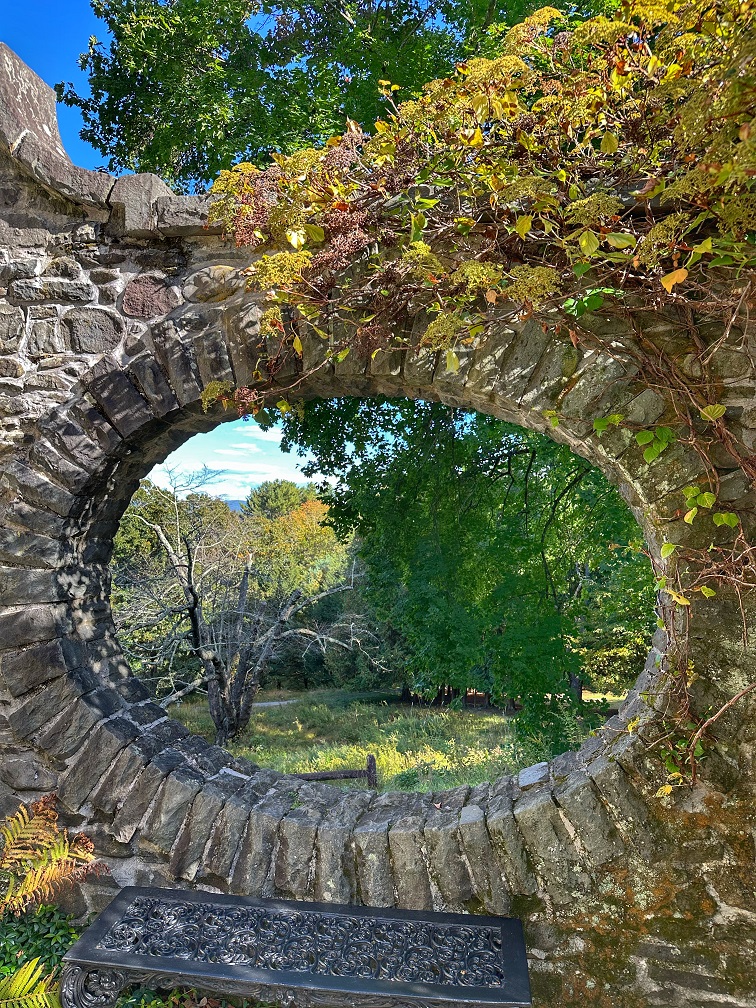
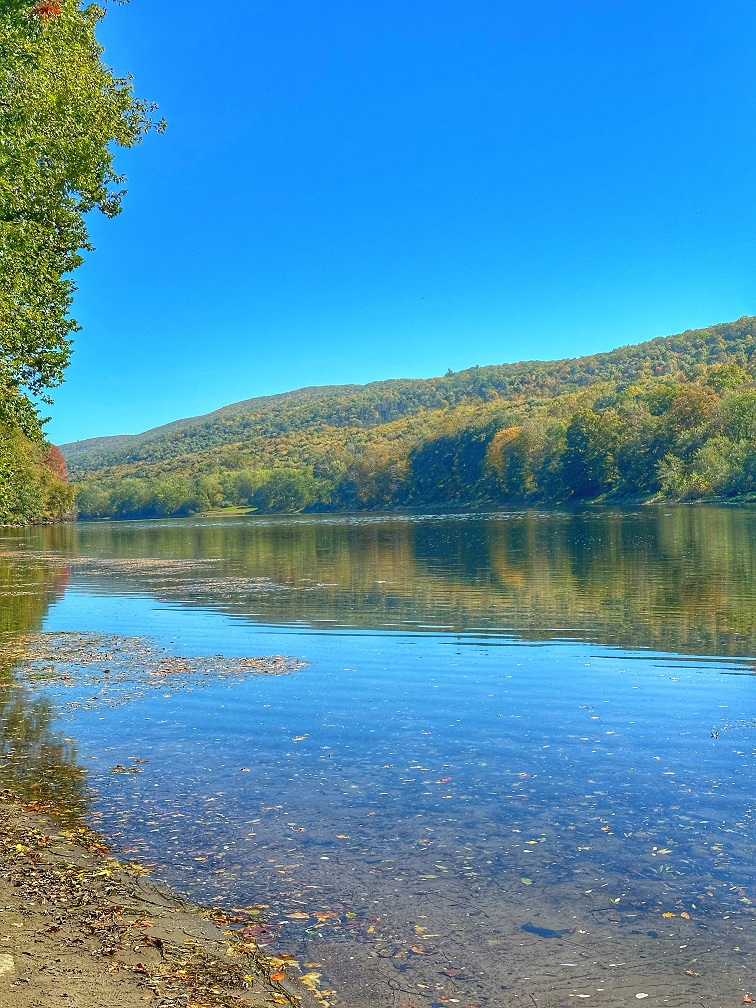
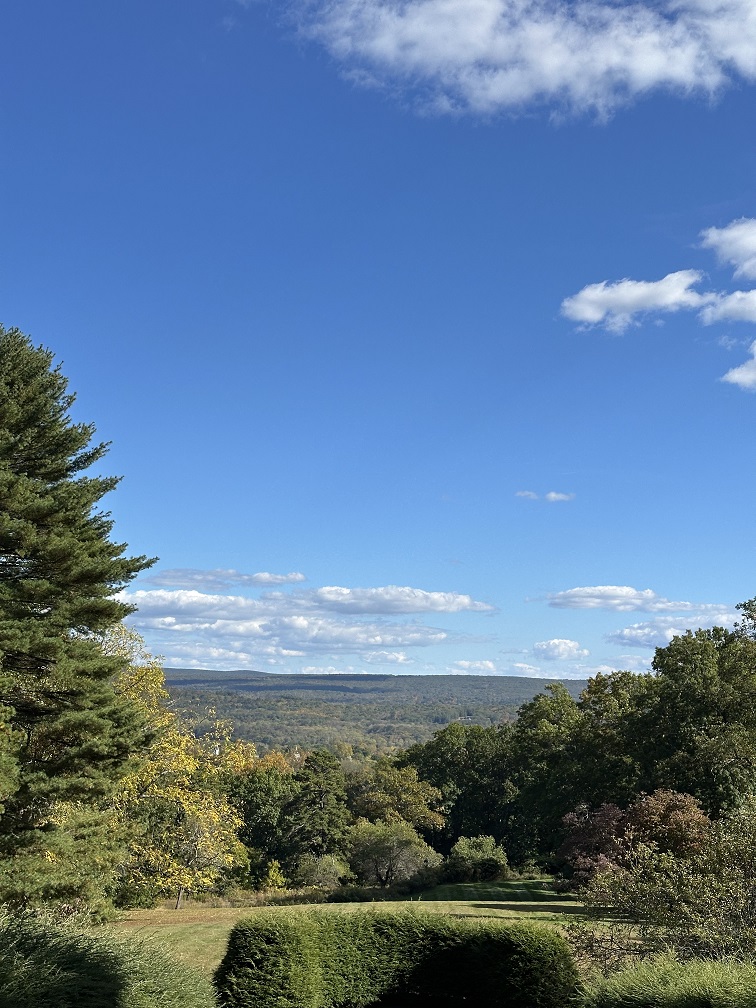
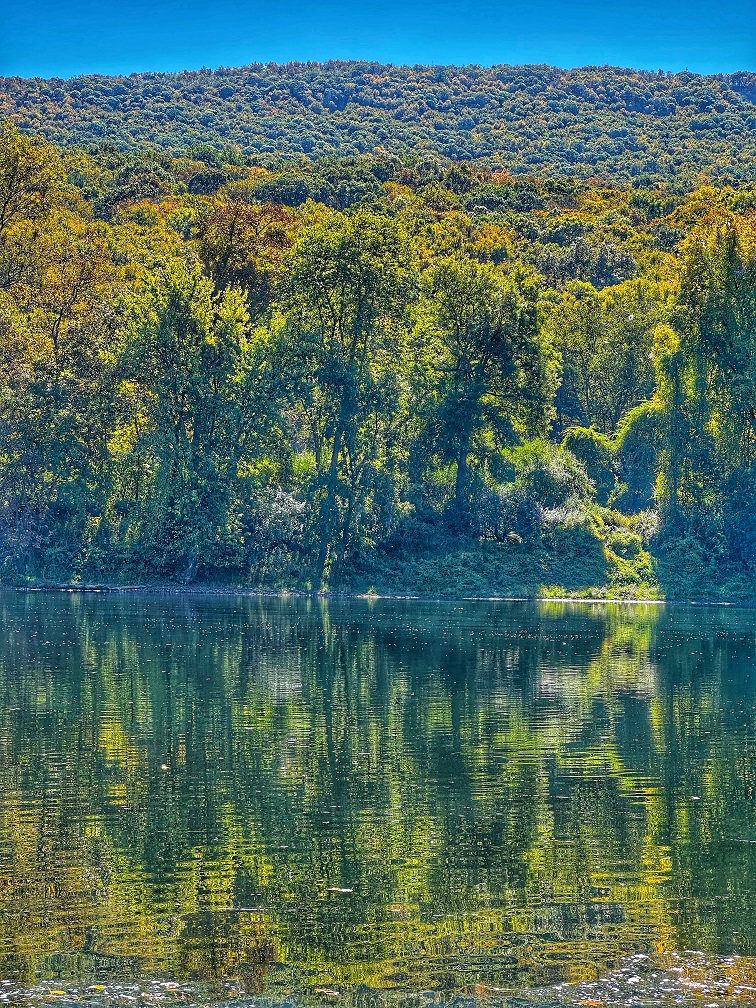
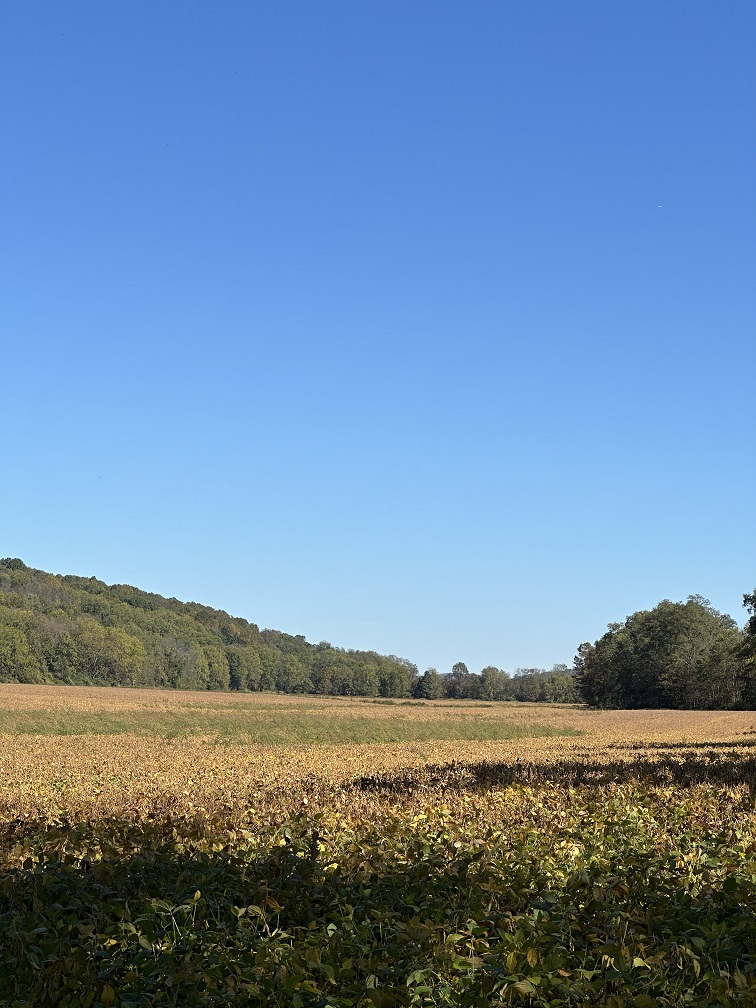
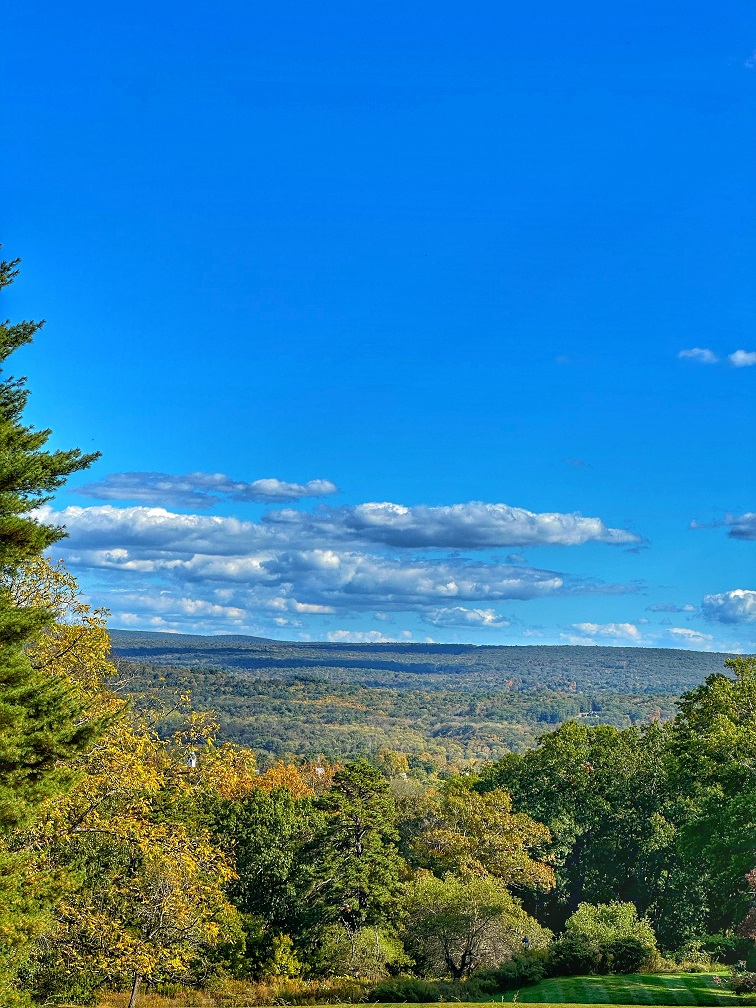
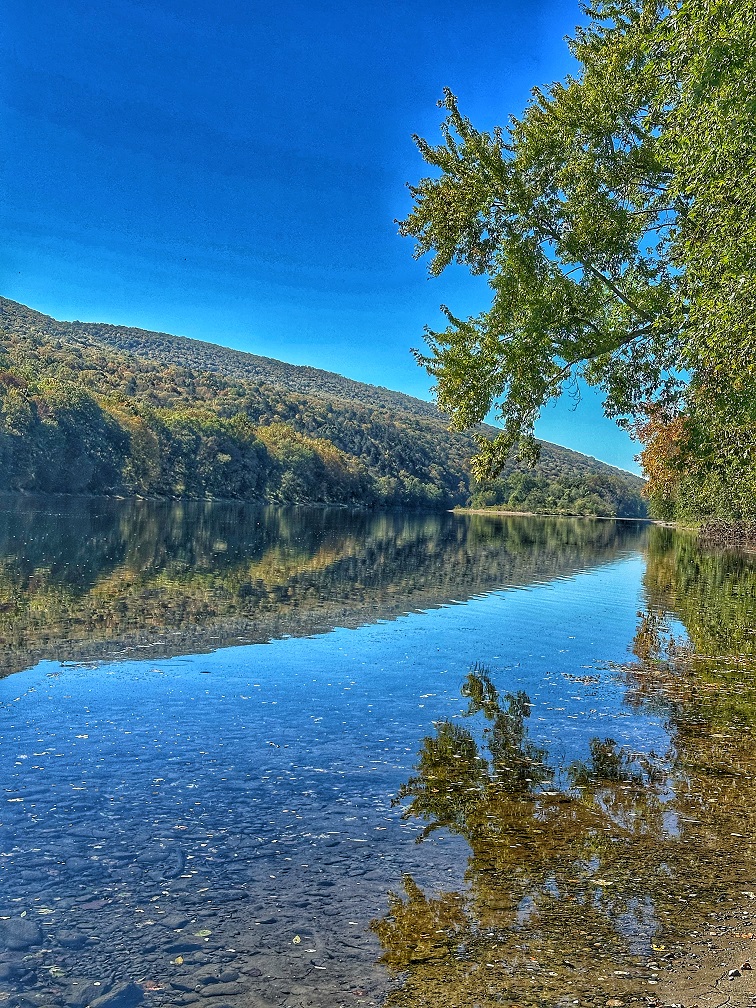
Here are late October impressions from the Locust Grove Estate in Poughkeepsie in New York, and beautiful Hudson River scenery from the Walkaway over Hudson. By the way, if you are ever in the area, I highly recommend visiting both:
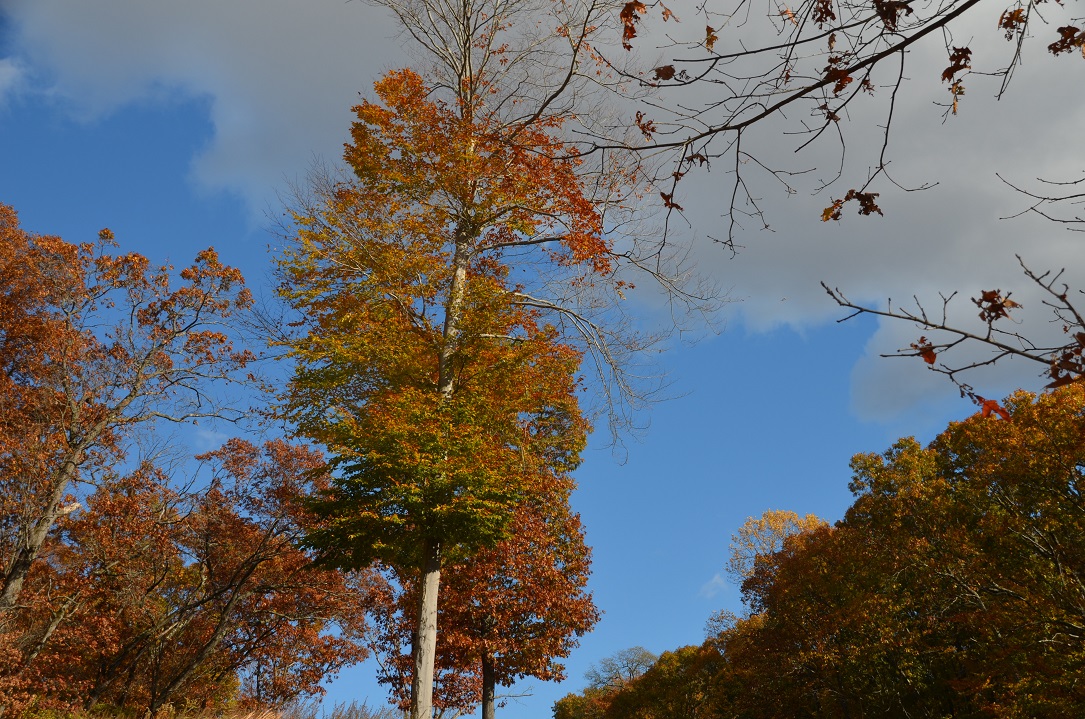
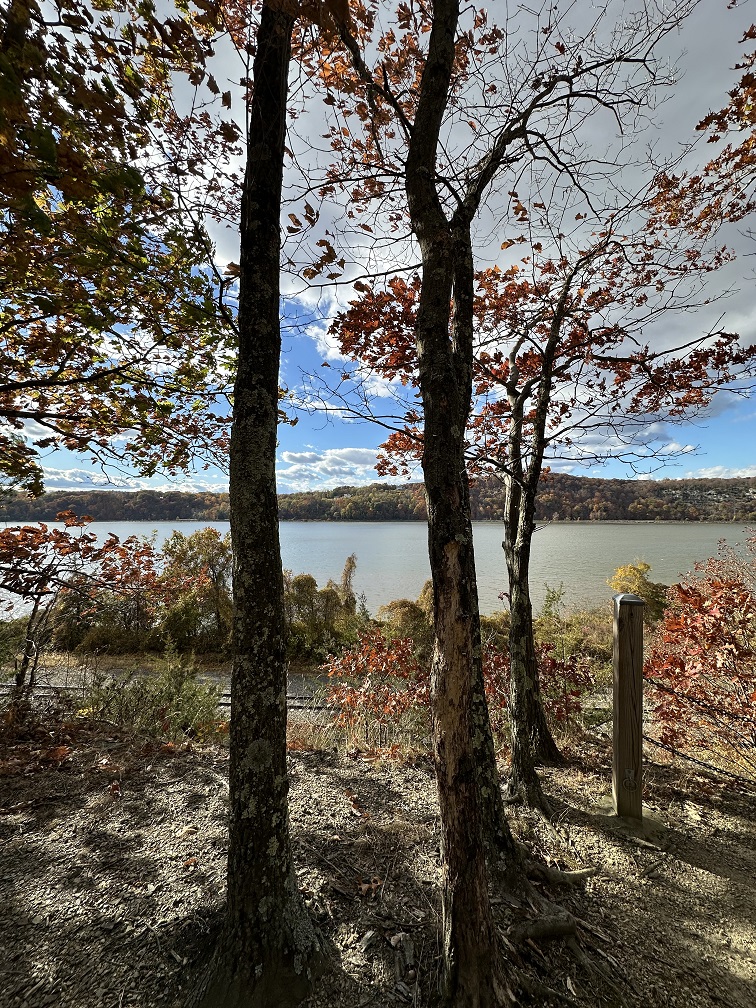
Lastly, a few “home” impressions from Stamford, right from our neighborhood:
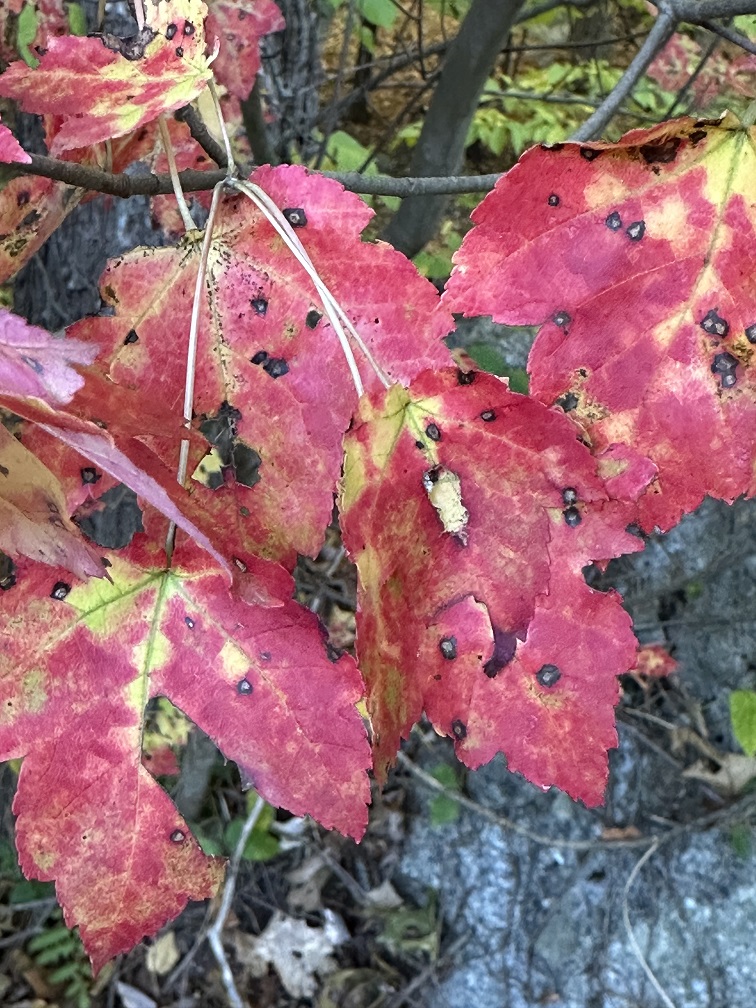
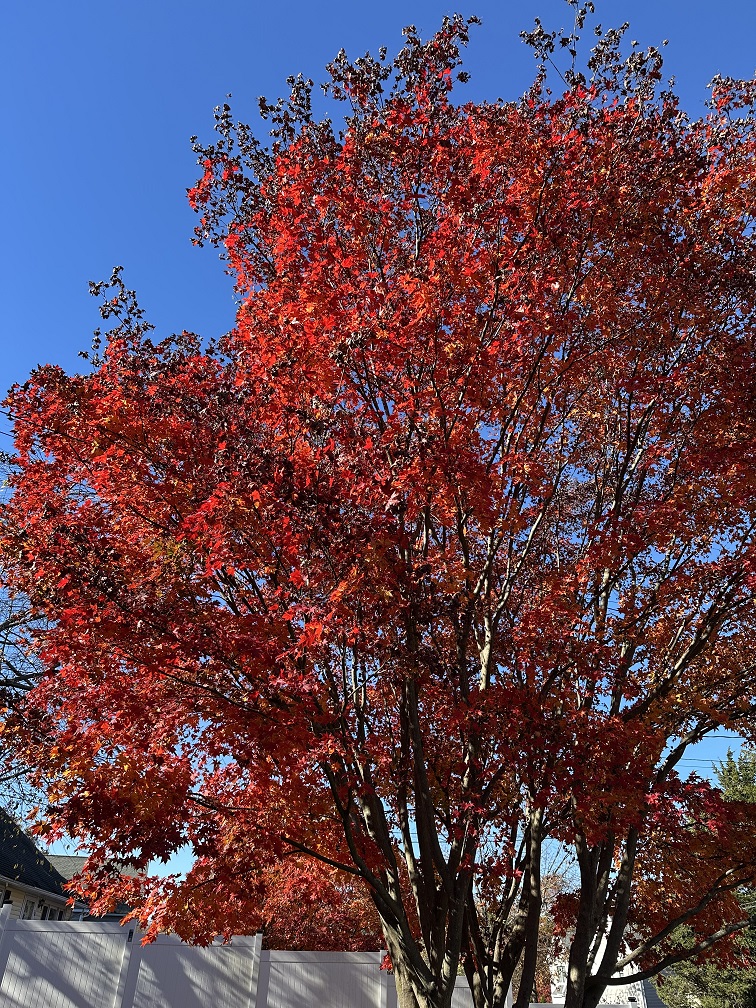
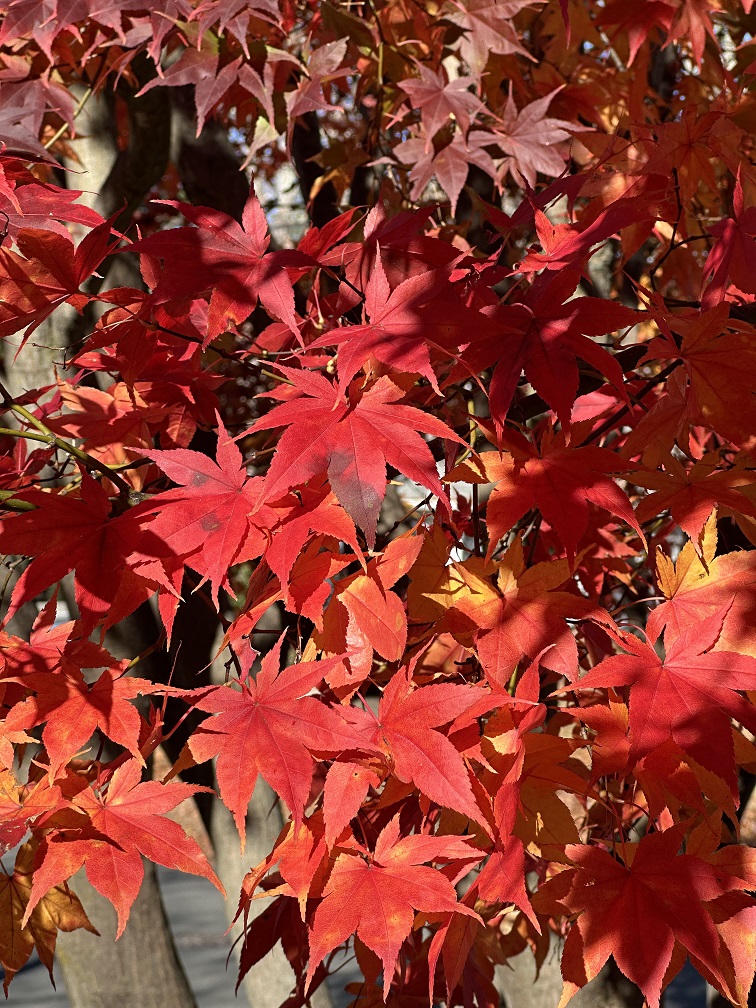 Last but not least, I need to mention a couple of wines:


2018 Anaperenna by Ben Glaetzer Barossa Valley (14.5% ABV, 82% Shiraz, 18% Cabernet Sauvignon, unfiltered) was superb – layers of dark fruit on the nose and on the palate, peppery undertones, eucalyptus, impeccably balanced, round and polished. I’m definitely not drinking enough of the Australian wines of this level, and I would be happy to fix that.
2021 Le Clos du Caillou Cotes du Rhone Cuvee Unique Vieilles Vignes (14% ABV) was beautiful – earthy black fruit on the nose, round and polished with good structure on the palate, with gobs of cherries, perfect acidity and perfect balance. I’m generally not a big fan of Cote du Rhone as many of the wines from this region are quite underwhelming – but Caillou is a good producer, and I’m glad I grabbed 6 pack from the Last Bottle wines to enjoy this simple but classy red over the next few years.
That’s all I have for you, my friends. How is your fall going?
A Perfect Monday Wine?
Is there such a thing as the perfect wine for Monday?
Or, can there be a specific perfect wine for every day of the week?
Yes and no.
The answer is yes if you feel like it. You can create your own tradition – for example, “every Friday I drink Cabernet Sauvignon”, or “every Sunday I drink Chardonnay”. Sure, you can create such a tradition, but why?
A better answer is “no, there is no specific wine for every day of the week”, there is only wine you want to drink today.
On second thought, maybe? Just for Monday?
There is an abundance of jokes about Monday – purportedly the most difficult day of the week. Arrival of Monday means the weekend is over – and there is a whole work week ahead. But then Monday night means the first day of the week is over – and the weekend just got a little bit closer – isn’t that a reason to celebrate?
And yet, even if Monday deserves its own special wine, what that can be?
Ha! The answer is simple. It is what you crave. Your idea of special Monday wine doesn’t have to be the same as my idea, or anyone else’s idea. Whatever you decide to drink on Monday will be your special Monday wine. For this one Monday, of course.
For whatever reason, today I was craving power. “Power” is not your typical wine descriptor, no doubt every wine lover would have a personal definition of this term. To me “power” means big wine which gives you a lot to “chew on”, but I don’t mean it in the sense of the new French oak tannins literally numbing your taste buds for the next 5 hours. I’m talking more about the massive presence of the wine on your palate, full-bodied, with dark fruit and a variety of spices. My power wines are Petite Sirah, Montefalco Sagrantino, wines made from the Eastern European grape Vranec, maybe some of the renditions of Alicante Bouschet (this is not universal).
In the majority of the cases, the “power” wine should also have some age on it, to make it drinkable. Anyone who tried young California Petite Sirah or Montefalco Sagrantino will understand what I’m talking about.

My choice of the power wine with age – the 2014 Turley Petite Syrah Pesenti Vineyard Paso Robles (14.4% ABV). Turley is best known for its Zinfandel wines, but it also produces a number of Petite Sirah wines, which are equally outstanding.
The wine had the perfect amount of power I was looking for. Abundant red and black fruit, cherries and cherry pits, firm structure, full body, espresso and pepper showing up at random, perfect acidity, impeccable balance. Answering Kevin Zraly’s question – “does this wine give you pleasure” I can only say that this wine was definitely giving the pleasure and lots of it, as I’m looking at an empty bottle right now.
What would be your Monday wine choice?
Travel Diaries: A Few Days in Chicago With A Few Wine Tidbits
Chicago might be my second favorite big American city after New York. Of course, this is a business traveler’s opinion (planned many times to visit the city of Chicago as a tourist, but this never happened so far). Situated largely around the Chicago River, the city offers magnificent views all around (just scroll down :)). The city also played a cornerstone role in American history, so you can’t help but think about all that was happening on those streets…
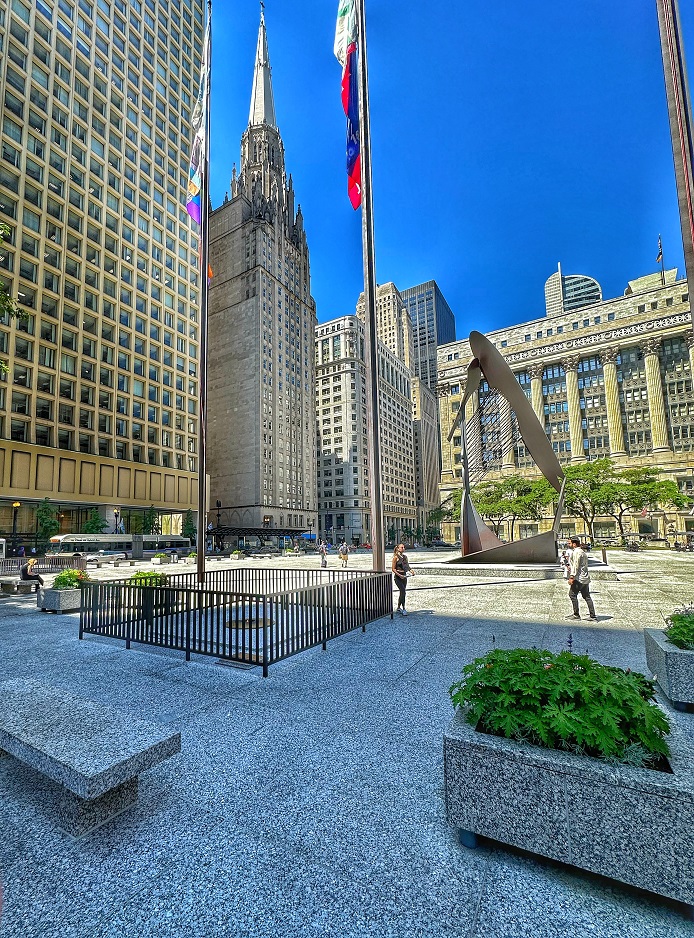



I spent pretty much an entire [work] week in the city, and had an opportunity to walk around a bit (mostly in the evenings). I stayed at the Fairmont Hotel, so most of my pictures, obviously, are taken in the proximity of that hotel (and some are just from the room). The hotel was very nice, no complaints. However, last year I stayed at the Palmer House Hotel, and being a historic hotel (the Palmer House was built in 1871/1875, while Fairmont was built in 1987), it offered a lot more charm – to my taste, of course. Okay, now you will have to scroll for a bit to get the wine portion.



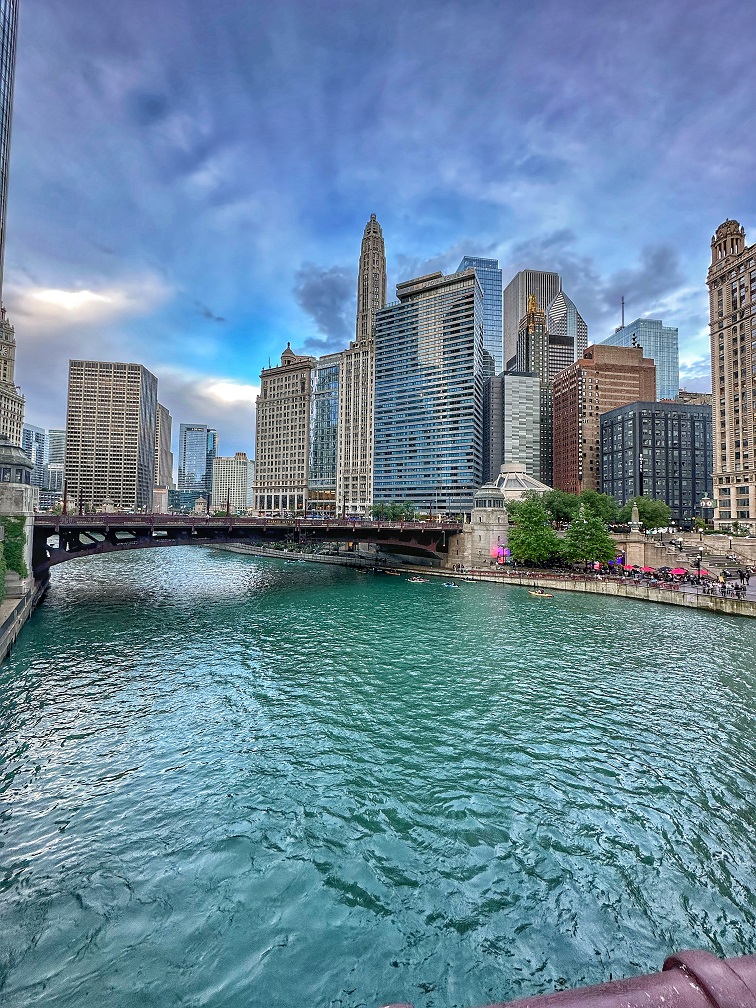
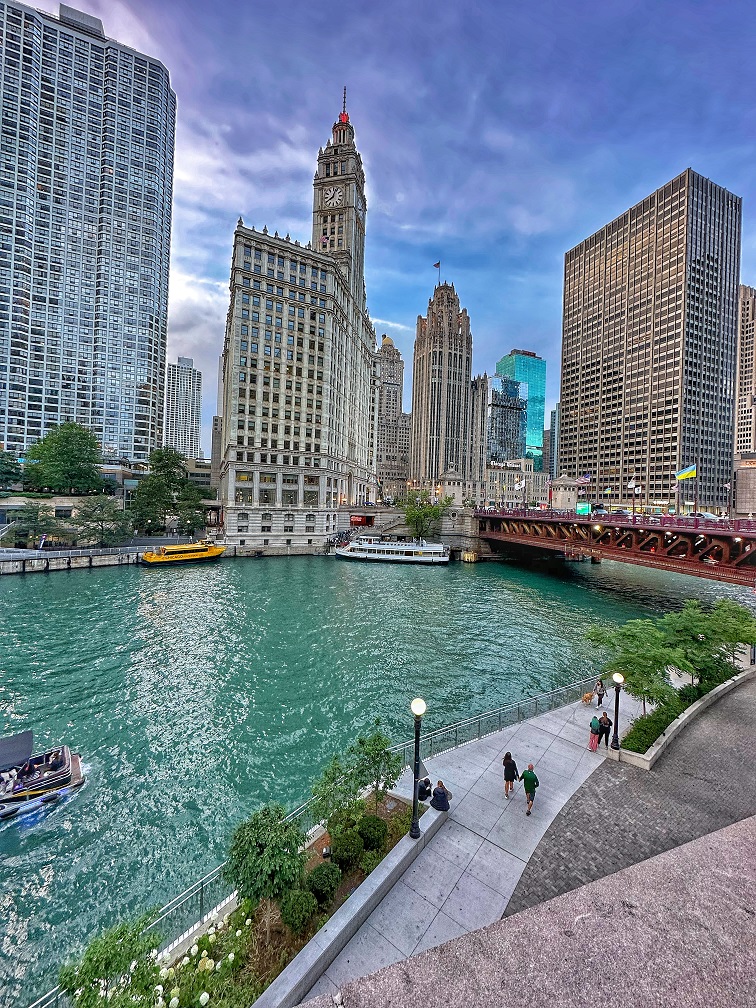 I hope these pictures give you an idea about the beautiful city of Chicago – of course, nothing can replace first-hand experience so you might want to add Chicago to your “to visit” list. Now, a few thoughts about wine.
As I’m sure you know my habits by now – when I travel, if convenient, I like to buy wine in the local supermarkets and grocery stores, just to see what is going on with the local wine scene. In Chicago, I visited Whole Foods and a large supermarket called Mariano’s, and I bought a bottle of wine at each place. Before we talk about particular wines, I just want to make a more generic comment, about the state of the wine market overall.
Media loves to talk about how wine is losing its popularity – not all of the alcohol categories, as wine stores can’t keep enough of the High Noons on the shelves, but specifically wine. People are buying less wine, people don’t drink wine, especially young people, and yada yada yada. I visited two large supermarkets, and both of them had shelves and shelves full of wine from around the world. These supermarkets are located in downtown Chicago, where real estate, I’m sure, is at a premium. If wine didn’t sell, these supermarkets wouldn’t keep such a supply on the shelves and give it so much space in the store. So I think the wine market is doing just fine…


Now, let’s talk about a few of my wine experiences in Chicago. First, I got this 2020 Famille Perrin Nature Côtes-du-Rhône Rouge (14.5% ABV, Grenache, Syrah, aged in stainless steel/oak barrels for 1 year, organic grapes) at Whole Foods. Perrin is a well-known name in French winemaking, and specifically in the Rhone – the family owns one of the most famous Rhone estates, Chateau de Beaucastel. When I saw this wine on the shelf for $15.99 (it was also on sale and cost $14 and a change), it was a perfect combination of a good name and a good price. Perrin family had been farmed organically for more than 40 years, and now this wine comes from a certified organic vineyard. I’m always a bit afraid that generic Côtes-du-Rhône red would be a little wimpy – the fear was unjustified with this wine, which delivered a perfect core of the dark fruit, good energy, perfect balance of acidity with well-integrated tannins. Definitely try this wine if you will see it.


My visit to Mariano’s yielded this NV Locations F French Wine Release 7 France (15.5% ABV, a blend of Grenache, Syrah, and assorted Bordeaux varietals, barrel-aged for 10 months). The wine selection at Mariano’s was large, but not interesting. I didn’t want to spend too much, so the Locations F at $19.99 was not the best value, but the most reasonable value/interesting wine compromise I could come up with.
Location wines are produced by well-known California winemaker, Dave Phinney, of Orin Swift Cellars fame (Prisoner, Machete, …). Location wines are typically non-vintage, and produced from the variety of grapes in the country of origin which is depicted on the label – F and FR for France, I and IT for Italy, CA for California, ES for Spain, and so on – you can learn more here. While the wines are not vintage-specific, there are different release numbers and each release might have an entirely different grape composition. For example, the Location F I had in 2015 was a Cabernet Sauvignon wine from France, while this release 7 is a blend of Grenache, Syrah, and other varieties.
The wine had a nice core of dark fruit, good acidity, and good overall balance. If I hadn’t looked at the label, I would never tell that it had 15.5% ABV – the alcohol was very well integrated and didn’t affect an overall balance. Not sure this would be my go-to wine at $20, but at the same time it was not the worst value either.


There is one more wine I would like to talk about here – 2021 Foradori Teroldego Vigneti delle Dolomiti IGT (12% ABV, cement tanks and used 20 to 40 hectoliters foudres for about 12 months, certified biodynamic). I had this wine at the Siena Tavern restaurant. To be entirely honest, this was almost the cheapest wine at $78. If there is one thing I despise with passion, it is ridiculously priced wine lists at restaurants. This same wine can be found in retail for about $25, so it was priced at triple retail. Definitely not the worst, as I’m sure the obscure nature of Teroldego played a role here – baby Ornellaia, Le Volte dell’Ornellaia, was priced at $89 on the same list, which makes it 4 (four!) times retail. I know a restaurant is a business, but come on… have common sense. I have to say that I didn’t see too many people with wine bottles on the tables, maybe that wine list requires some thought…
The wine itself was excellent. A touch gamey, both on the nose and the palate, dark fruit, roasted meat notes, crisp acidity – it was drinking very well… I looked up Fordari wines, and frankly, I would like to try other wines in the portfolio, especially the single vineyard Teroldegos.
Here you are, my friends – my Chicago trip with a few wines attached.
Low Calories, Low Alcohol Wines – Second Encounter
About a year ago, I tried for the first time the wine deliberately produced to be in the “low calorie, low alcohol” category – you can find the story here. You might want to refer to that article as I made an effort there to explain how calories are calculated in wine, which I’m not planning to repeat today.
Back in April, I was offered to taste two of the low-calorie, low-alcohol wines – and this is where the story started. To put things in perspective – the “low calories, low alcohol” Pinot Noir I tasted a year ago had 124 calories per standard glass – versus 154 calories in the glass of full-bodied Cabernet Sauvignon – with 30 calories difference, you make your own conclusions. To be clear, I relegate the “low calories” sentiment to pure marketing – therefore when I got an email with an offer to review two low-calorie wines, my first inclination was to respectfully decline. Also, the wine labels in the picture had a clear message depicted with the standout letters LO CA – I attributed CA to California which was also kind of a letdown as I prefer Californian wines to be unmanipulated.
After skimming (sic!) through the email I wrote back a reply (tirade, rather) explaining how I would only write about wines if I like them, and I wouldn’t write about them if I don’t like them – of course, this was obvious, but nevertheless, I decided for some reason to stress it and then agreed to try the wines.
A few days later I got the wines and then it was time to taste them. I took pictures of the bottles and studied the labels of the wines I was about to open. The wines are from California, so it is given that the white wine is Chardonnay, and the red should be Cabernet Sauvignon… Malbec? Why does it say Malbec? Malbec from California? What an unusual choice for the low-calorie wine!
oohhh…
Why does it say “Argentina” on the label?
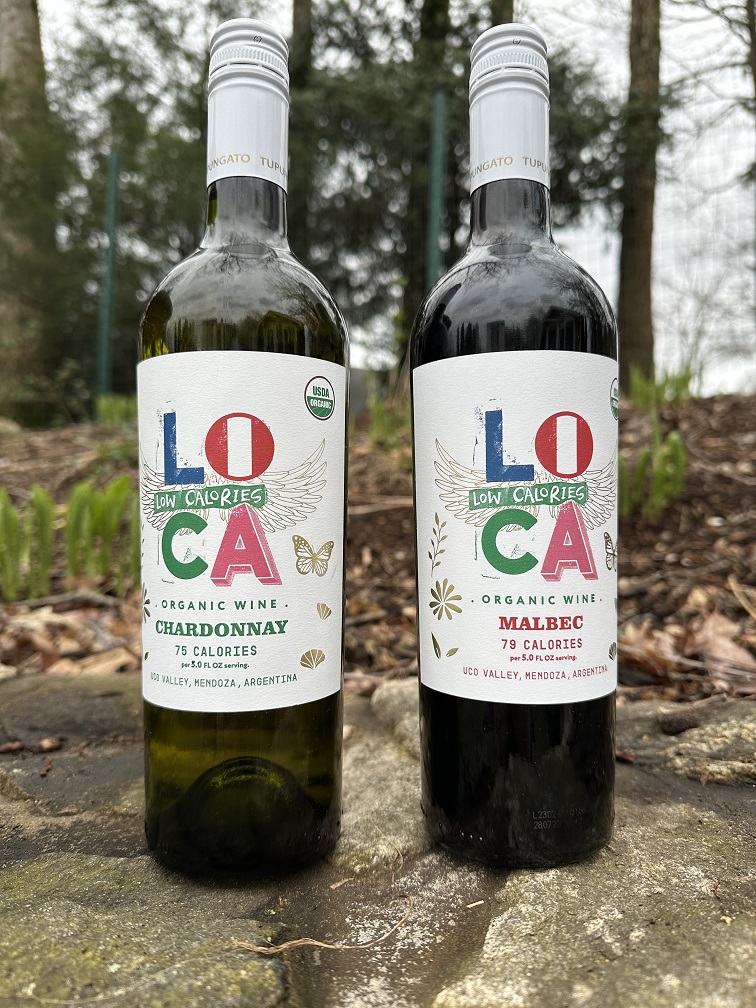
Ah, the wines are from Argentina! LO CA simply stands for LOw CAlories, that CA has nothing to do with California (also “loca” means “crazy” in Spanish, but this is probably unrelated?). And the wines are produced not by some unknown little winery but by Domaine Bousquet, possibly the best organic wine producer from Argentina and one of my favorite producers overall as so far I haven’t had a bottle of wine from Domaine Bousquet that I didn’t like. And now I feel embarrassed.
Remember I told you that I skimmed through the email instead of actually reading it (horrible habit, I know)? If would carefully read the email this embarrassing situation would’ve been avoided, as I would just gladly accept the wines from Domaine Bousquet – I quickly rushed to write an apologetic email explaining my error in judgment.
From here on I was a lot more encouraged to taste the wines, and now was really looking forward to the first sip.
In almost 35 years of its existence (while vacationing in Argentina, Frenchman Jean Bousquet purchased 1,000 acres of arid desert in Gualtallary Valley in Uco Valley in 1990, the beginning), the folks at Domaine Bousquet accomplished truly a lot – a lot more than thousands and thousands of other wineries accomplished in their lifetime. Domaine Bousquet produces 4 million liters (the equivalent of 5.3 million bottles) of wine 95% of which is exported to 50 countries. More importantly, the winery started practicing organic viticulture in 1997, and today it is USDA-certified organic, Ecocert-approved, and Regenerative Organic Certified™. To make sure you can fully appreciate it, there are only 21 regenerative organic certified wineries in the world at the moment of this writing and Domaine Bousquet was the first winery in Argentina to obtain this certification.
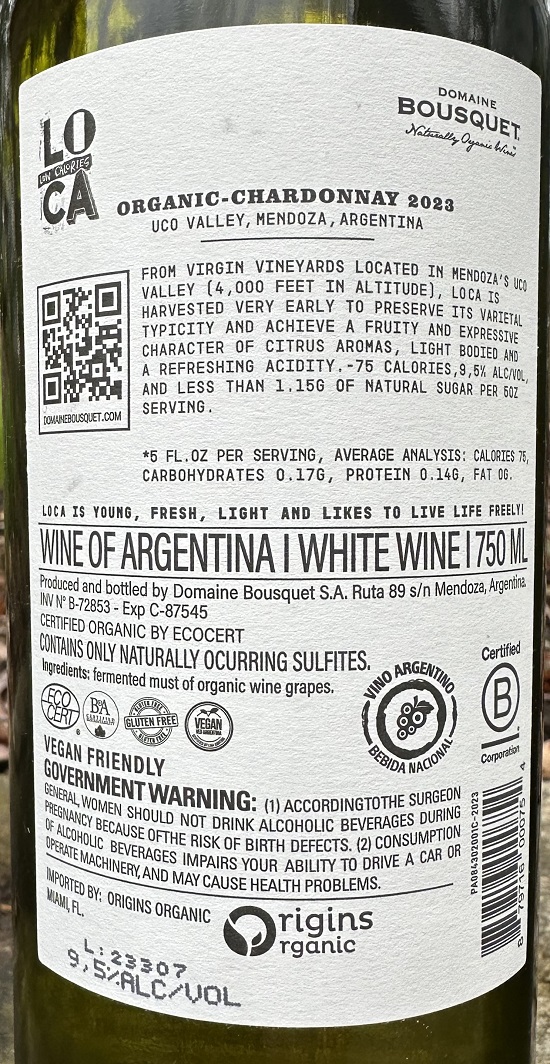 How do you make your wines low calorie, low alcohol without any manipulation? I didn’t think of it, but as I started working on this post I had to read a bit about the wines I was tasting, and it appears that it is easy 😀you just harvest early.
Here is the information from the winery notes for these two wines:
“Grapes were harvested in the early summer, between late January and early February, about two months earlier than for standard bottlings. To guarantee optimum quality, different parcels were picked at different times. The grapes were then fermented in stainless steel tanks for 12-17 days. Bottling followed shortly after to ensure peak freshness, preserve its varietal typicity, and achieve a fruity and expressive character.”
Now, the culmination point – my impressions after tasting the wines.
2023 Domaine Bouquet LO CA USDA Organic Chardonnay Uco Valley (9.5% ABV, $14, Residual Sugar: 1,21; Acidity / PH: 7.72/3.21; 75 Calories):
This was an interesting experience. The nose was muted, and on the palate, there was still not much except the acidity. The wine had nothing but the acidity. Dont’ get me wrong – it was drinkable, but it was truly competing with Muscadet for the title of “Best oyster wine”. I would be more receptive to this wine if the label wouldn’t say Chardonnay, but instead simply said “white wine”, as I have certain varietal expectations for Chardonnay wines. Over the next few days, the wine continued to be drinkable and complexity increased a bit, but still the acidity was the key element.
Verdict: Food wine. I would love it with oysters, and I’m sure you would too. You can probably have a glass on its own on a hot summer day, but better have the food ready.
2023 Domaine Bouquet LO CA USDA Organic Malbec Uco Valley (9.5% ABV, $14, Residual Sugar: 1,21; Acidity / PH: 5.62/3.62; 79 Calories)
This wine was even more interesting than the Chardonnay. Beautiful ruby color. Nose of the fresh, just harvested wild berries, delightful. The palate offered the same berry medley, fresh wild berries all the way but without structural support, and of course acidity driven. This wine reminded me of how Beaujolais Nouveau was 10 years ago, just fresh berries and nothing else. The wine lasted for a few days, gaining a bit more complexity (a welcomed development). I wouldn’t say it is my wine, but if you are looking for a refreshing wine for a hot summer day, this might do it. And I only realized now, when I’m writing this, that I should’ve chilled the wine and it probably would make it more interesting.
Verdict: It is drinkable, and if you are really looking to cut some calories, this might be the wine you need – just don’t overdo it, because an extra glass with low calories will instantly negate all your “low-calorie” achievements. Serve chilled.
Here you go, my friends. Two organic wines, low calorie, low alcohol – perfect to serve at your next summer party. Just have the food ready.
Month in Wines – January 2024
Ahh, the difference between the picture in your head and the reality. I know that I’ve written “Month in Wines” posts in the past, to discuss the wines I had during a given month. What I didn’t realize was that the last “Month in Wines” post was written 9 years ago, in 2015. Oh well, such is life. Let’s get to our subject – the wines I had during January of this year.
I would say that January, and December for that matter, are usually a bit more special, as both months are centered around holidays and celebrations. For a variety of reasons, we got to celebrate New Year, our most favorite holiday, on 3 separate occasions, and every one of those celebrations involved bubbles and special wines. Here are my brief notes on what transpired in January 2024, sorted by the type of wines.
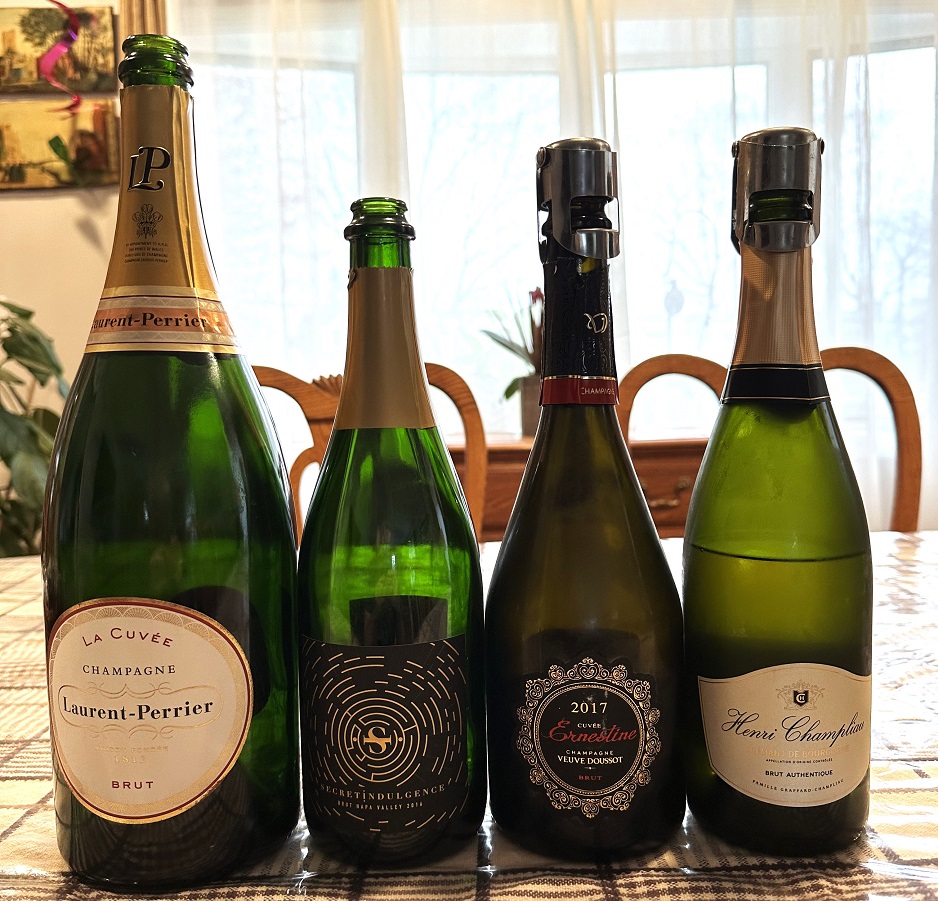
Some of the sparkling wines
Sparkling:
NV Veuve Clicquot Brut Champagne (12% ABV) – of course, no introduction is needed. As the most marketed Champagne brand, I find it annoying and thus drink rarely. We had a few bottles that my wife received as a present at work a few years back, so I decided to open one of them. The wine was not bad, I guess better than I expected. Not anything that would blow your mind off, but solid and drinkable (but not craveable if this is even a word).
NV André Chemin Brut Tradition Blanc de Noirs Champagne (12% ABV) – my favorite Champagne available from WTSO (or at least it used to be, great value at $26.99). Round, playful, beautiful toasty notes and perfectly balanced.
NV Laurent-Perrier La Cuvée Brut Champagne (12% ABV) – everything is better from the magnum right? Nice, clean, classic.
2016 Secret Indulgence Brut Blanc de Blancs Sparkling Wine Napa Valley (12.5% ABV) – a bit more substance than a typical Champagne. Just a touch more body, a bit more fruit, but overall perfectly restrained.
NV Maison Laudacius Cuvée Réservée Brut Méthode Traditionnelle Montlouis-sur-Loire AOP (12% ABV) – I grabbed this Cremant from the WTSO selection right before the holidays. This was nice and round, with clean acidity and just a touch of the fruit.
2017 Veuve Doussot Brut Cuvée Ernestine Champagne (12.5% ABV, 70% Pinot Noir, 30% Chardonnay, disgorged January 2022) – this one was just okay. Bubbles, but not much else to report.
NV Duval-Leroy Brut Reserve Champagne (12% ABV) – nice, round, clean, classic. A hint of apple, perfect acidity.
2011 Castello Bonomi Cru Perdu Millisimato Franciacorta (12.5% ABV) – excellent. Very generous, round, refreshing, a clean profile with a touch of fruit and a great substance.
2012 Charles Clément Brut Champagne (12% ABV, 60% Chardonnay, 20% Pinot Noir, 20% Pinot Meunier) – excellent specimen of a vintage Champagne. Toasted notes, brioche, fine mousse, all around delicious.
NV Henri Champliau Brut Authentique Crémeant de Bourgogne AOC (12.5% ABV, 85% Pinot Noir, 15% Chardonnay) – Zak, who brought this wine, mentioned that a “tik-tok sommelier” compared this wine with Veuve Clicquot and said that they are literally identical in the taste profile with this Cremant only costing a fraction of the Veuve. Upon first taste, we found no similarities, and the wine overall was kind of subpar, so we had to put it aside enclosed with the Champagne bottle sealer. The next day the wine was still not interesting. On the third day, it showed a much bigger body and became much more round and pleasant. I still don’t think the comparison with Veuve stands, but go figure…
NV Giacomo Scagliola SiFaSol Moscato d’Asti DOCG (5.5% ABV) – of course, this is a lightly fizzed sweet wine, but we had it as an aperitif, hence is it listed with other sparkling wines. When it comes to Asti wines, it is all about balance and acidity – and succulent white peaches in this wine were perfectly balanced by the lemony acidity, so overall the experience was light and refreshing.
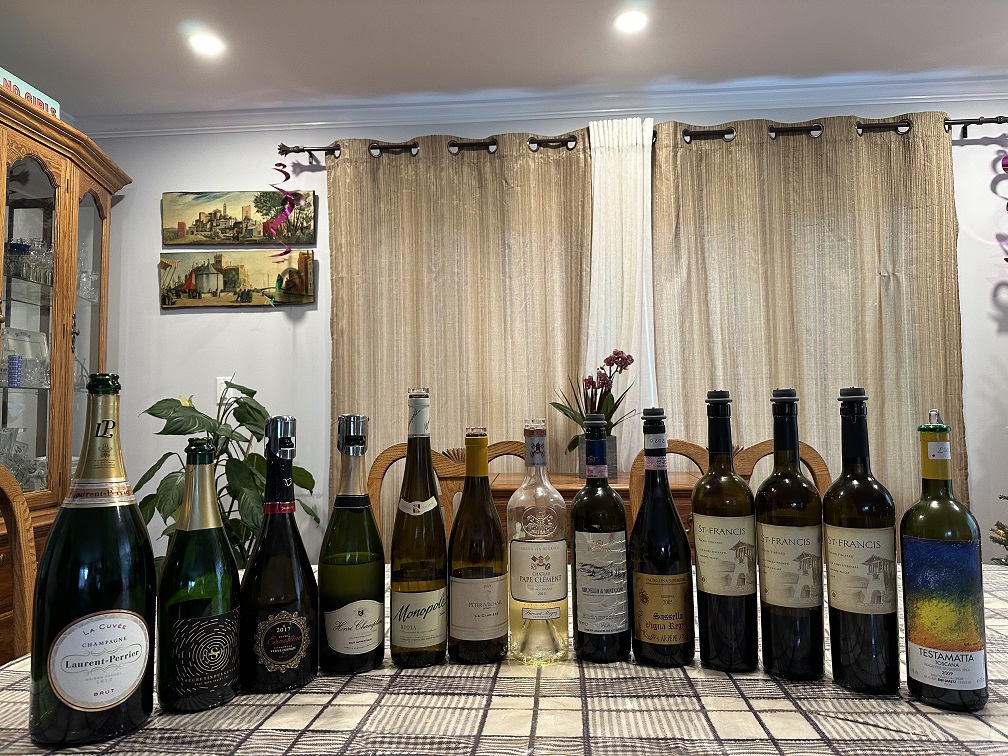
Final group
Whites:
2010 CVNE Monopole Rioja White Wine (13% ABV, 100% Viura) – I love unexpected [good] surprises, and this was definitely the one. I always enjoyed Monopole, the oldest white wine produced in Rioja (the first vintage was produced 110 years ago – in 2014) – but typically as a fresh, young wine. I kept one bottle as an experiment, not expecting anything special. The wine was excellent – not at the level of mature Riesling or a well-made white Burgundy, but it was good in its own class, with white-stone fruit, white plum, and lemon on the palate, and a tiny hint of oxidative/sherry notes, still with freshness and well noticeable acidity. Don’t know if it would age for much longer, and I was happy that I opened it now.
2015 Château Pape Clément Grand Cru Pessac-Leognan (14.5% ABV) – unlike the previous wine, this was not a good surprise. A very strange palate which I can’t even describe – kind of medicinal profile with basil and currant leaves, rather overwhelming. “Strange” would be the best descriptor.
2011 Peter Michael La Carrière Chardonnay Knights Valley Sonoma County (15.2% ABV) – another disappointing wine. 2011 was not a good year in California, and this wine was simply bitter and lacked any sort of balance.
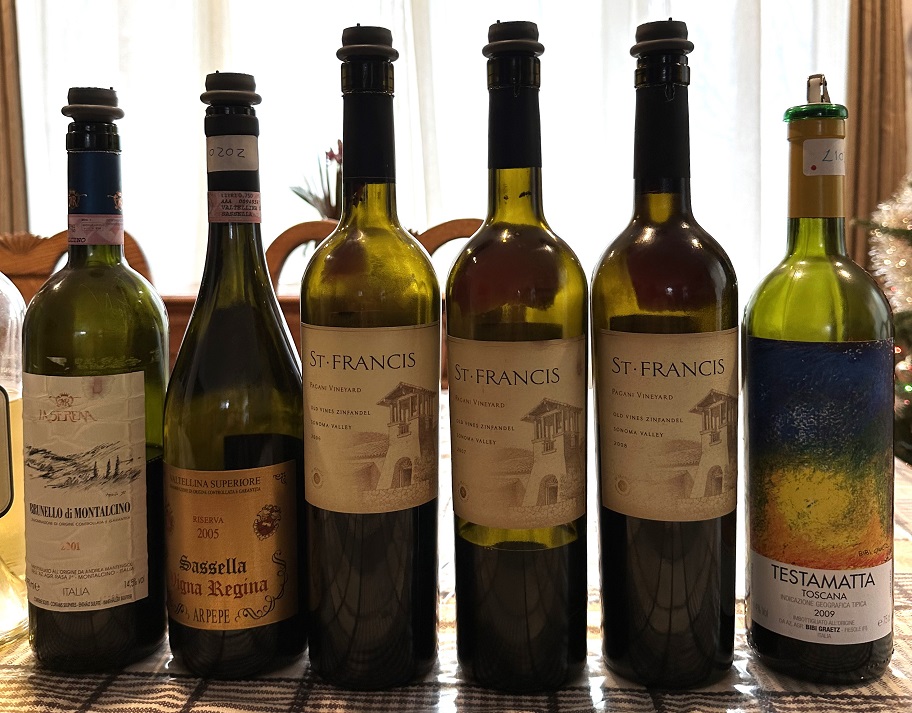
Reds
Reds:
2006 St. Francis Old Vines Zinfandel Pagani Vineyard Sonoma Valley (15.6% ABV) – I kept this trio for a while but decided that the time had come to drink them. All 3 wines were very similar, focusing on blackberries, a hint of cherries and fresh herbs, round and delicious. I can’t complain about either one – they were all gone very quickly.
2007 St. Francis Old Vines Zinfandel Pagani Vineyard Sonoma Valley (15.4% ABV) – 2007 was the biggest wine of the 3, still retaining the same core of the fruit and herbs, but more assertive in its expression on the palate.
2008 St. Francis Old Vines Zinfandel Pagani Vineyard Sonoma Valley (15.4% ABV) – possibly the most elegant of the 3. Again, same profile, but with more finesse and restraint, focused on elegance.
2009 Bibi Graetz Testamatta Toscana IGT (14% ABV) – I was hoping it would be great, and it was not. Another disappointment of the tasting.
2005 ArPePe Sassella Vigna Regina Riserva Valtellina Superiore DOCG (13% ABV) – I have a lot of respect for ArPePe wines, but for whatever reason, this was far from amazing. I would describe it as “lean”. It is possible that the wine was open during its “sleeping” phase, but I would never be able to find out now.
2001 La Serena Brunello di Montalcino DOCG (14.5% ABV) – this was an interesting experience. From the get-go, the wine was not bad, with a pleasant dark cherries profile and good acidity. It was lacking a body a bit, so we decided to decant it. The decanter didn’t make much of a difference, with the wine remaining pleasant but not exciting. During the next two days, the wine transformed, showing a powerful structure and becoming more assertive. This wine could probably wait for another 5-10 years. Oh well…
2016 Carlisle Two Acres Russian River Valley Sonoma County (14.9% ABV, Mourvèdre, Petite Sirah, Syrah, Pelourcin, Carignane, Alicante Bouschet) – a rare case of Carlisle missing the mark. I can only assume I opened the wine while it was in its “sleeping” phase – at the moment it was simply lacking balance, and it didn’t improve even over the next few days. Strange, but happens.
2010 Clarendon Hills Brookman Merlot Wine of Australia (14.5% ABV) – I saw a very discouraging review of this wine somewhere online (might be Vivino), but somehow was convinced that my experience would be very different. No such luck. If I would ever decide to present the list of the worst wines of the year, this would be definitely one of the top contenders. This was a wine that showed nothing – not on the nose, not on the palate. Not good…
2017 Quinta do Vale Dão DOP (13% ABV, 40% Touriga Nacional, 40% Tinta Roriz, 20% Alfrocheiro) – Portuguese wines represent amazing value, and this was a simple proof of that. For under $10, this wine was singing – fresh, succulent berries, perfectly integrated tannins, playful, delicious.


2009 Sauvella Luscinia Canta Costers del Segre DO (14.1% ABV, Syrah, Cabernet Sauvignon, Grenache) – Spain never ceases to amaze. An eclectic mix of grapes (who blends Cabernet Sauvignon with Syrah and Grenache?) delivering outstanding wine – fragrant, playful, full of fresh succulent dark fruit and herbs, well-integrated tannins and long finish. By the way, 2009 is a current release (available in the stores now) and thought-provoking.
2017 Campochiarenti San Nicola Riserva Chianti Colli Senesi DOCG (14.5% ABV) – classic and precise. Beautiful, layered Chianti with all the attributes – succulent dark cherries, sweet tobacco, leather, perfect minerality, wonderful bouquet and overall just a quintessential Italian wine.
2008 Achaval-Ferrer Quimera Mendoza Argentina (14% ABV, Malbec, Merlot, Cabernet Sauvignon, Cabernet Franc, Petit Verdot, 12 months in 40% new and 60% old French oak barrels) – my last bottle. I can’t recall why but I was not happy about the previous bottle opened a few years back, so I had a bit of trepidation opening this one on the last day of the month. The wine was just perfect. Roll-off-your-tongue smooth, velvety tannins, succulent cherries surrounded by the black fruit. Perfectly balanced and supremely delicious.
This concludes the story of January month in wines. As you can tell, there were clear highs and there were clear lows. How was your January in wines?
The work on a sequel has already started.
Cheers!
2021 UGCB Vintage Preview
 Do you ever get the feeling that you already did something, and then, after spending a good half an hour looking for it you realize that you only thought about doing that but actually you never have?
This is my story with the Union des Grands Crus de Bordeaux tasting – I already had 3 opportunities to write about this Bordeaux Grand Crus tasting, and have not done that – and was sure that I did – but only in my mind. Thus finally I want to correct the situation so I will have an actual record.
Let’s start with a short explanation of UGCB, the Union des Grands Crus de Bordeaux. UGCB was founded in 1970s by a group of Bordeaux winemakers to help promote Bordeaux wines in Japan. From that day onward, the promotion of the best Bordeaux wines around the world is what the UGCB has been doing. To give you the current set of numbers (as presented on the UGCB website in January 2024), UGCB has 131 members, all of them Grand Crus throughout the Bordeaux territory. UGCB organizes 80 events per year throughout 15 countries and 65 cities, bringing together 50,000 professionals and wine enthusiasts to taste Bordeaux wines.
For many years, the UGCB tasting has taken place in January in New York City, and all of the events I attended through the years have been at Cipriani restaurant in midtown Manhattan. The 2024 event showcased the 2021 vintage, with about 80 wineries participating, pouring about 90 wines during the 3.5-hour trade tasting event (consumer tasting was a separate event taking place in the evening).
When it comes to events like this, busy and crowded, when you have to try to extend your hand holding the glass between the people’s backs, I’m not good at taking notes – handling the glass, the phone, notebook, and pen is just too much. So I primarily was taking pictures of the wines I liked and was trying to obtain an overall impression about the vintage in general and specific sub-regions in particular. For what it is worth, this is what I’m sharing with you here.
2021 Bordeaux vintage
While tasting wines, I asked many winemakers how they would assess the 2021 vintage. Based on what I heard, I got a mixed feeling, so here is how I see it. The 2021 was good overall, not great. Rain presented somewhat of a challenge, bringing powder mildew as a consequence. 2021 was also cooler than let’s say, 2020. 2021 also resulted in a lesser yield than 2020. Overall wines are leaner than 2020 but well structured. And my impression was also that winemakers had to work harder to achieve good results. To put things into perspective, the Bordeaux 2020 was outstanding, with pretty much ideal weather conditions throughout the whole season (still regret not writing about it on time). And I was told that 2022 was even better than 2020, which would, I guess, make it a proverbial “vintage of the century” – we just need to wait for a year and see.
Below are my bit more detailed impressions, primarily on the appellation level. These are all the wines that I liked to various degrees, with the top favorites shown in bold. As a general observation, I was surprised by the amount of the new oak used across the board.
Note – all of the wines below are Grand Cru wines, hence I didn’t add “Grand Cru” to every wine name below.
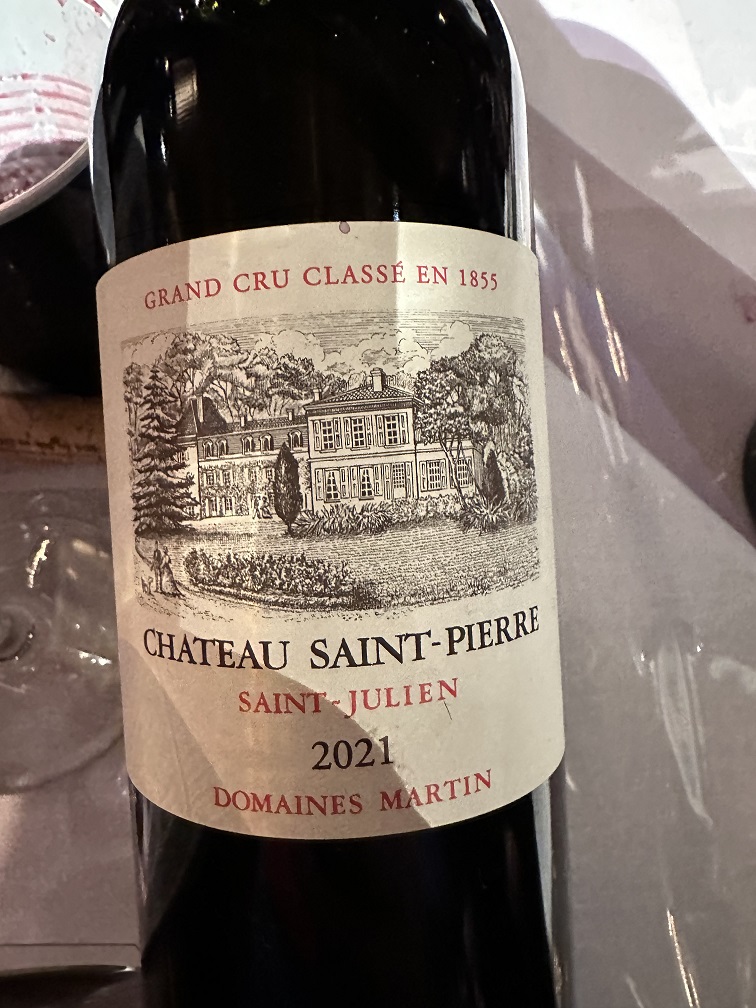


Pessac-Léognan – this is the only appellation in Bordeaux that produces both white and red wines at the Grand Cru level. I definitely enjoyed 2021 whites less than 2020. Most of the reds were just okay, nothing special.
2021 Château Smith Haut Lafitte Blanc Pessac-Léognan
2021 Domaine de Chevalier Blanc Pessac-Léognan
2021 Domaine de Chevalier Rouge Pessac-Léognan
2021 Château de Fiuzal Blanc Pessac-Léognan
2021 Château Malartic-Lagravière Blanc Pessac-Léognan
2021 Château Malartic-Lagravière Rouge Pessac-Léognan
2021 Château Olivier Blanc Pessac-Léognan
Margaux – It was hard to find anything I liked in Margaux – I don’t know why, but literally all the wines I tried were incredibly tannic, instantly shutting down the palate.
2021 Château Brane-Cantenac Margaux
2021 Château Rauzan-Ségla Margaux
Pauillac – no specific impressions, but I liked comparatively more wines from this appellation.
2021 Château d’Armailhac Pauillac
2021 Château Clerc Milon Pauillac
2021 Château Duhart-Milon Pauillac
2021 Château Grand-Puy Ducasse Pauillac
2021 Château Lynch-Bages Pauillac
2021 Château Haut-Batailley Pauillac
2021 Château Batailley Pauillac
Pomerol – these Merlot-based wines overall were softer and more approachable than Cabernet-based ones.
2021 Château Petit-Village Pomerol
2021 Château Le Gay Pomerol
2021 Château Le Bon Pasteur Pomerol
Saint-Émilion – I thought that Merlot might be a saving grace in the 2021 vintage, but apparently it is not as I only liked a few wines from this Merlot-driven appellation.
2021 Chateau Valandraud Saint-Émilion
2021 Château Villemaurine Saint-Émilion
Saint-Estèphe – no general impressions, very few wines were present
2021 Château Phélan Ségur Saint-Estèphe – might be my second-most favorite in the tasting.
Saint-Julien – same as with Pauillac, I liked quite a few wines here.
2021 Château Beychevelle Saint-Julien
2021 Château Langoa Barton Saint-Julien – this wine was tasty and had a standout, playful label.
2021 Château Léoville Barton Saint-Julien
2021 Château Léoville Poyferré Saint-Julien
2021 Château Gloria Saint-Julien
2021 Château Saint-Pierre Saint-Julien – this was probably my favorite wine of the tasting.
Sauternes – I had bad luck with Sauternes during UGCB tastings in the earlier years, as many wines were simply not balanced, with pronounced bitter notes. At this tasting, I literally liked them all. Note that the wines were presented from the different vintages.
2021 Château Rainey Vigneau Sauternes
2016 Château Sigalas Rabaud Sauternes
2016 Château Guiraud Sauternes
2018 Château Doisy-Védrines Sauternes
2016 Château Bastor-Lamontagne Sauternes
There were more appellations in the tasting (Haut-Médoc, Listrac-Médoc, Moulis-en-Médoc), but I didn’t like any particular wines from those so they are not covered here.

Here you are my friends – my report from the 2024 Union des Grands Crus de Bordeaux tasting. I finally did it.
And I’m already looking forward to the 2025 tasting of the 2022 vintage. Will see if reality will match my expectations. Cheers!
The Art Of Italian Wine: Masciarelli
Italian wines are special.
Well, this statement says a lot and nothing at the same time.
Remember, wine is personable and subjective. Everyone has a right to have their own opinion, and that opinion can only be subjective.
What makes Italian wines special? I will allow myself to make a bold claim – Italian wines are distinguishable. At least the well-made Italian wines produced from the core Italian grape varieties. What I’m saying is that when you taste Chianti, Brunello, Nero d’Avola, Montepulciano, Barolo and others, you might not identify the exact wine and the exact producer, but you would be reasonably sure you are drinking an Italian wine.
When you drink wine made from Cabernet Sauvignon or Chardonnay, you might be well able to identify the grape, but the origin of the wine can be equally anywhere in the world – Bordeaux, California, Italy, Spain, Washington, Australia, Chile and everywhere in between can be a source of a great Cabernet Sauvignon. This would be also true for the absolute majority of the so-called international grape varieties – Cabernet Sauvignon, Merlot, Pinot Noir, Grenache, Syrah, Chardonnay, Sauvignon Blanc. But when you taste Sangiovese made in Italy, you might be easily mistaken about the exact region, but you would be reasonably certain you are drinking an Italian wine. An important disclaimer – it would definitely help if this would be a well-made Italian wine.
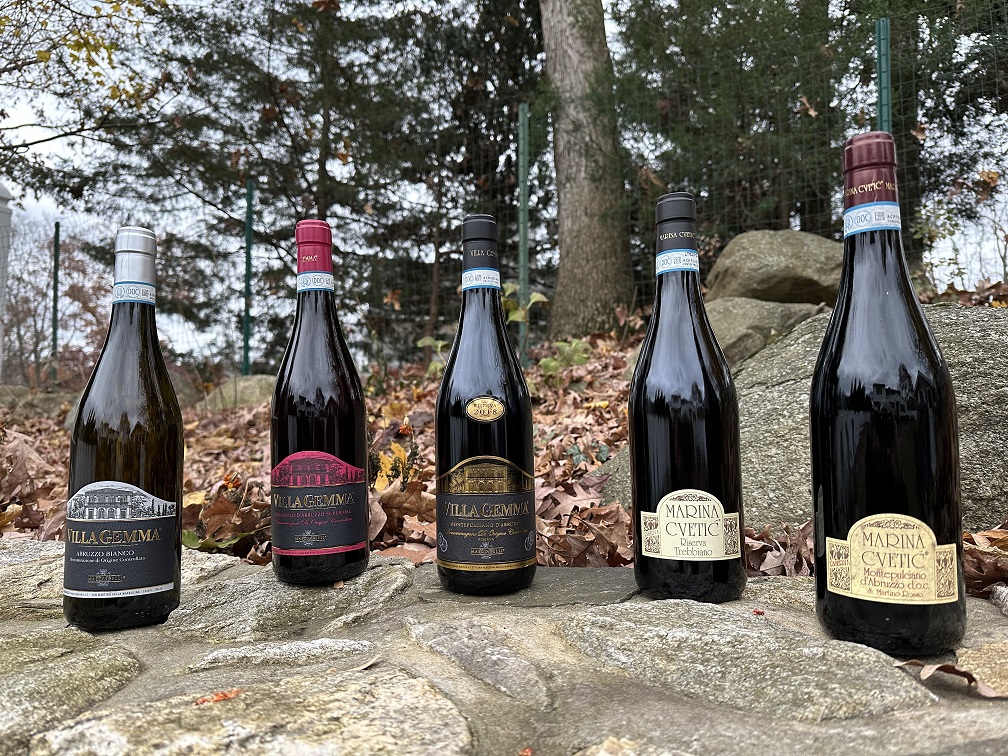
Here is a great example of the well-made, and thus easily recognizable Italian wine – or, rather, wines – Tenute Masciarelli in Abruzzo in Italy.
In terms of “wine time”, Masciarelli is a very young winery, founded in 1981 by Gianni Masciarelli. However, the impact in the wine world is not directly a function of time. Wine has been continuously produced throughout Italy for a few thousand years. In Abruzzo, a province located in central Italy along the Adriatic Sea, Montepulciano is the king. Simple Montepulciano red wines were produced forever in the region, perfectly quaffable, but not really comparable, for example, to the wines of Tuscany. Gianni Masciarelli spearheaded the change in the region, both in grape growing (he introduced the French Guyot training system for vines in the region) and production – he was the first to start using French oak barrels for aging the Montepulciano Abruzzo and Trebbiano d’Abruzzo wines. 1984 saw the first vintage of the Villa Gemma Montepulciano d’Abruzzo, the first of its kind single-vineyard Montepulciano d’Abruzzo wine, which will be celebrating 40 years of production this year.
Today, Masciarelly sustainably produces wines from all 4 provinces in Abruzzo. Annual wine production exceeds 1 million bottles across 7 different lines and 22 wine labels. A few months back, I had an opportunity to review Masciarelli’s introductory Linea Classica – 3 very well-made wines that were not only tasty but easily lasted for 5 days after being open – a testament to quality. Now, I had the pleasure of reviewing the latest releases from two more wine lines – Marina Cvetic and Villa Gemma.
Marina Cvetic line includes 2 of the classics – Trebbiano d’Abruzzo Riserva and Montepulciano d’Abruzzo – the second one is my perrenial favorite, I’m always happy to drink it. Additionally, the Marina Cvetic line includes four of international grape varieties (Chardonnay, Cabernet Sauvignon, Syrah, and Merlot) – however, I don’t think those are available in the US.
Villa Gemma, the winery’s flagship and the oldest produced line, includes three of the Abruzzo’s classics – white blend, Rosé, and Montepulciano d’Abruzzo Riserva.


Here are my notes:
2020 Masciarelli Marina Cvetić Trebbiano D’Abruzzo Riserva DOC (14% ABV, $60, 100% Trebbiano Abruzzese, 20-50 yo vines)
Light golden
A hint of tropical fruit, Whitestone fruit, honeysuckle
Round, clean, fresh, a hint of butter, soft and creamy texture with Meyer lemon finish
8, the wine is a bit aggressive when just opened, don’t over-chill it (I would serve it around 50F) and let it breathe, maybe 30 minutes in a decanter. Will stay fresh in the fridge for a few weeks.
2022 Masciarelli Villa Gemma Abruzzo Bianco DOC (14% ABV, $24, 50% Trebbiano, 30% Pecorino, 20% Cococciola)
Straw pale
whitestone fruit, lemon, clean, inviting
Crisp, clean, good acidity, lemon, expressive minerality, good balance
8, excellent
2022 Masciarelli Villa Gemma Cerasuolo D’Abruzzo Superiore DOC (14% ABV, $24, 100% Montepulciano)
Beautiful cranberry pink
Restrained nose of fresh strawberries, pleasant
Strawberries, cranberries, fresh, bright, excellent acidity, good balance, delicious
8
2019 Masciarelli Marina Cvetić Montepulciano d’Abruzzo Reserva DOC (14.6% ABV, $38, 100% Montepulciano, 15-30 yo vines, 12 months in French oak barrels)
Dark garnet, almost black
Dark cherries, espresso, tar, mocha, medium intensity
Dark cherries, silky smooth with beautifully present tannins, layered, round, well present, delicious.
8+, these are day 2 and day 6 notes, this wine is made of the long haul, was not very enjoyable upon opening, you need to decant it for 2-3 hours or forget it in the cellar for 10-15 years as the least.
2018 Masciarelli Villa Gemma Riserva Montepulciano D’Abruzzo DOC (15% ABV, $98, 100% Montepulciano, 35 yo vines, 12 months in French oak barrels)
Dark garnet, practically black
Black cherries, a hint of a barnyard
Black cherries, cherry pits, silky smooth roll-of-the-tongue texture, good acidity, excellent balance
8+, this is a big wine. It is surprisingly pop’n’pour, but will improve with the cellaring.
Here you are, my friends – wine, a liquid art form, made in Italy.
Do you think that Italian wines are easily distinguishable? What are your favorite Italian wine producers?
As Expected
Is “expectation” a wine term?
In a direct sense it is not, of course – “expectation” is not the name of the grape, not a wine descriptor, and not the name of the winemaking process. And nevertheless, for anyone who proclaims “serious affection, a.k.a love, a.k.a obsession” to the simple beverage produced from the grape juice, I would argue that “expectation” is a wine term, or at least, a wine-related term.
Expectations start from the very first look at the bottle – even before we see the label, the bottle’s shape and overall appearance initiate a thought process regarding the bottle’s content. Obviously, once we carefully look at the label, our expectations are enhanced further. Okay, young Barolo, I need to get the decanter ready. Ohh, this Sauvignon Blanc is too warm – I need to chill it before the guests arrive.
But then these are not even real expectations. Once you recognize the region, the grape, the producer – this is when the mind games of expectations start. Looking at the bottle of Opus One, Petrus, Penfolds Grange, or Dom Perignon, I’m sure that the mind of an average wine lover goes ballistic – “this is going to be amazing”. The brain would not accept anything less. Even after you try the wine, the brain will interject into the message from your palate if it is anything less than “oh my god, I love this”. But before I mount my favorite horse it appears that there is an idiom “to mount a hobbyhorse” (I hope there is a saying like this in English, as there is one in Russian), let me change the direction to where I’m actually trying to arrive.
As we are discussing the meaning of the wine term “expectations”, it is interesting to see how your expectations are built. Let’s say you tried a bottle of wine from an unknown producer, and you liked it. Then you tried another one. And another one – and I don’t mean in one sitting – slowly over time. As you keep liking the wines, your expectations are being built. You try new vintages, new wines from the same producer and your expectations keep growing. Once you become really familiar with the producer, you take a bottle you never had before, and before even opening it, you are confident that this will be a good wine – you expect nothing less. You might not love each and every wine from a given producer after you try them, but at least in terms of expectations, your ways are set. Just to give you an example, I expect excellent wines from La Rioja Alta, Lopez de Heredia, Field Recordings, Turley, Carlisle, Masciarelli, and lots of others – and yet while I’m writing this post, I’m drinking the wine from Carlisle that I don’t really enjoy at this moment (just opened the bottle, the wine needs to breathe). The fact that I don’t enjoy one particular wine doesn’t affect my general expectations – next time, holding a bottle of Carlisls in my hands, I would fully expect that I will like the wine “at hands”.
A “circle of expectations” is not cast in stone. As we taste wines from the new producer, we build confidence and our expectations are growing to the point of this unconditional trust. Today, I want to share with you one of my latest additions – Domaine Bousquet from Argentina.
 Domain Bousquet is not even 30 years old – it was founded in 1997, so in the wine world this is a very short period of time – but take a look at this simple picture above, which perfectly summarises Domain Bousquet’s achievements – Certified Organic with multiple designations, biodynamic Demeter certified, 1st in Argentina and 4 th in the world regenerative organic winery – you can continue researching this very impressive list on your own. But this is the wine we are talking about, so all of the certifications take a back seat to the content of the glass. What’s inside of glass matters – does it give you pleasure or not. And Domaine Bousquet produces damn impressive wines.
I was introduced to the wines of Domaine Bousquet exactly 3 years ago, and that introduction started with their Charmat method sparkling wines – organic, delicious, and inexpensive. Next, in August of the same year, 2021, I had an opportunity to taste an extended lineup of Domaine Bousquet wines, that were also excellent. Earlier this year I was blown away by their unoaked organic wines containing no added SO2, and then one more time in December when I tasted their Classic method sparkling wines which were world-class superb and an absolute steal at $18.
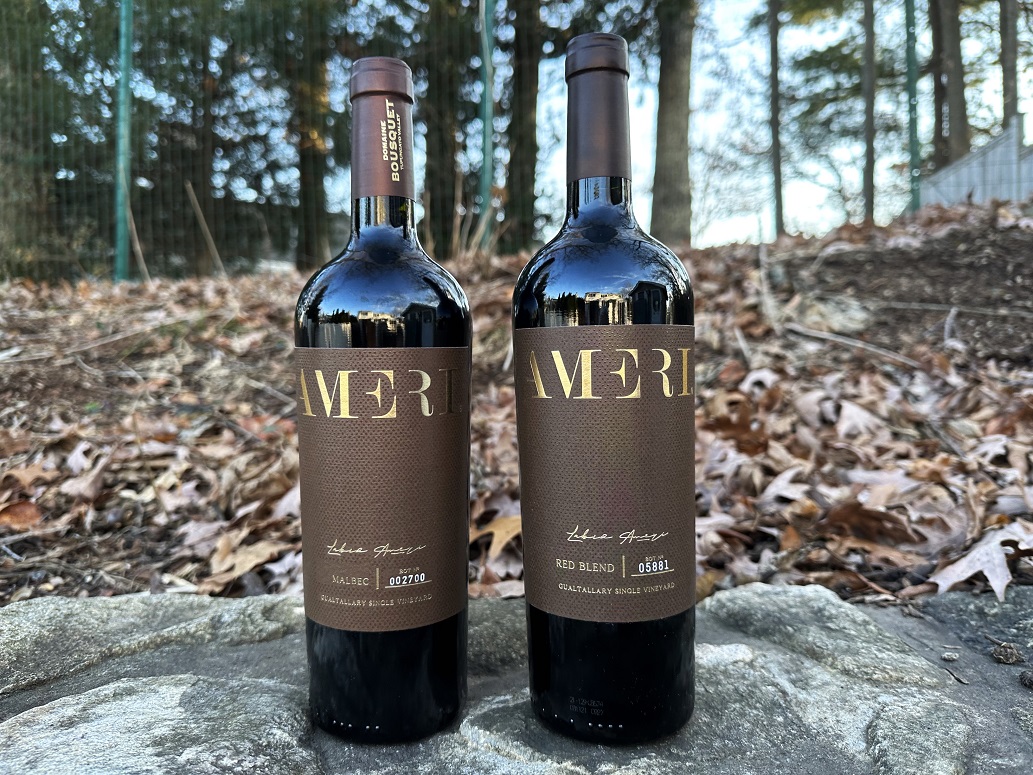 Now, I had an opportunity to taste some of their very best wines. These wines perfectly speak to my obsessed oenophile mind, as they are not even single-vineyard, but rather single-plot wines – and they are produced only in exceptional years. You know that I don’t like quoting the original winery notes, but I feel that in this case it is appropriate:
“Named for Domaine Bousquet co-owner Labid al Ameri, Ameri is not just“single vineyard” but “specific cluster,” and made only in exceptional years. At 1,257m/4,125 ft, the highest of the estate, the certified-organic vineyard, located in Gualtallary in the Andean foothills, gets a perfect combination of near constant intense daytime sunlight and huge day/night temperature differentials. The result is fruit with increased levels of sugar AND acid, flavor, and aromatics.”
Yes, I had expectations regarding these wines. I expected these wines to be well-made and tasty. And my expectations were met. Fully.
Here are my notes:
2020 Domaine Bousquet Ameri Malbec Gualtallary Mendoza Argentina (14.5% ABV, $37, 100% Malbec, 12 months in French oak)
Dark garnet, almost black
Cherries, plums, eucalyptus
Cherries, espresso, firm structure, good acidity, good balance
8, excellent
2020 Domaine Bousquet Ameri Red Blend Gualtallary Mendoza Argentina (14.5% ABV, $37, 60% Malbec, 20% Cabernet Sauvignon,10% Syrah, 10% Merlot, 12 months in French oak)
Dark garnet, almost black
Plums, fresh raspberries, mocha
Cherries, a hint of cassis, eucalyptus, sweet oak, perfectly integrated tannins, firm structure, excellent balance
8, delicious.
Both wines were just perfect from the get-go, but both also lasted for at least 5 days on the counter with the air being pumped out – a testament to the quality.
Here you are, my friends – all-organic, delicious, top-shelf wines from Argentina – delivering the pleasure.
As expected.
Last Bottle Sign Up ($10 credit)




 Talk-A-Vino