Archive
Celebrate Chardonnay! 2025 Edition
 Okay, I missed it again.
On Thursday, May 22, we celebrated Chardonnay Day. And I didn’t post about it.
Well, I didn’t entirely miss it. There was Charodnnay in my glass, so I only missed writing about it on time, but the celebration itself – yes, I participated.
Chardonnay is one of my favorite grapes. Well, those who know me understand that this is a difficult thing for me to say. I love wine in general, and therefore, I really don’t have grapes I don’t like. I might not be a fan of some producers, but grapes or varietal wines per se—I love them all. And yet, when it comes to favorite grapes, I have to shortlist Chardonnay among 20-30 ones I feel comfortable calling “favorites”.
Chardonnay is one of the most versatile grapes, perfectly capable of creating delicious wines from the bone-dry, unoaked versions to the full-on, hedonistic bombs. Chardonnay wines can be wonderful in still, sparkling, and even late harvest renditions, and they are produced literally everywhere – Asia, Middle East, Europe, North America, South America – see, I’m not even trying to be any more region specific, as it is pointless, or I would almost have to name every appellation in existence.
I also have another proof of the “favorite” status. In last year’s Chardonnay’s celebratory post, I counted the number of times Chardonnay wines were included in the Talk-a-Vino Top Wines of the year lists. During 14 years, there were only two years when Chardonnay wines were not present in the top two dozens, and a total of 19 Chardonnay wines were included in those top lists. Then, last year, 2024, the top wines list had 3 Chardonnay wines in it, including the 2024 wine of the year – an Italian Chardonnay from Banfi.
The pleasure of the well-made Chardonnay starts from the very first whiff from the glass. Vanilla, fresh apples, a touch of butter, and, if you are lucky, the honey. This is what makes me say “ahh” in the first place. And then, when vanilla, apples, butter, honey, smothered with a touch of lemon, continue in the first sip, this is where you say “oh my god…”. The key to this Chardonnay pleasure is in full harmony and balance of the flavors – if any of the components sticks out or is absent, this is where the pleasure instantly stops. Of course, the balance is a key element of any wine, but some of the wines can get away with too much acidity or too much oak and still give you pleasure, including a generic Chardonnay. But the harmony and balance are what differentiate a great Chardonnay from an average one.
I also love to use great Chardonnay as a reference point. For example, I compared my 2022 wine of the year, 2020 Abadia Retuerta L’Domaine from Ribera Del Duero, a Sauvignon Blanc-based blend, with Chablis. Chardonnay was also my analogy for the 2024 wine of the year, 2020 Mariasy Tokaji Furmint from Hungary, made from Furmint. And a few weeks ago, I had Grande Rocim White from Alentejo in Portugal (I have yet to write about it), made from 100% Portuguese native Arinto grape, which would successfully compete with Puligny-Montrachet I never had.


The wine I opened to celebrate Chardonnay Day was 2022 Maison Matisco Les Buis Saint-Véran AOC (13% ABV), one of my recent WTSO finds. The wine had a beautiful light golden color, and had a perfect Chardonnay profile as I described above – apples, vanilla, a distant hint of honey and butter (the last two might be just my imagination). The same profile continued on the palate, with the addition of the lemon. The wine initially had a slightly bitter aftertaste, which dissipated after a few hours. This wine will not make a list of great Chardonnays here at Talk-a-Vino, but I will be happy to open it any time I crave a Chard.
There, I told you my story. How did you celebrate Chardonnay Day?
Daily Glass: Beautiful Israeli Wines
 Let’s start with a few questions.
First: what do you like more – selecting the wine to be opened or just drinking the wine? Feel free to dismiss this question as “stupid” and ask for the next. But in my world, before the bottle is brought to the table to be opened, I take special pleasure in looking for the right bottle for the occasion. Who are the people you will be sharing the wine with? What type of wine do they like? Maybe more importantly, what wines do they not like? What is the actual occasion? These are all important questions to consider – the wine has to bring pleasure, and as a self-designated “wine person”, it is your job to ensure that it will.
The second question is also not very difficult: how do you select the wine? So you know the occasion, you probably have an idea of what type of wine you would like to bring (sparkling, red, white, Rosé, dessert, all of the above), but how do you decide on the exact wine to bring? Even if you decided that you will bring a Pinot Noir, there are tens/hundreds/more choices from all different regions, different wineries, different vintages. You can always grab the bottle with the label that speaks to you in a given moment, but sometimes, you want to go a little deeper.
Let’s go a little deeper.
The occasion was a Shabbat dinner. The house we were visiting is not ultra-religious, so technically, we could bring any wine. At the same time, I love Israeli wines, but drink them typically only during the Jewish holidays, so this was an opportunity to enjoy a bottle of an Israeli wine on a regular Friday, and I couldn’t let it pass.
Israeli wines are tricky – the inexpensive ones are not always good (chances of finding good Rioja or Côte du Rhone on the budget are a lot higher than an Israeli wine), and the expensive ones are … expensive and also not easy to find. Yes, I would love to bring Domaine du Castel or Yatir Forest, but I was not ready to spend that much, and again, finding those wines is a challenge.
So that was my attempt to select wine by the region and the winery. My next idea – let’s try a specific winemaker.
The brain’s work is mysterious. Of course, I’m not a brain scientist, whatever such a person should be called. But I’m not sure even a “brain scientist” can explain how information is processed by our brain to become memorable and impactful. Some years ago, I heard the name – Ido Lewinsohn, the garagiste winemaker from Tel Aviv, founder of the first “cult” Israeli winery. His wines were impossible to find – my friends in Israel managed to get me a bottle of his Garage de Papa Rouge, which I kept for a long time and then finally drank at some point (the wine was good, but I never wrote about it). Maybe it was the word “cult” that made such a lasting impression, but the name Ido Lewinsohn got stuck in my head.
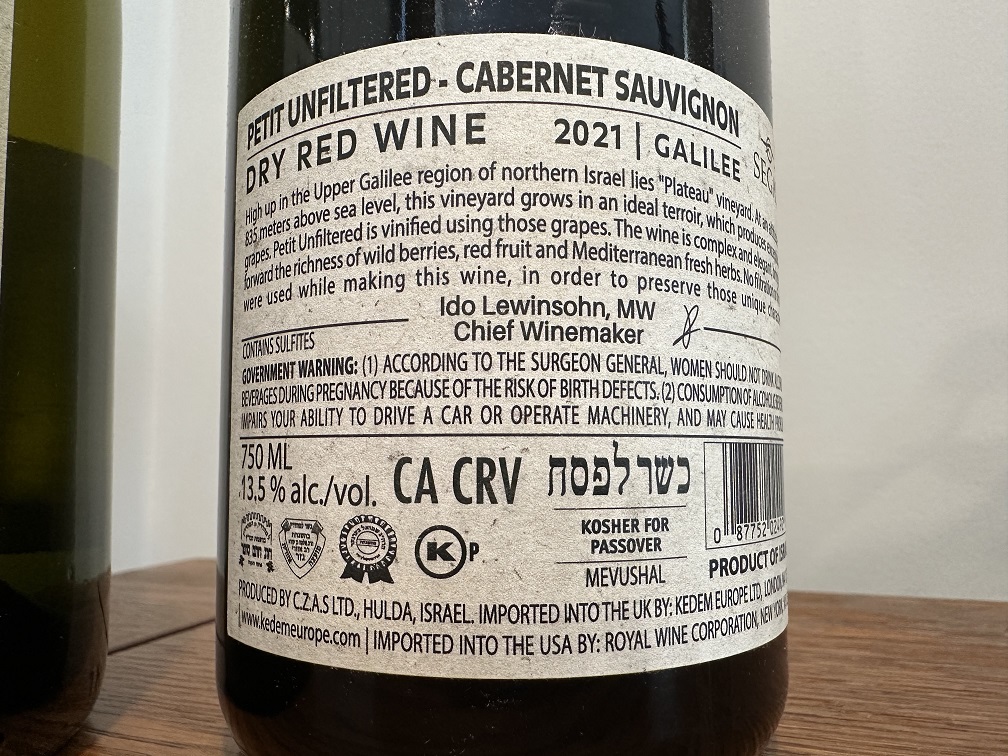
While searching for a worthy wine for the dinner, I decided to search for the “Lewinsohn” too – what if his wines are now imported into the US? I didn’t find Garage de Papa wines, but to my delight, I discovered that after getting his Master of Wine degree (the second person in Israel to do so!), Ido is now working as the winemaker at Barkan and Segal wineries. Another search on the KosherWine.com website and voila – I got my dilemma solved – Segal wine it is!
I got four bottles of Segal wines—two to bring for dinner and two to celebrate the Passover holiday.
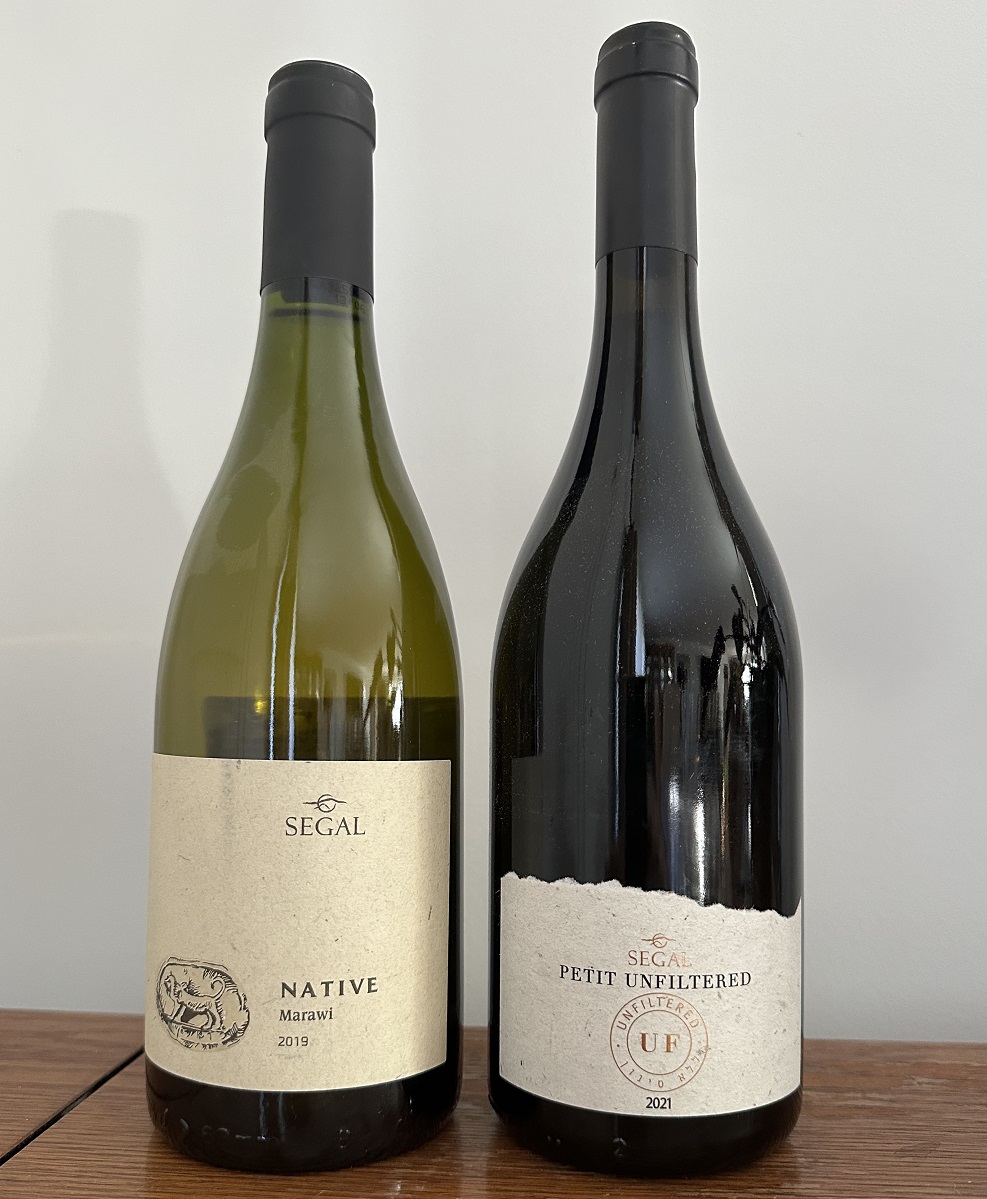
First, 2019 Segal Native Marawi Single Vineyard Judean Hills (11% ABV, $24.49, Marawi grape). Six years old white wine can be a challenge in itself – but this wine was not. The wine had a beautiful golden color, an intense nose of the whitestone fruit, which followed by the plump, roll-of-your-tongue nectar with explicit notes of white plums and cherry plums, fresh, intense, elegant, with a whiff of honey and cleansing acidity. The wine was a “crowd-pleaser” and disappeared in no time (Drinkability: 8+). In a blind tasting, my guess would be Marsanne/Roussane, and I would be very surprised to learn that I was wrong. An extra bonus – a rare grape I never had before.
Our second wine of the evening was 2021 Segal Petit Unfiltered Cabernet Sauvignon Galilee (13.5% ABV, $48.99). Dark garnet color, a restrained nose with a hint of black currant and explicit minerality. On the palate, the wine was old world in style, more of a young Bordeaux, crisp, fresh, edgy, with a good core of dark fruit and noticeable but balanced tannins. Excellent minerality, excellent acidity, excellent balance. In one word, superb. Second word – elegant. ( Drinkability: 8+).
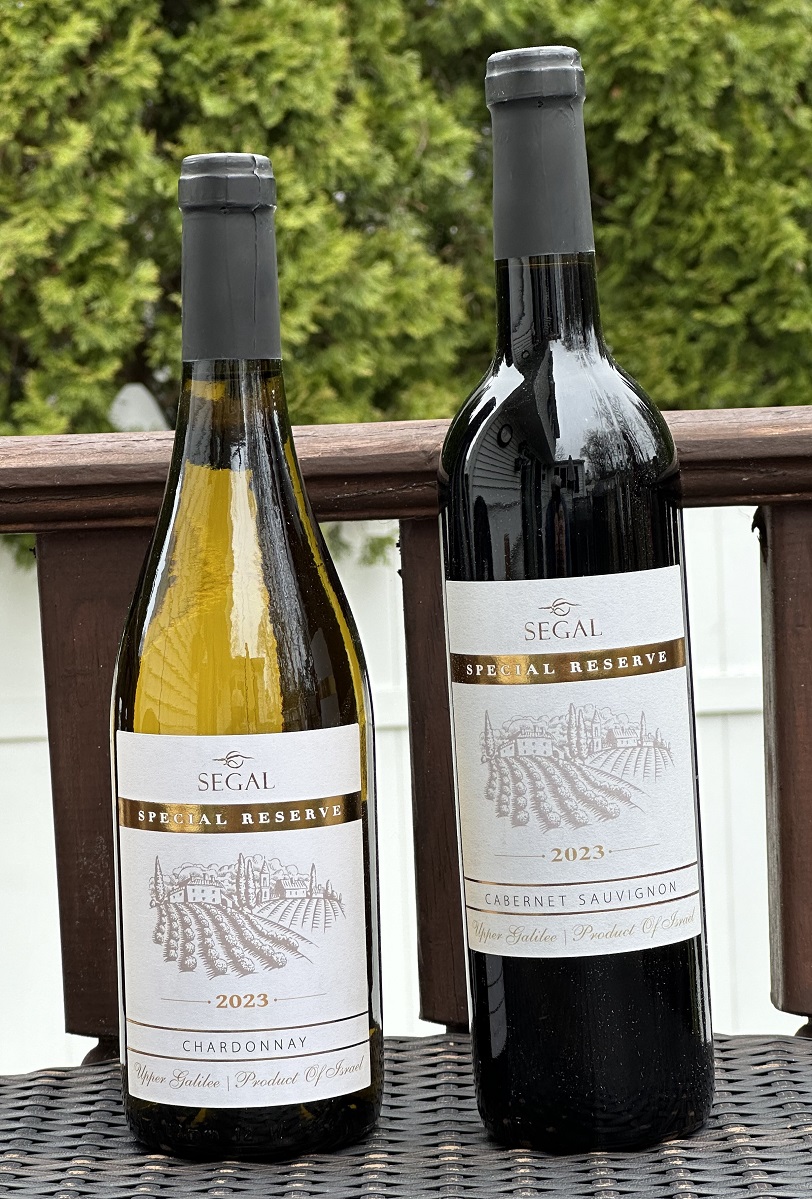
Then there was a holiday Passover dinner, where another two bottles went into a play. These were as classic as they get – a Chardonnay and Cabernet Sauvignon.
2023 Segal Special Reserve Chardonnay Galilee (12.5% ABV, $19.99) was a perfect, classic, middle-of-the-road Chardonnay. Straw pale color, apples on the nose, apples with a hint of vanilla and a touch of Meyer’s lemon on the palate, round, clean, fresh, good acidity, an excellent balance. This was not a Chardonnay to knock your socks off, but this was a Chardonnay I would be happy to drink on any occasion. (Drinkability: 8)
Last but not least, 2023 Segal Special Reserve Cabernet Sauvignon Galilee (12.5% ABV, $20.99). Dark ruby color, a hint of black currant on the nose. The palate was interesting, offering a touch of warm cinnamon and baking spices woven around a layer of plump dark fruit. The wine had all the traits of Lodi Cabernet Sauvignon, which usually has this warm cinnamon and spices – I also experienced a very similar taste profile with some of the Chinon Cabernet Franc. I don’t know if this is a terroir or if this is a specific Cabernet clone, but the resemblance was well noticeable. (Drinkability: 8- )
There you are, my friends. Four beautiful wines from Israel, perfect for any occasion, or any special day, especially those whose name ends with a “y”.
How do you select your wines? Do you have any favorite Israeli wines?
Grape For The Future, Wine For Today
Source: Wikipedia
Have you heard of the grape called Marselan?
If you have – great, pat yourself on the back as you are ahead of many wine lovers.
If you have not – even better, as we are going to fix it right now.
Some grapes have been around seemingly forever (the winemaking is getting older and older with every new discovery – I just learned today that based on the latest research, the wines were made around 11,000 years ago – quite an age), and it is impossible to tell when particular grapes were born. For others, the history is much more definite, as those grapes have been bred with a purpose, and thus their “birthday” is well known.
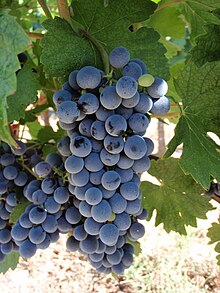
Marselan is one such grape. It was bred by Professor Paul Truel in 1961. Marselan is a cross of Cabernet Sauvignon and Grenache, and it was bred to be heat-resistant and disease-resistant. While having those desired qualities, Marselan had small-sized berries, which was not a great trait in the 1960s – the desired grape was supposed to have a high yield, thus Marselan ended up on a shelf. As the climate was changing and the temperatures were rising, the need for heat-resistant and disease-resistant grapes became more apparent, and Marselan was brought back to life, entering an official INRA grape registry in France in 1990.
Marselan was bred by Professor Truel in Languedoc near the French coastal town of Marseillan which gave Marselan its name. Marselan is a blue-skinned late-ripening variety, producing large clusters of small berries, leading to a high skin to juice ratio in the winemaking. Marselan prefers dry soil and hot climate, and it has strong disease resistance to botrytis bunch rot, powdery mildew, and other grape malaises. While born in France, Marselan found its great fame in China, where it might be considered a “signature” grape according to Decanter magazine.
Marselan is best known as a blending grape. Nevertheless, varietal Marselan wines started being produced in Languedoc in 2002. Today, about 70 wineries in Languedoc produce varietal Marselan wines. In 2019, Marselan was one of four new red grapes authorized for use in the production of Bordeaux wines. In Bordeaux, Marselan can make up to 10% of Bordeaux Superior and Bordeaux AOC blends, though it cannot be listed on labels. In addition to France and China, Marselan today is growing in Spain, Switzerland, California, Brazil, Uruguay, Israel and other places.
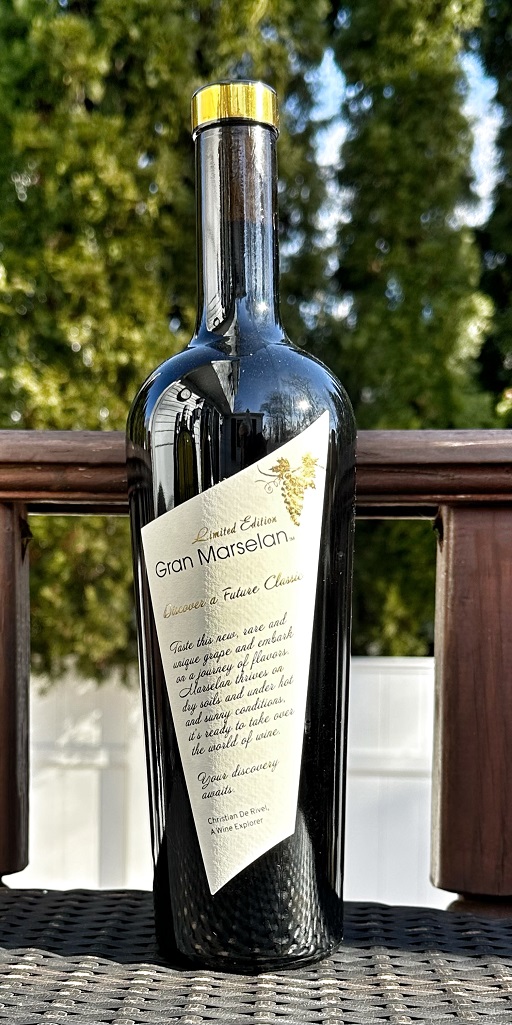
Okay, the formal introduction is over, let’s move on to the fun part – tasting probably the best of the best wine Marselan has to offer – NV Gran Marselan Cuvée du Centenaire Vin de France (14.5% ABV, $169, 100% Marselan, 15 months in 2-years old French oak barrels, 1,716 bottles produced).
This wine had been produced by EdenGrapes with the grapes coming from two best and oldest (40+ year old vines) blocks of Marselan vineyards in Languedoc, discovered after an extensive search. The wine was released in 2024 to celebrate the 100th birthday of Paul Truel, creator of Marselan, who was born in 1924, hence the Cuvée du Centenaire designation.
While speaking with Christian de Rivel, the producer of Gran Marselan, he suggested that it would be very important to decant the wine for anywhere between 2 and 5 hours to let it shine. Well, you never need to ask the wine geek twice to play with his wine.
Long decant? Ha! I got you!
There are many ways to decant the wine. I don’t want to go too far on the tangent here, so I will just give you a “short brief”, and hopefully a more in-depth decanting rundown later in another post. I prepared a few decanting instruments I have at my disposal – a classic decanter, a couple of aerators – VersoVino and Venturi, and even a super-decanting tool, or rather a “hyper-decanting” tool, the blender.
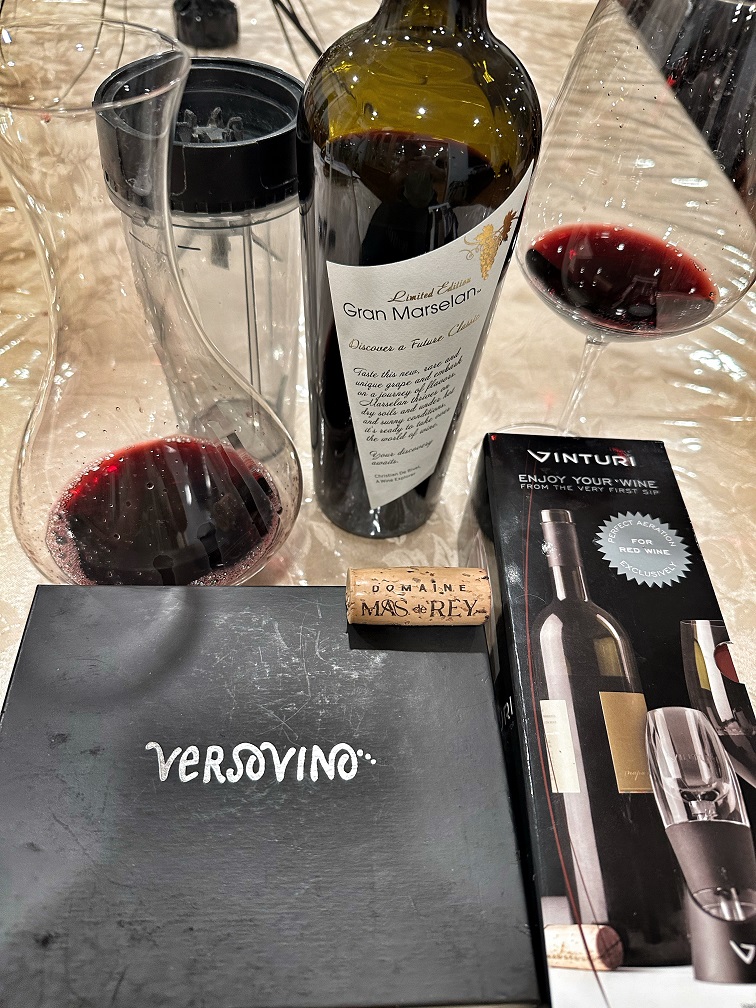
Wine Geek’s Mise an Place
Even if decanting is suggested, to decant or not to decant is a personal choice. I had to taste the wine to decide what I would like to do in terms of decanting, so first I just poured some wine into the glass:
Upon opening
Beautiful color, bright garnet
Nose of wild raspberries and wild blueberries, superb, earthy undertones
Beautiful palate of wild berries, well integrated velvety tannins, firm structure, good acidity, excellent balance 8+/9-, delicious overall and dangerous.
Based on tasting the wine “as is”, hyper-decanting was ruled out – the wine was perfectly drinkable from the get-go, no need for extreme measures. But I had to try the tools nevertheless:
VersoVino
Nose a bit more pronounced and open, adding tart cherries to the aromatics
Palate is a bit smoother, tannins become silkier, overall wine is more polished. I really didn’t expect that. Wow. 9-
Venturi
High intensity nose, now more Cabernet-like profile, a touch of eucalyptus
Excellent palate expression – it doesn’t have cassis, but instead offers gobs of dark fruit, good acidity, more of a chewy structure. After Venturi, the wine actually begs for a steak. It shows bigger. But it is now more in Grenache territory, with dark chocolate undertones. 8+
I definitely like the effect of VersoVino more. The wine is softer and more elegant with VersoVino compared to Venturi.
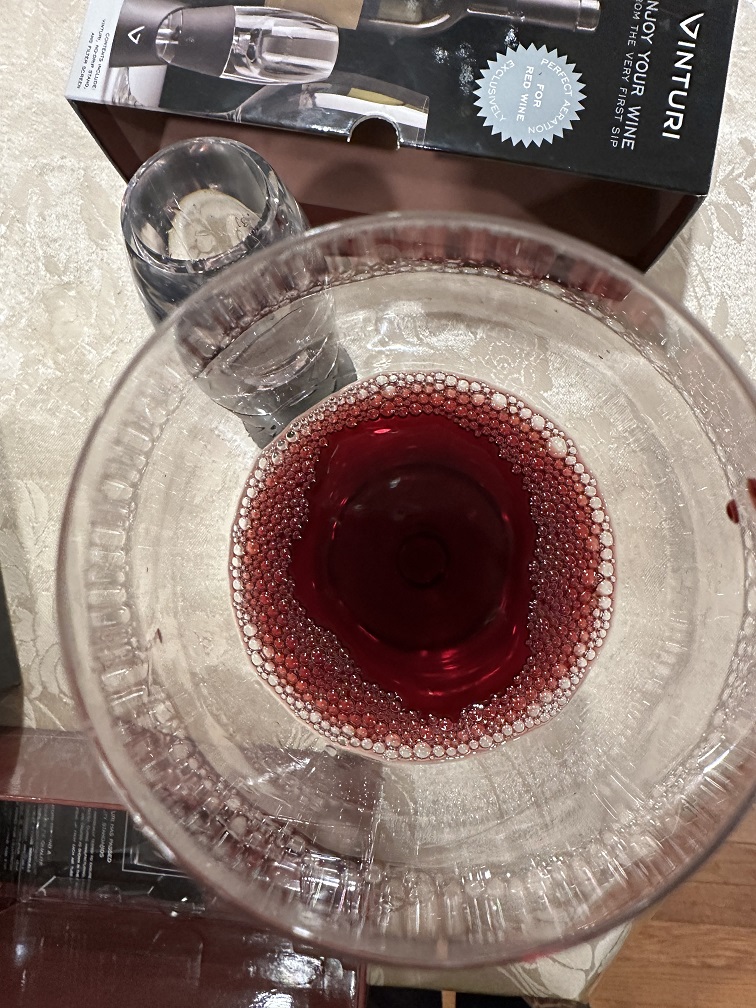
Bubbles – an effect of Venturi
Now we wait.
1 hour control point from decanter
Nose changed, now offering some sapidity undertones, became lean and powerful. Now nose promises big, “serious” wine
Delicious bouquet on the palate. Dark fruit, elegant, balanced, tart cherries woven over the firm structure. Elegant, delicious. 9-
2 hours later
Tart nose, earthy undertones, cherries
Lots of tart cherries on the palate, different representation, firm, tight, lots of energy, now gripping tannins which cut finish somewhat short. Wine is evolving. 8
4.5 hours later
Fresh berries returned on the nose with some earthy undertones
On the palate, the wine is tight with some brushy tannins, good clean dark fruit finish. The wine would perfectly complement steak, but for sipping I would prefer one of the earlier versions. 8
Second day
Still pretty much tastes like the wine after a few hours of decanting.
So what did I learn after tasting the Gran Marselan, besides the fact that I really didn’t need to decant it more than for an hour? The conclusion is easy. The grape has great future potential. But you don’t need to wait for the future – you can simply enjoy the wine right now. Also, I know what you are thinking – this Gran Marselan is expensive. While I can’t argue with that, if you are ever willing to spend $170 on a bottle of a special wine then this wine is well worth your consideration. I know of many California Cabernet Sauvignons in the same price range which will deliver much less pleasure, so this wine is definitely worth it. Maybe one day we will be able to compare the notes? Until that time – cheers!
Celebrating New Year 2025 In Style
New Year is my favorite celebration. It is simply a celebration of life as it happens. Forget all this “new year, new you” nonsense, forget all the resolutions – new year resolutions don’t work, you can’t do something once in 365 days and expect that the effect will last for the next 364. So the New Year celebration for me is just an opportunity to spend time with your friends and family, and maybe enjoy some special treats – yes, I’m talking about wine and food, of course (in that specific order).
New Year celebration is an opportunity to open a special bottle (or 2, or 3, or more). I always want to decide on my celebratory wines in advance, and then the decisions are still happening at the last minute. Here is what I decided on to celebrate the new year 2025:
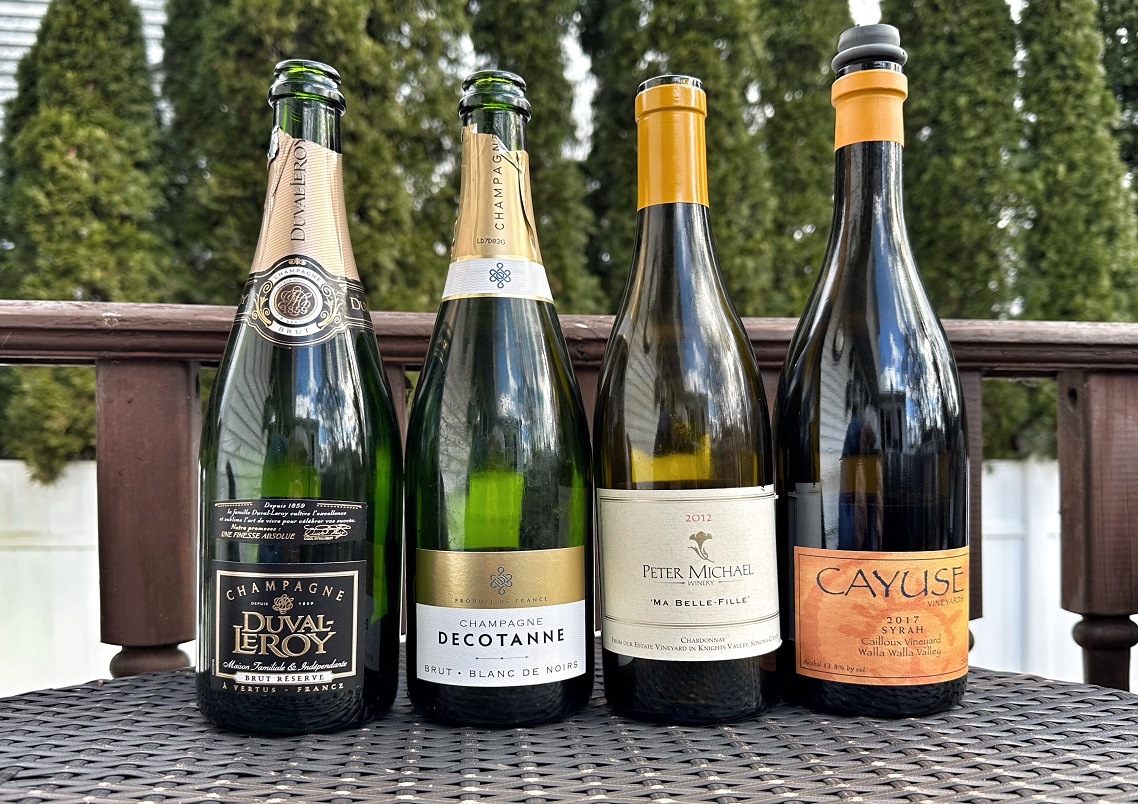
We started with NV Champagne Duval Leroy Brut Reserve (12% ABV), which showed beautifully with a yeasty, toasty nose, and then freshly baked bread and apples on the palate, spread over the fine mousse. Supple acidity completed the presentation, and the bottle was emptied in a matter of a few minutes.
One bottle of bubbles is never enough, so we continued our New Year celebration with NV Champagne Decotanne Brut Blanc de Noirs (12% ABV). Not so much of the toasted notes but nice fresh apples instead, followed by creamy, apple-forward fine mousse, rounder and just a tiny bit sweeter than the previous Champagne, possibly with simply a perceived sweetness just because of the fuller body. Overall elegant and delicious to the last drop.
Next I decided to open the 2012 Peter Michael Ma Belle-Fille Chardonnay Knights Valley Sonoma County (15.6% ABV). I have a complicated relationship with Peter Michael wines. When I tasted Peter Michael Chardonnay for the first time (probably 2008 vintage), I instantly fell in love and signed up for the mailing list (got on relatively quickly). Then a few of the subsequent vintages were not as good, while the price continued to go higher, so I dropped off the mailing list, and now just slowly finishing the bottles I have with various degrees of success (read: enjoyable, pleasure-inducing wines). This 2012 Chardonnay should be remembered as a success, showing a serious punch of vanilla and overripe apples on the nose, and continuing with the exact same profile on the palate. The acidity was in check, making the wine “pleasant to drink” but not much beyond that. A bit more acidity would have perfectly freshened up the wine, but oh well. Still, a very decent California Chardonnay specimen at 12 years of age.
Last but not least – 2017 Cayuse Syrah Cailloux Vineyard Walla Walla Valley (13.8% ABV). I know, 7 years is not really an age for the Cayuse wines, but hey, that’s what the New Year celebration is for – to motivate you to open a special bottle of wine. I decanted the wine for a few hours, and it opened up beautifully with smokey, earthy cherries, granite, and iodine – both on the nose and on the palate. A very elegant and delicious wine in its own right.
Not sure if food is as exciting as wine, but the New Year celebration also requires a celebratory set of dishes, something along these lines:
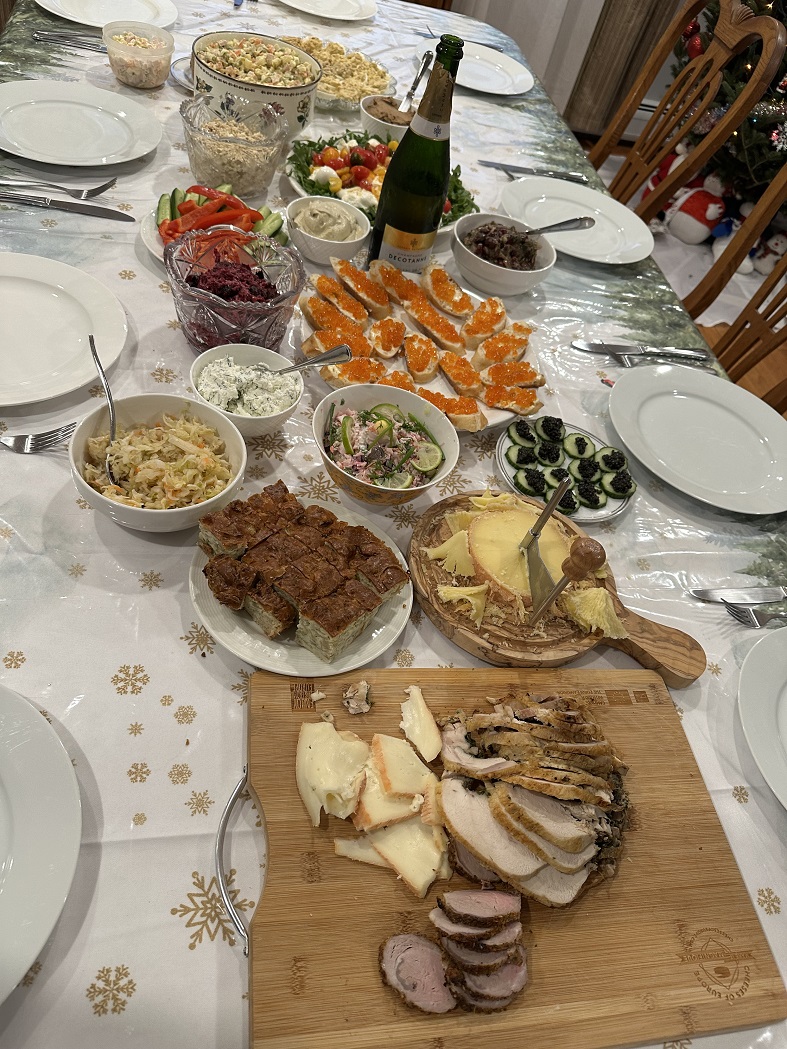


This year was also very special as Hanukkah and Christmas overlapped, which only happened 5 times over the past 125 years – in 1910, 1921, 1959, 2005, and now 2024. As the last day of Hanukkah overlapped with New Year Day, I took this picture to preserve such memory:

So, how was your New Year celebration? Amy special wines, special food? I’m eager to know, do tell.
And until the next time – cheers!
Top 24 of 2024
 See how well this rhymes?
Top 24 of 2024.
When I posted my list of top wines of the year for the first time in 2010, the desire was to create a list of the top 10 wines. This was almost successful, as the list included 12 wines, so I decided that “my thing” would be Top Dozen. I managed to maintain that limit of a dozen wines in 2010 and 2011. But then in 2012, I failed miserably, and that list included 26 wines. And ever since, all the top wine lists have had about two dozen wines or so.
I’m glad that in 2024, I don’t need to even look for any excuses as to why the top list contains so many wines. 24 wines is perfectly suitable for 2024, so that’s what we are going to do.
The selection process for the wines to be included in the Top Wines of the Year is very simple – the wine has to be memorable. These are the wines that solicited emotion, and thus became memorable. They don’t have to be the highest rated wines, even though they often are, but they have to be memorable.
I never try to calculate how many wines I taste during the year. Including all the tasting events and wine dinners I’m lucky enough to attend, I would guess this number is close to a thousand, so I believe selecting two dozen wines out of a thousand is reasonable. And please believe me when I say that decision is never easy, especially when it comes to deciding on the top spot – 2024 was no exception, and you will see why as you follow along.
Without further ado, let me present to you Talk-a-Vino Top Wines of 2024:


25. 2021 Bodegas El Nido El Nido Jumilla Do Spain ($150) – very much last-second addition to the list, but I would be upset if I did not include this wine. El Nido is generally a massive wine – pop and pour drinkability of this 2021 flagship of Gil Estates wines was very surprising and definitely memorable. Voluptuous, generous, yet perfectly balanced – one memorable wine – which is the main criterion for the inclusion into this list.
24. 2021 Le Clos du Caillou Cotes du Rhone Cuvee Unique Vieilles Vignes ($19, Last Bottle) – I’m generally a bit concerned about Cotes du Rhone wines, as I had many underwhelming specimens over the years. Not this wine though – beautiful, round, supple without being overbearing, very easy to drink.
23. 2021 FIOL Rosé Prosecco DOC Millesimato ($22) – everyday bubbles. Can I say just that? Okay, fine, if you insist – it was delicious, with a lot of energy and the fizz more reminiscent of a good champagne. Strawberries, anyone?
22. 2023 MAIA Winery Mare White Israel ($25) – Was looking for an Israeli wine to celebrate Rosh Hashanah, and came across this wine at the local Total Wine. Somehow this wine spoke to me, and I’m glad it did – it was all-around delicious with a structure that would make a good Chardonnay proud.
21. 2017 Campochiarenti San Nicola Riserva Chianti Colli Senesi DOCG (€19) – There is something special about Italian wines, like they can speak directly to your wine lover’s soul. Cherries galore, beautifully and tightly packaged to put a smile on your face. Don’t believe me? Try it for yourself.


20. 2021 Keeler Estate White Wine Blend Eola-Amity Hills AVA ($20, Last Bottle) – as you peruse this Top wines list, you will see many finds courtesy of Last Bottle. Yes, Last Bottle knows how to present their wines in a very appealing way – but Last Bottle can’t force the wine to appear in this list, this would be my doing. So this wine was delicious – light, citrusy, with just the right amount of complexity.
19. 1997 Chateau Haut-Piquat Lussac Saint-Emilion AOC ($19.99, Wine Exchange) – I don’t drink a lot of Bordeaux, so I’m glad I had at least one wine worthy of inclusion in this Top list. I found this wine a few years back with the help of Wine Exchange, and it was an excellent find – a classic old-world Claret, still youthful and delightfully drinkable.
18. 2014 Le Casalte Vino Nobile di Montepulciano DOCG ($N/A) – another “first of” wine on this list – first of the great wine finds we experienced during our family European trip earlier this year. Not only was this wine tasty, but it was also very memorable as I ordered this Vino Nobile wine at a restaurant at the very heart of the Brunello land – in Montalcino. Well, good Sangiovese is a good Sangiovese, what can I say. This one was delicious.
17. 2022 Gran Bousquet Organic Cabernet Sauvignon Uco Valley ($25) – Cabernet Sauvignon of this quality for this price is simply unreal. And it is organic. If you like Cabernet Sauvignon, this is a must-try.
16. 2017 Saxum Heart Stone Vineyard Paso Robles Adelaida District ($110) – this wine could probably wait for another 3-4 years (or much longer) – still, it delivered enough pleasure as it was. Powerful, concentrated, delicious.


15. 2017 Royal Tokaji Borászat Mad Royal Tokaji Aszú 5 Puttonyos ($N/A) – One of the highlights of the trip to Hungary. Seductively sweet and refreshingly acidic – a dessert wine to seek.
14. 2022 Petit Sauvage Rouge Vin de France ($17.99, Wine.com) – This wine forced a deep search in my wine lover’s vocabulary to find the words to describe it properly. I rather failed with the search, but I enjoyed the process – you can read more in the post. A rare grape and a very memorable experience.
13. 2018 Anaperenna by Ben Glaetzer Barossa Valley Australia ($49, Last Bottle) – I need to drink more Australian wine, as this one was delicious on all levels.
12. NV Champagne Camille Jacquet Brut Grand Cru Chardonnay A Le Mesnil-sur-Oger ($35, Last Bottle) – yes, another Last Bottle, and an absolute steal of Champagne for the money. Toasted notes on the nose and the palate, lots of energy and finesse. Also comes with regrets – why did I only buy 3 bottles?
11. 2021 Banfi Poggio Alle Mura Rosso di Montalcino DOC ($25) – another Sangiovese, another wine associated with our family’s European trip and a first wine from Banfi (spoilers: there will be more). We had this wine during our lunch at Castello Banfi, and it stopped everyone in their tracks – even kids who are not really into the wines.


10. 2018 Ramos Pinto ‘Urtiga’ Terracos Pre-Filoxericos Douro DOC ($300) – talk about unique wines – this one will be hard to beat. It comes from the vineyard where each vine has its own GPS and sensors, and can be tracked. Made from 63 unique varieties. Delicious, elegant wine, as memorable as they ever get…
9. 2012 No Girls Tempranillo La Paciencia Vineyard Walla Walla Valley ($90) – liquid rock, tamed. End of the description. Seriously, smokey and brooding wine, full of granite and iodine, mature enough to let the fruit show through. Definitely an experience.
8. 2020 Avignonesi Desiderio Toscana IGT Merlot ($60) – What is it with Italian Merlot? It is as good as Sangiovese gets. Unmistakably Italian, round, classic, delicious.


7. 2009 Sauvella Luscinia Canta Costers del Segre DO ($30) – when my friend said ” you will love this wine” it didn’t register with me. Then I opened the bottle, and the next thought was “oh my god, this is so good, what is it???”. A Spanish wine of an unusual pedigree (Syrah and Cabernet Sauvignon in leading roles), smooth, well-structured, scrumptious. And I don’t even want to mention the price…
6. 2022 Terra Alpina Chardonnay Vigneti Delle Dolomiti IGT ($20) – I’ve had Terra Alpina wines before, I guess this is what convinced me to get this bottle at Whole Foods in Florida. I’m a sucker for a good Chardonnay, and this high-altitude, Alpine-climate-driven rendition was just spectacular, round and succulent. A delightful wine all the way.
5. 2021 Juan Gil Red Blend Jumilla DO ($15) – Another surprising business trip Whole Foods find. I grabbed this wine strictly based on price. Once I poured it into the glass, I was blown away by both the aromatics and the bouquet of ripe fresh berries, sweet oak, chewy but elegant tannins, the whole package for mere $15.
4. 2018 Smith-Madrone Cook’s Flat Reserve Spring Mountain District Napa Valley ($225) – Textbook Cabernet Sauvignon. Precise flavor, immaculate delivery, the wine to experience.
3. 2019 Ramos Pinto Quinta de Ervamoira Douro DOC ($100+) – here we go – the second wine from Ramos Pinto. This is a single-vineyard wine, coming from a single vineyard designated as a UNESCO World Heritage site. Dark fruit, earthy, powerful, and precise.
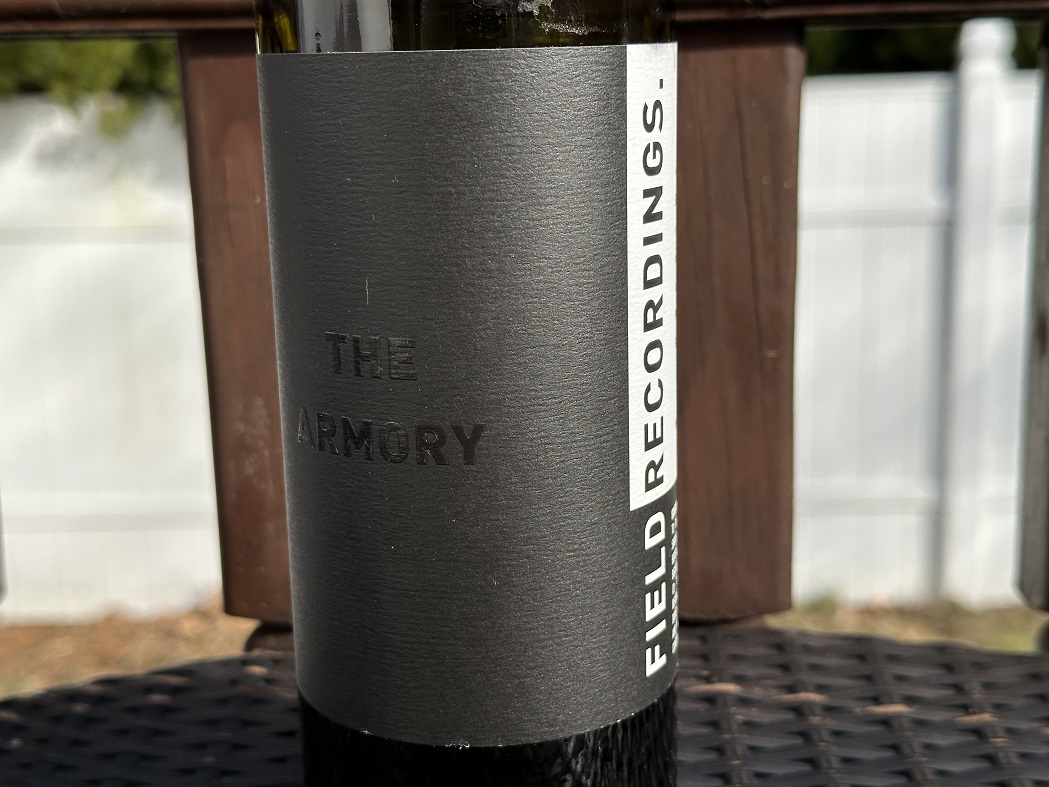
2. 2019 Field Recordings The Armory Paso Robles ($85) – This wine was really something else. I poured this wine for our guests on Thanksgiving, while continuing to drink whatever I had before. Judging by the facial expressions and overall reaction of our guests, I decided that it might be a big mistake if I will not try it. I don’t know what kind of dark voodoo magic was used to make this wine, but it was unique. This is 100% Cabernet Sauvignon, and while the wine had all the traits of a classic cab, every taste element had its own amplified energy, it was vibrant and alive. A truly unique experience.
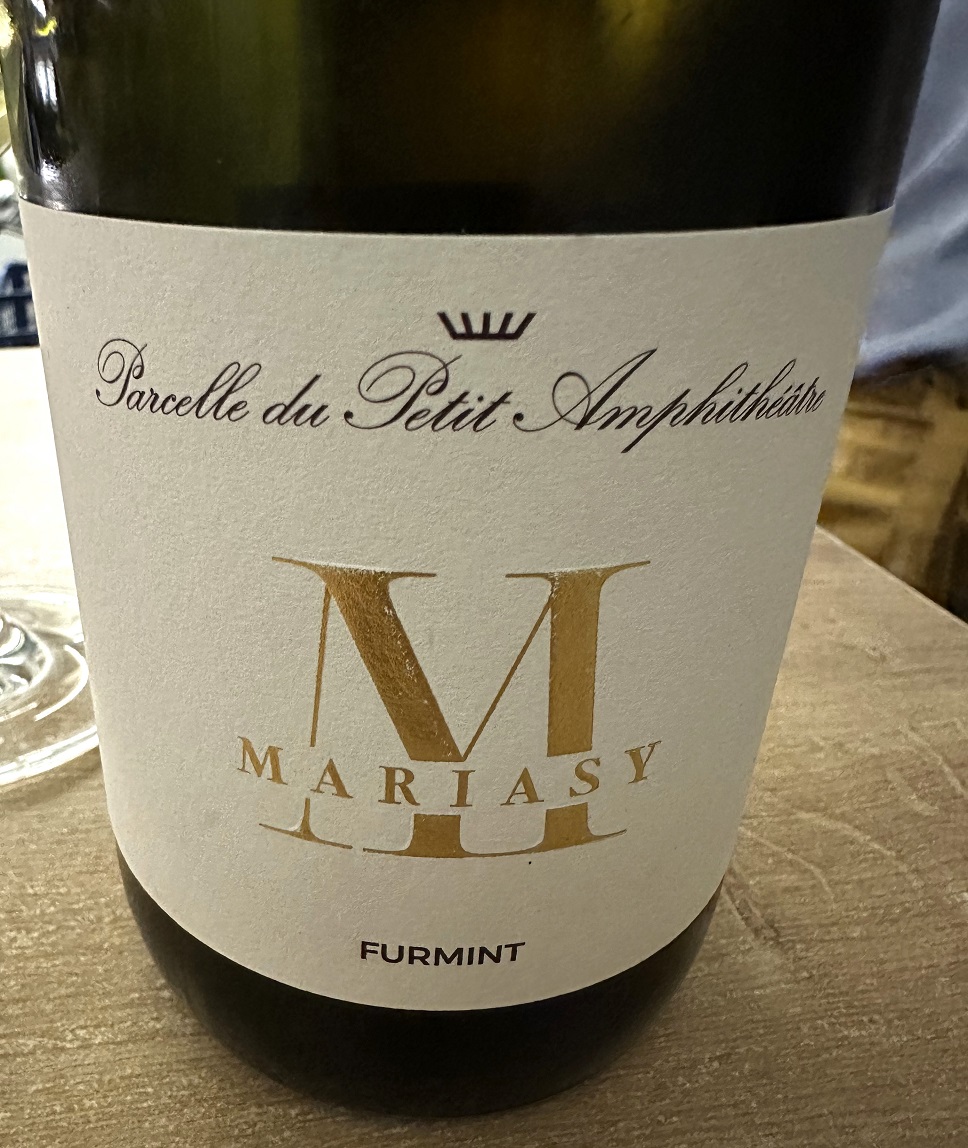
1. 2020 Mariasy Tokaji Furmint Hungary ($N/A) – yes, I did it again. Two #1 wines. In my mind, this was the only way. Chardonnay-like and Chardonnay. This Furmint wine was full-bodied, succulent, offering hints of vanilla and toasted notes and even imaginary butter, while being bright and energetic.
1. 2022 Banfi Fontanelle Chardonnay Toscana IGT ($30) – And now, the Chardonnay. Vanilla, apples, honey, bright, zingy, refreshing, and dangerous. Really dangerous – I would drink a bottle by myself.
This completes the presentation of the Top 24 (actually, 26, but who would count) Wines of 2024. Lots of well-worthy wines didn’t make it to the list, but I think I got a good representation here.
What was your wine(s) of the year 2024?
An Evening of Pure Pleasure
Do you know what makes an oenophile’s heart melt and pound, what fills it with joy? Hearing their friends say after you pour the wine into their glasses
“Oh my god, this is so good!”
This brings a double pleasure – it is not only you now getting the pleasure from the aroma and the bouquet – but your friends also enjoying it as much as you do. Wine is meant for sharing, and this makes sharing so much more enjoyable…
Wine can never be taken for granted. Let’s remember that the wine continues changing even after bottling – each time we open the bottle, we find the content of the bottle in its unique state. Yes, we can hope that if you open all 12 bottles from the case at the same time, all wines will taste the same – but it is still a game of probabilities, with opportunities for the “bottle variation” to be increasingly more noticeable as the wine ages. And I’m not even talking about potential wine faults…
Next, there are expectations. Expectations are a big deal for the oenophile. Just one look at the bottle and an oenophile forms expectations – bottle appearance, place, producer, type of wine, vintage – everything is taken into account, and we know what to expect. It is the most joyous moment when the liquid in the glass meets expectations – and the most daunting when it does not (let’s not get to the corner case of Two Bucks Chuck, please). But there is more to the expectations in wine. One of the biggest challenges with wine expectations lies in the fact that it doesn’t matter how much you like the wine and how well your great expectations are met – everyone’s palate is different. It is hard learning to be okay with the fact that while you enjoy the wine immensely, your friend doesn’t care for it. It doesn’t make the wine bad. It doesn’t mean that you are wrong or did anything wrong. It simply means that taste is personal, you just need to learn to accept this simple fact of life – and not get upset.
You might wonder why I am talking about all this wine geek mumbo jumbo, why is that important? Simple. No matter how familiar you are with the wine you are pouring, or how many times you have had the wine from the same vintage and producer, when the wine reaches the glass, it is always the moment of revelation. Double that (triple? quadruple?) when you are poring wine for your friends. And even if you think that wine is perfectly perfect, you can never assume your friends will think the same. Wine can never be taken for granted.
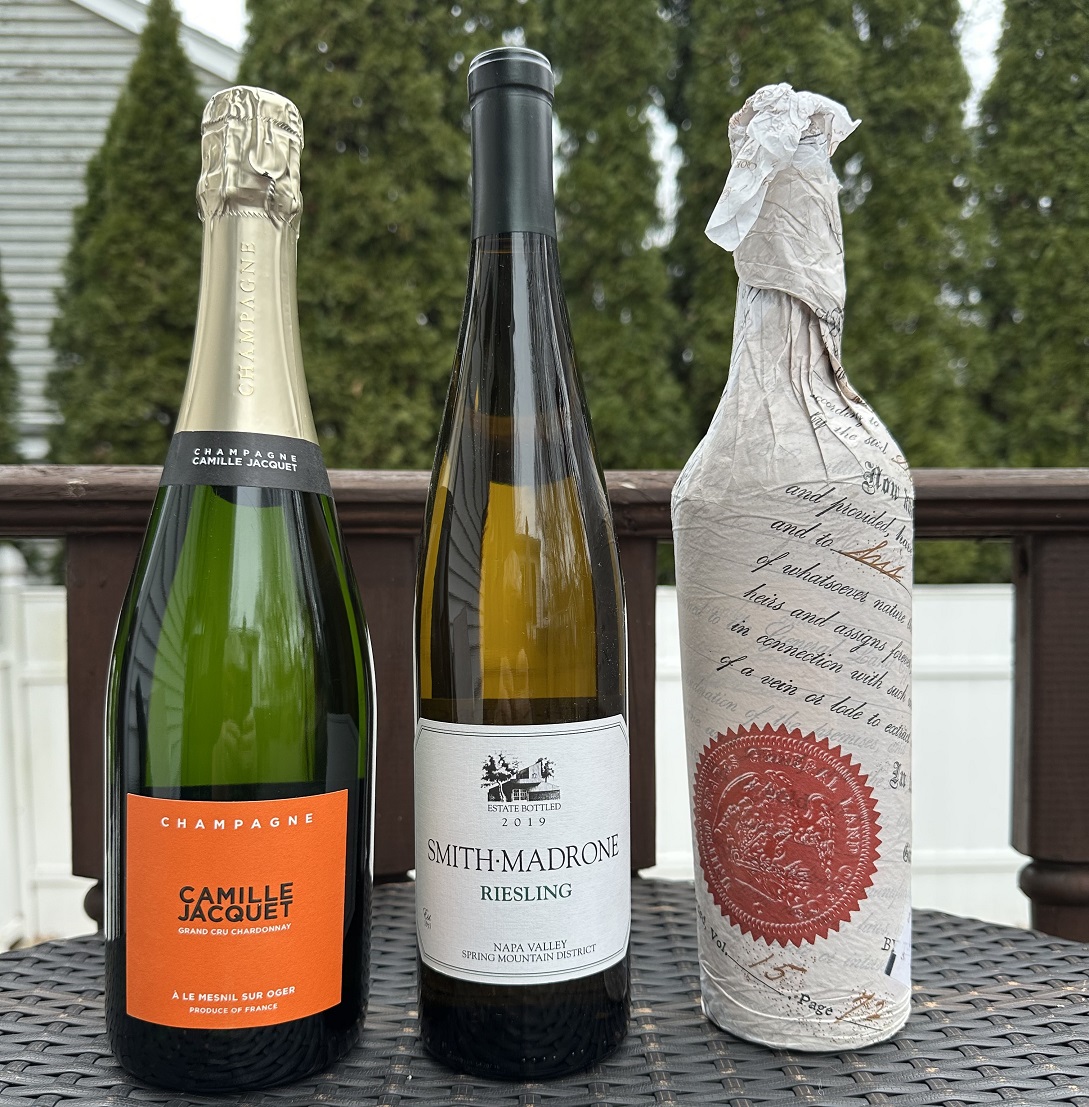 I guess I got lucky. At last weekend’s evening with our dear friends, I managed to hit a double “trifecta” :). Three delicious wines out of three, and my friends loved all three to the “oh my god, this is so good!” moment.
First wine – NV Champagne Camille Jacquet Brut Grand Cru Chardonnay A Le Mesnil-sur-Oger (12% ABV). I do not know the producer, but I had high expectations for this wine possibly for a silly reason. A small village Le Mesnil-sur-Oger is well known for the quality of its Chardonnay vineyards and a home to some of the best (if not the best ) Blanc de Blancs Champagnes in the world – Salon le Mesnil and Krug Clos du Mesnil. Knowing that Camille Jacquet Champagne comes from basically the same vineyard gave me high hopes (silly, as I said) for this Champagne. And my high expectations were perfectly met. Beautiful nose of toasted bread with a touch of apple, impeccably crisp, fresh and precise on the palate. The acidity was fully in check with the complexity of the toasted, baked goods on the palate, leading to an impeccable (yes, I know I already used that word) balance. “Oh my god, this is so good!” said my friends, and the wine disappeared in a jiffy.
Next, two beautiful wines from one of my favorite producers ever. Over the years, I wrote about Smith-Madrone wines extensively. Cooks’s Flat had been one of the Talk-a-Vino Top 10 Wines of the Year 2019 top wines (that year, I had 3 #1 wines, tell me about my inability to make decisions), and Smith-Madrone Cabernet Sauvignon was #3 on the Talk-a-Vino Top 23 of 2023. So I was very happy that I got the samples of Riesling and Cook’s Flat and was able to share both wines with my friends (I will also taste a nice vertical of Smith-Madrone Riesling, it will take a central stage on these pages soon).
Smith-Madrone Riesling is one of my favorite Rieslings in the world – it is one of the 3 if you are interested – Grosset Polish Hill Claire Valley Australia, Smith-Madrone from Napa Valley, and Brooks Ara from Oregon. This 2019 Smith-Madrone Riesling Spring Mountain District Napa Valley (13.3# ABV) was spectacular. First, it offered a tremendous pop of petrol on the nose – and nothing makes my Riesling lover’s heart happier than these petrol aromatics, coupled with a whiff of honeysuckle. On the palate, it was fresh, energetic, with a wide range of citrus flavors readily present, from Meyer lemon to oranges and mandarines, supported by clean acidity and a perfectly cleansing acidic finish. Delicious, and the second “oh my god, this is so good!” wine.


Finally, the 2018 Smith-Madrone Cook’s Flat Reserve Spring Mountain District Napa Valley (14.2% ABV, 87% Cabernet Sauvignon, 13% Cabernet Franc, 20 months in new French Oak). This wine is designated as “Reserve” and this is not random – it represents the best of the best Smith-Madrone makes, using the best plots, best grapes, and produced only in the best years. This wine also has a historical connection to the parcel of land where Smith-Madrone vineyards where replanted in 1972 – the tissue wrapping the Cook’s Flat bottle is a copy of a land grant document, signed by the President of the United States. Here is the description from the Smith-Madrone website:
“Cook’s Flat Reserve is a proprietary name for a wine that is the culmination of our 50 years of growing grapes and making wine in the mountains of the Spring Mountain District. The name refers to George Cook, the first owner of the property. ‘Cook’s Flat’ was the local oldtimers’ name for the eight-acre plateau-like vineyard block which was replanted in 1972.
The packaging expresses the property’s history and an uncompromising attention to detail. Each bottle is numbered and only around one thousand bottles are produced in each vintage. Each bottle is wrapped in tissue which has been printed with a multi-colored copy of the U.S. Land Office Patent which granted ownership to George Cook and was signed by President Chester Arthur on December 5, 1885. We proudly display the original at the winery.”
What I love about Smith-Madrone wines is textbook precision. So far literally everything I tasted from the winery had this textbook precision of flavor – Riesling is unmistakably Riesling, Chardonnay is unmistakably Chardonnay, Cabernet Sauvignon is unmistakably Cabernet Sauvignon.
This 2018 Cook’s Flat, a blend of Cabernet Sauvignon and Cabernet Franc, was also unmistakably a Cabernet. A core of black currant, a.k.a. cassis, and eucalyptus, supported by sweet tobacco and sweet oak, with a whiff of the bell pepper (love it). On the palate, the textbook flavors continued with succulent cassis, eucalyptus, a touch of mint and bell peppers, firm structure, perfectly integrated and perfectly present tannins, impeccable balance. Just a pure joy. “Oh my god, this is so good!” wine again disappeared in no time, with the last drops almost squeezed out of the bottle.
Here you are, my friends. An evening of pure pleasure – and a happy oenophile who managed to make his friends “oh my god, this is so good!” happy.
I have more happy stories to tell – stay tuned…
For The Love Of The Cab: Cabernet Deep Dive with Domaine Bousquet
I can’t speak for all oenophiles, but at least speaking about moi, there is one question that I dread the most:
What is your favorite wine?
This is not a question I ever want to hear – of course, as soon as people figure that you are “into wine”, this is the question everyone thinks is the most appropriate. And yet this is bad – scrap that – horrible question as it doesn’t have an answer. Or it has an answer – accepting that the answer will be different every time the question is asked.
Maybe a better question to ask is
What is your favorite wine today?
At least this is a question that I can answer.
Today, my favorite wine is Cabernet, or Cabernet Sauvignon and Cabernet Franc, to be more precise. Cabernet is what we are going to talk about today. And not just any Cabernet – all organic Cabernet from Argentina.
I have to admit that Cabernet Sauvignon is one of my most favorite wines not only today but on any day. I find a classic profile of cassis, eucalyptus, and bell pepper, sometimes accompanied by mint and anise simply magical. When I see Cabernet Sauvignon on the label, this immediately sets my expectations – and that is exactly where a huge disappointment opportunity lies. The wine might be very good, but if it is called Cabernet Sauvignon, and then doesn’t offer the aforementioned classic traits, that immediately becomes a letdown, sometimes even unjustifiably so. The good thing is that Argentinian Cabernet Sauvignon is usually very well versed in its classic expression, so it is generally a Cabernet Sauvignon that doesn’t disappoint.
Domaine Bousquet is one of the most impressive wine businesses in the world. I wrote about the history of Domaine Bousquet very extensively on these pages, so I’m not going to regurgitate everything that I already said – instead, I would like to suggest that you read this post, and also this one. However, I will illustrate my statement about the most impressive wine business with a few pictures. Here is what high altitude (1,200 m/4,000 ft) desert looked like in 1990 when Frenchman Jean Bousquet first fell in love with the area while on vacation in Argentina:
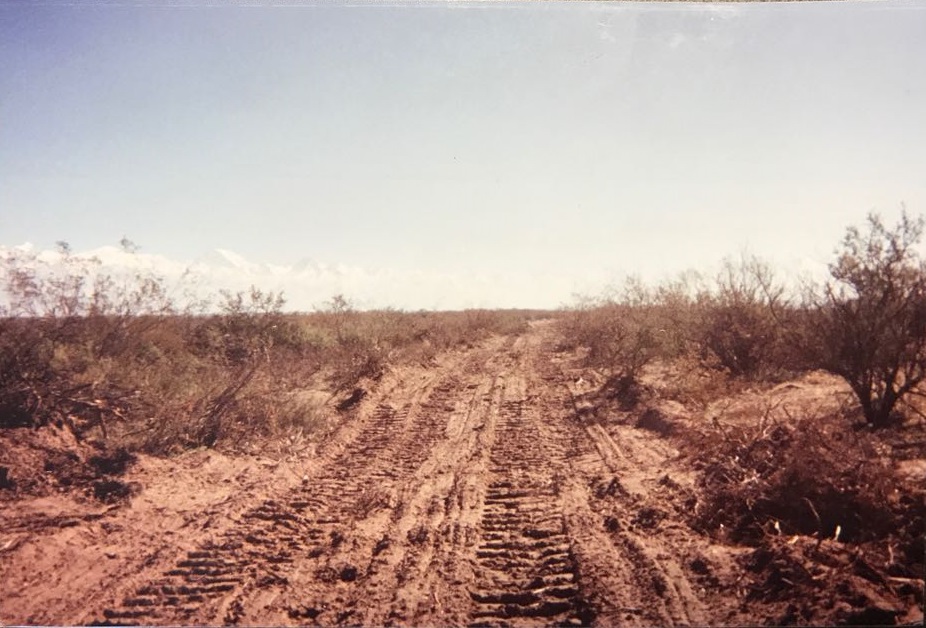
Source: Domaine Bousquet
Here is what it looks like today:
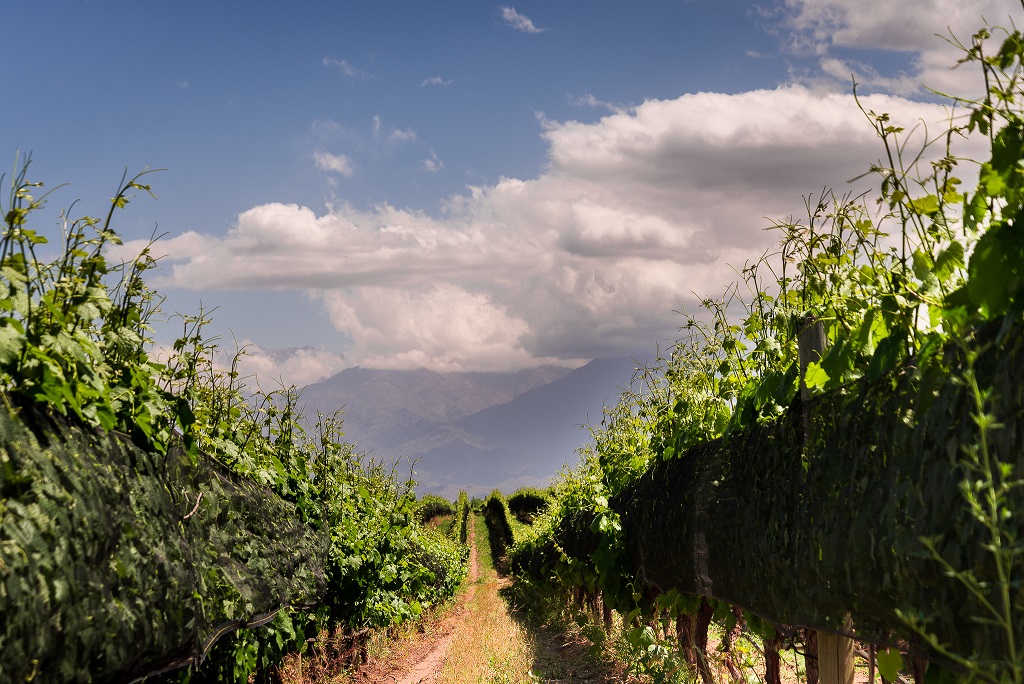
Source: Domaine Bousquet
Here is what domain Bousquet has accomplished in less than 30 years, after being formed in 1997:

Certified B corporation, certified regenerative organic, biodynamic, USDA organic… you can continue decoding the icons on your own. 5 million bottles are produced annually, and I never had a wine from Domaine Bousquet that I didn’t like. I rest my case.
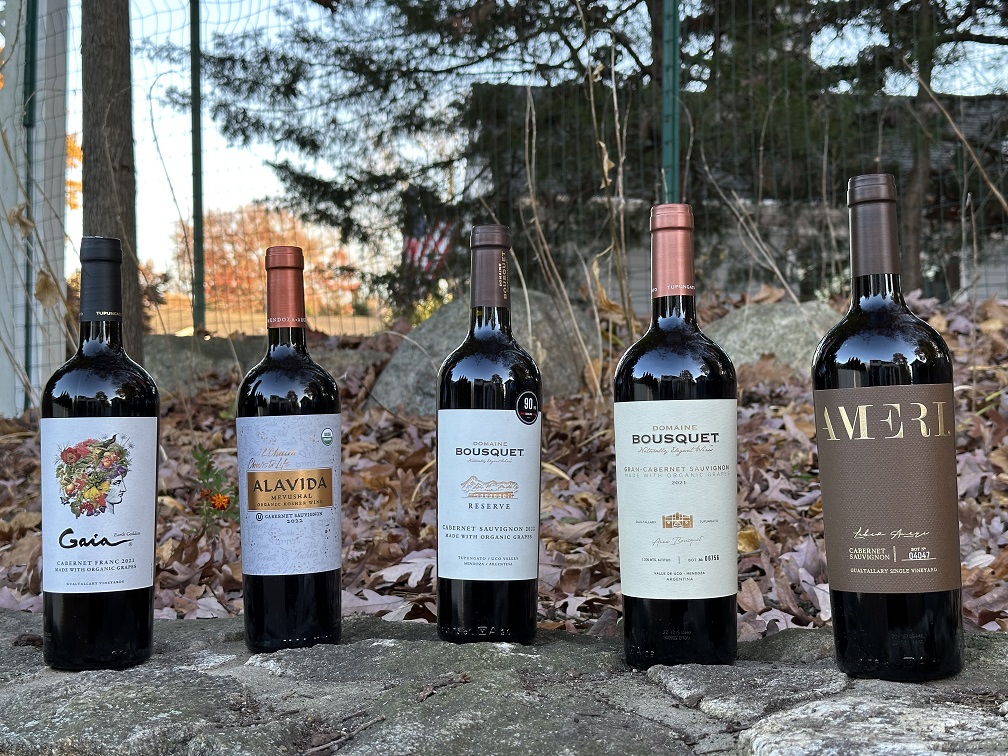
Today we are focusing on Cabernet wines from Domaine Bousquet. While Malbec might be a king of Argentinian wines, Cabernet Sauvignon probably is a royal prince. Argentinian Cabernet Sauvignon wines are world-famous and well sought after. Domaine Bousquet offers a full range of Cabernet wines, both in price and in style. I had an opportunity to taste through such a range, so here are my impressions.
Let’s start with Cabernet Franc first. I love the label for this wine, it is very lively and colorful.
2021 Domaine Bousquet Gaia Organic Cabernet Franc Uco Valley (14.5% ABV, $20, 100% Cabernet Franc, 10 months in used French oak)
Dark garnet
Classic, a distant hint of bell pepper, cassis, eucalyptus.
Cassis, soft tannins with firm structure, a touch of peppery notes, good acidity, excellent balance.
8, delicious and classic
Similar to Hebrew’s L’Chaim! Alavidaalso means To Life! in Spanish. USDA Organic (no SO2 added), unoaked, and Kosher wine is perfect not just for the holidays, but for any day.
2022 Domaine Bousquet Alavida Kosher USDA-Certified Organic Cabernet Sauvignon Uco Valley (14.5% ABV, $18, 100% Cabernet Sauvignon, no added SO2, Kosher)
Dark garnet, almost black
Dark fruit, a hint of dark chocolate
Fresh wild berries, playful, good mid-palate weight, herbs, a touch of sweet oak, excellent balance, delicious.
8, excellent
2022 Domaine Bousquet Cabernet Sauvignon Reserve Tupungato / Uco Valley (14.5% ABV, $18, 6-8 months in French oak, organic grapes, vegan friendly)
Dark garnet
Blueberries on the nose, a hint of eucalyptus
A touch of cassis, tart, a bit astringent, but still well balanced. Tannins are noticeable but well integrated.
7+, needs time
2022 Gran Bousquet Organic Cabernet Sauvignon Uco Valley (14.5% ABV, $25, 85% Cabernet Sauvignon, 15% Malbec, 10 months in French oak, 50% new, 50% used)
Dark garnet
Cassis and eucalyptus in the nose
Cassis, a touch of bell pepper, voluptuous, generous, perfectly balanced, excellent acidity; a delight.
8+, outstanding. This wine was a “California rendition” of Cabernet Sauvignon. Also at this price point, it is a steal.
Ameri is not just a single vineyard but also plot-specific wine made only in exceptional years.
2021 Domaine Bousquet Ameri Single Vineyard Organic Cabertnet Sauvignon Uco Valley (14.5% ABV, $36, 100 Cabernet Sauvignon, 12
months in French oak, 65% new, 35% used)
Dark garnet
Cassis, a hint of bell peppers, a whiff of a leather and sweet oak, complex and inviting.
The beautifully restrained palate leads with acidity, cassis, dark chocolate, well integrated tannins. Wine lost none of its freshness after 3 days. Can age for 25+ years. Outstanding.
8+, delicious. Old world, acidity-driven style, reminiscent of Bordeaux.
Here you are, my friends. 5 beautiful organic, high-altitude Cabernet wines, well worth seeking and enjoying.
Have you had Domaine Bousquet wines? What are your thoughts? Cheers!
American Pleasures #10: Meyye Wines
Wine should give you pleasure – there is no point in drinking wine if it does not. Lately, I have had a number of samples of American wines that were delicious standouts – one after another, making me even wonder if someone cursed my palate. I enjoyed all those wines so much that I decided to designate a new series to them – the American Pleasures.
And we are back to talk about more delicious American wines.
Rob Campbell got into winemaking in 1992 when he started helping his future father-in-law Bruce Tichenor at Story Winery in Plymouth, California. 20 years and three other careers later, Rob decided that it was the time to go into the winemaking all the way, taking over the wine-making at the Story Winery. While producing award-winning wines at the Story Winery, Rob realized that he could also produce ultra-premium wines, capitalizing on the success of his 2014 Zinfandel. When the family decided to sell Story Winery in 2019, Rob finally got an opportunity to start making the wines he had always dreamt of, and he founded Meyye Wines.

With Meyye Wines, Rob wanted to honor his Native American heritage. Rob Campbell is a member of the Federated Indians of Graton Rancheria (Coastal Miwok/Southern Pomo), the tribe is based in Rohnert Park, California, which lies within Sonoma County. Meyye (pronounced may-yea) means ‘bird’ in the Coastal Miwok language, and the first 4 wines that Rob started producing are all called after the birds native to the different regions where Rob was sourcing the fruit from, using native Miwok names for the birds. You can also appreciate the beauty of these wine labels which started as photographs taken by acclaimed wildlife photographer Steve Zamek, expertly rendered to create a three-dimensional representation of an image of each bird.
As Rob explains:
“Native Americans have been making wine in California for over 250 years. I descend from multiple Mission Indians who worked vineyards or made wine in three different California missions in the 19th century (Mission San Jose, Sonoma, and San Rafael). I’m intentionally using the Coast Miwok language since the language was considered ‘officially dead’ in the past, but my people are making a concerted effort to restore it. In addition to being ultra-premium wines that taste great, it’s my small way of preserving our language by sharing it with native and non-native people alike. “
I had an opportunity to taste 4 of Rob’s wines, and they were literally one better than the other. I’m also sure you would be able to recognize the names of the vineyards and appreciate the pedigree of these wines.
Here are my notes:
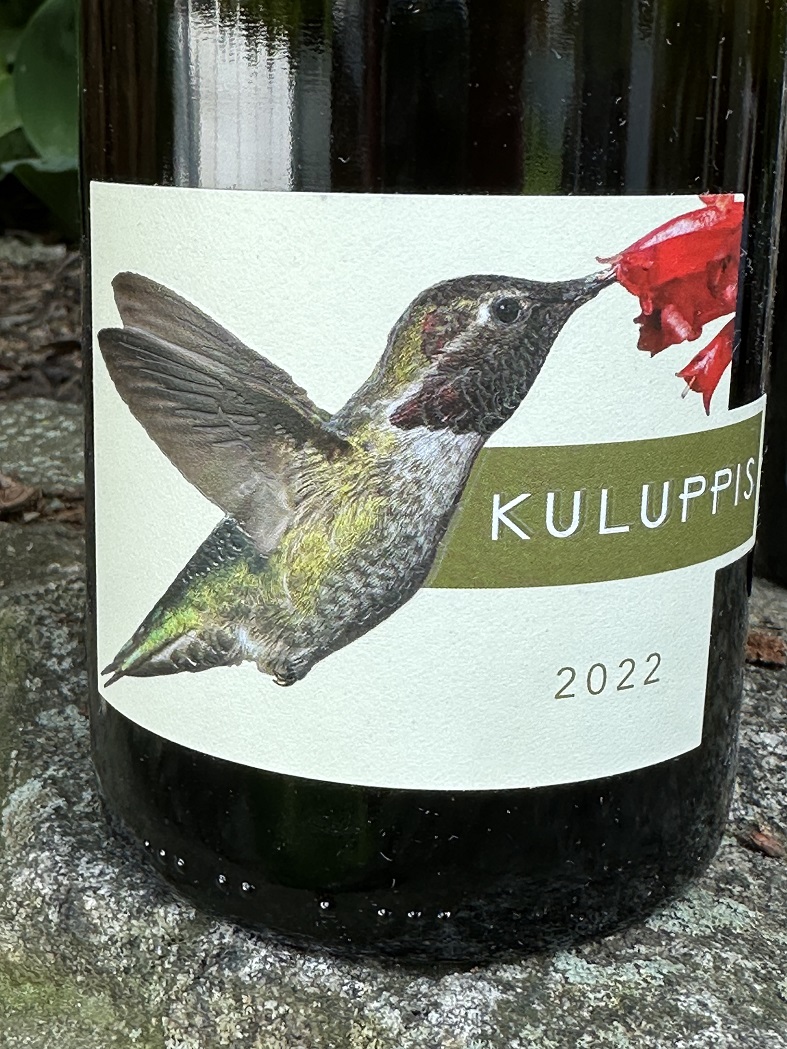
2022 Meyye Wines Kuluppis Chardonnay Sonoma County Los Carneros (13.7% ABV, $55, Sangiacomo vineyards, Kuluppis pronounced kuh-luu-pee; Anna’s hummingbird)
Light golden
Immediately upon opening – rich, opulent, butter, vanilla and tropical fruit on the nose, buttery toast on the palate, big, rich, hedonistic.
Literally 30 seconds later – a lot more restrained and leaner wine, all butter is gone, just some apples left. Well, no, there is still butter, just the toast is gone 🙂 nice and elegant, well balanced. Some perceived bitterness on the palate. Let’s see how it will develop.
Second day showed some honey notes and improved balance. Overall – excellent.
8+
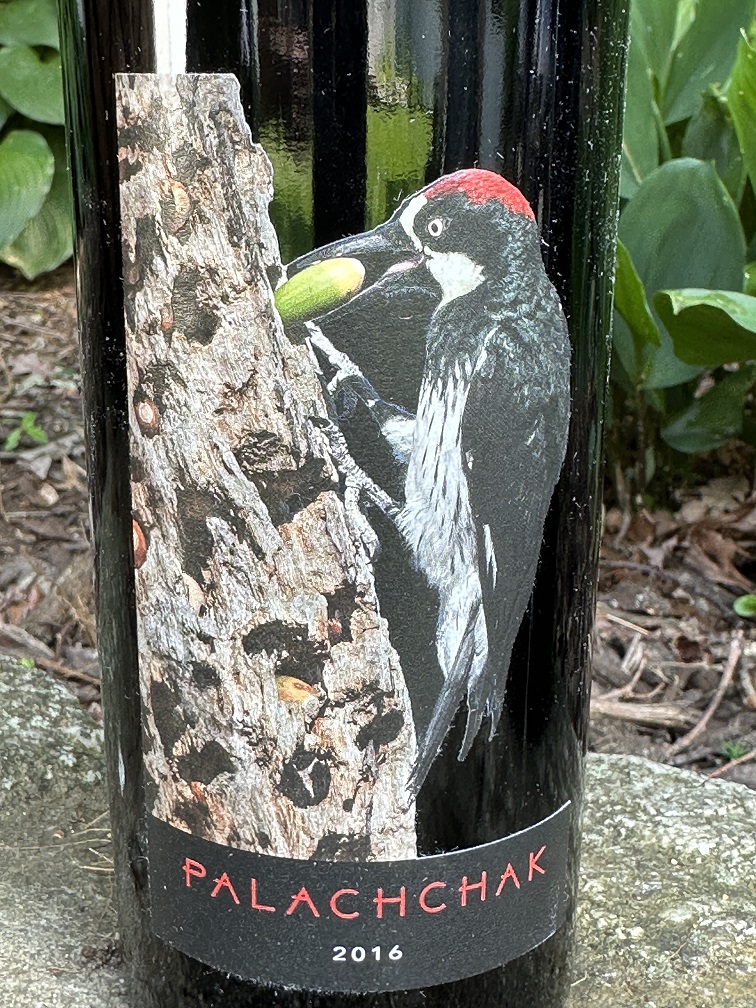
2016 Meyye Wines Palachchak Zinfandel Shenandoah Valley (15.5% ABV, $70, 90% Zinfandel, 10% Syrah, Palachchak pronounced pah-lah-chak; red-headed acorn woodpecker)
Dark chocolate and black currant, intense and beautiful
Blackberries and blueberries on the first day,
Dark chocolate with a touch of pepper, cherries, good structure, full body, clean acidity, good balance. Lasted for 4 days. Became a bit more round.
8
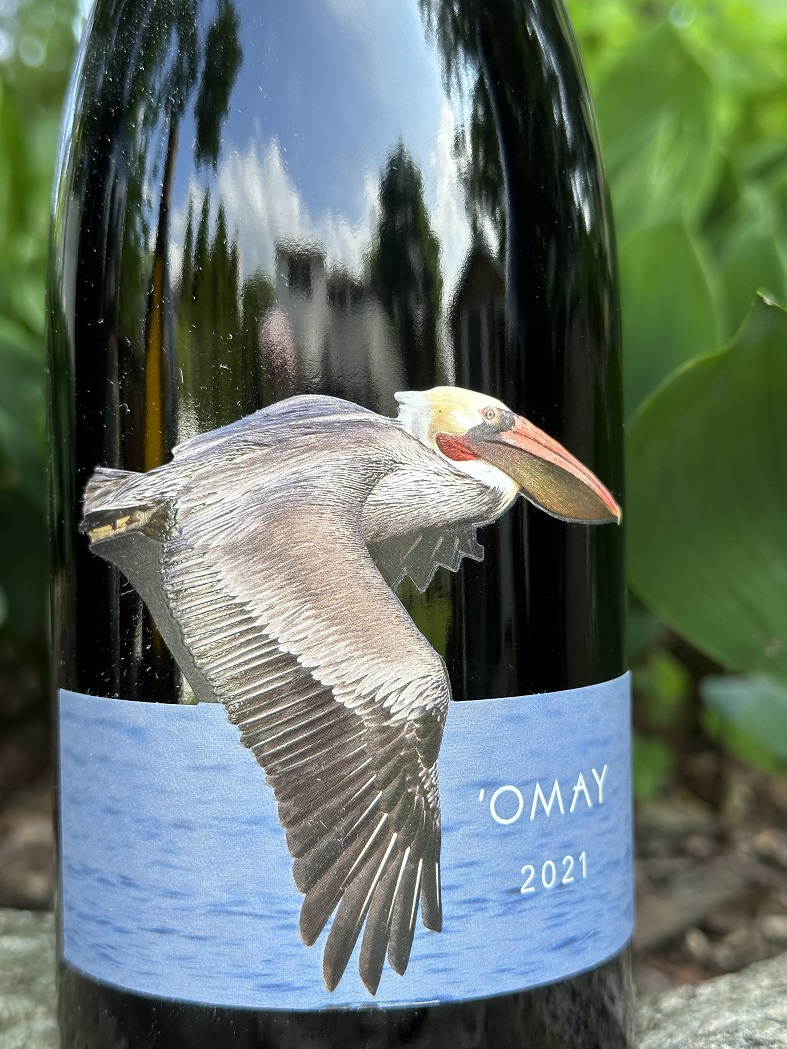
2021 Meyye Wines ‘Omay Pinot Noir Sonoma County Petaluma Gap AVA (13.9% ABV, $75, 100% Pommard Clone, Sangiacomo Vineyard, ‘Omay pronounced oh-may; brown pelican)
garnet
Smoke and plums, classic CA Pinot
Black Plums, violets, lavender, clean acidity, medium to full body – delicious.
8
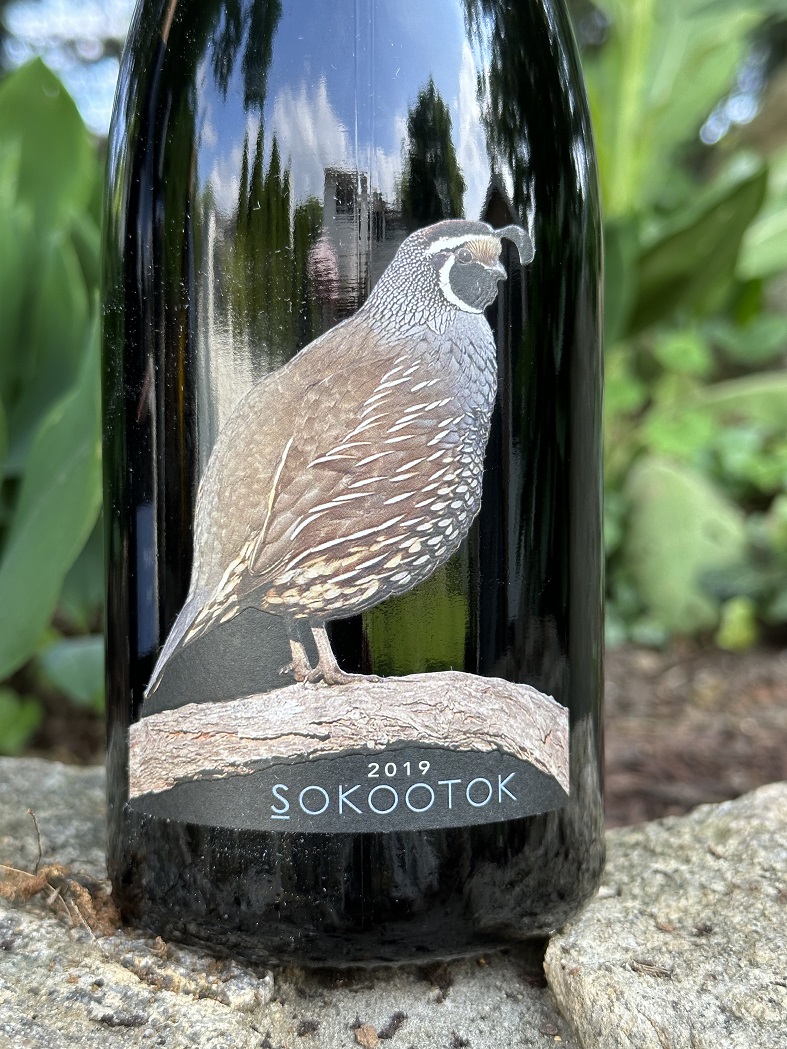
2019 Meyye Wines Sokootok Red Blend Sierra Foothills (14.5% ABV, $60, 50% Grenache, 28% Syrah, 10% Petite Sirah, 9% Counoise,
3% Zinfandel, Sokootok pronounced show-koh-tock; California quail)
Dark Ruby
Dark fruit, hint of minerality, sweet cherries, herbs
Black and red fruit, medium body, well-integrated tannins, good acidity, then tannins grip the finish – in a nice, but assertive way. This will develop nicely over the next 10-15 years.
8+, delicious.
Here you go, my friends. Another story of American Pleasures – delicious wines well worth seeking. And Meyye wines you will actually have to seek, due to their ultra-low production, so good luck to you.
Until the next time – cheers!
The Art Of Living Nobile – The Avignonesi Way
 Have you heard of Vino Nobile di Montepulciano? If you have – great, if you have not – don’t despair, this is what we want to talk about today. Not to confuse anyone, we will be talking here about wines produced near the town in Tuscany called Montepulciano, where the wines are made from the same grape that shines everywhere in Tuscany – Sangiovese, and not about the grape called Montepulciano.
Wines had been produced in the Montepulciano area for a very long time (it’s Italy to you), and in 1685 Montepulciano wine was declared a “king of all wines“. But it was not until the 1930th when the name “Nobile” made it on the wine label thanks to the efforts of winemaker Adamo Fanetti. From there on, the wines previously known as “special Montepulciano red wines” became known as Vino Nobile di Montepulciano.
Okay, what is this “Living Nobile” all about you might ask. Let’s talk about it.
I asked the glorified search engine, now also known as AI “What does it mean to live Nobile” – and here is the answer I received:
“To live nobile” means to live a life characterized by high moral principles, displaying qualities like kindness, integrity, generosity, and a strong sense of duty towards others, essentially embodying the idea of “nobility” in one’s actions and character; it signifies living with a focus on doing good and acting with dignity, rather than seeking personal gain or power.”
This seems to be reasonably clear, would you agree? But where is the connection to the wine?
Ahh, I thought you would never ask. Cue in Avignonesi, one of the premier wineries in the Vino Nobile di Montepulciano area, founded in 1974.
Avignonesi was instrumental in advancing the whole region forward, being the driving force behind Vine Nobile di Montepulciano becoming one of the very first regions in Italy to be awarded DOCG (Denominazione di Origine Controllata e Garantita) status, the highest level of quality in Italian wine denomination system, along with all the famous “B”s – Barolo, Brunello, and Barbaresco.
That is not all. Avignonesi today is a certified organic and biodynamic winery, and it is also a certified B Corporation since July of 2022. Now this gives is even better connection to the “live Nobile” concept as outlined above.
To become a B (B stands for Benefit) Corporation, a for-profit company has to be certified (every 3 years) to meet high level standards for social and environmental performance. As of February 2024, there were 8,254 certified B Corporations across 162 industries in 96 countries. Out of that total number, there are only 52 wineries, and Avignonesi is one of them.
Here are more helpful suggestions from the AI:
Wineries that become B Corps often commit to:
Using low impact farming methods
Managing resources responsibly
Treating their workforce, community, and natural surroundings fairly and responsibly
As you can tell, these are perfecly aligned with the “living Nobile” concept.

To promote “living Nobile” concept, Avignonesi recently engaged in an entire campaign promoting this concept. The winery also created a special release of their flagship 2014 Vino Nobile de Montepulciano wine adorned with a special label designed by the artist Amrita Marino. I had an opportunity to sit down (virtually) with Avignonesi CEO, Matteo Giustiniani, have him explain the concept behind “living nobile” and answer a few of my questions. Here is what transpired in our conversation:
[TaV]: Can you explain the idea behind ““living Nobile””?
[MG]: We always keep in mind our extra long-term vision: to be good ancestors, planting trees under whose shade we will never sit. Recently, we started asking ourselves how we could deeper connect with our consumers, deepening their understanding of the Nobile di Montepulciano appellation and bridging the gap in understanding the values that drive us in caring for each grape, each bottle, and every consumer, beyond all technical aspects that do remain fundamental to our striving for excellence.
And here it came! The Live Nobile communication platform: a veritable movement that brings wine into cultural conversations and gives it a fresh and renewed relevance. It tells us what living Nobile means, highlighting the importance of lightheartedness and enlisting the help of Amrita Marino to illustrate our points, supporting us in telling what Live Nobile is. For us, Live Nobile it’s sharing ravioli, saving seats, arriving on time, or celebrating small wins. Yet, it’s also about embracing slow living or it’s the impromptu refill; and again, it’s also the airplane mode and being the designated driver. But most important, looking forward, it’s everything we can recognize aligned to our deepest set of values, giving to us spectrum for so many facets and personal interpretations.
[TaV]: What is the inspiration behind these “artist label” releases?
[MG]: We see our featured artists to our greater end. Today it’s Amrita, but tomorrow it could be a visual artist, writer, photographer, or calligrapher. We are selecting key individuals to represent the aesthetic values of our platform, Live Nobile.
[TaV]: Why ten new labels for the 2014 release? Will all of these labels be available in all of the markets? What is the inspiration behind these labels?
[MG]: 10 labels as we are marking a decade since we first harvested grapes, giving through each label a visual life to our already imagined platform.
[TaV]: Do you plan to continue these special “artist label” releases? Will you have such a special release next year? Will you work with different artists for he subsequent releases?
[MG]: Absolutely, yes! We will have special releases next year (and the following ones) featuring a variety of creative people.
[TaV]: I’m assuming this 2014 is also considered a “vintage release”? The tech note you sent me is for the regular 2014 Vino Nobile di Montepulciano – was the wine with the artist labels simply a part of the same general 2014 batch, or were they specially selected?
[MG]: The 2014 Vino Nobile di Montepulciano was originally released as part of the standard vintage back in 2014. However, 10 years ago, we made the decision to set aside a very limited number of bottles to age in our cellar, and we are now re-releasing them with updated packaging. These bottles are still part of the general 2014 batch.
[TaV]: Were some wines released under the general label, and some reserved for the later release, bottled, stored at the winery, then recently labeled and offered as an “artist series”?
[MG]: Yes, this is correct
[TaV]: Or were these special-label wines from different plots/vineyards?
[MG]: No, same general batch.
As you can tell, living Nobile is simple, and we should all embrace this beautiful concept. You can learn more about living Nobile on the Avignonesi website, and also there you can see all ten artistic labels celebrating this special release.
So how were the wines? I had an opportunity to try both nicely aged classic Vino Nobile and a special treat – a super-Tuscan wine called Desiderio.
2014 Avignonesi Vino Nobile di Montepulciano DOCG (13.5% ABV)
Ruby with brickish hues
Leather, tobacco, a hint of a gunflint
Cherries, leather, roasted notes, earthy notes, good acidity, cherries on the finish.
Drinkability: 8, very nice

I think Desiderio wine deserves a little introduction, and I’m not going to regurgitate a perfect explanaton as it appears on Avignonesi website. Here it is:
“Desiderio was a bull which lived on Avignonesi’s Capezzine farm more than one hundred years ago. The largest bull in Tuscany at that time, this majestic animal helped define the Chianina cattle race, specific to the Bistecca Fiorentina. It came as a natural choice to dedicate this Merlot to the beloved bull as a testimony to the wines’ origin. This is Merlot from Tuscany at its best.
The iconic white bull is today an illustration of the vintage. There is more to the label than meets the eyes. Compare them with each other, and you will notice a few clues about the climate. Look at the sky, and you will understand whether it was cold, hot, or balanced and you can decipher many other hints.”
2020 Avignonesi Desiderio Toscana IGT Merlot (14.5% ABV, 100% Merlot, organic grapes)
Garnet
Cherries, eucalyptus
Dark cherries, firm structure, well integrated pleasant tannins, hint of bell peppers and cassis leaves, perfect balance, medium-long finish
Drinkability: 8+, excellent
The world will definitely be a better place if we would all adopt this simple “living Nobile” concept. Let’s try to do just that.
Everyday Bubbles: Prosecco FIOL
 It might be hot outside. It might be a holiday, birthday, or a celebration. Or you just might be craving something refreshing after a long day.
May I suggest a glass of cold wine?
Wait, we can make it even better – how about cold wine with refreshing bubbles? May I interest you in a glass of Prosecco?
Prosecco is so popular today that it is an easy choice when one wants to enjoy some fizz in a glass. At the same time, it is interesting to note that Prosecco’s real story only started in 1989, literally being sold door to door in London. For comparison, Champagne was already in demand by the kings more than 200 years before that. But just to put things into perspective – based on 2023 data, Prosecco produced 2.5 times more bottles than Champagne – 880 million versus 299 million, and there were 4 times more of the Prosecco bottles imported into the US in 2022 – 134 million versus 33.7 million.
While both Champagne and Prosecco belong to the category of sparkling wines, they are different in many ways – grapes, production method, blending, ability to age, prices, and so on. But we should look at them exactly as they are – these are two types of wines in two different categories, each one suitable for different life moments. Yes, even the cheapest Champagne is typically at least twice as expensive as Prosecco – but in wine, the price is not a guarantee of pleasure – we can enjoy a glass of Processo as much as we might enjoy a glass of Champagne. Heck, we might enjoy a glass of Prosecco a lot more than a glass of Champagne. First-hand example – I really enjoyed a glass of Aperol Spritz in Italy, made with a no-name Prosecco – and I was really not happy about seemingly the same glass of Aperol Spritz proudly made with Mumm Champagne while in France – no-name Prosecco in this particular case was way better than the coveted Mumm. Don’t get me wrong – by no means am I encouraging you to stop drinking Champagne and wholeheartedly switch to Prosecco – I’m merely suggesting that each one can have its own joyful moment. The wine has to give you pleasure, that’s what matters – and pleasure is subjective.
So today, let’s enjoy a glass (or two or more) of Prosecco, and I have a Prosecco for you in mind.
Let me present Prosecco FIOL to you – a beautiful rendition of Prosecco that is well worth seeking.
First, let’s talk about the name. As per Prosecco FIOL’s website:
FIOL (/fee-ol/ • noun)
a term of endearment for a young man, originating from the old Venetian Republic language (1400s), similar to “son” or “chap” in English.
Prosecco FIOL was started in 2011 by 3 lifelong friends – Giovanni, Gian Luca, and Pietro, who found a way to express their passion for the land and the Italian and Venetian way of life. It is interesting to note that the fruit for production of FIOL is selected from about 2,300 (not a typo!) farmers, accounting for a combined 14,800+ acres of vineyards and terroirs to achieve the perfect blend.
I had an opportunity to try both Rosé and regular Prosecco, so here are my impressions.
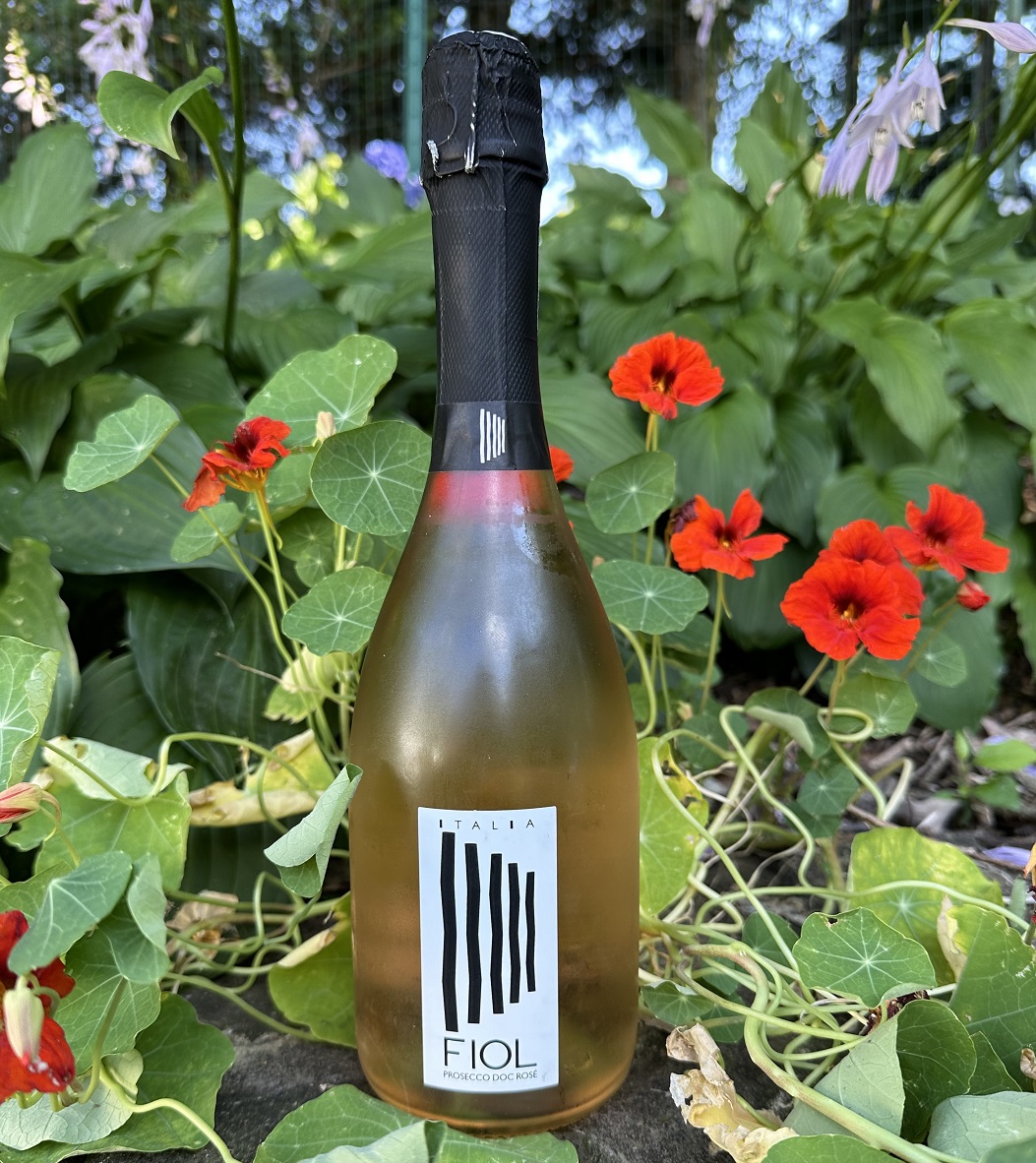
2021 FIOL Rosé Prosecco DOC Millesimato (11% ABV, $22, 85% Glera, 15% Pinot Nero)
Beautiful Salmon pink color
A whiff of strawberries on the nose, also a hint of strawberries on the palate, very generous mousse with lots of energy, a bit more plump than a typical brut champagne, exquisitely refreshing, and constantly encouraging another sip.
Superb.
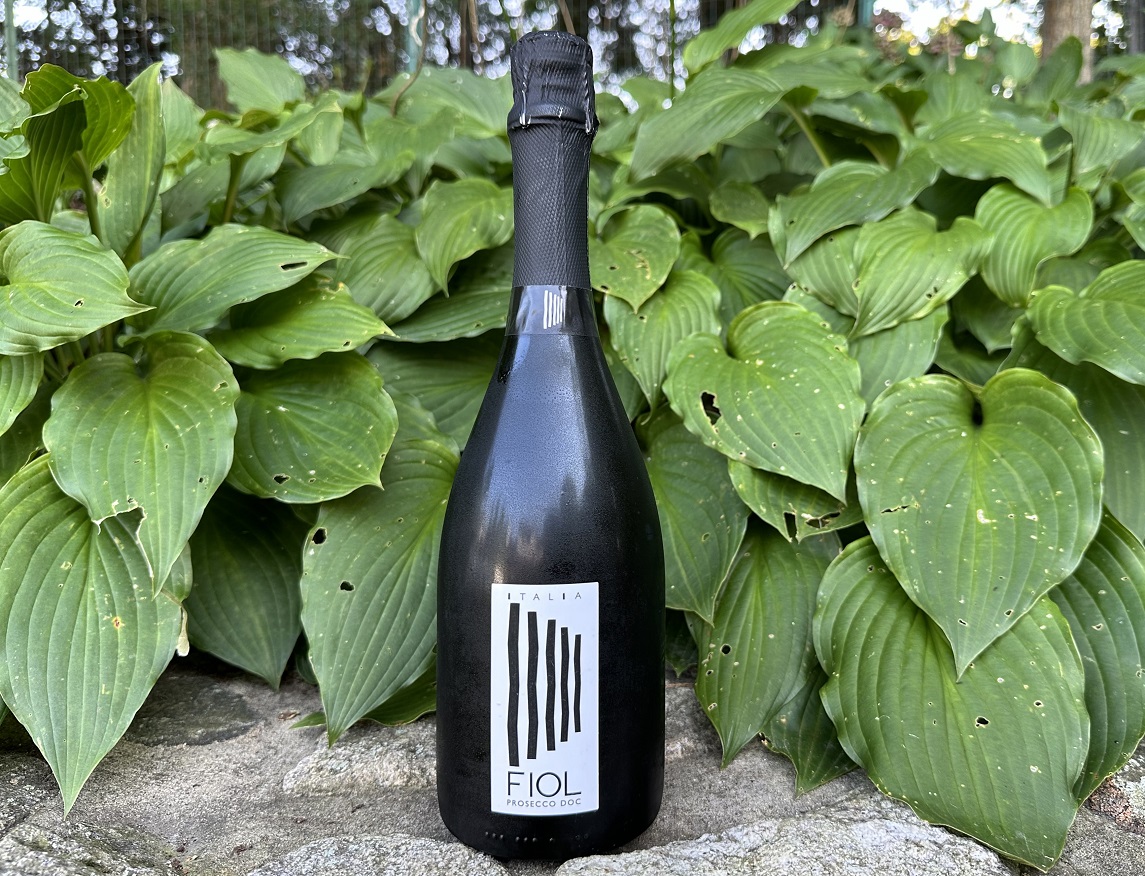
NV FIOL Prosecco Extra Dry Prosecco DOC (11% ABV, SRP $19/750 ml | $39/1.5 L)
Beautiful straw pale color, fine mousse
Apples, white flowers, fresh pear, light, inviting
Delicious apples on the palate, good body weight, light plumpiness, off-dry, long pleasant finish.
Made for a delicious Aperol, better than 90+ Prosecco
Here we go – two Prosecco bottlings, both delicious and perfectly suitable for everyday’s consumption without worrying about breaking the bank.
“Every day above ground is a great day”, so let’s celebrate it. With FIOL Prosecco in hand. Cheers!
Last Bottle Sign Up ($10 credit)




 Talk-A-Vino