Archive
Virginia Is For [Wine] Lovers
 Virginia is for lovers. Everybody knows that. Or at least I assume that many people know that, as you can see these words on the billboards and in magazines. The original slogan was developed in 1969, stating that “Virginia is for beach lovers” and “Virginia is for history lovers”, before becoming just “Virginia is for lovers”.
That slogan also perfectly applies to our favorite subject here on these pages – wine. We can proclaim with conviction that Virginia is for wine lovers.
You might know that the love of wine in Virginia is tightly woven with American history. Thomas Jefferson was one of the original vintners in Virginia, tirelessly working at his Monticello estate to establish Vitis Vinifera plantings in his vineyard in the early 1800s. While he was not successful, his passion definitely survived to the present day, giving way to the top-notch, world-class wines produced in Virginia today.
My first encounter with Virginian wines was about 16 years ago, driven by the quest for rare grapes (also covered in one of the first 10 posts on this blog). I had an opportunity to visit Chrysalis Vineyards in Virginia to taste the wine made from the Norton grape – another historical connection to the Virginia wine scene, developed by Dr. Norton in 1825. During my visit, I found way more than just a delicious wine made from Norton, but also a full lineup of wines made from the classic French grapes. Ever since, I never had a doubt that Virginia makes world-class wine (except I can’t find them in Connecticut because … no… I’m not falling into the USA wine laws rant today…).
Recently, I was offered an opportunity to review and write about Virginian wines, which I gladly accepted. You already know that I hold Virginian wines in high regard, and they are largely not available in Connecticut, so this was a perfect opportunity to taste some new wines. I was a bit surprised when I got a full case, 12 bottles, of the wines from Virginia. The box contained no explanations, just a set of wines – one sparkling, 3 whites, and 8 reds.
I have randomly chosen a bottle of red to open, and boom – I’m blown away. Next bottle, red again – another OMG moment. At this point, I’m really curious, and I went online to research what wines I have received, and after checking a few wine names, I suddenly realized that I got not some random 12 wines from Virginia – no, I got the 2026 Governor’s Cup Case, 12 best of the best wines from Virginia.
Virginia Governor’s Cup originated in 1982 from a small tasting of Virginia wines during the Vintage Virginia Wine Festival, where about 50 people tasted the locally made wines. Starting in 1989, the event became an official competition, with the Governor of Virginia presenting the awards. In 2026, 670 wines, ciders, and meads entered the competition. 113 wineries received 224 Gold Medals, and the 12 highest-ranking red, white, and sparkling wines made up the Governor’s Cup Case.
Now I knew why each wine tasted better than the previous one… Well, whatever comes up, goes down, but that’s what makes the wine world so exciting. Keep reading, you will see what I’m talking about.
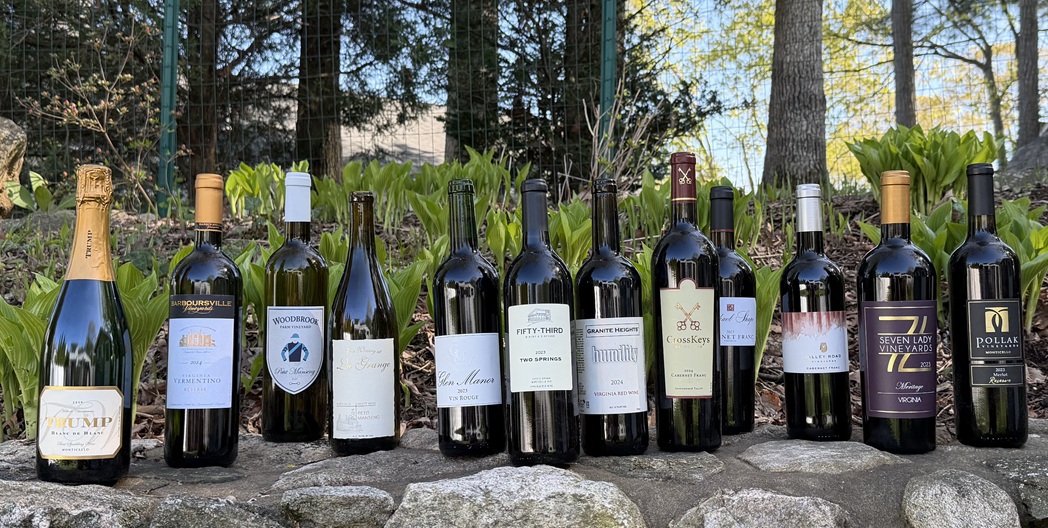
For what it’s worth, here are my notes in the order I tasted the wines:
2023 Fifty-Third Winery Two Springs Red Blend Monticello AVA (13% ABV, 73% Cabernet Franc, 22% Merlot, 3% Cabernet Sauvignon, 2% Petit Verdot)
Bright Ruby color
Fresh berries, Malbec-like, blackberries, raspberries, eucalyptus
Beautiful fresh berries, almost crunchy but juicy, eucalyptus, perfectly balancing acidity, firm structure.
8+, a wow wine.
2023 Glen Manor Vin Rouge Virginia (13.4% ABV, 67% Cabernet Sauvignon, 19% Cabernet Franc, 10% Merlot, 4% Petite Verdot)
Beautiful Garnet
Eucalyptus, mint, freshly crushed red berries
Beautiful, supple, generally with layers of energy. A hint of cassis, beautiful fluffy texture, well integrated tannins and perfect balance. A delight.
8+, superb pop’n’pour
2024 Granite Heights Humility Virginia (12.7% ABV, 100% Lagrein)
Brilliant garnet
Fresh black and red fruit, eucalyptus
Stunning. Lip-smacking, gobs of fruit, wild, succulent berries, perfectly woven around a generous but firm core. Layers of pleasure, perfect balance. Wow.
8+/9-, superb.
2023 Pollack Vineyards Merlot Reserve Monticello (14.5% ABV, 100% Merlot, 80% Clone 343, 20% Clone 181, 18 months in French oak barrels)
Purple and inky
Cherries, spices, a whiff of bell pepper, eucalyptus
A celebration in the mouth – lots of succulent fruit, black cherries, blackberries, black currant, just gobs of it, smothered over eucalyptus leaves, dusted with black pepper. Voluptuous, generous, perfectly balanced. A pleasure.
8+/9-
2019 Trump Blanc de Blancs Brut Sparkling Wine Monticello (12.5% ABV, 48 months on lees)
Light straw, fine mousse
The nose is screaming “classic, classic, classic” – toasted bread, brioche, yeast
A perfectly classic palate, with toasted bread, apples, bright acidity, and perfect balance
8+, a pure pleasure, happy to drink it every day
2023 7 Lady Vineyards Meritage Virginia (13.9% ABV, 44% Merlot, 37% Petit Verdot, 19% Cabernet Franc)
Dark garnet
Ripe dark fruit, intense
Overly ripe fruit on the palate, almost stewed, some sweet mocha, a big wine
7, a first disappointment. The wine was too heavy, needed more acidity and more balance. Even the second day was still too heavy. A double disappointment as the bottle (a BAB) looked very promising…


2024 The Winery at La Grange Petit Manseng Virginia (13.9% ABV)
Golden color
Honey, honeysuckle, white plums, herbs
Candied white fruit, lemon and honey, good acidity.
Strange. I can drink it, but to say that I love it would be a lie.
7+, I must be missing something. Perhaps it should be good with food, some spicy Asian dish or maybe sharp cheese.
2023 Michael Shaps Cabernet Franc Virginia (13.7% ABV)
Dark garnet.
Upon opening, the wine was “too much” – jammy fruit all over the place. After about 30 minutes in the glass, the wine settled down to a leaner, drinkable version.
2nd day notes:
Cassis, cherries, eucalyptus, a touch of mint. Open and welcoming.
Cassis, cherries, a hint of tobacco and pepper, firm structure, elegant, well balanced, a pleasure to drink.
8/8+, nice
2024 Woodbrook Farm Vineyard Petit Manseng Monticello (15.4% ABV)
Light golden
First two days the wine was just too sweet
Day 3:
Honey and caramel on the nose, candied fruit, sweet plums
Honey, ripe white plums, floral undertones, lemon curd, velvety, good acidity on the finish
7+, I still don’t love this wine, but it is drinkable on day 3. Probably great with blue cheese
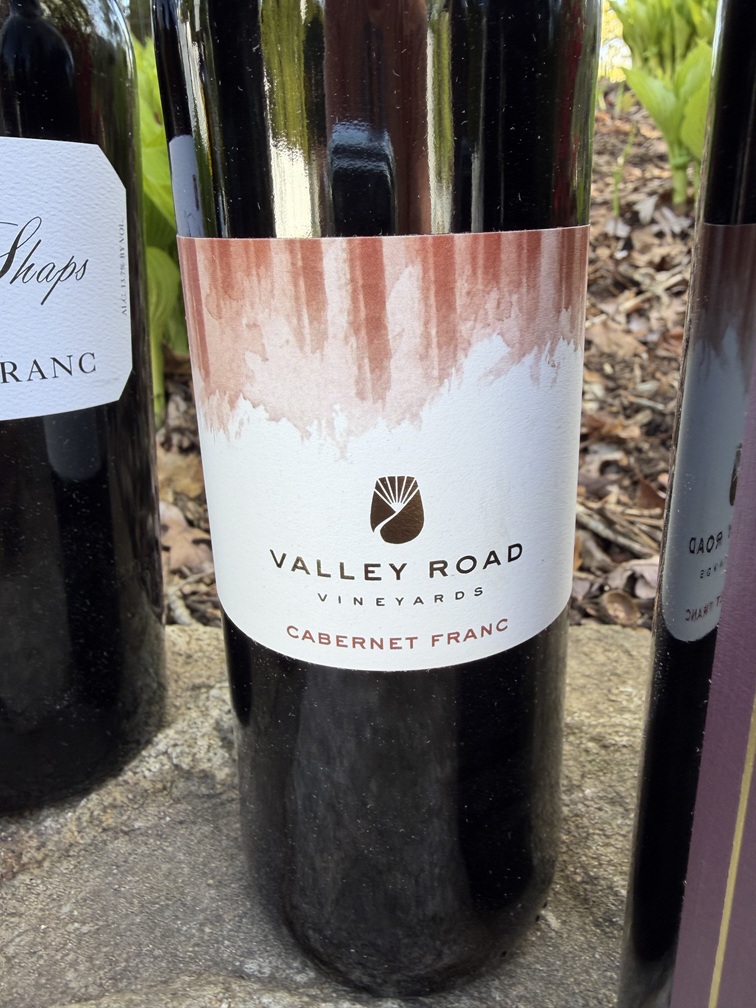
2023 Valley Road Vineyard Cabernet Franc Reserve Monticello (13.7% ABV) – Governor’s Cup Winner!
Bright Garnet
Mint, currant, intense, open, inviting, promising a great depth
Delicious gobs of fruit (currant, dark cherries), tobacco, velvety smooth, luscious and seductive. Perfect balance.
8+, wow, a pure delight
2024 Barboursville Vineyards Vermentino Reserve Virginia (13.5% ABV)
Light golden
Delicious fresh white stone fruit, hint of honeysuckle, fresh, inviting
Fresh, vibrant fruit on the palate, white plums, Meyers lemon, good structure, excellent balance.
8, delicious, needs about 10 minutes to open in the glass.
2024 CrossKeys Vineyards Cabernet Franc Shenandoah Valley (14% ABV)
Cassis leaf, eucalyptus, a hint of green pepper
Bell peppers, a touch of black pepper, currant. It was leaner, firmer, and sharper on Day 1. On Day 3, it opened up into a bigger wine, more of the California fruit-forward style
8-/8, a nice rendition
There you are, my friends. As you can see, I was unable to fall in love with the Virginian rendition of Petit Manseng, it was just too sweet. By chance, a few days ago, I had a blend of Gros Manseng and Petit Manseng from Field Recordings in California, and it was stylistically similar, but a lot more elegant for my palate. But all in all, I can’t complain with 9 superb wines out of 12 – the beauty of the wine world, everyone can find what they like, as long as they are willing to look.
Have you had any wines from Virginia? What do you think of them?
One on One with Winemaker – Maya Hood White of Early Mountain Vineyards, Virginia
Source: Virginia.org.
Virginia Is For Lovers.
This simple slogan, coined in 1969, became the foundation of one of the best marketing campaigns of all time. It is simple, it gets stuck in your head and once you hear “Virginia” the image of a red heart with the words “Virginia is for Lovers” automatically pops up in your mind.
Virginia is for lovers, but what many people might not realize, Virginia is for Wine Lovers. Virginia is probably the oldest wine-producing state in the USA, where Thomas Jefferson planted vineyards in the last quarter of the 17th Century, way before any wineries were established in New York and California. Virginia’s climate is one of the closest to Bordeaux out of all wine-producing states in the USA. But if you don’t live in Virginia or close by, you might not even know that Virginia produces world-class wines. But Virginia actually does, and we need to rectify this gap in your knowledge, one winery at a time.
Early Mountain is a relatively young winery, founded only 10 years ago, in 2012. However, it was founded by Steve and Jean Case – founders of AOL, the legendary early days Internet provider for millions of Americans. Early Mountain was founded with the vision and mission of representing and promoting the Virginia wine industry. In the Early Mountain tasting room, you can order Best of Virginia wine flights and taste the wines from the 10 vineyards around Virginia – of course, in addition to the full range of wines Early Mountain produces.
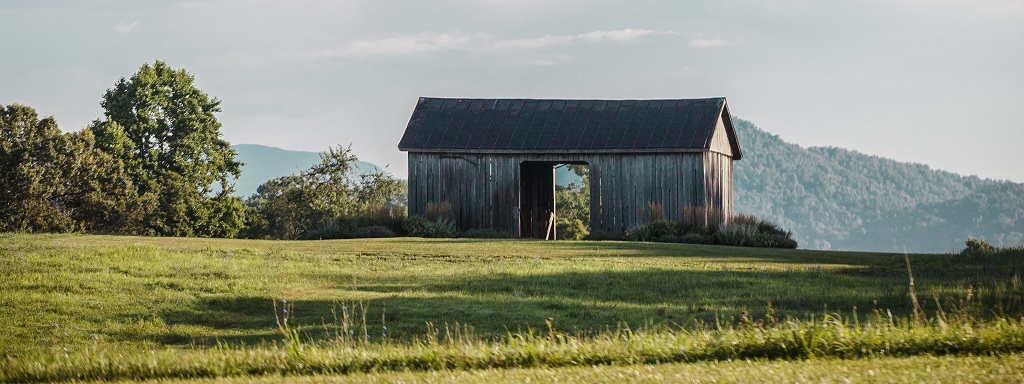
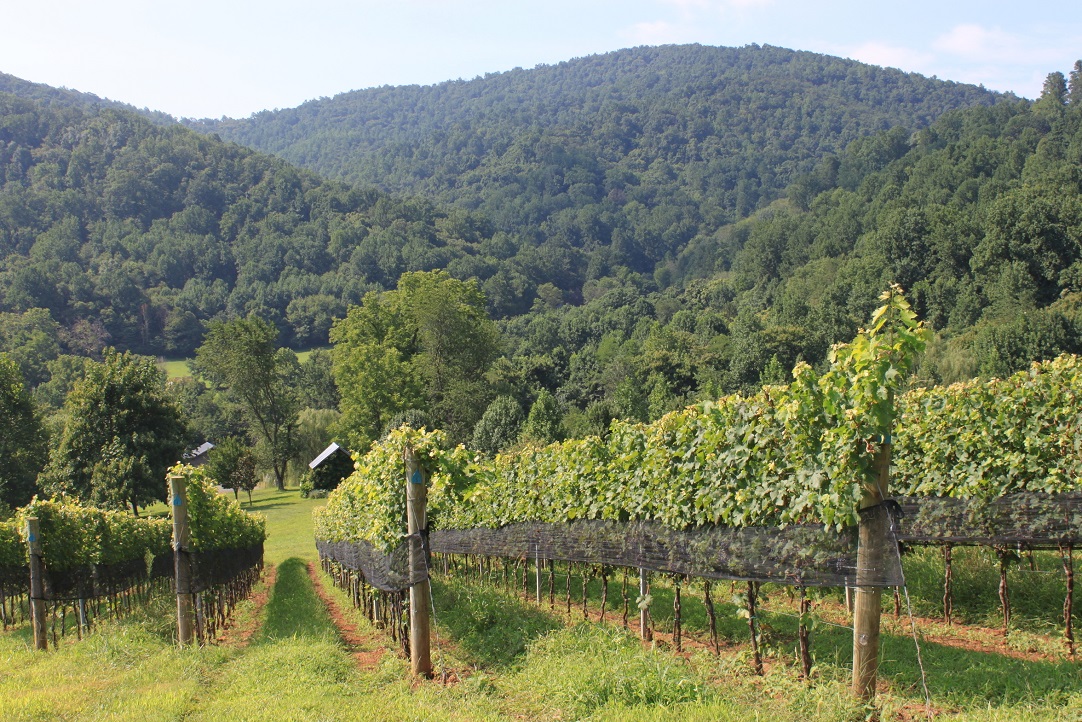
The original Early Mountain vineyard which gives the name to the winery was planted in 2006; the Quaker Run vineyard, the second major holding of Early Mountain was planted in 1999. Early Mountain farms about 350 acres of land, out of which 55 are planted under vines. The estate-produced fruit is also complemented by the fruit coming from the local Virginia growers, in an approximately 50/50 ratio.
I had an opportunity to speak with Maya Hood White, Early Mountain’s winemaker over a zoom session, and taste Early Mountain wines. As this was a live interview, below you will find pretty much a transcript of our conversation, not a detailed account that I manage to provide using an email interview format. I still hope you will get enough information, and most importantly, will be curious enough to go and find Early Mountain wines.
Why Early Mountain?
– The name relates to John Early, a historical figure who lived in Virginia in the second half of the 17th century. There is also a historic building on the property that relates to John Early.
What are those curved lines on your wine label?
– It is a topographic map. The lines represent the true topography of the land surrounding the winery.
What does the logo mean?
– These are letters E and M 🙂 (my reaction – duh…)
What is the meaning of the pointer arrow?
– Again, it is a map attribute, a locational arrow.


At this point, we poured our first glass, 2021 Early Mountain Rosé Virginia (11.3% ABV, $26, 72% Merlot, 10% Malbec, 9% Cabernet Franc, 6% Cabernet Franc, 3% Syrah) – Early Mountain site fruit is used to produce this wine. Grapes for Rosé are harvested earlier than the grapes for the red wines. Depending on the year some grapes are co-fermented. Mostly stainless steel but some Acacia barrels were used as well. The wine was beautiful, salmon pink color, leading with strawberries, cranberries, and cleansing acidity. Very present, balanced, and refreshing.
Speaking with the winemaker always offers us, mere mortal oenophiles, a chance to geek out and learn. When you hear about clones, the first thought is always Pinot Noir, maybe a Chardonnay. Maya works with clones of Sauvignon Blanc, and those clones produce dramatically different wines. She also works a lot with and was speaking fondly of Petite Manseng, the grape best known in Southwest France. Petite Manseng is producing excellent wines in Virginia, and it makes one of the flagship wines at Early Mountain. Petite Manseng grapes grow in such tight clusters that Maya prefers to harvest them after the rain, it helps to process the grapes better.
I asked Maya about Viognier, which is considered to be a star in Virginia. First, I learned an interesting fact from her: Viognier looks like a white grape version of Syrah – the same format of clusters, the same shape of leaves – I guess it is not surprising that Viognier is often used in winemaking to play together with Syrah. It appears that Viognier was growing before at Early Mountain, and it was pulled out and replaced – Viognier is a problematic grape that ripens irregularly and sometimes doesn’t ripen at all. It is definitely preferred to work with more reliable grapes.
We continued our tasting with 2021 Early Mountain Five Forks Virginia (12.9% ABV, $27, Petit Manseng 59%, Sauvignon Blanc 38%, Malvasia Blanca 2%, Muscat 1%) – rich and inviting white fruit nose, followed by a crisp, clean, playful bouquet on the palate. I loved the plumpness, roundness of the wine, reminding me of my favorite Roussanne bottles. The wine was perfect cold, and it was very tasty at room temperature – this is my standard hallmark test of good white wine – good white wine is delicious cold or not.
And then there was time to ask more questions:
What is your winemaking philosophy?
– Maya oversees grape growing as well as production. Listening to the vineyard – not set on what should be produced from the specific lot. Sites are closely watched for what they can do best – vines can be pulled and replaced.
What does the line of Young Wines represent?
– Approachable, low-intervention, fruit is sourced from the growers in the Shenandoah Valley. Wines are often made using a whole cluster approach. Also, the wines in the Young Wines line appeal more to younger wine drinkers.
Where do you stand on sustainability/organic?
– The low-touch approach, use biodynamic teas, certain blocks are processed only in an “organic” way. The holistic approach to the overall vine growing – over cropping, etc. low touch is a key.
What is your take on biodynamics?
– There is a lot to learn. Compost teas, herbal teas, oak bark – many things work, but the approach is more “what makes sense” than religious.
What winemaking vessels do you use? Oak barrels, amphorae, concrete tanks, stainless steel?
– I gravitate towards bigger casks; we have concrete egg, which is used primarily for whites. We also work with Northern European oak, Acacia wood


Next, we had two Cabernet Franc wines. Cabernet Franc is one of my favorite grapes and a staple of Virginia winemaking, so I was definitely looking forward to trying the wines.
We started with 2020 Early Mountain Cabernet Franc Shenandoah Valley Virginia (13.3% ABV, $30) – pulled from different sites in Shenandoah Valley. Uses larger size barrels, 500 liters or larger, Northern European oak barrels. 2020 was a rainy vintage, and the wine was rather on the mellow side. When I tried the wine during our zoom session, I was not terribly impressed. While the wine had all the traits of Cabernet Franc – cassis, bell pepper – it was a bit underwhelming. The next day, the wine really came around offering a lot more depth and structure.
My second Cabernet Franc was supposed to be a 2019 Cabernet Franc Quaker Run Vineyard, which Maya was absolutely raving about, defining the 2019 vintage as an epiphany. However, the bottle I got was the 2018 Early Mountain Cabernet Franc Quaker Run Vineyard Virginia (12.5% ABV, $45). 2018 was a very challenging vintage – too much rain, even the road was washed away. I never thought of Cabernet Franc in terms of clones, but it appears that this wine was composed of 2 different clones with different aromatics. Despite the vintage challenges (or maybe thanks to? :)) the wine was superb from the getgo – a good amount of dark fruit, good structure, cassis, eucalyptus, herbal underpinning – this Cabernet Franc was more expressive than a typical Chinon or Saumur, but less fruity than a typical west coast Cabernet Franc. Delicious.
Another interesting note from Maya – there is completely anecdotal evidence that in Virginia, even vintages are lean, and odd vintages give you bigger wines. I will need to pay attention next time I will be drinking Virginia wine, to see if this observation would hold true.
And a few more questions to complete our conversation.
How is the harvest in 2022? What to expect?
– Ha! Harvest is still ongoing, 10 days to 2 weeks later than last year, and some of the white grapes are still on the vine. Rain showers got in the way. Reds have another month. Hard to tell yet. There was a got fruit set, some fruit was dropped, so it is too early to tell.
What’s ahead? Single block wines? New varieties?
– New hybrids are coming from Italy – Merlot Kanthus, Sauvignon Rytos, VCR Tocai, The new grapes will account for about 1%. Will be planted in 2023. These new hybrids are important as they are disease resistant, and with grape diseases, the question is not if, but when. There will be also a new wine made from Petite Manseng which was planted instead of Cabernet Sauvignon.
That concluded our conversation with Maya, the time flew by very quickly.
If you are familiar with Virginia wines already, the Early Mountain can offer an excellent refresher course. And if you are not – what are you waiting for? Virginia wine has lots to offer, start your journey already.
Last Bottle Sign Up ($10 credit)





