Archive
Daily Glass: Grolleau, A Treat For The Palate
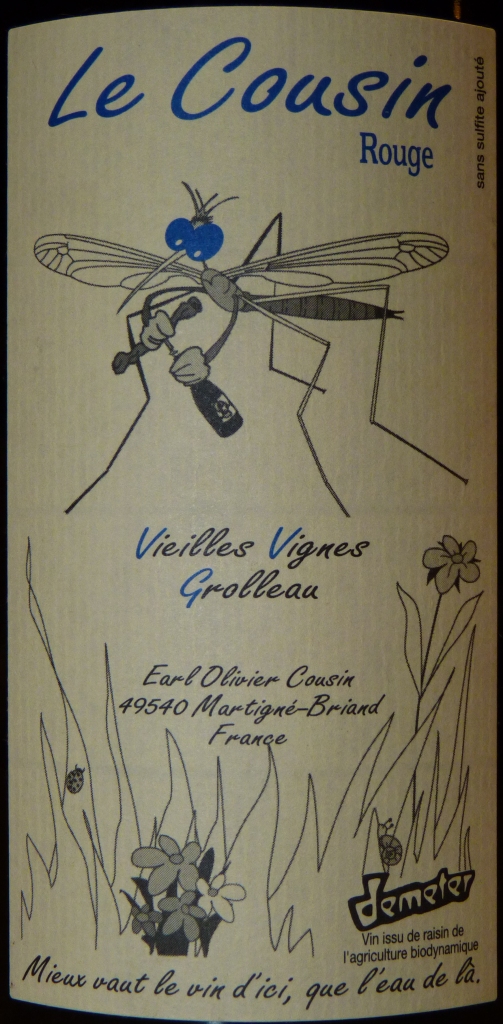 Previously, we discussed how expectations affect the taste of wine (you can read about it here and here). Sometimes, it is probably better to have no expectations at all! You don’t get upset, and you don’t get too excited if you simply have no expectations at all and just take life events one by one as they come up – oops, let’s stop this philosophical spur, I might not dig out of that hole or get beaten up.
Let’s talk about wine, for which I had no expectations whatsoever. On the Treble Journey road, you come across many different wines. Some of them make you regret you ever touched the bottle, and some of them make you feel really happy you did. This wine, Le Cousin Rouge from Anjou region in France, made out of the grape called Grolleau, definitely belongs to the second category.
The reason? This wine is unique and different. Not because it is bio-dynamic wine – this is great, but not enough. It is simply different from majority of the wines I ever had, and has very unusual flavor profile. In one of the earlier posts, I called the wine I had a liquid steak ( and I said it was the most unusual). I didn’t know that the “unusual” wine will have competition – and it does, as I would like to call this Grolleau wine a liquid salami. Yes, you read it correctly. It has such a balance of acidity, earthiness and pungent feeling it leaves on the palate that I can only compare it with nice Italian salami. You don’t have to believe me – just find this bottle of wine, try it and let me know what do you think.
And of course the great thing is that I’m inching forward towards that 300 number, which gets closer and closer. I’m glad to make such discoveries along my Treble Journey – and I wish to your palate many happy experiences!
Treble Journey Update – Advancing Into The Last Ten (#283 – #291)
 When I restarted my Wine Century Club crazy grape adventure in the May of this year, I had no idea how long will it take to get from about 200 grapes (was not so easy to get even there, trust me) to the 300 grapes, which are required to achieve Treble level.
I started documenting the journey from Doppel to the Treble level with one of the very first posts in this blog. On July 20th, I was talking about grape number 240. It is middle December now, and I’m crossing into the last ten. The last advance, from #283 to the #291 was mostly made due to the Georgian wines, where a lot of authentic grapes are used. So in no particular order, the latest group includes the following grapes:
Kisi – from very nice white wine Marani Kondoli Mtsvane Kisi 2008, Georgia
Mujuretuli – red grape used in the famous Georgian wine called Khvanchkara
Aladasturi – red grape used in another Georgian wine, Alaverdi Me and You 2002, Kakheti – nice and round wine
Tsolikauri – white grape used in Georgian wine called Tvishi (Teliani Valley Tvishi 2005) – the wine was surprisingly good, with a hint of sweetness, good fruit and acidity
Tsitska and Chinebuli – white grapes used in the Bagrationi sparking wine I wrote about in my previous post.
In addition to these Georgian grapes, two more wines added 3 grapes:
Picolit and Malvasia Istriana – used in white Italian wine Jermann Vintage Tunina 2006. This was one of the most unusual white wines I ever tried, full bodied, with the tart fruit expression and pronounced sense of place.
Roter Veltliner – white grape from Austria (wine was called Ecker Roter Veltliner 2008). I’m not sure I would be able to distinguish Roter Veltliner from Gruner Veltliner, but at the same time I never tried…
All together that brings us to the number 291. And to put the final target within the reach, more wines are waiting to be tried, which will add Coda di Volpe, Erbaluce, Portugieser, Ruche, Grolleau, Schiava and Pigato – you do the math.
So the fun journey continues, and I will make sure to report on it. As they say on the radio, stay tuned…
Swiss Wines and Treble Journey Advance (#278 – #282)
 Last couple of weeks brought a breakthrough in the Treble Journey with adding 11 new grapes, plus 5 more grapes available for tasting. The Treble 300 looks a lot more within the reach than before.
This breakthrough was mainly made with Swiss and Georgian grapes – and I would like to cover each group individually.
It is very difficult to find Swiss wines in US, so it really helps to have friends in the right places. I had an opportunity to try this quite unique wines with the help of my friend Patrick, who once again brought me a few bottles.
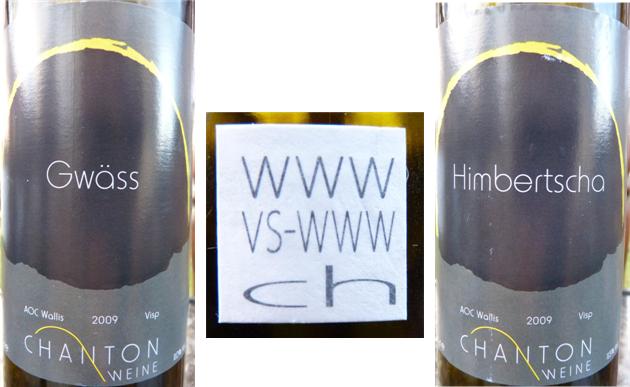
All the wines came from Chanton Visp in the region called Wallis. All three grapes are in the very scarce supply in Switzerland and the wines have very limited production. The first white wine was made from the grape called Gwass. Very dry and almost expressionless (I would call it bone-dry, but without acidity), this wine worked quite well with various Swiss cheeses which were accompanying our tasting.
Second white wine was made from the grape called Himbertscha. This wine was very different from the first one, with good tropical fruit expression on the palate, but without any unpleasant sweetness. Very nice and balanced, it would be perfect wine for the summer day (minor problem – good luck finding this wine in US). I would put drinkability of this wine at 8.
Last but not least in this group was red wine made out of grape called Eyholzer Roter. It is interesting to note minimalistic approach in labeling of this wine – the label is a tiny piece of paper ( half- an-inch by half-an -inch) with web address on it, and even more, this is web site of the ISP, and not of the winery itself. Despite the strange labeling, the wine was absolutely gorgeous – smooth and very playful, with perfect balance of tannins, fruit, earth and acidity, very easily drinkable (bottle ended too fast for some unknown reason…). This was definitely an 8+ wine – and needless to say that I would be very happy to find this wine in US…
Two more grapes are in the mix here. One is a white grape called Avesso, and it was a part of the blend in Portuguese wine called Famega Vinho Verde – simple summer wine with good acidity (it was begging for seafood). Another one was red grape called Monemvasia, which was part of the blend in the wine from Greece called Paros Moraitis Reserve 2006 – bone dry red wine, with some hint of fruit, and very pleasant overall – I would dare to say that this was if not The best, then at least one of the best Greek red wines I ever tried.
Five new wines, five new grapes, and getting closer to the Treble status.
But – it is the time to conclude the Treble Journey report for now, and Georgian wines will be next.
Looking Back … And Looking Forward
 Last Thursday, November 20th, was exactly 4 month as I started writing this blog. Four month sounds round enough to take a look back – of course, of course, this is too short of time to make any conclusions, however, when in the journey, knowing where you are can help you understand where are you going and how can you get there. Let’s talk some numbers first – and not because they mean something, but because they are simply available, and we, humans, like to play with them.
So the blog stats for 4 month include 52 posts, 1975 views, 98 comments and 15 e-mail subscribers. Is that good? I don’t know. Is that bad? I don’t know either. These are just numbers as they are. Well, I think I like 52 posts – it translates into 13 per month, which then translates into about 3 per week. There are also some other numbers which I want to mention – the “treble journey“. In my quest to try wines made out of 300 different grapes (this is where “treble” is coming from), I was at 240 four month ago, and now I’m at 277 – 37 grapes were added. Considering the challenges of finding wines made out of obscure grapes, I think this is very decent performance. I also will add 15 more in the near future, which will put 300 within practical reach – yes, it will be all covered in this blog.
During this 4 month, I learned a lot. I learned how to find new subjects, how to use keywords. I didn’t learn how to use categories – I hope this will come one day. I found some themes which will definitely continue here, like Experiences and Expectations. I think I had some good posts, and some which are just okay. Did I have any bad ones? Quite possible, but I will let you, my readers, to be the judge.
What I definitely want to have more of is interaction. I want my posts to be a catalyst for the conversation. I would love for this blog to be the place to exchange experiences – and I will get there, sooner or later.
What is ahead? I didn’t know I’m asking myself a difficult question. I don’t want to convert this post into a to do list. Therefore – I can only say that I will continue to look for my true style, and you should expect more posts about wine, food and life.
80 Sips, Loud Music And New Grape (Treble Journey #277)
 Last Friday we attended “Around The World in 80 Sips” wine tasting event in New York City, organized by Bottlenotes. The idea of the event is to present wines from all over the world, from such wine stalwarts like France, Italy and Australia to literally unknown wine producing countries such as Lebanon. There were more than 100 wines presented in the event, which was not free ($75 standard ticket price, we paid $50, courtesy of The Austrian Wines).
Overall, I found the event somewhat challenging to enjoy. No, nothing wrong with the wines – there were a number of very good wines to taste. My first issue was really (I mean, really) loud music. There was not possible to talk face to face, never mind listening to the explanations about wines. The second issue was the sheer crowd. I really like wine tastings, big and small – if I only have a chance, I attend them as much as possible – wine tastings are the best places to learn and experience. I’ve being to all kinds of events – trade only and consumers, with thousands of wines present and with the handful of wines. I never being to the event where you have to stand for 10 minutes, not even in the line, but with your arm with the glass fully extended through the crowd, in the hope that wine will make it into your glass – mind you, we are not talking about tasting Petrus or Screaming Eagle here.
Leaving all the inconveniences aside, there were a number of good wines from those I was able to reach. Particularly, there were a number of interesting wines from Austria. This is where I managed to pick up grape #277, Rotgipfler, with the wine called Stadlmann Rotgipfler Tagelstiner 2008. My particlar favorite here was Fritsch Pinot Noir 2004, which had finesse and elegance of the classic Pinot, with more pronounced earthiness, typical for Austrian wines. It is interesting to note that we went through 3 bottles to really get the beauty of this wine showing – first was so so for some reason, second one corked but the third one was shining.
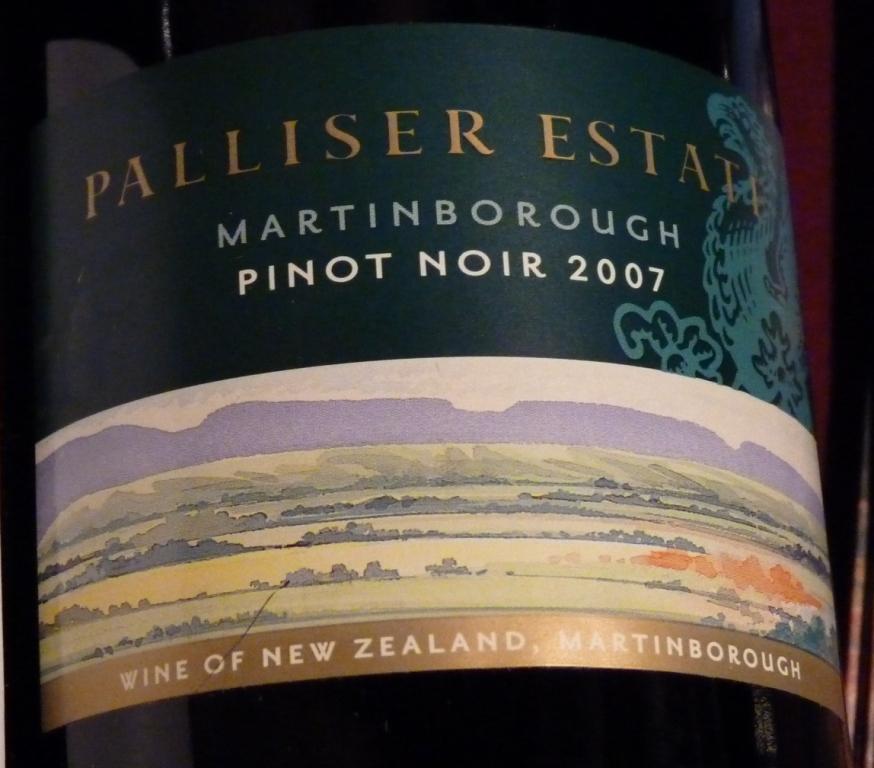 My overall tasting favorites were a couple of wines from New Zealand. First, a Pinot Noir 2007 from Palliser Estate in Martinborough. There were a number of good Pinot Noir wines from New Zealand, both from Martinborough and Central Orago, from 2007 and 2008 vintages. This particular Palliser Estate Pinot Noir had the most elegance out of the group, with classic Pinot smoky nose and restrained fruitiness of the New World wine.
The other two of my favorites where two white wines from New Zealand, one of them being total surprise. 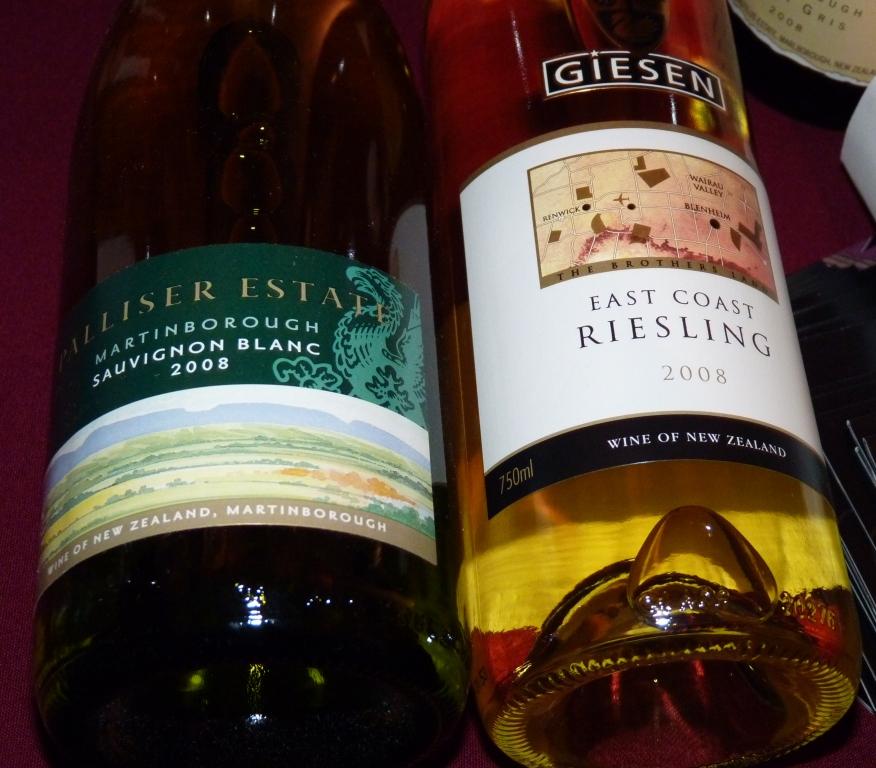 First was Sauvignon Blanc 2008 from the same Palliser Estate. I have to honestly admit that I have a weakness towards New Zealand Sauvignon Blancs – I enjoy them very much. The Palliser Estate Sauvignon Blanc had more of everything – not that it was a fruit bomb, no, simply the fruit was a lot more pronounced, such as in-your-face-gooseberry. I would put Drinkability of this wine at 8+.
And the surprise came in the form of Riesling from New Zealand. Why the surprise? First, I never had before a Riesling from New Zealand. Second, based on the experience with neighboring Australian Rieslings, which I find too dry and not pleasant, my expectations were quite low. And the surprise was in the fact that this particular East Coast Riesling from Giesen was actually tasting like … German Riesling, only done more in the fruit forward style (not sweet at all, the Kabinett level), very nice and pleasant.
To conclude: am I grateful for the experience I had? Of course. Wine tastings are always fun. Will I attend another Bottlenotes event? As of right now – I don’t think so, but hey, you never know…
Treble Journey: Sciccarellu, Barbarossa and Niellucciu, #274 – #276
 So, you can not pronounce the name of the first grape? Google doesn’t help? Don’t feel bad. The owner of the wine store in Paris, where I bough these two wines, had troubles with pronouncing “Sciccarellu”. I guess another way to write the name of the same grape is Sciacarello, or at least this is the closest on Wikipedia, but it doesn’t make it better known grape, at least for me.
As with any journey, there are ups and downs. Once you get off the well known path, you are in for the surprises, good and bad (luckily, it is wine, so the worst surprise is “here is something I don’t ever want to taste again”). When you open a wine made from obscure, maybe almost extinct grape, you really don’t know what to expect. There are cases where you really wish you never tasted that wine (did you have lately any Retsina wines from Greece?). Then there are those when you say “ok, doesn’t taste like anything, really”. Good surprises don’t come as often as one might wish. But – here we go. Two wines from Corsica, 3 new grapes for the Treble Journey, great experience and lots of pleasure – to give you a short summary.
To start with Rose, behind hardly pronounceable grape names hides an excellent wine. Domaine de Granajolo Corse Porto-Vecchio 2009 is a blend of Sciccarellu, Barbarossa and Syrah. Now, I have to tell you something very honestly. Despite the fact that I’m “practicing” an art of describing the wine taste for more than 7 years now, I still have a very difficult time to provide description in terms of individual components, and often I have equally hard time to find such detailed descriptions useful. What you taste depends on your mood, state of your mind, state of your palate and many other things, it is really personal – but this should be a subject of another post. So I prefer to talk in the terms of “full package” about this particular Rose – it has a lightness of a crispy white wine, but the substance, structure, body and weight of an elegant red wine (nice Burgundy or Pinot Noir from Central Otago comes to mind). And it definitely gives you pleasure. To me, this is perfect everyday wine, no matter if it is hot or cold outside. In the Drinkability terms this is 9- wine.
And if the Rose was great, Niellucciu 2009 from Domaine de Torraccia, also from Corse Porto-Vecchio was even better. The very first sip immediately solicited “Wow”. Earthiness and smokiness of the elegant Burgundy, spices, leather and tobacco of the classic Chateauneuf du Pape all complemented by the depth and structure of the great Barolo (after it is well decanted). Am I exaggerating? Always possible – but I’m honestly just trying to convey my personal perception. If your palate is aligned with mine (I know that is true for some of my friends), I’m sure you will also enjoy this wine immensely. In the Drinkability terms it is definitely a 9.
Now, with all this excitement, comes a sobering thought – I don’t think this wines are available in US… And if someone can prove me wrong – I will be really really really thankful…
Experiences: Chef’s Tasting Dinner at Hotel Fauchere
 This is the last post in the series about our experiences at Hotel Fauchere in Milford, PA ( previous two posts can be found here and here). Have to warn you upfront – if you thought that there are too many photos in my posts, this one will be extreme – there are way too many pictures I want to share. Here we go…
Culmination point of our weekend getaway was chef’s tasting dinner, long anticipated and planned for. The dinner took place at The Delmonico Room at Hotel Fauchere – for historic reference behind the name and relationship with The Delmonico Room in New York, you can click here. Anticipated is fine, but what’s up with planning? Considering love of wine in the group, we decided to take upon the pairing of the tasting menu by ourselves. For the tasting and pairing experience, this was a good decision, for the service part – not so much. Not that I can really complain about service, all the plates, decanters, glasses and silverware were flying around properly, but the service was delivered in the stark contrast with “everybody smiling” (if you read my previous posts), I would say it was delivered with the stone face. There can be some objective reasons to that ( we brought our own wine, therefore I guess we questioned the level of wine service)… Anyway, let’s talk about food and wine
So we had 7 course tasting menu with two very small “single byte” dishes at the beginning and in the middle of the dinner. Menu focus was on the local, seasonal and fresh ingredients, and I think mission was accomplished quite well. We selected 7 different wines to pair with the dishes – 4 whites, 3 reds.
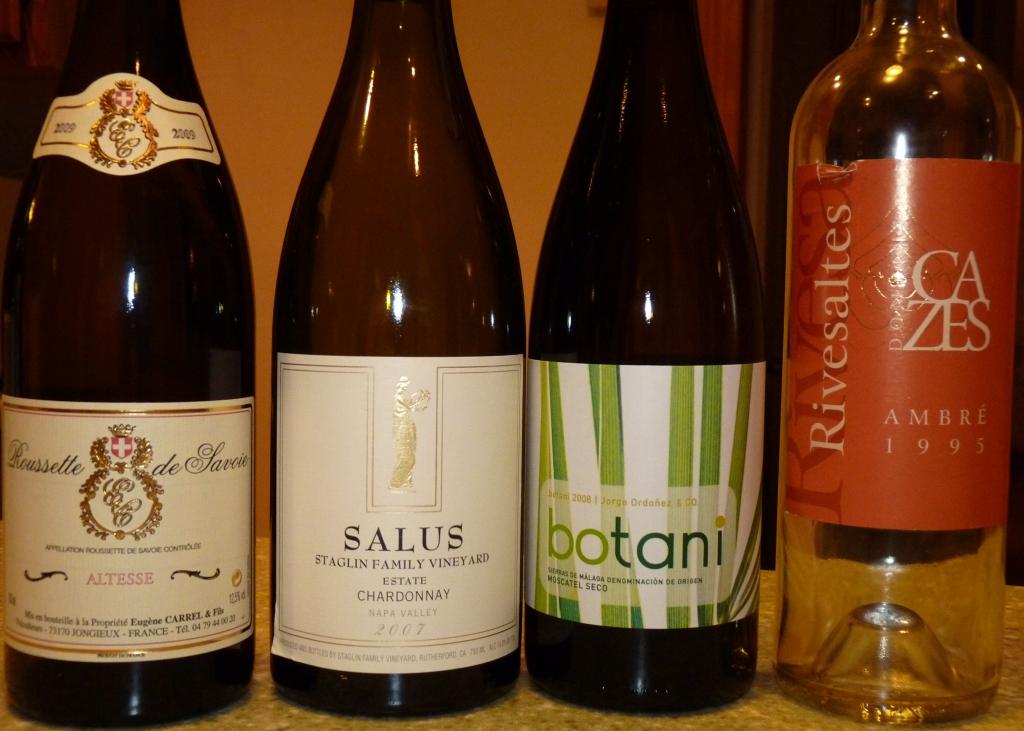 Here are the four whites:
2009 Domaine Eugene Carrel & Fils Rousette de Savoie Altesse, France
2007 Staglin Family Vineyards ‘Salus’ Estate Chardonnay, Napa Valley
2009 Jorge Ordoñez Málaga Botani Sierras de Màlaga
1995 Domain Cazes Ambré Riversaltes Languedoc-Roussillon
We made a lot of good decisions with this set – but more about it later.
And here are the three reds:
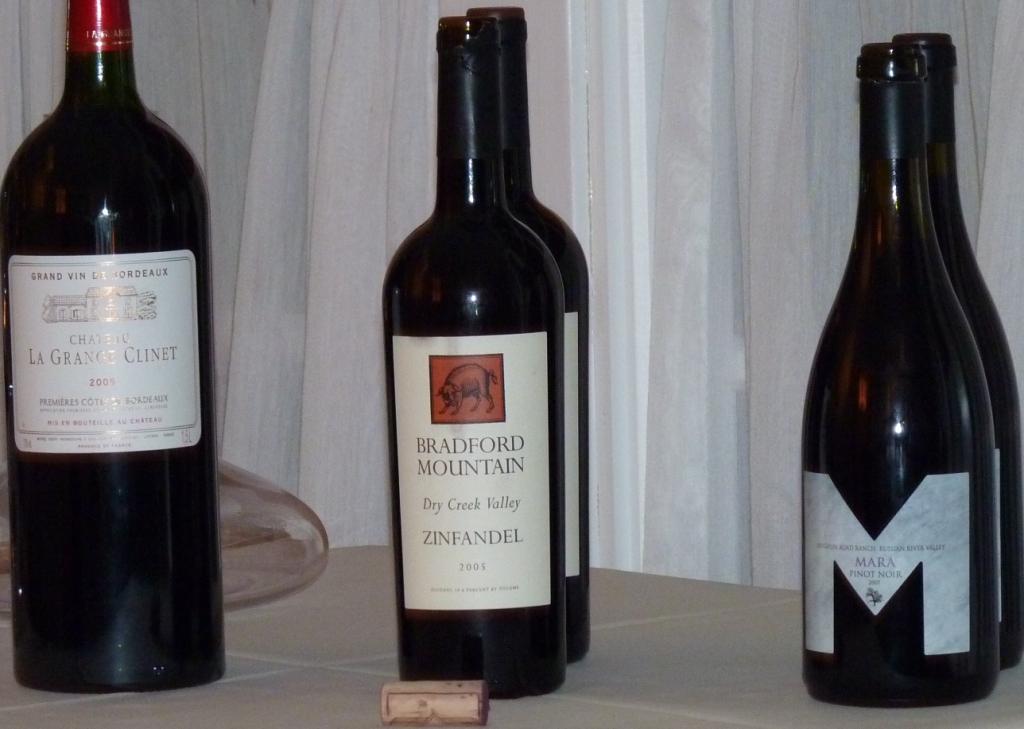
2007 Mara Pinot Noir Laughlin Road Ranch, Russian River Valley
2005 Bradford Mountain Zinfandel Dry Creek Valley
2005 Chateau La Grange Clinet Premier Cotes de Bordeaux
This was also a great selection, all worked very well with food – so lets get some details.
The first dish in tasting was Tortelloni A La Zucca (Seared Diver Scallop, Black Walnut, Sage Butter). Wine pairing – Rousette de Savoie Altesse.
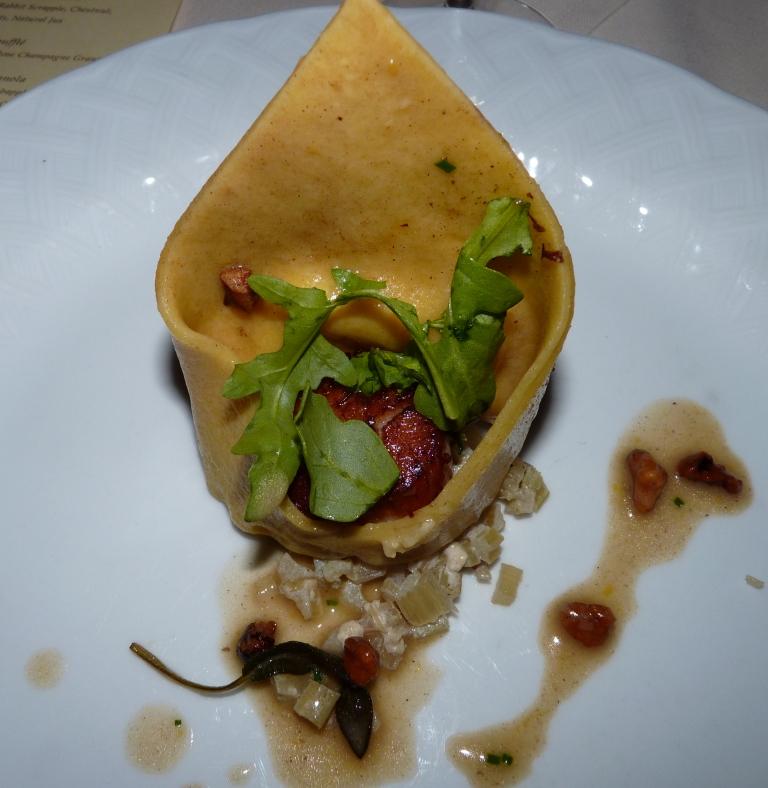 I would honestly question composition of the dish, as pumpkin tortelloni didn’t do anything to the scallop, tortelloni looked almost as a presentation piece. At the same time, wine worked very well with all of the components in the dish – apple, leeches and earthiness worked well with pumpkin filling, and wine had enough fruit and acidity to complement scallop. One important thing to mention here – with this wine I was able to make a progress in the treble journey, as Altesse is a grape from Savoie which I never tasted before. Color me happy – 273.
The next dish was Foie Gras De Canard (Porcini Mushroom, Brussles, Pear, Pomme Maxim). Wine pairing – Staglin Salus Chardonnay.
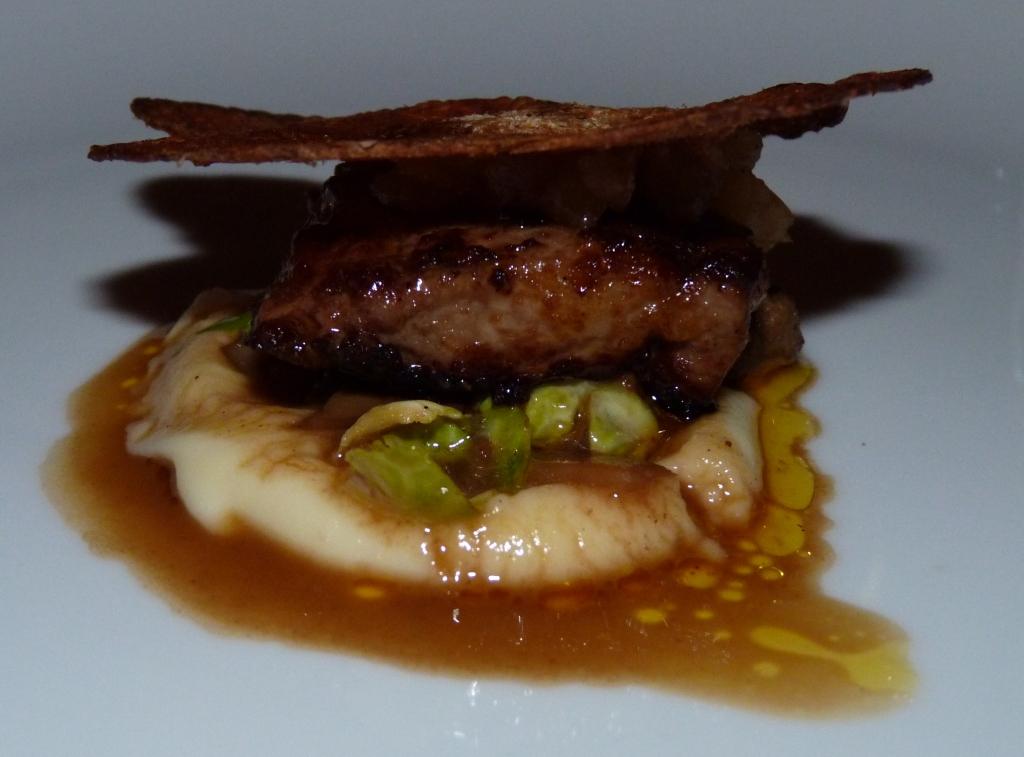 As we didn’t miss a single pairing ( pat on the shoulder), at least in my opinion, I will omit redundant [great pairing] in front of each description.
Salus is produced by Staglin Family, one of California cult wine producers from Napa Valley (Staglin Family Estate Cabernet Sauvignon 2007 just got WS 98 rating). Salus was one of the most beautiful chardonnays I tasted lately. Vanilla, butter, caramel, toasted oak and acidity of the wine worked perfectly with heavy but creamy texture of the foie gras.
Next dish was Roasted Black Sea Bass (Caramelized Sunchoke, Garden Chard, Cabernet Franc Emulsion). Wine pairing – Mara Pinot Noir.
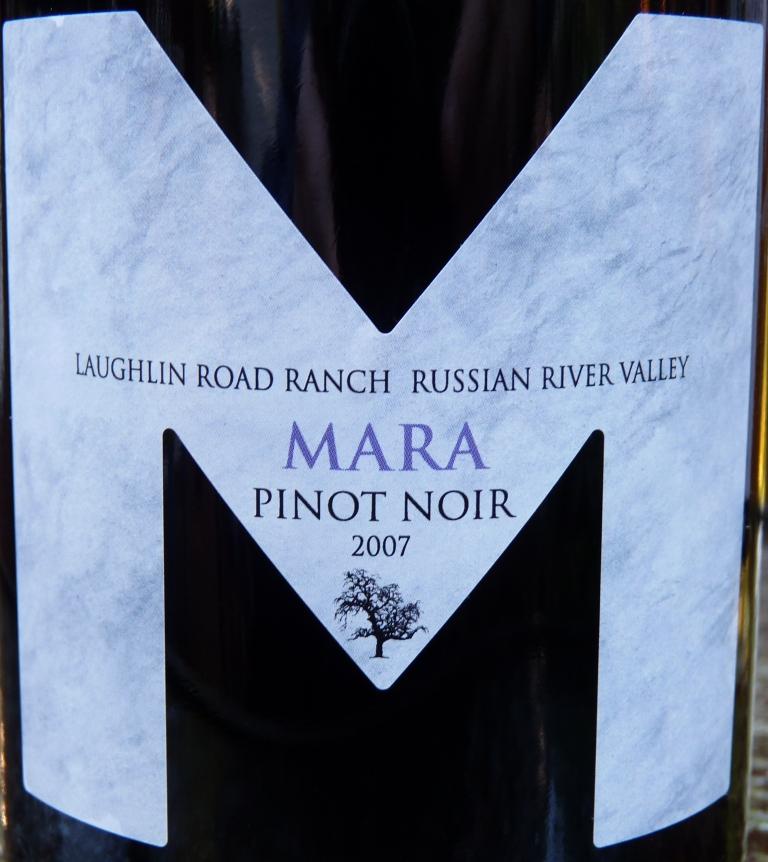 In case you wonder, there are actually two reasons why there is a wine label above instead of picture of the dish:
1. It was one of the best versions of Roasted Sea Bass I ever had. So, by the time I realized that I didn’t get a picture of the dish, it was too late.
2. And I guess it was also too late because everybody got carried away after taking a sip of Mara Pinot Noir.
Mara Pinot Noir was really a centerpiece of the tasting. “Oh my god” was major phrase at the table after the first sip of the wine. I don’t think that wine should be described in terms of color, fruit and acidity. This wine should be described in terms of opulence and decadence it cast upon the table. “Total and absolute balance” would be the right way to put it. Anyway, if you can find a bottle, you should experience it for yourself ( about 250 cases total production). In my “drinkability” ratings it is defnitely a 9+.
Next dish: Sautéed Squab (Confir Potatoes, Red Peppers, Serrano Ham). Wine pairing – Bradford Mountain Zinfandel.
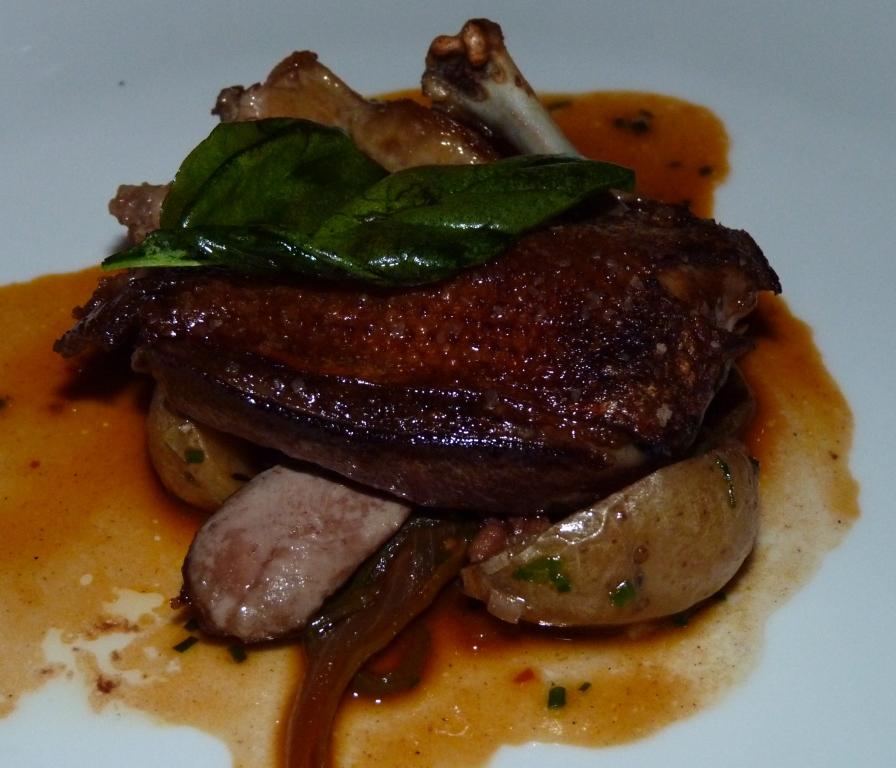
Deep earthy and gamey flavors of the dish ( tasted almost like a fried liver), were complimented well by spices and acidity of the wine. This was definitely a good combination.
Following on, major entree: Duo of Farm Raised Rabbit (Bacon Wrapped Loin, Rabbit Scrapple, Chestnut, Garden Carrots, Natural Jus). Wine pairing – Chateau La Grange Clinet Premier Cotes de Bordeaux.
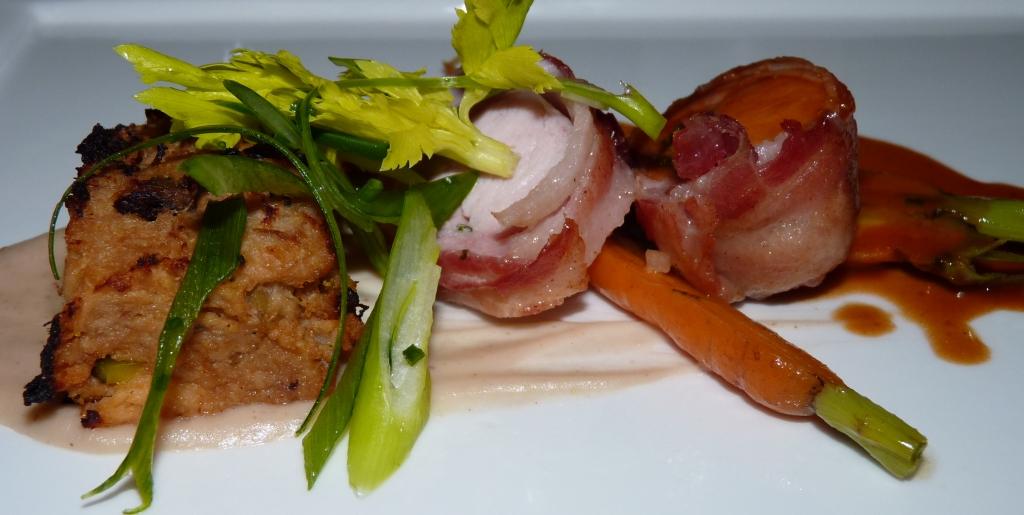 Bordeaux had being nicely decanted, so it was open enough in time for this dish being served. Coming from magnificent 2005 vintage, this wine can be drunk right now, but will improve with some time in the cellar. The wine worked well with the flavors of the dish – combination of tender, a bit gamey loin and fresh garden vegetables was well complemented by dark fruit flavors in the Bordeaux.
And now it is time for desserts: Cheese Soufflé (Pinot Noir Must, Grape Aspic, Rose Champagne Granite). Wine pairing – Botani Sierras de Màlaga.
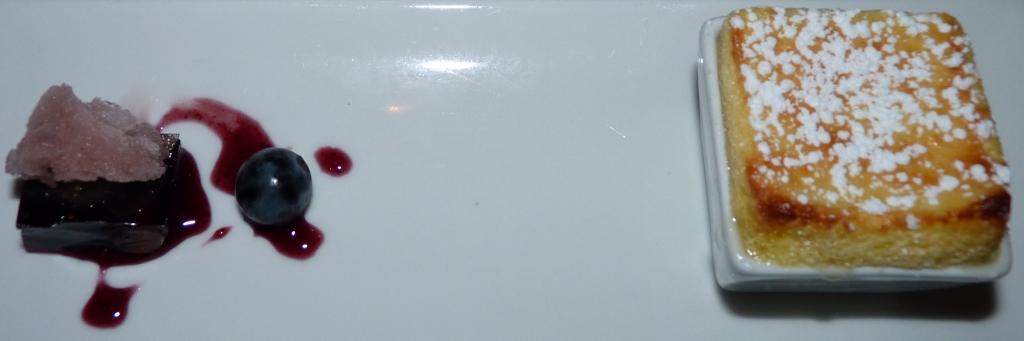 I discovered Botani Muscat at the dinner at The Capital Grille. This wine delivers incredibly bright acidity and fruit combination, every sip feels like it is full of live. That acidity was instrumental in this pairing. The wine worked quite well with both Granite and Souffle components of the dessert.
And last, but not least, one more dessert: Gala Apple and Granola (Apple Jack Caramel, Foraged Crabapple Confit, Cinnamon Gel, Pecan Brittle, Mulled Cider Ice Cream). Wine pairing: Ambré Riversaltes.
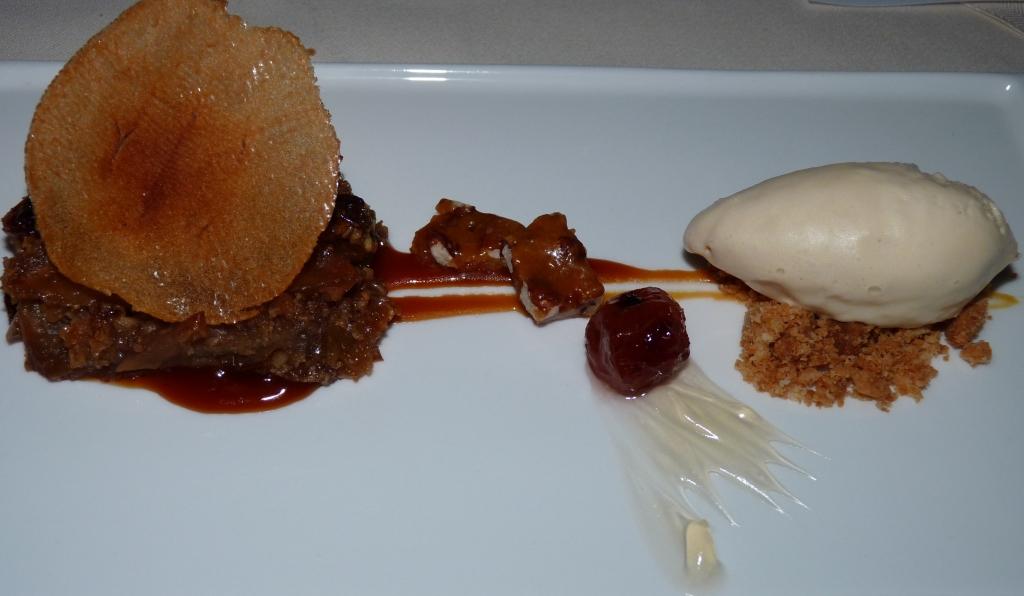 If Mara Pinot Noir was best of tasting, then this was the most interesting wine. This wine, made out of White Grenache, is made in the Solera style – it spent 7 years in the open tubs, developing delicate flavors. Ambré Riversaltes exhibited fresh and balanced flavors of toasted apple and caramel, which perfectly worked with “apple many styles” flavors of the dessert.
That’ s all, folks – it is time to conclude the report on the Hotel Fauchere experience. All in all, we had a great time, and will gladly do it again. The life journey continues…
Hotel Fauchère
401 Broad St
Milford, PA 18337
(570) 409-1212
http://www.hotelfauchere.com

Treble Journey: Calling All Clones, Grapes #269 – #272
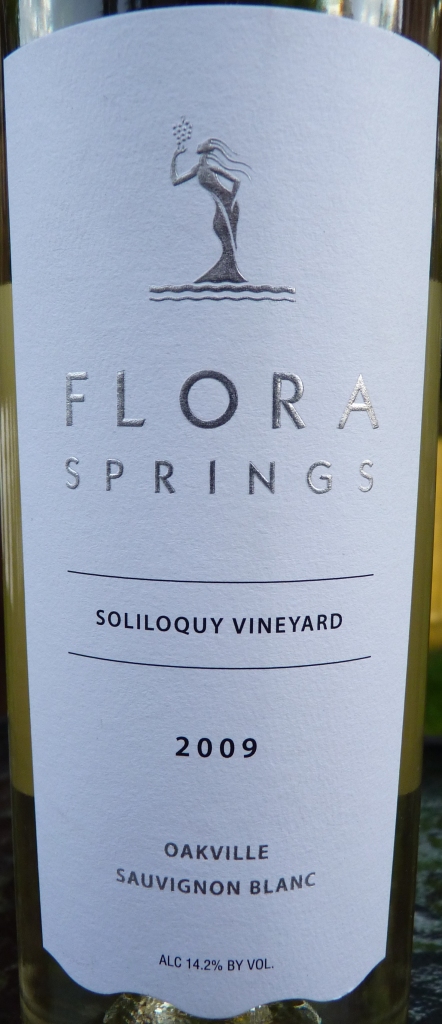 Clones are looked at somewhat skeptical when it comes to wines – simply because in some cases, the origin of the grape is not easy to establish, and then all sorts of claims can be associated with particular characteristics of the grape. Well, when you on the hunch to get to the Treble level, even the clones will help – especially if they are certified by UC Davis.
This Flora Springs Sauvignon Blanc is a blend of two clones of Sauvignon Blanc: Soliloquy Sauvignon Blanc and Sauvignon Musqué clone. It is a beautiful wine, combining finesse, the grassiness of traditional Sancerre and fruit-forward style of California wines, perfectly balanced. This is one of the very few California Sauvignon Blanc wines which I actually enjoy, as in general my preferences are on the Loire and New Zealand style Sauvignon Blanc. I will put drinkability rating on this wine as 8+, and these are the two new grapes.
Then come two more wines, which are adding two more grapes, both grapes being in the main Wine Century Club application table from the beginning. One is Petite Arvine, a grape from Switzerland, which is hard to find in the US. I got the wine directly from Switzerland with the help of my friend Patrick, and it was 2009 Valiciana Petite Arvine du Valais – simple and herbaceous, working well as an aperitif.
And the last grape for this update was Garnacha Peluda, also known as Ladoner Pelut, or Grey Grenache. And even as Wikipedia simply lists all of the clones of Grenache as one and the same grape, as we are counting clones, this is perfectly suitable grape to be counted by itself. It was a part of the blend in wine called 2007 Sexto Terra Alta from Spain – an interesting wine with some dark fruit notes showing up after the wine breathes for a while – it would be an interesting wine to try in 3-4 years.
That’s all for now – and more to follow, as the wine adventures never stop…
Treble Journey: Caino Blanco and Sultanina, Grapes #267 and #268
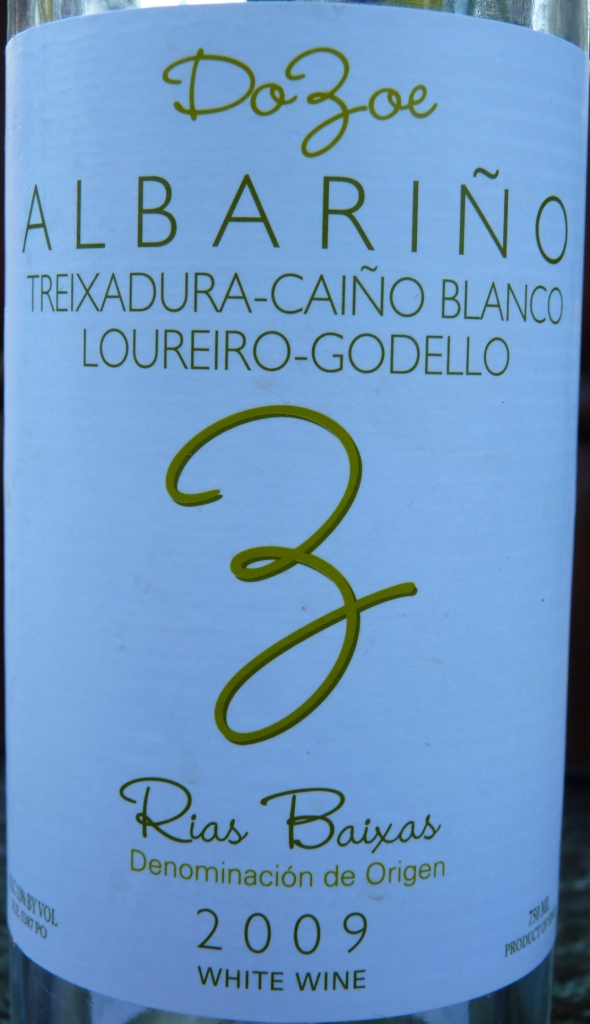 Well, my “secret” post will not be happening – I was hoping to attend a big tasting event and try wines from Staglin, one of the “cult” producers from California, but that didn’t work out, hence it is only a quick update on a progress of a Treble Journey.
Two new grapes – one of them is called Caino Blanco, and it is an indigenous grape from Spain which is sometimes is blended with Spanish great white grape called Albariño. Albariño makes very nice white wines, with good acidity and fresh citrus notes on the palate, perfect for a summer day and a wide variety of food. This Do Zoe Albariño 2009 from Rias Baixas in Spain is a blend of 5 different grapes and it is no exception in the “nice wines” group.
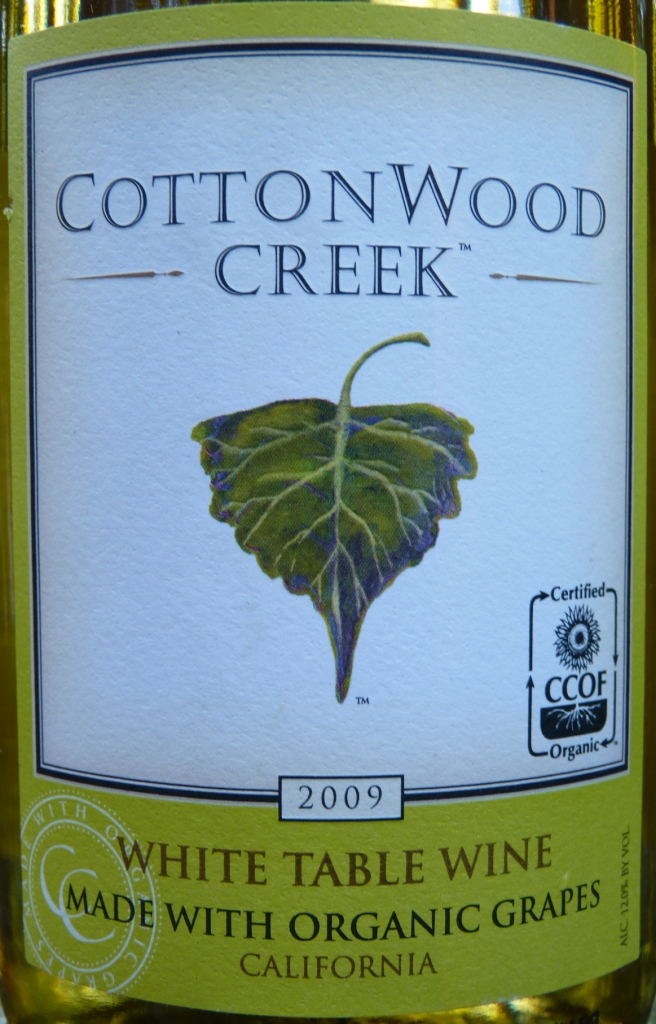 Another wine is white wine coming from the CottonWood Creek Cellars in California. CottonWood Creek Cellars White Table Wine 2009 is 100% certified organic wine, made from the blend of 3 different organic grapes – Sultanina (59%), French Colombard (34%) and Muscat (7%). It was a very interesting wine, delivering different expressions at a different temperature, and it was even more interesting at room temperature, delivering fresh grapes aromas with good depth.
All in all, I’m advancing further towards the goal, and have a good chance to cross soon into “last 30”.
Until the next time – cheers!
Treble Journey: Two Rosé Closer to the Goal, Grapes #264 – #266
 While I’m trying to avoid repeating the same category, I guess the desire to reach the coveted 300 grape varieties (honestly – sometimes I really wonder why…) is forcing my daily glass choices… So here is a quick report on two new varieties (well, actually 3, but more details are down below) – Freisa and Rufete.
Freisa – Monferrato Chiaretto Berro Rosato Pico Maccario 2009. Nice clean Rose, with aromas of the fresh fruit, strawberries and slightly under-ripe plums and refreshing acidity. Very nice wine, I would rate it at 7+.
Rufete – Gazela Rose N/V, Portugal. Interesting wine (you can see my true meaning of “interesting” here). This wine doesn’t have much going, except slight effervescence and nice pink color. But at least it is +1 grape.
From time to time we make some unexpected ( and pleasant ) discoveries. While looking through the list of the wine grapes on Wikipedia in a search of “what else can I reasonably find in order to get to 300 grapes”, I noticed the grape with then name I never heard of (of course it was not the only one, but nevertheless) – the grape called Alexandrouli. It appears that this grape is used to produce a Georgian semi-sweet wine called Khvanchkara, which I had before a number of times. End result – one additional grape to the list
Alexandruli – Khvanchkara, Georgia
Whatever it is to this Treble Journey, but now I’m getting questions and advises – how about this grape, and what about that grape – and I really appreciate all the help! If anyone got any suggestions about finding wines with unique grapes – that would be simply great! 34 more to go – come on, people!
Last Bottle Sign Up ($10 credit)




 Talk-A-Vino