Archive
Ten Wine Blogs I’m Reading
 In the world of wine, reading is second most important thing next to actually drinking the wines. Yes, of course, you can say that no, visiting vineyards and talking to the winemakers is a lot more important – and I would agree with you, however, it is reading that you can do at any time and a lot more often than actually visiting the wineries – at least for someone like me, where wine is a passion but not a profession.
When it comes to reading, books and magazines and indispensable – and there are hundreds and hundreds of them to read, starting from encyclopedias such as The World Atlas Of Wine by Hugh Johnson and Jancis Robinson, great day-to-day books such as Kevin Zraly’s Complete Wine Course to the Wine Spectator magazine which reviews thousands of wines in every issue.
Then there are wine blogs, like the one you are reading right now. Wine blogs deliver information in much timelier fashion than any books or magazines, and they also express a lot more of the author’s personality in a much more direct way than any book or magazine article – which makes them a great fun to read. I like reading blogs when I get a chance, and generally I come across many different blogs as lots of them are referring to each other (very common practice in blogging world). However, while my blog reading is often sporadic, simply based on available time, there are some blogs which I’m making an effort to at least skim through on the regular basis (using Google Reader) – and this is the list which I would like to share with you. The list below has no prioritization whatsoever, and I add few of my thoughts as to what kind of content you can find in the respective blog.
- 1WineDude – IT-convert Joe Roberts provides great insight into the world of wines. Lots of wines are reviewed using the A to F ratings ( no, I didn’t see a single F yet) as opposed to the popular 100 points scale.
- Fermentation – very interesting blog, covering a lot from the world of law, consumer rights, politics and more – of course all centered around wine.
- Serious About Wine – wants to see lots of new cool label designs? Flip through this blog’s pages, its worth it.
- The Feiring Line – Alice Feiring is a book writer and a blogger with “unique and different” point of view. Love her wine descriptions written directly on the bottle’s label.
- Dr. Vino – one of the best wine blogs overall, lots of interesting information tidbits from the wine world.
- The Wine Economist – Great source of information about wine, lots of stats of all kinds – merlot versus pinot noir consumption in the numbers, most requested wine of the past year and so on.
- The Gray Report – W. Blake Gray writes one of the most insightful and controversial wine blogs – I always love reading his posts. You should judge for yourself, though.
- Vinography – Superblog of wine blogs – lots of information plus a comprehensive list of wine blogs on the Internet
- Steve Heimoff Wine Blog – exactly as it says, a wine blog by Steve Heimoff, a wine writer and Wine Enthusiast magazine’s West Coast Editor. Lots of interesting information, especially as it comes to California wines.
- Paul Gregutt Unfined&Unfiltered – Paul Gregutt is a wine writer and a Northwest Editor for Wine Enthusiast magazine. He writes about wines of Pacific Northwest.
That’s all, folks for my list of ten blogs I’m reading – if you like wine, check them out for yourself. Cheers!
Wine and Time
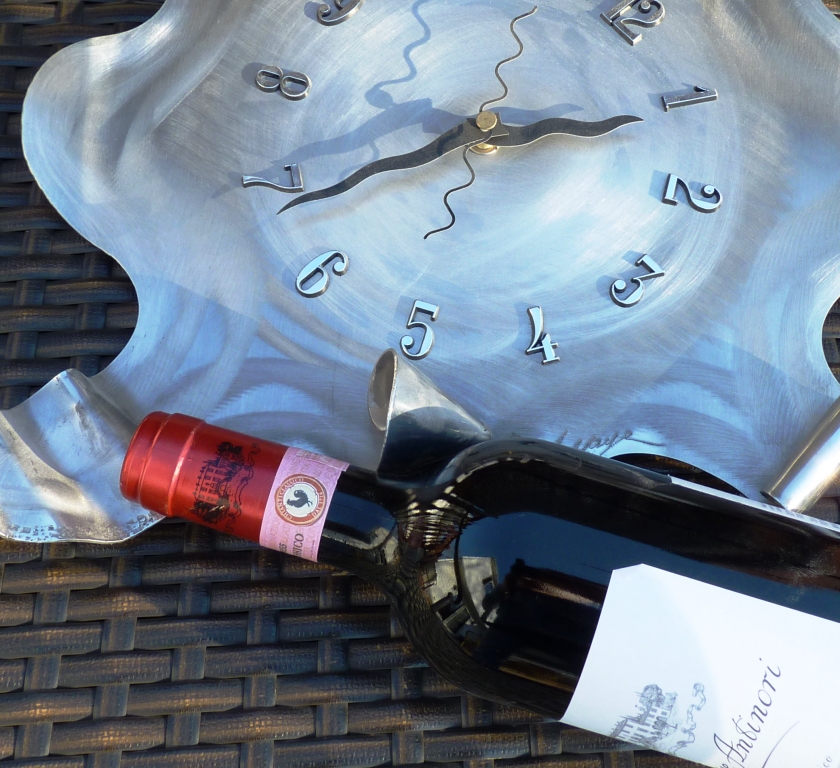 Of course time had being here forever, always moving, and always in one direction (someone, please prove me wrong!). Wine had being around for about 8,000 years, first appearing in the ancient Georgia (no, not the one down south, but the one from the Caucus region, on another continent). Wine is one of the few products literally not changed for such a long time in its form and its production methods – sans reverse osmosis machines, electrical presses and micro-oxygenation boxes. Considering such a long history, you can imagine that relationship between wine and time is very complex, and you would be right.
First, time is a necessary part and an attribute of the wine making process. For the vast majority of wines, if you read winery’s description of the wine, you will see something like “aged for so many month in …”. Sometimes the wine is aged in stainless steel tanks. Sometimes the wine is aged in clay vessels (very popular in Georgia now, the vessels are called Kvevri and produce very distinct wines). Lots of red wines are aged in oak barrels – American oak, French oak, Hungarian Oak, new oak, old oak – variations are endless. For many wines, duration and the type of the aging is a sole decision of winemaker (no pressure, but this decision will greatly affect quality and the taste of wine, and will define success and failure for it). For some of the wines, aging in a specific type of barrels is mandatory before the wine can be released – Rioja Gran Reserva should be aged for a minimum of 2 years in oak barrel and 3 years in the bottle to be officially designated as Rioja Gran Reserva. Barolo must be aged for 3 years, at least two of them in the oak barrel, and Barolo Riserva should be aged at least for 5 years. During the aging process, the wine is changing. Oak imparts very specific flavor, which we, humans, tend to like. Oak aging also acts as a preservative and helps wines to live long life.
Once all the aging is complete (in the tanks, barrels and bottles – whatever the aging was), wine is released – and this is when the second phase of the wine and time relationship kicks in.
This second phase is as tricky, if not trickier, as the first. Have you heard the phrase “needs time” in relation to the particular bottle of wine? If you will look at the wine reviews in Wine Spectator or any other publication which provides wine reviews, you would often see one of the phrases “Drink now”, “Best 2014-2020”, “Best after 2013” – these are the suggestions for how long the wine should be kept in the cellar before it should be consumed.
Why is that? What with all this aging? Why not open the bottle right away and just drink the wine? What was discovered at some point (don’t ask me when, but it was long time ago) is that wine actually changes its taste as it spends time in the bottle (the aging). And it doesn’t just change the taste arbitrarily, it tastes better. Young wines are often sharp, or somewhat single-toned in their taste – you might get pronounced acidity, or only sweetness, or lots of white apples – but only white apples. During aging, trace amounts of air are making its way into he bottle, and they lead to the wine changing its taste, improving to the better in majority of the cases – it becomes complex, bite softens up, bright and diverse fruit tones compensate for the pronounced acidity and the wine brings a lot more pleasure compare to the young wines. Mature wines deliver more pleasure – this is the whole philosophy behind wine aging.
Simple and easy, right? Well, this is were everything becomes complicated and confusing – as not all the wines should be aged (do not try to age Beaujolais Noveau, please) and also it is very tricky to make sure you would drink the wine at its peak – as whatever comes up, goes down in mother nature. This is where time transforms from the friend to the foe – and as a foe, it is merciless. After reaching maturity and staying there for a while, the wines are typically starting their decline in the taste (wine loses fruit, become very acidic, may be oxidized – and it stops delivering pleasure). Different wines made in the different styles will have different peak times and different lifespans. Some of the Jerez, Madeira and similar wines can go on literally for the hundreds of years. Good Rioja, Barolo or Bordeaux can be perfectly aged for 50 years or longer. Simple Cote du Rhone might only last for 3-5 years, same would be true for many of the Chardonnay wines. There is not crystal ball telling you precisely how long the wine will last and when will it taste the best – human trial and error is the best way to find that out. Of course there are many factors which might help you to decide whether to age the wine and if yes, for how long – the winery, the winemaker, the region’s wine style, success of the vintage and many others – but in the end of the day you would need to do the work (err, I meant the wine drinking) as the wine ages to find out when it tastes best to you.
So, does it worth to age wines if you don’t know what will happen to them in the end? For anyone who is into wines, and who had an opportunity to try a mature wine, the wine which reached its optimum taste, I’m sure this is a no-brainer question – yes, of course, and please, please give me more.
How one can experience aged wines? You got a few options. First, you can age it in your own cellar. Second, you can buy aged wines, either in a good wine store, such as Cost Less Wines in Stamford or Benchmark Wine Company. Note that you have to buy aged wines only from the trusted source – not aging the wines in the right conditions will simply ruin them, so you have to trust your source. Third option is to attend a wine tasting, such as PJ Wine Grand Tasting, where you can taste really amazing wines. However, you don’t have to wait of the Grand tasting, which takes place only once a year. If you live in a close proximity to Stamford, CT, you can attend a wine tasting at the Franklin Street Works gallery on Thursday, January 19th at 5:30 pm (here is the link for RSVP). The event is free and open to all. Here are the wines which will be presented in the tasting (the list might change at any time):
2003 Riesling, Mosel Saar River, Germany
1998 Merlot, Italy
2009 Stag’s Leap Hands of Time, Napa Valley
2009 Stag’s Leap Hands of Time, hyper-decanted using Nathan Myhrvold’s methodology.
So you should come and experience the relationship between time and wine for yourself – there is a good chance that you will even enjoy it! Cheers!
Five Essential Traits of the Oenophile
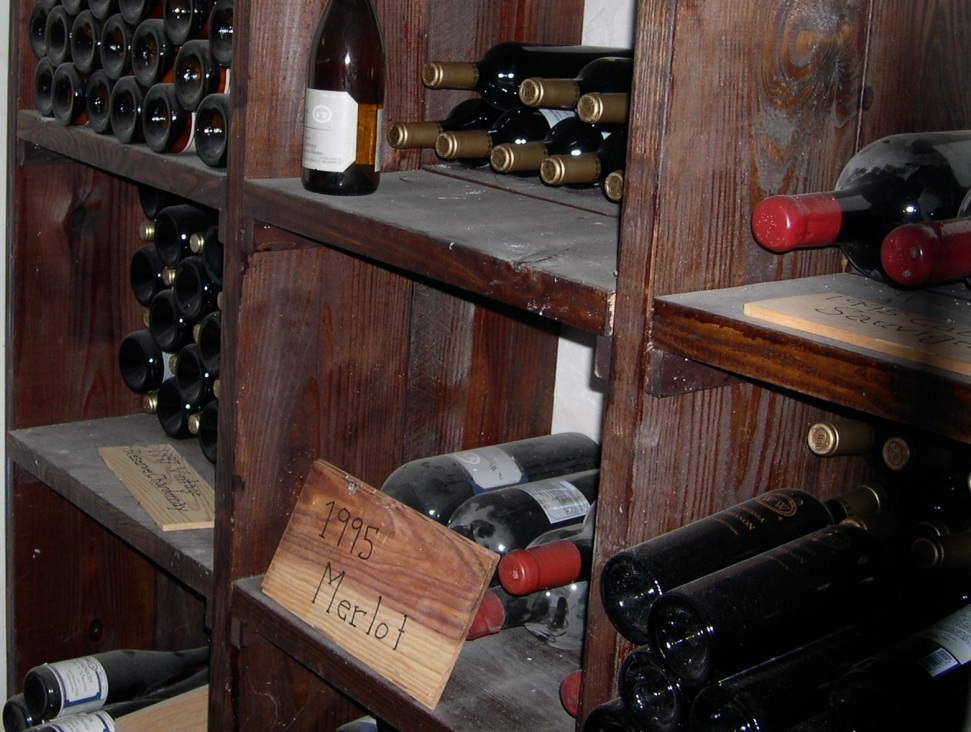 Do you think all the wine lovers have something in common? Let’s take a look at some of the qualities which I believe, any oenophile possesses.
- Patience: I think this is single most important quality of the oenophile – one have to be able to wait. Mostly we are buying young wines, when they are released. If you want to truly enjoy the wine, you want to drink it when it is at its peak – which in turn means that you have to put that wine aside and wait for it to reach its best form. For example, it is considered that California Cabernets need about 13 years to reach their peak of maturity – can I rest my case? Patience has another virtue. Before you can start waiting for the wine to reach its peak, you have to get that wine. Have you heard of the mailing lists? This is how you get many great wines – Cayuse, Alban, Harlan, Bryant Family and many hundreds of others – are available only through the mailing lists. What’s a big deal about the mailing list (sounds so routine, right?) -not much, just keep in mind, that there is a list to get onto the mailing list…
- Passion: Have you ever talked to oenophile about the wine? The eyes would lit up, and information will be flowing – grapes, growing season, winemaker, the rain and the heat, the taste, the emotion, the experience. Wine is a form of art – and the same way as poetry, music, paintings, photography, architecture – it solicits emotion and passion.
- Quick decision-making: when opportunity presents itself, oenophile have to be able to decide on the fly. Is this the wine I want? Is that a good year? Is that a good price? Sometimes, all this information should be processed within split seconds – if you ever tried to get a great true bargain at WTSO.com, you would understand. Spend a bit longer figuring out if that was a good vintage – and it is not relevant anymore, as the wine is gone.
- Good memory: In the simplest form, it supports previous quality – quick decision making. You need to remember good years and bad years (for instance, Bordeaux 2000 and 2005 were amazing, and 2002 is better be avoided), you have to remember the exact name of the wine (Peter Michael makes four Chardonnay wines designated as “Estate Vineyard, Knights Valley, Sonoma County” and distinguished only by name like “Belle Côte” or “Ma Belle-Fille” – you better remember which one did you liked more yesterday at the party). But good memory goes further than remembering only simple words or numbers – how about remembering the taste of your favorite wines? I believe oenophiles will be able to describe the taste of the wine they had 10 or 20 years ago – if it was memorable enough.
- Desire to share: We want to share our joy, we want to share our experiences, we want to share our best wines – with the people who will appreciate it. I don’t mean to sound snobby – but oenophiles often start from trying to convince the whole world that this particular wine is a pure joy – and the beer drinking part of the world might not see it like that (love the beer myself – there is nothing here against beer drinkers, they just prefer different beverage). Then oenophiles start to understand that they better share their experiences with like-minded people. But – once you strike the cord, everything is open and available. Soliciting “wow” from someone who just had a sip of what you deem one of the best wines on Earth (or at least in your cellar) – priceless.
How far off do you think I am? If you acclaim yourself as a wine lover (aficionado, connoisseur) – do you associate with any of these traits?
Please comment, and – Cheers!
Fears of the Oenophile
 If you are drinking wine only in the restaurant (and only because you have to) or twice a year at the parties, you can safely skip this post. For those of you enjoying the wines on more occasions (and without any occasion too) – please read on and tell me what do you think is real and what is the result of my inflamed imagination.
Would you think that there should be any fears associate with wine? That the fear is lurking around those shiny bottles? Actually, if you think about it, I believe there are quite a few. Let’s take a closer look.
1. “Spoiled wine” – I think this is the mildest of all – except when this is the last bottle of your favorite wine or a special bottle you proudly brought to someone’s house. Many different things can constitute spoiled wine – wine can be corked (musty, wet basement smell and painfully sharp taste with the similar musty flavor profile), or oxidized, or vinegary in taste. In general, it is considered that about 8% of all wine is corked – this is a very sad number if that hits you. Discovering that the wine is spoiled is an unpleasant surprise – but in many cases the problem can be easily addressed (get another bottle from the cellar or you tell your wine steward in the restaurant that the wine is spoiled, and you would typically get a new bottle of wine).
2. “is this wine ready to drink, or should it wait for a little longer?” Many wines improve with age. If you ever read wine reviews by Wine Spectator, Wine Advocate and the likes, you probably noticed phrases like “Drink Now”, “Best before 2015” or “Best 2015 to 2024” – these are wine critics’ recommendations for the particular wines to be at their pick, to be the most enjoyable. But most of the wines we buy (definitely the most of the wines I buy) don’t have any critics recommendations associated with them. So when is the right moment to get the most pleasure from the bottle? There are some general rules, like “California Cabernet reach their pick at about 13 years of age”, but in the end of the day you would need to have a good understanding of the wine regions and particular producers to reduce this fear factor.
3. “is this occasion special enough for this bottle?” Pairing the wine with the occasion can be very tricky and fearful. You are reaching out for that special bottle of Latour, but what if one of your guests will decide to add a little coke to her glass as the wine is too dry for her? Will this group of beer drinkers appreciate the 1964 Rioja Alta which you were planning to open just for this great occasion? Whether you like it or not but you have to address this fear by knowing the preference of your guests and then resolving that you will be happy with your wine selection no matter what.
4. “is this bottle special enough for this occasion?” This is almost the same as the previous one, but with a slightly different angle. Vey often, we are waiting for a “special occasion” to open that special bottle. Every time we don’t know if the occasion is special enough. We keep waiting, and waiting, and waiting, fearing that the right occasion still didn’t come. We definitely don’t want to end up like the main character of the movie “Sideways”, who had his 1961 Cheval Blanc with the hamburger at a fast food place, drinking the magnificent wine from the Styrofoam cup. If anyone remembers “Tastings” column in the Wall Street Journal written by Dorothy Gaiter and John Brecher (the column which I dearly miss), they created an event called OTBN (Open That Bottle Night), where they were encouraging all the wine lovers to reach out for that special bottle and open it on a designated date. I think this is the best solution to address the “special bottle” fear – we need to create special moments for our special bottles, and then everything will magically fall in place.
5. “will I enjoy this bottle as much as I did last time?” I think this is my personal biggest fear associated with wine. Sometimes, I get carried away by the glass of wine – it creates amazing memory of the fiery of taste, it comes through as truly exceptional experience. Once this happens, the next time I’m reaching for the same bottle of wine, the first question in my mind is: “what if it doesn’t taste that great”? What if something was wrong with me last time – special occasion, special surrounding, special atmosphere? What if this wine will not be as magical as last time – did something happened to the bottle or something happened to me, and if it is something which happened to me, then when? The previous time or now? There are all sorts of emotions involved here, and sometimes this specific fear is keeping me away from that special bottle of wine. The best antidote of course is trying the wine, and discovering it to be as good as the last time – that is the special moment of joy, I guess, for any oenophile (works for me for sure).
So, is there anything here you can attest to, or is it all caused by too much free time on my hands? Let me know you thoughts.
And as this is the time of the Holidays, Happy Holidays and Cheers!
And I’m Still Wrong
 I wanted to share an interesting encounter I had on twitter few days ago. Commenting on someone’s tweet, I mentioned that I’m not a fan of one particular (quite famous) California wine, and that I would prefer a number of other California wines on any given day over that particular wine. My reason was very simple – I visited that winery a few years ago, and while I had certain [high] expectations (well, it is a problem in itself), to my demise I was unable to find a single wine that I liked. To tell you more, I was planning to get there a bottle to bring to friend’s house for dinner that night, and again I was unable to find the right bottle.
Next, someone noticed my tweet and replied to it saying that all I have to do is to visit that winery to see for myself that wines are perfect, and provided me with an address. I replied that I speak about the wines from experience, been there, tried the wine and still didn’t like it, but I also mentioned that it is okay to be different. The “dialog” didn’t stop there, as I got new response from the same person, telling me that he also speaks from experience, finishing sentence with “sorry but you are still wrong”.
So this brings up some questions, albeit mostly rhetorical. Are taste “impressions ” universal? Do I have to like something only because someone else liked it already? If I don’t like the wine Robert Parker is raving about, does it mean that I have to stop drinking wine, stop talking about wine or both?
I’m not going to share any details on the winery or regarding the person I had this enchanting dialog with (by the way, I didn’t know this person and don’t follow him on twitter). But I’m curious about your take on this situation – can people express their honest opinion, or do we have to share positive stuff only? And can I please keep my personal tastes and preferences, even if I’m still wrong?
Pairing Wine and Weather
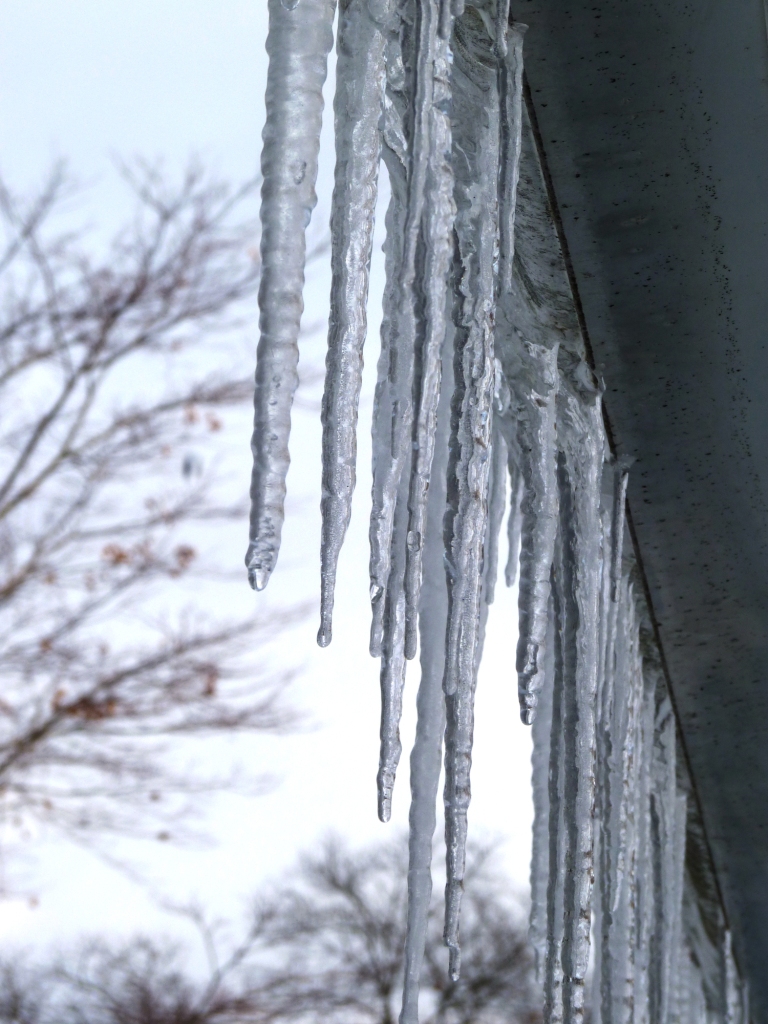 What do you drink when snow is couple feet high outside? Of course hot tea or coffee are always appropriate, but having a cup of hot wine wouldn’t be bad either.
There are different names for the “hot wine” – if you look into the Wikipedia, you will see a number of different names coming from the different places, all signifying the same “hot wine” – most popular terms I believe are “mulled wine” (Brittish), Glühwein (German) and Glögg (Scandinavian). Under any name, the basic premise is basically the same. First you take red wine. Any red wine will do – I’m sure that it would be bad use for cult Cabernet, so you need something simpler. It is also possible to find the wine which is already prepared to be used in the hot wine, like the one I used today. It can be called “spiced wine”, like this one from Williamsburg Winery.
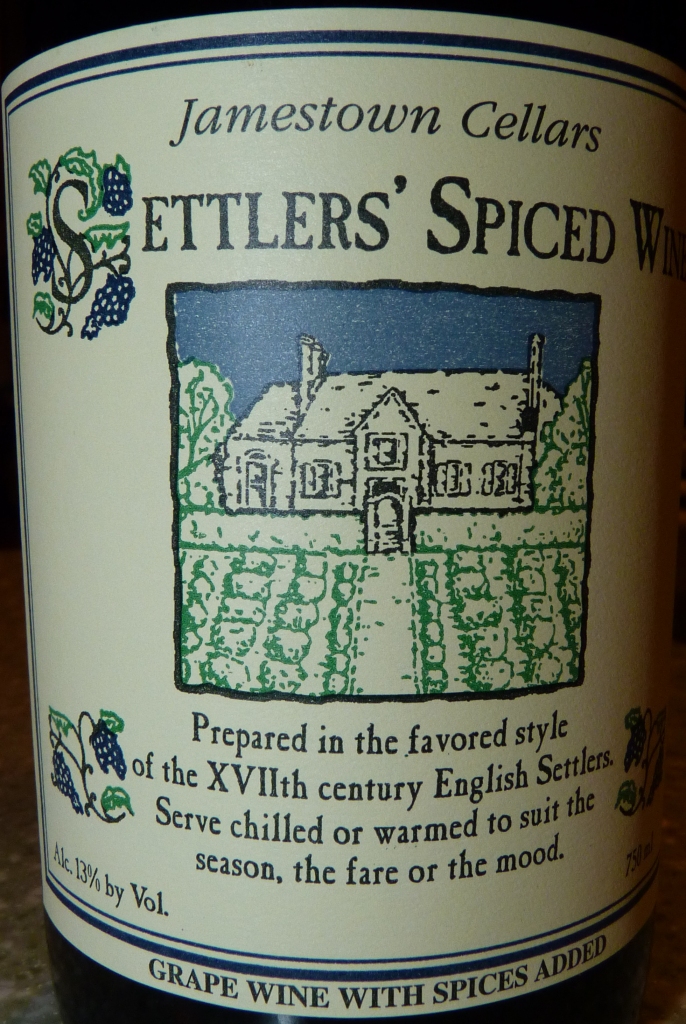 The next step is to add spices – allspice, cloves, cinnamon stick, orange peel, and set the wine to heat up. You can use any appropriate vessel for that – I personally use a special vessel typically used to make Turkish coffee. Also, if the wine you are using is not sweet at all, you might consider adding some sugar, to make it more pleasant.
The technology is simple – you add spices to the wine and start heating it up. The trick is to avoid boiling of the wine and take it off before boiling starts. 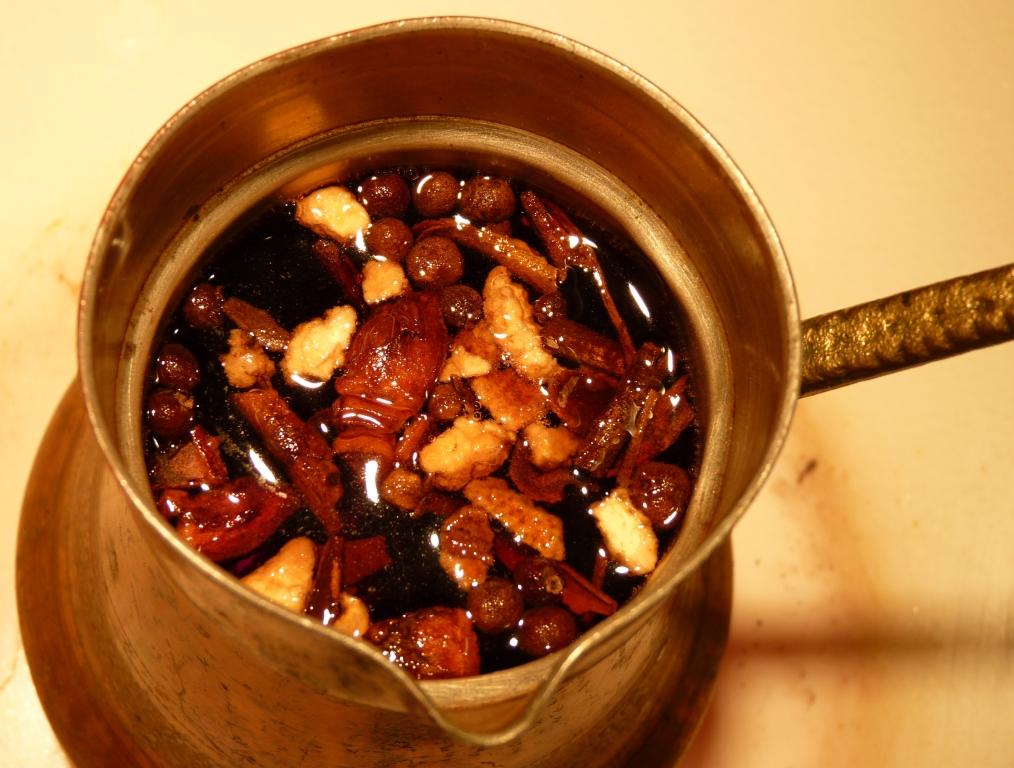 You can also add a shot of brandy or rum – if you feel like it. Take it off before the wine boils and … voila! You have a delicious cup of warm beverage, and life is much better already…
Just Want To Say “Hi”
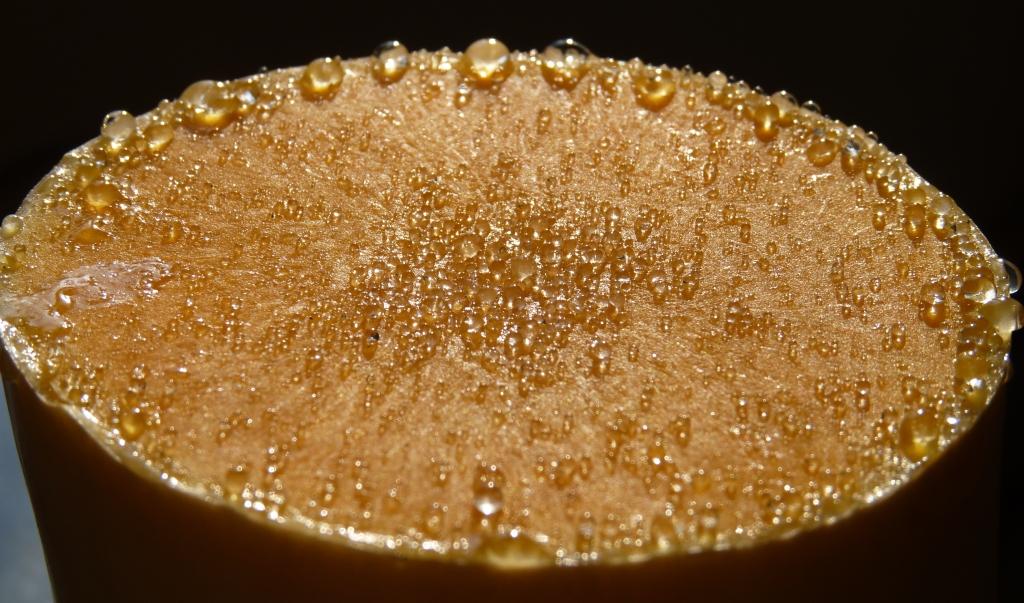
Sometimes, life just takes forceful precedence. I know what I want to write – but between business trip, my son birthday and other things, I simply don’t have time. So this is just to say “hi, I will be back with more stuff” ( whether you like it or not). And…let’s play a quick game. Below is the picture – please tell me what do you think it is. There will be no prize in the end, except that I will tell you if you are right or wrong. And yes, it is related to food. So, what is it?
Let’s Talk About Breakfast Again
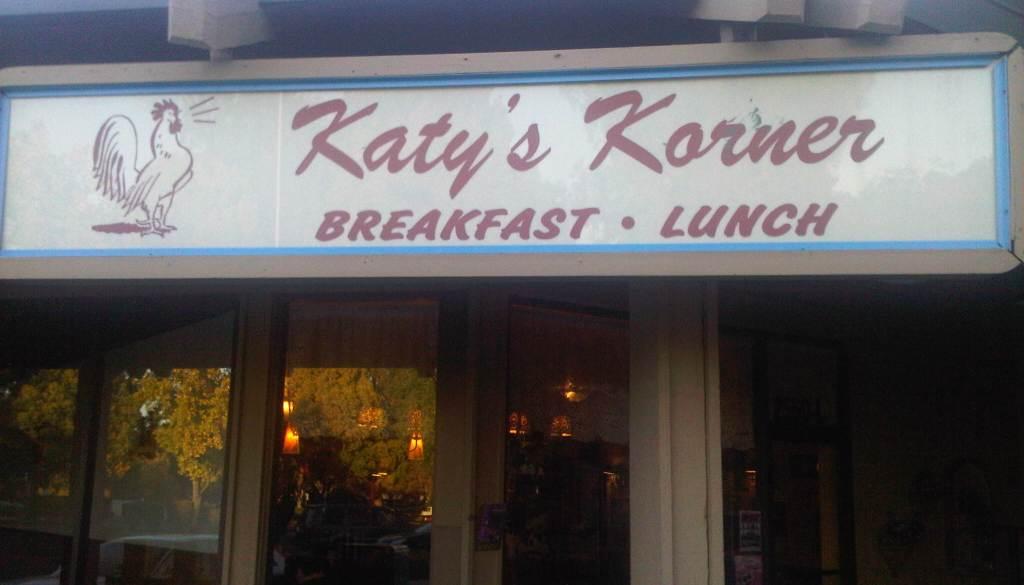 As you probably expect from the title of this post, it is not going to be about wine (don’t know about you, but at 7:30 in the morning I need coffee…). So this is somewhat of a sequel post to the one about our experience at Hotel Fauchere in Milford.
From time to time, my travel takes me to San Ramon in California. In general, California is a right place for food. But then we all have our special places, where we want to return. Katy’s Korner is my special place for breakfast, something to look forward to. Why? Great food, great service and simply the fun place to be at. It has all the great traits of American Diner, the place to come to with the family and feel like home.
My staple on the menu is Eggs Benedict. There are at least 10 versions of Eggs Benedict on the menu, so you always have options. My choice during the last visit was Sonora Eggs Benedict, which includes guacamole and Canadian bacon.
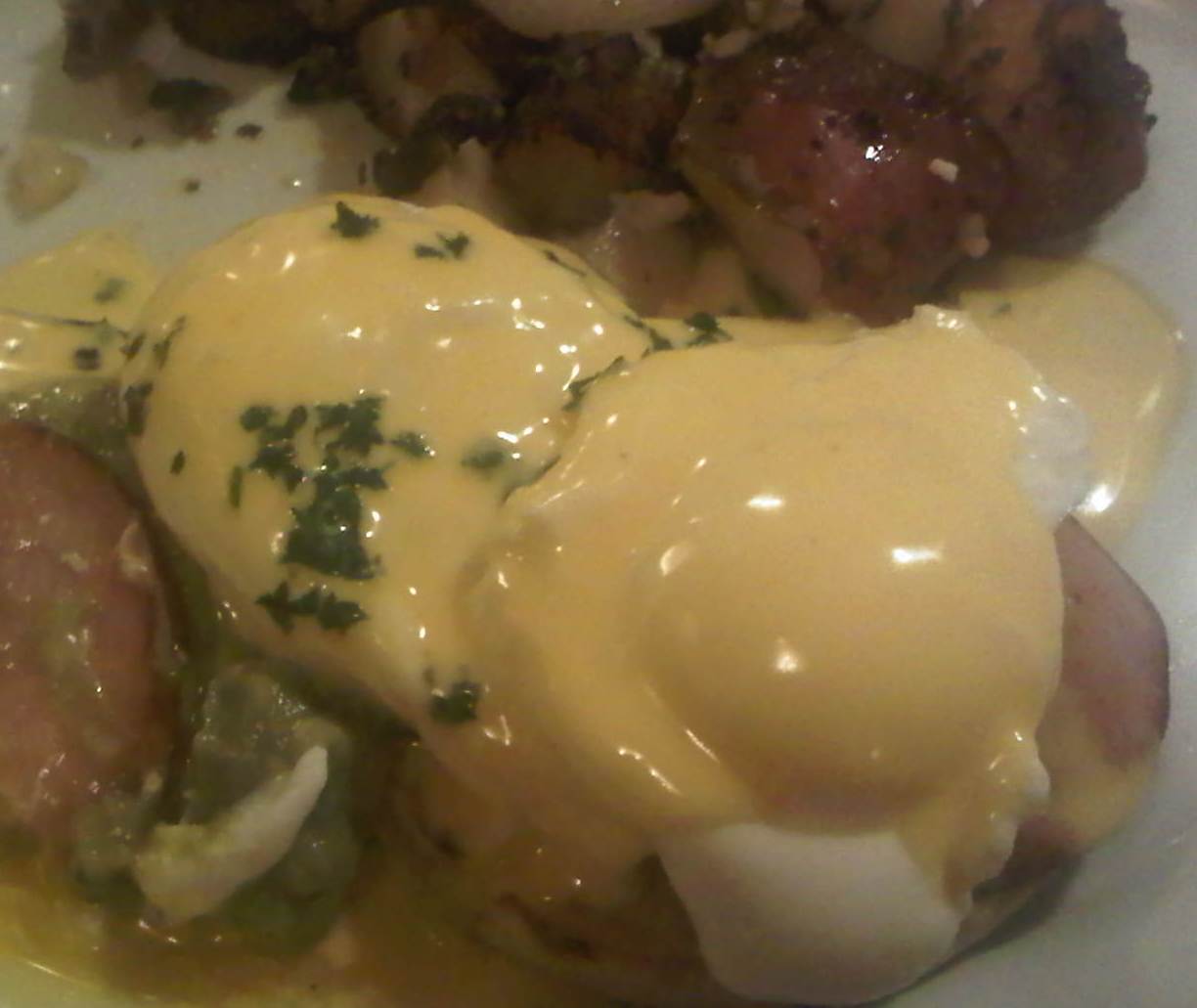 Yummy!
And then the next part of the experience is… fun! It is a great fun to be in a classic American Diner, and look around at the walls (promise to self – carry good camera around, all the time…). These are some of the things which you will see:

and this:
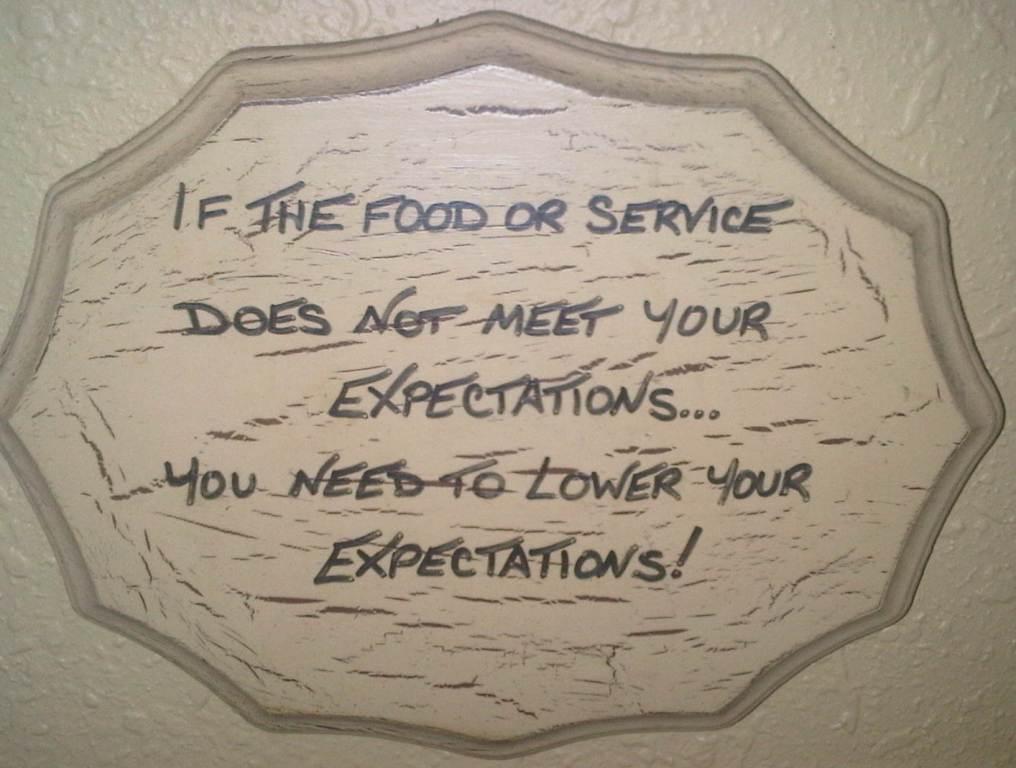
and this:
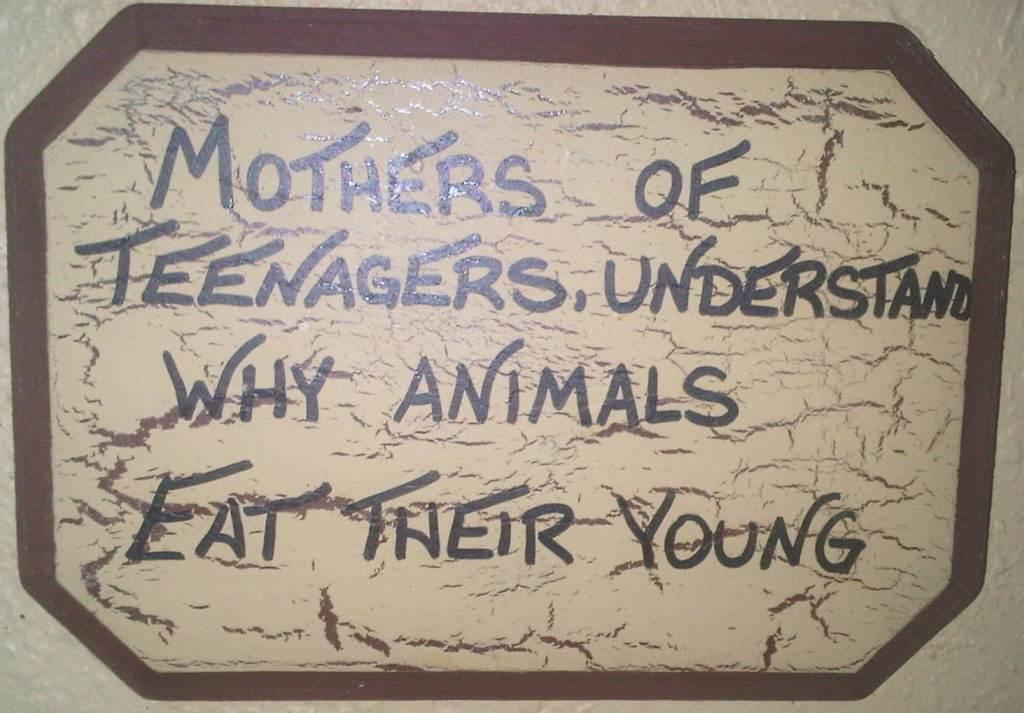
then this:

and this:
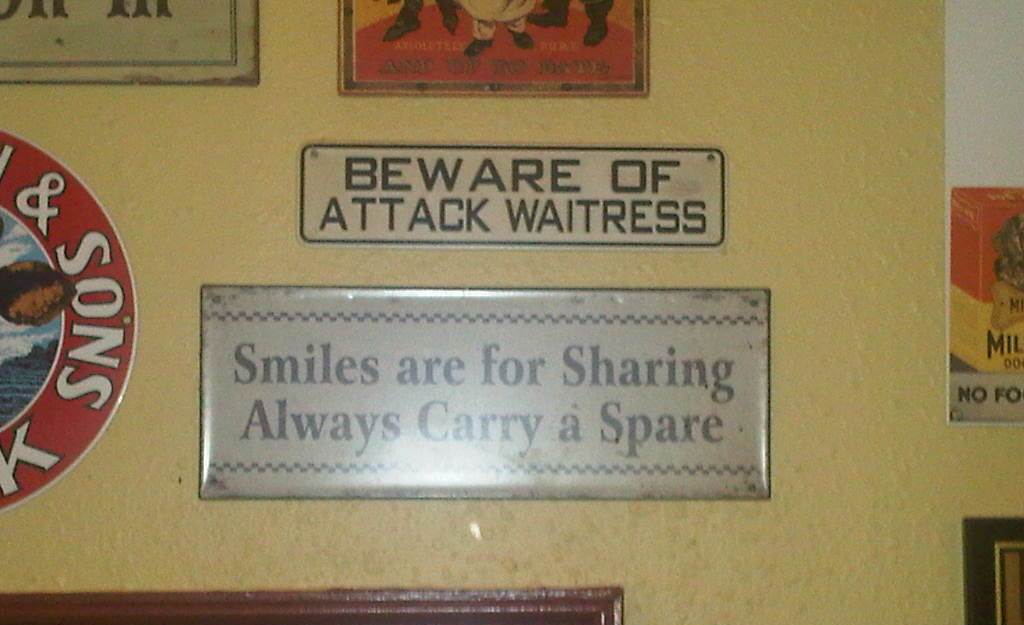
and my favorite:

All in all, if your travel will take you anywhere close to San Ramon – find this place, and – enjoy your breakfast!
Katy’s Korner
2550 San Ramon Valley Blvd # L
San Ramon, CA 94583
(925) 831-2145

Experiences: Chef’s Tasting Dinner at Hotel Fauchere
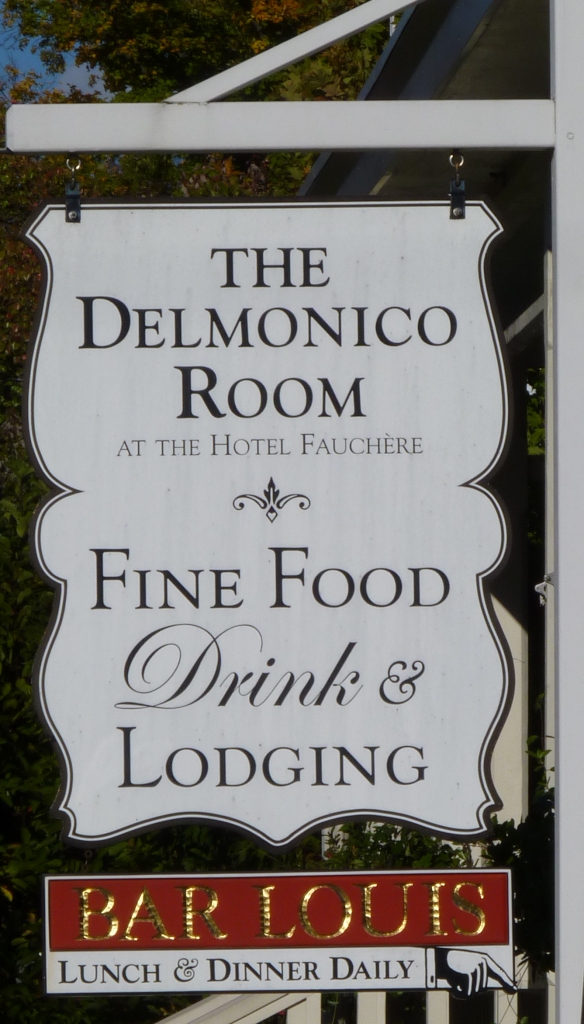 This is the last post in the series about our experiences at Hotel Fauchere in Milford, PA ( previous two posts can be found here and here). Have to warn you upfront – if you thought that there are too many photos in my posts, this one will be extreme – there are way too many pictures I want to share. Here we go…
Culmination point of our weekend getaway was chef’s tasting dinner, long anticipated and planned for. The dinner took place at The Delmonico Room at Hotel Fauchere – for historic reference behind the name and relationship with The Delmonico Room in New York, you can click here. Anticipated is fine, but what’s up with planning? Considering love of wine in the group, we decided to take upon the pairing of the tasting menu by ourselves. For the tasting and pairing experience, this was a good decision, for the service part – not so much. Not that I can really complain about service, all the plates, decanters, glasses and silverware were flying around properly, but the service was delivered in the stark contrast with “everybody smiling” (if you read my previous posts), I would say it was delivered with the stone face. There can be some objective reasons to that ( we brought our own wine, therefore I guess we questioned the level of wine service)… Anyway, let’s talk about food and wine
So we had 7 course tasting menu with two very small “single byte” dishes at the beginning and in the middle of the dinner. Menu focus was on the local, seasonal and fresh ingredients, and I think mission was accomplished quite well. We selected 7 different wines to pair with the dishes – 4 whites, 3 reds.
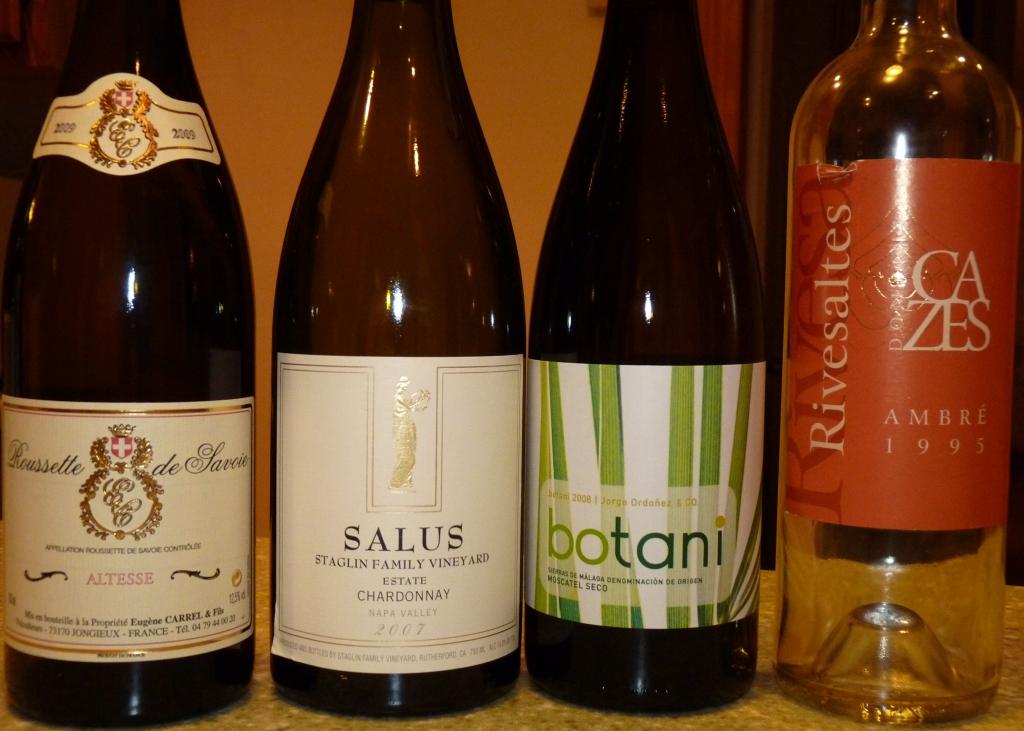 Here are the four whites:
2009 Domaine Eugene Carrel & Fils Rousette de Savoie Altesse, France
2007 Staglin Family Vineyards ‘Salus’ Estate Chardonnay, Napa Valley
2009 Jorge Ordoñez Málaga Botani Sierras de Màlaga
1995 Domain Cazes Ambré Riversaltes Languedoc-Roussillon
We made a lot of good decisions with this set – but more about it later.
And here are the three reds:
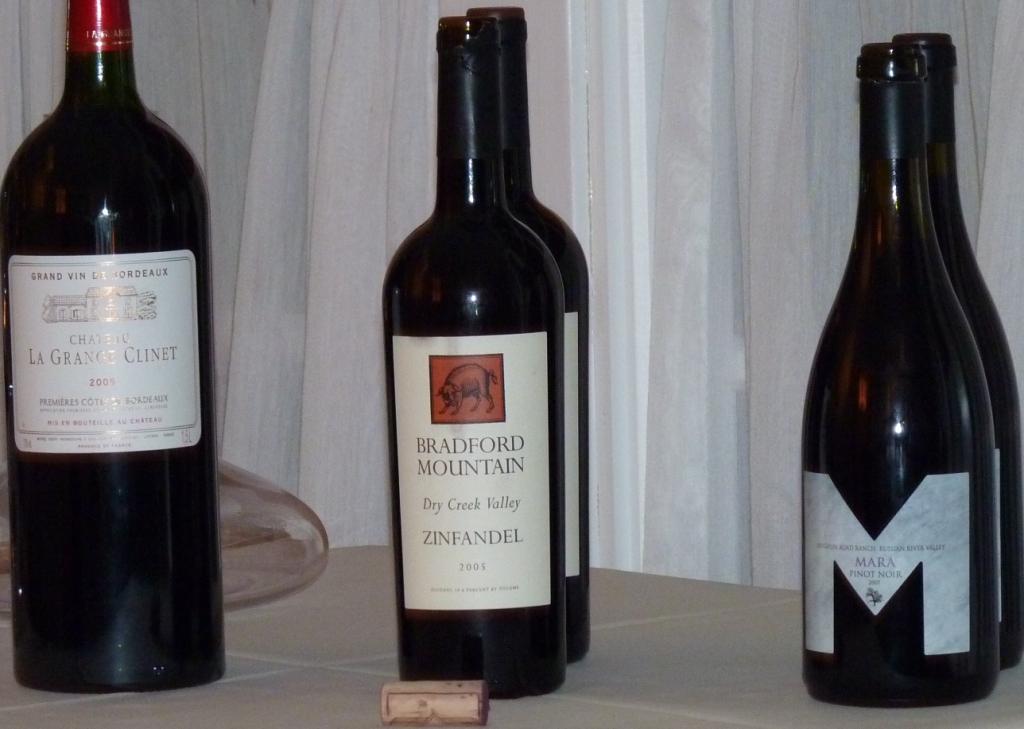
2007 Mara Pinot Noir Laughlin Road Ranch, Russian River Valley
2005 Bradford Mountain Zinfandel Dry Creek Valley
2005 Chateau La Grange Clinet Premier Cotes de Bordeaux
This was also a great selection, all worked very well with food – so lets get some details.
The first dish in tasting was Tortelloni A La Zucca (Seared Diver Scallop, Black Walnut, Sage Butter). Wine pairing – Rousette de Savoie Altesse.
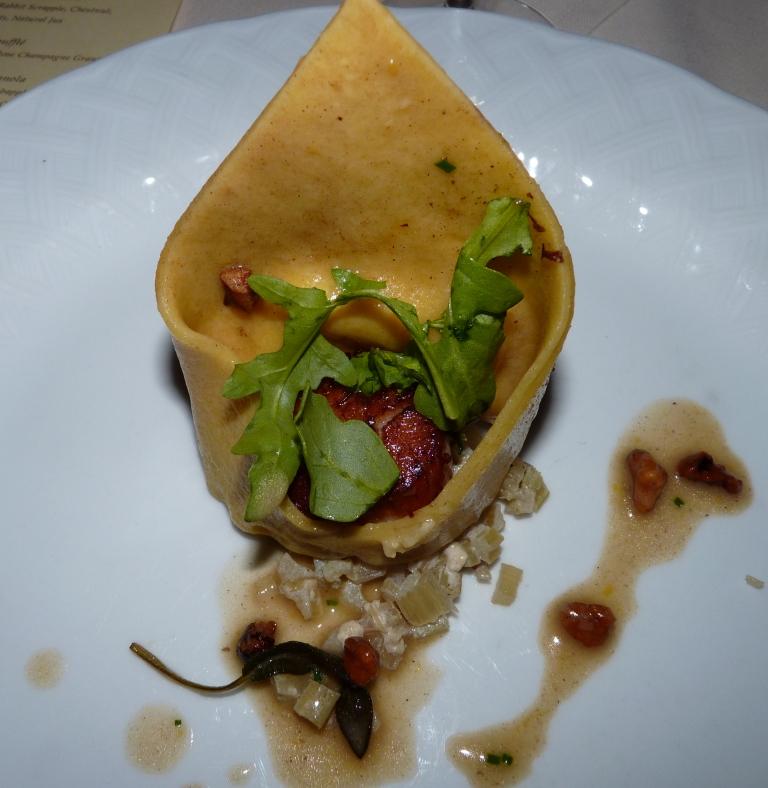 I would honestly question composition of the dish, as pumpkin tortelloni didn’t do anything to the scallop, tortelloni looked almost as a presentation piece. At the same time, wine worked very well with all of the components in the dish – apple, leeches and earthiness worked well with pumpkin filling, and wine had enough fruit and acidity to complement scallop. One important thing to mention here – with this wine I was able to make a progress in the treble journey, as Altesse is a grape from Savoie which I never tasted before. Color me happy – 273.
The next dish was Foie Gras De Canard (Porcini Mushroom, Brussles, Pear, Pomme Maxim). Wine pairing – Staglin Salus Chardonnay.
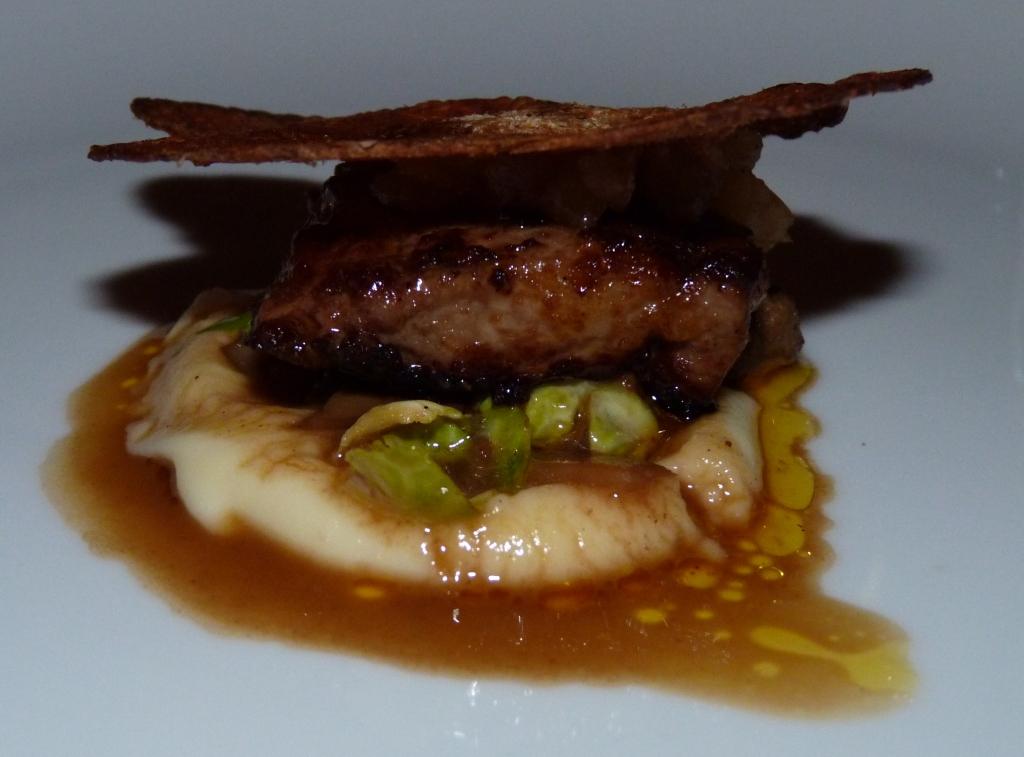 As we didn’t miss a single pairing ( pat on the shoulder), at least in my opinion, I will omit redundant [great pairing] in front of each description.
Salus is produced by Staglin Family, one of California cult wine producers from Napa Valley (Staglin Family Estate Cabernet Sauvignon 2007 just got WS 98 rating). Salus was one of the most beautiful chardonnays I tasted lately. Vanilla, butter, caramel, toasted oak and acidity of the wine worked perfectly with heavy but creamy texture of the foie gras.
Next dish was Roasted Black Sea Bass (Caramelized Sunchoke, Garden Chard, Cabernet Franc Emulsion). Wine pairing – Mara Pinot Noir.
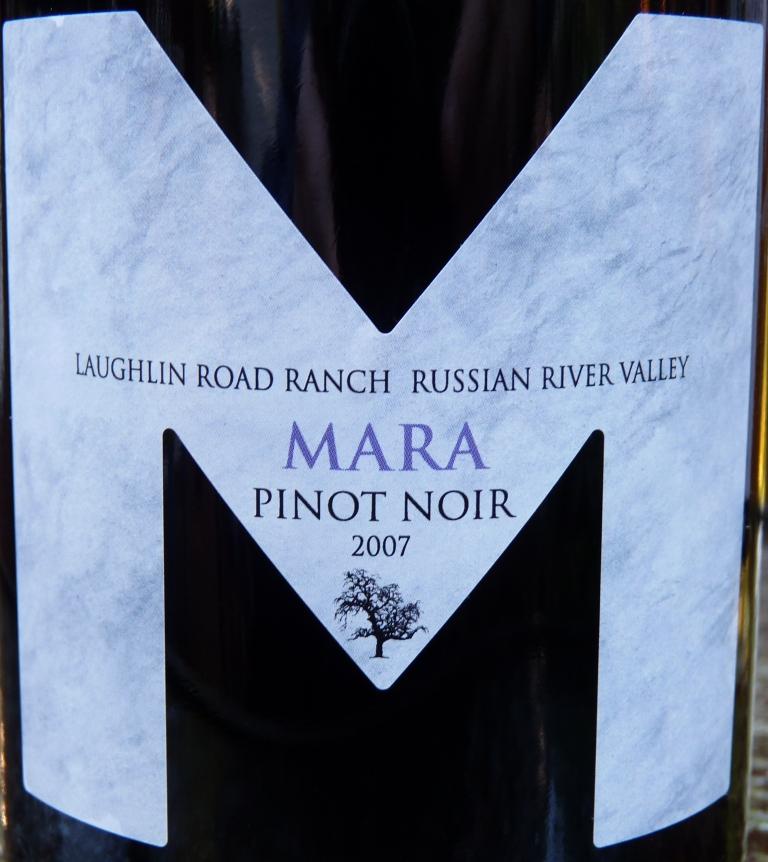 In case you wonder, there are actually two reasons why there is a wine label above instead of picture of the dish:
1. It was one of the best versions of Roasted Sea Bass I ever had. So, by the time I realized that I didn’t get a picture of the dish, it was too late.
2. And I guess it was also too late because everybody got carried away after taking a sip of Mara Pinot Noir.
Mara Pinot Noir was really a centerpiece of the tasting. “Oh my god” was major phrase at the table after the first sip of the wine. I don’t think that wine should be described in terms of color, fruit and acidity. This wine should be described in terms of opulence and decadence it cast upon the table. “Total and absolute balance” would be the right way to put it. Anyway, if you can find a bottle, you should experience it for yourself ( about 250 cases total production). In my “drinkability” ratings it is defnitely a 9+.
Next dish: Sautéed Squab (Confir Potatoes, Red Peppers, Serrano Ham). Wine pairing – Bradford Mountain Zinfandel.
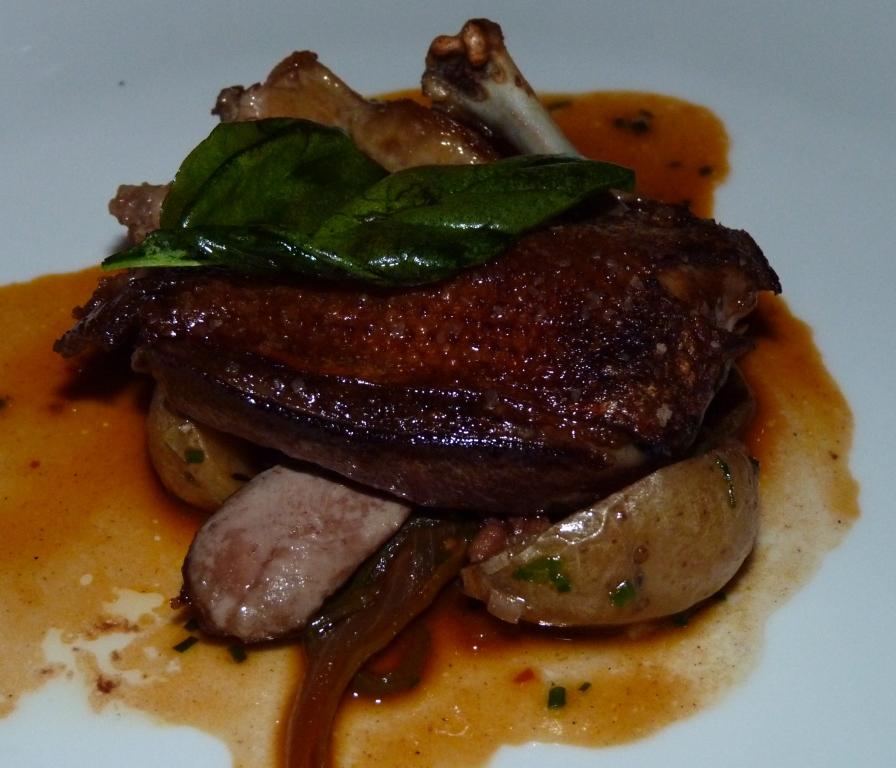
Deep earthy and gamey flavors of the dish ( tasted almost like a fried liver), were complimented well by spices and acidity of the wine. This was definitely a good combination.
Following on, major entree: Duo of Farm Raised Rabbit (Bacon Wrapped Loin, Rabbit Scrapple, Chestnut, Garden Carrots, Natural Jus). Wine pairing – Chateau La Grange Clinet Premier Cotes de Bordeaux.
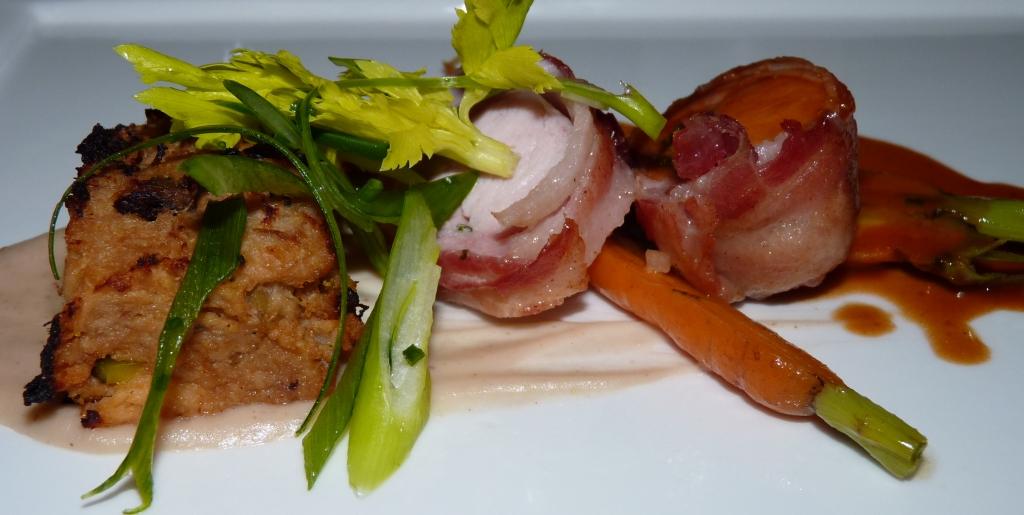 Bordeaux had being nicely decanted, so it was open enough in time for this dish being served. Coming from magnificent 2005 vintage, this wine can be drunk right now, but will improve with some time in the cellar. The wine worked well with the flavors of the dish – combination of tender, a bit gamey loin and fresh garden vegetables was well complemented by dark fruit flavors in the Bordeaux.
And now it is time for desserts: Cheese Soufflé (Pinot Noir Must, Grape Aspic, Rose Champagne Granite). Wine pairing – Botani Sierras de Màlaga.
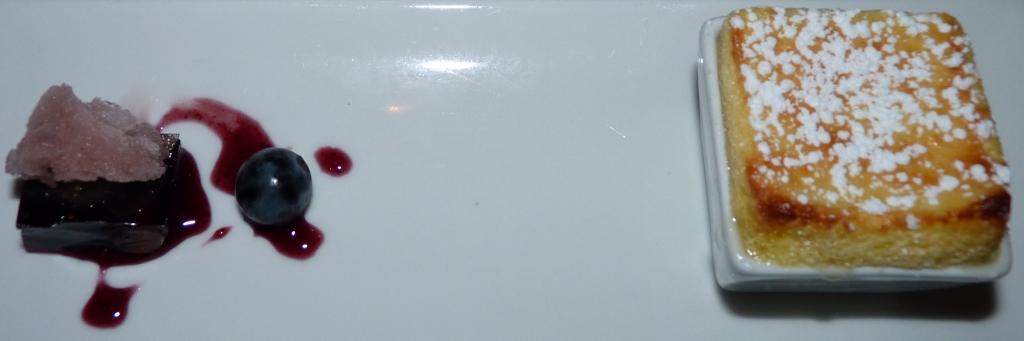 I discovered Botani Muscat at the dinner at The Capital Grille. This wine delivers incredibly bright acidity and fruit combination, every sip feels like it is full of live. That acidity was instrumental in this pairing. The wine worked quite well with both Granite and Souffle components of the dessert.
And last, but not least, one more dessert: Gala Apple and Granola (Apple Jack Caramel, Foraged Crabapple Confit, Cinnamon Gel, Pecan Brittle, Mulled Cider Ice Cream). Wine pairing: Ambré Riversaltes.
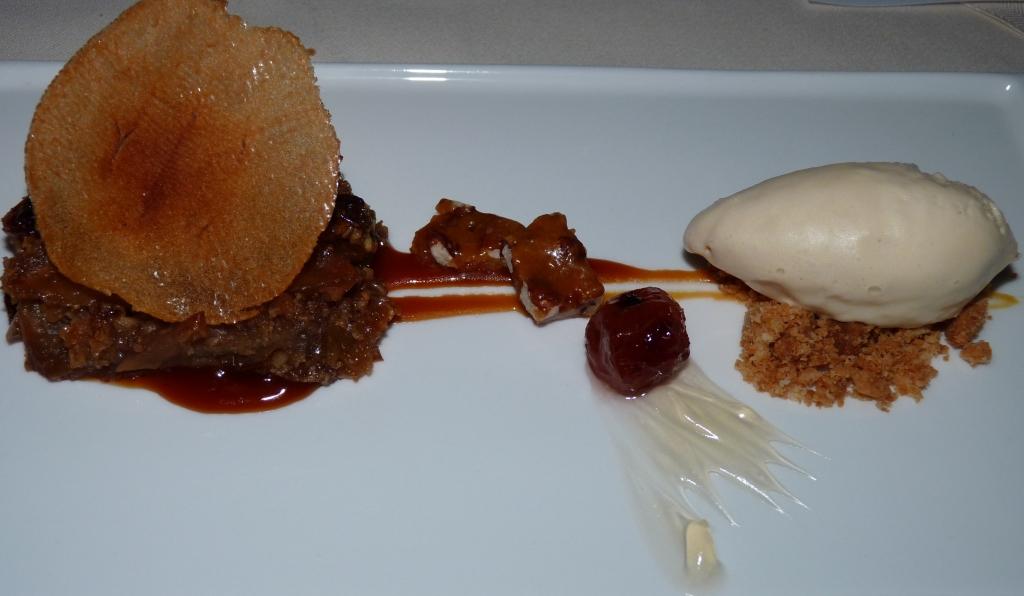 If Mara Pinot Noir was best of tasting, then this was the most interesting wine. This wine, made out of White Grenache, is made in the Solera style – it spent 7 years in the open tubs, developing delicate flavors. Ambré Riversaltes exhibited fresh and balanced flavors of toasted apple and caramel, which perfectly worked with “apple many styles” flavors of the dessert.
That’ s all, folks – it is time to conclude the report on the Hotel Fauchere experience. All in all, we had a great time, and will gladly do it again. The life journey continues…
Hotel Fauchère
401 Broad St
Milford, PA 18337
(570) 409-1212
http://www.hotelfauchere.com

Experiences: Bar Louis at Hotel Fauchere
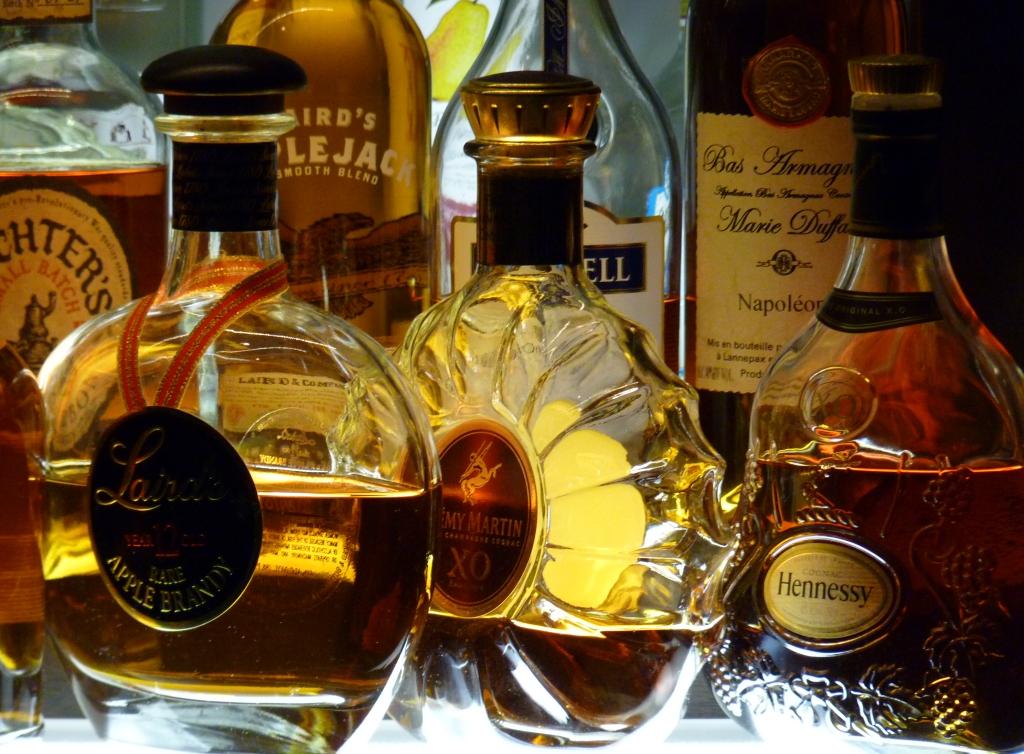 Continuing the subject of experiences at Hotel Fauchere (previous post can be found here). Can bar deliver an experience worth talking about? You bet. Experiences are personal, they are not universal. Things which are total routine for someone, can be a source of a great excitement for another person. My case is very simple – but I have to tell you a secret about myself. I’m very intimidated in the bar. I’m usually at total loss. I can never remember names of the cocktails, never mind citing the ingredients. Those which I remember by name, like Manhattan or Rusty Nails, I usually have no desire to drink. So I have to ask. And then there is a person, very intimidating one – a bartender. When I start mumbling my order, I usually get a look which says: ” such a low life shouldn’t exist”. And so I retreat saying “I guess I’m fine for now” or “what beer do you have on top”.
Luckily, experience at Bar Louis at Hotel Fauchere was totally different. The atmosphere was casual and nice. The bar itself was beautifully set and lit up, with bottles literally filled with light. The selection was good. Of course Norma Jean in Tel-Aviv has much bigger selection of scotches – but shelves and content at Bar Louis are more presentable:
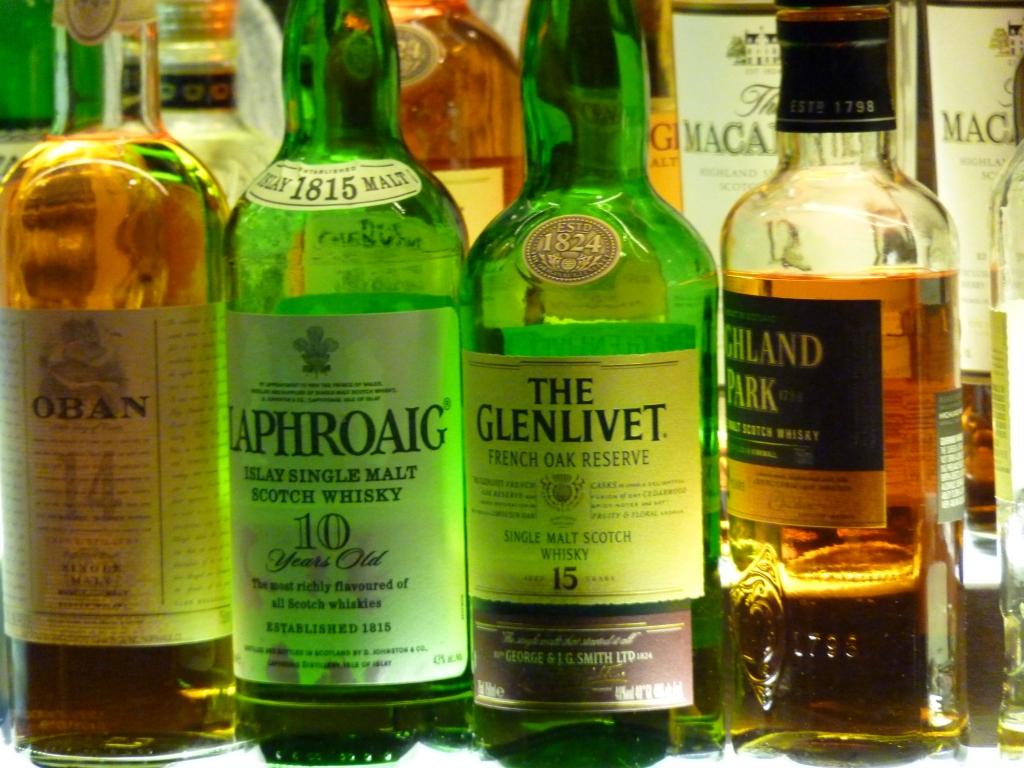
To put things in perspective, literally the he most important part of experience for me is service. Generally, I have a habit of asking people for their first name and then use it when talking with them. I was really disappointed with myself, forgetting to ask our bartender for the name. She was impeccable – knowing what she is doing, smiling and having enough patience to deal with someone who is at a complete loss in the bar (should I also mention generous pours?). Great service – nothing more, nothing less – and this is what translates into a great experience.
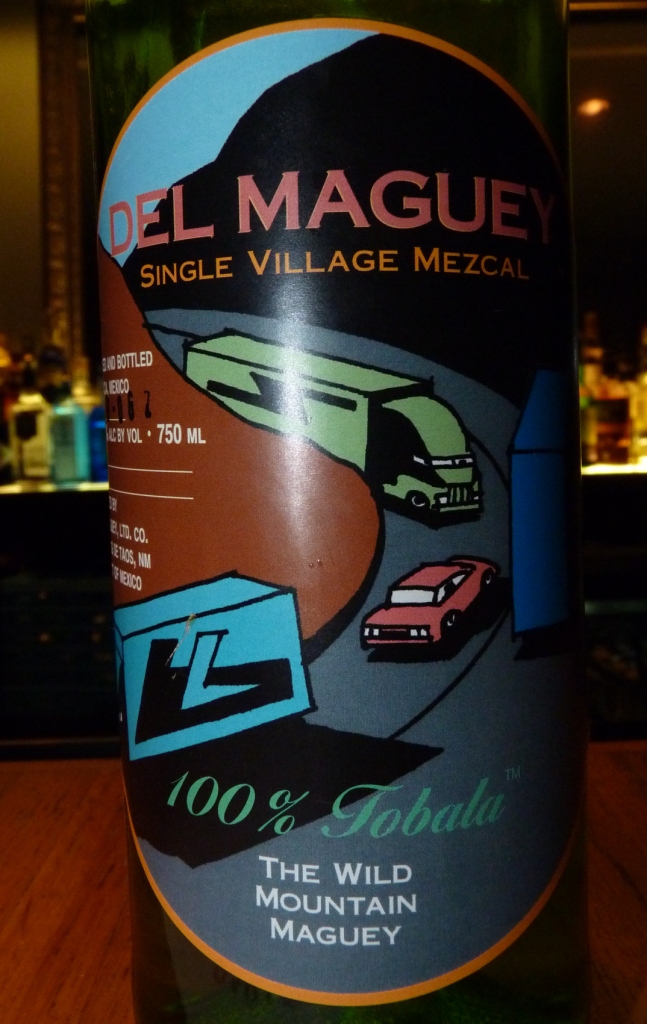
Drink menu was short but not ordinary, and drinks tasted really authentic. Then of course there were all the single malts, cognac and tequila. But my personal favorite and personal discovery was Del Maguey Single Village Mezcal. Smokey flavor, supported by some herbs and soft alcohol, this was truly unique drink. It is described as “magical” on the web site – who knows, it might be. I would love to compare it with the Kings of smokey alcohol – single malts from Islay, such as Lagavulin, Caol Ila and others – that would be one fun tasting. I highly recommend that you will get your opinion, though – which only requires finding the same bottle and tasting it… (of course, let’s compare the notes). Whether you will like it or not, I guarantee you an experience – and this is what counts.
And then the dinner time arrived – so long until the next post…
Last Bottle Sign Up ($10 credit)





