Archive
An evening with friends, August 2025 Edition
I love to be the wine guy.
When someone says “I’ll cook, you bring wine”, I’m absolutely delighted to oblige. First, it is one of the greatest pleasures for the oenophile to choose wines for dinner. The only pleasure bigger than selecting wine is when your friend takes a sip and says “ah, this is delicious”. And of course, there is a side benefit of taking wine out of the house, where the wine is literally stored everywhere, but let’s leave that aside for a moment.
I generally don’t care too much about what exact dishes will be served. My goal is to have a wine “program”, to bring a range of experiences. If a particular wine doesn’t work with a particular dish, it is not a problem – we can enjoy food on its own, and wine on its own.
On Friday, we got together with friends for dinner, and I was happy to be the wine guy.
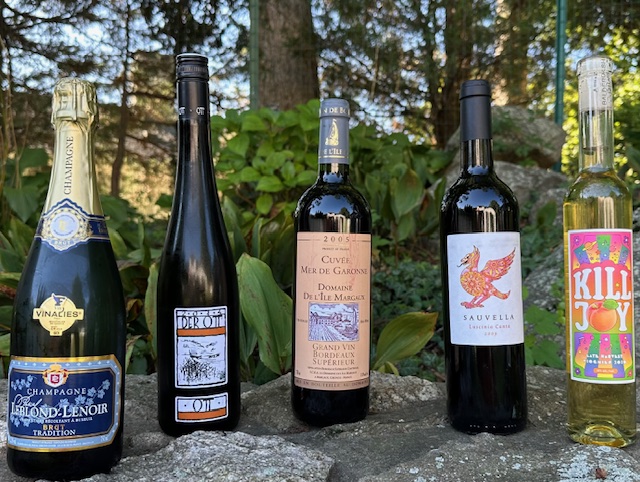
To play it simple, I decided to go with a “classic” line-up – bubbles, white, red, dessert. Here is what transpired.
My choice of bubbles was NV Champagne Pascal Leblond-Lenoir Brut Tradition (12.5% ABV). This is a very generous Champagne, it perfectly combines crispiness with generous body, apples and vanilla eloped with a fine mousse, delivering lots of pleasure with every sip. Everyone loved it, particularly being happy about this Champagne not being too acidic.
Next was the white wine – 2014 Ott Der Ott Grüner Veltliner Austria (12.5% ABV). White wine with age is a real joy, and this 11 years old wine unquestionably delivered. Whitestone fruit with a touch of petrol on the nose (yes, petrol, one of my favorite aromas). Round and elegant body, with more of the whitestone fruit, good earthy undertones, perfectly balanced and perfectly delicious.
Side note: Bernard Ott is one of the very best wine producers in Austria, practicing Biodynamic viticulture after visiting Domaine la Romanée Conti in 2006. And lastly, 2014 vintage was so difficult that no single vineyard wines were produced – I have to say this was a glorious wine from a difficult vintage.
Next, we opened 2009 Sauvella Luscinia Canta Costers del Segre DO (14.1% ABV, Syrah, Cabernet Sauvignon, Grenache). I was blown away by this wine last year (number 7 on the Top 24 of 2024 list) – and the wine continued over deliver. Delicious, generous and round, with wallops of fresh dark fruit, perfect structure and perfect acidity. The wine showed a touch more sweetness and plumpness compared to our second red wine – 2005 Domaine De l’Île Margaux Cuvée Mer de Garonne Grand Vin Bordeaux Supérieur (13.5% ABV, 33% Merlot, 33% Cabernet Sauvignon, 34% Petite Verdot).
This is the second time this year I have enjoyed this wine, which comes from a unique place, a small island in the middle of the Gironde River, overlooking the great estates of Margaux. Perfectly Bordeaux, perfectly on point – a bit leaner than the previous wine, with a precise Bordeaux profile – cassis, eucalyptus, cedar box, a hint of bell pepper, and firm structure with a delicious finish. A pure delight in the glass, and an excellent accompaniment for the lamb stew, which was served as a main course.
Dessert time! Liquid dessert it is.
I always love an opportunity to open a bottle of dessert wine, especially with a group that would appreciate it.
I went through a few options, and somehow decided on 2020 Balderdash Cellars Kill Joy Late Harvest Viognier Eden Valley, California (10% ABV). The wine had a beautiful nose of tropical fruit, and a tropical fruit medley on the palate, not too sweet and with perfectly cleansing acidity. “Ohh, it is so good” was the group’s sentiment.
Here you are, my friends. Happy dinner. Happy diners. Happy memories. And as I’m finishing writing this, I’m ready for a repeat.
Wine and Cheese – A Rare Pleasure
 What’s so rare about wine cheese? Nothing, of course. “Wine and cheese” is one of the most abused “topics” of a social gathering. “Ah, let’s get together, I will bring wine and you will bring cheese”. Easy and straightforward, right?
So let me ask you, when was the last time you enjoyed yellow cheddar with a sip of a nice Chardonnay? Never mind Chardonnay, do you think yellow cheddar will work well with a random Pinot Grigio? Or maybe an inexpensive Rioja? I will let you ponder that enjoyable yellow cheddar pairing for a while – let me know when you come up with a good answer.
Wine and food pairing “that works” is an art. When wine and food pairing is attempted, one of the best general results is when wine and food don’t fight each other. In the rare cases when food and wine work together, that creates a pleasure of the next level, a pure hedonistic joy.
There are many books written on the subject of food and wine pairing, so I’m not going to try to cover the subject within a few sentences on this blog. On a basic level, wine and food pairing work well either by contrasting or complementing flavors. For example, an effervescent Moscato d’Asti perfectly complements an angel cake, as the flavors are similar, but Asti elevates the mouthfeel with light bubbles and a touch of acidity. Nice Kabinett Riesling perfectly contrasts spicy Asian dish with its acidity and sweetness, offering a welcoming relief to your fired-up taste buds. Many of the pairings would fall somewhere in between, but the whole point is that a bite of food together with a sip of wine should give you more pleasure than each one on its own.
So, how can you go about finding pleasurable combinations of food and wine? Wait, no, this is a topic for another blog post. Let me rephrase the question – how do you find pleasurable combinations of cheese and wine?
The right answer is: it depends.
Why, it always depends, doesn’t it?
When it comes to cheese, there is one easy hack (workaround is a nicer word :)) – if we are talking about artisanal cheeses, the pairing gets easier. Similar to wines, artisanal cheeses are also a product of terroir – many European cheeses have a protected area of origin. For most of the cases, that means that those artisanal cheeses had been produced in the specific area for a while, and that in turn means that most likely, the wines were produced locally right next to cheese, and therefore they is a good chance that wine and cheese from the same place might pair together well.
I had a perfect opportunity to test this theory. I got an unusual birthday present last month – a selection of artisanal cheeses from the local cheese monger – five cheeses from France and Switzerland. Obviously, that presented a perfect opportunity to try that difficult cheese and wine pairing and see how it would work.

Here are the cheeses I got with a brief wine pairing recommendations collected through an internet search:
– 1 –
Schallenberg
Origin: Switzerland, Alpine region
Milk: Cow (raw)
Age: 10 months
Suggested wine pairings:
White: Riesling, Ice Wine
Red: Pinot Noir, Beaujolais, Barbera
– 2 –
Hornbacher
Origin: Switzerland, Alpine region
Milk: Cow (raw)
Age: 11 months
Suggested wine pairings:
White: Gewurztraminer, Pinot Gris
Other: (fortified dessert wines): Sherry, Port
– 3 –
Abbaye de Tamié
Traditional French cheese crafted by the monks at the Trappist Abbey of Tamié since the 12th century
Origin: France, Savoie, Rhône-Alpes
Milk: Cow (raw)
Suggested wine pairings:
White: Chardonnay, Savoie (Chasselas and others)
Red: Pinot Noir, Beaujolais, Gamay
Other: Champagne, other sparkling wines
– 4 –
Vacherousse d’Argental, double-cream Brie style
Origin: France, Lyon region
Milk: Cow
Suggested wine pairings:
Other: Champagne and other sparkling wines
White: Riesling, Grenache Blanc
– 5 –
Ovalie Cendrée
Origin: France, Loire Valley
Type: Goat (raw? Pasteurized?)
Suggested wine pairings:
White: Sauvignon Blanc, Riesling
Rosé
Red: Pineau d’Aunis

As you can tell, there was quite a range of wines suggested for the pairing, with Pinot Noir and Champagne being a common thread.
I get it about Champagne, as well-made Champagne possibly is the most versatile food pairing wine out there. Pinot Noir sounded a bit surprising, as I think many Pinot Noirs would easily overpower cheeses. And of course, Riesling makes perfect sense to pair with the cheeses, alongside the dessert wines.
While there is a good range of wines that might work with my cheese selection, the goal of this exercise was to get pleasure, not to conduct a comprehensive research of cheese and wine pairings, thus I had to limit the selection of the wines. I had a bottle of Champagne that I wanted to open for a while. I decided to go with Pinot Noir for the red, and luckily (for everyone), I settled on the Burgundian version and not Oregon or California. And last but not east, instead of looking for a right Chardonnay or Sauvignon Blanc or Riesling, I settled on the beautiful rendition of Chenin Blanc from Loire (of course!) from one of the best (best?) producers, Domaine Huet, basing my decision on the fact that one of the cheeses was coming from Loire region, thus giving me hope that local wine will pair well with local cheese.

Here are brief notes about the wines and their pairing with the cheeses:
NV Champagne Domaine les Monts Fournois Premier Cru (12.5% ABV, 70% Pinot Noir, 20% Chardonnay, 10% Pinot Meunier, Bottled in June 2016, Disgorged in September 2022) – superb. A classic nose of brioche and apples, followed by toasted bread and apples on the palate with cleansing acidity. Elegant, supple, delicious. Worked well with all cheeses.
2019 Domaine Huet Clos du Bourg Sec Vouvray AOC (13.5% ABV)
What a delight! Beautiful light golden color, elegant nose of whitestone fruit and a hint of nutmeg, inviting and enticing. Round, roll-off-your-tongue experience on the palate, an elegant white fruit medley, balanced acidity, a welcoming complexity with a medium-long finish. The wine was a riot paired with ashy goat, Ovalie Cendrée.
2019 Domaine Rebourgeon-Mure Cuvée de Maison Dieu Bourgogne (13.5% ABV, 14-18 months in partially new oak barrels)
Elegant would be the best descriptor. The wine was soft and approachable, with red fruit on the nose and more of the red fruit on the palate, medium body, soft and delicate. If I were just to open it to drink on its own, I think I would be disappointed. But paired with cheese, the wine shone, matching nearly perfectly pretty much all the cheeses we had in the tasting. I think my personal favorite was pairing with two of the Swiss hard cheeses, but again, this Burgundian Pinot worked perfectly with all 5 cheeses.


We also opened one more bottle in the evening – 1998 Mondavi Moscato d’Oro Napa Valley – we did’t pair it with the cheese (I’m sure that the pairing would be superb), but it was delicious on its own, with light sweetness of honey notes and still good acidity, still fresh – a delightful finish to the tasty night.
Here you are, my friends – a story of the rare pleasure – a successful pairing of the wine and cheese. Do you have your own stories about wine and cheese?
Open That Bottle Night OTBN 2025 – What a Night!
What a Night! The end.
If I say “what a night”, can this serve as a sufficient wine descriptor?
Okay, of course not, but what a night it was.
As a wine lover, I really treasure Open That Bottle Night, or OTBN for short, taking place on the last Saturday in February. OTBN was created by the Wall Street Journal wine writers, Dorothy J. Gaiter and John Brecher, back in 1999, to encourage wine lovers around the world to open that long-stashed special bottle that might be long gone while waiting for a special enough day to be opened.
Now, if I describe the experience as “agonizing”, does that portray a happy vibe? I might be unique in my self-directed masochism, but “agonizing” is the best way to describe the days leading up to the OTBN sacred night. Agreeing with oneself on wines worthy to be opened for OTBN can’t be described any other way, as I endlessly circle around the bottles located all over the house (an extra challenge of not having a dedicated wine cellar).
This year’s OTBN accidentally worked better than it could’ve been. We had been trying to arrange a dinner with friends for a while, and February 22nd was not my preferred date as it was my only night home in between two weeklong business trips. But as we tried to push it out to a later date, we came to a realization that it is either now, or it will be pushed far away, and we already had been talking about this get together for about half a year. I was responsible for the wine, and the other two couples for the food. As I started thinking about wines I should bring, it downed on me – ohh, this is the last Saturday of February, which means … OTBN!
Selecting the wines instantly got a lot more interesting and a lot more challenging at the same time. Now I need to bring not just wines, but the wines worthy of OTBN, the wines special for whatever reason, as a bare minimum special at least to me.
Celebrating OTBN in the group has a great advantage – I don’t need to decide what this one special bottle is – we can cover the full proper “wine dinner range” – bubbles, white, red, dessert. This is exactly what I did – and here are the wines I selected, with all the notes and impressions attached.
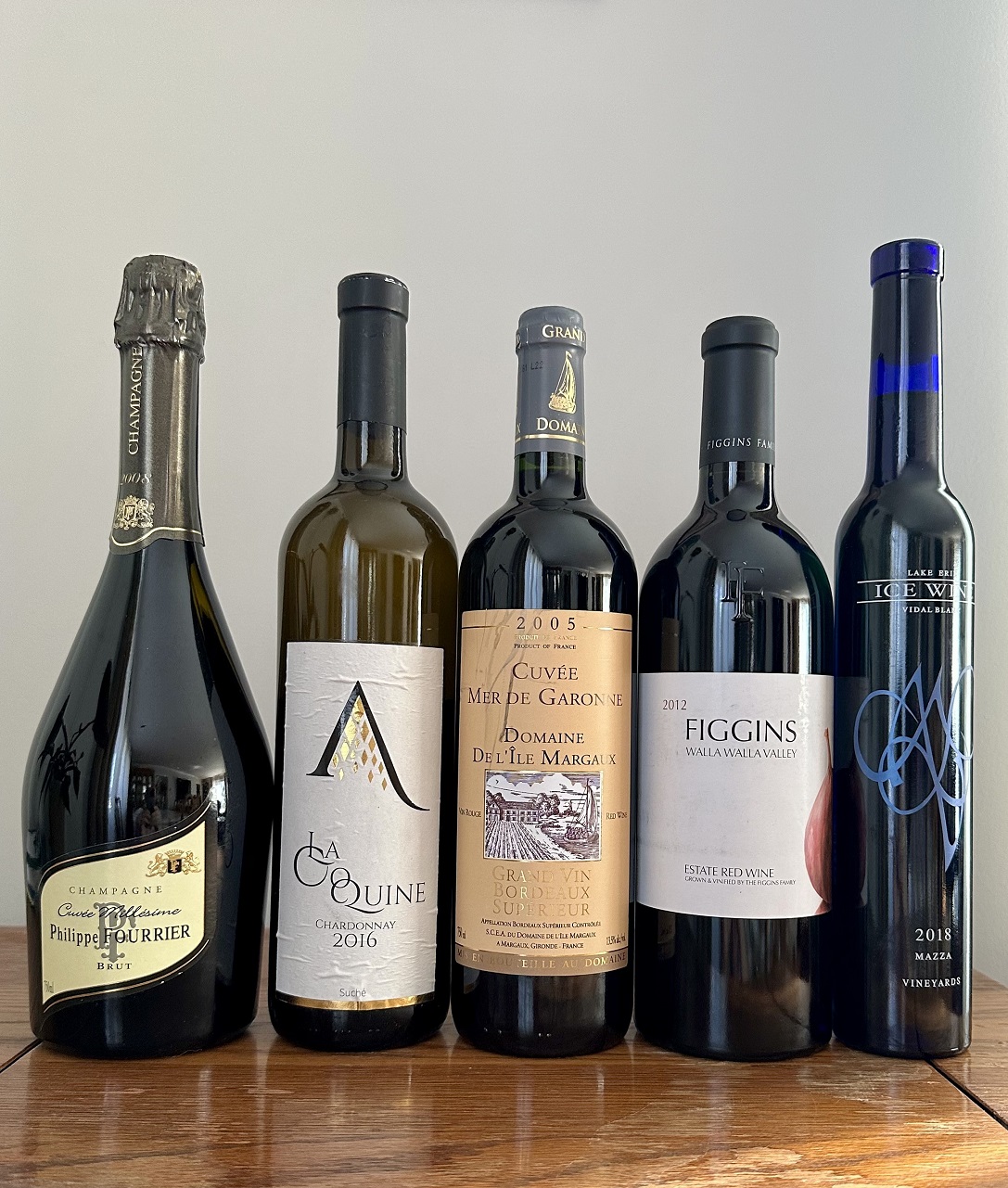
Bubbles – my selection is typically very limited at home, I have maybe 12 to 15 bottles of sparkling wines on hand, so deciding what is “special enough” is not easy – and the whole idea of OTBN is to work with your own cellar, so I had to really find that bottle inside. In the morning, I pulled out a shelf with sparkling wines from the fridge, and my inner voice said “how about this one”. Grabbed the bottle of 2008 Champagne Philippe Fourrier Brut Cuvée Millesime (12% ABV, I think I got it through WTSO a while back), and while checking the back label, I realized that this was also a vintage champagne, a 2008 – even better! Now the bottle has become a lot more worthwhile to open at OTBN.
What a joy this wine was. Perfectly substantial without going overboard – toasted bread, apples, yeast, fresh and full of energy – an absolute “wow” of the champagne experience, the wine that was very easy to like instead of looking for ways to convince oneself that you like it. Extra bonus – everyone loved the wine, which is never given in the group, especially when it comes to bubbles.
Next, 2016 Salabka La Coquine Chardonnay Czech Republic (12.5% ABV).
This wine was probably the most special in the group. This wine was associated with memories. I brought a few bottles of this same wine back from the Czech Republic in 2017, after tasting the wine at a dinner at Salabka city winery, located and growing their grapes within Prague city proper. This was my last bottle from that trip, and I already pulled it out of the fridge on multiple occasions, and put it back every time deciding “not today”. This time I decided that it was actually the time to pull that cork – but I didn’t have much hope for this 9 years old Chardonnay.
Oh my… what a wow wine it was. Perfectly intact cork with a few crystals. No age showing in the color, still light golden. And the nose and the palate showing apples, pears and vanilla, woven over a firm citrus core. Bristling acidity doesn’t get in the way of enjoying wine. Considering how fresh the wine was, I’m sure this wine had another 20 years of life ahead of it – and now I have a perfect reason, even a strong need to visit Prague again.
Next, time for reds.
In retrospect, the selection of reds was very interesting, I don’t think I would’ve done it better even if I tried. A 2005 Bordeaux and 2012 Washington estate red – sounds reasonably far apart, right? And yet somehow, the wines literally were singing in unison, just imagine 2012 red having a bit of a deeper voice.
Maybe this was due to very similar grape blends – both wines were blends of Cabernet Sauvignon, Merlot, and Petite Verdot, but the Washington red was simply a continuation of the French Bordeaux.
The 2005 Domaine De l’Île Margaux Cuvée Mer de Garonne Grand Vin Bordeaux Superieur (13.5% ABV, 33% Merlot, 33% Cabernet Sauvignon, 34% Petite Verdot)
comes from a unique place, a small island in the middle of the Gironde River, overlooking the great estates of Margaux. The wine opened up as a classic, beautiful Bordeaux, with cassis and eucalyptus on the bright nose, and more of the same on the palate. Perfectly fresh, beautiful layers of fruit, firm structure, impeccable balance. The 20 years of age were unnoticeable. The wine didn’t need decanting, but opened up beautifully in the glass.
The 2012 Figgins Estate Red Wine Walla Walla Valley (14.6% ABV, Cabernet Sauvignon, Petite Verdot, Merlot) was my only bottle which I got as a present some years back. Similar to Salabka Chardonnay, this wine was pulled out of the fridge on a number of occasions, only to be put back in again. Finally, this was the day. On the nose, it was very similar to the Bordeaux, only a bit more restrained. On the palate, it had the same cassis and eucalyptus, but the appearance was a bit “fattier” – more pronounced berries, juicier layers, a bit darker notes but still perfectly balanced and perfectly delicious.
And then the was time for dessert. Nothing makes me more ecstatic than an opportunity to open a bottle of a dessert wine. During most of the dinners, even when you plan to open the dessert wine, everyone starts complaining about how they don’t want to drink anything else, and the desire not to waste a whole bottle for just a few sips prevails. But this is OTBN, not just some regular wine dinner, so everyone simply has to go with the program.
I don’t know exactly how I got into possession of this 2018 Mazza Vineyards Vidal Blanc Ice Wine Lake Erie Pennsylvania (11.5% ABV, Harvest dates January 11 and 21, 2019) bottle – I guess someone just brought it as a present.
Boy, was this wine just an amazing finish for the evening… stunningly delicious, with ripe apricot on the nose, and ripe, juicy, succulent apricots on the palate enveloped in a perfect amount of acidity. This was the wine of impeccable balance, the balance of sweetness and acidity that makes or breaks dessert wines. This one was superb – we almost had to fight for who would get to finish a bottle – a pure joy to an oenophile’s heart.
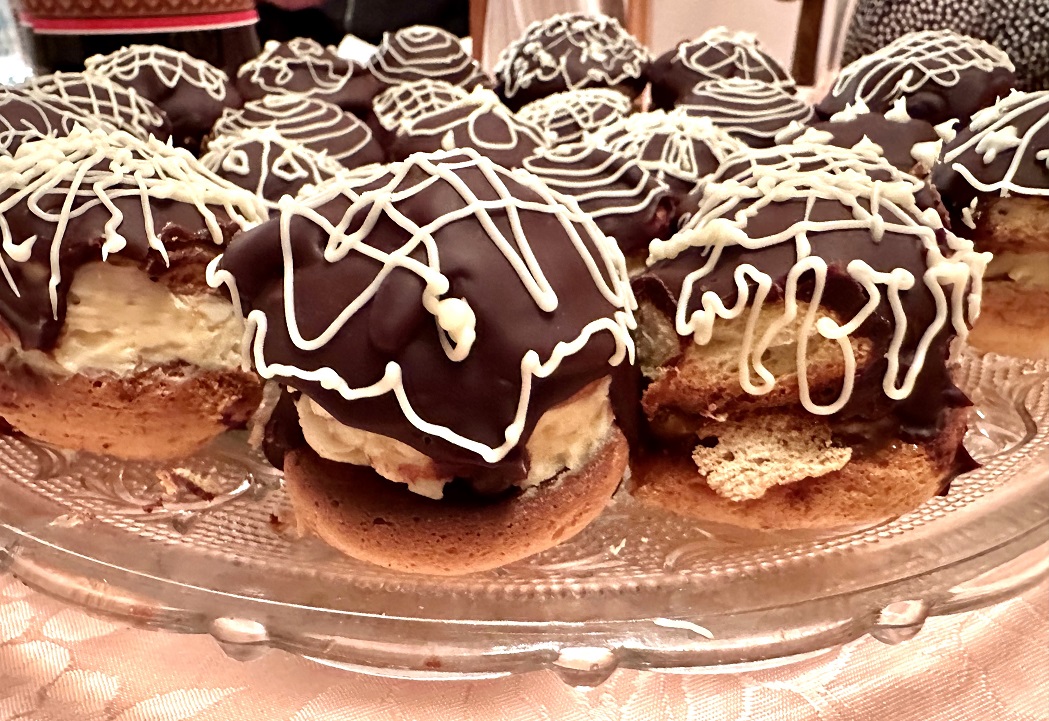
I also have to mention another special treat we had for dessert – small pastries that were popular back in Belarus growing up there, called Bouchée. These were specifically made as per the original Russian recipe and were absolutely sublime.
Another OTBN just became a history, a memorable memento. Luck or not, but these were 5 excellent, memorable wines – and a great company. Let’s raise the glass to the joy the wine is able to bring. Cheers to memorable nights!
Valentine’s Day 2025 – Reflecting on Wines
In my previous post, I complained about frustration with choosing the right wine for the right moment. That post ended with a picture of the wines I selected for Valentine’s Day 2025 – and now I want to talk about those wines.
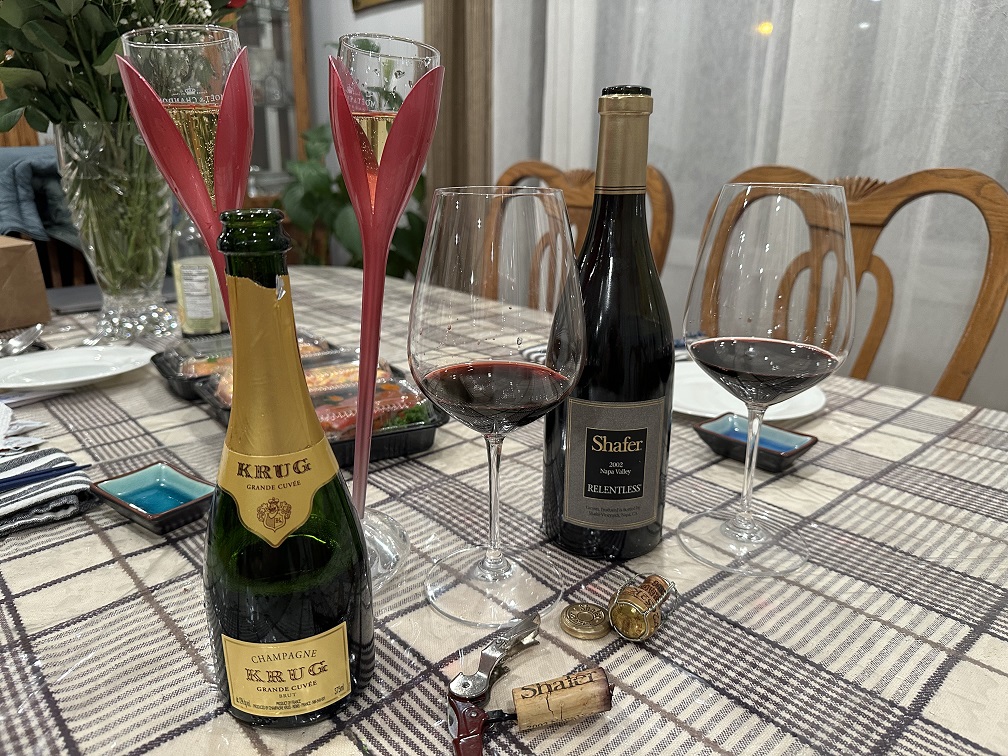
Following my own advice, our first wine was sparkling. Not just any sparkling – it was Champagne. And not just any Champagne – it was Krug.
I don’t want to sound elitist, but the only way to put is this: those who know, know Krug.
For the wine lovers en masse, the epitome of champagne is Dom Perignon. Maybe also Crystal on a good day. Krug definitely is lesser known, but for those who know, Krug is a cult, a religion, the only Champagne one can drink.
I joined that cult after experiencing Krug vintage and non-vintage wines during the PJ Wine Grand tasting in New York in 2010. Krug was an absolute revelation, I have never tasted anything like that ever before.
Then a few years later, in 2012, I came across an article by Alice Feiring, talking about changes in winemaking at Krug in 2003 which she said resulted in more or less the “end of Krug”. I referred to her article in my post, but unfortunately, the original article can’t be found so I can’t share any more details. I only remember tasting Krug at the trade tasting in the same year or maybe the year after, and thinking “well, it is not as good as I remembered it“.
Trade tasting is not always the best place to fully understand the wine, so Krug remained high on my “wines I want” list. Then a few years back, I got this half-bottle of Krug as a present for the new year, and this year I decided that Valentine’s Day is a perfect reason to open that bottle.
After struggling a bit with the cork, I managed to get the wine into our flutes (I know, I know – but it is a holiday, okay?). Smelling and tasting it left both me and my wife underwhelmed. Crisp and acidic for sure, but that’s what literally every other Champagne has, and Krug should really give you more. A few more sips and I closed the bottle, and back into the fridge it went.
Not so long ago, I read an article from a champagne pro, and he suggested that Champagne, similar to any other still wine, can and usually improves after opening. It can be placed into the fridge and enjoyed slowly over the next few days, and many of the Champagnes simply taste better the next day.
Why is this important? When I poured what was left of Krug into the glass the next day (okay, it was a regular glass), that was a totally different wine. Rich, layered, with toasted bread and apples. This was the real deal and it was delicious. I can’t tell you if it tasted like the one I was blown away by in 2010, but it was definitely an excellent Champagne. I guess there is an interesting lesson here for future encounters with Champagne, and not only with Krug.


After Krug’s image was somewhat restored in my eyes, I decided to learn more about the wine. Nowadays every bottle of Krug comes with its own unique code. When you go to the Krug website and type in the code, you get the most detailed information about the wine you can wish for – here are a few excerpts related to my bottle:
“Krug Grande Cuvée 170ème Édition
Composed around the harvest of 2014, Krug Grande Cuvée 170ème Édition is a blend of 195 wines from 12 different years. The youngest is from the year 2014 and the oldest dates back to 1998.
In all, reserve wines from the House’s extensive library made up 45% of the final blend, bringing the breadth and roundness so essential to each Édition of Krug Grande Cuvée.
The final composition of this champagne is 51% Pinot Noir, 38% Chardonnay and 11% Meunier.
Time in the cellar:
This half-bottle spent around 7 years in Krug’s cellars developing its generosity and elegance, receiving its cork in Autumn 2020.”
According to Julie Cavil, Krug Cellar Master:
“In this blend, the dynamic Pinot Noirs of 2014 came from a wide range of plots throughout the Champagne region, while fruity and full-bodied Chardonnays were selected from plots in the Montagne de Reims, Sézannais and Côte des Blancs. The Meuniers from the Vallée de la Marne Rive Gauche were particularly bright, with magnificent fruit expression from plots in Leuvrigny. To complement the wines of the year, we selected reserve Pinot Noirs from plots in the Montagne de Reims Sud renowned for their structure, including an Ambonnay from 2005. Reserve Chardonnays from plot’s wines from Avize and Mesnil-sur-Oger over a wide spectrum of years have a nice share of voice in this blend, while reserve plot’s wines of Meuniers add freshness, intensity and chiselled structure.”
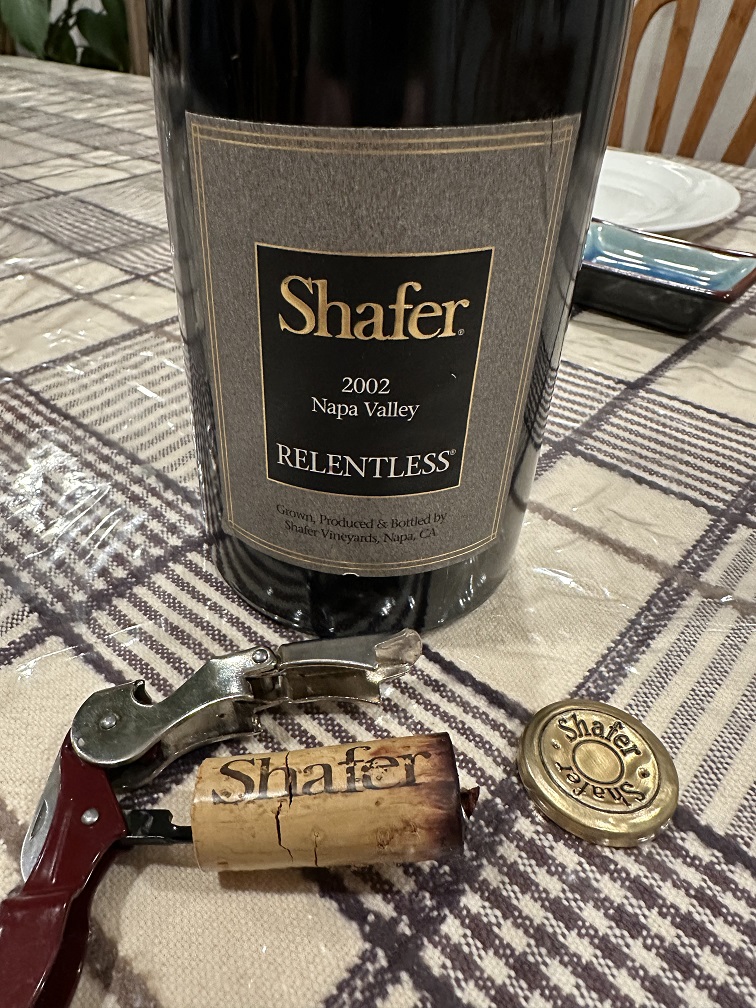
And then there was 2002 Shafer Relentless Napa Valley (14.5% ABV, 80% Syrah, 20% Petite Sirah). I tasted this wine a few times before at the trade tastings, but never had an opportunity to really spend some time with it.
Shafer needs no introductions to California wine lovers, with its fame closely associated with the flagship wine, Shafer Hillside Select Cabernet Sauvignon. Shafer Relentless is not as well known, but this Syrah blend has been around for more than two decades, named in honor of Shafer’s [relentless] winemaker, Elias Fernandez.
We didn’t decant the wine – it would probably help a bit, but I just didn’t want to deal with it. At first, the wine was tight, with well-noticeable tannins and an interplay of tar and cherries, with the addition of pepper. After some time in the glass and opened bottle, the tar subsided, leaving delicious peppery cherries to be admired around a layered but firm core. This 23 years old wine showed beautifully and it was a real treat.
Now the last piece – food. We stopped going out to the restaurants on Valentine’s Day a long time ago – the experience just not worth it. We were craving sushi for some reason, so that is what completed our Valentine’s Day dinner – here you can see some creative rolls from an Asian restaurant not too far from our house.


There you are my friends – our V-day reflections. How was your celebration? Any special wine experiences? Do tell! And until the next time – cheers!
Frustration of the Oenophile – Choosing Wine
First-world problems, I know. Nevertheless, let’s talk about them.
I guess we, oenophiles, are tender creatures. Doesn’t take much to get us frustrated. Wine not tasting the way we expect; not enjoying critic’s choice 100-points wine; close friends not sharing your excitement about the wine in the glass. We can go on and on about these little insignificant things, each one a source of the full-blown frustration. Oenophile’s frustration looks different every day. And mine right now might be the biggest one of all (remember – taste is subjective, so are the feelings) – inability to choose the wine.
Assuming I will be able to finish this post today, tomorrow we are celebrating Valentine’s Day – and what says “I love you” better than a luscious, voluptuous, sexy, and seductive bottle of wine? Forget flowers, flowers don’t stand a chance against such a bottle of wine. But what wine will be luscious, voluptuous, sexy, and seductive? The need to choose that wine properly becomes the cause of the ultimate frustration. But that’s not all, because merely in a week we have to deal with OTBN – Open That Bottle Night – and this is the ultimate “oenophile frustration” cause, as now we need to decide what bottle we kept not opening waiting for a special moment which might either never arrive or already be in the past?
Decisions, decisions, decisions. Trying to select the right bottle of wine for the occasion, you have only a few minutes to agree with yourself on the proper bottle. If you will not arrive at the decision within those few minutes, the next 2, 3, 4 days will be miserable. You are going to pull a bottle, look at it, think about it for a moment, sigh, and put it back. Then repeat the process over and over again, pretty much until you force yourself to feel that you got the right bottle. Possibly to change your mind again in a few hours, or even 20 minutes before the bottle needs to be opened. If you are an oenophile, and you are not going through this pitiful “decision paralysis”, I envy you and congratulate you. And for the rest of us – I share your pain.
So what wine should you select for Valentine’s Day? I already told you – it should be luscious, voluptuous, sexy, and seductive – or not. Of course, there is a big dependency on the food, but don’t try to achieve a perfect match – it’s okay to enjoy your food and wine independently. I have to say that I’m not a big fan of still Rosé wines for Valentine’s Day – yes, it matches the pink color of all the all V-day paraphernalia – but it might not deliver the pleasure you are looking for. I also would suggest avoiding “thought-provoking” wines – rare grapes, natural wines, skin-contact wines, wines from the forgotten corners of the Earth. On a normal day, I’m the first one to ask for an obscure wine, but for Valentine’s Day, wine should give you pleasure, elevate your mood, it should be easy to understand. If upon the first sip you will not say “ahh, this is good”, you’ve chosen the wrong wine – put the cork back and go fetch another bottle.
I love to have bubbles for Valentine’s Day – of course, nothing can beat the classic Champagne (and it perfectly can be pink), but you can’t go wrong with Cremants, Franciacorta, Trento DOC, Cava, and all other méthode champenoise wines. If you like white wines, Chardonnay is your best choice of white V-day wine, pretty much from anywhere in the world, as long as it is not a lifeless purposefully unoaked rendition.
And then, of course, the red. Ideally, the red should have an age on it, to truly deliver all that pleasure upon a first sip. Amarone, Brunello (I would avoid Barolo unless you perfectly know what you are doing), Cabernet Sauvignon and Bordeaux/Cabernet blends, Super-Tuscans, Spanish Grenache, Rioja from a good producer, Syrah and Zinfandel. I’m not trying to make other wines feel bad, but for Valentine’s Day, this is what I would pick from.
Here is actually what I picked – Champagne and Syrah from California – and I will tell you all about it later on.
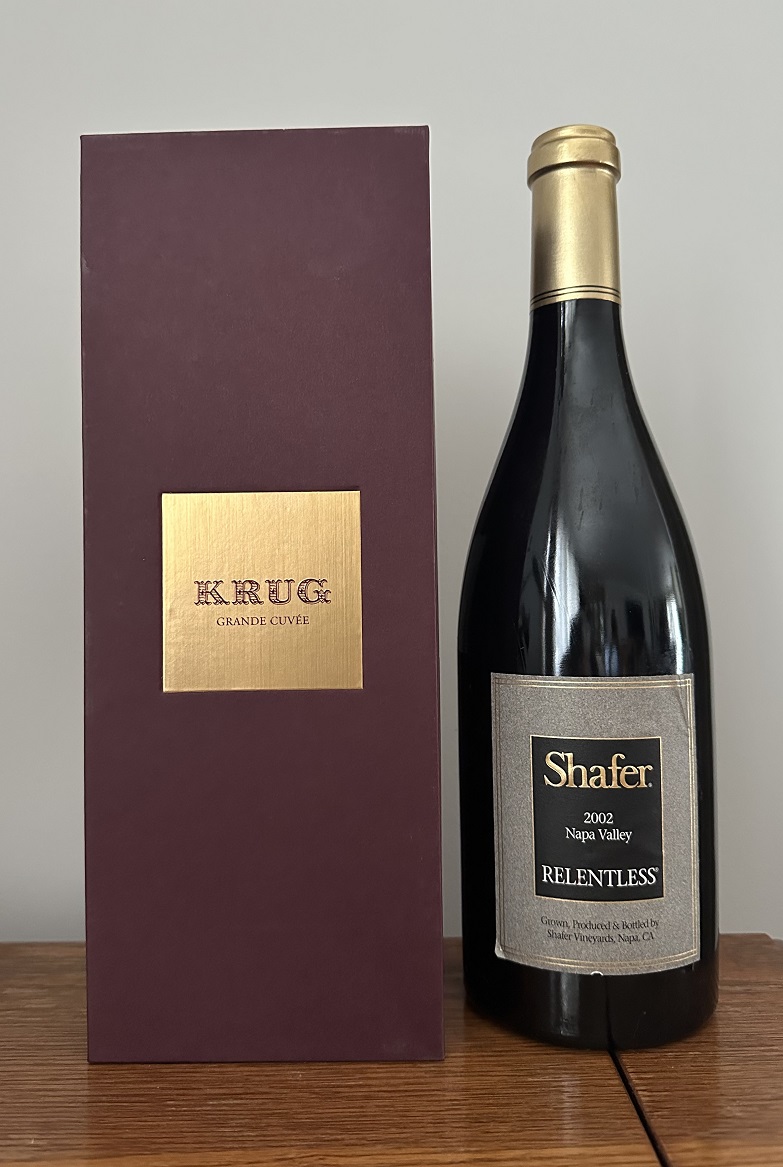
If you thought selecting wine for Valentine’s Day was frustrating, it is nothing in comparison with selecting the wine for OTBN.
OTBN (Open That Bottle Night) was invented in 1999 by Dorothy J. Gaiter and John Brecher, writers behind the Wall Street Journal’s wine column at that time. The purpose of the OTBN, which is always celebrated on the last Saturday in February, is to encourage wine lovers around the world to open that special, stashed far away bottle. We all have those bottles that can be categorized as “not today”. These wines typically exist in single quantities in our cellars and always have a memory attached to them.
This is what makes the selection process very difficult – to open or not to open? I have only one such bottle. What if I open it too early – I will never know how amazing it could become over the next 10 years? Once I open that bottle which was gifted by a dear friend, brought back from the amazing trip, acquired in the moment splurge, will my memories be lost forever? Should I just hold on to that bottle instead? Will I open this wine in the right company? Will people truly appreciate the sacrifice I’m making?
Frustrated, frustrated oenophile. It is hard to make wine decisions.
I hope you got my point. And I hope I helped you, at least a tiny bit, to select a proper bottle of wine, at least for Valentine’s Day. And please don’t ignore the OTBN – the right time to open a special bottle of wine is now – you never know, tomorrow the wine might be gone, or you might be gone. Truly, live in the wine moment – at least on the last Saturday in February.
Do you have frustrated oenophile moments of your own? Please share! And I wish you a happy, quick, and not-frustrating-at-all wine selection process, for all the special moments to come. Cheers!
Pleasures of Obscure and Difficulties to Express it in Words
German Pinot Noirs are hard to find in the US.
This story is not about Geman Pinot Noir, but the quest for one played a major role here.
I follow a group of wine-os on Twitter X who are swearing by Pinot Noir from Germany, particularly from Ahr, being the best Pinot Noir in the world, easily rivaling Burgundies in quality. Naturally, my interest was piqued and I started looking for the Pinot Noir from Ahr in the US. The problem is that Ahr is a tiny appellation to begin with, and given the popularity of Ahr Pinot Noir in Europe, this was not an easy task. I found Ahr Pinot Noir on Wine.com and confirmed with the group that it was a good producer. The wine itself was $56 or so, adding shipping and tax was making it even more expensive. Now, American Express credit card often has special offers for variety of merchants, Wine.com often being one of such merchants. I think the deal I registered for was $20 off a $100 purchase – considering that Wine.com shipping for 1 bottle is the same as for 3 (I think it is $20), it was a no-brainer – I just had to find a few bottles to reach $100 and get the discount.
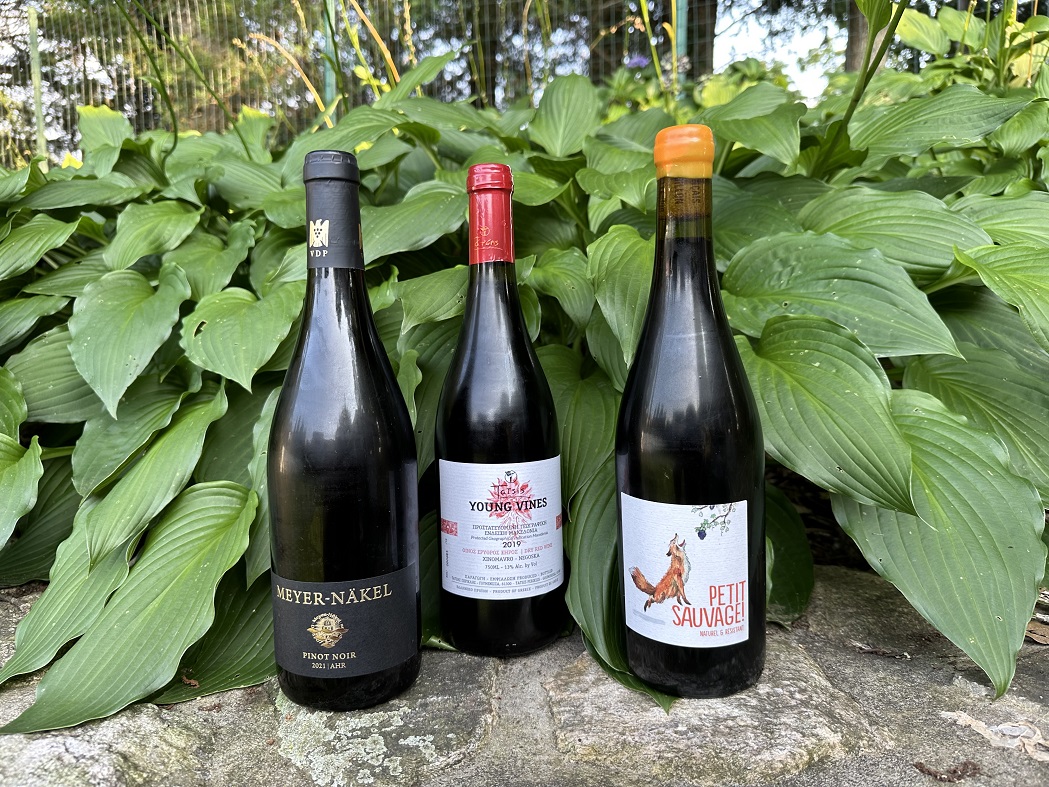
At first, I was looking at some of the familiar wines to add to that Ahr Pinot, but then it dawned on me that I might look for wines to add to my rare grapes collection, which is exactly what I did. In the picture below, you see an end result – a Pinot Noir from Ahr and two wines made from the grapes I have not tried yet.
As you might know, I have been a grape geek for a long time, ever since I was bitten by The Wine Century Club bug (probably close to 20 years by now). I’m always happy to taste the wines made from unknown grapes, whether I will be delighted or terrified – it is all a good experience. Also trying a wine made from an unknown grape is extra fun as you can always approach such a wine with an open mind having no references (read: constraints) of any kind.
The 2022 Petit Sauvage Rouge Vin de France (13% ABV) was made from the grape called Cabernet Cortis which I have never had before. Cabernet Cortis is a hybrid grape, created in 1982 in Germany by crossing Cabernet Sauvignon and Solaris, another hybrid grape (last year I tasted the wine made from Solaris in Sweden). The grape was developed to be better adapted to climate change as well as to be disease-resistant.
The wine was uniquely delicious. Some of the uniqueness I need to attribute to the fact that I was unable to describe the perceived qualities of this wine in English. Yes, you heard that right. My mother tongue is Russian, and while Russian is really not the language of wine, one of the Russian words was the best for describing this wine – терпкий (terpkii). The word describes both taste and textural sensation. To give you an idea of the best textural association, I have a strange question for you – have you ever licked velvet with your tongue? I’m serious. Have you ever seen a TV episode where Gary Vaynerchuk explains wine descriptors to Conan O’Brian and forces him to chew on a wet sock? Something like that, only without socks. So if you would ever try to lick a piece of velvet (make sure it is clean if you do), this would be the closest you would get to that descriptor.
I tried translating it using Google Translate, and the best I can get is “tart” – here are a few more options from the Russian-English dictionary: терпкий — tart, harsh, acerbic, acerb, acidy. None of these would do. As a wine descriptor, tart generally means acidic, and devoid of fruit. And this doesn’t describe the textural and taste sensation I experienced when tasting that wine. Tannins probably would work best, especially those called “velvety tannins”, but I’m still not convinced that this is the best way to describe the taste of this Cabernet Cortis wine. All in all, the wine was delicious, a little bit racy and gamey, but this was perfectly integrated into an overall taste profile. And I would gladly drink this wine again if I had a chance.
Well, the only way we can solve this is for you to find this wine, taste it, and explain to me how little I know about wine – I promise to listen, and will be happy to expand my wine vocabulary.
By the way, speaking about tart – the second wine, 2019 Domain Tatsis Xynomavro – Negoska Young Vines Macedonia Greece, made out of Negoska grape, was actually tart, it was tart beyond belief, and basically, not drinkable. It didn’t improve even after a few days. You do have to kiss a lot of frogs in life… But it’s okay, a part of the process.
Here you are, my friends. There are lots more of the rare grapes I need to report on, so stay tuned…
Travel Diaries: Europe 2024: Paris
And now it is the time for pictures – lots and lots of pictures – from our European adventure 2024, starting from our first stop – Paris.

Paris needs no introduction – an eternal city of love, a source of inspiration for all things art, a coveted destination for millions every year.
So what did we do in Paris? First, I have to mention the hotel where we were staying. Whenever possible, I’m the Marriott guy. During this trip, I used a serious number of points to pay for our stays in Paris and Rome. In Paris, we stayed at the Marriott Ambassador Opera Hotel, and I have to say that this was one of the best hotel experiences ever. Spacious rooms, the whole hotel appointed with pictures of the fragments of the sheet music, elements of ballet and dance. Just beautiful. The concierge lounge on the top floor offered great views of the city, excellent food, lots of comfortable sitting. If you are planning a trip to Paris and can figure out the way to stay there, this is an excellent hotel.
Our sightseeing included all of the usual suspects – Père Lachaise cemetery (we went there in the morning – an interesting way to start your day, but definitely worth a walk through); Louvre (no we didn’t try going inside while having only 2 full days in Paris); Montmartre with an insane amount of people – I wanted to walk around to see the painters, but it was physically impossible to get through the crowd – well, at least we saw the basilica.


We also managed to visit the Rodin Museum and Gardens on the first day (Thursday), and again we had to work our way through a significant crowd – but at least walking through the gardens was quite pleasant.


Eiffel Tower (I’m guessing freshly painted for the Olympics but I might be wrong) was, of course, an important destination – we walked around and also took a cruise to see the sunset and the Eiffel Tower brightly lit at night. A short stroll through Champs-Élysées through the scaffolding of some construction for the Olympic Games completed the experience. In the evening, we took a cruise on the Seine – just a cruise without dinner (I had a dinner cruise last year, and it was not worth it in my opinion), and I captured some beautiful sunset moments.


The next day we went to Versailles, but before we talk about it I need to lament about Paris Metro. On one hand, I believe the Paris subway is literally one of the best in the world, for sure for the tourists. At each track, there is a full list of all the stations for a given direction – as long as you know the name of the station of your destination, you have no problems orienting yourself. However, everything has two sides. To enter the subway station, you need to use a ticket which is a tiny piece of paper with a magnetic strip. Even if you buy a day pass, it still comes in the same format. Now, if this little piece of paper gets anywhere near your phone, it gets doomed. And it is doomed in a funny way – you can’t enter the station, but when you ask an agent to check it, they run it through their machine and tell you that there are no issues. I ended up storing all the tickets in my wallet and this was the only way to get those tickets to last throughout the day.
Now, Versailles. I bought timed tickets with an audio guide a few months before the trip (we had only one day available for the visit, so I couldn’t take any chances), so we had no problems getting in.


Honestly, I was reasonably unimpressed with the palace (feel free to ostracize me, but the palace was very similar to the Newport mansions). However, the gardens were absolutely beautiful – except literally none of the fountains were working, so it definitely took away from the experience.


Just to touch on food and wine – we visited a few restaurants, but didn’t have any standout experiences, so below is just a quick summary as it simply feels wrong to talk about France and not to include any pictures of the food.


Then it was Sunday, and time to go to Orly airport…
Beautiful Lights, 2023 Edition
While I don’t celebrate Christmas, I still love the lights. I grew up celebrating the arrival of the New Year, and while this was borrowed from the Christmas traditions, there was always a tree for the New Year, ornaments, and lights.
It might be just me, but it seems that the holiday light displays are becoming more widespread, for sure when made as attractions. Or maybe it was always around and I just never took my time to notice them – but I definitely do now.
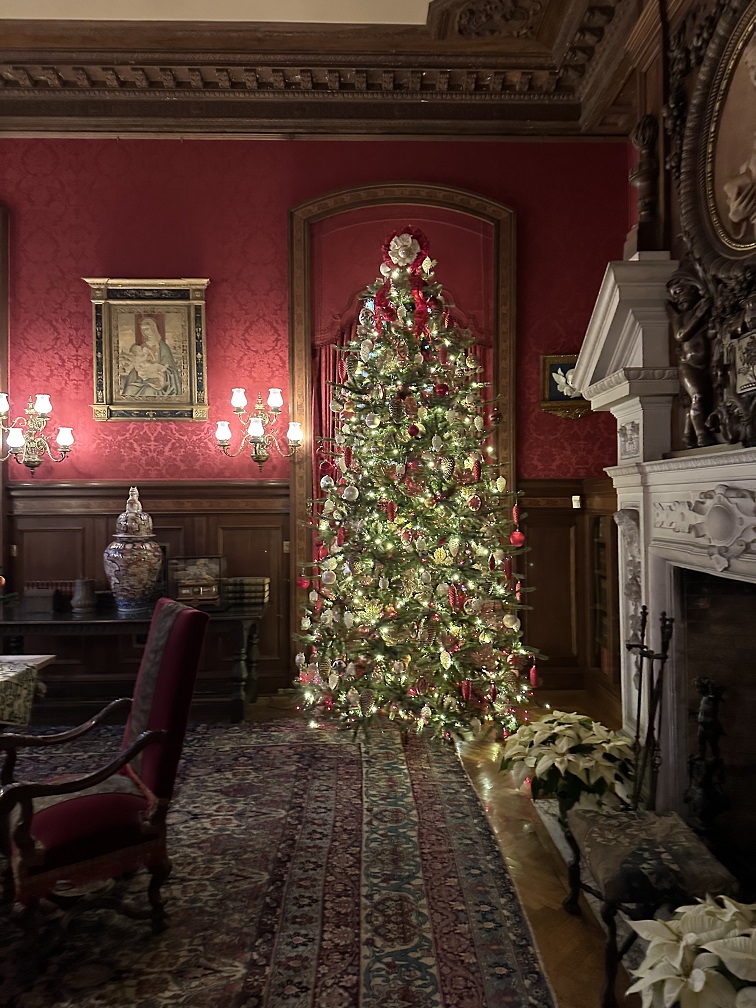
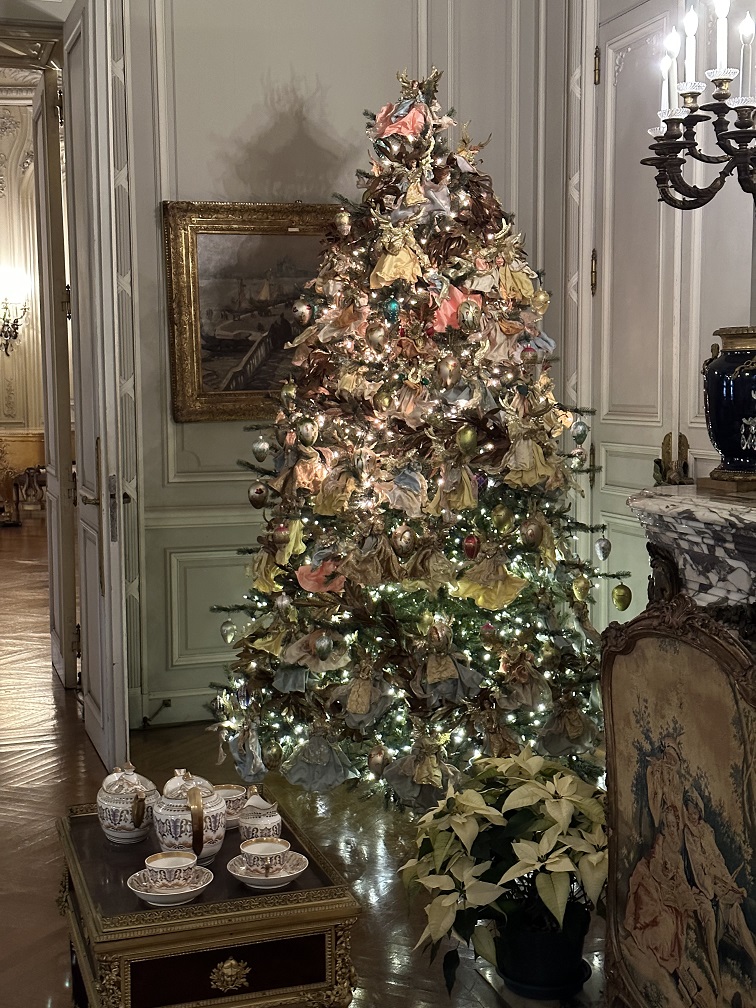
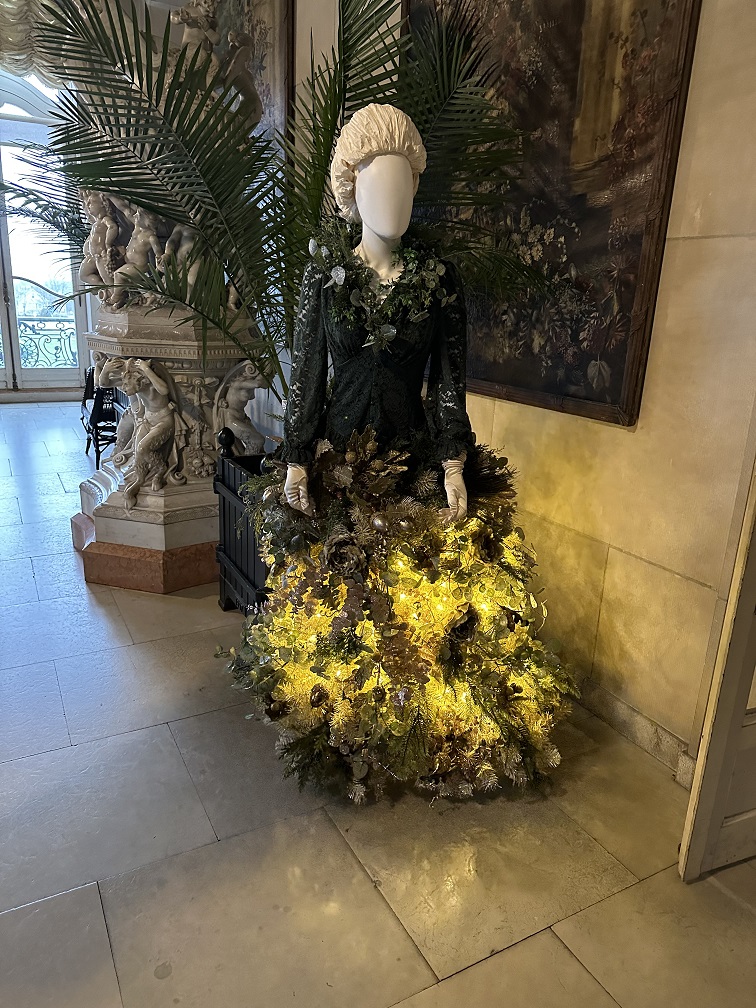
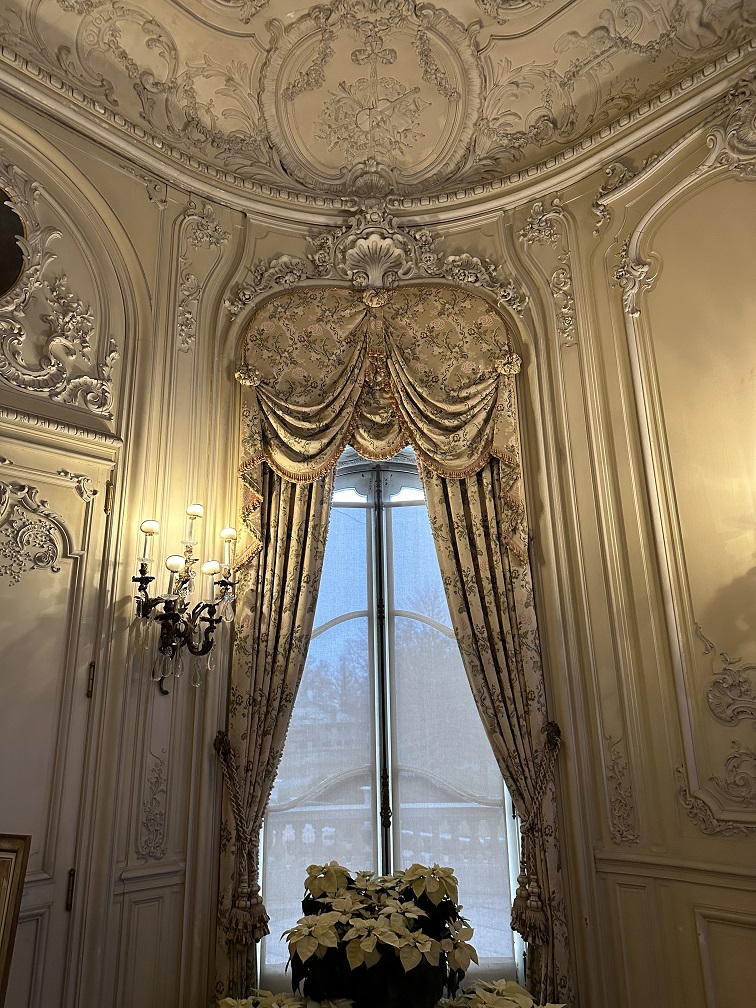
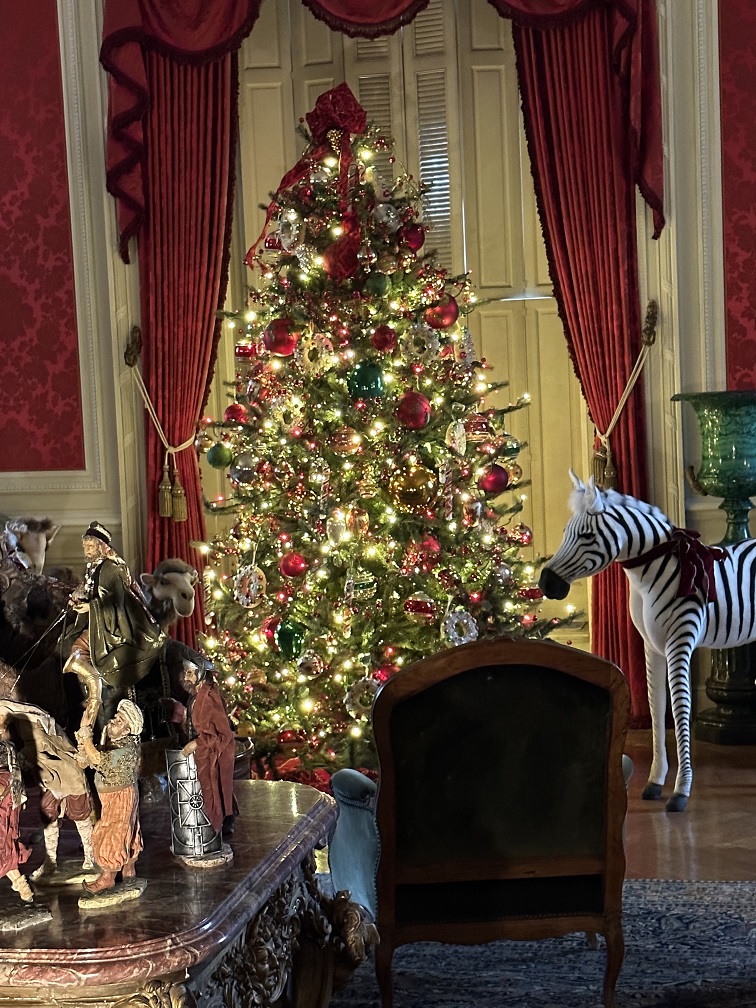
Newport Rhode Island is one of our favorite travel destinations in general, and particularly during Christmas. We visited Newport back in 2017 to see Christmas decorations, and thinking about that visit, I couldn’t believe that that visit took place 6 years ago. This year, we also decided to visit the Sparkling Lights display which was shown in the evening at the Breakers. As you can imagine, I have a bunch of pictures to share with you. But before we visit Newport, I would like to mention my hometown – Stamford, Connecticut.
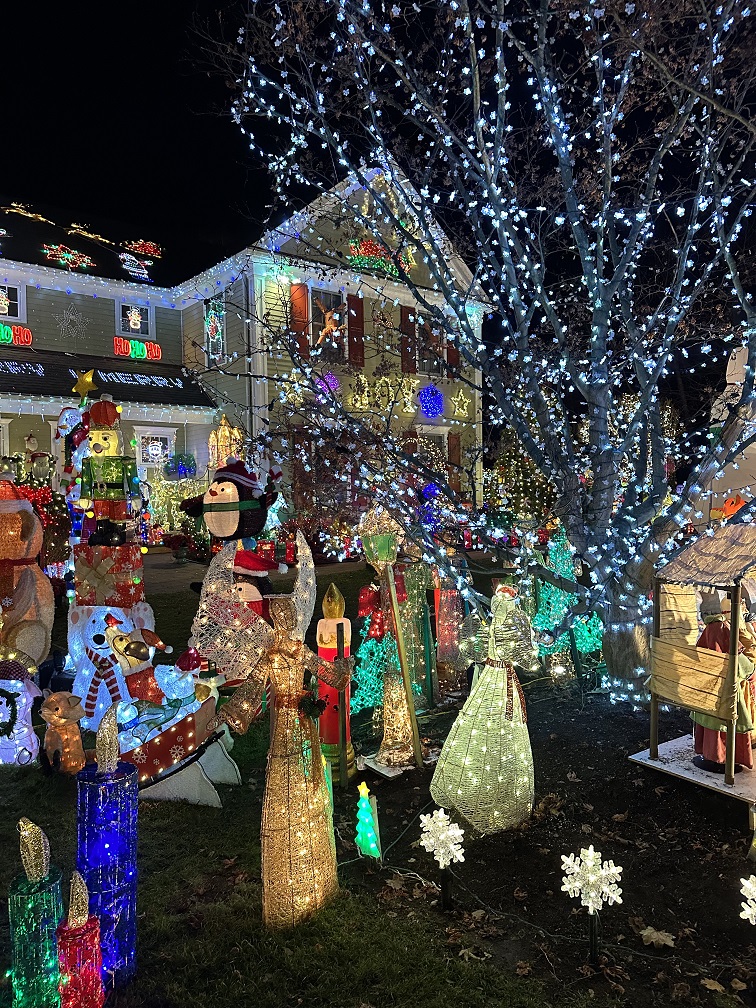
Stamford always has some beautifully decorated houses we loved to visit over the years. But this year, we had a “notch up” experience. Driving back from our local supermarket, my wife said “hey, wait, I want you to turn around”. When I asked why, she said that she saw a glimpse of a nicely decorated house on a parallel street, and we should go see it. When we got there 2 minutes later, the view greatly exceeded my expectations – might be the best Christmas lights display I ever saw at a private house – and the best part was that we could park the car and just walk around the decorations. So let me start my inundating display with these pictures:
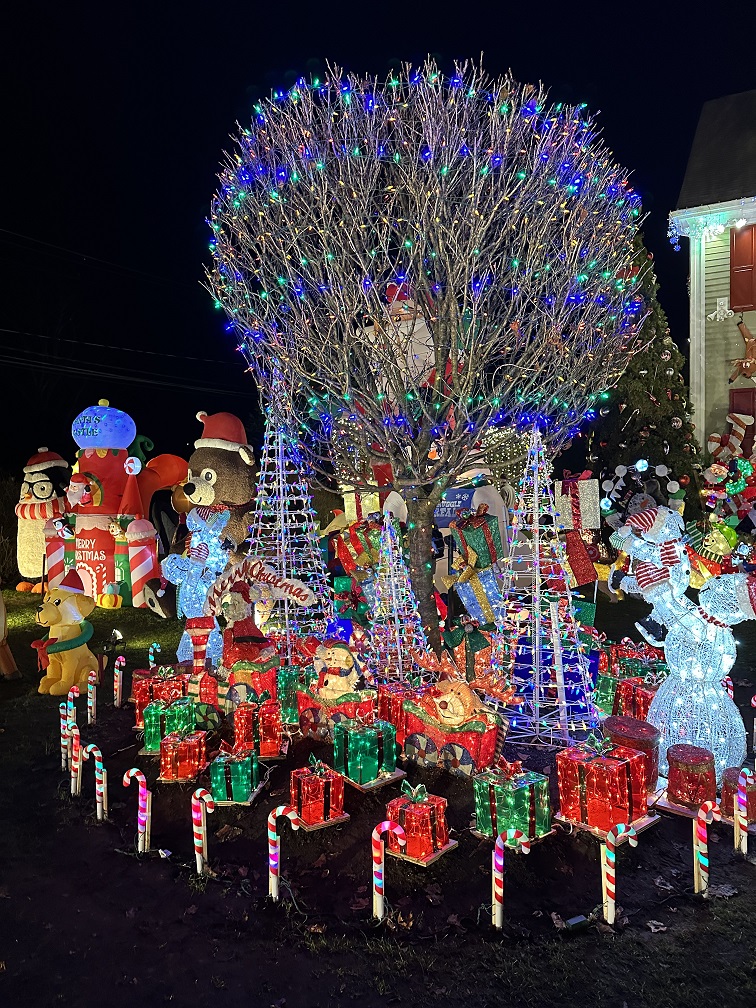
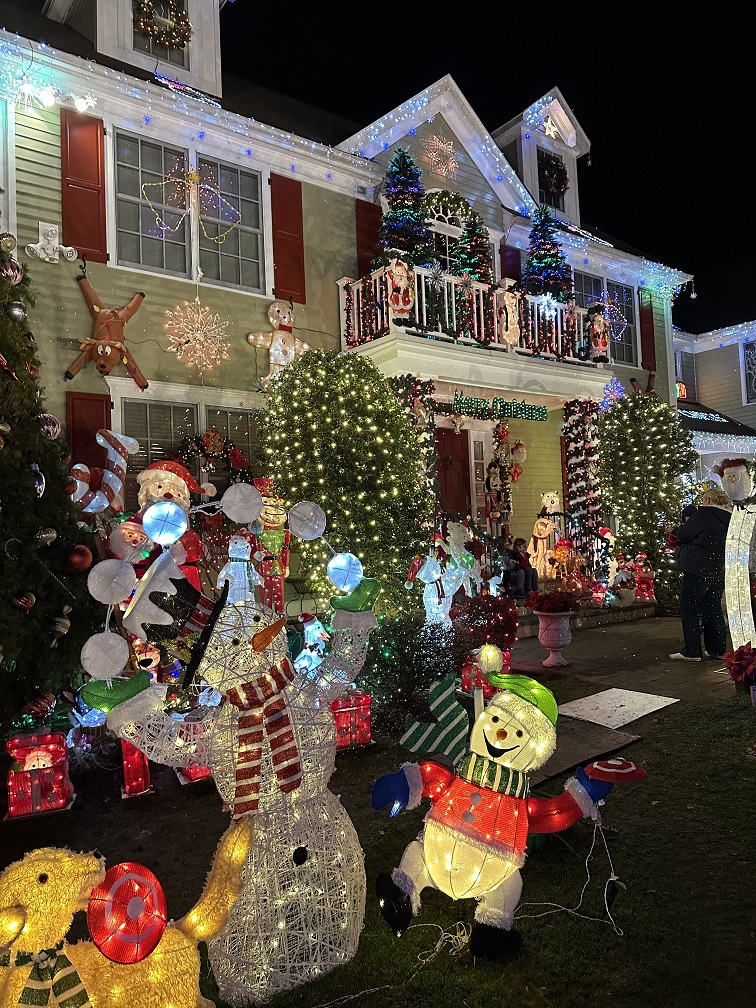



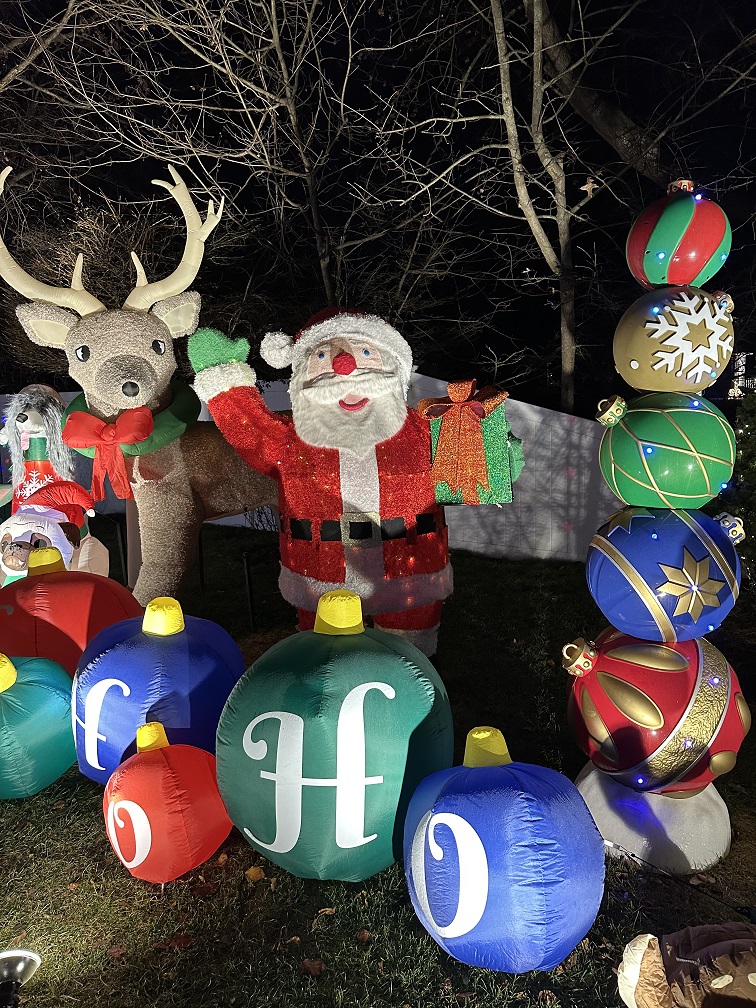

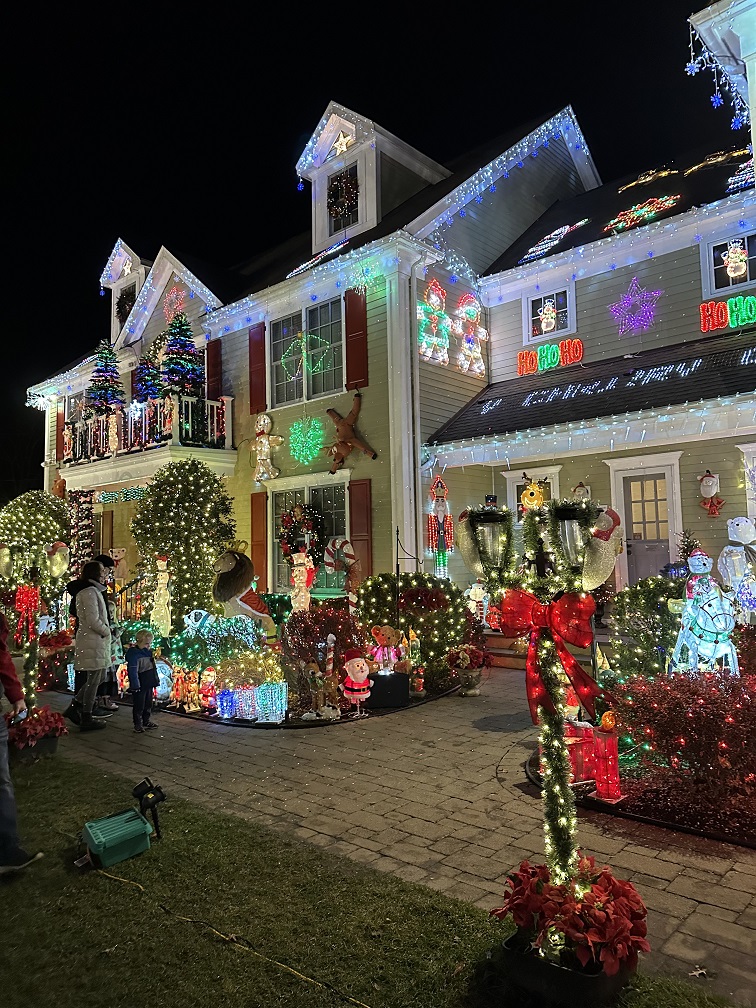

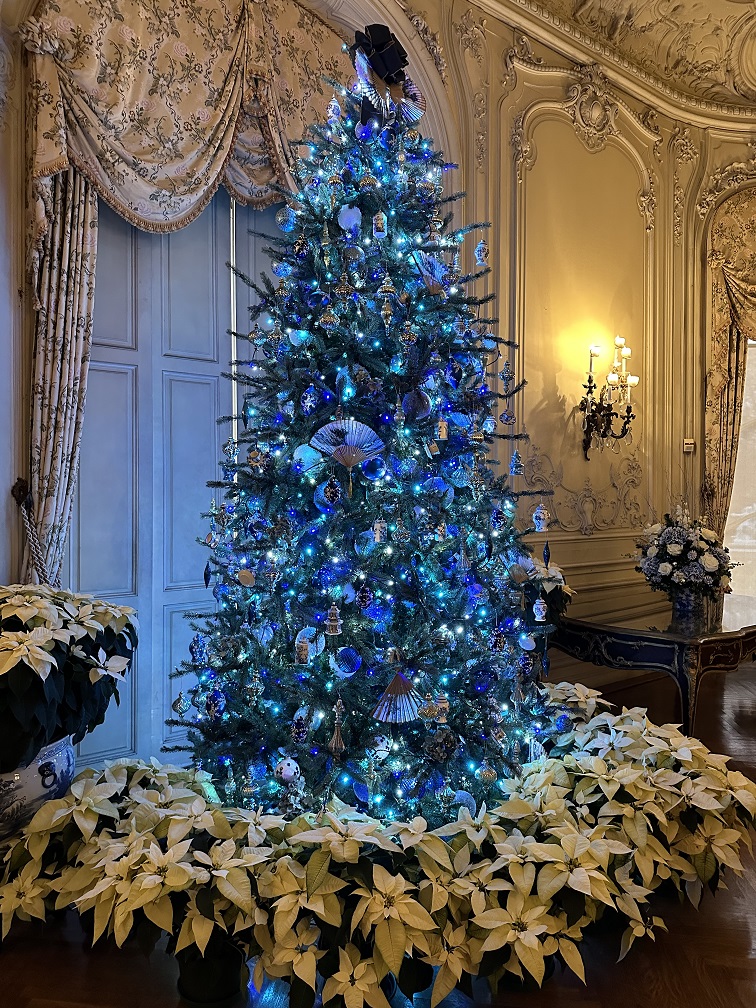
And now, here are the pictures from the Breakers, the Sparkling Lights display:
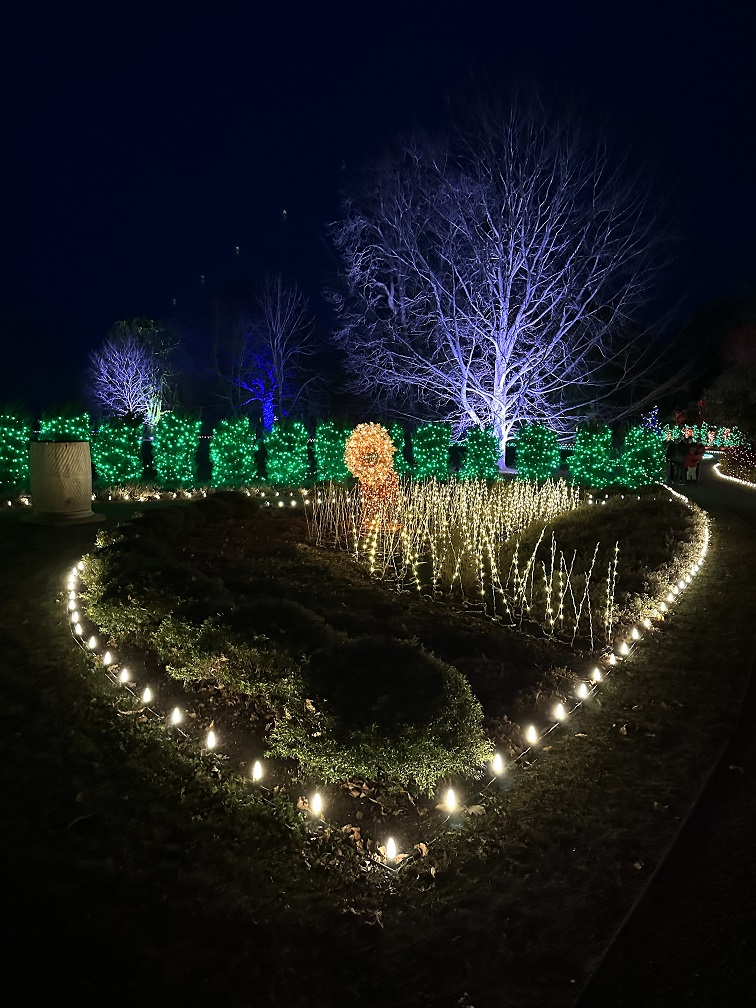


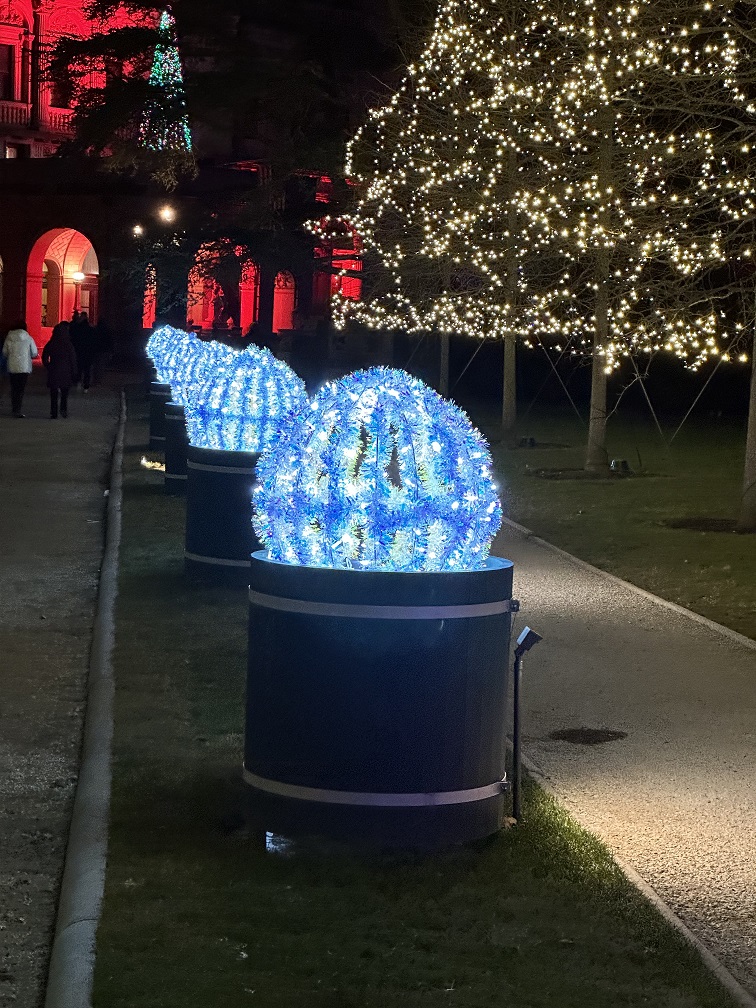

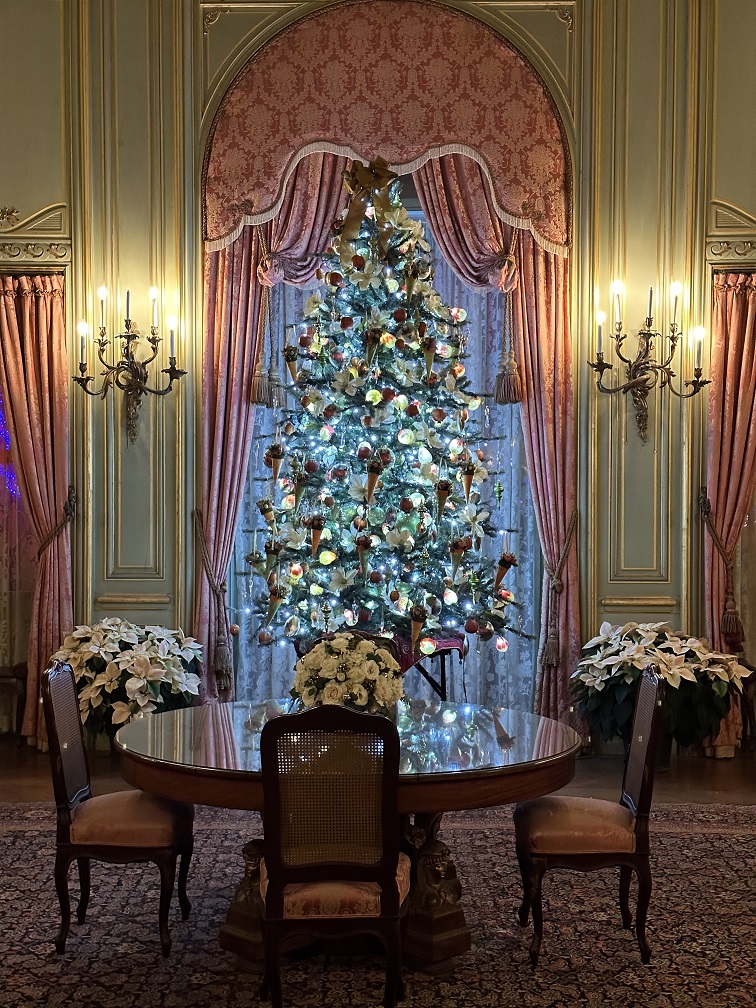
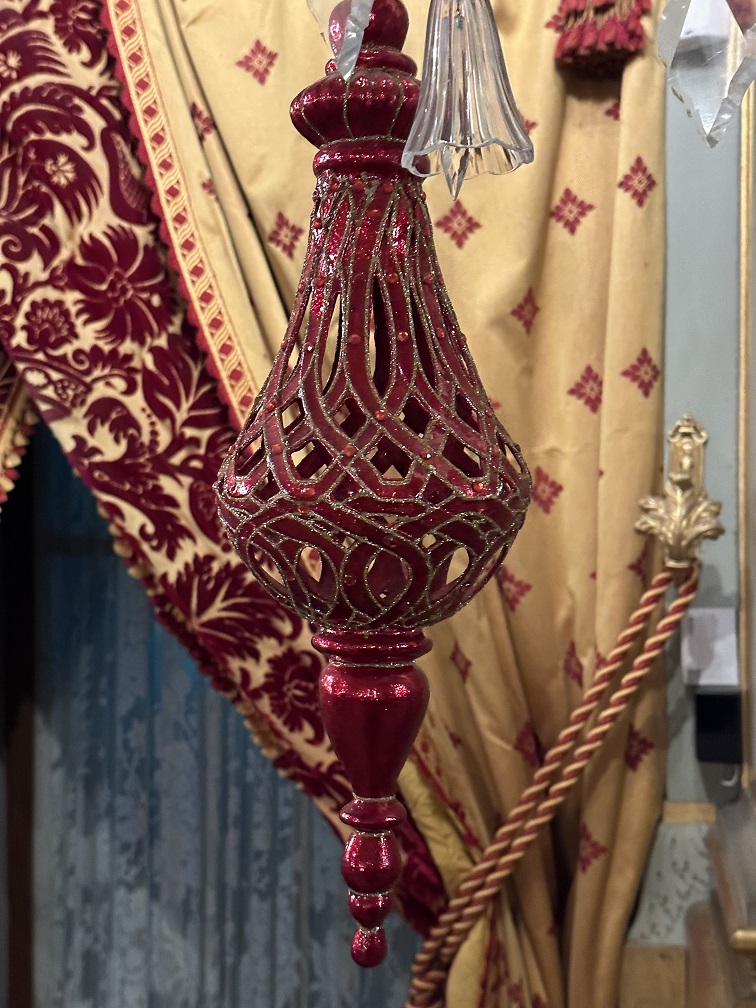
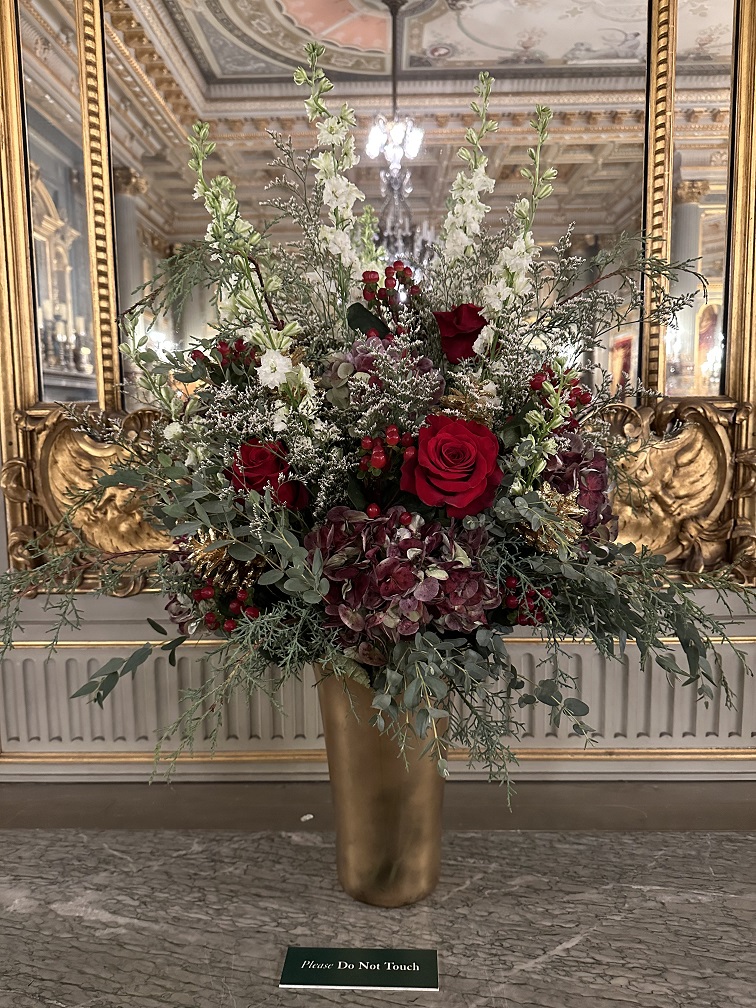
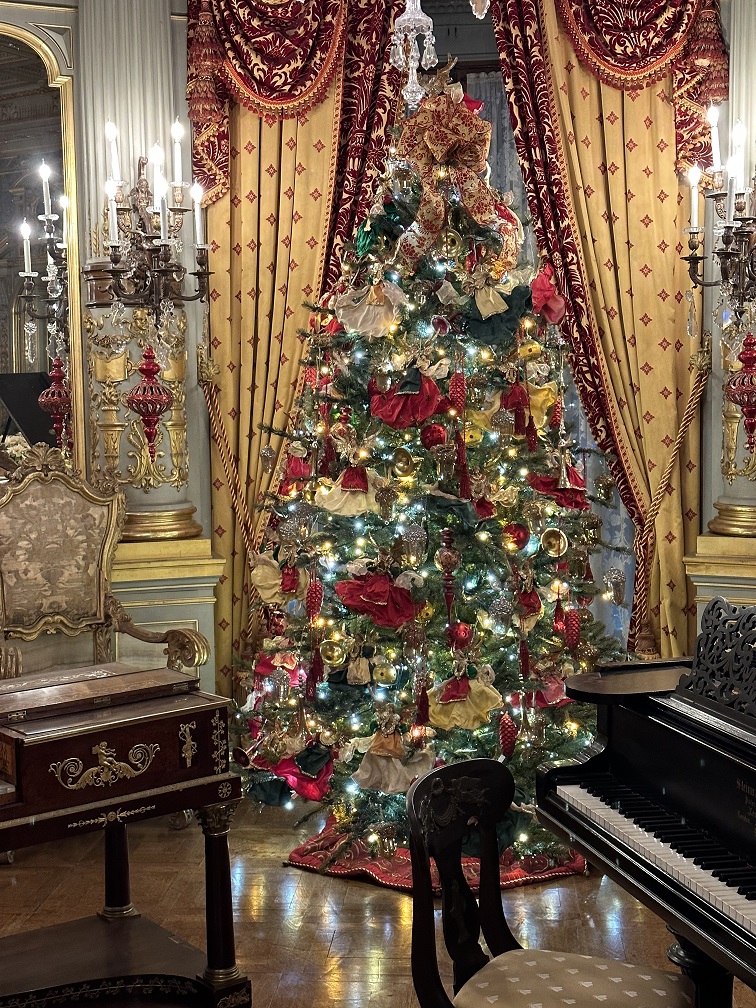
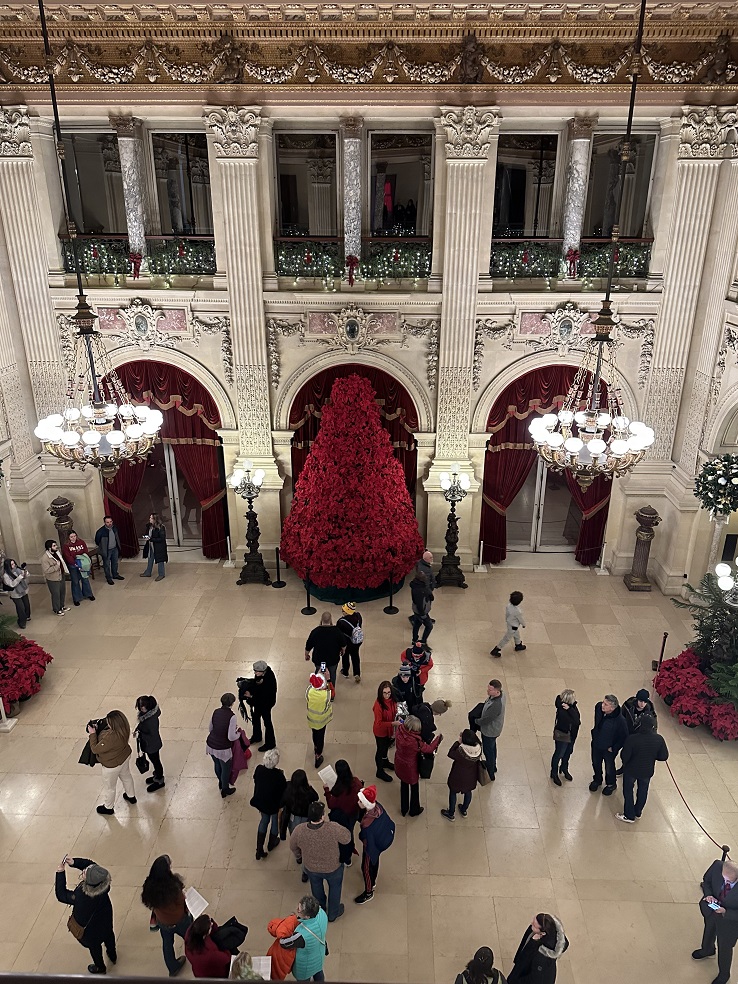
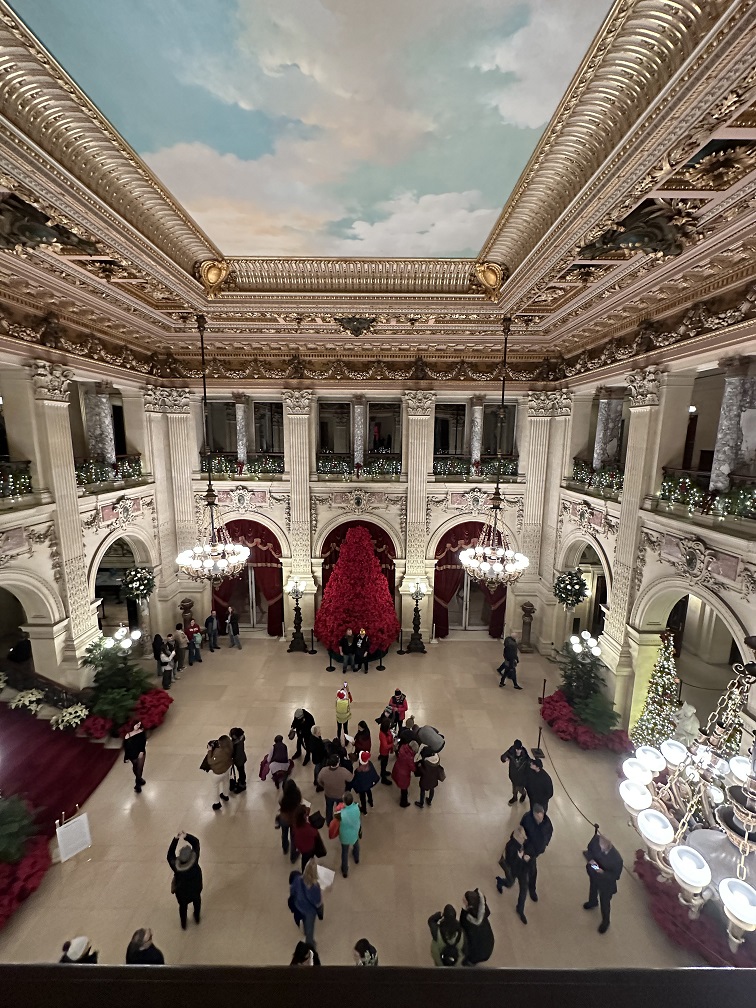
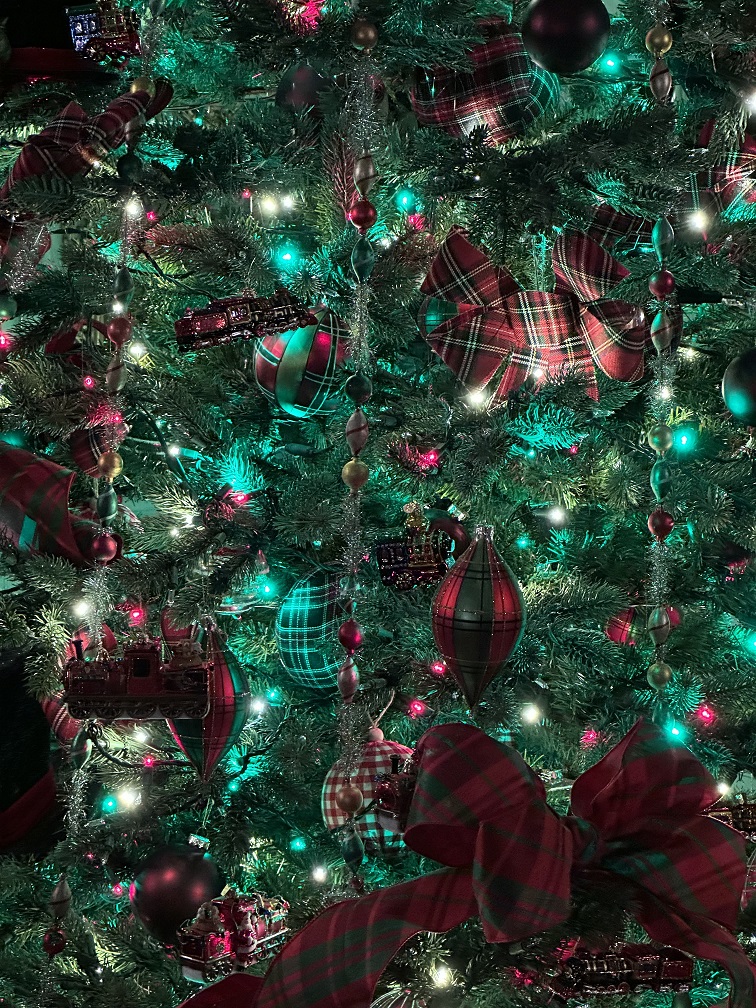
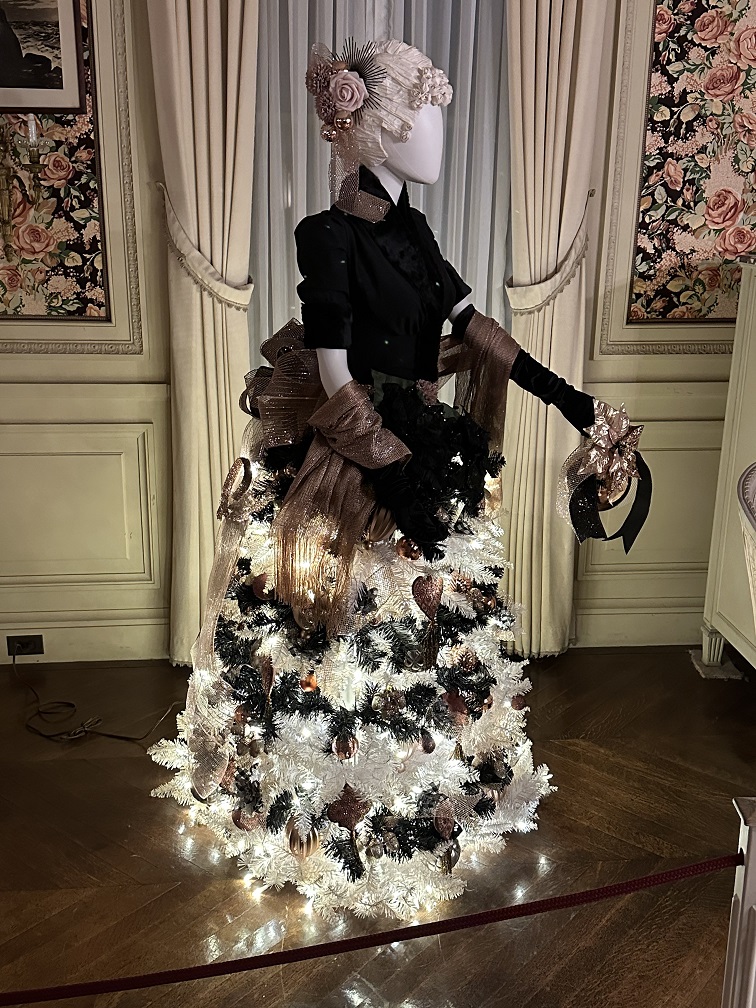
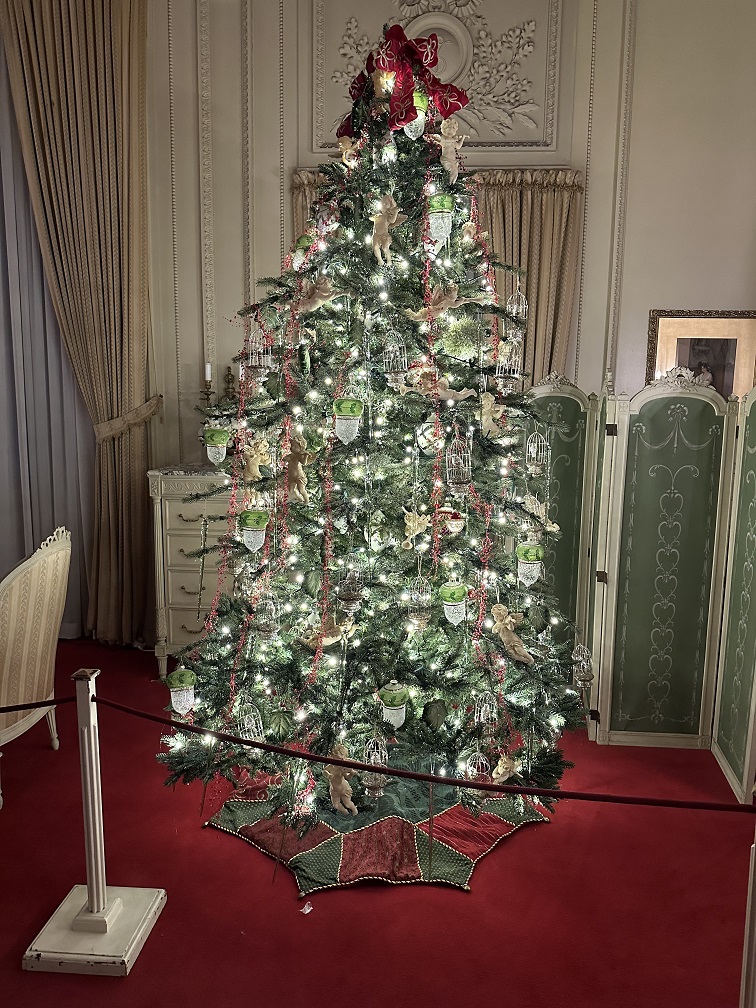
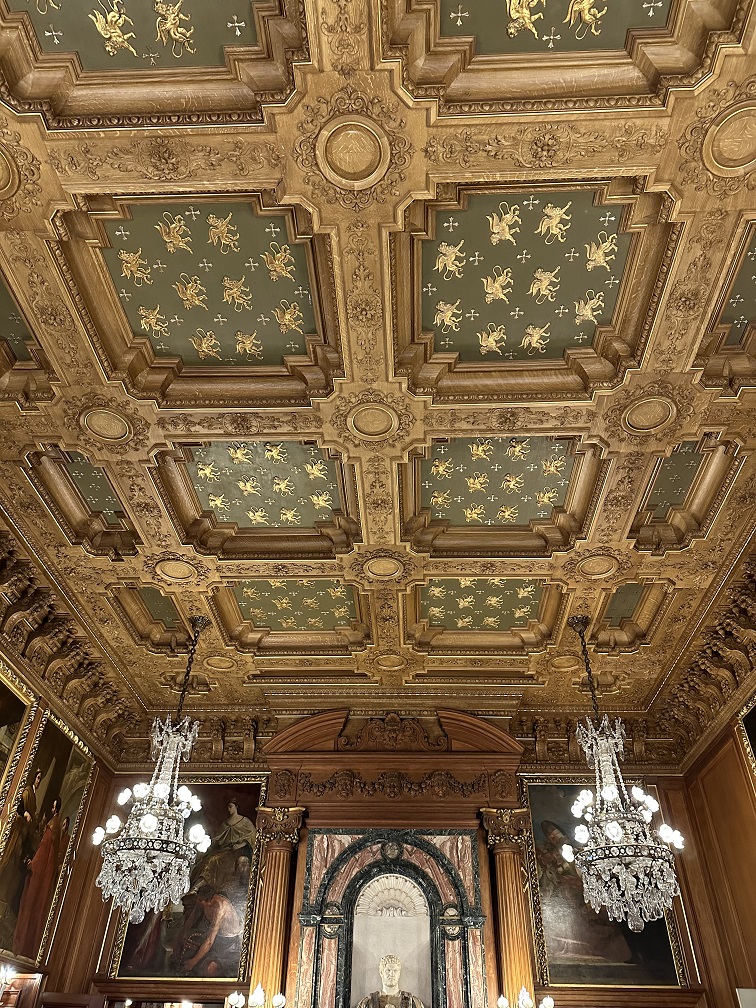
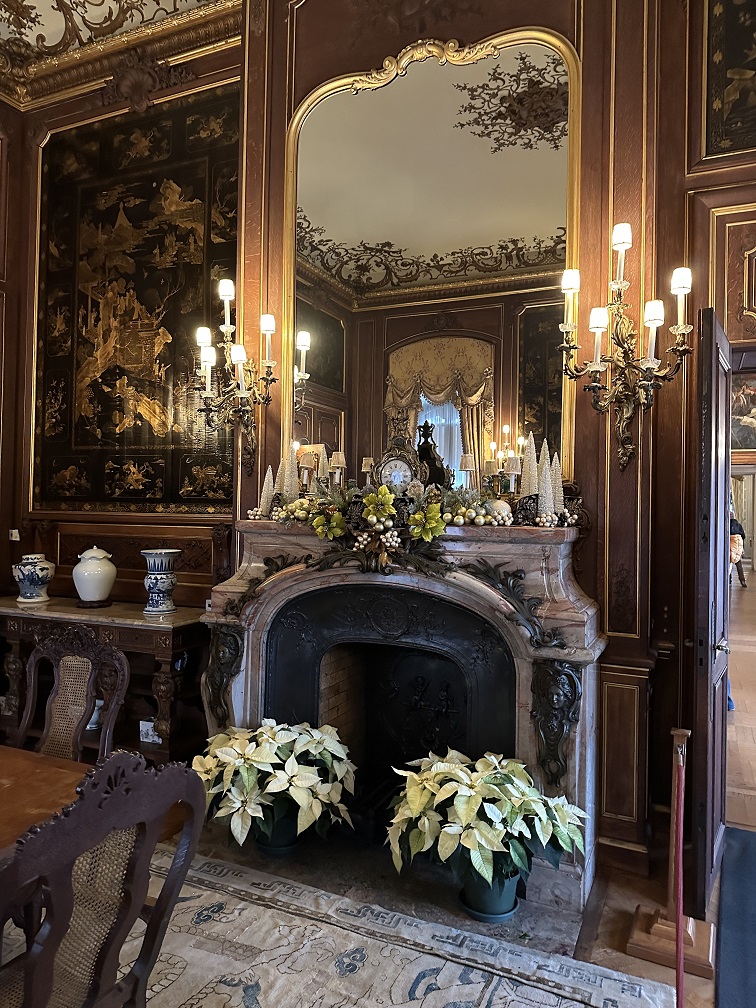
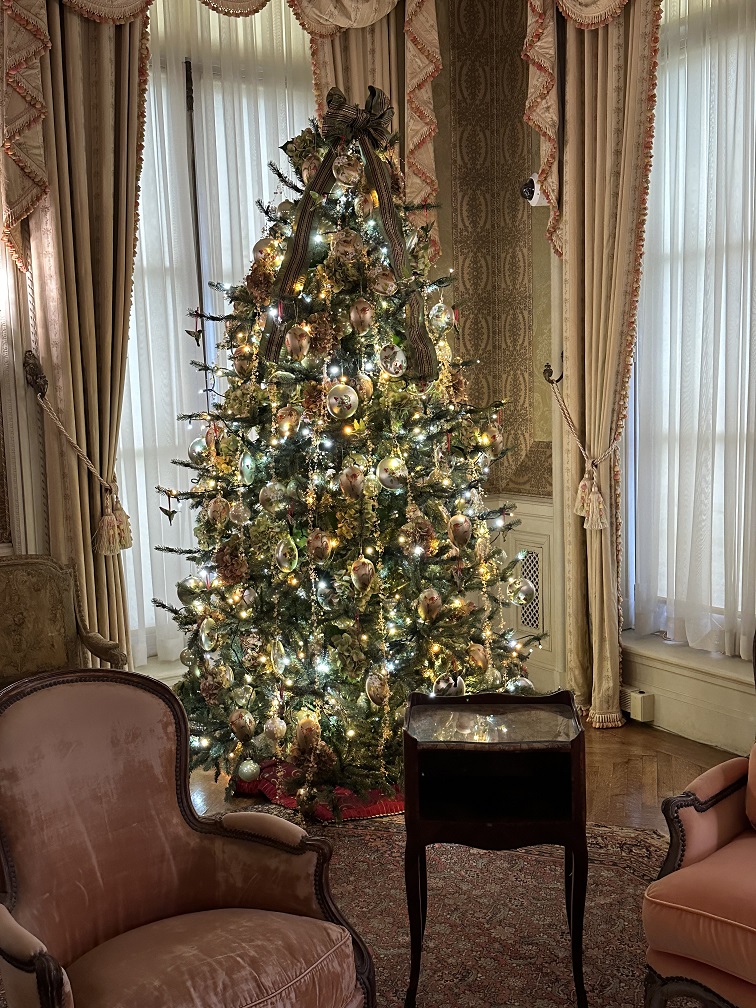
Here are a few pictures from the Elms:
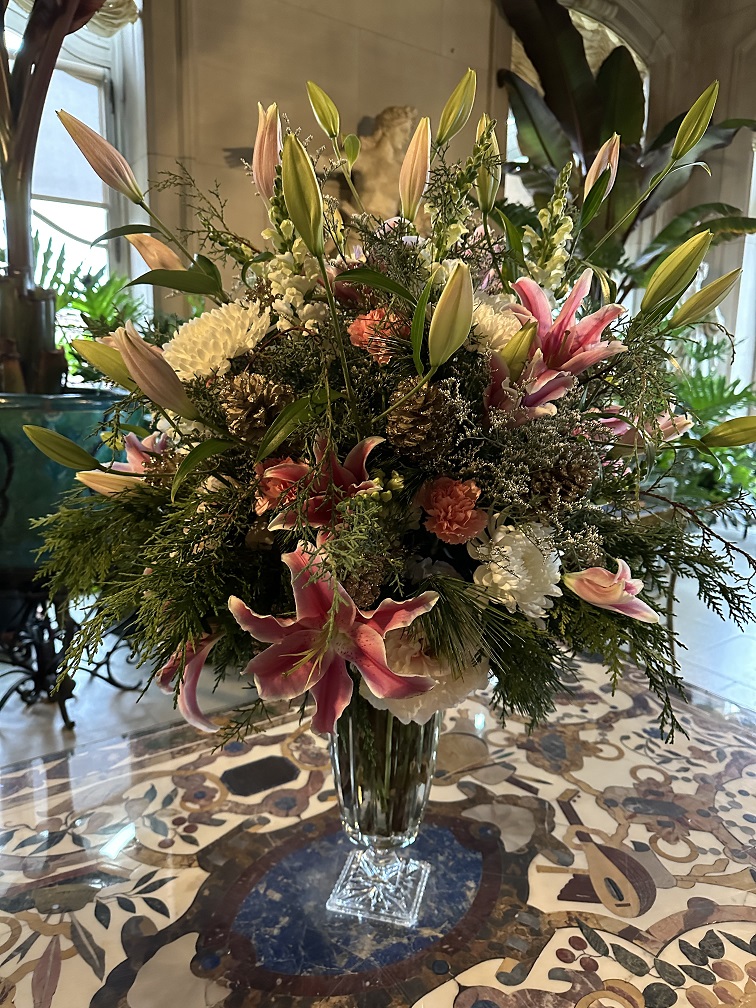
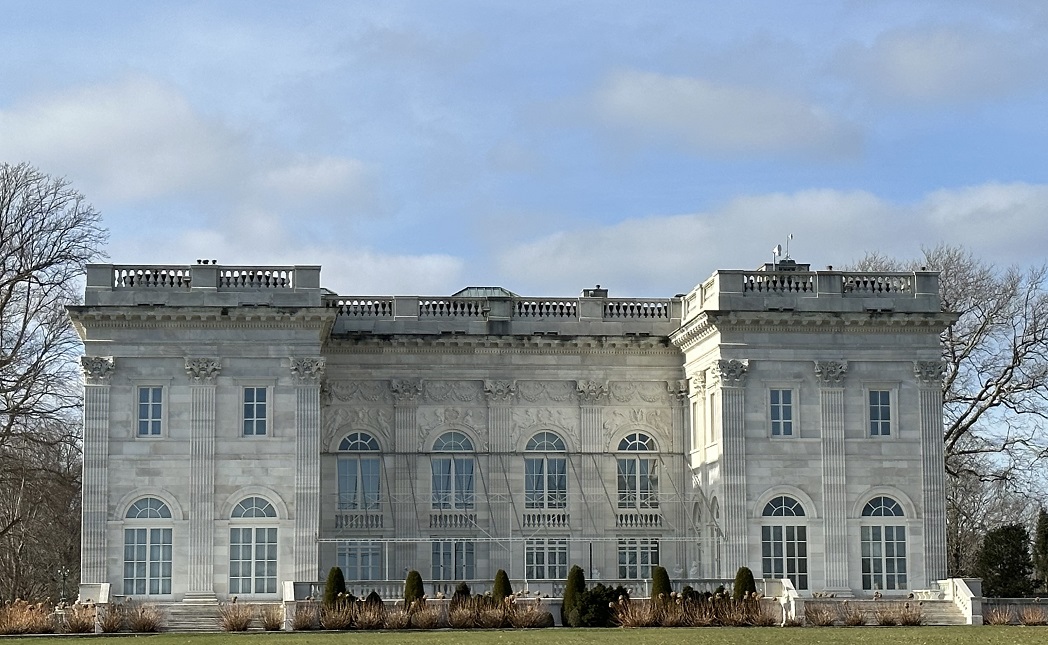
And probably my favorite of the whole Newport trip – the Marble House:
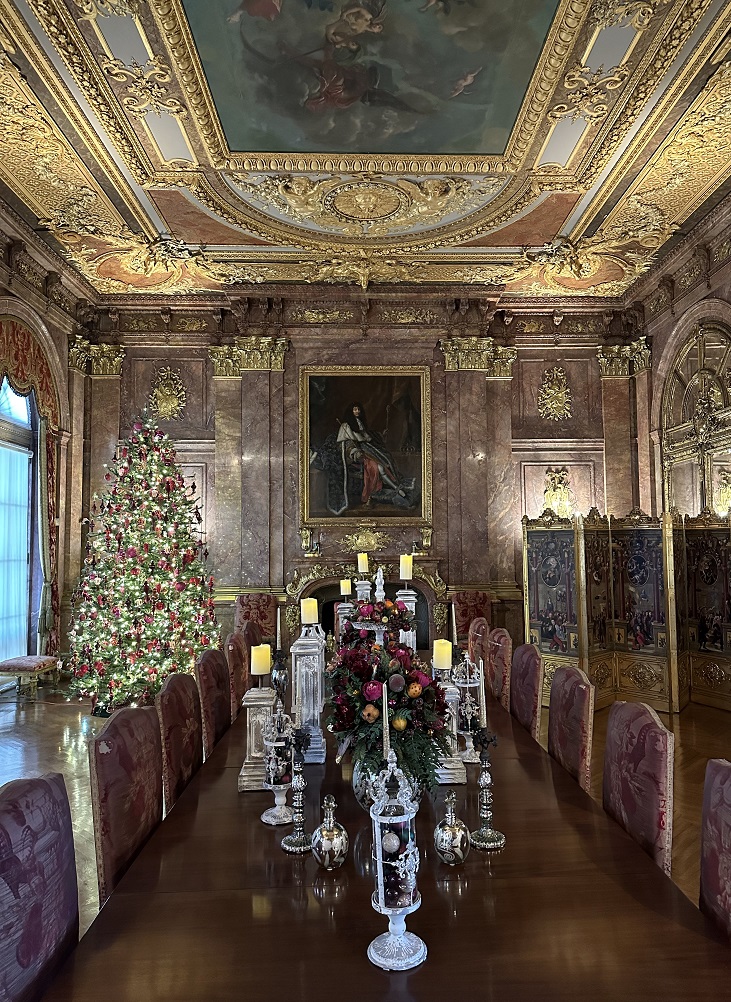

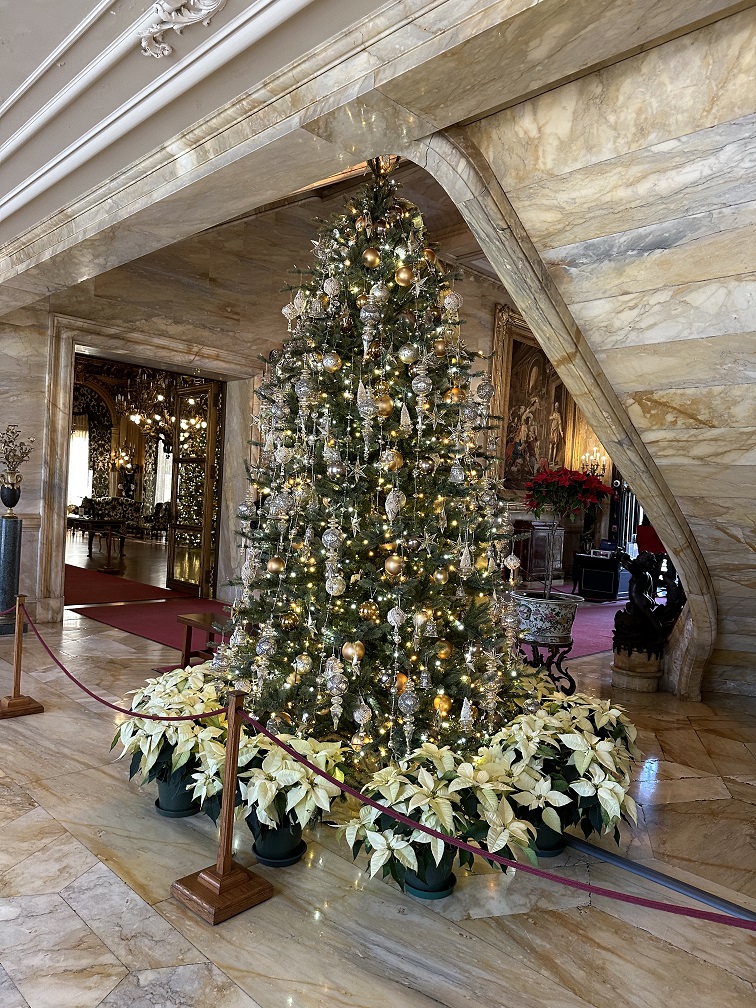
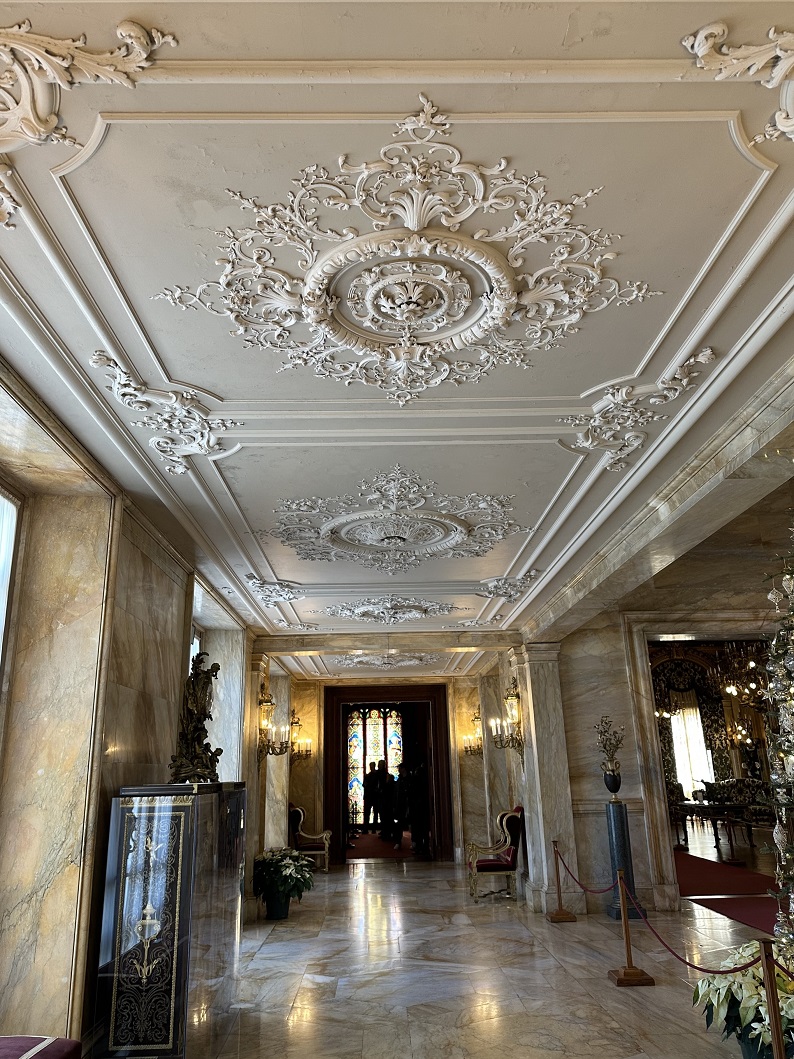
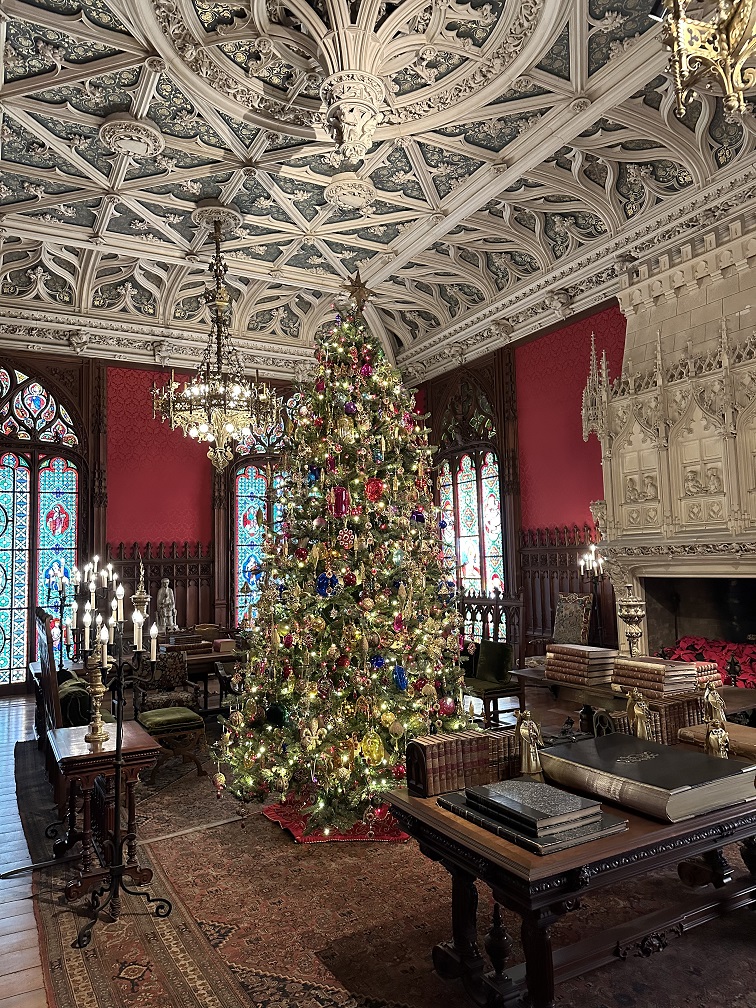
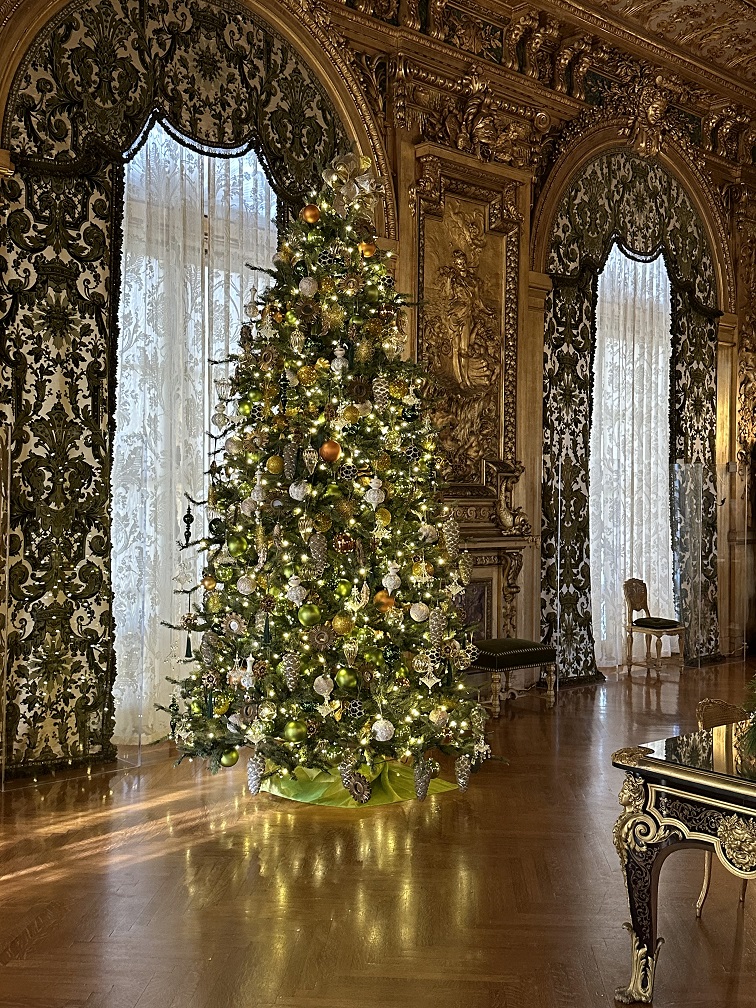
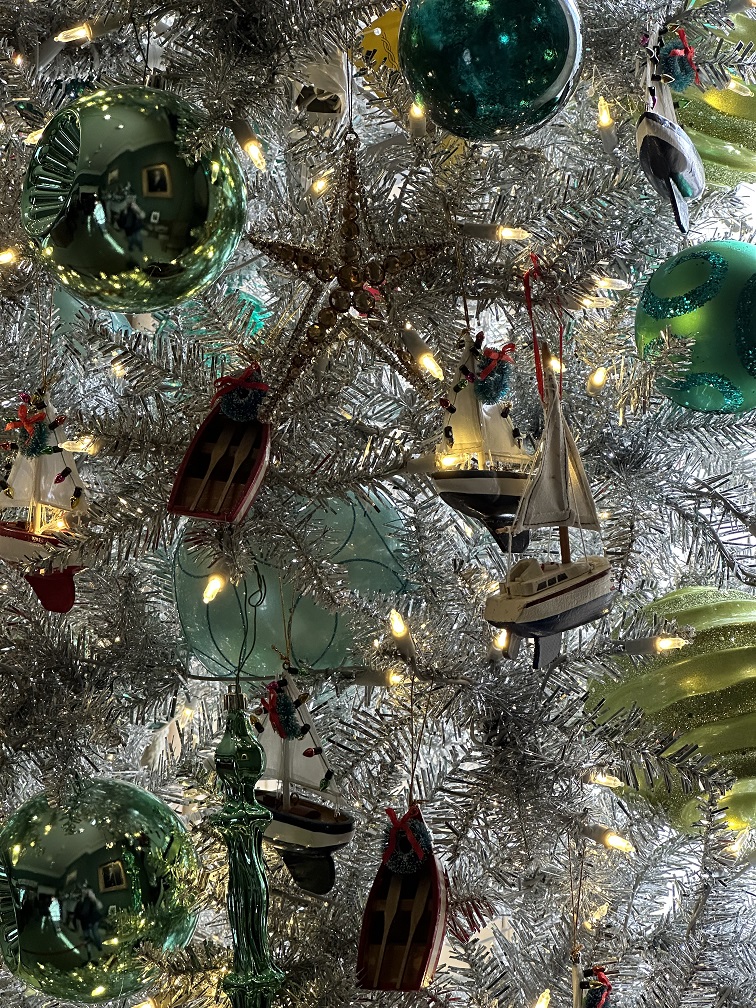
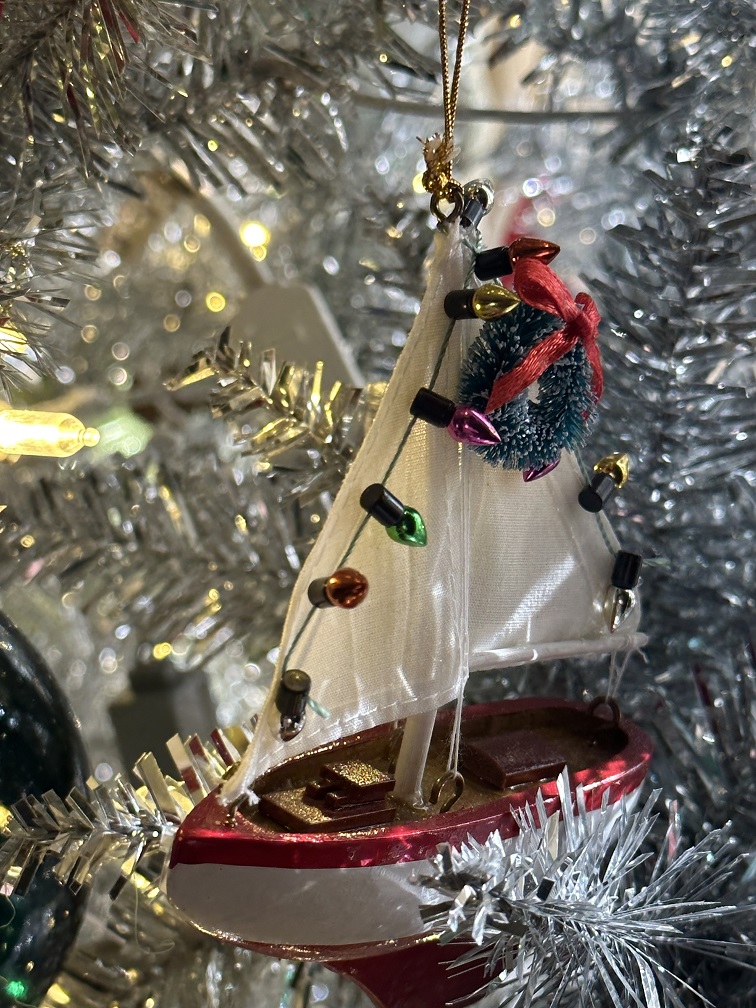
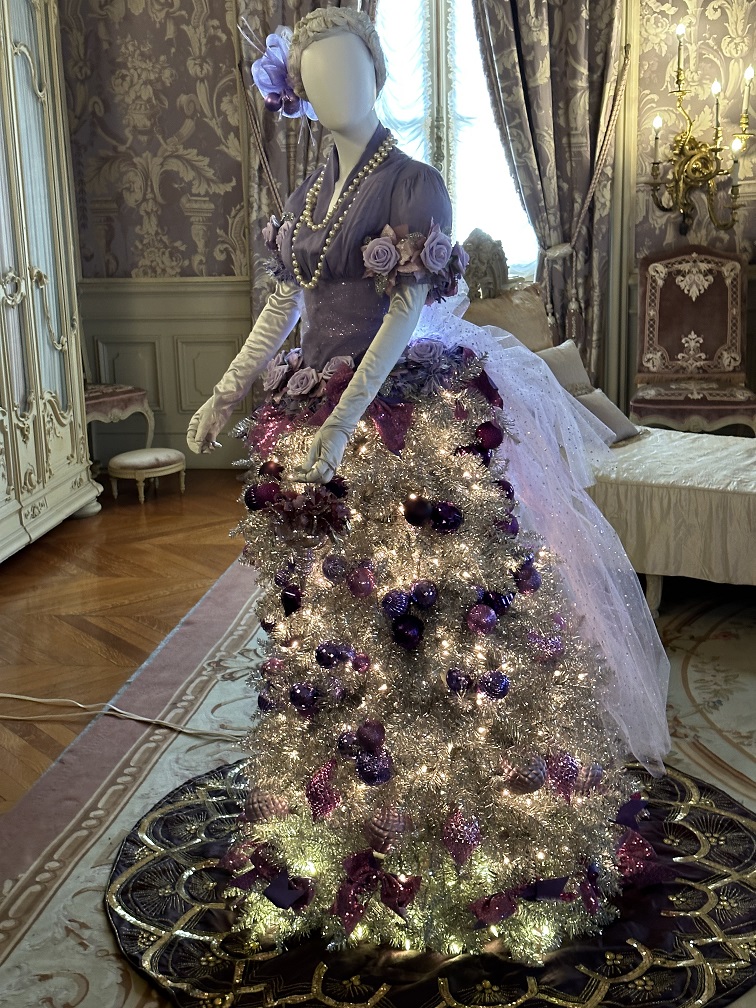
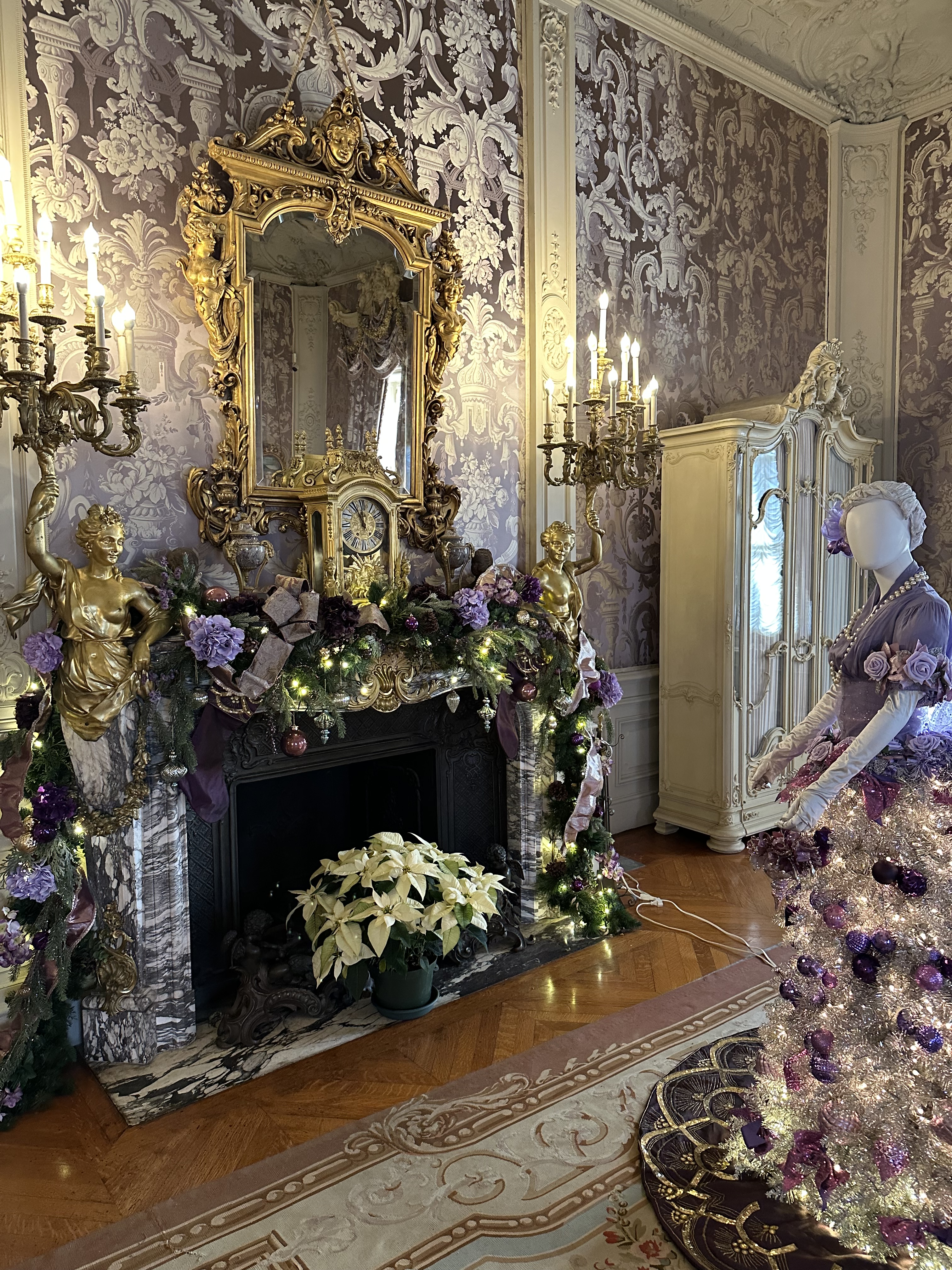
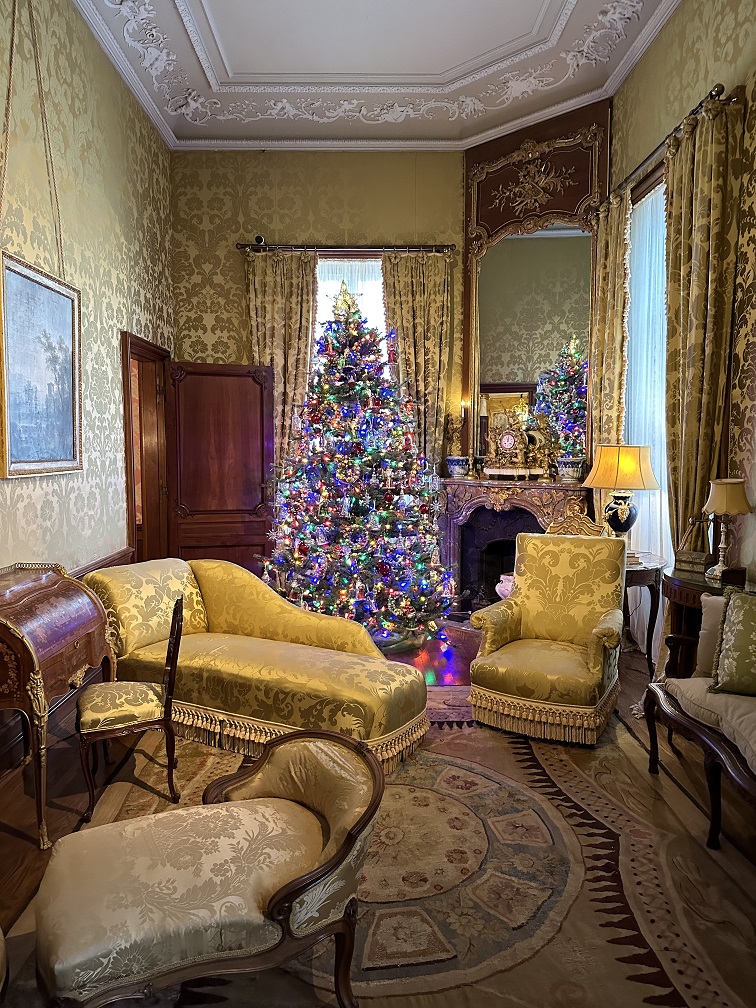
Hope you enjoyed!
No Tricks, Only Treats
Halloween is almost here – are you excited? Did you start planning your Halloween party already? I’m here to help you take it to the next level.
How? Easy. You know that on these pages, wine is the answer, but what is the question?
Well, let’s just clear something up – if you are looking for the wine to pair with candy or deliver a candy-equal amount of sugar in every sip, I can’t help you. But if you believe that your Halloween plans call for a simply delicious sip all of your guests will enjoy, I have something for you.
But first, let’s talk about ghosts. What can be more Halloween-y than a ghost? Ghosts are scary, as they are nowhere and everywhere. Same as with people, ghosts can be mean, but they also can be friendly. And anything and everything can be a ghost. How about a winery? Can a winery be a ghost? If a winery is a ghost, does it mean it is haunted and you should be scared walking into it?
Okay, okay, there is nothing to be afraid of. At the end of the 19th century, there were close to 800 wineries in California. Prohibition, which started in 1920, assisted by the phylloxera epidemic had a dramatic impact on the striving wine business. In the 1933, when prohibition was repealed, only 40 wineries survived. Many of those that didn’t became ghostly encampments, giving birth to the term “ghost winery”.
Flora Springs Winery was founded in 1978 by Flora and Jerry Komes in Napa Valley. Winery’s property included such “ghost winery” – Charles Brockhoff Winery, originally constructed in 1885. That winery was abandoned by the family after prohibition. John Komes, son of Jerry and Flora, completely renovated the old winery which became his family home to this day.
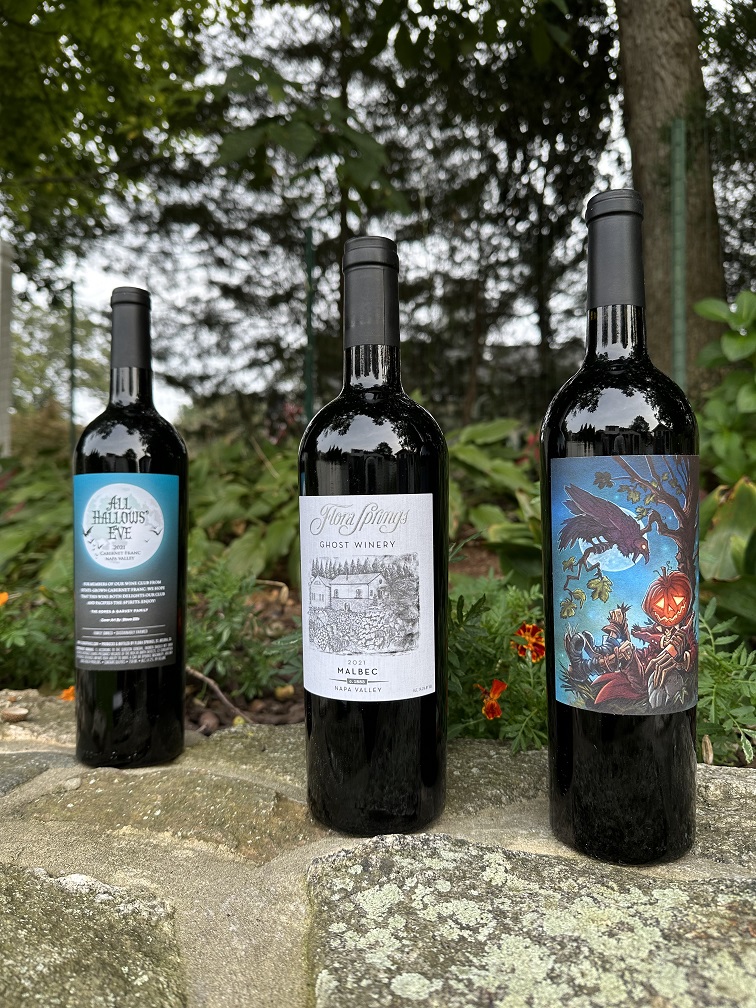
The ghostly past plays an important role at Flora Springs, especially at the time of Halloween, the only time of the year when ghosts are allowed to roam freely. With or without ghosts Halloween has been the subject of special attention at Flora Springs for the past 14 years. Throughout all these years, Flora Springs Winery always released special bottles, produced just for Halloween. Every Halloween bottle has a special label, different every year, designed by different artists. It is not only the label, it is also the grapes – for example, this year’s Halloween wines are made from Cabernet Franc and Malbec, and Flora Springs doesn’t produce any other single grape Cab Franc or Malbec wines. So yes, you can entertain your guests in a unique style.
I was lucky enough to taste samples of both Halloween wines Flora Springs has to offer this year.
Before we talk about wines, I would like to quote the description of the 2021 vintage from the Flora Springs website:
“The 2021 vintage in Napa Valley will be remembered for a smooth, uneventful growing season and harvest that produced low yields of intensely-flavored, small-sized grape clusters. The season started off with very little rain and continued as a dry, sunny summer led to a relatively cool fall with weeks of lovely weather. 2021 represented the second drought year in a row, and while concerning in the long term, the dry weather resulted in a more natural crop load on the vines, requiring less pruning and dropping of fruit. The resulting grapes were packed full of flavor leading to powerful, concentrated wines. ”


Now, let’s talk about Cab Franc.
The label for 2021 All Hallows Eve Cabernet Franc was produced by Steve Ellis, an artist who created illustrations for Marvel, DC, and many other franchises. This label is a perfect embodiment of the Halloween spirit, and it perfectly extends the collection of unique Halloween labels Flora Springs amassed over the year – take a look here, it is really fun. Here are my tasting notes for the wine:
2021 Flora Springs All Hallows Eve Cabernet Franc Napa Valley (14.2% ABV, $75, 18 months in French oak barrels, 350 cases produced)
Dark purple with a bright purple hue on the rim. And then it’s black
Inviting nose of sweet cherry and blueberry pie
More of the fresh blueberry pie profile with good acidity in the aftertaste, velvety, seductive, layered, smooth, very smooth – I guess luscious is a better word.
This is how California producers like to see Cabernet Franc. I’m missing pyrazines, my beloved bell peppers.
It shows a little bit lighter on the second day than on the first. 3rd day didn’t change much compared to the 2nd day. And then the bottle was empty
Drinkability: 8-/8, overall very good


And then there was Malbec. Napa Valley Malbec is quite rare and unique, and this wine didn’t disappoint – I also love the artistic rendering of the ghost winery on the label – it is simple and incredibly attractive at the same time.
2021 Flora Springs Ghost Winery Malbec Napa Valley (14.2% ABV, $60, 18 months in 60% French and 40% American oak barrels, 350 cases produced)
Dark garnet, practically black, but when low in the glass offers a beautiful dark purple hue
Succulent black raspberries on the nose
Inky, sweet cherries and cherry pit, a touch of sweet basil, beautiful textural presence, dark, concentrated, perfectly balanced.
Drinkability: 8+
There you are, my friends. A perfect set of wines to celebrate Halloween in style. Both wines are available at the Flora Springs website, and if you buy 3 bottles, you will get a $15 shipping – check the website for the details. And even if you don’t care about Halloween, these are just tasty wines for any occasion – and they will last for the next 10-20 years (the official winery recommendation is 10 years, but I believe they will easily last much longer).
Don’t be afraid of no ghost, especially if this ghost brings wine. Cheers!
A Hidden Obsession
I made an interesting realization today – I have a hidden obsession.
Obsession doesn’t seem to be a good thing, especially when directed at someone. If this is an obsession for something, this is usually a different story.
Can obsession be hidden? Can you not realize that you have an obsession? Does obsession clearly manifest itself, or do we need to engage in a deep self-analysis to realize that we’ve been obsessed?
Okay, please worry not – first, I’m not engaged in obsession research while working on a degree in psychology. Second, we are only talking about my basic, simple, well-known obsession with wine. Nevertheless, today I realized that I had an obsession (a mini obsession? a sub-obsession? you will decide) that was literally hiding in plain sight.
Ten days ago we celebrated the arrival of the Jewish New Year (year 5784 in case you are wondering) – Rosh Hashanah. I always prefer to celebrate Jewish holidays with Israeli wines, but I almost never have any on hand, so I had to take a trip to a wine store. Long story short, I came back with two bottles of wine produced by Shiloh Winery, one of my favorite producers out of Israel.
On a big scale, Israel produces world-class wines. I had been exposed to Israeli wines for more than 25 years as I had been lucky to travel to Israel for work. Lots of Israeli wines are spectacular, but same as everywhere else, you have to go by producers. Some of the best Israeli wines are either not exported at all, or exported in minuscule quantities – and many of them are pretty expensive, especially outside of Israel. So finding good Israeli wines to drink outside of Israel is not necessarily an easy task.
During a dinner at a kosher restaurant in New York 6 years ago, I tasted a red wine called Shiloh Mosaic, and I immediately fell in love with it. The wine was simply a spectacular, rich, and opulent Bordeaux blend – I loved it so much that it made it to the Top Wines of 2017 as number 14. From that moment on, Shiloh literally became my go-to solution for all the Jewish holidays – and yes, you can even say that I became obsessed with it. Another wine from Shiloh, Shiloh Secret Reserve Cabernet Sauvignon made it to my Top 20 of 2020 list as number 18.
As I was getting ready to write this post, I searched my blog for the Shiloh references, and to my surprise, I discovered that Shiloh had been a hidden obsession for a while – for sure way before I thought I “discovered” it in 2017. Shiloh Secret Reserve Shiraz was included in the September 2014 Month in Wines post with a high rating; Shiloh Legend blend was lauded even before that in the May 2014 Month in Wines post. See, nothing can be hidden without becoming apparent – this is how I discovered my hidden obsession.


For this year’s celebration, I went with two wines from Shiloh that I hadn’t seen before – both of them under the Amichai by Shiloh label. As I bought wines at the large wine store, Total Wine, I was sure I would find all the wine information online. However, Shiloh Winery’s website didn’t offer any information about this brand. The distributor’s website offered exactly the same amount of information – zilch. And all my attempts to find any information online didn’t yield any results. Yes, the back labels offered basic facts, such as grape composition and oak regimen, but I was hoping to learn more – the inspiration, why the wines are called the way they are called, you know, the story. I can only assume that the wines represent a new project by Shiloh’s self-taught winemaker, Amichai Lourie, and maybe the project is so new that information didn’t make it to the website. Oh well, at least we got the wine.
I opened these wines for the Rosh Hashanah dinner, and everyone loved them, as both wines were delicious. I managed to save just half of the drop in each bottle so I was able to write my traditional notes the next day:
2018 Amichai by Shiloh Micah Judean Hills Israel (15% ABV, $57, 91% Cabernet Sauvignon, 7% Merlot, 2% Petit Verdot, 15 months in French oak barrels)
Garnet
Currant leaf, sweet cherry, eucalyptus
Cassis, earthy undertones, tobacco, dark, powerful, delicious.
8+, outstanding, will age well for another 10-15 years.
2018 Amichai by Shiloh Solomon Judean Hills Israel (15% ABV, $57, 93% Syrah, 7% Petit Verdot, 15 months in French oak barrels)
Dark garnet, almost black
Dark cherries, blackberries, mineral undertones
Blackberries, tart cherries, firm structure, firm tannins, white pepper, peppery finish, inky and powerful, tannins on the finish. Perfectly balanced.
8+, outstanding. Will age well for another 10-15 years.
Here you are, my friends. My obsession is no longer hidden. And I’m happy to face it, any time. L’Chaim!
Last Bottle Sign Up ($10 credit)




 Talk-A-Vino