Archive
Travel Diaries: Europe 2024
The European family trip was fully planned – Paris, Milan, Tuscany, Rome. Hotels and airline tickets were booked, and only train tickets remained to be put in place. This will be a great trip. July 2020 was shaping up to be a great time.
Yes, you read it correctly. July 2020. The month that never happened. along a few years. But the desire to have the family trip to Europe never went away. The original idea behind the trip was to celebrate two important events in the youngest kids’ lives – graduation from university and high school. 4 years later, that was the time to celebrate another university graduation – and as Covid became history, we could get back to planning the European trip again.
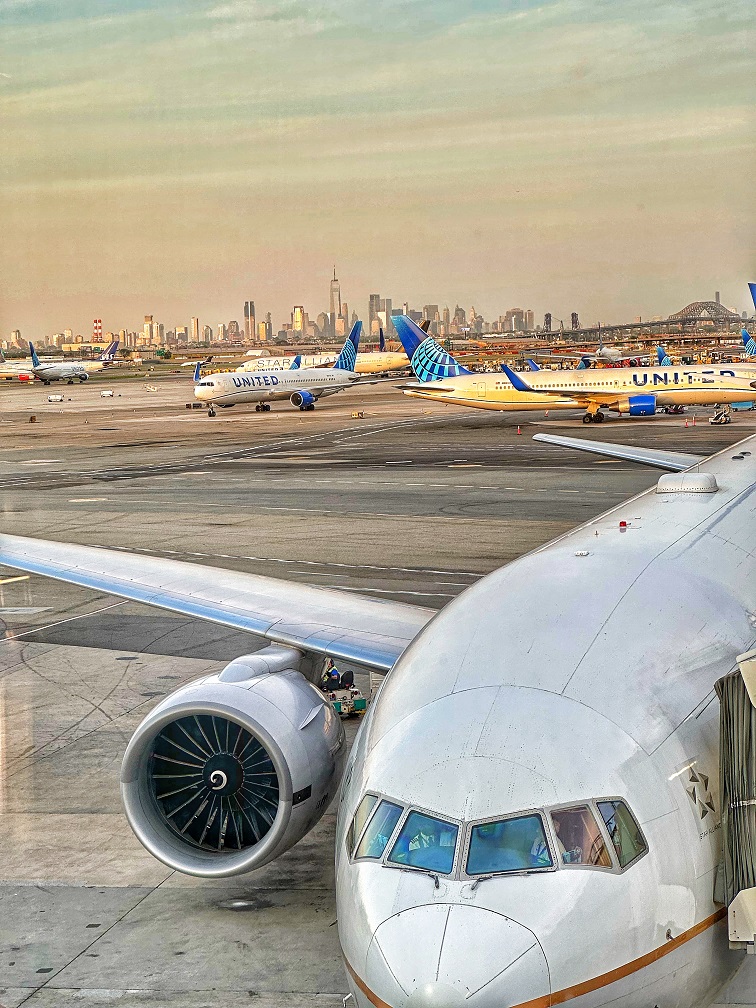
Everything in life has its silver lining, sometimes we just can’t see it. With our trip, there were a few advantages. First, the trip was moved to May instead of July. I’m sure both Paris and Rome are beautiful in July, but July is a very hot month for both cities. Going in May saved us from the heat torture. The second advantage was that my original plan (Paris-Milan-Tuscany-Rome) over the 10-day period would create way too much stress. Going directly from Paris to Tuscany evened out the whole experience, making it more relaxing.
So what is this all about? I’m writing this post while sitting on the plane flying back from Rome. We had a great trip – we saw a lot, ate a lot of tasty food, drank delicious wines, and were able to relax at the same time. I want to share this experience with you including a few of the good learning points in the hope of simply helping and encouraging someone to take that trip you’ve always wanted to take and feel good about it. Here I plan to share some general thoughts about the trip – the things we either did right or learned. Then I will inundate you with lots and lots of pictures and details about food and wine in the subsequent posts.
Few of rationales behind this trip planning. The kids (grown-up, yes, but still) had never been to France and Italy. They have never experienced European trains. My wife and I have never been to Tuscany. These were important points that I wanted to cover in my trip planning.
We started our trip in Paris, where we spent 3 nights. Then we flew from Paris (Orly, nice and easy) to Florence on Sunday morning, using one of the budget European airlines, Vueling. Got to Florence, got our rental car, and drove about 1.5 hours down south to stay at the agro farm for four nights. After that we drove back to Florence, but now to the train station, and took a high-speed train from Florence to Rome. Three nights in Rome and back to where we started, New York.
While in Tuscany, we visited Siena, where we had a walking tour with the guide. Same in Rome – we had guided tours of the Vatican, the Colosseum, and a bit of Rome itself.
In retrospect, the whole schedule and trip logistics turned out quite well, allowing us enough time for sightseeing and relaxation. Here are a few learning points and suggestions based on our experience.
Plan ahead
I started the planning at least 9 months out. Of course, not everything can or needs to be done so far in advance, but if you want to have specific flights (schedule/stops/airline), and specific hotels, do start as early as you your made the decision to go. Double that effort if you plan to use award points and miles.
Book your tours to the popular attractions online/as early as possible
I don’t know about you, but lines are one of my most hated things – and you should’ve seen the line going round and around the Vatican with all the people who want to see it – this was one long line. So timed tickets are the way to go, whenever they are available. Here are the links for booking the timed tickets (these are the current links at the time of this writing – I can’t guarantee you they will not change.)
Booking a timed tour of the Vatican (60 days in advance)
Booking a timed tour of the Colosseum (30 days in advance)
Use tour guides!
I know, the tour guides cost money. But they also help you to create deeper, longer-lasting memories, and they make your “walking around” interesting and worthwhile. I also believe that it is best to get references for the tour guides, as I’m sure they are not all the same. Both of our tour guides in Siena and in Rome were incredible and if you are interested, I will be happy to facilitate the connection.
Remember, people live there
This might sound banal and “duh”, but remember, while you are a tourist, not everyone is around you – especially when it comes to the cities. You will be competing for the same attractions and especially, the restaurants, with the people who actually live in those “tourist attractions”, so when you are out and about Friday night or Saturday, so are the locals. Plan accordingly.
Reserve ahead
I already suggested that you should reserve your attraction tickets as early as possible. But you have to also do the same with the restaurants. Of course, you will always find a place to eat. But if there are any specific restaurants you want to try, start making reservations 30 days in advance, and possibly even earlier. Trust someone who’s spent lots and lots of time trying to find a reservation at one of the recommended restaurants about 3 weeks before our trip – with literally no availability in sight.
Trains in Europe are not what they used to be
Sure, it is my age talking, but about 20 years ago, you could rely on the schedule of the trains in Europe to be rock solid. Now, there are strikes, and your trains can be delayed or canceled, the same as airline flights. When we came to the Florence train station, my heart literally sank – two of the earlier trains to Rome were delayed by 100 and 70 minutes and I heard the word “strike” over in the announcement. At that moment, I regretted not driving directly to Rome from the place where we stayed instead of going in the opposite direction just because I wanted to provide a European train experience to the kids. We got lucky and our train was delayed by only 5 minutes, but keep the possibility of a strike in mind.
Don’t overextend
I can’t speak for Europeans who often have 6 weeks of vacation. When your typical vacation is only 7 to 10 days, obviously you try to do as much as possible, see as much as possible, and experience as much as possible. But converting your vacation into a race is a mistake. Accept that you will not see everything you want at once. Allow for a slow time. Let life happen around you without hurrying it up. Spending 4 lazy days in Tuscany after 3 full days in Paris and before fully embracing Rome worked absolutely the best and in my opinion, made a very good vacation into a great one.


Lastly, keep in mind that planning is great but you also need a little bit of luck. We were lucky with the weather (not too hot, not too cold, and not a day of rain), we were lucky with our flights, we were lucky with our train ride. Just remember that things might happen, whether you want that or not.
That’s the end of my uninvited advice. Now, get ready to be inundated by lots of pictures and tidbits of our travel escapades.
Restaurant Files: 360 Experience – Çka ka Qëllu in Stamford, Connecticut
Wow, it’s been over 4 years since I posted about the restaurant visit on these pages. “Restaurant files” used to be a regular feature on this blog, and yesterday’s restaurant experience offered a perfect opportunity to bring it back, so here we are.
Think about your restaurant visits. Sometimes, we love the food, but the wine list is not up to snuff, and the cocktails are just bland and tasteless. Sometimes, the food and wine are amazing, but you can’t stand the ambiance (this was my case recently while visiting Firefly in Las Vegas – one of my favorite restaurants, just moved to the new location, and the food became even better while I actively despised the decor). Sometimes, all is great, but not the service. Some other times, all is good, but the experience simply can’t cost that much.

And then there are those where everything works, delivering that wonderful feeling of a great, memorable experience. I took the liberty to call such a situation a 360 experience – an all-around happy experience.
I was interested in visiting this new restaurant in Stamford, Çka ka Qëllu, for a while. The restaurant offers Albanian cuisine which I’m not familiar with. And it is not only food – the wine list also contains a couple of Albanian wines. I never had Albanian wines, so I’m obviously curious – and it is also an opportunity to add a checkmark to my collection of wines around the world. Last but not least is the fact that the restaurant participates in Marriott’s Eat Around Town program – who can say no to the bonus points?


The moment we walked into the restaurant, we were instantly transported to different place and different time. I remember walking in the center of Tokyo, along a wide, modern street, wondering what restaurant my host is taking me to. We took a turn under the bridge, and we instantly traveled probably 400 years back, to the old place where food was cooked by the open fire in the tiny stores, and dining tables were rustic, eternal wooden benches. At the Çka ka Qëllu, I had exactly the same feeling – we traveled to medieval Europe, just 3 miles away from our house. All the decor, the tunnel leading to the kitchen, the old clock on the wall… The whole time we were at the restaurant, I kept looking for more of the unique tiny details.


First, the drinks. Out of the long list of craft cocktails, my wife went for the Strawberry Margarita, which was absolutely delightful – very reasonable sweetness and a pop of fresh strawberries. I knew that I wanted to try an Albanian wine – I didn’t see it offered by the glass, but when I asked our waiter if I can get a glass of Albanian white wine, the answer was “of course”. I was honestly not expecting much, but the very first whiff of the glass of the 2019 Stone Castle Chardonnay Reserve Rahoveci Valley Kosovo brought me to the happy land. This was beautiful, classic Chardonnay, with vanilla, apples, a hint of perfectly integrated butter notes with honey – as classic as Chardonnay gets.
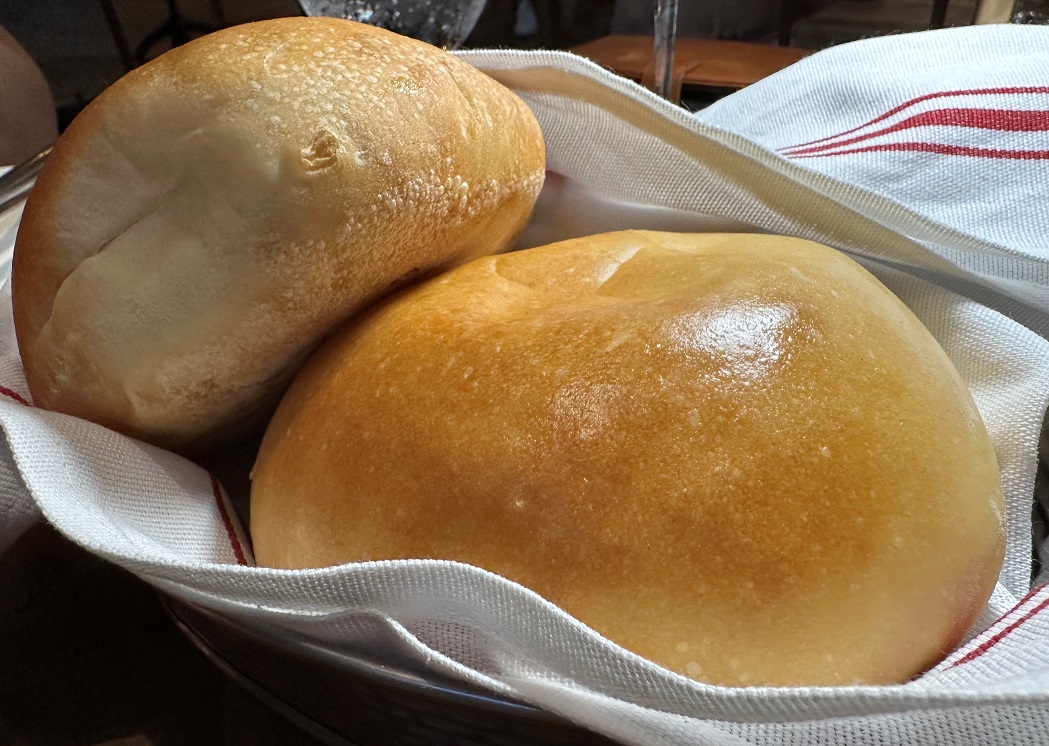


We ordered a few appetizers – Pepper Dip, Mantia (veal-stuffed small fried dumplings), and Burek (a pastry with cheese or meat, we ordered cheese). The appetizers showed up with two loaves of fresh bread which I’m sure is made at a restaurant. That bread was absolutely delicious and was perfect with the pepper dip. As a bonus, the flavor of the cheese the pepper dip was made with was reminiscent of the famous Georgian Khachapuri. The dumplings were delicious too. Burek was served with two sauces – a sweet pepper relish and another one reminiscent of the fresh buttermilk – not sure what it was, but very tasty.


For the main course, my wife decided on Qofte (traditional Albanian grilled veal meatballs marined with onions, crushed red pepper & herbs) – delicious is not even a sufficient word that can describe the flavor profile. I’ve chosen Fasul (soup style traditional dish with simmering white beans, and onions, slowly cooked in meat). I love white beans in any form, and by description, the dish was reminiscent of my beloved French Cassoulet, so I decided on this entree as soon as I saw it on the menu. I made the right choice – the dish was served in a small clay vessel and this dish was a pure comfort on the plate – delicious to the smallest, tiniest little morsel.
Traveling through space and time with Çka ka Qëllu made for a great Friday evening – a true 360, all-around experience (I didn’t mention the service that was timely, attentive, and friendly), just a few minutes away from our house. If you are living in Stamford or nearby, Çka ka Qëllu is definitely a place to visit. And you can thank me later – but don’t feel obliged.
We will definitely be back. Cheers!
Travel Diaries: Two Days in New York, or Pleasures of Being a Tourist
I live in close proximity of New York – 45 minutes by train – and I almost call it my “home town”. Each year, I get to visit the City, as it is typically called by locals (and to the best of my knowledge, “The City” primarily refers to Manhattan – New Yorkers, feel free to correct me) numerous number of times – business meetings, dinners, Broadway shows, wines tastings – you name it. But every one of those visits is purpose-driven – get in, do your thing, get out. Yes, I get to walk the streets, which I enjoy immensely and snap a few pictures, but still – the mind is set on “in and out”. “Can I sit on this bench for another ten minutes? No, because then you will miss the train. Get up and get going”.
To tell you the truth, the idea of staying in New York for a night was on my mind for a long time. Last week was a school break, for which we had no opportunity to make any plans. I looked around for a short notice vacation – flying would cost a fortune and would be mentally exhaustive (don’t get me going on my travel luck lately). Driving long distance with a rainy forecast for most of the East Coast didn’t look attractive even for a bit. And then the thought came – what about New York? My wife and our youngest daughter quickly agreed (older kids had no vacation that week anyway); we got lucky finding the room at Marriott Marquis, right in the middle of the Times Square – and with my Marriott status we even scored an upgrade, so we were definitely all set for a short New York getaway.
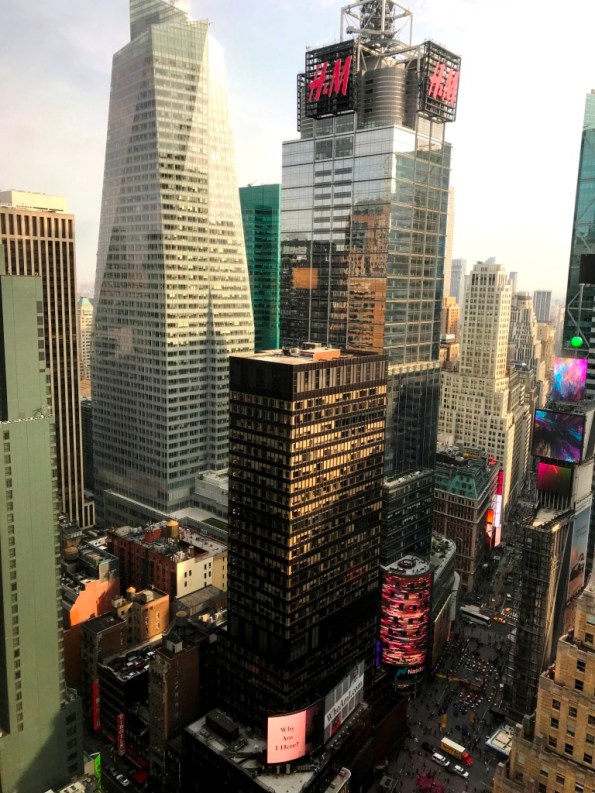
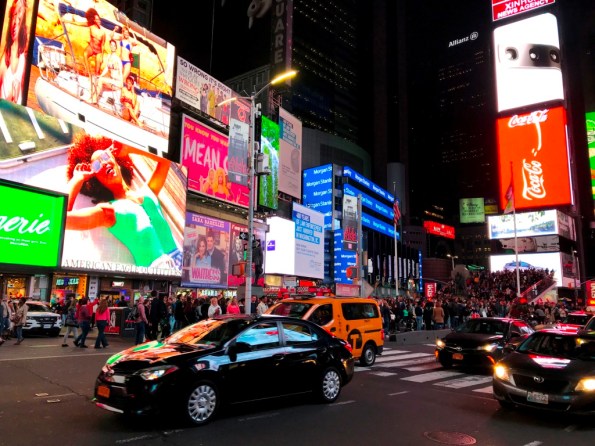
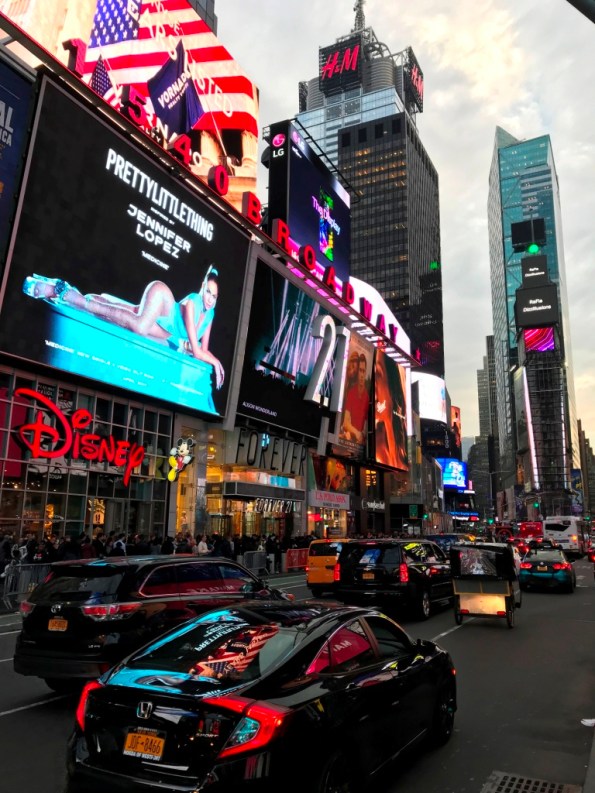
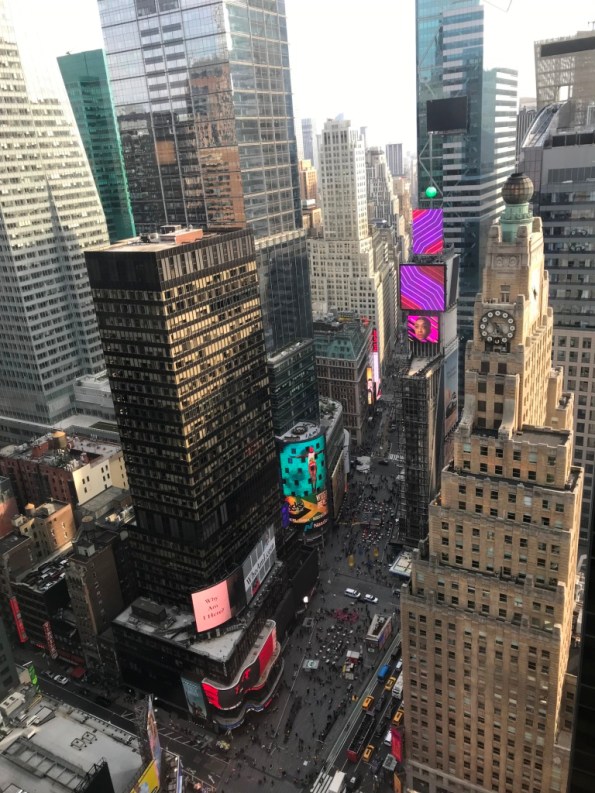
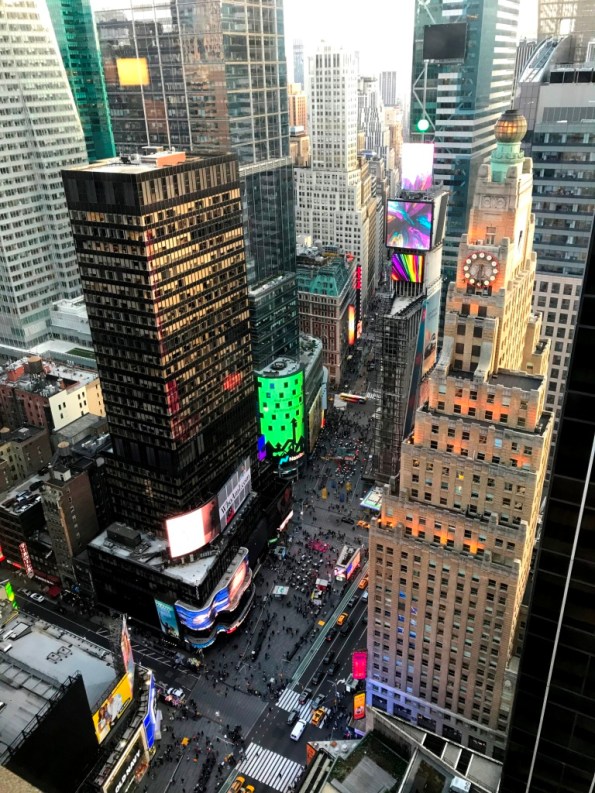
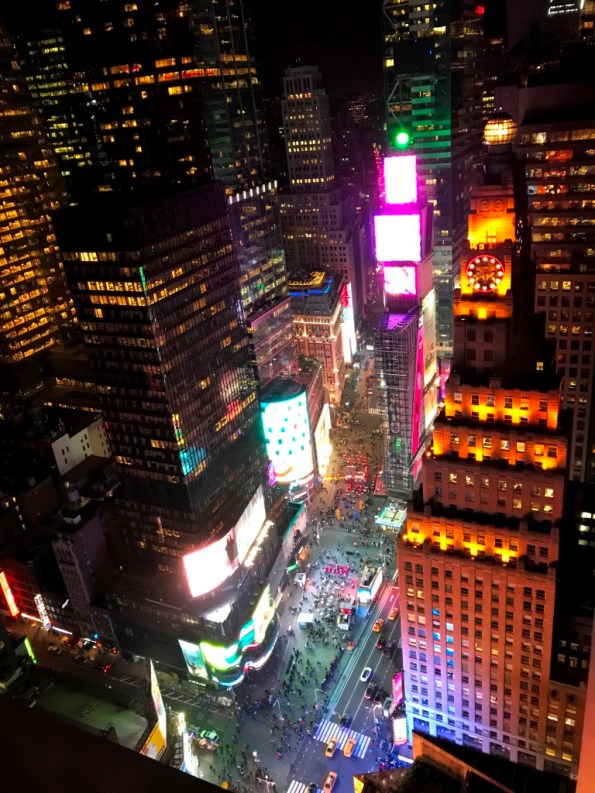
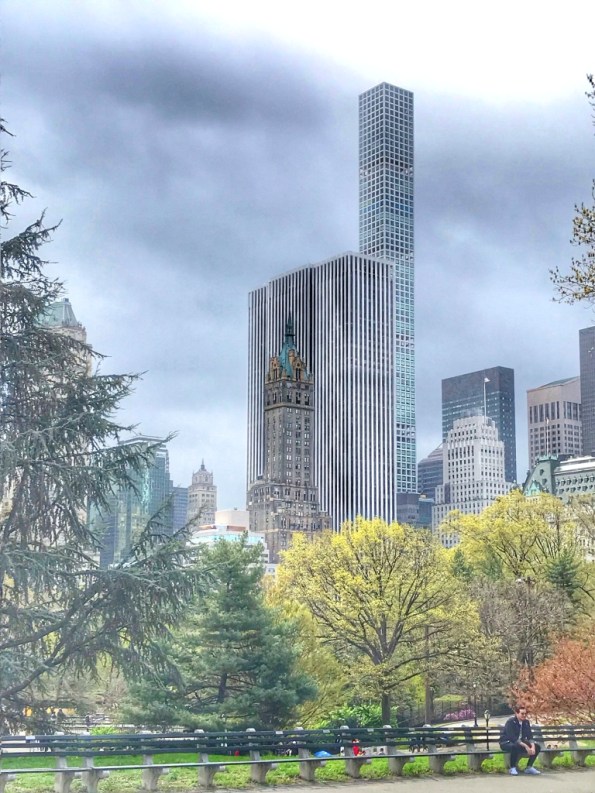
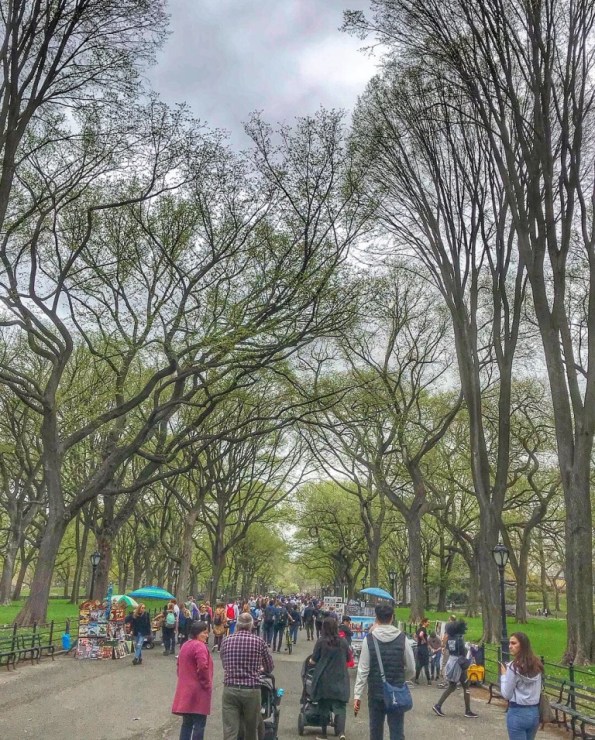
We decided to come over by train so we will not have to deal with the parking. After some deliberations, we decided to skip the most touristy things – city tour and the Broadway show, and just enjoy the City for what it is. Our mandatory program was short – Times Square, 9/11 Memorial, Jewish Heritage Musem and Central Park. Natural History Museum was also on the list, but with a bit of a lesser priority. With the hotel located right on the Times Square, the first requirement was easy – plus our upgraded room exceeded our expectations – we had the full view of the Times Square from the 45th floor, any second we wanted to see it – that alone made our vacation perfect.
Despite the gloomy forecast, I have to say that the weather cooperated with us very well. The view of the World Trade Center building covered in the fog was rather unique, and overall gray weather was perfectly appropriate for the solemn mood of the 9/11 memorial and even Jewish Heritage Museum. And for the next day’s walk through Central Park we even had the sun coming out instead of the expected rain, so we really can’t complain about the weather at all. By the way – we made it to the Natural History Museum, but it seems that there were a lot (way too many) dinosaur fans in New York that day – the line to get into the museum to see T.Rex exhibition was stretching over the few of the neighboring streets, so we really decided to call it a day.
The fact that we stayed overnight in New York really changed the impression and perception of this vacation. Instead of fighting the traffic and crowds to get back home after dinner, the leisurely walk back to the hotel created a feeling of a real vacation, when you immerse into the life around you and lose the feeling of time. There was no feeling of the day trip, no feeling of being close to home – it was a real vacation, just somewhere in the world, in a place where time doesn’t exist and you don’t need to care about anything. We all really loved the experience of being a tourist almost in your hometown and will be looking forward to doing this again – in New York and not.
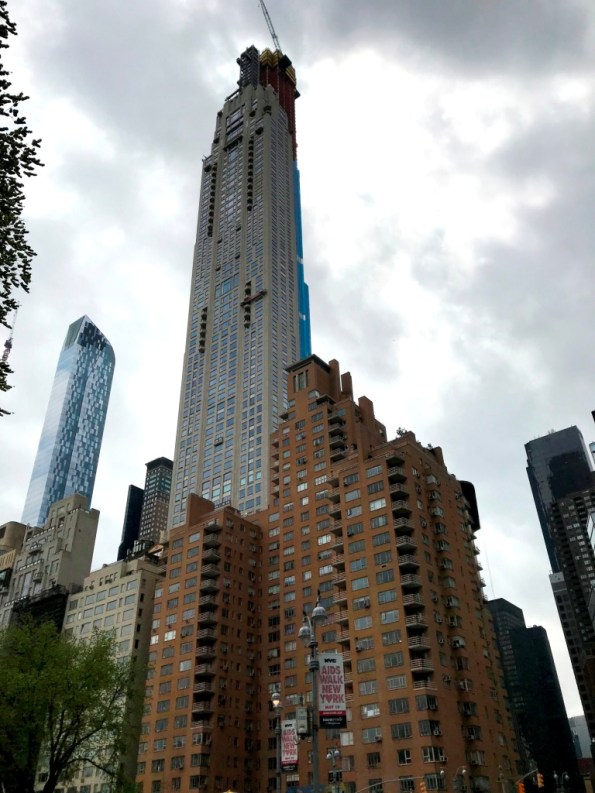
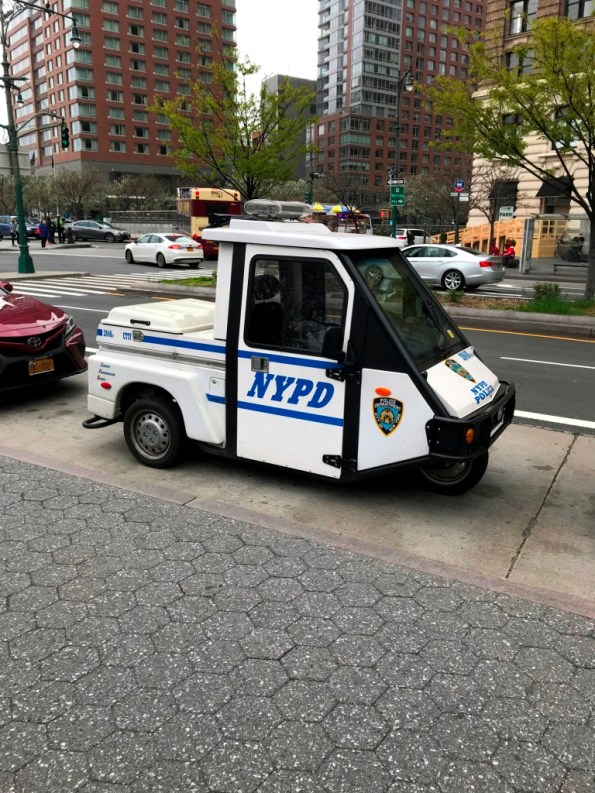
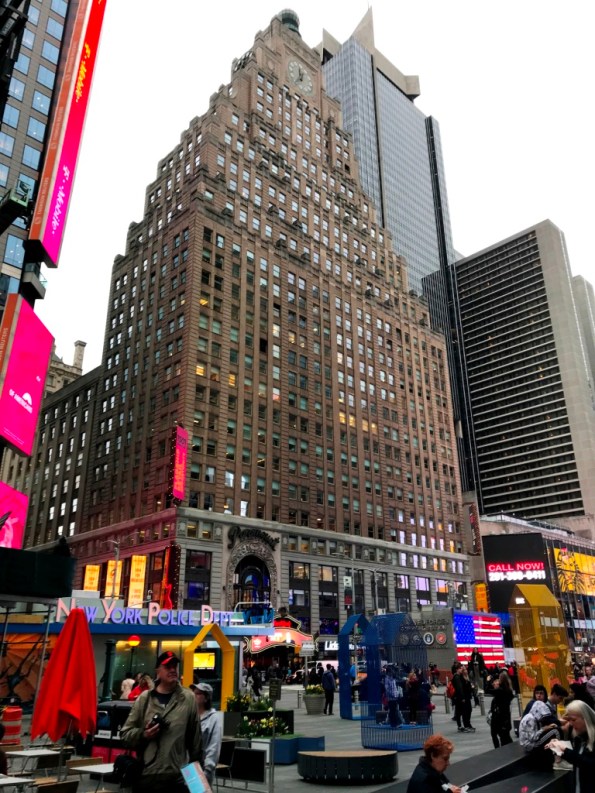
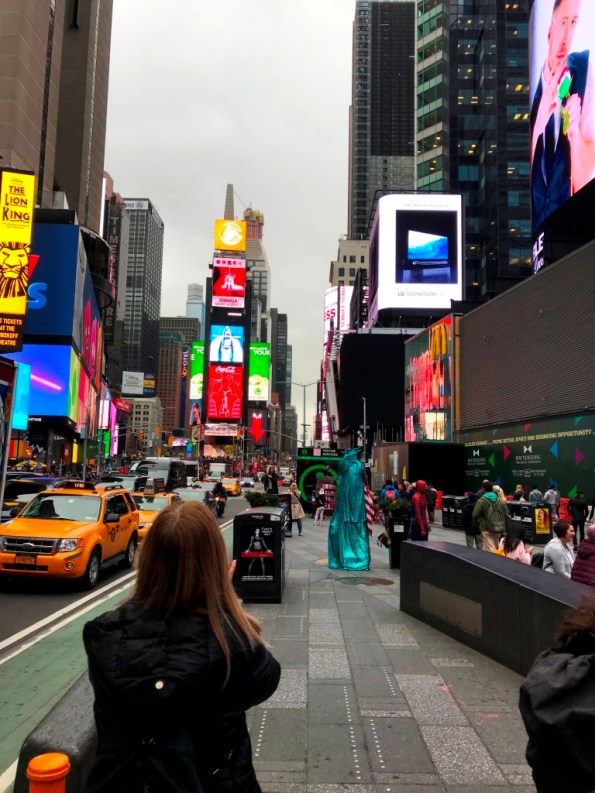
The only way I can share this experience with you is through the pictures. As I never know when to stop, here are some many pictures for you – definitely more than a few, but I’m only trying to share some of the moments of our [short] vacation. Hope you will enjoy them as much as I did while taking them. Cheers!
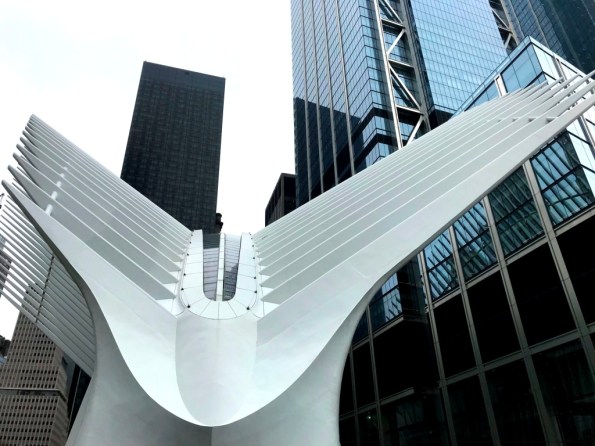
Lower Manhattan – The World Trade Center and around:

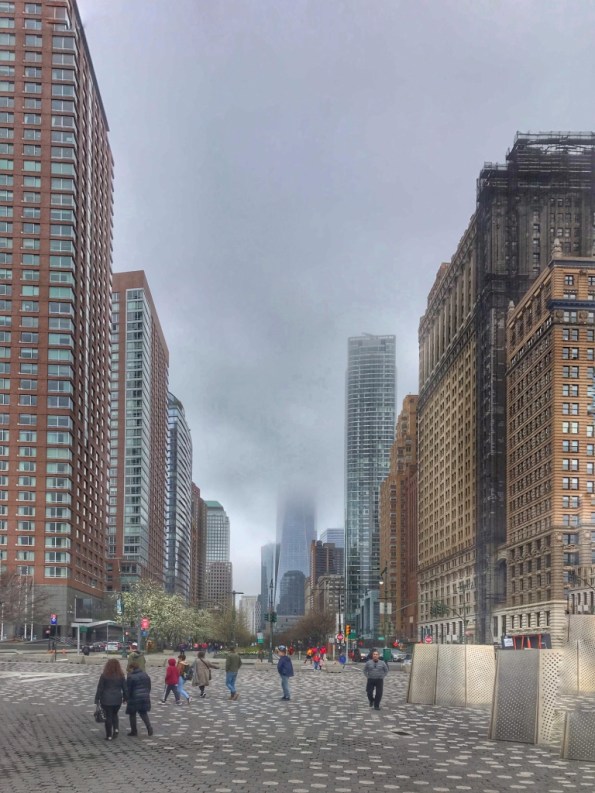
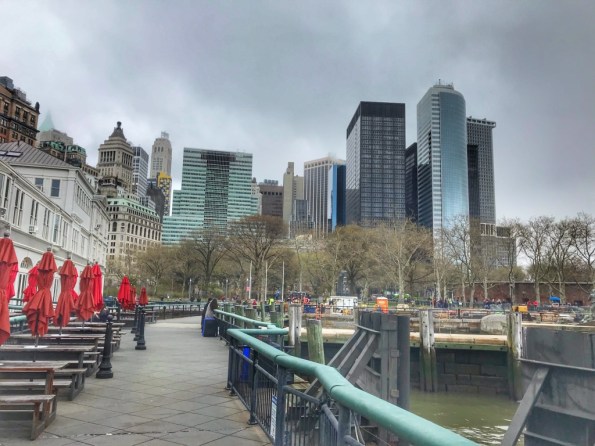
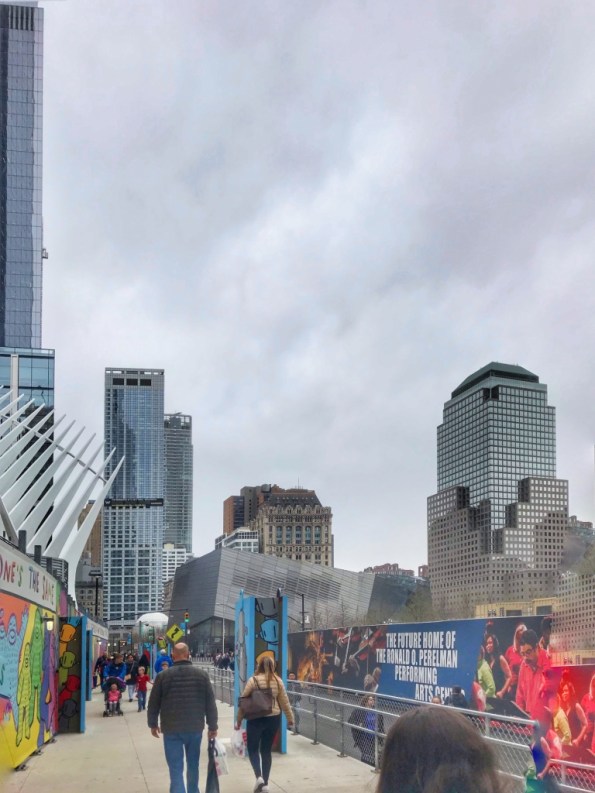
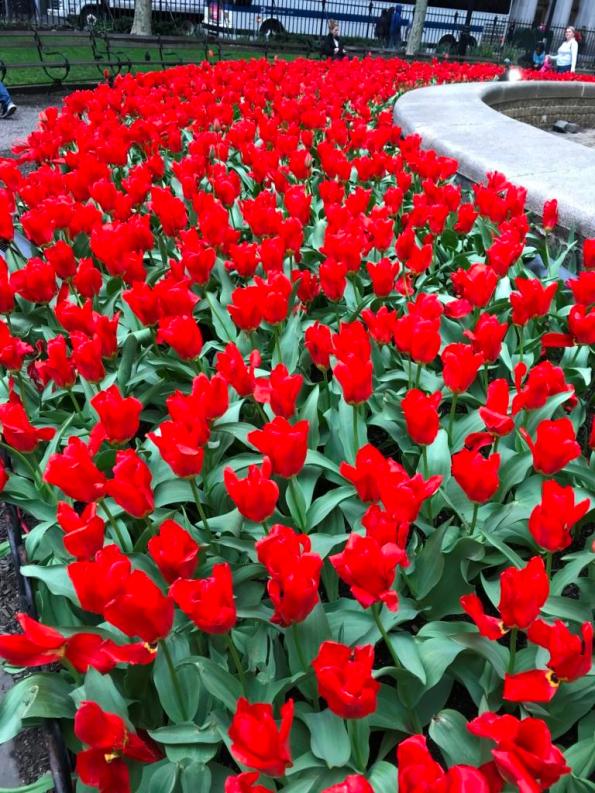
Somewhere in New York:
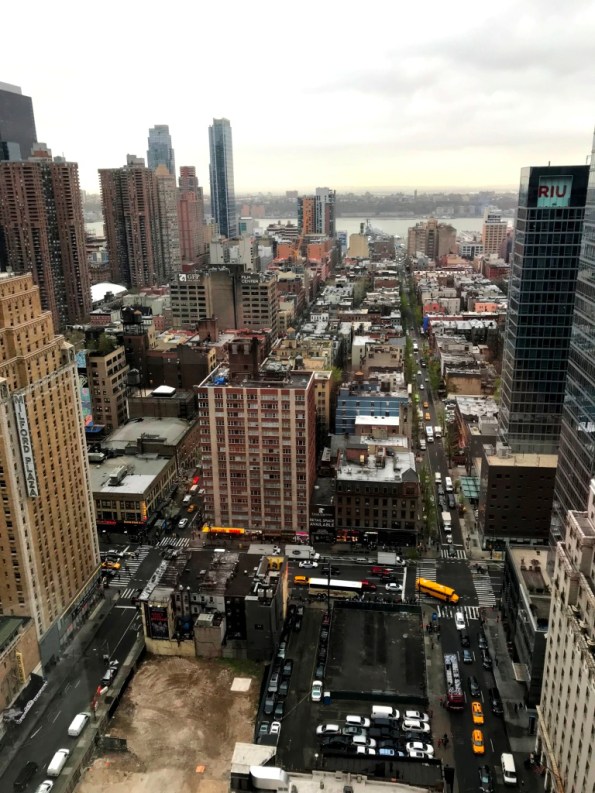

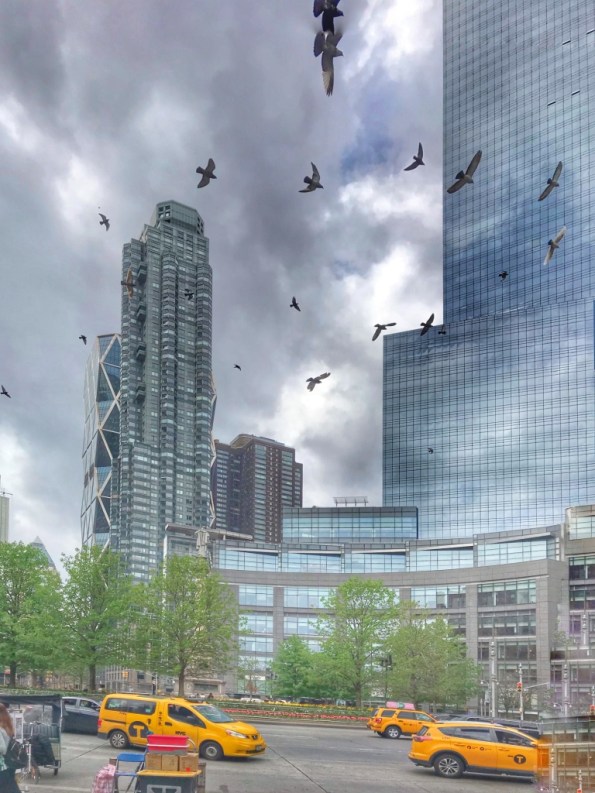
 Times Square – day, night, and around:

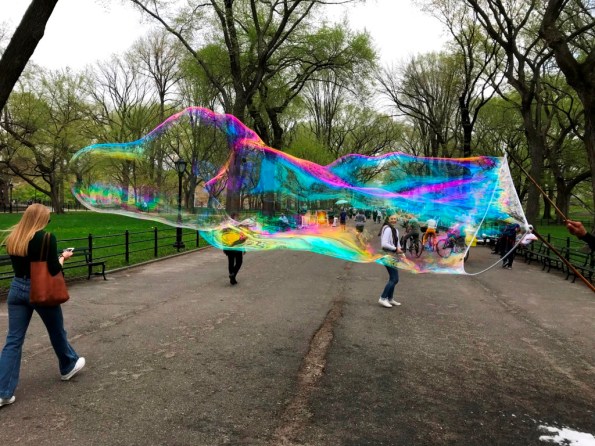
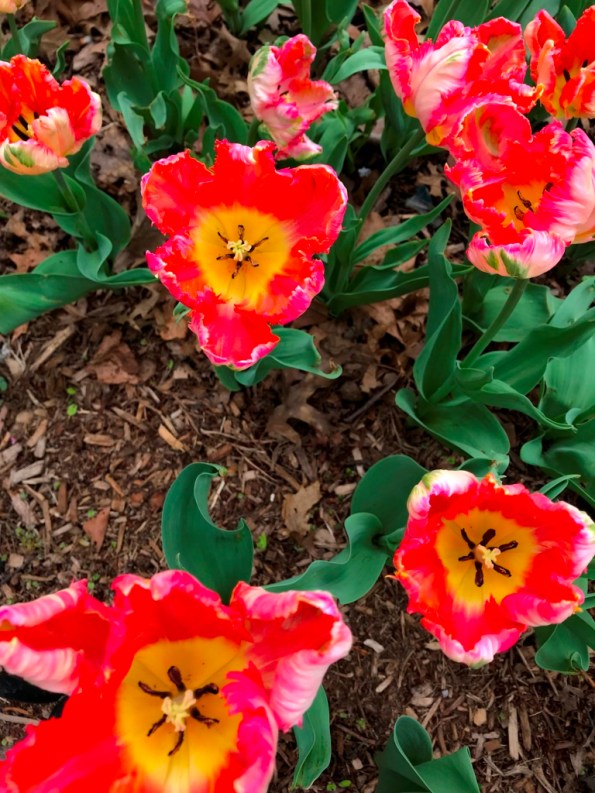
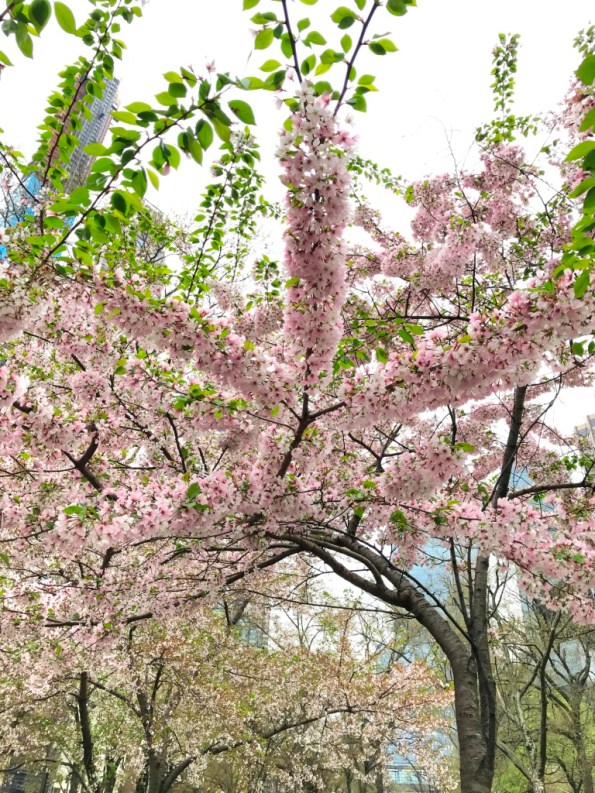
 Central Park:
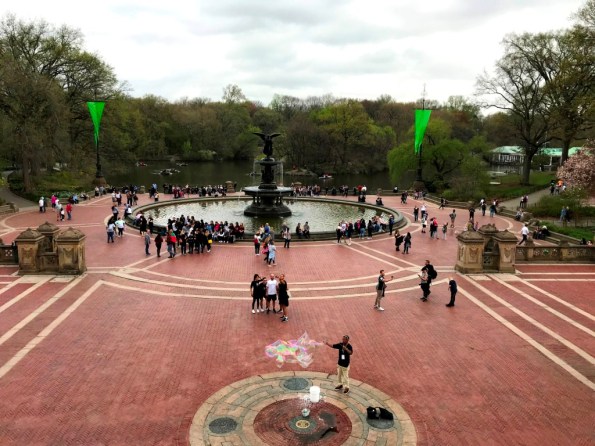
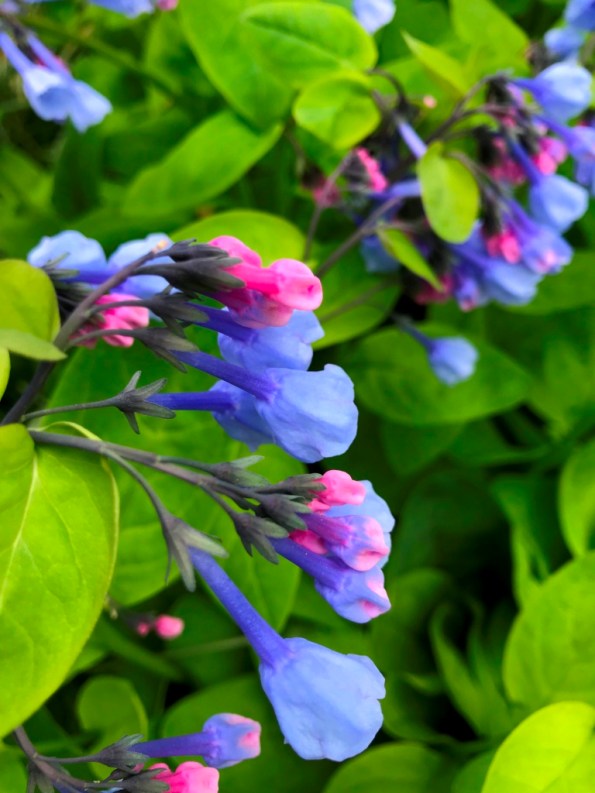
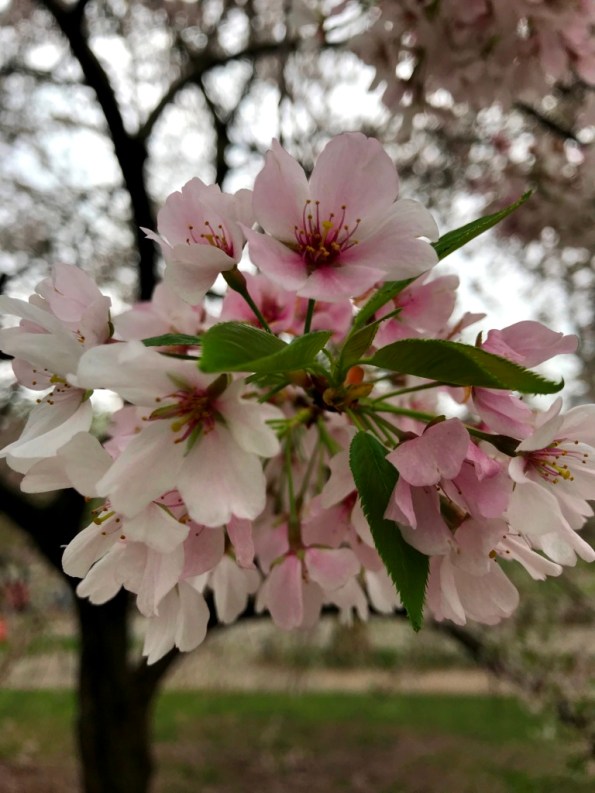
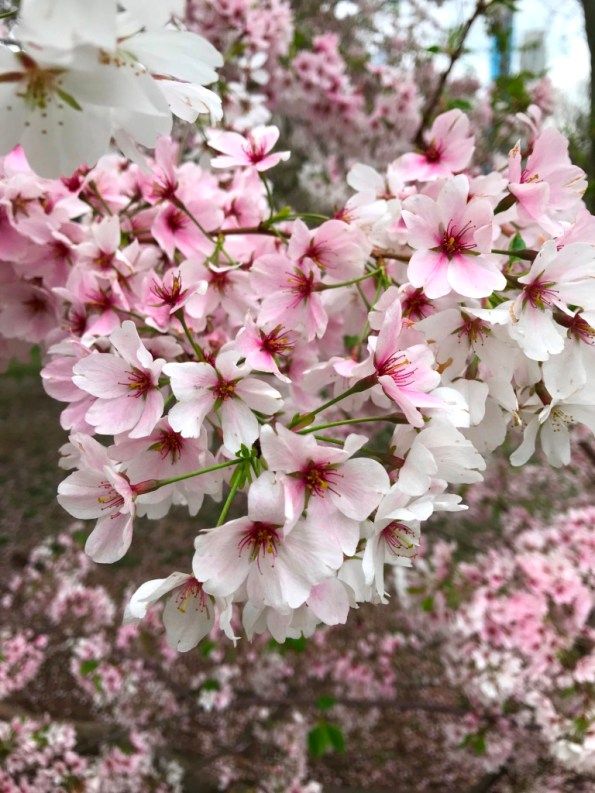
Top 12 of ’13
Here we are again, on the subject of Top Wines of 2013. You already saw my second dozen (and some), and the time has come to present the top list. In case you missed my lengthy explanation about the logic of this list, let me reiterate the main point – these are my most memorable wines of 2013. May be the word “wine” is even a bit limiting – these are the most memorable wine experiences of 2013. These are the wines which are so easy to recall – when you are talking about wines, these are the wines you use as an example. These are the wines which serve as memory links, easily allowing you to re-live the moments of your life. These are the wines which give you an ultimate pleasure. Let’s go:
12. 2008 Seresin Chardonnay Reserve Marlboro New Zealand – one of the best Chardonnays of the whole year – impeccable balance of apples, vanilla, butter and toasted oak, all I want in Chardonnay, nothing more and nothing less.
11. 2011 Antica Terra Erratica Willamette Valley Oregon – probably the best Rosé I ever had. May be even calling it a Rosé is simply a mistake. It was spectacular wine, complex, living in the glass, changing from mouthful of strawberries to tart raspberries and mouthfeel of a balanced red wine. An experience.
10. 2009 Tua Rita Redigaffi Toscana IGT – Tua Rita Redigaffi is listed in my “must try wines” list – need I say more? One of the best in the world renditions of Merlot. It was a pure pleasure – both the wine and the experience.


9. 2009 Chamonix Pinot Noir Reserve Franschhoek South Africa – mind-blowing. Exuberant. Over the top. Spectacular. I’m out of words. If you want rediscover Pinot Noir, go find this wine and taste it.
8. 2012 Cloudy Bay Sauvignon Blanc – truly a humbling experience and a life lesson. If you think you know everything about New Zealand Sauvignon Blanc, try this wine. You can thank me later.
7. 2007 Tenuta Sant’Antonio Amarone “Campo dei Gigli” – when I’m saying that I don’t have my most favorite wine, I’m lying. Amarone is the one. But for the past 5 years or so, practically every bottle of Amarone I touch becomes a huge disappointment. Not this one. This was a pure delight and the discovery of the year. Nose of dried fruit and perfectly balanced, round, dry and silky smooth mouthfeel. Thinking about this wine makes me smile.
6. 2005 Henry’s Drive Dead Letter Office Shiraz, South Australia – If anyone remembers Tastings column at Wall Street Journal, this wine was rated “Delicious!”, which was the highest rating. When I tasted this wine, it all made sense – absolutely delicious, round, plush, silky smooth and powerful at the same time, with plenty of blackberries and blueberries which only the best Shiraz can demonstrate. I was planning the whole post dedicated to the Dead Letter Office vertical tasting, but 2008 was only okay, and 2006 and 2009 turned out to be a complete disappointment, so no post. But if you can find this 2005 anywhere, get it – I promise you lots and lots of pleasure.
5. 2010 Donnafugata Ben Ryé Passito di Pantelleria – the only wine in Italy which received highest ratings in 2013 from all three wine rating publications. Once you will try this wine, you will understand why. The balance and complexity is nothing short of spectacular. Stop reading this blog, go find the bottle for yourself.
4. 2002 Domaine Zind-Humbrecht Herrenweg de Turckheim Gewurztraminer Alsace – I know that Zind-Humbrecht is considered one of the best producers in Alsace. I tasted this wine a few years back, and I was definitely underwhelmed. This year, this wine magically turned around, showing perfect balance of exotic fruit, lychees, honey, candied apricot and everything else you can to look for in Gewurztraminer, with perfectly balancing acidity. An ultimate treat.
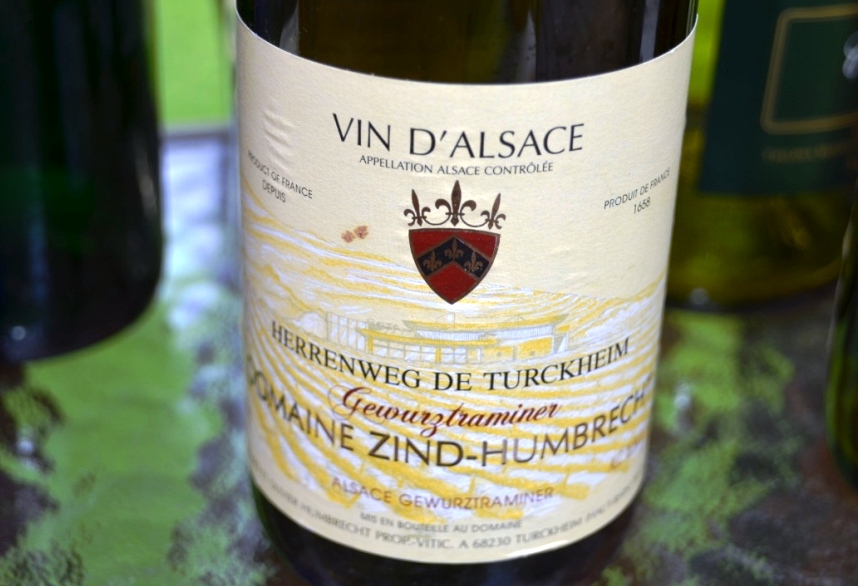
Zind-Humbrecht Gewurztraminer
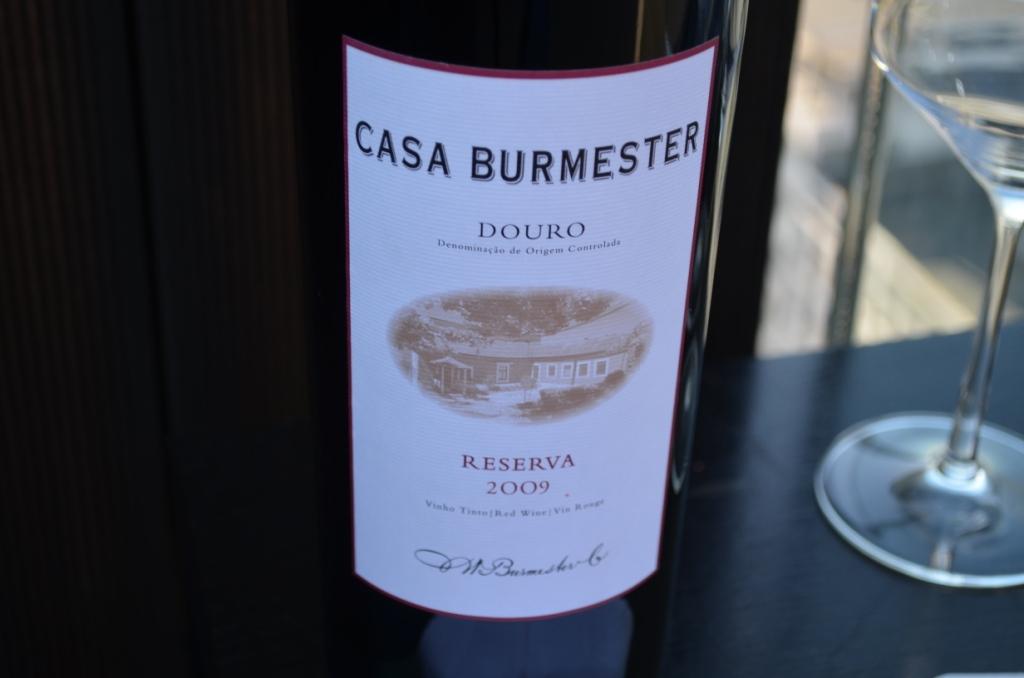
3. 2009 Casa Burmester Reserva Douro DOC – talk about “oenophile defining moments”. I had excellent Portuguese wines before I tried this wine, but the very first sip of this Casa Burmester Reserva made me go “what? seriously? wow!!!”. In a blind tasting, this wine would stand up to the best of the best of California Cabernet – beautiful fruit, texturally present, firm, powerful and impeccably balanced and elegant.
2. 2005 Frédéric Gueguen Chablis Les Grandes Vignes – I remember almost making fun of someone else using the word “gunflint” in the wine description. And here I am, taking a first sniff of this wine with the first word coming to my mind … gunflint! That sensation of gun powder-like smell, the smoke was incredible – and it was very pleasant at the same time. Tremendous minerality, lemony notes and some apples, clean and vibrant acidity and perfect balance. This wine was definitely an experience.
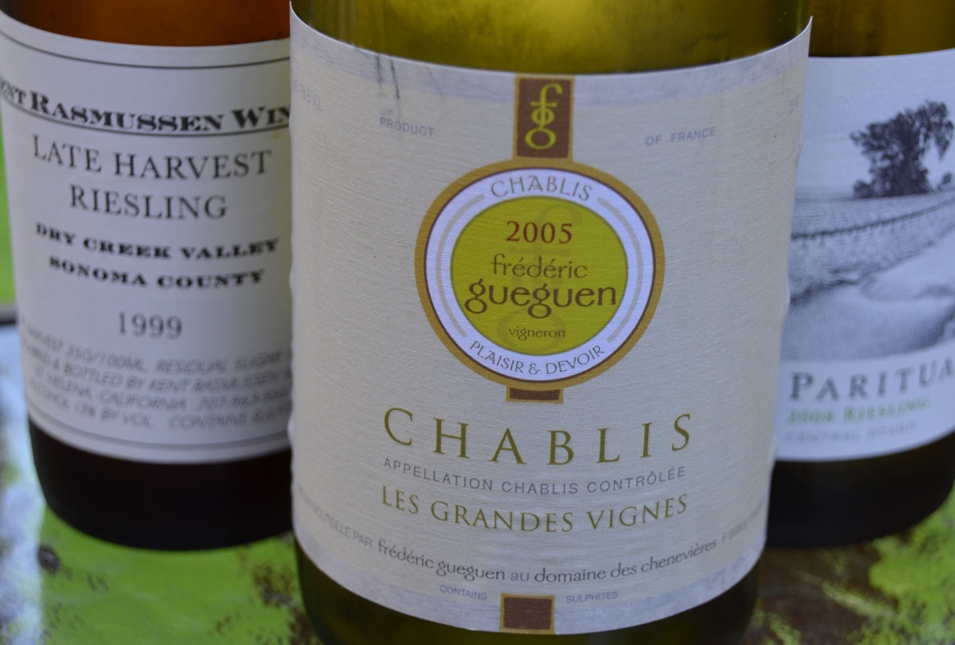
Frédéric Gueguen Chablis
1. 1970 Quevedo White Port – even people in Portugal are not aware of the aged white Port – I witnessed a few surprised looks when talking to the people about white Port which is aged. This wine might be never bottled, as I’m sure it is hard to create a category from pretty much a single barrel of wine. Nevertheless, the ultimate complexity of this wine, coupled with the visual snapshot of tasting it in the Quevedo Port cellar (cue in all the aromatics and mysterious atmosphere), makes for an ultimate experience which will stay in memory forever.

1970 White Port
By the way, did you notice that 3 out of my 4 top wines (even though I’m trying no to prioritize the list outside of the wine #1) are the white wines? Quite fascinating. Do you find this list too emotional? May be, but isn’t it the purpose of wine, to solicit emotion? Anyway, for what it worth, this completes the list of my best wine experiences of 2013. What were yours? Cheers!
What Are [The World’s] Your Best Wines?
 This post was prompted by a Share and question posted on Facebook by my dear friend Kfir Pravda. He shared an article from The Art Of Life magazine titled “Some of the World’s Best Wines“. As I skimmed through the article, the very first feeling which came up was … anger. Anger is a very bad adviser, and in the most of the cases people regret the actions taken while angry. If you are angry, the best thing to do is to do NOTHING, and this is pretty much what I did – well, to be more precise, I promised to write a blog post on the subject, so here we go. Warning: this will be most likely long and mumbling post, more of thinking out loud in search for a truth which might not exist – if you are not in the mood for that, you should probably stop reading right now.
All the feeling aside, let me just explain what triggered the initial negative reaction. The article presents the list of “some of the best wines in the world” – all the wines cost in excess of $350 per bottle (with two exceptions), and many cost more than $1000 per bottle. All the wines except one come from France (one is from Germany). Last thing – I’m missing the logic behind the selection of the particular group of wines with designation of being “some of the best in the world” – if such claims are made, it is always good to see a logic behind it. With so many amazing and rare wines coming from all corners of the world, the top list must include the wines from Italy, Spain, Portugal, US and Australia, as a bare minimum.
Taking it one step further we can come up with an interesting question – is there a such thing as “best wine in the world”? Or even can there be such thing as “best wine in the world”? Yes, we like to designate objects to be “the best in the world”. Why is that done? I guess we need something to aspire to, something to adore, something to be moved by. It is also gives us something we want to experience – somehow, one day, yes, that would be great. When it comes to many “best in the world” things, such as art, architecture and places in general (like mount Everest), chances of “experience” are quite decent. We can experience such things ourselves – no, not own that Picasso painting, but to see it and to be as close to it as we want to at the art exhibit, for instance, or we can travel to Paris and take a tour of Eiffel Tower. If nothing else works, we can read a book or watch a movie – if good, this will bring us fullest possible experience of object of our desire, “the best in the world”.
When it comes to wine, it gets a little tricky. To begin with, I mentioned in a number of posts the definition of a good wine – in the words of Kevin Zraly, “the one which will give you pleasure”. How much pleasure can you get from reading the description of the wine, even if the wine is designated as best in the world and it is very expensive. Yes, from reading the description I can appreciate the fact that someone else thinks that this wine has a flavor of black currant, and that it costs more per bottle that trip to Paris to see Eiffel Tower, including cost of the meals – I don’t know about you, but I don’t get that much pleasure from reading about particular wine as from actually tasting it. Tasting of many “best in the world” wines will be difficult at best, due to the price and sheer availability of those wines. Therefore, the whole concept of “best in the world” is very challenging when it comes to wine (I’m sure it is true for the food in general). Let’s call the wine amazing, outrageous, unbelievable, divine, incredible, “to die for”, “a must try” (ok, enough, you got the point), but not “the best in the world”. Remember, the one which gives you pleasure – it is your own, personal, individual palate we are talking about. If we are to conduct wine tasting, with inclusion of the supposedly “best in the world” wines, but fully blind (you taste the wine without any information regarding what can it be), I wonder how “best in the world” wines would rate… I can bet that in a lot of cases they will not be even designated as “best in the tasting”, as tasting wines blind brings out ultimate truth – I mean your personal version of it.
So, what do you think, should the concept of “best in the world” be applicable to wine? I think the answer is no for the most of the cases (well, I will give it a benefit of a doubt, may be there one wine which is actually the best in the world, the one which I will never try…) For me, someone’s “favorite wines list” concept works a lot better – as long as I trust that “someone”. The someone can be magazine, like Wine Spectator or Wine Advocate, wine store owner, a wine writer or a blogger or your friend – all you need to establish is how your palates align, and then you are on the road to have fun with every bottle you open. Or not – in which case let’s just hope that you didn’t pay the price of “best in the world wine”…
Well, now, please tell me – what wine is the best in your world?
Taste Of Wine – Engineering Approach
 You might be baffled by the title of this post, but I promise to explain. I even expect that it will make sense in the end and will not be boring. No, this post will not be talking about kinds of machinery necessary to properly taste wine. Wine, in its seeming simplicity, has a mystic aura surrounding it. Perceived taste of wine is definitely one of the areas where mystery of wine unfolds – and this is what I want to discuss.
Quite frankly, blog post by W. Blake Gray “Why expensive wines taste better: Psychology 101” prompted me to think about subject of taste of wine, and the factors which affect the perceived taste. Being a computer engineer by education, I like to use an orderly approach when a phenomena needs to be analyzed. But wine has nothing to do with computer engineering you contend? True, but it doesn’t mean that we can’t use some interesting tools to put the thoughts in order. As a side note, I want to mention that I have experience successfully using engineer approach in totally non-engineering subjects – in college, together with my friend Alexander (Sasha) we converted whole semester course of philosophy into block-charts, one night before exam. It worked!
Please relax – there will be no block-charts or algorithms in this post. For putting the thoughts in order I would like to use tool from the Mind Mapping category, called FreeMind – you can find it on internet, and if not – send me a message and I will help. This tool allows you to put your thoughts in order, and then do the analysis. How? Let’s see. So here is the group of factors which affect the perceived taste of wine (good/bad, tasty/disguising and so on): Organoleptic (smell, color, taste and so on), Tools which can alter the taste, Expectations and Environment – note, that these are only my thoughts, though. Here is the same – but in the format of the mind map:

What are this “Expectations”, or what does “Environment” means, and do I include screwdriver into the “Tools” and why, you may ask? Let’s add one more level of details and then talk about it. So here is the expanded picture:

Now, there is a lot more we can talk about. Let’s start with expectations. There is a lot of factors which might influence our opinion about the wine by setting our expectations prior to opening the bottle. Do Ratings affect perceived taste of wine? You bet! “Robert Parker gave this wine 97 rating, I’m sure it should taste amazing”. “This wine is rated at 95 by Wine Spectator – I’m sure it will taste great!”. And then it does not – for you personally, it doesn’t. And there is nothing wrong with you – may be you are just in bad mood, or may be this magnificent Cabernet Sauvignon from Napa Valley simply doesn’t work well with Chinese sweet and sour chicken, or may be this is just not the wine you like. Those critics who rated the wine 95 points have to be objective ( this is their job), but you, consumer, don’t have to – like/don’t like is the best rating (we will discuss this in the future).
Where the wine was made (“I love the wines from Napa”, “German wines are the best in the world”…), who made it (“ahh, it is Petrus”, “oh my, this wine is made by Screaming Eagle”) and the price (“I paid $100 for this bottle!”, “yeah, I only paid $10 for this bottle”) – all will (or at least, might) influence the perceived taste. Do other people opinions affect our expectations? Absolutely. What about books, articles and advertisements? Yep, most definitely. However, it is very important to note that the more you learn about wines, and by learning I mostly mean trying different styles of wines coming from different regions, the less “affecting” these factors become.
Will the temperature affect the taste of wine? Of course. Will proper (or improper) decanting affect taste of wine – yes, in many cases. Some of the factors, such as decanting, might affect the taste in the two different ways – one is simply aesthetics, with the expectations are set with the sheer “wow” factor of the proper decanting, and another one is a physical effect, by allowing the wine to “breathe” , open up to reach the optimum flavor profile (yes, there is more to the decanting, but this is not what this post is all about).
We can go and discuss the factors one by one for a long time – it will make this post very long – and probably equally boring. But as we have an advantage of playing with the mind map, let me simply give you more food for thought – here is fully expanded version of this mind map. Remember, it is just a momentary snapshot of your thought process, and it is as fluid as thoughts themselves:
 Before we conclude, I would like to touch on of the important factors which is hiding there in the “Environment” group – blind wine tasting. Of course there are different levels of “blindness”. When you taste the wines as part of the Master Sommelier exams, you have no information about the wine, outside of what you can see, smell and taste. In many other cases, you know only a small piece of information – for instance, tasting the wines during the Windows of the World Wine School classes, we knew the region (Bordeaux, California…), but nothing beyond that. Why it is important to taste the wine blind? It eliminates most of the influencing factors which get in the way of you establishing very simple relationship with the glass of wine you have in your hand – I like it, or I don’t.
Well, I think it is enough for this post. I would love to hear from you – was it boring, was it interesting, am I totally off in my thought process. If you want more information on the mind mapping – I will be glad to send you links. If you want the mind map file for the Taste of Wine – drop me a note, I will be glad to send it to you. And most importantly, tell me your wine tasting stories – and keep learning about the wines!
Food, Wine and Finger Lakes
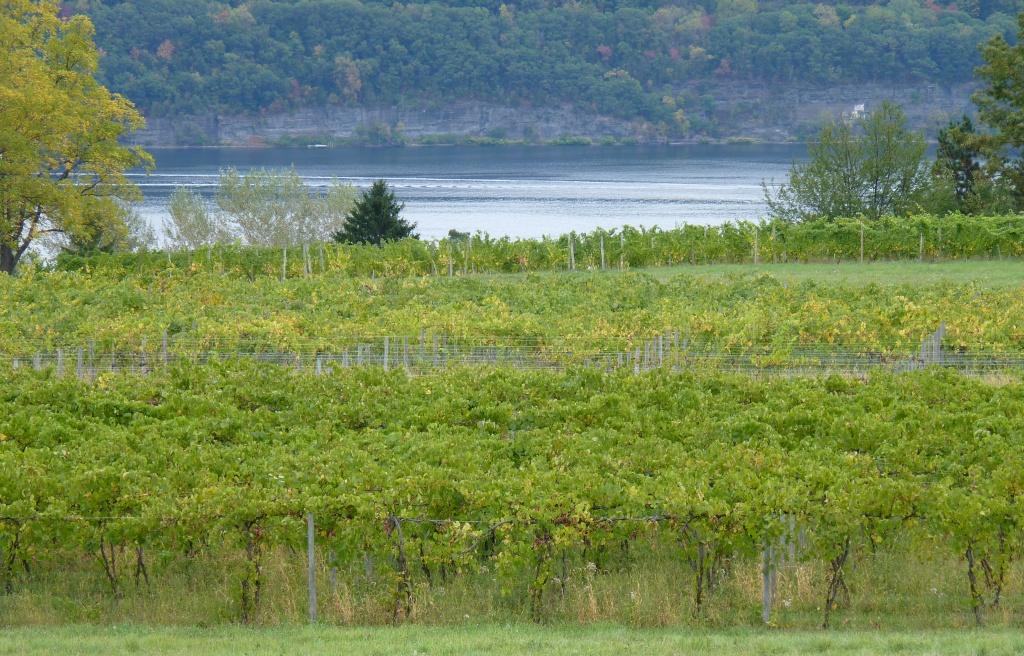 It seems that I’m looking at good prospects of visiting Finger Lakes region of New York quite often over the next four years ( my daughter just started a college there), so I’m gladly taking the opportunity to talk about food and wine in that beautiful part of the country. Finger Lakes region is well known for its multiple wine trails. For a long time, the region was mostly known for it’s Riesling wines, and then white wines, such as Chardonnay and Gewurztraminer, now it is slowly changing with the grapes such as Cabernet Franc, Chambourcin, Baco Noir producing interesting wines.
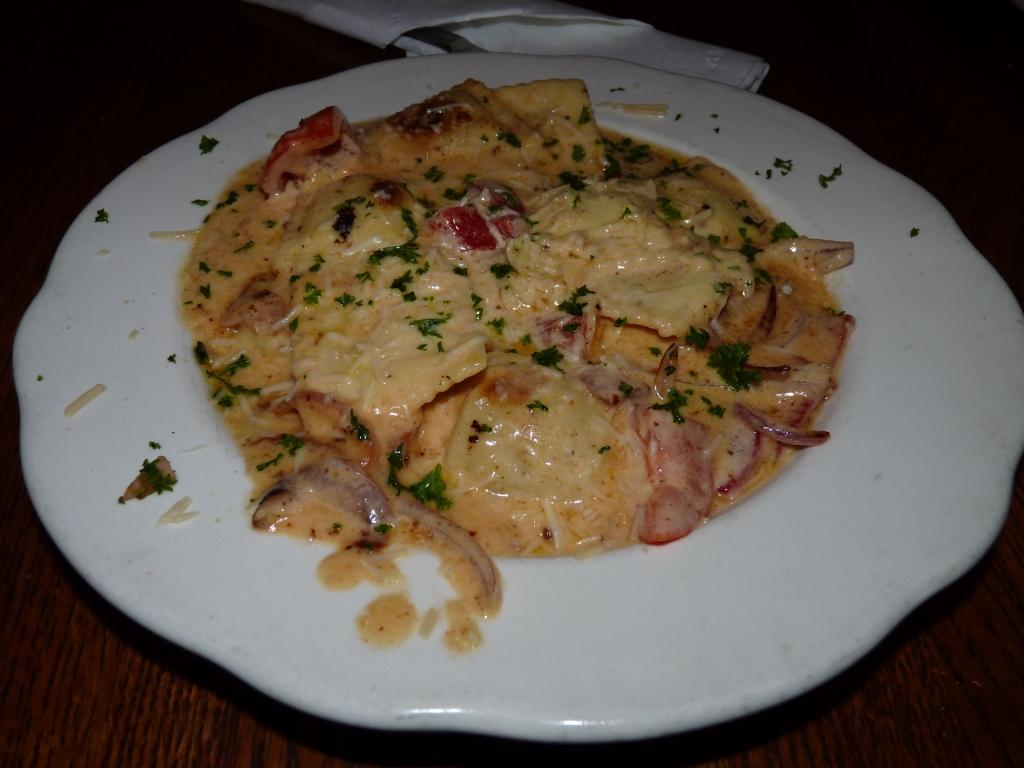
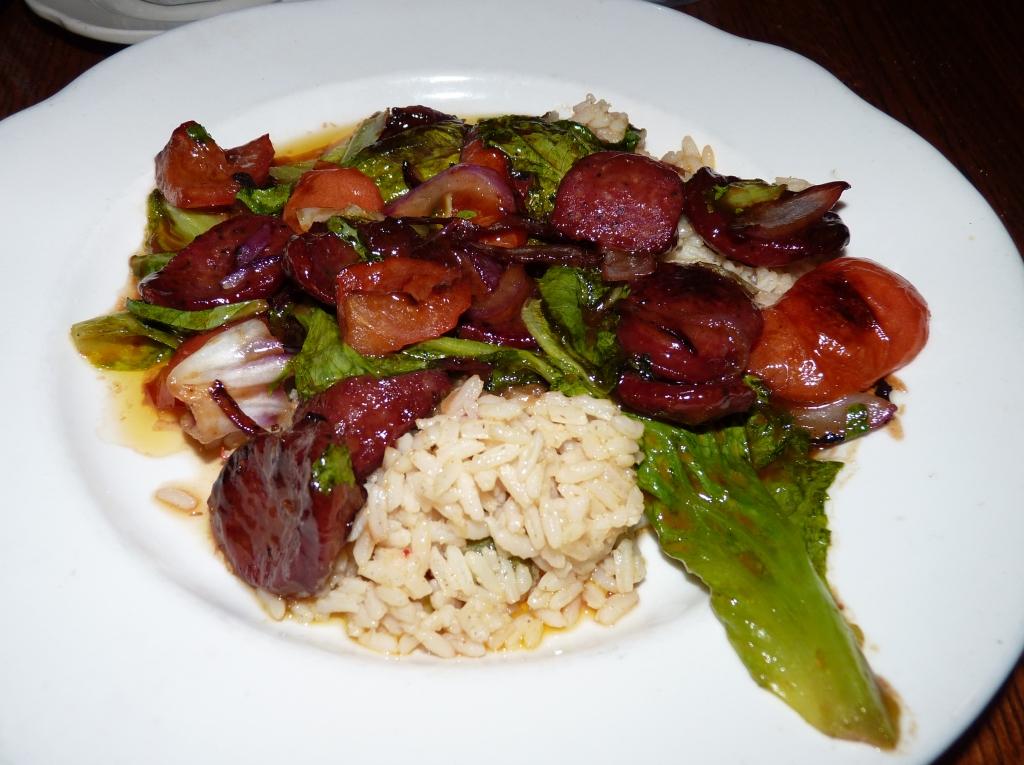
I have to admit that visiting wineries was not the main purpose of this trip, so with this post, I would like to mostly share the experience around the food. Outside of Panera Bread which is consistently good no matter where you go ( I would personally go as far as declaring it the best implementation of “slow food” in the fast food setting), we visited two other places. First, we had dinner at the restaurant at the Inn called Rogue’s Harbor Inn (it is Bed and Breakfast place). Overall all the food was consistently good, with the focus on local ingredients. The only surprise ( in a bad way) was the smallest fried calamari appetizer I ever saw. All the entrees were done very well, so here are some pictures:
Wild Mushroom Ravioli (great mushroom flavors):
Chevon sausage with greens ( local sausage):
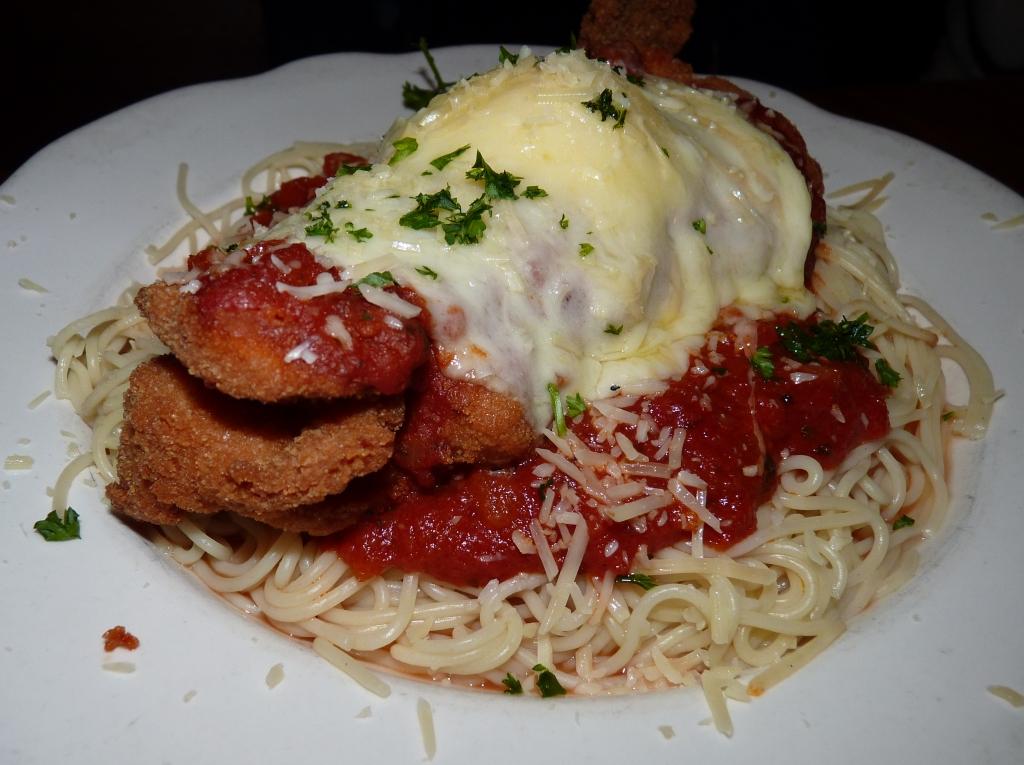
Three cheese Chicken Parmesan:
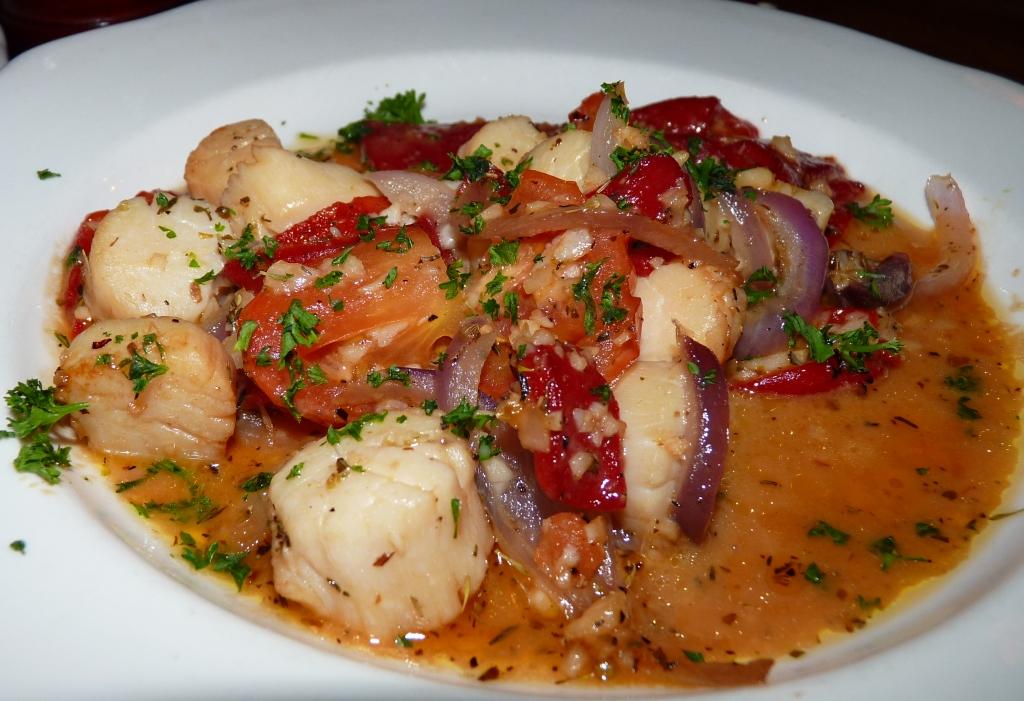
Scallops Solera:
Few notes about the wine: it was great to see a wine list fully composed of local wines – I think it is great when local  food is complemented by the local wine. We chose Long Point Ciera Rose 2009, simple and pleasant wine, as it was working well with the variety of dishes we ordered.
Another place we stopped at was Castel Grisch winery. Located in a very picturesque place, the winery offers magnificent views of the lake and surroundings. As we made it to the winery, of course, I had to try the wines. I did try most of the wines, except the ice wines, and unfortunately, I didn’t find anything I like, except Gewurztraminer 2007, which was actually done in Alsace style – dry wine with very nice floral and spice expressions. In addition to the winery, Castel Grisch also operates a very nice restaurant, with a good selection of sandwiches and hearty soups, such as Hungarian goulash soup. I would definitely come back there for the food, but most likely not for the wine.
This would effectively conclude the post. As we had good success with the food, I will make an effort to find good wines – I’m sure I will, as I have plenty of time… And until later – Cheers!
Rogues’ Harbor Inn
2079 East Shore Drive
PO Box 97
Lansing NY 14882
607-533-3535
http://roguesharbor.com/

Stew Leonard’s Wines: Meeting Winemaker Chester Osborn
 A few times lately I have come across blog posts talking about too many wines on the shelves of the stores and poor consumers being intimidated and having troubles to find what they want. Quite honestly, I find this annoying – I believe convincing consumers that they should be intimidated is the wrong thing to do. Why am I annoyed with this? Very simple. Today, you need a very few things to navigate the world of wine and feel comfortable. One is desire to learn (if someone doesn’t want to learn, it makes no sense to complain that one can not). Learning about wines simply means trying them and making an effort to remember what you like and what you don’t. Another helpful thing – finding a good wine store.
There are quite a few good wine stores where I live – I do plan to write a separate blog post (or may be a few) covering some of those in more detail. One of such good wine stores is Stew Leonard’s Wines in Norwalk, CT. What makes the wine store “good”? It is easy to navigate, it has helpful and knowledgeable personnel, and it is helping you to learn about wines. You got all of that at Stew Leonard’s Wines – easy to navigate, helpful staff and great education. What do I mean by education? When it comes to wines, education consist of learning about wines and tasting them. One of the ultimate forms of “education” then is when you can learn from the best and taste excellent wine – and did I mention that it is usually free? Yep, it is free and available, almost every Friday and Saturday, again, thanks to the folks at Stew Leonard’s Wines. Every Friday and and Saturday, you can come to the store for the wine tasting, and if you are lucky – you will also learn from the winemaker, as it was the case last Friday, September 24th , when Chester Osborn, winemaker of the famed Australian winery, d’Arenberg, was presenting his wines.
d’Arenberg produces quite a few different wines in the McLaren Vale region in the South Australia, of course with Shiraz being a star grape. Five different wines were presented at the tasting. First, Lightly Oaked Chardonnay – it is actually very nice and simple, with clear fruit and light oak expression. Then comes The Stump Jump 2008, which is also should be known at GSM. GSM stands for Grenache, Shiraz and Mourvèdre, and it is a blend modeled after wines from Southern Rhone. It is also interesting to note that Friday, September 24th was the First International Grenache Day which was proudly stressed by Chester holding up the bottle of GSM. Stump Jump is a very nice and approachable wine with great and powerful fruit expression. The next wine was classic The Footbolt Shiraz 2007 (Footbolt actually was the name of the horse), nicely showing spicy bouquet of MacLaren Vale’s shiraz (need my rack of lamb wit that one). And then the flagship Dead Arm Shiraz 2006 – great wine which will need another 15-20 years to be enjoyed fully, very earthy and dense, drinkable now, but boy, will it evolve! In case anyone wonders, the Dead Arm has nothing to do with human body parts – the name is related to the grapevine disease, which can kill part of the plant, producing “dead arm”, or a “dead branch” – in this case the grapes on the surviving part have very high flavor concentration.
And last wine presented was Sticky Chardonnay – beautiful desert wine, made from Chardonnay grapes, exhibiting honey and white peaches notes, all with nice minerals, acidity and green apple bite. At $9.99, the wine of such quality is a pure steal. All in all, it was a pleasure meetings Chester d’Arenberg Osborn, learning from him and experiencing his wines.
To complete the story, I would like to include a picture of the great folks from Stew Leonard’s Wines, including Stew Leonard Jr. himself:
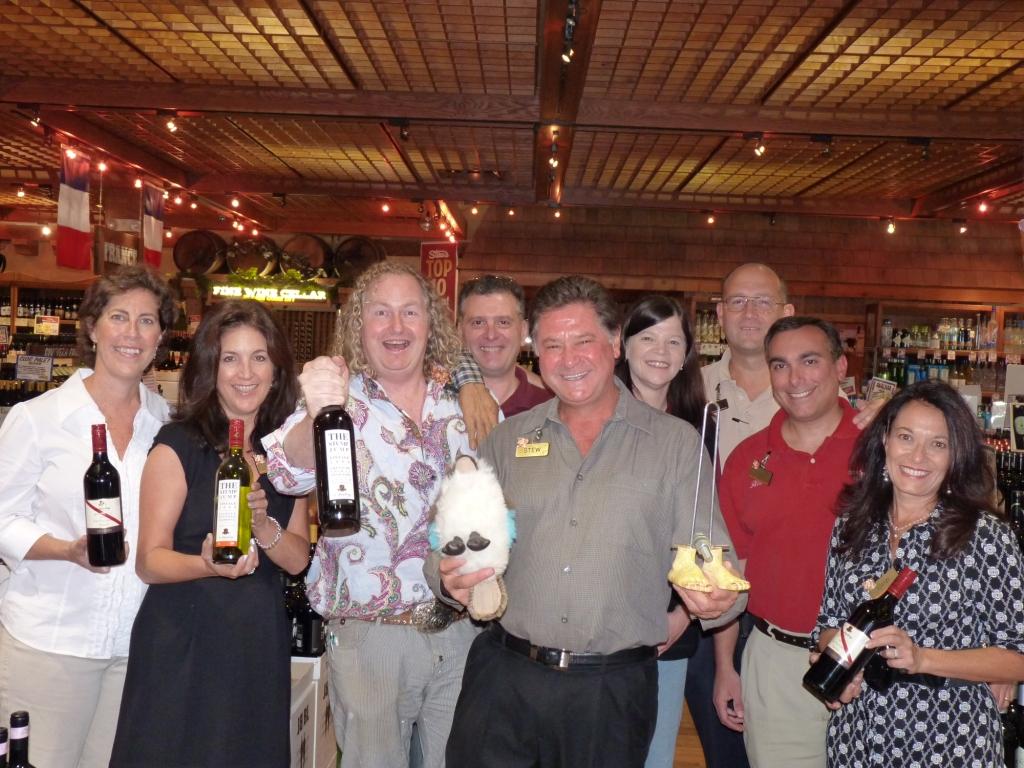
Going back to where we started – it is not difficult to learn about wines today – all you have to do is make an effort. As one of my teachers was saying, when the student is ready, the teacher will come…
Experiences and Expectations
 So far I had being talking about wine and food in this blog. As this blog’s short description puts it, it is about “Wine, food and life”. Of course food and wine are definitely part of our daily lives, so the blog’s promise on “life” is fulfilled, more or less by itself. However, after I read a very interesting article sent to me by Kfir Pravda, it really stroke the chord, so here comes the blog post. A life prospective through the glass, if you will.
The article is called “If Money Doesn’t Make You Happy Then You Probably Aren’t Spending It Right” (I really encourage everyone reading this blog to read the article – it definitely worth it). Money? Don’t worry – this blog is not changing into a financial publication. I don’t plan to give any financial advice, and I don’t know where the money tree is growing (if you know – can you please, please share with the rest of us?). The article itself is not talking about money or finances, it rather talks about happiness, and then looks at money as one of the popular means of achieving it (or not). Still don’t see a connection, with wine or with life? Just continue reading, please.
One of the first points of the article is “Buy experiences instead of things”. There is a great explanation on why it makes a lot of sense from point of view of achieving “happy” state and keeping it for longer. That concerns pretty much anything in life (two weeks trip through French country side will probably keep you happy much longer than having one tiny original French painting on your wall). Now, I hope you expect me to connect this to the wine. Quick question – can you experience Chateaux Margaux 2000 ($1000/bottle, try to find it), Vega Sicilia Unico 1968 ( about $1200/bottle, again good luck finding it), Krug Vintage 1996 ($300+, same good luck wish applies) and about hundred other wines, all without emptying your 401K ( like it’s not empty already)? If you said “yes”, you are correct. PJ Wine Grand Tasting in New York in the Fall of 2009 had all of those ( and many more) wines available for all the wine lovers. Ticket price – $144 per person. Paraphrasing MasterCard commercials, having long-lasting memory of tasting freshly made bread in the Krug or tremendous luscious layers of complexity in Chateaux Margaux – priceless. Yes, it is great to have that special bottle of wine in your own cellar. Considering realities of life and cost of college education ( sorry, personal pain point), it is not easy to have all the wines you want in the cellar – however, you can always find a solution. Going after experience can bring a lot more long-lasting happiness, especially comparing with owning THAT bottle of wine and having regrets about money spent as the main feeling every time you think about it. Or at least that what I think – and I would love to hear your opinion.
Another key point of the article, “Buy many small pleasures instead of few big ones” also can be perfectly illustrated in the wine world. What would you rather have in your cellar? One bottle of Joseph Phelps Insignia 2006 at about $160 to $200, or 4-5 bottles of Ladera Cabernet Sauvignon Napa Valley 2006 at about $40? I chose the pair for the simple reason – tasted both a week ago, and with all due respect to Insignia, having more bottles of Ladera Cabernet will provide for quite a bit more happy occasions. But when it comes to wine, this is definitely a very important point – there is a lot of choices, and you can use your money wisely and “stretch the happiness” quite a bit simply by finding the right value wines which will bring you a lot of pleasure and happy memories.
Last point from the article I want to touch on is stated as “Pay now and consume later”. The point is simple. When you own things which you can enjoy later, you get a lot of happy feelings all the way until you actually get to use whatever it is. Who can attest to this better than wine lover, whether you own a cellar or keep your wines in the closet? I’m not talking about collectible wines here, this is a category in its own. I’m talking about putting your wines aside and waiting for them to improve, or waiting for just the right moment to drink them. Just a thought about having particular wine in the future gives you a lot of pleasure, isn’t it? This is all which we are trying to achieve – to be in the happy state for longer, and I would say that wine lovers are the ultimate group which has almost an unfair advantage here – we can wait and be happy about it at the same time. I’m not sure that buying the new car and waiting for 3-4 years to drive it will put someone in the happy state of mind – but buying the few bottles of wine and giving it time to evolve is definitely great and pleasant experience.
As a conclusion, again, I would definitely encourage everyone to read the article – it really provides great analysis of our “state of happiness” and suggests a few tricks for achieving it. And while you will be reading this article, have a glass of wine – and experience happiness at the fullest. Cheers!
Last Bottle Sign Up ($10 credit)




 Talk-A-Vino

