Counting Grapes – Bulgaria and Turkey
Few new grapes to report over the last couple of weeks. This time they come from Bulgaria and Turkey.
I tried couple of wines from Turkey last year, and was not very impressed. This time I had two wines from producer called Kavaklidere, and they both were quite good.
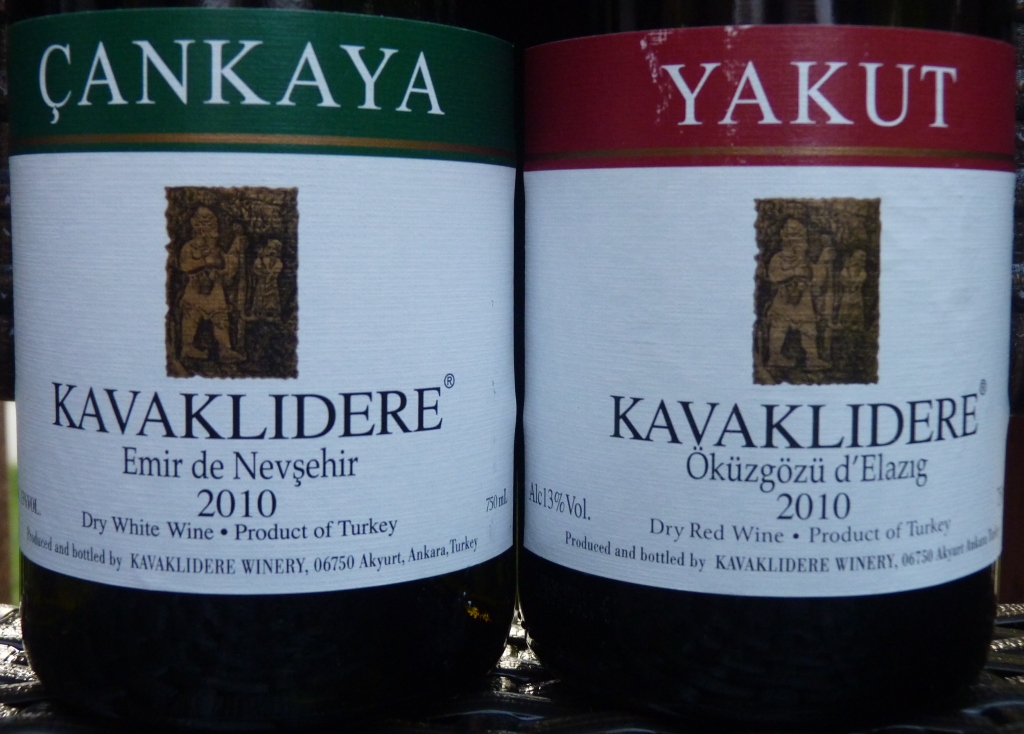
Here is information on grapes and wines:
Emir – 2010 Kavaklidere Cankaya Emir de Nevsehir. Very nice white wine, light, crispy, refreshing, good balance of fruit and acidity.
Öküzgözü, Boğazkere – 2010 Kavaklidere Yakut Okuzgozu d’Elazig. Red wine on a lighter side, somewhat reminiscent of good Beaujolais – good acidity, very light tannins, earthiness, very fresh and easy to drink.
Last time I had Bulgarian wines was more than 20 years ago, and it generates no memories of any kind. Now I tried four different wines from producer called Tcherga:
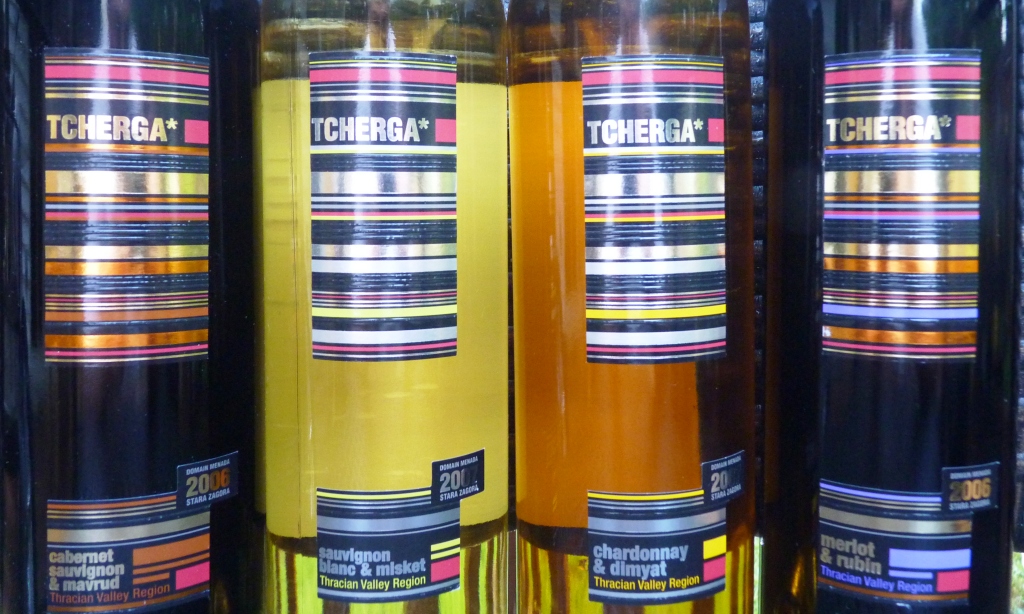
Each wine is a blend of a well known grape, such as Chardonnay, and one of the indigenous grapes. Here is the list of the grapes and wines with short descriptions:
Misket: 2007 Tcherga Sauvignon Blanc & Misket. Muted fruit, limited acidity – drinkable, but not necessarily enjoyable.
Rubin – 2006 Tcherga Merlot & Rubin. This was an okay wine, somewhat limited acidity, good fruit, but overall not very memorable.
Dimyat – 2007 Tcherga Chardonnay & Dimyat. There are two distinct choices – either the wine was oxidized, or it was special style. Either way it was not very enjoyable.
Mavrud – 2006 Tcherga Cabernet Sauvignon & Mavrud. Good fruit on the nose and on the palate, hint of sweetness. This can pass as daily table wine, but not necessarily would be my choice.
All together these are 7 new grapes which bring grand total to the 340. I think this is good progress, and I’m happy with the new discoveries. Until the next time (and I have a couple of really long overdue posts) -cheers!
Ode to Scotch
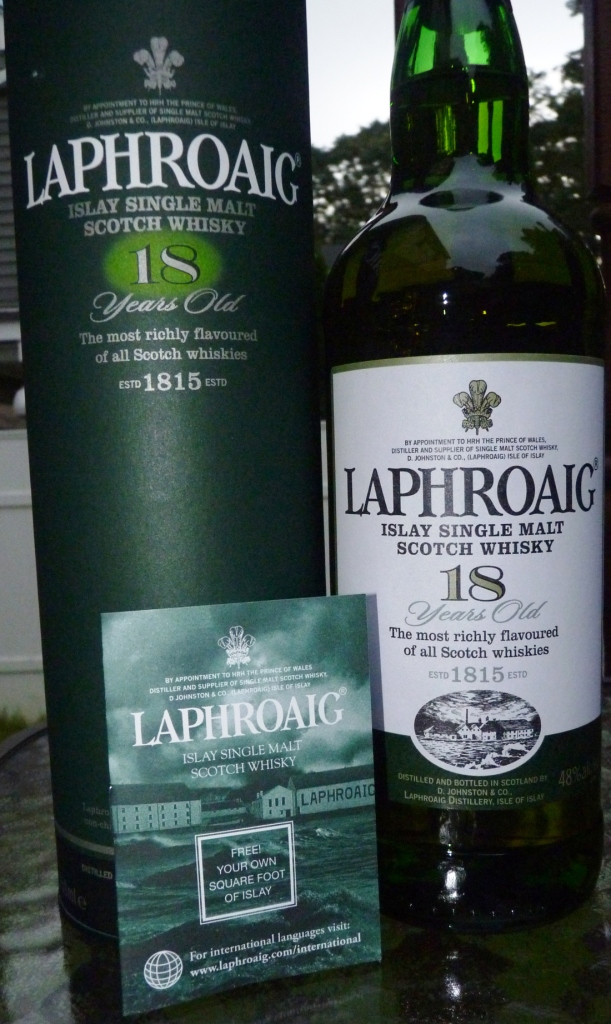 We talked about Scotch before in this blog – actually, one of the very first posts here was about Norma Jean restaurant in Tel-Aviv, great place for scotch lovers (you can find that post here). But “Ode to Scotch”? Well, it downed on me today when I was looking at unopened bottle of 18 years old Laphroaig – the difference between wine and scotch (at least for the person who enjoys both) is that bottle of scotch offers immediate gratification, where bottle of wine often does not. When you buy a bottle of wine, first, it might not be ready to drink right away – it might really benefit, really improve after few years in the cellar. That always presents a dilemma – do I drink it now? May be not, may be I will wait for a few (or ten) years? Another problem is that once you open a bottle of wine, you have a limited amount of time to enjoy it – 2-3 days at the most, and by that time you better be done with it.
A bottle of scotch doesn’t have the same issues. It doesn’t improve in the bottle – therefore, there is no need for aging. It doesn’t go bad once opened, hence you don’t need to wait for that special moment to open that special bottle – you can open a bottle of Scotch at any moment and enjoy.
All of this thought process was taking place while I was admiring a brand new bottle of Laphroaig 18. Laphroaig scotch comes from Islay, a home of smokey scotches, and Laphroaig is one of the smokiest of all. This was a first time I had an opportunity to try 18-years old Laphroaig, as typically it is only a 10 years old version which is available in the stores. This scotch had wonderful complexity, sweet and nutty aromas intermingled with smoke and acidity. Very nice and round, and very enjoyable without the need for splash of water, as some of the scotches do. All in all, great experience.
As an added bonus, I now own a square foot of Islay land which belongs to Laphroaig distillery – one of 380,000 lucky owners. You can own one too – for more information you can click on this link and become a Friend of Laphroaig.
So, what is your favorite scotch?
Searching For The Perfect Amarone
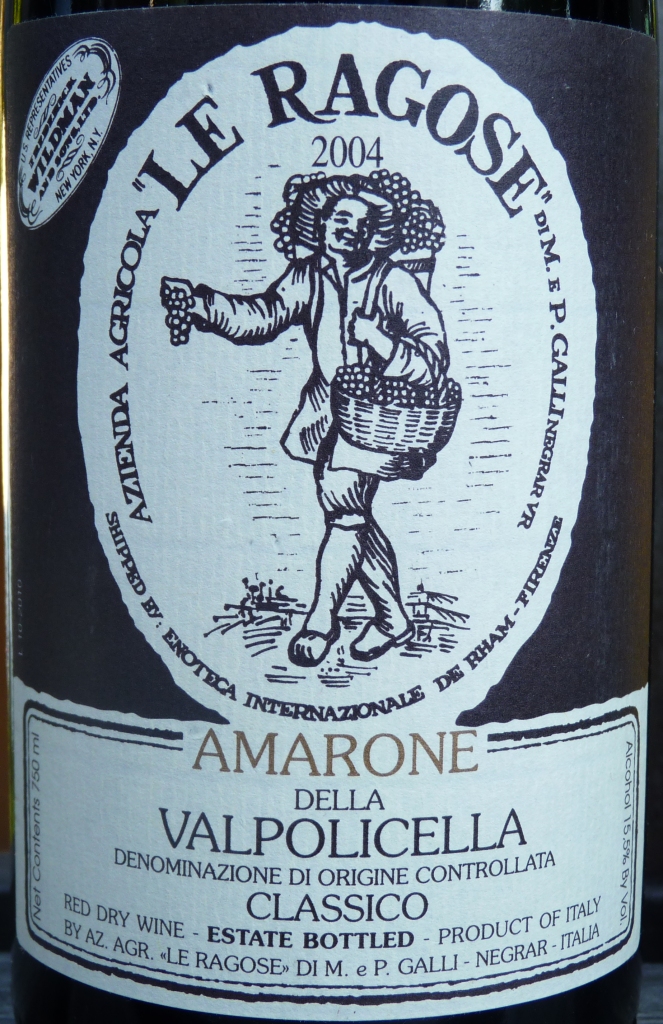
Le Ragose Amarone Della Valpolicella 2004
Let me confess: I have a wine weakness. This weakness is called Amarone. Ever since I tried Amarone for the first time, which happened in 2004 when I was taking Windows on the World Wine School classes, I kept searching for the same experience. Amarone wine which we tried during the class was absolutely amazing – it had a sweet rich nose of raisins, and powerful dry body of muscular wine. Once you experience something like that, you want to do it again and again. The only small issue left – finding that perfect bottle.
Problem is – Amarone is not a cheap wine. Of course it is not super-expensive, like first growth Bordeaux, but at about $60 per bottle, it is way outside of my daily wine budget. That complicates the search, as at such price point Amarone really becomes a “special occasion wine”.
Number of different Amarone later, you can guess that I still had high respect for that wine, as I designated it as one of the “best kept secrets of the wine world” in the post written for The Art of Life Magazine (you can find this pots here). For that blog post, I tried three different wines from Vaona Pegrandi – starting from Valpolicella Ripasso, a “poor man’s Amarone”, and then two of the actual Amarone wines – all good, but not what I was looking for. That forced me to dig out the notebook from that Windows on the World wine school classes, and find out that Amarone I felt in love with was 1997 Le Ragose Amarone della Valpolicella Classico.
Shortly after, with help of my friend Zak, I was holding the bottle of Le Ragose Amarone in my hands. Other than the fact that this bottle was from 2004 vintage, everything looked exactly the same. Except one little detail – 1997 version had 14% alcohol, 2004 – 15.5%. Finally I got to open the bottle. Swirl, sniff – practically nothing. More of the swirl and sniff – still not much. May be a hint of sweetness, but absolutely none of the jammy raisins and dried fruit, which were stuck in my memory forever from that 2004 tasting. On the palate, the wine had more of the dark fruit and may be hint of a fruit jam, but alcohol was not integrated and not balanced, hitting you after the initial taste was subsiding. Nothing changed on the second day – same limited nose, and same unbalanced wine on the palate.
I don’t know what happened with Amarone during those 7 years (interestingly enough, in 2004 I tasted wine from 1997, and in 2011 it was the wine from 2004, so both times the wine was 7 years old). Actually, it doesn’t matter what happened – I want the old Amarone back. The new one has no soul, it is simply one of many unbalanced wines, high in alcohol.
Well, I will keep searching – being an eternal optimist, I will keep looking for that perfect Amarone. True, I might be running simply after the memories which can not be brought back – but hey, at the very least, I will keep trying – new wines, it is. And if you experienced that amazing Amarone wine – any suggestions will be greatly appreciated. I might even share that special bottle with you! Cheers!
Food Network, Coming To The Bottle Near You
 Yesterday I found out that Food Network is not about only food anymore. Of course wine always was present in various Food Network shows, but only as a cooking ingredient. Now Food Network teamed up with Wente Vineyards to make your in-home entertainment easier by bringing you food friendly wines, which will also fit any budget (all wines are priced at $10.99 at Cost Less Wines and Liquors).
I’m ashamed to admit that I never heard about Wente Vineyards before, and it appears that they are the oldest continuously operated family-owned winery ( they’ve in business for more than 128 years) located close to San Francisco in Livermore Valley. It is interesting to note that Wente Vineyards has Certified Sustainable designation, which means that that they are using sustainable methods to produce their wines ( which is good for us, consumers).
So far there are 4 different wines in the Entwine series, two whites and two reds – Pinot Grigio, Chardonnay, Merlot and Cabernet Sauvignon.

The idea behind the Entwines is simple – food and wine are meant to be consumed together, and Food Network wants to help you to make the pairing effortless and enjoyable. On the Entwines dedicated web site you can find  recipes and food/wine pairing suggestions. Useful pairing information is also available on the back label of each and every bottle.
So what about wines themselves? I had an opportunity to try all four wines yesterday. They are all nice, easy to drink and should pair well with food – but may be they are too easy to drink for my taste. When I drink wine, I’m looking for the experience, and one of main questions which I’m trying to answer for myself is whether or not I would want to experience that wine again. While it might be interesting to try the Entwines with food, these are not the wines I would have a desire to experience again. At the same time, if you need to entertain a group of people, these wines will do just fine, exactly because of their simplicity (don’t forget also that they are inexpensive). In terms of Drinkability, I would rate them all at 7-, except Chardonnay which had more substance to it, so I will give it a 7.
You should try it for yourself – I’m sure these wines will be widely available. As for the Food Network and wines, I think they can kick it up a notch, by introducing a Wine Program. And guess what – I would be delighted to host it. Yep. We can all dream – let’s drink to that. Cheers!
Terroir, Unaltered
 Terroir. Sense of place exhibited by the wine. You can find definition of Terroir in Wikipedia, but interestingly enough, you can’t find it in Webster dictionary.
“Terroir” was always part of the winemaking, in transparent fashion, if you will. Wine was initially (we are talking thousands years ago) produced locally, to be consumed with local food. There was a traditional way of making the wine in each place, and it was repeated over and over, harvesting the same grapes from the same parcel of land. Even today you can find plenty of wines made for local consumption only, challenge is – you have to be “there” to taste them.
Needless to say that wine in those old days was made in “natural” and “organic” way, as it was the only way possible (no pesticides, no chemicals, no reverse osmosis machines, no oak dust, …). Then situation changed. While wine trade exists for thousands years, I would guess that extreme commercialization of it, which happened in the second half of the 20th century, and appearance of wine critics such as Robert Parker, forced a lot of change in the way the wine was produced. As for vast majority of commercial products, producer usually wants to limit the cost and maximize profits – when this principle is applied to wine production, we end up with a lot of wines which have no “terroir” concept whatsoever, and simply made to have a “familiar”, or “category required” taste. And as it is a commercial product, all means are good to guarantee an output and a profit (without going into any details, that includes all the stuff which you don’t want in or around your wine).
Luckily, the situation is changing. More and more wineries and winemakers are going back to the nature, and let terroir shine again, in its unadulterated form. Call it “organic”, “natural”, “sustainable” or “biodynamic” (each term has it’s own meaning and even philosophy behind it, but I have to refer you to Wikipedia to read more about it or we will never finish this post), but the main idea is similar among them all – interfere as little as possible, and let nature take its course. This is happening throughout the world, and in many cases is not even advertised on the bottle. For instance, Domaine Romanee-Conti, makers of some of the most famous (and expensive) wines in the world, are using organic farming and since 1985, and I’m sure there are lots of others which are simply doing it without much fanfare.
Sustainable, organic and natural are all very important, but there is more which goes into the winemaking process to let terroir to be the king. A lot of it goes back to that “do not interfere” concept. For instance, you can use 600 liter new oak barrels to age your wines, or you can use and reuse 15000 liter barrels. Which wine do you think will better showcase the terroir? Of course the bigger barrel will impart much much less oak flavor, and will let the grapes and soil to tell its story in a clear voice.
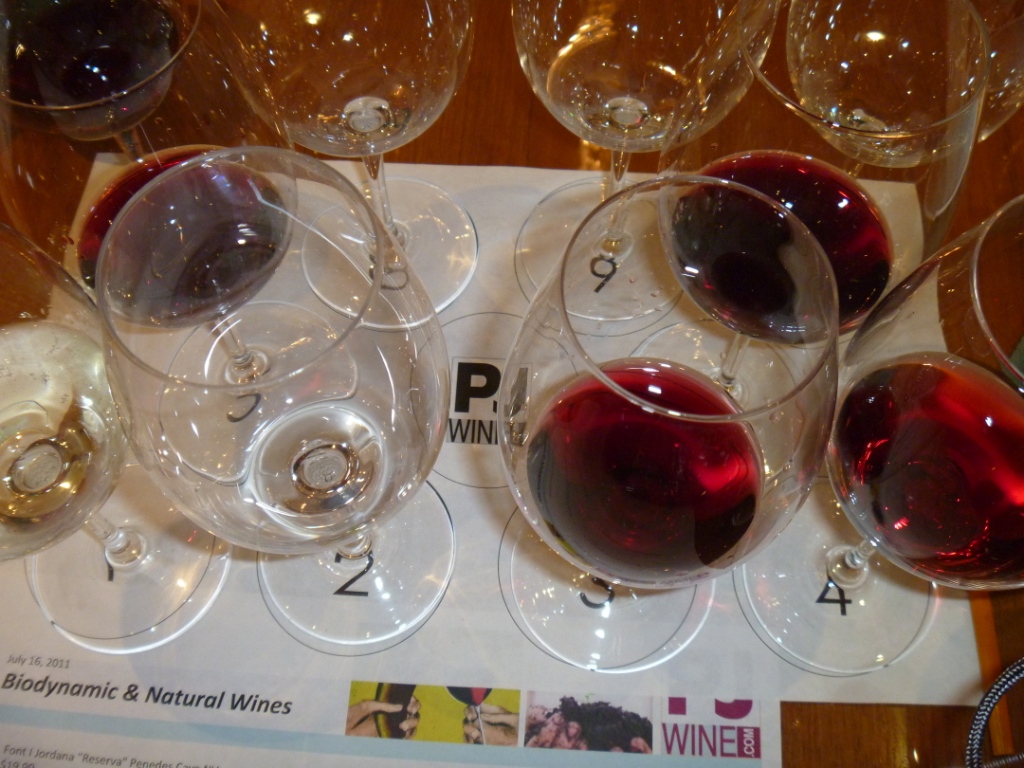
Okay, enough of this abstract talking, let’s talk about actual wines. I have to tell you that it was a seminar on Natural and Biodynamic wines, hosted by nobody else but PJ Wine, which prompted this post. This event was definitely both an education and experience, as all 10 wines presented in the seminar were not your average wines. To give you an idea, if you think about organic food, in many cases you only know that you are eating something which is healthier, better for you, but you can’t really taste it (if you are sure you can, I would love to play a blind tasting game with you). Talking about wines in that tasting, eight out of ten wines tasted totally different and unique – you can not necessarily tell that they are organic or natural, but you can tell that they can be distinguished from anything else you had before. These wines were made with “don’t interfere” concept in mind, letting the terroir to shine through. Another interesting fact about all the wines presented is none of them has alcohol level in excess of 13%, most of them are 11% or 12% – there were no jammy fruit bombs presented in the tasting (luckily!).
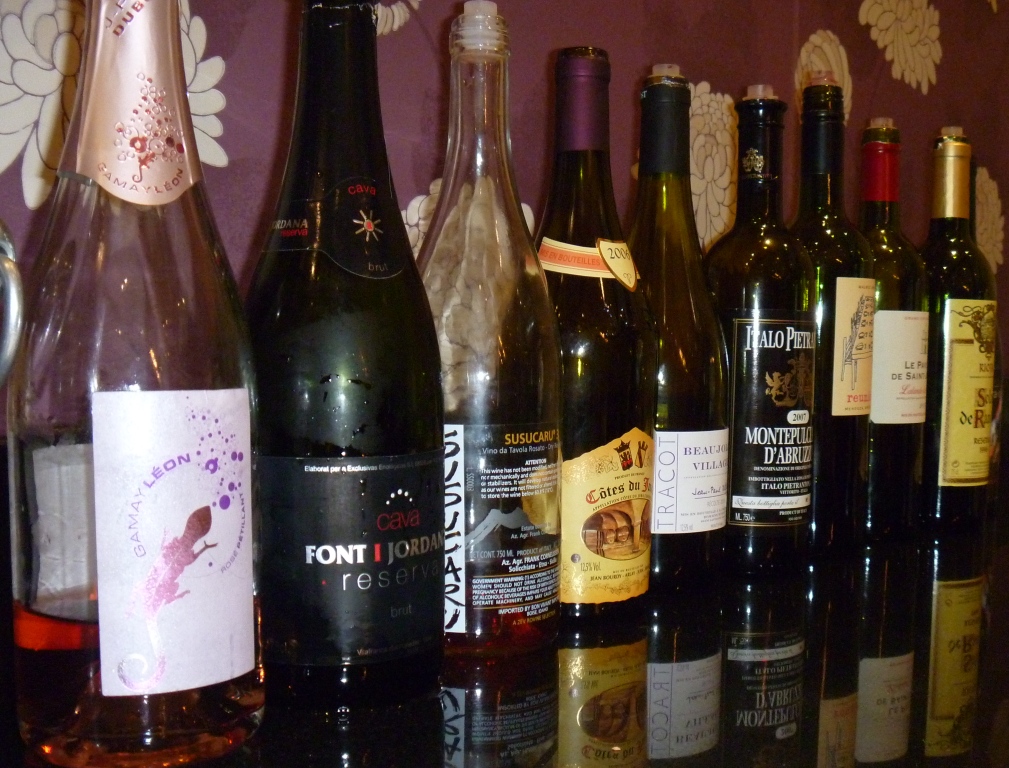
For what it worth, here are my notes, in the order the wines were presented.
Font I Jordana “Reserva” Penedes Cava NV – Interesting nose, with some yeastiness, full bodied. Very little amount of bubbles, almost none. Good acidity. Very refreshing due to the mouthwatering acidity. Good summer wine, but it is hard to call it a “sparkling wine”.
Jean Paul Dubost Gamayleon Rose Sparkling NV – Very unusual nose, almost off with some spoiled food smell, like spoiled strawberries. On the palate – honeysuckle, in its purest form, very small amount of bubbles, if any, good mouthwatering acidity.
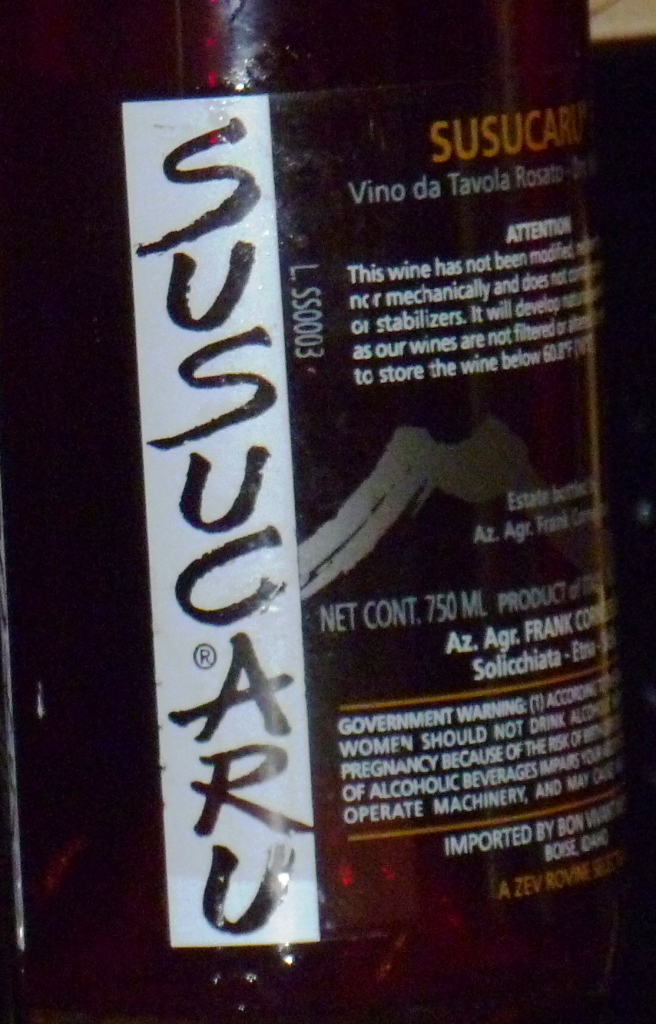 Frank Cornelissen Susucaru 3 Vino Da Tavola Rosato NV -Very interesting wine. Nose similar to Beaujolais Noveau, reminiscent of freshly pressed grapes. You can literally smell volcanic soil. Nose is perfumed with fresh soap aromas. Very unusual flavor profile – no strawberries (which is a typical component in many rose wine descriptions). Soap also comes as part of the aftertaste. Very herbal, with may be thyme being most prominent.
2009 Jean-Paul Dubost Beaujolais Villages “Tracot” –Very sweet nose. Big contrast between the nose and the palate, as plate is much drier, but overall there are pronounced raspberries, first on the nose, and then after dry start, the same on the palate. The wine just disappears in your mouth, doesn’t have any bottom – it is more juice than it is a wine.
2006 Jean Bourdy Cotes Du Jura Rouge – 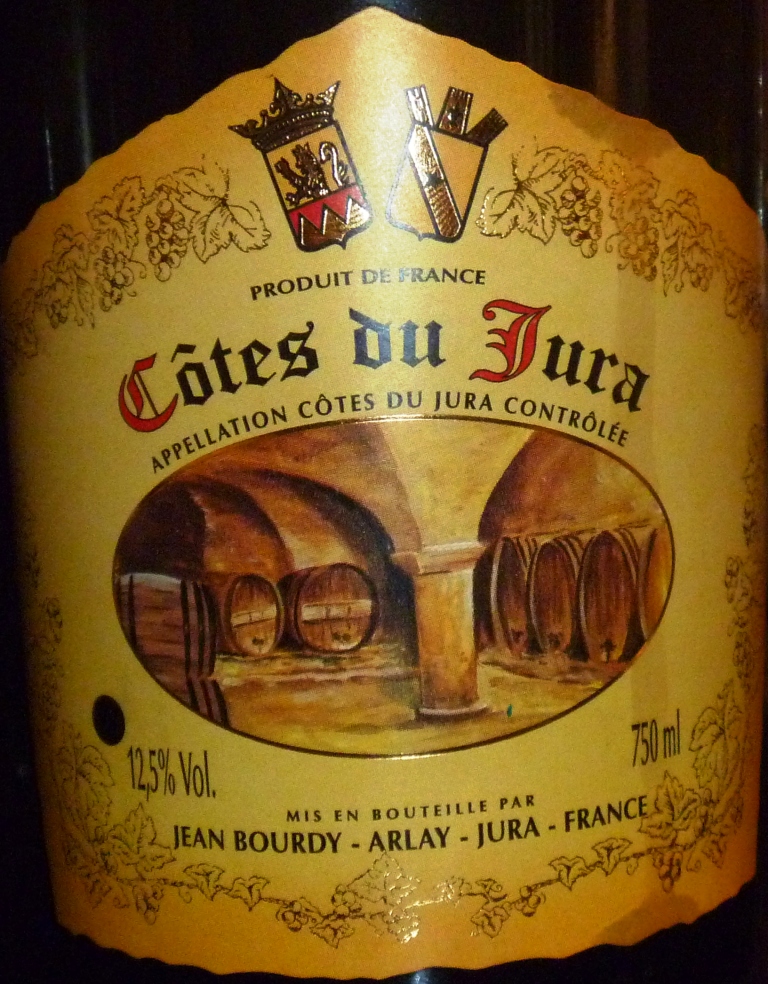 very interesting wine. Kitchen spice cabinet, like some nice rub, on the nose. Very good tannins, very nice and restrained overall on the palate, with some dry dill notes. Doesn’t show any age at all (and it is 5 years old). It appears that wines of Jean Bourdy are known to age very well (note to self). One of my favorites in the tasting.
2007 Italo Pietrantoj Montepulciano d’Abruzzo – The most unimpressive in the tasting so far. This is the case when I know it is good for me, as I’m told it is made differently, but can’t taste it at all. This wine actually was aged in 15,000 liter barrels for 2 years – but it is impossible to pick it up. It might be a food wine.
2009 Reunion Malbec Mendoza – Very grapey. Has some foundation, and some balanced fruit. Easy to drink, but not impressive at all.
2007 Le Pavillon de Saint Jacques Lalande de Pomerol –Very interesting. Smells like dirt, pure dirt after the rain. Very vegetative, no fruit on the palate, just pure dirt again. Almost no acidity. This wine was fermented in concrete tanks, aged for 18 month. It is “certified organic” and made with 90% Merlot and 10% Cabernet Franc – classic Pomerol wine. I would love to taste it in 10-15 years – I think it will greatly evolve, but it is not easy to say ” I like it” now.
1996 Bodegas Las Orcas “Solar de Randez” Rioja –Classic Rioja on the nose. Beautiful, with limited fruit expression, but very balanced. I guess this is how Rioja was in the old times. This is Reserva level Rioja. One of the best in the tasting.
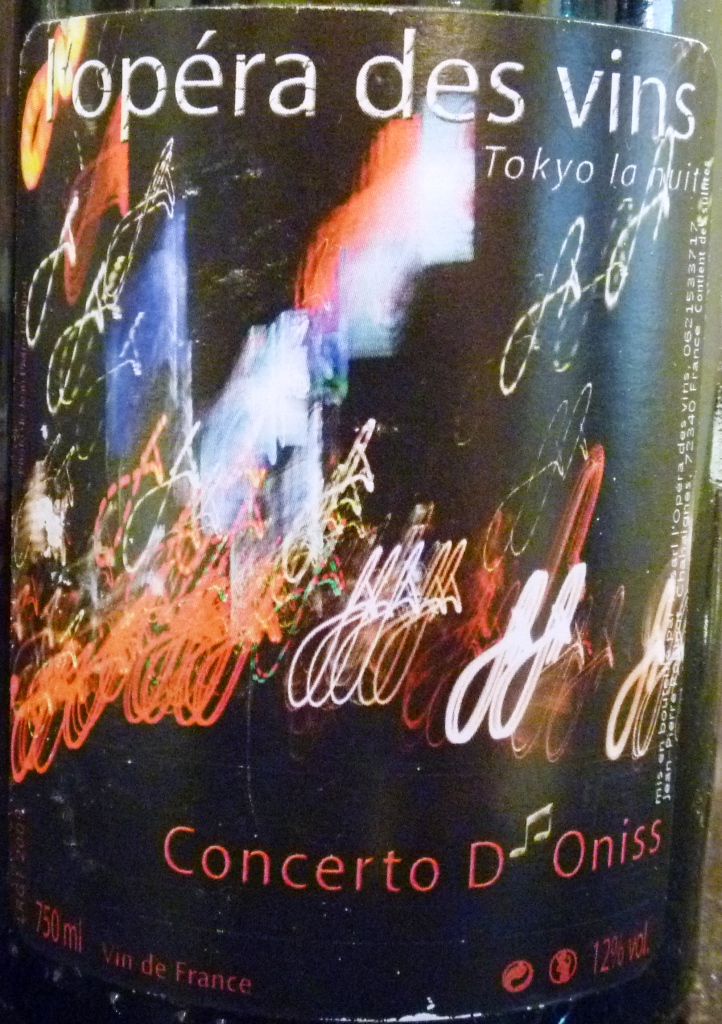
2009 Jean Pierre Robinot Concerto d’Oniss Pineau d’Aunis -Loire valley wine. Beautiful fruit, rose petals on the nose, funky. Beautiful palate, somewhat reminiscent of Beaujolais, but with more substance and good acidity. Best in the tasting.
I just realized that many of the descriptions above start with the words”very interesting” – these wines are truly interesting, they are all telling their own stories. These wines are letting the terroir to shine through. I might not be able to understand all their stories yet, but this is great, as we there is more to learn. You don’t have to try them all, but make an effort, find and try some of them – you might discover a whole new wine world. Happy learning! Cheers!
Canada Food and Wine Experiences, In Pictures, Part 2
For the love of food photography, here is more pictures from our trip to Canada. Now we moved to the French Canada, Montreal and Quebec, and we definitely focused on experiencing the french-style food for as much as possible. Once again, if you want to read more on the actual restaurants we visited, you can find my reviews on Yelp (click here).
Let’s start with Montreal:
Cappuccino at Second Cup (the place is a striving Starbucks but not that great):

Steak at Le Grill Bistro:

Rack of Lamb at Le Grill Bistro (why is that rack of lamb always tastes amazing in Montreal?):

Breakfast at Chez Cora (again, but now in Montreal) – best Eggs Benedict I ever had, Hollandaise sauce is amazingly balanced !

More coffee – at Cafe Imagination (great place for inexpensive lunch in downtown Montreal):
Honestly – the coffee was good, but I love the cup…

Moving to Quebec now:
La Nouvelle France Resto-Bar Terrasse:
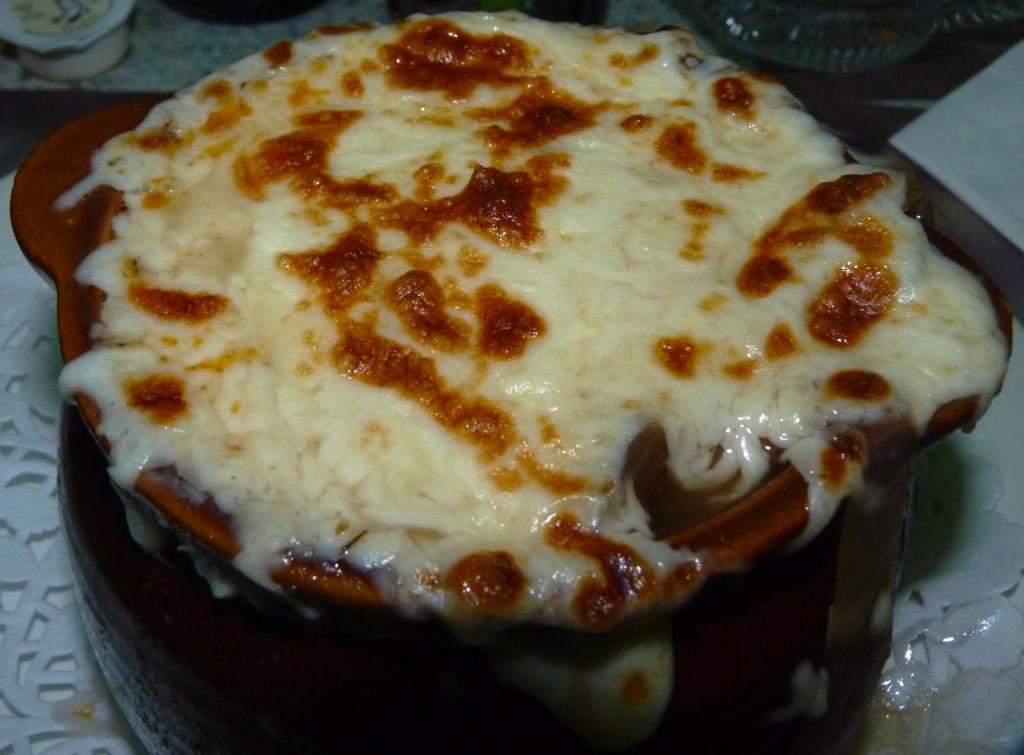
French Onion Soup (more classic than the one in Beef Baron):
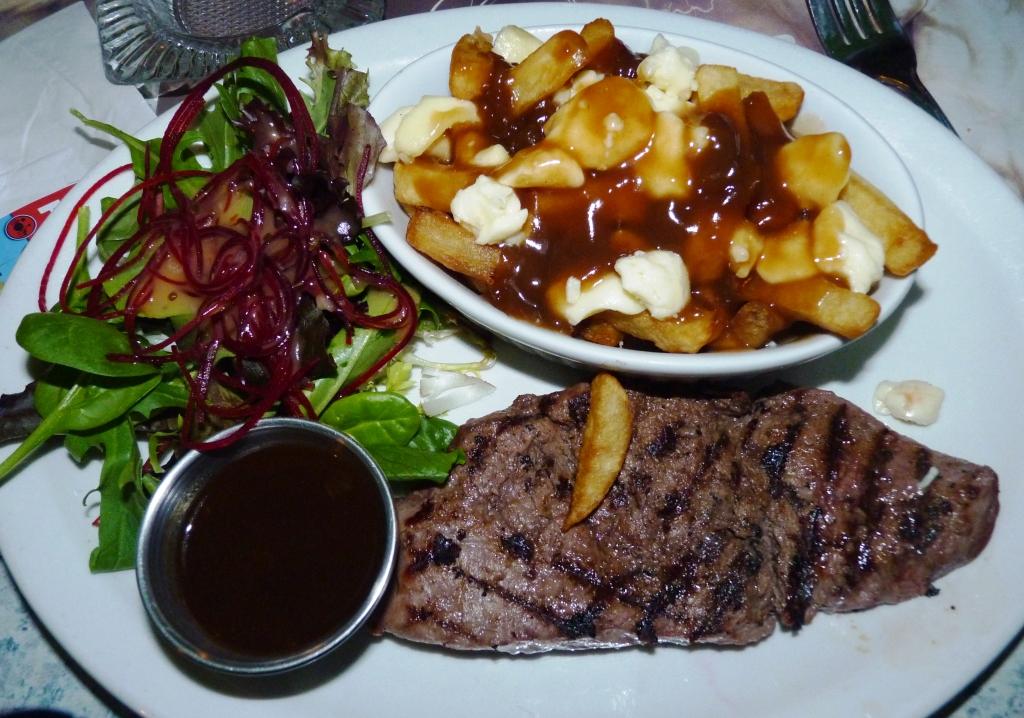
Steak with Poutine (Poutine is Quebec’s specialty – french fries with melted cheese and gravy – very very good):
Quebec Meat Pie (with poutine, of course) – sad thing is that meat pie was supposed to be great, but it was so dry, it was almost inedible:

Breakfast at Cosmos Cafe:
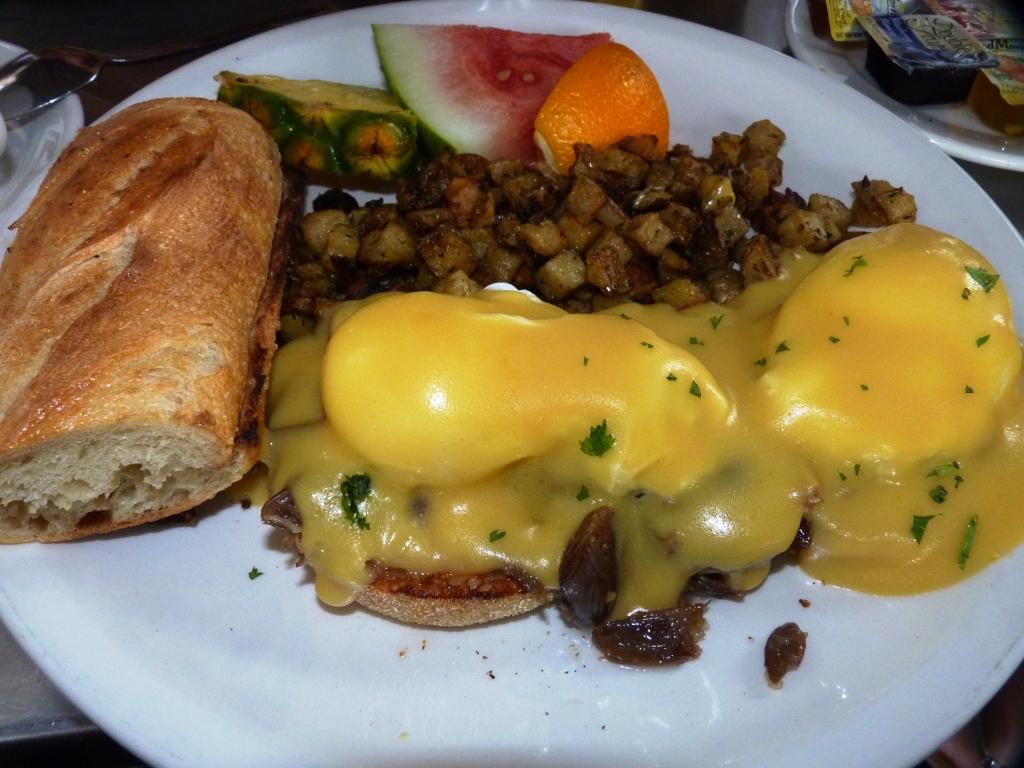
Eggs Benedict with Duck Confit (Eggs Benedict tasted very good – except for the duck confit which was way too salty and simply made no sense in this dish…):
Panini Sandwich:
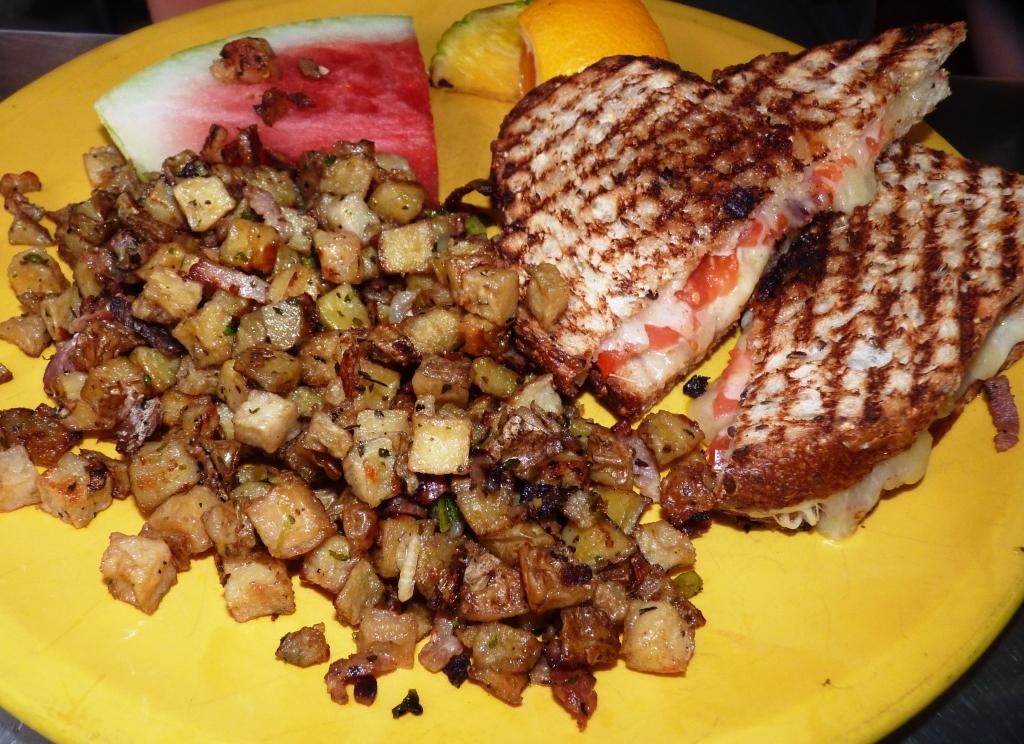
Le Brigantin Restaurant:
Yes, finally here is the wine – very nice rose LeRose Gabrielle, local Quebec wine:

Of course you can do Pizza any time and anywhere:

Lasagna (phenomenal, amazing array of spices, probably the best Lasagna I ever tasted):

Now, visiting Farmer’s Market in Quebec:
Fresh Berries:
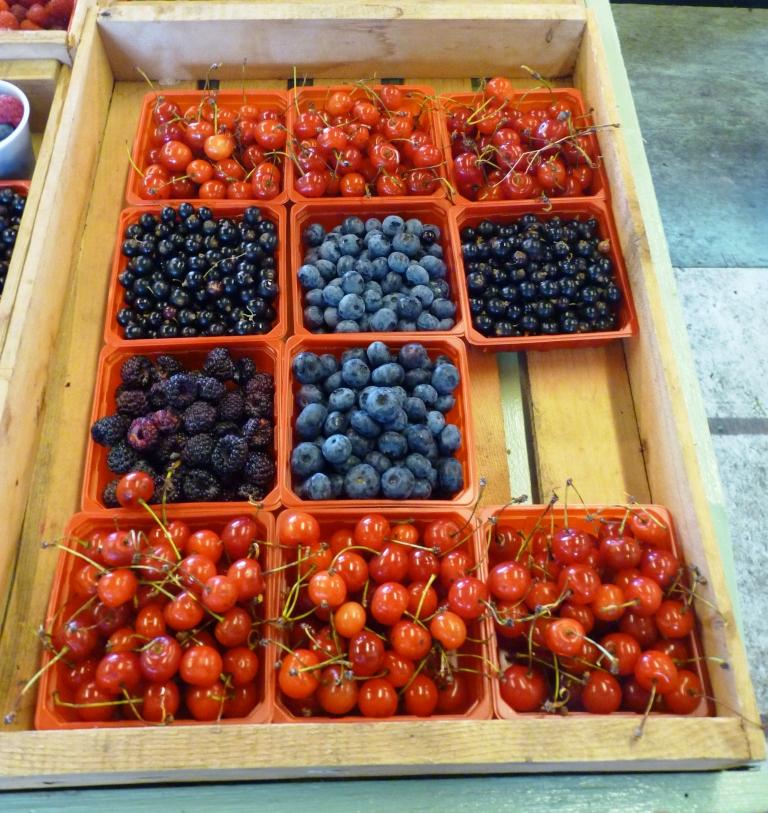
I love Farmer’s Market where you can taste wine! Le Tourelle Vin Rouge (nice and simple):

Le Lapin Saute Restaurant ( the best food experience during the trip, real french cuisine):
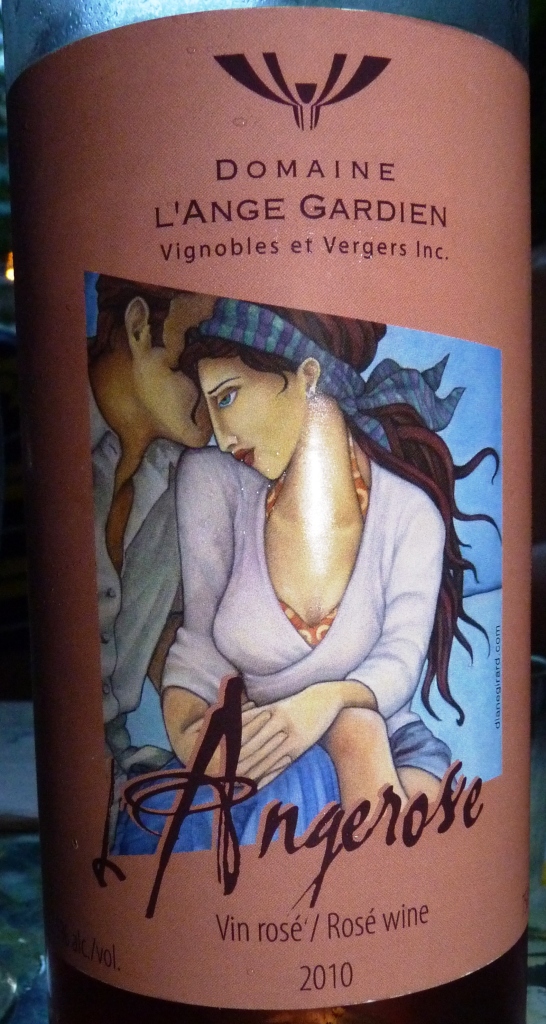
Of course wine goes first: L’Angerose Rose wine – very good, full body:
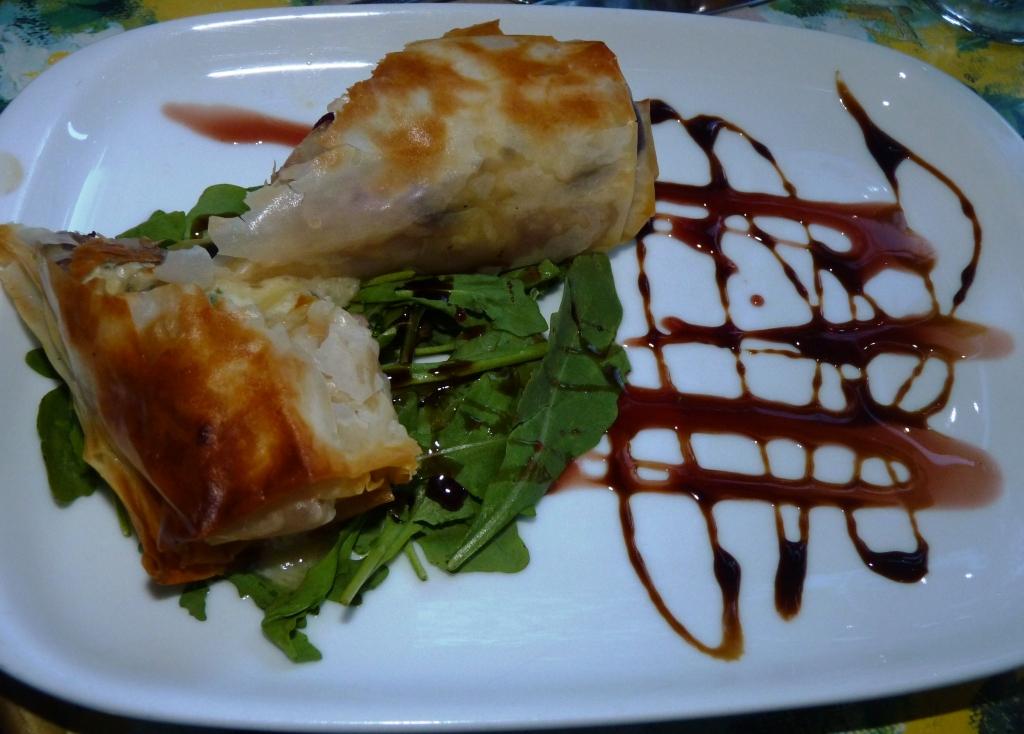
Blue Cheese and Berries Turnover (delicious):
Escargot (unusual style and very tasty):

Rabbit Rilettes:

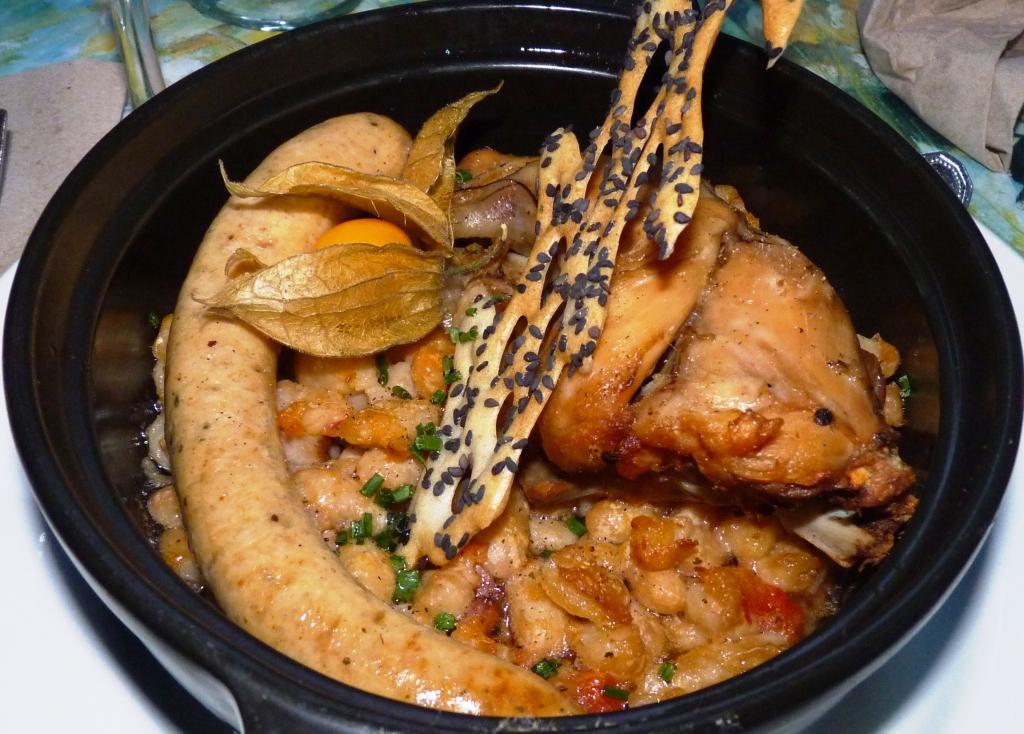
Cassoulet with rabbit leg and rabbit sausage (I’m very impartial to cassoulet and this one was excellent)
That concludes our food in pictures presentation. There still will be a blog post about Canadian wines, coming out soon. However, I want to mention that during this trip I managed to increase grape count by 5 (of course some are clones, but nevertheless):
St. Croix – 2009 De Lavoie La Tourelle Vin Rouge, Quebec
Radisson(ES 5-17) – 2010 Domaine L’Ange Gardien L’Angerose, Quebec
Sabrevois – 2010 Le Rosé Gabrielle Vignoble de la Rivière-du-Chêne, Quebec
Chardonnay Musque – 2009 Cattail Creek Chardonnay Musqué, VQA Four Mile Creek, Canada
Gamay Droit – 2009 Chateau des Charmes Gamay Noir St. David’s Bench Vineyard, Canada
That’s all, folks. Until the next time – cheers!
Canada Food and Wine Experiences, In Pictures
It appears to be very difficult to write blog posts while on the family vacation, despite all the desire to do so. Therefore, here is a quick report from Canada – all in pictures. I can tell you that so far I had being very happy with food, including restaurants in Niagara Falls (which was not expected considering that this is very popular tourist destination). I was also blown away by the quality of Canadian wine. Before the trip, I honestly thought that outside of the Icewine, Canadian wine would be on the level of Finger Lakes wines in NY, where whites can be drinkable, but reds are simply mediocre. Boy, was I wrong! We visited three wineries, and didn’t have a single bad wine! Well, this will be a subject of a separate blog post, so for now, here is quick report in pictures (warning – don’t look while hungry).
Nachos at Spicy Olive restaurant, Niagara Falls:

Beef Baron restaurant, Niagara Falls:
French Onion Soup:

Escargot:

Spare Ribs:

Wineries experience:
Inniskillin (from whites to reds to Icewines – outstanding, will discuss later):

Inniskillin Cabernet Sauvignon/Syrah and Cabernet Franc – WOW:
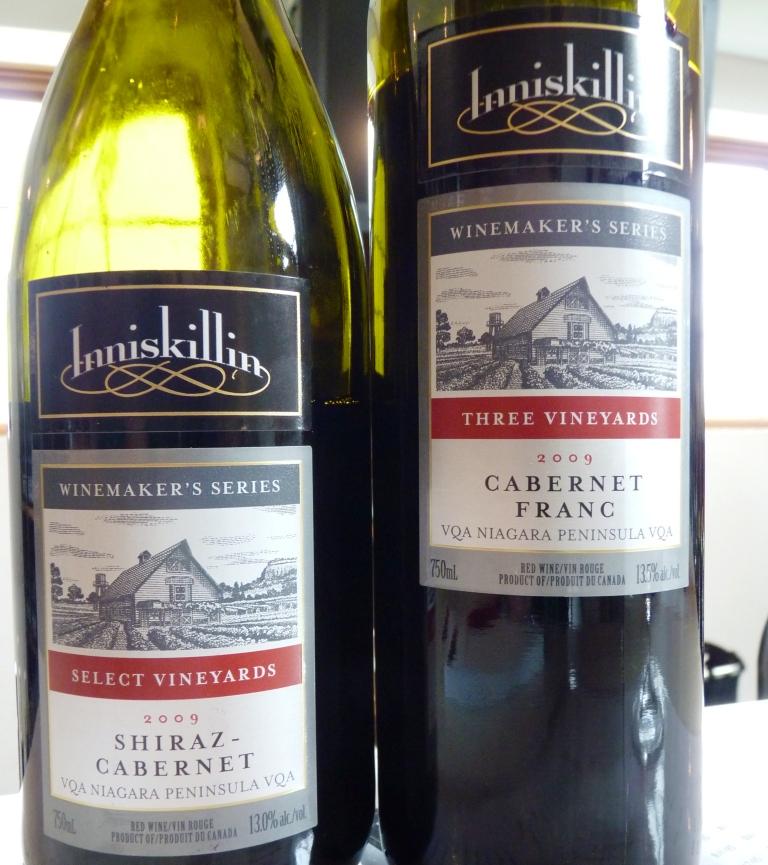
Inniskillin for those who can’t even drink wine:

Cattail Creek Winery, very interesting whites and reds:
Catastrophe series (note that labels depict real cats):

Chateau des Charmes – you should see that building:

Back to the restaurants:
Cora’s (Niagara Falls) – Breakfast done right!
Breakfast cocktail:

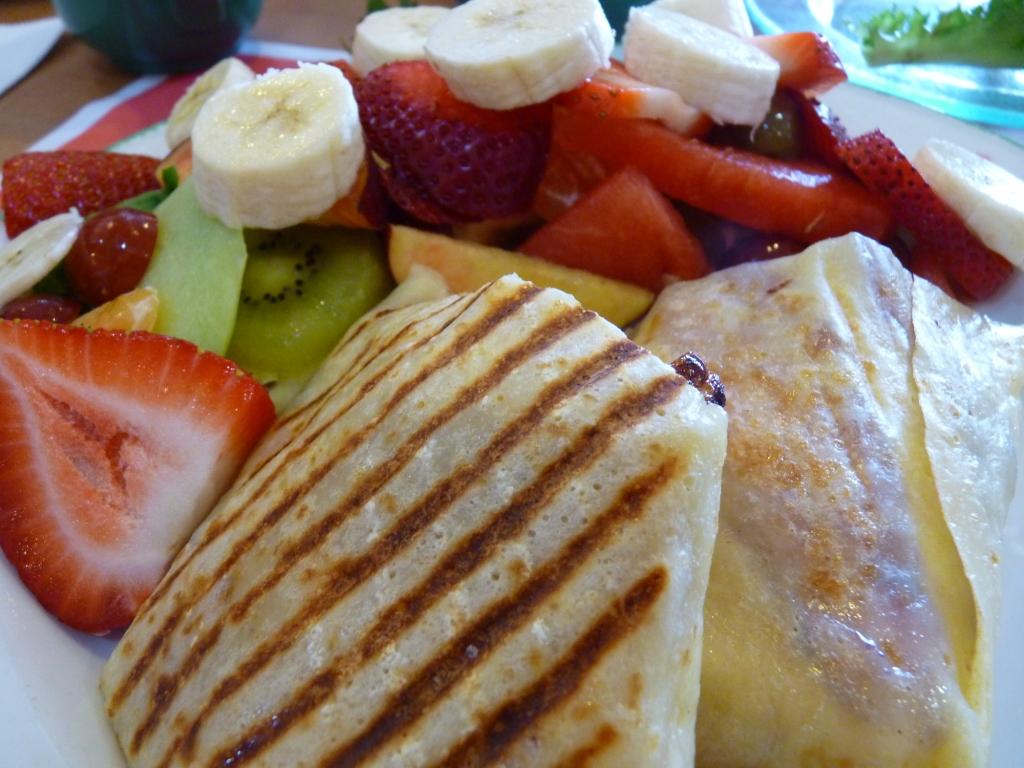
Crepes Egg and Cheese Panini:
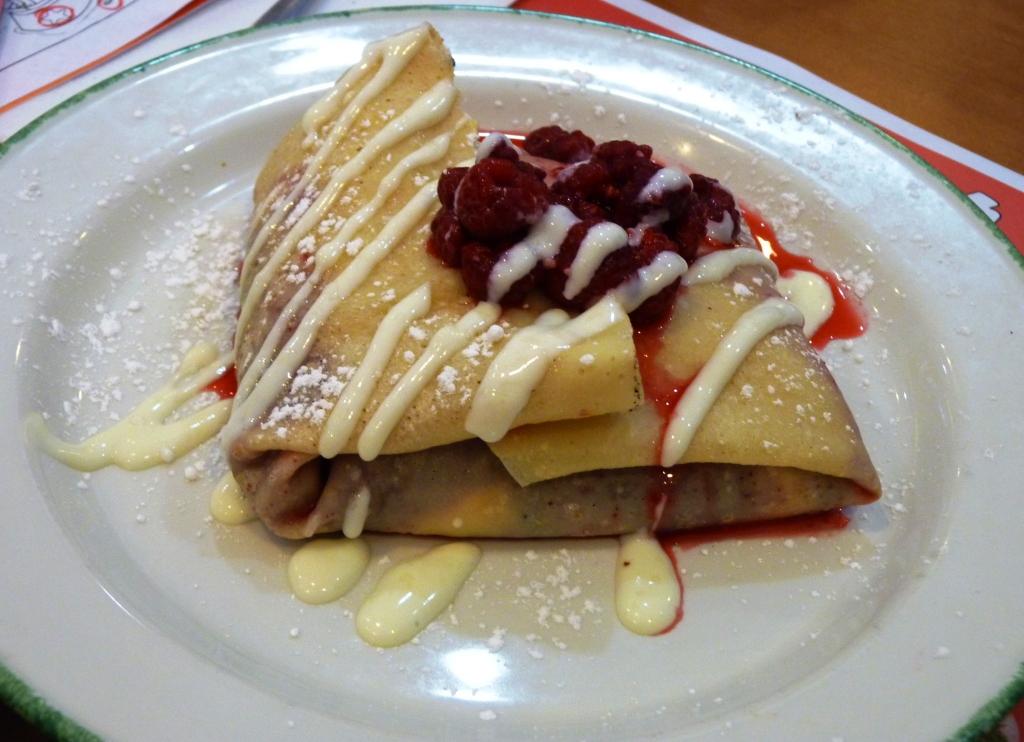
Crepe with Raspberries and cream cheese:
Blueberry Pancakes:

Will definitely talk more about wines in the future posts. If you are interested in reading more about restaurants, you can take a look at my page on Yelp (click here). Until the next time – cheers!
Cora
7555 Montrose Road
Niagara Falls, ON L2H3A4
(905) 358-1555
http://www.chezcora.com/home

What Do You Drink When Weather Is Like This?
This heat is literally paralyzing…

Is there anything to drink besides water?
Here is one possible answer:

So, what do you drink?
Scotch Experiences – Talisker, Hello from Oregon, and Something to Dream About
 As you probably know, scotch is my second favorite drink, right after the wine. When it comes to scotch, I pretty much like all of them, with a slight bias toward the smoky style. One of the most unique smoky whiskies is Talisker (one of my favorites), which has a unique, almost medicinal nose full of smoke, in addition to lots of smoke on the palate (it is different from traditional Islay whiskies which have very expressed smokiness on the palate, but not as much on the nose).
When my friend Zak said “you have to try this” and pointed to the bottle of Whiskey, I couldn’t believe it – single malt whisky … from Oregon? What is happening? Well, tasting is believing (seeing is not enough) – and when I tried this McCarthy’s Single Malt Whiskey I was literally blown away. While this whiskey is compared to Lagavulin (probably the most classic Islay scotch) on the producer’s website, my first impression was Talisker. I’m quite convinced that in a blind tasting I would confuse this whiskey for Talisker, both from the smell and the taste ( this probably shows my weak side, but I will live with it). On the nose, this whiskey exhibited the same medicinal smoky flavor, with lots of smoke following on the palate, with expressed minerality and perfect balancing acidity – this scotch was literally refreshing, if scotch can be considered a refreshing drink. At $49.99 at Cost Less Wines and Liquors, I think it is a great deal – if you like smoky peaty scotch, don’t miss it.
And then as I was leaving the store, I spotted this bottle of 1979 Glenrothes…

‘Nuf said… Until the next time – cheers!
Counting Grapes
 Among many good wines of recent (yeah, I’m really behind in my writing) there were few of new grape encounters which I want to share with you. First is 2004 Ambasciatore Friularo Bagnoli DOC, made out of the grape called Friularo. I have to tell you that I actually have one problem with this wine – it is not available in US (if you know otherwise – please let me know), and I brought only one bottle from Switzerland (it is an Italian wine which I got in a supermarket in Geneva). This wine was beautiful, layered and powerful, very balanced, with great amount of dark red fruit, all complemented by great acidity and good tannins. This wine would age perfectly, so quick expedition to Geneva or any other place where this wine can be found, sounds like a good idea.
Next three wines were also very good – and they are all available in US, plus all three would be perfect for the summer day, so you can also expand your wine horizon and have good wines at the same time. Starting with the white, 2009 Petite Burja Vipavska Dolina from Slovenia was very nice and unusual – good acidity and sweet herbs on the palate. This wine didn’t have any pronounced sweet fruit notes, but instead it had well defined sweet herbs, may be cucumber-sweet. Very easy to drink. I have to note that this wine also sports one of the most unusual labels I ever saw – it seems that the winemaker had a problem with the getting the modern printer, and had to use a very old one, incapable of producing any graphics (or may be wine maker also used to be a computer engineer, who knows…).
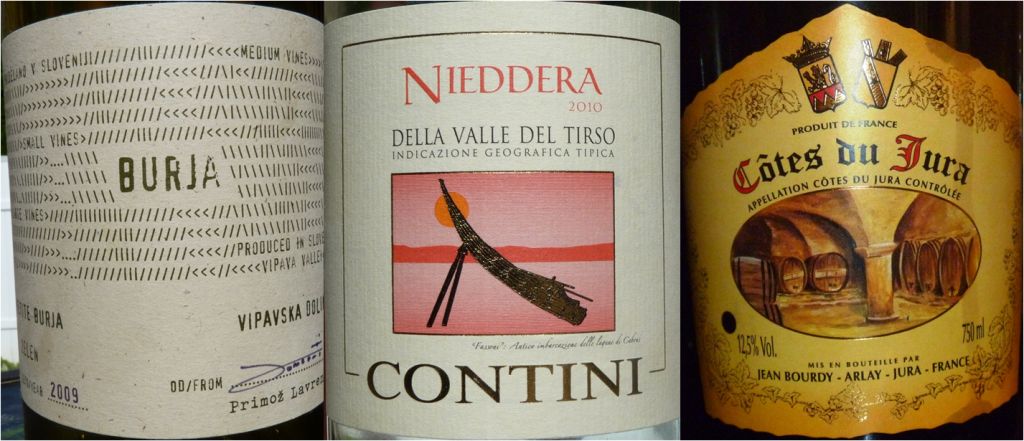
Moving from White to Rose, the next wine is 2010 Contini Nieddera della Valle del Turso IGT – nice and light, with medium body, good refreshing acidity, showing notes of cranberry – very good wine for a hot summer day. Nieddera actually is a local grape which was used for production of this wine.
Last but not least is 2006 Jean Bourdy Cotes du Jura Rouge, which is made out of three gapes – Poulsard, Trousseau and Pinot Noir (Trousseau is a new grape). This is a bio-dynamic wine, and it is very unusual in its flavor profile – but it is light enough to be enjoyed during summer (as soon as you will train your palate a bit on bio-dynamic wines – I will explain myself in one of the future posts very soon).
Four new grapes, four very interesting wines – very happy with this journey so far. Try to find them and experience for yourself – I’m sure you will not regret. Cheers!
Last Bottle Sign Up ($10 credit)




 Talk-A-Vino