Archive
Terroir, Unaltered
 Terroir. Sense of place exhibited by the wine. You can find definition of Terroir in Wikipedia, but interestingly enough, you can’t find it in Webster dictionary.
“Terroir” was always part of the winemaking, in transparent fashion, if you will. Wine was initially (we are talking thousands years ago) produced locally, to be consumed with local food. There was a traditional way of making the wine in each place, and it was repeated over and over, harvesting the same grapes from the same parcel of land. Even today you can find plenty of wines made for local consumption only, challenge is – you have to be “there” to taste them.
Needless to say that wine in those old days was made in “natural” and “organic” way, as it was the only way possible (no pesticides, no chemicals, no reverse osmosis machines, no oak dust, …). Then situation changed. While wine trade exists for thousands years, I would guess that extreme commercialization of it, which happened in the second half of the 20th century, and appearance of wine critics such as Robert Parker, forced a lot of change in the way the wine was produced. As for vast majority of commercial products, producer usually wants to limit the cost and maximize profits – when this principle is applied to wine production, we end up with a lot of wines which have no “terroir” concept whatsoever, and simply made to have a “familiar”, or “category required” taste. And as it is a commercial product, all means are good to guarantee an output and a profit (without going into any details, that includes all the stuff which you don’t want in or around your wine).
Luckily, the situation is changing. More and more wineries and winemakers are going back to the nature, and let terroir shine again, in its unadulterated form. Call it “organic”, “natural”, “sustainable” or “biodynamic” (each term has it’s own meaning and even philosophy behind it, but I have to refer you to Wikipedia to read more about it or we will never finish this post), but the main idea is similar among them all – interfere as little as possible, and let nature take its course. This is happening throughout the world, and in many cases is not even advertised on the bottle. For instance, Domaine Romanee-Conti, makers of some of the most famous (and expensive) wines in the world, are using organic farming and since 1985, and I’m sure there are lots of others which are simply doing it without much fanfare.
Sustainable, organic and natural are all very important, but there is more which goes into the winemaking process to let terroir to be the king. A lot of it goes back to that “do not interfere” concept. For instance, you can use 600 liter new oak barrels to age your wines, or you can use and reuse 15000 liter barrels. Which wine do you think will better showcase the terroir? Of course the bigger barrel will impart much much less oak flavor, and will let the grapes and soil to tell its story in a clear voice.
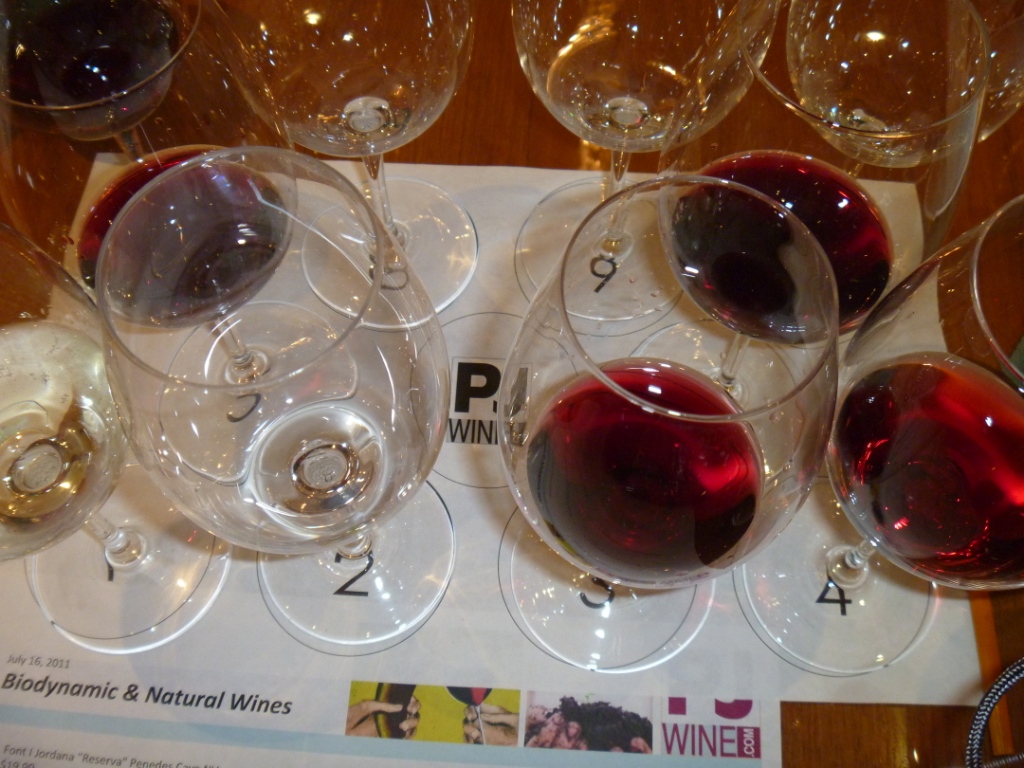
Okay, enough of this abstract talking, let’s talk about actual wines. I have to tell you that it was a seminar on Natural and Biodynamic wines, hosted by nobody else but PJ Wine, which prompted this post. This event was definitely both an education and experience, as all 10 wines presented in the seminar were not your average wines. To give you an idea, if you think about organic food, in many cases you only know that you are eating something which is healthier, better for you, but you can’t really taste it (if you are sure you can, I would love to play a blind tasting game with you). Talking about wines in that tasting, eight out of ten wines tasted totally different and unique – you can not necessarily tell that they are organic or natural, but you can tell that they can be distinguished from anything else you had before. These wines were made with “don’t interfere” concept in mind, letting the terroir to shine through. Another interesting fact about all the wines presented is none of them has alcohol level in excess of 13%, most of them are 11% or 12% – there were no jammy fruit bombs presented in the tasting (luckily!).
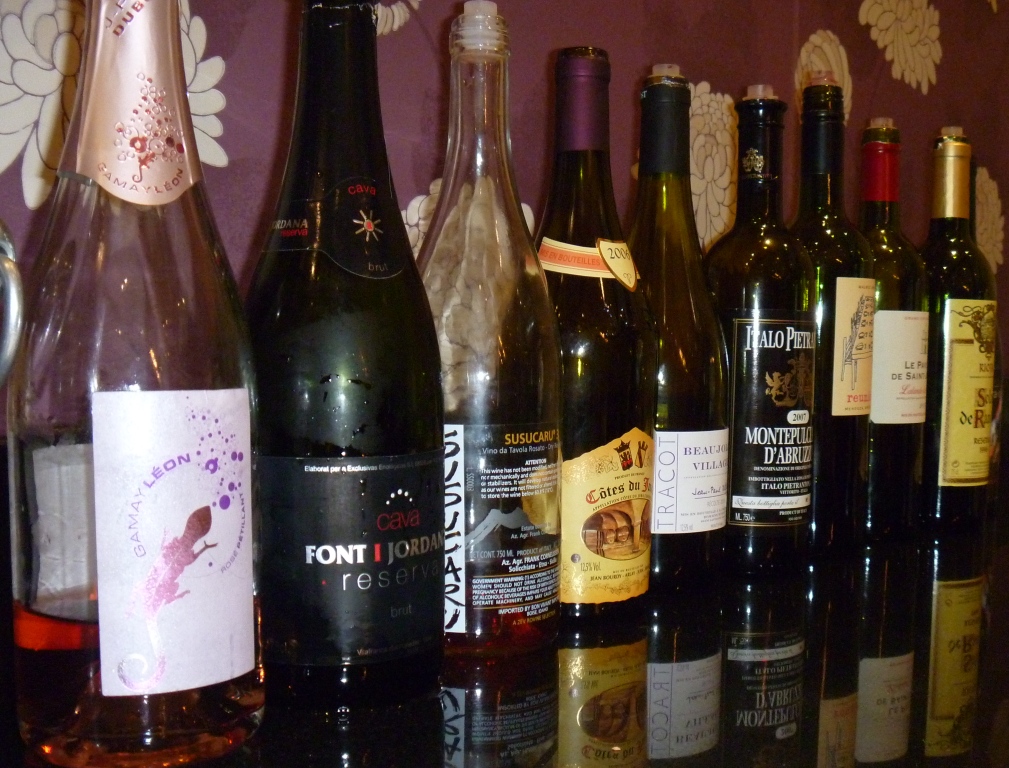
For what it worth, here are my notes, in the order the wines were presented.
Font I Jordana “Reserva” Penedes Cava NV – Interesting nose, with some yeastiness, full bodied. Very little amount of bubbles, almost none. Good acidity. Very refreshing due to the mouthwatering acidity. Good summer wine, but it is hard to call it a “sparkling wine”.
Jean Paul Dubost Gamayleon Rose Sparkling NV – Very unusual nose, almost off with some spoiled food smell, like spoiled strawberries. On the palate – honeysuckle, in its purest form, very small amount of bubbles, if any, good mouthwatering acidity.
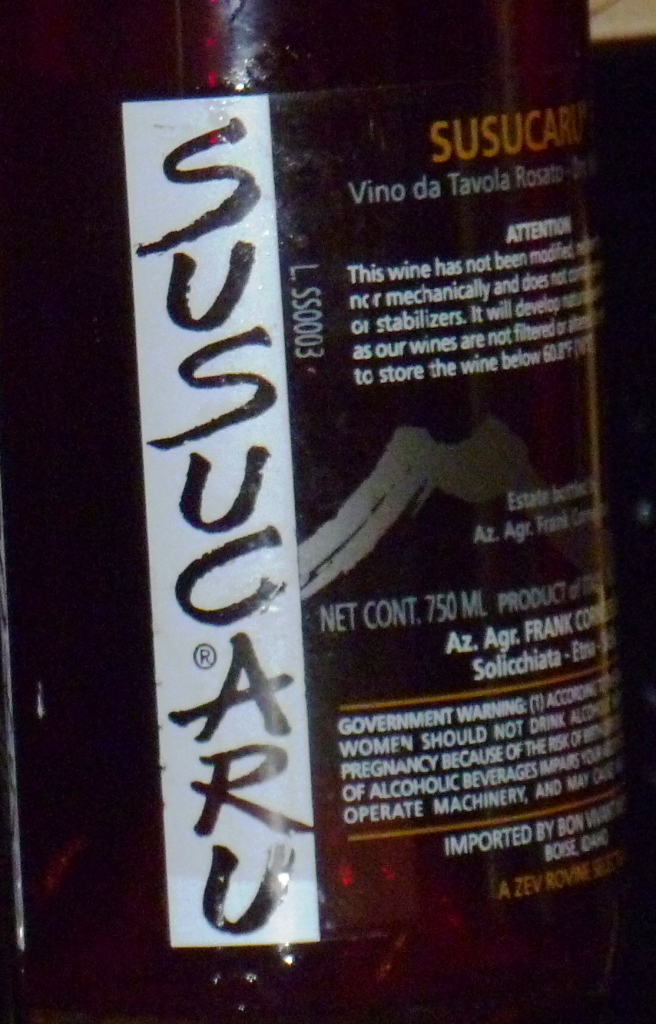 Frank Cornelissen Susucaru 3 Vino Da Tavola Rosato NV -Very interesting wine. Nose similar to Beaujolais Noveau, reminiscent of freshly pressed grapes. You can literally smell volcanic soil. Nose is perfumed with fresh soap aromas. Very unusual flavor profile – no strawberries (which is a typical component in many rose wine descriptions). Soap also comes as part of the aftertaste. Very herbal, with may be thyme being most prominent.
2009 Jean-Paul Dubost Beaujolais Villages “Tracot” –Very sweet nose. Big contrast between the nose and the palate, as plate is much drier, but overall there are pronounced raspberries, first on the nose, and then after dry start, the same on the palate. The wine just disappears in your mouth, doesn’t have any bottom – it is more juice than it is a wine.
2006 Jean Bourdy Cotes Du Jura Rouge – 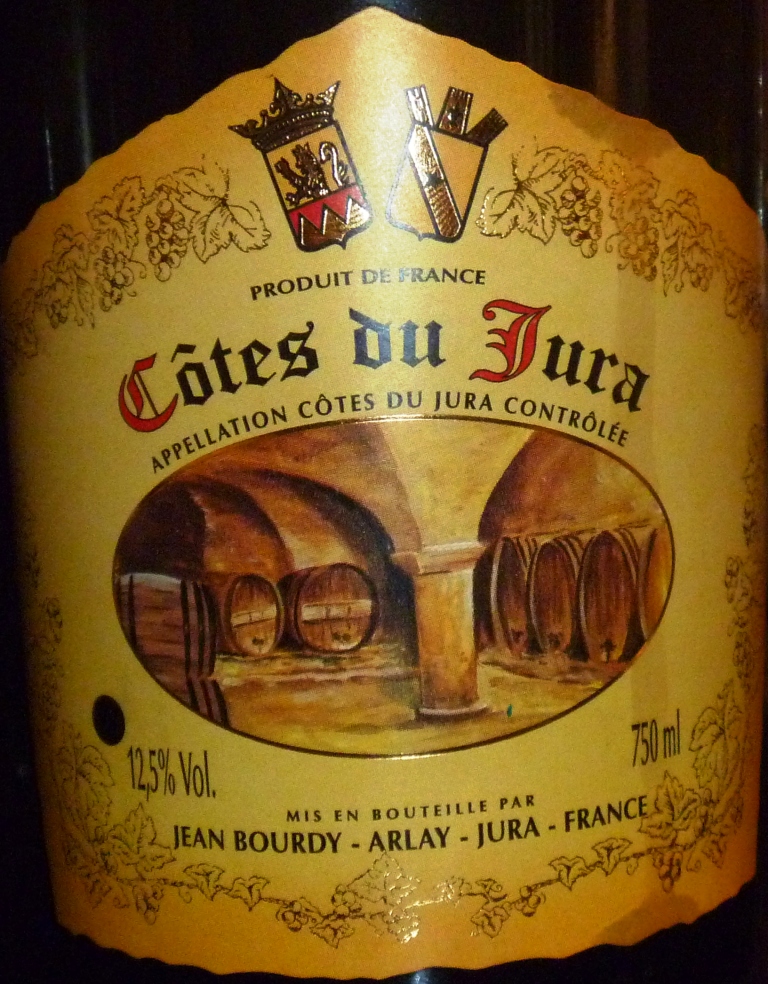 very interesting wine. Kitchen spice cabinet, like some nice rub, on the nose. Very good tannins, very nice and restrained overall on the palate, with some dry dill notes. Doesn’t show any age at all (and it is 5 years old). It appears that wines of Jean Bourdy are known to age very well (note to self). One of my favorites in the tasting.
2007 Italo Pietrantoj Montepulciano d’Abruzzo – The most unimpressive in the tasting so far. This is the case when I know it is good for me, as I’m told it is made differently, but can’t taste it at all. This wine actually was aged in 15,000 liter barrels for 2 years – but it is impossible to pick it up. It might be a food wine.
2009 Reunion Malbec Mendoza – Very grapey. Has some foundation, and some balanced fruit. Easy to drink, but not impressive at all.
2007 Le Pavillon de Saint Jacques Lalande de Pomerol –Very interesting. Smells like dirt, pure dirt after the rain. Very vegetative, no fruit on the palate, just pure dirt again. Almost no acidity. This wine was fermented in concrete tanks, aged for 18 month. It is “certified organic” and made with 90% Merlot and 10% Cabernet Franc – classic Pomerol wine. I would love to taste it in 10-15 years – I think it will greatly evolve, but it is not easy to say ” I like it” now.
1996 Bodegas Las Orcas “Solar de Randez” Rioja –Classic Rioja on the nose. Beautiful, with limited fruit expression, but very balanced. I guess this is how Rioja was in the old times. This is Reserva level Rioja. One of the best in the tasting.
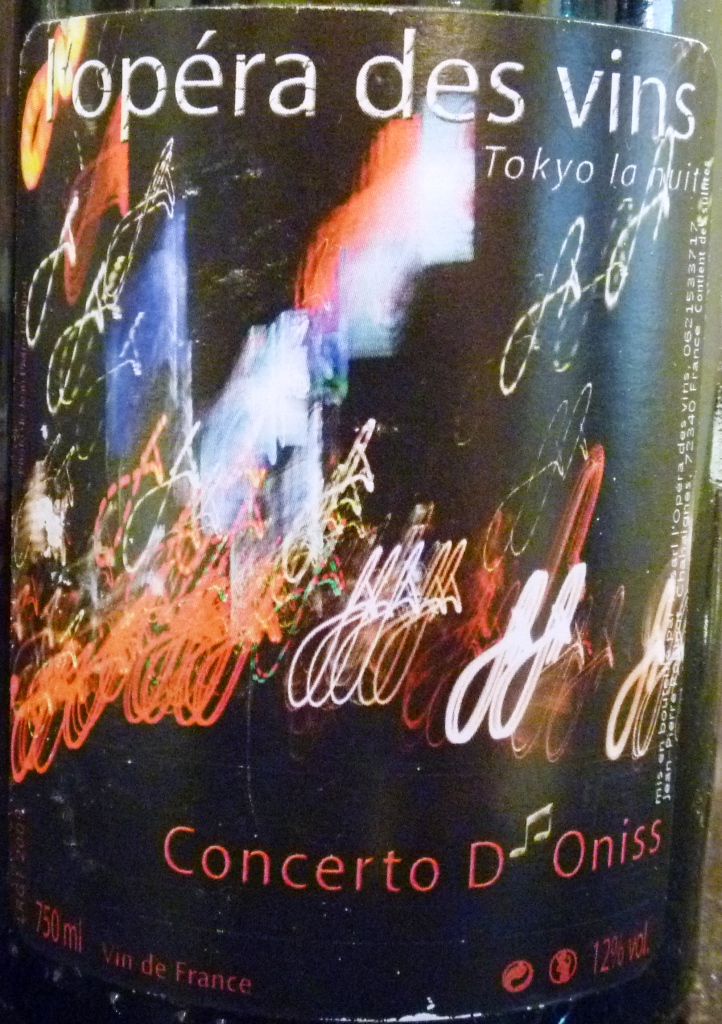
2009 Jean Pierre Robinot Concerto d’Oniss Pineau d’Aunis -Loire valley wine. Beautiful fruit, rose petals on the nose, funky. Beautiful palate, somewhat reminiscent of Beaujolais, but with more substance and good acidity. Best in the tasting.
I just realized that many of the descriptions above start with the words”very interesting” – these wines are truly interesting, they are all telling their own stories. These wines are letting the terroir to shine through. I might not be able to understand all their stories yet, but this is great, as we there is more to learn. You don’t have to try them all, but make an effort, find and try some of them – you might discover a whole new wine world. Happy learning! Cheers!
Canada Food and Wine Experiences, In Pictures
It appears to be very difficult to write blog posts while on the family vacation, despite all the desire to do so. Therefore, here is a quick report from Canada – all in pictures. I can tell you that so far I had being very happy with food, including restaurants in Niagara Falls (which was not expected considering that this is very popular tourist destination). I was also blown away by the quality of Canadian wine. Before the trip, I honestly thought that outside of the Icewine, Canadian wine would be on the level of Finger Lakes wines in NY, where whites can be drinkable, but reds are simply mediocre. Boy, was I wrong! We visited three wineries, and didn’t have a single bad wine! Well, this will be a subject of a separate blog post, so for now, here is quick report in pictures (warning – don’t look while hungry).
Nachos at Spicy Olive restaurant, Niagara Falls:

Beef Baron restaurant, Niagara Falls:
French Onion Soup:

Escargot:

Spare Ribs:

Wineries experience:
Inniskillin (from whites to reds to Icewines – outstanding, will discuss later):

Inniskillin Cabernet Sauvignon/Syrah and Cabernet Franc – WOW:
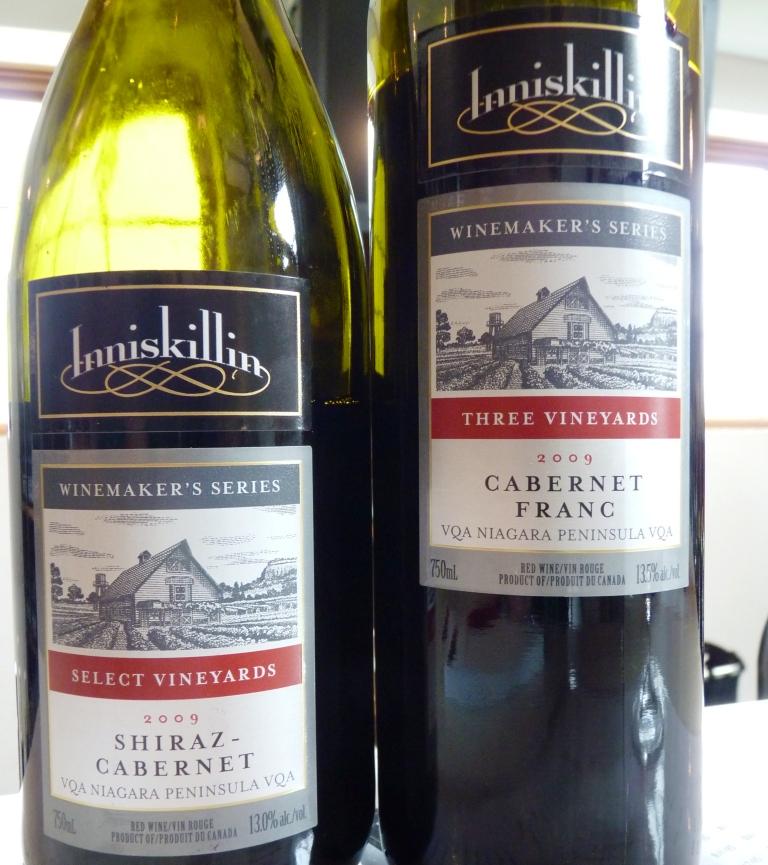
Inniskillin for those who can’t even drink wine:

Cattail Creek Winery, very interesting whites and reds:
Catastrophe series (note that labels depict real cats):

Chateau des Charmes – you should see that building:

Back to the restaurants:
Cora’s (Niagara Falls) – Breakfast done right!
Breakfast cocktail:

Crepes Egg and Cheese Panini:
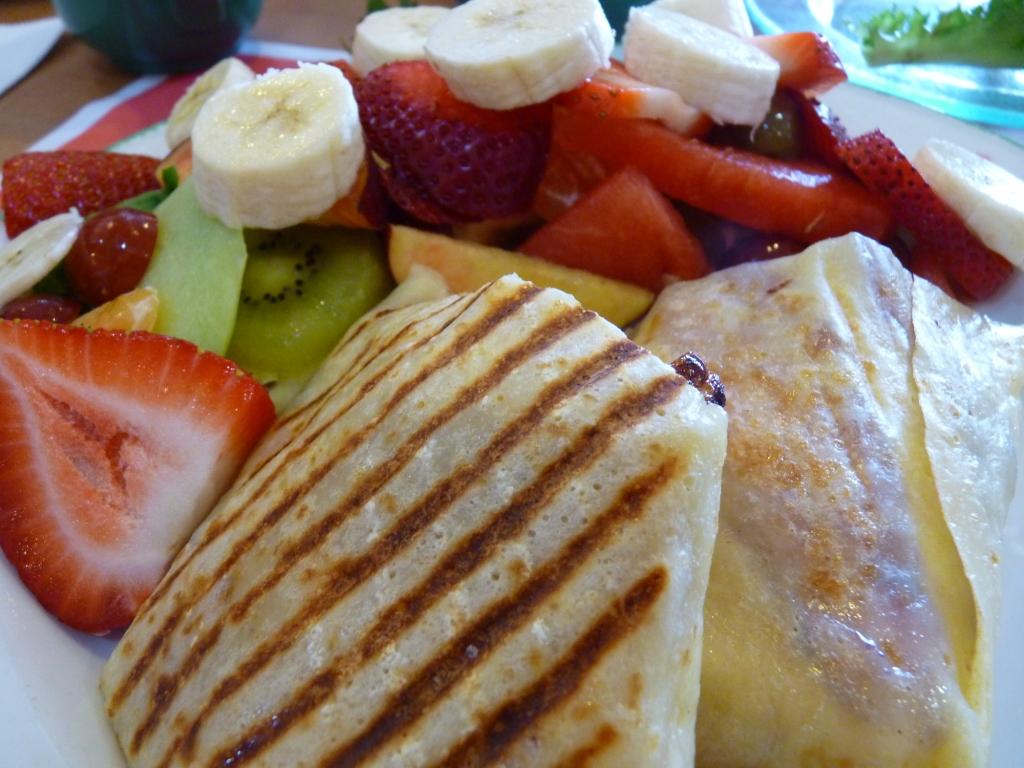
Crepe with Raspberries and cream cheese:
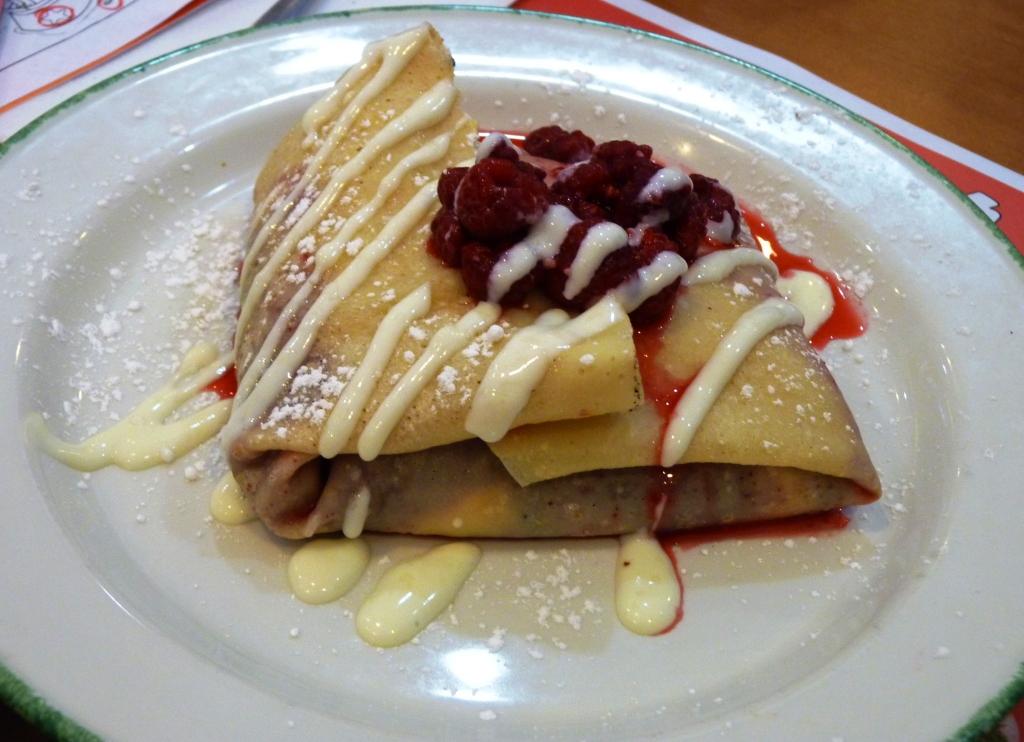
Blueberry Pancakes:

Will definitely talk more about wines in the future posts. If you are interested in reading more about restaurants, you can take a look at my page on Yelp (click here). Until the next time – cheers!
Cora
7555 Montrose Road
Niagara Falls, ON L2H3A4
(905) 358-1555
http://www.chezcora.com/home

War Of The Glasses: Does Wine Glass Matters?
 Of course the topic of wine glasses and their effect on wine’s perceived quality (which includes smell, taste and overall pleasure) is a very popular subject among wine lovers (professionals are also not immune to such discussions). I have no intention to claim any original or unique thoughts on the subject – instead, I want to merely report on my own personal experiment.
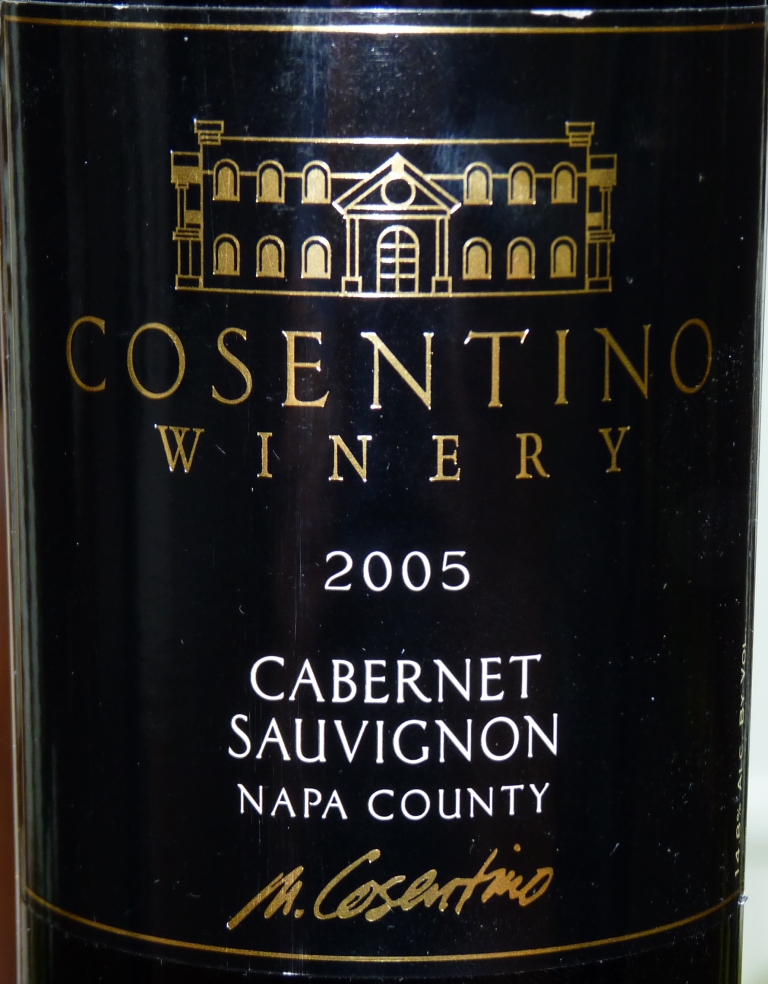
We started with 6 different glasses and a bottle of wine. For this experiment, I wanted to use a wine with classic flavor profile, nothing too obscure – seems that Cabernet Sauvignon would ideally fit the bill. I can tell you now that I was moderately happy with the choice of wine. While I like Cosentino wines, this 2005 Cosentino Napa Valley Cabernet Sauvignon was more fruit forward than I appreciate, but still it was not a very bad choice.
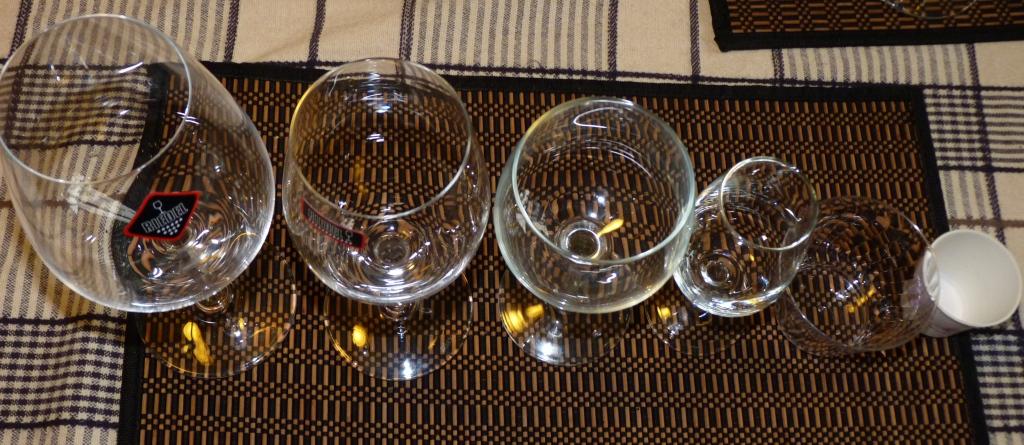
The glasses included: Riedel Cabernet Sauvignon Glass, Riedel Universal tasting (also can be called “restaurant special”, 489 0 in Riedel nomenclature) glass (holds 20 oz), a wide open, almost “square” glass (don’t know if it has a special name), small (8 oz) universal tasting glass, plastic cup and small paper cup.
Now for the notes (results are presented in the exact succession as glasses were assessed):
Riedel Cabernet Glass:
Nose: big concentration, noticeable alcohol, smell of a wet dog (must be something wrong with me)
Palate: lots of fruit, black currant, still quite sharp
Riedel Universal (489 0):
Nose: good concentration of the fruit, alcohol is less noticeable
Palate: very good fruit, round taste
“Square” glass:
Nose: some fruit are a bit more open (black currant), overall less alcohol, less fruit concentration.
Palate: taste is ok, a bit less of everything
Small universal tasting glass (8 oz):
Nose: almost like previous one, noticeable fruit
Palate: the softest of all! Nice round fruit
Plastic cup:
Nose: literally nothing
Palate: ok, similar to the one above
Paper cup:
Nose: none
Palate: bad
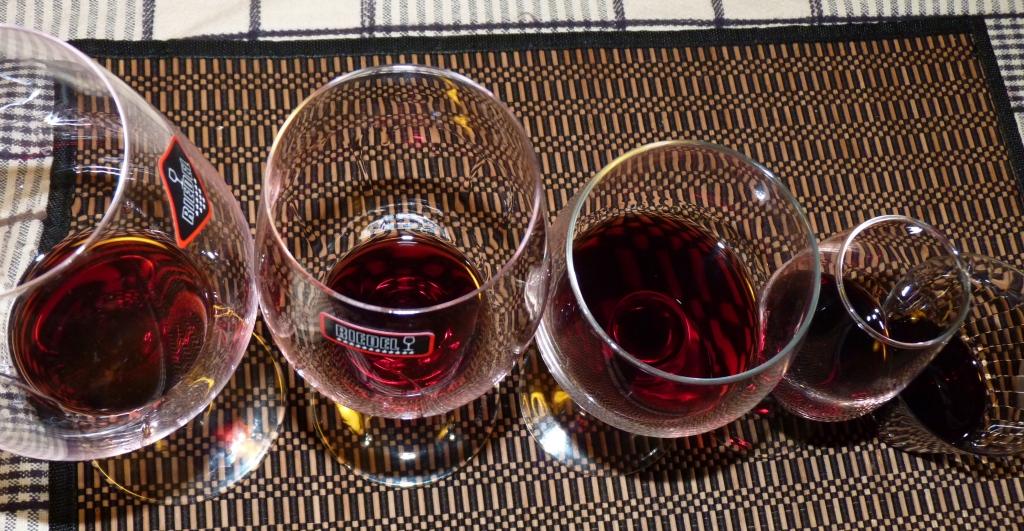
Let’s try to come up with some conclusions now. I think two universal tasting glasses fared the best – size difference didn’t matter. Of course bigger glass was more convenient to use, but outside of aesthetics of wine appearance in a bigger glass, they delivered literally the same flavor and taste. We can also safely say that paper cups shouldn’t be used if you are drinking wine to enjoy it (that was a definite looser). Plastic cup can be used, but you will lose the pleasure of the smell, so if you can avoid it, then avoid it. “Square” glass was okay, but again you will be losing on the aroma details. Lastly, Riedel Cabernet glass still requires more experiments. It was definitely not the best glass in this tasting, but I believe that it might enhance the taste of some particular Cabernet wine, most likely less alcohol, old-world style wine, where it will actually be able to enhance subtle aromas and flavors.
For now, don’t drink your wine from the paper cups, and save the money by avoiding those super-expensive “specialty” glasses, and you will do quite well. And if you have an opinion (different one? even better!) – leave a comment, and let’s have a debate. Cheers!
Tasting Wines of Anderson’s Conn Valley
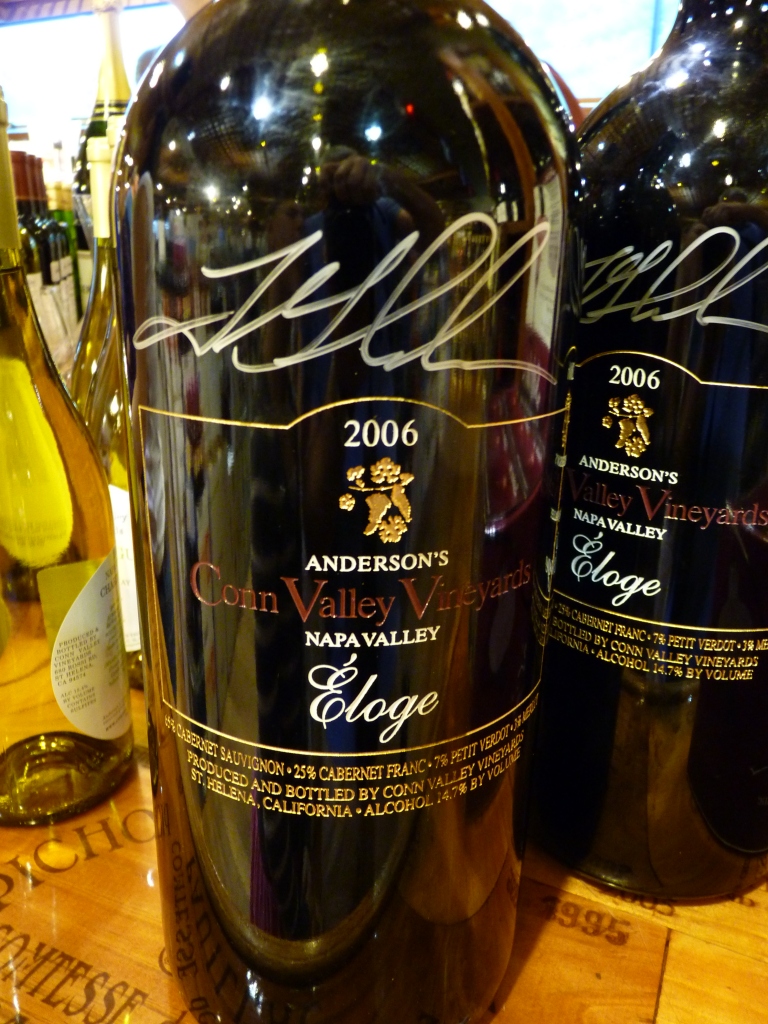 Once again Stew Leonard’s Wines brought up a excellent opportunity to experience wines (you can find some of the old posts about wine tasting at Stew Leonard’s Wines here). This time, the tasting included wines from Anderson’s Conn Valley Vineyards in Napa Valley, California.
Four different wines were presented in the tasting: 2009 Anderson’s Conn Valley Prologue Chardonnay, 2008 Anderson’s Conn Valley Prologue Cabernet Sauvignon, 2008 Anderson’s Conn Valley Right Bank and 2008 Anderson’s Conn Valley Cabernet Sauvignon Reserve. There was also wine #5 there, 2006 Anderson’s Conn Valley Eloge, but only available for sale, not for tasting (in large, 3L bottle format, at $599 each).
2009 Anderson’s Conn Valley Prologue Chardonnay had a very nice nose of white fruit, very delicate and inviting. On the palate, it was also nice and light, but too sweet – the elegance was lost behind that unexpected sweetness. Don’t get me wrong – this was still a nice wine, and it was, of course, a dry wine – but it was asking for more acidity. And for my personal taste I like more tannins and butter. Drinkability: 7+
Next was 2008 Anderson’s Conn Valley Prologue Cabernet Sauvignon. As winemaker Todd Anderson, who was present at the tasting, said, “this wine for made for the price point”. The price point ( in that particular store) was $23.99, which would make it a reasonably priced Cabernet Sauvignon. The wine was oaky, with some fruit showing up in the background. It will probably improve over the next 4-5 years. Drinkability: 7
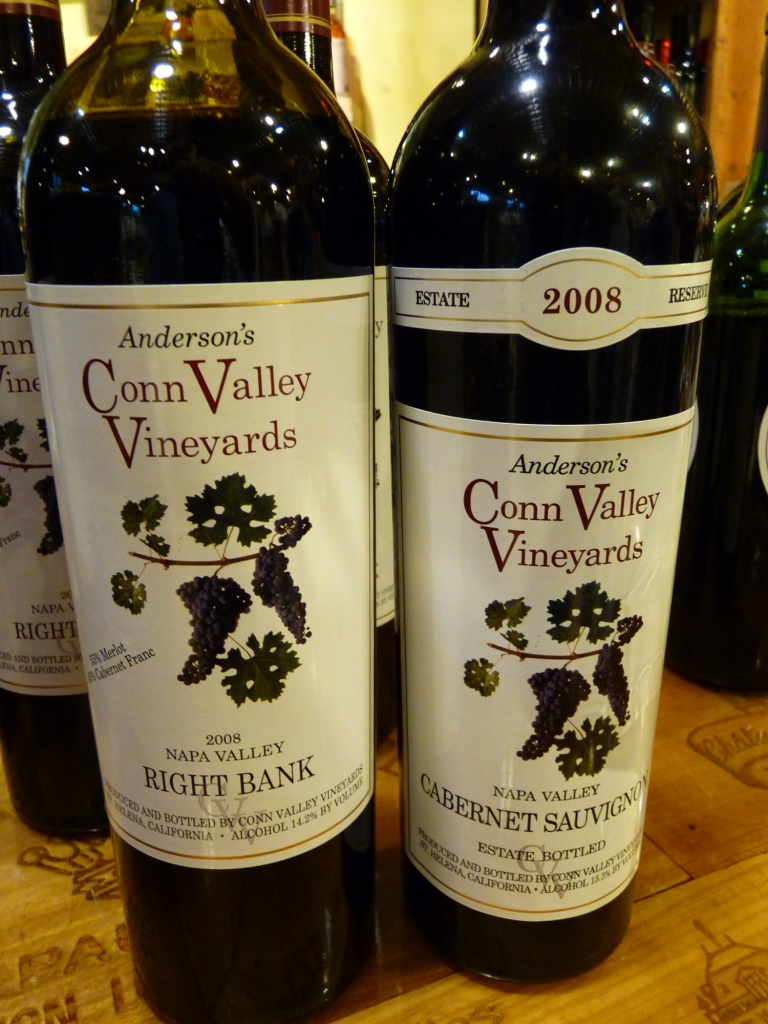 Next in the tasting was 2008 Anderson’s Conn Valley Right Bank red, which is a Bordeaux style blend ( Merlot/Cabernet Franc). This wine actually was quite enjoyable, with good structure and good balance of fruit, acidity and tannins, nice, very delicate earthy notes of the good Bordeaux, and with medium finish. This wine was best in tasting. It will also improve with ageing, probably over the next 10 years or more. Drinkability: 8-
Lat wine in the tasting was 2008 Anderson’s Conn Valley Cabernet Sauvignon Reserve, 100% Cabernet Sauvignon grape. This wine had a great nose of black currant and blackberries, and very delicate balance on the palate. At the same time, it was lacking the body and was falling short on the finish. It is quite possible that this wine will improve with age, or may be even with the breathing time, but as it was presented in the tasting, it was lacking the “umph” factor. Drinkability: 7+
Overall, it was great to be able to try good California wines, and if you are not following Stew Leonard’s Wines on Facebook, click here to open their page and become fun – this way you will not miss any opportunities to try some good wines. Until the next time – Cheers!
Wines of Georgia: You Have To Experience It To Believe It
 The subject of Georgian wines is not new on this blog – I wrote about Georgian wines on a number of occasions, and those were good occasions, or maybe rather even good surprises (you can find the posts here and here). But after I was lucky enough to attend a Georgian Wine tasting in New York City, I don’t want to talk about Georgian wines in terms of “good surprises” anymore – I think Georgian wines are ready to take a permanent high place in the wine’s “who is who” world.
There were about 60-70 wines presented in the tasting. I didn’t have a chance to taste each and every one of them, but among those I tried, there were no bad wines. There were some which were regular, there were some which were good, there were some which were great, and there were a few which were amazing. I think this is a pretty good lineup for the wines which I would collectively avoid only about a year ago, as those were mediocre at best. There is a definite trend up in the quality of Georgian wines, and I believe a lot of them are ready to meet the discerning palates of wine lovers around the world.
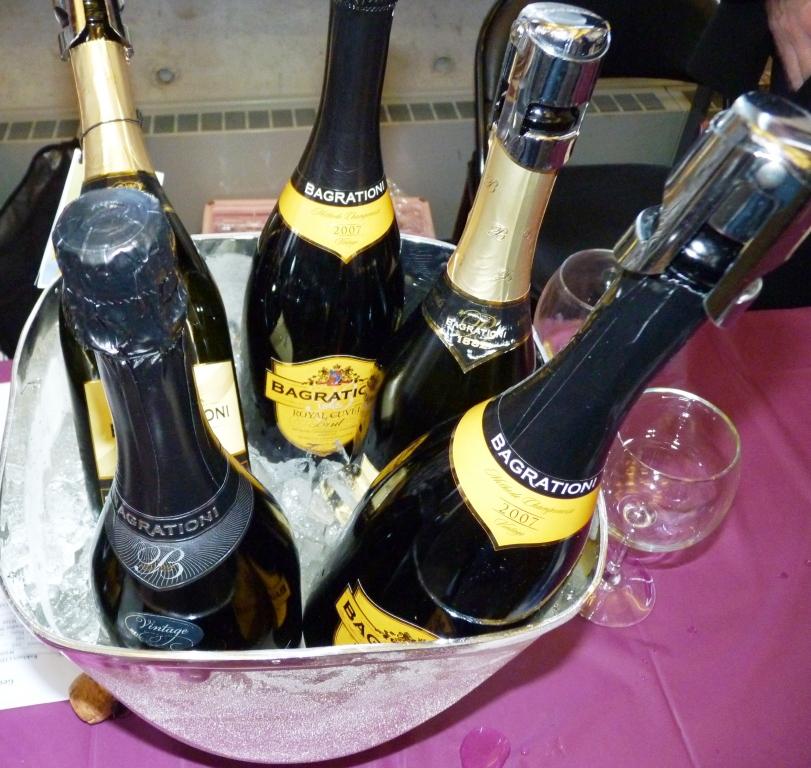
Let me share some of the notes and thoughts, supported by practical examples, of course. I already wrote before about Georgian sparkling wine called Bagrationi. It is produced for more than a hundred years, using traditional Méthode Champenoise. This time I had an opportunity to try four different wines, and they all were very good, but 2007 Bagrationi Royal Cuvee was a standout for me. Medium body, very balanced acidity, very round overall.
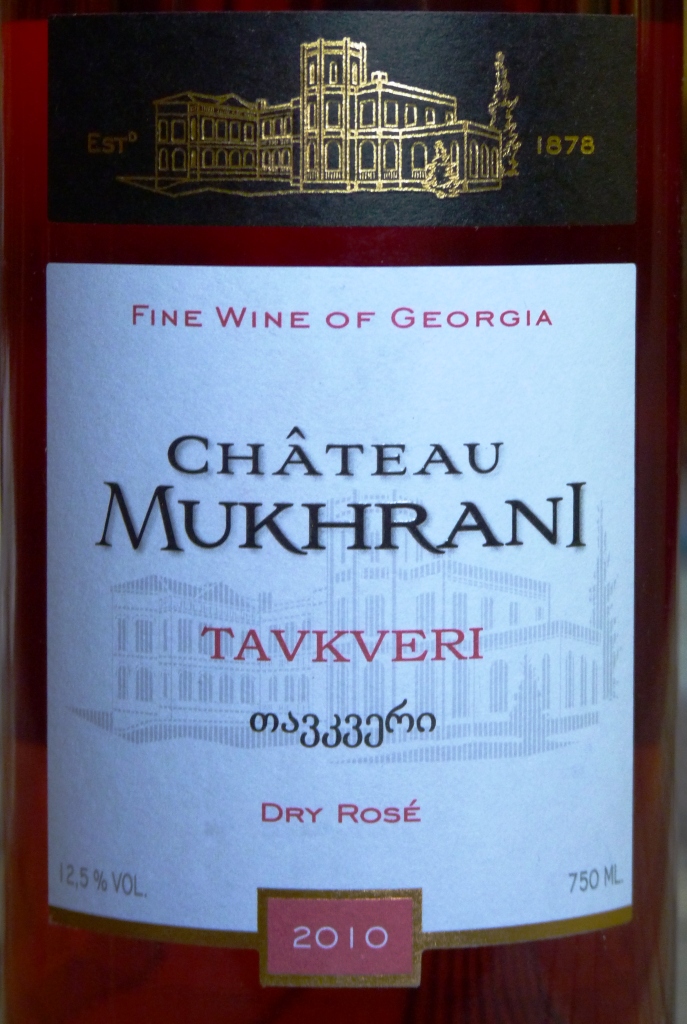 My next personal favorite was the 2010 Chateau Mukhrani Tavkveri Rose. This was one of the number of excellent wines presented by Chateau Mukhrani, and it played to my particular weakness to the Rose wines, especially during summertime. This wine is made out of the indigenous Georgian grape, Tavkveri, one of many other grapes which don’t grow anywhere else (based on information from Wikipedia, there are about 400 varieties growing in Georgia, with less than 40 used for commercial winemaking).
It is not easy to produce a rose wine with a character. Lots of available rose wines from all the different regions are virtually indistinguishable – a little bit of strawberry, and a little bit of acidity, nothing memorable. The Chateau Mukhrani Rose was totally different – lots of concentrated berry flavors, cranberries and sour cherries, all supported by very balanced acidity and a long finish – truly a great Rose.
Another wine from Chateau Mukhrani I have to mention was the 2009 Chateau Mukhrani Shavkapito. Another indigenous grape, Shavkapito, and yet another great tasting wine – good dark fruit expression, very round and layered with smooth and approachable tannins.
The next group of wines I have to mention are the wines made by Pheasant’s Tears and Alaverdi Monastery. What puts these wines aside even in such a distinguished crowd is a very unique method of making wines. Both wineries make wine using qvevri, a clay vessel lined with beeswax, which is used for fermenting and aging the wine. There were a number of wines presented, both red and white, all made using qvevri. The white wines were especially unique, as they sported a deep yellow color, which is typical for really old white wines, but not for white wines which are one or two years old. Most of those white wines also showed quite extensive tannins – without being aged in the oak. All of those characteristics ( deep yellow color, tannins) are coming from prolonged fermentation and aging process which takes place in the qvevri, where grapes are crushed and juice stays in contact with the skins and seeds for a period of up to 6 months. 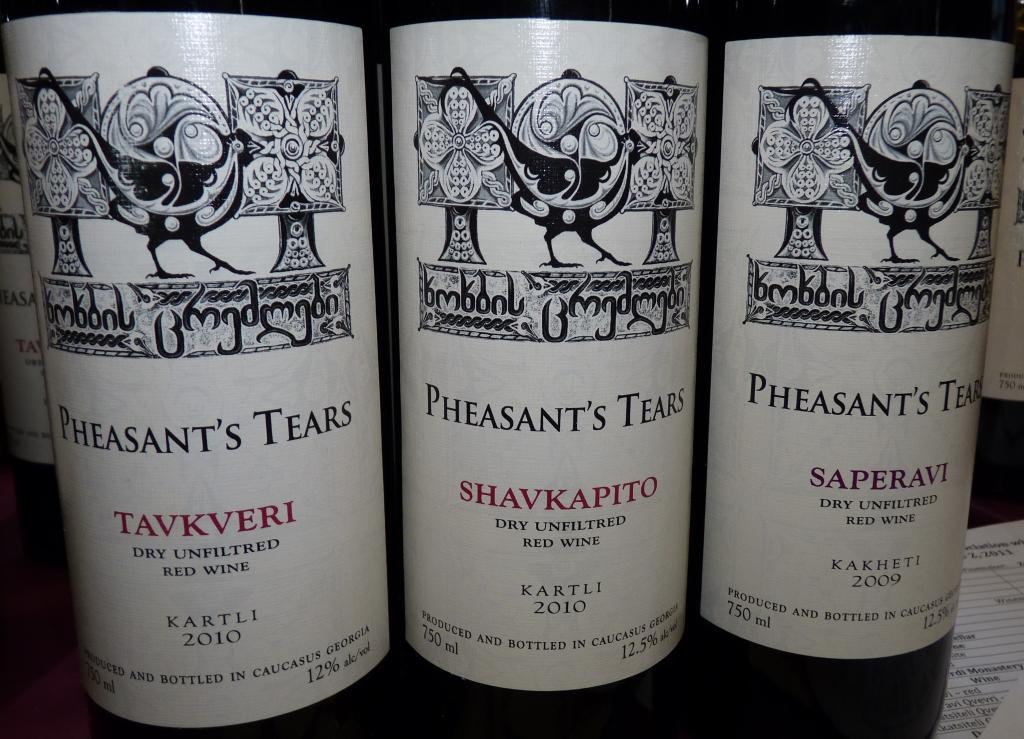 In addition to unique color and tannins, some of the white wines also exhibited Madeira style saltiness, coupled with enough sweetness and acidity to make the overall experience very pleasant. These are really unique wines, and you should try to find them – if you can.
Last but not least are the wines which were my absolute favorite in this tasting – Mukuzani and Saperavi red wines produced by Maisuradze wines.
 Both 2005 Maisuradze Wines Saperavi and 2005 Maisuradze Wines Mukuzani are produced from the Saperavi grape – one of the most popular grapes used in the production of red wines in Georgia. The difference between the wines is that Mukuzani contains only Saperavi grapes actually grown at Mukuzani vineyards. Another difference is the aging time in oak – Mukuzani spent 24 months in oak versus 12 months for Saperavi. Both wines are showing tremendous power and structure, and while Saperavi is more approachable, Mukuzani still needs time in the cellar – it will truly shine after another 10 years (at least) in the cellar. Both wines are excellent and definitely worth seeking.
The bottom line is simple – Georgian wines are ready for the prime time. They need a bit of marketing and a bit of luck, and then we will all have more wines to enjoy. But for now – takes this post to your local wine store, and ask them to get these wines for you – and then let me know what you think.
Tasting Wines of Sierra Cantabria and Teso La Monja
 As you know by now, PJ Wine is one of my favorite wine stores (you can find some of my impressions here). It is not just due to the great selection of wines, with Rioja being a superstar. It is also based on the fact that PJ Wine is a great source of education and experience (double-winner – education is free most of the time). Store runs great seminar program, where (if you are fast enough to get on the list) you can experience many great wines of the world.
Few weeks ago, I was lucky enough to be able to get into the seminar about wines of Sierra Cantabria and Teso La Monja (the event was sold out in a matter of hours). Both Sierra Cantabria and Teso La Monja wines are produced by Eguren family (you can find complete information here), and of course you already figured out that both are produced in Spain.
Sierra Cantabria wines come from Rioja. In addition to producing full line up of traditional Rioja wines ( Crianza/Reserva/Gran Reserva), of course made out of Tempranillo ( for more information about Rioja wines you can click here), Sierra Cantabria also produced the series called Collection Privada, with each wine being made only in exceptional years. Currently, it includes wines made in 1996 ( first ever vintage for Sierra Cantabria), 1999 and 2000. Tasting the Collection Privada wines, the first one from 1996 was very nice, with good bouquet of spices, acidic and bright. There were only 300 cases produced in 1996, so this wine is not easy to find. While 1996 was drinking well already, both 1999 and 2000 were simply not ready and needed more time in the cellar. These wines are produced from 55-60 years old vines, and made with the focus on quality, not quantity.
 Second group of wines presented at the seminar were also made by the same Eguren family, but come from another region in Spain called Toro. Teso la Monja is the latest project for the winemaker Marcos Eguren. Toro wines are made out of the grape called Tinta de Toro. If you would look in Wikipedia, you would see that Toro is designated as another name for Tempranillo. In reality, it is actually a clone of the Tempranillo grape, which has it’s own characteristics and is different from Tempranillo itself – same as famous Brunello, made out of Sangiovese Grosso grapes, tastes totally different from regular Sangiovese-based wines, Chianti.
Three wines from Teso la Monja had being represented in the tasting. First was 2007 Teso La Monja Almirez Toro – the wine had nice balance and lots of dark fruit – blackberries, black currant and spicy oak. Next wine was 2007 Teso la Monja Victorino Toro – beautiful, round with plums and blackberries, showing nice minerality. This wine is produced from 65+ year old vines and aged for about 18 month in oak.
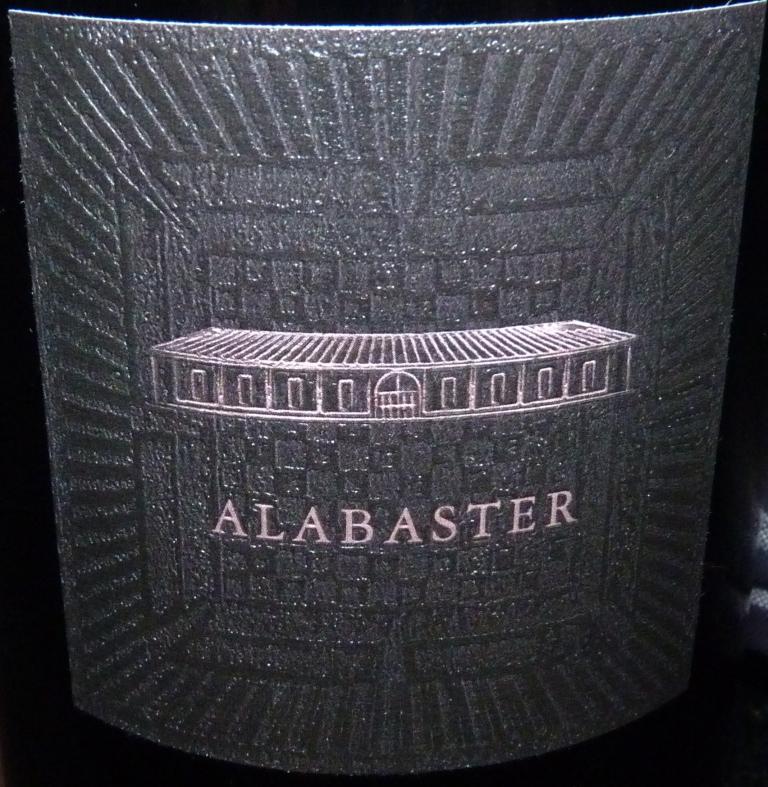
Last but not least in the tasting was 2007 Teso la Monja Alabaster Toro. This wine was simply outstanding. Very dense, very big , with lots of fruit and in the need of time. Just to give you an example of care which goes into the making of this wine – the grapes are de-stemmed by hand, and then pressed with the feet. This wine definitely needs time before it will show off in its true beauty. The only challenge with this wine is related to the fact that at $156, it is not a bargain, and essentially QPR is becoming more of an issue, at least for me. Of course, if we will compare Alabaster with El Nido or Vega Sicilia wines, QPR might be on par – nevertheless, I think some time is needed before Alabaster has enough recognition to demand such a price.
All in all, it was a great experience with 6 exciting wines and lots of information – and I can’t thank folks from PJ Wine enough for continuing bringing great events to the wine lovers. And while on the subject of great experience, I can’t help to note that PJ Wine is organizing Spanish Wine Festival, which will take place on Friday, June 17th at 6 PM in Metropolitan Pavilion, 123 West 18th Street in New York City (please click here for more information). This event is not free, but for $99.99 I think it constitutes a great value – you will be able to experience wines of Vega Sicilia (keep in mind that typical bottle of Vega Sicilia costs in excess of $400, plus, it is very difficult to find), El Nido, La Rioja Alta, Clos Mogador and hundreds of others. The Festival will also include food from many good places in New York. I believe Spanish Wine Festival is a great value and shouldn’t be missed.
And as this was the post about Spanish wines, I think we need to finish it appropriately: Salud!
Wine Experiences … In The Airport
You can look at it as a sequel to previous post about Vino Volo. Yes, I’m talking again about Vino Volo, which continues to deliver great wine experience on the go.
What I really like about Vino Volo is the fact that wine selection is always changing. Different locations offer different wine selections, which are changing throughout a year – what can be better for the wine experiences seeker?
In addition to being able to try a number of different wines at a reasonable price (I’m specifically referring to the price of wine flights – most of the individual bottles are overpriced, unfortunately), there are other positive elements of overall experience at Vino Volo. One of them is a very good service. Beyond just being nice and pleasant, Vino Volo’s staff knows quite a bit about the wines they are serving, and they also can handle challenges quite well. One of the wines in the Northwest Stars flight we had at San Antonio airport was spoiled – it was borderline corked and lacked all the fruit. When I mentioned that that to our waitress, the wine was replaced, no questions asked. This doesn’t always work that good, based on my own and fellow bloggers experience.
Another thing which I like is that fact that Vino Volo is always trying to go local when possible. When you are in Portland, Oregon airport, you should expect to find few tasting flights dedicated to Pacific Northwest wines. When in Virginia, I was very glad to find a flight of Virginia wines – all of this definitely adds up to unique experience.
Let me tell you about the wines I tried during my last two visits to Vino Volo in San Antonio, Texas and Dulles airport in Virgina.
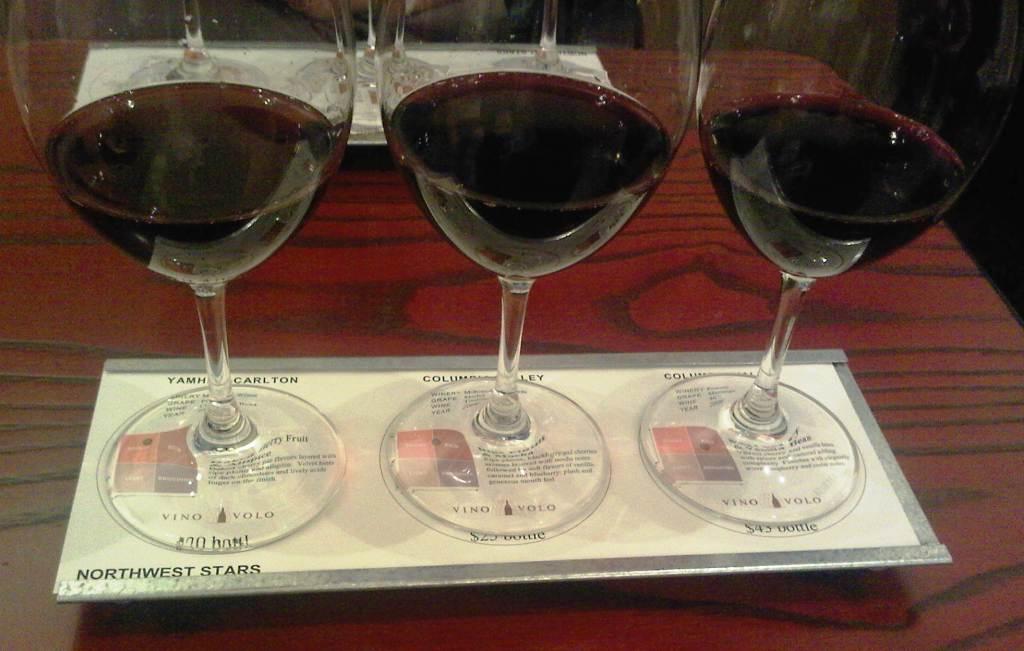 We tried two flights at the San Antonio airport. First was Northwest Stars, which included three reds. 2009 Cummins Road Pinot Noir, Yamhill-Carlton district, Oregon ($39 at Vino Volo, $19.95 on internet) had too much fruit for me. 2008 Mibrandt Vineyards Traditions Merlot, Columbia Valley, Washington ($25 at Vino Volo, $14.99 at the winery) was very nice, with good balance, but needed a bit more body to be appreciated fully (might be young, though). Last in the flight was 2006 Powers Parellel 46 Meritage, Columbia Valley, Washington ($43 at Vino Volo, not easy to find but about $27 on Internet). This was the wine which was spoiled and replaced. It is a classic Bordeaux wine, with characteristic green notes – definitely needs more time, but this was a very good wine.
Next one was a flight of whites (I know, going in reverse) called Bright Whites. 2009 Colome Valle Calchaqui Torrontes, Argentina, was very nice, blight and flavorful. 2007 Efeste Sauvignon Blanc, Columbia Valley, Washington ($29 at Vino Volo, about $16 on wine-searcher) was the most unusual wine in the tasting – it had a very pronounced “rubber” on the nose, and lemongrass on the palate, and it was very nice overall (once you overcome the initial rubber sensation). Lastly, 2009 Racines de la Terre Chardonnay Pays d’Oc, France was very nice, with good balance of fruit and acidity, very approachable. I would say that the last two are worth seeking.
Now let me tell you about two tasting flights in Washington Dulles Airport.
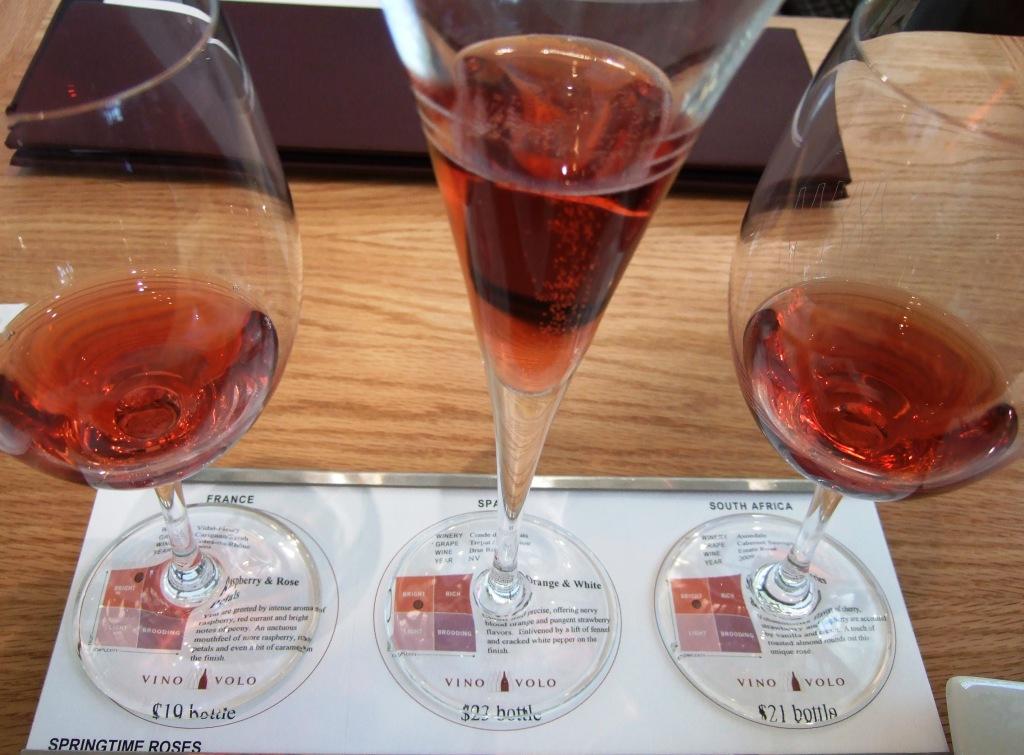 First was the flight of Rose wines (very appropriate – summer is coming!). All three were very interesting, with #2 being my favorite. First was 2009 Vidal-Fleury Cote-du-Rhone, France – blend of Carignan and Syrah. This wine was a too fruity with limited body expression. Next one was Conde de Subritas Brut Rose NV, Spain – most unusual wine in the tasting (and the best). This sparkling wine had a lot of vegetable and pungent flavors – I definitely would like to try it with the salad. Last one was 2009 Avondale Estate Rose from South Africa, which tasted practically like a red wine ( it is made out of Cabernet Sauvignon grapes). I have a suspicion that if I would have this wine in a blind tasting, I would fail miserably to identify it as a rose – may be I should try it one day, just for fun.
Last one was a flight of local Virginia wines, which I was glad to find on the list and was looking forward to trying. First wine was 2008 Annefield Vineyards Arrowhead Viognier – this wine was lacking fruit and had oak which was not integrated. After tasting Viognier at Chrysalis Vineyards last year (you can read the story here), which was outstanding, I was really looking forward to trying this wine, but apparently it didn’t work out. The next wine was 2009 Old House Vineyards Estate Vidal Blanc, which was simply too sweet for my taste. And last one, 2008 Pearmund Cellars Ameritage, a blend of Cabernet Sauvignon and Merlot, was simply classic Bordeaux, with all the necessary traits – acidity, fruit, tannins. I put drinkability of this wine at 8-, but at $29/bottle I would expect more from the wine.
This concludes the story of airport wine tastings. Yes, the airports are still a hassle – but Vino Volo makes traveling experience a lot more palatable and even something to look forward to. If you are at the airport, remember – you can have fun on the go!
Long Overdue–Notes From Michal Skurnik Wine Tasting
 Yes, this post is long overdue, as I hinted that it’s coming a while back. Better late than never, right? Here it is.
Let’s say you are in a wine store. Bottles, bottles are everywhere. Sometimes you know exactly what you want. Sometimes you don’t – and this is when it becomes challenging. How do you know if that bottle of wine is any good? Price is really not an indicator of quality. You can’t try the wine ( at least in the majority of cases). Yes, you can ask for the advice – then it really depends what store you are at (some of the store advice should be avoided at all costs). So, what do you do? Of course, using your iPhone is always an option, but this is not where I’m going right now. One possible solution is to look at the back label, which all the wines in the US have to have. Look for the name of the importer. And if it says “Michael Skurnik” or “Kermit Lynch”, you should smile, because you just learned that chances this bottle of wine is good just increased dramatically.
Why you are asking? Michael Skurnik Wines is so-called “importer” (they are also a wholesaler, but this information is typically not advertised on the label). It means that Michael Skurnik Wines company (MSW) works with thousands and thousands of wineries and other wine merchants all over the world to find the wines which will pass through their rigorous selection process and will be represented by Michael Skurnik Wines.
The wines chosen to be carried in the portfolio might not be all your favorite – but they all will be quality well-made wines. It means that MSW folks are doing all the hard work of selecting the best wines for you, and all you need to do is to enjoy the fruits of labor.
Few times a year wine importers and wholesalers organize special wine tasting events to present their portfolio to the trade. I was lucky to attend Michael Skurnik Wines Spring Grand Tasting, and I would like to share some of my personal highlights.
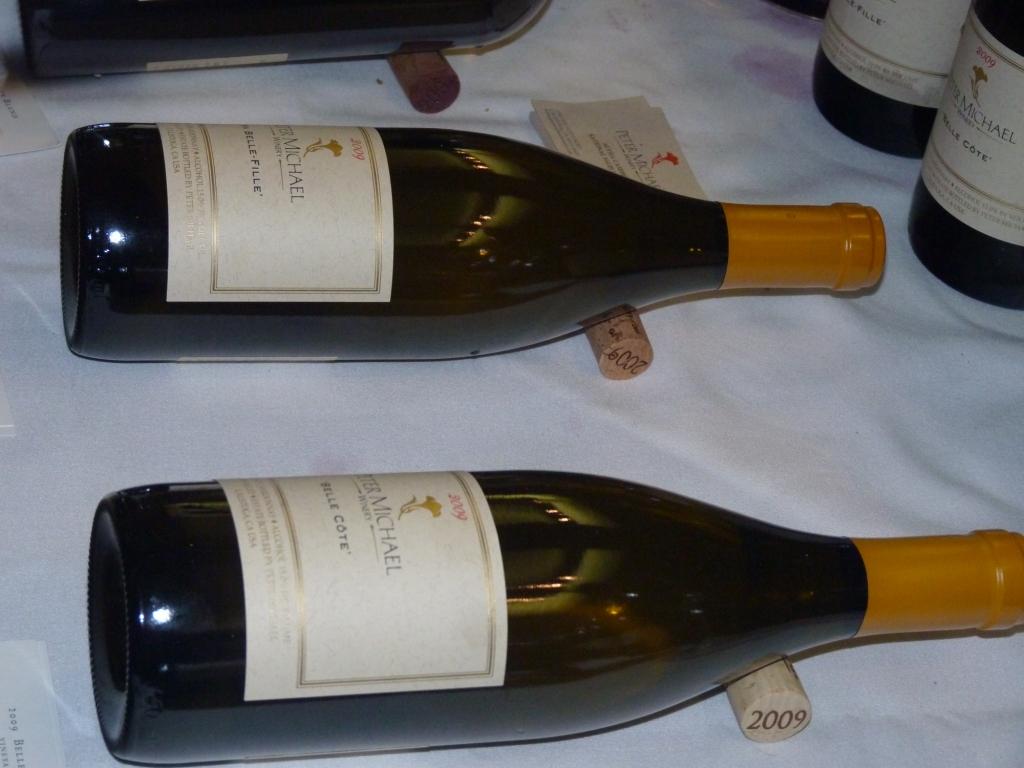
First and foremost, my personal “Best of tasting” is Peter Michael wines. Four 2009 Chardonnays were presented in the tasting (“Mon Plaisir”, “La Carriere”, “Belle Cote” and “Ma Belle-Fille”) – tremendous, all four are the best Chardonnays I ever tasted. Finesse and absolute balance – vanilla, toasted oak and butter all being present, but in absolute harmony with bright acidity, fruit and silky smooth tannins. I would put drinkability for all four at 9+. Just so you know, these are the cult wines, which affects the pricing and availability. These wines are available only through the mailing list or through select merchants – you might be able to find them at Wades Wines and Benchmark Wine Company.
The next highlight was an amazing line of Barolos. A mix of 2005, 2006, 2007 Barolos from Azella, Manzone, Renato Corino, Marengo, Altare, Clerico, Cavalotto – one was better than another, all beautiful and powerful wines. Anyone of the names I mentioned is worth seeking.
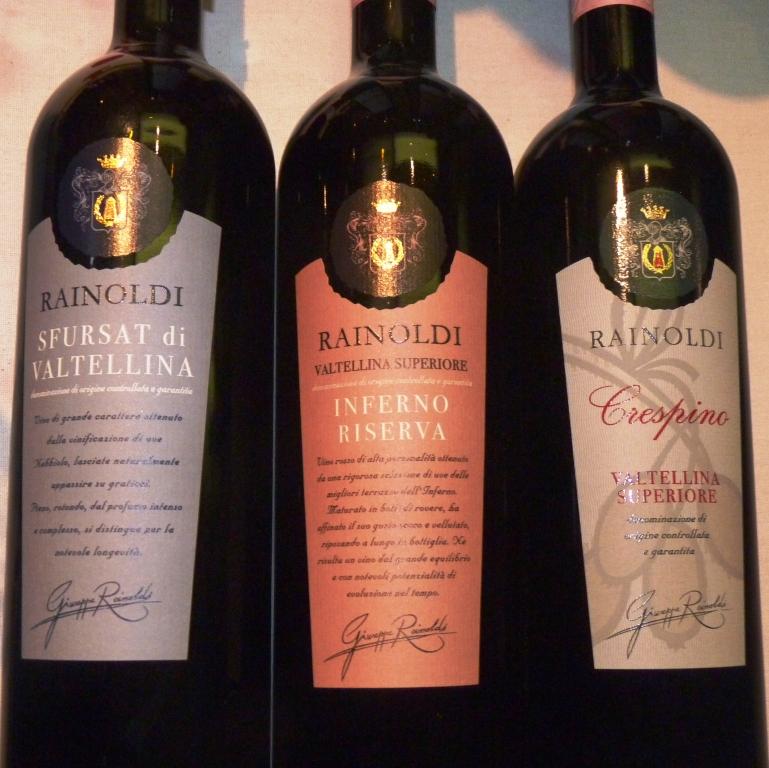 While the Barolos were great, they had a group of contenders, which were literally as good. Wines of Aldo Rainoldi come from the area in Lombardy region called Valtellina. These wines are produced from the same grape as all Barolos – Nebbiolo, with all the vineyards located at the very high altitude of 600+ meters (1800+ feet). I tried four different Aldo Rainoldi wines – 2007 Sassella, 2005 Crespino, 2006 Inferno Reserva and 2007 Sfursat Classico – all were truly outstanding and very comparable with great Barolos, but at the half price as the least.
In addition to all the wines in the tasting (about 700), there were some stronger spirits as well. One of the surprises was Calvados I tried. Calvados is a brandy which is made out of apples in the Calvados region of Normandy in France. Typically, I can drink it, but it is not something I would be seeking out. However, two of the Calvados presented at the tasting – Camut Calvados 6 years old and Camut Calvados Reserve 12 years old were simply incredible. Soft, smooth, elegant, great aroma of fresh apples, very delicate balance. They will not be easy to find, but I would highly recommend you will make an effort. You can try your luck at D&M, and believe me, you will not be disappointed.
That’s all, folks. There were many many more great wines, but you got to stop somewhere, right? Until the next time – cheers!
Daily Glass: Value Wines Project – About Portugal and Italy again
 Here is your update for the value wines series – by the way, if you are bored with this – I still have about 10 bottles left to cover, but hey, it is not that I must write about them all!
It is Portugal and Italy again (you can see previous post here), and Portugal again scored (don’t forget – this is value wines category with bottle price limit of $11.99).
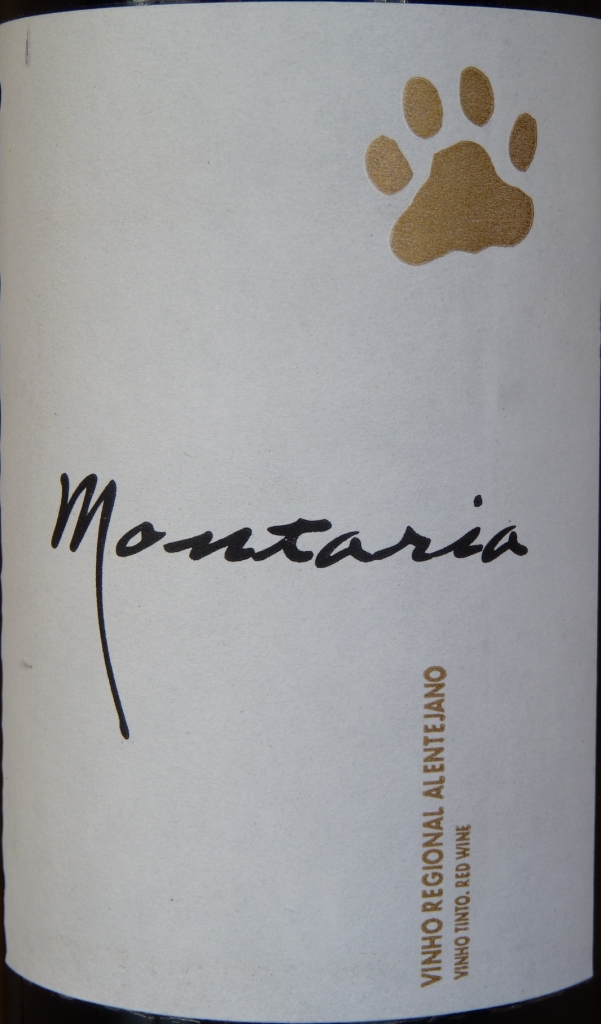
From Portugal, I had 2008 Montaria Vinho Regional Alentejano ($6.98). This wine is a blend of three local grapes – Trincadeira, Alicante Bouschet and Aragonez. The wine was very aromatic, soft and open from the get go. Medium body, easy to drink. Complements food very well – I had it with fried liver and it was delicious. However, another interesting food pairing observation – doesn’t work with chocolate at all. This wine is to drink now – it didn’t improve on the next day. I would put Drinkability at 7+.
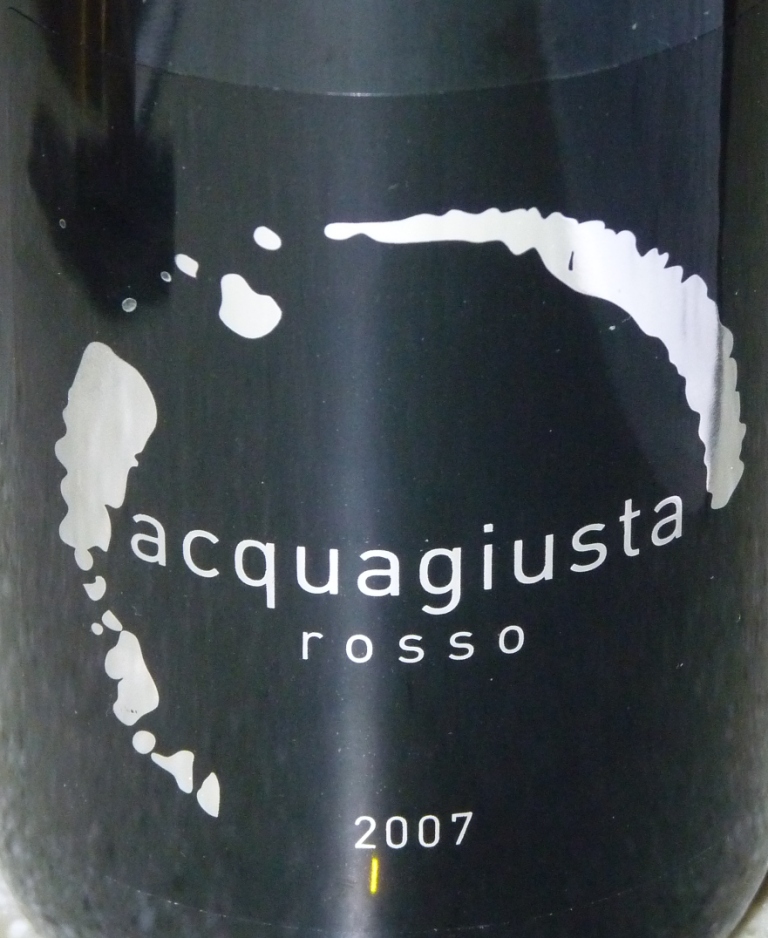 Italy was represented by 2007 La Badiola Acquagiusta Rosso ($11.99). I think I got this bottle mostly for the label (looks cool). One interesting note – I used Google to translate the name on the label ( my Italian is a bit rusty), and it was translated as “Right Water”. This wine is a blend of Cabernet Sauvignon (35%), Merlot (35%) and Syrah (30%).
The wine comes from the right place – Maremma Toscana, home of Super-Tuscans, and has seemingly right blend of grapes – but it doesn’t work, it didn’t happened to live up to “right water” name. From the beginning and on the second day, the wine was all over the place, almost like all those individually good grapes didn’t want to play together… This is unfortunate, but I guess finding value in that price category is not easy (don’t worry, I’m not giving up, there are few more Italian wines to try). I will put Drinkability at 7-.
So the quest for the best value wines continues, and updates will follow – unless, of course, you will tell me otherwise…
Accidental Grand Tasting
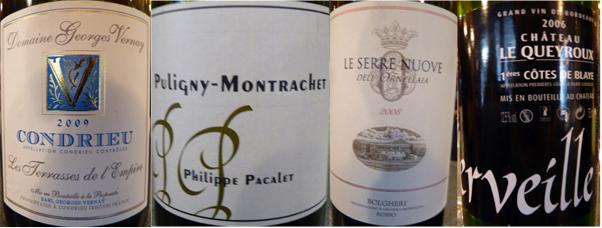
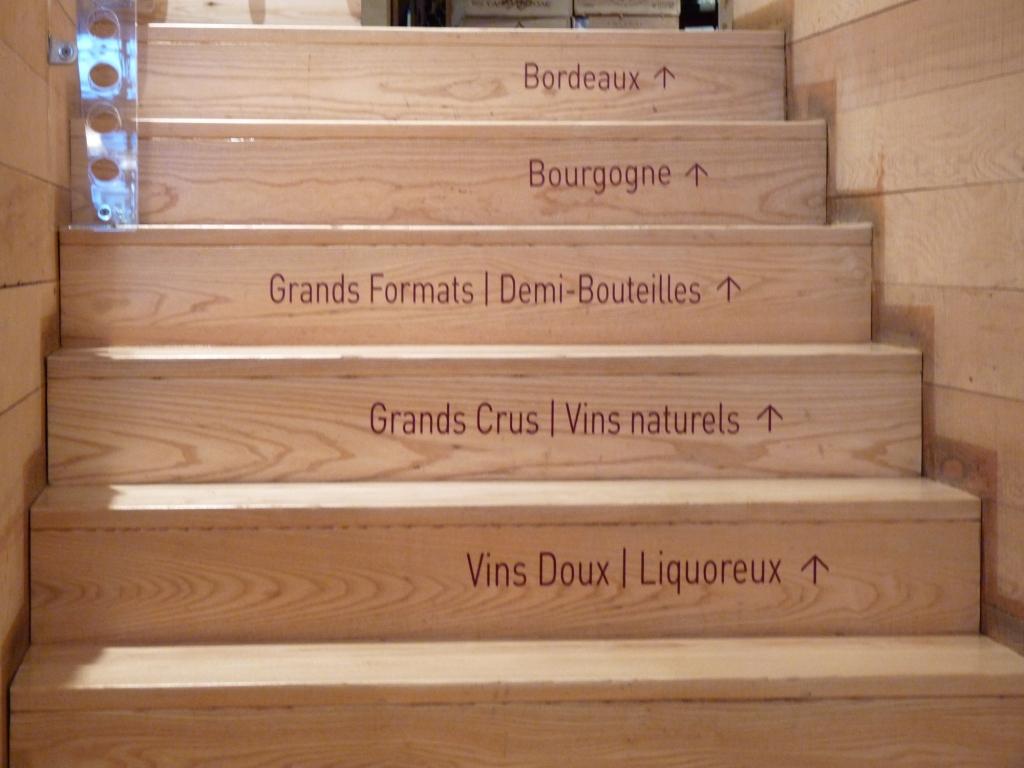 You walk on the street (ok, in Geneva). It is Tuesday, middle of the day. You see a wine store which looks appealing from outside. You walk in, start looking around and almost fall down. Well, for two reasons. For one, simply because the store is big, and contains unpredictable amount of stair-steps, some kind of stairs and so on (one pictured here is actually fine, you can at least see it clearly). Another reason – to see such a line up of Gaja and Tenuta dell’Ornellaia? Wow. Didn’t see it yet in any store in the States. But may be then at the prices which you see there, it is not that surprising after all.
So you continue browsing the store, which is called Lavinia in case you are curious, getting ready to leave, as buying anything there is not an option. Then you see a wine tasting going in a middle of the store. With big decanters, including for white wines – that gets very interesting. And then you try the wines, and you have to declare that you attended a grand tasting, because all four wines are outstanding.
The first one, 2009 Domaine Georges Vernay Condrieu, made out of grape called Viognier, was bright, beautiful and assertive. It was “in your face” balanced – one of the most balanced wines I ever had: controlled fruit expression, full body, refreshing acidity – outstanding (Drinkability: 9). The next one, 2008 Philippe Pacalet Puligny-Montrachet, was my first taste ever of wine from Puligny-Montrachet, which considered one of the absolute best areas for white Burgundy wines (made of Chardonnay). This wine was made by Philippe Pacalet, one of the big proponents of the natural wines in France (here is a good blog post about him by Dr. Vino). This wine was totally different from the assertive Condrieu – shy and playful like a child, again with great balance, but completely different fruit profile (leeches, tropical fruits, star fruit), great acidity and asking for food. Again, Drinkability is 9.
And two reds were outstanding. 2008 dell’Ornellaia La Serre Nuove, coming from one of the best producers of Super Tuscan wines, Tenuta dell’Ornellaia in Bolghery in Italy. This wine made out of proprietary blend of red grapes, and while I had Ornellaia wines before, it was the first time for me to try La Serre Nuove – beautiful red fruit expression, full-bodied, extremely balanced – pure pleasure in the glass (Drinkability: 9-). And for the last one, 2006 Château Le Queyroux, La 8ème Merveille, Cotes de Blaye from Bordeaux in France, – I almost made a mistake of ignoring it (didn’t look appealing enough after tasting the La Serre Nuove) – I’m glad I was convinced to give it a try – big power, full body, again very assertive wine with outstanding balance of fruit, acidity and tannins ( Drinkability: 9-). In case anyone wonders about prices – all the wines were neatly squared between $60 and $100…
That’s all, folks. I’m grateful for the great experience, and I will be on a lookout for more “accidental grand tastings” – and wish you to have many “pleasant accidents” as well.
Last Bottle Sign Up ($10 credit)