Archive
[Wednesday’s] Meritage – Wine Quiz Answer, Merlot is Back, Harvest Everywhere, About Yelp and more
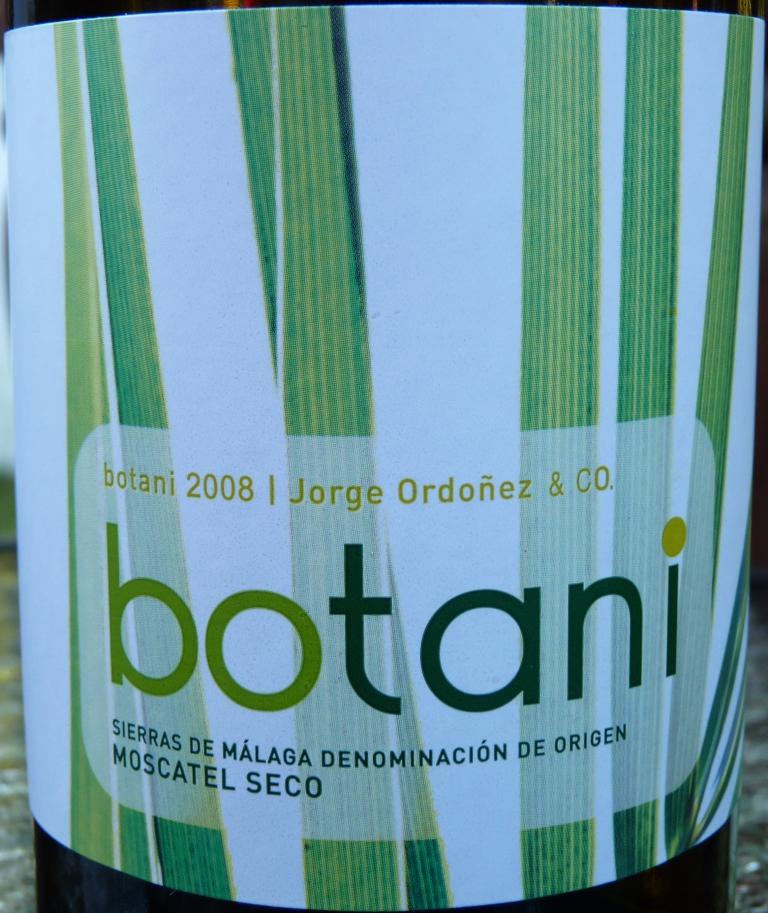
Botani Moscatel Seco Sierras de Malaga DO 2008
Meritage time!
Let’s start with the answer to the wine quiz #115: Grape Trivia – Muscat.
In the quiz, you were supposed to answer 5 questions about one of the oldest cultivated grapes – Muscat.
Here are the questions, now with the answers:
Q1: This Italian wine, made out of the Muscat of Alexandria grapes (which has a different local name), is quite unique in having a given vintage receive top ratings from all main Italian wine publications, including Gambero Rosso, Slow Wine, Bibenda and Veronelli. Can you name this wine?
A1: Donnafugata produces dessert wine called Ben Ryé, made out of Zibibbo grapes, which is the local name for Muscat of Alexandria. Ben Ryé typically gets awarded highest ratings by various Italian publications, year in and year out.
Q2: This Muscat wine was the last solace of exiled Emperor, Napoleon Bonaparte. Can you name the wine and the country where it was made?
A2: This legendary wine is Klein Constantia Vin de Constance from South Africa
Q3: Which one doesn’t belong and why?
a. Banyuls, b. Beaumes de Venise, c. Frontignan, d. Rivesaltes
A3: Banyuls – while Banyuls is known for its dessert wines, same as the three other AOCs, Grenahce Noir is the main grape used in Banyuls, not the Muscat which dominates the others.
Q4: Muscat wines often get very high ratings from the reviewers. Based on Wine Spectator Classic wines (95 – 100 rating), which country do you think has the most Muscat wines rated as Classic:
a. Australia, b. France, c. Italy, d. Portugal,
A4: It might come as a surprise, but this country is the Australia – 9 out of 10 Muscat wines with topmost ratings are from Australia, including a 100 points Campbells Muscat Rutherglen Merchant Prince Rare NV.
Q5: Which should be excluded and why?
a. Muscat of Alexandria, b. Muscadelle, c. Moscato Giallo, d. Muscat of Hamburg, e. Morio Muskat
A5: This was a bit of a tricky question – actually 2 grapes don’t belong – Muscadelle, which has nothing to do with Muscat, and Morio Muskat, which is a blend of Sylvaner and Pinot Blanc.
When it comes to the results, we had no winners, unfortunately, but I’m glad to see Oliver the winegetter back in the game. There is always the next time!
Now, to the interesting stuff around the vine and the web!
Let’s start with … Merlot! Merlot is back, and to make sure everyone will notice, October is designated as the Merlot month! If you think about it, Merlot never left, and Chateau Petrus didn’t switch all of a sudden to the Cabernet Sauvignon as a main grape. Still, Merlot wines are now demanded by name, so it is definitely a reason to celebrate. Drink it, talk about it, write about it – just don’t be indifferent about it. Here is the web site which will help to plan your Merlot festivities.
Harvest is under way in many parts of the Northern Hemisphere, so here are few of the updates. Long stretch of a warm weather in September greatly helped vintners in Burgundy and Bordeaux. The summer was cold and rainy in both regions, and the hailstorms didn’t help either. However, warm and steady September weather greatly improved the overall outlook; while the 2014 vintage is not expected to exceptional, both Bordeaux and Burgundy expecting good results. White Burgundy look especially promising in many appellations, including Chablis. Here are the links with more details – Burgundy and Bordeaux. California weather was quite opposite compare to France – very hot and dry summer forced an early harvest start in the Northern California, with some estates picking up grapes as early as July 29th – one of the earliest starts in a decade. Here is the link with more information about California harvest.
When I’m looking for the good restaurant, especially in the unfamiliar area, my first choice of information source is usually one and the same – Yelp. I generally can’t complain, and for majority of the cases I’m quite happy with Yelp recommendations – I’m sure it saved me from the number of a bad experiences. This is why it is even more upsetting to read about the issues businesses face with Yelp forcing them to take advertizing deals or be punished by artificial manipulation of ratings. Unfortunately, this is what happens when shareholder value becomes the purpose of business existence and trumpets the relationship with the real customers (which eventually drives company out of business). Case in point – the restaurant called Botto Bistro in San Francisco, which refused to badge with Yelp’s demand for advertizement placement, and instead started fighting back with Yelp by undermining the core of the Yelp’s existence – the rating system. The restaurant requested all of their patrons to leave negative one-start reviews, which people did. Take a look at the this article which lists a lot of examples of such a one- star “negative” – or rather super-funny – reviews. Yelp have to get its business integrity together, or it will disappear.
If you are actually a writer, how often do your read your writing, edit it, then read again and edit again? You don’t need to answer this question, but the number of the read/edit cycles is better be substantial if you want to end up with the quality outcome. Here is an interesting article by Jo Diaz, where he talks about the importance of the editor and the editing process. It is clear that most of us are not going to hire an editor for our “labor of love” blog posts – however, the editing still remains an essential part of the “writing well” process, and you really should find the way to implement it.
And we are done here. The glass is empty – but the refill is on its way! Cheers!
[Wednesday’s] Meritage – Wine Quiz Answer, High Tech Gadgets, Wine in Numbers and more
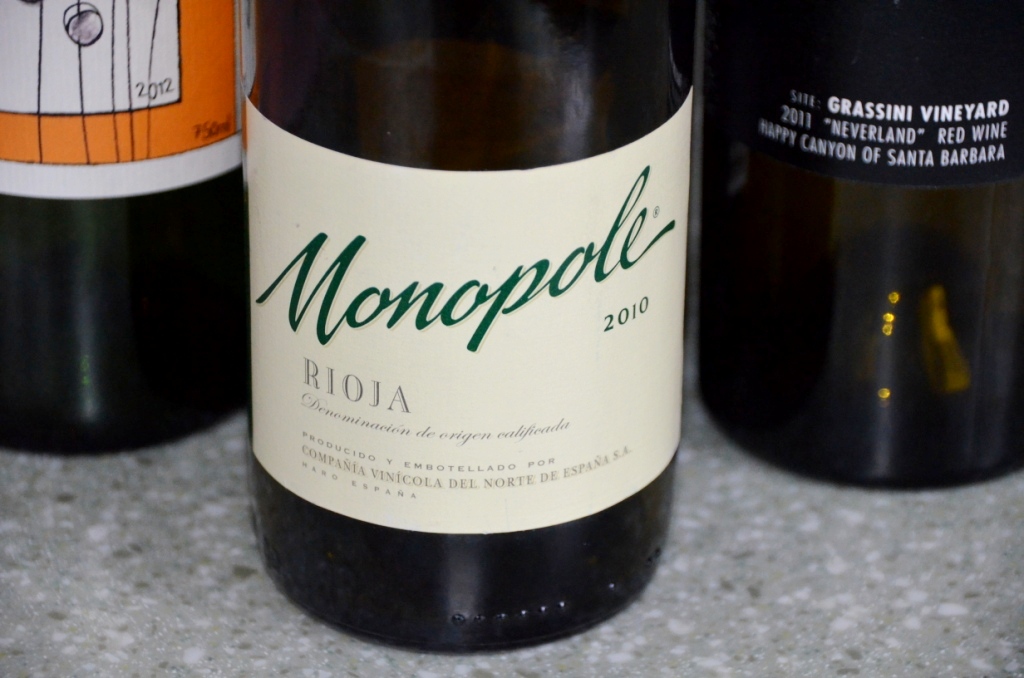
Cvne Rioja Monopole
Meritage time! Yes, I know it is a Thursday, but…
Let’s start with the answer to the wine quiz #114Grape Trivia – Viura / Macabeo.
In this quiz, you were supposed to answer 5 questions about white grape called Viura in Rioja region of Spain, known as Macabeo through the rest of Spain and in Roussillon in France.
Here are the questions, now with the answers:
Q1: Which one doesn’t belong and why:
a. Chardonnay, b. Sauvignon Blanc, c. Trebbiano, d. Verdejo
A1: Trebbiano. The rest of the grapes are growing in Rioja and allowed to be blended with Viura in white Rioja wines.
Q2: True or false: Viura is one of the 10 most planted white grapes in the world
A2: True. According to 2010 data, there were 102,615 acres of Macabeo planted worldwide, which gives it a number 8 spot among the white grapes.
Q3: Wine Spectator calls wines rated in 95-100 range Classic (the highest and the most prestigious category). True or False: there are no Viura/Macabeo-based wines rated in the Classic category
A3: False. I was able to find one (but only one!) white Rioja – 1918 Bodegas Marqués de Murrieta (yep, 1918!) rated at 95 point. But – one is more than none…
Q4: Which grape is missing: Chardonnay, Macabeo, Malvasia, …, Xarel-lo
A4: Parellada. All of the white grapes above are allowed to be used in production of the Cava.
Q5: Fill the gaps: If Macabeo is blended with Grenache Blanc and Malvasia, the resulting wine is most likely a ___from_____ ; if Macabeo is blended with Grenache Blanc and Grenache Gris, the resulting wine probably a ___ from ___.
A5: White Rioja from Spain; a wine from Roussilon in France (can be both red and white).
When it comes to the results, we have a winner! apuginthekitchen answered all 5 questions correctly, so she gets to coveted prize of unlimited bragging rights! Well done!
Now, to the interesting stuff around the vine and the web!
Let’s talk about some useful gadgets and uneasy thoughts. When you are about to step out of the restaurant or the friends house, and before you get into your car, do you ever get that tough question, a whim of the uneasy thought on your mind – “did I drink too much”, or in the semi-scientific terms, “what is my blood alcohol level”? Of course you can rely on the common sense and watch the amount you drink (and you should), or have a designated driver (but still control that amount). But we live in the era of technology, don’t we? Yes we do. And if you happened to have an Android phone or tablet, you will be able to take the guesswork out that “BAC level” estimate, and use a little device called DrinkMate. Plug it into your phone, breathe into it- and an application will tell you exactly what your BAC is. The device is finishing up the Kickstarter campaign (they have already twice exceeded the goal), so jump in if you want one – here is the link with the information.
Next up is one of my very favorite subjects – numbers, and more numbers. Based on the article in Wines and Vines, it appears that the number of the wineries in US exceeded 8,000 – it stands at 8,049 as of September 1, 2014. The biggest growth is happening in Oregon, where the number of wineries increased by 10% in the last year. Still, Oregon is trailing Sonoma County, which has 782 wineries, with total number of wineries in California standing short of half of the total US amount at 3,798. I suggest you will head over to the original article for many more interesting numbers.
In the last week’s meritage I mentioned the Wine Video contest run by the Wine Spectator magazine. The contest concluded, and the winner was the video about Norton, the most American grape. Here is the link to the final contest information.
The last one for today is an interesting article from the new professional wine blog called SWIG. When I started reading the wine blogs years ago, I found it very surprising that many blog posts are written in rather an antagonistic fashion, and critical notes and comments are often flying in multiple directions. This post at SWIG, called “How To Respond to Attacks And Criticism in the Wine Industry”, is a very useful guide to the best course of action if you are the subject of such an attack. The idea can be well extended outside of the wine industry specifically, so it makes a good general reading on the subject.
And we are done here. The glass is empty – but the refill is on its way! Cheers!
Wednesday’s Meritage – Wine Quiz Answer, Few Words About Wine Blogging, FLX Riesling #WineChat Tonight and more
Meritage time!
Let’s start with the answer to the wine quiz #113: Grape Trivia – Pinot Blanc.
In the quiz, you were supposed to answer 5 questions about white grape from the Pinot family, Pinot Blanc.
Here are the questions, now with the answers:
Q1: Below is the list of some of the countries growing Pinot Blanc. Sort this list by the area plantings of the Pinot Blanc, from the lowest to the highest:
a. Austria, b. France, c. Germany, d. Italy
A1: Might come as a bit of a surprise, but the correct sequence, based on the 2010 data, is France (3,230 acres), Austria (4,785), Italy (7,715) and Germany (9,675)
Q2: Wine Spectator calls wines rated in 95-100 range Classic (the highest and the most prestigious category). True or False: there are Pinot Blanc wines rated in the Classic category
A2: True. By a very slim margin, but there are 2 Pinot Blanc wines with the 95 rating (there are plenty in the Outstanding, 90-94 range). As a matter of fact, one of those 95 pointers comes from the New World – 2009 Erath Pinot Blanc Dundee Hills Sweet Harvest from Oregon got that “classic” rating in April 2011 issue.
Q3: In Europe, Pinot Blanc was often confused with and often treated during winemaking the same as _______
A3: Chardonnay. Historically, Pinot Blanc was growing side by side with Chardonnay, and was often confused for one. Similar to Chardonnay, it can be made in both unoaked and oaked styles with equal success.
Q4: In California, the grape which was brought in as a Pinot Blanc, in reality happened to be ____?
A4: Melon de Bourgogne, French grape used in the production of Muscadet wines.
Q5: True or False: from 2000 to 2010, worldwide plantings of the Pinot Blanc dropped more (percentage-wise) than the plantings of its sibling, Pinot Gris, have increased.
A5: False. From 2000 to 2010, the plantings of Pinot Blanc dropped by about 15%, while the plantings of Pinot Gris more than tripled worldwide.
When it comes to the results, I’m glad to say that the number of players took a stub at this quiz – but, somehow the quiz happened to be somewhat difficult (I usually miss the difficulty in my own assessment, unfortunately). Nobody was able to answer all the questions correctly, but I would like to acknowledge Next Stop TBD who got correct answers for 3 questions out of 5. Thank you all for playing!
Now, to the interesting stuff around the vine and the web!
Alfonso Cevola, who writes an excellent blog “On the wine trail in Italy”, shared his sad outlook on the wine blogging community with the post titled Wine Blog Death Watch: Two wine blogs that are bright lights in a forest of darkness. Well, it is not all doom and gloom in that blog post. First, Alfonso introduces two new wine blogs which he likes. And may be most importantly, speaking from the 9 years of blogging experience, he also gives an advice to the wine bloggers. His advice is very short and concise, and I would dare to say, literally the best you can get. Alfonso has only six bullet points, so taking just the key items themselves, here is a summary of what he suggests: “Write for yourself. Read great writers. Do not look at stats. Write consistently. Don’t follow the trends. Find your niche.” Touche. I can only add “amen”.
Tonight we will take a deep dive into the world of Finger Lakes Rieslings – the #winechat with 8 producers, 8 excellent wines from the 2013 vintage – join the conversation! The logistics are as usual – at 9 PM eastern, open a twitter client and search for #winechat – from there, the conversation is on, and don’t forget to use hashtag #winechat on all your tweets.
Do you know that when you drink the wine (or any alcohol for that matter), you should have water in between the glasses? It supposed to prevent hungover (some of the latest research suggests that it might not be true, who knows), and water is generally good for you. Some of the creative types designed nested glasses which would simplify this task for you – both wine and water are readily in your hand at any time, wine glass on top of the water glass. You can read about this glasses in the Dr. Vino’s blog post.
Got a bit of time on your hands? Wine Spectator is running an annual wine video contest, and you can help to decide who made the best video. Wine Spectator selected 9 videos as the finalists, so your job would be simple – watch those videos and decide who will be the Grand Prize winner. Here is the link to the page for you to watch the videos and take vote.
And we are done here. The glass is empty – but the refill is on its way! Cheers!
Wednesday’s Meritage – Wine Quiz Answer, #CabernetDay – Tomorrow, WTSO Everything Goes Marathon, Crowdsourced Cabernet, World Wine Challenge
 Meritage time!
Let’s start with the answer to the wine quiz #111, Grape Trivia – Grüner Veltliner.
This wine quiz is a continuation of the trivia series, where we are talking about individual grapes and then you get to answer 5 questions as it relates to that grape. The subject of the last quiz was white grape called Grüner Veltliner.
Here are the questions, now with the answers:
Q1: These flavors are usually associated with red wines, but it is not uncommon to find them in the description of the Grüner Veltliner wines. Do you know what flavors are those (multiple answers are possible)?
a. Chocolate, b. Pencil shavings, c. Pepper, d. Tar, e. Tobacco
A1: While Grüner Veltliner is a white grape, some of its aromas are typically associated with the red grapes, not with the whites – namely, pepper and tobacco can be often perceived in in the Grüner Veltliner wines.
Q2: These vegetables are notorious for been a “wine killer” – in terms of successful pairing, it is. And yet Grüner Veltliner is one of the unique wines (if not the only one) which is known to be able to pair successfully with those offenders. Do you know what vegetables we are talking about?
A2: Asparagus and artichoke are notoriously difficult to pair with the wines, and Grüner Veltliner often works very well with both vegetables.
Q3: Wine Spectator calls wines rated in 95-100 range Classic (the highest and the most prestigious category). True or False: there are no Grüner Veltliner – based wines rated in the Classic category
A3: Correct answer is “false” – there are some Grüner Veltliner rates as “classic” – but literally, there are only very few, mostly late harvest Grüner Veltliner wines rated at 95 as the highest.
Q4: According to one of the well known wine critics, the Grüner Veltliner might be “the next big thing” in which wine making country:
a. Australia, b.Argentina, c. Chile, d. South Africa, e. United States
A4: Wine expert James Halliday considers Grüner Veltliner to be potentially the next big thing in Australia, so the correct answer is a, Australia.
Q5: Which one doesn’t belong and why:
a. Austria, b. Croatia, c. Czech Republic, d. Hungary, e. Slovakia
A5: All the countries in this list are known to produce Grüner Veltliner wines, except Croatia, thus correct answer is b, Croatia.
When it comes to the results, I’m glad to say that we have a winner! apuginthekitchen correctly answered all 5 questions, so she becomes our new champion and gets the coveted prize of unlimited bragging rights! I also want to acknowledge Mario Plazio (no web site), who correctly answered 4 questions out of 5. Well done!
Now, to the interesting stuff around the vine and the web!
First and foremost, tomorrow, August 28th, we are celebrating 5th annual #CabernetDay – two noble grapes, Cabernet Sauvignon and Cabernet Franc, countless wines from all over the world. Open a bottle, enjoy and share with the world – that’s all there is to it. You can also start celebration in style by joining the #WineChat tonight with Jean Edwards Cellars on twitter at 9 pm Eastern/ 6 pm Pacific and talking about your favorite Cabernet wines.
Wine Til Sold Out (@WTSO) is doing it again! The new Marathon will be taking place on Monday, September 8th. Only this time, it will be a very unusual for WTSO “Everything Goes” marathon. Styled after the famous Last Bottle Madness Marathons, there will be all sorts of wines offered at different prices and free shipping on any quantities (no minimums). All orders will be combined and shipped after September 22nd. The Marathon will start at 10 AM Eastern, and as usual, you will get the new wine notification only on twitter. Happy hunting!
Famous Washington State winery, Columbia Crest, recently started a new project – Crowdsourced Cabernet. You can join the group of like-minded people and become an internet winemaker for the 2014 Cabernet Sauvignon. 5 acres of vines, video cameras showing every angle of the grapes, the temperature, vine condition and all other information right in front of you – and now you have to make the decision which will affect your wine – no pressure. I think this is a very cool project – if anything, an interesting learning experience. For more details and to become a winemaker, here is your link. Don’t delay, the harvest is about to start…
And the last one for today – a game. A wine education and trivia game it is, recently released by the Trinchero Family Estates. The game is called World Wine Challenge ( available in iTunes for $2.99), it will help you to learn variety of wine subjects in the interactive fashion, as well as compare your knowledge to the others in the competition format. I didn’t get a chance to download the game yet (plan to do it shortly), but in case you are interested, here is the link with all the information about the game and its features.
And we are done here. The glass is empty – but the refill is on its way! Cheers!
Wednesday’s Meritage – Wine Quiz Answer, #CabernetDay August 28th, Social Connect, Restaurant Tix
Meritage time!
It’s been a while since the last Meritage post, but finally it is back. First and foremost, let’s start with the answer to the wine quiz #110, How Well Do You Know Your Wines, Part 5.
In the quiz, you were supposed to identify 6 wines, using the picture on top of the wine bottle’s cap. Here are the pictures, now with the answers:


When it comes to the results, we didn’t have a winner today (yes, it was a tough one), but I would like to acknowledge M. w. (no web site) and Duff’s Wines for correctly identifying the wine #4, Chappellet. Well done!
Now, to the interesting stuff around the vine and the web!
First and foremost – next Thursday, August 28th, is a 5th annual #CabernetDay. What does it mean for you? You get to celebrate two of the world’s noble grapes – Cabernet Sauvignon and Cabernet Franc are both included. How to celebrate? Here is an easy schedule for you. First, find the bottle of your favorite Cabernet wine – any country goes. Then, open it on Wednesday, August 27th, and join the #winechat at 9 pm Eastern on Twitter. Then, publish a blog post about your favorite wine on Thursday, the 28th (or share it any way you like in social media), and may be even join some of the parties taking place on August 28th all over the country. Would that work? For more information, you can start with the #CabernetDay facebook page.
Now, which winery do you think has the most influence in social media? This week, it is Chateau Ste. Michelle from Washington. Okay, I’m sure you are not terribly surprised – Chateau Ste. Michelle is one of the biggest wineries in the US, so it makes sense. Care to guess number 2 this week? Think about it before you will continue reading. Done? Okay. And the #2 winery among most engaged in the social media is… Biltmore winery from North Carolina! I understand these are the social media engagements we are talking about, but still – I didn’t expect that. All these data are available through the VinTank service called Social Connect – of course it is intended for the wineries interested in tracking their full social media standing and engagement with the consumers, but the Social Media Index scoreboard was quite interesting to check. Play away!
And the last one for today. I’m sure you heard that instead of taking reservations, some of the restaurants sell tickets for the dinners. Particularly, Alinea and Next, two of the restaurants of the famous Chef Grant Achatz in Chicago, are both selling tickets, with the price vary based on the day of the week, dinner time and number of people in your party and there is no such thing as party of one at the moment). The ticket system was born out of the need, as phone reservations were just failing miserably, trying to cope with demand of all the guests desiring to score a reservation. Here is the blog post detailing creation of this restaurant ticket system, which is quite sophisticated. Warning – the post is very long, and has terrible color scheme – but still might worth your time. Selling tickets reduced the number of no shows practically to 0, and made sure that the restaurant is always filled to the optimum capacity. I understand this side of things. And I understand that great dinner is an experience, thus selling tickets for dinner is not very different than selling tickets for concert, performance or Broadway musical. But – at the same time, it is only a dinner, right? What do you think? Would you gladly buy tickets for your next dinner?
And we are done here. The glass is empty – but the refill is on its way! Cheers!
Wednesday’s Meritage – Wine Quiz Answer, #WBC14, Project Genome, What is in the Price
Meritage time!
Let’s start with the answer to the wine quiz #107, Grape Trivia – Blends, Part 10.
This was the last quiz in the Blends theme of the grape trivia – we are going back to the single grape quizzes for a while, before changing the subject of the quizzes to something else. But for now, here is the final set of the questions about blends – now with the answers.
Q1: Name the region in France, where total of seven of red and white grapes are permitted, but absolute majority of the wines is made out of three grapes, which includes both red and white. Blend and single grape wines are permitted, and majority of the wines (even made from single grape variety) are blended.
A1: Champagne. While Arbane, Chardonnay, Petit Meslier, Pinot Blanc, Pinot Gris, Pinot Meunier, and Pinot Noir are all allowed grapes in Champagne, absolute majority of wines is made out of Chardonnay, Pinot Noir and Pinot Meunier.
Q2: Name region in France, where multiple red and multiple white grapes are allowed to be used in production of a single red wine.
A2: Châteauneuf-du-Pape. 18 grapes are allowed to be used in production of this famous red wine, a mix of both reds and whites.
Q3: This wine in the old world wine region are traditionally made as a blend of 4 grapes (only 4 are allowed) , with one grape considered to be the major, and 3 others used in various proportions, or possibly none at all. These wines are known to have great affinity to oak and have classification based on the aging time in oak and in the bottle. Flavor profile often includes eucalyptus and cigar box, and wines have great ability to age, especially in the best years. Can you name this region?
A3: Rioja. Rioja wines are made out of the combination of Tempranillo, Mazuello, Garnacha and Graciano, with Tempranillo typically being the main grape.
Q4: This protected (trade mark protected) word came around a bit more than 25 years ago to designate the wine blend (can be both red and white) which resembles in its composition and grape usage one of the most prestigious and best known wines and overall wine styles in the world. Do you know what this word might be?
A4: Meritage! in 1988, Meritage Alliance was created in California by the group of winemakers, to promote creation of the Bordeaux-style blends, both red and white, without infringing on the Bordeaux protected name. According to Wikipedia, the red Meritage wine “must be made from a blend of at least two of the following varieties: Cabernet Sauvignon, Merlot, Cabernet Franc, Malbec, Petit Verdot, or Carmenère, with no varietal comprising more than 90% of the blend”. The same goes for the white Meritage wine: “must be made from a blend of at least two or more of the following varieties: Sauvignon blanc, Sémillon or Muscadelle du Bordelais, with no varietal comprising more than 90% of the blend”. Another interesting fact is that Meritage is a trademark protected word, and any winery using it on their labels must pay the alliance a license fee.
Q5: Wine Spectator’s rating of 100 points ( an “absolute perfection” so to speak), is not easy to get – to the date, there are only 75 wines which got the 100 rating from Wine Spectator. Taking into account only the red wines on the top 100 list, which grape or grape-dominated blend got the score of 100 most often? Different vintages of the same wine should be counted as separate votes.
a. Cabernet Sauvignon or Cabernet Sauvignon based blend, b. Merlot or Merlot based blend, c. Nebbiolo, d. Pinot Noir, e. Syrah or Syrah based blend
A5: Cabernet Sauvignon and Cabernet Sauvignon based blends are definitely in the lead among this elite group – 17 different wines received the coveted 100 points rating from the Wine Spectator. Merlot and Merlot based wines are trailing behind with 11 different wines receiving the honors.
When it comes to the results, looks like I can never estimate the difficulty of the quiz properly. I thought this was somewhat difficult, but I was proven wrong – today we have 3 winners! Jennifer Lewis (no web site), Gene Castellino (no web site) and benway69 (no web site) all correctly answered 5 out of 5 questions, so they are all the winners of this quiz and they all get the coveted prize of unlimited bragging right. Excellent Work! vinoinlove gets an honorable mention with 4 correct answers out of 5.
Now, to the interesting stuff around the vine and the web!
In the mere two weeks, The Wine Bloggers Conference 2014, dubbed WBC14, will take place in Santa Barbara County in California. More than 300 people have signed up to attend the 3 days event, to meet, greet, talk, learn and of course, drink the wine. I’m very excited as this will be my first WBC event, and of course full report will follow. I’m looking forward meeting everyone there (I know that both SAHMMelier and the drunken cyclist will be in attendance), so if you are going, let’s connect! You can find all the details about the conference at the WBC web site.
While the next interesting read item is geared more towards the wine professionals, I think many of you will find it quite interesting. Constellations Brands, one of the biggest wine producers and distributors in the world, recently published the result of the multi-year study of the behavior of the wine consumers, under the name of the Project Genome. Based on the results of that study, all wine consumers are split into the 6 different categories (Price Driven, Everyday Loyals, Overwhelmed, Image Seekers, Engaged Newcomers, Enthusiasts), with the detailed analysis of buying patterns of all the people in each category. There is a lot of interesting info in this article, so I suggest you will go read it for yourself here.
Last one for today is an interesting article at Wine-Searcher, written by Tyler Colman (who is also known as Dr. Vino). In the article, Tyler is attempting to break up a price of a $100 and then a $2 bottles of wine, to identify the price elements attributed to the different participants – the winery, distributor and the retailer, as the bottle of wine is making its way to the consumer’s hands. While it is not necessarily 100% precise, it gives you some food for thought. You can find the article here.
And we are done here. The glass is empty – but the refill is on its way! Cheers!
Wednesday’s Meritage – Wine Quiz Answer, Luxury Wines in US, Rosé for How Much?, Last Call Wines
 Meritage time!
Let’s start with the answer to the wine quiz #106, Father’s Day Special – An Odd Bunch. Exactly as the name says, it was a Father’s Day special quiz with somewhat of an odd questions. The key to solving this quiz was in the descriptive sentence where I mentioned that it will be “a little bit about politics, a little bit about power, a little bit about the money, and may be just a touch about dreams”. I will explain below.
Here are the questions, now with the answers:
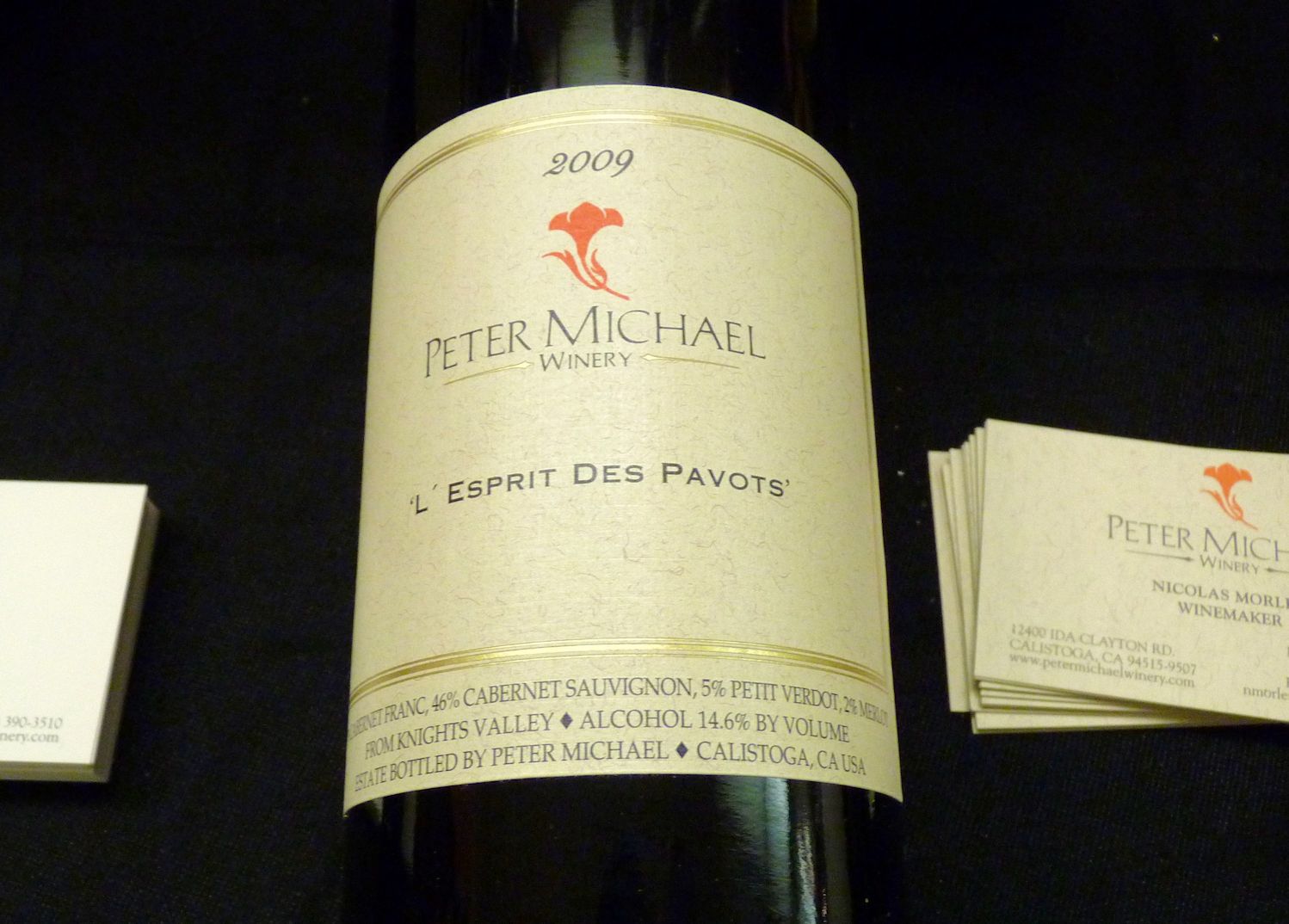
Q1: What the following wineries have in common? Chester-Kidder, Modus Operandi Cellars, Beckmen Vineyards, Mumm Napa, Peter Michael
A1: As you can see, the “politics” was the first item I mentioned. You can decide whether this was a good hint or not, but the wines of all of these wineries had being served at various times at so called State Dinners – the dinners which US President hosted at White House in honor of the dignitaries from the other countries. For more information, you can take a look here, for example.
Q2: What the following producers have in common? Pol Roger, Domaine William Fevre, Domaine de la Romanée Conti, Château Lynch-Bages, Veuve Clicquot
A2: This is also a “political” item. All of these wines had being served by the Queen Elizabeth during the dinners in honor of the different state dignitaries. Here is the link where you can read more.
Q3: What is common between the following wines/producers? Arbois Vin Jaune, Chateau d’Yquem, Romanée Conti, Château Lafite, Château Cheval Blanc, Heidsieck
A3: This is the “money” connection! The wines of these producers (with the exception of Vin Jaune, which I listed simply as a wine), had being sold at the different wine auctions at astonishing amounts of money. Just to give you some numbers, 1774 Arbois Vin Jaune was sold at the auction for about $74,000; 1787 Chateau d’Yquem for $100,000; 1907 Heidsieck for $275,000. Here you can find more information on most expensive wines in the world.
Q4: What the following grapes have in common? Sagrantino, Tannat, Bonarda/Charbono, Norton, Vranac
A4: This might be the most obscure of all. The connection is “power”, but this can be somewhat misleading, as this is my own way of classifying these grapes as “power” grapes. All of the grapes mentioned here are known for their typically very thick, often black, skin and very pronounced tannins in the wine. They also known (according to the various research) to deliver substantial medical benefits due to the very high concentration of phenols and anthocyanins.
Q5: This one you can consider a bonus question, as it is almost personal. What is common between DRC, Petrus, Screaming Eagle, Quintarelli and Pingus?
A5: Did I mentioned the “dream” and “personal”? Yes, this is my personal [shortened] dream list of the wines I would love to taste rather sooner than later. You can find the full dream list here.
When it comes to the results I’m somewhat disappointed – nobody even tried to answer! Yes, I know, the quiz came out rather difficult, but I was still hoping at least someone would try to answer at least a few questions. Didn’t happen. Well, I hope that participation in the next quiz will be better.
Now, to the interesting stuff around the vine and the web!
Let’s start with some numbers. Wines &Vines Analytics compiled special report regarding the 20 best selling luxury wine brands (bottle prices at $20 and up) in the United States. Turns out that the best selling luxury wine #1 is… Santa Margherita Pinot Grigio, with more than 147,000 cases sold for more than $36M! The very next wine #2, Decoy by Duckhorn is sold at nearly half of both volume (about 86,000 cases) and total revenues of about $20M. I think this is an interesting data you can ponder at. One question I would have for you – how many of those top selling wines do you have at any given moment in your cellar? I personally only have a few bottles of Jourdan, so I guess my answer would be 1 out of 20. Here is the link for you to explore all the data on your own.
Now, a question for you. How much are you willing to pay for the bottle of Rosé? Okay, it is not your average Rosé, it is made by Sine Qua Non iconic winery from California, but then it is 1995 vintage, might be a bit past prime… So are you willing to pay at least $37,20o? Well, yes, I know, me too – but someone did. This was the highest bid price for this wine at the WineBid auction. You can read more about it in the Alder Yarrow’s rant in his Vinography blog.
Last but not least for today, I want to bring to your attention my latest discovery of the source of value wines – the web site called Last Call Wines. Their model is very similar to the Wine Til Sold Out – new wines are announced all the time, and there is a minimum number of bottles (I only saw 4 or less) which you need to order in order to receive a free shipping. But – they have a very nice feature on their site, which is called “past wines”. Where WTSO simply tells you about the wines you already missed, Last Call Wines actually allows you to combine your bottles from the current and past offerings in order to get to the minimum required number. Of course you can do it until the past wine is actually sold out – but you also know the available inventory for all the past and current offerings. I like this feature very much and took an advantage of it a few times. Go ahead and sign up for the Last Call Wines mailing list – and yes, you can thank me later.
And we are done here. The glass is empty – but the refill is on its way! Cheers!
Wednesday’s Meritage – Wine Quiz Answer, #VerdejoDay Tomorrow, French Laundry Story, Generous Pour Is Back!, Of Clones and Varietals, and more
 Meritage time!
Let’s start with the answer to the wine quiz #105, Grape Trivia – Blends, Part 9.
For the long time, the grape trivia series was focused on the single grapes. But now we are stirring things up, so all the questions in the quiz are about blends (well, even if it is a blend of one ), as most of the wines in the world are actually blends. As usual, there were 5 questions in the quiz.
Here are the questions, now with the answers:
Q1: Amarone, a powerful dry Italian wine, made out of the sun-dried grapes (appassimento), was actually a result of the accident (complete fermentation of all the sugar) during the process of making of the sweet wine in the same region. This sweet wine is still produced today, albeit in the very small quantities – but it used to be quite famous hundreds of years ago. Can you name this sweet wine?
A1: Recioto della Valpolicella. Recioto della Valpolicella, sweet wine from Valpolicella, was very well known and well recognized way before Amarone was discovered for the first time. While production of Recioto dramatically decreased over the last few decades, currently Recioto is in the revival and it is drawing more interest, both among producers and consumers.
Q2: These two red sweet wines are primarily made out of all three types of Grenache grapes – Noir, Gris and Blanc, but one of them also allows the use of Carignan grape. Can you name these two wines (I’m looking for the name of appellations, not particular producers) and also specify which one of the two allows the use of Carignan?
A2: As it almost became a tradition for me with this Blend series, here is yet another question where I goofed up. Yes, the sweet wines of Banyuls in France are made predominantly from Grenache grapes – Noir, Gris and Blanc, and Carignan is also an allowed grape in Banyuls. But then there are more than one appellation which uses all three Grenache grape types in production of the sweet wines – Riversaltes ( this was my intended answer), Maury and Rasteau would all fit the bill here. Anyway, I keep learning, and anyone who answered “Banyuls” is getting a point here.
Q3: This rare red dessert wine is made out of Nebbiolo grapes, and one of its characteristics is incredible aromatics. Can you name this wine?
A3: Barolo Chinato. This wine is made as Barolo, from the Nebbiolo grapes, but with the addition of aromatic herbs – it is a pure symphony in the glass.
Q4: This sweet wine, while typically made from the single grape variety, might claim the prize of “ultimate blend”, as it represents a blend of wines of many different ages, potentially tracing hundreds years of history in some of the bottling. Can you name this wine and explain about “hundred years of history”?
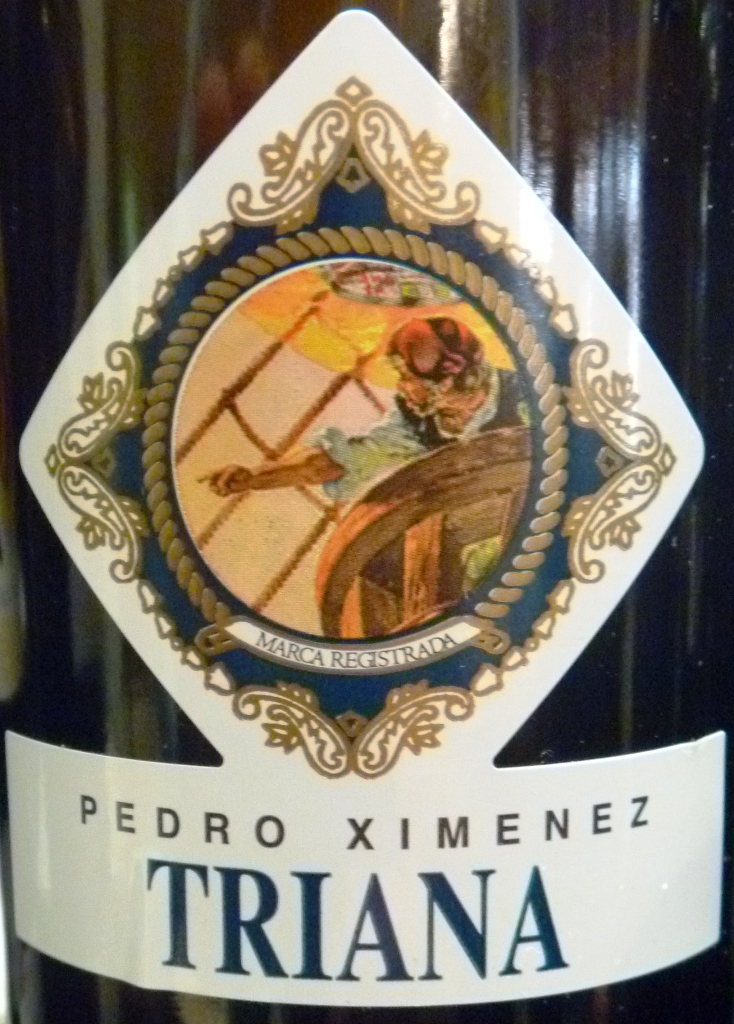
A4: Sweet Sherry, a.k.a Jerez, is typically made out of grape called Pedro Ximenez, and it is aged using so called Solera method – portion of the wine from the old (or oldest) barrel is bottled, and then the barrel is topped off with the younger wine. The barrel is never fully emptied and never cleaned, which means that even in the trace amount, but the very old wine is still present in the bottles, potentially going back to the year when the winery was built (and some of them are 250 years old…).
Q5: This delicious dessert white wine is made by the famed red wine producer in Napa Valley. The wine is made from the single white grape variety, estate grown in Napa Valley, which is of German/Austrian origin (and it is NOT Riesling). Name the grape, the wine and the producer.
A5: Silly me, I thought this would be a difficult question – nope : ). As many of you correctly answered, this dessert wine, called Eisrebe, is made by Joseph Phelps (the producer of famous red California wine called Insignia), from the grape called Scheurebe. A very delicious wine – try it if you will get a chance.
When it comes to the results, again – good participation and we have winners! Gene Castellino (no blog) and vinoinlove both correctly answered all 5 questions, thus they become the winners of this round and get the coveted prize of unlimited bragging rights! I want also to acknowledge Jennifer Lewis (no web site) who correctly answered 4 questions out of 5. Well done all!
Now, to the interesting stuff around the vine and the web!
Let me start from the bad news – for the second year in the row, Bordeaux vineyards experienced the hail storm, torrential rains and almost hurricane-strength winds. The areas around Médoc had been hit the most. I think we are [again] looking at a dim prospects of the 2014 vintage in Bordeaux… For more information (and the picture of hail, quite impressive) please click here.
And now, on a more positive side…. Tomorrow, June 12th, don’t forget to celebrate #VerdejoDay! As I understood from the comments to my post about upcoming #VerdejoDay festivities, Verdejo wines are not that unfamiliar to many of the wine lovers, so I’m sure you will have no problems either to join the festivities in person or at least find a bottle of Verdejo and have fun! I plan to be at the celebration in New York at Tavern 29, so if you will be there, please let me know – will be glad to meet and raise the glass together!
One of the most fascinating restaurants for me in US is French Laundry, located in Yountville, in the heart of Napa Valley. I never visited it, but I read a lot about the restaurant and its star chef, Thomas Keller. As with most of the other success stories, there is not much magic or luck in Thomas Keller’s success- it is only a lot of hard work and perseverance. The reason I’m talking about Thomas Keller is that I just came across a very interesting article about his recipe for success – you can read it for yourself here. And I really hope one day to write a blog post not just about success of the French Laundry, but about an actual dining experience there.
Wine [and steak] lovers, rejoice! The Capital Grille just announced a comeback of their Generous Pour program for the summer of 2014. Starting July 7th, 7 wines from California and Oregon, hand selected by The Capital Grille’s Master Sommelier George Miliotes, will be offered at The Capital Grille locations for $25. I always take advantage of this program, and I can’t recommend it higher to anyone who wants to have a great wine experience with their food.
Last but not least for today, I want to turn (again) to Matt Kramer, the columnist for the Wine Spectator. Matt Kramer recently wrote an excellent series about wines of Portugal, but I just want to bring to your attention one article from that series, where he is talking about the need for the mix of grape varietals in one vineyard, almost a field blend, either clonal or the real varietal, to produce great wines. This might be a very controversial positioning – but read the article for yourself and, of course, feel free to comment.
And we are done here. The glass is empty – but the refill is on its way! Cheers!
Wednesday’s Meritage – Wine Quiz Answer, 21 Things You Probably Didn’t Know About In-N-Out, Another Wine Crisis in Numbers, Coravin Ouch
 Meritage time!
Let’s start with the answer to the wine quiz #104, Grape Trivia – Blends, Part 8.
For the long time, the grape trivia series was focused on the single grapes. But now we are stirring things up, so all the questions in the quiz are about blends (well, even if it is a blend of one ), as most of the wines in the world are actually blends. As usual, there are 5 questions in the quiz.
Here are the questions, now with the answers:
Q1: Some of the most expensive (on release, not at the auction) white wines in the world are made from one and the same grape. Can you name that grape?
A1: Chardonnay! When it comes to the white wines, they don’t get any more expensive that DRC Montrachet (about $4,000 on release), which is made out of 100% Chardonnay grape.
Q2: I’m sure you know Spanish red wines, but how well do you know Spanish white wines, which are equally delicious and exciting? Try to pair the white grapes below with the regions you think they best represent:
| a. Albariño | 1. Rioja |
| b. Hondurrabi Zuri | 2. Penedes |
| c. Verdejo | 3. Rias Baixas |
| d. Viura | 4. Txakoli de Bizkaia |
| e. Xarel-lo | 5. Rueda |
A2: A3, B4, C5, D1 and E2 are the correct combinations.
Q3: What is common between Seven Daughters White, Middle Sister Wicked White and Pancake Cellars Big Day White? Don’t dig too dip on this question, I’m only looking for a simple answer.
A3: If we look at all 3 wines, they are all represent blends of large number of different white grapes. Seven Daughters White: Pinot Gris, Orange Muscat, Symphony, Riesling, Gewurztraminer, Sauvignon Blanc, Chardonnay. Middle Sister Wicked White: 36% Chardonnay, 32% Chenin Blanc, 21% Gewurztraminer, 11% Other White. Pancake Big Day White: 37% Chardonnay, 23% Sauvignon Blanc, 15% Viognier, 15% Pinot Blanc, 10% Muscat Canelli. So the answer is that all three wines are the blends of large number of white grapes, and all three have Chardonnay as part of the blend.
Q4: When it comes to the white wines, this country is best known for its Riesling, Chardonnay and Semillon wines. If we will replace Semillon with Sauvignon Blanc, we will move to another country with these grapes being the best known trio. From which country to which country we are traveling here?
A4: Semillon makes wonderful, long aging wines in Hunter Valley in Australia, and New Zealand Sauvignon Blanc is an absolute staple, well known all around the world, so the answer is that we are traveling from Australia to New Zealand.
Q5: As you [most likely] know, the soccer (which is known as football for all living outside of US) World Cup will open up in less that 2 weeks in Brazil. This famous producer made a special version of its very well known blended wine just for the sparkling festivities of the great game celebration. Can you name this famous producer?
A5: This happened to be a culprit question, despite the fact that I did my best to give you hints, by using the words “famous producer” and “sparkling festivities”. Also the whole quiz was designated as white blend quiz. Nevertheless, everybody answered this question the same – Lidio Carraro. With my utmost respect to Lidio Carraro, I never heard of that producer before, and I don’t believe it makes any of the wines which we can call a “very well known blended wine”. So the right answer is… Tattinger! The famous French producer of Champagne (famous, blended, and sparking) produced a special NV Tattinger Brut Réserve FIFA World Cup Brazil 2014 Edition Cuveé to commemorate the World Cup competition.
When it comes to the results, we had a great participation in the quiz, but didn’t have a winner. I still would like to acknowledge Gene Castellino (no web site), vinoinlove and the drunken cyclist who all correctly answered 4 questions out of 5. Well done!
Now, to the interesting stuff around the vine and the web!
I have to honestly admit – I’m not a fan of the fast food joints. However, I have one exception, one technically a fast food place, which I’m happy to visit every time I have a slightest opportunity – In-N-Out Burger. This is a chain of the fast food restaurants, located mostly in California and [very] slowly expanding to the other states, where in general you can only see 3 items on the menu – burger, double burger ( called double-double) and cheeseburger. But their food is so fresh and so delicious, I’m ready to eat it at any time. I also know that In-N-Out Burger has secret menu, with the items like “animal style” – a special sauce with fried onions which can be put either on French fries or on the burger itself. But – I had no idea that you can actually order 7 different types of French fries, or that In-N-Out has its own academy (!) where employees get their training. My friend Pablo sent me a link to an excellent post, where you can read 21 lesser known facts about In-N-Out Burger – here is the link where you can find the post and get to know In-N-Out a bit better.
While looking for the interesting information to share with you, I came across a post on ABC News web site, which was talking about latest case of counterfeit wines in Italy. I found it a bit boring and not worthy of sharing here. However, one little item attracted my attention – it stated that it is considered that about 20% of the wine in the world is counterfeit. I ignored that statement, and then I came across the post on W. Blake Gray web site, where he was analyzing and explaining the absurdity of that 20% number – to reach the level of 20% of the world-wide wine production to be counterfeit, it would require for the counterfeit wines to be produced in the quantity bigger that the total yearly wine production of France – I really don’t see how that would be possible, unless you plan to make all your counterfeit wine out of the coca-cola powder. For more details of the analysis, please take a look at the original blog post.
And the last one for today. I would assume you heard about Coravin – the device (a wine preservation system, to be precise) which allows to extract the wine from the closed bottle and replace it with the inert gas. Using Coravin, you can technically extend the drinking of your prized bottles for the long time, being able to drink the wine one glass at a time. It turns out that in some cases, while using Coravin device, the bottles can blow up, causing the laceration and, obviously, loss of the prized wine. As reported by Dr. Vino, Coravin found the situation to be bad enough to stop all the sales of the device at the moment. For more information and to read the exact Coravin letter to the owners of the devices, please take a look here at Dr. Vino’s blog.
And we are done here. The glass is empty – but the refill is on its way! Cheers!
Last Bottle Sign Up ($10 credit)





