Archive
Daily Glass: Winning and Learning
Sometimes you win, and sometimes you learn.
You never lose – learning is the opposite of winning – I think this is a better approach to life, would you agree?
I love aging my wines. The popular wine press tells people that 95% of the wines in this world are meant to be consumed shortly after purchasing. “Absolute majority of the wine is not meant to be aged,” the message says. I don’t want to obnoxiously invalidate all the expert opinions, but the subject of wine aging is a lot more complicated than the simple statement portrays.
Lots of factors play a role. The wine itself is probably the most critical factor. White wines generally don’t age too well. To be more precise, percentage-wise, a lesser number of white wines can age well compared to red wines. But this doesn’t mean that all red wines age well. For example, red Cotes du Rhone typically don’t age for longer than 4-5 years.
I wish there was an easy method to tell us, wine lovers, that “this wine will age for 30 years”, but “this one got only 10 more left”. There is no such method, however, so we need to rely primarily on our experiences. I’m not trying to disqualify all of the wonderful advice we receive from the wine critic and publications – but it would be rare to receive an aging recommendation there unless the wine is deemed of a “collector” level – which pretty much means that it will not be really affordable.
At this point, you might wonder why is all this commotion with the aging of the wines. Simple. Wine is a living thing. The evolution of the wine continues in the bottle. It is a general hope that wine can improve with time, evolve, become more complex and multidimensional.But the wine can’t evolve forever – at some point it starts “turning”, losing its delicious, attractive qualities.
It is important that the wine drinker can appreciate the beauty of the aged wine – it is not for everyone. I don’t mean it in any disrespectful way – this is simply a matter of taste. One of my most favorite examples is the blind tasting of a few Champagnes which took place during Windows on the World wine classes. After blind tasting 4 Champagnes, the group was asked to vote for their favorite Champagne. Champagne #4 got almost no votes, it was clearly the least favorite of the group of 100+ people. While revealing the wines, Kevin Zraly, our wine teacher, said “and this is why, people, you should not drink vintage Champagne”. Bottle #4 was Dom Perignon – if people would see the label before voting, you know how that would work (”drink up, honey, it is French”). And Vintage Champagne is nothing more than just an aged wine. It is just a matter of taste. The same story goes for food. For example – I love fresh oysters, and I have friends who wouldn’t put an oyster into their mouth even if this will be required to save their own life. Just a matter of taste.
But for those of us who like aged wines, that elusive quest becomes an obsession. I love the Italian term “vino da meditazione”, which applies to the wines which make conversation stop upon the first sip, and puts the whole group of oenophiles into a quiet, self-reflective state. The silence at the table becomes not deafening, but instead a very comfortable one. The silence nobody wants to break.
Okay, such amazing encounters are possible but truly rare. But the pleasure of drinking the well-aged wine is real, and this is what we are seeking. And as we don’t have the scientific method of predicting the peak of enjoyment for a given wine, we have to rely on our own experience. Which takes us back to winning and learning. When we experienced well-aged wine, we clearly won. And when the wine with age doesn’t deliver the pleasure, this is where we learn.
It is not so binary, of course. The point is that no matter what happened, we learn something. When you taste a random but amazing $10 bottle of California red blend (Toasted Head) with 15 years of age on, you learn that inexpensive wines can age too. When you taste 2002 Barolo (Fontanafredda) 10 years after release, and you see that the vintage chart declares this vintage as literally horrible, but the wine tastes good, you learn that the producer matters more than the vintage. When you taste two bottles from the same producer and the same vintage, but you love one of them and can’t stand another, you learn that bottle variation is real and that you have to always manage your expectations.
This whole rambling about winning, learning and aging was prompted by a few wines I opened last week.
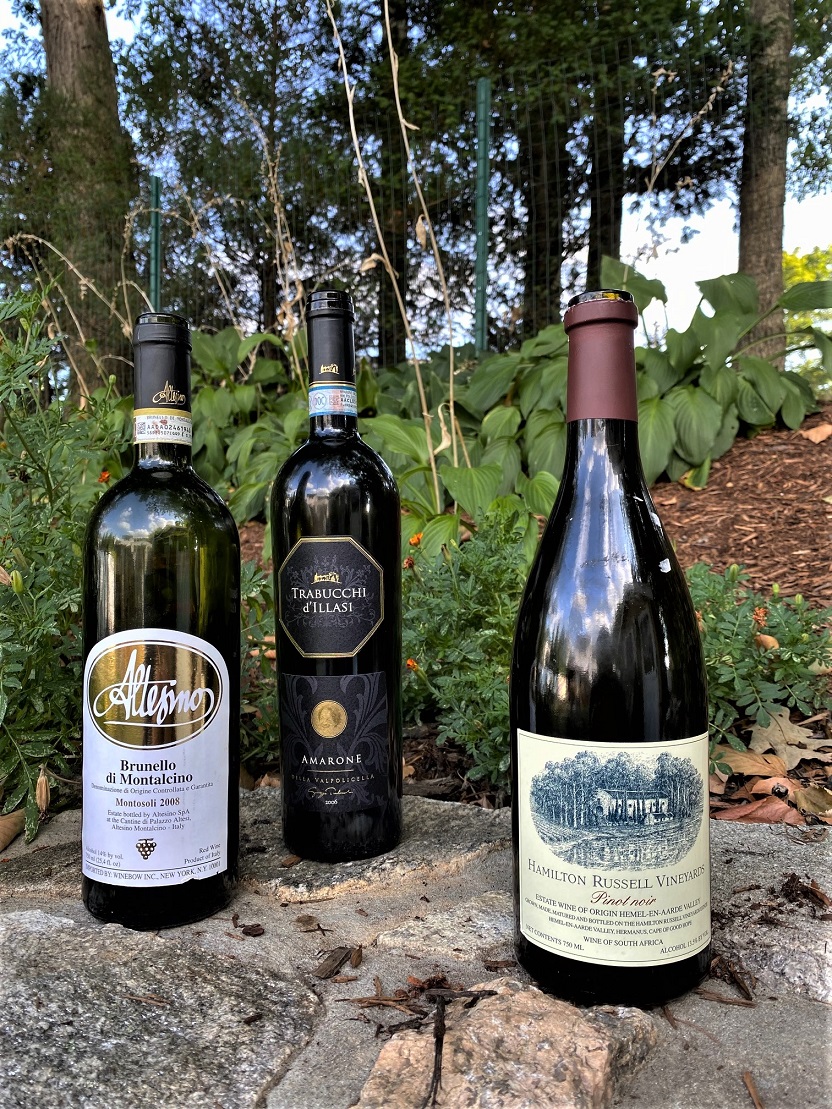
First, the learning part. 12 years ago we did the Pinot Noir blind tasting with friends, with a very unexpected outcome – 2008 Hamilton Russell Pinot Noir from South Africa was the best wine in that blind tasting. I loved the wine so much that I went and got a bottle to keep. Over the years, I made many attempts on the life of this bottle, until the last weekend I decided to share it with a friend. Upon opening the wine was reminiscent of the good Burgundy, with the nose offering some plums, iodine, and smoke. But the wine quickly succumbed to the tertiary aromas of dry herbs and maybe a hint of dried fruit, and while my friend really loved it, this was a complete loss learning in my book.
Then another friend was stopping shortly after his birthday. He always liked the wines, but recently started getting really “more into it”. He was stopping by for the dinner, and when we were talking about wines a few days prior, he mentioned that he started liking the Brunello and Amarone wines. There is no happier moment for the oenophile than to learn what the guest desires to drink – the cellar is instantly paraded in the search for the best and the most appropriate bottle.
I don’t know how I came into possession of the 2008 Altesino Brunello di Montalcino Montosoli, I can only guess I got it as a present. This single vineyard Brunello di Montalcino was absolutely spectacular – beautiful cherries on the palate – not the fresh and crunchy ones, but more subdued, more elegant, eloped in the sage and other herbal aromatics. The wine was spectacular when we opened it, and when I finished the last drop 2 days later (wine was kept in the bottle with the air pumped out), I had a clear feeling of regret as the wine was not gone, but instead was still fresh and even more complex, with a promise of becoming the Vini da meditations in 10 years, same the 1999 Soldera had become for us – alas, I don’t have another bottle…
And then my pet peeve – you know how much I love Amarone. I got a few bottles of the 2006 Trabucchi d’Illasi Amarone della Valpolicella from WTSO 7 years ago. This was my last bottle, and boy it didn’t disappoint. It was absolutely beautiful in its finesse and impeccable balance all the way through. Dried fruit on the nose, powerful, well-structured wine on the palate, with more of the dried fruit, cherries, plums and herbs, and with good acidity, perfect balance and delicious bitter finish. It is not for nothing Amarone means Great Bitter – and there was this pleasant bitterness on the finish, something hard to find in most of the Amarone wines.
Here you are, my friends, my story of winning and learning. Three aged wines, two of them delicious, two that could age for far longer (learning!). One learning experience – but who knows, maybe it was only that particular bottle. Moving on.
What did you win and learn lately?
Wine, Beer, and Road Trip
Some road trips require long planning. Some are just spontaneous. The road trip we took two weekends ago was somewhat in between, more on the spontaneous side. I had a Marriott certificate expiring by the end of the month, and I couldn’t let it go to waste. Balancing places I would like to visit with the low value of this certificate, travel madness ensuing in the country, and the desire to stay within a 3-hour driving radius from home narrowed down the search. The town of Reading in Pennsylvania offered a reasonable combination of all the factors I mentioned above, so this is where we decided to go.
There are many advantages when traveling by car, such as ultimate flexibility of the schedule. The ability to bring your own bottle of wine to the hotel is another big one. This is exactly what we did.
I don’t know what possessed me to bring 2016 Saxum as the wine of choice, but this is what I did. By the time we settled in the room and were ready to have a glass of wine, the day reached my favorite “Kodak moment” – the sunset. I obviously couldn’t miss such a beautiful sky painting – at the same time, I couldn’t resist an opportunity to include the bottle of Saxum in the picture. First the bottle, then the glass.


You know how they say “no people/animals/objects were damaged during the filming of this video”, right? This was not a video, just a picture. And no animals were hurt. No people were hurt either (I think?). As for the objects… Well, the glass didn’t survive my adventurous stupidity. This was a standard wine glass, which can’t really stand on top of the wine bottle. It almost felt, and I was lucky enough to catch it before it went down. Someone with a better belief in the laws of statistics would take this “almost fall” as a fair warning. But not this guy. I put the glass back and continued taking pictures, trying to get the wine label into the picture. Until glass finally met the ground (ground – 1, glass – 0), giving my wife and me an opportunity to dance next to the window sill for the next 20 minutes trying not to cut ourselves with the tiniest remnants and also remove wine traces from surrounding surfaces. Felt like an idiot for the next 2 days. Oh well – maybe I will learn? Or not…
On the positive side, the 2016 Saxum Bone Rock James Berry Vineyard Paso Robles Willow Creek District (15.9% ABV, 72% Syrah, 10% Mataro, 9% Graciano, 6% Grenache, 3% Roussanne) was absolutely surprising and spectacular. The surprising part was that this 6-year-old wine from California was perfectly drinkable upon opening – I would never expect it. The spectacular part was in the layers and gobs of fresh, succulent fruit, unending pleasure of interplay of blueberries, blackberries, cherries, and sweet oak, balancing acidity and full-bodied power each sip was offering. The wine was even better on the second day, becoming a touch more mellow. The same wine perfectly complemented the cigar on day 4. I’m sorry about the glass, but I’m really happy with my first Saxum experience.
 Then there was beer. Clearly, I drink a lot less beer than wine. Nevertheless, I have a full appreciation for a glass of well-made beer (about 25 years ago I was one of the first members of the Beer Across America club, at the very beginning of the American craft beer revolution). Even more than a glass of beer, I like the opportunity to experience a tasting flight – which we found at the Chatty Monks Brewery in West Reading.
The Chatty Monks brewery binds itself as a “nano-brewery”. I have no idea what that means, I can only assume that they are implying that their production is much less than the microbrewery (microbrewery in itself is a highly contested term – for a long time Samual Adams defined itself as a microbrewery, while their volumes were clearly not at the “micro” level). Anyway, let’s leave the size aside and talk about the taste.
A tasting flight at Chatty Monks includes 4 beers which you can select from the list of beers available on tap. Out of the 14 available beers I went with Alondra which was a stout – the only dark beer available and I prefer dark beer whenever I can; Split Face which is defined as Pretzel-Style amber lager (no idea what pretzel-style means); Pray for More, a New England IPA, and Tree Trimming, which is described as “winter warmer” – again, no idea what that means.
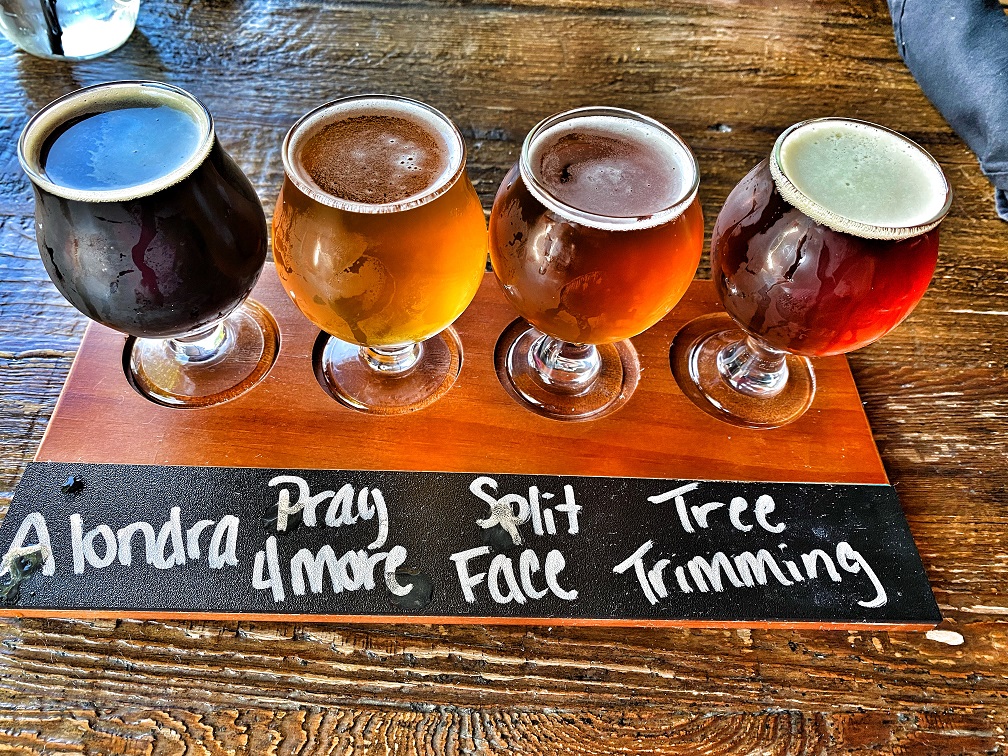


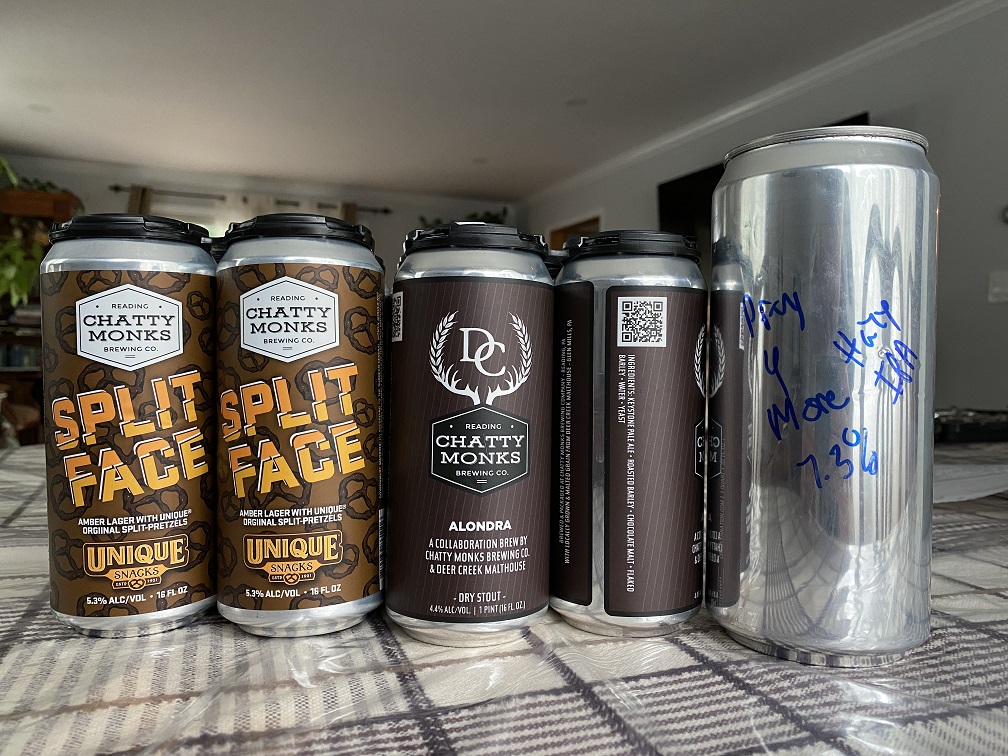
Of these 4, we absolutely loved 3, which were each delicious in their own way. The beer lovers will have to forgive the wine lover trying to describe the beer experience, but Alondra, Split Face, and Pray for More were perfectly balanced and round, each in their own category. I rarely perceive the bitterness of the stouts, including Guinness, and the Alondra was just rich, creamy, coffee-like, and delicious. Split Face was fresh and bright, with enough body to complement fried foods. And Pray for More was probably the most exciting IPA I ever tasted – while it had the characteristic bitterness, it was complemented and leveled by bright citrus, and orange notes – altogether making it irresistible. We loved the beers so much that even got all 3 to bring home – except that Pray for More was sold out in the standard cans so we got one big 32 oz can which was made for us right on the spot. If you are ever in the area – this is the beer to crave.
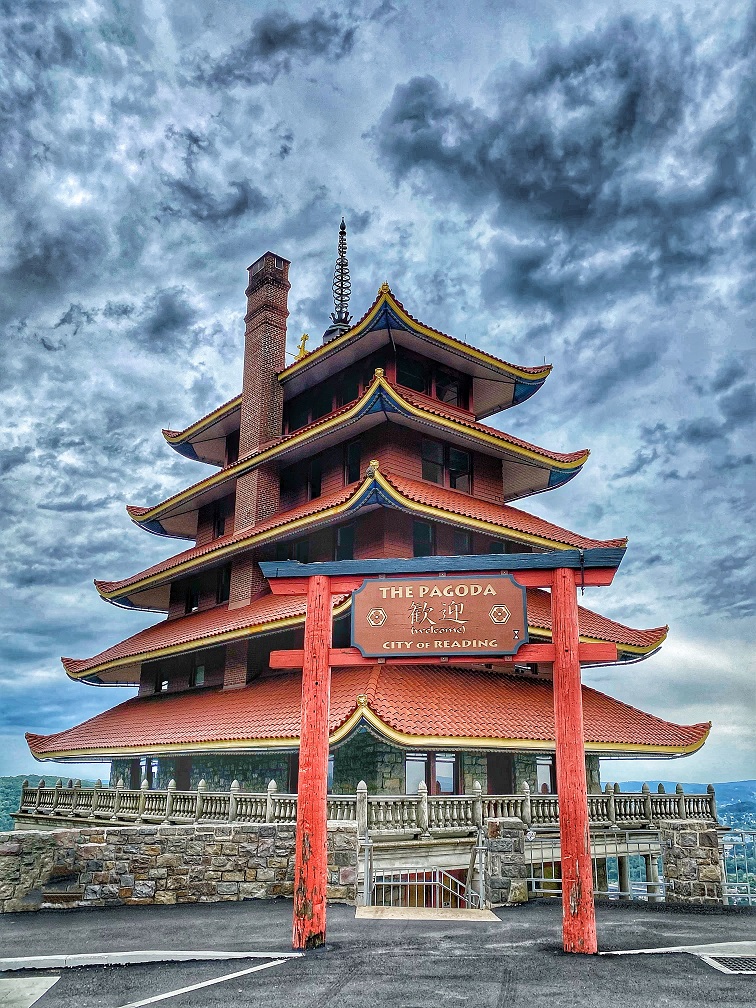
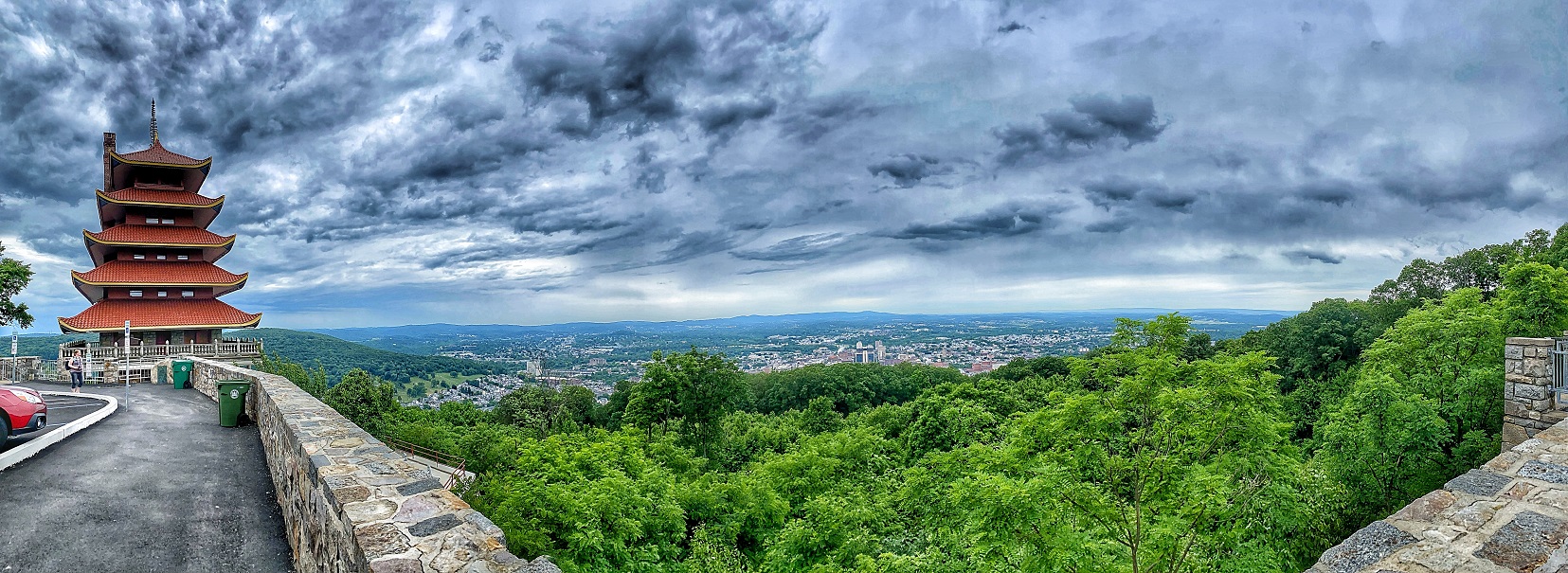
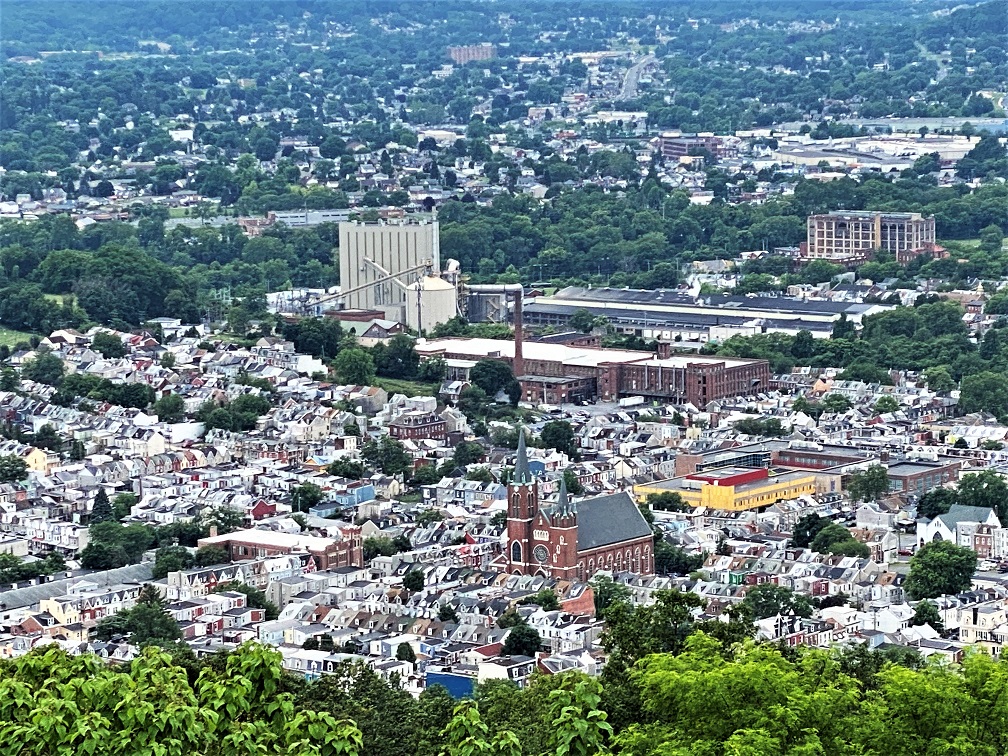
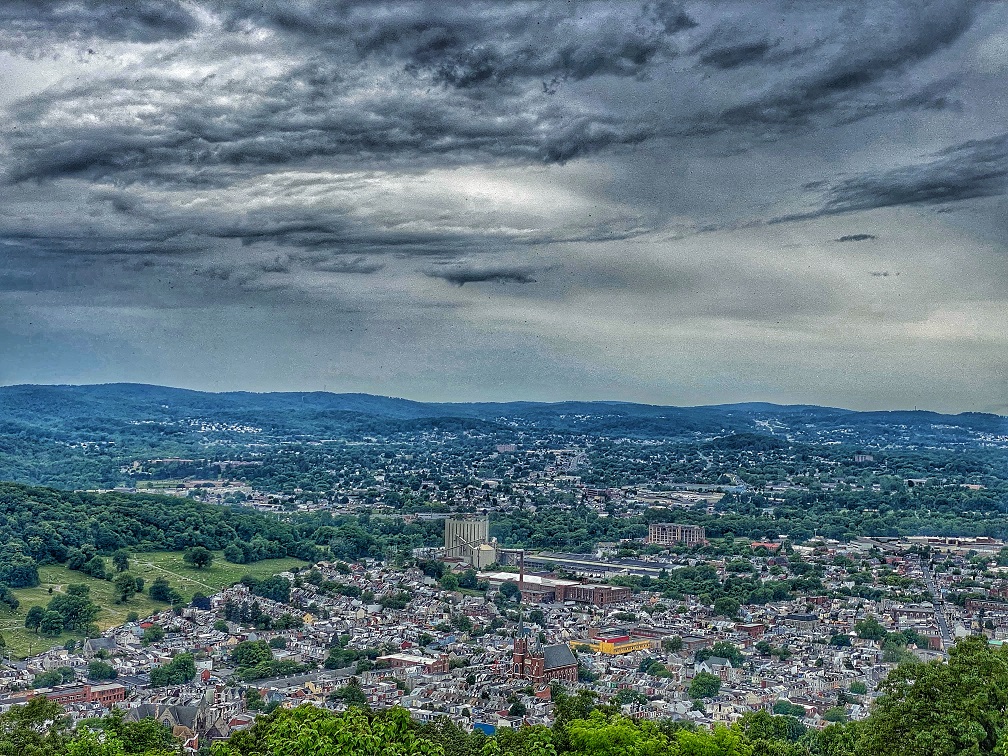
We talked about wine. We talked about beer. Now, the last part – the road trip. We had more or less one full day for all of the explorations. Luckily, we had been to this part of Pennsylvania many times, so exploring Amish villages, lifestyle and museums was not on the itinerary. In addition to immensely enjoying driving around green pastures with cows, sheep, and horses, going up and down little hills on the narrow country roads, we visited a couple of places we had not seen before. One was Reading Pagoda, a fully authentic rendition of a traditional Asian structure, enacted first in 1908. Apparently, this is the only pagoda in the world with a fireplace and a chimney – which we were unable to see as the building itself was closed. But we were able to fully enjoy the views of the town of Reading, from the south end of Mount Penn where the pagoda is located. You can also see it through the lens of my trusted iPhone:


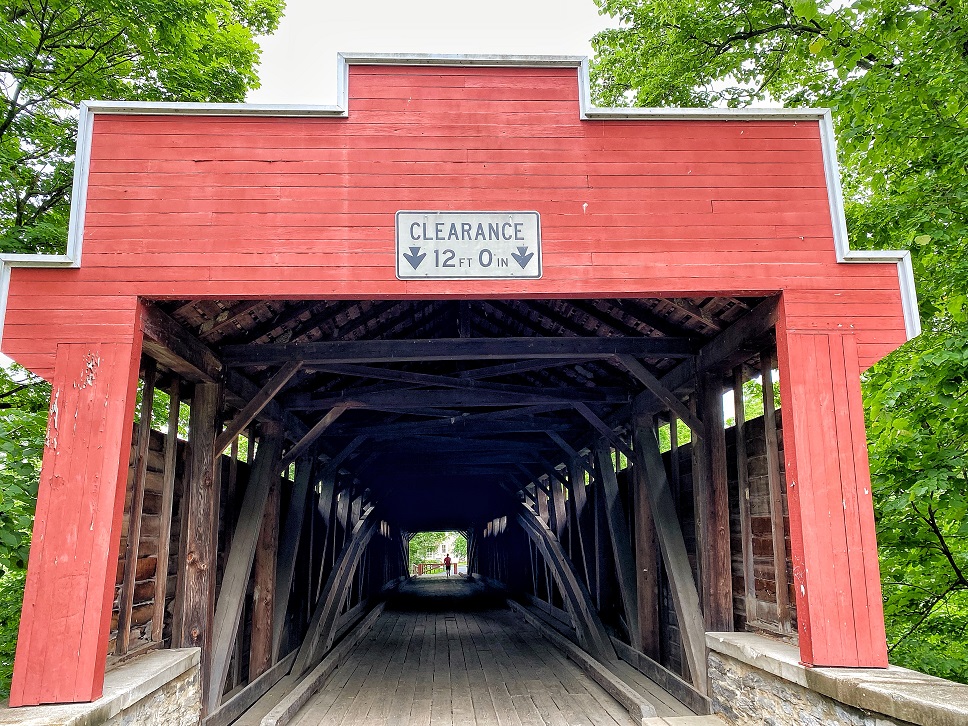
Another stop we made was to see the covered bridge called Wertz’s Covered Bridge, one of the covered bridges located in the Berks County – also the longest single-span covered bridge in Pennsylvania at 204 feet across. It was really fun imagining all of those carriages traversing the creek since 1867 when the bridge was built. You can close your eyes and hear the sound of the horseshoes hitting the wood pavement as carriages are slowly pulled through the bridge… Well, here are a few pictures, I’m sure you can add the horses as you see fit…


That makes it a full account of the wine, beer, and road trip experiences. Next, we will talk about some fun wine experiences on Cape Cod. Stay tuned…
Wine Reflections on the Go, and Cognac Ramblings
 While in San Diego for work, I was on a very strange quest. I wanted to find cognac in miniature bottles (50 ml). Strange and dumb, you say? No problems, I accept the criticism. It is strange, but not criminal or immoral by any means, so let me continue my story.
I don’t know if you drink cognac, but if you do, you could’ve noticed that it is generally in a short supply, and often absurdly priced. Some stores carry no cognac at all. Some stores have a very limited selection, incomparable with other liquors – look at a typical tequila or bourbon selection – the ratio would be 10 to 1.
Why cognac all of sudden? A dear friend is coming over in a few weeks, and we always do a serious tasting of scotch/whiskey with her. What does “serious” mean? At any given moment I have 15–20 (or more, I honestly have no idea) bottles of whiskey open – some might be for 10 years – unlike wine, whiskey doesn’t care, nothing can change in the 46% – 70% ABV weather – as long as the bottle is closed well. This time around, the said dear friend said that she doesn’t want to do a scotch tasting, and would much prefer that we would change the subject – for example to the cognac.
While I love cognac, I prefer scotch for my occasional hard liquor sip. It is much more difficult to find a palatable, never mind tasty cognac which one also can afford – delicious whisky can still be acquired for less than $30, but drinkable cognac in that prices range is mostly a dream.
Okay, so back to that tasting. I set for myself a goal to have at least 15 different cognacs to taste, without spending a small fortune. I probably have 2 or 3 open. I procured two tasting sets (they are very hard to come around), and found one miniature of Courvoisier to include in the tasting, but that’s about it. So I went on the mission to find at least the main brands (Martell, Hennessy, Courvoisier, Remy Martin) and maybe some others – but seemed to be mission impossible in Connecticut and even in New Jersey.
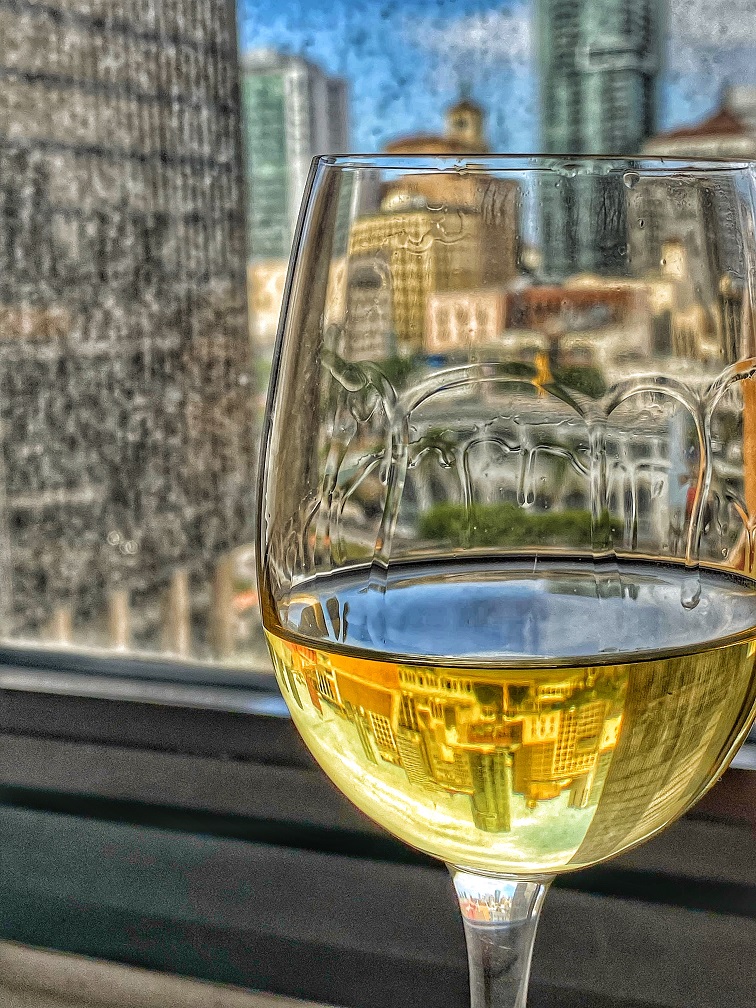
Wine Reflections, as promised
Which brings us to the wine store in San Diego. I honestly went to the wine store creatively called The Wine Bank to look for my cognac miniature bottles. Who goes to the store called The Wine Bank to buy cognac? Happy to be ostracized again, but if I would be looking for tequila, bourbon, or even gin believe me I wouldn’t leave the store empty-handed. But cognac? Nowhere to be found in any size.
The store was “much bigger on the inside” with a huge basement filled with wine shelves. So what should the wine lover do when he encounters wine heaven? At least take a look, right? Just a look. No touch. I promise. I was well behaved. But would you believe me if I would tell you that I left the store called The Wine Bank without buying a bottle? Even if you are naive, my reader(s?), don’t trust the wine lover visiting the wine store.
I was looking for something interesting, yet inexpensive. Interesting means I don’t readily have it at home and would love to drink often but drink rarely. And so I found my beloved Chinon (Cab Franc) and a white blend from the Rhône, $17 and $16 respectively.
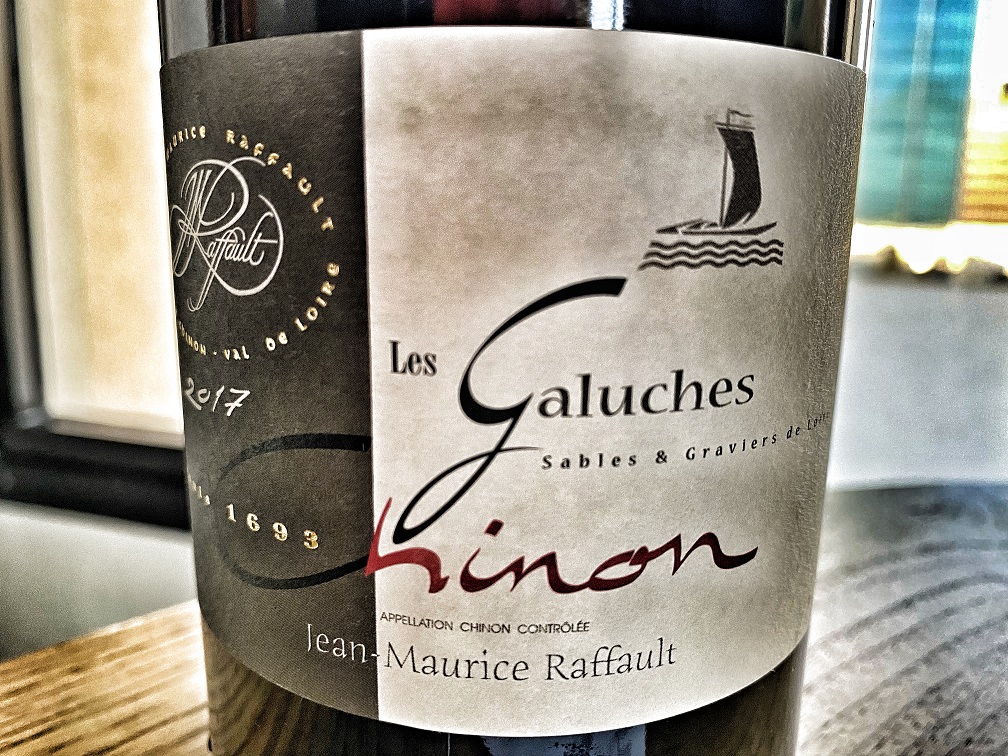
I really like Chinon wines, a classic, cold climate, old world renditions of Cabernet Franc. This wine was from the 2017 vintage, so it had 5 years of age on it. I previously had an amazing experience with Chinon wine from Olga Raffault, so now seeing the same name (Raffault family had been cultivating vines in Chinon for 14 generations!) together with the reasonable price has given the rationale for the decision.
I rarely drink white Rhône wines because there are very few of them available at most of the wine stores, and finding tasty ones is not an easy task as well. However, seeing 60% Roussanne on the back label – and Roussanne might be my favorite white grape – together with a reasonable price again made it an easy decision.
2017 Jean-Maurice Raffault Les Galuches Chinon AOC (13% ABV, $16.99, Les Galuches is the name of the vineyard, had been organically farmed since 2016) was interesting. When I just opened it, it had a beautiful classic nose with a touch of bell pepper, and an almost jammy load of the black currants on the palate, very generous. On the second day, the nose was somewhat closed, and black currants were still pleasant though somewhat scarce. On the third day the wine pretty much closed and offered mostly bell pepper and tart acidity. I don’t believe the wine turned – it should be either consumed upon opening or left alone for 10+ years to enjoy it later.
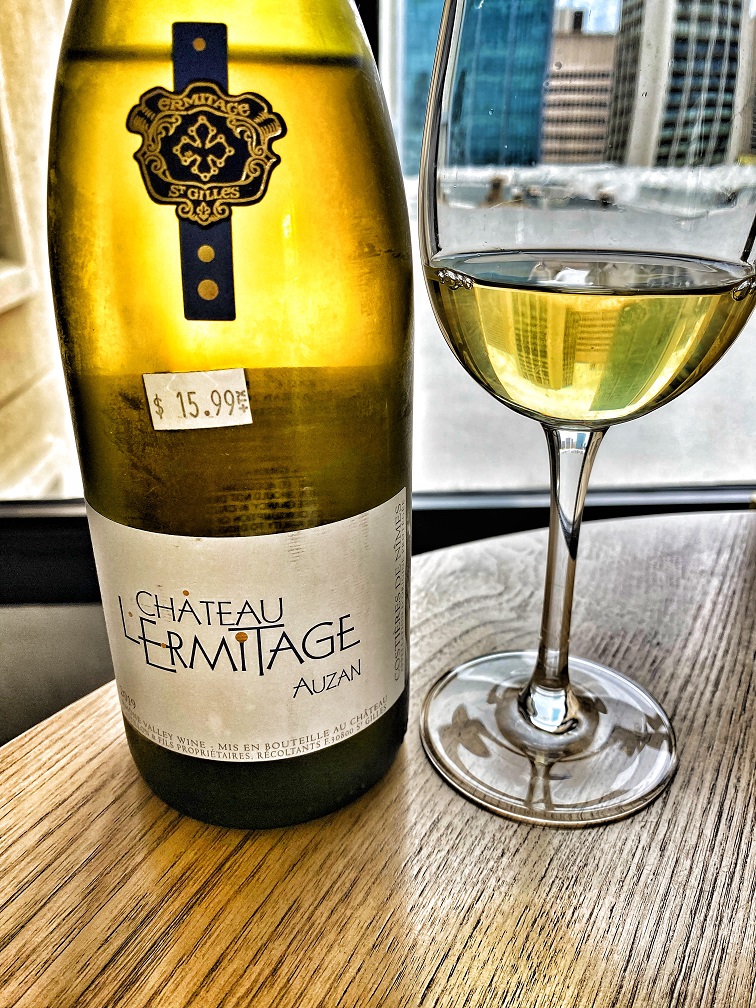
2019 Chateau L’Ermitage Auzan Blanc Costieres de Nimes AOP (13% ABV, $15.99, 60% Roussanne, 20% Grenache, 20% Viognier) was even more interesting. I chilled this wine first overnight in the fridge. When I opened it, I really wanted to like it, but I couldn’t. It was disjointed, with fruit and acidity randomly poking in different directions. As the wine warmed up, it became a lot more palatable and enjoyable, but the magic didn’t happen.
I left the wine bottle on the table overnight. When I tried it in the morning, I literally slapped myself on the forehead – this wine is 60% Roussanne, and Roussanne wines are showing much, much better at the room temperature or gently chilled compared to the full-blown “wine from the fridge”. The wine had gunflint on the nose, and boasted powerful, fully textured, plump, and round white stone fruit on the palate. A beautiful, classic, full-bodied Roussanne rendition.
Here you go, my friends – my wine (and cognac) reflections [directly and figurately] on the go. Drink well, whether you travel or not.
Where Did The March Go?
Just like that.
March 2022 is anything but gone.
Last day of the month – where did the whole month go?
Yeah… What’s a month… It is just one month, right? As long as this is not a lifelong sentiment, we can deal with it…
So this particular March happened to be very busy. A weekend trip to Fort Lauderdale for close friends’ daughter’s wedding. A week in Cancun right after. Work trip to Las Vegas for the conference. Month started. Month ended.
My self-directed frustration is largely driven by the fact that I’m getting behind on my blog posting plans – again. Last December I played catch up. I really, really, really would like to avoid the same situation again.
Yes, I said it. Will see.
Before we talk about the wines again on this blog – you know I’m a sucker for sharing my experiences through pictures. So here it comes – our trip to Fort Lauderdale through the pictures. many pictures. Hope you will enjoy. Here it comes…
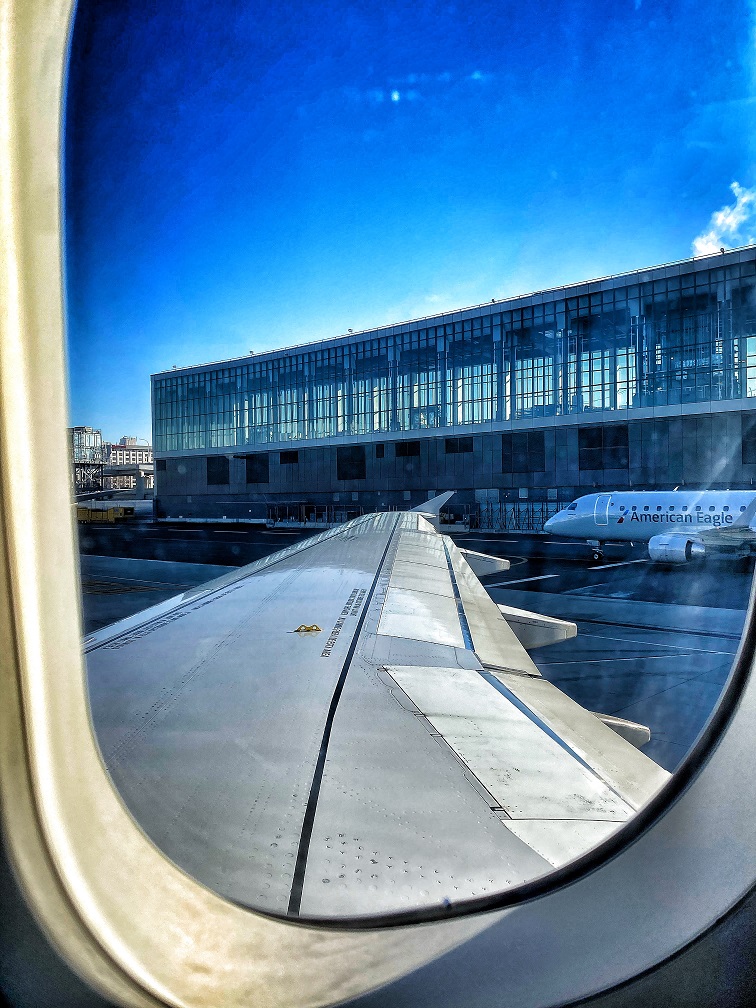 First, with the late afternoon departure from La Guardia, we had an opportunity to experience an amazing sunset in flight:


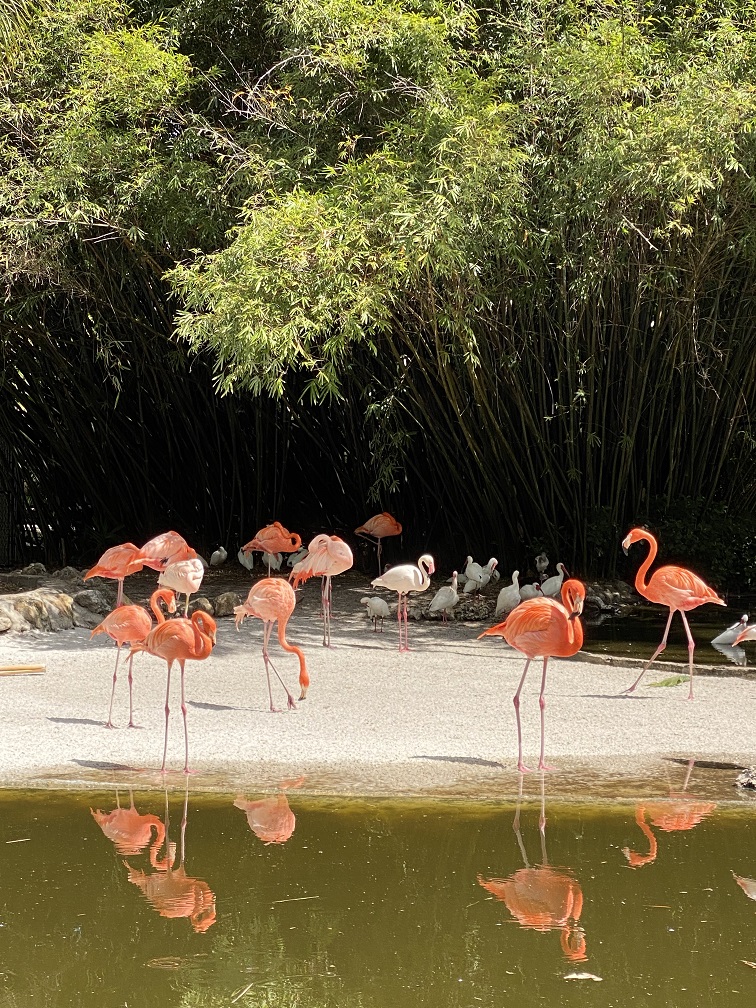
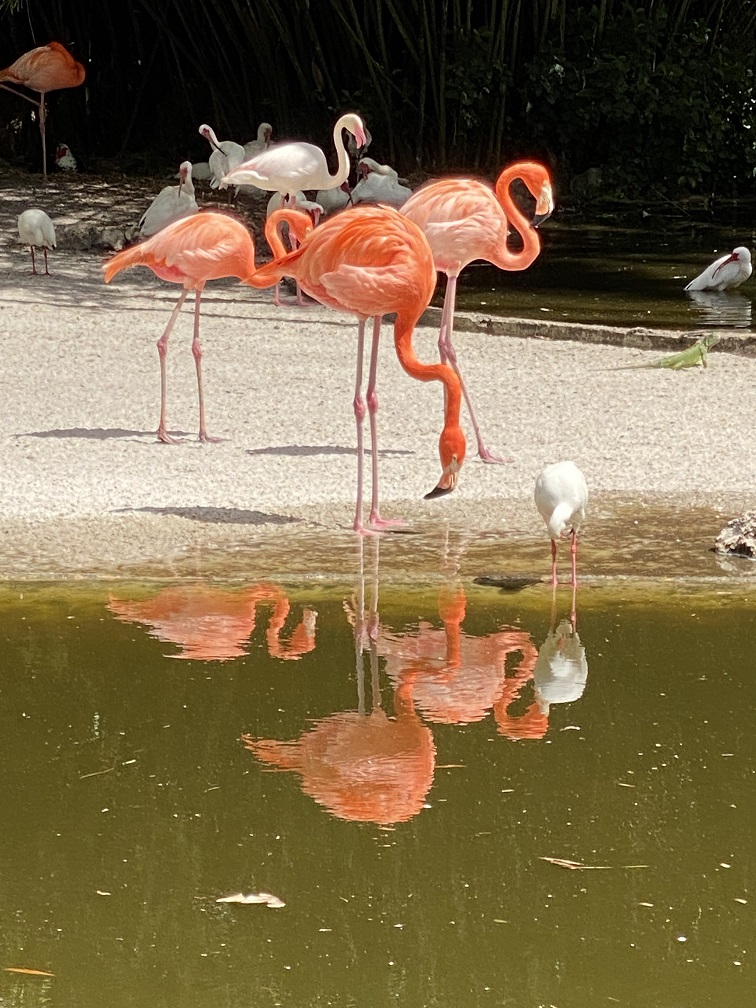
The next morning, we took a trip to Flamingo Garden – here are flowers, birds, and more.
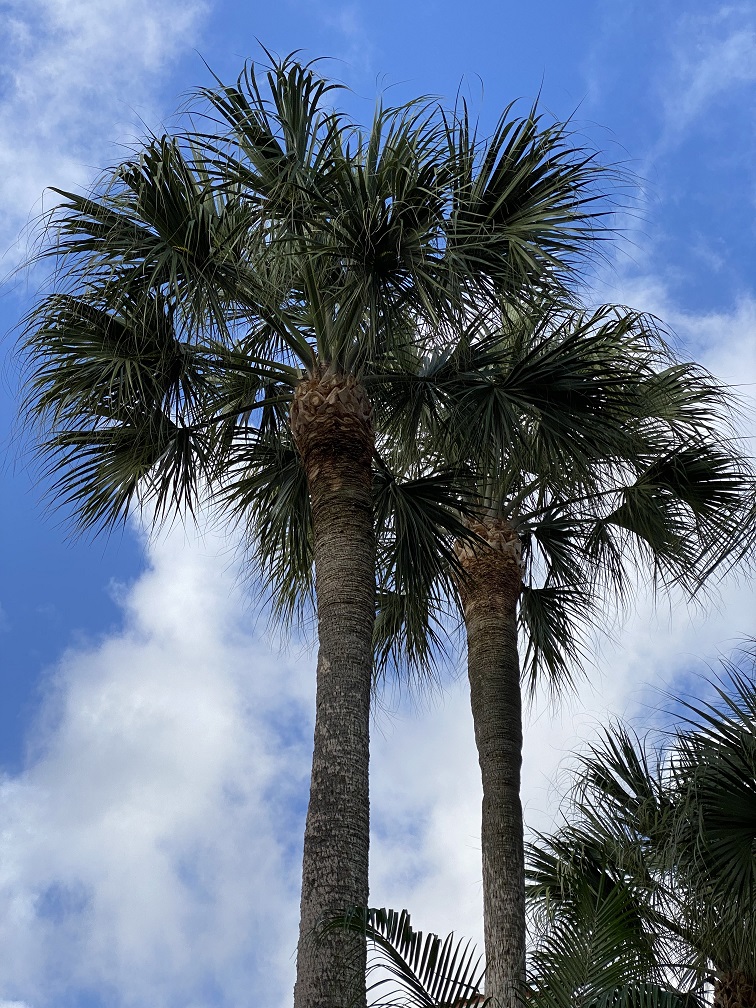


Did we say Flamingo?
And a few peacocks:
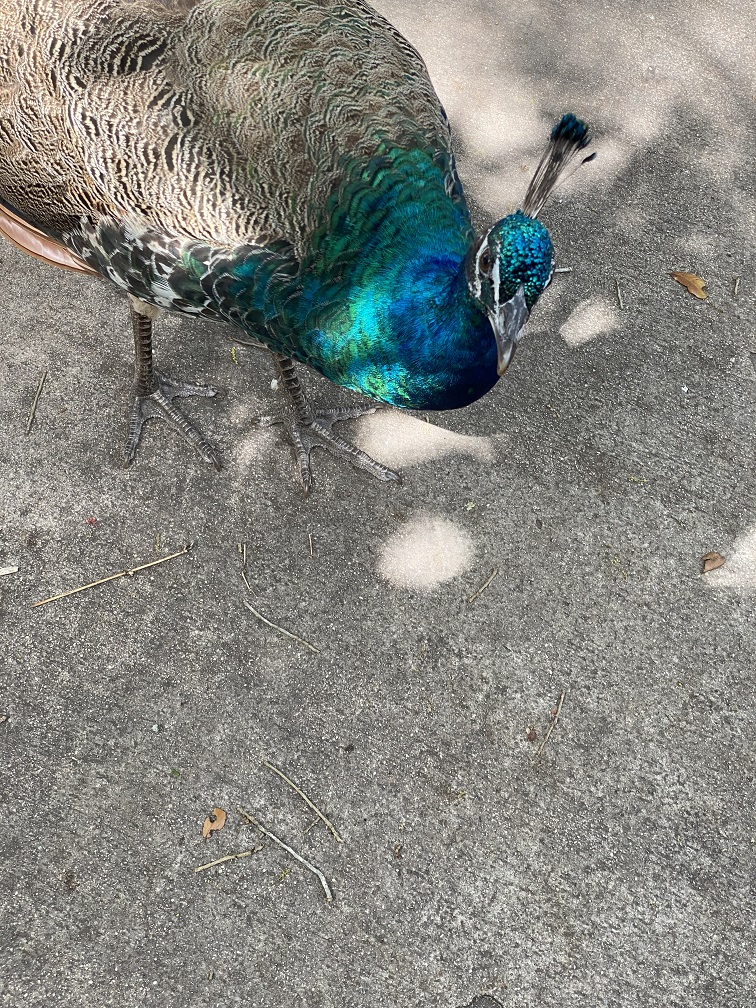
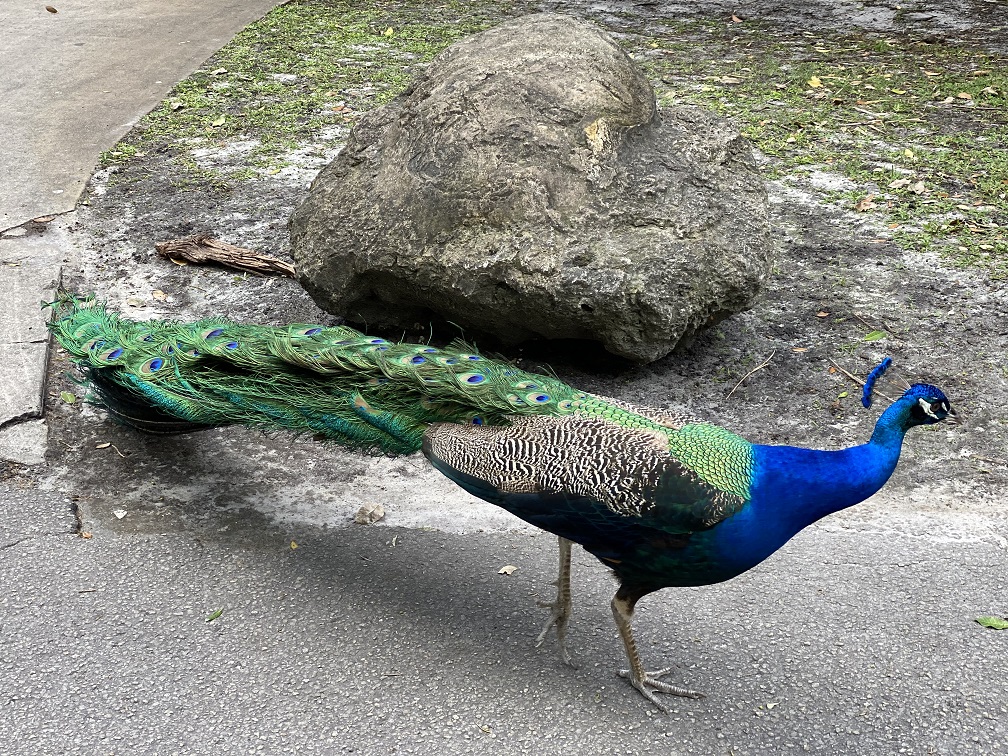
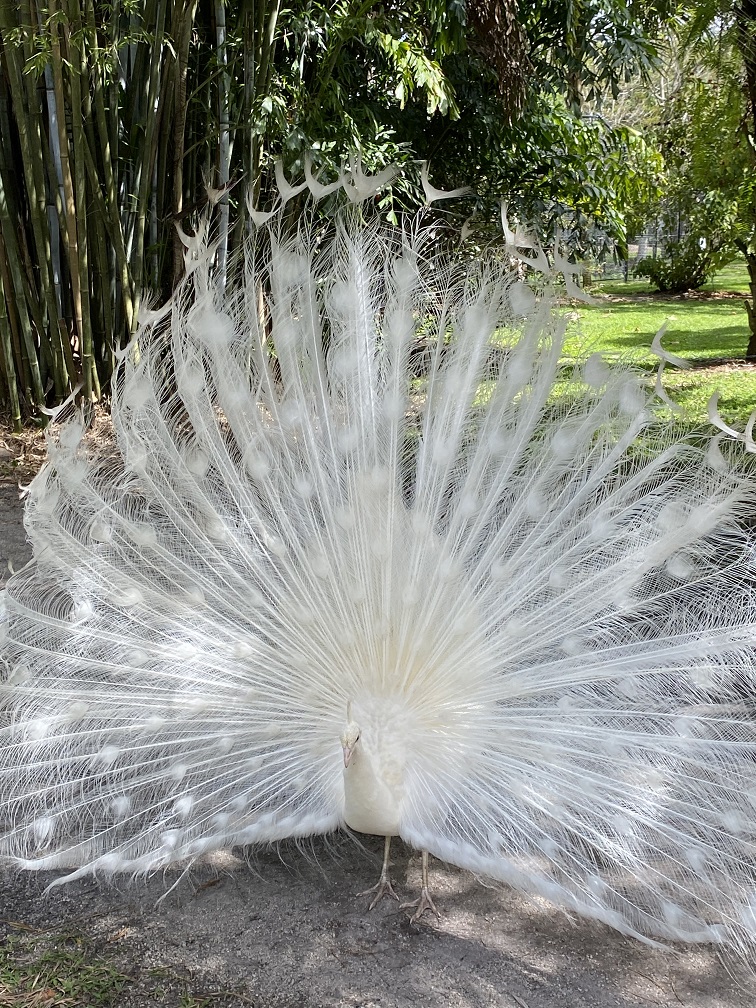
Have you ever seen a peacock like this?
Here are some bees – for the iPhone photography, I’m pretty proud of these pictures:

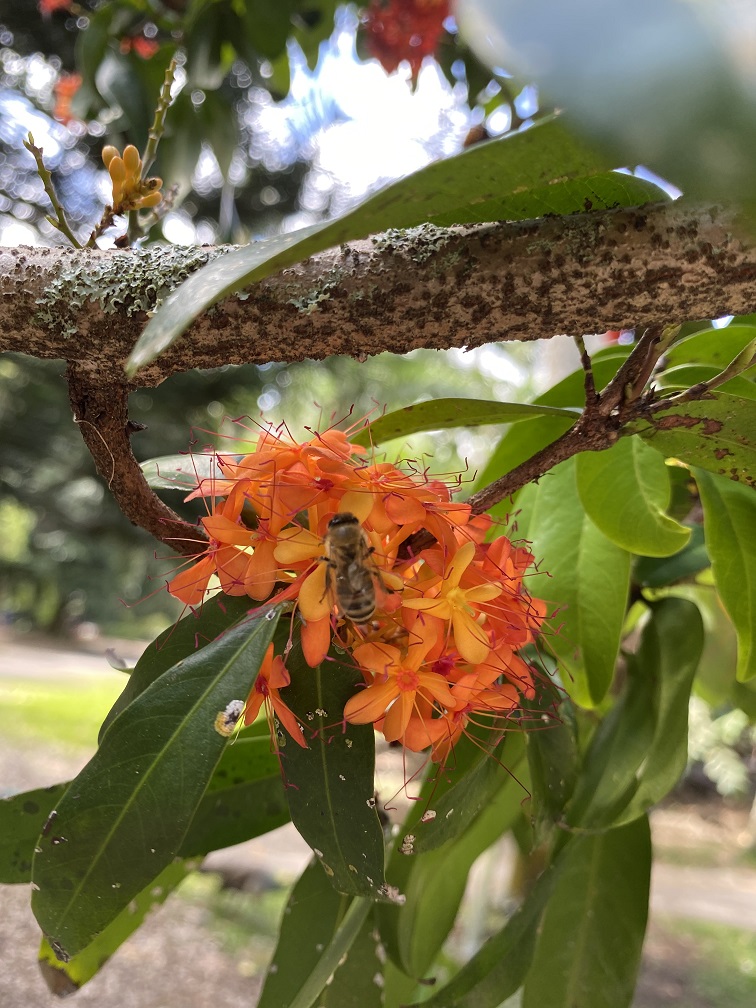
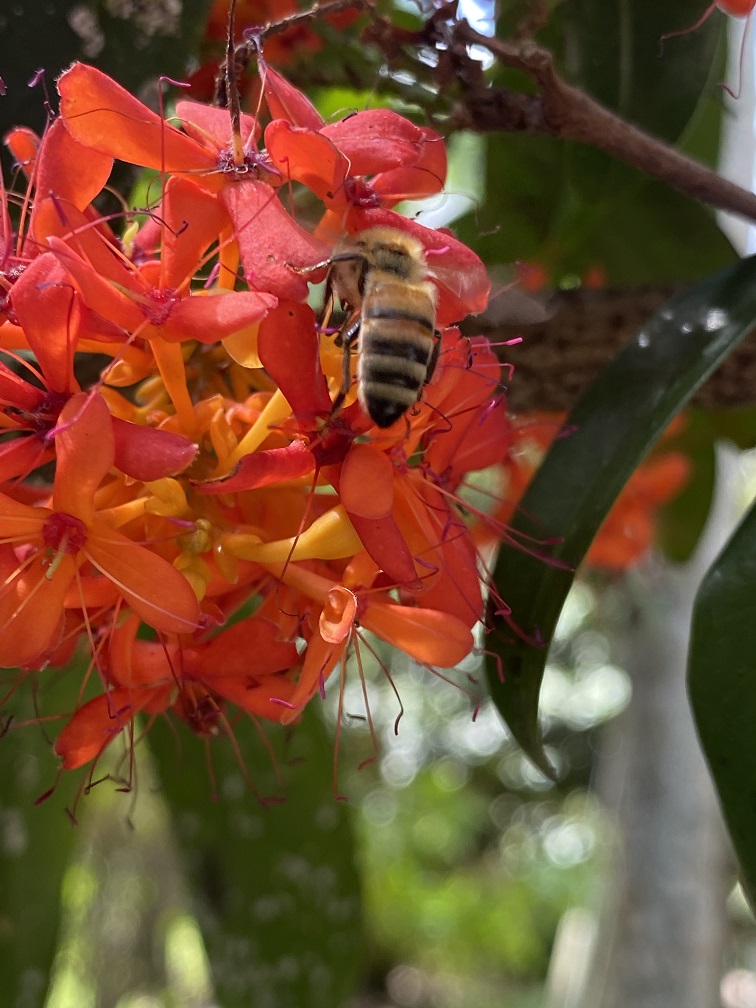
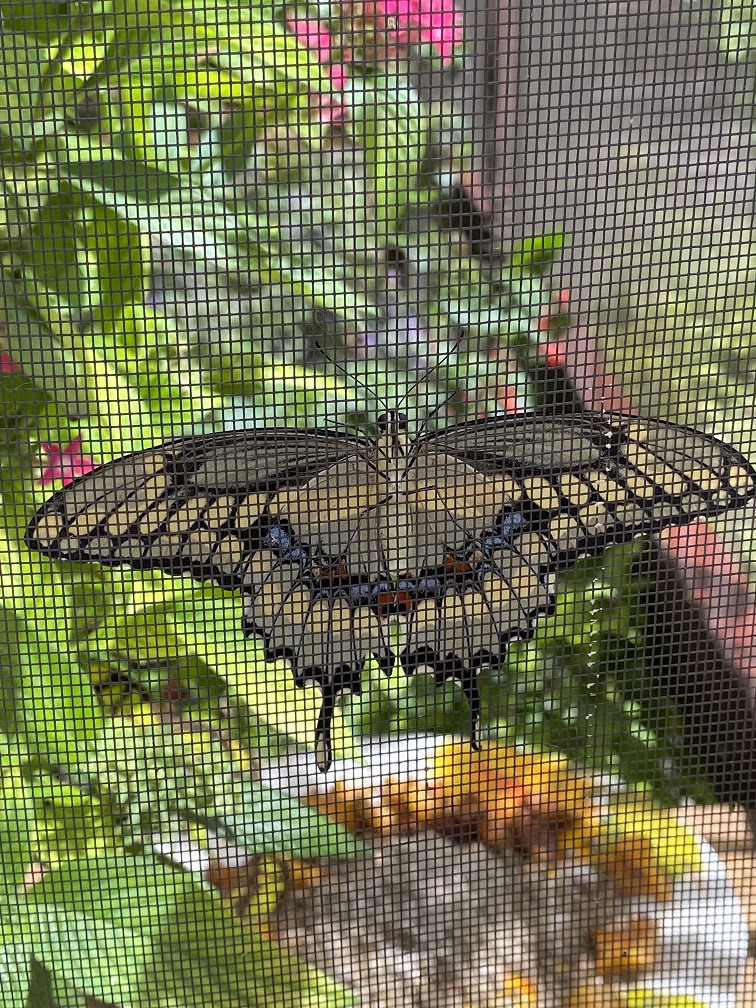
a butterfly (she is perfectly alive, just caged)
and then this…
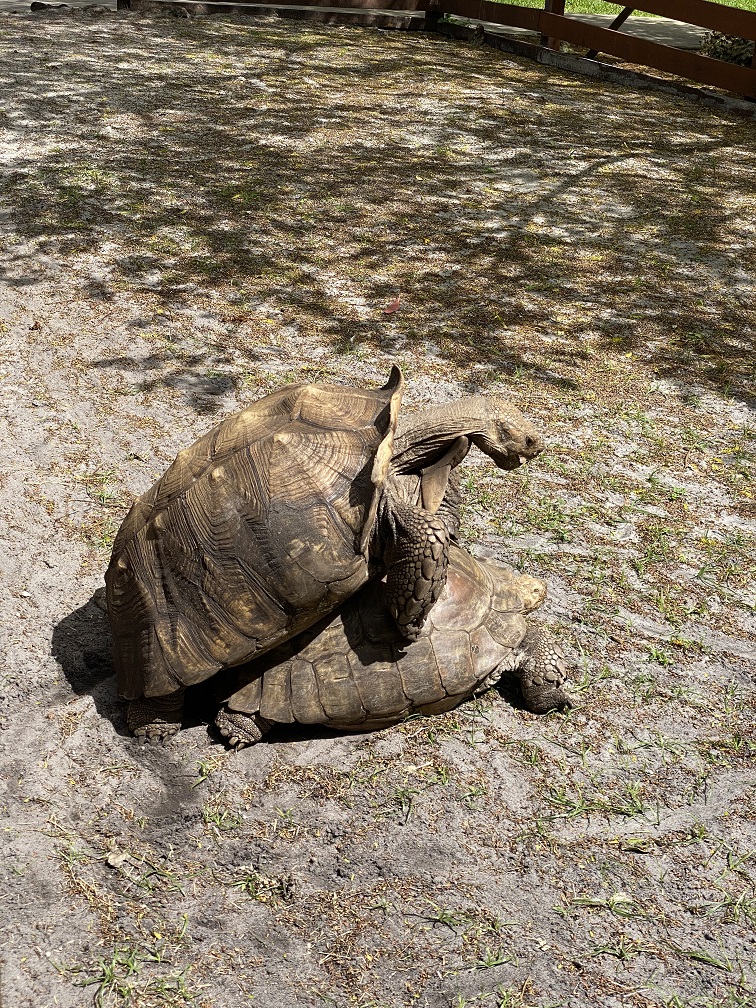
Yep, this is exactly what you think…In a broad daylight…
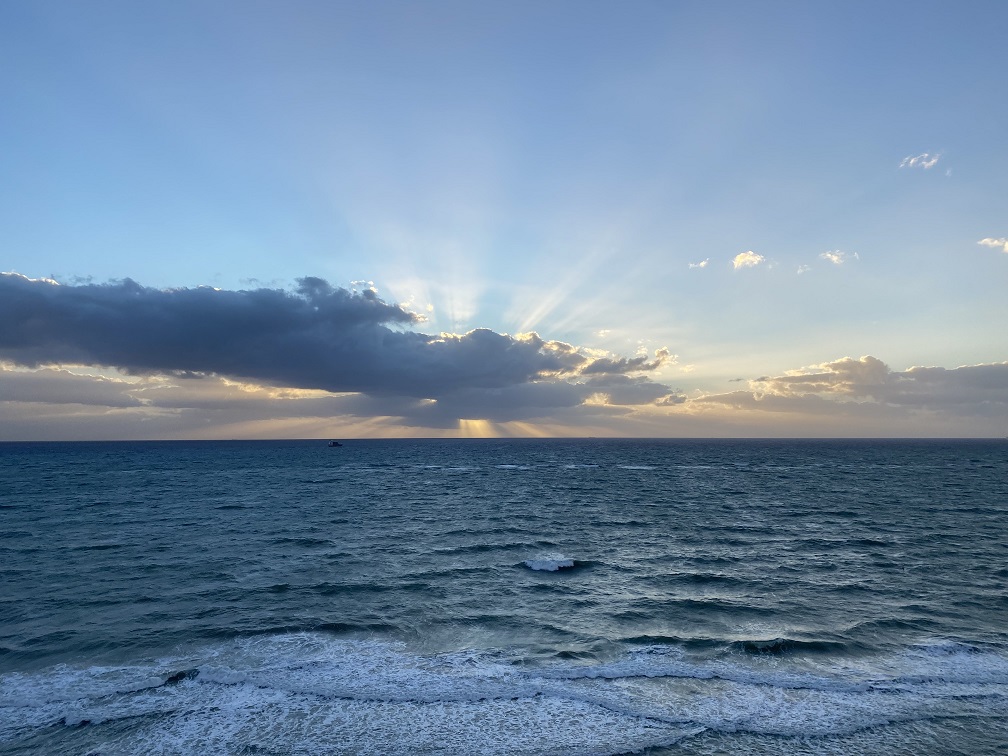
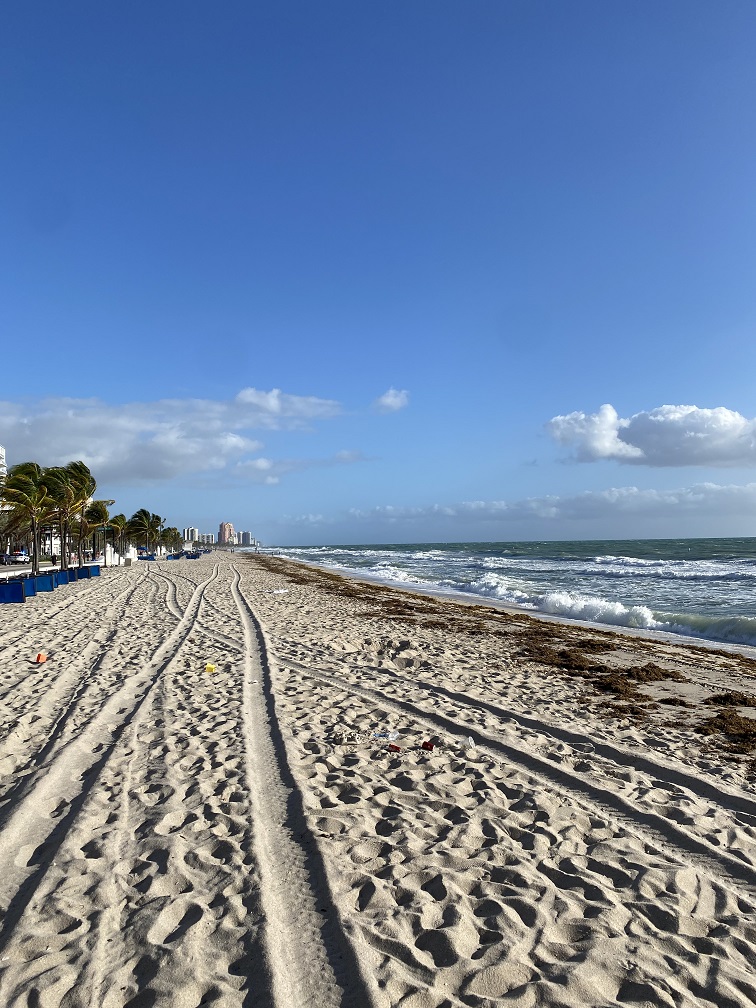
We stayed at a great location, Marriott Westin, right on the beach, with some of the best ever views I had from the hotel room:
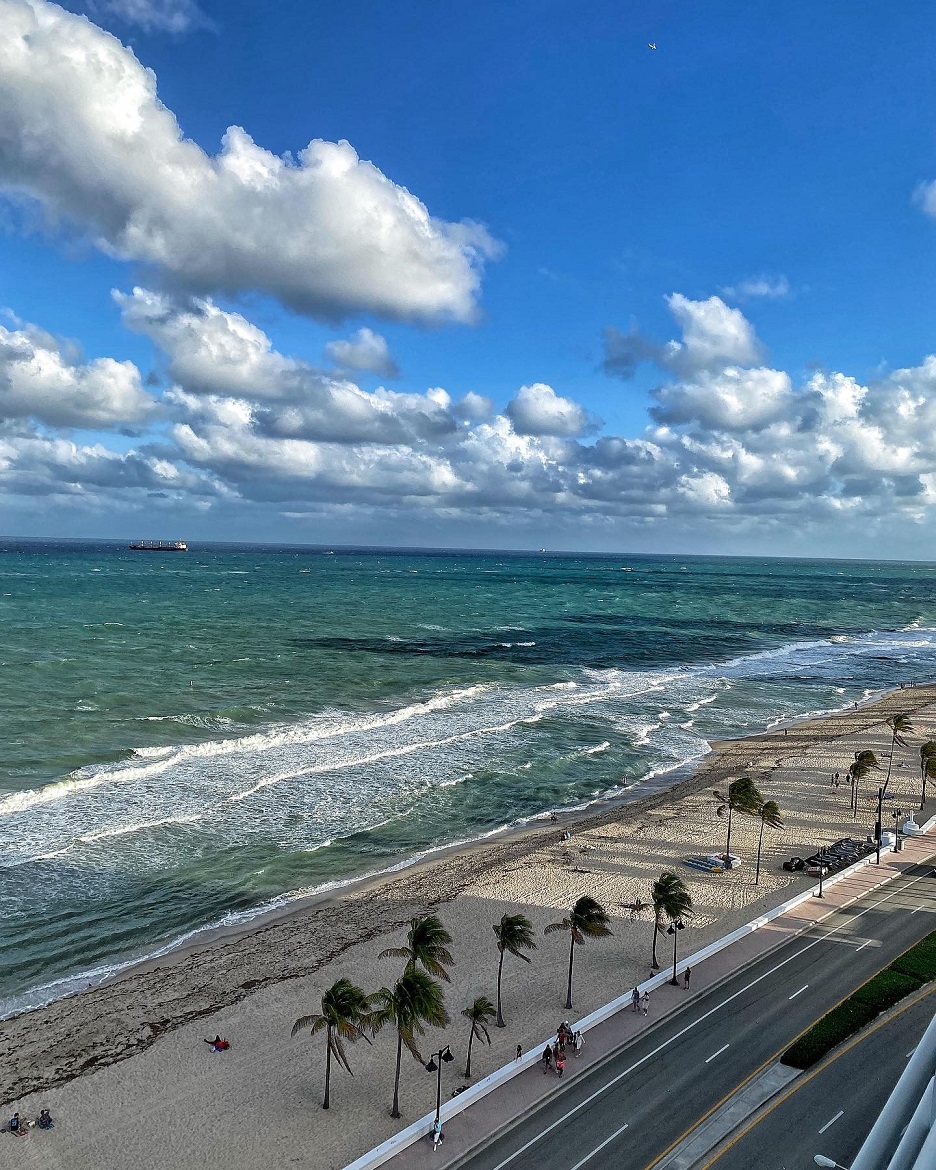
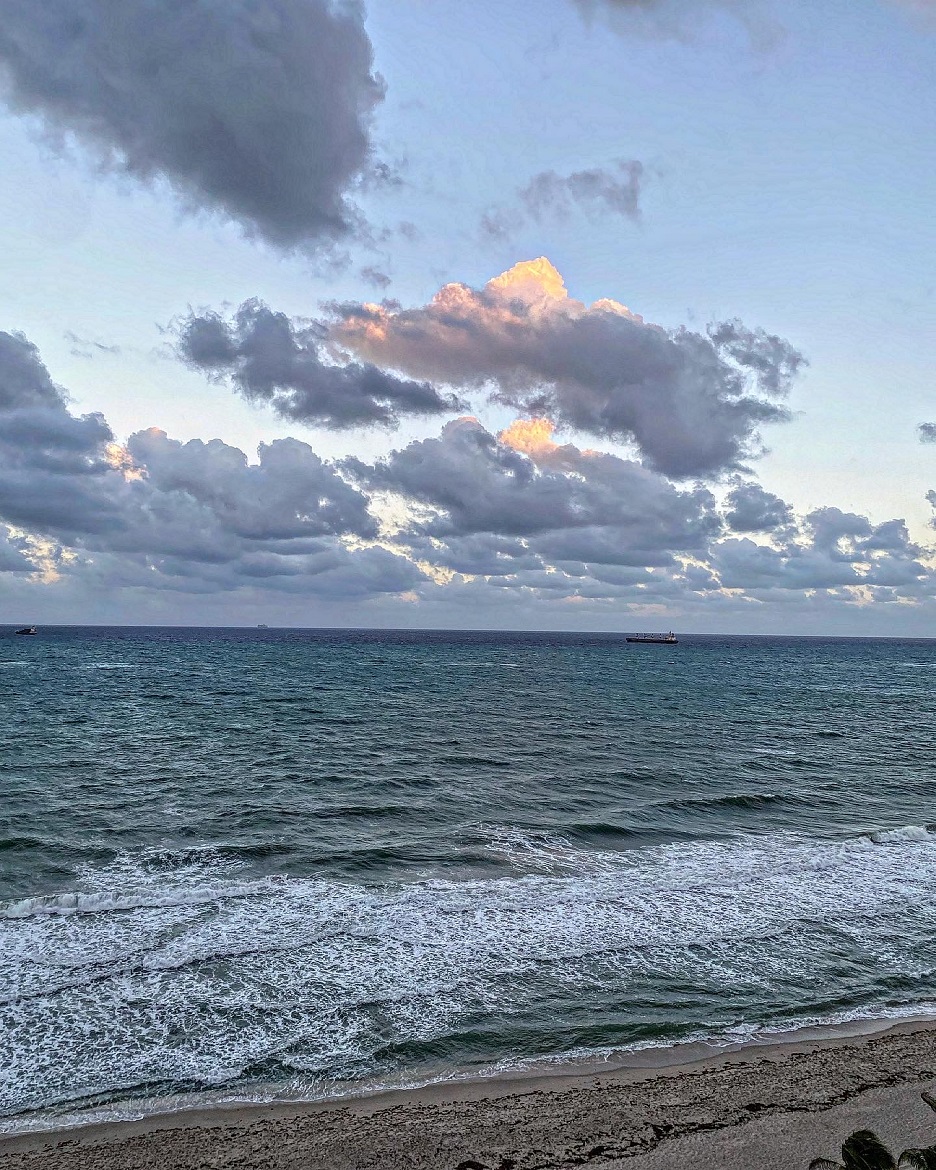 I spent probably 20 minutes in the local Publix, trying to decide on the wine for the evening (we had dinner in the room) – the end result was quite decent:
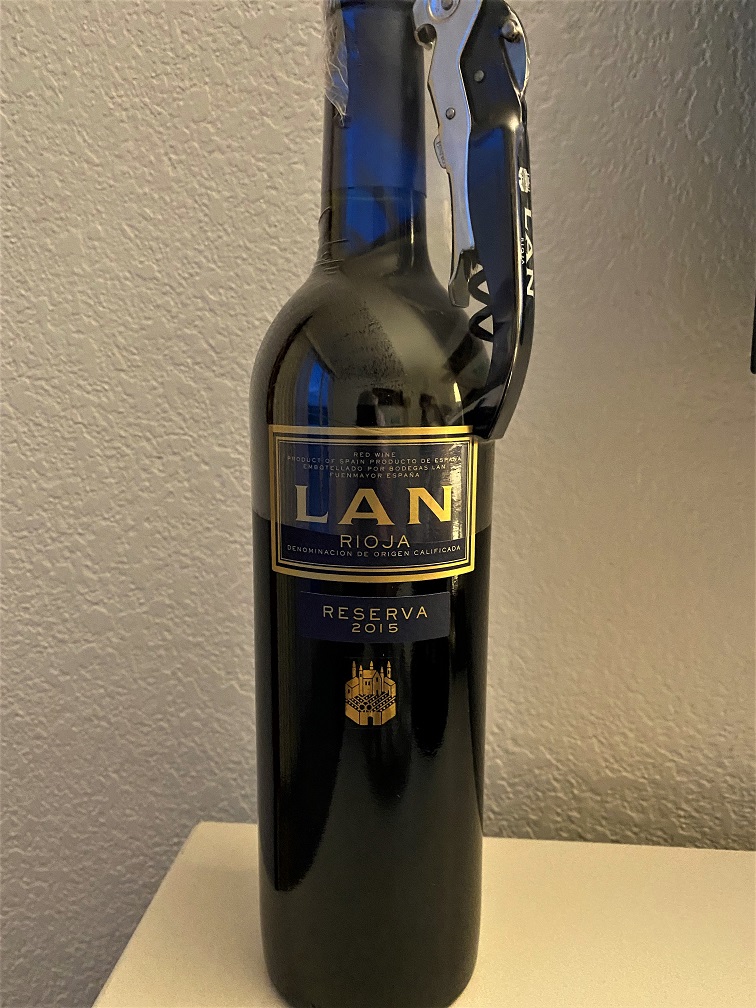 Bodegas Lan Rioja never disappoints – especially if it is a 7-year-old Reserva for under $20. Beautifully integrated, young, and perfectly well structured.
 I love Lodi wines, I love Zinfandel wines, but not a big fan of the Michael David Freakshow wines. But I have to admit that this 2019 Michael David Freakshow Zinfandel was well balanced, blackberry forward, and perfectly attuned to the expectations of the fresh, juicy, and smoky Zinfandel. Two out of two.
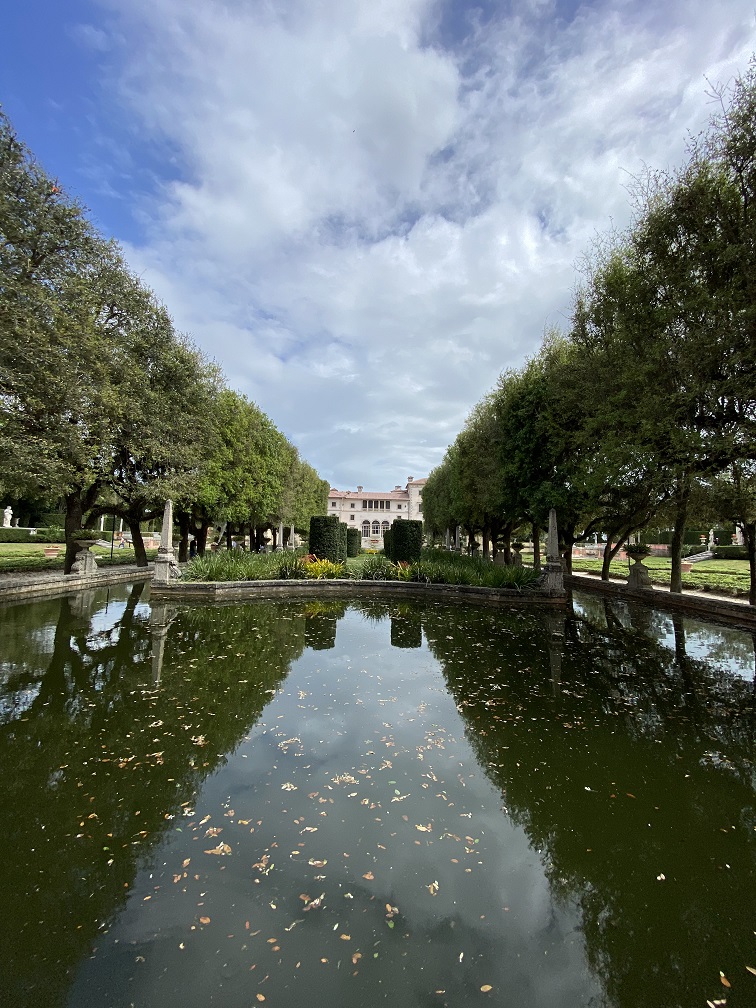
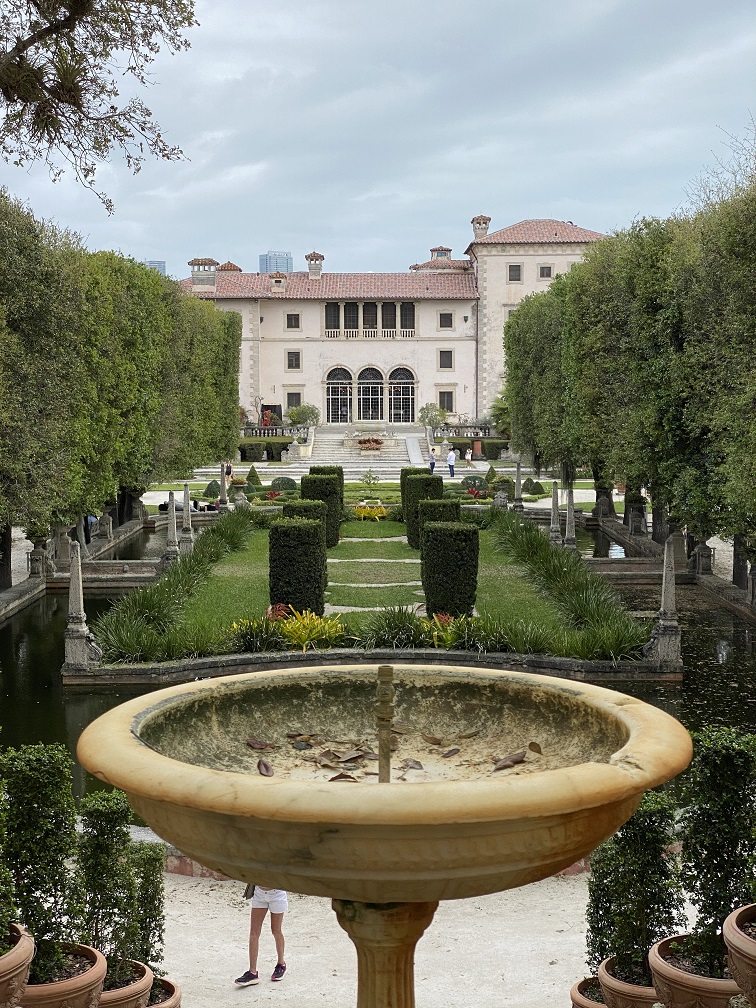
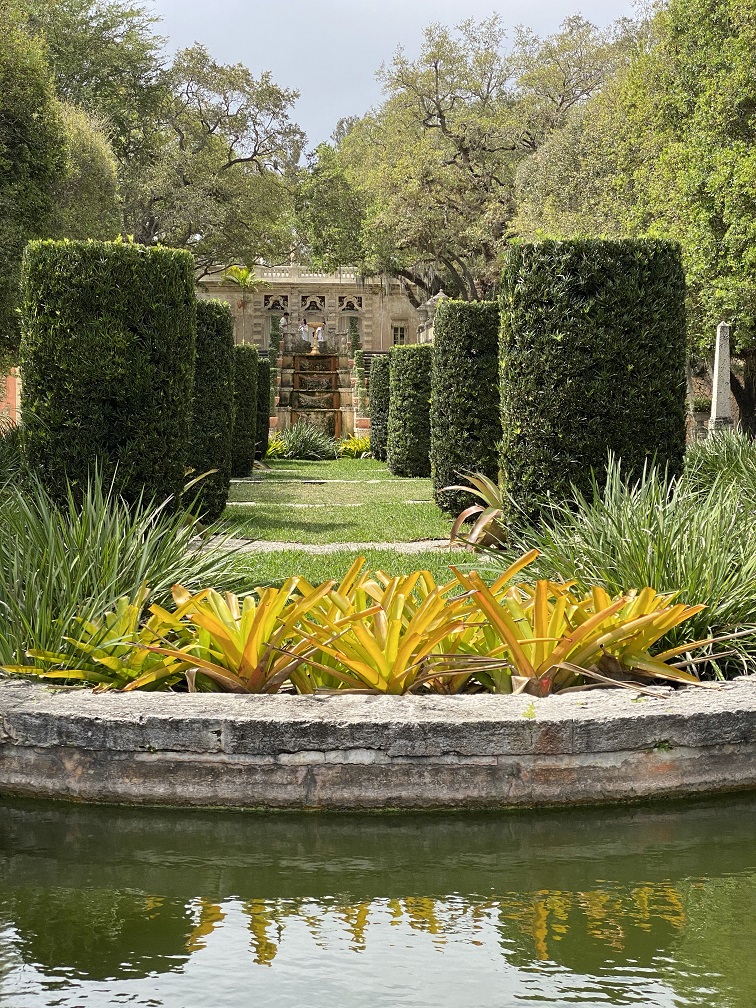
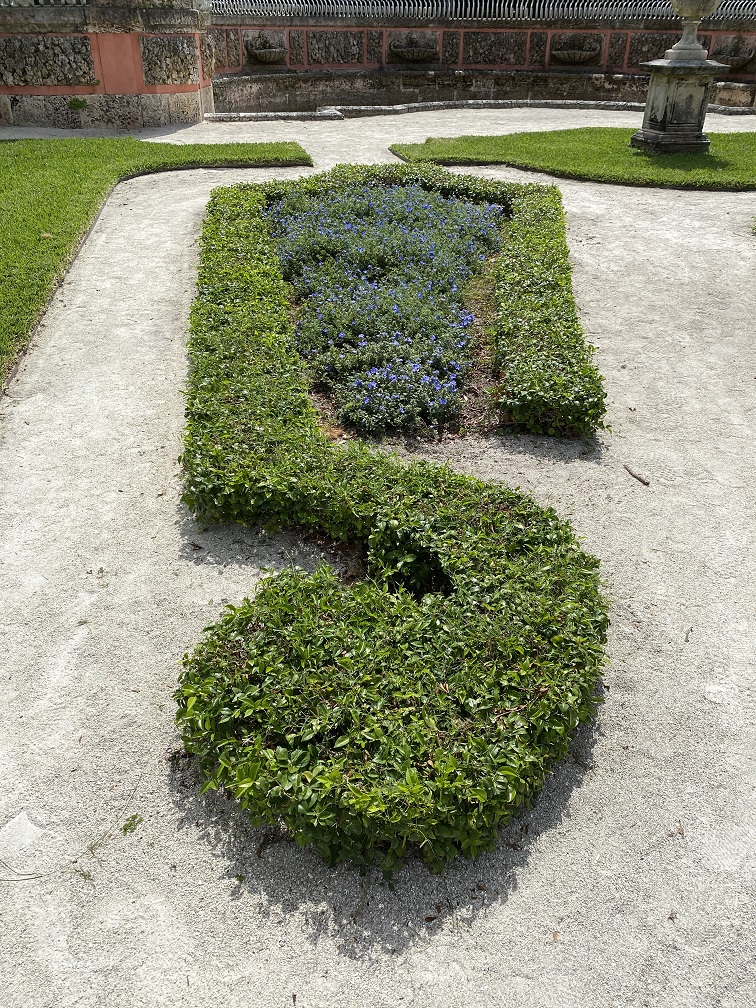
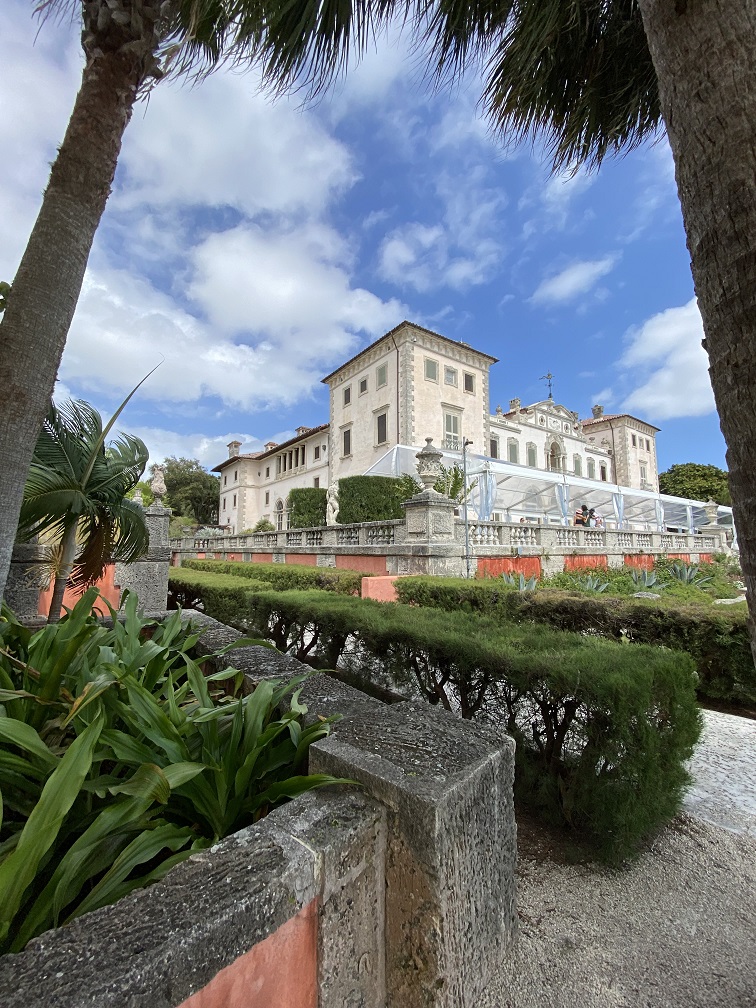
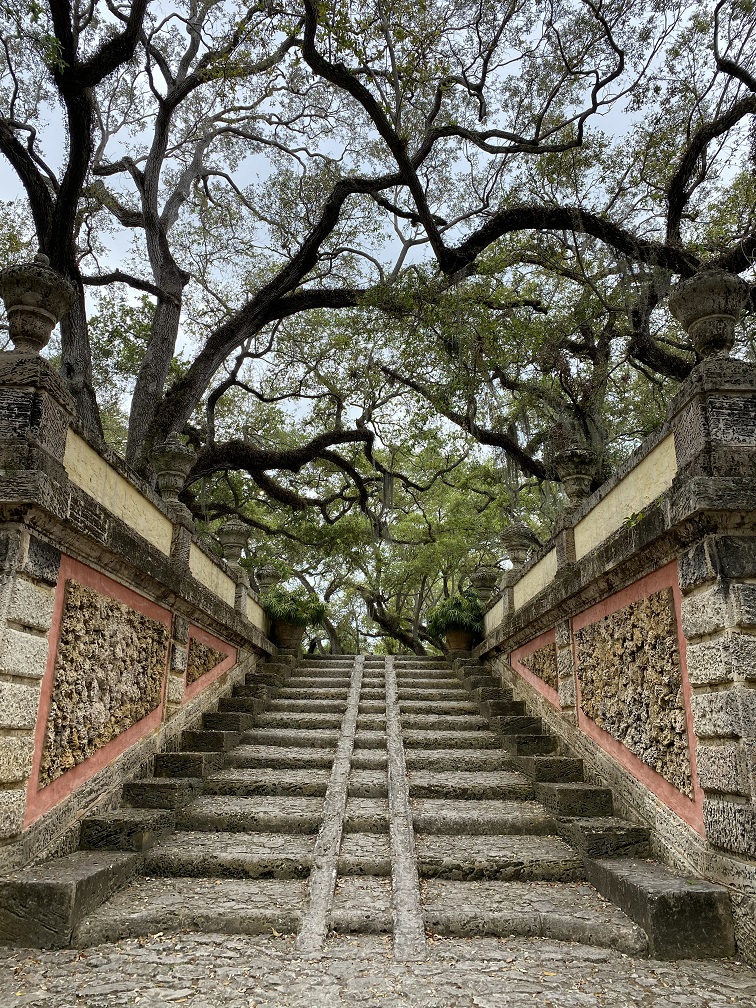
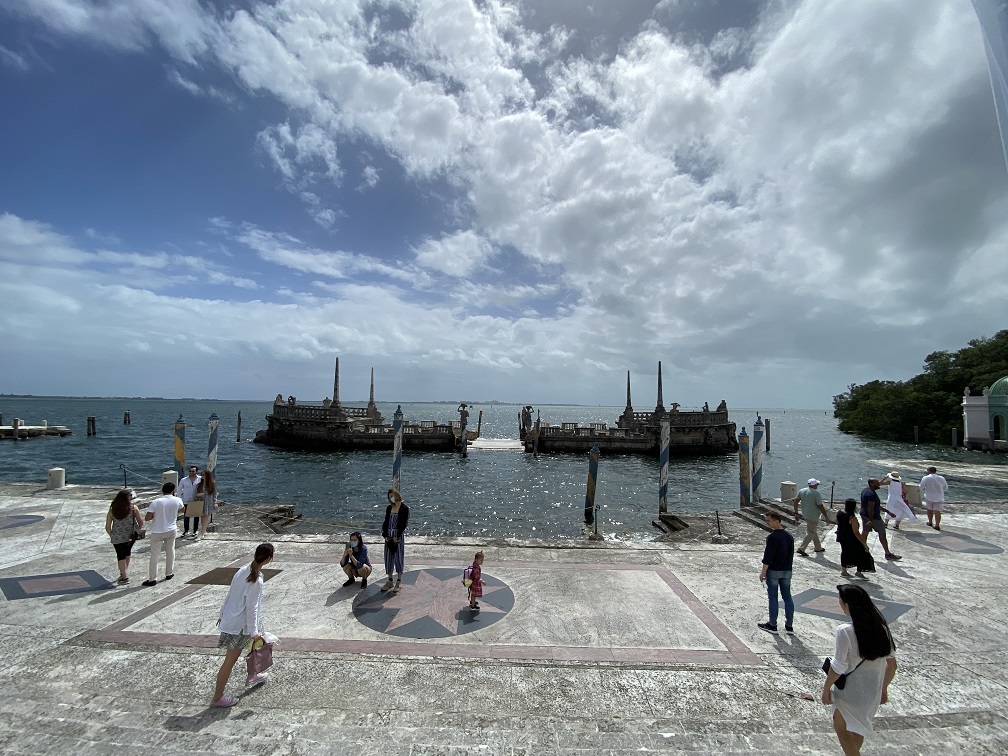
To finish the story, the next morning we went to Vizcaya, a beautiful estate and gardens near Miami. I have to honestly say that when I visited last time 8 or 10 years ago, the whole place was in a lot better shape – this time it felt run down. I’m sure the pandemic didn’t do it any favors – but I hope it can be restored to its old glory…
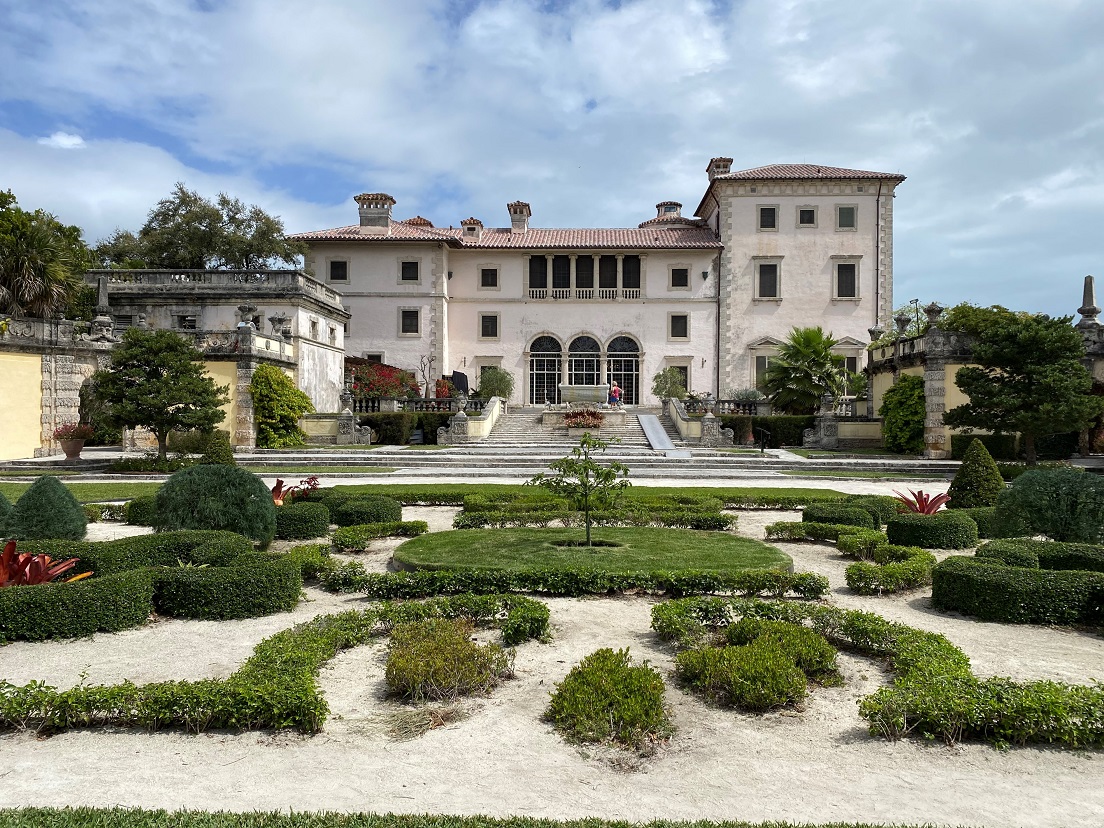
If you are still here – thank you, that’s all I have for you. Until the next time…
Wine and War
 I don’t want to write this post.
I really don’t want to write this post.
Mere thinking about the war unfolding right now in Ukraine literally gives me pain. What started on February 24th is pure, unthinkable, unfathomable madness. Brothers were sent to kill brothers. All on the orders of the egomaniac who lost his mind and belongs in jail or a mental institution – at least I wish this was the case. In reality, it was all well thought through and calculated, so the ruler of Russia really belongs in jail as a war criminal. The country that was a subject of merciless, unjustifiable aggression 80 years ago became a merciless, unjustifiable aggressor itself. Unfathomable.
Of course, wine has nothing to do with the war. At the same time, everything has its role in the war. Here is how.
Instead of bottling the wines, Ukrainian wineries are bottling “Molotov cocktail” and helping in any way they can – wine writer Lyn Archer wrote an excellent piece detailing what is happening at the wineries in Ukraine and beyond.
Speaking against the war in a totalitarian regime is an act of courage that almost guarantees to land you in jail. Nevertheless, a group of top Russian sommeliers wrote an open letter to Putin, expressing their strong opposition to Russia’s attack on Ukraine.
Russia is not the biggest wine market in the world, but from 2015 through 2019 was consistently the fastest growing one at about 15% growth every year. As multinational conglomerates declared their exit from Russian markets, it is still a very difficult decision for the majority of the wine producers – but a necessary one. La Rioja Alta, one of the best Rioja producers in Spain, suspended its trade relations with Russia.
To protest Russia’s invasion of Ukraine, Sweden’s government-owned liquor stores Systembolaget stopped selling any types of Russian-made alcohol. A similar boycott was announced by Finnish stores Alko. Also, Russian-made vodka was removed from the shelves of many wine stores in the USA.
The world doesn’t need war. After 2 years of the pandemic, the war is absolutely the last thing we need right now. I don’t know how, but I really, really want it to be over. Now. Before it is too late.
Slow, Sustainable, Delicious
“Slow forward”.
Is slow forward good or bad? In a world where instant gratification is a king, moving forward should be fast, right? We all want progress to accelerate, move faster, aren’t we? So slow is not good, right? Well, actually wrong.
Maybe “slow forward” is something we all need to adapt. Move forward, but take our time to enjoy the process of moving forward, instead of constantly being under stress for “not enough hours in a day” – moving fast, but not necessarily forward.

For sure, Herdade de Esporão embraces this “slow forward” process, as this is their motto. Not only motto – it is a principle of operation and the lifestyle, which they would like more people to embrace. Sit down, slow down, have a glass of wine and read their Slow Forward Manifesto, and see if you agree with what it says. Also, note that the slow movement is much bigger than just the one at Herdade de Esporão – you can learn more about it here.
Herdade de Esporão was founded in 1973, when José Roquette and his partner bought the historical Herdade do Esporão estate, located in Reguengos de Monsaraz DOC in Alentejo and tracing its roots back to 1267. The first red wine was produced at the estate in 1985. Fast forward to today, there are more than 40 different grape varieties growing at the estate, along with 4 different types of olive trees, all farmed organically. Conversion of more than 1,300 acres of vineyards and olive groves to all-organic farming started in 2008 and took 11 years to complete. Now Herdade de Esporão is helping growers they are working with to convert to all-organic viticulture as well.
In addition to the 40 grape varieties cultivated in the vineyards, Herdade de Esporão is home to Ampelographic nursery where 189 grape varieties and clones are planted to study the effects of climate change and find ways to adapt to it.
There is a large variety of soils at the estate – enough to hire a geologist to create a soli map. The grapes from the different plots are fermented separately in small batches after the majority of the grapes are crushed by the foot at the winery (yep, slow forward, remember?).
Herdade de Esporão is a big business (one of the largest wine businesses in Portugal) owning a number of wineries in Portugal and selling both in Portugal and around the world, exporting to more than 50 countries. At the same time, Herdade de Esporão is a family company, inspired by the land and respect for the environment. For Herdade de Esporão it is all about environmental, cultural, social, and personal sustainability, adhering to its own principles of Slow Forward lifestyle.


That slow forward lifestyle and respect to the land and the environment translate very well into the wines. I had an opportunity to taste 4 different wines from Herdade de Esporão (samples), and all the wines were absolutely delightful:
2020 Herdade de Esporão Branco Colheita Alentejo (13.5% ABV, $18, 30% Antão Vaz, 30% Viosinho, 30% Alvarinho, 10% other varieties, 4 months on the lees)
Light golden
Beautiful, inviting, open, a hint of tropical fruit, honeysuckle
Round, creamy, explicit minerality, crisp, fresh, a touch of fruit, but overall very dry, good acidity, excellent balance, medium-long finish
8-, excellent, can be confused with lightly oaked Chardonnay.
2020 Herdade de Esporão Branco Reserva Alentejo (13.5% ABV, $20, 30% Antão Vaz, 30%, Arinto, 30%, Roupeiro, 10% other varieties, six months in stainless steel tanks and in new American and French oak barrels)
Straw pale
Fresh meadows and honeysuckle, beautiful
Clean acidity, light representation than the Colheita, lip-smacking acidity, clean, crisp and fresh, excellent balance
8, pure delight. Can be easily confused with Chardonnay.

2018 Herdade de Esporão Tinto Colheita Alentejo (14.5% ABV, $18, 30% Touriga Nacional, 25% Aragonez, 20% Touriga Franca, 15% Alicante Bouschet, 10% Cabernet Sauvignon, 6 months in concrete tanks)
Dark garnet
Earthy, a touch of chalk, dark fruit, warm spices
Open, clean, raspberries, warm spices, good minerality, good structure, a cut-through acidity, medium body, medium-long finish
8-/8, outstanding
2018 Herdade de Esporão Tinto Reserva Alentejo (14.5% ABV, $25, 25% Aragonez, 20% Alicante Bouschet, 15% Cabernet Sauvignon, 15% Trincadeira, 10% Touriga Nacional, 10% Touriga Franca, 5% Syrah, 6 months in concrete tanks)
Dark garnet
Blackberries, earth, a hint of raspberries, dark, concentrated
Cherries, pomegranate, clear minerality, layered, firm structure, fresh and food-friendly
8/8+, outstanding, ready to drink now, great with food (Odjakhuri)
Here you are, my friends – organic, sustainable farming, 4 delicious wines. You don’t need to break the bank to be able to drink them at any time you want, and even more importantly, you can pop, pour and enjoy – almost a rare beauty nowadays.
Slow down and enjoy. Cheers!
Open That Bottle Night Eve, 2022
And just like that, Open That Bottle Night 2022 is upon us.
Considering the current state of the world, I’m really not in the mood to write about wine when people are dying because of some egomaniacal fucking moron… but based on my inability to do much anything about it, let’s still talk about Open That Bottle Night.
The Open That Bottle Night, or OTBN for short, created by Dorothy J. Gaiter and John Brecher, Wall Street Journal wine writers back in 1999, is always celebrated on the last Saturday in February. OTBN was created to help people to part with that special bottle while it still might taste great. Over the years, it became literally a holiday celebrated all around the world, with people reporting on all the amazing wines, and most importantly, amazing experiences of getting together with friends (here are my reports from the last 3 years – 2019, 2020, and 2021, plus many special reports from 2016).
This year, we had been invited to celebrate a birthday of a dear friend on that exact Saturday of the OTBN, so I have no options but to celebrate the night before or after, or maybe even both (this friend doesn’t care about wine, so combining the birthday celebration with OTBN is not an option). Thus I’m sitting here the night before the OTBN, sipping my OTBN wine and enjoying every little drop of it.
Deciding on the wine worthy of OTBN is always incredibly hard. I love aging wine, so I have a good selection, but it doesn’t mean that deciding on the bottle is easy. There are bottles that I determined to share with friends (actually, all of them, but I have to make exceptions, especially considering the lockdown life of the past 2 years). There are bottles which I don’t want to open too early. There are bottles I’m still not ready to part with. I’m telling you, people – it is difficult.
I don’t have any wine record-keeping system. I have a loose idea of the bottles I have, but I’m always ready to be surprised. Tonight, I opened one of the wine fridges, and pulled out the bottle which I had completely forgotten about – and as a bonus, this bottle also comes with a story.
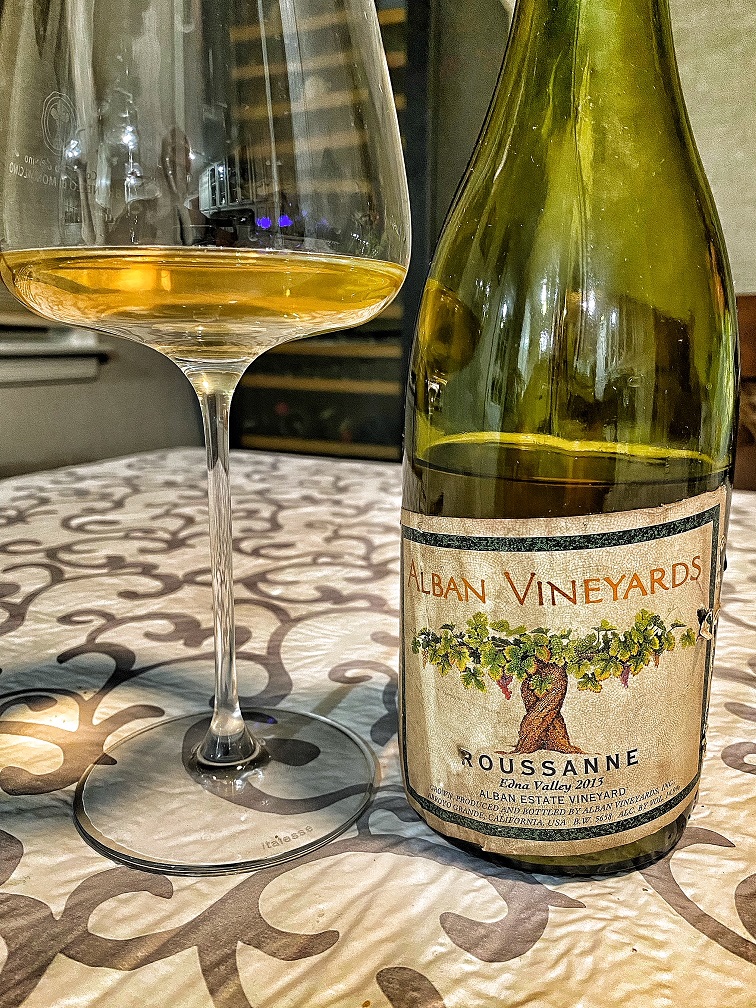
Let me tell you the story first. Take a look at the label – you can see that it looks crooked and dinted. So the rips in the label are from the shelves in my wine fridge, and they are not so interesting. But otherwise, the appearance of this label has a reason. Alban wines are allocated and are hard to get. When I got my allocation some time back, I only wanted to take 2 bottles, so the friend asked if she can have the rest. She filled up the form in her name, got the full allocation, and then shipped my two bottles back to me – a bottle of Patrina Syrah and this bottle of Roussanne. For some mysterious reason, she decided to reuse the inflatable packaging which is sometimes used to ship the wine instead of cardboard or styrofoam. The problem with that air-pumped enclosure is that it is not really reusable and not that reliable. When I got the box, the red liquid was slowly sipping through – you can imagine the fate of Patrina… At least the bottle of Roussanne was intact, with the exception of the label…
Pulling this bottle out from the bottom shelf was a moment of happiness. I love Roussanne, one of my favorite white grape varieties, and for some reason, I had been really craving Roussanne lately. So seeing this bottle which I completely forgot about was a moment of joy – this was IT. A perfect bottle for OTBN.
What can I tell you about this 2013 Alban Roussanne Edna Valley outside of the fact that it offers immense pleasure? We can start with a beautiful golden color. The nose of gunflint and honey at such intensity that you simply don’t want to put the glass down. Sniff, swirl, sniff, swirl, ahh. Gunflint, honey, salinity, and sapidity on the palate. This wine is fresh. This wine is alive, with a cut-through acidity on the long, long finish. This wine is viscous, roll-off-your-tongue goodness – after taking a sip, my wife said “ooh, this wine is fat!”. This wine is perfectly OTBN worthy. Not only that – this wine is perfectly Top 10 wines worthy.
So here is my OTBN story. Even if you don’t feel like celebrating, life is now. It is happening, and no moment will repeat itself. Pull that special bottle. Open that bottle – the special moment has arrived, it is now. Cheers, my friends.
Snow, Wine, and Valentine
First, there was snow.
Well, not true.
Last Saturday we had a break in winter weather. The thermometer hit 60ºF here in Stamford, and it was perfect grill weather. I’m not at the point of grilling in any weather (some of my friends are), but 60ºF in February definitely calls for some meat on the grill. While the meat was cooking, I enjoyed a beautiful sunset and a glass of 2018 TerraNoble Gran Reserva Carmenere Valle del Maule – the wine had cassis and a signature pyrazine (bell peppers) which was perfectly integrated, and practically disappeared after a few hours, leaving, luscious, layered, roll-of-your-tongue, seductive liquid in the glass (the bottle was practically gone by the end of the evening).


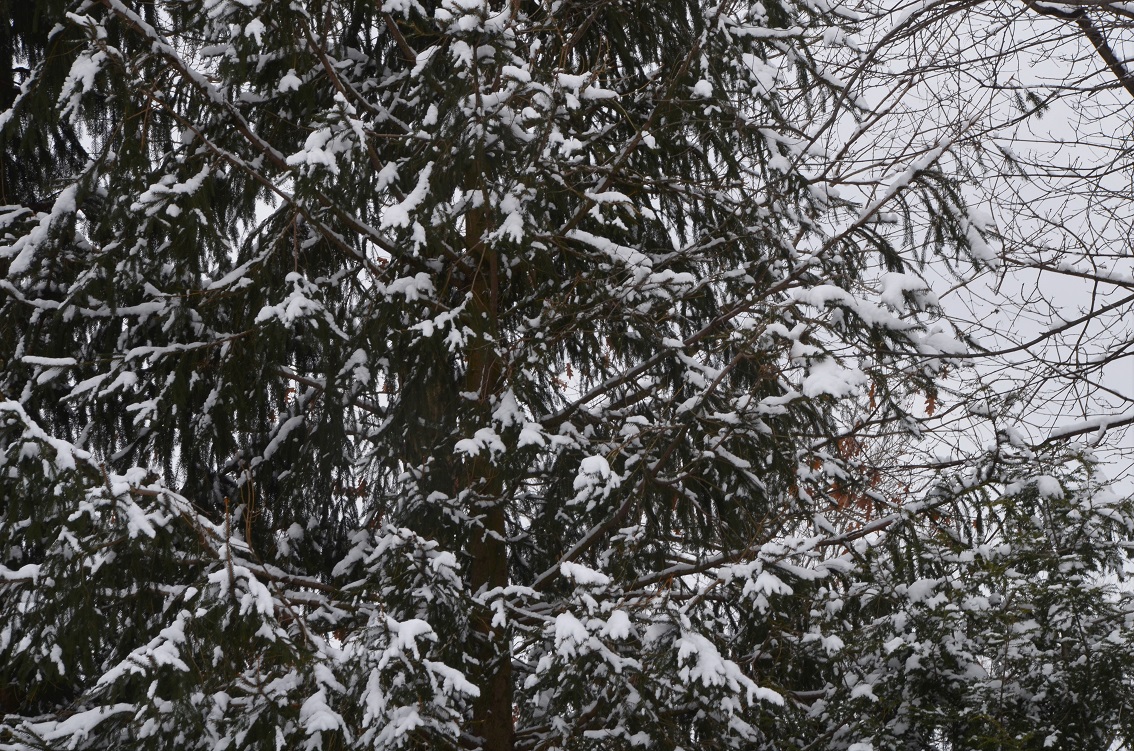
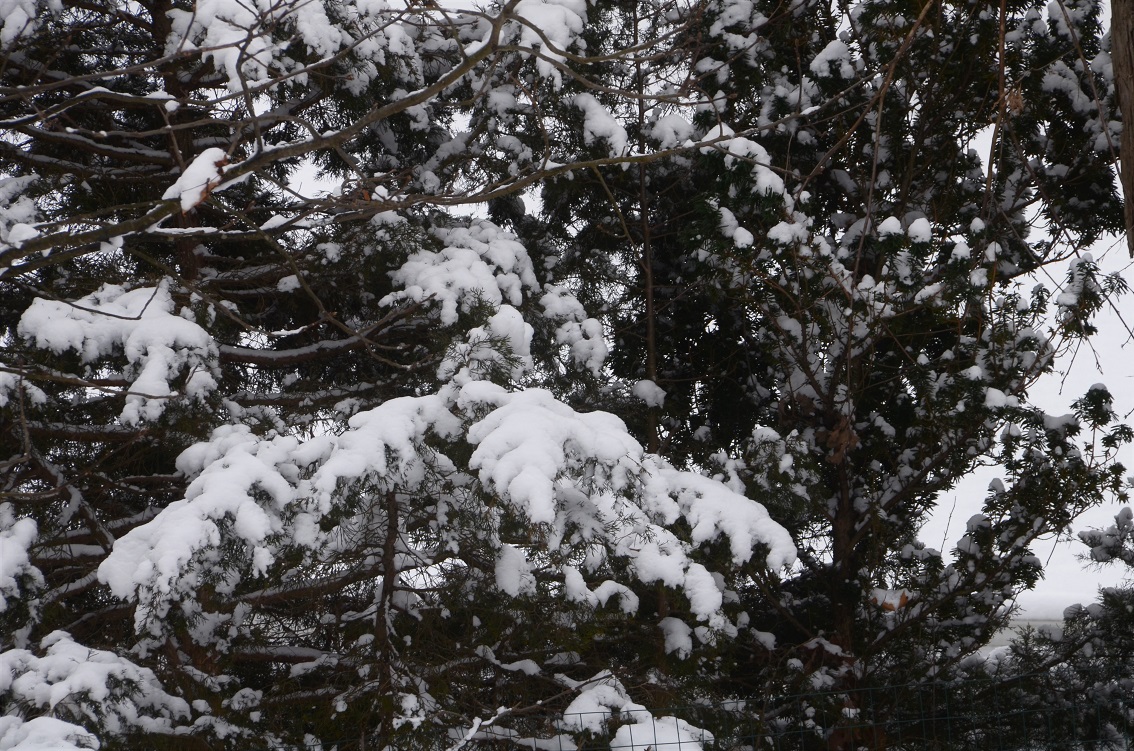
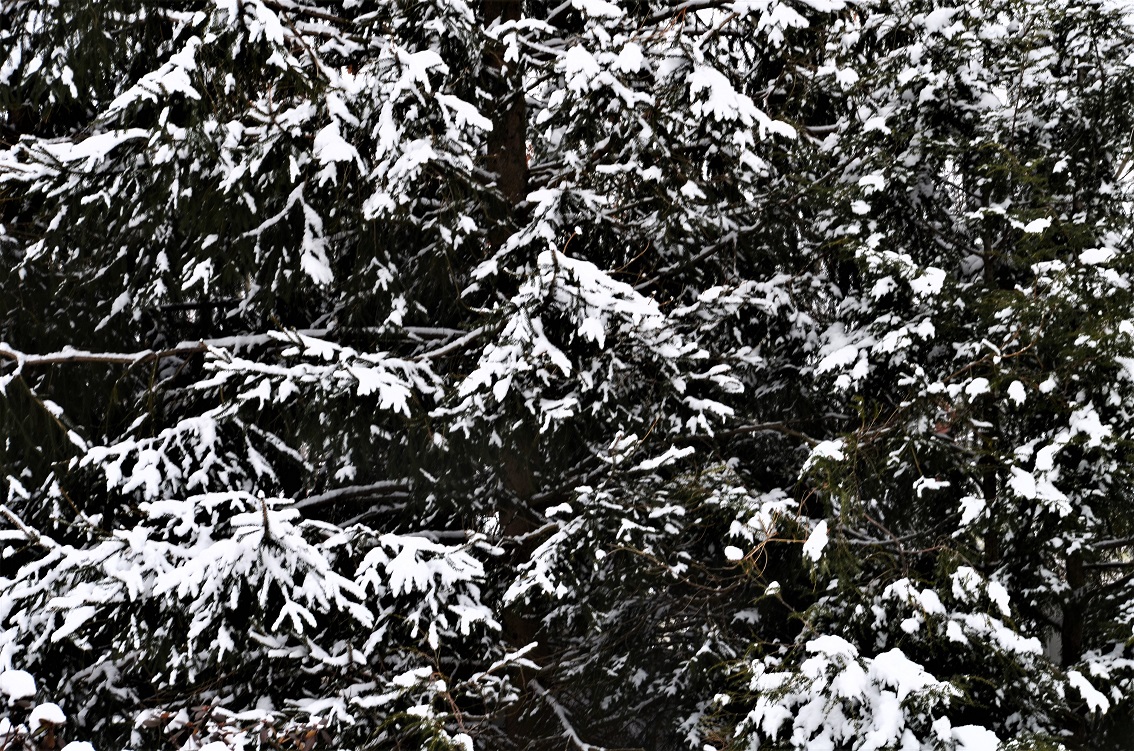
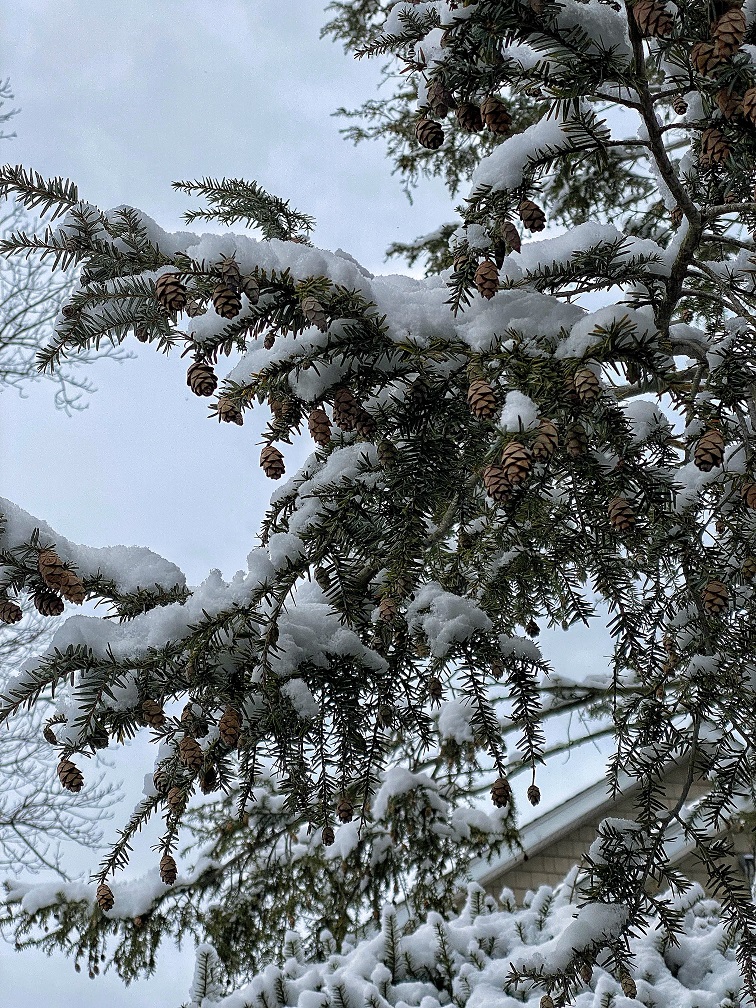
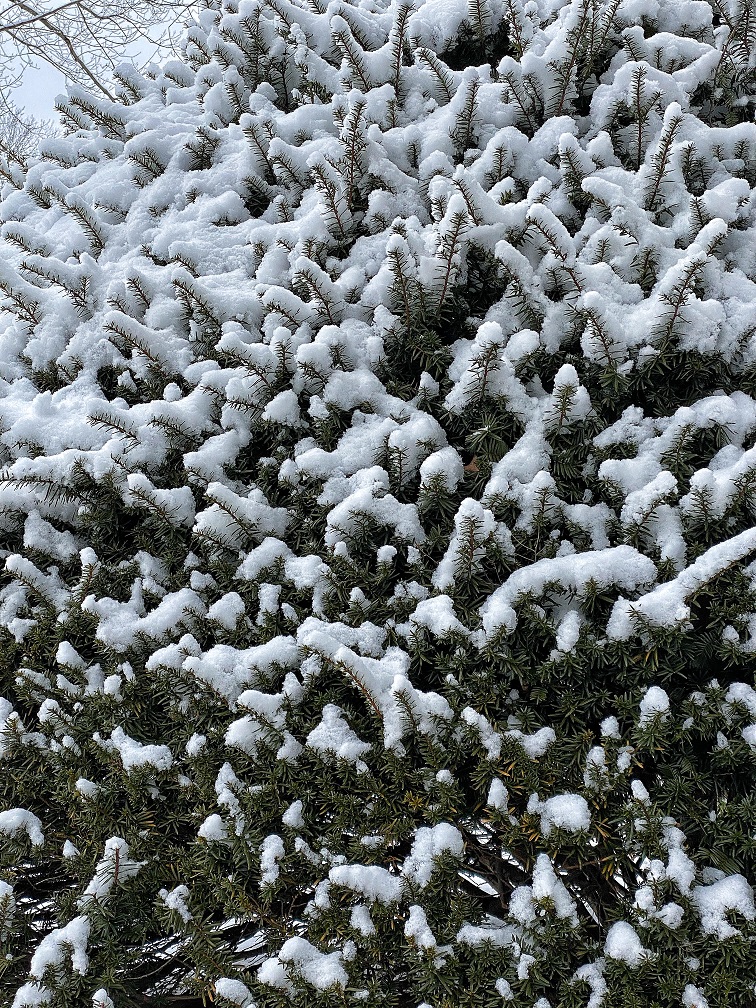
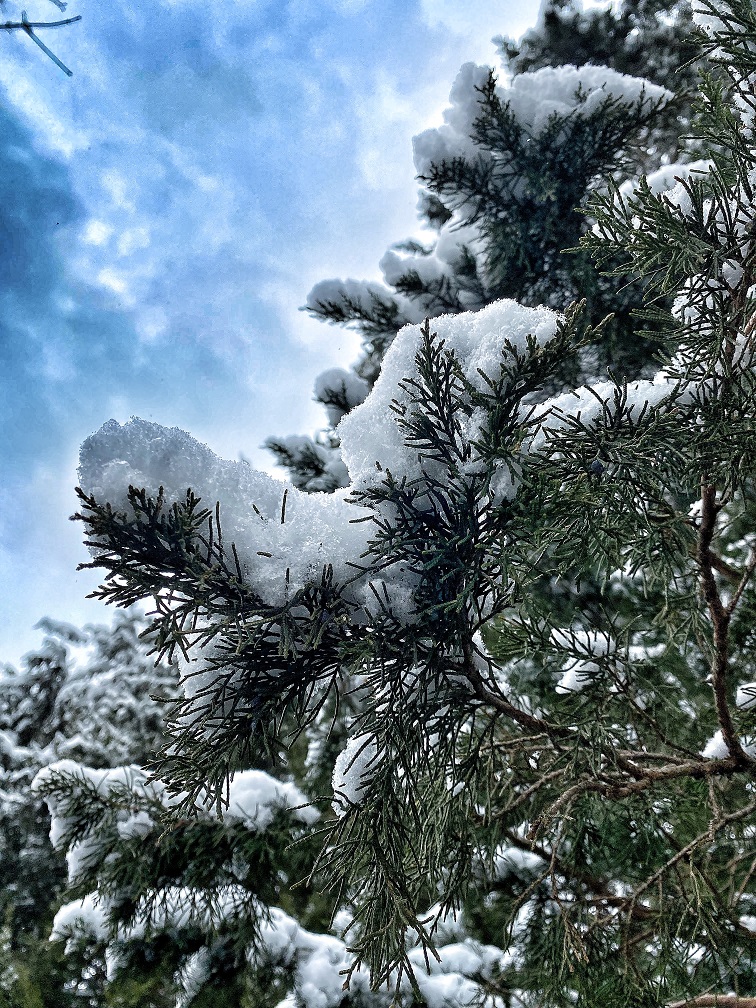
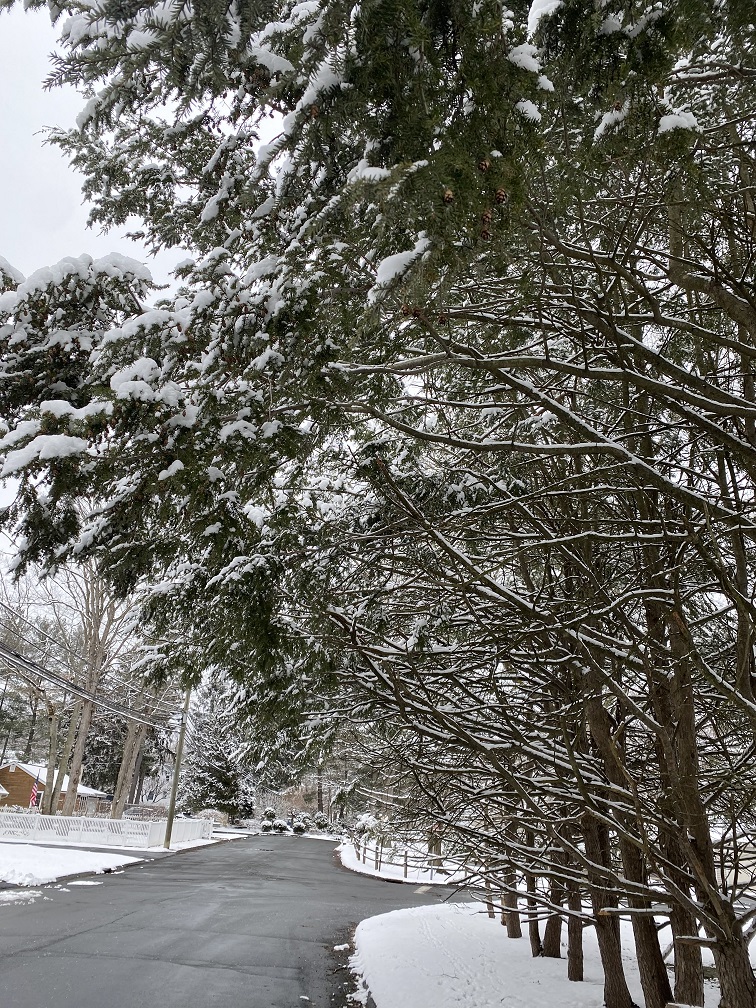
Then, there was snow. This snow was absolutely wonderful for a variety of reasons. For one, it was extremely photogenic, as you will see below (yep, pictures time!). But the main reason was that this snow was a total surprise. There was no weather channel hysteria, forcing people to run into the supermarkets, no warnings. We woke up to the beautiful white blanket, covering the ground, trees, and cars. It was beautiful, it was peaceful, it was happy. I took a few pictures from the deck, and then we took a slow walk with Penny – she kept on happily digging her nose into the snow, and I kept on trying to get a picture of that before the snow was melt, but I was not very successful, so you will not see a dog’s nose below.




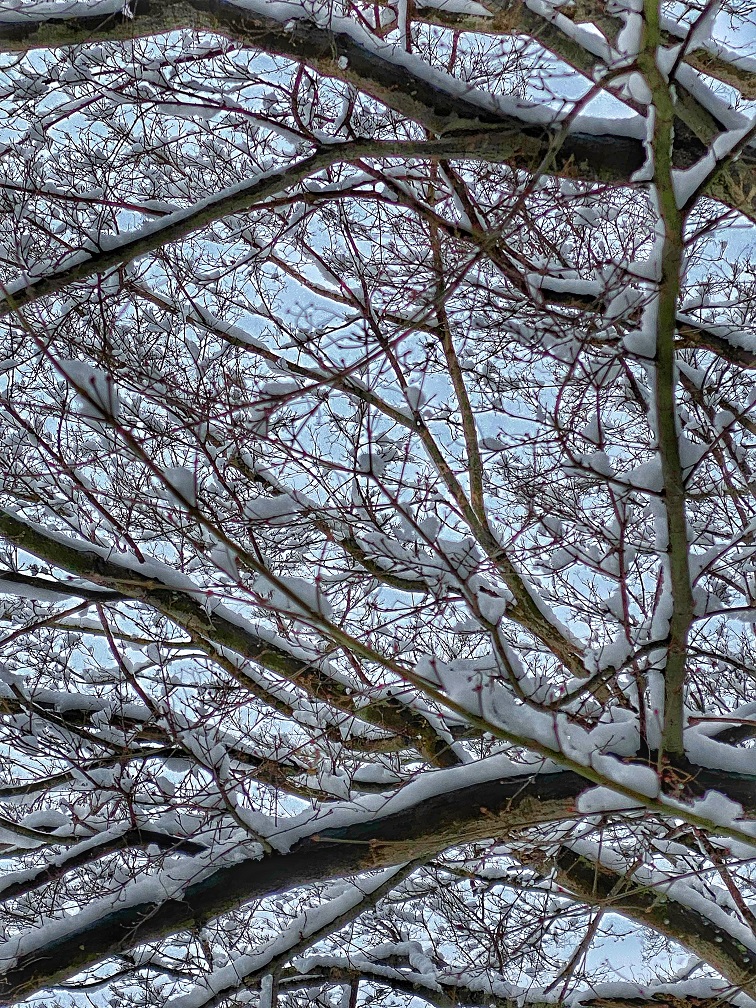
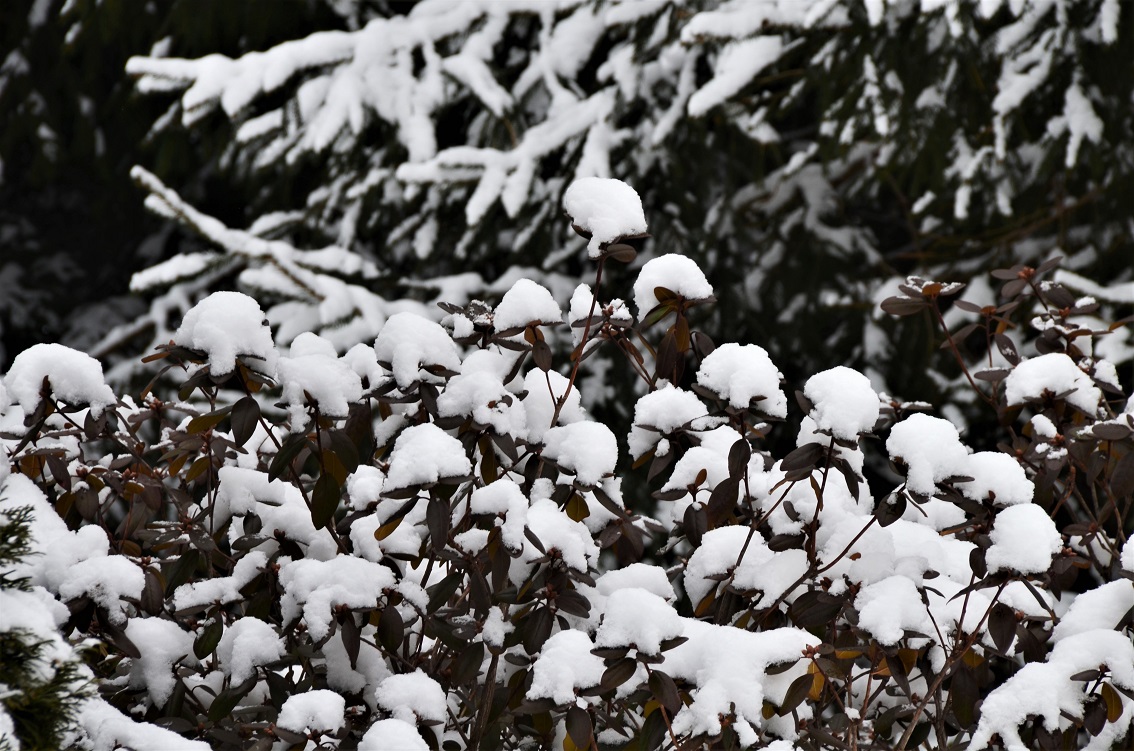
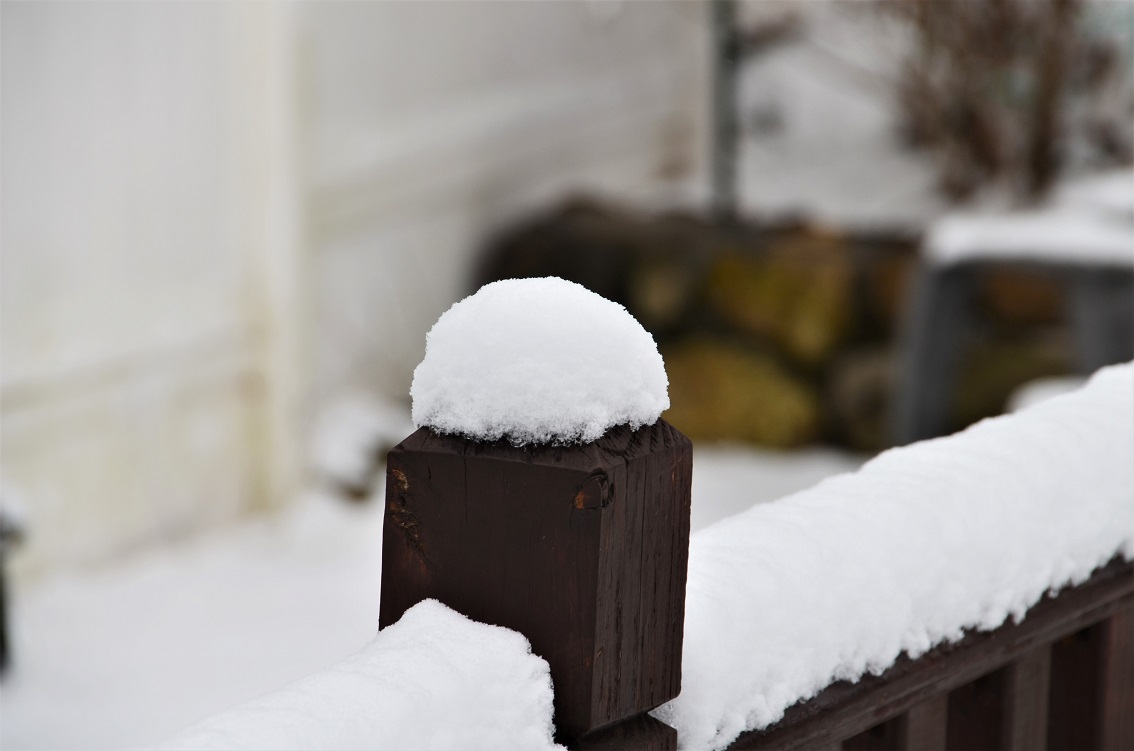
For the Super Bowl, the game of power, I decided to open a powerful wine. If you would ask me to name wine that I associate with power, California Petite Sirah would be on the top of my list. This was my last bottle of 2010 Jeff Runquist Salman Vineyard Petite Sirah from Clarksburg – I’m glad I decided to open it, as I think the wine was at its peak. Cherries and cherry pits, on the nose and on the palate, round, succulent, juicy and delicious, with beautiful acidity and impeccable balance. This was definitely one delicious wine.

I also made almond cookies – these are made from almond flour, so they are completely gluten-free, soft, gooey, and delicious.


And Monday was Valentine’s day. For many years we prefer a simple family celebration with kids instead of going to the restaurant to participate in the ritual of poor service and mediocre food. I was really craving bubbles, so 2008 Berlucchi Palazzo Lana Satèn Reserva Franciacorta (disgorged in 2017) was exactly what we wanted – golden delicious apples on the palate and the nose, fine, delicate mousse, round and clean. Very elegant sparkler, good for any occasion.


That concludes the store of the few days in wines and pictures, mostly in pictures. Cheers!
A Few Days In Florida
Last weekend we were lucky enough to avoid fighting with the cold here in Connecticut and instead spend the weekend with our friends in Naples, Florida. We had a great time so I want to share that with you – in the form of pictures, of course.




We were flying out of the La Guardia Airport, and our excitement started as soon as we walked from the garage into terminal B, as we were greeted with a stunning mosaic display. I was flying from La Guardia for the past 20+ years and all the time this was a dingy, run-down place you didn’t want to spend an extra minute at. In 2016, a huge construction project started, which seems to be almost complete right now, and the result is a beautiful, modern, stylish airport, very much comparable with some of the best in the world I had an opportunity to see. The terminal had lots of great food and shopping options, including even the F.A.O. Schwarz store! I was really excited to see the bear and Patrick The Pup!
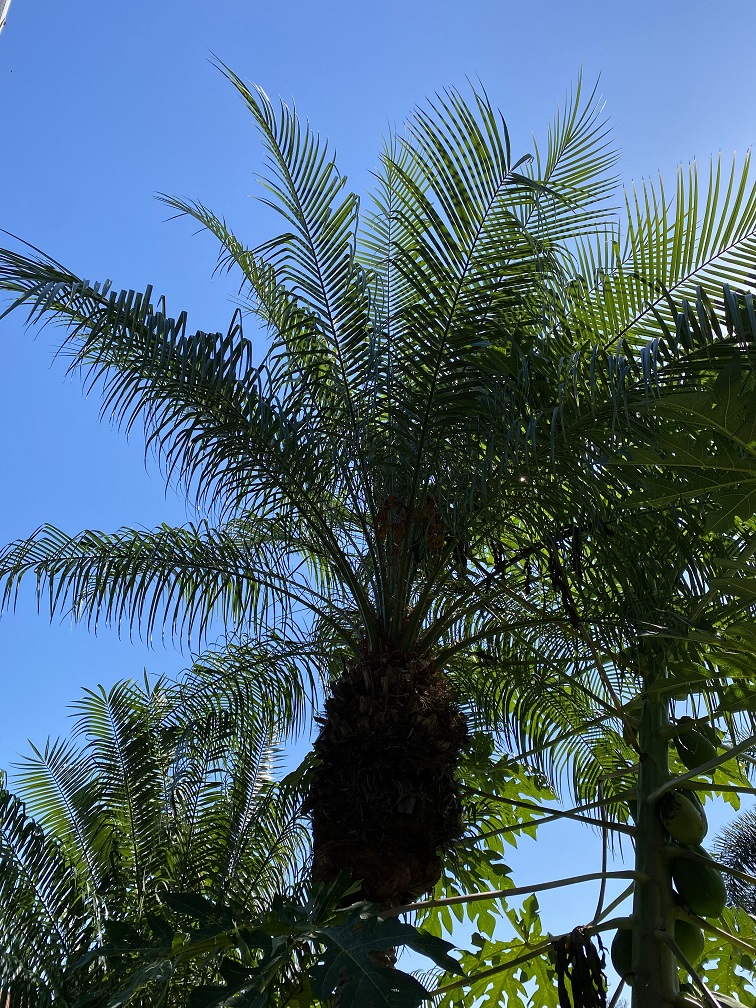
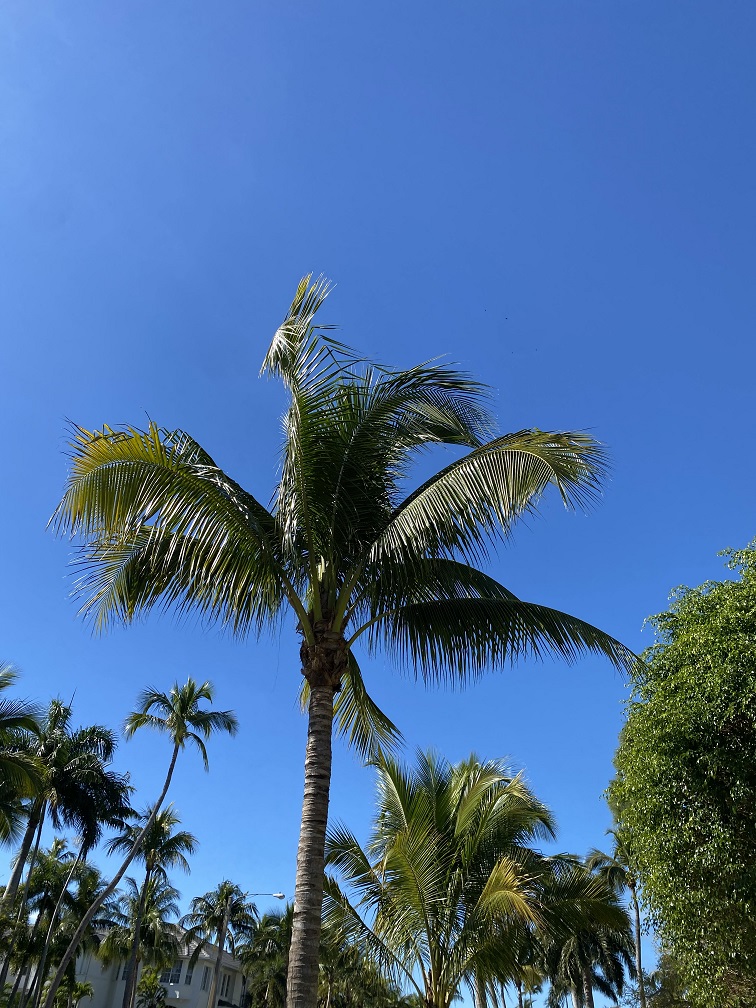
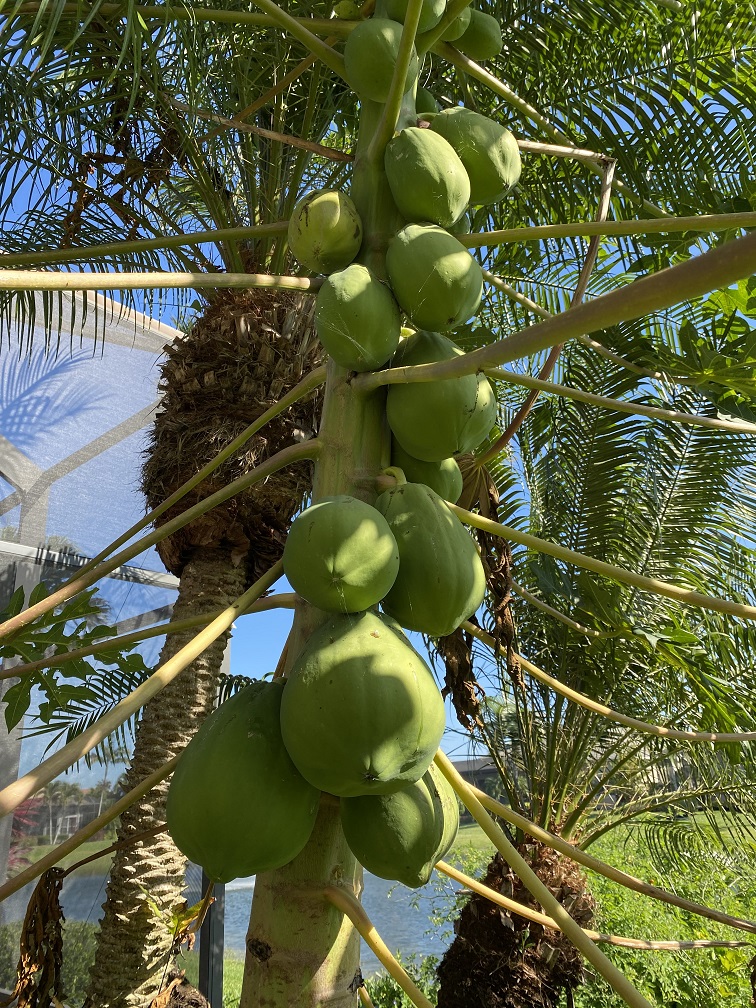


So what was exciting in Florida besides, of course, the warm, sunny weather, beautiful flowers, palm trees, and the beach? A few things. First, a huge tomato bush growing on our friends’ property. It turns out that the development where they bought the house was built on the land of an abandoned tomato farm. Apparently, the tomatoes found their way out and considering Florida’s consistently warm climate, instead of a plant these cherry tomatoes grew into the huge bush. There were lots and lots of tomatoes on that bush, and I can’t even describe how sweet they tasted.


Next was our very first experience of eating bananas directly from the tree. We are used to buying green bananas in the store which need some time to ripen. The taste of banana which was fully ripened on the tree is absolutely uncomparable with our store versions here in Connecticut – it has a different taste even with the acidity which I was able to taste very clearly. I’m generally not a big fan of bananas, but I couldn’t stop eating these.
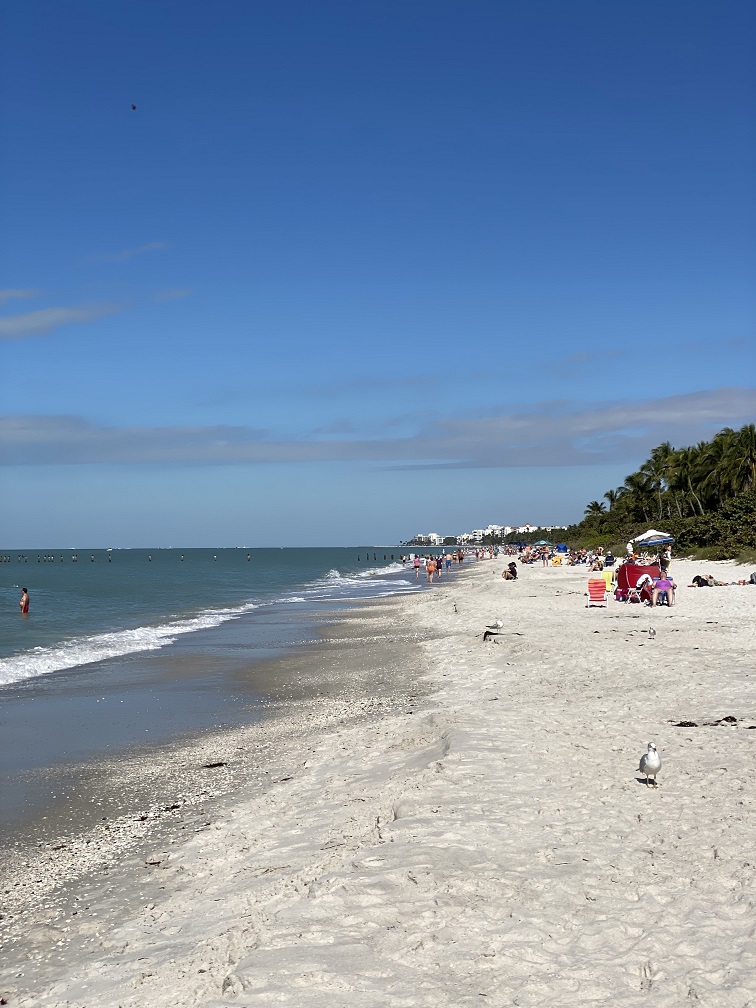
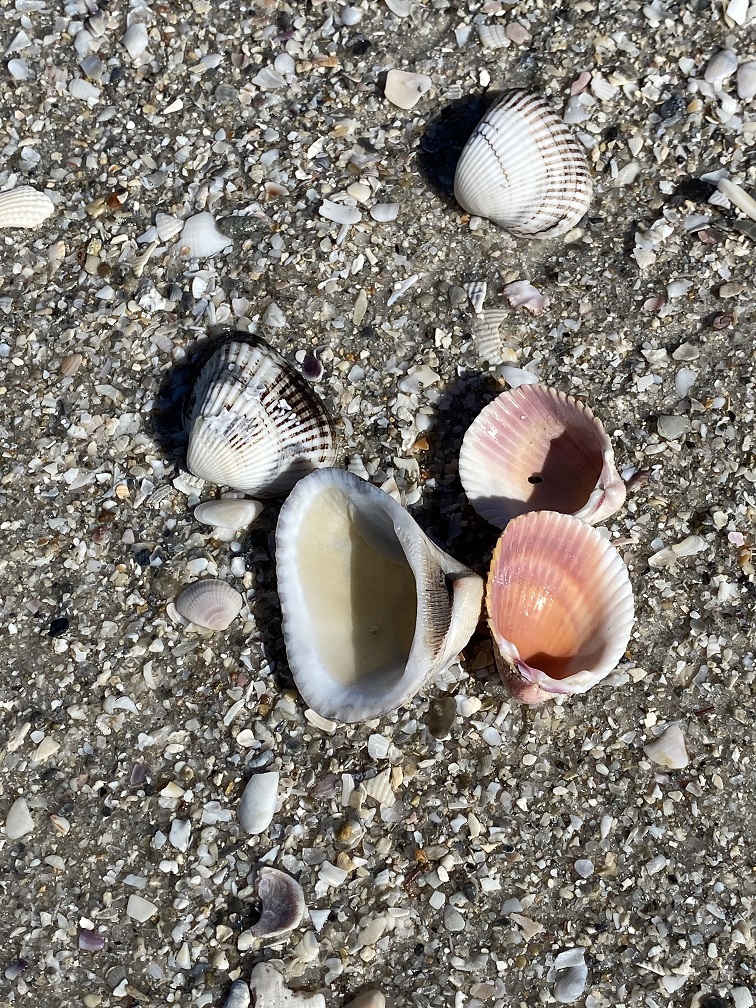
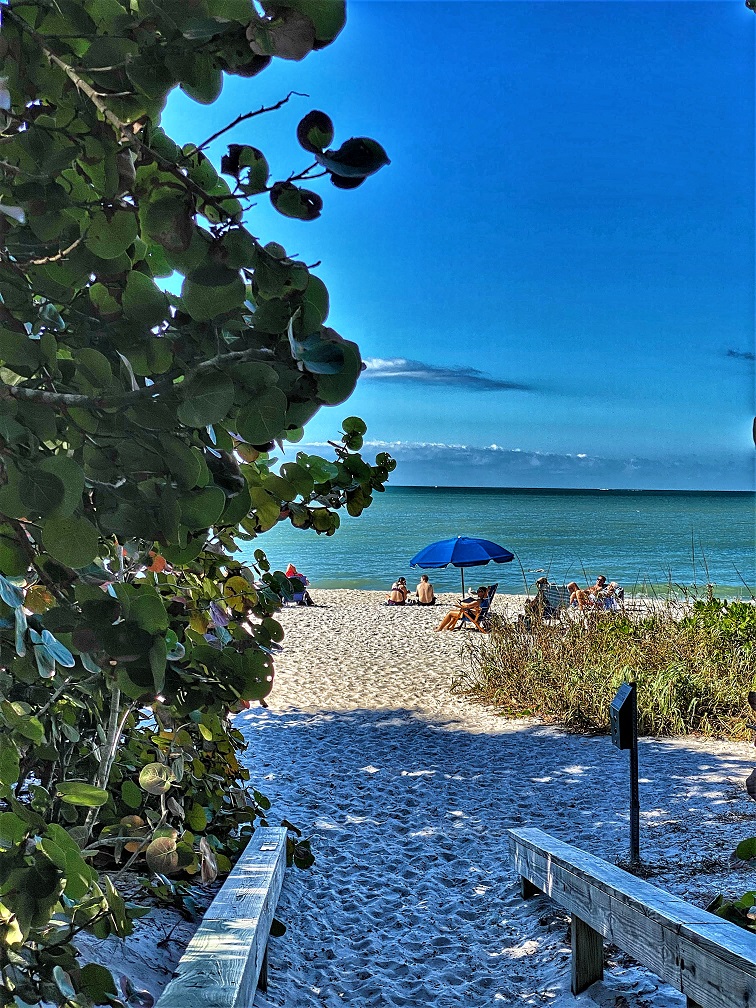
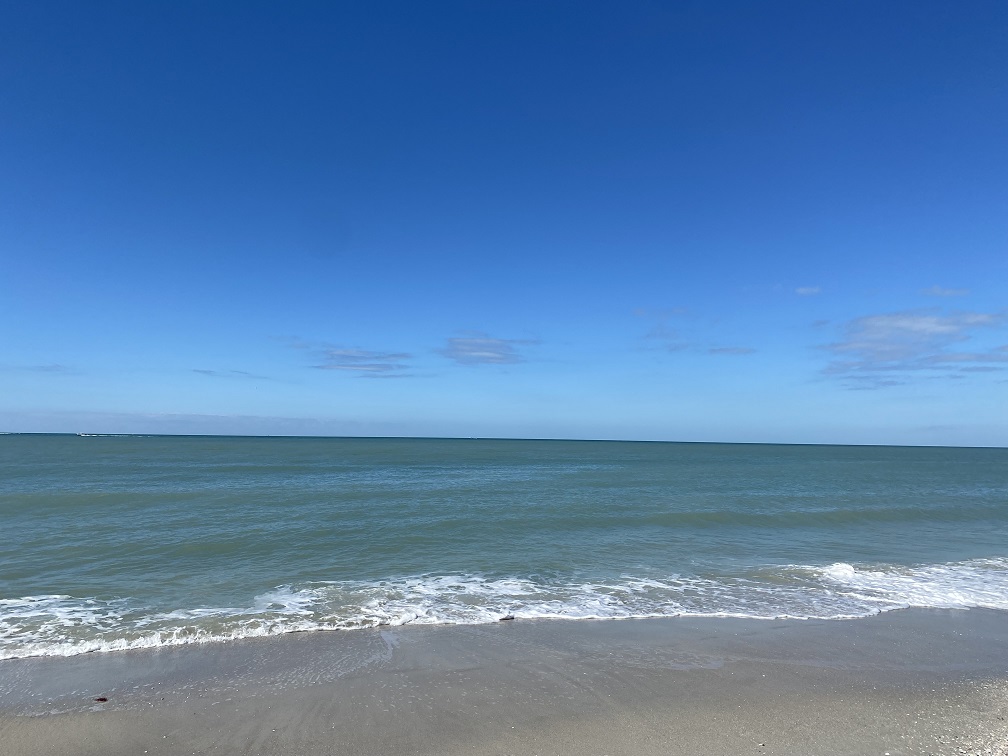
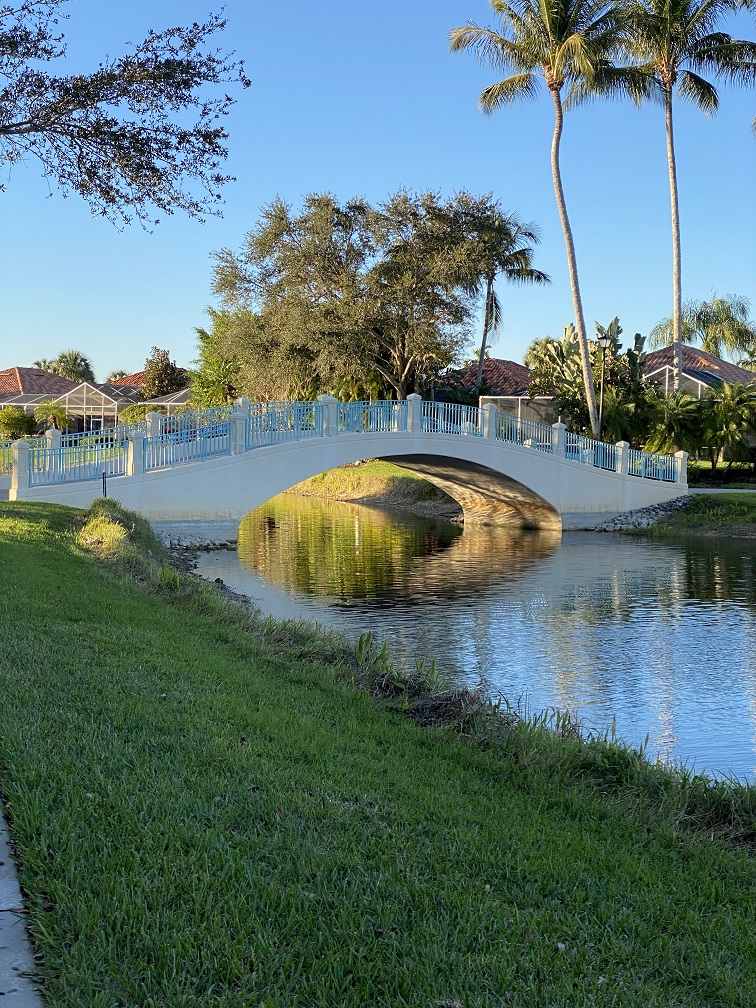
We enjoyed beautiful surroundings and beautiful sunsets.

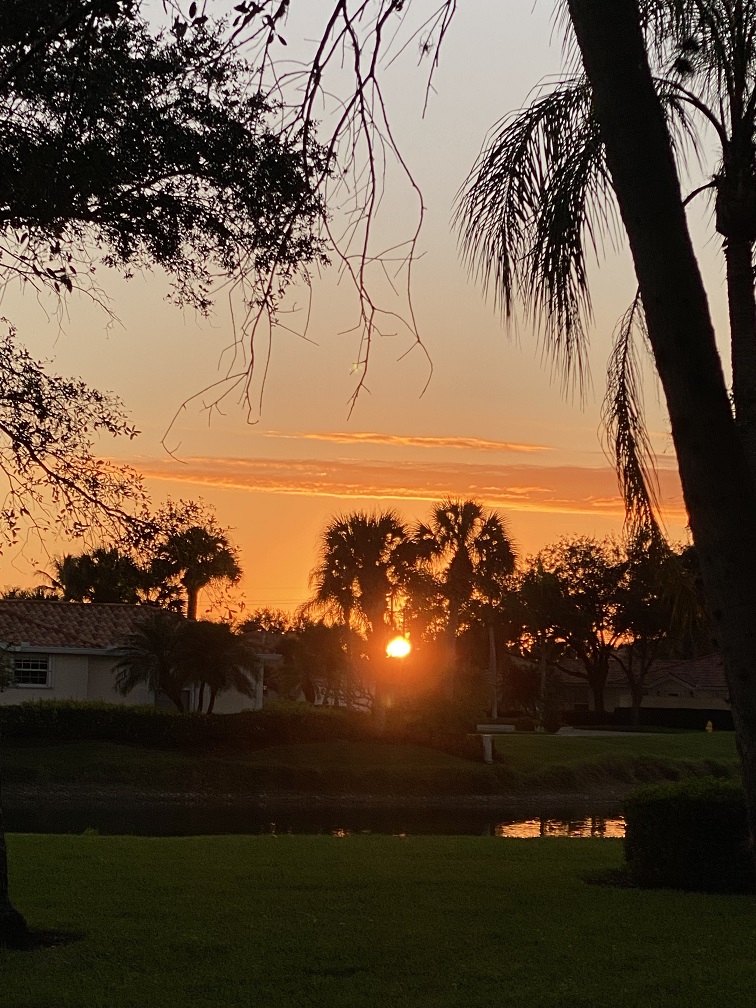
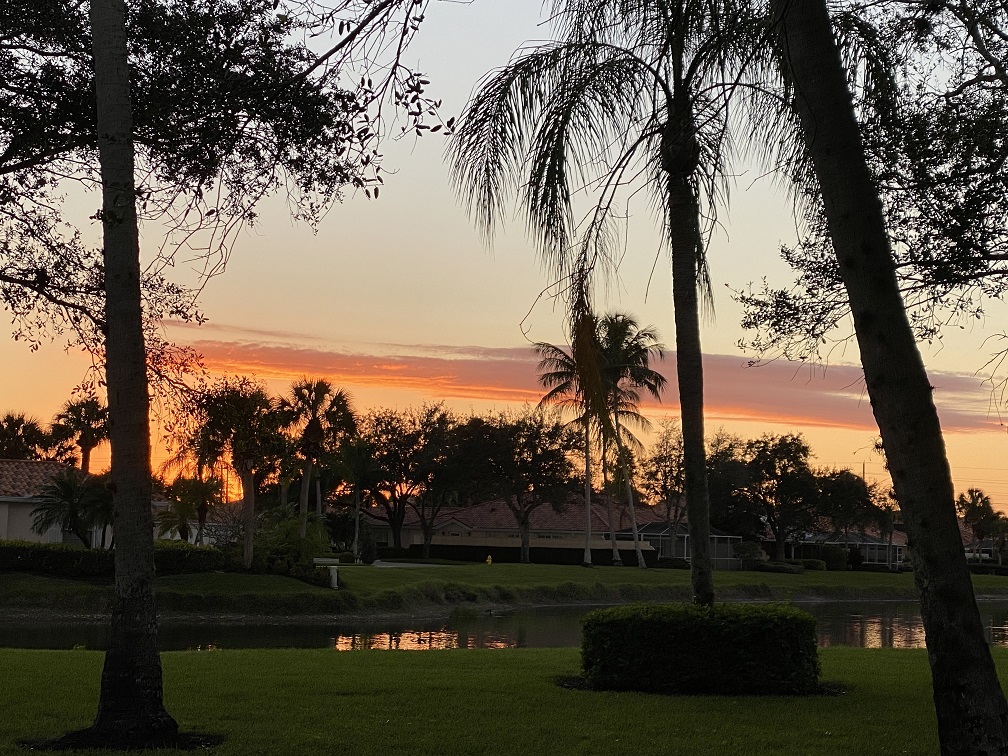
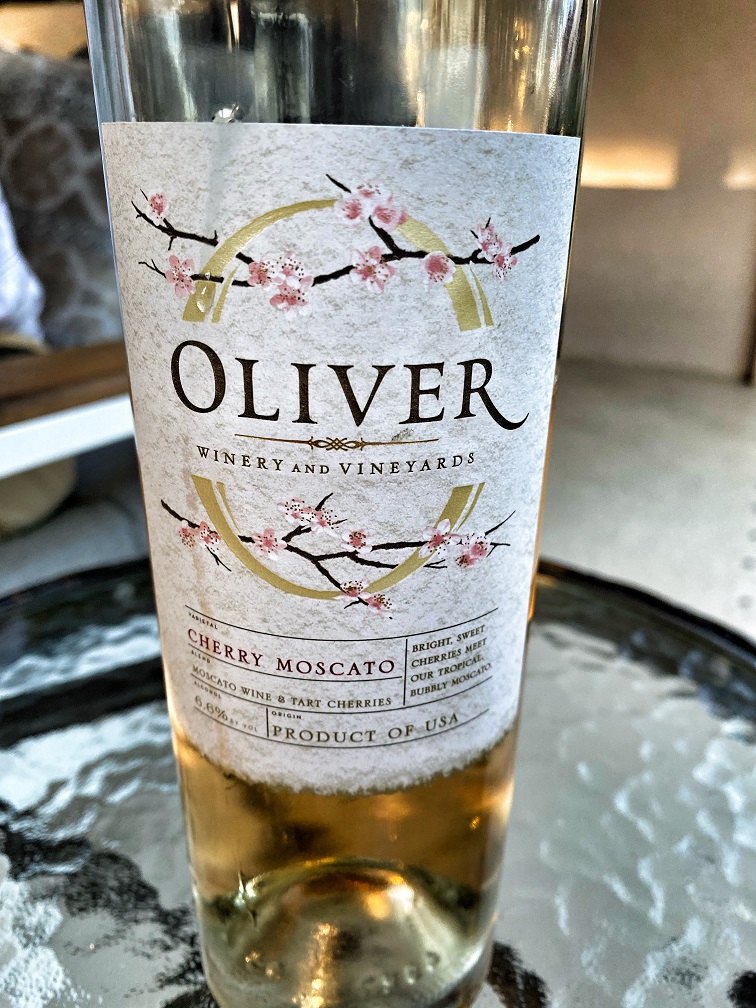
I was even able to add to my list of states I tried the wines from. I had a little bit of time and stopped by the local Total Wines store. These stores typically have a tiny section of “local wines”. In Florida, I obviously found the wines from Florida, but also from North Carolina, Virginia, and, to my joy, from Indiana! I got a bottle of Oliver Vineyards Cherry Moscato, which is a blend of Muscat Canelli and Muscat Alexandria with the addition of a little bit of the Montmorency cherries juice, produced in Bloomington, Indiana. At 6.6% ABV, the wine was very light and had an excellent acidity to balance off the sweetness, a perfect quaffer for any hot day. And of course, I was able to check out one more state in my Wines of 50 US states list.
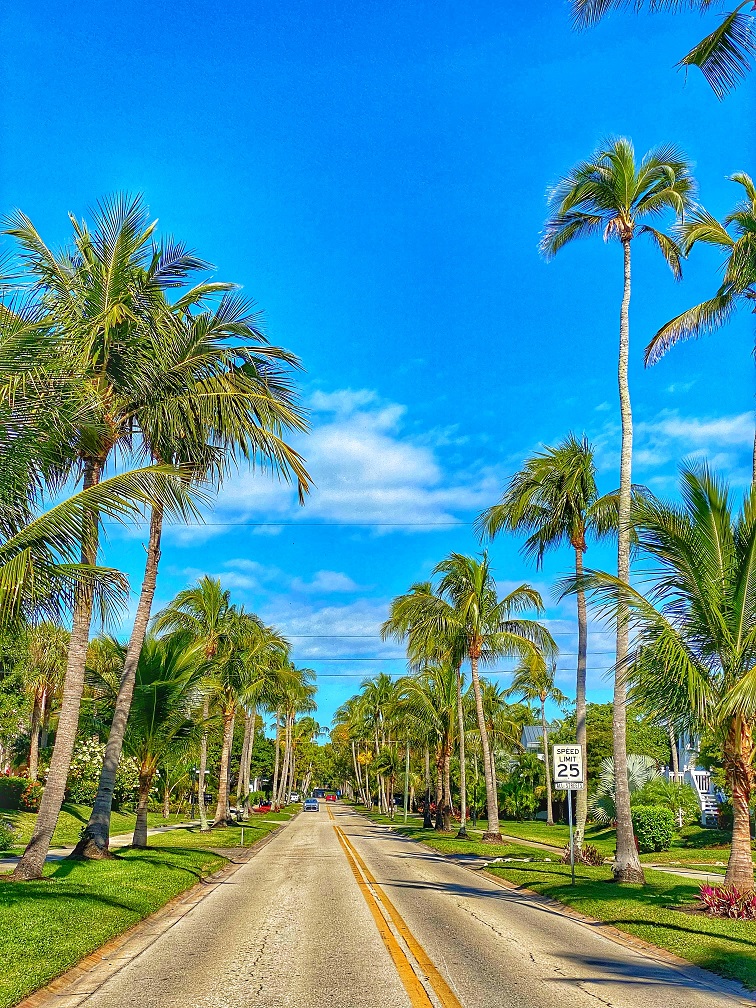
Two days went by quickly, and we are back into the cold, but armed with new, heartwarming memories. Hope your travel will take you somewhere exciting very soon!
Looking Back and Looking Forward, 2022 Edition
 Ahh, the self-reflection time.
The bad, the good, the ugly.
New Year resolutions.
Yada Yada Yada.
Okay, I know. Not the most enlightening post if I ever even write anything in that category. But hey, it is my blog. I write for myself, first and foremost. So as I get to set the rules here, I like to take a look back at the year which passed and get a little pleasure of re-living some of the best moments of otherwise not the brightest year.
New Experiences:
More often than not, I like to call myself a “collector of experiences” – I love those non-material things which you can add to your personal “been there, tried that” collection. While in absolute numbers these “achievements” sound dismal, under circumstances they are perfectly sufficient in my book.
Visiting new wine region
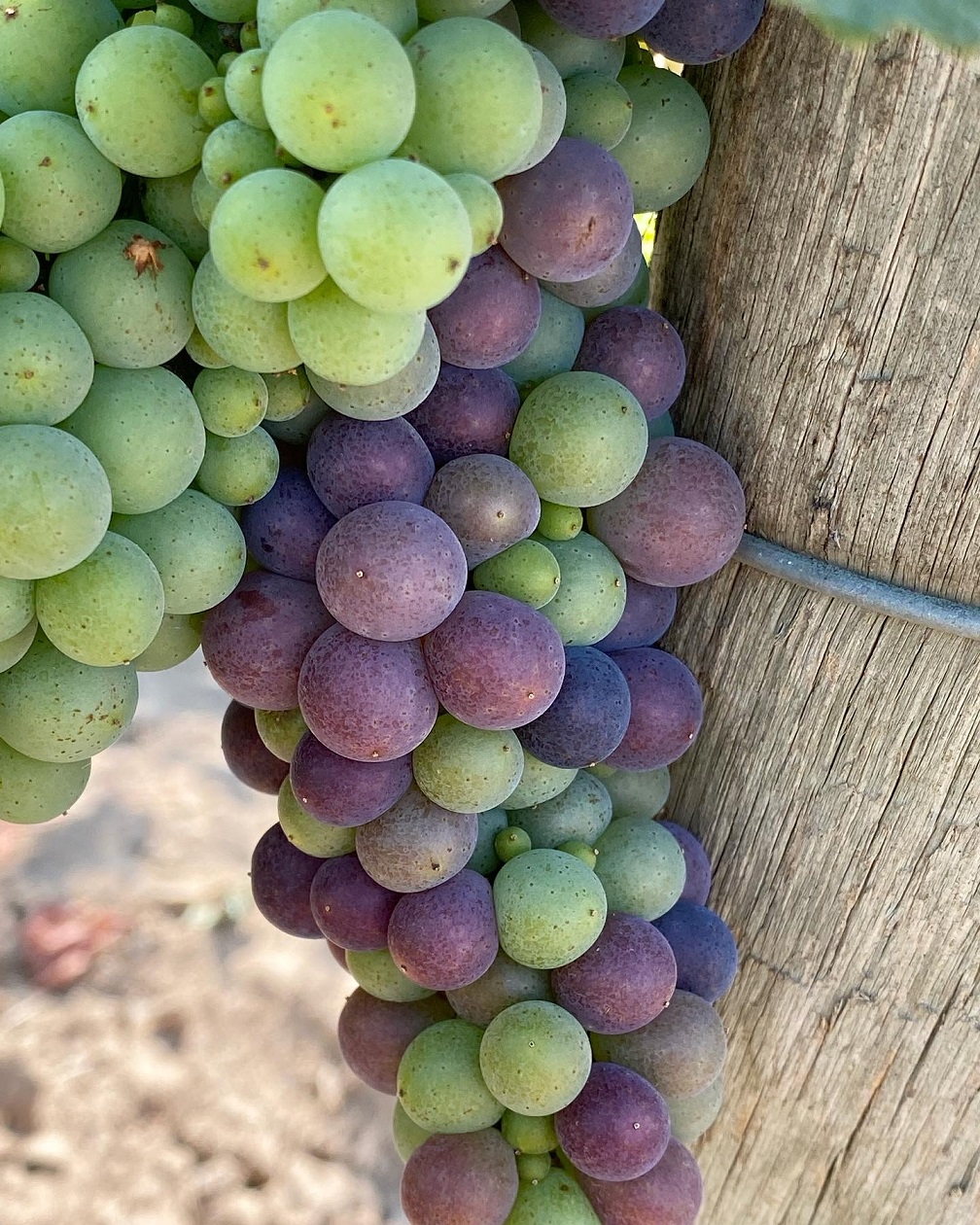
I visited Oregon on a number of occasions, and wrote about Oregon wines in this blog many times – but it was only 2021 when I set foot in the vineyard in Oregon, thanks to the Wine Media Conference 2021 held in Eugene, Oregon. Not only I visited a number of wineries in Oregon, but I also saw veraison for the first time, and tasted lots and lots of delicious wines, as reflected [dis]appropriately in the list of Top Wines of 2021 (more about it below).
Wine from the new state in the US
When I say that I’m collecting experiences, I mean exactly that – I keep track of how many wines from how many states I tasted, and in how many states I visited wineries. While Oregon was added to the list of states I visited the wineries at, I also tasted the wine from Michigan for the first time, and it was an excellent Cabernet Franc from Bel Lago. I keep my progress noted in this table in case you are interested.
Wine from the new country
Same as the wines of 50 United States, I also keep track of wines from different countries that I had an opportunity to taste. This year I added one of the oldest winemaking countries in the world to the list, after tasting the wines from Armenia. The wines were outstanding and Keush sparkling even made it into the Top Wines list. Same as with the 50 states, here is the table where I mark my progress.
More rare grapes
Ever since I had been bitten by The Wine Century Club bug, I had been hunting down rare grapes. This year I made possibly the slowest progress ever, but this journey is not getting any easier at this point. I only added 6 new grapes to the count (Cabernet Pfeffer, Voskehat, Khatouni, Areni, Yapincak, Ciass Negher), which now stands at the grand total of 561.
Top Wines 2021:
Same as every year, this was a fun project to go through the list (big word here – there is no such thing) of all the wines I tasted in 2021, and select 26 to be split into Second (generous) Dozen and the Top Dozen. Considering that visit to Oregon to be the biggest highlight of the year, it is not surprising that the top list is heavily skewed towards Oregon wines – still, it offers quite a bit of diversity as it is. My list of 26 is an easy one to analyze compared to all of the Top 100 lists I processed this year, so here is my distribution of the wines in the top list: Oregon – 8, California – 7, Spain – 5, Italy – 2, Argentina – 1, Armenia – 1, Pennsylvania – 1, Texas – 1. As you can see, France makes a notable absence, but the list clearly reflects my wine drinking habits – and I stand by all of my choices.
The year of Organic Grapes:
Made with Organic Grapes was one of the hot subjects in the blog (check the posts for yourself). In 2021, I tasted and wrote about multiple organic wines from multiple producers from Argentina, Chile, Italy, New Zealand, Spain – and I’m sure I will write about a lot more organic wines this year.
Catching up:
Much to my chagrin, I was really late with many of the posts, writing about events and tastings some of which were more than 2 years old. I really made an effort in December to clear up the backlog, turning it into one of the most prolific blogging months ever with 21 posts – in my almost 12 years of blogging there were very few months with 21 posts, and even fewer with 22. Catching up is not fun, but remembering about things you didn’t deliver is even less fun. There is more catching up to do, so I definitely hope I will be able to continue the streak.
What’s in the store for 2022:
My New Year resolution is not to have any New Year resolutions, so I can’t tell you really what’s ahead. Last year, I was keen on continuing the Wine Quiz and Wednesday Meritage series of posts, only to run out of steam somewhere in the middle of the year. So the plan for 2022 is to use a more opportunistic approach – there is no shortage of wine subjects worth writing about. I also need to up my wine game by paying more attention to French, Australian, and South African wines – I want to fill that gap for the 2022 Top Wines rendition.
* * *
Here we are, my friends. A quick revisit of 2021, and mostly hope for the good year 2022 with good surprises. I know that hope is not a strategy, but if I learned anything from my years of blogging, it would be proverbial “the road to hell is paved with good intentions”. So how was your 2021? Any plans for 2022? Cheers!
Last Bottle Sign Up ($10 credit)




 Talk-A-Vino