Archive
Taste Expectations, Or Notes From The Blind Tasting
 If you had been drinking wine for a while, I would expect that you have developed certain taste expectations. As you drink the wines from the different regions, you find that the wines from the same geographic locality made from the same grapes would have somewhat of a similar taste and style (yes, of course, I just described what is properly called Terroir without using the word itself). At some point, the associations between the origin of the wine and its expected taste become engrained in your mind. Looking at the bottle of New Zealand Sauvignon Blanc, you are expecting to find bright acidity and citrus flavor profile even without opening the bottle. Looking at the bottle of California Cabernet Sauvignon you are expecting to find a good amount of fruit with some explicit black currant notes and a probably good amount of tannins – note that I’m really trying to generalize here, but you got the point.
This is the way the wine was for a very long time. However, when you taste modern wines, do you have a feeling that your expectations are no longer valid and don’t match reality any longer? I have had this experience many times lately, when Amarone didn’t taste like anything expected (you can find my rant of pain here), or when unoaked Chardonnay tastes rather like Pinot Grigio – and there are many more examples of “taste confusion”.
Recently, I had another case of “broken” taste expectations – this time it was somewhat sanctioned, as we did a double (almost) blind tasting. The theme was set a bit ambitiously, as France and Italy. The “ambitious” part is coming from the fact that these two countries on their own have such a variety of wine production that it makes it literally impossible to recognize the grape or at least the style of wine (either one of those countries would provide a plentiful selection for a double-blind tasting on its own). Anyway, with the main goal of having fun with the wines, we actually had a great time.
We blind tasted 5 wines, which happened to be 4 reds and one white. For what it is worth, here are my notes as we were moving along:
#1 – Very nice, a bit too sweet. I think Italy, Super Tuscan/Barbera/Dolcetto
#2 – earthy, nice, little green bell peppers, roasted notes? Bordeaux?
#3 – France, nice bright fruit, good sweetness, not enough acidity? No idea about the grape.
#4 – interesting, lots of fruit, very nice – no idea.
#5 – great, round, good fruit – no idea.
While I understand that these a rather limited wine descriptions, would you try to guess what was what? Well, you can see the answers below in the picture (wines are set in the order we tasted them, left to right):
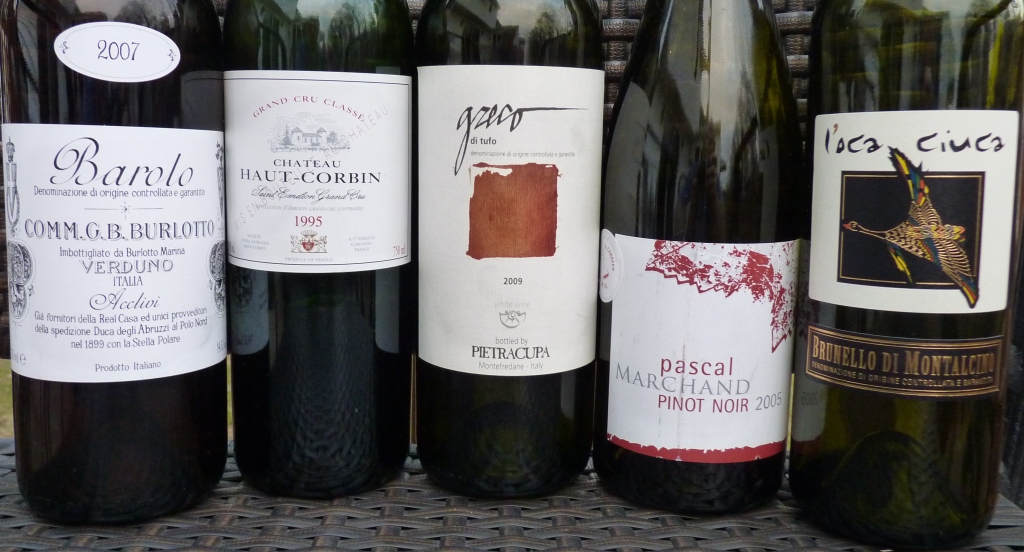
Here is an actual list: 2007 Comm. G. B. Burlotto Barolo Verduno; 1995, Chateau Haut-Corbin Saint-Emillion Grand Cru; 2009 Petracupa Greco di Tufo; 2005 Pascal Marchand Pinot Noir and L’oca Ciuca Brunello di Montalcino DOCG – now compare that with my guesses above…
In case you are curious – of course, we voted for the favorite – Brunello (#5) was a clear winner, with Greco de Tufo (#3) trailing it closely behind (one point difference).
Where is the case of broken taste expectations? Fruit forward, bright and loaded wine with well-masked tannins and almost non-existing earthiness, bright purple in color – 2007 Barolo? I’m very far from a Barolo expert, but this doesn’t match my expectations of Barolo, albeit well decanted. Even winning Brunello was quite uncharacteristic, lacking earthiness and tartness, the traditional Brunello bite. I can’t comment on Greco do Tufo (it was actually quite nice), and the only varietally correct wine was 1995 Bordeaux. Am I making too big of a deal from varietal correctness and taste expectations here? It depends. On their own, both Barolo and Brunello were good wines, but if I would order either one in the restaurant with the goal of pairing it with food, that could’ve been quite disappointing…
Okay, I can’t leave you with this sad impression of disappointment – it was not that bad at all. Also, we had a great cast of supporting wines, even with some pleasant surprises.

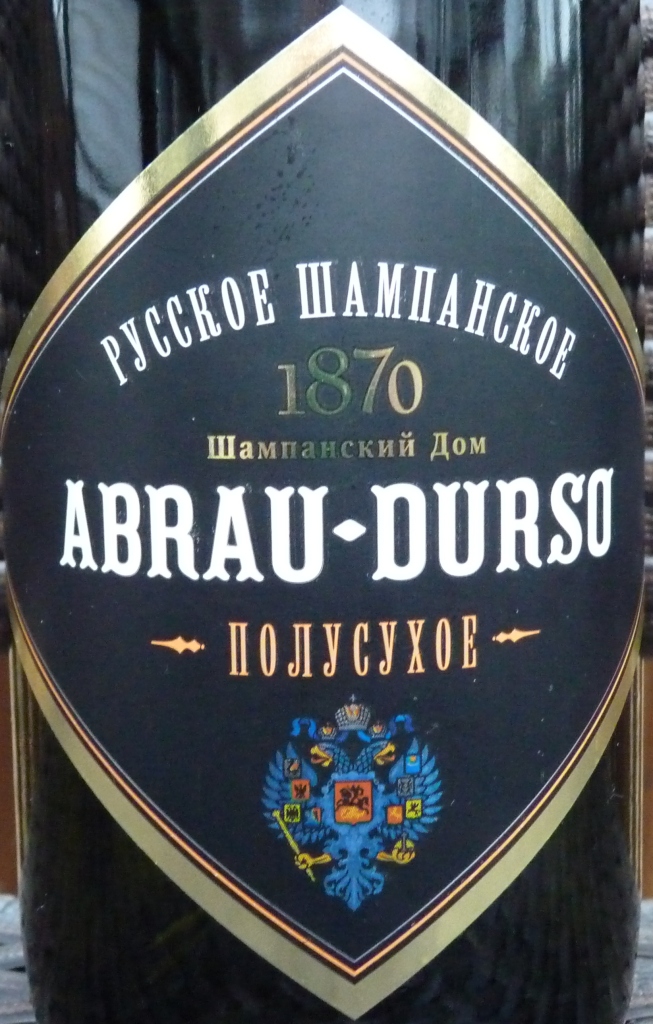
First, two sparkling wines. Chevalier de Grenelle Cuvee Reserve Saumur AOC, a blend of 90% Chenin Blanc with 10% Chardonnay was a very good, full-bodied sparkling wine, with good notes of apple and toasted oak. In addition to good wine, this was also a very special bottle – a magnum with the metal imprinted label. The second sparkling wine was even more unusual – Abrau-Durso Semi-Dry – a sparkling wine from Russia, made by the reincarnated famous producer of sparkling wines for the Russian Tzar (the original company was created in 1870). This wine had just a hint (a whiff) of sweetness, lightly toasted apple and nutmeg on the palate. Very refreshing and delicate. I suggest you will find a bottle and try it for yourself – there is a good chance you might like it.
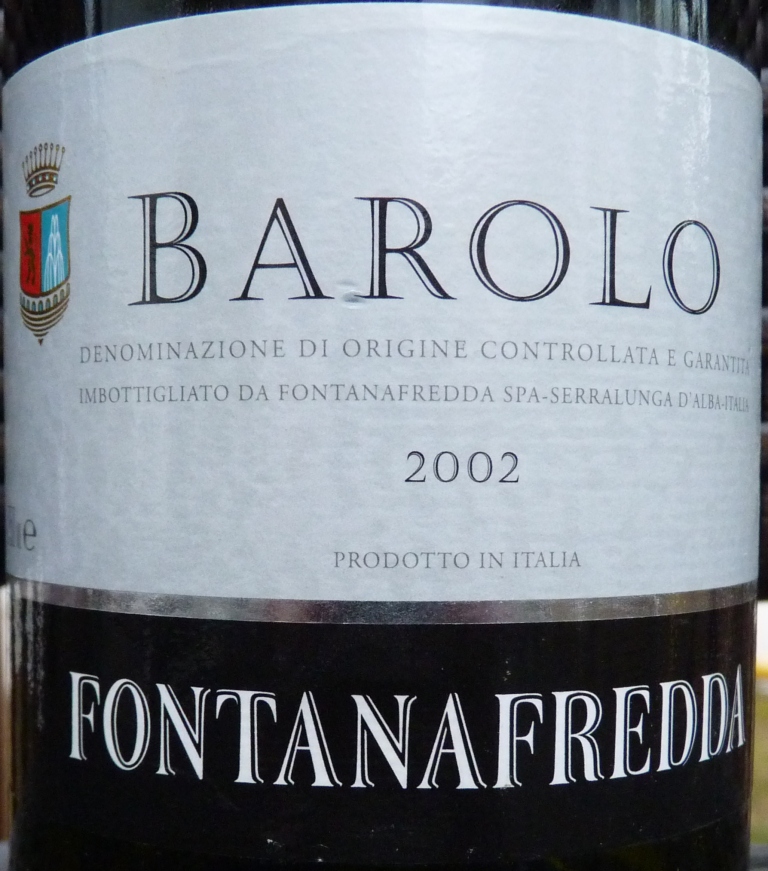 And for the last surprise – 2002 Fontanafredda Barolo DOCG. Why surprising? If you will look at the Wine Spectator’s Vintage Chart, you will see that 2002 was regarded as a very bad year for Barolo, with a rating of 72 and recommendation of wines being past prime. I decanted this bottle at some time in the late morning, and by the early evening, when we actually drank it, it opened up very nicely – while it was lacking powerful tannins, otherwise, it was quite enjoyable wine, very balanced with quite a bit of finesse.
Play with your wine, get friends together and do the blind tasting – I guarantee you will learn something new about your palate, your wine preferences, and maybe even your friends!
Cheers!
Valentine’s Day Food and Wine Experiences
 For many years already Valentine’s Day became our “home” holiday. What I mean is that we are not going to the restaurant – instead, we attempt to create the best possible experience at home. This past Valentine’s Day our attempt was quite successful. First, there was a Champagne. Ahh, what so special, say you, a sparkling wine? Well, we don’t drink Krug every day – Krug is our “special” sparkling wine, as both me and my wife fell in love with it 3 years ago, and nothing beat that ever since.
It was Krug Grand Cuvee Brut NV. Beautiful effervescent nose, with only a hint, a whiff of toasted apple, yeast and fresh bread – the same lightness on the palate, with perfect balance of fruit and acidity. Yes, I know, I fail to give you a critic-worthy description with lots of different elements of soil, the fruit and more – so you will need to take my word for it – this is The Champagne. Once you try Krug…well, you will continue to appreciate many other sparkling wines, but Krug will be the one you will crave. And if you care for my rating, I will put Drinkability at 9+.
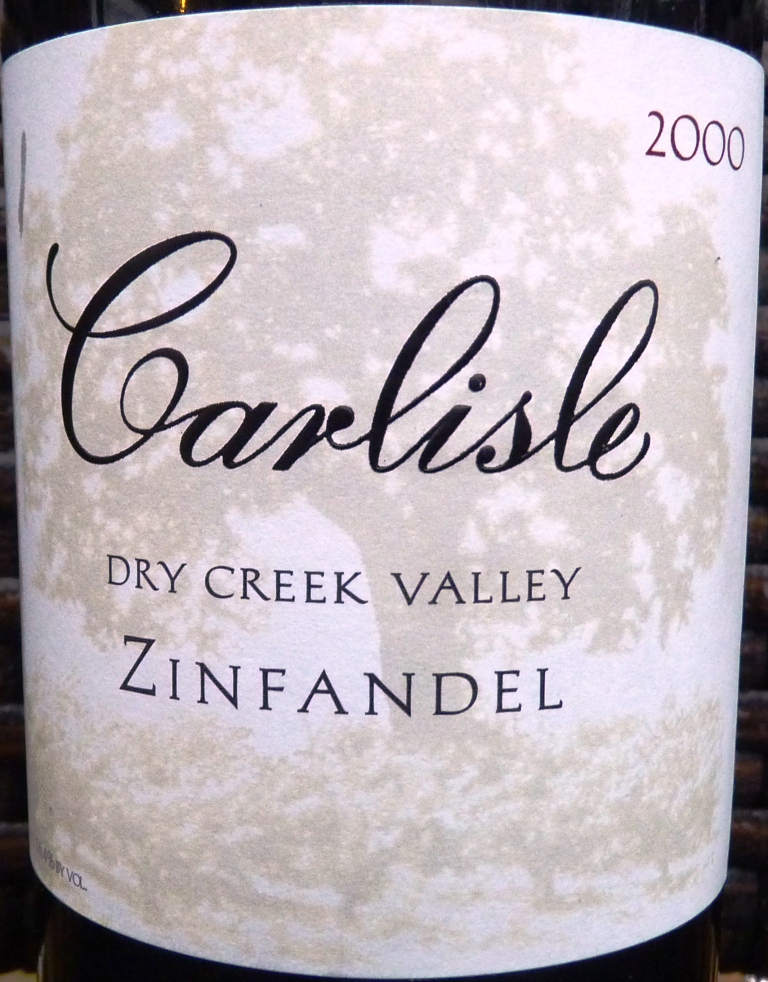 Believe it or not, but Krug was only the beginning of amazing wine experience. The next wine blew me away in many senses. First, it was a realization of a dream. For the long time, I wanted to try Carlisle Zinfandel – consistently high ratings in Wine Spectator, great reviews – many factors contributed into making Carlisle Zinfandel an object of desire. I signed up for the waiting list for the mailing list, I asked around – all to no avail. Then a few month ago I saw a bottle on the Benchmark Wine Company’s web site, priced at about $30 – voila, I got the bottle. Now I just needed special occasion.
Special occasions are easy, right? Valentine’s Day is special enough for us, so the bottle of 2000 Carlisle Zinfandel Dry Creek Valley was opened. The description? One word – “wow”. Beautiful nose of red fruit and smoke (raspberries and blueberries plus a hint of smokiness, to be more precise). Perfect balance of fruit, tannins and acidity on the palate – more playful fruit, eucalyptus, cedar box, spices, tobacco – all components are playing together to deliver an amazing experience.
Here is one interesting note for you. Carlisle web site has a table which is called Drinkability Chart, which lists all the different wines from the different vintages and ideal drinking window for those wines. According to that chart, optimal drinking window for this particular Zinfandel was 2002 – 2005. Well, what can I tell you? If you got a bottle of Carlisle which you think is undrinkable – send it my way, and I will thank you profusely. And just to show you how much I loved this wine, I have to tell you that this is the first time I put Drinkability of wine at 10-! Here is the link to my ratings page – you can judge for yourself.
As you can see, the wines were great – but there was also food. This year we decided to do a Rack of Lamb. Rack of Lamb is a dish which we typically enjoy in the restaurants (especially in French Canada), but it is not that difficult to make at home (once you overcome the sticker shock of a good rack of lamb).
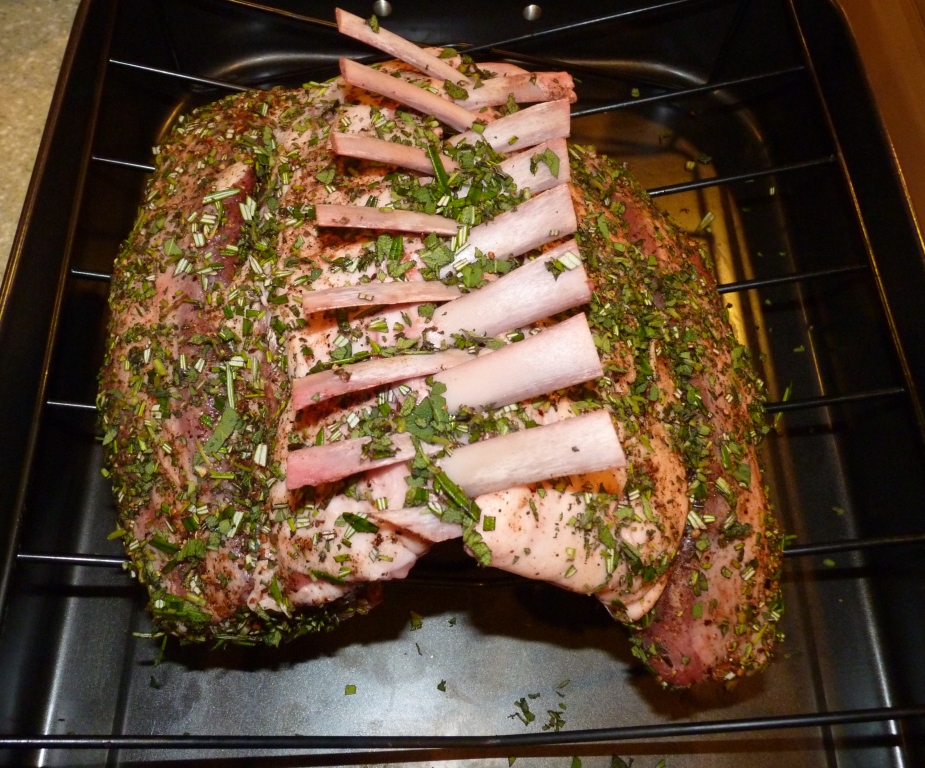
I need a lot of rosemary with my rack of lamb – and this is what we did. A little bit of fresh pepper, and lots of fresh rosemary – with addition of some fresh sage as well. Here is the rack of lamb ready for the oven:
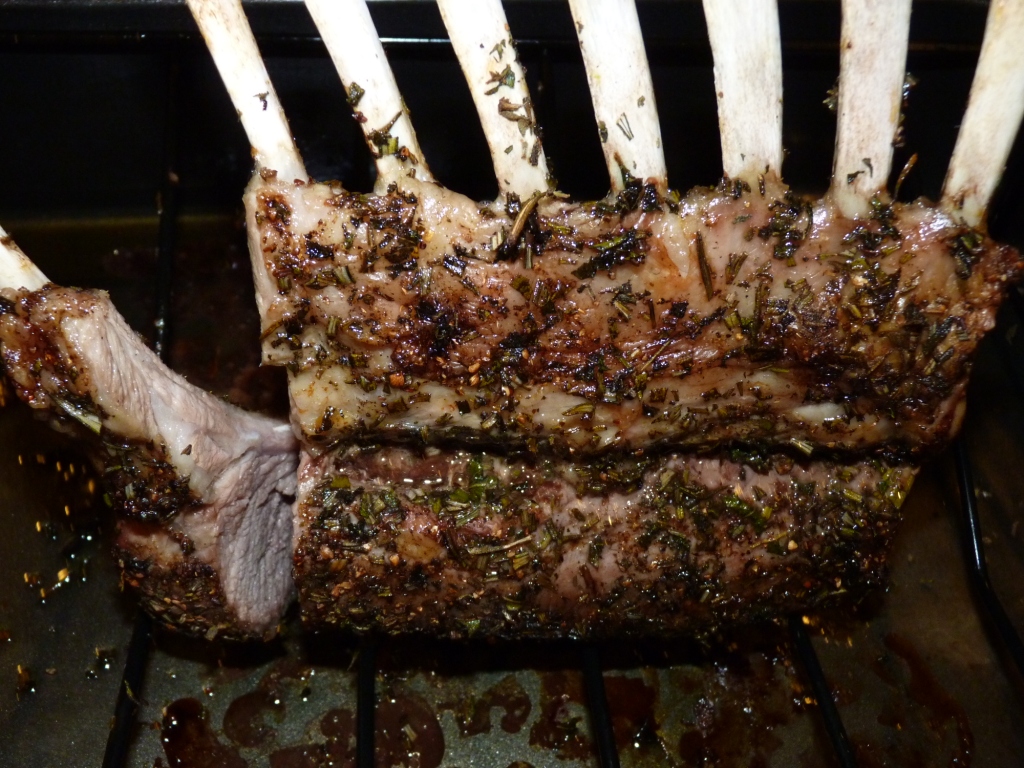
There are couple of techniques which I started using lately when it comes to roasts – and I like the results so far. First one is preheating oven to 500F – temperature is lowered one roast is put in, but it is enough to develop a nice crust. The second one is not using any salt until the roast is done ( so only using finishing salts) – the rationale here is that salt is draining juice out of the meat so it is better to be put on at the last stage. So far I had being very happy with an outcome using these simple rules. After 40 minutes in the oven ( 500F to start, then lowered to 400F), here is the final result:
And here is plated version:

Yes, I know, I should work on presentation – you don’t have to tell me that. But the taste was great, and lamb also paired quite well with the Carlisle Zinfandel – to double the pleasure!
That’s all, folks, for our wonderful Valentine’s Day food and wine experience. It will be hard to beat it next year, so I can only wish tat the next year will be not any worse than this year.
Cheers!
Gastronomique, Without Fiesta
 I love tasting food. Tasting menus, wine tasting flights, tasting events are definitely my favorite way to experience food and wine. When I’m in the restaurant which offers a tasting menu, when affordable, I would always go for one.
Last year in Miami we went to the Sra. Martinez restaurant, we took the tasting menu, and it was a great experience – I wrote a blog post about it, which was titled “Fiesta Gastronomique“. The tasting menu which we took had about 10 different dishes, all brought to the table one by one, by the different people, given all the explanations about the food, in a perfectly orchestrated performance – hence the “Fiesta” in the title.
This year we went to another restaurant of the same chef, Michelle Bernstein (she owns Sra. Martinez), called Michy‘s (we even saw chef for a few minutes talking to the customers). Same as last time, we decided to go for the tasting menu. There were two tasting options available – one with an addition of the cold appetizers and one without. When we asked for advice as to which one would be recommended, our waiter told us that unless we are very hungry, he suggests taking the shorter menu – boy, were we happy with his recommendation as dinner progressed.
I can assume by now you are wondering why the post’s title leaves only Gastronimique and removes Fiesta from this experience? We had an amazing food -but it was presented in a different style. We still had all the explanations, yes, but the food was arriving all together in the family style setting – first three appetizers, then three entrees and then two desserts – all exquisite, great tasting food – but Fiesta was not there – it was rather quiet and relaxing gourmet dinner. Don’t get me wrong – I highly recommend Michy‘s and would gladly come back, and in case you are in Miami – don’t miss it, I’m just doing my best to convey the experience we had.
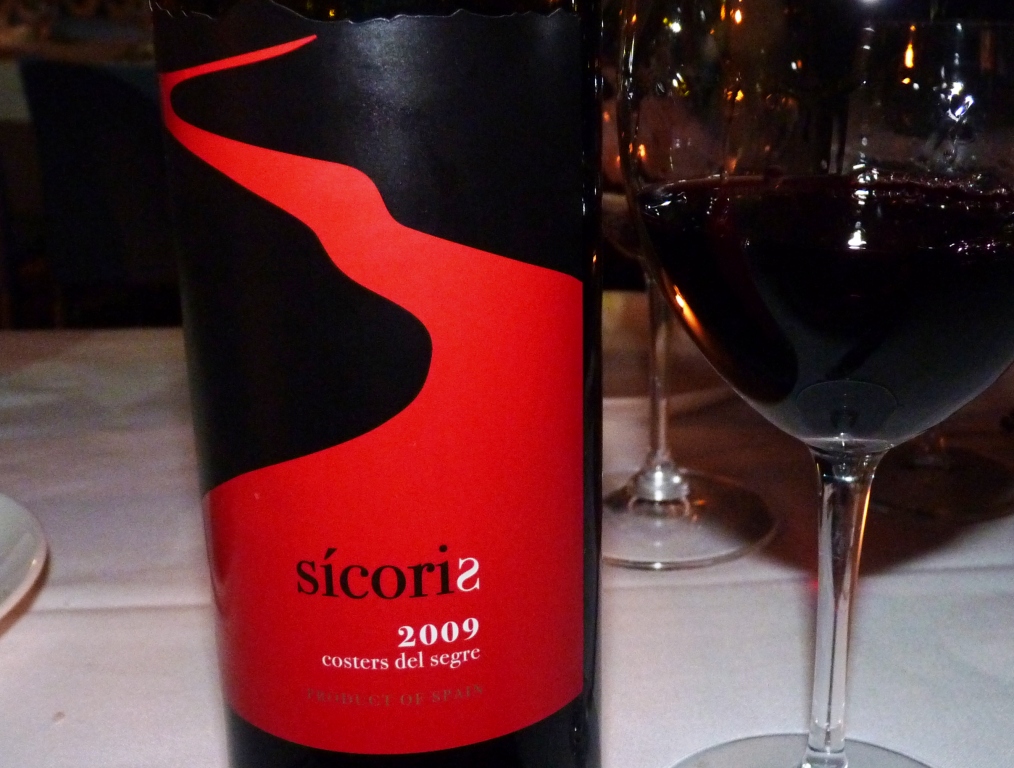
Anyway, let me entice you with some pictures and some additional notes. First, let’s start with wine. The wine list looks very good, with lots of different selections (it has more of a world-wide flare, where wine list at Sra. Martinez had decidedly bigger selection of Spanish wines). We ended up drinking 2009 Sicoris Costers del Segre DO, which is a blend of Grenache, Cabernet Sauvignon, Tempranillo, Merlot and Syrah. The wine have good fruit, medium to full body, a little sharpness on the edges but with good overall balance of fruit, tannins and acidity (Drinkability: 7+).
Our first appetizer course consisted of three different dishes. The first one, called Squash Blossoms with creamy polenta, was the best, simply incredible in the balance of taste and texture:

Foie Gras with Stuffed Pancake was also very good:

And then Beets Salad (how did they know I’m a sucker for a beets salad?):

Next three entrees showed up. First, Homemade Fettuccine with Carbonara Sauce – delicious:

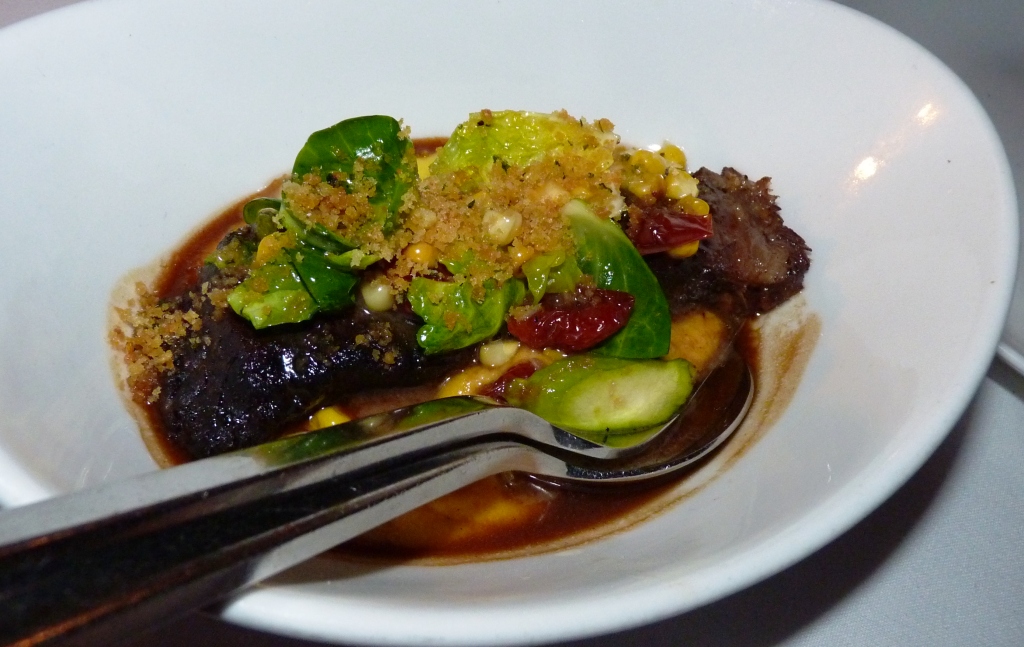
Next, Slow Cooked Short Ribs – out of this world! These short ribs were cooked for 6 to 8 hours, and it was showing. Also, they perfectly paired with Sicoris wine, which was an added bonus:
Last, but not the least entree was Snapper in Malaysian Sauce – tasty dish, and very large in size, so once again we were very happy with the fact that we took shorter version of the tasting menu:

Now, the dessert course included two dishes. First one was Brioche Bread Pudding – it was good, but not my favorite:

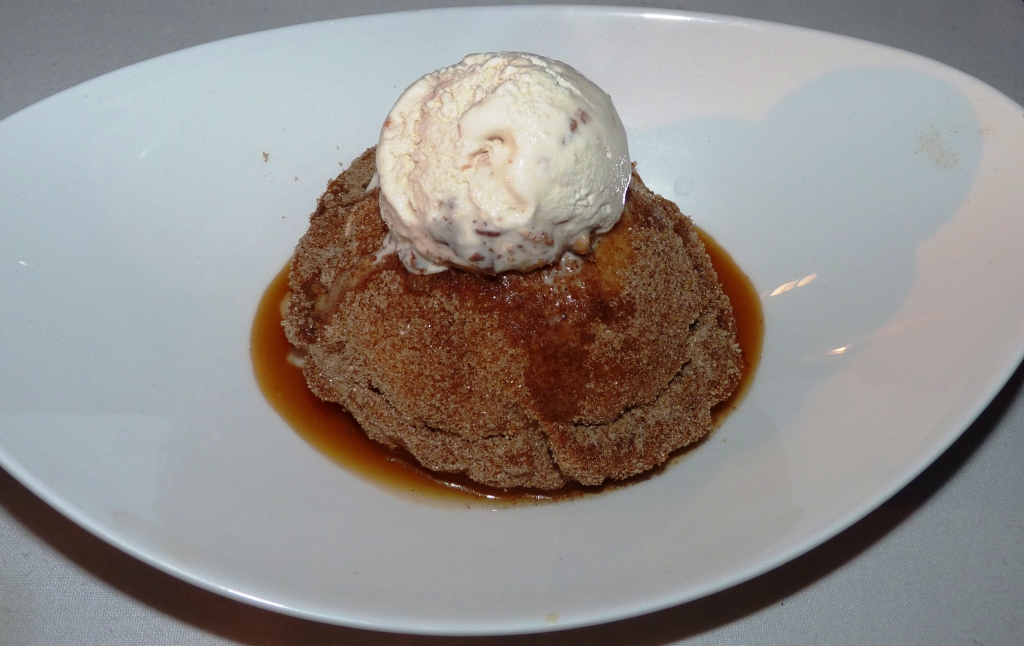
And the last dessert, Baked Apple Pie, was another “to die for” experience – probably the best Apple Pie I ever had:
All in all, it was a great experience – great food, great wine, outstanding service (impeccable is the right word). Thank you for the wonderful meal, Chef Michelle Bernstein! [Ahh, watching too much Iron Chef…] Cheers!
Michy’s
6927 Biscayne Blvd
Miami, FL 33138
(305) 759-2001
http://michysmiami.com/

Color Me Happy
Why? Very simply, in one word – Anticipation. Anticipation is a big part of enjoying the wine. I can’t speak for everyone, but for me anticipation starts when the bottle is in my hands. Before I can actually hold that bottle, it is just a dream – I can dream of drinking DRC or Screaming Eagle one day, but this will only be a dream, a big “theory”. Once I hold the bottle, the dream is over – in a good sense, as this is when anticipation starts. This is “IT” – now it is practically possible, not theoretically, so now you can start planning that special moment – even if it will take place 10 years from now, but you know that barred all unforeseen circumstances, you will experience that bottle.

Case in point – 2008 Alban Patrina Estate Syrah Edna Valley. Why? Alban was one of the very first wineries in California which started producing “Rhone-style” reds (and I really like Rhone wines). Alban wines are almost impossible to get (it’s being already more than two years since I registered for the waiting list to get on the mailing list) and they are very highly regarded by all those who was able to try them. So now, thanks to the Wade’s Wines, I’m a happy owner of the wine I was dreaming about.
Hello, anticipation. Yes, color me happy! Cheers!
Tishbi Winery Experience – Wine, And Lots More
 Continuing the “Israeli Experiences” series, I want to talk about a great experience at Tishbi Winery.
While the Tishbi family had been in the “grapes business” since 1882, the actual Tishbi Winery was founded in 1984 in the foothills of Carmel mountain in the area called Zichron Yaacov. in addition to the vineyards in the Zichron Yaacov area, Tishbi also owns vineyards in the North and South areas of Israel.
First, we had to walk around the Visitors Center (which is brand new and modern looking), as there was a huge group (about 100 people we were told) participating in the tasting. Very nice modern facility, spacious and airy. Of course, the first thing we saw was wine:
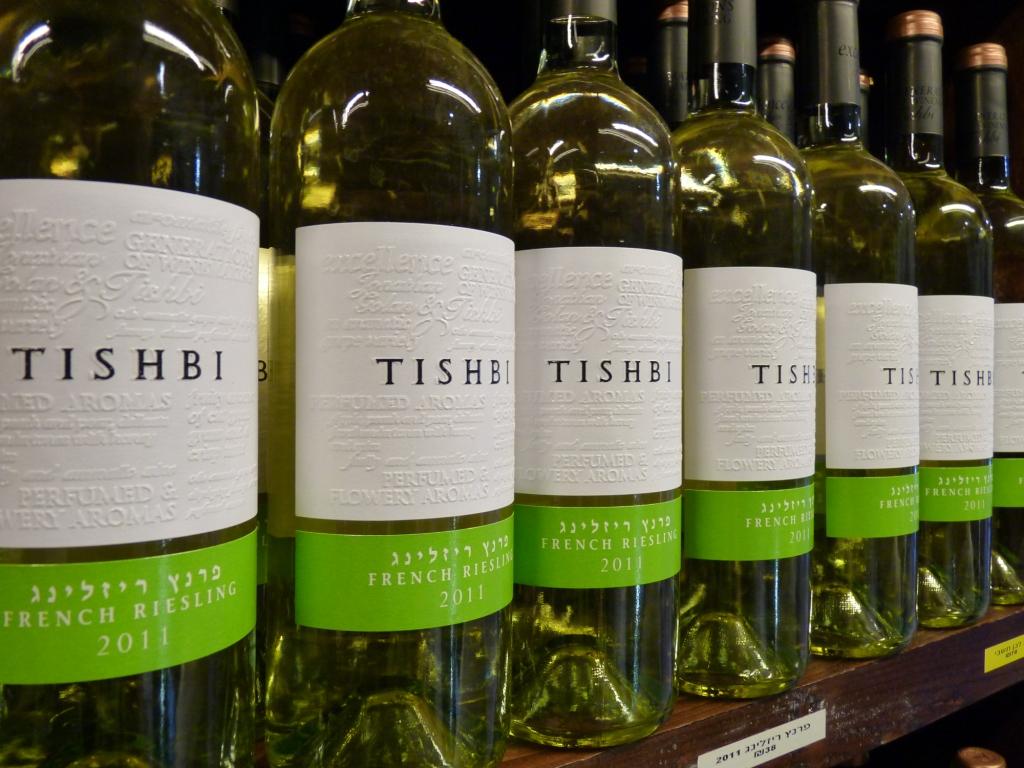
Riesling (as you can see, it is called “French Riesling” to distinguish from Emerald Riesling which is another Riesling variety growing only in Israel):
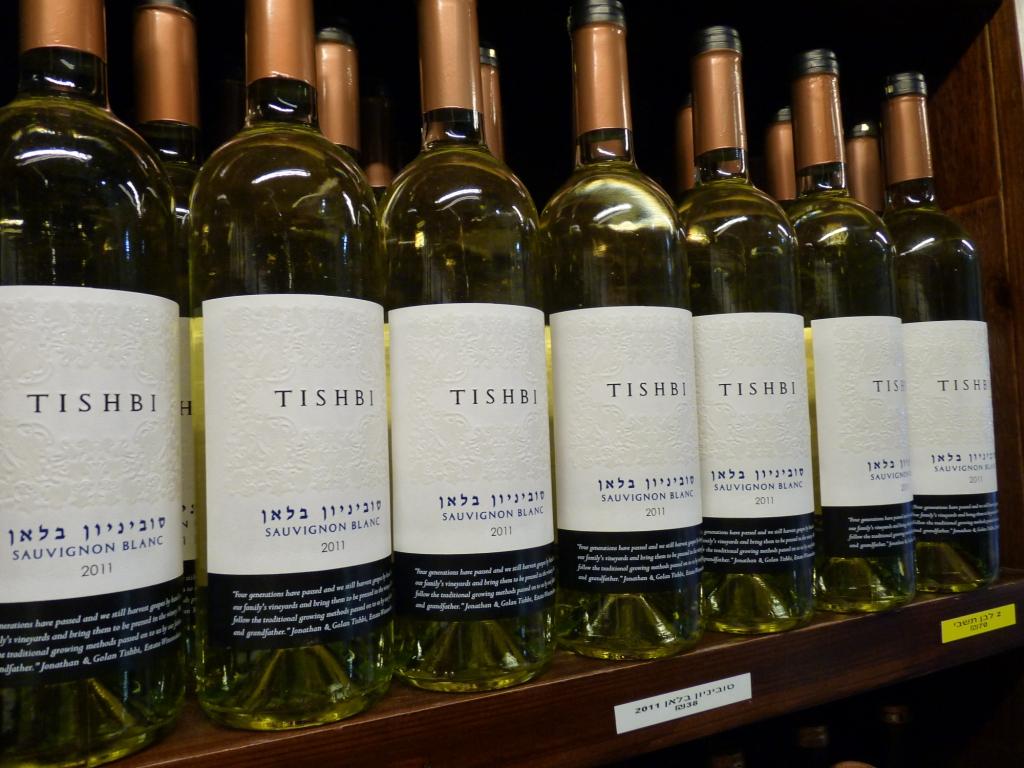
Sauvignon Blanc:
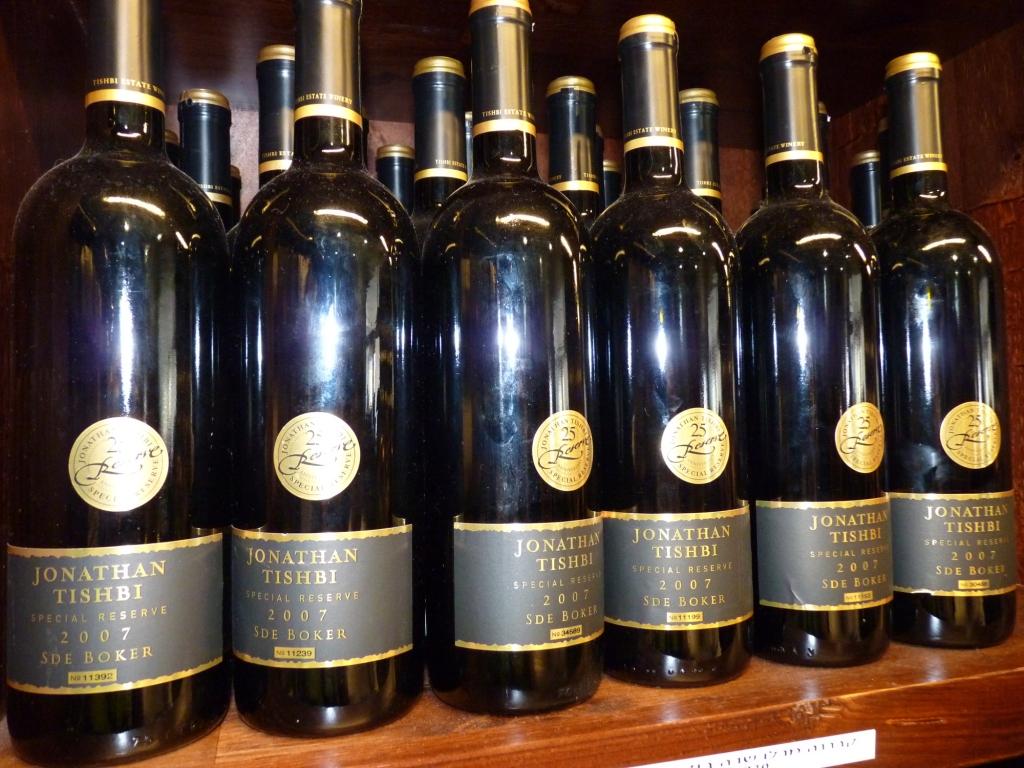
Jonathan Tishbi Special Reserve ( this wine is a blend of Cabernet Sauvignon, Merlot, and Cabernet Franc and it comes from Sde Boker vineyard located in Negev Desert):
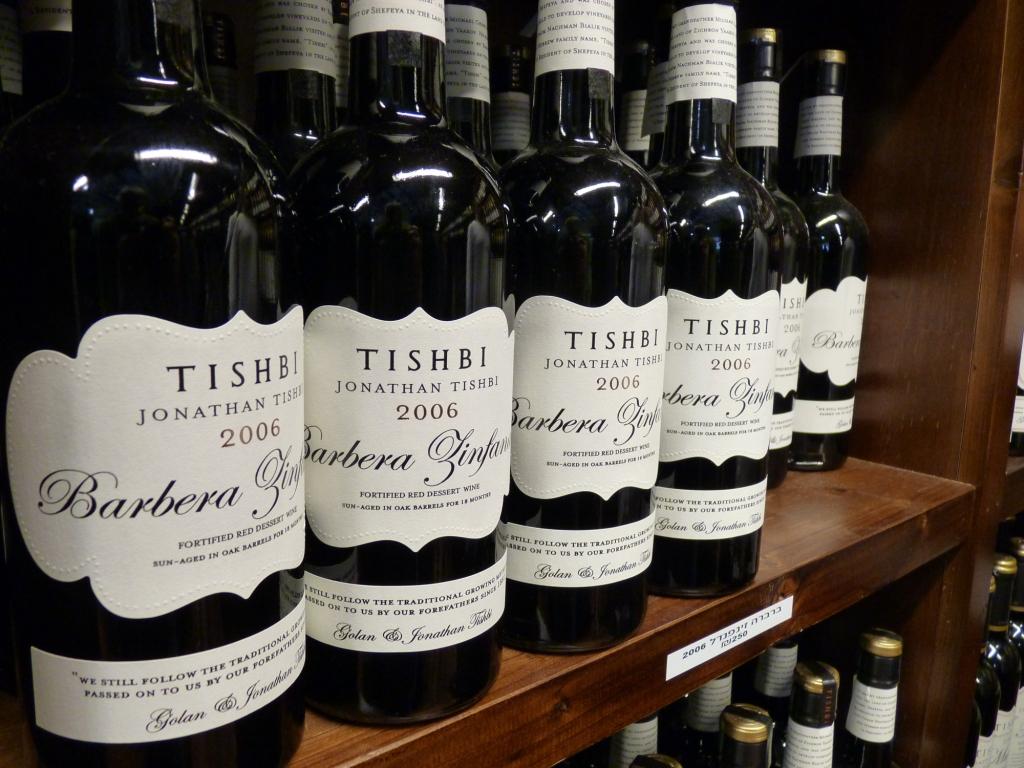
Barbera/ Zinfandel (!) Port (very interesting to see Zinfandel grape somewhere outside of the US):
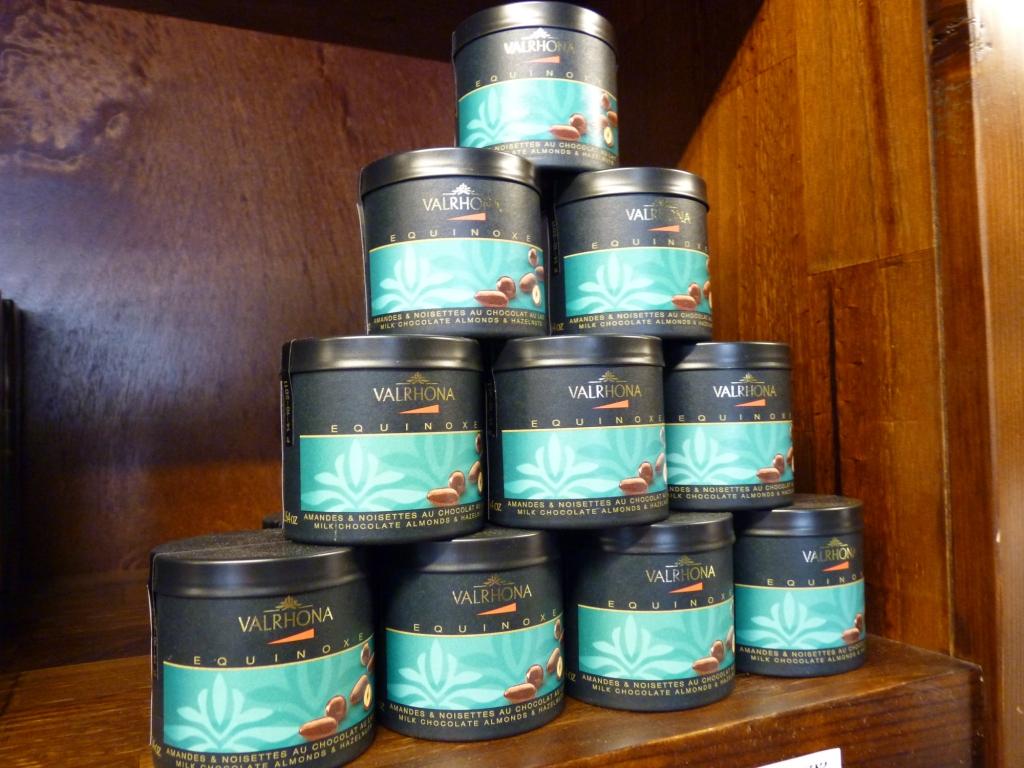
The next thing we noticed after all the wines was … chocolate! Not just random chocolate bar as a condiment – the shelves full of Valrhona Chocolate. It appears that Tishbi recently became one of the biggest distributors of the Valrhona chocolate in Israel. As part of the tasting, you can experience a special pairing of various “single cru” Valrhona chocolates with Tishbi’s wines.
Finally, we managed to escape the Visitors Center and found out that we can have a tasting in the cafe next door, which we did. Here are some of the note for the wines we tasted:
 We started with 2011 Tishbi Gewurztraminer, which was very nice, clean and simple, without strong bite which Gewurztraminer often has. 2008 Tishbi Special Reserve Chardonnay had a good body, good white fruit expression with a hint of vanilla, but it was a bit too sweet to my taste.
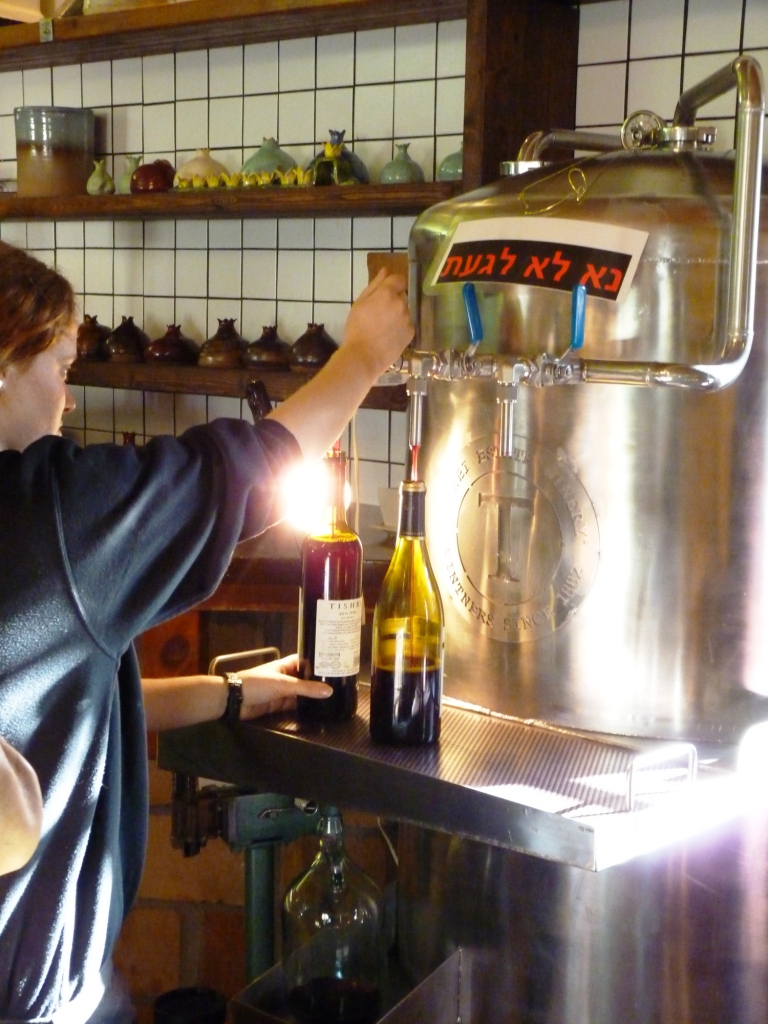
Those were the only white wines we tried, and then we switched to red. The first red was very surprising to me – 2011 Tishbi Cabernet Syrah. What is so surprising in the Cabernet? Well, note the year – it is last year’s harvest, and this Cabernet Sauvignon didn’t spend any time in the oak barrel! Moreover, it was poured from the stainless steel tank, which was located right there in the cafe. You can bring your own bottle and get it filled with this Cabernet Syrah blend for about $5 – this is the real deal, move over two buck chuck. I also would like to note that this was a very good wine – clean, with good fruit expression and perfect acidity. After that we tried a number of Tishbi Estate wines from 2007 vintage. 2007 Tishbi Estate Cabernet Sauvignon had a beautiful classic nose, but was a bit too sweet on the palate. As an added bonus I need to mention that it had Ruby Cabernet grape as part of the blend – which is a new grape for my grapes count, so I’m advancing to 361 now. 2007 Tishbi Estate Merlot was simply perfect – a great balance of all the components. 2007 Tishbi Estate Syrah was also very good, with pepper notes on the palate, full body, good concentration of tannins. 2007 Tishbi Estate Petite Sirah had good dense fruit and full body, coupled with the perfect acidity.
Last but not least we tried 2006 Tishbi Barbera Zinfandel Port wine. This wine spends a year and a half in the oak barrels before it is released. The wine was excellent, with good fruit and perfect balance, not overly sweet – and it also paired very nicely with the Valrhona chocolate (which is somewhat expected from the port). By the way, below you can see the process of pouring of that 2011 Cabernet Syrah:
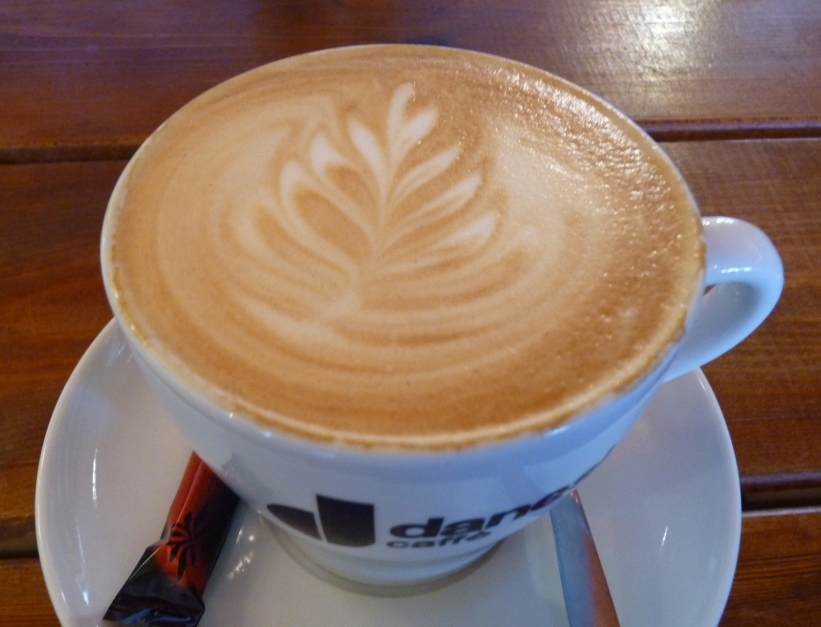
At this point we took a little break, and had the nearly perfect cup of cappuccino:
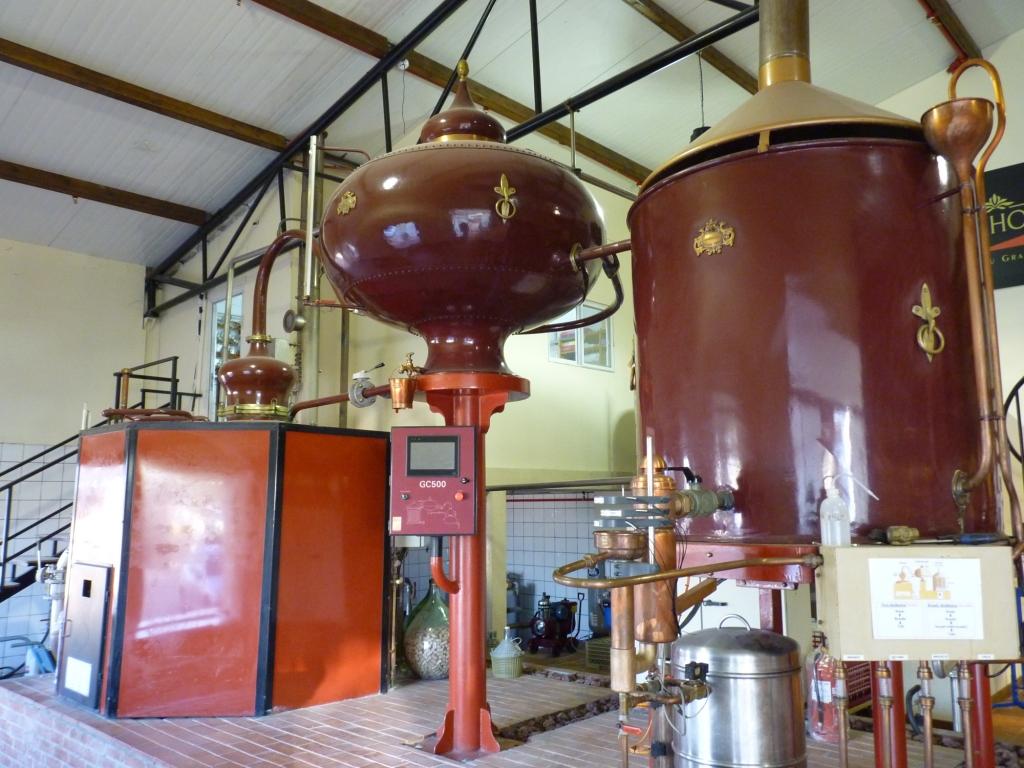
When we went back to the Visitors Center, we noticed something we overlooked before – a full distillery! Located right there in the Visitors Center, there is a still pot which is used to produce Tishbi Brandy:
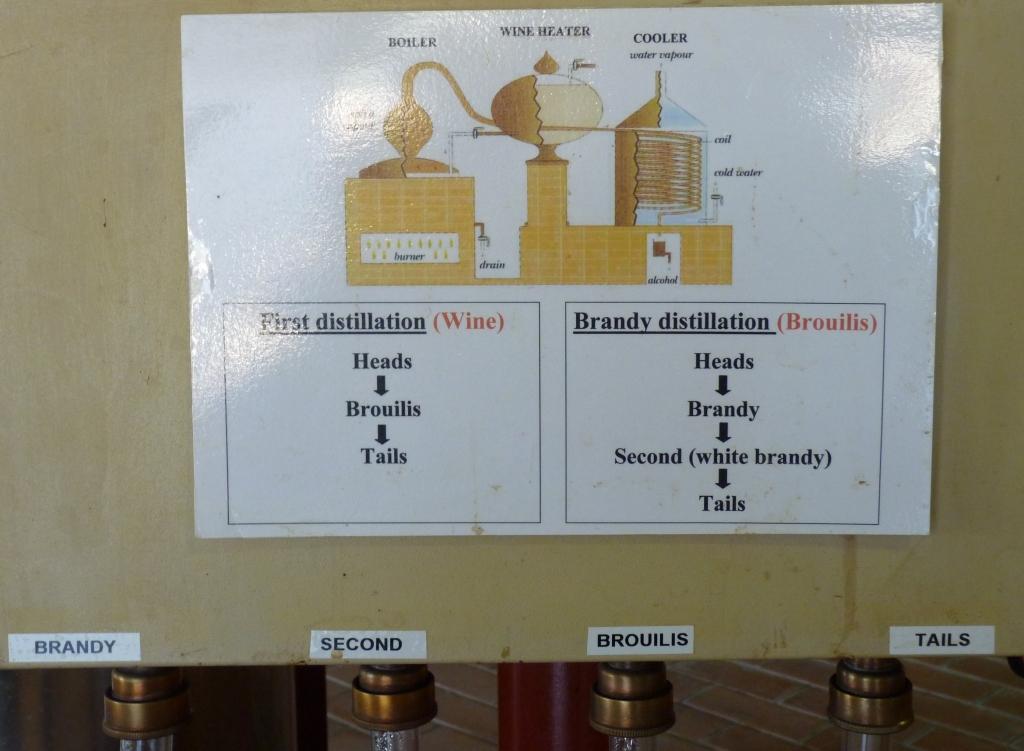
And here is an illustration which explains the distillation process:
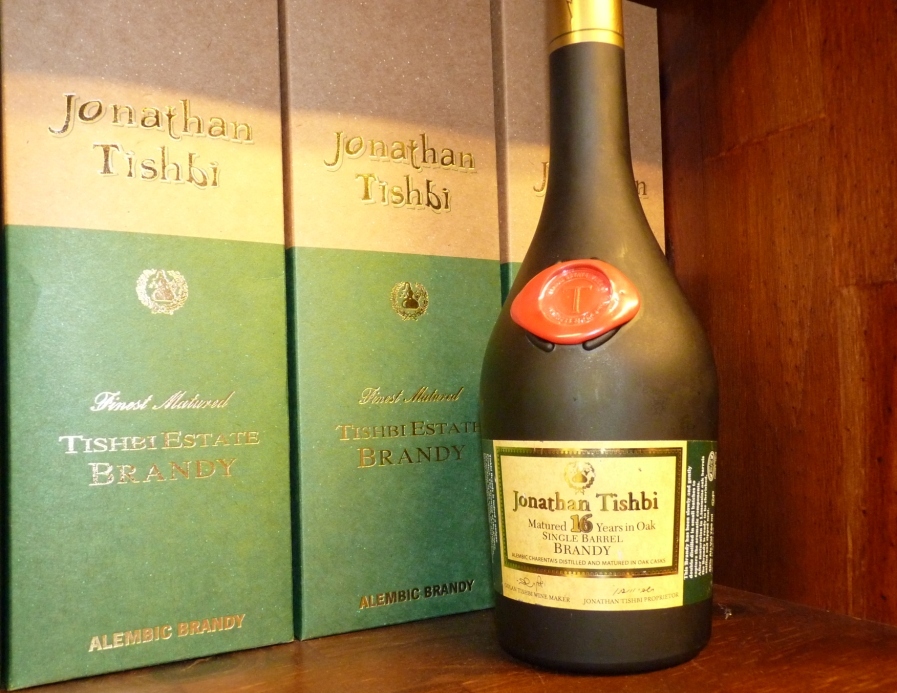
Here is the end result of the distillation – Tishbi 16 years old Brandy:
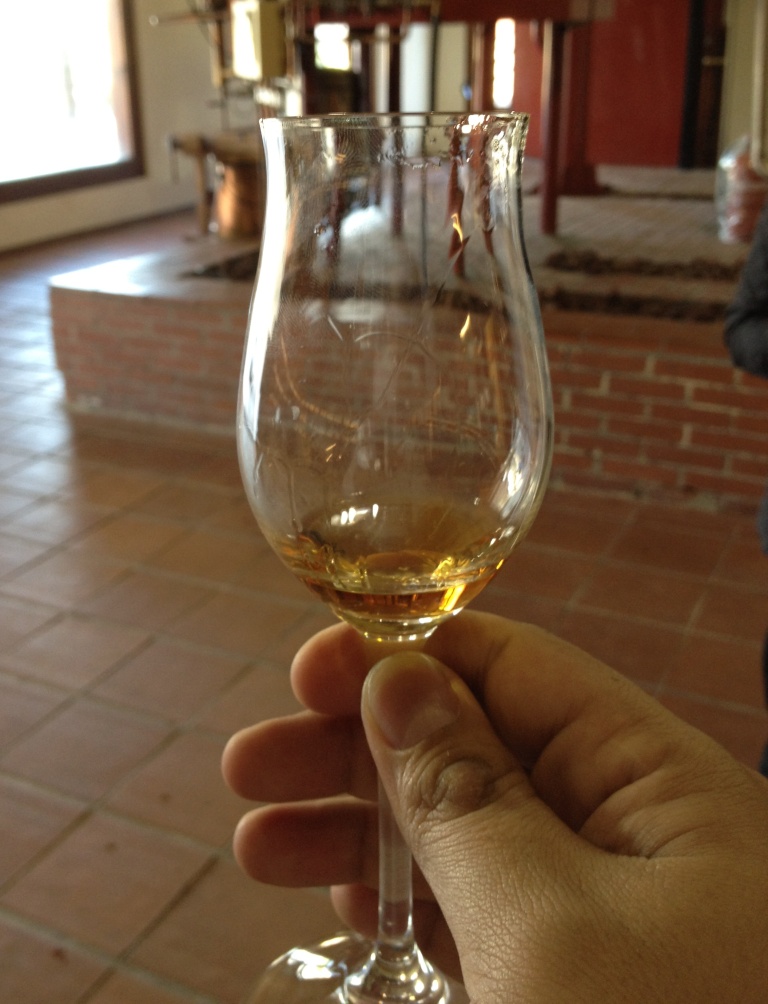
We were lucky, as we were also able to try that 16 years old brandy (typically you can try it only if you buy a bottle – considering that it costs about $450 for the bottle, you can imagine that I wouldn’t be trying that Brandy otherwise). I can’t help but to comment that I think the price is a bit high (okay, way too high).
All in all, we had a great time at Tishbi – if you are visiting Israel, it is well worth a trip. Otherwise, you can find Tishbi wines in the stores in the US, and I would definitely recommend them. That concludes my report, folks – cheers!
Touching Time
 I have a special fascinations with man made things which last through time. I remember looking almost in awe at the stone in London which had guarding rail around it and little plaque declaring that this stone was laid there in 1012 (I might be off by a few years, but you got the idea). On another occasion ( about 20 years ago, very shortly after I came to US), I was visiting Metropolitan Museum in New York, and I saw a large structure in one of the rooms which resembled Egypt Pyramid, actually bearing the age of many thousands years. I couldn’t help myself not to put a hand on the wall and touch those thousands of years – the very next second extremely loud and angry voice came out with the words “Don’t touch the Temple!”.
Wine holds special place for me when it comes to its relationship with wine (here is an earlier post on that subject). While in Miami, I was able to literally touch upon wine and time once again (only touch, not taste). We went for a dinner to the restaurant called The Forge, located in North Miami Beach. This restaurant is a landmark on its own, being in existence sine 1920s. But the object of particular interest is their wine cellar, located on the lower floor.
From the first look you take on those bottles, the only thing you can say is “wow”. Then you say it again and again, as you walk around that spacious cellar, beautifully appointed in mahogany. Inside the cellar there is a separate gated section which holds owner’s private collection. That collection has a full line of Chateau Lafite, starting from 1822! The collection is curated by the Chateau Lafite itself, and recently the bottles were re-corked and toppled off with 1982 Chateau Lafite, which was deemed “good enough” for that purpose.
Leaving owner’s collection aside, the main cellar holds so many jewels that any oenophile will tremble in the knees just walking around. Here are few pictures I would like to share with you.
1873 Mouton Rothschild: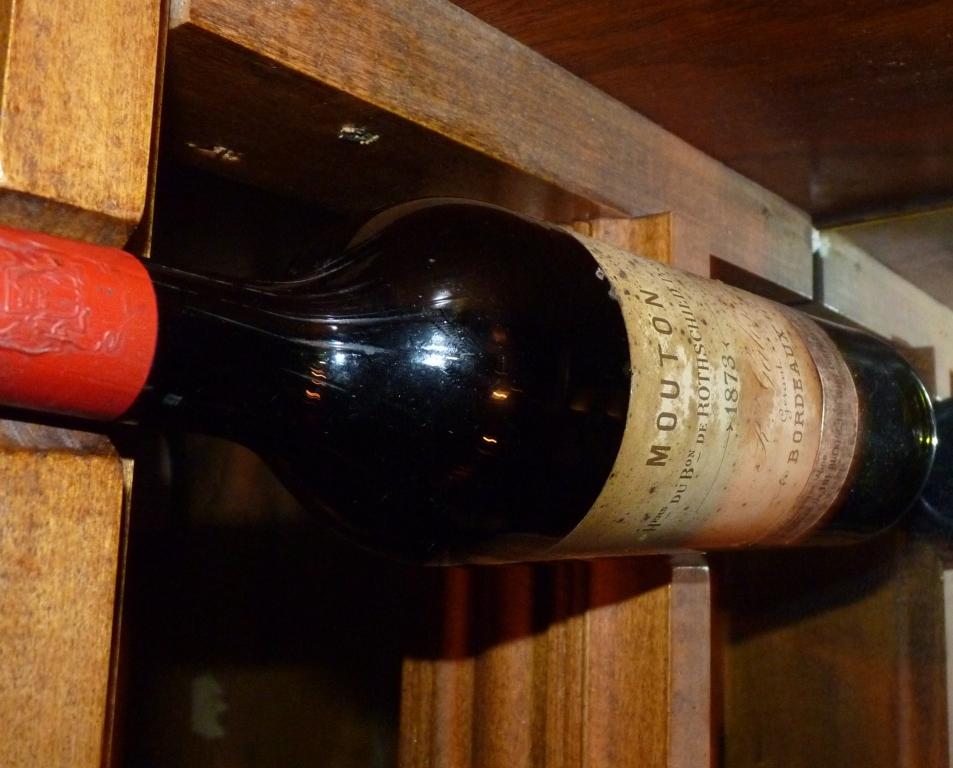
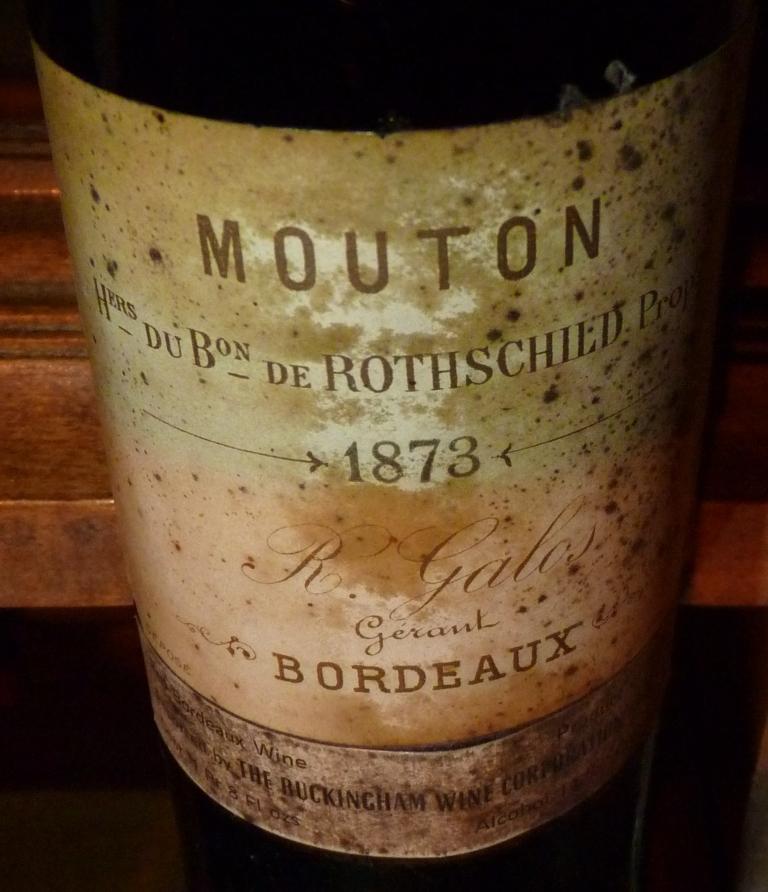
Here is close up on the label, in case you can’t see well enough on the previous picture:
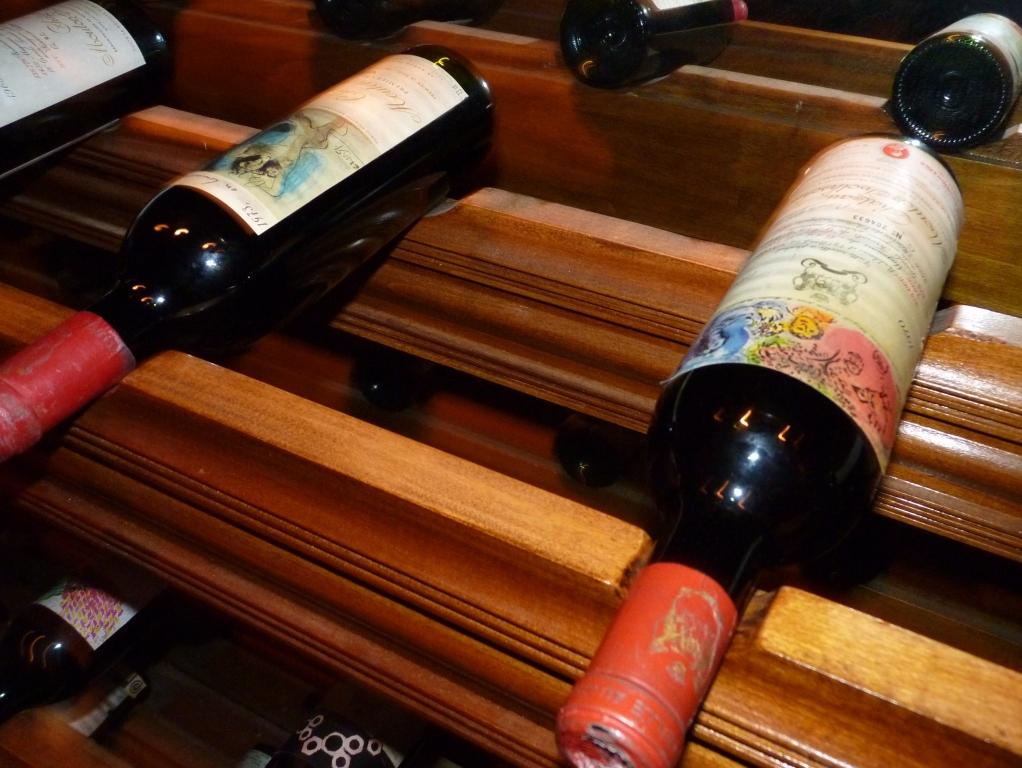
Mouton Rothschild Artistic series ( don’t know if picture is good enough for you to see, but it is Chagal and Picasso labels):
Domaine Romanee Conti, of course:

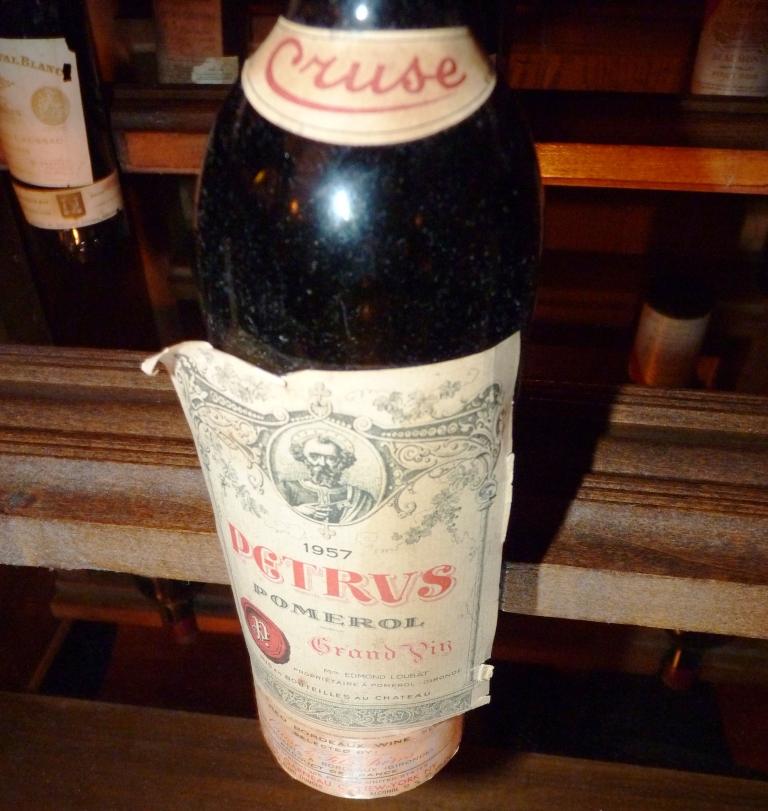
Look at this beauty – 1957 Petrus!
The cellar holds quite a few large format bottles:

And here are couple of general views ( note that cellar is available for private parties…):
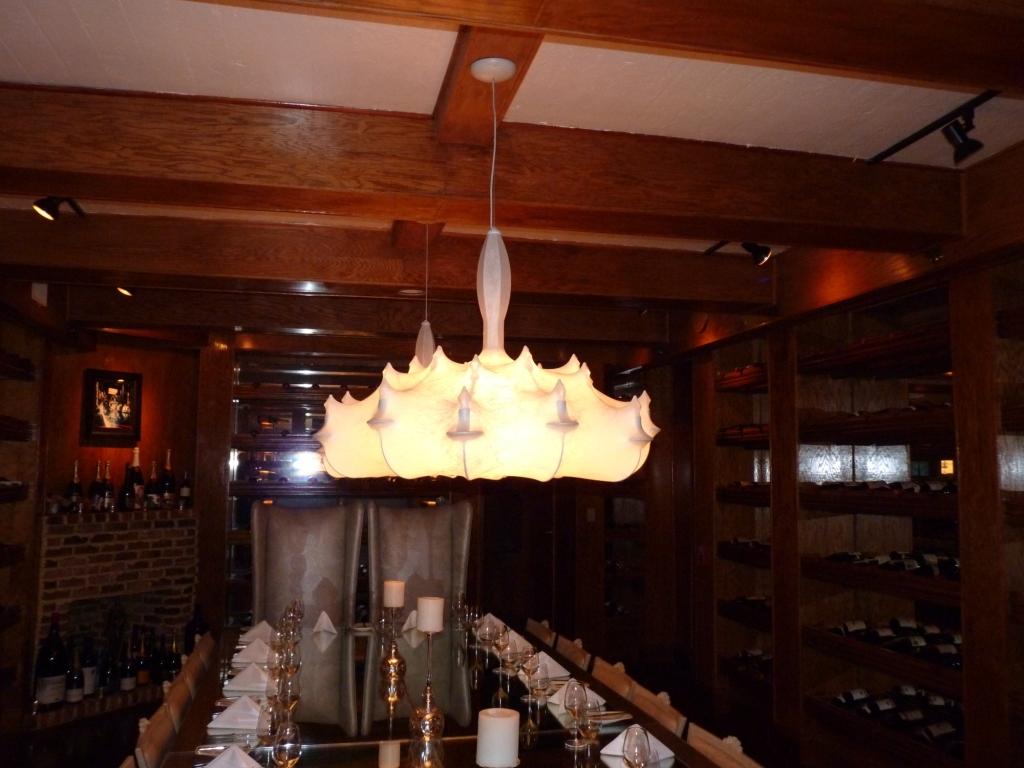
And one more:
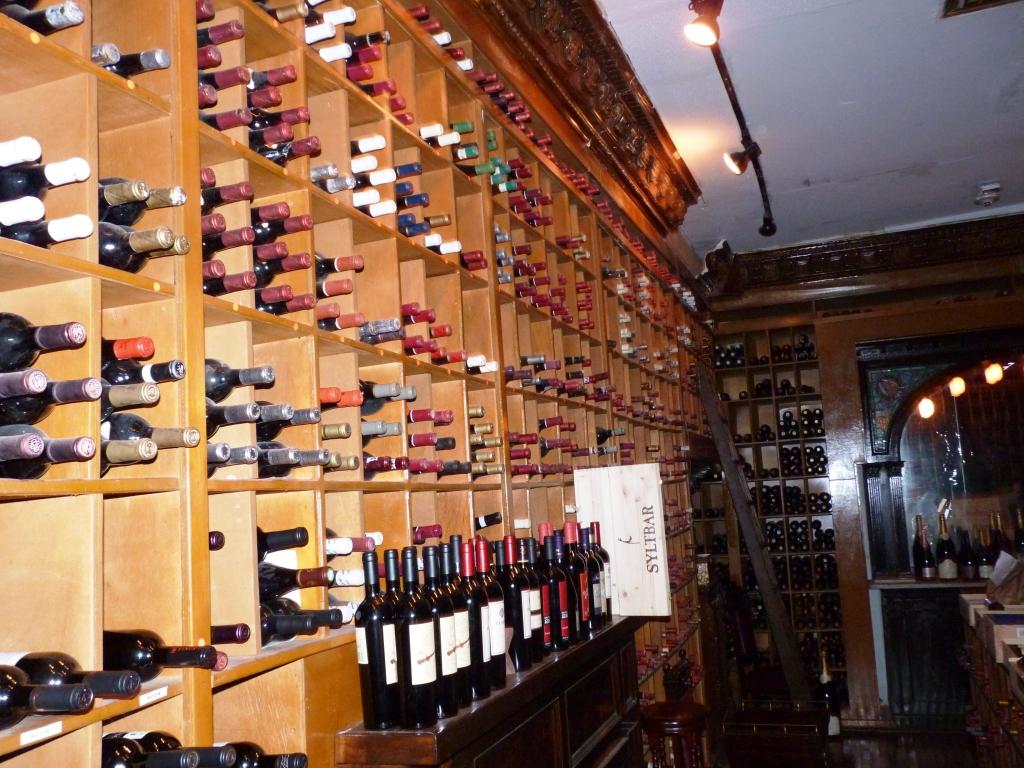
 If you are curious if the opportunity to look at the bottles was enough to replace the dinner – no, we had dinner there – but food was not on par with the view we had before.
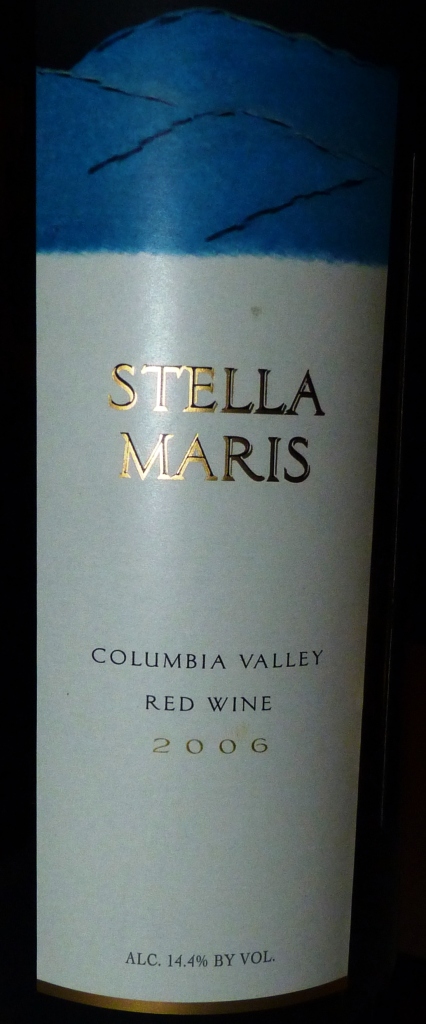
We did pretty good with the wine – 2006 Stella Maris Red Wine from Washington state was nice, round wine, with good red and black fruit both on the nose and the palate, good acidity, medium to full body. Overall, while wine list appears to be a huge book, split into countries and styles of wine, it is not easy to find something interesting and affordable at the same time. Of course, you will be gladly served that 1957 Petrus for about $45,000, so if you plan to celebrate something that special, can I please (did I say “pleeease”?) get an invitation?
Talking about the food, for the appetizers we ordered Salmon Croquets and Roaster Cauliflower florets. The Cauliflower was probably one of the tastiest I ever had, but the salmon croquets were on the mushy side. Here is the picture:

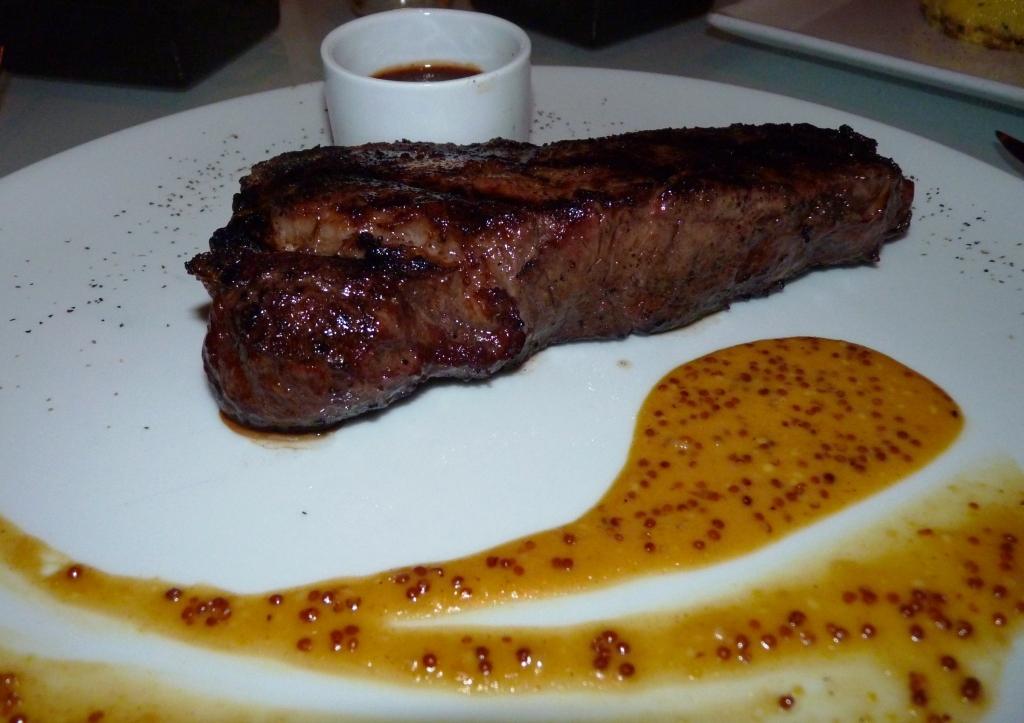
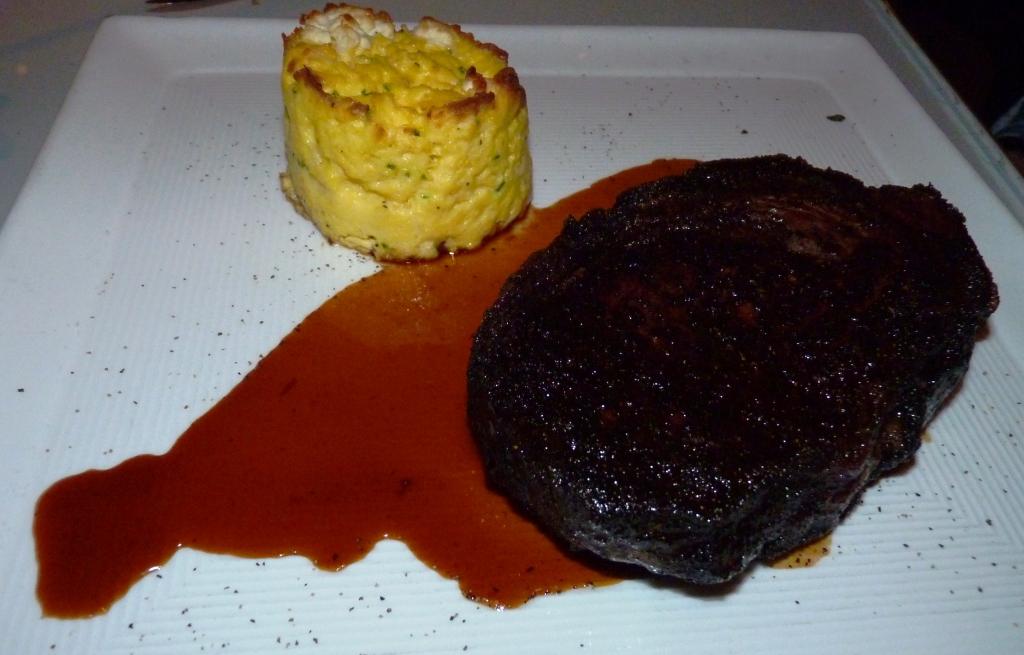
Then we had two steaks, and while the place is considered to be a steakhouse, they were just average, not memorable at all (I would gladly take instead Capital Grille steak at any time). Here are two pictures –
New York Strip:
And “steak and eggs”, steak was encrusted with coffee and pan-seared:
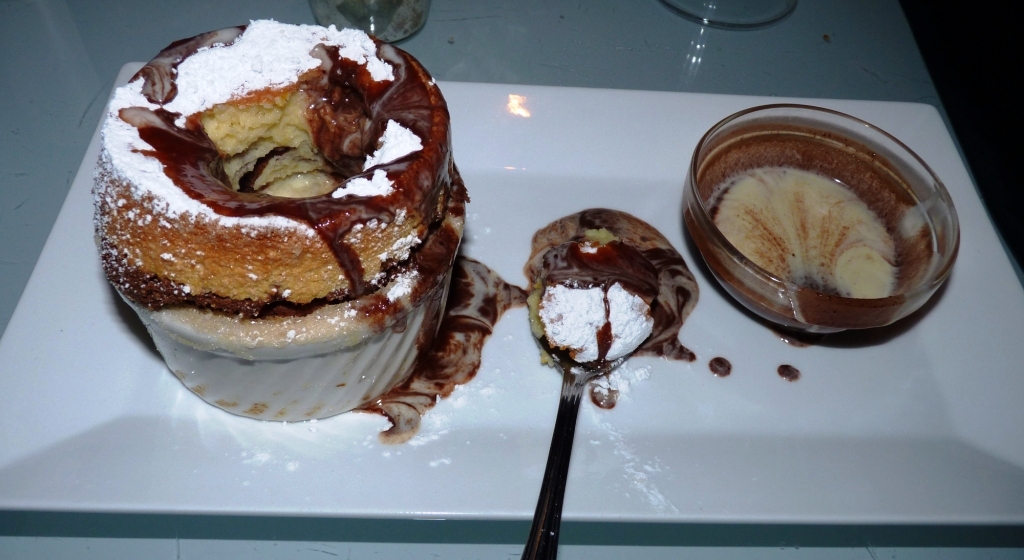
The dessert somewhat compensated for the entrees, though, as it was the best souffle I ever had – chocolate grand marnier souffle:
All in all, it was a great and very memorable visit. If you have an expense account, your possibilities are endless at The Forge. If you are like me, coming for the great “wine and time” experience, you might have better luck with fish. Cheers!
Israel Food and Wine Experiences: Kimmel Restaurant–Wow!
 I don’t know how does it work, but every time I come to Israel (which happens about once a year), the food here is getting better and better – every time. This year my friend took me to the Kimmel restaurant, located very close to the Neve Tzedek district in Tel-Aviv.
I can describe my experience at this restaurant with a single word (is that officially a word?) – WOW! Starting from décor, going to service, and then wines and food, everything was just impeccable (am I exaggerating? I don’t think so – it was seriously a “wow” experience).
Starting with the décor (which I don’t have the pictures of, unfortunately), the place has an ambiance of the French countryside tavern – very rustic, dark aged wood paneling, old bottles ( and some new) are everywhere, dimmed lighting.
For an appetizer we had a beets salad with fried goat cheese, pistachio and baby greens (very good):

And then mushrooms with Foie Gras ( outstanding!) – perfect sauce and the overall combination of mushrooms and foie gras ( not your everyday appetizer):

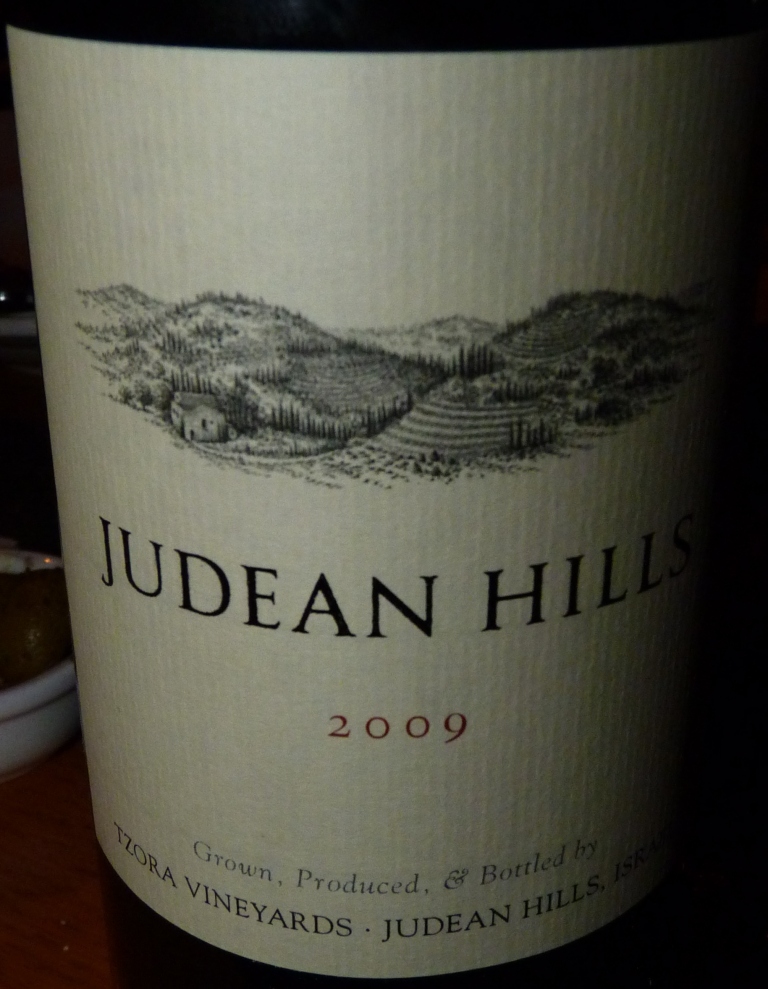 Of course we had wine. I had been a big fan of Israeli wines for a while – the quality of the wine I tried was improving every year – and there are more and more Israeli wines which are simply world-class. We selected 2009 Tzora Vineyards Judean Hills wine, which was a blend Cabernet Sauvignon, Merlot and Syrah – soft, balanced, with good amount of dark fruit, but not overpowering the food. This wine paired very well with our choice of appetizers, and of course it was gone before the main course arrived.
For the main course I choose boulibaise, and it was impeccable. Balance of acidity and spiciness, perfectly cooked, succulent mussels, shrimp and crab claws. And for the great touch – an addition of a shot of anise liquor, which put the whole dish on the next level – perfect!

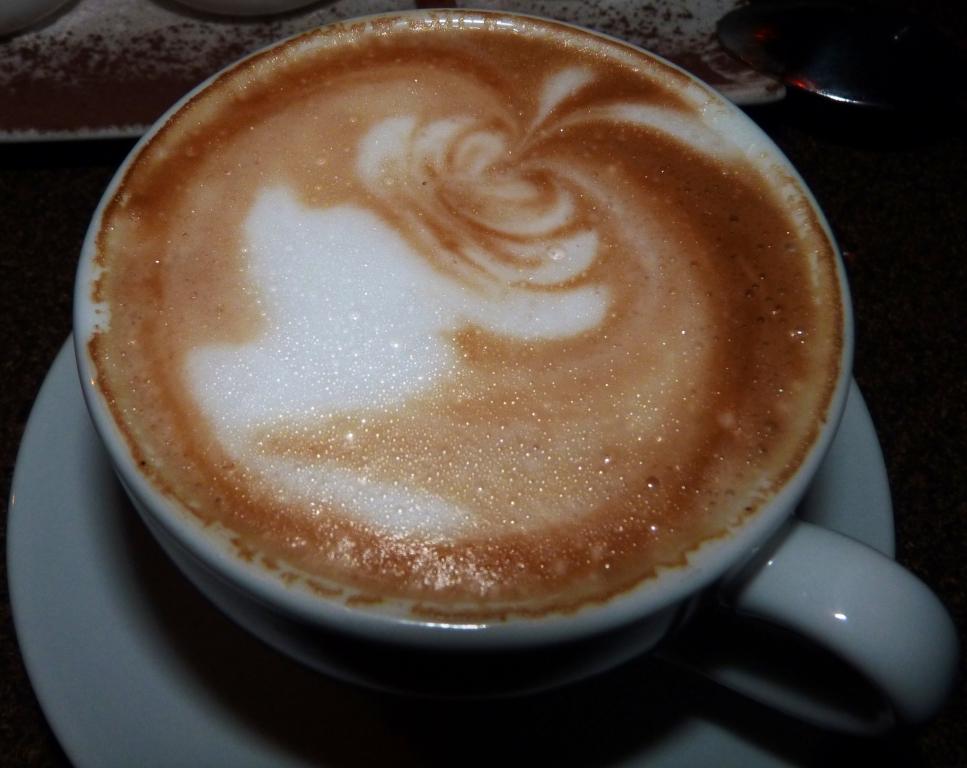
And then desert… Absolutely on par with all the excellent dishes. First, cappuccino:
Then creme brulee four different styles – probably one of the absolute best I ever had, as in a lot of cases creme brulee is simply reminiscent of the sweet omelet – this one was light, creamy and delicious, without any egg taste showing up:

And for the last highlight of the meal – chocolate lady fingers ( that was the name of the dish). I don’t want to sound as judges at Iron Chef or Chopped, but this was one of the rare experiences where the texture was really a key in the dish – perfect balance of creaminess of the chocolate with the crunch of the cookie – totally different from anything I had before – nothing cloying, nothing sticking – just perfect.

All in all, if you are planning your visit Tel-Aviv, put Kimmel restaurant on your “must” list – and you can thank me later. Cheers!
Five Essential Traits of the Oenophile
 Do you think all the wine lovers have something in common? Let’s take a look at some of the qualities which I believe, any oenophile possesses.
- Patience: I think this is single most important quality of the oenophile – one have to be able to wait. Mostly we are buying young wines, when they are released. If you want to truly enjoy the wine, you want to drink it when it is at its peak – which in turn means that you have to put that wine aside and wait for it to reach its best form. For example, it is considered that California Cabernets need about 13 years to reach their peak of maturity – can I rest my case? Patience has another virtue. Before you can start waiting for the wine to reach its peak, you have to get that wine. Have you heard of the mailing lists? This is how you get many great wines – Cayuse, Alban, Harlan, Bryant Family and many hundreds of others – are available only through the mailing lists. What’s a big deal about the mailing list (sounds so routine, right?) -not much, just keep in mind, that there is a list to get onto the mailing list…
- Passion: Have you ever talked to oenophile about the wine? The eyes would lit up, and information will be flowing – grapes, growing season, winemaker, the rain and the heat, the taste, the emotion, the experience. Wine is a form of art – and the same way as poetry, music, paintings, photography, architecture – it solicits emotion and passion.
- Quick decision-making: when opportunity presents itself, oenophile have to be able to decide on the fly. Is this the wine I want? Is that a good year? Is that a good price? Sometimes, all this information should be processed within split seconds – if you ever tried to get a great true bargain at WTSO.com, you would understand. Spend a bit longer figuring out if that was a good vintage – and it is not relevant anymore, as the wine is gone.
- Good memory: In the simplest form, it supports previous quality – quick decision making. You need to remember good years and bad years (for instance, Bordeaux 2000 and 2005 were amazing, and 2002 is better be avoided), you have to remember the exact name of the wine (Peter Michael makes four Chardonnay wines designated as “Estate Vineyard, Knights Valley, Sonoma County” and distinguished only by name like “Belle Côte” or “Ma Belle-Fille” – you better remember which one did you liked more yesterday at the party). But good memory goes further than remembering only simple words or numbers – how about remembering the taste of your favorite wines? I believe oenophiles will be able to describe the taste of the wine they had 10 or 20 years ago – if it was memorable enough.
- Desire to share: We want to share our joy, we want to share our experiences, we want to share our best wines – with the people who will appreciate it. I don’t mean to sound snobby – but oenophiles often start from trying to convince the whole world that this particular wine is a pure joy – and the beer drinking part of the world might not see it like that (love the beer myself – there is nothing here against beer drinkers, they just prefer different beverage). Then oenophiles start to understand that they better share their experiences with like-minded people. But – once you strike the cord, everything is open and available. Soliciting “wow” from someone who just had a sip of what you deem one of the best wines on Earth (or at least in your cellar) – priceless.
How far off do you think I am? If you acclaim yourself as a wine lover (aficionado, connoisseur) – do you associate with any of these traits?
Please comment, and – Cheers!
As One Year Is Winding Down, Another Year Begins
 Year 2011 is ending very shortly – how was it?
I’m very happy with t he wines I had an opportunity to experience in 2011 (please forgive me, but the term “wine” is used here in all-inclusive way – it also includes Scotch and other tasty alcohol) . There were lots of great wines – I already gave you my “top dozen“, but there were probably another 30-40 wines equally qualified to be included in the “top” list – like these gems from Margaux, great Spanish wines and many others.
Am I happy with the content of the blog? I think some of it was good, and some was just okay (honestly, don’t know if I did something bad – you tell me). I really want you, my readers, to be the judge of it. Was here anything which you really liked? Can you share that with me?
What I’m not happy with is the level of interaction. I know many of you actually read the posts, can you also tell me what do you think? “Great, Cool, Crap, BS, nonsense” – I would gladly take feedback, and consequently, dialog, in any form. Pleeeease?
I also wanted to give you a summary in the numbers ( posts, readers and so on) – but you know what – let’s forget the numbers, not so important. Ahh, only one quick update – on the grape count. Over the past few weeks, I added another 5, so the total count now stands at 360. Here are the new grapes:
Saint George – 2009 Skouras Red saint George Cabernet sauvignon, Peloponese, Greece
Savagnin – 2008 Benedicte & Stephane Tissot Selection Arbois, Jura, France
Noah – Renault Noah, New Jersey
Mouhtaro – 2009 Muses Estates Mouhtaro, Thivakos, Greece
Pais – 2009 Cuvee Del Maule, Chile
And now let’s spin our crystal ball – what is ahead of us, in 2012? One thing for sure – there will be lots of great wines. Wines are becoming better all over the world, and they are becoming more interesting. There will be more amazing natural wines, wines which don’t taste like anything else you tasted before. There will be more sparkling wines, there will be more rose wines, even in the winter.
As for anything else – I will continue to write about my experiences with wine, food and life. And if I can have one New Year wish, only one – I would love to see more comments.
That’s all, folks, for 2011. Make sure your favorite bubbly is chilled, your favorite food is on the table, and your friends are surrounding you. I wish you lots of luck, lots of love, lots of happiness, lots of health, and lots of amazing experiences. Happy 2012! Cheers!
Fears of the Oenophile
 If you are drinking wine only in the restaurant (and only because you have to) or twice a year at the parties, you can safely skip this post. For those of you enjoying the wines on more occasions (and without any occasion too) – please read on and tell me what do you think is real and what is the result of my inflamed imagination.
Would you think that there should be any fears associate with wine? That the fear is lurking around those shiny bottles? Actually, if you think about it, I believe there are quite a few. Let’s take a closer look.
1. “Spoiled wine” – I think this is the mildest of all – except when this is the last bottle of your favorite wine or a special bottle you proudly brought to someone’s house. Many different things can constitute spoiled wine – wine can be corked (musty, wet basement smell and painfully sharp taste with the similar musty flavor profile), or oxidized, or vinegary in taste. In general, it is considered that about 8% of all wine is corked – this is a very sad number if that hits you. Discovering that the wine is spoiled is an unpleasant surprise – but in many cases the problem can be easily addressed (get another bottle from the cellar or you tell your wine steward in the restaurant that the wine is spoiled, and you would typically get a new bottle of wine).
2. “is this wine ready to drink, or should it wait for a little longer?” Many wines improve with age. If you ever read wine reviews by Wine Spectator, Wine Advocate and the likes, you probably noticed phrases like “Drink Now”, “Best before 2015” or “Best 2015 to 2024” – these are wine critics’ recommendations for the particular wines to be at their pick, to be the most enjoyable. But most of the wines we buy (definitely the most of the wines I buy) don’t have any critics recommendations associated with them. So when is the right moment to get the most pleasure from the bottle? There are some general rules, like “California Cabernet reach their pick at about 13 years of age”, but in the end of the day you would need to have a good understanding of the wine regions and particular producers to reduce this fear factor.
3. “is this occasion special enough for this bottle?” Pairing the wine with the occasion can be very tricky and fearful. You are reaching out for that special bottle of Latour, but what if one of your guests will decide to add a little coke to her glass as the wine is too dry for her? Will this group of beer drinkers appreciate the 1964 Rioja Alta which you were planning to open just for this great occasion? Whether you like it or not but you have to address this fear by knowing the preference of your guests and then resolving that you will be happy with your wine selection no matter what.
4. “is this bottle special enough for this occasion?” This is almost the same as the previous one, but with a slightly different angle. Vey often, we are waiting for a “special occasion” to open that special bottle. Every time we don’t know if the occasion is special enough. We keep waiting, and waiting, and waiting, fearing that the right occasion still didn’t come. We definitely don’t want to end up like the main character of the movie “Sideways”, who had his 1961 Cheval Blanc with the hamburger at a fast food place, drinking the magnificent wine from the Styrofoam cup. If anyone remembers “Tastings” column in the Wall Street Journal written by Dorothy Gaiter and John Brecher (the column which I dearly miss), they created an event called OTBN (Open That Bottle Night), where they were encouraging all the wine lovers to reach out for that special bottle and open it on a designated date. I think this is the best solution to address the “special bottle” fear – we need to create special moments for our special bottles, and then everything will magically fall in place.
5. “will I enjoy this bottle as much as I did last time?” I think this is my personal biggest fear associated with wine. Sometimes, I get carried away by the glass of wine – it creates amazing memory of the fiery of taste, it comes through as truly exceptional experience. Once this happens, the next time I’m reaching for the same bottle of wine, the first question in my mind is: “what if it doesn’t taste that great”? What if something was wrong with me last time – special occasion, special surrounding, special atmosphere? What if this wine will not be as magical as last time – did something happened to the bottle or something happened to me, and if it is something which happened to me, then when? The previous time or now? There are all sorts of emotions involved here, and sometimes this specific fear is keeping me away from that special bottle of wine. The best antidote of course is trying the wine, and discovering it to be as good as the last time – that is the special moment of joy, I guess, for any oenophile (works for me for sure).
So, is there anything here you can attest to, or is it all caused by too much free time on my hands? Let me know you thoughts.
And as this is the time of the Holidays, Happy Holidays and Cheers!
Last Bottle Sign Up ($10 credit)




 Talk-A-Vino