Archive
Devotion – The Blog Post I Can Not Write
 As soon as I saw the new theme for the Monthly Wine Writing Competition #7, Devotion, my very first thought was “hmmmm, this will be hard, or more precisely, extremely hard”. The problem is that when I hear the word “devotion”, the immediate mental picture is of a giant cross at the very best, or no picture at all – but I can assure you it ain’t the picture of a bottle of Cabernet Sauvignon.
Ever since the theme was announced I was struggling to find the connection of “devotion” to the wine world. I’m sure the examples of the true devotion are abundant in the wine world. May be even more than in many other trades, the success requires a lot of sweat, blood and sacrifice. Not been a wine historian, but rather only a very appreciative and dedicated consumer, I don’t have those stories of sweat and blood handy, and searching the Internet and rewriting someone else’s stories is not something I usually do, thus search for the connection between wine and devotion became literally a daily routine. To no avail.
I thought that I will start my post with the analysis of the word “devotion” – yes, the linguistic analysis. Oliver did it it perfectly in his post for the #MWWC7, as he was struggling with the theme in pretty much the same way as I did. Oliver took the Latin route for the meaning of “devotion”, so I can still refer to the English meaning of the word. Here is a nice representation of the Google search for the definition of “devotion”:
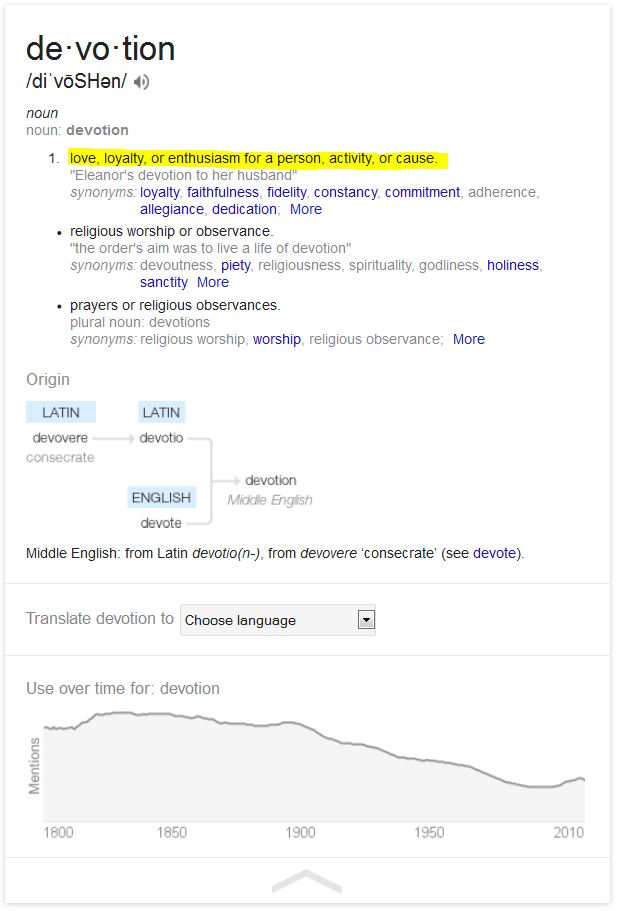
Yes, love and loyalty (or dedication for that matter) sound like the right way to go here – but if that is the direction, I would simply use the word love, and not devotion. Nope. It doesn’t connect.
So as today is a pretty much the last day to submit the entry, I still don’t have it.
But let me give you somewhat of an interesting twist here. Let’s put the word “devotion” aside for a minute, and let’s go back to the wine. Think about two sides of the wine world (not exclusively two – but let’s simplify here). On one side, winemaker should be willing to make an honest wine, the wine he or she will be willing (and proud) to offer (sell) to any consumer. On another side of the spectrum is the consumer who should be willing to buy the wine. Let’s make this statement even more precise – the consumer who should be willing (and eager) to drink the wine. Do you think we can find devotion on both sides here? Does it take devotion to make the best possible wine? Yes this is an easy case, I would say (and it was perfectly presented by Jeff at FoodWineClick in his photo essay about devotion of the winegrower). And how do we get to the devotion of the wine consumer? While this might not sound all too fitting for the term, but one should be devoted enough to the wine world to be willing to open the bottle – any bottle, a cult (DRC, Petrus, Screaming Eagle), or the most obscure, of unknown grape and producer; the wine which costs thousands, and the wine which costs $1.99. Open and give that wine a chance, step over the preconceived notions (“ahh, I don’t drink California Chardonnay”) and make an effort to understand the wine for what it is. Is that a behavior of the wine-devoted consumer, an oenophile? We are not talking here about people who buy the wine as an investment, with the sole purpose of selling the wine once its price will increase – those people are devoted to money, not to the wine. But for the oenophile, the wine is approached with an open mind – that doesn’t mean that the one should equally love all the different styles and tastes – but that one has equal respect to them all.
And let me tell about devotion of the winemaker through the eyes, nose and palate of the devoted oenophile (yep, myself in this case).
I brought the bottle of 1966 Louis M. Martini California Mountain Pinot Noir from Chicago about a month ago. I was in the store, shopping for the older vintage wines, and I couldn’t resist to buy such an old wine for $25 – yes,this is how much this wine was.
I didn’t want to hold it for too long, so Valentine’s Day seemed like a perfect opportunity to open a special bottle of wine (yes, I should’ve wait for the Open That Bottle Night, but we are always traveling over the actual OTBN day, as it generally falls on the kids’ school vacation).
When I told my friend Zak (who owns the wine store) that I will be opening the 1966 California Pinot Noir for the Valentine’s Day, his reaction was “why? You understand that the wine will not be any good, just keep the bottle as is for the decoration”. My thought was “I can always keep the empty bottle as a decoration. I have to give this wine a try”.
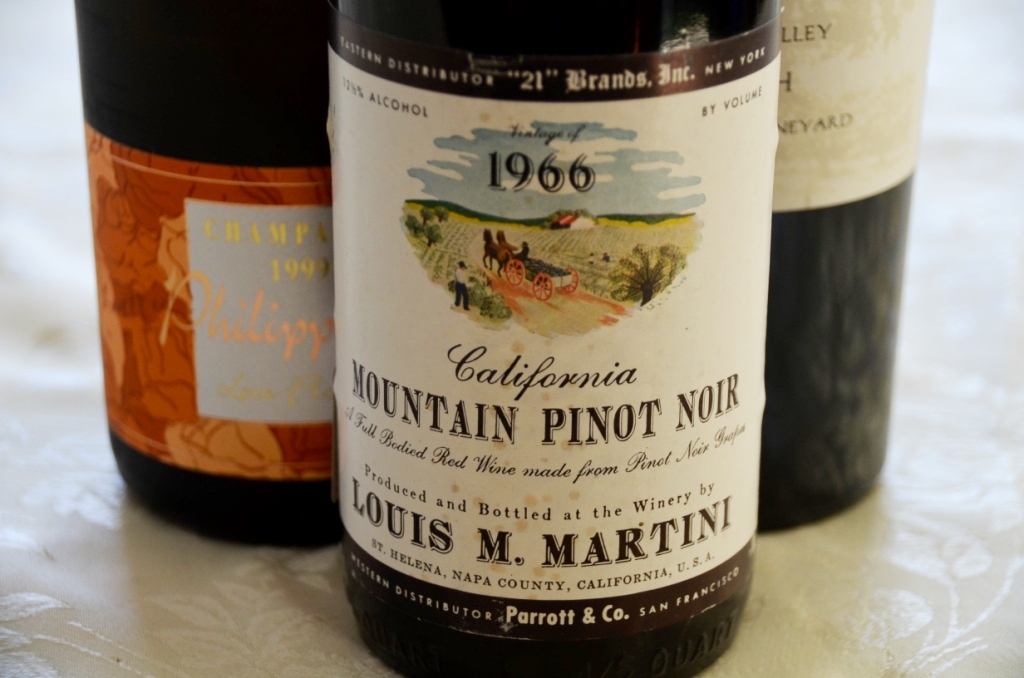
I honestly didn’t know what to expect. 1966 Pinot Noir from California? Not made by the star winemaker at the state of the art modern winery? The only thing I knew about the wine that it was made at Louis M. Martini winery. And Louis M. Martini doesn’t even make Pinot Noir wines today! Okay, let me come clean here – I had an additional reinforcement of my hope. I remember my wine class on Californian wines at the Windows on the World wine school, where after we tasted the line of California Cabernets, Kevin Zraly said “this wine is made by the Louis M. Martini. They make make excellent wines, and they could charge a lot more for them, but they chose not to”.
Louis M. Martini was an Italian immigrant who came to the United States in 1899. After working in the wine trade for a while, he opened Louis M. Martini winery in Napa Valley in 1933, as Prohibition was ending. Last year, the winery celebrated its 80th anniversary. You can read the history on the Louis M. Martini winery web site, but I want to mention that Louis P. Martini, the son of Louis M. Martini, went on to become one of the pioneers of California Pinot Noir and Merlot, and he was inducted to California Vintners Hall of Fame in 2008.
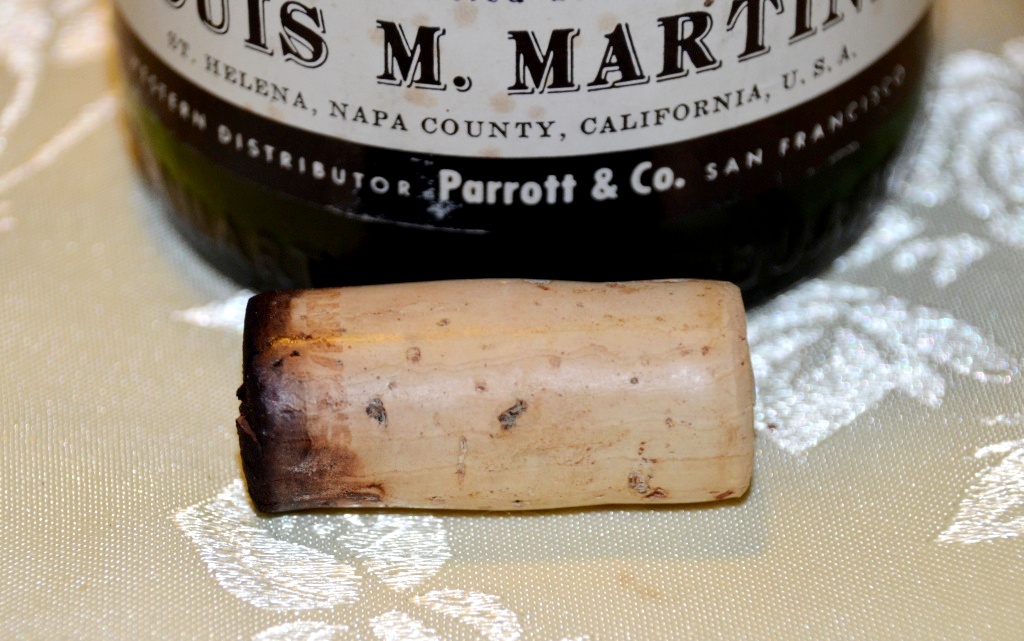
Let’s get back to the wine. It was the time to open that 1966 bottle, so I armed myself with the waiter’s corkscrew and the two-prong cork pull. I even had a thought of using Port Tongues, but that sounded a bit too fancy. Foil was cut, and I was presented with pristine looking cork top. Considering that appearance, I used the the regular waiter’s corkscrew, only moving it very slowly. The cork struggled only a tiny bit, and came out as a whole – and just look at this cork! I had 5 years old wines, where cork was in the terrible condition, never mind 48 years old wine!
 So I poured the wine into the glass – beautiful red brick color, with an orange hue, reminiscent of signature Barolo color. I was really concerned about the first smell – hoping not to find a sauerkraut or vinegar there – and the nose was perfect! Yes, the herbal flavors were prevailing over the fruit, but nevertheless, it was a very pleasant nose without anything disturbing. The first sip – wow. This wine is beautiful! Yes, lots of herbs – sage, eucalyptus, may be even lavender, but also with the nice plum component, and most importantly, balancing acidity. An extremely complex and thought provoking wine – but in the perfect elegance of all the components. The wine opened up a bit more, showing a bit more sweet fruit notes – and then it was gone – we finished it all. Truly spectacular and almost unbelievable – but it was real. I would love to compare this wine to the old Burgundy – I guess this is what it will taste like, if I’m lucky.
And you are looking for connection to the today’s theme, devotion? To me, it is simple. To make the wine which will last for so long and stay in such a perfect condition (go back and look at that cork again) requires a dedication, it requires the full devotion of the winemaker, it requires the unconditional love to what you do. And this wine had it all.
Raise your glasses, my friends, for the true devotion of the winemakers and oenophiles. Cheers!
Benvenuto Brunello, or Notes from Brunello Deep Immersion
This is not a quiz post, however – let me start with the question: what do you think of Brunello di Montalcino, the noble wine made out of the Sangiovese? Well, technically it is Sangiovese, but in practicality Brunello di Montalcino is made out of the grape called Sangiovese Grosso, sometimes simply called Brunello. When people need to provide an example of the best Italian wines, the triple-B, Barolo, Barbaresco and Brunello, are the very first names which cross oenophile’s mind, so this is the Brunello we are talking about here. So, what is your experience with Brunello?
To carry the denomination of Brunello di Montalcino DOC or DOCG, the wines must be made from 100% Sangiovese Grosso grapes, and age at least 2 years in oak casks, and then at least 4 month in the bottle (at least 6 month for Riserva designation), but many producers age it for a lot longer. First time Brunello wines can appear on the store shelves is 5 years after the vintage date.
There are tons of books and web sites with countless pieces of information about the region, the history of the wines, the food, the people – I’m not going to simply repeat all of that. However, I can’t resist to share this magnificent picture of the Montalcino, as it was shared by the Brunello Consortium – I generally only use my own pictures in the blog, but this is soooo beautiful!

Montalcino Panoramic. Source: Brunello Consortium
To celebrate the release of 2009 vintage, The Consortium of the Brunello di Montalcino Wine (Cosorzio del Vino Brunello di Montalcino), an association of all Brunello producers, arranged the series of seminars and tastings in New York and Los Angeles, and I was fortunate enough to attend the event in New York – hence this post where I’m sharing my impressions. Before I will get down to the details and inundate you with tasting notes and pictures, let me share some general notes and observations (yes, you can call it an executive summary):
- According to the representative of the consortium, 2009 was a “4 star year” as opposed to the 5-star, such as 2007 or 2001 (or upcoming 2010). In 2009, growing season had rainy spring, but good hot and sunny September, which helped with overall quality. 2009 Brunello supposed to be more approachable at the younger age (my note: some were, and some were very far from being approachable).
- Some interesting facts:
- There are 90 clones of Sangiovese used in the production of Brunello di Montalcino.
- Montalcino is a large region, so different areas of Montalcino region produce different wines, due to vastly different soils and climate conditions (what is Italian for Terroir?) Unfortunately, those different areas are not indicated in any way on the label – you actually have to know the location of the vineyards for each respective producer to know what to expect. The special guide produced for the show had very helpful tiny maps showing the approximate location of each and every winery represented in the guide.
- The use of oak (type, duration, etc) is changed from vintage to vintage.
- I actually think that while deemed approachable, 2009 still needs time. Few of the 2004, 2005 and 2006 Brunellos which snuck into the tasting, showed up just magnificently.
- The 2012 vintage of Rosso di Montalcino, a simpler, typically less oaked wine, also made out of Sangiovese Grosso, is showing up in the stores. This wines should be ready to drink now (but many will age well too, depends on the winemaking style).
- Based on the tasting, I much preferred 2011 Rosso di Montalcino over the 2012 – don’t want to think too hard about the reason, but if you are looking for delicious bottle of a good Italian wine to drink now, 2011 Rosso di Montalcino might be “it”.
- Don’t know if this is a trend (and definitely don’t want to be spotting any trends), but in this tasting, there were surprisingly large number of corked bottles. I had to call out at least two bottles, and with another three I ate my words, only mumbling “aha, this is good”. I do attend trade tastings regularly, and this is not normal. I rarely drink Brunello, so if anyone who is reading this actually drinks a lot of Montalcino wines, I’m curious to know your opinion. Bottom line here – trust your palate. If you think the wine is corked, most likely it actually is!
Now, let’s talk about the seminar. Both the seminar and the tasting were, of course, about Montalcino wines. The difference is that during the seminar you are sitting down and listening to the presenter(s) as opposed to walking around with the glass and the book in your hand – but most importantly, you have enough time to completely analyze the wine – color, nose, palate – everything at your own pace, one by one. Here are my notes regarding the 8 wines presented during the seminar, in the order of tasting:

2009 Capanne Ricci Brunello di Montalcino DOCG (14.5% ABV, $54.99, aged 3 years in large oak barrels plus bottle age). Drinkability: 7
Color: Garnet color
Nose: Very pronounced and intense, with cherries and leather
Palate: Austere, just powerful tannins, some good background acidity. Way too tannic to be appreciated at the moment.
2009 Col D’Orcia Brunello di Montalcino DOCG (14.5% ABV, $55, aged 3 years in Slavonic and French oak casks plus 12 months in the bottle). Drinkability: 7+
Color: Bright ruby
Nose: Touch of plums
Palate: Nice cherries, much softer than the previous wine, can be drunk right now
2009 Loacker Corte Pavone Brunello di Montalcino DOCG (15% ABV, $75, aged 3 years in oak). Drinkability: 8-
Color: Dark garnet color
Nose: Spectacular, intense, with a lot of bright fruit.
Palate: Cherries and lots of bright fruit, has a lot going on. Still needs time, but very enjoyable already.
2009 Palazzo Brunello di Montalcino DOCG (14.5% ABV, $70, aged 36-40 months in oak, 8-12 months in the bottle). Drinkability: 7-
Color: Dark ruby
Nose: Overall quite restrained, with a hint of cherries
Palate: Cherries and then tannins and only tannins on the palate. The tannins feel over-extracted – this wine might never open.
2009 Pinino Brunello di Montalcino DOCG (14% ABV, $50, aged 30 months in Slavonic oak). Drinkability: 7
Color: Garnet with brick-ish hue
Nose: The fruitiest nose of all. Cherries and blueberries.
Palate: Cherries and tannins. Tannins overly intense in front of the mouth, and somewhat uni-dimensional.
2009 Tenute Silvio Nardi Brunello di Montalcino DOCG (14.5% ABV, $69.99, aged 12 months in new and old french barriques, 18 months in large Slavonic oak barrels, at least 12 months in the bottle). Drinkability: 7+
Color: Garnet.
Nose: Nice and balanced, with the hint of cinnamon and coffee.
Palate: Nice, open, with bright cherries and more manageable, but still aggressive tannins. Can be enjoyed now, but still needs more time.
2009 Il Grappolo Fortius Brunello di Montalcino DOCG (14.5% ABV, $N/A, aging in oak barrels plus bottle age). Drinkability: 8
Color: Garnet with brickish hue
Nose: Very promising, elegant, with cherries and raspberries.
Palate: Beautiful, lots of fruit, ripe cherries, present but not overpowering tannins. Best of tasting.
2009 Tenuta San Giorgio Brunello di Montalcino DOCG (14.5% ABV, $55-$60, aged 12 months in French oak barrels, then 24 months in large Slavonic oak casks, 12 months in the bottle). Drinkability: 7
Color: Garnet with brickish hue
Nose: soft and expressive, but shows off alcohol
Palate: nice fruit, sour (very sour) cherries, pepper in the back is a bit out of place. Aggressive tannins.


For the walk around tasting, I did my best to taste as many wines as possible, before my palate gave up (it is very hard to taste only red, intensely tannic wines – remember, there were no whites) and the place got really really crowded. I used the same system of plus signs (+, ++, +++) as I do in the trade tastings – of course with few of the ++++ exceptions. Below is the list of most exceptional wines I experienced in the tasting:
2009 Banfi Poggio Alle Mura Brunello di Montalcino DOCG – beautiful! +++
2007 Banfi Poggio Alle Mura Riserva Brunello di Montalcino DOCG – wow! ++++
2009 Belpoggio Brunello di Montalcino DOCG – very nice, approacheable
2012 Belpoggio Rosso di Montalcino DOC – beautiful fruit, open, herbs
2011 Brunelli Rosso di Montalcino DOC – integrated, beautiful! +++
2006 Camigliano Gualto Riserva Brunello di Montalcino DOCG – beautiful! nice depth, density. +++
2011 Capanna Rosso di Montalcino DOC – beautiful, open +++
2011 Caparzo Rosso di Montalcino DOC – one of the most unusual. Intense strawberries on the palate.
2009 Il Palazzone Brunello di Montalcino DOCG – nice, good fruit +++
2007 Il Poggione Vigna Paganelli Riserva Brunello di Montalcino DOCG – excellent, powerful and balanced
2011 Il Poggione Rosso di Montalcino DOC – excellent, great fruit +++
2008 La Togata Brunello di Montalcino DOCG – probably the most delicate, beautiful fruit, tobacco in the back ++++
2008 Podere Le Ripi Lupi Sirene Riserva Brunello di Montalcino DOCG – wow! beautiful! open! ++++
2006 Podere Le Ripi Lupi Sirene Riserva Brunello di Montalcino DOCG – wow! ++++
2009 Podere Le Ripi Amore & Magia Rosso di Montalcino DOC – beautiful! complex, Crème brûlée (no sugar!) on the palate ++++
2008 Podere Le Ripi Bonsai Rosso di Montalcino DOC – wow!
2007 Ridolfi Riserva Brunello di Montalcino DOCG – very good! needs more time +++
2009 Sasso di Sole Brunello di Montalcino DOCG – excellent fruit! +++
2004 Sasso di Sole Riserva Brunello di Montalcino DOCG – plums, cherries, wow! Perfect complexity, both nose and palate ++++
2011 Sasso di Sole Rosso di Montalcino DOC – spectacular nose, good fruit, tobacco, earthiness +++1/2
2012 Talenti Rosso di Montalcino DOC – tobacco, complexity, balance! +++
2009 Uccelliera Brunello di Montalcino DOCG – sweat and beautiful! +++
2008 Uccelliera Riserva Brunello di Montalcino DOCG – wow! stunning! ++++
2012 Uccelliera Rosso di Montalcino DOC – great! tobacco, fruit, exellent! +++
2011 Verbena Rosso di Montalcino DOC – wow! ++++
2011 Villa Poggio Salvi Rosso di Montalcino DOC – excellent! +++
2012 Voliero Rosso di Montalcino DOC – beautiful! +++
And we are done! But before we part, I have to leave you with the drool picture, the one which makes the oenophile’s heart race:
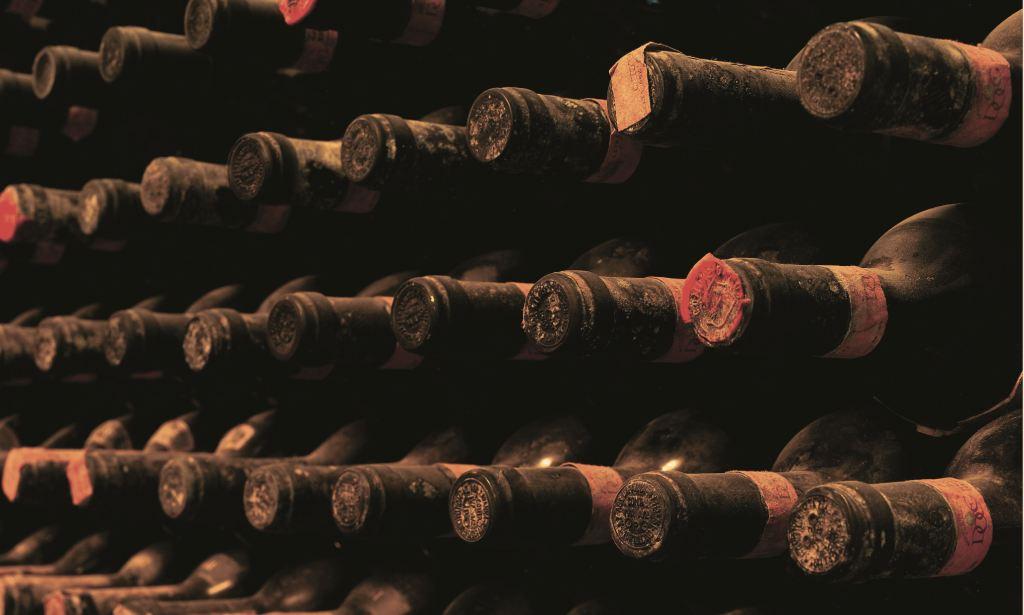
Old Brunello wines. Source: Brunello Consortium
This was a great experience, and I’m already looking forward to welcoming Brunello 2010. I have a sneaky suspicion it will be pretty tasty… Cheers!
Serious Fun With Wines
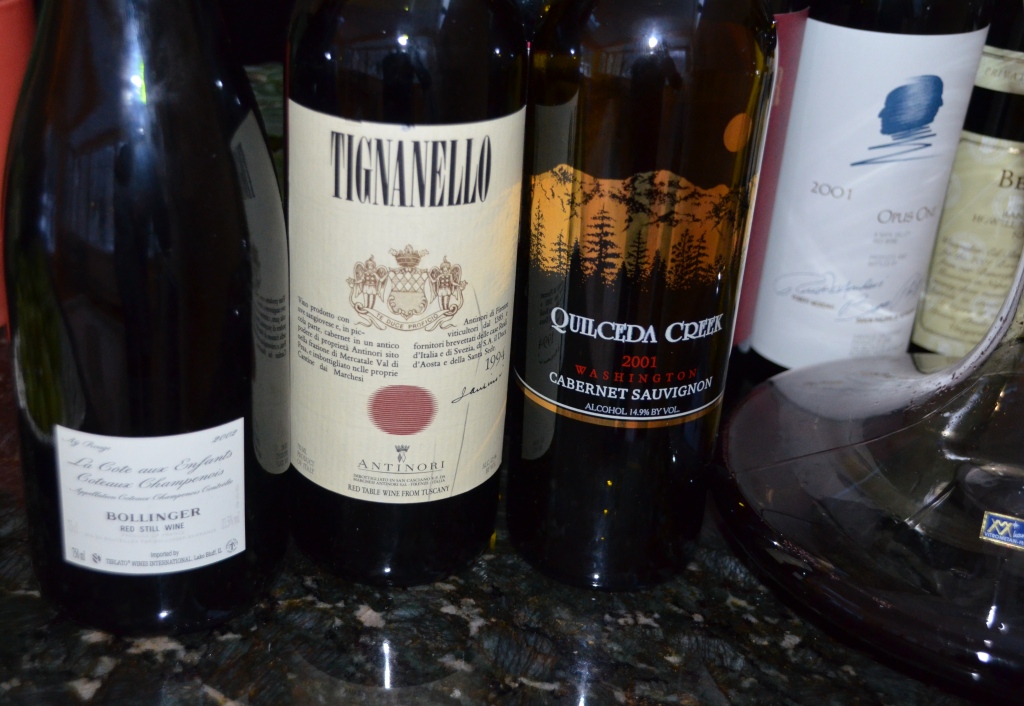 We do drink wine mostly every day, thus we do have fun with wine every day. But then every so often, we are lucky to get together with the other wine
 crazy people aficionados, usually to celebrate some sort of occasion (Birthday, etc. ), and this is when from everyday simple fun we advance to the area of “serious fun”.
What makes the wine fun “serious”? It is age and pedigree for the most of the cases, where just a quick glance at the bottle makes your heart race. “Wow, this is so cool” the brain sings, and you literally start to salivate even though it will be a long time until dinner will be served and the wine will be opened. If you will look at the lineup in the picture, you will easily get my point.
We started our evening with the 2013 Paumanok Chenin Blanc North Fork of Long Island, New York (11% ABV) – it had a nice nose of white fruit, white stone fruit on the palate, fresh acidity and overall very uplifting character with residual sweetness on the finish. Drinkability: 7+
The next wine was quite unique and different, at least for me – it was Sauternes, but – it was a dry Sauternes. 2007 Chateau Suduiraut S de Suduiraut Blanc Sec, Bordeaux (70% Sauvignon Blanc, 30% Semillon, some oak aging) was definitely an interesting wine. I’m still trying to understand if this wine was already past prime, or was simply in its slumber. It is unfortunate that the Chateau Suduiraut’s web site lists no technical information about the wine, only implies that it underwent the oak aging. The wine was showing as full bodied and plump. At the same time, the fruit was very muted and initially the wine showed a hint of oxidation on the finish, which disappeared as the wine was breathing. I think this wine left all of us puzzled – it was not bad by all means, but it was not great either. It would be interesting to try the same wine maybe in 5 years – not sure it will be easy to do as it is quite rare. Drinkability: 7
And then there were reds. We opened both 1994 Tignanello and 2001 Quilceda Creek, and Tignanello was exhuming the pleasure, while Quilceda Creek was clearly asking for decanter – which was provided. Meanwhile, another fun and rare bottle was opened. I’m sure you know Bollinger. Yes, the Champagne producer. But – according to Champagne AOC rules, even Champagne producers are allowed to make … yes, still wines! 2002 Bollinger Ay Rouge La Cote Aux Enfant Coteaux Champenois was a bit tight first in the glass, but after about 10 minutes, it opened up into a luscious, complex goodness. Dark garnet color in the glass with some orange hue, an earthy nose of mature fruit with just a touch of characteristic Pinot Noir smokiness. Soft, supple and round on the palate, good amount of dark fruit, well integrated tannins and balancing acidity. Definitely a very interesting wine and experience. Drinkability: 8
1994 Antinori Tignanello (80% Sangiovese, 20% Cabernet Sauvignon) didn’t even show any signs of age! Dark ruby color in the glass, intense nose of dark cherries with a touch of leather and herbs. Fresh fruit and fresh acidity on the palate, cherries, leather and sage, perfectly balanced and ohh so enjoyable! I believe I tasted Tignanello before at some of the trade shows, but this was my first one on one encounter with this wonderful wine, with the ability to slowly enjoy and savor every sip. Drinkability: 9-
2001 Quilceda Creek Cabernet Sauvignon Washington (14.9% ABV, 97% Cabernet Sauvignon, 3% Cabernet Franc, 22 month in New French oak) spent about two hours in the decanter – but even that was not enough. Dark, brooding, concentrated, powerful – but not yielding much of the fruit, all closed up behind that power. After a first glass, we decided that we were simply wasting this wine, and we moved on to the another bottle.
1999 Pahlmeyer Proprietary Red Oakville, a classic Bordeaux blend with Cabernet Sauvignon, Merlot, Cabernet Franc, Malbec and Petit Verdot. Dark ruby red in the glass, blackberries and blueberries on the nose. Powerful and concentrated on the palate, with black currant, eucalyptus and espresso notes on the palate, soft tannins, very balanced with the medium long finish. Drinkability: 8
And last, but not least – dessert! Yes,the liquid dessert. 1977 Grahams Port. The first challenge was to get the cork out – this is where I regretted not having the Port Tongues available. The cork was pulled out almost completely, with a few little crumbles going back into the bottle, so we used a little mesh to pour the wine. The Port was beautiful – fragrant, fresh, with good acidity, palate full of not overly sweet dried fruit – dried cherries and may be dates come to mind. Perfectly balanced and very very enjoyable. Drinkability: 8+.
And the drop of Scotch to finish the meal properly – very unique and different, Bruichladdich 14 Years The Italian Collection Sassicaia French Oak – the scotch was beautifully mellow, well integrating a touch of traditional Bruichladdich peatiness with round and polished, almost sweet finish imparted by Sassicaia French Oak casks.
That concludes my “drool report” for now – well, life is an interesting thing, so it seems that couple of upcoming weeks will lead to more of the “great wine” reports.
Whether you had or had not any of the wines I’m talking about here, your comments are most welcome! Cheers!
Turley The Label 2011 – Sometimes, Words Are Just Not Enough
 Wine triggers emotions. Emotions become memory knots. Sometimes, just one quick look at the bottle is enough to unleash the memory flood – where, what, how, the images and thoughts are just start coming in. Wine triggers the memory of the moment in the past, and we remember what was happening. But how often do we remember the wine itself? How often do we remember the smell and the taste? Take the wine out of the context of the memorable event, just bring it back to the regular Monday night, just an average, uneventful night – how many Monday (or any other regular weekday or weekend) night bottles can you recall?
And then there are wines which require no memorable setting to be memorable on their own. The wines which don’t bring the memories of the moment, but rather memory of itself. Those wines are rare, few and far in between. But they exist. And from time to time, we are lucky enough to encounter one more. My latest encounter? 2011 Turley The Label.
2011 Turley The Label Cabernet Sauvignon Napa Valley (13.4% ABV) was released in the late fall of 2013, and came out in its traditional simple bottle. Dark garnet color liquid went into the glass. Swirl, another swirl, sniff… OMG. What is it? What is this wonderful aroma, which doesn’t let you put the glass down – nor take a sip – the first smell commands another… and another … and another. At first, you are not even looking for the right words to describe what you smell, you just keep enjoying the aroma. Then the brain starts moving impatiently – “I know this smell, I know this smell, come on, come on”. All of a sudden, the realization comes in – yes, I do know the smell. It is black currant. Bot not the berries. It is the leaves. It’s those meaty, big green leaves on a hot summer day – that’s what it is – and the smell is incredible.
Similar to the fresh meadows of Fiction, or gunflint of Frédéric Gueguen Chablis, those fresh black currant leaves of Turley The Label create an unforgettable image – really a memorable wine in its own right. The magnificent smell was followed by the dark supple fruit on the palate – blackberries and black currant, with firm tannins. It took the wine three days to open up and to actually show what it is capable of, when dark chocolate and espresso joined the profile of much brighter fruit, well structured with supple tannins, good acidity and overall perfect balance. Definitely a great wine which will need about 10 years to really come to its best. Drinkability: 8+
What are your most memorable wines? I would love to hear your stories. Happy Monday and cheers!
Mystery of Wine
“Mystery” is a theme of the sixth round of the Monthly Wine Writing Competition, as selected by the originator of the series and winner of the previous round, The Drunken Cyclist.
Wine is a strange thing. If you think about it rationally, wine is just a fermented grape juice. This is where the mystery starts – how come this fermented grape juice became so important that it even made it into the Bible? How was this fermented grape juice discovered for the first time? How did it happened that this fermented grape juice became an object of study, worship, love, hate, desire, crime, greed, excitement, awe, horror, passion (continue the list on your own)? How come this fermented grape juice is such a facilitator of emotion? These are the mysteries of the wine, the fermented grape juice, and these mysteries are countless.
The subject of wine is vast, it allows all of us, people who are “into the wine” – oenophiles, aficionados, snobs, buffs, casual wine drinkers – whatever designation speaks to you – to ponder at all the different sides of all “things wine”, to find our own mysteries. Starting from the growing of the grapes, harvesting them, making the wine and getting it into the bottle, the mysteries are abound every step of the way. Once the wine goes into the bottle, this is when the actual “wine’s life” begins – of course, with its own set of mysteries, one of the biggest of which is a simple question: when to drink this wine?
The wine in the bottle is a living thing. It is changing all the time. It has its ups and downs, lows and highs. We have no way of knowing if the wine is at its”peak” until we open the bottle. Once the bottle is opened, there is no way of putting the wine back if we think we didn’t hit it right. Anyone who ever experienced the wine at its peak will tell you that you get an uncounted amount of pleasure from each and every sip. The moment we take on the opening of the bottle is a decision moment to solve that mystery – is this wine ready to give us tremendous joy – or not. Open the bottle too soon, when the wine is too young – and you don’t know what did you miss, what this wine could’ve become if you would only give it another 2, 5 or 10 years. Open the bottle too late, and you have so many regrets that you will never find out how great this wine was at its peak. Either way, the mystery will remain a mystery. Yes, you can listen to the experts about “wine drinking window”. You can solicit the opinion of your family, your friends, the bloggers and wine writers of all walks. You will build your own expertize. But every time with the bottle in one hand and the corkscrew in another, the mystery will be unsettling, until that corks is pulled and the wine will be going into the glass. And your hits and misses are unavoidable. You will go from “wow!” to “I can’t believe THIS WINE tastes likes this, what happened?”.
Every time I’m opening the bottle of wine, I’m experiencing the thrill of solving the mystery. Same as everybody else, I’m influenced by the label, by what I read about the wine, by the opinion of the others, by my prior experience. But those are only expectations – and those should be managed. Better yet, the expectations should be ignored. To solve the mystery, the cork must be pulled. And then… The best one is when you simply say “wow, this is amazing!”. Even then, is that the end of the mystery, you think? Quite often, this is not. As the true mystery will remain forever, unsolved, expressed by the two words: “how come?!”.
Need an example? I have one for you. Here is my mystery case in point:

Chateau Ste. Michelle Orphelin
2004 Chateau Ste. Michelle Orphelin Red Wine, Columbia Valley (13.9% ABV). It was one of my most favorite wines ever. I don’t remember the exact price, but I’m sure it was under $15, most likely even under $12 – I used to by this wine by the case. It was my favorite go to wine to share with the guests. Beautiful dark clean fruit, medium to full body, good firm tannins, balancing acidity – this was a pleasure in the glass. I was so disappointed when I was told ( I think some time in 2009, I might be off on that) – “you are buying the last bottles”. What? Why? The wine was only made for two years, 2004 and 2005 – and that was the end of it.
Okay, but I still had a few bottles in my wine fridge. And I remember to happily taking one of the bottles of 2004 Orphelin for a great occasion – Wine Century Club dinner, I believe in May of 2010. Those Wine Century Club dinners were arranged to take place all over the world on the same day, and we (Wine Centurions) were in competition with ourselves, trying to taste more unique and different grapes than we tasted last time. Thus my reason to bring this wine was two fold – yes, it was one of my favorites, but – it also packed in one bottle a very impressive line up of grapes: Syrah, Grenache, Cinsault, Mourvedre, Sangiovese, Petit Verdot, Cabernet Sauvignon, Souzao and Touriga – yeah, that’s what we call “the bang for the buck”.
So the cork was pulled, the wine was poured, the first sip is taken – and yes, my first thought, amplified by the facial expressions of the people around me, was “what happened”? The wine, instead of being great and energetic, was clearly past prime – a bit of the cooked fruit flavors, weak acidity, only the hint of the old greatness. How was that possible? The bottle was stored in the wine fridge all the time, and only recently it had being fresh and great. Yes, I heard that such a complex blends don’t age too well – but this was a great wine, how come?
Fast forward to December 2013. While going through the wine fridge, looking for the bottle to open (I love the fact that I have no system of storing the wines whatsoever – that allows me to extend the pleasure of touching many bottles in the search of one), I saw all of a sudden the familiar squares. Ha, what is that? I pulled the bottle of 2005 Orphelin. Ahh yes, now I recall – I also have a bottle of 2004 somewhere. Okay, fine, let’s free some space – let’s open the 2005. It probably will be “meh”, but okay. And it was … not! Had enough dark fruit both on the nose and the palate, not a sign of aging, supple tannins and robust acidity – definitely a pleasure to drink.
After the success of 2005, my thought was – so what is happening with 2004? How is that going to fare now? Will we be in for a treat or a bust?
Bottle found, cork is pulled, 2004 Orphelin pours into a glass. Dark ruby color, not a sign of age. The nose – perfectly fresh dark fruit, blackberries with a touch of plums. Palate – dense, firm, weaved together by the dark fruit and balancing acidity – clearly a perfect wine, at its peak – and I have no idea for long this peak will last.
Well, the duration of the peak is not that important anymore, as it was my last bottle. What happened with that wine back in 2010? What is a fluke, the bad bottle? Or was I super-lucky with my last bottle, which was not supposed to last that long, and it was just a pure luck, one out of a thousand? This will remain a mystery, which will never be solved. But I guess this is for the better. Every time, when pulling the cork, we are faced with the mystery – which we don’t need to solve. We only need to enjoy it. Let’s drink to the mysteries of our lives. Cheers!
Playing Wine Secret Santa
 A few weeks ago, Jeff, a.k.a. the drunken cyclist, came up with the idea – how about making whole bunch of people happy and excited, just in time for the holidays, by exchanging a few bottles of wine – in secret. As the typical “secret Santa” game goes, we (all participants) have to send one or two bottles of wine to someone – of course nobody has any idea who is sending wine to whom, as all the recipients are set at random. We also were asked to include a little note about ourselves and how did we chose what wine to send – for all detailed rules and regulations you can look here.
I really liked the idea from the very beginning – being able to share the wine with someone and an anticipation of the surprise of the wine someone have chosen for you was definitely exciting. As the idea was discussed further, both in Jeff’s blog and in the e-mail, the main problem surfaced. Legally, you have to have a liquor license in US in order to send wine to someone. The creative ideas were exchanged – ask winery or a store to ship the wine you selected to your recipient; print the label at home and drop the box at UPS or FedEx – they will not ask the questions; ship the wine via US mail – but don’t tell them you have anything liquid inside (this is what I did). With this main problem out of the way, the next key question was: what to send?
Choosing the wine for such a secret mission is very far from simple (sorry, laugh all you want – we, wine snobs, like to complicate things). You want the wine to match the preferences of your recipient. Okay, so may be I’m complicating things for no reason – most of the participants should have a blog, and in that blog they probably talk about wine, so it should be not that difficult, right? Hmm, let’s see.
Finally I got the e-mail – my recipient was Chef Mimi. I went to Chef Mimi blog, which boasts beautiful pictures of food (I’m a sucker for the beautiful food pictures) and tons of recipes. I read the About section, I searched for the word “wine” in the Chef Mimi’s blog – and I couldn’t find any clues to what she might like! So I put my thinking cap on (just kidding – no cap – I just stare blindly into the computer screen). I went through Chem Mimi’s blog posts, thinking – what would I pair with this or that dish? Finally – yes, I got it – Riesling would be one, because it would perfectly pair with these sliders, and, and, and … a Merlot, middle-of-the-road-and-often-great red wine? I have a few bottles of this great Riesling, of course with the name only Oliver can pronounce, 2007 Eitelsbacher Karthauserhofberg Riesling Kabinett Mosel-Saar-Ruwer (I talked about Spatlese from the same producer in this post, but I chose to send a Kabinett). And for the Merlot – as I live close to Long Island, and I recently was on the trip there and immensely enjoyed 2005 Estate Merlot from Jamesport, this was kind of a no-brainer decision for the wine which is unique and different. Done and done. The rest is history – you can read about it in the Chef Mimi’s post.
A few days after, my wines arrived.
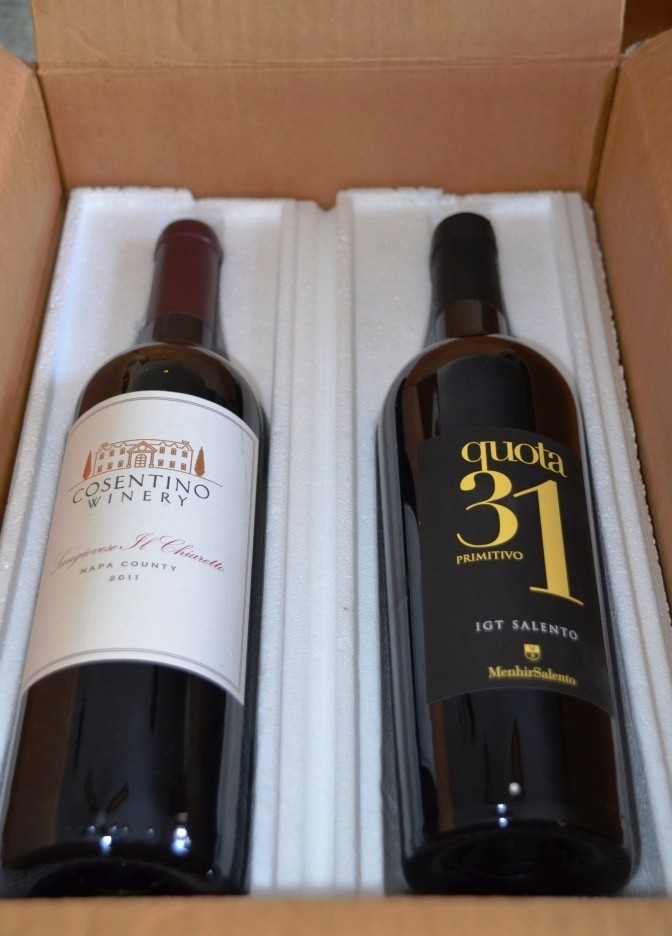 Inside the box, there was a handwritten note from @NewfD90, explaining the preference for the Italian wines hence the selection sent to me – Sangiovese from California and Primitivo from Salento “just for fun”, as the note said.
I decided to start with 2010 Menhir Salento Quota 31 Primitivo Salento IGT (14% ABV). I have a limited experience with Primitivo wines. While Primitivo is a close relative of Zinfandel, and Zinfandel makes some of my most favorite wines, the Primitivo wines I taste in the past were nothing close to the Zinfandel, and shall we say it, not that great. So you can imagine that my expectations were not that high. Open the bottle, pour, sniff, swirl, sip – wow, this is great! I have to honestly say that this was the best Primitivo I ever tasted – and outside of the Primitivo category, this was simply an excellent wine. Ripe raspberries profile on the nose, dark dense fruit on the palate, with more raspberries and blackberries, good round tannins, overall very balanced. Medium to long finish. A very pleasant wine overall.
Cosentino is the well known producer from Napa Valley in California, making a wide range of wines from Chardonnay to Cabernet Sauvignon to Zinfandel. This was my first experience with Cosentino Sangiovese. This 2011 Cosentino Sangiovese Il Chiaretto Napa County (15.5% ABV) opened up nicely with the nose of leather and smoke, generally resembling Pinot Noir a lot more than any Sangiovese wines I tasted in the past. On the palate it showed touch of tobacco and licorice, with a bit too much of a sweet fruit and then black pepper in the back. It also showed some noticeable tannins. What this wine was lacking was balance and harmony – all the components stuck out on their own. I decanted some amount of the wine, but 3 hours in decanter didn’t help it. I really tried to fall in love with this wine, by tasting it little by little over the next four days – to no avail. While the wine was changing day to day, and it was still drinkable on the day 4, it didn’t come to greatness. I had much better Sangiovese wines from Temecula valley, where the grape quite popular, so may be Napa Valley is just not the place for this grape to shine. But – tasting new wines is always a fun challenge, so I”m glad I had this experience.
That concludes the Secret Wine Santa report. This was definitely fun, so I would like to thank Jeff for coming up with the idea and I’m already looking forward to the next year’s Secret Wine Santa project. Hmmm, that’s a long wait, isn’t it? May be we need to extend the idea to the Secret Wine Admirer? That would be awesome! Cheers!
Top 12 of ’13
Here we are again, on the subject of Top Wines of 2013. You already saw my second dozen (and some), and the time has come to present the top list. In case you missed my lengthy explanation about the logic of this list, let me reiterate the main point – these are my most memorable wines of 2013. May be the word “wine” is even a bit limiting – these are the most memorable wine experiences of 2013. These are the wines which are so easy to recall – when you are talking about wines, these are the wines you use as an example. These are the wines which serve as memory links, easily allowing you to re-live the moments of your life. These are the wines which give you an ultimate pleasure. Let’s go:
12. 2008 Seresin Chardonnay Reserve Marlboro New Zealand – one of the best Chardonnays of the whole year – impeccable balance of apples, vanilla, butter and toasted oak, all I want in Chardonnay, nothing more and nothing less.
11. 2011 Antica Terra Erratica Willamette Valley Oregon – probably the best Rosé I ever had. May be even calling it a Rosé is simply a mistake. It was spectacular wine, complex, living in the glass, changing from mouthful of strawberries to tart raspberries and mouthfeel of a balanced red wine. An experience.
10. 2009 Tua Rita Redigaffi Toscana IGT – Tua Rita Redigaffi is listed in my “must try wines” list – need I say more? One of the best in the world renditions of Merlot. It was a pure pleasure – both the wine and the experience.


9. 2009 Chamonix Pinot Noir Reserve Franschhoek South Africa – mind-blowing. Exuberant. Over the top. Spectacular. I’m out of words. If you want rediscover Pinot Noir, go find this wine and taste it.
8. 2012 Cloudy Bay Sauvignon Blanc – truly a humbling experience and a life lesson. If you think you know everything about New Zealand Sauvignon Blanc, try this wine. You can thank me later.
7. 2007 Tenuta Sant’Antonio Amarone “Campo dei Gigli” – when I’m saying that I don’t have my most favorite wine, I’m lying. Amarone is the one. But for the past 5 years or so, practically every bottle of Amarone I touch becomes a huge disappointment. Not this one. This was a pure delight and the discovery of the year. Nose of dried fruit and perfectly balanced, round, dry and silky smooth mouthfeel. Thinking about this wine makes me smile.
6. 2005 Henry’s Drive Dead Letter Office Shiraz, South Australia – If anyone remembers Tastings column at Wall Street Journal, this wine was rated “Delicious!”, which was the highest rating. When I tasted this wine, it all made sense – absolutely delicious, round, plush, silky smooth and powerful at the same time, with plenty of blackberries and blueberries which only the best Shiraz can demonstrate. I was planning the whole post dedicated to the Dead Letter Office vertical tasting, but 2008 was only okay, and 2006 and 2009 turned out to be a complete disappointment, so no post. But if you can find this 2005 anywhere, get it – I promise you lots and lots of pleasure.
5. 2010 Donnafugata Ben Ryé Passito di Pantelleria – the only wine in Italy which received highest ratings in 2013 from all three wine rating publications. Once you will try this wine, you will understand why. The balance and complexity is nothing short of spectacular. Stop reading this blog, go find the bottle for yourself.
4. 2002 Domaine Zind-Humbrecht Herrenweg de Turckheim Gewurztraminer Alsace – I know that Zind-Humbrecht is considered one of the best producers in Alsace. I tasted this wine a few years back, and I was definitely underwhelmed. This year, this wine magically turned around, showing perfect balance of exotic fruit, lychees, honey, candied apricot and everything else you can to look for in Gewurztraminer, with perfectly balancing acidity. An ultimate treat.
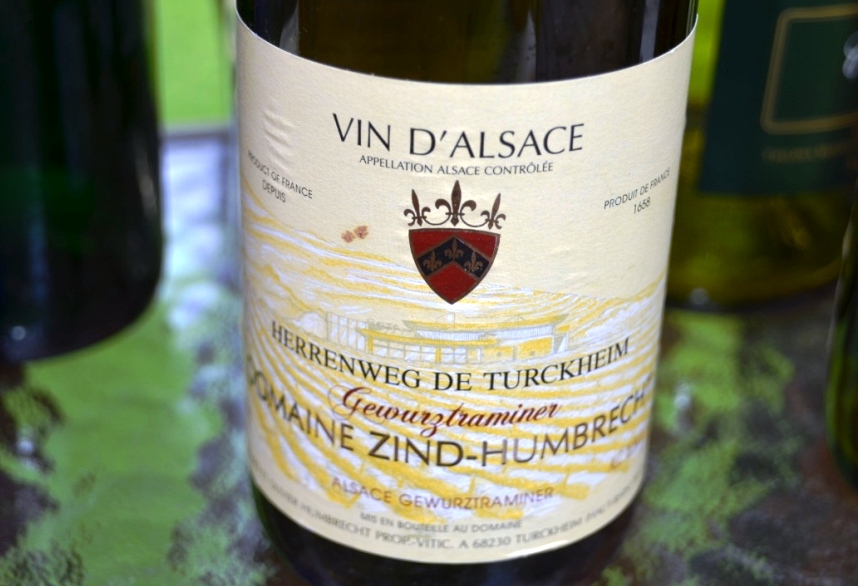
Zind-Humbrecht Gewurztraminer
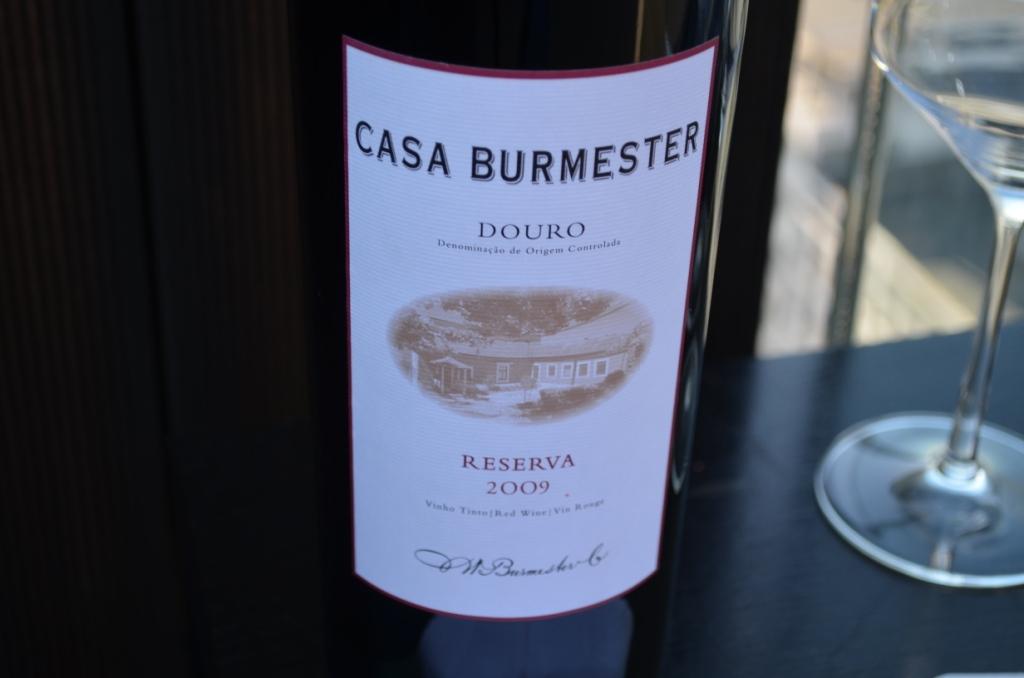
3. 2009 Casa Burmester Reserva Douro DOC – talk about “oenophile defining moments”. I had excellent Portuguese wines before I tried this wine, but the very first sip of this Casa Burmester Reserva made me go “what? seriously? wow!!!”. In a blind tasting, this wine would stand up to the best of the best of California Cabernet – beautiful fruit, texturally present, firm, powerful and impeccably balanced and elegant.
2. 2005 Frédéric Gueguen Chablis Les Grandes Vignes – I remember almost making fun of someone else using the word “gunflint” in the wine description. And here I am, taking a first sniff of this wine with the first word coming to my mind … gunflint! That sensation of gun powder-like smell, the smoke was incredible – and it was very pleasant at the same time. Tremendous minerality, lemony notes and some apples, clean and vibrant acidity and perfect balance. This wine was definitely an experience.
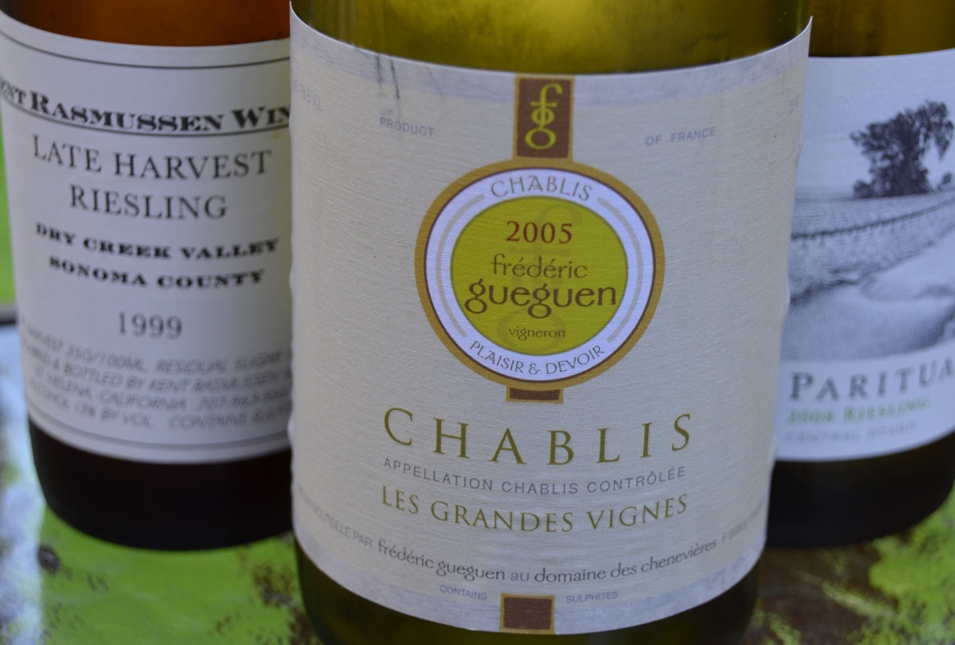
Frédéric Gueguen Chablis
1. 1970 Quevedo White Port – even people in Portugal are not aware of the aged white Port – I witnessed a few surprised looks when talking to the people about white Port which is aged. This wine might be never bottled, as I’m sure it is hard to create a category from pretty much a single barrel of wine. Nevertheless, the ultimate complexity of this wine, coupled with the visual snapshot of tasting it in the Quevedo Port cellar (cue in all the aromatics and mysterious atmosphere), makes for an ultimate experience which will stay in memory forever.

1970 White Port
By the way, did you notice that 3 out of my 4 top wines (even though I’m trying no to prioritize the list outside of the wine #1) are the white wines? Quite fascinating. Do you find this list too emotional? May be, but isn’t it the purpose of wine, to solicit emotion? Anyway, for what it worth, this completes the list of my best wine experiences of 2013. What were yours? Cheers!
Style and Substance – Rouge Brasserie & Oyster Bar in Greenwich, CT
Before you get to this post, just a little word of caution – if you are hungry, can I ask you to go eat first? Please?
Let me ask you a question: when it comes to the restaurants, how often can you recall the exact decor of the restaurant? Well, let me be careful with this – of course this question is intended for the foodies and not for the interior design majors. We typically remember great food and wine experiences (yes, extremely bad experiences get stuck in the head too – I still remember the worst spaghetti in my life in the little restaurant by the Lake George). Sometimes the exceptional service is also staying with you. But I would bet that decor for the most cases would be the last thing you would remember, especially if you visit the restaurant only once. But then there are exceptions. I still remember old Tavern on the Green, with all its imperial embellishments, or the wonderful Belgium restaurant we visited on Aruba, called Le Dome, which had 4 different dining rooms, each decorated in its own unique style. Why am I asking all the questions about remembering the decor? Please read on, you will see in a second.
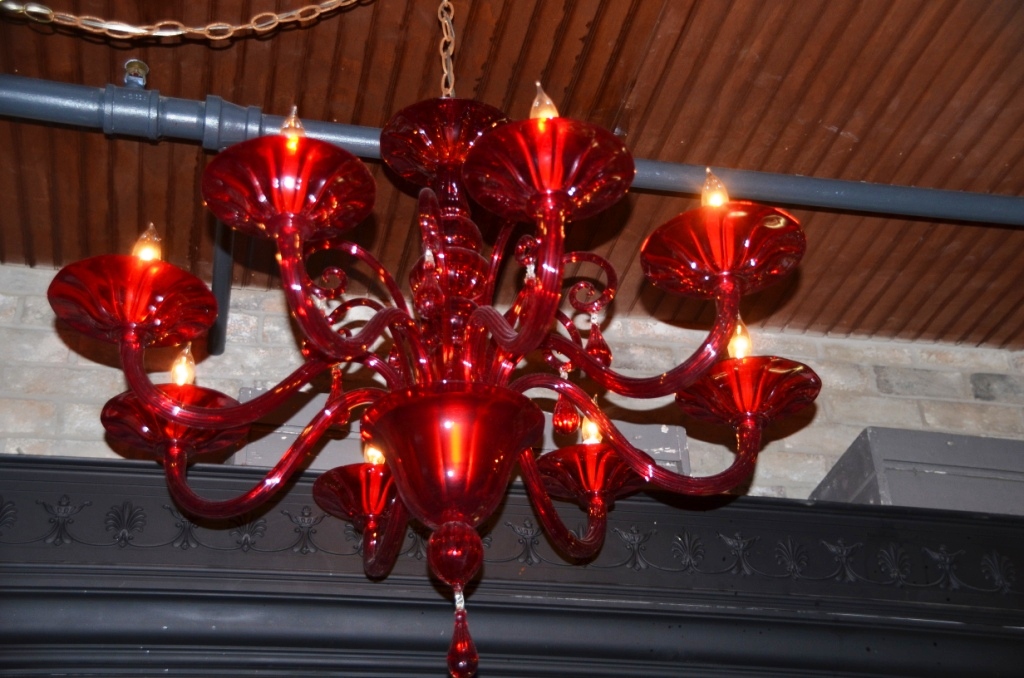
Okay, so the goal of this post is not to take you on the memory lane, but to share our recent dining experience at the new restaurant in Greenwich, Connecticut called Rouge Brasserie & Oyster Bar. We happened to come in a bit before our dining companions, so I had a little bit of time to walk around. The unique decor and variety of styles within somewhat of a limited space were strikingly different from most of the places I’d been to. The way the different sections were appointed were going from country French to cozy corner to the Royal French – all tastefully decorated and oh so different. Yes, as usual, I plan to inundate you with pictures, so take a look:


As it almost became customary, we started our evening at the bar. While the list of cocktails at Rouge is not too long, everything we had was very well made and very refreshing. Brigitte Bardot (cognac, fresh Lemon, sugar, raspberries and champagne) and Broken Heart Margarita (tequila, elderflower liquor, fresh sour, cointreau, raspberry grape & pink peppercorn) were both done just right, not too sweet (I’m really not a big fun of the sweet cocktails), withgood amount of alcohol, but very balanced at the same time. And it was just fun sitting by the shiny, well lit bar and watch Kelly compose the tasty concoctions.
Before we talk about food, I need to say a few words about the wine. I didn’t get a chance to see the wine list, so obviously I can’t comment on it – but during the evening, we were drinking two wines which were both, shall I say it, surprisingly outstanding. Our white wine was 2012 Domaine Saint-Lannes Côtes de Gascogne IGP (80% French Colombard, 20% Gros Manseng) – perfect nose of the bright white fruit, very inviting, light and round on the palate, with white apples, touch of lemon, dry and refreshingly crisp, excellent balance (Drinkability: 8). May be the fact that the white wine was good was not all that surprising, but for the red… Our red wine was 2010 Chateau Gobert Bordeaux AOC. Can you point to the “surprising” part just based on the name? I remember when I was just starting with wine, which was a bit more than 10 years ago, the year 2000 was declared the “Vintage of the Century” in Bordeaux, and I decided to try those best wines, buying Bordeaux AOC wines for $7 in the discount supermarket in New Jersey. When I tried to drink those wines, which were green, branch-chewy and plain harsh, for the life of me I couldn’t understand how that can be a great wine (of course I would never admit it in public). As I was learning about the wines, and especially listening to the Kevin Zraly’s explanations about circles of quality, I realized that basic Bordeaux, sourced from the grapes from the whole region, in general is something to avoid. Now, at the dinner, the red wine was poured (I didn’t see the label), and my first impression was “wow, this is very nice” – soft dark fruit on the nose, quite fruit forward on the palate, but without much exuberance or going over the top – some plums, ripe raspberries, touch of green bell pepper in the back, soft tannins, nice acidity, overall very balanced (Drinkability: 8-). When I saw the label, my first reaction was “Really?” – for a few seconds, I couldn’t believe this was actually a basic Bordeaux red wine. I will have to start paying attention to the Bordeaux AOC wines again, as this was one eye opening experience. And I want to complement whomever selected these wines for the restaurant – great choice!


Okay, time to talk about the food! In a word, we were treated royally at the Rouge – it was literally no holds barred type of dinner – everything you can think of was on the table – the caviar, the oysters, the lobster, and lots more.
First, our bread arrived in the form of tiny, but ohh so tasty baguettes, accompanies by the butter, fresh young radishes and cornichons:


From our appetizer course, the very first dish was Fish Eggs and Chips (house made potato chips, Crème fraîche) – as you can see from the name, it was a play on “Fish and Chips”, only instead of the actual fish we had something which could’ve become a fish – both black and red caviar was sprinkled over the house made potato chips:


I understand the word play here, and the dish overall was interesting – but I would probably use something more neutral as a medium instead of potato chips – some kind of white bread crackers or even crispy water crackers would play better with the saltiness of the caviar. But again, I can’t complain about the caviar as a starter – not at all.
When you start with the caviar, what is the next thing you should expect? The best selection of the fresh seafood, of course. And the best it was! Plateux De Fruits De Mer had fresh oysters, fresh clams, lobster tails and claws, and prawns, accompanies by the trio of sauces (shrimp cocktails, mayo with herbs and onion/vinegar for the oysters). Fresh and immaculate, one of the best seafood platters I ever had. I’m generally not a big fun of fresh clams – and these were delicious.


Seafood platters can be served in different types of restaurants, but nobody would argue that with Escargots Bourguignon (shallot parsley butter) we are getting into the real French traditional cooking. The escargot were excellent, succulent and satisfying. My only complaint was that I would serve the escargot separately from the toast, as the toast was completely soaked in butter in and out, but then I heard a number of people praising that exact butter-soaked toast. Anyway, this was definitely a delicious appetizer.


From French Classic to the French Classic – our next dish was Classic Steak Tartare (hand cut prime filet with charred country toast) – I tried steak tartare in Paris for the first time, and while I was scared with the plate put in front of me (raw ground beef was glaring at me, asking “will you dare put me in your mouth”), once that raw ground beef was mixed with all the condiments, it became one of my favorite dishes of the French cuisine. In our case, the steak was already premixed, so all we had to do was to put it on the toast and enjoy – which is exactly what we did! It was very tasty.


Our last appetizer was Warm Onion Tart (tomato confit & nicoise olives) – if you look at the size of that thing, it was literally the whole pizza! It turns out that the restaurant inherited a real pizza oven from one of the restaurants located before in the same space, so they definitely took a full advantage of that. That tart was delicious, withcrispy crust, and mild bitterness of arugula perfectly complementing sweetness of the onion. Great dish!


This was the end of our appetizer round, and while we were quite well fed already, the best was yet to come.
Our entrees included:
Skate Meuniere (parsley new potatoes, lemon brown butter) – outstanding, perfectly cooked fish, very meaty, nice lemony bite, without any fish aftertaste (you know, like the one you get sometimes from tilapia or catfish). This dish made many of us wonder why we don’t eat skate more often.
Moules Frites (white wine, garlic & fine herbs) – may be the best mussels ever. The sauce was soooo tasty, we had to request [lots of] additional bread. Simply delicious. Mussles were also served with very tasty french fries.
Short Rib Bourguignon (red wine sauce with pearl onions & truffled potatoes) – is there any other food in this world which spells “comfort” better than the slow cooked meat? Probably not. We were really full at this point, but nobody could resist that voluptuous (interesting word to describe the cooked meat, huh?), succulent meat. Sauce was exceptional, just perfectly savory without any unnecessary sweetness. Great finish to our wonderful meal.
Well, of course there was a dessert – luckily a small one, but super tasty! Chocolate French Custard was just perfect, not too sweet, with the very light and fluffy texture. And by the way, while we were at dessert, I learned something new! It appears that when you eat dessert (at least the one like this custard), you are supposed to turn the spoon upside down in your mouth, so the tongue with all its tastebuds will get in contact with the food, and not with the back of the spoon. I had no idea!


Last, but not least at all, we had a chance to talk to and express our heartfelt Thanks to the Executive Chef Josh Moulton, the mastermind behind this exceptional experience, Diego, our Maître D’, and Fabiana, the designer who created all that exceptional style I described at the beginning of this post.


If you will have an opportunity, I definitely recommend that you will ignore all my writing and go experience Rouge on your own. For those who are too far away, sorry, but you will have to take my word for it – this was definitely an outstanding meal, with great style and substance. Cheers!
Disclaimer: I attended the restaurant as a guest of management. All opinions are my own.
Rouge Brasserie & Oyster Bar
230 Mill Street
Greenwich, CT 06830
Phone: (203) 813-3555

Creative American Cuisine Experience at Bistro B in Bridgeport, CT
As soon as we finished our drinks at the Barnum Publick House, it was the time to walk for the whole 20 seconds to our dining destination – Bistro B in Bridgeport, Connecticut.
The restaurant inside is definitely done in the modern, simple style – leather, woods, clean colors, clean lines, solid high chairs. If interested, you can even take a pick into the kitchen from outside, to admire all the stainless steel marvels and busy people.


As we already had cocktails, it was the time to chose the wine. Bistro B features quite an interesting wine list. It is somewhat short, but the important fact is that it is extremely reasonably priced. Absolute majority of wines are priced within $24 to $30 range, with few occasional splurges to $36, and one, the most expensive wine at $40 – you don’t see this type of wine prices in the restaurants all that often ( no, it doesn’t sport Yellow Tale, Sutter Home or Crane Lake, if you are wondering). At the same time, majority of the wines were either quite safe or completely unknown to me, so as a self-admitted wine snob I had some challenges deciding what to drink.
We started with 2011 Pieropan Soave from Italy – the wine had hint of white stone fruit on the nose, simple and dry on the palate, with good acidity, but somewhat single-dimensional. Probably the issue was with my expectations which were rather based on my prior experience with Pieropan wines during Vinitaly tastings earlier this year (the two wines we had there were outstanding). Drinkability: 7
From Pieropan we switched to 2012 Mohua Sauvignon Blanc Marlborough New Zealand – typical New Zealand Sauvignon Blanc, but pleasantly restraint – there is enough grapefruit and lemon notes both on the nose and the palate, but not overpowering, not smash-in-your-face-grapefruit type of wine. Vibrant acidity, good balance. Drinkability: 7+
It was hard for me to chose the red wine (I’m a snob, remember?) – most of the choices didn’t pique my interest. I settled for 2010 Carmen Petite Sirah Gran Reserva Maipo Valley, Chile – dark garnet color in theglass,good amount of dark fruit on the nose, ripe raspberries and dark chocolate on the palate, acidity in check, overall very balanced. Drinkability: 7+


And then there was food. We started with the selection of Small Plates (appetizers).
First up was House Cured Salmon (Star Anise Pickes, Horseradish Mustard Cream, Brown Bread) – the salmon itself was impeccable, perfect texture and flavor (I cure my own salmon myself, so I’m very particular about it). The horseradish cream had some unusual perfumy component (not my favorite), but overall this was quite a successful dish.
Next up were BLT Sliders (Braised Pork Belly, Roma Tomatoes, Iceberg, Maple Aioli) – the sliders were not bad, and you really have to like pork belly to order this type of dish – but definitely this dish has a point for the interesting twist on BLT concept.
Chicken “Lollipops” (House Made BBQ Glaze, Best Blue Cheese Dressing) definitely gets thumbs up for originality and creativity (just caught myself feeling that I’m watching way too much of the Iron Chef, and take it way too seriously – I promise to get over it) – I like the concept, understand the idea and never saw it done before – unfortunately, the “lollipops” were a bit dry, I think this dish can be improved a bit in terms of texture. At the same time, overall flavor profile was excellent.
For our Garden Plates we had Lambs Lettuce (Crispy Artichokes, Roasted Garlic Hummus) – crispy artichokes were particularly tasty, but so was the salad as a whole – and I liked very much the colorful presentation.


Then the Large Plates came. Potato and Onion Encrusted Halibut (Forest Mushroom Ragout, Asparagus Tips, Truffle) was first – perfectly seasoned and cooked, delicious, flaky fish worked very well with mushrooms (spectacular flavor profile by itself) and asparagus. Definitely an excellent dish.
Next was Pork Schnitzel (Cucumber Salad, Mustard Honey Pan Roast) – this was my least favorite dish – the meat was too dry and too lemony for my taste. The side of cucumber salad was quite tasty.
Then the Roasted Hangar Steak (Pomme Frittes, Roasted Pears), which was served next, was, in a word, outstanding! Meat was perfectly done (medium-rare), and together with the sauce and that Carmen Petite Sirah it simply created a heavenly combination.
And when I thought nothing can beat that steak, the “Chicken Fried Chicken” (Crispy Amish Chicken Breast, Black Pepper Gravy, Cinnamon Spiced Baby Carrots) arrived, and the whole table had gone silent, and then very loud again – inexcitement. The chicken was spectacular –moist, flavorful, perfect crust on outside – and was absolutely delicious with the sauce. This dish definitely finished our main portion of the dinner on the high note.


Do you think we left restaurant without having the dessert? Think again – of course this is not possible. First, we had absolutely delicious coffee, maid in French Press right at the table – yay! Our dessert consisted of Butterscotch Pudding and Flourless Chocolate Cake – both were very tasty, but this is about all I can tell you at this point – hopefully the pictures give you an idea.


That concludes our great experience with the Creative American Cuisine, and as usual, I would like to finish this post by thanking Chef and Owner Jason Milanese and Chef Joe Italiano for the wonderful meal. Until the next time – cheers!
Disclaimer: I attended the restaurant as a guest of management. All opinions are my own.
Bistro B
1006 Broad Street
Bridgeport, CT 06604
E: info@bistrob.net
P: 203-908-4224
W: http://www.bistrob.net/

Last Bottle Sign Up ($10 credit)





