Archive
The Land Whispers… You Just Need To Listen
 I love wine dinners. Especially the wine dinners with the winemaker.
I dread wine dinners. Especially the wine dinners with the winemaker.
I know, I don’t make much sense at the moment. Wine dinners are wonderful, and I really do love them. The dreadful part comes from the experience of not being able to write about those wine dinners in a timely fashion. “Timely fashion”, huh – there are wine dinners I never wrote about in 5 years and such memories can hunt you down – they definitely do for me. I don’t know why this is happening on a regular basis – the elation often experienced during open and engaging conversations about wine becomes an ephemeral spirit, woefully resistful and easily escaping the slightest attempt to capture it in the form of words…
Let’s see if I will be able to break my unsettling tradition.
Last week I had a wonderful time and experience tasting the wines of Viñedos Veramonte and speaking with Gonzalo Bertelsen, General Manager and Head Winemaker in a small group of wine lovers, around the dinner table at the Monterey Brasserie in New York. The conversation topics were ranging from low-alcohol wines (is that really a trend? Are people really asking for it or is that just a gimmick?) to the production of organic and biodynamic wines to “why Germans don’t want to drink organic wines from Chile” (I will not tell you why but you are welcome to guess) and to many other far and between. But most importantly we got to enjoy Viñedos Veramonte wines with and without the food.
Viñedos Veramonte was one of the first wineries in the Casablanca region, founded in 1990 by Agustin Huneeus, a Chilean wine pioneer. From the very beginning, the winery embraced organic viticulture – and more recently, the winery spent more than 6 years making estate vineyards officially organic certified, obtaining ECOCERT® organic certification, one of the most respected in the world. The project involved the conversion of more than 1,200 acres of vineyards in Casablanca and Colchagua valleys to organic and biodynamic farming, with the aim to also become fully Demeter’s biodynamic certified – which requires making changes in the winery, not only in the vineyard – plus importers also have to be biodynamic certified.
Viñedos Veramonte produces 4 distinct lines of wines – Veramonte, Ritual, Primus, and Neyen – all from organic grapes, of course. We had an opportunity to taste wines from all 4 lines.


We started with the 2022 Veramonte Sauvignon Blanc Reserva Casablanca Valley ($13.99 SRP). This wine has one of the biggest productions, and it is very important for Veramonte. Preserving freshness is paramount, so special care is taken to prevent any oxidation of the grapes and juice, and the wine is bottled as soon as possible. The wine was herbaceous and crisp, delicious on its own but also nicely supporting our first course – Grande Plateau of seafood containing oysters, clams, tuna tartare, and lobster. The Sauvignon Blanc pairing with the oysters was the best – and the oysters were delicious, probably my favorite component of the Grand Plateau.


Next, we moved on to the 2019 Ritual Chardonnay Casablanca Valley ($20.99 SRP, fermented in oak barrels and concrete tanks). I wrote about Ritual wines many times, last time only a few months ago – the wines are consistently delicious. The wine was paired with a choice of appetizer – crispy artichokes or barbecued prawns. I selected crispy artichokes, forgetting that artichokes are notoriously difficult to be paired with wine. The dish was delicious on its own, and the wine was also good – on its own.
We also tried the 2020 Primus Carmenere Apalta DO ($20.99 SRP) with our appetizer course. The wine was excellent and had a nice profile of cassis supported by the bell peppers, showing off the pyrazines. Some of the winemakers are trying to prevent the pyrazines from showing up by changing growing conditions, harvesting regime and more – but I personally enjoy the pyrazines’ flavor very much, it adds to the authenticity of the wine. While Carmenere was still not a perfect match for the artichokes, it offered a bit better pairing than the Chardonnay.
Now we were ready for the main course, and the new wine arrived.
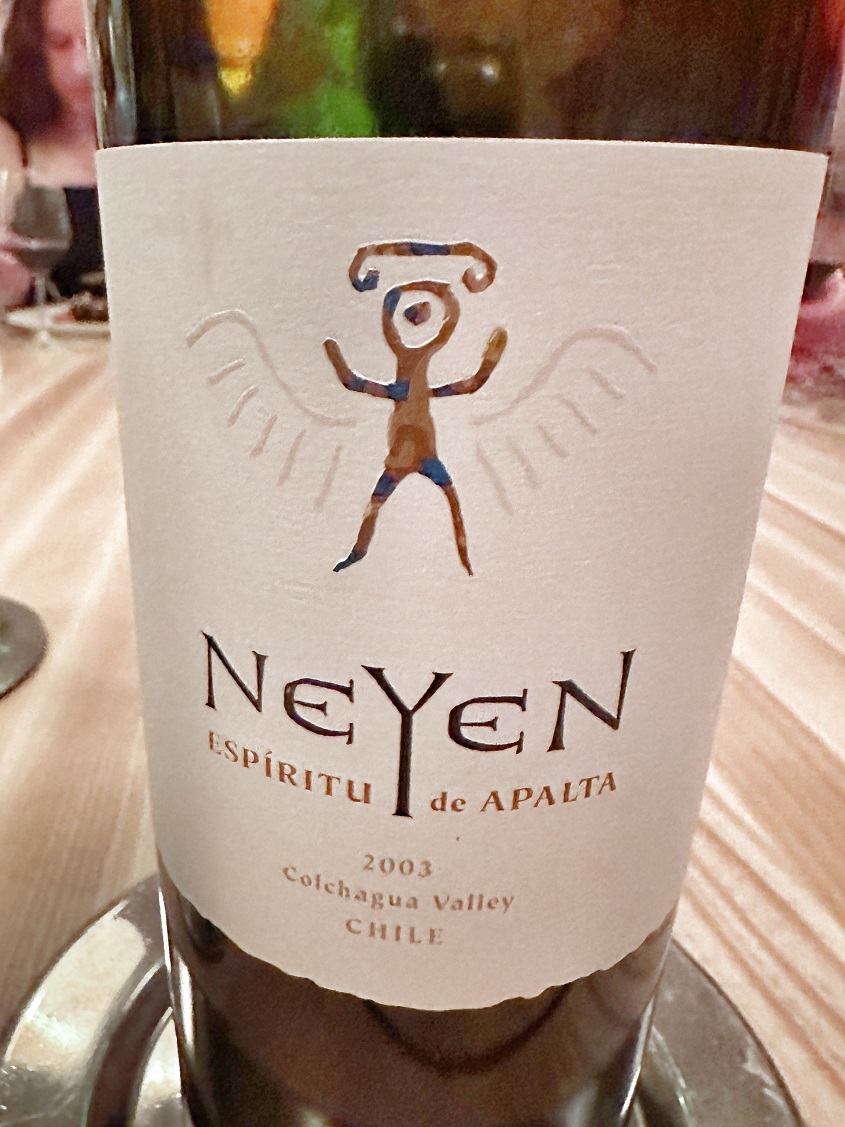


Last December I had an opportunity to try for the first time yet another Veramonte wine called Neyen. Neyen vineyards are located on a small parcel of land situated between the Andes Mountains and the Coastal Range. Neyen wines are literally always a blend of 50% Cabernet Sauvignon and 50% Carmenere, both coming from truly the old vines – Cabernet Sauvignon vines were planted in 1889, joined by Carmenere in 1936, which makes the vines respectively 134 and 87 years old.
In the local dialect, Neyen means “whisper”. The land whispers, you only need to listen to her – low intervention is what the Neyen winemakers practice. And this is the whisper you can taste.
The wine literally stopped me in my tracks. You know that stupid smile that you can’t control when something good is happening? This was my face upon the first whiff of the 2003 Neyen Espíritu de Apalta Apalta DO ($N/A) – the first vintage of Neyen wine ever produced. The time stopped – there was only the endless pleasure of aromatics that only mature wine can bring.
Time, wait. Don’t move. I’m still enjoying it. Please, just a few more moments.
Cassis and eucalyptus on the nose. Cassis and eucalyptus on the palate, silky smooth, perfectly integrated tannins, full body of the mature wine at its absolute peak, pleasure slowly descending layer after layer. This is the case where the words are clearly insufficient to describe the joy of the oenophile, but I hope I offered at least a glimpse.
For the main course, I selected Bluefin Tuna au Poivre with baby beets and citrus sauce – and to my delight, the 2003 Neyen offered a perfect pairing, elevating every bite of the food.
We also had the 2016 Neyen, Espíritu de Apalta Apalta DO ($N/A). Tasting 2016 after 2003 was somewhat of a mistake. 2016 is an excellent wine, but the beautiful core we were able to experience in 2003 was still covered by layers of baby fat, the wine showing a lot richer, almost jammy on the first sip, and in need of time to open up.
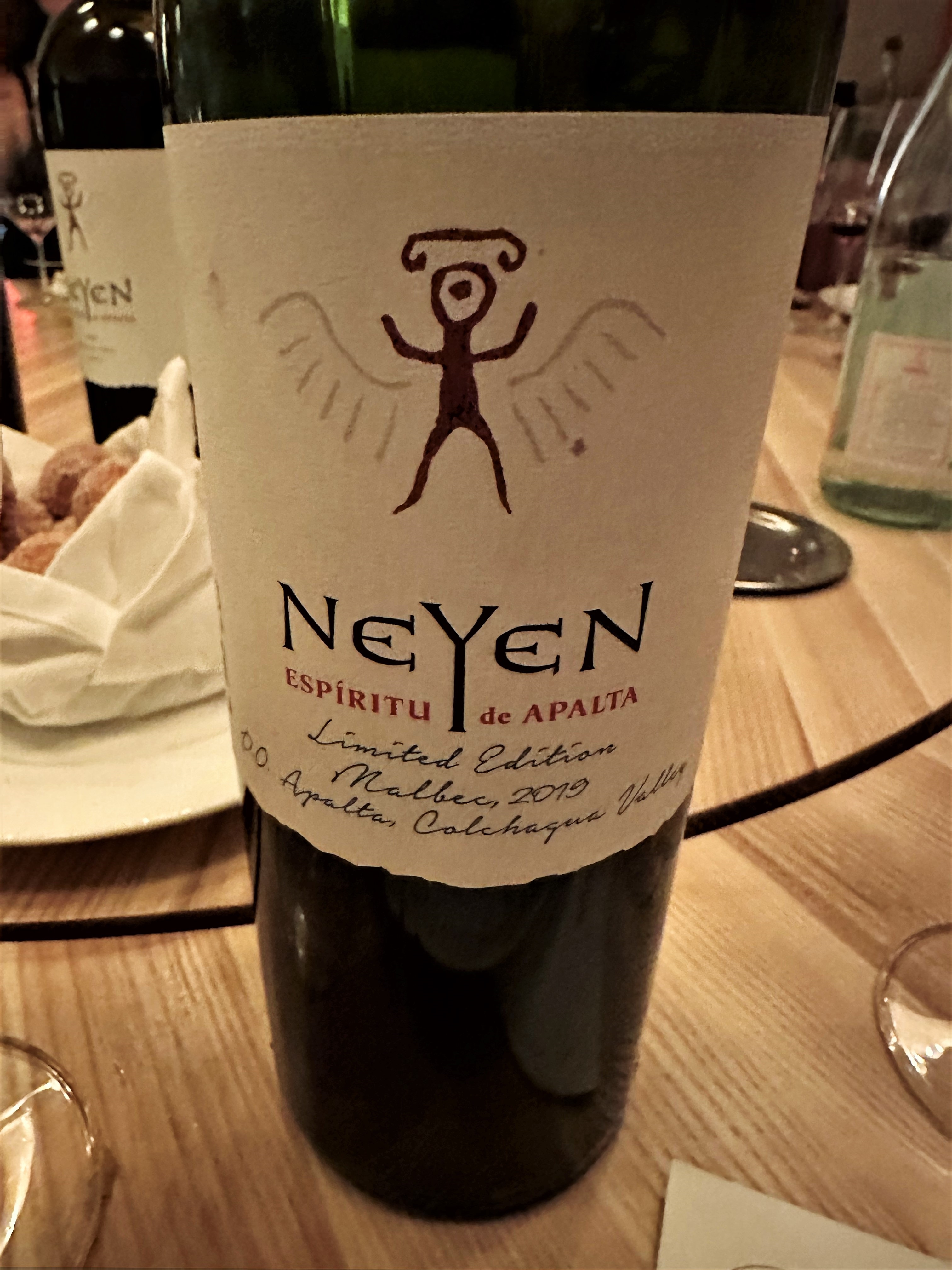
The culmination point of our evening, though, was … a bit unexpectedly, as we are talking about Chilean wines … the Malbec. 2019 Neyen Espíritu de Apalta Malbec Apalta DO ($149.99 SRP). 2016 was the first released vintage of this super low-intervention wine – harvested and destemmed by hand, fermented in small tanks, no machines, no electricity used in the production of this wine, aging only in 3rd and 4th use French oak barrels. This is the crown jewel of the Veramonte Neyen collection – even James Suckling agrees, rating this wine at 100 points. Only 200 cases of the wine were produced in 2019, with the US allocation standing at 40 cases.
The main word I would use to describe this wine would be “elegant”. The wine was showing beautiful eucalyptus notes, a lot leaner than most of the Argentinian Malbecs, begging comparison with old world Malbec, the Cahors. Elegant, layered, delicious.
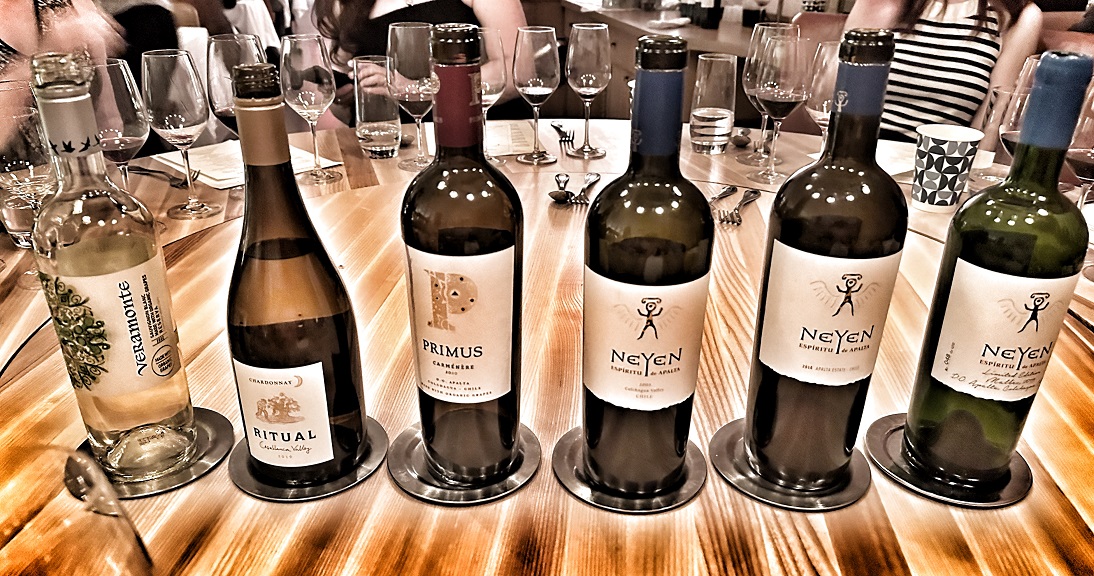
And this, my friends, brings us to the end of the wonderful evening. The company was great, the food was excellent, the wines were amazing.
Mother Nature whispers, and good things happen when we listen. I wish I had a case of this 2003 Neyen Espiritu de Apalta – that would really make me happy. Well, we generally don’t get to have all the things we want – and I’m grateful for the opportunity to experience such wines at least once.
Veramonte wines offer a great selection for every budget and every palate – check them out when you will have a chance. Cheers!
Made With Organic Grapes: Viñedos Veramonte
“Made with organic grapes”. If you see these words on the wine label, are you more inclined to buy it, less inclined, or indifferent? Are you willing to pay more for the organic bottle of wine, as we accustomed now for the meat and produce?
Organic production implies that no synthetic pesticides, fungicides, insecticides were used in farming. It doesn’t mean that no pesticides etc. were used at all – it only bans the use of synthetics, and natural pesticides, etc. can still be used. Truth be told, organic doesn’t automatically mean better for consumers or the environment – even natural pesticides can have bad consequences – you can learn more in this excellent in-depth article.
When talking about organic wines, we need to keep in mind that “organic” is only a part of the story of the “better wines”. Sustainable viticulture, which doesn’t always overlap with organic, and then biodynamics, which again may or may not intersect with the other two, are important to take into account when talking about wines that are better for humans and the environment. Though considering the title – made with organic grapes – let’s stick to that part of the story.
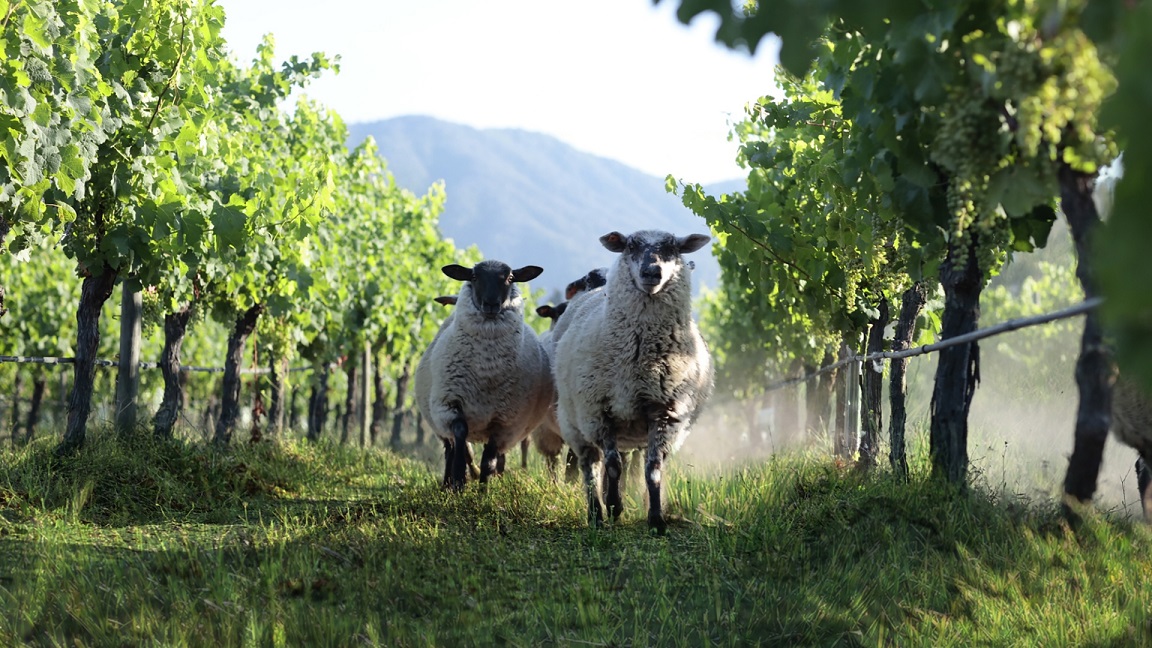
How to convey the organic farming concept in one picture. Source: Viñedos Veramonte
I remember the early days of seeing “organic” on the wine labels. Most of the organic wines I tasted 10-15 years ago were undrinkable. The “Organic” label is a big selling factor in itself, and I can only assume that some of the winemakers decided that good tasting wine is not a necessity if the wine is labeled as organic (I will refrain from putting names on the table, even though it is difficult to resist the urge). Even today, when “organic” designation is not just a marketing gimmick (in most of the cases), wine consumers seek first familiar producers, grapes, and region – the “organic” designation comes to a play only after all other requirements had been satisfied, as a “nice to have”. Of course, in the world of wine, most of the concepts are multidimensional, so I don’t want to oversimplify the “organic wine” – it goes well beyond of choice of pesticides and fertilizers, it also includes “no added sulfites” and other factors – but then again this is not the organic wine 101 post, so let’s leave this discussion for some other time too.
Lately, I tasted quite a few of the organic wines and was pleasantly surprised not only with the taste but also with the QPR (Quality Price Ratio) – while labeled “organic”, most of the wines didn’t command the premiums on the scale of organic apples or meat, and thus offer a great QPR. Here I want to share with you my encounter with delicious organic wines suitable for any budget. Let’s talk about it.
Source: Viñedos Veramonte
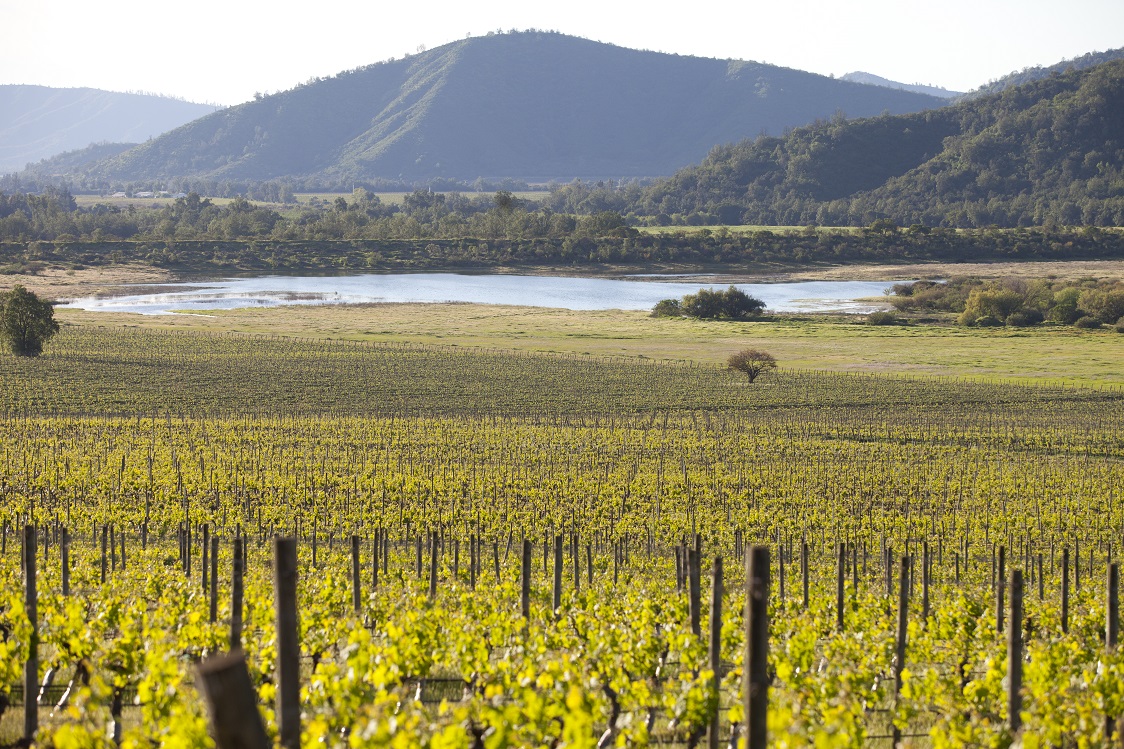
Agustin Huneeus, a Chilean wine pioneer, planted 100 acres of Sauvignon Blanc in the northern part of Casablanca valley in the late 1980s. In 1990, he founded Viñedos Veramonte, which became one of the first wineries in the region. From the moment the winery was found, the focus was on growing grapes in harmony with nature. After 6 years of hard work, in 2019, the winery obtained ECOCERT®organic certification, one of the most respected in the world. The project involved the conversion of more than 1,200 acres of vineyards in Casablanca and Colchagua valleys to organic and biodynamic farming, with the aim to also become fully Demeter’s biodynamic certified. The organic practices don’t stop at the vineyard – natural yeast and low intervention methods are used to produce the wine.


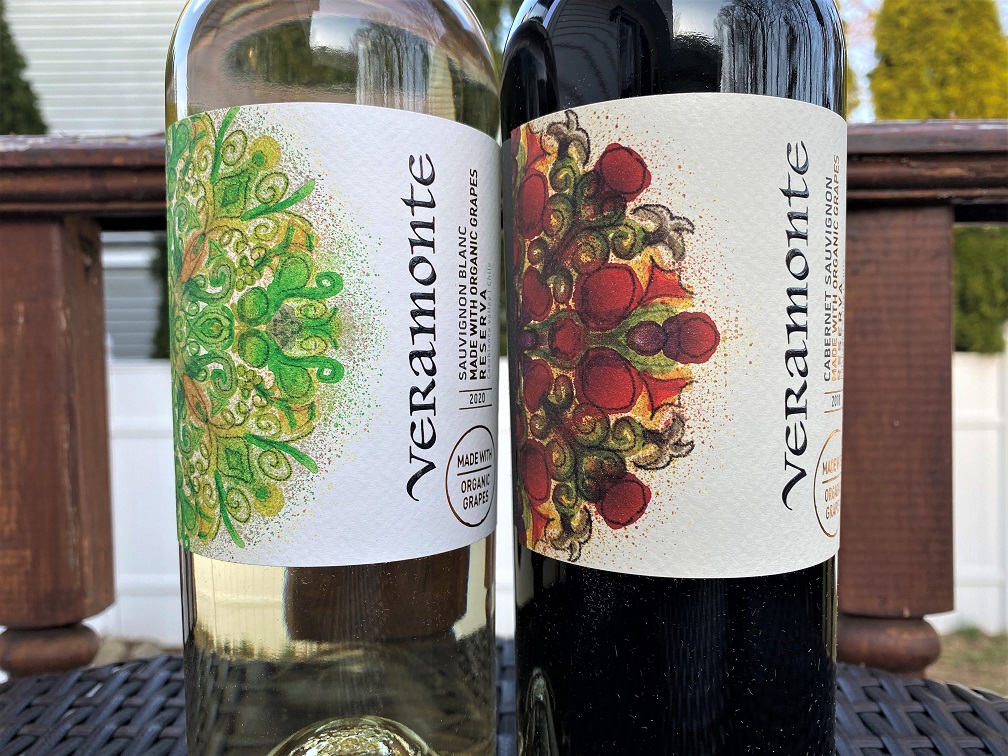
Can you taste all this care and attention in the glass? I think you can. I had the pleasure of trying a number of Veramonte wines (samples), and I think they were consistently delicious while offering an unbeatable QPR – see for yourself:
2019 Veramonte Sauvignon Blanc Reserva Casablanca Valley (13.5% ABV, $11.99, Vegan, organic grapes)
Straw pale
Distant hint of Whitestone fruit, a touch of cassis
Crisp, fresh, creamy, lemon notes, a touch of herbs – excellent
8/8-, perfect for summer, perfect for winter.
2020 Veramonte Sauvignon Blanc Reserva Casablanca Valley (13.5% ABV, $11.99, organic grapes)
Straw pale color
Touch of freshly cut grass, cat pee, medium+ intensity
Creamy and balanced on the palate, lemony acidity, freshly cut grass, elegant, restrained.
8/8+, outstanding.
2018 Veramonte Pinot Noir Reserva Casablanca Valley (14.5% ABV, $12.99, 8 months in oak, organic grapes)
Pale Ruby color
Touch of smoke, earthy undertones, classic Pinot
After about an hour – plums, earthy, medium body, well present sapidity, good acidity, good balance
8-, nicely drinkable
2018 Veramonte Carménere Reserva Casablanca Valley (14% ABV, $11.99, organic grapes)
Dark garnet, practically black.
Mint, black currant leaves
Black currant, coffee, very focused, good acidity, the wine shows tight, like a spring ready to snap.
8-, herbal notes are prevalent. Will see how it will be on the second day.
Second day- very concentrated, espresso, cherry pit. Good balance, but asking for the food to pair.
2019 Veramonte Cabernet Sauvignon Reserva Colchagua Valley (14% ABV, $11.99, 8 months in French oak, organic grapes)
Dark garnet
Cassis, a touch of bell pepper
Cassis and bell pepper on the palate, good balance, good acidity, medium body.
8, very enjoyable.
When it comes to organic wines, Viñedos Veramonte delivers wines you can drink every day and feel good about yourself, nature, and your wallet. Isn’t that a great combo?
What do you think of organic wines? Do you actually seek them out? Do you have any favorites?
Last Bottle Sign Up ($10 credit)




 Talk-A-Vino