A Night of Great Food and Great Wine – Arezzo in Westport, CT
 Have you ever been in the situation where you read about the restaurant and look at the menu, and your first thought is “ahh, it’s that same thing again…”? Continuing the situation, how many times did you actually still ended up going to the restaurant, and afterwards were glad you did? My personal account – more often than I care to admit! My latest experience – the restaurant called Arezzo Ristorante & Bar in Westport, Connecticut.
Arezzo is located at the intersection of route 1 and Riverside Ave, with its patio overlooking Saugatuck river. While restaurant had been in the same location for a while, you can consider it brand new – Juan Ceballos and chefs/brothers Llanos are the new owners of the Arezzo restaurant.
What I really like in the restaurants is the diversity of the setting – this is when the restaurant inside doesn’t look “uniformly the same”. Arezzo has a number of different areas – a spacious bar, almost as a separate room, a “foyer” with soft and comfy chairs, the main dining room, huge patio – you can come to the restaurant many times and every time discover something new.
Open kitchen and huge wood-fired oven, imported directly from Italy, are definitely creating the next level of excitement for the guests – I don’t know about you, but I can stare at the tamed flames for a very long time…


We started our evening in the bar. I personally made a rookie mistake of ordering Espresso Martini as my first drink – while very tasty, this was definitely a drink to have after the meal, not before. Well, I’m still working on my cocktail culture…


As usual, a few words about the wine list. May be only two words – Very Good. While the list is not big (which is a good thing in many cases – flipping through 50 pages looking for a bottle of wine is not the fun for all), it is modern, attractive and not boring, sporting a number of unusual wines by the glass together with some safe choices. Bottle selection is also very good, and reasonably priced, which for me is always important.
The wine list is focused on the Italian wines, with some California and France. After the fiasco with espresso martini, I needed to refresh my palate, so I started with 2011 Donnachiara Irpina Coda di Volpe DOC, Campania (13% ABV), the wine made out of indigenous Italian grape from Campania, Coda di Volpe. Bright golden color in the glass, inviting nose of white stone fruit and perfectly vibrant acidity on the palate, paired with dense and round, medium to full body mouthfeel – just what I needed (Drinkability: 7+).
The red wine, suggested by Juan, was an absolute favorite of the group. Renieri is an excellent producer, making the wines in the number of regions in Italy. While I was somewhat familiar with their Brunello wines, this wine was new to me – 2010 Renieri Invetro Ross Toscano IGT (14% ABV), a super-Tuscan blend of 50% Sangiovese, 25% Cabernet and 25% Merlot. Dark ruby in the glass, clean nose of dark red fruit, very inviting, and beautifully refreshing palate – ripe raspberries, cassis, plums, warm spices, touch of minerality, full bodied and perfectly balanced with tannins and acidity in check. Great wine overall. Drinkability: 8+.


And then, there was food.
A number of appetizers were served while we were at the bar.
Pizza Margherita ( fresh tomato, basil, homemade Mozzarella) – fresh, sweet tomato, basil – always a winning combination.
Focaccia Robiola di Arezzo (white truffle oil) – this was sublime, as anything with the right amount of truffle oil.
Lobster Arrancini (saffron aioli and Lemon) – absolutely delicious, very tasty bites!
Rosemary Marinated Shrimp Skewers – one of the group favorites – incredible balance of flavors.
Italian Sausages Skewers with Roasted Peppers – simple and very well executed. Also a pleasure to look at.


The rest of our dinner was served at the table. First, a trio of pasta:
Risotto (fresh porcini mushrooms, truffle oil) – incredible, simply incredible. If you like mushrooms, I’m sure you are not going to leave a single morsel on the plate, no matter how big the portion will be. The umami factor simply doesn’t let you put the fork down.
Short Rib Tortellini (braised us jus sauce) – why all the braised, slow cooked meat invokes such a homey feeling? This was delicious.
Cavatelli ai Piselli (home-made pea-ricotta, how and sweet sausage ragout) – this was perfectly on par with two other dishes – savory and satisfying.


Pan Seared Pink Snapper (caponata purée, fregola, vegetables) – one of the best pieces of fish ever – flaky, perfectly seasoned and cooked.


Roasted New Zealand Lamb Chop (spinach, tomato, Yukon gold potatoes) – to tell you the truth., I’m extremely picky about my lamb chop – I don’t want any fat on it, I want it to be perfectly seasoned, so it will not have that unpleasant lamb flavor – yes, I’m high maintenance when it comes to the lamb chop. So what can I tell you about the lamb chop which was served to us? In a word, wow. In another word – delicious. Seasoning, texture, taste – wow.


For dessert we had Pannacotta and Nutella Pizza – yes, it was very tasty, and I will spare you my lame attempts to describe it.


And we are done here. The only thing left to do, as usual, is to thank Juan Ceballos and Executive Chef Vinicio Llanos for the wonderful food and wine. Whether you are living in the area or visiting, Arezzo will be a perfect dining destination for you. Cheers!
Disclaimer: I attended the restaurant as a guest of management. All opinions are my own.
Arezzo Ristorante & Bar
5 Riverside Ave
Westport, CT 06880
 203-557-9375
http://www.arezzowestport.com/

Wednesday’s Meritage – Wine Quiz Answer, WTSO Magnum Marathon, #MalbecWorldDay, Can Wine Critic be Objective?, Pinot Noir #winechat
Meritage time!
Let’s start with the answer to the wine quiz #98, Grape Trivia – Blends, Part 2.
For the long time, the grape trivia series was focused on the single grapes. But now we are stirring things up, so all the questions in the quiz are about blends (well, even if it is a blend of one ), as most of the wines in the world are actually blends. As usual, there were 5 questions in the quiz.
Here are the questions, now with the answers:
Q1: This grape was created as a cross between Cinsaut and Pinot Noir. Can you name the grape?
A1: Pinotage, the famous grape of South Africa
Q2: Take a look at this list of the grapes: Chardonnay, Pinot Noir, ?, Arbane, Petit Meslier, Pinot Blanc, Pinot Gris. Two questions:
a. Name the missing grape
A2a: Pinot Meunier. Listed above are the names of all grapes allowed to be used in the Champagne region in France, so the missing grape is Pinot Meunier
b. What wine is made most often by blending some of these grapes?
A2b: Champagne!
Q3: Which grape is missing?
– Tempranillo, Garnacha, ?, Graciano
A3: Mazuelo. This is the list of the grapes typically blended in production of the Rioja wines.
Q4: This dry red wine from California is related to famous Caymus, and made out of the unknown, secret blend of grapes. Can you name this wine?
A4: Conundrum. The famous Caymus wines are made by Wagner family in California. The same Wagner family produces the wine called Conundrum, both white and red, where the exact composition of the blend of grapes is kept secret.
Q5: Carménère to Merlot is the same as Douce Noir to ?
A5: Bonarda/Charbono. Carménère grape (originally from Bordeaux), was mistaken for Merlot for the very long time in Chile. Similarly, the popular Argentinian grape Bonarda, which happened to be identical to the Charbono grape in US, was actually the almost forgotten french grape called Douce Noir in Savoie region.
When it comes to the results, I’m glad to report that again there was good participation in the quiz. We also have a winner – Wayward Wine , who correctly answered all 5 questions, and thus gets the coveted prize of unlimited bragging rights. Jeff the drunken cyclist and Suzanne of apuginthekitchen get honorable mention for correctly answering 4 questions out of 5. Well done all!
Now, to the interesting stuff around the vine and the web!
WTSO is on it again- the time has come for the famous Wine Til Sold Out Marathon! Mark April 22nd in your calendar – it will be go big or go home day – WTSO Magnum Marathon. Starting from 7 AM Eastern until midnight, WTSO will be offering wines in the 1.5L or 3L format. Each wine will be available for 30 minutes or until it will be sold out. All new wines will be announced only on Twitter, so make sure you follow @WTSO if you want to get real time notifications about new wines.
Do you like Malbec? There is a good chance you do, as many other people around the world. Just two easy references for you – shipments of Argentinian Malbec to US increased from 1.9 million cases in 2008, to over 4 million in 2013. Argentinian wines are also most popular wines among people of 25-34 years old in UK – for more interesting details on Argentinian Malbec, here is an article for you to read. Why all of a sudden we are talking about Malbec in the news section? Because tomorrow, April 17th, is Malbec World Day! Get the bottle of your favorite Malbec, pour the glass and join the celebration! Oh yes, and don’t forget to tweet about your favorite Malbec using the #MalbecWorldDay hashtag.
With hundreds of thousands of different wines produced around the world every year, we need to have some guidance as to what is new, what might worth our attention, what might not. This is where the wine critics come into a play – to help us navigate that ocean of wine by writing the wine reviews and rating the wines. Here comes an interesting question – can the wine critic be 100% objective, or can her work be influenced by personal preferences? Here is an interesting post on Jamie Goode’s wine blog, which raises this question – be sure to read the post and all the comments, it is quite a lively discussion.
Few more updates regarding the #winechat (if you are not familiar with the concept of #winechat, here is the blog post which will explain it). Last Wednesday, the #winechat was focused on Lenné Estate Pinot Noir from Yamhill-Carlton AVA in Oregon. Continuing the Oregon Pinot Noir theme, the subject of tonight’s #winechat is biodynamics of Youngberg Hill vineyards. The next week’s #winechat subject is wines of J Wrigley Vineyards from Willamette Valley in Oregon. All #winechat take place on twitter on Wednesdays at 6 PM Pacific/9 PM Eastern time. You can always participate using the #winechat hashtag. Join the conversation, it is fun!
And we are done here. The glass is empty – but the refill is on its way! Cheers!
When The Vines Work Hard – #WineChat with Lenné Estate
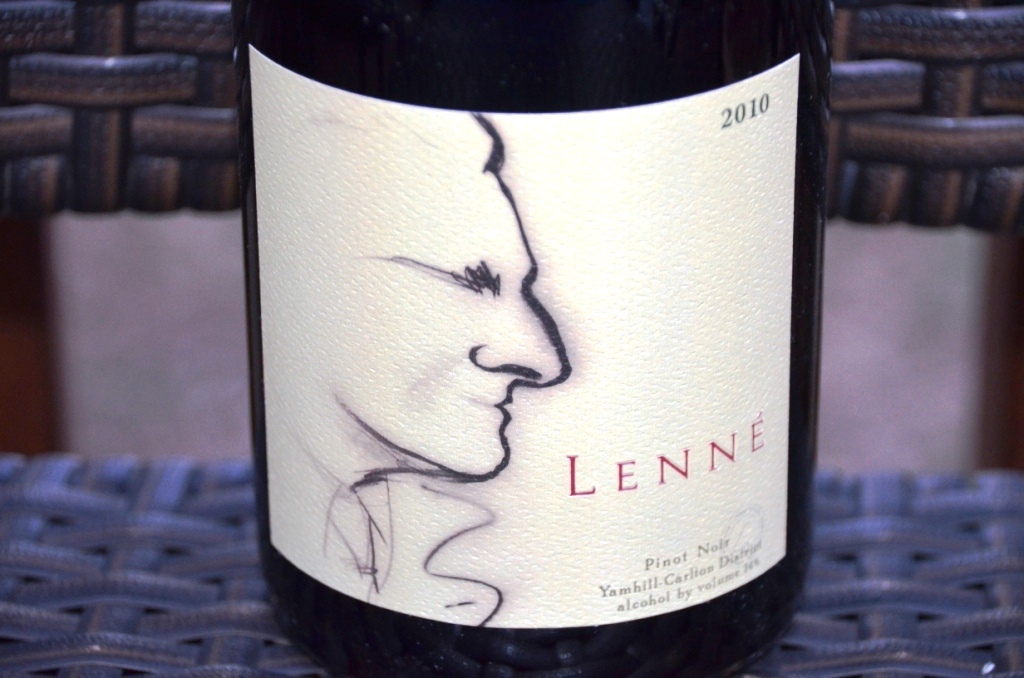 “You’ve got to work hard, you’ve got to work hard if you want anything at all” – one of my favorite lines from the song by Depeche Mode, a popular electronic music band from the 80s. Yes, the notion of ‘working hard” is half banal, half extreme, and half misunderstood (I’m sure you are admiring my math skills here with three halves, aren’t you). People often (mostly?) achieve the best results when faced with adversity, when they need to overcome something, work against difficult circumstances, work hard. Give people everything they want – and they stop growing. Vines are like people. When water and sun are plentiful, the vines can produce a lot of grapes – but those individual grapes can be pretty dull. When the vines need to fight for survival, those much fewer grapes the vines will bear, will have the flavor and finesse almost unachievable in the “nice and easy” setting.
When Steve Lutz, the proprietor and winemaker at Lenné Estate in Yamhill-Carlton district in Willamette Valley in Oregon, planted the Pinot Noir vines for the first time back in 2001, 35% of those vines died. Ever heard of Peavine soils? In today’s age of the internet, you can easily learn anything you want – so if you want the exact definition of Peavine, you can find it here. But, in simple terms, Peavine is a mixture of clay and rocks – yeah, not your ideal agricultural setting. So the vines had to work hard to survive, go deep into the soil to find water and nutrients. The payback for all the hard work? A great fruit, the grapes which render themselves to the complex and intriguing wines.
Last Wednesday, April 9th, I participated in my second #winechat – a guided virtual tasting that takes place most of the Wednesdays at 6 PM Pacific/9 PM Eastern, in the Twittersphere next to you. The theme of the wine chat was, as I’m sure you guessed already, the wines of Leniné Estate. Steve Lutz was participating in the #winechat, explaining about Peavine soils, talking about his Pinot Noir wine and answering numerous questions (#winechat conversations get generally quite active, with #winechat being among top trending topics on Twitter).
In addition to being able to talk to passionate people with vast knowledge of the subject, what I personally like about the #winechat is that I get to spend dedicated time in my grape geek setting, my grape laboratory. I get to play with the wine and take detailed notes. Coming to the Lenné Pinot Noir tasting, I read in the technical notes that the wine is expected to age well for the next 8-12 years. To me, the immediate thought was – let’s decant!
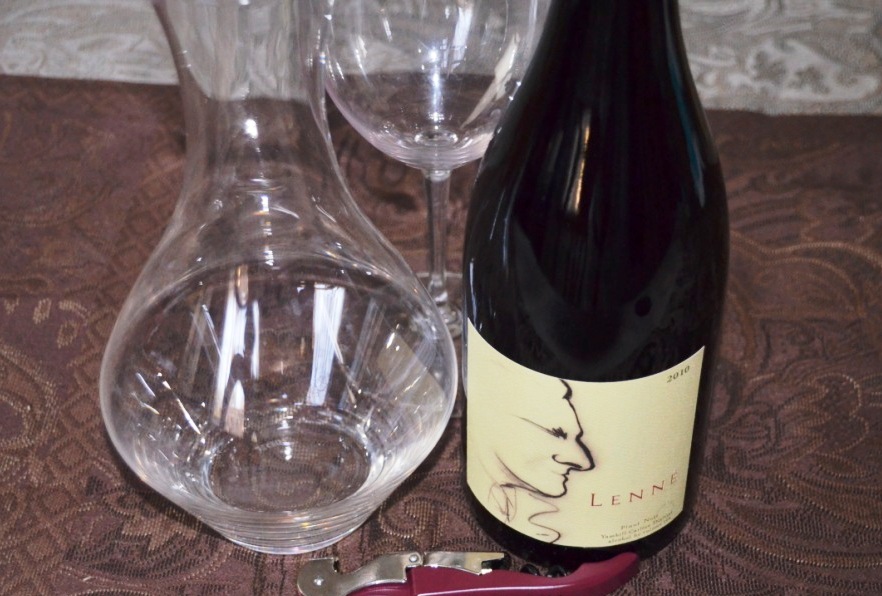 I decanted a small amount of wine about 2 hours before the tasting and put cork stopper into the bottle.
2 hours later, we started the #winechat – 2010 Lenné Estate Pinot Noir Yamhill-Carlton AVA, Oregon (14% ABV, $45). I started with the wine in the bottle, which was at 21°C/70°F.
Color: Dark Ruby
Nose: Smoke, raspberries, a touch of mint, nice, open
Palate: Beautiful sweet fruit in the back, a touch of dark chocolate.
Next, I made a big mistake. I decided that I need to chill my Pinot Noir slightly, so I put the wine chiller on. Of course, I got carried away with the chat twitter stream, so when I said “oh, crap” and removed the chiller, after about 5 minutes on the bottle, it was already too late. At 12°C/53.6°F, the nose became completely muted, and wine became mostly sweet with some acidity, but the complexity was gone. For the rest of the chat, I kept waiting for the wine to come back to me – chilling is easy, but you can’t play any tricks with warming the wine up, you just have to let the air do its [slow] magic. At 16.2°C/61.1°F, the classic nose came back, together with the palate of cherries and ripe strawberries. Meanwhile, the decanted wine also played in somewhat of a strange way – the wine was showing smooth and elegant – but every sip was leaving me wanting more acidity.
The #winechat was over, so I pumped the air out with VacuVin (my standard routine), and put the bottle aside, to be continued the next day. And the next day – without decanting or any temperature games – the wine was shining! Beautiful nose of cranberries and cherries, with a touch of smoke and barnyard – call it funkiness or earthiness, I call it barnyard – just a touch. Beautiful palate with acidity, strawberries, and cranberries in the front, then soft, but very present tannins started to gently grip the front of the mouth, and mocha and sweet cherries showed in the back, with pleasant minerality. The finish was lasting almost a minute. Overall this was the perfect example of balance and finesse which may be only Pinot Noir is capable of.
Verdict: This was a beautiful wine, which can be enjoyed now (just don’t do anything stupid with the temperature), but will deliver even more pleasure with time. Drinkability: 8+
That’s all I have for you for today. Now you know – Wine Wednesday is always better with #winechat – join the conversation! Cheers!
Weekly Wine Quiz #98: Grape Trivia – Blends, Part 2
The Wine Quiz series is not meant to intimidate. The whole idea here is to have fun and learn something new. When answering the questions, it is fully encouraged to use all available sources of information, including Google or any other search engine. There are no embarrassing answers – the most embarrassing thing is not giving it a try…
Welcome to the weekend and your new wine quiz!
We are continuing our grape trivia series, with the focus now on Blends. All the questions below are focused on the grapes which work well in the blends – and occasionally on those which do not. White, Red, Rosé, Sparkling and not, dry, sweet and may be even fortified – all goes.
Let’s proceed!
Q1: This grape was created as a cross between Cinsaut and Pinot Noir. Can you name the grape?
Q2: Take a look at this list of the grapes: Chardonnay, Pinot Noir, ?, Arbane, Petit Meslier, Pinot Blanc, Pinot Gris. Two questions:
a. Name the missing grape
b. What wine is made most often by blending some of these grapes?
Q3: Which grape is missing?
– Tempranillo, Garnacha, ?, Graciano
Q4: This dry red wine from California is related to famous Caymus, and made out of the unknown, secret blend of grapes. Can you name this wine?
Q5: Carménère to Merlot is the same as Douce Noir to ?
Good luck, enjoy the quiz and your weekend! Cheers!
Few Updates From Michael Skurnik Portfolio Tasting in Connecticut
Michael Skurnik Wines generally needs no introductions – one of the best wine importers and distributors in the country, with the great portfolio of wines and spirits from all over the world. A few days ago I attended a small trade tasting event here in Connecticut, and I want to share a few highlights with you. These are the wines which are either already available or about to be available in the wine stores near you, so if our palates are aligned, you might want to look for them : )
As usual for the trade tastings, my notes are short, and the ratings are done in “+” signs, from “+” to “+++”, but of course, the exceptions make our life more interesting, so “++-|” and “++++” are also possible. Also, I will list prices for all wines as SRP (suggested retail) in CT, so your local price might be different.
Here we go:
2012 Charles Smith Wines ‘Eve’ Chardonnay Columbia Valley (SRP: $12.99) – ++, nice minerality, very much Chablis-like. Not the best in the world, but excellent value.
2012 Charles Smith Wines ‘Boom Boom’ Syrah Columbia Valley (SRP: $16.99) – ++, surprisingly balanced, simple, round and spicy. Again, great QPR.
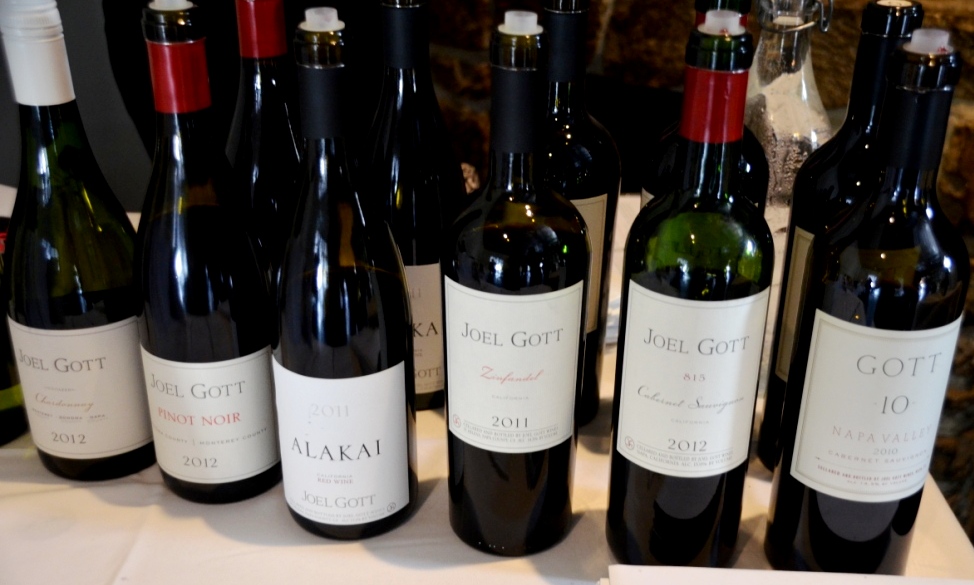
2012 Joel Gott Riesling, Washington (SRP: $13.99) – ++-|, fruit forward, nice, balanced, good acidity
2011 Joel Gott Alakai California (SRP: $18.99) – ++-|, nice Rhone-style blend with very explicit Grenache notes – nice plumpness, very round
2011 Joel Gott Zinfandel California (SRP: $16.99) – ++-|, nice, smokey
2012 Joel Gott Cabernet Sauvignon California (SRP: $16.99) – ++-|, very scaled back, good balance
2010 Joel Gott Cabernet Sauvignon Napa Valley (SRP: $47.99) – +++, classic Bordeaux style, perfectly round and clean.
2012 Charles Fournier Gold Seal Vineyard Riesling, Finger Lakes, NY (SRP: $14.99) – +++, creamy, delicious
2012 Charles Fournier Gold Seal Vineyard Chardonnay, Finger Lakes, NY (SRP: $13.99) – +++. It seems that winemakers on East Coast start getting their vibe with Chardonnay. Dry, mineral, with clean acidity – Chablis-style and very well done. And QPR? Unbeatable value!
2012 Charles Fournier Gold Seal Vineyard Cabernet Franc, Finger Lakes, NY (SRP: $17.99) – +++. I’m a sucker for a good East Coast Cabernet Franc, and this was a perfect example – bell pepper, cassis, soft and round. Try it!
2011 Januik Winery Cabernet Sauvignon Columbia Valley (SRP: $28.99)- +++. Classic Cabernet Sauvignon, perfectly expressive and round.
2012 Ramsay Pinot Noir California (SRP: $13.99) – ++-|, nice fruit, smokey and round.
2011 Robin K Cabernet Sauvignon Sonoma Valley (SRP: $15.99) – ++-|, nice and light
2012 Owens and Vaughn Cabernet Sauvignon California (SRP: $14.99) – ++-|, good fruit, cassis, acidity. Might be the best California Cabernet the money can buy under $15.
2010 Chateau Saint Julian Bordeaux Superieur (SRP: $12.99) – ++-|, nice, round, and great QPR
2012 Petit Chapeau Macon-Villages (SRP: $13.99) – ++-|, perfect Chardonnay, round and supple, and outstanding QPR
2012 Petit Chapeau Bordeaux Blanc (SRP: $12.99) – ++-|, refreshing, clean, great acidity – perfect for a hot summer day.
2010 Chateau de Clotte Cotes de Castillon (SRP: $16.99) – ++-|, classic Bordeaux at a great price
2011 David Duband Bourgogne Rouge (SRP: $22.99) – +++, excellent, classic Burgundy at a great price
2011 Domaine de L’Enchantoir Saumur Blanc (SRP: $12.99) – +++. Very unusual and interesting wine, great minerality mid-palate. Definitely worth experiencing, especially at such QPR
 And of course I saved the best for last.
2007 La Rioja Alta Vina Alberdi Rioja Riserva (SRP: $19.99) – ++++. In a word, spectacular. In another word, wow! Such a perfect balance of fruit, structure, power and earthiness which only Rioja possess. Amazing wine, and there is nothing, absolutely nothing which can beat it in the under $20 range. Go try it (I mean buy a case) and send me a thank you note…
2001 La Rioja Alta 904 Rioja Gran Riserva (SRP: $47.99) – ++++. Stunning. Same as the wine above, but mature, with different level of fruit expression. At a price? Great value in my opinion. And don’t forget that 2001 was one of the best years ever. This wine will give you lots of pleasure for many years ahead.
2010 Bodegas Cepa 21 Hito Ribera Del Duero (SRP: $14.99) – +++-|. Outstanding. Fruit and power combined – delicious rendition of Tempranillo. At $14.99? No further comments.
And we are done here. Whether you tried any wines listed here or not, I would love to know your opinion. Cheers!
Wednesday’s Meritage – Wine Quiz Answer, 25 Top Selling Restaurant Wines?, Winery of the Future, #MWWC9 Theme, #winechat and more
Meritage time!
Let’s start with the answer to the wine quiz #97, Grape Trivia – Blends, Part 1.
While this quiz is still a part of the Grape Trivia, it is slightly a new twist on the grapes – the questions are centered on the concept of blends, to stir things up a bit. Despite the fact that we are almost at a hundred of posts in the quiz series, it was still a learning experience for me – not from the point of view of the content, which is always a part of the learning exercise – but from point of view of being able to state the questions correctly to make sure there can be only one correct answer to that question. Read on, and you will see what I mean.
Here are the questions, now with the answers:
Q1: Which grape is missing?
– Cabernet Sauvignon, Merlot, Cabernet Franc, ?, Petit Verdot
A1: This was a very easy one – yes, this is a classic Bordeaux blend, so the missing grape is Malbec.
Q2: Wines of this region, made out of Sauvignon Blanc and Sémillon, considered some of the best white wines in the world. Can you name that region?
A2: This is the questions which was supposed to be phrased better. I believe my expected correct answer will work here, but mostly as a technicality and not because it is squarely one and only answer. So the correct answer here is Pessac-Léognan, a region in Bordeaux, which produces both white and red wines, but their dry white wines, made out of Sauvignon Blanc and Sémillon, are long living and spectacular ( and equally expensive). Number of people put Sauternes as an answer for this question. Technically, the wines in Sauternes are made out of Sémillon, Sauvignon Blanc, and Muscadelle grapes – thus technically, Sauternes is not the right answer. However, most famous Sauternes, Chateau d’Yquem, is made only from Sémillon and Sauvignon Blanc, thus it is hard to say that Sauternes is a wrong answer. Have I asked about “some of the best DRY white wines”, Sauternes would have to be excluded.
Q3: This wine might be the biggest officially sanctioned blend of the grapes in the world. Do you know what wine is that?
A3: Again, precision was a bit off on this question. Yes, the correct answer is Châteauneuf-du-Pape, a region in the Southern Rhone in France, which allows up to 18 different grapes, both red and white, to be blended together, and there is a number of producers who do exactly that. Again, the word “dry” would help, as one of the answers was Port, where technically 82 varietals are allowed to be used in the appellation – however, the best Port is typically made only out of 6 grapes as the most, so Port is not the right answer here. Another suggested answer was Valle d’Aosta, a region in Italy which allows 19 different grapes to be used in production of the wines – however, the question was about grapes blended together, not just allowed to be used in the appellation.
Q4: This simple wine is classified as a field blend. This is probably best known European white field blend wine. Now:
a. Can you explain what field blend is?
A4a: Come to any (almost any) vineyard, and you will be able to see the rows of vines, all clearly identified – Cabernet Sauvignon, Merlot, Petit Verdot, etc. All the grapes harvested separately, pressed and fermented separately, and then blended together into the final wine as winemaker deems necessary. And then there are exceptions to this separate processing of the grapes. Such an exception is a field blend. Different grapes are growing together, sometimes without clear separation between different vines and grapes. All those different grapes are harvested together, pressed and vinified together, so don’t ask for specific percentages on the label, or even for the names of the individual grapes. Such field blends can be found in Portugal (many of the simpler Port wines made as field blends), Austria, Alsace and probably other places.
b. Can you name this wine?
A4b: My intended answer was Gemischter Satz – a white wine, a field blend produced from the vineyards in the Wiener Gemischter Satz DAC, which is located within the city limits of Vienna, Austria with the total vineyard area exceeding 1,700 acres. This is a dry, simple white wine, which should be made from at least 3 different white grape varieties, harvested and pressed together. It seems that Gemischter Satz wines are getting more popular as of recent, so here is the link where you can read more about them. Some of you said that the answer is White Port, which can be also made as a field blend, so again, I should’ve being more careful with the wording of the question – but right now, White Port also is an acceptable answer.
Q5: This wine, one of the most famous in the world, is often made from 70% Cabernet Franc and 30% Merlot. Do you know what wine is that?
A5: Chateau Cheval Blanc, one of the most famous Bordeaux wines in the world, uses Cabernet Franc and Merlot to make their wines. The ratio is not always 70/30, but conceptually it is enough to help you to come up with the right answer.
When it comes to the results, I’m glad to report that there was a very good participation – the subject of blends definitely was less intimidating than those rare single grapes we got into. We have two winners today – the drunken cyclist and Connoisaurus both answered all 5 questions correctly, so they get the prize of unlimited bragging rights. Well done!
Now, to the interesting stuff around the vine and the web!
Wine & Spirits magazine compiled the list of 25 top selling wines in US restaurants. According to that list, the #1 top selling restaurant wine in US is Cakebread Cellars with an average price of $86.48, followed by Jordan ($101.57) and then Duckhorn ($90.29) – here is the link for you to find more information. I would be really curious to know how many of you would consider ordering any of these wines in the restaurant especially at these prices (I wouldn’t). It will be also interesting to understand how the list was compiled, as the claim is that the information comes form the wine directors of the restaurants, and how many restaurants employ wine directors? Anyway, it is always interesting to take a look at the numbers.
We all know that winemaking is an art. But there is nothing wrong in bringing the technology to help the artists to make better art. Wines and Vines published a very interesting article, talking about the tools which are either already available or might be available to the grape growers and winemakers to help them make better wines.
Are you afraid of any wines? Do you get butterflies in your stomach as you open the door of your wine cabinet? Do you think any of the wines in your cellar hold some scary secrets? Is your hand trembling when you pull the cork out of the bottle, as you don’t know what might be hiding behind that cork? Well, it might be the time to face your fears – Jeff, a.k.a. The Drunken Cyclist, announced the theme of the Monthly Wine Writing Challenge #9, and as you probably guessed it, the theme is … Fear. Please take a look at this post for all the important dates and rules.
It is so interesting how far the wineries and wine consortia would go to protect their names. In majority of the cases, it is the big guy going after the small guy, like Duckhorn Vineyards from California suing Duck Walk winery on Long Island, or the French INAO going after Fairview winery in South Africa to protect Côte-Rôtie against Goat Rotie. Latest case – now all local in France – is Mouton versus Mouton. Château Mouton Rothschild, first growth from Bordeaux, is suing winemaker Laurent Mouton from Burgundy, who had being making wines under Domaine Mouton label for 4 generations, to stop Domaine Mouton from using their own name on the label. Why now? I have no idea, but – for more details, here is the link for you.
Last but not least for today – there is an interesting #winechat talking place tonight, in the Twittersphere next to you, at 9 PM Eastern time/6 PM Pacific, and your participation is greatly encouraged. If you are not familiar with the concept of #winechat, here is the blog post which will explain it. Today’s #winechat is the first out of three talking about the wines of Yamhill-Carlton AVA in Oregon, and the wine which will be discussed today is Lenné Estate Pinot Noir. Yes, I know, short notice – but, if you have time, join the #winechat and learn more!
And we are done here. The glass is empty – but the refill is on its way! Cheers!
How Hard Is It To Be #1? – Frank Pepe Pizzeria Napolitana
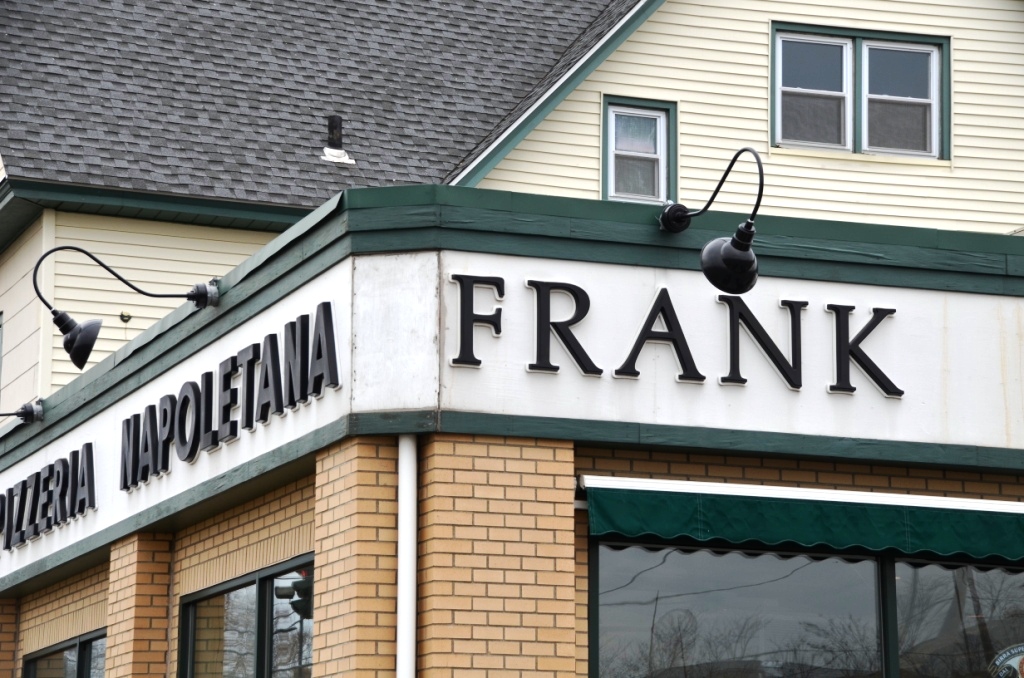 Have you heard of Frank Pepe Pizzeria? Chances are, if you don’t live in Connecticut, you had not. With 2 pizzerias on literally every corner of every town (there are about 70,000 Pizza restaurants in US!), should you be concerned with the fact that possibly you never heard of Frank Pepe Pizzeria? Well, you decide for yourself – according to the Daily Meal publication in October of 2013, White Clam Pizza from Frank Pepe Pizzeria in New Haven, Connecticut was named the Best Pizza in the United States out of 101 pizzas considered for that title (see, may be it is time to visit Connecticut after all?).
So, how hard it is to be #1? Here is one recipe for success – in three easy steps:
- Do one thing, and be very focused on that one thing.
- Do that one thing very very well.
- Keep doing this one thing very very well, over and over again.
Easy enough, right? This is somewhat of a story of the Frank Pepe Pizzeria.
Together with the group of bloggers, I had a great pleasure of meeting Gary, the grandson of Frank Pepe, at the Frank Pepe Pizzeria in Fairfield, CT. Frank Pepe came to the United States at the beginning of the last century from Italy, in his early teens. He came through New York and ended up in New Haven, Connecticut. He got the job at the bakery and macaroni factory, as those were the skills he already had. Frank went back to Italy to fight in the World War I, then came back to the US, got married, and at some point started selling small pizzas from the cart which he was rolling around. His wife encouraged him to open the store in 1925, which he did. This is where the Frank Pepe Pizzeria Napolitana officially started.
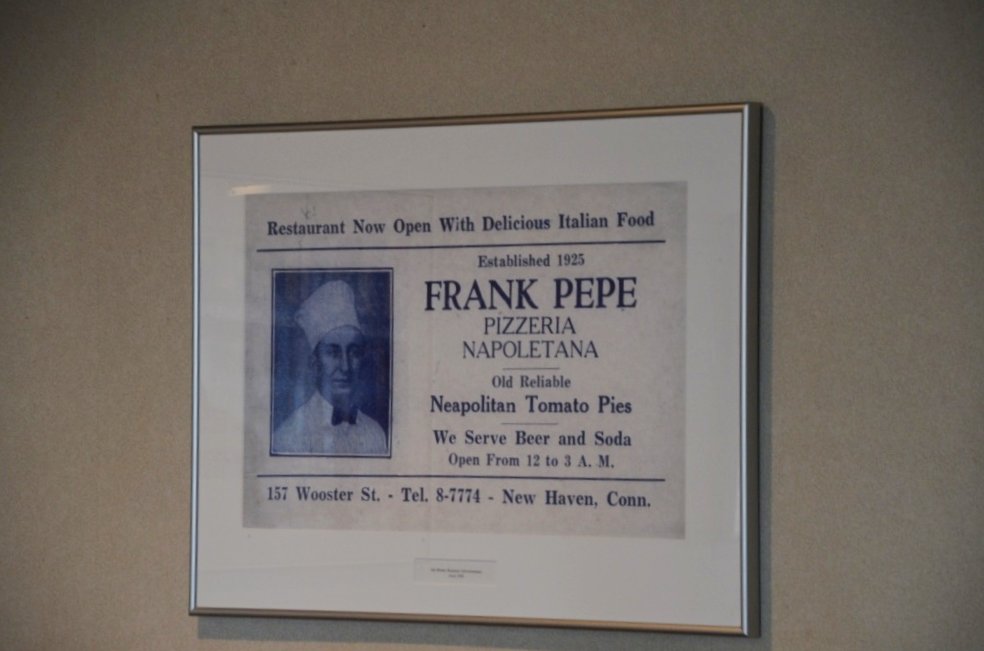 Frank managed to run a successful business throughout the depression years. Take a look at the picture of the Frank Pepe sign from those old days. Do you see the words “old reliable” there? It means exactly what it says – the business you can rely on. Always persistent quality, always persistent taste, always there when you need it. Frank was known as the guy you can knock on the window of at 2 AM in the morning, and he will get up and go make a pizza for you. If this is not dedication and reliability, I don’t know what is.
When Frank Pepe passed away in 1969, he had only two daughters; they took over running of the business and got family involved, so now 7 of Frank’s grandchildren run the business. Gary, Frank’s grandson we talked to, started working in the business when he was 14. Just an interesting fact – he took his first vacation when he was … wait for it… 35.
Remember at the beginning of this post I gave you a short list of things you need to do to be the #1? So I can tell you that, as you probably expected, there are few other small things which matter. One of the seemingly “small things” is an attention to details. Let me explain and also give you few really fascinating facts and numbers along the way.
- One and the same brand of Romano cheese is used by Frank Pepe at all of the stores for over 50 years. The tomatoes are imported from Italy, and they should have a specific taste profile (Gary and his cousin are the official taste testers). That tomato taste profile family keeps secret. More than 15,000 cases of tomatoes are imported in a year, which translates into 90,000 cans! More little details: tomato cans can’t sit under the sun in the truck – the taste is changing, so logistics matter!
- Family was always focused on just continuing the family tradition and family recipe. Only in the past 10 years family slowly started to expand its business, now operating in 7 locations, most of them in Connecticut and one in Yonkers, New York. The family is looking to expand further into New England, but they really move very cautiously. For every new location, the large part of the effort is training of the new staff and setting up the restaurant in exactly the same way as other operate (which starts with oven).
- The charcoal oven matters! It should be properly seasoned, and time is mostly the only way to do it right. The family operates 3 ovens in New Haven alone, and each oven produces slightly different pizza.
- The ovens are kept all the time at the temperature of about 600°F. It takes roughly 7-8 minutes to bake a pizza in the oven.
- All restaurants go through roughly a 500,000 pounds of mozzarella cheese in a year.
- The most asked for pizza in most of the locations is Mozzarella with sausage


- The menu at all Frank Pepe restaurants has nothing but the pizza (I’m talking about the food – soda, beer and wine are offered at all locations). Only 2 years ago green salad was added to the menu!
- Pizza Margherita is being slowly added to the menu throughout the restaurants only now, literally in 2014
- The whole Frank Pepe Pizzeria started from the original tomato pie. Next anchovies were added, then cream cheese, and then sausage. All the sausage used in the Frank Pepe restaurants comes from the same local supplier New Haven. Frank Pepe location in New Haven alone goes through 400-500 pounds of sausage per week!
- Clam pizza evolved back in mid-40s. There was a guy who was selling the clams on the half shell from the cart. He asked Frank to put it on the pizza, Frank agreed, and it became the signature pizza – clam, garlic, oregano – that’s it. In New Haven alone the restaurant goes through 70 bushels of clams per month, 90 during summer. Frank Pepe uses 3 clams suppliers, with the very strict guidelines as to type, size, type of beds etc., and all clams are sourced from New England.
- Since starting working at the restaurant at the age of 14, Gary made more than 1,000,000 pizzas in his life – by himself!
I think you got the picture by now – yes, it is easy to be #1 – you just have to work really hard until you get there.
Let’s talk about the pizza now. We tried three different pizzas – the original tomato, regular cheese and of course, the #1, White Clam Pizza.
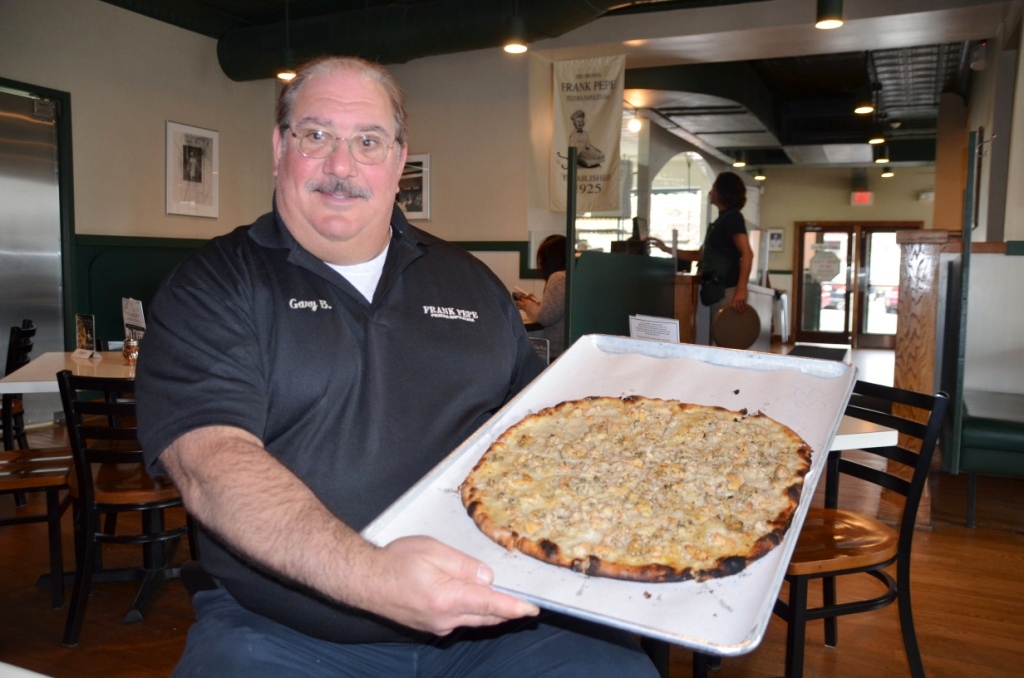
Gary, Frank Pepe’s grandson, holding the #1 Pizza in US – White Clam pizza
The original tomato Pizza was very interesting – the tomatoes were unusually forthcoming, it is now easy to understand why this specific tomato taste profile is so important, it makes the pizza all unique and different. Make no mistake – of course it has cheese sprinkled on top, but the tomato is the star here.


Cheese pizza was also excellent. I don’t know about you, but for me, the crust is very important on the pizza – I need it thin, I need it slightly charred and I need it to break up when I’m folding it – this pizza completely delivered.


You know, I don’t want to lie to you. My favorite pizza, by all means, was the white clam. Before we tried this white clam pizza, I was wondering – how the clams will taste? Will they be chewy and “squeaky” as clams often get? Nope, it was absolutely delicious. Soft pieces of clams, with perfect texture, accompanied by perfect amount of garlic and fresh herbs – I’m generally not a pizza guy, but I’m craving a piece as I’m writing this. Yes, you have to taste it to believe it.


This concludes the description of the wonderful experience we had a Frank Pepe Pizzeria in Fairfield, Connecticut. Now I definitely want to visit the original restaurant in New Haven – after learning so much about the history of this restaurant, I want to experience the place where it all started.
Yes, we are done here. Until the next time – cheers!

Weekly Wine Quiz #97: Grape Trivia – Blends, Part 1
 The Wine Quiz series is not meant to intimidate. The whole idea here is to have fun and learn something new. When answering the questions, it is fully encouraged to use all available sources of information, including Google or any other search engine. There are no embarrassing answers – the most embarrassing thing is not giving it a try…
Welcome to the weekend and your new wine quiz!
We are continuing our grape trivia series, but changing gear slightly. Until now, we talked only about specific grapes – each weekly quiz was dedicated to one and only one grape, whether it was red or white. Of course some of the questions included mentions of the blends, but still, the single varietal was a star. For the next few quizzes, I want to change that. Most of the wines we drink are blends. So why don’t we talk about blends for a while? Let’s mix things up.
At this point, as I’m not entirely sure yet of the exact direction. Below you will find 5 random questions regarding blending of the grapes – in the particular wines, and in particular regions. We are not going to focus on a single region, and will be blending both red and white grapes. Some questions might also be just opposites of the blends. We shall see. And yes, please comment and let me know what you think.
And now, to the quiz!
Q1: Which grape is missing?
– Cabernet Sauvignon
– Merlot
– Cabernet Franc
– ?
– Petit Verdot
Q2: Wines of this region, made out of Sauvignon Blanc and Sémillon, considered some of the best white wines in the world. Can you name that region?
Q3: This wine might be the biggest officially sanctioned blend of the grapes in the world. Do you know what wine is that?
Q4: This simple wine is classified as a field blend. This is probably best known European white field blend wine. Now:
a. Can you explain what field blend is?
b. Can you name this wine?
Q5: This wine, one of the most famous in the world, is often made from 70% Cabernet Franc and 30% Merlot. Do you know what wine is that?
Good luck, enjoy the quiz and your weekend! Cheers!
Month in Wines – March 2014
And the time has come to summarize another month in wines. March 2014 was quite wine eventful, especially from point of view of discovering of the new and unique wines. I already wrote about some of the wines before, so I will not inundate you with the repetitive details, and instead will simply give you the reference to the prior post. All the wines are rated on the 10 points scale, with + and – adjustments. These summary posts only include the wines with the ratings of 8- and higher – in the very very rare cases, I might include 7+ wines if I feel that the wine was simply unique.
Let’s go!
2005 Seven Hills Merlot Columbia Valley, Washington (13% ABV, 88% Merlot, 12% Cabernet Franc, 18 month aging in French and American oak) – in a word, spectacular. Yes, I like my wines with a little age – decanters and all are nice, but can’t compare with the wine actually having a chance to age slowly and gracefully. This wine was phenomenal from the moment the cork was pulled. On the nose, it was an aroma exuberance, with lots of different flavors going on – plums, cassis, sweet oak, herbs – everything was happening. And palate followed the lead – silky smooth, with layers upon layers of mature fruit, soft tannins and perfect acidity. Exquisitely balanced, this was a pure pleasure in the glass. I think we got this wine at its peak – and it was my only bottle. Sigh. 9

2011 Field Recordings “Neverland” Red Wine Grassini Vineyard Happy Canyon of Santa Barbara (15.1% ABV, 75% Cabernet Sauvignon, 15% Petit Verdot, 10% Merlot. Aging: 50% new French barrels, 25% new American barrels, 25% seasoned French for 18 month) – Field Recordings never cease to amaze. Powerful and delicious. 8+
2012 Cane and Fable 373 Cabernet Sauvignon Paso Robles (14.9% ABV, 85% Cabernet Sauvignon, 10% Tempranillo, 5% Petit Verdot. Aging: 225L oak barriques, 25% new, 12 month) – This was very interesting ( in a good sense), and will wait for a while to see it evolve. 8-
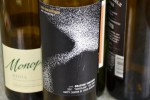
2010 CVNE Monopole Rioja DOC (13% ABV, 100% Viura) – Delicious, refreshing – and age worthy. Will get back to it in a few years. 8
2012 Colline de l’Hirondelle Cocolico, France (15% ABV, 60% Chenançon Noir, 25% Grenache, 15% Syrah) – Powerful and different. Unique flavor profile, unique grape. 8-
-
- Cvne Rioja Monopole
-
- Field Recordings Neverland Red
-
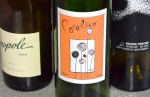
- Cocolico
-
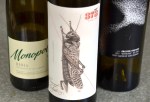
- Cane and Fable 373 Cabernet Sauvignon
2009 Pedro Luis Martínez Arriba Término de Hilanda Monastrell, Jumilla DO (14.5%ABV, 100% Monastrell, 14 month aging in new American and French oak) – One of the very best Monastrell wines I ever tasted. Coffee, dark chocolate and a fruit, all weaved elegantly together in a tight, firmly structured body. 8-
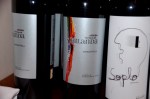
2010 Bodegas Rafael Cambra Soplo Valencia DO (14% ABV, 100% Alicante Bouschet/Garnacha Tintorera, 3 month aging in oak) – Clearly outstanding, with the flavor profile rivaling best Cabernet Sauvignon. 8+
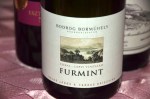
2011 Bodrog Borműhely Lapis Furmint, Tokaj, Hungary (13% ABV, 100% Furmint) – A pleasure in every sip. Different and delicious. 8
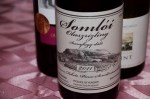
2011 Fekete Béla Olaszrizling, Somló, Hungary (14.5% ABV, 100% Olaszrizling) – Another case of absolutely unique wine. Flavor profile is fascinating, with explicit minerality and balance of herbs and fruit. 8
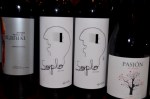
2008 M. Chapoutier Bila-Haut Cotes du Roussilon Villages, France (13.5% ABV, blend of Grenache, Syrah , Carignan) – This is consistently one of the best wines for the money – in the $16 range, it is almost unbeatable. Besides, this wine can age very well – this 2008 was spectacular and it could go on and on and on. 8
2006 Mt. Difficulty Pinot Noir Central Otago, New Zealand (14.5% ABV) – beautiful, simply beautiful. Perfectly clean and delightful Pinot Noir profile. 8+
2007 Krupp Brothers Black Bart’s Bounty Chardonnay Napa Valley (14.8% ABV) – had a very interesting experience with this wine. I had two bottles, and when I opened one recently, I didn’t like it – was too much of the malolactic processing, to me the wine acquires that strange and specific taste. But then I had a second bottle a few weeks after, and it was excellent – balanced, a bit of vanilla and butter, just right, very pleasant. The temperature might be a culprit, or just the difference between the bottles. 8-


2010 Turley Zinfandel Heminway Vineyard, Napa Valley (15.6& ABV) – Turley rarely disappoints, but this wine clearly needed more time… Dark, powerful, concentrated, balanced. 8-
2005 Quinta Ste Eufemia Porto LBV, Portugal (19% ABV) – classic, with round sweetness of figs and prunes, good acidity, fresh and delicious. 8-
2004 Hobbs Barossa Frantignac, Barossa, Australia (10% ABV) – delicious. Perfectly balanced sweetness and acidity, very fragrant and easy to drink. 8
And we are done here. What were your wine highlights from the past month? Cheers!
Wednesday’s Meritage – Wine Quiz Answer, April Fools Roundup, Win a Trip To Sonoma
 Meritage time!
Let’s start with the answer to the wine quiz #96, Grape Trivia – Alicante Bouschet. In the quiz, you were supposed to answer 5 questions about the red grape called Alicante Bouschet, also known in Spain as Garnacha Tintorera.
Here are the questions, now with the answers:
Q1: True or False: according to the 2010 data, Alicante Bouschet is one of the 15 most planted red grapes in the world?
A1: True. In 2010, it was the red grape #15 with 38985 acres planted worldwide
Q2: Wine Spectator calls wines with 90-94 ratings “Outstanding: a wine of superior character and style”. True or False: There are no Alicante Bouschet-based wines rated as Outstanding by Wine Spectator.
A2: There is a number of Alicante Bouschet wines with the WS ratings of 90 and above, so the answer is False.
Q3: Alicante Bouschet makes a very popular addition (albeit in miniscule quantities, about 5% or less) to some of the very well known and popular California varietal wines. Can you name two of those popular California grape varieties?
A3: Zinfandel and Petite Sirah. Because the quantities are really miniscule, you would very rarely read about addition of Alicante Bouschet on the back label – but many producers do add the grape.
Q4: Below is the list of countries growing Alicante Bouschet/ Garnacha Tintorera. Based on 2010 data, sort that list from the biggest area plantings to the smallest:
a. Chile, b. France, c. Italy, d. Portugal, e. Spain
A4: The right order is Spain (19551), France (4957), Chile (4228), Portugal (3322), Italy (645), so it is e,b,a,d,c
Q5: Which one doesn’t belong and why?
a. Carlisle, b. Francis Ford Coppola, c. Ridge, d. Turley
A5: All wineries in this list produced at least once single varietal Alicante Bouschet wines – with the exception of Turley, which only uses Alicante Bouschet for blending.
The only person who attempted to solve the quiz was Suzanne of apuginthekitchen – she definitely deserves an honorable mention for the effort! The next week we will change gears – for a little bit, we will be talking about the blends instead of single varietals. After all, most of the wines produced in the world today are blends – so blending the grapes together hopefully will produce more courageous responses on your part.
Now, to the interesting stuff around the vine and the web!
First of all – happy past April Fools day! Yesterday was April 1st, and the number of bloggers took advantage of that fun day, and wrote interesting, witty and funny blog posts. Here is a small collection for your enjoyment:
Joe Roberts, a.k.a. 1WineDude, wrote a hilarious piece about Robert Parker and Wine Advocate apologizing for their raunchy behavior as of recent – yeah, you can only dream of that stuff on the April 1st… Here is the link for you to read. Dave McIntyre, the wine columnist for the Washington Post, wrote an excellent post about the end of wine blahgging – you can read it here. Harpers, a wine and spirits trade publication out of UK, shared an excellent article about bee-o-dynamics and use of the bees to improve aging of the wines – very cool idea, hopefully someone will look at it for real!
Few years back, I was happily reading all the April Fools day posts, and was absolutely convinced I can never write anything of that nature. Then I took a stub last year, and I liked it (ohhh, it actually makes me uneasy to say that I like my own writing). And I felt that I had to do it again this year, so this was the news update I posted yesterday. There is a mix of things in my post – yes, Coravin technology allows you to taste the wine without opening it, but while someone might be dreaming of the computerized wine analysis technology, that actually doesn’t exist. Yes, while Burger King indeed offered to supply the food for the Kanye West and Kim Kardashian wedding, the Korbel so far was not involved (hmm, may be they will like my idea, though?).
This finishes my April Fools day post roundup – if you came across something hilarious, please share in the comments section.
So, how about all paid Sonoma Wine Vacation for you and three of your friends? Yes, you can have it – if you win Underground Cellar Sonoma Winecation Getaway. Underground Cellar is the new concept wine selling site, where you can participate in the bidding for the rare wines directly from the wineries, and once you win the bid, you even have an option of upgrading your wine! I didn’t have a chance to try it yet, but it sounds very cool. In the effort to promote their new concept, Underground Cellar is sponsoring the Sonoma Winecation getaway – please use this link to enter the contest – who knows, you might soon be heading to the Sonoma county for the fun time!
And we are done here. The glass is empty – but the refill is on its way! Cheers!
Last Bottle Sign Up ($10 credit)




 Talk-A-Vino