Counting Grapes, One at a Time
 I’m really glad I discovered Wine Century Club about four years ago. Ever since that happened, I’m on the lookout for the new grapes. What is so special about it? Once you get outside of the traditional circle of about 50 grapes, each new grape comes with its own unique personality. Once you cross 200 varieties, the process of finding new grapes becomes complicated, and once you cross 300, it is even trickier (just to put things in perspective, upcoming Jancis Robinson’s book lists more than 1,300 grape varieties used in the wine making). Nevertheless, search is well worth it, because what you find is unique and different.
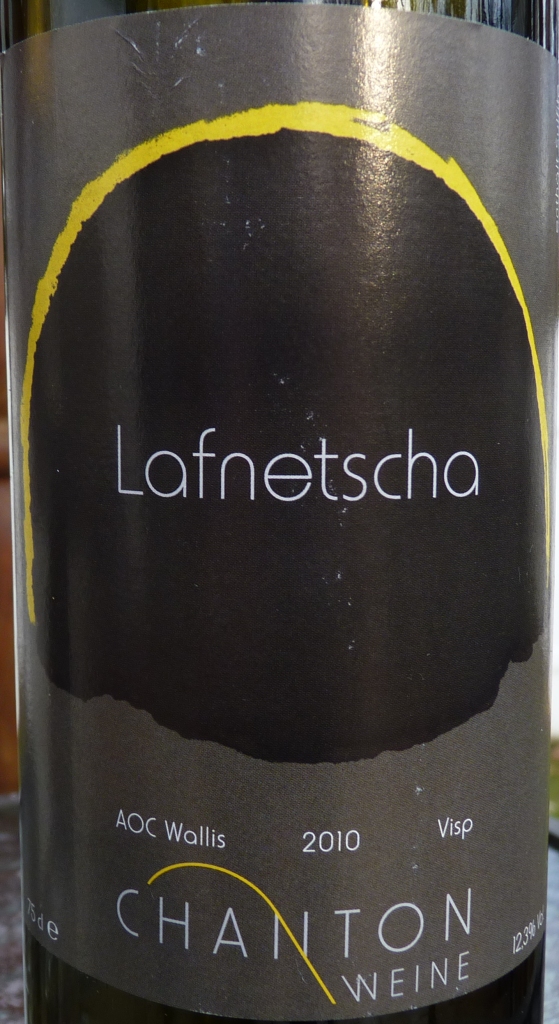
Grape number 355 is Lafnetscha from Switzerland, courtesy of my friend Patrick. I would like to point out that this white wine was very hard to find even in Switzerland (he had to special-order it), as plantings of the grape are extremely limited.
This 2010 Chanton Visp Lafnetscha, AOC Wallis was an excellent wine. Very round and gentle with nice vegetable profile (not herbaceous and not fruity). Cucumbers and zucchini on the palate, good balancing acidity. I can only wish I had more than one bottle of it…
Next in line is Resi, another unique grape from Switzerland – but for now, this bottle just waits to be open. I’m well on the path to the 360 varieties, but I expect that finding those additional 40 grapes needed to reach Quattro level, will not be straightforward. Any ideas and suggestions will be greatly appreciated. Cheers!
Music, Recorded in the Vineyard
 There had being a number of studies made about the ways people buy wine. One of the known facts is that women often buy the wine based on the appearance of the label. I witnessed dialog of mom and a little son in the wine store – she tells the kid “Mommy will buy this wine, because the label looks pretty” (by the way, if you are curious, the wine was Avalon – I wouldn’t ever look at that label).
I don’t know how the man collectively make wine buying decision, but for me personally one of the important factors is the name of the wine or the winery. Of course some of it is due to the fact that once you know ( tried or read enough about) particular wine, the name produces instant reflection – I wonder how many wine lovers’ hands will not sweat while admiring Alban, Harlan, Bryant Family or Petrus. But then even for the wines I never heard of, some of the names trigger instant reaction – hmmm, that sounds intriguing, I wonder how this will taste like.
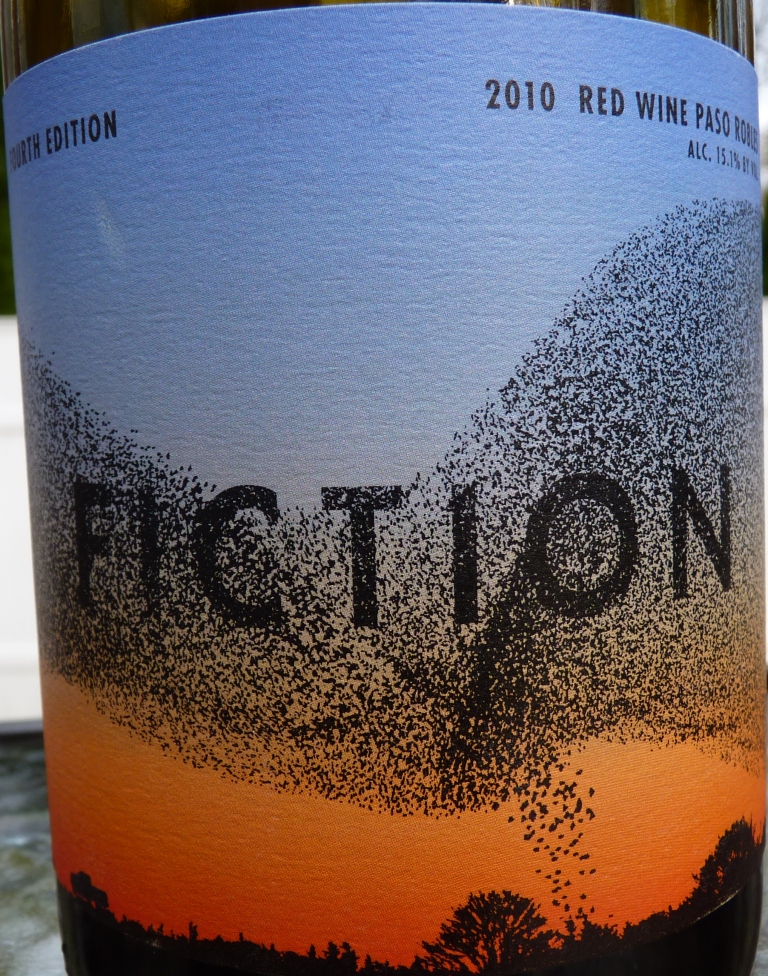
When I got a note from the Benchmark Wine Company talking about wines coming from the Field Recordings, that caught my attention. Field Recordings? Hmmm, sounds interesting. The price is reasonable (under $20), so why don’t I try one? Done. The bottle arrived (I have to mention that in this particular case I like not only the name of the wine, but the label as well, and I would definitely look at such a bottle in the store if I would see one), and then the day came to open it.
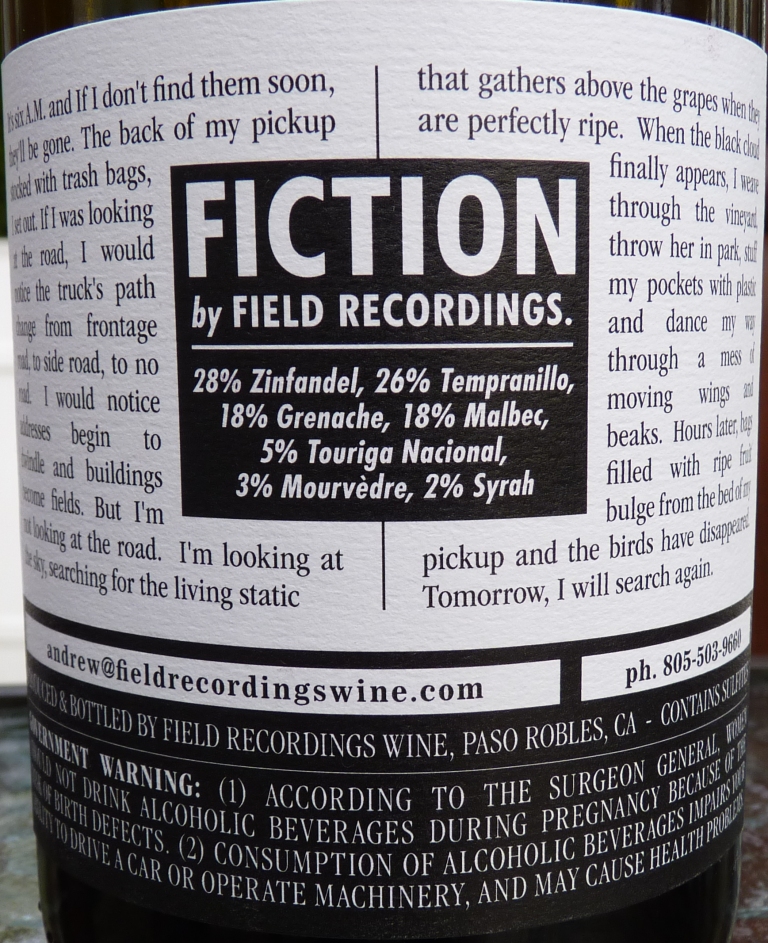 Wine is a form of art. When you smell it, when you taste it, it solicits an emotional response. Same as a music, same as a poetry, same as a painting, same as a movie, same as practically any other thing in life, when done well, it will move you. This 2010 Fiction Red Wine Paso Robles by Field Recordings was definitely one of the best wines I ever tried. I don’t remember ever smelling the red wine like that. Meadows. Beautiful full blown meadows, in a middle of flowering, compacting heavy and heady aromas of a warm summer day – all in one whiff, one breath of air. After the first smell, you don’t want to drink the wine. Not yet. You need to smell it again. And again. And again. And you don’t want to let go of that feeling of freshness and warms.
The same freshness continued on the palate – lots of fresh red fruit. Ripe red fruit, yes – plump and juicy, but not overripe, just perfect fruit with enough acidity and body to make you think of a perfection. Perfect balance. I can’t say anything more. You if are reading this blog for a while, you know that the balance is something I value the most in wine – and this bottle of Fiction got it just right.
This was an amazing experience, and I would gladly repeat it – the only problem is that Benchmark is all out of it, and wine-searcher can’t even find it in the country. Oh well – if you will be lucky enough to come across this wine, remember – there is a beautiful music recorded in that bottle. Find it and experience it for yourself. Cheers!
Thanksgiving Experiences
 In the last post I outlined the number of wines which we wanted to taste during Thanksgiving dinner – now it is time to report on what was great and what was not.
There was nothing new with both Beaujolais Noveau compare to the previous report – except this time I remembered to chill both of them (light wines, such as Gamay and Pinot Noir usually taste better when slightly chilled). Chilling improved the taste of George’s Duboeuf, but I still like 2010 better.
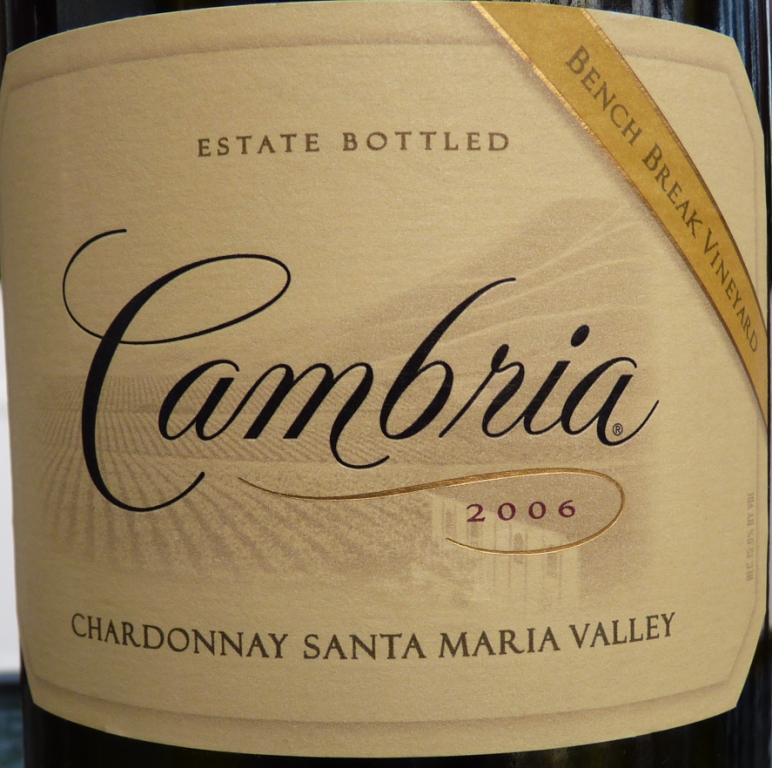
The real highlight of the lineup was 2006 Cambria Bench Break Vineyard Chardonnay from Santa Maria Valley – it was beautifully balanced, with hint of vanilla, literally unnoticeable oak, hint of white apples and perfect acidity. One word to describe this wine is Elegance – it was perfectly elegant, reminiscent of Peter Michael chardonnays which are definitely my all times favorites.
2009 Cazar Pinot Noir was very appropriate at the Thanksgiving table with its bright cranberries and very good balance. One wine which didn’t happen to work for me was 2009 Turley Old Vines Zinfandel – I understand that it was opened prematurely, but still I was expecting more from it (I have to also mention that it didn’t fully opened even after three days – I guess actual aging in the cellar is in the cards for this wine). Bodegas Hidalgo Triana Pedro Ximenez worked very well with the dessert full of nuts, such as Pecan Pie – layered complexity and nutty profile, complemented by good acidity were essential attributes of this wine.
As this is a Thanksgiving post, I have to mention the turkey. Last year our choice was Turducken (chicken inside of duck inside of Turkey), which was very tasty, but required quite a bit of preparation work. This year we decided to do a smoked turkey, which required mush lesser amount of prep time and effort – here are the pictures for you, before and after:

This turkey spent four hours in the charcoal smoker and 4 hours in the oven. The result was moist and delicious bird with lots of smoky flavor. Another dinner highlight was cranberry sauce, which was modeled after Bobby Flay’s recipe – however, it was modified to exclude sugar. If anyone is interested in recipes, I will be glad to share – please drop me a note.
This completes my Thanksgiving 2011 report – until the next time, cheers!
Thanksgiving Wines
Please let me be unique and different and write a blog post about Thanksgiving wines (duh – I meant let me pretend that hundreds of bloggers and wine writers didn’t cover the subject yet as broad as possible). In essence, I’m not planning to offer you any advice. I think the variety of tastes, favors and simply palate preferences at Thanksgiving table is way to wide to be able to do any essential wine and food pairing. Therefore, I would say that there are no limitations to what wines you should have on your table – you simply have to be able to enjoy them with or without food. As far as this blog post is concerned, as I said, I’m not going to offer any advice – I will simply tell you what I have in plans for the thanksgiving meal and why. I will list here way more wines than we will be actually able to consume, but hey, more is better than less, right?
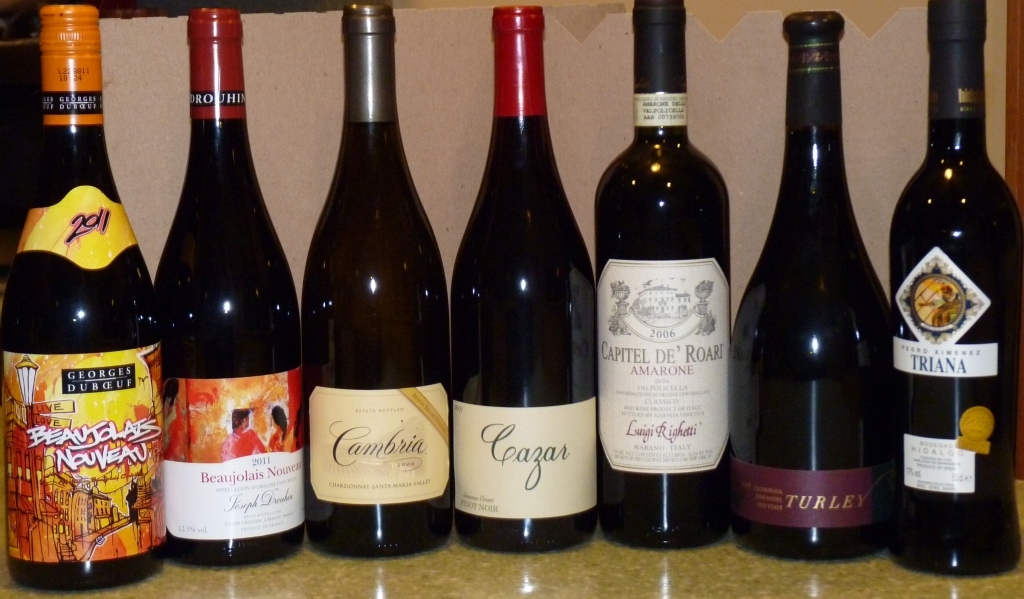
You can definitely start with sparkler, but as I don’t have one ready, 2011 Beaujolais Noveau will do just fine. Why? It should be slightly chilled (let’s say to under 60F), then it is quite refreshing with all the red fruit and mouthwatering acidity – good way to get ready to Thanksgiving meal.
Chardonnay is a must, preferably one from US. Why? Because Chardonnay is one of the great American wines, producing very good results in all different areas from California to Long Island. I would recommend Chardonnay which was aged in the oak barrels and has some butter, vanilla and toasted oak – not the stainless steel-fermented one, which often tastes indistinguishable from Pinot Grigio. My personal choice is 2006 Cambria Bench Break Santa Maria Valley – this is one of my favorites since I tried that at The Capital Grill, and I’m curious to see how it is developing (I still have few bottles left). Besides, I don’t have Peter Michael as my allocation didn’t come through yet.
The next wine is a 2009 Cazar Sonoma Coast Pinot Noir. Why? 2009 was a great year for California Pinot Noir, and this particular wine is simply meant for the Thanksgiving table with all the fresh and juicy cranberries and perfect acidity. I simply see this wine being great with turkey and many other dishes.
Amarone? Of course. Why? Simply because Amarone is one of my favorite wines, and every time we drink it, it is a special occasion. 2006 Luigi Righetti Capitel de Roari Amarone della Valpolicella is one of the simpler versions of a great wines ( also inexpensive compare to what Amarone typically costs), so I’m curious if it will work with the meal at all.
There can’t be Thanksgiving celebration without Zinfandel on the table. Why? Zinfandel is unique grape which doesn’t grow anywhere else outside of United States (with the exception of the close relative, Primitivo, which grows in Italy). Zinfandel has a unique flavor profile with lots of fresh berries and lots of power on the palate, which should bode well with the festive Thanksgiving meal. 2009 Turley Old Vines Zinfandel from Napa Valley is simply one of the great California Zinfandels, and I’m glad we will be able to share a bottle (it is not easy to get).
Time for desert. I’m selecting Bodegas Hidalgo Pedro Ximenez Triana. Why? First of all, this is the very old wine – as Jerez is made using Solera method, with new wines constantly blended with the older ones, this wine started at around 1750, so it can definitely serve as historic reference to the great holiday. And the second reason – this wine simply tastes phenomenal. I already wrote about it in one of the previous posts – the richness and the balance of this wine should really be experienced by any wine lover.
Will we drink all of these wines? Probably not. Will there be other wines on Thanksgiving table? You bet. Of course I will report on all the wonderful food and wine experience once the holiday is over, but for now I will be glad to hear what wines do you plan to have on your table.
That’s all, folks. Happy Thanksgiving and Cheers!
Tasting Beaujolais Noveau 2011 and a Little Bit of Scotch
 Appearance of Beaujolais Nouveau bottles in the wine stores squarely underscores an important notion which is up in the air anyway: the holidays are here, and the year is going to wind up very quickly from here on. But the last six weeks of the year are not going away without a bang – there will be lots of great food and great wine everywhere.
So what do you think about Beaujolais Nouveau 2011? Here are my impressions. To begin with, I like the label of the Georges Duboeuf Beaujolais Nouveau 2011 – it is very bright and attractive, purely an urban statement with graffiti lettering. As as the wine itself is concerned, it was okay, more in style with the years prior to 2010. Let me put it this way – the Beaujolais Nouveau 2010 was real wine of a good depth, a thought provoking wine (here is the link to the post about 2010 wines) – 2011 Georges Duboeuf Beaujolais Nouveau was just that – a Beaujolais Nouveau wine which can be gulped quickly without much reflection. Bright fresh fruit, very grapey – but in need of an overall balance.
I liked the taste of Joseph Drouhin Beaujolais Nouveau 2011 more, as it was combining brightness of the fresh fruit with an overall structure – this wine had legs to stand on, had a nice balance with good acidity and some earthy notes – this will be one of the wines I want to see on our Thanksgiving table (we will talk about Thanksgiving wines in the next post). In any case, drink your Beaujolais Nouveau quickly – these wines are not meant to be kept for the long time.
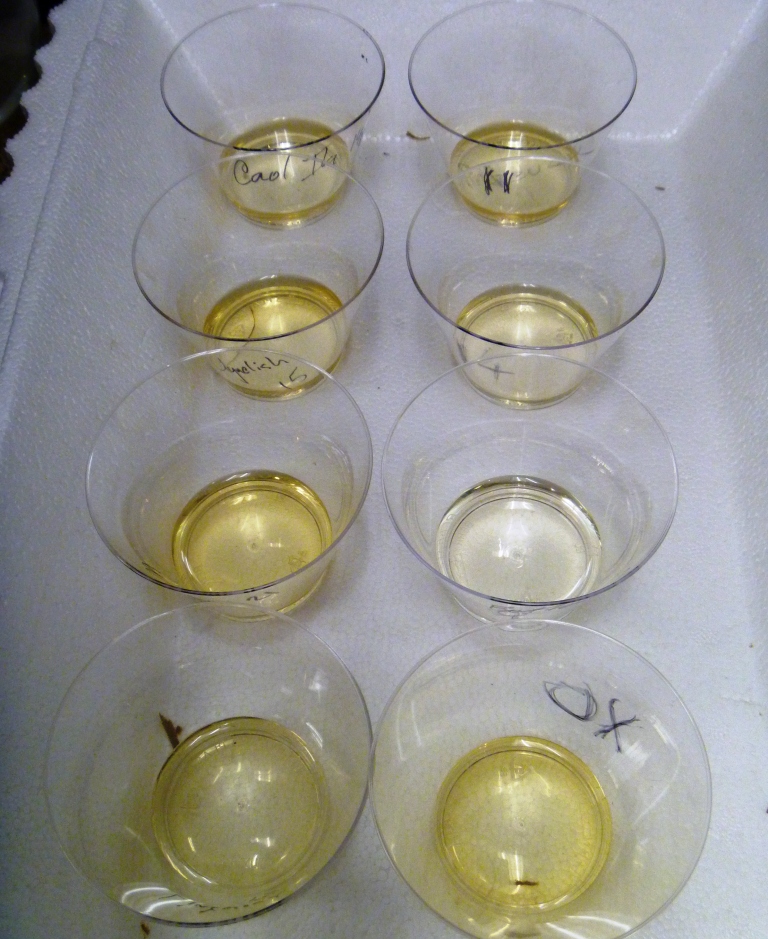 If you are puzzled by the title of this blog, let me explain. No, Scotch has nothing to do with Beaujolais Nouveau – I just happened to stop by Cost Less Wines last Wednesday and try more Scotches from Douglas Laing. Here are some which I would like to note: Linkwood 13 from Speyside was very light, with a hint of smoke and most interestingly, with grape finish. It is very interesting, as it was not finished in any of the wine barrels – it was actually finished in used bourbon casks.
Next, outside of getting into “smoky” category, the Scotch I liked the best was Clynelish 15 from Highlands – it was both very complex and smooth. Complexity is something which I really enjoy in the Scotch (this is why Macallan is never my favorite – I don’t find enough complexity in the taste). Finally my most favorite Scotch from this tasting was Caol Ila 14 from Islay – pronounced smokiness and power, a great scotch if you are into smoky flavors at all. Overall, it was great #WhiskyWednesday, as they say it on Twitter.
The next time I want to talk about Thanksgiving wines – but please tell me, what wines will be on your table on Thursday?
Counting Up and Counting Down
 It is that time of year again – all you hear from all the sides is counting up and down. Top 10s, Top 100s, 10 best of this and 5 best of that, umpteen days until Christmas and only so many days before Black Friday and Cyber Monday. So, let’s join in and do some counting here as well.
Starting with the closest one, tomorrow (or today, depending on when you will read this post) Wine Spectator will announce its number one wine of the year. Every year Wine Spectator publishes a list of top 100 wines of the year (paid subscribers can access those lists going all the way back to 1988). For now, top 9 wines of 2011 out of the 10 are already announced, and you can find that list on the Wine Spectator web site (the list is open to public until November 27th). Looking at the list, you can find there wines from California, Italy, France, Washington and Portugal, with ratings from 94 to 96 points and prices ranging from $35 to $90. We only have to wait until tomorrow to find out what the Wine Spectator Wine Of the Year 2011will be.
Moving on to the next countdown, there are only 2 days left until the release of Beaujolais Noveau – first wine of 2011 vintage officially released in France in Beaujolais region . Yes, this holiday didn’t exist until 1985, and you can call it just a marketing ploy – nevertheless, it became a modern tradition which is celebrated with midnight releases, parties, food, wine and all appropriate extravaganza. If we look at the trend of last 3-4 years, we actually have something to look forward to – the quality of the Beaujolais Noveau had being steadily increasing, with 2009 being really good, and last year’s, 2010 being even better than the one before. Stop by your neighborhood wine shop, talk to your friends, check your social media outlets – you will definitely find a place to celebrate wine’s new beginnings in style. If you live close to Stamford, CT, I can recommend the place already – stop by Cost Less Wines on Thursday for the taste of Beaujolais Noveau 2011.
Talking about events, here is last, but definitely not least – there are only 3 days left until PJ Wine Grand Tasting. This coming Friday, November 18th at Metropolitan Pavilion in New York City you will have an opportunity (it might be once in a life time opportunity) to try Dom Perignon, Cristal, Krug, 2006 Cheval Blanc, 2000 Chateau d’Yquem, 1990 Mouton-Rothschild, 1985 Chateau Haut-Brion, 1952 CVNE Vina Real Gran Reserva and many other incredible wines, all in one evening. It is still not too late to get your tickets, and you can use discount code Talk-a-Vino to get $10 off your ticket price (here is the link for you to click).
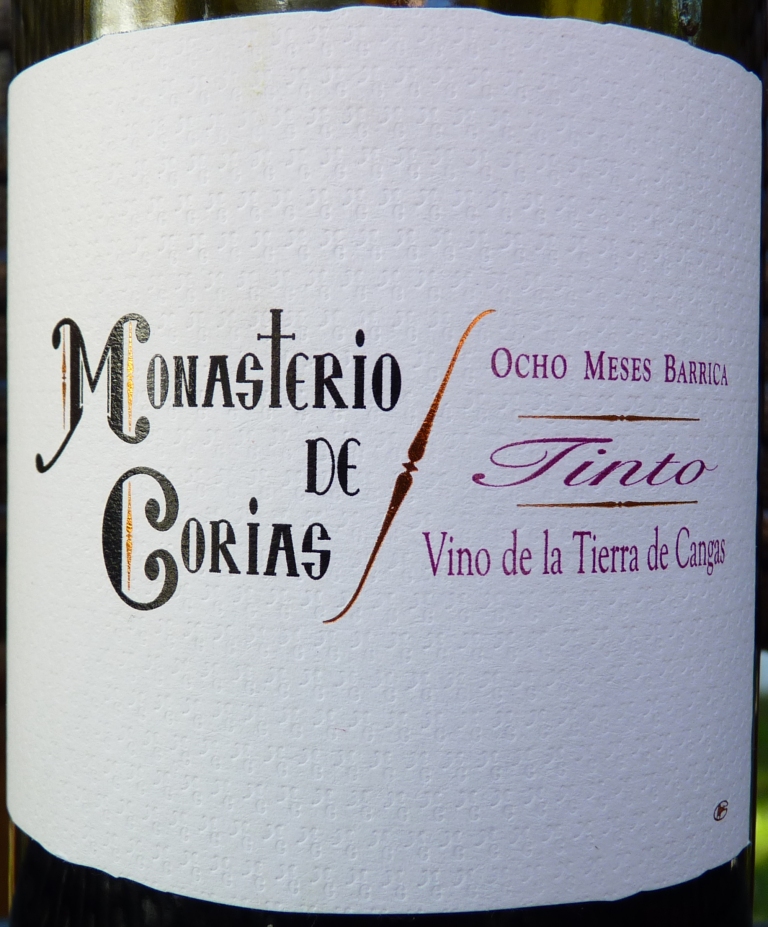
Lastly, I want to report some counting up – I added three more new grapes, thanks to the 2008 Monasterio de Corias Ocho Meses Tinto wine from Spain. The new grapes are Albarin Negro, Carrasquin and Verdejo Negro. The wine was very interesting, with pronounced acidity, limited fruit expression, good minerality and roasted tomatoes on the nose, very food friendly (Drinkability: 7+).
To conclude, I’m curios where you think the Wine Spectator Top Wine of the Year will be from. I’m torn between Oregon and Spain. Oregon is simply because I believe Oregon makes great wines and should be represented in the top 10. At the same time, Spanish wines are getting rapidly growing acceptance, and they are also great in my opinion, so it will be only fair if top wine of the year will be from Spain. Well, we are not going to wait for a long time. If you have any predictions, please share them here. Cheers!
Tasting Spanish Wines – Blind, Of Course
 Once again, we got together with the group of friends to play a fun game of blind wine tasting. This time the subject was Spain (in the past we had a lot of fun blind tasting Pinot Noir and Sparkling wines – you can read the posts here and here).
Why Spain? Spanish wines are getting a lot of recognition among wine lovers of all walks. On average, they deliver the best quality for the price (QPR) among most of other wine regions, and in the end end of the day they simply taste great and deliver lots of pleasure. So the theme was set, the bottles wrapped (every participant have to bring a bottle wrapped in paper bag) and opened, and the numbers are randomly assigned to the bottles.
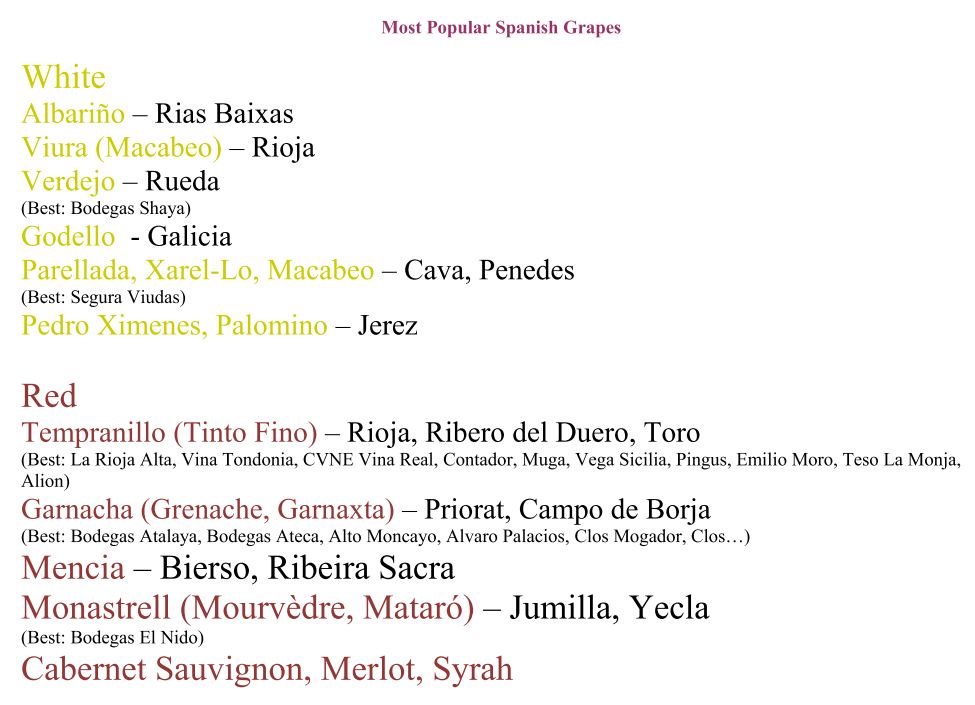
We had total of six wines, all red. The idea would be may be to identify the grape (an added bonus, of course), but mainly to see a consensus as to which wine would be the most favorite of the group – blind tasting has a great leveling effect – you are not intimidated by the price or a label, so you can stay true to your taste buds. Just to set the stage as to what are the most popular Spanish grapes, I prepared the following cheat sheet, which I’m including here in its entirety:
Off we went, so for what it worth, here are my notes as I took them during tasting – no corrections afterwards:
1 brick dust on the nose, good acidity, pepper – tempranillo
2 young wine, good fruit, open – mencia, monastrell?
3 earthy, tame fruit, age, good fruit, dark color, great acidity, pomegranate, smokiness
4 feels like it is corked, but I hope it is not. Fruit at the bottom. Final verdict – corked.
5 beautiful, most balanced, good fruit, plums- Grenache?
6 classic Rioja, cherries, acidity, best of tasting.
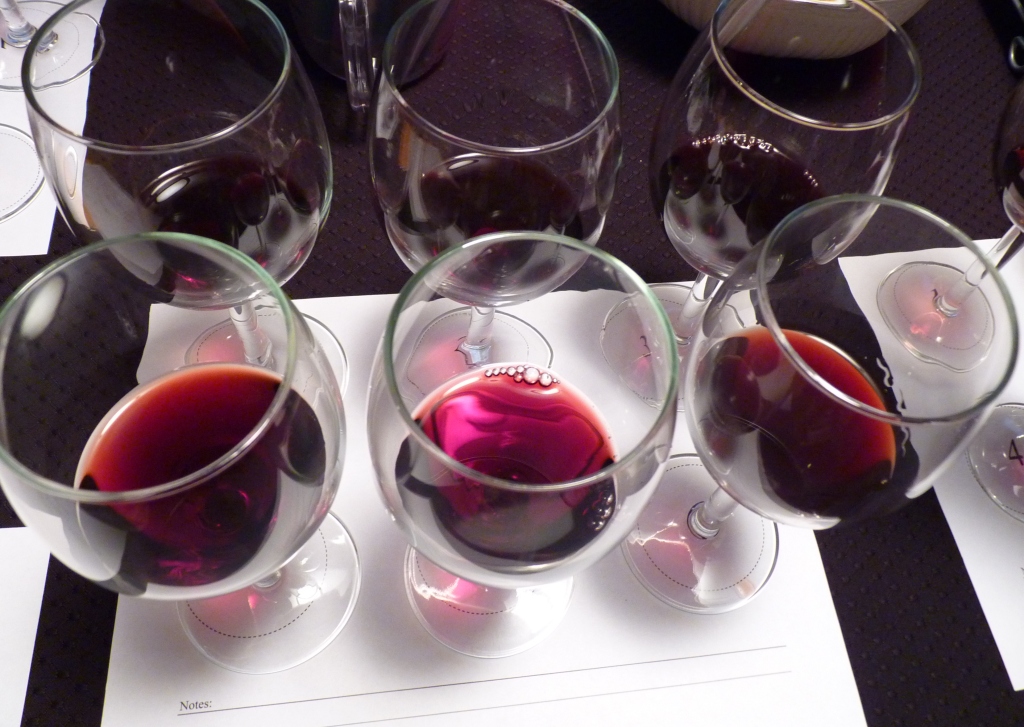
So, reading the descriptions, what do you think those wines are? This is always not an easy guess, as your mind is racing trying to pinpoint taste, texture and any other sensations you are experiencing at the moment against your mental database of the wines you tasted (that database is either resisting and says “nothing found” or goes all the way and says “it is similar to all 10 of these”).
And here are the actual wines:
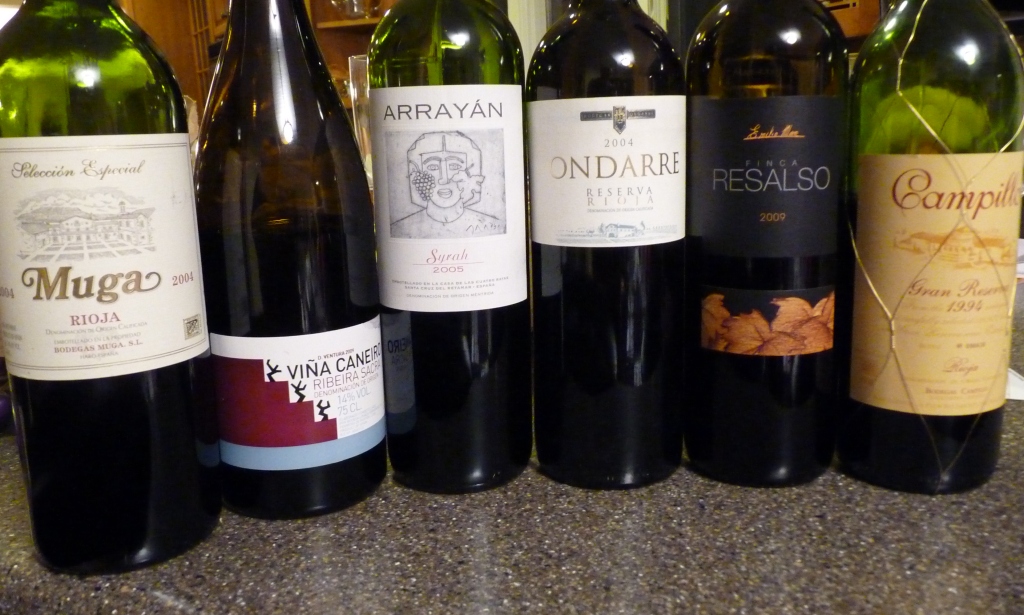
1. 2004 Bodegas Muga Rioja Selection Especiale
2. 2009 D. Ventura Vina Caneiro Ribeira Sacra DO
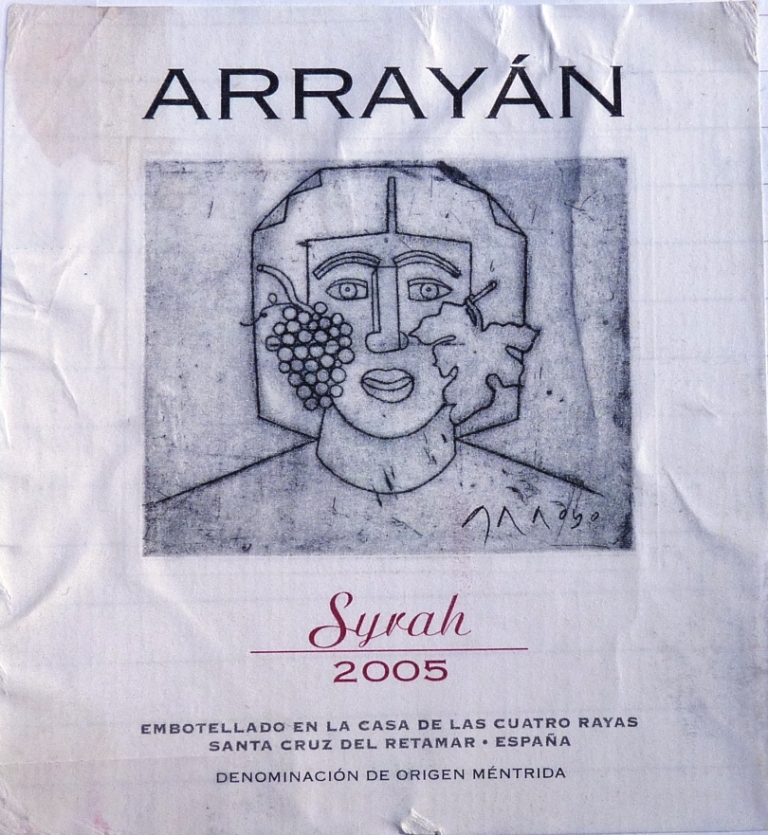
3. 2005 Arrayan Syrah, Mentrida DO
4. 2004 Bodegas Ondarre Rioja
5. 2009 Emilio Moro Finca Resalso, Ribero del Duero
6. 1994 Campillo Rioja Gran Reserva
 Now for the popularity vote, here is how it works. Everybody can vote for up to two wines (but don’t have to). If there will be one wine which will receive a majority of the votes, it will be declared a winner. If two bottles will receive the same number of votes, we would vote again for the one favorite out of the two.
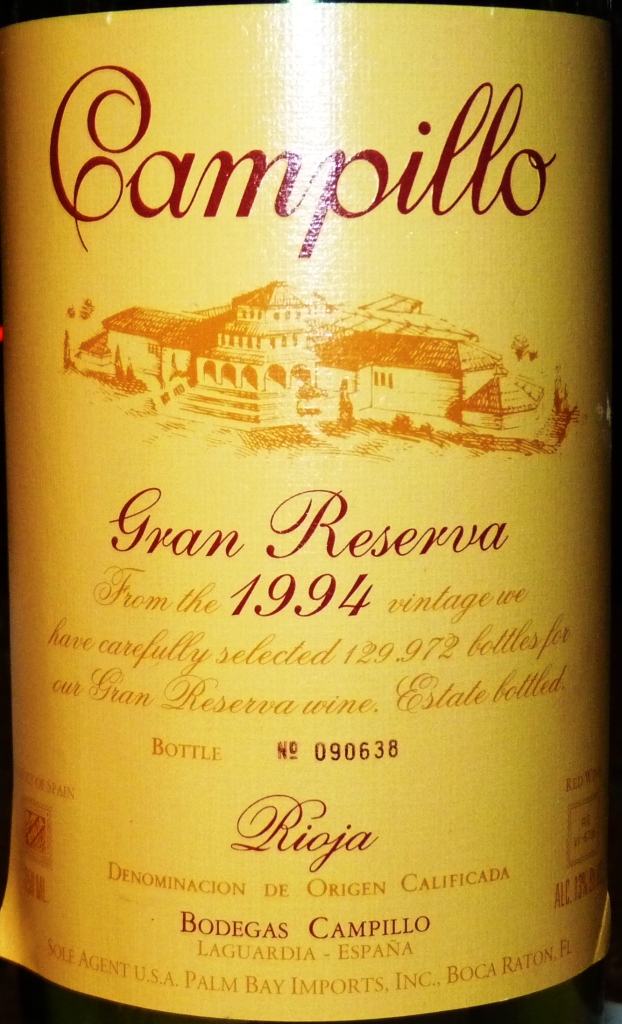
Can you guess which wine won? If you guessed “Bodegas Campillo” (as the very least judging by the label to the left), you are correct. It won by the unanimous vote – everybody liked it. Distant second was Arrayan Syrah (half of the group voted for it). Bodegas Campillo was classic and pure Rioja, with all the clean flavors of cherries and cedar box, great acidity and very fresh, not even a hint of 17 years of age. Arrayan Syrah was probably the most unusual and unexpected wine in the group – beautiful, balanced, and very pleasant to drink. But just to give due respect to all 6 wines we tasted, all except the corked bottle were very good wines, worthy of being in the competition.
If you feel encouraged to try blind tasting on your own, I would suggest to avoid doing it for the whole country. Single region or a single grape (or a stable blend, such as GSM or Bordeaux) would work much better to showcase the range of possibilities. But other than this remark, I think blind tasting is the best way to learn about your wine preferences, to have great experience and to have fun! If you got blind tasting experiences of your own – please share them here! Cheers!
Do You Believe in Coincidences?
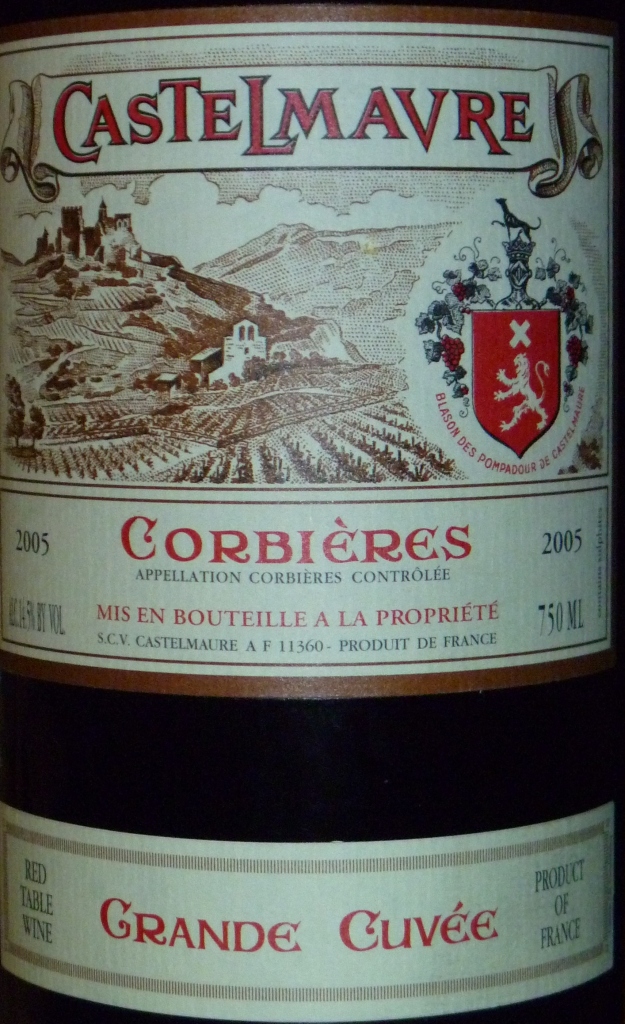 Yesterday, I was doing my usual search for the bottle to open – happens every time if I don’t have a plan upfront. Maybe this one? No, probably too young. That one? That’s a last one, maybe not now. Ahh, this one? No, not now – need a special moment. Then I finally reached out and grab a bottle of 2005 Castelmaure Grande Cuvee Corbieres Rouge – one of the two bottles I had. I was thinking about opening it many times before, but somehow the decision was always to wait until some other time.
This wine is a blend of mostly Syrah and Grenache (45% each) with the addition of Carignan. Opened the bottle, and the wine is beautiful from the get-go – deep, concentrated, showing good dark fruit, some cedar box, nice peppery mid-palate, great acidity and very balanced overall (Drinkability: 8). Next thing I’m going on Twitter to post the message about this wine and there I catch a glimpse of something while scrolling through the updates – Languedoc? #LanguedocDay?
It turns out that on November 10th, the world of social medial celebrated Languedoc Day – Languedoc is a wine region in the South of France. The wine I opened, Castelmaure, comes from Corbieres, which is one of the appellations within Languedoc! The great thing about Languedoc wines is that the appellation rules allow the making of a wide variety of wines from a wide variety of grapes, and due to the fact that the region is not as famous as Bordeaux or Burgundy, lots of great wines are available at a great QPR. I even wrote a post about Languedoc wines at The Art Of Life Magazine in the “Best Hidden Secrets of the Wine World series”.
Now, let’s go back to the subject of the post. At any given moment, I have about three hundred bottles of wine in the house, very few of those are from Languedoc (maybe 2-3 bottles at the most). I had no idea about #LanguedocDay before I selected the bottle. What is the probability of opening a bottle of wine from Languedoc specifically on that particular day, considering that we drink wine literally every day? I believe it is very (did I say “very”?) small. I don’t know how this worked, but somehow it did, so we happened to enjoy the right bottle of wine on the right day.
If you got any good “coincidences” stories, please share them! And no matter what was in your glass yesterday and what will be in it today, I hope you enjoy it. Cheers!
P.S. Don’t forget about PJ Wine Grand Tasting, which will take place next Friday, November 18th – if you want to taste Dom Perignon, Cristal, Krug, 2006 Cheval Blanc, 2000 Chateau d’Yquem, 1990 Mouton-Rothschild, 1985 Chateau Haut-Brion, 1952 CVNE Vina Real Gran Reserva and many other incredible wines, all in one night, click here to get your tickets and don’t forget to use your $10 discount code Talk-A-Vino.
Should You Really Drink Really Cheap Wines?
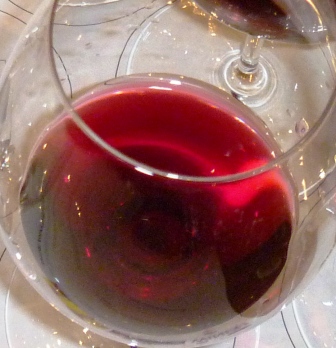 My friend Emil forwarded me a copy of an article in the Slate magazine from November 2nd called “Drink Cheap Wine“, where the author explains his rationale behind the suggestion that everybody should drink really cheap wine. As someone who doesn’t have an unlimited budget and constantly looking for the QPR in wine, the subject stroke a cord, so I thought – how about we will discuss this with my readers?
Should we all start drinking only cheap [the cheapest?] wines? May be, but let’s take a look first at the reasons we drink wine.
Why do we drink wine? If the answer is “to get drunk”, we can stop right here, as there is no need to continue the discussion – at any price wine is too expensive for this purpose (switch to industrial alcohol, I think it should be a cheaper option).
Next reason can be – because it is a habit, a custom. I would dare to say that this is probably the main reason for Europeans to consume wine – this is part of the culture, this is how people there had being born and raised – wine is something which should accompany the food. Period. I’m not saying that people in Europe are not enjoying wine by itself – all I’m saying that they look at it differently. By the way, quite on contrary to what is stated in the article, I would sincerely doubt cheap wine in Europe is worse than in US – cheap wine and wine produced by cooperatives had being around for hundreds and hundreds of years, and it was produced to be consumed with food, so I expect it to have much higher acidity than any cheap US wine, which will be mostly sweet – and I will take acidity in wine over sweetness at any time.
Reason number three to drink wine is to get pleasure – as good bottle of wine is really an art! This is my main reason to drink wine – I like phenomenal range of variations of taste you can reflect upon – this is what makes wine so magical for me. Now, as soon as we look at the wine from this angle, while the cost is still very important, it is a whole different perspective – if cheap wine doesn’t give me pleasure, should I really drink it? Of course not, as still it will be a waste of money – it is better to drink water in such a case (yes, yes, all opinions expressed here are my own).
I perfectly understand what he author is saying about blind tasting and inability of the average consumer to distinguish between the cheap and non-cheap wines. However, if you will taste 10 wines (in the same blind tasting, of course), I would definitely expect that some of them you will like more, and some of them you will like less. Actually, if you like them all the same, or if you don’t like any of them at all, may be you should stick with the cheap wine. Otherwise, if you will find out that your favorite wine in the tasting costs $15, and the one you didn’t like was $3, what are you supposed to do? That is correct – you have to make a decision which will be suitable for you. If we agree that finding pleasure is one of the main ideas behind drinking wine, you simply have to make a decision based on your budget and your preferences – but you shouldn’t drink cheap wine!
So, what do you think? Should we all switch to the cheap wines and force ourselves to be happy with them? Or should we look for wines with the good QPRs which give us pleasure?
Comment now – it is your turn to speak. Cheers!
Wente Experience
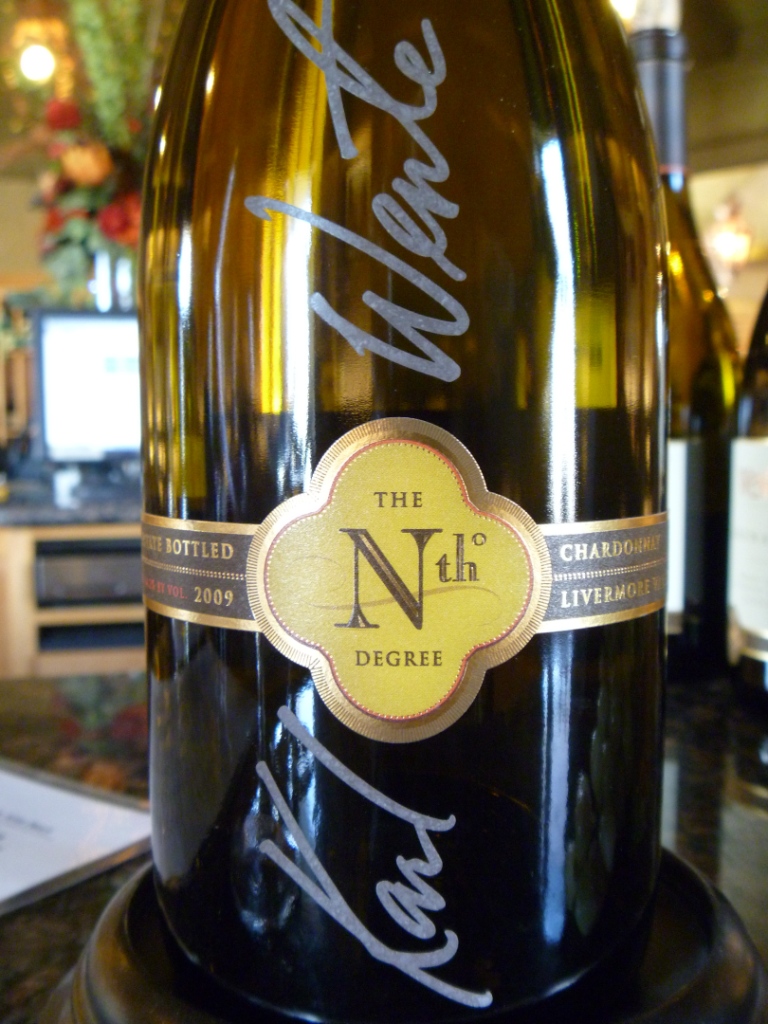 As you know, I collect wine experiences. Anywhere I go, I’m looking for wine-related experiences – locally produced wine in the restaurant, great concept bar in the airport, such as Vino Volo, or visit to a winery whenever possible.
When traveling to California, it is essentially expected that one should be able to find a winery to visit. During the last week’s trip, we decided to visit Wente Vineyards in Livermore Valley together with my friend Kfir Pravda (@kfirpravda). The selection process was simple – we didn’t have much time before the meetings, Livermore Valley was close enough, and Wente was the only name I could recognize on the map.
Turns out that it was a very good decision. I was not really familiar with Wente wines before, outside of their mutual project with the Food Network, Entwines, so it was very interesting to start from scratch. By the way, a quick side note – we visited the winery at the very beginning of November, but the harvest was still going on – I guess 2011 wines will be interesting…
Wente produces four different families of wines – Vineyard Selection, Heritage Block, Small Lot and Nth Degree. Only the first two can be found in the stores – Small Lot is available at the winery only, and Nth Degree is only available through the mailing list.
We started from the 2010 Small Lot Viognier, which was very nice and bright – not necessarily the French style, but still very enjoyable. Next, we tried two Chardonnays: 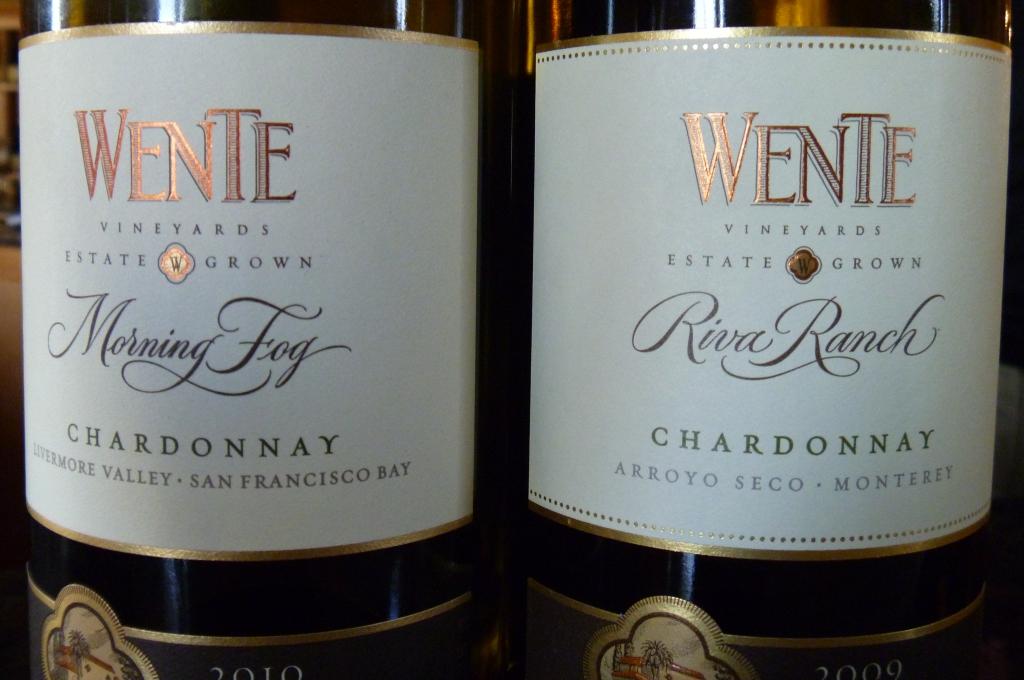
2010 Morning Fog Chardonnay Livermore Valley was completely unoaked, with good tropical fruit and fresh apples, good acidity, balanced and not overpowering. 2009 Riva Ranch Chardonnay Arroyo Seco Monterey was a bit more concentrated, with aromas of vanilla and toasted oak, all very balanced, with an excellent acidity (this wine belongs to Heritage Block collection).
Moving to the reds, we started with 2009 Small Lot Counoise, as it was a very unusual wine. Counoise is a red grape mostly used in Rhone in France where it is blended with many other grapes to produce Châteauneuf-du-Pape wines – it is very rarely bottled on its own. This wine was very interesting – dark concentrated color, bit of spiciness on the palate, good balance – I thought I found a winner. Well, yes, until I tried the next two wines – Grenache and Petite Sirah:

2009 Small Lot Grenache was incredible – velvety smooth, with beautiful fruit expression, a touch of coffee and chocolate, as well as hint of earthiness. If anything, it was very comparable with some of the best Grenache wines in the world – Spanish Grenache wines, such as the top wines of Alto Moncayo. This Grenache wine was definitely the highlight of the tasting (Drinkability: 9-). 2009 Small Lot Petite Sirah was following the suit with more intense color and higher fruit concentration, very balanced with good acidity and tannins, easy to drink and inviting.
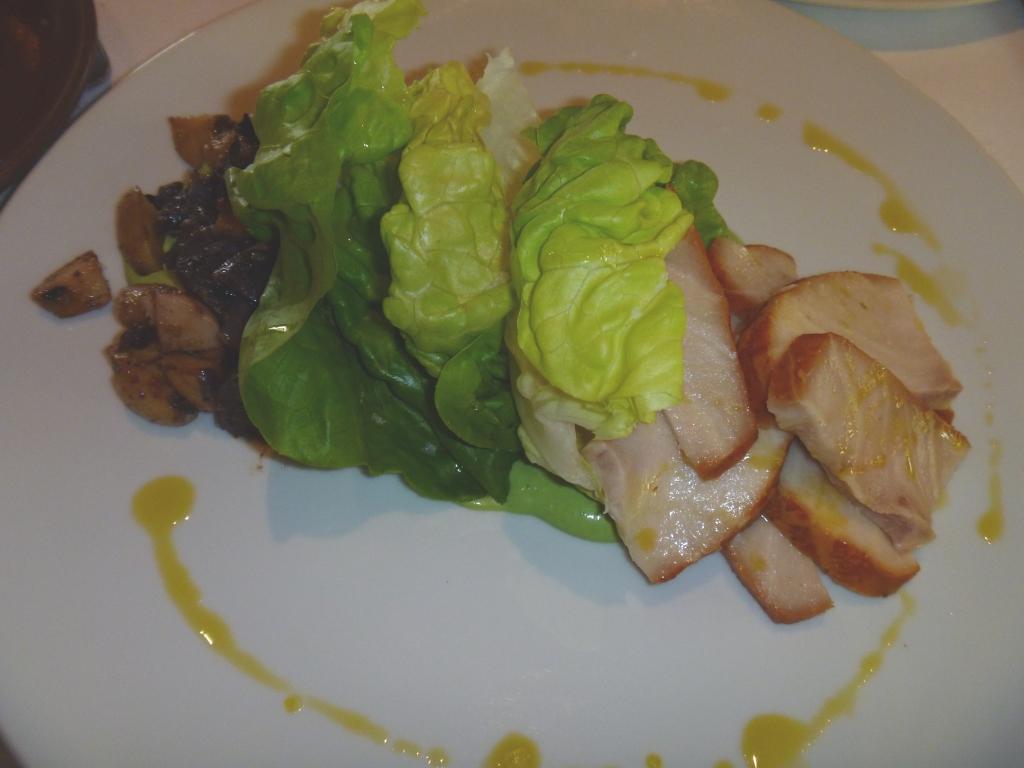
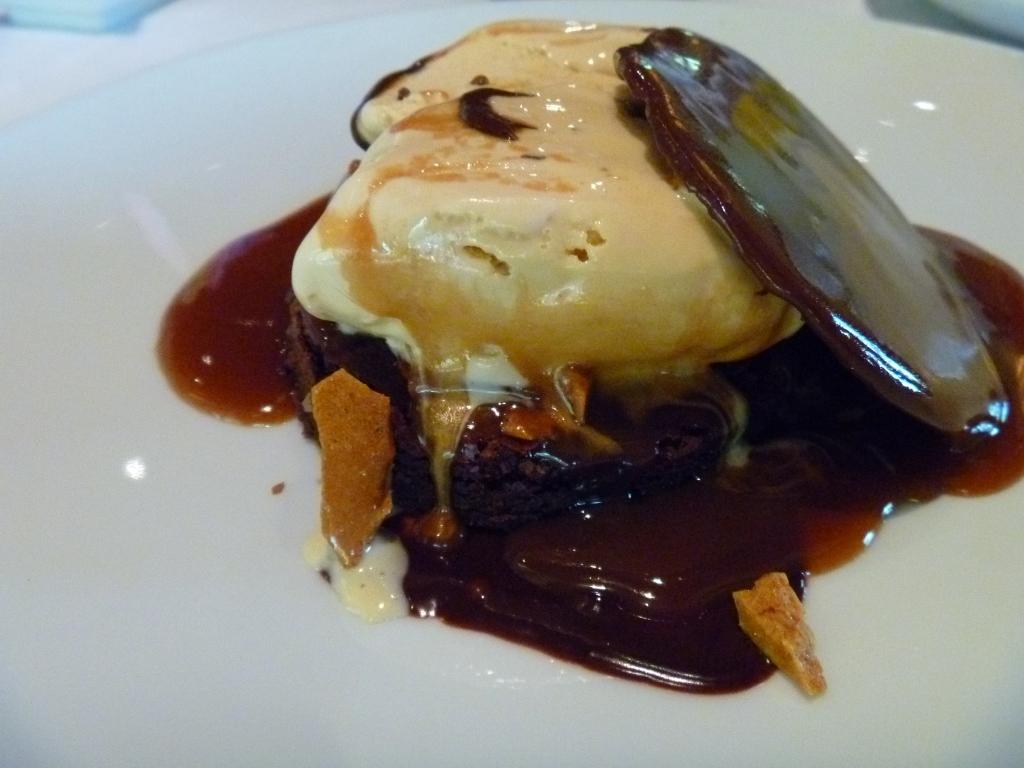
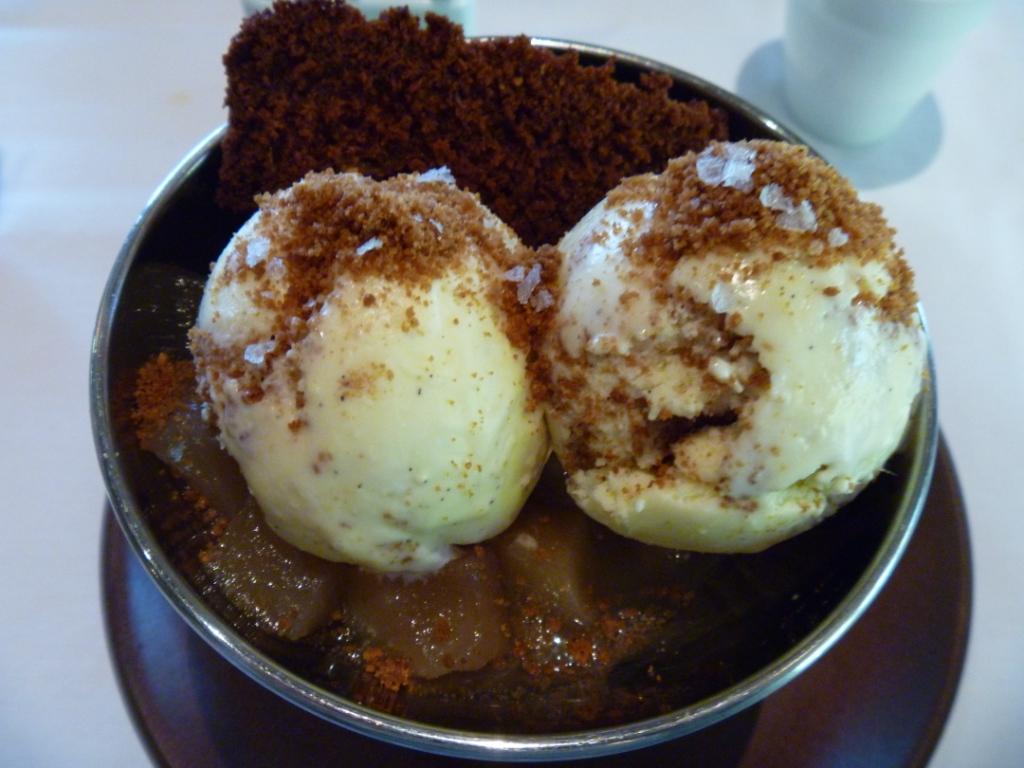
Wente Vineyards is also home to a restaurant (The Restaurant at Wente Vineyards), which was outstanding. The restaurant focuses on local ingredients, and therefore serves what is in the season. Here is a picture report for you – all the food was absolutely delicious.
Smoked Sturgeon Salad (probably the best smoked sturgeon ever):
Angus Burger:

Chocolate caramel cake:
and Ginger IceCream:
All the food was absolutely delicious and perfectly presented, so if you are ever in the area, I would highly recommend that you shouldn’t miss The Restaurant at the Wente Vineyards.
That’s all for the great experiences at the Wente Vineyards – I really wish though those Small Lot wines would be available in the store.
So long till the next post – Cheers!
Restaurant at Wente Vineyards
5050 Arroyo Rd
Livermore, CA 94550
(925) 456-2450
http://www.wentevineyards.com/restaurant/

Last Bottle Sign Up ($10 credit)




 Talk-A-Vino