What Is In The Bubbles? – 2011 Version
Yesterday I shared with you my perspective on sparkling wine from 5 years ago. What happened in the past 5 years in the world of bubbly? Champagne is still a Champagne, as invented hundreds years ago, right? I would like to summarize the differences in two words: diversity and abundance.

Of course nobody invented Cava, Prosecco, Sekt or Cremant in the past five years – those sparkling wines had been around for hundreds of years. But never before were sparkling wines so abundantly available in United States – lots of them of a great quality and finesse, rivaling Champagne in taste and even more certainly, in price (average price of Champagne increased by about $5-$10 per bottle, depending on the brand and the actual wine store).
Diversity is another phenomenon in the world of sparkling wines – each and every category of the sparkling wines, including Champagne, has a lot more brands and styles widely available in many wine stores. Talking about Champagne, have you heard of Growers Champagne five years ago? I’m sure you did, if you are in the wine trade, but very unlikely if you are not. As we discussed before, majority of the Champagnes is produced by few big Champagne houses. For the most cases, those Champagne houses are not growing their own grapes, they are buying them from the growers. Some of the growers are also started making Champagne, which can be very distinctive and of a very good quality – I mentioned my experiences with Growers Champagnes a number of times before (you can find old posts here and here). Also increasingly available French sparkling wines made outside of Champagne appellation – they are often called Cremant and you can easily find Cremant de Alsace, Cremant de Bordeaux, Cremant de Bourgogne, Cremant de Jura, Cremant de Loire in many wine stores around you.
Going outside of France, more and more sparkling wines are made all over the world. While Italy, Spain, Germany and US where always on the bubbly’s map, during the last couple of years I was able to taste sparkling wines from Argentina, Australia, Georgia (Georgian Sparkling wine, called Bagrationi, was our favorite wine during blind tasting, beating out classic Champagne and many other – you can read about it here), South Africa, Switzerland and Uruguay. Next to this geographic diversity is number of grapes used nowadays for production of the sparkling wines. Traditional Champagne, as well as many of the Cremant wines and sparkling wines made in US and Italy, are made out of Chardonnay, Pinot Noir and Pinot Meunier – however, in addition to this short list I tried sparkling wines made out of Chasselas, Chinebuli, Gamay, Malbec, Shiraz and Vidal (here is the post). A number of sparkling wines were also made using natural and biodynamic methods – I had a number of outstanding French sparkling wines made from Gamay (here is the post). If you are interested in this particular category ( natural Sparkling wines), I would highly recommend checking PJ Wine web site, which boasts excellent selection.
No matter what you are celebrating, there is always a special bottle of sparkling wine waiting for you. There is also nothing wrong with celebrating just another day. But considering that tomorrow is a New Year, make sure you have a good supply of the bubbly – no matter where it is from or what grape it is made out of, it is guaranteed to make your moment special. Happy New Year! Cheers!
What Is In The Bubbles? – 2006 version
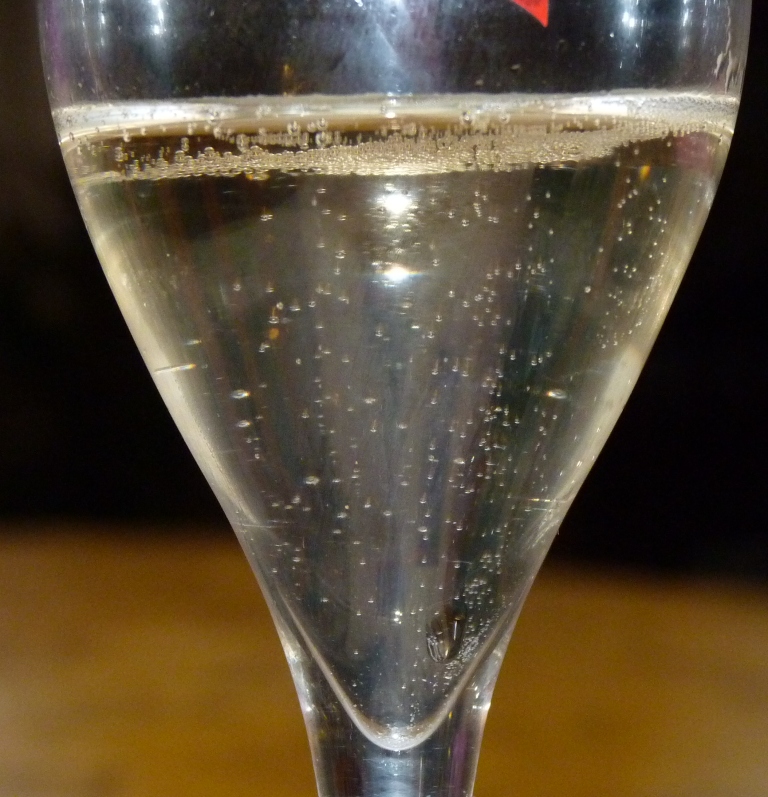 In the past, I wrote a few wine articles for one of the local newspapers here in Stamford – Stamford Times. As right now it is a champagne times all over the place, I thought this post about bubbly, written in 2006, still make sense. So here it is in its entirety, and I will give you 2011 perspective in the next post. Happy reading!
What is in the bubbles?
What is one type of wine a lot of people will be reaching for very shortly? If you said “champagne” – you are right. If you said “sparkling wine” – you are right too. As New Year rapidly approaching, one of the traditions of celebration is having a glass of “bubbly” with the toast to the health and happiness in the arriving year. Where this tradition is coming from is hard to tell, as ever since champagne was invented, it very quickly became a symbol of celebration – a new ship, a new house, a wedding and all other significant events all call for champagne on the table.
Let’s take a look at the history – what is champagne and where did it come from? As many other prominent discoveries of the past, the discovery of champagne is largely a result of an accident. Champagne as we know it came from France, and as majority of other French wines, the name of the region where the wine is produced became the name of the wine. Champagne region is located in the northern part of France. One of the characteristics of that region is cool weather – the mean annual temperature is only slightly above 50°F, just a minimum necessary to allow grapes to ripen.
At the same time, the advantage of the cooler climate is that it allows grapes to ripen slowly, thus gaining more flavor and adding complexity. When grape juice is becoming a wine through the process called fermentation (by adding yeast to the grape juice), constant temperature is very important for the overall success. If the temperature drops too low, the fermentation would stop. Once the temperature rises, if there is any residual yeast left, fermentation will start again. If the wine is already bottled, this so called secondary fermentation will take place inside the bottle. Those wonderful refreshing bubbles, which we adore so much in our champagne, is nothing but carbon dioxide, which is a normal byproduct of fermentation process. If takes place during first fermentation, all carbon dioxide will go out in the air. At the same time, when secondary fermentation takes place in the closed bottle, the carbon dioxide has nowhere to go, thus it stays in the bottle and becomes a wonderful fizz we all enjoy. Thus thanks to the Champagne’s weather helping to “spoil” bottled wine, and someone’s imagination, we received a gift of great taste called champagne. Who was that “someone”?
History often calls a French monk, Dom Perignon, an inventor of the champagne. In the late 17th century, Dom Perignon was a cellarer at the abbey of Hautvillers, near Epernay in Champagne. Dom Perignon also was a great winemaker, who mastered making practically a white wine from the black grape ( Pinot Noir). He also advanced the art of blending ( mixing wines from different vineyards and/or vintages) to produce wine of consistent qualities. Blending is one of the cornerstone processes in making of the champagne. Interestingly enough, Dom Perignon worked hard to prevent the fizz in wine, which was at a time considered a sign of the poor winemaking. Nevertheless, the name Dom Perignon literally became a synonym of the great champagne. It is also suggested that there is a famous phrase which belongs to him – “Come quickly! I am tasting stars! – he said at the first sip of champagne.
Let’s talk about some of the characteristics of the champagne. First, there are 3 types of grapes used in champagne’s production – chardonnay, Pinot Noir and Pinot Meunier. Next, there are 2 main categories of champagne – non-vintage (usually the letters NV are added to the name) – blend of wines from the different vintages, and vintage, when only wine of single vintage is used. There are usually only few vintage years in a decade, so the majority of the champagne consumed is a non-vintage ( NV) variety. One more classification is based on the types of grape used in the blend – most of the champagne are a blend of different grapes, but if only Chardonnay grapes had being used, the champagne will be called Blanc de Blancs, and if only Pinot Noir is used, the champagne is called Blanc de Noir. Lastly, there are different levels of sweetness found in champagne, which is also put on the label: if the label says “Brut”, it is very dry, Extra Dry – less dry, Sec – sweeter, Demi Sec – medium sweet, Doux – sweet. Interestingly enough, most of the champagne produced before 1850 was sweet. Majority of champagne produced today falls into brut or extra dry categories.
Similar to the other wines from France, there are thousands producers making champagne. At the same time there are currently 26 Champagne Houses, known as Grand Marques – they are making most of well known champagne in the world. Some of the most popular names from that group include Bollinger, Charles Heidsieck, Krug, Moet & Chandon, Mumm, Perrier-Jouet, Salon, Tattinger and Veuve Clicqout. Is there champagne made outside of France? Of course, but it is not called champagne. In majority of the cases, only the wines produced in the Champagne region in France are called champagne. Sparkling wines, which are produced using the same winemaking techniques, are made in the different parts of the world – Cava in Spain, Sekt in Germany, Spumante in Italy, Sparkling wines in California. Some of the well known sparkling wines producers in California include Korbel, Schramsberg, Iron Horse, Mumm Cuvee Napa.
How champagne is served? It is served cold, best temperature being in the range of 43°F – 48°F. Most appropriate glasses for champagne are flute- or tulip-shaped. Do not serve champagne in the wide open glasses – this only leads to champagne going flat in no time, losing all of it’s refreshing fizz.
What is champagne served with? First, champagne makes great aperitif – great way to start an evening with friends. When it comes to food, similar rules apply as for matching any other wine and food. Champagne represents light and refreshing wine, thus it would be best paired with similar type of food, meaning being light. Shellfish, oysters, seafood, poached salmon all would do great. Also sushi is definitely not to be forgotten. And, yes, of course, the classic combination – Champagne and Caviar.
As John Maynard Keynes said, “my only regret in life is that I did not drink more Champagne” – let’s not make this mistake! Get the friends together, open the bottle of bubbly, and celebrate – New Year, new child, a new beginning! Happy New Year! Cheers!
Top Dozen Wines of 2011
 I’m not sure I fully believe it, but time has come to sum up another year. Same as last year, I’m going to present you with a dozen of most exciting wines of 2011. I keep mentioning that quality of the wines available from all over the world is getting better and better, and it was very hard to decide on only 12 wines out of many hundreds of great wines I had an opportunity to experience throughout the year. This list is unequivocally subjective, and to make it even more subjective my criteria was the “wow” moment experienced when I tasted the wines – this is always dangerous, as depending on the circumstances of the “wow” tasting, the same wine might not be as exciting the next time. Nevertheless, without further ado, here are my twelve best wines of 2011.
12. 2005 Maisuradze Wines Mukuzani ($NA) – power and more power. This wine is a monster powerhouse, and you are hypnotized by that power and don’t want to put your glass aside. Tremendous tannins, complemented by acidity and good fruit. Very big wine. Will be very interesting to lay it down for 10-15 years. Transformation should be remarkable, if you can wait, of course.
11. Bodegas Hidalgo Pedro Ximenez Viejo Triana ($24) – first, there is an element of awe when you drink this wine, as it is 250 years old ( at least in the trace amount, thanks to the Solera method when the new wine is added to the barrel which was never emptied completely for the last 250 years). Then the taste is spectacular – liquified fig jam, but very light and balanced with nice acidity.
10. 2009 Montalbera Laccento Ruche di Castagnole Monferrato ($30) – the wine opened up with a nice earthy smell, with fresh unadulterated grapey taste on the palate, somewhat similar to Beaujolais Noveau, but then quickly evolved to deliver the power punch of big voluptuous wine. This wine needs lots of time, but in the end, it will be glorious, multi-layered beauty. If you can find it, put a few bottles to rest and experience later for yourself (ability to wait is required).
9. 2009 Bodegas Shaya Habis Rueda DO ($28) – this wine is made out of old vines Verdejo (100+ years old vines). This is one of the most unanticipated wines I ever had, as while you are expecting Verdejo wines to be somewhat simple and easy, this wine delivers complexity of a top-class Chardonnay, with toasted apple, vanilla and hint of butter on the palate, all with the great balance.
8. 1982 Chateau Prieure-Lichine Margaux ($130) – This was a 1982 Bordeaux! Do I need to say anything else? A Bordeaux from Grand Cru producer from legendary year – it doesn’t get much better than that. The wine was beautiful, fresh, with great fruit and great balance of tannins and acidity. I rest my case.
7. 1993 Lopez de Heredia Vino Tondonia Rioja Blanco ($33) – it is rather expected that 1976 Vina Tondonia Rioja Gran Reserva would be good, but 18 years old white Rioja? Hmmm, I couldn’t imagine that – but then came 1993 Vina Tondonia Rioja Blanco, and it was beautiful, fresh and acidic, coming through as a very youthful wine, with lots of fresh fruit. You can still get it at PJ Wine, and I believe it’s worth every penny.
6. 2009 Wente Vineyards Small Lot Grenache Livermore Valley ($35) – opens up with a nose of ripe plums, continuing into plush, soft, round wine with velvety mouthfeel, very balanced. Very similar to great Spanish Grenache wines, like Alto Moncayo Aquilon, only coming from California. This wine is available only at the winery, but definitely worth a trip if you are in the area.
5. 1991 Justin Cabernet Franc, San Luis Obispo County – ($25) – this was a gorgeous wine, great structure, ripe fruit, balance and finesse – without showing any sign of age. The only problem was that I got only one bottle from the Benchmark Wine Company…
4. 2009 Peter Michael “Belle Cote” Estate Chardonnay – ($80) – this Chardonnay was a beautiful song, or may be rather a dance of impeccable synchronicity. Absolutely stunning in its balance of fruit, acidity and minerality, with the hint of white peaches and golden delicious apples on the palate, but just a hint – not a single element taking over and pushing others aside. From the moment I tasted this wine, it became my golden standard for what Chardonnay should be – you can even see it throughout my posts.
3. 2007 Inniskillin Cabernet Franc Icewine ($130) – This was definitely the best Icewine I ever tried. Light and effervescent (not your usual descriptors for the icewine), with perfect acidity complementing beautiful fruit. True masterpiece.
2. 2001 Masi Mazzano Amarone della Valpolicella ($130) – this was an Amarone I’m constantly looking for and can’t find. Stunning nose of the raisined fruit, a dried fruit extravaganza – with powerful, structured and balanced body – not a glimpse of overripe fruit which is so common in the nowadays Amarone. Truly beautiful wine for the special moments.
1. 2010 Fiction Red Wine Paso Robles by Field Recordings ($20) – First and foremost, it is a smell which doesn’t lets you put the glass down. Fresh flowers, meadows, herbs, fresh summer air – it is all captured in the smell of this wine. On the palate, this wine shows bright red fruit, like raspberries and cherries, all perfectly balanced with a great finesse. Any time you want to experience beautiful summer day, reach out to that wine.
For what it worth, these are my favorite wines of 2011. I’m sure 2012 will bring many more exciting discoveries – it is great to be an oenophile today! What were your favorites of 2011? Please share it here! Cheers!
Fears of the Oenophile
 If you are drinking wine only in the restaurant (and only because you have to) or twice a year at the parties, you can safely skip this post. For those of you enjoying the wines on more occasions (and without any occasion too) – please read on and tell me what do you think is real and what is the result of my inflamed imagination.
Would you think that there should be any fears associate with wine? That the fear is lurking around those shiny bottles? Actually, if you think about it, I believe there are quite a few. Let’s take a closer look.
1. “Spoiled wine” – I think this is the mildest of all – except when this is the last bottle of your favorite wine or a special bottle you proudly brought to someone’s house. Many different things can constitute spoiled wine – wine can be corked (musty, wet basement smell and painfully sharp taste with the similar musty flavor profile), or oxidized, or vinegary in taste. In general, it is considered that about 8% of all wine is corked – this is a very sad number if that hits you. Discovering that the wine is spoiled is an unpleasant surprise – but in many cases the problem can be easily addressed (get another bottle from the cellar or you tell your wine steward in the restaurant that the wine is spoiled, and you would typically get a new bottle of wine).
2. “is this wine ready to drink, or should it wait for a little longer?” Many wines improve with age. If you ever read wine reviews by Wine Spectator, Wine Advocate and the likes, you probably noticed phrases like “Drink Now”, “Best before 2015” or “Best 2015 to 2024” – these are wine critics’ recommendations for the particular wines to be at their pick, to be the most enjoyable. But most of the wines we buy (definitely the most of the wines I buy) don’t have any critics recommendations associated with them. So when is the right moment to get the most pleasure from the bottle? There are some general rules, like “California Cabernet reach their pick at about 13 years of age”, but in the end of the day you would need to have a good understanding of the wine regions and particular producers to reduce this fear factor.
3. “is this occasion special enough for this bottle?” Pairing the wine with the occasion can be very tricky and fearful. You are reaching out for that special bottle of Latour, but what if one of your guests will decide to add a little coke to her glass as the wine is too dry for her? Will this group of beer drinkers appreciate the 1964 Rioja Alta which you were planning to open just for this great occasion? Whether you like it or not but you have to address this fear by knowing the preference of your guests and then resolving that you will be happy with your wine selection no matter what.
4. “is this bottle special enough for this occasion?” This is almost the same as the previous one, but with a slightly different angle. Vey often, we are waiting for a “special occasion” to open that special bottle. Every time we don’t know if the occasion is special enough. We keep waiting, and waiting, and waiting, fearing that the right occasion still didn’t come. We definitely don’t want to end up like the main character of the movie “Sideways”, who had his 1961 Cheval Blanc with the hamburger at a fast food place, drinking the magnificent wine from the Styrofoam cup. If anyone remembers “Tastings” column in the Wall Street Journal written by Dorothy Gaiter and John Brecher (the column which I dearly miss), they created an event called OTBN (Open That Bottle Night), where they were encouraging all the wine lovers to reach out for that special bottle and open it on a designated date. I think this is the best solution to address the “special bottle” fear – we need to create special moments for our special bottles, and then everything will magically fall in place.
5. “will I enjoy this bottle as much as I did last time?” I think this is my personal biggest fear associated with wine. Sometimes, I get carried away by the glass of wine – it creates amazing memory of the fiery of taste, it comes through as truly exceptional experience. Once this happens, the next time I’m reaching for the same bottle of wine, the first question in my mind is: “what if it doesn’t taste that great”? What if something was wrong with me last time – special occasion, special surrounding, special atmosphere? What if this wine will not be as magical as last time – did something happened to the bottle or something happened to me, and if it is something which happened to me, then when? The previous time or now? There are all sorts of emotions involved here, and sometimes this specific fear is keeping me away from that special bottle of wine. The best antidote of course is trying the wine, and discovering it to be as good as the last time – that is the special moment of joy, I guess, for any oenophile (works for me for sure).
So, is there anything here you can attest to, or is it all caused by too much free time on my hands? Let me know you thoughts.
And as this is the time of the Holidays, Happy Holidays and Cheers!
Experiencing Texas Wines
I’ve heard [good things] about Texas wines before, but despite being in Texas countless number of times, I never had an opportunity to drink local wines. Thanks to Vino Volo, great wines are available on the go (this is not the first time I’m writing about Vino Volo – previous posts can be found here and here).
This time I was at San Antonio International airport, and I had enough time before the flight to taste some wines. As you know, I would never refuse an opportunity to try new wines, so when I saw “Taste of Texas” flight being available, the decision was very simple.
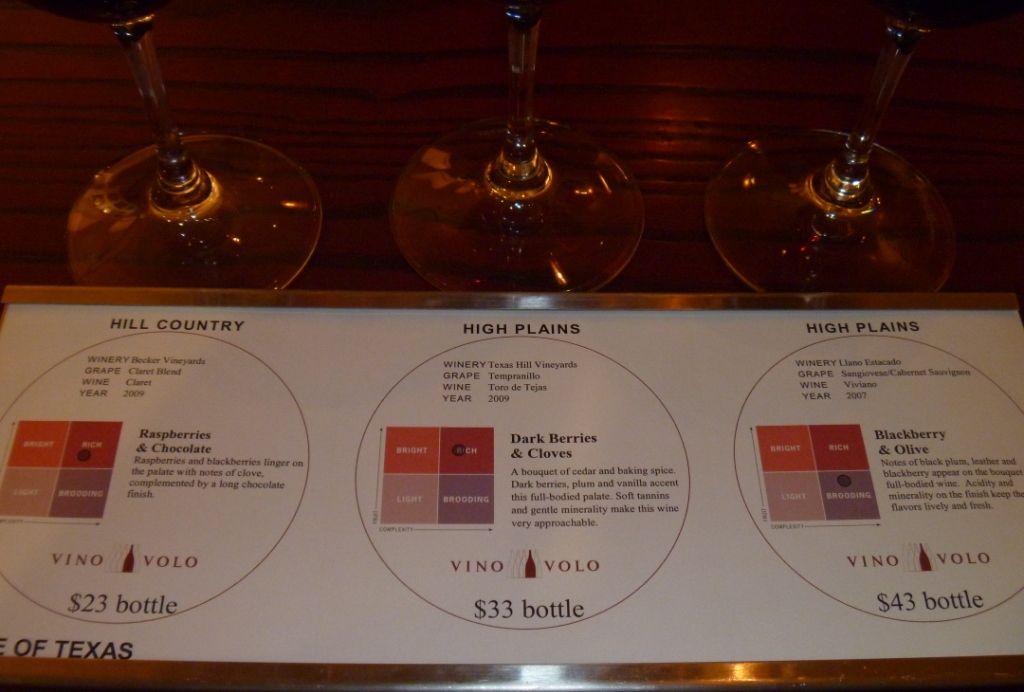
The flight consisted of three red wines, and all three were very good! The first wine was 2009 Becker Vineyards Claret, Hill County. The wine had nice nose with dark fruit, plums and blackberries, good acidity, rustic, with good tannins. The wine was very Bordeaux in style, but without characteristic bell peppers and greenness ( Drinkability: 7+).
Next wine was 2009 Texas Hill Vineyards Toro de Tejas, High Plains (100% Tempanillo) – the wine had smoke, dark fruit, hint of dark chocolate, very dense. This wine very well complemented chorizo and chickpeas chilli. Best of tasting (Drinkability – 8-).
Last wine in the flight was 2007 Llano Estacado Viviano, High Plains (Sangiovese/Cabernet Sauvignon blend). The wine had nose of green olives, and it was very nice on the palate, with hint of chocolate, soft tannins and good balance. Drinkability – 7+.
Overall , all three wines were well done, easy and pleasant to drink – my only regret (actually, two) would be that these wines are not available in Connecticut and also that even in the Texas restaurants, the emphasis is on California, and Texas wines are simply overlooked – definitely a mistake.
That’s all for now, folks. In the next blog post, we will explore the subject of wine fears – cheers!
And The Answer Is …
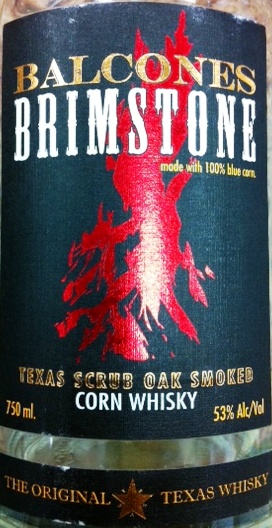 And here is the answer to the last “what is it” post.
Confused? No, there was no whisky in that ice cream. I’m just trying to be allegorical here. I understand that unless you taste or at least smell this Balcones Brimstone Texas Scrub Oak Smoked Corn Whisky, it is hard to pick up what the allegory is. This whisky had a perfect smoked bacon nose and beautiful round palate – very different from traditional Islay smoke, like Caol Ila or Laphroaig, which have a lot more acidity and accompanying roughness with it. This Texas Whisky had bacon or slow-smoked rib on the palate, full-bodied with a hint of sweetness. Very nice.
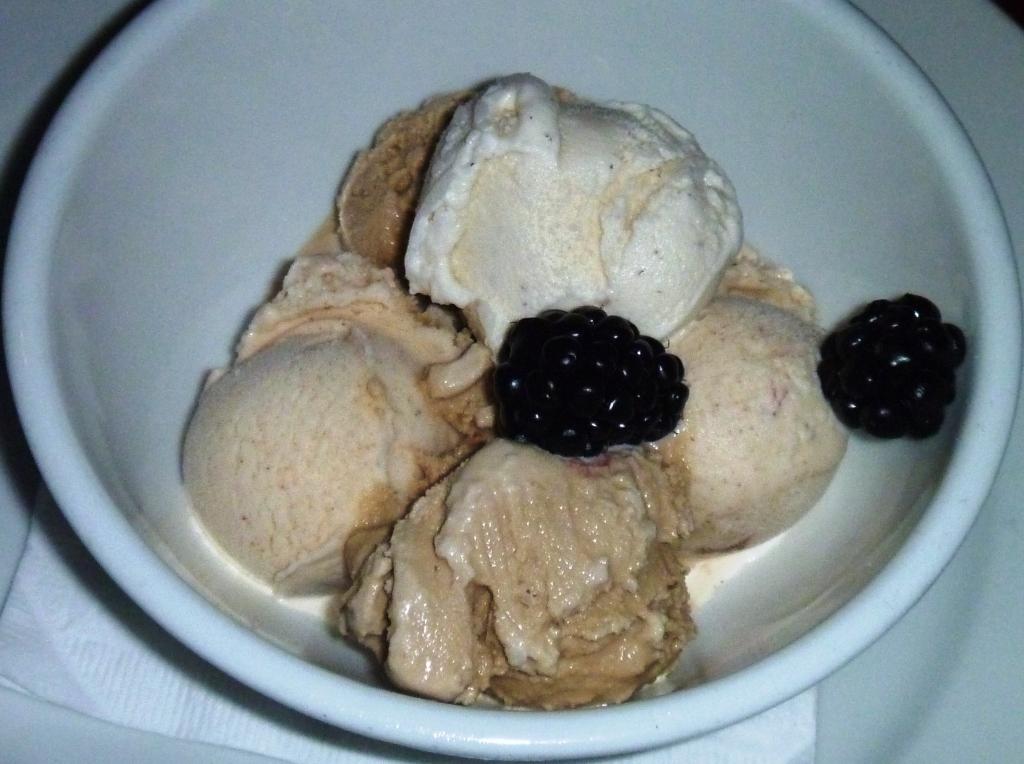
Did you get my allegory by now? Yep, it was bacon. Actually, it was Maple-Bacon ice cream, and I have to admit, it was delicious.
Those of you with the ice cream making machines – give it a try. And for the rest of you – take my word for it, or visit Biga in San Antonio. Or at least have a glass of Balcones Brimstone. Cheers!
What Is It?
Here is one of my favorite short posts again, this time with a slightly different angle. Of course you see an ice cream bowl on the picture below. There are three different ice creams there, and while one of them is absolutely basic, two others presented quite unique combinations for me. On top of that, I never tasted one of the ingredients in the ice cream before. Can you guess what ingredient was it?
Holiday Gift Guide For Wine Lovers
 Got a wine lover, wine aficionado or a wine geek in your life? You are in luck, as finding the right gift for someone who enjoys wine is easy, and I would dare to say it gets easier every year.
Looking at a big picture, your three big gift categories for the wine lovers are wine, wine accessories and wine education and experience.
Let’s start with wine. Don’t dread it – giving someone a bottle of wine she or he will enjoy is not as difficult as it seems. You should start with a good wine store – it can be neighborhood store or an online store (at the end of this post there is a listing of my favorite wine stores). Now, based on what you know about wine preferences for the gift recipient, there are few possible approaches for selecting the wine. If you only know the type of wine the other person likes (let’s say California Pinot Noir), the easiest bet is to get the wine at the actual “brick and mortar” wine store, where you can ask for the advice. If you know particular wines and/or wineries the other person likes (let’s say Catena Zapata Malbec or Peter Michael Chardonnay), it is equally simple to buy the wine in the store or online, as long as you can find it at the price you are willing to pay.
Now, in case you are unsure about the wine preferences, you can try a different approach. Do you know of any dates which are special in other person’s life? Birthday, anniversary, children birthdays, buying the first house – as long as you know the year of that special event, you can look for wine, port, scotch or champagne made in that specific year. Think it will be too expensive? Not necessarily – check Benchmark Wine Company’s selection of the older wines, and you might be pleasantly surprised. You can also ask your trusted wine retailer – many back vintages are still available, and often are quite affordable. Try it – I’m sure you will make someone very happy.
I’m not going to give you any particular wine recommendations (it really depends on the preferences as we discussed above and your price range), but I would like to suggest what not to get the wine lovers – stay away from the wine clubs. There are many wine clubs offered by various newspapers and “thingy of the month” establishments – the wines in such club selections usually don’t have a good value (you get a case of wine which looks inexpensive as a case – problem is that the person might enjoy only one or two bottles from the whole case, which immediately makes it a bad value). You can give a winery club as a present – if you know that the other person would enjoy the wines from that particular winery. However, if you still set on the wine club idea, the only clubs which I can wholeheartedly recommend are the ones run by D&M ( please see reference below) – their scotch, cognac and champagne clubs are amazing and represent a real value.
Let’s move on to the wine accessories. All wine lovers appreciate good accessories which make wine drinking more enjoyable. Everything goes – glasses, decanters, bottle openers, pourers, glass charms, bottle stopper, wine preservers, bottle holders – the list goes on and on. However, you need to keep in mind two things:
- it would help immensely to know what the other person might need/want, or at least doesn’t have already. Glasses and decanters take space, and nobody needs three estate wine openers.
- keep it simple. If the accessory is super fancy, like electronic bottle chiller, there is a good chance that it will be used only once or never. Wine accessory should be simple to use and “obviously” useful for the person to actually enjoy it. If someone is going to spend lots of time thinking “what am I going to do with this and where am I going to put it”, I wouldn’t call it a good gift.
The easiest way to buy wine accessories is through the catalogs (few recommendations are at bottom of the post), but don’t forget to check Home Goods stores – they offer a lot of different wine accessories at the great prices.
Last but not least category – wine education and experience. You don’t need to know anything about the wine in order to enjoy it – however, knowing something about the wine you are drinking greatly adds up to that enjoyment. When it comes to the wine education, there are many resources. First, there are books and magazines. Many wine books are truly enjoyable and educational at the same time – try the books by Matt Kramer, for instance. Some of the books contain a tremendous wealth of information – for instance, the books by Jancis Robinson. Any of these books would make a great present for your wine loving friends (Important! Try to make sure they don’t yet have the book you intend to give!).
Another great educational resource is wine schools and classes. One of my favorite wine schools is Windows on the World Wine School (link below). During each class, you learn about different wine regions and taste different wines – all hand selected by Kevin Zraly, who teaches the classes for more than 20 years. You don’t have to buy the whole series – you can get gift certificates good for individual classes.
As far as wine experiences are concerned, the sky is the limit. Wine travel, wine cruises, wine master classes, wine appreciation dinners, winemaker dinners – there are endless possibilities for anyone who wants to know more about the art of wine. Okay, let me leave this topic for you to explore – if in doubt, start with Google, it always works for me.
I think this was the longest post in this blog ever (at least as far as the word count is concerned). I hope I was able to give you some ideas, and so I would like to wish you and yours Happy Holidays! Cheers!
Holiday wine gift giving Resource Guide:
Wine:
Benchmark Wine Company – great source of old vintage, rare and unique wines from all over the world – all at very fair prices. Benchmark Wine buys collections, and then sell the wines at a fair market price, no auction. Don’t forget to check their Clearance Bin!
Bottle King – Chain of discount wine and liquor stores in New Jersey. Offers excellent values and great selection, some of the wines being unique just for the chain. Selection of California, France, Italy and Portuguese wines worth specific mentioning. If you are in the area of any of the stores, make sure to stop by.
Cost Less Wines and Liquors – if you live in the area of Stamford, CT or visiting the town, make sure to stop by Cost Less Wines – there are many great values in stock every day for any discriminating wine lover. Just worth mentioning that store was voted “Best in Stamford” a number of times. There are great wines from all over the world, but the portfolio of wines from California, France, Israel, Italy and Spain worth specific mentioning, plus the selection of Scotch and Bourbon is outstanding.
D&M – great wine store in San Francisco. The biggest selection of Scotch, Cognac, Armagnac, Calvados, Champagne, Mezcal (you got the idea, right?) of any store that I know of. D&M also has a number of clubs for all the different spirits – well worth the money, as all the shipments are rare and unique.
PJ Wine – One of the best wine stores in New York. Selection of Spanish wines is truly amazing (may be best in the country), French and Italian wines are also well represented. Lots of unique wines, particularly biodynamic and organic. PJ Wine also provides great educational opportunities such as seminars, wine tastings and so on.
Pop’s Wine & Spirits – I have never been to the store personally, however, some of my friends swear by it, and I have seen great values acquired there, therefore I believe the store is worth mentioning here. The store is located on Long Island, but you can also buy the wines online.
WTSO.com – I talked about Wine Till Sold Out many times in the past. Great source of value wines, very simple model (only one wine is offered at a time, free shipping if you buy recommended quantity, ranging from 1 to 4). Might be a challenge to get a specific wine for a specific occasion but well deserves an e-mail subscription in any case.
Last Bottle – another source for amazing “value wines”. Operates similarly to WTSO, periodically offering amazing wines at amazing prices, with the minimum number of bottles to buy (typically 4 – 6, can be less, depending on the type of wine/price) to get free shipping. Selection is amazing, up to and including Petrus, DRC and Screaming Eagle. Last Bottle also runs referral program – sign up a friend, friend gets $10 discount on the first purchase, you get $30 discount after friend’s first purchase. If you are not a subscriber yet, I will be glad to sign you up – use this link.
Wine Accessories:
IWA Wine – offers a full range of wine accessories, from glasses to wine cellars and wine cellar piece parts to wine memorabilia and even wines.
Wine Enthusiast – same as above, offers a full range of wine accessories for all needs and occasions.
Home Goods stores – on any given day, there is a great selection of various wine gadgets and accessories in the store – be sure to check it out, and keep in mind that inventories are changing daily.
Amazon – No question everything can be found on Amazon today, so yes, don’t forget to shop there!
Wine Education:
Windows on the World Wins School – an excellent source of wine education. Taught by Kevin Zraly for more than 20 years, the school offers a series of classes which are very informative, educational and enjoyable. I can’t recommend it high enough.
Wine Spectator Magazine – magazine contains lots of interesting articles, wine ratings, restaurant reviews and chef recipes. I’m subscribing it for the past ten years, and still very excited with each issue. There is also an online version, which requires its own subscription.
Counting Grapes, One at a Time
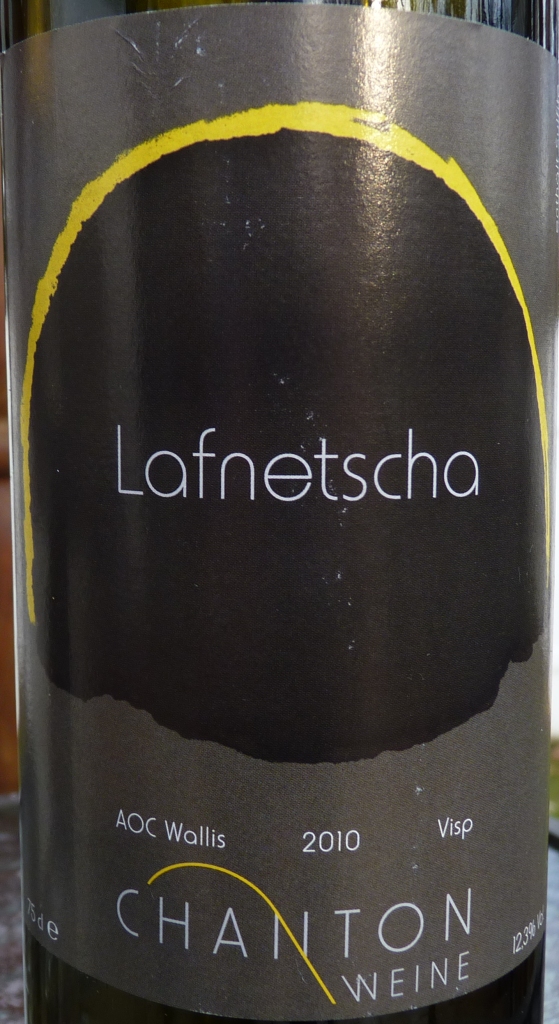 I’m really glad I discovered Wine Century Club about four years ago. Ever since that happened, I’m on the lookout for the new grapes. What is so special about it? Once you get outside of the traditional circle of about 50 grapes, each new grape comes with its own unique personality. Once you cross 200 varieties, the process of finding new grapes becomes complicated, and once you cross 300, it is even trickier (just to put things in perspective, upcoming Jancis Robinson’s book lists more than 1,300 grape varieties used in the wine making). Nevertheless, search is well worth it, because what you find is unique and different.
Grape number 355 is Lafnetscha from Switzerland, courtesy of my friend Patrick. I would like to point out that this white wine was very hard to find even in Switzerland (he had to special-order it), as plantings of the grape are extremely limited.
This 2010 Chanton Visp Lafnetscha, AOC Wallis was an excellent wine. Very round and gentle with nice vegetable profile (not herbaceous and not fruity). Cucumbers and zucchini on the palate, good balancing acidity. I can only wish I had more than one bottle of it…
Next in line is Resi, another unique grape from Switzerland – but for now, this bottle just waits to be open. I’m well on the path to the 360 varieties, but I expect that finding those additional 40 grapes needed to reach Quattro level, will not be straightforward. Any ideas and suggestions will be greatly appreciated. Cheers!
Music, Recorded in the Vineyard
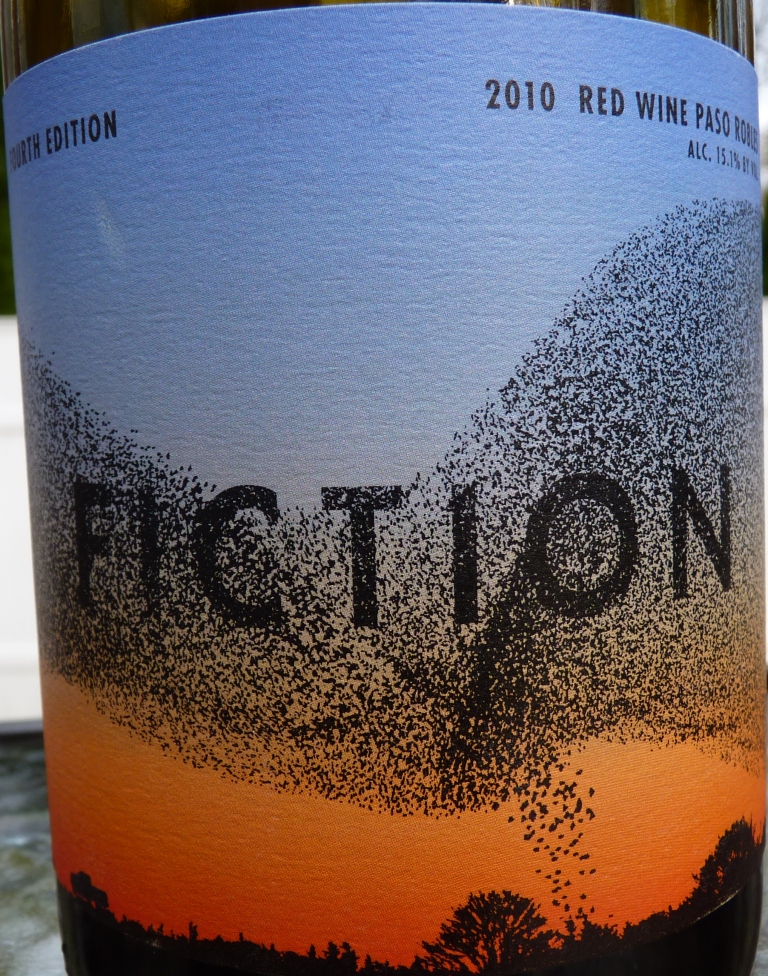 There had being a number of studies made about the ways people buy wine. One of the known facts is that women often buy the wine based on the appearance of the label. I witnessed dialog of mom and a little son in the wine store – she tells the kid “Mommy will buy this wine, because the label looks pretty” (by the way, if you are curious, the wine was Avalon – I wouldn’t ever look at that label).
I don’t know how the man collectively make wine buying decision, but for me personally one of the important factors is the name of the wine or the winery. Of course some of it is due to the fact that once you know ( tried or read enough about) particular wine, the name produces instant reflection – I wonder how many wine lovers’ hands will not sweat while admiring Alban, Harlan, Bryant Family or Petrus. But then even for the wines I never heard of, some of the names trigger instant reaction – hmmm, that sounds intriguing, I wonder how this will taste like.
When I got a note from the Benchmark Wine Company talking about wines coming from the Field Recordings, that caught my attention. Field Recordings? Hmmm, sounds interesting. The price is reasonable (under $20), so why don’t I try one? Done. The bottle arrived (I have to mention that in this particular case I like not only the name of the wine, but the label as well, and I would definitely look at such a bottle in the store if I would see one), and then the day came to open it.
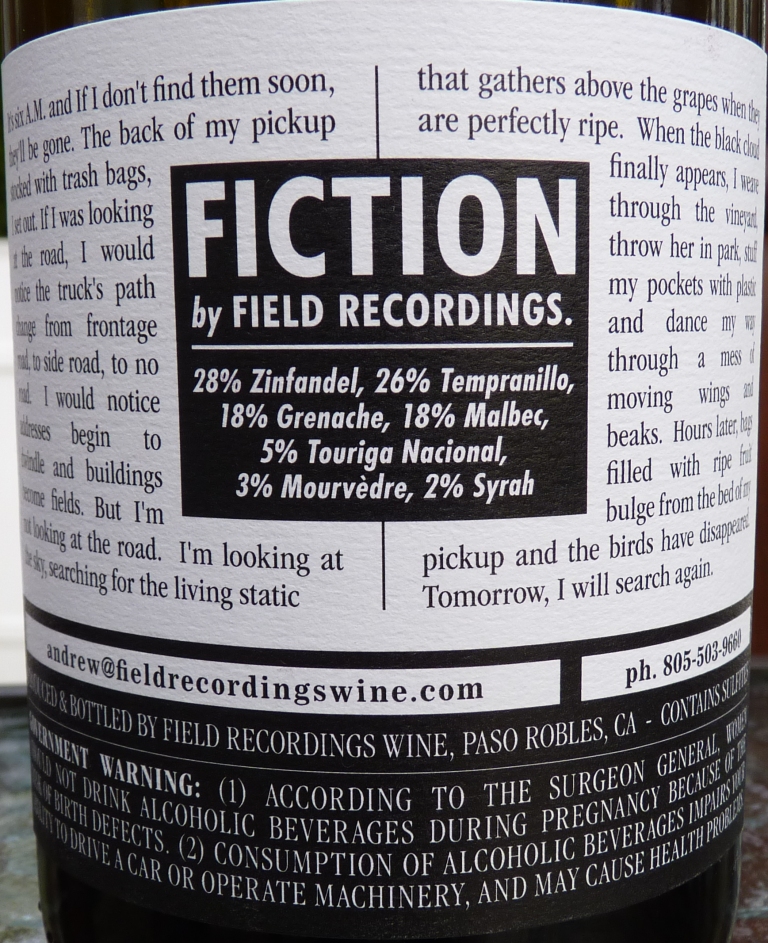 Wine is a form of art. When you smell it, when you taste it, it solicits an emotional response. Same as a music, same as a poetry, same as a painting, same as a movie, same as practically any other thing in life, when done well, it will move you. This 2010 Fiction Red Wine Paso Robles by Field Recordings was definitely one of the best wines I ever tried. I don’t remember ever smelling the red wine like that. Meadows. Beautiful full blown meadows, in a middle of flowering, compacting heavy and heady aromas of a warm summer day – all in one whiff, one breath of air. After the first smell, you don’t want to drink the wine. Not yet. You need to smell it again. And again. And again. And you don’t want to let go of that feeling of freshness and warms.
The same freshness continued on the palate – lots of fresh red fruit. Ripe red fruit, yes – plump and juicy, but not overripe, just perfect fruit with enough acidity and body to make you think of a perfection. Perfect balance. I can’t say anything more. You if are reading this blog for a while, you know that the balance is something I value the most in wine – and this bottle of Fiction got it just right.
This was an amazing experience, and I would gladly repeat it – the only problem is that Benchmark is all out of it, and wine-searcher can’t even find it in the country. Oh well – if you will be lucky enough to come across this wine, remember – there is a beautiful music recorded in that bottle. Find it and experience it for yourself. Cheers!
Last Bottle Sign Up ($10 credit)




 Talk-A-Vino