Archive
Visiting Flavor Paradise
The weather is still so so in Cape Cod ( read – raining on and off, overall gray outside and by all means not beach-worhy), so we were spending time wandering around little towns and busy Main street(s) which to me are quintessential New England, and more over, quintessential Cape Cod. The wandering lead us to Chattam, and to the Main street, to be more precise. Almost at the end of that main street we walked into the store called Gustare Oils and Vinegars and … OMG.

Gustare store window
I’m sure that for anyone who is into the cooking or simply for anyone who likes food, it would be difficult to get surprised with the flavor infused olive oil or balsamic vinegar – lots of flavors are available at many gourmet stores around the country. But how about being completely blown away by the richness, cleanliness and precision of flavor? This is exactly what is happening at Gustare Oils and Vinegar store. Every flavor is so pronounced – when it says “Strawberry Balsamic”, you will find beautiful, perfectly ripe summer strawberries in the dark savory liquid. Sage and Wild Mushrooms in that olive oil – yep, you bet – with the perfect precision. The flavor comes through exactly as you would want it – clear and exact, nothing missing and nothing extra present. It is hard to do the justice to this wonderful oils and balsamics with the words, you really have to taste it to believe it. If your plans include Cape Cod, I would highly recommend not to miss this experience. Otherwise – here is the web site for Gustare Oils and Vinegars.
And before we part, here are few pictures for you (just use your imagination to get the flavor)…
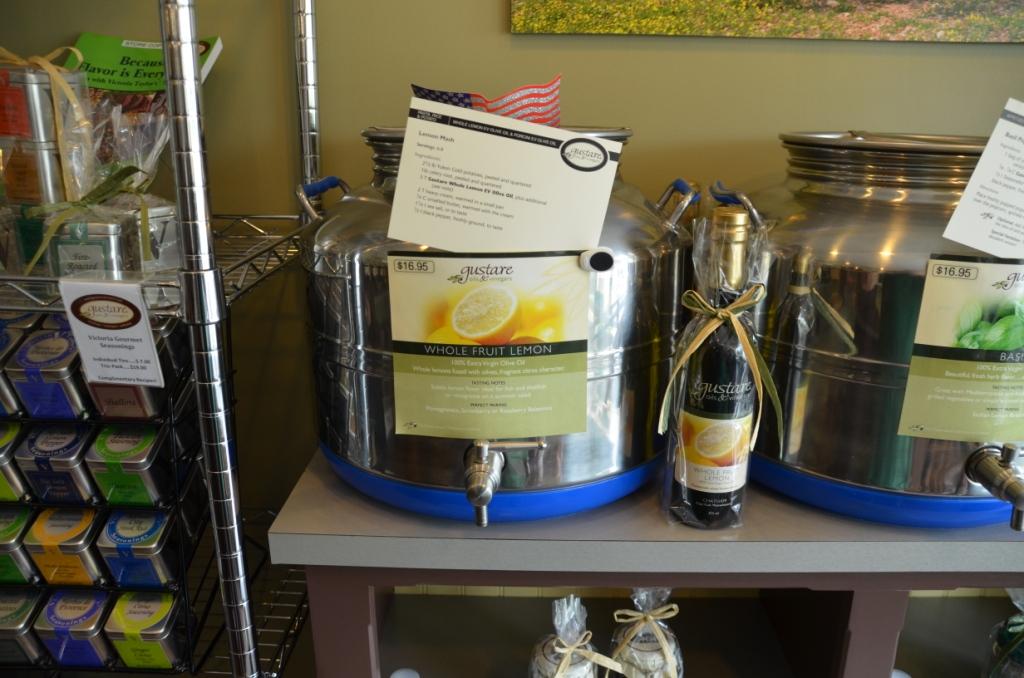
whole fruit lemon it is … pure beauty
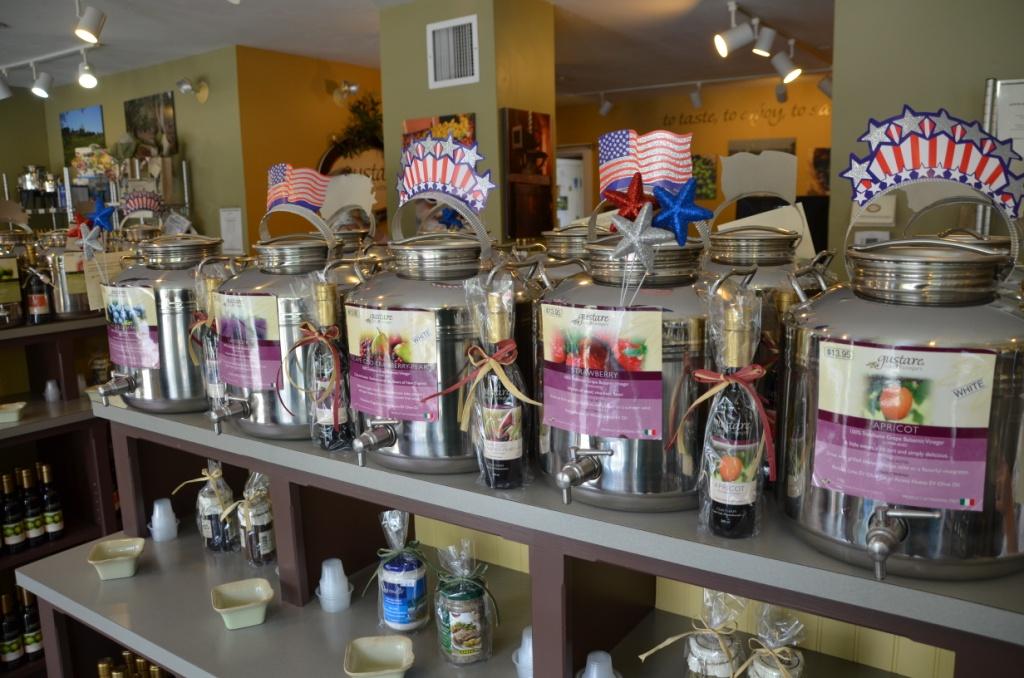
some of the balsamic vinegars – one better than the other
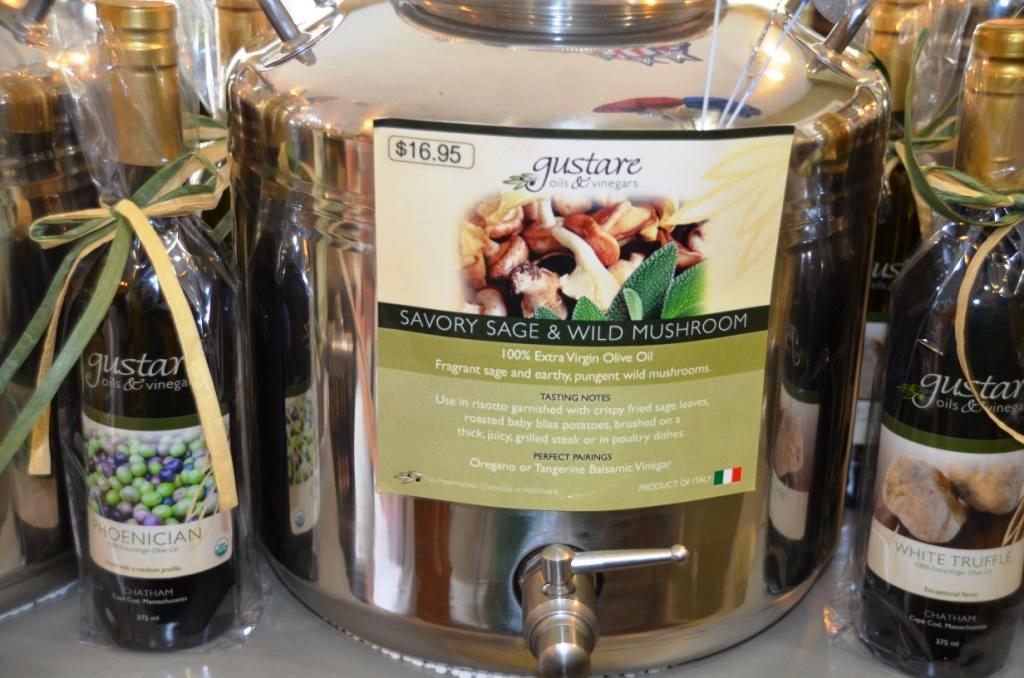
exactly as the label says – amazing flavor profile if you like mushrooms
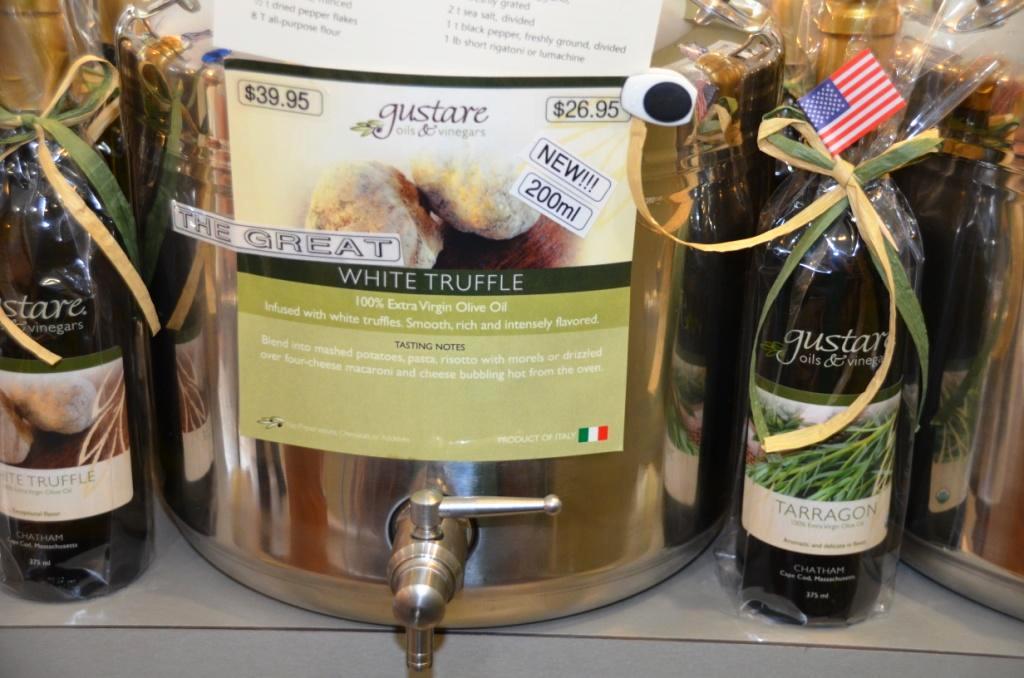
no comments. Truffle lovers, rejoice
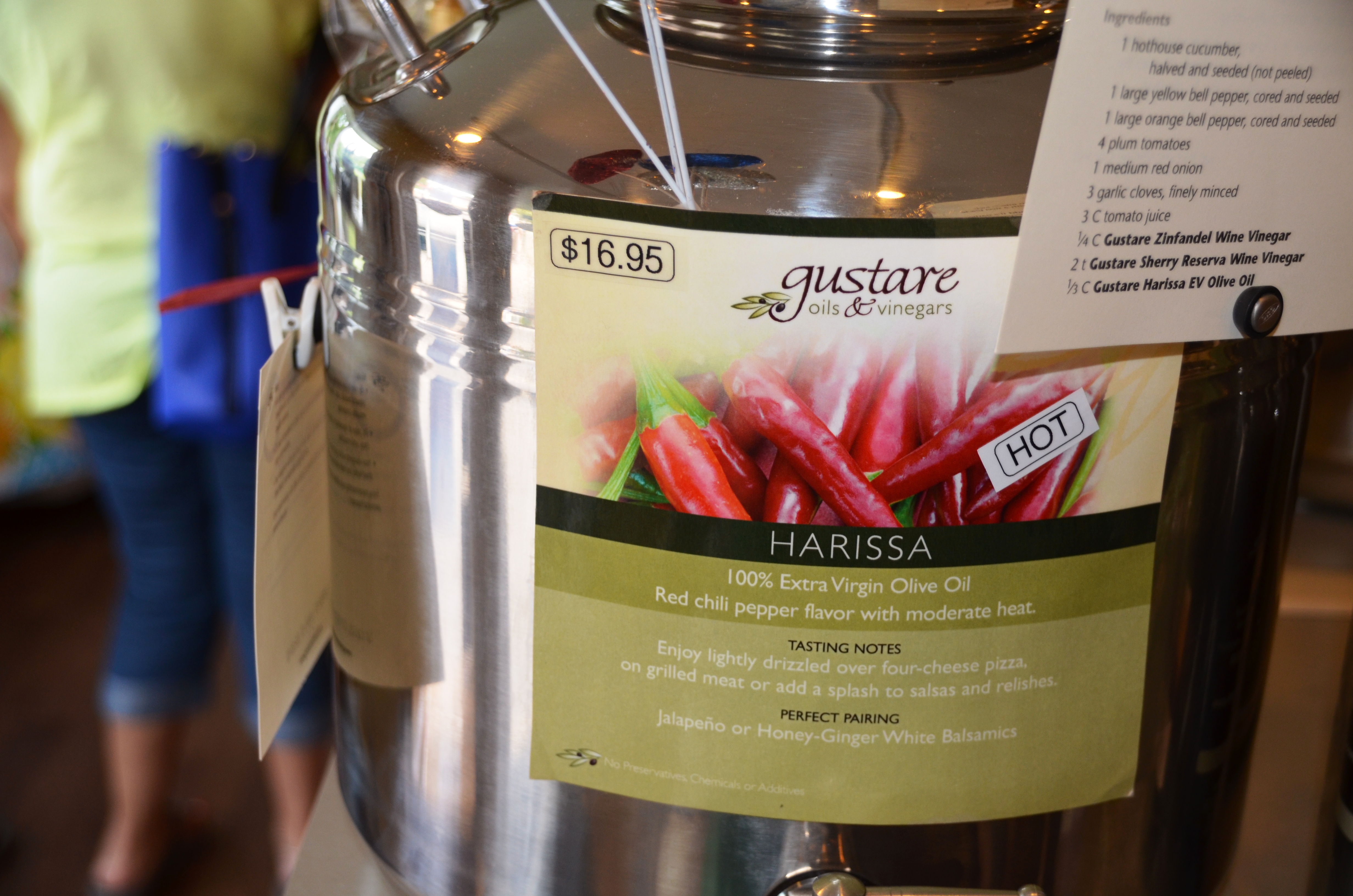
not as spicy as you might think – rather very earthy and pleasant (but don’t trust me with the spicy/not spicy stuff)

pure strawberry and pure peach… amazing…
That all I have for you, folks for my short Cape Cod update for today. Cheers!
Hello From Cape Cod
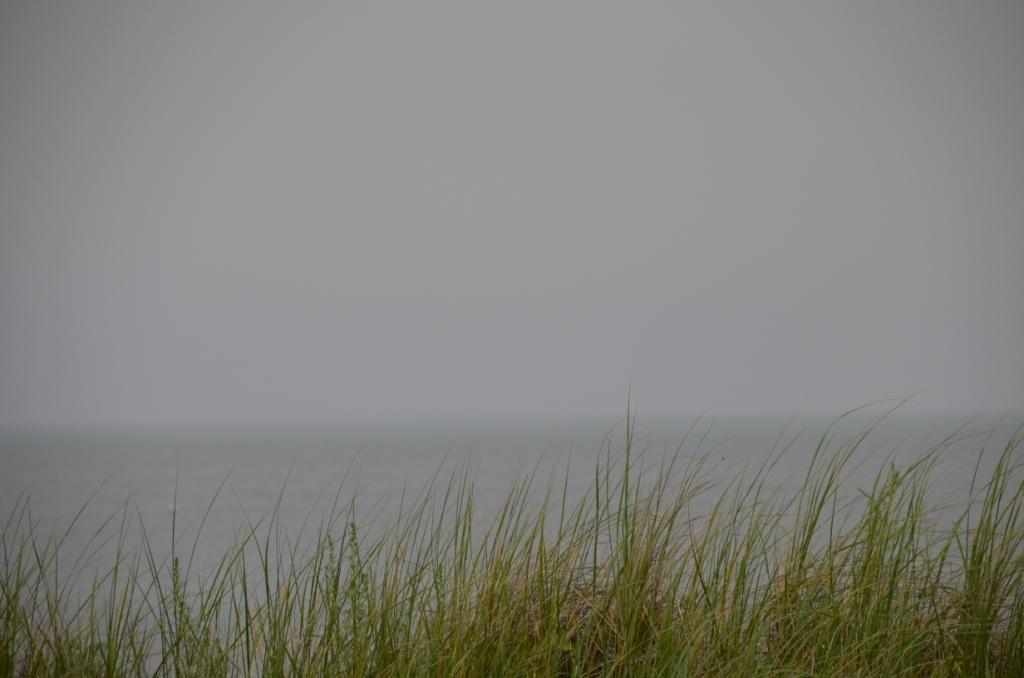
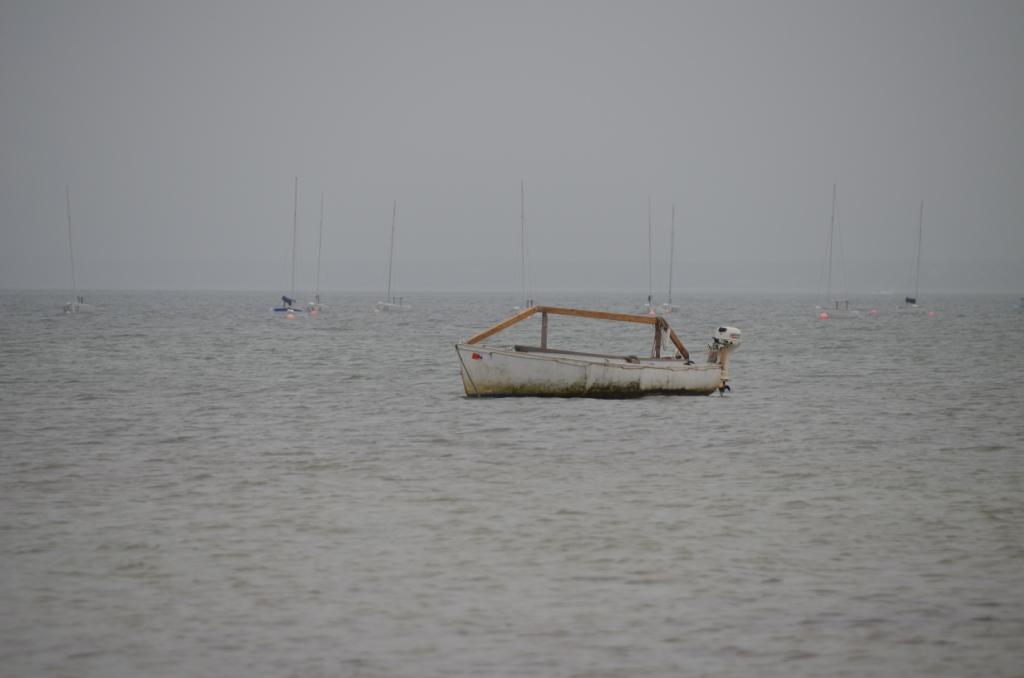
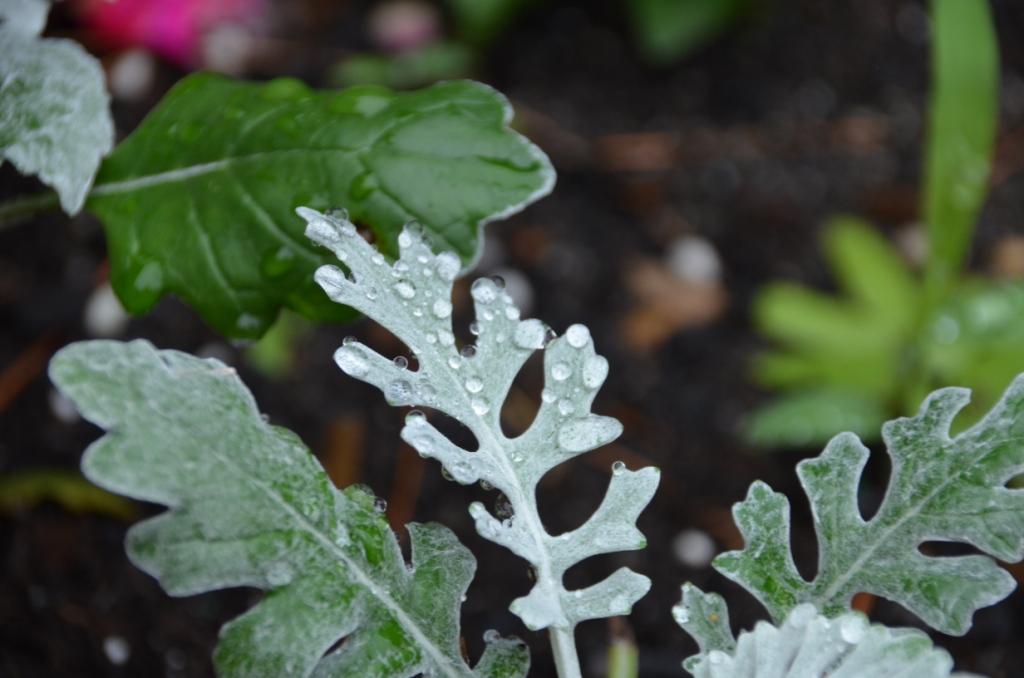
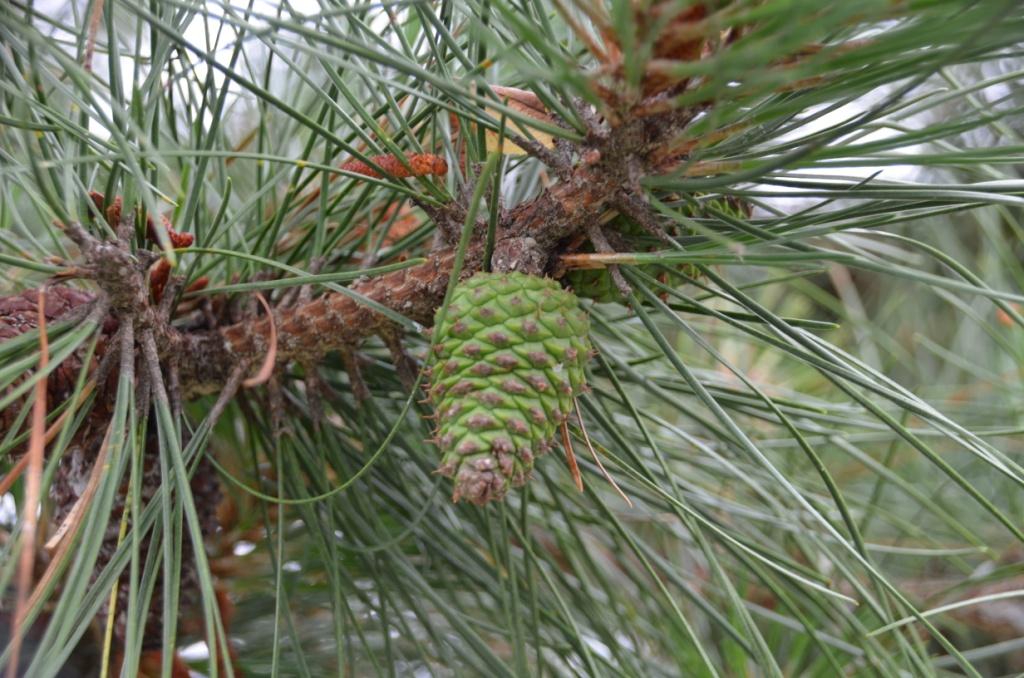
Yep, I’m actually on vacation. Cape Cod is one of my favorite destinations, as first of all it is reasonable driving distance from Stamford, Connecticut where I live (under 5 hours typically). And when you enter this small stretch of land, extending into the Atlantic ocean, something magical happens. There is something in the air, there is something there which switches whatever the mood you had into the “it is vacation, and it is good” kind of feeling.
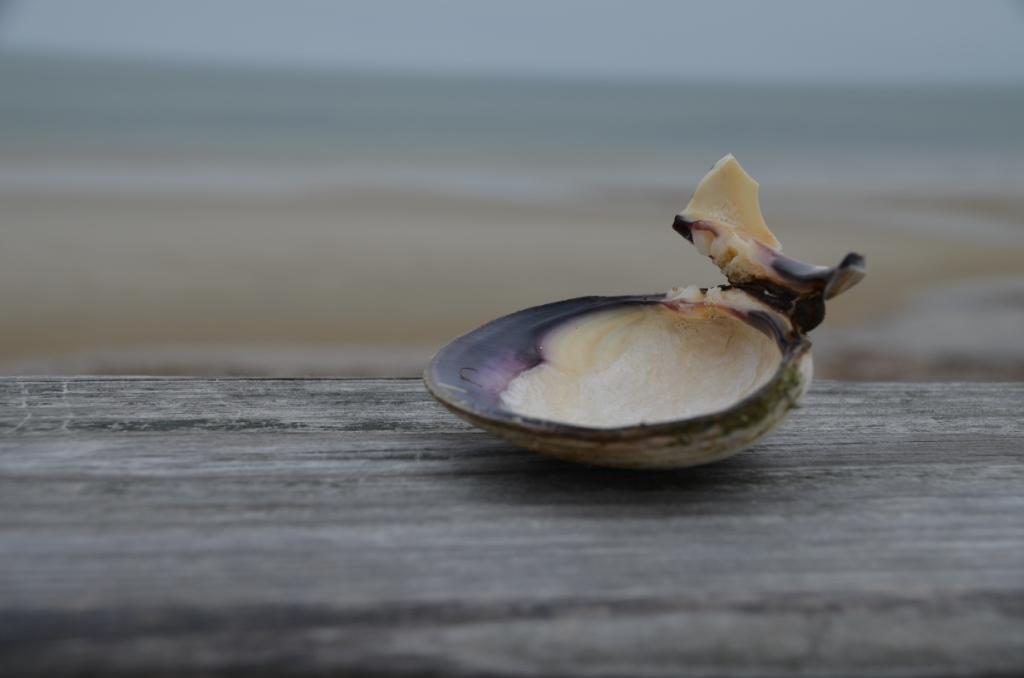
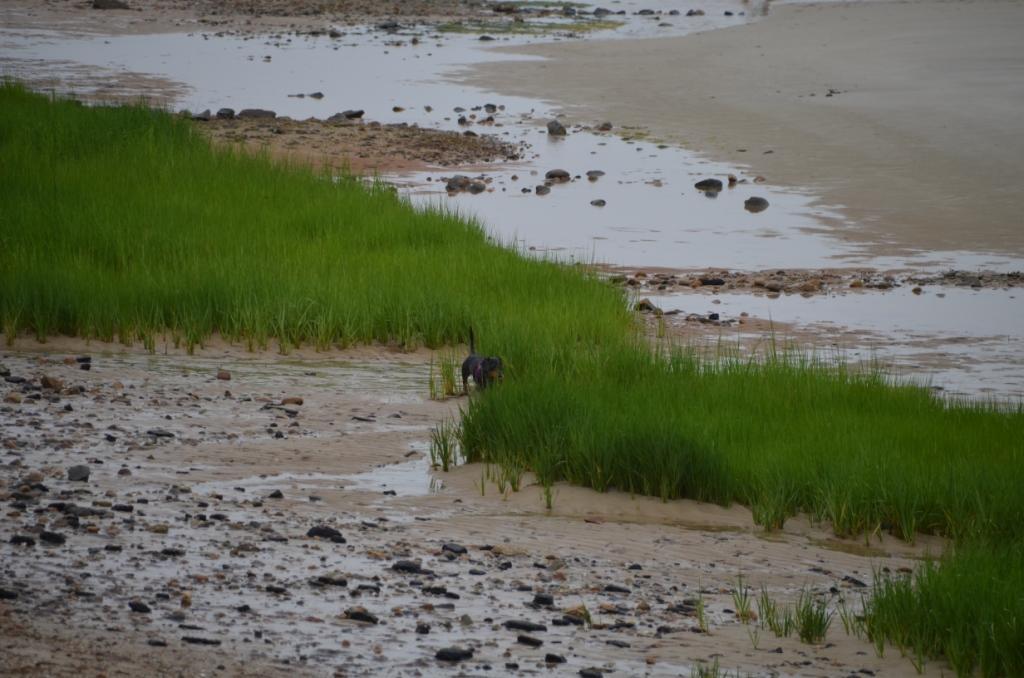
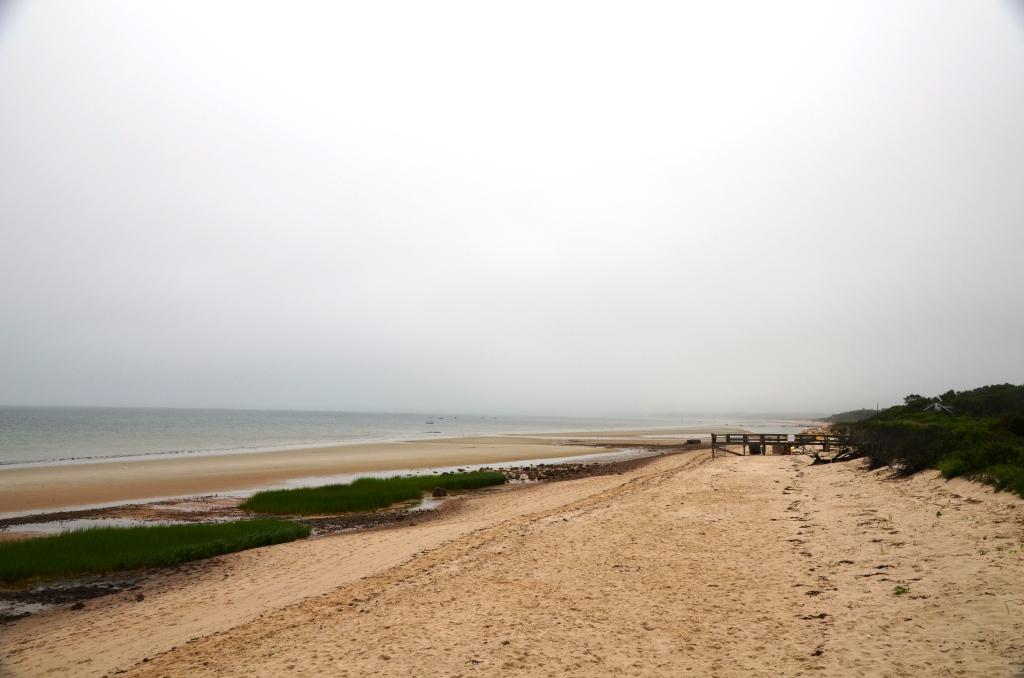
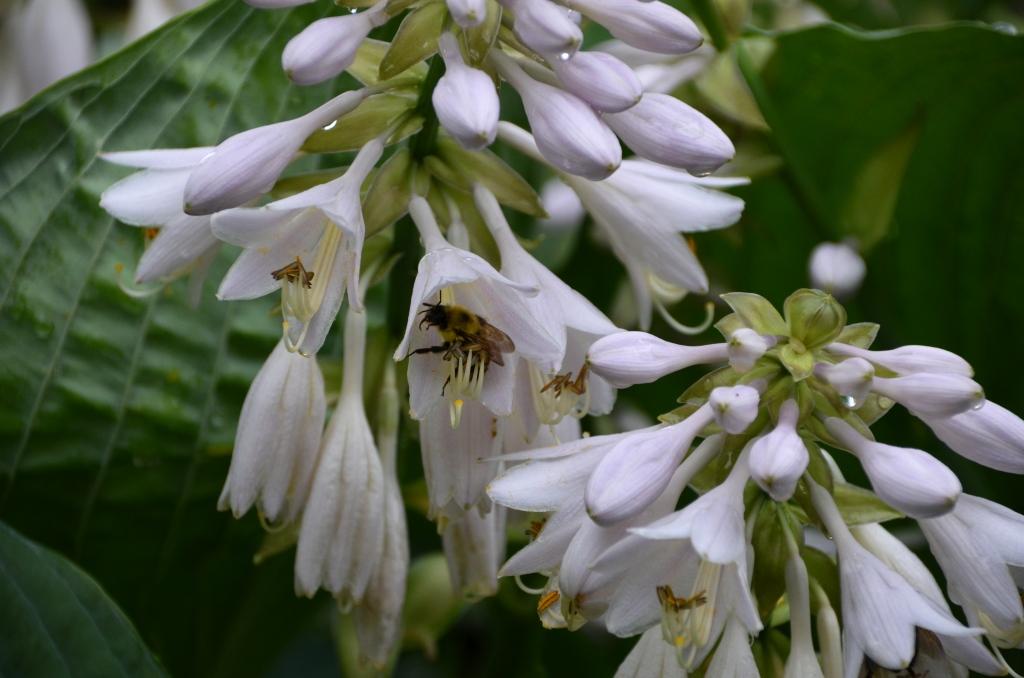
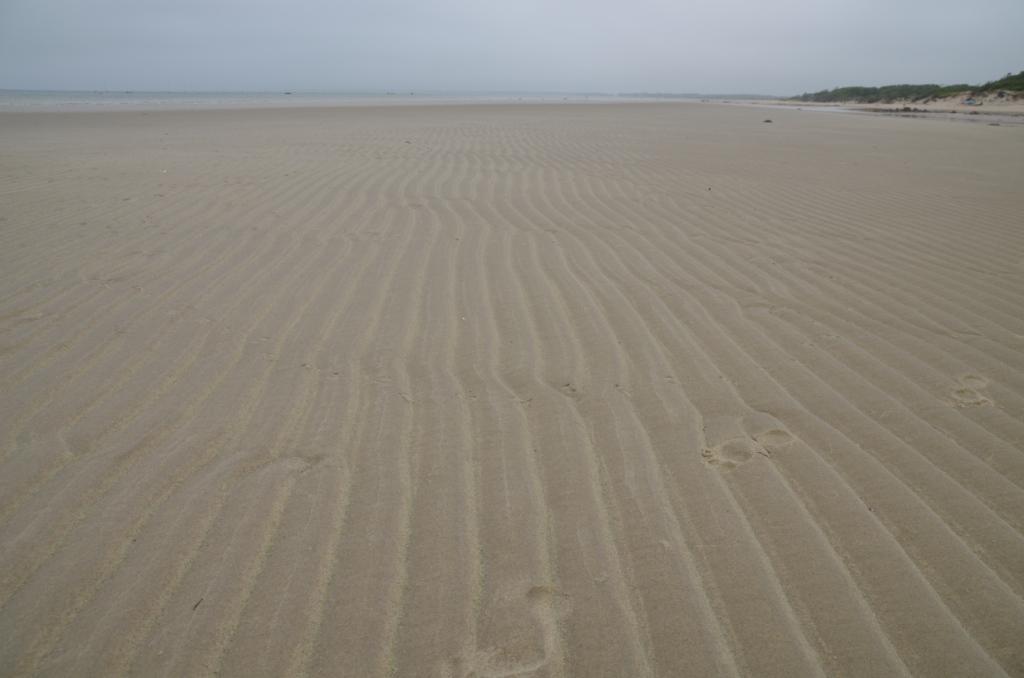
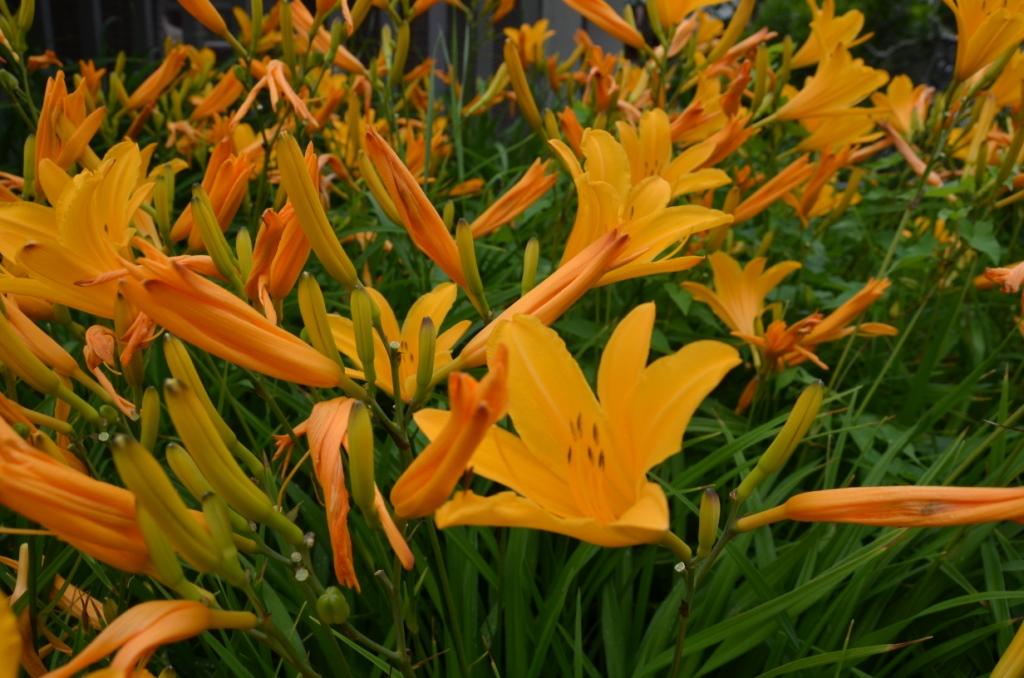
No, I don’t plan to take a break from blogging. I will still post over the next two weeks – as you can imagine, the wine will continue to be a part of the routine. As you might expect, I will be also sharing my impressions – and as I had done it a number of times in the past, I will start with simple pictures. It is somewhat cloudy and grayish out here – but it is a vacation nevertheless. Hope you enjoy the pictures. Cheers!



Wine Gadgets: Wine Chillers
I don’t know what happened yesterday when I published this post, but somehow it didn’t appear in the wordpress reader stream, so there is a good chance that most of you missed it – hence the re-post…
Meet The Winemaker, Get Your Bottle Signed, Now What?
You come to the wine tasting, meet the winemaker. Talk about vintage, talk about history, taste the wine, get very excited, taste another wine, get even more excited, get a few bottles, and the winemaker signs them for you. So far so good, right?

d’Arenberg bottle, signed by Chester Osborn
You come home, put the bottles in the cellar. Now the time comes, and you remember that great wine you put aside to be enjoyed later. And you decide that the moment is now. You get the bottle. And it has a winemaker signature on it!!! Is it still the bottle of wine? Yes, but now, it is also the memorabilia! What now?
Yes, you can keep the signed book, baseball or baseball card, a cap, a painting and many other objects … forever!. You can take them out, show to the friends, tell the stories, rehash the memories, re-live the moment, pass those mementos from generation to generation if you wish. But wine? What do you do with the wine?

Another signed bottle I have – might be past prime already!
Drink the bottle and keep the empty, proudly displaying it (yeah, really not sure about that one)? Never open the bottle and keep it as is? But it is wine. It will not be good indefinitely…
So, what would you do? I’m asking this question as a generic one, not pertinent to the bottles I have. What would you do or what do you do with the signed bottles you have?
Happy Friday, friends. Cheers!
Before The Time Runs Out – To Replace The Google Reader, It Is. Or – How Do You Follow?
 If there ever be a contest for the longest blog post title, I would have a good shot at winning, don’t you think? It also shows that I can’t make decisions – as to what title is better, as the least. But then I know from the business world that huge number (majority?) of e-mails are not read past the first line, so one really needs to put out all at once…
Anyway, let’s move closer to the subject. As you probably know, Google announced the End of Life for their Reader as of July 1st – and I don’t know about you, but Google Reader was one of my tools of choice to follow the blogs en masse. With Google reader, it was easy to see what is new with the blogs I follow, and easy to focus on reading posts from one blog at a time. Yes, you can subscribe to follow most of the blogs via e-mail – possible, but considering how we all are inundated with the e-mails, it is easy to expect that many posts will just slip through the cracks – lots of e-mails will accumulate for “I will read it later” section, until one gets overwhelmed with amount of unread e-mails and then hits “delete all” button.
Just to give you an idea of how my Google Reader screen looked like, here is a snapshot:
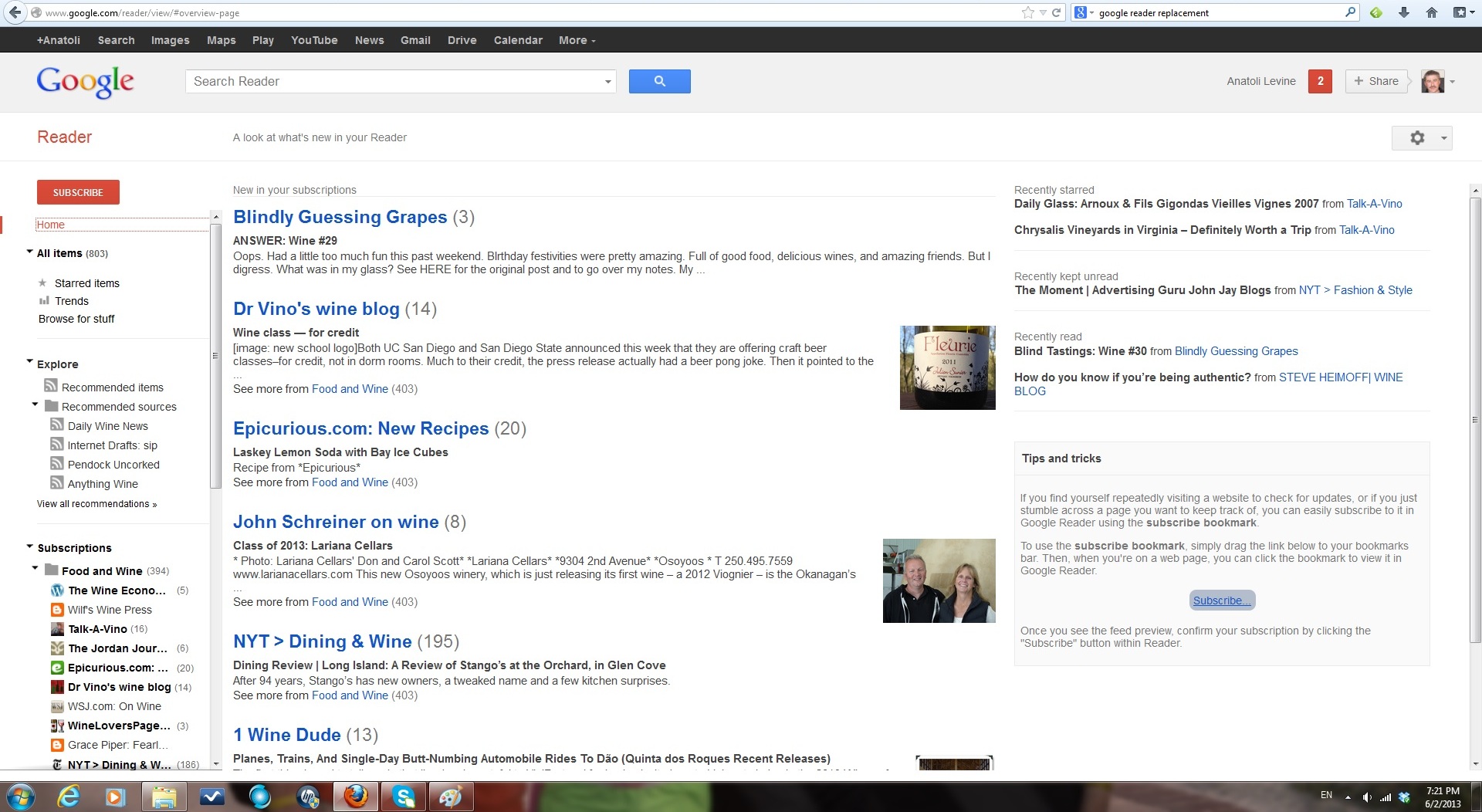
My Google reader Screen – see how everything is grouped by the blogs?
So I started to ask around. I heard from my friend Patty of P’s 2013 Photo Project that she started to use Feedly, but has limited success. Then I asked my friend Kfir, who is The Guru of Social Media, and his advice was – well yes, try Feedly. So at last, I also decided to consult another friend who is close with billions of people (yep, Google search engine), and I found a web site called Replace Reader. This is what I saw there:
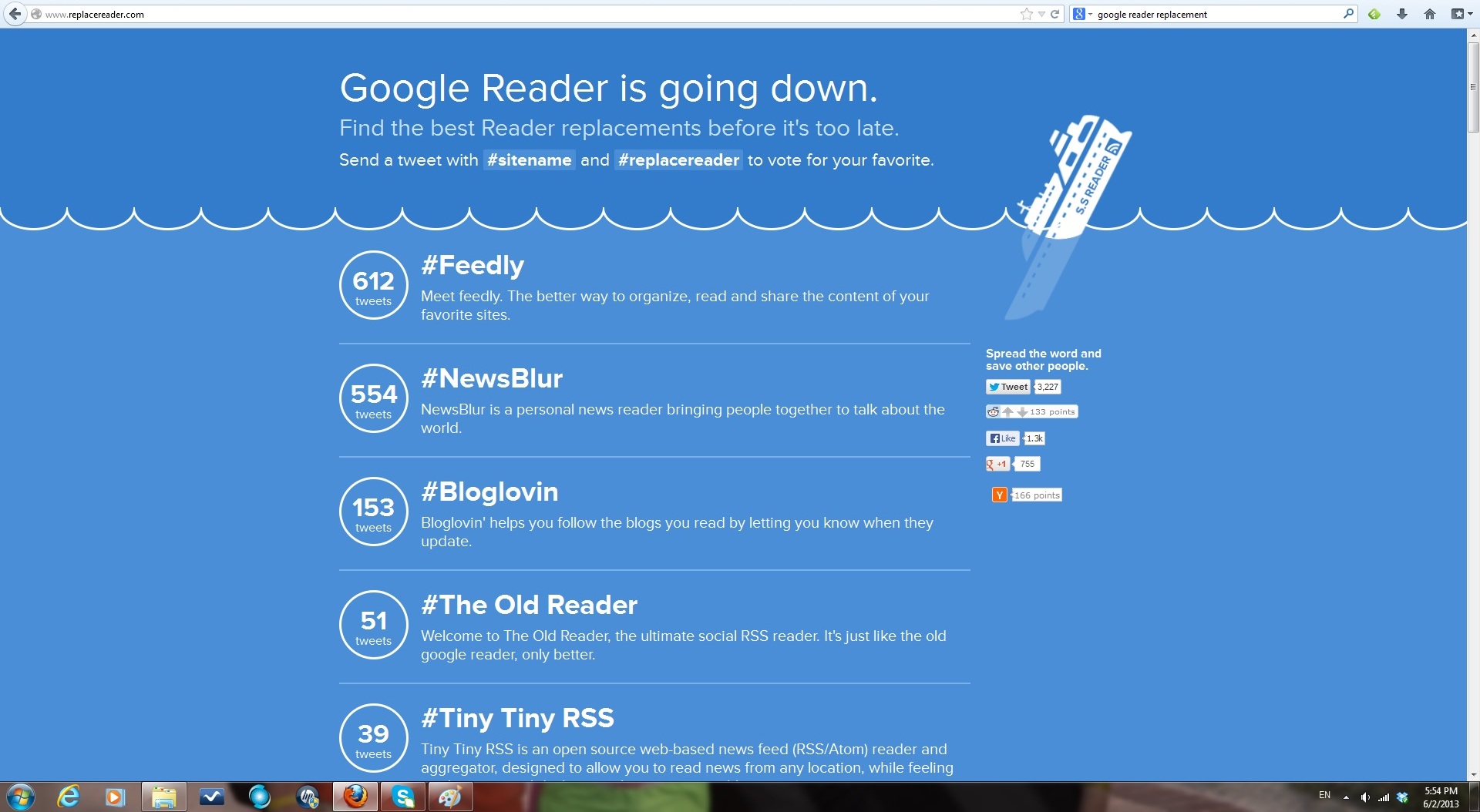
Replace Reader screen
As you can see, Feedly has #1 spot. But before going to Feedly (I have to make my own mistakes, part of my DNA, I guess), I decided to try Bloglovin – easy installation, quick sync with Google Reader, and voila. But I didn’t like what I saw too much:

Bloglovin reader screen
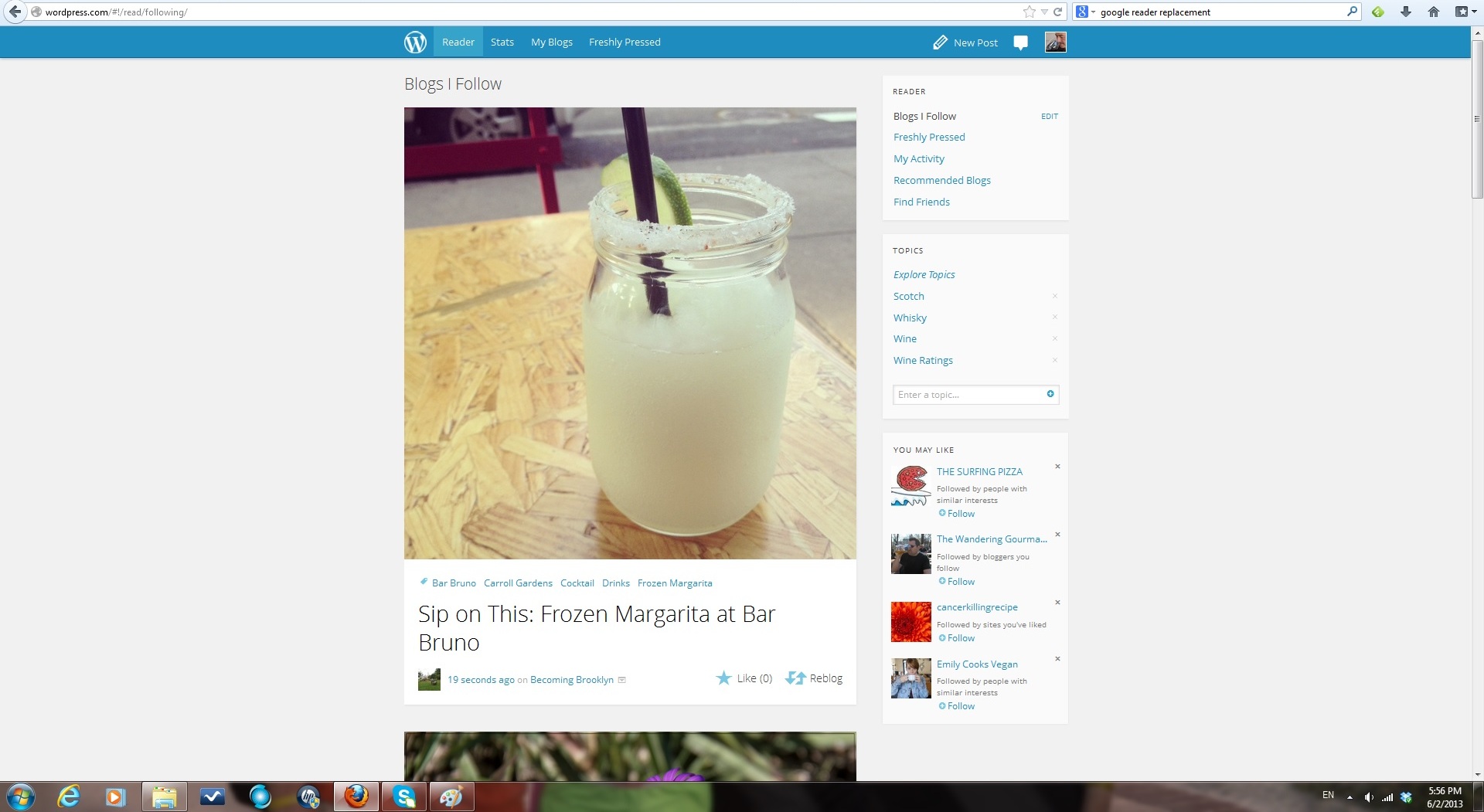
The reason I was not too happy with it? It resembles WordPress Reader, which only presents all the blog posts sequentially, sorted by day and time, and if you didn’t read the blogs for a few days (I know, you don’t believe this can happen to anyone – not to read blogs for a few days – OMG, the world is ending…) – but if you actually didn’t read blogs for a few days, good luck following up on what you read and what you didn’t read… This is my WordPress Reader screen, just to give you an idea:
So it seemed that trying the Feedly is inevitable. Download, install (it actually installs a browser plug-in, so you have to restart the browser). Sync up with Google Reader. The first view is a mess – it is called “Title only view”, and it is just a collection of blog posts sorted by date – nowhere near to blog-sorted Google Reader:
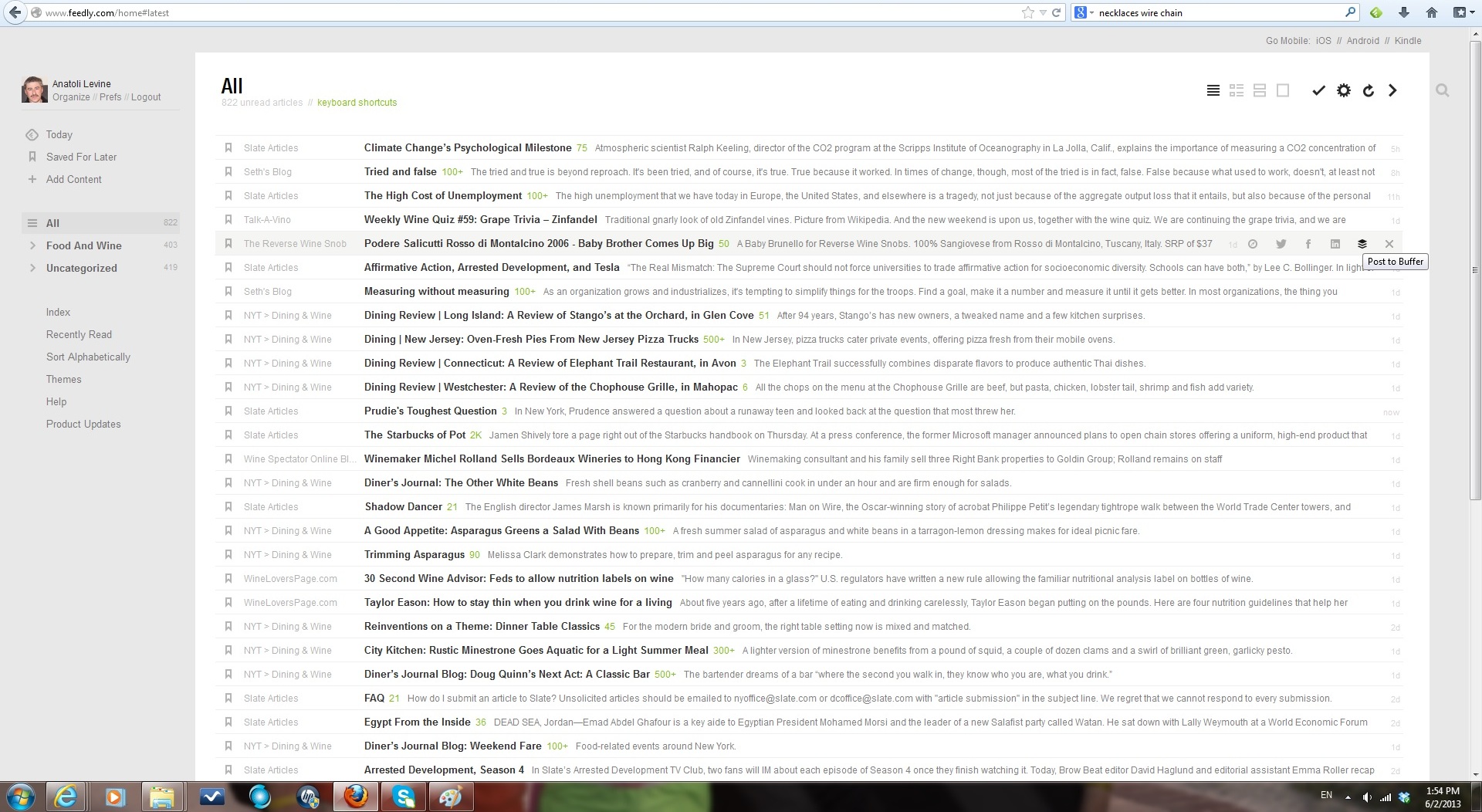
Feedly Title Only View
But – Feedly actually offers a number of different views – Magazine view is better, as it allows me to see the blogs I follow in more structured way:
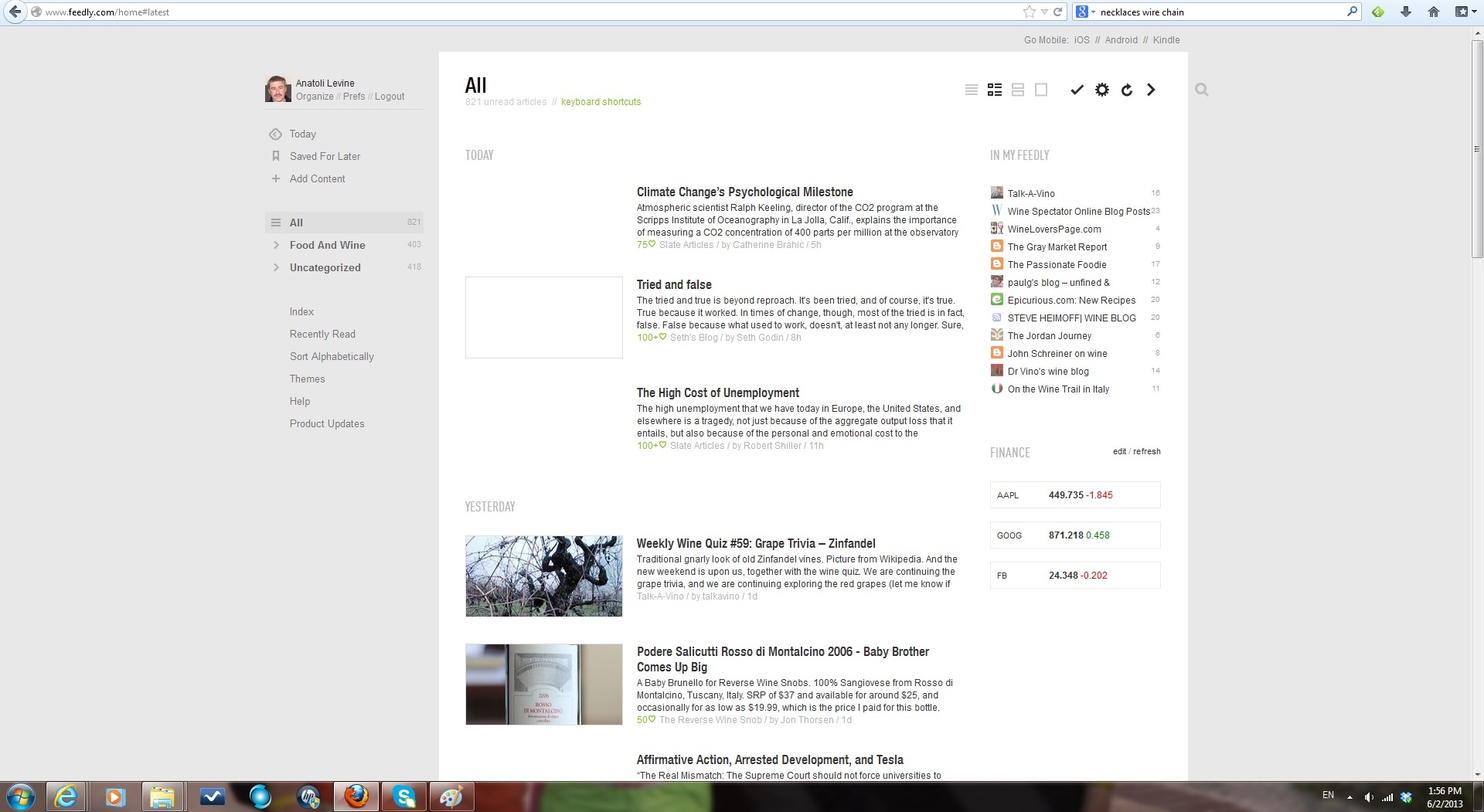
feedly magazine view
See that list of the blogs on the top right side? Now I can see with single glance what do I have to read where. But the best view in my opinion is the one which is provided as “Index”
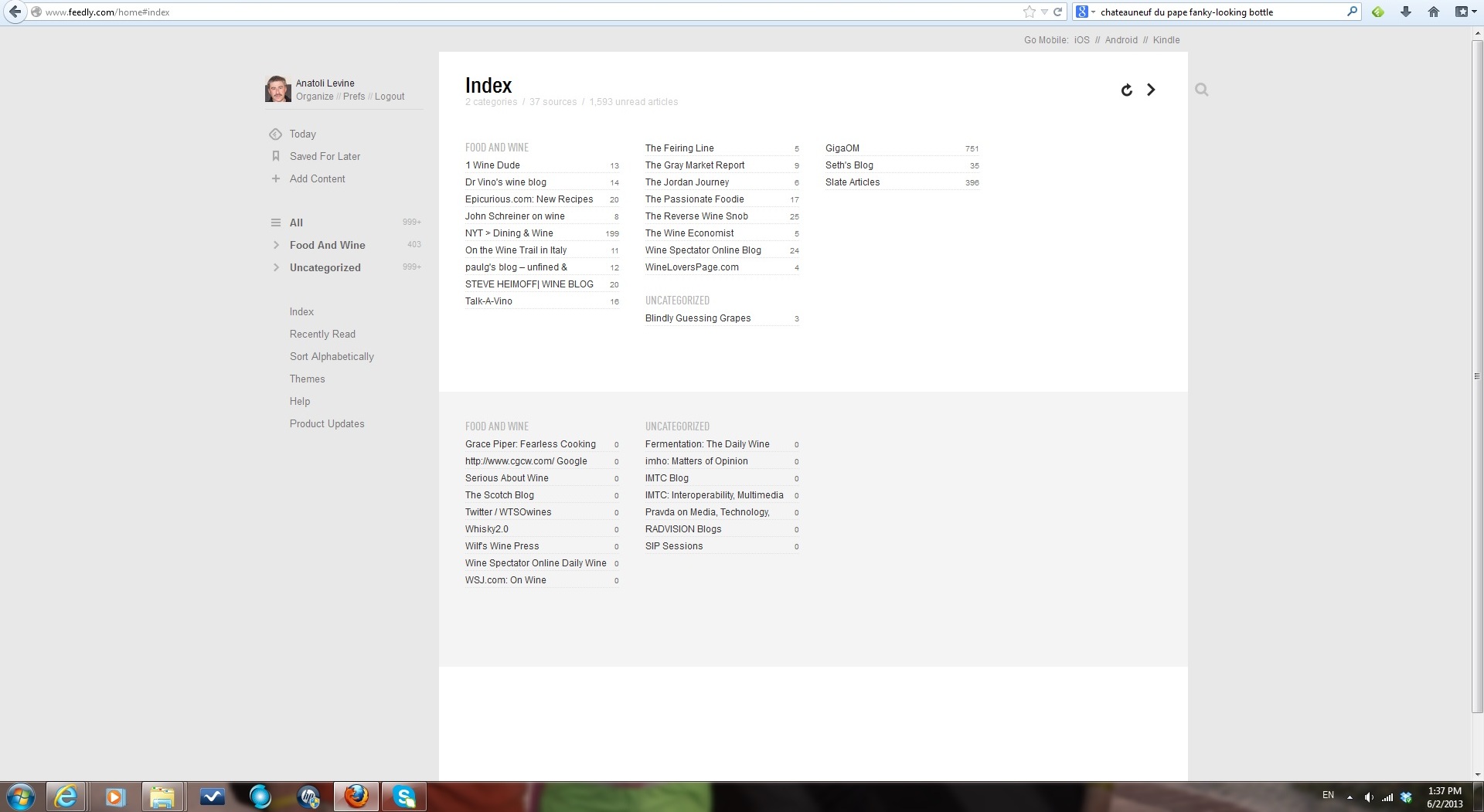
feedly index view
So I think Feedly with the Index view is what I’m looking for – hopefully it will help me to stay on top of my “follow” game.
Now, the big question is – how do you follow? I’m really curious to know what do you do to follow the blogs you want to read?
Also hope you had a good glass of wine before the new week starts. Cheers!
Wine. That. Transforms.
If you followed this blog for a while, you know that I have a tendency to get excited around wines. May be “overly excited” is even better way to put it. Especially when I come across the wines which wow. Like this time.


Field Recordings wines are no strangers in this blog (2010 Fiction by Field Recordings was my 2011 wine of the year). Produced by Andrew Jones, grape-grower-turned-wine-maker, these wines are his personal accounts of people and places – every label on his wines will tell you where exactly the grapes came from, and who grew them – you can see an example above. And his wines have tremendous personality associated with them. What these wines do the best – they don’t leave you indifferent. Like this 2010 Field Recordings Petite Sirah Crockett Hill Vineyard Santa Ynez Valley (15.9% ABV, $22).
The very first smell of this wine just takes you away. Away from the day that passed. Away from all the little things which (of course you knew it), in essence, are not important at all. It is clean. It is powerful, It is beautiful. You can imagine any happy picture you want – the smell will support and carry it. Yes, it is pure fruit forward California wine – but it presents itself in such a bright and uplifting fashion, that this might be the way to spell “happiness” with wine.
The wine appears almost black in the glass. It is dense, it is concentrated, it is powerful. Blueberries, blueberry jam and blueberry pie all together – but without sweetness, all in very balanced, round form. You can have food with this wine – but what you really want is just this wine by itself. From the smell, the happiness continues in the glass.
Then your glass becomes empty. But you sit there, still smiling. Still carried away. To the happy place.
Is this an overly emotional account? You bet. But I invite you to find this wine and experience happy journey in the glass. Of course your personal happy wine might be different. I hope you will discover it. And I will drink to that. Cheers!
When Is The Wine Really (Really!) Ready To Drink?
 About a week ago, I opened the bottle of 2004 Heritat Mont Rubi Durona Penedes D.O. This is my second experience with the wine. The first one was about a year ago when I opened a bottle to celebrate Wine Century Club’s 7th anniversary (one of the grapes this wine is made of, Sumoll, was a new grape for me). Here is how I described the wine at that time:
“very interesting herbal nose of sage and may be some oregano ( lightly hinted), and some nice red fruit on the palate, medium body, well balanced with pronounced tannins – I think it can still age for a while. Drinkability – 7+“.
Why am I telling you this and even citing my own tasting notes? Let me explain. This time, I opened the wine for a casual evening glass of wine, not for a dinner. I had one glass, and put it aside (using my faithful VacuVin to remove the air). The wine was tight and firm, with some cherries and good acidity on the palate. It was pleasant, but there were no problems with putting the glass down.
The next day, I opened the bottle again. There was not much of a difference with the previous night. May be the fruit became a touch softer, may be some raspberries showed up in addition to cherries, but tannins and acidity were still firm – not biting, no, but firm and present together. I had a glass or two, and closed the bottle again.
On the third day, something happened. The wine transformed from “ok, nice” to “WOW” (by the way, I think we need a new rating system for the wines – “yuck, ok, nice, wow, OMG” should do it – what do you think?). The wine became luscious, velvety, layered, showing the wide range of dark fruit – plums, cherries, touch of blackberries, touch of spices, all very balanced – it was impossible to put the glass down (no need too – there was nothing left in the bottle). In the three days, this wine transformed. It transformed from just an okay to wow, from the wine you can drink if you need to, to the wine you crave.
The subject of wine and time is one of the most fascinating. It is literally impossible to know what time will do to the wine. But I can honestly tell you, for the most of the “drink by” recommendations from the wine critics, I’m almost at the point of laughing. Okay, may be not laughing, but definitely ignoring. No, not all the wines will improve with time. Yes, there are general rules, like “drink Beaujolais Nouveau by the next May”. Yes, there are wines which are not intended to age, especially among the white wines, and especially if the white wine is Pinot Grigio or may be Sauvignon Blanc. Yes, I probably wouldn’t age most of the Rose – but have you ever tried Lopez de Heredia Vino Tondonia Rioja Rosado? The wine was 11 years old when I tried it, and it was stunning.
The way I look at the wine aging is this – most of the wines can age, until it is proven otherwise. I had 1947 Rioja recently, which was youthful, exuberant and outstanding. During recent Rioja seminar, I listened to our presenter to describe his experience with 1917 Rioja. He tried the wine in the group of 8 wine professionals at the dinner – after the first sip, the table got quiet for the next 5 minutes – people simple had to reflect on the wine. If you look through this blog you will find my accounts with well aged California wines, such as 16 years old Flora Springs Chardonnay, 20 years old Justin Cabernet Franc, 15 years old Estansia Meritage and Toasted Head Cab/Syrah blend (probably $12 at the time of purchase!) – the list can go on and on – all the wines I’m mentioning were outstanding, however I’m sure none of them would be declared aging-worthy by conventional wine critics or even winemakers.
The tricky part of wine and time relationship extends even further. We want to drink the wines at their peak. How can we know when the peak will be? I don’t have much experience with red Burgundy wines in general. But I understand that their aging process looks rather interesting – very drinkable form the beginning, they shutdown after a while, and then they come back. How can you know you are drinking the wine when it is ready, and not only that – when it is at its best? I’m not sure… I had my own experience last year with 2002 Dunn Howell Mountain Cabernet Sauvignon. From the moment the bottle was open, it was literally undrinkable – dense, rough, no fruit, just tannins – and it was like that for the 4 days. I didn’t try any aggressive decanting, but I tasted the wine every day. And then on the day number 5, the same magic happened as the one I described at the beginning of this post – the wine opened up into a beautiful WOW nectar – but I could’ve dump it just the day before!
Where am I going with all of this? I don’t have the destination. I want to make you to think about wine and time. I wonder where we, oenophiles, collectively are on this subject. I will hold my position no matter what – “the wine can age until proven otherwise” – but what do you think? What is your experience with “wine and time”? Can we do something to educate all the wine drinkers about it, do we even need to do it, or should we just drop the subject as you don’t believe it’s worth the bits, bytes and emotions? I will keep bringing up this subject from time to time, but hey, don’t be shy – see that comment box below? Cheers!
Latest Wine News Updates
Last few days were filled with important announcements in the wine world, so I wanted to bring them to your attention just in case you missed them.
Target, one of the major department stores in the US, made the decision to catch up with success of Trader Joe’s “Two Buck Chuck” wines and announced the new wine series called One Buck Willie. The wine will retail at $1.01 and will initially include Pinot Grigio, Sangiovese, Cabernet Sauvignon and Merlot, as well as “Hello Willie” Moscato. Target’s major rival, Wal-Mart countered that with their Rollback series which includes Rollback Red, Rollback White and Rollback Sweet Ending, all proprietary blends. Rollback wines will retail for $0.98 and $1.96 in the magnum size and will be available this fall at the Wal-Mart retailer near you.
According to the information leaked on Twitter by the law firm Trellis & Press, Antonio Galloni surprised James Suckling with the lawsuit a few days ago. He claimed that James Suckling’s bad influence forced him to quit his lucrative position at the Wine Advocate. The lawsuit is seeking an unspecified amount in damages, but it seems that its major target is Suckling’s exclusive collection of Barolo and full vertical of Petrus starting from 1928. James Suckling declined the request for an interview.
Chinese wine fashion finally arrived in New York, and it is all official. Coca-Cola and Chateau Latour cocktail, called CocaTour, is now served at all leading New York restaurants, and it seems that bartenders can’t make it fast enough. The cocktails are priced according to the vintage ratings, with 1947, 1961 and 1982 being the most expensive. Eying the success of the competitors, unconfirmed reports seem to indicate that Pepsi-Cola entered into preliminary talks with Domaine Romanee-Conti to endorse the new Pepsi-Cola/DRC cocktail which will be called PepsidRC. Representatives from both companies couldn’t be reached for the comment.
Riedel, the world leader in the manufacturing of the wine glasses, announced a new line of plastic glassware. In the recent interview given to National Enquirer, Maximilian Riedel admitted that customers long enough demanded high-quality plastic glassware capable of highlighting qualities of the different wines. The first release of the plastic glassware series called PlastiXtreme will include Chardonnay, Cabernet Sauvignon, Pinot Noir and Port glasses, and it will be available exclusively at Costco this fall. Single-use plastic duck shaped decanter will also be available in time for holiday season.
Joe Roberts of 1WineDude fame and Gary Vaynerchuk of VaynerMedia announced their new joint venture which will be called DudeChuk. DudeChuk owners wowed to create content will be funnier than Ron Washam’s HoseMaster of Wine and Chris Kassel’s Intoxicology Report combined. Partners also plan to continue writing wine reviews not only for Playboy magazine but make them specifically white-labeled for ease of reuse by Natalie MacLean.
That’s all I have for you for today, folks! Cheers!
Daily Glass: Kosher [and not only] Wines
 Originally, this post was supposed to be titled Happy Passover! – but Passover started on Monday, and today is Wednesday… Well, considering that celebration technically continues for a week, I guess it is still appropriate to wish Happy Passover even on the third day… By the way, Happy Easter too – just in case I will not be posting anything on Sunday.
In our family Passover is rather cultural holiday than religious, which means that our Passover dinner (seder) takes just a little longer than the regular dinner (when it is done properly, you might have the first real bite of food closer to midnight). What is important for me here, as with any other holiday where dinner is a part of the festivities, I can pay special attention to the wine (not that I don’t do it every day, but holiday is a holiday).
Of course Passover dinner calls for the Kosher wine. About 10 years ago, selecting a kosher wine for Passover or any other holiday used to be a very dreadful experience – sweet grape-juice-more-than-wine Manischewitz was undrinkable, but still better than most of the actual “dry” kosher wines which were outright terrible. Over the last 5-7 years the situation changed dramatically, and now at the most of the stores you can find a great variety of outstanding kosher wines. You don’t need to take my word for it – here are kosher wine recommendations from Eric Asimov of New York Times, here is the list from Lettie Teague from the Wall Street Journal (subscription required, unfortunately), and here is a very interesting post from Alice Feiring describing her recent kosher wine tasting experience.
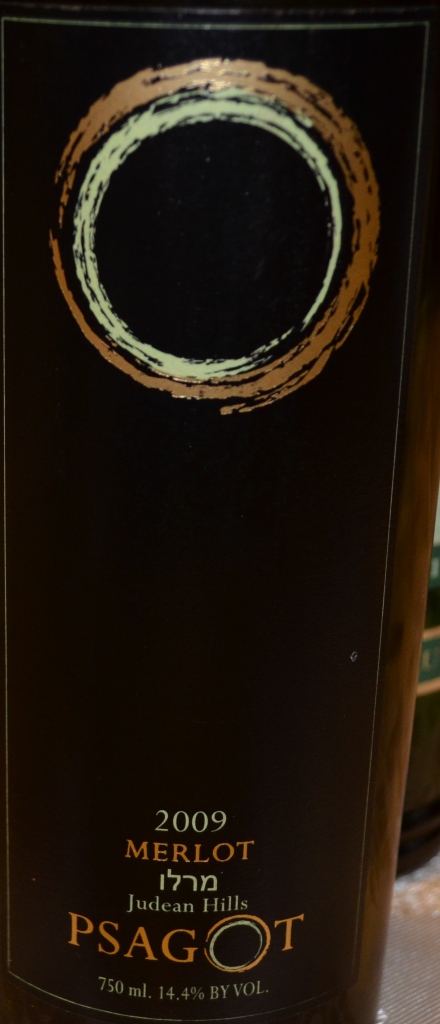
I had a great experience with a two different kosher wines. The first one was 2009 Psagot Merlot Judean Hills (about $25, 14.4% ABV). Psagot means “peak” in Hebrew, and the small community of Psagot is actually located on the peaks of the Benjamin region mountains, 900 meters above sea level – and this is where this wine came from, made at a boutique winery under the same name. It is 100% Merlot, aged for 13 month in small French oak barrels. On the nose and the palate this wine has perfect dark power (umph – I gave you one strong description, but you know that I often describe the wine emotionally rather than technically). Coffee, chocolate, dark fruit on the nose, same on the palate. Roasted notes on the palate. Excellent balance of fruit, acidity and tannins, very harmonious. Drinkability: 8-
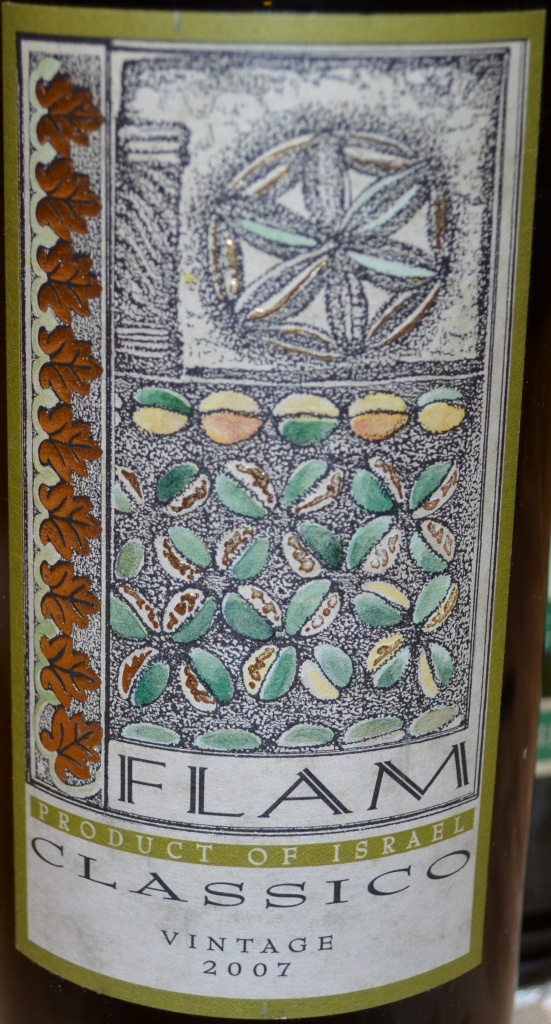 The second wine was 2007 Flam Classico Judean Hills (about $30, 13.5% ABV). Flam winery is also situated in the Judean Hills area. It was founded in 1998 by the brothers Golan and Gilad Flam after they visited Chianti Classico region and fell in love with the wines. While “Classico” is the name of the wine I’m about to present to you, the wine itself is more of a super-Tuscan than an actual Chianti Classico. This 2007 vintage is a blend of 50% Merlot and 50% Cabernet Sauvignon, and if anything, it resembles classic Bordeaux (it is interesting to note that 2010 vintage is even more “classic Bordeaux” than the 2007, with the addition of small amounts of Cabernet Franc and Petit Verdot to the blend).
2007 Flam Classico has nice dark fruit on the nose and the palate, with a tiny whiff of Bordeaux greenness. Classic Bordeaux profile with touch of eucalyptus and mint. Very round and polished, smooth but with pronounced acidity, and literally unstoppable – in terms of not being able to stop drinking it until bottle is empty. Great wine which will evolve further (but it was my one and only bottle, sigh). Drinkability: 8
 I have one more wine to tell you about. It is not kosher wine – but we still drunk it, and I liked it quite a bit so kosher or not but I would like to mention it.
2011 Cave Pomerols Picpoul de Pinet “Hugues de Beauvignac” Coteaux du Languedoc (about $10, 12.5% ABV) – this wine is produced by La Caves Pomerols and it is made out of 100% White Picpoul grape. The wine was clean and refreshing on the nose, with touch of minerality. The same on the palate – white flowers, white fruit, round and easy to drink. Very balanced. Considering the price, this can be your every day white wine – and it will pair nicely with lots of different foods. Drinkability: 8-
This is all I have for you for now, folks. The usual “Wednesday Meritage” post still should be coming out today, as it is in the works already, so until then – cheers!
Re-Post: Best Hidden Secrets Of The Wine World: Underappreciated Regions
During 2011 I wrote a number of posts for the project called The Art Of Life Magazine – of course talking about my favorite subject, wine. The project closed and even web site is down, but as I still like the posts I wrote, so I decided to re-post them in this blog. Also, in that project, posts were grouped into mini-series, such as “Best Hidden Secrets” you see here – I will continue re-posting them from time to time.
Also note that the series was written for a slightly different audience – I hope none of my readers will take offense in the fact that sometimes I’m stating the obvious…
After spending some time looking at hard-to-find-but-worth-seeking wines (Jerez and Madeira posts can be found here and here), let’s go back to the “hidden secrets” series. We agreed at the beginning that in this “secrets” series, we are looking for great wines which will bring a lot of pleasure – but will not require one to dip into pension savings to enjoy them pretty much every day. We talked about Rioja, second labels, French Sparkling wines and wines of Languedoc. Where should we go now?
If anything, we are living through a wine renaissance period right now. Wine is very popular as a beverage among people of all ages and all walks of life, everywhere in the world. Wine is also made nowadays almost everywhere in the world – from China and India to downtown Chicago (I’m serious – you can read about it here). Does it mean that you can universally enjoy wines made anywhere in the world? Of course not (not yet? May be, but I can’t predict the future). Taking out of equation exotic wines made in exotic regions, what are we left with? There are a number of well know wine making regions – Alsace, Bordeaux, Burgundy, Champagne and Rhone in France, Piedmont and Tuscany in Italy, Germany (as one big Riesling-making region), Rioja, Ribera Del Duero and Priorat in Spain, Porto in Portugal, Australia and New Zealand (often taken as a whole), United States with Napa and then Sonoma being most prominent, and hopefully Washington and Oregon being also well known outside of the US, and Chile and Argentina, as still relative newcomers in the wine world. How did I come up with this list? Before someone gets upset for his or her favorite regions not being mentioned, or all 70+ regions of Australia not being accounted for, let me explain the logic here – it is simple. Each of the regions listed above (even with the whole country lumped as one) makes tens or may be hundreds of the wines which are in a high demand. How can we estimate the demand? When wine is in demand, it typically starts going up in price. Each one of the above mentioned regions has many wines priced in the hundreds or thousands of dollars per bottle (anyone who wants to check is welcome to look for Screaming Eagle, Chateau Petrus, Krug Champagne or Vega Sicilia on wine-searcher).
Yes, you are absolutely right – not all the wines produced in Bordeaux or any other famed region cost hundreds of dollars, there are many which cost between $10 and $20. True, but in many cases consistency of those wines might be in question – meaning, you never know what you are getting for your ten or twenty dollars. Of course probability of finding very good and reasonably priced wine is getting better and better in today’s world – but you can even further improve it by stepping out of familiar circle and looking for wines from under-appreciated regions.
So what are those under-appreciated regions? As you can imagine, there are lots of them. Again, all the exotic places aside, for each famous wine region, the same countries have tens of “under-appreciated” regions, consistently making good wines for hundreds of years, with majority of those wines being also reasonably priced. In France, great wines are made in Loire, Provence, Jura, Languedoc-Roussillon (we already talked about them) and many other places. In Italy, excellent wines are made in Umbria, Sicily, Lombardy, Marche and again in many other regions. Rias Baixas, Bierzo, Jumilla and La Mancha in Spain; Long Island, Virginia and Texas in United States, South Africa, Israel, Lebanon, Greece, Georgia and Hungary… There is no limit to the places where now we can look for consistently good wines.
As usual, time to open a bottle, right? Let me give you a few examples from the regions which I believe are under-appreciated.
 Let’s start in Italy, in the region called Marche, which is located on Adriatic coast of Italy, near Ancona. There are a number of great wines produced in that region, which is still staying off the radar for the most of the wine lovers. Particularly, white wines made out of the grape called Verdicchio, Verdicchio dei Castelli di Jesi and Verdicchio di Matelica are excellent white wines, with balanced acidity and fruit, perfect for summer day. The red wines are made mostly out of Sangiovese and Montepulciano grapes. This particular 2006 Casal Farneto Rosso Conero IGT is made of the blend of Montepulciano and Sangiovese, and it is an excellent red wine with lots of layers and luscious red and black fruit on the palate (think of blackberries and sour cherries), perfectly balanced.
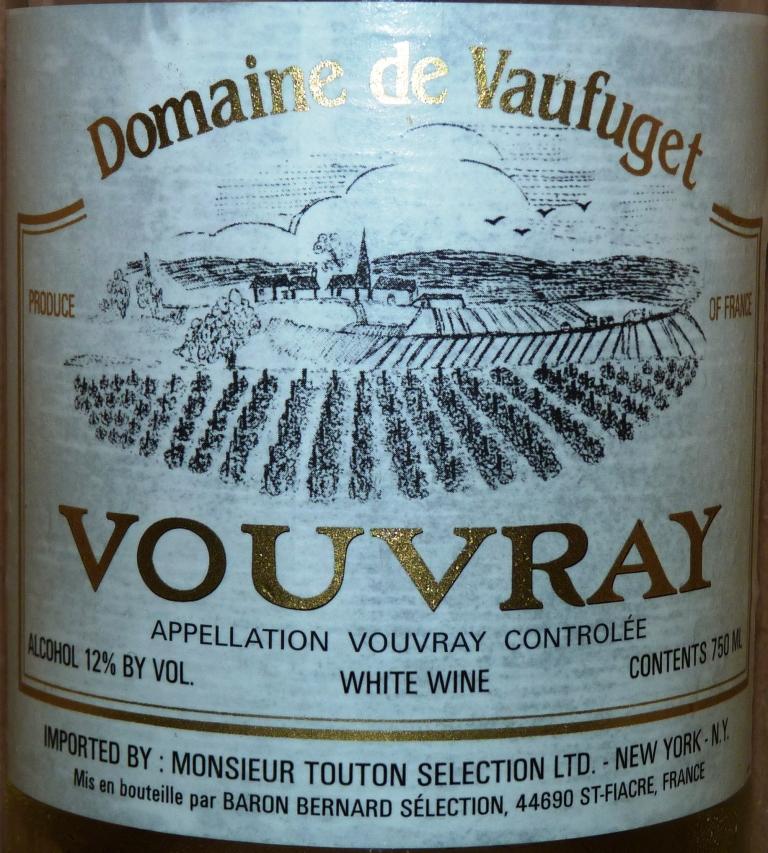 Let’s move from region Marche in Italy to France. Here is our first wine, coming from Vouvray region in Loire valley. Loire is home for many different wine regions, all producing interesting but lesser known wines, may be with an exception of Sancerre (I might be really stretching this “may be”). Vouvray wines are made out of the grape called Chenin Blanc, which produces wide range of wines from very dry to very sweet. This particular 2009 Domaine de Vaufuget Vouvray AOC is very nice and pleasant, showing some sweetness (probably equivalent to Spatlese Riesling). It is easy to drink and should be great accompaniment to many summer meals.
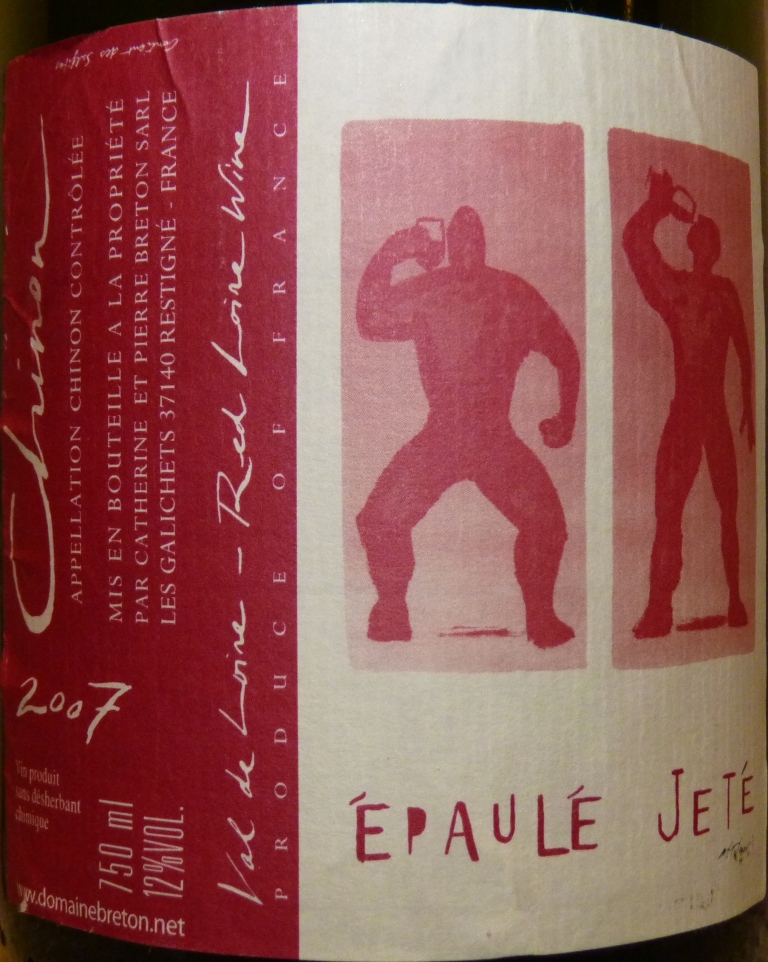 Last but not least for today is red wine coming again from Loire Valley, from the region called Chinon. As many other red wines in Loire region, Chinon wines are made out of the Cabernet Franc grape, with an addition of some other grapes. Cabernet Franc is typically used as a blending grape in Bordeaux and California, but it also produces great wines on its own, in all the different regions throughout the world. This 2007 Epaule Jete Chinon required extensive time to open up, but after three days, finally became drinkable, showing earthiness, fruit and acidity, all in harmonious balance.
Not sure if I was convincing enough, but next time you are in a wine store, look for unfamiliar wines from unfamiliar places – it is possible that you will make a great discovery. As subject of under-appreciated wines is almost endless, I will give you many more examples of great wines from no-so-well-known places. Until then – let’s drink to fearless wine tasting and great discoveries.
Last Bottle Sign Up ($10 credit)




 Talk-A-Vino