Archive
Wine Quiz #135 – How Well Do You Know Your Wines?
The Wine Quiz series is not meant to intimidate. The whole idea here is to have fun and learn something new. When answering the questions, it is fully encouraged to use all available sources of information, including Google or any other search engine. There are no embarrassing answers – the most embarrassing thing is not giving it a try…
Welcome to your new wine quiz!
Let’s start with the answers to the last quiz #134. That was the second quiz in the new series, where instead of identifying the wines by the top foil or the top of the cork, I’m now asking you to identify the producers by the fragment of the wine label. I’m making an effort to make sure that the fragment of the label will be telling enough to allow for the producer to be identified. Here are the same pictures, now with the producers identified (point to the picture to see):


As I suggested in the last quiz, all of these producers and wines can be called iconic, and they all come from the same region – Washington. Also worth noting that 4 wines here are produced by Christophe Baron (Cayuse, Hors Categorie, Horsepower, No Girls).
Only one player attempted to answer the quiz, and he did it quite successfully – Zak correctly identified 5 wines out of the 6, so he gets almost unlimited bragging rights.
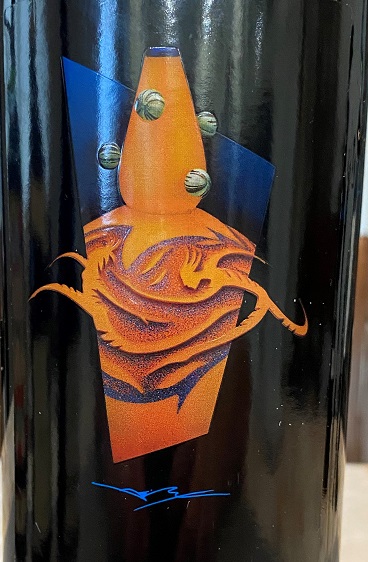
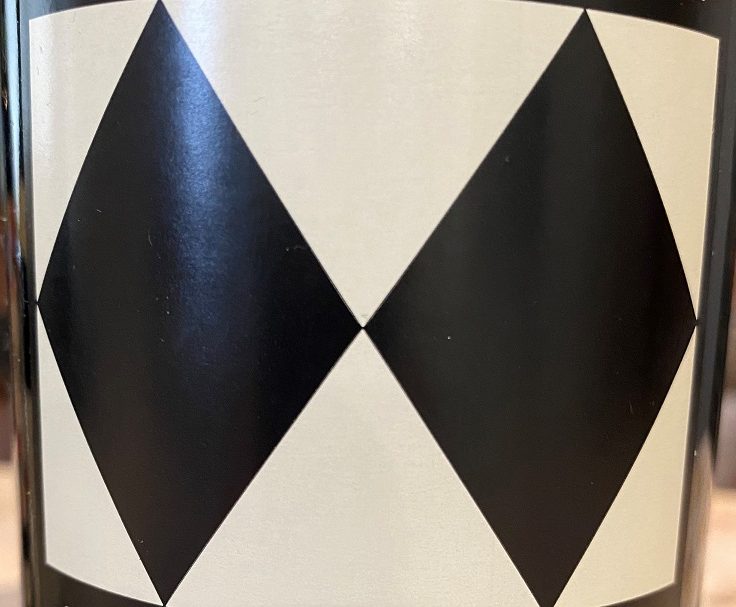
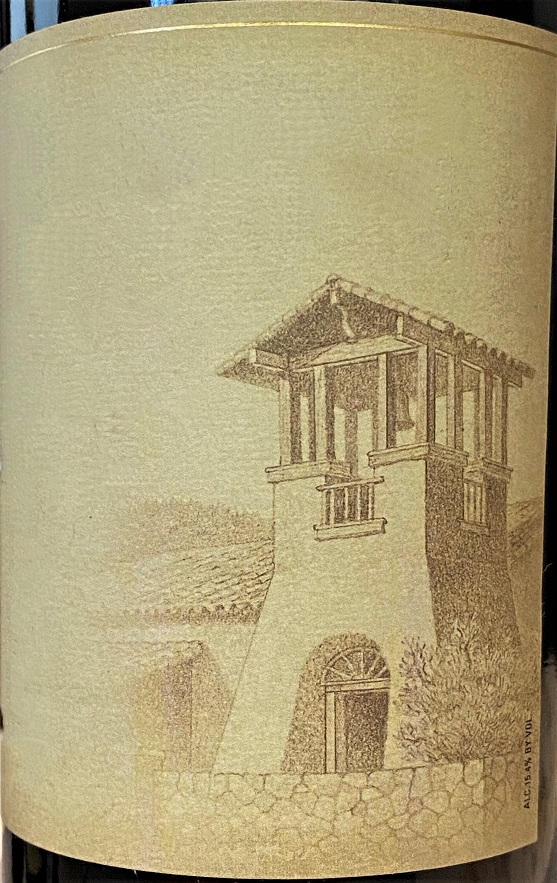
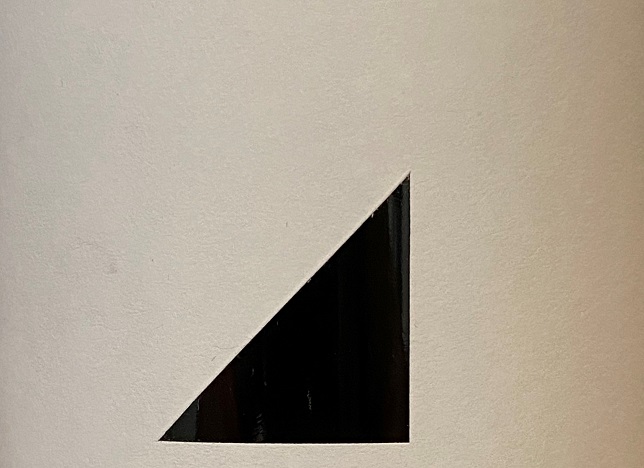
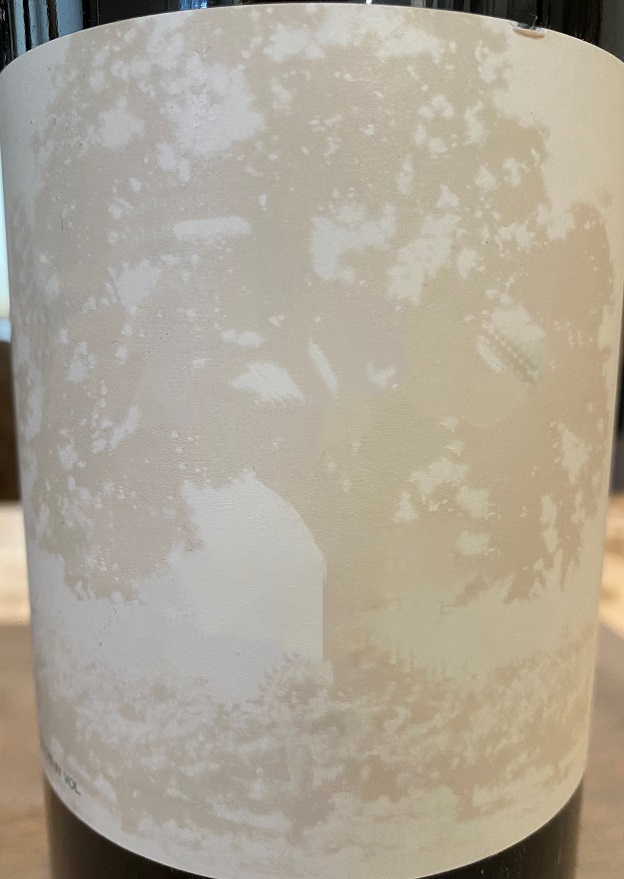
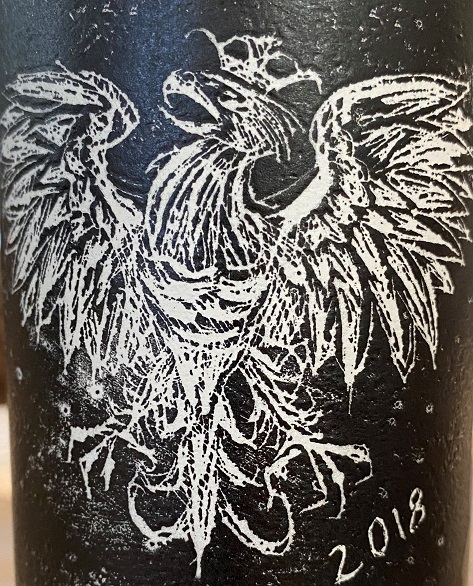
This week, I’m offering you another set of 6 fragments of the wine labels, with a similar hint as before – all wines are reasonably famous/iconic (again, some might be hard to find, though).
Here we go:
1.
2. 
3.
4.
5.
6.
Good luck, enjoy the new quiz! Cheers!
Wednesday’s Meritage #156
Meritage time!
Once again I’m starting with Open That Bottle Night. February 27th, rain, snow, or shine, will be the time to open that special bottle. If you are not familiar with Open That Bottle Night, please check the previous issue of Meritage or this post. I plan to have a virtual OTBN with friends – anyone who is interested in joining, please send me a message (email, Twitter, Insta – all work), and I will let you know how to connect. Now, I need to make up my own mind and decide what I’m going to open – easier said than done, believe me.
Next, in a bit of a “local news”, I would like to promote the series of posts which I had been running for a long time on this blog – the wine quizzes. These wine quizzes used to be a weekly endeavor until they became just a few a year and then stopped completely. I restarted the series about half a year ago, with the hope of posting a new quiz once every two weeks. I had a number of the wine quiz themes over the years, with one of my favorites asking the readers to identify the wine producer by the image of the top of the bottle – foil, cork, or wax – here is an example of such a quiz. But now I have a new twist on that theme, asking the readers to identify the producers by the fragment of the image of the label, which should be easier than doing it using the bottle tops. Here is an example of such a new quiz. So all I want to do is to encourage all of you who are reading this right now to give it a try – you have nothing to lose!
And now, for the real, global wine news, how about some global wines, or maybe rather “Wines of the World”? It appears that Penfolds, one of the most iconic Australian wine producers (Grange, anyone?), just unveiled the line of California wines. The wines are made from the grapes coming from the vineyards in Napa, Sonoma, and Paso Robles. Continuing Penfolds naming tradition, the wines are identified by the bin numbers, starting from Bin 600 Cabernet-Shiraz, priced at $50, and going to the flagship Quantum Bin 98 Cabernet Sauvignon at $700 per bottle. The top two wines, Quantum Bin 98 and Bin 149 have some of the Australian wine as part of the blend, hence the “Wine of the World” moniker. For more details, you can read the whole story in the Wine Spectator here.
That’s all I have for you today. The glass is empty, but the refill is on the way. Cheers!
Wine Quiz #134 – How Well Do You Know Your Wines?
The Wine Quiz series is not meant to intimidate. The whole idea here is to have fun and learn something new. When answering the questions, it is fully encouraged to use all available sources of information, including Google or any other search engine. There are no embarrassing answers – the most embarrassing thing is not giving it a try…
Welcome to the weekend and your new wine quiz!
Let’s start with the answers to the last quiz #133. That was the first quiz in the new series, where instead of identifying the wines by the top foil or the top of the cork, I’m now asking you to identify the producers by the fragment of the wine label. I’m making an effort to make sure that the label fragment will be telling enough to allow for the producer to be identified. Here are the same pictures, now with the producers identified (point to the picture to see):


As I suggested in the last quiz, all of these producers and wines can be called iconic, and they all come from the same region – California.
Now, I”m happy to say that there were more players this time, and even more importantly, we have a winner – Zak correctly identified all 6 producers, so he gets the unlimited bragging rights. Mika correctly identified 3 producers, so he definitely gets an honorable mention.
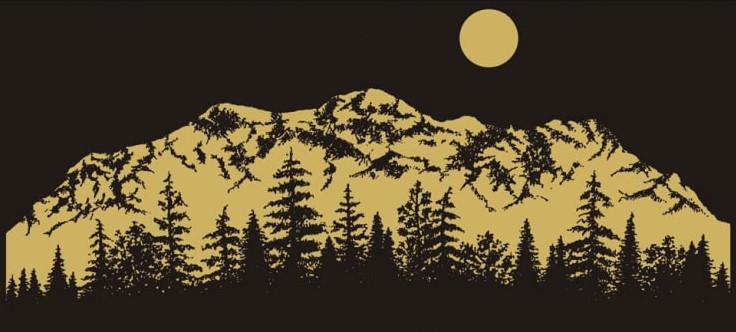
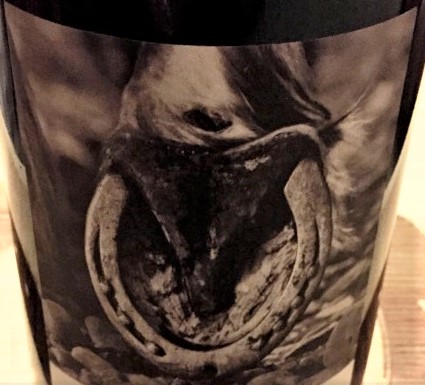
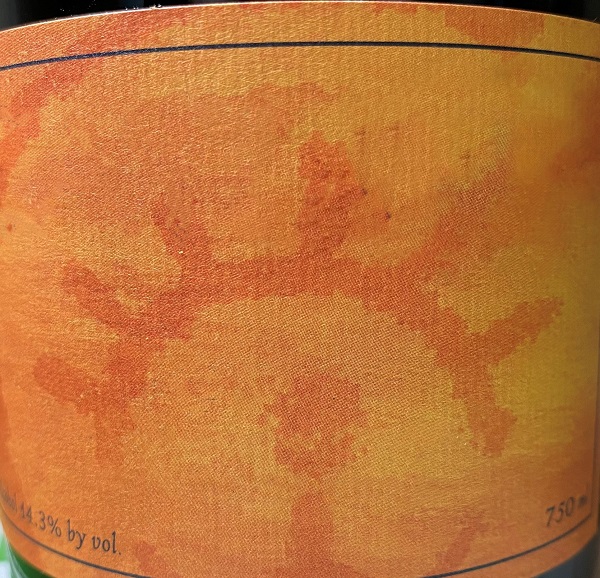
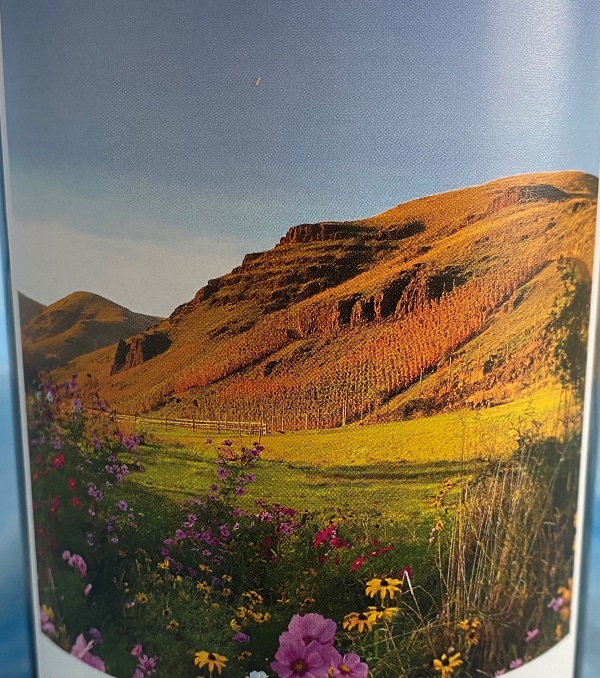
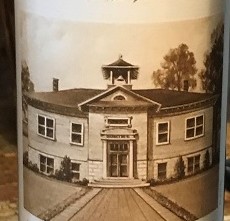
This week, I’m offering you another set of 6 fragments of the wine labels, with the same set of hints – all wines come from the same region, and all are quite famous/iconic (some might be hard to find, though).
Here we go:
1.
2. 
3.
4.
5.
6.
Good luck, enjoy the quiz and enjoy your weekend! Cheers!
Wednesday’s Meritage #155
Meritage time!
I know it is somewhat early, but let’s start with one of my most favorite wine events of the year – OTBN. We are in February already, and that means that OTBN – Open That Bottle Night – is around the corner. OTBN is an event which is more than 20 years old, invented by Dorothy Gaiter and John Brecher, wine writers behind the “Tastings” column in Wall Street Journal, to help wine lovers to part with those special, cherished, treasured bottles which all of us try to hold on to for as long as possible – and thus often missing an opportunity to drink the wine at its prime. OTBN is celebrated on the last Saturday in February – February 27 this year.
For many years now OTBN had been an important event in my book, as I’m unquestionably one of those hoarders who can never decide on the right time to open the special bottle. Celebrating OTBN paved the way to experience some truly special bottles such as the 1982 Olga Raffault Chinon or 1999 Soldera Brunello. This year, however, will be very different, as it is hard to get together in person. So I would like to suggest that whoever wants to join the virtual OTBN celebration on February 27, please send me a note (you can use the Contact Me form, email, or DM on Twitter) so I will be able to get you a meeting invite closer to the date. And you can already start thinking about that special bottle you will pull from your cellar to celebrate OTBN 2021.
OTBN only happens once a year, but then if you need help deciding what to open, you can turn your attention to the “grape holidays”, as I like to call them – a celebration of individual grapes that are taking place throughout the year. To help you keep track and make sure none of the grapes will be upset with you, here you can find a full list of the dates and grapes to celebrate. Actually, I already missed the Furmint day on February 1st, so yeah, time to focus…
A few more interesting tidbits. James Suckling published the list of all 100 and 99 points wines from 2020. There are 133 wines on the list, 52 of them are 100 points, and 81 are rated at 99. In order to see all the tasting notes you need to be a subscriber, but the list itself is available for free.
On an unrelated note, Wine Spectator produced a video introducing the Spanish wine region of Cariñena, the second oldest winemaking region in Spain and “the region to watch”. The video is short but contains a good amount of information about the history of the region, grapes, winemaking, and more.
That’s all I have for you today. The glass is empty, but the refill is on the way. Cheers!
Wine Quiz #133 – How Well Do You Know Your Wines?
The Wine Quiz series is not meant to intimidate. The whole idea here is to have fun and learn something new. When answering the questions, it is fully encouraged to use all available sources of information, including Google or any other search engine. There are no embarrassing answers – the most embarrassing thing is not giving it a try…
Welcome to the weekend and your new wine quiz!
Let’s start with the answers to the last quiz #132. In that quiz, you were given a set of pictures of the top of the bottles and you were supposed to identify the producers. Here are the same pictures, now with the producers identified (point to the picture to see):


We didn’t have a lot of players, but Zak did extremely well correctly identifying 5 out of 6 producers, so he gets the honorable mention and unlimited bragging rights which come with it.
At the moment, I don’t have a new set of pictures of wine bottle tops to play another round, so I decided to start a variation of this game and turn your attention to something which might be easier to identify – the labels themselves.
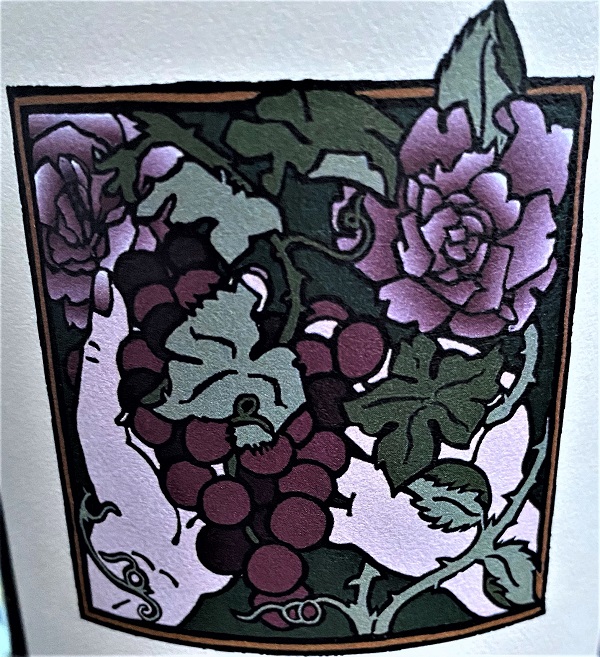
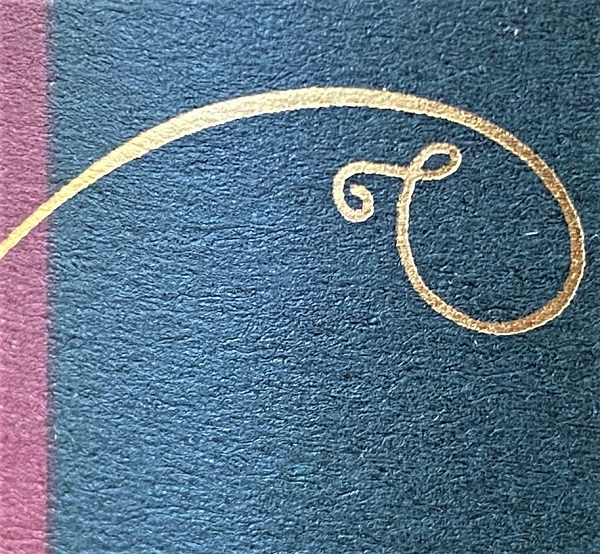
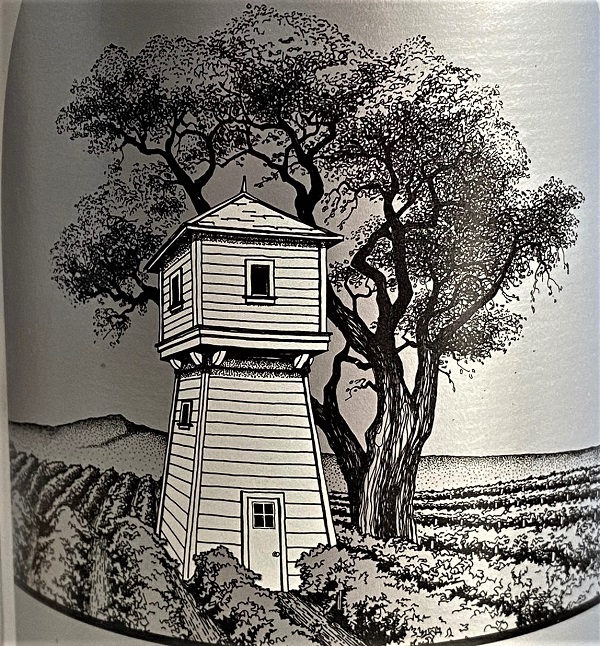
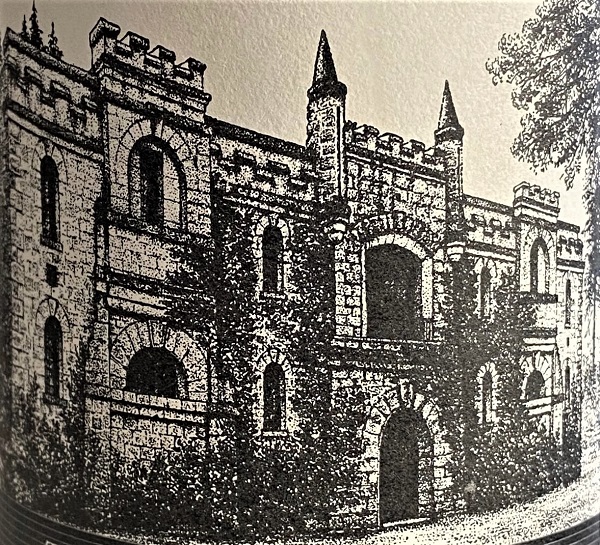
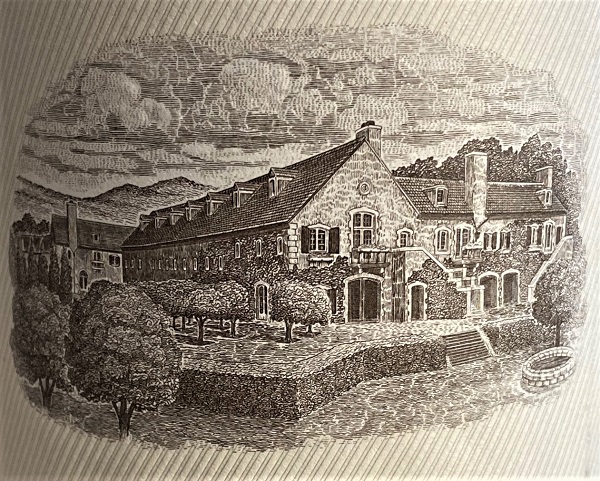
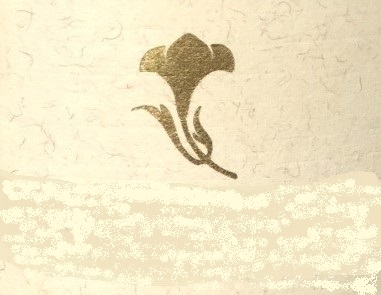
For all of us, wine geeks, lovers, and aficionados, labels are special. It is often enough to have a glimpse of color, lettering, or an image, to be able to instantly identify the producer, the winery, or maybe even the wine. So below you will find images of fragments of the labels, which hopefully will be enough for you to identify the producers.
Let’s go:
1.
2.
3.
4.
5.
6.
All of these wines can be called iconic, and they come from the same region – these are all the hints I can offer. But I expect many of you to do very well with this quiz.
Good luck, enjoy the quiz and enjoy your weekend! Cheers!
Wednesday’s Meritage #154
Meritage time!
Today’s issue might be a bit geeky, but let’s roll with the punches, shall we?
First, an interesting ruling from the TTB in regards to the allowed bottle sizes. Until now, the only approved (standard) wine bottle size was 750 ml. Yes, you could go to half (375 ml), or a quarter (187 ml), or up to a liter (1000 ml), and also 500 ml were permitted, but that was about it – for the “standard” bottles, of course, because there are many large formats, such as 1.5L, 2.25L, 3L and so on, which we are not discussing here. Now, to accommodate a fast-growing category of wine in the can, new sizes were introduced – 355ml, 250ml, and 200ml. However, the ruling allows new wine packaging sizes without restricting them to bottles or cans. So now it would be possible to see a 355 ml bottle of wine. While it is only 20 ml less than a standard 375 ml, it is still an option to give you a smaller bottle and keep the price. The level, of course, is not the same as for the typical orange juice cartons, which went from 64 oz to 52 oz while keeping the same price, but still, there is an option for an implicit price increase and some of those “half-bottles” can go into the hundreds of dollars…
Next, I found a few interesting articles in the Wine Spectator. The first one is the story of the Witch’s Wine, which I don’t want to regurgitate just to give an opportunity to read it in its entirety. Then there are a couple of good news in regards to the health benefits of wine.
First, it appears that the consumption of wine and cheese can prevent the onset of Alzheimer’s. The study seems to be reasonably founded: “Analyzing data from the UK Biobank, a biomedical research database, the study followed more than 1,700 participants, ages 46 to 77, over the course of 10 years.” This sounds to me like a good number of subjects and the duration of the study, so I’m sure no wine lover will be upset at the prospect to consume wine with cheese on more occasions. The second study once again looks at the anti-aging effects of resveratrol, an anti-oxidant usually found in red wine. While establishing the long-term benefits of consuming a glass of red wine every day, the study also suggests that consumption of higher amounts of wine doesn’t increase the health benefits of resveratrol, but quite on the contrary can lead to negative consequences.
And the last one for today is all about wine games. Wine Enthusiast summarized 6 games available to wine lovers with different levels of skills and expertise. I only played one of those, Wine Wars, and it was somewhat interesting, depending on the level of the audience. SOMM Blinders sounds really interesting, and I would love to play a Wine-opoly, however, I’m sure I would never win as I can’t take the risk, and thus my son always beats me in Monopoly. Oh well, we need to be able at least to see each other to play any of these, so I’m definitely looking forward to that happy moment…
That’s all I have for you today. The glass is empty, but the refill is on the way. Cheers!
Wine Quiz #132 – How Well Do You Know Your Wines?
The Wine Quiz series is not meant to intimidate. The whole idea here is to have fun and learn something new. When answering the questions, it is fully encouraged to use all available sources of information, including Google or any other search engine. There are no embarrassing answers – the most embarrassing thing is not giving it a try…
Welcome your new wine quiz!
Let’s start with the answers to the last quiz #131. In that quiz, you were given a series of questions related to our favorite festive beverage – Champagne.
Here are the questions, now with the answers:
Question 1: A typical pressure inside of the Champagne, and for that matter, most of the Méthode Traditionnelle sparkling wine bottles, is 6 atmospheres (this is why you need to take special care while opening the bottle of Champagne). However, some of the wines produced under the same Méthode Traditionnelle are deliberately made to have a lower pressure of 5 atmospheres – can you find this wine in the list below?
- Trentodoc
- Cava
- Cremant de Jura
- Franciacorta Satèn
- Méthode Cap Classique
Answer 1: Franciacorta Satèn (Satèn means “silk” in Italian, and it is a trademarked term), while made using Méthode Traditionnelle, were created to offer silkier (pun intended) mouthfeel compared to traditional Champagne/sparkling wine, so they are bottled at 5 atmospheres to achieve that gentler experience.
Question 2: You know that to remove the cork from a Champagne bottle, you need to untwist the wire (which is called Muselet). While untwisting, how many turns do you have to make:
- 3
- 4
- 5
- 6
- 7
Answer 2: You always have to make 6 twists, no matter where this Méthode Traditionnelle sparkling wine is coming from. For more info, click here.
Question 3: Riddling (remuage) is a process where the bottles of Champagne are turned little by little, also with the change of an angle, while inserted upside down into the vertical “table” called Pupitre, to gradually force the sediment to concentrate in the neck of the bottle for easy removal. Do you know who is credited with the invention of the Pupitre?
- Dom Perignon
- Dom Ruinart
- Madame Clicquot
- Claude Moët
Answer 3: Madame Clicquot. For more information, please click here.
Question 4: The foil covering the top of the Champagne bottles was originally intended to:
- Hold cork in its place
- Just for looks and marketing
- To protect the cork from a variety of insects and rodents while wine is in storage
- To cover wire cage imperfections
Answer 4: To protect the cork from a variety of insects and rodents while wine is in storage. Here is a Wine Spectator article offering some insight.
Once again, we didn’t have a lot of players, but Lynn answered all 4 questions correctly, so she gets the prize of unlimited bragging rights! Well done!
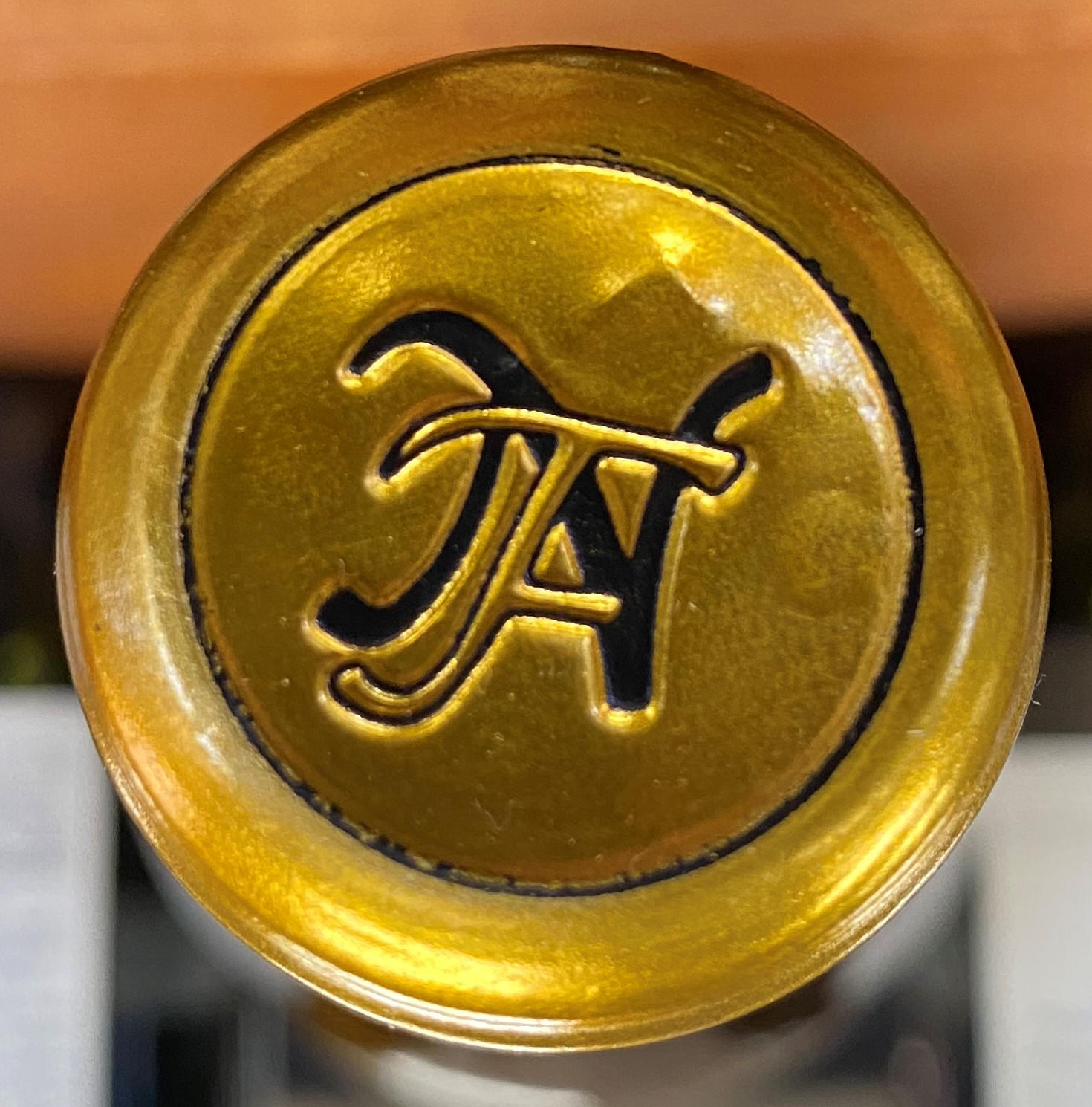
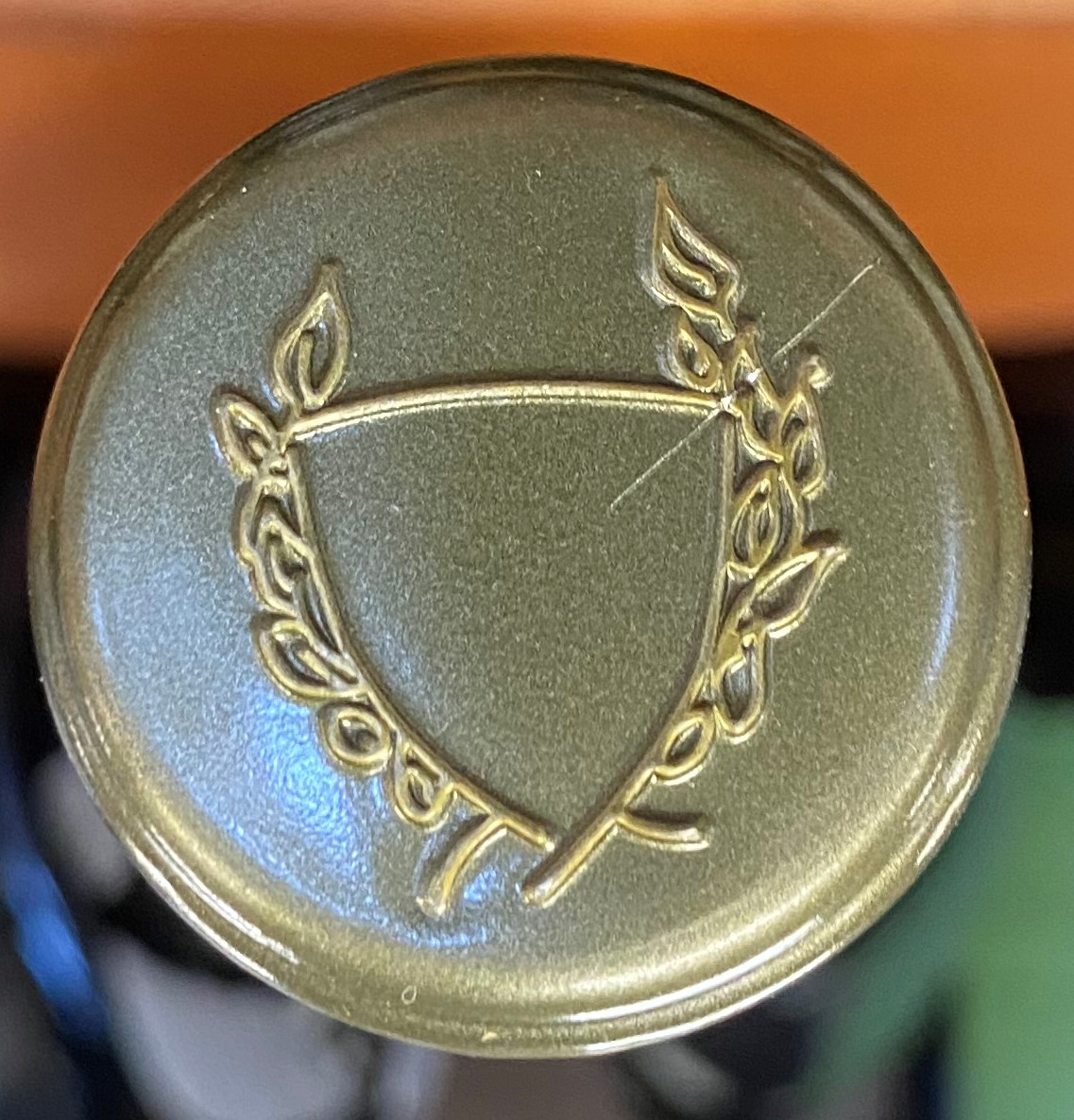
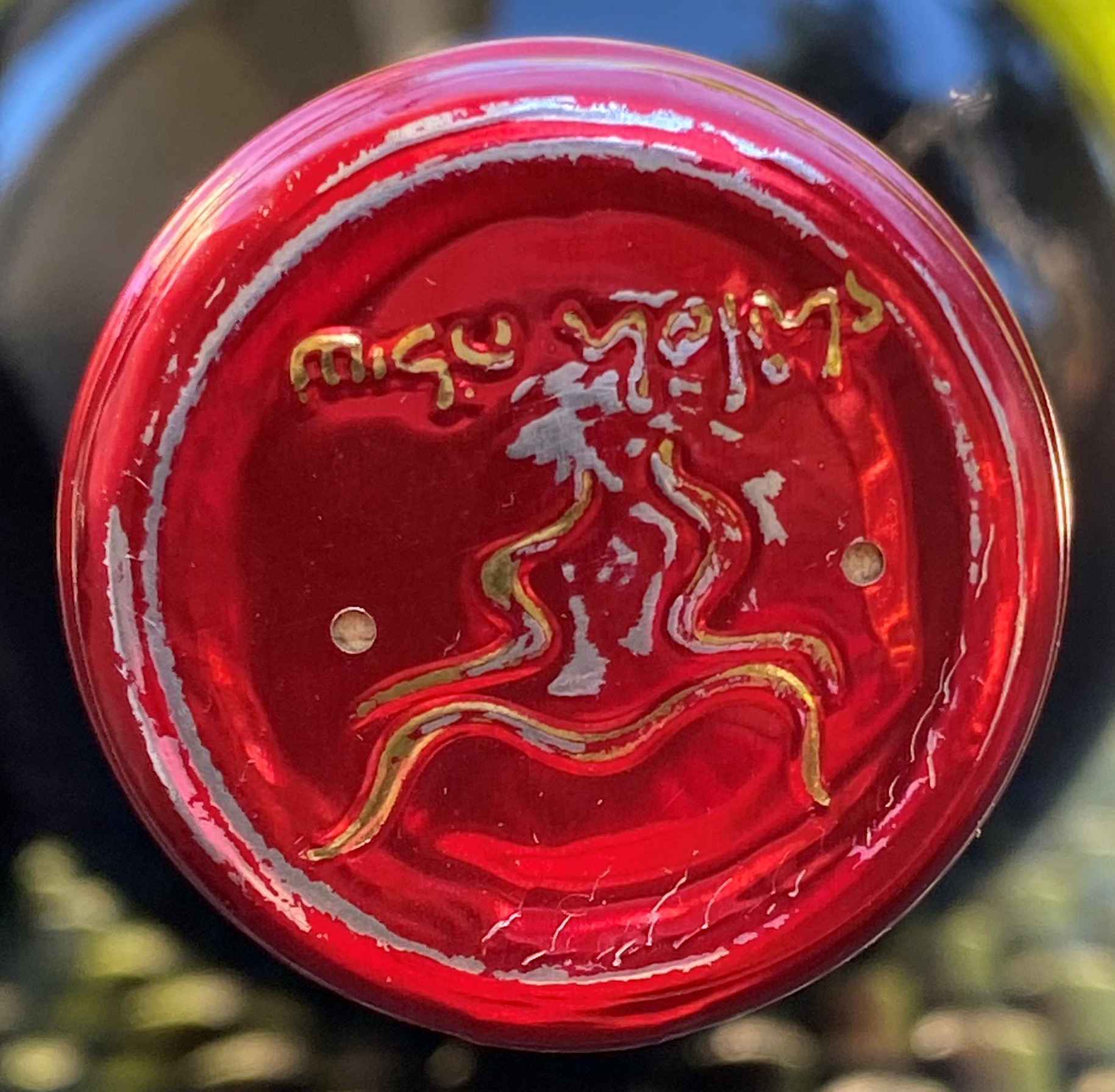
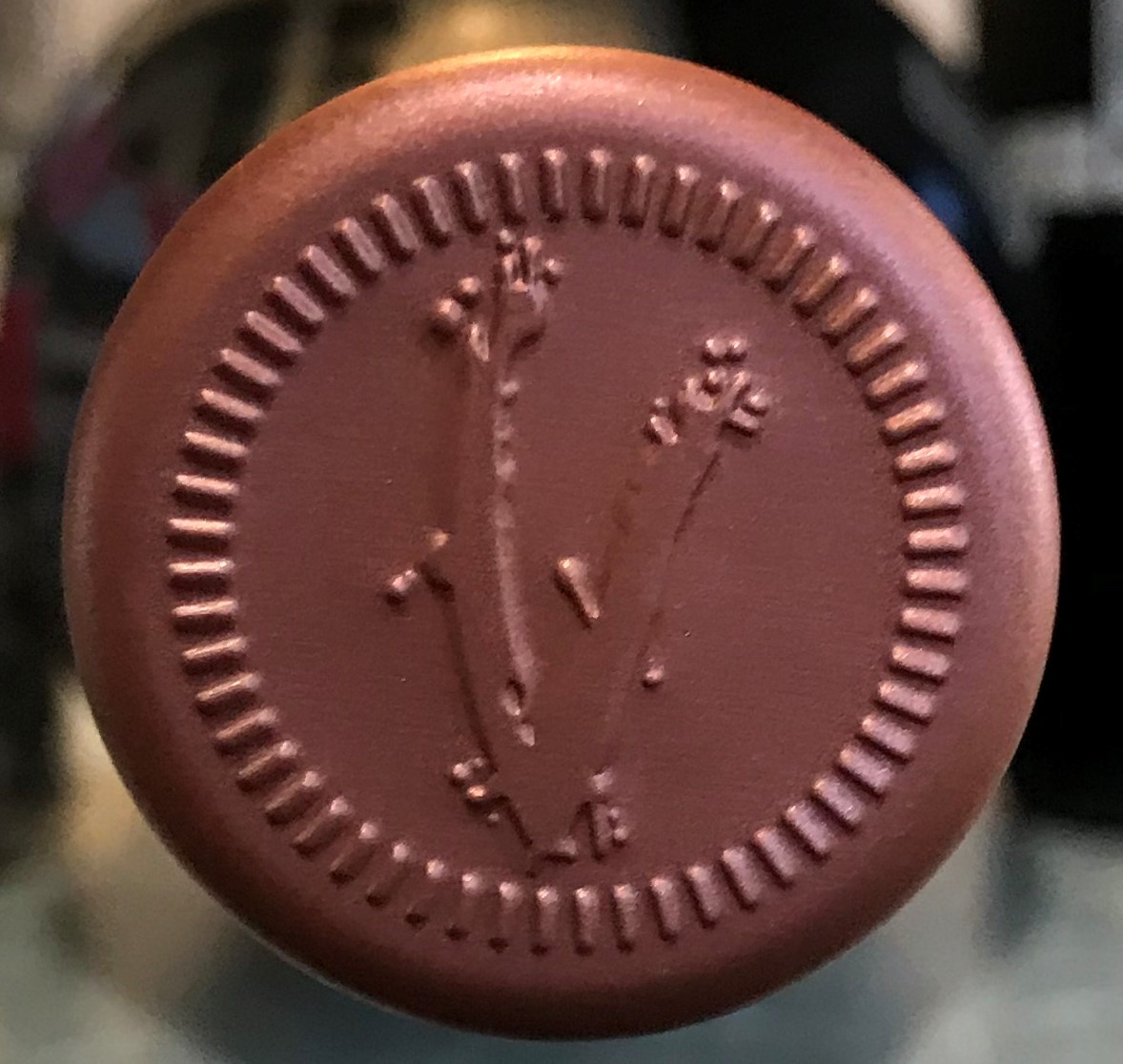
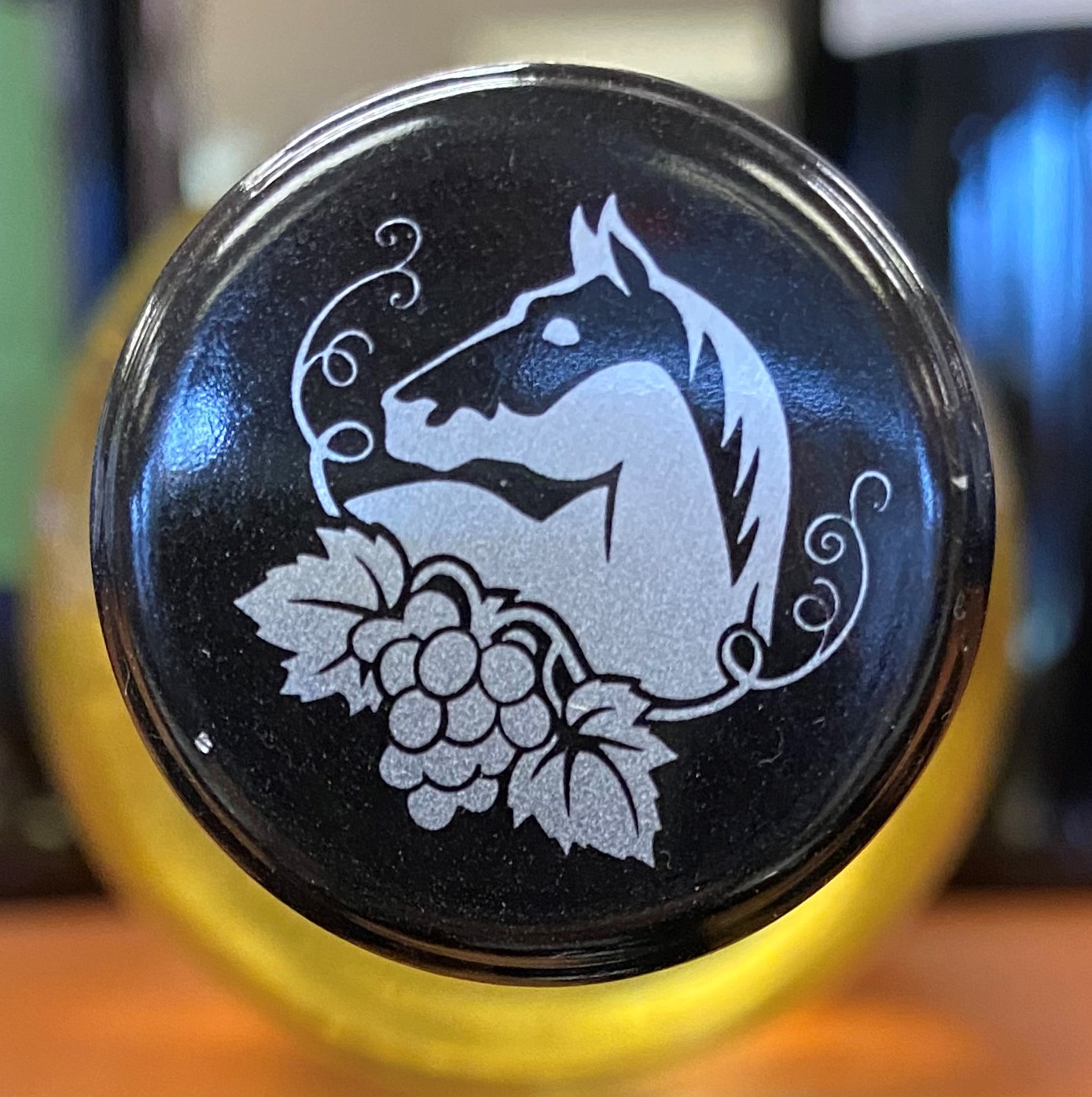
Our today’s quiz is one of the “classic” ones here. Below you will find the pictures of the tops of the bottles (foil capsules for most of the cases). You need to identify the producer based on those images.
Let’s go:
1.
2.
3.
4.
5.
6.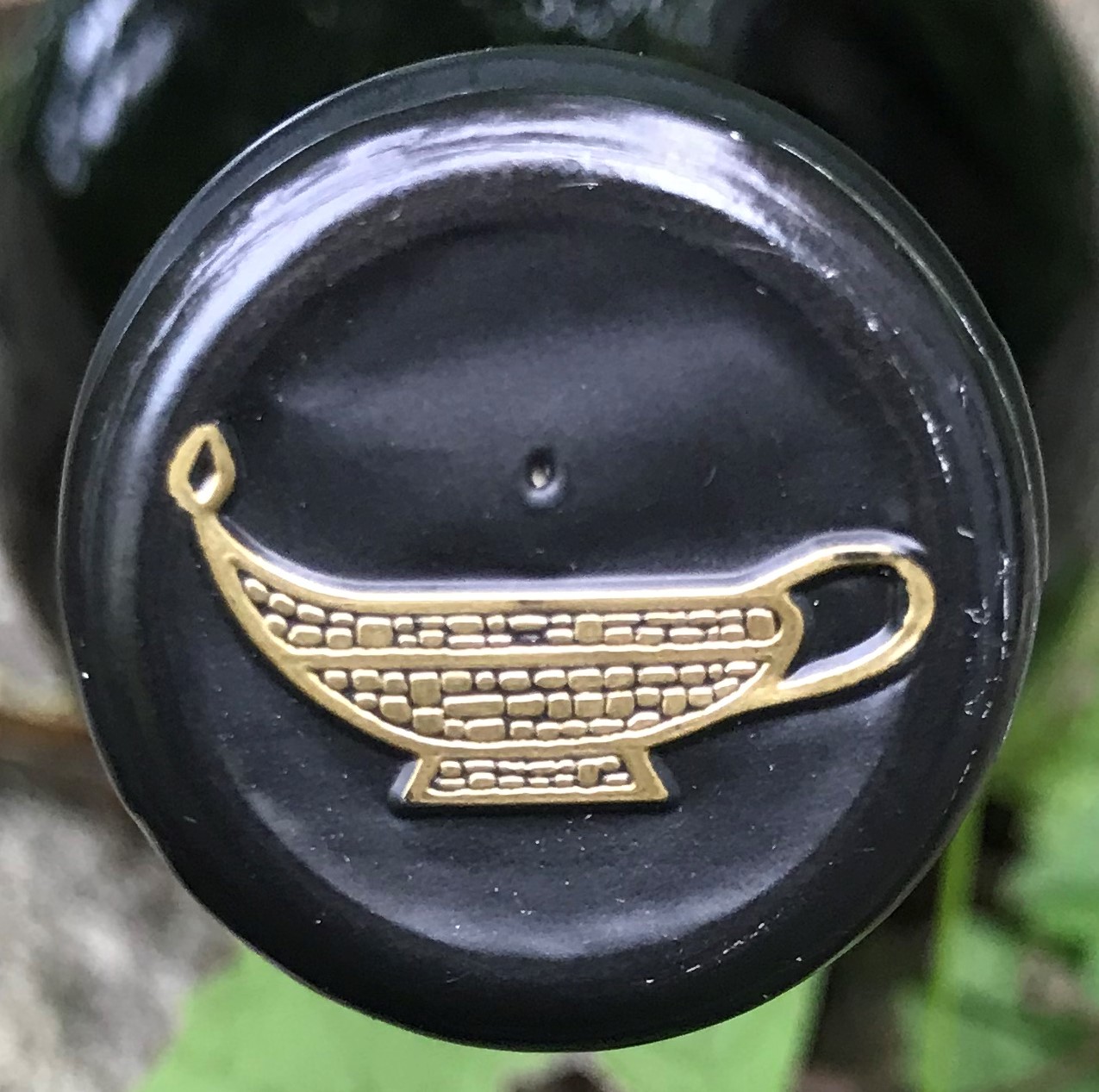
These are reasonably well-known producers from around the world, with maybe some exceptions – not sure I can give you more of the hint.
Good luck, enjoy the quiz and enjoy your weekend! Cheers!
Wine Quiz #131 – Champagne!
 The Wine Quiz series is not meant to intimidate. The whole idea here is to have fun and learn something new. When answering the questions, it is fully encouraged to use all available sources of information, including Google or any other search engine. There are no embarrassing answers – the most embarrassing thing is not giving it a try…
Welcome to the New Year 2021 and your new wine quiz!
Let’s start with the answers to the last quiz #130. In that quiz, you were given a series of questions where you were supposed to figure out what connects the items on the list and which one of the items doesn’t belong.
Here are the questions, now with the answers:
Question 1: Below is a list of wines. One of those wines shouldn’t be listed, but to find out which one doesn’t belong, you will need to understand first what connects all those wines:
A. 2014 Duckhorn Vineyards Three Palms Vineyard Merlot
B. 2016 Chateau Leoville Barton
C. 2012 Mollydooker Carnival of Love Shiraz
D. 2012 Peter Michael ‘Au Paradis’ Cabernet Sauvignon
E. 2015 Tenuta San Guido Sassicaia
F. 2013 Lewis Cellars Cabernet Sauvignon
Answer 1: This was definitely a difficult question. The correct answer is C, 2012 Mollydooker Carnival of Love Shiraz. All wines on this list are Wine Spectator top wines of the year throughout the different years, with the exception of 2012 Mollydooker Carnival of Love Shiraz, which was wine #2 in 2014.
Question 2: Below is the list of names – one of them doesn’t belong to the list. Can you find out which one:
A. Cayuse
B. No Girls
C. Andremily
D. Horsepower
E. Hors Categorie
Answer 2: C, Andremily. All of these wines are produced by or closely affiliated with Christophe Baron, the famous Washington Walla Walla winemaker – with the exception of Andremily, which is also a highly allocated wine produced by former Sine Qua Non assistant winemaker Jim Binns.
Question 3: Below is the list of vintages. One of them shouldn’t be on the list. Do you know which one?
A. 2011
B. 2010
C. 2005
D. 2004
E. 2001
F. 2000
Answer 3: The correct answer is F, 2000. All other years achieved a perfect rating for Rioja wines by Rioja Consejo Regulador, Excellent, but year 2000 was rated only Good, which is the 3rd rating from the top.
Sadly, we had no takers for this quiz, so I will have to keep all the lucrative prizes to myself.
Now, to the new quiz. It is the beginning of the year, and I definitely still in Champagne mood, so this is the subject for our new quiz.
Here we go:
Question 1: A typical pressure inside of the Champagne, and for that matter, most of the Méthode Traditionnelle sparkling wine bottles, is 6 atmospheres (this is why you need to take special care while opening the bottle of Champagne). However, some of the wines produced under the same Méthode Traditionnelle are deliberately made to have a lower pressure of 5 atmospheres – can you find this wine in the list below?
- Trentodoc
- Cava
- Cremant de Jura
- Franciacorta Satèn
- Méthode Cap Classique
Question 2: You know that to remove the cork from a Champagne bottle, you need to untwist the wire (which is called Muselet). While untwisting, how many turns do you have to make:
- 3
- 4
- 5
- 6
- 7
Question 3: Riddling (remuage) is a process where the bottles of Champagne are turned little by little, also with the change of an angle, while inserted upside down into the vertical “table” called Pupitre, to gradually force the sediment to concentrate in the neck of the bottle for easy removal. Do you know who is credited with the invention of the Pupitre?
- Dom Perignon
- Dom Ruinart
- Madame Clicquot
- Claude Moët
Question 4: The foil covering the top of the Champagne bottles was originally intended to:
- Hold cork in its place
- Just for looks and marketing
- To protect the cork from a variety of insects and rodents while wine is in storage
- To cover wire cage imperfections
Good luck, enjoy the quiz and enjoy your weekend! Cheers!
Wednesday’s Meritage #153
Meritage time!
This is the last Meritage issue of 2020, so let’s get to it.
I would like to start with the virtual wine event which I plan to attend next year – Oregon Wine Symposium. The event will take place over four days, February 16-19, 2021, in a browser next to you. The event will offer excellent educational and networking opportunities, and if you register before January 15th, you can save 25% off the registration cost. The event is definitely geared towards wine professionals, but I’m sure some of the sessions would well worth any wine lover’s attention.
Next, I would like to once again get back to the subject of the Top 100 Wines lists. James Suckling just made all of the Top 100 Wines reports available for free on JamesSuckling.com. You can use this link to access a large collection of Top 100 reports – Top 100 Wines of the Year, Top 100 wines of Argentina, Austria, Australia, France, Italy, Chile, Spain, Germany, and the United States. A very impressive collection with some eclectic choices, like Alsace wines in the #1 and #2 positions of the French Top 100, or Rieslings taking the first 4 positions in the list of Top Austrian wines. Have fun analyzing those – I’m sure you will make some interesting discoveries.
Not to be outdone, I published the Top 20 of 2020 list of the top wines of 2020. This year’s list takes a step aside from the traditional “top dozen” format and is heavily skewed towards red wines with only 3 white wines, 1 Rosé, and none of the sparkling wines included. Definitely a reflection of 2020 drinking habits.
Here an interesting article from Wine Spectator, talking about Heitz Cellars’ owner and CEO’s quest to preserve some of the historic Napa Valley vineyards. The duo just acquired Stony Hill Vineyard, one of the first wineries built in Napa Valley after the repeal of Prohibition. You can read the full story here.
And the last one for today, really an unexpected one for me. According to this article in Wine Spectator, “a recent study conducted at Iowa State University has found that consuming more wine and cheese over time could help bolster cognitive health as we age.” – isn’t this statement the best music for the winelover’s ears? None of us, wine lovers, needs to be asked twice to double down on wine and cheese consumption, especially if this can help to prevent the onset of Alzheimer’s disease. Is that the best news to finish the year, or what?
That’s all I have for you today. Until we meet next year, the glass is empty, but the refill is on the way. Cheers!
Wine Quiz #130 – Which One Doesn’t Belong?
The Wine Quiz series is not meant to intimidate. The whole idea here is to have fun and learn something new. When answering the questions, it is fully encouraged to use all available sources of information, including Google or any other search engine. There are no embarrassing answers – the most embarrassing thing is not giving it a try…
Welcome to your new wine quiz!
Let’s start with the answers to the last quiz #129. That quiz was dedicated to the Beaujolais Nouveau, in honor of the recent 2020 release. Below are the questions, now with the answers:
Question 1: True or False: Beaujolais Nouveau wines can age
Answer: False. Beaujolais Nouveau wines should be consumed by the May of the following year.
Question 2: The ideal serving temperature for Beaujolais Nouveau is
- 46°F to 50°F (8°C to 10°C)
- 50°F to 54°F (10°C to 12°C)
- 54°F to 57°F (12°C to 14°C)
- 57°F to 61°F (14°C to 16°C)
Answer: 2, 50°F to 54°F (10°C to 12°C)
Question 3: True or False: During the first half of the 20th century, Beaujolais Nouveau was released and celebrated in December instead of November.
Answer: True. In 1951, the Beaujolais Nouveau release date was moved to the 15th of November, and in 1985, the date changed to the third Thursday in November.
Question 4: True or False: Nouveau wines (the wines of new harvest) are produced only in the Beaujolais region in France, and not anywhere else in the world.
Answer: False. Over the last 10 years or so, Nouveau releases became popular with winemakers around the world. You can see an example of delicious Nouveau from Oregon in this post.
We didn’t have a lot of players, but Lynn answered correctly 3 questions, and while she had a different answer for question #2, wine serving temperature is not cast in stone and allows a difference of opinions, so Lynn is the winner of the quiz #129 and she gets unlimited bragging rights!
Now, for the new quiz, I didn’t come up with any better ideas than another “which one doesn’t belong”. Below is a set of 3 questions – in each one, you need to understand the connection between the items in question and decide which one (or more) shouldn’t be on that list. Here we go:
Question 1: Below is a list of wines. One of those wines shouldn’t be listed, but to find out which one doesn’t belong, you will need to understand first what connects all those wines:
A. 2014 Duckhorn Vineyards Three Palms Vineyard Merlot
B. 2016 Chateau Leoville Barton
C. 2012 Mollydooker Carnival of Love Shiraz
D. 2012 Peter Michael ‘Au Paradis’ Cabernet Sauvignon
E. 2015 Tenuta San Guido Sassicaia
F. 2013 Lewis Cellars Cabernet Sauvignon
Question 2: Below is the list of names – one of them doesn’t belong to the list. Can you find out which one:
A. Cayuse
B. No Girls
C. Andremily
D. Horsepower
E. Hors Categorie
Question 3: Below is the list of vintages. One of them shouldn’t be on the list. Do you know which one?
A. 2011
B. 2010
C. 2005
D. 2004
E. 2001
F. 2000
Good luck, enjoy the quiz and the rest of your weekend! Cheers!
Last Bottle Sign Up ($10 credit)




 Talk-A-Vino