Archive
Domaine Bousquet – Reaching New Heights
 I might be ostracized for saying this, but I will risk saying this anyway – the wine world is simple. It might even be called predictable.
Here is how it works. Plant the vineyard. Make sure it produces good grapes. Make good wines. Learn about your vineyard. Divide it into plots. Learn how those plots are different. Identify better plots. Grow better grapes. Make better wines. Repeat. Next, make great wines.
See? I told you it is simple, right? So above is a simple recipe for success. Agreed?
Okay, let’s get back down to earth. The simplicity described above is only an appearance, a view from the outside. The simplicity is achieved through the countless amounts of hard work, passion, dedication, vision. Other than that, it is very simple.
Domaine Bousquet is less than 30 years old, and yet it is one of the most impressive wine businesses in the world. How? Anecdotal evidence is in the fact that I tasted lots and lots of wines from Domaine Bousquet, and I’m yet to find the wine I didn’t like. To take it into the real perspective, please allow me to quote myself:
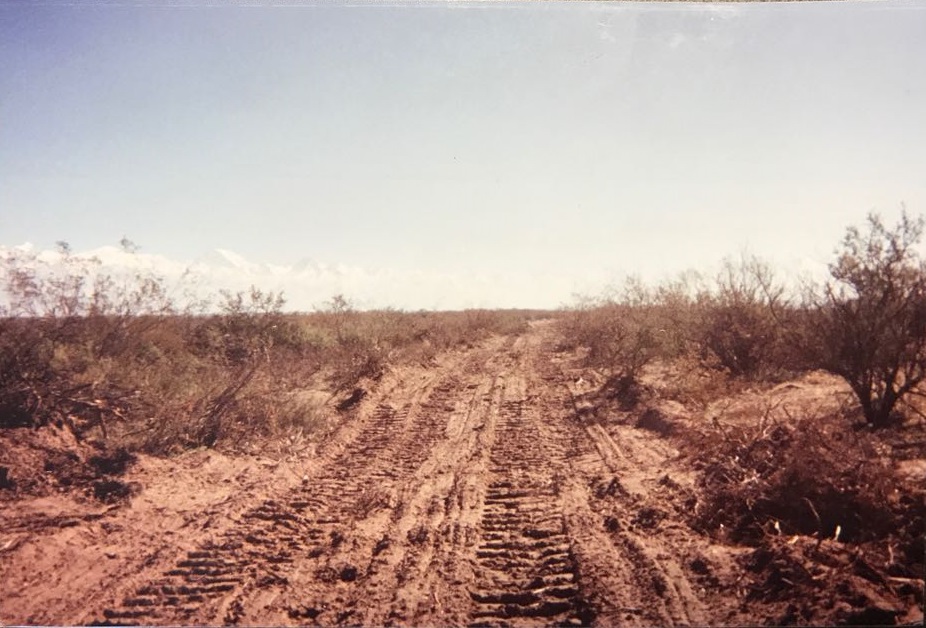
I wrote about the history of Domaine Bousquet very extensively on these pages, so I’m not going to regurgitate everything that I already said – instead, I would like to suggest that you read this post, and also this one. However, I will illustrate my statement about the most impressive wine business with a few pictures. Here is what high altitude (1,200 m/4,000 ft) desert looked like in 1990 when Frenchman Jean Bousquet first fell in love with the area while on vacation in Argentina:
Source: Domaine Bousquet
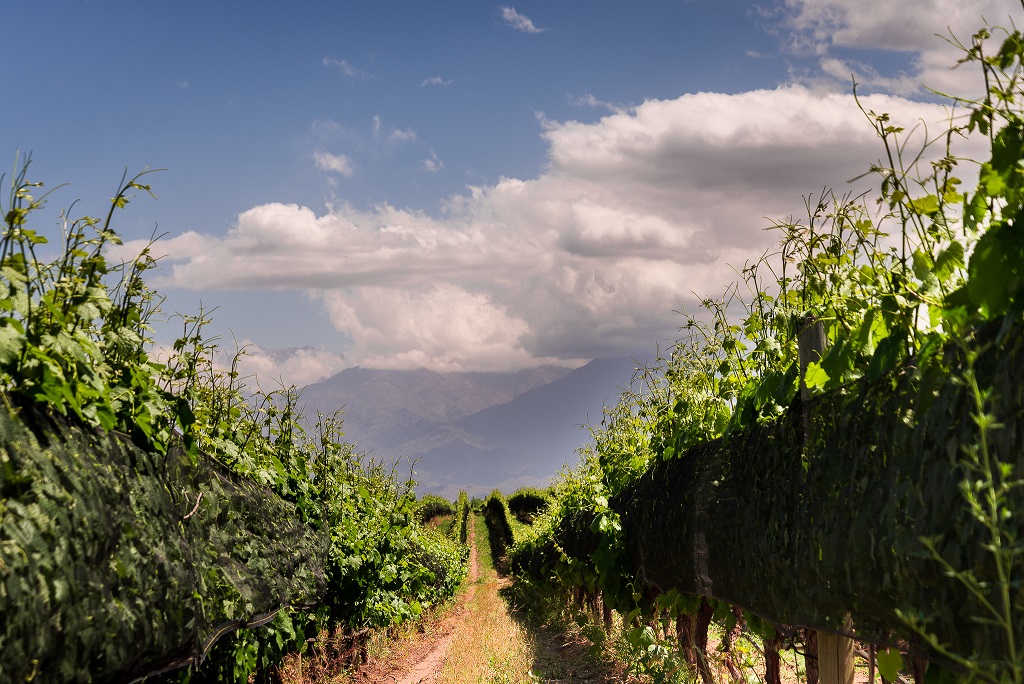
Here is what it looks like today:
Source: Domaine Bousquet
Here is what domain Bousquet has accomplished in less than 30 years, after being formed in 1997:
Certified B corporation, certified regenerative organic, biodynamic, USDA organic… you can continue decoding the icons on your own. 5 million bottles are produced annually, and I never had a wine from Domaine Bousquet that I didn’t like. I rest my case.

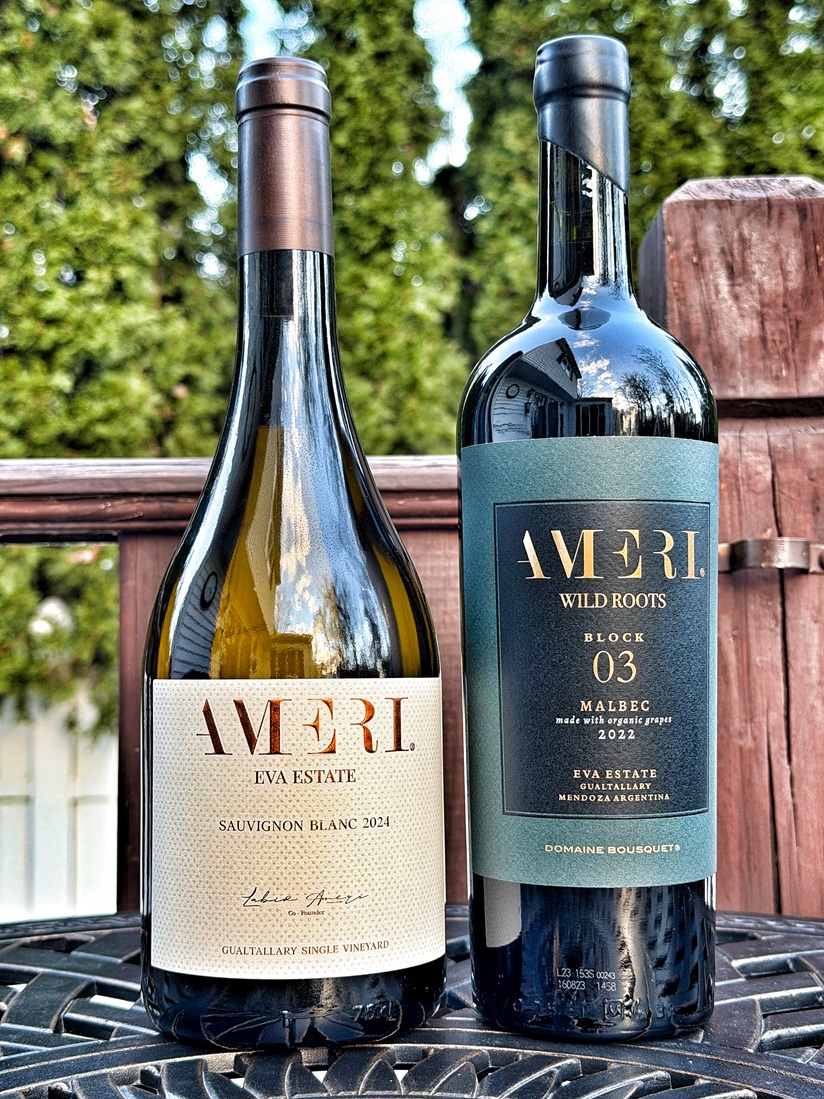
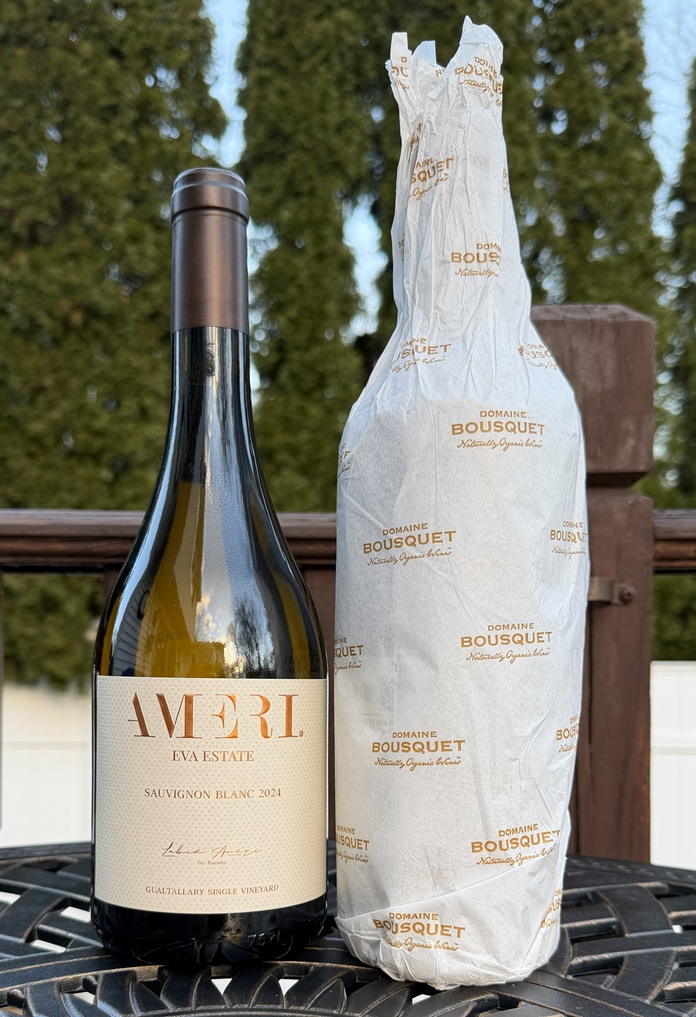
Recently, I was offered to taste two of the latest wines from the Domaine Bousquet, and this is why I had to talk about a simple recipe for making good great wines.
These wines are vineyard-specific, and even block-specific – as we mentioned, this often happens when the great wines are made. Quoting information on the Domaine Bousquet website, these wines are “Crafted from organic grapes grown in our Eva Estate vineyard in Gualtallary, Tupungato at 1,257 meters above sea level, in the heart of the Uco Valley. This wine originates from a detailed study of 123 soil pits conducted with geologist Guillermo Corona, which identified distinct soil profiles and geomorphic units across the vineyard.”
Both wines were nothing short of stunning.
2024 Domaine Bousquet Ameri Eva Estate Organic Sauvignon Blanc (12.5% ABV, $35, grapes sourced from Plot No 9, fermented in French oak barrels (50% new, 50% second use), aged for 8 months in barrel and 6 months in bottle) had a very unique profile for the Sauvignon Blanc. It didn’t have the grapefruit, nor it have a cat pee. Instead, it was reminiscent of a nice, balanced Chardonnay, with a hint of buttery notes and a touch of honey. Delicious, balanced whitestone fruit, lemon, smooth but vibrant. If we need a style comparison, Pouilly-Fumé is the only Sauvignon Blanc that comes to mind, and otherwise, Ornellaia’s Poggio Alle Gazze would be my next best comparison. A delicious wine (8+), probably the best Sauvignon Blanc I tasted in a while. Oh yes, and this wine will age. It went from restrained fruity on the first day to tart and acidic on the second to the beautiful fruit medley on the third. Definitely worth the price in my opinion.
2022 Domaine Bousquet Ameri Wild Roots Block 3 Organic Malbec (14.5% ABV, $85, fermented with native yeasts in 400-liter oak barrels, followed by a 30-day maceration, aged for 12 months in French oak, one year in bottle) was even more impressive than the previous wine. Layers of luscious fruit, cedar, a hint of vanilla (a hallmark of Malbec in my book), minerality, a touch of black currant, perfectly integrated tannins, impeccable balance. This wine would easily compete with the best California Cabernet Sauvignons, for sure in a blind tasting. (9-), will also age nicely, considering the evolution over the 3-4 days the wine was opened.
Here you are, my friends. Two new wines from Domaine Bousquet, two next-level wines. still competitively priced considering the amount of pleasure they are offering. I’m not sure what’s next for Domaine Bousquet, but one thing is for sure – I expect more great wines to come our way.
Until the next time – cheers!
Celebrate Malbec! 2025 Edition
Do you know what I enjoy almost as much as sharing wine? Sharing pictures!
Today is World Malbec Day, where we celebrate a French grape called Malbec, or rather, Cot in its native Cahors region, which became a real star in Argentina. As bold a statement as it would be, Malbec made a world star wine producer out of Argentina, and Argentina made Malbec a world star grape.
As I mentioned before, the main reason for this post is to share my updated picture collage of some of my Malbec experiences. Here we go:
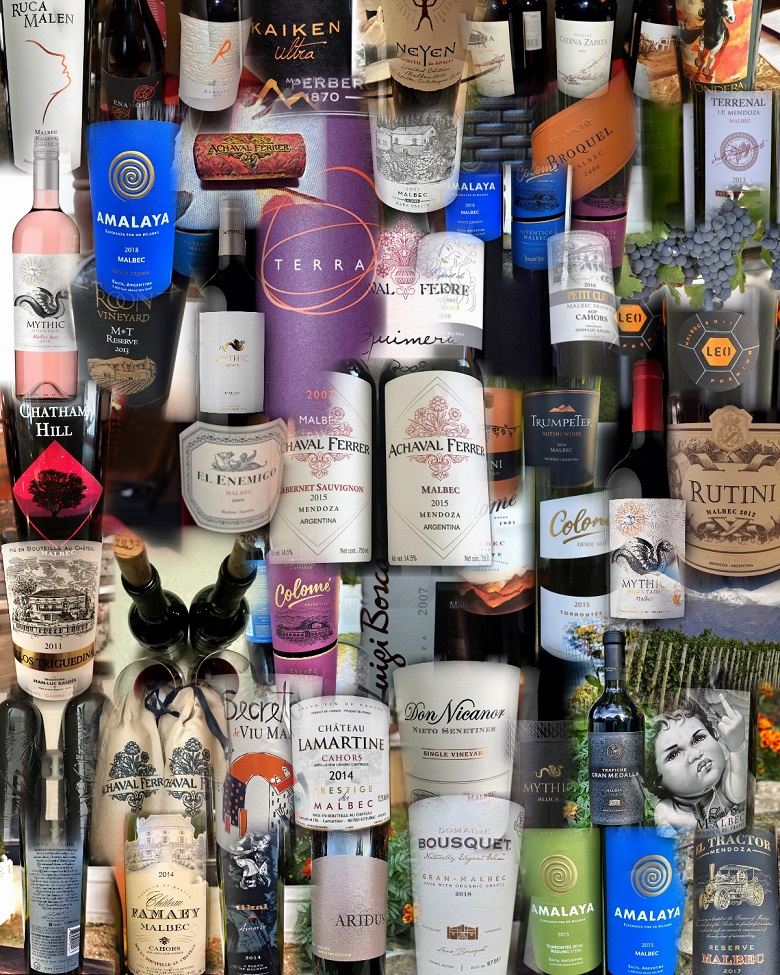
The last time I posted Malbec collage was 6 years ago, in 2019, you can find it here. Since then, in a true testament to the worldwide phenomenon of Malbec, I added a number of great Malbec experiences – organic Malbecs from Domain Bousquet in Argentina, a Little Fuck Malbec from Cahors in France, Flora Springs Ghost Winery Malbec from Napa Valley, Neyen Espíritu de Apalta Malbec from Chile, another Malbec from Argentina, Mythic, and I’m sure many more that I don’t even remember. Good Malbec is delicious, and we can leave it at that.
Don’t forget to celebrate Malbec. Even if you miss this special celebration, any day is a good day to drink Malbec. Oh yes, and if you have a favorite Malbec (or five), please share it in the comments!
Until the next grape holiday – cheers!
No Tricks, Only Treats
Halloween is almost here – are you excited? Did you start planning your Halloween party already? I’m here to help you take it to the next level.
How? Easy. You know that on these pages, wine is the answer, but what is the question?
Well, let’s just clear something up – if you are looking for the wine to pair with candy or deliver a candy-equal amount of sugar in every sip, I can’t help you. But if you believe that your Halloween plans call for a simply delicious sip all of your guests will enjoy, I have something for you.
But first, let’s talk about ghosts. What can be more Halloween-y than a ghost? Ghosts are scary, as they are nowhere and everywhere. Same as with people, ghosts can be mean, but they also can be friendly. And anything and everything can be a ghost. How about a winery? Can a winery be a ghost? If a winery is a ghost, does it mean it is haunted and you should be scared walking into it?
Okay, okay, there is nothing to be afraid of. At the end of the 19th century, there were close to 800 wineries in California. Prohibition, which started in 1920, assisted by the phylloxera epidemic had a dramatic impact on the striving wine business. In the 1933, when prohibition was repealed, only 40 wineries survived. Many of those that didn’t became ghostly encampments, giving birth to the term “ghost winery”.
Flora Springs Winery was founded in 1978 by Flora and Jerry Komes in Napa Valley. Winery’s property included such “ghost winery” – Charles Brockhoff Winery, originally constructed in 1885. That winery was abandoned by the family after prohibition. John Komes, son of Jerry and Flora, completely renovated the old winery which became his family home to this day.
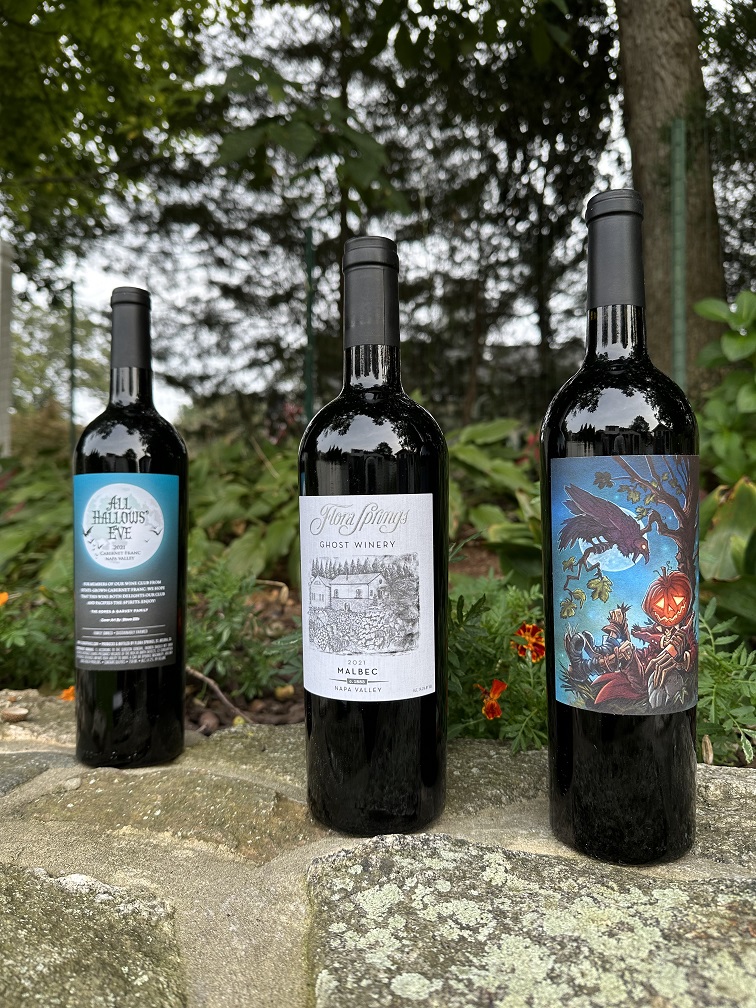
The ghostly past plays an important role at Flora Springs, especially at the time of Halloween, the only time of the year when ghosts are allowed to roam freely. With or without ghosts Halloween has been the subject of special attention at Flora Springs for the past 14 years. Throughout all these years, Flora Springs Winery always released special bottles, produced just for Halloween. Every Halloween bottle has a special label, different every year, designed by different artists. It is not only the label, it is also the grapes – for example, this year’s Halloween wines are made from Cabernet Franc and Malbec, and Flora Springs doesn’t produce any other single grape Cab Franc or Malbec wines. So yes, you can entertain your guests in a unique style.
I was lucky enough to taste samples of both Halloween wines Flora Springs has to offer this year.
Before we talk about wines, I would like to quote the description of the 2021 vintage from the Flora Springs website:
“The 2021 vintage in Napa Valley will be remembered for a smooth, uneventful growing season and harvest that produced low yields of intensely-flavored, small-sized grape clusters. The season started off with very little rain and continued as a dry, sunny summer led to a relatively cool fall with weeks of lovely weather. 2021 represented the second drought year in a row, and while concerning in the long term, the dry weather resulted in a more natural crop load on the vines, requiring less pruning and dropping of fruit. The resulting grapes were packed full of flavor leading to powerful, concentrated wines. ”


Now, let’s talk about Cab Franc.
The label for 2021 All Hallows Eve Cabernet Franc was produced by Steve Ellis, an artist who created illustrations for Marvel, DC, and many other franchises. This label is a perfect embodiment of the Halloween spirit, and it perfectly extends the collection of unique Halloween labels Flora Springs amassed over the year – take a look here, it is really fun. Here are my tasting notes for the wine:
2021 Flora Springs All Hallows Eve Cabernet Franc Napa Valley (14.2% ABV, $75, 18 months in French oak barrels, 350 cases produced)
Dark purple with a bright purple hue on the rim. And then it’s black
Inviting nose of sweet cherry and blueberry pie
More of the fresh blueberry pie profile with good acidity in the aftertaste, velvety, seductive, layered, smooth, very smooth – I guess luscious is a better word.
This is how California producers like to see Cabernet Franc. I’m missing pyrazines, my beloved bell peppers.
It shows a little bit lighter on the second day than on the first. 3rd day didn’t change much compared to the 2nd day. And then the bottle was empty
Drinkability: 8-/8, overall very good


And then there was Malbec. Napa Valley Malbec is quite rare and unique, and this wine didn’t disappoint – I also love the artistic rendering of the ghost winery on the label – it is simple and incredibly attractive at the same time.
2021 Flora Springs Ghost Winery Malbec Napa Valley (14.2% ABV, $60, 18 months in 60% French and 40% American oak barrels, 350 cases produced)
Dark garnet, practically black, but when low in the glass offers a beautiful dark purple hue
Succulent black raspberries on the nose
Inky, sweet cherries and cherry pit, a touch of sweet basil, beautiful textural presence, dark, concentrated, perfectly balanced.
Drinkability: 8+
There you are, my friends. A perfect set of wines to celebrate Halloween in style. Both wines are available at the Flora Springs website, and if you buy 3 bottles, you will get a $15 shipping – check the website for the details. And even if you don’t care about Halloween, these are just tasty wines for any occasion – and they will last for the next 10-20 years (the official winery recommendation is 10 years, but I believe they will easily last much longer).
Don’t be afraid of no ghost, especially if this ghost brings wine. Cheers!
Virgen Wines – No SO2 Organic and Delicious
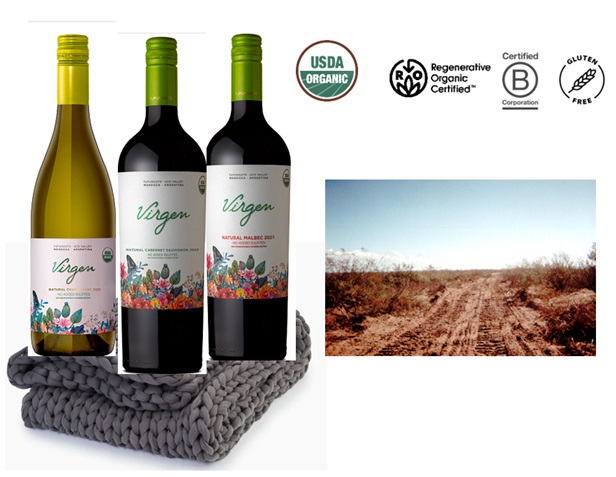 No added SO2.
Organic.
Delicious.
Simple, right?
Organic seems to be the word of the town. Four years ago, in 2019, 6.2% of the vineyards in the world were certified organic. In absolute terms, it doesn’t sound impressive. However, we need to take into account a few factors. First, many vineyards practice organic farming but are not inclined to undergo an official certification process due to the high cost. Second, and probably more important, is that from 2005 till 2019 the organic vineyard plantings increased by 13% per year, compared with non-organic vineyard plantings’ growth rate of 0.4% per year, according to the article in Drinks Business. I have a feeling that the organic vineyard growth could even have accelerated over the last four years, but we will need to wait to see the official data.
But grapes from organic vineyards don’t automatically mean that the wine can be called organic too – this gets a bit tricky, as every country has different rules for what wine can be called “organic” – this is why you can see on many labels the statement “made with organic grapes” instead of simple “organic”.
SO2, an abbreviation for Sulfur Dioxide, is an essential element in winemaking. It is used literally at every stage of the winemaking process because of a few important properties. SO2 is an anti-microbial agent, regulating harmful yeast and bacteria growth in wine. It also has anti-oxidative properties, protecting the wine from oxidation. It is important though that the use of SO2 is not excessive for a variety of reasons – one of such is an allergic reaction it can cause.
So here is the culprit – if you want to import your wine to the USA, and you want to be able to simply state on the label “organic”, you are not allowed to add sulfites (it is okay to add sulfites to the organic wine in Europe and Canada). This doesn’t mean that the wine will have no sulfites – sulfites are a natural by-product of fermentation, and they are always present in wine – but they will be present in minuscule quantities in the organic wines. However, not adding sulfites is not for the faint at heart – considering how many things can go wrong in the winemaking process – this is why today you see the majority of wines labeled with “made from organic grapes”.
Domain Bousquet was founded in 1990 in the high-altitude desert in Tupungato Uco Valley in Mendoza, Argentina, on the pure vision, passion, and conviction of its founder, Jean Bousquet. Jean was told that he is making a mistake of his life when he purchased 1,000 acres of nothing but dry, empty, arid land. Today, Domain Bousquet sustainably and organically farms 667 acres of vineyards, produces 50 million liters of wine, 95% of which is exported to 50 countries around the world, and ranks among the top 20 Argentinian wineries in terms of export. Domaine Bousquet also just extended its leadership in organic winemaking by introducing the wines produced without adding any SO2 – and this is exactly what we are talking about today.
Three new wines were just added to Domaine Bousquet’s collection, under the name of Virgen – Chardonnay, Cabernet Sauvignon, and Malbec. All three are certified USDA organic, unoaked, and have no added SO2. To ensure the proper handling that these wines require, Domaine Bousquet even decided to ship them wrapped in a blanket.
When I received an invitation to review these new wines, my instant inclination was a simple “nope, not doing that”. No USDA organic wines made me excited so far. But the next thought was … well, these are just the samples, it might be interesting – especially if I can compare them with the same wines made in the traditional way – and this is pretty much what I was able to do.

Winemaker Rodrigo Serrano. Source Domaine Bousquet
In my mind, producing wines without SO2 requires a leap of heart. So even before I got the wines, I decided to ask Domaine Bousquet’s winemaker, Rodrigo Serrano, a few questions about his inspiration and goals – here is our short conversation:
[TaV]: You had been farming organically since the beginning, so your wines have always been made from organic grapes. Getting USDA Organic certified is another test, as you now need to certify the entire winemaking process. Why did you decide to opt for this certification?
[RS/DB]: We did it because we had the opportunity to experience it in 2018. Little by little I moved away from the use of SO2, until I suggested trying a wine without using it. I felt like an innovator, without knowing the real magnitude of this.
[TaV]: Virgen wines do not have SO2 added, so special care must be taken during the transport of wines. How did you come up with the idea for a blanket? How does it help protect wines?
[RS/DB]: The theory says that the temperature is very harmful, so in a wine like this, in which there is no protection, extreme care is taken. Today with experience, we understand that both in Virgin and in the rest, the temperature is harmful, so we put the blanket in all shipments. It helps by generating an air chamber between the wall of the transport container and the wine box, obtaining less impact from the outside temperature on our bottles.
[TaV]: What is the expected shelf life of Virgen wines?
[RS/DB]: Initially I was not optimistic, today with more than 5 years of experience, we still have 2018 stock, and it remains correct.
[TaV]: Somewhat related question: Once virgin wines have arrived at someone’s home, how should they be stored? How long can they be stored before having to consume them?
[RS/DB]: It must be stored like the rest, away from light, with a temperature no higher than 20°C and no less than 5°C.
[TaV]: Can “SO2-free” wines age? Did you experiment with that?
[RS/DB]: It is a challenge that we have ahead of us, to work with sulfite-free wines for aging, we are working on it, but for the moment they are only projects.
[TaV]: I see that Domaine Bosquet is not only organic, it is also certified Organic Regenerative. How is Regenerative Organic different from just Organic? What did you have to do to obtain the Regenerative Organic certification? How long did it take you?
[RS/DB]: ROC is something incredible, and for this I recommend watching KISS the Ground. He will answer better than anyone. It took us a few years to certify it, but I don’t work extra, considering that our philosophy coincides 100%
[TaV]: Last question. Far beyond viticulture, Domaine Bosquet is also a certified B Corp. Why did you decide to become a B Corp? Why is this important for you?
[RS/DB]: As with ROC, the coincidence in our philosophy, measuring the social and environmental impact, led us to this certification in a natural way.


Obviously, the proof is in the pudding glass, so next I tasted the wines, and – spoiler alert – was blown away. Here are my notes in the exact order I tasted the wines:
2021 Domaine Bousquet Virgen Natural Cabernet Sauvignon Tupungato Uco Valley Mendoza Argentina (14% ABV, $13, no added SO2)
Dark garnet
Chocolate and tobacco on the nose, a hint of berries
Blackberries, a hint of cassis, black plums, minerally driven, rich and luscious, good structure, crisp acidity.
8, outstanding on its own, and a great surprise as the wine is unoaked.
2021 Domaine Bousquet Virgen Natural Malbec Tupungato Uco Valley Mendoza Argentina (14% ABV, $13, no added SO2)
Dark Garnet
A hint of barnyard upon opening. On the second day barnyard smell disappeared, leaving behind only dark fruit.
On the palate, the wine is just spectacular. Imagine taking a load of perfectly ripe, perfectly crunchy, perfectly fresh berries – blueberries, raspberries, and wild strawberries, and sending it into your mouth – now you know how this wine tastes. Perfect structure, perfect balance, perfect acidity.
8+/9-, kudos to the winemaker.
2022 Domaine Bousquet Virgen Natural Chardonnay Tupungato Uco Valley Mendoza Argentina (13.5% ABV, $13, no added SO2)
Light golden
Asian pear, herbs
The palate is matching the nose, Asian pear, a touch of honey, herbs.
7/7+ first day. The wine somewhat improved on the second day, but overall didn’t go anywhere near the reds
And here is my “Frame of reference”:
2021 Domaine Bousquet Cabernet Sauvignon Reserve Tupungato Uco Valley Mendoza (14.5% ABV, $19.99)
Garnet
Dark berries, cherries
A touch of cassis, eucalyptus, clean, classic, perfectly balanced, good acidity.
8, very good
2021 Domaine Bousquet Malbec Reserve Tupungato Uco Valley Mendoza (14.5% ABV, $19.99)
Garnet
Dark fruit, espressoFresh berries, salivating acidity, medium body, playful, perfectly balanced.
8+, delicious.
Let’s discuss our tasting.
First, both of the no SO2 reds were outstanding. The unadulterated fresh berries are really something to experience when they are delivered in a fully balanced, perfectly structured way. No SO2 Cabernet Sauvignon was perfectly on par with the reserve Cabernet Sauvignon; I liked no SO2 Malbec even more than the reserve version, even though I wouldn’t complain about either. Second, I managed to get the answer to the question about the aging of the no SO2 wines. I left both no SO2 Cabernet Sauvignon and Malbec on the countertop, closing back the screw cap, and the wines were perfectly delicious on the second and third days. In my book, that means that the wines have at least another 10 years of life easily. Not that I’m suggesting that you should age these wines, but it is good to know that you really don’t have to consume them the same day you got them from the store.
Here you are, my friends – organic, no SO2, and delicious. These wines are worth seeking out, whether you care about sulfites or not. And if you have friends who complain about headaches and sulfites – they might love you even more after they will taste these wines. If you had a chance to taste these wines already – let me know what you think!
Trapiche: Beautiful Perfection
Over my lifespan as a wine lover and especially, as a blogger, I tasted tens of thousands of wines. This is not a bragging statement, but purely statistical. Also, out of all those wines, every year a few hundred wines are covered in this blog.
Out of all these wines, there are probably 50 or so that are near and dear to my heart, These are my reference wines. These are the wines I would reach out to illustrate the comparison or simply deliver the message. For example, Bogle Petite Sirah is my favorite example of a budget-priced (typically around $9.99), delicious, consistently drinkable wine. Of course, I occasionally come across wines which equally or even tastier and cost even less, but Bogle is still the wine that is ingrained in my memory, and hence it is my ready-to-use reference.
I always think that all of my reference wines are already covered on the blog – 50-60 wines is not a high number spread out over the 12 years of blogging, and yet from time to time I engage in a futile search for the articles about some of these reference wines, only to say to myself “really?”.
When it comes to Argentinian Malbec, my reference wine is Trapiche Broquel Malbec. Malbec definitely came of age lately, especially with a dramatic increase in popularity over the last few years. While I tasted lots and lots of absolutely delicious renditions of Argentinian Malbec, it is still generally not my go-to wine. But if presented with the Trapiche Broquel Malbec, nobody would need to ask me twice to have a glass or a three.
There are 145 posts in this blog that include the word “Malbec” (not including the one you are reading now). None of these posts talk about my reference wine, Trapiche Broquel Malbec. Well, this is not entirely true – in a few posts, Trapiche Broquel Malbec is used precisely as I presented it here – as a reference. Nevertheless, there are no posts discussing any particular vintages of this wine or presenting any tasting notes.
And so will not be the post you are reading at the moment. But – at least this post is about two of the Trapiche wines I had an opportunity to taste (but none of them are Broquel Malbec).
It is so interesting when you think that you know something, and then it appears that no, you really don’t. I knew the Trapiche name and had a number of their wines over the years, but I had no idea that Trapiche is the biggest winery in Argentina. Founded in 1883, the winery stayed in the family for a long time, transitioning from father to son, until it was acquired by the Grupo Peñaflor, one of the 10 largest wine producers in the world, exporting its wines to more than 90 countries.

Trapiche vineyards span throughout Mendoza, the most famous winemaking region in Argentina from the Andes mountains to the Atlantic ocean around the town of Chapadmalal. Trapiche is using biodynamic farming methods and is very much focused on farmland diversity and sustainability. Trapiche’s hard work and dedication didn’t go unnoticed, acknowledged by multiple international awards, such as the “50 Most Admired Wine Brands” selection by Dinks International (the only winery in Argentian to get on that list 5 times over 5 different vintages), or Wine Enthusiast’s “The New World Winery of the Year” in 2019.
I had two bottles of Trapiche wines to try – 2020 Trapiche Broquel Cabernet Sauvignon Mendoza (14% ABV, $14.99, 100% Cabernet Sauvignon, 14 months in oak barrels) and 2019 Trapiche Gran Medalla Malbec Mendoza (14.5% ABV, $24.99, 100% Malbec, 18 months in new French oak, 1 year in the bottle). I have to tell you that I opened the bottles not without trepidation. I never had either one of these wines, I really like Broquel Malbec, and I really wanted to avoid disappointment…
First I opened Cabernet Sauvignon. The initial nose was not the one typical of the Cabernet Sauvignon – it did smell like a typical Argentinian Malbec would. I wanted to compare the nose side by side, so I quickly opened and poured in the glass the Malbec. The smell was practically identical – the vanilla, warm herbs, plums, with the Malbec bottle offering a bit more intensity. While I appreciate this nose on Malbec, I like the Cabernet Sauvignon to be a bit more traditional.
But the palate of the Cabernet Sauvignon didn’t disappoint, showing cassis with a wallop of dark cherries, a touch of bell peppers, and eucalyptus. As the wine was opening up, it transitioned through a few stages, making cassis more explicit and then adding up the level of acidity on the finish. A very good rendition with an excellent QPR (Drinkability: 8-).
The Gran Medalla Malbec was produced to commemorate the 125th anniversary of the winery, and it is sourced from the best Trapiche vineyard parcels in Uco Valley. And boy, did this wine delivered… This was Malbec like no other. The was the wine that stops you in your tracks; you want the time to stop so you can enjoy that perfect flavor in your mouth endlessly. The wine had the perfect amount of ripe, succulent dark cherries, sweet oak, and sage, weaved around a perfect core of smooth tannins, delivering layers upon layers of pure pleasure. This was the wine that you always dream of drinking, but it is so hard to find. Thinking about the $25 suggested retail price, this wine has great QPR and it is literally a steal if you will be able to find it. (Drinkability: 9-).
There you are, my friends – a case of wine’s beautiful perfection. Which also doesn’t need you to break the bank. Cheers!
Daily Glass: Uncomfortable Wine
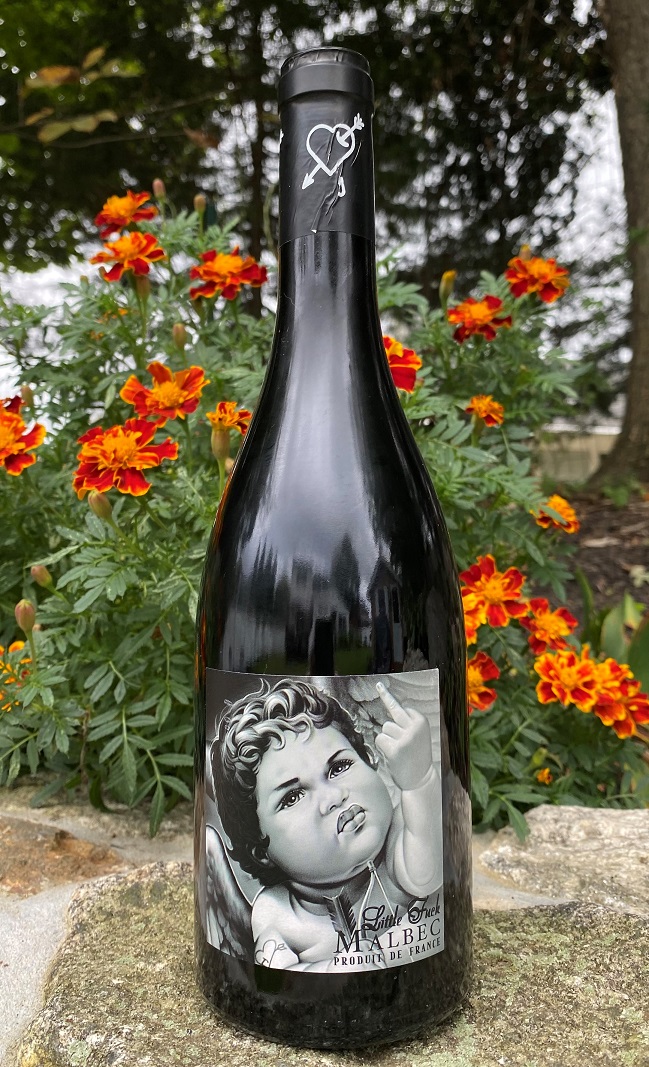 “Uncomfortable wine”??? What utter nonsense, right? Did the author had one too many glasses while writing this post?
The wine can be spoiled. The wine can taste bad. We can call it plonk, we can pour it out. But uncomfortable?
Shoes can be uncomfortable. The dress can be uncomfortable. The shirt’s collar might be too tight. Not knowing how to start a conversation with an attractive stranger might be uncomfortable. Not knowing how to answer a live interview question for the position you dreamed of your entire life is uncomfortable. Many, many things can be uncomfortable. But wine?
When I refer to wine as an art, the typical association in my mind is painting. As an art form, I imply that there are similarities between the bottle of wine and the painting on the wall. But maybe a book would be a better art form to compare?
Reaction to painting is instantaneous – you can, of course, spend hours looking at elaborate details and discovering new elements even if you saw the painting a thousand times before – but your first impression is unlikely to change, it might only deepen as time goes on. But with the book, first we see the cover, then we start reading, and if we found the book which speaks to us, by the time we reach the second page, nobody cares about that cover anymore.
When it comes to the wine, the bottle and the label matter – until we take the first sip. If we found “our wine”, the same as 300 pages book can be obsessively consumed within a few hours, a good bottle of wine will be gone in no time. And while you will be enjoying it, most likely you wouldn’t even remember how the label looked like.
What’s with this interlude and our comfort/uncomfort discussion you ask? Don’t worry, this is all connected.
So what can be uncomfortable about wine? Actually, many things. Remember – in the wine world, it is all about perception – except the taste, the pleasure, and your desire to have a second glass – of course, if you chose to be honest with yourself. Otherwise, perception is everything. Enjoying a glass of 2 buck chuck is uncomfortable. Bringing a $5 bottle of wine to your friends’ house is uncomfortable – knowing that it is an amazing bottle of wine without any regard for a price doesn’t make it less uncomfortable. Enjoying the glass of wine while your best friend hates it is uncomfortable. And then there are labels.
Okay, call me “captain obvious”, but this is where I was leading you all the way – the label can make you uncomfortable. There are enough wines in this world that have, for example, sexually suggestive or simply offensive words or images on the label. Ever saw the bottle of If You See Kay? This is a perfect example of suggestive language on the label – the book cover – for a perfectly delicious wine produced by Jayson Woodbridge. And there are wines that don’t even use suggestive language anymore – like the Little Fuck Malbec from Cahors.


When a friend sent me a picture of this label a few days ago, my first reaction was literally WTF – how can such a label be even approved (Jayson Woodbridge had lots of trouble getting his If You See Kay label approved 9 years ago)? But as the wine was available, I decided that I would not judge the book by its cover, and actually try reading it – and so I got the bottle.
I have to say that as soon as I got a hold of the bottle my negative impressions instantly started to diminish. This is hard to explain, as I don’t know if all the oenophiles feel the same way, but there are bottles that express “comfort” with its shape, weight, and overall feel in your hands. Once you take such a bottle in your hands, you can’t help yourself but say “oh, this is nice”. This was precisely the bottle. Outside of the wine name and the image on the label, the bottle was very comfortable and really created the anticipation – “oh yeah, I do want to open that bottle”. Even the label looked well designed in its shape and size and added the overall “comfort” feeling.
The wine didn’t disappoint – 2020 Vellas Père Et Fils Little Fuck Malbec Cahors AOP (14% ABV) was unapologetically a New World Malbec – big and brooding – and in a blind tasting I would confidently place it into Argentina, but never into the old world. The wine was full of raspberries, smoke, and sweet tobacco – on the nose and on the palate. Big, full-bodied, and powerful, but also well balanced and delicious – a very unapologetic Malbec I might be ashamed to bring to the acquaintance’s house but would be happy to drink at home or with close friends.
I’m really curious about the backstory of this wine. I don’t believe the name and images are random. Nicolas Vellas is a vigneron in the 4th generation at Vignobles Vellas, farming 300 acres of vines and producing a wide range of wines in the South of France. If this would be the only wine produced at the winery, yes, we could dismiss it as a gimmick. But this is simply one of many and the only one with such a unique label, so I truly believe there is a story for this wine, which is not easy to figure out – I even sent a message to the winery asking them to share the story if they can, but I’m not very hopeful. Well, actually lots of Vignoble Vellas wines have very creative labels – you can see them here, but I don’t know if there are any more of the “uncomfortable” ones.
Here you go, my friends. Uncomfortable wine which also happened to be delicious. Yeah, I’m okay with that. I’ll take delicious any day. And comfort? It comes after delicious.
Beautiful Simplicity
Is there a such thing as simple wine?
I really despise controversy. In a world where every word is twisted, turned, analyzed, over-analyzed, then twisted and turned, again and again, I don’t want to be the one to start a new controversy around wine (clean or natural, anyone?).
But really, is “simple” an applicable descriptor for the wine? If I say “simple wine”, can you relate to this as easily as to “tannic”, “acidic”, or “sweet”?
Everything in the wine world is personable. No two palates are the same, no two glasses of wine are the same. And so will be the concept of simple wine – it is highly personal.
There are thought-provoking wines – you take a sip, which triggers an instant process in your brain – analyzing flavors, looking for patterns, digging into memory looking for comparisons. Not every thought-provoking wine equates with pleasure – if we call the wine thought-provoking, it doesn’t always mean that we are craving a second glass. Need an example? How about Frank Cornelissen wines? Nevertheless, we all can relate to the wine we designate as thought-provoking.
Then there are complex wines. The wine presents itself in layers. You don’t need to over-analyze anything, and yet every sip keeps changing, offers you new depth and new impressions every passing moment. Complex is beautiful, wine aficionados love drinking complex wines.
So what is then a simple wine? A lot of people would equate the definition of “simple” with the price. We are trained not to refer to the $10 bottle as “amazing” – even if we enjoy it immensely, we would rather say “it’s just a simple wine”. Leaving the price aside, a simple wine has a very simple effect – take a sip, and your only reaction is “ahh, that’s good”. Simplicity doesn’t affect the enjoyment of the wine – the wine should still give you pleasure, and you should still want a second glass.
Every time you think you know a lot a good bit about your favorite subject, wine, life quickly humbles you, just so you know your place. Ever heard of Mack and Schuhle? I also never have. Meanwhile, they had been in the winemaking and wine distribution business since 1939, and currently have a portfolio of 25 wine brands from around the world – from New Zealand to Italy, Spain, and France to the USA.


When I was offered to review 2 of their wines, Montepulciano and Malbec, I agreed to do that because I was intrigued by the names – Art of Earth and El Tractor. Would you instantly agree to drink something called Art of Earth? For a wine geek like myself, such a name makes the wine simply irresistible. And tasting these wines, which are also very inexpensive, resulted in the diatribe about simple wines. For what it worth, here are my tasting notes:
2019 Art of Earth Montepulciano D’Abruzzo DOC (13.5% ABV, $12, made with organic grapes)
Dark garnet with beautiful ruby hues
Touch of cherries, a hint of funk,
Bright, pure, beautiful, succulent, tart cherries – fresh of the tree.
8+, delicious. This wine doesn’t have the complexity of Masciarelli, and I don’t believe it will age very well – but it is absolutely enjoyable right now.
2017 El Tractor Malbec Reserve Mendoza Argentina (13% ABV, $14, 12 months in French oak)
Dark garnet
Blackberries, cherries, sweet tobacco
Dark fruit, tobacco, cherries, a hint of smoke, nicely restrained, good acidity, good balance.
8, excellent. This wine is not going to rival Catena, but it is perfectly an old-world style, quaffable, and enjoyable Malbec.
Here you are – two simple wines, good for every and any day – or at least I would be happy to drink them any day. What is your definition of simple wine?
Mystique of Mythic Malbec
A long, long time ago, in a place far, far away, lived a dragon. That dragon was known for the love of all things green. The vast land he called his home was all covered in luscious flowers, bushes, and trees, always perfect and beautiful. He would use his huge wings to keep the plants cool during the hot days, and he would plan his gardens in the most meticulous ways, to make sure all the plants were happy together.
There was one plant that he loved above all, and it was the grapevine. His vineyards always looked amazing, and his hard work was handsomely rewarded by the most perfect grapes you can imagine anywhere. He loved Malbec above all other grapes, as those gapes made him happy. Sometimes, he would make wine out of them, and sometimes, he would just eat them fresh and delicious.
One day, the dragon was just gone. The plants didn’t feel the air moving with the flaps of his giant, powerful wings. But his presence still was felt in a magical way, as all the plants continued to happily grow, and the grapes were always delicious.
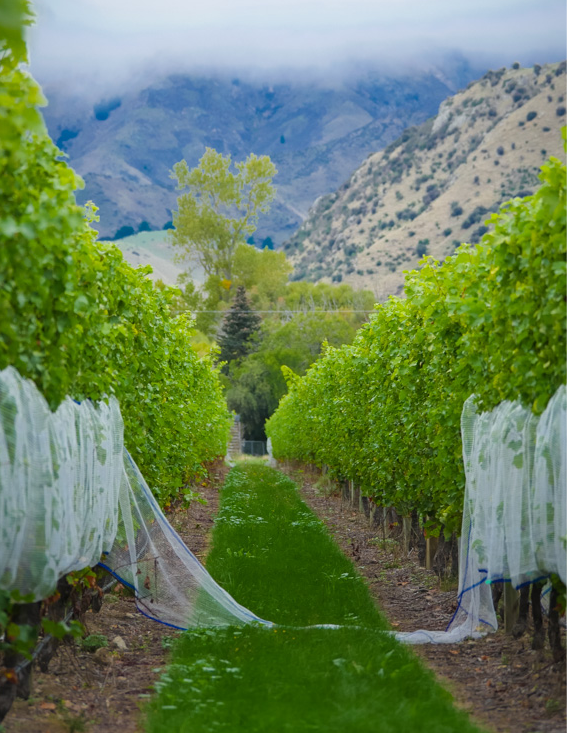
The legend has it that this far, far away magical place was in Mendoza, Argentina, and when people discovered it, they could still feel something magical, something mythical while standing between magnificent grapevine rows. So when they decided to create the winery and call it MYTHIC, that felt the most appropriate.
The MYTHIC winery is rather young, formed in 2014, but ambitious. The winery was founded by the same team which is behind the Casarena wines with the idea to showcase the best wines Argentina can produce – but also by going beyond the tradition. You know how you can taste a well made Bordeaux blend from Napa or Washington and be completely sure you are drinking the old world wine? This is what the MYTHIC winemaking team was trying to achieve – make the world-class wines, whether they appear to be Argentinian or not – and judging by my tasting experience, the mission was accomplished with flying colors.
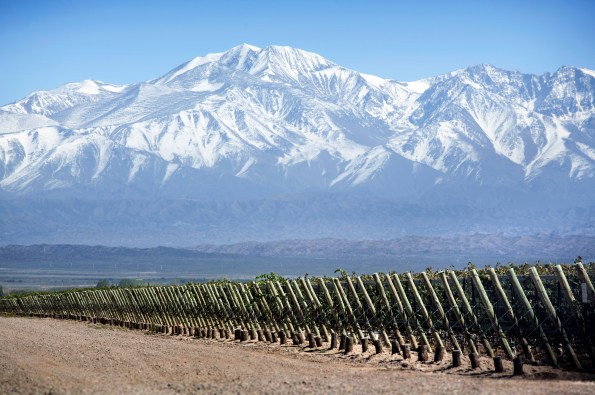
Continuing what the dragon started, MYTHIC farms about 400 acres of the vineyards in Luján De Cuyo area in Mendoza, which is often regarded as the Napa Valley of Argentina. Some of the vineyards are 90 years old, and most of them are located at about 3000 feet elevation. These high altitude vineyards are protected by the Andes, its snow-covered tops being the best source of water for the sustainably growing vines.
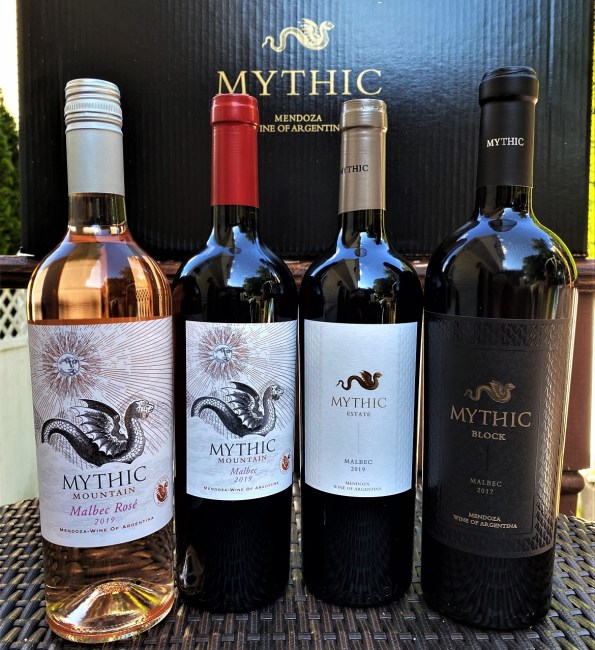
Malbec is the star at MYTHIC, used in the majority of wines – there are also multiple levels of wines, from the general to the vineyard, block, and even barrel-specific. The mystique of MYTHIC lies in the ability to show so many different expressions of Malbec, using seemingly negligible variations in the levels of fruit and oak regiment – but the diversity and the range are mind-boggling – or, rather, mythical. Take a look at my notes and see for yourself:
2019 Mythic Mountain Malbec Rosé Mendoza Argentina (12.5% ABV, $11.99)
Light pink
Fresh strawberries, good minerality, a touch of gunflint
Crisp, fresh, underripe strawberries, vibrant acidity, fresh lemon.
8+, perfect heat quencher – and a great value. This wine would successfully compete with any Provencal Rosé in the blind tasting.
2019 Mythic Mountain Malbec Mendoza Argentina (13.9% ABV, $11.99, 70% stainless steel, 30% 3nd/3rd use French oak)
Dark garnet
Freshly crushed berries, pencil shavings, tobacco, sweet sage
A touch of vanilla, tart cherries, soft, round, good acidity.
8-/8, easy to drink, perfectly representative of the “soft” Argentinian Malbec qualities.
2019 Mythic Estate Malbec Mendoza Argentina (13.9% ABV, $15.99, 4 months in French oak)
Dark garnet
Fresh berries, raspberries, blackberries, beets undertone (yeah, I know it sounds strange)
Fresh, open, ripe raspberries, hint of espresso, firm structure, well balanced.
8/8+, delicious on its own, but will be outstanding with the food. The wine clearly presents itself as an old-world wine – I would bet it is Cahors from France in the blind tasting.
2017 Mythic Block Malbec Mendoza Argentina (14.5% ABV, $34.99, 10 months in French oak)
Dark garnet
Cherries, herbs, clean, soft. More complex on the second day, a touch of roasted meat, funk, and chocolate
Succulent fruit, clean acidity, crunchy blackberries, earthy notes, perfect balance, silky smooth.
8+, outstanding, delicious wine. This wine is very international – a delicious wine which can be from anywhere.
Four wines made out of Malbec. Four totally different expressions of the grapes, some of them I didn’t know where even possible, such as Provence-style supremely elegant Malbec Rosé, also priced as a borderline steal – an outstanding QPR. Also, having the full old-world impression with the Estate Malbec? Not an easy feat, not for the New World wines.
Was our dragon real? I don’t know. I’m the one who is happy to believe in dragons and sorcerers. But the dragon made it on the labels, and the wines are as real as they can be, also great values in their own categories. The only thing left is for you to find these wines and judge them for yourself. The “thank you” notes can be left in the comments section with no limitations whatsoever.
CASARENA, The Next Level Of Argentinian Wines
The next level of Argentinian wines – I can literally see a “yeah, come on, really???” reaction from many of you. What does that even mean – the next level?
Okay, no need to get all feisty here – let’s talk about it. Argentinean wines require no introduction to any of the wine lovers today. Argentinian Malbec is practically a mandatory element of any bar or restaurant wine list, on equal footing with Cabernet Sauvignon from California. Cabernet Sauvignon and Bordeaux blends from Argentina also command topmost respect of wine lovers around the world. If the top-level is already achieved, what is the next level above it?
The “next level” here is my attempt to convey the emotion, the excitement of pleasure of tasting the delicious wines. While Argentinian wines are unquestionably the world-class, many of them are hardly distinguishable. The taste of Argentinian Malbec sometimes gets too predictable, and the wines lose their personality. Thus when you discover the wine which doesn’t conform to the “universal profile”, you feel like you are advancing to the next level of the game. I hope my tasting notes will convey my feeling about these wines, but let’s talk about the region first.
I perfectly remember listening to Kevin Zraly explaining the concept of quality of the wines. Imagine the set of enclosed circles. The biggest circle is equated to the big region – let’s say, California. Wines labeled with California as the region can be made from grapes grown anywhere in the state of California. The next circle is a sub-region – let’s say, Napa Valley. Wines labeled as Napa Valley can be produced only from the grapes grown in Napa Valley. That gives us a higher level of confidence in the quality of the wines, as Napa Valley is well known for the quality of the grapes. We can still narrow our circles, and now we are looking at the sub-region of the Napa Valley itself – Howell Mountain, Rutherford, Spring Mountain – there are many. Now your choice of grapes is restricted only to such a sub-region, which often offers a common taste profile coming from the vineyards in that subregion, such as famous Rutherford dust in the Cabernet Sauvignon wines sourced from the Rutherford appellation. And even now we might not be done with our circles, as we can restrict our source of grapes even further to the individual vineyard, such as Beckstoffer To-Kalon, and then even to the individual blocks and plots within the same vineyard. The smaller the circle is, the higher is the quality of the grapes, and that should translate into the quality of the wines.
Let’s now apply our circles to Argentina. We will start in Mendoza, probably the best-known winemaking area in Argentina – think about all the Argentinian Malbecs you are consuming. Continuing narrowing down, let’s now go to the Luján de Cuyo, the region located just south of Mendoza city. Luján de Cuyo is the first officially recognized appellation in Argentina (established in 1993), and home to some of the best known Argentinian wineries such as Catena Zapata and Cheval des Andes. Continuing narrowing down we now need to go to the town of Agrelo, where CASARENA Bodega & Viñedos is located.
I don’t like to use cliché in my writing. Nevertheless, if I would try to describe what makes Luján de Cuyo (and Agrelo for that matter) a great winemaking region, I feel that I’m doing exactly that – shamelessly using all available wine cliché all the way. See for yourself: Most of the vineyards in the region are located on a high altitude, which increases the sun exposure during the day and also creates a significant temperature drop in the evening – we are talking about significant diurnal temperature variation which slows down the ripening and helps grapes to retain acidity. Close proximity to the Andes creates a desert-like environment as it significantly reduced the rainfall – now we are talking about dry farming. Many vineyards in the region are also located on the rocky soils, forcing the vines to work hard to reach the nutrients. There is rarely greatness without adversity, and the combination of all the factors mentioned above presents exactly the adversity needed to produce excellent grapes – and yes, this unavoidable wine cliché.
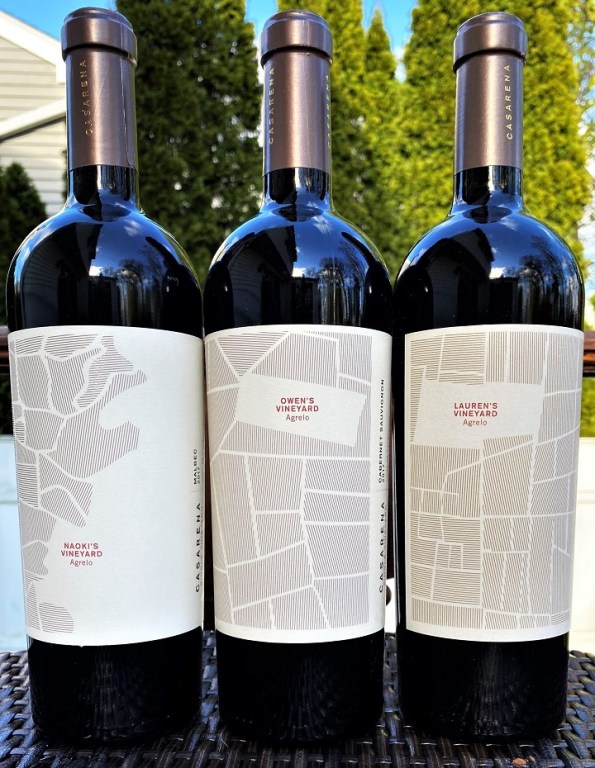
CASARENA Bodega & Viñedos was founded in 2007, with the first officially released vintage being 2009, starting, quite expectedly, with Malbec. After tasting its first commercial success with a slew of good critic ratings, CASARENA continued to narrow down the circles and created 7 single-vineyard wines coming from 4 different vineyards. I had the pleasure of tasting samples of 3 of these single-vineyard wines and was literally blown away by the quality.
Here are my notes:
2017 Casarena Malbec Naoki’s Vineyard Agrelo Luján de Cuyo Mendoza (14.5% ABV)
Dark garnet, very inviting
Dark fruit, cassis, tobacco, pencil shavings, a touch of mint
Medium to full body, succulent red fruit, vanilla, perfect acidity, silky smooth, well-integrated tannins, good minerality
8+, balanced, and delicious. Well refined compared to a typical Argentinian Malbec
2017 Casarena Cabernet Sauvignon Owen’s Vineyard Agrlo Luján de Cuyo Mendoza (14% ABV, 80 years old vines)
Dark garnet, practically black
Day 1:
Nose – dark, funky, concentrated, earth, tobacco
The palate is very contrasting to the nose, classic Cab with Cassis and bell pepper, not very expressive
Day 2:
Nose and palate are similar, more of a Malbec style – vanilla, blue fruit, coffee, dark chocolate.
Day 3:
Nose – Autumn forest, cherries, coffee
Palate – classic Bordeaux, a touch of currant, bell peppers, soft, supple, luscious, the well present core of minerality.
8/8+, excellent. My best analogy for this wine would be Dunn Howell Mountain wines, with the dark power imparted on the wines.
2017 Casarena Cabernet Franc Lauren’s Vineyard Agrelo Luján de Cuyo Mendoza (14.2% ABV, 18 months in new French oak)
Dark garnet, almost black
Coffee, a hint of cherries, minerally-driven
Cassis, cherries, soft, round, goos texture
8+, might be my favorite of the tasting.
These are three wines which would bring any dinner or friends gathering to the next level – I don’t know if you can see my point just by reading, the best way would be to pour a glass of CASARENA wine and take a quick trip to Argentina. Cheers!
High Altitude Malbec for the World Malbec Day Celebration
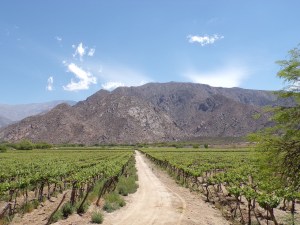
Cafayate desert. Image by gabrielgcossa from Pixabay
Do you like Malbec? If you do, great – you have a perfect reason to celebrate one of the world’s most popular grape on its holiday, World Malbec Day, always celebrated on April 17th. If you don’t – great, as you can taste a lot of wines in order to eventually find Malbec which you will enjoy.
Malbec is one of the unique grapes in the wine world, with a long history full of ups and downs. Malbec history can be traced almost a thousand years back. It used to be one of the most popular and most planted grapes in France. Wine from Cahors, a small region just south of Bordeaux, was famous for its dark and brooding qualities and was very much welcomed by the royals as early as the 1200s (well, the grape is not called Malbec in Cahors – it is known as Côt or Auxerrois). However, as Bordeaux started developing its own brand, it started blocking Cahors wines from reaching its intended destination, as most of the trading routes had to pass through Bordeaux before reaching the wine consumers.
Malbec used to be widely planted in Bordeaux, but this thin-skinned and disease-prone grape was difficult to work with, and it became anything but literally extinct today. Of course, Malbec is still the main grape in Cahors, where it is made into delicious, long-living wines – if you can find them in the wines stores, of course. However, the real fame of Malbec is related to its second motherland – Argentina.
Malbec was brought to Argentina in the mid-19th century and higher elevation vineyards with mostly dry climate happened to be a godsend for the moody grape. From there on, Malbec went on the path of becoming the most famous Argentinian grape. I guarantee you if anyone will ask what is in your glass, and you will say “Malbec”, 99% of the people will have no doubts that you are drinking Argentinian wine – yes, this is a good example of fame. Malbec’s success in the new world didn’t stop in Argentina, as it is successfully growing today in Australia, Chile, California, Texas, and many other places. But it is still the Argentina which rules the Malbec world today.
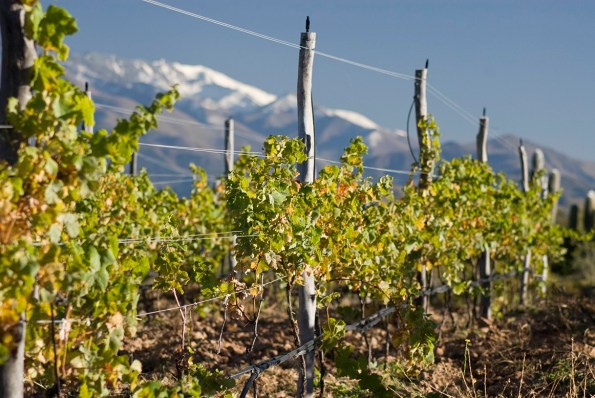
Altura maxima vineyard. Source: Bodegas Colome
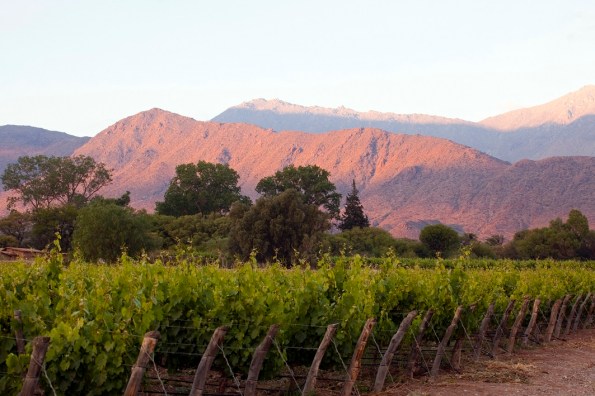
Altura maxima Vineyard. Source: Bodegas Colome
When it comes to Argentinian wine, Mendoza is the first area that comes to mind. It is hardly surprising, as 2/3 or Argentinian wine comes from Mendoza. But it is not Mendoza we are talking about today – we are going higher, much higher – to Salta (Mendoza vineyards are typically located at the 1,800 – 3,400 feet altitude, and in Salta altitude ranges from 7,000 to 10,000 feet). Salta is home to the highest vineyard in the world, Altura Maxima (elevation 10,200 feet/3,100 meters). It is also home to one of the oldest wineries in Argentina, Bodegas Colomé, which was founded in 1831.
I already wrote about the wines of Bodegas Colomé in the past (you can find this post here), as well as the wines from Amalaya, a 10 years old project by Bodegas Colomé in Cafayate desert. It was very interesting to try the same wines only from a different vintage. I can say that there is a noticeable improvement in the quality of the Amalaya – 3 additional years make a lot of difference. The Colomé Estate Malbec was more or less on par with its older brethren – but I certainly like the new label design, the bottle looks more elegant.


Here are my notes for the three of the Malbec wines I was able to taste:
2018 Amalaya Malbec Salta Argentina (13.9% ABV, $16, 85% Malbec, 10% Tannat, 5% Petit Verdot)
Dark garnet
Inviting, eucalyptus, blackberries, crushed berries, baking spices
Fresh berries, coffee, bright, easy to drink, good structure, good acidity, good balance.
8, simple and delicious. Needed a couple of hours to open up.
2017 Colomé Estate Malbec Valle Calchaquí Salta Argentina (14.9% ABV, $25, grapes from vineyards at 7545 to 10,200 feet elevation)
Dark garnet
Vanilla, baking spices, restrained fruit
Vanilla, blueberries, tar, firm structure, very restrained, appears more as an old-world than anything else.
8, excellent.
2018 Colomé Auténtico Malbec Valle Colchaquí Salta Argentina (14.5% ABV, $30, high altitude vineyard ~7000 ft)
Practically black
Vanilla, blueberries, baking spices, inviting
Blueberries, coffee, good acidity, silky smooth, layered, ripe fruit but still balanced.
8, classic and tasty – but needs time. Really opened up only on the day 3
What do you think of Malbec wines? Do you have a favorite producer? How did you celebrate World Malbec Day? Until the next time – cheers!
Last Bottle Sign Up ($10 credit)




 Talk-A-Vino