Archive
Celebrate Port!
 This might be a first for me – I don’t think I ever posted twice in one day for more than 15 years this blog has been in existence. Well, there is always the first, right? And no, I’m not trying to compensate for the dismal amount of posts over the last year (well, maybe just a tiny bit, but please keep it a secret).
Earlier today, I wrote about the grape holidays for the year 2026, and the first thing that caught my attention was the grape holiday occurring today, January 27 – an International Port Day (interestingly enough, we also have a National Port Day, which is celebrated in September – and we don’t even live in Portugal, go figure).
Port is generally known as a fortified dessert wine. In a perfect world, Port should also be known as the wine produced in Portugal, similarly to Champagne, which can only be made in Champagne, France. However, Port is better known as a dessert wine category, and the name Port is widely used (abused?) by many producers, at least in the US (go to the wine-searcher and search for Zinfandel Port, for example). But let’s focus on the Port coming from its place of origin, Portugal.
Port is a sweet wine, usually having 17% – 22% ABV and 90 to 150 grams of sugar per liter of wine. Well-made Port is absolutely delicious, the same way as Sauternes, TBA Riesling, or an Ice Wine. The key to the sweet wine being delicious lies in the balance – as long as sugar is balanced with acidity, that’s all the wine lover needs to enjoy it.
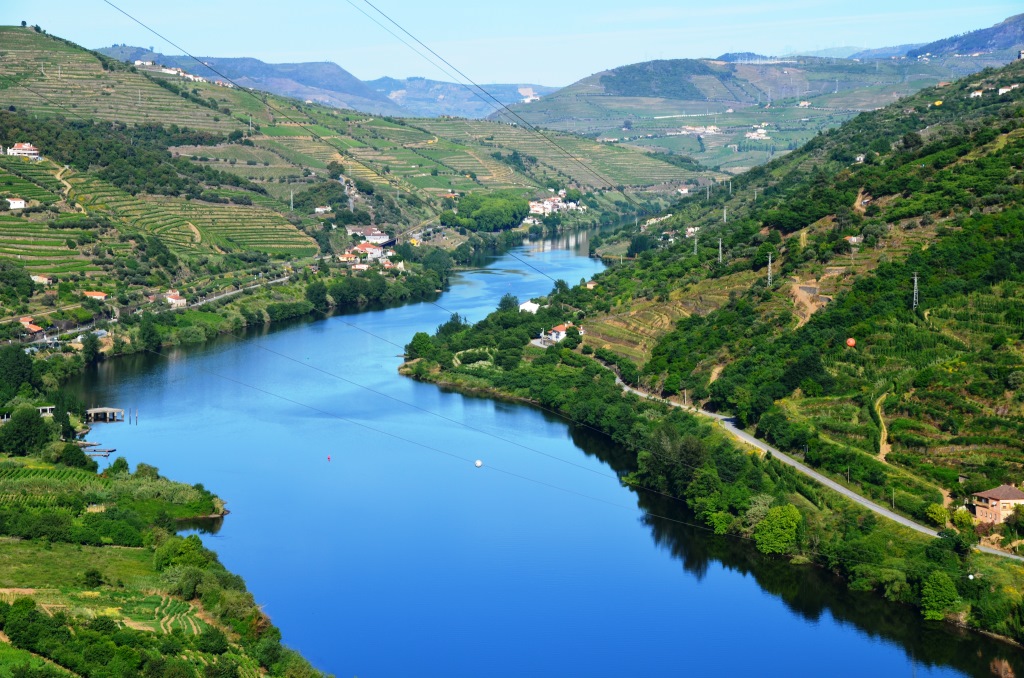
Port used to be the wine of the kings, almost a liquid currency, produced in the Douro region in Portugal, the first demarcated wine region in the world (this tells you how important Port was). Here is one of my favorite pictures used over and over in this blog – just look at this beautiful Douro Valley:
 And yet today, Port is reduced to a little corner in the wine stores, and sometimes the “by the glass” selection in the restaurants’ wine lists.
I don’t know why Port is not as popular as it should be. I’m sure that one factor is a “sugar shame” – we are trained to be ashamed to admit that we like something sweet, so many people would purposely avoid it. Another factor probably has to do with the complexity of the Port styles – there are just too many of them. Just as an illustration, here is a mind map I created for the post where I’m talking about all the different types of Port:
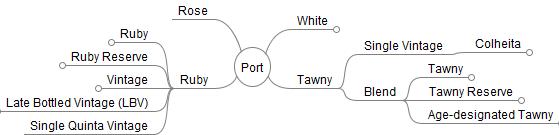
And even the picture above doesn’t cover all the corners – for example, age-designated tawny can be of 10, 20, 30, 40, over 40, and as of recent, even 50 years old. Oh, if you want explanations for this picture, you will find them in this post here.
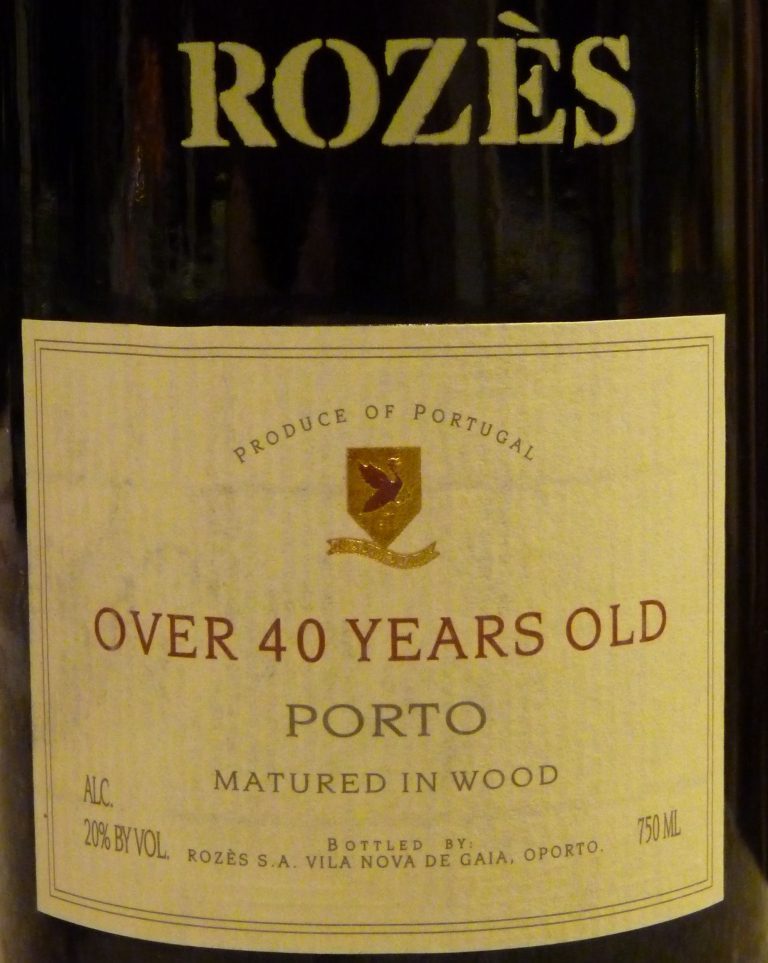
As we are talking about celebrating Port, I have two particular memories I want to share. The first Port I was absolutely mesmerized by was Rozès Over 40 Years Old Porto – I had this wine about 15 years ago, and still, I can close my eyes and relive the magnificent encounter with this elixir – the beauty and complexity of the elegant, fragrant liquid. This wine was #2 on the inaugural Talk-a-Vino 2010 Top Wines List, and you can read more about that encounter here.

1970 White Port
The second most memorable Port experience was with the 1970 Quevedo White Port. We tasted this wine in the cellar of the Port producer Quevedo, directly from the barrel, as Oscar (the winemaker) didn’t know what he could do with the 43-year-old White Port. This 1970 Port became my wine #1 on the 2013 Top Wines list – you can also read about my tasting experience here.
I’m absolutely convinced that Port is the wine well worth celebrating, so happy International Port Day to you!
What are your best Port encounters you remember? Don’t be shy, you know what to do…
Grape Holidays 2026
 I love grape holidays, I really do.
In theory.
And then I forget about them.
Next, I might occasionally see the grape holiday I already missed. Yes, grape holiday is not a New Year – you can celebrate it later, but still.
Last year, I shared the list of 2025 grape holidays in the hope that it would help me not to miss them. And yet I missed the absolute majority of them. I’m sure the story will repeat itself this year, but hey, let me at least share the list while most of the grape holidays are still ahead of us.
Here we go – grape holidays of 2026:
January 27, Tuesday – International Port Wine Day <– it’s today, by the way. Have a bottle of Port handy?
February 1, Sunday - International Furmint Day
February 16, Monday - International Syrah Day
February 28 – OTBN, Open That Bottle Night <– my favorite grape holiday
March 3, Tuesday - International Mulled Wine Day
March 13, Friday - International Riesling Day
March 21, Saturday - World Vermouth Day
April 14, Tuesday - Tannat Day
April 17, Friday - World Malbec Day
April 27, Monday - World Marselan Day
May 1, Friday - International Sauvignon Blanc Day. Celebrated on the first Friday of May
May 2, Saturday - International Baga Day. Celebrated every 1st Saturday of May.
May 9, Saturday - World Moscato Day
May 17, Sunday - Pinot Grigio Day
May 21, Thursday - International Chardonnay Day - Celebrated on the Thursday before Memorial Day (US) at the end of May
June 12, Friday - World Verdejo Day. Celebrated on the second Friday of June
June 13, Saturday – National Rosé Day
June 13, Saturday - Drink Chenin Blanc Day
June 21, Sunday - World Lambrusco Day
July 1, Wednesday – International Madeira Wine Day <– it is possible I just made that up, but hey, Madeira wine is well worth celebrating!
July 12, Sunday - International Cava Day
August 1, Saturday – World Albariño Day
August 13, Thursday - International Prosecco Day
August 18, Tuesday - International Pinot Noir Day
September 3, Thursday- International Cabernet Sauvignon Day – Celebrated on the first Thursday of September
September 4, Friday - National Chianti Day – Celebrated on the first Friday of September
September 10, Thursday - National Port Wine Day
September 18, Friday - International Grenache Day - Celebrated on the third Friday of September
October 5, Monday – World Vranec Day
October 6, Tuesday – Orange Wine Day
October 10, Saturday - International Pinotage Day – Celebrated on the second Saturday in October
October 14, Wednesday – Prokupac Day
October 23, Friday - World Champagne Day - Celebrated on the fourth Friday of October
October 26, Monday - International Mavrud Day
October 29, Thursday - International Carignan Day - Celebrated on the last Thursday in October
November 1, Sunday - International Xinomavro Day
November 7, Saturday - International Merlot Day
November 12, Thursday - International Tempranillo Day - Celebrated on the second Thursday of November
November 15, Sunday – Amphora Wine Day
November 19, Thursday - Beaujolais Nouveau Day - Celebrated on the third Thursday of November
November 24, Tuesday - International Carménère Day
December 1, Tuesday – International Maratheftiko Day
December 4, Friday - International Cabernet Franc Day
December 10, Thursday - World Aszú Day
December 16, Wednesday - Pinot Meunier Day
If you are one of the typical wine lovers, above you have a list of 45 days of the year (okay, 44) when you don’t need to bother yourself with the question “what do I want to drink tonight”. Here, the choice is made for you. No, don’t thank me, this is what wine friends are for.
In this whole list, there is one holiday I really don’t want to miss – the OTBN. Be forewarned – the holiday is only 4 weeks away. I don’t know about you, but my head is already spinning, going through “oh, not that… and not that one”.
Oh well. Whatever you choose to celebrate – happy grape holiday to you!
Beaujolais Nouveau Est Arrivé! 2025 Edition
 Beaujolais Nouveau Est Arrivé!
Yes, it is the third Thursday in November, and you know what it means! It is time to celebrate the new harvest. The 200-year-old tradition, taking its roots in the 1800s, became the “official” celebration of the new harvest 40 years ago, claiming the third Thursday in November as an official celebratory date. This is the day when the first wine of the new harvest appears in the wine stores around the world, to the great enjoyment of the wine aficionados and geeks.
For the 15 years this blog has existed, I have made an effort not to miss a single Beaujolais Nouveau celebration, and I have been successful so far. Considering that for the past 3 years I was traveling over this special week, the effort was real – you can read about my Beaujolais Nouveau struggles in France in 2022 and Florida in 2024. This year 2025 has not been an exception since I’m currently in Dallas, Texas.
Since the beginning of the week I checked a few times that there are wine stores within walking distance of the hotel where I’m staying, so my plan was to walk to the store on Thursday and get a bottle of Beaujolais Nouveau. Remembering past year’s experience, I decided to call ahead, which proven to be a challenge. One store had some google voice setup telling me to leave a message. Again no answer in the second store. Someone answered my call in the third store, but the person clearly never heard of Beaujolais Nouveau, so after a few minutes of back and forth I understood that this would not work to my favor.
The next best hope was Total Wine – but the store was 1.8 miles away, I had no car and I was in the meetings. Then it dawned on me that Total Wine has the same day delivery service, and life all of a sudden improved. I found out that Total Wine had two Beaujolais Nouveau available, so the order with delivery was quickly placed (delivery was only $4.99 for two bottles).
I was hoping that the wine could be just left with the hotel staff, but the delivery lady called me to tell me that I have to come and pick up the wine in person, as I need to sign for it, and the lady needs to make sure that I’m not drunk already. Well, I guess it is Texas after all (say it in the voice of “This is Sparta!!”).
Luckily, I set up the delivery window during my lunchtime, so it was not a problem to meet the driver and get the wine.
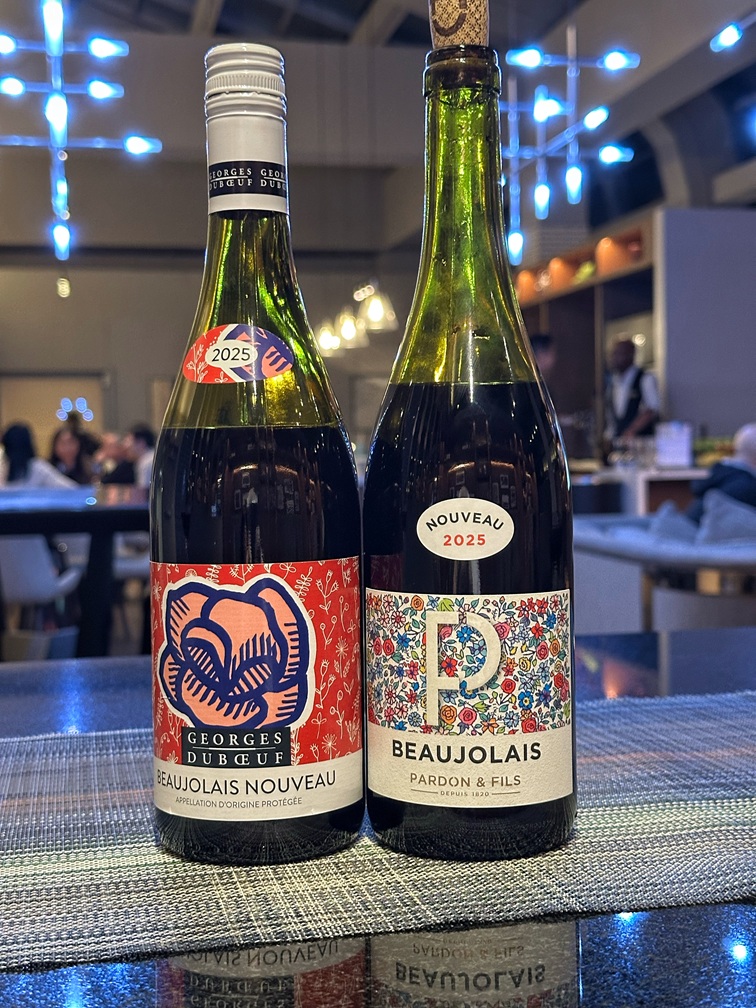
After my meetings ended, there was the time to taste the wine. Attention: spoiler alert! Every year, I say that the quality of Beaujolais Nouveau gets better. 2025 was no exception. 2025 Beaujolais Nouveau was not just better, but it was much better!
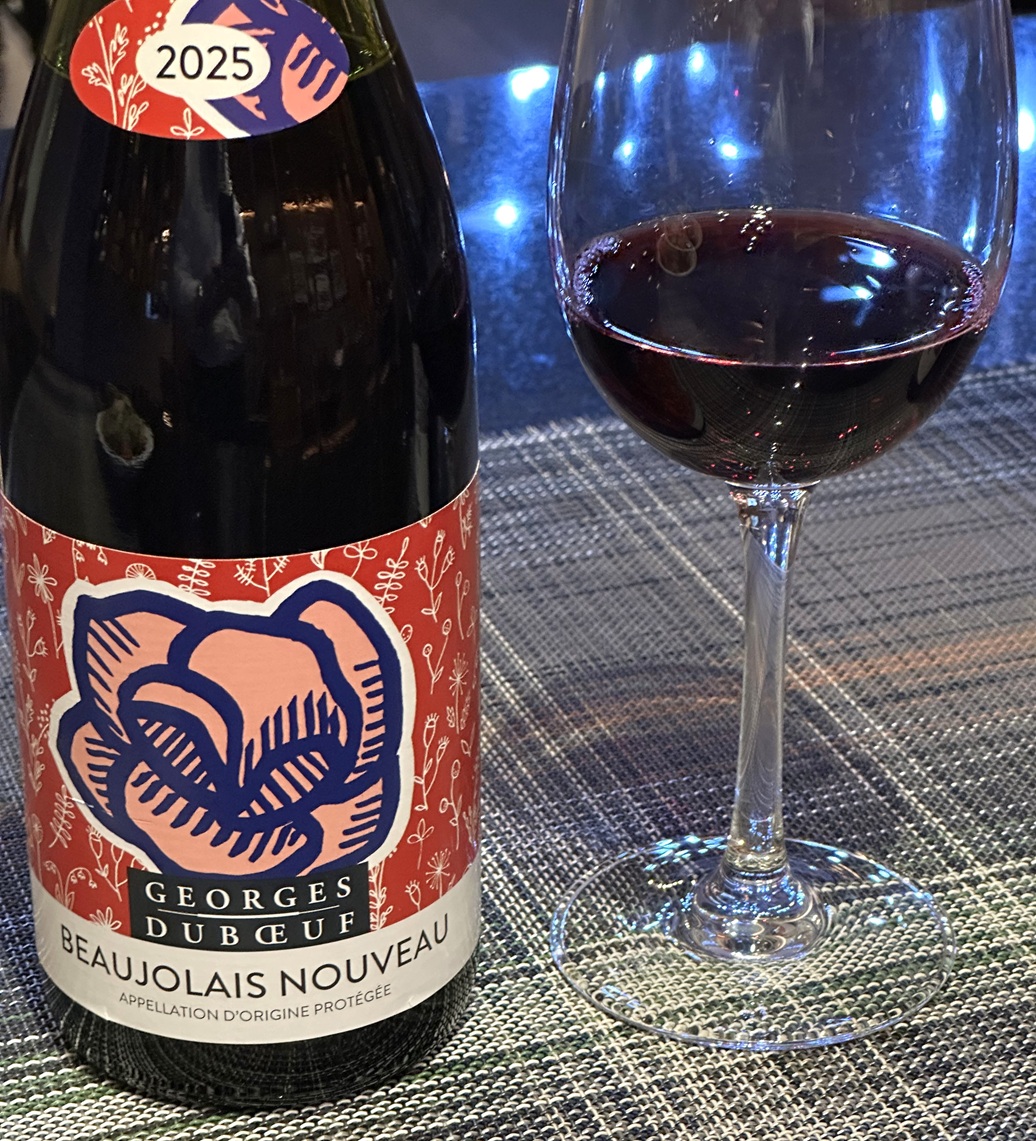
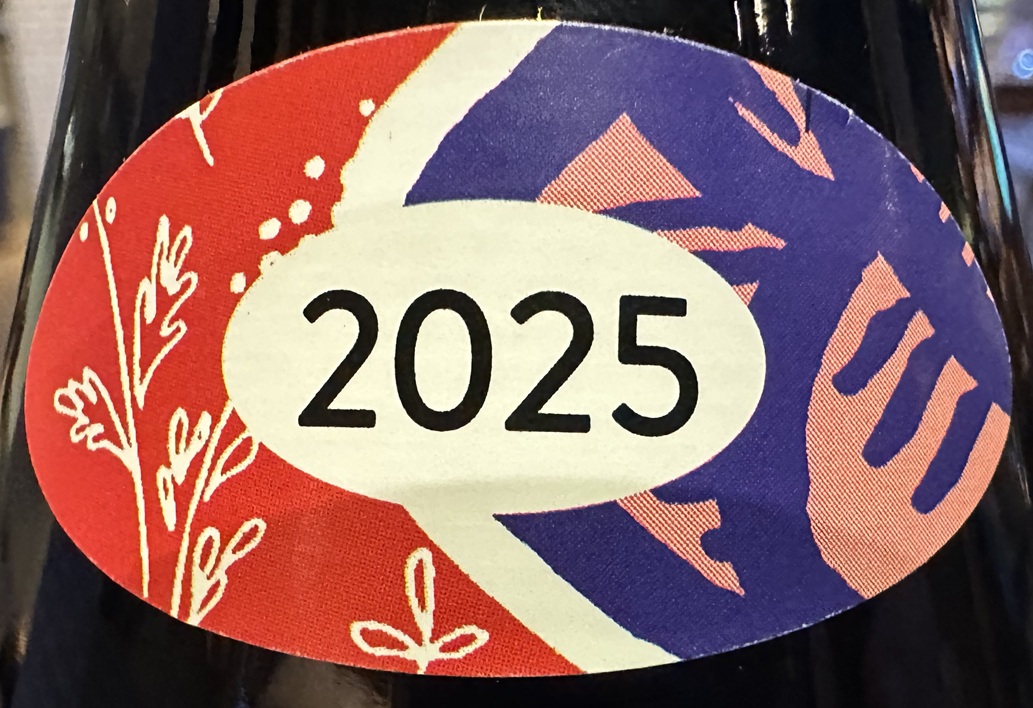
Every year, the bottles of Beaujolais Nouveau are adorned with specially designed labels, sometimes even multiple labels from the same producer for the same wine – I have no idea how that works. As I have been writing about Beaujolais Nouveau every year since this blog started, I can offer you a collection of labels starting with the 2010 vintage. As Georges Dubouef is the only producer I was able to taste every year, below is my little “show and tell” display limited to the labels of Georges Dubouef wines I tasted throughout the years. In case you feel like it, you can even choose your favorite label and share it in the comments (sorry, this is not a competition, so no prizes will be awarded).
Here we go:


Beaujolais Nouveau 2025 has arrived, and if you haven’t tasted one yet – what are you waiting for? Taste it now and let me know what you think! Cheers!
Ah, Tempranillo!
And just like that, I almost miss another grape holiday. This time, it is Tempranillo Day!
Of course, you know this well by now – I like all the grapes. And I always say that there is one that I like the most – and every time I say it, it is a different grape.
Guilty as charged.
And yet, Tempranillo is really special.
You don’t have to read them, but just look at the names of some of my posts:
Magnificent Tempranillo
Tempranillo, Transposed
The Art of Tempranillo
Magnificent Rioja: CVNE Deep Dive
I think this qualifies as a pure expression of love, don’t you think?
I discovered the beauty of Tempranillo a long time ago, when I tasted a vertical of Rioja wines going all the way to 50+ years old. Rioja is one of my favorite expressions of Tempranillo, covered in this blog a countless number of times. Of course, Tempranillo is one of the major Spanish grapes, and it does very well in the US (Washington, California, Oregon, even the Hudson Valley), but if I can, I would always gravitate towards Rioja.
What I like about Rioja is that, in most cases, Rioja is predictable. Of course, it is great if you know the producer. La Rioja Alta, CVNE, Lopez de Heredia, Bodegas Lan, Bodegas Beronia, El Coto, Oscar Tobia – I will be happy to open a bottle with any of these names at any moment. But even when you don’t know the name, I would prefer to take my chances with an unknown Rioja rather than an unknown Chianti, an unknown Bordeaux, or an unknown Pinot Noir (oh, that might be the scariest of all).
Case in point. I’m currently in Stockholm, and at the restaurant, the wine list was short and without any names I could recognize. After an internal debate, I decided to take my chances with an unknown Rioja – and I didn’t regret my choice for a second, and neither did my dining companions.
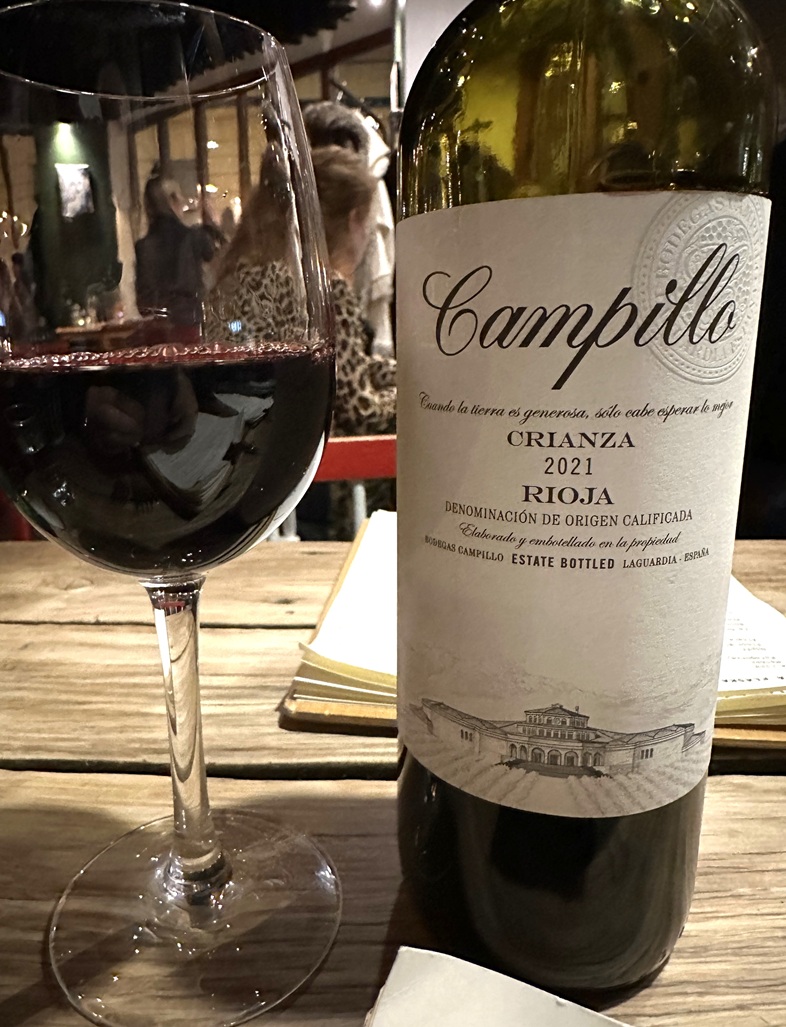
2021 Bodegas Campillo Rioja Crianza DOC (14.5% ABV, 12 months in oak) was simply delicious. Fresh dark fruit on the nose, loads of dark fruit on the palate, cedar box, cherries, silky-smooth, roll-of-your-tongue goodness, medium to full body – a pure joy. Every sip was literally accompanied by the collective “ah”. You can call it pure luck, but I trusted my tempranillo, and the tempranillo didn’t disappoint.
Here you go, my friends. A grape holiday tribute to one of my favorite grapes – and the discovery of a new Rioja name.
How are you celebrating Tempranillo?
Reminiscing About Cabernet Sauvignon
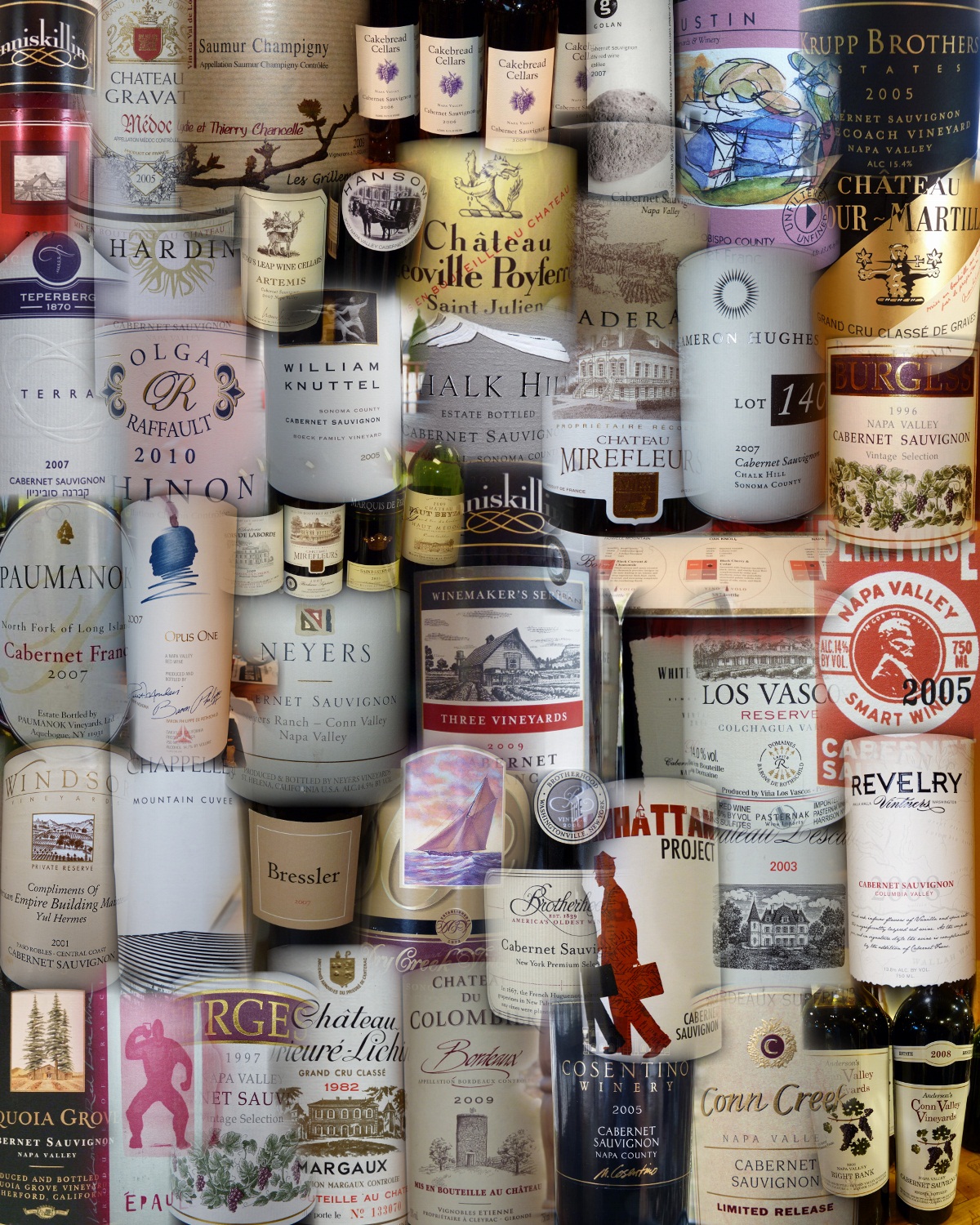 Yesterday we celebrated Cabernet Sauvignon Day. Well, I guess some people did, as I was drinking Tempranillo. But – grape holidays are an excellent opportunity to think about the grape we are honoring, and I’m happy to seize this opportunity.
As you probably know, it is hard for me to pick the favorites. If I were asked directly to name my favorite wine, I would never name any particular wine or grape as a favorite; my answer to this question always is “I love them all”. But deep inside, when nobody is asking, I know I would gravitate toward a good Cabernet Sauvignon when I can.
I’m very particular when it comes to Cabernet Sauvignon. This is one of the very few wines where I perfectly know what flavors I’m looking for. I need cassis, I need eucalyptus, I need a little bit of a bell pepper, and a touch of the cedar box would be nice too. If these flavors are not part of the core profile, I might still enjoy the wine, but I would never remember it as a Cabernet Sauvignon.
I decided to mentally challenge myself – recall my favorite Cabernet Sauvignon wines and associated experiences. Cabernet Sauvignon is one of the most popular wines in the world, produced by everybody and everywhere, so it is easy to name lots of producers. But this is not what I tried to do – I only thought about my most memorable encounters with the Cabernet Sauvignon, no point in regurgitating a bunch of Cabernet Sauvignon producer names.
Let’s see what came to my mind.
As only yesterday I wrote about the wines of Smith-Madrone, let’s start with that. Smith-Madrone has two Cabernet Sauvignon wines in its portfolio – Estate Cabernet Sauvignon and Cook’s Flat Reserve, each one delicious in its own right. Both are textbook Cabernet Sauvignon wines – my textbook that is, as both perfectly demonstrate the exact flavors – cassis, eucalyptus, bell pepper, cedar box. Just thinking about those wines makes me smile.
Next, how about Jordan? Jordan Vineyard and Winery in Alexander Valley in Sonoma produces only three things – “Chardonnay, Cabernet, and Hospitality”, according to John Jordan, winery owner. I had Jordan Cabernet Sauvignon on multiple occasions, and it never disappointed. It also has this classic profile, only with a bit more fat comared to Smith-Madrone, but thoroughly enjoyable on all occasions.
Then there is Kamen Estate. Unlike Smith-Madrone, I had Kamen Estate Cabernet Sauvignon only once during a group dinner we had in Danville in California. The wine was recommended by the wine director at Vine at Bridges, a wine bar/store at the Bridges restaurant. I don’t remember the exact taste profile, but I remember that I was blown away by the purity and beauty of that wine. I still have a bottle of 2006 Kamen Cabernet Sauvignon in the cellar, but finding the right moment to open that bottle will be mission impossible.
An interesting tidbit – thanks to the same wine guy at the Vine at Bridges who recommended Kamen to me, I discovered Field Recordings wines early on, way before they became a crowd favorite. The first Field Recordings wine I ever tried was Fiction, a wild blend of red grapes and not Cabernet Sauvignon at all – but, last year I opened Field Recordings The Armory, a 100% Cabernet Sauvignon wine for my guests. At first, I was not even planning to try it, but seeing how everyone likes it, I decided to give it a try. Whoa! Classic Cabernet profile was tremendously elevated, adding succulent wild blueberries to cassis, together with high intensity, high acidity mouthfeel. This was one of the most “energetic” Cabernet Sauvignon renditions I ever tasted.
The next wine is somewhat of a sad story. I discovered Louis M Martini Cabernet Sauvignon during Windows on the World wine school classes back in 2004, when Kevin Zraly said that Louis Martini delivers a lot in the glass for a very reasonable price. For many years, this was my go-to “around $20” Cabernet Sauvignon, until it was not – now winery makes over-priced, over-done Cabernet Sauvignon wines, but it is still the name I will remember fondly.
Okay, two more.
Beaulieu Vineyards, commonly abbreviated as BV, is another Cabernet Sauvignon staple I must mention. BV wines have this beautiful classic Cabernet Sauvignon profile enhanced with Rutherford dust. Well, basic BV wines might not give you the amount of pleasure you are looking for, but if you can get your hands on a bottle of Georges de Latour Private Reserve Cabernet Sauvignon, believe me, you will think that you have already made it to the winelovers’ heaven.
And lastly, bow to the dark side. Randy Dunn is well known for the wines of dark, brooding power. Dunn wines are not made to be consumed young. But if you are able to find a mature Dunn Howell Mountain Cabernet Sauvignon wine, that will be an amazing treat, weaving dark and brooding power on top of the classic Cab profile. I had an opportunity to drink Dunn Cabernet Sauvignon only a few times in my life, but boy, those were memorable moments!
Here you are, my friends – a little trip down the Cabernet Sauvignon memory lane.
What were your most memorable Cabernet Sauvignon wines?
Celebrate Chardonnay! 2025 Edition
 Okay, I missed it again.
On Thursday, May 22, we celebrated Chardonnay Day. And I didn’t post about it.
Well, I didn’t entirely miss it. There was Charodnnay in my glass, so I only missed writing about it on time, but the celebration itself – yes, I participated.
Chardonnay is one of my favorite grapes. Well, those who know me understand that this is a difficult thing for me to say. I love wine in general, and therefore, I really don’t have grapes I don’t like. I might not be a fan of some producers, but grapes or varietal wines per se—I love them all. And yet, when it comes to favorite grapes, I have to shortlist Chardonnay among 20-30 ones I feel comfortable calling “favorites”.
Chardonnay is one of the most versatile grapes, perfectly capable of creating delicious wines from the bone-dry, unoaked versions to the full-on, hedonistic bombs. Chardonnay wines can be wonderful in still, sparkling, and even late harvest renditions, and they are produced literally everywhere – Asia, Middle East, Europe, North America, South America – see, I’m not even trying to be any more region specific, as it is pointless, or I would almost have to name every appellation in existence.
I also have another proof of the “favorite” status. In last year’s Chardonnay’s celebratory post, I counted the number of times Chardonnay wines were included in the Talk-a-Vino Top Wines of the year lists. During 14 years, there were only two years when Chardonnay wines were not present in the top two dozens, and a total of 19 Chardonnay wines were included in those top lists. Then, last year, 2024, the top wines list had 3 Chardonnay wines in it, including the 2024 wine of the year – an Italian Chardonnay from Banfi.
The pleasure of the well-made Chardonnay starts from the very first whiff from the glass. Vanilla, fresh apples, a touch of butter, and, if you are lucky, the honey. This is what makes me say “ahh” in the first place. And then, when vanilla, apples, butter, honey, smothered with a touch of lemon, continue in the first sip, this is where you say “oh my god…”. The key to this Chardonnay pleasure is in full harmony and balance of the flavors – if any of the components sticks out or is absent, this is where the pleasure instantly stops. Of course, the balance is a key element of any wine, but some of the wines can get away with too much acidity or too much oak and still give you pleasure, including a generic Chardonnay. But the harmony and balance are what differentiate a great Chardonnay from an average one.
I also love to use great Chardonnay as a reference point. For example, I compared my 2022 wine of the year, 2020 Abadia Retuerta L’Domaine from Ribera Del Duero, a Sauvignon Blanc-based blend, with Chablis. Chardonnay was also my analogy for the 2024 wine of the year, 2020 Mariasy Tokaji Furmint from Hungary, made from Furmint. And a few weeks ago, I had Grande Rocim White from Alentejo in Portugal (I have yet to write about it), made from 100% Portuguese native Arinto grape, which would successfully compete with Puligny-Montrachet I never had.


The wine I opened to celebrate Chardonnay Day was 2022 Maison Matisco Les Buis Saint-Véran AOC (13% ABV), one of my recent WTSO finds. The wine had a beautiful light golden color, and had a perfect Chardonnay profile as I described above – apples, vanilla, a distant hint of honey and butter (the last two might be just my imagination). The same profile continued on the palate, with the addition of the lemon. The wine initially had a slightly bitter aftertaste, which dissipated after a few hours. This wine will not make a list of great Chardonnays here at Talk-a-Vino, but I will be happy to open it any time I crave a Chard.
There, I told you my story. How did you celebrate Chardonnay Day?
Grape Holidays 2025
There are holidays, and then there are grape holidays.
Not that we need an extra reason to open a bottle of wine, but hey – life is worth celebrating, so if we don’t need a reason and nevertheless, we have a reason – there is nothing wrong with it, isn’t?
Every year, I celebrate a few of the grape holidays and miss most of them. For 2025, I decided to add the grape holidays list on this blog so there will always be an easy reference to the important events 🙂 Yes, I’m well aware that 1/3 of the year 2025 is already gone, but still, here is the Grape Holidays list starting from the beginning of 2025, just for the sake of completeness:
February 1 - International Furmint Day
February 16 - International Syrah Day
March 3 - International Mulled Wine Day
March 13 - International Riesling Day
March 21 - World Vermouth Day
April 14 - Tannat Day
April 17 - World Malbec Day
April 27 - World Marselan Day
May 2 - International Sauvignon Blanc Day. Celebrated on the first Friday of May
May 3 - International Baga Day. Celebrated every 1st Saturday of May.
May 9 - World Moscato Day
May 17 - Pinot Grigio Day
May 22 - International Chardonnay Day - Celebrated on the Thursday before Memorial Day (US) at the end of May
June 13 - World Verdejo Day. Celebrated on the second Friday of June
June 14 - Drink Chenin Blanc Day
June 21 - World Lambrusco Day
July 12 - International Cava Day
August 1 – World Albariño Day
August 13 - International Prosecco Day
August 18 - International Pinot Noir Day
September 4- International Cabernet Sauvignon Day – Celebrated on the first Thursday of September
September 5 - National Chianti Day – Celebrated on the first Friday of September
September 10 - National Port Wine Day
September 19 - International Grenache Day - Celebrated on the third Friday of September
October 5 – World Vranec Day
October 6 – Orange Wine Day
October 11 - International Pinotage Day
October 14 – Prokupac Day
October 24 - World Champagne Day - Celebrated on the fourth Friday of October
October 26 - International Mavrud Day
October 30 - International Carignan Day - Celebrated on the last Thursday in October
November 1 - International Xinomavro Day
November 7 - International Merlot Day
November 13 - International Tempranillo Day - Celebrated on the second Thursday of November
November 15 – Amphora Wine Day
November 20 - Beaujolais Nouveau Day - Celebrated on the third Thursday of November
November 24 - International Carménère Day
December 1 – International Maratheftiko Day
December 4 - International Cabernet Franc Day
December 10 - World Aszú Day
December 16 - Pinot Meunier Day
Here you go, my friends. Now you know, and now you have to celebrate grape holidays or else.
And if I’m missing any of the grape holidays, please leave a comment so I can add them.
Next up – International Sauvignon Blanc celebration! Get ready!
Celebrate Marselan!
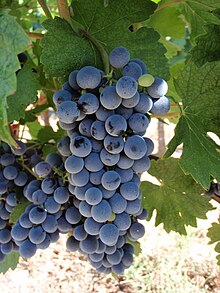
Source: Wikipedia
Have you heard of Marselan?
There is a good chance you never have, and nobody can blame you.
Marselan is a cross between Cabernet Sauvignon and Grenache, created by Professor Peter Truel in Languedoc near the French coastal town of Marseillan, which gave Marselan its name. Marselan is a blue-skinned late-ripening variety that produces large clusters of small berries, leading to a high skin-to-juice ratio in winemaking. Marselan prefers dry soil and a hot climate, and it has strong disease resistance to botrytis bunch rot, powdery mildew, and other grape maladies.
The grape was created in 1961, but its real fame came to the grape only in the 21st century. In 2001, the grape made it to China as an experiment. From the initial planting of less than 7 acres, as of 2024, Marcelan occupied more than 10,000 acres, second only to Languedoc, and it became one of the most important grape varieties in China. Maselan in China is often compared to Malbec in Argentina and Carmenere in Chile, having a real chance to become a signature country grape.
Marselan today grows and is used in winemaking in France, China, Israel, Bolivia, Uruguay, Italy, Spain, and other countries. Marselan is typically used as a blending grape, but since 2002, single-varietal Marselan wine has been produced, first in France and now around the world. 259 Marselan wines from 18 regions in 11 countries competed in the first Marselan competition in 2023 in China.
Today, April 27th, on the birthday of Professor Truel, we are celebrating Marselan Day. It is a given that I can’t show a collage of Marselan wines I tried, as I only have 2 wines with Marselan mentioned on the blog. Nevertheless, I would like to share a few interesting tidbits with you.
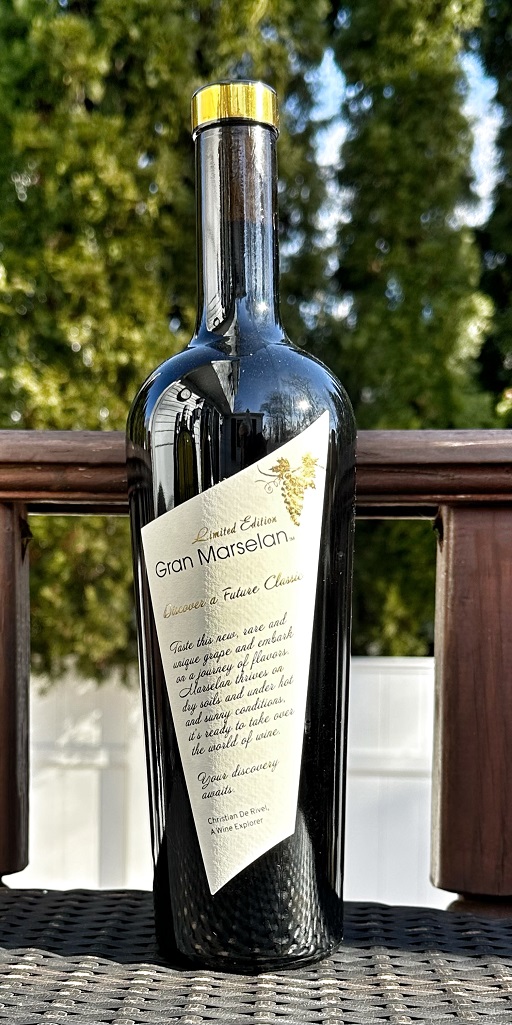
First, a detailed write up about a delicious Marselan discovery of this year – Gran Marselan wine I had an opportunity to play with. Next is an article from Decanter magazine, profiling some of the latest Marselan wines well worth your attention. And here is a good article about Marselan’s success in China.
Marselan has a bright future ahead of it, and not just as a blending grape, but as a star of its own.
Marselan wines are still difficult to find, but do yourself a favor and see if you can find and experience one, it will be worth the effort.
Until the next grape holiday (Sauvignon Blanc Day is coming up on May 2nd) – cheers!
Celebrate Malbec! 2025 Edition
Do you know what I enjoy almost as much as sharing wine? Sharing pictures!
Today is World Malbec Day, where we celebrate a French grape called Malbec, or rather, Cot in its native Cahors region, which became a real star in Argentina. As bold a statement as it would be, Malbec made a world star wine producer out of Argentina, and Argentina made Malbec a world star grape.
As I mentioned before, the main reason for this post is to share my updated picture collage of some of my Malbec experiences. Here we go:
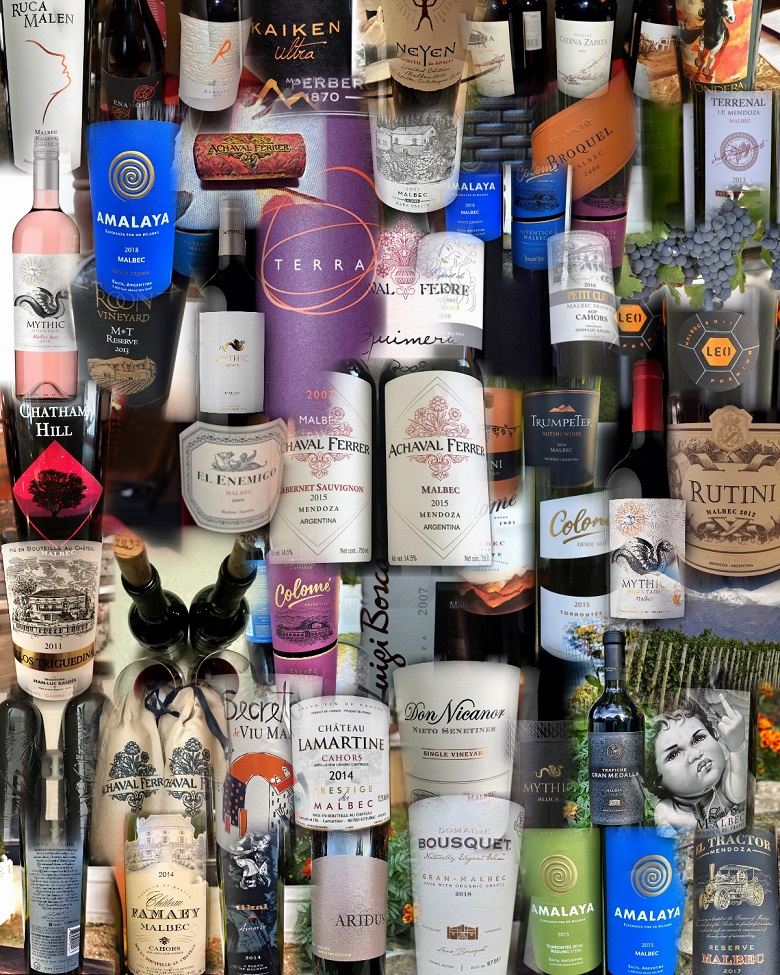
The last time I posted Malbec collage was 6 years ago, in 2019, you can find it here. Since then, in a true testament to the worldwide phenomenon of Malbec, I added a number of great Malbec experiences – organic Malbecs from Domain Bousquet in Argentina, a Little Fuck Malbec from Cahors in France, Flora Springs Ghost Winery Malbec from Napa Valley, Neyen Espíritu de Apalta Malbec from Chile, another Malbec from Argentina, Mythic, and I’m sure many more that I don’t even remember. Good Malbec is delicious, and we can leave it at that.
Don’t forget to celebrate Malbec. Even if you miss this special celebration, any day is a good day to drink Malbec. Oh yes, and if you have a favorite Malbec (or five), please share it in the comments!
Until the next grape holiday – cheers!
[Beaujolais] Nouveau Est Arrivé! 2024 Edition
Beaujolais Nouveau Est Arrivé!
Nouveau Est Arrivé!
Yes, it is the third Thursday in November, and it is an important day for those of us who still believe in the magic of wine – even if you shrug off the Beaujolais Nouveau as a marketing gimmick, you are still aware of the importance of the day, and whether you like it or not, consider yourself included 🙂
Every third Thursday in November and not a day earlier, Beaujolais Nouveau appears in wine stores around the world. Beaujolais Nouveau is the first wine of the new vintage in France, a young wine made to celebrate a new harvest. Georges Duboeuf is credited with making a centuries-old tradition into a marketing phenomenon more than 35 years ago – I’m not sure how much clout the celebration has today in the US, but it still has my attention.
Let me expand a bit on this. I’m traveling this week for work in Orlando, Florida. In Florida, wine is sold everywhere, from pharmacies to supermarkets to specialty wine stores. I visited the ABC Wines store (one of the popular wine retailers here, similar to Total Wines) at the beginning of the week and asked if they would be selling Beaujolais Nouveau on Thursday. The lady was not sure and suggested to call on Thursday to find out.
Today is that Thursday, and I started calling the store I visited on Monday. It took me four tries, but I finally got to a human. The lady on the phone said that they don’t have Beaujolais Nouveau at her store, but she was kind enough to check in the system and said that another ABC Wines store about 5 miles from the first one has it in stock.
Next, I decided to check if Whole Foods might have the wine in stock. I got to the human relatively quickly, but then the human said that she would go and check if they had Beaujolais Nouveau in stock. After 15+ minutes of music on hold, I decided that I would simply have to drive to the store to find out myself after I was done with work.
My first inclination was to drive to the ABC Wines location that was supposed to have the wine. After seeing that it would take me 35+ minutes to get there, I decided to try my luck with Whole Foods. Well, that didn’t work – no such luck. And now I was even further from ABC Wines which had the wine. Before giving up, I decided to make one more attempt – this time, with Trader Joe’s, which was only a mile away. A mile is not a mile in Florida, considering how overloaded the roads are and how long Florida traffic lights take… But nevertheless…
I arrived at Trader Joe’s, and found nothing after scouring the wine section for a few rounds. But unlike Whole Foods, in Trader Joe’s there is always someone you can ask (a floor manager). When I asked about Beaujolais Nouveau, there was a short pause during which I decided that there will be no Beaujolais Nouveau for me today, but then I heard – “hmmm, I think we got something last night, let me check”. 2 minutes later, the floor manager showed up with the bottle of Beaujolais Nouveau, which put a huge (huge!) smile on my face, and I thanked him profusely but managed not to hug him. After all, I was going to taste Beaujolais Nouveau on the day when it was released!
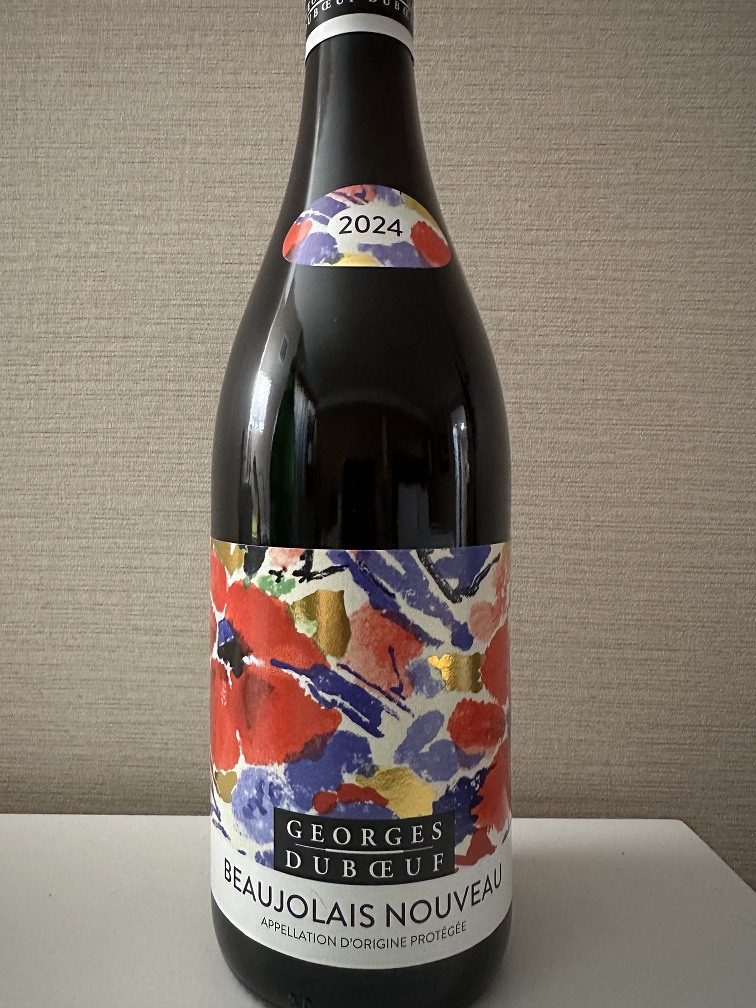
Every year I say that the quality of Beaujolais Nouveau gets better and better. I guess if I would sum up those statements, this Beaujolais Nouveau should taste better than DRC… I don’t know if it gets better every year anymore – at this point, I believe Beaujolais Nouveau got to the point of consistently high quality, good enough that I’m happy to drink it every year – at least Georges Duboeuf’s rendition for sure – here are my notes.
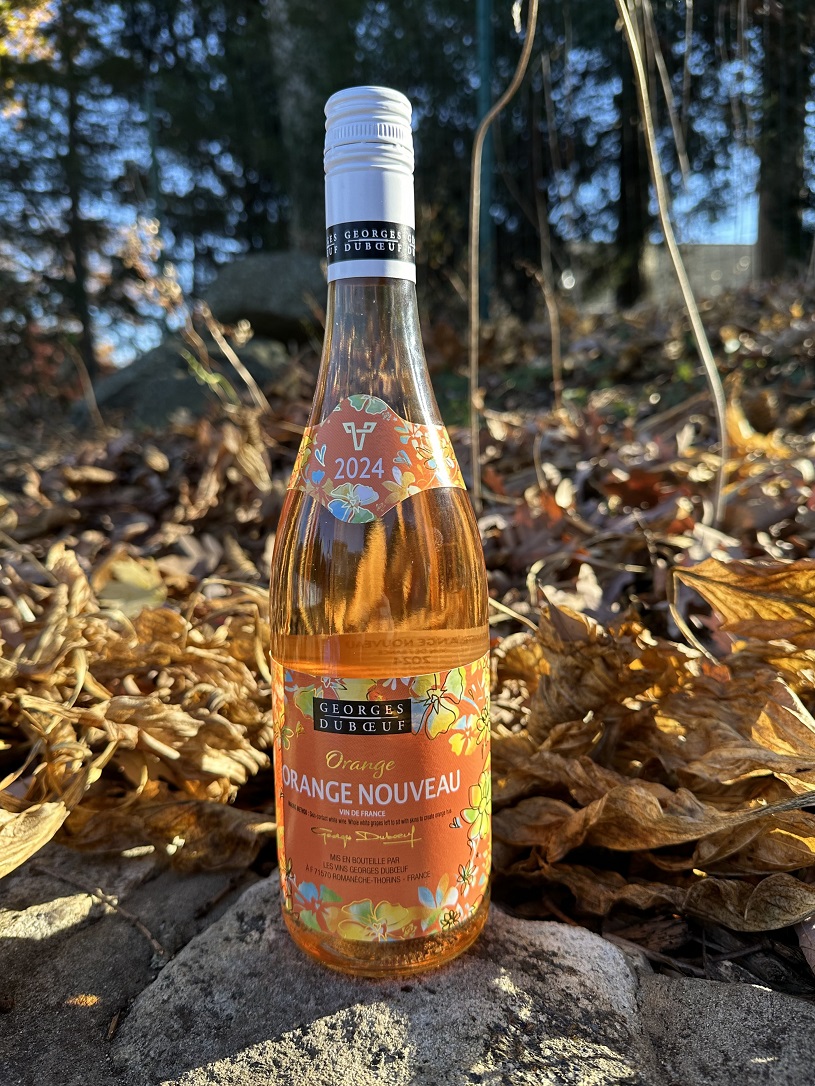


Lastly, here is a little treat for you:
Every year, the bottles of Beaujolais Nouveau are adorned with specially designed labels, sometimes even multiple labels from the same producer for the same wine – I have no idea how that works. As I have been writing about Beaujolais Nouveau every year since this blog started, I can offer you a collection of labels starting with the 2010 vintage. As Georges Dubouef is the one and only producer I was able to taste every year, below is my little “show and tell” limited only to the labels of Georges Duboeuf wines I tasted throughout the years. In case you feel like it, you can even choose your favorite label and share it in the comments (sorry, this is not a competition so no prizes will be awarded).
Here we go:


Beaujolais Nouveau 2024 has arrived, and if you haven’t tasted one yet – what are you waiting for? Taste it now and let me know what you think! Cheers!
Last Bottle Sign Up ($10 credit)




 Talk-A-Vino