Archive
Weekly Wine Quiz #88: What Is It?
The Wine Quiz series is not meant to intimidate. The whole idea here is to have fun and learn something new. When answering the questions, it is fully encouraged to use all available sources of information, including Google or any other search engine. There are no embarrassing answers – the most embarrassing thing is not giving it a try…
Welcome to the weekend and your new wine quiz!
I was planning to go back to the grape trivia series with this quiz, but then I was shown an object so peculiar that my immediate thought was – I have to make a quiz out of it! Here we are: take a look at the picture below – you don’t need to name the object (not sure if it has any specific name), but you have to explain what it is for and how it is used. Sorry – I know, this is not the best photo ever, but it shouldn’t be a problem for solving this quiz.
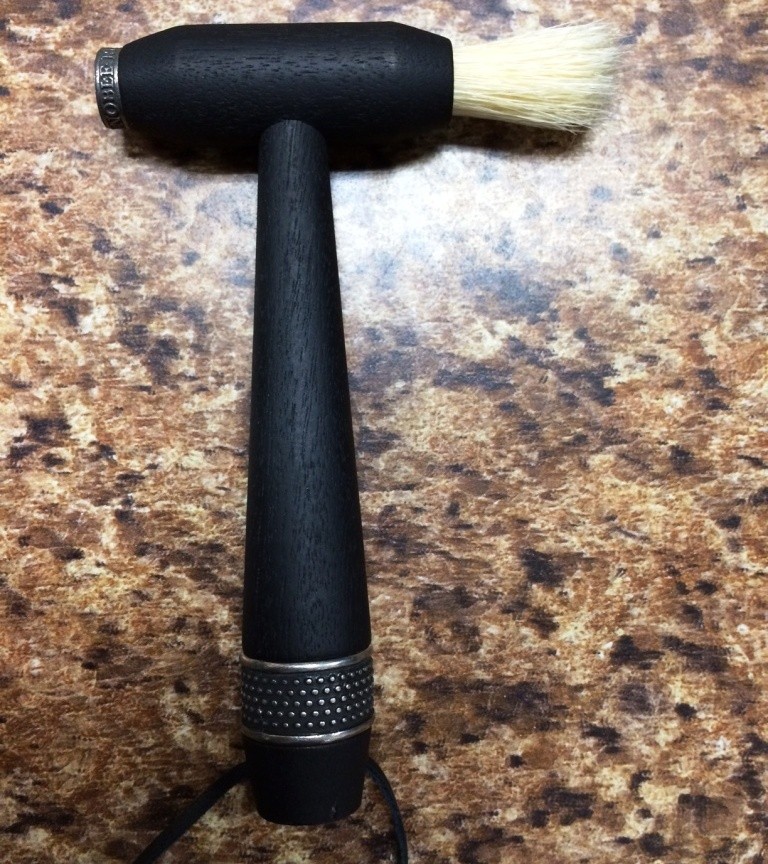
Good luck, enjoy the quiz and your weekend! Cheers!
Weekly Wine Quiz #87: How Well Do You Know Your Wines, Part 2
The Wine Quiz series is not meant to intimidate. The whole idea here is to have fun and learn something new. When answering the questions, it is fully encouraged to use all available sources of information, including Google or any other search engine. There are no embarrassing answers – the most embarrassing thing is not giving it a try…
Welcome to the weekend and your new wine quiz!
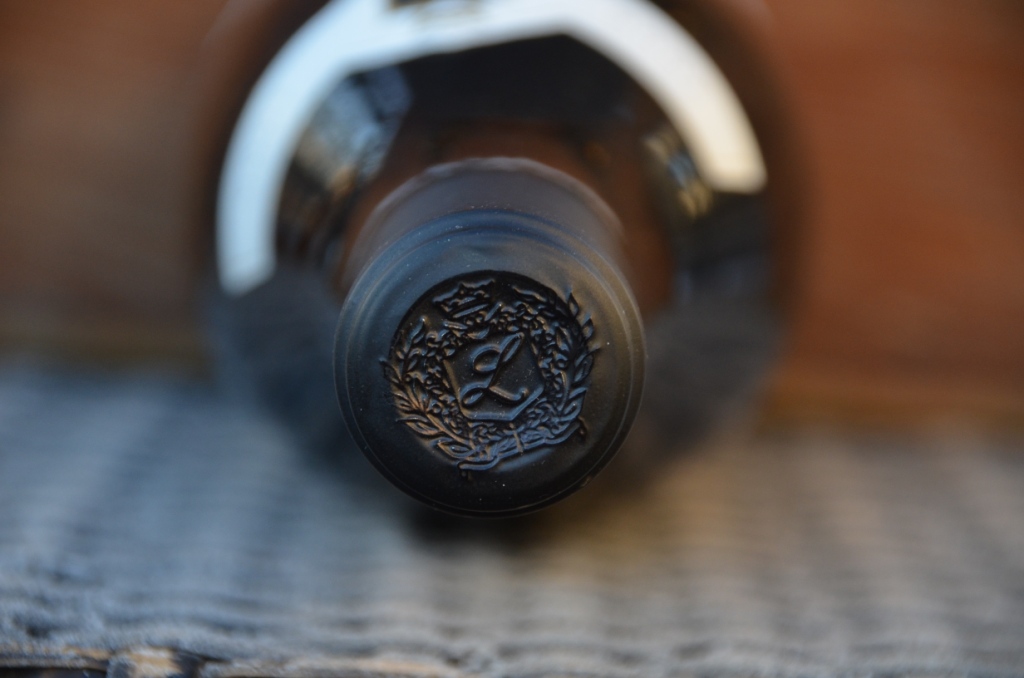
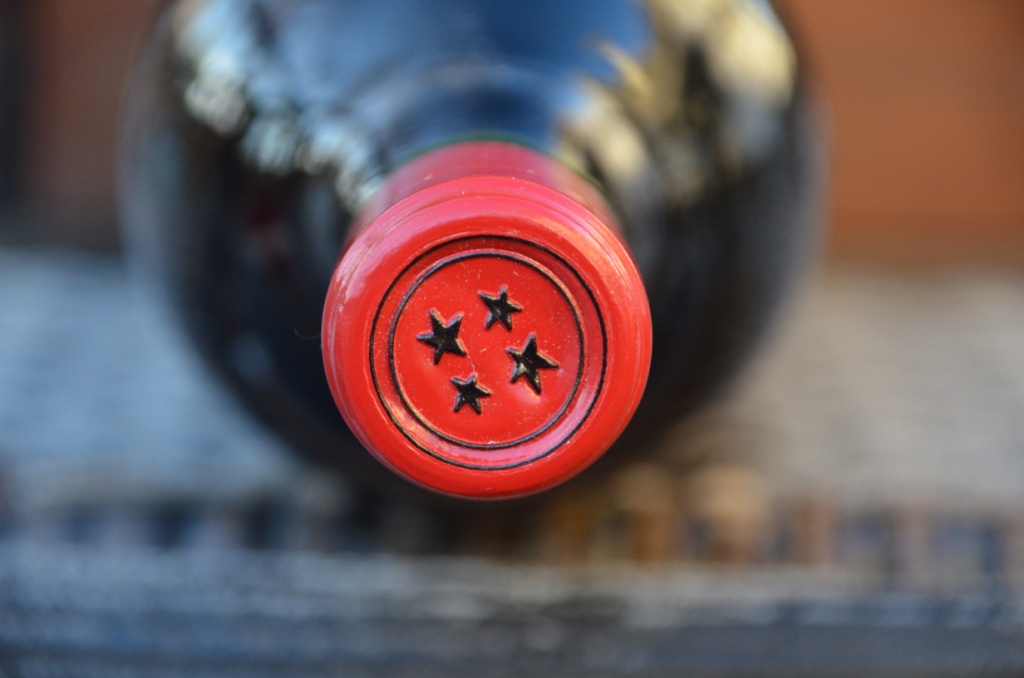
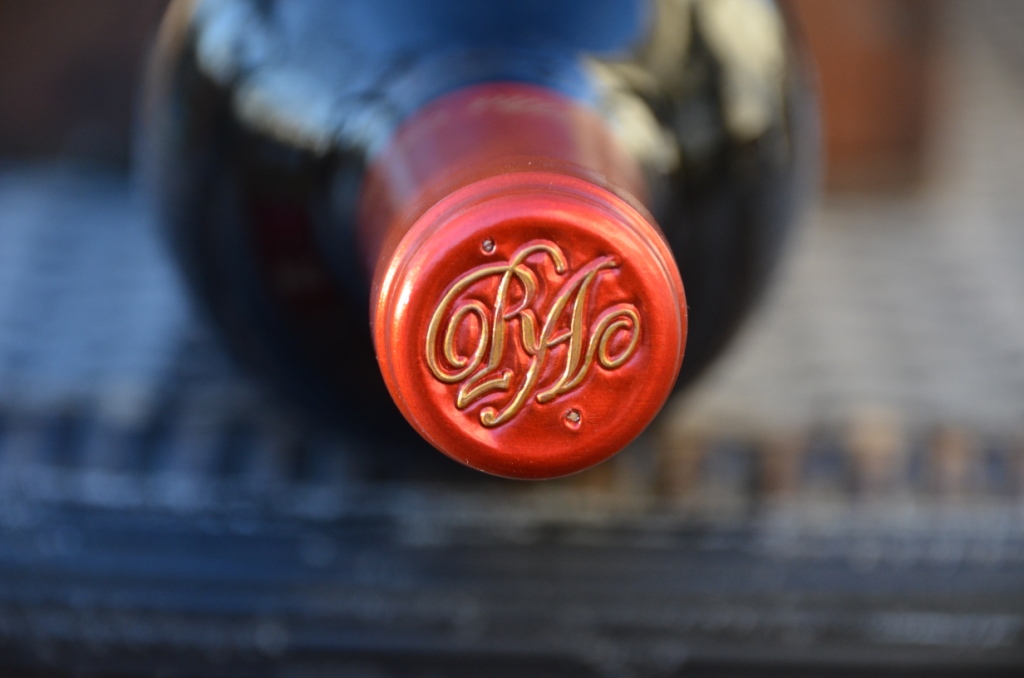
As I skipped the traditional Meritage, I would like to start with the answer to the wine quiz #86, How well do you know your wines. In the quiz, you were given the pictures of the top of the wine bottles, and you were supposed to name the producer or wine based on that picture of that foil top. Here are the answers (and below are the pictures, now with the producer/wine names):
1. Laetitia, the winery in California producing Pinot Noir and Chardonnay wines
2. Cambria, the winery in California, also producing Chardonnay and Pinot Noir wines
3. Wente, large winery in California Livermore valley
4. Turley, California Zinfandel and Petite Sirah specialist (however, the picture was taken from the bottle of Turley The Label Cabernet Sauvignon)
5. La Rioja Alta, one of the best Rioja producers in Spain
6. Peter Michael, California winery producing great Chardonnay, Pinot Noir and Cabernet Sauvignon
Bonus: Satrapezo, a great wine made out of Saperavi grape by Marani winery in Georgia – I understand that this is a very obscure wine for many, this is why it was set as a bonus question.
-

- 1. Laetitia
-

- 2. Cambria
-

- 3. Wente
-

- 4. Turley
-
- 5. La Rioja Alta
-

- 6. Peter Michael
-

- Bonus: Satrapezo
Talking about the results – this was a tough quiz, with a few people being able to properly identify Wente, and then some guesses for the #2 being Cline – this is close, but incorrect. The “C” on the Cline bottles is done slightly in the different style.
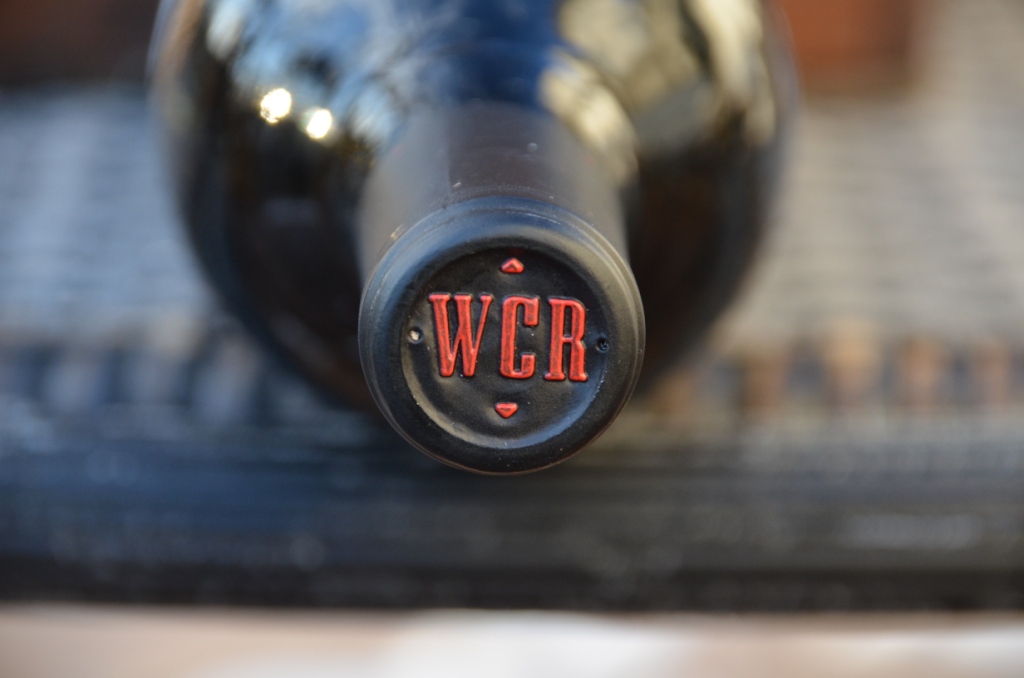
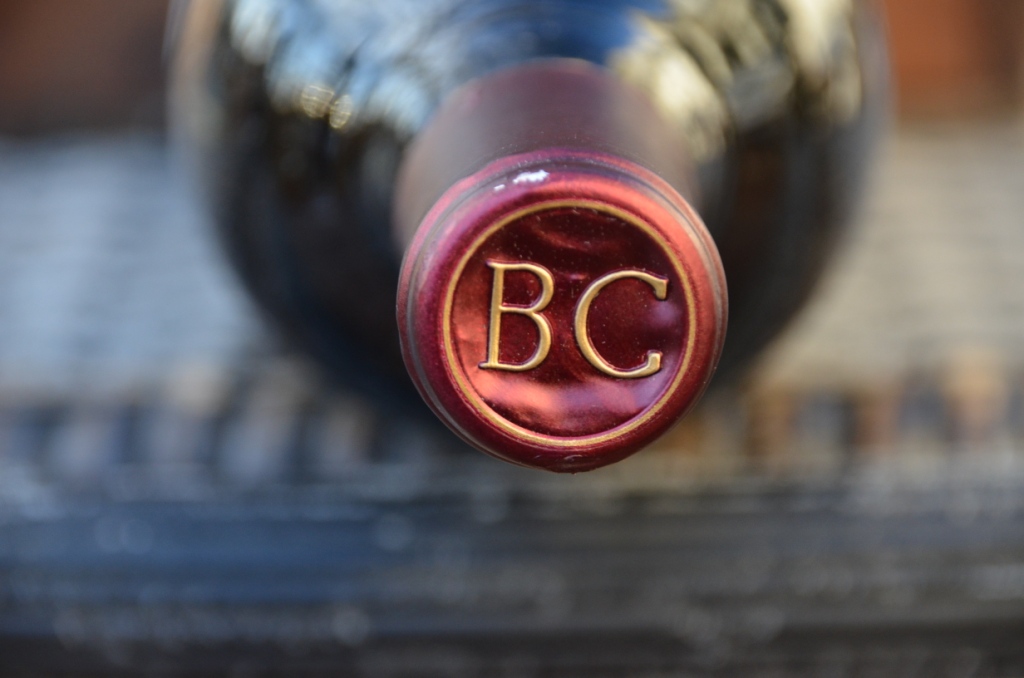
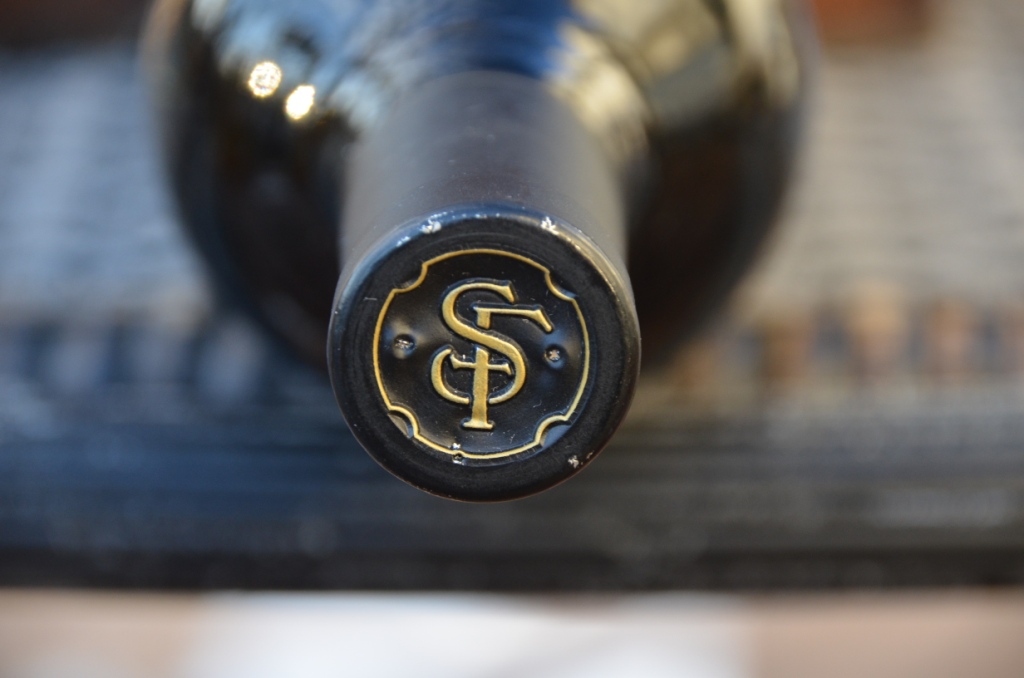
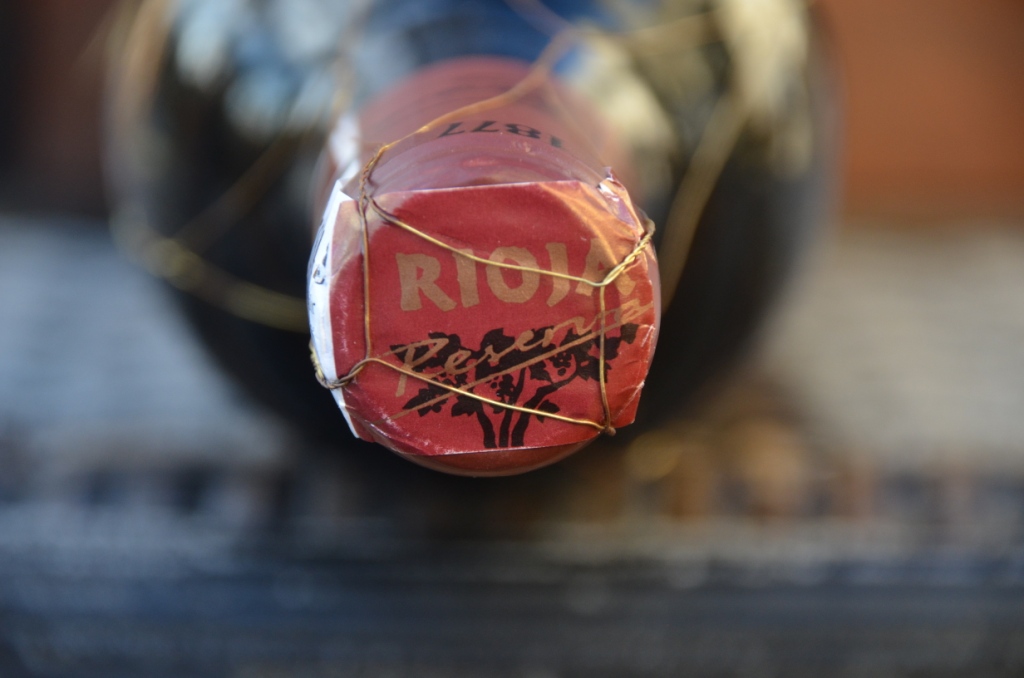
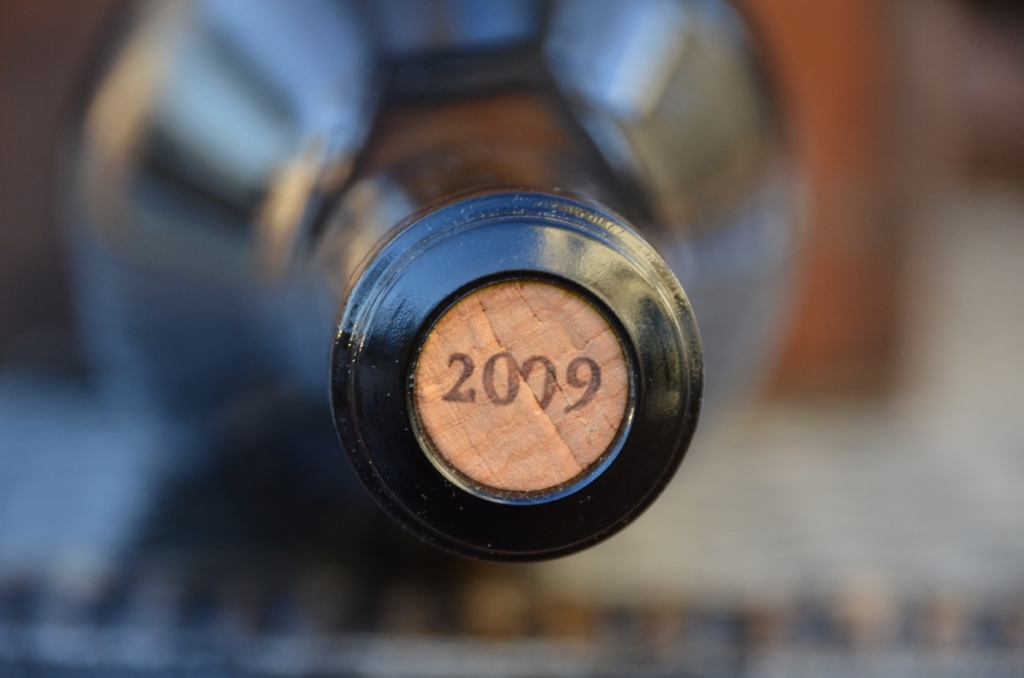
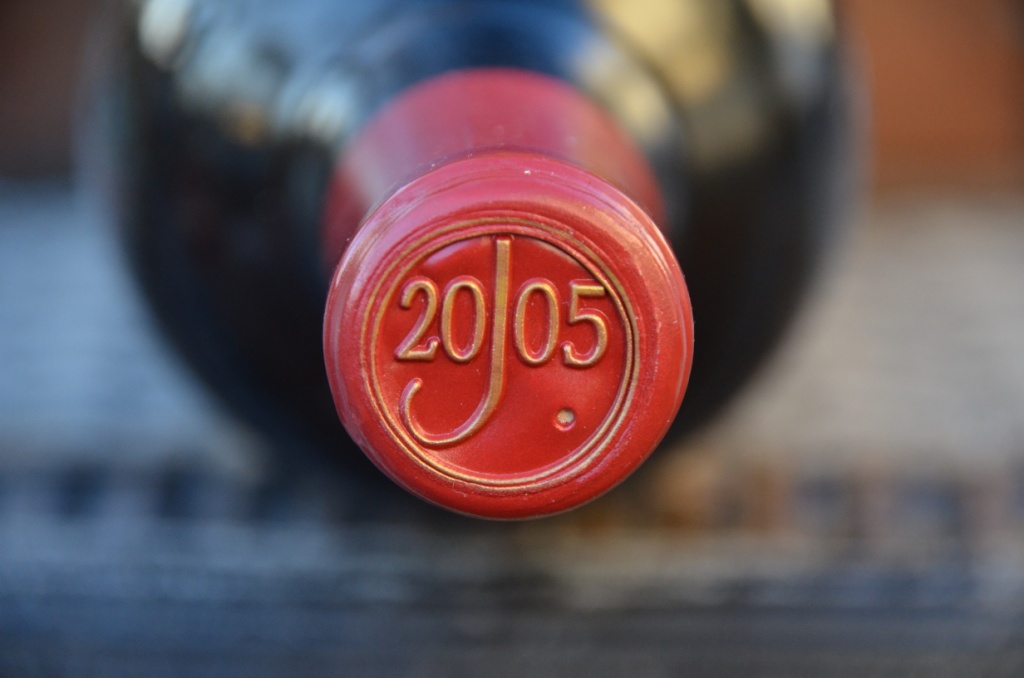
I still like this quiz, so here comes round number 2 – hopefully you can do better! Here we go:
1. 
2. 
3. 
4. 
5. 
6. 
7. 
And the bonus question:
B. 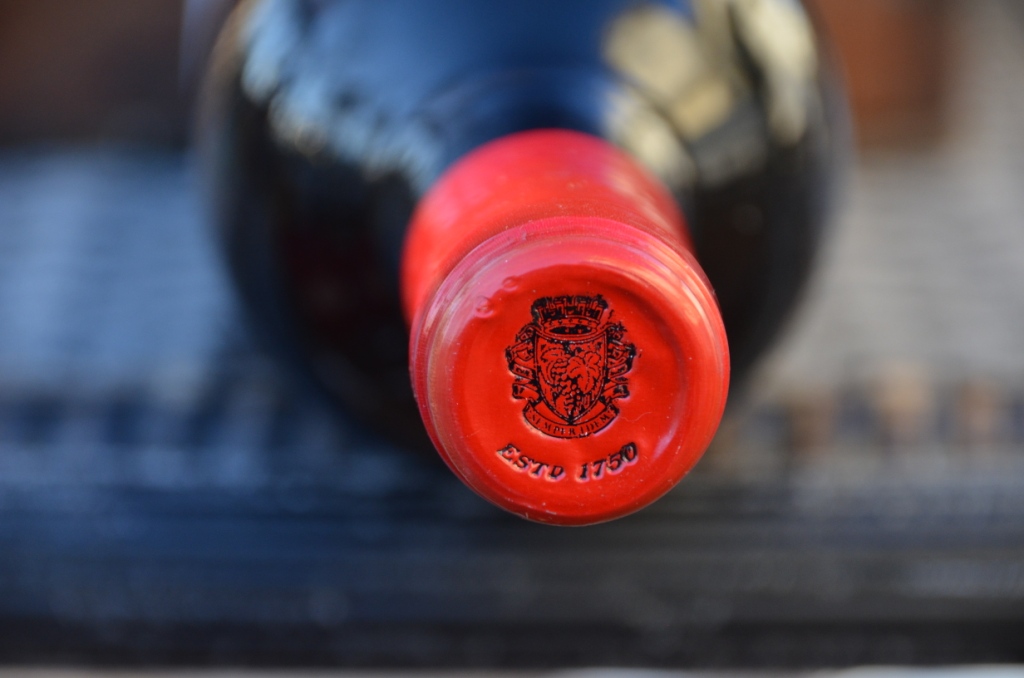
Good luck, enjoy the quiz and your weekend! Cheers!
Weekly Wine Quiz #86: How Well Do You Know Your Wines?
The Wine Quiz series is not meant to intimidate. The whole idea here is to have fun and learn something new. When answering the questions, it is fully encouraged to use all available sources of information, including Google or any other search engine. There are no embarrassing answers – the most embarrassing thing is not giving it a try…
Welcome to the weekend and your new wine quiz!
Similar to the last week, today’s quiz will be visual again. And I have to tell you upfront, that I can’t take the full credit for it – I got the idea from Ryan Sorrell, an artist who is creating pictures from the top foils of the wine bottles (take a look at his web site here). Ryan posted this picture on twitter and asked people to guess what wine it belongs to. I know that many people pay attention to the wine labels – but how many people pay attention to the top of the foil, while they are cutting that foil out? Let’s find out! Below are 6 different foil tops – you will need to identify the wine producer behind each one of those tops (note – click on the pictures to zoom).
1. 
2. 
3. 
4. 
5. 
6. 
And the bonus one (as this one is harder than the others):

Good luck, enjoy the quiz and your weekend! Cheers!
Weekly Wine Quiz #85: What Is It?
The Wine Quiz series is not meant to intimidate. The whole idea here is to have fun and learn something new. When answering the questions, it is fully encouraged to use all available sources of information, including Google or any other search engine. There are no embarrassing answers – the most embarrassing thing is not giving it a try…
Welcome to the weekend and your new wine quiz!
As I’m taking the break from the Grape Trivia series, today’s quiz is one of my favorite types – it is a picture quiz. What you see in the picture below is definitely wine-related – you need to identify what it is and provide as many specific details as possible.
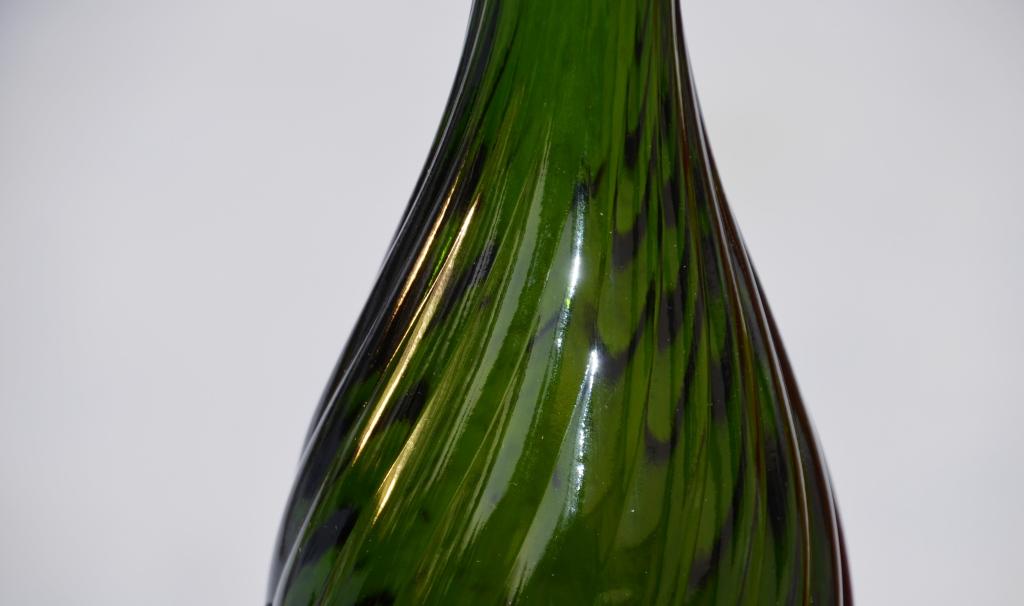 This is a difficult quiz, no questions – but you got nothing to lose and there are no bad answers!
Good luck, have fun, enjoy your weekend and cheers!
Weekly Wine Quiz #84: Grape Trivia – Barbera
 The Wine Quiz series is not meant to intimidate. The whole idea here is to have fun and learn something new. When answering the questions, it is fully encouraged to use all available sources of information, including Google or any other search engine. There are no embarrassing answers – the most embarrassing thing is not giving it a try…
Welcome to the weekend and your new wine quiz!
We are continuing our grape trivia series, with the focus again on the red grapes, and today’s subject is Barbera.
It is interesting to see the level of difference in the available information for different grapes, especially when it comes to the historical data (not that it is unexpected). When it comes to the grape such as Cabernet Sauvignon, absolute majority of the different sources converge on the 17th century as the time when Cabernet Sauvignon become known as the particular grape. When it comes to Barbera, the range of opinion is rather stunning – some sources say that Barbera was mentioned for the first time only in 18th century, some say it was 13th, and some of them put it even back to the 7th. Therefore, I can’t tell you when Barbera first became known as a grape, but as a fun fact, do you know that Barbera is 3rd most planted grape in Italy, after Sangiovese and Montepulciano? Today, there are about 70,000 acres of Barbera planted throughout the Italy
Barbera is one of the main grapes in Piedmont, where it is often planted right next to its noble neighbour, Nebbiolo. Typically Nebbiolo takes over the best spots on the hills, and Barbera is planted right under. Some of the best Barbera wines are produced in Asti, Alba and Monferrato areas in Piedmont, with Barbera d’Asti and Barbera del Monferrato having the DOCG status (highest quality standing in Italian wine classification). Of course Barbera is planted in many other regions in Italy, such as Lombardy, Emilia-Romagna and others. Barbera spread out all over the world with Italian immigrants, nowadays planted in Australia, United States (California, Texas and others), Argentina, Brazil, Israel and other countries.
Barbera grapes have dark thin skin. Barbera has a well known tendency for overproduction, so the plantings have to be controlled to achieve higher quality of the wines. Barbera typically has high level of acidity and low tannins, which makes winemaking somewhat challenging to produce wines which will be able to age well – of course ageing in the oak barrels helps with that. One of the well known characteristics of Barbera wines is intense berries aroma, and the wines typically have a medium body, at least in the classical Italian versions ( some of the New World Barberas can be quite bombastic). Barbera wines are generally food friendly with their inherent acidity, and they complement quite well a wide range of traditional Italian dishes.
And now, to the quiz!
Q1: Based on the latest DNA analysis, which well known Spanish grape appears to be a close relative of Barbera?
Q2: What well-known grape became popular blending partner of Barbera as of late?
Q3: The new technique was introduced in making the wines out of Barbera in the second half of the 20th century, which helped to improved the quality of the wines. Which one do you think it was:
a. Malolactic fermentation
b. Fermentation and aging in the small oak casks
c. Carbonic maceration
d. Reverse osmosis
Q4: Wine Spectator calls wines rated in 95-100 range Classic (the highest and the most prestigious category). True or False: there are no Barbera-based wines rated in the Classic category
Q5: Fill in the blanks: Barbera typically ripens two weeks later than _____, but at the same time it is two weeks earlier than ____.
Good luck, enjoy the quiz and your weekend! Cheers!
Weekly Wine Quiz #83: Grape Trivia – Carménère
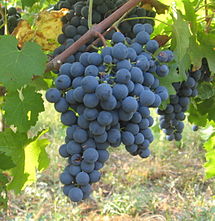
Carménère grapes. Source: Wikipedia
The Wine Quiz series is not meant to intimidate. The whole idea here is to have fun and learn something new. When answering the questions, it is fully encouraged to use all available sources of information, including Google or any other search engine. There are no embarrassing answers – the most embarrassing thing is not giving it a try…
Welcome to your new wine quiz!
We are continuing our grape trivia series, with the focus again on the red grapes, and today’s subject is Carménère.
Let’s start with pre-quiz before the quiz. Class, how many of you heard of the Carménère grape, raise your hands. Ok, now, how many of you tasted the Carménère wines, raise your hands. Okay, those of you who raised their hand twice, can probably skip directly to the main quiz, and for the rest of us, lets talk about Carménère.
When it comes to the Bordeaux, everybody knows five main grapes – Cabernet Sauvignon, Merlot, Cabernet Franc, Malbec and Petit Verdot. Truth of the matter is that it is actually six – and Carménère is that grape number six. Until the Phylloxera epidemic of the 1870s in France, Carménère was probably one of the leading grapes in Bordeaux. Carménère is related to the Cabernet family, it most likely predates both Cabernet Franc and Cabernet Sauvignon, and it was probably the driving force behind power and finesse of Claret of the 1800s and even before. However, Carménère is a difficult grape to work with – it ripens two to three weeks later than Merlot, and it is susceptible to the viticultural hazard called coulure – the condition when in the cold spring the buds will fail to turn into the flowers. It also doesn’t graft on the new rootstock very easily. So the combination these issues lead to the situation that after the Phylloxera epidemic, the grape was practically not replanted back in Bordeaux, and it was literally considered extinct (it exists today in France, but in the extremely low quantities).
During the 1850s, a lot of Cabernet Sauvignon and Merlot cuttings made it to Chile – both in legal and probably illegal ways. For the long time, Chilean winemakers were wondering, why some of their Merlot plantings ripen so late compare to the others, and have a different flavor profile – those grapes where considered to be a specific Chilean Merlot clone. Until in 1994 it was discovered that Chilean Merlot is actually a … Carménère! Carménère made it to Chile in 1850s as part of those Cabernet Sauvignon and Merlot cuttings, and it happened to strive in the warm and dry climate. Today, Chile has almost 9,000 hectares planted with Carménère, and it is widely considered one of the best wines Chile can produce.
When ripen properly, Carménère produces excellent powerful wines with the fruit profile somewhat similar to Cabernet Sauvignon and Merlot, but with very present herbal and spicy component of sage, pepper, eucalyptus and even menthol.
And now, to the quiz!
Q1: Explain the name of the grape Carménère
Q2:Similar to Merlot/Carménère confusion in Chile, the discovery was recently made in one of the well known old world wine producing countries – the grape they thought was ___, actually happened to be a Carménère. Name the grape, the country, and the region within this country where confusion took place.
Q3: As the sequel to the previous question – the confusion also spread into the New Wolrd winemaking country. Name the grape been mistaken and the country.
Q4: Wine Spectator calls wines rated in 95-100 range Classic (the highest and the most prestigious category). True or False: there are no Carménère-based wines rated in the Classic category
Q5: Name three grapes, often blended together with Carménère.
Good luck, enjoy the quiz and your weekend! Cheers!
Weekly Wine Quiz #82: Grape Trivia – Gamay

Gamay grapes
Source: Wikipedia
The Wine Quiz series is not meant to intimidate. The whole idea here is to have fun and learn something new. When answering the questions, it is fully encouraged to use all available sources of information, including Google or any other search engines. There are no embarrassing answers – the most embarrassing thing is not giving it a try…
Welcome to the weekend and your new wine quiz!
We are continuing our grape trivia series, with the focus again on the red grapes, and today’s subject is Gamay, also called Gamay Noir, and fully officially a Gamay Noir à Jus Blanc.
Gamay is a purple-skinned grape, taking its name from the village of Gamay, located south of Beaune in France. Gamay is considered to be a cross between Pinot Noir and ancient white grape called Gouais Blanc. First mentions of Gamay go all the way back to the 14th century, so it had being around for a while.
Gamay grapes have thin skin, and have a tendency to overproduce, creating the grapes with very high level of acidity and low sugar, which often results in the production of lightly colored and quite acidic wines. The overproduction and high acidity were the reasons for the Gamay being literally outlawed and pushed out of Burgundy by the royal rulers at the end of 14th century, to give way for much rounder Pinot Noir. As the result, Gamay mostly settled in Beaujolais area, where it became the major red grape variety. Gamay is used in Beaujolais to produce a wide range of wines, starting from the famous Beaujolais Nouveau, the wine produced within 6 weeks of the harvest – young, grape-y and quaffable, but usually not very exciting; and then going to the Cru Beaujolais ( there are 10 villages in Beaujolais, which have this status), which can be dense, concentrated and age-worthy.
In addition to Beaujolais, Gamay is also growing in Loire region, where it is often blended with other local grapes such as Cabernet Franc and Cot ( Malbec) and it is used to produce both red and Rosé wines. The Rosé from Loire are typically a lot fruitier than the ones from Provence. Gamay is also successfully grown in Switzerland, especially in the area around lake Geneva – it is often blended with Pinot Noir there. Outside of France, Gamay is planted in the number of regions, such as United States and Italy, but it doesn’t produce much of the well known wines. Interestingly enough, a world renowned wine writer and critic, Jancis Robinson, was raving about Gamay wines produced by Sorrenberg of Beechworth in north east Victoria, Australia – she mentioned that it might be “one of the most exciting Gamays I have ever tasted”.
And now, to the quiz!
Q1: Gamay is closely associated with every third Thursday in November. Can you explain why?
Q2: Carbonic maceration is an important method in production of wines made out of Gamay. Can you briefly explain what is carbonic maceration and how does it helps here?
Q3: Fill in the blanks: In Beaujolais, Fleuri is considered to produce the most ___ wine, and Moulin-à-Vent produces the most ___ wines.
Q4: Which one doesn’t belong and why:
a. Brouilly
b. Côte de Brouilly
c. Côte Chalonnaise
d. Juliénas
e. Régnié
Q5: True or False: Beaujolais Nouveau wines can be aged for a few years before consumption.
Good luck, enjoy the quiz and your weekend! Cheers!
Weekly Wine Quiz #81: Grape Trivia – Petite Sirah

Petite Sirah in Bloom. Source: Wikipedia
The Wine Quiz series is not meant to intimidate. The whole idea here is to have fun and learn something new. When answering the questions, it is fully encouraged to use all available sources of information, including Google or any other search engine. There are no embarrassing answers – the most embarrassing thing is not giving it a try…
Welcome to the weekend and your new wine quiz!
We are continuing our grape trivia series, with the focus again on the red grapes, and today’s subject is Petite Sirah.
Petite Sirah was created by the French botanist François Durif as a result of accidental cross-pollination between Syrah and little known Rhône varietal called Peloursin. To honor its creator, the grape was originally known under the name of Durif, but Petite Sirah happened to stick as a name, so it is a rarity to the see the name Durif on the bottle. While discovered in France, the grape is literally non-existent there, and it is growing primarily in United States, Australia and Israel, with the number of other countries starting to experiment with it.
Petite Sirah came to the United States at the end of the 19th century, but it is only recent that its popularity started to increase rapidly. Just to give you some numbers, in 2002 in California there were about 2,000 acres of Petite Sirah planted, and 62 producers made wine from it. In 2013, the plantings increased more than 4 times, to more than 9,000 acres, and about 1,000 producers joined the suite, bringing the total number of Petite Sirah producers in California to more than 1,060. At the same time, most of the Petite Sirah production is small, typically a few hundred cases, which explains why you see only a very limited number of Petite Sirah wines in the stores.
Petite Sirah (and the name Petite here relates to the size of the grapes) produces small dark-skinned berries, with very high skin to juice ratio, thus bringing a lot of tannins to the resulting wines. But it is not only tannins – Petite Sirah often shows quite an exuberant fruit, with blueberries and raspberries being in the forefront. One important feature of the Petite Sirah grapes is resistance to the mildew, which definitely helps, especially when it rains during the harvest. Petite Sirah is used both for blending and, increasingly, on its own, where it makes very concentrated, powerful and long-living wines, capable of ageing for a few decades or more.
And now, to the quiz!
Q1: Name the grape: In California, Petite Sirah is a popular blending addition to ___?
Q2: When it comes to the wines in the United States, there is an interesting similarity between the Petite Sirah and Primitivo. Can you explain?
Q3: Which one doesn’t belong and why:
a. Arizona
b. Illinois
c. New Mexico
d. New York
e. Texas
Q4: In the bad, rainy growing season conditions in California, Petite Sirah can be a savior – can you explain why and how does it help?
Q5: What love has to do with the Petite Sirah?
Good luck, enjoy the quiz and your weekend! Cheers!
Weekly Wine Quiz #80: Grape Trivia – Mourvèdre, a.k.a Monastrell
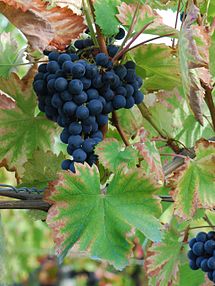
Mourvèdre grapes, as shown in Wikipedia
The Wine Quiz series does not mean to intimidate. The whole idea here is to have fun and learn something new. When answering the questions, it is fully encouraged to use all available sources of information, including Google or any other search engines. There are no embarrassing answers – the most embarrassing thing is not giving it a try…
Welcome to the weekend and your new wine quiz!
We are continuing our grape trivia series, with the focus again on the red grapes, and today’s subject is red grape called Mourvèdre, also known in Spain under the name of Monastrell, and also known as Mataro in Australia.
Mourvèdre is one of the very old grapes. According to the general consensus, Mourvèdre originated in Southern Spain at around 500 BC. From Spain, the grape spread into France, where it became popular in Roussillon region, and then made it into Provence and Rhone. Mourvèdre was brought into US and Australia in the 19th century, but it was used mostly for blending or even bulk juice production for home-made wines. It was not until the late 20th century when the grape started gaining popularity in US and Australia, producing both high end blends as well as single-grape wines.
Mourvèdre requires a warm climate and a substantial amount of sunshine in order to produce ripe, concentrated grapes. In the cooler conditions, the grape will exhibit mostly herbaceous and vegetative flavors, not very suitable for the winemaking. Under the proper growing conditions, Mourvèdre produces grapes with expressive fruit (blackberries, blueberries) and gamy flavors, with medium acidity. Mourvèdre also known for its thick skin, which allows for a good color and tannin extraction. Mourvèdre is used in a production of a single grape red wines (in Bandol, France, and many regions in Spain), as well as in various blends (for instance, it is one of the allowed 18 grapes in Châteauneuf-du-Pape). It is also used in a production of Rosé and sweet wines, and it is allowed to be blended into the Cava, Spanish Sparking wines (to make Cava Rosé).
And now, to the quiz!
Q1: Name two grapes, most famous blending partners of Mourvèdre.
Q2: Wine Spectator calls wines rated in 95-100 range Classic (the highest and the most prestigious category). True or False: there are no Mourvèdre-based wines rated in the Classic category
Q3: Fill in the gaps: The oldest, continuously producing Mourvèdre vine is located at ___ Vineyard in ___, and it is about ___ years old.
Q4: Explain potential origins for all three names of the grape – Mourvèdre, Mataró and Monastrell
Q5: True or False: France plantings of Mourvèdre far exceed the plantings in Spain (no tricks here – Mourvèdre and Monastrell are used interchangeably, you have to assume it is the same grape).
Good luck, enjoy the quiz and your weekend! Cheers!
Weekly Wine Quiz #79: Grape Trivia – Cabernet Franc
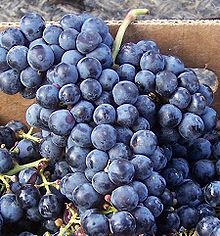
Cabernet Franc grapes, as shown in Wikipedia
The Wine Quiz series is not meant to intimidate. The whole idea here is to have fun and learn something new. When answering the questions, it is fully encouraged to use all available sources of information, including Google or any other search engine. There are no embarrassing answers – the most embarrassing thing is not giving it a try…
Welcome to the weekend and your new wine quiz!
We are continuing our grape trivia series, and we are back to the red grapes. Today’s subject is the red grape called Cabernet Franc.
According to many sources, Cabernet Franc is first appearing in Bordeaux in the 17th century, with a good chance of being around for much longer. From Bordeaux, it made it to Loire valley, where it is often used to produce single-varietal wines. In Bordeaux itself, Cabernet Franc is typically used as part of the blend together with Cabernet Sauvignon, Merlot, Petit Verdot and Malbec. Today Cabernet Franc is spread out all over the world, both used in Bordeaux-style blends (Meritage) and as single varietal bottlings – Australia, New Zealand, Italy, Chile, US, Argentina, Canada are all have a good amount of plantings of Cabernet Franc. In the US, Cabernet Franc is successfully grown all over the country, with some of the best wines coming from California, Washington and New York states.
Cabernet Franc is known to be a parent of Cabernet Sauvignon ( together with Sauvignon Blanc), so the typical flavor profile of Cabernet Franc is somewhat similar to the Cabernet Sauvignon, with black currant, raspberries and green bell peppers flavors being most typical. At the same time, Cabernet Franc wines often have more earthy aromatics and a little bit lighter in the body. Cabernet Franc also buds and ripens at least a week earlier than Cabernet Sauvignon, and it is more resistant to the low freezing temperatures during winter, which allows it to be cultivated successfully in the colder climates.
And now, to the quiz!
Q1: One of the most famous wines in the world has Cabernet Franc as a major (2/3 or so) components of its blend. Do you know what wine is that?
Q2: Cabernet Franc has a special relationship with the frost. Can you explain that?
Q3: Which one doesn’t belong and why:
a. Bourgueil
b. Chinon
c. Saumur-Champigny
d. Saint-Chinian
Q4: This unique grape grows only in one place in the world, and it is a cross between Merlot and Cabernet Franc. Do you know what grape it is?
Q5: In Italy, Cabernet Franc is often confused for another rare Bordeaux grape. Do you know the name of that rare grape?
Good luck, enjoy the quiz and your weekend! Cheers!
Last Bottle Sign Up ($10 credit)




 Talk-A-Vino