Archive
Weekly Wine Quiz #116: Harvest Time
 The Wine Quiz series is not meant to intimidate. The whole idea here is to have fun and learn something new. When answering the questions, it is fully encouraged to use all available sources of information, including Google or any other search engine. There are no embarrassing answers – the most embarrassing thing is not giving it a try…
Welcome to the weekend and your new wine quiz!
We might be reaching the logical end of the grape trivia series, at least concerning the individual grapes. Most of the grapes I can think of at this moment would be hard to create a reasonable quiz around. Don’t get me wrong – there are still plenty of the grapes worth talking about – but I need to think of a good approach there.
So for today, as we are in a middle of the harvest (in the northern hemisphere, it is), I thought – why don’t we play around vintages and harvests? Every harvest time is associated with an early assessment of the vintage – how are the grapes? Are they healthy enough? Is there acidity good? Is there good level of sugar and phenolic ripeness? How will this vintage pan out? Will people be actively seeking these wines? Will that be a vintage of the century? Well, I’m sure you got the picture and you are well familiar with it. Below I have the usual 5 questions for you, about harvests, vintages and wines. Some regions and wines are just more associated with all that “vintage” talk, so the questions might be skewed – but you should be the judge of it.
And now, to the quiz!
Q1: Which one is missing:
1928, 1945, …, 1959, 1961, 1982
Q2: What is common between Vega Sicilia Unico, La Rioja Alta Gran Reserva 904, Chateau d”Yquem Grand Vin and Giacomo Conterno Monfortino Riserva Barolo?
Q3: This sweet wine is one of the most prized wines in the world, and it had been produced only 3 times in the 21st century – 2000, 2003 and 2011. Do you know what wine this might be?
Q4: Below is the list of some of the exceptionally good vintage years for this red wine – do you know what wine that might be?
1948, 1955, 1964, 1982, 1994, 1995, 2001, 2004
Q5: This wine was released for the first time in 1978, at the age of 100 years. It continues to be released every year since that time, always at the age of 100 years. Do you know what wine this might be and which country produces it?
Good luck, enjoy the quiz and your weekend! Cheers!
The answer to this quiz can be found here.
Weekly Wine Quiz #115: Grape Trivia – Muscat
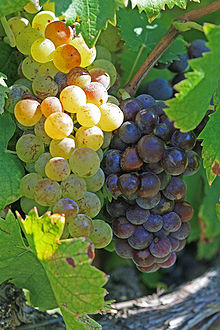
Muscat blanc à Petits Grains and Muscat Noir. Source: Wikipedia
The Wine Quiz series is not meant to intimidate. The whole idea here is to have fun and learn something new. When answering the questions, it is fully encouraged to use all available sources of information, including Google or any other search engine. There are no embarrassing answers – the most embarrassing thing is not giving it a try…
Welcome to your new wine quiz!
We are continuing our grape trivia series, and today’s subject is the grape called Muscat.
Going through The Wine Century Club journey, I always make an effort to figure out if the seemingly new grape is actually not a localized name for the grape which I already counted. Muscat is always one of the biggest challengers; trying to figure out all those name interconnections is often quite tedious. Only now, when I set to work on this quiz, I realized why is that.
It appears that Muscat has a lot of very unique characteristics, which makes it one and only in many instances (think about your own grape ranking – is Muscat stands appropriately high in it? Stop it, don’t bring out the Moscato d’Asti subject…). Let me give you a few facts. Muscat is one of the oldest grapes used in winemaking, with its history going back thousands and thousands years back. According to some theories, Muscat considered to be one of the very first domesticated grapes, and it is possible that majority of the Vitis Vinifera grapes are offspring of Muscat.
Muscat is actually a family, which includes about 200 different grapes – no wonder it is hard to figure out which one is which. Muscat grapes are grown both for winemaking and for the table grape consumption, which again makes it very unique (most of the Vitis Vinifera grapes are produced for winemaking only). Muscat is often imagined as a white grape variety, which is true for the majority of the grapes – however, red, blue and black Muscat grapes are also part of the family. To continue making everything just a bit more complicated, you can’t tell the color by just the name – unless you know it already. It is easy to figure out that Grenache is a red grape, and Grenache Blanc is white, or that Pinot Noir is a red and Pinot Blanc is white. Talking about Muscat, you have to know that Muscat of Alexandria is white, and Muscat of Hamburg is red, often called Black Muscat.
Considering such a long history and diversity, it is not surprising that Muscat is growing pretty much everywhere in the world, and it is used in production of the whole range of wines, starting from sparkling (Moscato d’Asti), going to the dry (Spanish Moscatel wines come to mind), and of course, sweet, both regular and fortified – Australia, France, Italy, South Africa and many others greatly excel here. While yes, there are about 200 grapes in the Muscat family, four varieties can be identied as “main” – Muscat blanc à Petits Grains, Muscat of Alexandria, Muscat of Hamburg and Muscat Ottonel. Many Muscat grapes, which you know under their unique names will be simply local names for some of these “main” varietals. For instance, Moscato d’Asti is a Muscat blanc à Petits Grains, and Spanish Moscatel is actually a Muscat of Alexandria.
All the different varieties of Muscat have different growing characteristics and challenges – for instance, Muscat of Alexandria has a tendency to overproduce and needs to be controlled in the vineyard; Muscat Ottonel is a palest of the all Muscat grapes and ripens the earliest. What is common between all the Muscat grapes is aromatics, the characteristic “musky” aroma. Muscat generally very easily accumulates sugar and has naturally low acidity, thus it doesn’t age for too long on its own – but fortified wines, of course, can live literally forever.
And now, to the quiz!
Q1: This Italian wine, made out of the Muscat of Alexandria grapes (which has a different local name), is quite unique in having a given vintage receive top ratings from all main Italian wine publications, including Gambero Rosso, Slow Wine, Bibenda and Veronelli. Can you name this wine?
Q2: This Muscat wine was the last solace of exiled Emperor, Napoleon Bonaparte. Can you name the wine and the country where it was made?
Q3: Which one doesn’t belong and why?
a. Banyuls
b. Beaumes de Venise
c. Frontignan
d. Rivesaltes
Q4: Muscat wines often get very high ratings from the reviewers. Based on Wine Spectator Classic wines (95 – 100 rating), which country do you think has the most Muscat wines rated as Classic:
a. Australia
b. France
c. Italy
d. Portugal
Q5: Which should be excluded and why?
a. Muscat of Alexandria
b. Muscadelle
c. Moscato Giallo
d. Muscat of Hamburg
e. Morio Muskat
Good luck, enjoy the quiz and the rest of your weekend! Cheers!
Weekly Wine Quiz #114: Grape Trivia – Viura / Macabeo
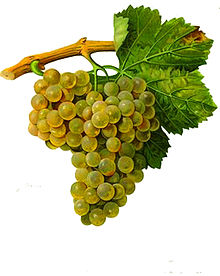
Viura/Macabeo grapes. Source:Wikipedia
The Wine Quiz series is not meant to intimidate. The whole idea here is to have fun and learn something new. When answering the questions, it is fully encouraged to use all available sources of information, including Google or any other search engine. There are no embarrassing answers – the most embarrassing thing is not giving it a try…
Welcome to your new wine quiz!
We are continuing our grape trivia series, and today’s subject is the white grape Viura, also known as Macabeo.
I know what you are thinking – we are going from “not so popular”, like we did with Müller-Thurgau and Pinot Blanc, to practically obscure. You probably want to say “I never heard of the grape and never had any wine made with it!”. Well, let’s see. Have you had any Cava, a sparkling wine from Spain, during the last summer? Macabeo is a part of the blend. How about white Rioja? If you actually never had white Rioja, you have to correct it as soon as possible (go on, run to the store, I will wait here). Look for Cvne Monopole Rioja (100% Viura), the oldest white wine in Spain, produced since 1915, or for any of the R. Lopez de Heredia whites, like Viña Tondonia or Viña Gravonia – those wines might change your view of the world forever (well, the wine world, of course). But – let’s get back to the grape itself.
Viura is the name of the grape used in Rioja (interesting fact: until 1975, there were more white wines produced in Rioja than the reds). The same grape is known in the rest of Spain as Macabeo, and as Macabeu and Maccabéo in Roussillon in France. Viura has a few interesting traits, which make it to stand out among others white grapes. First, it is considered to be resistant to Phylloxera, and it was widely planted in Spain after the Phylloxera devastation. It also can withstand oxidation better than many other grapes, which makes it a favorable variety for the prolonged barrel aging, where some exposure to oxygen is inevitable. At the same time, as Viura grows in the very tight clusters, it needs hot and dry climate to fully ripen, otherwise it is susceptible to mildew and rot – to get the best results the grape often requires extensive pruning and lots of attention in the vineyard. But – good white Rioja is a magnificent wine, with incredible aromatics and delicious bouquet, and can age and gain complexity for decades – it is well worth the trouble! In addition to white Rioja, Macabeo also plays main role in production of Cava, famous Spanish Sparkling wine. And we shouldn’t forget the Roussillon region in France – Macabeo is an important contributor to many different types of wines produced there.
And now, to the quiz!
Q1: Which one doesn’t belong and why:
a. Chardonnay
b. Sauvignon Blanc
c. Trebbiano
d. Verdejo
Q2: True or false: Viura is one of the 10 most planted white grapes in the world
Q3: Wine Spectator calls wines rated in 95-100 range Classic (the highest and the most prestigious category). True or False: there are no Viura/Macabeo-based wines rated in the Classic category
Q4: Which grape is missing: Chardonnay, Macabeo, Malvasia, …, Xarel-lo
Q5: Fill the gaps: If Macabeo is blended with Grenache Blanc and Malvasia, the resulting wine is most likely a ___from_____ ; if Macabeo is blended with Grenache Blanc and Grenache Gris, the resulting wine probably a ___ from ___.
Good luck, enjoy the quiz and your weekend! Cheers!
Weekly Wine Quiz #113: Grape Trivia – Pinot Blanc
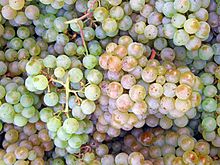
Pinot Blanc Grapes. Source: Wikipedia
The Wine Quiz series is not meant to intimidate. The whole idea here is to have fun and learn something new. When answering the questions, it is fully encouraged to use all available sources of information, including Google or any other search engine. There are no embarrassing answers – the most embarrassing thing is not giving it a try…
Welcome to the weekend and your new wine quiz!
We are continuing our grape trivia series, and today’s subject is Pinot Blanc.
How many of you can consciously remember that they had a Pinot Blanc wine? Yeah, I thought so (and I’m doing a quiz about it – not very wise, huh?). Well, what else we can expect if the grape is a mutation of a mutation, right? Pinot Noir, proudly presiding over the Pinot family, is a very mutation-prone grape. So first, there was a Pinot Gris, a grey-colored mutation of the Pinot Noir. And Pinot Blanc – yes, you guessed it – is a mutation of a Pinot Gris.
Nevertheless, Pinot Blanc used to be quite popular world wide. In the 1700s, plantings at the famous Domaine de la Romanée-Conti in Burgundy had 20% of the Pinot Blanc – now there are none. Pinot Blanc still allowed to be used in Burgundy in the wines labeled Bourgogne Blanc, but the plantings of Pinot Blanc in Burgundy are practically non-existent. Same story is in Champagne, where Pinot Blanc is allowed to be used, but practically never is. Even in Alsace, where the grape still is widely planted, Pinot Blanc stands in a very interesting position. Alsace is the only region in France where the name of the grape is always put on the label. However, event if the label says “Pinot Blanc”, any of the Pinot family grapes ( including unvinified Pinot Noir, which will produce clear juice), can be used in the Pinot Blanc wine.
One of the major characteristics of the Pinot Blanc is its neutral taste. The grape has good acidity, and the neutral taste allows it to be added to the blends for the body and acidity, and also to be vinified on its own, with and without oak, allowing terroir to shine through. Then in the times when everybody are looking for differentiators, that neutral taste works against the grape. Also, Pinot Blanc grows in the tight clusters, thus it requires dry conditions to avoid the mildew setting in. Looking on all these challenges, it is not surprising that the worldwide plantings of Pinot Blanc are declining. But – the grape is still planted in literally each and every major wine producing country, and don’t worry, it is not going to disappear any time soon, as it is still one of the 30 most planted white grapes in the world.
And now, to the quiz!
Q1: Below is the list of some of the countries growing Pinot Blanc. Sort this list by the area plantings of the Pinot Blanc, from the lowest to the highest:
a. Austria
b. France
c. Germany
d. Italy
Q2: Wine Spectator calls wines rated in 95-100 range Classic (the highest and the most prestigious category). True or False: there are Pinot Blanc wines rated in the Classic category
Q3: In Europe, Pinot Blanc was often confused with and often treated during winemaking the same as _______
Q4: In California, the grape which was brought in as a Pinot Blanc, in reality happened to be ____?
Q5: True or False: from 2000 to 2010, worldwide plantings of the Pinot Blanc dropped more (percentage-wise) than the plantings of its sibling, Pinot Gris, have increased.
Good luck, enjoy the quiz and your weekend! Cheers!
Weekly Wine Quiz #112: Grape Trivia – Müller-Thurgau
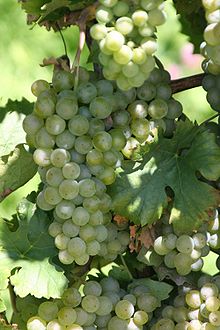
Müller-Thurgau Grapes. Source: Wikipedia
The Wine Quiz series is not meant to intimidate. The whole idea here is to have fun and learn something new. When answering the questions, it is fully encouraged to use all available sources of information, including Google or any other search engine. There are no embarrassing answers – the most embarrassing thing is not giving it a try…
Welcome to the weekend and your new wine quiz!
We are continuing our grape trivia series, and today’s subject is Müller-Thurgau.
Müller-Thurgau is a white grape which was created in 1882 by the Swiss botanist Hermann Müller, who lived in the area called Thurgau, hence the name of the grape. While Hermann Müller thought that he was crossing Riesling with Sylvaner to create Müller-Thurgau, DNA tests of very recent showed that instead of Sylvaner, the second parent was the grape called Madeleine Royale. Riesling, of course, needs no introduction, I would like to mention that Madeleine Royale is known to ripen extremely early, sometimes by the 22nd of July, the feast day of Mary Magdalene (according to Wikipedia), hence the name.
Müller-Thurgau was created to have the great qualities of Riesling, combined with the early ripening ability of ( then thought to be ) Sylvaner. The design worked quite successfully, and resulting grape became quite popular in Germany and many other countries – according to the 2010 data, it was still one of 15 most planted white grapes in the world. Müller-Thurgau is known for its pleasant flavor profile of peaches, apples and pears. The problem with the grape, however, is a low acidity, which generally leads to the flat, flabby wines. This is one of the reasons why Müller-Thurgau mostly used as a blending grapes and rarely becomes the star of its own. However, the grape has worldwide following among winemakers who swear by it and produce interesting wines worth drinking.
And now, to the quiz!
Q1: Which country is not known to produce Müller-Thurgau wines:
a. Australia
b. England
c. Hungary
d. South Africa
e. United States
Q2: True or False: In 2010, plantings of Riesling in Germany were double in size compare to those of Müller-Thurgau
Q3: Wine Spectator calls wines with 90-94 ratings “Outstanding: a wine of superior character and style”. True or False: There are Müller-Thurgau wines rated as Outstanding by Wine Spectator.
Q4: Which one doesn’t belong and why:
a. Kerner
b. Müller-Thurgau
c. Scheurebe
d. Sylvaner
Q5: True or False: There are no sparkling wines produced from Müller-Thurgau
Good luck, enjoy the quiz and your weekend! Cheers!
Weekly Wine Quiz #111: Grape Trivia – Grüner Veltliner
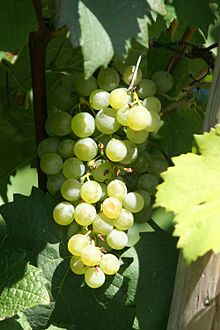
Grüner Veltliner grapes. Source: Wikipedia
The Wine Quiz series is not meant to intimidate. The whole idea here is to have fun and learn something new. When answering the questions, it is fully encouraged to use all available sources of information, including Google or any other search engine. There are no embarrassing answers – the most embarrassing thing is not giving it a try…
Welcome to the weekend and your new wine quiz!
The grape trivia series is back (tell me how happy you are about it!), and today’s subject is Grüner Veltliner.
Grüner Veltliner is a grape which: has some Italian roots in his name; believed to be growing for a few thousands of years; had no known pedigree until 2007. The name Grüner Veltliner stands for “green veltliner”, and veltliner appears to be derived from the name of northern Italian region, Valtellina. The official name of the grape, Grüner Veltliner, seems to appear for the first time in 1855. And only in 2007, after quite an extensive DNA research, it was established that Grüner Veltliner was the result of natural crossing between Savagnin (Traminer) and practically extinct grape which even had no official name when it was found, so it received name of St. Georgener-Rebe, based on the name of the locality where it was found.
Grüner Veltliner has a “middle of the road” ripening season, growing successfully in many European countries. It is, however, susceptible to many types of grape diseases, so it requires attention in the vineyard. Grüner Veltliner generally produces healthy amount of small green-yellowish grapes, so again the special care should be taken to avoid overproduction. Grüner Veltliner is quite versatile in terms of potential styles in which the wine can be made – sparkling wines, dry table wines (both with and without oak aging) and late harvest wines are all successfully produced from the grape. In its more typical expression, as a dry table wine, Grüner Veltliner is known for its acidity and green veggies profile. Coming from the Austrian region of Wachau, home to arguably best renditions of the grape, Grüner Veltliner is also known for its expressive minerality. Often green and restrained while young, Grüner Veltliner wines can develop a considerable complexity as they age and in opinion of the experts (never tried aged Grüner Veltliner myself) can even rival some of the best Burgundies.
Austria has the biggest plantings of the Grüner Veltliner, more than 42,000 acres. Grüner Veltliner is also popular in Czech Republic, Slovakia and some other European countries. As of late, the grape also made its way into the number of New World countries – Australia, New Zealand, United States all have number of plantings of the grape and it seems to produce quite promising results in those regions.
And now, to the quiz!
Q1: These flavors are usually associated with red wines, but it is not uncommon to find them in the description of the Grüner Veltliner wines. Do you know what flavors are those (multiple answers are possible)?
a. Chocolate
b. Pencil shavings
c. Pepper
d. Tar
e. Tobacco
Q2: These vegetables are notorious for been a “wine killer” – in terms of successful pairing, it is. And yet Grüner Veltliner is one of the unique wines (if not the only one) which is known to be able to pair successfully with those offenders. Do you know what vegetables we are talking about?
Q3: Wine Spectator calls wines rated in 95-100 range Classic (the highest and the most prestigious category). True or False: there are no Grüner Veltliner – based wines rated in the Classic category
Q4: According to one of the well known wine critics, the Grüner Veltliner might be “the next big thing” in which wine making country:
Q5: Which one doesn’t belong and why:
a. Austria
b. Croatia
c. Czech Republic
d. Hungary
e. Slovakia
Good luck, enjoy the quiz and your weekend! Cheers!
Weekly Wine Quiz #110: How Well Do You Know Your Wines, Part 5
The Wine Quiz series is not meant to intimidate. The whole idea here is to have fun and learn something new. When answering the questions, it is fully encouraged to use all available sources of information, including Google or any other search engine. There are no embarrassing answers – the most embarrassing thing is not giving it a try…
Welcome to the weekend and your new wine quiz!
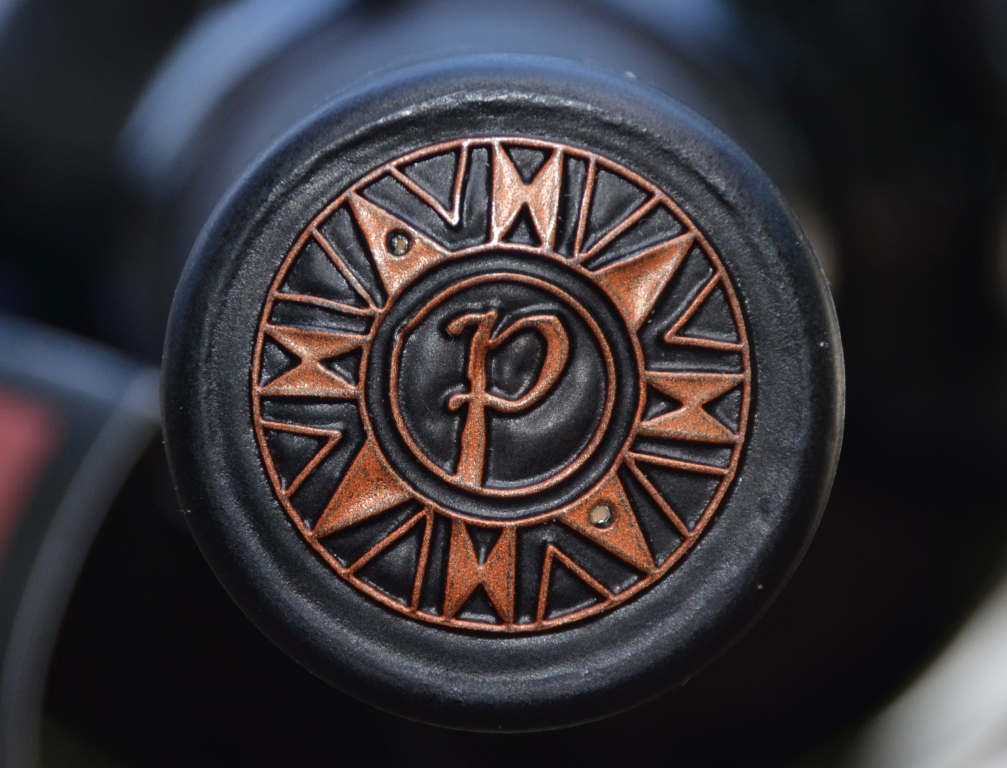
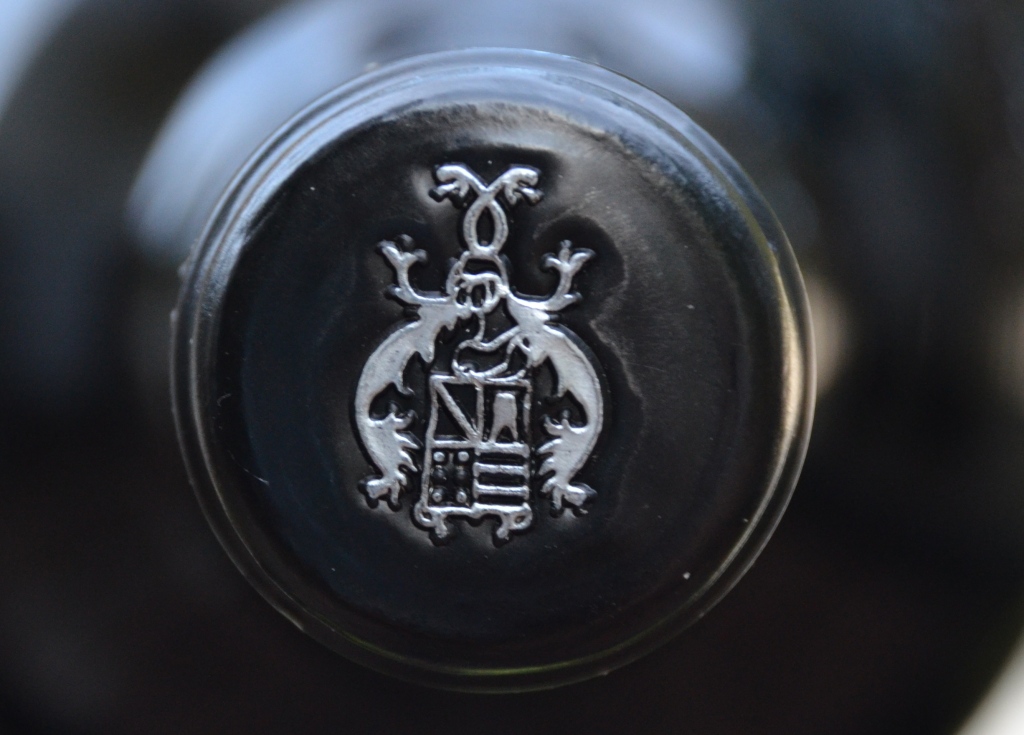
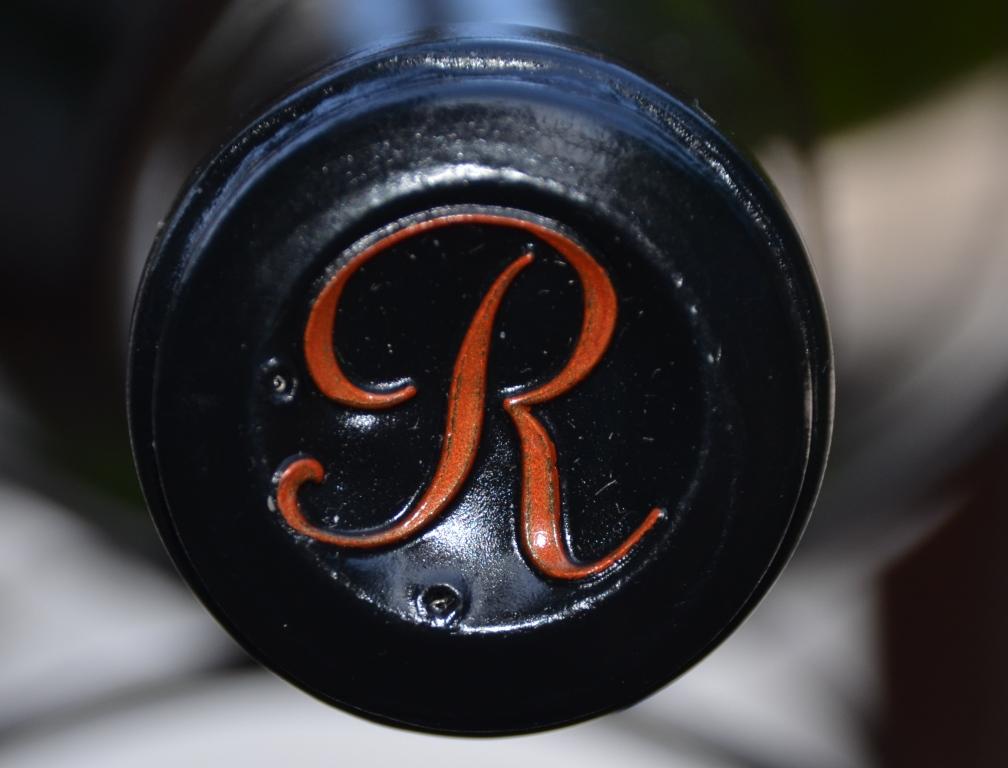
I hope to get back to the regular posting schedule for the wine quizzes, and before I will get to the grape trivia or any other long series, I thought one more round of capsules would be quite appropriate. So below are the pictures of the tops of the wine bottle – can you name the winery which produced that wine?
1. 
2. 
3. 
4. 
5. 
6. 
In this group, we got California, Chile and Portugal. There are no superstars, but there are some well known wineries.
Good luck, enjoy the quiz and your weekend! Cheers!
Wednesday’s Meritage – Wine Quiz Answer, WTSO Marathon, Dangers of Twits, Natural Wines Commotion
Meritage Time!
Of course we are staring with the answer to the weekly wine quiz #109, where you were supposed to identify 8 wines by the image on top of the bottle cap or a capsule. Below are the pictures, now with the answers:
-
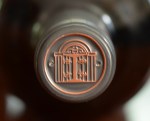
- 1. Casa Bianchi (Argentina)
-

- 2. Emilio Moro (Spain)
-
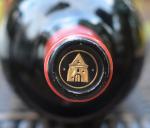
- 3. PEJU (California)
-

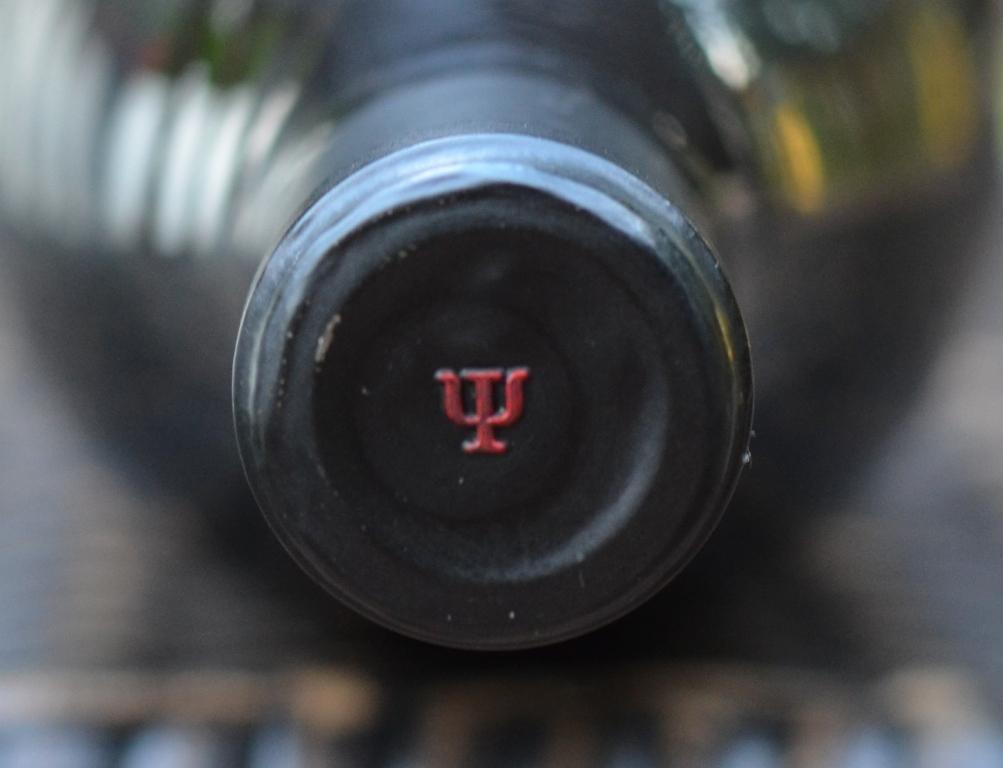
- 4. Dominio de Pingus PSI (Spain)
-
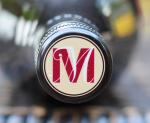
- 5. Andrew Murray (California)
-
- 6. Chamonix (South Africa)
-

- 7. Cairdean Vineyards (California)
-
- 8. Zaca Mesa (California)
While nobody was able to identify all 8 wines, Zak (no web site) did an excellent job identifying 6 out of 8 wine tops, so he is definitely the winner of this round and gets the unlimited bragging rights! I also want to acknowledge wineandhistory, who correctly identified PEJU wine. I’m also glad to say that a number of people said that they will start paying more attention to the bottle tops, which makes it all more fun.
Now, to the interesting news around the web and the vine!
First, the WTSO is on it again – Summer Cheapskate Marathon is coming to the browser next to you on Tuesday, July 29th. Starting at 6 am Eastern time, the new wines will be offered in the $7.99 to $18.99 range every 15 minutes or sooner if the offered wine will sell out. All wines are offered in the quantity of 4 bottles or more to get the free shipping. The marathon will finish at 11:59 pm Eastern time.
Next up is an interesting post by W. Blake Gray. I made a number of attempts to come up with a clever abstract for his blog post; instead, I just have to explain why I think it worth a few minutes of your time. In the article, W. Blake Gray explains how two of his short posts on twitter led to the angry rebuttal from the Cellar Tracker founder, Eric Levine, with the declaration of “wine snob” being literally slapped on W. Blake Gray’s face (yes, as a figure of speech – no bodily harm took place). Twitter is a dangerous medium – the condensed format requires lots of careful attention to what one is saying – and viral potential of any twit making huge waves should always be taken into account… Anyway, read it for yourself, including the comments, and if you will, let me know what you think.
What do you think of natural wine? Yes, I know that the term itself is somewhat controversial. But, considering that the wine is a form of art, I only see it as one of the styles, which is perfectly valid alongside of many others. However, it seems that a lot of wine professionals don’t see it like that. First was an article by Bruce Palling, called “Is there anything natural about raw wine“. Jamie Goode, a winner of the Best Overall Wine Blog Award at WBC14, responded to this article on his blog, in the post called “Comments on Bruce Palling’s anti-natural wine article“. Then Steve Heimoff jumped in with “I weigh in on Jamie Goode’s post on “natural wine””, and even Matt Kramer couldn’t stand aside and wrote the post called “When Did Wine Become So Partisan?“. If anything, I’m definitely siding with Matt Kramer and his question – I don’t understand why the opinions about wine, which is an extremely, extremely subjective in terms of “good and bad”, should be so fiercely antagonistic. If someone doesn’t like the taste of Australian Shiraz, does it mean that Australia should stop making Shiraz? And if the answer is “of course not”, then I don’t understand why natural wine should be any different. Anyway, I suggest you will spend a few minutes of your time reading those articles – and don’t forget to read the comments.
And we are done for today. The glass is empty – but the refill is on the way. Cheers!
Weekly Wine Quiz #109: How Well Do You Know Your Wines, Part 4
The Wine Quiz series is not meant to intimidate. The whole idea here is to have fun and learn something new. When answering the questions, it is fully encouraged to use all available sources of information, including Google or any other search engine. There are no embarrassing answers – the most embarrassing thing is not giving it a try…
Welcome to the weekend and your new wine quiz!
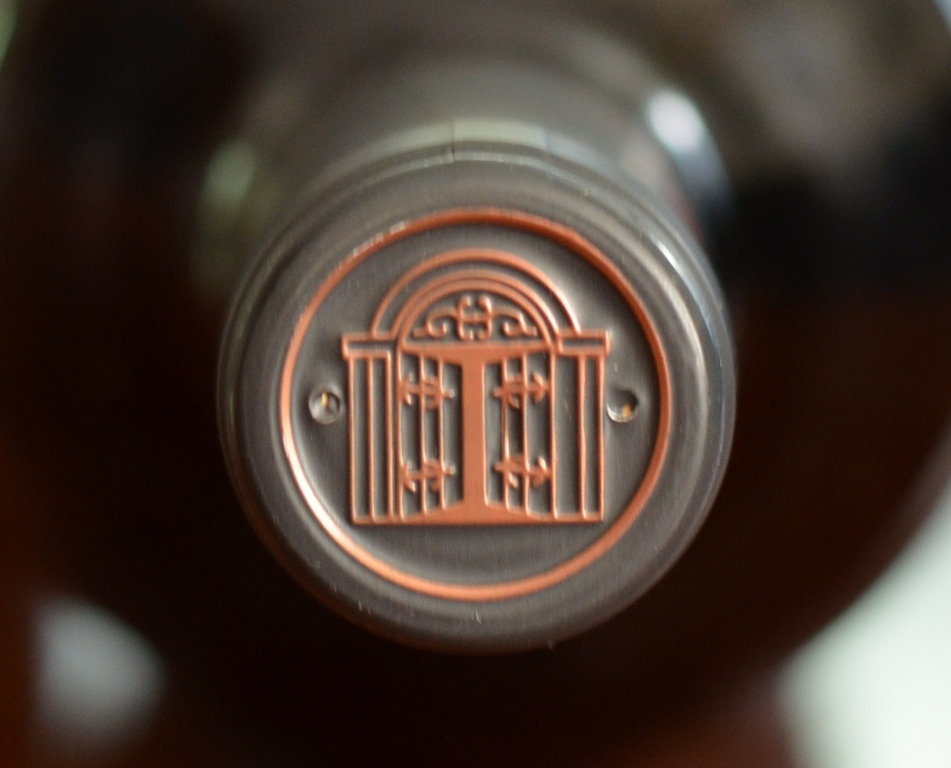
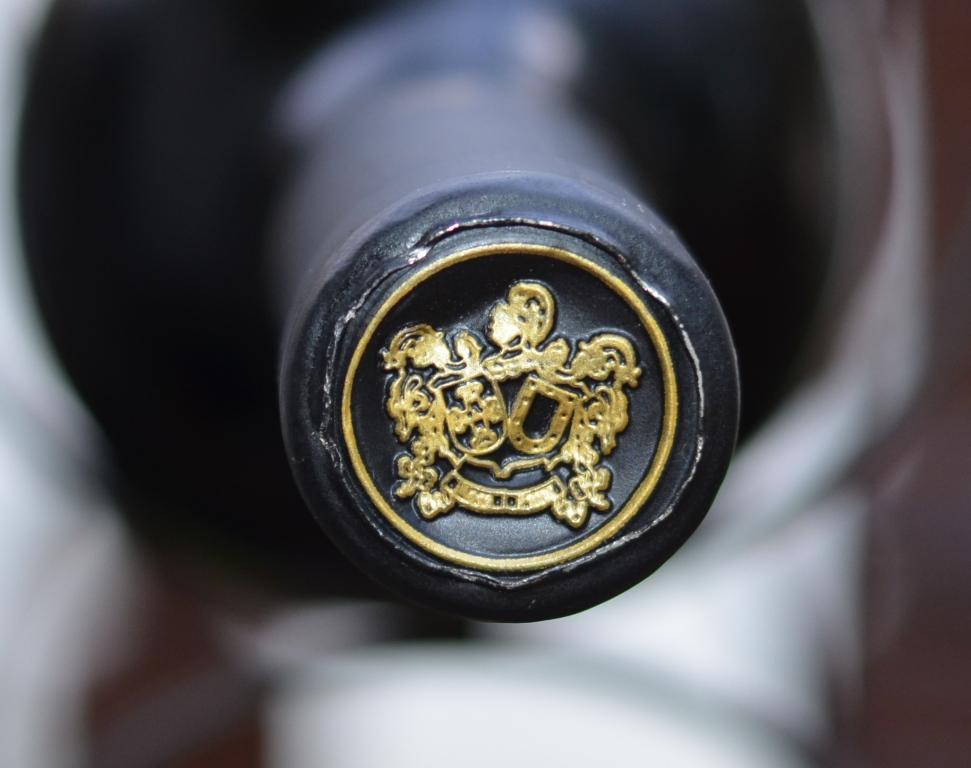
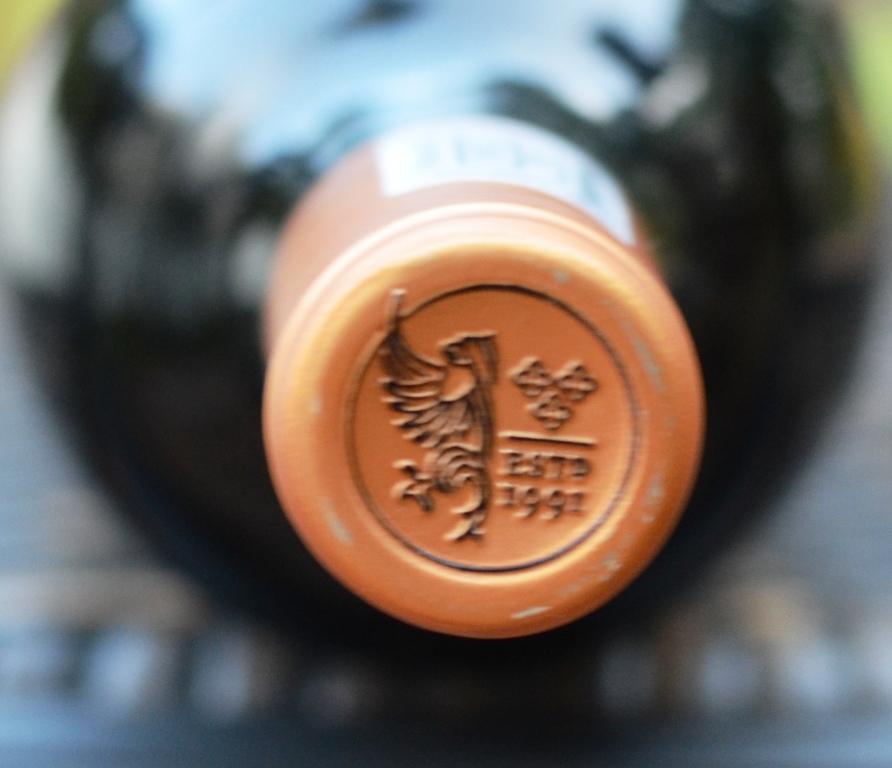
We are continuing the “bottle top” series, where you need to recognize the wine/producer based on the picture of the top of the bottle. Below you will find the pictures of the 8 different bottle tops – let me know what do you think those wines are (suggestion – click on the pictures to zoom for more details):
1. 
2. 
3. 
4. 
5. 
6. 
7.
8. 
Hint – the wines above represent Argentina, California, Spain and South Africa. Few of the producers are well known, and some are not so much. Even if you recognize only one wine – don’t be shy, comment away!
Good luck, enjoy the quiz and your weekend! Cheers!
Wednesday’s Meritage – Wine Quiz Answer, Science of Taste, #WBC15 coming to Finger Lakes, World’s Best Restaurant Wine Lists
Meritage Time!
I’m still trying to get into my regular posting rhythm, but the Wine Bloggers Conference, which I just attended this past weekend, while was a great experience, became also an issue. Too many experiences worth sharing, and the posts are not easy to put together quickly, yet in the meaningful manner. While I’m working on that, I decided to at least go back to some of the “programming staples”, such as Wednesday’s Meritage and weekly quizzes. Thus I’m starting with the answer to the last weekly wine quiz #108, where you were supposed to identify 7 wines by the image on top of the bottle cap or a capsule. Below are the pictures, now with the answers:
-
- 1. Château de Beaucastel
-

- 2. Krupp Brothers
-
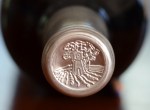
- 3. Silver Oak
-
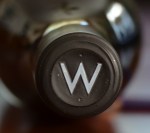
- 4. Waterwall by Field Recordings
-
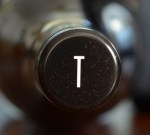
- 5. Tournon By Michel Chapoutier
-
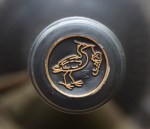
- 6. Château Paul Mas
-
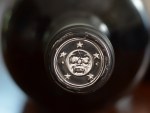
- 7. If You See Kay
Yes, this was a hard quiz, but I was told by a number of people that they enjoyed it, so we will have another round this coming Saturday. We don’t have a winner in this round, but I would like to acknowledge next stop: tbd and SAHMmelier who both properly identified Silver Oak. Well done!
Now, to the interesting news around the web and the vine!
First, an article on the subject of … taste of wine. What factors affect the taste of wine, can we distinguish expensive wine from inexpensive in the format of a blind tasting, how do we taste – this well-researched article in The New Yorker discusses all of these questions. This is interesting how many scientists are researching and analyzing the ways we taste wine (I’m sure the food too) – what I don’t fully understand is an actual goal of such a research. Is it to facilitate creation of the wine which will taste universally good for everybody? Or is it to find out how to maximize the profits by changing of the look and feel of the bottle? Or how to decorate a wine bar so we will gladly pay $50 for a glass of wine? Or may be it is all just in the name of science? Read the article for yourself, and then I will be really interested in your opinion.
Now, fresh after the Wine Bloggers Conference 2014, I’m glad to tell you that Wine Bloggers Conference 2015 will be taking place on the East Coast! Yay! And not just anywhere on the East Coast, but namely in the Finger Lakes region, in the town of Corning! Based on my #WBC14 experience, I would highly recommend that if you are into the wine blogging, then put August 13-16, 2015 on your calendar, and start making arrangements to attend the conference – this is your best opportunity for learning and networking in the group of like-minded people. Here is the announcement which provides all of the details.
Last interesting article for today is this post by Dr. Vino, where he talks about the results of the ranking of the wine lists at the different restaurants world-wide, conducted by The World of Fine Wine magazine. The ranking is done similar to the Michelin 3 star rating of the restaurants, assigning 3 star ratings to the best restaurant wine lists. Overall, 750 restaurants received at least one star rating, and out of this amount, 224 restaurant got the highest honors – 3 stars. It appears that city of New York is in the unquestionable lead with 36 highest ranked restaurants in the world – the next comes London, will less than a half of the amount of the 3-star rated restaurants at 17. Still, the best wine list in the world belongs to the hotel restaurant in Vienna, Austria, called Palais Coburg Residenz. The Hearst restaurant in New York has the best wine list in the United States. For more interesting information please visit Dr. Vino’s post.
And we are done for today. The glass is empty – but the refill is on the way. Cheers!
Last Bottle Sign Up ($10 credit)




 Talk-A-Vino