Archive
Seeing The World Through The Pink Glasses
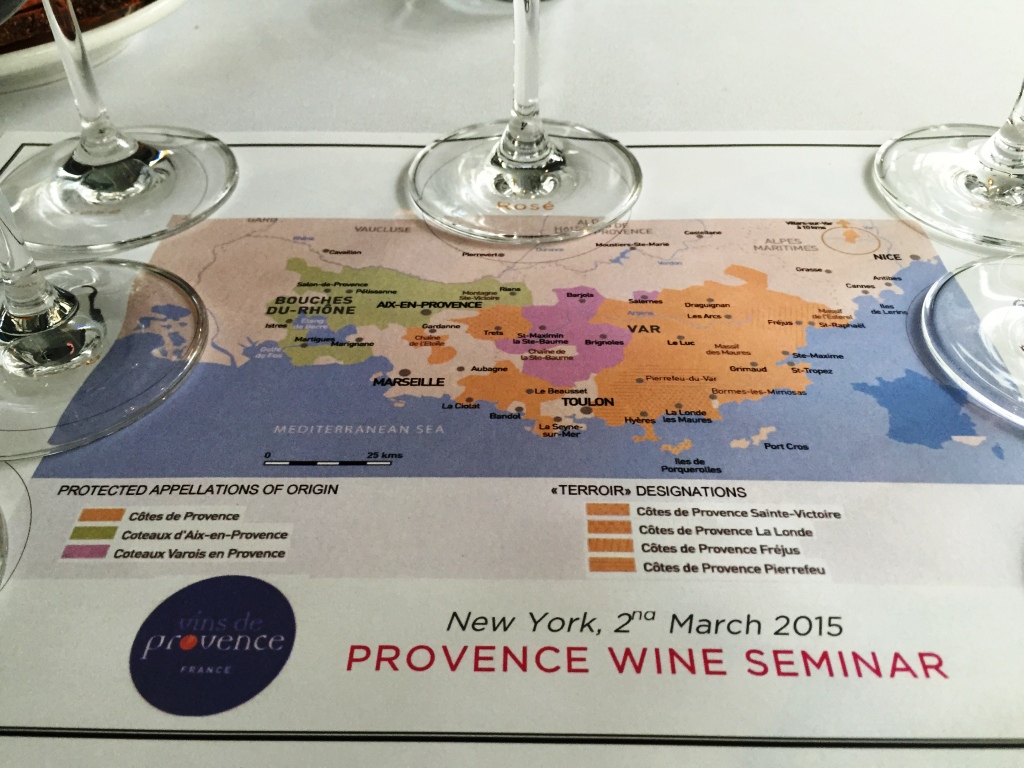 What do you think we will be talking about today? Typically the “pink glasses” is just an expression, an allegory; we use it to say that all is good in the world. But sometimes those allegories can materialize, for instance, in the form of Rosé tasting.
Rosé is Rosé is Rosé. Rosé wines became extremely popular over the last 3–4 years. Nowadays, almost every winery I know of added at least one Rosé to their repertoire, if anything, to be available at least in the tasting room. But then there are those who started it all, for whom Rosé is a way of life and not just following the fashion and consumer demand. I’m sure that by now you figured that I’m talking about Rosé wines from Provence in France.
The Provence wine tasting I attended a few weeks more than two month ago was dedicated to all of the wines made in Provence, not just Rosé. However, if we will look at the stats of wine production in Provence, 89% of those wines are Rosé, 7.5% are red, and 3.5% are white, so it is no wonder that Provence is typically associated with Rosé. Total wine production in Provence in 2014 was about 177 million bottles. To give you more numbers, there are about 600 producers and 40 negociants in Provence. Overall, 9% of the wines produced in the world are Rosé, with the general trend of producing drier wines (particularly Provence Rosé has less than 4g of residual sugar per liter of wine). Provence is the largest region in the world dedicated to production of the Rosé wines. Also, France is the biggest producer and consumer of the Rosé wines, and U.S. is the biggest consumer of Rosé outside of France.
Provence was a cradle of winemaking in France, starting from the 600 B.C. in the area around Marseille. It is easy to understand why the wines were “rosé” in its style – maceration in contact with skin was simply not used, so the wine was produced from the juice which the grapes were “bleeding” after harvest, which would have a pinkish color. Today, the Rosé is produced in the very similar way as for the thousands of years, allowing only brief period of the skin contact. Most of the Provence Rosé are produced from Grenache, Cinsault, Mourvèdre, Tibouren, Carignan and Cabernet Sauvignon.
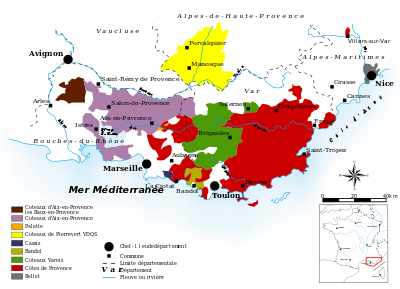
Provence Appellations. Source: Wikipedia
There are three main appellations in Provence, and one of those main appellations has four sub-appellations (you can see them on the map):
- Côtes de Provence AOP
- Côtes de Provence Sainte-Victoire AOP
- Côtes de Provence Fréus AOP
- Côtes de Provence La Londe AOP
- Côtes de Provence Pierrefeu AOP (First vintage in 2013)
- Coteaux d’Aix-en-Provence AOP
- Coteaux Varois en Provence AOP
Now, let’s talk about the seminar and tasting. In the seminar, we tasted 5 different Rosé wines from the different sub-appellations, as well as two reds. To be entirely honest, I didn’t find the dramatic differences between the wines from the different appellations – they were all Rosé wines, and I liked most of them (I’m a sucker for a good Rosé).
Here are my notes, which will give you some level of details:
2014 Château Trains Organic Côtes Varois de Provence (SRP $15, Grenache, Cinsault, Syrah)
C: Pink
N: hint of sweetness, strawberries, intense
P: Dry, tart strawberries, lemon, acidity
V: Pleasant, round, Drinkability: 8-
2014 Château Coussin Cuvée César Côtes de Provence Sainte-Victoire (SRP $45, 75% Grenache, 25% Syrah)
C: Pink
N: Gentle, savory, minerality, onion peel after intense swirl
P: Dry, intense acidity, very clean, beautiful fruit, perfect balance.
V: Nice, clean, very elegant. Drinkability: 8
2014 Château Pas du Cerf (SRP $13.99, Grenache, Syrah, Tibouren)
C: intense pink
N: touch of strawberries, onion peel
P: refreshing, good amount of fruit, ripe strawberries, good balance, full body ( for rose), minerality
V: Very good, Drinkability: 8-
2014 Château Pigoudet Classic Coteaux d’Aix-en-Provence (SRP $17, Grenache, Cinsault, Ugni Blanc)
C: almost white
N: delicious, intense, white flowers, fresh
P: clean, crisp, vibrant, good finish, very pleasant aftertaste
V: Drinkability: 8-
2014 Château Roubine Cru Classé Cuvée Premium (Cinsault, Grenache, Cabernet Sauvignon, Carignan, Tibouren, Syrah, Mourvedre)
C: intense pink
N: strawberries, minerality, onion peel
P: lots of fruit, ripe strawberries, full body, excellent finish
V: Drinkability: 8
2011 Château La Mascaronne Rouge Faziole Côtes de Provence (SRP $25, Syrah, Mourvedre)
C: garnet
N: pepper, spices, herbs, tobacco – beautiful
P: same profile as on the nose – intense pepper, sage, herbs and mineral dominated, has lightness and leaves you desiring another glass. Might not be for everyone
V: Drinkability: 8+
2001 Château de Pourcieux Grand Millésime Côtes de Provence (Syrah, Grenache)
C: garnet
N: soft, touch of plume
P: subtle flavors meld well together, nice package overall
V: Drinkability: 7+/8-
The tasting consisted of 65 different wines, out of which one was white, 7 were red, the the rest (57) were Rosé. What I really liked about this tasting was a very unique format. Nobody was pouring the wines for you. All the wines were standing on the tables in the middle of the room, each wine having a sticker with the number on it. All the numbers were corresponding to the wine descriptions in the tasting booklet. Everybody were walking around and pouring the wines for themselves. The winery representative were all on hand, available to answer any questions. However, because of self pour, there was no need to wait for anyone to pour the wine for you, no need to stand there for 2 minutes, patiently waiting until the person pouring wine would finally notice you – here you could go at your own pace, and it was really convenient. I like this system a lot more than a traditional tasting.


For what it worth, below are my notes. I didn’t taste all 65 wines, but it was something close to it. I used my traditional tasting event rating system with the “+” signs, where “+++” means an excellent and highly recommended wine. All the wines listed below have at least “+++” rating, with the few even exceeding that. I also included additional comments where I had them. Grape composition is provided for all the wines, and suggested retail prices are indicated were available. Lastly, all the wines which don’t specify AOP come from the Côtes de Provence – all other appellations are included as part of the names. Here we go:
Rosé:
2014 Château du Galoupet Cru Classé (Cinsault, Grenache, Syrah, Mourvedre, Tibouren) – +++, very good, balanced
2014 Château de Landue (Cinsault, Grenache, Syrah) – +++
2014 Château La Jeanette Fleurs Côtes de Provence La Londe (Chnsault, Grenache, Syrah) – +++. excellent, round
2014 Château Saint Maur Cru Classé Clos de Capeluine (Grenache, Cinsault, Mourvedre, Rolle) – +++, complex
2014 Château Saint Maur Cru Classé L’Excellence (Grenache, Cinsault, Mourvedre, Rolle) – +++, clean, crisp
2014 Château Les Valentines Organic (SRP $26, Grenache, Cinsault) – +++, beautiful finish
2014 Château Les Valentines Le Caprice de Clémentine (SRP $18, Grenache, Cinsault) – +++1/2, excellent!
2014 Château Des Bormettes Les Vins Bréban (Cinsault, Grenache, Syrah) – +++
2014 Château de Pampelonne Maitres Vignerons de Saint Tropez (SRP $20, Grenache, Cinsault, Syrah, Tibouren) – +++, excellent!
2013 Domaines Sacha Lichine Château D’Esclans Garrus (Grenache, Rolle) – 8+, very interesting, delicious complexity
2014 Château de Brigue (SRP $13.50, 35% Mourvedre, 15% Cinsault, 30% Grenache) – +++
2014 Château de Brigue Signature (SRP $17.50% Grenache, 30% Syrah, 20% Tibouren) – +++
2014 Château de Saint Martin Eternelle Favorite Cru Classé (SRP $25, Cinsault, Grenache, Tibouren) – +++, excellent, crisp
2014 Château de Saint Martin Grande Réserve Cru Classé (SRP $20, Cinsault, Grenache, Tibouren, Syrah, Carignan) – +++, dry, fresh
2014 Domaine de L’Amaurigue (Grenache, Cinsault, Syrah) – +++
2014 Domaine de L’Amaurigue Fleur de L’Amaurigue (Grenache, Cinsault) – +++
2014 Estandon Vignerons Estandon (SRP $13, Grenache, Cinsault, Syrah) – +++, nice balance
2014 Château L’Arnaude Nuit Blanche (50% Cinsault, 35% Grenache, 10% Carignan, 5% Rolle) – +++
2014 Château Roubine Cru Classé Cuvée “R” (Grenache, Syrah, Cinsault) – +++
2014 Domaine Clos de L’ours Grizzly Rosé (Syrah, Grenache, Cinsault, Carignan, Mourvedre, Rolle) – +++
2014 Estadon Vignerons Terres de Saint Louis Côtes Varois de Provence (SRP $12, Grenache, Cinsault, Syrah) – +++
2014 Famille Quiot Domaine Houchart (SRP $15, Grenache, Cinsault, Syrah, Cabernet Sauvignon) – +++
2014 Famille Quiot Domaine Houchart Côtes de Provence Sainte-Victoire (SRP $20, Grenache, Syrah, Mourvedre) – +++1/2, excellent, round
2014 Château Pigoudet Premiére Coteaux d’Aix-en-Provence (SRP $13, Grenache, Cinsault, Cabernet Sauvignon, Syrah) – +++
2014 Château Vignelaure Coteaux d’Aix-en-Provence (Grenache, Syrah, Cabernet Sauvignon) – +++
2014 Château Vignelaure Source de Vignelaure Coteaux d’Aix-en-Provence (Grenache, Cinsault, Syrah, Cabernet Sauvignon) – +++
2014 Château Beaulieu Gassier en Provence Coteaux d’Aix-en-Provence (SRP $16.99, Grenache, Cabernet Sauvignon, Syrah, Cinsault) – +++
2014 Les Quatre Tours “Classique” Coteaux d’Aix-en-Provence (SRP $17, 50% Grenache, 25% Syrah, 15% Cabernet Sauvignon, 10% Rolle) – +++
2014 Maison Saint Aix Coteaux d’Aix-en-Provence (SRP $18-$20, Grenache, Syrah, Cinsault) – +++


White:
2014 Domaine Terre de Mistral Anna Côtes de Provence (Rolle) – +++, nice complexity
Red:
2012 Château Réal d’Or (Cabernet Sauvignon, Grenache, Syrah) – +++, perfect Cab!
2013 Domaine Clos de L’ours Grizzly Red Côtes de Provence (Syrah, Grenache, Mourvedre) – +++, yummy, open, pepper!
2012 Domaine Longue Tubi Red (Syrah, Cabernet Sauvignon) – +++, delicious
All in all, this was an excellent tasting. I don’t know if there is ever a bad year in Provence, but I definitely liked lots of 2014 Rosé, and I think you will too. Also, if you will have an opportunity to try a Provence Red – don’t miss it, those wines are definitely worth your attention. Happy Provence Rosé (and red) hunting! Cheers!
Rosé – Still Misunderstood and Looking for Love?
This Wednesday, August 14th, is the Wine Blogging Wednesday event, where all wine bloggers get the chance to share their thoughts and experiences related to the designated theme. The theme of this upcoming Wine Blogging Wednesday event, or WBW for short, is Rosé – here are the details of the announcement. This is what this blog post is all about.
How often do you drink Rosé? Do you think Rosé is fully understood and appreciated by the consumers en mass? I’m afraid that many wine drinkers still have a notion that Rosé is either sweet, or strictly seasonal, or mostly inferior, or all of the above. I remember being in France about 7 years ago, in November, and ordering a bottle of Tavel in a restaurant. My French colleague gave me a look, and then said sternly “just keep in mind, you are ordering a summer wine” – of course he has an excuse as a Burgundy buff, but still – even in France, people often see Rosé as seasonal wine, not as a wine you can drink all the year around. In the US, yo would rarely find Rosé on the main shelves – they are usually setup on a side, ready to be replaced by the holiday wines, and slowly moving to the “closeout bins” as summer comes to an end.
Many people judge Rosé by the color, which reminds them of White Zinfandel, and think it is a sweet wine. I have seen many people come to taste the wines at the store and refuse the glass of Rosé simply saying “no, thank you, I don’t drink sweet wines”. It really takes time to convince them that the wine they are refusing is actually perfectly dry, refreshing and food friendly – and not only during summer, but all year around.
Having presented this pinkish “doom and gloom” to you, I actually have to admit (happily) that over the past 3-4 years, the situation is changing to the better. Even as a seasonal wine, there is really an abundance of Rosé offered in the wine stores. More and more wineries and winemakers now include Rosé as part of their standard offering, year in, year out. This happens in France, this happens in Georgia, this happens in California, Greece, Italy, Spain, New York and many other places.
The great thing about Rosé is that they are some of the easiest wines to drink – and some of the food-friendliest. Rosé typically has a flavor profile of a light red wine, with strawberries, cranberries and onion peel being some of the main characteristics – it also lacks the punch of tannins as skin, seeds and stems contact is minimized during the winemaking. At the same time, Rosé typically has savory complexity coupled with acidity which is usually a bit less than the acidity of a dry white wine. Overall, it is easy to drink and food friendly – what else do you need from wine? Of course I’m not advocating that the whole world should start drinking only Rosé at this point – but Rosé definitely has its own permanent (not seasonal!) place on the shelves of the wine stores and in your wine cellars.
Let me now give you two great examples of Rosé wines.
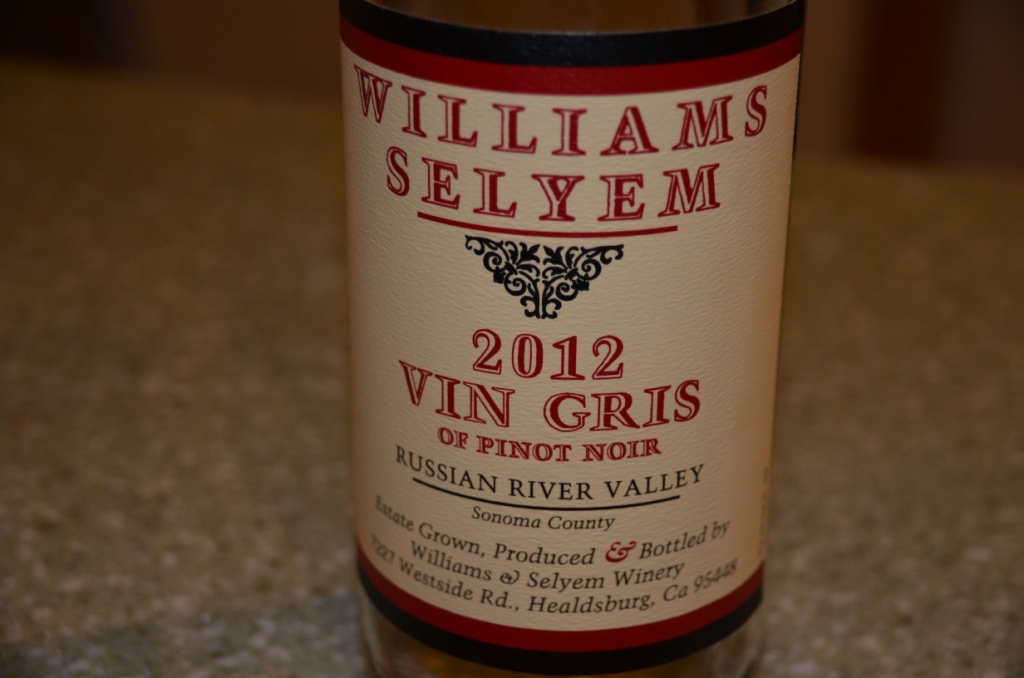
Williams Selyem Vin Gris of Pinot Noir
2012 Williams Selyem Vin Gris of Pinot Noir Russian River Valley (12.9% ABV) – bright concentrated pink color, reminiscent of cranberry juice. Strawberries and cranberries on the nose, same on the palate, lots of strawberries and cranberries, very dry, perfect acidity, very balanced overall and very easy to drink. Drinkability: 8-

Antica Terra Erratica
2011 Antica Terra Erratica Willamette Valley Oregon (13.1% ABV) – another 100% Pinot Noir Rosé. What a treat! Perfectly bright strawberry red in color, nice nose of raspberries and cherries. First the wine opened into a light Pinot Noir, showing some smokiness and earthiness, then evolved into into bright strawberry and onion peel wine, classic Rosé, and then it was gone… Drinkability: 9-
There you have it, my friends. Open a bottle of your favorite Rosé, pour a glass and enjoy – however remember – sometimes Rosé is too easy to drink… Oops, did we just finished this bottle? Cheers!
Rosé!
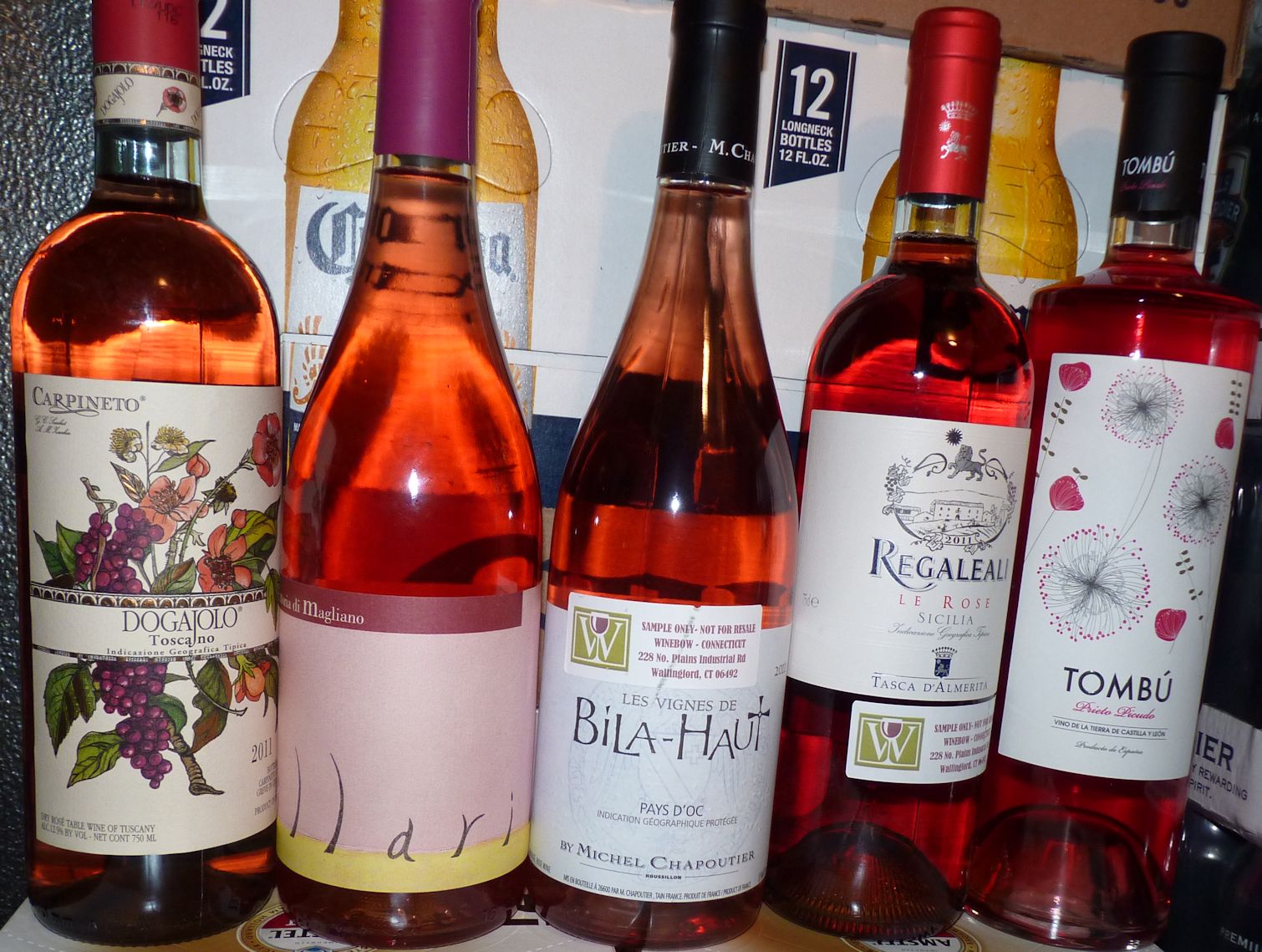 The weather fully turned around, and despite way too much rain (at least here in Connecticut), summer season has started. Which means we can start drinking Rosé, and feel good about it!
In the US, Rosé had being a very interesting phenomenon. Even 6-7 years ago, it was pretty hard to find Rosé wine on the shelves of the wine stores. Tavel (one of the world most famous Rosé wines from the Rhone region in France) was practically the only Rosé you could find in the better wine stores. Mind you, I’m talking specifically about dry Rosé wines, not White Zinfandel or any other sweet concoctions. I guess many years of the pink colored plonk trained US wine consumers that you can not expect anything good from the pink-colored liquid, therefore stores had no incentive to offer Rosé. Little by little, situation changed, and now you can see lots of different Rosé coming from all over the world, made out of every possible grape and occupying more and more shelf space at the wine stores.
What I like about Rosé wine is that it combines light and refreshing qualities of the white wine with the fruit and structure of the red, making Rosé a perfect complement to anything you do and anything you eat on a hot summer day. Don’t get me wrong – personally, I’m happy to drink Rosé at any time of the year, but somehow it has a notion of being ”summer wine”. I remember being in France in November of 2006, and when I asked for the Anjou Rosé offered on the restaurant wine list, my French companion said with the expression of disapproval on his face ”but you only supposed to drink Rosé during summer?!”. I’m very happy that summer is here and glass of Rosé is officially appropriate.
Couple of days ago, I had an opportunity to taste 8 different Rosé wines which my friend Zak was considering for his store – and I’m glad to share my tasting notes with you.
 2011 Les Quatre Tours Espirit Sud Rosé, Coteaux d’Aix-en-Provence – this was the first wine of the tasting, and it set it on the right foot. Provence Rosé in general are some of the best wines in the world, which is probably not very surprising considering the fact that Provence is a birthplace of French winemaking. This particular wine is a blend of Grenache, Cinsault, Syrah and Cabernet Sauvignon. Pale salmon hue in color, strawberries on the nose, subtle and delicate on the palate, with very good acidity. Drinkability: 7+
 2011 Chateau Les VaValentines Le Caprice de Clementine Rosé, Cotes de Provence – second wine from the Provence. This one is a blend of Cinsault and Grenache.
This wine had bigger body compare to the first one – however, it was not very balanced and had too much bite (may be needed some time, but I will leave that for you to check). Drinkability: 6
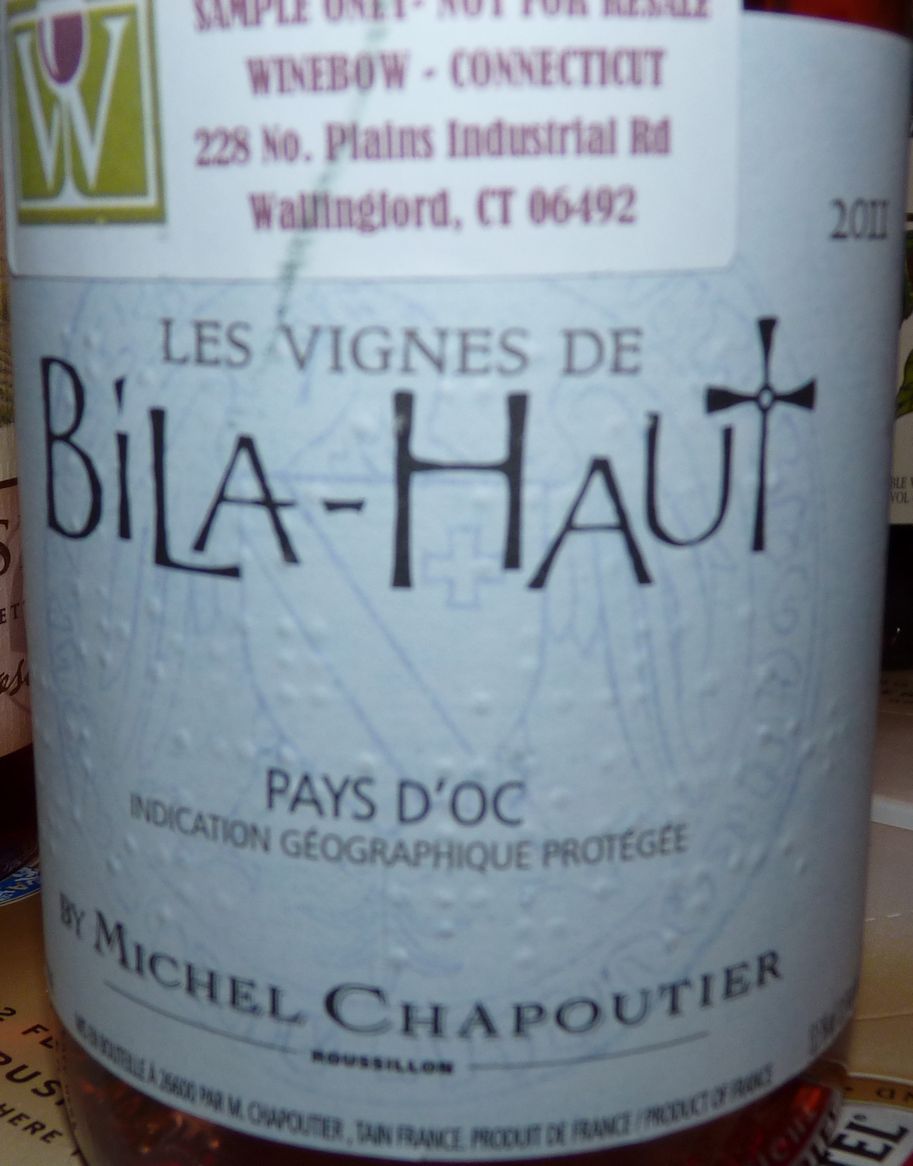 2011 M. Chapoutier Les Vignes de Bila-Haut, Cotes de Languedoc (13.5% ABV) – yet another wine from France, this time it is from the area called Languedoc. Bila-Haut wines are made by M. Chapoutier, a very respected producer. I had some Bila-Haut reds in the past, and they were very good, so I was definitely interested to see how Bila-Haut Rosé woud fare. This wine is yet again a blend of Grenache and Cinsault.
Nice pale pink color, not very expressive on the nose, same on the palate – the wine showed some bite and tamed fruit. Drinkability: 6+
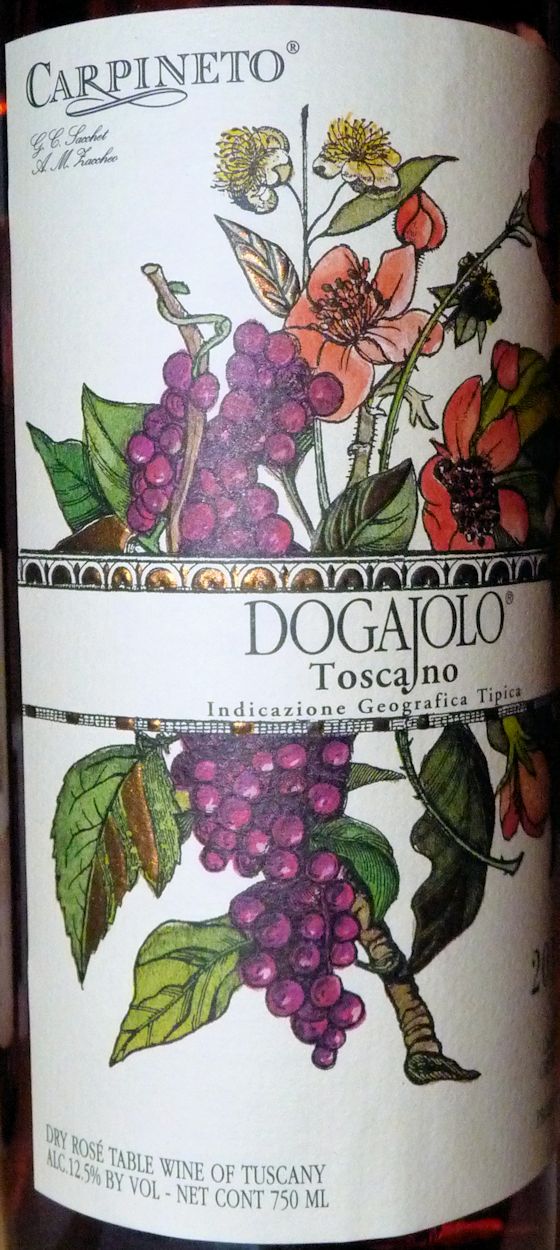 2011 Carpineto Dogajolo Toscano IGT (12.5% ABV) – Carpineto produces Super Tuscan wines, made out of Sangiovese with the addition of Cabernet Sauvignon and other grapes.
After being pressed and left in the contact with the skins for the short time, this wine was fermented in the stainless steel tanks and bottled in January.
Solid pink color, this wine showed some good fruit, but was somewhat lacking the acidity. Drinkability: 7-.
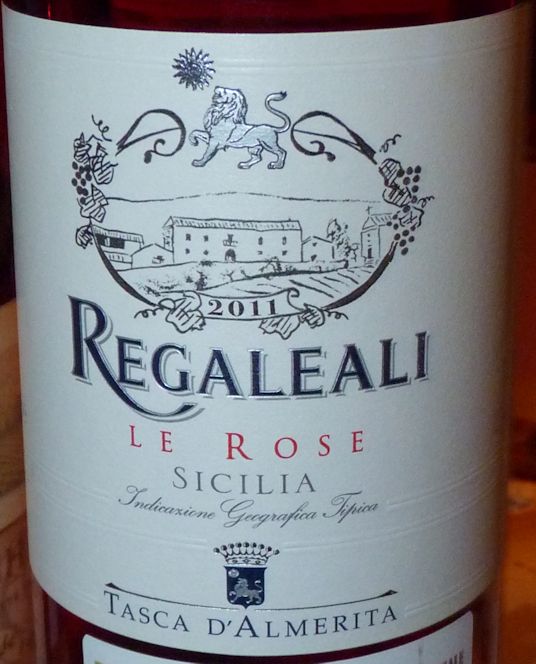 2011 Tasca d’Almerita Regaleali Le Rose Sicilia IGT (12.5 ABV) – another Italian wine, this time from Sicily. The name of the wine comes from thousands of roses which had being brought from all over the world and are happily growing at the Regaleali estate. The wine is made out of 100% Nerello Mascalese, an indigenous Italian variety growing primarily in Sicily.
The wine showed beautiful strawberries and cranberries both on the nose and on the palate. Overall, wine had very good body and great balance. Drinkability : 7+.
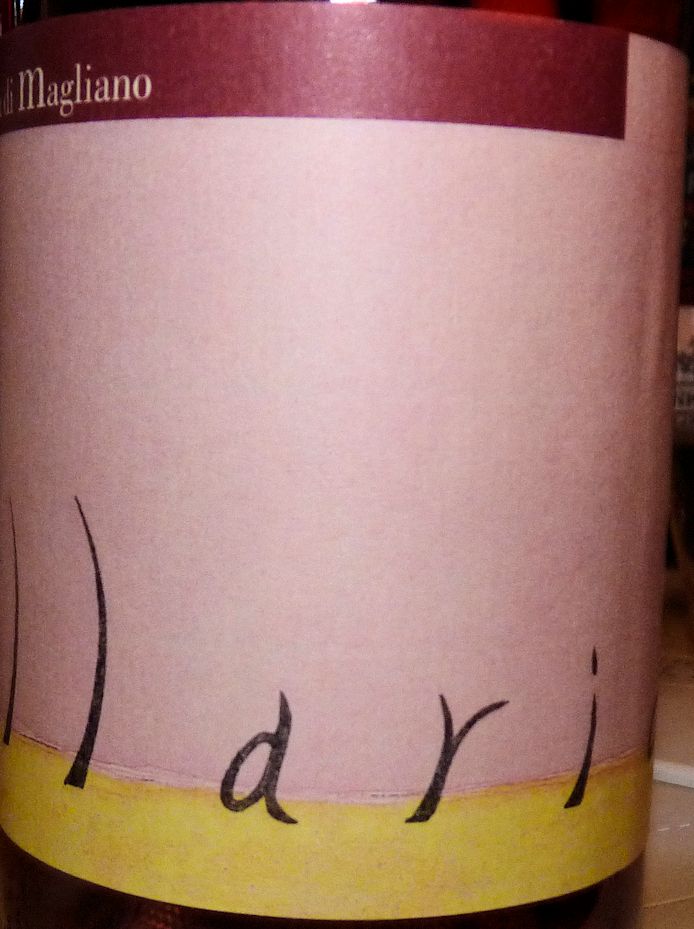 2011 Fattoria di Magliano Illario Rosato, Maremma Toscana IGT (13% ABV) – One more Rosé from Italy, again from Tuscany. This wine actually comes from Maremma region which is famous for its Super-Tuscan wines. This wine is produced by Fattoria di Magliano out of 100% Sangiovese grape.
The wine was similar to the previous one, showing red fruit with nice acidity, but a bit more delicate on the palate. Drinkability: 7+
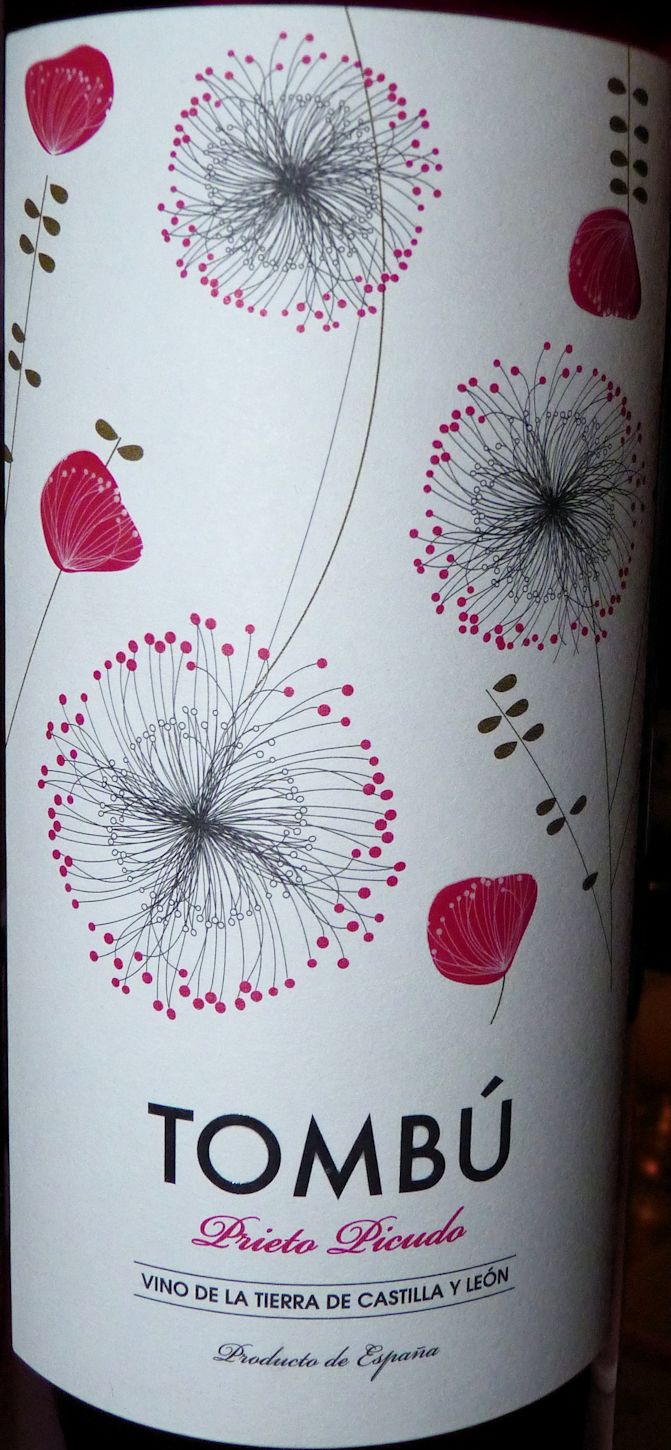 2011 Tombu Rose Castilla y Leon, Spain (13.5% ABV) – Something different – this wine comes from Spain, from the Castilla y Leon region, and it is made out of indigenous grape called Prieto Picudo.
As far as tasting notes are concerned…Would you accept a very short and simple “WOW!” as complete tasting notes? Saturated pink color, akin to cranberry juice, this wine starts from the concentrated nose of fresh cranberries and continues to deliver an exuberant punch of fresh zesty summer on the palate – perfect balance of fruit and acidity, extremely refreshing. Best of tasting! Drinkability: 8+
 2011 Adelsheim Pinot Noir Rosé, Willamette Valley, Oregon (13.4% ABV) – Last but not least, this Rosé comes from Oregon, and as you would rightfully expect it is made out of 100% Pinot Noir which was sourced from 6 different vineyards in the region.
Inviting nose of strawberries and cranberries, may be a hint of sour cherries, beautifully balanced on the palate with the same fruit and right amount of acidity. Again, very refreshing and just what the doctor ordered for the hot summer day. There are only 1,200 cases produced, so if you want this wine, you better not wait. Drinkability: 8-
I don’t know what you think of Rosé wines, but I can’t stress their greatness enough. If you were ignoring them until now, it’s time to change. If you had being a fan all along, I will be glad to learn about your favorites! Whatever you do, don’t let summer heat get to you – protect yourself with some Rosé in your glass! Cheers!
Last Bottle Sign Up ($10 credit)




 Talk-A-Vino