Archive
Virgen Wines – No SO2 Organic and Delicious
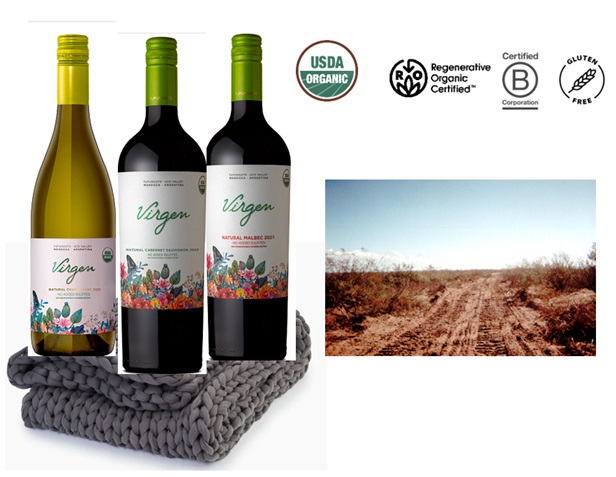 No added SO2.
Organic.
Delicious.
Simple, right?
Organic seems to be the word of the town. Four years ago, in 2019, 6.2% of the vineyards in the world were certified organic. In absolute terms, it doesn’t sound impressive. However, we need to take into account a few factors. First, many vineyards practice organic farming but are not inclined to undergo an official certification process due to the high cost. Second, and probably more important, is that from 2005 till 2019 the organic vineyard plantings increased by 13% per year, compared with non-organic vineyard plantings’ growth rate of 0.4% per year, according to the article in Drinks Business. I have a feeling that the organic vineyard growth could even have accelerated over the last four years, but we will need to wait to see the official data.
But grapes from organic vineyards don’t automatically mean that the wine can be called organic too – this gets a bit tricky, as every country has different rules for what wine can be called “organic” – this is why you can see on many labels the statement “made with organic grapes” instead of simple “organic”.
SO2, an abbreviation for Sulfur Dioxide, is an essential element in winemaking. It is used literally at every stage of the winemaking process because of a few important properties. SO2 is an anti-microbial agent, regulating harmful yeast and bacteria growth in wine. It also has anti-oxidative properties, protecting the wine from oxidation. It is important though that the use of SO2 is not excessive for a variety of reasons – one of such is an allergic reaction it can cause.
So here is the culprit – if you want to import your wine to the USA, and you want to be able to simply state on the label “organic”, you are not allowed to add sulfites (it is okay to add sulfites to the organic wine in Europe and Canada). This doesn’t mean that the wine will have no sulfites – sulfites are a natural by-product of fermentation, and they are always present in wine – but they will be present in minuscule quantities in the organic wines. However, not adding sulfites is not for the faint at heart – considering how many things can go wrong in the winemaking process – this is why today you see the majority of wines labeled with “made from organic grapes”.
Domain Bousquet was founded in 1990 in the high-altitude desert in Tupungato Uco Valley in Mendoza, Argentina, on the pure vision, passion, and conviction of its founder, Jean Bousquet. Jean was told that he is making a mistake of his life when he purchased 1,000 acres of nothing but dry, empty, arid land. Today, Domain Bousquet sustainably and organically farms 667 acres of vineyards, produces 50 million liters of wine, 95% of which is exported to 50 countries around the world, and ranks among the top 20 Argentinian wineries in terms of export. Domaine Bousquet also just extended its leadership in organic winemaking by introducing the wines produced without adding any SO2 – and this is exactly what we are talking about today.
Three new wines were just added to Domaine Bousquet’s collection, under the name of Virgen – Chardonnay, Cabernet Sauvignon, and Malbec. All three are certified USDA organic, unoaked, and have no added SO2. To ensure the proper handling that these wines require, Domaine Bousquet even decided to ship them wrapped in a blanket.
When I received an invitation to review these new wines, my instant inclination was a simple “nope, not doing that”. No USDA organic wines made me excited so far. But the next thought was … well, these are just the samples, it might be interesting – especially if I can compare them with the same wines made in the traditional way – and this is pretty much what I was able to do.

Winemaker Rodrigo Serrano. Source Domaine Bousquet
In my mind, producing wines without SO2 requires a leap of heart. So even before I got the wines, I decided to ask Domaine Bousquet’s winemaker, Rodrigo Serrano, a few questions about his inspiration and goals – here is our short conversation:
[TaV]: You had been farming organically since the beginning, so your wines have always been made from organic grapes. Getting USDA Organic certified is another test, as you now need to certify the entire winemaking process. Why did you decide to opt for this certification?
[RS/DB]: We did it because we had the opportunity to experience it in 2018. Little by little I moved away from the use of SO2, until I suggested trying a wine without using it. I felt like an innovator, without knowing the real magnitude of this.
[TaV]: Virgen wines do not have SO2 added, so special care must be taken during the transport of wines. How did you come up with the idea for a blanket? How does it help protect wines?
[RS/DB]: The theory says that the temperature is very harmful, so in a wine like this, in which there is no protection, extreme care is taken. Today with experience, we understand that both in Virgin and in the rest, the temperature is harmful, so we put the blanket in all shipments. It helps by generating an air chamber between the wall of the transport container and the wine box, obtaining less impact from the outside temperature on our bottles.
[TaV]: What is the expected shelf life of Virgen wines?
[RS/DB]: Initially I was not optimistic, today with more than 5 years of experience, we still have 2018 stock, and it remains correct.
[TaV]: Somewhat related question: Once virgin wines have arrived at someone’s home, how should they be stored? How long can they be stored before having to consume them?
[RS/DB]: It must be stored like the rest, away from light, with a temperature no higher than 20°C and no less than 5°C.
[TaV]: Can “SO2-free” wines age? Did you experiment with that?
[RS/DB]: It is a challenge that we have ahead of us, to work with sulfite-free wines for aging, we are working on it, but for the moment they are only projects.
[TaV]: I see that Domaine Bosquet is not only organic, it is also certified Organic Regenerative. How is Regenerative Organic different from just Organic? What did you have to do to obtain the Regenerative Organic certification? How long did it take you?
[RS/DB]: ROC is something incredible, and for this I recommend watching KISS the Ground. He will answer better than anyone. It took us a few years to certify it, but I don’t work extra, considering that our philosophy coincides 100%
[TaV]: Last question. Far beyond viticulture, Domaine Bosquet is also a certified B Corp. Why did you decide to become a B Corp? Why is this important for you?
[RS/DB]: As with ROC, the coincidence in our philosophy, measuring the social and environmental impact, led us to this certification in a natural way.


Obviously, the proof is in the pudding glass, so next I tasted the wines, and – spoiler alert – was blown away. Here are my notes in the exact order I tasted the wines:
2021 Domaine Bousquet Virgen Natural Cabernet Sauvignon Tupungato Uco Valley Mendoza Argentina (14% ABV, $13, no added SO2)
Dark garnet
Chocolate and tobacco on the nose, a hint of berries
Blackberries, a hint of cassis, black plums, minerally driven, rich and luscious, good structure, crisp acidity.
8, outstanding on its own, and a great surprise as the wine is unoaked.
2021 Domaine Bousquet Virgen Natural Malbec Tupungato Uco Valley Mendoza Argentina (14% ABV, $13, no added SO2)
Dark Garnet
A hint of barnyard upon opening. On the second day barnyard smell disappeared, leaving behind only dark fruit.
On the palate, the wine is just spectacular. Imagine taking a load of perfectly ripe, perfectly crunchy, perfectly fresh berries – blueberries, raspberries, and wild strawberries, and sending it into your mouth – now you know how this wine tastes. Perfect structure, perfect balance, perfect acidity.
8+/9-, kudos to the winemaker.
2022 Domaine Bousquet Virgen Natural Chardonnay Tupungato Uco Valley Mendoza Argentina (13.5% ABV, $13, no added SO2)
Light golden
Asian pear, herbs
The palate is matching the nose, Asian pear, a touch of honey, herbs.
7/7+ first day. The wine somewhat improved on the second day, but overall didn’t go anywhere near the reds
And here is my “Frame of reference”:
2021 Domaine Bousquet Cabernet Sauvignon Reserve Tupungato Uco Valley Mendoza (14.5% ABV, $19.99)
Garnet
Dark berries, cherries
A touch of cassis, eucalyptus, clean, classic, perfectly balanced, good acidity.
8, very good
2021 Domaine Bousquet Malbec Reserve Tupungato Uco Valley Mendoza (14.5% ABV, $19.99)
Garnet
Dark fruit, espressoFresh berries, salivating acidity, medium body, playful, perfectly balanced.
8+, delicious.
Let’s discuss our tasting.
First, both of the no SO2 reds were outstanding. The unadulterated fresh berries are really something to experience when they are delivered in a fully balanced, perfectly structured way. No SO2 Cabernet Sauvignon was perfectly on par with the reserve Cabernet Sauvignon; I liked no SO2 Malbec even more than the reserve version, even though I wouldn’t complain about either. Second, I managed to get the answer to the question about the aging of the no SO2 wines. I left both no SO2 Cabernet Sauvignon and Malbec on the countertop, closing back the screw cap, and the wines were perfectly delicious on the second and third days. In my book, that means that the wines have at least another 10 years of life easily. Not that I’m suggesting that you should age these wines, but it is good to know that you really don’t have to consume them the same day you got them from the store.
Here you are, my friends – organic, no SO2, and delicious. These wines are worth seeking out, whether you care about sulfites or not. And if you have friends who complain about headaches and sulfites – they might love you even more after they will taste these wines. If you had a chance to taste these wines already – let me know what you think!
Made With Organic Grapes: Domaine Bousquet
Today we will be talking about two subjects we already discussed in the past. The first subject is the wines made from organic grapes. Organic grapes are becoming more and more available, and winemakers around the world are more eager to use organic grapes in winemaking, especially as wine consumers happily embrace the trend.
The second subject is the wines of Domaine Bousquet in Argentina. Last time we talked about unpretentious and delicious Domaine Bousquet bubbles, sparkling wines well suitable for every day. Today we want to continue that conversation and talk about few more wines.
The organic viticulture is fair and square a centerpiece of Domaine Bousquet winemaking. The picture below perfectly summarizes it – these are all the certifications that the domain already has:
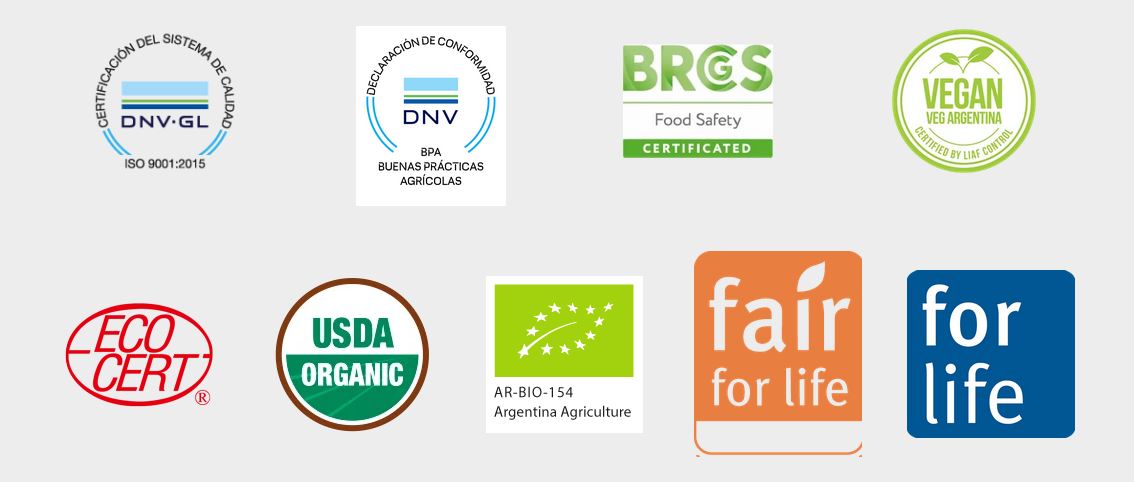
Source: Domaine Bousquet website
Organic viticulture is only a stepping stone for Domaine Bousquet – the goal is to convert to biodynamic farming in 2021/2022, which is not an easy task, considering the sheer size of Domaine Bousquet’s vineyards (more than 500 acres) and the fact that biodynamic viticulture is 30% more labor-intense compared with traditional methods, and 15% more intense than sustainable. But once you get on this road, there is no turning back.
Organic/sustainable/biodynamic is an important part, but still only a part of the story. The terroir is essential, and it is a classic combination of the soil and climate which contributes to the quality of the Domaine Bousquet wines. Many of the Domain Bousquet vineyards are located in the Gualtallary region of Uco Valley, at an altitude of about 4,200 feet. The high altitude by itself doesn’t guarantee the quality of the wines, but it helps. Domaine’s vineyards are located on the patches of sandy soils, which are great for the vines as they limit the spread of the disease, provide good drainage and force the vines to work hard to get to the water.
Gaultallary offers a desert-like climate, with constant winds blowing for the Andes, and less than 8 inches of rain being total precipitation for the year. In such conditions, it is important that Domaine Bousquet vineyards are located in areas with access to the ground water – not everybody in the Gaultallary is that lucky. And then there are Zonda winds (Zonda in local dialect means “The Witch’s Wind”, which are showing up in the spring, and they are dry (relative humidity of 0), strong, and unpredictable – but they help to reduce the crop size and concentrate the flavor.
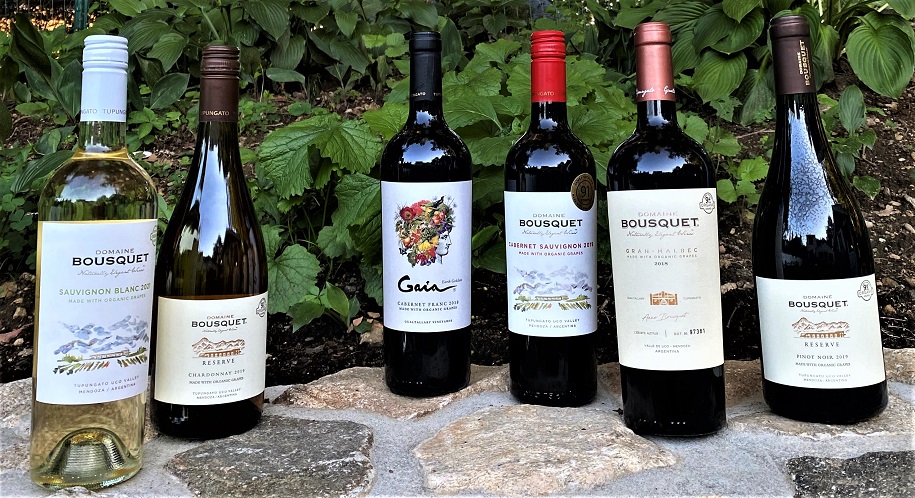
Domaine Bousquet produces about 10 different lines of wines. I was able to taste wine belonging to the 4 different lines (samples). Below are my notes.
First, 2 wines from the Premium selection:


2021 Domaine Bousquet Sauvignon Blanc Tupungato Uco Valley (12.5% ABV, $13)
Straw pale
Ultimately inviting nose, a touch of fresh grass, lemon, uplifting intensity.
Crisp, clean, lemony, grassy, tart, fresh, pure delight.
8+, perfect, delicious.
2019 Domaine Bousquet Cabernet Sauvignon Tupungato Uco Valley Mendoza (14% ABV, $13, no oak – unusual)
Dark Ruby
A touch of bell pepper, dark berries, medium-plus intensity
Bell pepper, eucalyptus, mint, blackberries, good acidity, fresh, good energy, good balance
8-/8, easy to drink. And I have to say that unoaked Cabernet Sauvignon is mind-boggling.
Next were two wines form the Reserve line:


2019 Domaine Bousquet Chardonnay Reserve Tupungato Uco Valley (14.5% ABV, $18)
Straw pale
Vanilla, a hint of butter, inviting, generous
Crisp, vibrant, a touch of butter and vanilla, tightly weaves around the citrus core. Excellent balance, delicious.
8+, superb. If this wine can age, it might be amazing, if this bright acidity will evolve into the honey note as it works with the best Chardonnays.
2019 Domaine Bousquet Pinot Noir Reserve Tupungato Uco Valley (14.5% ABV, $18, 6-8 months in French oak)
Dark ruby
Not very expressive, a hint of tart cherries
Tart cherries, bright acidity, crisp, tart
7/7+, not my wine, but should be okay as food wine or for those who like austere, bone-dry wines.
Next was the wine from the Gaia line – the wines dedicated to the goddess of Earth, Gaia, sporting a very attractive label. This is the second time I was able to taste the wine from the Gaia line – the first was Gaia Rosé, which was excellent. 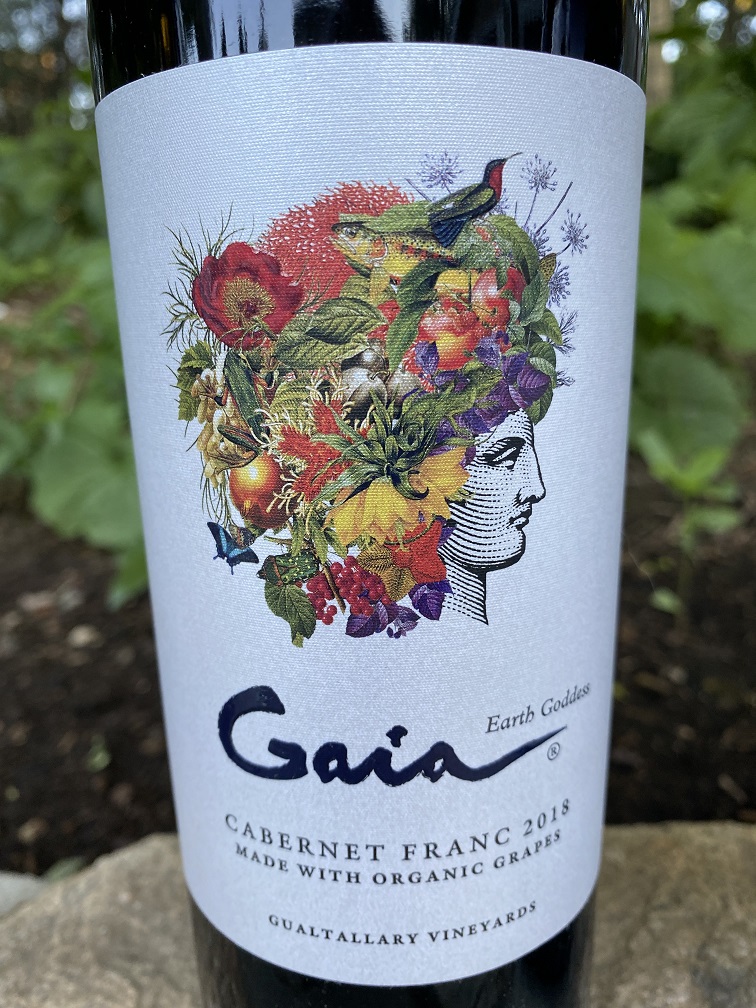
2019 Domaine Bousquet Gaia Cabernet Franc Gualtallary Vineyards (15% ABV, $20, 8-10 months in French oak)
Dark garnet
A touch of barnyard, earthy notes, dark berries
Dark fruit, explicit minerality, a distant hint of bell pepper, mint, dense, good structure
8-, not the most striking Cab Franc, but interesting on its own
And the last one for today – the wine from the Gran series:
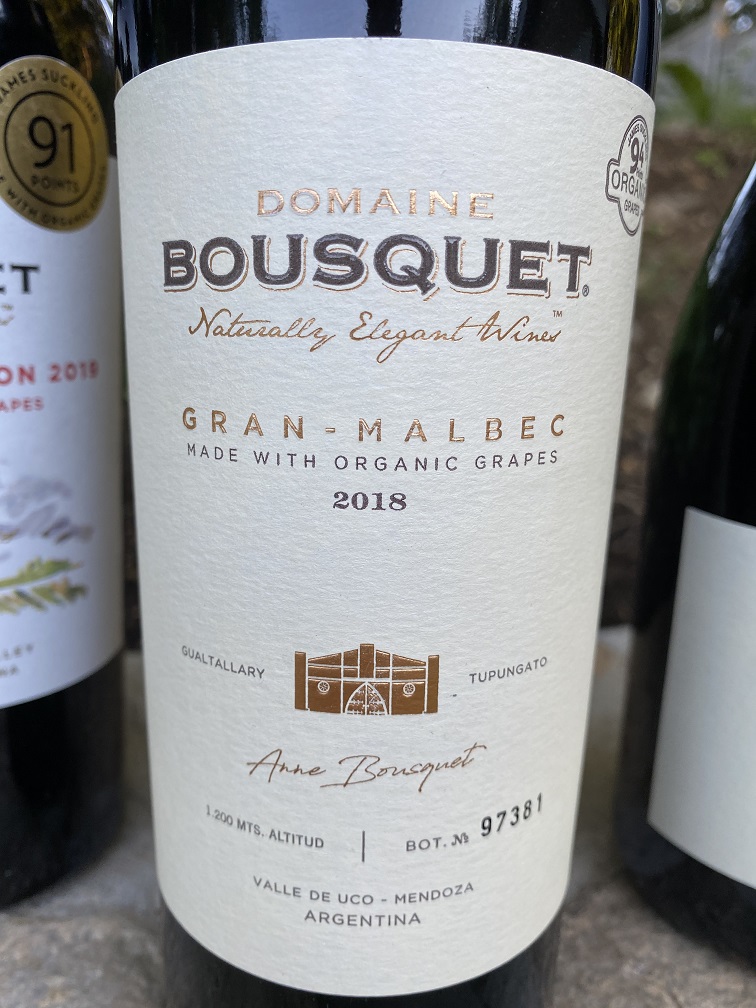
2018 Domaine Bousquet Gran-Malbec Valley de Uco (14.5% ABV, $25, 85% Malbec, 5% Cabernet Sauvignon, 5% Merlot, 5% Syrah, 10 months in French oak)
Dark garnet, almost black with purple hues
Dark fruit, eucalyptus, cassis, intense, powerful
Beautiful fruit on the palate, firm structure, big, brooding, perfectly balanced
8+, outstanding
Here you are, my friends – more organic wines you can choose from. As an added bonus, with Domaine Bousquet, you don’t have to break the bank to enjoy delicious organic wines any time you want. Cheers!
Made With Organic Grapes: Red, White, and Rosé
Have you looked attentively at the wine labels lately? I don’t know about you, but “made with organic grapes” is something I see on more and more wine labels. Red, white, Rosé, bubbles – no exception. As winemaking methods are advancing, organic viticulture is almost becoming a new norm.
While “organic” and “sustainable” are not the same, organic designation is often a stepping stone toward sustainable and biodynamic viticulture. Sustainability seems to be the word of the day, not only in the viticulture but all areas of human activities – but this is a wine blog, so let’s just stay with our beloved subject here.
A few weeks ago, I shared my impressions of the organic wines of Viñedos Veramonte from Chile. As I believe we are looking at the trend, let’s continue our search for organic grapes, and let’s take a quick trip to the old continent – Italy, to be more precise. Once we are in Italy, let’s go to Sicily, where Cantine Ermes had been producing wines since 1998.
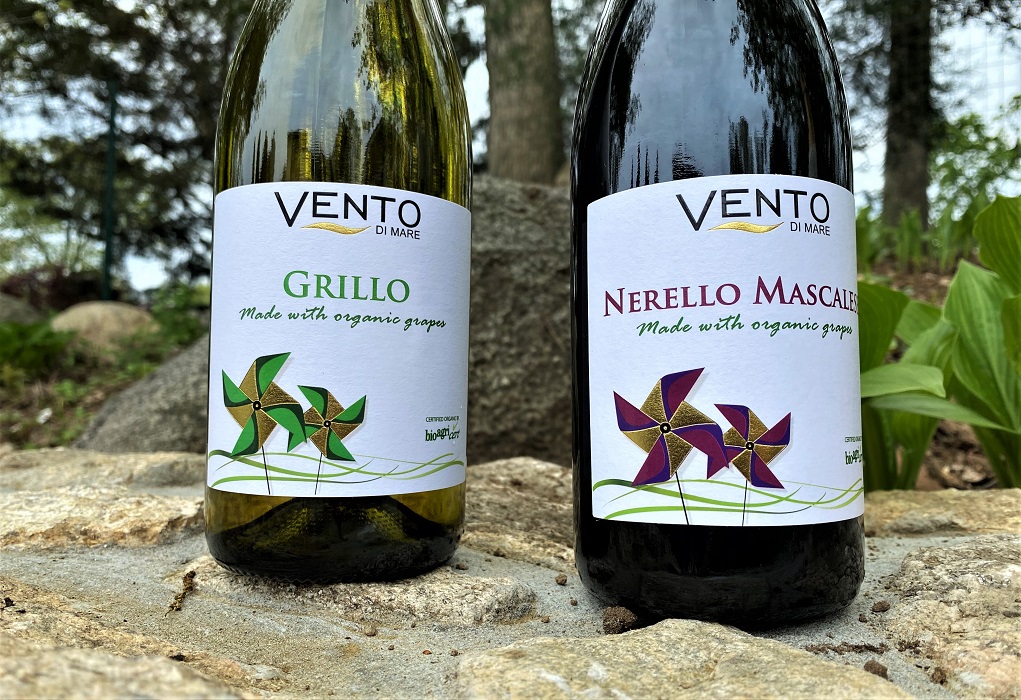
Cantine Ermes is a coop-type winery. The numbers behind Cantine Ermes are quite impressive – 2,355 associates, 9 cellars, more than 25,000 acres of land under vineyards, and about 12M bottles annually are sold in 25 countries. Despite its sheer size, Cantine Ermes practices organic and sustainable farming and has tight control over all steps of wine production.
Two wines I tasted brilliantly represented Sicily, made from the local grapes:
2019 Cantine Ermes Vento Di Mare Nerello Mascalese Terre Siciliane IGT (13.5% ABV, $13)
Ruby red
The nose of freshly crushed berries, cherries, and eucalyptus.
Playful on the palate, a touch of fresh cherries, intense tobacco, minerality, medium body, clean acidity, good balance.
8-/8, perfect on its own, but will play well with food.
2019 Cantine Ermes Vento Di Mare Grillo Sicilia DOC (12.5% ABV, $13)
Light Golden
Fresh lemon, Whitestone fruit, medium+ intensity, inviting
Crisp, clean, fresh lemon, nicely present body, a touch of white plum, good minerality, a hint of sweetness
8/8+, superb, delicious white wine all around.
We are continuing our organic grape quest by going west and leaving the old continent and arriving at Mendoza in Argentina. Earlier this year I discussed sparkling wines of Domaine Bousquet – the product of the obsession of the French winemaker Jean Bousquet, who fell in love with the raw beauty of Gualtallary Valley in Mendoza. Interestingly enough, two sparkling wines I was talking about before were also made from organic grapes – I guess I simply didn’t see it as a trend yet.
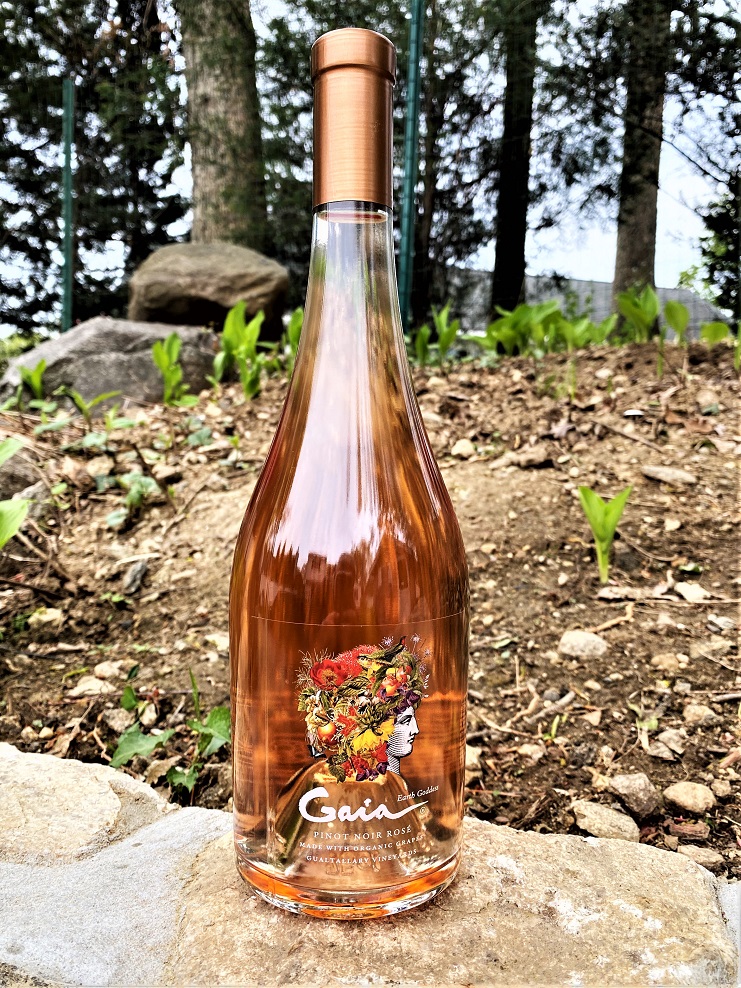
Gaia Rosé is the inaugural vintage of the wine made from 100% Pinot Noir, from the vineyards in the Uco Valley located at the 4,000 feet/1,200 meters elevation. The wine takes its name from Gaia, the ancient Greek goddess of the Earth and an inspiration for the Bousquet family. Just take a look at this beautiful bottle and tell me that you will be able to resist the urge to grab this bottle off the shelf at the first sight.
Here are my thoughts about the wine:
2020 Domaine Bousquet Gaia Pinot Noir Rosé Gualtallary Vineyards Mendoza Argentina (13.1% ABV, $20, vegan friendly)
Light salmon pink
Complex, onion peel, a touch of strawberries
Fresh Strawberries, grapefruit, bright acidity, a touch of sweetness, firm, present
8, delicious. Unusual
Here you are, my friends. Red, white, and Rosé from around the world. made from organic grapes, delicious, affordable, with a great QPR. What else should wine lovers want?
Tango Tours – A Pioneer In Wine and Culinary Tourism
Wine and Travel – aren’t those the best together? Visit new places, try new wines, then more new places and more new wines. I’m sure this is simply a music to the ears of many. Today I want to offer to your attention a guest post by Mark Davis, Managing Partner at Tango Tours – A Luxury Travel Company (www.tango.tours) – the company which can help you realise that dream of having a great time and great wine while travelling the world. And as we are still in the Malbec Month of April, below you will find the Argentinian wine Infographics, courtesy of Tango Tours. Cheers!
Do wines fascinate you or are you yet to explore about this luxurious drink? Tango Tours will make that happen for you. Whether you are planning a private wine tasting tour or looking to indulge in a world-class and an unforgettable culinary experience, this is the right place for you.
Food And Wine Tour– Tango Tours curates food and wine tour to feature the finest restaurants serving local delicacies.
Exclusive Vineyard Tours– You get to explore some of the exclusive vineyard tours featuring wineries that are publicly inaccessible.
Luxury Wine Tours– Enjoy a guided luxury wine tour and taste some of the most exquisite wines of the world.
Deluxe Accommodation– You will be offered deluxe accommodation during your tour so you can sink into the silky soft beds of a luxury five-star hotel after a long and fulfilling day.
Tango Tours covers the most popular wine destinations around the world and the tours include:
Argentina Wine Tours– The itinerary features tasting the Argentinean Malbec, luxury food and wine adventure across Argentina and a visit to the reputable Argentina vineyards, along with discovering the local cuisine and culture.
Napa/Sonoma Tours– The luxury wine tour packages of the Napa and Sonoma valley offer you with a unique wine and culinary experience. From the sprawling vineyards of the region to delectable dishes from the finest restaurants, you get to explore everything.
Chile Tours– The highlights of Chile Tours include deluxe tour packages for wine connoisseurs who wish to explore the best of Chile.
Custom Wine Tours– If you have a specific destination in mind, Tango Tours helps you plan the vacation of your dream. Pick a place of your choice and we will make all the arrangements.
Why Choose Tango Tours?
At Tango Tours, we have an extensive knowledge of wines and food from the famous wine regions of the country. We work closely with some of the best winemakers and restaurateurs in the food and wine industry through which you can access private wineries and prestige vineyards across the region.
All ready to enjoy the fruity Merlots of Chile and Napa/Sonoma Valley or the dark, smoky flavors of the highest-quality Argentine Malbec? Just pack your bags and let us plan it for you and give us a chance to take you on a remarkable food and wine adventure.

Last Bottle Sign Up ($10 credit)




 Talk-A-Vino