Weekly Wine Quiz #88: What Is It?
The Wine Quiz series is not meant to intimidate. The whole idea here is to have fun and learn something new. When answering the questions, it is fully encouraged to use all available sources of information, including Google or any other search engine. There are no embarrassing answers – the most embarrassing thing is not giving it a try…
Welcome to the weekend and your new wine quiz!
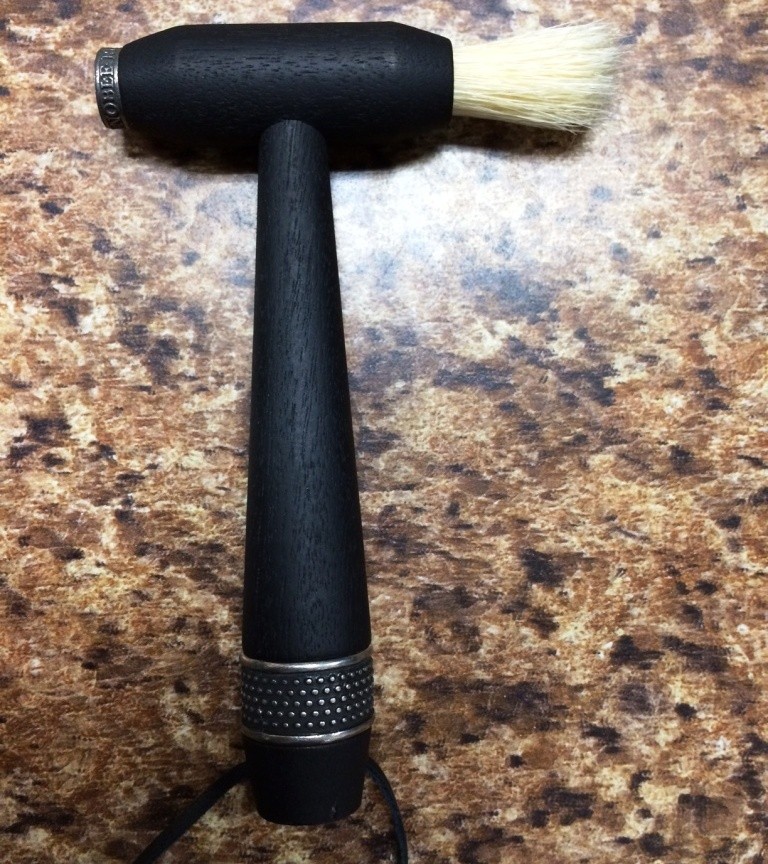
I was planning to go back to the grape trivia series with this quiz, but then I was shown an object so peculiar that my immediate thought was – I have to make a quiz out of it! Here we are: take a look at the picture below – you don’t need to name the object (not sure if it has any specific name), but you have to explain what it is for and how it is used. Sorry – I know, this is not the best photo ever, but it shouldn’t be a problem for solving this quiz.
Good luck, enjoy the quiz and your weekend! Cheers!
Sparkling New Year Experiences
My brain is limited – it can only support one obsession at a time. Generally, this blog wins, but last month I got hooked on the Doctor Who series (yes, I’m a science fiction junkie), and over the last couple of days, the Doctor Who was clearly winning over the blog writing, as I couldn’t stop watching. Taking the obsession under control, I will try to switch some attention to this beloved blog.
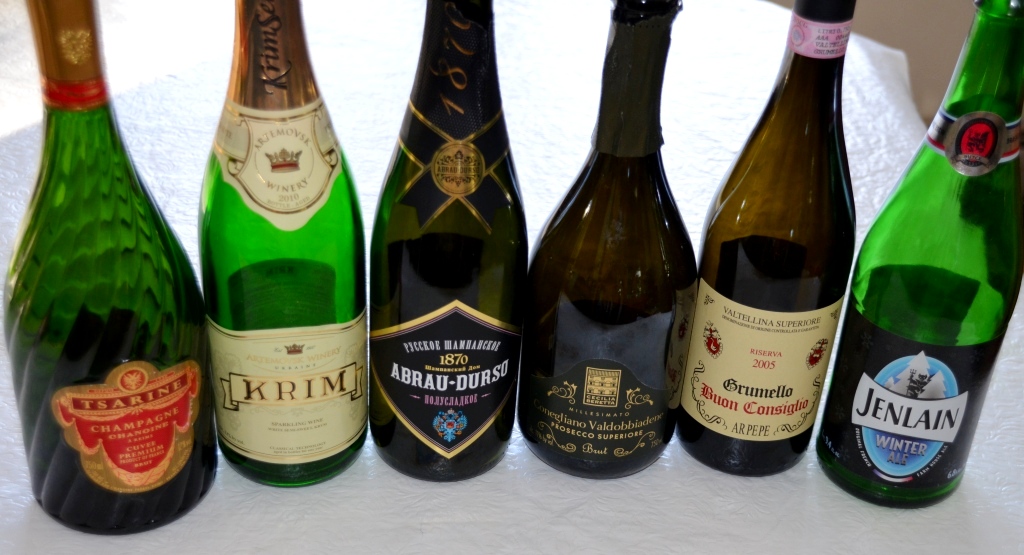 New Year’s day is a Sparkling wine time for me. It doesn’t have to be Champagne, but bubbles are indispensable part of the welcoming the New Year. And then January 1st is generally the day of bubbles – we have friends coming over for the small dinner and lots of bubbles on that first day of the New Year.
The 2014 was not an exception at all – so here are some of the Sparkling wines which added sparkle to our celebration. Oh yes, of course there were few other things to drink besides the sparkling wines.
If you look at the picture above, down on the right you will see… yes, this is beer! Somehow, I felt compelled to include it into the wine line up, as I was drinking it while we were cooking the day before the New Year. Also, when I see a French beer, there is almost a calling in my head “ahh, French beer, I must try it”. This was Brasserie Duyck Jenlain Winter Ale, a seasonal brew from France, produced using three French barley malts and three varieties of the most aromatic hops from Alsace (according to the back label). In style it was an Amber Ale, so it was round and delicate, with a spicy nose and very easy to drink, without any bite – in general Amber is one of my favorite beer styles, right next to the Porter.
Coming to the New Year’s day, we started our evening with 2012 Cecilia Beretta Brut Millesimato Prosecco Superiore Coneglian Valdobbiadene DOCG, Italy (11% ABV) – yes, I already talked about this wine before (here is the post), and I think at this point this is my most memorable Prosecco out of many I tried. It is perfectly together, balanced, elegant, structured and refreshing – and unbeatable value on top of everything. Drinkability: 8-
Then we had two non-common sparkling wines – one from Russia, and one from Ukraine. The Russian Sparkler was NV Abrau-Durso Semi-Sweet Sparkling Wine, Russia (10.5%-12.5% ABV) – fine mousse, touch of sweetness, ripe apples on the palate with a hint of peach, good acidity, overall quite elegant. Drinkability: 7+
The 2010 Artemovsk Krim Semi-Sweet Sparkling Wine, Ukraine (12% ABV, blend of Pinot Blanc, Aligote, Chardonnay and Riesling) was a notch up compare to the Abrau-Durso – perfectly refreshing bubbles, supple nose of apples with touch of yeast, just a hint of sweetness on the palate with balancing, rounding up acidity. If off-dry sparkling wine is your style (or a craving of the moment), I would highly recommend this wine. Drinkability: 8


What can be better than a nice wine label? Of course, a nice wine behind that label! This was the case with this NV Tsarine Champagne Cuvée Premium, Reims (12% ABV, 34% Chardonnay, 33% Pinot Meunier, 33% Pinot Noir). I was so impressed with the bottle and overall packaging, that I even had a wine quiz dedicated to this wine. I was a bit worrying that behind a gorgeous, royal, flashy label will be a so-so wine. Once I popped the cork and pour the wine, the worry went away in the instant. Perfect fizz, lots of energy in the glass. The nose shows everything which signifies Champagne to me – freshly baked bread, touch of yeast, a touch of an apple. On the palate, it had all of the same toasted bread, yeast and apple, coupled with clean, vibrant acidity – and lots of pleasure. Needless to say that this wine was gone in no time. Drinkability: 8
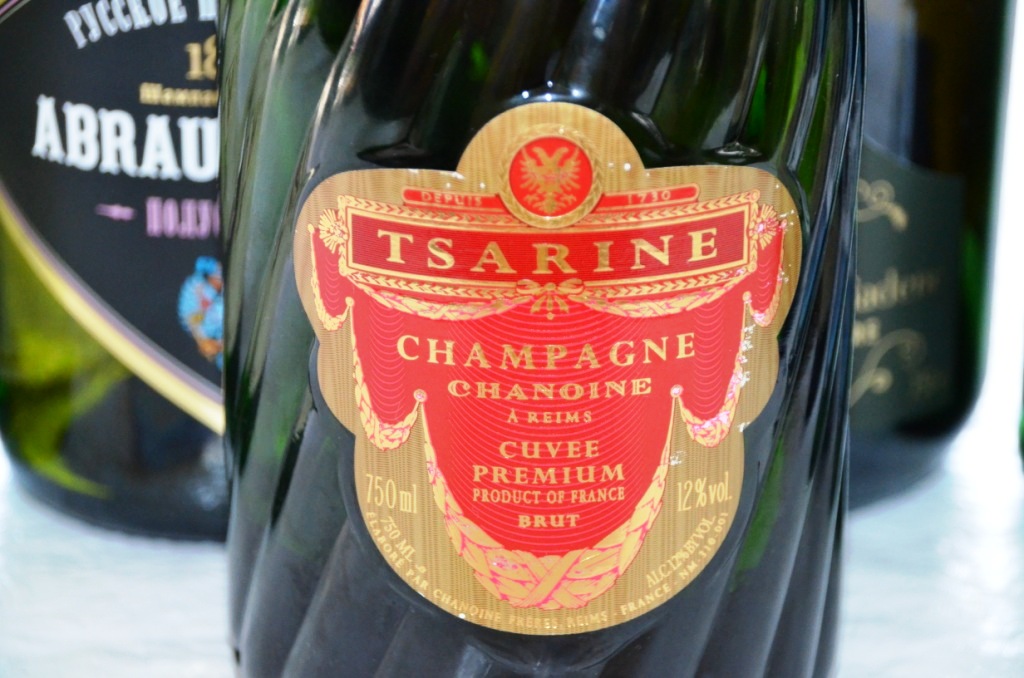
Tsarine Champagne
Our last bottle of the evening was 2005 AR Pe Pe Grumello Riserva Buon Consiglio Valtelina Superiore DOCG (13% ABV, 100% Chiavennasca, a.k.a. Nebbiolo), which Stefano generously brought over. This was an absolutely delicious rendition of Nebbiolo – brick orange hue in the glass, delicate aromas of plums and violets, with may be a whiff of cinnamon, fragrant, earthy and delicate on the palate – very un-Barolo in style, but perfectly balanced with the long finish and lots of pleasure in every drop. Drinkability: 8

Ar Pe Pe Grumello
And then, of course, there was food – I will give you just a few pictures – lots of traditional Russian style dishes – cold cuts, red caviar, salads, lots of pickled vegetables. I might share some recipes later on.


That concludes my report on our New Year’s extravaganza. Cheers!
Wednesday’s Meritage – Wine Quiz Answer, Wine Crimes, #MWWC6 Last Chance, Wine Books, New World’s Most Planted Grape
Meritage time!
First, let’s start with the answer for the wine quiz #87, how well do you know your wines.
In the quiz, you were supposed to identify 8 different wines/wineries using the pictures of the top foils of the bottles. Here are the answers:
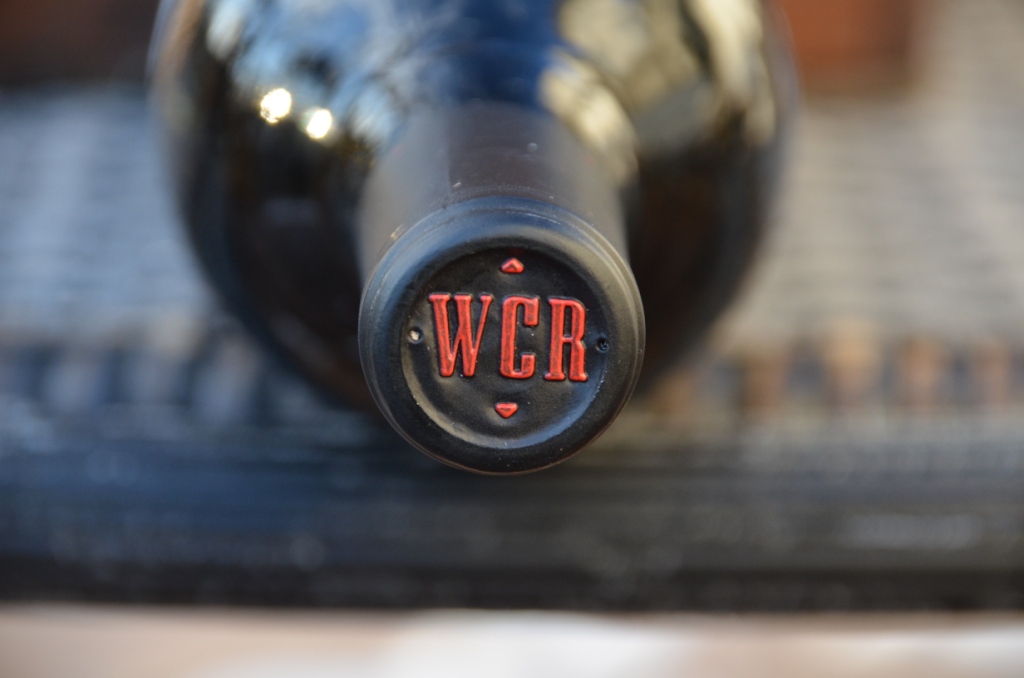
1. White Cottage Ranch, a winery in Napa Valley (looks like it might be closed now 😦 )
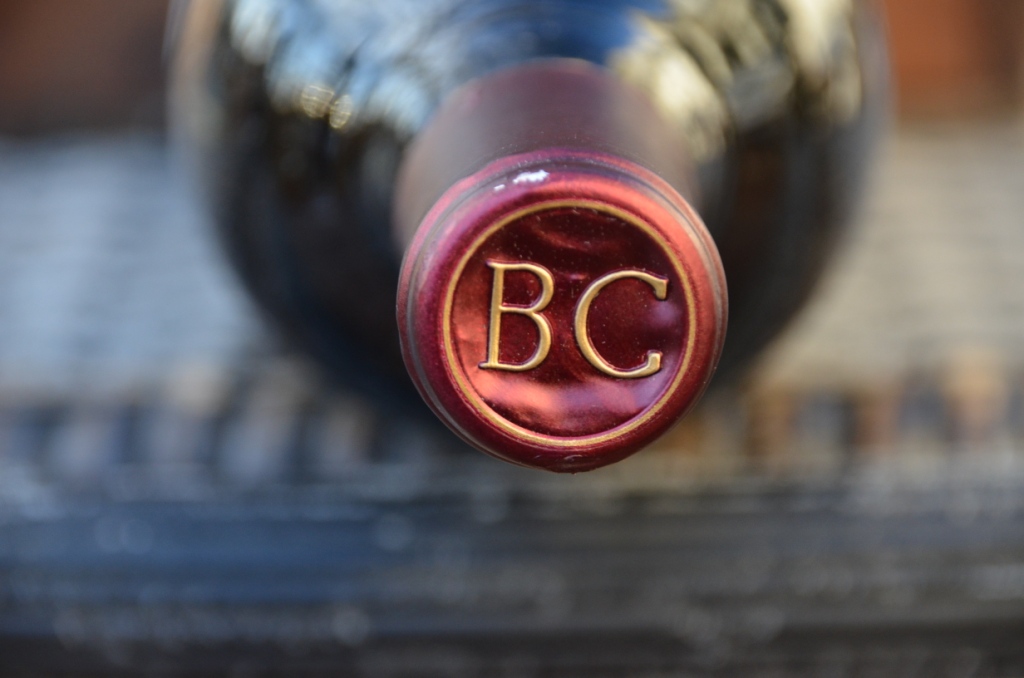
2. Burgess Cellars – winery in Napa Valley, making great Cabernet Sauvignon, Syrah and other wines
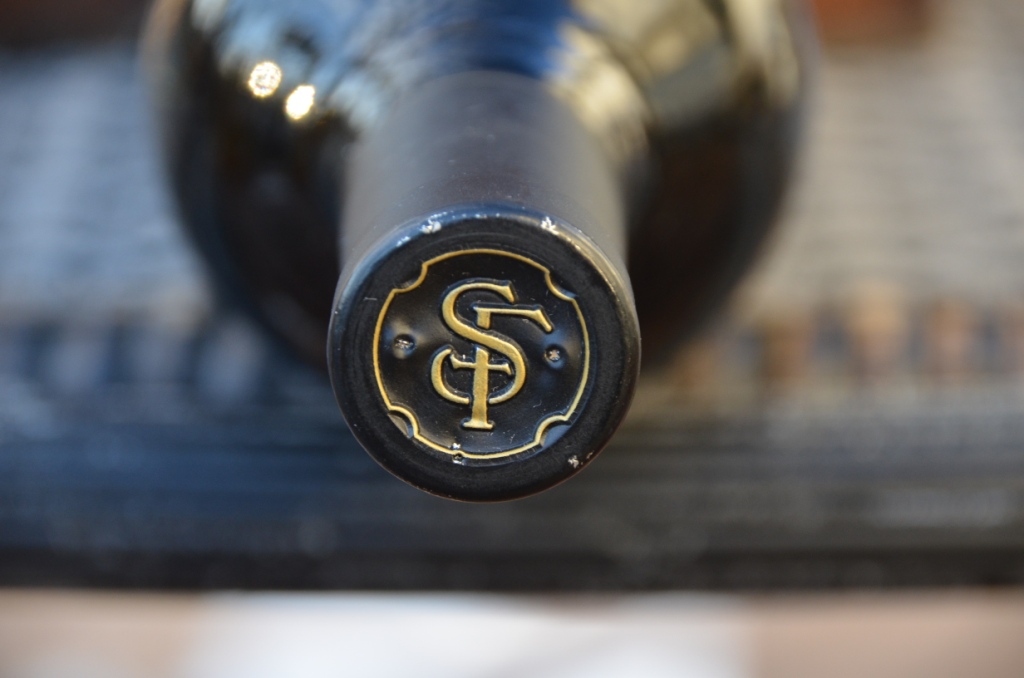
3. St. Francis – winery in Sonoma, producing wonderful Zinfandel and other wines
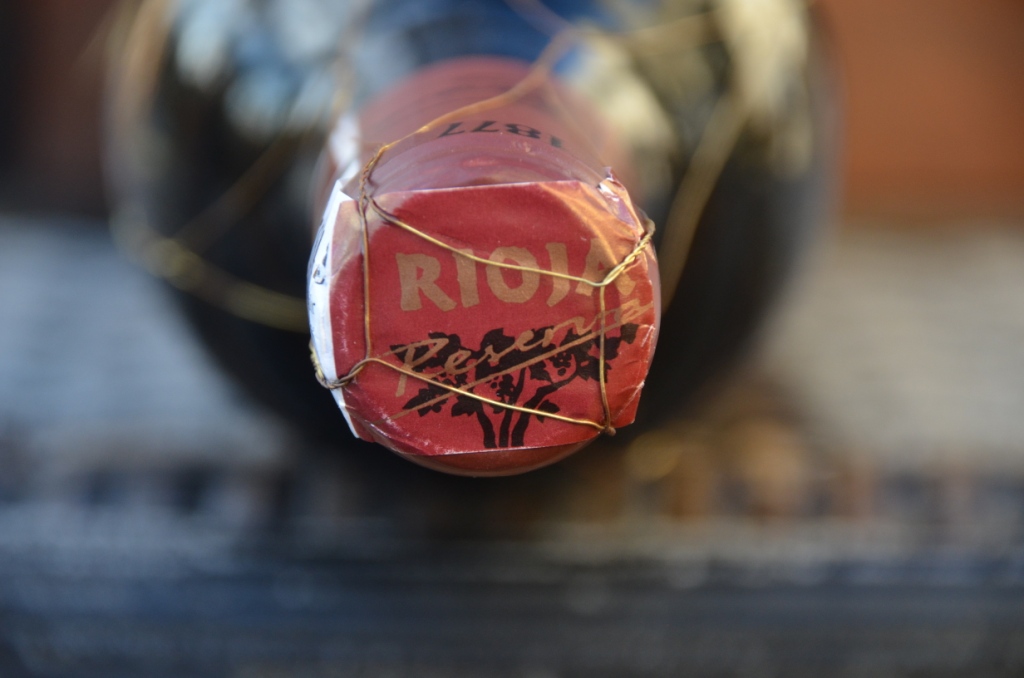
4. Lopez de Heredia, one of the classic Rioja producers from Spain
5. Talullah, a boutique winery in Napa
6. No Girls, an extremely limited production of Syrah and Grenache from Walla Walla Valley
7. Jordan, great producer from Sonoma, probably best known for their Cabernet Sauvignon
Bonus: Casa Burmester, a boutique Port producer from Portugal, also making wonderful dry wines
And here are the same pictures, only now you can see what is what:
-

- 1. White Cottage Ranch
-

- 2. Burgess Cellars
-
- 3. St. Francis
-
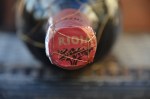
- 4. Lopez de Heredia
-

- 5. Talullah
-

- 6. No Girls
-

- 7. Jordan
-
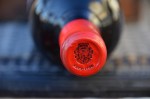
- Bonus: Casa Burmester
As I said many times before, this was a very tough quiz – people generally don’t pay attention to the bottle tops. In this round, Zak correctly identified 6 wines out of 8 ( including the bonus), so he is the winner of this quiz and he gets the distinguished prize of unlimited bragging rights. Well done!
Now, to the interesting stuff around the vine and the web!
As wine keeps growing in popularity, it becomes the subject of crime with much higher frequency. An excellent article from Mike Veseth at Wine Economist is talking about some of the latest wine crimes, where wine was stolen in a very sophisticated fashion. I like the “CSI Fine Wine” designation used for the article – definitely an interesting story to read.
Have you written about the wine mysteries in your life? Mystery is a theme for Monthly Wine Writing Competition #6, hosted by Jeff, a.k.a The Drunken Cyclist. The submission deadline is Monday, January 13th. You can read about all the rules in this post – but don’t delay, there are only few days left!
Do you like wine books? I personally do, but I don’t read them nearly enough – I read more blogs than the books lately. Nevertheless, here is an excellent list from W. Blake Gray, where he is talking about 9 of the latest wine books, all sounding very intriguing and worth reading, like “The Billionaire Vinegar”, which had been on my radar for a while. Did you read any of the books in the list? What do you think?
Last but not least – some wine numbers, for all of you, number junkies out there. The Drinks Business publication just published a very interesting article regarding the most planted grapes in the world. It appears that the most planted grape in the world as of now is nothing less than… (cue drum roll) … Cabernet Sauvignon! And hated/loved Merlot now is a close second – quite a change from Airen and Grenache being in the lead for a while. For more of the interesting interesting data, here is your link to the original article.
That’s all I have for you for today, folks. The glass is empty – but refill is on its way. Until the next time – cheers!
Weekly Wine Quiz #87: How Well Do You Know Your Wines, Part 2
The Wine Quiz series is not meant to intimidate. The whole idea here is to have fun and learn something new. When answering the questions, it is fully encouraged to use all available sources of information, including Google or any other search engine. There are no embarrassing answers – the most embarrassing thing is not giving it a try…
Welcome to the weekend and your new wine quiz!
As I skipped the traditional Meritage, I would like to start with the answer to the wine quiz #86, How well do you know your wines. In the quiz, you were given the pictures of the top of the wine bottles, and you were supposed to name the producer or wine based on that picture of that foil top. Here are the answers (and below are the pictures, now with the producer/wine names):
1. Laetitia, the winery in California producing Pinot Noir and Chardonnay wines
2. Cambria, the winery in California, also producing Chardonnay and Pinot Noir wines
3. Wente, large winery in California Livermore valley
4. Turley, California Zinfandel and Petite Sirah specialist (however, the picture was taken from the bottle of Turley The Label Cabernet Sauvignon)
5. La Rioja Alta, one of the best Rioja producers in Spain
6. Peter Michael, California winery producing great Chardonnay, Pinot Noir and Cabernet Sauvignon
Bonus: Satrapezo, a great wine made out of Saperavi grape by Marani winery in Georgia – I understand that this is a very obscure wine for many, this is why it was set as a bonus question.
-
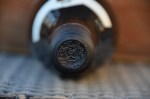
- 1. Laetitia
-

- 2. Cambria
-

- 3. Wente
-

- 4. Turley
-
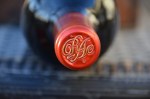
- 5. La Rioja Alta
-

- 6. Peter Michael
-

- Bonus: Satrapezo
Talking about the results – this was a tough quiz, with a few people being able to properly identify Wente, and then some guesses for the #2 being Cline – this is close, but incorrect. The “C” on the Cline bottles is done slightly in the different style.
I still like this quiz, so here comes round number 2 – hopefully you can do better! Here we go:
1. 
2. 
3. 
4. 
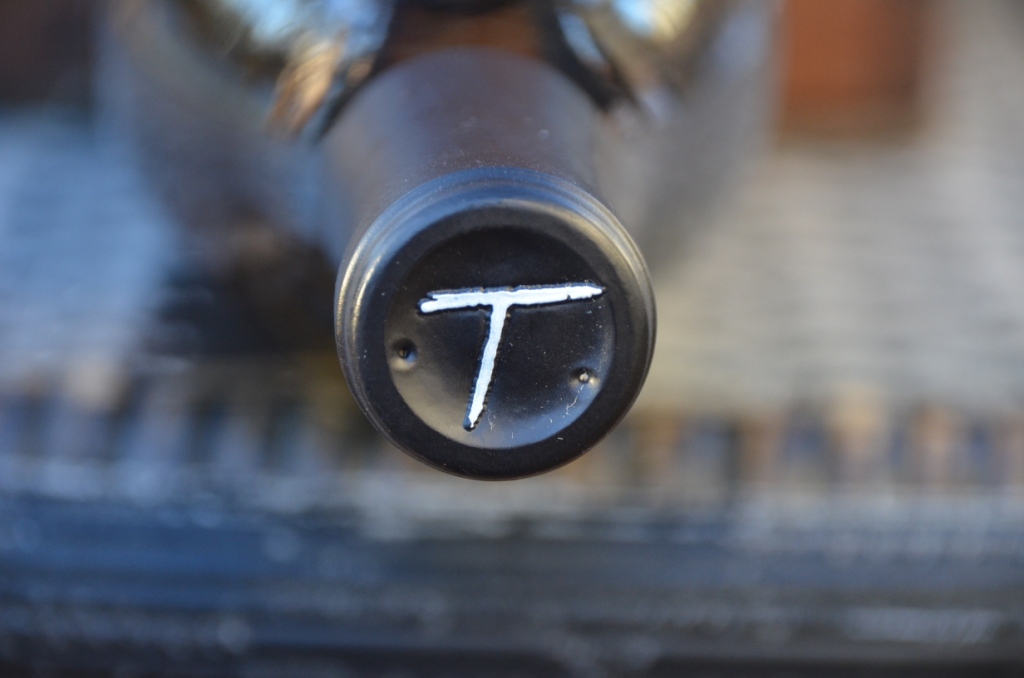
5. 
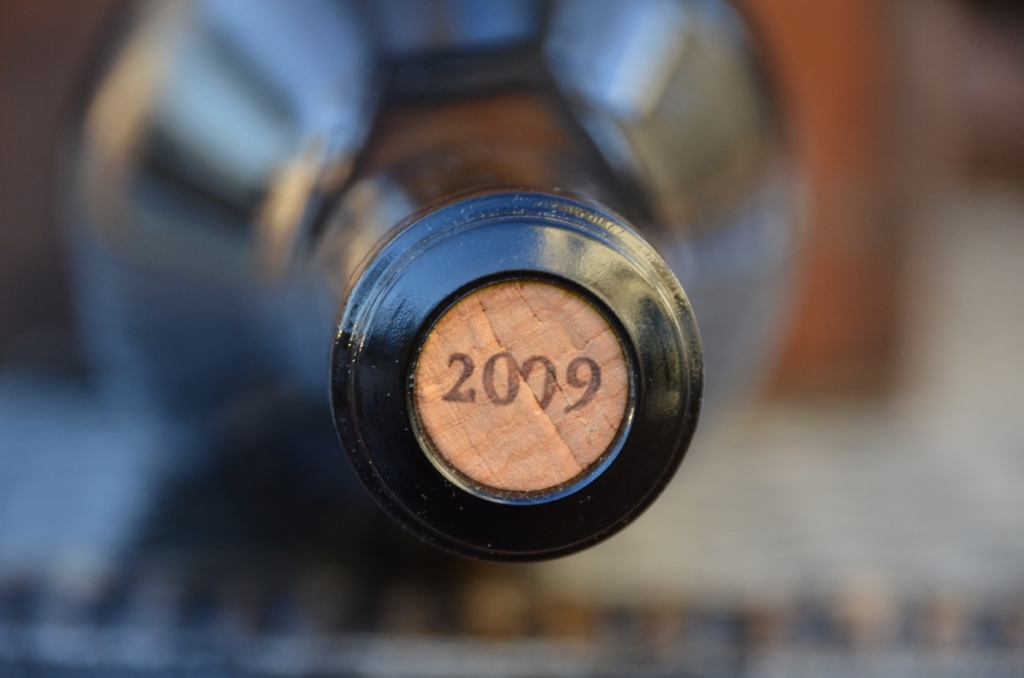
6. 
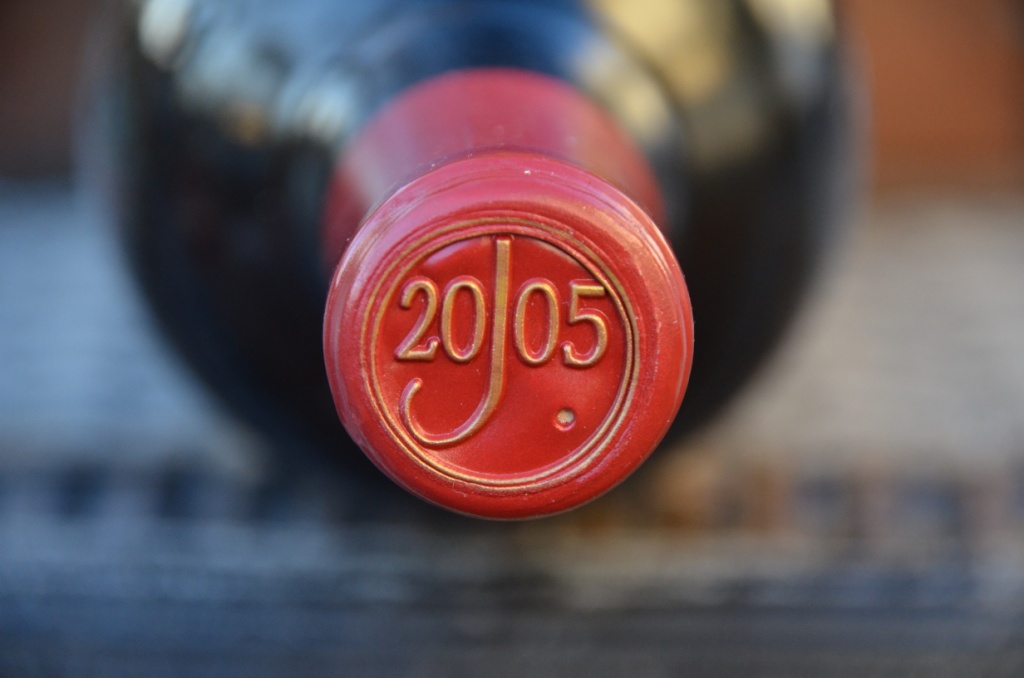
7. 
And the bonus question:
B. 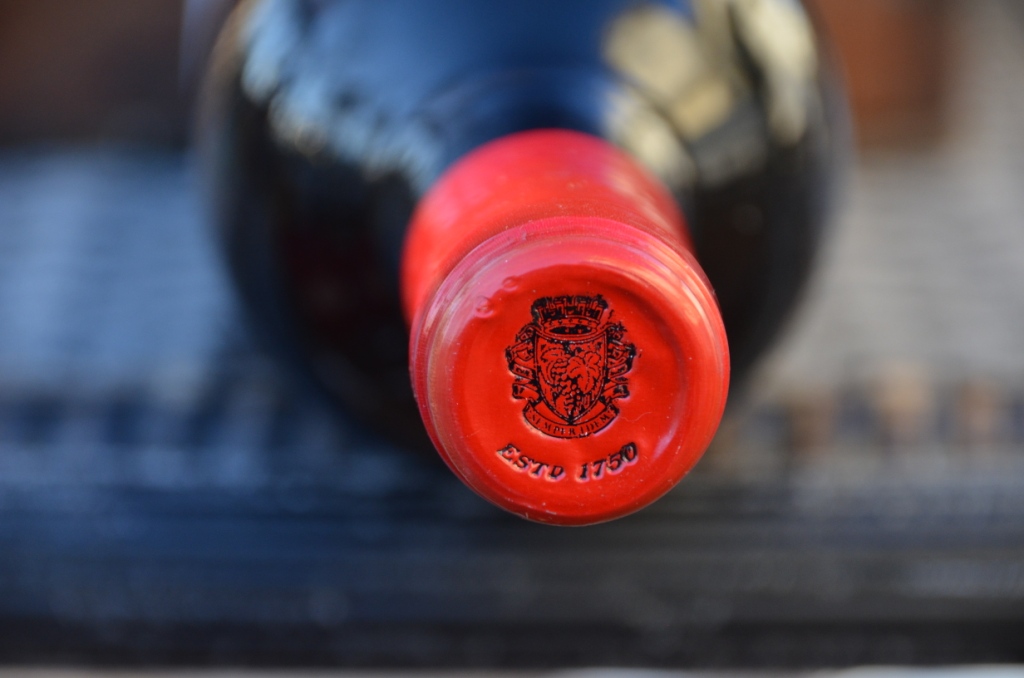
Good luck, enjoy the quiz and your weekend! Cheers!
Month in Wines (and Whiskys) – December 2013
At first I wanted to preface this post with the notion of December being somewhat uneventful in terms of great wine experiences, but as I was thinking about it, I realized that this would be a mistake to put it like that. So yes, December brought quite a few of the great discoveries.
Here we go:
NV Ayala Brut Majeur Ay Champagne, France (12% ABV, 45% Pinot Noir, 35% Chardonnay, 20% Pinot Meunier ) – one of the very best non-vintage champagne I ever tasted – perfectly complex, yeasty, showing aromas of the fresh bread and apples, all in a very bright and energetic package. Considering the price ($26.99 on special) is simply unbeatable (people, stop buying the yellow label, get the real thing and save some money!). 8
2011 Mt. Beautiful Sauvignon Blanc North Canterbury, New Zealand (14% ABV) – nice, restrained – recognizably New Zealand, but more in the Sancerre style, with grass and lemon prevailing over the grapefruit. Well balanced and very refreshing. 8-
2012 Mt. Beautiful Pinot Noir North Canterbury, New Zealand (13.5% ABV) – clean. delicate. perfectly balanced. perfectly delicious. Saying that Mt Beautiful Pinot Noir is beautiful sounds somewhat broken, but there is nothing I can do here – definitely an outstanding Pinot Noir of a rare precision. 8+
2010 Hooker Breakaway Chardonnay Oak Knoll District, Napa Valley (13.3% ABV) – Perfectly classic – vanilla, apple, butter and toasted oak, all elegantly connected, round and supple, perfectly balanced and supported by acidity. A pleasure. 8-
2011 Bogle Petite Sirah California (13.5% ABV) – probably one of the very best value wines in existence – I have to yet to taste a bad Bogle Petite Sirah. Amazingly consistent from vintage to a vintage – dark fruit on the nose and the palate, blackberries and raspberries, firm structure, powerful but elegant tannins, very good balance. 8-
2007 Talullah Syrah Bald Mountain Napa Valley (14.8% ABV) – inky black color in the glass, very restrained on the nose, nice dark fruit on the palate with the spicy notes. Definitely needs time to evolve. 8-
2004 Chateau Puy Arnaud Maureze Côtes de Castillon AOC (13.5% ABV) – very nice, rich, open and classic Bordeaux – hint of cassis, touch of bell peppers, well structured with firm tannins, good overall balance. 8-
2008 Gorys Crespiello Cariñena DO (14% ABV, 100% Old Vine Vidadillo) – outstanding. Very restrained, with nice dark fruit on the nose, on the palate shows raspberries and elegant sweet oak undertones, nice earthiness. Well balanced and intriguing, a thought provoking wine. Medium to long, mellow finish. This is the wine to be enjoyed slowly, preferably with the book or by the fire. Highly, highly recommended. Ahh, and on top of everything – a new grape. 8
1998 La Rioja Alta 904 Gran Reserva, Rioja, Spain (12.5% ABV) – dialed back and elegant, needs time to open up. Nice fruit, cedar notes, well present tannins, good overall balance. Needs time. 8-
2010 Quota 31 Primitivo Menhir Salento, Salento IGT (14% ABV) – playful and elegant. Dark, dense fruit, raspberries and blackberries profile, round tannins, good balance. Very enjoyable. 8-
And here are few of the whisky discoveries:
Blue Ridge Distilling Defiant Whisky, North Carolina (41% ABV, 100% Malted Barley) – North Carolina, really? Well, I’m kidding, I’m not that surprised at all – after tasting great drams from Oregon, Utah, Texas and New York, I believe that great whisky can be made anywhere, as long as you apply enough passion. This whisky was unique and different, as it was the most scotch-like compare to all other US whiskeys I tasted. Very well balanced with nice viscosity, some caramel undertones, herbs and acidity.
The Lost Distillery Company Auchnagie Blended Malt Whisky (46% ABV) – one of the very best whiskys I ever tasted – touch of smoke, perfectly clean and balanced. It is also a very unique product – you can read my original post for more details about it.
Gordon & MacPhail Highland Park 8 yo (40% ABV) – I know that many people will just turn their nose away from this scotch simply based on the “low age” of 8 years. To me, this was absolutely delicious – excellent peatiness (I love peat in my scotch, if you don’t – this will not be your drink), clean, balanced – an excellent dram.


That’s all I have to report for December. Cheers!
Happy New Year!
My Dear Readers, My Dear Friends:
I want to take a moment and wish you all wonderful, happy, healthy and peaceful New Year, the year filled with joy, happiness, love, friends, wine, laughter (the last three always go together), great moments, meaningful connections and great memories!
Cheers to the great 2014!
Playing Wine Secret Santa
 A few weeks ago, Jeff, a.k.a. the drunken cyclist, came up with the idea – how about making whole bunch of people happy and excited, just in time for the holidays, by exchanging a few bottles of wine – in secret. As the typical “secret Santa” game goes, we (all participants) have to send one or two bottles of wine to someone – of course nobody has any idea who is sending wine to whom, as all the recipients are set at random. We also were asked to include a little note about ourselves and how did we chose what wine to send – for all detailed rules and regulations you can look here.
I really liked the idea from the very beginning – being able to share the wine with someone and an anticipation of the surprise of the wine someone have chosen for you was definitely exciting. As the idea was discussed further, both in Jeff’s blog and in the e-mail, the main problem surfaced. Legally, you have to have a liquor license in US in order to send wine to someone. The creative ideas were exchanged – ask winery or a store to ship the wine you selected to your recipient; print the label at home and drop the box at UPS or FedEx – they will not ask the questions; ship the wine via US mail – but don’t tell them you have anything liquid inside (this is what I did). With this main problem out of the way, the next key question was: what to send?
Choosing the wine for such a secret mission is very far from simple (sorry, laugh all you want – we, wine snobs, like to complicate things). You want the wine to match the preferences of your recipient. Okay, so may be I’m complicating things for no reason – most of the participants should have a blog, and in that blog they probably talk about wine, so it should be not that difficult, right? Hmm, let’s see.
Finally I got the e-mail – my recipient was Chef Mimi. I went to Chef Mimi blog, which boasts beautiful pictures of food (I’m a sucker for the beautiful food pictures) and tons of recipes. I read the About section, I searched for the word “wine” in the Chef Mimi’s blog – and I couldn’t find any clues to what she might like! So I put my thinking cap on (just kidding – no cap – I just stare blindly into the computer screen). I went through Chem Mimi’s blog posts, thinking – what would I pair with this or that dish? Finally – yes, I got it – Riesling would be one, because it would perfectly pair with these sliders, and, and, and … a Merlot, middle-of-the-road-and-often-great red wine? I have a few bottles of this great Riesling, of course with the name only Oliver can pronounce, 2007 Eitelsbacher Karthauserhofberg Riesling Kabinett Mosel-Saar-Ruwer (I talked about Spatlese from the same producer in this post, but I chose to send a Kabinett). And for the Merlot – as I live close to Long Island, and I recently was on the trip there and immensely enjoyed 2005 Estate Merlot from Jamesport, this was kind of a no-brainer decision for the wine which is unique and different. Done and done. The rest is history – you can read about it in the Chef Mimi’s post.
A few days after, my wines arrived.
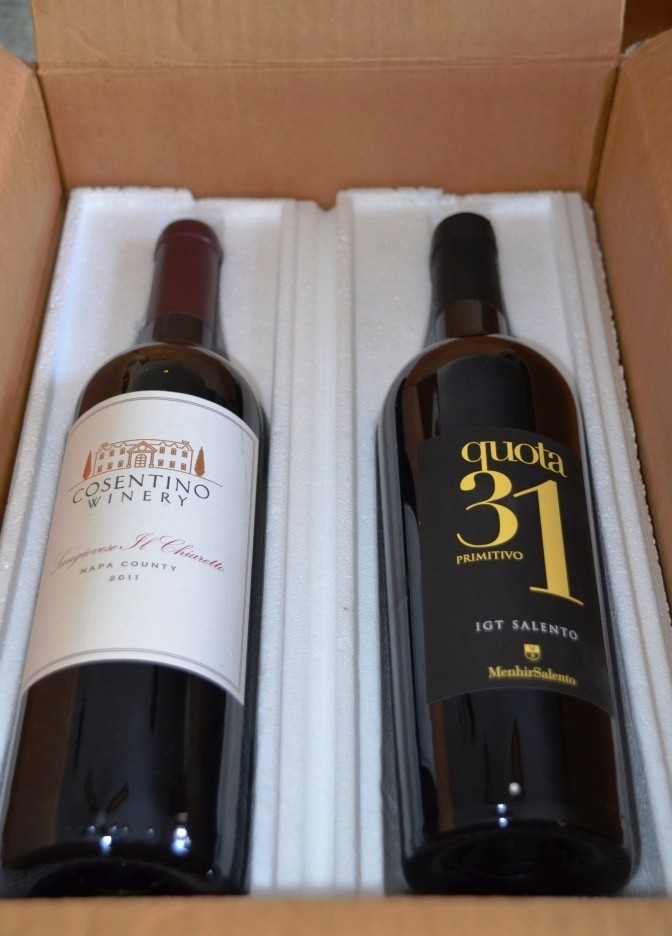 Inside the box, there was a handwritten note from @NewfD90, explaining the preference for the Italian wines hence the selection sent to me – Sangiovese from California and Primitivo from Salento “just for fun”, as the note said.
I decided to start with 2010 Menhir Salento Quota 31 Primitivo Salento IGT (14% ABV). I have a limited experience with Primitivo wines. While Primitivo is a close relative of Zinfandel, and Zinfandel makes some of my most favorite wines, the Primitivo wines I taste in the past were nothing close to the Zinfandel, and shall we say it, not that great. So you can imagine that my expectations were not that high. Open the bottle, pour, sniff, swirl, sip – wow, this is great! I have to honestly say that this was the best Primitivo I ever tasted – and outside of the Primitivo category, this was simply an excellent wine. Ripe raspberries profile on the nose, dark dense fruit on the palate, with more raspberries and blackberries, good round tannins, overall very balanced. Medium to long finish. A very pleasant wine overall.
Cosentino is the well known producer from Napa Valley in California, making a wide range of wines from Chardonnay to Cabernet Sauvignon to Zinfandel. This was my first experience with Cosentino Sangiovese. This 2011 Cosentino Sangiovese Il Chiaretto Napa County (15.5% ABV) opened up nicely with the nose of leather and smoke, generally resembling Pinot Noir a lot more than any Sangiovese wines I tasted in the past. On the palate it showed touch of tobacco and licorice, with a bit too much of a sweet fruit and then black pepper in the back. It also showed some noticeable tannins. What this wine was lacking was balance and harmony – all the components stuck out on their own. I decanted some amount of the wine, but 3 hours in decanter didn’t help it. I really tried to fall in love with this wine, by tasting it little by little over the next four days – to no avail. While the wine was changing day to day, and it was still drinkable on the day 4, it didn’t come to greatness. I had much better Sangiovese wines from Temecula valley, where the grape quite popular, so may be Napa Valley is just not the place for this grape to shine. But – tasting new wines is always a fun challenge, so I”m glad I had this experience.
That concludes the Secret Wine Santa report. This was definitely fun, so I would like to thank Jeff for coming up with the idea and I’m already looking forward to the next year’s Secret Wine Santa project. Hmmm, that’s a long wait, isn’t it? May be we need to extend the idea to the Secret Wine Admirer? That would be awesome! Cheers!
Top 12 of ’13
Here we are again, on the subject of Top Wines of 2013. You already saw my second dozen (and some), and the time has come to present the top list. In case you missed my lengthy explanation about the logic of this list, let me reiterate the main point – these are my most memorable wines of 2013. May be the word “wine” is even a bit limiting – these are the most memorable wine experiences of 2013. These are the wines which are so easy to recall – when you are talking about wines, these are the wines you use as an example. These are the wines which serve as memory links, easily allowing you to re-live the moments of your life. These are the wines which give you an ultimate pleasure. Let’s go:
12. 2008 Seresin Chardonnay Reserve Marlboro New Zealand – one of the best Chardonnays of the whole year – impeccable balance of apples, vanilla, butter and toasted oak, all I want in Chardonnay, nothing more and nothing less.
11. 2011 Antica Terra Erratica Willamette Valley Oregon – probably the best Rosé I ever had. May be even calling it a Rosé is simply a mistake. It was spectacular wine, complex, living in the glass, changing from mouthful of strawberries to tart raspberries and mouthfeel of a balanced red wine. An experience.
10. 2009 Tua Rita Redigaffi Toscana IGT – Tua Rita Redigaffi is listed in my “must try wines” list – need I say more? One of the best in the world renditions of Merlot. It was a pure pleasure – both the wine and the experience.


9. 2009 Chamonix Pinot Noir Reserve Franschhoek South Africa – mind-blowing. Exuberant. Over the top. Spectacular. I’m out of words. If you want rediscover Pinot Noir, go find this wine and taste it.
8. 2012 Cloudy Bay Sauvignon Blanc – truly a humbling experience and a life lesson. If you think you know everything about New Zealand Sauvignon Blanc, try this wine. You can thank me later.
7. 2007 Tenuta Sant’Antonio Amarone “Campo dei Gigli” – when I’m saying that I don’t have my most favorite wine, I’m lying. Amarone is the one. But for the past 5 years or so, practically every bottle of Amarone I touch becomes a huge disappointment. Not this one. This was a pure delight and the discovery of the year. Nose of dried fruit and perfectly balanced, round, dry and silky smooth mouthfeel. Thinking about this wine makes me smile.
6. 2005 Henry’s Drive Dead Letter Office Shiraz, South Australia – If anyone remembers Tastings column at Wall Street Journal, this wine was rated “Delicious!”, which was the highest rating. When I tasted this wine, it all made sense – absolutely delicious, round, plush, silky smooth and powerful at the same time, with plenty of blackberries and blueberries which only the best Shiraz can demonstrate. I was planning the whole post dedicated to the Dead Letter Office vertical tasting, but 2008 was only okay, and 2006 and 2009 turned out to be a complete disappointment, so no post. But if you can find this 2005 anywhere, get it – I promise you lots and lots of pleasure.
5. 2010 Donnafugata Ben Ryé Passito di Pantelleria – the only wine in Italy which received highest ratings in 2013 from all three wine rating publications. Once you will try this wine, you will understand why. The balance and complexity is nothing short of spectacular. Stop reading this blog, go find the bottle for yourself.
4. 2002 Domaine Zind-Humbrecht Herrenweg de Turckheim Gewurztraminer Alsace – I know that Zind-Humbrecht is considered one of the best producers in Alsace. I tasted this wine a few years back, and I was definitely underwhelmed. This year, this wine magically turned around, showing perfect balance of exotic fruit, lychees, honey, candied apricot and everything else you can to look for in Gewurztraminer, with perfectly balancing acidity. An ultimate treat.
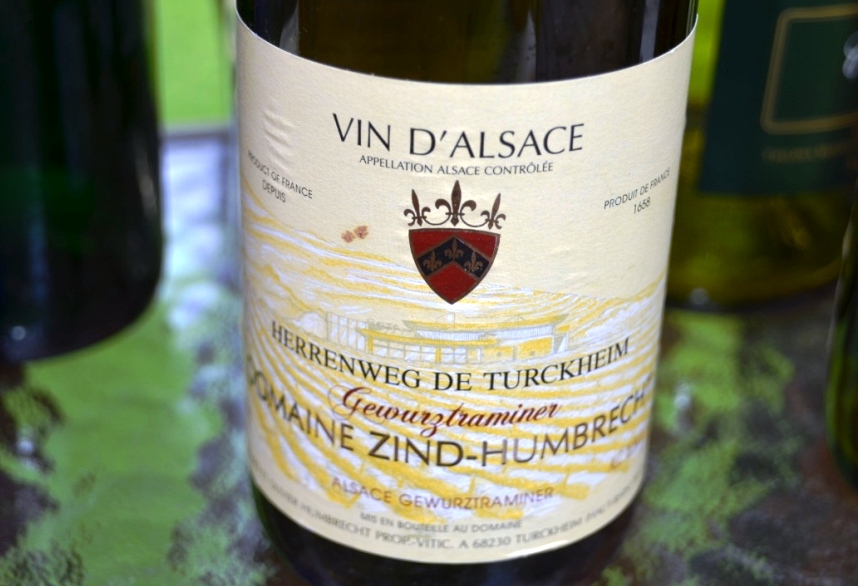
Zind-Humbrecht Gewurztraminer
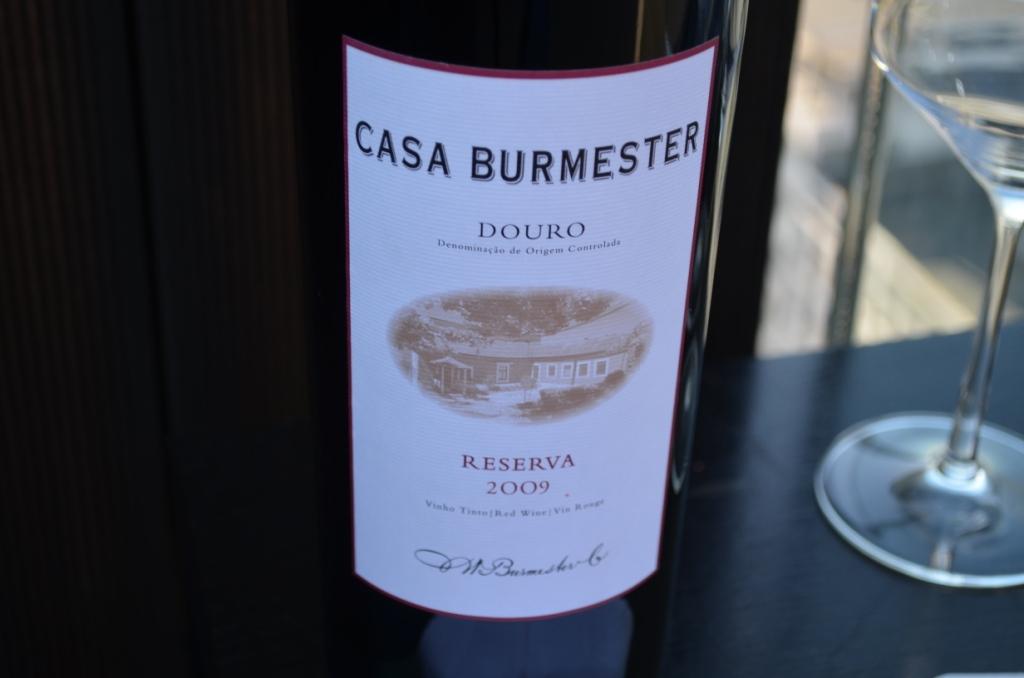
3. 2009 Casa Burmester Reserva Douro DOC – talk about “oenophile defining moments”. I had excellent Portuguese wines before I tried this wine, but the very first sip of this Casa Burmester Reserva made me go “what? seriously? wow!!!”. In a blind tasting, this wine would stand up to the best of the best of California Cabernet – beautiful fruit, texturally present, firm, powerful and impeccably balanced and elegant.
2. 2005 Frédéric Gueguen Chablis Les Grandes Vignes – I remember almost making fun of someone else using the word “gunflint” in the wine description. And here I am, taking a first sniff of this wine with the first word coming to my mind … gunflint! That sensation of gun powder-like smell, the smoke was incredible – and it was very pleasant at the same time. Tremendous minerality, lemony notes and some apples, clean and vibrant acidity and perfect balance. This wine was definitely an experience.
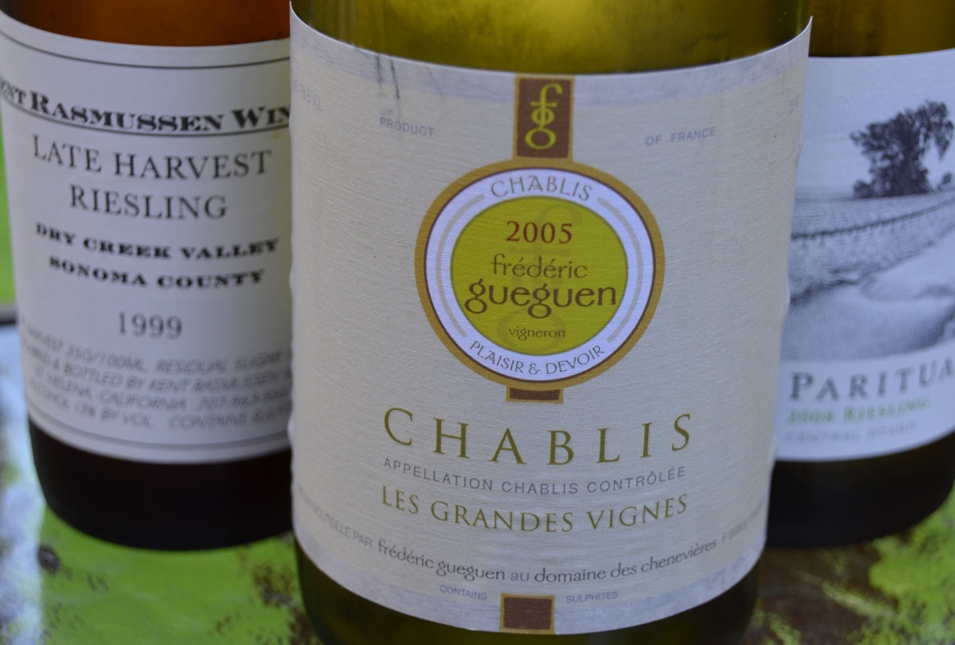
Frédéric Gueguen Chablis
1. 1970 Quevedo White Port – even people in Portugal are not aware of the aged white Port – I witnessed a few surprised looks when talking to the people about white Port which is aged. This wine might be never bottled, as I’m sure it is hard to create a category from pretty much a single barrel of wine. Nevertheless, the ultimate complexity of this wine, coupled with the visual snapshot of tasting it in the Quevedo Port cellar (cue in all the aromatics and mysterious atmosphere), makes for an ultimate experience which will stay in memory forever.

1970 White Port
By the way, did you notice that 3 out of my 4 top wines (even though I’m trying no to prioritize the list outside of the wine #1) are the white wines? Quite fascinating. Do you find this list too emotional? May be, but isn’t it the purpose of wine, to solicit emotion? Anyway, for what it worth, this completes the list of my best wine experiences of 2013. What were yours? Cheers!
Weekly Wine Quiz #86: How Well Do You Know Your Wines?
The Wine Quiz series is not meant to intimidate. The whole idea here is to have fun and learn something new. When answering the questions, it is fully encouraged to use all available sources of information, including Google or any other search engine. There are no embarrassing answers – the most embarrassing thing is not giving it a try…
Welcome to the weekend and your new wine quiz!
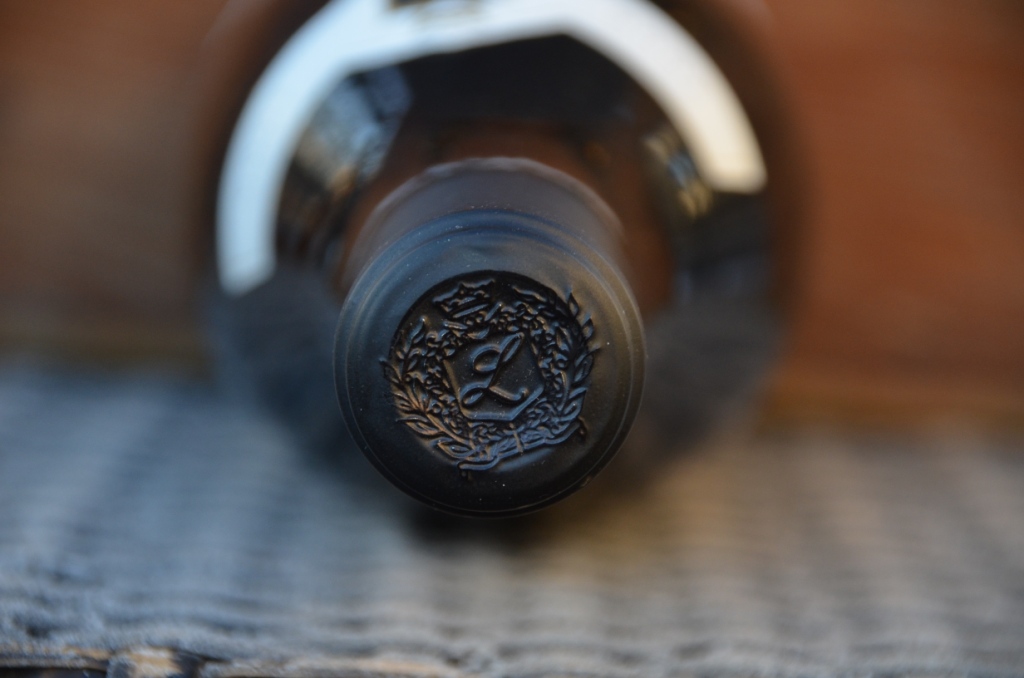
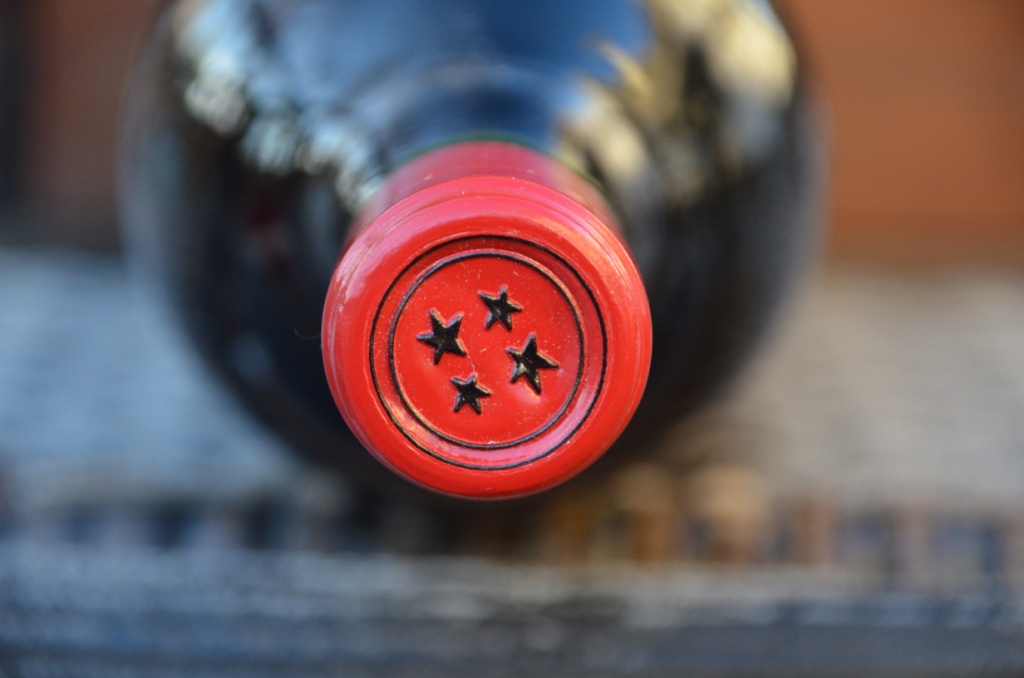
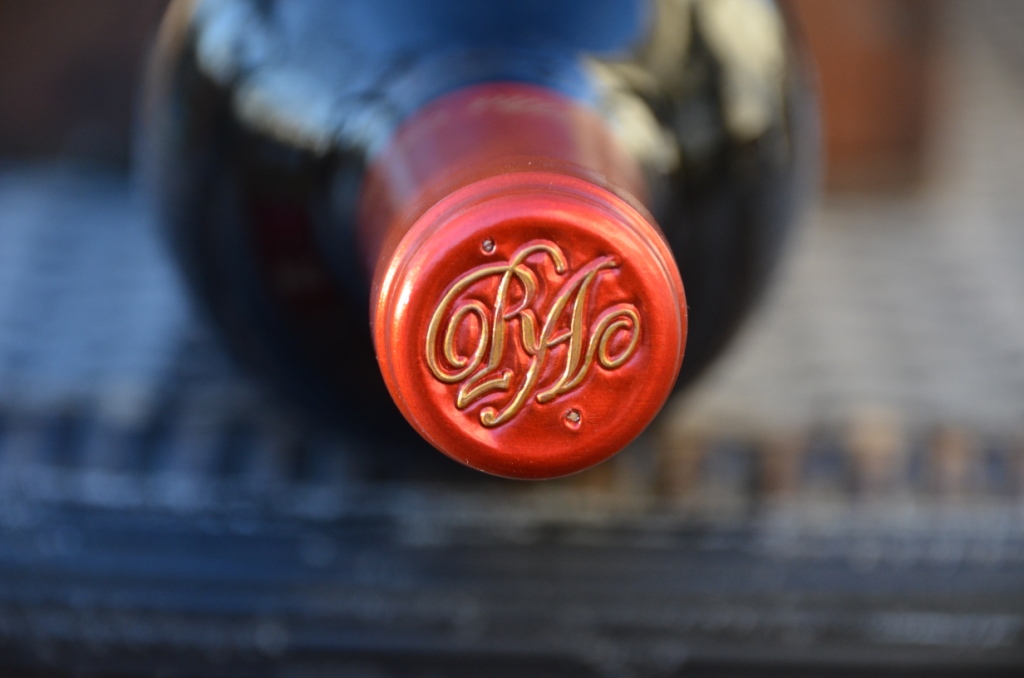
Similar to the last week, today’s quiz will be visual again. And I have to tell you upfront, that I can’t take the full credit for it – I got the idea from Ryan Sorrell, an artist who is creating pictures from the top foils of the wine bottles (take a look at his web site here). Ryan posted this picture on twitter and asked people to guess what wine it belongs to. I know that many people pay attention to the wine labels – but how many people pay attention to the top of the foil, while they are cutting that foil out? Let’s find out! Below are 6 different foil tops – you will need to identify the wine producer behind each one of those tops (note – click on the pictures to zoom).
1. 
2. 
3. 
4. 
5. 
6. 
And the bonus one (as this one is harder than the others):

Good luck, enjoy the quiz and your weekend! Cheers!
Recreating Classic Recipes: Beef Bourguignon
I know, I know – this is the wine blog, and I’m sure you are surprised with the number of food posts lately. I guess this is all because of the holidays? Well, but then this blog is all about “wine, food and life”, so I guess talking about the food is quite appropriate. Anyway, we will be talking about food today – but this food is made with wine, so we will technically cover both subjects.
When it comes to the French cooking, there are a few dishes which squarely belong to the so called “classic category”. Beef Bourguignon is definitely one of them, fighting for supremacy with Coq au Vin. Today we will be talking about Beef Bourguignon, a.k.a. Boeuf Bourguignon, a.k.a. Beef Burgundy, a stew-like dish, generally attributed to the Burgundy area in France. I personally like all of the stew style dishes, as they generally are easy to make and very rustic and comforting as food, which to me is a very important characteristic.
Main components of Beef Bourguignon are beef, wine, few of the vegetables and aromatic herbs. For a while, I had being making Beef Bourguignon using the recipe from the book called “France: A Culinary Journey”, which is quite simple. In a nutshell, you quickly fry beef, onion carrots and celery together on the high heat, then add the wine and aromatic herbs, close the cover, and let the magic happen over the next few hours. Then I came across some recipes on internet which were a lot more complex, with marinating the meat, boiling the wine before cooking, adding bacon and mushrooms, and so on. After reading through probably 5 or 6 different recipes, all claiming originality and “classicism”, I decided that I have to come up with my own, as none of the recipes really spoke to me. Before I will talk about the recipe itself, let me give you couple of the points I find important.
Wine: The source of this recipe is Burgundy, so stick with the classics on this – Pinot Noir is your ideal case, but I also have done it a few times with Gamay wines (Beaujolais), and it worked quite well. In the wine, you are looking for acidity and light fruity profile. In general, avoid high alcohol, aggressively fruity wines – they will impart an unpleasant flavor. The wine doesn’t have to be expensive, but general rule is very simple – cook with the wine you want to drink.
Marinating the meat: based on my reading and conversations, marinating the meat in the wine is an essential step. It seems to be highly recommended for both Beef Bourguignon and Coq au Vin, so I’m going with this. I usually marinate the meat in the wine for the kabobs, which tenderizes the meat and makes it to absorb the flavor, so this definitely makes sense to use the same approach here.
Bacon: My general notion is that bacon makes everything better. However, in the case of Beef Bourguignon, the recipes usually call for making of the lardons (fried square pieces of bacon), which are then added to the meat during the last 15 minutes of cooking. As you are not cooking with an actual pork fat, I see such an addition only as textural, and I don’t believe it adds anything to the dish which is already quite rich, so here I’m saying no to bacon.
Okay, enough of the introductions, let’s proceed with the recipe.
Beef Bourguignon:
Prep time: about 1 hour. Cooking time: About 3 hours.
6 lb beef for stew – use stew-cut meat from the good store, or take chuck or roast cuts and cut them into 1″ – 1.5″ cubes)
1 bottle of red wine – Pinot Noir or Beaujolais
5 large onions (one for marinade, 4 for cooking)
10 sticks of celery (2 for marinade, 8 for cooking)
4 large carrots (I really mean large, thick carrots – if they are thin, double the amount)
1.5 lb of whole mushrooms
1/2 cup of all-purpose flour
4 cups beef broth
2 sprigs of thyme
6 fresh bay leaves
1 tsp allspice
1 tbsp peppercorn
Olive oil for frying
Salt and pepper
Serve with: boiled potatoes (classic!), egg noodles, pasta
As a first step, you need to marinate the meat, preferably overnight, so you should start cooking in the evening of the day before. Take two stalks of celery, cut in half. Peel one onion, cat in four pieces. If you are using the whole piece of meat, cut it up into 1″ – 1.5″ chunks. Put celery and onion into the large bowl, put all the chunks of meat on top, pour in a bottle of wine. The wine should fully cover the meat – if it is not – sorry, get another bottle. Take cheese cloth, put in 3 bay leaves, a sprig of thyme and allspice. Tie cheesecloth together and put it into the same bowl with meat. Cover, and put in the fridge overnight.
In the morning, get the bowl out of the fridge, strain and reserve all the liquid (you will use it for cooking). Discard celery, onion and herbs, let the meat to drain completely and warm up to the room temperature.

Meat after marinating
Now, you can start with vegetables. Dice all of the the onions and start sauteing it in the skillet with the small amount of oil – use medium heat. Meanwhile, prepare the rest of the vegetables. Dice the celery, put aside. Cut up the carrots in the big chunks – round slices of about 3/4″ in size. If the carrot is too thick, you can first cut it in half lengthwise. Put aside together with celery.
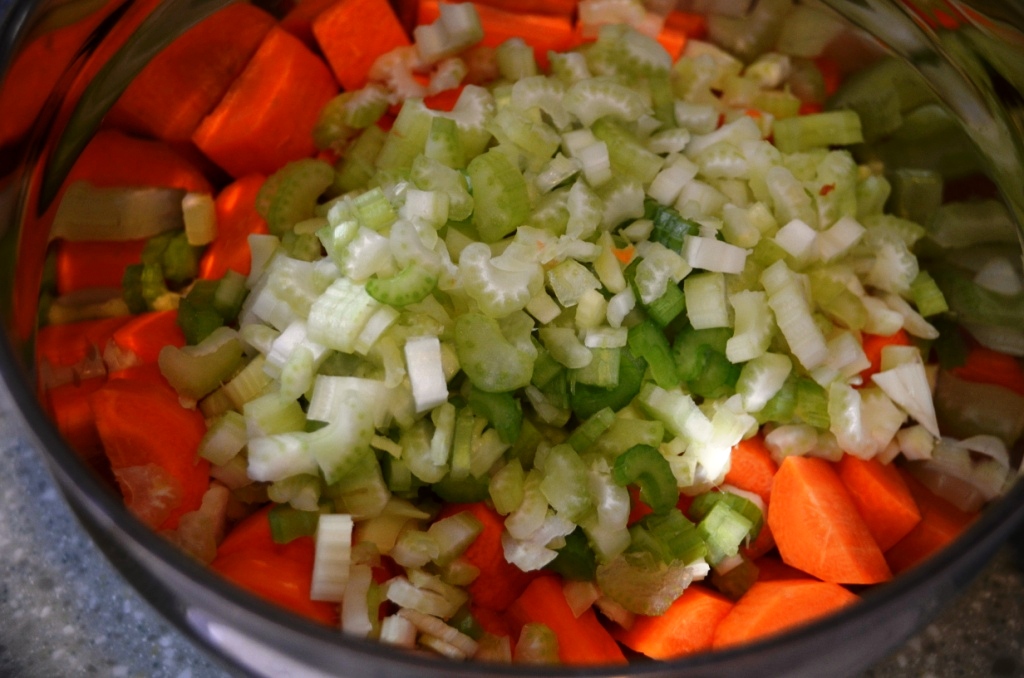
Carrots and Celery
Wash and cut up mushrooms into the half or quarters, depending on the size of mushrooms. Start sauteing the mushrooms in the separate pan with small amount of olive oil and medium to high heat.

Sauteing the mushrooms
Cover the pan initially, as you want mushrooms to release the water, stir a few times. After 3-4 minutes, remover the cover and let the liquid to evaporate. Continue cooking for another 5-6 minutes, or until the liquid will completely evaporated and the mushrooms are lightly fried. Add celery and carrots to the same pan, mix and continue sauteing for about another 10 minutes, stirring periodically.Turn off the heat, put aside.
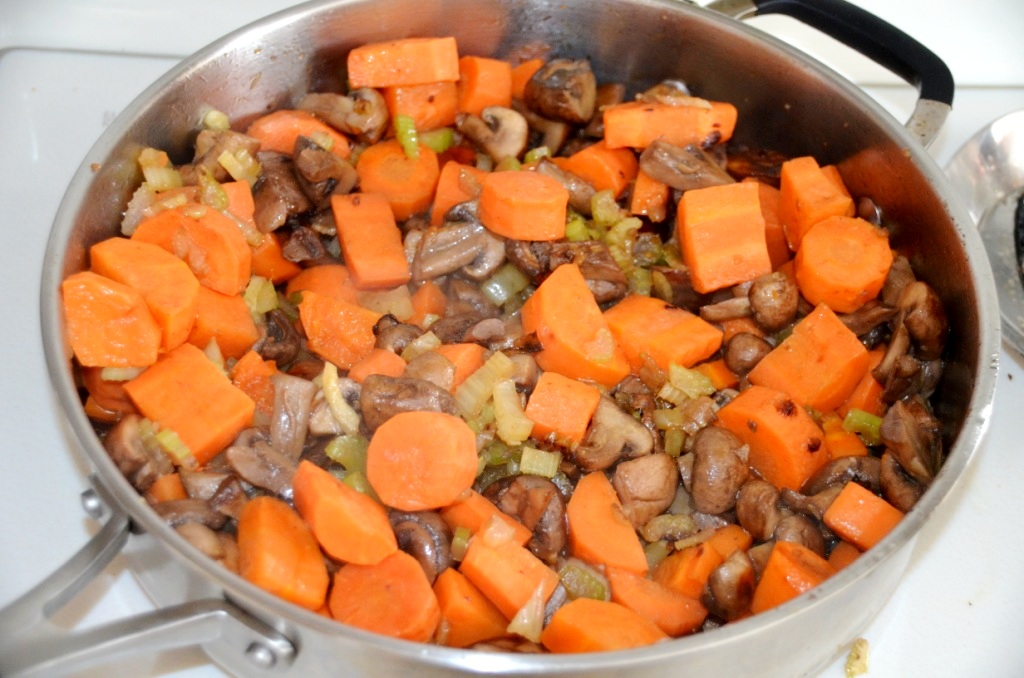
Roasting all vegetables together
After about 10 -15 minutes of sauteing the onions (they should gain color and become translucent at this point), turn off the heat and set aside.
Time to start working with the meat. First, we need to sear it. Put the cast iron casserole on the high heat (definition of the high heat depends on your stove – mine is electric, and if I use the highest dial setting of 10, everything burns before it sears, so my high heat setting for the cast iron vessel is 8). Add couple of tablespoons of the olive oil, and let it heat up. Put the flour on the plate, add salt and pepper, and drench the first batch of meat in the flour.
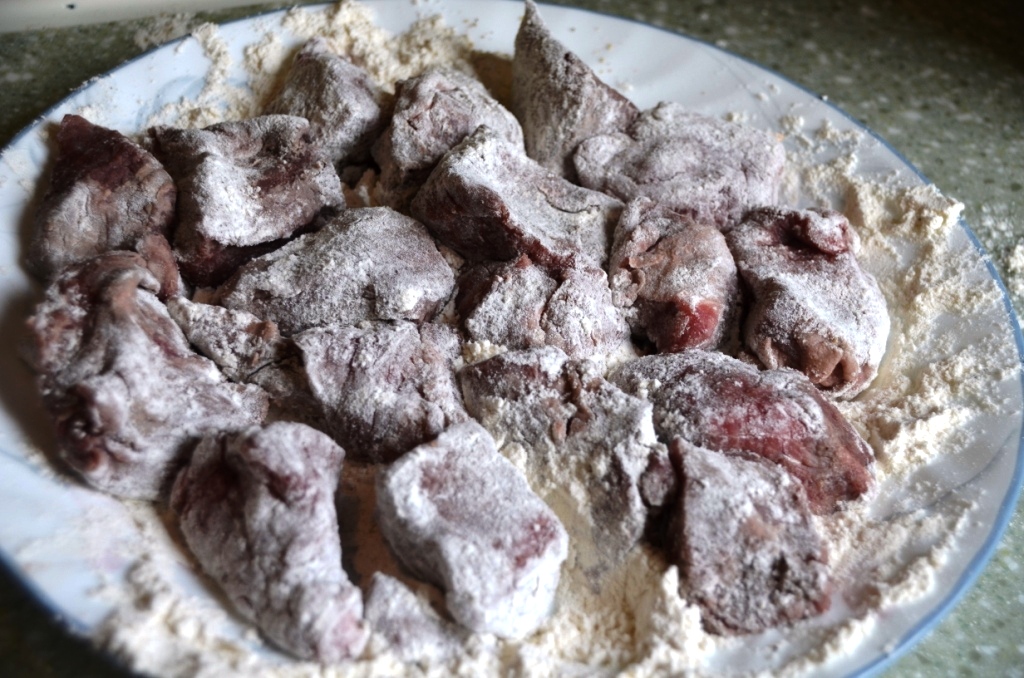
Beef in flour, ready to be seared
Once casserole is heated up sufficiently, put the meat inside in the single layer, and don’t touch it for about 3 minutes. Turn around, and let it sear for another 3 minutes – you want to get a nice color on the meat.


Prepare the next batch of meat (drench in the flour). Remote the seared meat to another plate, and repeat the process until all the meat is seared. Once the last batch is seared enough, splash some of the reserved wine into the casserole and use your spatula to deglaze it. Reduce heat to medium-low, put back all the meat, add sauteed mushrooms and vegetables. Pour back the rest of the reserved wine, add four cups or beef broth. Prepare the bouquet garni: take cheese cloth, put in thyme sprig, 3 bay leaves and peppercorns. Tie together and put in the casserole (immerse in liquid). Give the content of the casserole a good steer. Cover with the lid, pour yourself a glass of wine and relax, your work is mostly done.
Check the casserole periodically and give the content a good stir every time. Make sure the liquid is slowly simmering and not rapidly boiling – reduce heat further if it is. Also, check the sauce for salt – adjust the amount to your liking. The cooking process should take about 3 hours from the moment you combined all the ingredients – check the meat periodically to see if it is done to your liking. Tougher cuts of meat might take a little longer.
When done, remove the bouquet garni. Prepare your favorite starch and … voilà! You are ready to serve Beef Bourguignon and accept complements from your guests. Of yes, and I hope you didn’t use all the wine – you might enjoy some with your dinner.
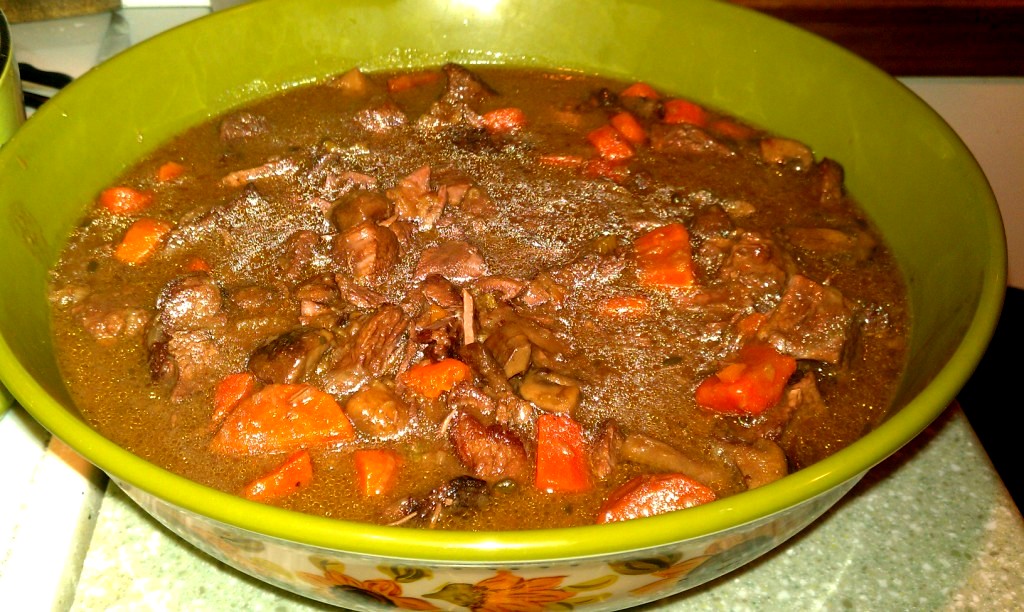
Beef Bourguignon
So, what do you think? Do you have your own twist for Beef Bourguignon? What do you think of this recipe? Cheers!
Last Bottle Sign Up ($10 credit)




 Talk-A-Vino