Archive
Singles Night Out – Wine World Singles, It Is
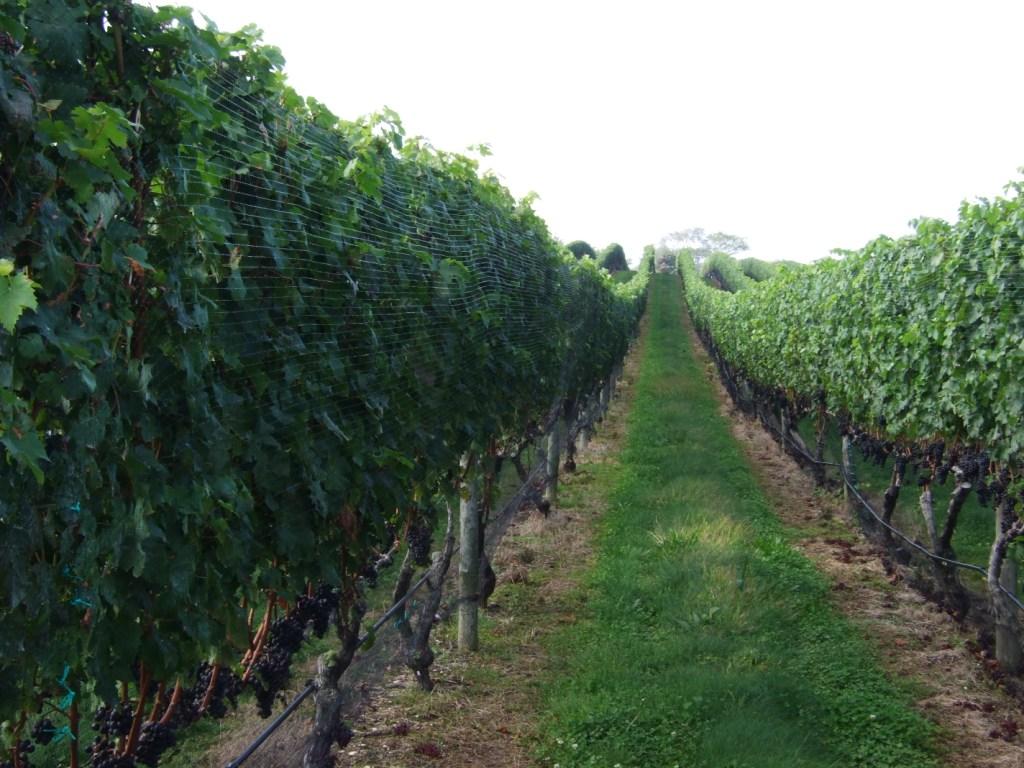 Confused by the title of this post? Don’t be. It is wine we will be talking about here, not marital statuses – but these are the wines which are usually quite special.
Looking at the wine label, you will always find designation of place. For new world wines, it is usually easy to see where the wine is coming from – Napa Valley in California, Maipo Valley in Chile, Barossa Valley in Australia. For some of the old world wines, it might be more tricky to figure out the place versus just the wine name, but with the little effort, you can always find out where the wine is coming from.
Wine is made in different places all over the world. Each place has its own unique characteristics, called Terroir – soil, climate, altitude, typical weather conditions, ecological surroundings – all contribute to unique terroir.
Let’s talk about wine origins for a second. Imagine nested circles. First circle is a big geographical area, like California or Bordeaux. If the wine is made out of the grapes grown anywhere in California, it can have a California designation on the label. If the wine is made out of the grapes grown anywhere in Bordeaux, it will have a Bordeaux designation on the label, most typically something like “Grand Vin de Bordeaux”. The next circle will be smaller, representing some specific area within the bigger region – for instance, Napa Valley instead of the whole California, or Medoc instead of the whole Bordeaux. If the grapes are grown only in Napa Valley instead of the whole California, this will be appropriately designated on the label. Inside Napa valley, there are again smaller grape growing areas, each one with its own unique terroir – for instance, Stag’s Leap District or St. Helena. Again, if the wine is made out of the grapes grown in such a specific area, it will be stated on the bottle.
Now we need to place one more circle inside of all the circles we already drew – this circle should signify the Estate, or the whole winery. If you saw something like “Estate Grown” on the label this is what it usually relates to. Okay, now let’s jump to the smallest circle of all – yes, we got to the level of individual vineyards. Wine makers and grape growers always made an effort to identify which vineyards or even parcels of the vineyards produce the best grapes, and subsequently, best wines have being produced from the best vineyards. The wine produced from one individual vineyard is commonly referred to as a “Single Vineyard” wine and often carries the name of the vineyard on the label. This is definitely a common practice for California wines – however, if you think about the place where the “single vineyard” concept reached its ultimate expression it would be Burgundy, where individual domains own vineyards or even specific parcels of the vineyards – of course you would only see a designation of Domaine on the label.
What is the importance of the “single vineyard” concept? This is usually where the best wines are coming from, the wines with the character, the wines which can be identified and related to. And these single vineyard wines are the subject of today’s Wine Blogging Wednesday event!
 This is the 75th Wine Blogging Wednesday, which is hosted by Joe Roberts, a blogger behind 1WineDude blog – and here you can find his post about the event and wine he have chosen for it.
What is my choice of the wine for today? I had a long back and force with myself, until I finally settled on one – the wine for tonight will be 2007 Mara Pinot Noir Laughlin Road Ranch, Russian River Valley, which was my personal Wine of the Year for 2010. It is a single vineyard Pinot Noir from Russian River Valley region, and it should be a perfect choice for tonight (I also have another reason to open a great bottle of wine – it is my daughter’s 10th birthday). It will be really interesting to see how this wine evolved and what my impression will be now – but this will be a subject of another post.
Happy Wine Blogging Wednesday! Find your special Single for tonight and have fun! And don’t forget to leave a comment about your experience! Cheers!
Advent of Wine And Social Media
 Someone can probably run a very interesting study as to why people blog. I guess that we [bloggers] have something to say to the world, and the Internet gave us an ultimate platform to deliver the message – I’m not sure if this explains the phenomena of mass social media, but I will leave that research to the professionals, and while they are working on the answer, I will keep blogging.
Another interesting question for me is how do we [bloggers] come up with the subjects for the blog. I’m sure that some people have a plan. My method, though, should be called an “opportunistic blogging” – I rarely know in advance what my next blog post will be all about, so I’m blogging as the life takes place. Consequently, the subject I want to discuss here was not planned in advance at all – the idea for this blog post was born after reading the post by Joe Roberts, a.k.a. @1WineDude, which was called “This Is Me Totally NOT Lightening Up On Wine And Social Media“. The best thing you can do is read the original post – but to give the main idea, the blog post is about wineries not investing enough into the social media, not engaging the consumers through the social media channels and not building up their respective brands.
This is definitely an interesting discussion. How much time and effort should wineries dedicate to the social media? I don’t have an answer to that question – just some thoughts. Twitter and Facebook are two major social media outlets for the task of reaching out. The question is – are you reaching out wine professionals or the consumers? If we are talking about the need for wineries to engage wine professionals in the restaurants and the stores, wine writers and sommeliers – yes, I fully agree with that, this is an important way to communicate with your immediate target audience. Trying to reach the consumers? How effective it will be, outside of delivering your message to the people who are already in your club or the mailing list? In the store which has hundreds and hundreds of bottles from all over the world, where appearance of the label is the first deciding factor for majority of the wine purchases, will your social media message help?
Actually, as I warned you, I don’t have the answers. For someone like myself, social network recommendations and discussions play an important role – this is where I learn about new wines and decide what I want to try. But what about the majority? I guess the full blown study needs to be engineered to assess how much of the social media engagement by the wineries will translate into the actual buying decisions. While we can only hope that someone will actually conduct such a study, I decided to compare some simple numbers for wine world versus general food products in terms of the number of followers on Facebook (FB) and Twitter (T).
Here are some numbers. First, for the brands: Beringer Vineyards – FB: 18K, T: 9K; Robert Mondavi Winery – FB: 20K, T: 5.8K; Francis Ford Coppola Winery – FB :15K, T: 4K; d’Arenberg Winery – FB: 6.5K, T: 3.6K. Now, for comparison: Barilla Pasta – FB: 48K, T: 14K; Breakstone’s (sour cream etc.) – FB: 50k; Pepperidge Farm -F: 22K, T: 9K. Food products do have an edge over wineries, but the gap is not very big.
For retail, my comparison will not be fair, but I still find it interesting. Wine world: BevMo! – FB: 28K, T: 2.4K; Wine Library – FB: 39K, T: 21K; WTSO.com – FB: 10K, T: 10K (very interesting exception with the number of Facebook and Twitter followers being practically the same). For comparison: Target – FB: 9.9M, T: 300K; Wal-Mart – FB: 13M, T: 150K; Amazon – FB: 3.1M, T: 229K. Okay, as I said, this will not be a fair comparison.
For publications: Wine Spectator – FB: 61K, T: 48K. For comparison, Glamour – FB: 680K, T: 160K; Wall Street Journal: FB: 461K, T: 1.55M.
When we are talking about publications, I can’t help it but to mention that there are thousands of the wine blogs – of the time of this writing, 659 blogs are registered with the web site called Vinography – and that is considering the fact that you have to request to be listed on the Vinography site. Interestingly enough but that leads back to Joe’s point about social media engagement from the wineries – there are only 72 winery blogs registered on Vinography site. Talking about wineries’ engagement, I want to mention a blog post by Steve Heimoff, an Editor of Wine Enthusiast Magazine, which was titled “Staying relevant: for wineries, it can be tricky” – while Steve’s point is not directed at the social media, I think that in today’s world, “staying relevant” includes great degree of social media connection and engagement for any business, wineries included.
I also want to give you a great example of the social media engagement – if you look at the picture, you can see @KingEstate printed right on the cork – this cork is from the bottle of a very good Pinot Gris from King Estate winery in Oregon which we had a week ago. If someone needs a proof that wineries are taking social media engagement seriously, I think we don’t need to look further.
Okay, enough is enough. It’s time to round up this post. I gave you a lot of numbers here – if someone knows how number of followers translates in to the actual sales, I would be really curious to know. That’s all, folks. Cheers!
Fine Wine Industry of New York Needs Your Help
It is mind boggling to me how many assaults on the free trade are rotating around wine industry. There are still many states which don’t allow direct shipment of the wine to consumers. Last year, we had to fight with HR 5034 and HR 1161, both greatly impacting consumer’s access to wine on simple and easy terms (no, it should be hard, and most of all, expensive, for you to buy the wine).
Latest in the chain of assaults – “At Rest” proposition in New York Senate, which is sponsored by two big wholesalers with the idea of forcing all wine distribution in the state of New York to go only through warehouses located in the state of New York. That would simply force many of the smaller fine wine merchants in New York, which use warehouses in New Jersey, to go out of business. Please contact your senator and make him or her to stop this insanity. Here is a complete text of e-mail petition which currently circulates the web – read it and sign it:
*********
Hi,
A critical issue to the very existence of the fine wine industry in New York has been brought to our attention and we wanted to make you aware of it. One of the largest liquor wholesalers is lobbying the State Senate to include an “at rest” provision in their 2012 budget. The practical effect of “at rest” means that only those distributors delivering product out of New York warehouses could legally sell you wine. Legislation such as this would affect essentially every wholesaler currently in operation other than the two biggest ones, since they almost all warehouse in New Jersey, including our company.
Imagine a landscape with only the two largest wholesalers remaining to work with. Selections would become painfully limited. Prices would most certainly rise. Service would plummet. Their pro-“at rest” argument (union warehouse jobs and revenue) is simply a veiled attempt by this wholesaler to destroy all of the fine wine wholesale competition, because m ost of your valued New York wholesalers would undoubtedly be forced to close their doors. We have contacted our State Senators to tell them that we oppose “at rest” in either legislation or budget language. We urge you to do the same before FRIDAY, MARCH 9th. Please contact your Senator to tell them you oppose “at rest.”
We thank you for your time, your attention, and most of all your support.
That’s why I signed a petition to The New York State Senate and Governor Andrew Cuomo, which says:
“Dear Senator,
It has come to our attention that one large wine & spirit wholesaler is lobbying you to include “at rest” in the 2012 budget. They are claiming “at rest” will create revenue for the State. But, as a licensed, small business that buys from many wine distributors, I do not agree that it would create revenue. Instead, I believe that “At rest” would result in hundreds of closed businesses, including both wholesalers and retailers, and at least a thousand unemployed New Yorkers. As such the State would lose hundreds of millions in taxable revenues from passing this bill. The volume of wine sold in the State (and the accompanying beverage excise tax revenue) would severely decrease. Consumer selection would be limited and the price of wine would escalate with the costs inevitably passed on to the consumer. Moreover, the ancillary effects of the resultant higher unemployment, lower sales and income tax revenues collected, would further exacer bate the current economic position of the state, not improve it. With the above in mind, we urge you NOT to vote for “at rest” either in legislation or in the budget language.
Thank You
”
Will you sign the petition too? Click here to add your name:
http://signon.org/sign/ny-state-senate-do-not?source=s.fwd&r_by=3057649
Thanks!
Best Wine Reviews Ever
 Aren’t you tired of reading wine reviews about “hint of apple”, “cinnamon and clove”, “coriander and last year’s rain”? Especially when you can’t find that specific flavor profile in your glass no matter what? Today I managed to come across two wine reviews which were much easier to assess and appreciate.
First, here is review of the Corison Cabernet Sauvignon (not so widely known but excellent Cabernet from Napa Valley) by Joe Roberts, a.k.a. 1WineDude (@1WineDude on twitter): “07 Corison Kronos Vineyard Cabernet Sauvignon (Napa Valley): Sort of like owning a trained black panther; dark, piercing & gorgeous.“. How do you like that? Is this is the wine you want to try or what? I don’t know about you, but I will be glad to meet this black panther at any time.
And the next one was a review by Adler Yarrow, who has one of the best wine blogs called Vinography. Latest two posts in that blog are on the subject which is an ultimate treasure for any wine lover – wines of Domaine Romanee-Conti (DRC, as it is typically called). DRC wines are considered best of the best, in any vintage and any time. So I think all people who are serious about wine can be divided into two categories – those who tasted DRC wines, and those who are dreaming about it. I belong to the second group ( sigh). Adler Yarrow belongs to the first, and he recently tasted full line of DRC 2009 wines – you can find his detailed notes here. But one particular review attracted my attention. It was for 2009 Domaine de la Romanée-Conti Grand Cru Montrachet, the only white wine produced by DRC and considered the rarest of the rare. While the descriptions there allude to the usual taste elements such as nuts and apples, one sentence I think puts that review in a totally different prospective: “In the mouth the wine has an incredible texture that I’m prompted to describe as liquid sex, and gorgeously balanced flavors that…“. Once you read this description, do you really care about the rest of the grapefruits and nuts, or do you really get one pounding question in your head: “where can I try this wine”?
I’m really glad to find those reviews – now I got a frame of reference for my own reviews to aspire to. What is your favorite wine review, the one which forced you to resolve “nothing can stop me, I will find and drink this wine”? Anyway, while you are thinking, let me go back to my dreams. Cheers!
Following Wine Till Sold Out (Again) – Super Wednesday, February 15
 Once again, Wine Till Sold Out (a.k.a WTSO), one of my favorite online wine stores, had its “Super Wednesday” – an event which takes place about 4 times a year where the wines are sold online in rapid succession. Compared to some of the past “Super Wednesday” events (here is the post about the one from about a year ago) WTSO changed the model slightly. Previously, during Super Wednesday WTSO was offering wines at any price range, but as of lately, the wines are limited in price up to $18.99, and therefore all the wines have the same minimum quantity requirements of 4 bottles (minimum quantity is required to receive a free shipping, you can technically buy wine in any quantity). Considering that limited cost, these events are even called “Cheapskate Wednesday” now.
Quite honestly, I like the old model more – when it comes to the unknown wines, even at a lower cost, I usually buy one bottle just to try, and then more if I like the first one – as I don’t know majority of the wines offered in the events such as this one, paying $40 to $76 for 4 bottles of wine I might not like is not a great proposition – my preference is to look for the gems (and WTSO is The Place to find them), and to get one or two bottles of the wine which looks more interesting instead of four bottles of unknown wine.But if you know the wines, then of course there are lots of values to be had – but you have to act fast – and you have to use Twitter, as it is the only place where each new wine is advertized.
Anyway, I collected information about all the wines which were offered. I used different approach this year, so between improved Twitter and automated web site snapshots, I was able to collect a lot more information compare to the previous posts. Before I will present the full table to you, here are some of the comments and notes. The whole event took about 18 hours, from 6 AM Eastern until midnight on the same day, February 15th. About 100 wines had being offered, from $7.99 to $18.99. Some wines lasted only for a couple of minutes, and some lasted for 20 minutes or a bit longer ( very few). A lot of wines had being rated on the 100 points scale. Here is a quick guide to the rating abbreviations: WS – Wine Spectator, WA – Wine Advocate, ST – Steven Tanzer, WE – Wine Enthusiast, WRO – Wine Review Online, W&S – Wine and Spirits, MS – Mari Stull, JHN – Jonathan H. Newman, D – Decanter Magazine, rating goes in stars ( 5 stars is max). And here is the table:
| Time | Wine Name | Rating | Orig. Price | WTSO Price | % off |
| 6:00a | Soda Rock Winery Alexander Valley Cabernet Sauvignon 2006 | JHN91 | $35.00 | $14.99 | 57% |
| 6:08a | Bodegas Y Vinedos Pujanza Pujanza Rioja DOC 2007 | WA91 | $34.99 | $16.99 | 51% |
| 6:30a | Encantado (You Know The Winery!) Carneros Chardonnay 2010 | $32.00 | $13.99 | 56% | |
| 6:36a | I Greppi Greppicante Bolgheri, DOC 2008 | WS90 | $29.99 | $15 | 50% |
| 6:48a | Bodegas Silvano Garcia Vina Honda Crianza Jumilla, Spain 2006 | WA91, ST90 | $21.99 | $12.99 | 41% |
| 6:59a | St. Francis Winery & Vineyards Sonoma County Syrah 2006 | $20.00 | $12.99 | 35% | |
| 7:17a | Villa Andretti Napa Valley Chardonnay 2009 | $28.00 | $11.99 | 57% | |
| 7:24a | St. Francis Winery & Vineyards Claret Sonoma County Red Blend 2007 | 41% | |||
| 7:28a | Toad Hall Cellars Carneros, Napa Valley Pinot Noir 2007 | JHN91-92 | $25.00 | $14.99 | 40% |
| 7:32a | Clos Du Bois North Coast Chardonnay 2010 | 50% | |||
| 7:39a | Kenwood Vineyards Jack London Vineyard Sonoma Valley Cabernet Sauvignon 2007 | WRO89 | $35.00 | $18.99 | 46% |
| 7:42a | Andre Farjon La Deveze Cotes du Rhone 2007 By Philippe Cabie | 40% | |||
| 7:47a | Thumbprint Cellars Three Some Winemaker’s Reserve Sonoma County 2008 | $45.00 | $17.99 | 60% | |
| 7:55a | Adobe Road Winery Alexander Valley Meritage 2005 | 62% | |||
| 7:59a | Chateau Galand Bordeaux Superieur AOC 2005 | $31.49 | $12.99 | 59% | |
| 8:04a | David Bruce Winery Los Gatos Santa Lucia Highlands Chardonnay 2009 | $24.99 | $14.99 | 40% | |
| 8:19a | Turn 4 Bennett Lane Winery Napa Valley Cabernet Sauvignon 2008 | $25.99 | $15.99 | 38% | |
| 8:33a | Inman Faily Wines Russian River Valley Pinot Noir 2006 | ST90 | $45.00 | $17.99 | 60% |
| 8:44a | Wine Guerrilla Coffaro Vineyards Block 1 Old Vine Dry Creek Valley Zinfandel 2009 | $40.00 | $17.99 | 55% | |
| 8:52a | Bouchaine Vineyards Napa Valley Carneros Estate Pinot Noir 2006 | 92 | 53% | ||
| 8:59a | Shadowood Alexander Valley Merlot Reserve 2008 | JHN92 | $31.99 | $13.99 | 56% |
| 9:03a | Chateau de Lyde Cadillac Cotes de Bordeaux 2009 | $17.99 | $9.99 | 44% | |
| 9:15a | Mario Perelli-Minetti Winery Sonoma Coast Pinot Noir 2007 | 93 | 64% | ||
| 9:18a | Montes Limited Selection Leyda Valley Sauvignon Blanc 2010 #82 Top 100 2011 WE! | ||||
| 9:22a | Villa Petriolo Chianti DOCG 2008 | $19.99 | $9.99 | 50% | |
| 9:37a | Mathis Wines Sonoma Valley Grenache 2006 | MS90 | $39.99 | $15.99 | 60% |
| 9:53a | Starry Night Winery Lodi Zinfandel 2007 | 50% | |||
| 9:59a | Bodegas Ondarre Reserva Rioja 2004 #58 Top 100 Wines 2010! | WS91, D**** | $22.99 | $11.49 | 50% |
| 10:18a | Kingsford Manor Winery Napa Valley Rose Wine 2010 | JHN88 | $18.99 | $8.99 | 53% |
| 10:33a | Chateau Pavillon Bel-Air Lalande de Pomerol 2006 | 91 | 55% | ||
| 10:38a | Sergio Mionetto Valdobbiadene Extra Dry Sergio Rose N/V | $14.99 | $12.09 | 19% | |
| 10:55a | Oriel Wines Sygnet McLaren Vale Shiraz 2004 93WE! | 93 | 73% | ||
| 10:58a | Chateau De Ribebon Bordeaux Superieur 2009 By Aelie Aubert | WS89 | $18.99 | $10.99 | 42% |
| 11:15a | Spicerack Vineyards Punchdown Sonoma Coast Syrah 2008 | ST88+ | $29.99 | $13.99 | 53% |
| 11:30a | Soda Rock Winery Alexander Valley Chardonnay 2009 | $28.00 | $14.99 | 46% | |
| 11:45a | Bodegas Rejadorada Rosum Joven 2009 | $12.99 | $7.99 | 38% | |
| 12:00p | Pessagno Winery Idyll Times Vineyard Pinot Noir 2007 | WE90, CG90 | $40.00 | $17.99 | 55% |
| 12:05p | Brancott Estate Classic Range Marlborough Sauvignon Blanc 2010 | WRO91 | $13.99 | $8.49 | 39% |
| 12:15p | Veraonte Winery Ritual Casablanca Valley, Chile Pinot Noir 2007 | 40% | |||
| 12:22p | Grupo Bodegas Olarra Ondarre Cava Brut Millenium N/V | $21.99 | $10.99 | 50% | |
| 12:43p | Rouvre Saint Leger Laudun Cotes du Rhone Villages Blanc 2009 by Philippe Cabie | $30.00 | $17.99 | 40% | |
| 12:57p | Kunde Faily Estate Sonoma Valley Cabernet Sauvignon 2007 | WS87 | $20.99 | $9.99 | 52% |
| 1:15p | Azienda Agricola Piancornello Rosso di Montalcino DOCG 2009 | 90 | 45% | ||
| 1:21p | Terre Domini Solare Prosecco N/V | $12.99 | $8.99 | 31% | |
| 1:38p | Infinity Alexander Valley Cabernet Sauvignon 2009 | $24.99 | $12.99 | 48% | |
| 1:53p | Thumbprint Cellars Winemakers Reserve Four Play Alexander Valley Red 2009 | JHN91-92 | $45.00 | $17.99 | 60% |
| 2:09p | Juslyn Vineyards Spring Mountain Sauvignon Blanc 2008 | WA87 | $34.99 | $14.99 | 57% |
| 2:17p | Bodegas Poesia Clos Des Andes Malbec Reserva 2006 92 WA! 90-92 ST! | WA92, ST90-92 | $36.99 | $16.99 | 54% |
| 2:33p | Nord Vineyards Estate Wines Napa Valley Cabernet Sauvignon 2004 | 90 | 68% | ||
| 2:37p | Boisset Faily Estates Lyeth Sonoma County Meritage 2008 | $19.99 | $10.99 | 45% | |
| 2:52p | Petizos Mendoza Malbec 2007 | $14.99 | $9.99 | 33% | |
| 3:00p | Bodegas Beronia Rioja Rosado Tempranillo 2010 | $21.99 | $10.99 | 50% | |
| 3:15p | Mockingbird Hill Winery Sonoma County Chardonnay Reserve 2010 By Zach Long | JHN91+ | $27.00 | $12.99 | 52% |
| 3:27p | Chateau Le Gardera Bordeaux Superieur Grand Vin De Bordeaux 2008 | WS89 | $15.99 | $8.99 | 44% |
| 3:36p | Sola Winery Napa Valley Zinfandel 2006 | 58% | |||
| 3:41p | Clos des Miran Cuvee Speciale Cotes Du Rhone 2009 | $15.99 | $9.99 | 44% | |
| 3:51p | The Barrister Sonoma County Red Wine 2010 | JHN92 | $35.00 | $14.99 | 57% |
| 4:04p | Bodegas Resalte de Penafiel Pena Roble Ribera del Duero Joven 2007 | 90 | 56% | ||
| 4:13p | Maxwell Creek Winery Napa Valley Sauvignon Blanc 2009 | $22.99 | $11.49 | 50% | |
| 4:18p | Chateau Tanesse Cadillac Cotes de Bordeaux 2009 | $20.99 | $10.99 | 48% | |
| 4:33p | Doolittle Farms Moniz Vineyards St Helena, Napa Valley Cabernet Sauvignon 2008 | JHN92 | $40.00 | $17.99 | 55% |
| 4:38p | Noyes Wines Russian River Valley Pinot Noir 2007 | JHN91-92 | $34.99 | $18.99 | 46% |
| 4:54p | Bodegas Poesia Pasodoble Mendoza Proprietary Blend 2007 | WA89 | $15.99 | $9.99 | 38% |
| 5:09p | Lincourt Vineyards Santa Rita Hills Unoaked Chardonnay 2010 | JS90 | $19.99 | $12.09 | 40% |
| 5:23p | Yokayo Wines Buteo Alexander Valley Cabernet Sauvignon 2007 | 50% | |||
| 5:31p | Pope Valley Winery Eakle Ranch, Napa Valley Red 2007 | JHN91 | $30.00 | $13.49 | 55% |
| 5:38p | Cline Cellars Sonoma Coast Pinot Noir 2007 | ||||
| 5:42p | Villa Rocca IGT Pinot Grigio 2011 | $15.00 | $9.99 | 33% | |
| 5:56p | Orentano Wines Russian River Valley Pinot Noir 2005 | $36.00 | $17.99 | 50% | |
| 6:14p | Fitch Mountain Cellars Sonoma County Cabernet Sauvignon 2007 by Mike Duffy | pp | |||
| 6:18p | Cantina Pieve Vecchia Chorum Montecucco Sangiovese DOC 2007 | WE88 | $18.99 | $9.99 | 47% |
| 6:36p | Madonna Estate Carneros, Napa Valley Pinot Noir Reserve 2008 | JHN92 | $40.00 | $17.99 | 55% |
| 6:52p | Conti Serristori Chianti Classico DOCG 2007 | $19.99 | $10.99 | 45% | |
| 7:08p | Vina Almirante Albarino Vanidade Rias Baixas 2010 | WA90 | $23.99 | $12.99 | 46% |
| 7:19p | Mumm Napa Carneros Pinot Noir 2007 | $32.99 | $16.49 | 50% | |
| 7:26p | Bell Canyon Cellars Napa Valley Estate Vineyards Red Blend 2009 | JHN91-92 | $27.99 | $12.99 | 54% |
| 7:33p | Bodega LuzDivina Aigo Vinademoya Mencia 2006 | WA90 | $21.99 | $9.99 | 55% |
| 7:54p | Mazzocco Winery Mendocino County Hopland, California Sauvignon Blanc 2009 | JHN88-89 | $16.99 | $9.99 | 41% |
| 8:04p | Massimo Rivetti Serraboella Barbera d’Alba Red Wine 2005 | 91 | 65% | ||
| 8:09p | Thumbprint Cellars Winemakers Reserve Alexander Valley Cabernet Sauvignon 2009 | ||||
| 8:11p | Ottimino Ottimino Vineyard Russian River Valley Zinfandel 2006 | WE89 | $32.99 | $13.99 | 58% |
| 8:27p | Abadia da Cova Ribeira Sacra Barrica Mencia 2008 93 W&S! | W&S93 | $28.99 | $13.99 | 52% |
| 8:43p | Stonehedge Winery Terroir Select Pallini Ranch, Mendocino Zinfandel 2006 | JHN90 | $30.00 | $13.99 | 53% |
| 8:56p | Vinedos de Villaester Taurus Toro Tempranillo 2005 | WA88, ST88 | $14.99 | $8.99 | 40% |
| 9:15p | Maison Alain Paret Valvigneyre Cotes-Du-Rhone Viognier 2009 | WS88 | $22.00 | $10.99 | 50% |
| 9:27p | Abelis Carthago Lui Selection Castilla Leon Red 2005 | WA90 | $28.00 | $14.49 | 50% |
| 9:50p | Jermann Venezia Giulia IGT Sauvignon Blanc 2008 | WA88 | $35.00 | $15.99 | 54% |
| 10:06p | Oriel Wines Midnight Rabler Rutherford, Napa Valley Cabernet Sauvignon 2006 | WS88, WE87 | $35.00 | $16.99 | 51% |
| 10:16p | Carles Andreu Cava Brut Nature Reserve N/V | WA87 | $33.00 | $13.29 | 60% |
| 10:31p | Benessere Vineyards Napa Valley Rosato 2009 | JHN88 | $18.99 | $8.99 | 53% |
| 10:47p | Trinity Hill Hawke’s Bay Syrah 2007 | 89 | 58% | ||
| 10:53p | Passalacqua Heritage EstateGia Domella Cabernet2006 by Nick Goldschmidt | WE90 | $39.99 | $14.99 | 63% |
| 10:57p | St. Francis Winery Behler Vineyard Sonoma County Estate Merlot Blend 2005 | JHN92+ | $45.00 | $18.99 | 58% |
| 11:04p | Bodega Catena Zapata Catena Malbec Mendoza 2009 #58 Top 100 Wines 2011 WS! | ||||
| 11:10p | Croix de Basson Cotes de Provence Organic Red Wine 2007 | $16.99 | $9.99 | 41% | |
| 11:26p | Bodegas Vistalba Tomero Malbec Mendoza 2010 | $19.99 | $9.99 | 50% | |
| 11:33p | Valley Gate Vineyards Versada Vineyard, Napa Valley Chardonnay 2009 | JHN93-94 | $39.99 | $15.99 | 60% |
| 11:49p | Sonoma Acres Russian River Valley Pinot Noir 2009 | JHN92+ | $29.99 | $13.99 | 53% |
| 11:55p | Fattoria Vignavecchia Chianti Classico Riserva 2007 | 91 | 53% |
Happy analysis! Enjoy! And don’t forget to grab a glass of your favorite wine while you will be at it. Cheers!
Color Me Happy
Why? Very simply, in one word – Anticipation. Anticipation is a big part of enjoying the wine. I can’t speak for everyone, but for me anticipation starts when the bottle is in my hands. Before I can actually hold that bottle, it is just a dream – I can dream of drinking DRC or Screaming Eagle one day, but this will only be a dream, a big “theory”. Once I hold the bottle, the dream is over – in a good sense, as this is when anticipation starts. This is “IT” – now it is practically possible, not theoretically, so now you can start planning that special moment – even if it will take place 10 years from now, but you know that barred all unforeseen circumstances, you will experience that bottle.

Case in point – 2008 Alban Patrina Estate Syrah Edna Valley. Why? Alban was one of the very first wineries in California which started producing “Rhone-style” reds (and I really like Rhone wines). Alban wines are almost impossible to get (it’s being already more than two years since I registered for the waiting list to get on the mailing list) and they are very highly regarded by all those who was able to try them. So now, thanks to the Wade’s Wines, I’m a happy owner of the wine I was dreaming about.
Hello, anticipation. Yes, color me happy! Cheers!
Oh, My Sweet Valentine… – 2005 Version
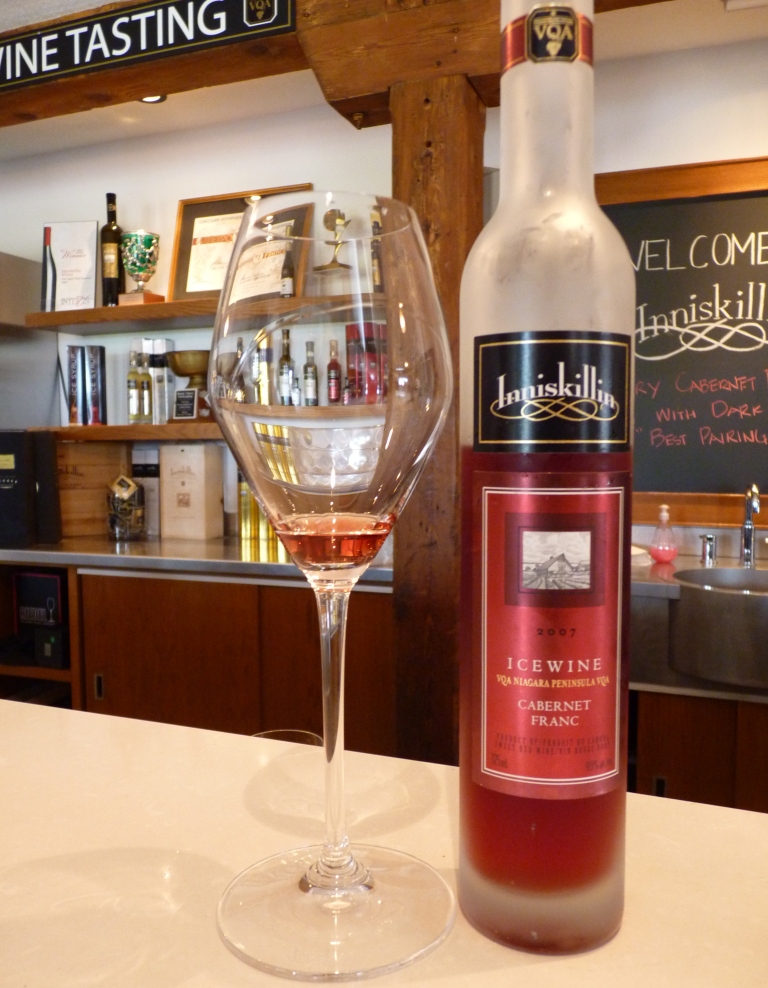 As I did recently with the post about Champagne, let me present you with an article written for the same Stamford Times newspaper in 2005 – talking about sweet wines for your special Valentin’s day, which is coming up in less than a week. For what it worth, here it is in its entirety.
* * *
Well, Valentine’s Day is around the corner. All stores are full of heart-shaped things, candies in particular. Seems that “sweet” is closely entwined into our tradition of Valentine’s Day celebration, and sweets and romance usually go together. While we are on the subject, did you ever think of where the word “honeymoon” came from? If you know the answer – great, you can skip the last paragraph, if not – please keep reading and you will get an answer at the end.
Now, let’s talk about the sweet substance which usually doesn’t come in the heart-shaped form, but nevertheless is worth mentioning – let’s talk about sweet wine. So how come the wine can be sweet? Do they add sugar to it? No, usually, nobody adds sugar to the wine. Sugar is developing in the grape as it ripens, and it is a result of photosynthesis ( no sun – no sugar – no wine, very simple formula). As the grape ripens, the amount of sugar is increasing, thus the idea is very simple – the longer time grape spends under the sun, the sweeter it becomes. The later harvest is, more sugar the grape will have. Have you seen the words “late harvest” on the wine label? What it telling you is that the grape spent more time on the vine and was harvested late, thus you should expect that the wine under such label will generally be sweeter.
Well, then, if sugar is naturally present in the grape, how come most of the wine we drink is not sweet at all – they are so-called dry wines? After grapes are pressed, when grape juice is fermented by adding yeast, the fermentation process stops by itself once all sugar is converted into alcohol – this is why we usually don’t taste sugar in the wine. Based on that fact, we can see that if grape has too much sugar, we might get wine very high in alcohol, which will usually defeat the purpose. The fact that the amount of sugar in the grape needs to be controlled often dictates the starting date of harvest. But when the goal is to produce sweet wine, the grapes are usually left on the vine for as long as possible, they shrivel under the sun, almost becoming raisins, plus very often it is desirable that the mold, called Botrytis cinerea, or “noble rot” will develop on the grapes. This will ensure that grape will have the maximum concentration of sugar, which will be then only partially fermented into alcohol, thus producing a sweet wine.
One more fact would be interesting to note – as it is necessary to wait until the grapes are “raisiny” enough to be made into a sweet wine, usually a small number of suitable grapes is harvested, and also such suitable grapes should be picked by hand multiple times. This translates into the fact that very often sweet wines carry a high sticker price (however an exception, but some German Rieslings, for instance, can go for $400 per 375 ml bottle)
To make sweet wines even more concentrated, as unusual as it sounds, next after sun and heat come frost. This is how so-called ice wine is made – grapes are harvested well into the winter months when the temperature drops below 17°F. Frost leads to the further dehydration of grapes, thus ensuring even higher levels of sugar and flavor in the grape. The grapes are pressed while frozen, and usually, a very limited quantity of the grape juice is extracted, which in turn means once again – you guessed it right – high prices. Just to add a historical perspective, ice wine was first produced in Germany at the end of 18th century and since then it is becoming more and more popular and it is now produced in other countries with great success (Austria and Canada are two of top contenders).
So where sweet wines are made? The answer is – pretty much everywhere. While covering all different sweet wine regions in this article would be impossible, let’s take a quick tour around the world.
We will start in … France, of course. Some of the best sweet wines in the world are produced in the region of Bordeaux called Sauternes. Sauternes wine is made primarily out of grape called Semillon. The most famous wine in Sauternes is made at Chateau d’Yquem – you wouldn’t regret having Chateau d’Yquem served at your romantic dinner.
While we are in Europe, let’s make another stop – Germany. Assumingly, German Rieslings don’t need much introduction. Riesling wine is made out of the grape with the same name – Riesling. There are different levels of sweetness (five of them) in German Rieslings – starting from the one called Kabinett, which is a semi-dry wine, and going to the one called Trockenbeerenauslese ( TBA in short), which makes very rich, sweet, honey-like wine ( the price also follows the trail).
Of course, when talking about wine, we can’t forget about Italy. While most of its fame is coming from the red wines like Barolo and Barbaresco, there are a number of well known sweet wines coming from that beautiful country. Asti Spumante, a sweet sparkling wine, would be one. Moscato di Asti would be another one – lightly fizzed wine with a fresh and delicate aroma. Vin Santo out of Tuscany (produced in the Chianti region) might also sound familiar.
Let’s cross the ocean now – in the United States, sweet wines are produced in the number of regions, best of them arguably coming from upstate New York and the state of Washington. These sweet wines are usually made out of Riesling grape. Canada is also worth mentioning as since 1973 it became a very respected producer of ice wine and compete very well in that category with both Germany and Austria.
While there is more to the geography of the sweet wines ( we didn’t even get to talk about Australia, Chili, Spain, Portugal, and others), let’s talk about how and what to serve them with. The serving temperature range for the sweet wines is rather large, from 50°F to 65°F. You can choose the serving temperature depending on what characteristic of the wine you want to bring out – for the sweetness you can serve it warmer (57°F – 65°F), but if you want to stress the light and refreshing side of the wine, you can serve it colder (50°F – 57°F).
What to serve with the sweet wine? One possible choice – nothing. After all, there is plenty of sugar in that glass to qualify as a dessert by itself. But if you want to have the sweet wine with food, the rules are the same as for any wine in general – it can either complement or contrast the food. You can serve sweet wine with dessert to complement it, or you can contrast – serve a nice Riesling with blue cheese, for instance.
One thing left before we conclude – the answer to the “honeymoon question”. The word comes from ancient Persia, where it was a tradition for the father of the bride to provide a month-long supply of alcoholic beverage called mead (made out of honey) for the groom to be enjoyed after the wedding. As lunar calendar was used at that time, hence the “honeymoon” word.
With this, we will conclude our short journey to the world of sweet wine. This Valentine’s Day, bring a bottle of sweet wine to your sweet Valentine, and to make sure it will taste the best – enjoy it together! Cheers!
Yakimono – World Class Japanese Food in Israel
 I already told you about great experience at the Kimmel restaurant – luckily, it was only the beginning. The next place we visited was Japanese restaurant called Yakimono.
To tell you the truth, in my previous visits to Israel I was a bit skeptical when it would come to sushi – this can be understood considering that I live in close proximity to New York city. After visiting Yakimono I’m a believer – yes, you can find world-class Japanese food in Israel.
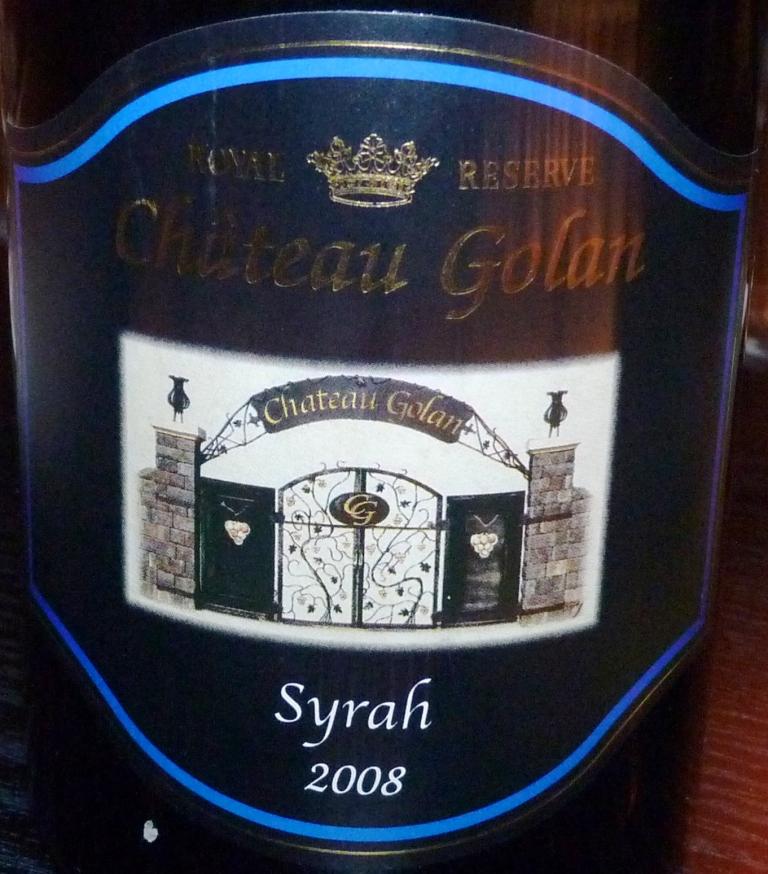
We all decided to go for the tasting menu, which seemed to be much more logical choice versus trying to pick a dish from a very long list. Before I will present you with the photo report of that tasting menu, let me mention the wines. For the white, we had 2010 Yarden Gewurztraminer, fresh, with the floral nose and very delicate palate (not overpowering or sweet, as gewurztraminers get sometimes). This wine had notes of white apples and grapefruit on the palate, but was quite balanced at the same time, and worked as great compliment to spicy dishes. For the red, we had 2008 Chateau Golan Royal Reserve Syrah, which was probably the best wine I had during entire trip, and definitely the most interesting. This wine had a nose of Gorgonzola cheese, and very nice and soft palate, with good peppery notes, hint of smoke and ripe and round black fruit, good acidity and nice overall balance.
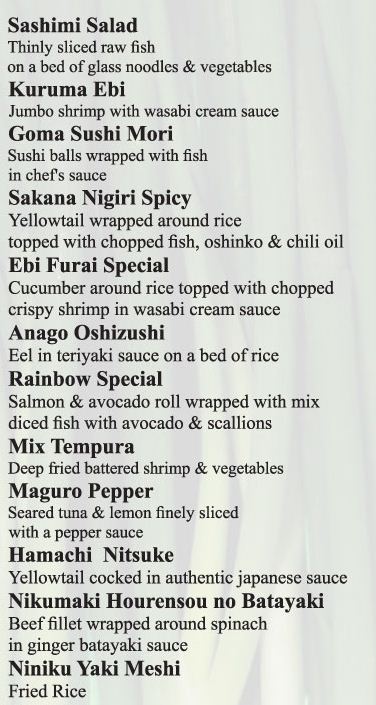
Now, let me present you with the tasting menu in pictures. First, here is the tasting menu itself:
Here is Sashimi Salad, as tasty as it was colorful:
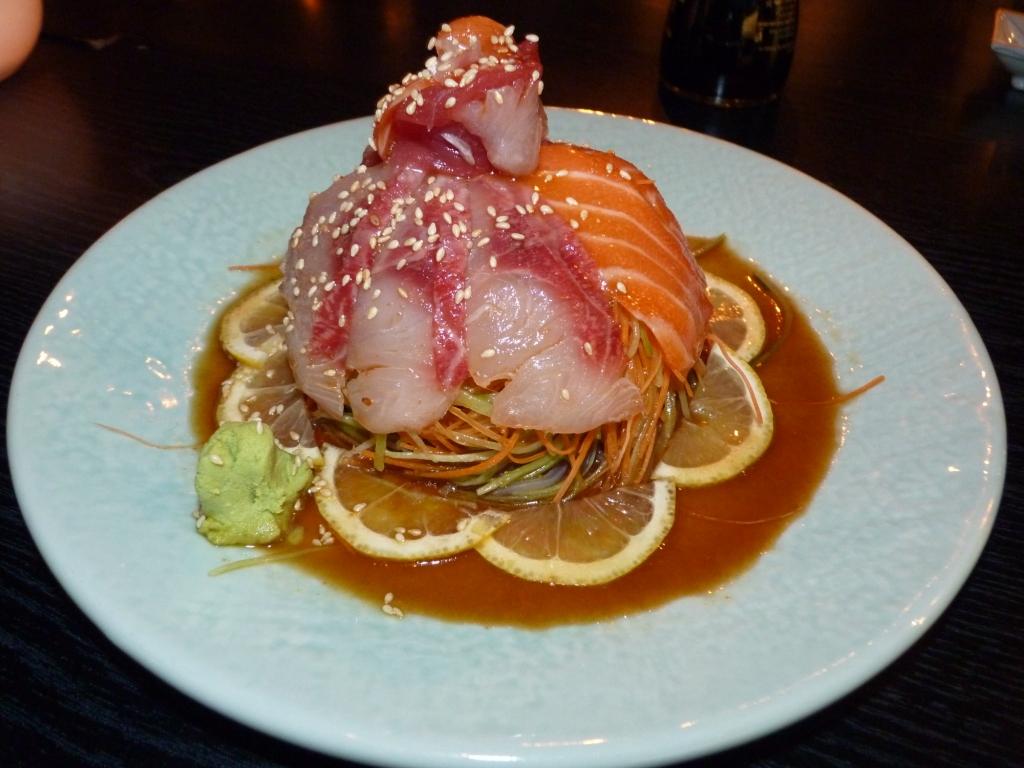
Next was Jumbo shrimp (it was really Jumbo!):
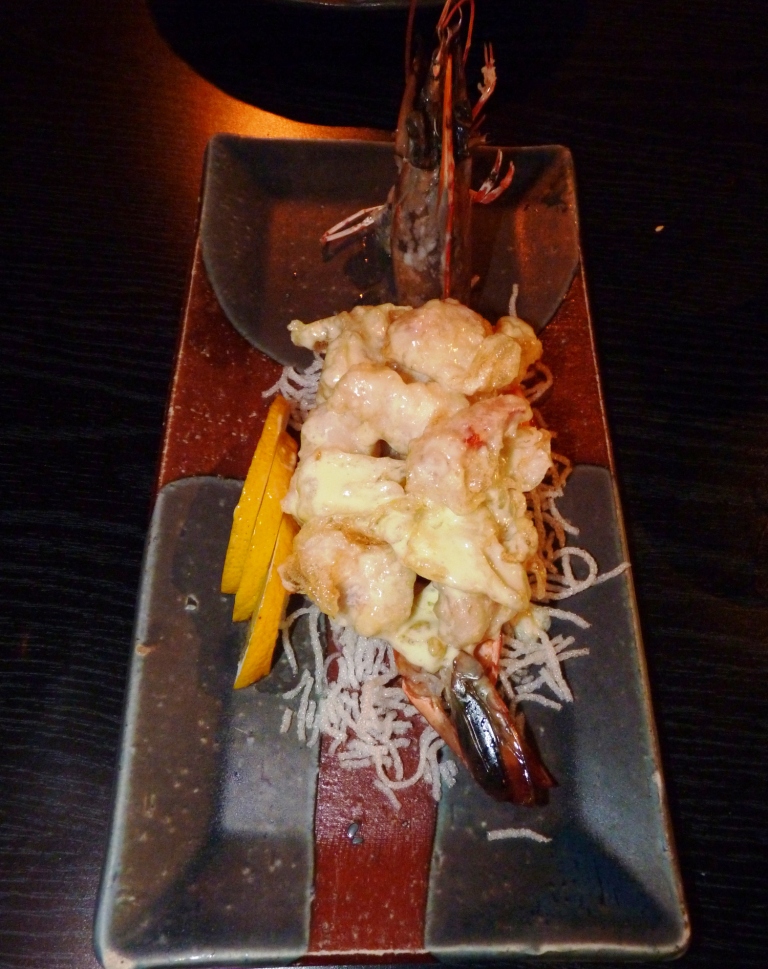
Salmon balls – also take a look at the tiny morsels you see there – those are mushrooms, and I have to admit, they were some of the most flavorful bits of food imaginable:

then sushi plate, which included 4 different kinds (yellowtail, eel, shrimp and salmon and avocado):

Unfortunately, I missed the moment to take a picture of tempura (but most of you know how tempura looks like), so the next picture is showing seared tuna and lemon (tasted great, and take look at the presentation!):
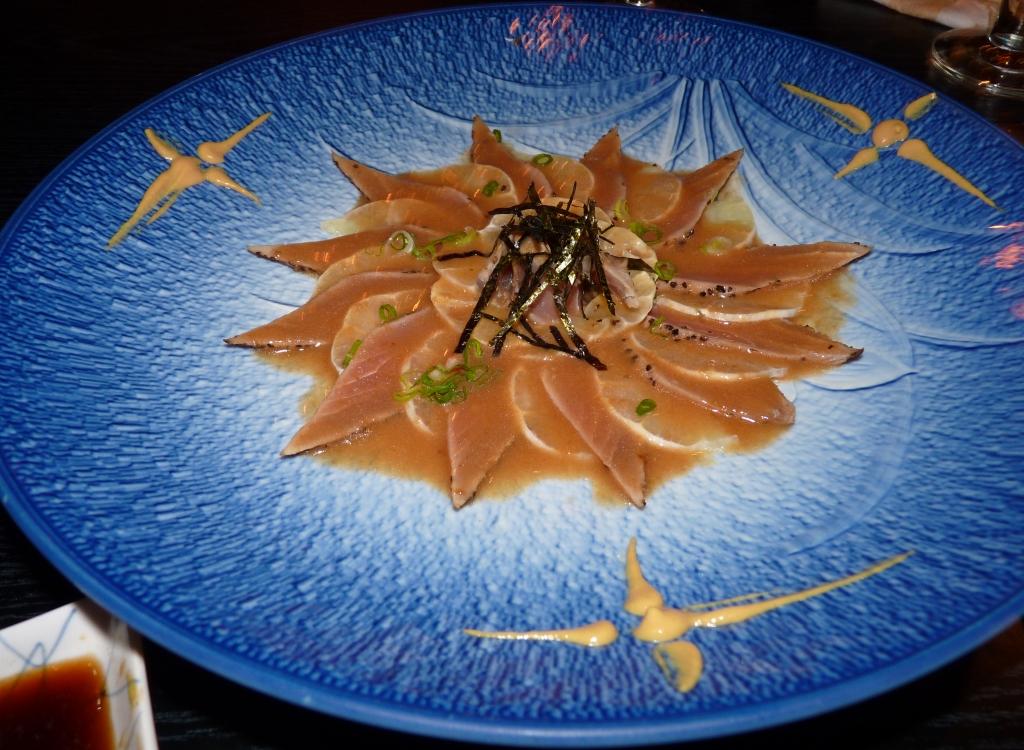
Next dish was yellowtail tuna cooked in the authentic sauce:
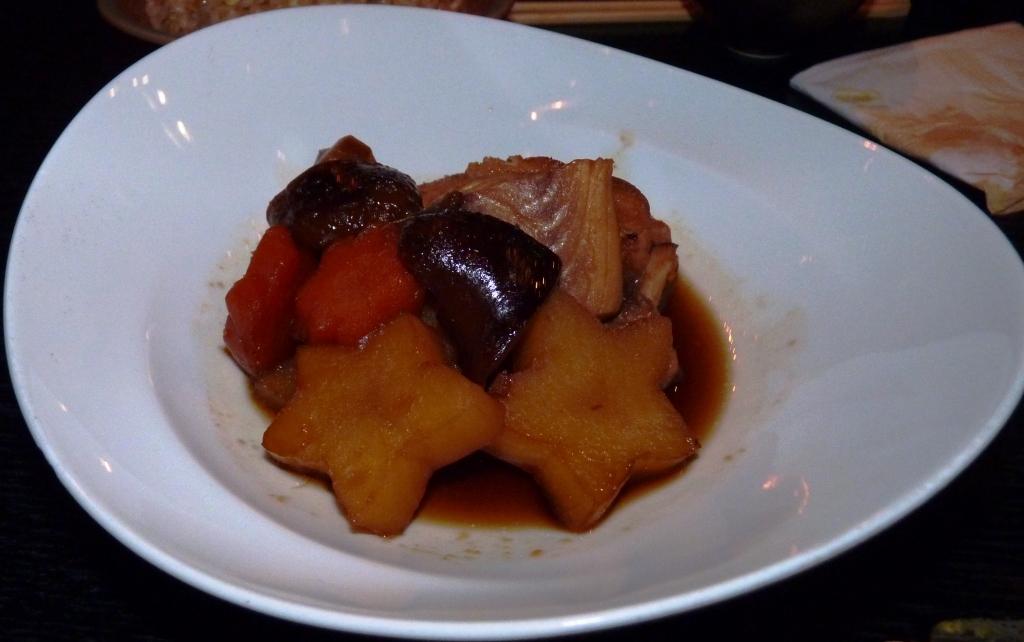
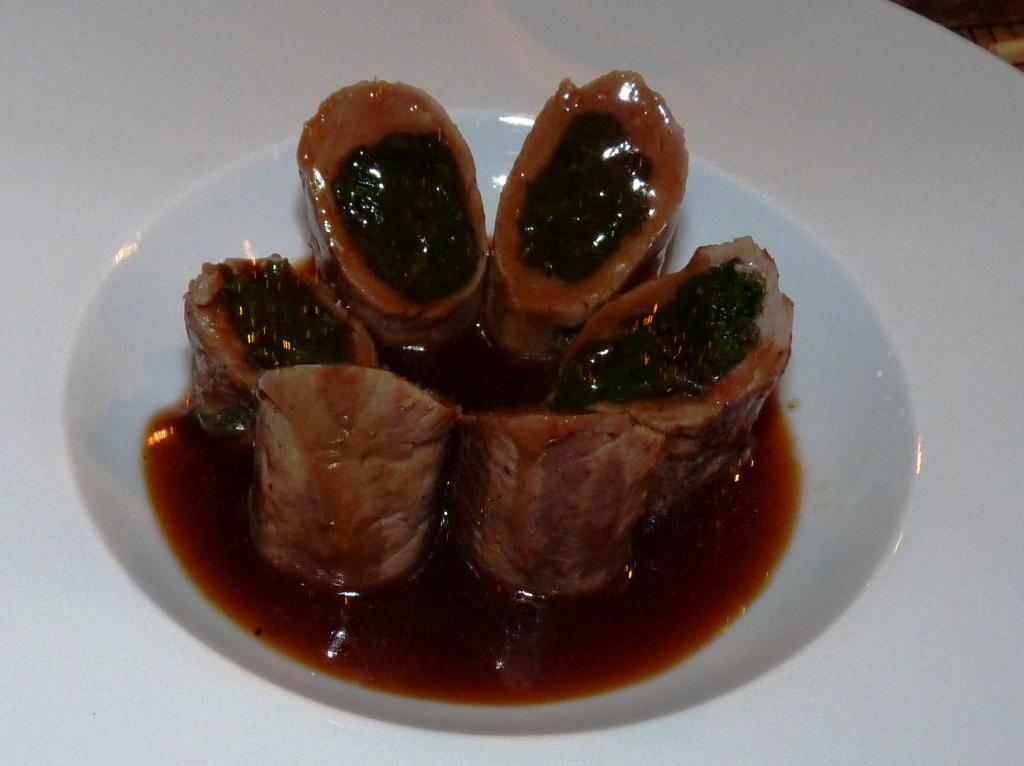
The tasting menu concluded with beef fillet wrap:
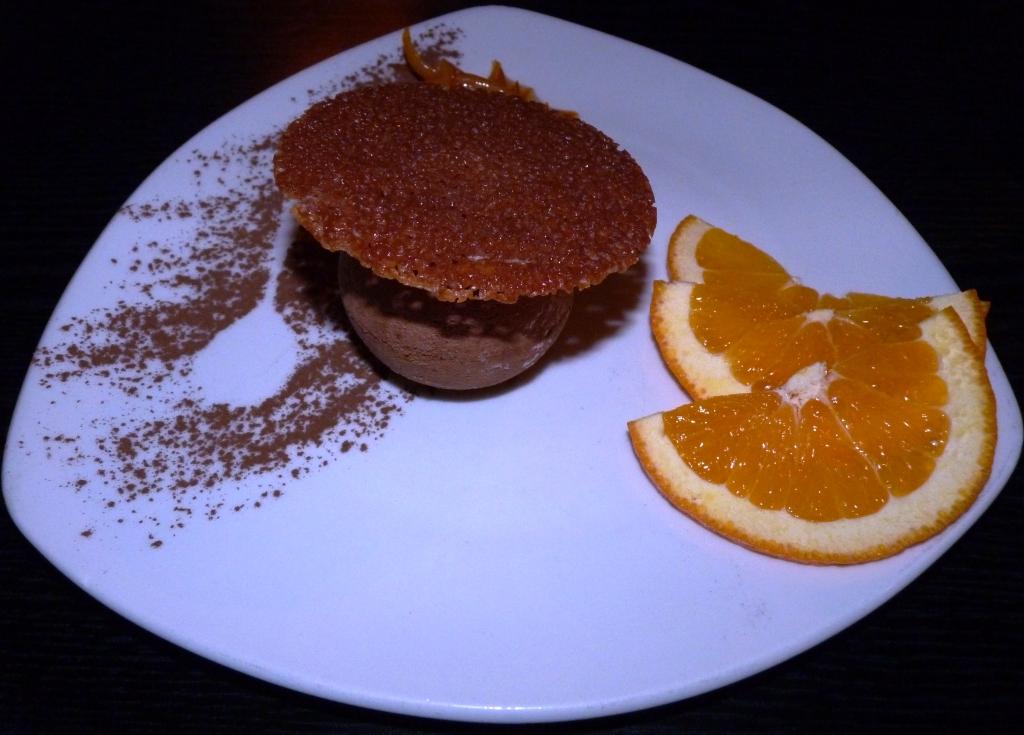
And then – dessert. First, an ice cream:
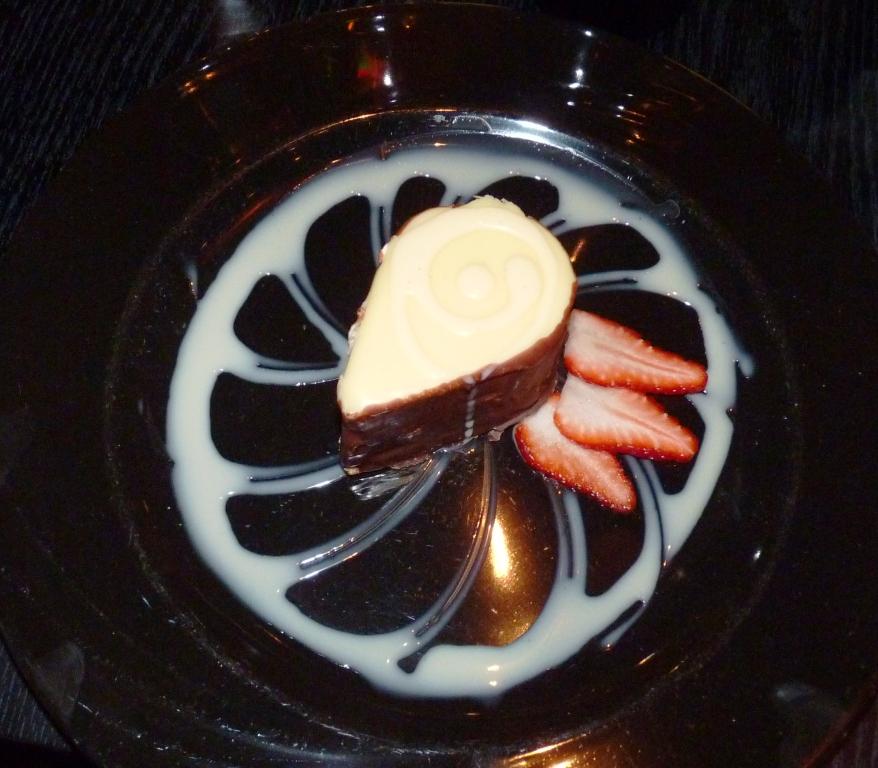
and a cheesecake:
This concludes my photo report. If I convinced you to give this restaurant a try, my mission is accomplished. If I didn’t – you should still try it. Cheers!
Wine and Time at Franklin Street Works (and some Hyper-Decanting too)
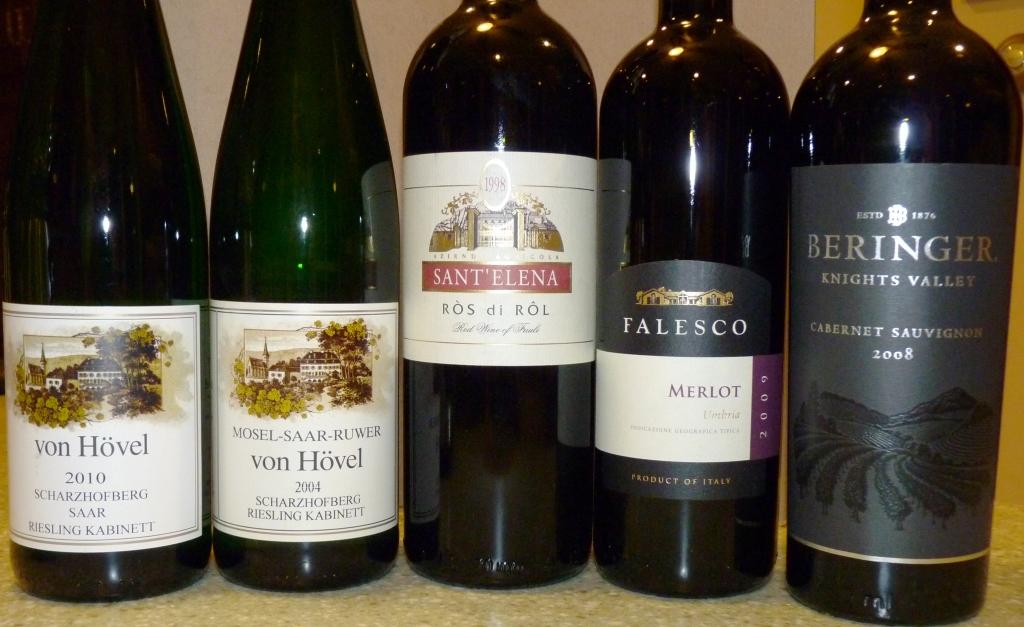 Yesterday we got together at Franklin Street Works in Stamford, CT to talk about wine, time and the relationship between the two (some thoughts on the subject had being posted to this blog before). As you can imagine, we not only talked, we also tried some wines, and even conducted some [not necessarily scientific] experiments.
Here are the wines which were presented in the tasting:
- 2010 von Hövel Riesling Kabinett Scharzhofberg
- 2004 von Hövel Riesling Kabinett Scharzhofberg
- 1998 Azienda Agricola Sant’Elena Ros di Rol Merlot, Friuli
- 2009 Falesco Merlot, Umbria
- 2008 Beringer Cabernet Sauvignon Knights Valley
- 2008 Beringer Cabernet Sauvignon Knights Valley (hyper-decanted!)
First, by pairing together 2010 and 2004 Riesling, we wanted to see the direct effect of aging in the same wine. Despite being called Kabinett, 2010 was rather on the sweet side (I would probably define it as Spatlese) – it was nice and round, and good acidity helped to show up quite fresh. 2010 was people’s favorite, as you might imagine – however, I really liked 2004. One reason is the contrast between the nose and the palate. On the nose it was literally “what the … is this” sensation – probably spoiled cabbage comes to mind first. But then the palate was very balanced, nicely dry and mature, with still a good showing of fruit and excellent acidity.
The Italian wines were good, but not necessarily what I wanted – 1998 Ros di Rol was closed up, dry and somewhat tannic, and 2009 Falesco was bright and fruity, but overall they didn’t play together at all (should look for different comparison tasting pairing).
The last part – Hyper-Decanting – worked out very interestingly (Hyper-Decanting is not my term – please see the origin of Hyper-Decanting here).
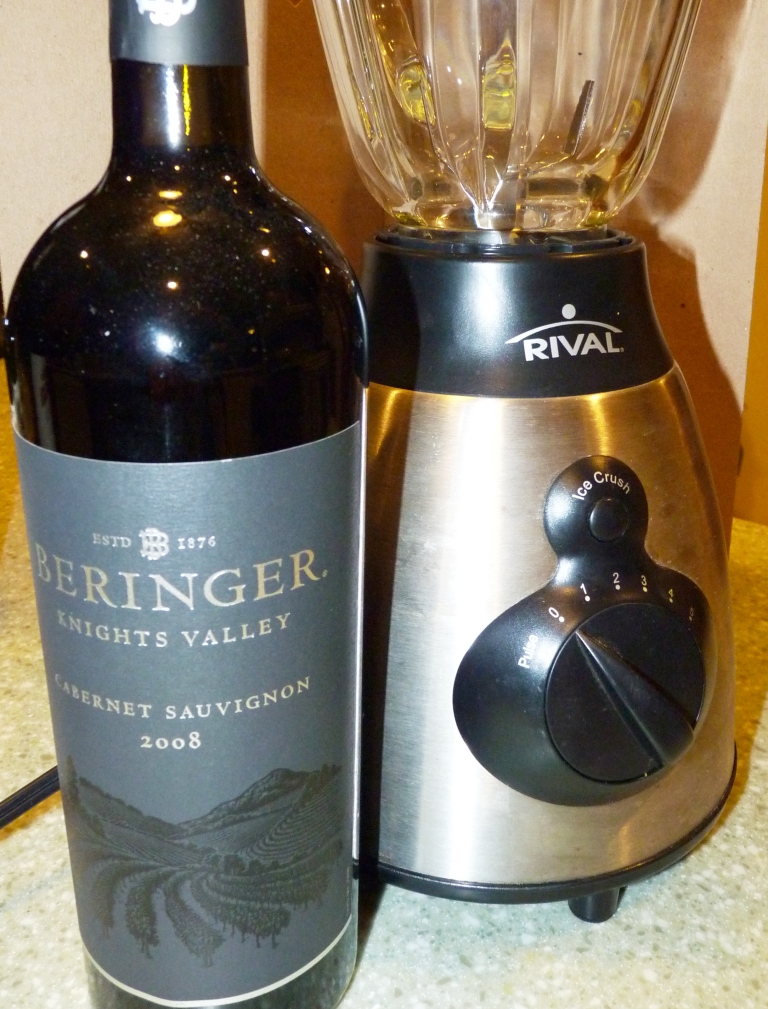
The 2008 Beringer Cabernet by itself showed up in a very classic way – some black currant jammed fruit on the nose, nice bite and nice green notes on the palate. After hyper-decanting ( about 1 minute in the blender), the wine changed dramatically, losing all its sharp edges and becoming soft and mellow.
Would I recommend hyper-decanting as a new way of fast-aging the wines? Probably not. Would I treat a classic Bordeaux this way? Most likely not, unless this is the last bottle left to entertain a party. Is this something you should try for yourself at home? Yes. It is simple, safe and easy, and you probably own the blender anyway, so there is no expense on your part. Will I try it again – yes, but again only as an experiment.
If any of the people reading this post attended the event – please comment, I want to know your opinion! And for everybody else – find the time to open the oldest bottle in your cellar soon, to honor 8000 years of wine and time relationship. Cheers!
Inventions We Can Live Without?
I spotted today a new wine glass design through a Twitter conversation – it is called “Revolution Glass”. You can see an image here (scroll down to see all of them):
http://www.designboom.com/weblog/cat/30/view/18079/martin-jakobsen-revolution.html
I never held it in my hands, but just looking at the pictures of the glass itself and then people using it, my first reaction is to call it an invention we can live without.
Assuming that this is a traditionalist talking in me and even accepting that I don’t understand modern form and design (don’t think so, but will accept it) – what do you say? Would you like to use a wine glass like that?
Last Bottle Sign Up ($10 credit)




 Talk-A-Vino