Archive
[Wednesday’s] Meritage – Grenache Day, SHARE Campaign, Discover Georgia in New York
 Yes, I’m aware that this is very much not Wednesday, nevertheless – Meritage Time!
First of all – tomorrow, Friday September 18th, we will be [once again] celebrating the grape – this time, it is Grenache, a.k.a. Garnacha. Grenache definitely is one of the wine world’s darlings, enjoying huge popularity everywhere – France, Spain, California, Washington, Australia, South Africa. Whether part of a blend or playing solo, Grenache offers tremendous range of expressions and can easily be one of the most versatile red grapes. So tomorrow, grab a bottle of your favorite Grenache wine, join the festivities, and of course, share it with the world – use tag #GrenacheDay on Twitter or Instagram. You can also check out Grenache Day website and Facebook page.
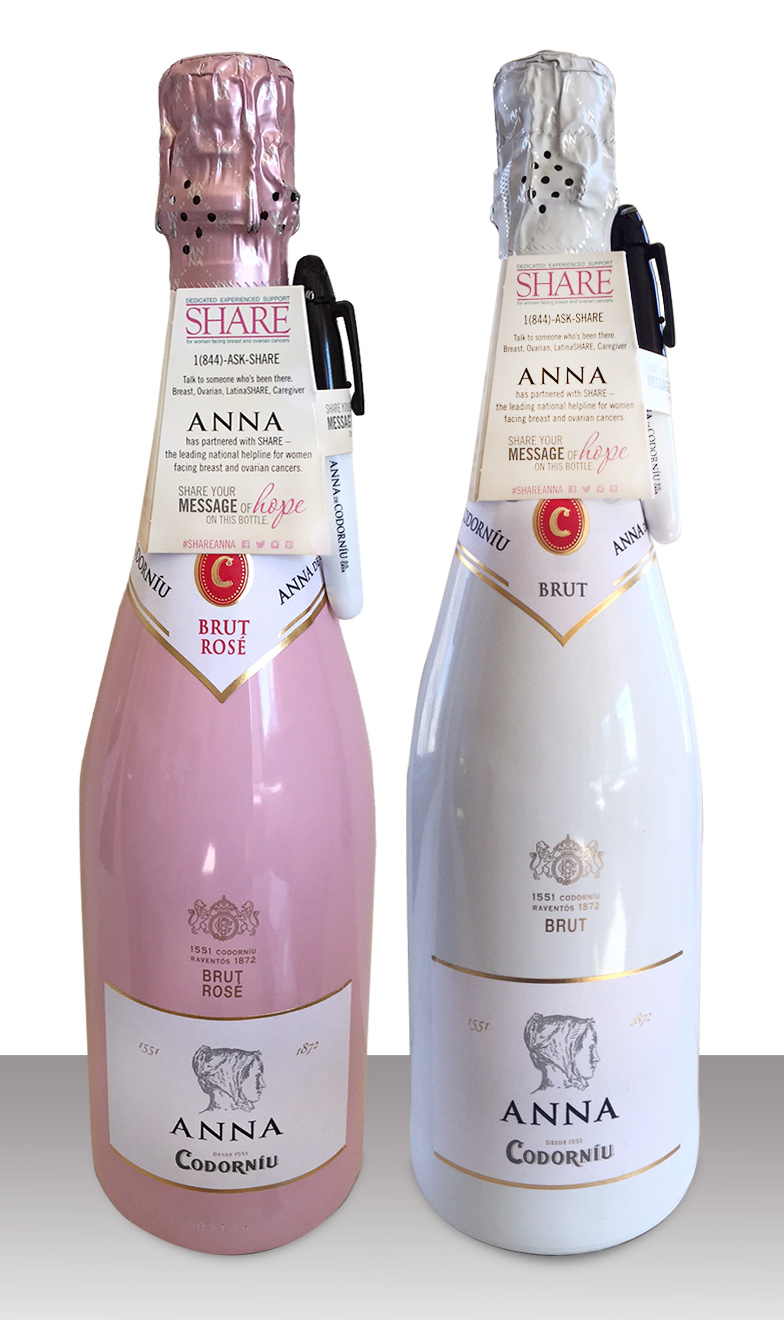
While this might be “an obsession of oenophile”, I can’t help but to notice how often wine is a subject of many “do good” initiatives – charity auctions, fund raisers. “drink for a cause” events. Here I want to bring to your attention one of such “do good” initiatives – partnership between Anna Codorniu, one of the best Cava producers from Spain, and SHARE, “a national organization that provides informed peer support, empowerment and educational resources to women affected by breast and ovarian cancers”. To support this cause, Anna Codorniu created special campaign called “Message on a Bottle” – I very rarely cite text from press releases, but let me just include this passage as a reference: “Anna de Codorníu will encourage consumers to engage with SHARE through the Message on a Bottle campaign encouraging consumers to write their messages of hope on the Anna bottle and connect with #SHAREANNA on social media. In-store displays and bottles will prominently feature information about SHARE, to access their services and become more involved. On September 21, Anna de Codorníu Brut and Brut Rosé will be served at the 12th Annual A Second Helping of Life benefit in New York City, featuring top chefs such as April Bloomfield, Anita Lo and Christina Tosi. (www.sharebenefit.org)”.
Last week I mentioned that Georgian Food and Wine event will take place in New York city on September 25-27, at Chelsea Markets – and here is the link for more information. Georgian hospitality is second to none, so if you have a slightest possibility of attending the event, I would highly recommend that you will make an effort to visit Chelsea Markets and experience #GeorgianBazaar firsthand.
And that is all I had for you for today. The glass is empty, but refill is on the way. Cheers!
Wednesday’s Meritage – Critic on Criticism, #MWWC19 Reminder, Wine and Food Festivals Abound, Allegrini Wine Dinner and more
Meritage Time!
First, I want to bring to your attention an interesting article by none less than Jancis Robinson, who wrote a very interesting piece called “Jancis Robinson on wine experts versus amateurs“, recently published in Financial Times. In the article, she is talking about the challenges professional wine critics face in today’s world, where literally everyone have an opinion about wines, and not afraid to share it. Definitely worth a few minutes of your time.
Next up – a Monthly Wine Writing Challenge Number 19 (#MWWC19) reminder – there is less than a week left in the current challenge (last day is September 14th), and if I’m not mistaken, there were very few submissions so far. I understand that theme is challenging – “Choice” can mean all and nothing at the same time – but this is why it is a challenge, and this is why your participation is required! If this can be a source of inspiration, here is the link to my own mumbling on the subject – I’m sure you can do better. Write up, people!
Now, last weekend of September might be challenging for the food and wine lovers, as multiple events will be competing for your time and attention:
Greenwich Wine and Food Festival 2015, presented by Serendipity, will take place September 23-26 in Greenwich, Connecticut – lots of celebrities, Food Network Chefs, wine, food contests and more are in the program. Here is the link for detailed information, tickets and more.
The 10th annual Newport Mansions Wine & Food Festival will take place on September 25-27, 2015 at The Elms, Rosecliff & Marble House mansions in Newport, Rhode Island. Food& Wine Magazine will be hosting the festivities, and there is a very long list of celebrities and celebrity chefs who will be in attendance there – Martha Stewart, Jacques Pepin and many others will be present, so you can expect lots of delicious food, great wines and fun time. Here is the link for detailed information.
Georgian Food and Wine Festival should take place in New York City on September 25-27 at Chelsea Markets. At this point, this is all information I have – I can’t even give you a link – but just in case, if you are in New York city, see if a visit to Chelsea Markets will fit into your schedule – this will be a free event and I’m sure you will not regret making it.
Now, a bit more of a local event, but on Tuesday, September 15th, Vespa restaurant in Westport, Connecticut, will be hosting an Allegrini wine dinner, where 5 different wines from Allegrini & Poggio al Tesoro estates will be paired with the dishes specially created by the Chef David White. Allegrini is well known producer our of Veneto in Italy (so yes, there will be Amarone on the list), and they also own Poggio al Tesoro vineyards in Tuscany. To get full information about the dinner and to reserve your spot, please visit Vespa Westport web site.
And the last one for today: WTSO, the best of the best in the world of the value wines, will conduct their famous “Anything Goes” Marathon on Monday, September 21st, starting at 9 AM US Eastern time. Wines will be offered in a rapid succession, new wines will be advertised only through the Twitter (no emails and no App notifications), no minimums to buy to get free shipping. But you better have all your information ready, as wines will be flying. If you are not already doing so, you might want to follow WTSO on Twitter. Happy hunting!
And this is all I have for you for today. The glass is empty, but the refill is on the way. Cheers!
Towards More Sustainable Viticulture
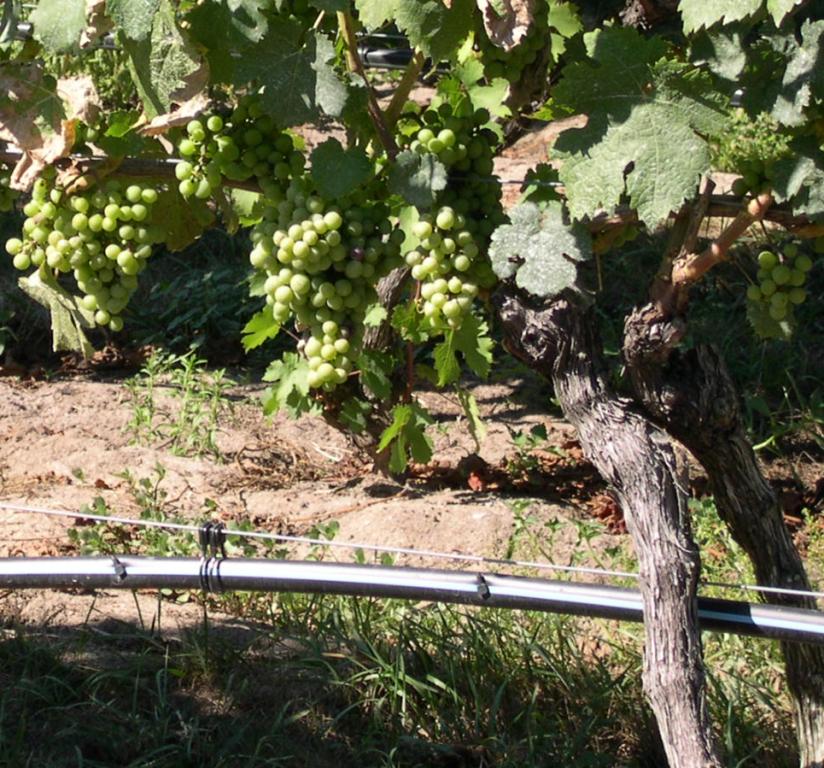 Today I’m offering to your attention a guest post which is a bit unusual for this blog – it is a lot more technical then we usually get here, on the pages of Talk-a-Vino. This blog post is written by Urška Krajnc (email: urska@eviti.co), Business developer of eVineyard, a vineyard management solution (and an App), helping viticulturists to grow better grapes. Hope you will find it interesting. Your comments and questions are definitely encouraged. Enjoy!
Agricultural production is one of the most important economic activities on Earth. The majority of human food originates from land, which must perform over time in a consistent manner and produce huge quantities of output. To meet the demands of the world’s growing population, farmers have to increase crop production and availability of food. This is nowadays achieved through the standardization of crops, genetic changes of plants, growth hormones and excessive use of pesticides. Many argue that changes in agricultural production are not going into the right direction. Therefore initiatives for more economical, environmentally and socially sustainable agriculture have emerged.
An important problem of the agriculture production are pesticides, which have negative impact on human health and environmental pollution. While inappropriate use of pesticides is literally directly threatening human lives in certain (usually less developed) areas of the world, it also counts for many indirect harmful effects on human health, ecosystem changes, etc. Pesticide spraying, for example, has a huge impact on the bee population in the country-side, while bees are the main pollinators of certain species of plants. In certain areas, the bee population has reduced by as impressive amounts as 30%. All this is leading to large environmental imbalances – as the pollination reduces, the flora will not flourish as it should anymore, and soon fauna will follow. And we’re a very part of that, even though we may not see it.
Similar story exists with water organisms, which are being killed by the over-usage of pesticides, drifted from the spray targets to the water flows. Pesticides affect human health also through the residues left in food, that can be toxic to humans. Grapes are believed to be among fruits with the highest level of pesticide residues. Not only in table grapes, but also in wine, several pesticides can be found, especially when the conventional production methods of wine are followed. Therefore in certain regions of the world, more sustainable and environmentally friendly agricultural production methods have developed to a larger extent. Alternative methods for large-scale growing are becoming feasible through the latest technology. The fact is that the food production needs optimization, and research has shown that an optimization can be only achieved if the resources that farmers use, are applied in a knowledgeable way.
Some of the countries are already taking steps towards the reduction of pesticides usage. France, for example, decided to reduce the amount of pesticide spraying by 50% in the time between 2008 and 2018. But even though there are national directives, and common sense leading more and more people to move away from pesticides, there are still situations where spraying is seen as necessary – and maybe in some cases it actually is, in order to avoid larger pollution later on, and to sustain the production that feeds our world today. However, a French winegrower from Burgundy probably wouldn’t agree, and would rather go to jail for a few weeks than to spray his grapevines with a pesticide that would consequently poison his soil for the generations to come. Even more, the first real cases against the corporations providing pesticides, are starting, as some people die of cancer which was clearly the consequence of long-term pesticide usage.
 The fact is that some of the pesticides are originating from military chemicals and the vast majority of them includes synthetically originated chemical compounds, developed to kill certain pests. Even here, the things are changing through the development of the natural fungicides, which don’t harm non-target pests, but work on fungus. Big steps were done also by science in predicting the disease outbreaks according to the environmental conditions, and using those predictions to spray selectively in order to prevent the diseases at the optimal time, instead of routine spraying. This scientific research is nowadays manifesting in practice through cost-effective solutions, based on sensors and data about the weather, and is targeted at the crops which are classically produced with large amounts of pesticides, like grapes.
Several wine producing countries – France, Spain and Italy under the EU agricultural policy, as well as Australia and United States of America, are systematically reducing the use of pesticides on grapevines for the last 15 years. The practical measures are taken to reduce pesticide residues and environmental pollution via usage restrictions of several dangerous pesticides and introduction of Integrated Pest Management approach. This approach has proven to reduce pesticides residues not only in wine, but also in the other agricultural products. Australian winegrowers have reduced the usage of pesticides through the use of technological solutions for strategic spray timing and through the use of more naturally produced pesticides. In the United States of America, the reduction of pollution is achieved through banning of several harmful pesticides and through the introduction of sustainable wine-growing practices, supported with the sensors and information technology, used to optimize other processes, such as irrigation. Similar practices are used throughout the Europe, which has seen a big increase in pesticide use in post World War II time, which is now decreasing.
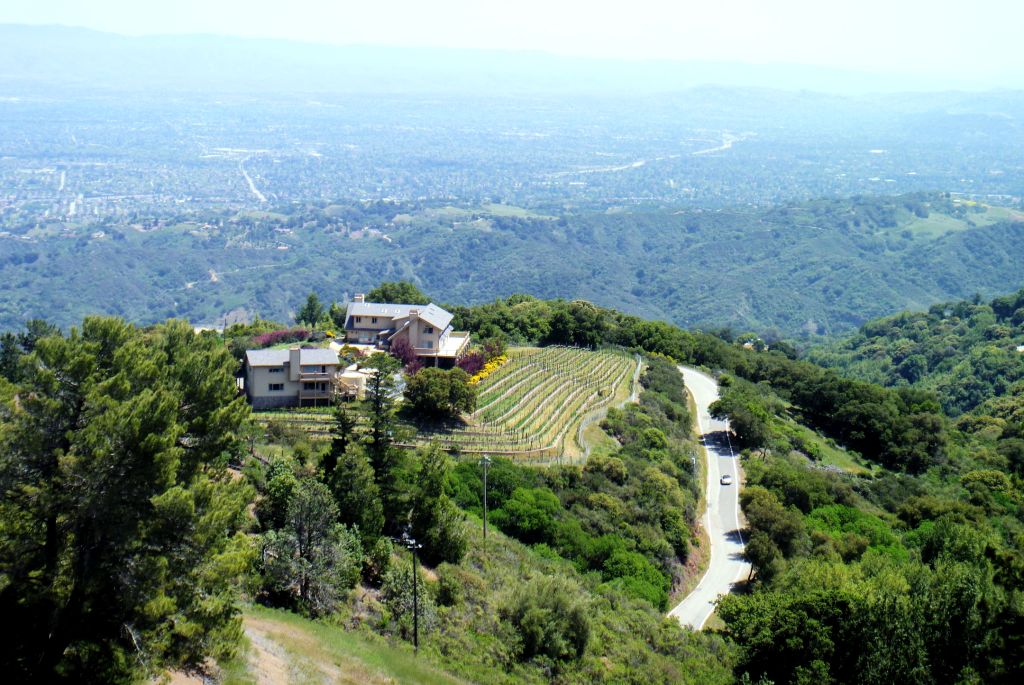
In many European countries, the “Denomination of Origin” policies don’t allow irrigation and some other kinds of terroir manipulation in order to get the “DO” sign. But systems for smarter plant protection are always welcome and are already in place in most of the countries by big growers, with the adoption of technology now being done by smaller growers as well. Some winegrowers around the world went even a step further and applied organic wine production principals, due to the changes in market demands, led by the conscious consumers. In EU, 6.6% of the grape-growing area is treated as organic, from which one third of organic grape-growing area is in Spain. Unfortunately, on the other side of the world, in China, with rapidly growing grape production, a production and usage of pesticides is increasing.
A lot of solutions exist – we can spray very selectively by using sensors and computers that take into account the existent knowledge. We can completely avoid spraying in some cases, and in the other cases, we may use the natural fungicides that don’t harm the organisms, which were not targeted as harmful, like bees. It will take some time for all those solutions to become mainstream, but some parts of the world are already moving in that direction. It’s our, humanity’s, turn, to make healthy and sustainable future a reality. We’re not left with many other options anyway.
Wine in Pictures
I don’t know about you, but I like “infographics” – lots of pictures and lots of facts to ponder at. Below is one such infographics, with quite a few interesting facts about wine. Did you know that the oldest preserved bottle of wine is nearly 1,700 years old? Have you ever heard about Snake Wine or Pumpkin Wine? Did you know that in some places in Australia the wine is cheaper than the bottled water? Well, take a look below…

Infographic brought to you by Ocado – Red Wine Infographic
Wednesday’s Meritage – #MWWC18 Theme, Decanter Top Wines 2015, New Spanish Wine Video and more
Meritage Time!
First and foremost, the theme of the Monthly Wine Writing Challenge #18 (#MWWC18) was announced by the winner of the previous round, Wayward Wine, and it is … “Crisis“. I don’t readily associate wine with crisis – thus I find this theme quite challenging. But so where many other themes before, and this is why it is called a “challenge”, so all we can do is to put on a crisis-handling hat and deal with it. Write, don’t wait – the submission deadline is Monday, July 27th, which is less than 2 weeks away… Crisis!
Decanter magazine is unquestionably one of the most influential publications in the wine consumer world. Every year, Decanter conducts a competition and recognizes the best wines in the multiple categories with both international and regional awards. In 2015, the most prestigious award, called International Trophy, was awarded to the 35 wines out of 15,929 wines submitted for the competition between December 2014 and May 2015 – that sure sounds very impressive. The most interesting part for me was the fact that Australia, France and South Africa heavily dominated that list of 35, with Italy and Portugal been barely present, and US, Germany, Austria and many other winemaking countries absent completely. In any case, this makes it an interesting read, so here is the link where you can find complete information about competition process and awards.
Wines from Spain, an organization promotes the knowledge about Spanish wines worldwide, started a new series of videos, aimed to educate wine consumers about Spanish wines. The first video in the series introduces four of the popular Spanish grapes, and promises to come back with a lot more information. The video is short (less than 3 minutes) and very cute, so I would suggest that it’s worth your time – you can find the video here.
That is all I have for you for today – the glass is empty, but the refill is on the way. Cheers!
Notes To Self – Portuguese Wines
Well, yes, you got me – if I would really try to write a note for myself to remember, I could easily write it in my paper journal and keep it to myself. Thus it is pointless to pretend that these are really the “notes to self”, which are typically starting with “next time, remember that …”. Nevertheless, what I would like to stress that this post is simply an attempt to share my understanding of a few elements of the Portuguese wines, based on the trips to Portugal, drinking Portuguese wines and talking to both people who make them and people who serve them. I will not be producing the map and talking about all the Portuguese wine regions and all the styles of wines; I will not be talking about terroir, soils or climate – there are many sources for that. You can simply look at this writing as a collection of facts and thoughts about Portuguese wines, heavily slated towards the wines of Douro – some are just for fun, and some that might have a practical value.
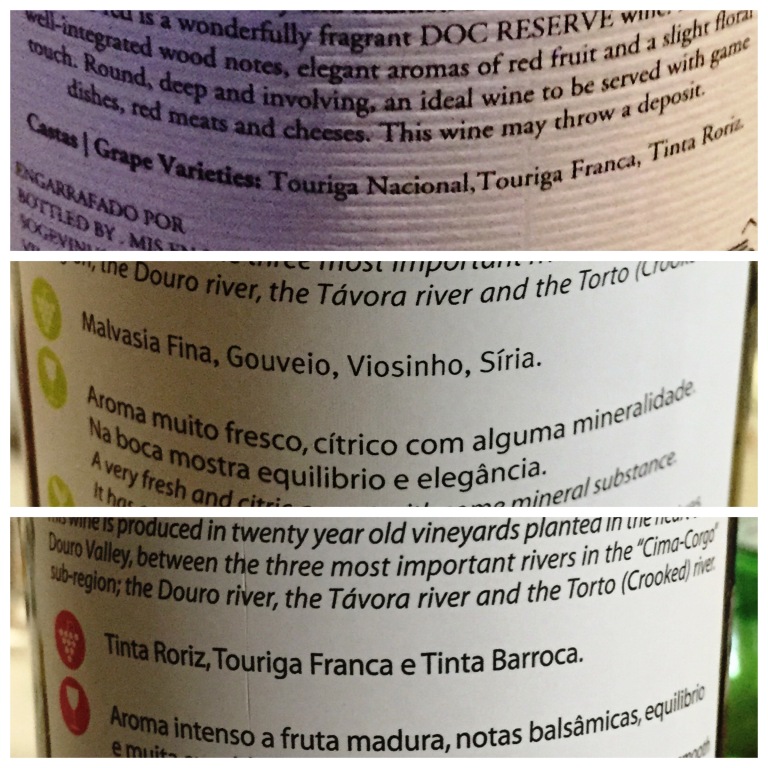 Most of the Portuguese wines (white, red, Port) are blends. Moreover, they are not the traditional blends, but instead they are the field blends. If you will look at the bottle of Bordeaux or California wine, there is a good chance you will see the exact proportions of the different grapes in that wine – 35% Grenache, 25% Syrah, etc. What you would typically see on the bottle of Portuguese wine are the names of the grapes (Touriga Nacional, Touriga Franca, etc), but not the associated percentages. This is due to the fact that the different grapes are growing together in the vineyard, they are harvested together and vinified together, without any ability to identify the amount of the particular grape in the blend. In some cases even the exact grapes in the vineyard are unknown. and you might see on the label “and other local grapes”. This information is more of a fun fact – there is nothing for you to deduce about taste, quality or age-worthiness of the wine – but it is something which is “interesting to know”. Besides, nowadays people became obsessed with wine factoids, so somehow when wine consumers see that wine contains 25% of Grenache and not 35% of Grenache, they feel better. And they definitely feel a lot better when they see a percentage of that Grenache listed instead just the name of the grape. But when it comes to the traditional Portuguese wines, those percentages are impossible to obtain, so you can simply save yourself time and just accept it for what it is.
 Now, here is more practical tidbit of information for you. The word “Reserva” matters on the label of the wine from Douro. You are laughing and having a “duh moment”? Totally fine with me, but let me proceed here anyway. I remember a very interesting experience from my previous trip to Portugal. We ordered a wine in the restaurant, and it was outstanding – deep, concentrated, absolutely delicious. I loved it so much that I even bought a few bottles for home, right there at the restaurant. I came back to exact same restaurant and ordered exact same wine a few days later – and couldn’t believe I liked it last time so much. No, it was not bad, but it was very simplistic, drinkable but quite average. Later on I realized that the only difference between the wines was the word Reserva on the label. Similar story took place in conversation with our waiter at the hotel. During the first visit, we had one of most stunning red wines ever, Casa Burmester Red from Douro (it was a #3 wine in my Top List from 2013). During the last visit, when I asked our waiter about the Casa Burmester red, he made face and pretty much asked me “why do you want to drink that? that is not a good wine”. Only after I added the word Reserva I was able to get an agreeing nod “ah, Reserva, sure”.
Yes, the word Reserva is regulated and appears on many of the wine bottles from the different regions. However, from the wines I tasted, it makes the biggest difference in the wines of Douro, by a wide margin. Talking about the same producers, Chianti Reserva would be a bit more concentrated than a regular Chianti, the same would be true for Brunello Reserva versus regular Brunello. Rioja Reserva would appear quite different from the Crianza, but typically both wines would be delicious in their own right and will share common traits. At the same time, if you will taste both regular and Reserva wines from the same producer in Douro, you would think there is no relationship between the wines whatsoever, and the regular wines will show as quite simplistic, at the best qualified as so called “BBQ reds”. The word Reserva puts those same wines on the world stage and immediately lines them up with the best of the best, usually at a fraction of a price (a $30 Reserva from Douro would easily beat lots of $100+ wines – of course I’m speaking for myself).
Whats makes such a huge difference? I don’t know (and if you do, I would greatly appreciate the comment). The only regulated difference I’m aware of between regular and Reserva wines in Douro is that Reserva wines have to spend at least 1 year in the oak. Could it be that better grapes are going into Reserva? Of course. Another interesting factor might be Douro Institute (IVDP), the governing body of the Douro wines. What is important to understand is that IVDP not only regulates the yield, the grapes, the irrigation and so on – all the wines (pay attention here – ALL the wines) are sent to and blind tasted by IVDP to approve or deny the winery designation for the particular wine. The rejection rate at IVDP is quite high at 17% – thus it is well possible that IVDP becomes a significant factor in making the Reserva wines so different. Bottom line is simple – if you can find a Reserva wine from Douro, go for it, there is a good chance you might really like it.
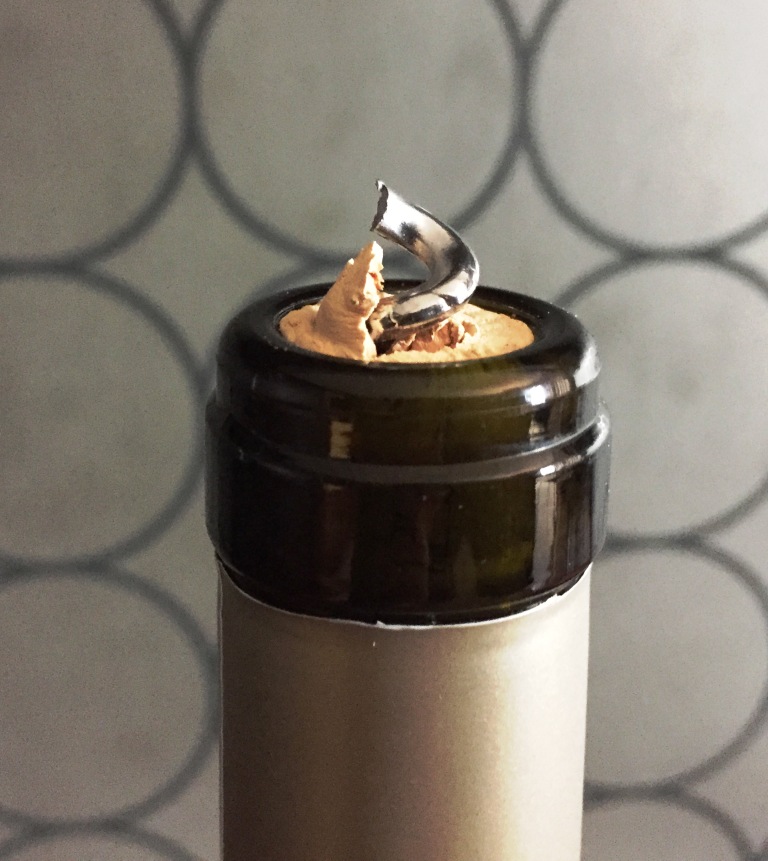 The realization of the dare importance of Reserva was probably my most significant wine discovery of the last trip. I was actually planning to mention a few more things, but I’m not sure how important those are. Here is one – which is rather a curious observation. Don’t know about you, but as I live in the US, I’m used to seeing many wines, especially the simple ones, to be closed with the screw top rather than the cork. This is not the case in the Portugal, the land of the cork trees – even the simplest, 80 cents wines from the supermarket, are still closed with the nice cork. Remember that if you will get thirsty all of a sudden in Portugal, there is no such thing as “twist and pour”. This can lead to the curious moment – see the wine opener in my hotel room been broken … by the cork.
I’m almost done here, I promise – just one more note. Vintage Port is definitely a flagship of the Portuguese wine industry, and of course we would love to drink that whenever possible. As a flagship, the Vintage Port is also costs appropriately (pushing a $70/bottle boundary across many producers). What you need to remember is that Vintage Port is essentially a regular wine – fortified, yes, but still a regular wine, which didn’t go through all the barrel ageing and oxidation – therefore, you should treat it exactly as a regular bottle of wine. Slightly chill before serving, and most importantly, consume within 2-3 days. Unlike Tawny Port, which can be kept around for a month or so after opening, Vintage Port will lose all of its beauty in 2-3 days. Also, considering the price of the Vintage Port, don’t ignore the LBV, Late Bottled Vintage port – it has the same vintage designation as a Vintage port, but will cost a lot less (typically under $30), and will last a little longer once opened, compare to the Vintage Port. You can look at LBV as the second label of the Vintage Port, if you will.
And we are done here. I hope you will find my notes to self (and to you) useful. Enjoy your weekend and cheers!
Introducing Wine Apps: Cork Sharing
This post is a part of the Wine Apps series, introducing different wine apps available on the market. In this series, I offer all the interested Wine App makers an opportunity to present their applications to the readers of this blog in a short and concise way. Today I would like to introduce to you the wine app called CorkSharing. This blog post is written by Bryan Petro, CEO & Founder of CorkSharing. Please note that this post is provided as is, strictly as a service to my readers and it doesn’t constitute my endorsement of the app.
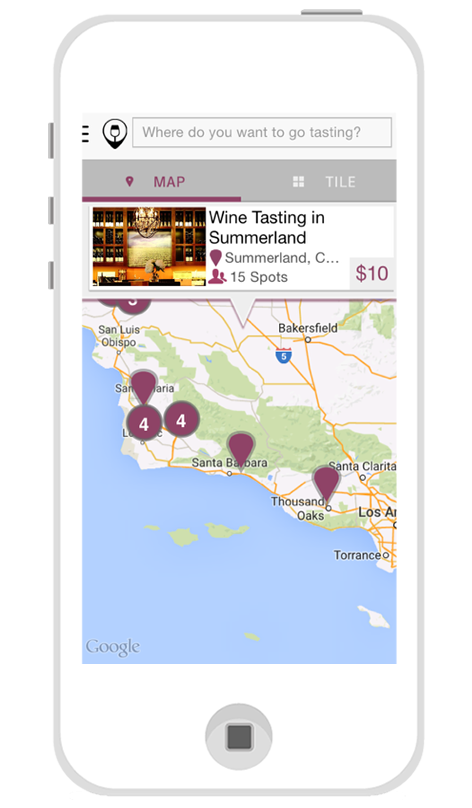 CorkSharing is one of the world’s first marketplaces for wine enthusiasts to schedule and book wine tastings, winery tours, and wine events from wineries around the world. In addition to its online platform, CorkSharing now has a mobile application available for Android and iOS users, making it easy for wine lovers to book on the go.
The CorkSharing app was designed with ease-of-use in mind. Built-in geolocation functionality makes finding nearby wineries and wine tasting events a breeze. With wine tourism on the rise, this feature is particularly useful for wine tourists that are exploring new wine regions. Additionally, the search capabilities allow users to search for events based on a number of criteria (city, date, price, varietals). Currently, 450 wineries in 32 US states and 19 countries are registered with CorkSharing, making CorkSharing’s app the best friend of any wine tourist. Once the right experience is found, the user can reserve and pay for a tasting using CorkSharing’s secure mobile payment platform, and manage their bookings through the CorkSharing itinerary tool. Users even receive an electronic ticket which can be used for admittance to the event.
Wine tourists aren’t the only ones benefiting from CorkSharing’s innovative new app. Wineries and hosts are also embracing the technology as a means to generate additional revenue. The app allows wineries and hosts the ability to manage reservations directly from the mobile interface. Wineries can receive reservation requests and approve guests from anywhere they have coverage. Additionally, CorkSharing empowers wineries by providing them with more on-the-go control over reservations. While other reservation platforms make it so that once a user books a session, the winery or host has no choice but to accept the booking, CorkSharing’s two-step validation process gives wineries the power to approve or decline a reservation should scheduling conflicts, private events, insufficient staffing, or other issues arise. To help wineries manage their incoming CorkSharing reservations, a ticketing tool has been built into the app. Guests can simply show the host their printed or electronic ticket and the host can use the app to scan the ticket and confirm validity.
With its mobile app, CorkSharing is making the wine industry more accessible, particularly to members of the younger demographic who are increasingly reliant on mobile reservation platforms. By bringing together wine lovers and wineries through mobile technologies, all parties benefit and the wine industry is made a little more innovative every day.
CorkSharing mobile app can be downloaded today at CorkSharing.com/Mobile.
Introducing Wine Apps: Winery Passport
This post is a part of the Wine Apps series, introducing different wine apps available on the market. In this series, I offer all the interested Wine App makers an opportunity to present their applications to the readers of this blog in a short and concise way. Today I would like to introduce to you the wine app called Winery Passport. This blog post is written by Scott Stanchak, Creator of the Winery Passport application (you can follow Scott on twitter @ScottStanchak). Please note that this post is provided as is, strictly as a service to my readers and it doesn’t constitute my endorsement of the app.
 Winery Passport has been helping users discover tasting rooms at the wineries for almost two years. The mobile app, available for iOS and Android, came about when creator Scott Stanchak was at a wine tasting, but had forgotten his paper passport book. Instead of asking for a second one, he knew the passport should live on his most personal device.
Winery Passport assists users in finding wineries (more than 5,000 of them) from across the United States and Canada. Users can view details about each winery and stamp their passport once they complete a visit, or add it to their wish list. Once a stamp is made, users can share the trip on Facebook and Twitter, to brag a little bit, of course.
 Users can store details about each tasting, including a winery rating, photo and favorite wines, in their winery journal. Then, if they connect with friends and family, they can share those journal details, or see the details from the others. This social component helps in the winery visit decision-making process – since there are so many to choose from.
A user’s app experience doesn’t end once they’ve left the tasting room. Wineries they’ve stamped at, or have on their wish list, can send messages that land in the user’s inbox. These messages contain wine and tasting offers. A push notification lets users know when new messages are received.
Winery Passport is currently available for free to download on iTunes and Google Play.
Here are some useful links:
Winery Passport website – http://www.winerypassportapp.com
iOS Download – http://www.winerypassportapp.com/download
Android Download – http://www.winerypassportapp.com/android
Wednesday’s Meritage – Wine Quiz Answer, #MWWC17 Reminder, Chardonnay Day and more

Tawny Owl. Source: Wikipedia
Meritage time!
Let’s start with the answer to the wine quiz #118 – What Is It?
In that quiz, you were given a picture of the bird (an owl), and the request was to identify the connection between the bird and the wine world.
I have to say that a number of people had very good answers, suggesting that owls are used to protect vineyards against various kinds of rodents, obviously in a natural way. However, this was not the answer I was looking for. The particular type of owl is called Tawny Owl, and it is the color of its feathers that gave the name to the Tawny Port. As the Tawny Port ages, the color of the wine becomes reminiscent of the Tawny Owl coloring, hence the name.
I’m glad to report that we have two winners: Margot from Gather and Graze and Gwain609 of Oz’s Travels – they both identified the owl as a Tawny Owl and suggested that “Tawny” is the key word we are looking for here. They both get the usual price of unlimited bragging rights. Well done!
Now, to the interesting stuff around the vine and the web!
First of all, I want to remind everyone that Monthly Wine Writing Challenge number 17 (#MWWC17) with the theme “Epiphany” is in the full swing! There had been a number of entries submitted, and everyone who didn’t submit one yet (you know who you are!) is very much encouraged to participate. For all the official rules and regulations please use this link.
Next, we got a few of the grape and wine region holidays to celebrate – I’m sure you don’t need a reason to open a bottle of wine, but those holidays solve the problem of choice. Today, I got 3 of them for you. Tomorrow, May 21st, is a Chardonnay Day! Chardonnay needs no introduction – the grape is successfully grown all over the world, a hallmark of Burgundy, Champagne, California and practically any other wine growing country and the region. You should have no problems finding the good bottle to open, and then sharing your thoughts in the social media using the hash tag #ChardonnayDay.
Next we have two distinct regions celebrating its heritage in May – May is an Oregon Wine Month and also an Aussie Wine Month! Oregon today is a lot more than just a Pinot Noir, and Australia is a lot more than just a Shiraz – lots of wonderful wines are made in both places, so you will have no issues finding excellent authentic wines to drink for the next 10 days.
Last but not least for today – the new danger for your wallet had just became a reality. Well, no, I’m not talking about some elaborate wine scam or a new series of emails with unbeatable business proposals from Africa. Last Bottle Wines, one of my favorite purveyors of the fine wines at the value prices, finally joined the 21st century and announced availability of the Last Bottle App for the iPhone – here are the details. Now you can be notified of all the new offerings and will have a better chance to react to them. If you are still not a customer of Last Bottle Wines, I will be glad to be your reference – yes, I will get a $20 credit after your first purchase, and you will get $5 credit on that same purchase – but then you will be able to sign up your friends. And, of course, to thank me again and again. You can click here to sign up for the Last Bottle Wines account.
And we are done here. The glass is empty – but the refill is on its way! Cheers!
Introducing Wine Apps: Winescapes
This post is a part of the Wine Apps series, introducing different wine apps available on the market. In this series, I offer all the interested Wine App makers to present their applications to the readers of this blog in a short and concise way. Today I would like to introduce to you the wine app called Winescapes. This blog post is written by M Rajagopal (Raj or Rex to friends; @rexraj on twitter), a Co-Founder & Director with Buzzle Networks, a developer of the Winescapes application. Please note that this post is provided as is, strictly as a service to my readers and it doesn’t constitute my endorsement of the app.
 Winescapes is a social wine app with commerce features meant for casual wine drinkers everywhere.
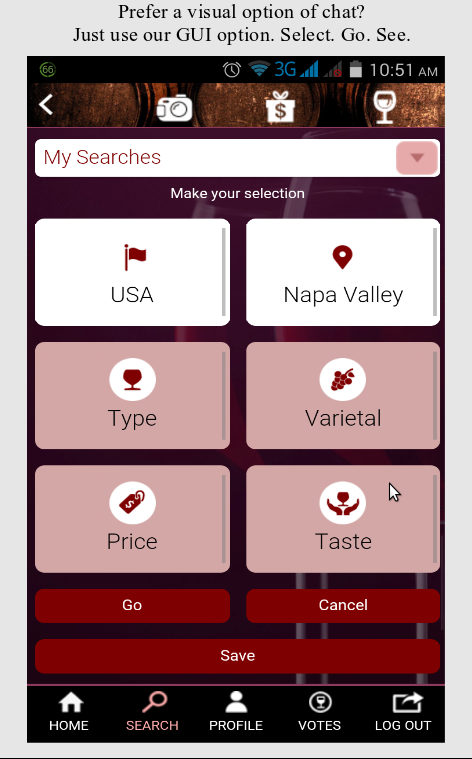
Winescapes helps users to find most popular wines meeting their preferences and budget in a store or online, using the unique text chat search feature or the GUI version of this. The chat and GUI search are designed to help users search for the wines the way they think, i.e. “USA, California, Chardonnay, Fruity, 20” (20 here is the price limit in the local currency, so it would be $20 for US). As the result of the search, users will get a set of most popular matching wines rather than only one wine to choose from. This is unlike other search options which show only one wine at a time using name or a label. Matching wines are sorted in descending order of peer votes across the system. Nearby merchant stores with their offers are automatically shown during wine results, if required permissions are set by the user.
User’s wine actions are: Vote Up or Down, Add to Wish list, Cellar and Shopping List, Recommend to followers, Share with social network. Using camera action, user can share a wine label image including the vote and review with his/her Winescapes and social networks on FB, Twitter etc. The cumulative number of Votes and other counts help users make purchase decisions. The user can see less or more details on a wine from Wine Summary and Detail respectively. He/She can also see offers/deals from registered merchants and to find suitable merchants, both offline and online, and see their wine catalogs.
Winescapes’ social features include people search, follow, invite to WS. Wine results can be seen across Winescapes or only within My Network. Notifications show My Network’s wine and other actions since last login. User Profile shows all “my past wine” and people actions. Permissions can be set at a granular level for each activity as Share or Private for Votes, Wishlist etc. The IdeaXchange Q&A forum in the latest release allows users send wine queries to the Winescapes network.
Currently the database has top selling wines in California, New York, Florida, New Jersey, with more wines being added daily.
Winescapes App is available on Google Play / Apple iStore at http://is.gd/a7w9GRand web browser (html5) at www.winescapes.net
Last Bottle Sign Up ($10 credit)





