Archive
Wednesday’s Meritage – Wine Quiz Answer, WTSO Marathon, Dangers of Twits, Natural Wines Commotion
Meritage Time!
Of course we are staring with the answer to the weekly wine quiz #109, where you were supposed to identify 8 wines by the image on top of the bottle cap or a capsule. Below are the pictures, now with the answers:
-
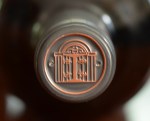
- 1. Casa Bianchi (Argentina)
-

- 2. Emilio Moro (Spain)
-
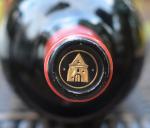
- 3. PEJU (California)
-

- 4. Dominio de Pingus PSI (Spain)
-
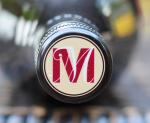
- 5. Andrew Murray (California)
-
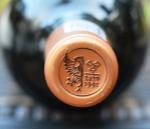
- 6. Chamonix (South Africa)
-

- 7. Cairdean Vineyards (California)
-
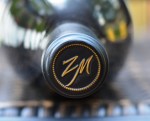
- 8. Zaca Mesa (California)
While nobody was able to identify all 8 wines, Zak (no web site) did an excellent job identifying 6 out of 8 wine tops, so he is definitely the winner of this round and gets the unlimited bragging rights! I also want to acknowledge wineandhistory, who correctly identified PEJU wine. I’m also glad to say that a number of people said that they will start paying more attention to the bottle tops, which makes it all more fun.
Now, to the interesting news around the web and the vine!
First, the WTSO is on it again – Summer Cheapskate Marathon is coming to the browser next to you on Tuesday, July 29th. Starting at 6 am Eastern time, the new wines will be offered in the $7.99 to $18.99 range every 15 minutes or sooner if the offered wine will sell out. All wines are offered in the quantity of 4 bottles or more to get the free shipping. The marathon will finish at 11:59 pm Eastern time.
Next up is an interesting post by W. Blake Gray. I made a number of attempts to come up with a clever abstract for his blog post; instead, I just have to explain why I think it worth a few minutes of your time. In the article, W. Blake Gray explains how two of his short posts on twitter led to the angry rebuttal from the Cellar Tracker founder, Eric Levine, with the declaration of “wine snob” being literally slapped on W. Blake Gray’s face (yes, as a figure of speech – no bodily harm took place). Twitter is a dangerous medium – the condensed format requires lots of careful attention to what one is saying – and viral potential of any twit making huge waves should always be taken into account… Anyway, read it for yourself, including the comments, and if you will, let me know what you think.
What do you think of natural wine? Yes, I know that the term itself is somewhat controversial. But, considering that the wine is a form of art, I only see it as one of the styles, which is perfectly valid alongside of many others. However, it seems that a lot of wine professionals don’t see it like that. First was an article by Bruce Palling, called “Is there anything natural about raw wine“. Jamie Goode, a winner of the Best Overall Wine Blog Award at WBC14, responded to this article on his blog, in the post called “Comments on Bruce Palling’s anti-natural wine article“. Then Steve Heimoff jumped in with “I weigh in on Jamie Goode’s post on “natural wine””, and even Matt Kramer couldn’t stand aside and wrote the post called “When Did Wine Become So Partisan?“. If anything, I’m definitely siding with Matt Kramer and his question – I don’t understand why the opinions about wine, which is an extremely, extremely subjective in terms of “good and bad”, should be so fiercely antagonistic. If someone doesn’t like the taste of Australian Shiraz, does it mean that Australia should stop making Shiraz? And if the answer is “of course not”, then I don’t understand why natural wine should be any different. Anyway, I suggest you will spend a few minutes of your time reading those articles – and don’t forget to read the comments.
And we are done for today. The glass is empty – but the refill is on the way. Cheers!
Wednesday’s Meritage – Wine Quiz Answer, Science of Taste, #WBC15 coming to Finger Lakes, World’s Best Restaurant Wine Lists
Meritage Time!
I’m still trying to get into my regular posting rhythm, but the Wine Bloggers Conference, which I just attended this past weekend, while was a great experience, became also an issue. Too many experiences worth sharing, and the posts are not easy to put together quickly, yet in the meaningful manner. While I’m working on that, I decided to at least go back to some of the “programming staples”, such as Wednesday’s Meritage and weekly quizzes. Thus I’m starting with the answer to the last weekly wine quiz #108, where you were supposed to identify 7 wines by the image on top of the bottle cap or a capsule. Below are the pictures, now with the answers:
-
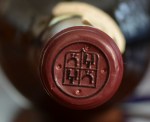
- 1. Château de Beaucastel
-
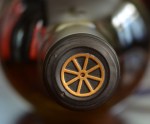
- 2. Krupp Brothers
-
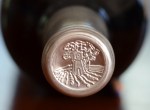
- 3. Silver Oak
-
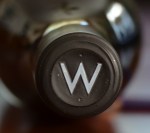
- 4. Waterwall by Field Recordings
-
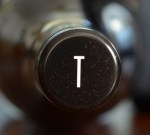
- 5. Tournon By Michel Chapoutier
-
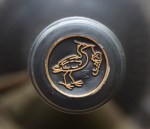
- 6. Château Paul Mas
-
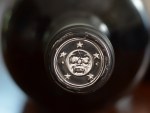
- 7. If You See Kay
Yes, this was a hard quiz, but I was told by a number of people that they enjoyed it, so we will have another round this coming Saturday. We don’t have a winner in this round, but I would like to acknowledge next stop: tbd and SAHMmelier who both properly identified Silver Oak. Well done!
Now, to the interesting news around the web and the vine!
First, an article on the subject of … taste of wine. What factors affect the taste of wine, can we distinguish expensive wine from inexpensive in the format of a blind tasting, how do we taste – this well-researched article in The New Yorker discusses all of these questions. This is interesting how many scientists are researching and analyzing the ways we taste wine (I’m sure the food too) – what I don’t fully understand is an actual goal of such a research. Is it to facilitate creation of the wine which will taste universally good for everybody? Or is it to find out how to maximize the profits by changing of the look and feel of the bottle? Or how to decorate a wine bar so we will gladly pay $50 for a glass of wine? Or may be it is all just in the name of science? Read the article for yourself, and then I will be really interested in your opinion.
Now, fresh after the Wine Bloggers Conference 2014, I’m glad to tell you that Wine Bloggers Conference 2015 will be taking place on the East Coast! Yay! And not just anywhere on the East Coast, but namely in the Finger Lakes region, in the town of Corning! Based on my #WBC14 experience, I would highly recommend that if you are into the wine blogging, then put August 13-16, 2015 on your calendar, and start making arrangements to attend the conference – this is your best opportunity for learning and networking in the group of like-minded people. Here is the announcement which provides all of the details.
Last interesting article for today is this post by Dr. Vino, where he talks about the results of the ranking of the wine lists at the different restaurants world-wide, conducted by The World of Fine Wine magazine. The ranking is done similar to the Michelin 3 star rating of the restaurants, assigning 3 star ratings to the best restaurant wine lists. Overall, 750 restaurants received at least one star rating, and out of this amount, 224 restaurant got the highest honors – 3 stars. It appears that city of New York is in the unquestionable lead with 36 highest ranked restaurants in the world – the next comes London, will less than a half of the amount of the 3-star rated restaurants at 17. Still, the best wine list in the world belongs to the hotel restaurant in Vienna, Austria, called Palais Coburg Residenz. The Hearst restaurant in New York has the best wine list in the United States. For more interesting information please visit Dr. Vino’s post.
And we are done for today. The glass is empty – but the refill is on the way. Cheers!
Wednesday’s Meritage – Wine Quiz Answer, #WBC14, Project Genome, What is in the Price
Meritage time!
Let’s start with the answer to the wine quiz #107, Grape Trivia – Blends, Part 10.
This was the last quiz in the Blends theme of the grape trivia – we are going back to the single grape quizzes for a while, before changing the subject of the quizzes to something else. But for now, here is the final set of the questions about blends – now with the answers.
Q1: Name the region in France, where total of seven of red and white grapes are permitted, but absolute majority of the wines is made out of three grapes, which includes both red and white. Blend and single grape wines are permitted, and majority of the wines (even made from single grape variety) are blended.
A1: Champagne. While Arbane, Chardonnay, Petit Meslier, Pinot Blanc, Pinot Gris, Pinot Meunier, and Pinot Noir are all allowed grapes in Champagne, absolute majority of wines is made out of Chardonnay, Pinot Noir and Pinot Meunier.
Q2: Name region in France, where multiple red and multiple white grapes are allowed to be used in production of a single red wine.
A2: Châteauneuf-du-Pape. 18 grapes are allowed to be used in production of this famous red wine, a mix of both reds and whites.
Q3: This wine in the old world wine region are traditionally made as a blend of 4 grapes (only 4 are allowed) , with one grape considered to be the major, and 3 others used in various proportions, or possibly none at all. These wines are known to have great affinity to oak and have classification based on the aging time in oak and in the bottle. Flavor profile often includes eucalyptus and cigar box, and wines have great ability to age, especially in the best years. Can you name this region?
A3: Rioja. Rioja wines are made out of the combination of Tempranillo, Mazuello, Garnacha and Graciano, with Tempranillo typically being the main grape.
Q4: This protected (trade mark protected) word came around a bit more than 25 years ago to designate the wine blend (can be both red and white) which resembles in its composition and grape usage one of the most prestigious and best known wines and overall wine styles in the world. Do you know what this word might be?
A4: Meritage! in 1988, Meritage Alliance was created in California by the group of winemakers, to promote creation of the Bordeaux-style blends, both red and white, without infringing on the Bordeaux protected name. According to Wikipedia, the red Meritage wine “must be made from a blend of at least two of the following varieties: Cabernet Sauvignon, Merlot, Cabernet Franc, Malbec, Petit Verdot, or Carmenère, with no varietal comprising more than 90% of the blend”. The same goes for the white Meritage wine: “must be made from a blend of at least two or more of the following varieties: Sauvignon blanc, Sémillon or Muscadelle du Bordelais, with no varietal comprising more than 90% of the blend”. Another interesting fact is that Meritage is a trademark protected word, and any winery using it on their labels must pay the alliance a license fee.
Q5: Wine Spectator’s rating of 100 points ( an “absolute perfection” so to speak), is not easy to get – to the date, there are only 75 wines which got the 100 rating from Wine Spectator. Taking into account only the red wines on the top 100 list, which grape or grape-dominated blend got the score of 100 most often? Different vintages of the same wine should be counted as separate votes.
a. Cabernet Sauvignon or Cabernet Sauvignon based blend, b. Merlot or Merlot based blend, c. Nebbiolo, d. Pinot Noir, e. Syrah or Syrah based blend
A5: Cabernet Sauvignon and Cabernet Sauvignon based blends are definitely in the lead among this elite group – 17 different wines received the coveted 100 points rating from the Wine Spectator. Merlot and Merlot based wines are trailing behind with 11 different wines receiving the honors.
When it comes to the results, looks like I can never estimate the difficulty of the quiz properly. I thought this was somewhat difficult, but I was proven wrong – today we have 3 winners! Jennifer Lewis (no web site), Gene Castellino (no web site) and benway69 (no web site) all correctly answered 5 out of 5 questions, so they are all the winners of this quiz and they all get the coveted prize of unlimited bragging right. Excellent Work! vinoinlove gets an honorable mention with 4 correct answers out of 5.
Now, to the interesting stuff around the vine and the web!
In the mere two weeks, The Wine Bloggers Conference 2014, dubbed WBC14, will take place in Santa Barbara County in California. More than 300 people have signed up to attend the 3 days event, to meet, greet, talk, learn and of course, drink the wine. I’m very excited as this will be my first WBC event, and of course full report will follow. I’m looking forward meeting everyone there (I know that both SAHMMelier and the drunken cyclist will be in attendance), so if you are going, let’s connect! You can find all the details about the conference at the WBC web site.
While the next interesting read item is geared more towards the wine professionals, I think many of you will find it quite interesting. Constellations Brands, one of the biggest wine producers and distributors in the world, recently published the result of the multi-year study of the behavior of the wine consumers, under the name of the Project Genome. Based on the results of that study, all wine consumers are split into the 6 different categories (Price Driven, Everyday Loyals, Overwhelmed, Image Seekers, Engaged Newcomers, Enthusiasts), with the detailed analysis of buying patterns of all the people in each category. There is a lot of interesting info in this article, so I suggest you will go read it for yourself here.
Last one for today is an interesting article at Wine-Searcher, written by Tyler Colman (who is also known as Dr. Vino). In the article, Tyler is attempting to break up a price of a $100 and then a $2 bottles of wine, to identify the price elements attributed to the different participants – the winery, distributor and the retailer, as the bottle of wine is making its way to the consumer’s hands. While it is not necessarily 100% precise, it gives you some food for thought. You can find the article here.
And we are done here. The glass is empty – but the refill is on its way! Cheers!
Wednesday’s Meritage – Wine Quiz Answer, Luxury Wines in US, Rosé for How Much?, Last Call Wines
 Meritage time!
Let’s start with the answer to the wine quiz #106, Father’s Day Special – An Odd Bunch. Exactly as the name says, it was a Father’s Day special quiz with somewhat of an odd questions. The key to solving this quiz was in the descriptive sentence where I mentioned that it will be “a little bit about politics, a little bit about power, a little bit about the money, and may be just a touch about dreams”. I will explain below.
Here are the questions, now with the answers:
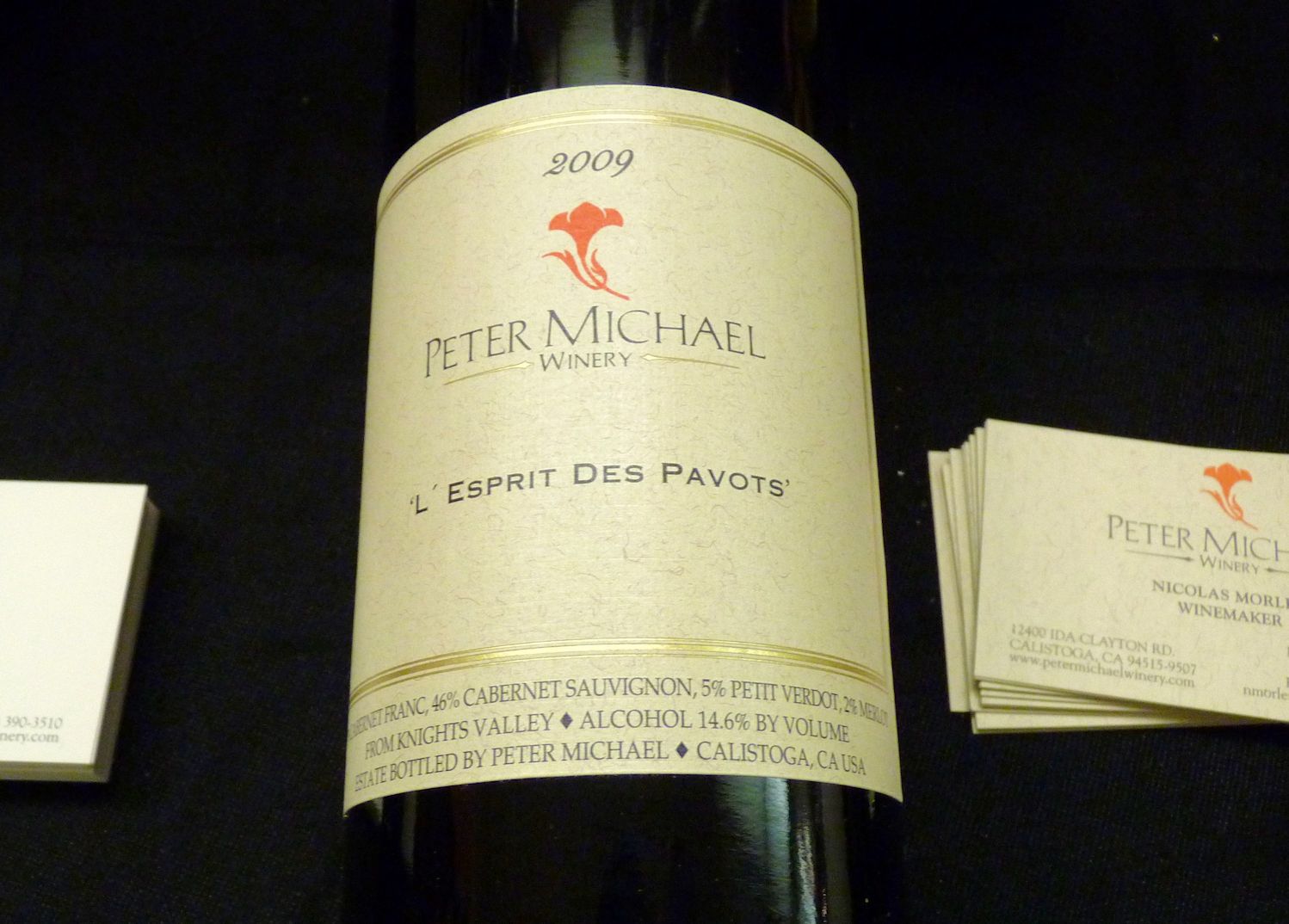
Q1: What the following wineries have in common? Chester-Kidder, Modus Operandi Cellars, Beckmen Vineyards, Mumm Napa, Peter Michael
A1: As you can see, the “politics” was the first item I mentioned. You can decide whether this was a good hint or not, but the wines of all of these wineries had being served at various times at so called State Dinners – the dinners which US President hosted at White House in honor of the dignitaries from the other countries. For more information, you can take a look here, for example.
Q2: What the following producers have in common? Pol Roger, Domaine William Fevre, Domaine de la Romanée Conti, Château Lynch-Bages, Veuve Clicquot
A2: This is also a “political” item. All of these wines had being served by the Queen Elizabeth during the dinners in honor of the different state dignitaries. Here is the link where you can read more.
Q3: What is common between the following wines/producers? Arbois Vin Jaune, Chateau d’Yquem, Romanée Conti, Château Lafite, Château Cheval Blanc, Heidsieck
A3: This is the “money” connection! The wines of these producers (with the exception of Vin Jaune, which I listed simply as a wine), had being sold at the different wine auctions at astonishing amounts of money. Just to give you some numbers, 1774 Arbois Vin Jaune was sold at the auction for about $74,000; 1787 Chateau d’Yquem for $100,000; 1907 Heidsieck for $275,000. Here you can find more information on most expensive wines in the world.
Q4: What the following grapes have in common? Sagrantino, Tannat, Bonarda/Charbono, Norton, Vranac
A4: This might be the most obscure of all. The connection is “power”, but this can be somewhat misleading, as this is my own way of classifying these grapes as “power” grapes. All of the grapes mentioned here are known for their typically very thick, often black, skin and very pronounced tannins in the wine. They also known (according to the various research) to deliver substantial medical benefits due to the very high concentration of phenols and anthocyanins.
Q5: This one you can consider a bonus question, as it is almost personal. What is common between DRC, Petrus, Screaming Eagle, Quintarelli and Pingus?
A5: Did I mentioned the “dream” and “personal”? Yes, this is my personal [shortened] dream list of the wines I would love to taste rather sooner than later. You can find the full dream list here.
When it comes to the results I’m somewhat disappointed – nobody even tried to answer! Yes, I know, the quiz came out rather difficult, but I was still hoping at least someone would try to answer at least a few questions. Didn’t happen. Well, I hope that participation in the next quiz will be better.
Now, to the interesting stuff around the vine and the web!
Let’s start with some numbers. Wines &Vines Analytics compiled special report regarding the 20 best selling luxury wine brands (bottle prices at $20 and up) in the United States. Turns out that the best selling luxury wine #1 is… Santa Margherita Pinot Grigio, with more than 147,000 cases sold for more than $36M! The very next wine #2, Decoy by Duckhorn is sold at nearly half of both volume (about 86,000 cases) and total revenues of about $20M. I think this is an interesting data you can ponder at. One question I would have for you – how many of those top selling wines do you have at any given moment in your cellar? I personally only have a few bottles of Jourdan, so I guess my answer would be 1 out of 20. Here is the link for you to explore all the data on your own.
Now, a question for you. How much are you willing to pay for the bottle of Rosé? Okay, it is not your average Rosé, it is made by Sine Qua Non iconic winery from California, but then it is 1995 vintage, might be a bit past prime… So are you willing to pay at least $37,20o? Well, yes, I know, me too – but someone did. This was the highest bid price for this wine at the WineBid auction. You can read more about it in the Alder Yarrow’s rant in his Vinography blog.
Last but not least for today, I want to bring to your attention my latest discovery of the source of value wines – the web site called Last Call Wines. Their model is very similar to the Wine Til Sold Out – new wines are announced all the time, and there is a minimum number of bottles (I only saw 4 or less) which you need to order in order to receive a free shipping. But – they have a very nice feature on their site, which is called “past wines”. Where WTSO simply tells you about the wines you already missed, Last Call Wines actually allows you to combine your bottles from the current and past offerings in order to get to the minimum required number. Of course you can do it until the past wine is actually sold out – but you also know the available inventory for all the past and current offerings. I like this feature very much and took an advantage of it a few times. Go ahead and sign up for the Last Call Wines mailing list – and yes, you can thank me later.
And we are done here. The glass is empty – but the refill is on its way! Cheers!
Wednesday’s Meritage – Wine Quiz Answer, #VerdejoDay Tomorrow, French Laundry Story, Generous Pour Is Back!, Of Clones and Varietals, and more
 Meritage time!
Let’s start with the answer to the wine quiz #105, Grape Trivia – Blends, Part 9.
For the long time, the grape trivia series was focused on the single grapes. But now we are stirring things up, so all the questions in the quiz are about blends (well, even if it is a blend of one ), as most of the wines in the world are actually blends. As usual, there were 5 questions in the quiz.
Here are the questions, now with the answers:
Q1: Amarone, a powerful dry Italian wine, made out of the sun-dried grapes (appassimento), was actually a result of the accident (complete fermentation of all the sugar) during the process of making of the sweet wine in the same region. This sweet wine is still produced today, albeit in the very small quantities – but it used to be quite famous hundreds of years ago. Can you name this sweet wine?
A1: Recioto della Valpolicella. Recioto della Valpolicella, sweet wine from Valpolicella, was very well known and well recognized way before Amarone was discovered for the first time. While production of Recioto dramatically decreased over the last few decades, currently Recioto is in the revival and it is drawing more interest, both among producers and consumers.
Q2: These two red sweet wines are primarily made out of all three types of Grenache grapes – Noir, Gris and Blanc, but one of them also allows the use of Carignan grape. Can you name these two wines (I’m looking for the name of appellations, not particular producers) and also specify which one of the two allows the use of Carignan?
A2: As it almost became a tradition for me with this Blend series, here is yet another question where I goofed up. Yes, the sweet wines of Banyuls in France are made predominantly from Grenache grapes – Noir, Gris and Blanc, and Carignan is also an allowed grape in Banyuls. But then there are more than one appellation which uses all three Grenache grape types in production of the sweet wines – Riversaltes ( this was my intended answer), Maury and Rasteau would all fit the bill here. Anyway, I keep learning, and anyone who answered “Banyuls” is getting a point here.
Q3: This rare red dessert wine is made out of Nebbiolo grapes, and one of its characteristics is incredible aromatics. Can you name this wine?
A3: Barolo Chinato. This wine is made as Barolo, from the Nebbiolo grapes, but with the addition of aromatic herbs – it is a pure symphony in the glass.
Q4: This sweet wine, while typically made from the single grape variety, might claim the prize of “ultimate blend”, as it represents a blend of wines of many different ages, potentially tracing hundreds years of history in some of the bottling. Can you name this wine and explain about “hundred years of history”?
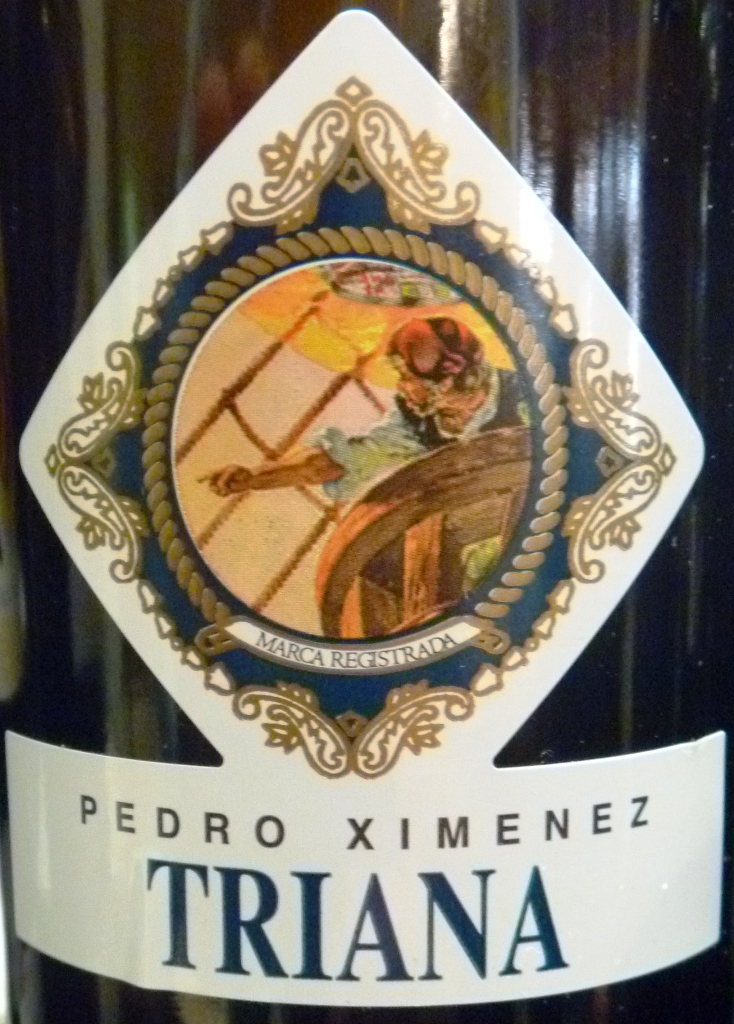
A4: Sweet Sherry, a.k.a Jerez, is typically made out of grape called Pedro Ximenez, and it is aged using so called Solera method – portion of the wine from the old (or oldest) barrel is bottled, and then the barrel is topped off with the younger wine. The barrel is never fully emptied and never cleaned, which means that even in the trace amount, but the very old wine is still present in the bottles, potentially going back to the year when the winery was built (and some of them are 250 years old…).
Q5: This delicious dessert white wine is made by the famed red wine producer in Napa Valley. The wine is made from the single white grape variety, estate grown in Napa Valley, which is of German/Austrian origin (and it is NOT Riesling). Name the grape, the wine and the producer.
A5: Silly me, I thought this would be a difficult question – nope : ). As many of you correctly answered, this dessert wine, called Eisrebe, is made by Joseph Phelps (the producer of famous red California wine called Insignia), from the grape called Scheurebe. A very delicious wine – try it if you will get a chance.
When it comes to the results, again – good participation and we have winners! Gene Castellino (no blog) and vinoinlove both correctly answered all 5 questions, thus they become the winners of this round and get the coveted prize of unlimited bragging rights! I want also to acknowledge Jennifer Lewis (no web site) who correctly answered 4 questions out of 5. Well done all!
Now, to the interesting stuff around the vine and the web!
Let me start from the bad news – for the second year in the row, Bordeaux vineyards experienced the hail storm, torrential rains and almost hurricane-strength winds. The areas around Médoc had been hit the most. I think we are [again] looking at a dim prospects of the 2014 vintage in Bordeaux… For more information (and the picture of hail, quite impressive) please click here.
And now, on a more positive side…. Tomorrow, June 12th, don’t forget to celebrate #VerdejoDay! As I understood from the comments to my post about upcoming #VerdejoDay festivities, Verdejo wines are not that unfamiliar to many of the wine lovers, so I’m sure you will have no problems either to join the festivities in person or at least find a bottle of Verdejo and have fun! I plan to be at the celebration in New York at Tavern 29, so if you will be there, please let me know – will be glad to meet and raise the glass together!
One of the most fascinating restaurants for me in US is French Laundry, located in Yountville, in the heart of Napa Valley. I never visited it, but I read a lot about the restaurant and its star chef, Thomas Keller. As with most of the other success stories, there is not much magic or luck in Thomas Keller’s success- it is only a lot of hard work and perseverance. The reason I’m talking about Thomas Keller is that I just came across a very interesting article about his recipe for success – you can read it for yourself here. And I really hope one day to write a blog post not just about success of the French Laundry, but about an actual dining experience there.
Wine [and steak] lovers, rejoice! The Capital Grille just announced a comeback of their Generous Pour program for the summer of 2014. Starting July 7th, 7 wines from California and Oregon, hand selected by The Capital Grille’s Master Sommelier George Miliotes, will be offered at The Capital Grille locations for $25. I always take advantage of this program, and I can’t recommend it higher to anyone who wants to have a great wine experience with their food.
Last but not least for today, I want to turn (again) to Matt Kramer, the columnist for the Wine Spectator. Matt Kramer recently wrote an excellent series about wines of Portugal, but I just want to bring to your attention one article from that series, where he is talking about the need for the mix of grape varietals in one vineyard, almost a field blend, either clonal or the real varietal, to produce great wines. This might be a very controversial positioning – but read the article for yourself and, of course, feel free to comment.
And we are done here. The glass is empty – but the refill is on its way! Cheers!
Wednesday’s Meritage – Wine Quiz Answer, 21 Things You Probably Didn’t Know About In-N-Out, Another Wine Crisis in Numbers, Coravin Ouch
 Meritage time!
Let’s start with the answer to the wine quiz #104, Grape Trivia – Blends, Part 8.
For the long time, the grape trivia series was focused on the single grapes. But now we are stirring things up, so all the questions in the quiz are about blends (well, even if it is a blend of one ), as most of the wines in the world are actually blends. As usual, there are 5 questions in the quiz.
Here are the questions, now with the answers:
Q1: Some of the most expensive (on release, not at the auction) white wines in the world are made from one and the same grape. Can you name that grape?
A1: Chardonnay! When it comes to the white wines, they don’t get any more expensive that DRC Montrachet (about $4,000 on release), which is made out of 100% Chardonnay grape.
Q2: I’m sure you know Spanish red wines, but how well do you know Spanish white wines, which are equally delicious and exciting? Try to pair the white grapes below with the regions you think they best represent:
| a. Albariño | 1. Rioja |
| b. Hondurrabi Zuri | 2. Penedes |
| c. Verdejo | 3. Rias Baixas |
| d. Viura | 4. Txakoli de Bizkaia |
| e. Xarel-lo | 5. Rueda |
A2: A3, B4, C5, D1 and E2 are the correct combinations.
Q3: What is common between Seven Daughters White, Middle Sister Wicked White and Pancake Cellars Big Day White? Don’t dig too dip on this question, I’m only looking for a simple answer.
A3: If we look at all 3 wines, they are all represent blends of large number of different white grapes. Seven Daughters White: Pinot Gris, Orange Muscat, Symphony, Riesling, Gewurztraminer, Sauvignon Blanc, Chardonnay. Middle Sister Wicked White: 36% Chardonnay, 32% Chenin Blanc, 21% Gewurztraminer, 11% Other White. Pancake Big Day White: 37% Chardonnay, 23% Sauvignon Blanc, 15% Viognier, 15% Pinot Blanc, 10% Muscat Canelli. So the answer is that all three wines are the blends of large number of white grapes, and all three have Chardonnay as part of the blend.
Q4: When it comes to the white wines, this country is best known for its Riesling, Chardonnay and Semillon wines. If we will replace Semillon with Sauvignon Blanc, we will move to another country with these grapes being the best known trio. From which country to which country we are traveling here?
A4: Semillon makes wonderful, long aging wines in Hunter Valley in Australia, and New Zealand Sauvignon Blanc is an absolute staple, well known all around the world, so the answer is that we are traveling from Australia to New Zealand.
Q5: As you [most likely] know, the soccer (which is known as football for all living outside of US) World Cup will open up in less that 2 weeks in Brazil. This famous producer made a special version of its very well known blended wine just for the sparkling festivities of the great game celebration. Can you name this famous producer?
A5: This happened to be a culprit question, despite the fact that I did my best to give you hints, by using the words “famous producer” and “sparkling festivities”. Also the whole quiz was designated as white blend quiz. Nevertheless, everybody answered this question the same – Lidio Carraro. With my utmost respect to Lidio Carraro, I never heard of that producer before, and I don’t believe it makes any of the wines which we can call a “very well known blended wine”. So the right answer is… Tattinger! The famous French producer of Champagne (famous, blended, and sparking) produced a special NV Tattinger Brut Réserve FIFA World Cup Brazil 2014 Edition Cuveé to commemorate the World Cup competition.
When it comes to the results, we had a great participation in the quiz, but didn’t have a winner. I still would like to acknowledge Gene Castellino (no web site), vinoinlove and the drunken cyclist who all correctly answered 4 questions out of 5. Well done!
Now, to the interesting stuff around the vine and the web!
I have to honestly admit – I’m not a fan of the fast food joints. However, I have one exception, one technically a fast food place, which I’m happy to visit every time I have a slightest opportunity – In-N-Out Burger. This is a chain of the fast food restaurants, located mostly in California and [very] slowly expanding to the other states, where in general you can only see 3 items on the menu – burger, double burger ( called double-double) and cheeseburger. But their food is so fresh and so delicious, I’m ready to eat it at any time. I also know that In-N-Out Burger has secret menu, with the items like “animal style” – a special sauce with fried onions which can be put either on French fries or on the burger itself. But – I had no idea that you can actually order 7 different types of French fries, or that In-N-Out has its own academy (!) where employees get their training. My friend Pablo sent me a link to an excellent post, where you can read 21 lesser known facts about In-N-Out Burger – here is the link where you can find the post and get to know In-N-Out a bit better.
While looking for the interesting information to share with you, I came across a post on ABC News web site, which was talking about latest case of counterfeit wines in Italy. I found it a bit boring and not worthy of sharing here. However, one little item attracted my attention – it stated that it is considered that about 20% of the wine in the world is counterfeit. I ignored that statement, and then I came across the post on W. Blake Gray web site, where he was analyzing and explaining the absurdity of that 20% number – to reach the level of 20% of the world-wide wine production to be counterfeit, it would require for the counterfeit wines to be produced in the quantity bigger that the total yearly wine production of France – I really don’t see how that would be possible, unless you plan to make all your counterfeit wine out of the coca-cola powder. For more details of the analysis, please take a look at the original blog post.
And the last one for today. I would assume you heard about Coravin – the device (a wine preservation system, to be precise) which allows to extract the wine from the closed bottle and replace it with the inert gas. Using Coravin, you can technically extend the drinking of your prized bottles for the long time, being able to drink the wine one glass at a time. It turns out that in some cases, while using Coravin device, the bottles can blow up, causing the laceration and, obviously, loss of the prized wine. As reported by Dr. Vino, Coravin found the situation to be bad enough to stop all the sales of the device at the moment. For more information and to read the exact Coravin letter to the owners of the devices, please take a look here at Dr. Vino’s blog.
And we are done here. The glass is empty – but the refill is on its way! Cheers!
Wednesday’s Meritage – Photo Quiz Answer, What to Drink In Casual Restaurant, Cost of Everyday Wine, Restaurant Wine List 101
Meritage time!
Last Saturday, instead of a traditional wine quiz, we had rather a photo quiz – I came back from San Diego, and asked if you can figure out what was pictured here:
 Of course the question seems easy when you actually know what it is, but in reality – probably not so much. Two people came very very close to the right answer – mimi suggested that this is a picture of the ship, and vinoinlove offered a “San Diego Harbor” as his guess. What you see in this picture is a reflection of the boats in the San Diego harbor. The picture is “undoctored”, no photoshop or anything, it is just the reflection of the boats standing in the dock. Here is the picture where you will see both the boats and the reflection – it attracted my attention first, and then I realized that the reflection would make it into a perfect picture on its own:

Boats on the Marina, San Diego
As this was still a quiz, I would like to declare both mimi and vinoinlove as winners! Great job!
Here are few more pictures from the San Diego trip which I hope you will enjoy:
Now, to the interesting stuff around the vine and the web!
Let’s start with an interesting analysis of the wine selection at the casual restaurants. When you go to the places like Olive Garden, Ruby Tuesday or Red Lobster, wine is probably not on top of your mind. However, all of those restaurants offer the wine lists, and W. Blake Gray took upon himself to analyze them by using the information available on the restaurant web sites, to see what is good, what is bad, what makes sense and what doesn’t. I don’t want to spoil it for you, but it is interesting to see that Chateau Ste. Michelle Riesling is one of the best common white wines among 4 different wine lists analyzed. I think this is an interesting read, so for all the details I suggest that you will take a look at the post here.
If you remember, last week I brought to your attention an interesting analysis of the prices of the wine which people would consider to be acceptable for the everyday wines. The post had a survey in it, which by now concluded, and based on the results of that survey the most popular price range for the everyday wines is … $5 to $12! This is how I voted, and this is exactly what I expected – but for more details and the analysis of the voting results, please visit the original blog post here.
Last for today, continuing the subject of restaurant wine lists, here is an excellent in-depth discussion of the restaurant wine lists done by one of my all time most favorite wine writers, Matt Kramer. Matt provides rationale for the wine lists to be composed the way they are, and also makes a suggestion on how you can navigate any wine list to find what you want to drink at the price you will be willing to pay. Definitely worth your attention, if you ask me.
And we are done here. The glass is empty – but the refill is on its way! Cheers!
Wednesday’s Meritage – Wine Quiz Answer, Cost of Everyday Wine, National Chardonnay Day, What the MS Do?
 Meritage time!
Let’s start with the answer to the wine quiz #103, Grape Trivia – Blends, Part 3.
For the long time, the grape trivia series was focused on the single grapes. But now we are stirring things up, so all the questions in the quiz are about blends (well, even if it is a blend of one ), as most of the wines in the world are actually blends. This quiz’s focus was on the red grape blends, and as usual, it consisted of 5 questions.
Here are the questions, now with the answers:
Q1: As you know, Merlot is one of the Bordeaux stars. Below are some of the best Merlot wines Bordeaux can produce, but only some of them are made from 100% Merlot. Do you know what wines are those?
a. Château Le Pin, b. Château Petrus, c. Château Hossana, d. Château Certan Marzelle
A1: It really wasn’t a tricky question – I believe if you carefully read the question itself, it should be clear that more than one answer is possible. Another reason that this was not a tricky question is that two Châteaux from that list of four are growing only Merlot grapes thus they never produce a blended wine. So the correct answer is a and d – both Château Le Pin and Château Certan Marzelle grow only Merlot grapes thus their wines are always made out of 100% Merlot.
Q2: What is common between the following 3 Bordeaux producers: Château Trotte Vieille, Château Belle Assise, Château Le Bel
A2: While very unique and different for Bordeaux, all three of these Châteaux produce wines made from 100% Cabernet Franc grapes.
Q3: Wine lovers around the world are well familiar with so called GSM wines and their great range of expression, coming from Rhone valley in France, Australia, US and may other places. If we are to replace the Syrah in GSM blend with the Cinsault, which will produce powerful, dense, concentrated, long living red wines, where do you think such a wine most likely will come from? You need to name not just the country, but the exact region in order to get a full point here.
A3: Bandol! Mourvèdre grape is the star in Bandol, with Grenache and Cinsault often added to the blend, thus we can say that the abbreviation for the Bandol blend should’ve been MGC.
Q4: Sangiovese is a star grape of Italy, used in many regions and producing great range of wines. Montepulciano is another well known red Italian grape, most often associated with juicy, delicious and versatile wines made in the region of Abruzzo. If the wine is made as a blend of Montelpuciano and Sangiovese, often in 50/50 proportions (doesn’t have to be always 50/50), can you name the region where these wines would most likely come from?
A4: Rosso Piceno is the red wine from the Region Marche which is often made out of the 50/50 blend of Montepulciano and Sangiovese.
Q5: Below is the [partial] list of grapes which I personally call “Power Grapes” (I’m contemplating the blog post under the same name for a while). When used on their own (at a 100%, no blending), these typically black-skinned grapes produce powerful, dense, extremely concentrated wines, often with gripping tannins. For each grape below, can you identify the region(s) and the country(ies) making best known wines from those grapes? You don’t have to name all countries and the regions, one per grape is enough:
A5:
a. Alicante Bouschet – Alentejo in Portugal, Valencia in Spain
b. Sagrantino – Sagrantino is the unique grape in Montefalco DOCG in Umbria, Italy.
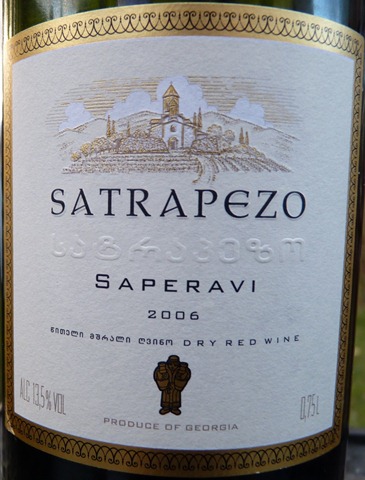
c. Saperavi – Georgia. Actually Saperavi has a wide range of expression, but it is very much capable of producing extremely dense and concentrated wines.
d. Tannat – Madiran in France and Uruguay
e. Vranec (or Vranac) – Macedonia and number of other Balkan countries.
When it comes to the results, all the respondents voiced their concern with the level of difficulty of the quiz. It was definitely unintentional, but I still can’t promise that “I wouldn’t do it again”. Anyway, the Wayward Wine came the closest to the winning with 4 correct answers out of 5, and I would like to acknowledge both asueba and vinoinlove for their great effort. Well done everyone!
Now, to the interesting stuff around the vine and the web!
First, I want to bring to your attention an interesting post and the poll at the Wine Curmudgeon blog, pondering at [almost] an eternal question – how much the everyday wine should cost? Yes, of course it all depends, but assuming that you drink wine as it gives you pleasure, what do you find to be a reasonable price of the bottle of wine? In this post, you will find both an analysis and the poll to share your opinion. The poll will be closed on May 22 and the results will be published on May 24th, so make sure to have your say before.
What kind of wine to you plan to open on Friday, May 23rd? Well, you can open any wine, with one condition – it have to be the Chardonnay! On Friday, May 23rd, we will be celebrating the National Chardonnay Day, so it is obvious that Chardonnay for Friday is in order. California, Virginia, Washington, New York, Chile, New Zealand or Burgundy – you got plenty of choice and no excuses not the celebrate the noble white grape.
[Updated after the original post date] It appears that it is Thursday, May 22nd that is an actual date for 5th Annual #ChardonnayDay celebration. As explained by Rick Backas, who started the celebration, the #ChardonnayDay is always celebrated on the last Thursday before the Memorial Day holiday in US, which this year is on the May 26th, thus #ChardonnayDay falls on the 22nd. My take? You get to drink Chardonnay for two days now. Yay!
Last for today, an interesting article by W. Blake Gray, conversing on the subject of the MS and what they do. As you can guess, considering that this is the wine blog, MS stands for Master Sommelier, one of the most educated group of people in the world of wine (at the moment, there are only 214 MS in the world). The blog post analyzes how many of the Master Sommeliers actually work the floor and help people to have best possible wine experiences in the restaurant. Take a look the post, it is an interesting read – and, as usual, don’t forget to read the comments section.
And we are done here. The glass is empty – but the refill is on its way! Cheers!
Wednesday’s Meritage – Wine Quiz Answer, Fake Wine Again? Noooo, US is #1!, Douro Greatness

Krug Grand Cuvee Brut
Meritage time!
Let’s start with the answer to the wine quiz #102, Grape Trivia – Blends, Part 6.
For the long time, the grape trivia series was focused on the single grapes. But now we are stirring things up, so all the questions in the quiz are about blends (well, even if it is a blend of one ), as most of the wines in the world are actually blends. This time, the focus of the quiz was on bubbles. As usual, there were 5 questions in the quiz.
Here are the questions, now with the answers:
Q1: French sparkling wines produced outside of the Champagne region are generally called Crémant. Today, the Crémant wines are produced in most of the well known regions in France, each region imposing its own requirements on the winemaking techniques. For one of sparkling wines below, if it is identified as Crémant Blanc, it is required for at least 50% of the grapes to be Chardonnay. Do you know which wine has this requirement?
a. Crémant d’Alsace, b. Crémant de Bordeaux, c. Crémant de Bourgogne, d. Crémant du Jura
A1: d, Crémant du Jura – According to Crémant du Jura AOC requirements, Crémant du Jura Blanc should be made with the minimum of 50% Chardonnay grapes.
Q2: Among other reasons, complexity of sparkling wines comes from the extended time the fermented juice have to stay in contact with the yeast (it is also called aging on the lees). Sort the list of the sparkling wines below based on the minimum time required for the non-vintage wine to be aged on the lees, from the longest to the shortest:
a. Cava, b. Champagne, c. Franciacorta, d. Trento
A2: The right sequence is Franciacorta (18 month), Champagne and Trento (both 15 month), Cava (9 month)
Q3: Dom Pérignon, a benedictine monk, largely considered to be the father of Champagne, had a very significant impact on creation the Champagne as we know it. From the list below, what do you think was Dom Pérignon’s major claim to fame?
a. He created the Champagne bottle, b. He discovered the Méthode Champenoise, c. He created the riddling table, d. He mastered the art of blending to improve the taste of the resulting wine
A3: Most of the stuff surrounding Dom Pérignon is made for legends, but there is some level of consensus that he was the first person to perfect the art of blending, so the correct answer is d.
Q4: Below is the blend composition of the sparkling wine – can you name it?
Chardonnay, Chenin Blanc, Mauzac
A4: Blanquette de Limoux in Languedoc is using all three grapes. Technically, it can be also a Crémant de Limoux – again, I should’ve phrased the question better to avoid a possible double-answer. Still learning.
Q5: As tomorrow is the Mother’s Day in US, here is probably an open ended and debatable question, but: Who would you call the Mother of Champagne and why?
A5: As I said, this can be debatable, but my choice would be Barbe-Nicole Clicquot Ponsardin, also known as Madame Clicquot, who pioneered drier Champagne style and invented the riddling table, thus enabling commercial production of Champagne.
When it comes to the results, we had excellent participation and we have the winners! Gene Castellino (no web site), Jennifer Lewis (no web site) and Jeff the drunken cyclist all answered 5 questions correctly and thus they are the winners of this wine quiz round and get the prize of unlimited bragging rights! All of them also provided excellent, very detailed answers – very well done!
Now, to the interesting stuff around the vine and the web!
It is truly mind boggling to see the level of wine fraud increasing together with the popularity of the wine in the world. Dr. Vino has a number of latest and greatest updates to support this “mind-boggliness”. First of all, you can learn that Kurniawan’s lawyers are trying to appeal his “guilty” verdict based on the facts that he loved wine and his victims were rich! I can’t even comment any further here, the level of absurdity is more than I can tolerate. Then Dr. Vino brings up the article in Decanter magazine, where you can find out about fake Bordeaux being made on the offshore boats in China. Lastly, another very recent development involves The White Club, an exclusive $25K membership outfit centered around luxurious and … fake wine! Again, for all the mind-boggling details, here is your link.
United States in #1 wine consuming country in the world! There is a good chance that you already read this, as this urgent news update is coming through all the wine-related news outlets, but in any case, according to just published data for 2013, United States is now the #1 wine consuming country in the world, by total volume (not per capita). It is also interesting that consumption in US increased, while the wine consumption in the world was down 1.7% in 2013. I will let you read all the detailed numbers on your own – here is an article from Jancis Robinson web site, and here is the one from Wine Spectator.
While everybody know Portugal as The Port Producer in the world, I think Portugal is actually the rising star in the world of the regular, non-fortified wine. I’m glad to see that I’m not alone, as Matt Kramer, probably my favorite wine writer, shared his excitement about Douro wines in his feature column in Wine Spectator. I wouldn’t help anyone by trying to recite what Matt Ktramer wrote about the Douro wines, so I would highly recommend you will read his article on your own – it is definitely worth your time. But I would gladly accept any comments you might be willing to share on the subject – please don’t be shy.
And we are done here. The glass is empty – but the refill is on its way! Cheers!
Wednesday’s Meritage – Wine Quiz Answer, WTSO Cheapskate Marathon, #MWWC9 Vote, Algeria Wine and French AOC
 Meritage time!
Let’s start with the answer to the wine quiz #101, Grape Trivia – Blends, Part 5.
For the long time, the grape trivia series was focused on the single grapes. But now we are stirring things up, so all the questions in the quiz are about blends (well, even if it is a blend of one ), as most of the wines in the world are actually blends. As usual, there were 5 questions in the quiz.
Here are the questions, now with the answers:
Q1: White wines of this region are considered to be some of the best white wines in the world, and they are made out of the blend of Marsanne and Roussanne grapes. Do you know what region is that?
A1: Hermitage. A region in Northern Rhone, which produces magnificent, long living white wines from Marsanne and Roussanne grapes.
Q2: These wines, made out of primarily Grenache and Cinsault, sometimes with the addition of Syrah and Mourvedre, can be only made as Rosé. Can you name these wines?
A2: Tavel. Of course when thinking about classic Rosé, Provence probably comes to mind first. But Provence allows production of not only Rosé, but also of both white and red wines. Tavel, on the other hand, while much lesser known to the majority of the wine-consuming public, is one of the oldest AOCs and solely dedicated to the production of only Rosé wines (no other wines are allowed).
Q3: Can you continue this sequence? Explain your answer:
Amarone, Vin de Paille, Vin Santo, ?
A3: This was somewhat of a difficult question. The point of the matter is that all the wines mentioned are made out of grapes which are dried out after the harvest, for at least 3-4 month. So the next wine which can be added here is Valtellina Sfursat, which is a dry wine from Norther Italy, made out of Nebbiolo grape which is dried out before pressing for at least 3-4 month.
Q4: This famous Spanish wine is always made out of the Monastrell and Cabernet Sauvignon grapes. The primary wine typically has 70% Cabernet Sauvignon and 30% Monastrell, and the second label has the blend proportions reversed. Can you name both wines?
A4: El Nido and Clio. El Nido ifs the flagship wine of Bodegas El Nido in Jumilla, which is traditionally made with 70% Cabernet Sauvignon and 30% Monastrell. The second wine from Bodegas El Nido, Clio, is made out of 70% Monastrell and 30% Cabernet Sauvignon.
Q5: What is common between Château d’Yquem and Vega-Sicilia, outside of the fact that both make some of the world’s most famous wines?
A5: Both wineries only produce their flagship wines (Chateau d’Yquem and Vega-Sicilia Unico) in the best years – both have a number of years when the top wines were simply not produced.
When it comes to the results, the participation was a bit less than a few last times. Nobody was able all five questions correctly, so we don’t have a winner. Oh well, there is always the next time…
Now, to the interesting stuff around the vine and the web!
Only a few weeks ago, WTSO glued thousands of people to their computer screens for the day with the Magnum Marathon activities. And now they are doing it again. Tuesday, May 13th, starting at 6 AM Eastern, new wines will be offered at the $7.99 to $18.99 range, every 15 minutes or sooner if the previous wine will sold out. All the new wines will be announced only on Twitter. Free some space in your cellar and make sure your credit card has some spending room too. Happy [value wine] Hunting!
The Monthly Wine Writing Challenge #9 has concluded, and now it is the time to vote. The theme of the challenge was “Fear”, so you can find 25 fearless entries at this link. Once you done reading them, you can vote here. The voting is open from now until Monday, May 12th. The winner will be announced on May 13th.
Ever had or even heard of Algerian wine? Me too. But it turns out that only 50 years ago, Algeria was the … number one exporter of the wine in the world! Just to give you an idea for how well they were doing, Algeria was exporting twice (!) as much as France, Italy and Spain combined! While this was quite unexpected to me, it was still not the most interesting fact related to the Algerian wine industry. What is even more fascinating in my mind, that the French AOC system was largely created to protect the wine consumers in France and around the world from the flood of French-associated wine, which was actually not made in France. I don’t want to recite the whole article, so here are the sources for you where you can learn more. The original article appeared in the Journal of Wine Economics, and then W. Blake Gray provided an excellent “Cliff notes” narration for the same where you can learn all the basic facts – both definitely worth your time.
And we are done here. The glass is empty – but the refill is on its way! Cheers!
Last Bottle Sign Up ($10 credit)




 Talk-A-Vino