Archive
A Few Days in Paris – 2025 Edition
 We generally have an opportunity to plan our lives.
By this, I mean deciding that we want to visit a place or a country. And sometimes, our travel is planned for us when we need to travel for work. And then, occasionally, we get a lucky break – for example, when your work travel takes you to Paris.
I’m typing this on the plane, coming back after spending a week in Paris – yes, for work. And I will not lie to you – I enjoyed the experience. As you know, when I travel, I take lots of pictures. And then I love sharing those pictures – and this is exactly my plan for this post.
We were in Paris last May, when the city was getting ready to host the Summer Olympics 2024. Coming back a year later, at the end of October, and outside of the busy tourist season worked rather well.
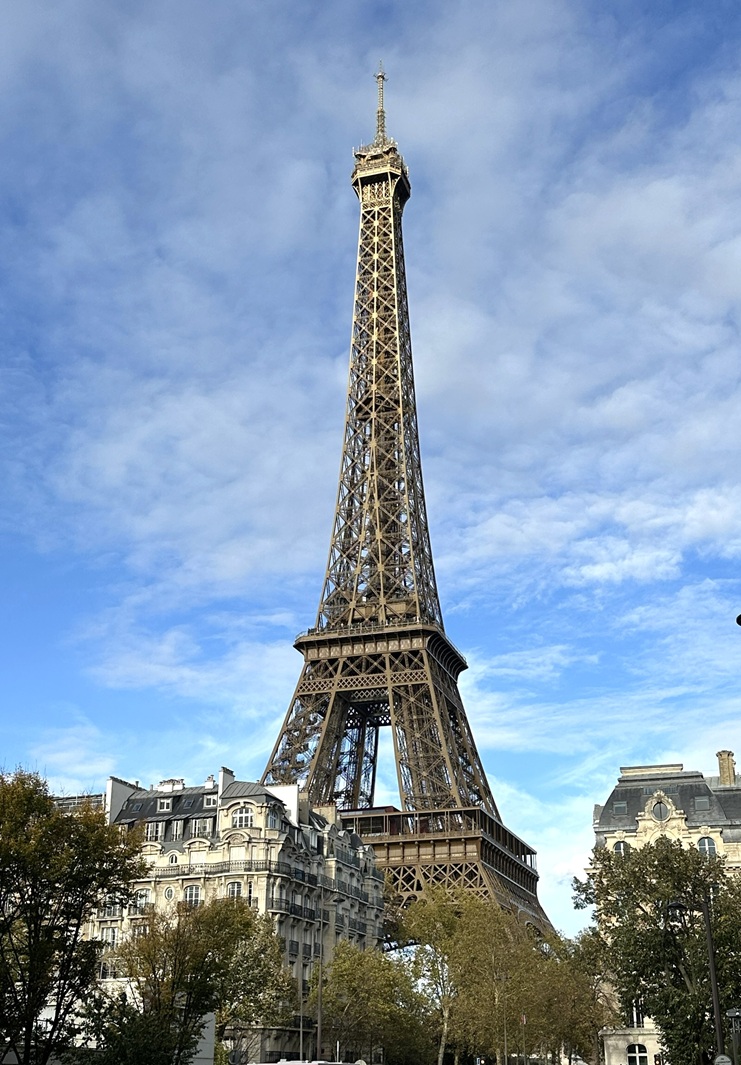
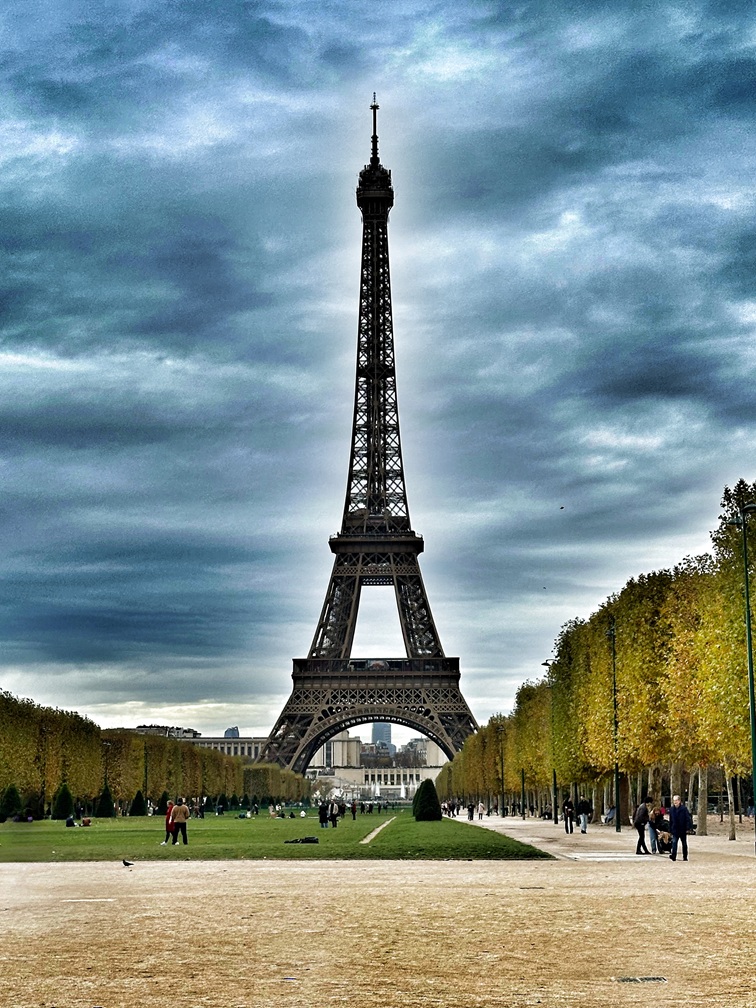
I stayed at the hotel located within a 5-minute walk from the Eiffel Tower, thus I had an opportunity to take pictures during the day, during the night, from 100 meters away, and even from underneath the tower. And now, I can share them with you.


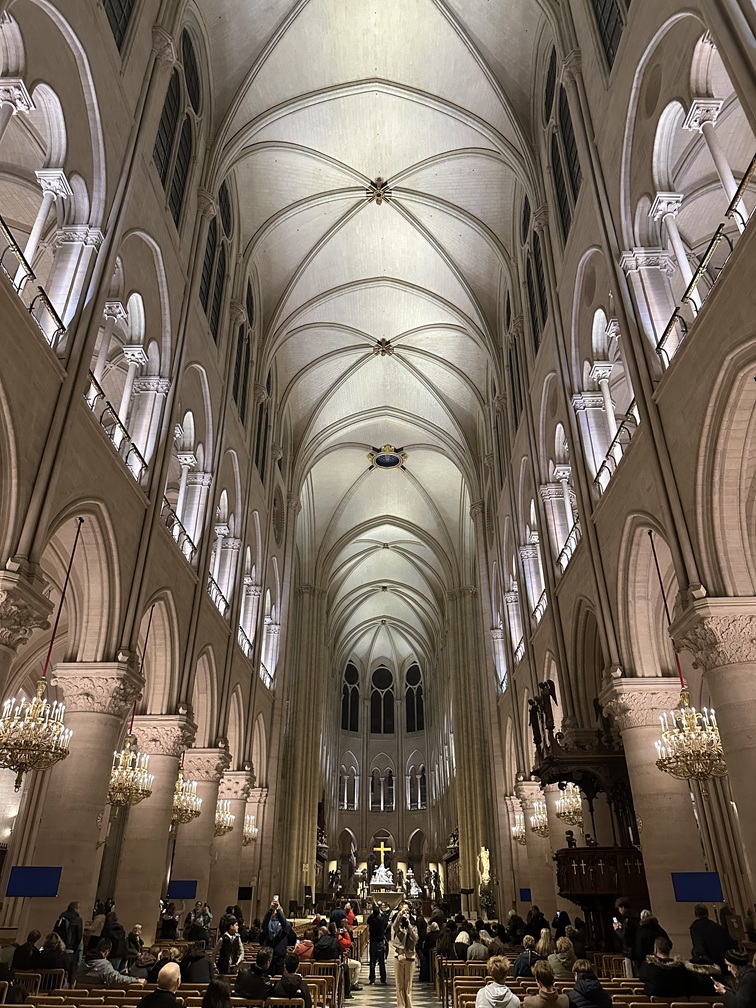
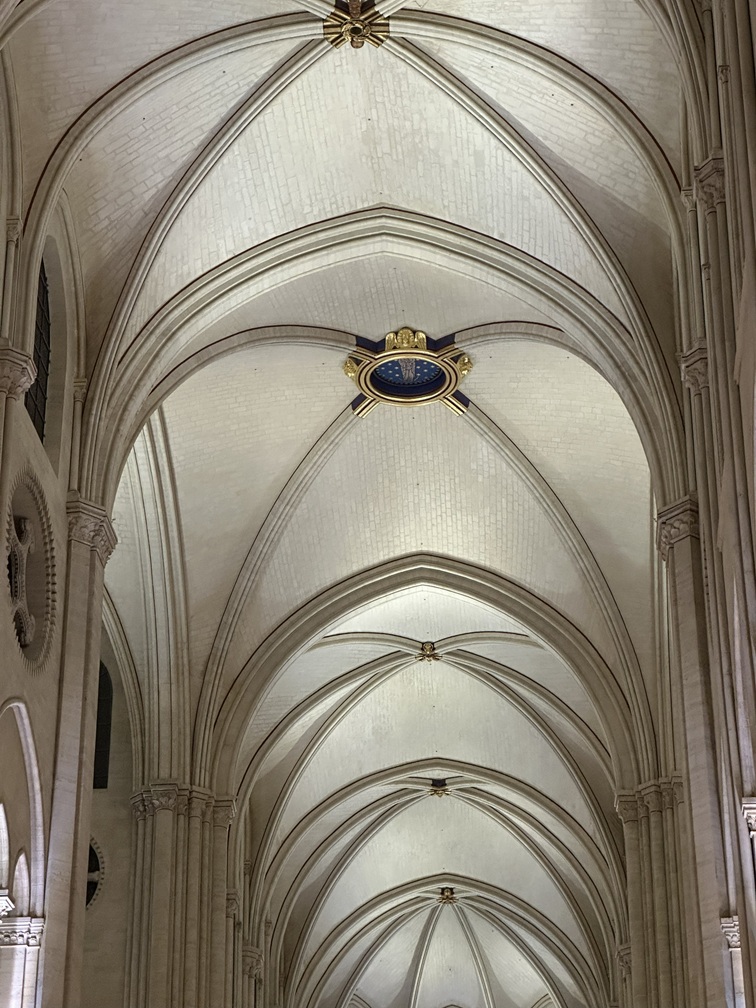
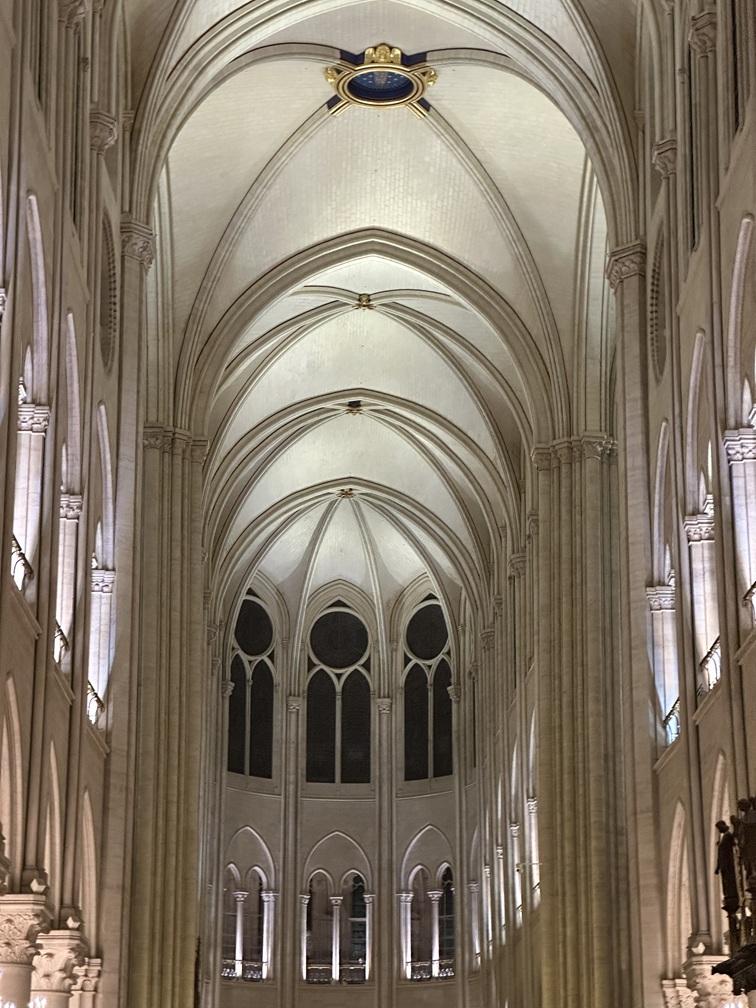
One of the experiences we missed last May was visiting Notre Dame. It was just reopening after the restoration, and we didn’t have a chance to see it. I was very lucky as we managed to see her in all of her renewed beauty.
Let me explain the “lucky” notion here. We initially planned to visit Notre Dame on Wednesday night. It was raining on Wednesday, so we decided to wait until the next day. Then, we got a recommendation to reserve our visit time online – the admission is free, but if you have timed tickets, your wait should be minimal as opposed to the live queue. When I tried to reserve tickets for the time in the evening (our work was ending at 6 pm), all the tickets were sold out for Thursday and Friday, the only two days when we could visit. So we decided to visit on Thursday night, which also appeared to be the only day of the week when Notre Dame is open until 10 pm!
When we arrived, close to 8 pm, there was literally no line, so we were able to go in and fully experience the beauty of Notre Dame.


We also wandered by the Musée d’Orsay after dinner. It was too late to enter the museum, but at least we snapped a few pictures of the hippo:


At last, a few words about food and wine.
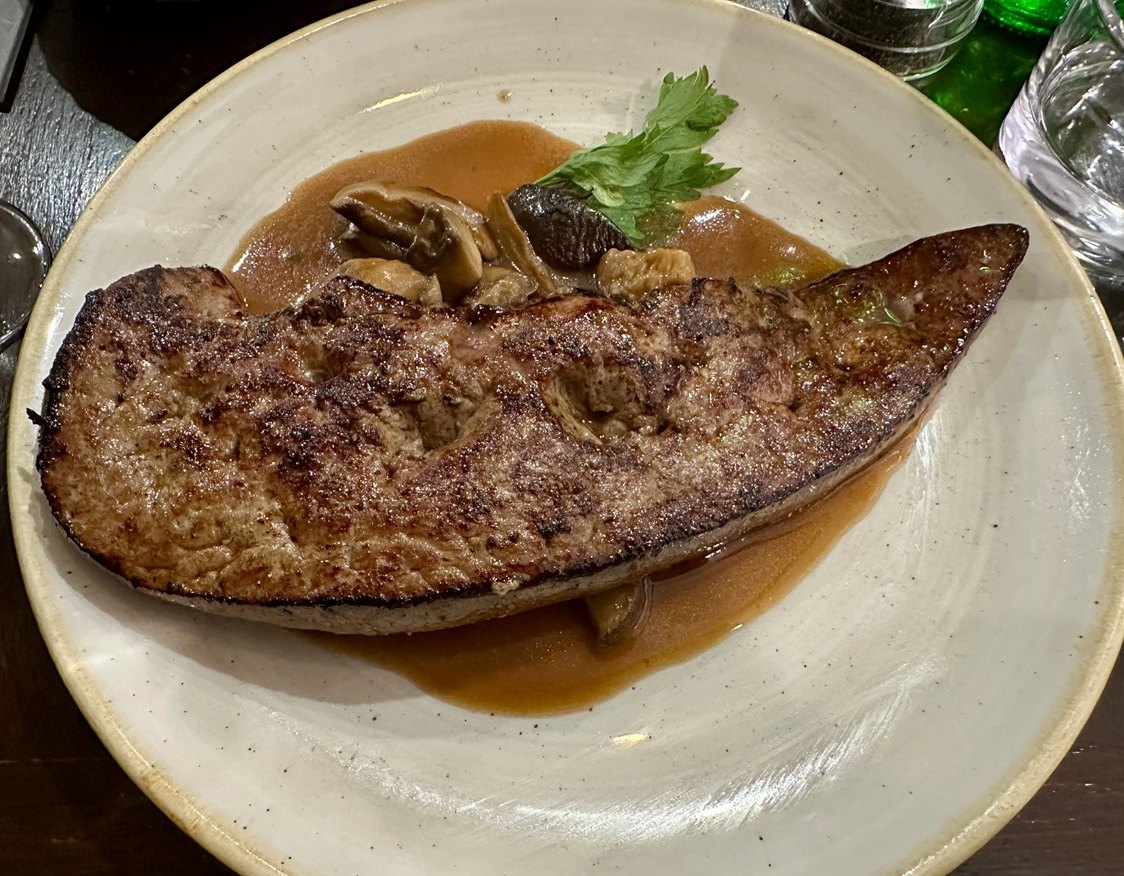
Talking about food experiences, it was my first time trying frog legs! I must say that I liked them. I usually hear a reference to “tastes like chicken,” but to me, they most resembled fish, such as trout, and not chicken. Also in the highlights were Beef Bourgogne (great flavor), oxtail terrine (very tasty), and veal liver with wild mushrooms (perfectly done, not something you can easily find in a restaurant in the U.S.). From the food let-downs, I want to mention steak tartar premixed with … wait for it… ketchup (sigh). You couldn’t taste anything except ketchup in that dish…
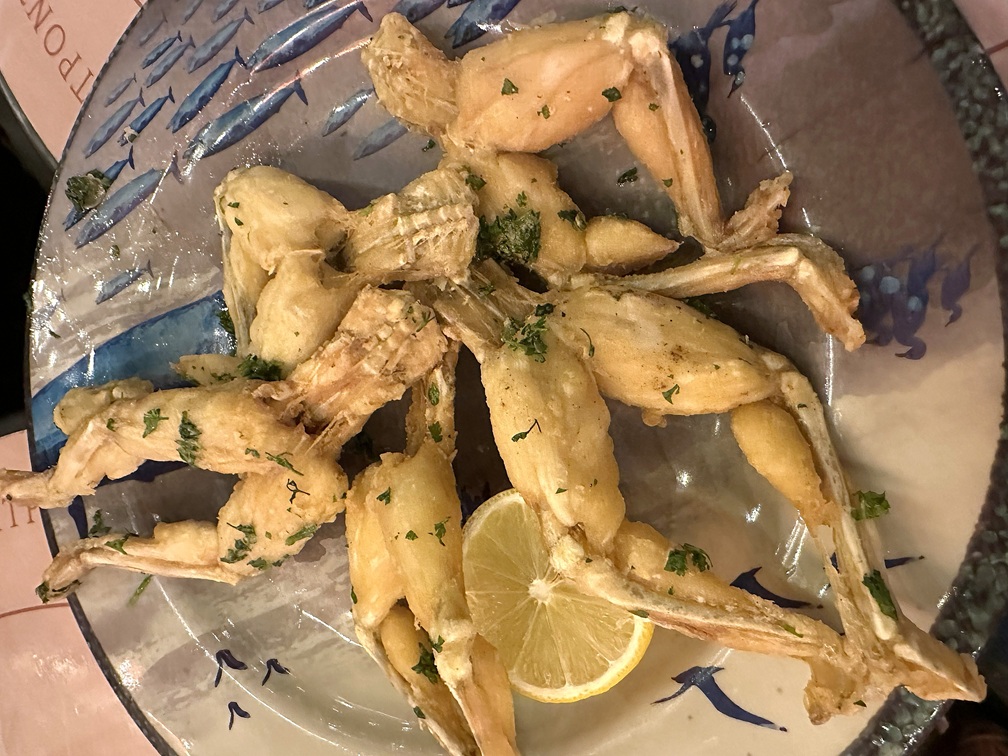
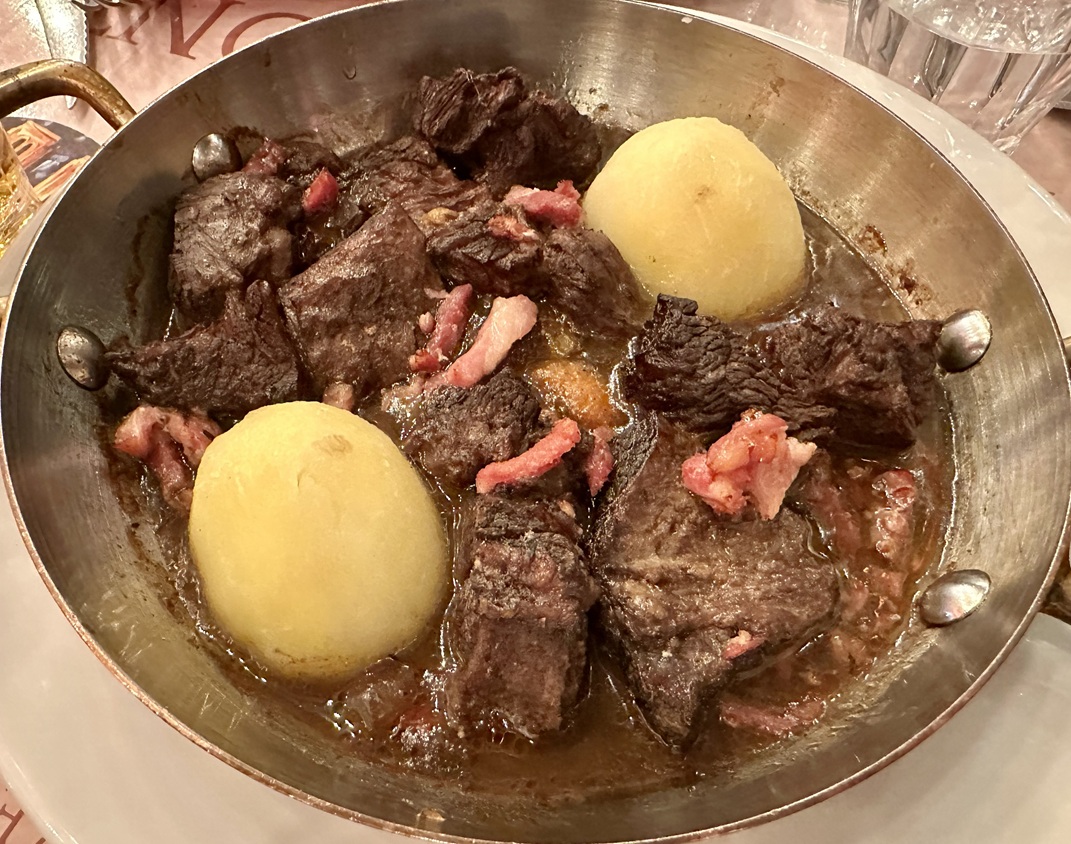
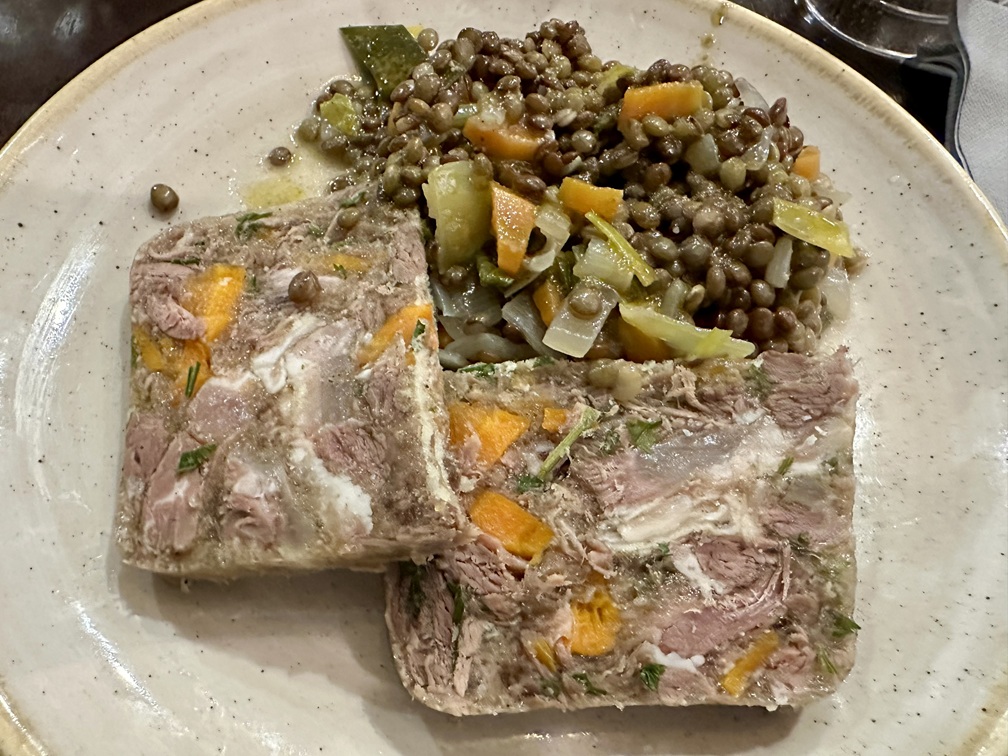
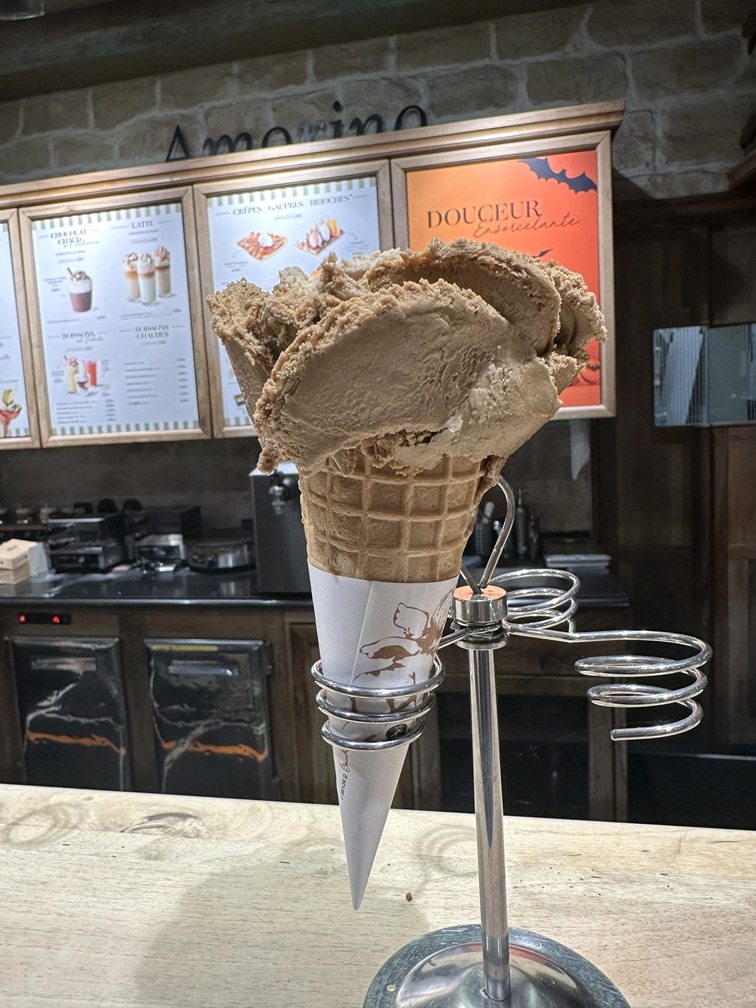
And then I found a perfect delicious gelato…


Now, the wines.
As always, I started by visiting the store. I picked a bottle of 2022 Club des Sommeliers Saumur-Champigny AOC (13.5% ABV), a perfect opportunity to taste the beloved Cabernet Franc. I understand that this is a supermarket brand, and on the first day, the wine had no resemblance to the classic Loire Cab Franc (no cassis, no bell pepper whatsoever). On the second day, the wine improved, offering at least some hints of the classic flavors.
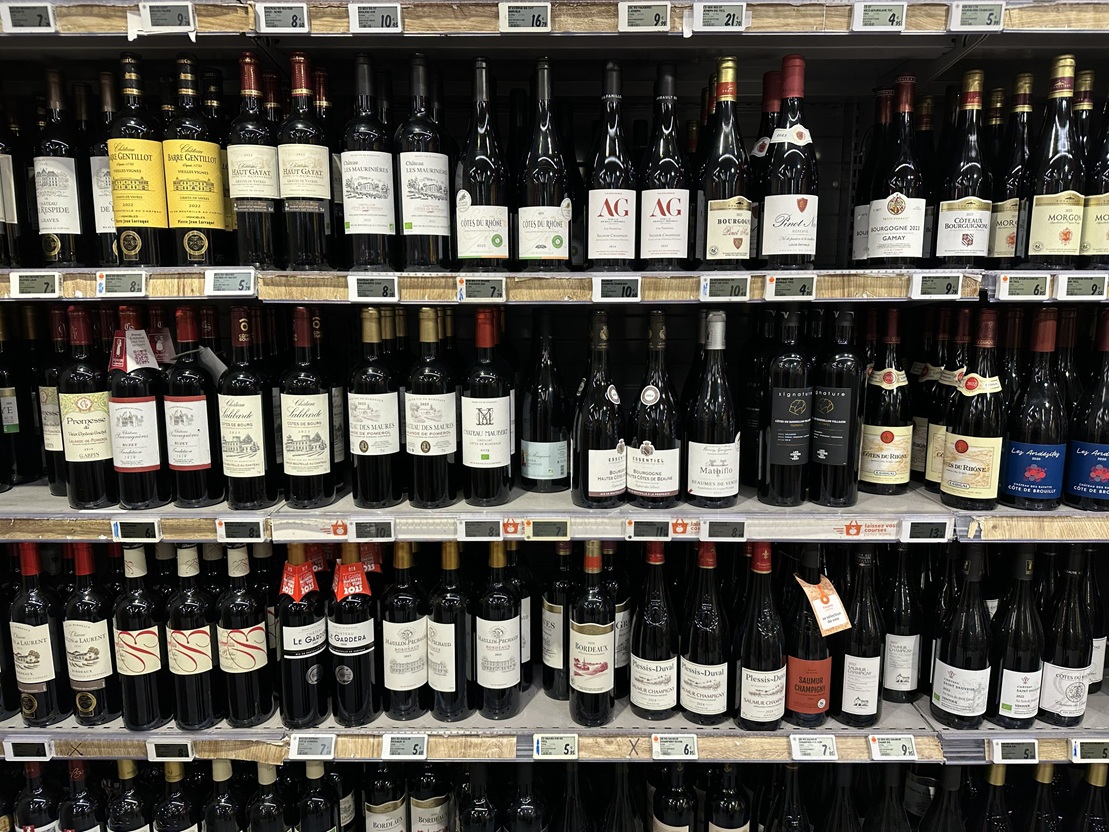
Ah, and here is the obligatory picture of the supermarket wine shelves – you can zoom in and study if you wish.


The 2024 Le Sudiste Chardonnay Pays d’Oc (12.5% ABV) was outstanding. Classic Chardonnay, vanilla and apples profile, just a hint of butter, round, silky, and refreshing.
While visiting Basque restaurant (probably best meal of the trip), I found some delicious wine by the glass from the appellation I’m not familiar with at all – 2020 Domaine Abotia Rouge Irouleguy AOC (65% Tannat, 25% Cabernet Sauvignon, 10% Cabernet Franc) – the wine was a standout, dense, full-bodied, an interplay of wild berries, well integrated tannins and perfect balance.
Passing through the duty-free at the Charles de Gaulle airport on the way back, I had an opportunity to platonically enjoy some of the lovely and very expensive views, such as a line-up of Krug Champagne, Hennessy Cognac for measly €39,393, and a nice display of Louis XIII Cognacs (only €7,450! How many would you like?).


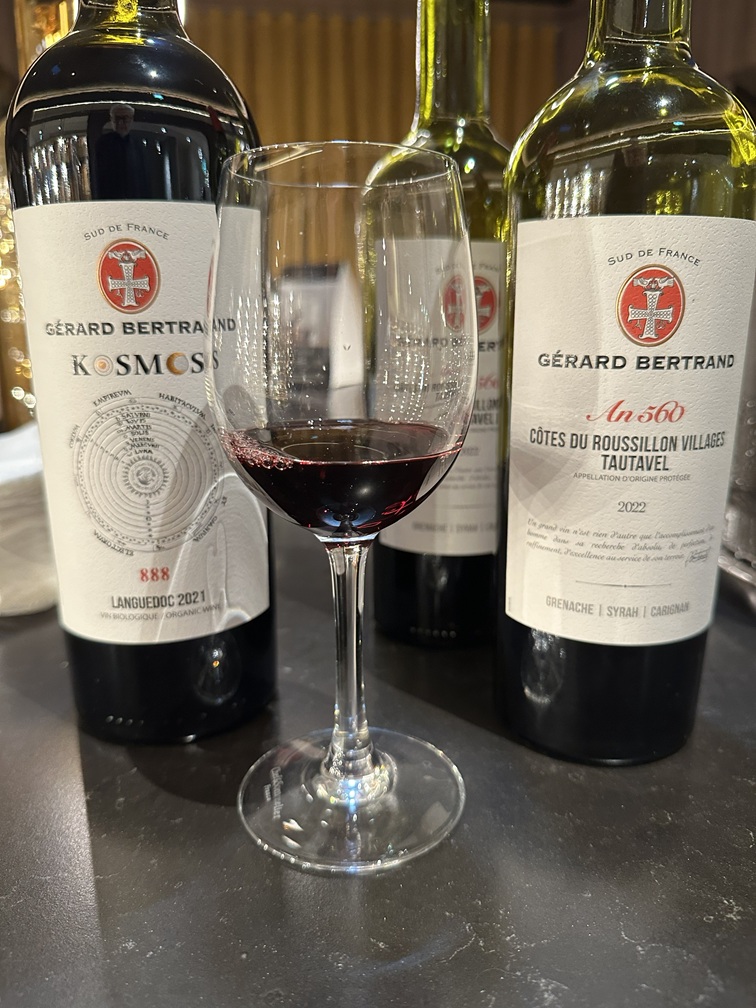
And then there were some unplatonic pleasures, despite early morning hours (who said you can’t enjoy wine at 8 AM?). I had some time to stop by the Star Alliance lounge, and I found a few of the Gérard Bertrand red wines being offered.
I was sure that I wrote about Gérard Bertrand wines on multiple occasions, but apparently it was only one blog post from 2 years ago, also talking about … yeah, visiting Paris.
Gérard Bertrand makes very reliable wines, usually at quite reasonable prices. First wine I tried was 2021 Gérard Bertrand Kosmos 888 Languedoc AOP (14.5% ABV, Grenache/Syrah/Mourvèdre blend), which was outstanding – generous, supple fruit, full body, perfectly accentuated tannins, luscious and delicious. I actually want to cite the description of the wine from the back label here, as it explains the name of the wine: “Kosmos is a tribute to the two most emblematic cosmic stars in organic viticulture, the Sun and the Moon. These two stars come together to represent the symbol of the infinity of the Kosmos, 888”.
It is interesting how the second wine couldn’t be any more different. 2022 Gérard Bertrand Héritage An 560 Côtes du Roussillon Villages Tautavel AOP (15% ABV, a blend of Grenache, Syrah, and Carignan) was much leaner despite higher ABV, tight, restrained, with firm structure, firm body, and more pronounced tannins – also perfectly elegant, but requiring you to slow down a bit to savor the beauty. Here again, I feel compelled to cite the description on the back label: “Gérard Bertrand reveals the history of South of France greatest terroirs. At the origin of humanity, 560 000 years ago, our ancestors already lived on the lands of Tautavel. The magnificent and secular landscapes are home to a vineyard in a limestone and schist clay amphitheater”.
On this happy note, it is time to conclude the travel story.
Hope you enjoyed some pictures!
A Few Days on Cape Cod, 2025 Edition
I enjoy writing about our trips to Cape Cod as it is always an opportunity to share some picture and talk about wines.
This trip was no exception. We were blessed with beautiful weather, warm and dry. And we drank a lot of delicious wines I’m happy to talk about.
Before we talk about wine, a few of the pictures I love to bring back from Cape Cod:
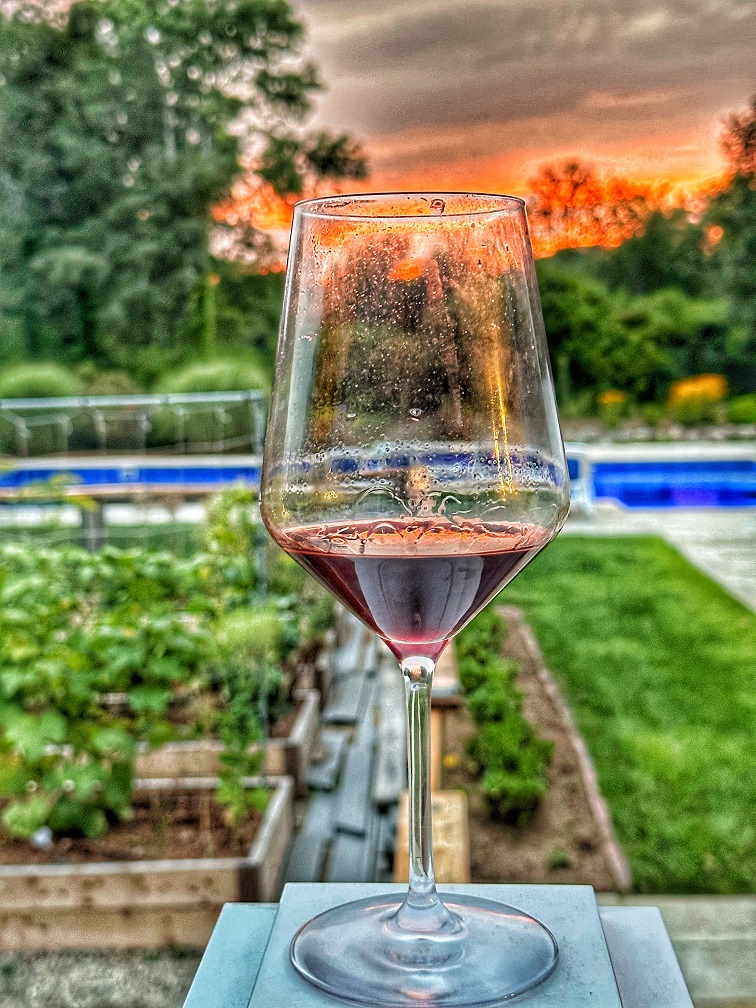
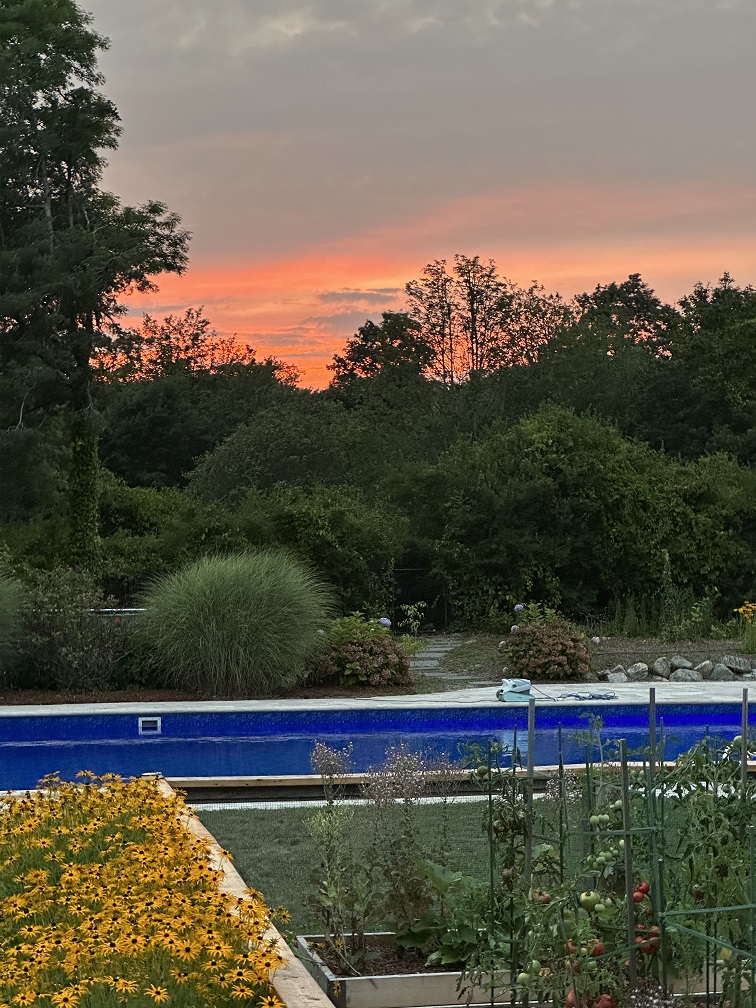
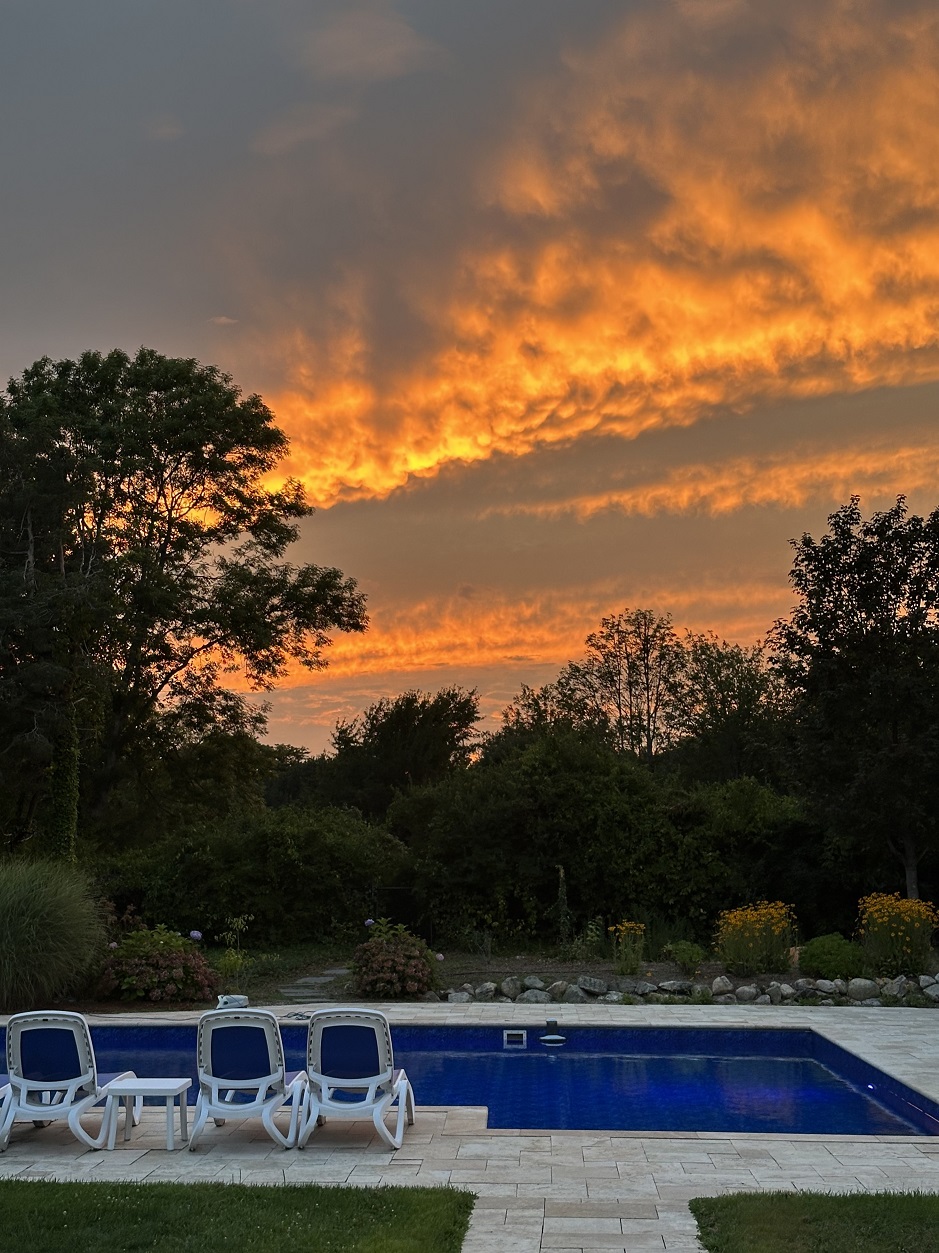
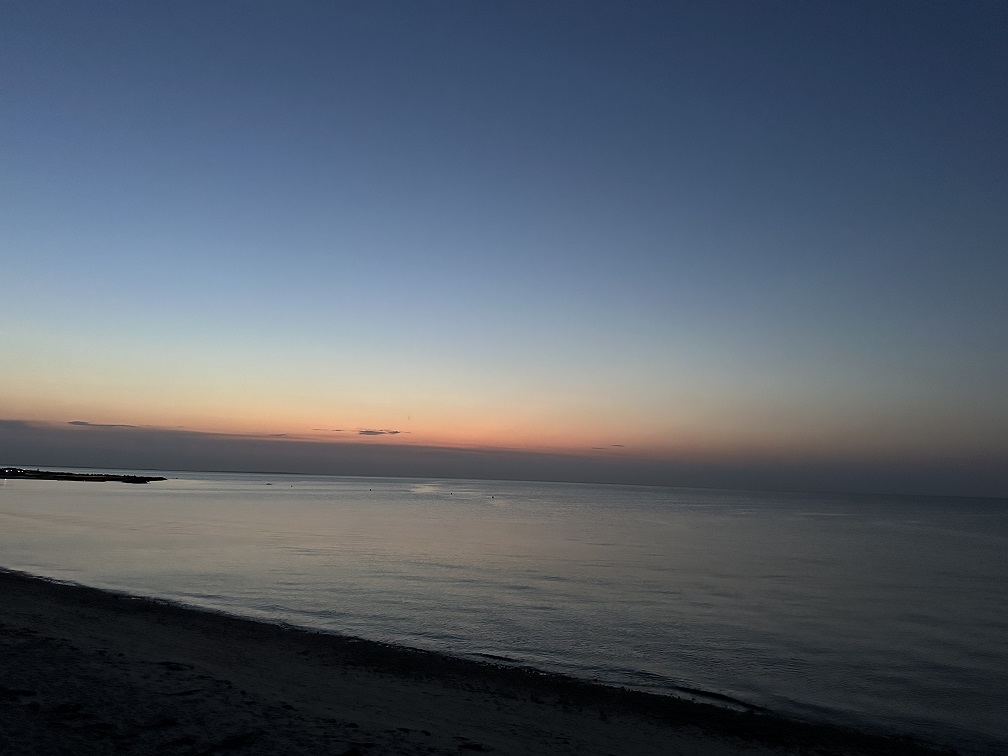
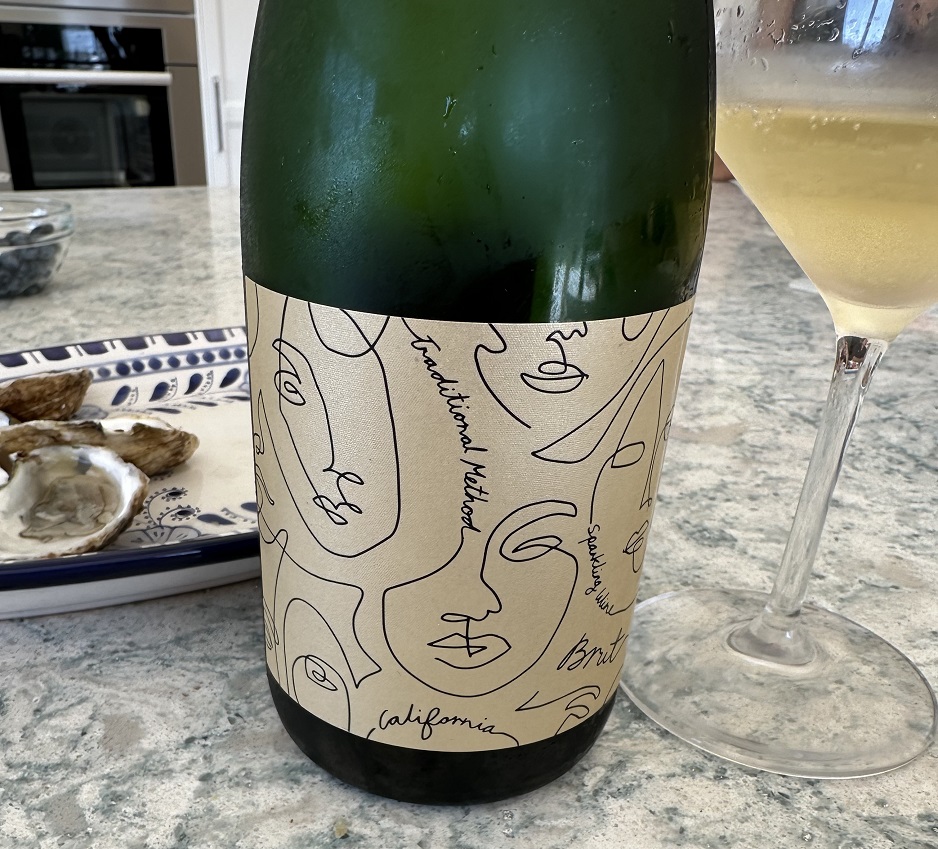
First, a sparkling wine – NV Incandesa Brut Traditional Method California Sparkling Wine (11.5% ABV, 70% Chardonnay, 30% Pinot Noir). The wine was delicious, with a classic nose of baked bread and apples, fine mousse, and a round, generous palate. I had to do a bit of research to learn more about this wine, as the bottle itself offers very little information, and it is not easy to find anything on the web. It appears that it shouldn’t be surprising that this sparkling wine tastes so good – it is made by one of the most famous Spanish Cava producers, Raventos Codorniu, as its first foray into the North American market. Side benefit – this was a perfect pairing for the oysters…


Appropriately for the weather, we enjoyed 3 Rosé wines.
2023 Poggio Stenti Sangiovese Rosato Maremma Toscana DOC (13.5% ABV) was delightful, a Rosé with a presence. A full assemblage of strawberries on display – from aromatics on the nose to the flavors on the palate, coupled with a good mid-palate weight, a well-present body. Too bad this was my last bottle brought back last year after our family European trip.
2024 Turley Zinfandel Rosé California (12% ABV) – I’m so glad Turley started producing this wine some years back – it is absolutely delightful, can perfectly compare to any Provançal Rosé in its lightness, effervescence, and beautiful aromatics.
2024 Field Recordings Domo Arigato (Mr. Ramato) Skin Contact Pinot Grigio SLO Coast (12.5% ABV) – one of my perennial favorites from Field Recordings. This is a skin contact wine, so it is more than just a light Rosé; the wine offered herbaceous undertones on the palate, and had good body weight, with red fruit mixed with herbs. Delicious.
We had only a few of the white wines, so here are notes on one of them.
2024 Field Recordings Super Gnario El Palomar District (13.1% ABV, 100% Malvasia Bianca) – amazing aromatics, with flowers, whitestone fruit, guava, overall very intense. On the palate, the wine might be even a bit too much with “in your face” white plums and green pears, medium to full body, good acidity and lingering fruit on the long finish.
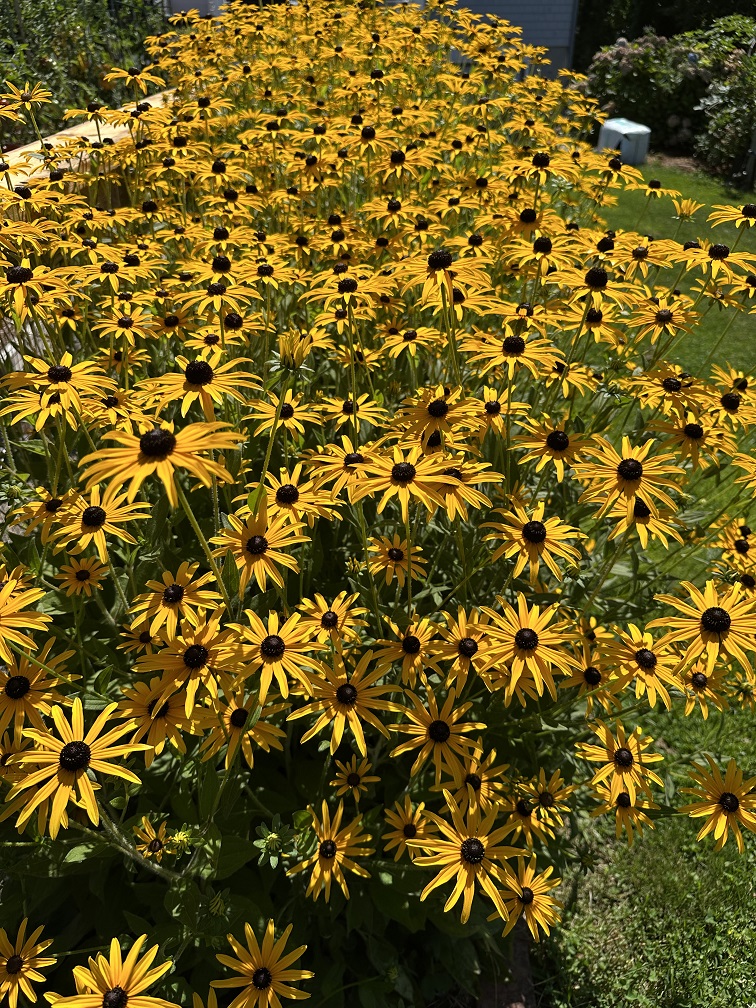
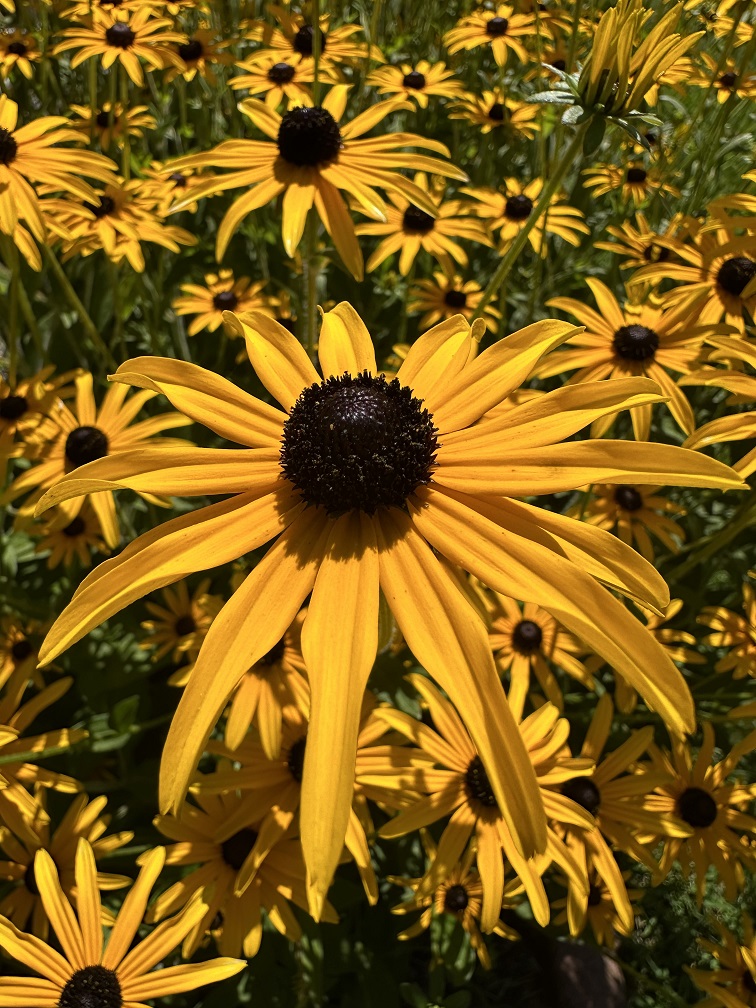
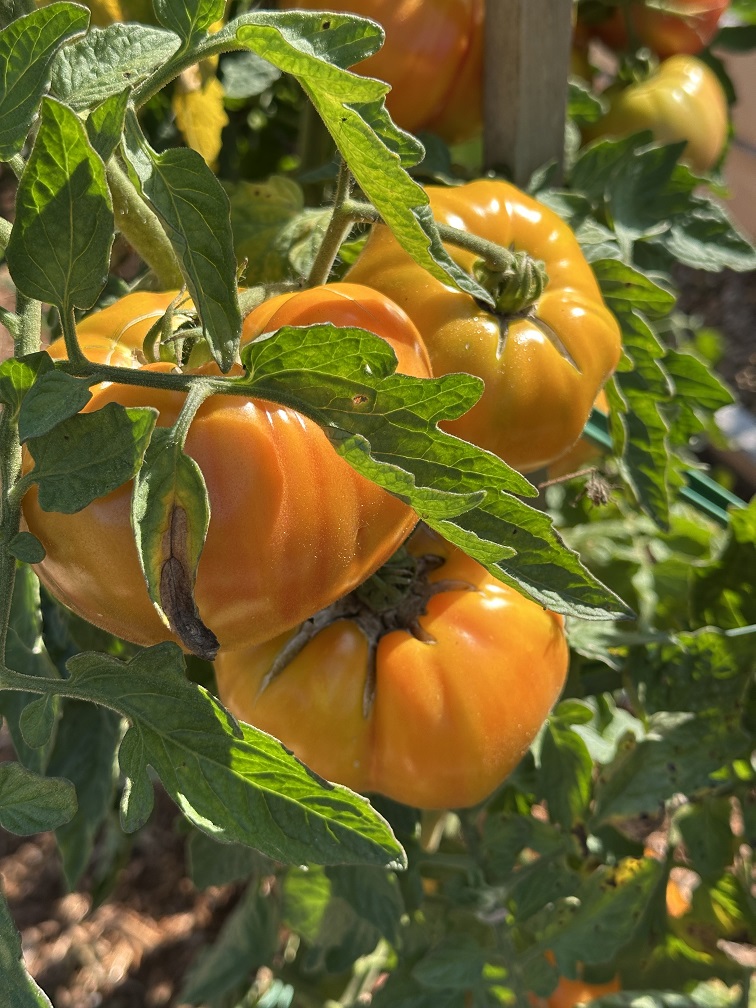
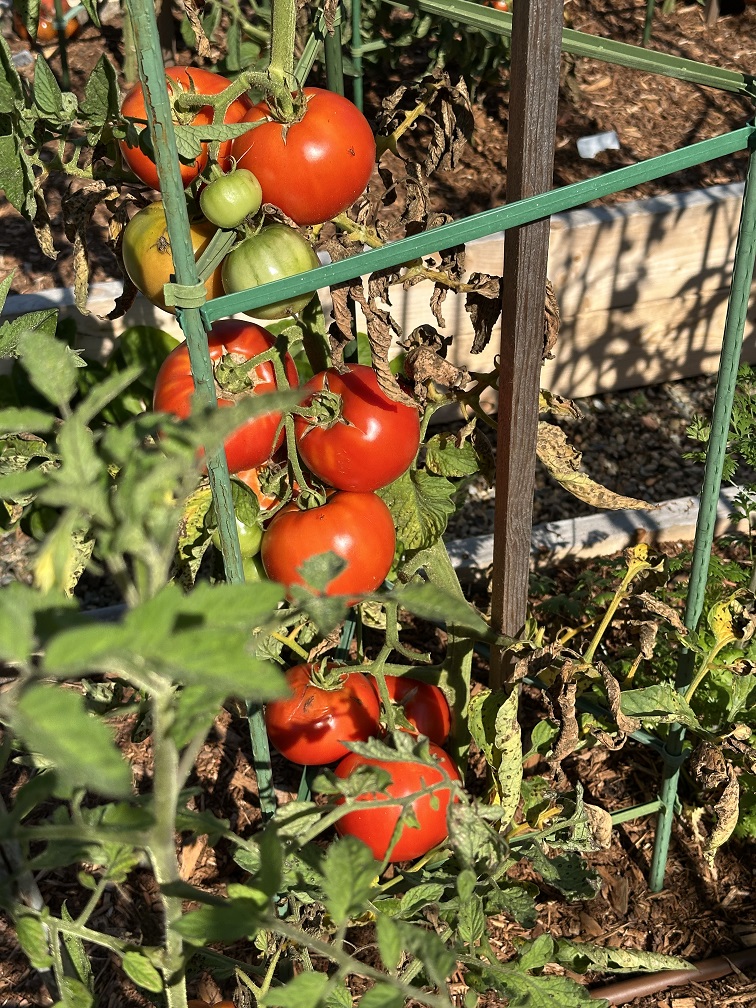
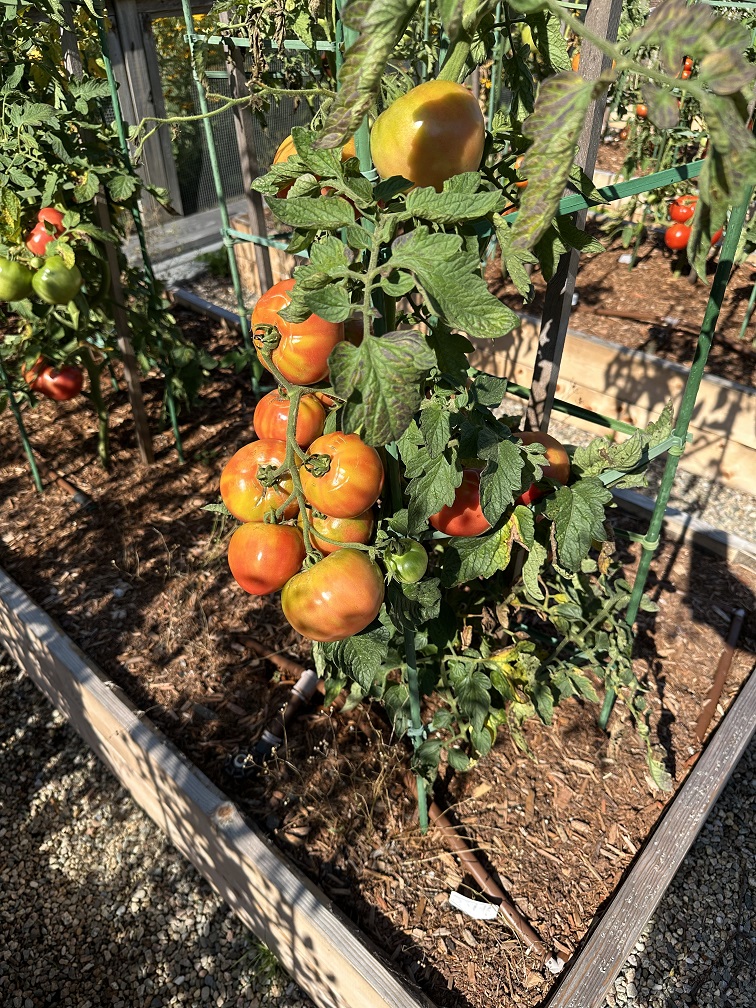
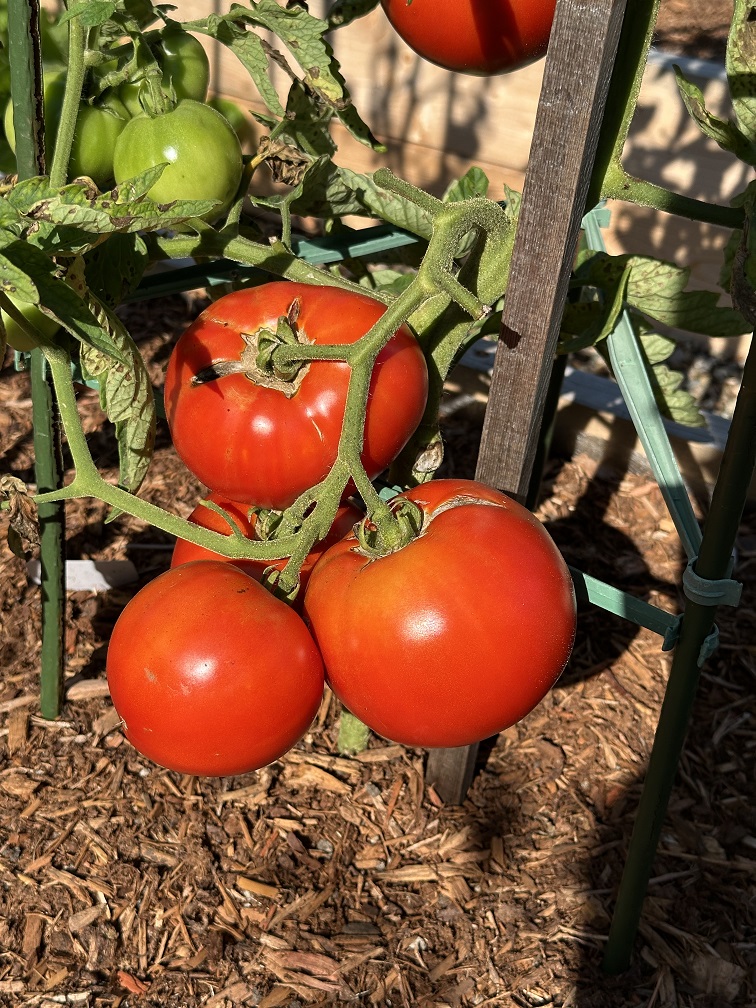
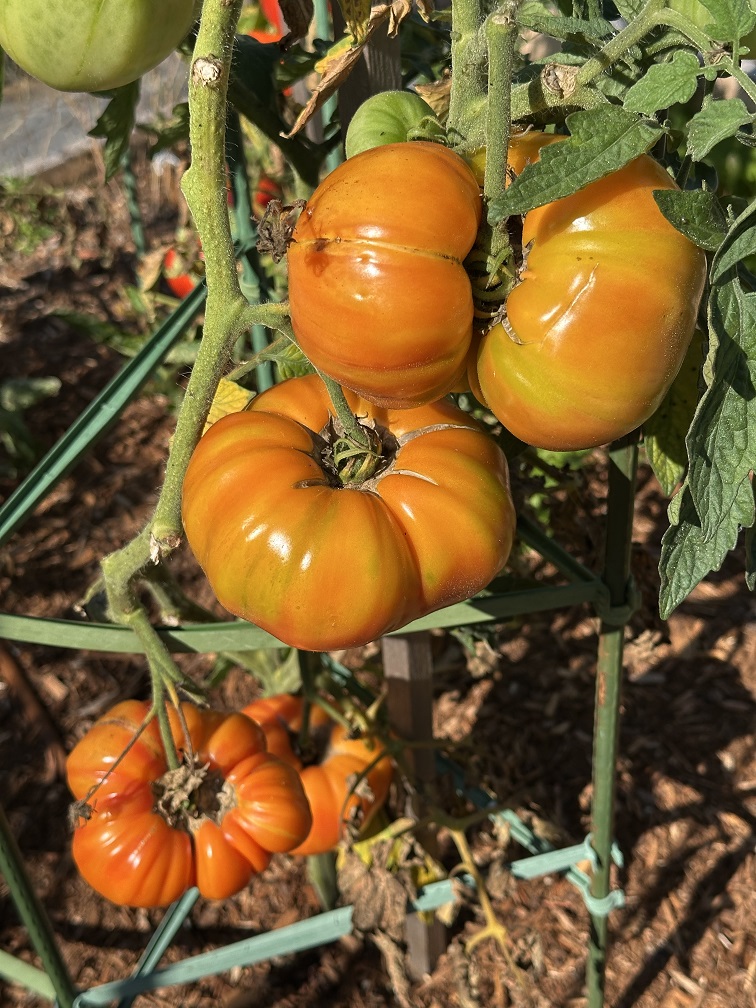
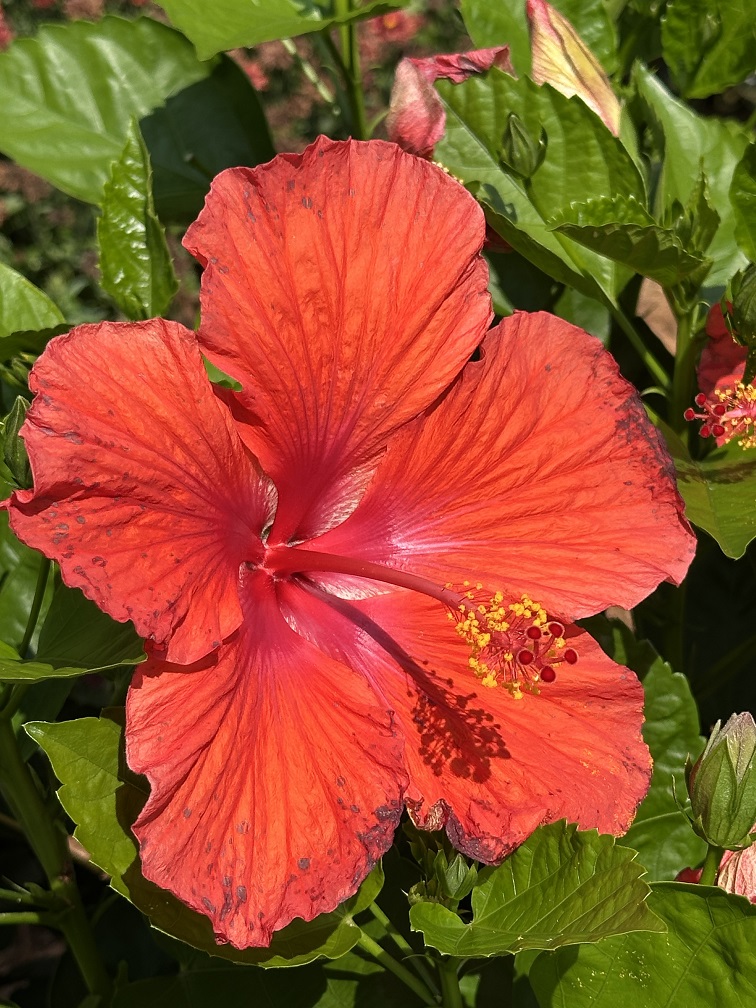
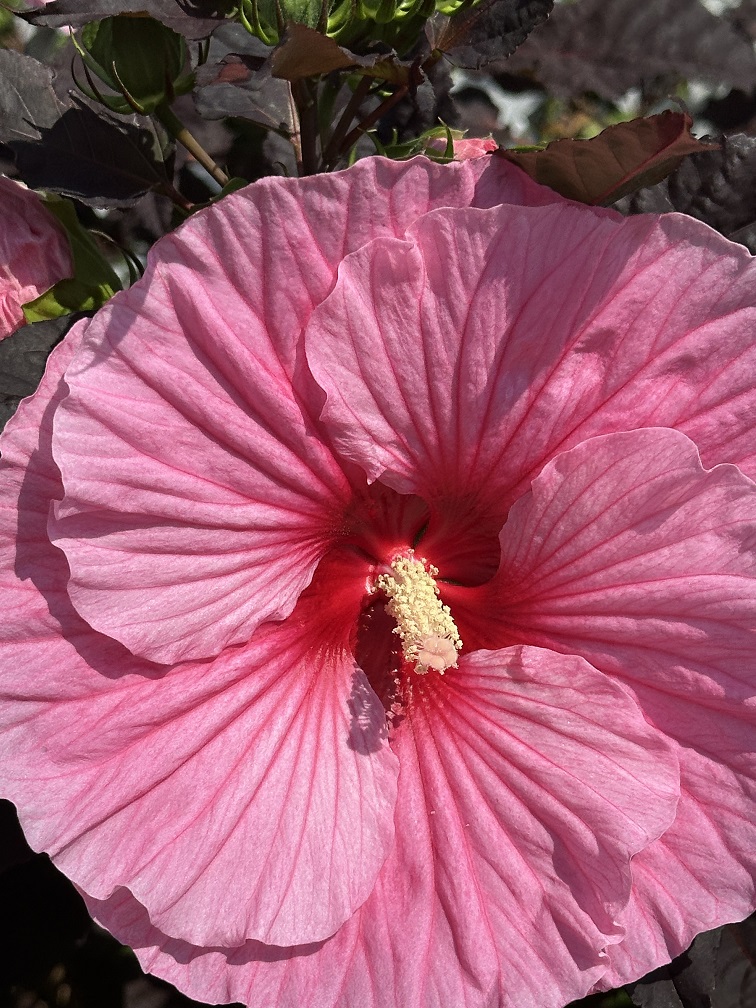
Let’s take a little break from wines – here are some garden pictures for you, and a little bit of food:


Now, to the reds.
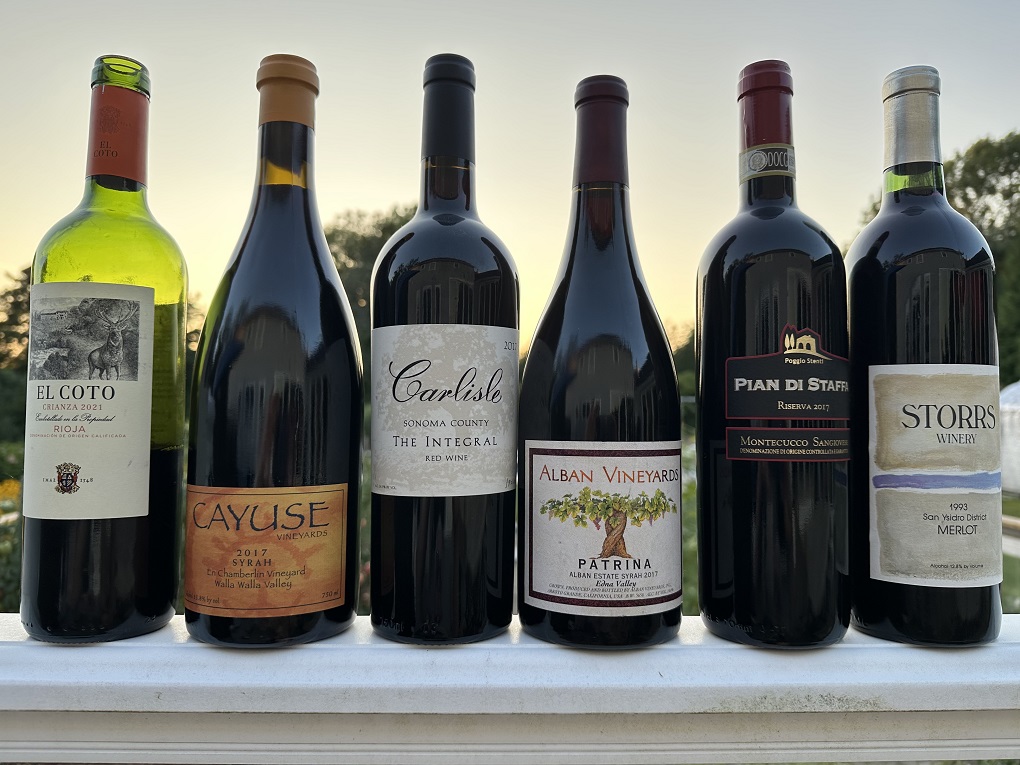
2018 Pedra Cancela Winemaker’s Selection Dão DOC (13% ABV, 40% Touriga Nacional, 30% Alfrocheiro, 30% Tinta Roriz) – Portuguese wines are delivering great QPR, and this wine was no exception. Open and inviting on the nose with red and black fruit continued with black fruit interplay on the palate, with a touch of spices and good earthy undertones. Simple and tasty.
2017 Carlisle The Integral Red Wine Sonoma County (14.5% ABV, 62% Syrah, 38% Mourvèdre) – you rarely can go wrong with Carlisle, and this wine didn’t disappoint. Dark cherries on the nose, dark cherries on the palate, perfectly integrated tannins with elevated but smooth mouthfeel, excellent balance, medium to long finish. An excellent wine.
2017 Alban Vineyards Patrina Estate Syrah Edna Valley (14.8% ABV) – Alban is one of my favorite producers. This Syrah had a beautiful nose of dark fruit with a hint of barnyard. On the palate, the wine was surprisingly sweeter than I expected, with blackberries dominating the palate. My guess is that I opened this wine at the wrong moment in time – it probably needed another 5 years to turn around.


1993 Storr’s Winery Merlot San Ysidro District (12.8% ABV) – I keep opening these old wines that I got from the Benchmark Wine, and so far, not a single one has disappointed. To begin with, just take a look at this cork – it looks like the wine was just made, not 30 years ago. Yes, of course, tertiary aromas dominated, with dry fruit well present, but the wine was still perfectly alive, with medium to full body, good acidity, and perfect balance. This wine was a treat.
There you are, my friends – a few delightful days on Cape Cod. How was your summer?
Beautiful Hungarian Wines, a Deep Immersion
Hungarian wines need no introduction to the wine lovers.
Or they actually might.
Hungary is one of the oldest wine-producing regions in the world, going back to the Roman times (also the Hungarian language is one of only three European languages outside of Latin that have wine terms in the language). It is not for nothing one of the better-known wine brands in Hungary is called Royal Tokaji. Tokaji, the dessert wine produced from the local white grape called Furmint, can give the run for money to the best BA and TBA Rieslings and best Sauternes. It used to be a treat suitable and available only for the royalty, with its official appellation classification predating Port by a few decades.
Then it all came to an abrupt halt. First, the Phylloxera epidemic which destroyed literally all vineyards in Hungary at the end of the 19th century. Then, as the wine industry started to recover, came two world wars, and the communist regime right after. Thus while we can say that Hungary has very old wine traditions, the Hungarian wine industry is very young, with its modern history not exceeding even 40 years.
I just came back after spending 4 days in Budapest, the capital city of Hungary. And while working 9-5 all 4 days, I still managed to get a good taste of the Hungarian wines, and I have to say that it was one delicious and very impressive experience. And even as most of these wines would be hard to find outside of Hungary (okay, that should be reasonably not difficult for the people in Europe, but very difficult in the US for sure), I still believe the experience is well worth sharing.
I will simply recount my experience in chronological order, as I was tasting the wines. And by the way, I made my inner grape geek very happy, by adding 5 new rare grapes to the collection.
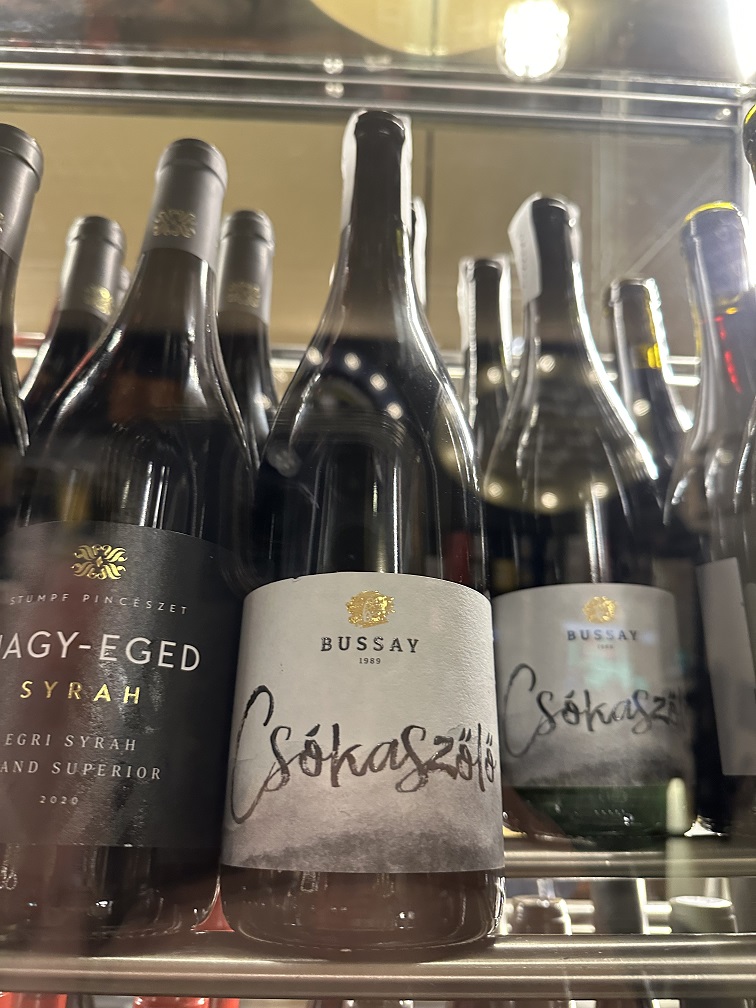
I started my “deep immersion” on Monday night at a dinner. The restaurant had a few interesting (read: made from rare grapes) wines which I was happy to order by the glass.
2022 Bussay Pince Csörnyeföldi Csókaszőlő Zala (11.5% ABV, certified organic, rare grape: Csókaszőlő)
Fresh herbal nose
Fresh acidity, Beaujolais-like mouthfeel, sour cherries, gamey, nice, food friendly
2021/2022 Bóka Birtok Jakab Kadarka Tolna (12.5% ABV, Jakab Kadarka, a.k.a. Jab Kadarka a.k.a. Italian Kadarka, rare grape: Jakab Kadarka)
Red fruit on the nose
Bigger and more round body than a previous one, dark fruit, good balance, good acidity, thoroughly pleasant
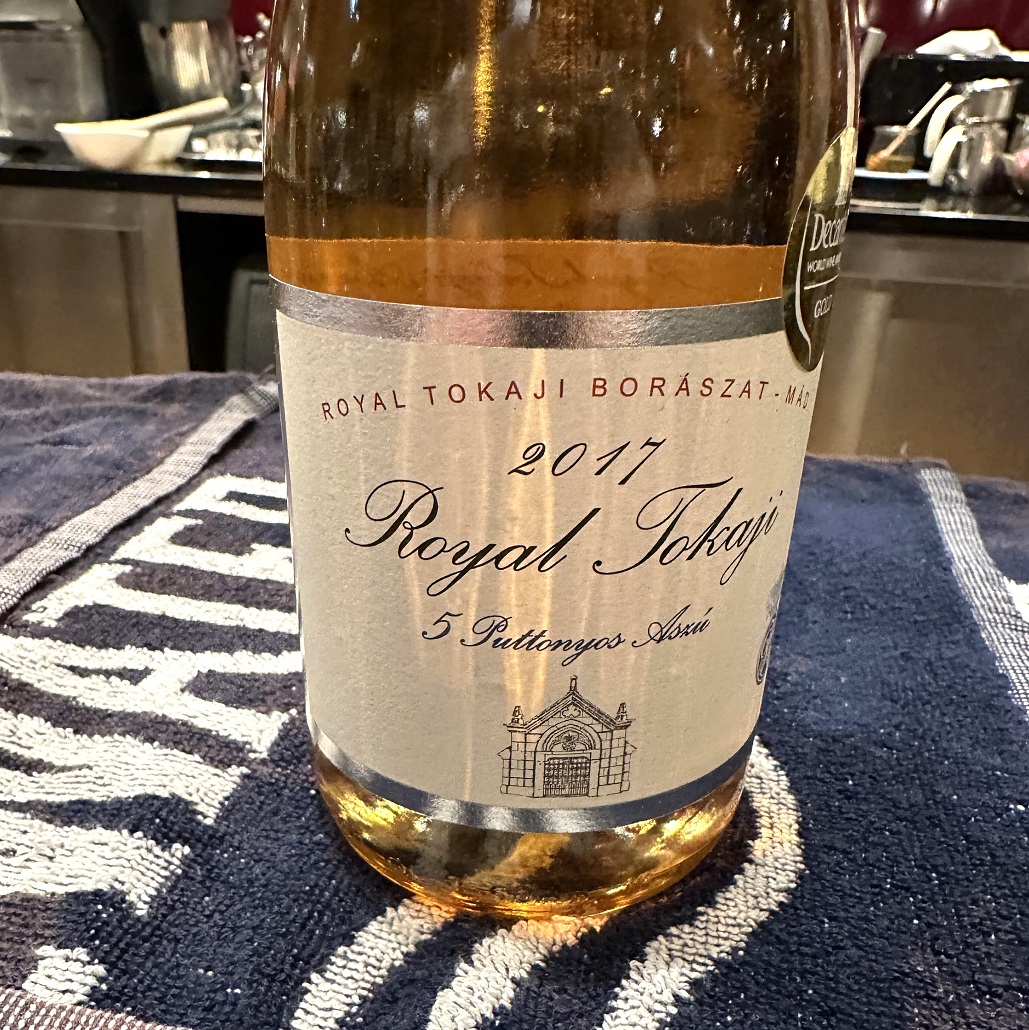
Upon returning to the hotel after dinner, I didn’t feel like going to sleep yet, so I decided to get a glass of wine, and the Tokaji looked very attractive – and at about $11 for a glass, a pure steal.
2017 Royal Tokaji Borászat Mad Royal Tokaji Aszú 5 Puttonyous (11% ABV)
Delicious nose of sweet, ripe fruit – white peach, pear, a touch of honey.
A symphony of flavor on the palate – beautiful ripe fruit, layers of flavor, perfect acidity, perfect balance, pure delight.
Superb.
On Tuesday, we had a short bus tour of Budapest, and our tour guide mentioned that if someone likes wine, he highly recommends visiting a wine bar called Vinlkli. The name was easy to remember – a cross between Vino and Bicycle, and the bar was also conveniently located about 2 minutes walking distance from the hotel where I was staying, so it was a no-brainer decision to visit the place. Boy, what a right decision that was…
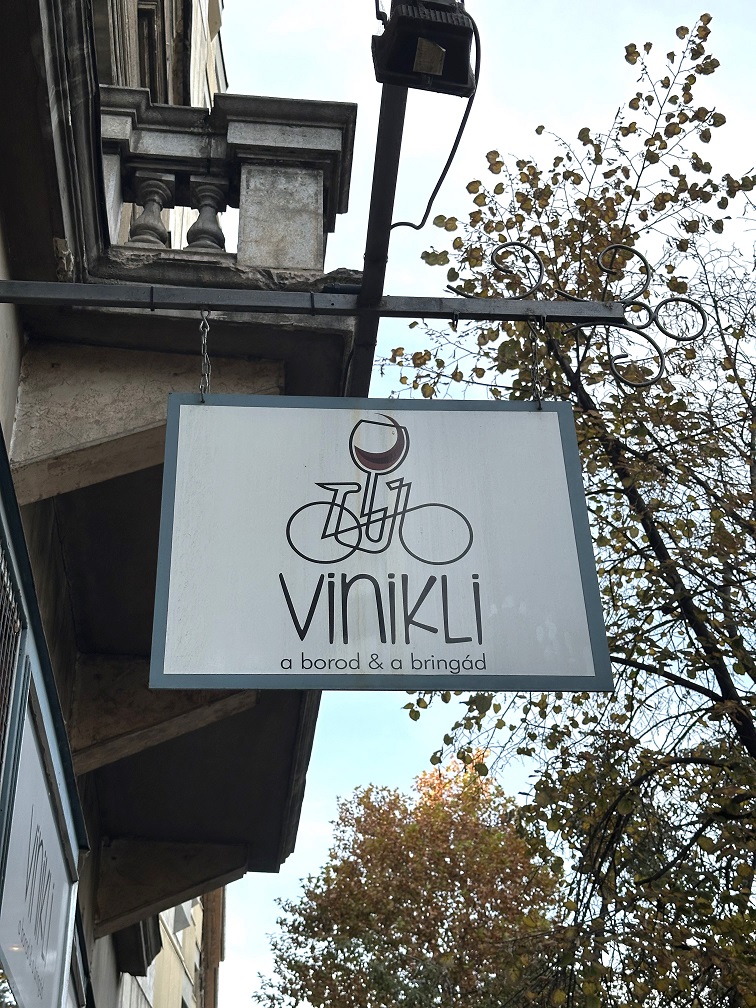
When I came over, there was literally no space to sit at this tiny bar. Not speaking the language, I got rather a cold shoulder from both bartenders, so I was intimidated, but determined. A space in the corner opened up so I was able to take it, and then I just pointed to the wine I wanted to taste strictly based on the label (there was no printed wine list of any sort, and I couldn’t understand anything written on the board hanging on the wall).
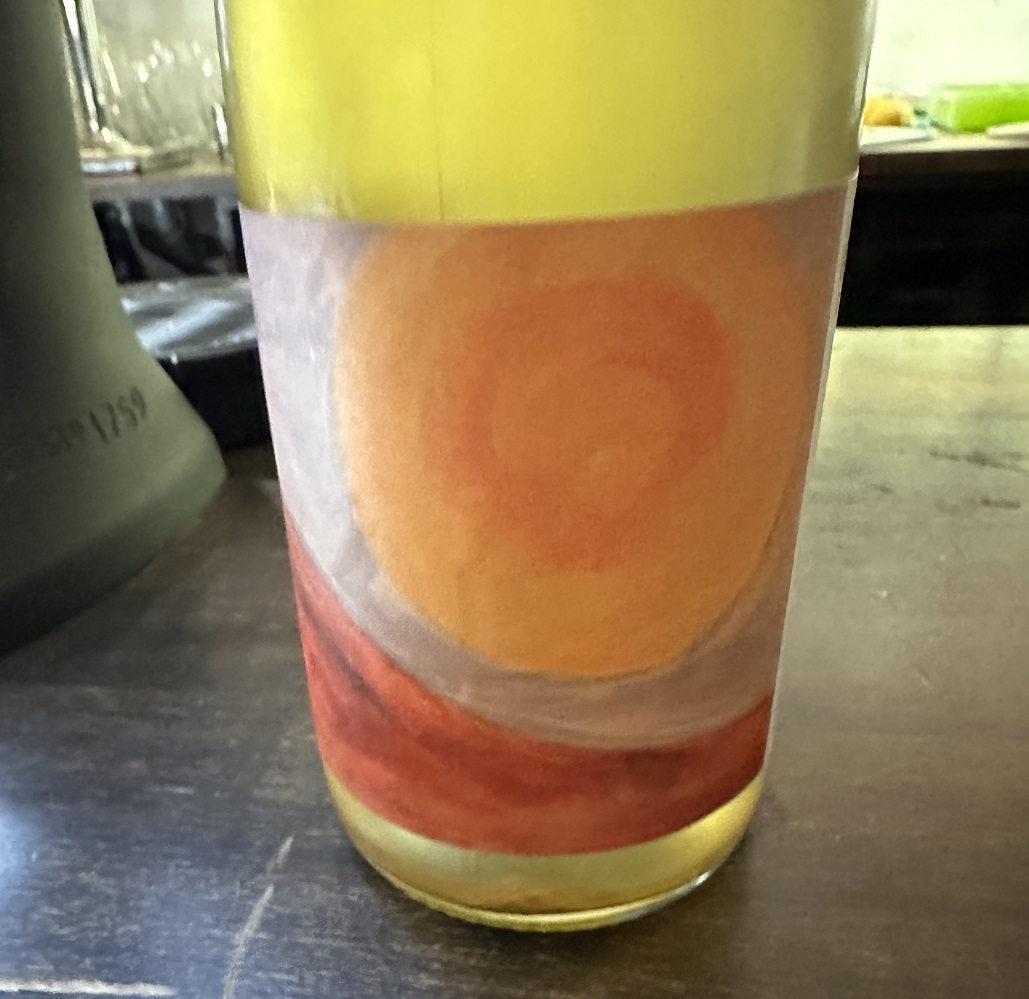
I happened to choose skin contact wine, and it was excellent:
2023 Turay Családi Pincészet Borsementa (11% ABV, 4 days with skin contact, natural wine, rare grape: Borsementa)
You can assume skin contact once you smell the wine – a touch of herbal notes on the nose with a hint of the freshly fermented fruit, following by lemon/apple/peppermint medley on the palate. Fresh, energetic, delicious.
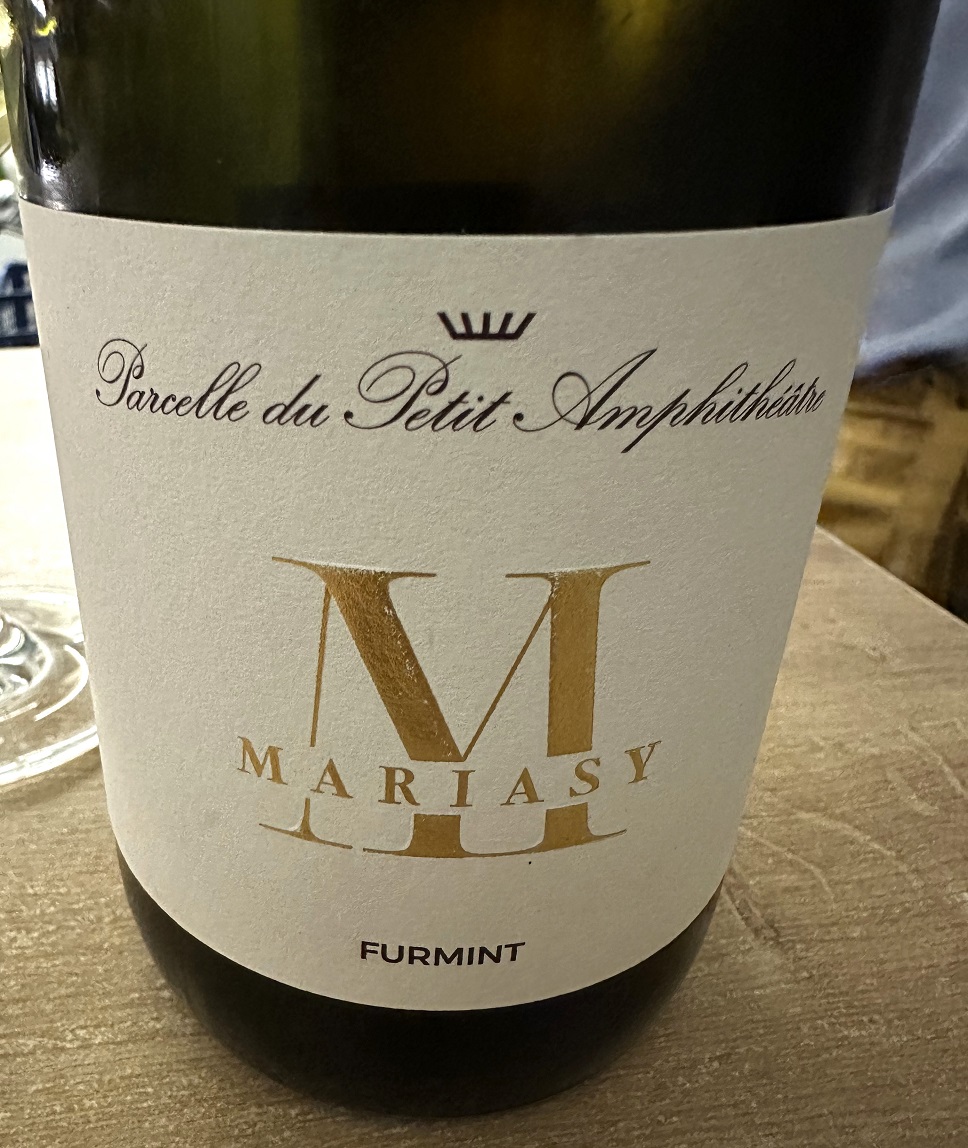
As a few more people left the bar, the bartender finally got a bit more time, and he understood that I was actually at the bar on purpose, so now he started suggesting wines to taste. Next wine white wine was literally out of this world:
2020 Mariasy Tokaji Furmint Hungary (13% ABV)
Wow. Is “blown away” is sufficient wine descriptor?
This wine was truly something else. A hint of honey on the nose, white fruit, fresh and inviting. The palate was mind-blowing – generous, plump, supple, crisp honey and lemon notes, layers and layers of pleasure. This will be easily a “wine of the year” contender. Just superb.
I’m literally salivating as I’m writing this post – I would love to have a glass of this wine right now. Just now.


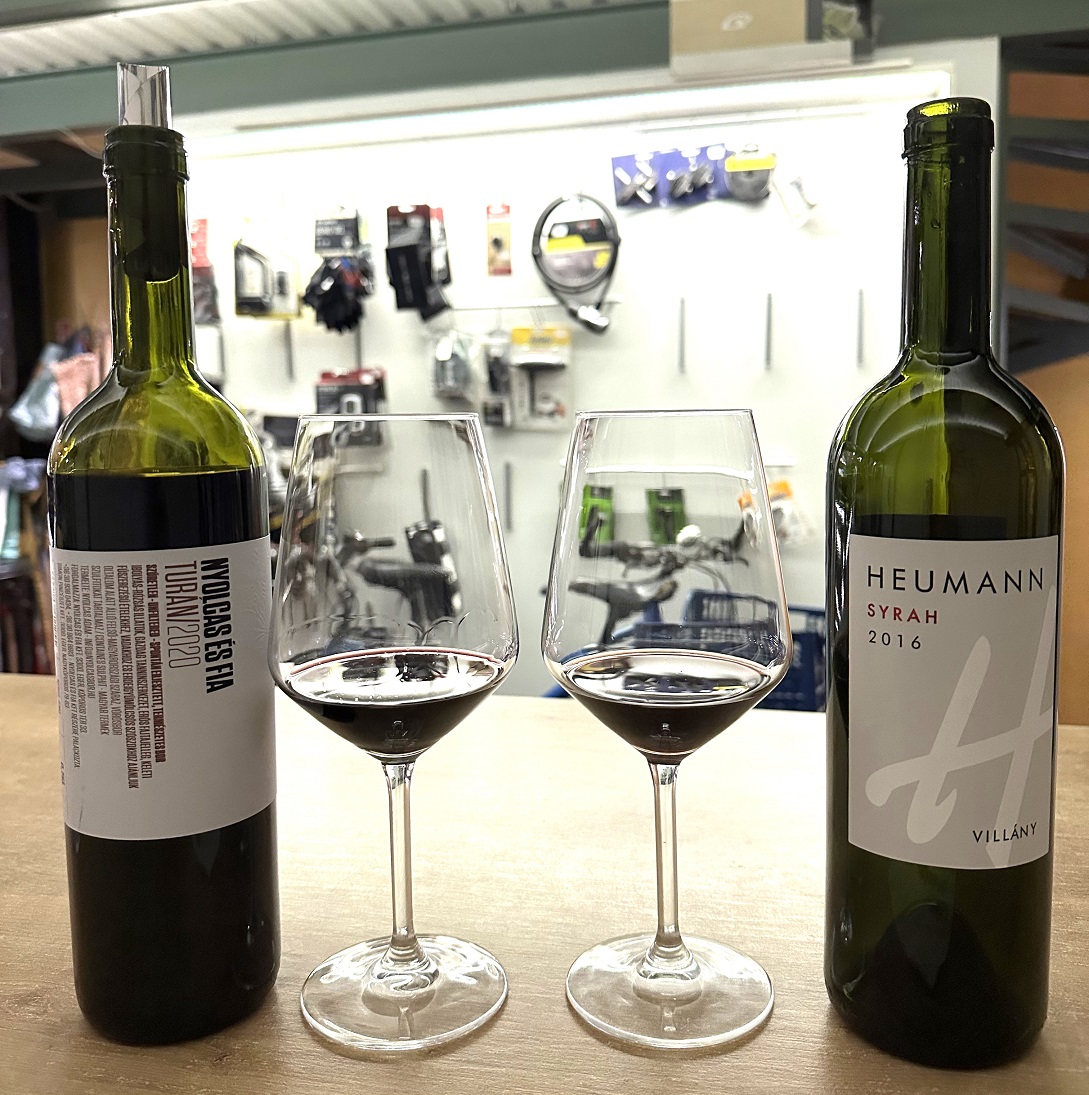
From here on, the new wines were arriving without interruption:
2022 Szentezi Prince Fekete Muskotály (12.5% ABV, rare grape: Fekete Muskotály)
This wine was light and fruity. Somewhat similar to Beaujolais Nouveau but with a bit more substance, loaded with fresh wild berries. Good acidity. Refreshing. Should be great with food.
2022 Sziegl Pince Kadarka Bisztró Hajós-Bahai Hungary (11% ABV)
Yet another light and fruity red, red fruit, simple, clean, light. Well balanced, good acidity.
2020 Nyolcas és Fia Borház Turán (13% ABV, rare grape: Turán)
Dark fruit on the nose, dark fruit on the palate, good mid-palate weight, good structure, excellent wine.
2016 Heumann Syrah Villányi Védett Eredetú Prémium (14% ABV)
Really was not expecting Syrah, but this was an excellent choice. Dark, concentrated, brooding, cherries, a hint of pepper, round, good balance, perfectly well drinkable.
Truth be told, I didn’t have much luck with the food at the restaurants. Yelp is unavailable in Hungary, and I find that TripAdvisor restaurant information is subpar, so the only option left is Google.
Through my search, I found a restaurant called Parisi 6. I almost skipped it at first, as I thought that based on the name it would be a French restaurant. But the menu suggested that this would be a traditional Hungarian restaurant, so I decided to give it a try on the last evening.
The food was excellent (finally had a goulash soup that I enjoyed), and the service was even better than the food if this is possible – ultra-friendly, attentive, and helpful.


Here are the wines we had at a restaurant:
2022 Skrabski Furmint (13% ABV, low histamine (!) wine due to a special strain of yeast used for fermentation)
Whitestone fruit on the nose, Chardonnay-like appearance on the palate, vanilla, fresh apples and hint of apples, fresh acidity. Food friendly.
2022 Szemes Villányi Cabernet Sauvignon Villányi Védett Eredetú Száraz Classicus Vörösbor (14% ABV)
I actually thought asked for a different red wine on the list (Kadarka), but somehow this wine appeared at our table, and the very first sip suggested that mistake or not, this was an excellent choice.
Beautiful core of dark berries, cassis, cassis, and a hint of bell pepper on the palate, round, medium to full body, delicious.
2023 Tokaj Nobilis Szôlôbirtok Kövérszölö Edes Fehérbor
I asked for the dessert wine to have at the end of the dinner. Our waiter suggested that Tokaji would be very expensive, and suggested that this wine would be a more reasonable but still a good choice. Wow. This wine literally delivered an experience. The wine was all into a sweet apple profile – ripe apple on the nose, ripe sweet apples on the palate, perfect sweetness balanced with perfect acidity. And the best part? Our dessert choice was apple strudel, and my oh my, was this a heavenly combination…
That’s my deep dive into Hungarian wines in a good amount of detail. If you have an opportunity, definitely look for the Hungarian wines, I’m sure you will not regret it.
And before we part, two more little tidbits of my experience in Budapest.
I walked a few times to the river, going past this building:
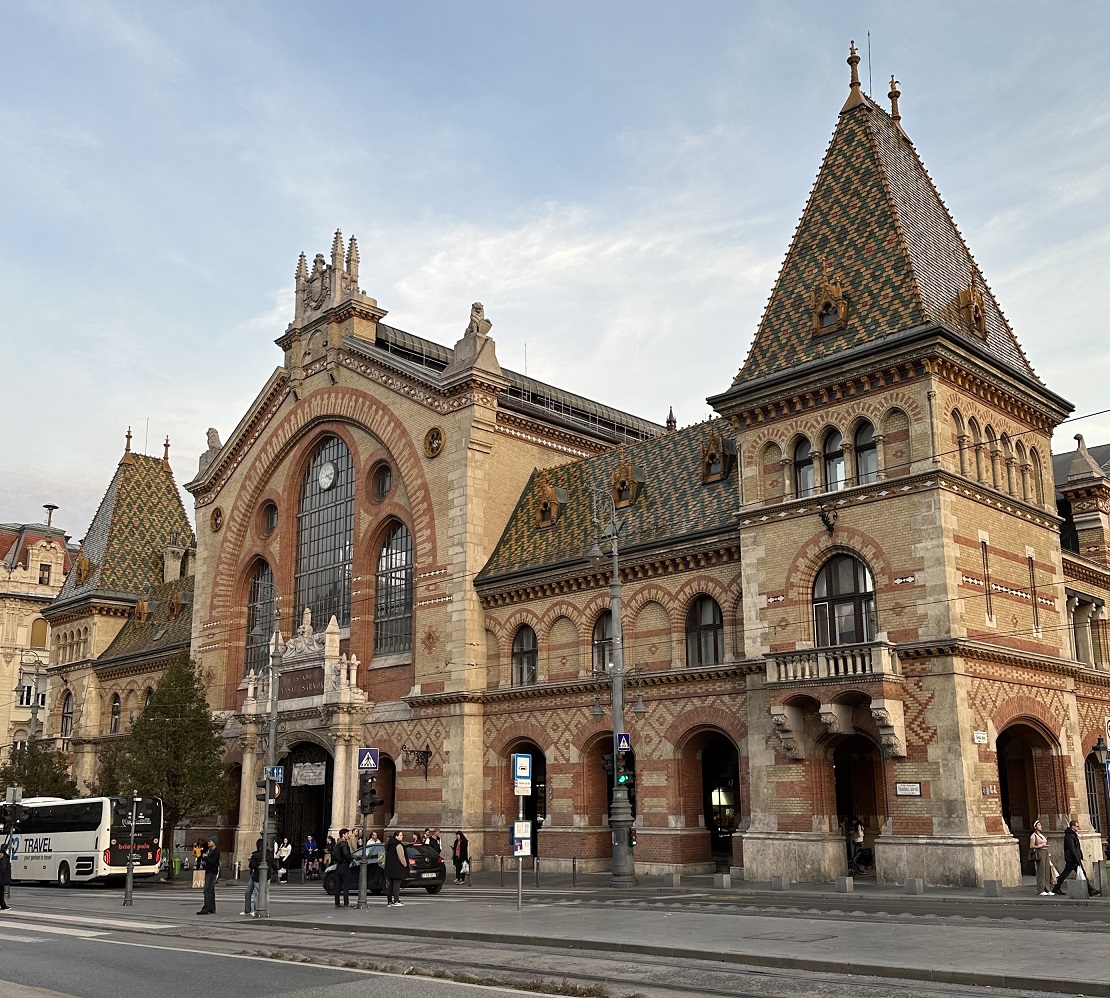
and thinking that this was a museum or some sort of historical building. On my last day, I was looking for a place to get some specialty Hungarian foods, such as Pick salami for example (when fresh, might be the best salami in the world). Somehow, google suggested that there is a supermarket inside that “historic building”. Surprised but obedient, I crossed the road and read the “Central Market” sign above the entrance! The building might be historic, but inside I found lots of small shops offering all types of Hungarian specialty food. The place was somewhat similar to Chelsey Markets in New York – if you ever visited you would get the idea. I was happy to find a pick salami to bring home and much more.
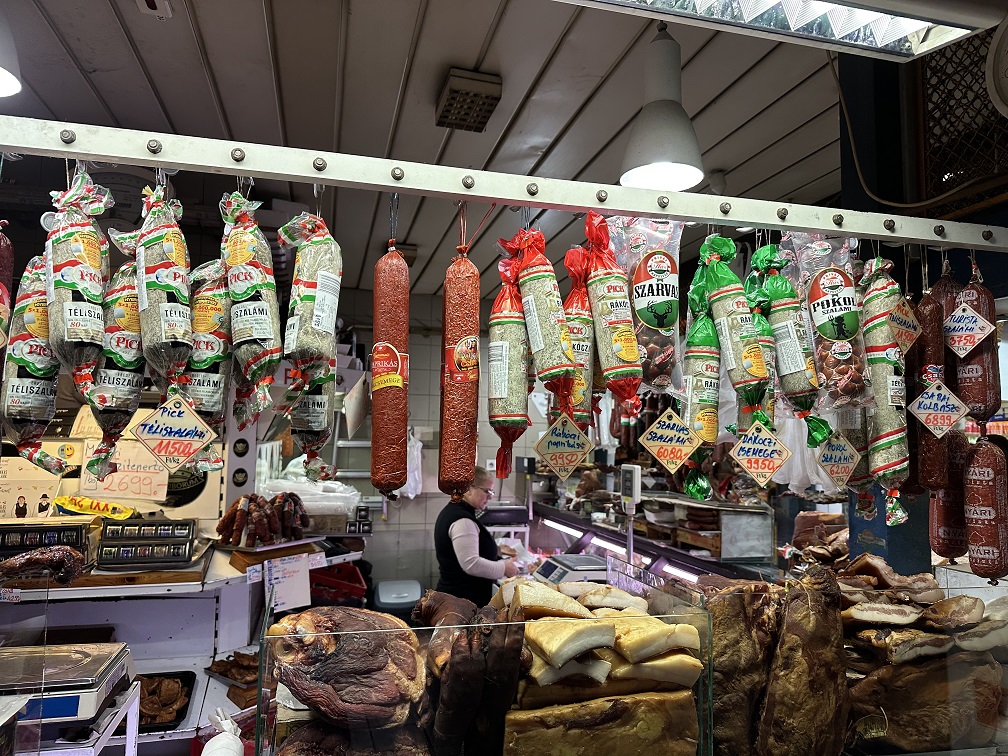
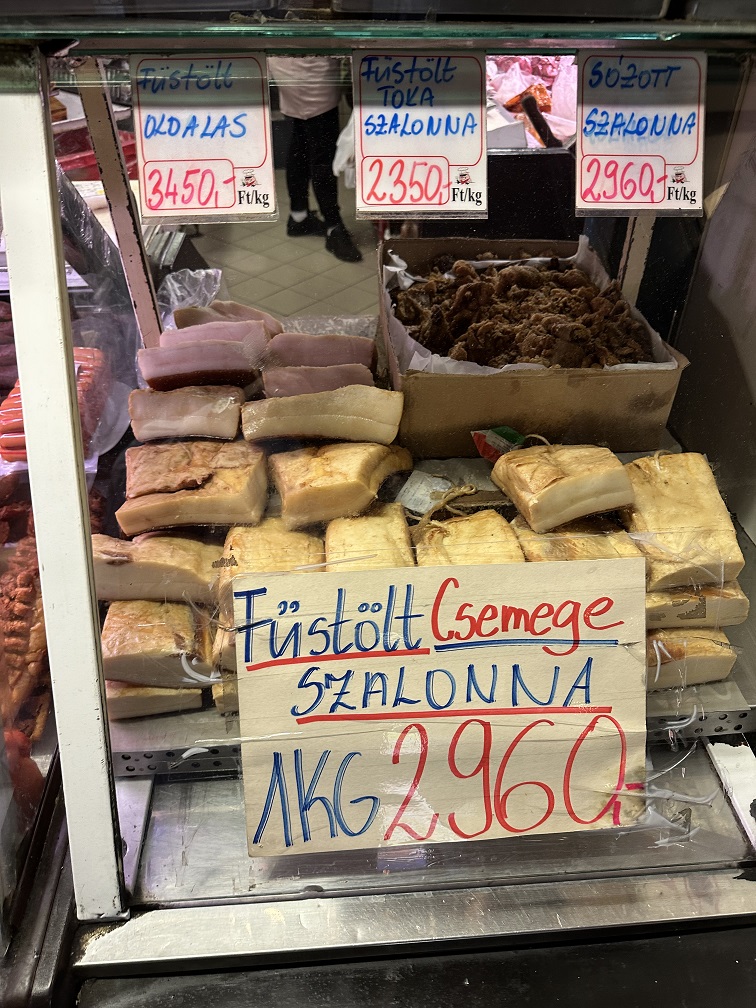
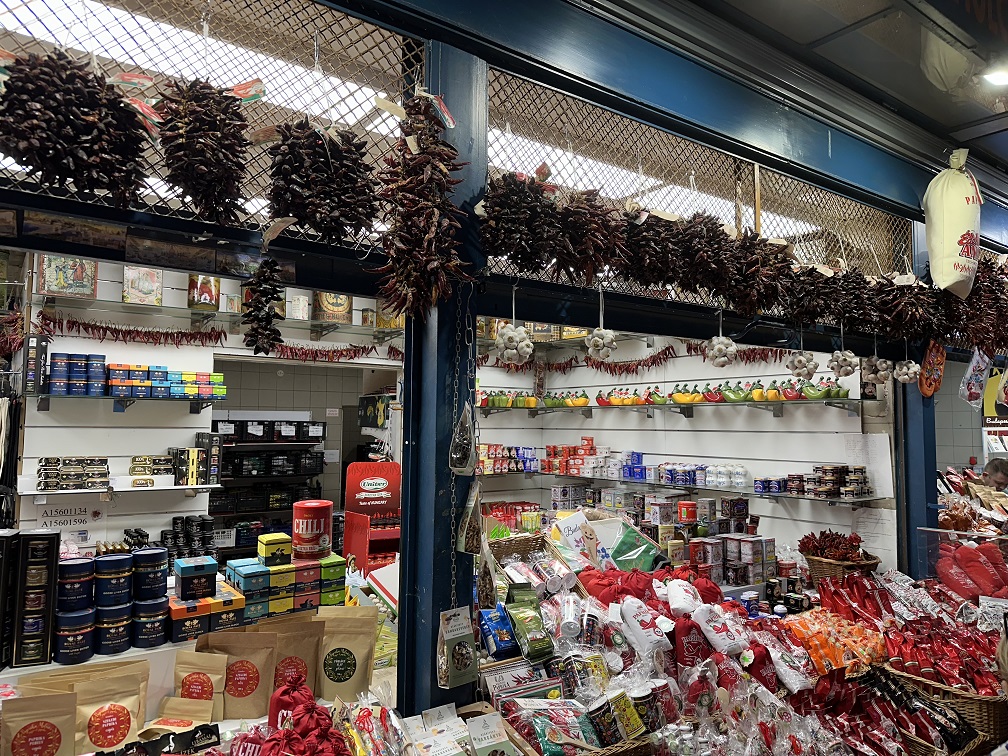
And last but not least, a few pictures of the beautiful Budapest town:
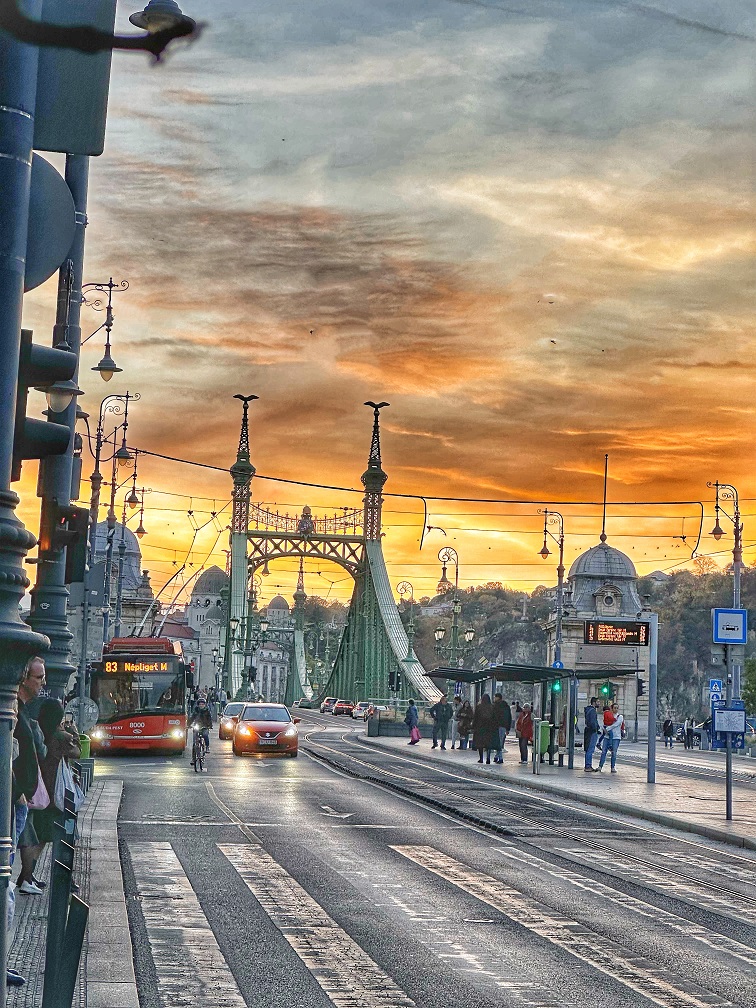
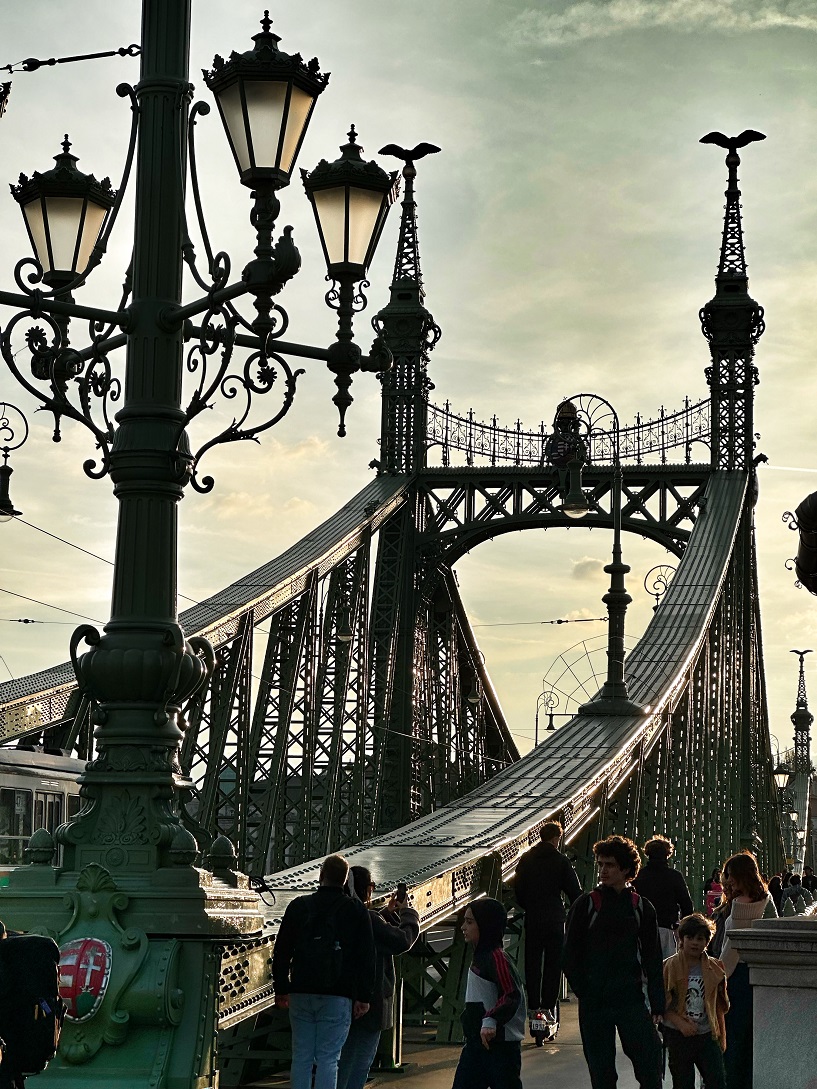
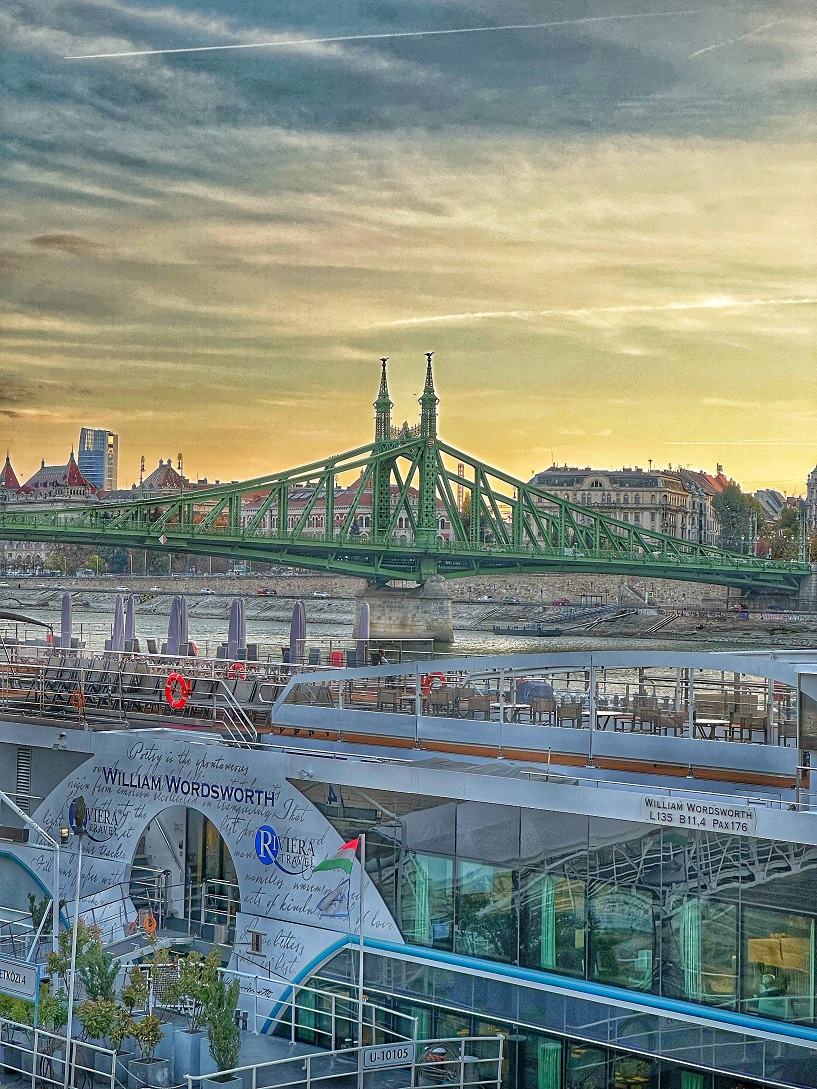
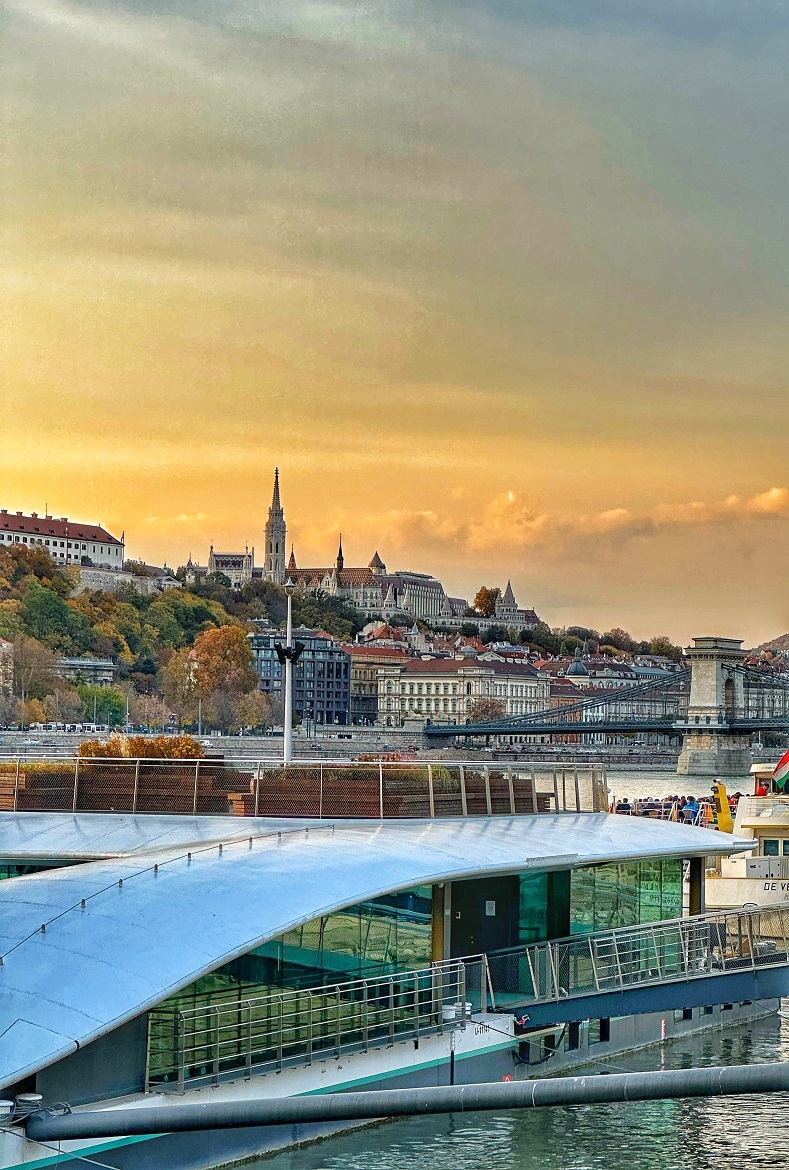
Budapest is a beautiful town, and Hungarian wines are delicious and evolving. Did I just set up your next travel itinerary or what? Cheers!
Travel Diaries: Cote d’Azur, Pink Sunsets and Rare Grapes
Cote d’Azur.
French Riviera.
One of the most coveted vacation destinations in the world. I didn’t know that, but according to Wikipedia, “Riviera is an Italian word that originates from the ancient Ligurian territory of Italy, wedged between the Var and Magra rivers. Côte d’Azur is originally a nickname given by France to the County of Nice after its annexation in 1860, because the climate was similar to that of the north of Italy, even in winter, with “a sky as blue as its sea”.” I know it is summer, but here is my illustration of the point above:


An evening in Antibes
Over the past 10 years, I had to travel to Nice a good number of times, and always for business. As a business traveler, I always held a grudge against these trips to the South of France – I don’t like Nice airport, it is one of the most uncomfortable ones, and I had my share of bad experiences in Nice. But the last trip was admittedly better perceived – I stayed at a brand new Marriott property, Moxy in Sophia-Antipolis, which was very nice. And we spent most of our free evenings in Antibes, which is a beautiful small town – still with lots of tourists, but overall incomparable to the crowds of Nice itself.
As you already know, I’m here to inundate you with pictures. As we visited Antibes (and Nice once) only in the evening, the majority of the pictures are related to the sunset. Here you go:


It is not only the sunsets that provided a source of enjoyment during our walks. Thought-provoking, creative statues by Nicolas Lavarenne were another great entertaining element of the Antibes boardwalk – I have to say that I really enjoyed them. Here are a few of the highlights:


Here are more of the sunset pictures:


And now my most favorite, the one I promised you in the title of this post – pink sunset:

Before we part, a few words about the wine. I had a few of the decent wines during the week, some local, some not. 2023 Estandon Brise Marine Blanc Méditerranée IGP (Clairette, Ugni Blanc) and 2023 Estandon Brise Marine Rosé Méditerranée IGP (Cinsault, Grenache, Syrah) were both on point, crisp, refreshing and light. 2020 Caves de Rauzan Mascottes Olga Cabernet Sauvignon Merlot Bordeaux AOC (13.5% ABV) was also very good, on par with the excellent 2020 vintage, and overall very generous and supple.


My personal highlight was the 2020 Château de Bellet Rouge Bellet AOP (14.5% ABV, 35% Folle Noire, 25% Braquet, 40% Grenache). This was a super-local wine, with the vineyards and winery located in the Nice area. The wine had a nice core of dark fruit, a hint of my beloved barnyard and a silky-smooth texture. Not only the wine was delicious, but it also added two new rare grapes to my collection, inching closer to the coveted Hexavin goal.
That’s all I have for you today. Hope you enjoyed looking at the pictures as much as I had fun taking them.
Travel Diaries: A Few Days in Chicago With A Few Wine Tidbits
Chicago might be my second favorite big American city after New York. Of course, this is a business traveler’s opinion (planned many times to visit the city of Chicago as a tourist, but this never happened so far). Situated largely around the Chicago River, the city offers magnificent views all around (just scroll down :)). The city also played a cornerstone role in American history, so you can’t help but think about all that was happening on those streets…
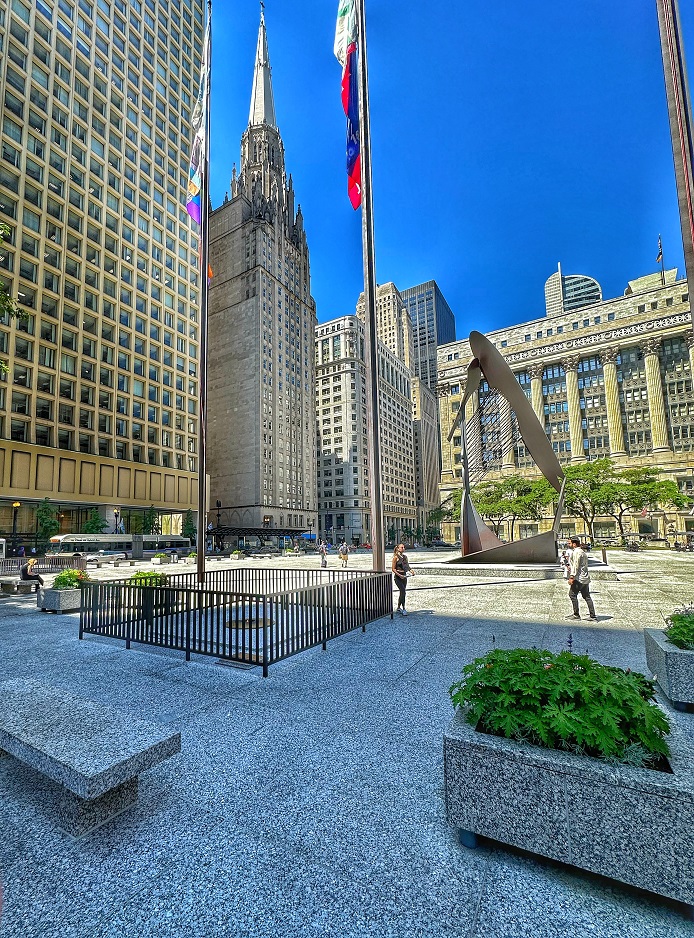

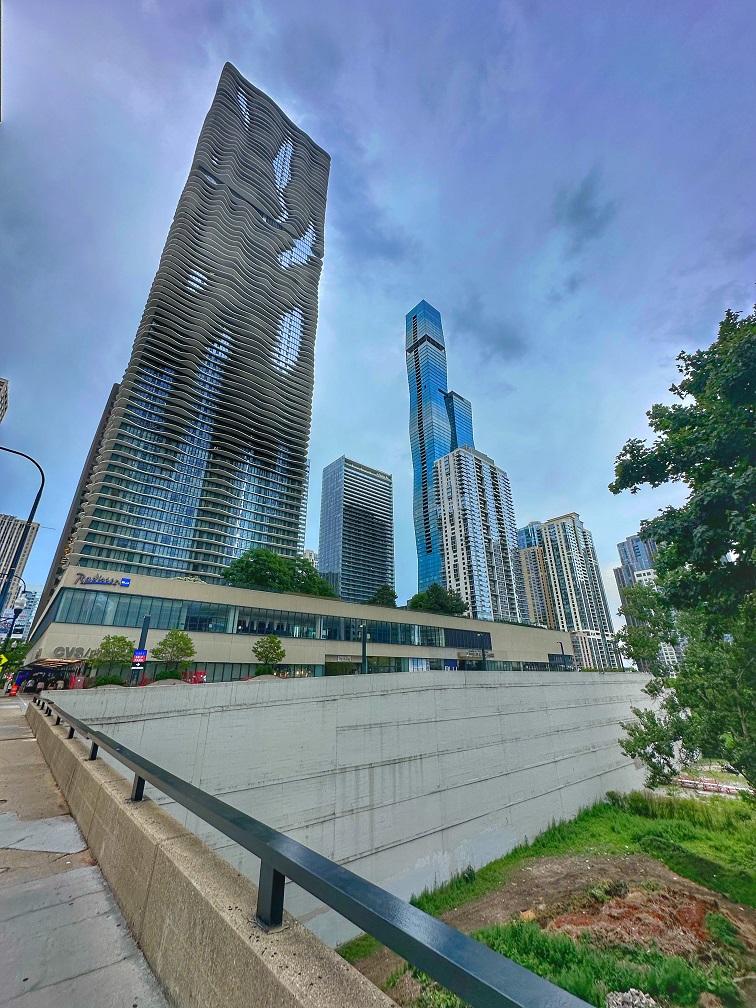
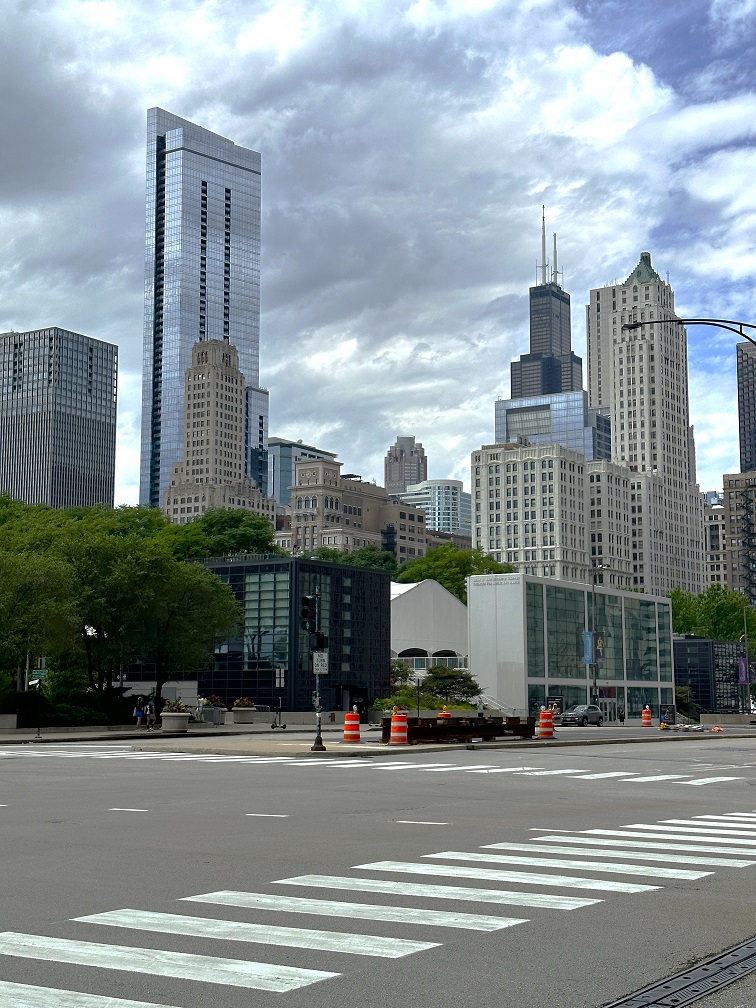
I spent pretty much an entire [work] week in the city, and had an opportunity to walk around a bit (mostly in the evenings). I stayed at the Fairmont Hotel, so most of my pictures, obviously, are taken in the proximity of that hotel (and some are just from the room). The hotel was very nice, no complaints. However, last year I stayed at the Palmer House Hotel, and being a historic hotel (the Palmer House was built in 1871/1875, while Fairmont was built in 1987), it offered a lot more charm – to my taste, of course. Okay, now you will have to scroll for a bit to get the wine portion.
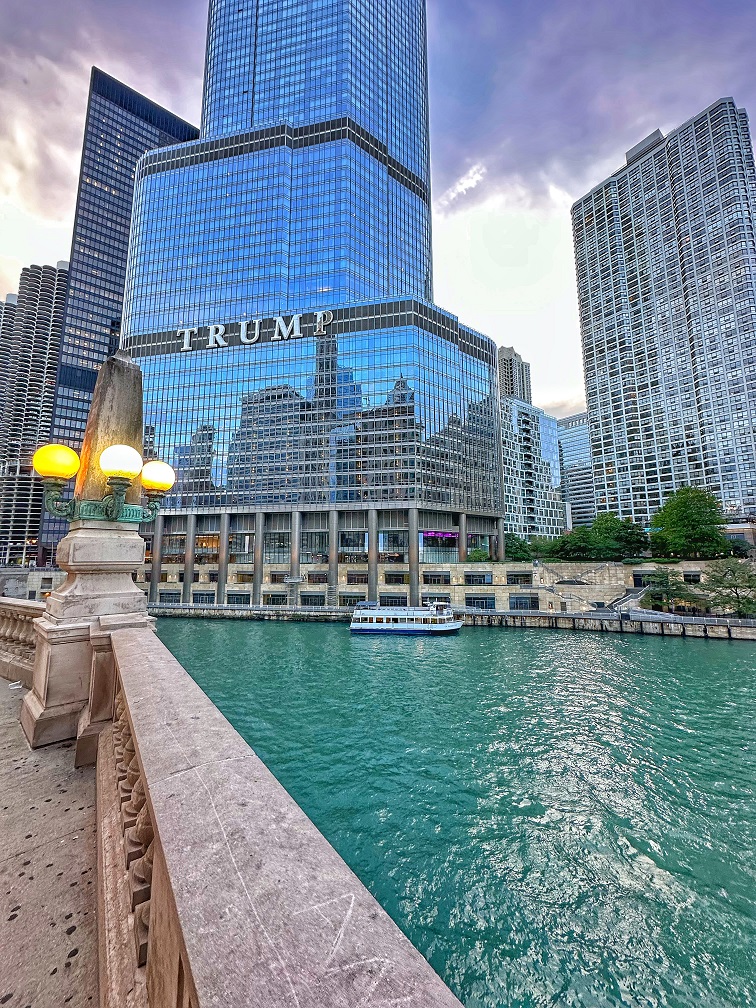

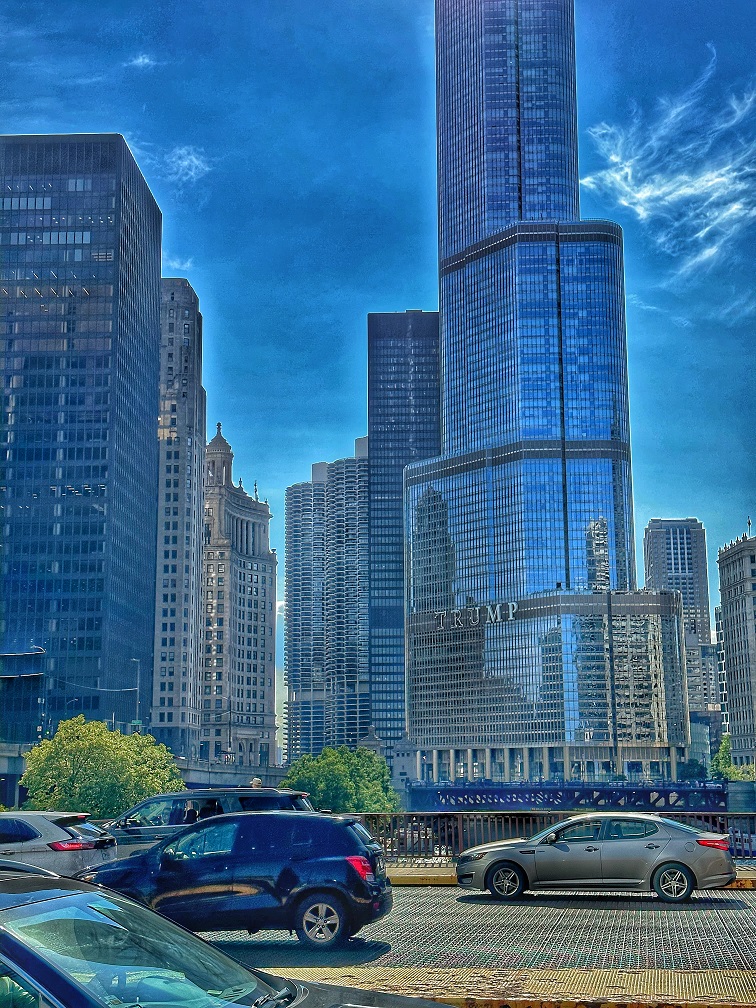
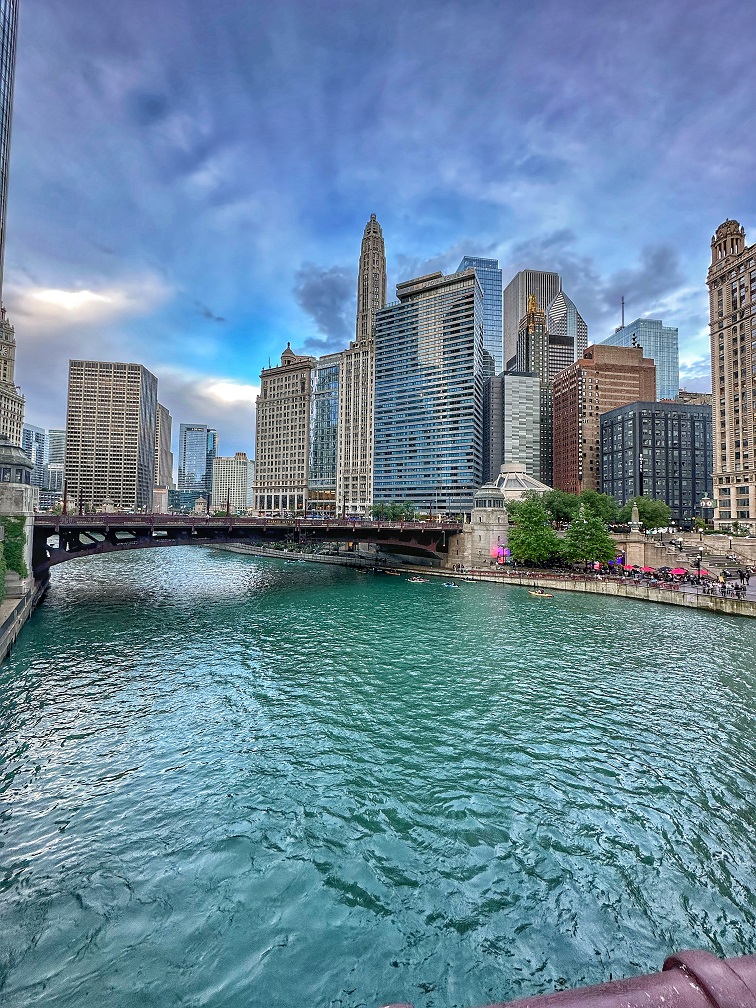
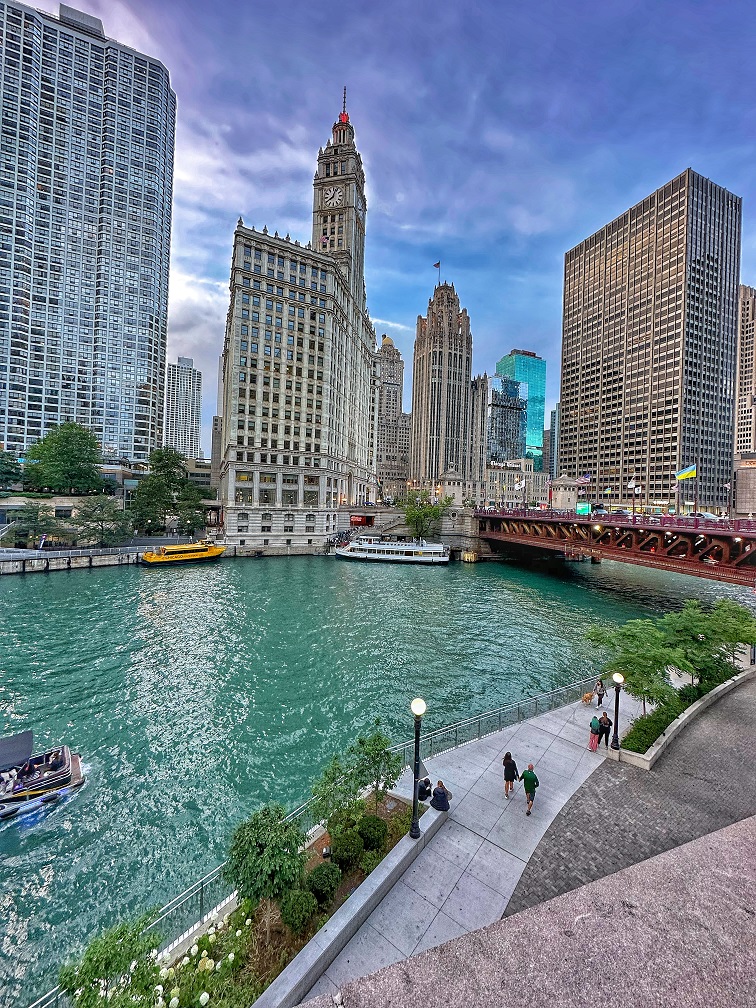 I hope these pictures give you an idea about the beautiful city of Chicago – of course, nothing can replace first-hand experience so you might want to add Chicago to your “to visit” list. Now, a few thoughts about wine.
As I’m sure you know my habits by now – when I travel, if convenient, I like to buy wine in the local supermarkets and grocery stores, just to see what is going on with the local wine scene. In Chicago, I visited Whole Foods and a large supermarket called Mariano’s, and I bought a bottle of wine at each place. Before we talk about particular wines, I just want to make a more generic comment, about the state of the wine market overall.
Media loves to talk about how wine is losing its popularity – not all of the alcohol categories, as wine stores can’t keep enough of the High Noons on the shelves, but specifically wine. People are buying less wine, people don’t drink wine, especially young people, and yada yada yada. I visited two large supermarkets, and both of them had shelves and shelves full of wine from around the world. These supermarkets are located in downtown Chicago, where real estate, I’m sure, is at a premium. If wine didn’t sell, these supermarkets wouldn’t keep such a supply on the shelves and give it so much space in the store. So I think the wine market is doing just fine…


Now, let’s talk about a few of my wine experiences in Chicago. First, I got this 2020 Famille Perrin Nature Côtes-du-Rhône Rouge (14.5% ABV, Grenache, Syrah, aged in stainless steel/oak barrels for 1 year, organic grapes) at Whole Foods. Perrin is a well-known name in French winemaking, and specifically in the Rhone – the family owns one of the most famous Rhone estates, Chateau de Beaucastel. When I saw this wine on the shelf for $15.99 (it was also on sale and cost $14 and a change), it was a perfect combination of a good name and a good price. Perrin family had been farmed organically for more than 40 years, and now this wine comes from a certified organic vineyard. I’m always a bit afraid that generic Côtes-du-Rhône red would be a little wimpy – the fear was unjustified with this wine, which delivered a perfect core of the dark fruit, good energy, perfect balance of acidity with well-integrated tannins. Definitely try this wine if you will see it.


My visit to Mariano’s yielded this NV Locations F French Wine Release 7 France (15.5% ABV, a blend of Grenache, Syrah, and assorted Bordeaux varietals, barrel-aged for 10 months). The wine selection at Mariano’s was large, but not interesting. I didn’t want to spend too much, so the Locations F at $19.99 was not the best value, but the most reasonable value/interesting wine compromise I could come up with.
Location wines are produced by well-known California winemaker, Dave Phinney, of Orin Swift Cellars fame (Prisoner, Machete, …). Location wines are typically non-vintage, and produced from the variety of grapes in the country of origin which is depicted on the label – F and FR for France, I and IT for Italy, CA for California, ES for Spain, and so on – you can learn more here. While the wines are not vintage-specific, there are different release numbers and each release might have an entirely different grape composition. For example, the Location F I had in 2015 was a Cabernet Sauvignon wine from France, while this release 7 is a blend of Grenache, Syrah, and other varieties.
The wine had a nice core of dark fruit, good acidity, and good overall balance. If I hadn’t looked at the label, I would never tell that it had 15.5% ABV – the alcohol was very well integrated and didn’t affect an overall balance. Not sure this would be my go-to wine at $20, but at the same time it was not the worst value either.


There is one more wine I would like to talk about here – 2021 Foradori Teroldego Vigneti delle Dolomiti IGT (12% ABV, cement tanks and used 20 to 40 hectoliters foudres for about 12 months, certified biodynamic). I had this wine at the Siena Tavern restaurant. To be entirely honest, this was almost the cheapest wine at $78. If there is one thing I despise with passion, it is ridiculously priced wine lists at restaurants. This same wine can be found in retail for about $25, so it was priced at triple retail. Definitely not the worst, as I’m sure the obscure nature of Teroldego played a role here – baby Ornellaia, Le Volte dell’Ornellaia, was priced at $89 on the same list, which makes it 4 (four!) times retail. I know a restaurant is a business, but come on… have common sense. I have to say that I didn’t see too many people with wine bottles on the tables, maybe that wine list requires some thought…
The wine itself was excellent. A touch gamey, both on the nose and the palate, dark fruit, roasted meat notes, crisp acidity – it was drinking very well… I looked up Fordari wines, and frankly, I would like to try other wines in the portfolio, especially the single vineyard Teroldegos.
Here you are, my friends – my Chicago trip with a few wines attached.
Travel Diaries: Europe 2024: Paris
And now it is the time for pictures – lots and lots of pictures – from our European adventure 2024, starting from our first stop – Paris.

Paris needs no introduction – an eternal city of love, a source of inspiration for all things art, a coveted destination for millions every year.
So what did we do in Paris? First, I have to mention the hotel where we were staying. Whenever possible, I’m the Marriott guy. During this trip, I used a serious number of points to pay for our stays in Paris and Rome. In Paris, we stayed at the Marriott Ambassador Opera Hotel, and I have to say that this was one of the best hotel experiences ever. Spacious rooms, the whole hotel appointed with pictures of the fragments of the sheet music, elements of ballet and dance. Just beautiful. The concierge lounge on the top floor offered great views of the city, excellent food, lots of comfortable sitting. If you are planning a trip to Paris and can figure out the way to stay there, this is an excellent hotel.
Our sightseeing included all of the usual suspects – Père Lachaise cemetery (we went there in the morning – an interesting way to start your day, but definitely worth a walk through); Louvre (no we didn’t try going inside while having only 2 full days in Paris); Montmartre with an insane amount of people – I wanted to walk around to see the painters, but it was physically impossible to get through the crowd – well, at least we saw the basilica.


We also managed to visit the Rodin Museum and Gardens on the first day (Thursday), and again we had to work our way through a significant crowd – but at least walking through the gardens was quite pleasant.


Eiffel Tower (I’m guessing freshly painted for the Olympics but I might be wrong) was, of course, an important destination – we walked around and also took a cruise to see the sunset and the Eiffel Tower brightly lit at night. A short stroll through Champs-Élysées through the scaffolding of some construction for the Olympic Games completed the experience. In the evening, we took a cruise on the Seine – just a cruise without dinner (I had a dinner cruise last year, and it was not worth it in my opinion), and I captured some beautiful sunset moments.


The next day we went to Versailles, but before we talk about it I need to lament about Paris Metro. On one hand, I believe the Paris subway is literally one of the best in the world, for sure for the tourists. At each track, there is a full list of all the stations for a given direction – as long as you know the name of the station of your destination, you have no problems orienting yourself. However, everything has two sides. To enter the subway station, you need to use a ticket which is a tiny piece of paper with a magnetic strip. Even if you buy a day pass, it still comes in the same format. Now, if this little piece of paper gets anywhere near your phone, it gets doomed. And it is doomed in a funny way – you can’t enter the station, but when you ask an agent to check it, they run it through their machine and tell you that there are no issues. I ended up storing all the tickets in my wallet and this was the only way to get those tickets to last throughout the day.
Now, Versailles. I bought timed tickets with an audio guide a few months before the trip (we had only one day available for the visit, so I couldn’t take any chances), so we had no problems getting in.


Honestly, I was reasonably unimpressed with the palace (feel free to ostracize me, but the palace was very similar to the Newport mansions). However, the gardens were absolutely beautiful – except literally none of the fountains were working, so it definitely took away from the experience.


Just to touch on food and wine – we visited a few restaurants, but didn’t have any standout experiences, so below is just a quick summary as it simply feels wrong to talk about France and not to include any pictures of the food.


Then it was Sunday, and time to go to Orly airport…
Travel Diaries: Europe 2024
The European family trip was fully planned – Paris, Milan, Tuscany, Rome. Hotels and airline tickets were booked, and only train tickets remained to be put in place. This will be a great trip. July 2020 was shaping up to be a great time.
Yes, you read it correctly. July 2020. The month that never happened. along a few years. But the desire to have the family trip to Europe never went away. The original idea behind the trip was to celebrate two important events in the youngest kids’ lives – graduation from university and high school. 4 years later, that was the time to celebrate another university graduation – and as Covid became history, we could get back to planning the European trip again.

Everything in life has its silver lining, sometimes we just can’t see it. With our trip, there were a few advantages. First, the trip was moved to May instead of July. I’m sure both Paris and Rome are beautiful in July, but July is a very hot month for both cities. Going in May saved us from the heat torture. The second advantage was that my original plan (Paris-Milan-Tuscany-Rome) over the 10-day period would create way too much stress. Going directly from Paris to Tuscany evened out the whole experience, making it more relaxing.
So what is this all about? I’m writing this post while sitting on the plane flying back from Rome. We had a great trip – we saw a lot, ate a lot of tasty food, drank delicious wines, and were able to relax at the same time. I want to share this experience with you including a few of the good learning points in the hope of simply helping and encouraging someone to take that trip you’ve always wanted to take and feel good about it. Here I plan to share some general thoughts about the trip – the things we either did right or learned. Then I will inundate you with lots and lots of pictures and details about food and wine in the subsequent posts.
Few of rationales behind this trip planning. The kids (grown-up, yes, but still) had never been to France and Italy. They have never experienced European trains. My wife and I have never been to Tuscany. These were important points that I wanted to cover in my trip planning.
We started our trip in Paris, where we spent 3 nights. Then we flew from Paris (Orly, nice and easy) to Florence on Sunday morning, using one of the budget European airlines, Vueling. Got to Florence, got our rental car, and drove about 1.5 hours down south to stay at the agro farm for four nights. After that we drove back to Florence, but now to the train station, and took a high-speed train from Florence to Rome. Three nights in Rome and back to where we started, New York.
While in Tuscany, we visited Siena, where we had a walking tour with the guide. Same in Rome – we had guided tours of the Vatican, the Colosseum, and a bit of Rome itself.
In retrospect, the whole schedule and trip logistics turned out quite well, allowing us enough time for sightseeing and relaxation. Here are a few learning points and suggestions based on our experience.
Plan ahead
I started the planning at least 9 months out. Of course, not everything can or needs to be done so far in advance, but if you want to have specific flights (schedule/stops/airline), and specific hotels, do start as early as you your made the decision to go. Double that effort if you plan to use award points and miles.
Book your tours to the popular attractions online/as early as possible
I don’t know about you, but lines are one of my most hated things – and you should’ve seen the line going round and around the Vatican with all the people who want to see it – this was one long line. So timed tickets are the way to go, whenever they are available. Here are the links for booking the timed tickets (these are the current links at the time of this writing – I can’t guarantee you they will not change.)
Booking a timed tour of the Vatican (60 days in advance)
Booking a timed tour of the Colosseum (30 days in advance)
Use tour guides!
I know, the tour guides cost money. But they also help you to create deeper, longer-lasting memories, and they make your “walking around” interesting and worthwhile. I also believe that it is best to get references for the tour guides, as I’m sure they are not all the same. Both of our tour guides in Siena and in Rome were incredible and if you are interested, I will be happy to facilitate the connection.
Remember, people live there
This might sound banal and “duh”, but remember, while you are a tourist, not everyone is around you – especially when it comes to the cities. You will be competing for the same attractions and especially, the restaurants, with the people who actually live in those “tourist attractions”, so when you are out and about Friday night or Saturday, so are the locals. Plan accordingly.
Reserve ahead
I already suggested that you should reserve your attraction tickets as early as possible. But you have to also do the same with the restaurants. Of course, you will always find a place to eat. But if there are any specific restaurants you want to try, start making reservations 30 days in advance, and possibly even earlier. Trust someone who’s spent lots and lots of time trying to find a reservation at one of the recommended restaurants about 3 weeks before our trip – with literally no availability in sight.
Trains in Europe are not what they used to be
Sure, it is my age talking, but about 20 years ago, you could rely on the schedule of the trains in Europe to be rock solid. Now, there are strikes, and your trains can be delayed or canceled, the same as airline flights. When we came to the Florence train station, my heart literally sank – two of the earlier trains to Rome were delayed by 100 and 70 minutes and I heard the word “strike” over in the announcement. At that moment, I regretted not driving directly to Rome from the place where we stayed instead of going in the opposite direction just because I wanted to provide a European train experience to the kids. We got lucky and our train was delayed by only 5 minutes, but keep the possibility of a strike in mind.
Don’t overextend
I can’t speak for Europeans who often have 6 weeks of vacation. When your typical vacation is only 7 to 10 days, obviously you try to do as much as possible, see as much as possible, and experience as much as possible. But converting your vacation into a race is a mistake. Accept that you will not see everything you want at once. Allow for a slow time. Let life happen around you without hurrying it up. Spending 4 lazy days in Tuscany after 3 full days in Paris and before fully embracing Rome worked absolutely the best and in my opinion, made a very good vacation into a great one.


Lastly, keep in mind that planning is great but you also need a little bit of luck. We were lucky with the weather (not too hot, not too cold, and not a day of rain), we were lucky with our flights, we were lucky with our train ride. Just remember that things might happen, whether you want that or not.
That’s the end of my uninvited advice. Now, get ready to be inundated by lots of pictures and tidbits of our travel escapades.
Just Some Fall Colors
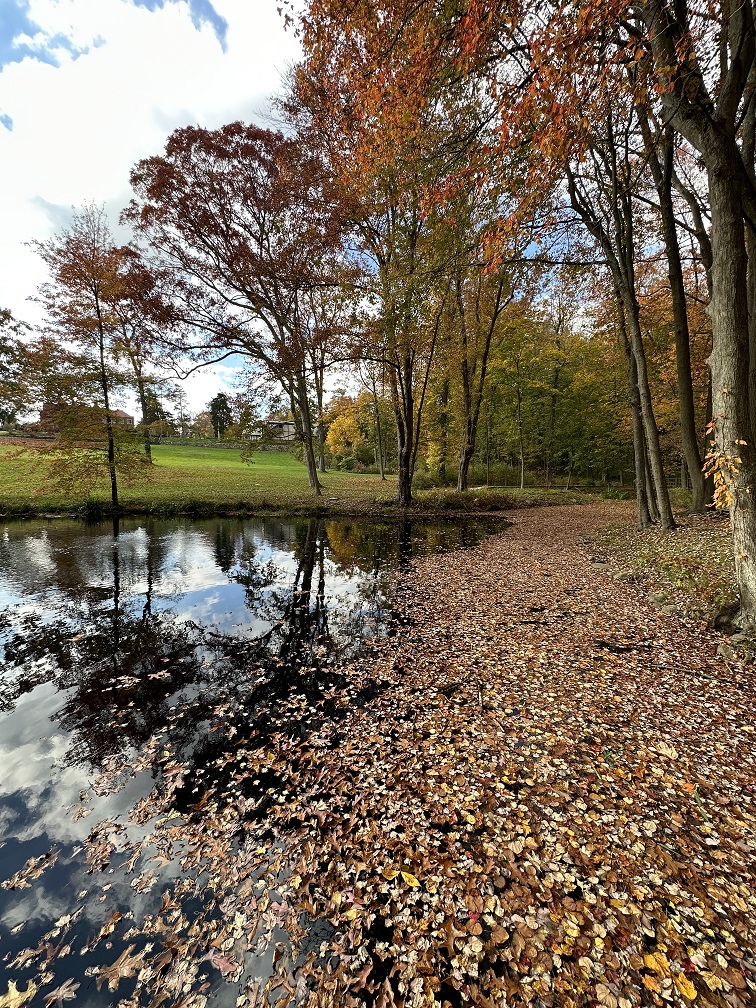
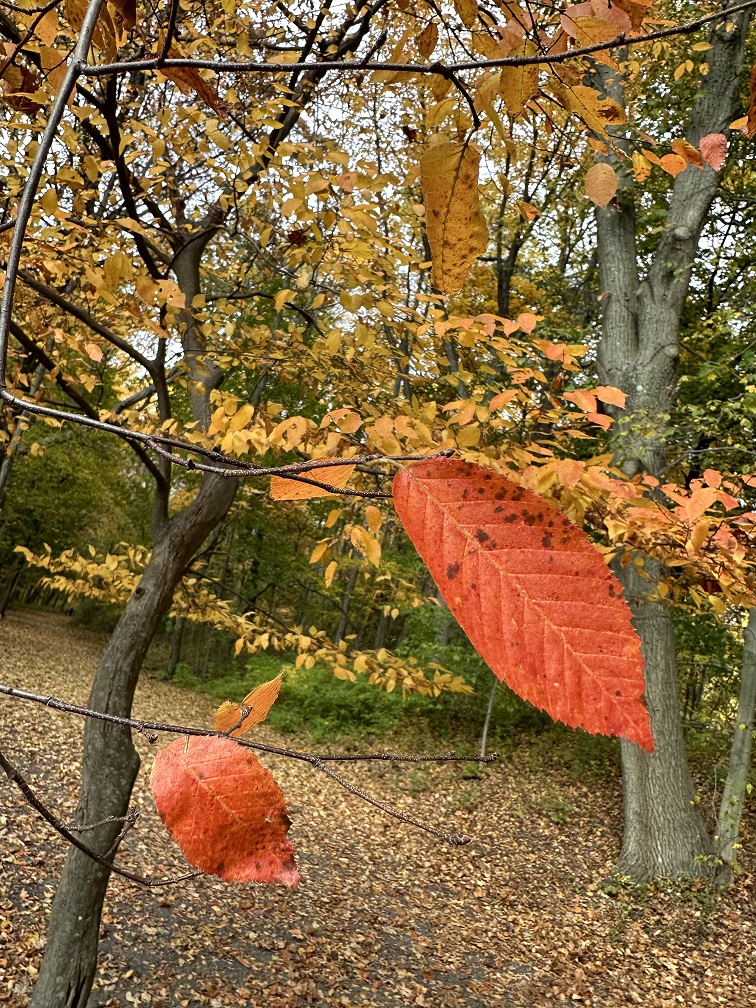
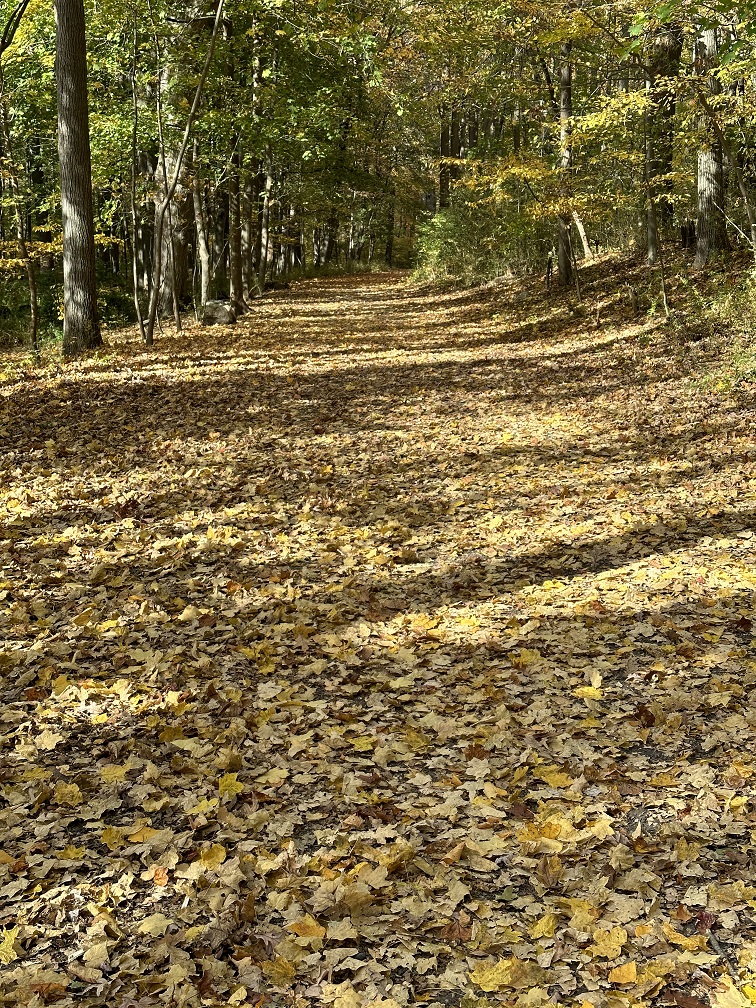
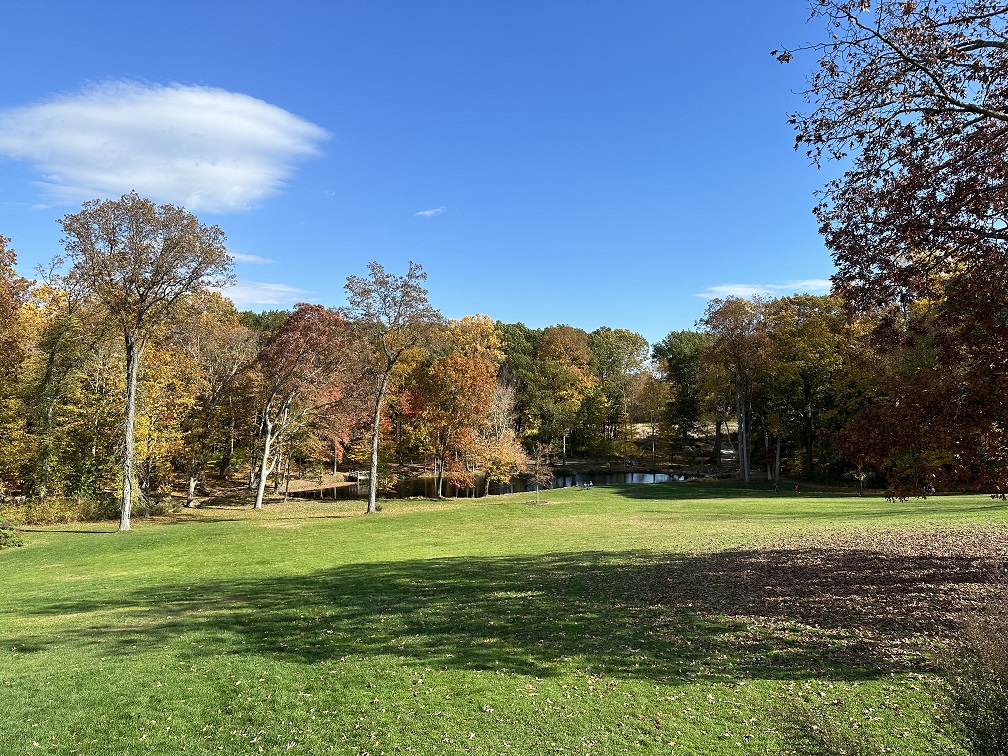
2023 was an interesting year – on many levels (personal and not). Until it turned upside down about a month ago.
Wine is generally a happy subject. And I need to be in a happy state of mind to write about it, which I’m not. Which is sad, as this is not the wine’s fault.
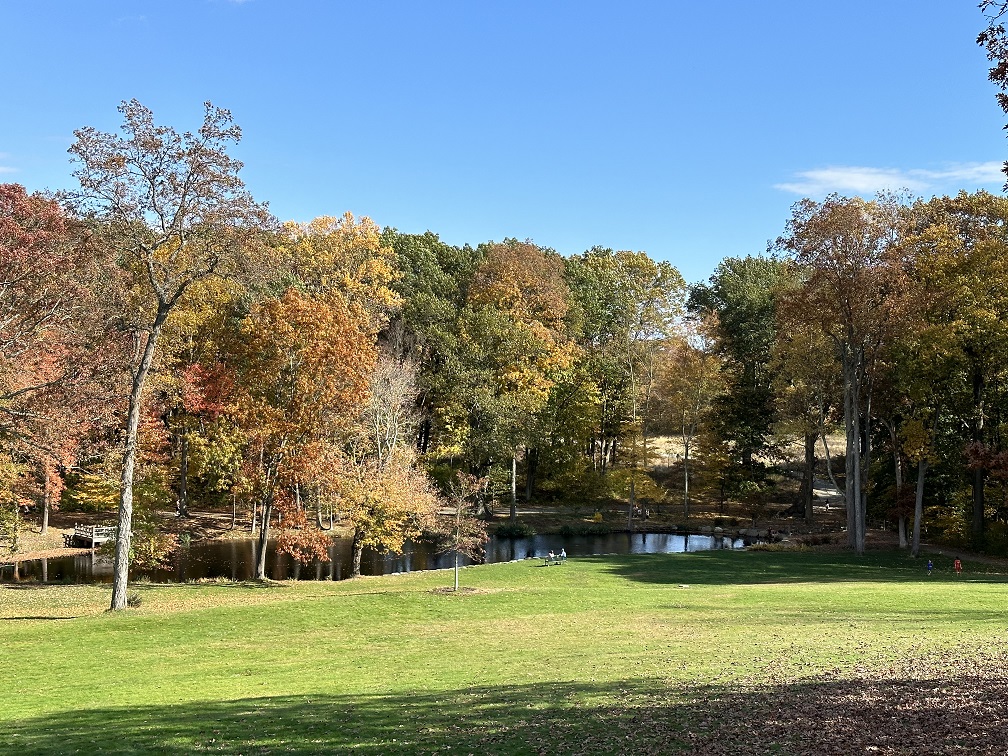
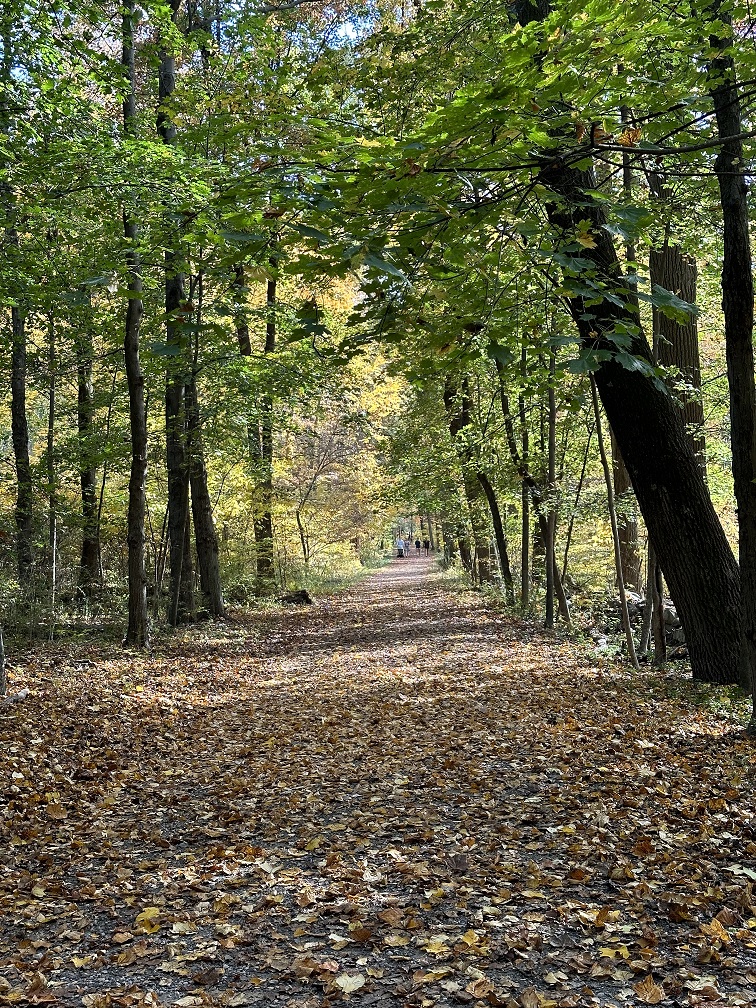
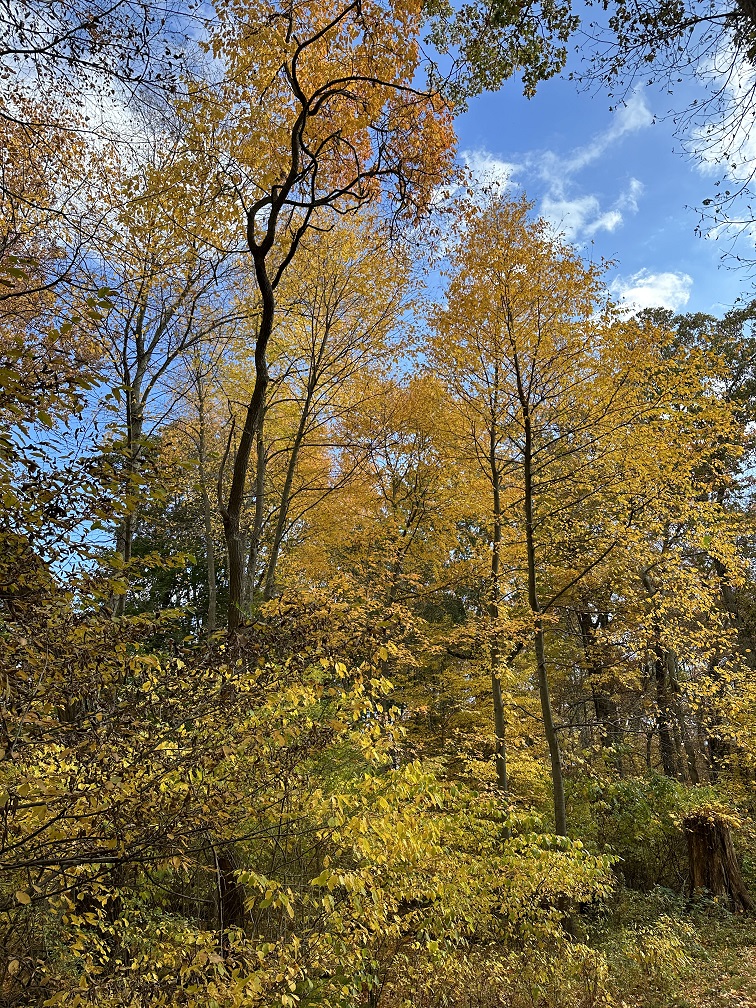
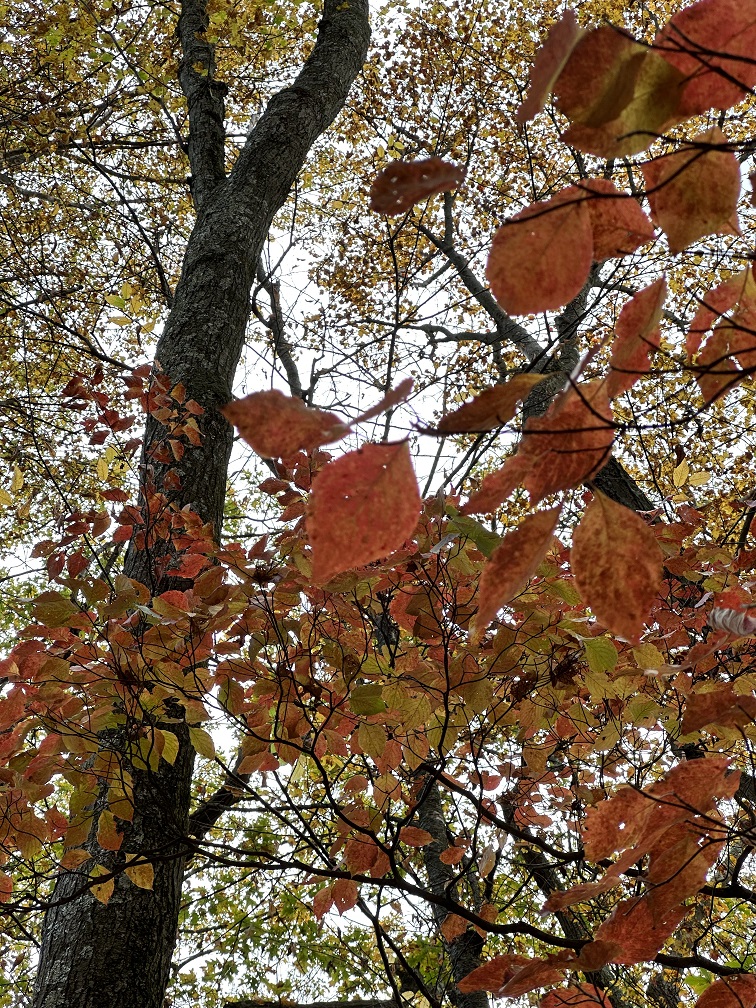
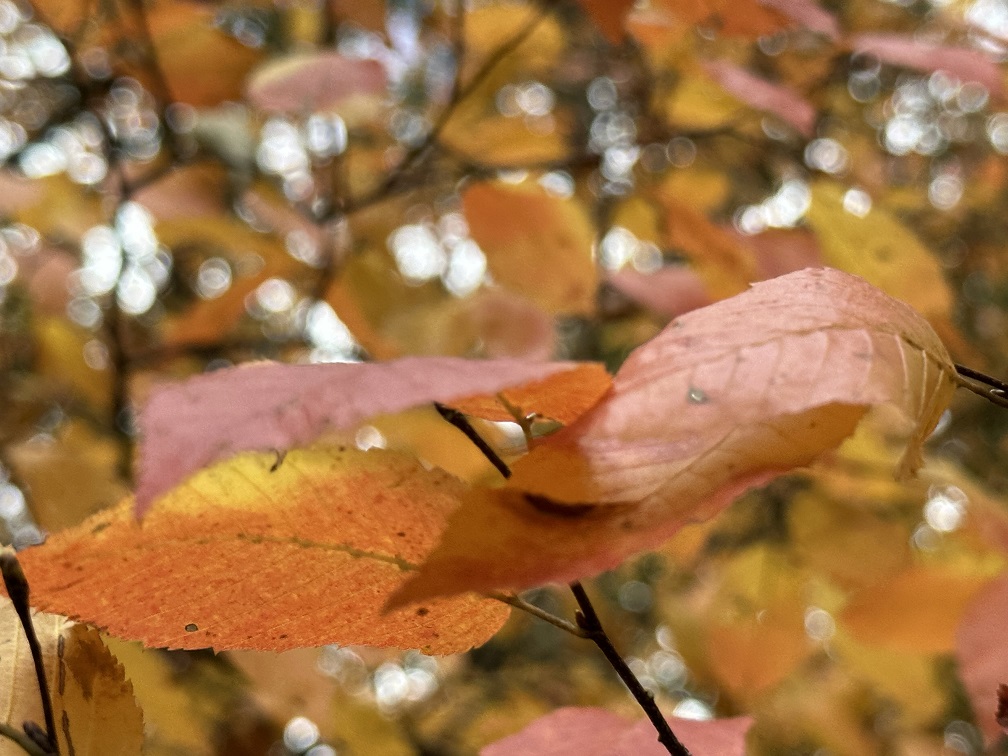
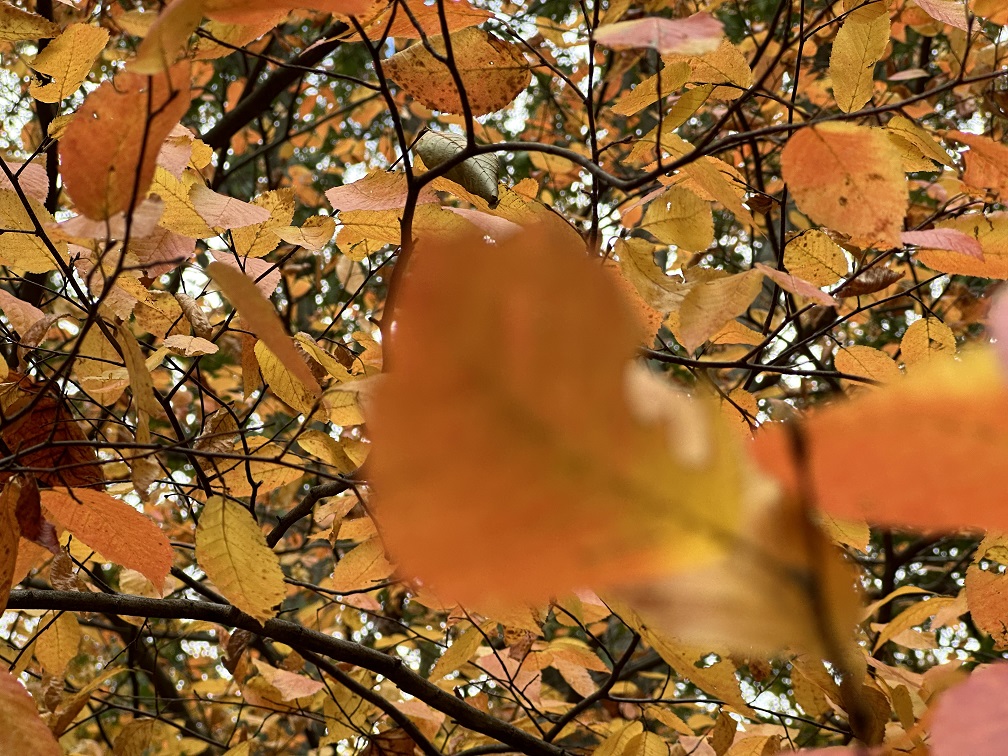
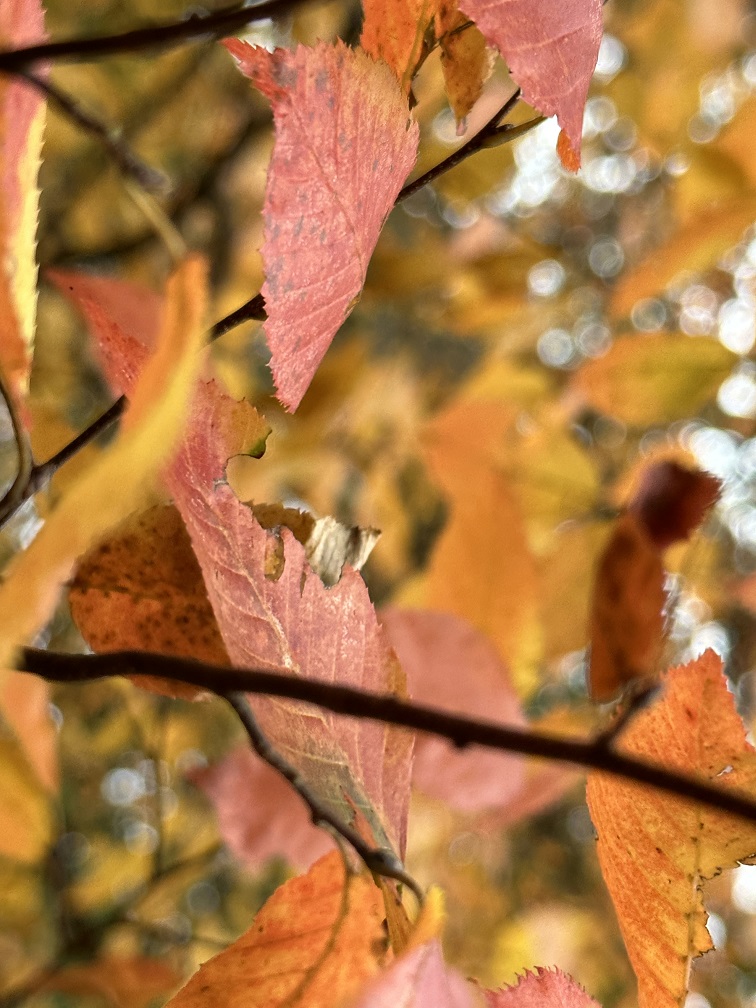
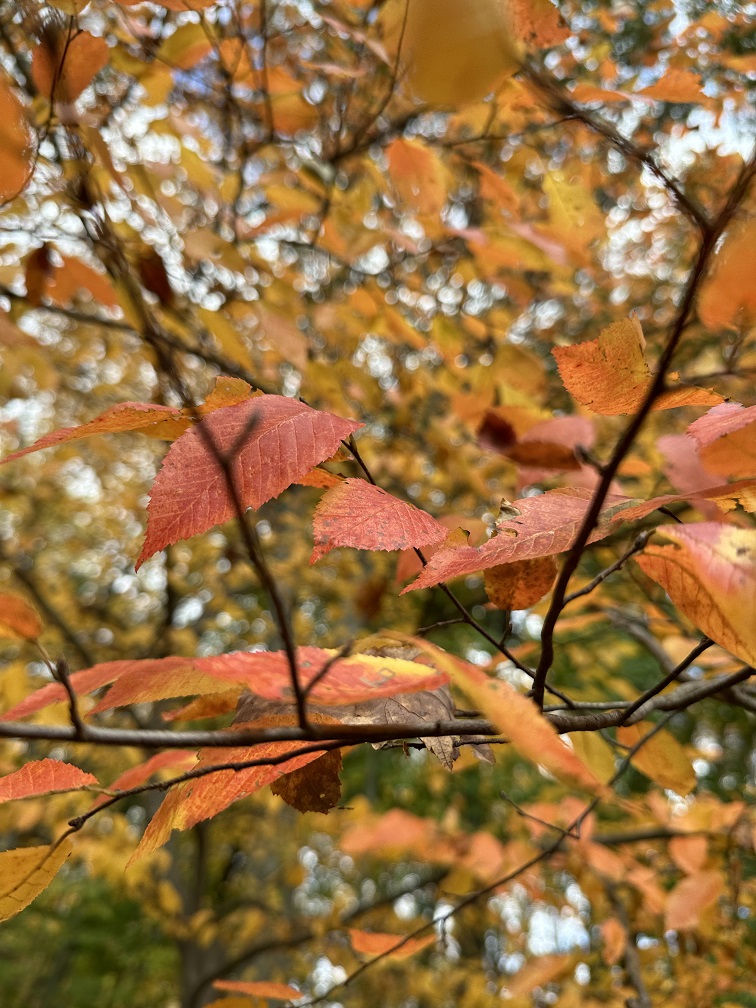
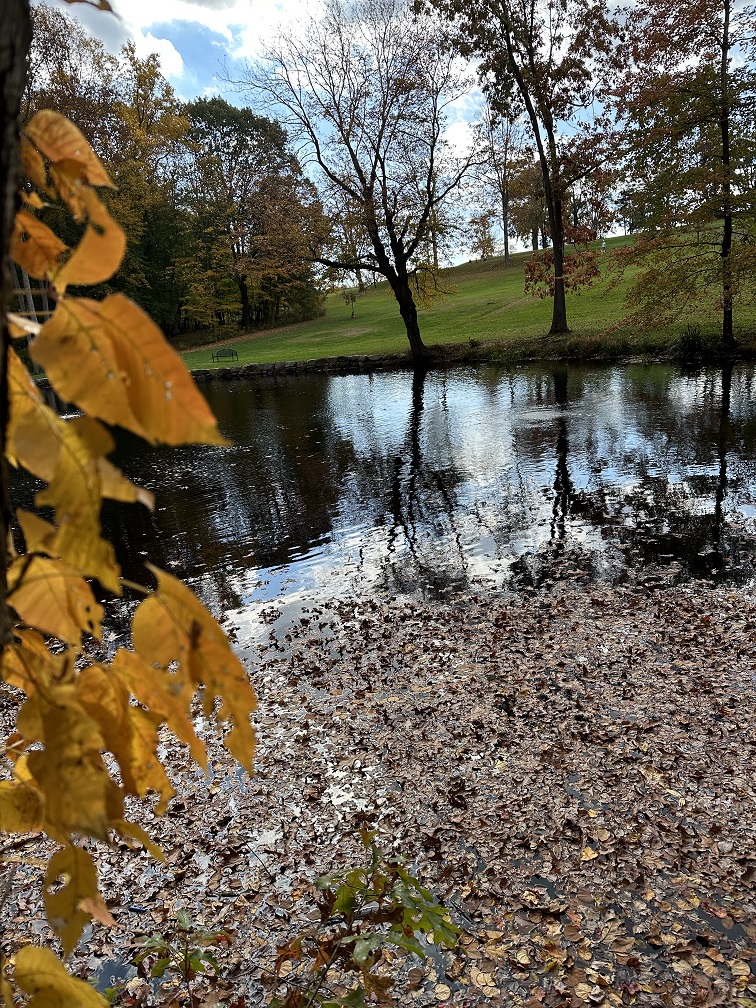
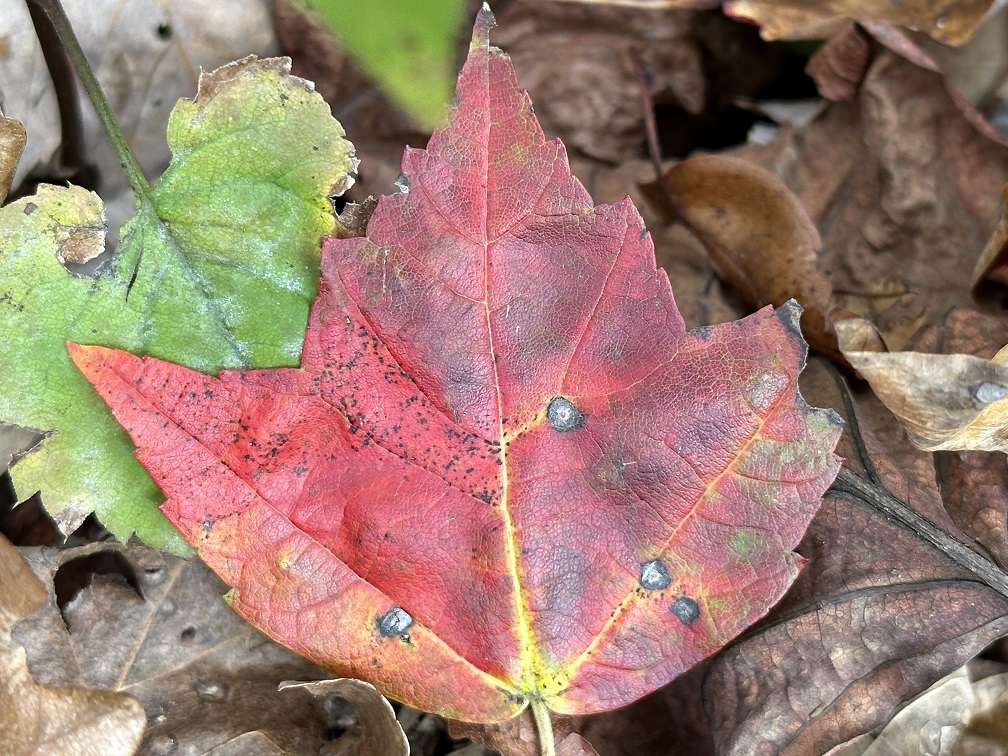
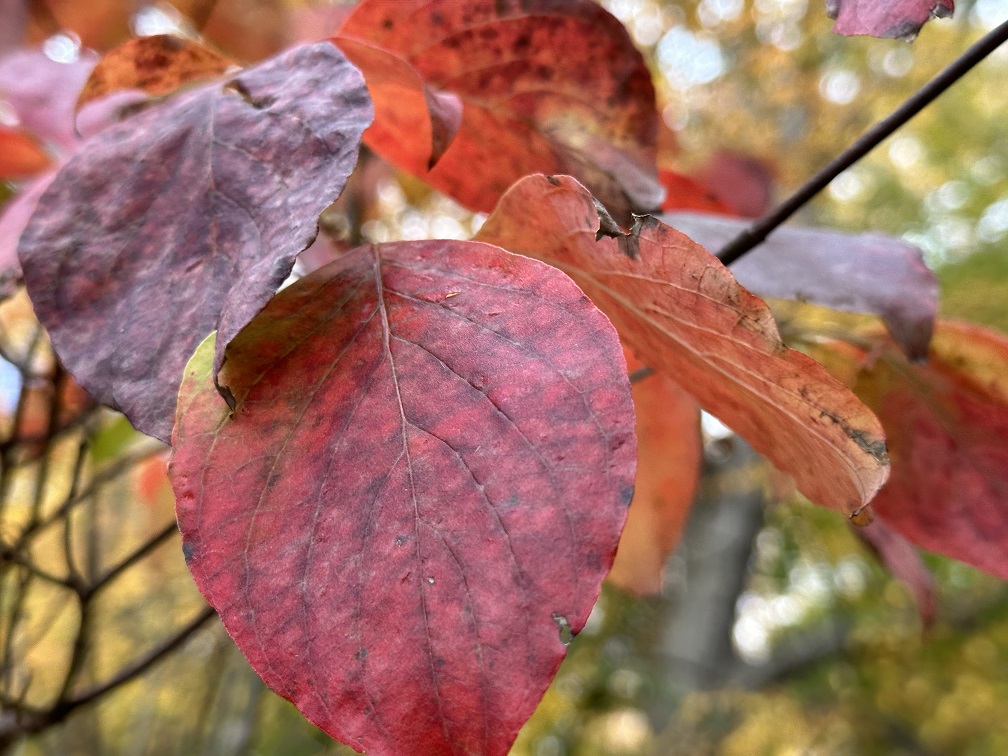
Anyway, I will try to ease up back into writing by sharing some of [practically traditional] impressions of the Fall in Connecticut.
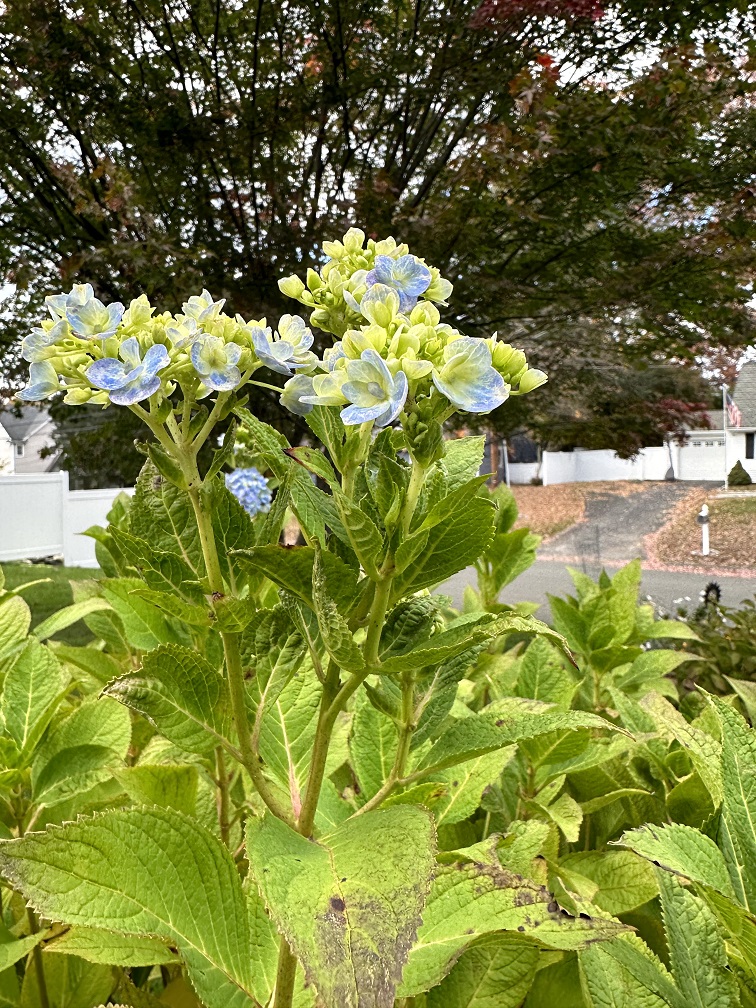
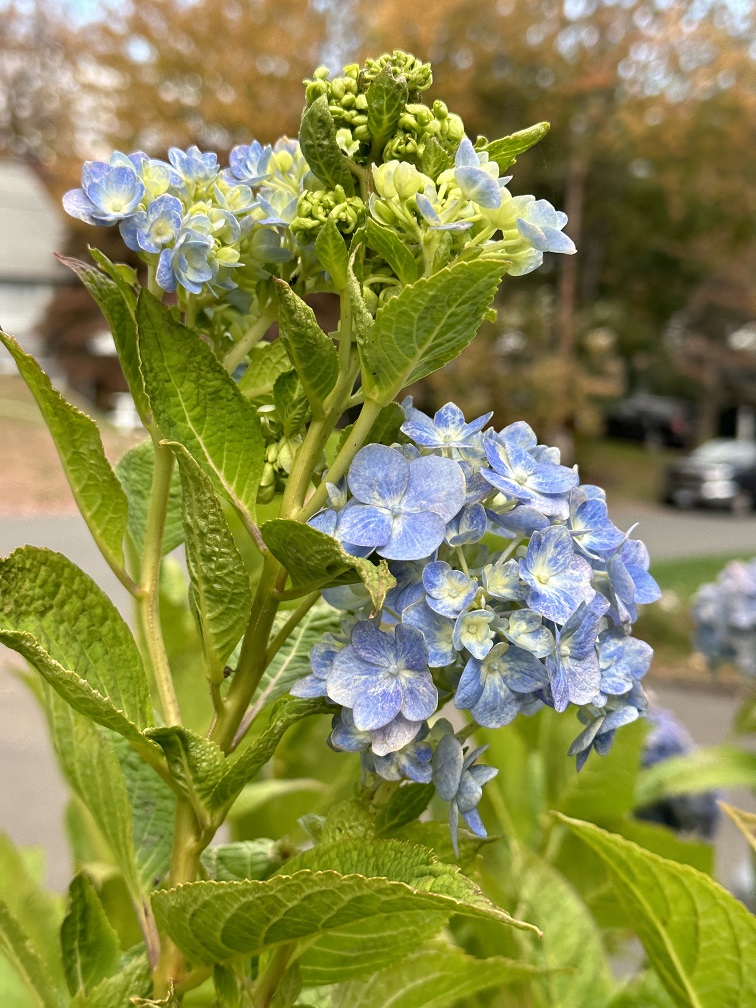
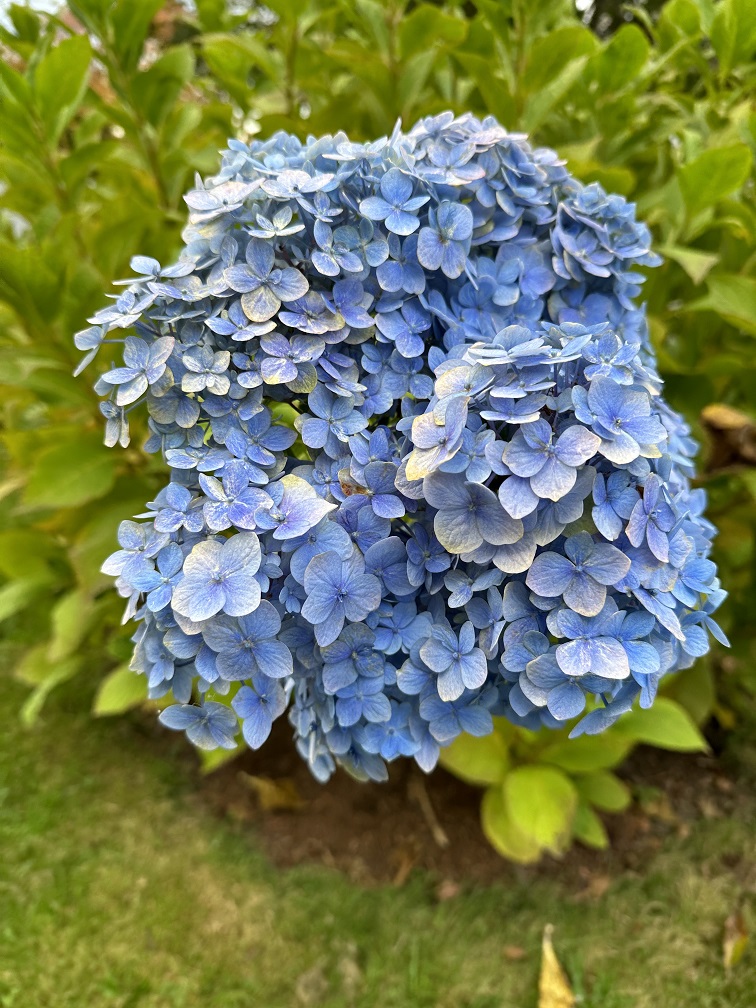
I have to say that this growing season was strange for many plants. For example, our beloved hydrangeas which reliably bloom every summer, produced literally no flowers – until the fall came, and beautiful balls of blue finally showed up – in October. The weather was also interesting going from 75F to 40F in a matter of two days. But we still got the colors – and this is what I’m happy to share here. Happy scrolling 🙂
When in Sweden…
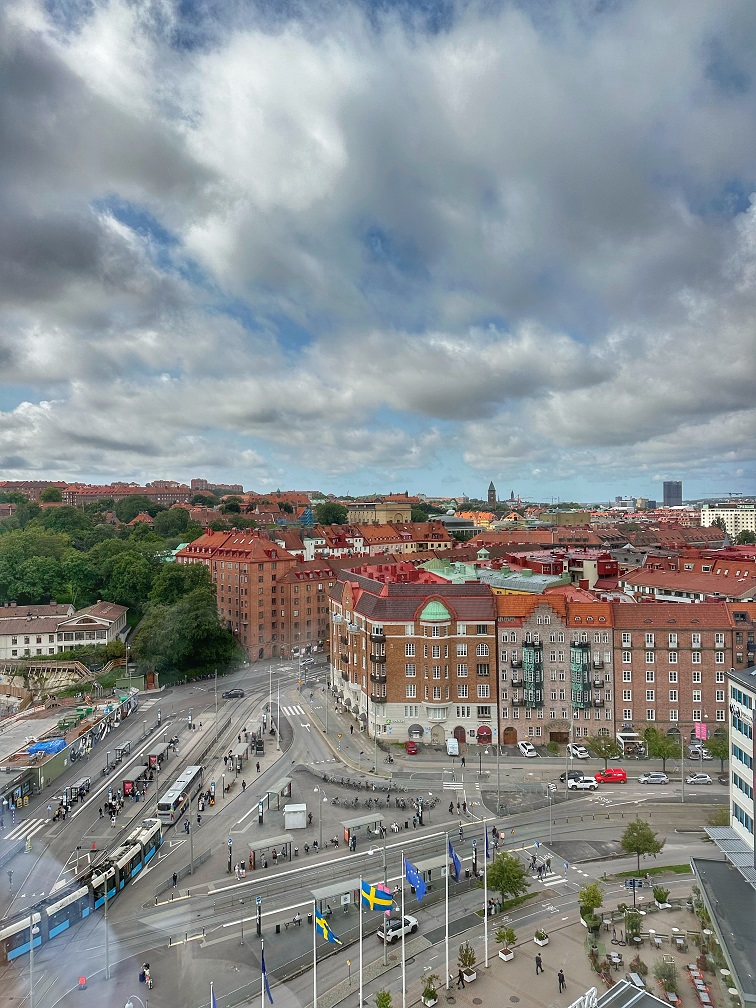 Here I am, talking about travel again. Well, this will be mostly about wine, but let’s talk about travel first.
This was my third time visiting Sweden (all three times were for work reasons). My first visit was to Malmo, a town located in the southern part of Sweden close to Copenhagen, and that visit was fully documented here (and here is the bonus part about my day in Copenhagen).
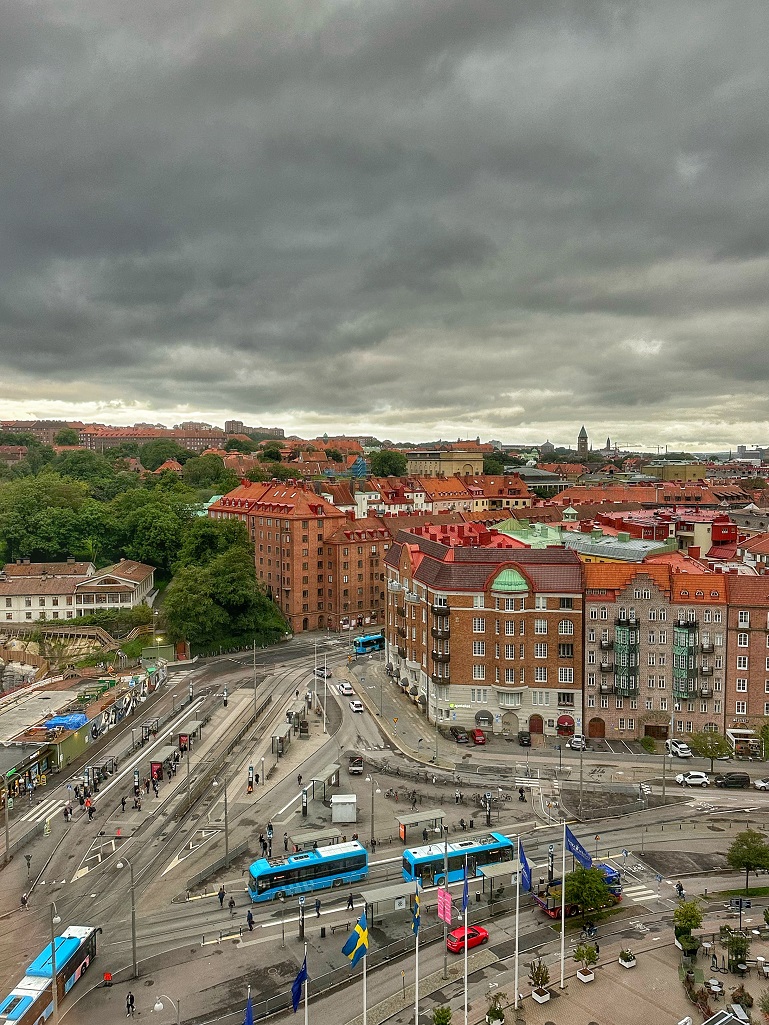
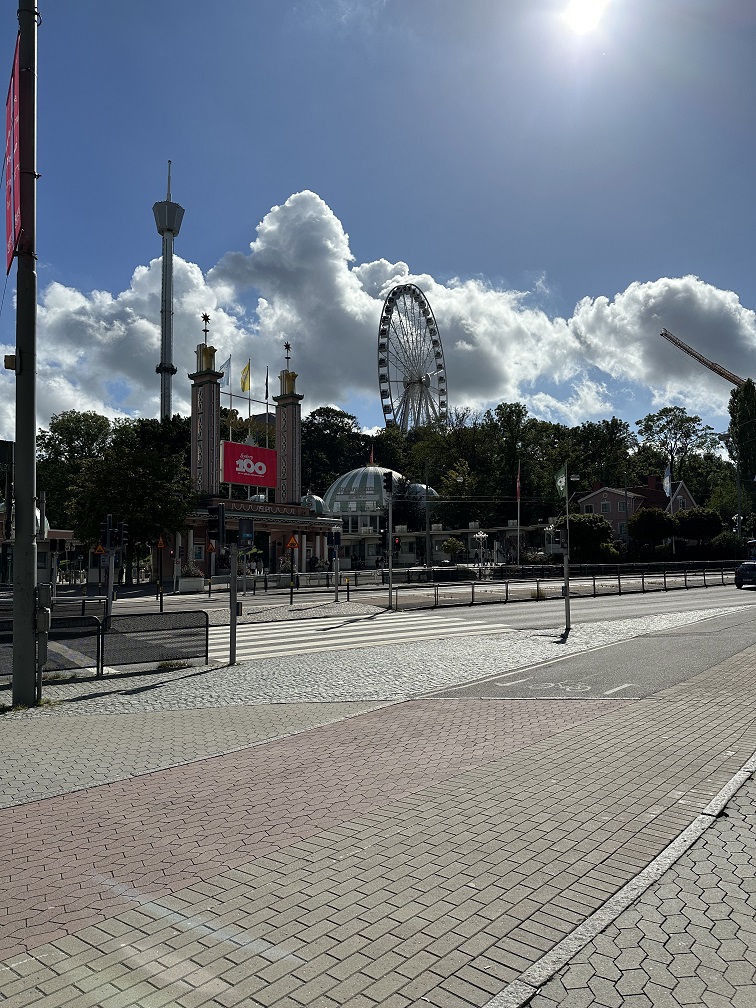
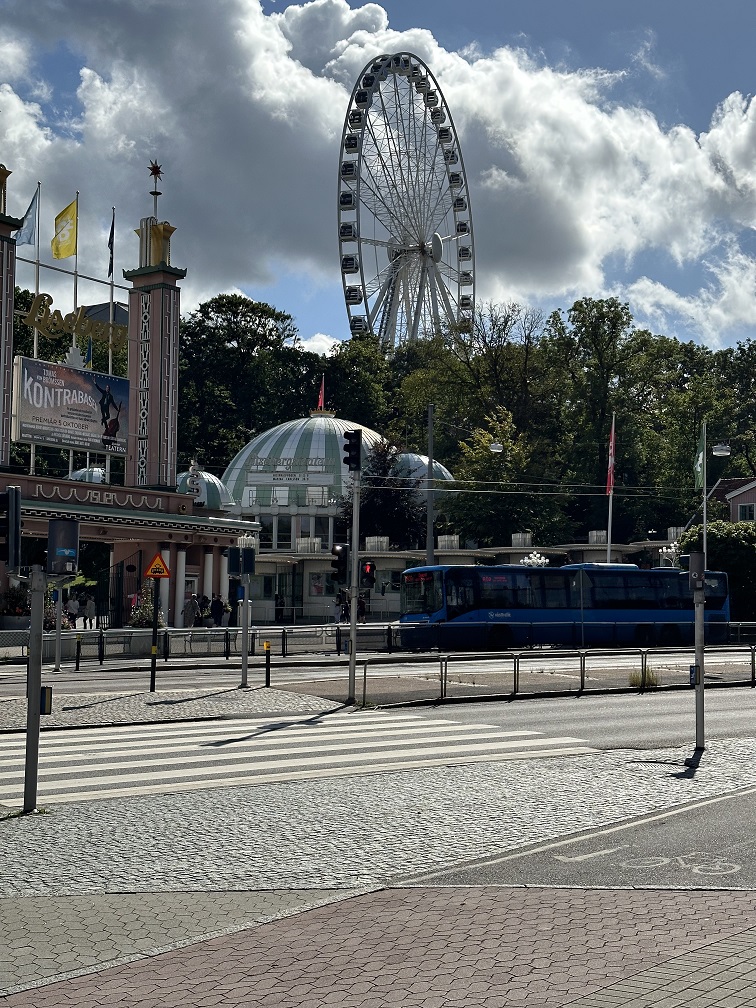
My other two visits were to Gothenburg (also known as Göteborg), the second-largest city in Sweden and the birthplace of Volvo cars. Both times I stayed at the Gothia Towers Hotel. Here comes an interesting (funny?) part. As I made it to the hotel this time, I noticed a large amusement park called Liseberg right across from the hotel entrance, with a Ferris wheel and rollercoasters. While walking with someone to the hotel from the bus stop, I asked if the amusement park was just built, and in response I got a very surprised look and the answer that the park was there even 20 years ago. Turns out my first visit to Gothenburg was in January of 2018, and spending all of the light hours inside the building didn’t give me a chance to see what’s actually around. Kind of funny and strange, I know.
I also remember from the previous visit that I wanted to find a Swedish wine to try. I remember walking into a large liquor store close to the hotel and asking someone if they had any Swedish wine I could buy – and I remember the salesperson telling me apologetically that they didn’t have anything on hand, but that he would be happy to order the wine for me which would take some time to arrive – that, of course, didn’t work for my schedule. Coming back now gave me some sense of hope of finding the local wine to try and adding one more check mark to the Wines of the World table.
Once I got situated at the hotel, my next trip was a traditional walk to the supermarket. For the absolute majority of trips, this is my standard routine – I generally prefer to drink sparkling water in the room, and this is the easiest way to get it (not even the question of least expensive – in many cases, hotels simply can’t supply bottled sparkling water). I’m also always eager to see the wine shelves at the supermarket, to see what is there and at what price. In Sweden, however, it is a bit tricky – alcohol sales are a government monopoly – Systembolaget is the chain of stores that can sell alcohol and liquor in Sweden, and of course, they control the prices and the selection.
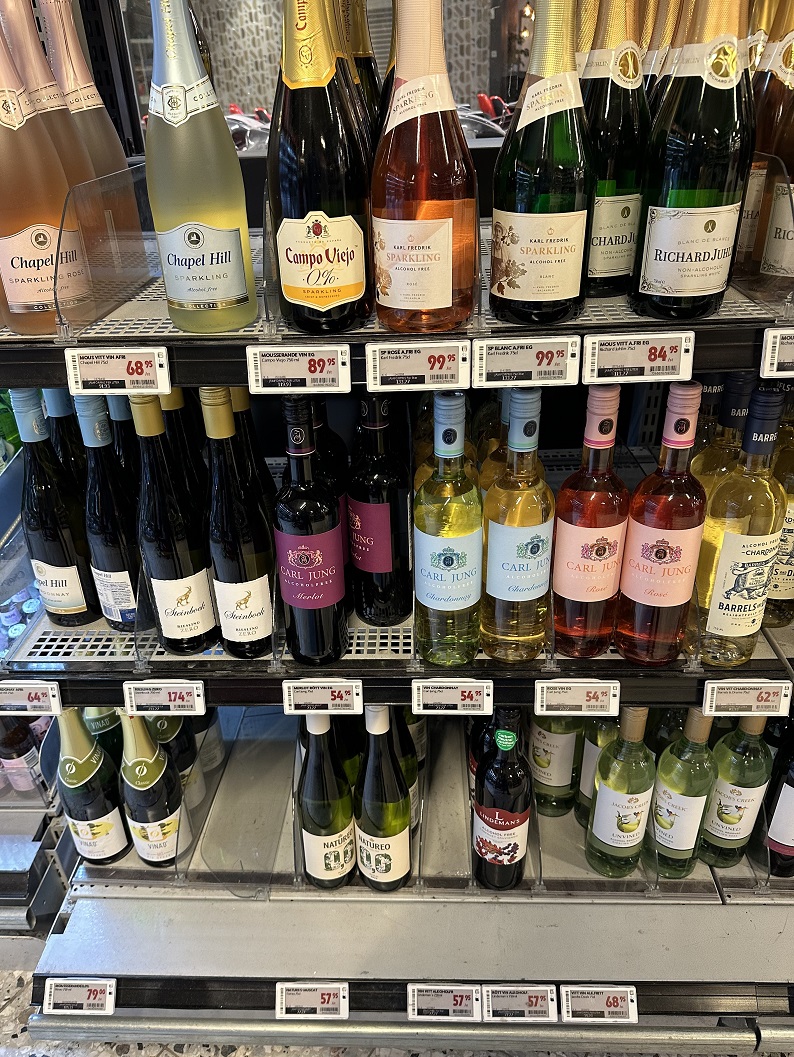
I visited the supermarket on Sunday, and Systembolaget stores are simply closed on Sunday (or at least the one I was near in Gothenburg). The supermarket actually offered wine – alcohol-free wine that is. I guess alcohol-free wine is a thing in Sweden, both locally produced (mostly from fruit, not grapes) and imported wines – and imported alcohol-free selection even included some familiar names, such as Campo Viejo, for example – you can see the sample selection in the pictures below:


Apparently, low-alcohol beverages are allowed for sale at the supermarket, as there was a good selection of beer, and I even got a few to enjoy later in the room. Moreover, beer was a drink of choice at many of my dinners – while traveling when it comes to the “by glass” selection, I usually prefer beer as it is generally cheaper than wine and more error-prone. I had a number of good local beers during this trip.
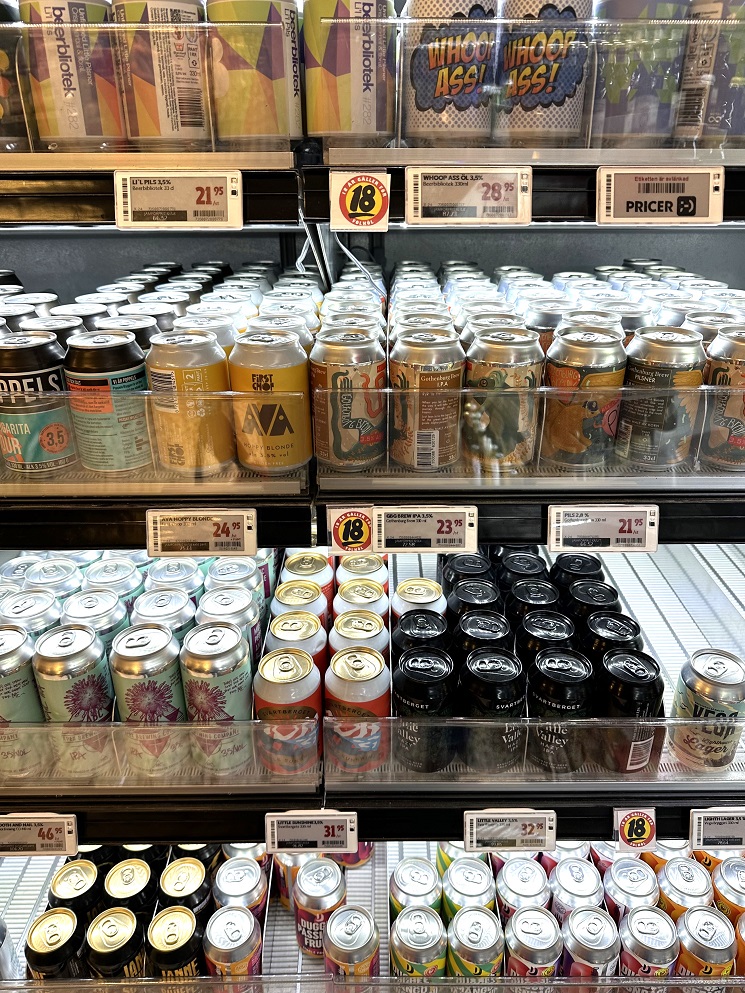


And speaking about dinners, some were good, some were barely okay, and some were absolutely stunning (okay, not “some”, just one), as I already wrote about my visit to SK Mat & Manniscor. Actually, outside of that spectacular dinner, I had the best dish at lunch when we stopped by some random Italian place – the wild mushroom risotto was so good I had to literally stop myself from leaking the bowl (no picture though).


Before I will inundate you with pictures of the wines, just a few images of the town. As I mentioned before, this time around I was able to see the amusement park, and my room on the 17th floor afforded pretty good views as well – here is a little assemblage for you.

As I told you before, finding the Swedish wine was an important mission, so I tried to accomplish that at the first opportunity – I only didn’t realize that Systembolaget simply closes at 7 pm, and my meetings are typically not done until almost 8. The first half of the week went by and Thursday was my last hope before I would have to fly back on Friday. I found a little break in the meetings around 5 pm and went to the store.
The store was nice and spacious. After I made a few circles on my own, I realized that I would need some help finding the Swedish wine I was looking for. I asked the lady working there for help – she didn’t look very confident at first but with the help of the computer she was able to locate 3 different Swedish wines – real wines, with alcohol and made from grapes! (Ah, I’m so easily excitable).
As a general observation, I saw a good number of wines at a reasonable price, around $10 or less (divide the price you see in Swedish krona by 10 or 11 – that will give you the price in dollars).
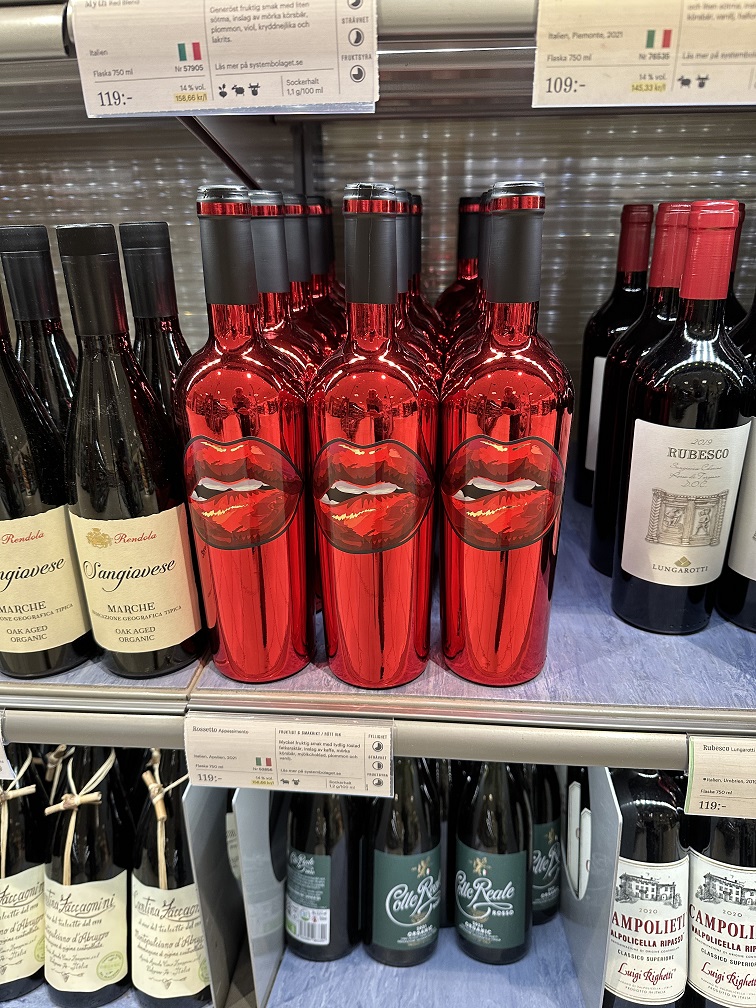
Some of the bottles looked like fun – if I were going on a hot date, I could’ve settled for this one with the lips:
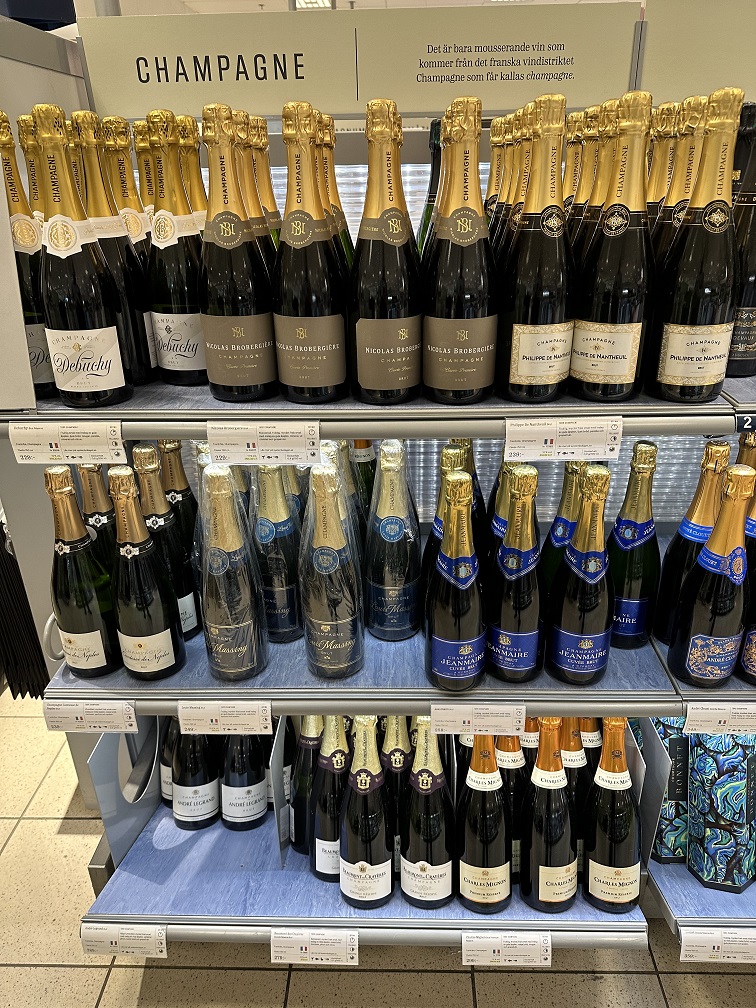
There was a good selection of reasonably priced Champagne, at least considering how much Champagne now costs in the US:
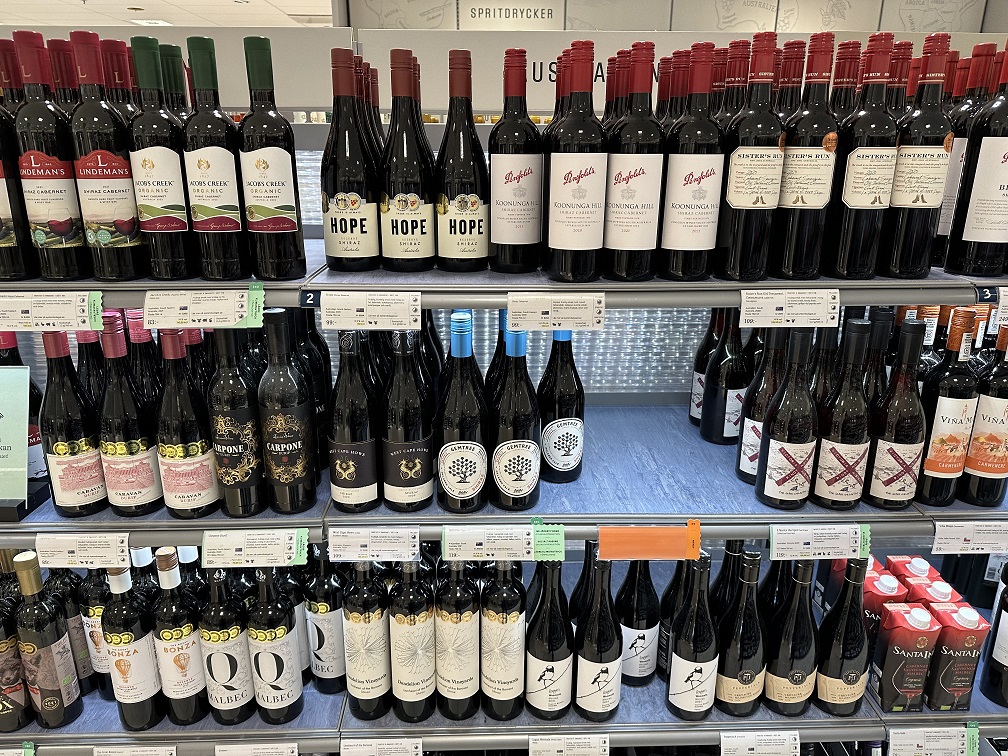
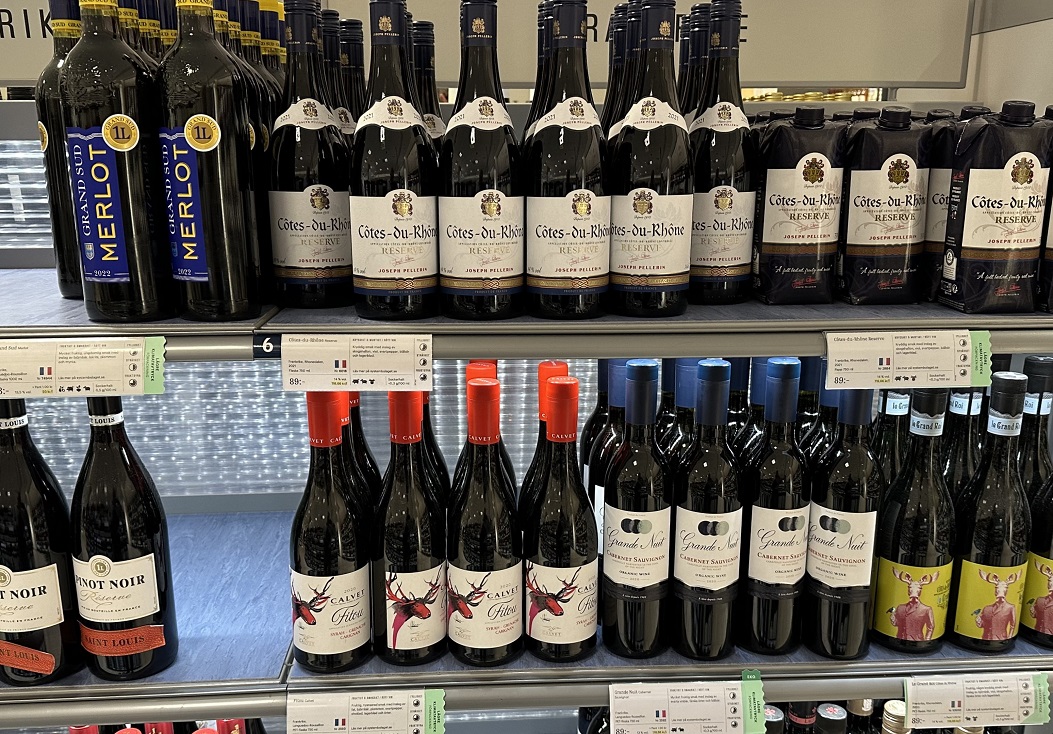
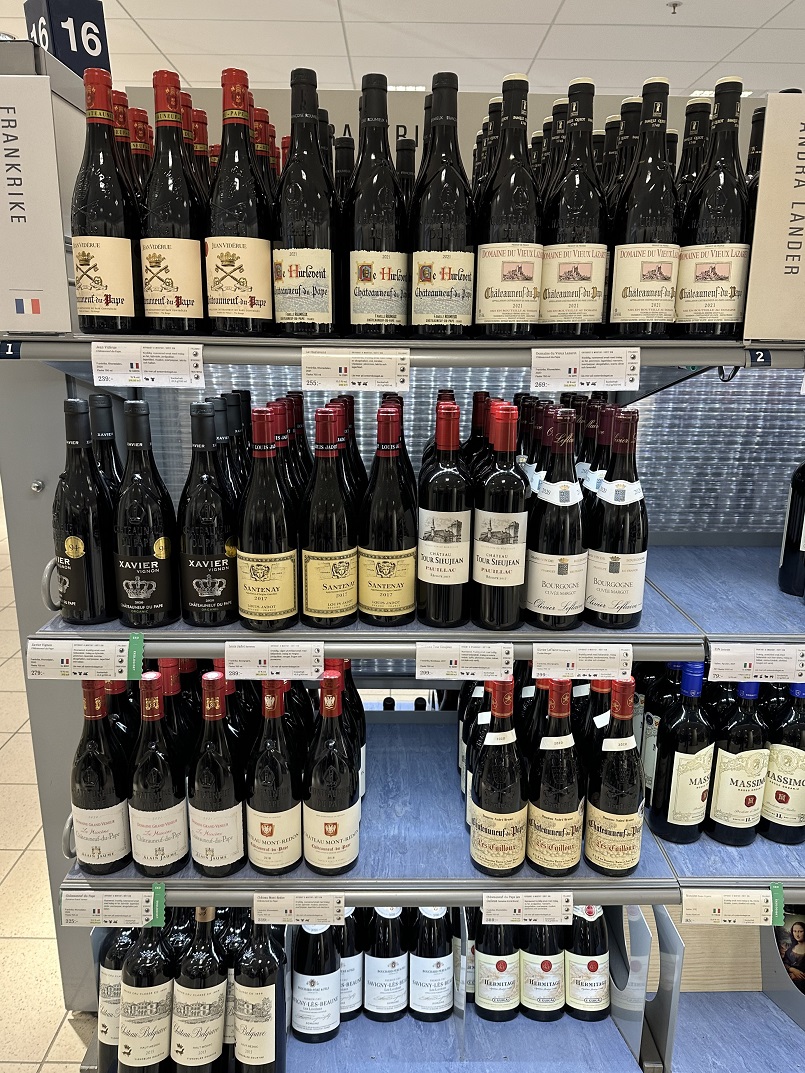
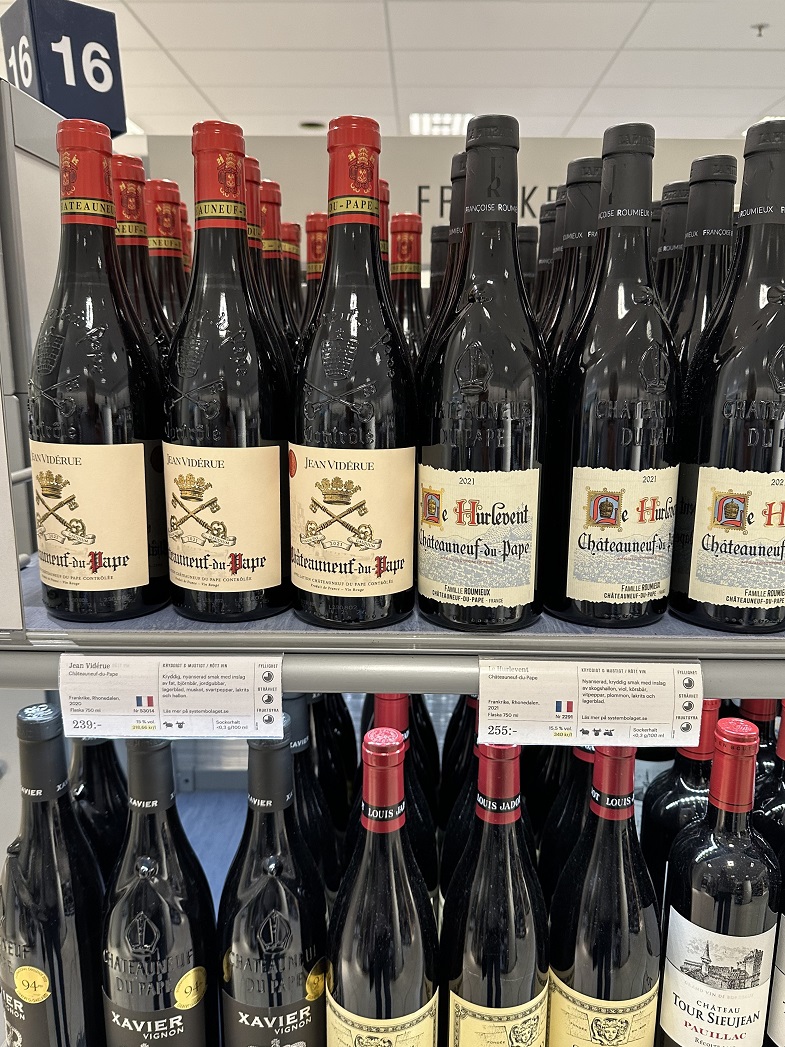
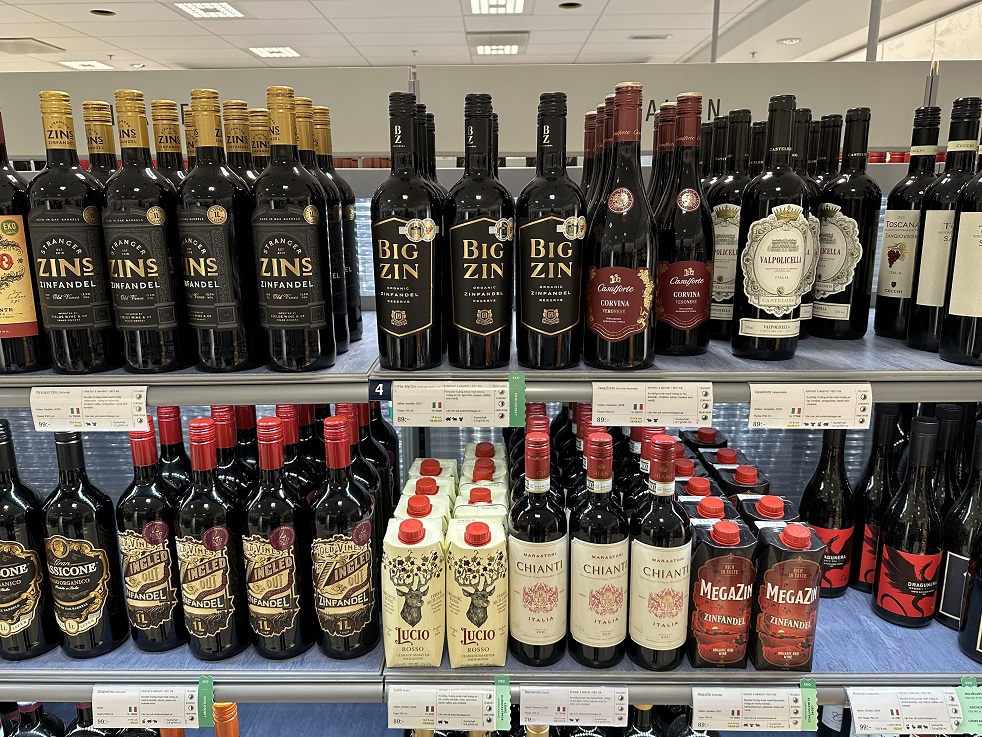
Lots of reasonably priced wines from Italy, France, and Australia:
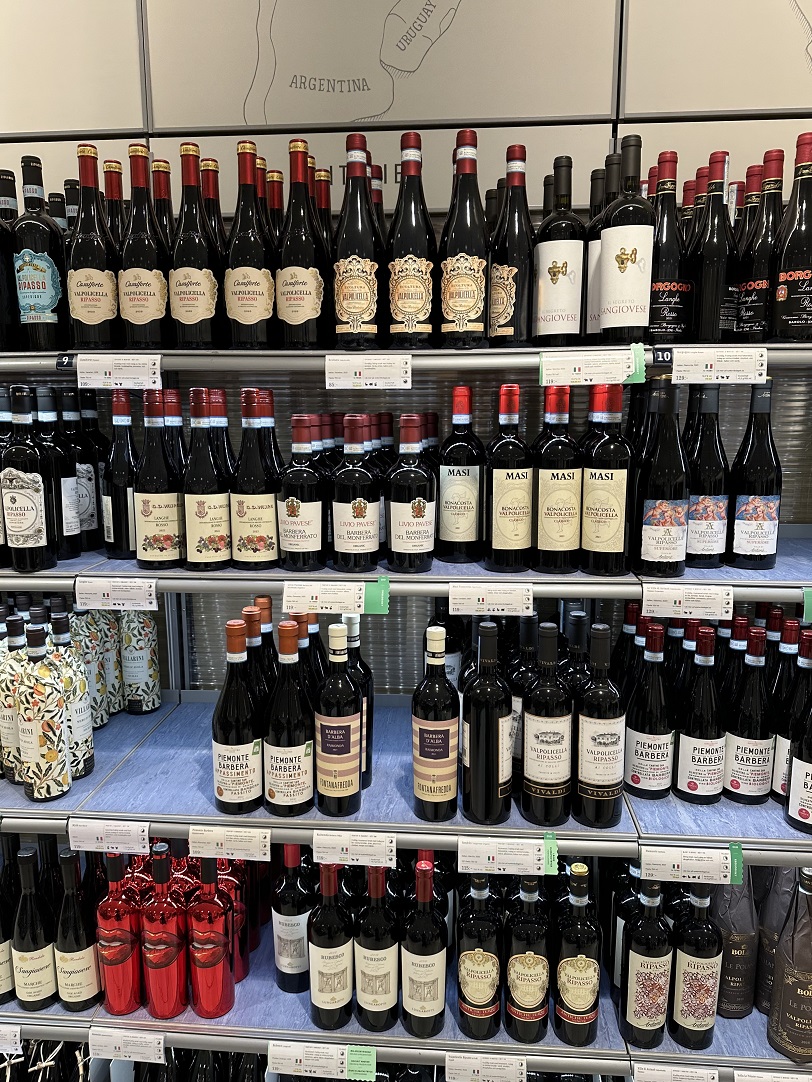
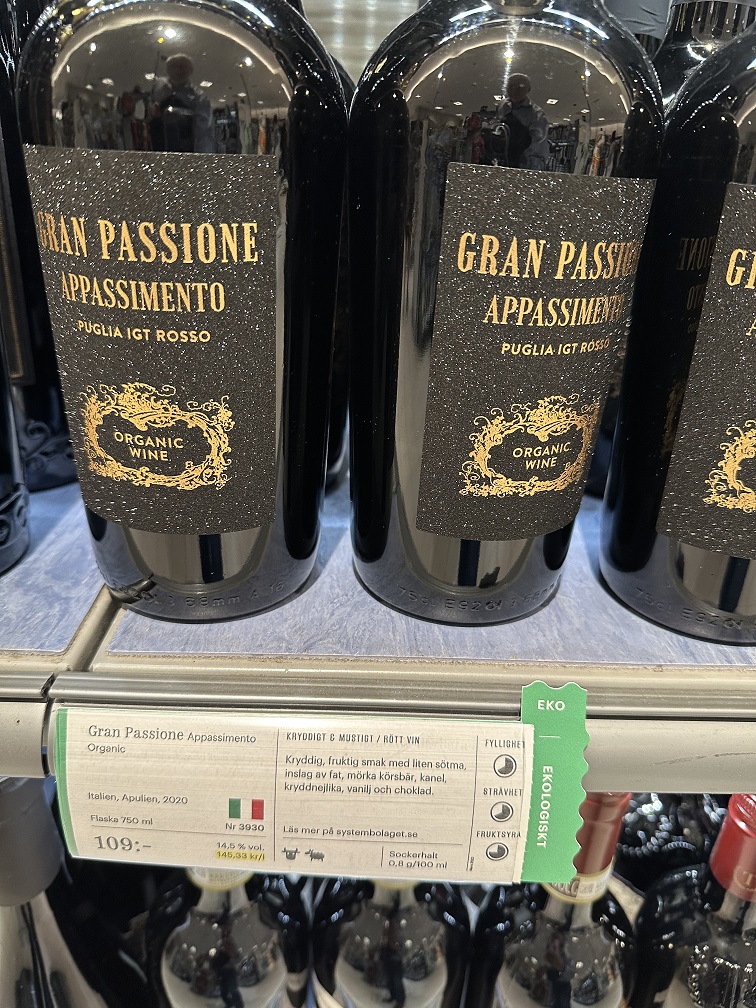
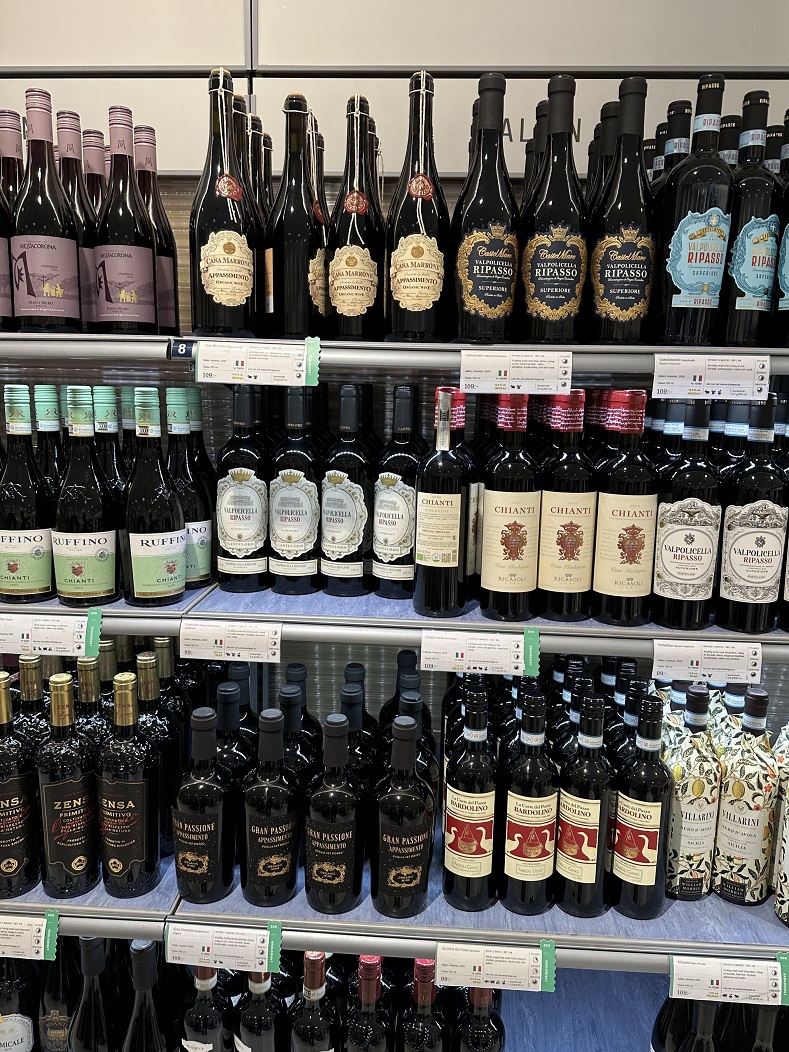
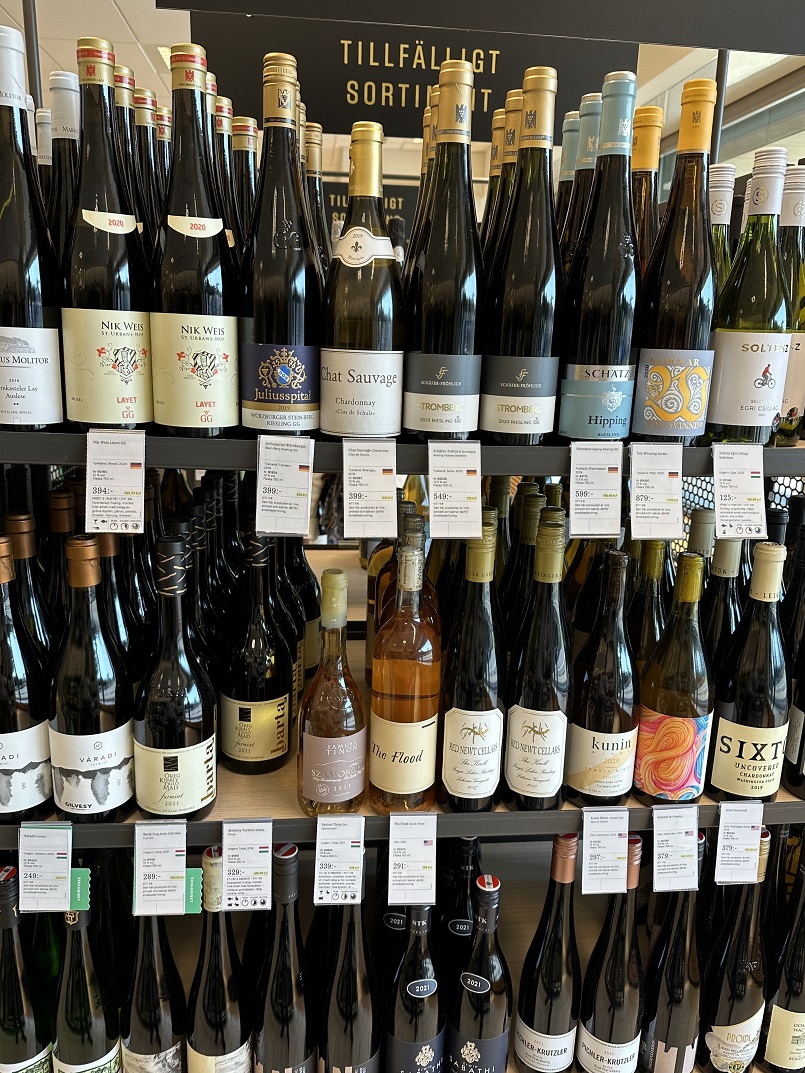
And here we are, the culmination point of the search – Swedish wines. These are quite expensive – yes, I understand it is not easy to grow grapes in Sweden.
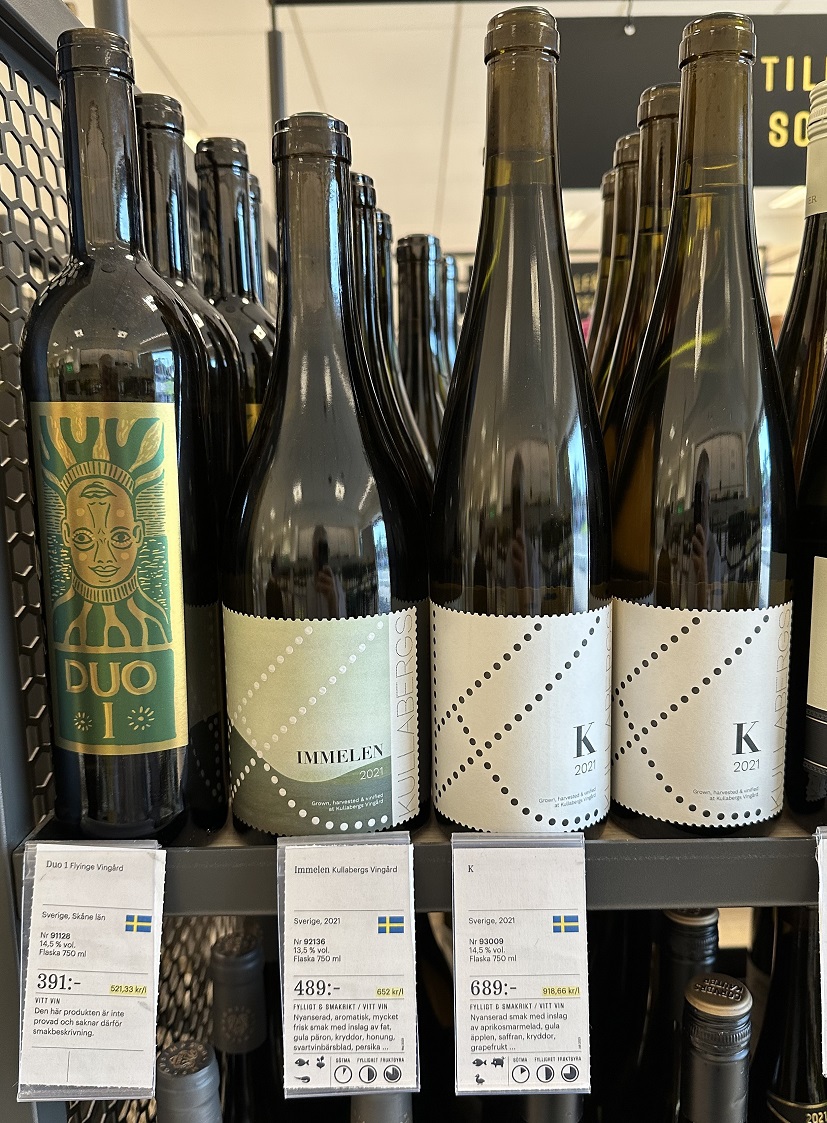
I settled for the “second cheapest wine”, which amounted to the hefty $45 – but hey, the price we pay for our hobbies…


Once I got into the hotel, I had to find a way to quickly chill the bottle, as it was my last evening to taste it and I had no intention of checking my luggage because of a random bottle. I got ice from the machine, added water, and did my best to submerge the bottle into the tiny ice bucket…
Before we talk about the taste, let’s talk about the wine itself – 2021 Kullabergs Vingård Immelen (13.5% ABV, mostly Solaris grape). The winery is located in the southwest part of Sweden, on the Kullaberg peninsula which is also a nature reserve (sometimes called Cape Kullaberg). The Kullabergs vineyard was planted in 2006. One of the main grapes at the vineyard is called Solaris – the grape selected in Germany in 1975, specifically developed to cope with cold climates. The wine I got from the store was mostly made from Solaris, at least according to the back label, even though the only technical note I found on the website was for Immelen 2019 which had 86% Solaris and 7% each of two other grapes.
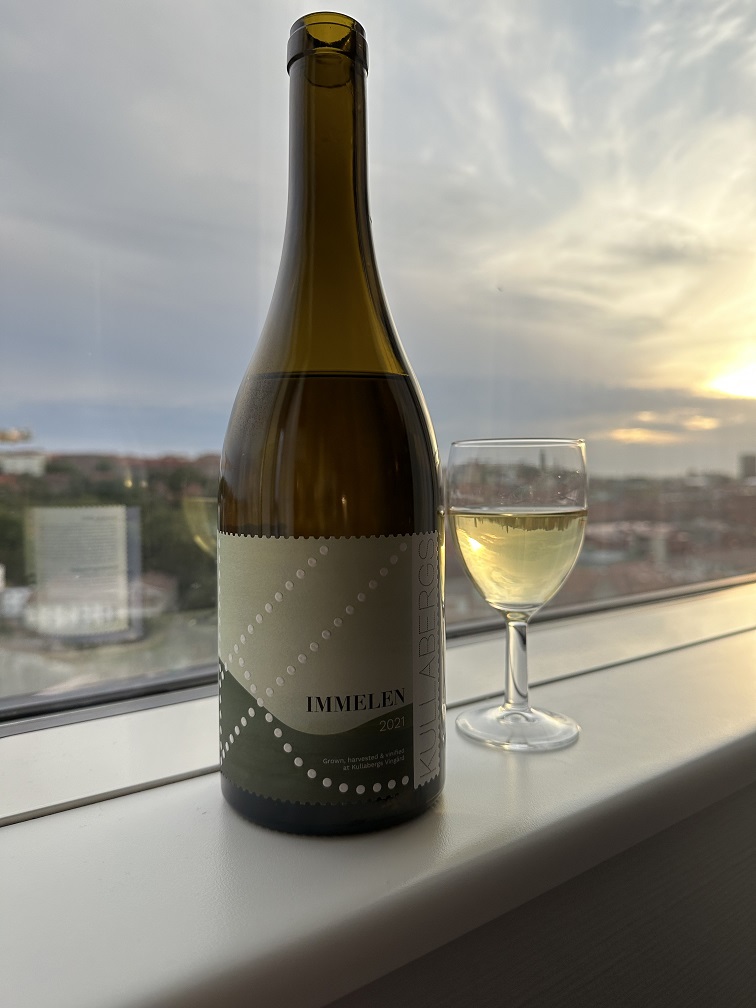
The wine was interesting. I wish I was able to fully chill it, but probably at around 55F it was showing a bit heavy, had notes of tropical fruit on the nose, plump and round body on the palate with a hint of grapefruit peel which offered a touch of bitter notes. Good acidity, and not a bad wine overall. It was reminiscent of Marsanne/Roussanne blends from the Southern Rhone if such a comparison would help. I’m happy I had an opportunity to taste this wine, add a checkmark to my wines of the world list, and a rare grape to the Hexavini journey. At $45, it is okay as once in a while exotic experience, but I will not pay this much for this wine a second time.
Here you are, my friends – a quick report from the trip to Sweden, mostly in pictures.
Hey, I heard Finland is starting to plant vines… guess what I will be hunting down next…
When in Nashville…
I love visiting new places.
Never been to Nashville before, so I was happy that the work event offered an opportunity to visit.
I had no idea what I will find – I only knew that Nashville was typically used as a synonym for American music, but this was more or less the extent of my knowledge. That and the fact that Tennessee (the state where Nashville is located) is often a synonym for American whiskey. Ahh, and of course, the famous Nashville Hot Chicken…
Okay, so where do we start? As I was visiting Nashville for the work event, with a limited time to explore anything, my observations and notes are strictly based on the little free time I had to explore around the convention hall, the Music City Center. Here is the summary of my basic observation:
- Nashville is a party city (Pedal Tavern, anyone?)
- 90% of the women wear boots (never mind 105F outside)
- Food is very expensive (possibly more expensive than in New York City) – at least where the tourists are
- Nashville Hot Chicken and waffles is delicious
- The number of bars with live music exceeds anything I ever seen in my life
- Surprise: Moonshine can be tasty
Here are a few pictures to share:
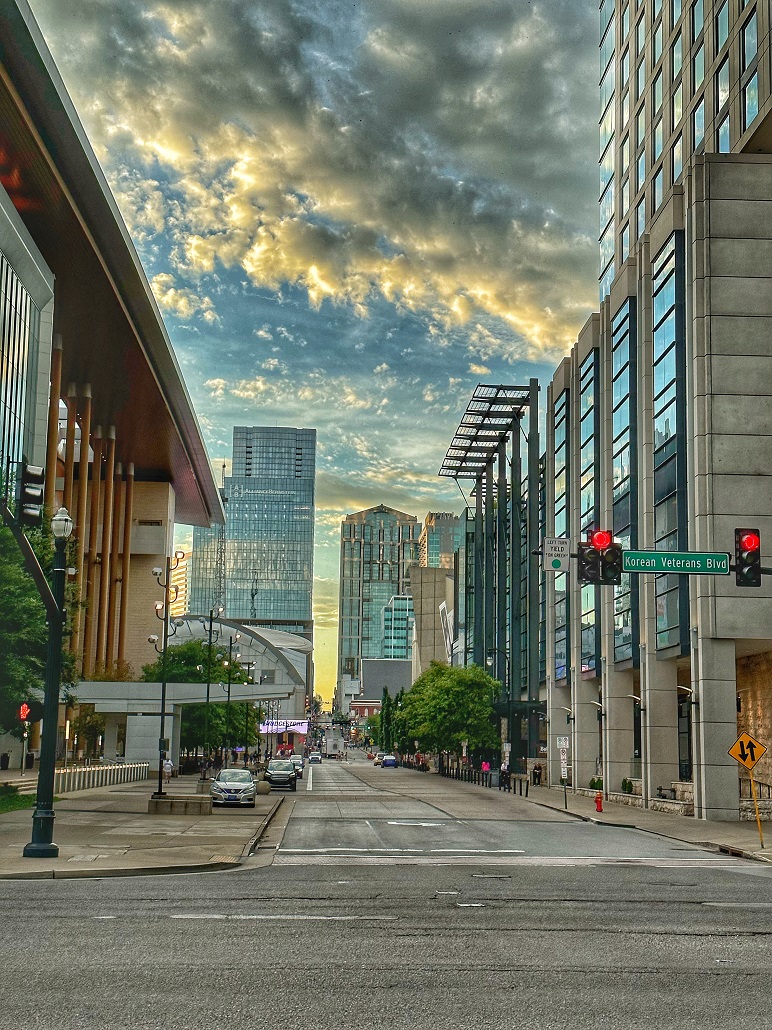
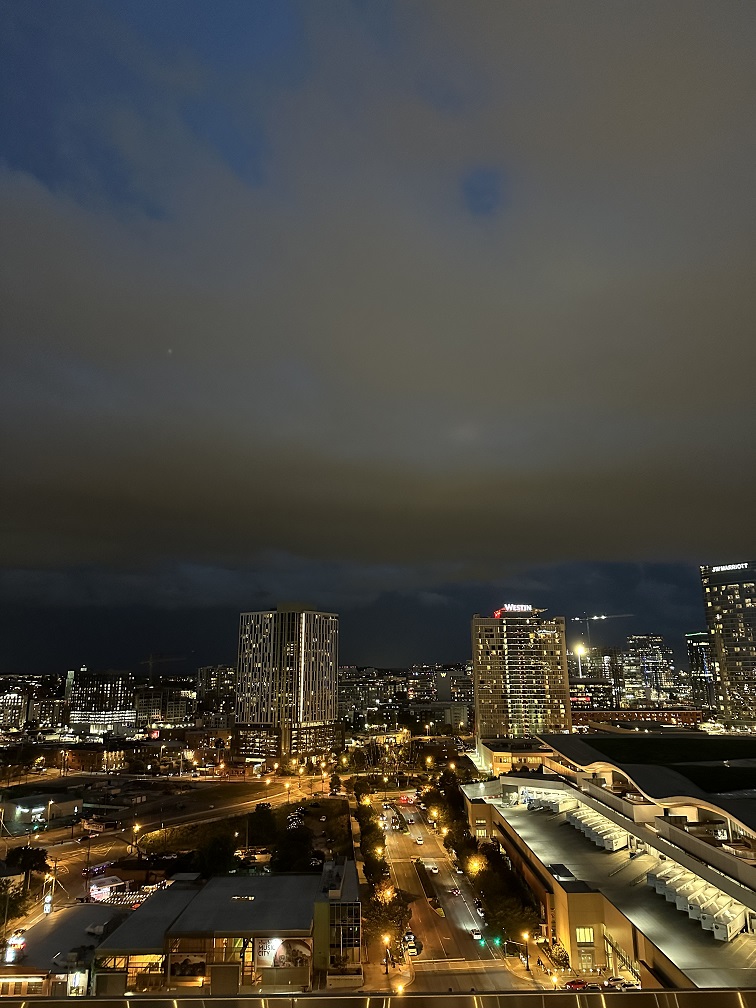
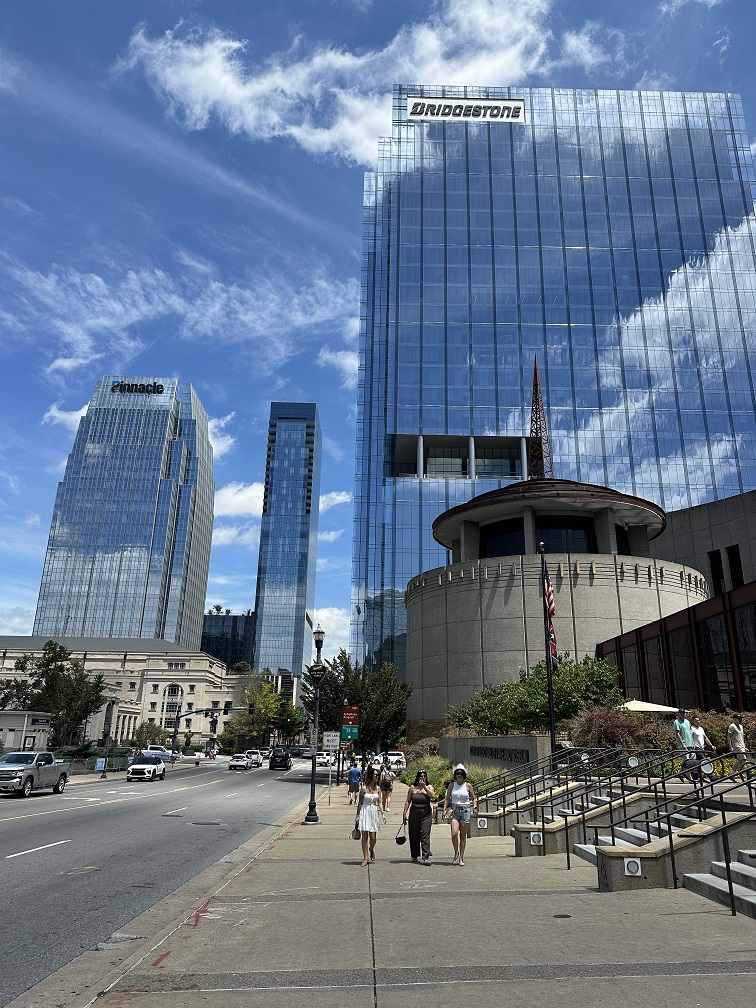

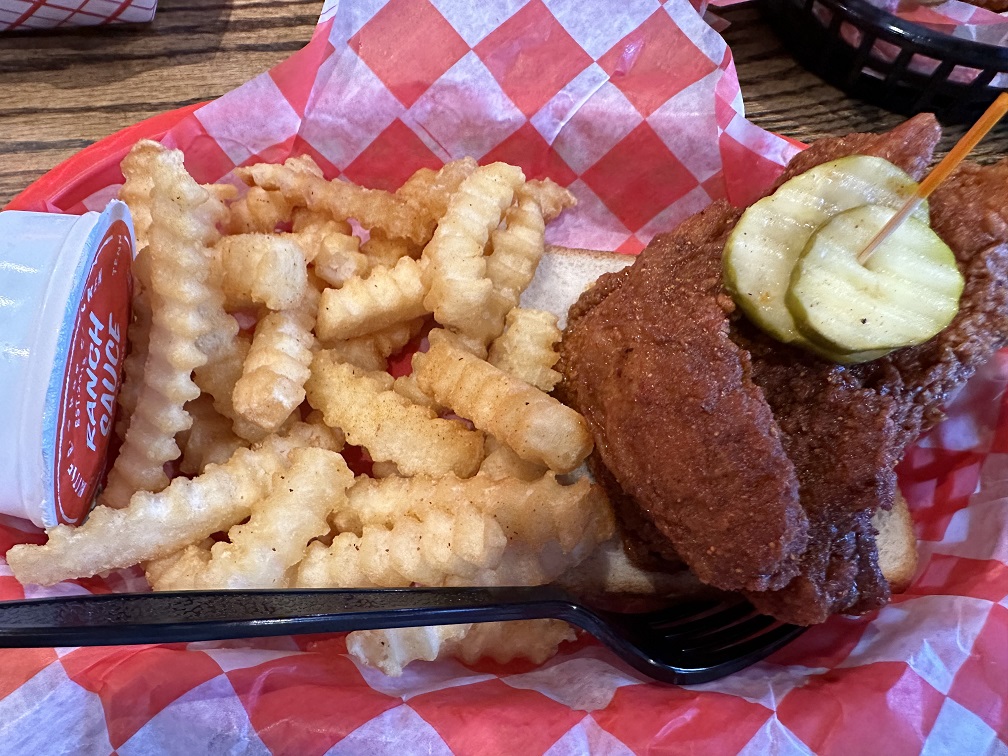
As a foodie, I have to talk about Nashville Hot Chicken first. Nashville Hot is a specific type of preparation of spicy chicken which was originated in Nashville in the 1930s, and attained popularity way outside of Nashville, Tennessee – you can read about the origins of the dish in this Wikipedia article. Tasting Nashville Hot Chicken was one of my top priorities for the trip 🙂 – and the mission was successfully accomplished. First, I stopped for lunch at the place called The Diner. Hot Chicken was on the menu in the chicken and waffle form. There were hot and mild options for the dish, so I had to ask for an explanation of how spicy the “hot” is. I was told that it should be 7 out of 10, which seemed palatable. The result was delicious, and I thoroughly enjoyed hot chicken served on top of the Belgium waffle with a side of maple syrup, washing it down with a local beer.

I also had Nashville Hot Chicken on another occasion – this time at a place called Hattie B’s Hot Chicken, famous for its – you guessed it – Hot Chicken. I’m assuming this was the location where Hattie B’s Hot Chicken journey started (they now operate multiple locations in the South) and it was worth enduring the 40-minute wait even in the 95+ weather. The chicken was tasty – keep in mind though that their “small” chicken portion is actually small, and if you are hungry, definitely go for the large size. My chicken had a spiciness level of “Hot!” and it was hot enough for me. My colleague went for the top “Shut The Cluck Up!!!” and interestingly enough he was not impressed.
I had one more highlight to my dining experience – a Mexican place close to the hotel called Calacas, and it was an excellent case of the “elevated Mexican” cuisine. I had ceviche which was delicious, and also a very unusual version of taco – crispy cauliflower tacos. I ordered it based on the waiter’s recommendation, and it was absolutely delicious, crispy, crunchy, and perfectly seasoned dish.


My next unexpected experience highlight was a visit to Ole Smokey Distillery. I was looking for a place for an early dinner, and this place had good ratings on Yelp. The place is large and consists of a distillery and a food court. In order to eat there you had to order at the counter, find a place to sit and so on – both the concept and the menu didn’t look too attractive, so I decided just to go do the tasting on the distillery side, especially after admiring the shelves.


For $10, you get an opportunity to taste 7 moonshine and whiskeys and a beer of your choice (you also get a credit of $10 for whatever you decide to buy at the store). I have to honestly say that moonshines fared much better than I expected (really tasty fruit), and grilled pineapple whiskey was just a riot – close your eyes, take a sip, and imagine yourself on a tropical island – yep, it was that good. After being really impressed with the tasting, I left the store with Mango Habanero whiskey (the bottle was very much appreciated back at home – the combination of sweet mango with a powerful kick from Habanero was very well received).


And now last but not least – Tennessee wine.
If you have followed this blog for a while, you know how much I love collecting experiences. One such experience is tasting wines made in different states in the US. Every time I visit a new state I’m looking for an opportunity to taste the local wine and ideally, visit the winery.


This was my first time visiting Tennessee, and of course, finding the local wine was high on my agenda. I tried a few of the wine stores, but being in the tourist area didn’t help much. At one of the wine stores I was told that they don’t have any wines from Tennessee, but I continued looking and I found this wine – Amber Falls Winery Madame Muscadine Tennessee (12.5% ABV).
This wine is made from the grape called Carlos Muscadine, which is one of the most standard cultivars of the Muscadine grape. It appears that Muscadine was one of the first native grapes discovered by colonists in America, and it is a popular grape in the Southeast of the USA. Muscadine grape belongs to the Vitis Rotundifolia family – something new for me, as I am primarily familiar with Vitis Vinifera (all major winemaking grapes) and Vitis Labrusca (grapes from this family are native to the Eastern US). Well, live and learn, right?
To be honest, this wine was a waste of $22 – if you ever had Concord or Isabella wines (both are Vitis Labrusca grapes), this wine had a similar profile, but the lack of acidity was making this wine not enjoyable. But – it let me accomplish the mission of adding one more state to the collection. I will also give myself a break and will consider visiting the distillery the same as visiting the winery – so two checkmarks for the table.
Here you are, my friends – a quick report on a few days in Nashville. Cheers!
Last Bottle Sign Up ($10 credit)




 Talk-A-Vino