Archive
Perfect Winter Fare – Shiraz and Cassoulet
 You can call it “play it for Australia” (with a little bit of France). Or you can just call it Shiraz tasting. Whatever the name is, but a few months ago (actually, right after the hurricane Sandy – it was a miracle that we didn’t lose an electricity) we got together for a Shiraz blind tasting and the dinner.
For the blind tasting, we had two limitations imposed. First, the bottle was supposed to say “Shiraz” on it. Yes, of course Shiraz and Syrah are the same grapes, but – this was a limitation number one. Limitation number two (a soft one) – preferably, the Shiraz shouldn’t be coming from Barossa region. You wonder why? Easy. I had a couple of bottles in mind, all from Barossa, so I wanted others to do the hard work. Ahh, yes – and no blends were allowed – only 100% Shiraz.
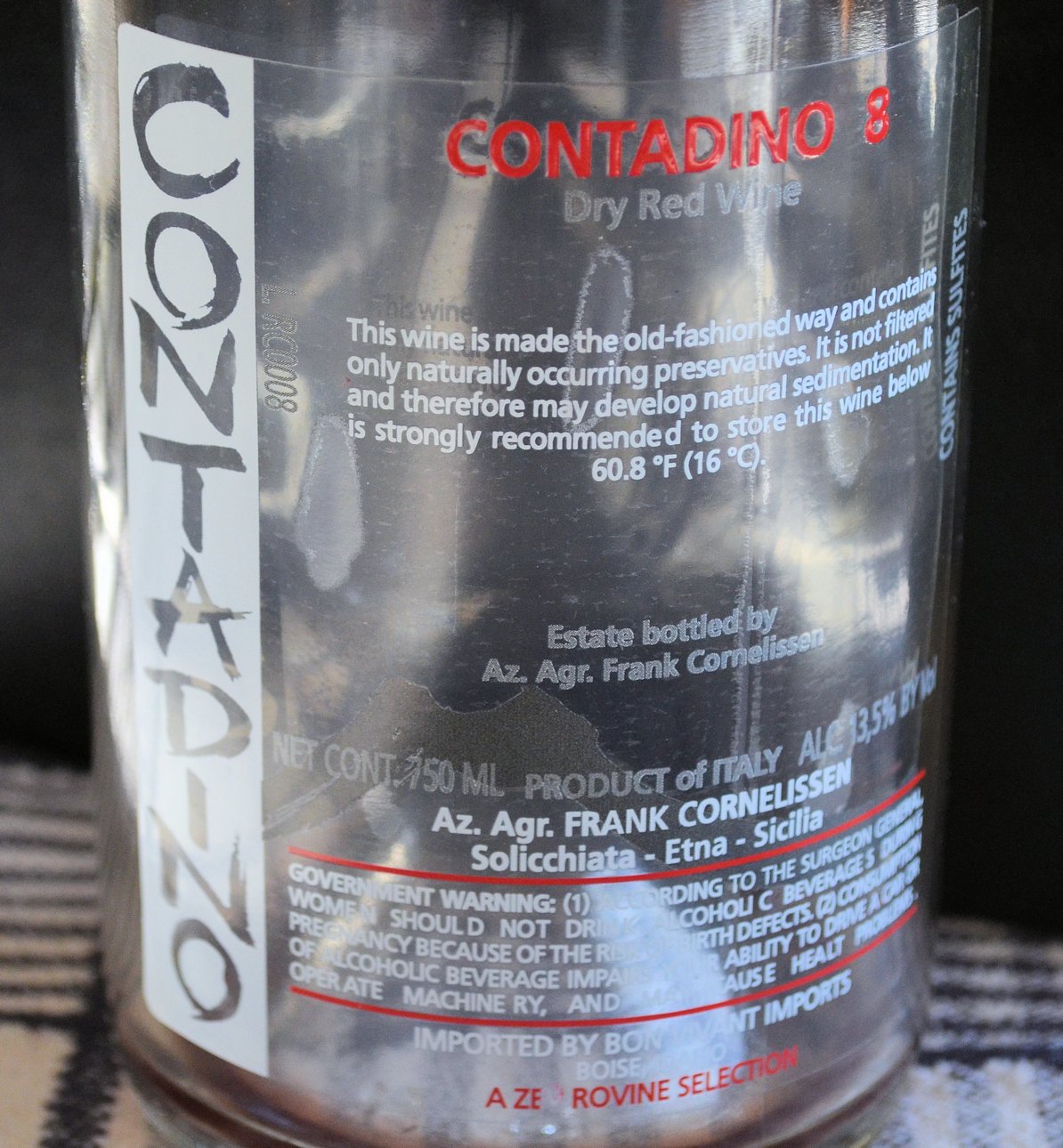 Before we started the tasting, I threw in a monkey wrench. Doesn’t sound right talking about wine, does it? So the role of this allegorical wrench was played by Frank Cornelissen Contadino 8 wine. Frank Cornelissen makes very interesting wines in Sicily – natural, low intervention wines from the grapes growing on volcanic soils of Etna. His aspiration is to let people actually to taste the soil, the actual stones in his wines, and he is probably succeeding with that (here is the link which explains the wine making philosophy – I think it is worth reading). This wine literally represents a very distinct experience – outside of acidity and minerality, there is very little else which you can taste – nevertheless, it is an interesting wine to try (well, I’m not sure we got too many votes of approval for this wine from the group, but still). Okay, let’s get back to the Shiraz.
The tasting was blind. Of course all the wines were Shiraz, but the blind tasting format allows you to focus only on the wine in your glass – no matter who producer is, how cute the animal is on the label (no, I didn’t expect anyone to pull off the Yellow Tail stunt, but thinking about it now, it could’ve been interesting), did someone tasted the wine before or who brought the bottle.
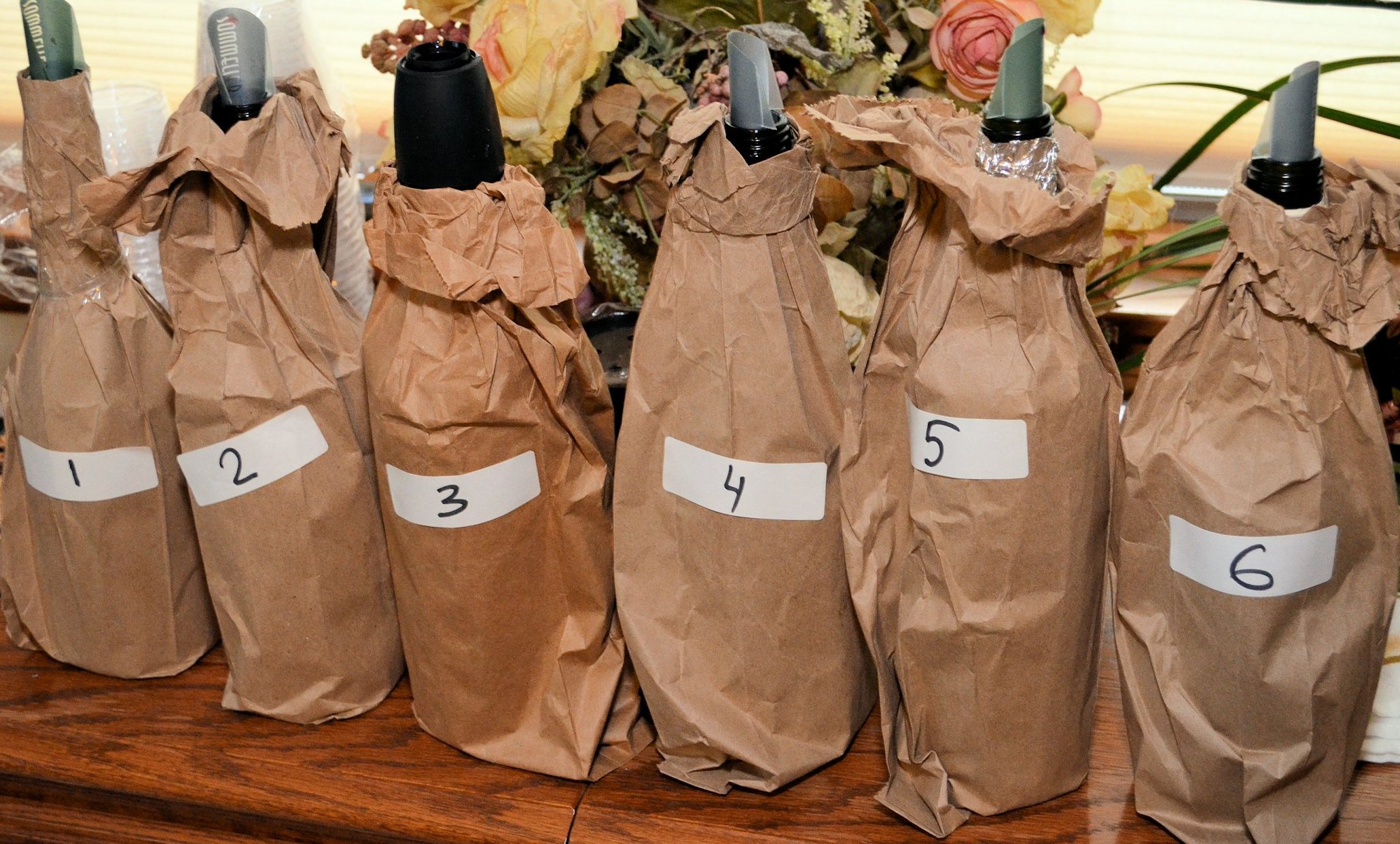
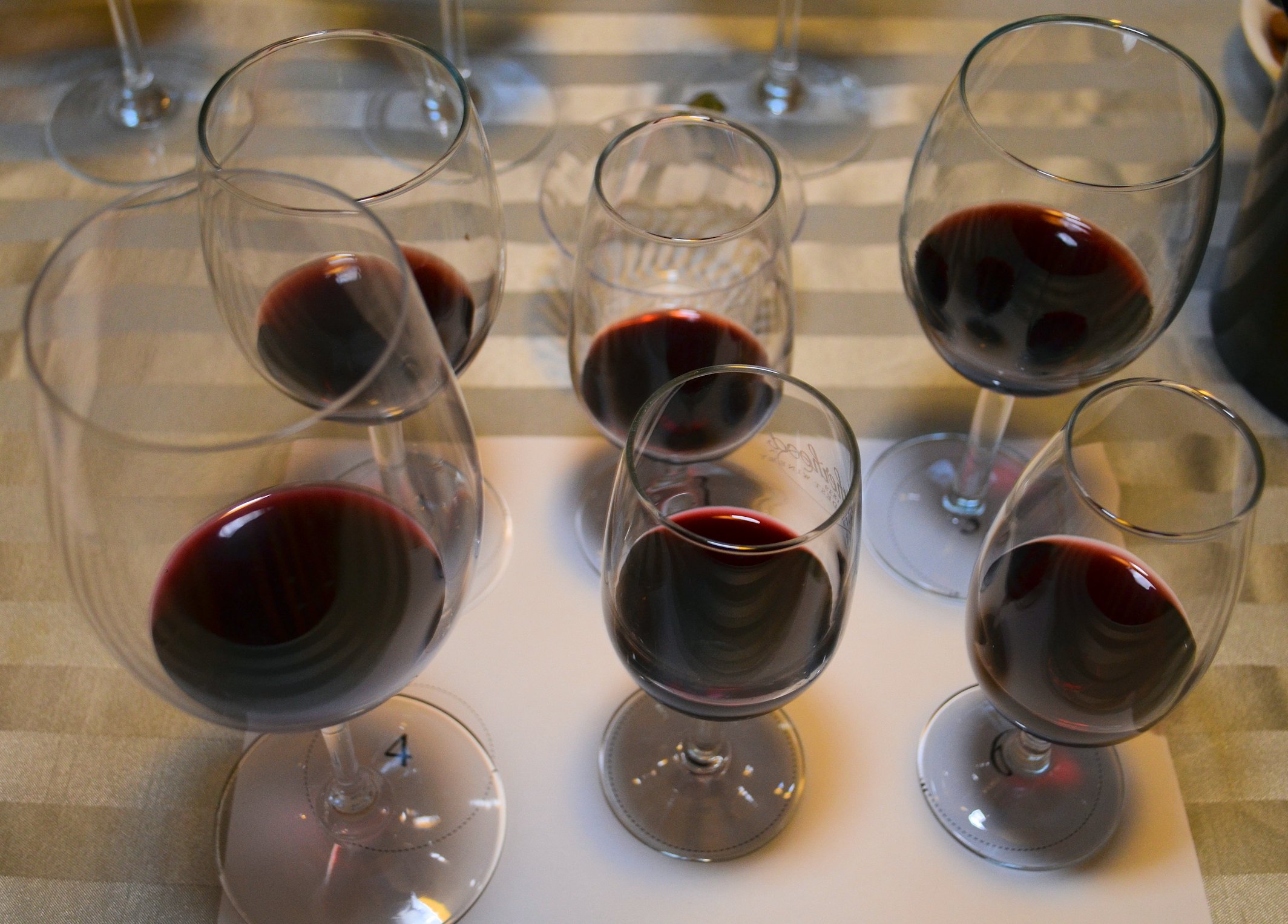
We had 6 wines in the tasting. As the tasting is blind, the person who brings the bottle, gets to open it and puts it in the brown bag. Then we ask kids to stick the numbers on the bags, completely at random. The wines are poured in the numbered glasses, and the fun begins.
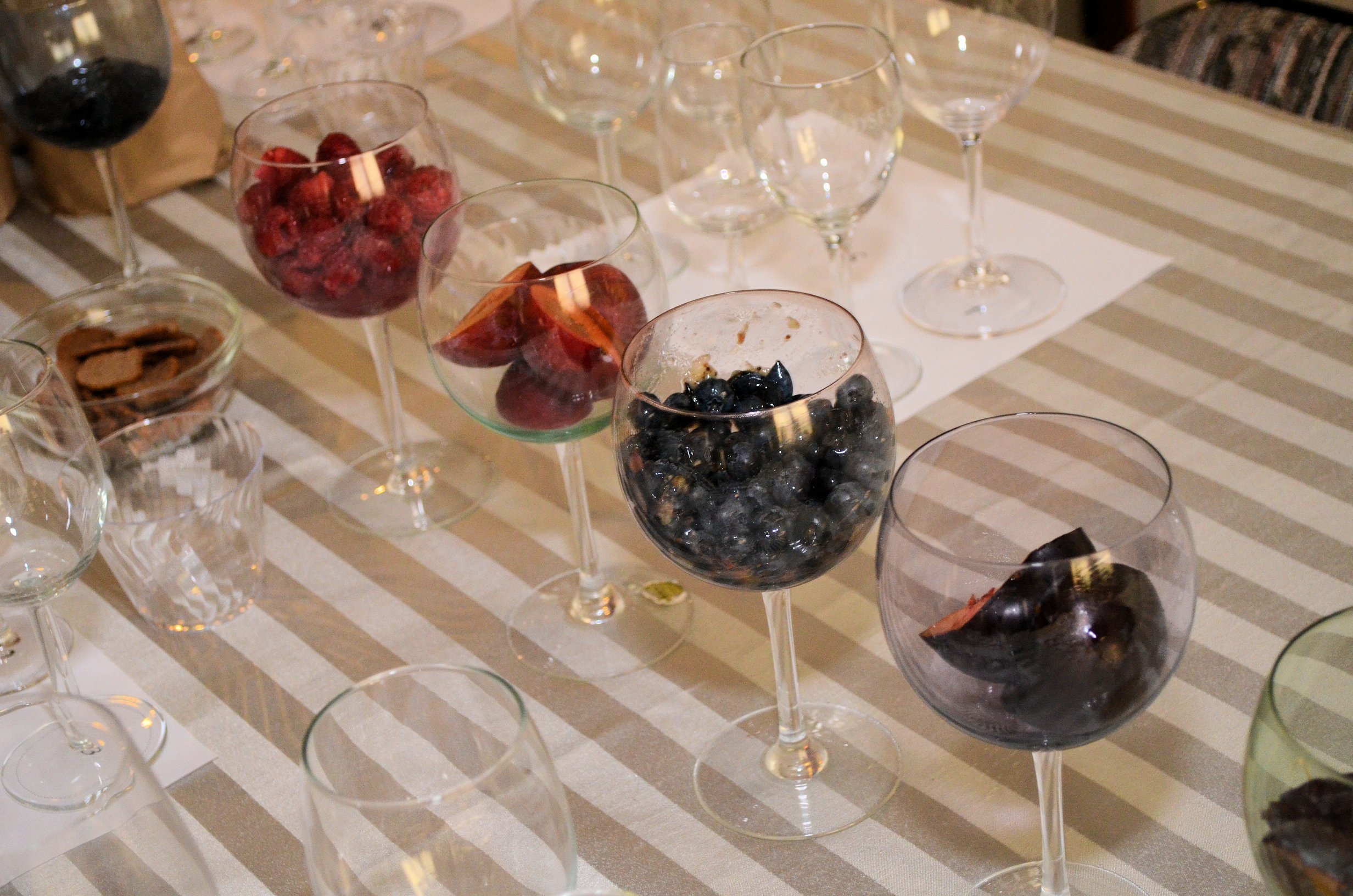
Shiraz is usually quite a playful wine when it comes to the fruit expressions, so this time we decided to add an interesting touch to our tasting – put the fruits on the table. We had raspberries, blackberries, blueberries and couple of different plums in the glasses, slightly smashed to release the flavor. The intent was to use those fruits as a reference while smelling and tasting the wine and to be able to identify what we were tasting. Not sure if it was a successful experiment, but as the very least it was fun.
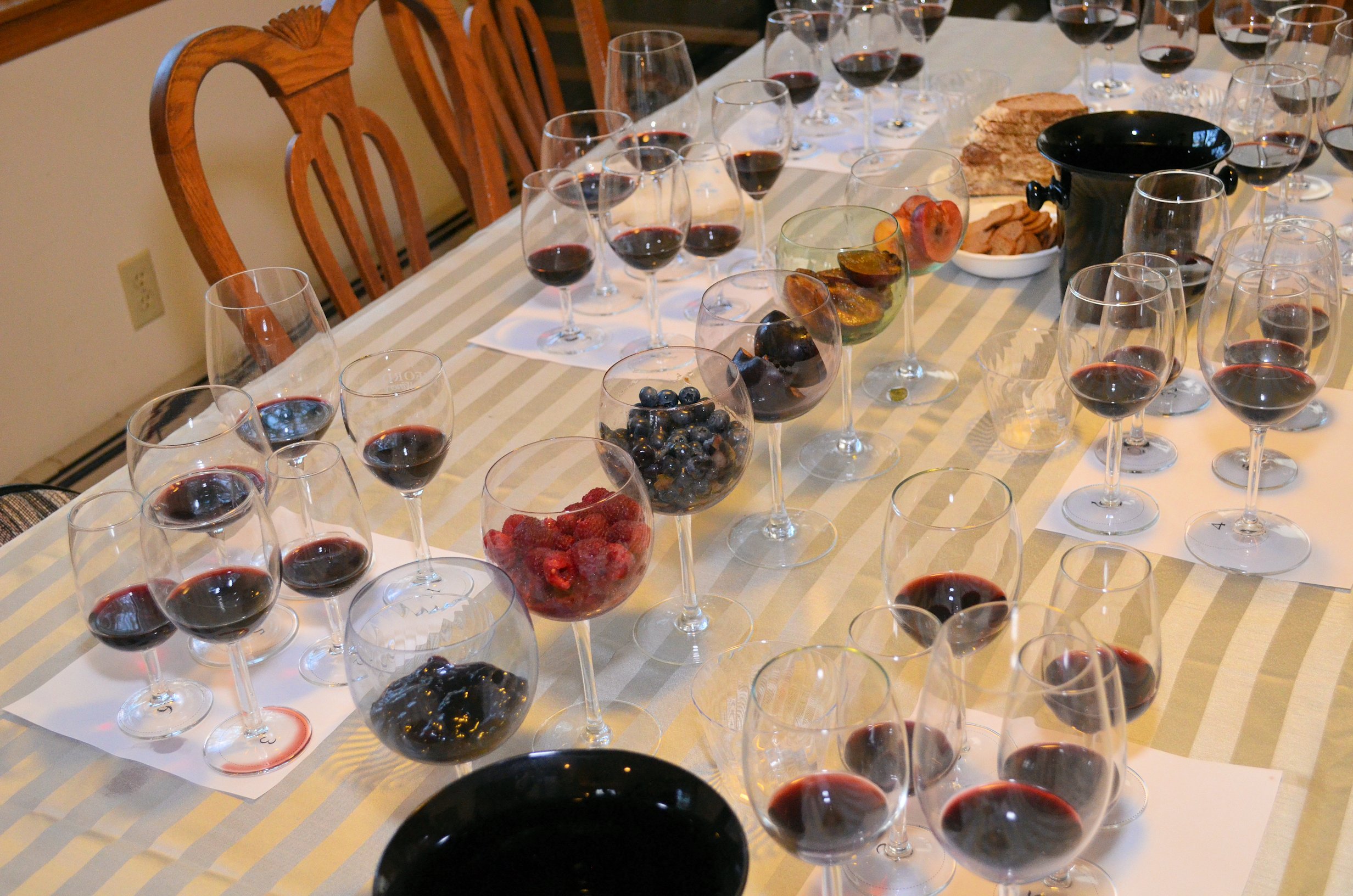
Now everybody are at the table and we start the tasting – sniff, swirl, sniff, more swirling, taste – talking and taking notes at the same time – no, there is no requirement to participate in conversation, but it is part of fun! And the notes are helpful at the end, when we take a popular vote to identify the most favorite wine of the group. Each person can vote for two wines, and the wine which will score the highest, will win. I case of a draw, we take an additional vote to select only one favorite between the two, so we still will have a winner – this all is necessary to have then a culmination point of unwrapping the winner and listening to the collective “ahh?” as pretty much in all of our blind tastings the winning wine was a complete surprise to everyone, including the person who brought the wine.
Once we have a winner, all the wines get unwrapped and admired, and everybody count their surprises for a few minutes. Here is our line up from this tasting:
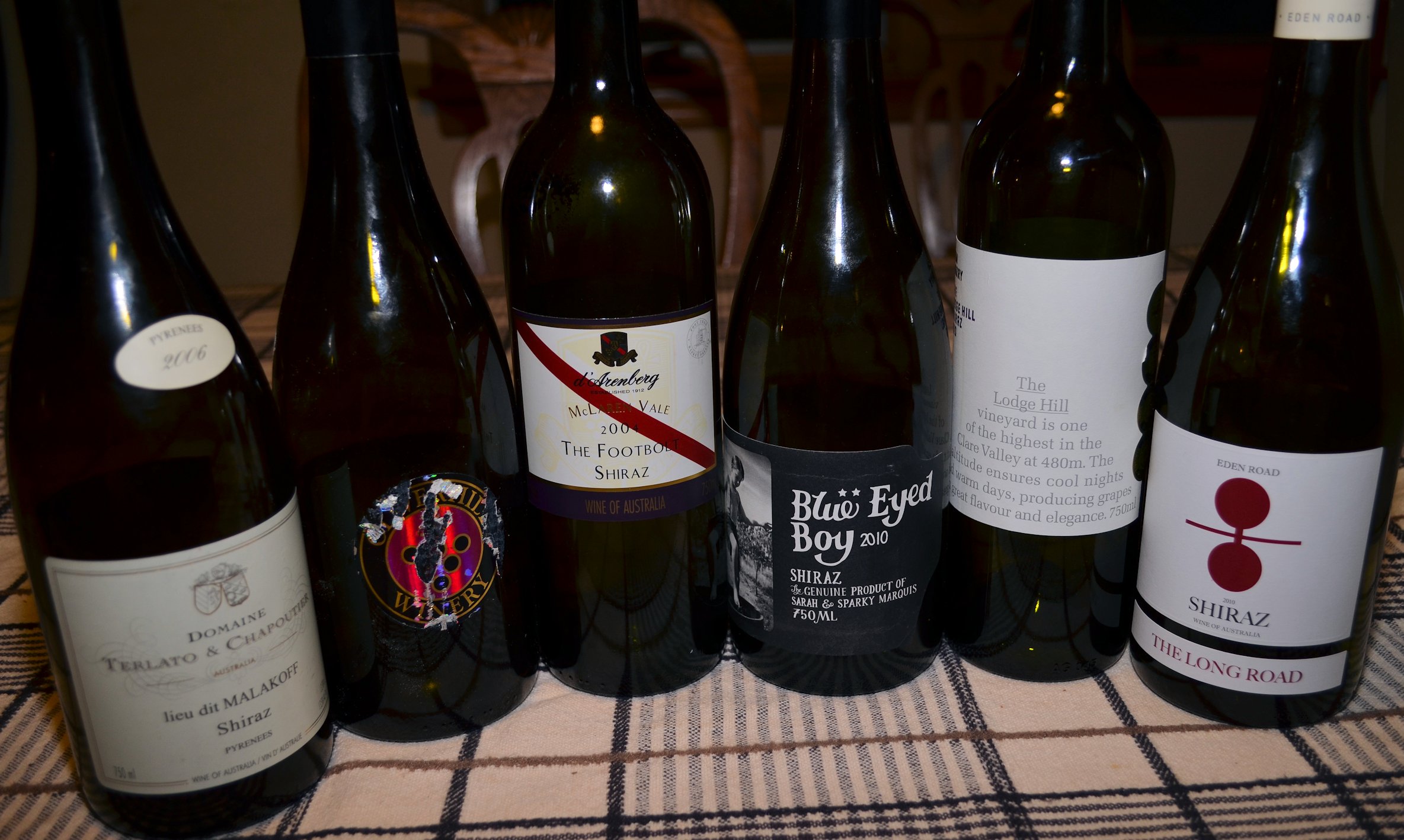
And here are the notes:
1. 2006 Domaine Terlato & Chapoutier lieu dit Malakoff Shiraz Pyrenees (13.5% ABV) – little smoke, blueberries, a bit tart, very restrained. Not a typical Australian Shiraz.
2. 2005 Oliverhill “Jimmy Section” Shiraz McLaren Vale (96RP, no ABV as my label was badly damaged) – a little dust, tart cherries on the nose, blueberries, very sweet on the palate, jammy, a little short on the finish, overall pleasant.
3. 2004 d’Arenberg The Footbolt Shiraz McLaren Vale (14.5% ABV) – interesting blackberries, very tart, not balanced.
4. 2010 Molly Dooker Blue Eyed Boy Shiraz Australia (16.5% ABV) – very nice, dark chocolate, jammy, blackberries, dusty nose, overall very balanced.
5. 2010 Jim Barry the lodge hill Shiraz Clare Valley (14.5% ABV) – very round, balanced, plums on the nose.
6. 2010 Eden Road The Long Road Shiraz Canberra District Australia (13.5% ABV) – Smells very young, but with the tannins in the back. Good dark fruit.
Can you guess the winning wine? I will give you a few moments.
And the winning wine was…
And the winning wine was…
And the winning wine was …

2010 Molly Dooker Blue Eyed Boy Shiraz Australia – the wine got 8 popular votes out of 10. In the second place with 5 votes out of 10 was 2005 Oliverhill “Jimmy Section” Shiraz McLaren Vale – interestingly enough, this wine has a very high rating of Robert Parker ( 96), and expected maturity in 2011 – 2018 – I guess we opened it prematurely… Oh well.
And now – dinner time!
Did you notice the title of this post? Yep, the cassoulet was involved. No, it was probably not cold enough yet, and cassoulet is a dish from south of France, so Cote du Rhone wines would be typically more appropriate – but, cassoulet is one of my all time favorite dishes to make (and to eat too), so you got to do what you want to do, right?
I fell in love with cassoulet during one of my trips to Geneva a while ago. White beans, pork, duck, lamb, sausage – all so succulent and so “together”, a perfectly heart, soul and body warming dish. I tried to find it in the restaurants in US, but never succeeded. Then at some point I came across an article about Cassoulet in Wall Street Journal, which also contained Alain Ducasse recipe – this was a turning moment when I started making it myself. I don’t know what any other cassoulet aficionados would think, but to me it tastes the closest to those I admired in Geneva.
I would like to share the recipe with you – which is mostly Alain Ducasse recipe (here is a link to the article and recipe on WSJ site) – I made certain adaptations which don’t sacrifice the taste, in my opinion, but make it easier to prepare.
Here is list of ingredients – as copied from the original recipe – with my comments.
For the beans:
1.5 lb Tarbais beans or white kidney beans (I’m talking about beans below)
3 carrots
1 celery stalk
1 onion
2 heads of garlic
1 tomato? ( well, in the original recipe there is a mention of tomato being diced – but then it is not used for anything – therefore, I just don’t use it)
Salt
For the meat:
4 sweet Italian sausages
1 lb pork ribs
½ lb garlic sausage
1 lb lamb shoulder
1 lb pork belly
4 duck legs confit
4 qt. chicken stock
3 carrots
1 celery stalk
1 onion
1 head of garlic (I just use garlic cloves here)
1 tomato
2 Tbsp tomato paste
2 sprigs thyme
1 Bay leaf
Salt
12 whole black peppercorns
Cassoulet starts with beans. The subject of proper beans for the cassoulet can almost reach the level of religious war. The original recipe of Alain Ducasse calls for so called Tarbais beans. Good luck finding them here. May be you can order them in advance, but this is a bit too much preparedness for me. So we need a substitute. What’s important is to find beans which will sustain very long cooking time, but will not become a mush – you are looking to see and taste actual beans and not some kind of paste. I successfully used so called Great Northern beans, which can be found in supermarkets, and I believe so called Navy beans will work too, but I don’t remember trying them.
The process starts from soaking the beans overnight in a cold water. The actual cooking starts next day – but you still can do a few things in advance.
The recipe calls for duck leg confit. If you look into the recipes for duck confit, cooking it is a very lengthy process on its own. Buying duck confit is possible, but it is hard to find a supermarket which carries it. I successfully replaced duck confit with just fresh duck legs. Sometimes, finding the duck legs can be a problem too. This was my case this time. Well, when you want a cassoulet, you have to do whatever it takes… Duck flavor profile (gamey, nutty, etc. – you know how the duck tastes) is essential – replacing duck with chicken is not really an option. My solution – using the whole duck. I got the whole duck, cut it up into pieces, leaving the skin on legs and wings, but otherwise removing it together with the fat – there is way too much fat in the duck. I fried the duck in the evening, preserving all of rendered fat together with all the meat, so it was ready to go the next day.
Before we talk about the whole process, let me give you an idea about the sizing. I used 2 pounds of beans, cut up meat from the whole average size duck, about a pound of pork country style ribs, pound of Italian sausage (usually 5 pieces), about a pound of chicken garlic sausage, about a pound of lamb chops (4 large pieces). Instead of pork belly, I used one package of “bacon ends” from Trader Joe’s which were fried the day before. All together, this was enough to feed well 10 or so hungry adults, with some leftovers. Now, lets get back to the cooking.
In the morning, step one was to cook beans. Drain the water from overnight, put beans in the pot together with celery, carrots, garlic and the onion, season, cover with cold water and simmer for about 1.5 hours or until beans are tender but not falling apart. Discard carrots, celery and onion. Technically, you are supposed to discard garlic too, but I just couldn’t do it – so I reused it for the next step.
While beans are cooking, you can start working on the meat. First you will need to roast all the meat separately. I use the cast iron pot (you can also use a heavy skillet), and sear all the meat in batches – you will need to season it with salt and pepper. You really want meat to achieve a nice sear, so note that this operation will take time (usually it takes me about 1.5 hours using the amounts mentioned above). Once all the meat is seared by itself, add duck (whether you are using duck confit or the whole duck prepared the day before), add bacon ( unless you will use the pork belly), add diced vegetables and let it roast for another 10 minutes. Then I put together herbs, bay leaf and peppercorns into a cheese cloth, tie it up and use it as Bouquet garni – i.e., put it inside (this way you can remove it all together so nobody need to chase down that peppercorn out of the dish). Now, add broth, cover and let it simmer for about 1.5 hours.
Once done, strain cooking liquid into the beans and put all the meat on the cutting board and let it rest for about 20 minutes or so. Remove and discard all the bones, and cut up meat into large pieces.
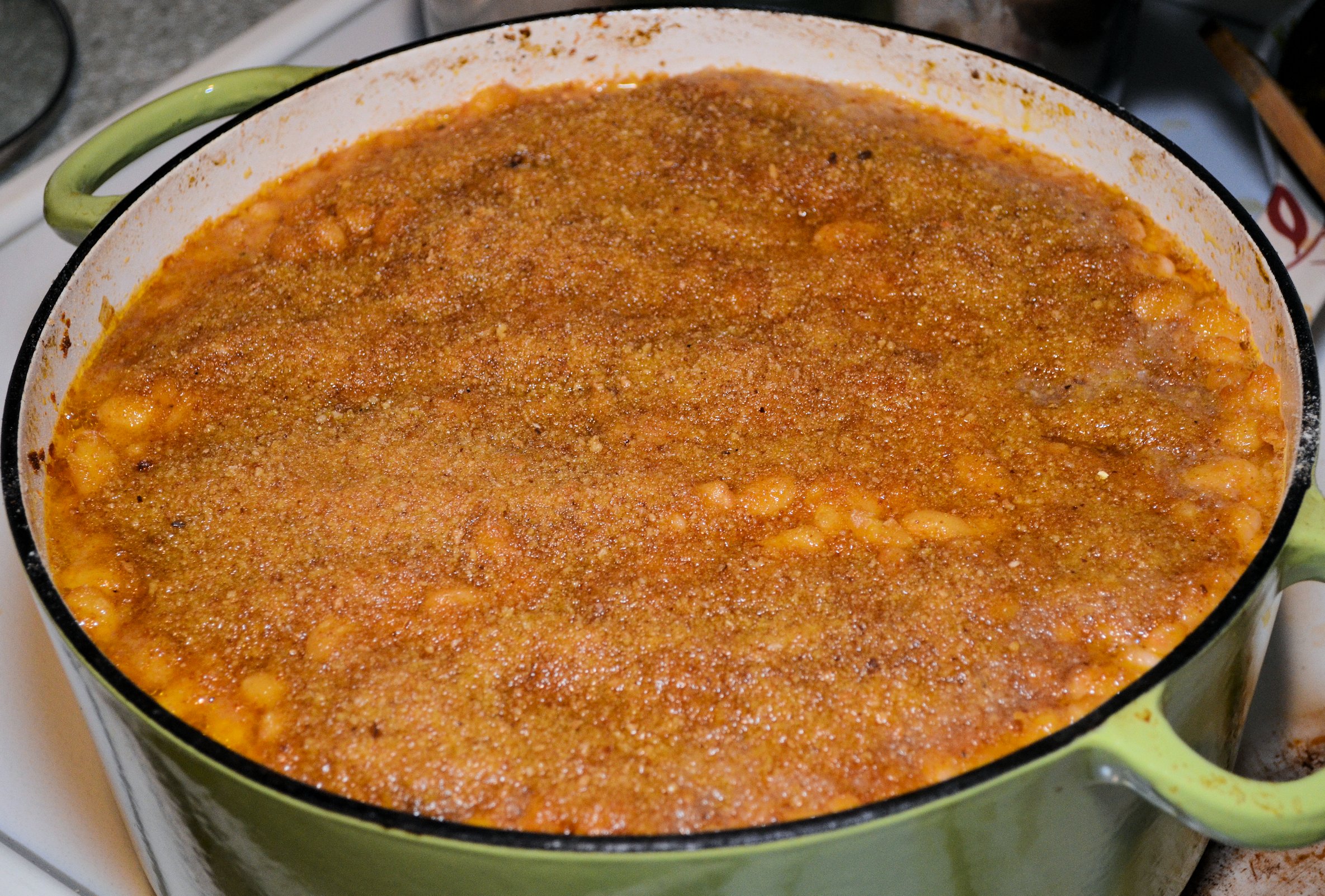
We are ready for the last step. Preheat oven for 250F. Take the cast iron pot. Put all the cut up meat on the bottom. Gently put beans with liquid on the top (again, you want to preserve beans as they are, so you will need to handle them with love). Overall, you want to to have enough liquid in the pot, but without making the whole dish looking like soup. Put a good layer of bread crumbs on top of the dish (no skimping on the bread crumbs – having a nice crust on top is one of the important elements of cassoulet). Put uncovered pot in the oven for about 45 minutes. Take the pot out. When serving, make sure to go all the way to the bottom so you will get the meat together with beans. Now, most importantly – enjoy!
Also I have to mention that we had an outstanding “single plantation” chocolate as part of our dessert – can anything pair better with Shiraz than a spicy dark chocolate?

Never heard of “single plantation” chocolate before? Don’t worry, me too – but it appears that Akesson’s has a a substantial collection of single plantation chocolates, and the one we had was absolutely incredible.
Apologies for the post gone too long, but I think I’m finally done by now. I don’t know if I convinced you to make cassoulet, open a bottle of Shiraz or find that chocolate – but if you are still here and reading this – I’m happy. Until the next time – cheers!
Italian Night In
We had a pretty relaxing weekend, which is not very usual around here – either we are going somewhere, or someone is visiting, or we just have to drive the kids around – thus relaxing family weekends are very precious. It also means a family dinner. Coming right after the New Year’s celebration, with all the food extravaganza, it was not easy to come up with the exciting idea. But – when I said “how about meatballs”, that was received as a home run, therefore, the “Italian night in” was decided upon.
 “Italian night” requires Italian wine, right? I don’t have a huge selection of Italian wines in my cellar, besides, I just have an idea of what I have, but I don’t keep any records, so finding the right bottle is always an adventure (which also makes it a fun exercise). One of the first bottles I pulled out happened to be a 2003 Barbaresco – and it looked like it would fit the bill perfectly. So the red will go with the meal, but I also need some wine to drink while cooking (cooking without wine is not fun, right?). My selection of Italian whites is almost non-existent, and a few bottles of Jermann I still want to keep, so I had to chose something else – as the result, I went for California wine – but made out of Italian grape.
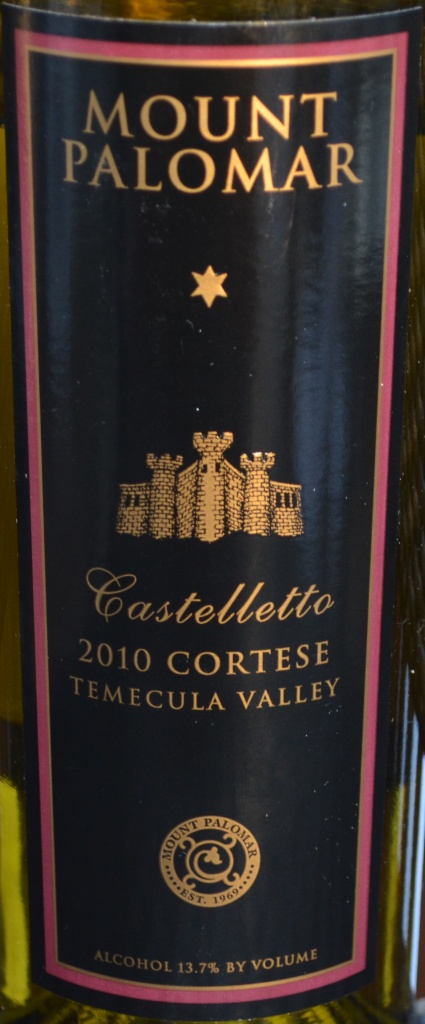
I brought the 2010 Mount Palomar Castelletto Cortese Temecula Valley last year from one of my trips to California, when I visited Mount Palomar winery in Temecula Valley (Mount Palomar is definitely one of my favorite wineries in Temecula). This wine is made out of the grape called Cortese, which is growing in Italy in Piedmont, in the area called Gavi. The wine worked quite well as my cooking companion, showing ripe white fruit, apples and peaches, with a touch of perfume and hint of sweetness. Actually if you would compare this wine with any of the actual Italian wines from Gavi, you would find its sweetness a lot more pronounced (Gavi wines have a lot more acidity), but this is one of the attributes of the warmer climate wines, from the area such as Temecula. Also interesting was the fact that while the wine was cold, it had a bitter undertone, making it not so pleasant to drink, which went away as the wine warmed up. Overall, this was a decent wine. Drinkability: 7
And now, to the food. I made meatballs for the first time about 3 years ago, after extensively searching the internet for the right recipe. The meatballs came out very good – but I made a mistake of not saving the recipe I found. Any subsequent search attempts didn’t lead me to that one recipe, so I just had to come up with my own, just remembering bits and pieces. Considering my family’s unanimous and very enthusiastic approval (side note – I’m my own harshest critic – and this was tasty), I want to share the recipe with you, just in case you want to visit Italy for one night and save on the ticket cost.
Before I will give you a list of ingredients, couple of notes. First, I usually measure everything very approximately, so you will have to make adjustments for your taste and preferences. Second – yes, you can make substitutes, I’m just trying to give you a general idea.
Here is the ingredients list – the amounts are as I used them, you can scale up or down.
- Ground beef, 20% fat – 3.5 lb ( you can add or substitute with ground lamb)
- Ground pork – 1 lb (you can add or substitute with ground veal)
- 1 cup of bread crumbs – I use plain, but you can definitely used the flavored ones (you can also use old bread too, just soak it in milk or water before hand)
- 1 cup of grated Pecorino cheese (substitute with any other Italian hard aged cheese)
- 2 eggs
- fresh parsley (add or substitute with any other herbs – basil, oregano, etc.), well chopped
- 5-6 garlic cloves, minced
- 1 large shallot (you can use more), minced
- salt, pepper
- olive oil
First step is to lightly sauté the shallot for about 2 minutes in the olive oil, using medium heat, then add garlic and keep sauteing for another 2 minutes – you just want to make the mix fragrant but not really fried.
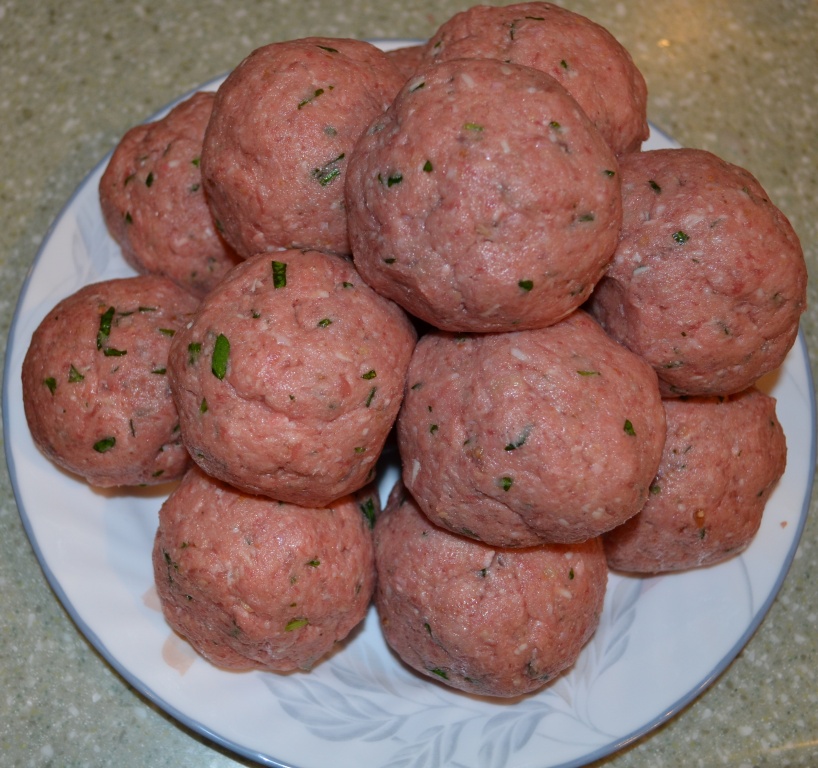
In the large bowl, combine ground meat, bread crumbs, cheese, eggs, shallot, garlic, salt and pepper. Mix it all well (I use hands for that). Now, roll the meatballs. I like mine large – just to give you an example, I made 14 meatballs out of 4.5 lb of meat, which means that each meatball is approximately 0.3+ lb.
As the result, you will end up with something like this:
Take large cast iron vessel, put a splash of olive oil and heat it up to the working temperature. You will need to adjust the amount of oil based on the fat content of your ground meat – as you can see, I had quite a bit of fat content, so I needed to use very little olive oil – if you will use leaner types of meat, you might want to increase the amount of olive oil you will put in. Once the cast iron is hot enough, put meatballs in:
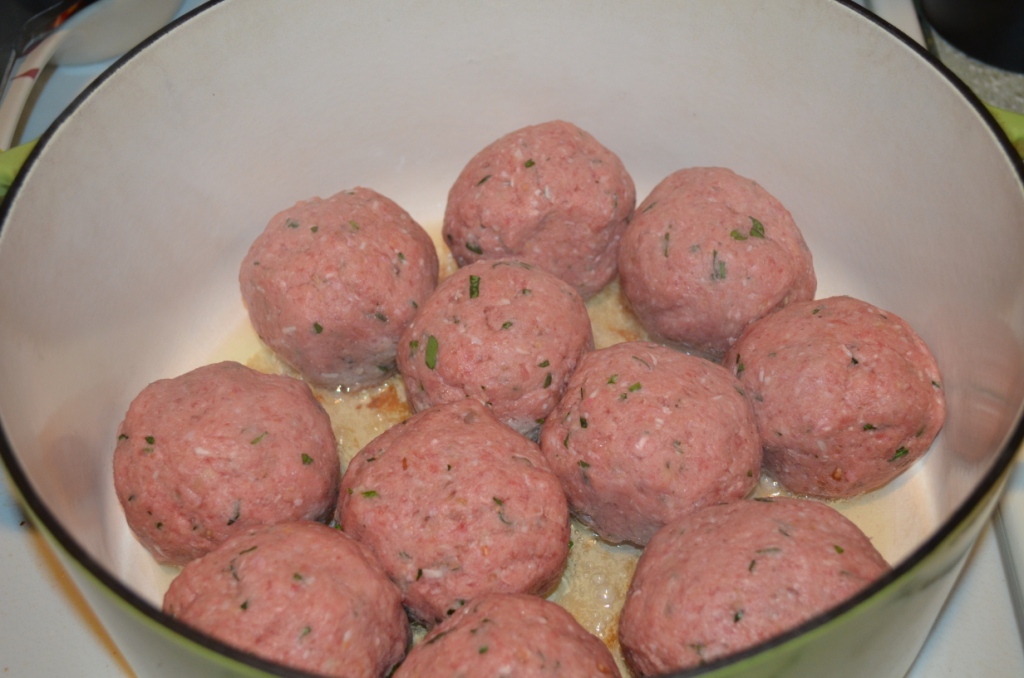 You want to sear them nicely on both sides – turn them over after about 5 minutes:

After another 4-5 minutes, I added two jars of marinara sauce, covered, reduced heat and let it simmer for another 30 minutes. Then – done! Just put it on top of spaghetti (which you cooked while meatballs were simmering), serve and enjoy!
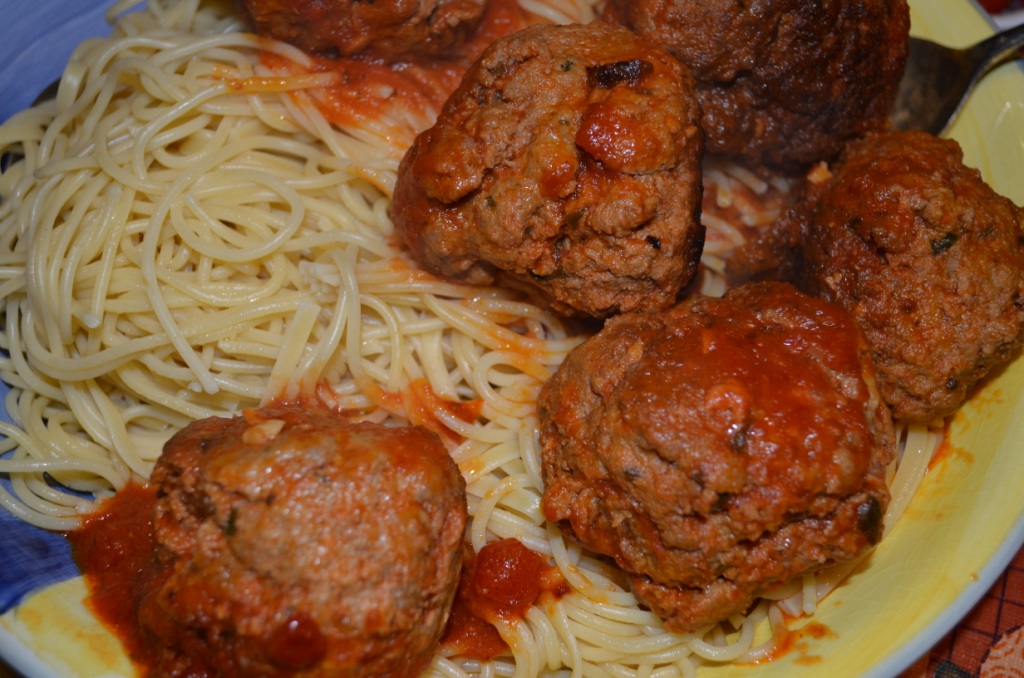
 So the only thing left for me to tell you is about the wine. Actually, outside of the fact that this is Barbaresco wine, as the label says, I can’t tell you much about the pedigree of this bottle as my google search yielded no result, or at least no result that I can understand (some of my readers know way more about Italian wines than I do, so may be someone will be able to tell me the story behind this wine, that would be great) – and I don’t even remember where I got this bottle from.
No matter. I decanted this 2003 La Pieve Barbaresco for about 2.5 hours before dinner. For the Nebbiolo wine (Barbaresco, same as Barolo, is made out of Nebbiolo grapes), this 10 years old wine had very dark garnet color (brownish color is usually a characteristic of even young Nebbiolo wines). Beautiful nose of violet, cherries and leather. On the palate – powerful, earthy, with more leather and dry cherries, good acidity, noticeable tannins, long finish – unmistakably Italian, perfectly fitting our Italian night theme and complementing the food. This was a very good wine, which I would gladly drink again (except that this was my only bottle). Drinkability: 8+
This is all I have for you for today, folks. Try the recipe and let me know if you will like it. Cheers!
Thanksgiving Experiences
 What, you said, what Thanksgiving? We are counting days before Santa will get down the chimney, and this guy is talking about Thanksgiving? Well, yes, life gets in the way, and we have to simply deal with it – while we celebrated Thanksgiving about 10 days ago, I had no chance to write this post. As this blog also has a function of my personal journal, a life’s scrap book, if you will, I want to keep this little page in it, so here we go.
We have a long standing tradition of celebrating Thanksgiving with very close friends, pretty much a family, who live in Boston. We also share a passion for cooking, so our Thanksgiving dinners never become a routine – every time we need to come up with something else in terms of both main dish and sides. We’ve been through quite a few things in terms of Thanksgiving dinner – regular turkey, Turducken, smoked turkey – probably the only one we didn’t do yet is deep-fried turkey – we were advised against it as a project, as it involves some work which is actually better be left for professionals.
This year’s ideas was a stuffed turkey of sort, but most likely this is not what you think. The idea was to debone the turkey, leaving only legs and wings. Cut up most of the meat, leaving a layer of about half an inch with the skin. Removed meat then is ground and made into a stuffing with addition of spices, sauteed wild mushrooms with onions, matzo meal and previously fried bacon (large chunks). Then it is all stuffed back into the bird, which is been sewn and then roasted. Here are some of the pictures to illustrate what was happening (pictures are courtesy of my daughter).
Here is turkey ready to be stuffed ( we marinated it for about two hours prior):

The same with the addition of stuffing:

Finishing up the sewing:

Done! Better than new:

In the bag and in the roasting pot:

Now it is actually ready to eat:
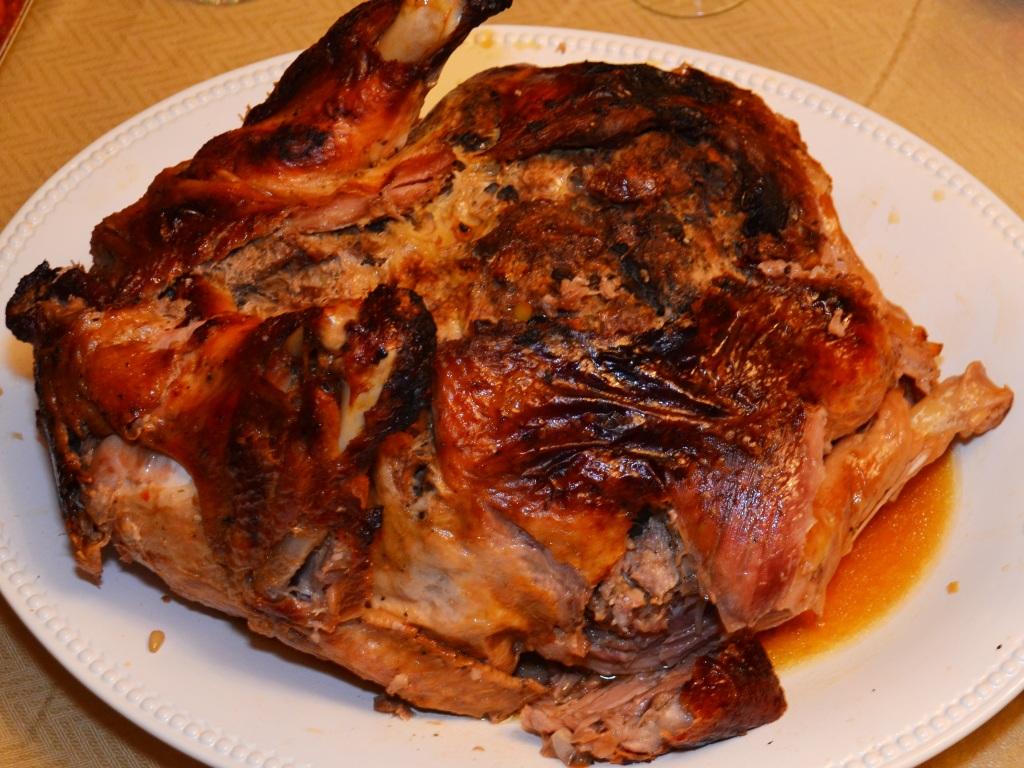
In case you are curious, this is how it looked inside:

We had a few sides – sorry about the pictures, but we were actually ready to eat, so my jumping up and down with the camera in search of composition and the lighting were not welcomed – not for a little bit.
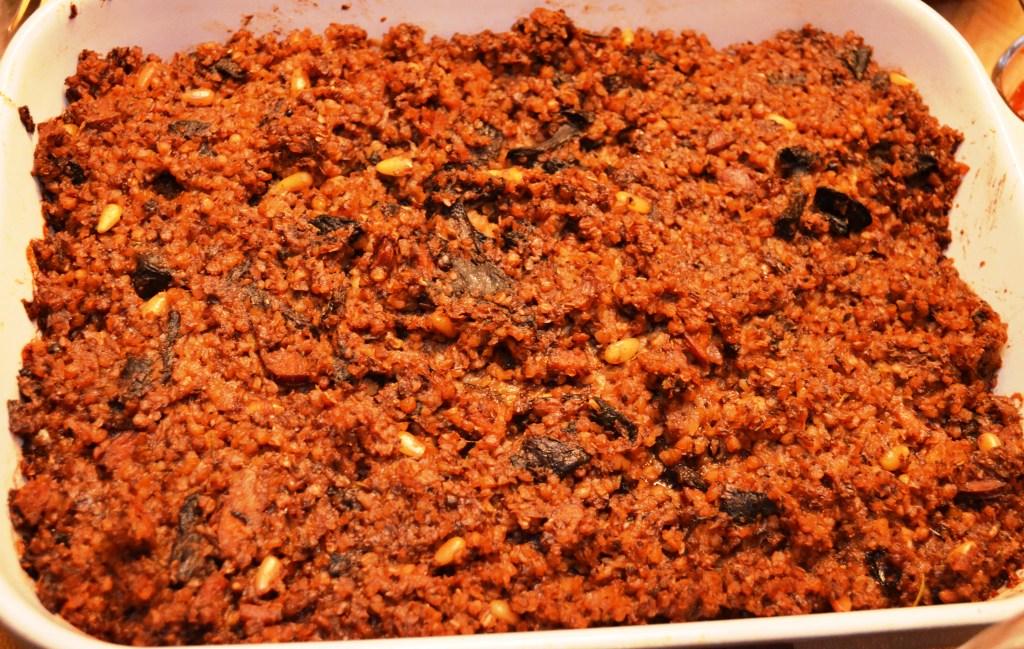
First, buckwheat with pine nuts, wild mushrooms and onions ( the same as went inside the turkey) and spicy Andalusian turkey sausage:
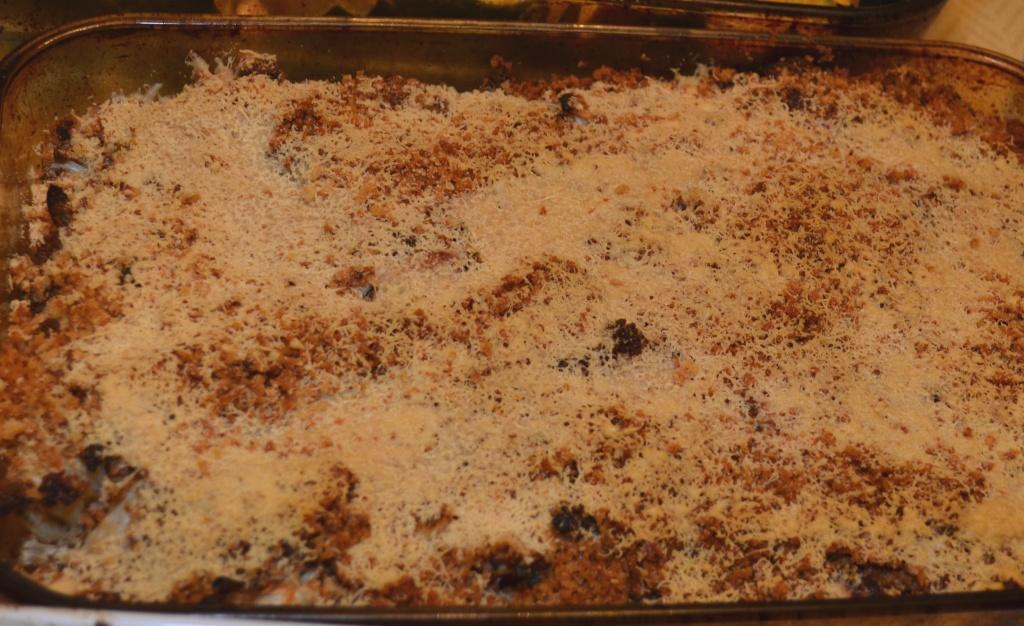
Roasted cauliflower with rosemary and pine nuts, covered with buttered Panko bread crumbs and grated Parmesan cheese (this is pretty much the whole recipe). The picture doesn’t do the justice to this dish, but it was tasty:
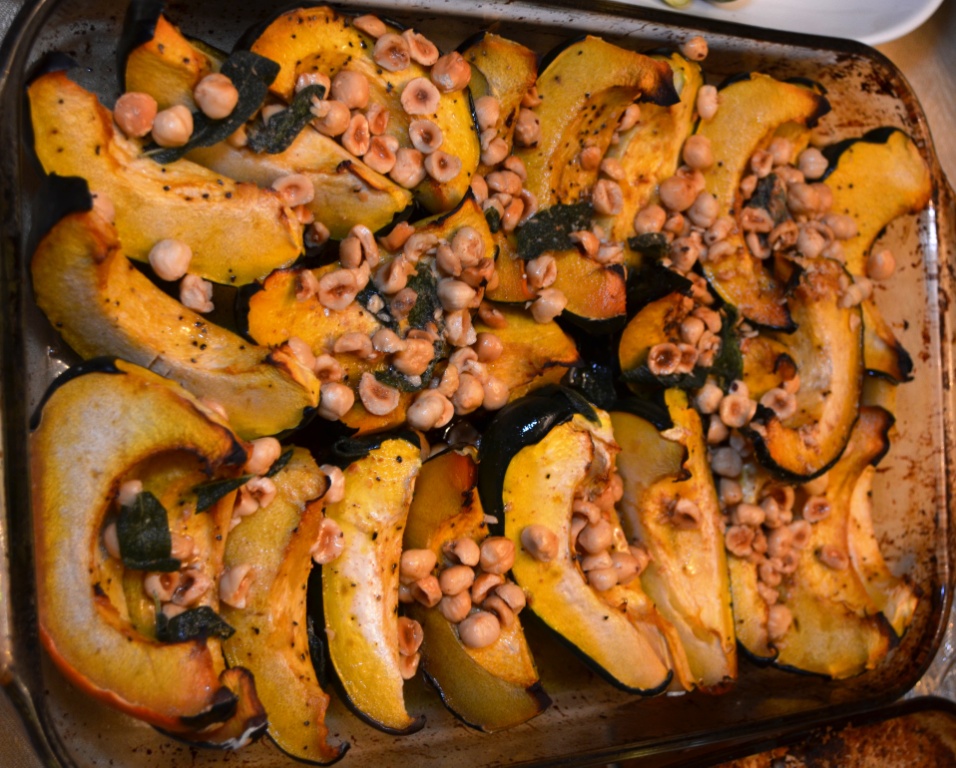
And then hazelnut-sage butter (stick of butter, cup of chopped hazelnuts and about a cup of whole sage leaves):

On top of roasted acorn squash ( again, this is practically the whole recipe):
Food was great, let’s talk about the wines. Been the wine guy as I am, I never try to exact the wine and food pairing for Thanksgiving – too many competing flavors, really hard to nail it. The best thing to do in my opinion is to chose middle of the road wines – nothing with super expressive taste, no fruit bombs, more of supple and round wines.
For the whites, in addition to Riesling which is not shown here, we had this two chardonnays:


I like Cono Sur wines – they deliver great QPR, and generally are pleasant. This 2011 Cono Sur Chardonnay Chile had a hint of vanilla on the nose, good white fruit on the palate with some hint of butter, good acidity, but overall may be a touch too sweet to my taste (still unquestionably quaffable). The 2010 Banknote Counterfeit Chardonnay Sonoma County was lighter than I expected – some distant hint of toasted oak and butter, but overall light wine, not very expressive. I wanted to check if this wine was unoaked, but the winemaker’s web site doesn’t even list this wine there. Clearly a counterfeit…
And here are the reds, at least some of them:
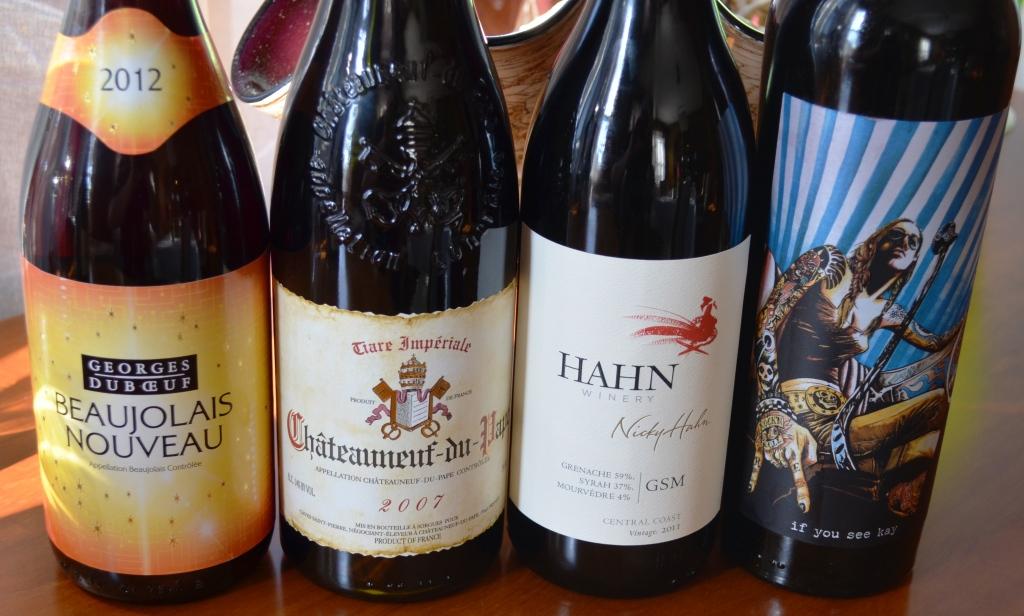
I previously talked about Beaujolais Nouveau, and I also shared my impressions of Tieare Imperiale CdP. 2011 Hahn Vineyards GSM Central Coast is a blend of Grenache, Syrah and Mouvedre. The wine showed a lot of plush fruit, very round and slick, but somehow it lacked the character for me – it was over-engineered, if such terminology can be used to describe the wine. But then I have to tell you – 2010 if you see kay Lazio IGT, the wine with the controversial label, was perfect. This wine, produced by Jayson Woodbridge, the winemaker behind very successful super-rich Hundred Acre Cabernet from California (plus many other successful wine projects), had perfect balance of all components – dark fruit, just the right amount of it, round supple tannins, touch of spices, coffee, and dark chocolate, refreshing acidity and lingering finish. This is definitely the wine to enjoy (in other words – get your bottle).
Before we are done here, I have to tell you about one more wine-related experience – visiting the wine store, to be precise. I found out by way of The Wellesley Wine Press, a blog I’m following, about quite unique wine store in the Boston area, called Bin Ends. As you can imagine from the name, many of the wines in the store come from the actual “bin ends”, last bottles of wines not sold in some other places. As my friends live in a very close proximity to this wine store, I couldn’t miss the opportunity to visit it – I spent about an hour there, just walking around and browsing somewhat small, but very interesting inventory. I picked up some of the interesting wines and looking forward to tasting them at some point:
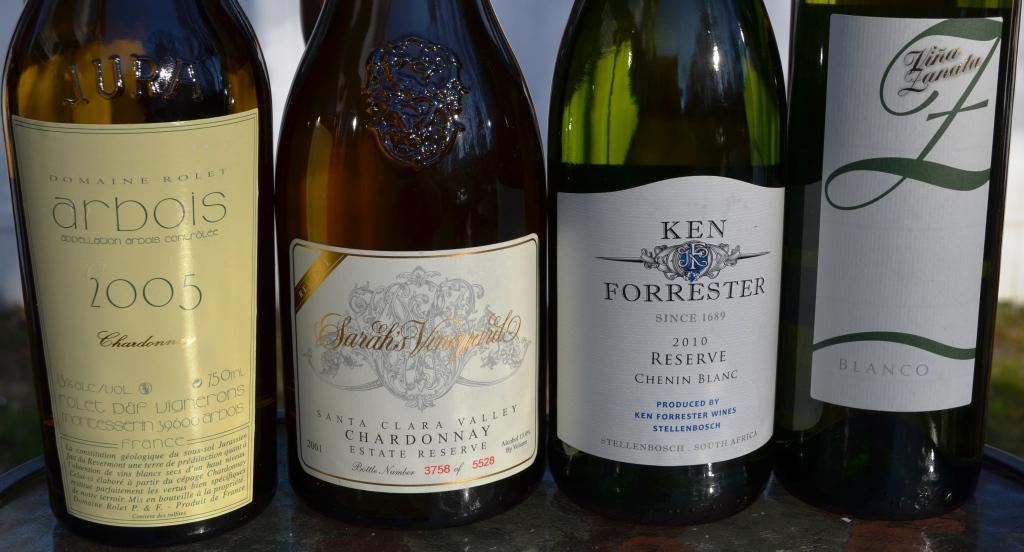
By the way, very unusual for me – all the wines above are white.
There you have it, folks – the Thanksgiving experience. Have a great week and cheers!
Story Of A Beets Salad
I have to admit – I’m very impartial to the beets salad. Not any beets salad, but Roasted Beets salad. I can’t tell you why. May be it has something to do with the name – “roasted”… “beets”… “salad”. May be my body simply lacking the nutrients which can be found in the roasted beets, and sends the subliminal message”you want this…”. Don’t know. But every time I see a roasted beets salad on the menu in a restaurant, there is a very good chance I will order it.
Interestingly enough, while at home we make many dishes out of beets (beets is one of the staples of the Russian cuisine I’m accustomed to), recipes for those dishes call for beets to be boiled. At the same time, I believe roasting of the beets keeps flavor and sweetness locked in and concentrates it, where in case of boiling it gets all diluted. Roasting also preserves the color – just look at the picture if you want proof.

So for the first time ever, I decided to make a roasted beets salad with goat cheese, grapefruit, baby arugula and pistachio nuts. Before I get to the details, I would like to mention the source of my inspiration for this dish – it was appetizer called “Study of Beets” which I had at the Pinot Café in Los Angeles – you can the story here. That “study of beets” gave me an idea for combination of the ingredients.
Talking about ingredients, for this salad you would need:
- 4 large beets
- 1 large grapefruit
- 3 ounces (or less) of goat cheese
- 1 tablespoon of olive oil
- pinch of sea salt
- half a cup of pistachio nuts
- about half a cup of baby arugula or any similar greens. Note that baby arugula here is not the main ingredient, it works almost like a spice with its mild bitterness, and you can even skip it if you want.
Start from roasting beets at 400F for about an hour or until tender. When roasting the beets, you can play with flavor. I put beets in foil with addition of liquid smoke (don’t wrap it tight, or they will boil) – as a result, beets had nice hint of smokiness. Once ready, let beets to cool off, then peel and slice – size of slices is entirely up to you.
Put sliced beets in the bowl, sprinkle (very sparingly!) with sea salt (I recommend sea salt as it also adds textural sensation) and add a tablespoon of olive oil. Add goat cheese (break it up in little pieces by hand). Add completely peeled grapefruit, also broken in pieces, and then baby arugula. Reserve few pistachios, crumble the rest and add it to the salad. Mix everything gently together, put in the bowl and garnish with reserved pistachios. Serve and enjoy!
 What about the wine, you’re asking? Of course there should be wine. I didn’t have a chance to test the exact combination, nevertheless I would suggest that good Sauvignon Blanc would work well here. Lets narrow down that “good Sauvignon Blanc” – I would actually suggest 2009 Hyde Vineyards Selene Sauvignon Blanc from Carneros to pair with this dish.
To tell you the truth, I love New Zealand Sauvignon Blanc, Sancerre (classic Sauvignon Blanc wine from France) and Chilean Sauvignon Blanc. However, 9 times out of 10 I would avoid California Sauvignon Blanc – lots of them are high-alcohol soulless concoctions. Now, this Selene Sauvignon Blanc – WOW! Probably the best California Sauvignon Blanc and one of the best I ever had from any region.
Grassiness, acidity, fruit – all comes together in a very balanced package with nice finish. Beautiful wine (Drinkability: 8+). I have no doubts this wine would work very well with the beets salad, and I will prove it to myself next time – or wait for you to tell me.
The Story of an Apple Cake
Don’t worry, this will not be a story about apple wine. At the minimum, it will be about food and wine. So the weather was beautiful, and the apple-picking trip (almost an annual tradition in the fall) was inevitable, especially considering the free weekend day. Our favorite place to pick apples is Lyman Orchards in Middlefield, Connecticut. This place never disappoints – apples are good and abundant, and getting them off the trees is a lot of fun.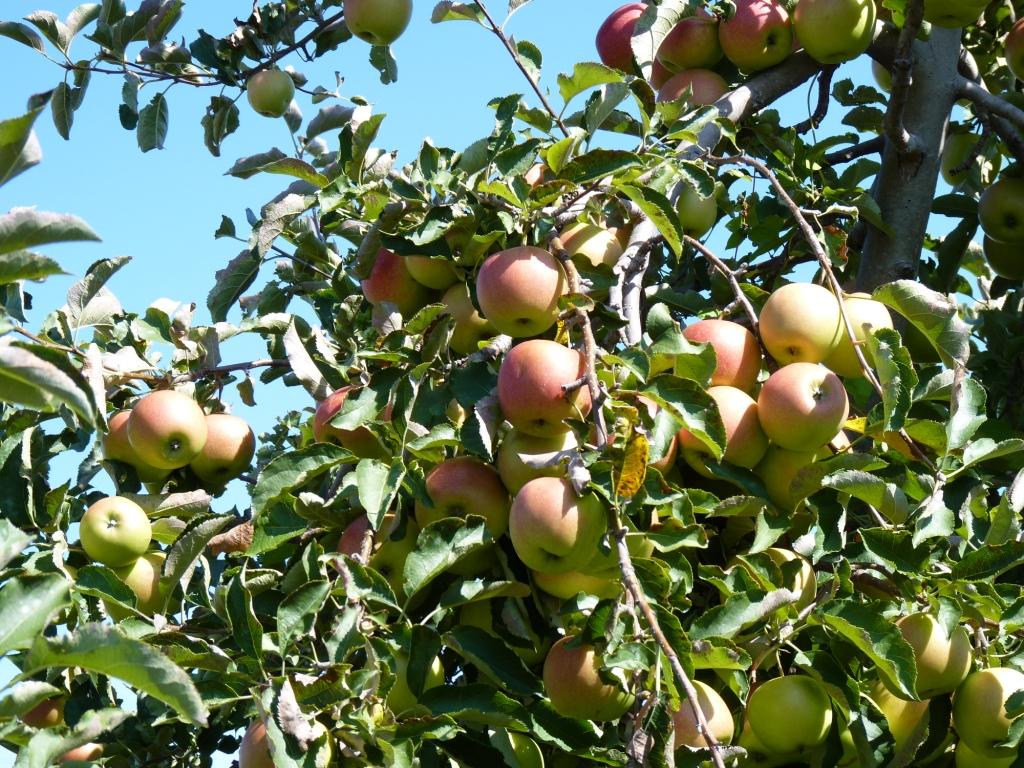 Once you have a lot of apples, what do you do? No, not wine. And for me – not an apple pie either. I don’t really like liquid pies, so my personal preference is an apple cake. How do you make an apple cake? Actually, quite easy. Here is the recipe:
4 apples (Granny Smith is the best as they are usually sour enough to stand against sweet dough)
3 eggs
1 cup of sugar
1 cup of flour
Cinnamon ( by the taste).
Butter to grease the pan
Bread crumbs
Core and peel the apples, and slice them thin. Make the dough: blend eggs first, then add sugar, and then flour. Make sure you end up with liquid and consistent dough. Meanwhile, preheat the oven to 425F.
Grease pan with butter and cover with bread crumbs. Bread crumbs should cover the bottom and walls of the pan. Remove excess bread crumbs. Your pan should look like this:
 Then, put sliced apples into the pan and sprinkle them with cinnamon (the amount of cinnamon goes by the taste):
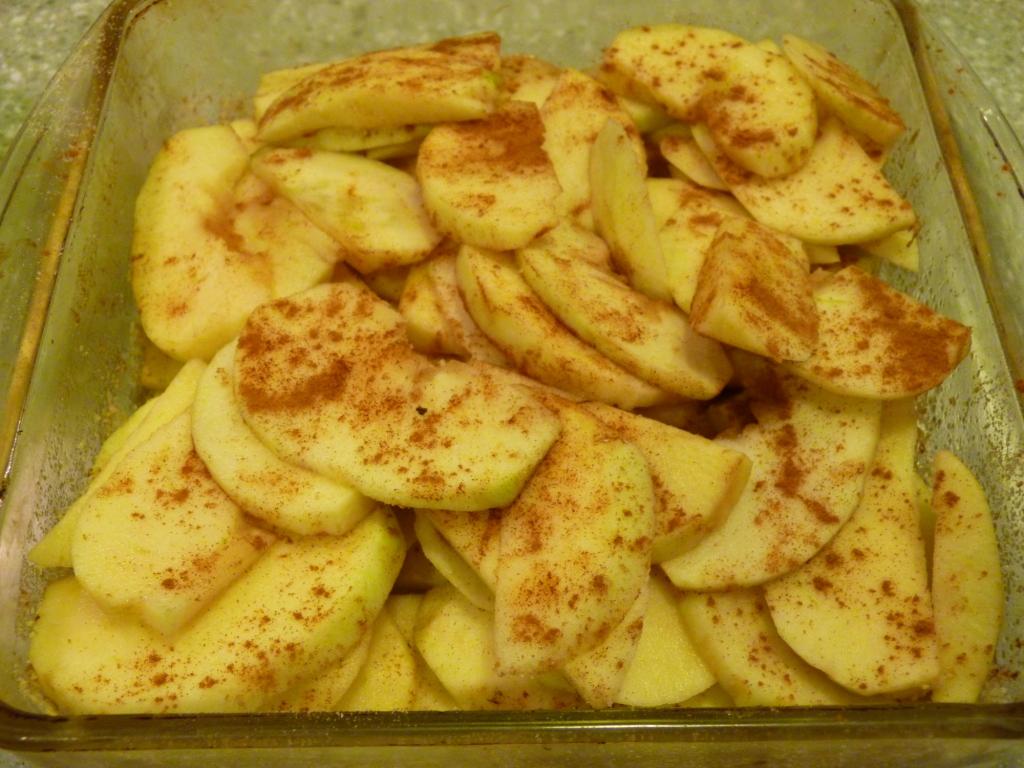
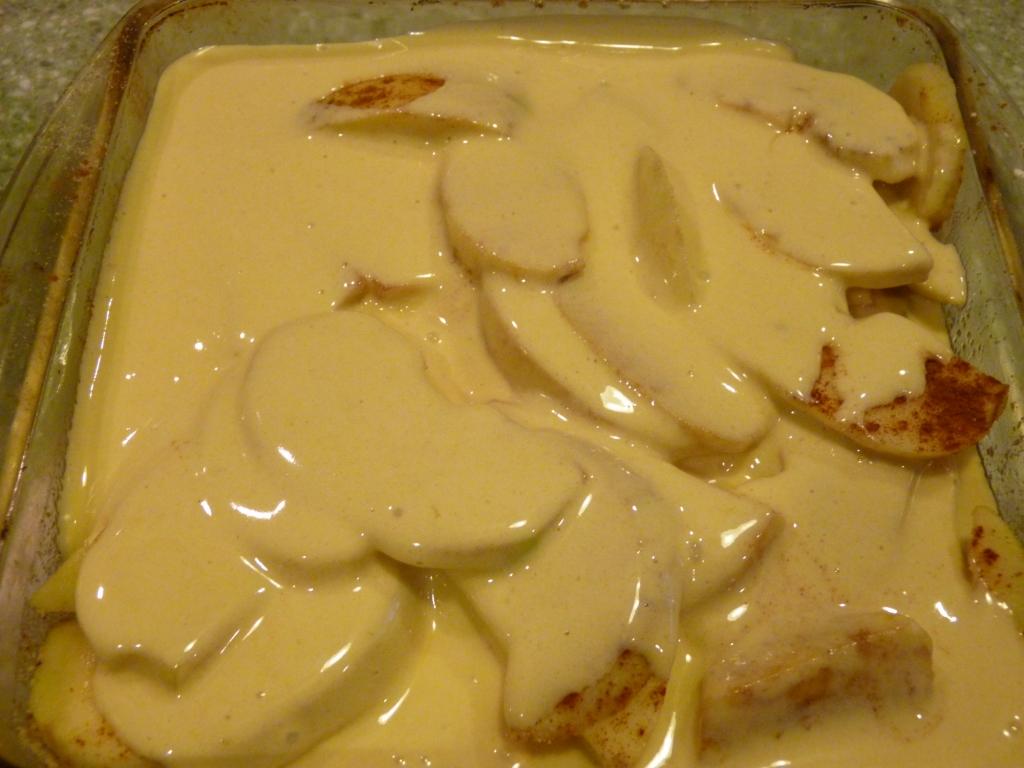
The dough goes on top:
And then the pan goes in the oven:
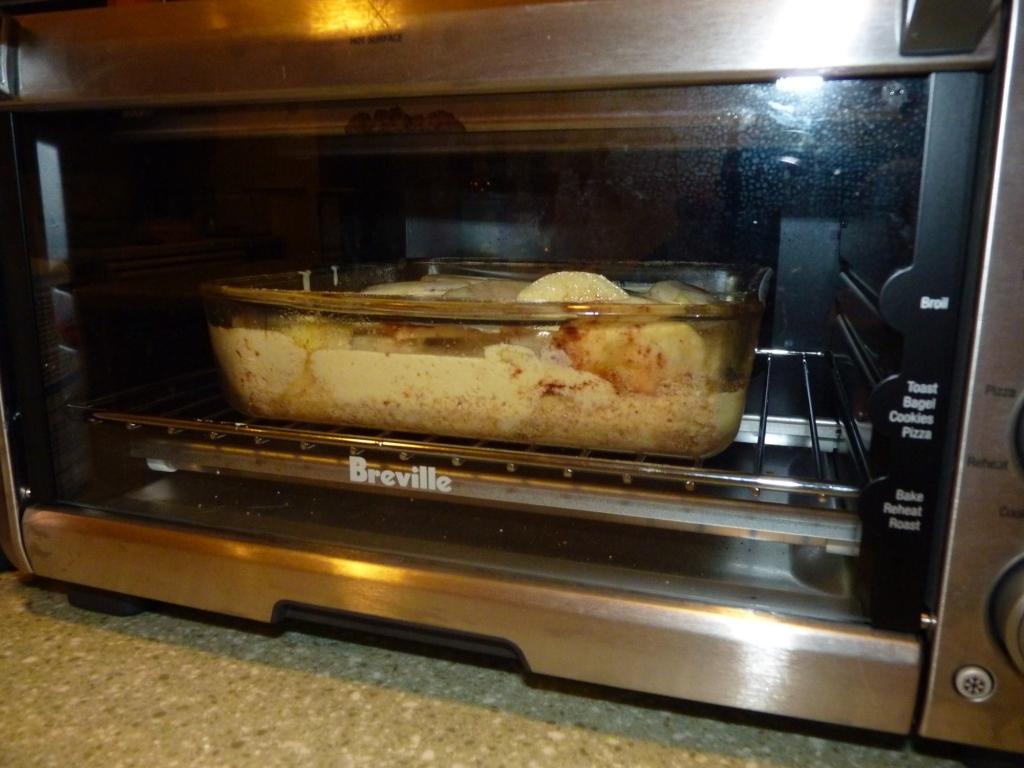
Bake it first for 15 minutes at 425F, then reduce the heat to 375F and continue for another 45 minutes or until the top is brown enough (you can check readiness with a wooden toothpick). DO NOT OPEN the oven until the end – you have to let the cake rise. At the end of the process, you end up with this:
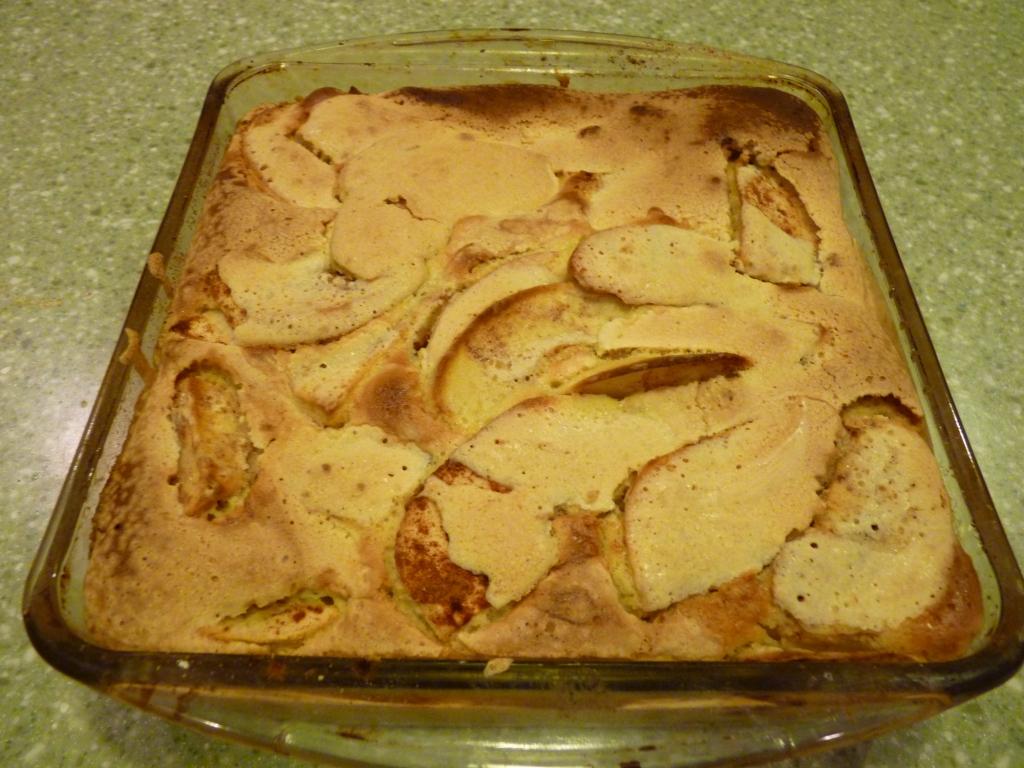
And this is the look inside:

Yep – Yummy!
Do you think this post is about food only? No, of course not. Yes, you can have this cake with ice cream, coffee, and/or tea. But this blog is about wine, so how about it? 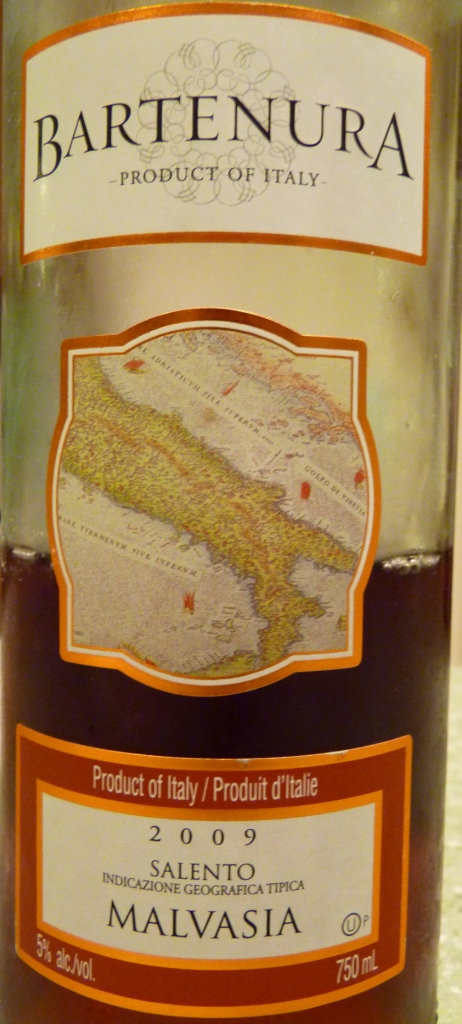 I’m glad to report that Bartenura Malvasia Salento IGT 2009 from Italy, a sweet, lightly fizzed wine worked quite well with that apple cake, complementing each other.
Here we are – tasty and very simple cake ( takes about an hour from start to finish) and simple easy wine – all together equal to a great and enjoyable evening.
Cheers!
P.S. By the way, what would you pair the apple cake with?
Last Bottle Sign Up ($10 credit)




 Talk-A-Vino